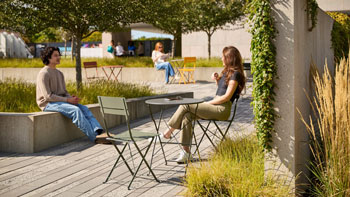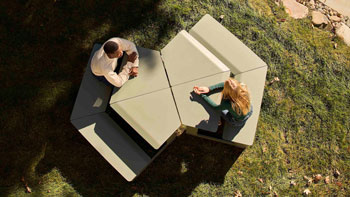
La Cuadrita – Pasaje Natural de Asunción
2026 Landscape and Architecture / 2026 Public Projects / Paraguay / Built in 2024 /

”Originality consists of returning to the origin.” – Antoni Gaudí
Recoleta and Villa Morra have become a site of accelerated urban transformation. Increasing programmatic intensity and high accessibility have consolidated these neighborhoods of Asunción as a new centrality.
Within a city largely structured around private vehicles, the project engages a context marked by contested perceptions regarding public space. Diverging expectations required a framework capable of mediating diverse and often conflicting views on how public spaces should be used.
Returning to the origin operates as a method: reducing the intervention to fundamental conditions of inhabitation. Public space is understood as a shared ground – both physical and civic – through which agreements can emerge. This premise informs the project’s spatial and material decisions.
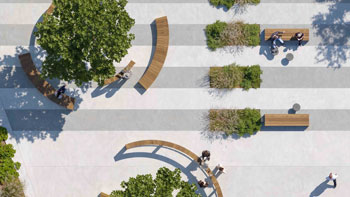
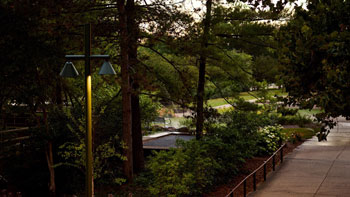
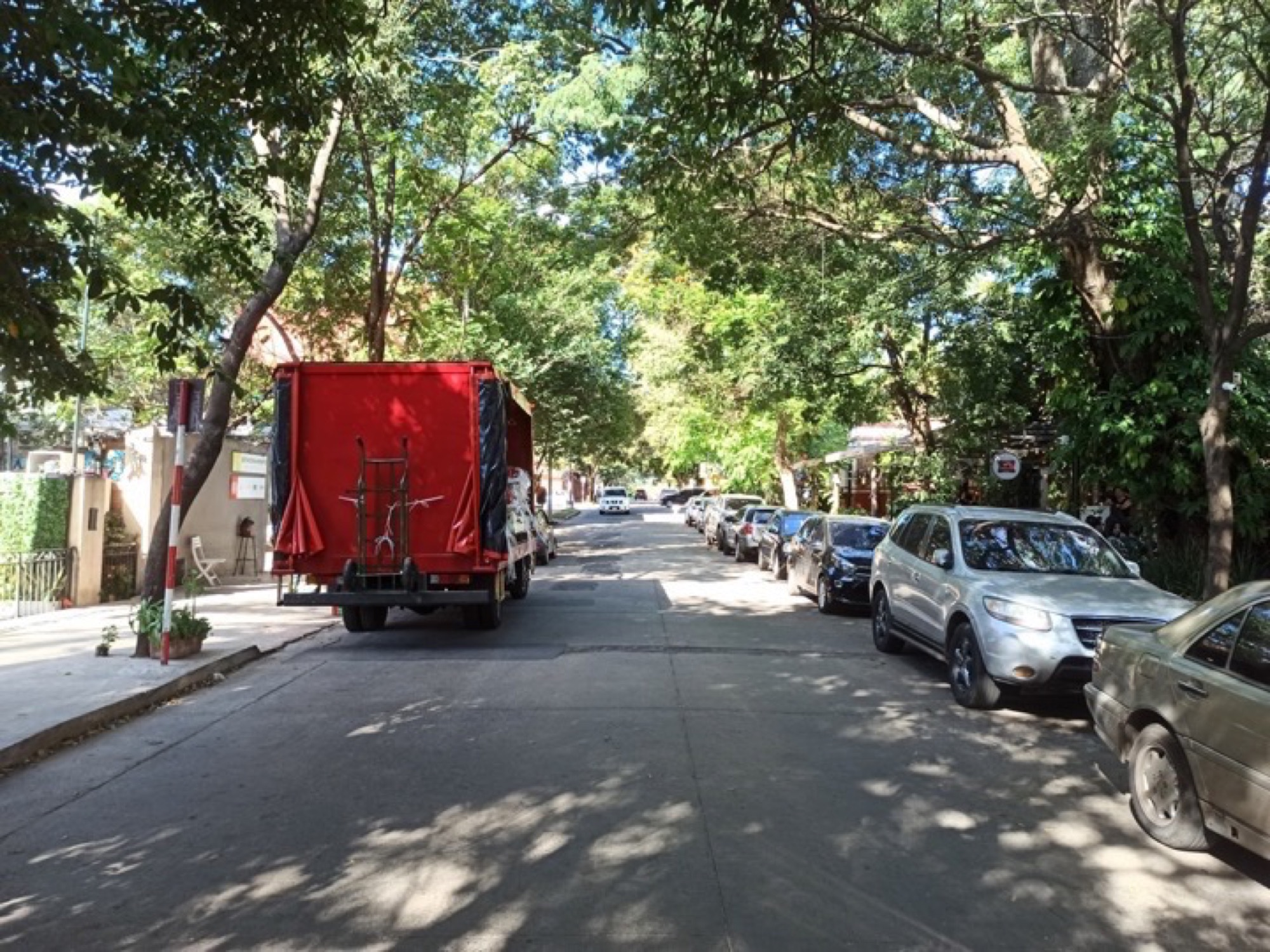
The project unfolds under a singular urban space where defining conditions converge: a dense green canopy already formed by mature trees, high pedestrian flow due to the presence of commerce and an important gastronomic area of the city, and the passage of a bicycle path within the bicycle network. This overlap generated tensions between movement and permanence, while also opening up the possibility of redefining the street segment as a pedestrian oriented space. Conceived as a pilot and replicable model, the project integrates mobility, environmental performance, and urban infrastructure. It prioritizes pedestrian and cyclist coexistence, stormwater management, microclimatic improvement, universal accessibility, and controlled emergency access.
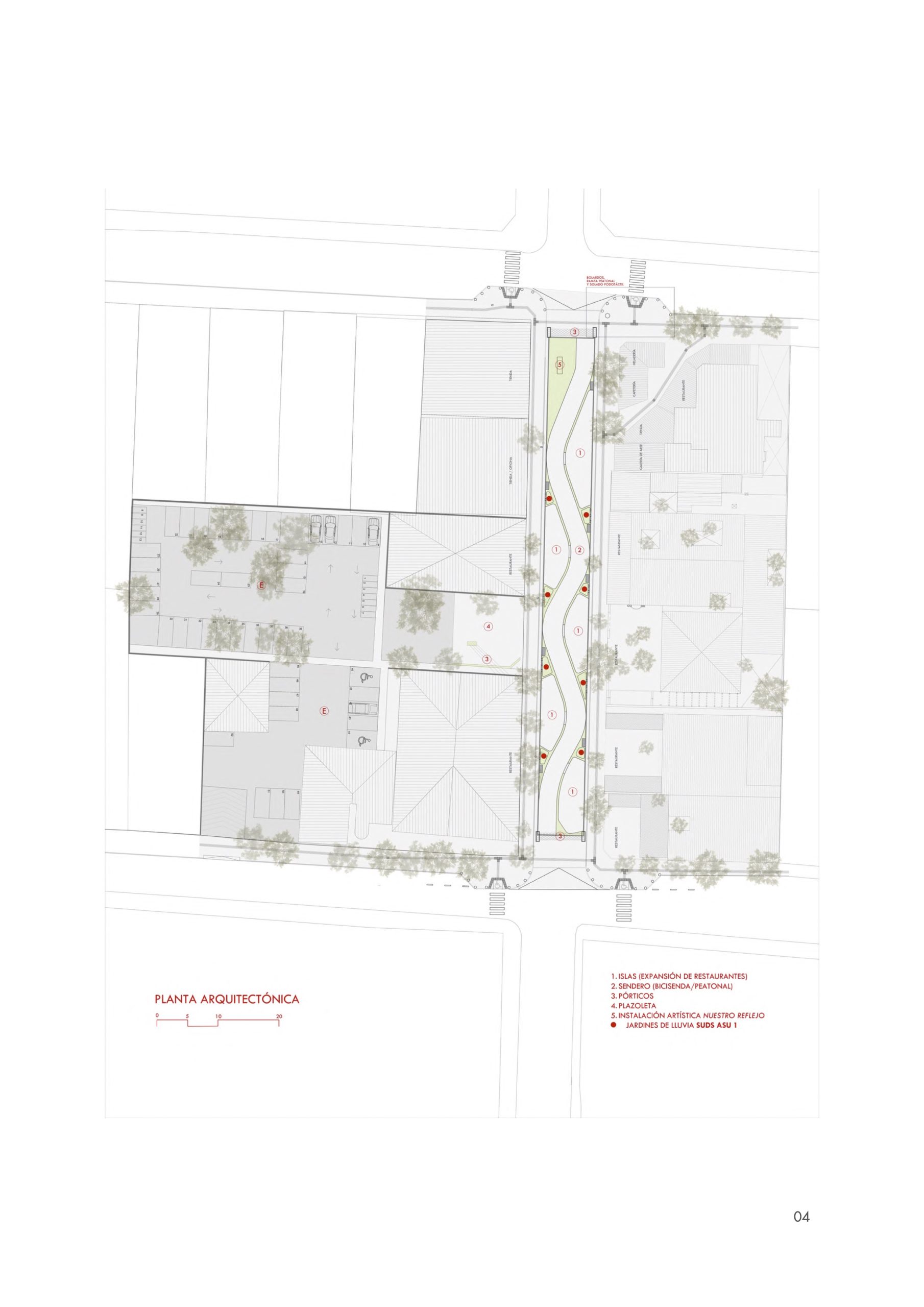
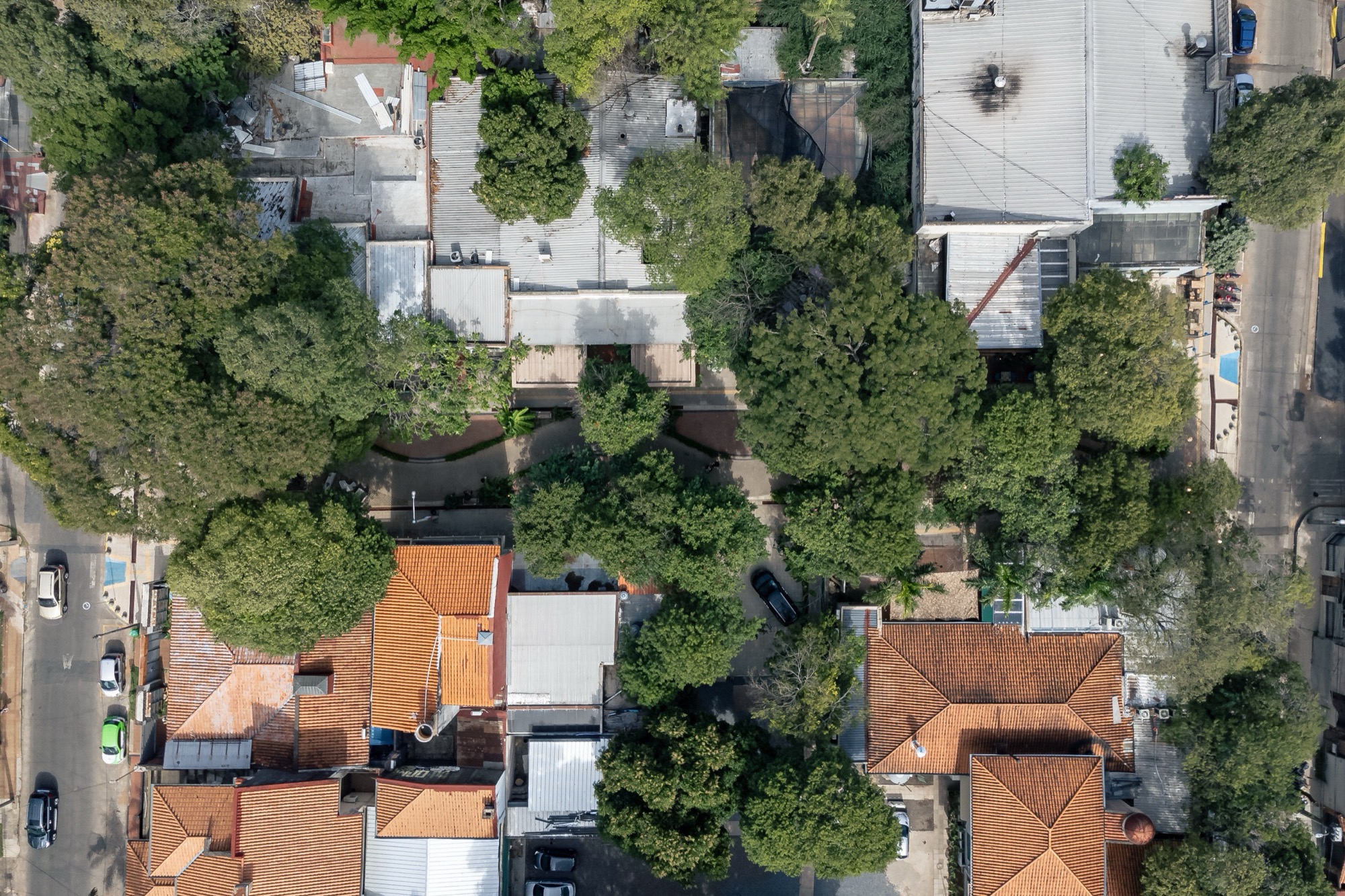
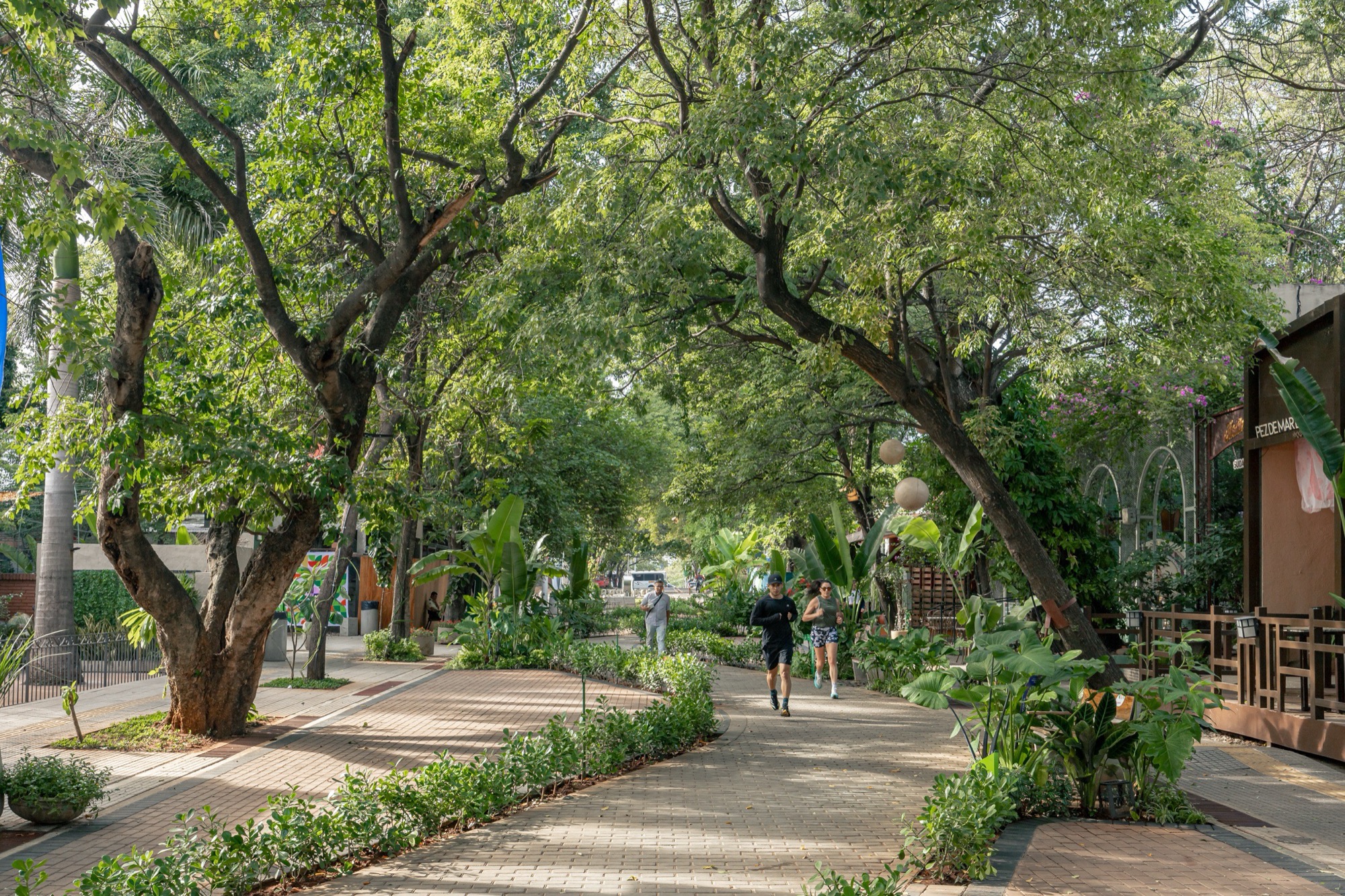
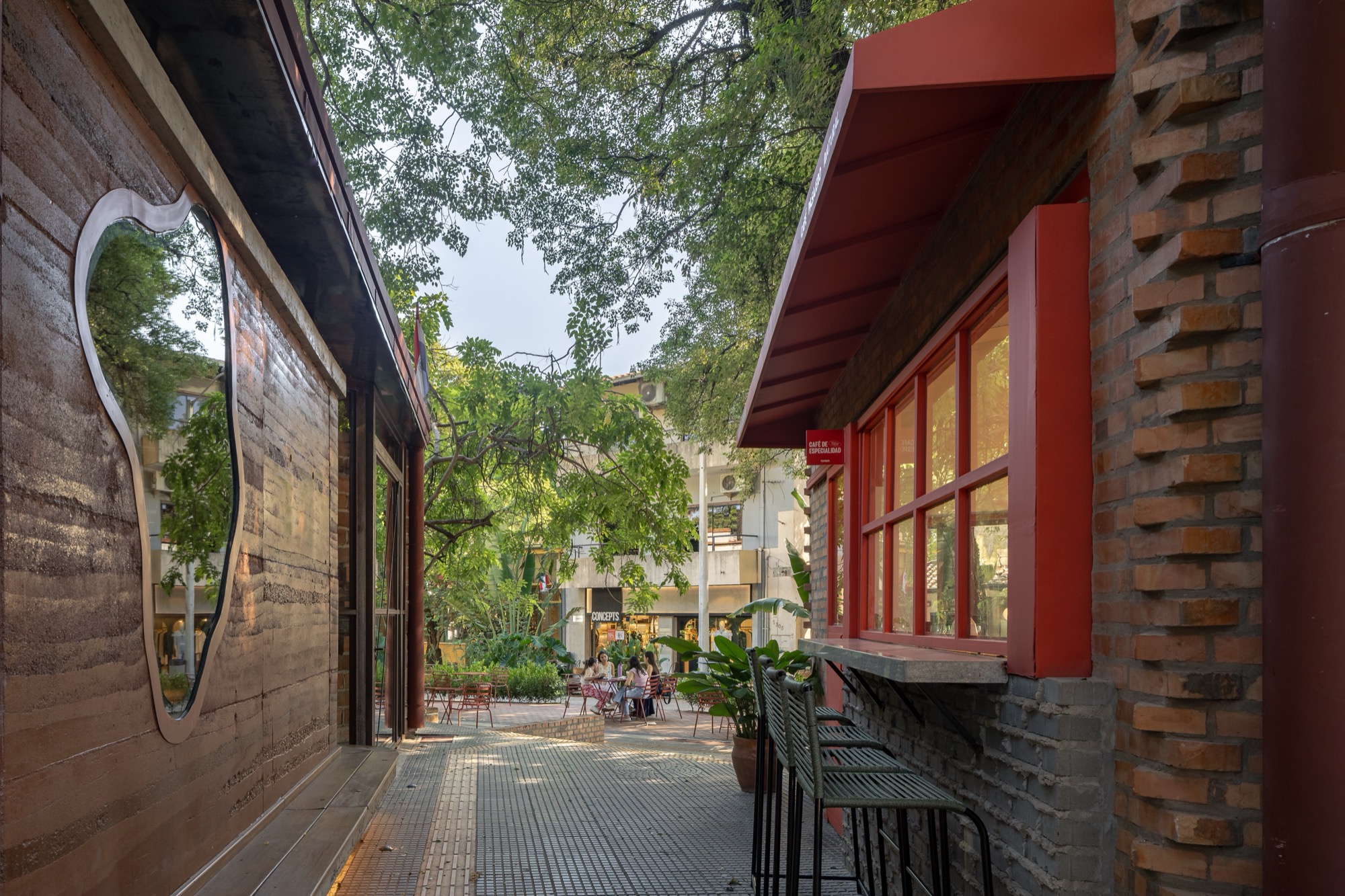
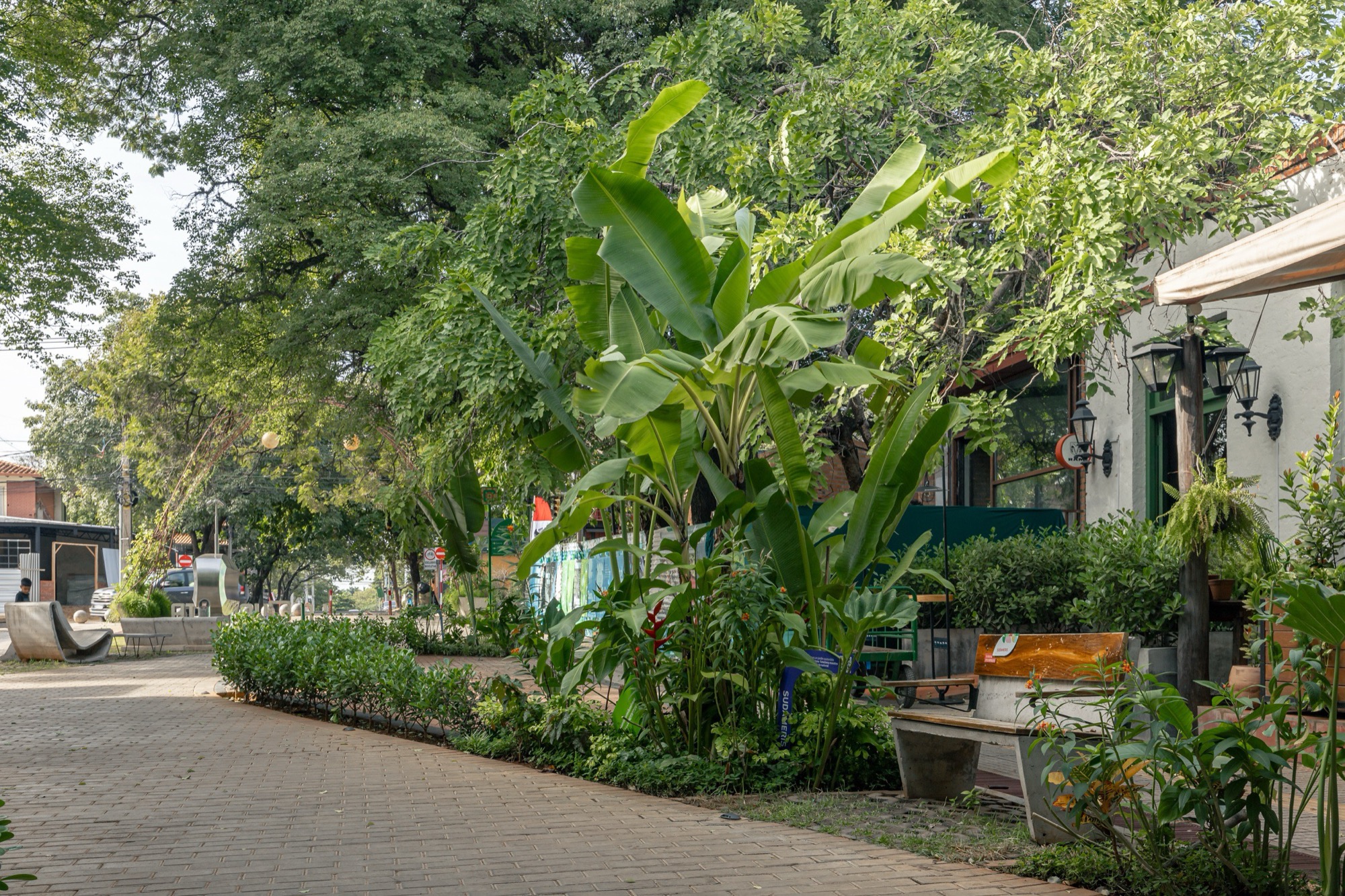
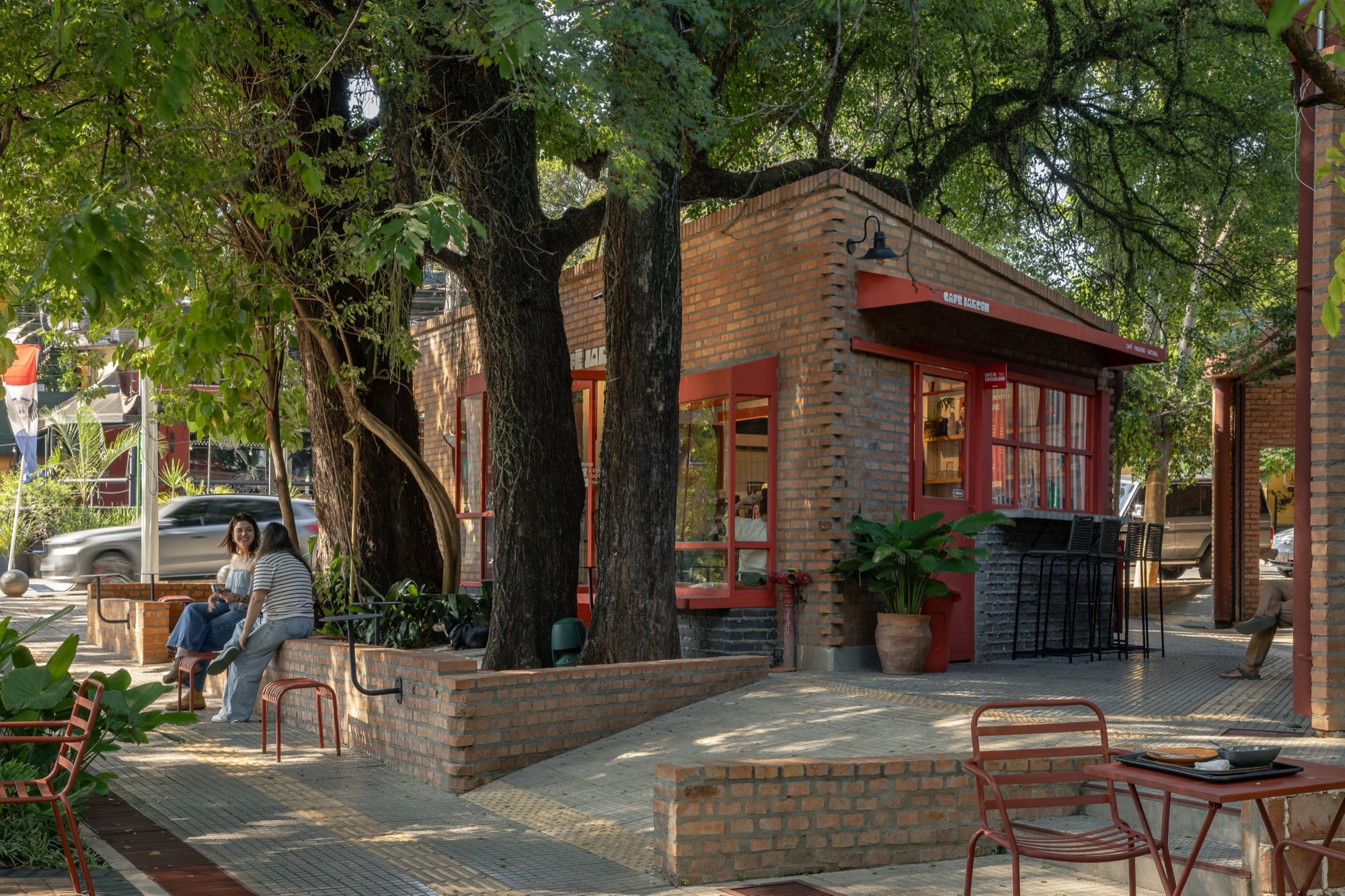
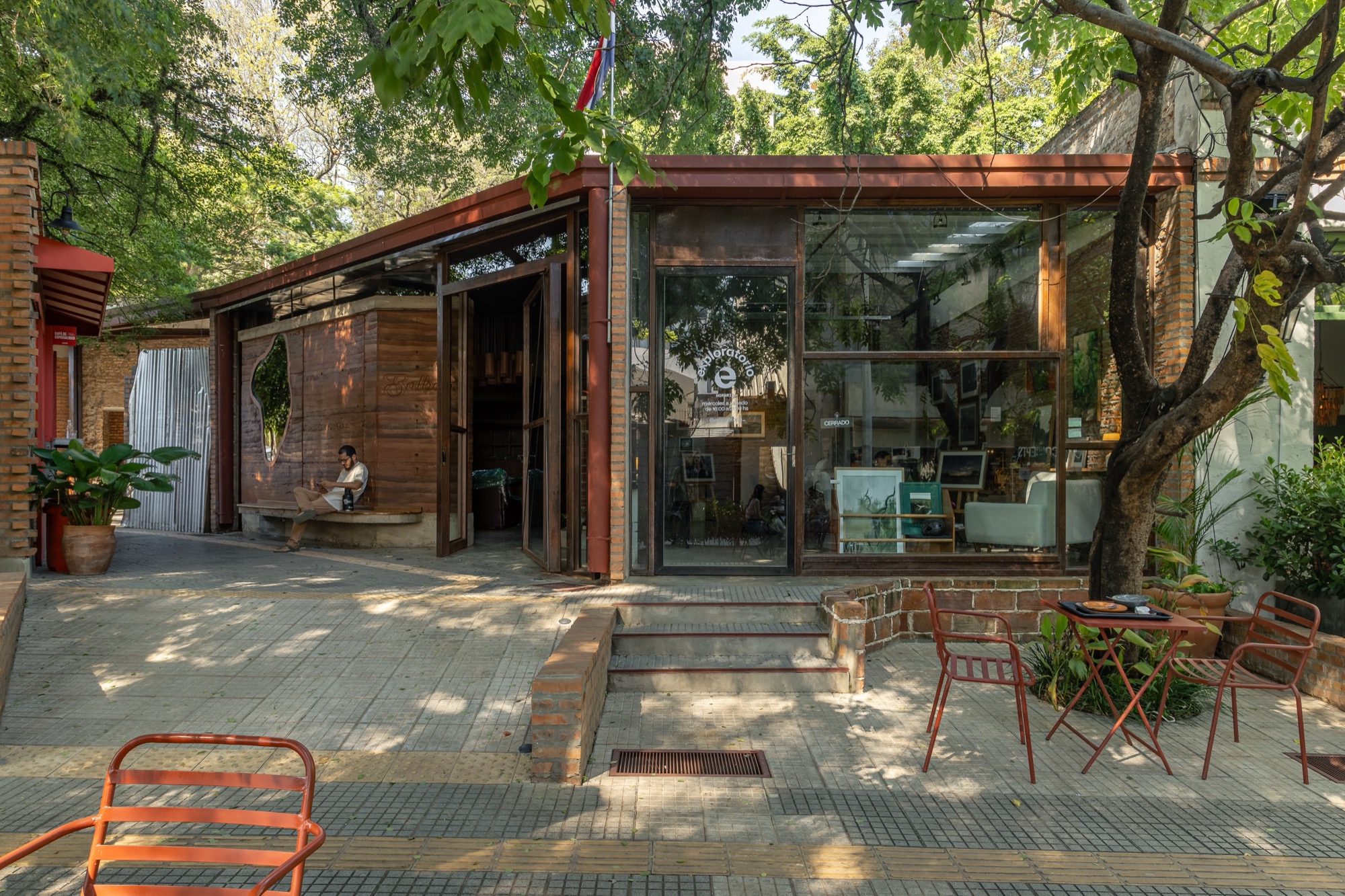
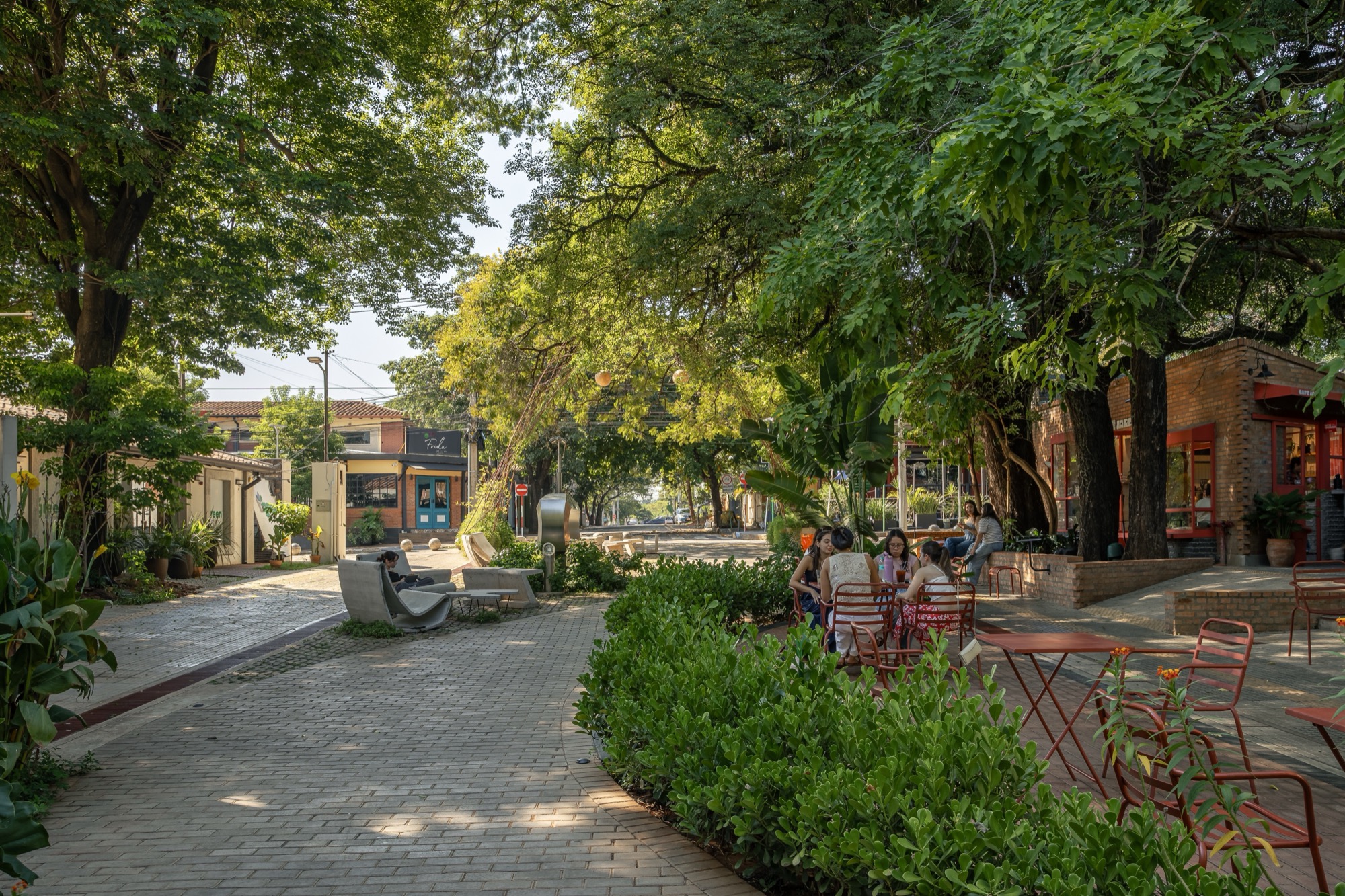
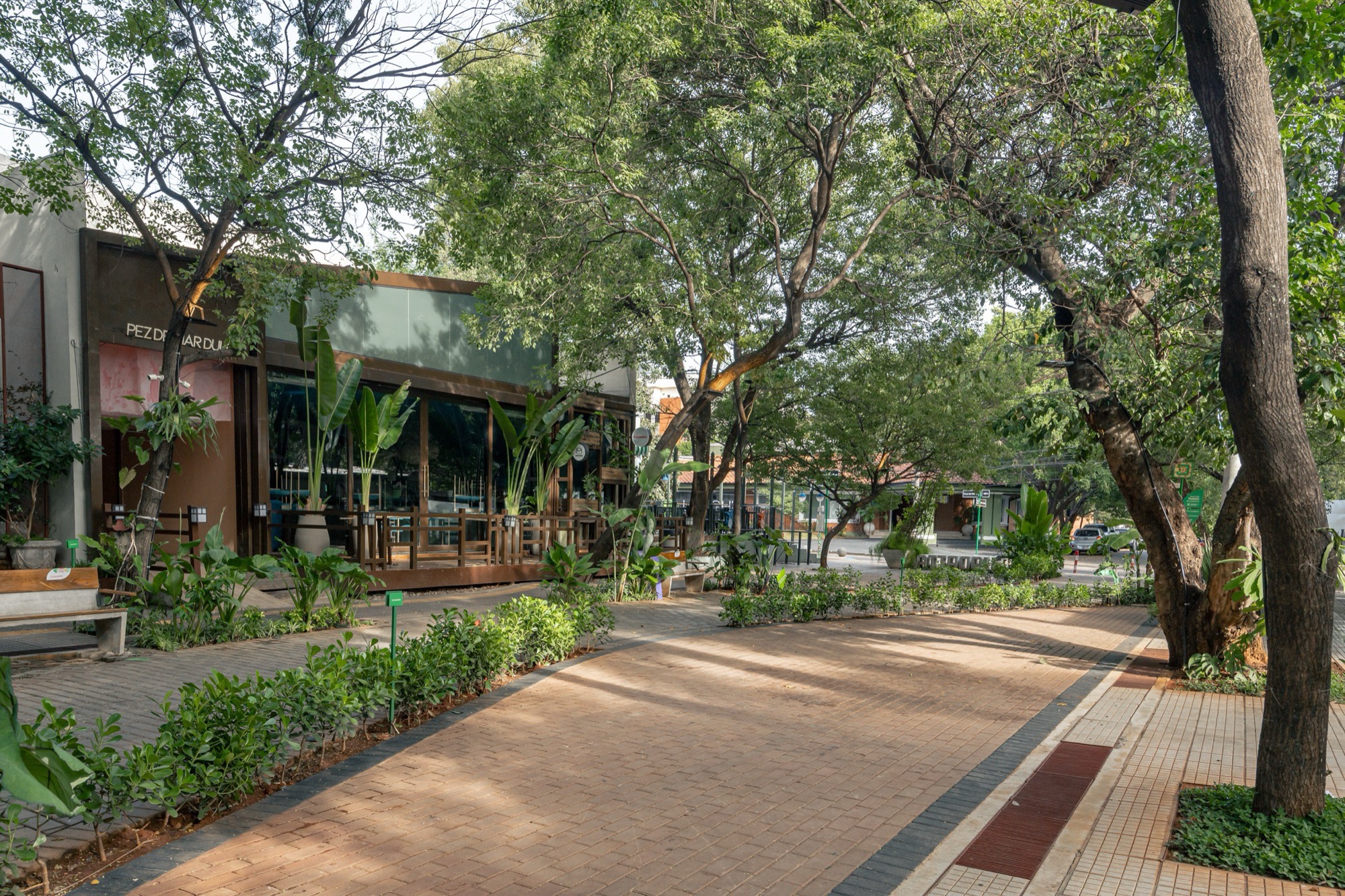
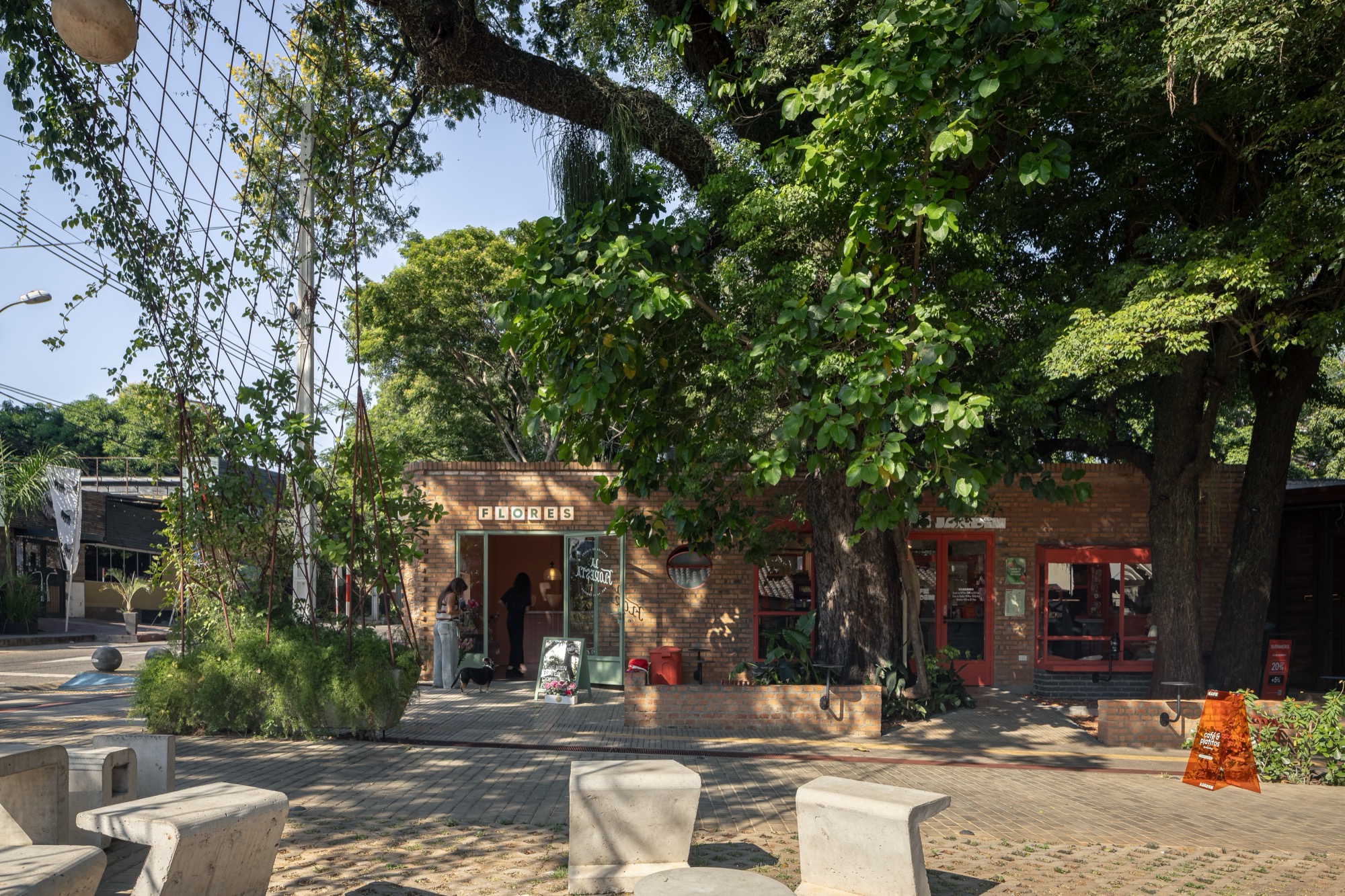
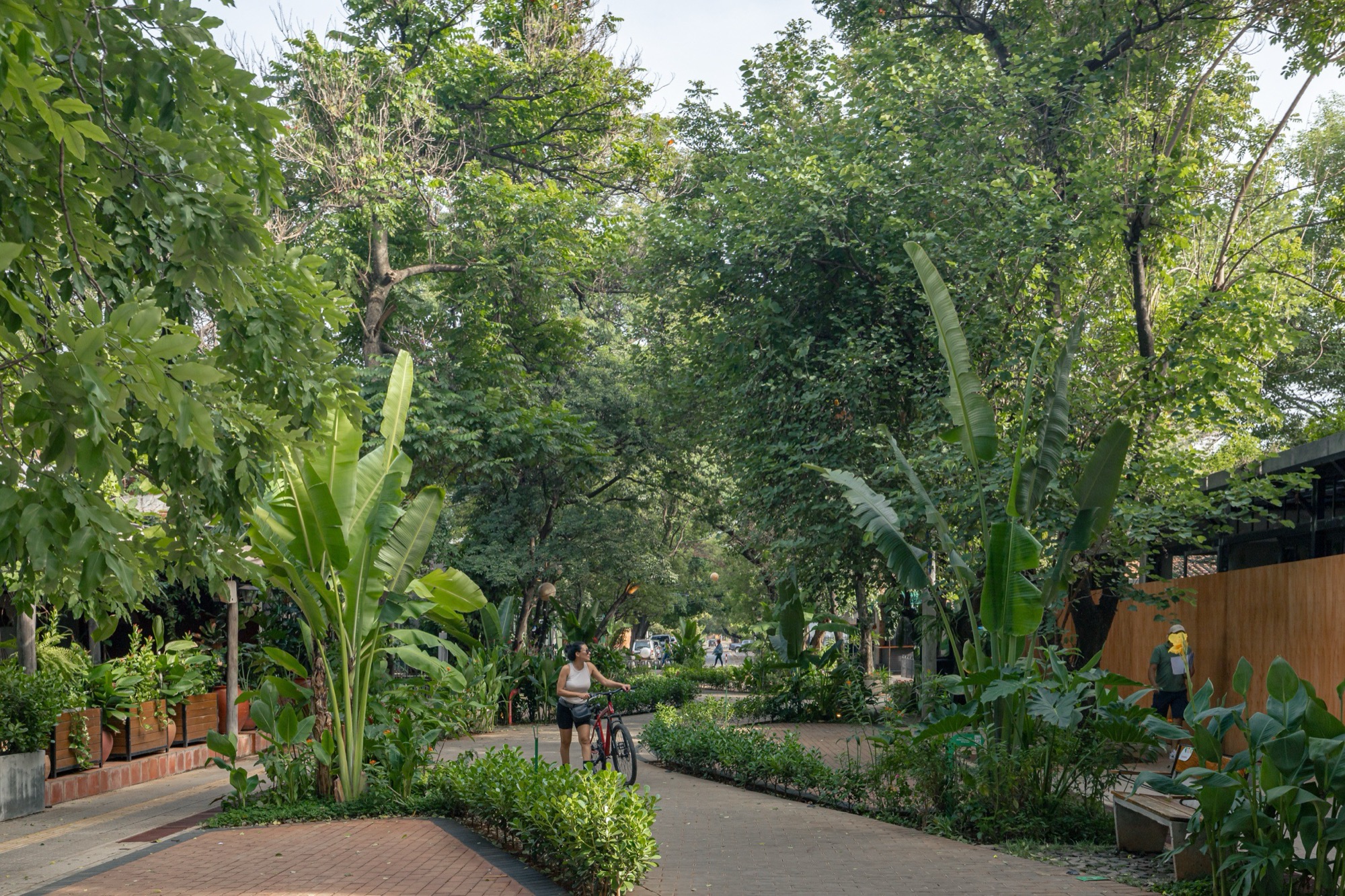
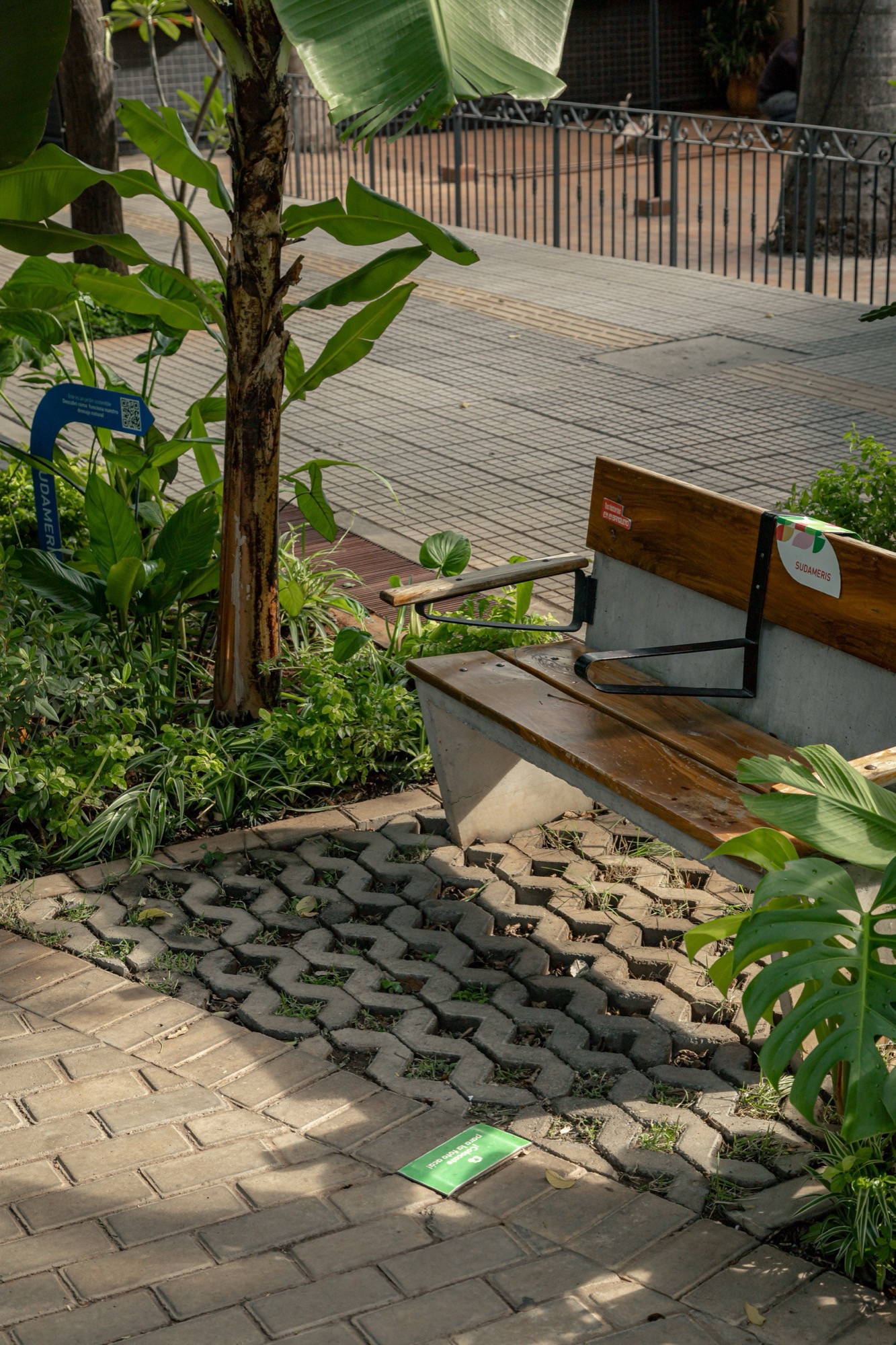
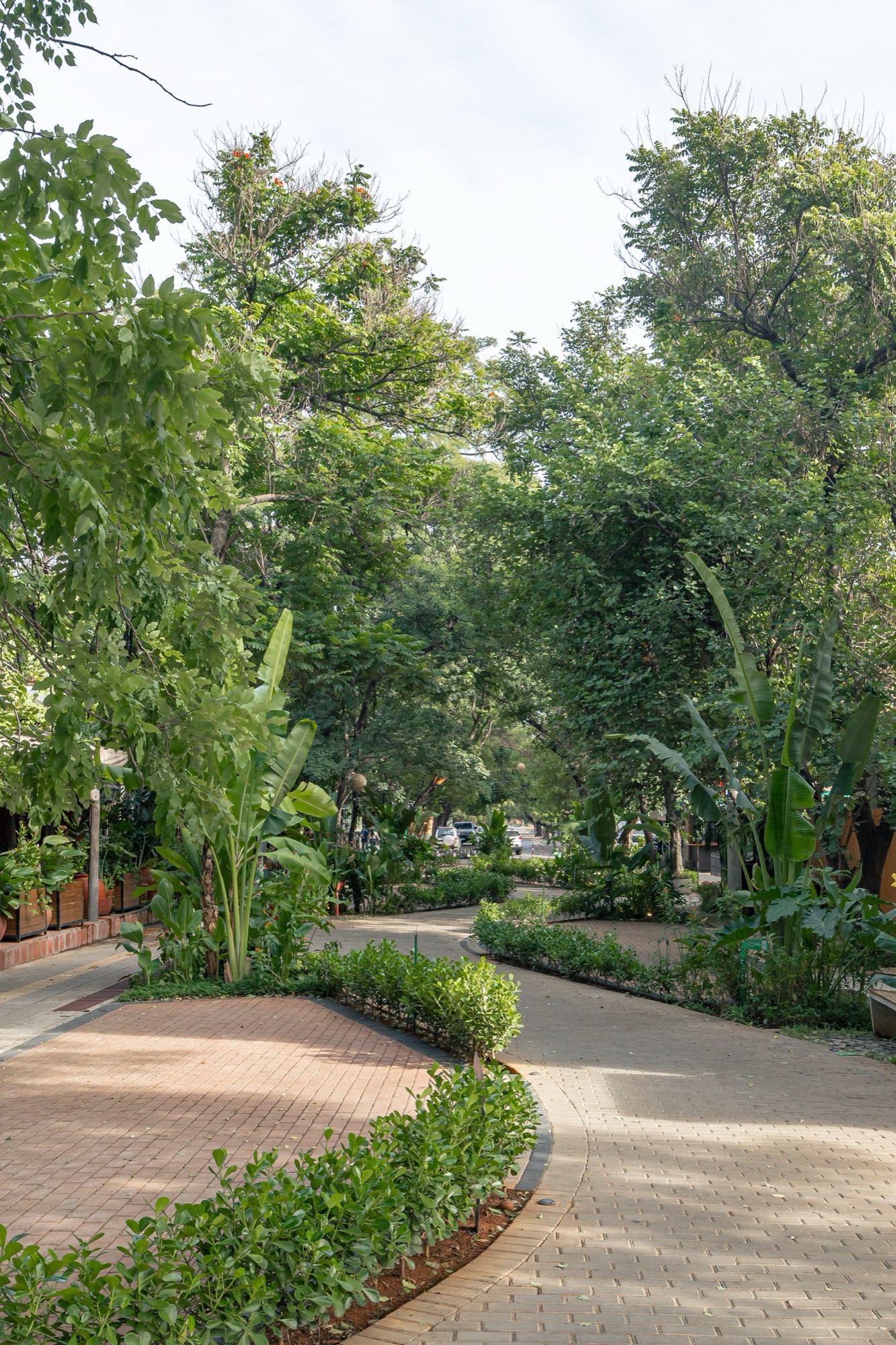
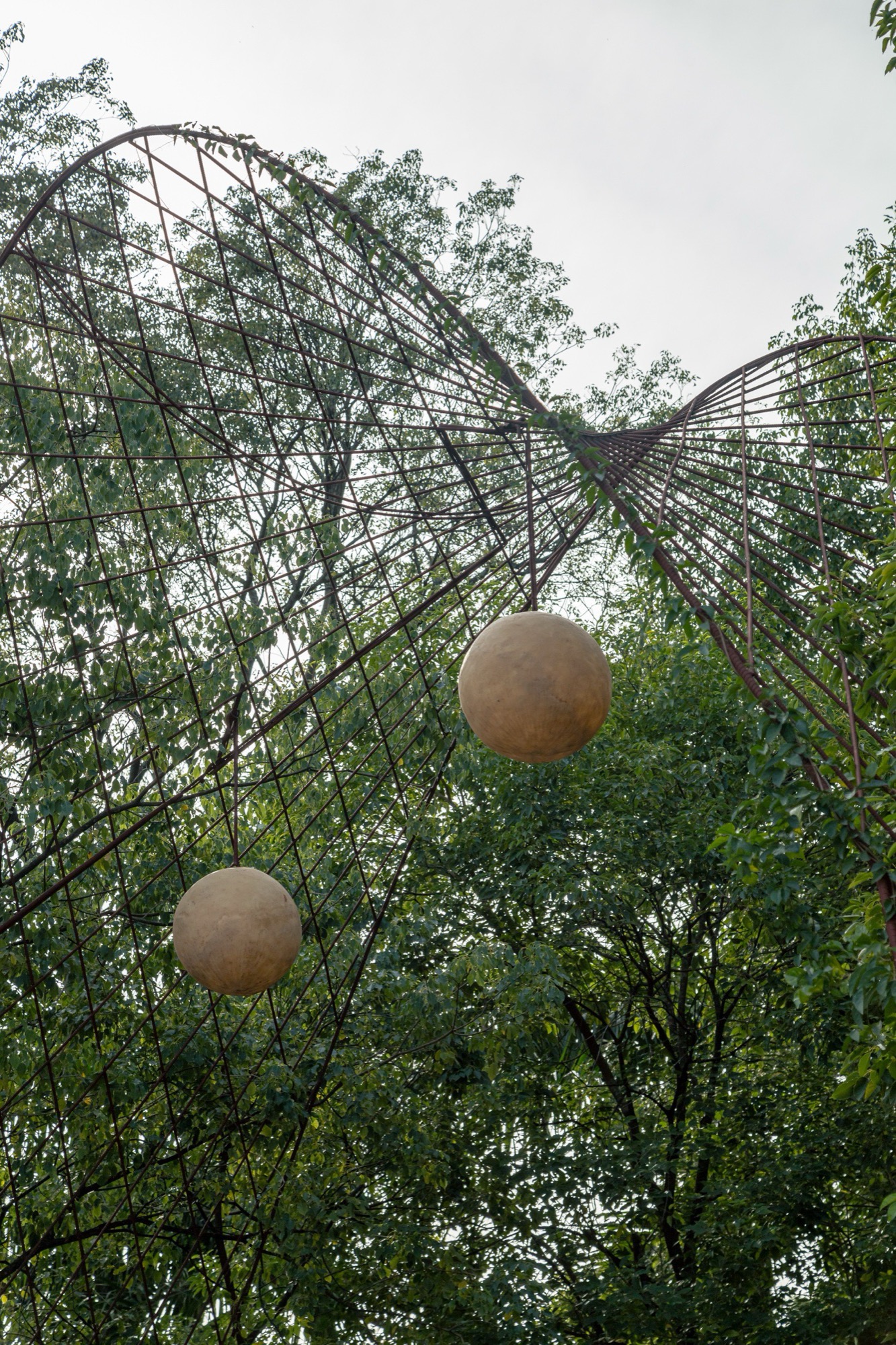
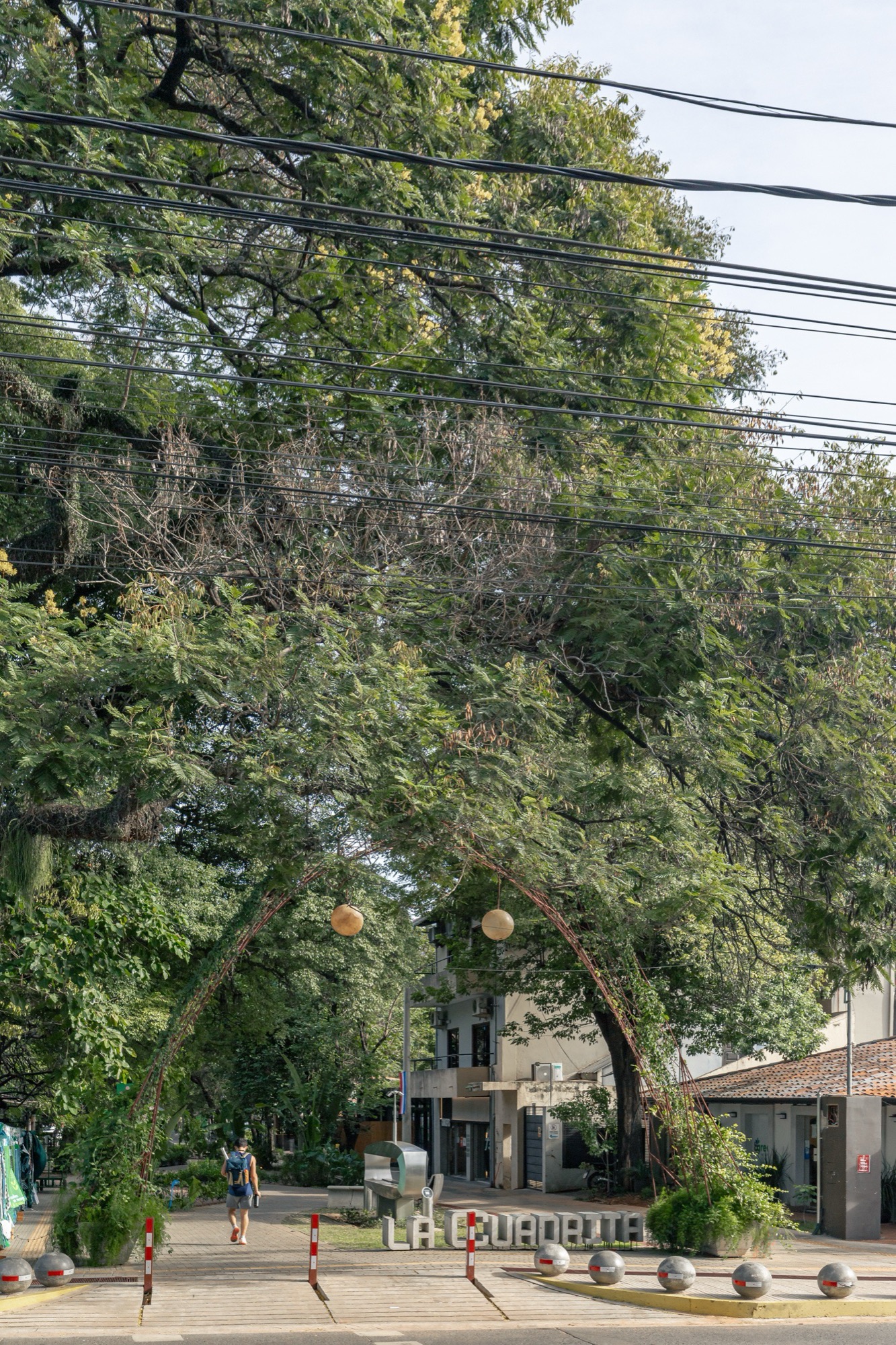
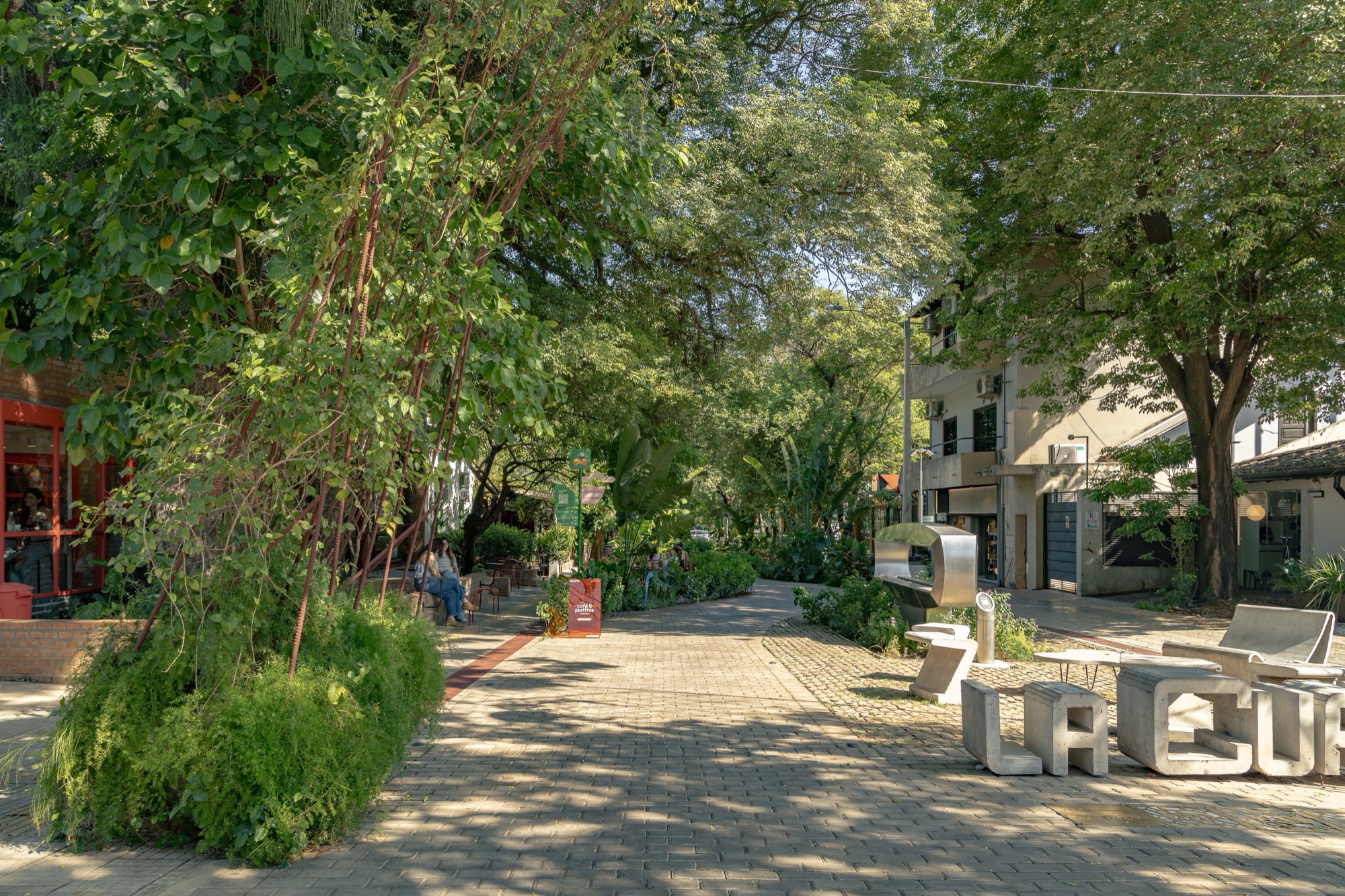
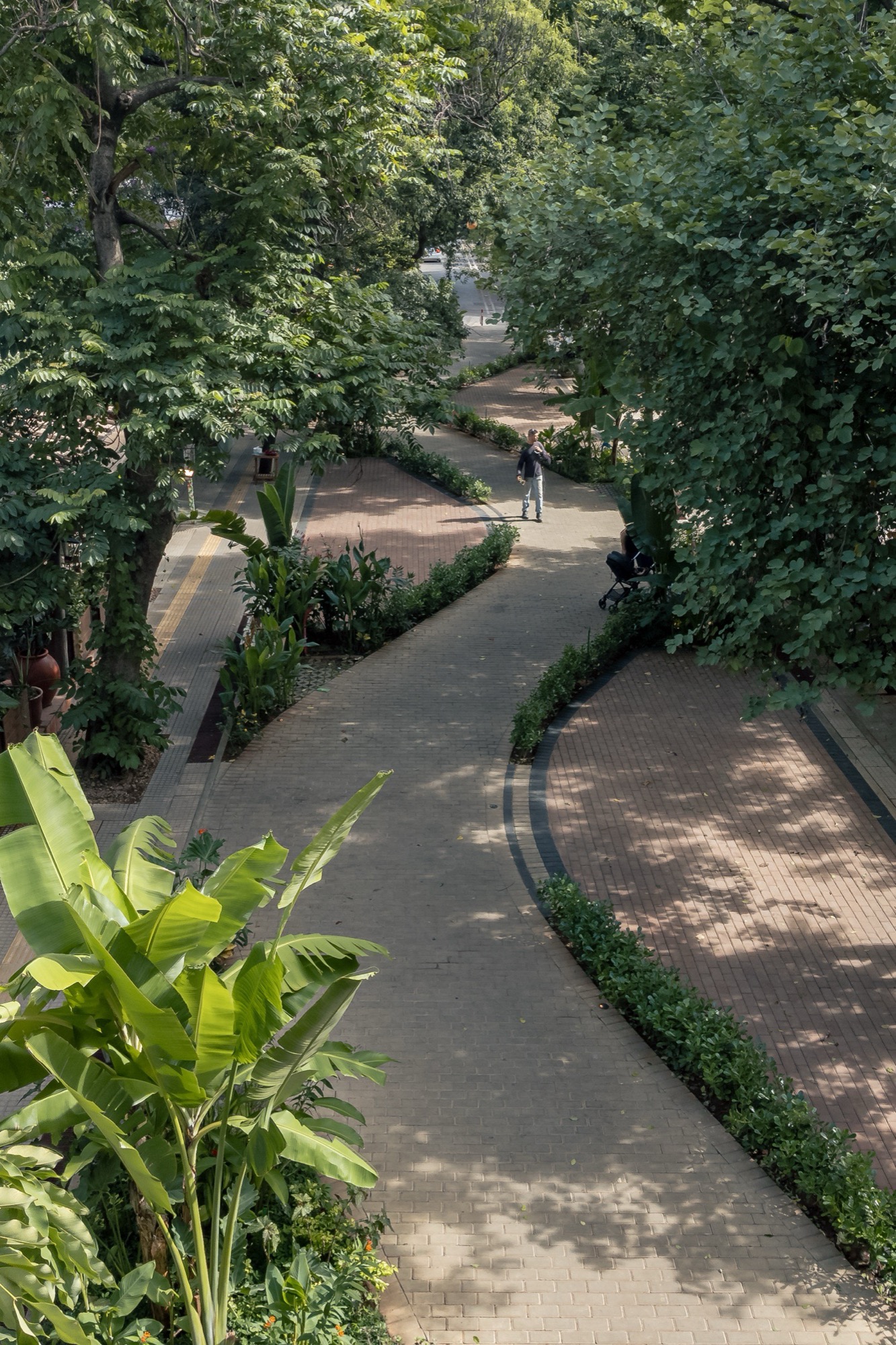
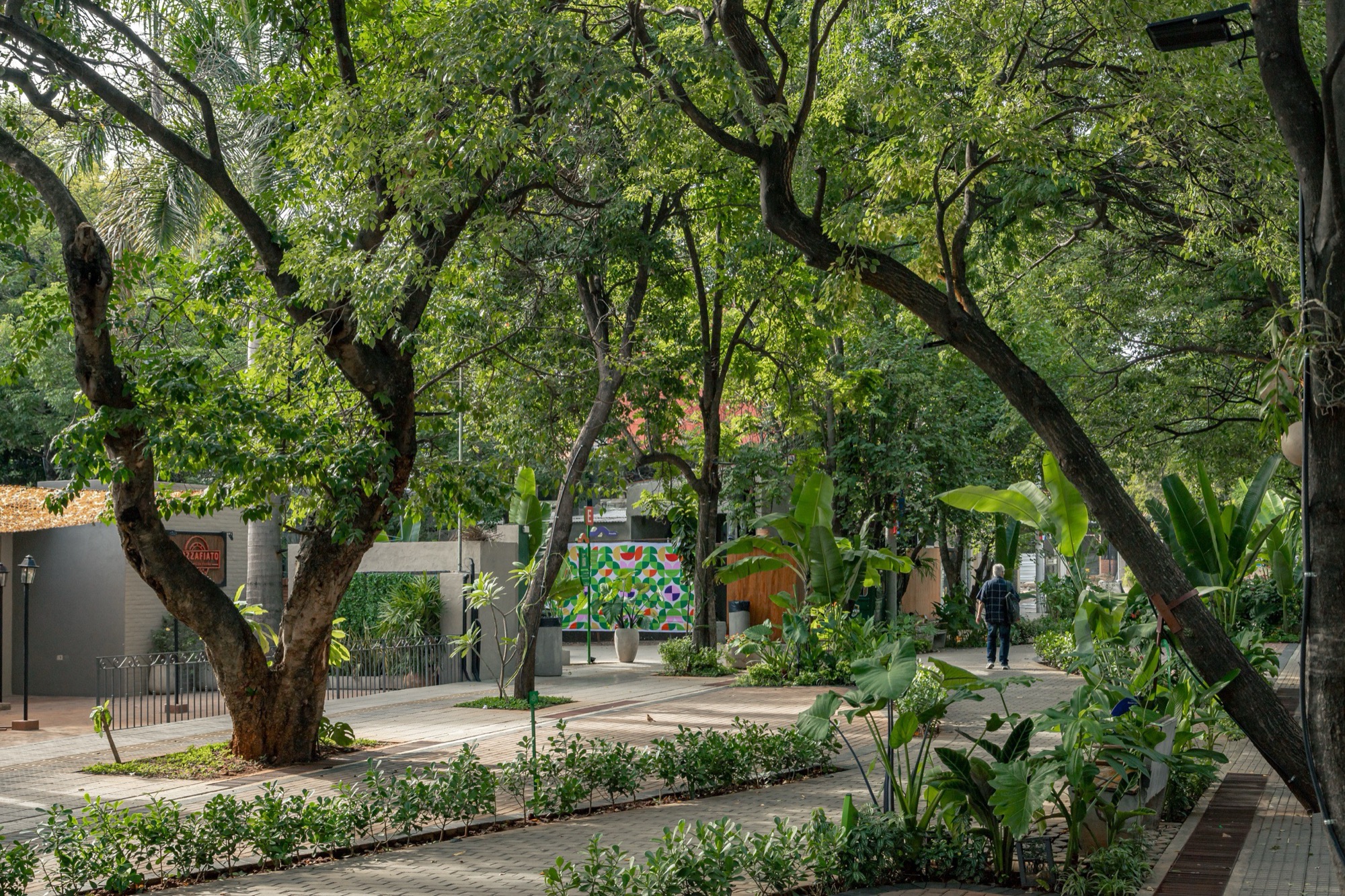
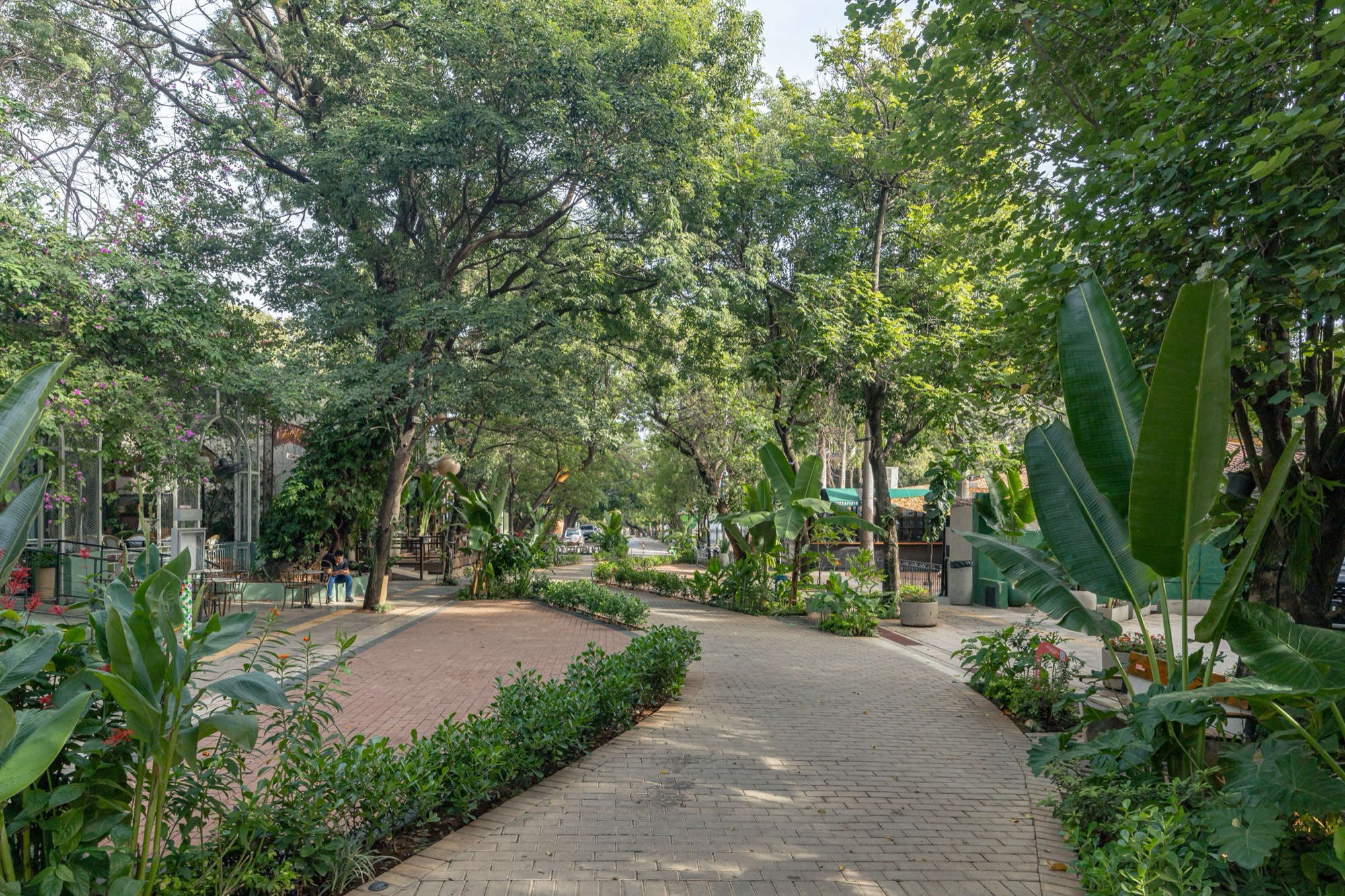
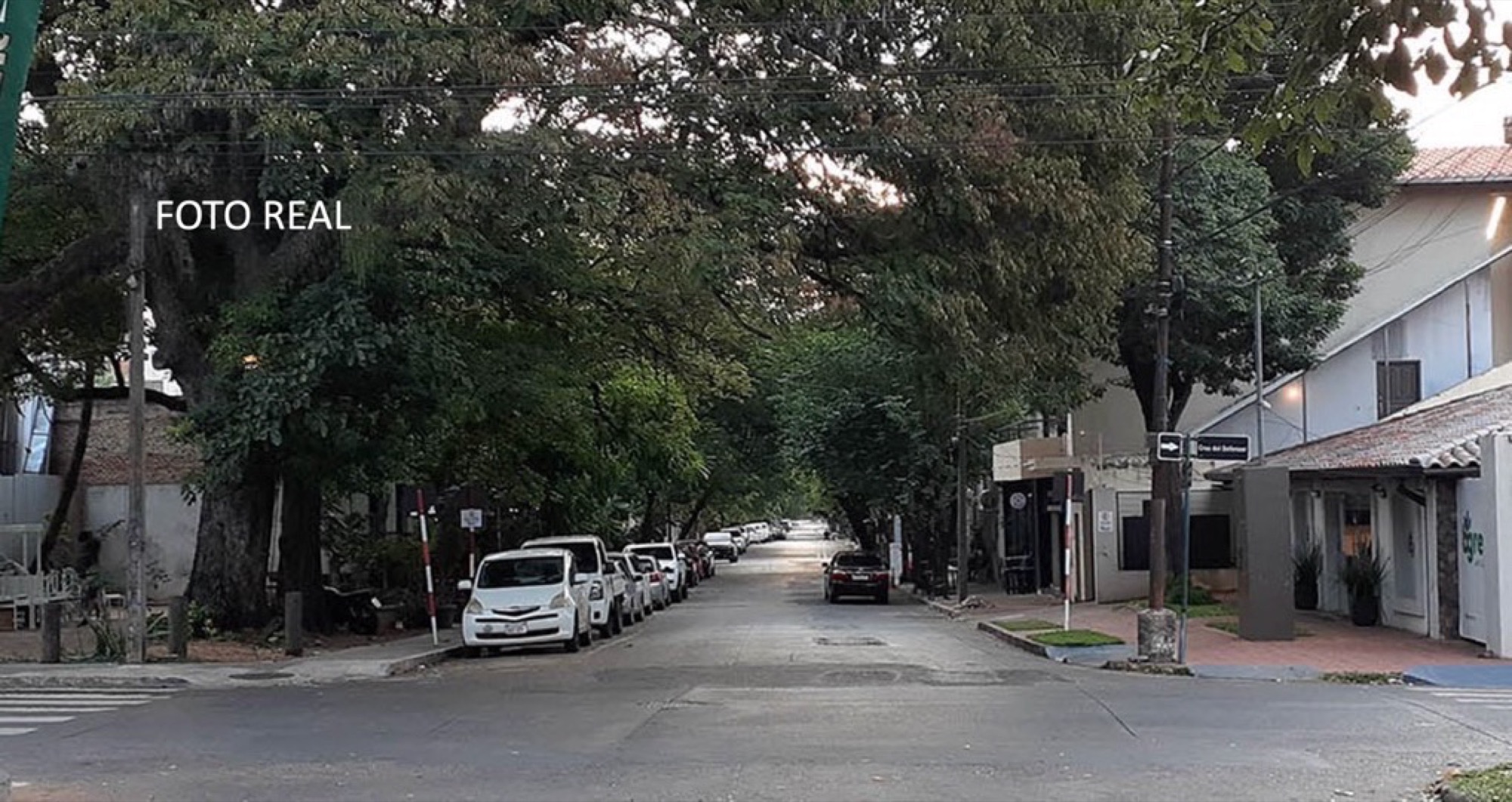
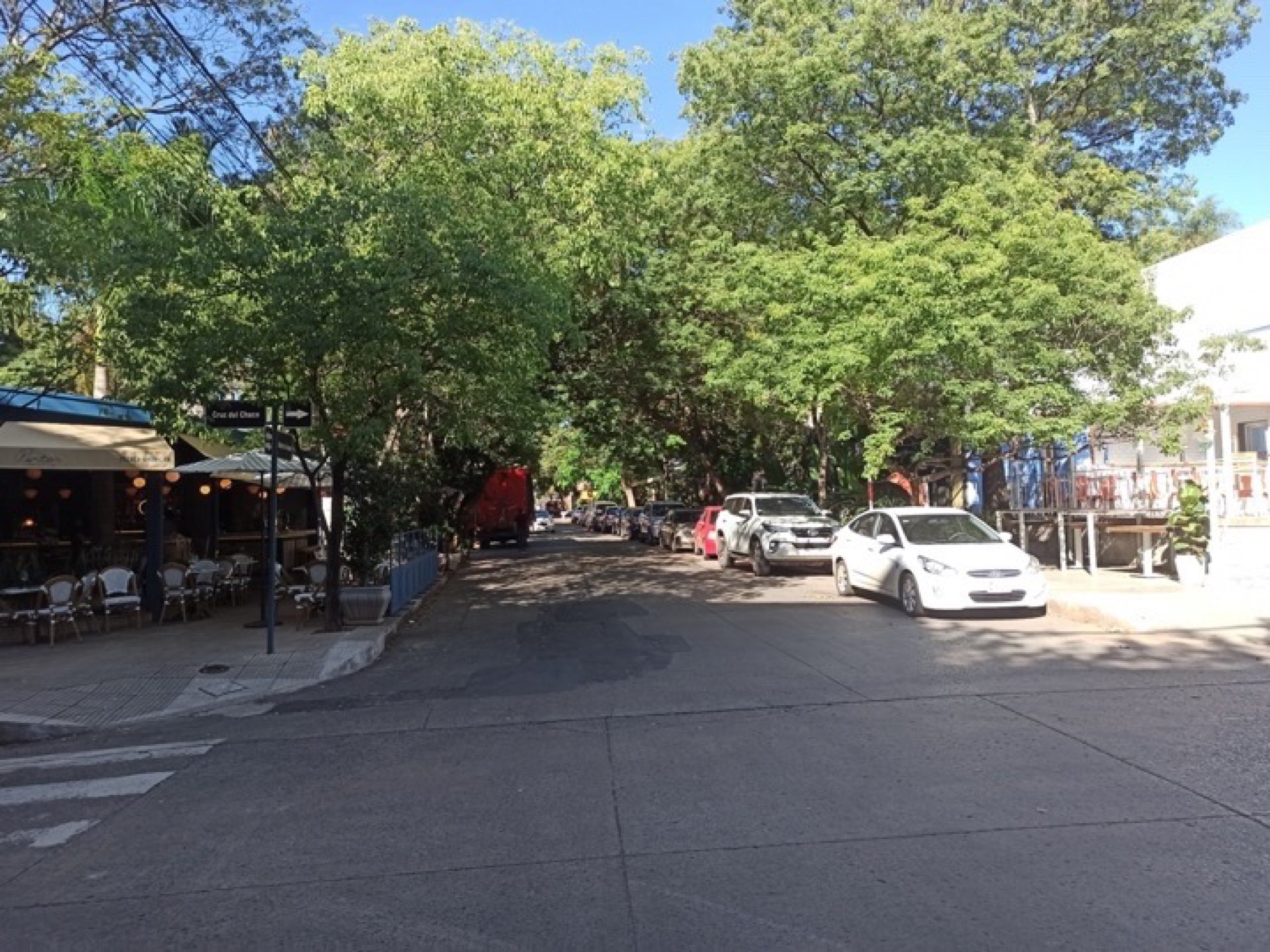
The proposal is structured around three components: the enhancement of urban green infrastructure, a single platform street, and a speed-reduction segment along a bicycle path.
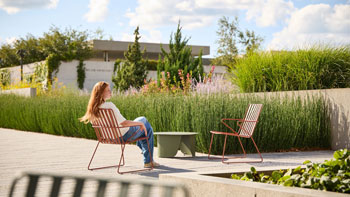
Green infrastructure restores environmental capacity to the soil through the reduction of impermeable surfaces and the introduction of permeable materials and rain gardens; this reduces surface temperatures, improves infiltration, and stabilizes the microclimate. The single platform eliminates the distinction between sidewalk and roadway, establishing a space that prioritizes pedestrian presence. The bicycle path adapts and undular geometry encouraging reduced speed an attentive movement.
The street ceases to function solely as a transit infrastructure and becomes instead a shared space, part of the everyday practice of inhabiting the city.
—
The project was previously selected as a part of the 14th International Architecture Biennial of São Paulo, situating it within a broader disciplinary discourse and underscoring its relevance beyond its immediate context.
Within the Paraguayan context, where interventions of this kind remain absolutely exceptional, the project operates as a first built example of this approach to street design. Its realization required not only technical resolution but also institutional negotiation and public acceptance. As such, its impact extends beyond its design and construction, positioning it as a reference for future urban transformations in our country. Recognition at an international level would contribute to amplify its influence, reinforcing the legitimacy of similar initiatives within local practice and governance frameworks. In a small country, where visibility plays a fundamental role in shaping agendas, such acknowledgment can directly influence the possibility of replication.
—
Architect, Project Manger and Construction Director: Miguel Ángel González Merlo (Grupo Culata Jovái)
Architect and Urban Designer: Emmerick Braun (Grupo Culata Jovái)
Architect, Designer, Urban Furniture: Ramiro Meyer (Tekoha Arquitectos)
Architect, Designer and Technical Advisor: Sebastián Blanco (UNOTRES)
Urban Management and Communications Director: Juan Carlos Guerrero Vallejos (PARU)
Engineer, Hydrology: Miguel Ángel González Sotelo
Architect, Executive Project Development: Kevin Estepa
Architect, Construction Management: Mariángeles González Benítez
Architect, Construction Management: Néstor Daniel Espínola
Photography: Renato Duria
Sponsoring: Banco Sudameris
Technical Advisory and Permitting: Municipality of Asunción
-25.300174981099882, -57.58167962486564
73980


LILA 2026 Sponsor