Kraffer Garden
www.atelierzamak.cz + www.matejsebek.cz
2026 Landscape and Architecture / 2026 Other Typologies / Czech Republic / Built in 2025 /

Kraffer Garden in Jindřichův Hradec is more than a landscape project; it is the result of a struggle to preserve the integrity of urban space. In 2021, this historical site—hidden behind high walls in the very heart of the city—faced definitive extinction. A very real threat loomed that this neglected brownfield would be transformed into a parking lot, an act that would have permanently erased three centuries of horticultural tradition. Instead of following a conventional development path, the studio took the site into its own care to establish a model we call the “horticultural circus.” This intervention was not a commission from an external investor, but a conscious rebellion to restore meaning to a forgotten place and increase the permeability of the historic city center.
The history of Kraffer Garden is a fascinating chronicle of rises and falls. The Baroque site survived a devastating city fire in 1801, experienced the golden era of the renowned Kraffer family nursery, and endured the trauma of nationalization followed by decades of decay, during which the terraces effectively became a landfill. The architectural goal was not to “cleanse” these scars or attempt a sentimental restoration to a hypothetical ideal state. Rather, the garden is treated as a palimpsest—a parchment upon which every era has written its own line.
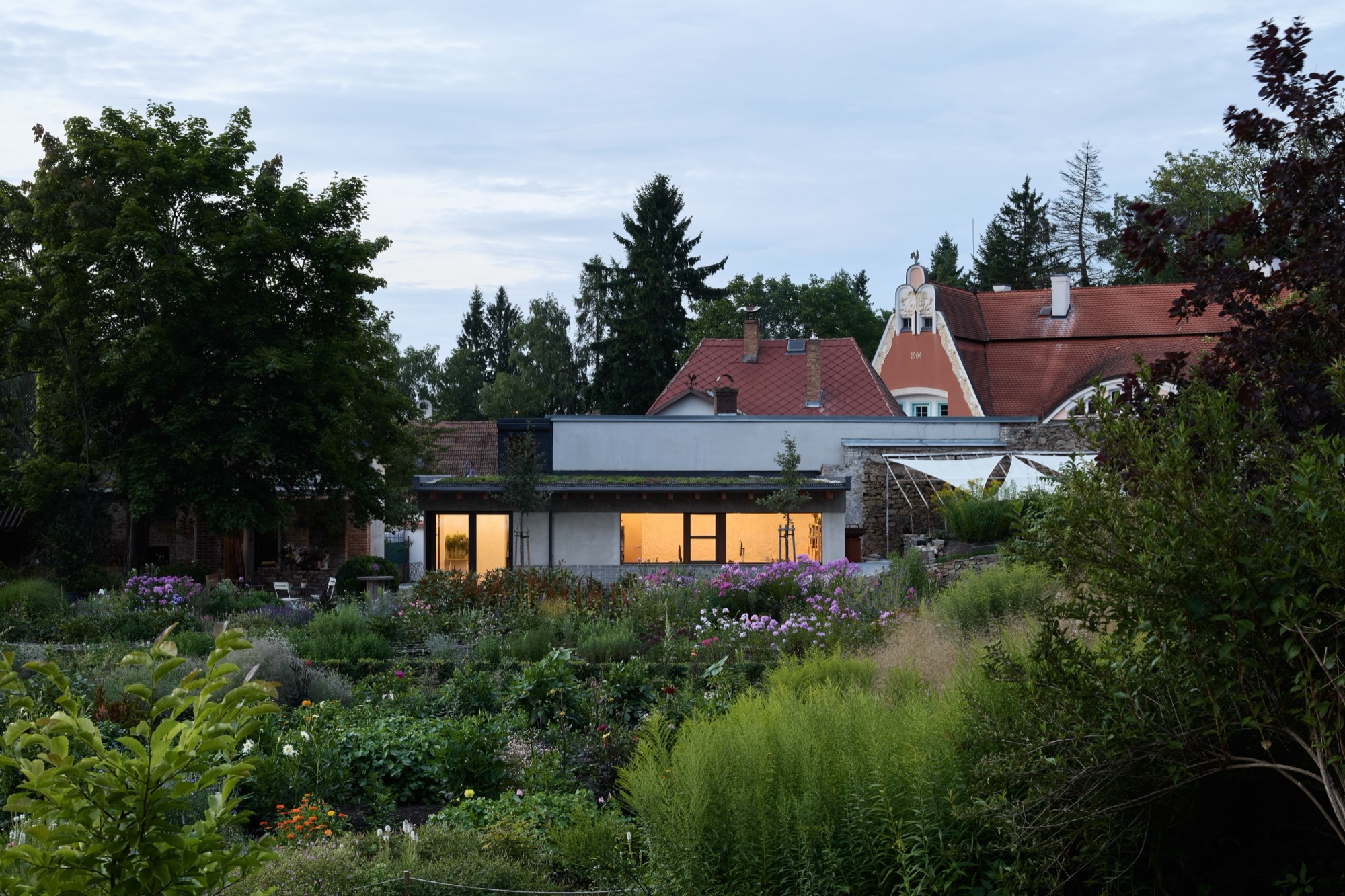
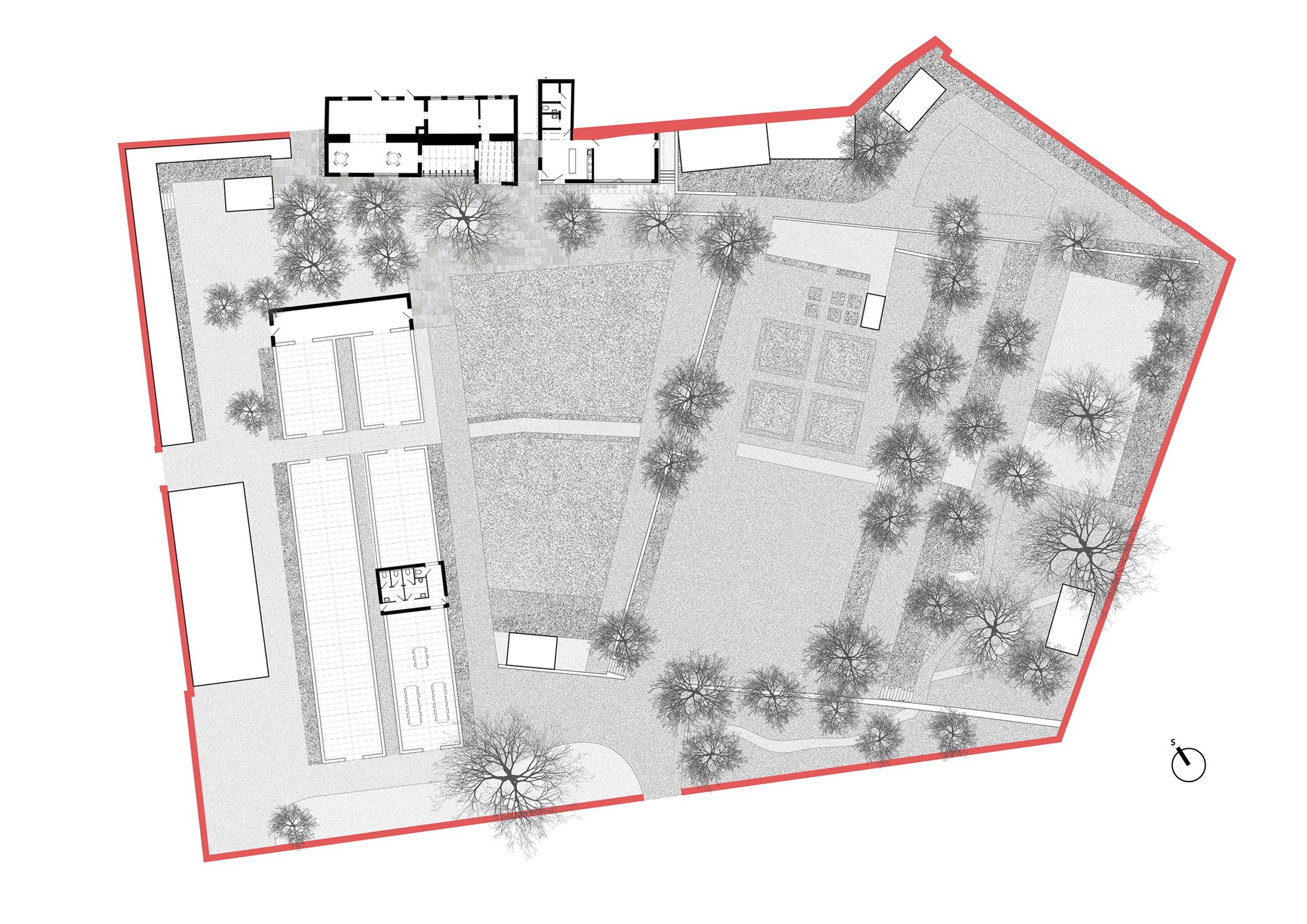
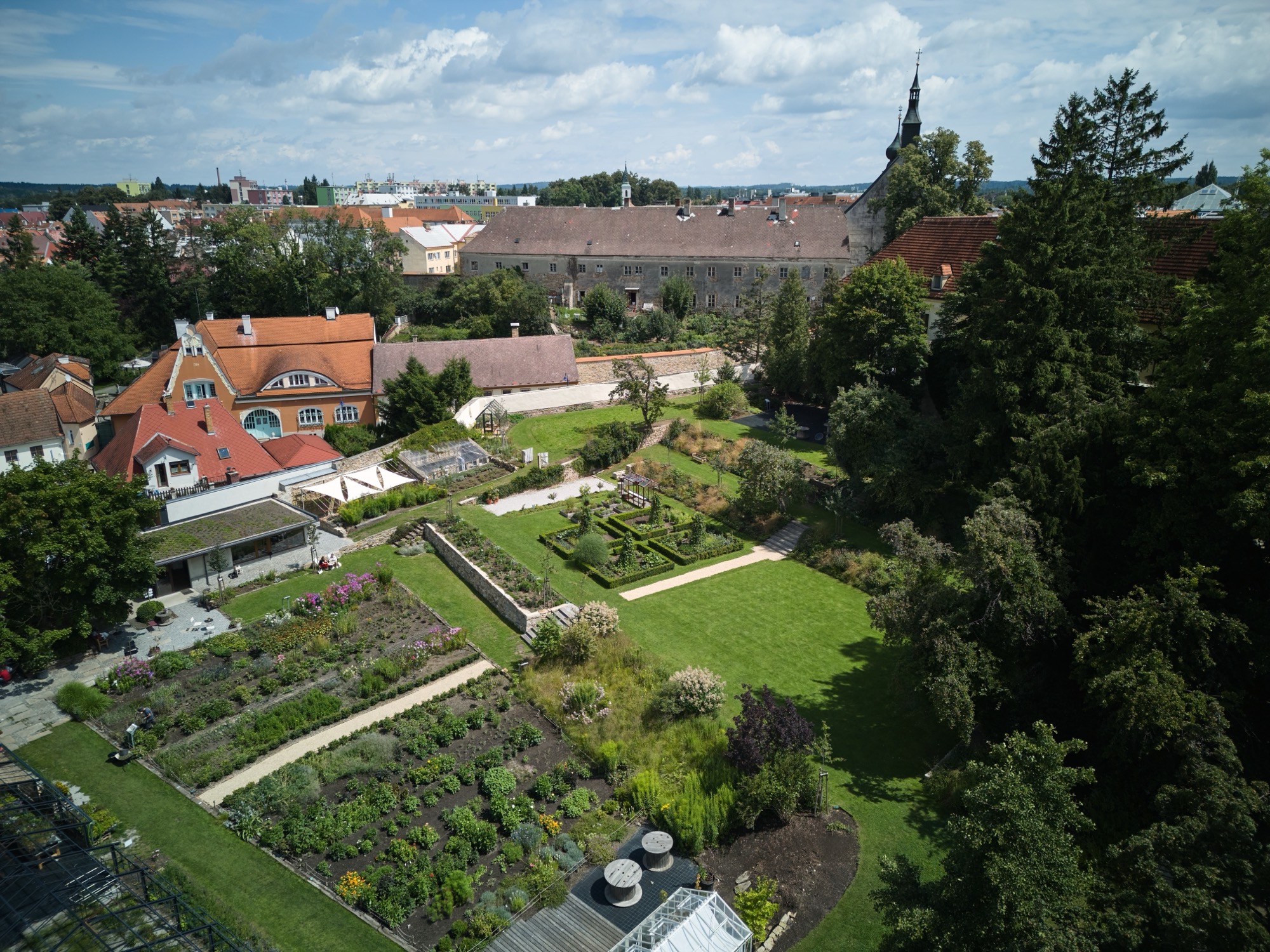
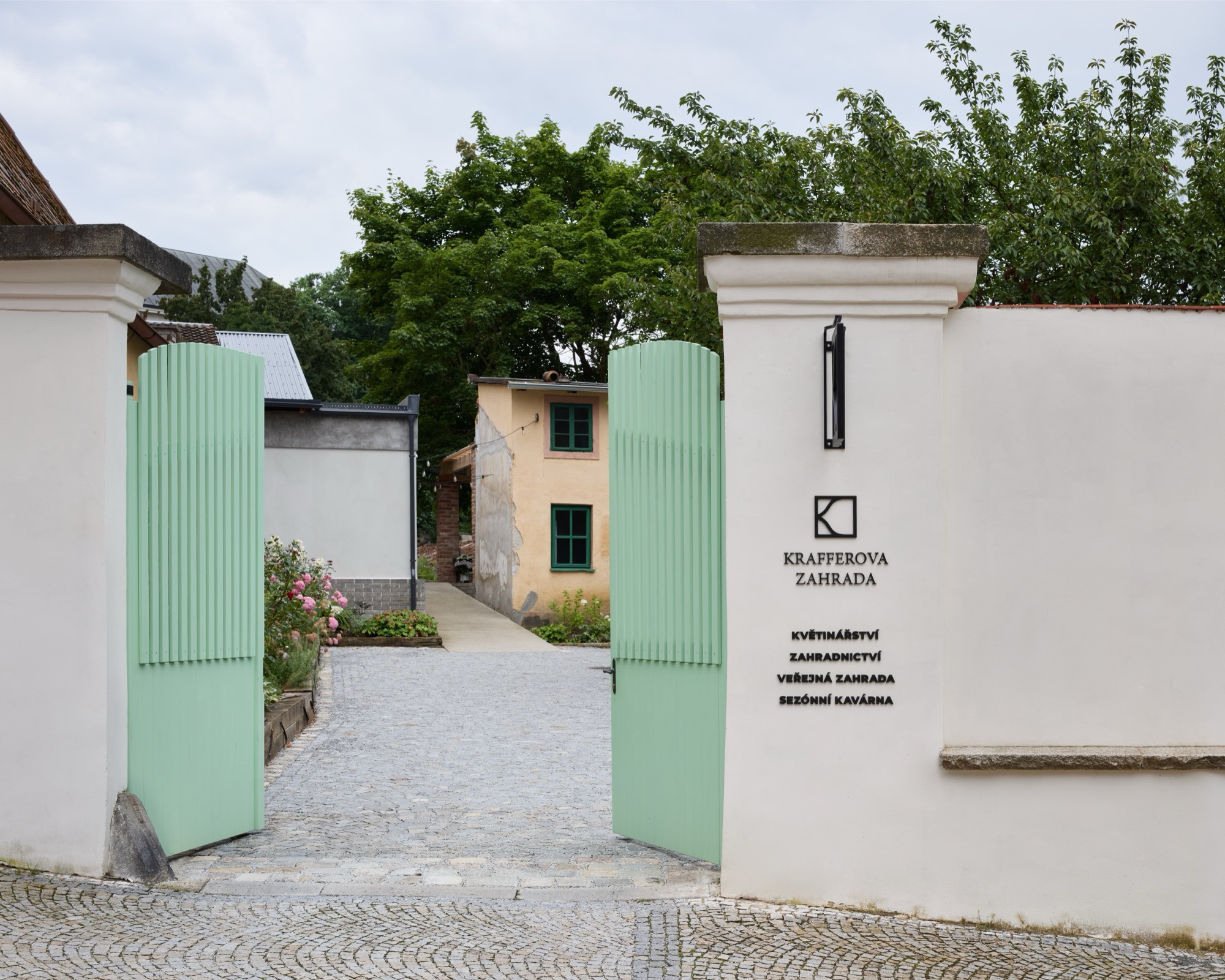
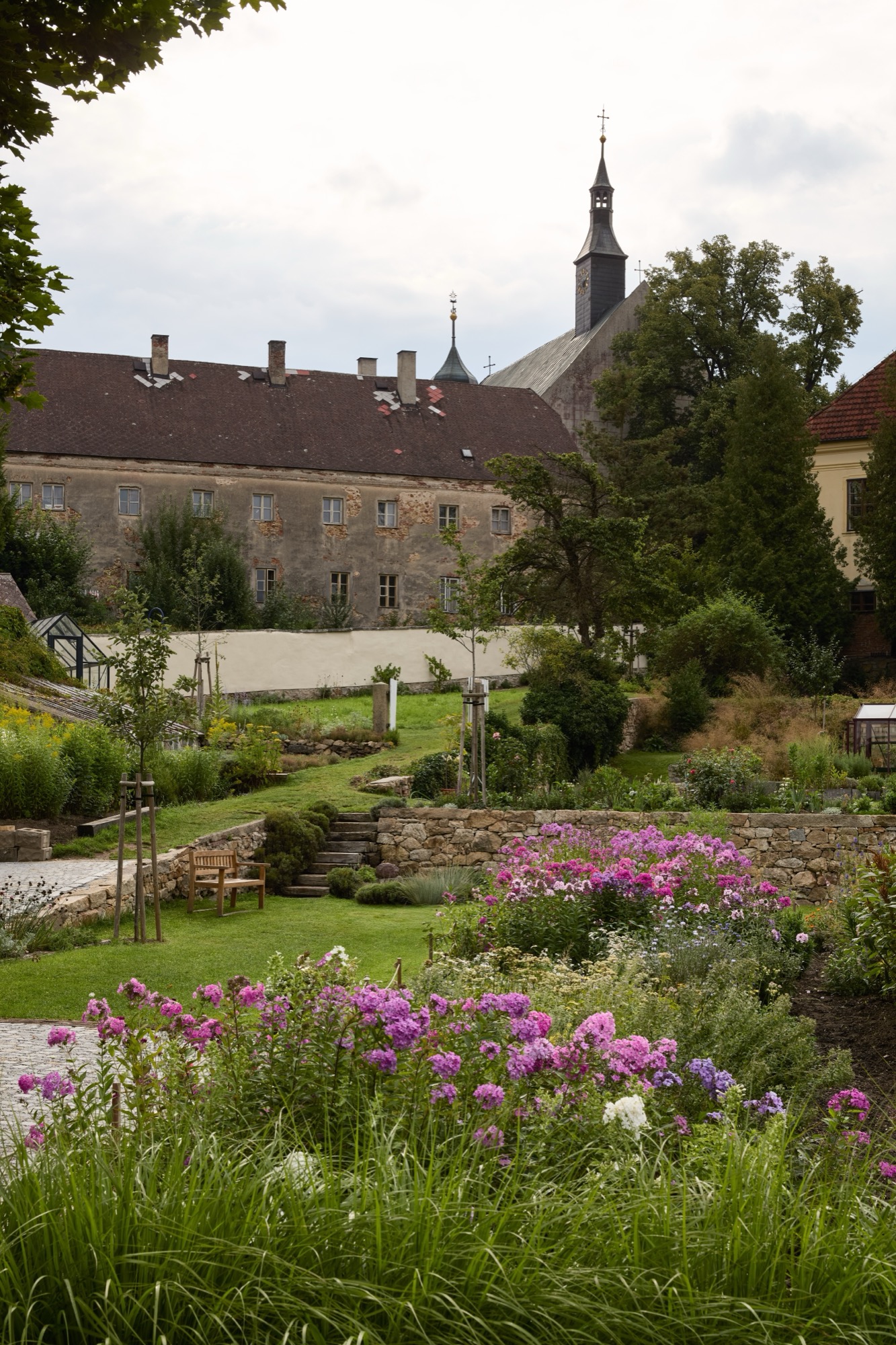
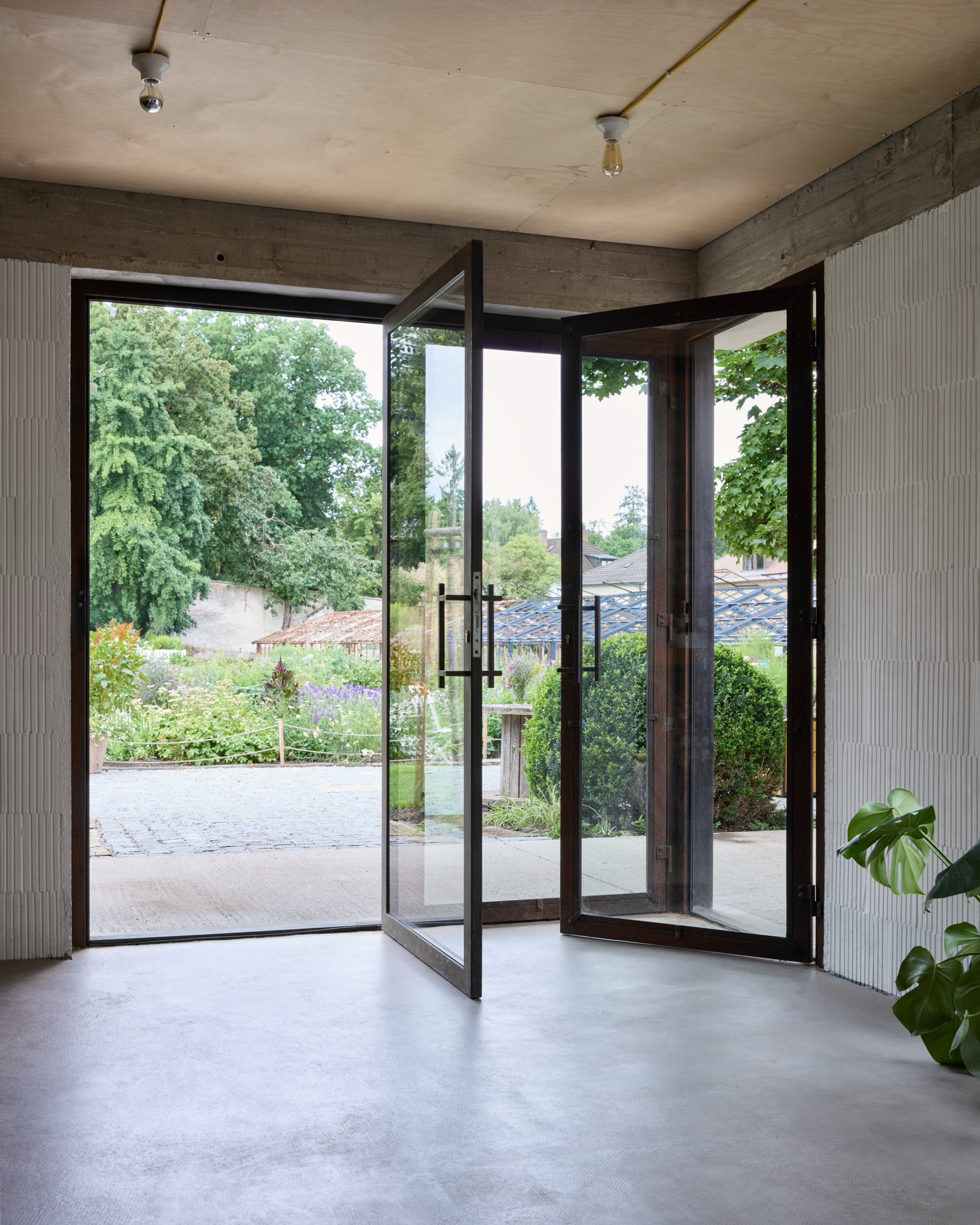
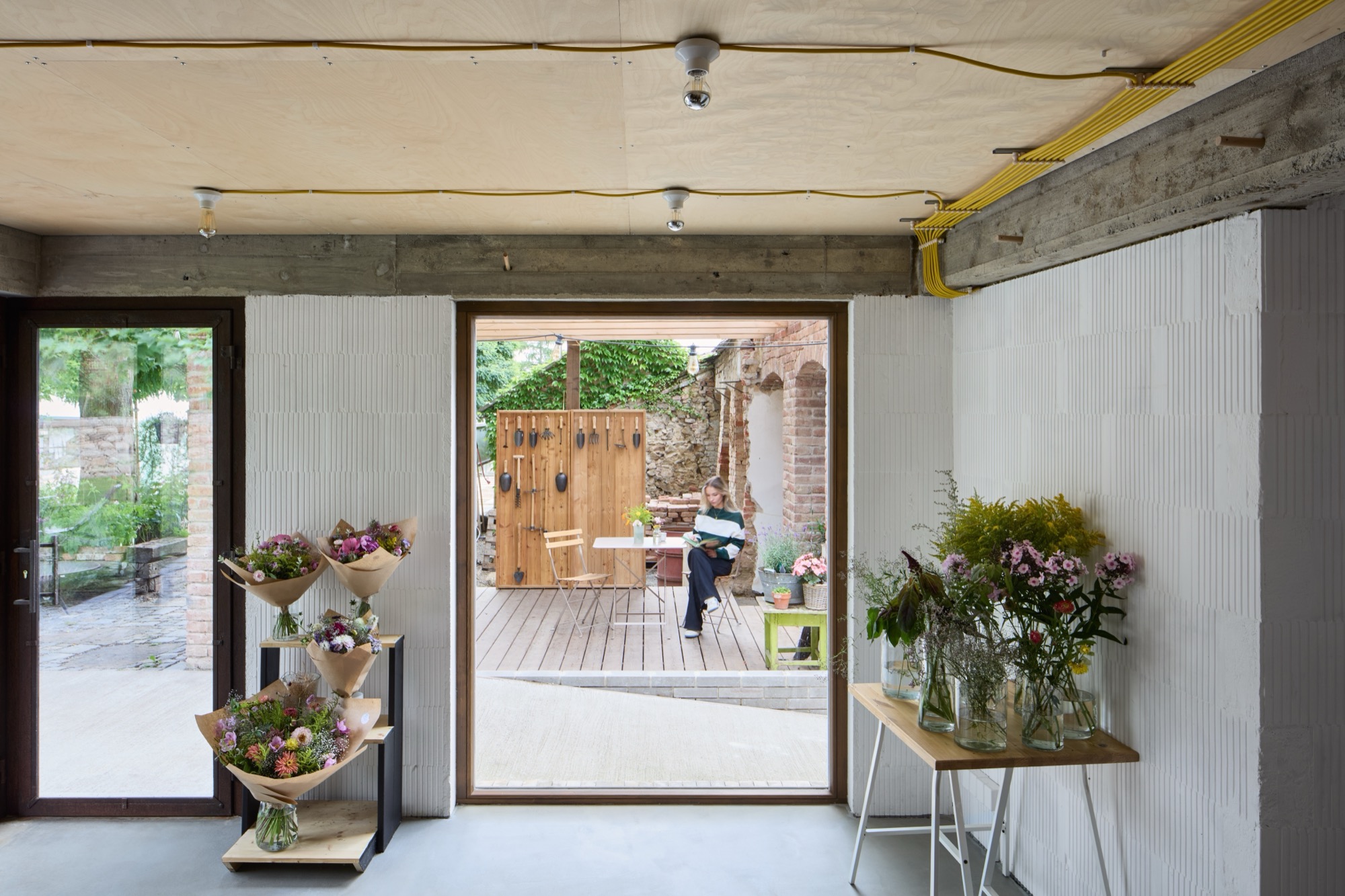
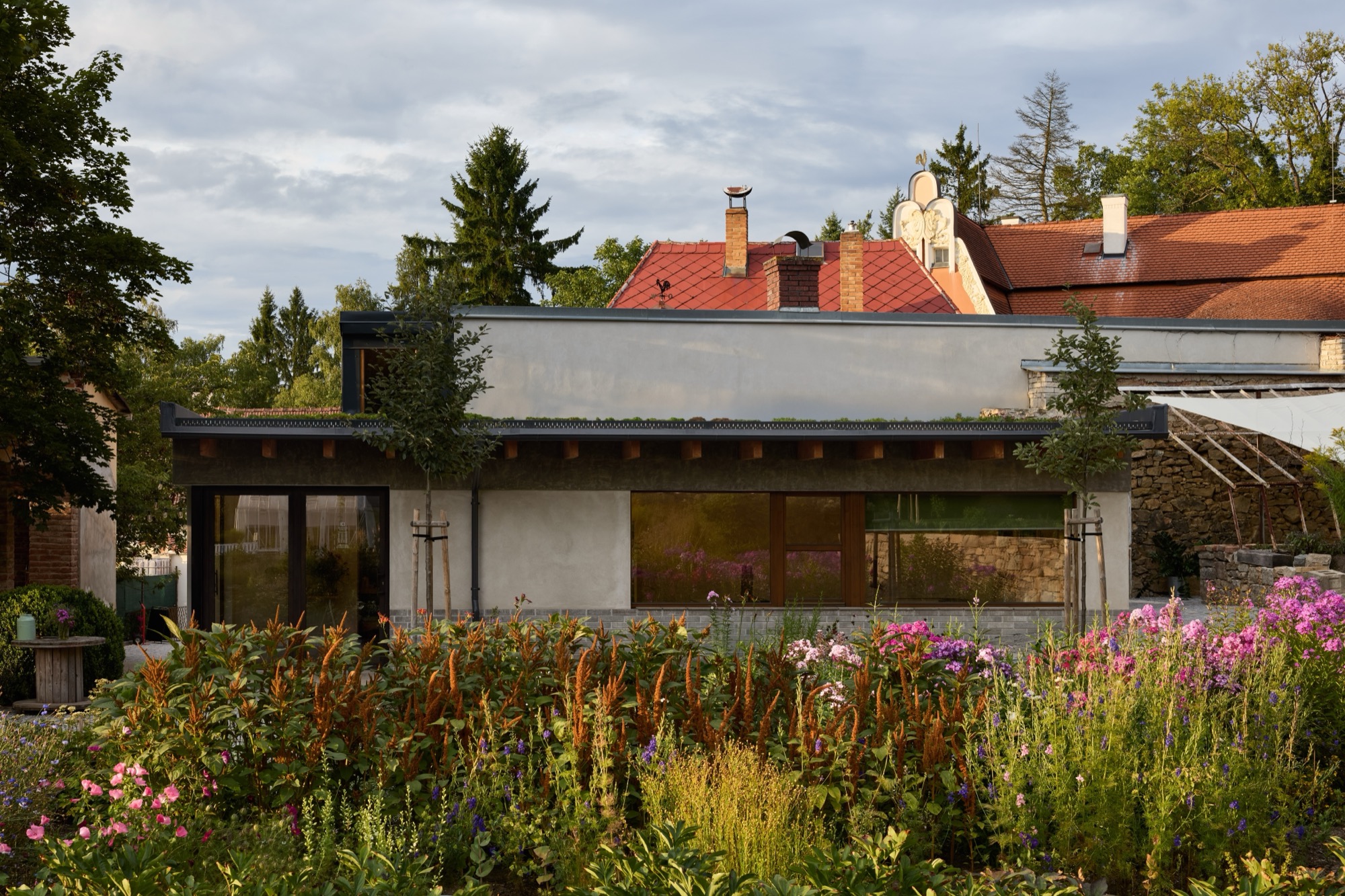
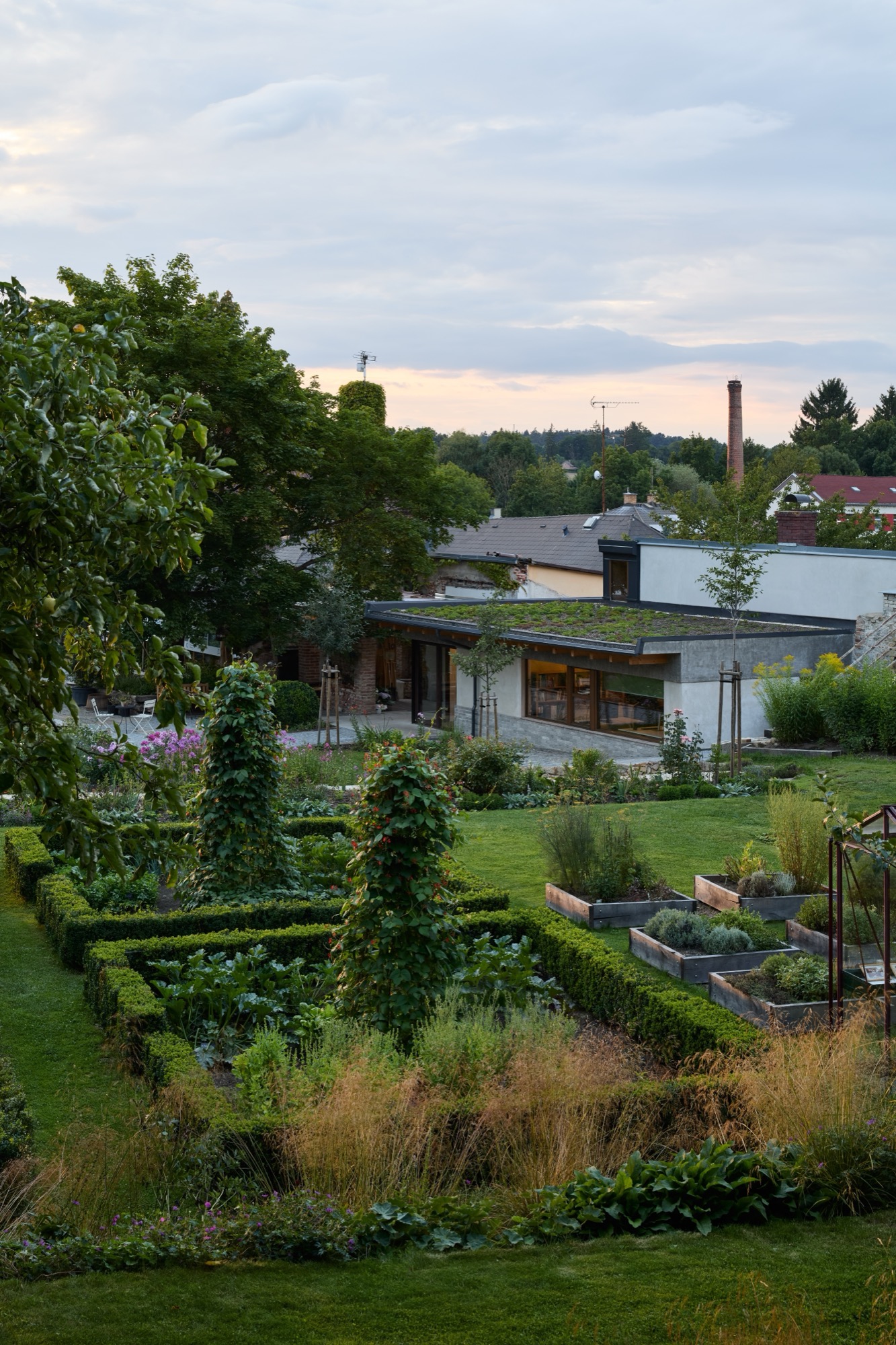
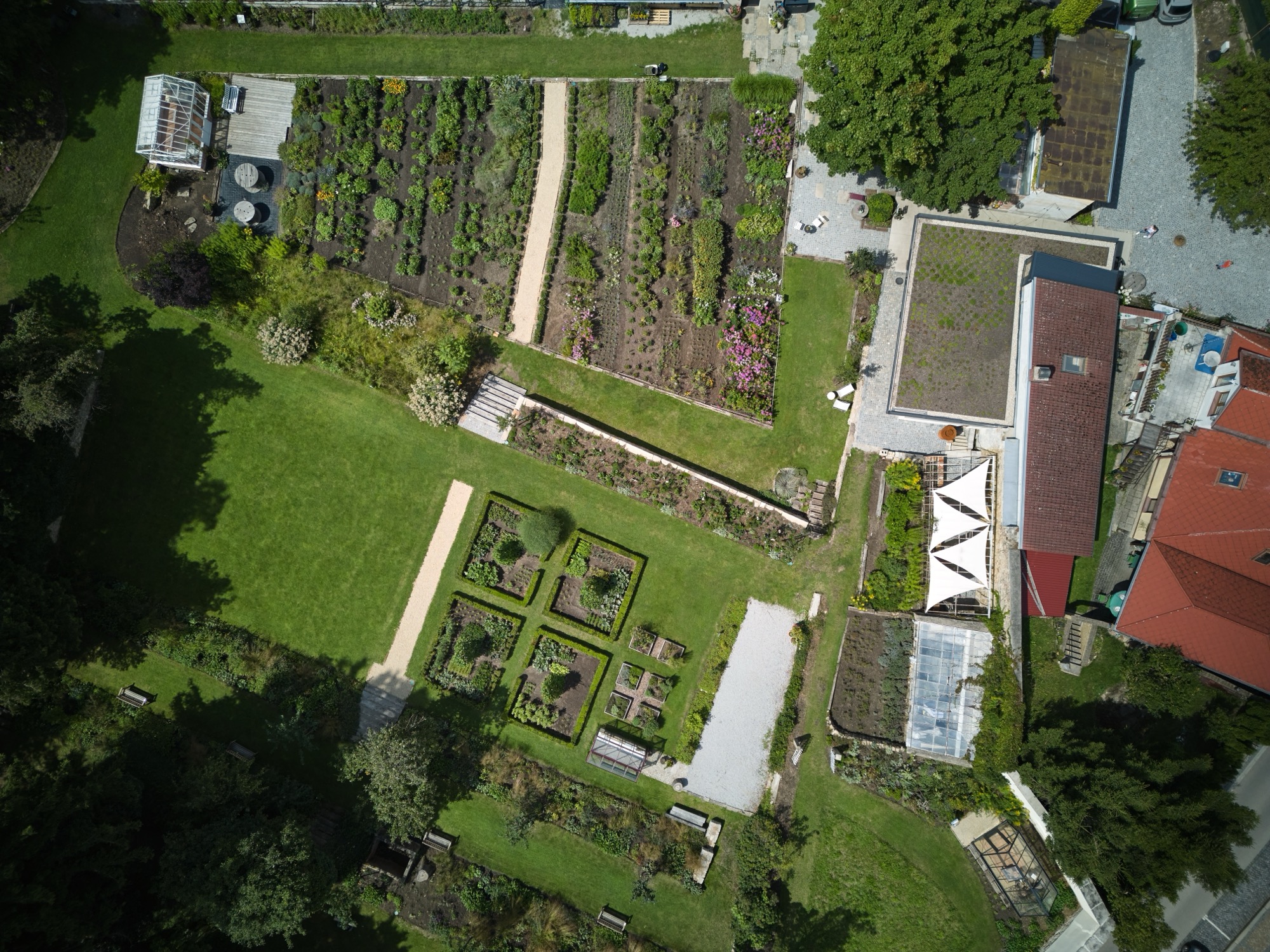

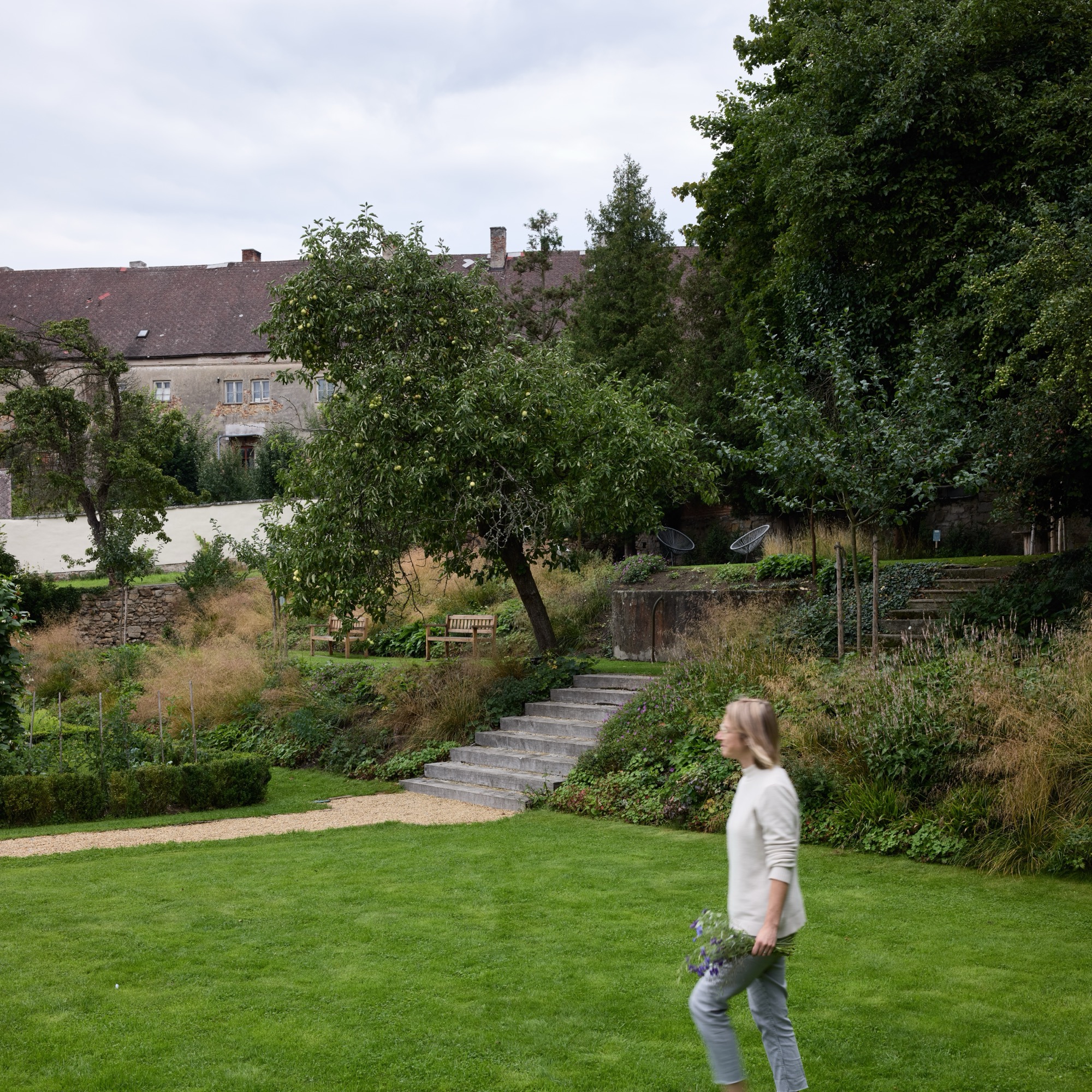
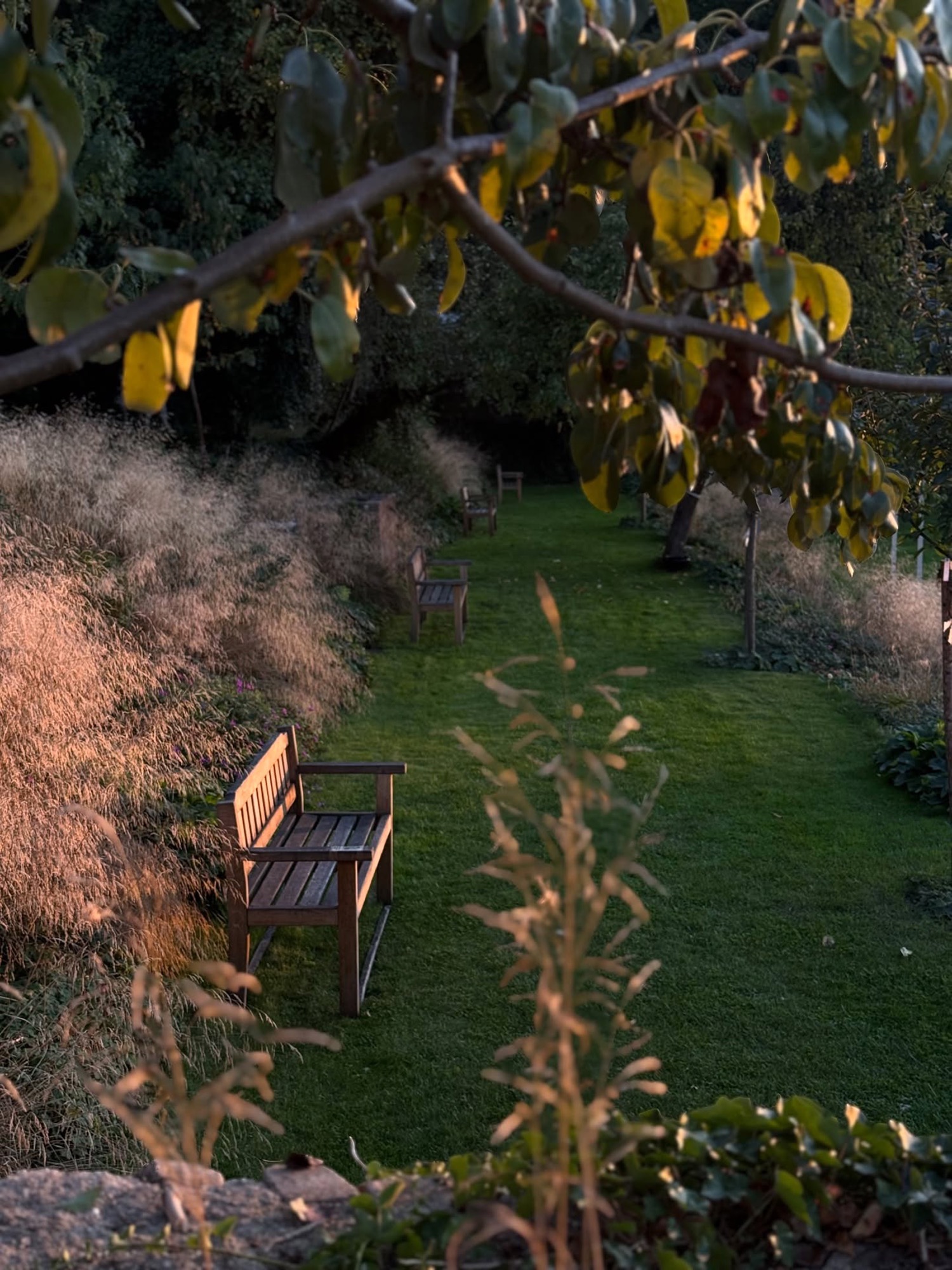
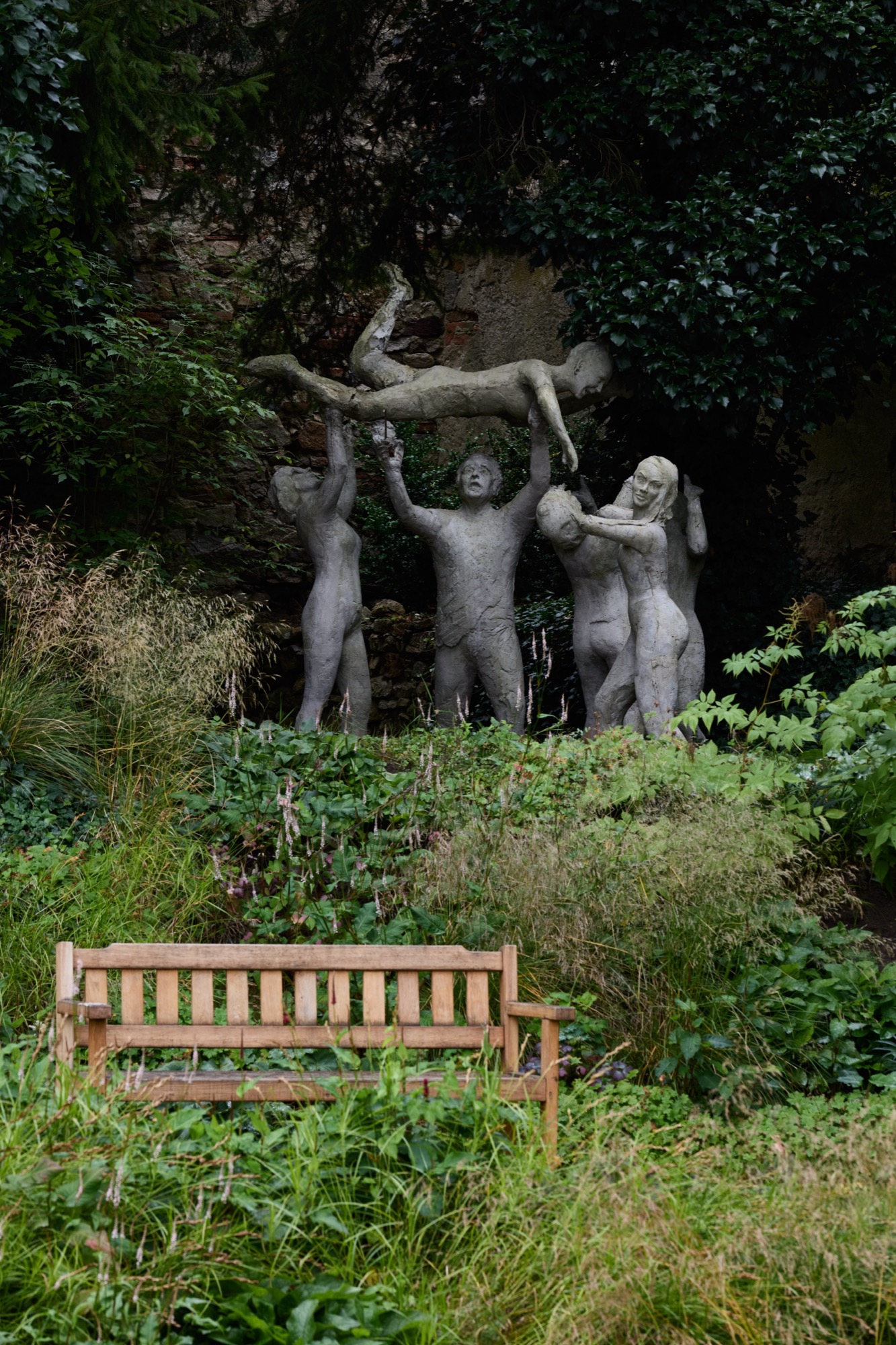
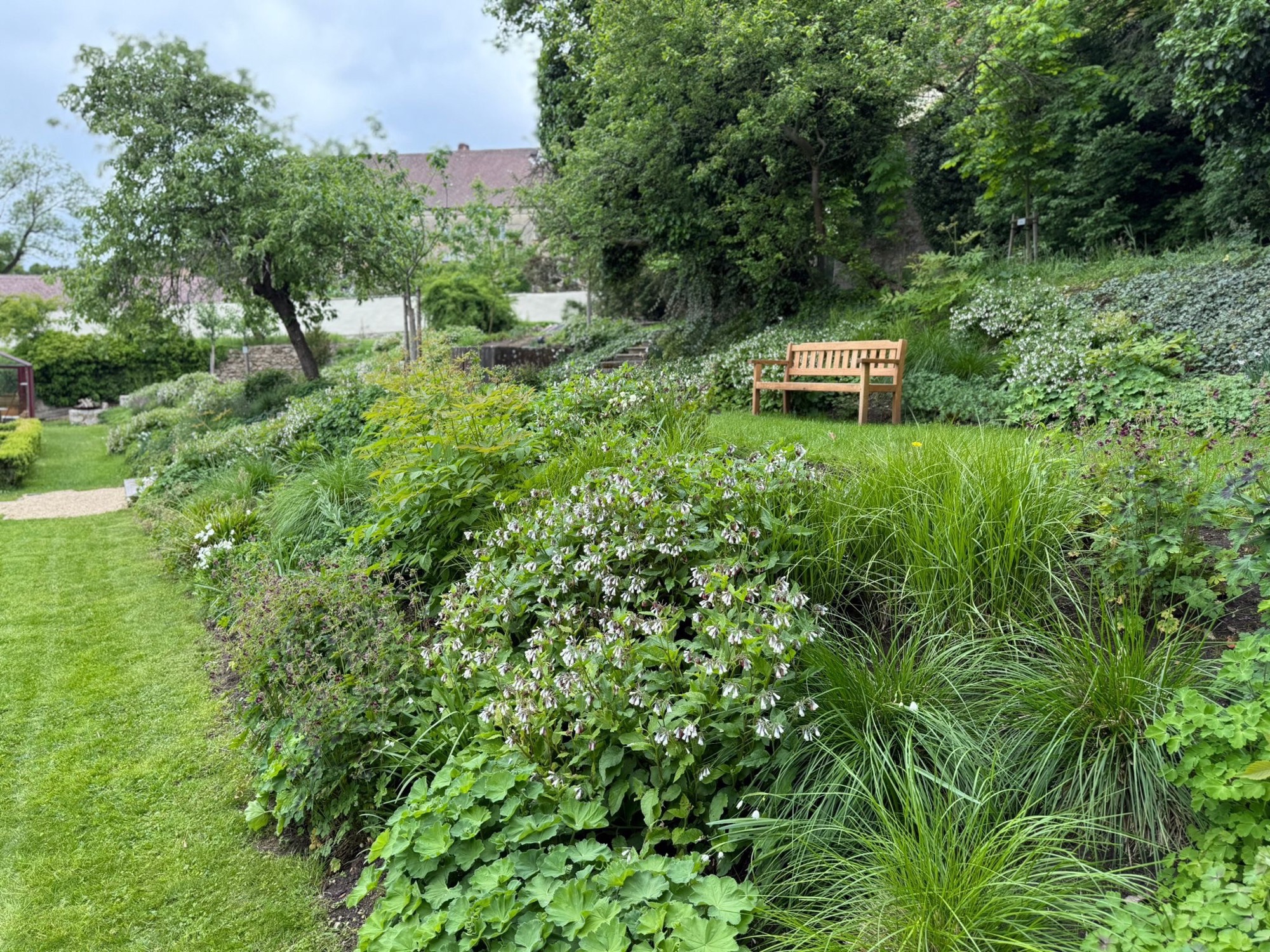

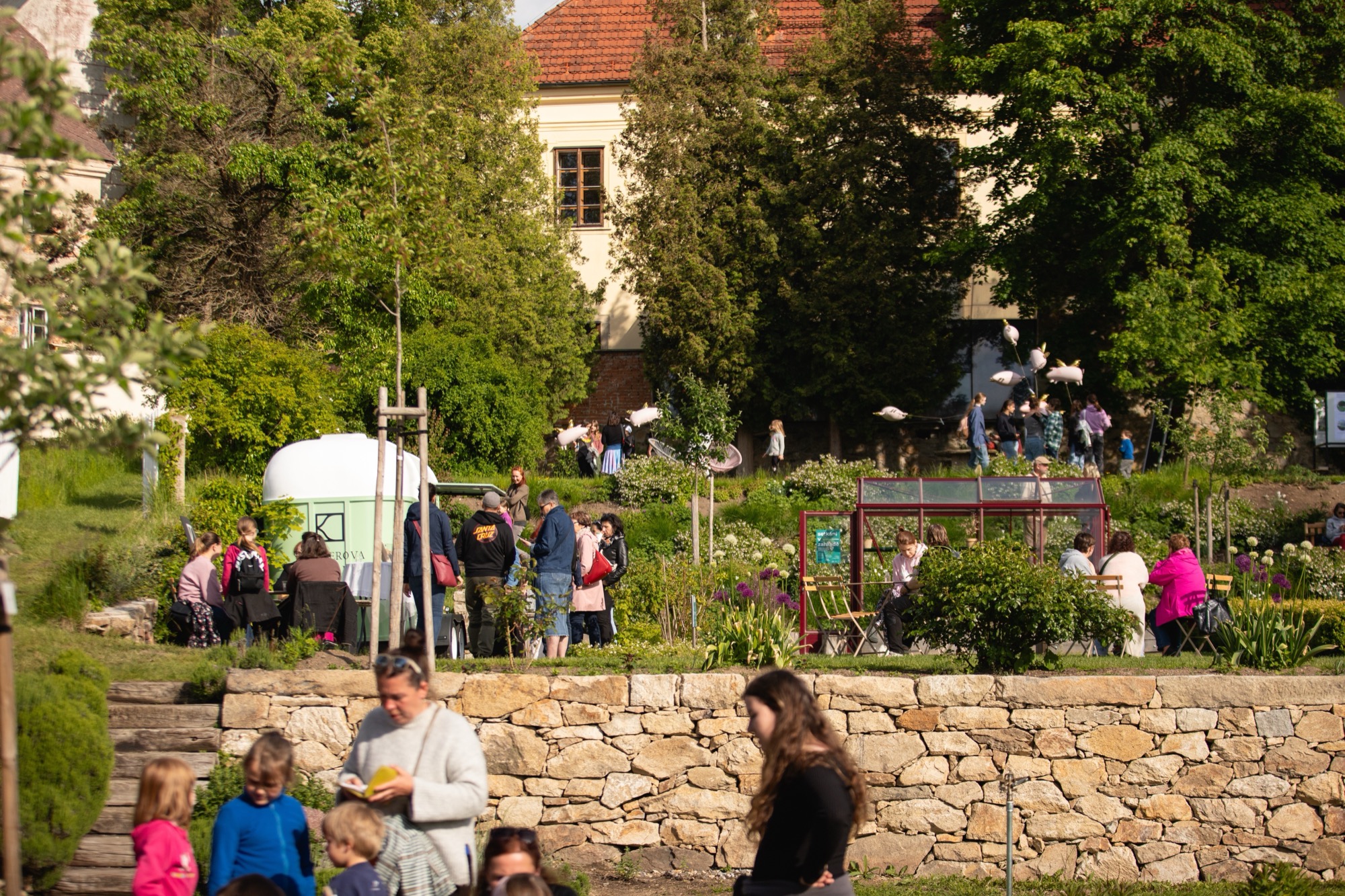
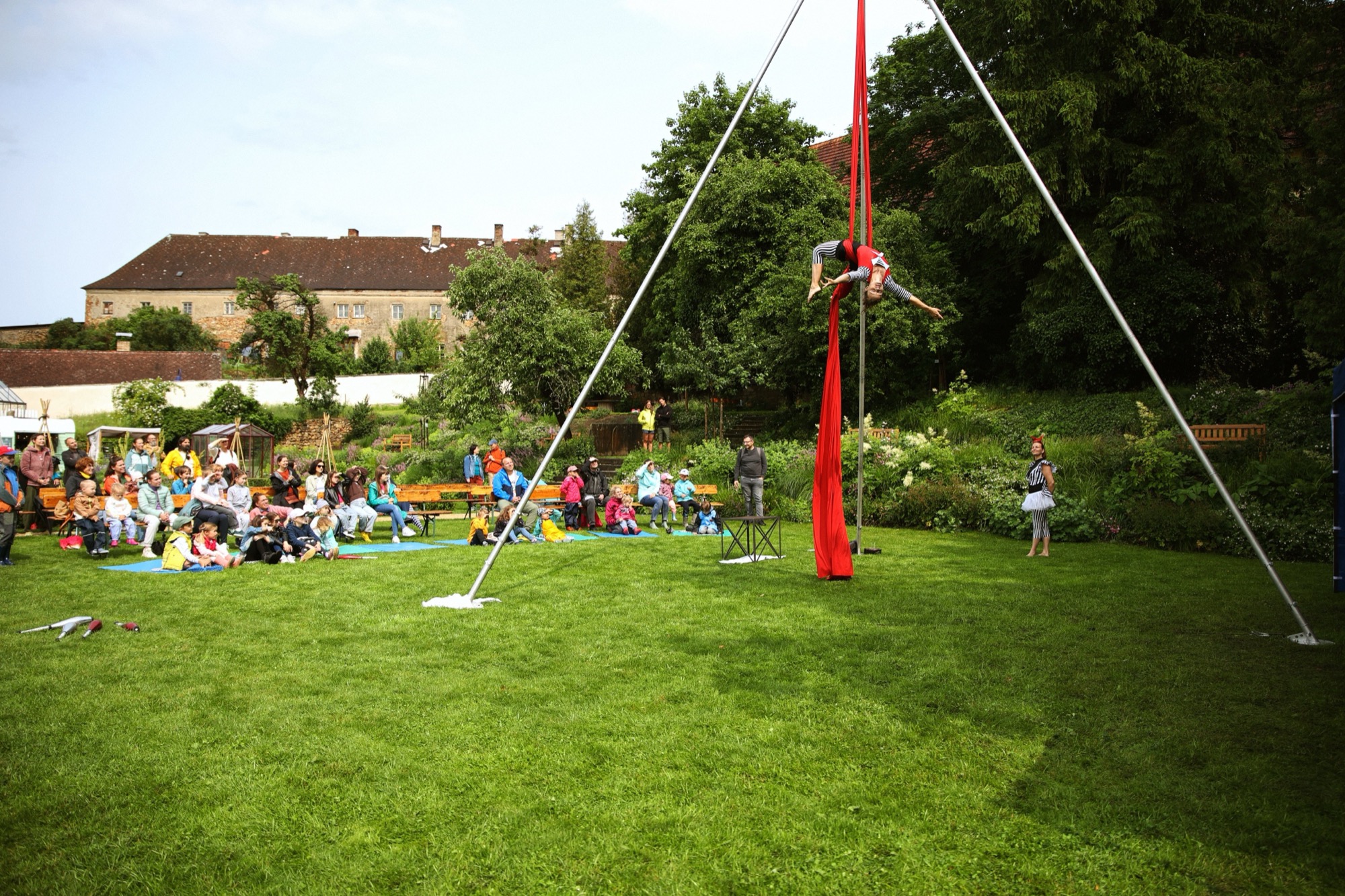
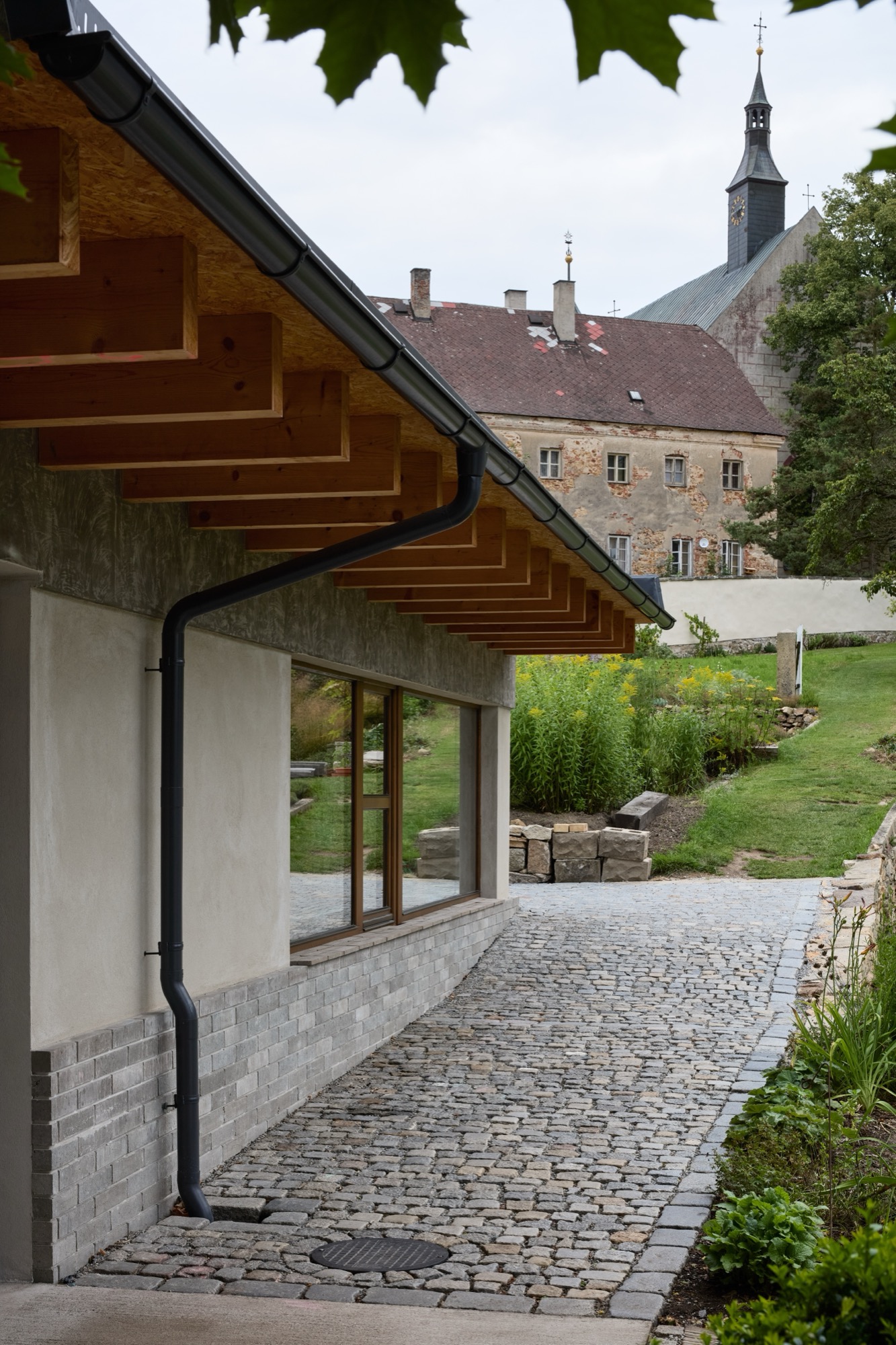
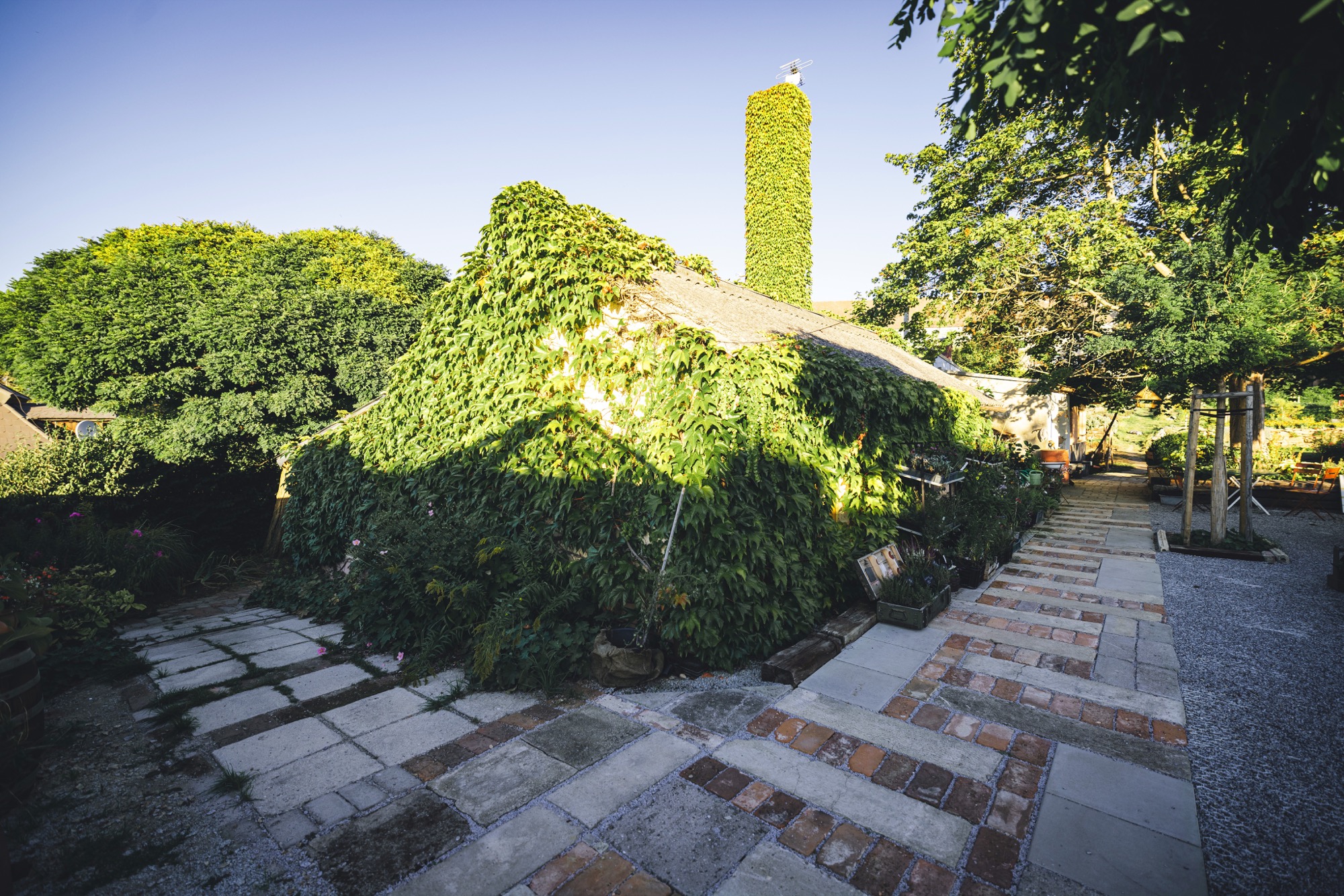
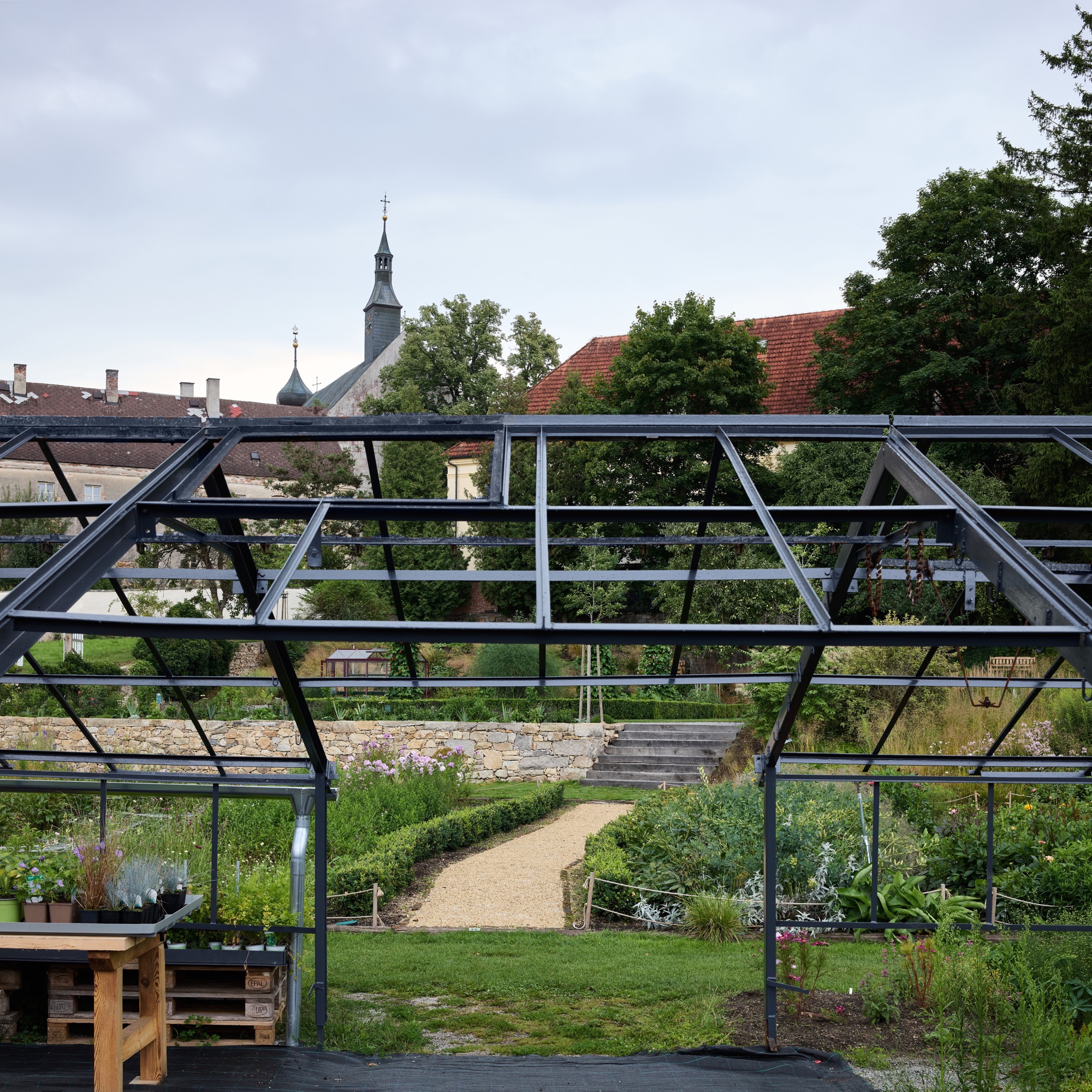
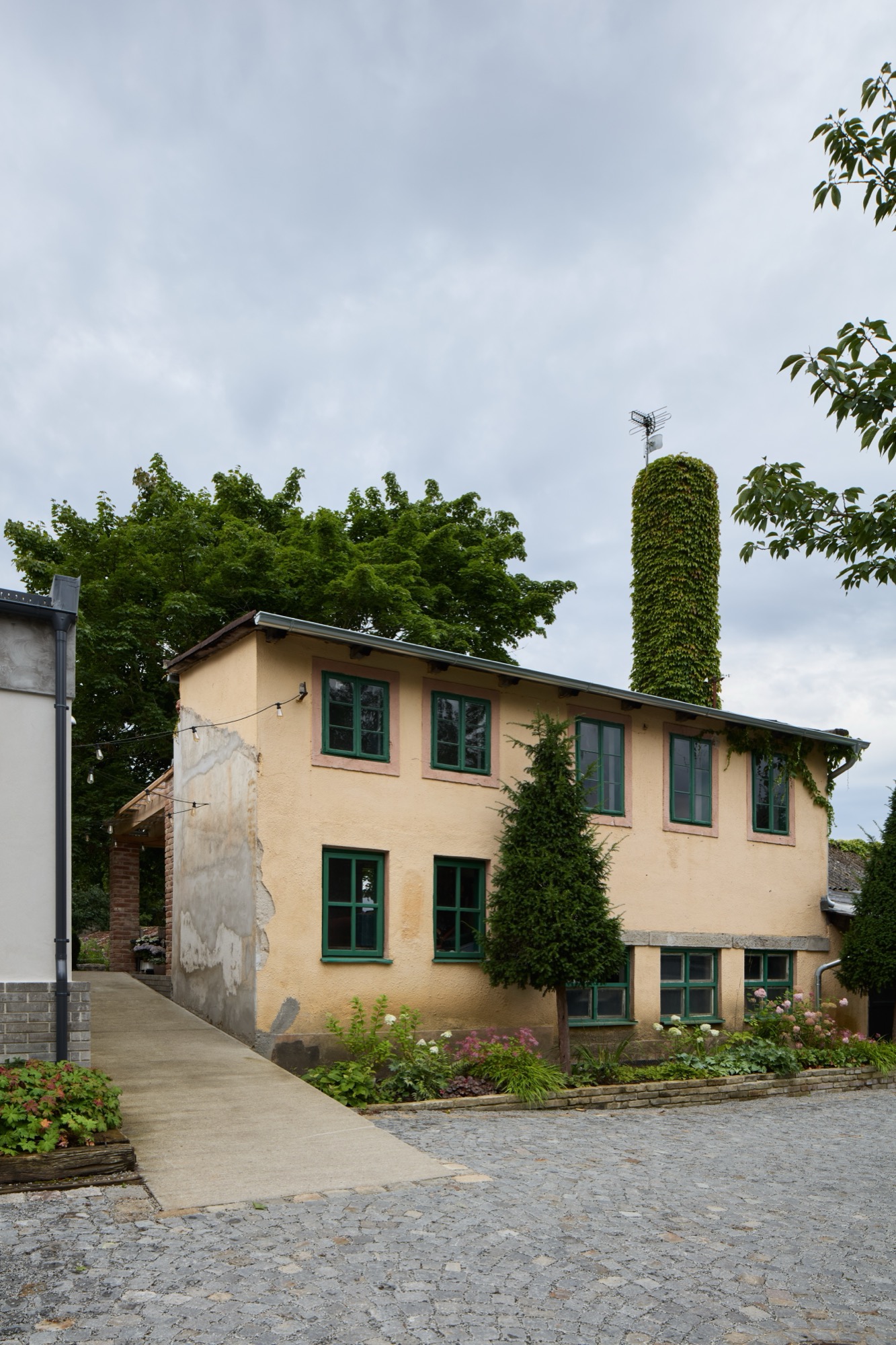
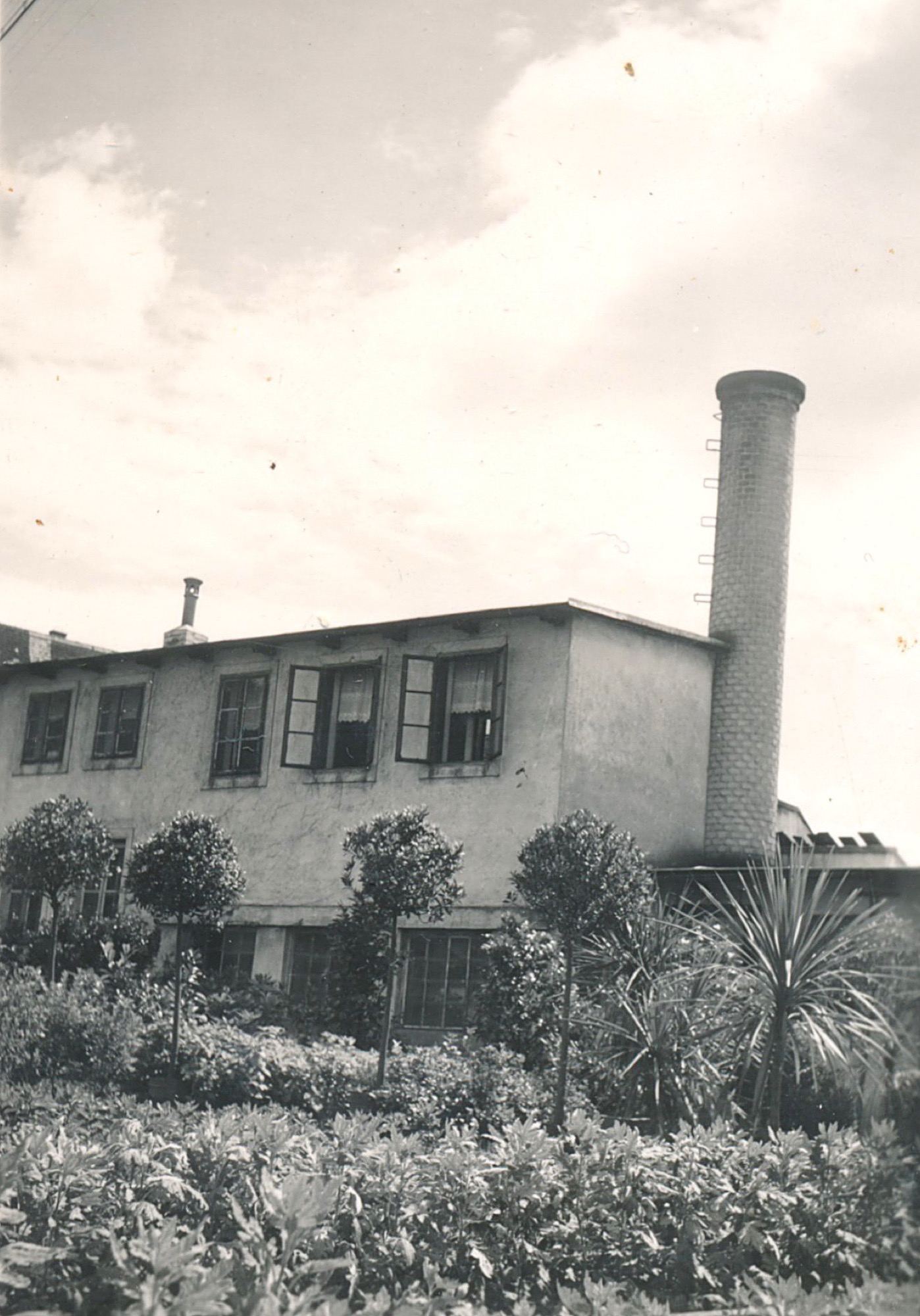
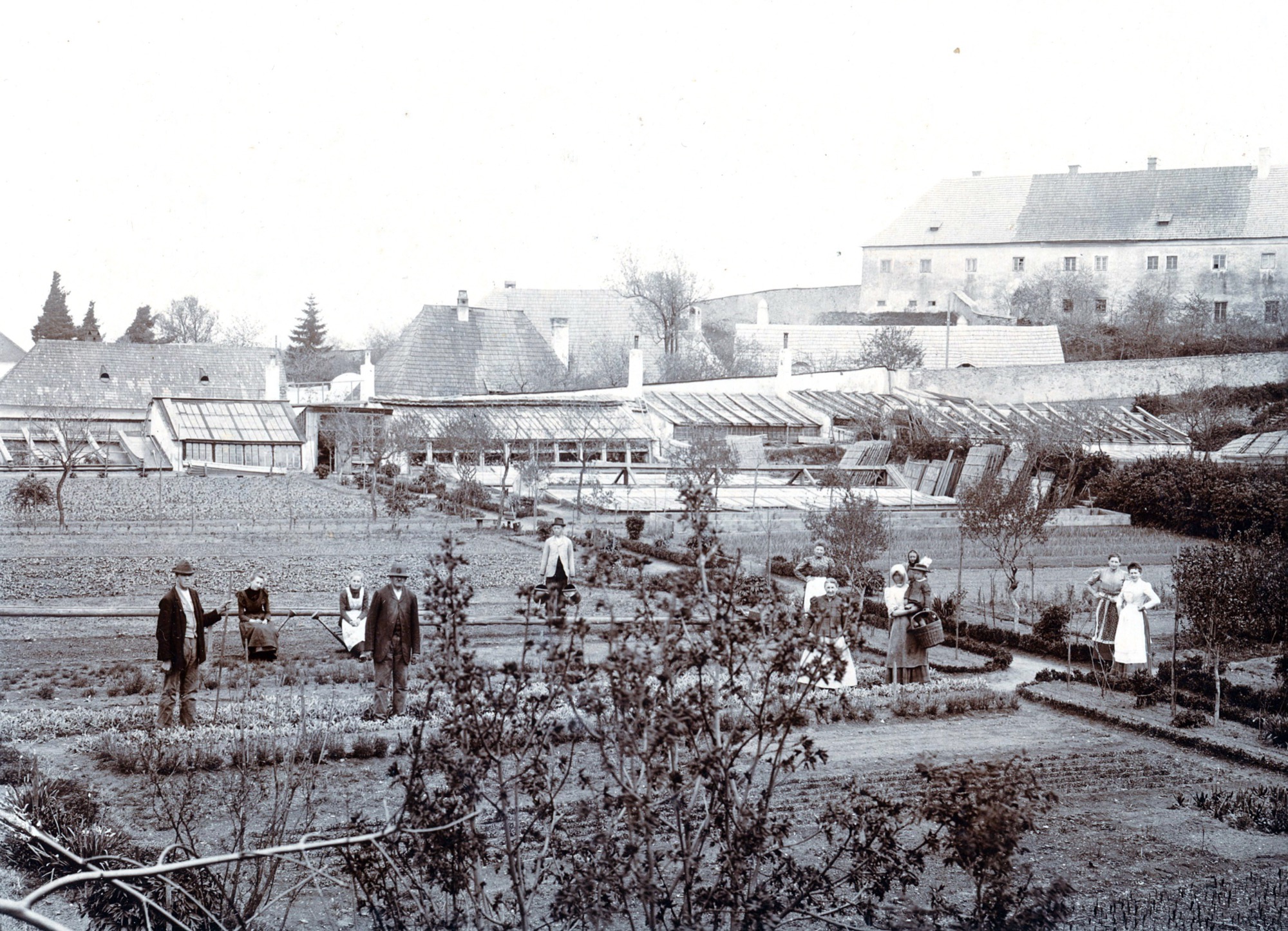
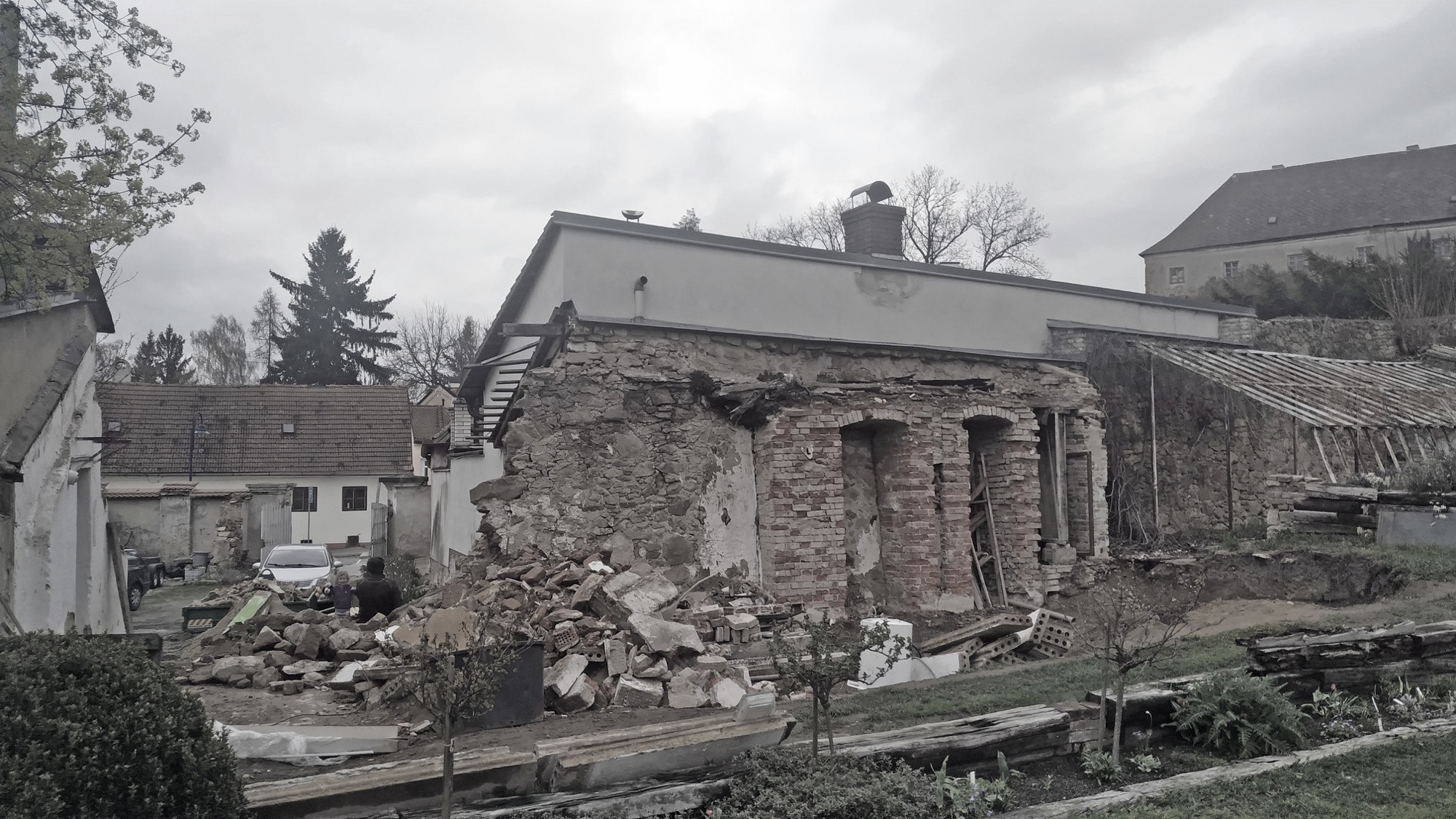
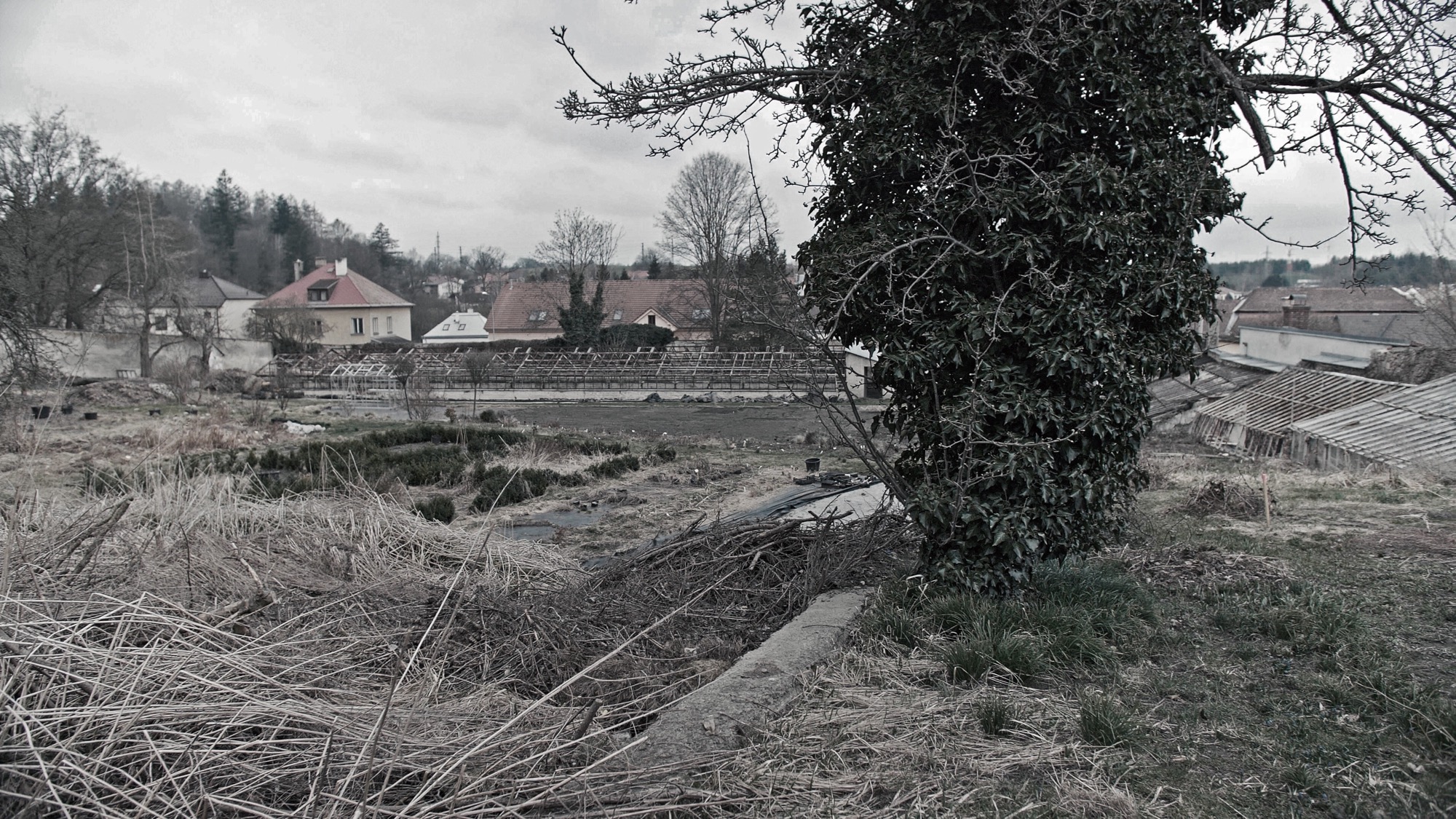
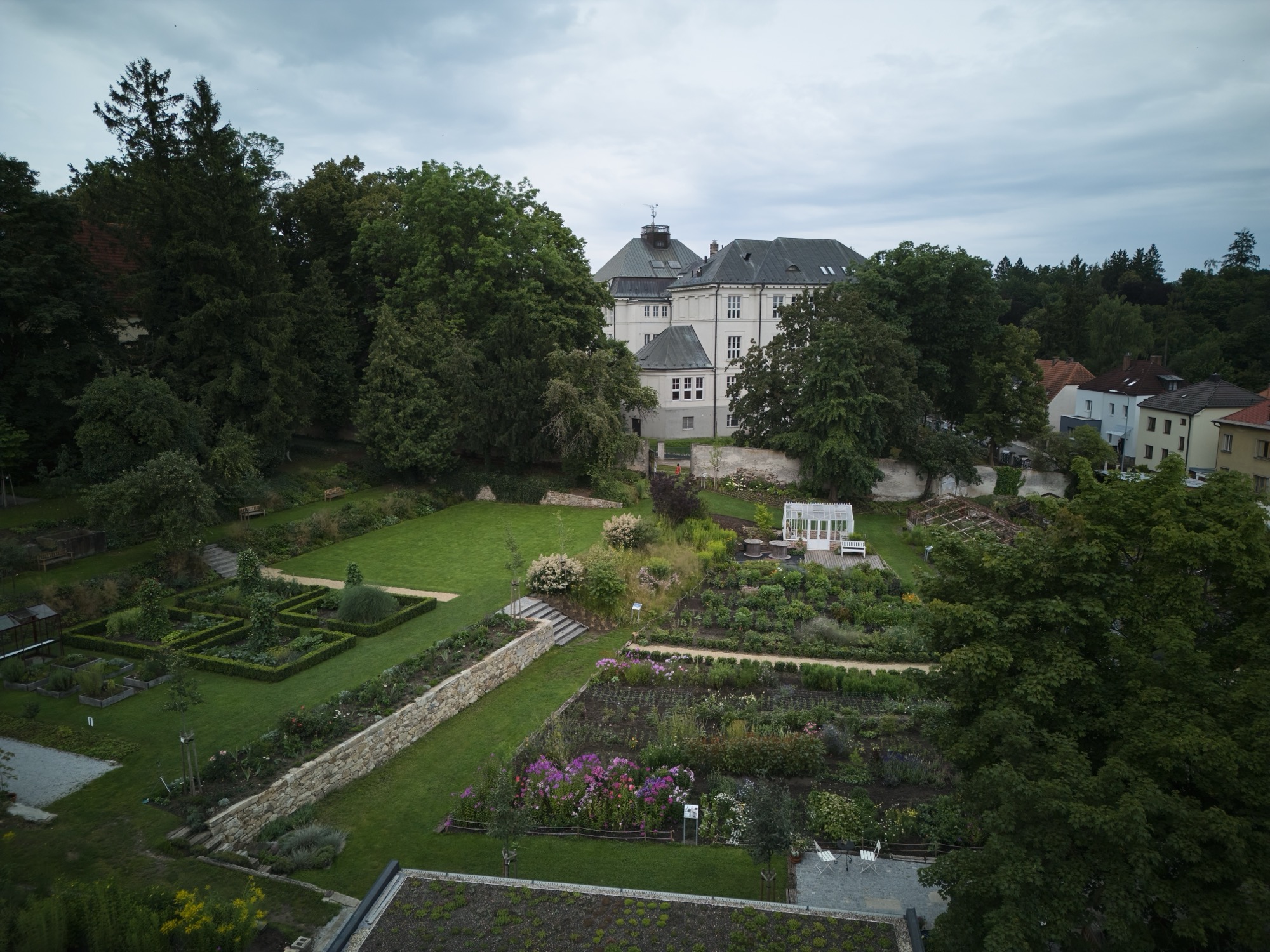
The original Baroque terrace configuration, rediscovered beneath layers of invasive vegetation and debris, serves as an invisible but strictly geometric skeleton. Into this, a new, functional layer was inserted: a productive flower farm, a public park, and a creative hub. A vital element of the project is human continuity. The Kraffer family gardened here for centuries, and their descendants continued to work the land even after nationalization. By picking up this broken thread in 2021 and adapting it to the needs of the 21st century, the historic site has been transformed into a functional economic and social ecosystem capable of self-sustenance.
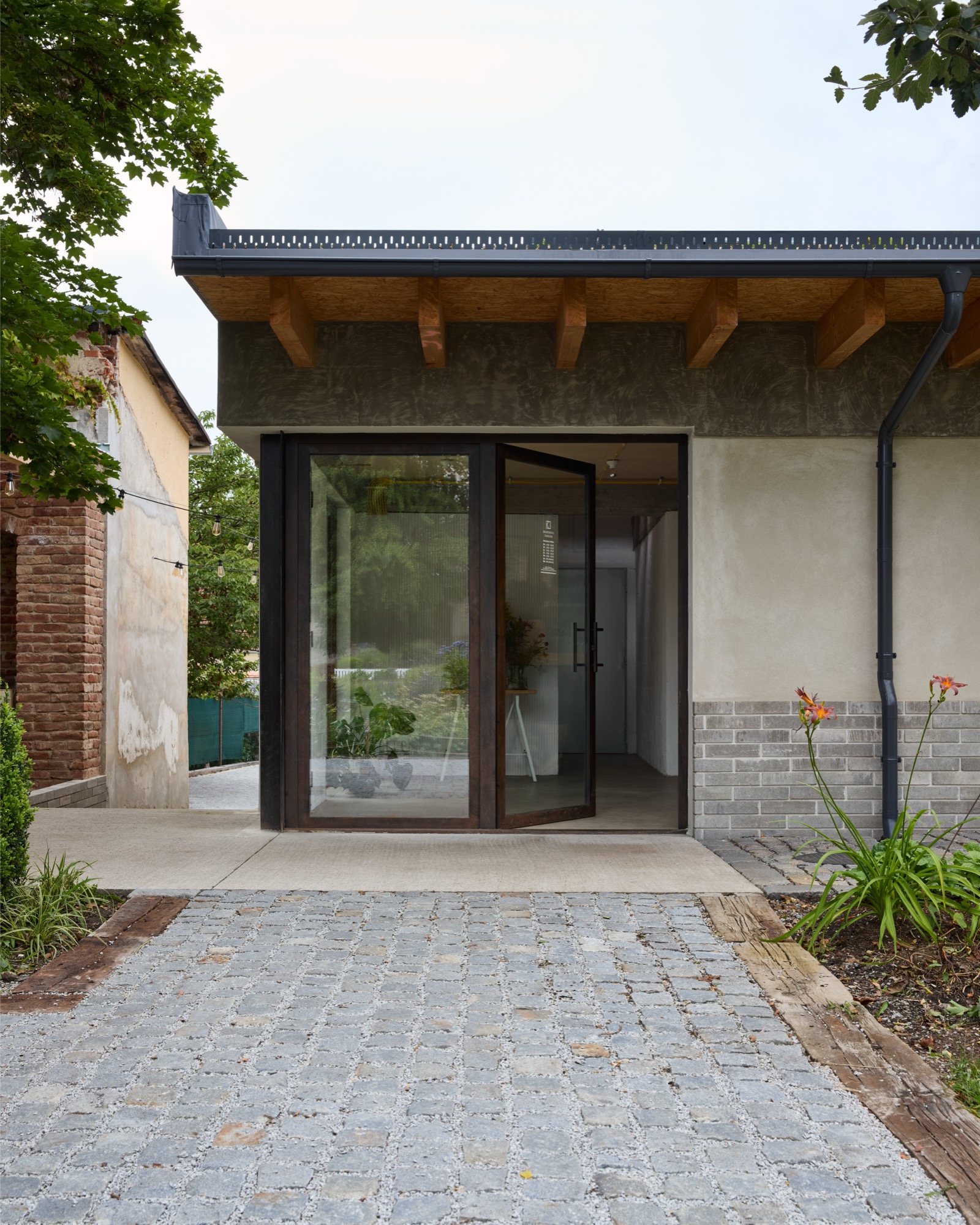
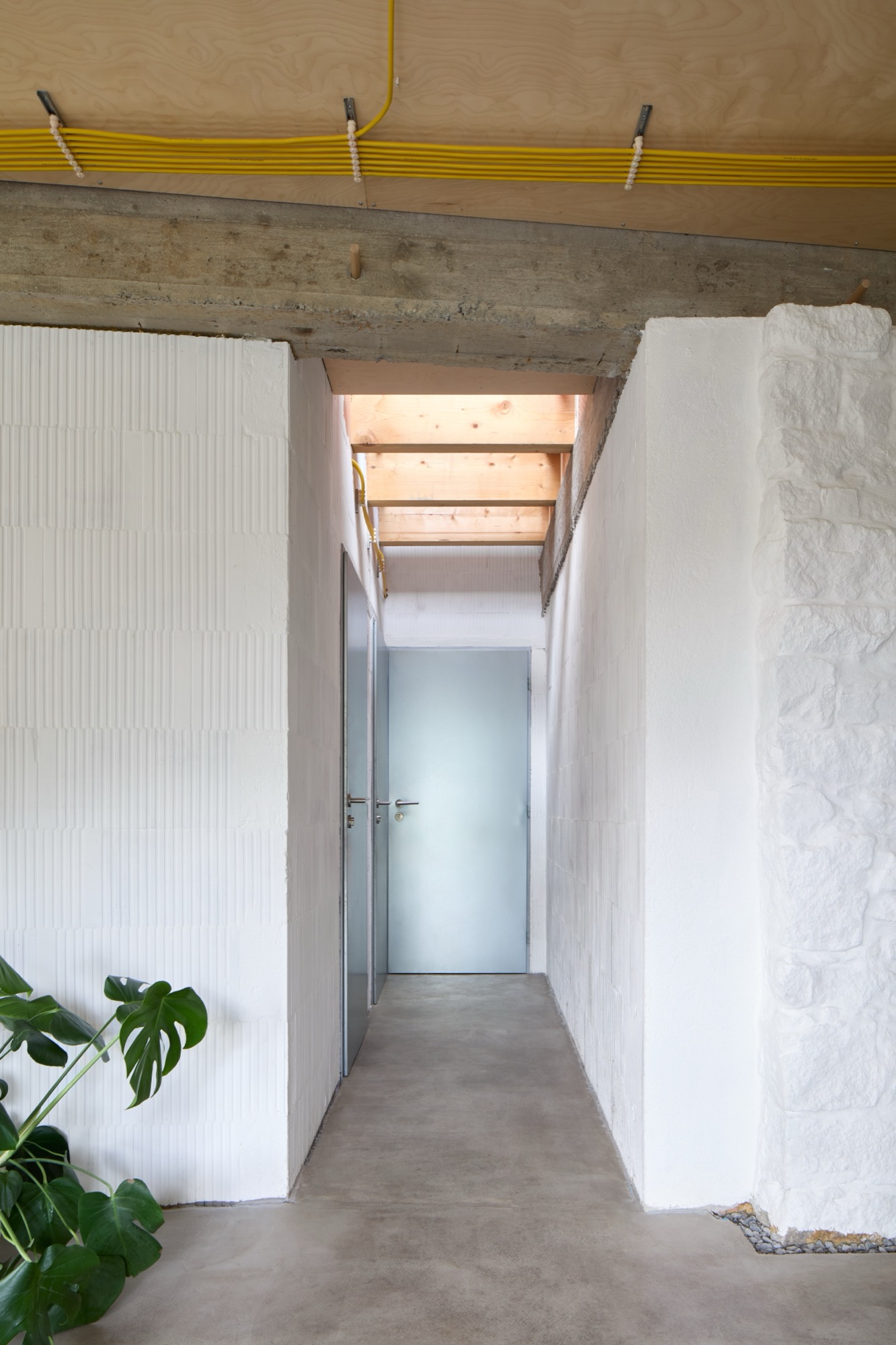
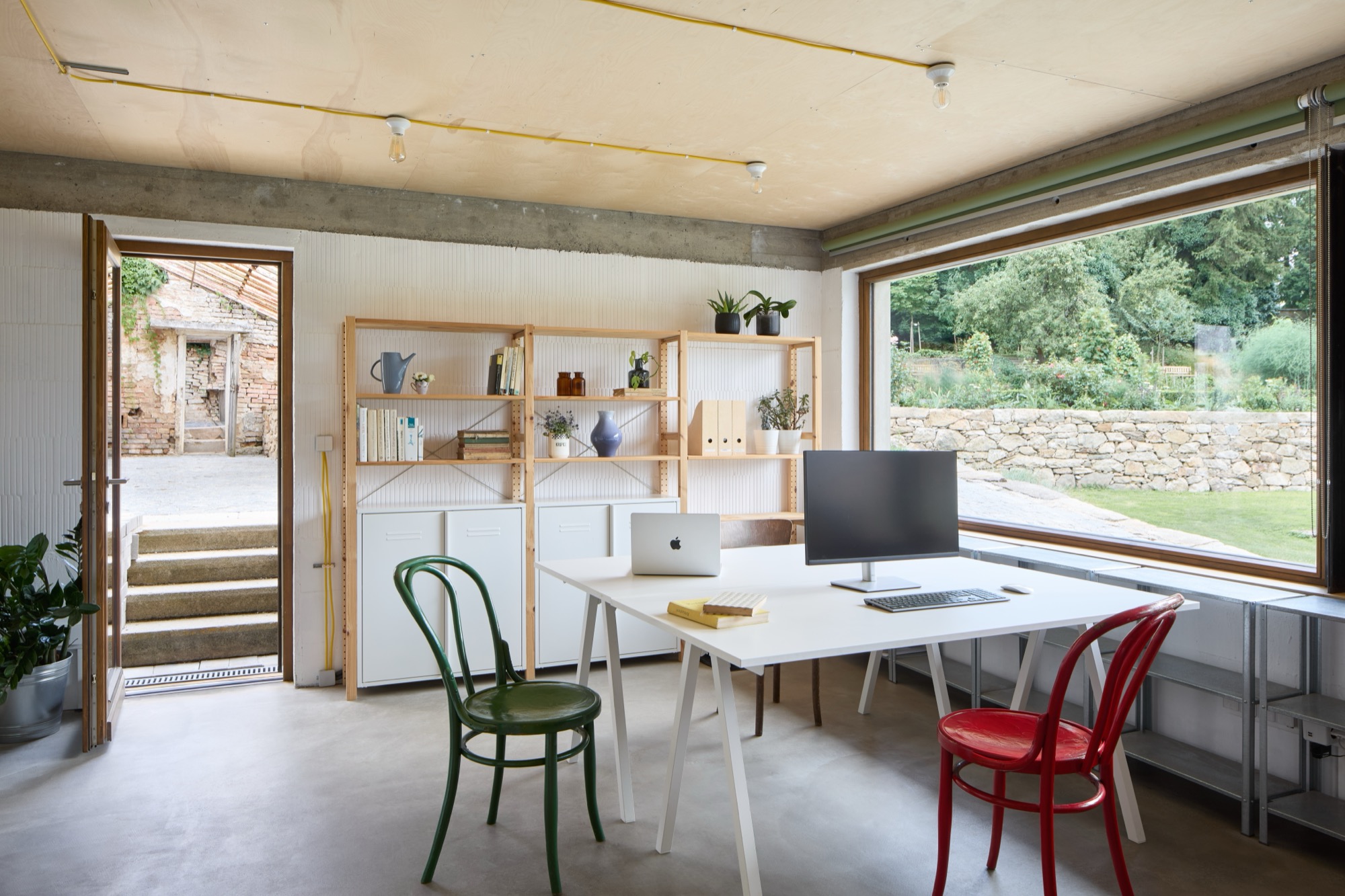
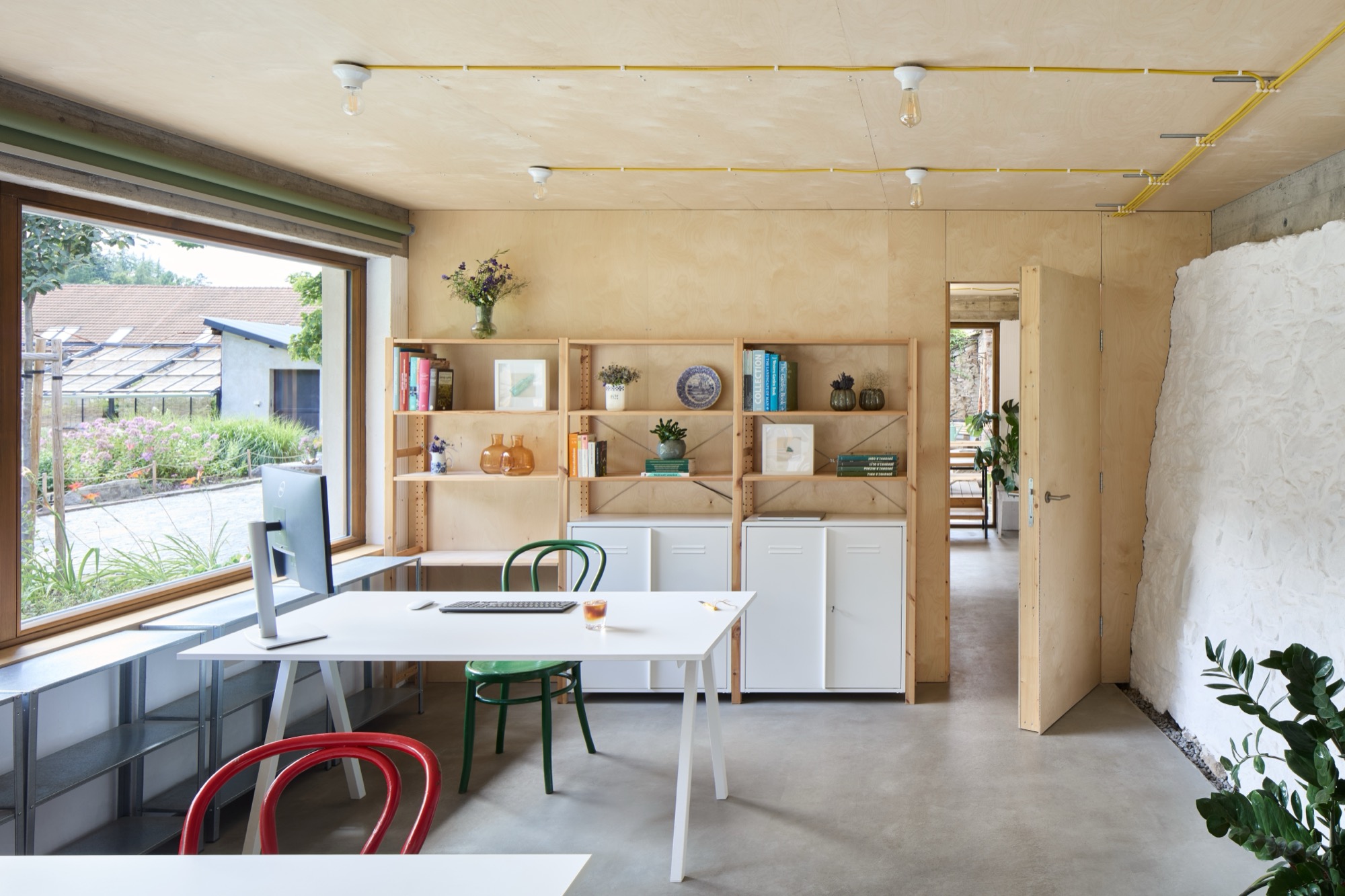
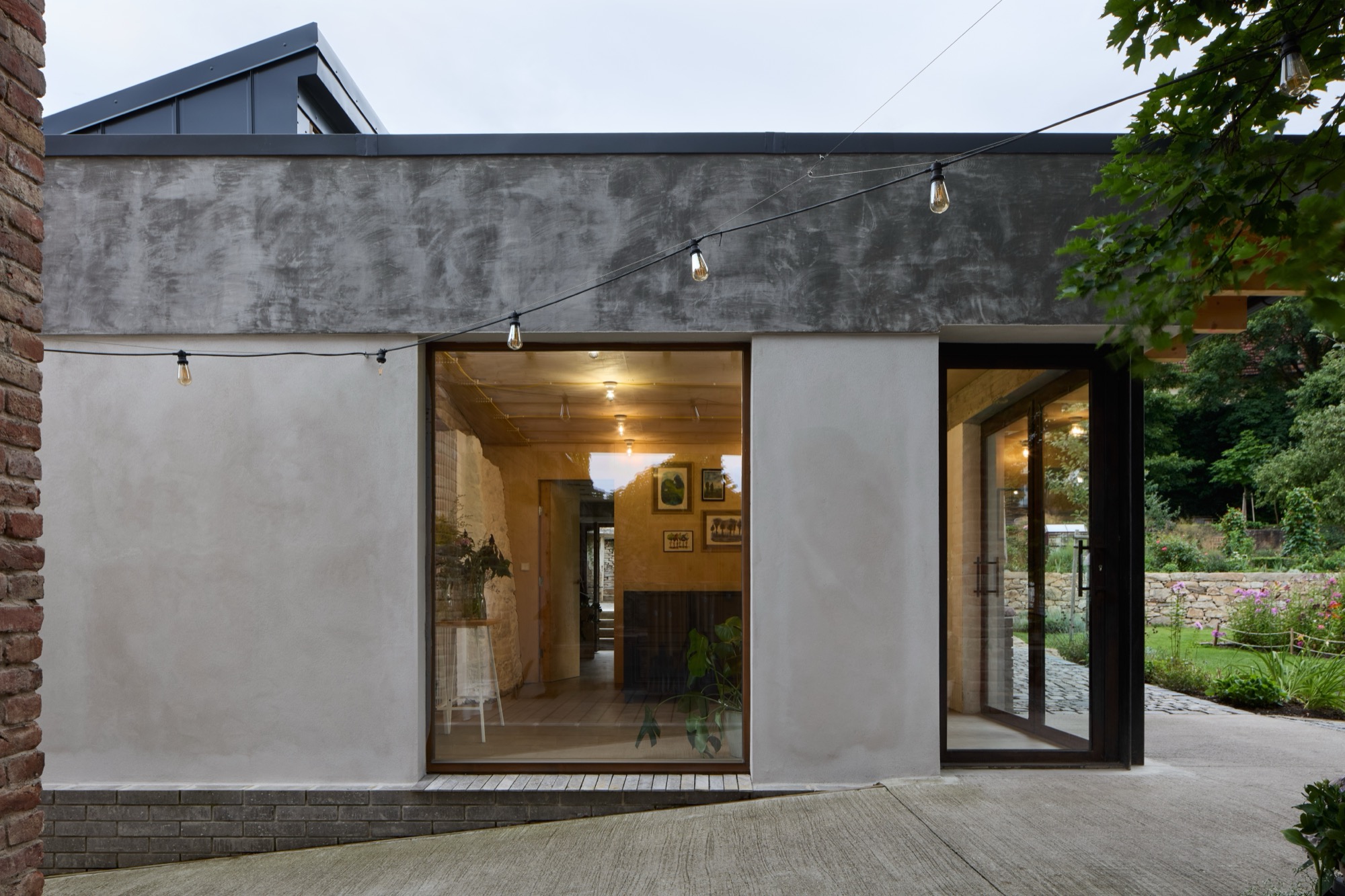
The key architectural and spatial intervention is situated in the northeastern corner of the site. Here, the design grapples with the remains of disparate structures and greenhouses from the late 20th century. Instead of leveling these fragments, the architecture literally “cuts through” them. A new concrete ramp acts as a radical incision, leading visitors through the raw past directly to an open view of the Baroque terraces. It is a moment of architectural awakening, positioned on the edge between industrial decadence and cultivated nature.The new flower shop and studio, built on the footprint of original structures, prioritize material truth and tectonic honesty. The low mass of the building is set on a massive concrete plinth, while the upper structure of lime-whitened blocks and timber maintains a certain material fragility. A decisive moment is the construction detail where a heavy, exposed concrete lintel physically leans against the original Baroque perimeter wall of quarry stone. These two eras do not just complement each other visually; they support each other structurally through direct contact. Inside, nothing is hidden behind plaster; beauty lies in the exposed construction and the tactile dialogue between wood, concrete, and stone. The green roof seamlessly connects to the vegetation of the upper terraces, allowing the house to visually dissolve into the topography of the garden.
In Kraffer Garden, sustainability is a fundamental principle of survival rather than a buzzword. As a certified “Natural Garden,” the project strictly rejects pesticides, promotes local biodiversity, and employs responsible water management. The entire site operates on the principles of blue-green infrastructure; rainwater from the roofs is retained and used to irrigate the flower farm. All paved surfaces are designed to be permeable, maintaining the microclimate and the natural water cycle within the urban environment.During construction, the principles of the circular economy were paramount. Material from demolished ruins was recycled and reused in the foundations and paths. The construction relied on manual labor and local resources, minimizing the embodied energy of the project. The “horticultural circus” thus creates an economically self-sufficient entity capable of further development and flexible adaptation to climatic and social changes.
Kraffer Garden is not a static project, but a constantly changing organism. It proves that architecture and landscape design can be powerful tools of regeneration, restoring meaning to neglected places and connecting contemporary needs with deep collective memory. It is not a place for the passive consumption of beauty, but a space for active engagement, cultivation, and creation. The project demonstrates that the path to reclaiming an urban brownfield does not lead through demolition, but through an understanding of historical layers and the courage for honest, truthful expression in the present.
49.14900000000000, 15.00000000000000
74231


LILA 2026 Sponsor