Dreaming in the Lotus Bay
2026 Private Gardens / USA / Built in 2022 /

![Bayfront Park is a dynamic 5.5-acre park along the evolving eastern edge of Mission Bay in San Francisco. With its palette of rugged and reclaimed materials, Bayfront Park reconnects present-day Mission Bay to its maritime history. Mission Bay has been in a period of planning and rapid development since the early 2000s. As the last […]](https://landezine-award.com/wp-content/uploads/2026/05/Bayfront-Park_00_HERO_Marion-Brenner-600x450.jpg "Mission Bay Bayfront Park")
![Founded on the principles of the Arts and Crafts movement, California College of the Arts (CCA) has trained creative minds from around the world for over a century. Known for its holistic, hands-on approach, the institution fosters interdisciplinary dialogue across art, design, social practice, sustainability, and community engagement. Today, CCA’s facilities—once split between San Francisco […]](https://landezine-award.com/wp-content/uploads/2026/05/CCA_00_HERO_Thomas-Nideroest-600x338.jpg "California College of the Arts (CCA) Campus Expansion")
This small landscape project emerged during the 2020–2022 pandemic as a solo effort—entirely conceived and built by the designer himself. Rooted in personal experience, it centers on the deeply human idea of a family harbor. Life is like sailing across a vast ocean, and the home is its harbor—a powerful metaphor that transcends cultures and connects us all. The pandemic intensified this shared understanding, inspiring the designer to create an unprecedented “family harbor” within his own courtyard. As the most essential unit of human habitation, the yard suggests that a major breakthrough in private living environments could ultimately inspire broader transformations in human settlement patterns.
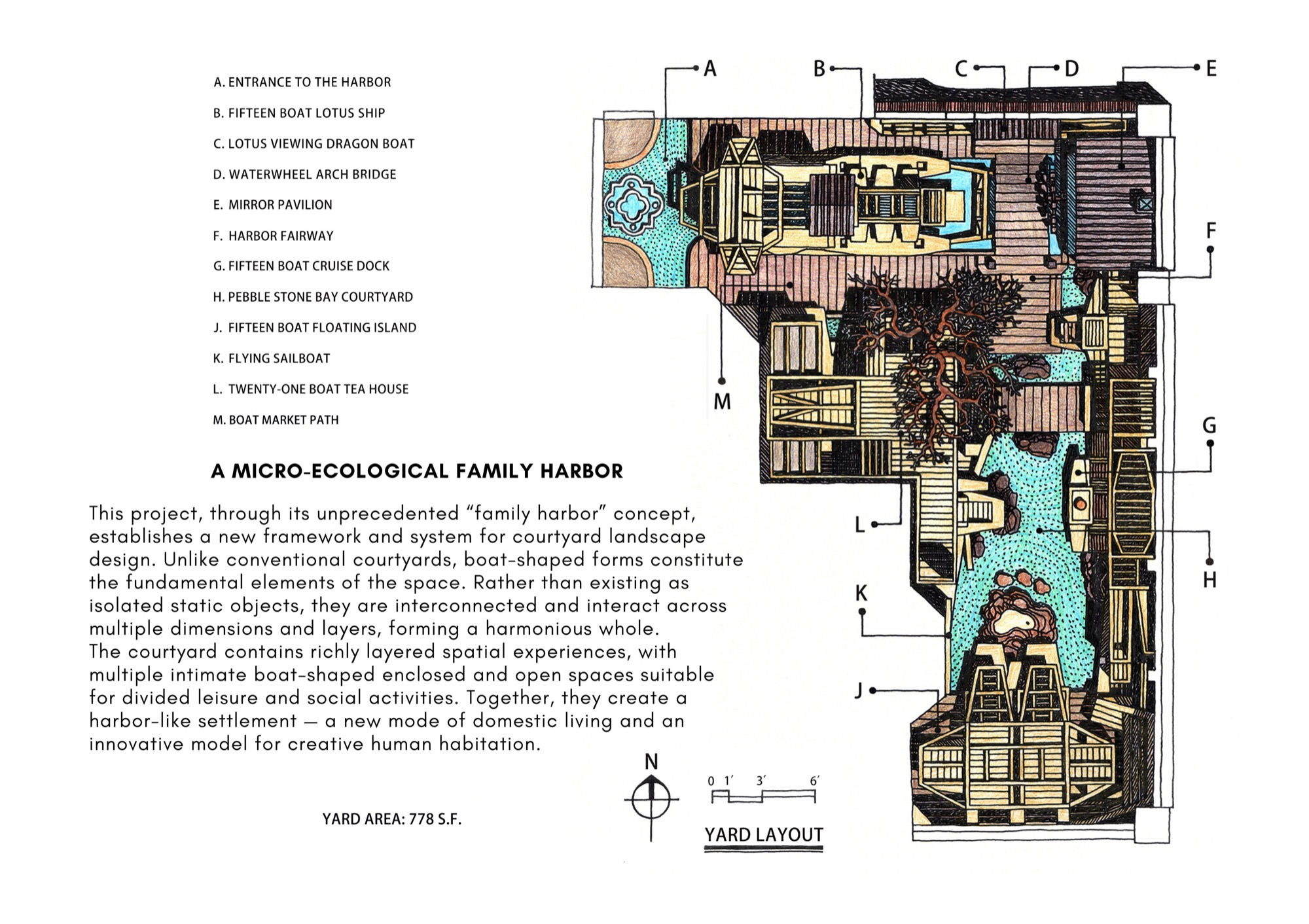
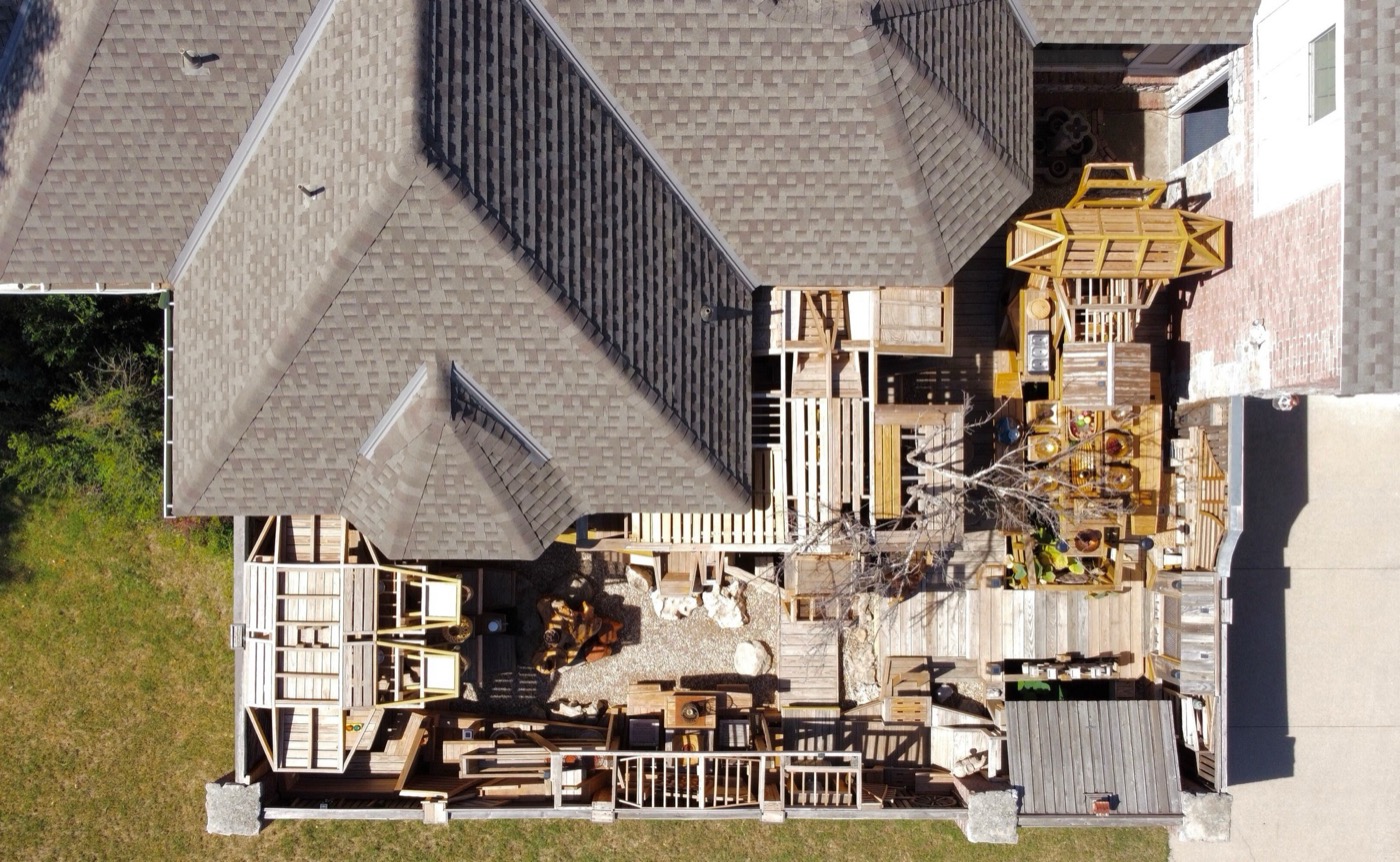
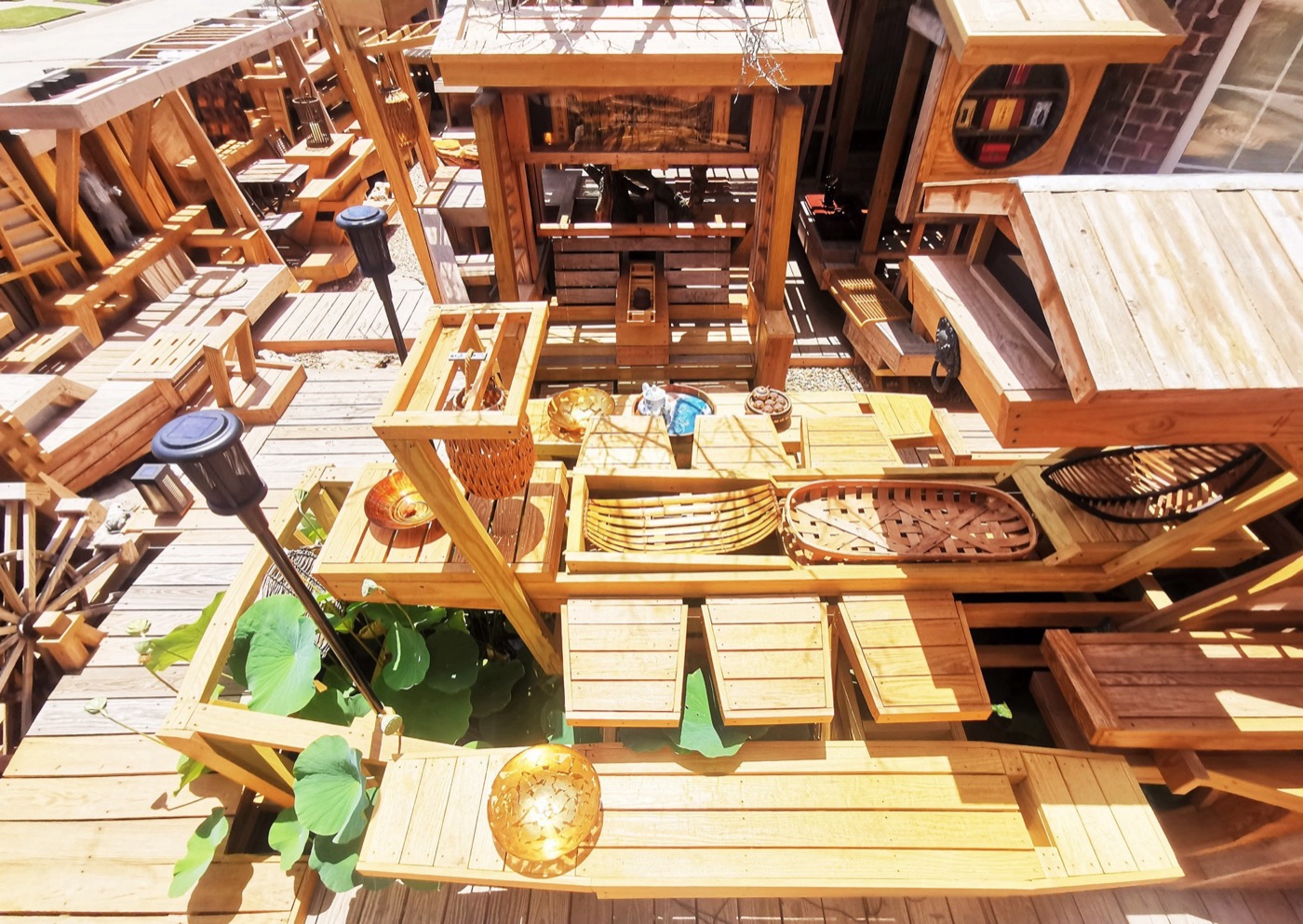
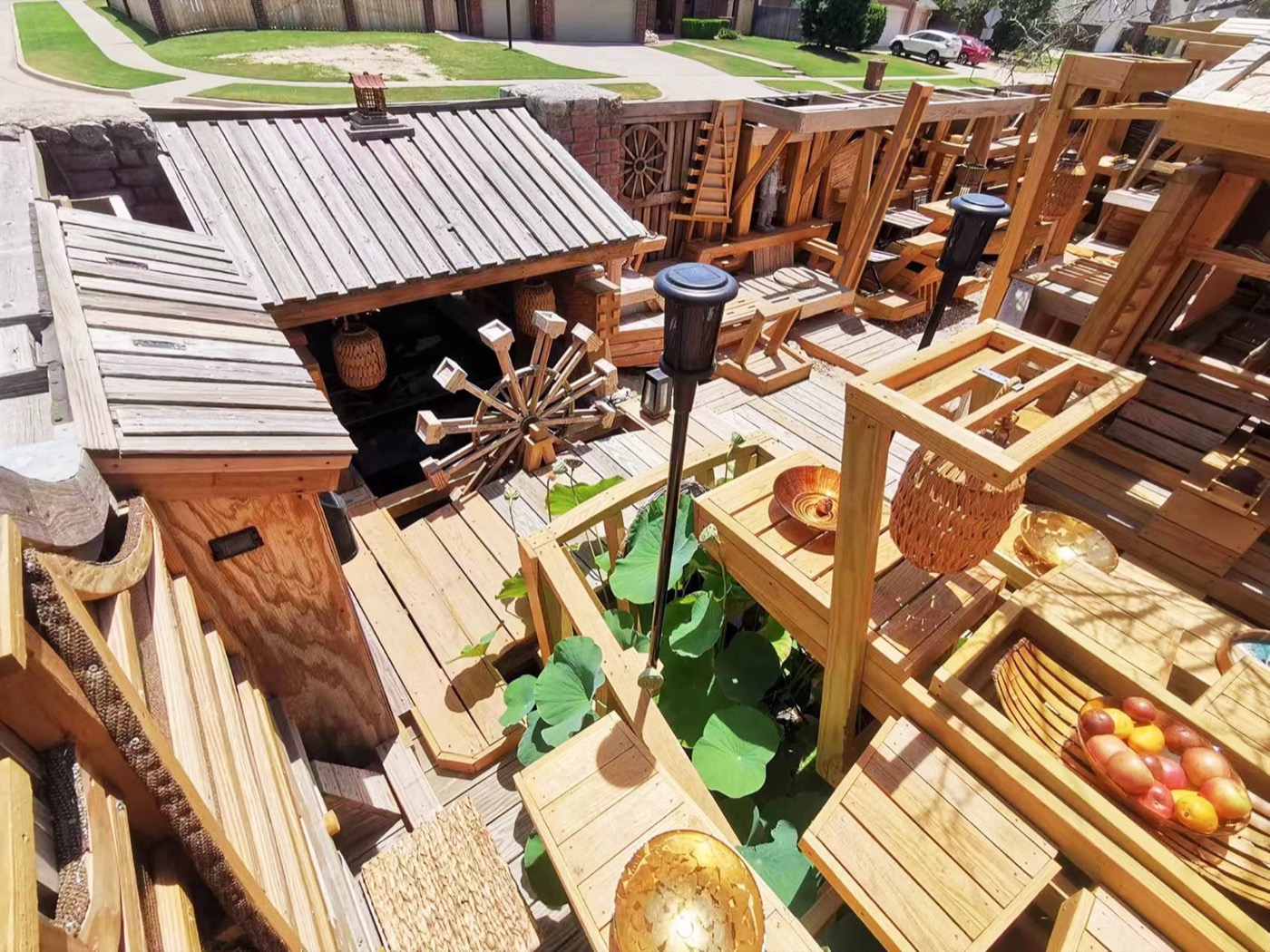
This project reimagines the private garden as a resilient micro-habitat that reconnects daily life with nature and evolving social dynamics. Located within a typical suburban backyard in the inland prairie region of the United States, the design addresses the isolation of domestic living by transforming the site into an immersive, self-sustaining landscape system. A dramatic yet intimate scene unfolds: sixty-eight “boats” are arranged in rhythmic formations throughout the yard, forming the heart of the design.
Fully networked and interactive, the project embraces internet-era thinking while blending Eastern and Western cultural influences across time and space. In complete contrast to traditional courtyards, it introduces a harbor-community atmosphere in place of the conventional single-family yard setting, and a floating spatial language in place of static landscape composition. Multiple intimate boat-shaped enclosed and open spaces support leisure, gathering, and social interaction, creating a warm environment that reflects an entirely new lifestyle. Unique gathering spaces float on water or are nestled within the “boats,” vividly illustrating how residential environments can evolve in response to changing societal needs.
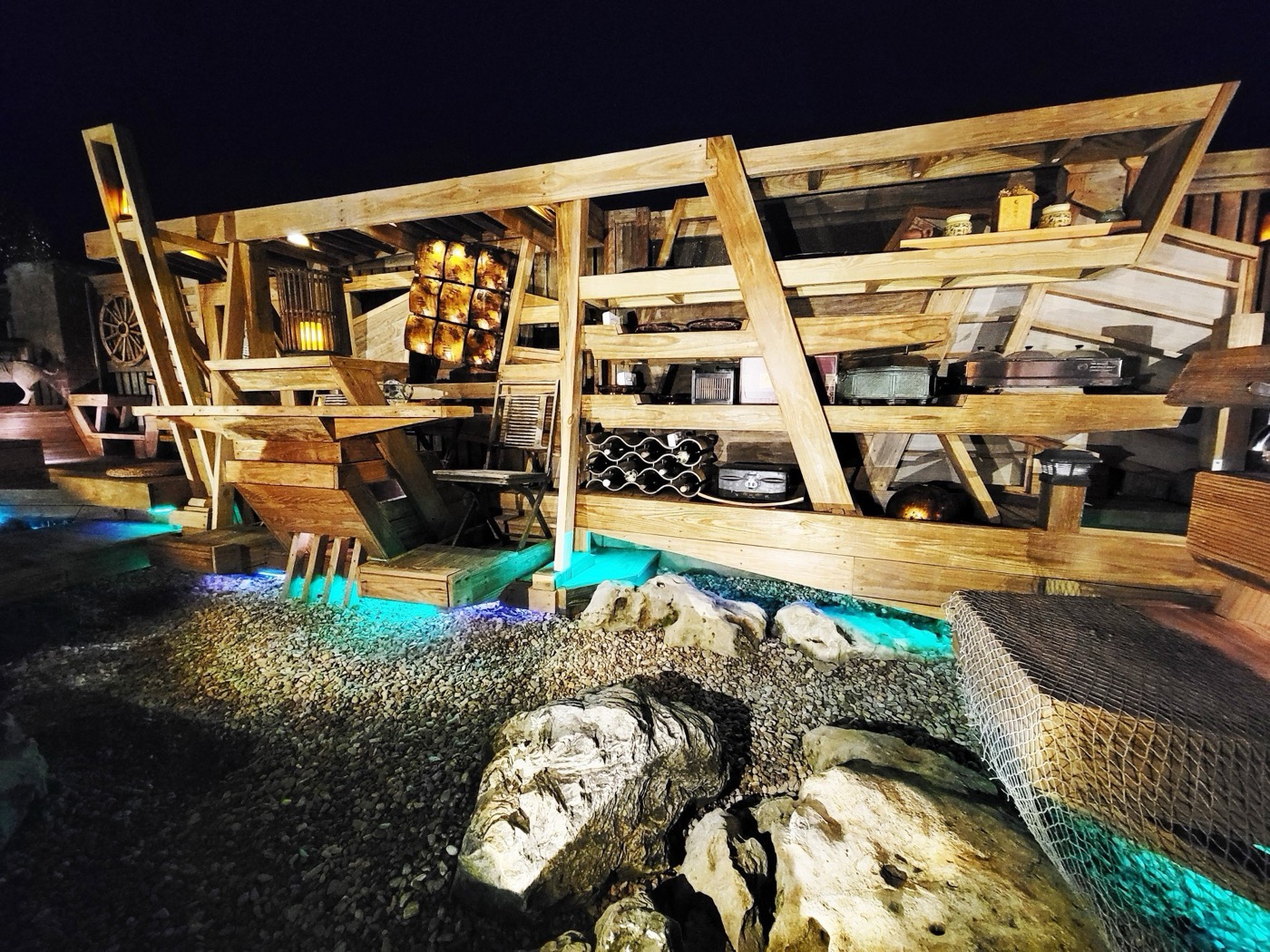
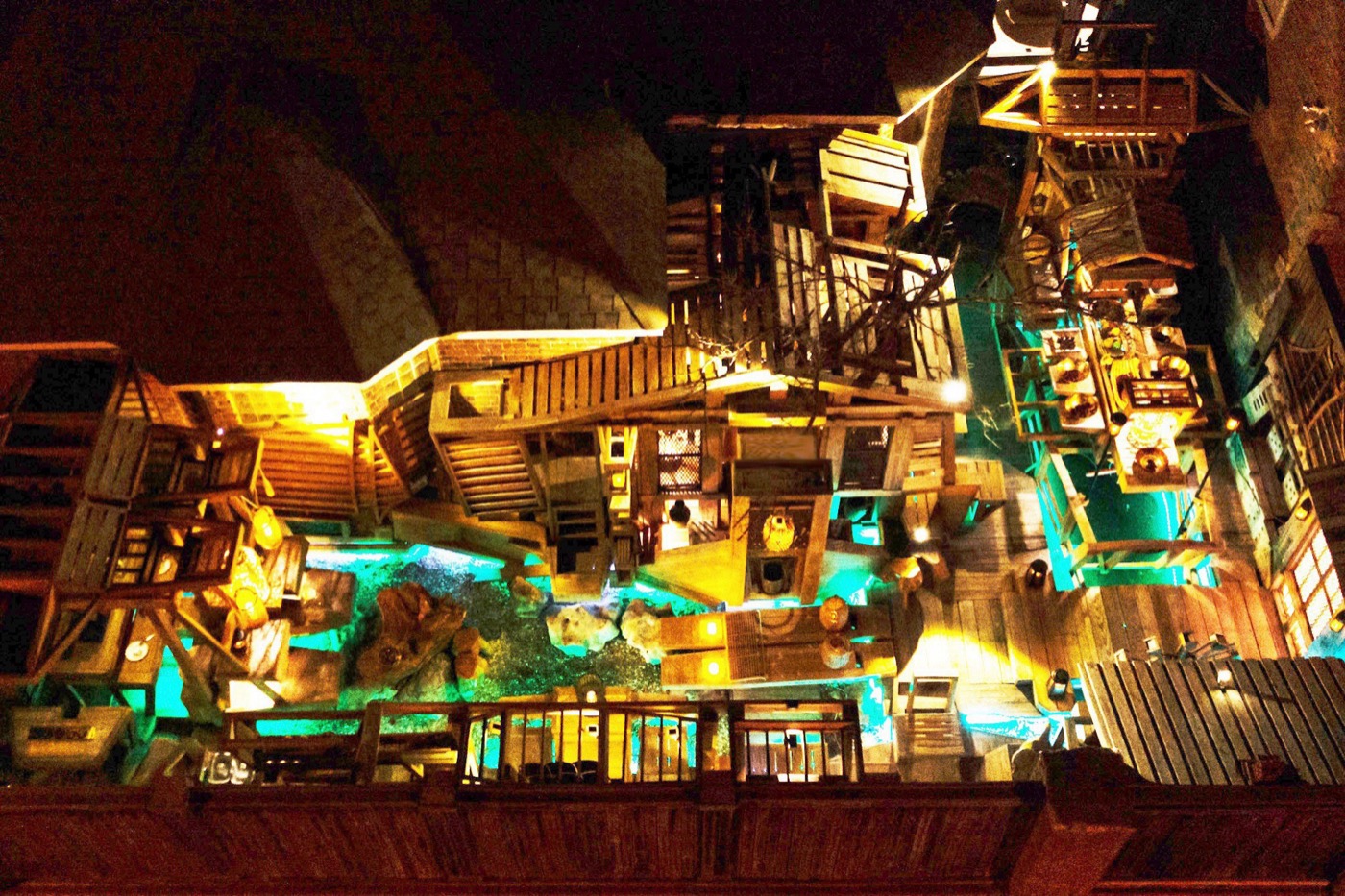
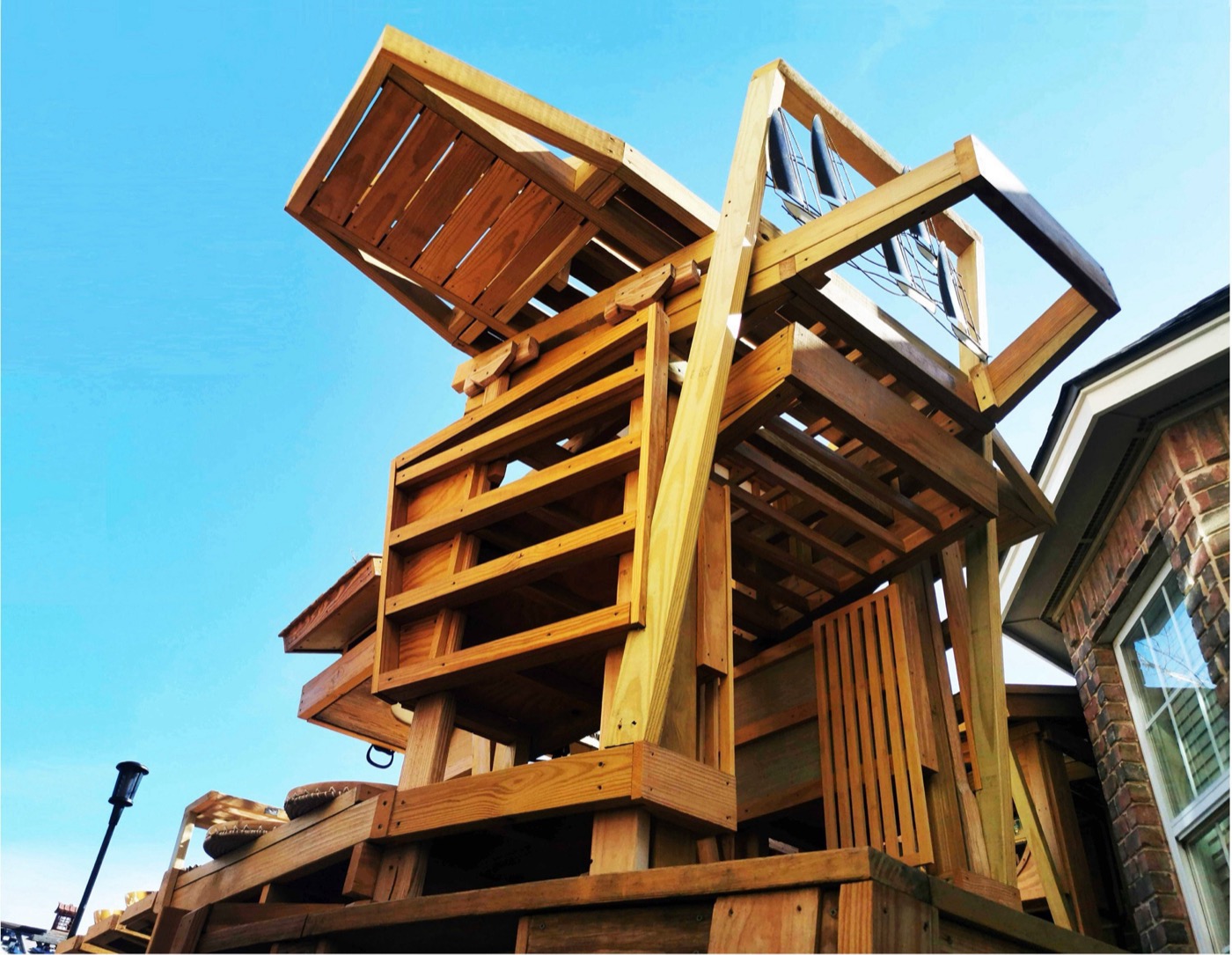
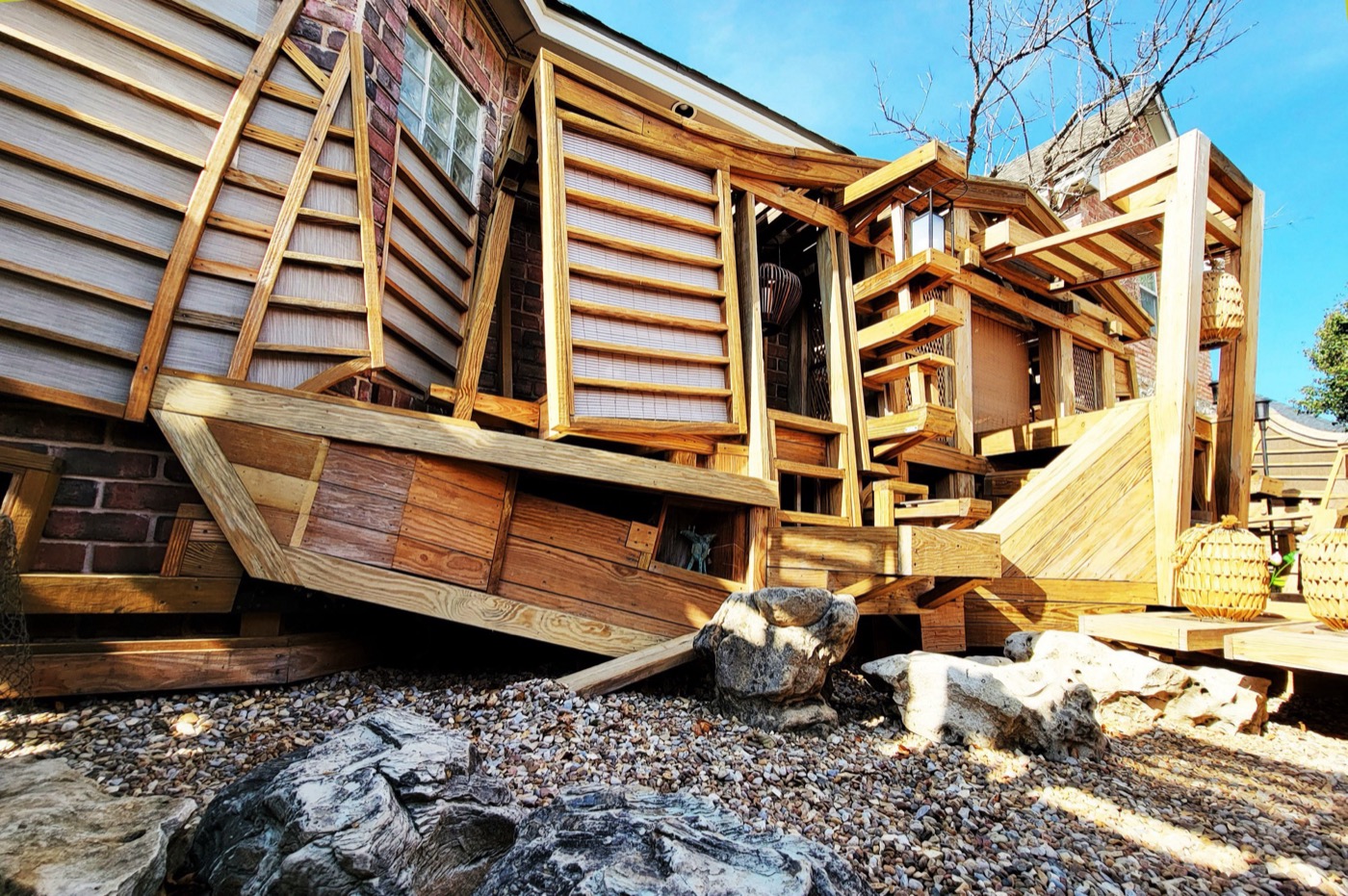
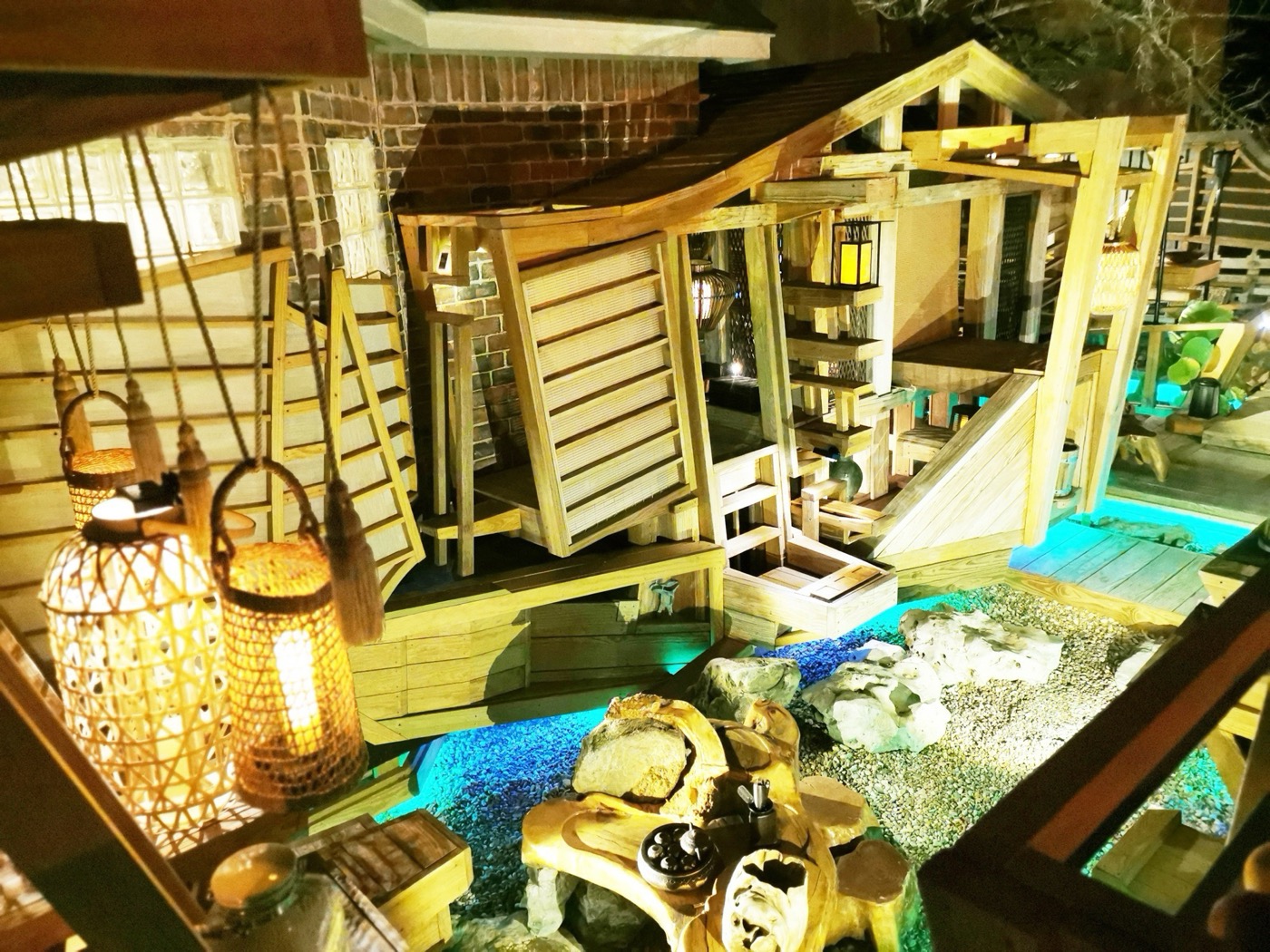
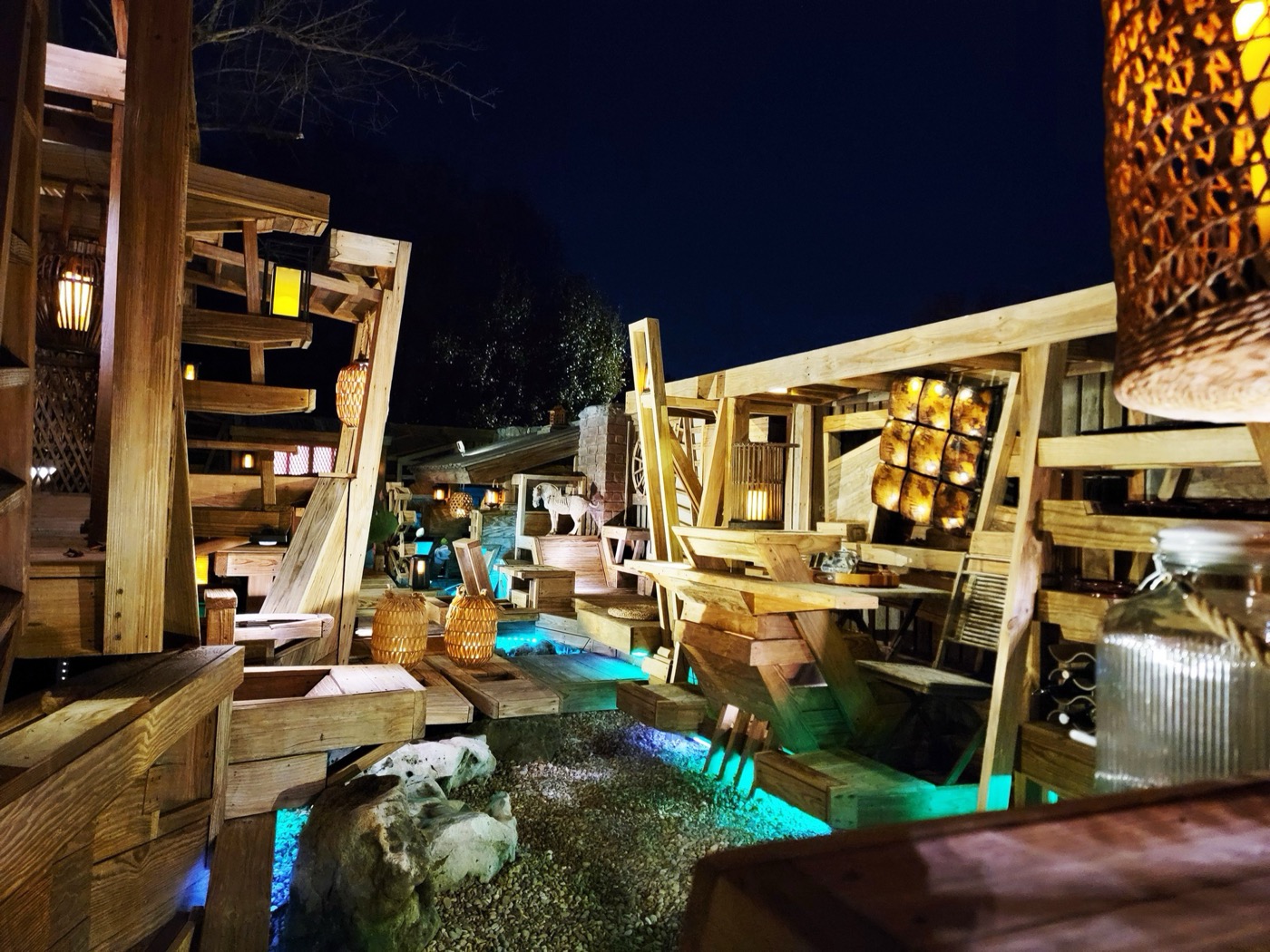
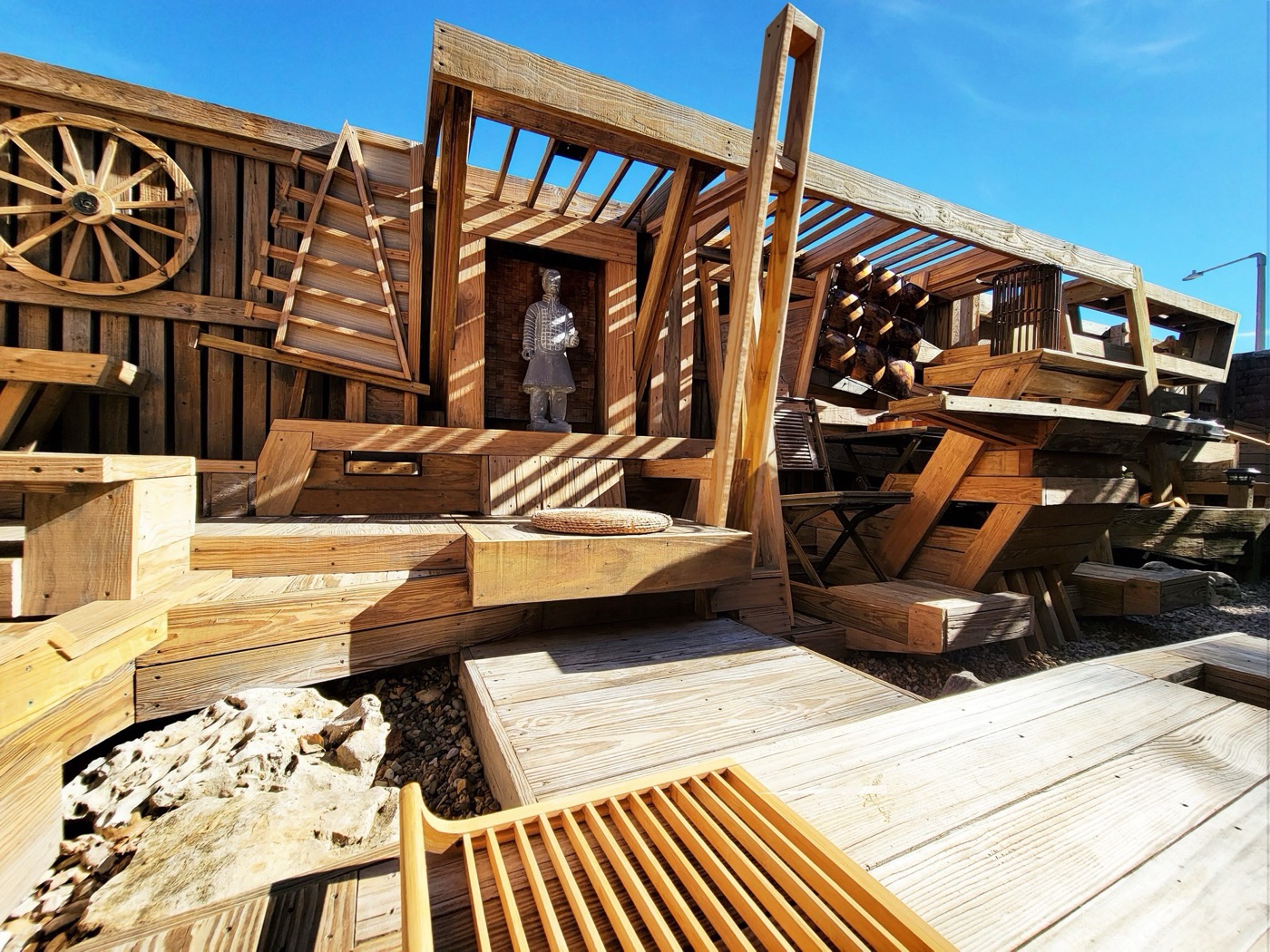
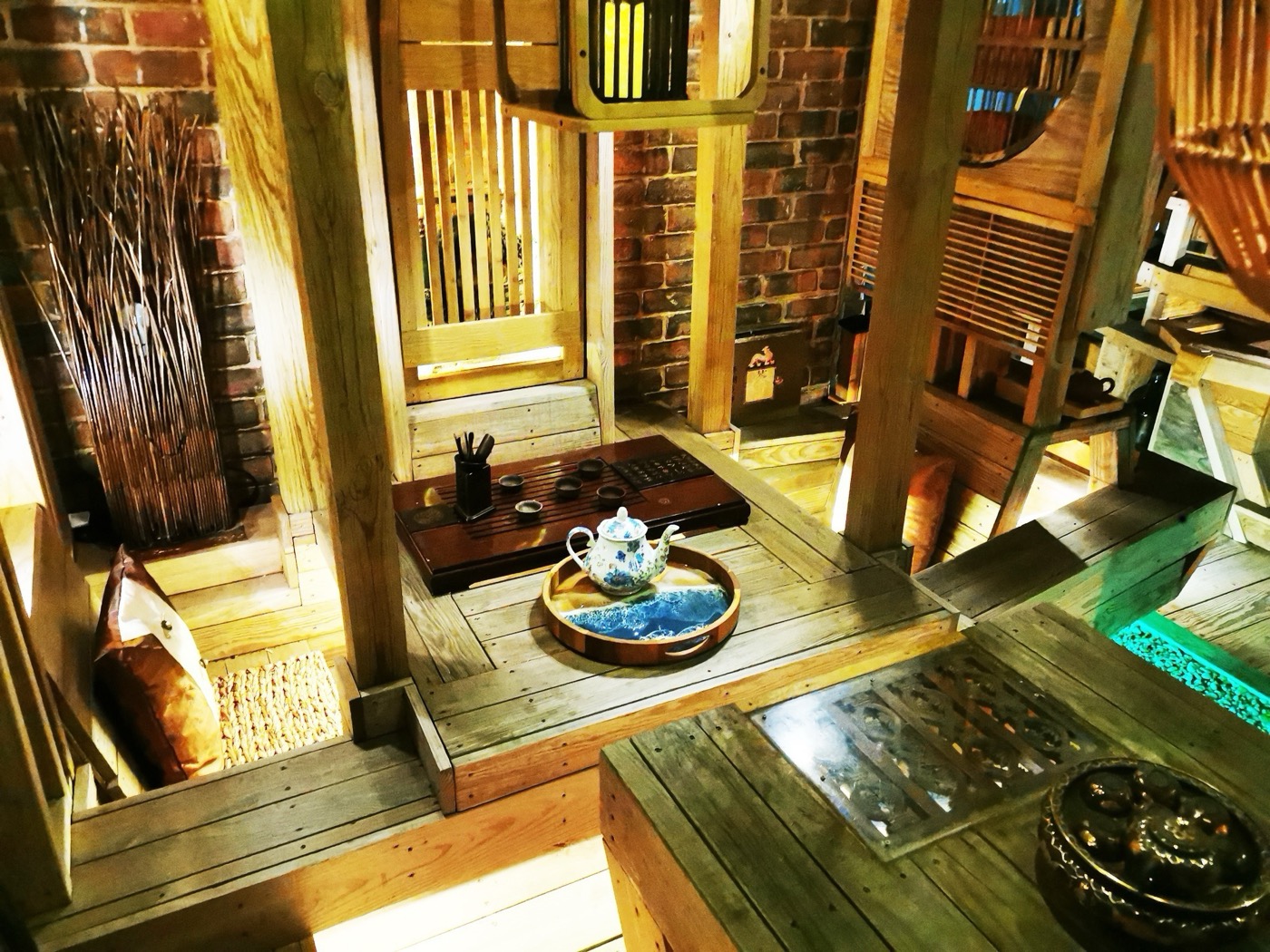
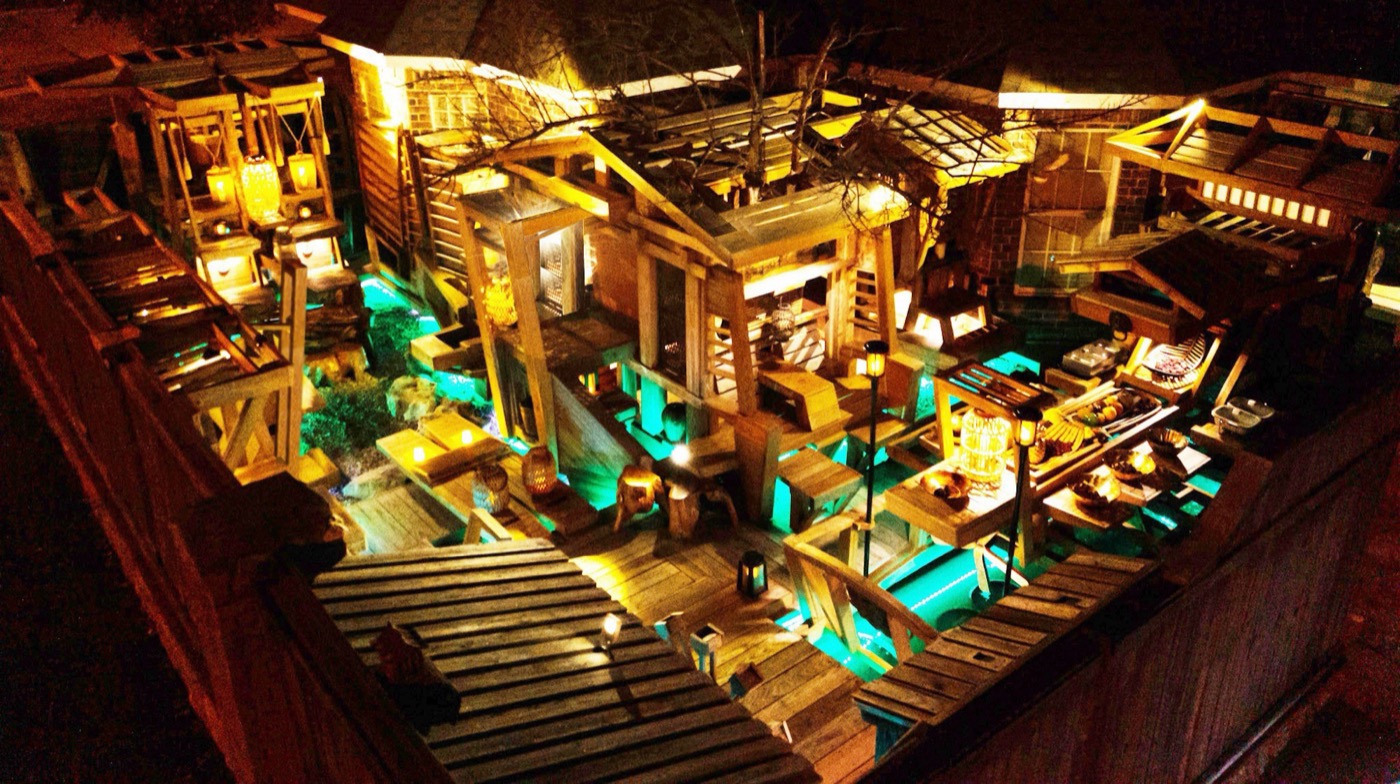
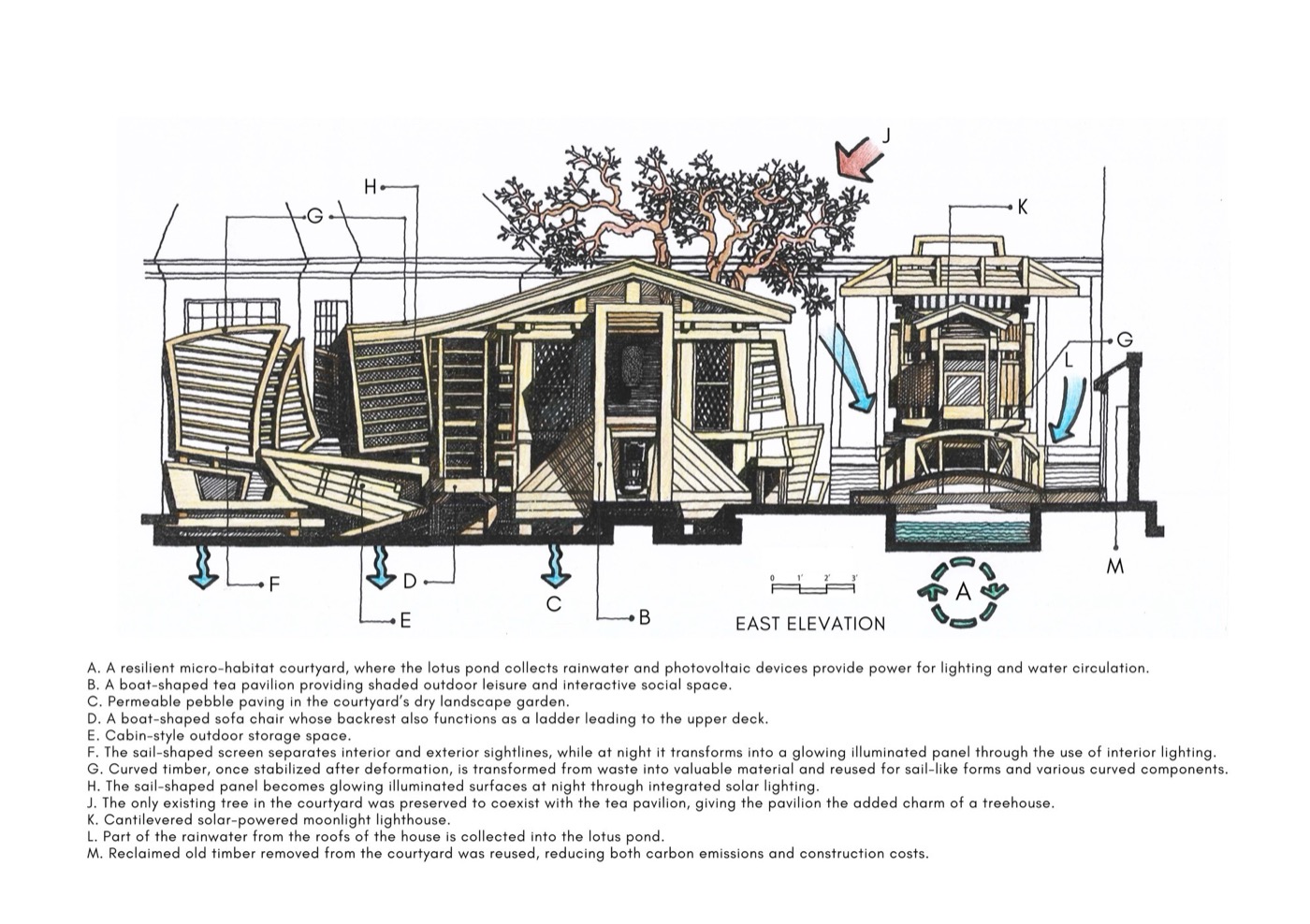
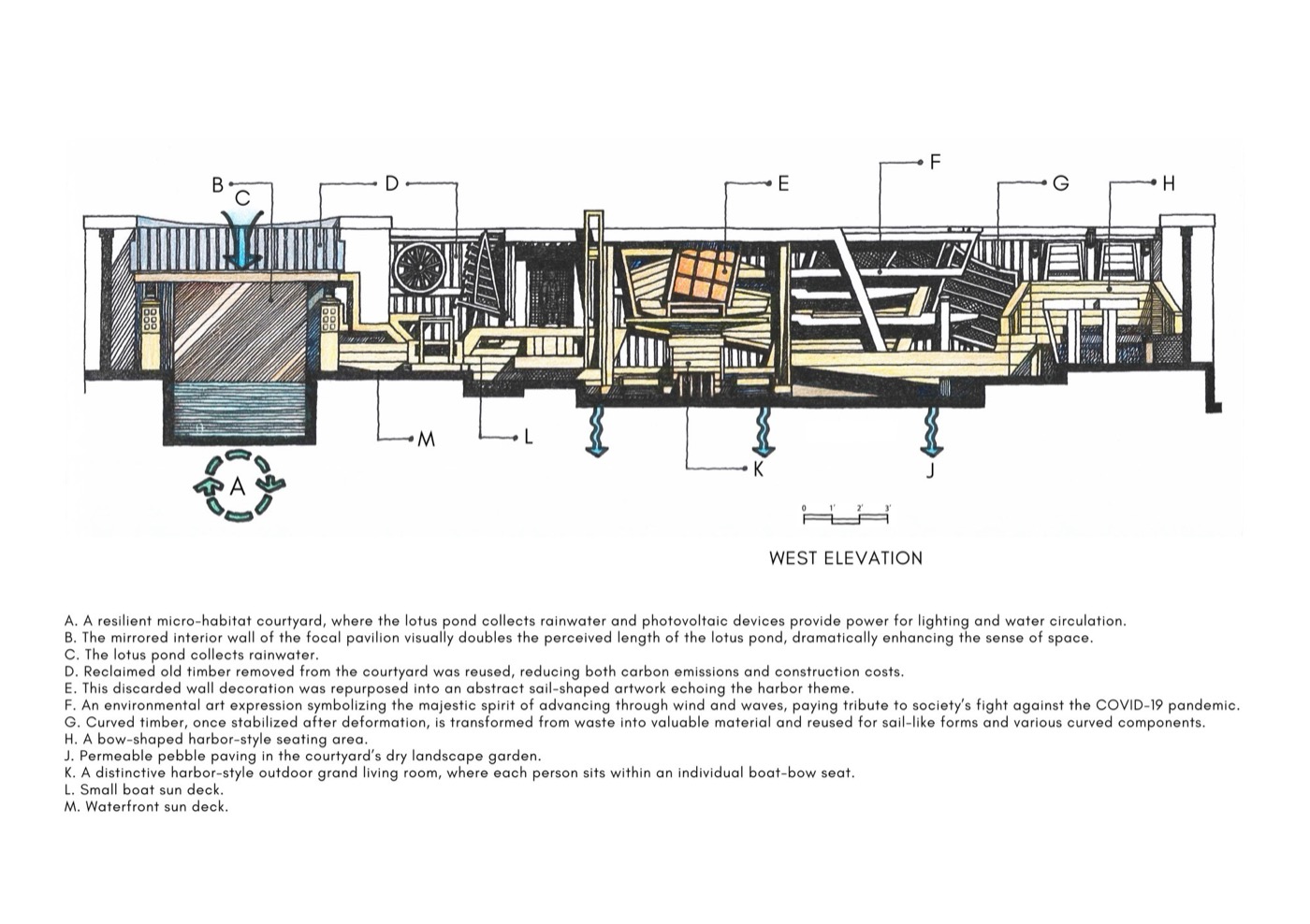
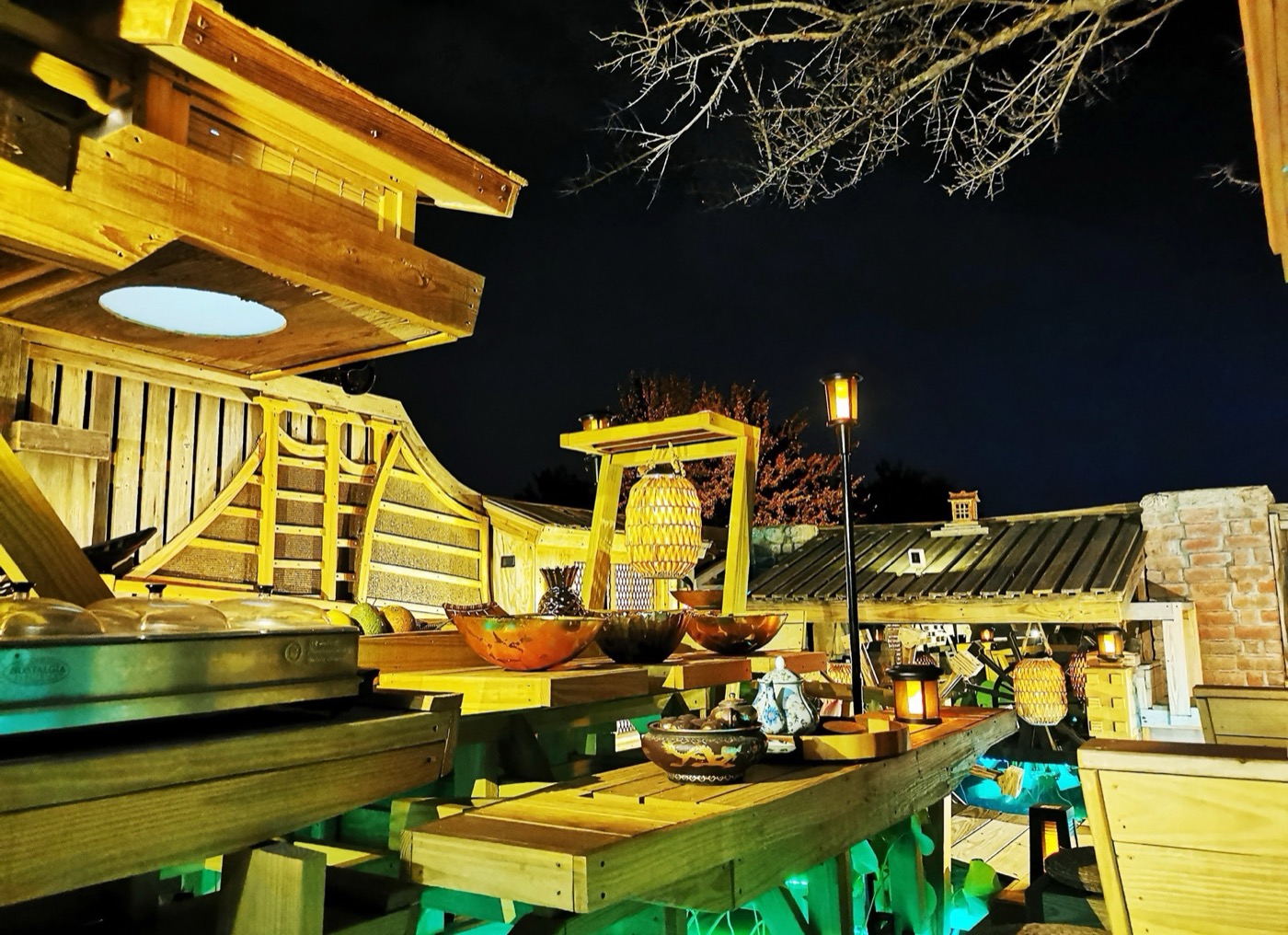
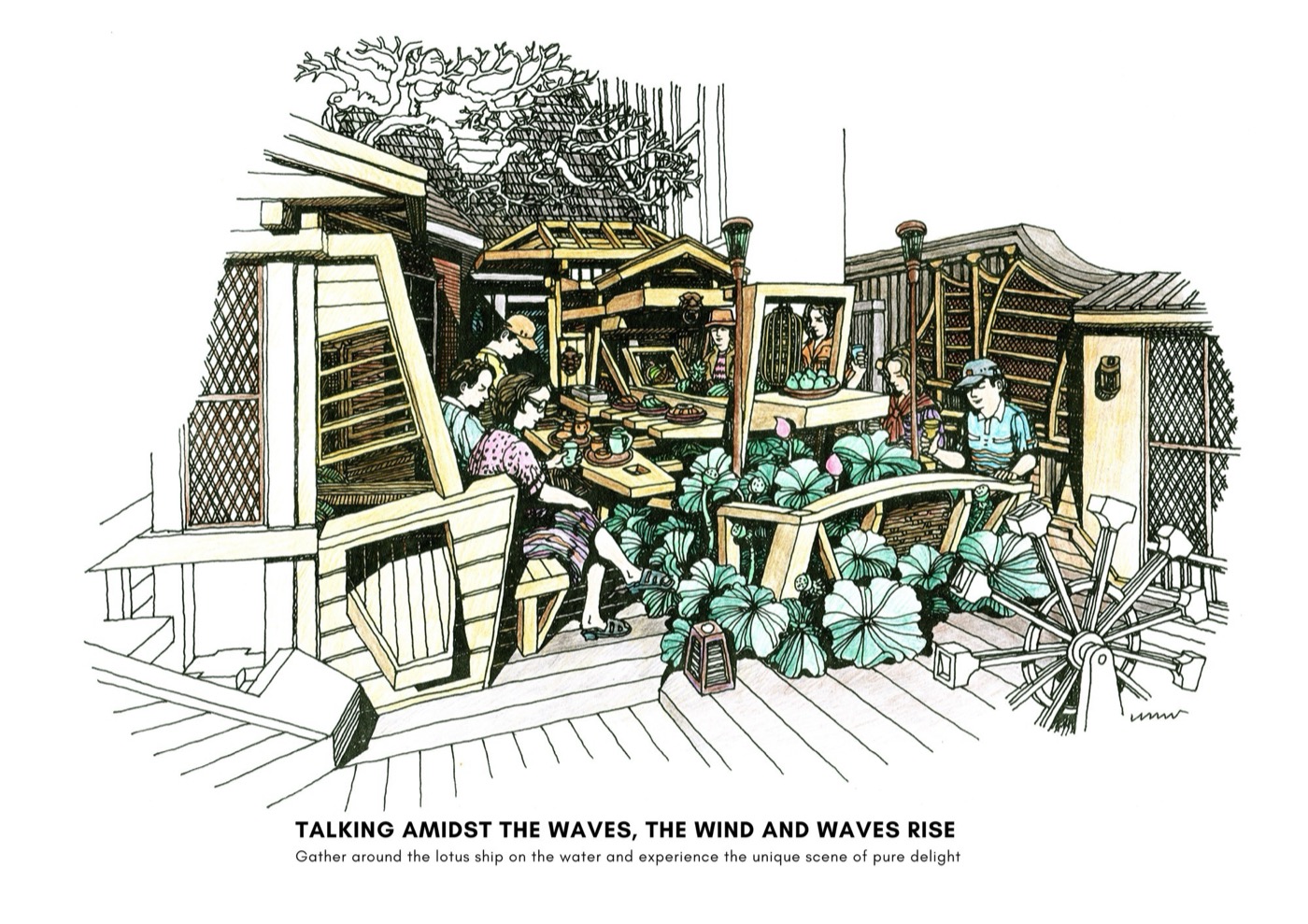
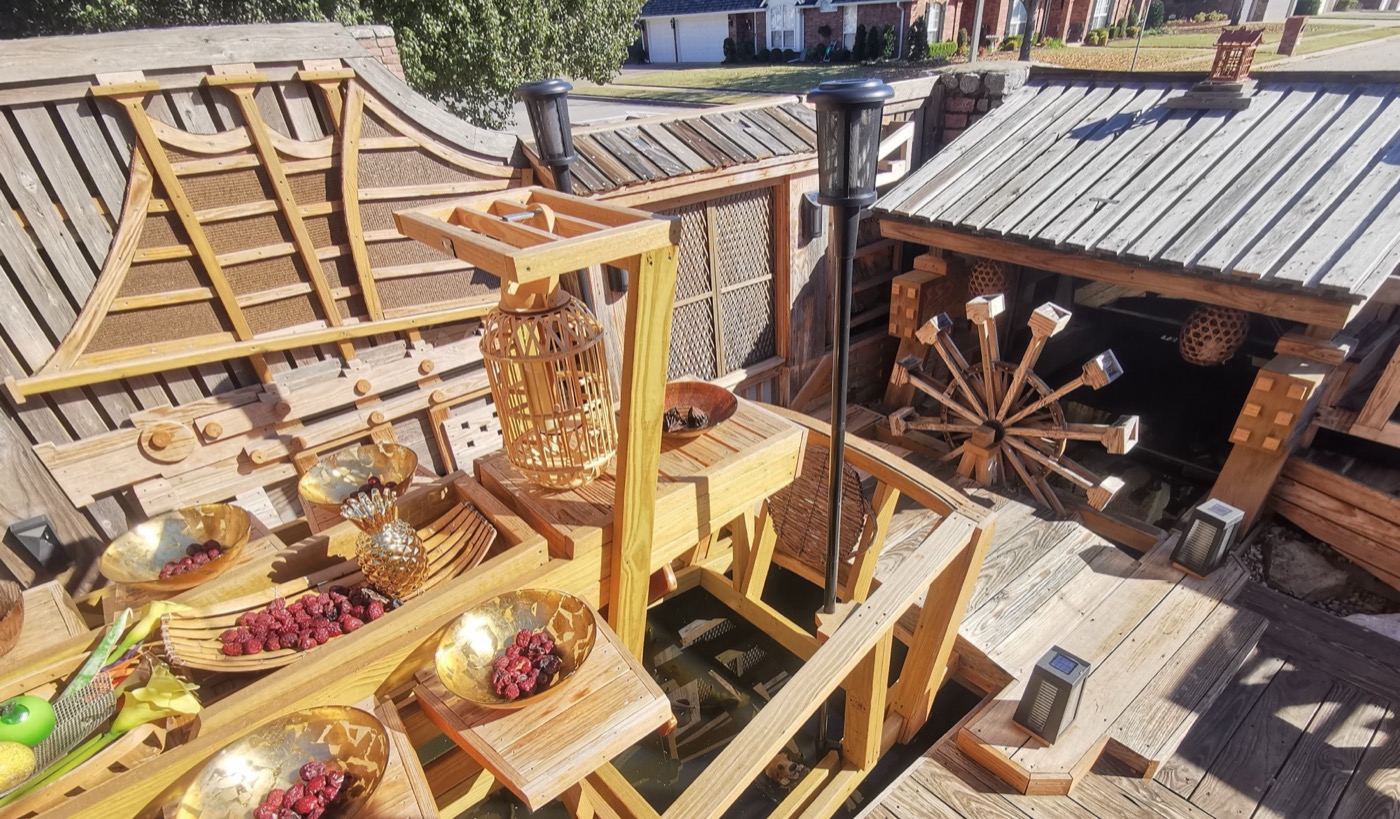
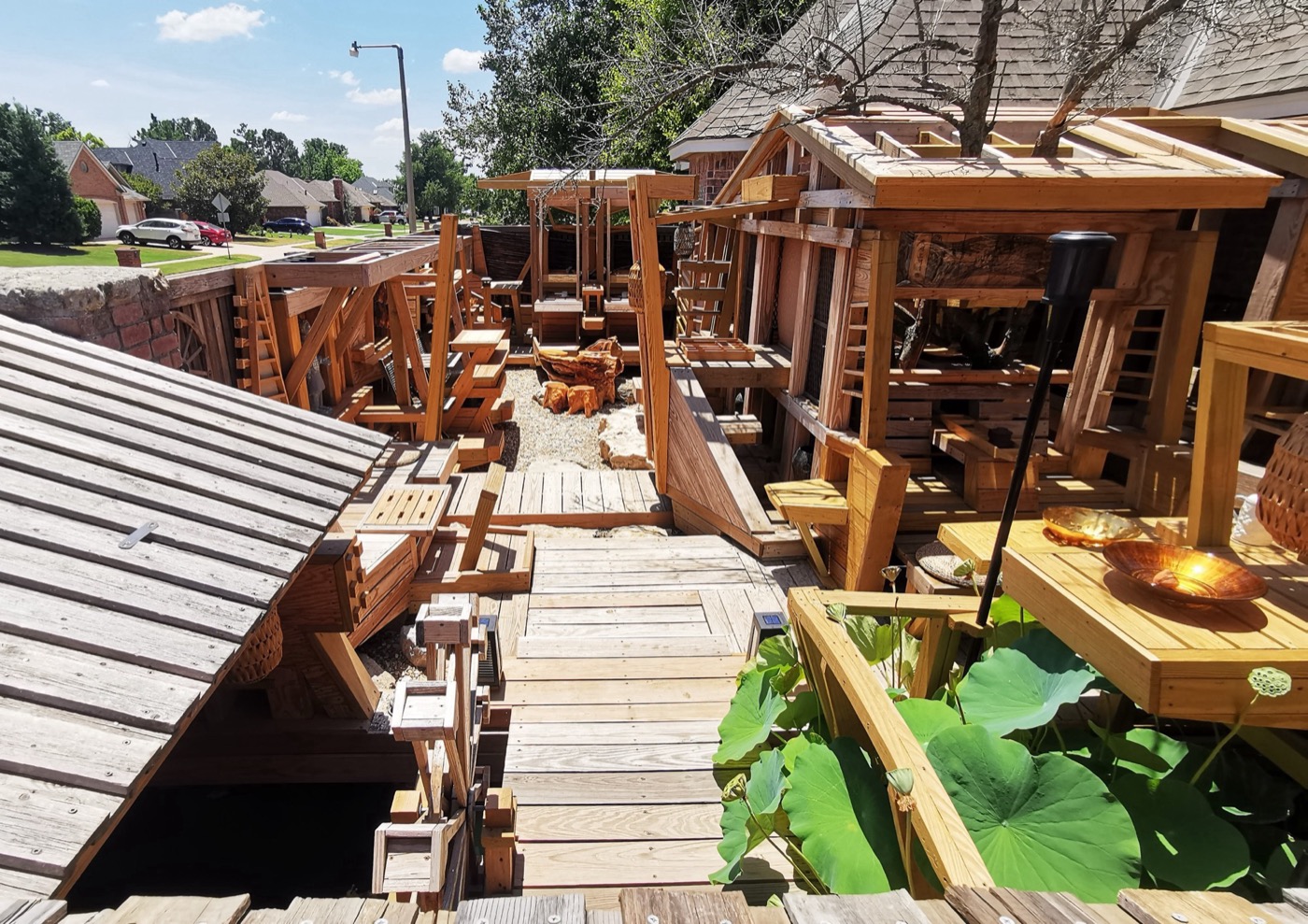
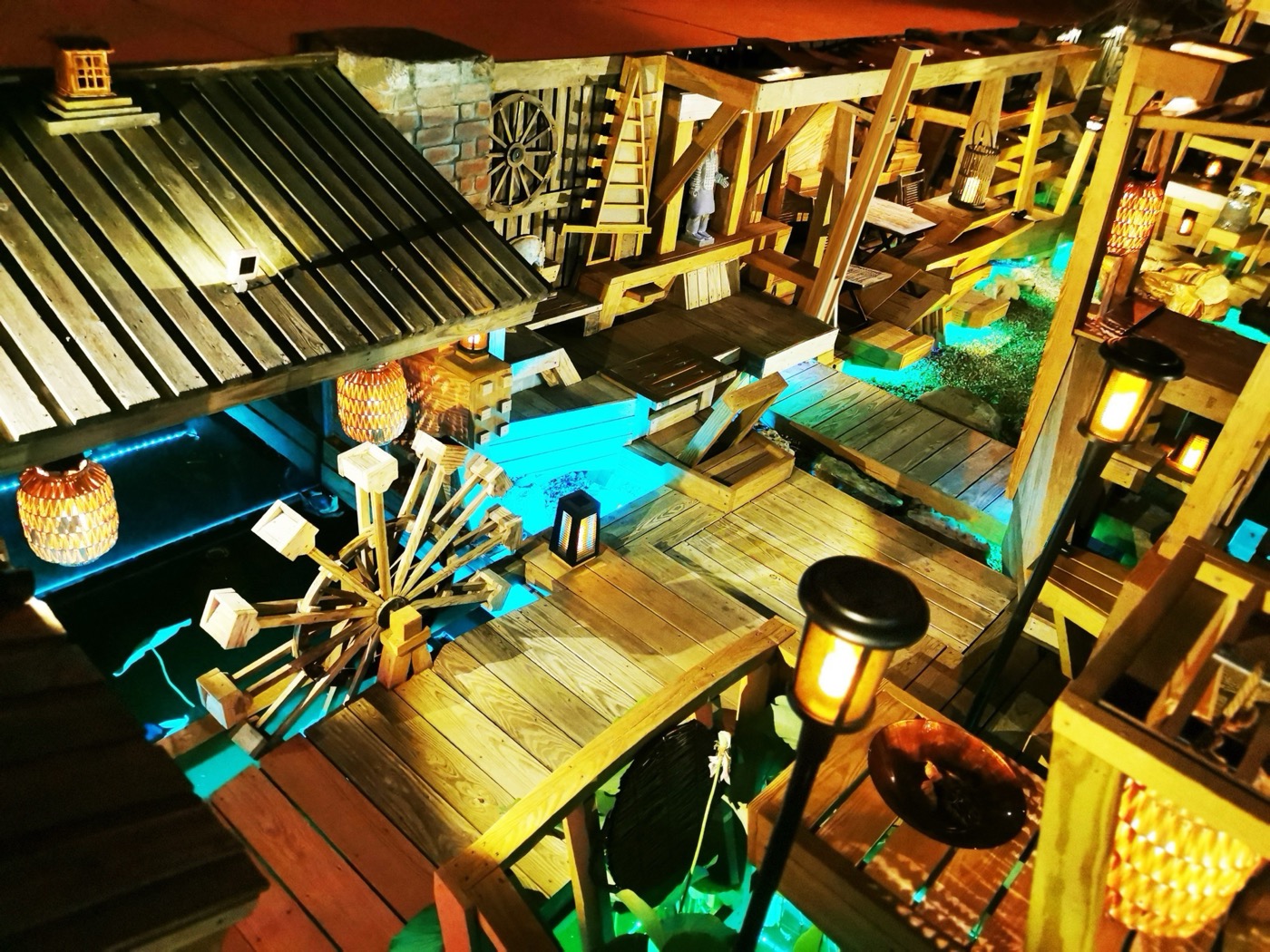
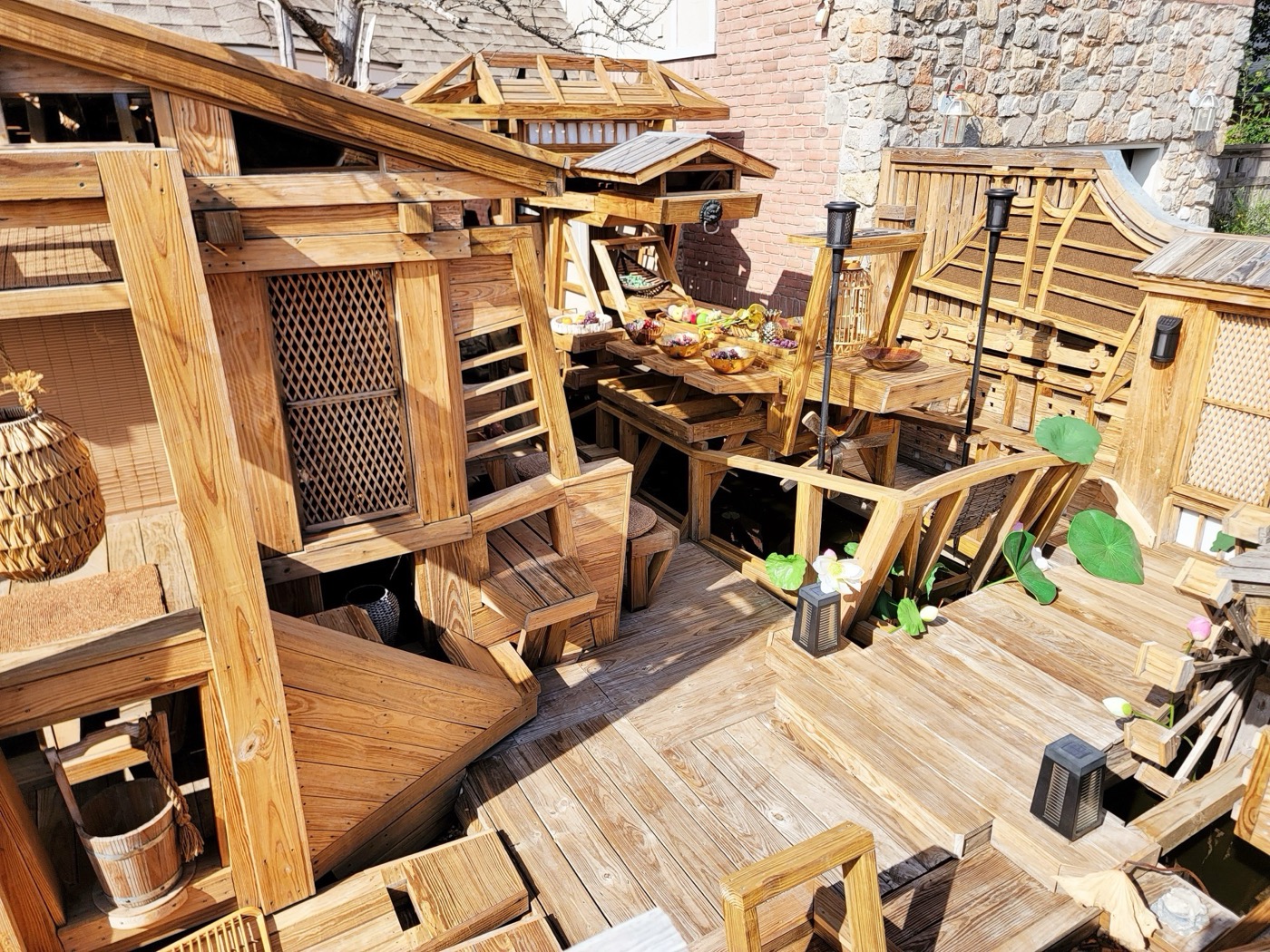
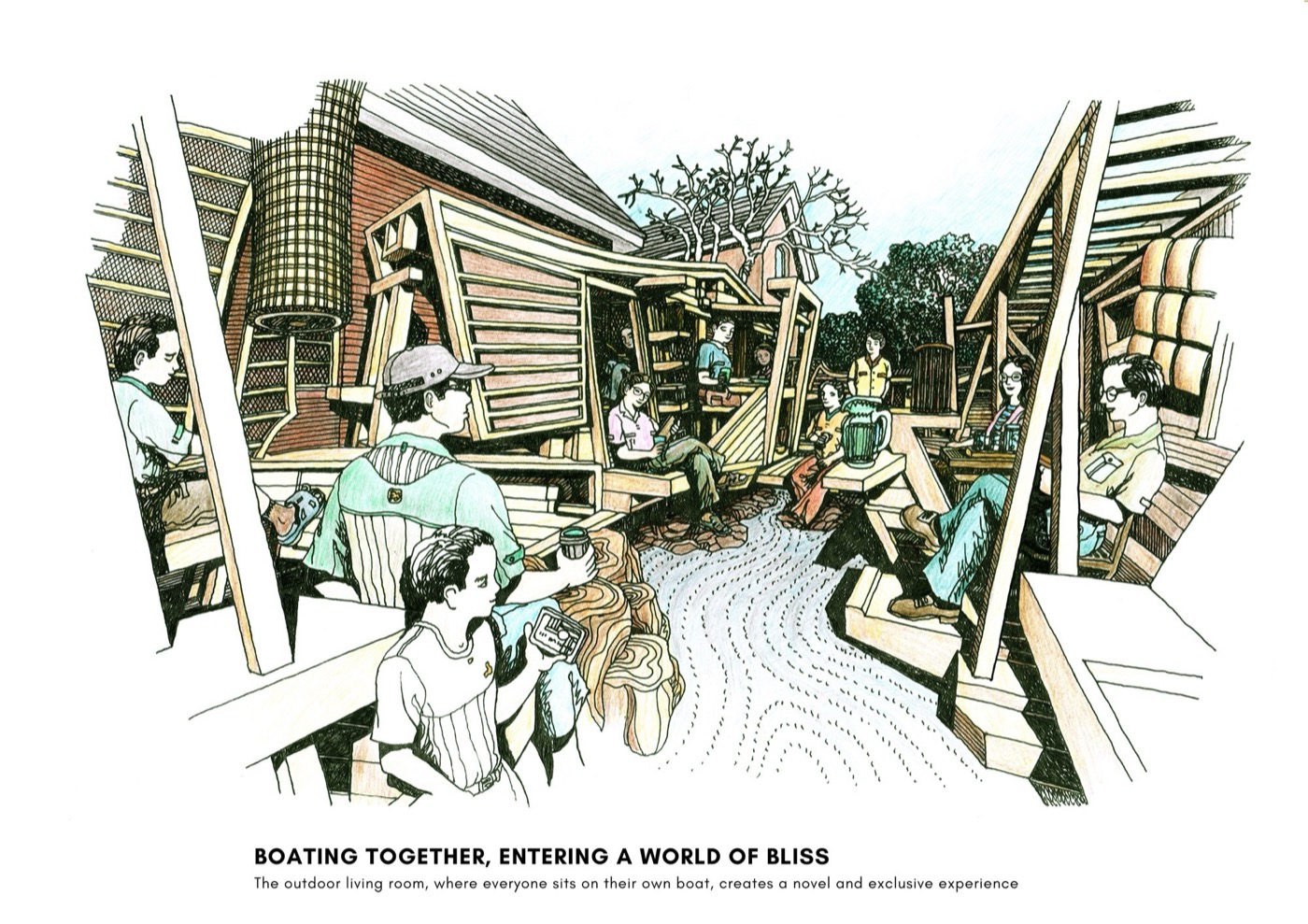
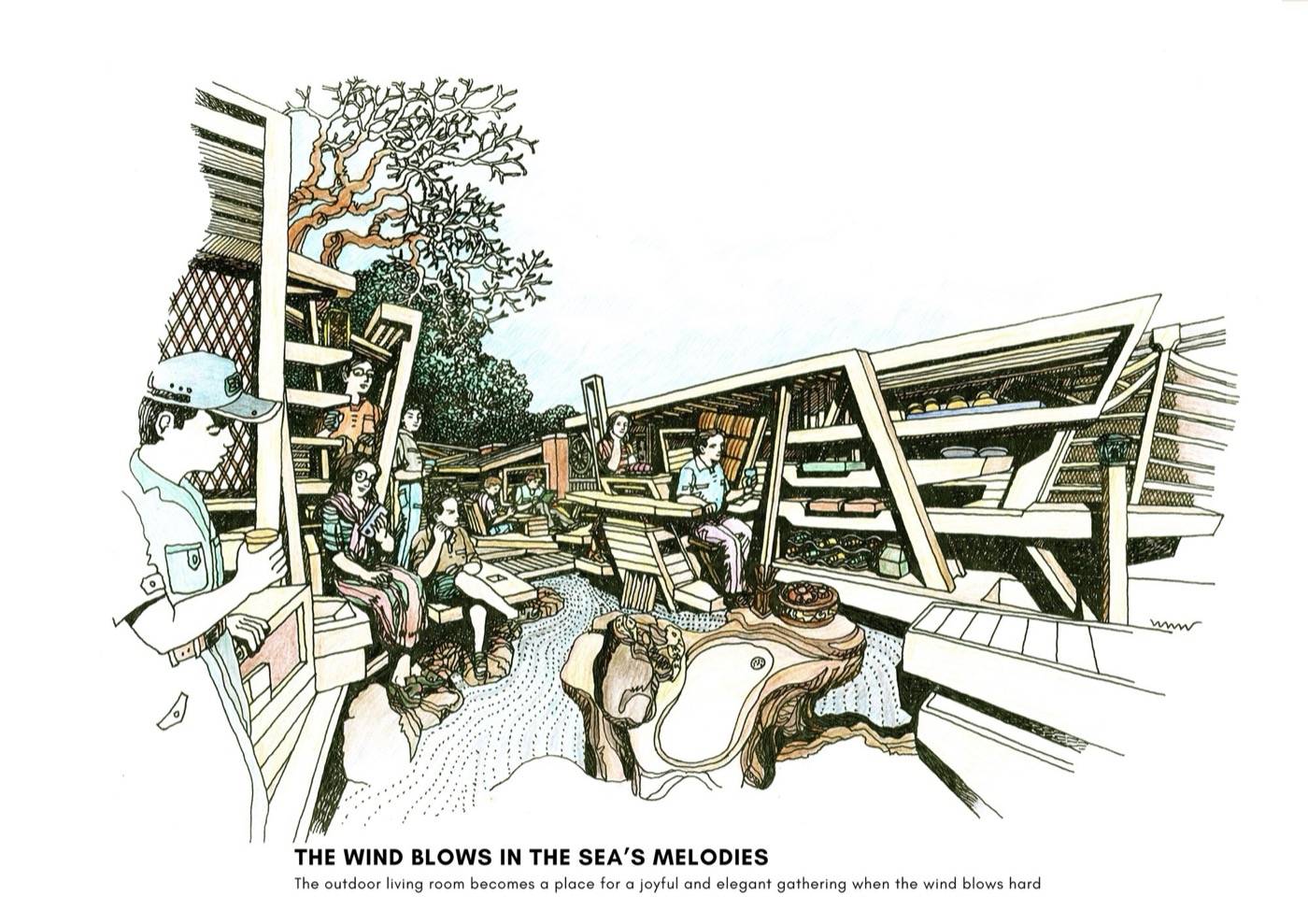
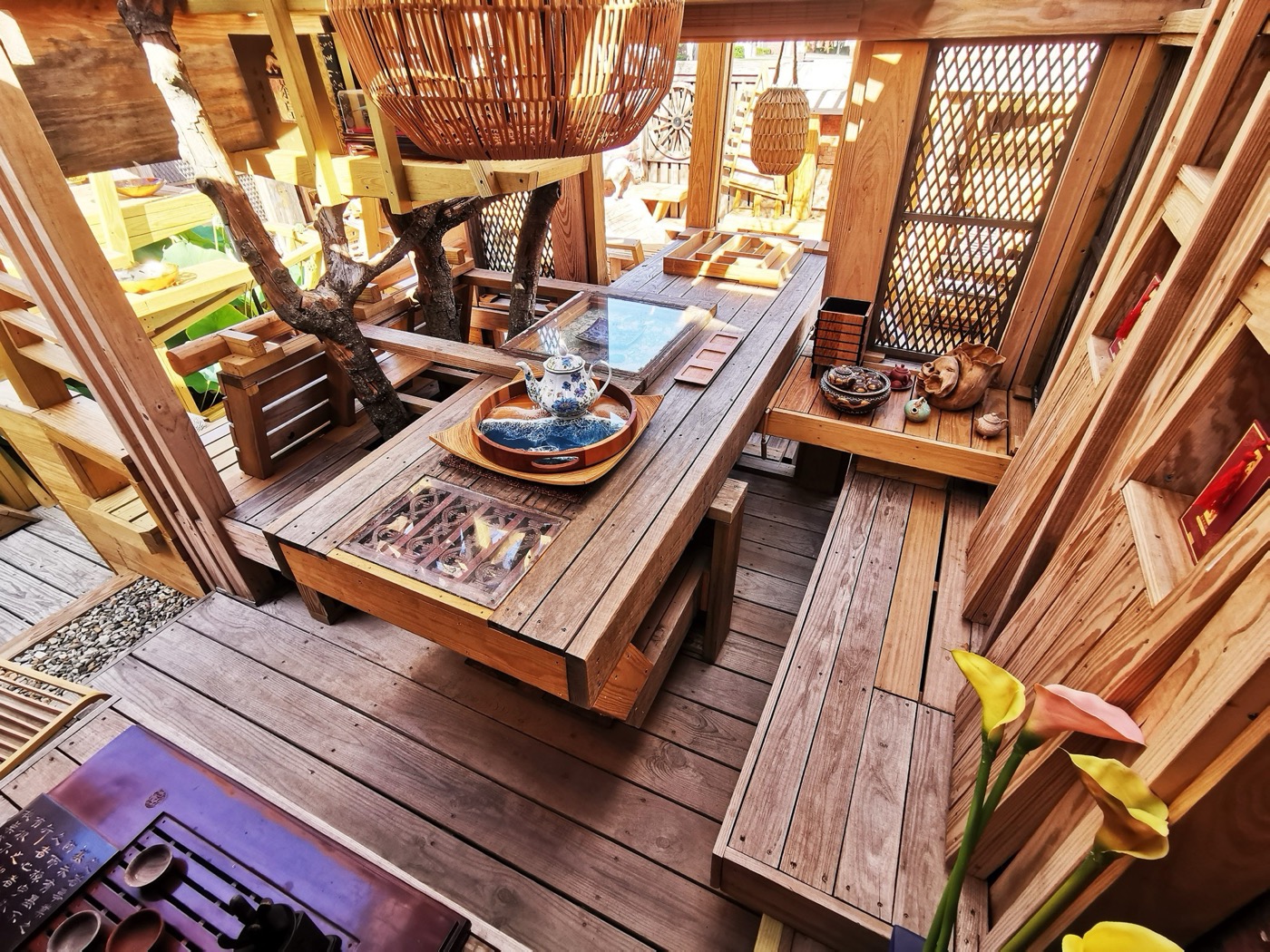
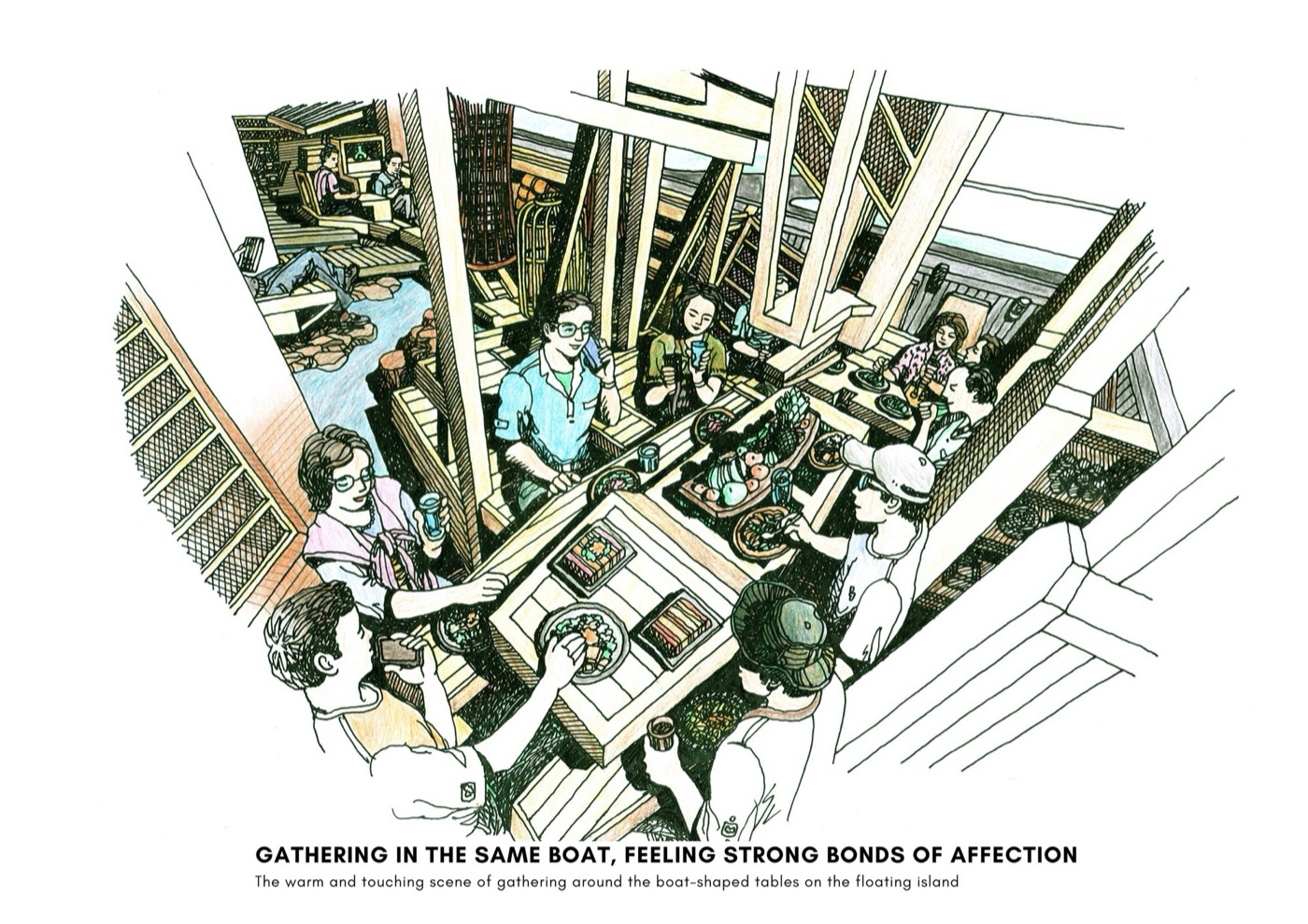
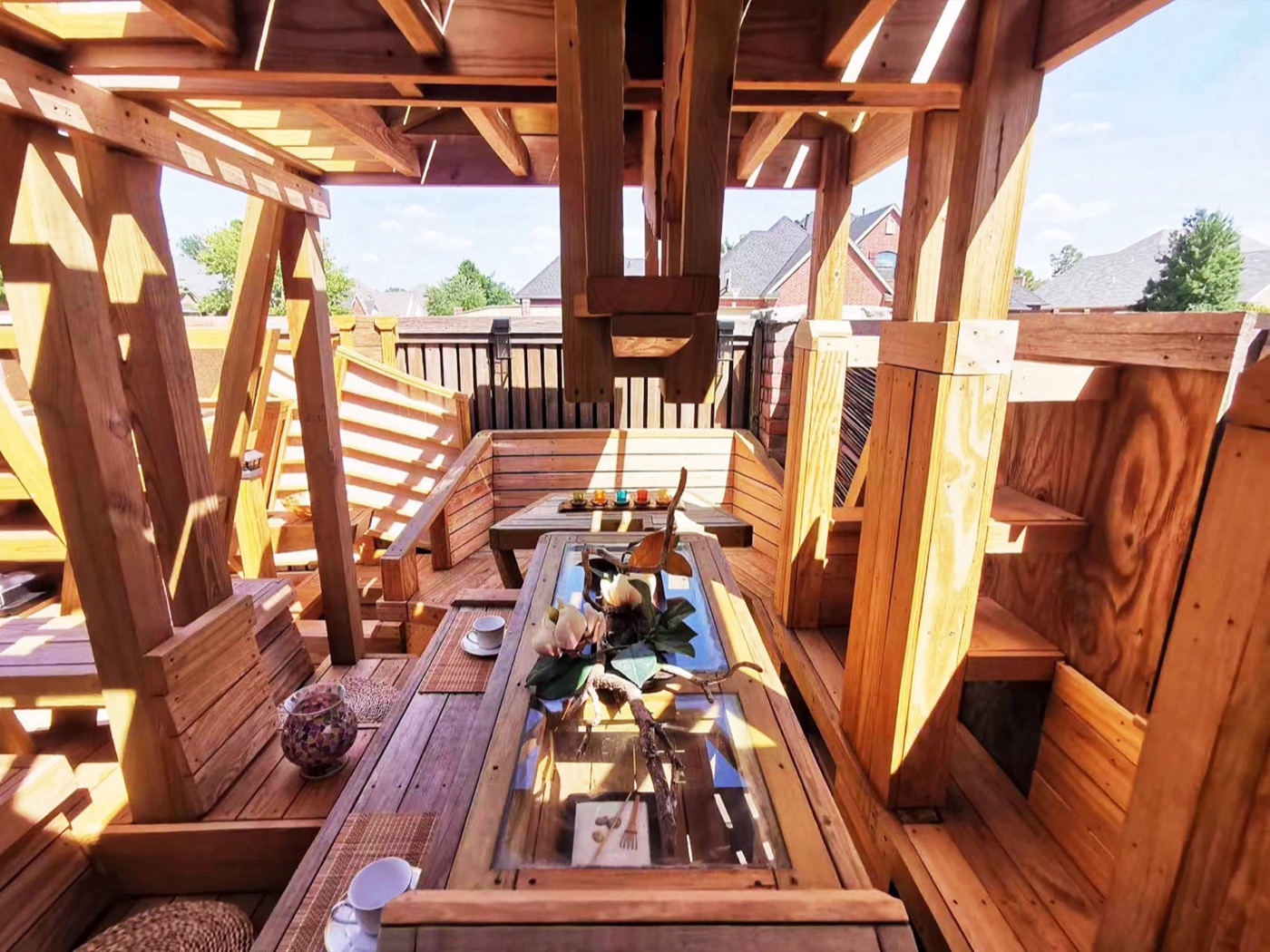
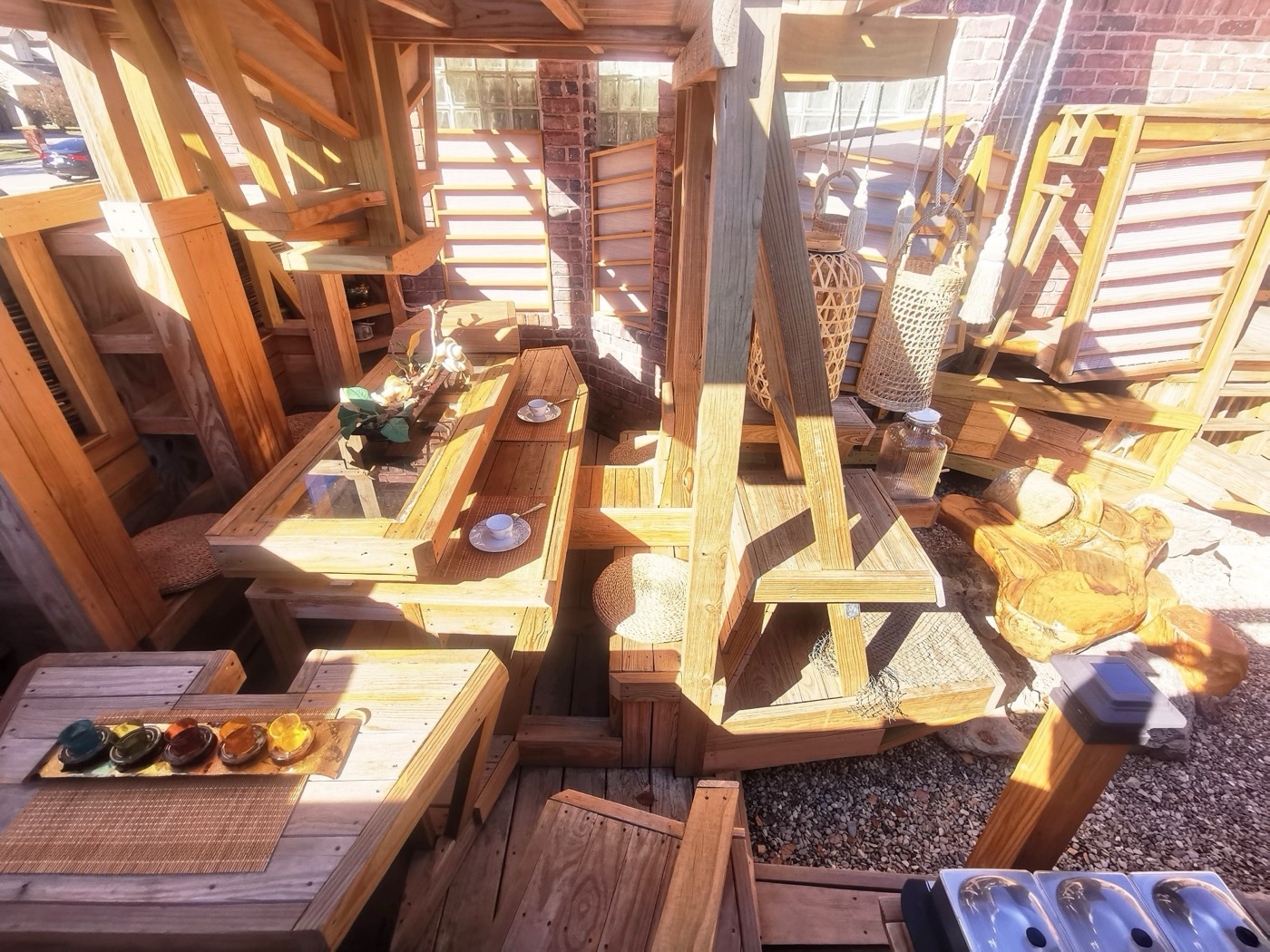
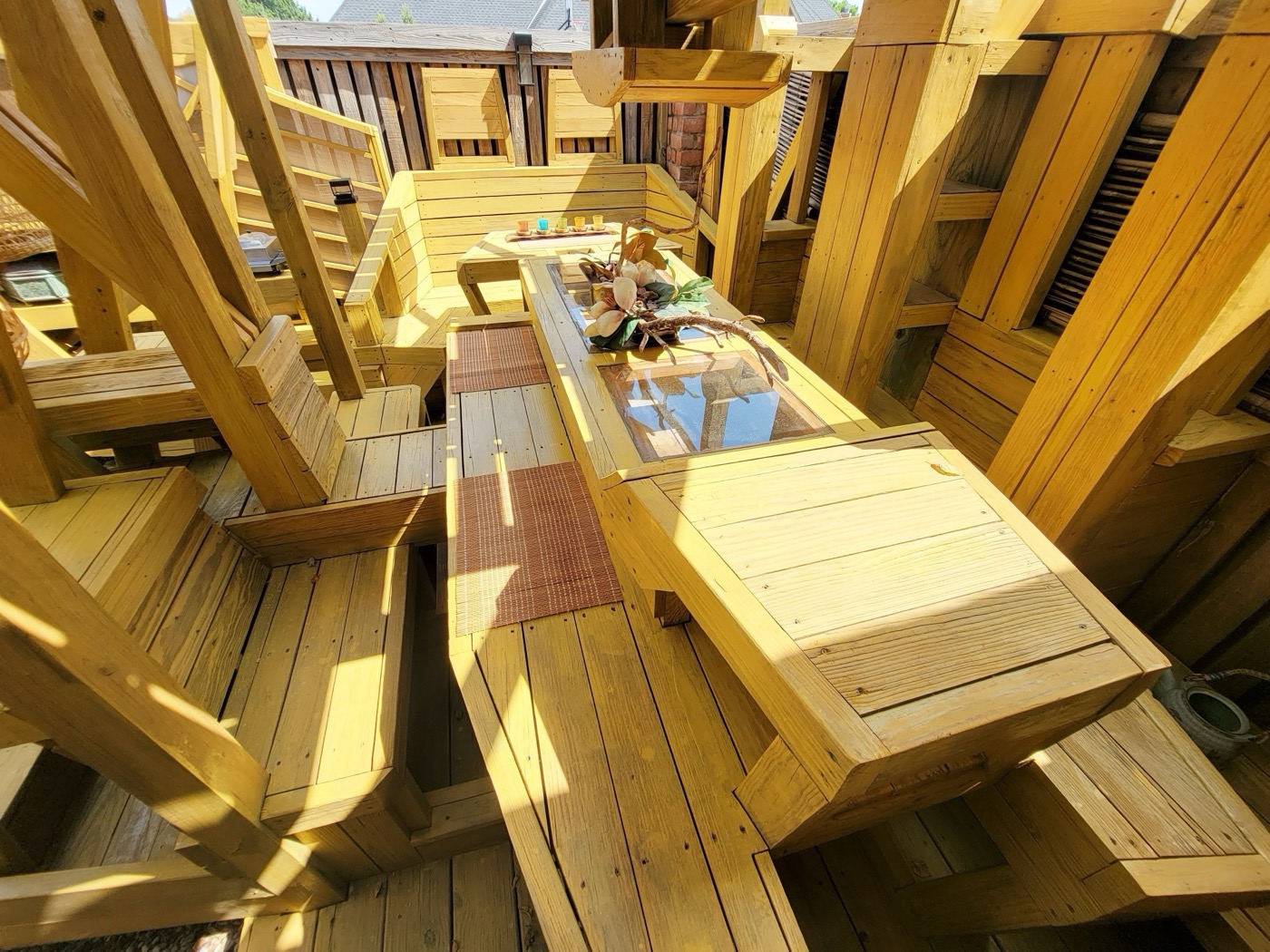
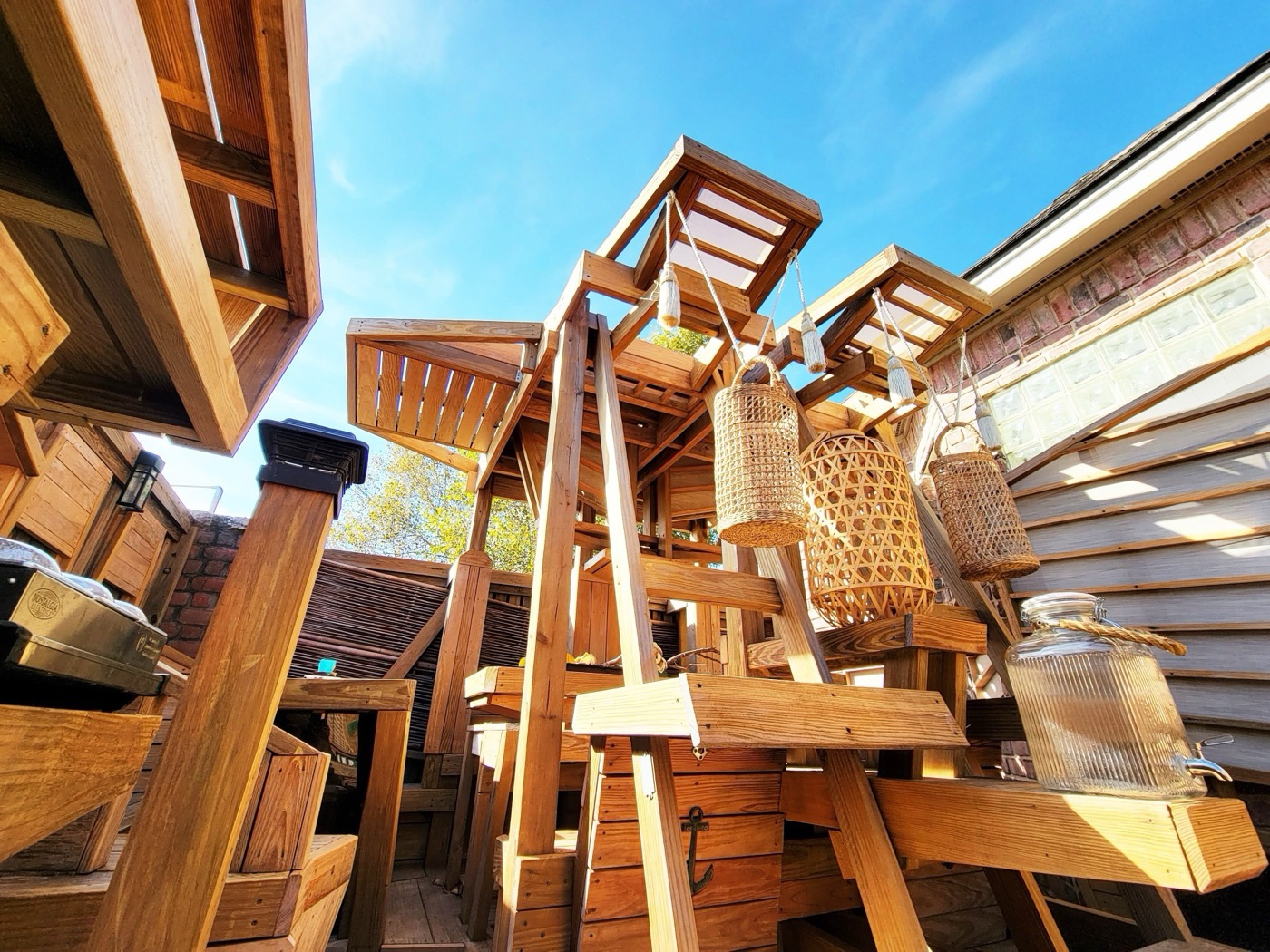
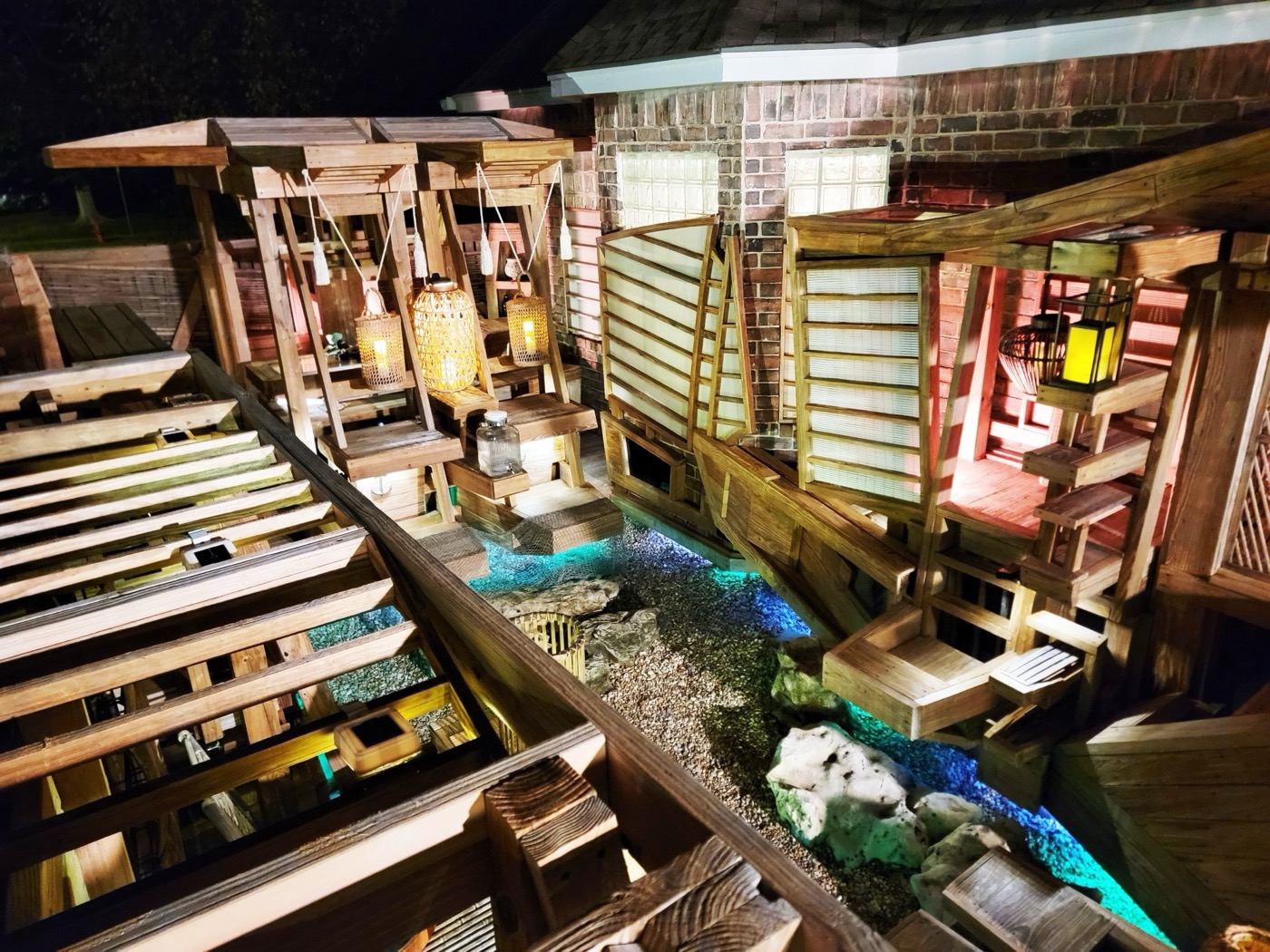
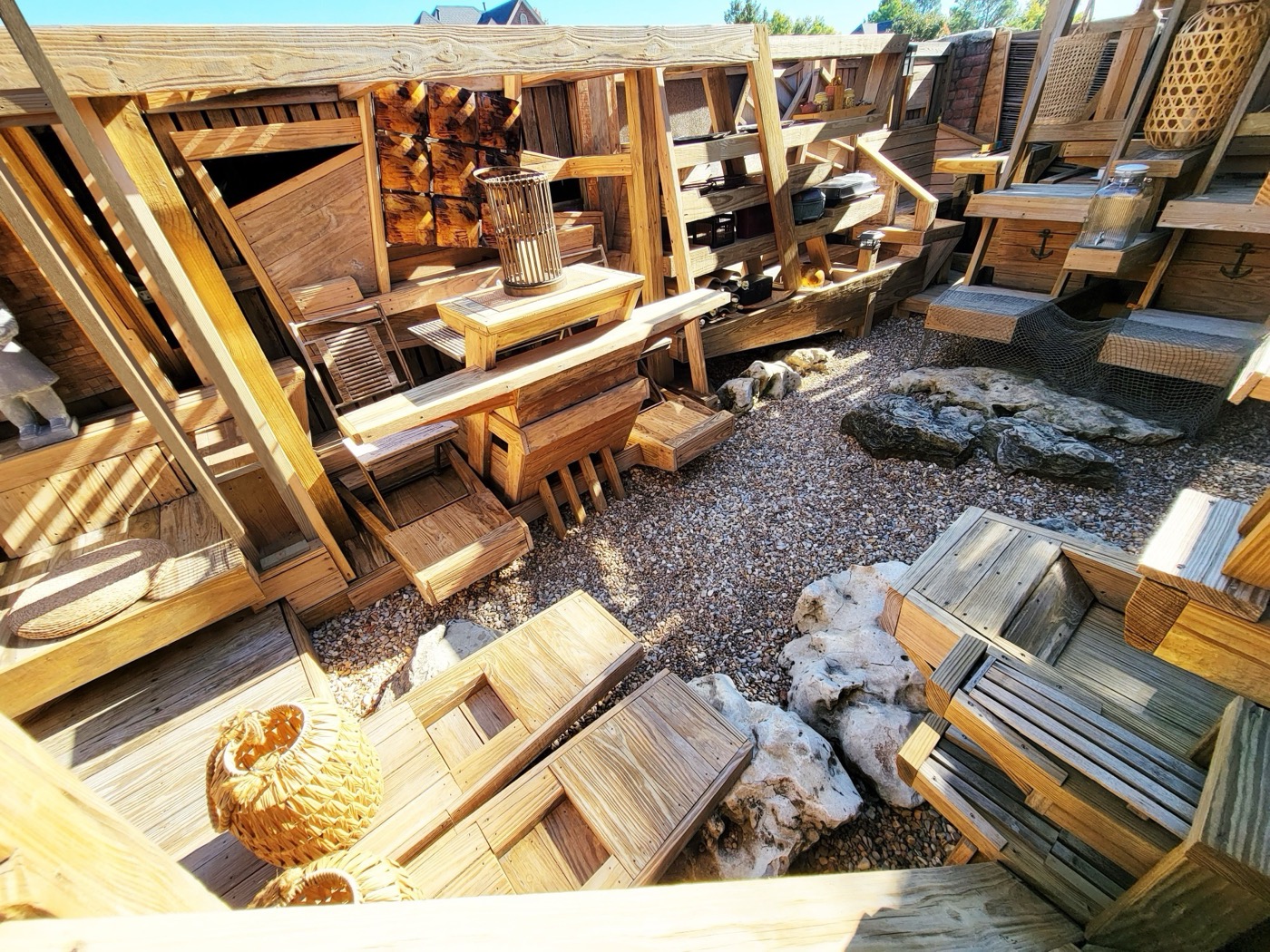
More than a functional landscape artwork, the project responds directly to the societal shifts brought about by the pandemic through dramatic contrasts, dynamic movement, and compositional tension. The arrangement of boat elements evokes vessels breaking through turbulent waves, paying tribute to human resilience in the face of adversity. By offering relief from the stresses of the pandemic, the courtyard becomes more than a place to live—it becomes a sanctuary for emotional healing.
The project is structured around three integrated strategies.
First, a water-based ecological system is established through a lotus pond that functions both as a visual centerpiece and as a rainwater collection basin. Water is continuously recirculated through solar-powered systems. Solar-powered lighting, water circulation, rainwater harvesting, and permeable paving surfaces together form a closed-loop ecological cycle that maximizes resource efficiency.
Second, the project employs material reuse as a primary design strategy. Recycled natural materials are transformed into elegant structures, while discarded wood and reclaimed components are repurposed into an all-wood framework that reduces the project’s carbon footprint and defines its tectonic language. Built at minimal cost by a senior individual working alone, the project exemplifies ingenuity, adaptability, and sustainability.
Third, a spatial network system replaces conventional static composition. More than sixty boat-shaped elements are distributed throughout the site, functioning as seating areas, platforms, and connective elements that encourage fluid movement and diverse patterns of use. The garden supports multiple modes of living—including rest, gathering, contemplation, and social engagement.
Beyond its physical form, the project proposes a new model of domestic landscape—one that integrates architecture, furniture, and environment into a cohesive whole. It transforms a private backyard into a dynamic “harbor of life,” where everyday activities unfold within an evolving ecological and spatial framework.
By combining low-cost, low-tech construction, recycled materials, and renewable energy systems with minimal environmental impact, the project demonstrates how small-scale interventions can generate meaningful environmental and social value. It offers an alternative approach to residential landscapes—one that is adaptive, sustainable, emotionally resonant, and deeply rooted in lived experience.
Project Credits:
Client: Wister Wenbing Wu & Lingling Li
Architect/Designer: Wister Wenbing Wu
Photography: Wister Wenbing Wu, Lester Yucheng Wu
4101 Harrogate Dr., Norman, OK 73072, USA
73646


LILA 2026 Sponsor