Shortlisted for LILA 2026 Jury Award:
Balcony on the river Meuse
www.nextarchitects.com
2026 Infrastructure Projects / Netherlands / Built in 2025 /

![“The Bridge of Mountains redefines what infrastructure can be,” says Jiang Xiaofei, partner at NEXT Architects Beijing: “It is both a functional connector and a cultural landmark—an essential piece that exemplifies the holistic ambition of the Dianchi Greenway.” “This project is the product of true cross-cultural collaboration,” adds John van de Water, partner at NEXT […]](https://landezine-award.com/wp-content/uploads/2026/05/00-1-600x400.jpg "Bridge of Mountains")
![Watchtower Einderheide is just as much for animals as it is for people. Dutch studios NEXT architects and H+N+S Landscape Architects present a bat-friendly wooden lookout in The Netherlands with a curved cut-out that reveals a spiral staircase. It houses six bat species present in this area for both winter and summer stay. The tower […]](https://landezine-award.com/wp-content/uploads/2025/05/000-Uitkijktoren-Einderheide_Karl-Banski_NEXT-architects_026-600x400.jpg "Watchtower Einderheide by NEXT architects")
![The Netherlands has a long history when it comes to water safety. Yet, even for the Dutch, the Reevediep is a unique project. The creation of this new delta landscape marks the successful completion of the national Room for the River Program. To enable the IJssel to discharge a larger volume of water, a new […]](https://landezine-award.com/wp-content/uploads/2020/05/00-Panorama-Nieuwendijk-Bridge-image-Hans-vd-Meer-600x180.jpg "Reevediep: Towards a new awareness of the delta landscape")
![ROOM FOR THE RIVER The Zalige bridge in Nijmegen is the key project within the Urban River Park that was created as part of Room for the River Waal. This is a nation-wide program initiated by the ministry of Infrastructure and the Environment to prevent flooding. Along the historic city centre of Nijmegen the river […]](https://landezine-award.com/wp-content/uploads/2018/04/09_Zalige-bridge_Photography-Rutger-Hollander-MAIN-IMAGE-600x447.jpg "Zalige bridge")
LARGEST SELF-CLOSING FLOOD BARRIER IN THE NETHERLANDS
WITH ‘BALCONY ON THE MEUSE’ FOR STEYL, LIMBURG
Enhancing flood safety and spatial quality, designed by NEXT architects in collaboration with Trafique
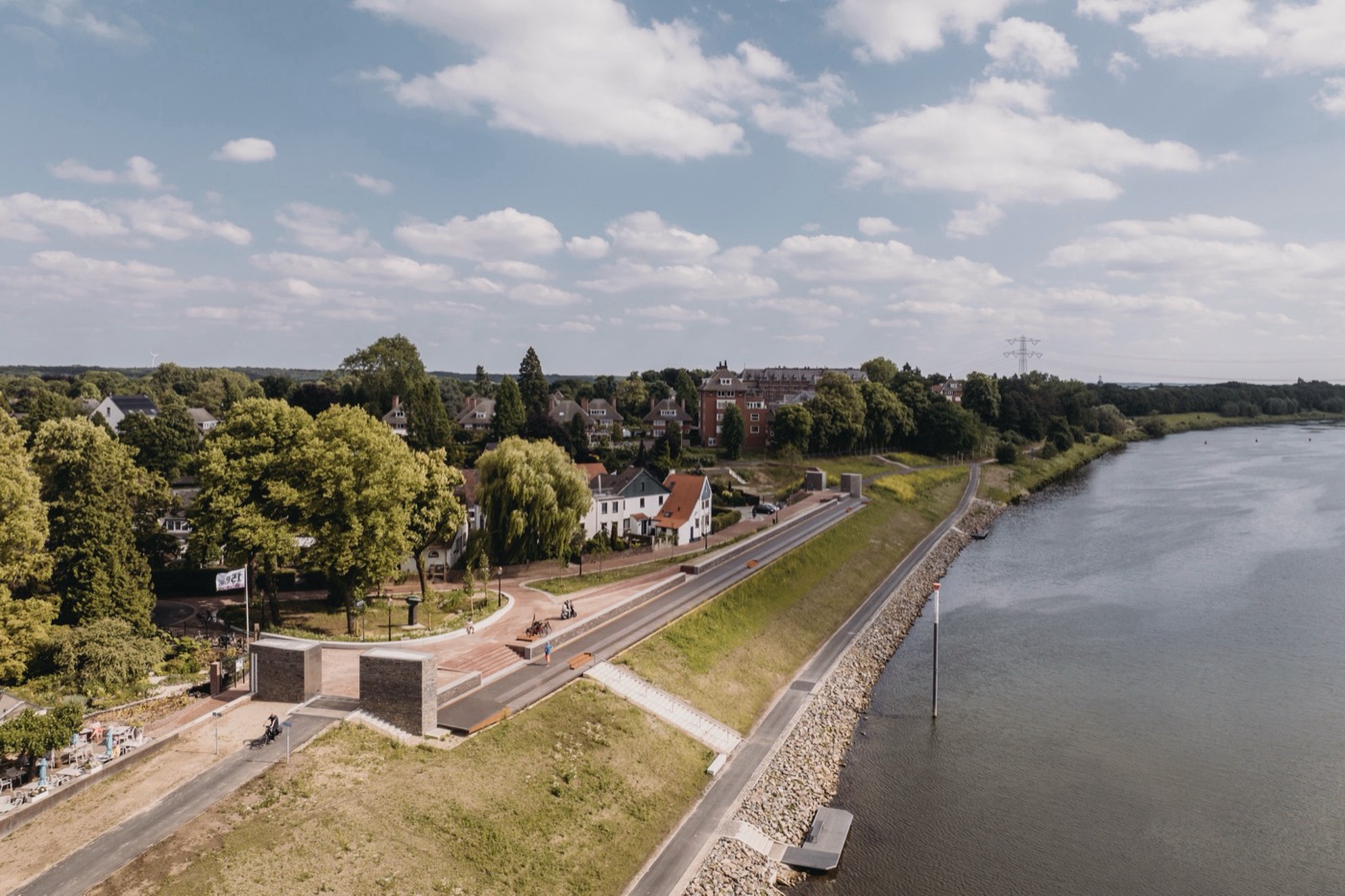
The innovative flood barrier that will keep the Limburg monastery village of Steyl safe from high water in the Meuse for the next hundred years has been put into operation. The technology of the self-closing Vlotterkering® has been carefully integrated between the village and the river and designed by NEXT architects and Trafique as an inviting ‘Balcony on the Meuse’.
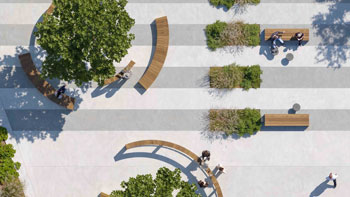
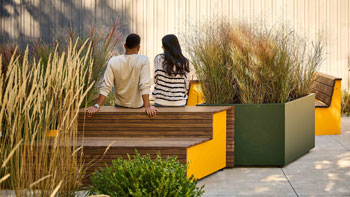
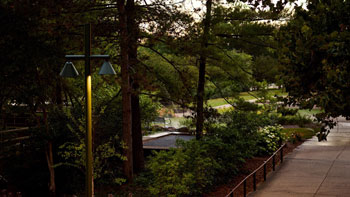
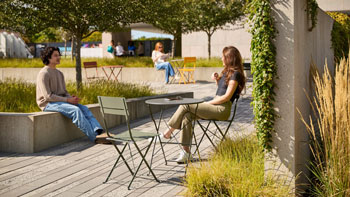
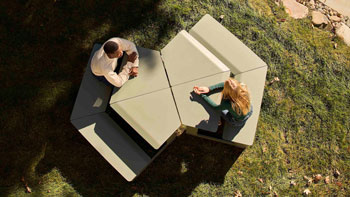
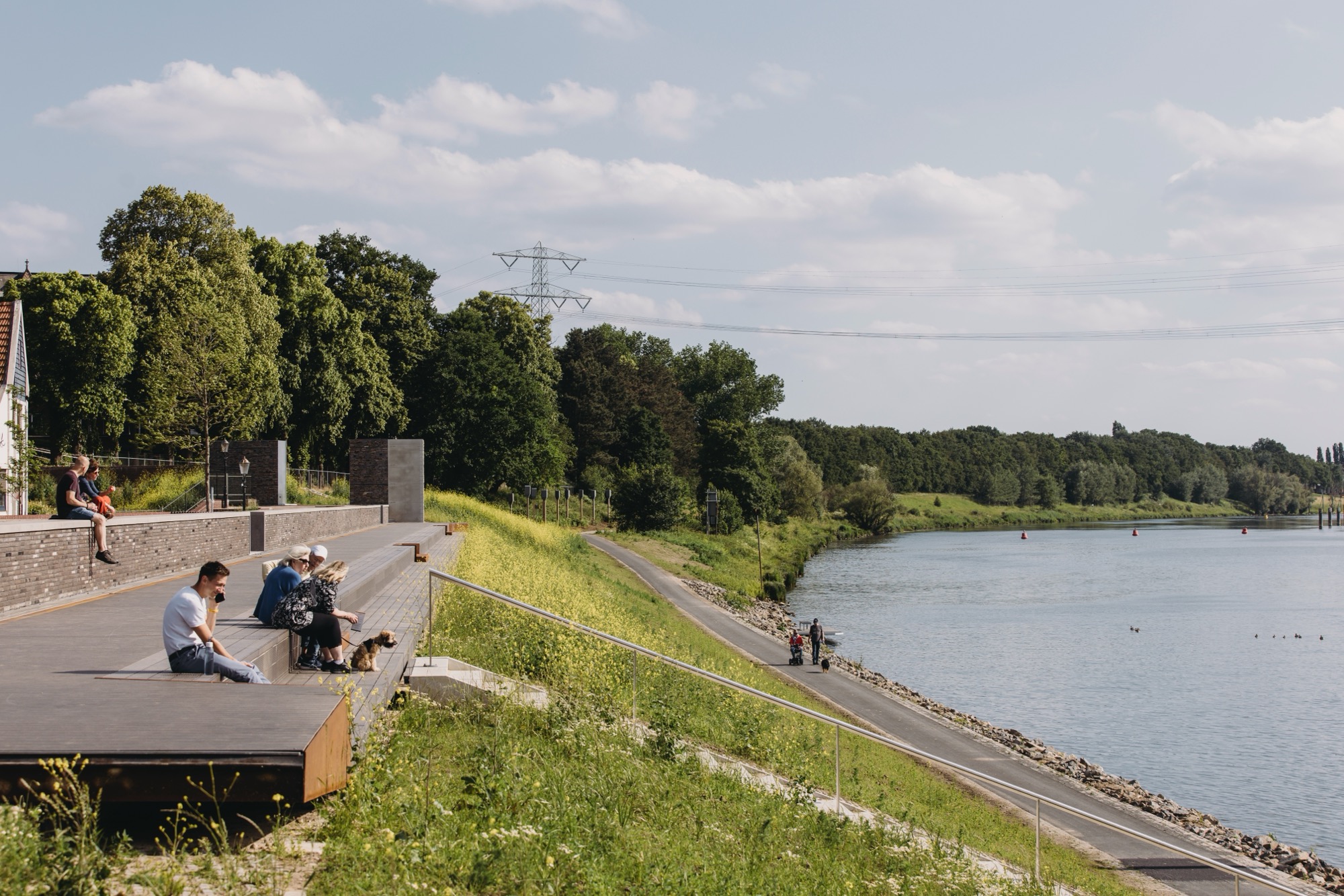
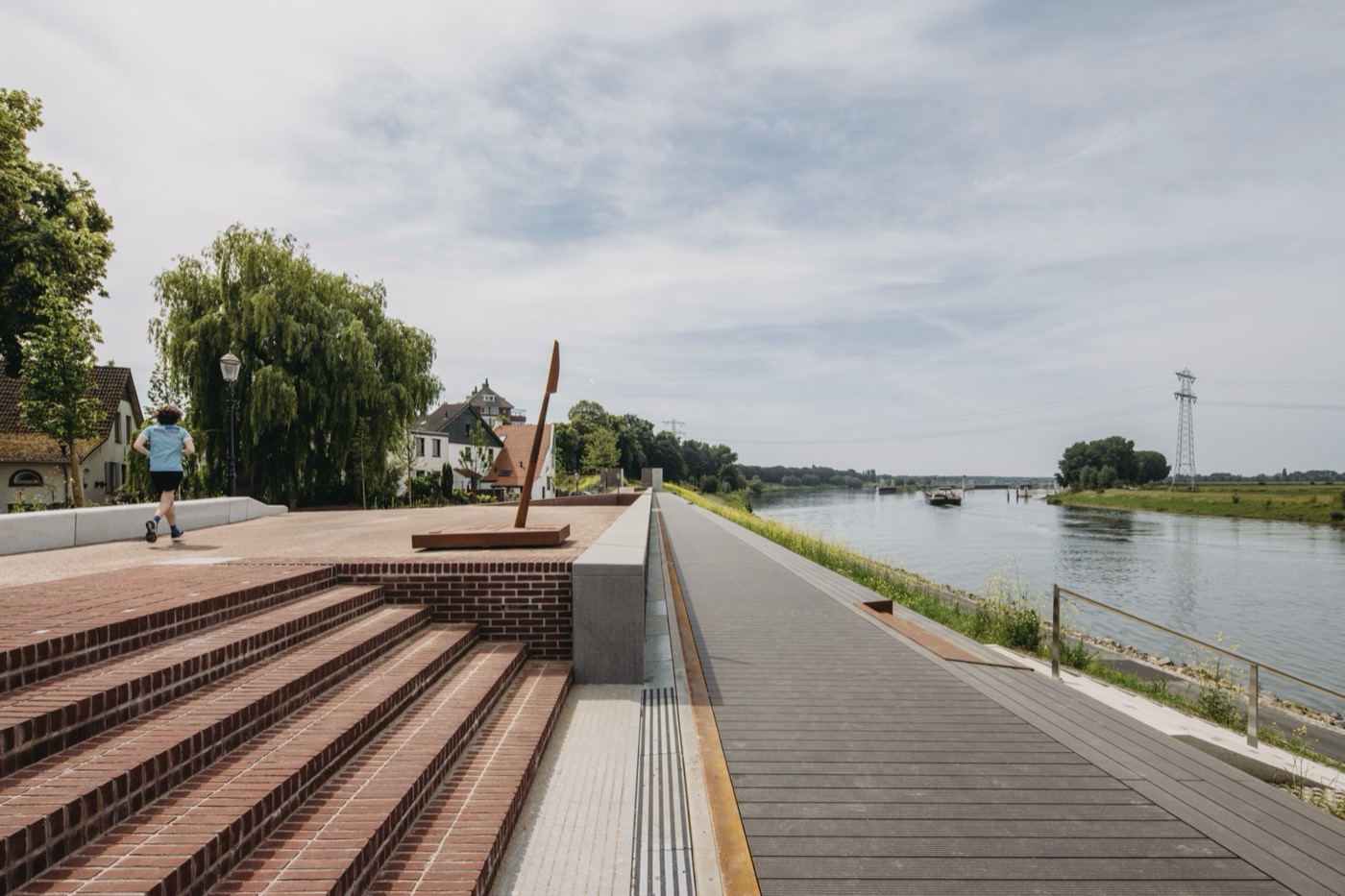
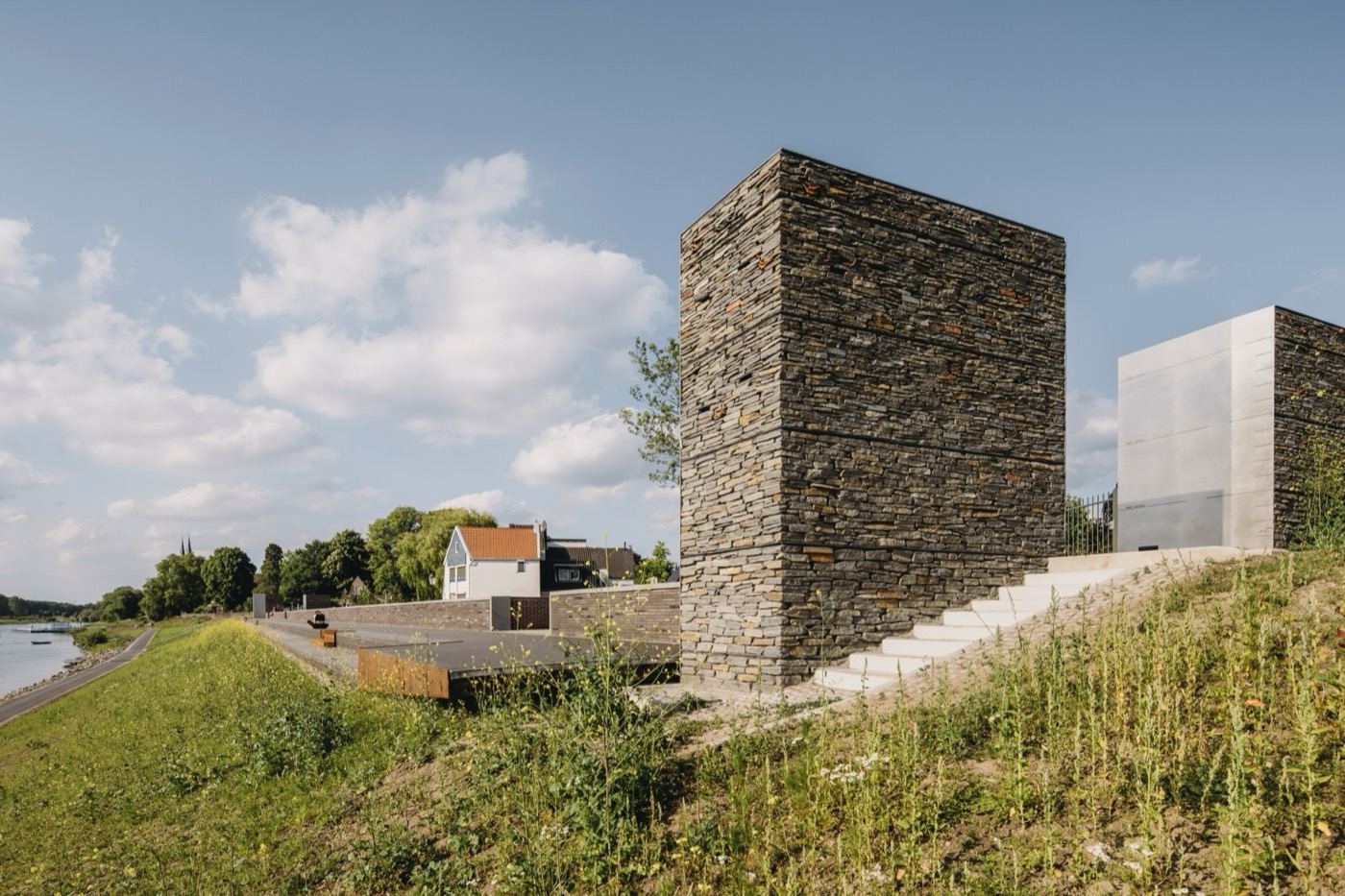
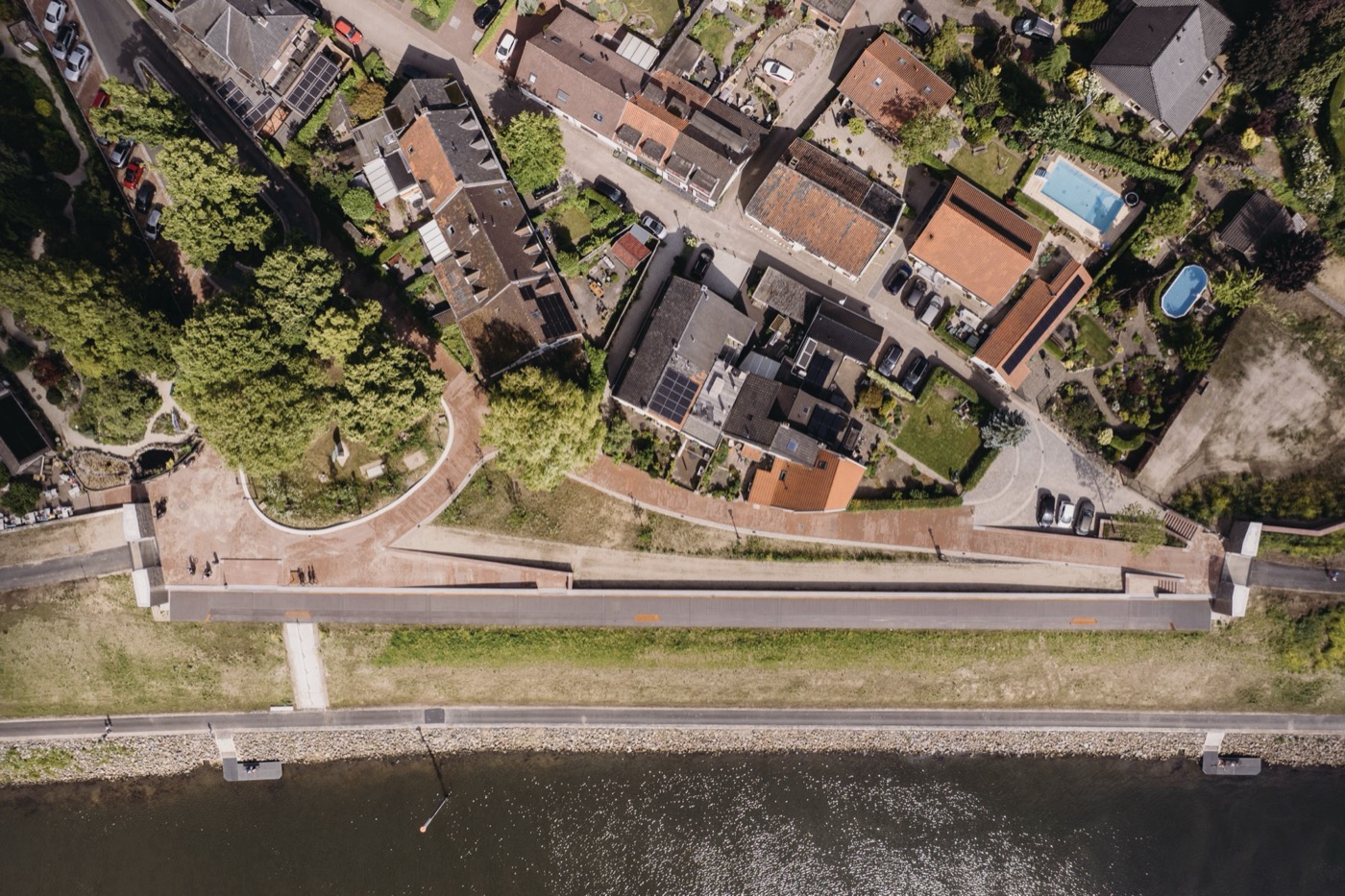
The designers have extended the characteristics of Steyl’s protected village landscape to the river to preserve the unobstructed view of the Meuse. The barrier has been incorporated into the design for public space and, with a seating edge forming a bench no less than 130 metres long, functions as an outdoor balcony.
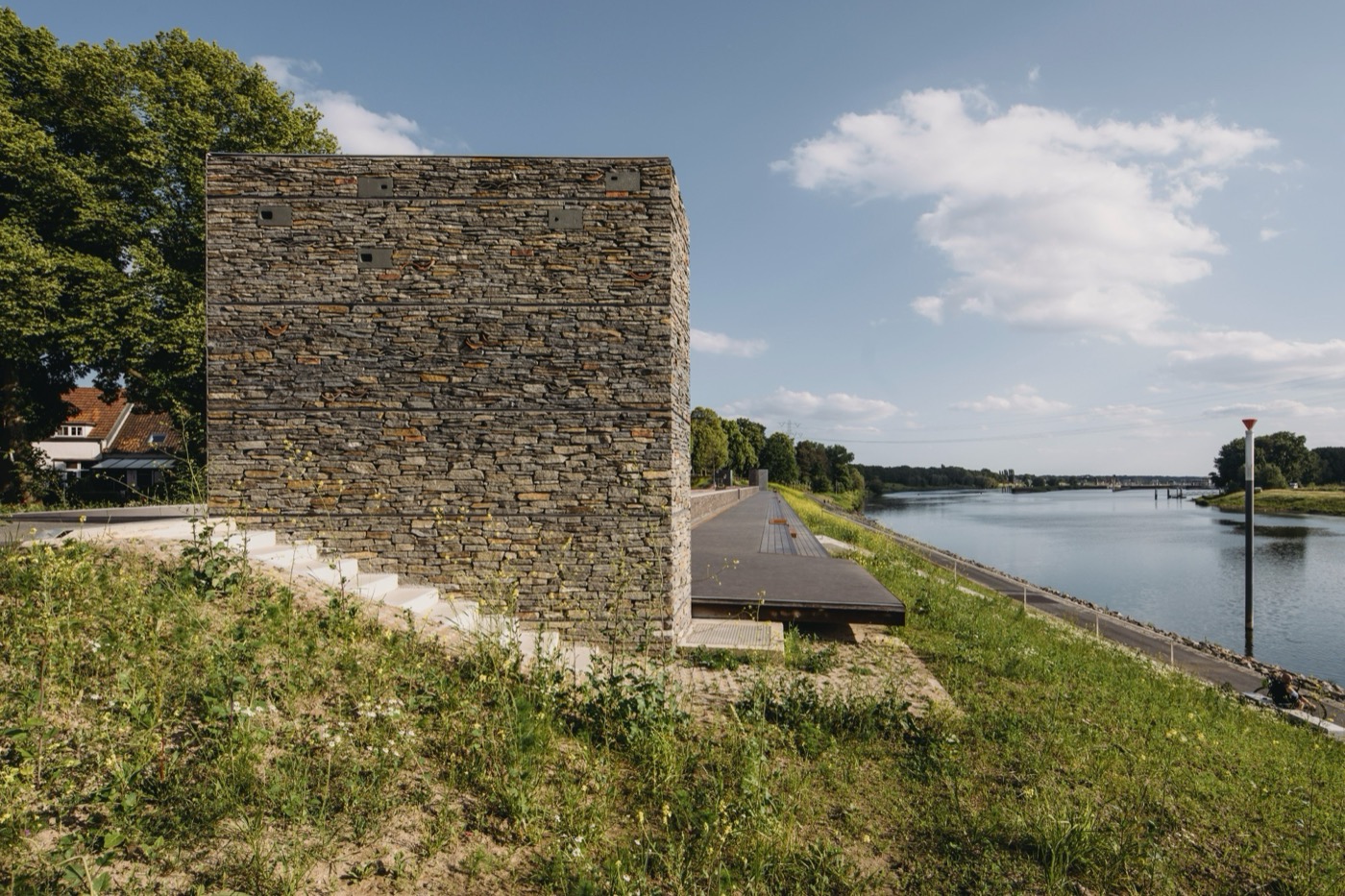
Two gates on either side anchor the barrier both literally and figuratively. They form the entrance to Steyl and welcome birds and bats as well as walkers and cyclists along the Meuse.
Innovative in its simplicity
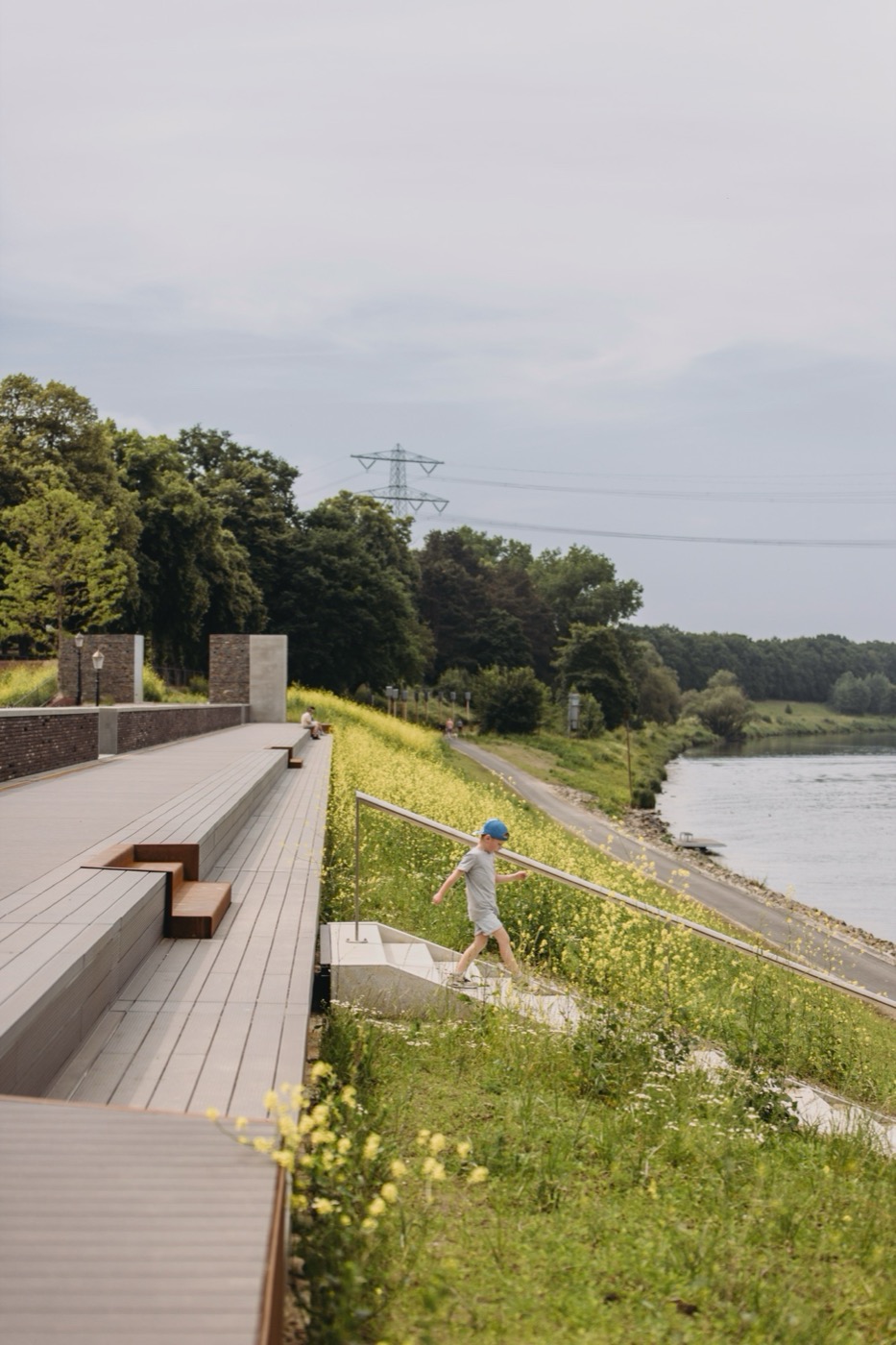
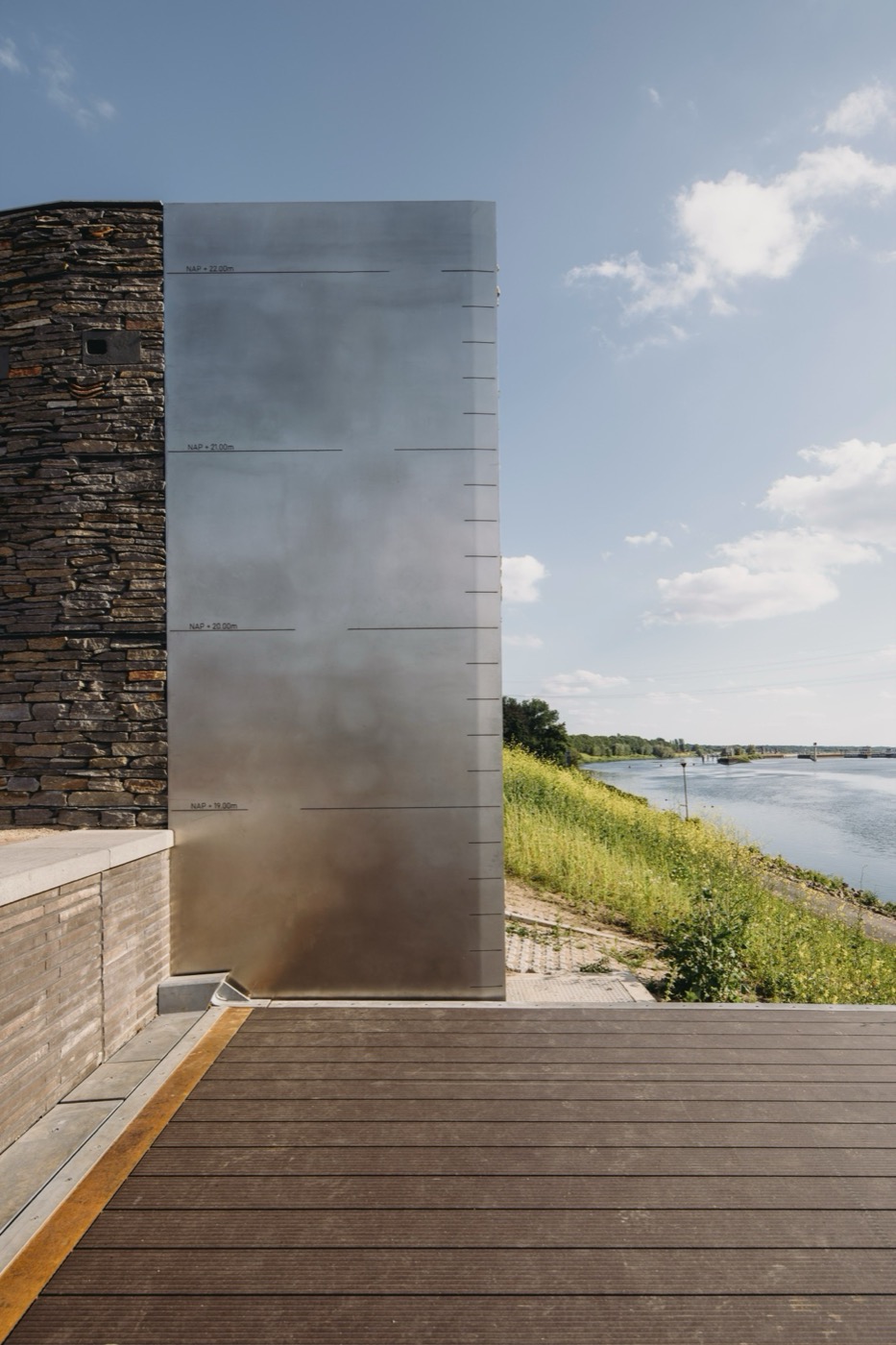
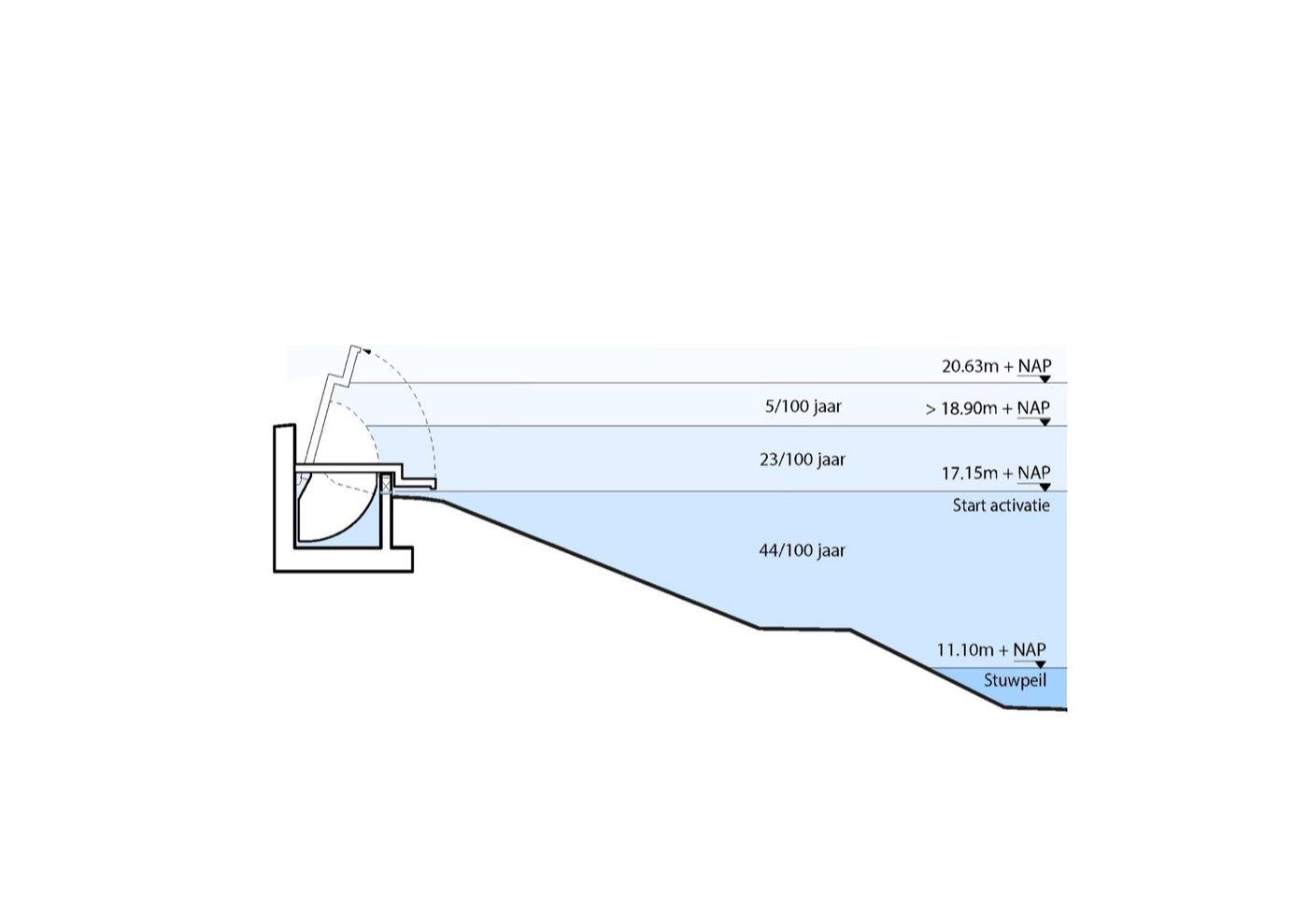
The new flood defence in Steyl appears to be simple. The Vlotterkering® consists of fourteen steel valves. When not in use, the valves lie flat and are equipped with decking that forms a bench along their entire length. When the water rises, the valves hinge up together to form a continuous barrier that protects against Meuse water up to +21.66 metres above sea level, which happens only once in hundred years.
The project was initiated after the Limburg floods of 2021 and is part of the national Flood Protection Programme (HWBP). A self-closing Vlotterkering® has never been used on this scale and in this form and therefore serves as an example for similar challenges at home and abroad.
Down to the detail
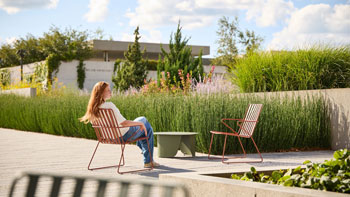
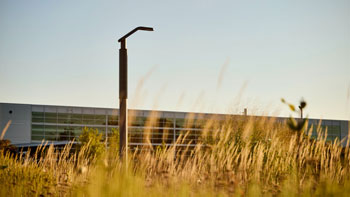
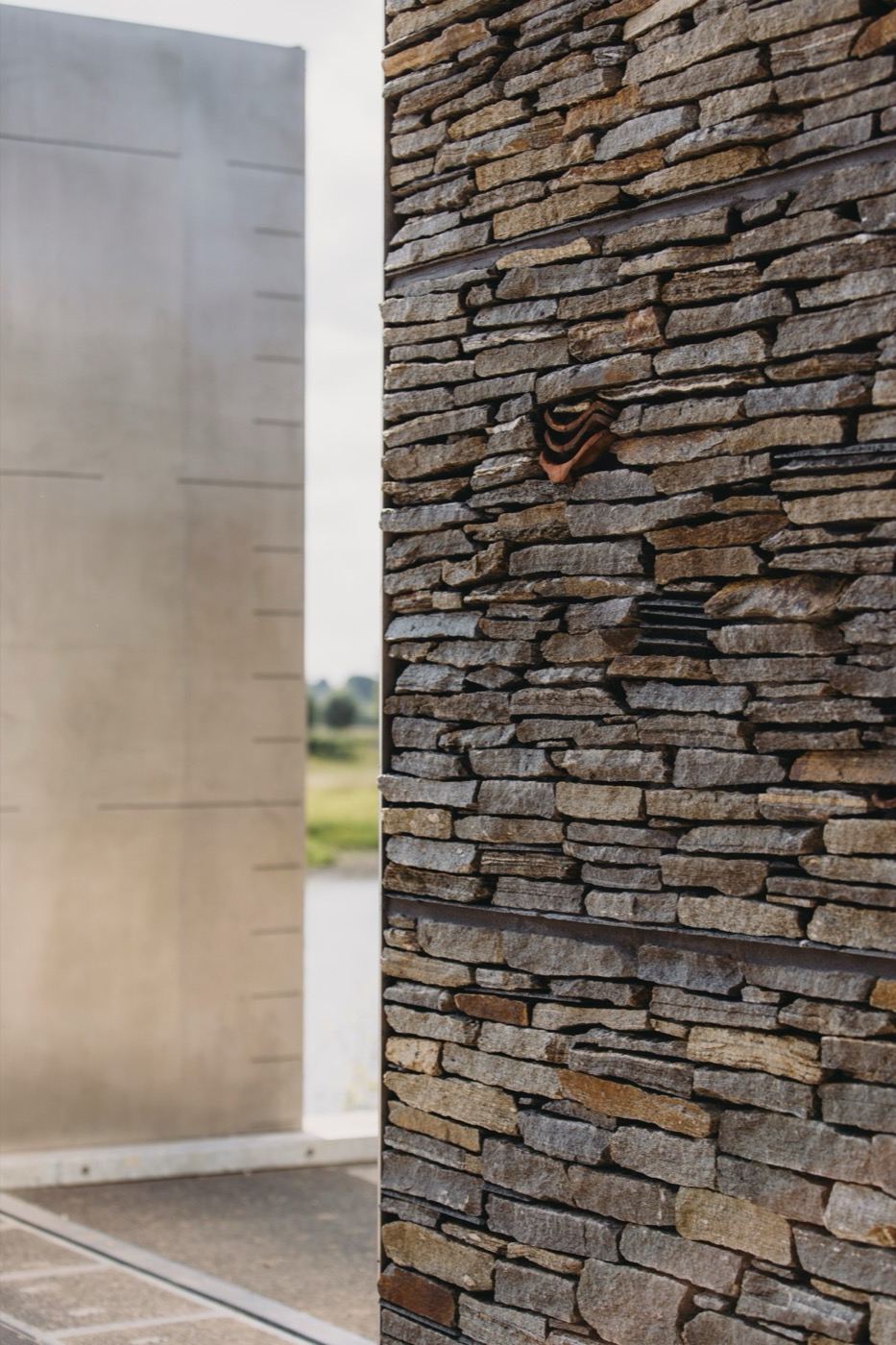
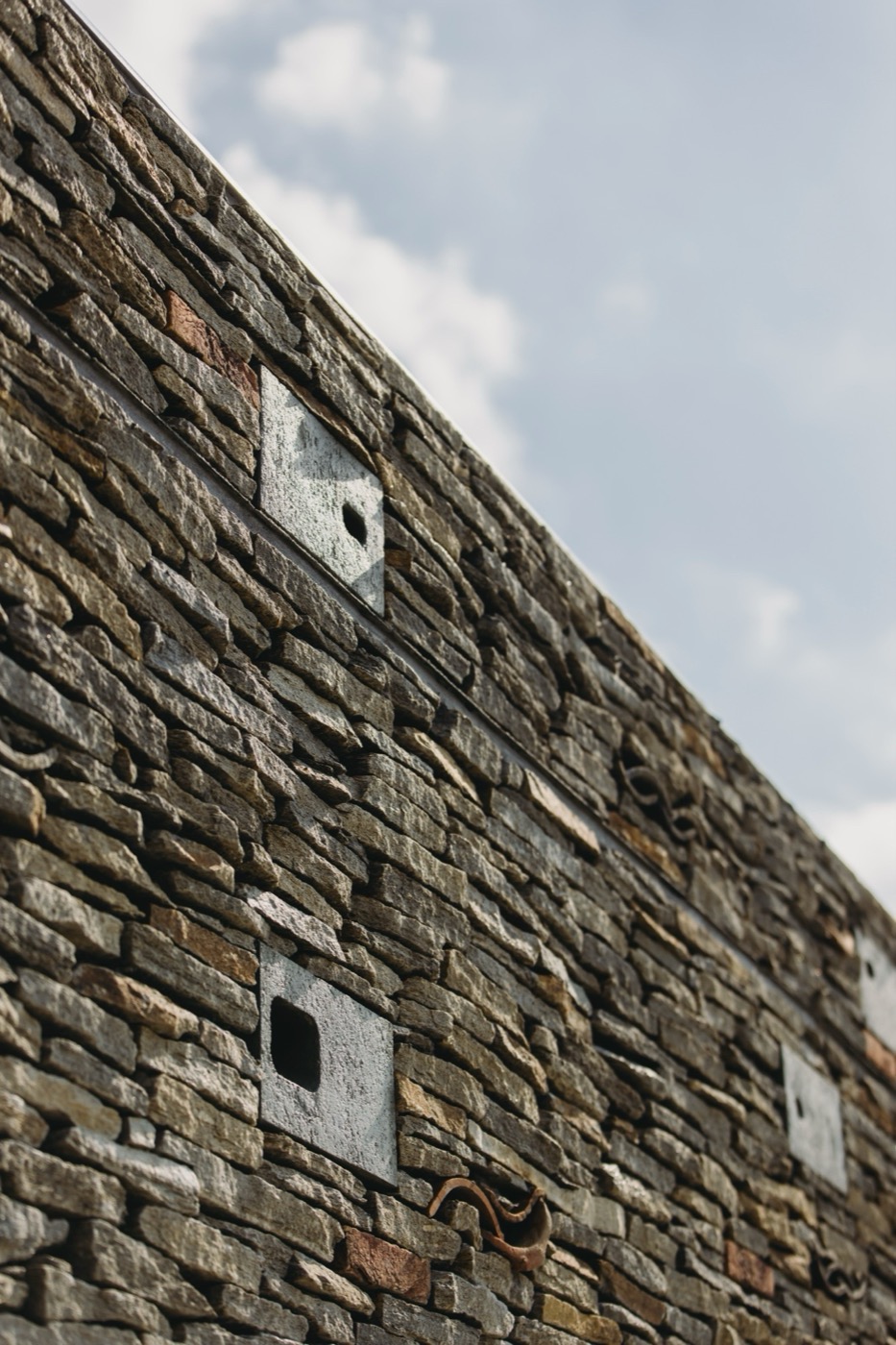
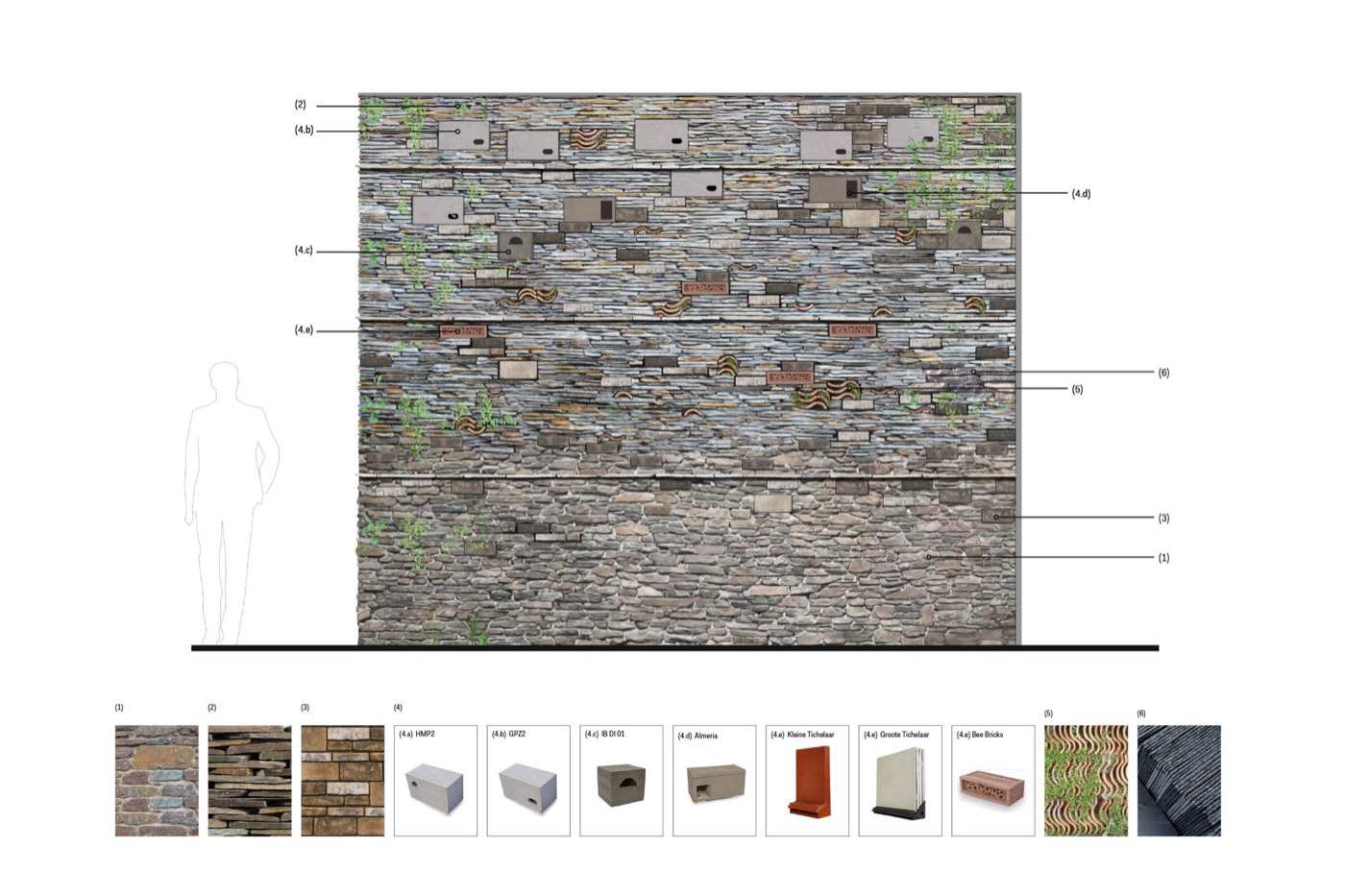
The Balcony on the Meuse invites residents and passers-by to enjoy the river. The design brings the architecture of Steyl to the water: the parks, brick paving and steps extend the historical characteristics of the monastery village. The walls, bench and gates face the river and are therefore constructed from natural, local materials such as wood and slate. The gates are built from river stone, with a horizontal band for every metre above sea level. Above the +21.66-metre line, nesting boxes for birds and bats are built into the walls, ensuring they remain safe even during high water levels. The movable elements of the Balcony are also visible. Awareness of the water is encouraged here; technology is therefore not hidden away but is a natural part of the environment.
“Instead of an environment designed for the possibility of high water, we have designed a permanently pleasant place here. Designed in such a way that residents of Steyl are not confronted with the daily threat of flooding. Water safety provides an opportunity for new spatial strategies. Here, technology turns the threat of water around; architecture transforms a safety measure into a layered landscape of technology and nature, heritage and public space.”
– Michel Schreinemachers, architect-partner NEXT architects
NEXT architects and the river
With the impact of climate change, the resilience of our river landscape is becoming an increasingly significant challenge. Rivers are experiencing more frequent peaks in their water levels, and the risk of flooding is increasing. Where there is insufficient space for dike raising or where the construction of retaining walls and quays is undesirable, integrated, interdisciplinary solutions are needed – such as the technology of the Vlotterkering®.
NEXT architects previously designed the Room for the River project on the Waal River in Nijmegen. With the Zalige Bridge, the firm playfully raised awareness of changing water levels. In the historic village of Arcen, also in Limburg, NEXT architects is working with the same team as in Steyl on a five-kilometre-long flood defence, 600 metres of which will again be constructed as a Vlotterkering®. This project is currently under construction and will be completed in 2028.
Steyl flood defence
Location: Steyl, Limburg, NL
Client: Limburg Water Authority
Architecture and landscape: NEXT architects and Trafique
Partners: Dijkzone Alliantie Steyl v.o.f. (Dura Vermeer, Ploegam, Hollandia Infra, Maters en De Koning, Svasek hydraulics, Fugro)
Completion: 2025
51.331405369369286, 6.1192386996448915
73519


LILA 2026 Sponsor