Aarhus University City
www.lytt.dk/en
2026 Campuses and Corporate / 2026 Landscape and Architecture / Denmark / Built in 2025 /

On the former grounds of Aarhus Municipal Hospital, a new university district has emerged — expanding Aarhus University beyond its historic campus in the University Park and establishing a vibrant urban quarter.
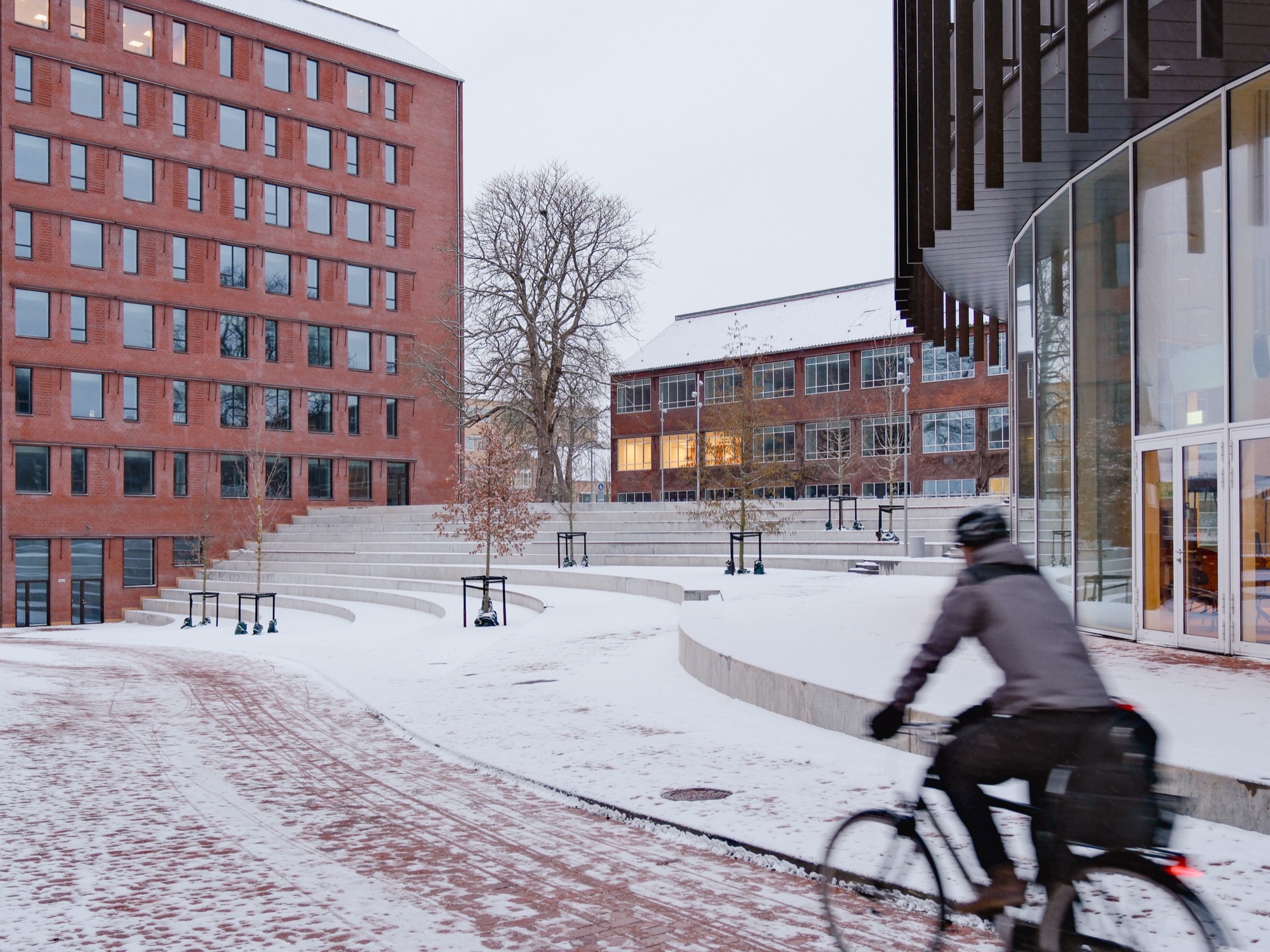
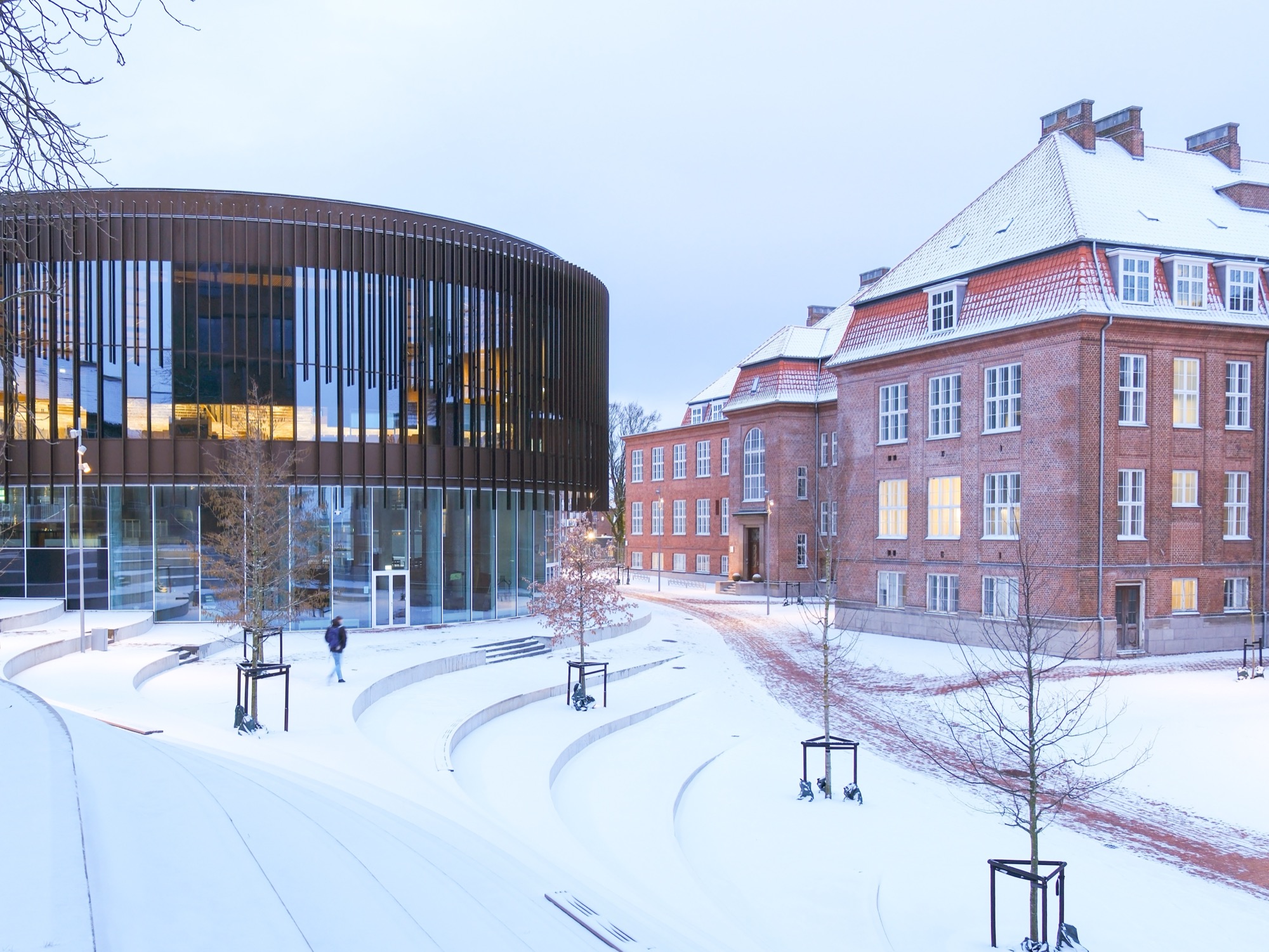
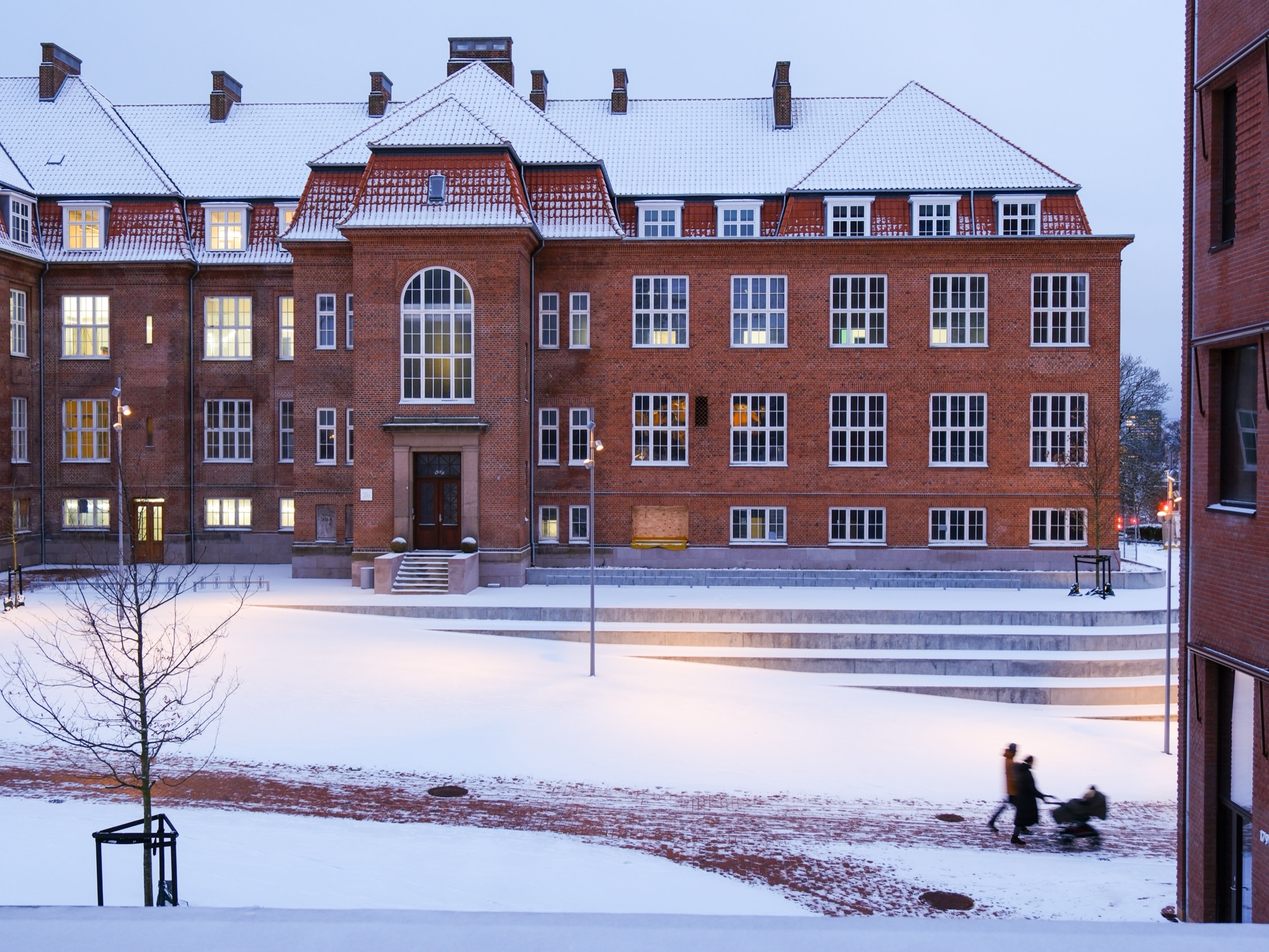
Facing the University Park across one of Aarhus’ most heavily trafficked roads, University City extends the campus and forms a coherent university landscape. The project transforms the former hospital site into an open and accessible campus environment, where academic life, everyday circulation, and public space are brought together within a clear urban structure.
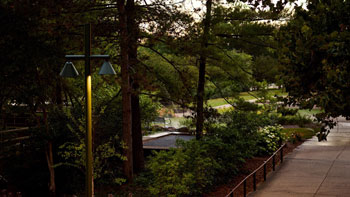
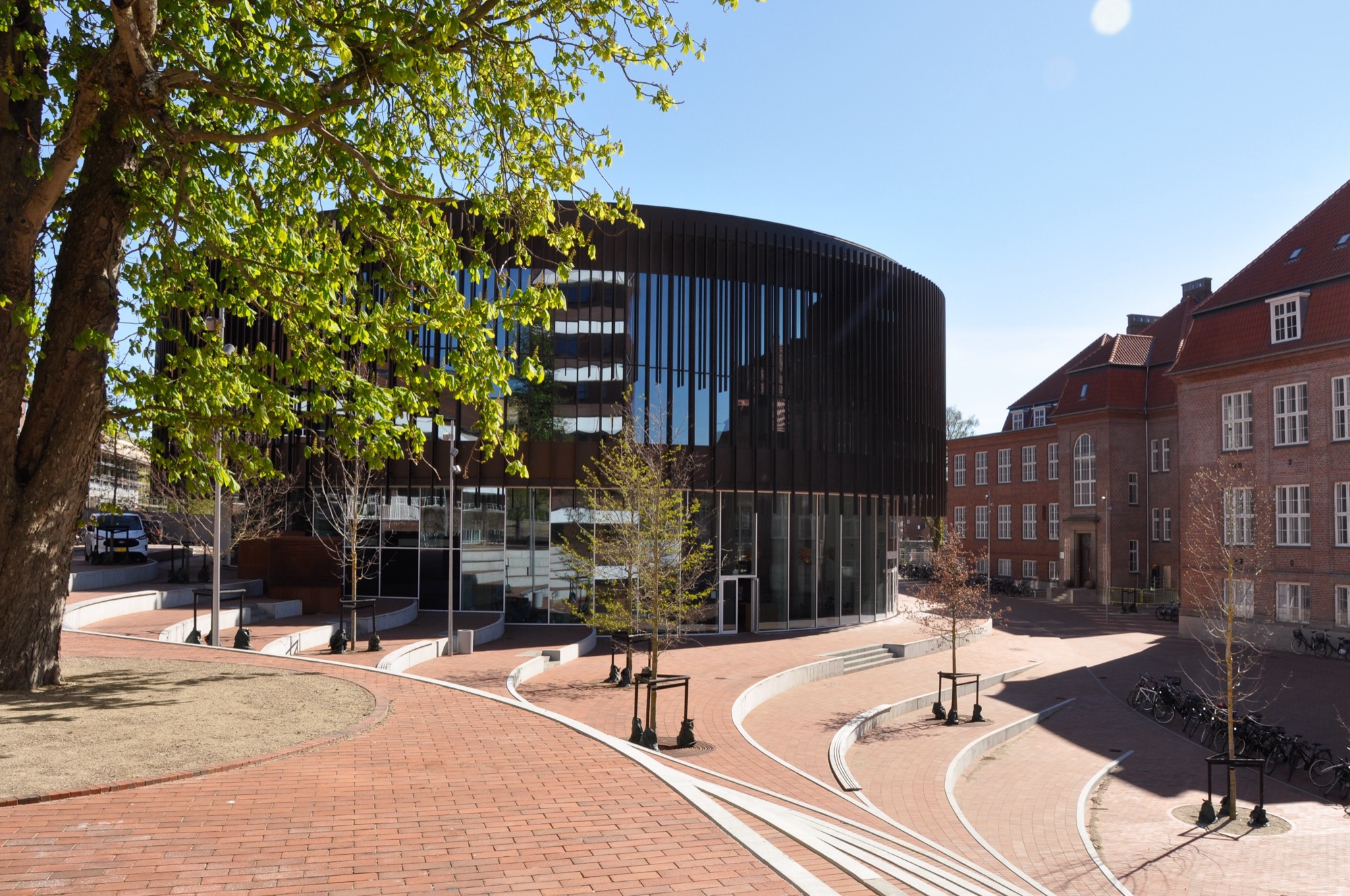
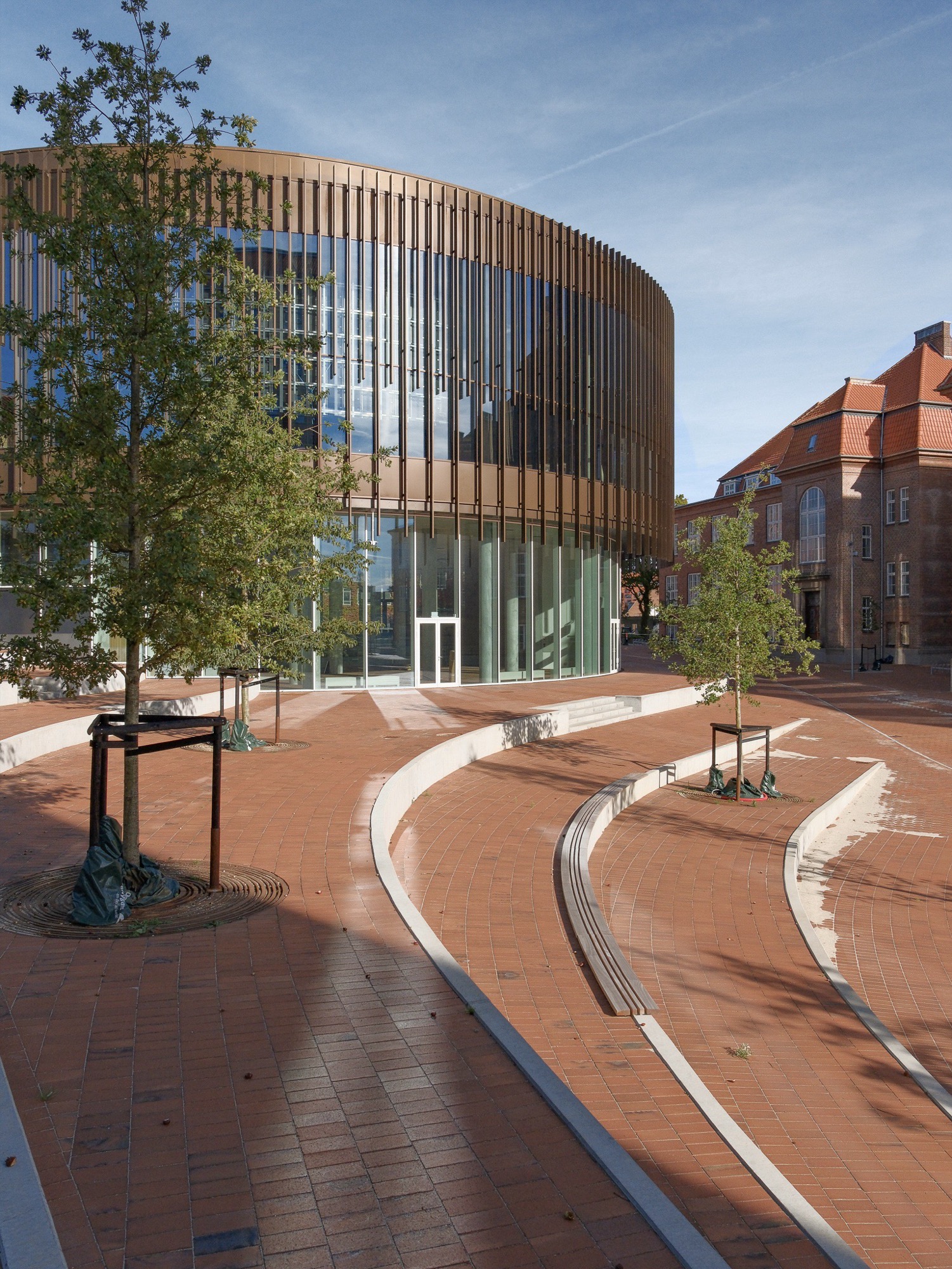
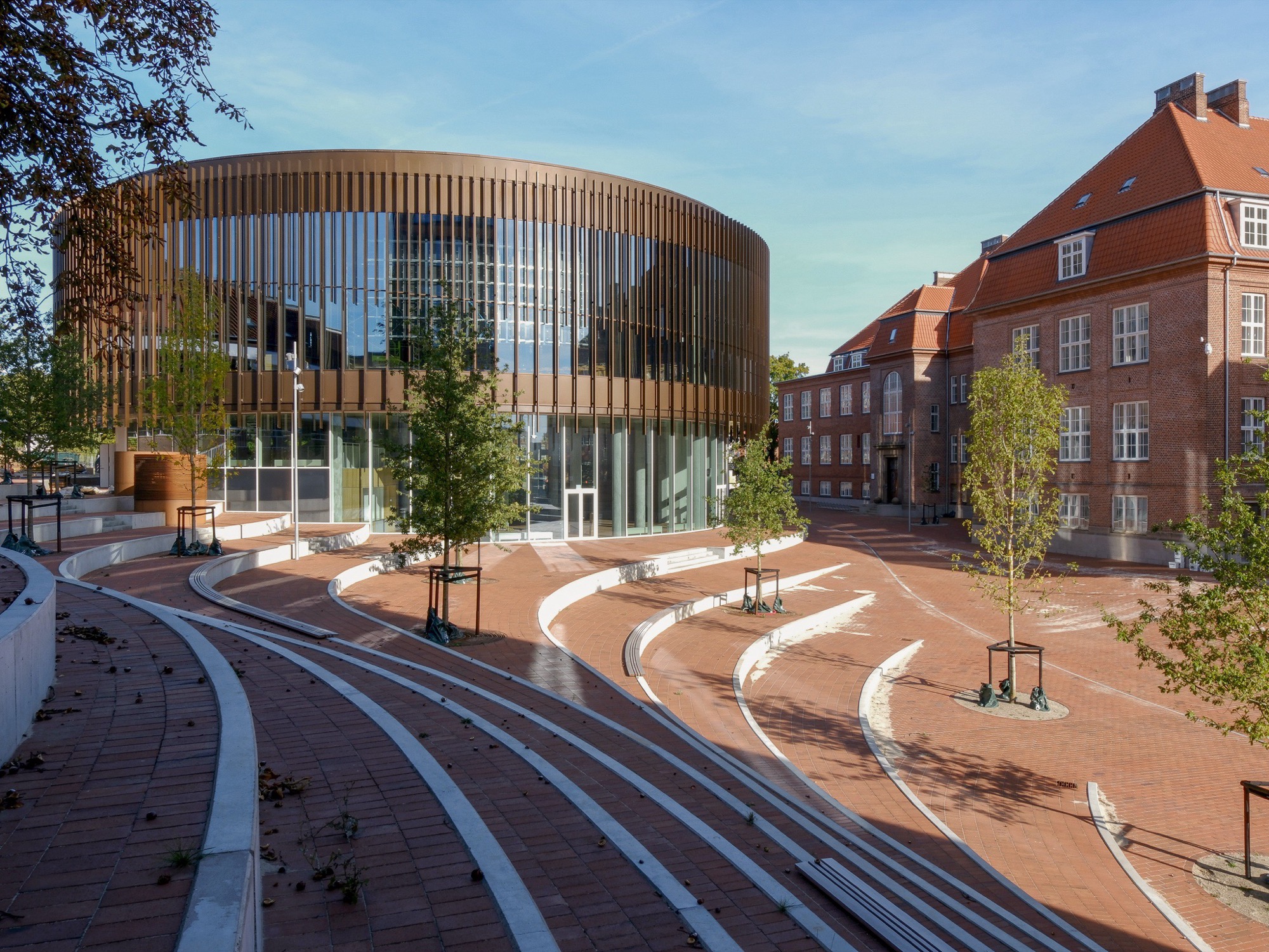
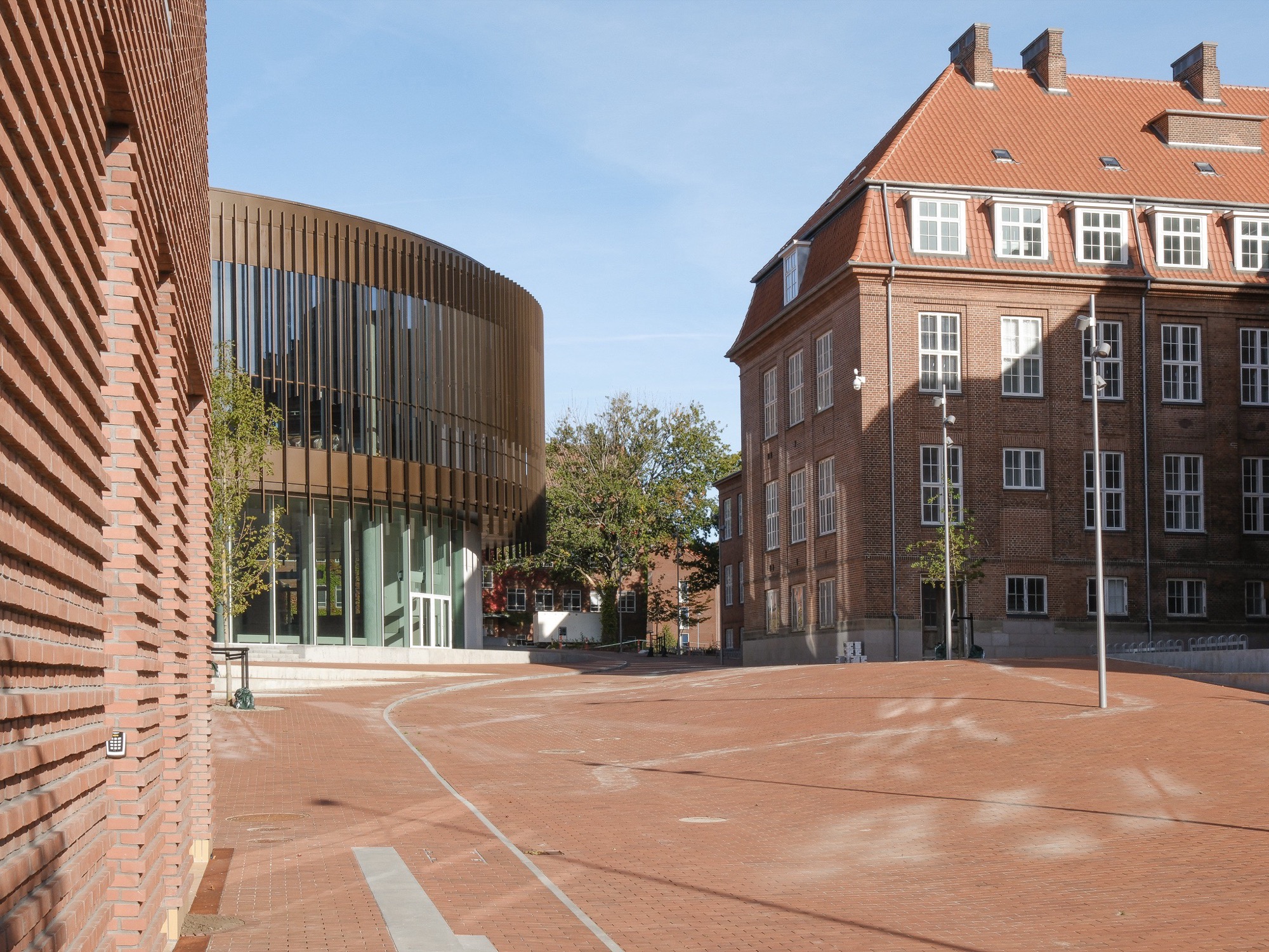
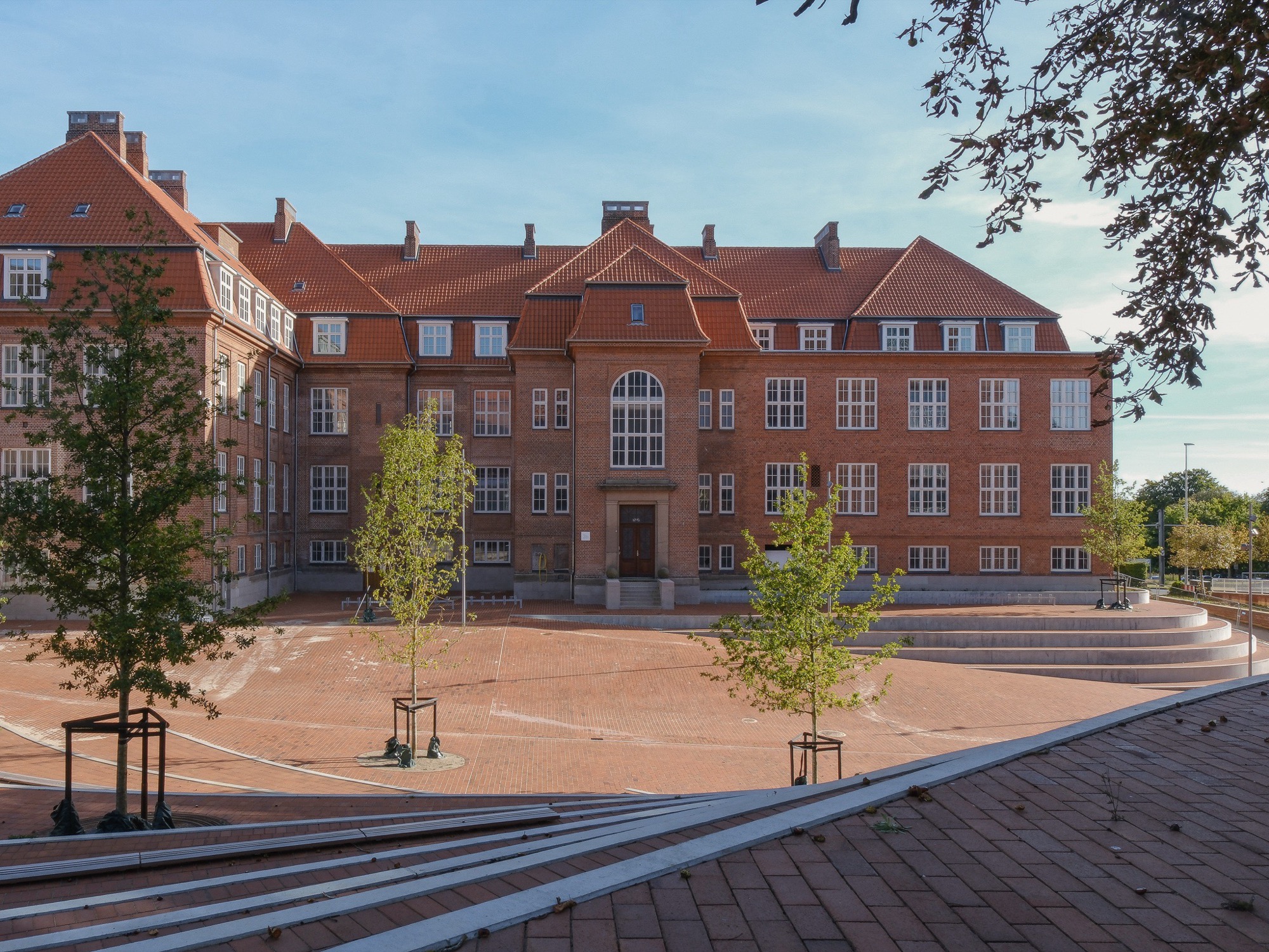
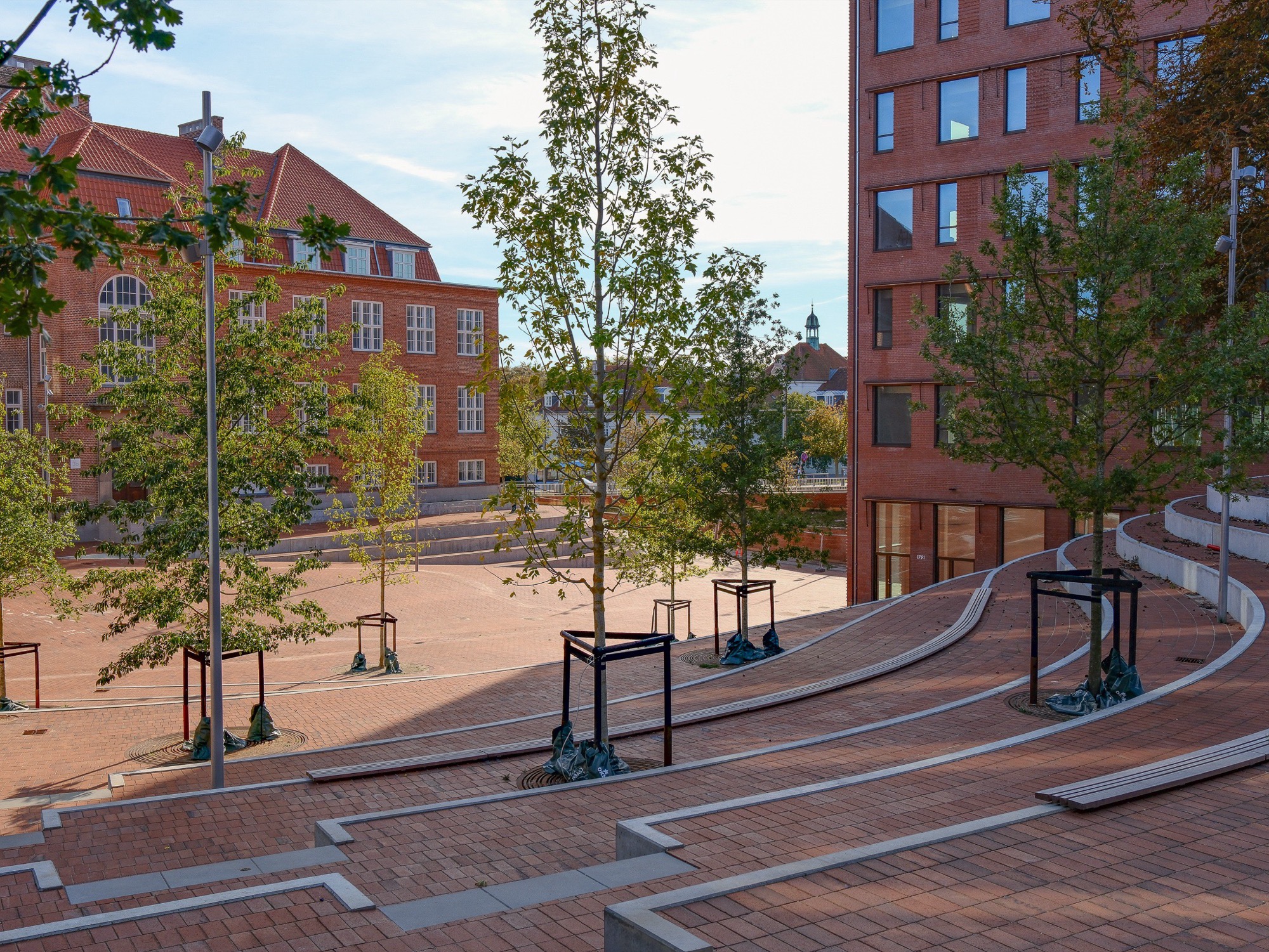
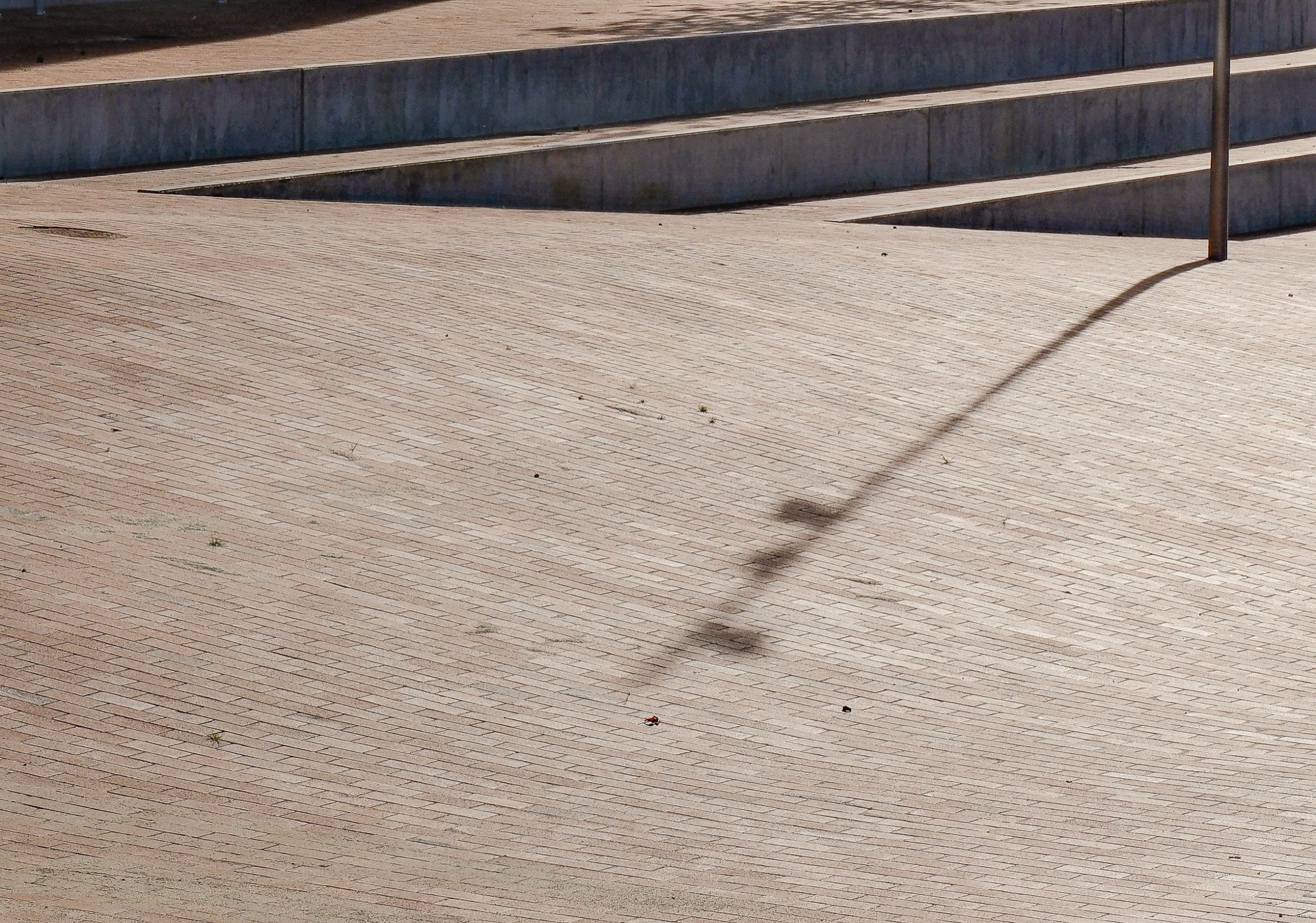
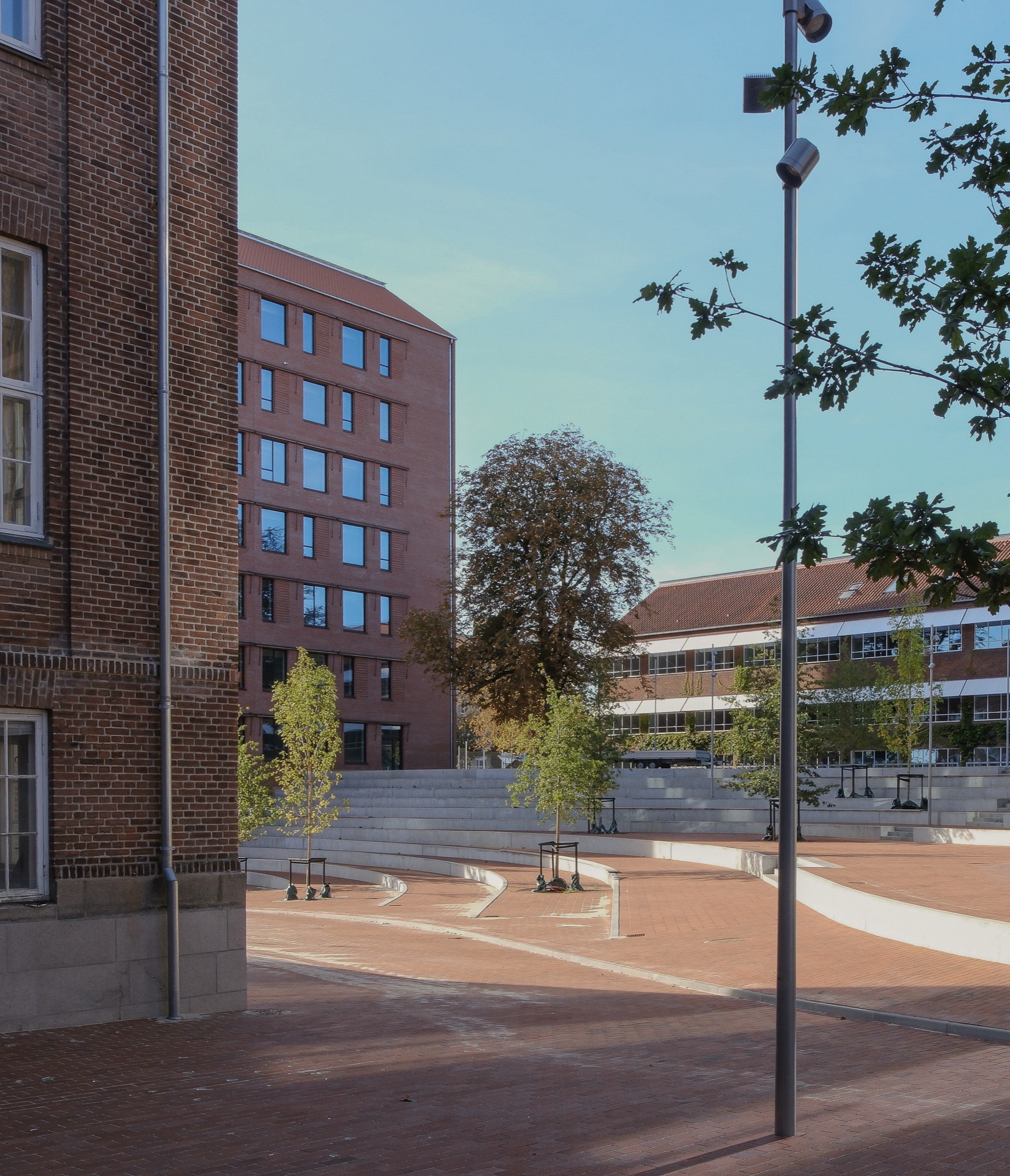
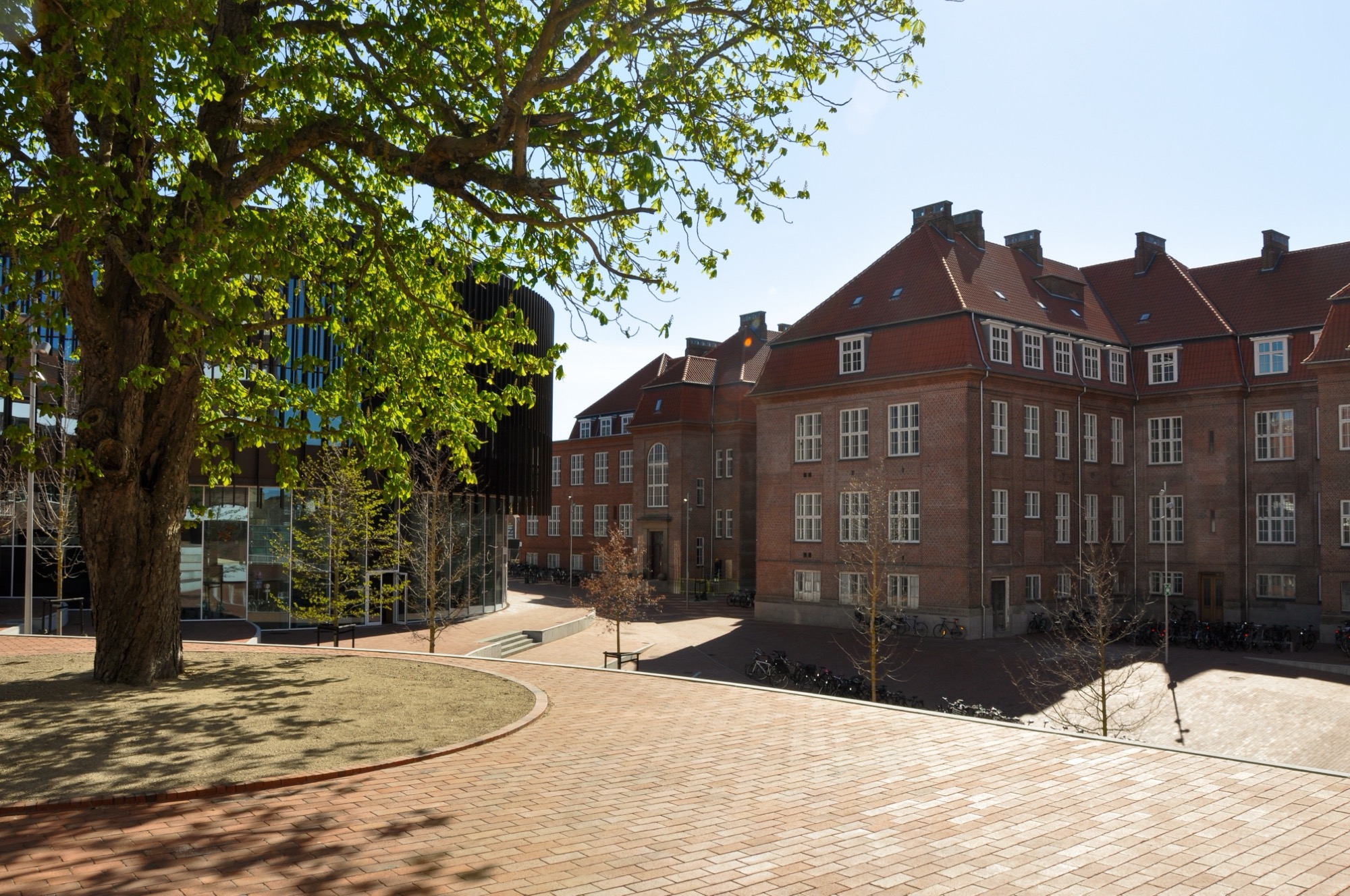
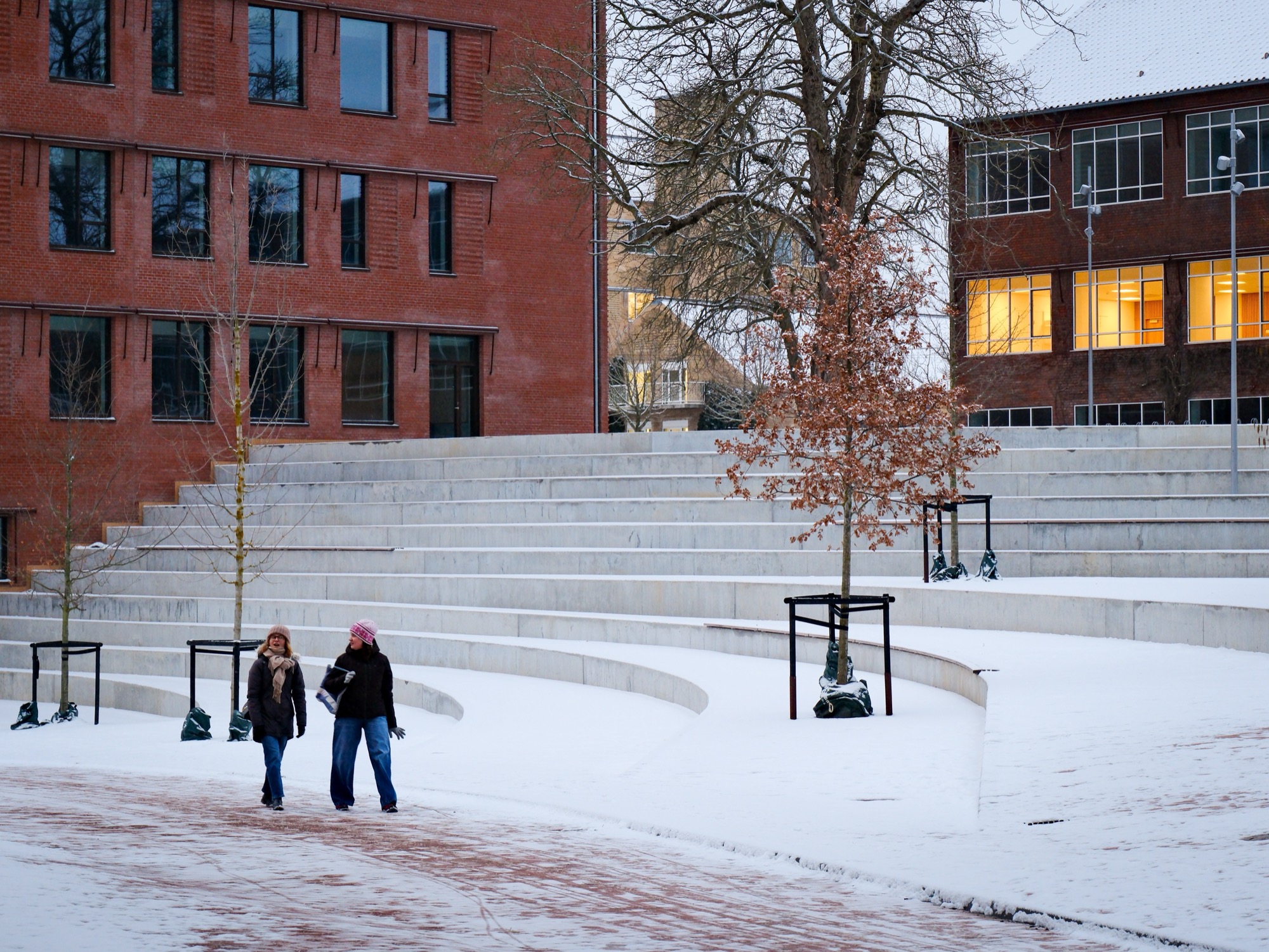
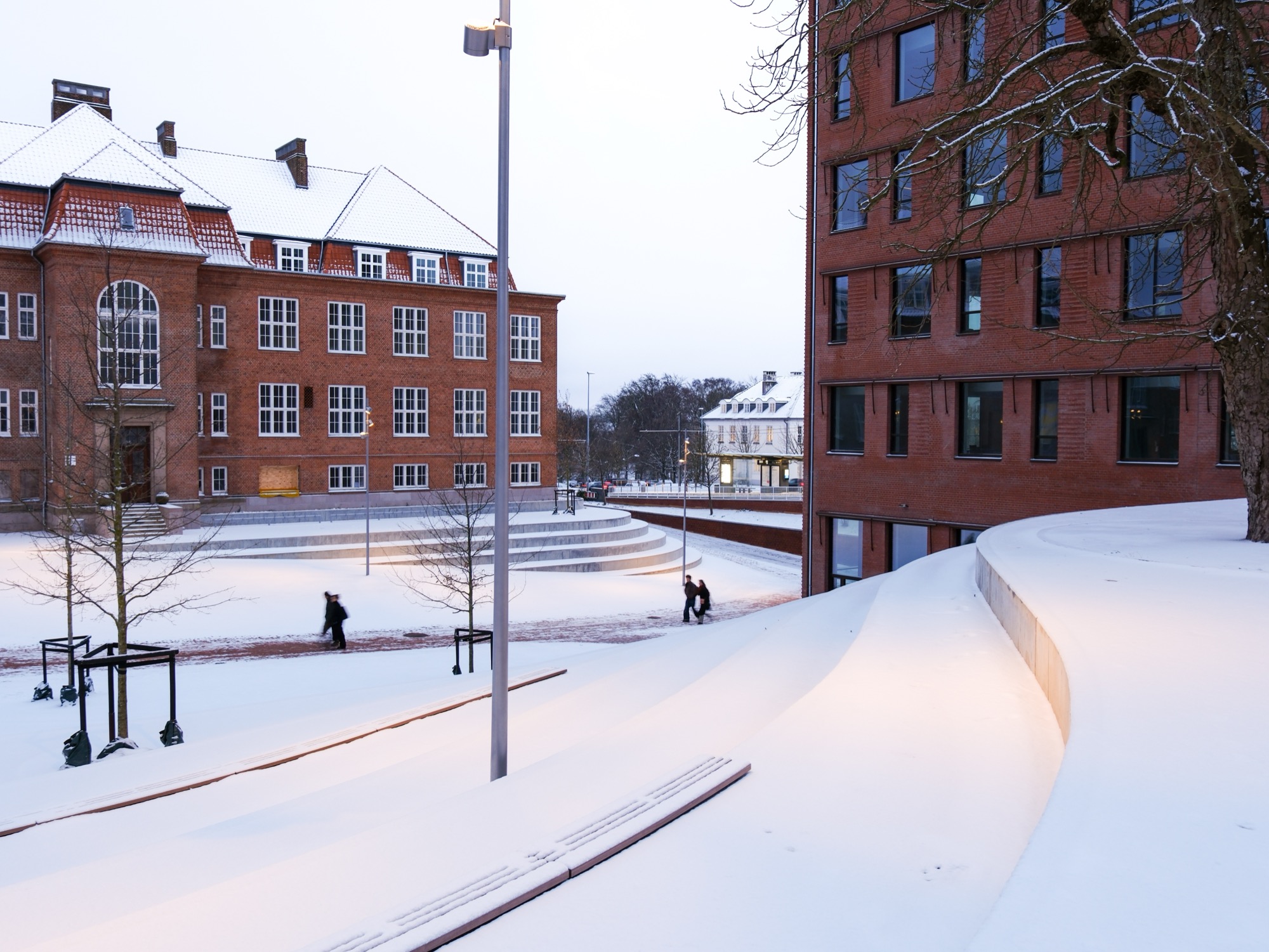
The spatial concept builds on the defining characteristics of the historic park — its gently undulating terrain and pollarded oak trees — and reinterprets them within an urban context. The park’s landscape language is translated into a continuous red brick ground that flows through the site, establishing a unified surface that organises movement and creates a strong spatial identity.
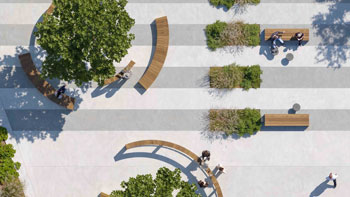
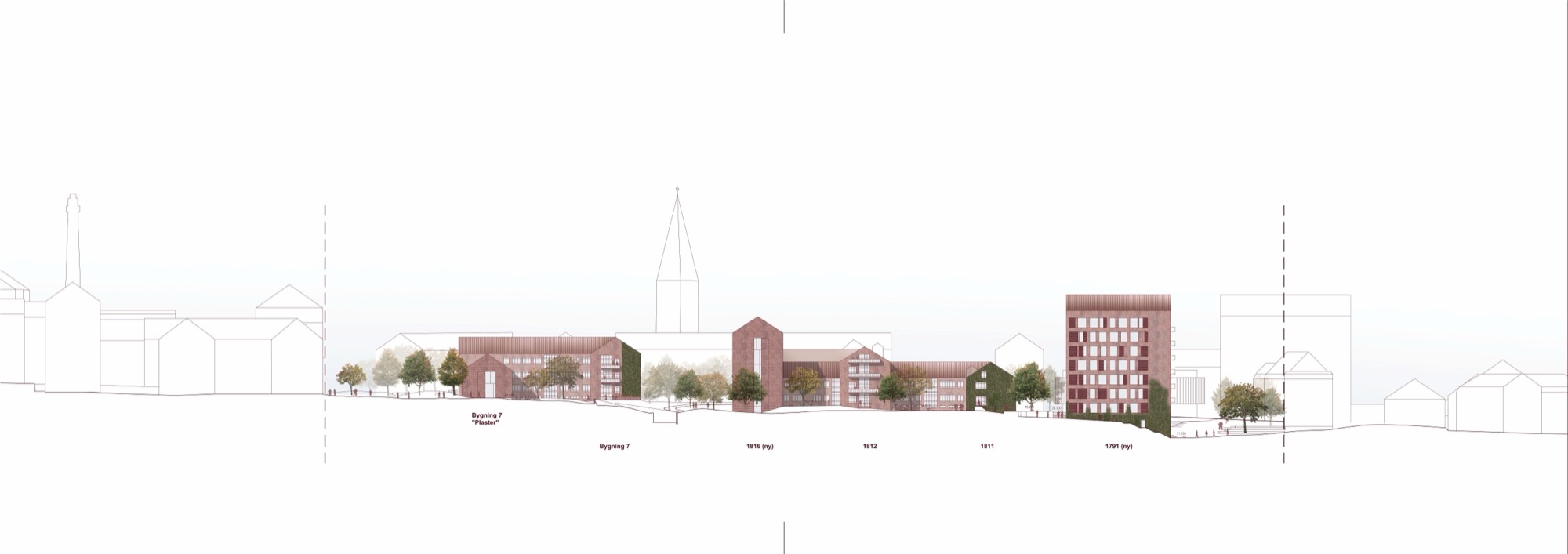
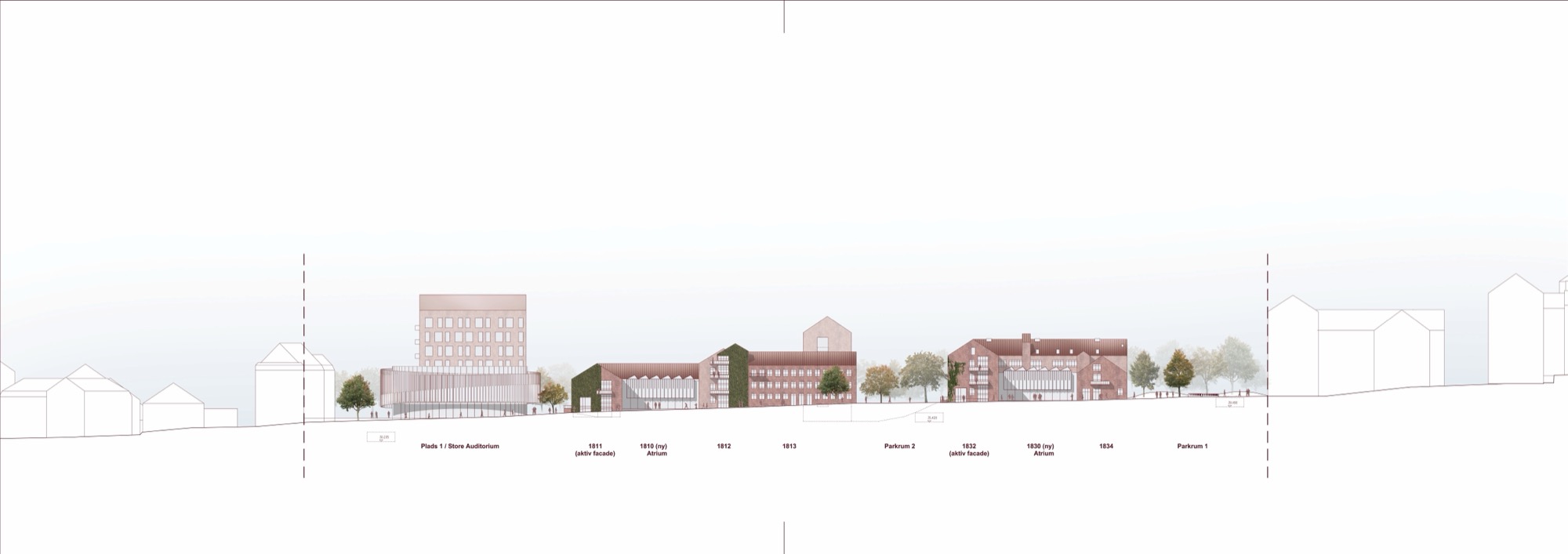
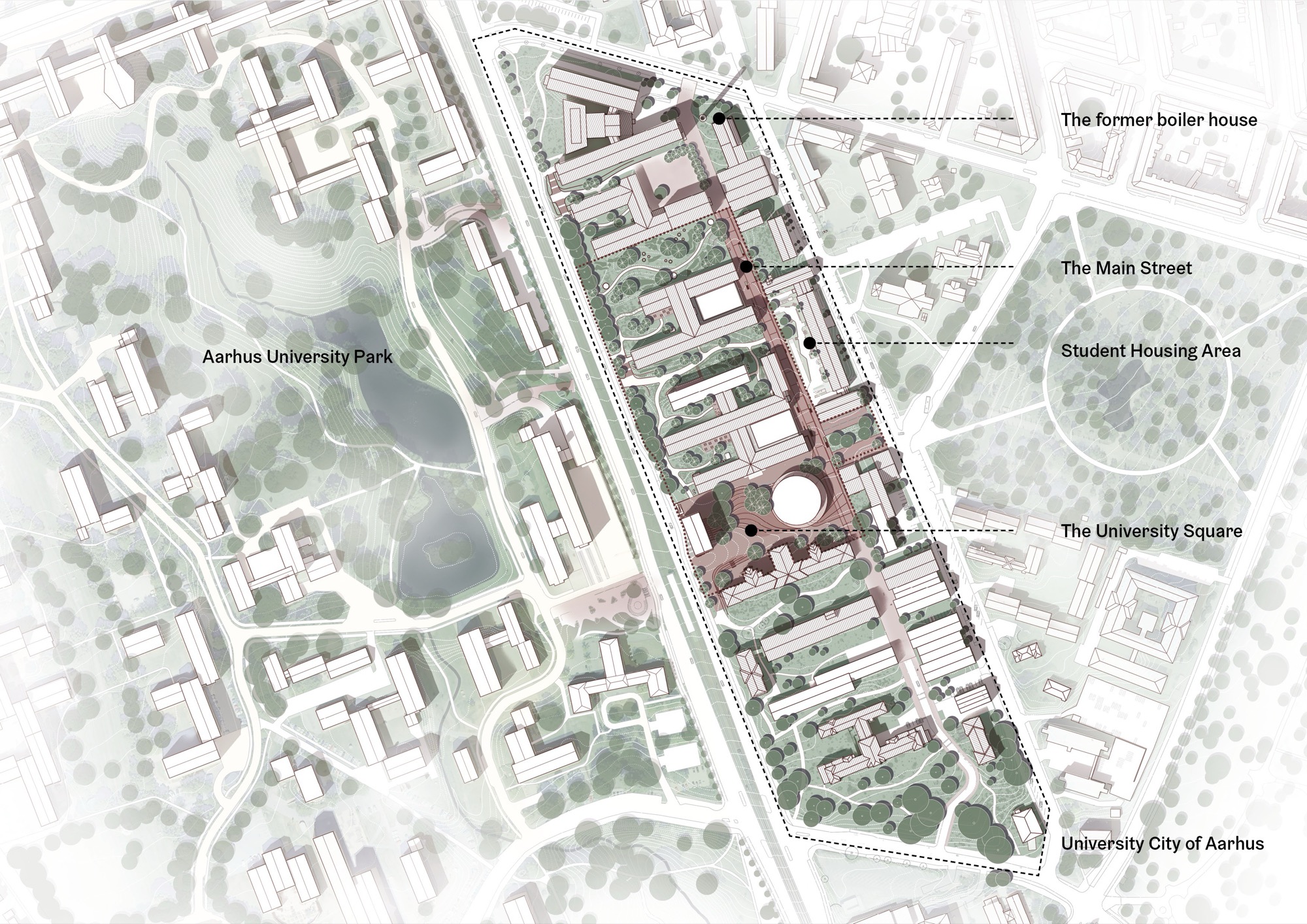
University City is structured as a sequence of interconnected public spaces, including the Main Street (Universitetsstrøget), the University Square (Universitetstorvet), the Northern Square at the former boiler house (Kedelpladsen), and the student housing landscapes.
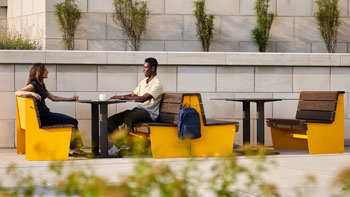
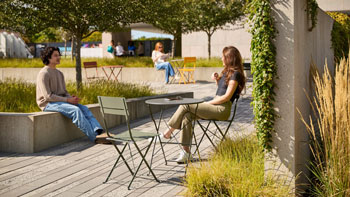
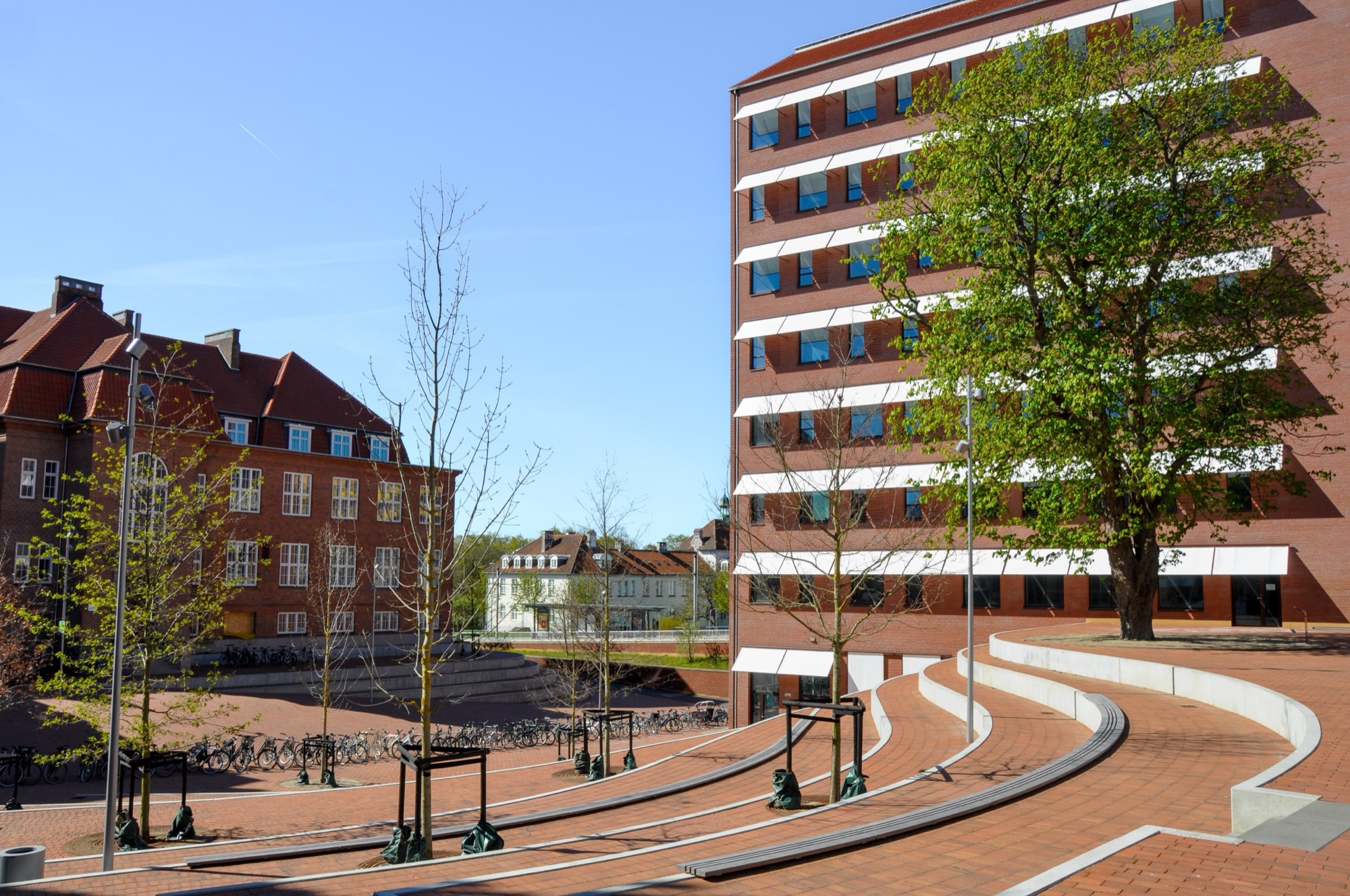
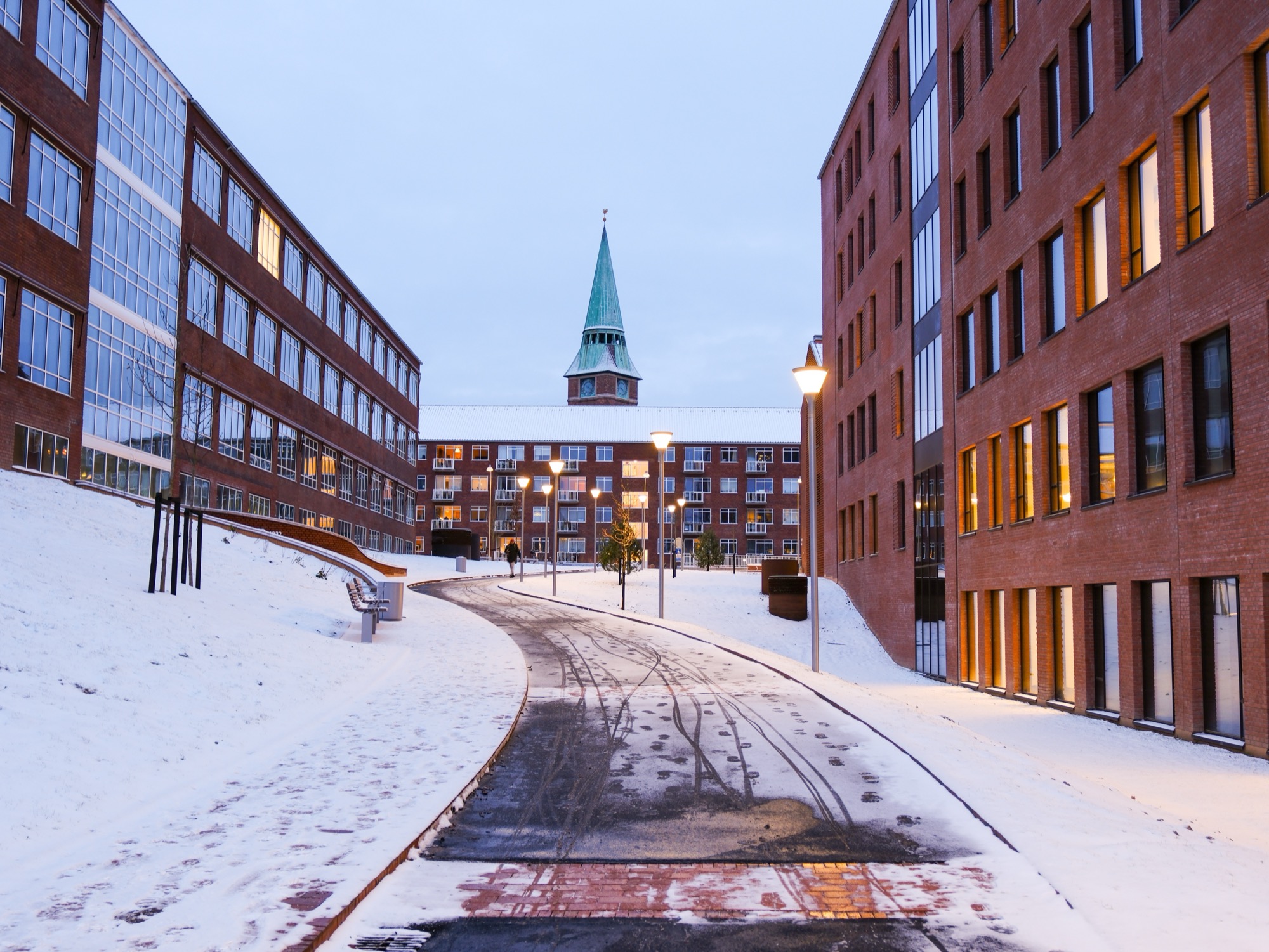
The Main Street forms the primary circulation spine, extending the historic axis through the area. As a continuous red brick promenade, it connects spaces and functions while supporting both everyday circulation and social life. Integrated brick plinths provide informal seating and subtly regulate the pace of cyclists and pedestrians.
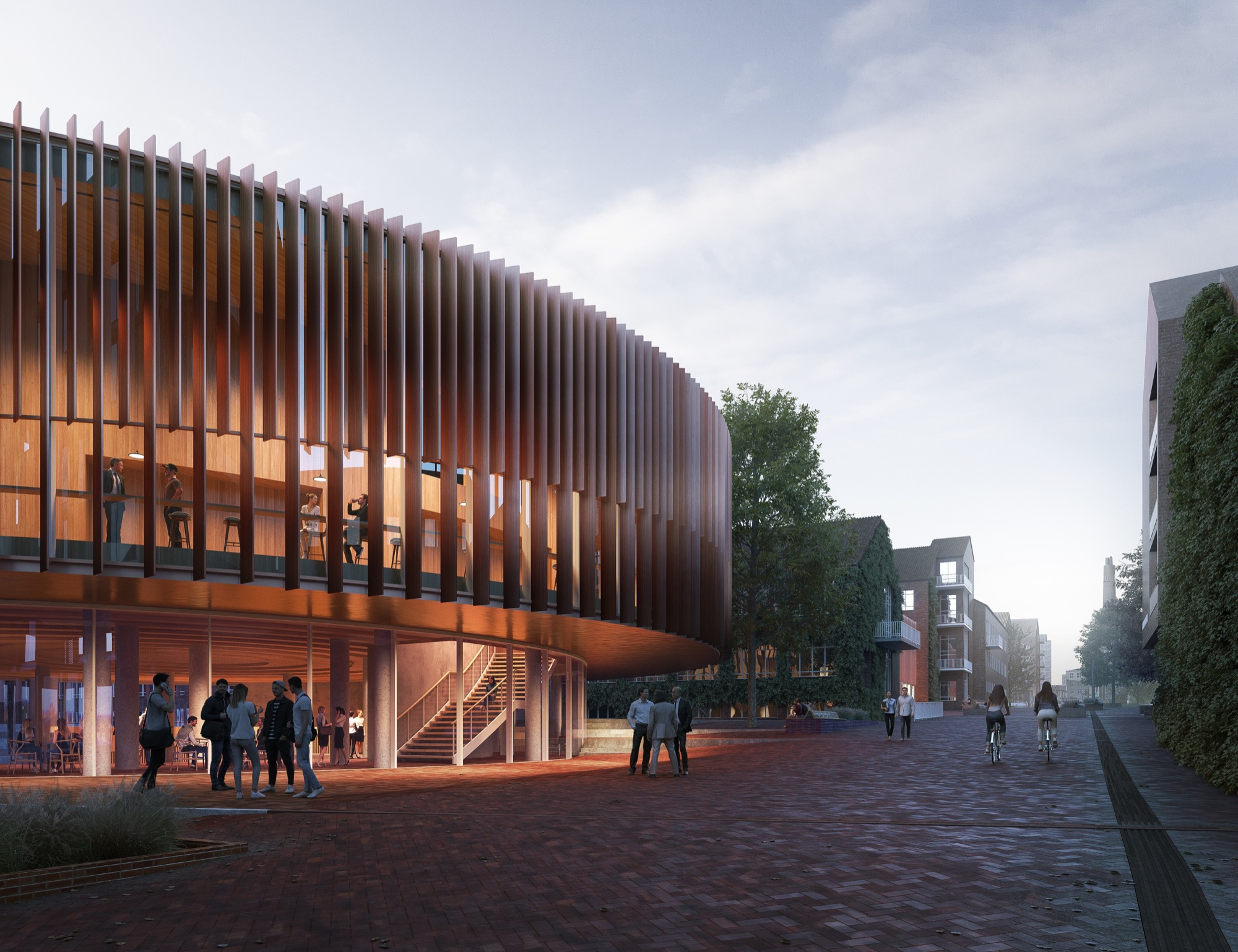
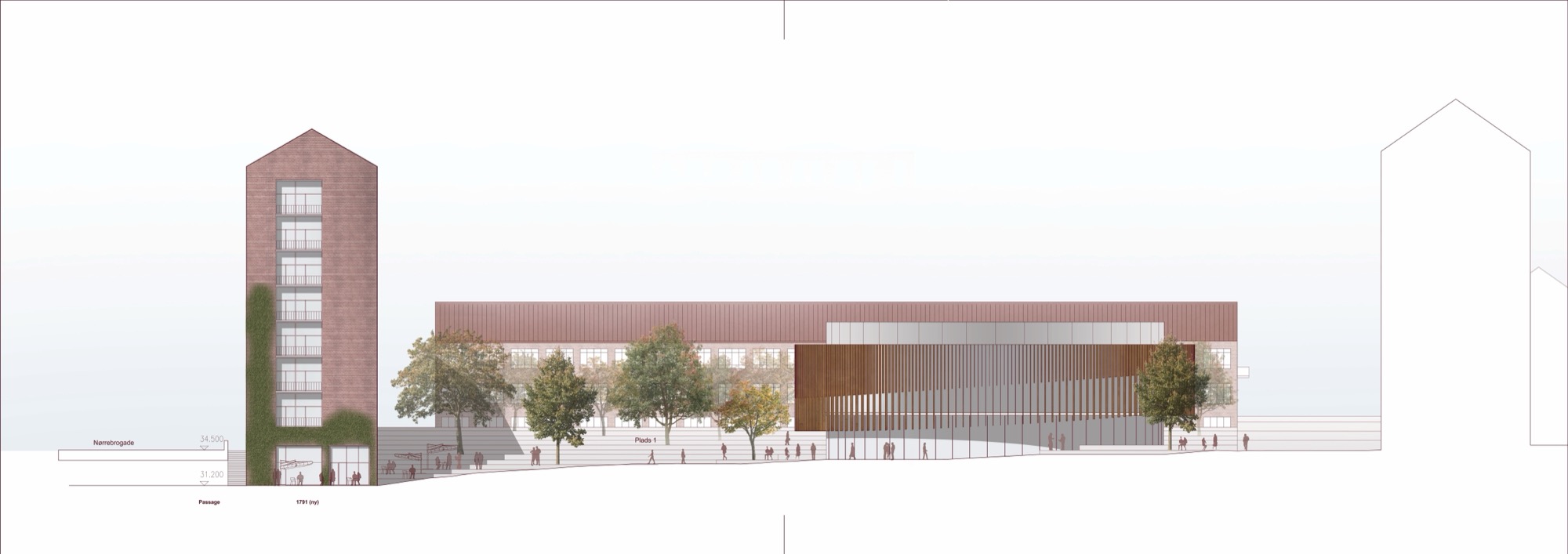
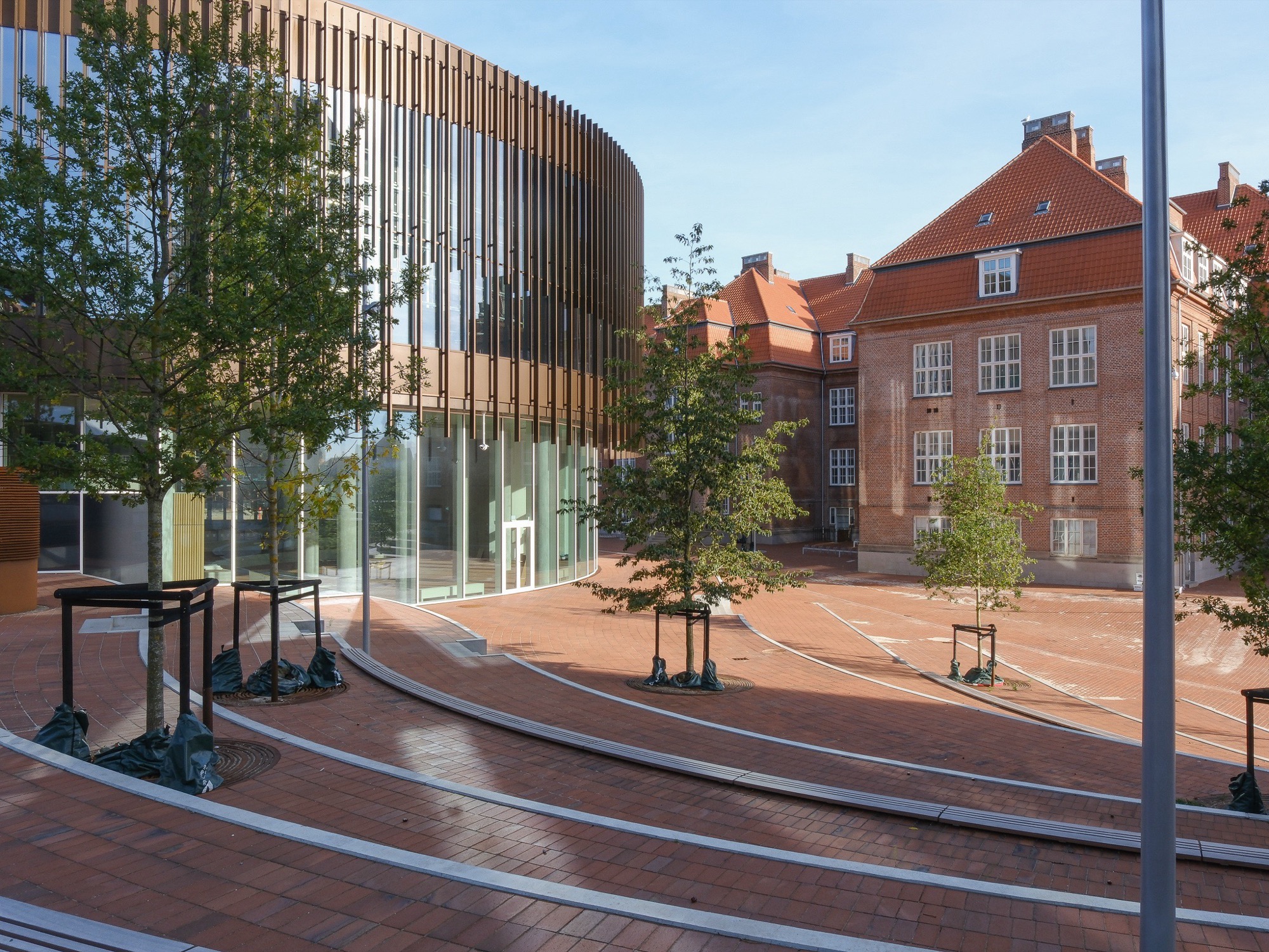
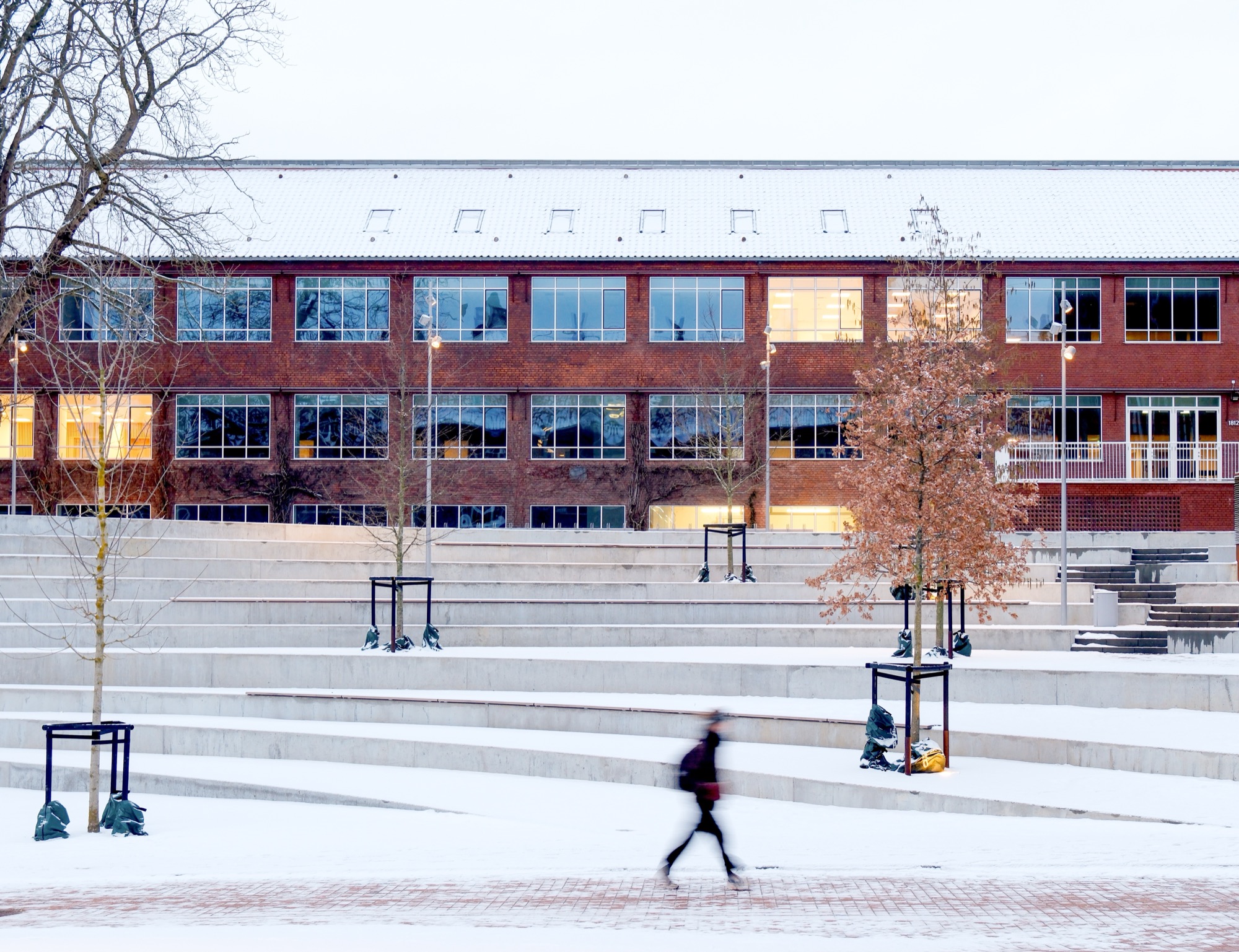
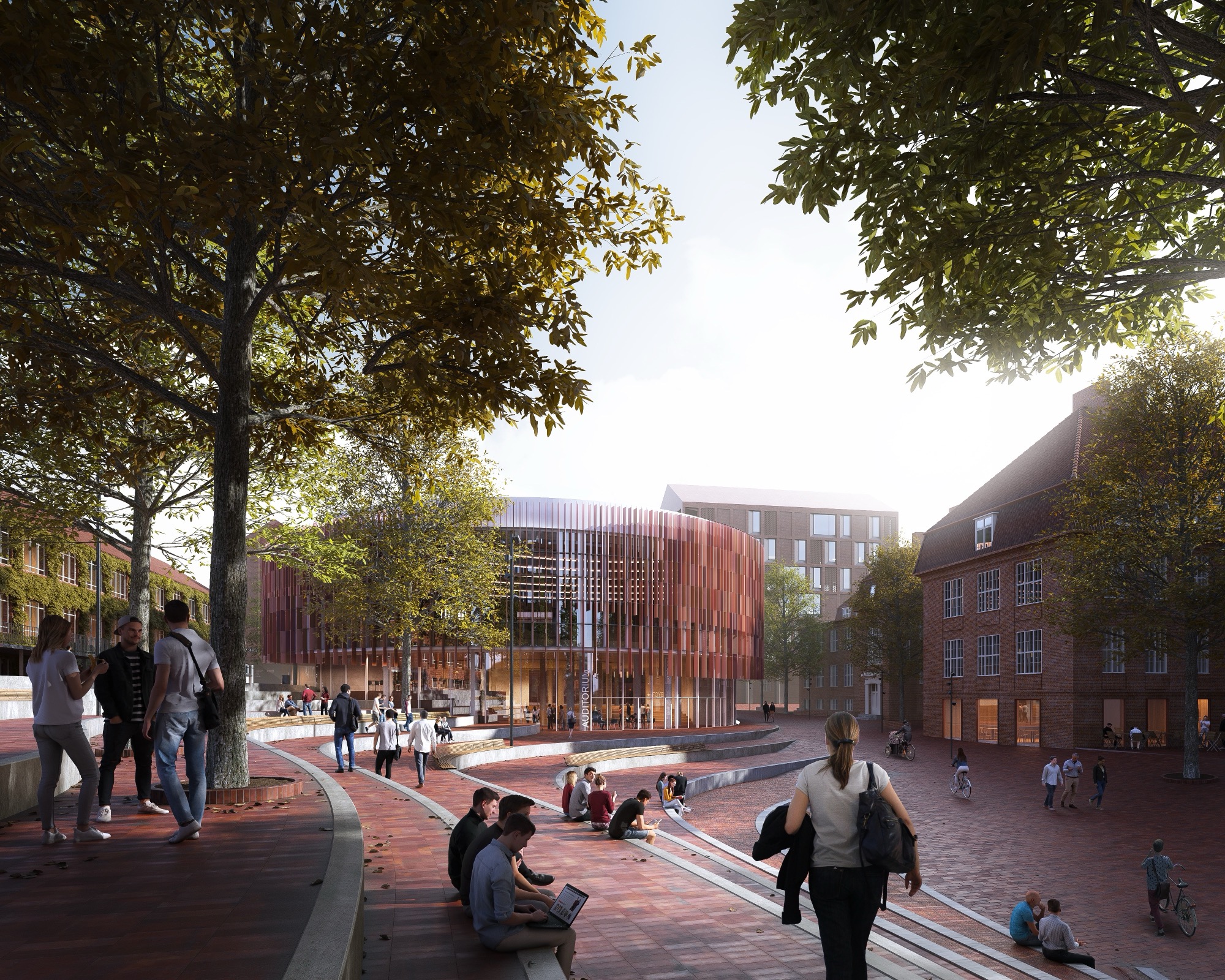
At the centre, the University Square acts as the main gathering space. The red surface unfolds as a gently modelled landscape that absorbs changes in level and supports both daily use and larger events. The circular City Auditorium forms a spatial anchor, with the brick surface continuing into the building and dissolving the boundary between inside and outside.
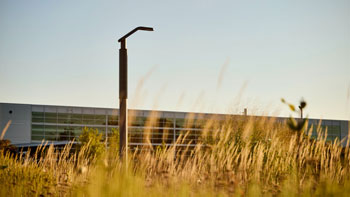
To the north, the Main Street culminates at the Northern Square, where the preserved chimney marks the site’s industrial heritage. The intervention is deliberately restrained, allowing the existing structures to define its character and maintain a clear link to the site’s history.
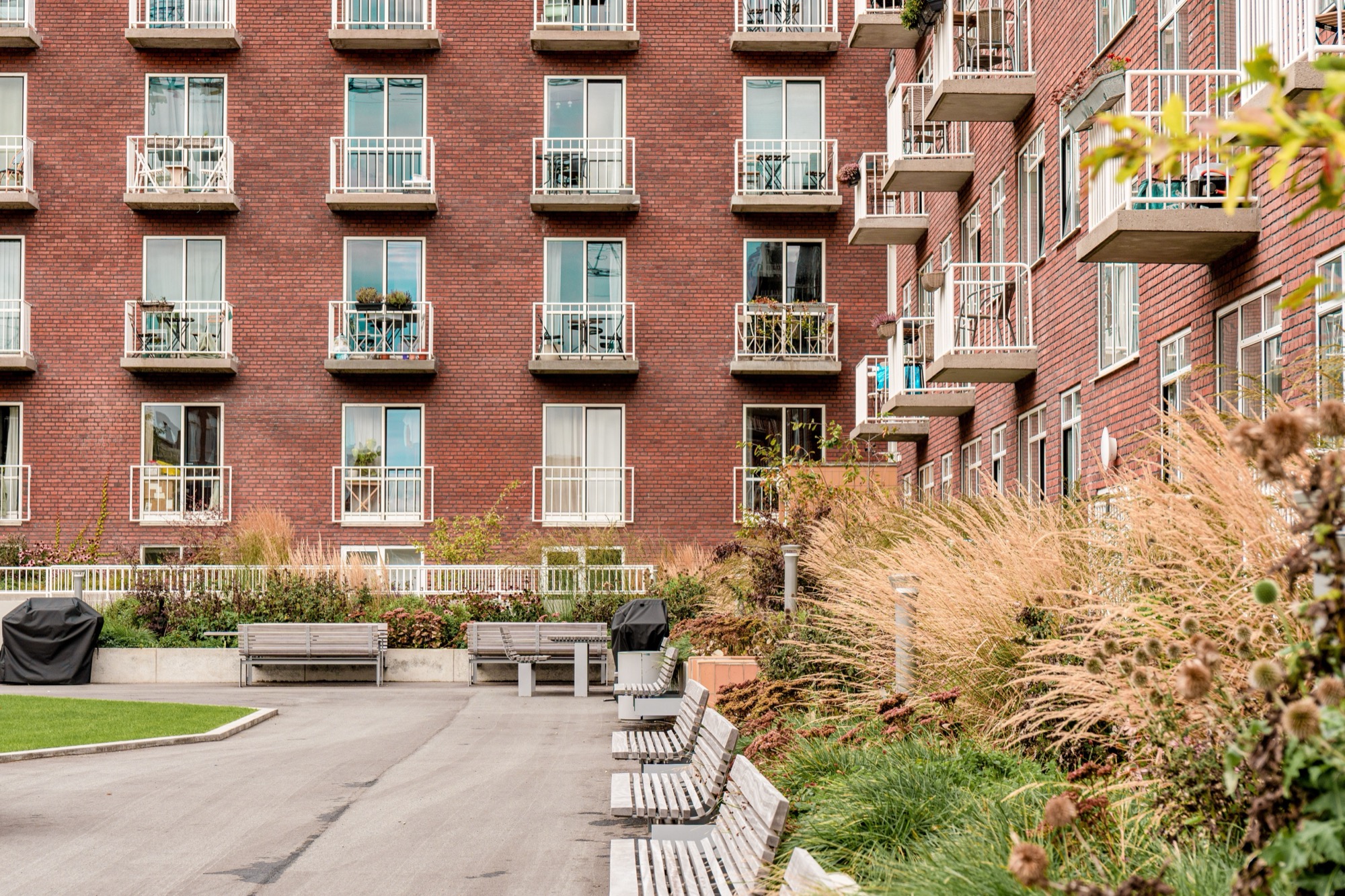
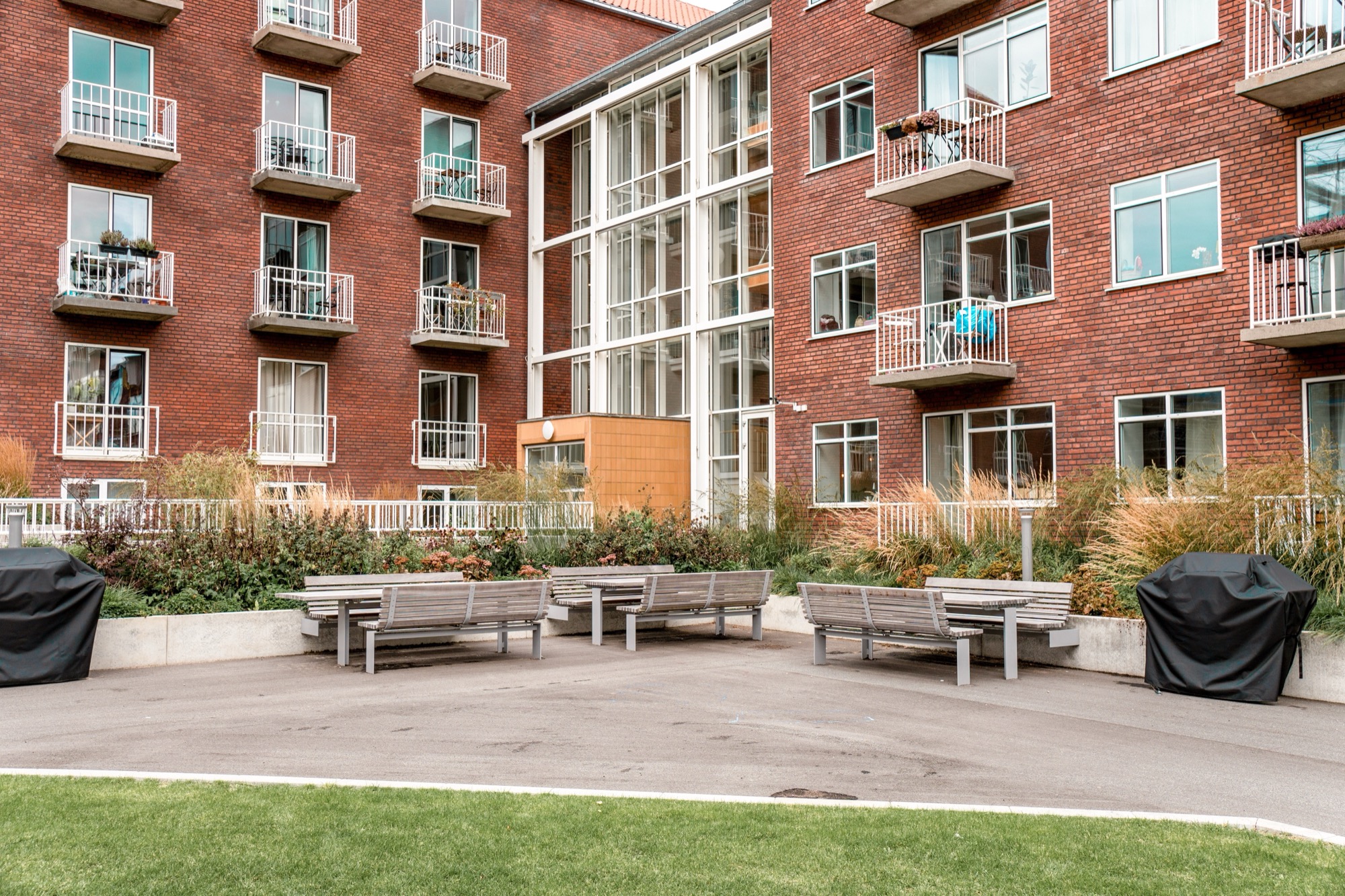
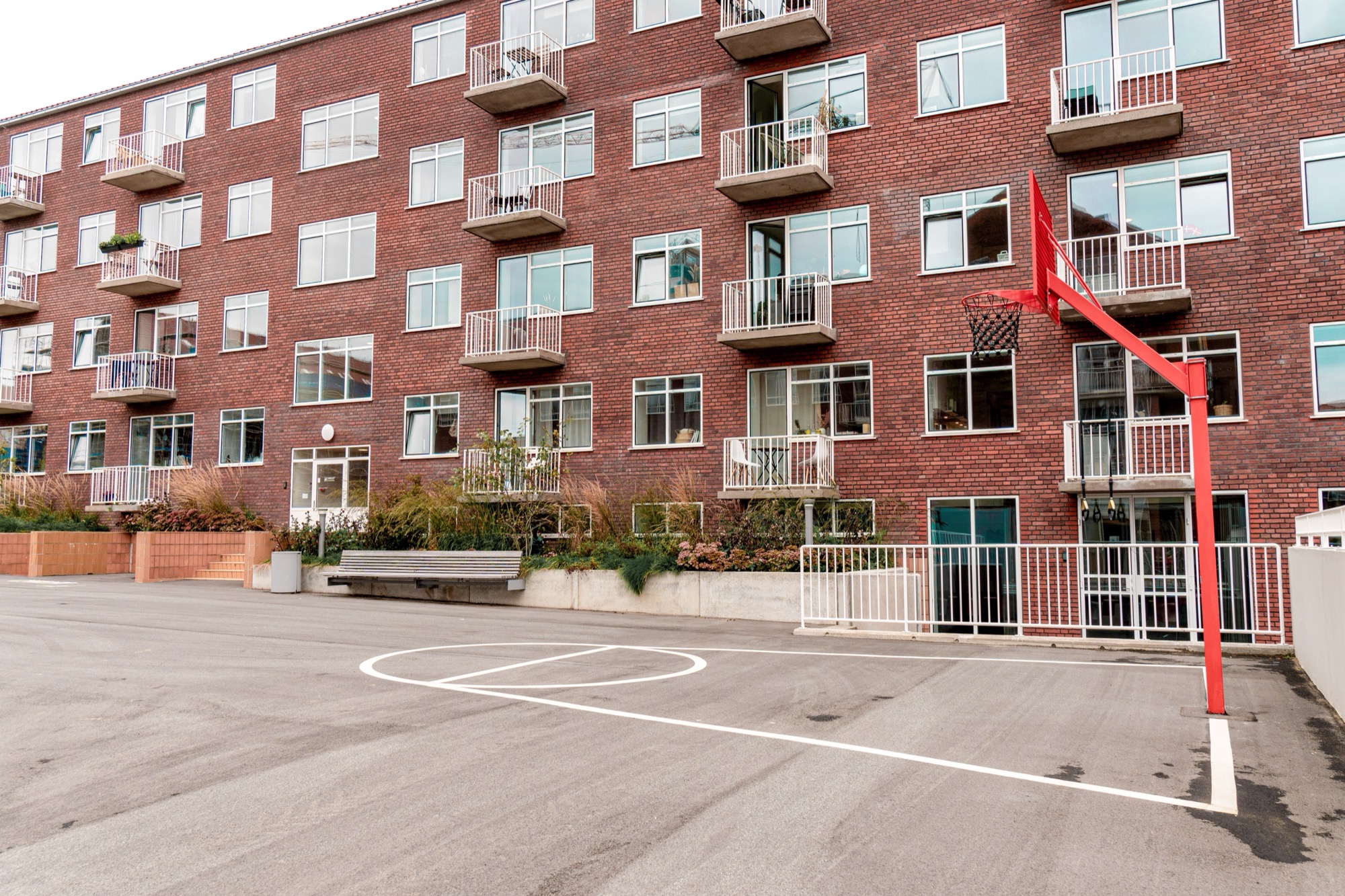
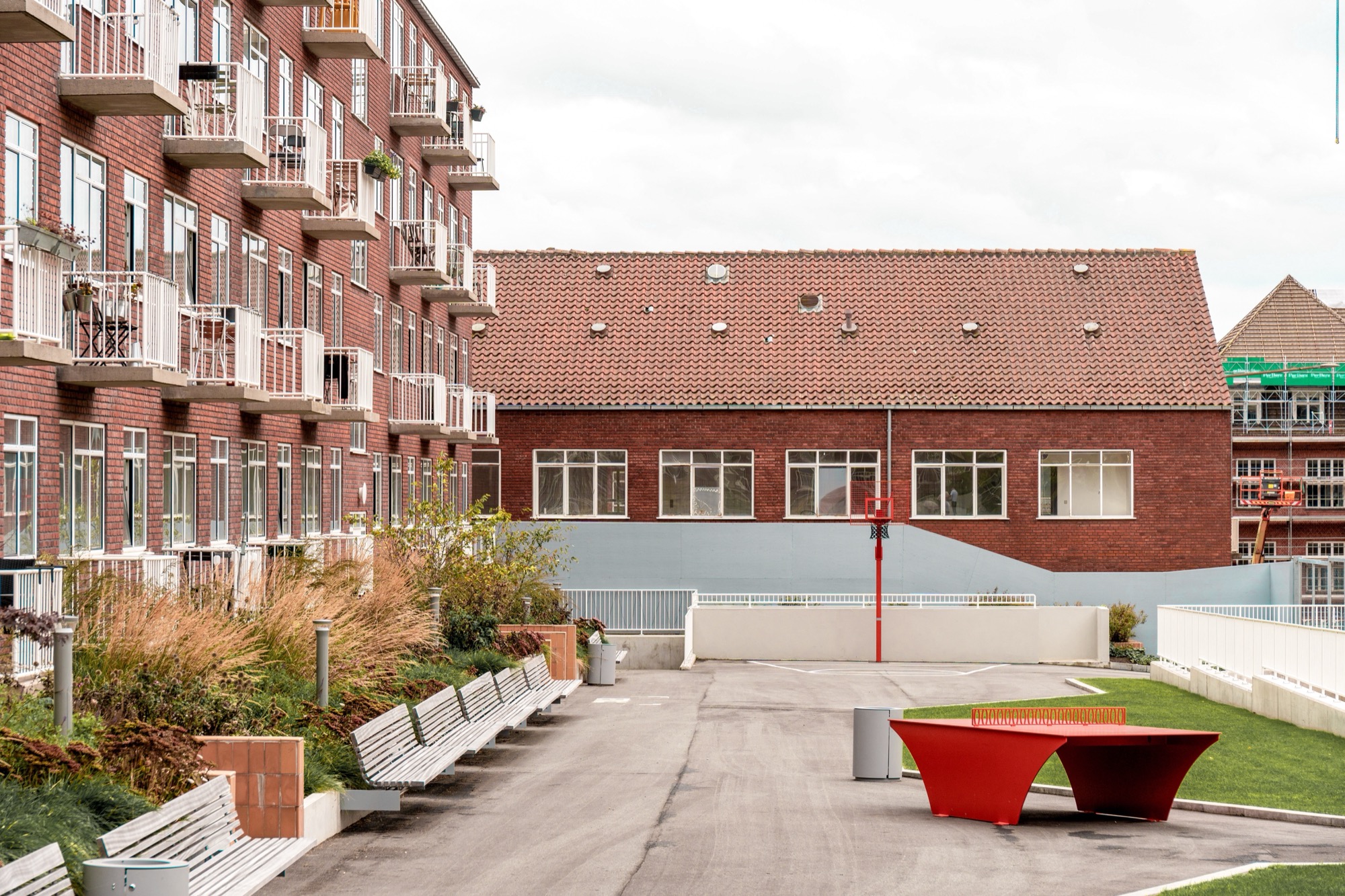
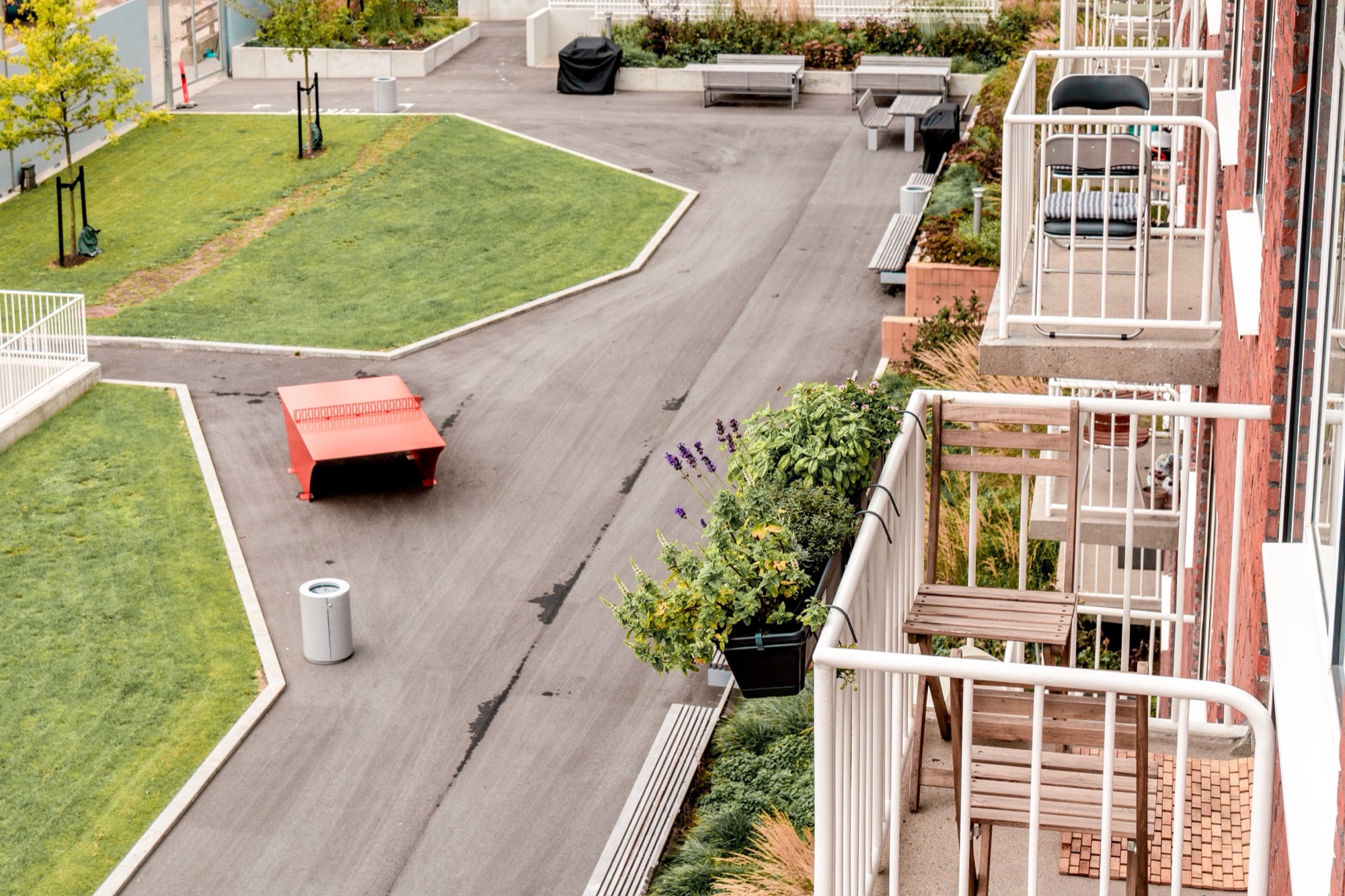
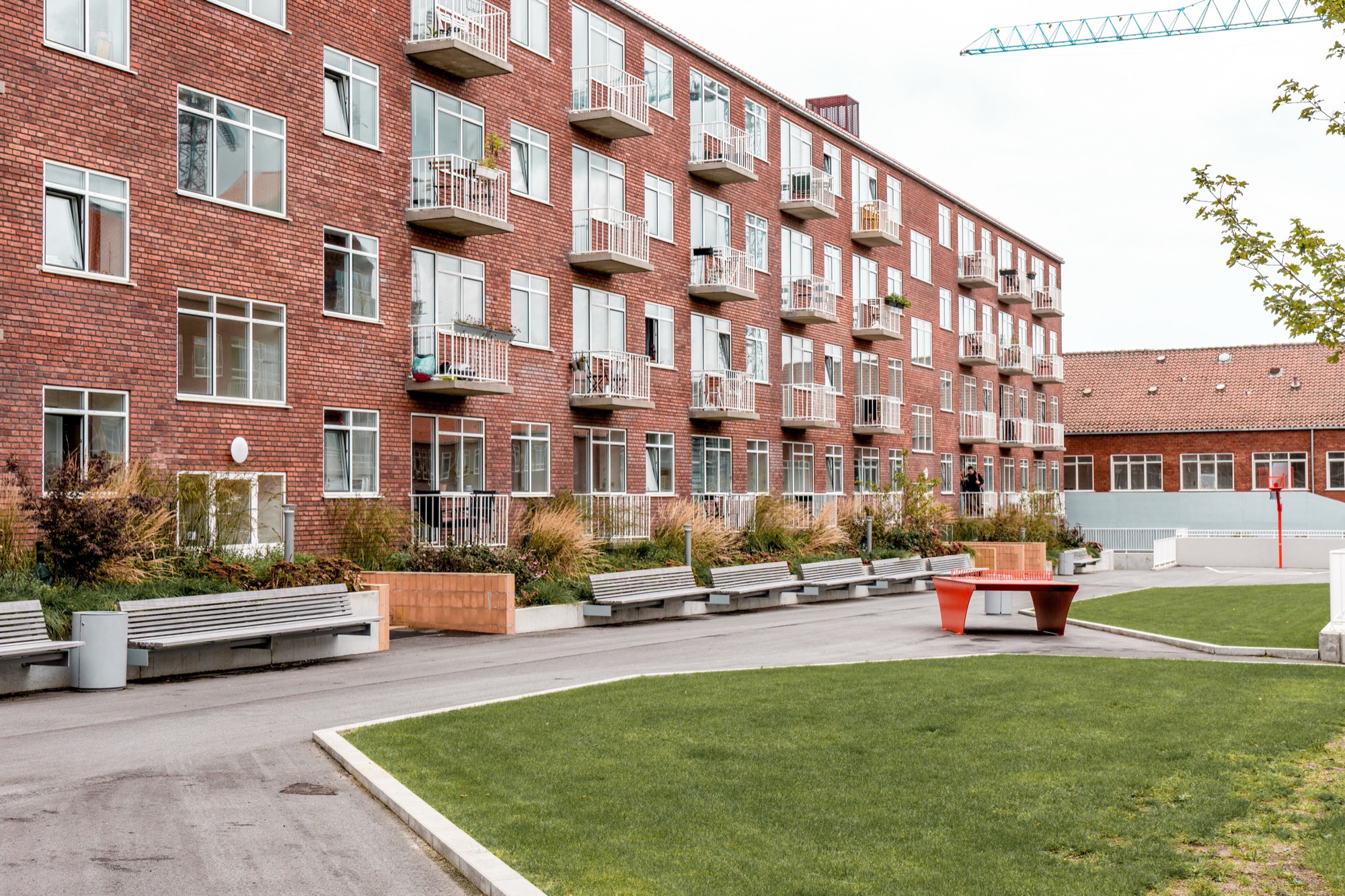
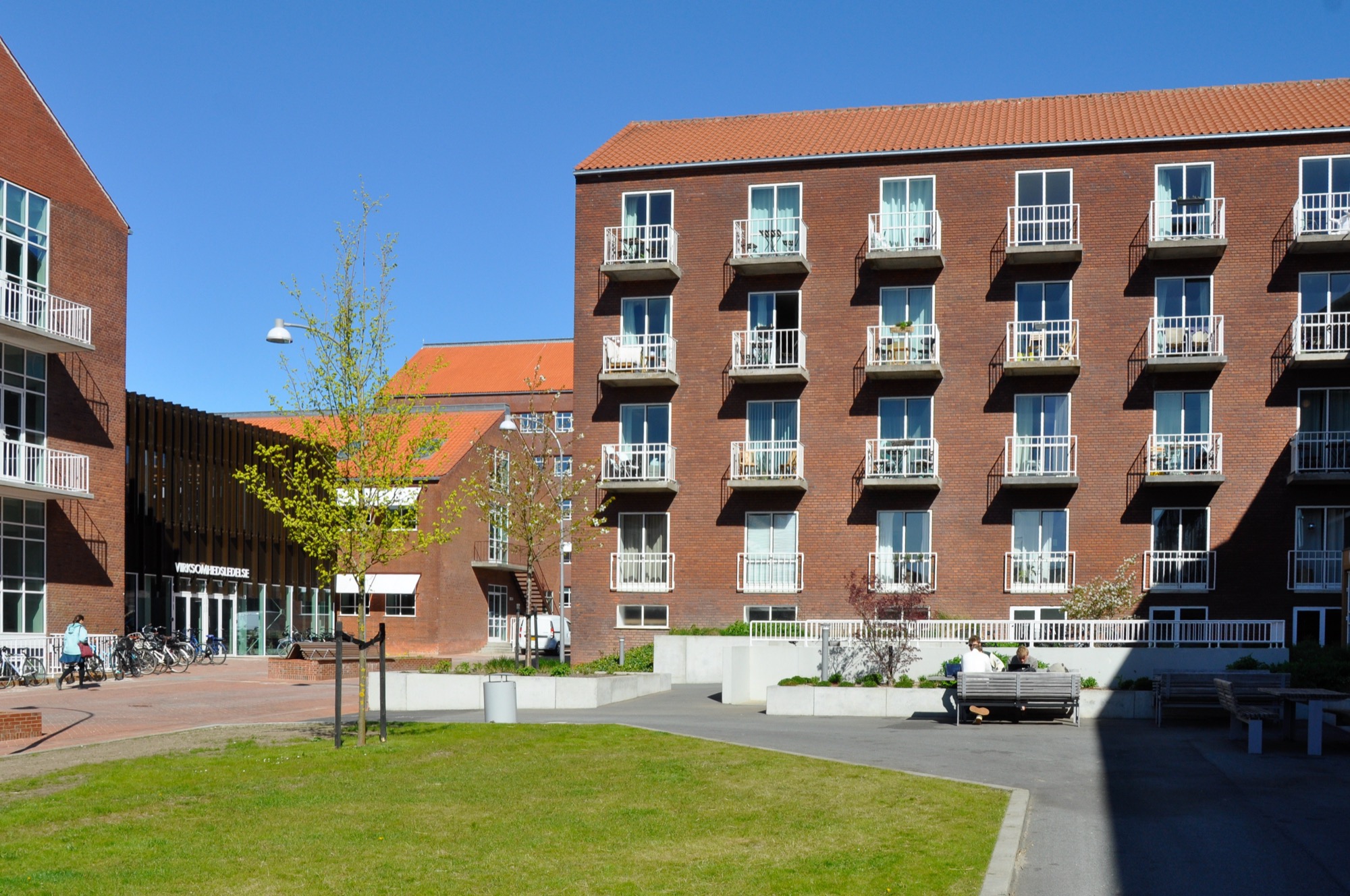
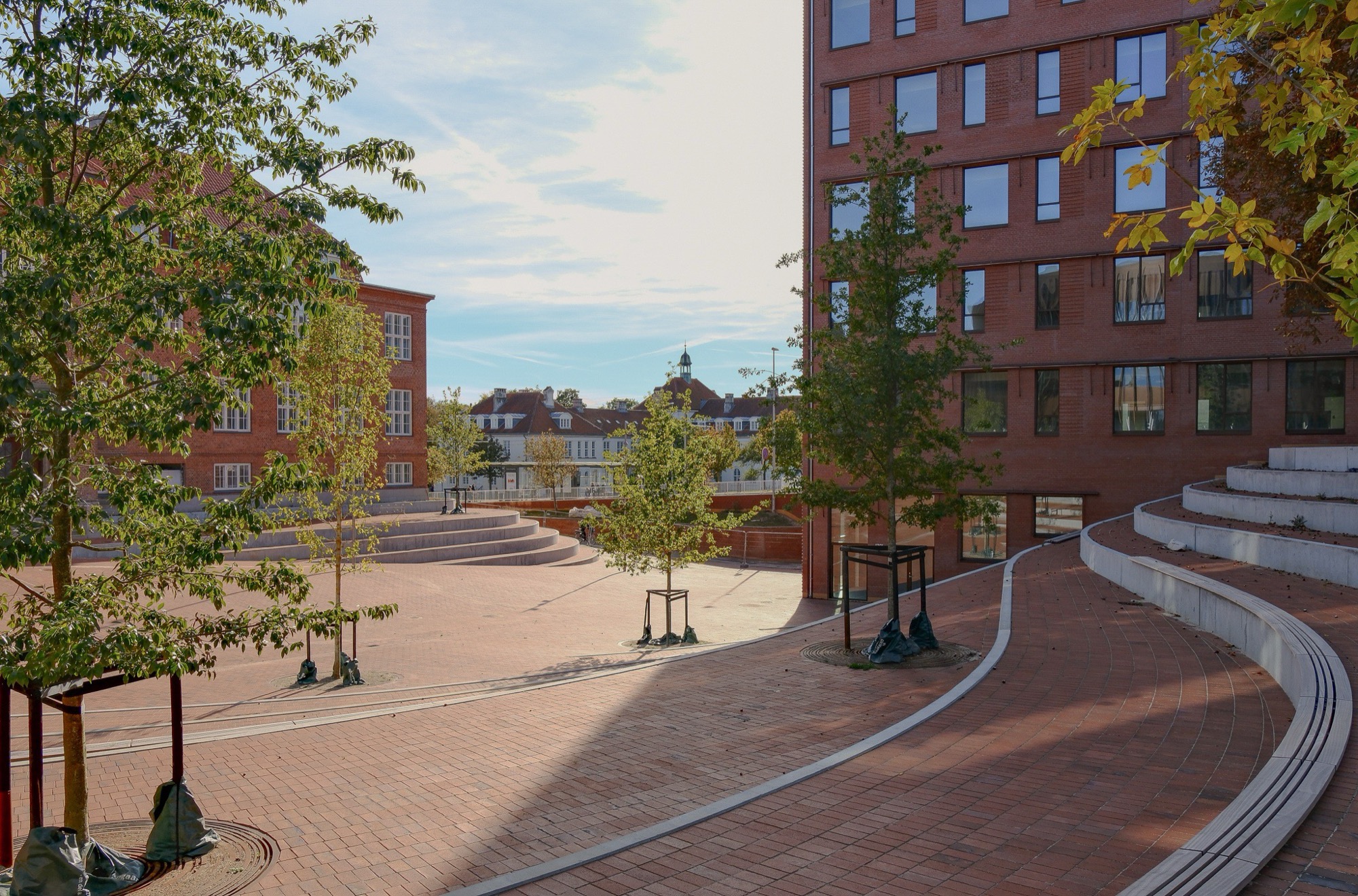
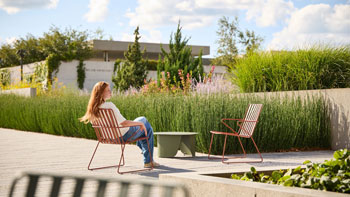
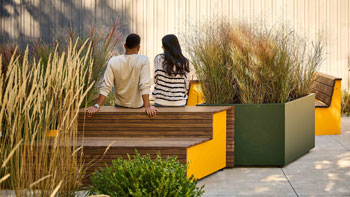
Adjacent to the student housing, smaller-scale outdoor spaces support everyday life. Planting beds with perennials, grasses, and shrubs define transitions between private and shared zones, creating a layered and evolving landscape. These spaces connect directly to the Main Street and form an integrated part of the campus’ public realm.
Across the site, large-scale spatial gestures are complemented by carefully detailed elements — paving, planting, tree pits, bicycle parking, and access — creating a coherent and recognisable landscape.
The project builds on the 2018 masterplan and design manual, which define a preservation-led approach to the existing architecture and material palette.
The project was realized in collaboration with A. Enggaard A/S, AART, and NIRAS. The Aarhus University City enter was put into use in February 2026 and was officially inaugurated in May 2026.
Client: FEAS.
56.16774823962908, 10.208935058101419
73638


LILA 2026 Sponsor