Al Ain Museum
waholandscape.com/
2026 Landscape and Architecture / 2026 Public Projects / United Arab Emirates / Built in 2025 /

![Erth: A Landscape of Heritage, Hospitality, and Place Erth plays a significant role in the cultural and civic story of Abu Dhabi, closely connected to the legacy of His Highness Sheikh Zayed bin Sultan Al Nahyan. Originally established in 1983 as the Armed Forces Officers Club, the complex was conceived as a place of rest, […]](https://landezine-award.com/wp-content/uploads/2026/05/75369-Erth-HERO-IMAGE-Courtesy-of-Erth-Resort-Abu-Dhabi-600x449.jpg "Erth")
![Gateway to the Living Museum WAHO developed a unified landscape treatment of unique character, form and design to the arrival experience for visitors landing in AlUla. In collaboration with Dabbagh Architects, the team was awarded the responsibility to upgrade of the existing entrance plaza of the Main Terminal Building of AlUla International Airport. Prioritising ambiance, […]](https://landezine-award.com/wp-content/uploads/2024/05/00-AlUla-International-Airport-Hero-Image-WAHO-Landscape-Architects-600x400.jpg "AlUla International Airport")
![Emirati Essence WAHO was single sourced to undertake the landscape design for the UAE Pavilion at EXPO 2020. An exhibition for the rich tangible and intangible history of the UAE, this pavilion firmly established itself as a source of inspiration and pride to Emiratis and UAE residents. The UAE Pavilion is one of only few […]](https://landezine-award.com/wp-content/uploads/2024/05/00-UAE-Pavilion-at-EXPO-2020-Hero-Image-WAHO-Landscape-Architects-600x400.jpg "UAE Pavilion at EXPO 2020")
![Symbolic of the UAE’s pioneering spirit, the pavilion of the EXPO host country, is designed to capture its national identity and vision. Drawing inspiration from the grace and force of the falcon in flight (UAE’s national icon) established the grounds for the conceptual framework. The pavilion embodies the falcon, the façade its wings, and the […]](https://landezine-award.com/wp-content/uploads/2022/05/00-Waho_003_110222-600x400.jpg "UAE Pavilion at EXPO 2020")
![At WAHO’s core is a commitment to creating considered and emotive landscapes with a particular focus on public spaces and environments of historical and cultural significance. WAHO strives to create spaces that enhance the social fabric of communities, encouraging and enabling our team whilst championing our client’s vision with passion and integrity. A clear and […]](https://landezine-award.com/wp-content/uploads/2017/05/Waho-Office-600x230.jpg "WAHO Landscape Architects")
Al Ain Museum Landscape: Interpreting Heritage Through Contemporary Place-Making
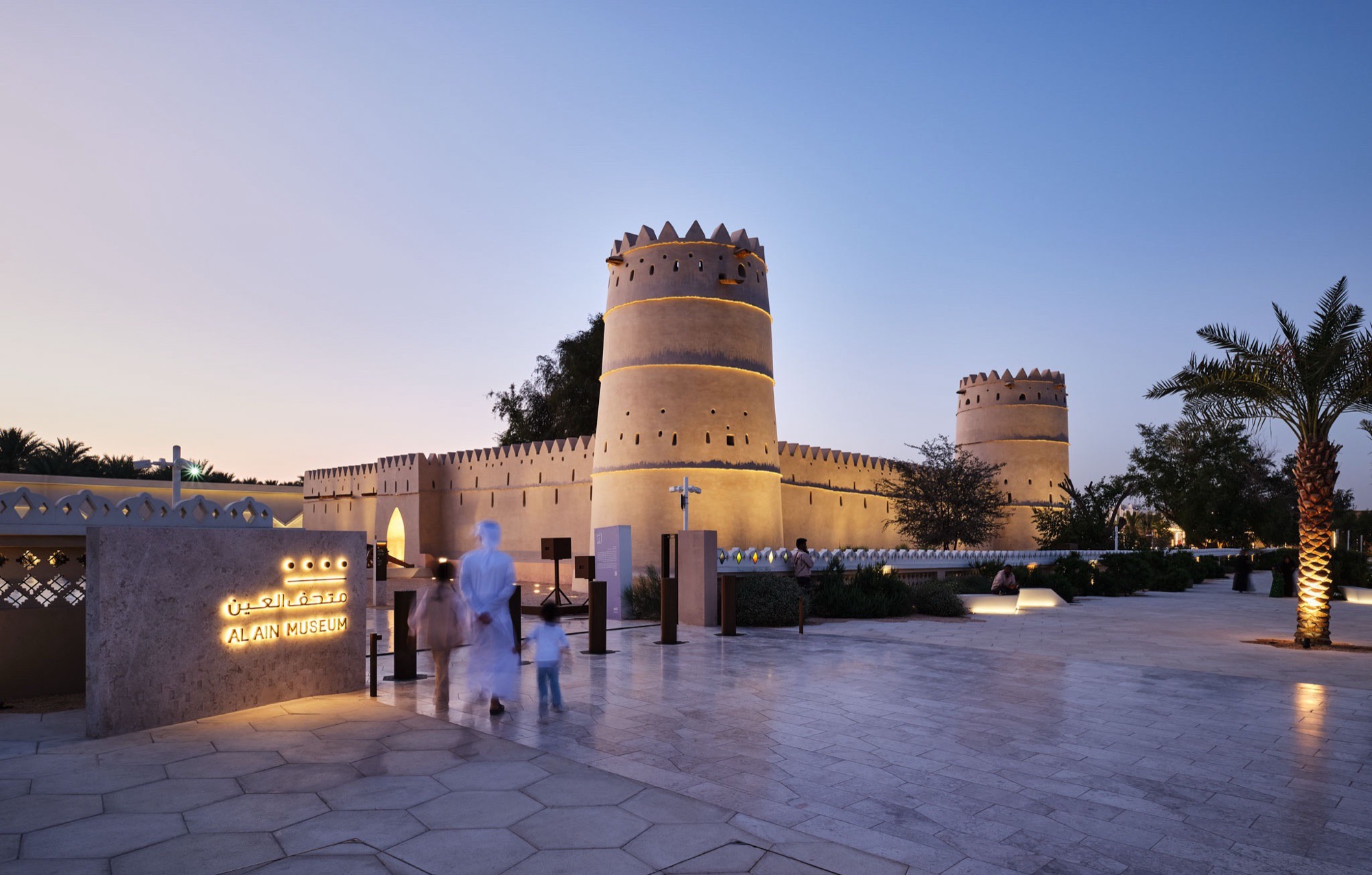
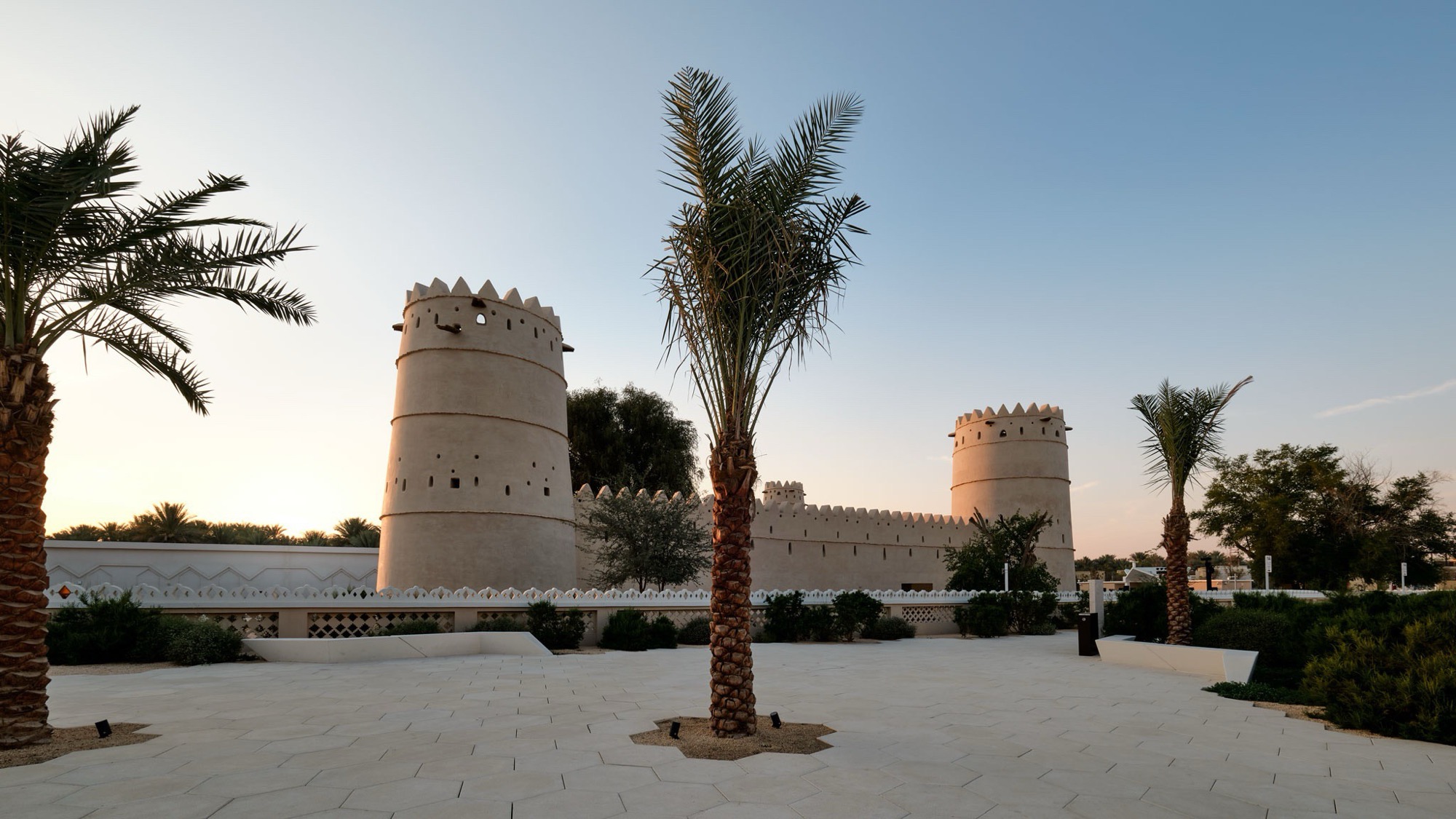
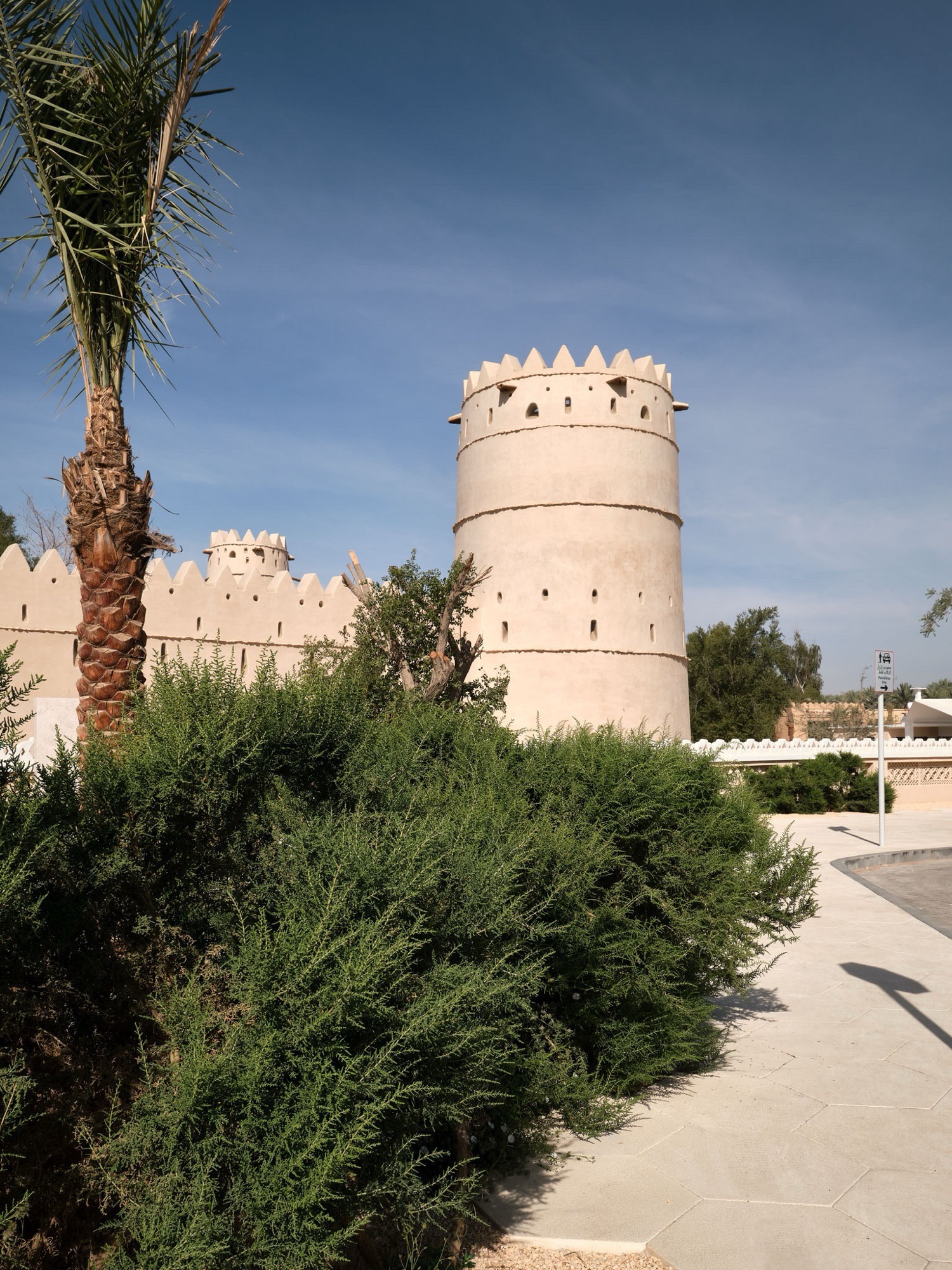
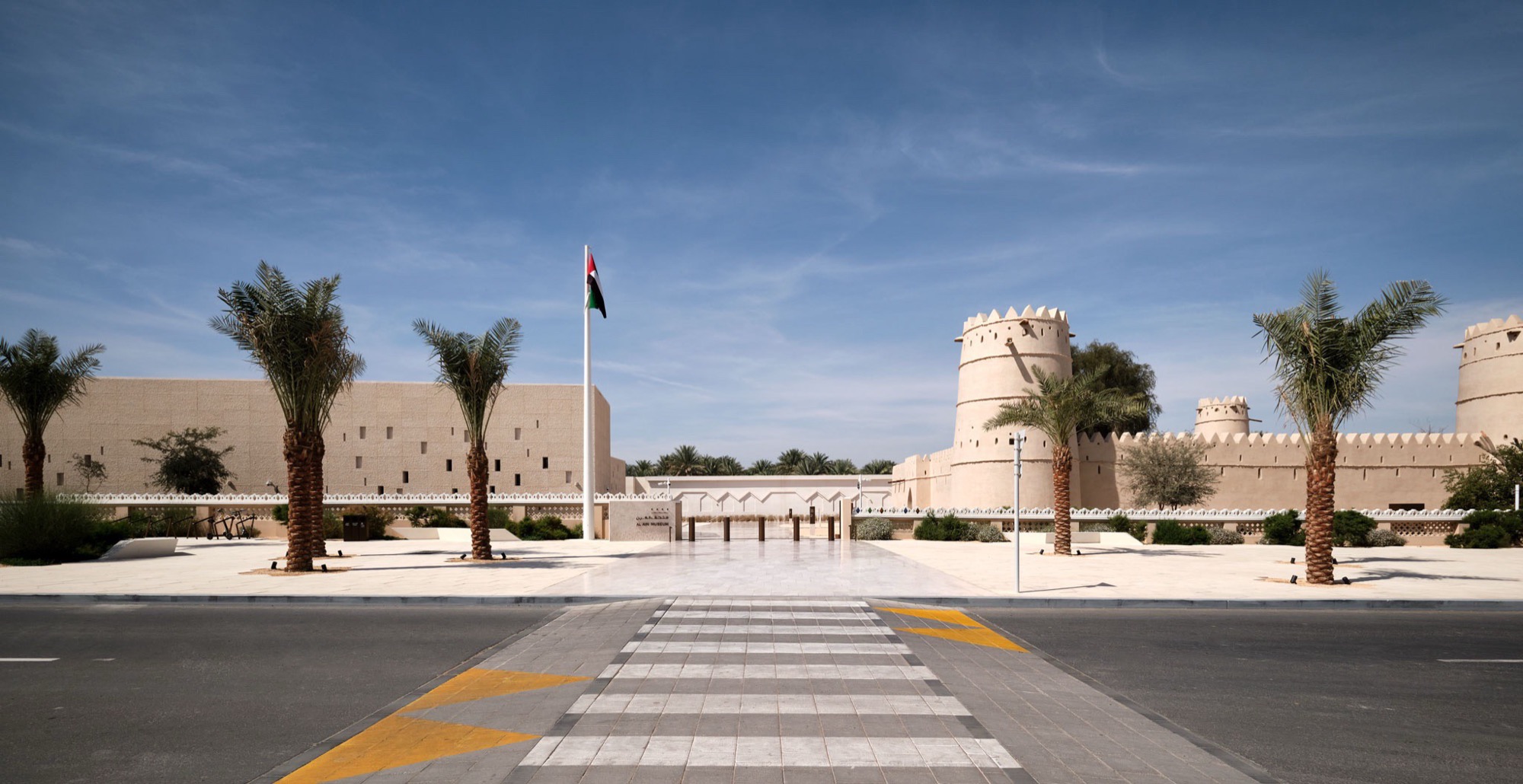
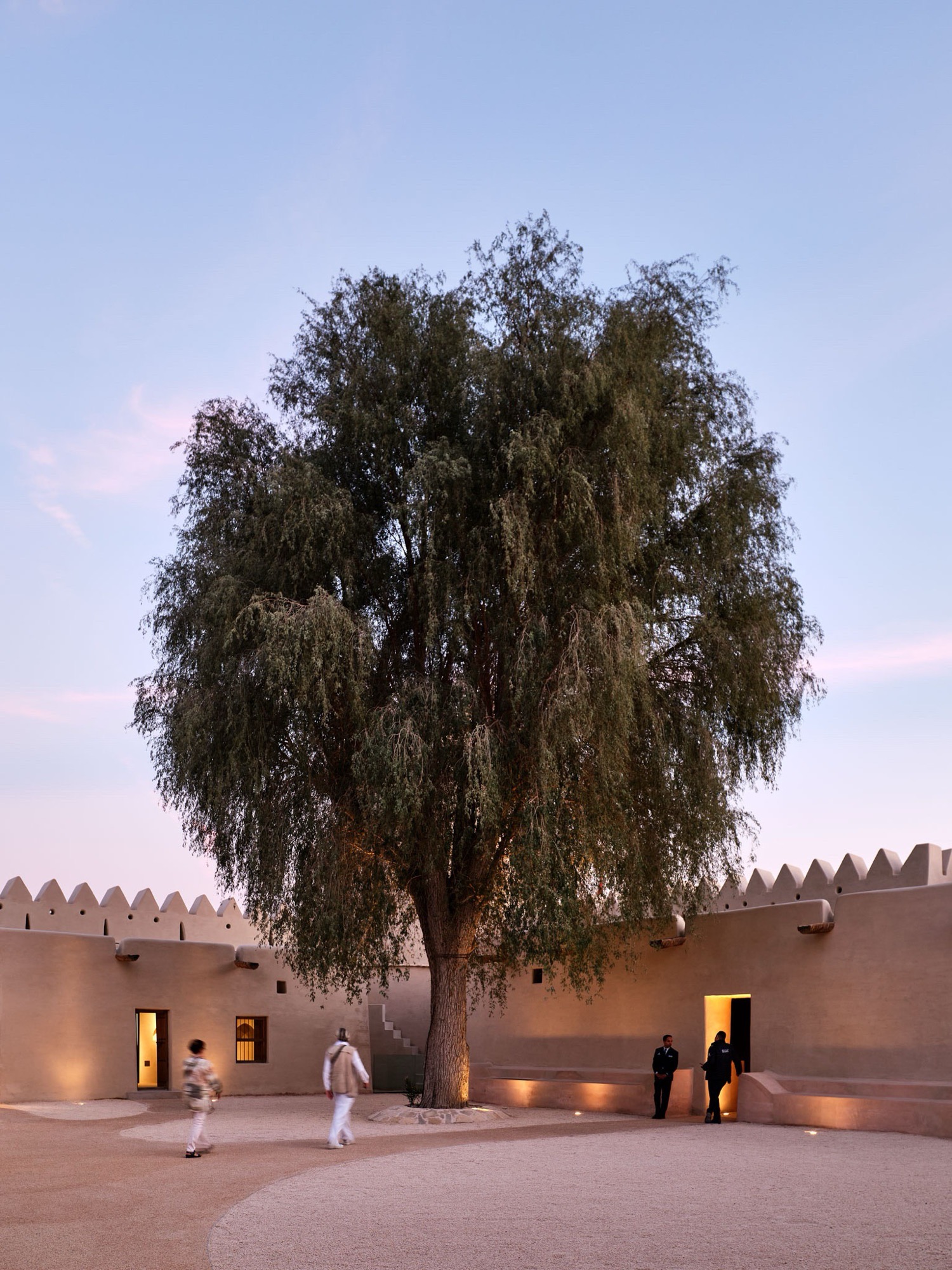
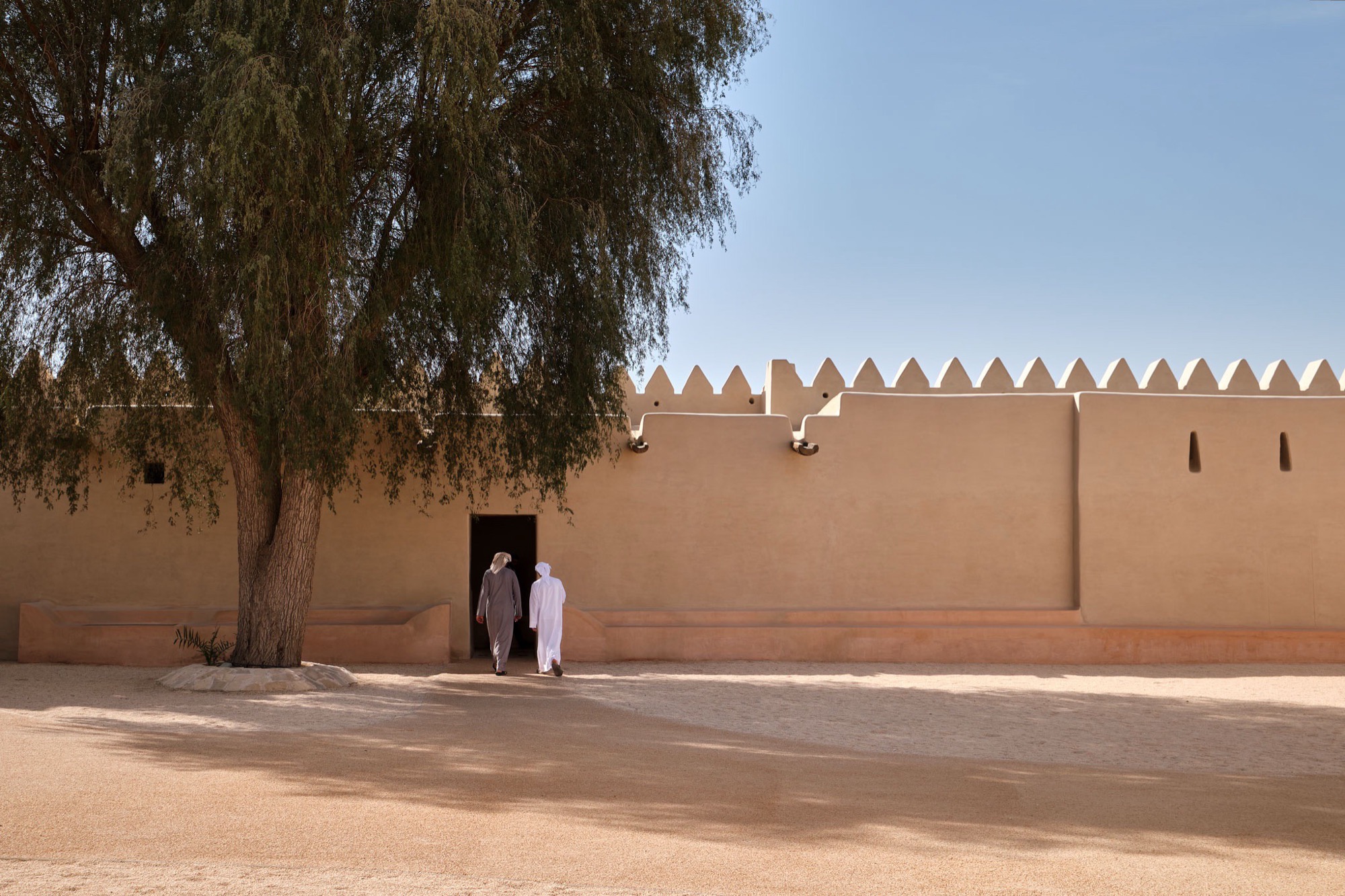
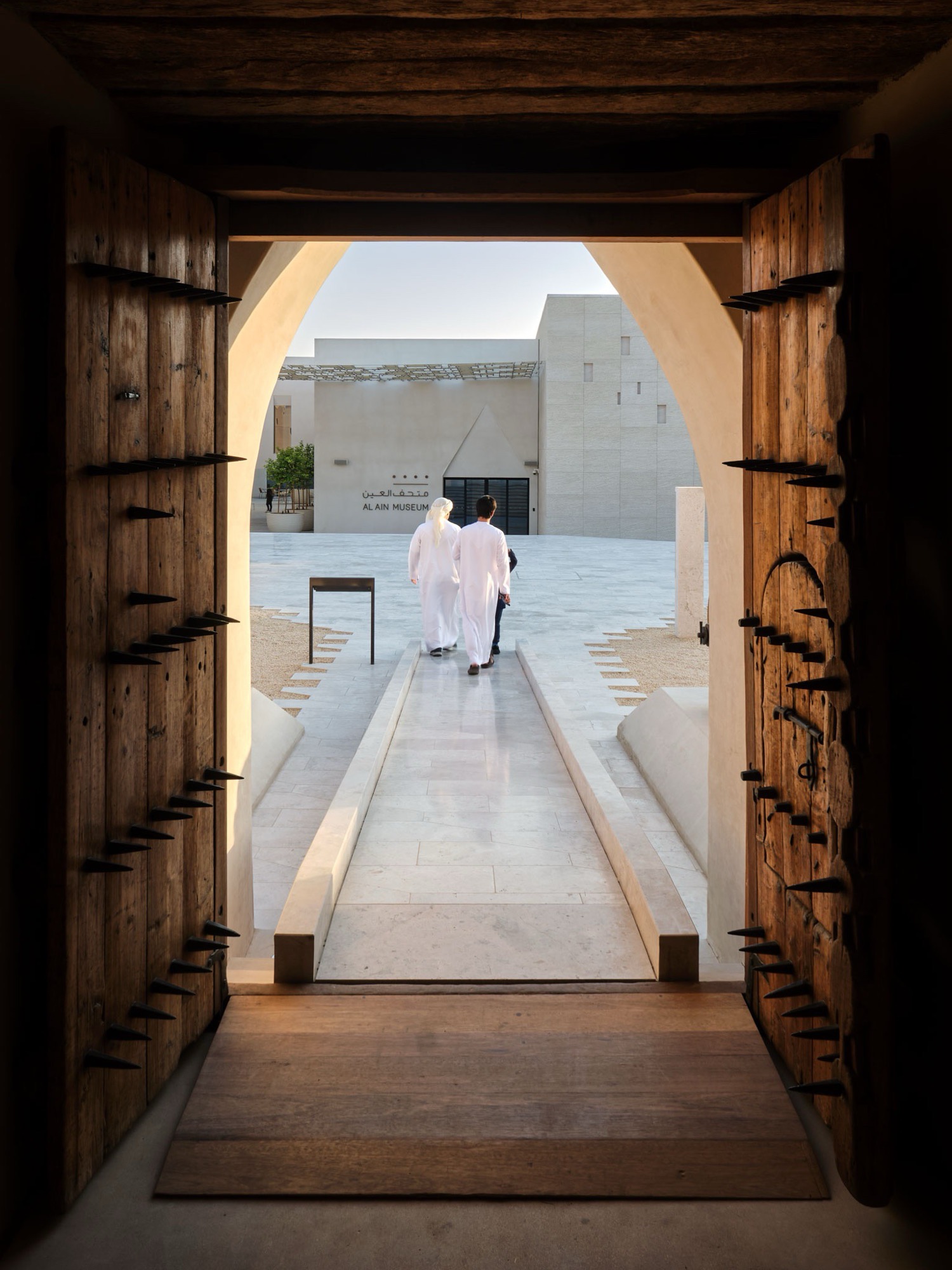
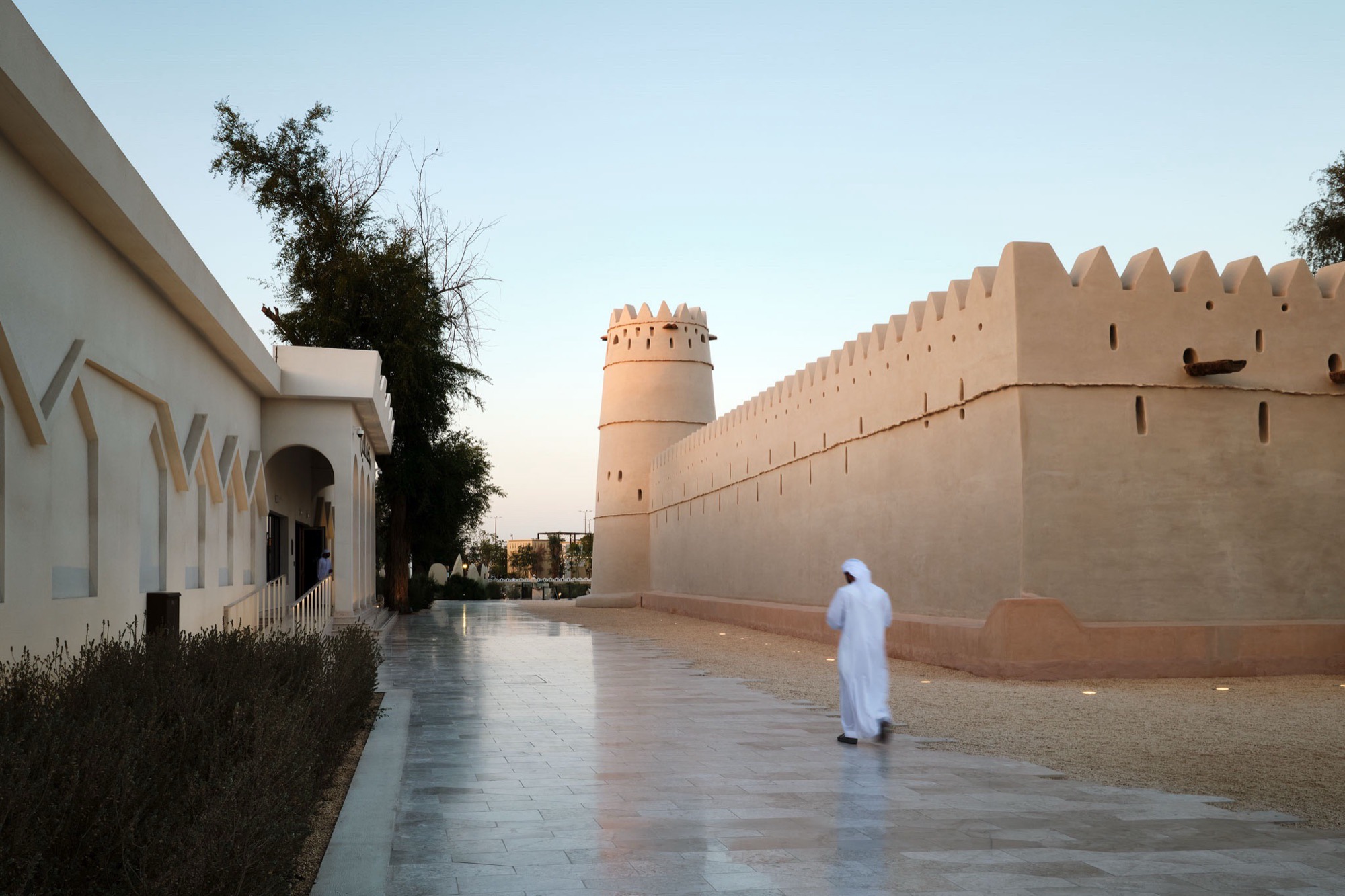
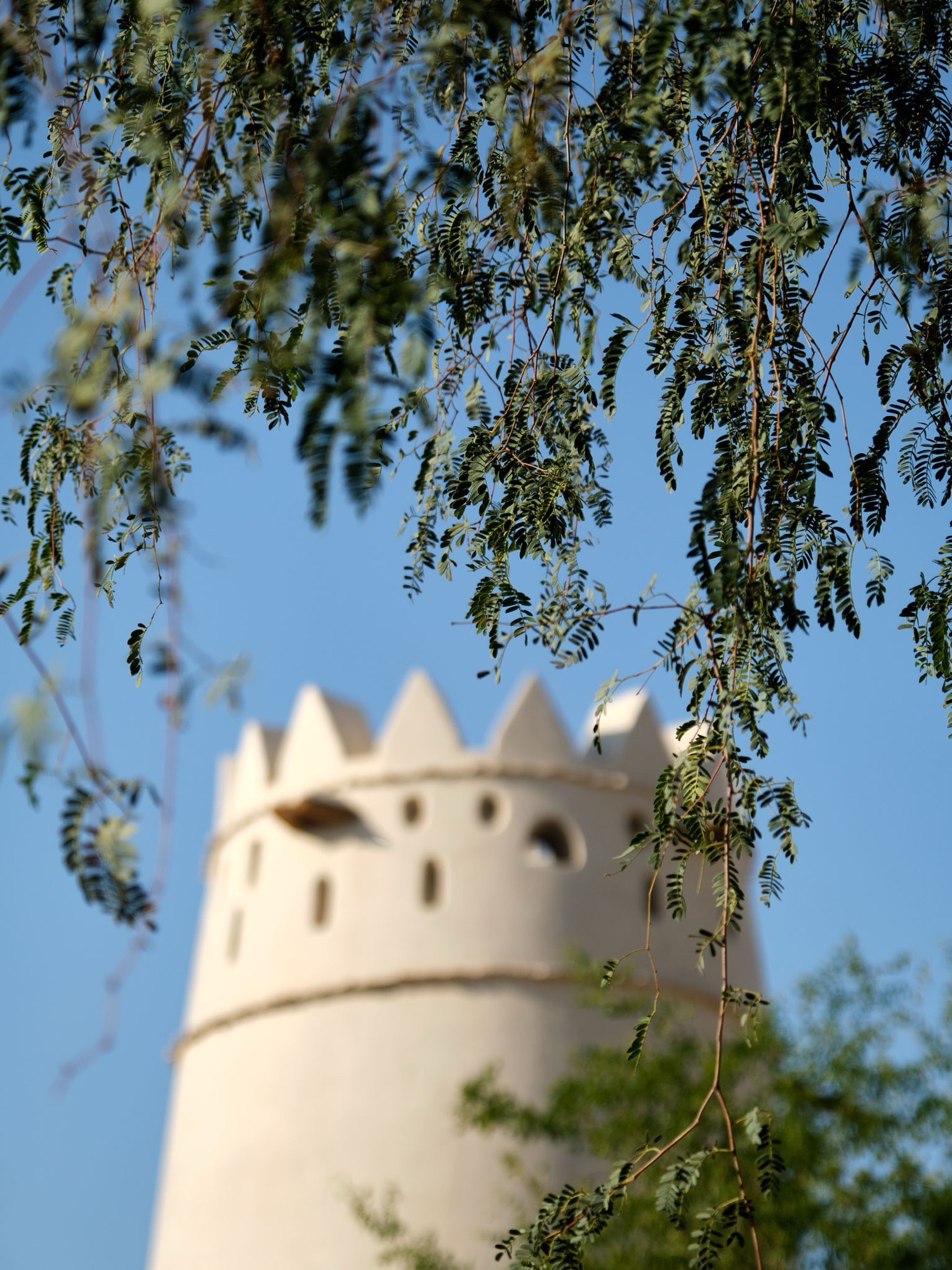
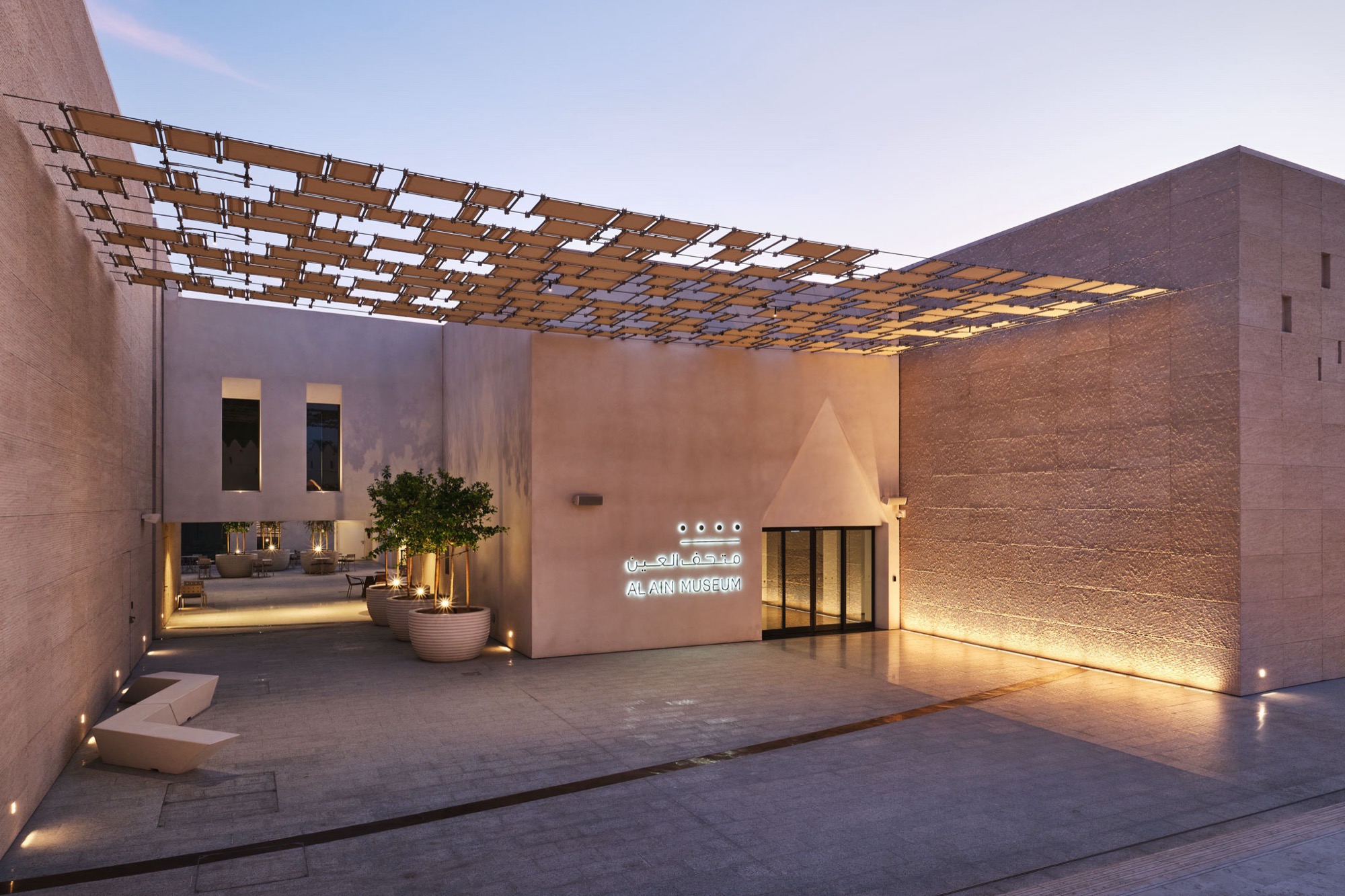
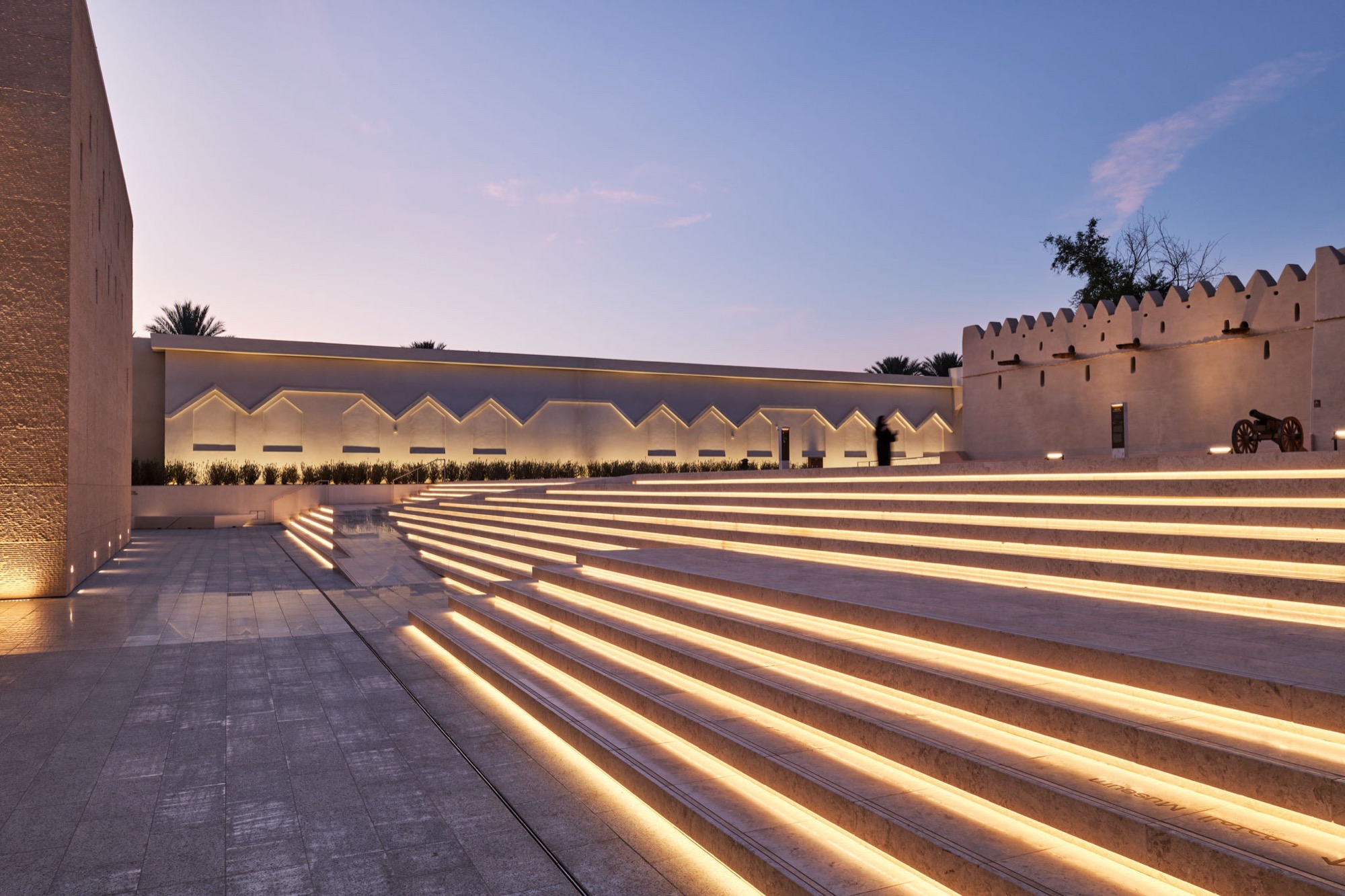
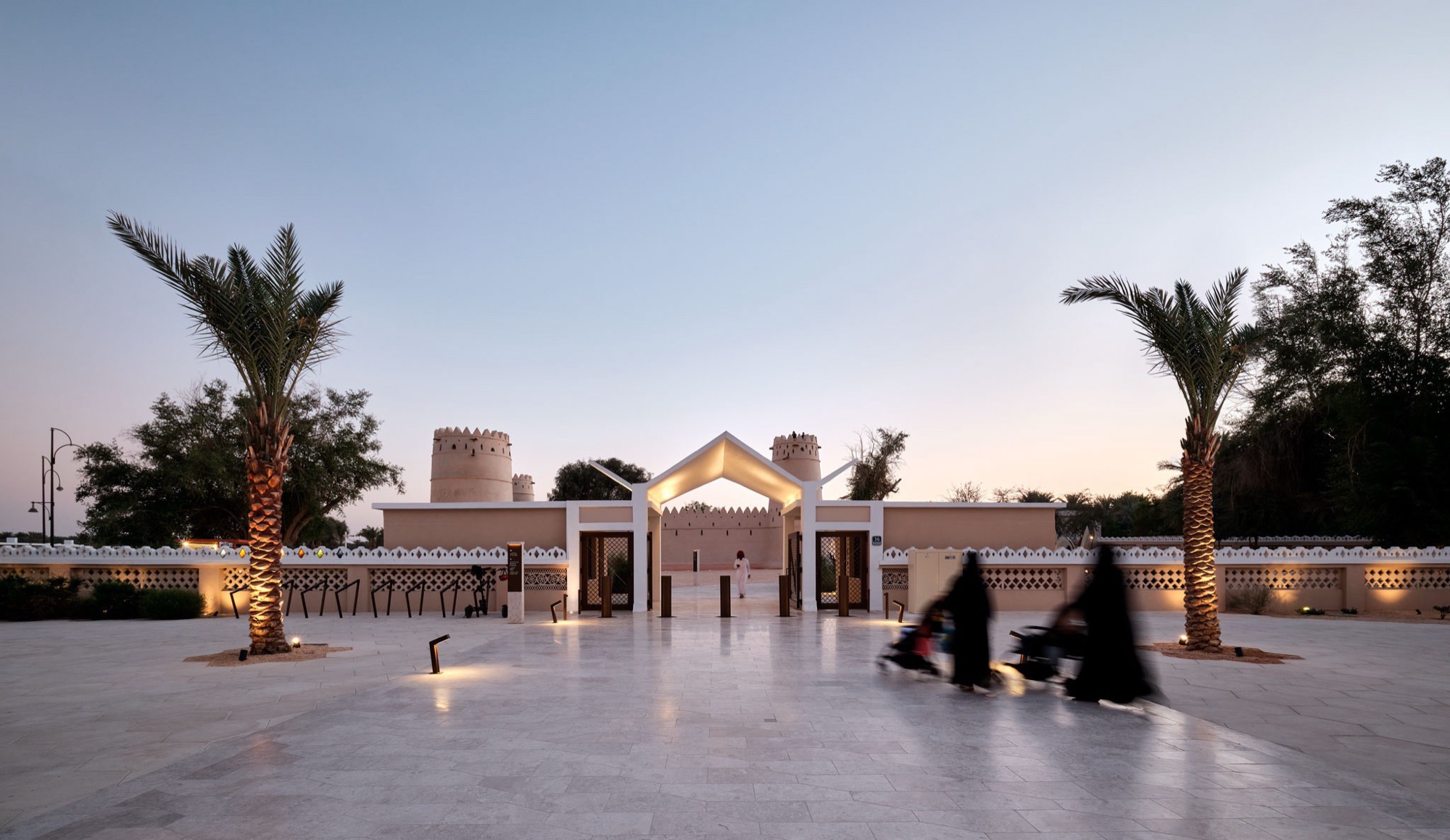
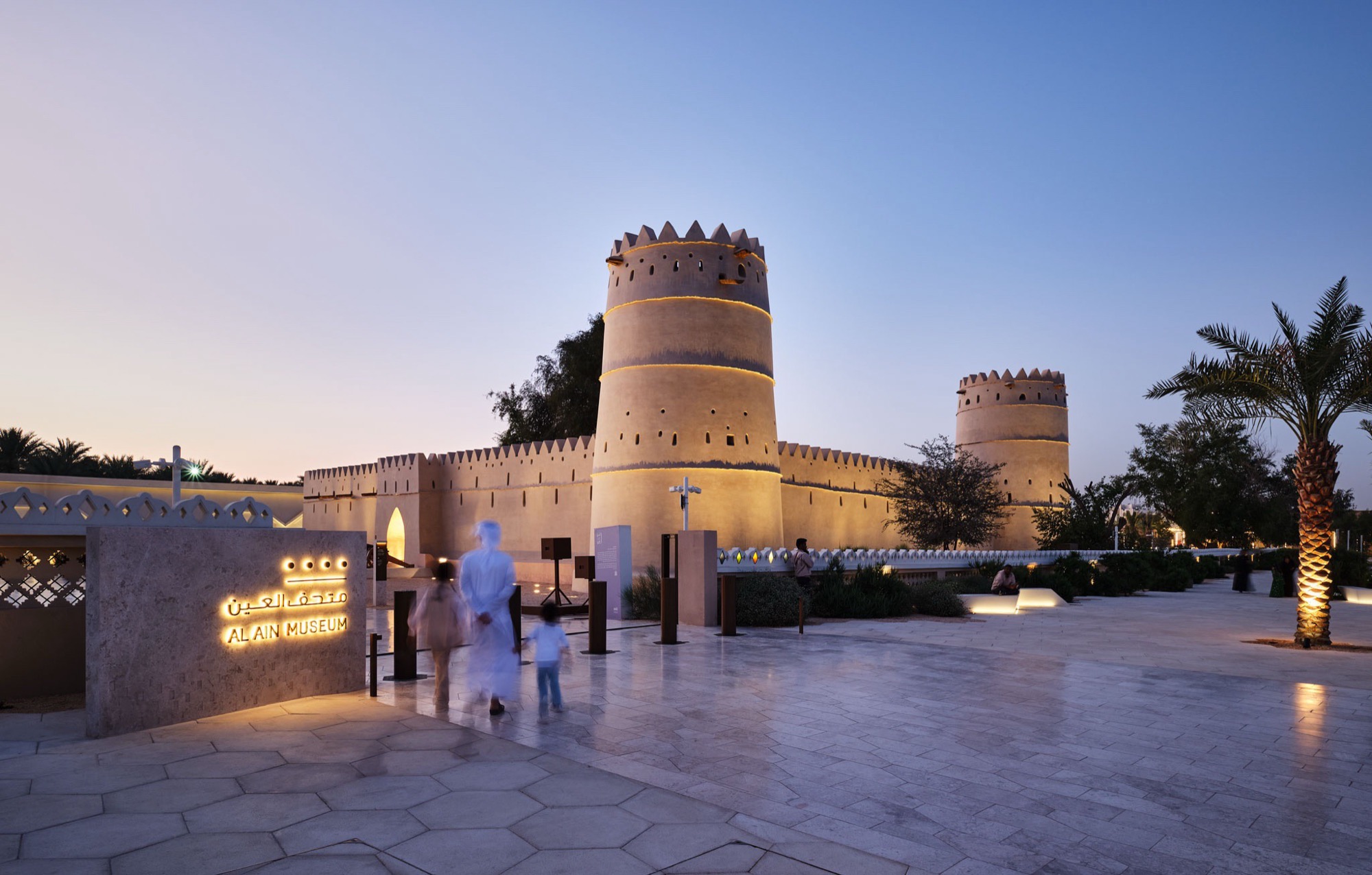
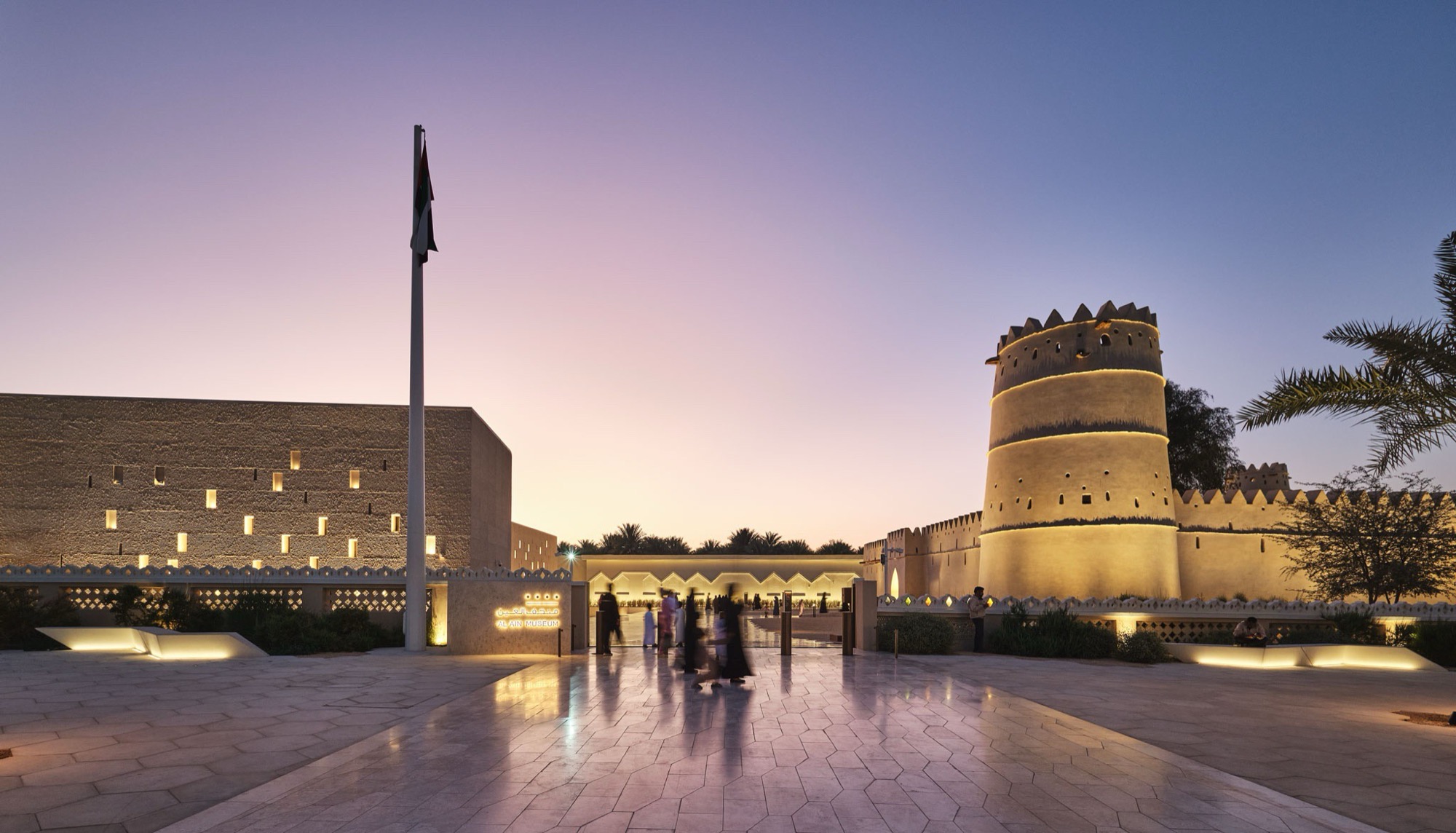
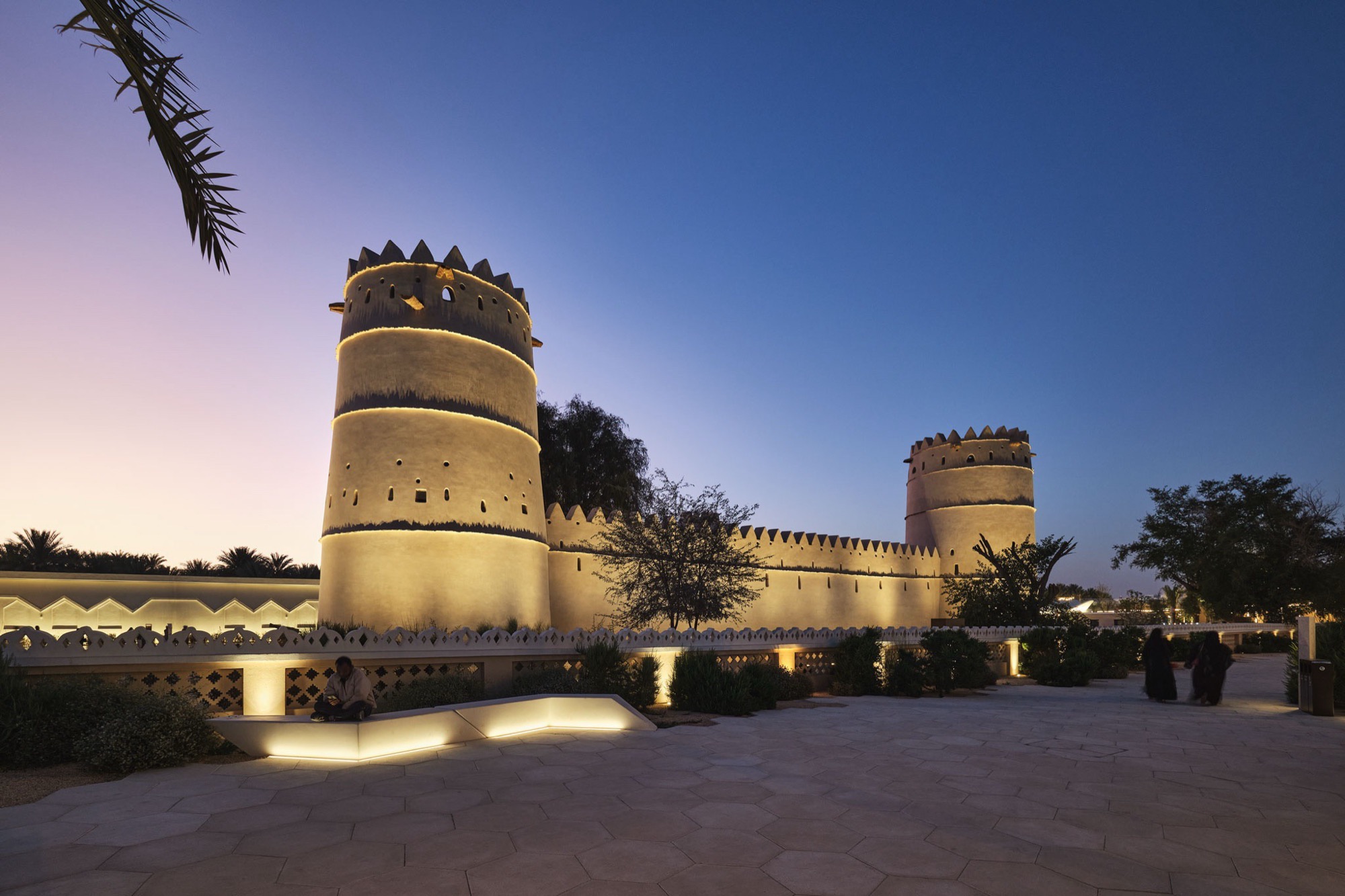
The Al Ain Museum landscape sits within one of the UAE’s most culturally significant contexts, framed by the Al Ain Oasis (a UNESCO World Heritage Site), the Sultan Fort, and historic museum buildings. From the outset, the landscape was conceived not as a backdrop, but as an interpretive medium—one capable of connecting visitors to the cultural memory embedded in the land while providing comfort, clarity, and a cohesive public realm. The project was developed collaboratively with Dabbagh Architects as Lead Design Consultant and the Department of Culture and Tourism as the Client.
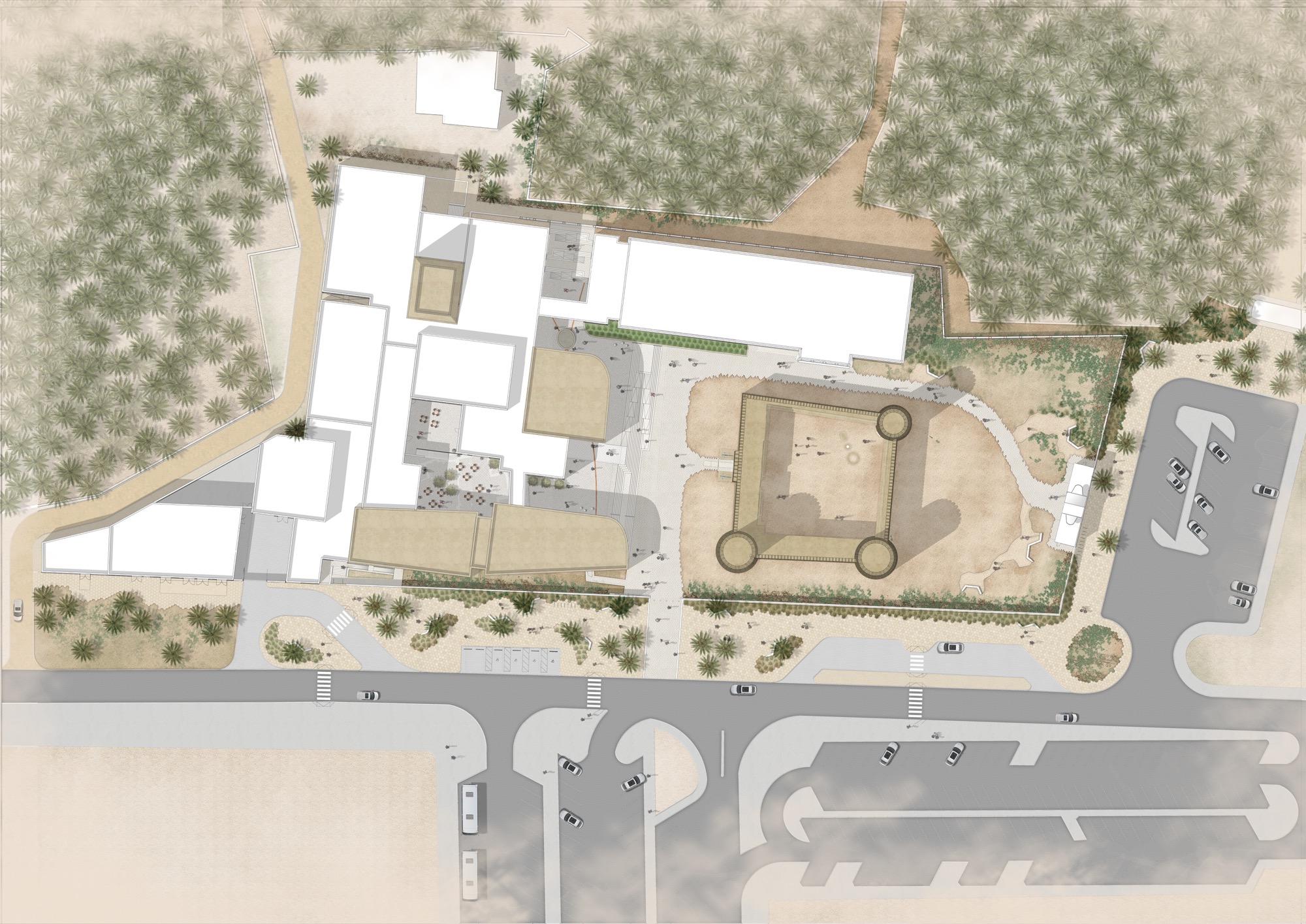
The ambition was to deliver a resilient and welcoming civic landscape: open, accessible, and adaptable, where heritage enriches the visitor experience without overwhelming it. Prior to archaeological discovery, the design proposed a contemporary yet contextually grounded framework that clarified circulation, strengthened the spatial relationship between the fort and museum buildings, and enhanced everyday use through shade, comfort, and legibility.
Archaeology as Catalyst
Once works commenced on site, mandatory archaeological investigations revealed significant subsurface remains. The project was paused and fundamentally redefined, with archaeology becoming the primary driver of design. From this point onward, the landscape was required not only to coexist with history, but to protect, reveal, and amplify it.
Designing Within Constraints
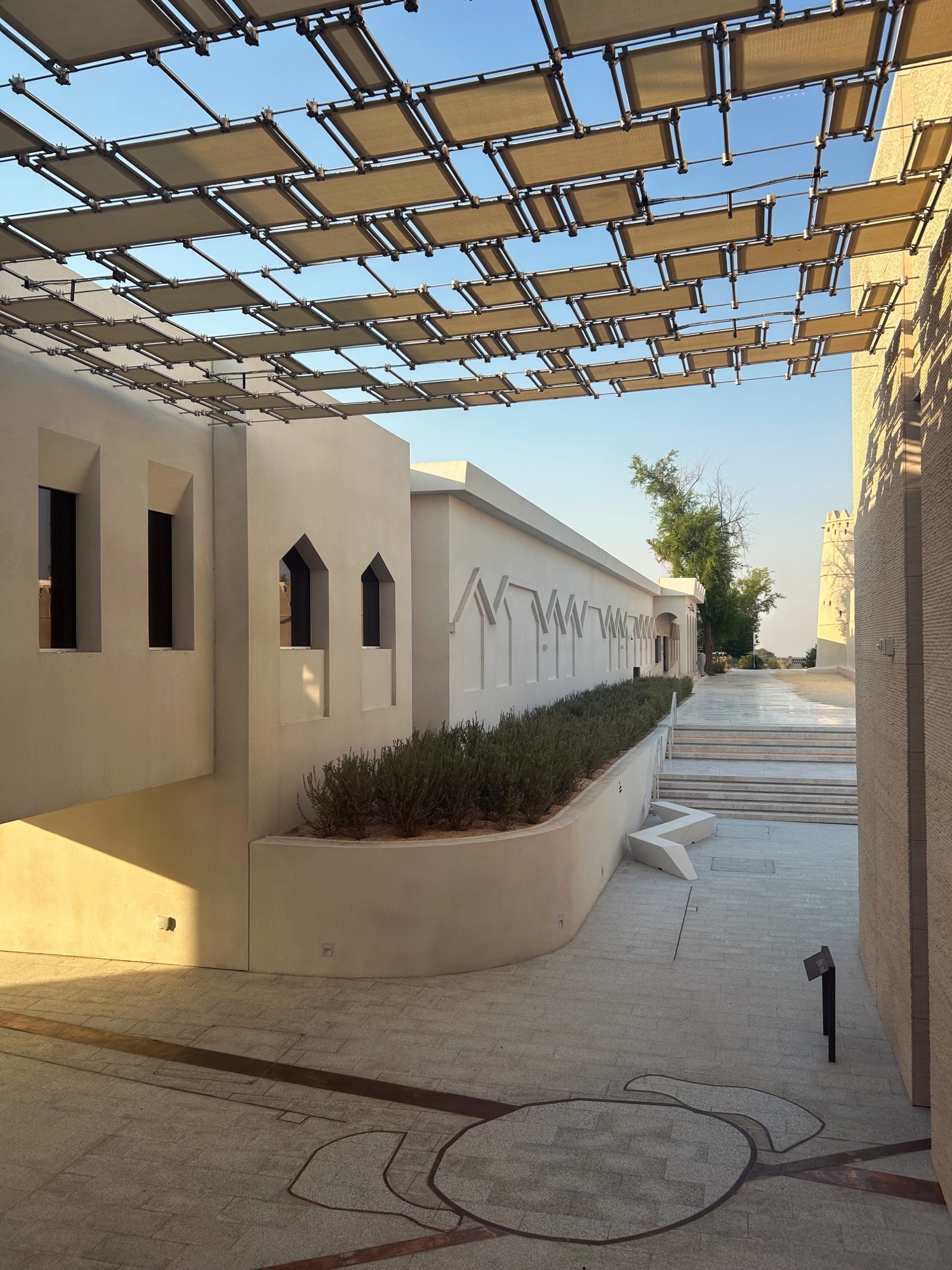
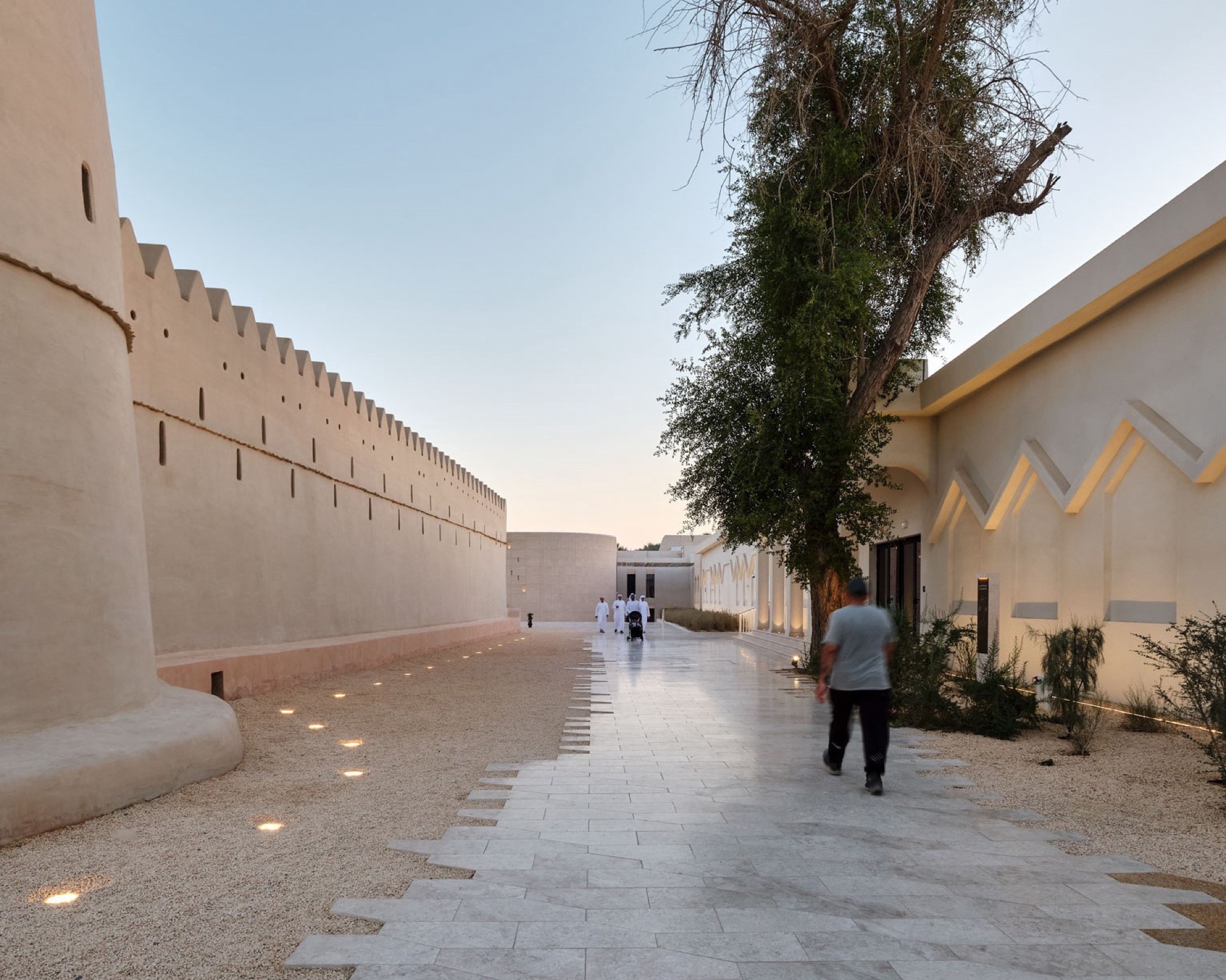
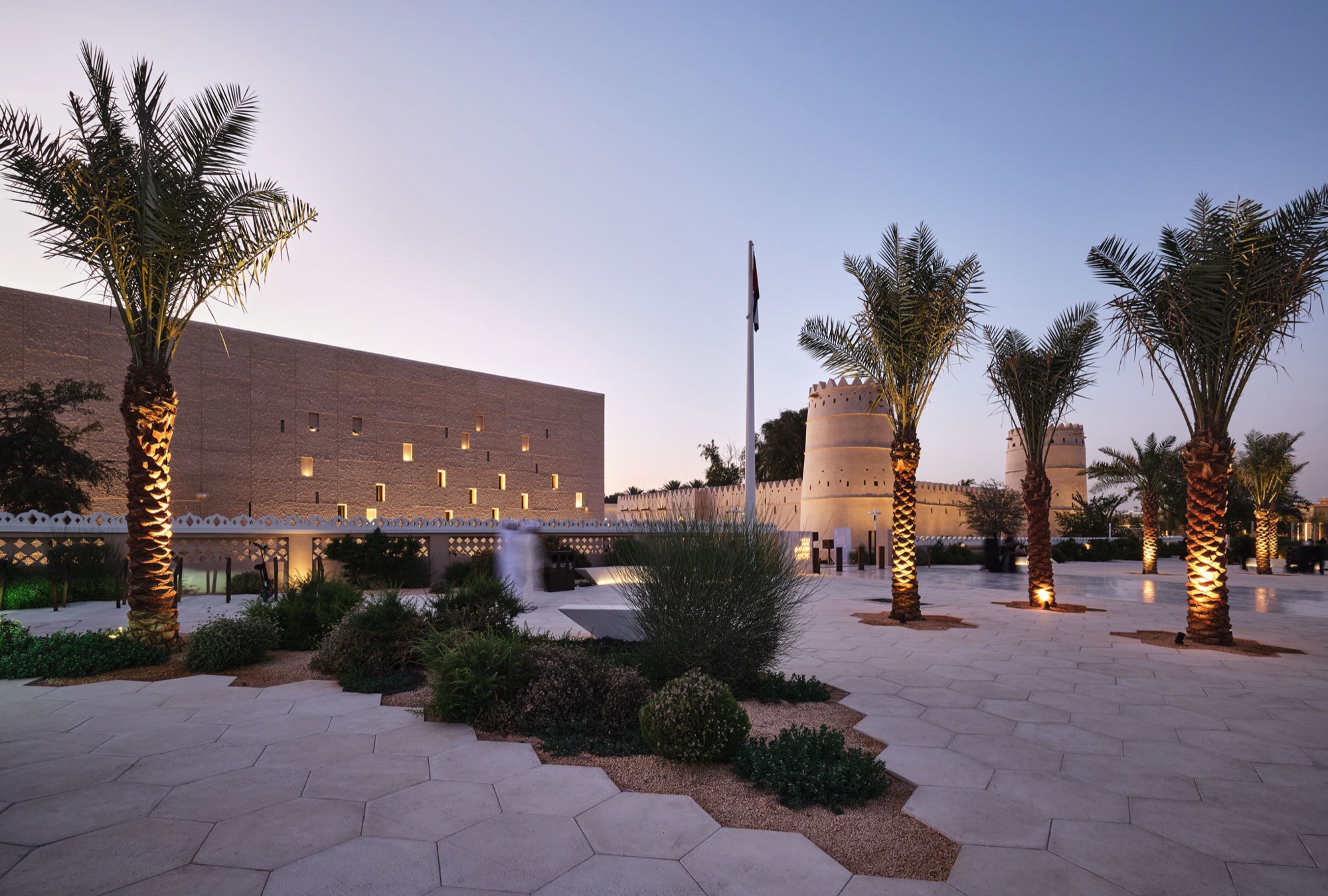
Archaeological protection imposed strict technical limitations. Excavation depths were restricted and no services, planting, or structures could disturb protected zones. These constraints became an opportunity for restraint and precision, allowing the ground plane itself to tell the story. Historic settlement boundaries are traced through fine metal inlays, the memory of Hosn Al Harat village is articulated through subtle changes in surface texture, and uncovered falaj and wells are marked through engraved inscriptions, allowing visitors to read history underfoot.
Architecture, Landscape and the Ground Plane
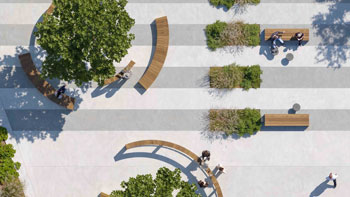
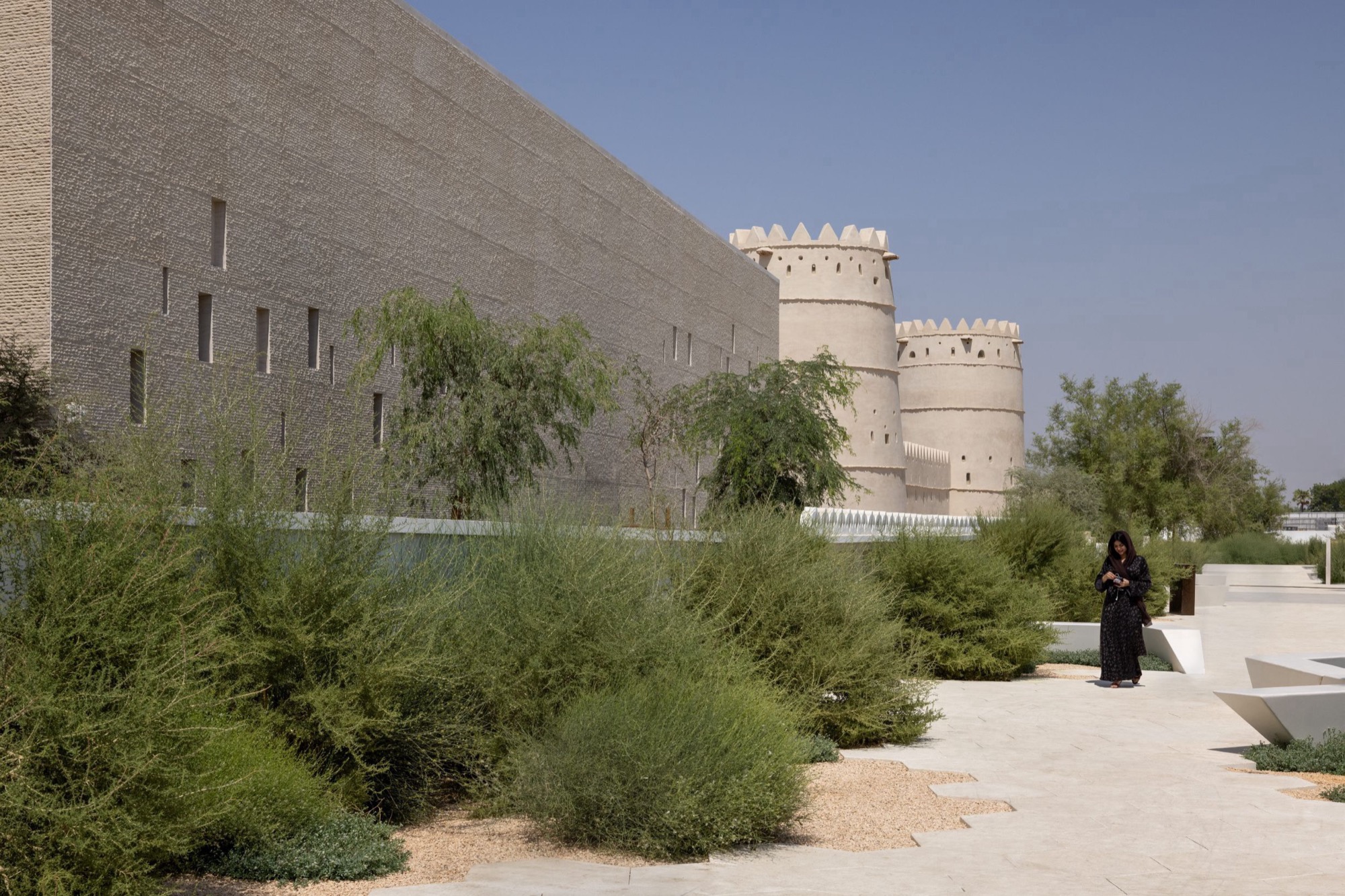
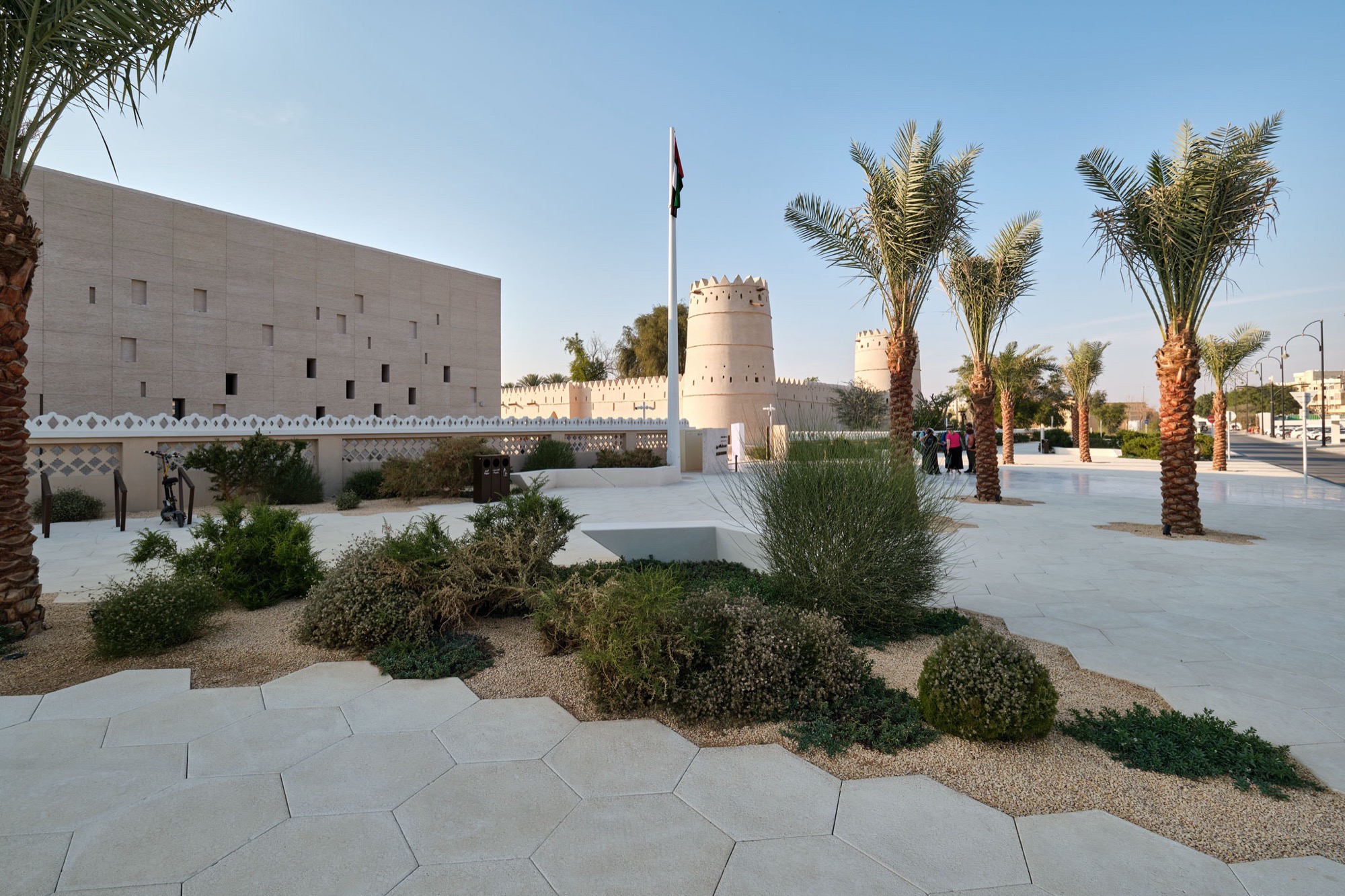
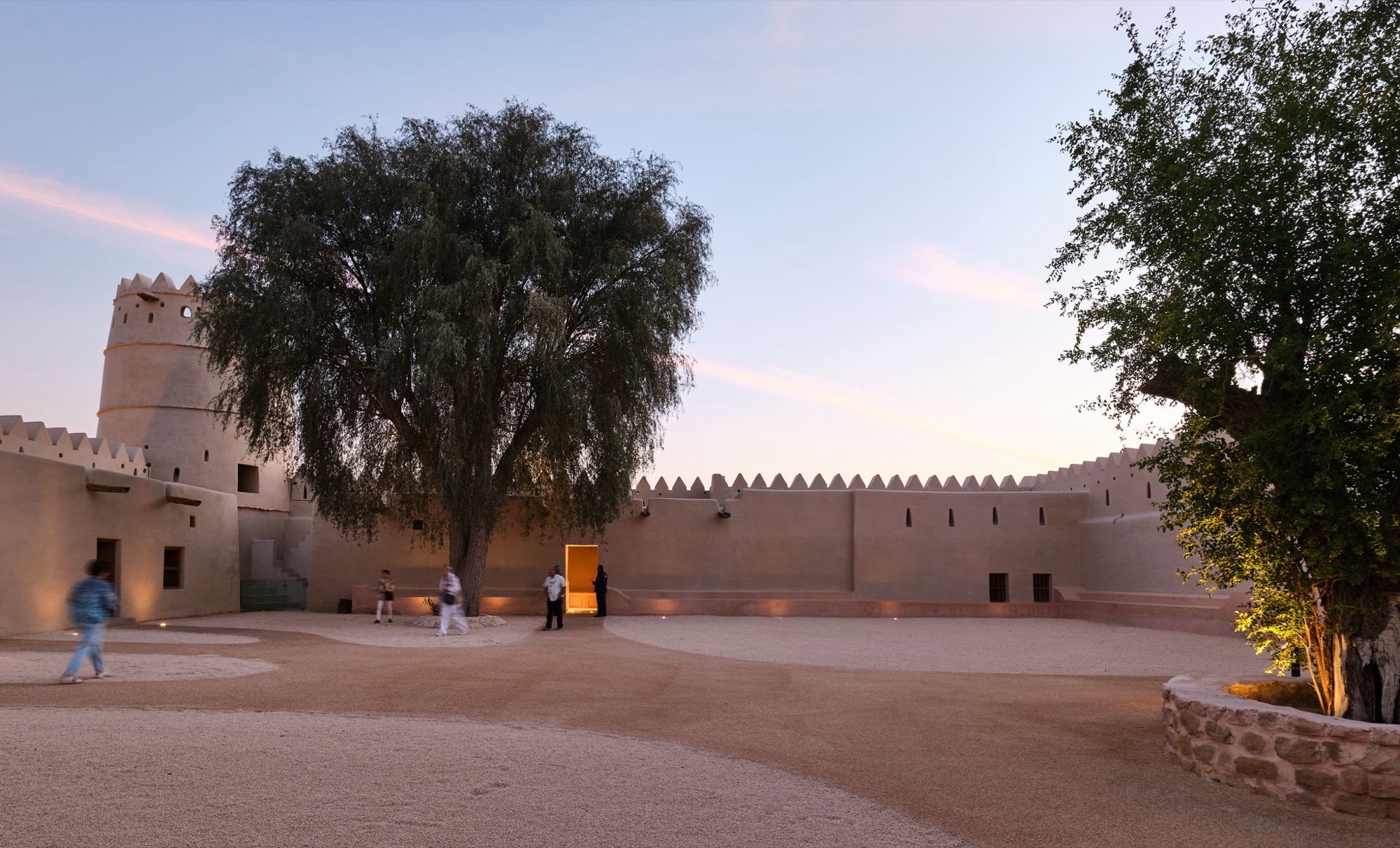
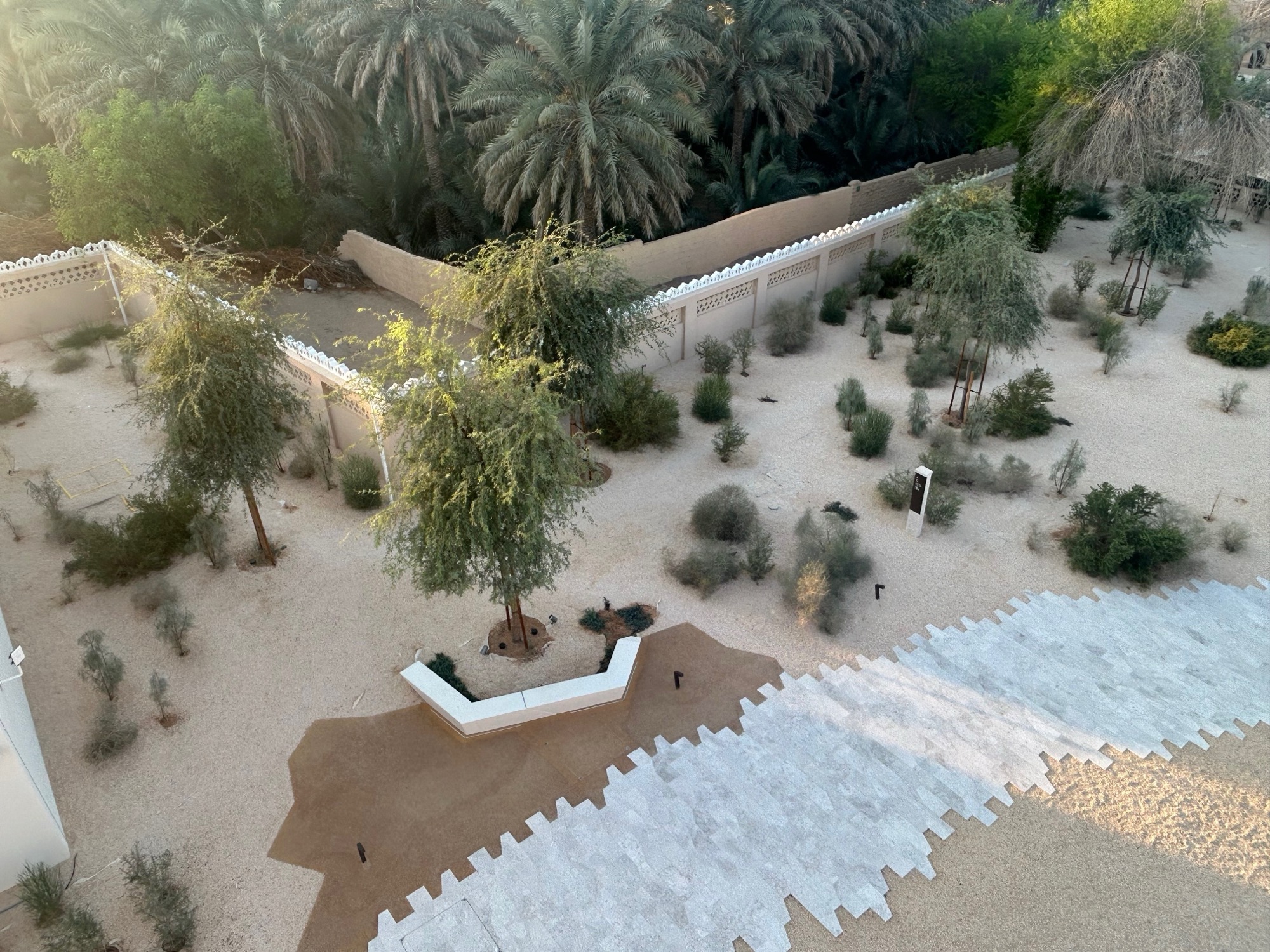
Within the museum, excavated wells became focal features of the interior. Carefully placed openings extend their alignments visually into the landscape, creating continuity between inside and outside. Across the precinct, the ground plane operates as a binding fabric, connecting the fort, existing museum, new extension, and oasis edge. A permeable gravel field surrounds the fort, creating a respectful breathing space, while transitions to refined paving occur through softened, irregular edges that reinforce historical layering rather than contemporary imposition. Circulation expands and contracts gently, using spatial cues rather than signage to guide movement.
Courtyards, Climate and Hospitality
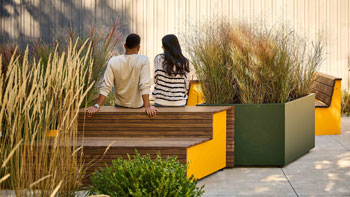
Courtyards draw from regional settlement typologies, reinterpreted as contemporary spaces of refuge, shade, and social exchange. Planted with pomegranate and citrus trees, they evoke traditions of hospitality and provision. Fabric shade elements and Omani limestone paving create comfortable microclimates, allowing the courtyards to function year round as extensions of daily museum life.
Environmental Care and Technical Response
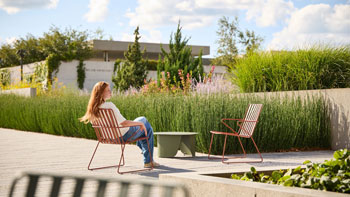
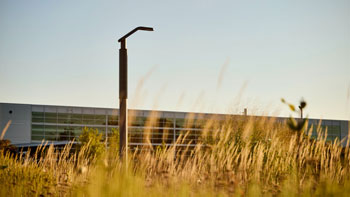
Planting and irrigation strategies were developed with exceptional care due to archaeological sensitivity and proximity to the oasis. Native and regionally adapted species requiring minimal irrigation were prioritised, supported by controlled delivery systems and sub base waterproofing. The resulting landscape avoids ornamental lushness, expressing instead an honest, climate responsive palette rooted in place.
A Cohesive and Enduring Landscape
Today, the landscape reads as a cohesive and dignified civic environment. Architecture and landscape operate in concert, with subtle materials, inscriptions, and spatial transitions quietly narrating layers of history. The project’s success lies in its restraint—listening to the land, the climate, and the discoveries beneath, and translating them into a contemporary landscape that is generous, legible, and deeply rooted in cultural memory.
Client: Department of Culture and Tourism Abu Dhabi
Lead Consultant & Architect: Dabbagh Architects
https://maps.app.goo.gl/9oBrb3JdDnKXZToN6
75369


LILA 2026 Sponsor