LILA 2026 Jury Distinction
Carol Pino Learning Garden
graincollective.com
2026 Schools and Playgrounds / USA / Built in 2025 /

![A Community-Shaped Rain Ready Landscape In the South Jamaica neighborhood of Queens, chronic flooding disrupts daily life – turning streets, courtyards, and community spaces into persistent hazards long after storms pass. With aging infrastructure and rising groundwater leaving residents vulnerable to days-long pooling, the South Jamaica Water square offered a chance to turn public space […]](https://landezine-award.com/wp-content/uploads/2026/05/00_76843-Grain-SouthJamaicaWaterSquare-001-HeroImage-600x450.jpg "South Jamaica Water Square")
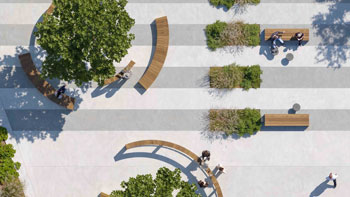
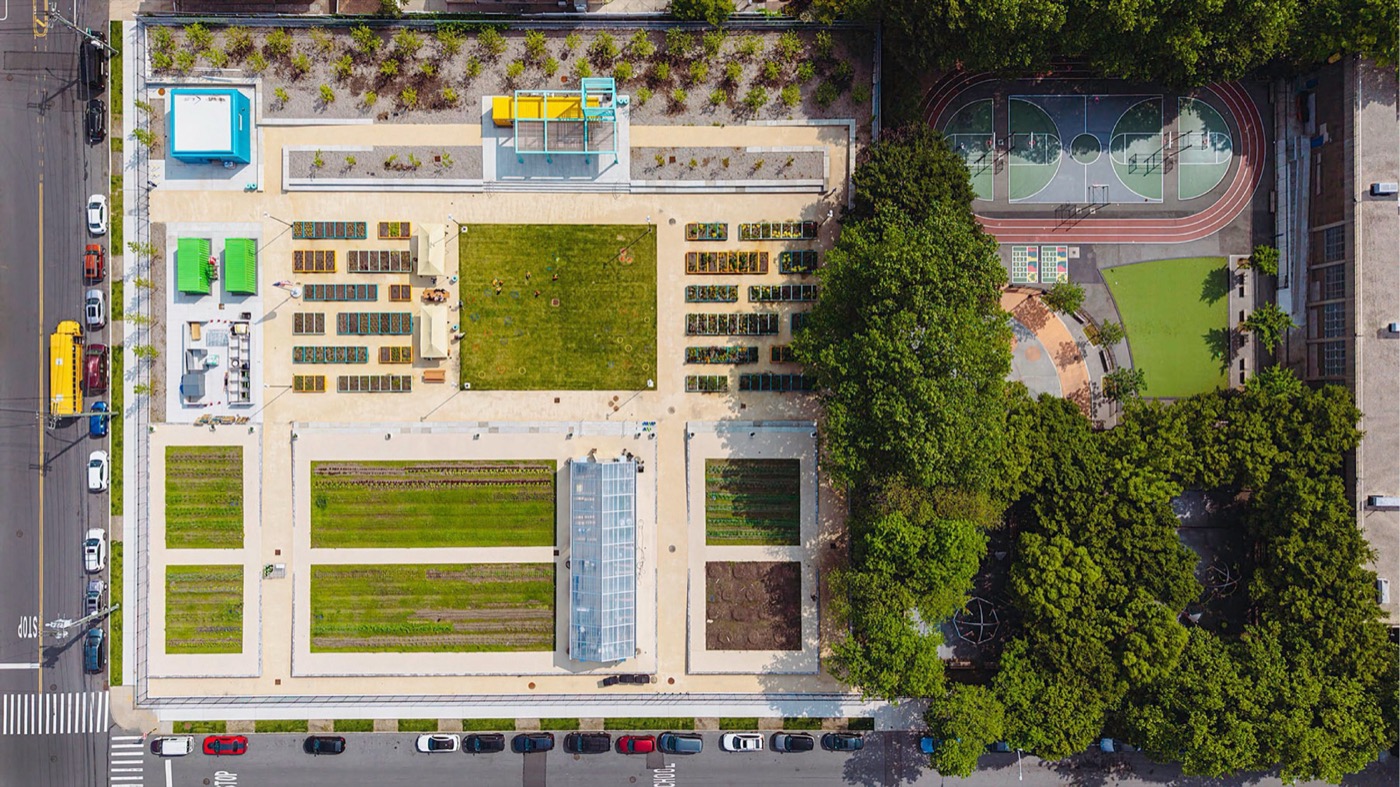
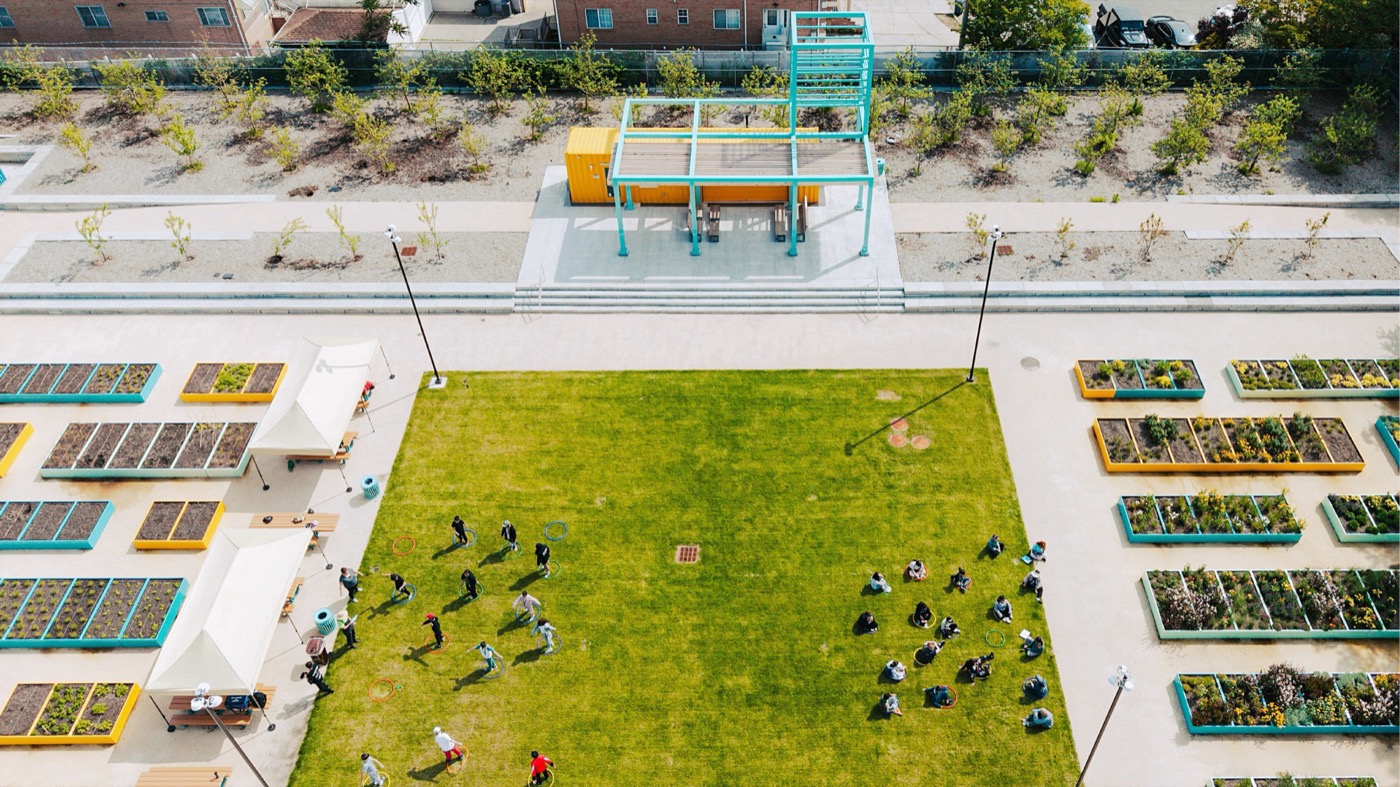
The jury recognises the Carol Pino Learning Garden for expanding the idea of the school landscape. The project weaves food production, ecological literacy, climate adaptation and shared use into the fabric of everyday education through thoughtful detailing and a careful spatial dialogue with its surrounding urban edges. Its gardens, orchards, outdoor classrooms and stormwater systems make cultivation and environmental literacy into direct experiences rather than abstract lessons. The grid-based structure gives food production a clear organisational logic and pragmatic use, showing that cultivation is systemic, seasonal and maintained through regimes of collective care. As a school-led project, it offers a strong and replicable model for connecting education with land, food production, and community resilience.
- from the award statementsGrowing Minds, Bodies and Good Food
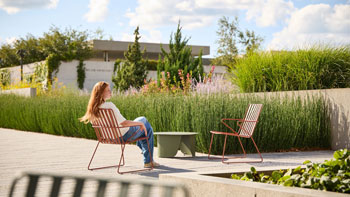
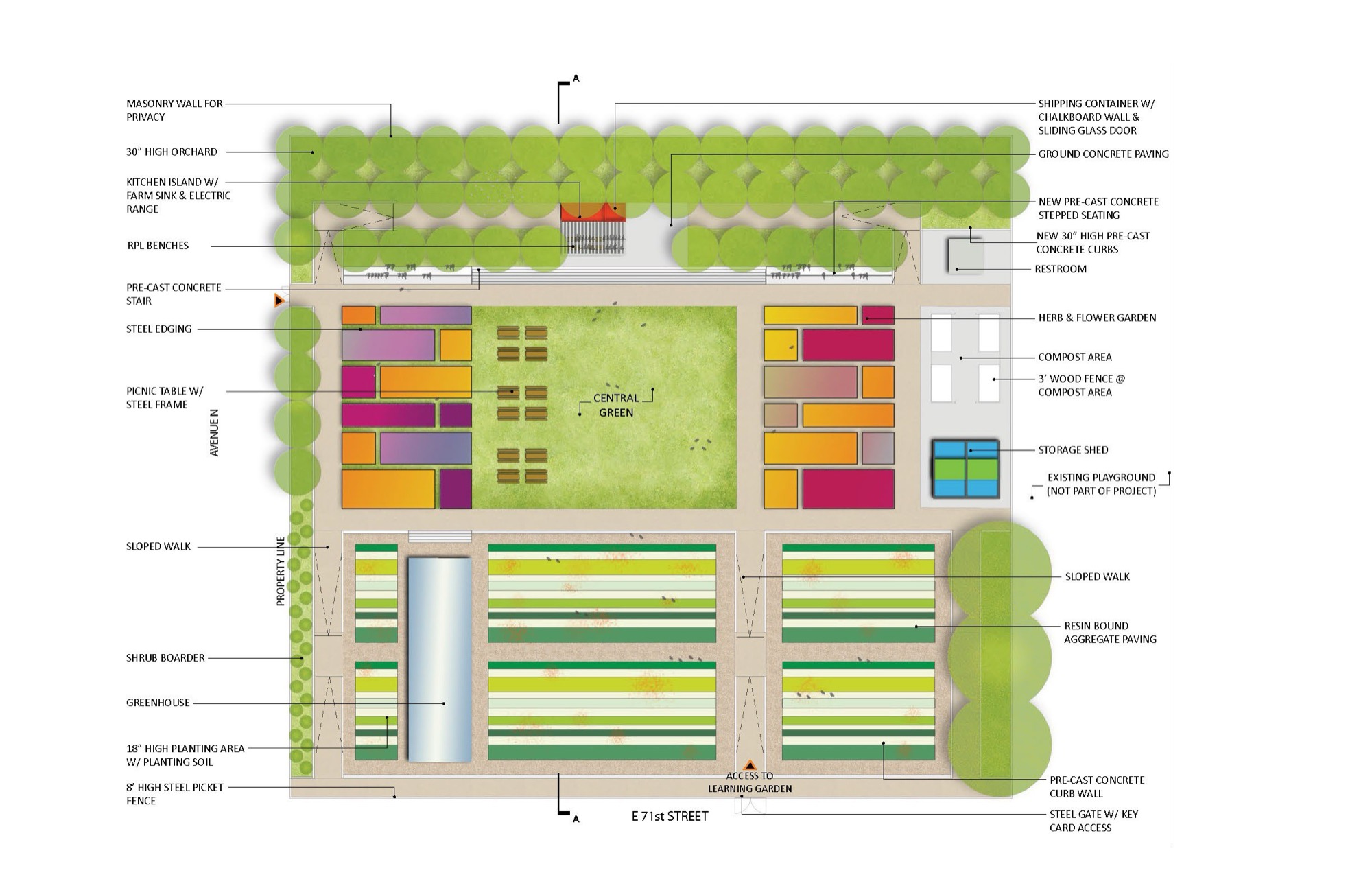
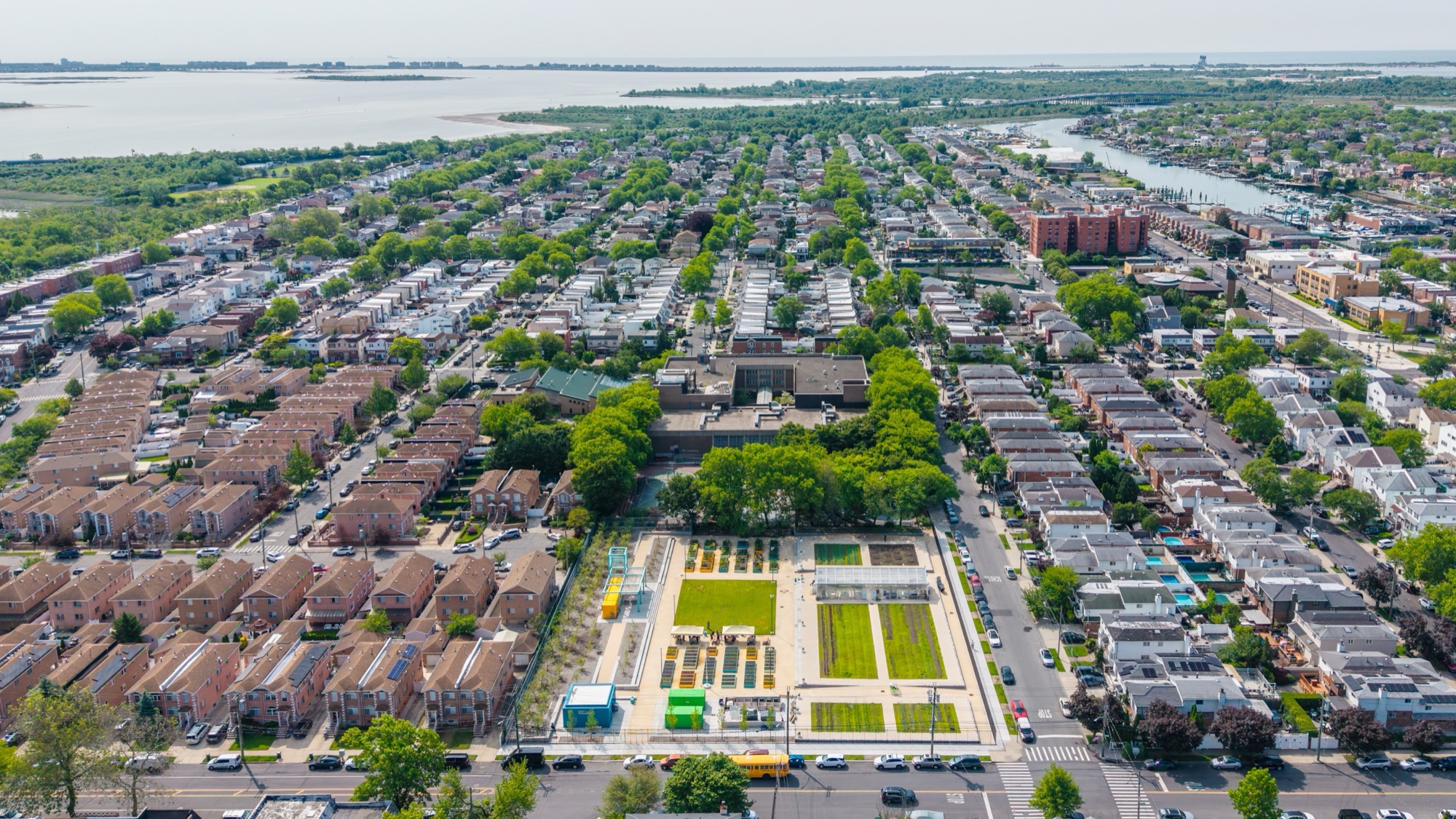
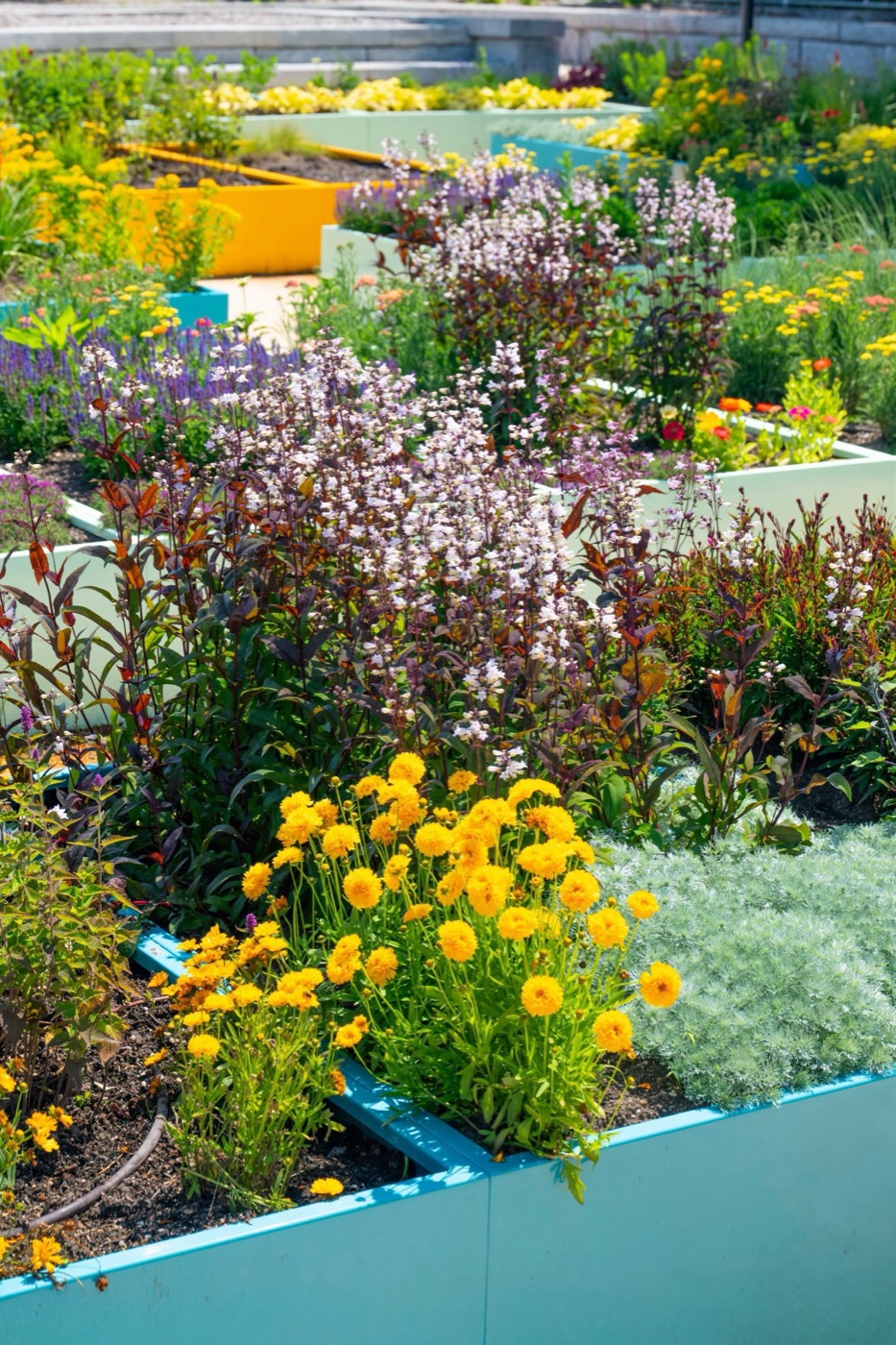
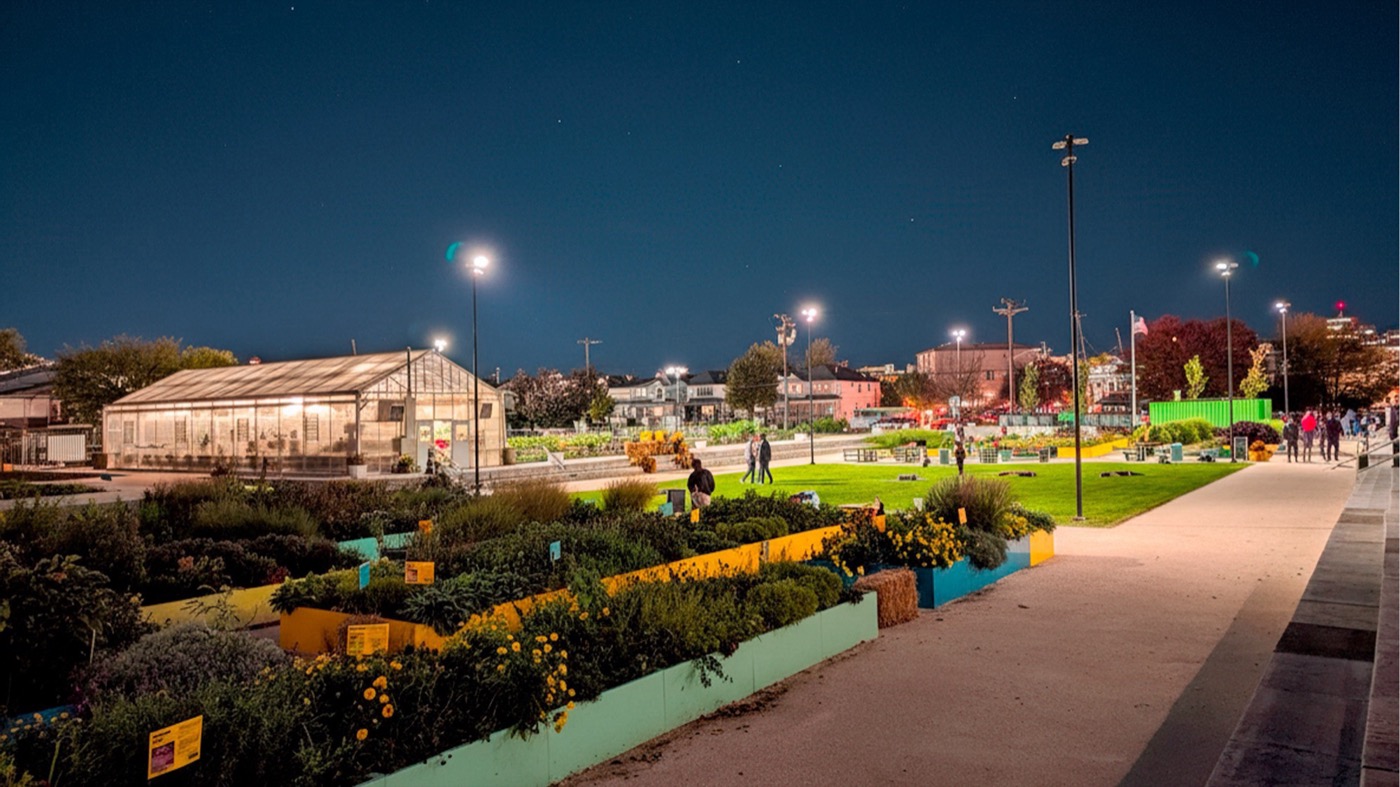
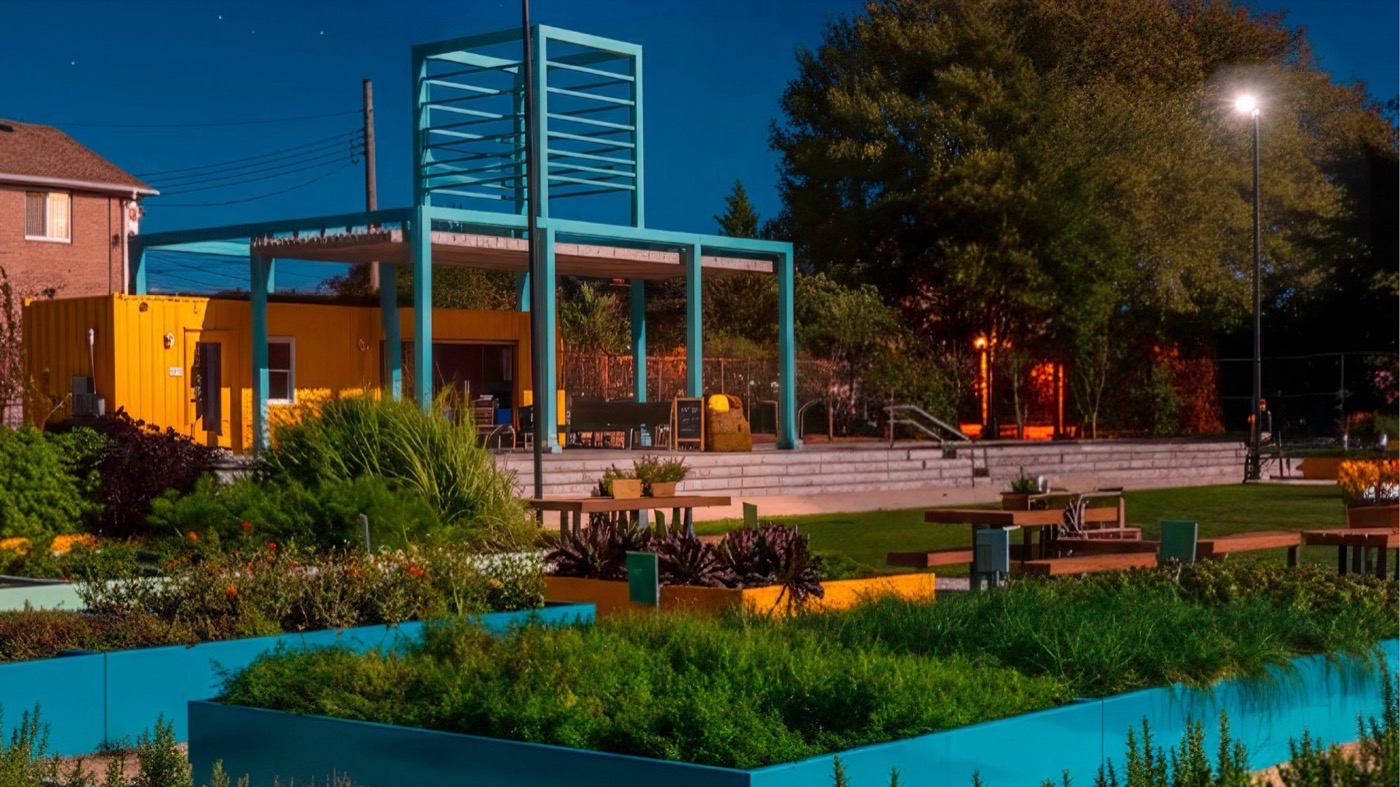
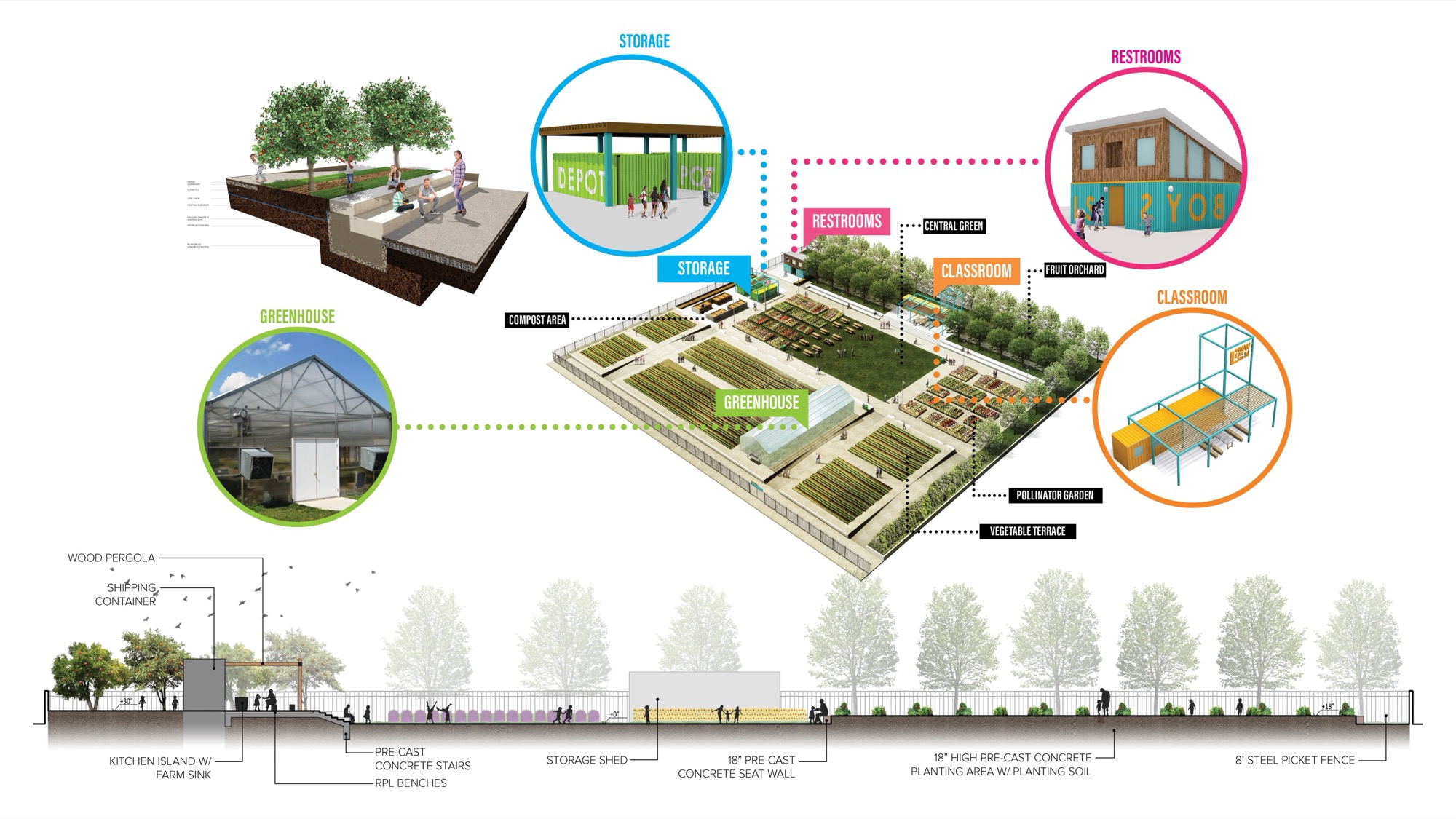
On a 1.5-acre site beside a Bergen Beach elementary school, the Carol Pino Learning Garden transforms a formerly contaminated urban wasteland into an immersive landscape where education, ecology, and equity intersect. Edible gardens, orchards, and outdoor classrooms form a living ecosystem that nurtures both people and the planet, addressing food insecurity and climate vulnerability. Stormwater management systems and native plantings restore ecological balance, while students cultivate fresh produce alongside environmental literacy. Rooted in collaboration and community vision, the garden converts urban neglect into resilience—empowering the next generation to grow knowledge, wellness, and hope from the ground up.
A Living Classroom for the Whole Child
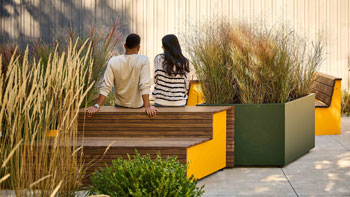
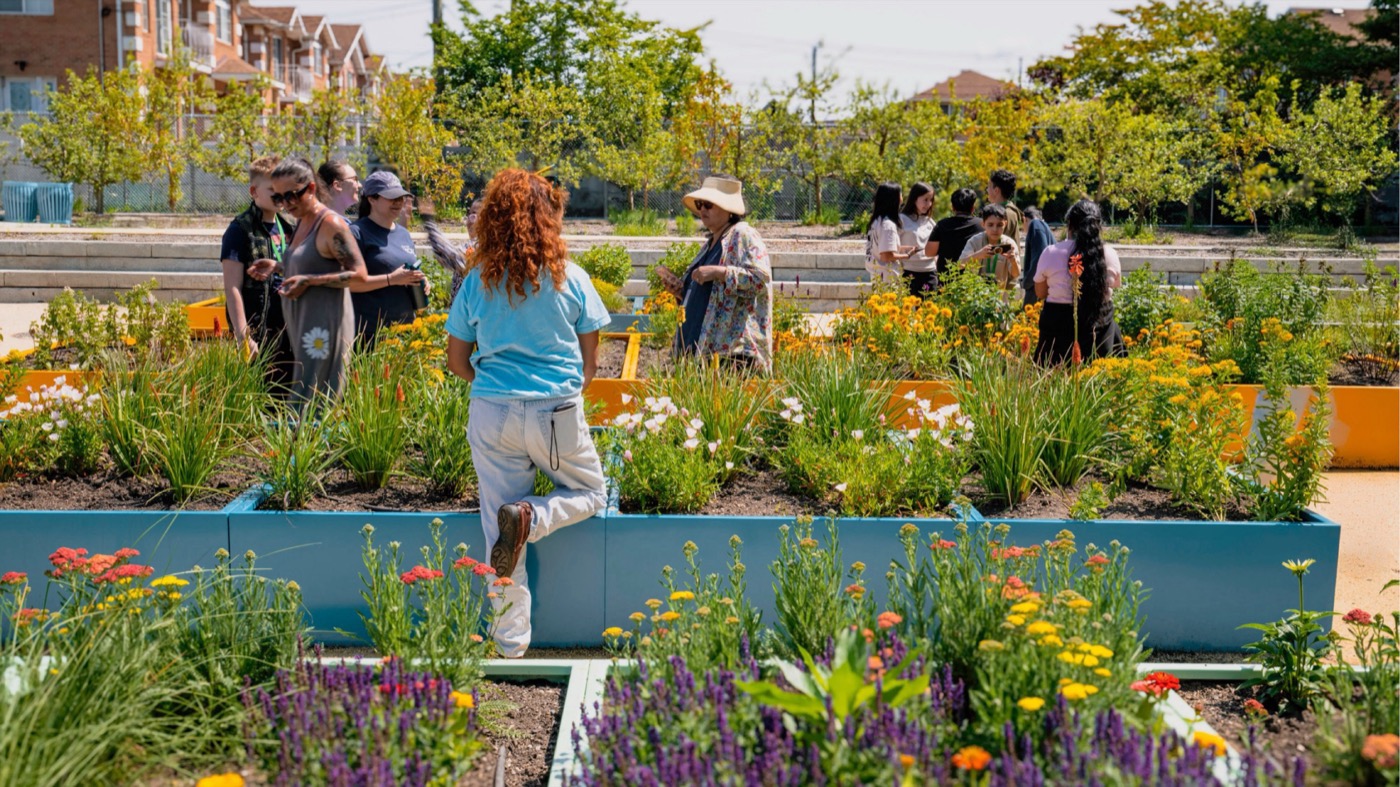
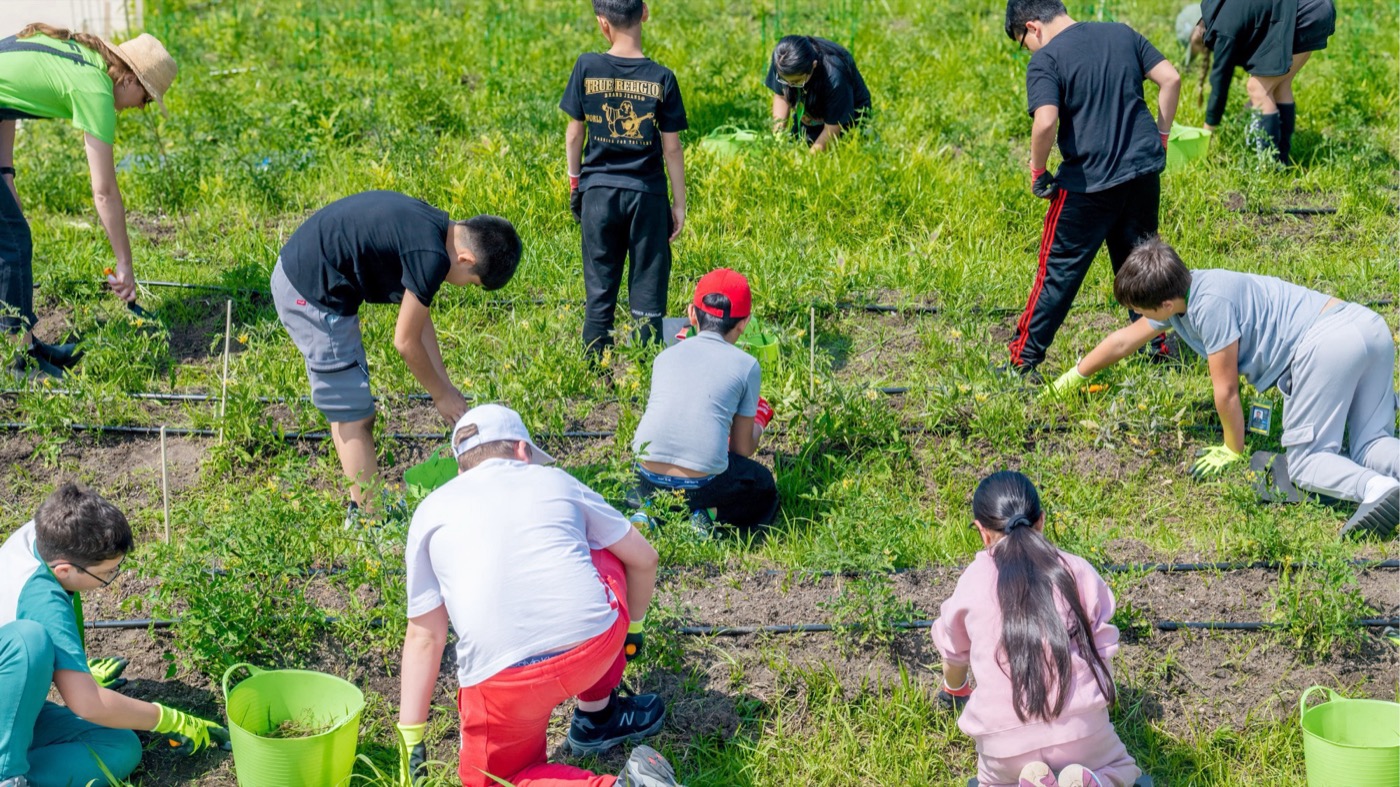
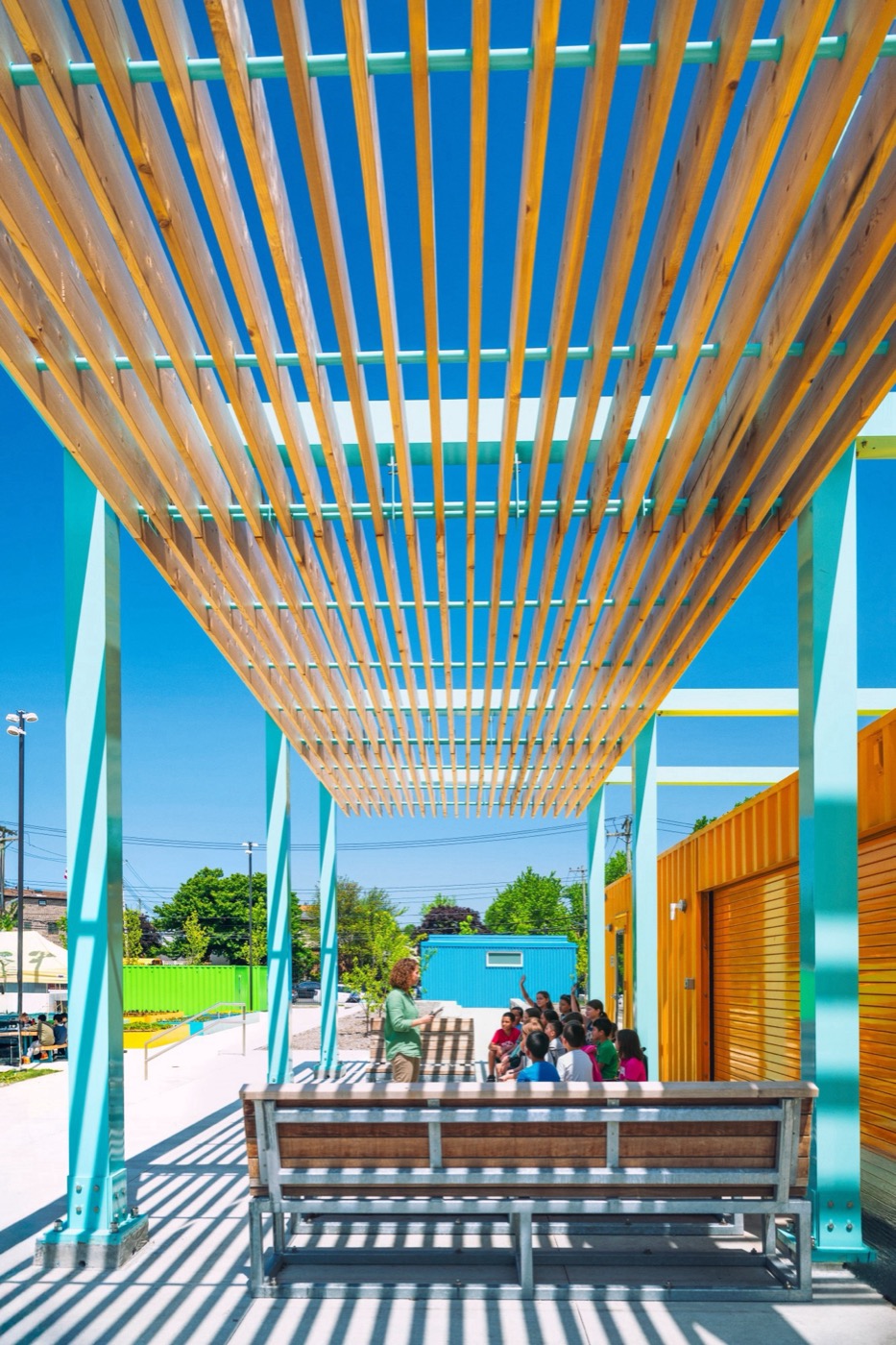
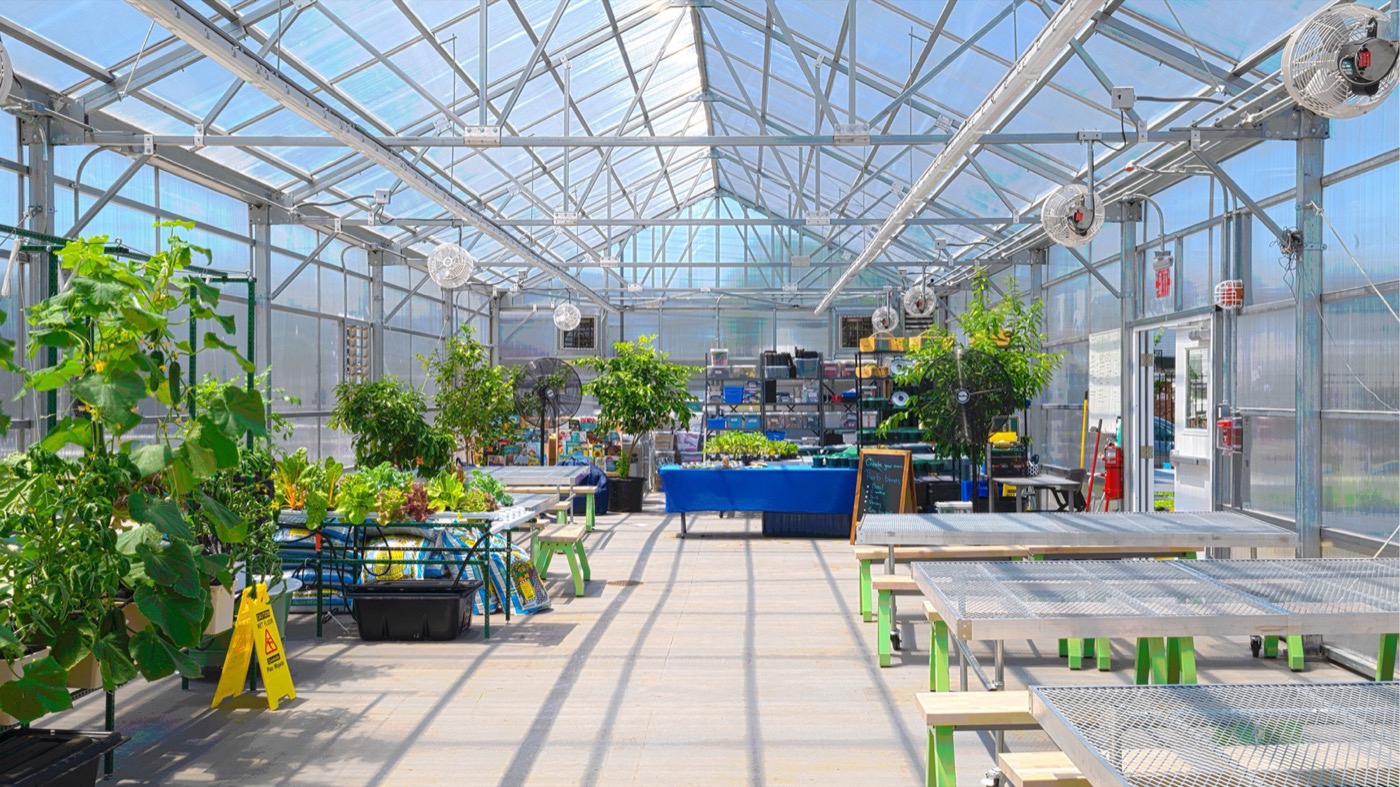
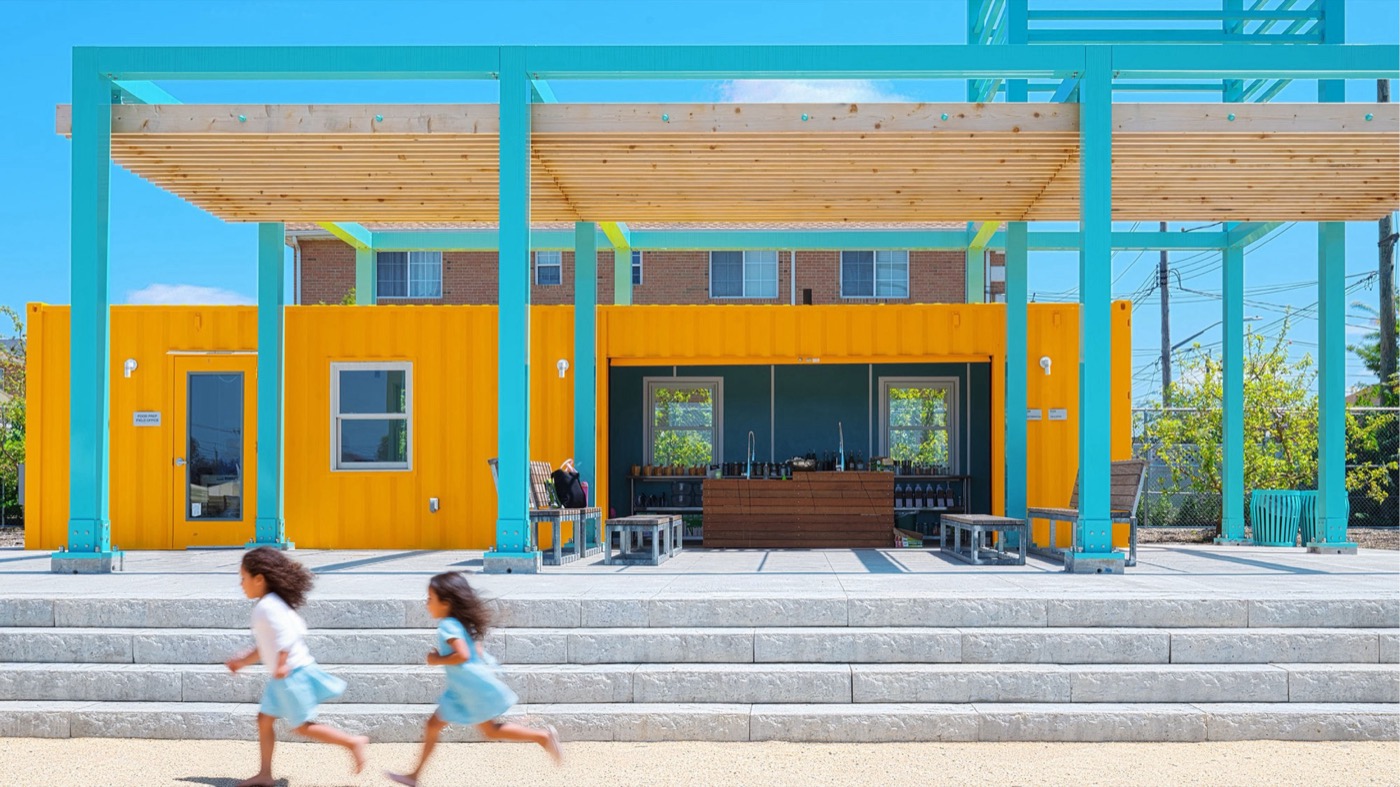
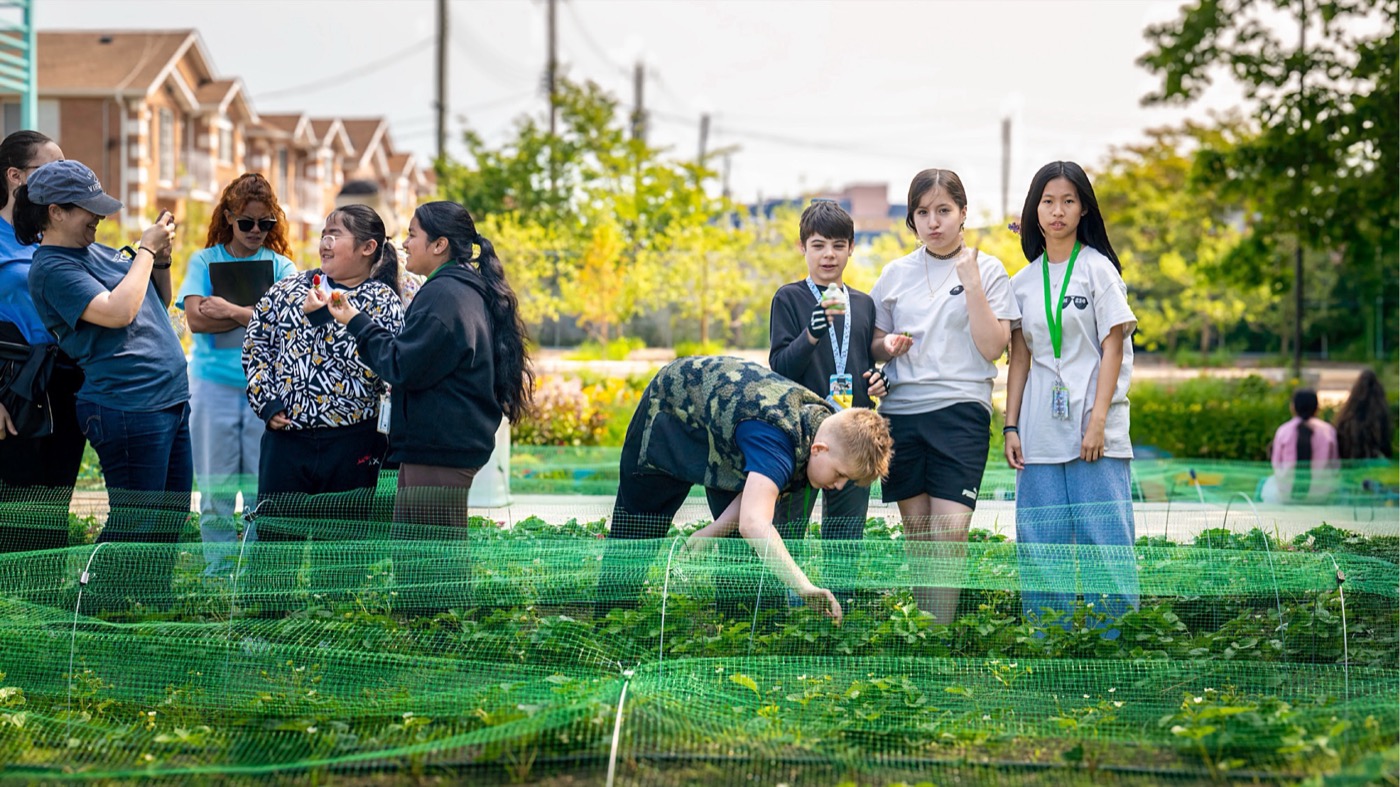
The Learning Garden transforms traditional NYC DOE classroom norms by trading smart boards for gardens and walls for open sky. Students engage directly with plants, pollinators, and ecological systems, gaining hands-on experience in science, nutrition, and sustainability. Outdoor classrooms, seasonal planting, and interactive workshops allow learners of all ages to explore, experiment, and observe in real time, connecting curriculum to lived experience. By bringing education into the garden, the project fosters curiosity, environmental literacy, and a deeper connection between students, their community, and the natural world.
Food Justice Through Design
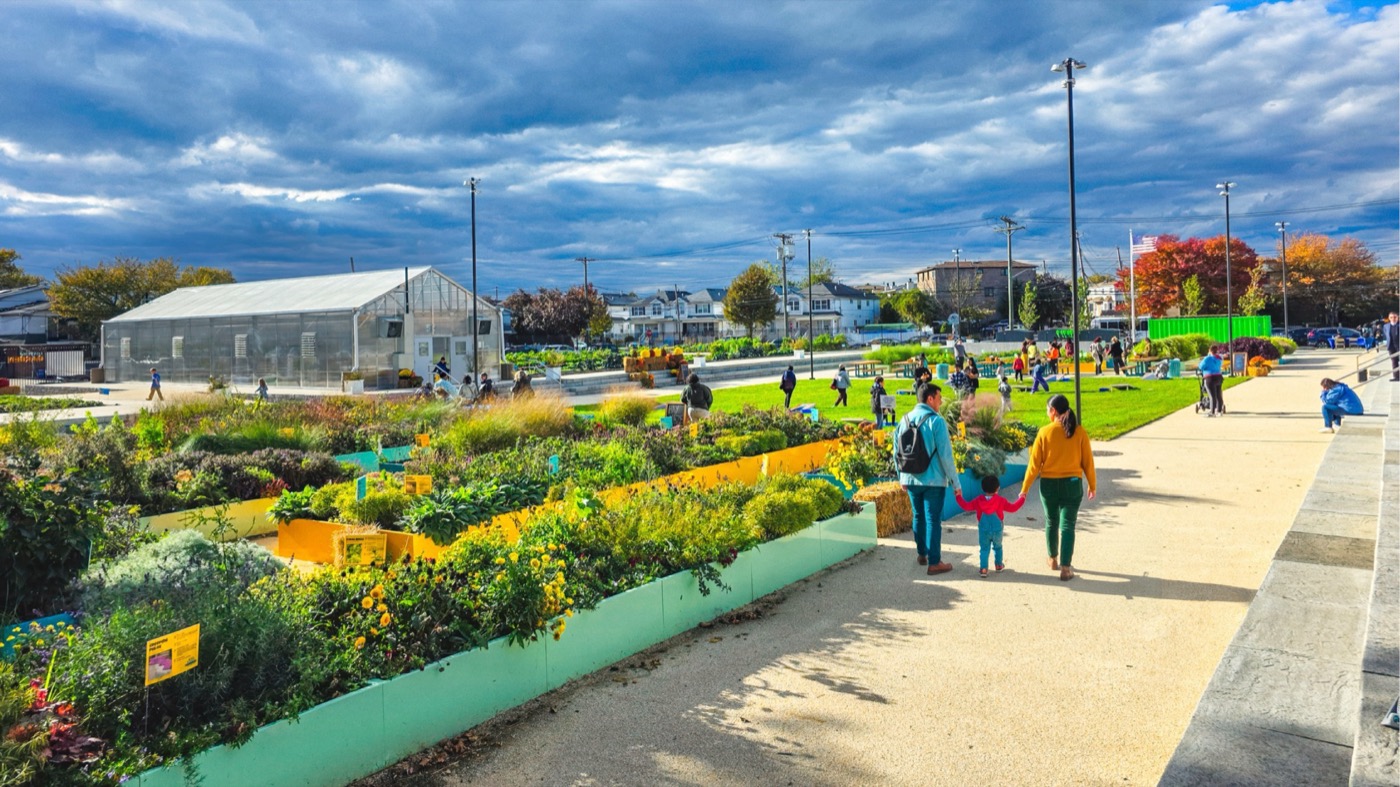
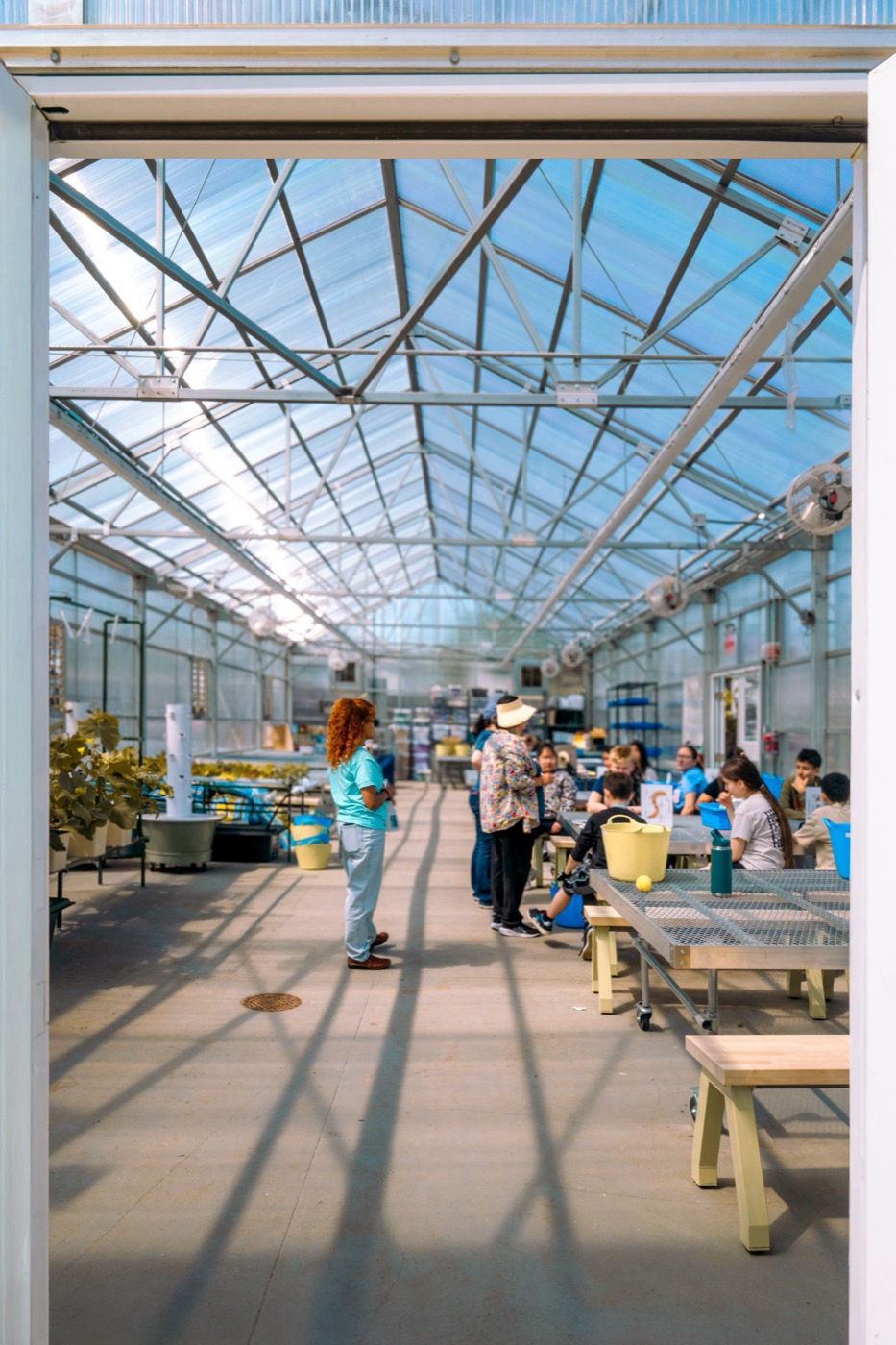
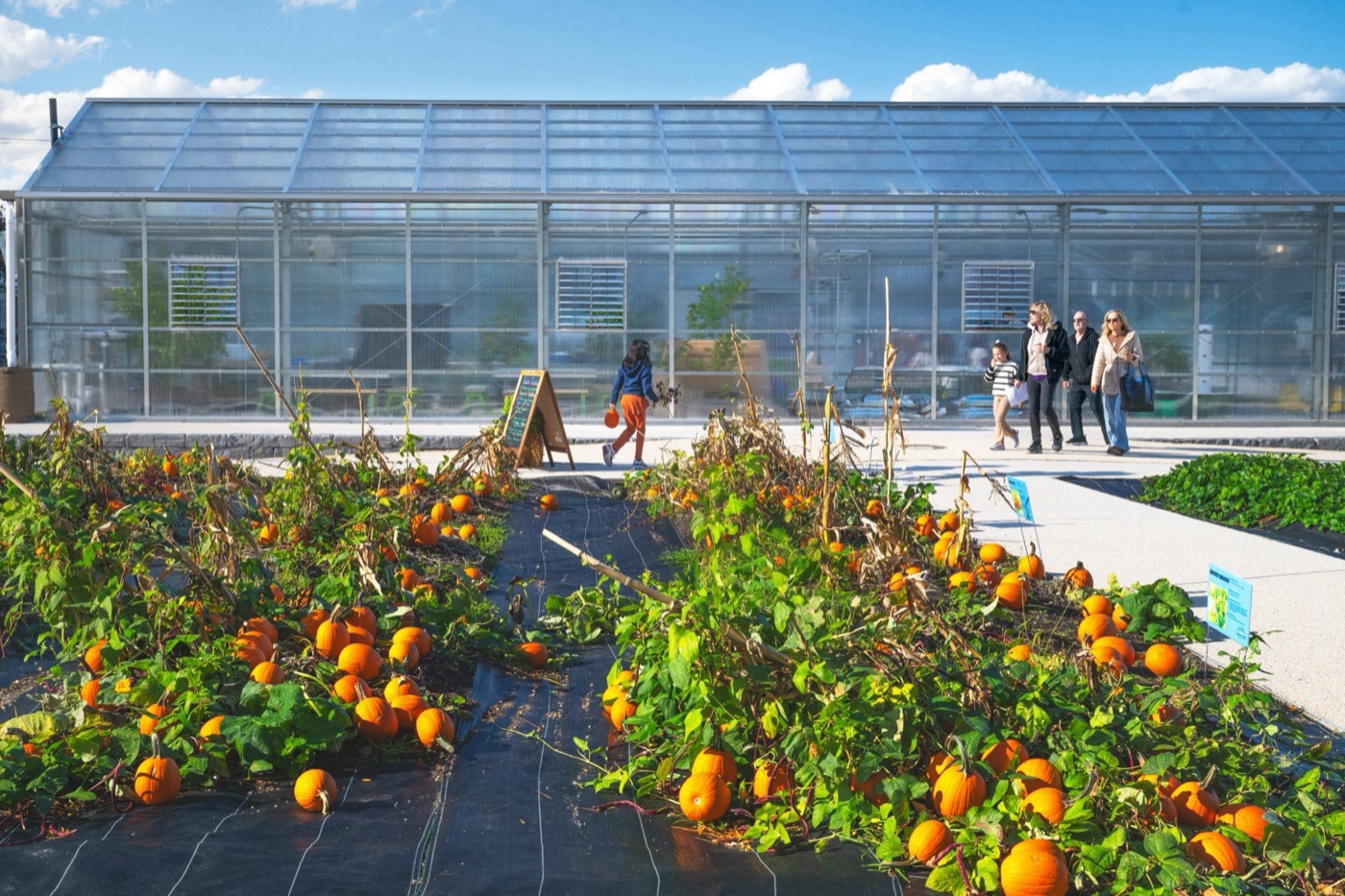
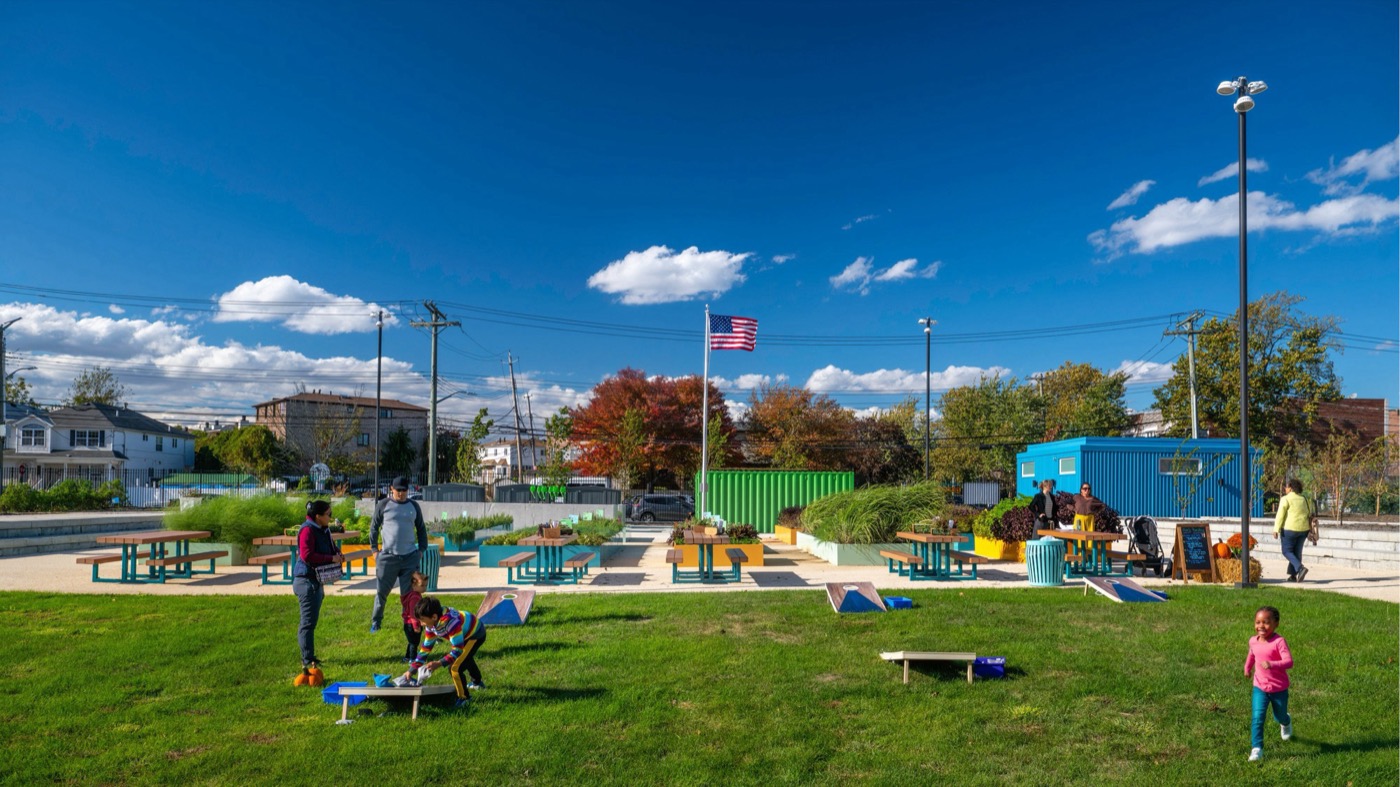
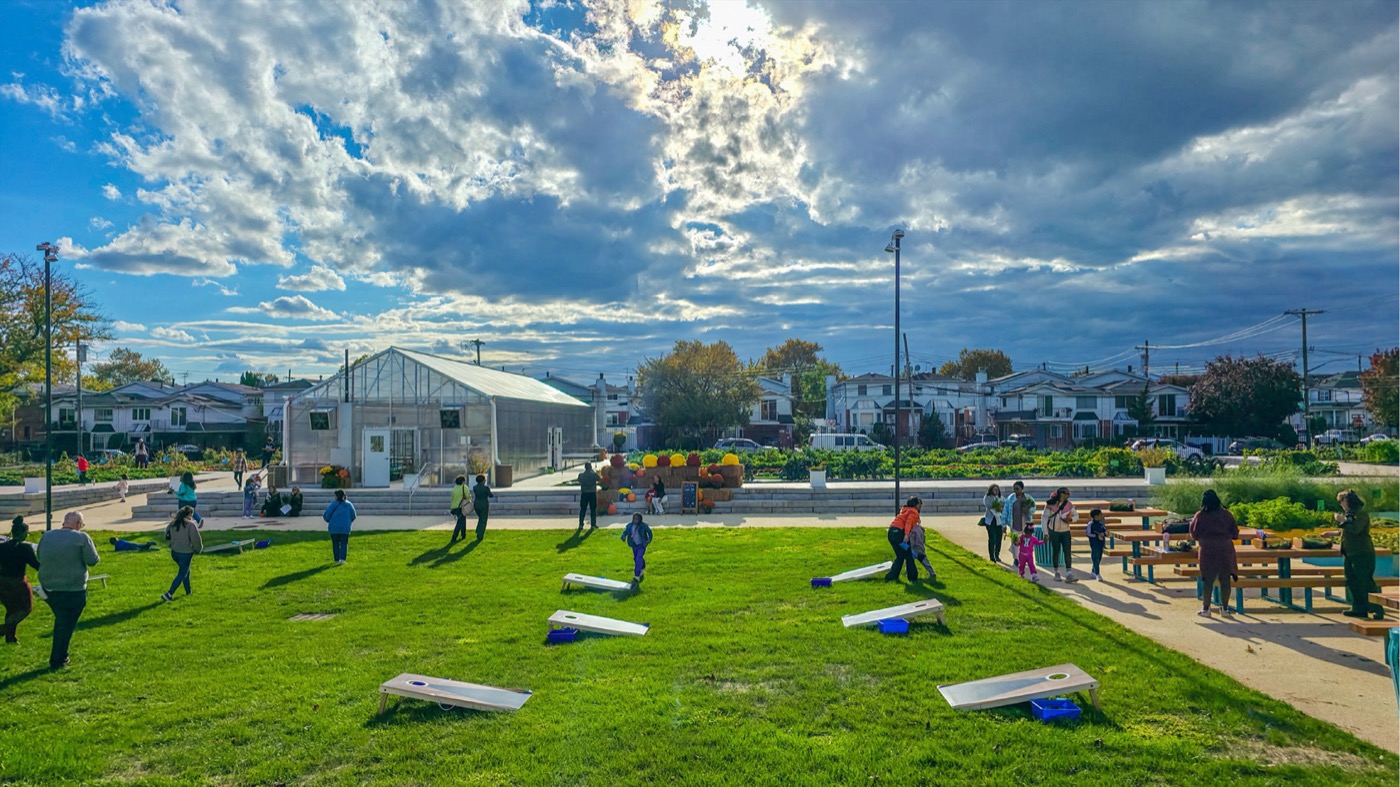
Located in a neighborhood with limited access to fresh, healthy food, the Learning Garden addresses health and environmental inequities through productive landscapes and inclusive programming. Orchards, edible gardens, and a greenhouse provide consistent access to fresh produce, while seasonal markets and community events connect learning to nutrition and local wellness. Shaped through a design-forward engagement process with PS 312, IS 78, Community Board 18, and local leadership, the garden reflects community priorities and fosters a strong sense of ownership. Experiences such as apple picking, pumpkin patches, and shared harvests build neighborhood cohesion and ensure the garden serves residents of all ages and backgrounds.
Climate-Responsive Urban Agriculture
In a low-lying neighborhood vulnerable to flooding and extreme heat, the Learning Garden integrates ecological restoration with climate-responsive design. Permeable paving, extensive planting, and underground stormwater storage reduce runoff during cloudburst events, while gardens, orchards, and the greenhouse are elevated above flood levels to ensure resilient food production. Tree canopies and shaded outdoor classrooms mitigate urban heat, creating safe environments for year-round learning. Every system doubles as a teaching tool, demonstrating how urban landscapes can function simultaneously as ecological infrastructure and experiential classrooms that benefit people, community, and planet.
Credits: NYCSCA, Grain Collective, PMY Constructions
Photo Credit: Ignacio Ayestaran
https://maps.app.goo.gl/zC5zhpgvHQhQXNcZ7
76843


LILA 2026 Sponsor