Shortlisted for LILA 2026 Jury Award:
Casa Cosecha de Lluvia
cosechadeagua.co
2026 Landscape and Architecture / 2026 Private Gardens / Mexico / Built in 2021 /

“Casa Cosecha de Lluvia” means rainwater harvesting house, a concept linked to the hydrological system developed for this project, based on the capture of rainwater, which metaphorically allows us to “harvest water.”
The house is located within the Peñitas Reserve in Temascaltepec, Valle de Bravo, Mexico, just two hours from Mexico City, in a residential area but within a rural environment. From the heights of the surrounding rocky hills, it is possible to see the Xinantécatl Volcano, the main geographical landmark of the basin and the source of the region’s groundwater.
The architectural design of the house was led by architect Javier Sánchez. Together with him and his studio, it was possible to establish an authentic and creative dialogue between disciplines, working in synergy to define the placement of built elements and design what connects them. In this project, architecture and landscape are conceived as a single entity.
At the beginning, as Cosecha de Agua, we asked ourselves: Where are we? Where does the water come from? How do clouds and winds move across the basin? How can we broaden our understanding of the territory?
The response was a Comprehensive Landscape Master Plan that considers regenerative stages and the progressive implementation of different interventions over time. Guided by the principles of regenerative hydrology, our approach allowed water to guide the design and, through the use of hardscape elements, created favorable conditions for life and site regeneration.
The site initially had compacted soil, as is the case in much of today’s land, altered and eroded by intensive agricultural practices. Given these conditions, the main landscape intervention was conceived as the strategic organization of water infrastructure: a water body, wetlands, infiltration and capture swales, pathways, organic matter, among others.
All landscape elements were designed under the guiding principle that “nothing enters and nothing leaves the site.” This approach ensures that all materials remain within the system and are reused on-site: the soil excavated during construction was not removed; instead, it was reshaped to form an artificial embankment on the southern side of the property. This earthwork acts as a passive water-retention structure, increasing the site’s capacity to store water for longer periods and reducing rapid runoff.
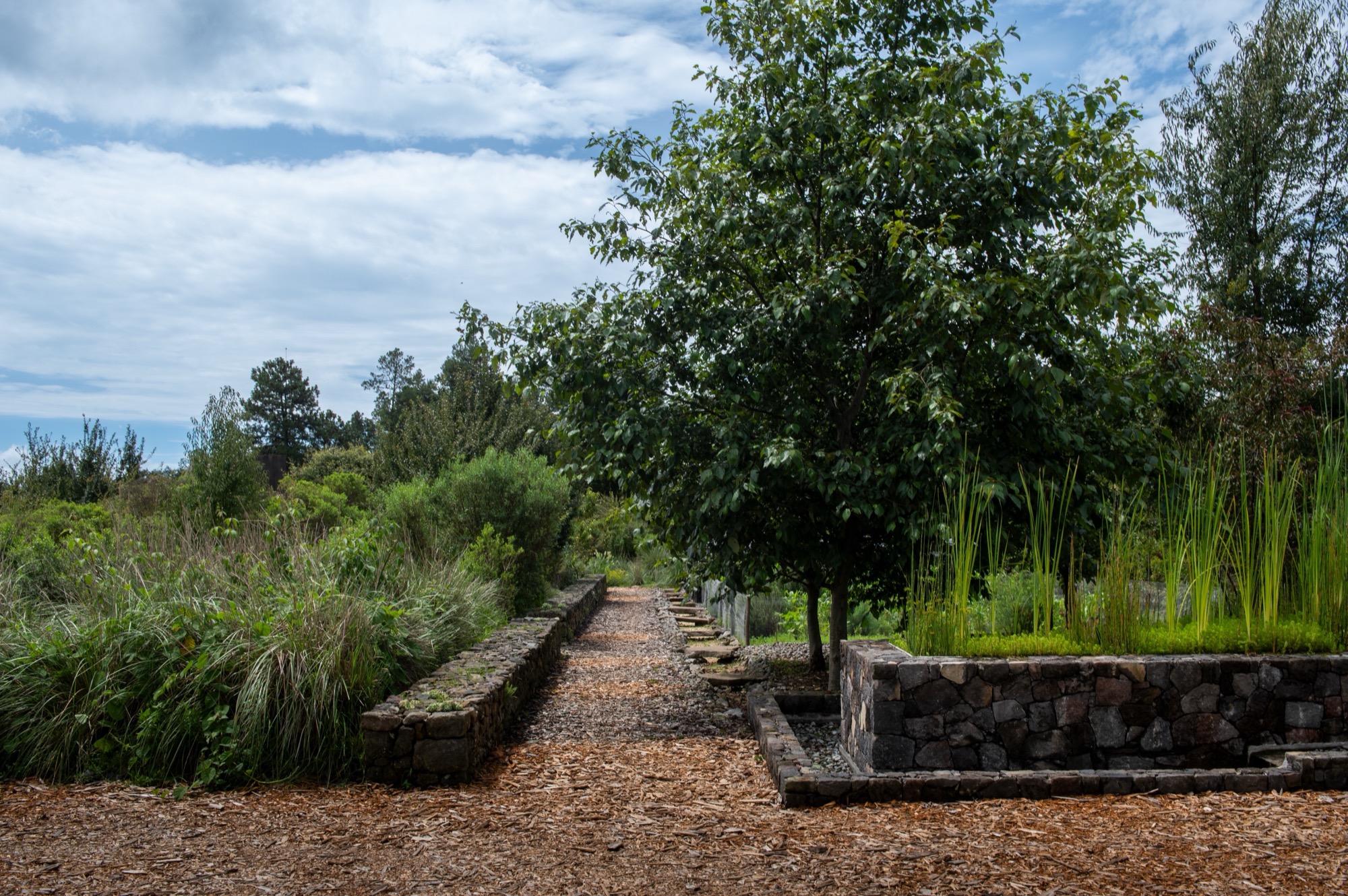
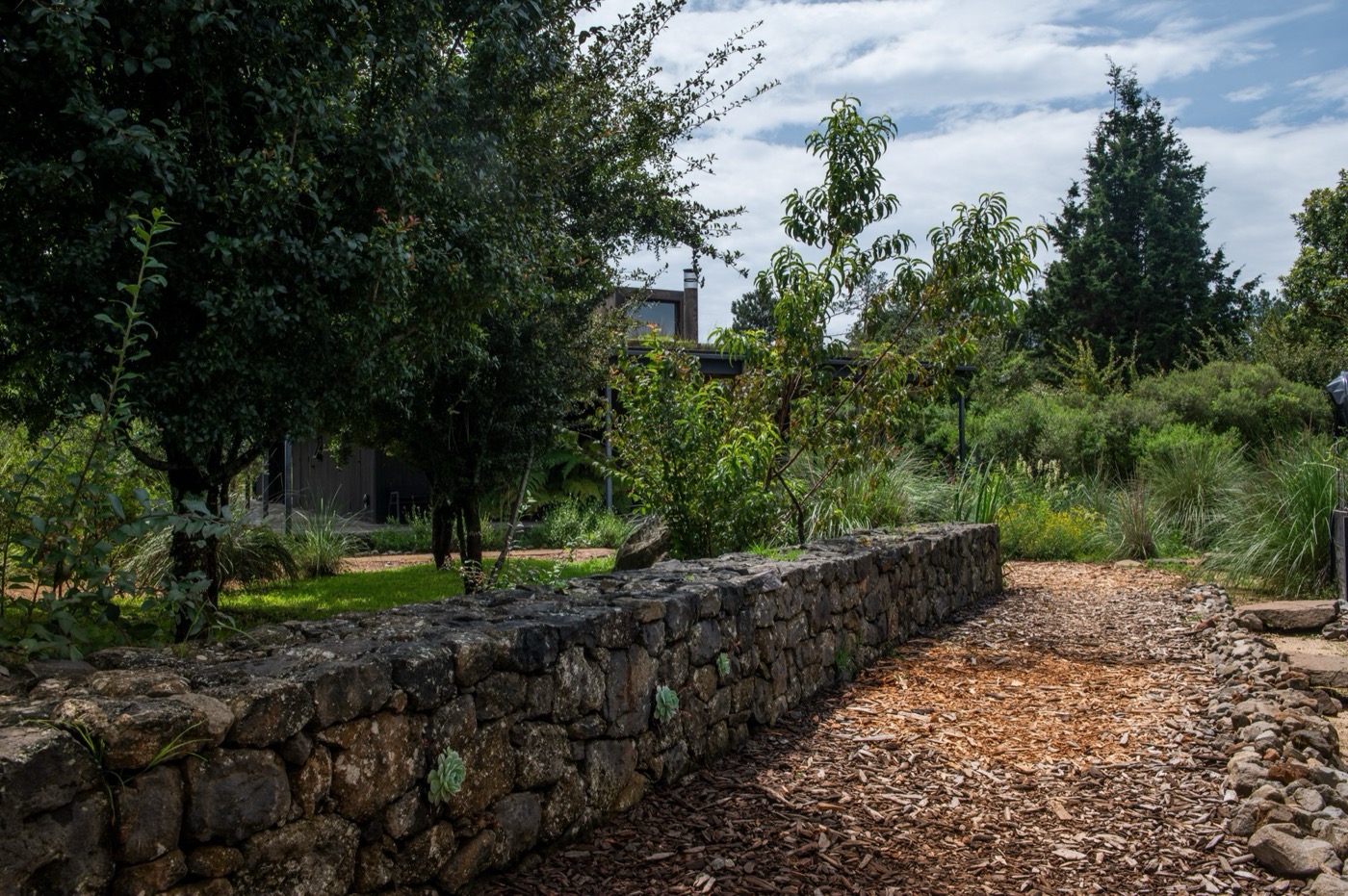
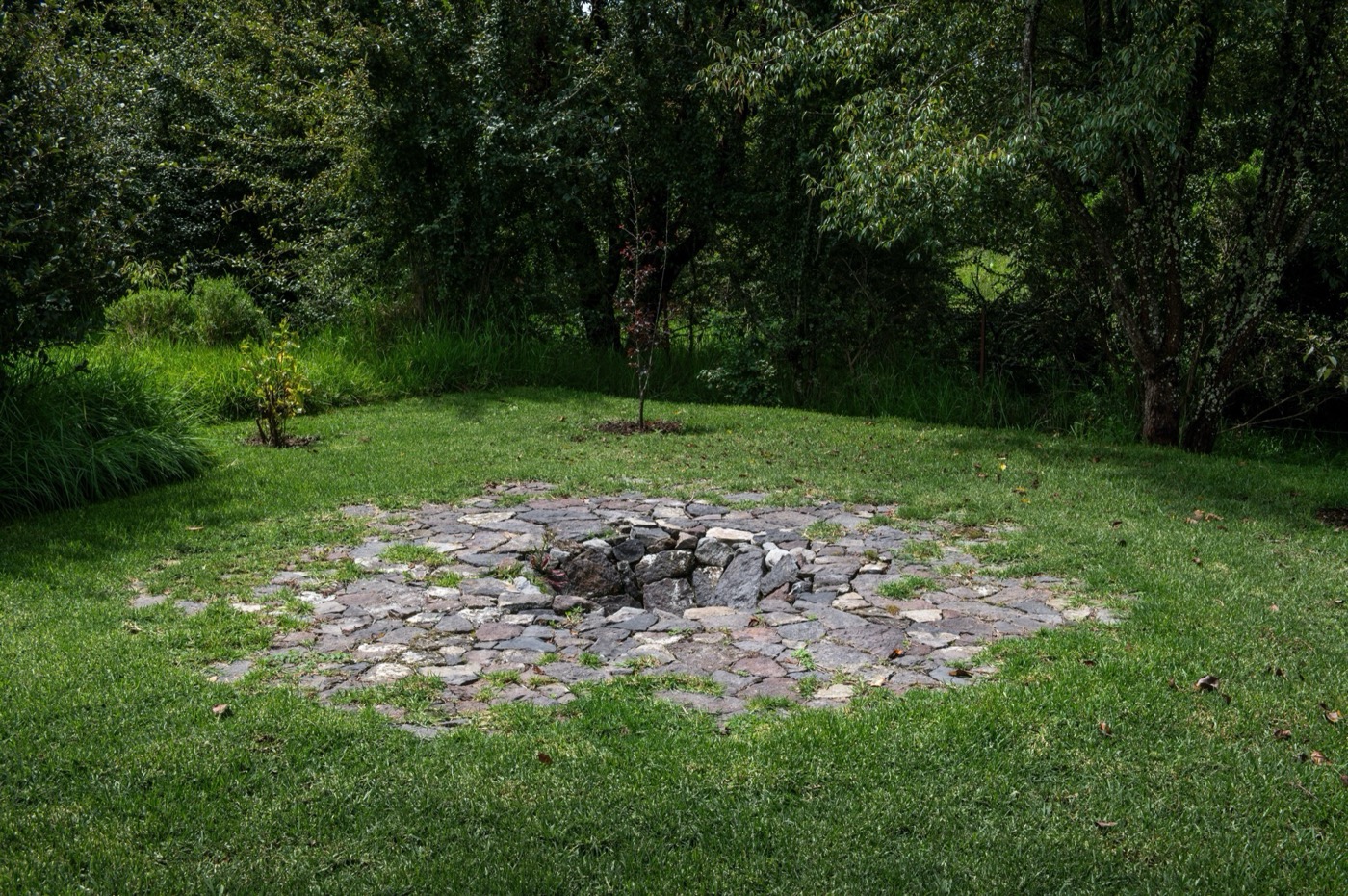
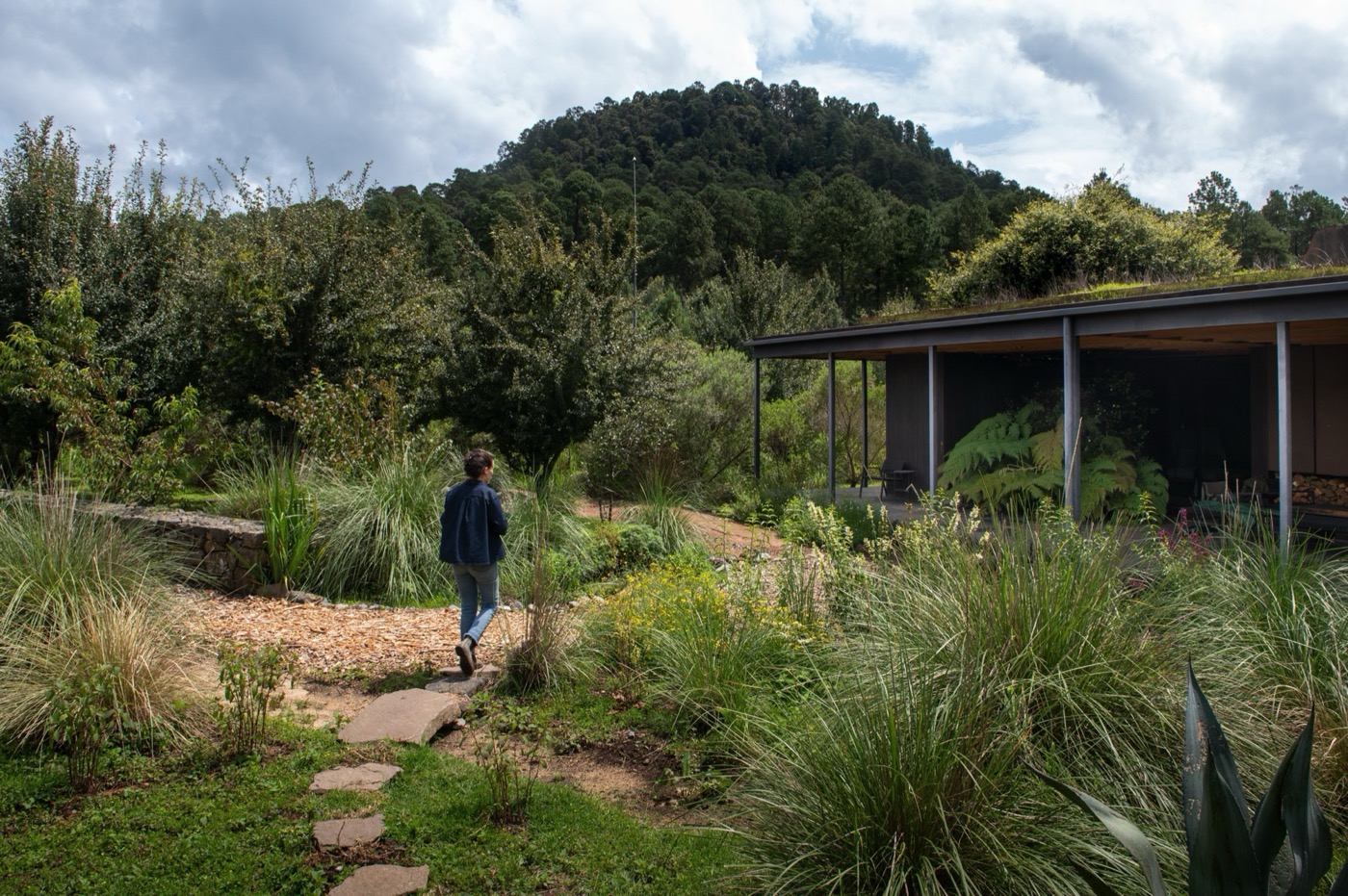
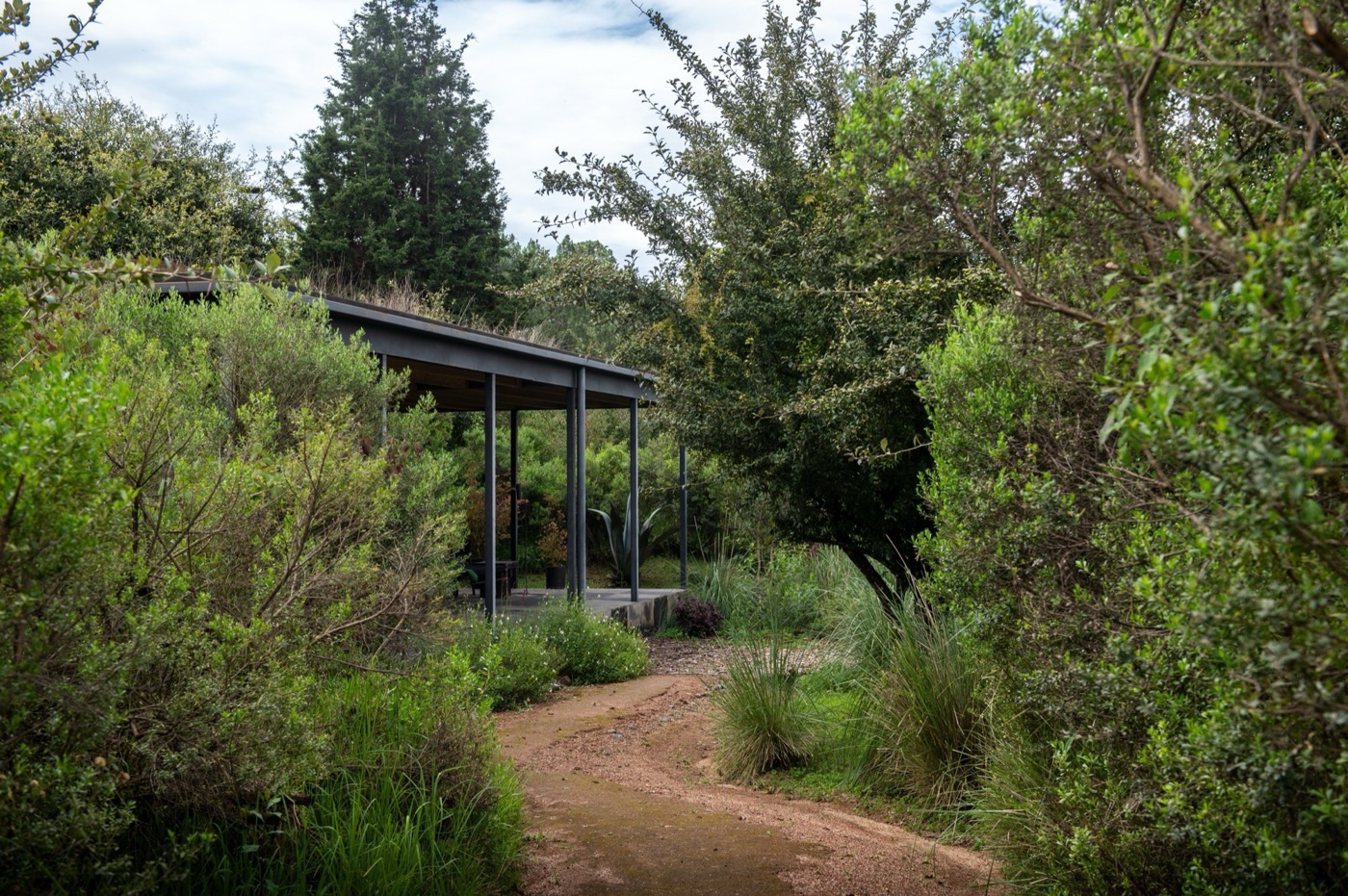
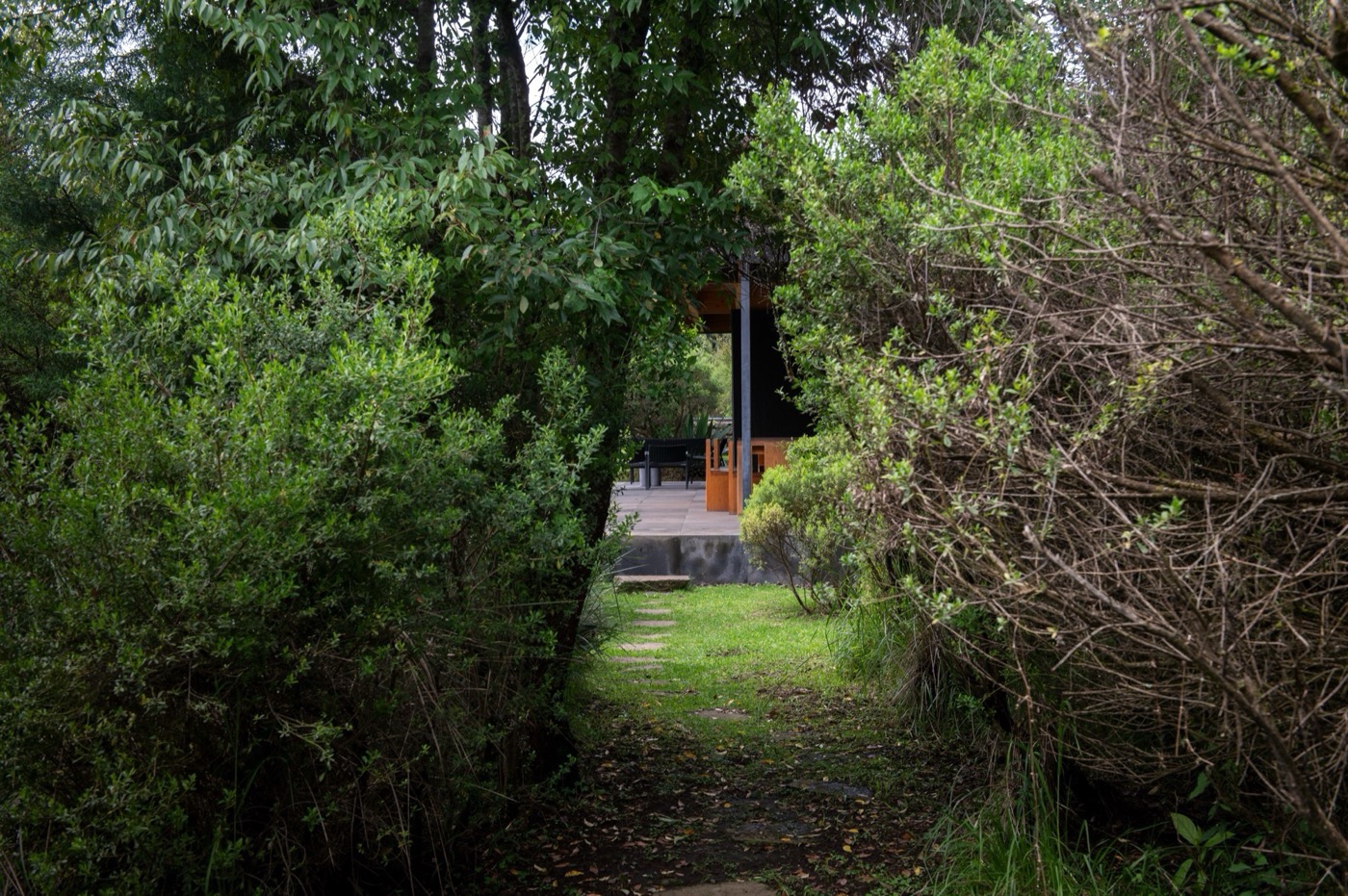
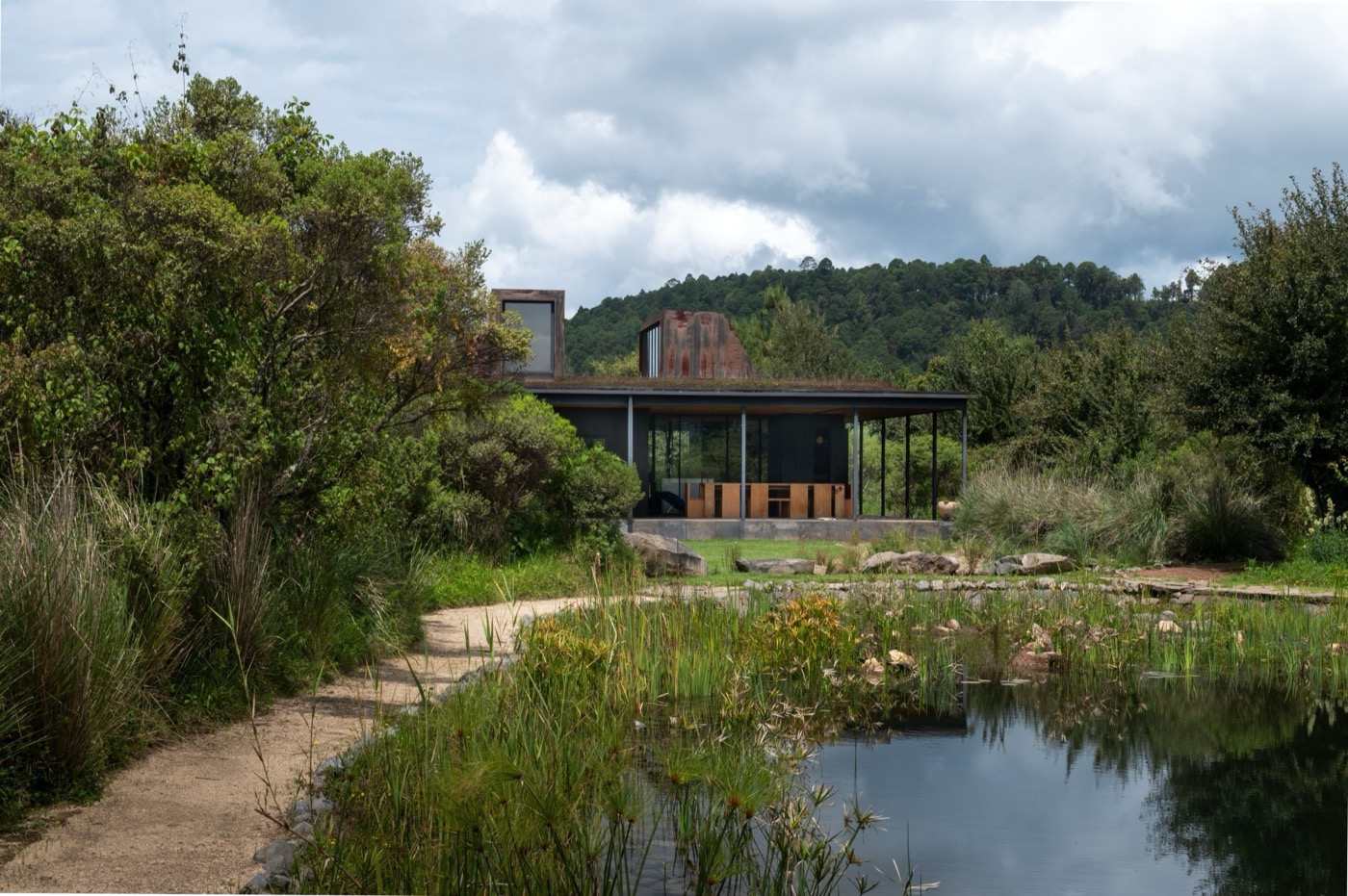
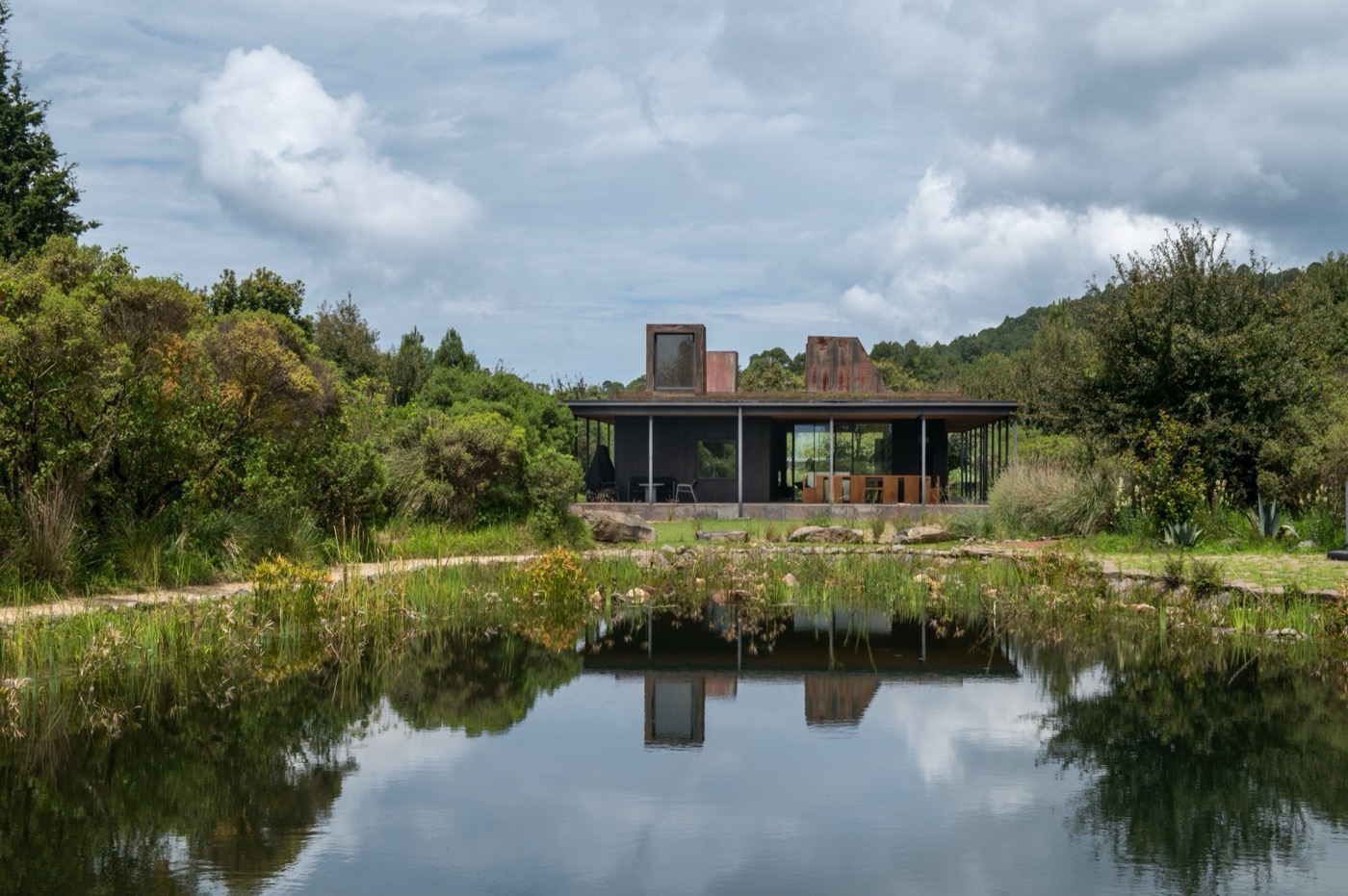
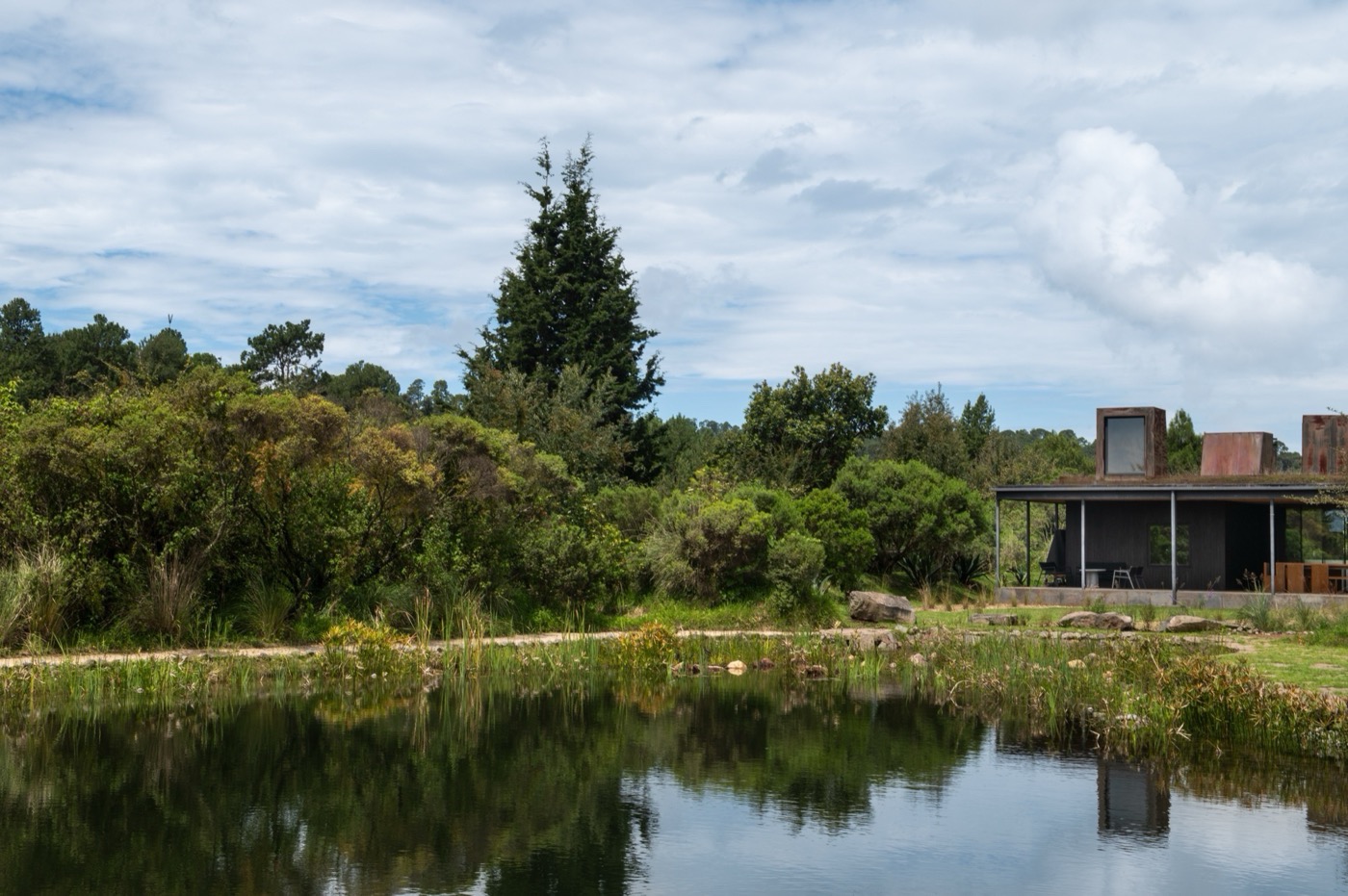
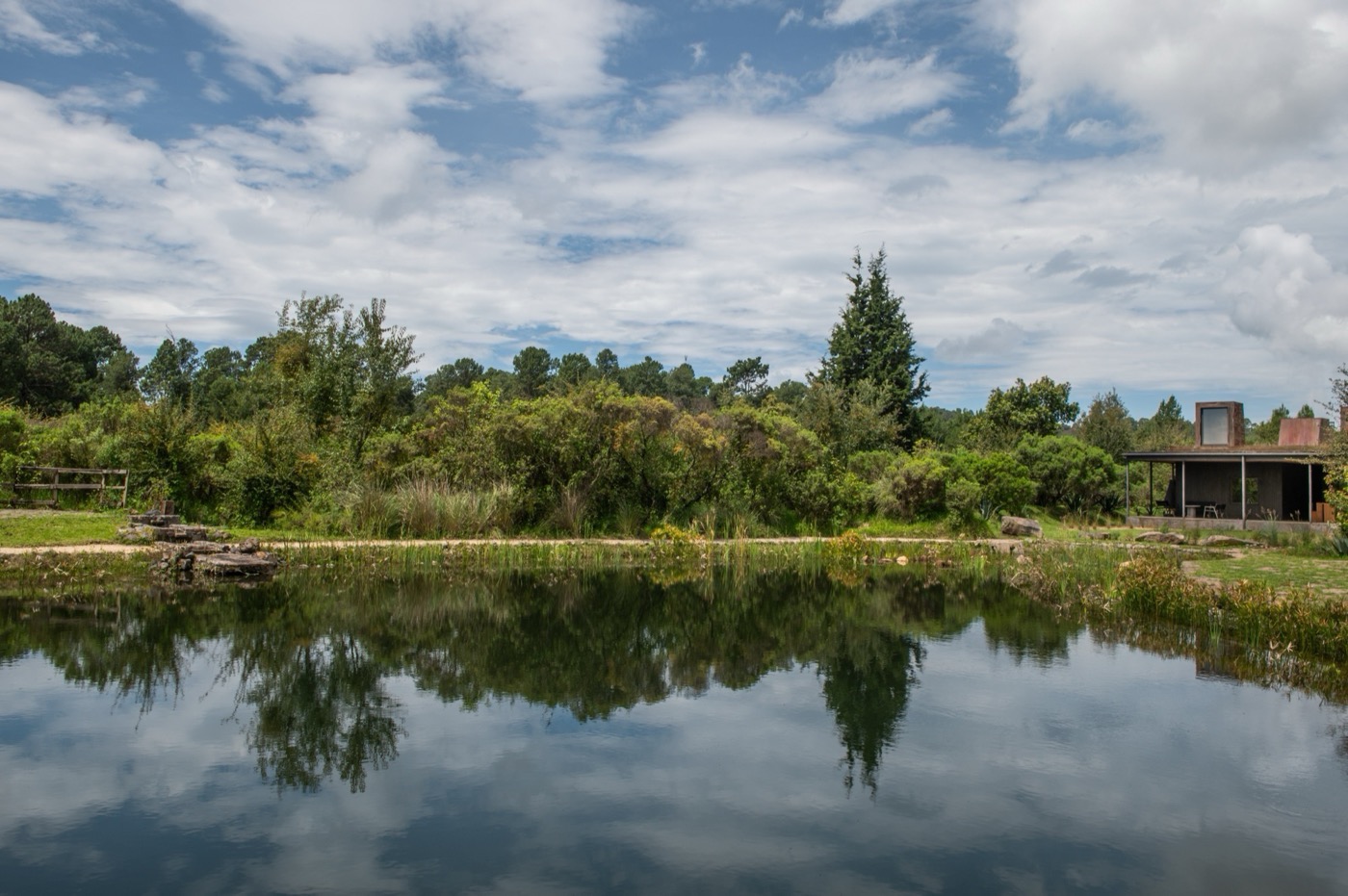
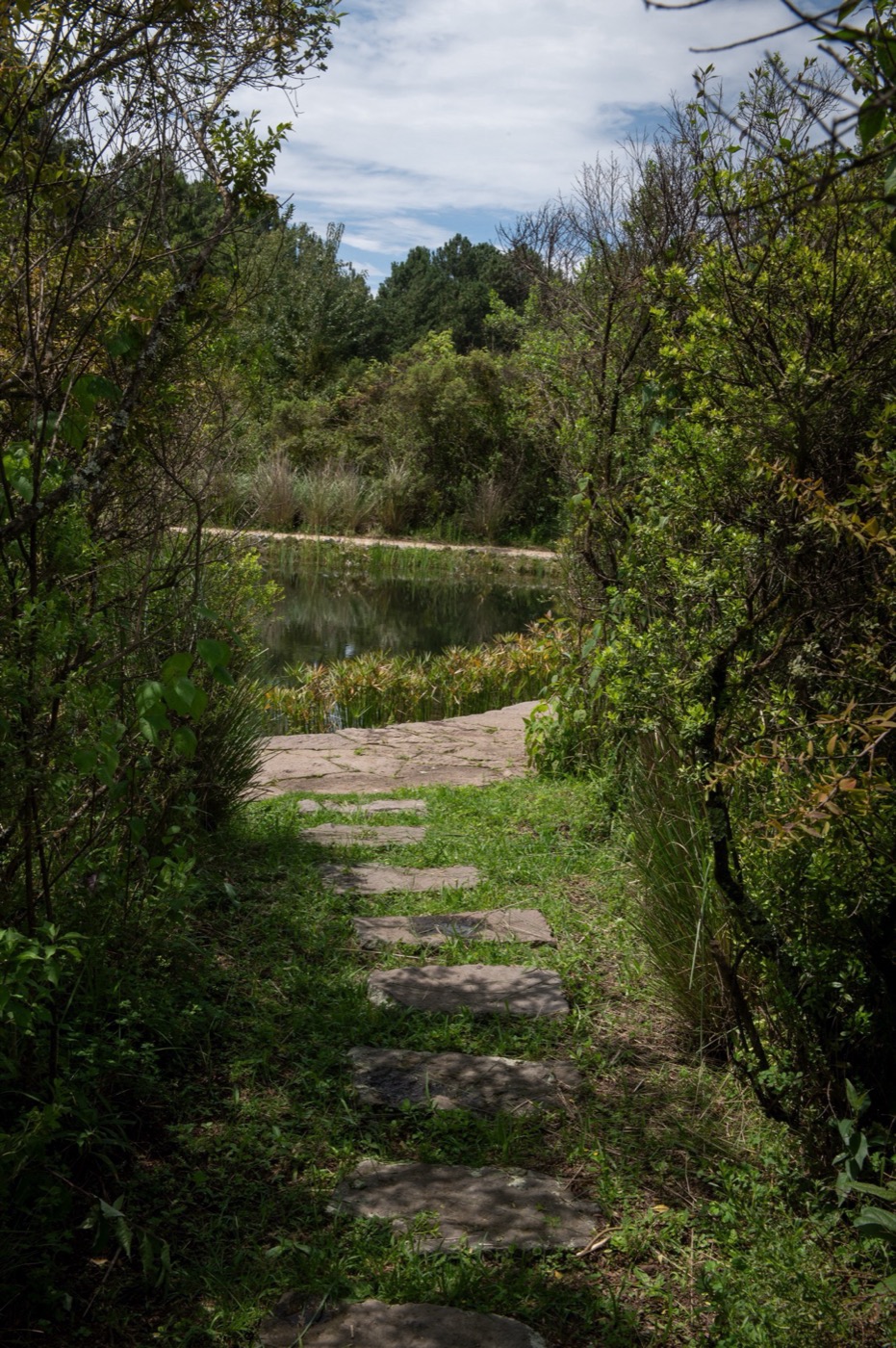
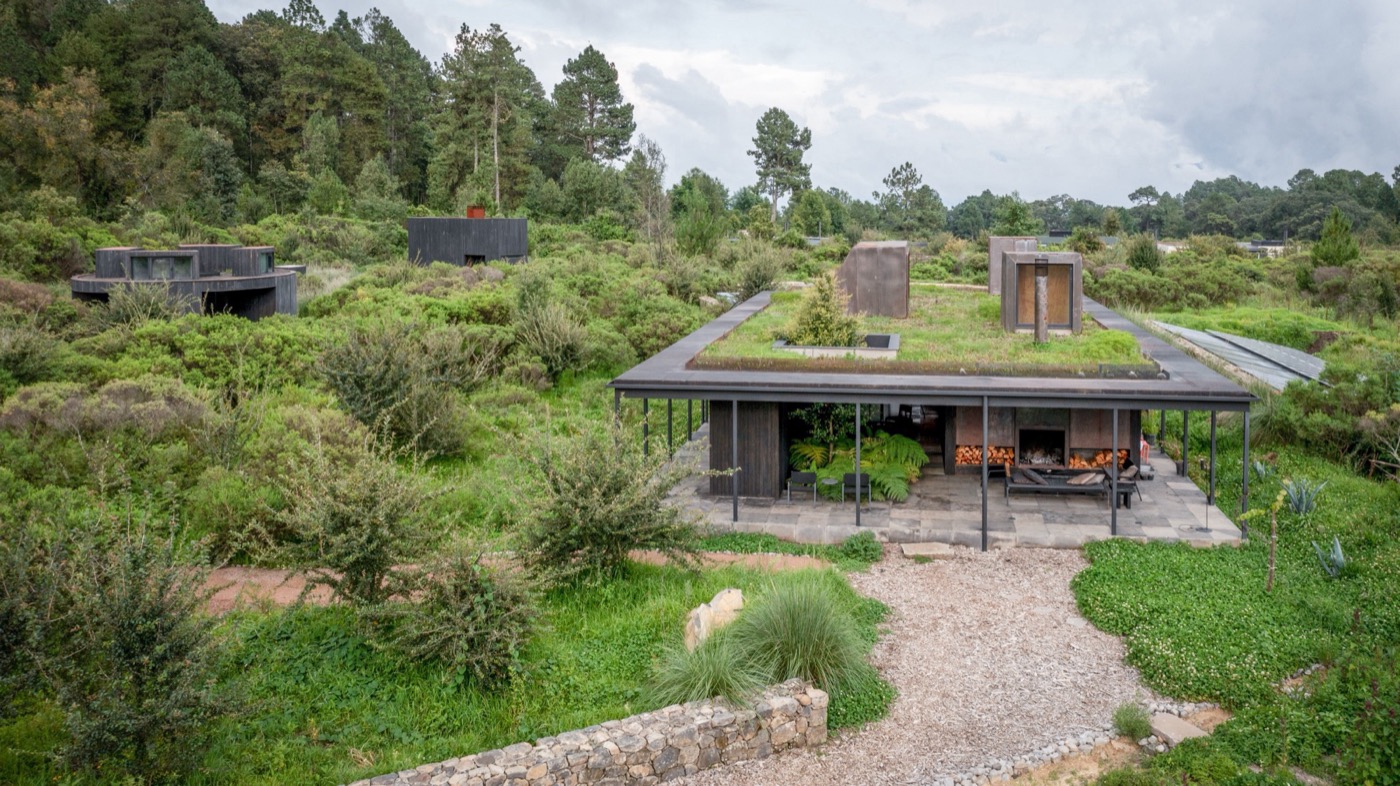
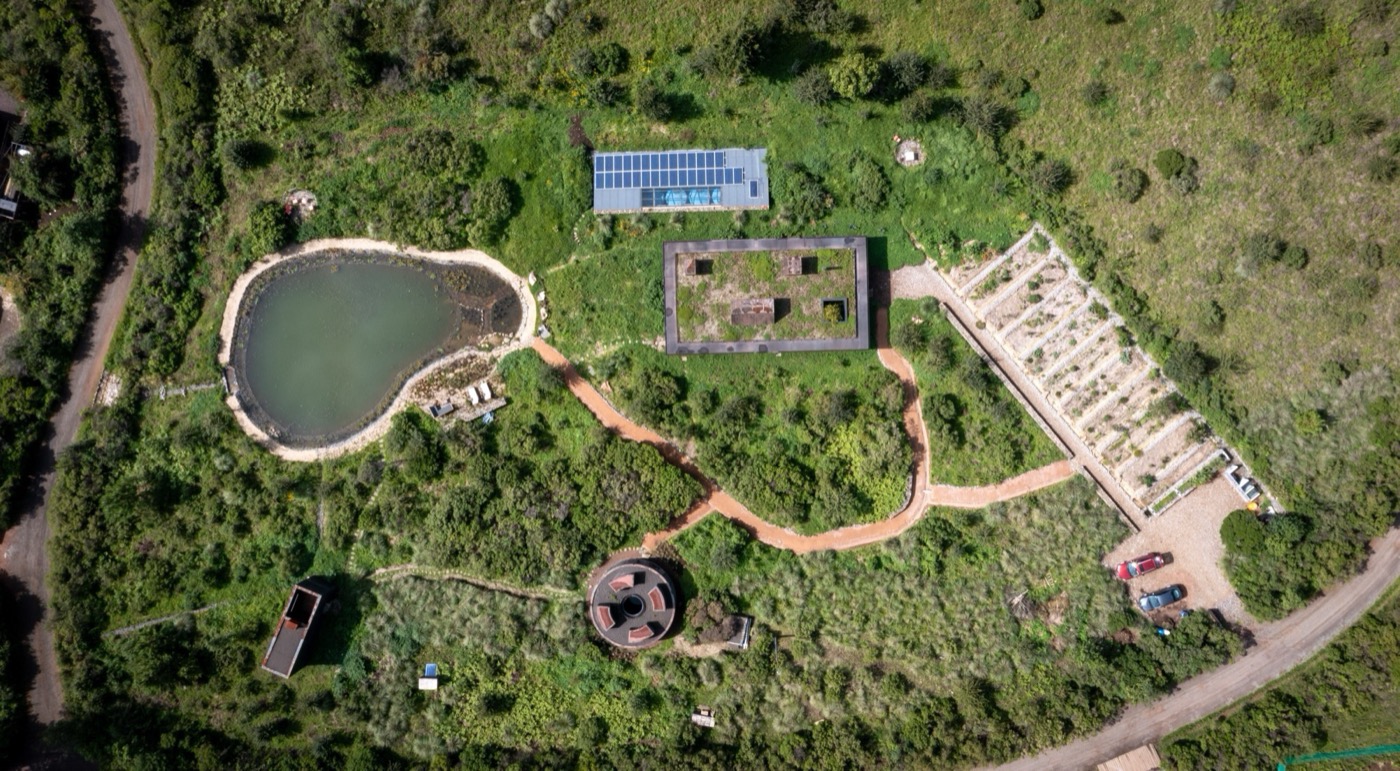
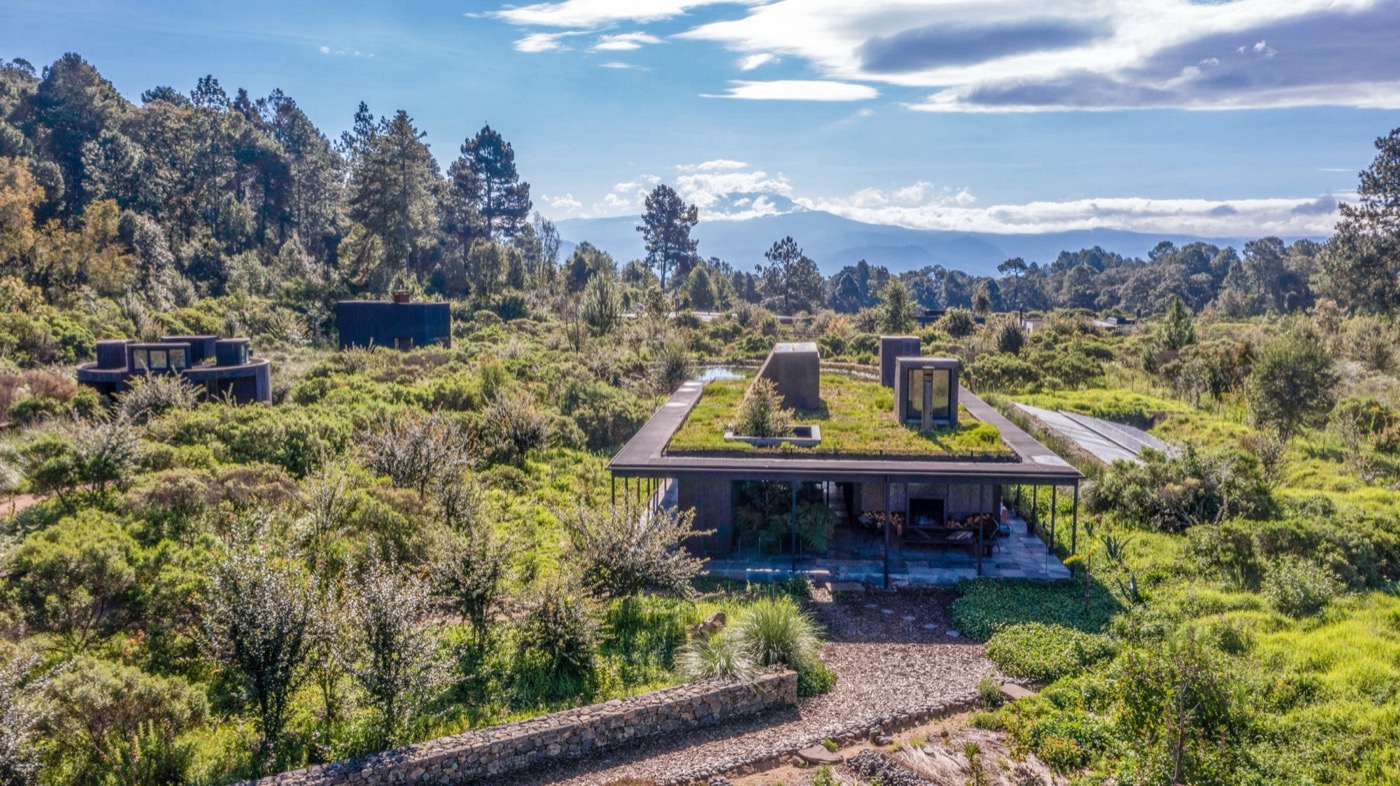
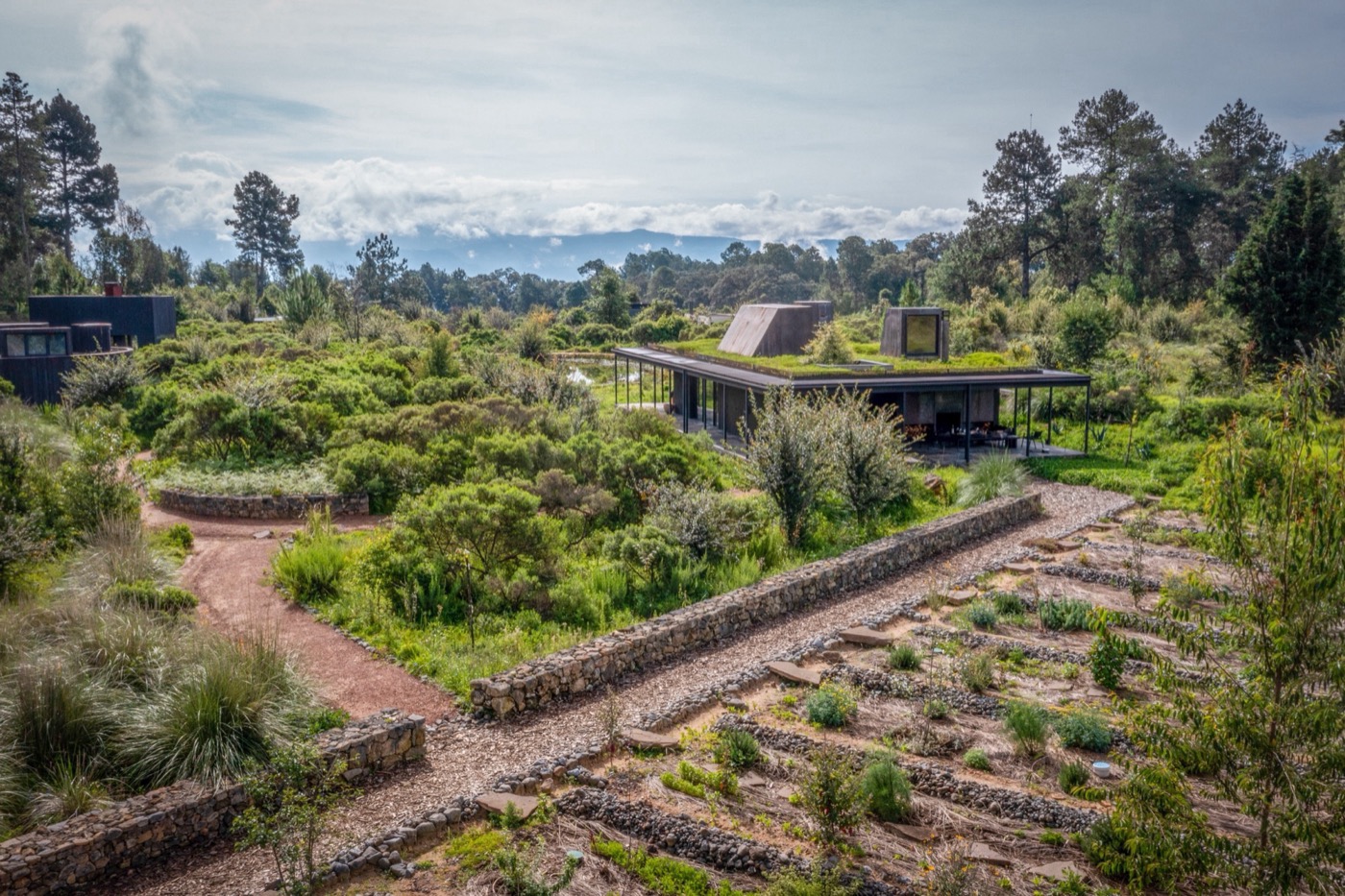
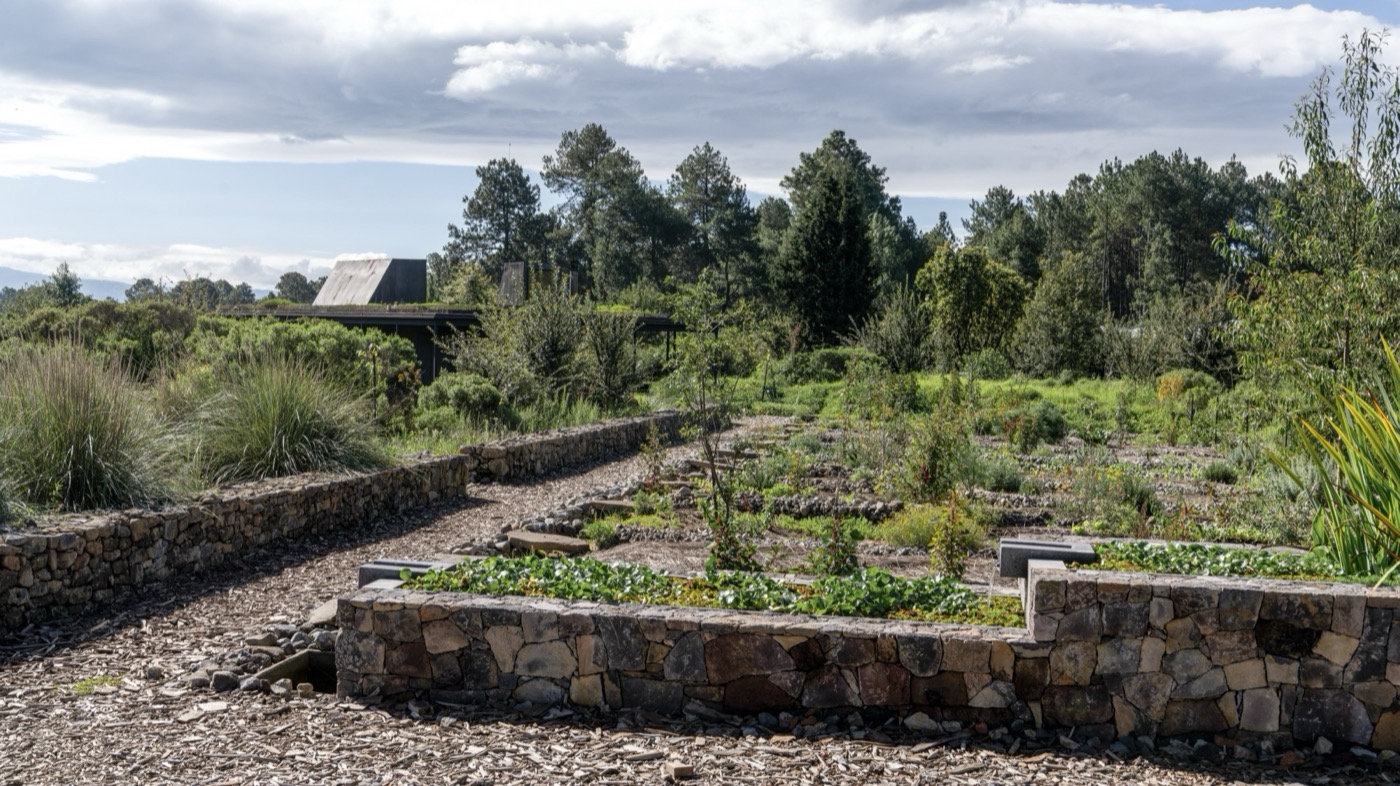
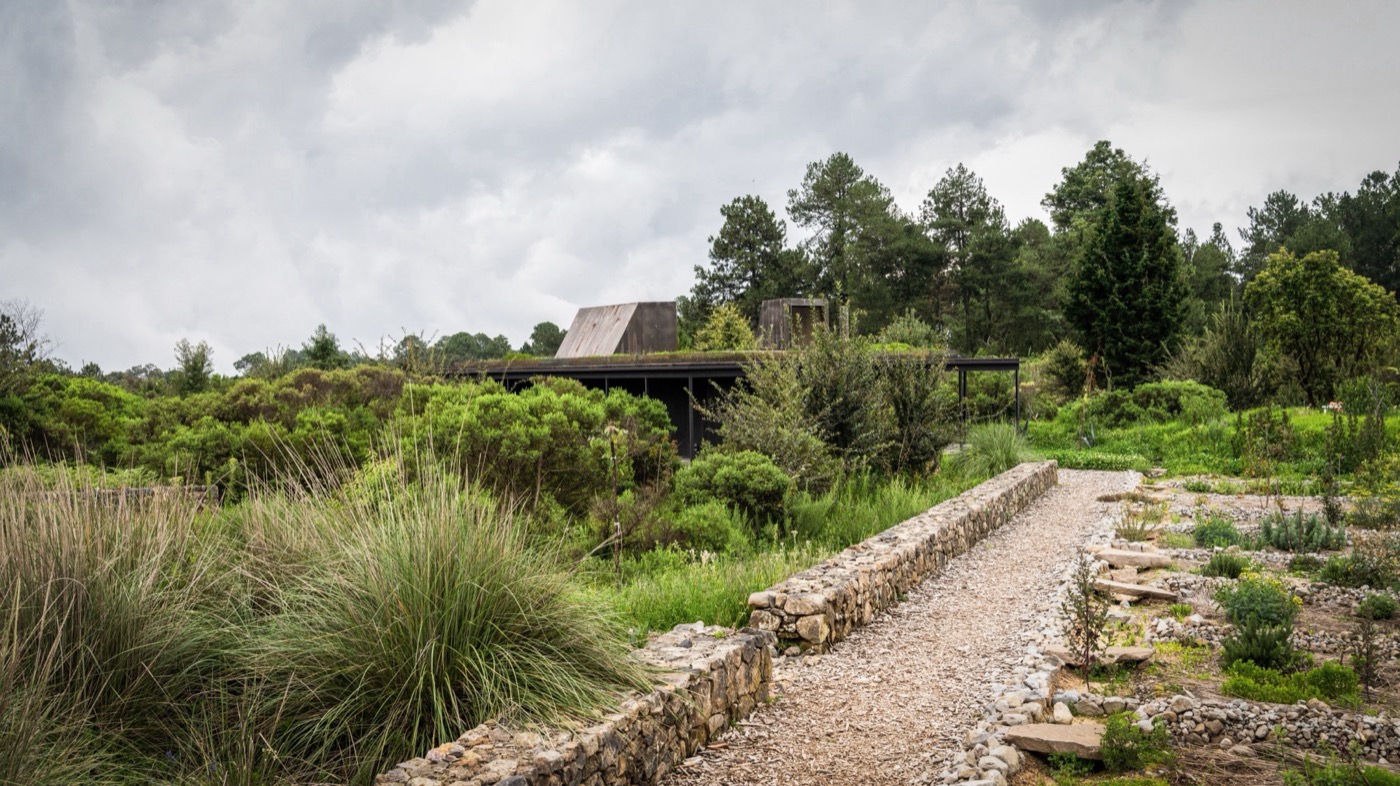
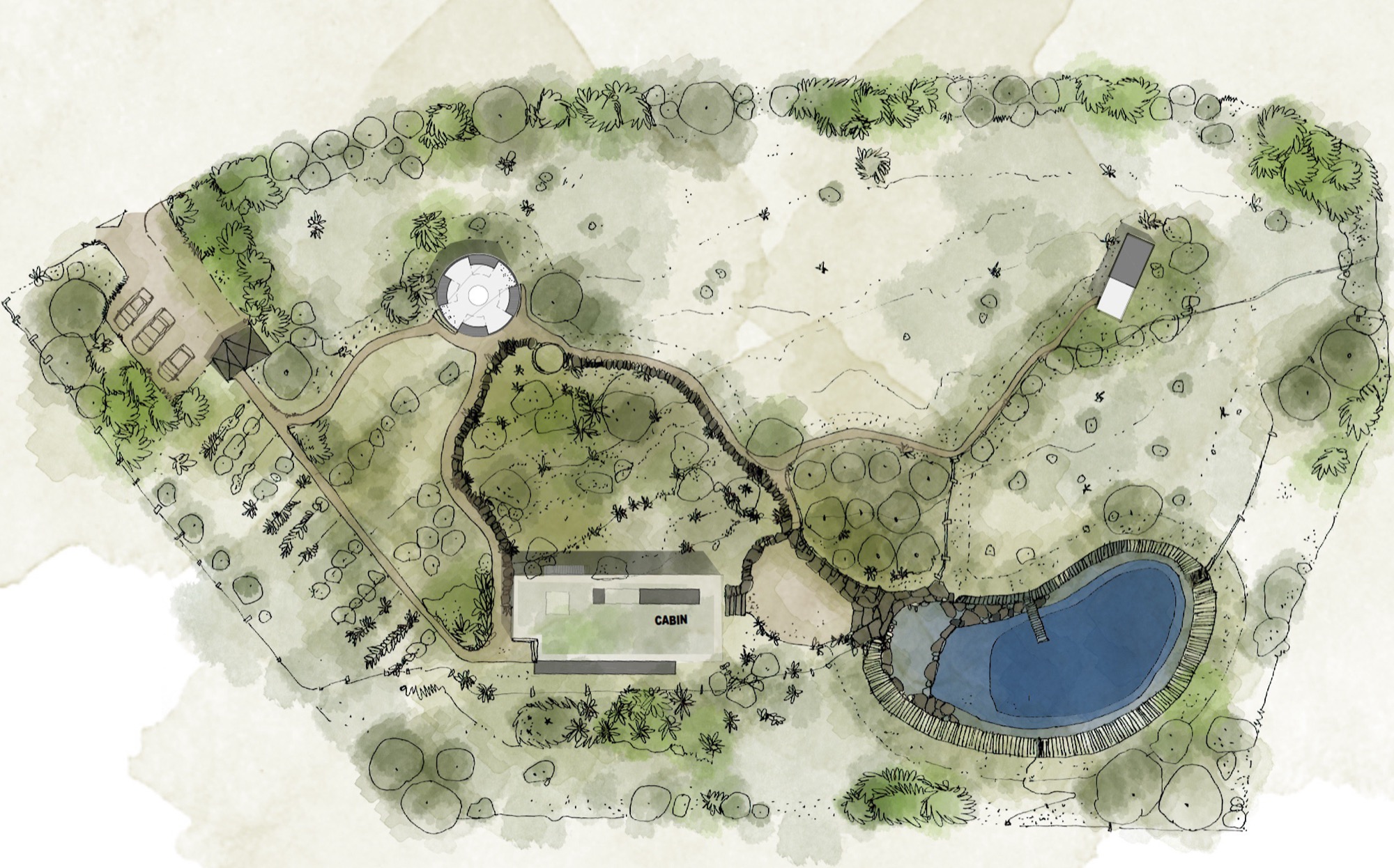
Among the main design decisions, the primary water reservoir was placed at the lowest point of the site, strategically positioned to collect and store runoff. This system is continuously fed by infiltration swales and landscape paths that slow down, direct, and distribute water across the terrain. It becomes a key resource during the dry season, providing water for irrigation when there is no rainfall.
Regarding vegetation, 70% of the site was intentionally left as a regenerative zone, functioning as a source of organic matter. This area was allowed to evolve through natural succession with minimal intervention, in order to restore soil structure and ecological processes over time. The remaining 30% of the site was more intensively designed and intervened, housing buildings, landscape infrastructure, and agricultural production areas. This distribution sought to balance different landscape functions, creating a system in which ecological regeneration, habitation, and production coexist and self-regulate.
The construction yard, originally an open area disturbed by building activity, was transformed into a regenerative laboratory for food production. Leftover construction materials were carefully reorganized to create small landscape structures that slow water flow and reduce soil erosion. In this space, a successional agroforestry system was designed and implemented, focused on producing vegetables for family consumption.
Over the past five years, since the first intervention on the site, it has become evident that the water design has accelerated the evolution of the living system. With each rainy season, the plain transforms into an increasingly diverse meadow, where water can fully express itself in the landscape, encouraging greater plant abundance and allowing the land to gradually return to the forest it once was. Starting from highly degraded soil conditions, the combination of water management, tree planting, and the passage of time has enabled the gradual formation of more fertile soils, capable of sustaining complex and abundant life without the need for external inputs.
The “Casa Cosecha de Lluvia” project allowed its creators to adopt a more holistic vision, giving rise to the Cosecha de Agua studio formed by Helene Carlo and María de la Mora.
https://maps.app.goo.gl/gNpNrvpokh2YUUQY7
76503


LILA 2026 Sponsor