Danan Forest Park
pwb.tycg.gov.tw/ + www.tycg.gov.tw/
2026 Landscape and Architecture / 2026 Public Projects / Taiwan / Built in 2024 /

Danan Forest Park, located in Bade District, Taoyuan City in northern Taiwan, spans 16.6 hectares and is the largest urban green space in the city. Originally the Longteng Military Camp of the 302nd Army Division, it was later taken over by a special police force and remained completely closed to the public for over 70 years as a military training base. Following the military’s withdrawal in 2017, the site was initially planned for social housing development. However, the discovery of four Black-naped Orioles—a Class II protected species in Taiwan—during an ecological survey became a turning point. This led the city government to shift its vision, placing ecology and restoration at the core of the project. Guided by the principles of coexistence, nature-based experience, and community engagement, the project seeks to transform a formerly restricted military site into a dynamic landscape where people and nature can interact, unlocking new possibilities for the land.
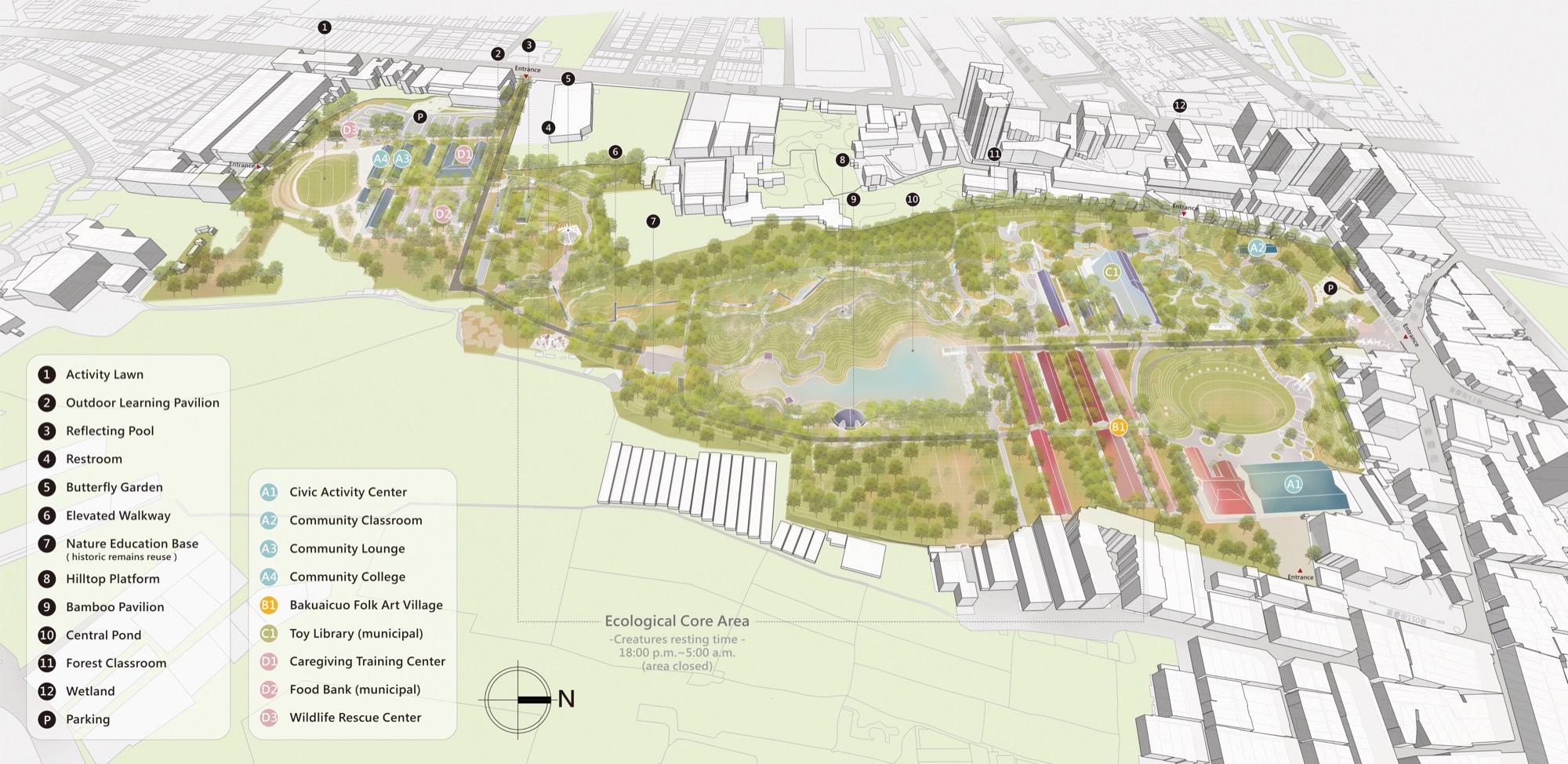
From the early planning stage, Low Impact Development (LID) strategies were adopted, integrating green infrastructure and nature-based solutions to mitigate the impacts of climate change on the urban environment. To enhance stormwater resilience, low-disturbance construction methods were employed to remove the concrete hardscape surfaces from the former military training grounds and redesign the space accordingly. Nearby water sources were introduced to form a detention system centered on a main ecological pond. Through underground pipelines and distributed storage and drainage facilities, water levels across different retention zones within the park are effectively balanced.
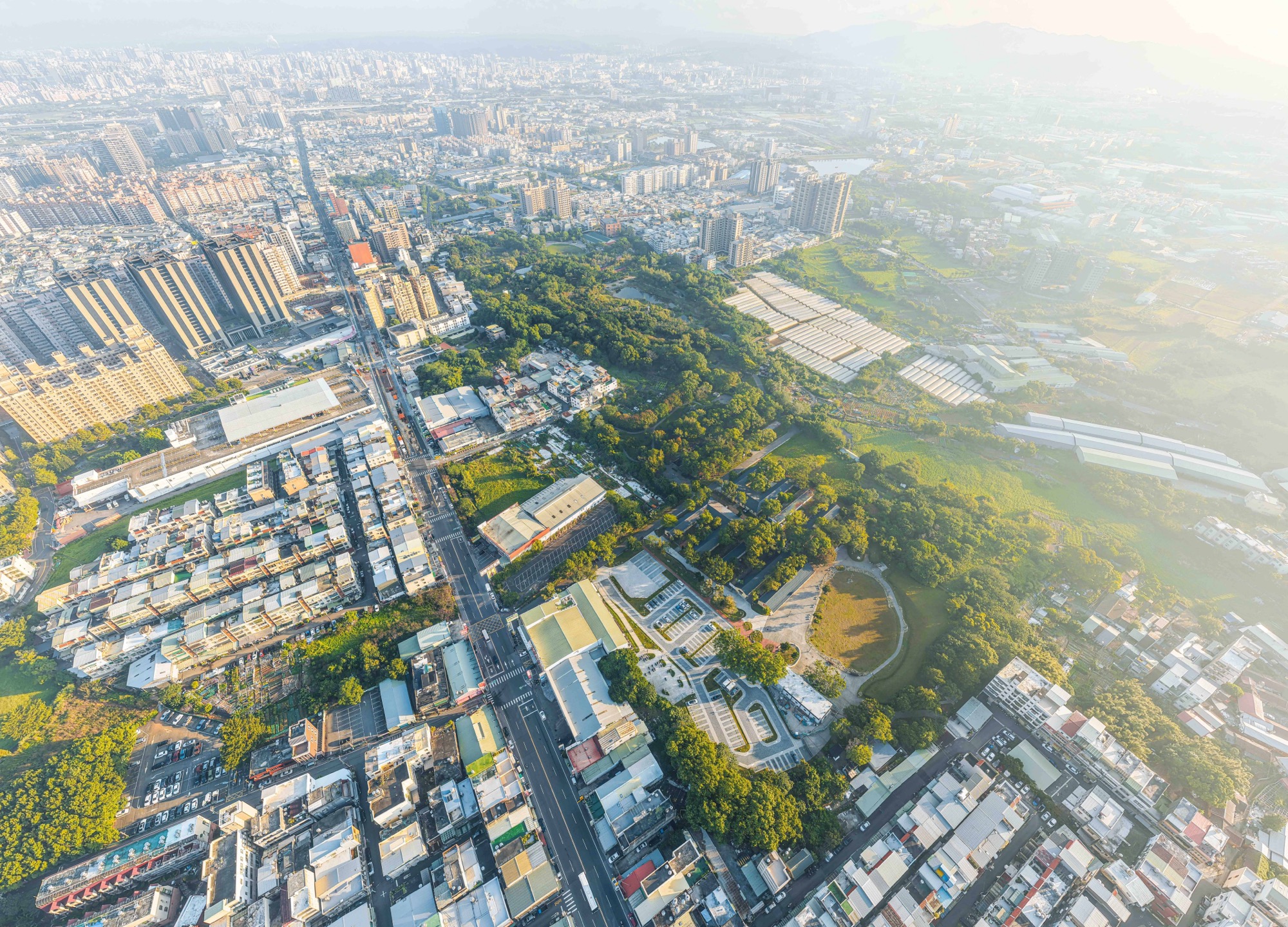
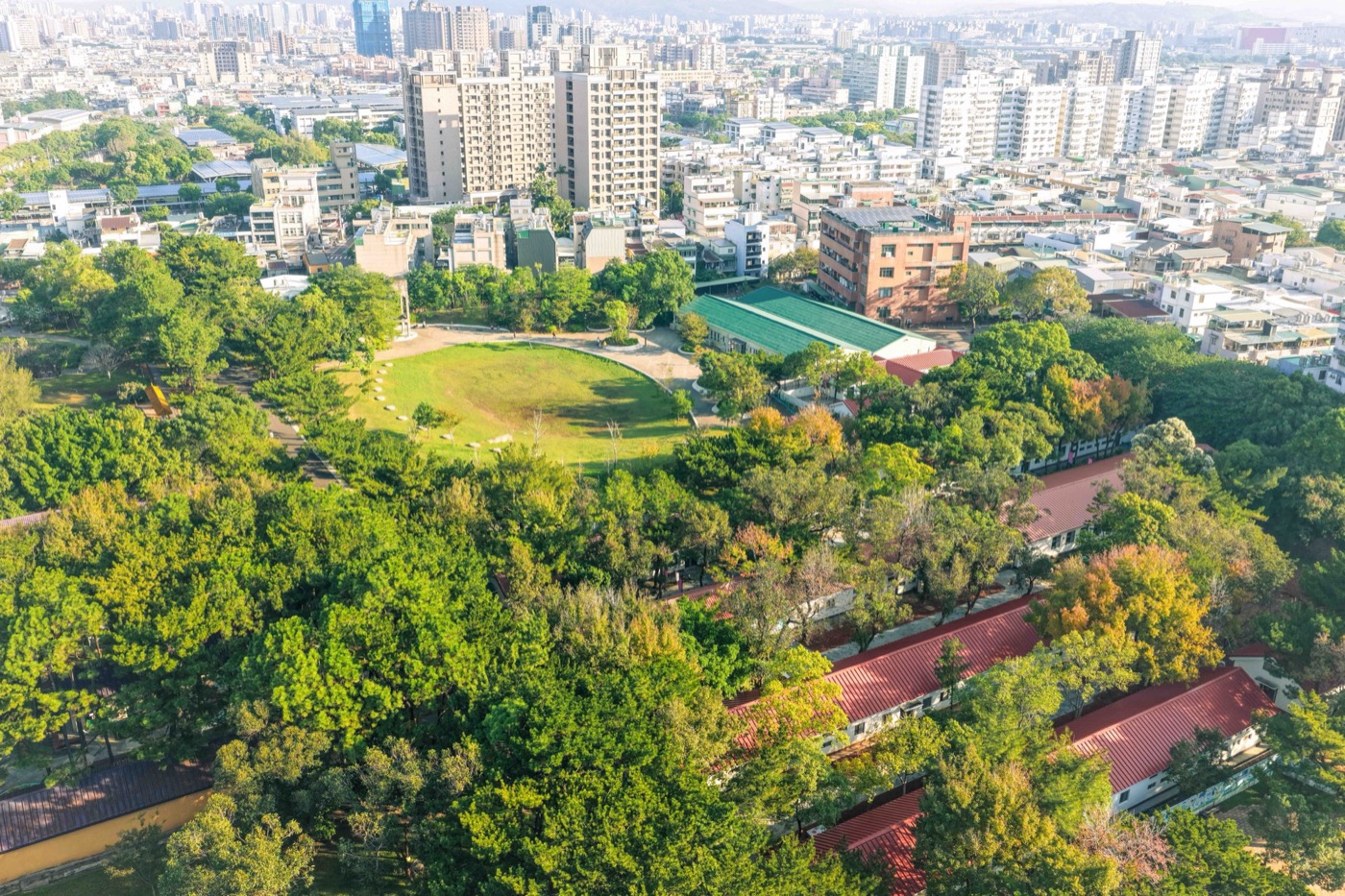
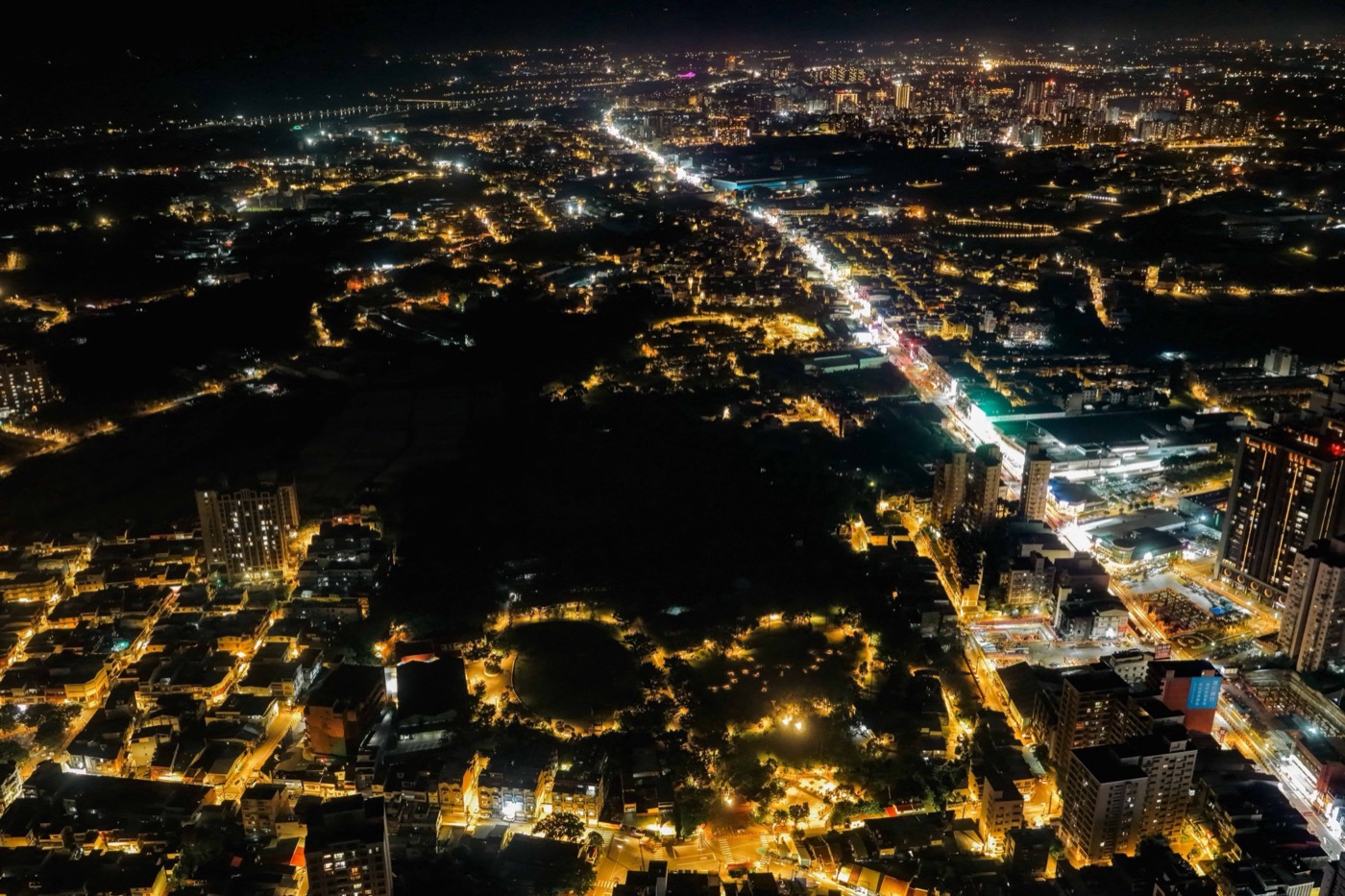
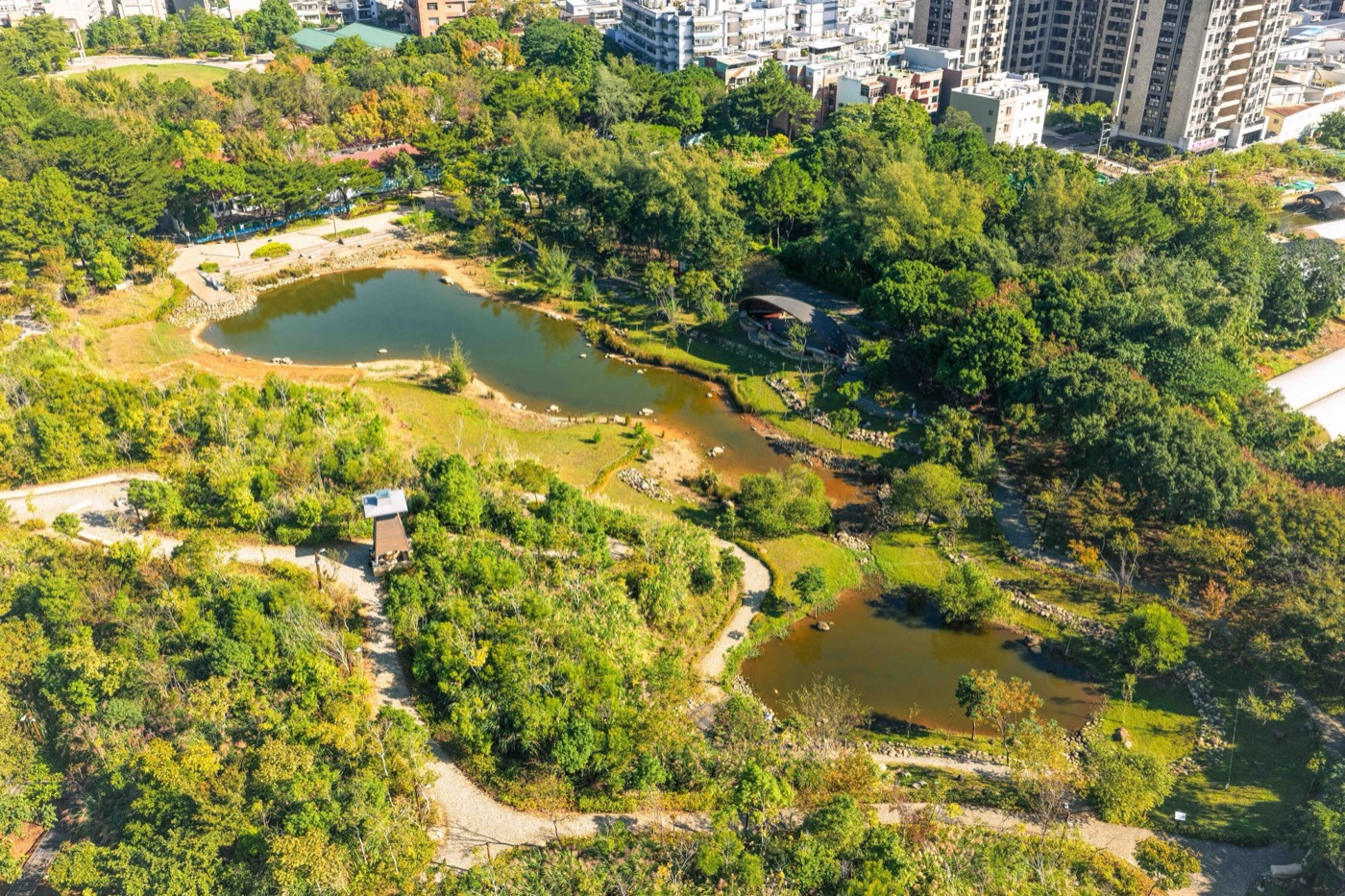
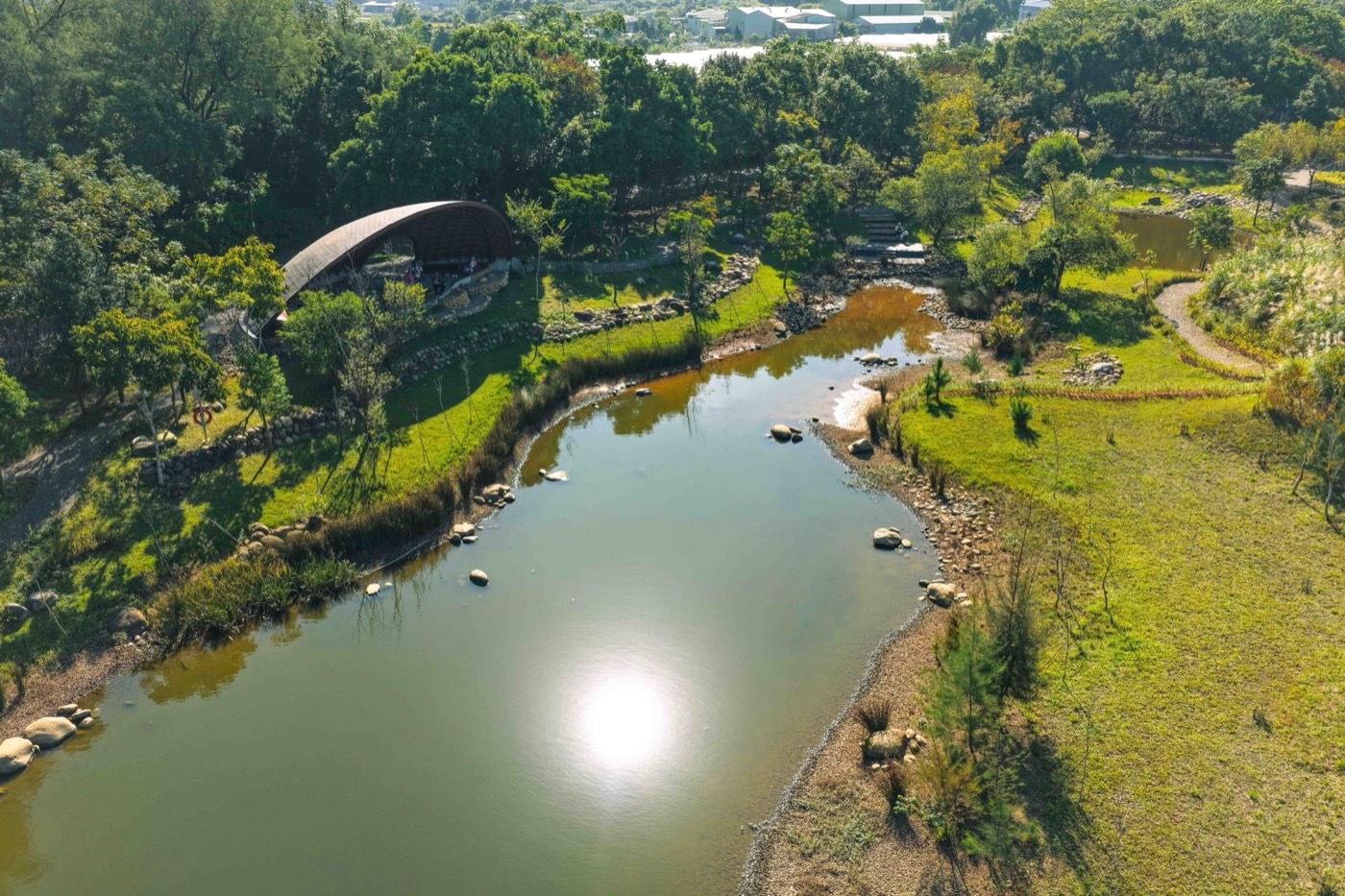
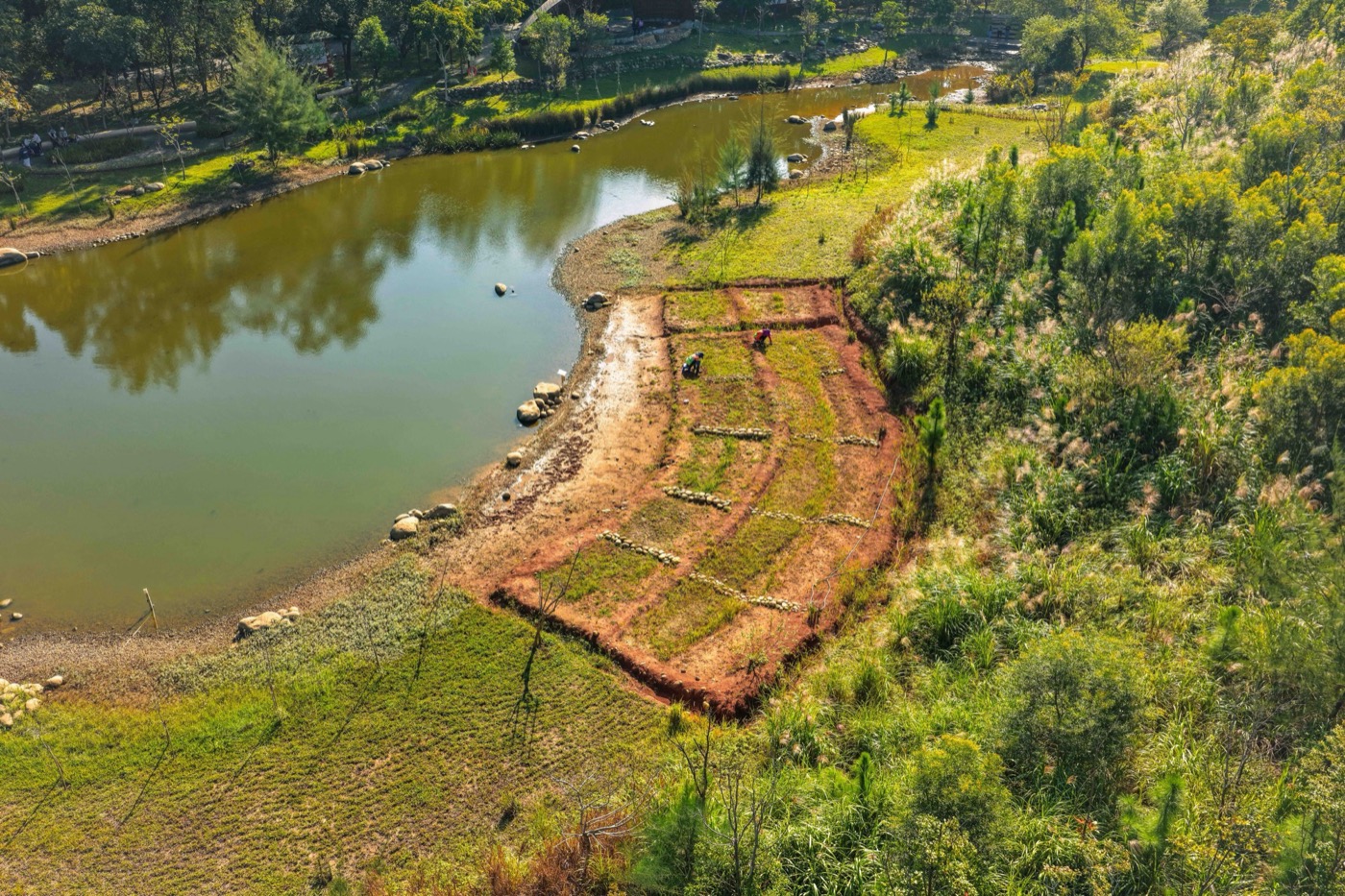
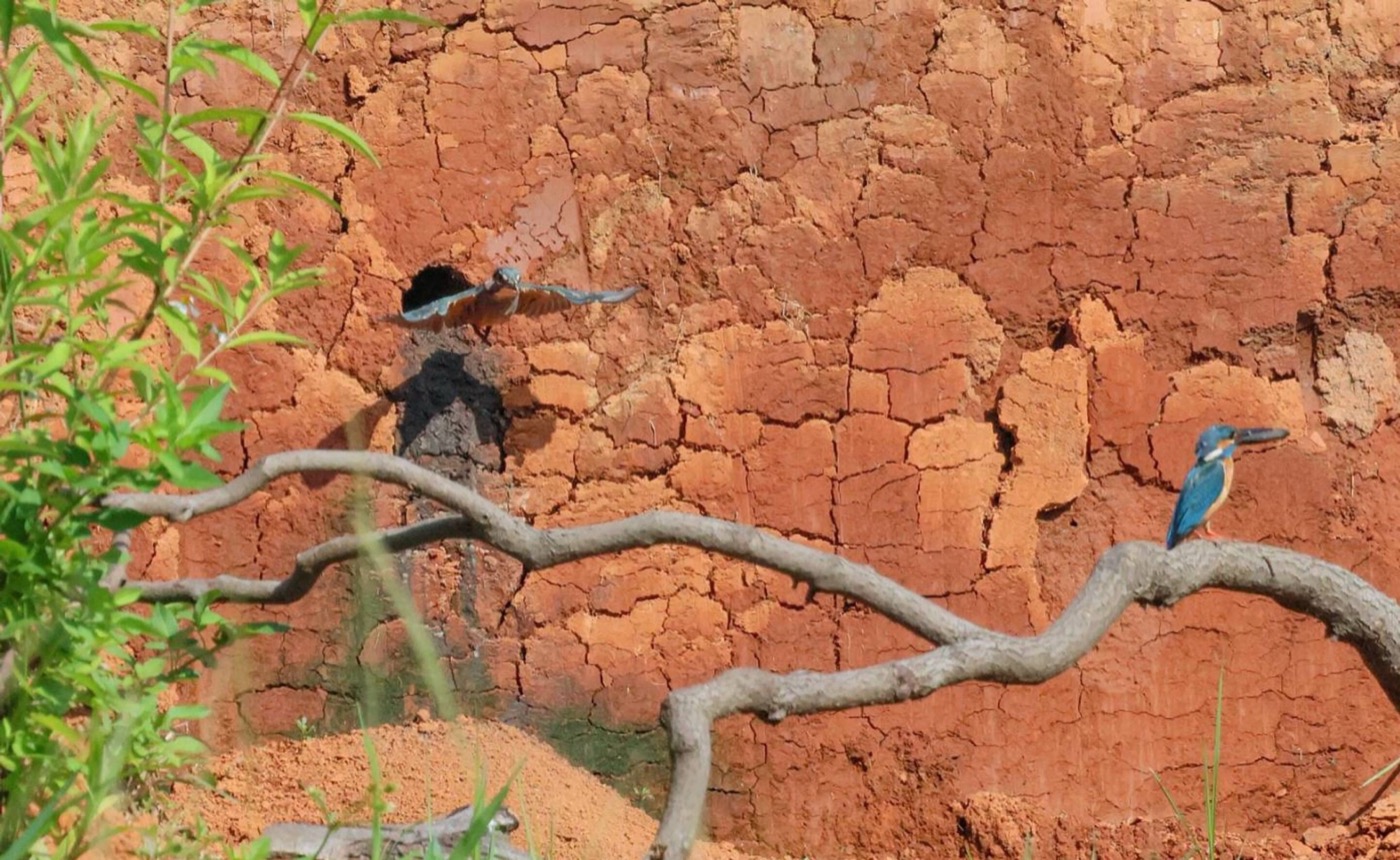
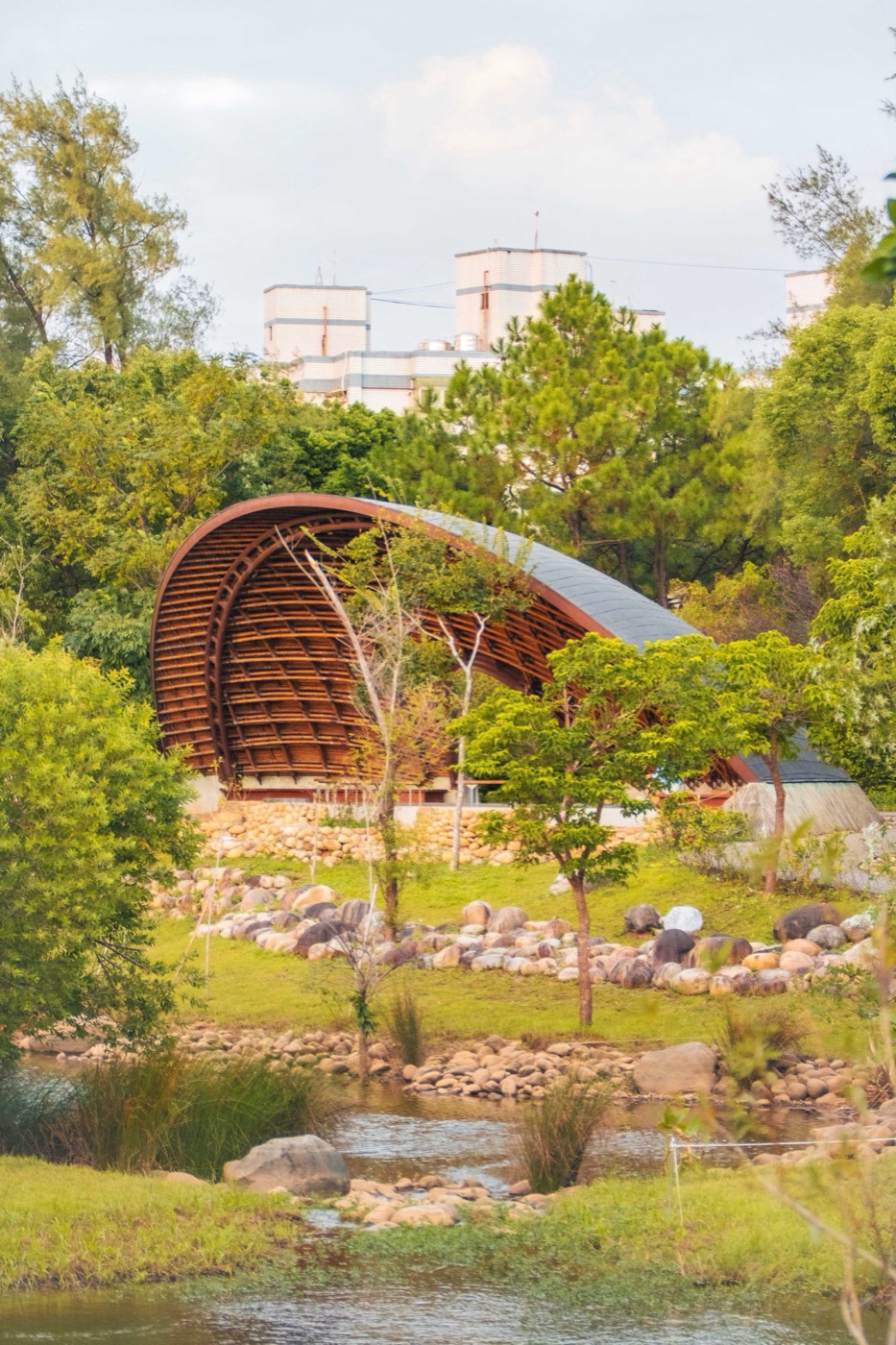
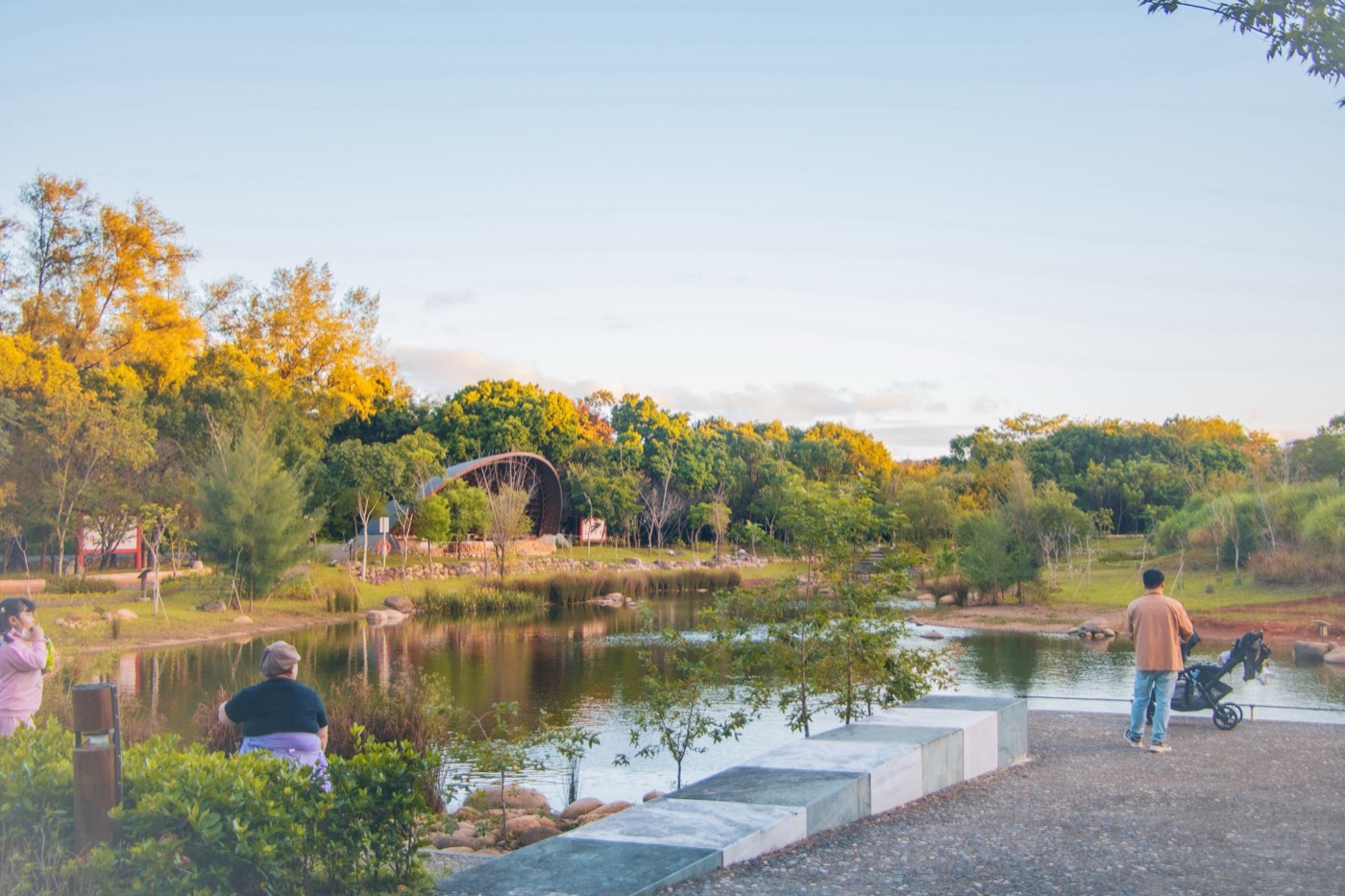
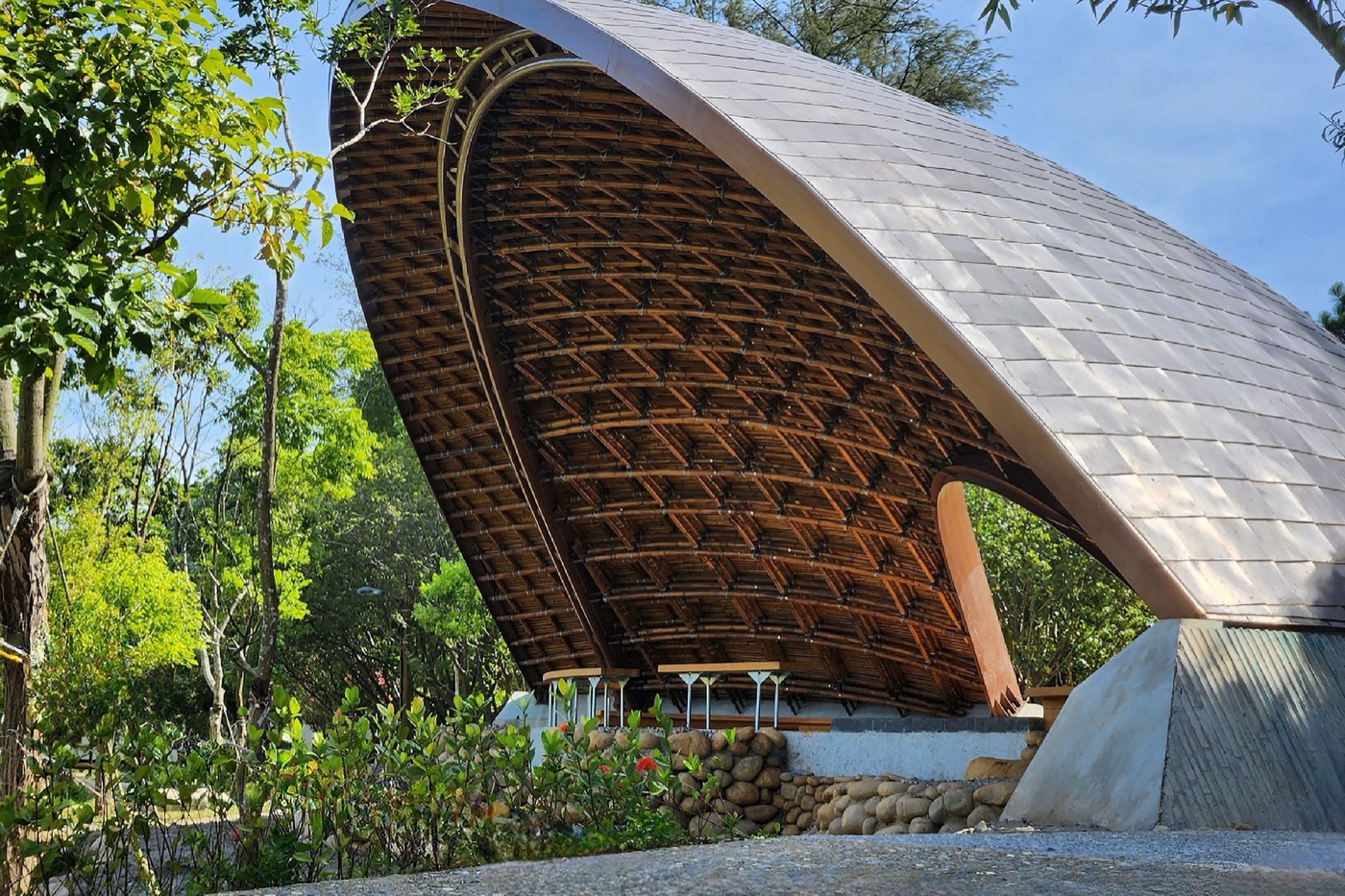
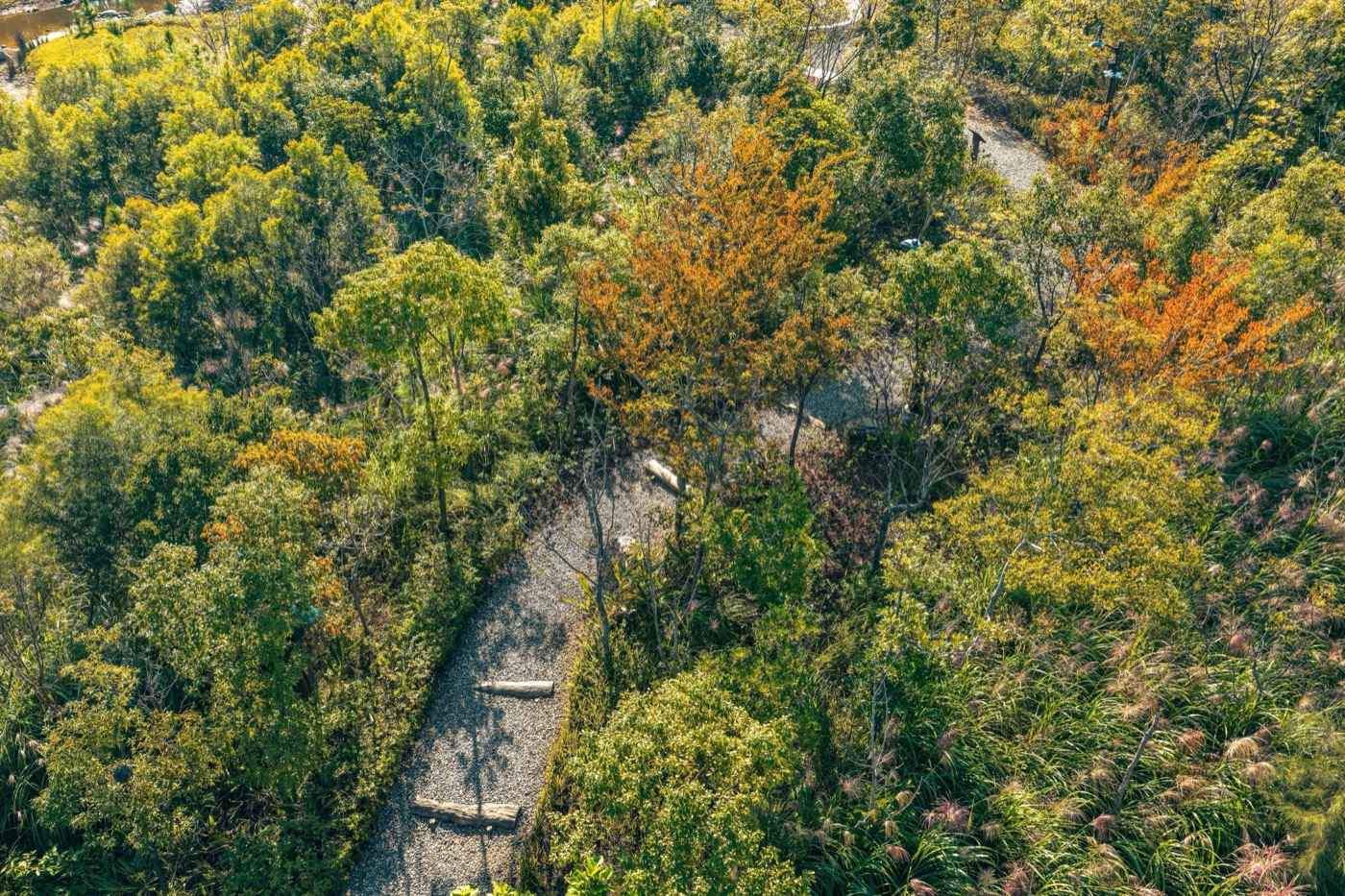
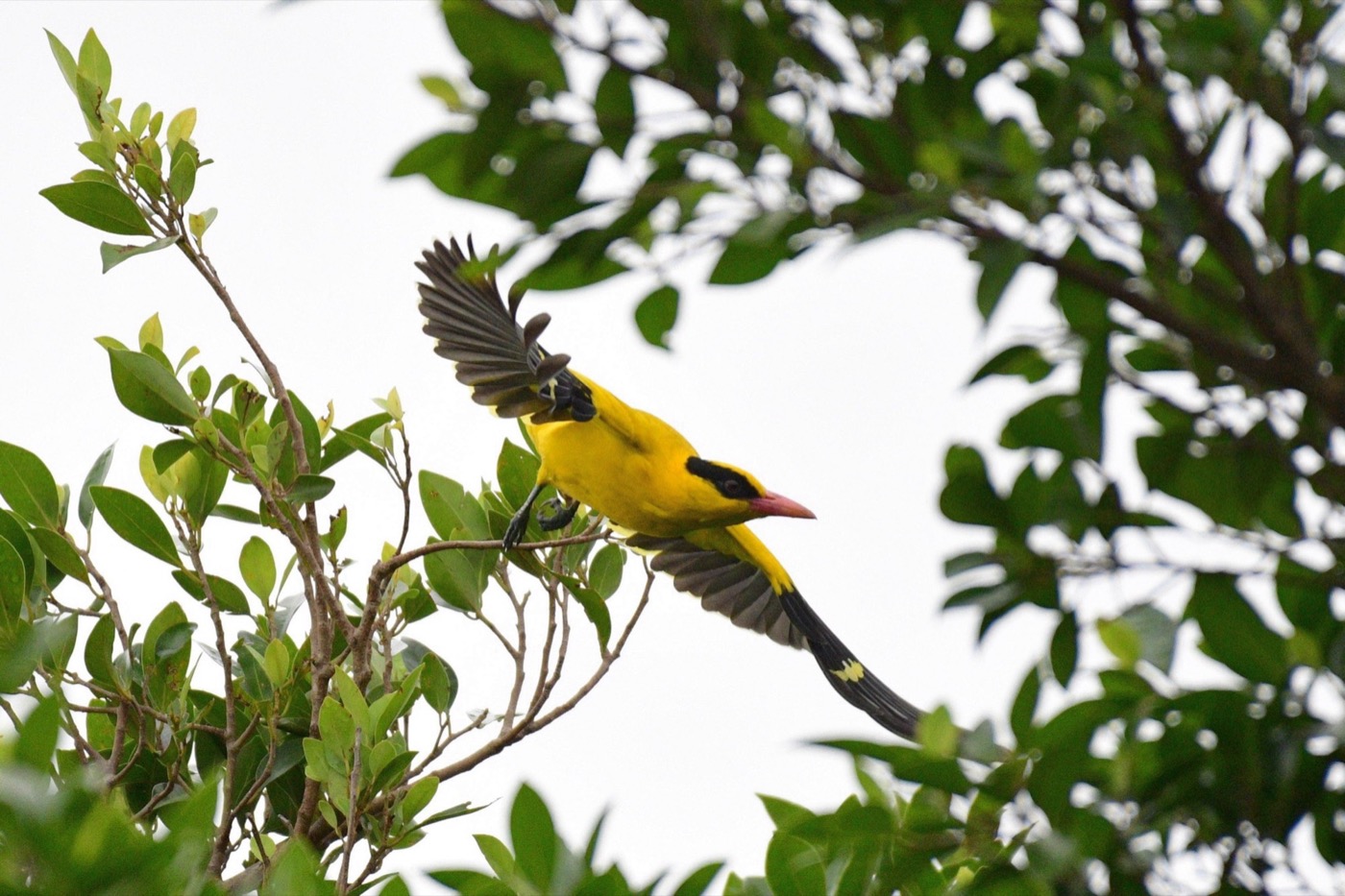
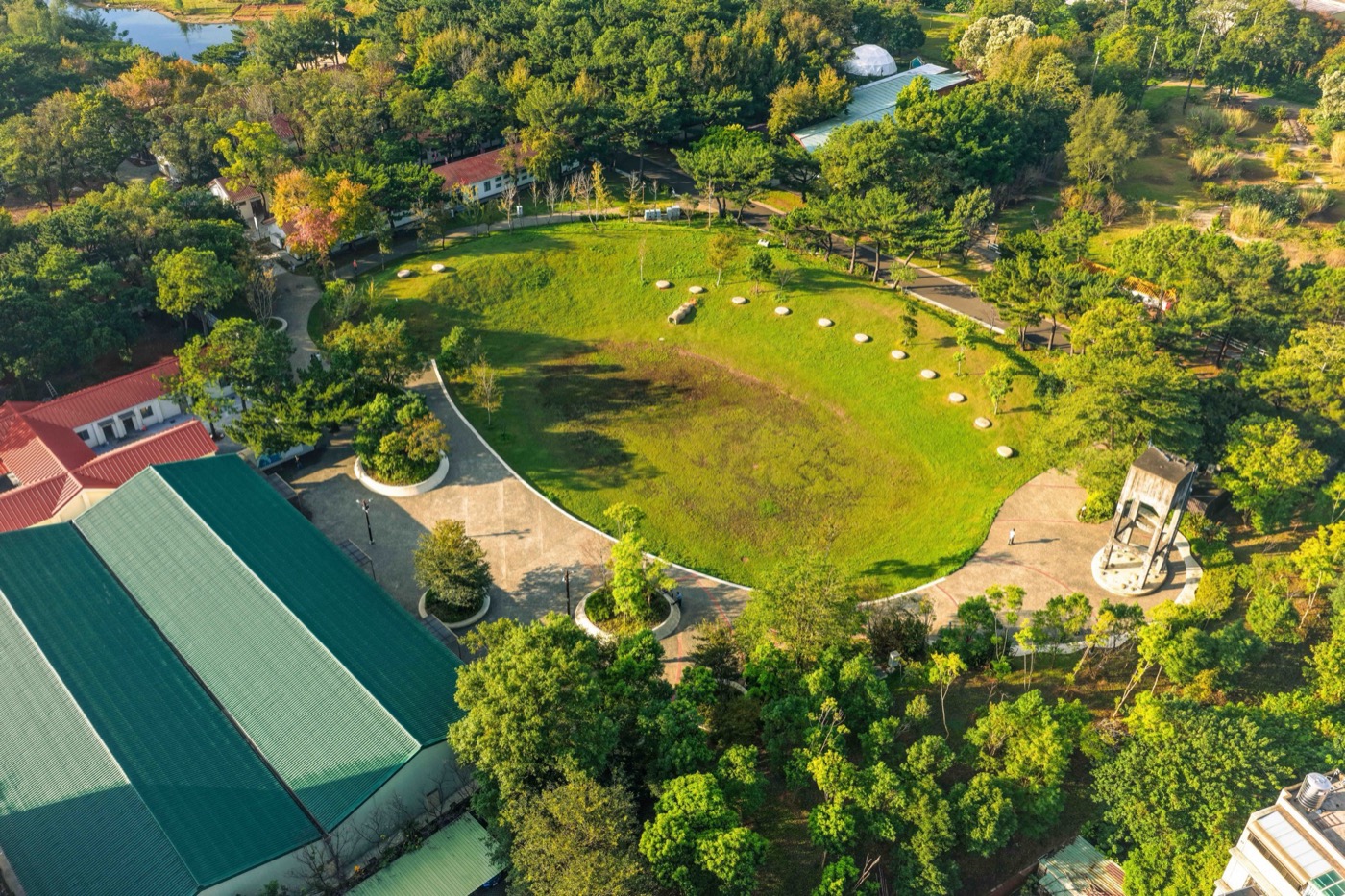
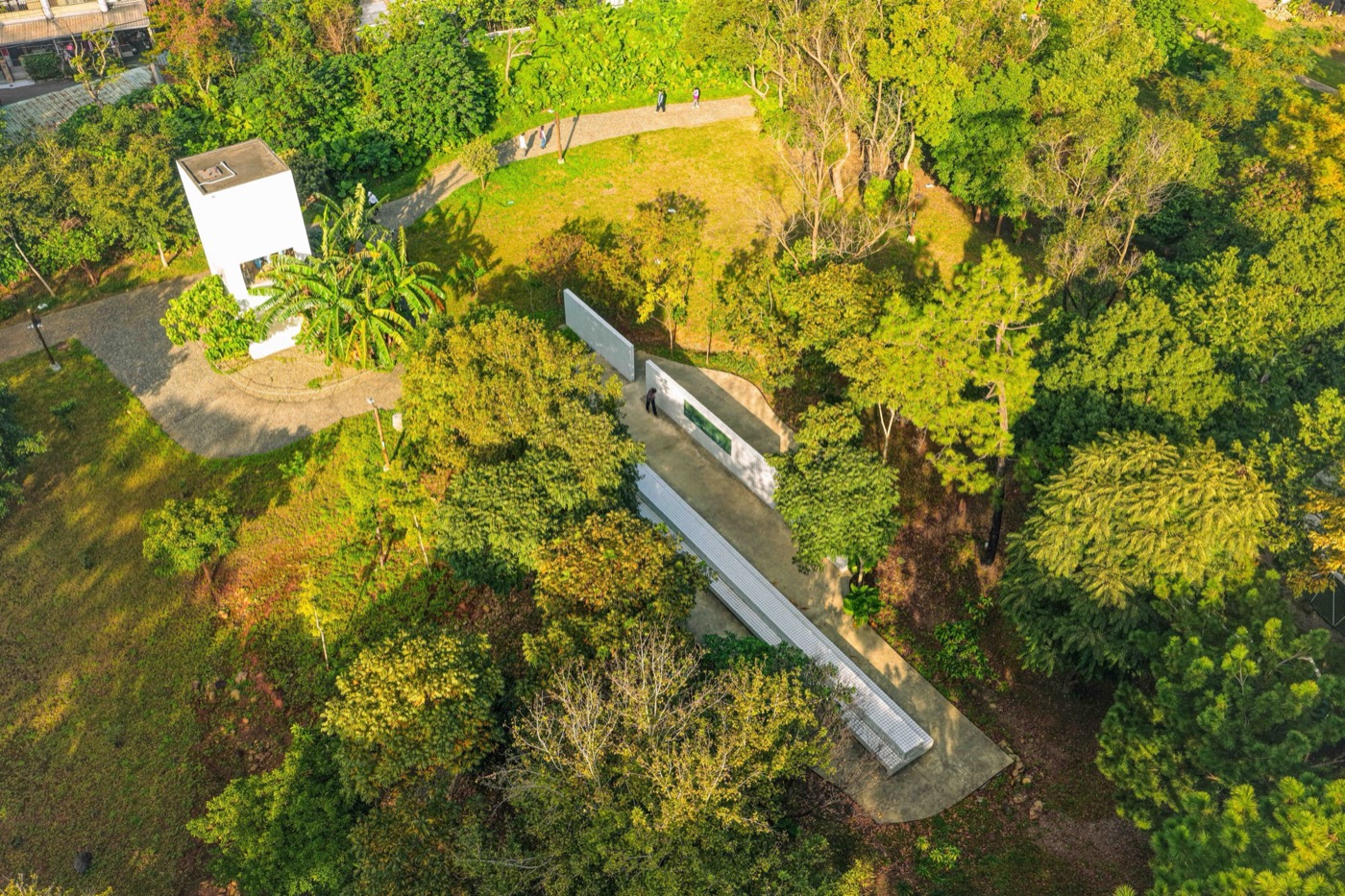
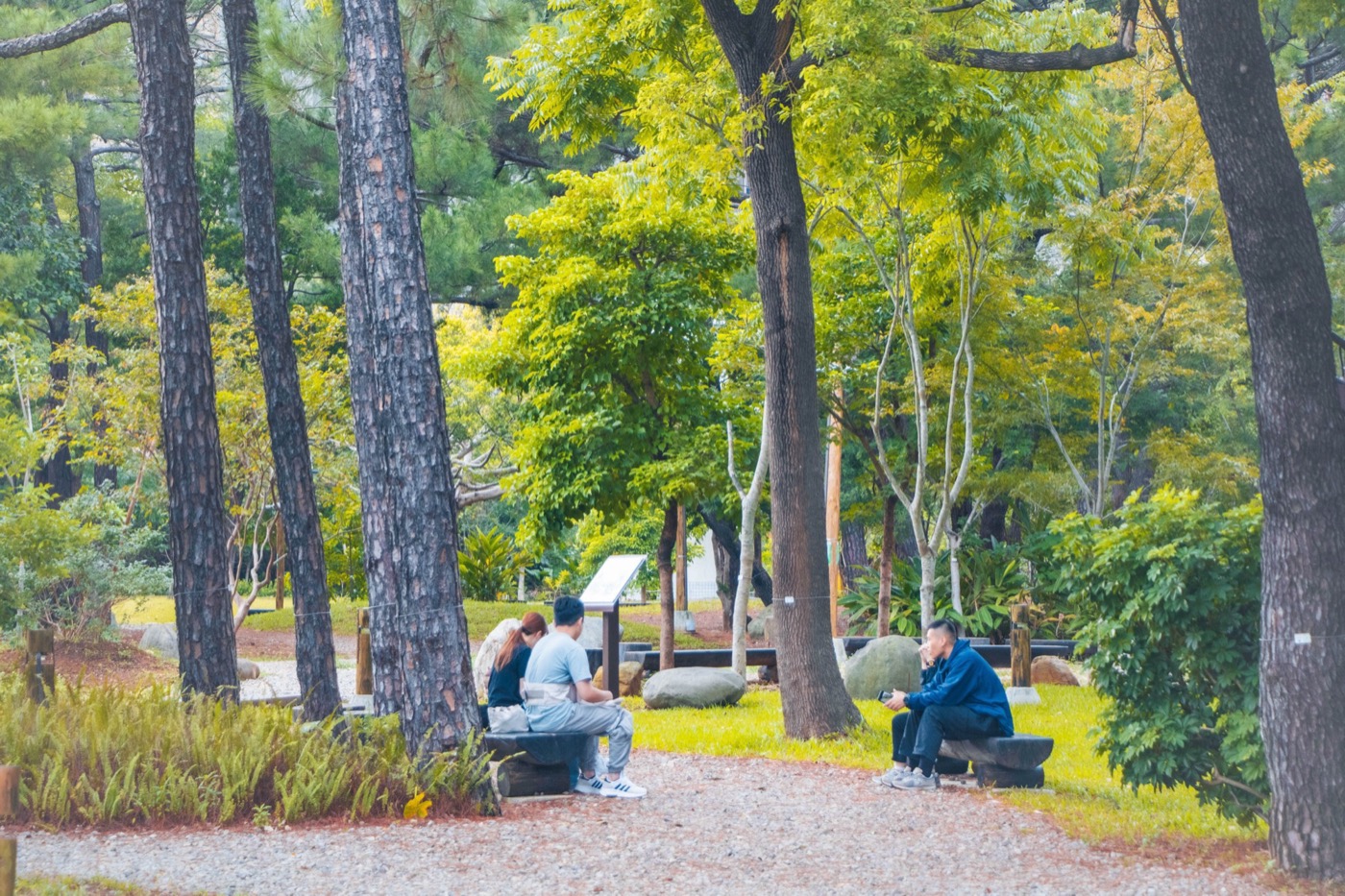
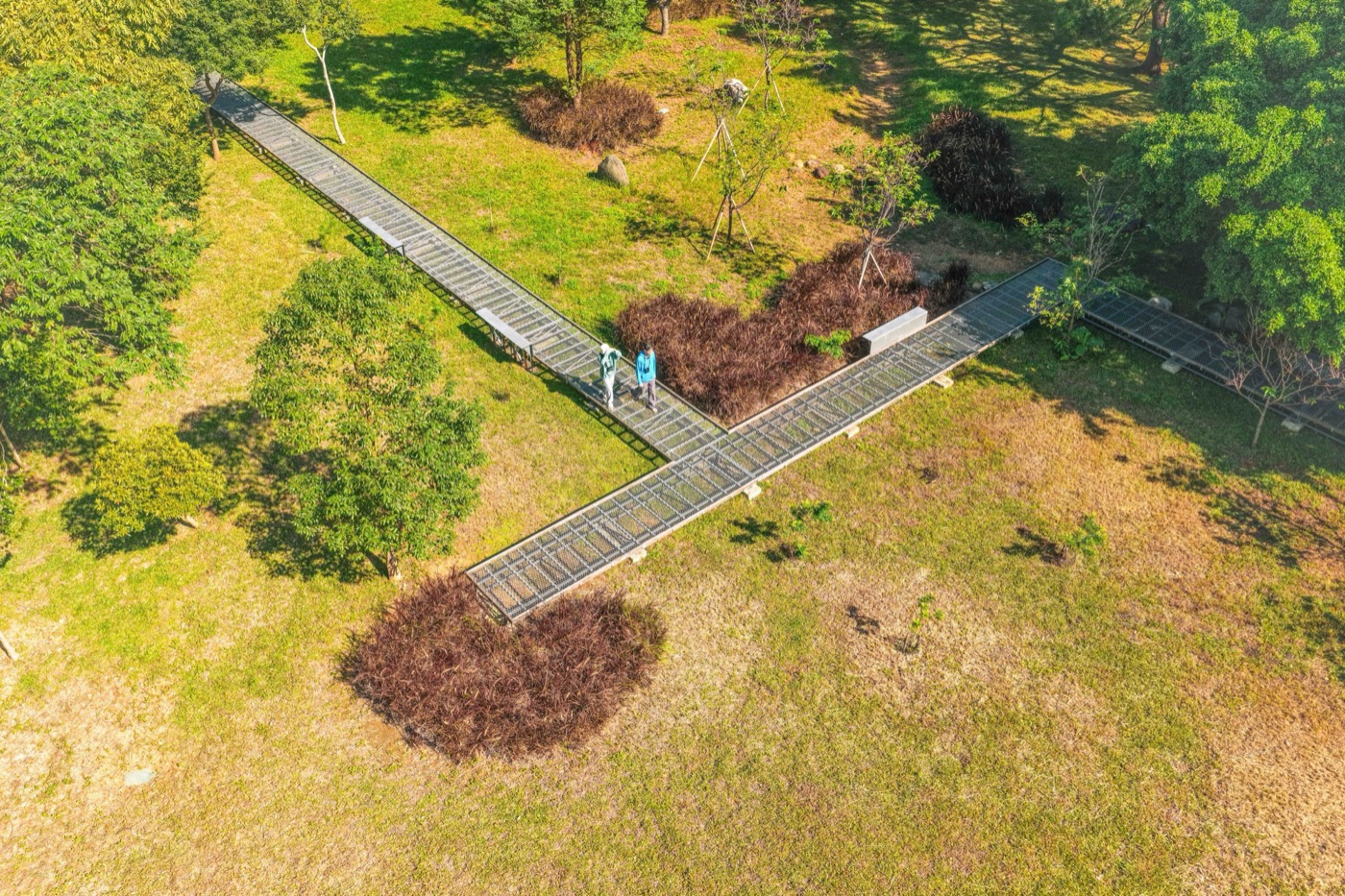
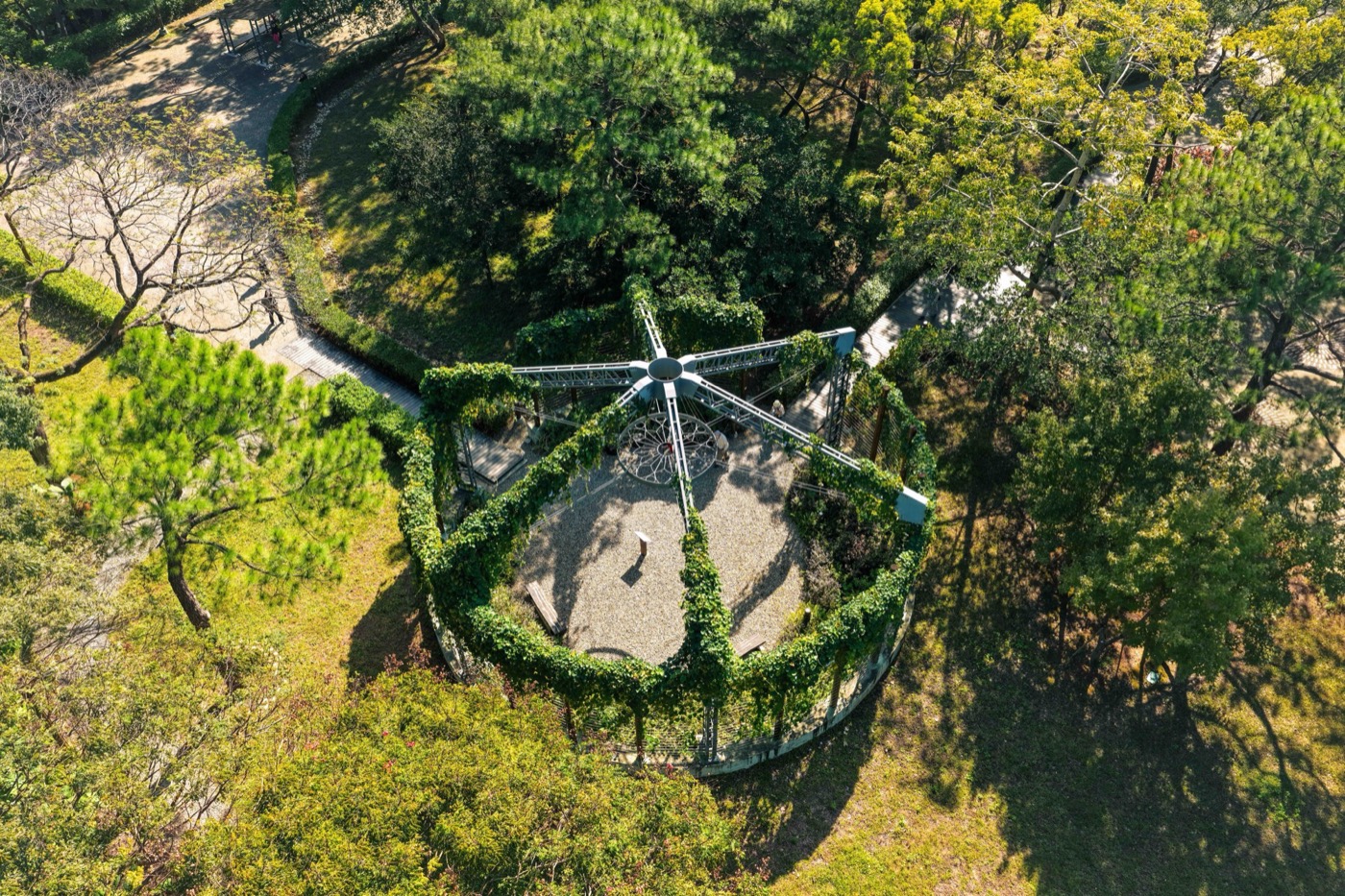
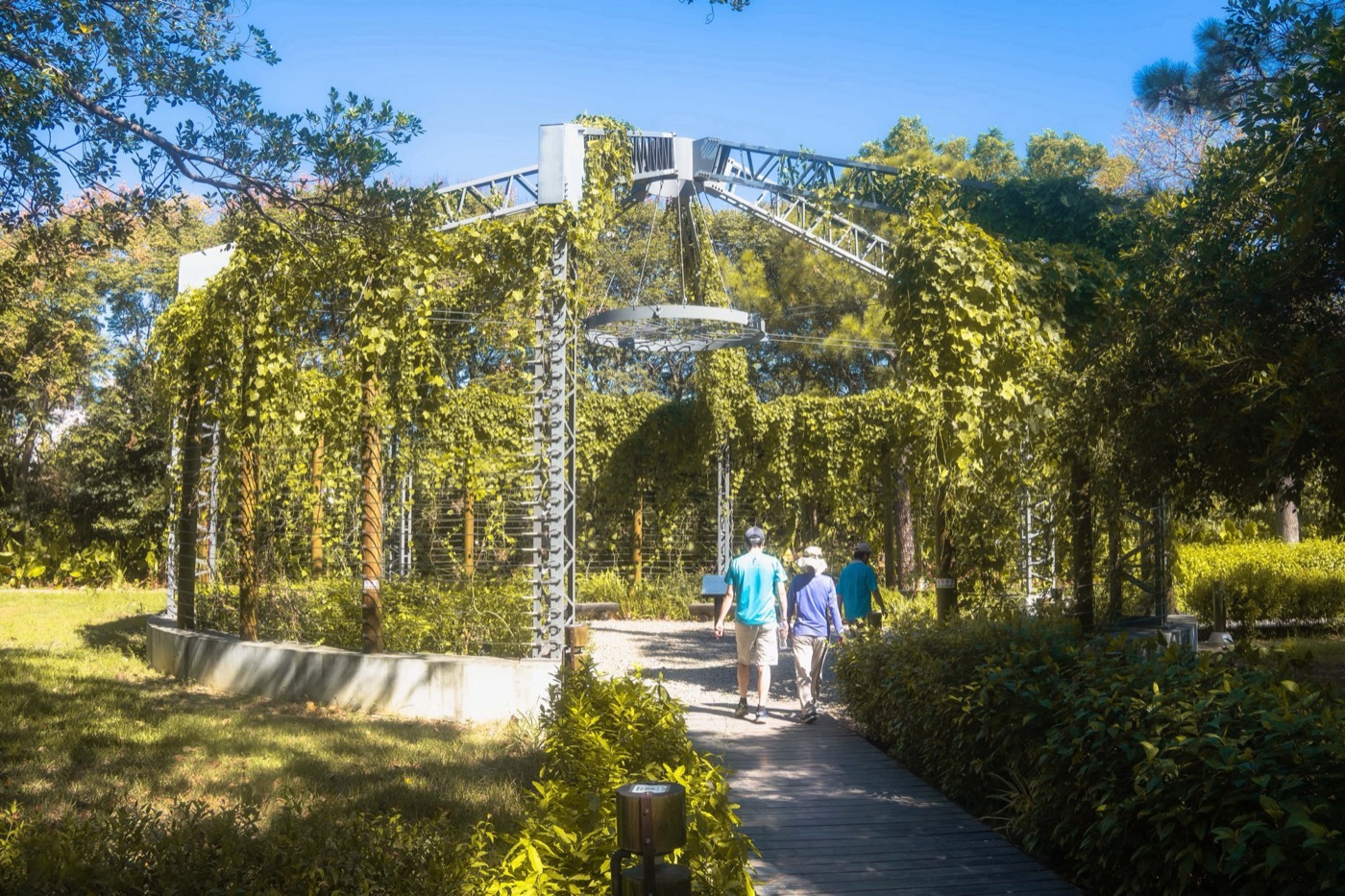
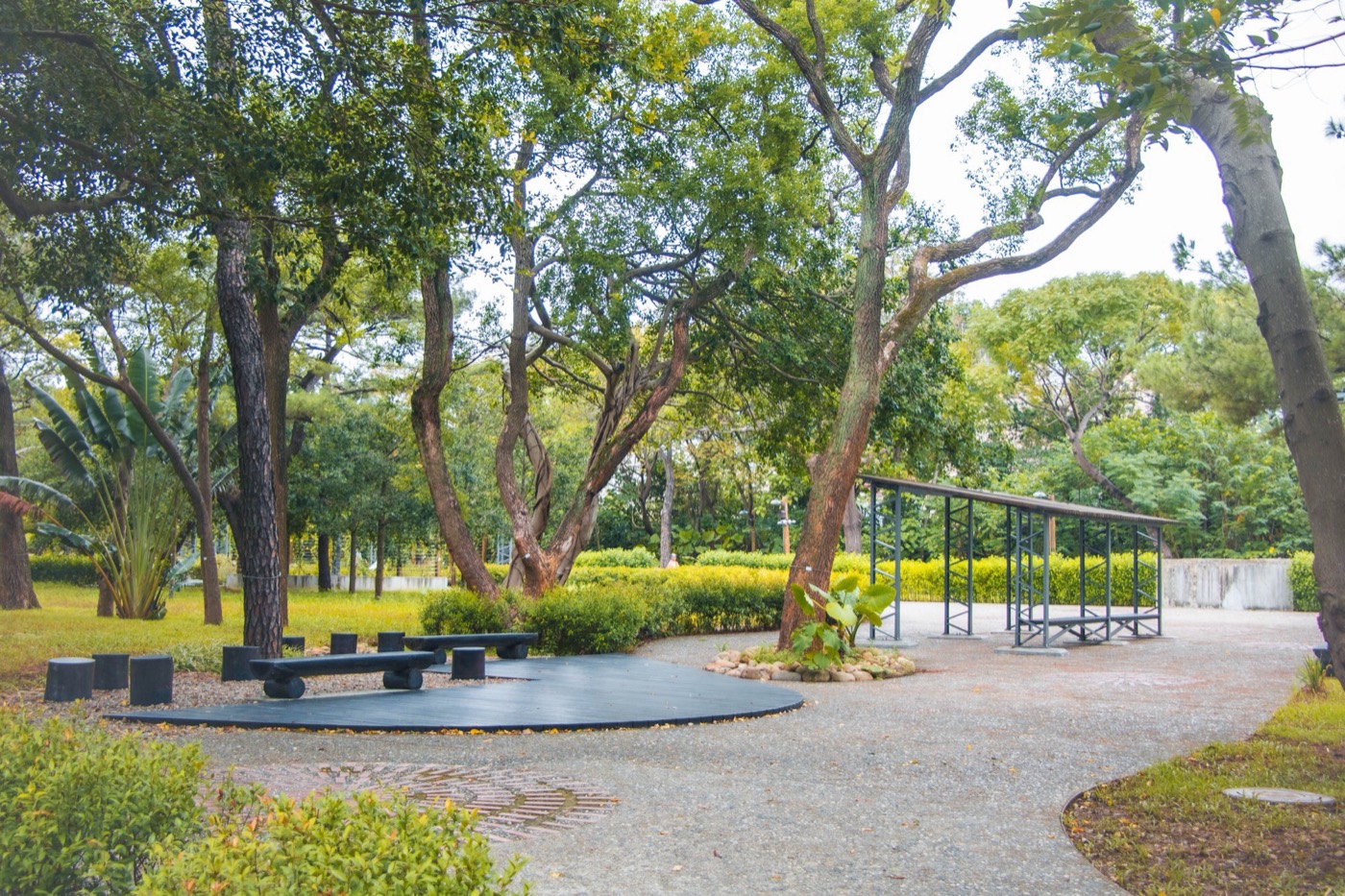
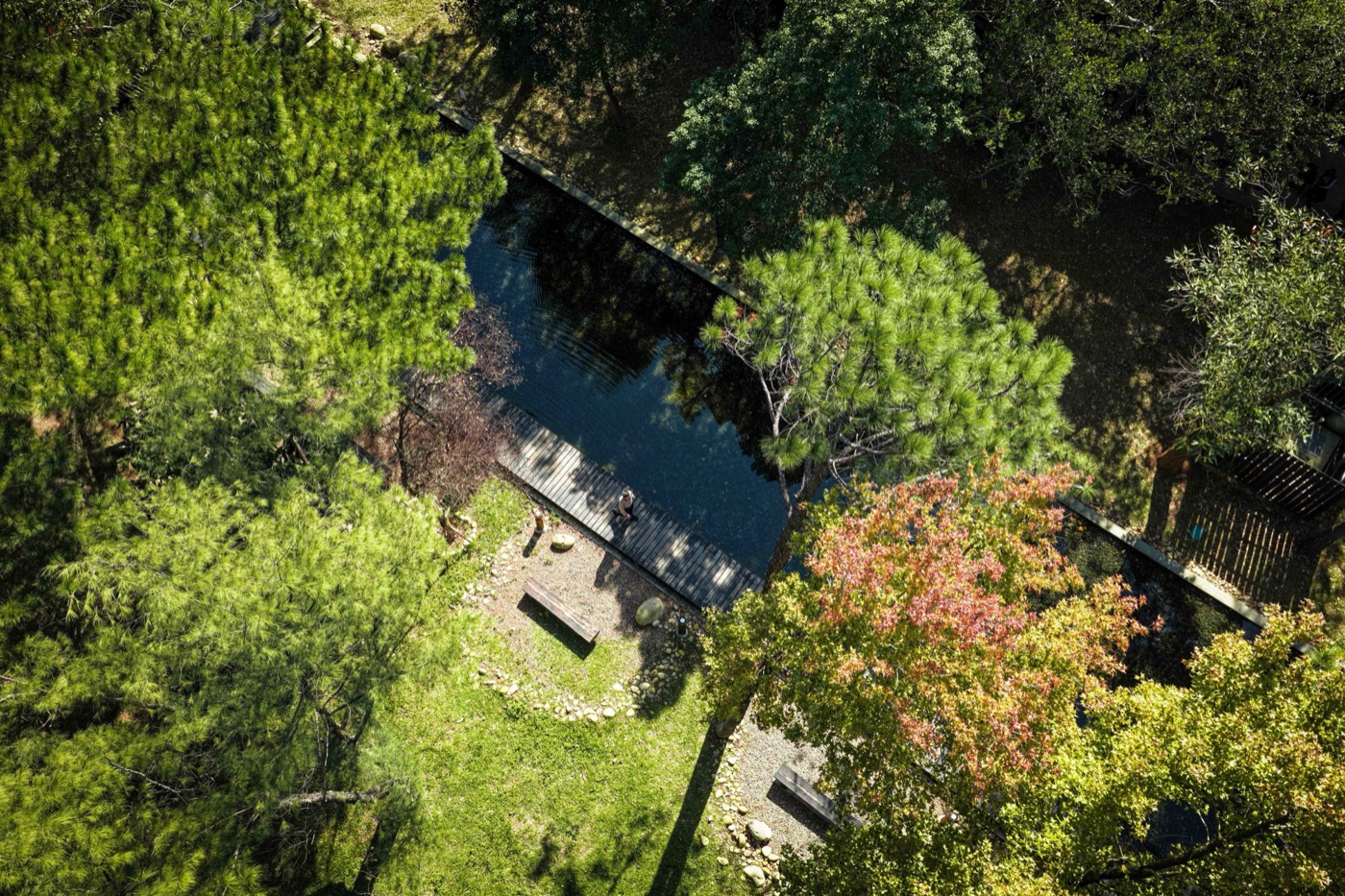
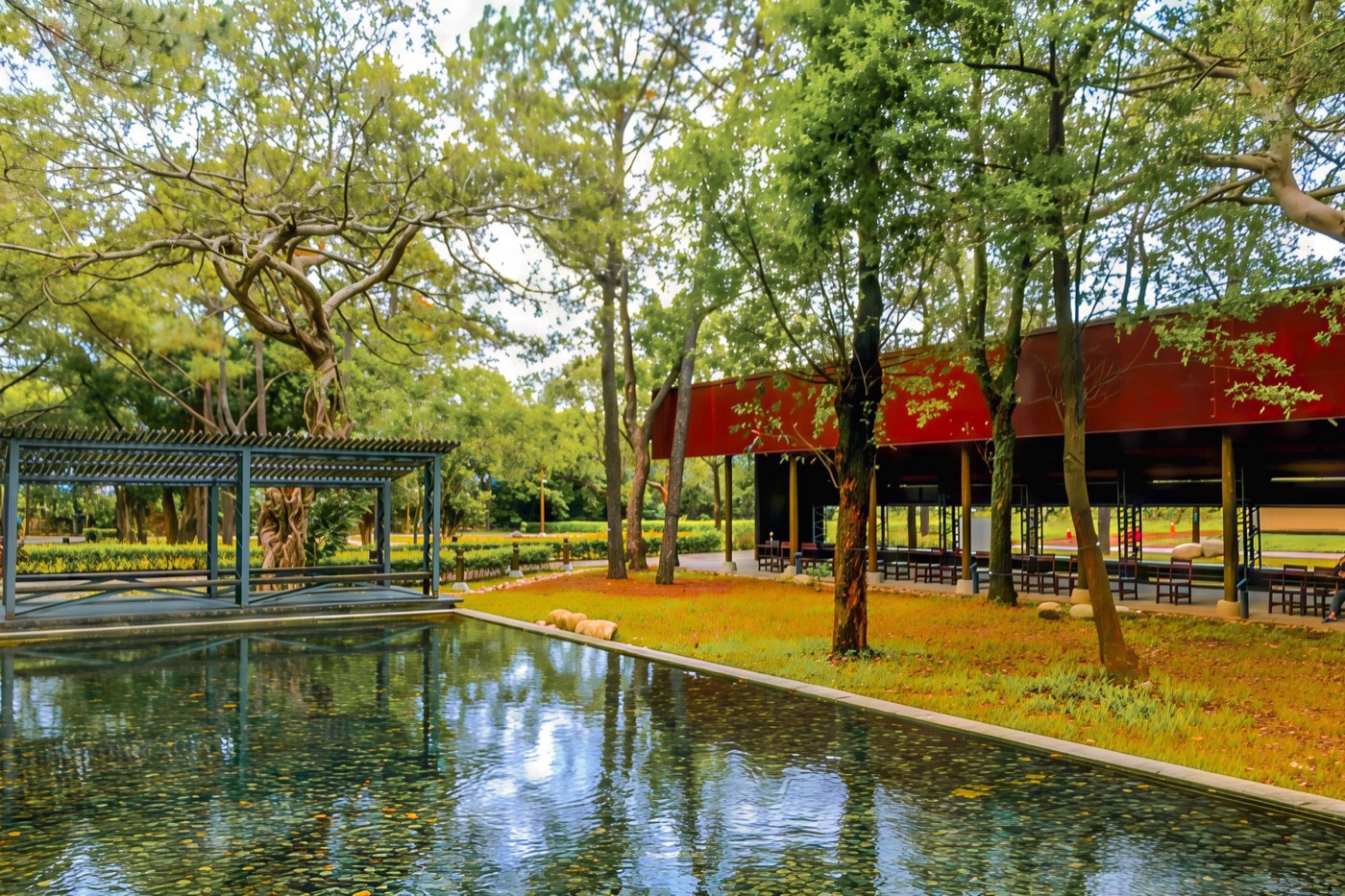
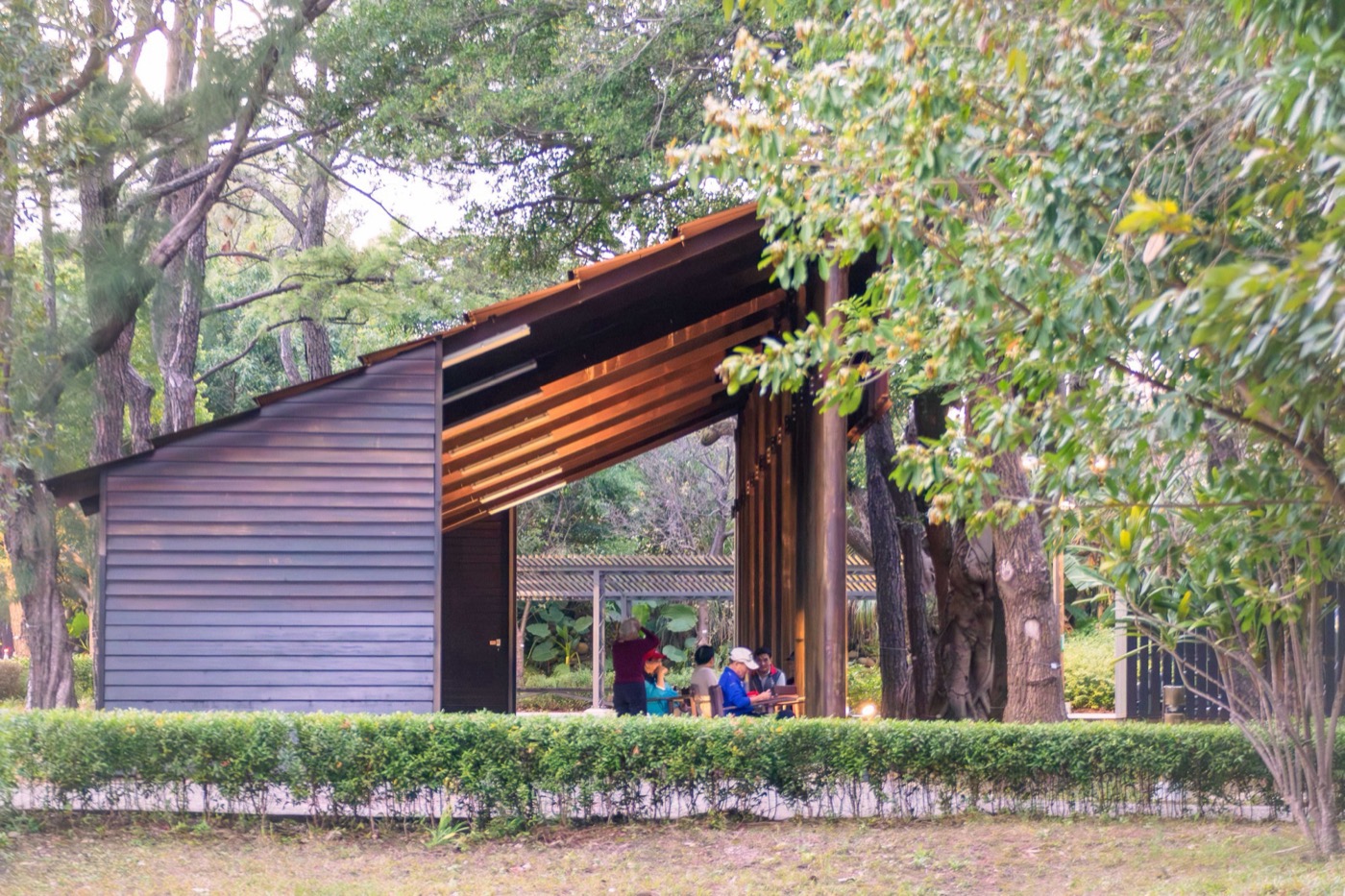
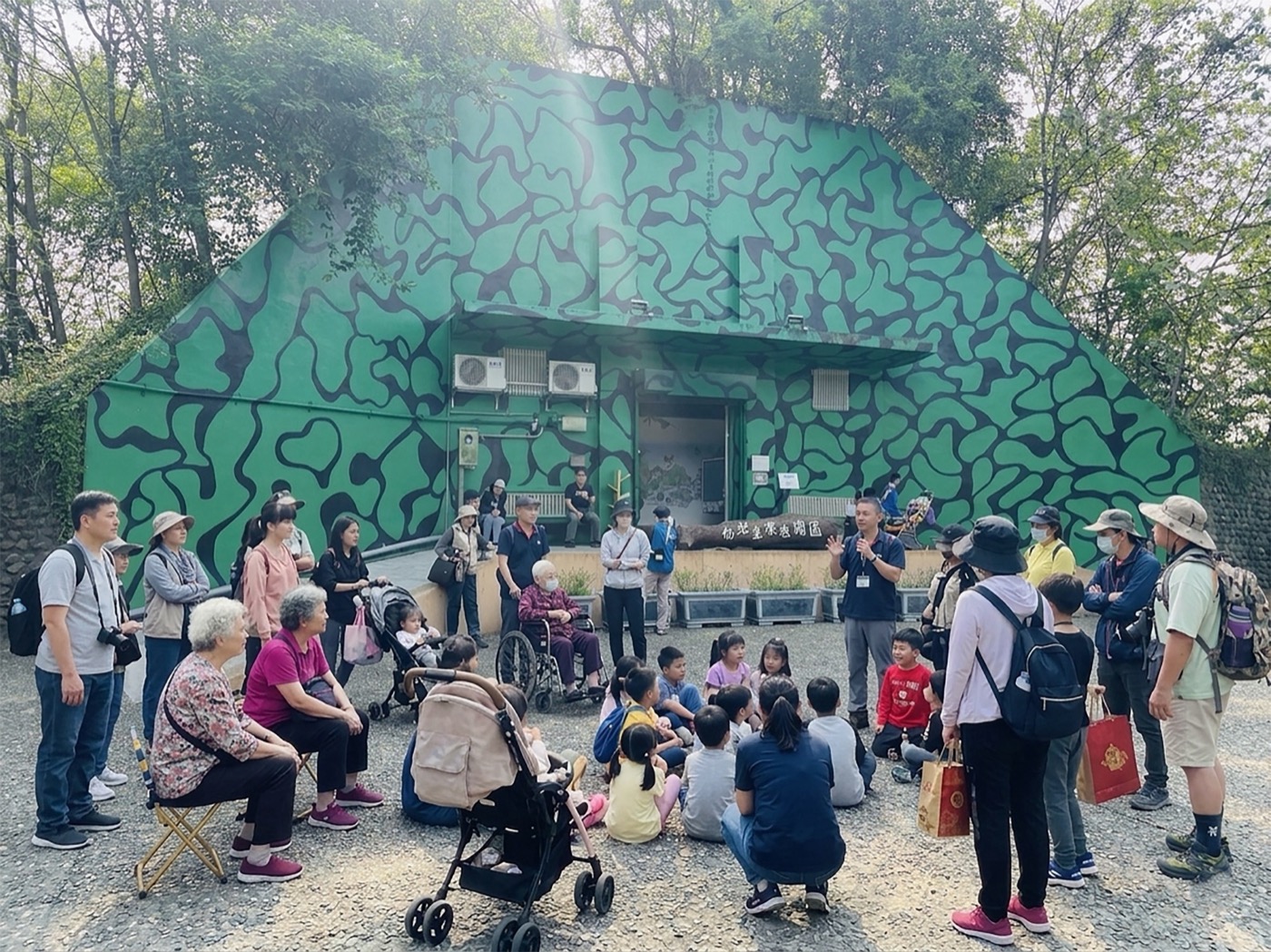
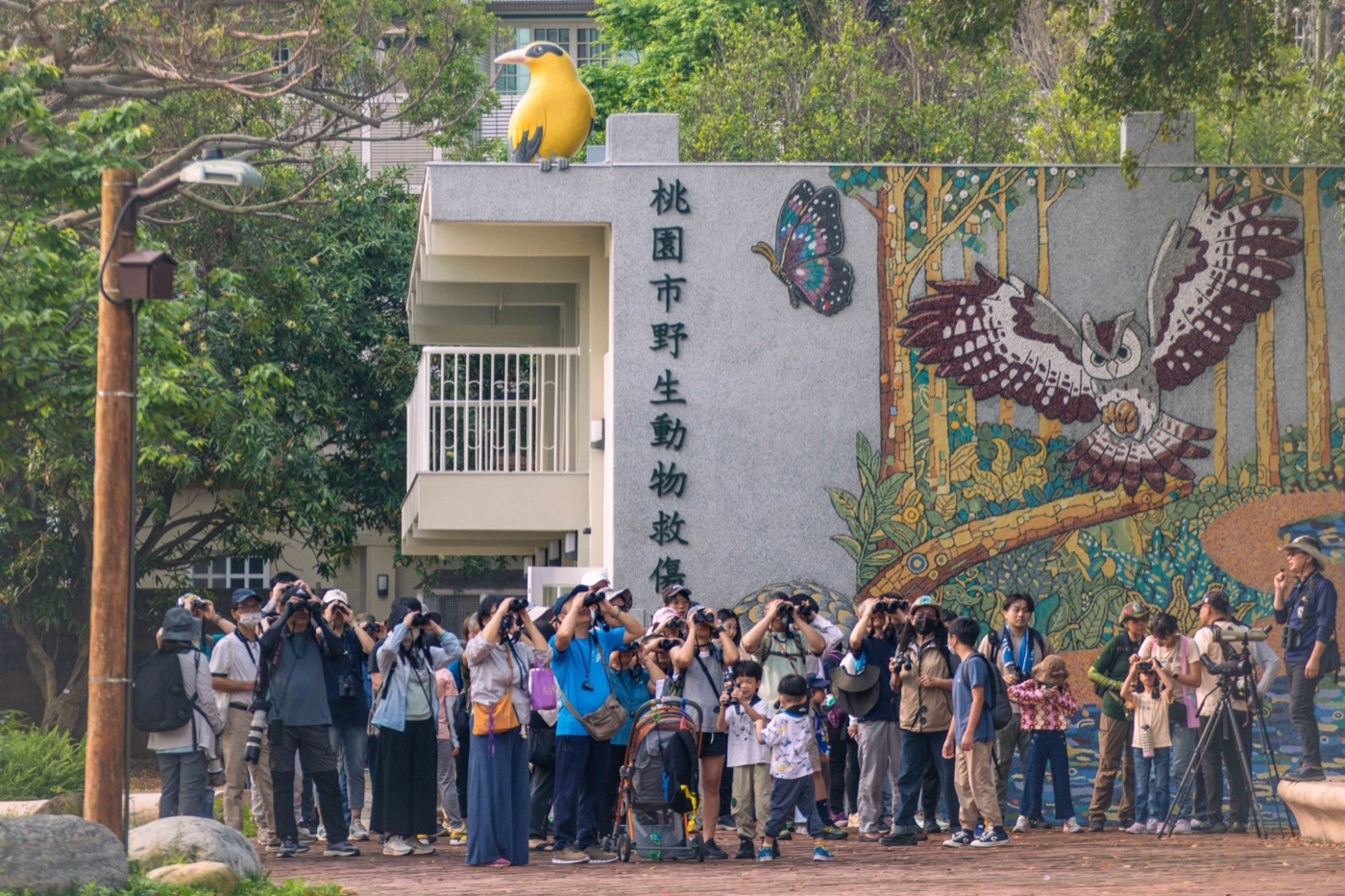
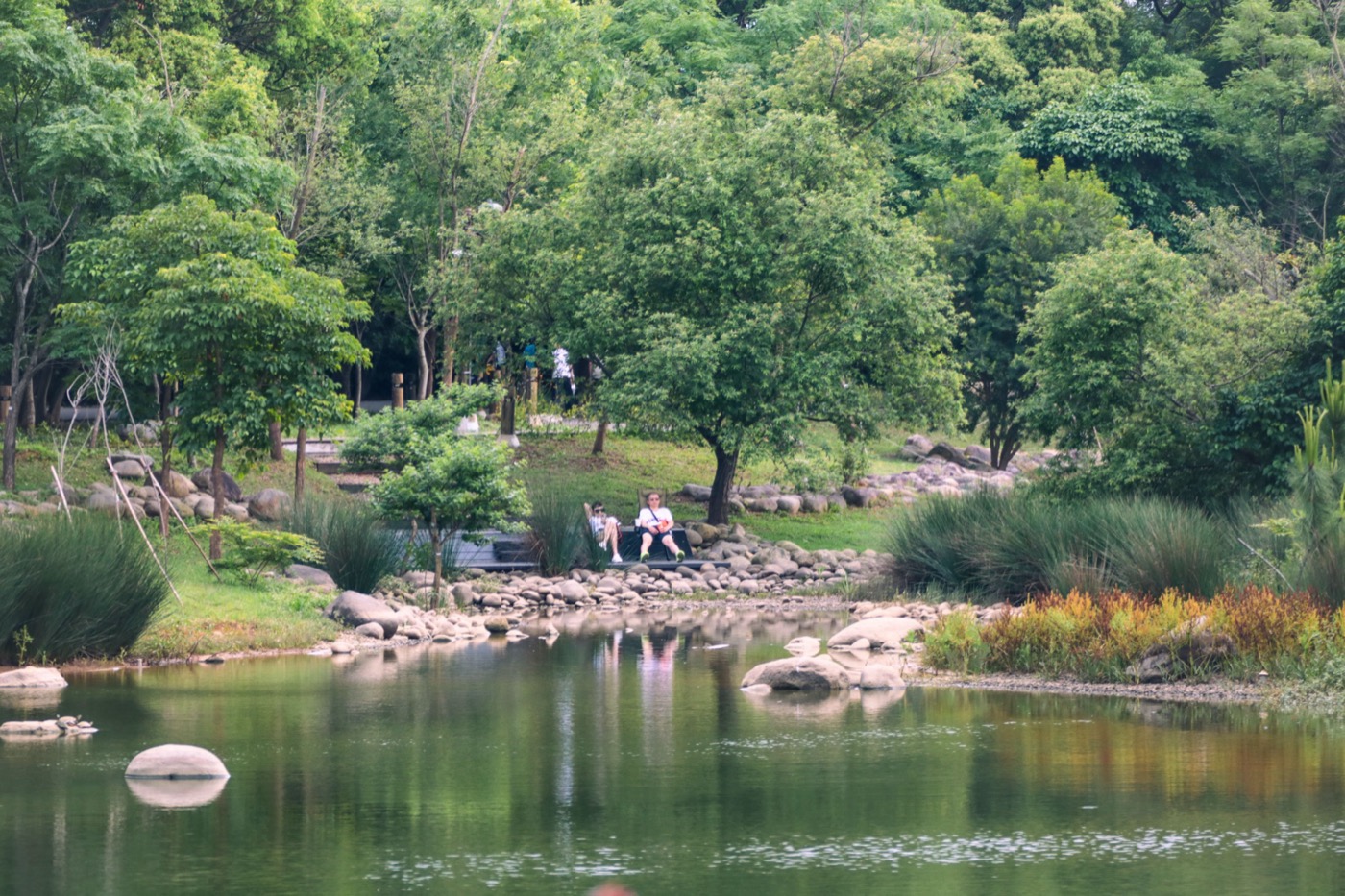
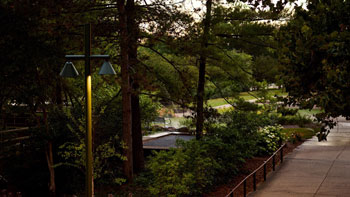
The park provides a temporary storage capacity of approximately 150,000 cubic meters, capable of accommodating heavy rainfall of up to 300 mm per day and gradually releasing water to reduce flood risks in surrounding areas. In addition to regulating the microclimate, seasonally fluctuating water levels create wetlands and grassland habitats that serve as transitional zones, supporting rich ecological diversity. The plan preserves and enhances extensive pioneer woodlands and existing habitats, while introducing nearly 2,000 native trees to improve conditions for protected species. Additional nectar-producing and native plantings further increase ecological attractiveness and biodiversity. Approximately 50% of the park is designated as an ecological core zone centered around the pond, where human activities are carefully managed. This includes restricted access during breeding seasons of sensitive species and nighttime lighting controls to protect wildlife. A low-maintenance approach allows natural ecological succession to occur, restoring a truly forest-like environment for wildlife. Since the park’s opening, biodiversity has steadily increased, with recorded bird species rising from 59 to 111. Due to its favorable ecological conditions, the site has also been selected by the government as a collaborative base for rare plant restoration, with 898 specimens successfully reintroduced to date.
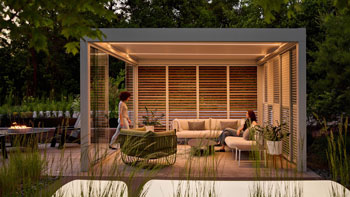
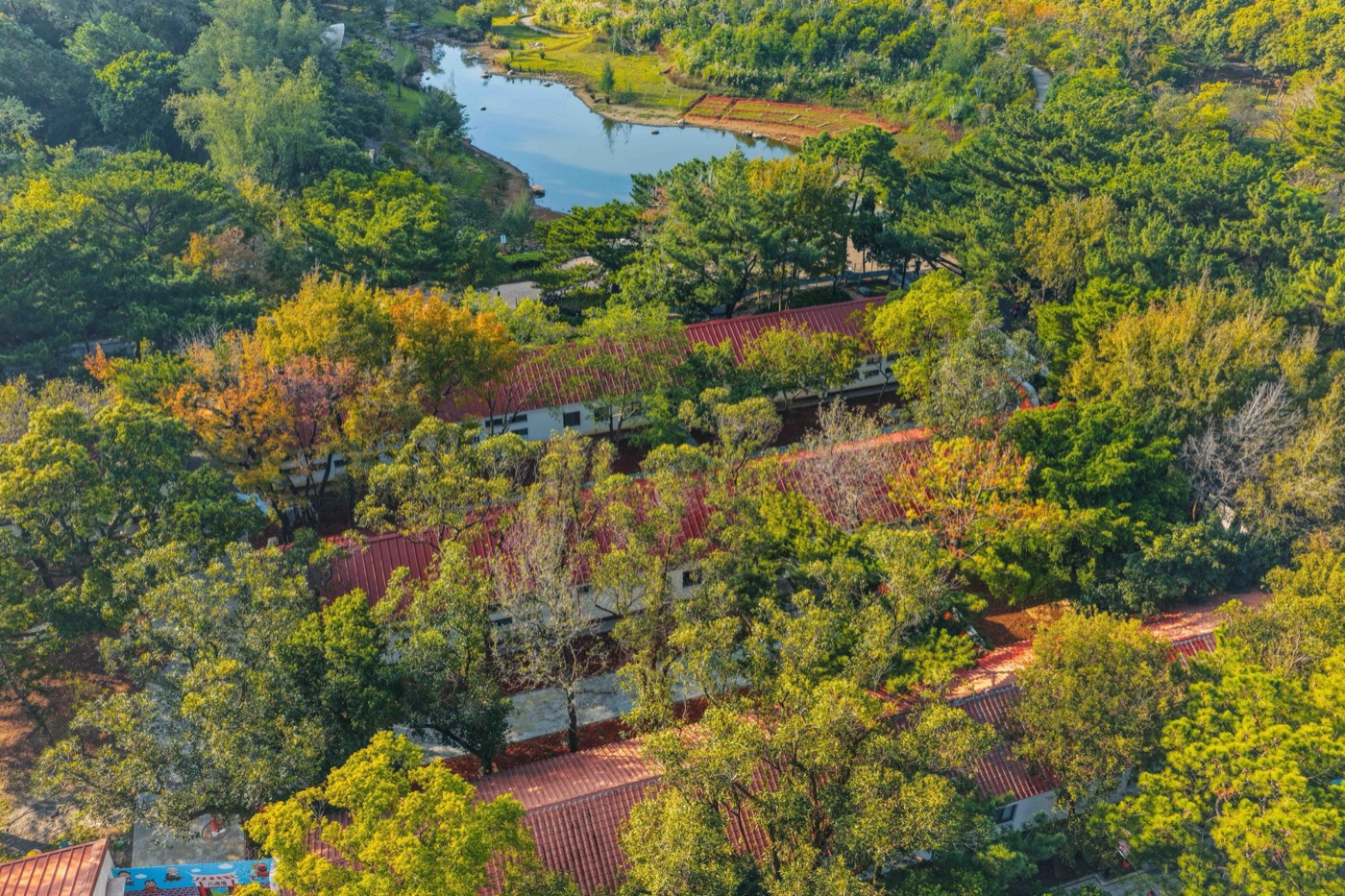
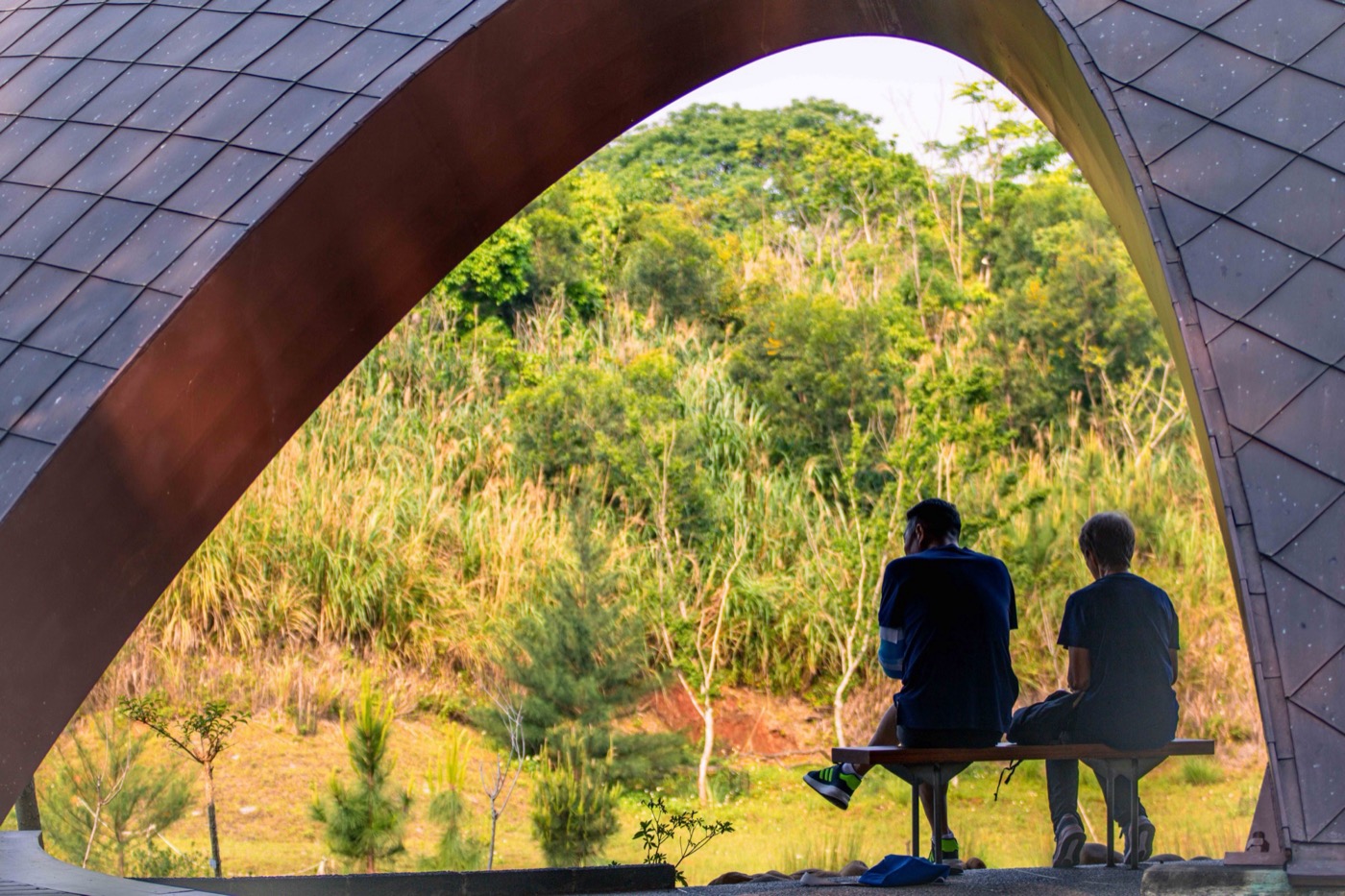
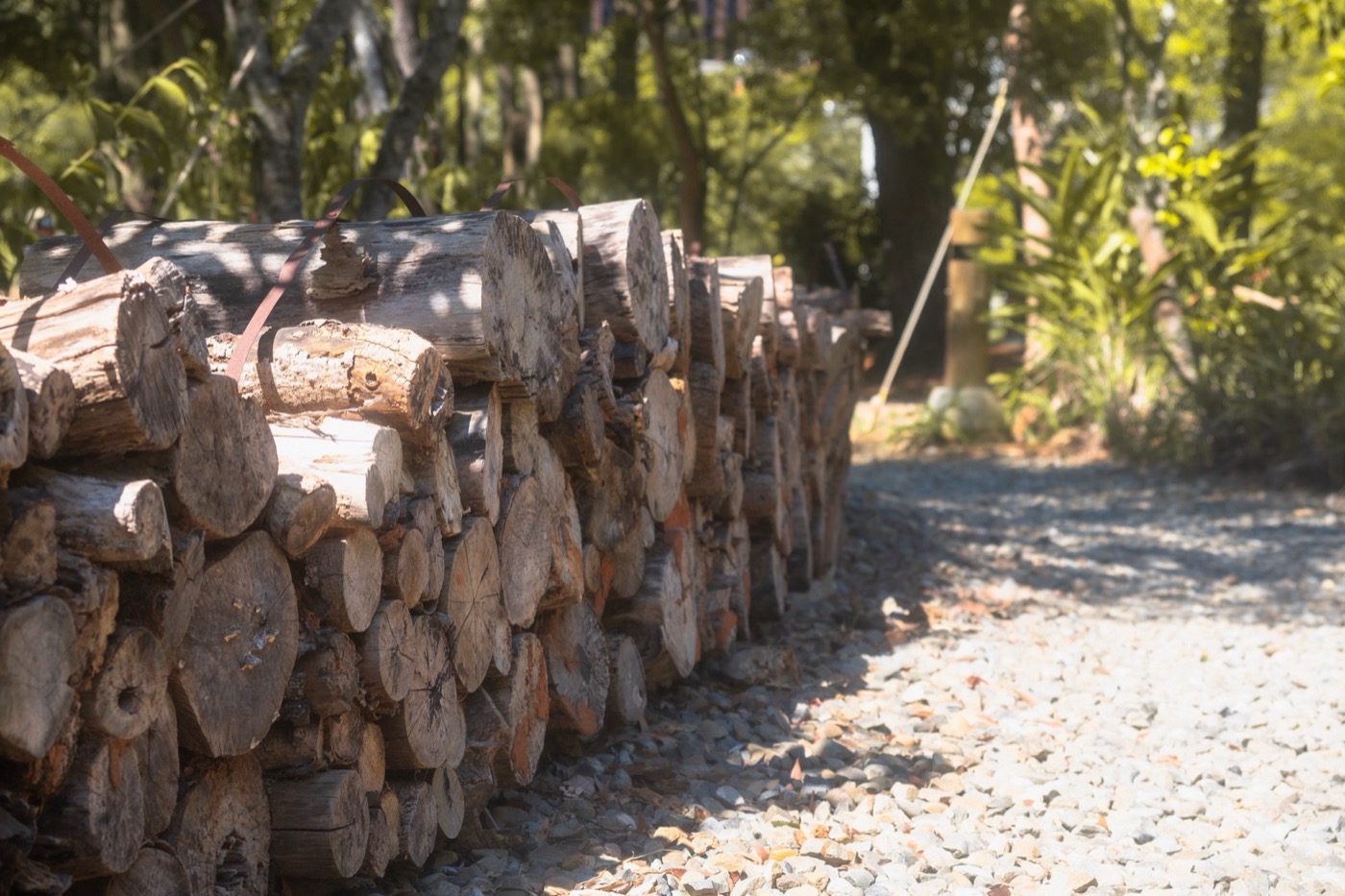
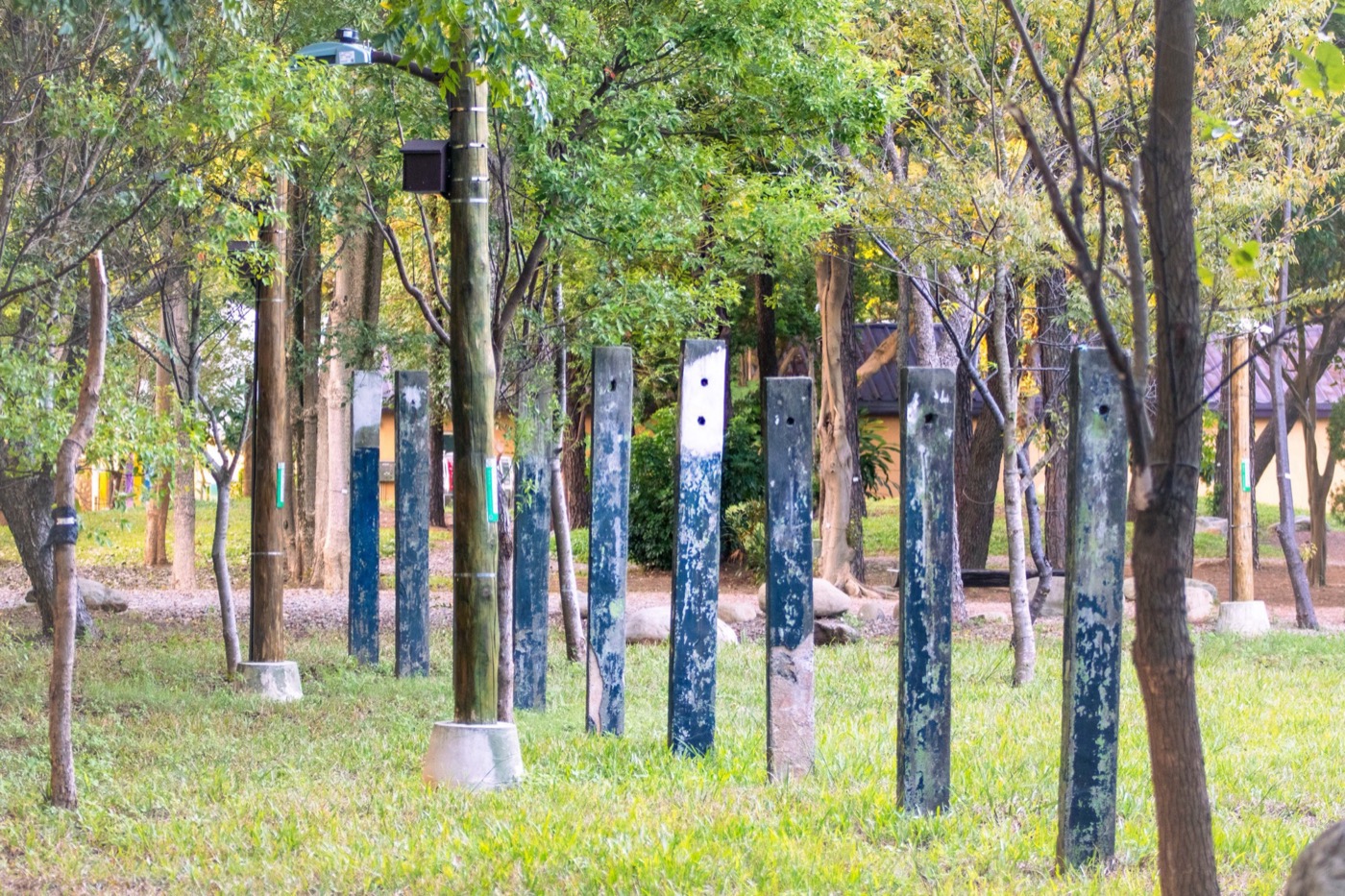
Former military structures were partially dismantled and adaptively reused, subtly preserving the site’s cultural heritage within the park landscape. Steel and timber trusses were extensively salvaged and repurposed into structural elements according to their material properties. Recovered red bricks and concrete columns were reused in paving, retaining structures, and other landscape features. Locally sourced bamboo was processed and integrated with steel and existing military remnants to construct a pavilion overlooking the ecological pond. Well-preserved military buildings have been revitalized through partnerships with multiple NGOs, which adopt and manage these spaces as hubs for community activities and services. These spaces host guided tours, environmental education, and nature-based programs, creating a mutually beneficial model that integrates cultural preservation with ecological engagement.
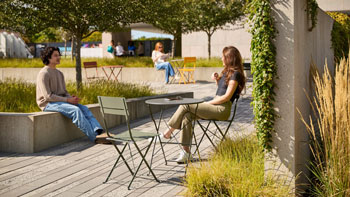
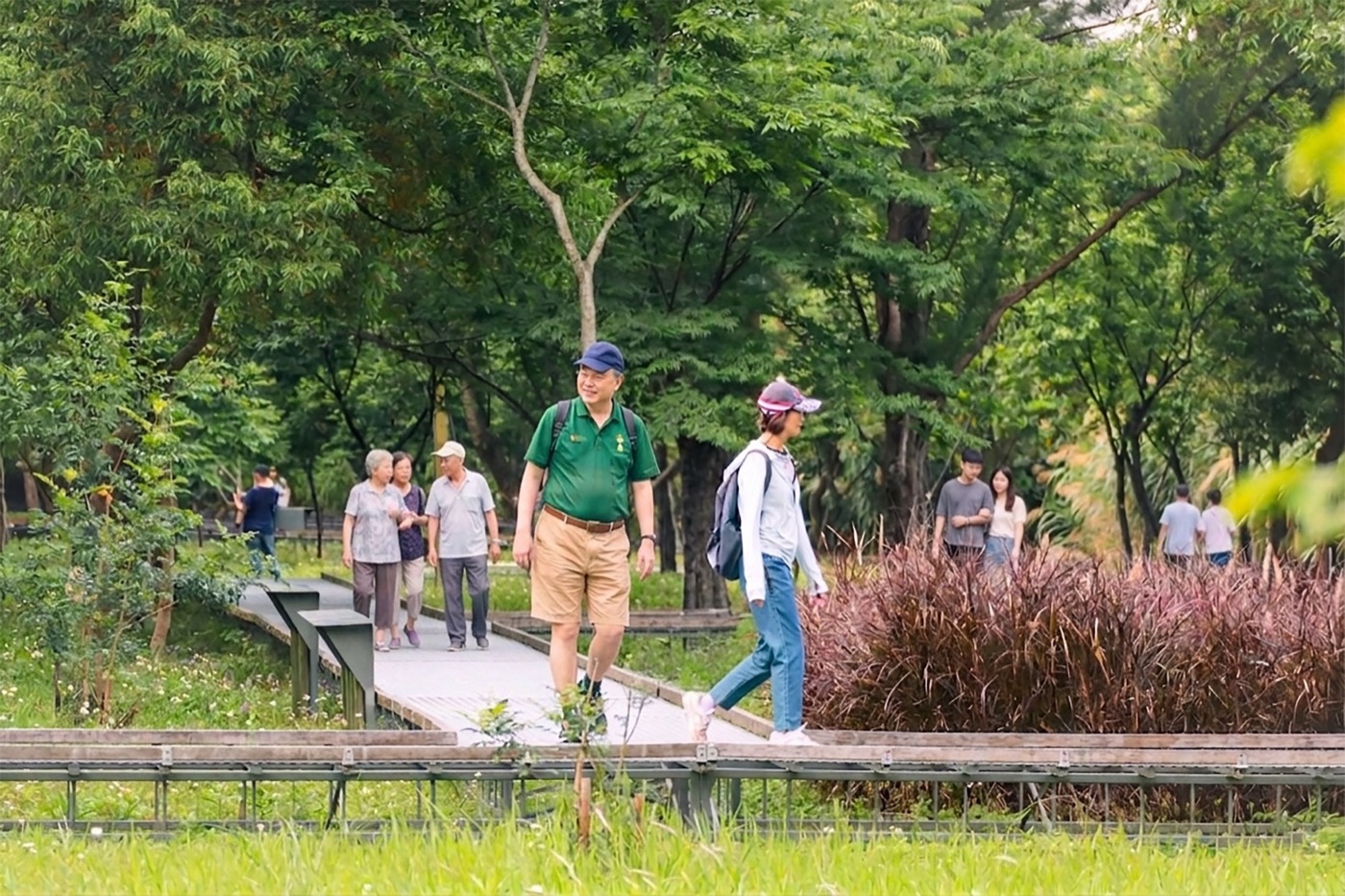
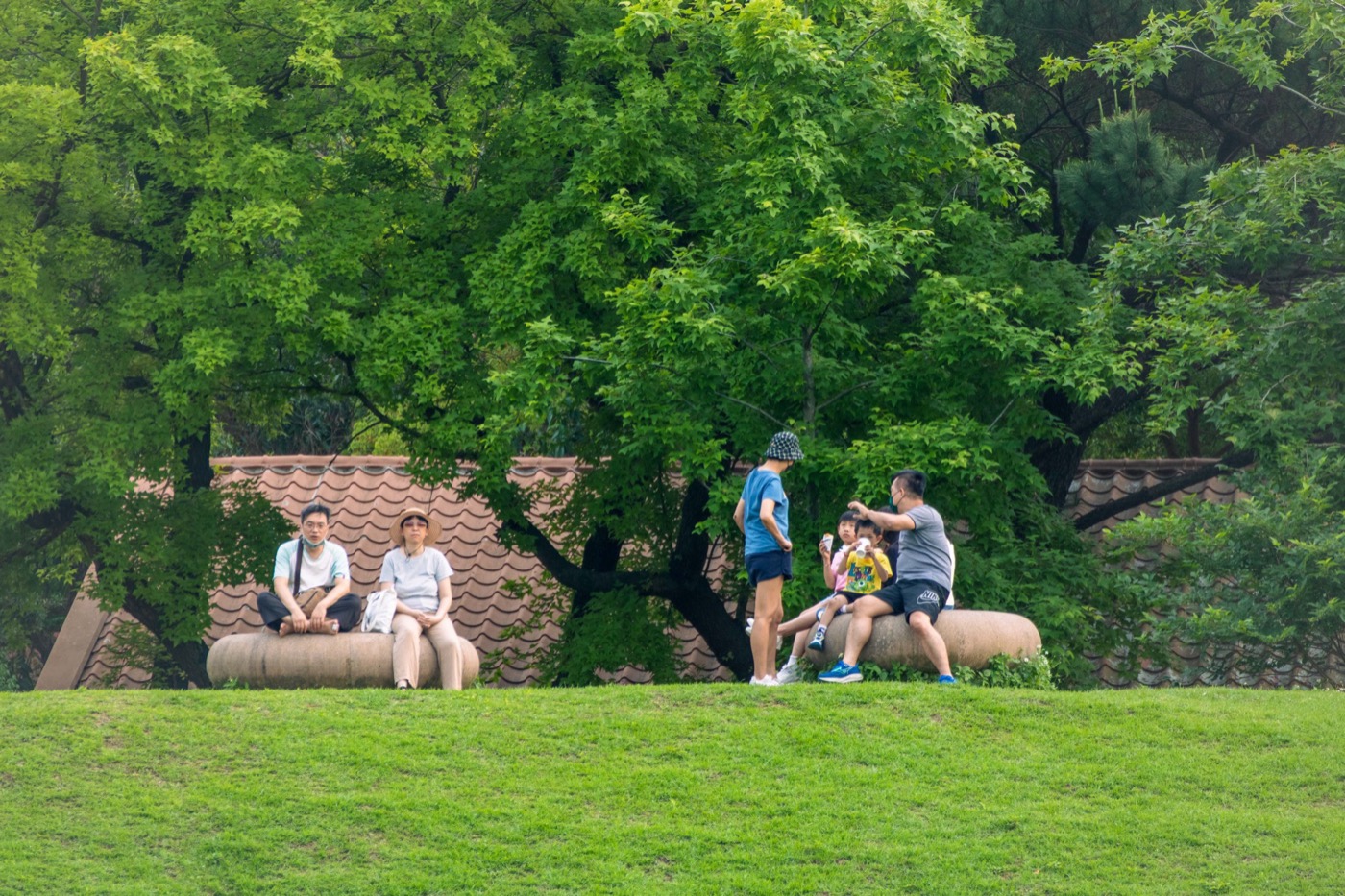
With diverse recreational opportunities embedded in landscape itself, the park does not rely on extensive built amenities; visitors of all ages can find their own ways to engage and enjoy the space. Beyond providing a destination for human leisure, Danan Forest Park also serves as a breeding and refuge ground for native plantings and animals. Through time-based management and access controls, the park sustains a genuine forest ecosystem and achieves an optimal balance of coexistence among species.
Client: Department of Public Works, Taoyuan City Government
Planning and Design: Toward Engineering Consultants Co., Ltd.、D.Z. Architects & Associates
Contractor: Fenghuang Construction Co., Ltd.、Youteng Landscape Engineering Co., Ltd.
Maintenance: Office of Road and Accessory Maintenance, Taoyuan
Photography and Video Production: Urban Perspectives Design Works Co., Ltd.
Cooperation: Wild Bird Society of Taoyuan
24.95585579449205, 121.30155786739898
73893


LILA 2026 Sponsor