Doorways
www.arbolope.com/
2026 Hospitality and Therapeutic / 2026 Landscape and Architecture / USA / Built in 2024 /

![Love Bank Park began with a simple act: in 2015, neighbors placed a temporary basketball hoop on a vacant lot along Cherokee Street, instantly creating a community gathering point. Cherokee Street is a vibrant and diverse corridor with many Latinx, Black, and immigrant-owned businesses, but one historically shaped by disinvestment, poverty, and violence. Despite the […]](https://landezine-award.com/wp-content/uploads/2026/05/Love-Bank-00-Hero-600x450.jpg "Love Bank Park")
![Located in an economically depressed area of North St. Louis, Peace Park is a new coalition-built public park in the College Hill neighborhood, the only St. Louis City neighborhood that previously lacked any parks. The park is sited on a collection of consolidated commercial and residential lots at the corner of a major roundabout which […]](https://landezine-award.com/wp-content/uploads/2026/05/Peace-Park-00-HERO-600x450.jpg "Peace Park, Phase 1")
![Located in an economically depressed area of North St. Louis, Peace Park is a new coalition-built public park in the College Hill neighborhood, the only St. Louis City neighborhood that previously lacked any parks. The park is sited on a collection of consolidated commercial and residential lots at the corner of a major roundabout which […]](https://landezine-award.com/wp-content/uploads/2025/05/00-HERO-Peace-Park-Arbolope-Studio-600x450.jpg "Peace Park, Phase 1 by Arbolope Studio")
Stable housing is the strongest determinant of positive health outcomes for people living with HIV/AIDS. DOORWAYS, a St. Louis nonprofit, supports this vulnerable population by providing housing and vital support services. Their new campus, which features 14,000 square feet of integrated program and administrative spaces, as well as 50 units of new transitional housing, brings together transitional housing, administrative offices, and program spaces within a landscape designed to support everyday life, health, and dignity. Leaning into this hybrid typology was essential to the design development of the landscape.
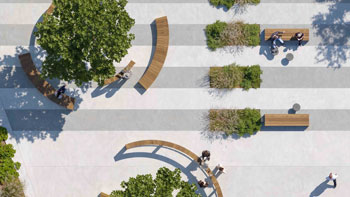
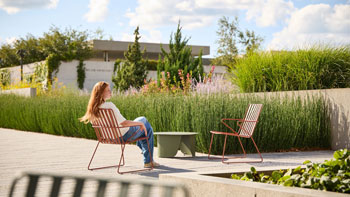
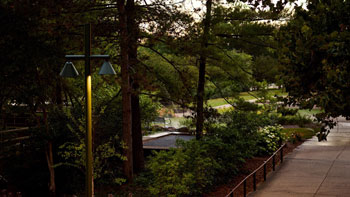
Operating within a tightly constrained budget, the landscape design centers residents’ well-being—creating spaces that encourage independence and comfort while extending daily living into the outdoors, with shaded and clear circulation pathways and small-scale “rooms” defined by lush plantings and trees. This layered environment offers appealing places for rest, gathering, and quiet reflection, helping residents orient and feel grounded amid life’s challenges.
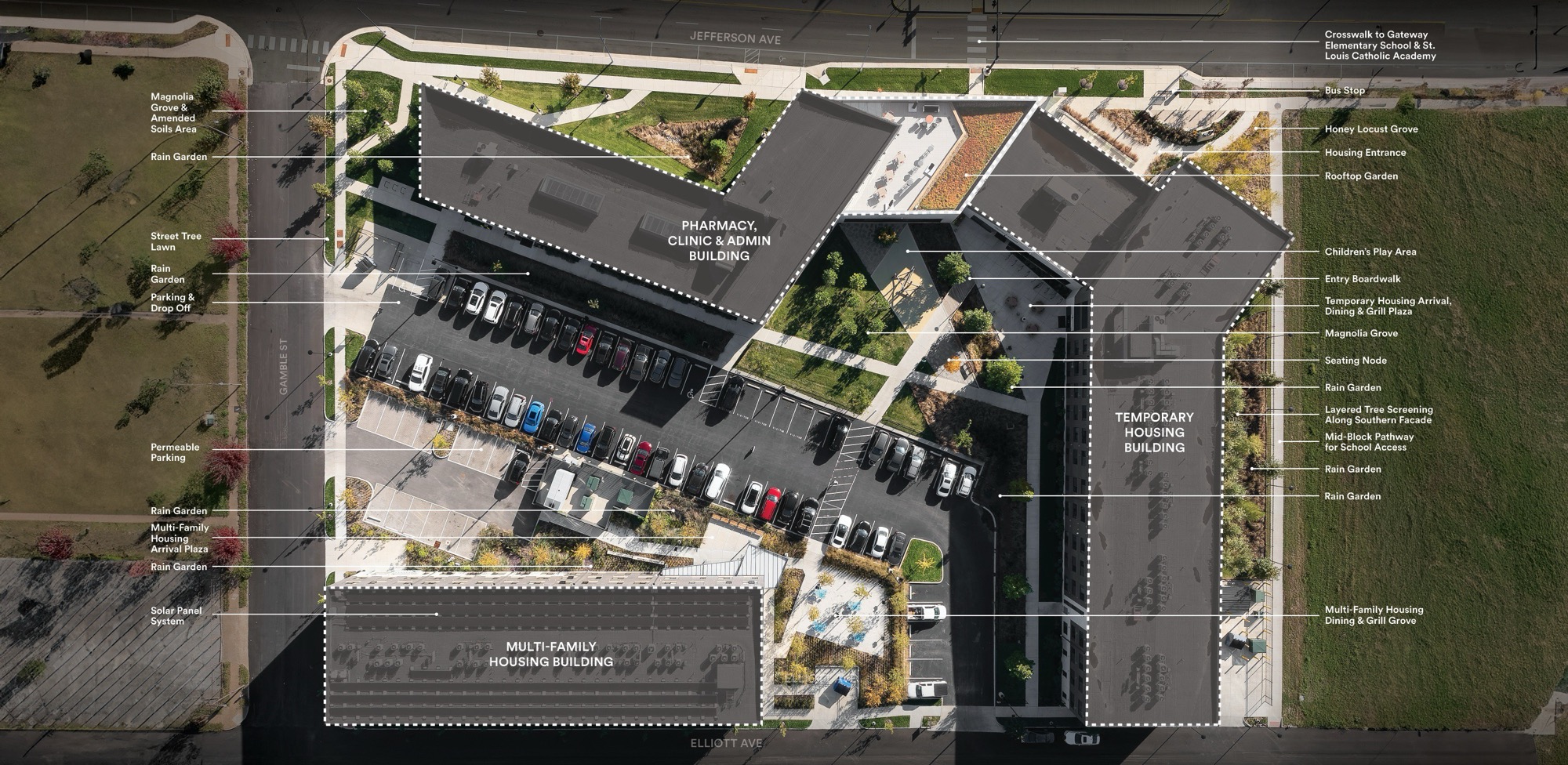
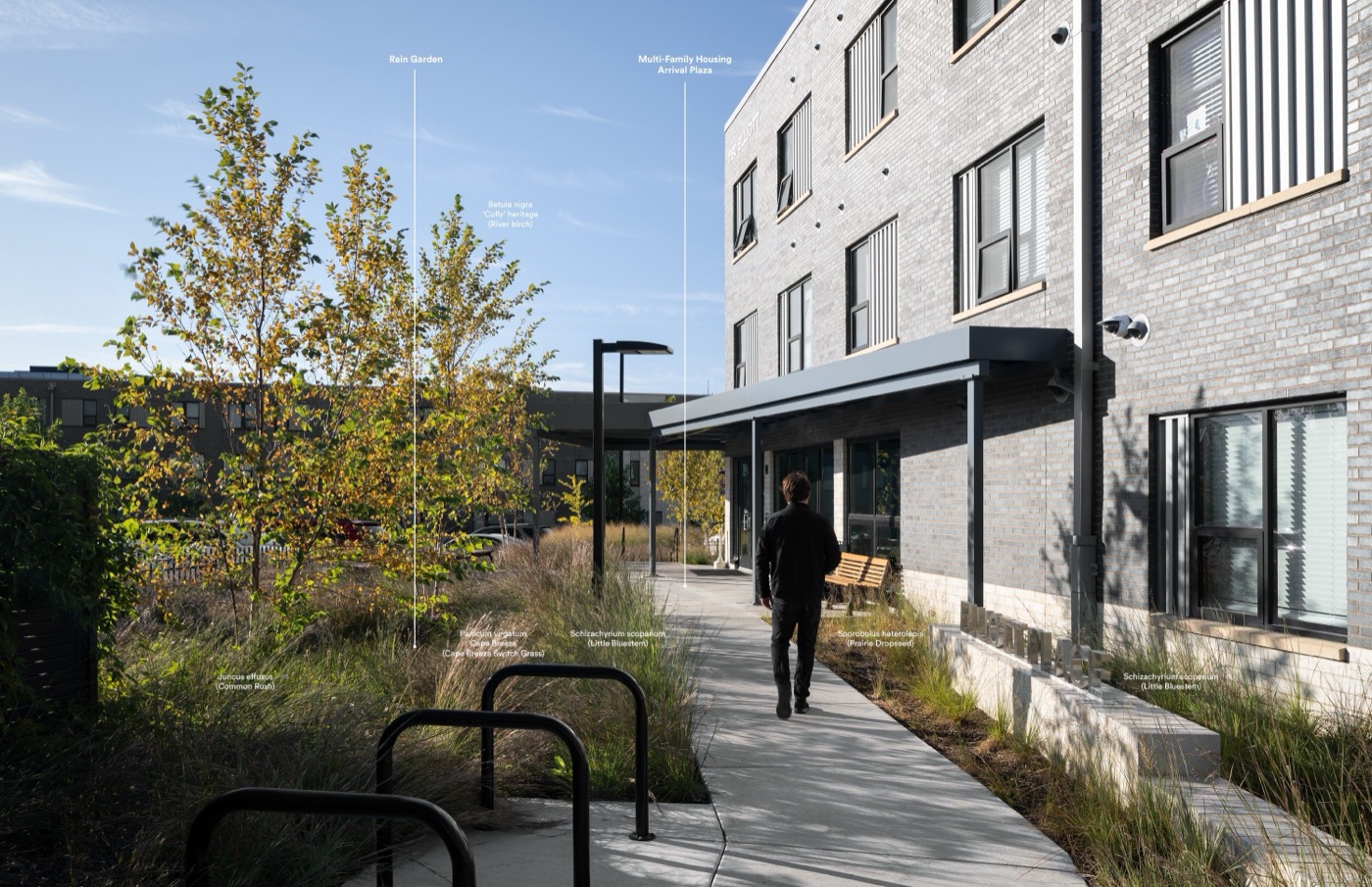
Arrival is carefully choreographed throughout the campus to feel calm and welcoming. An elegant boardwalk guides people to the primary residential reception area, crossing over a prominent rain garden that forms a transportive threshold from outside to inside. At other primary entrances, variations of this approach utilizing plantings, material transitions, and subtle shifts in grade support intuitive, and transformative circulation and placemaking.
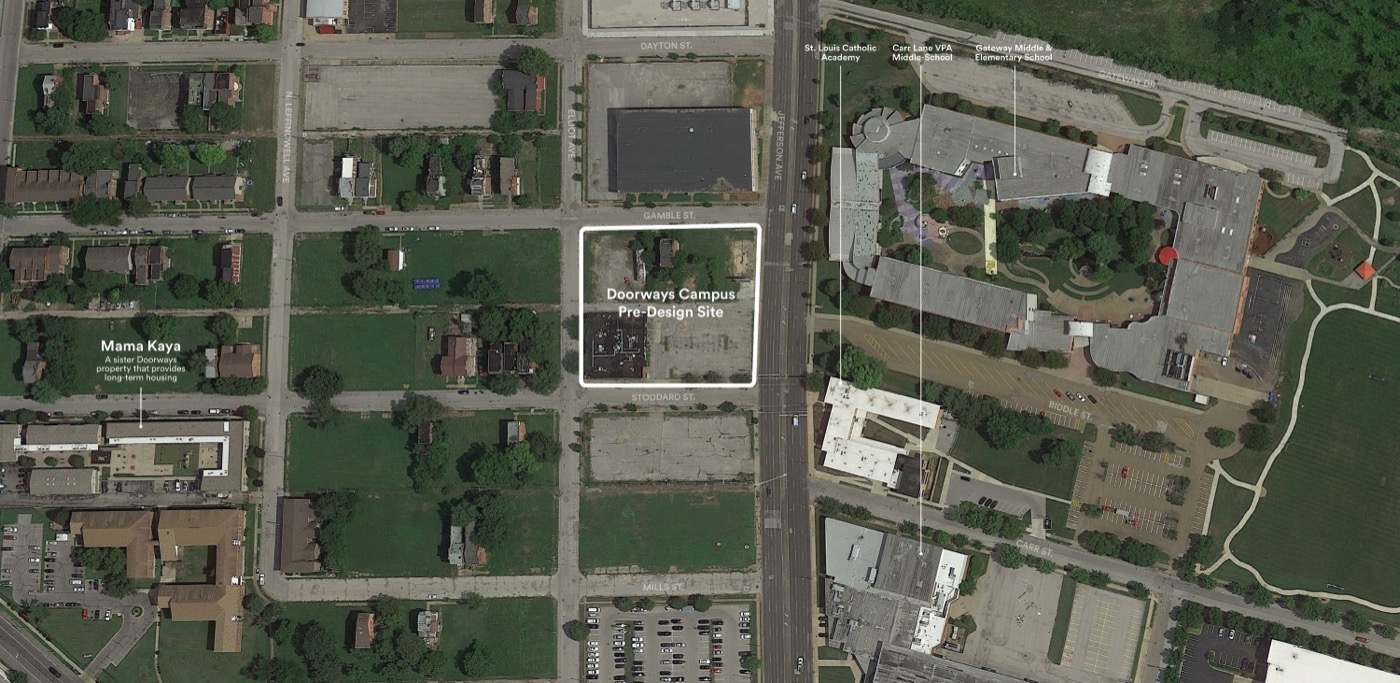
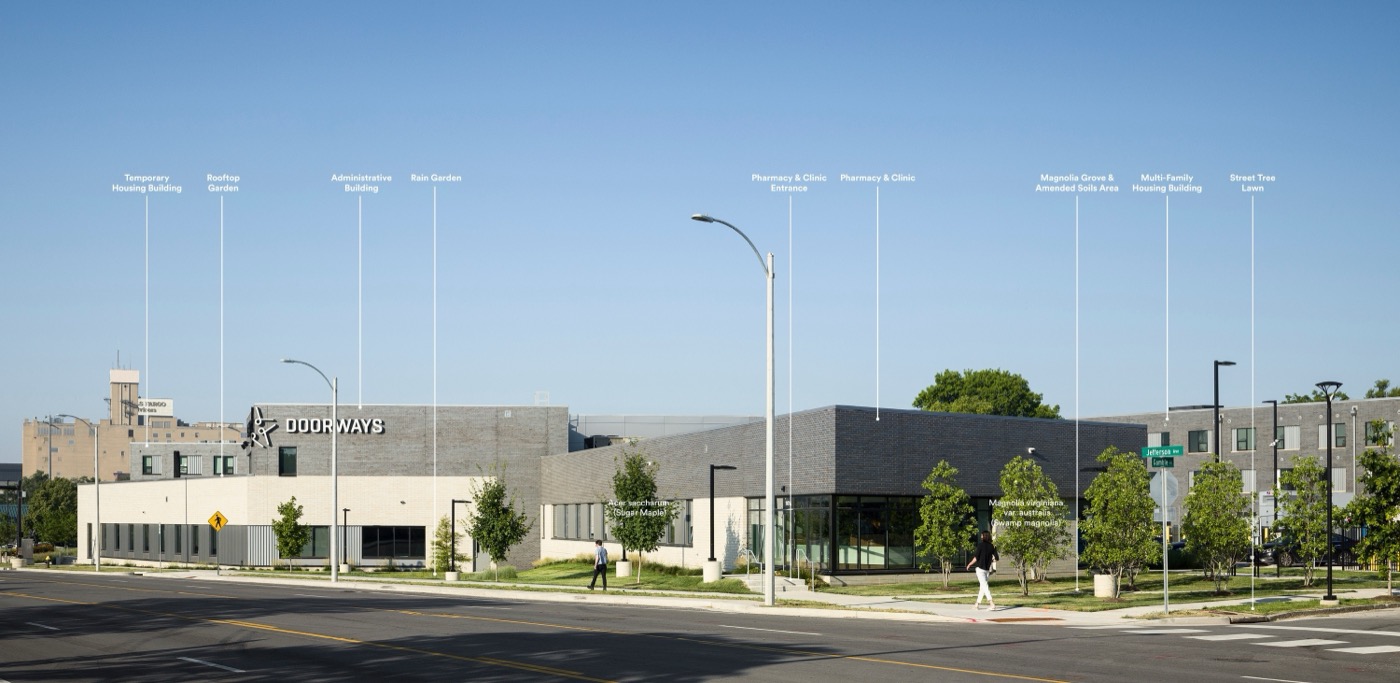
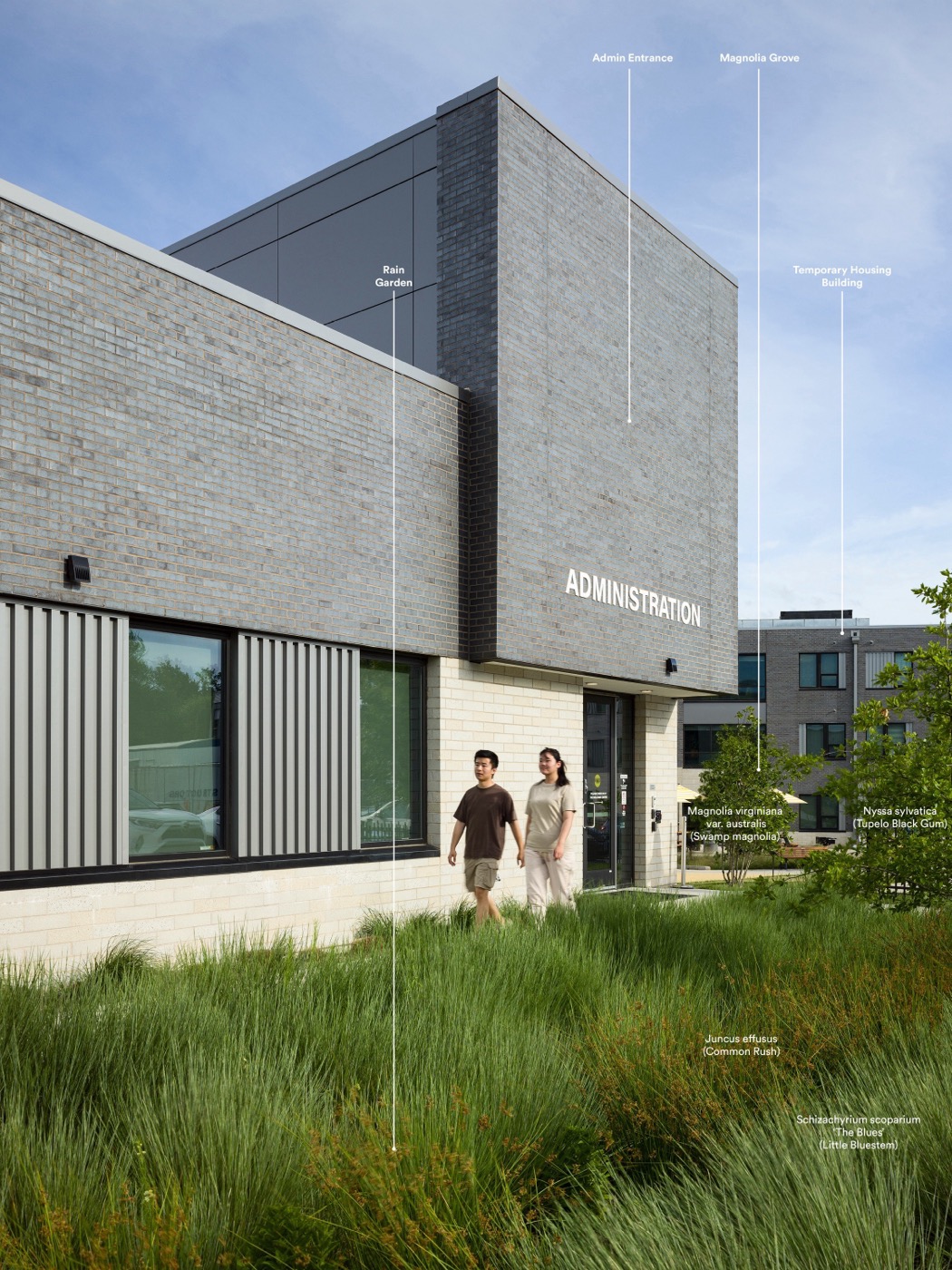
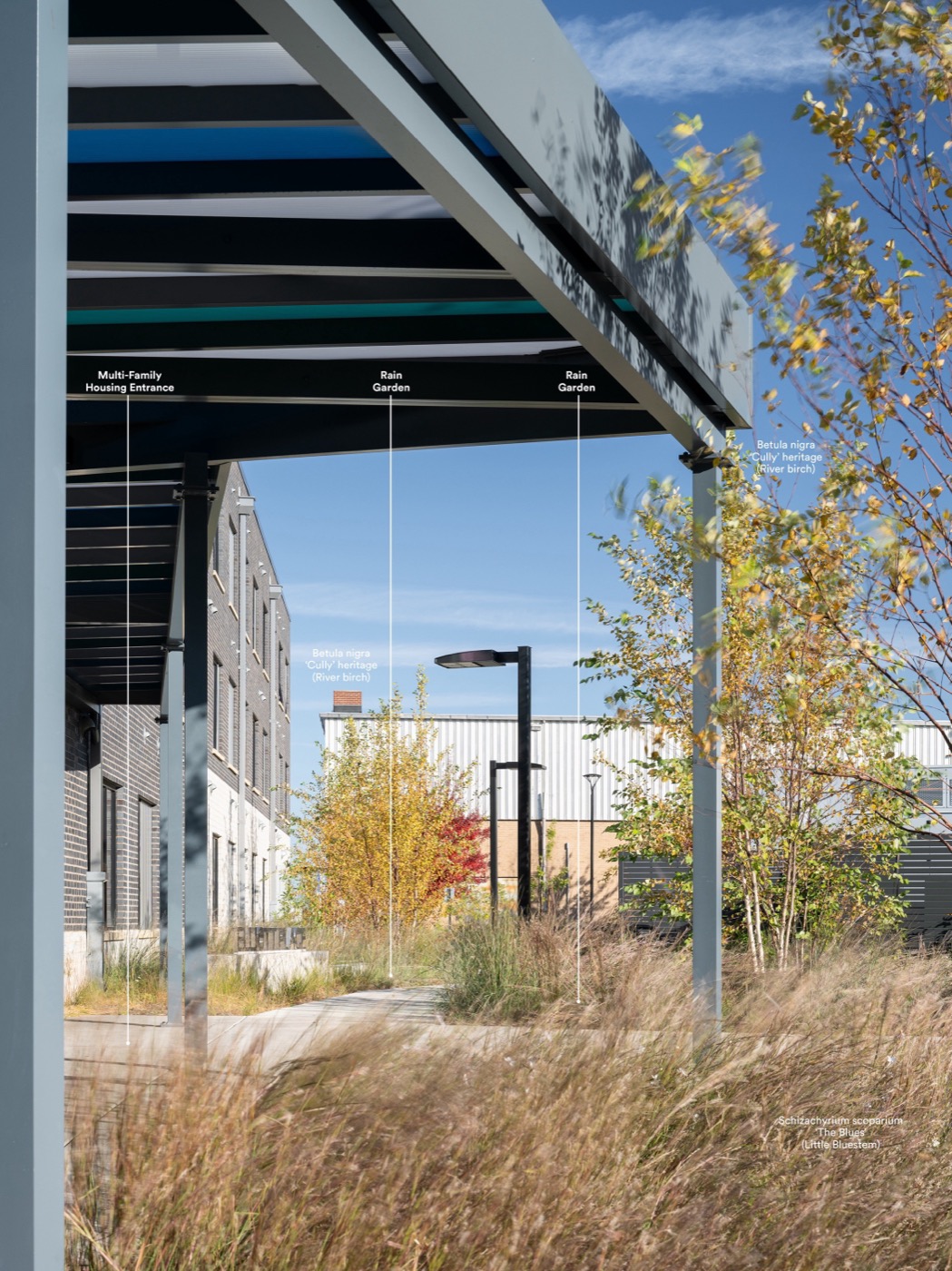
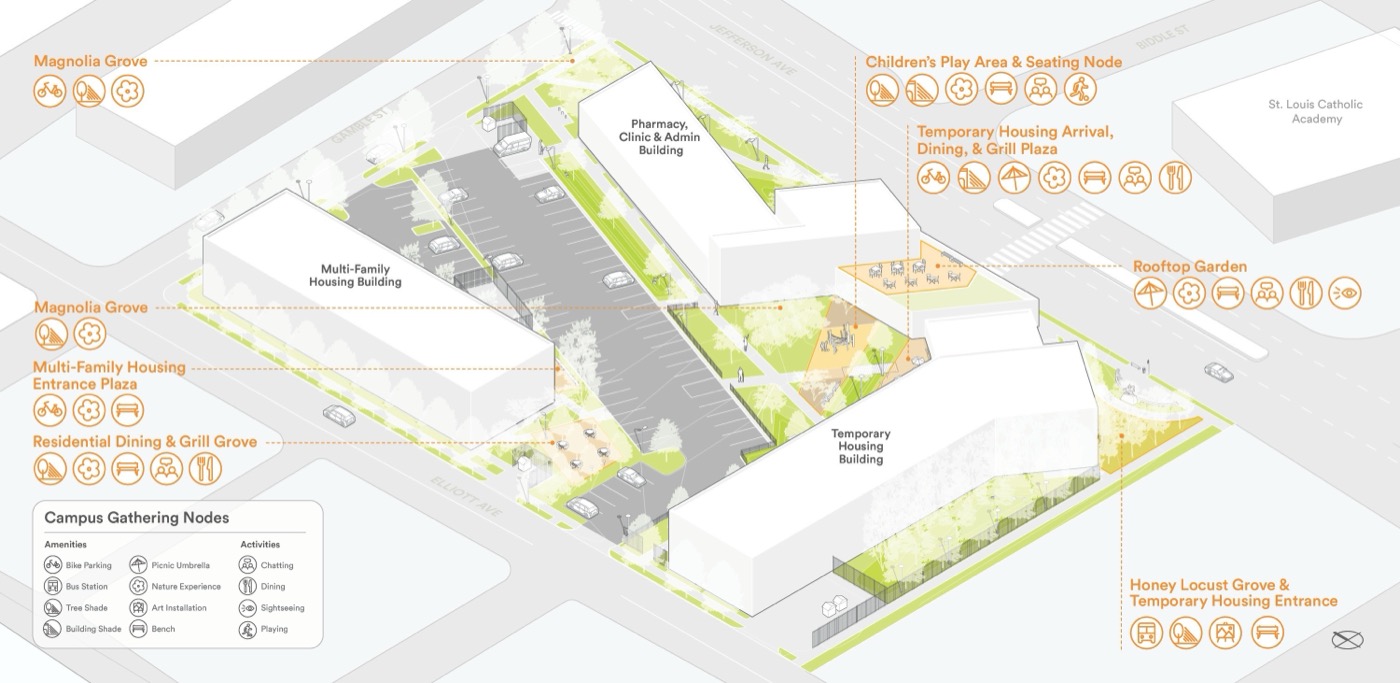
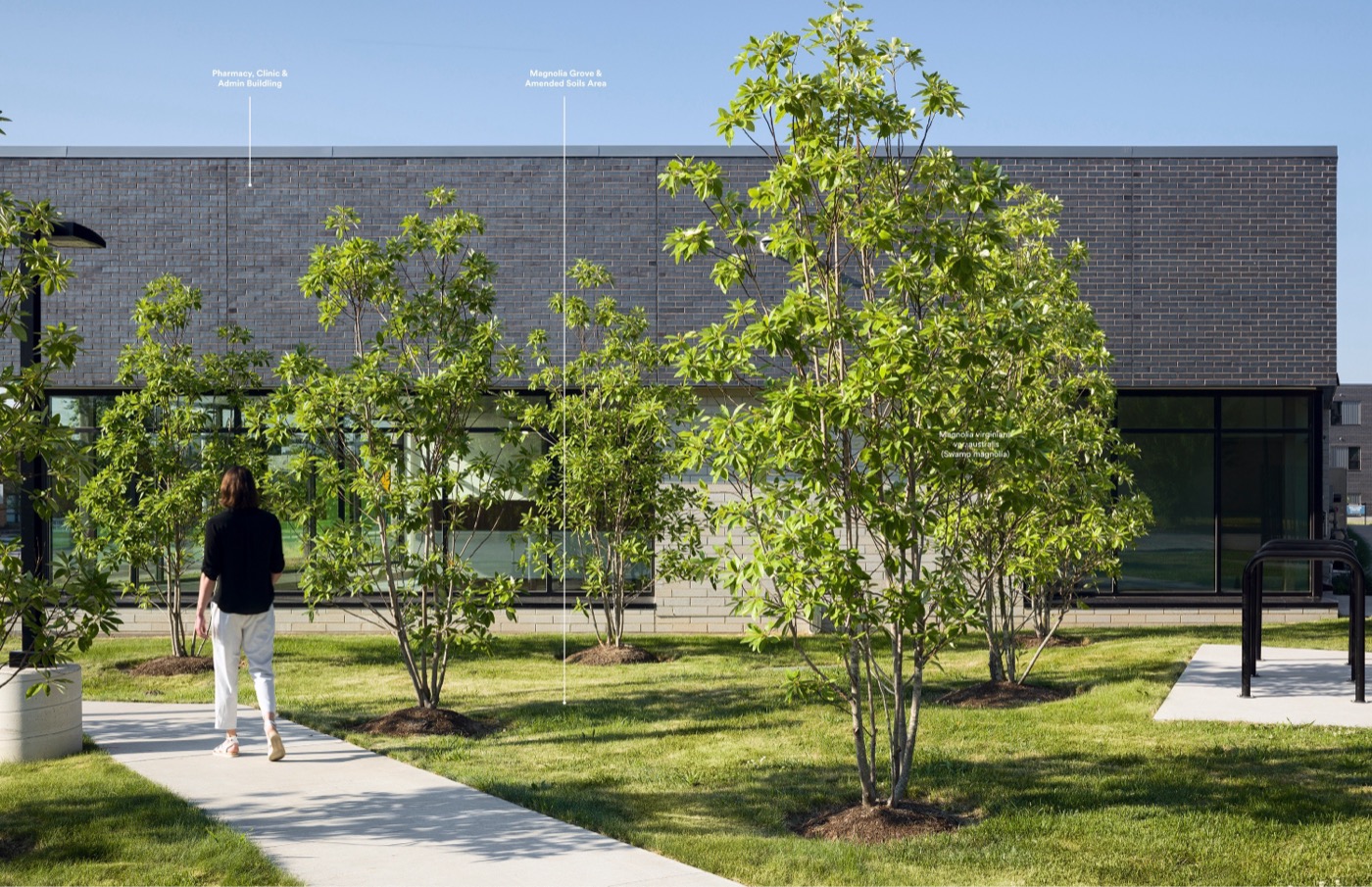
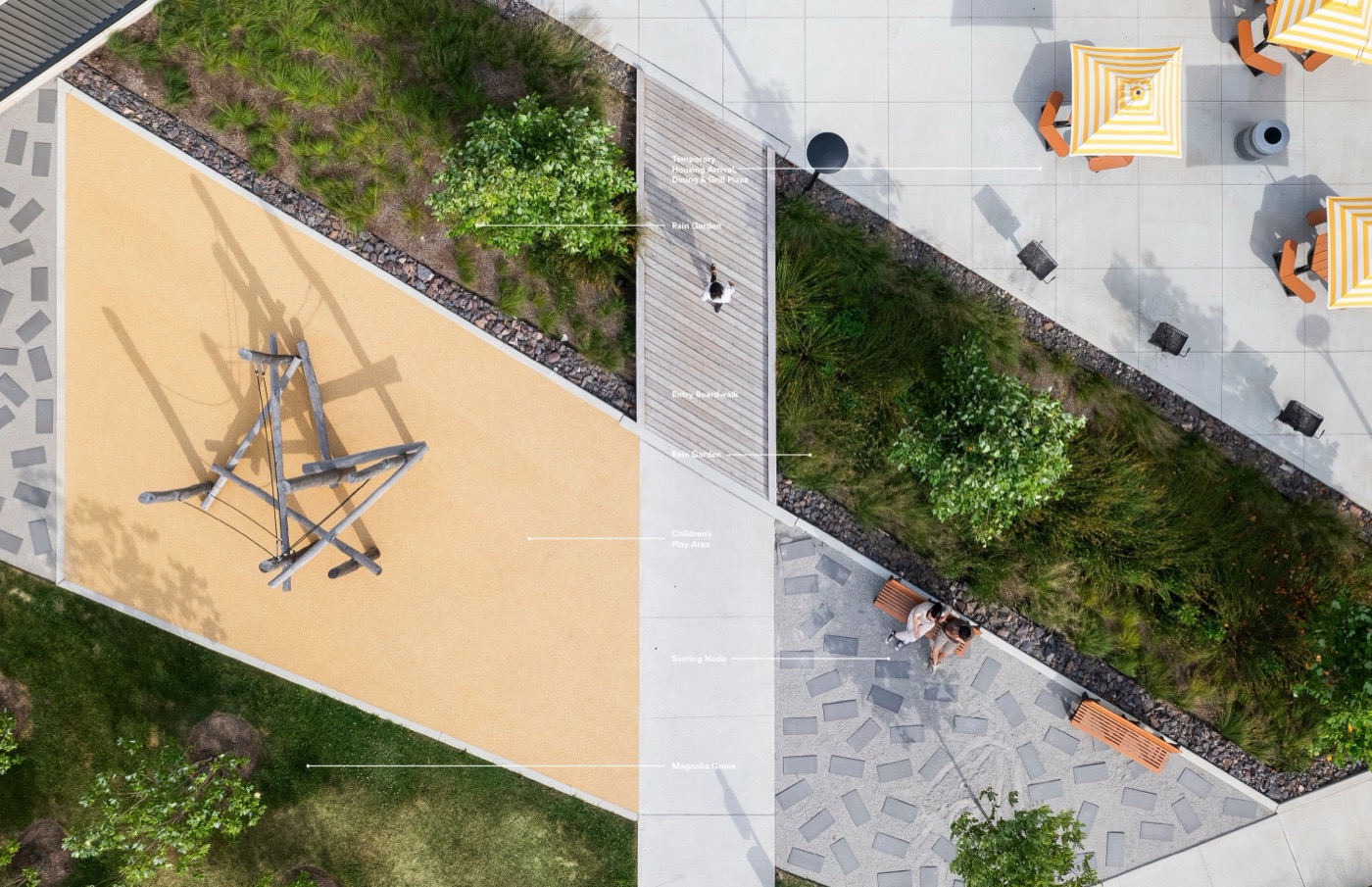
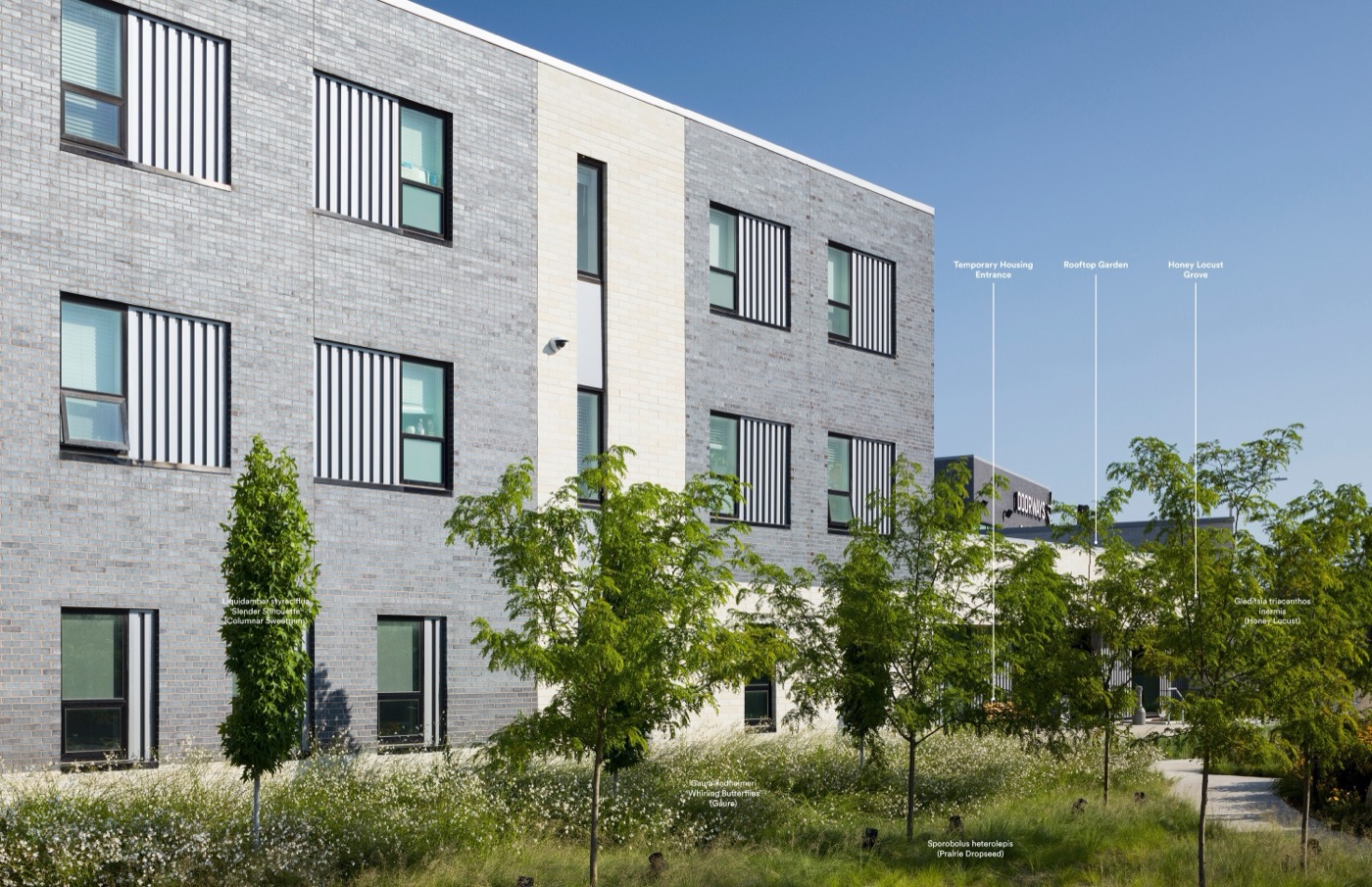
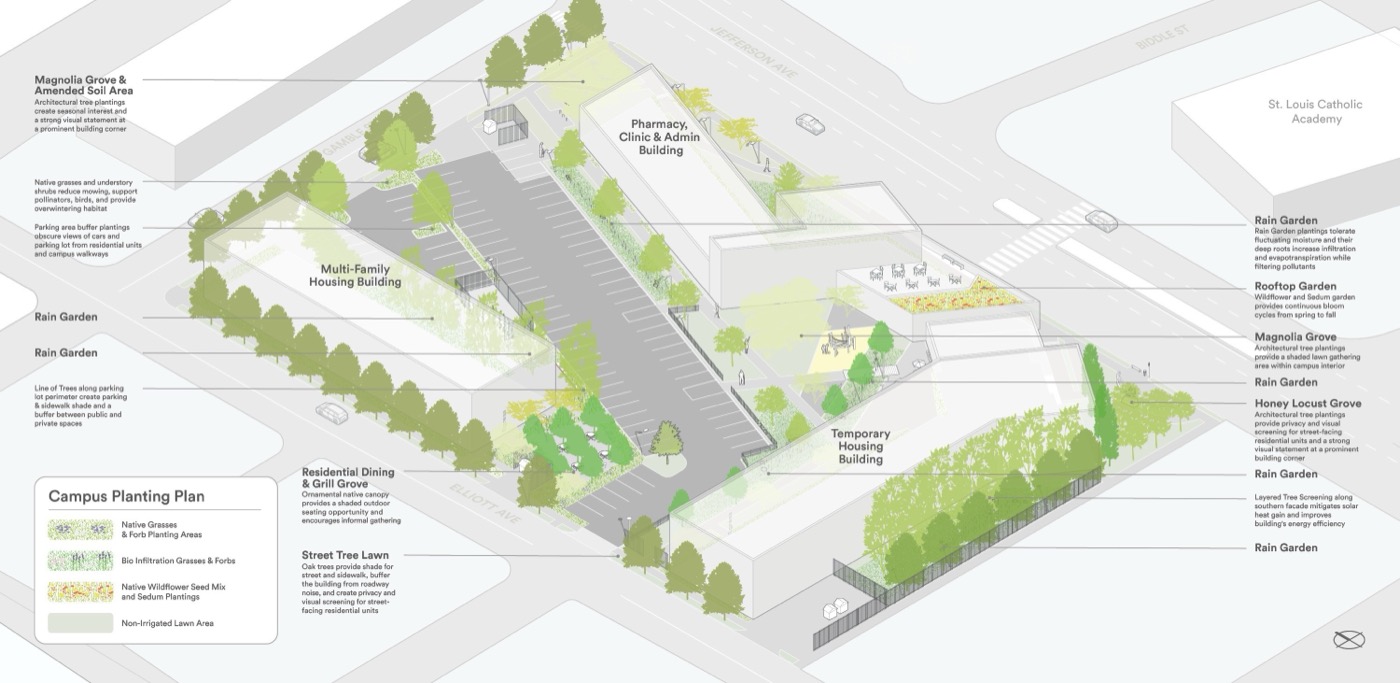
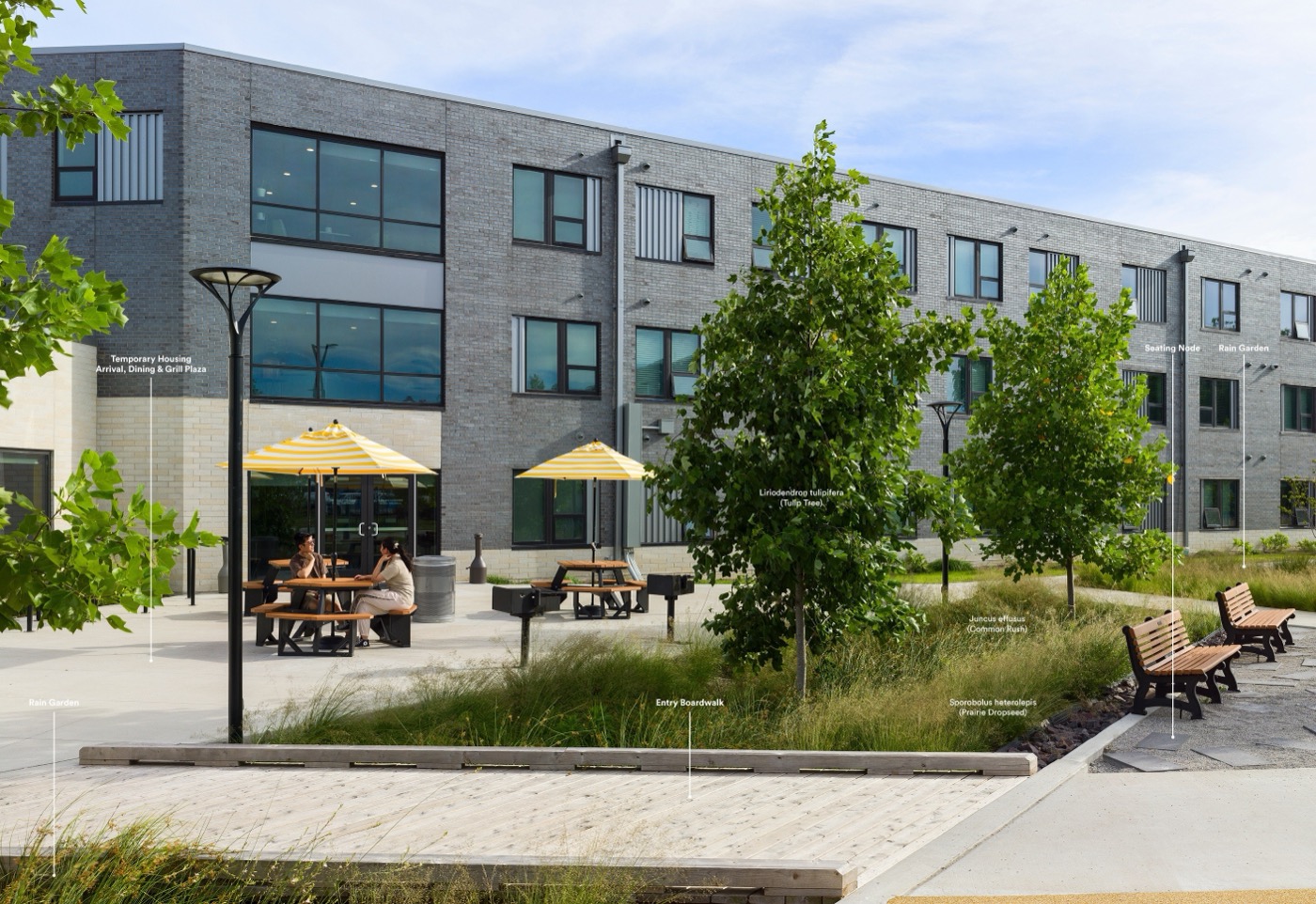
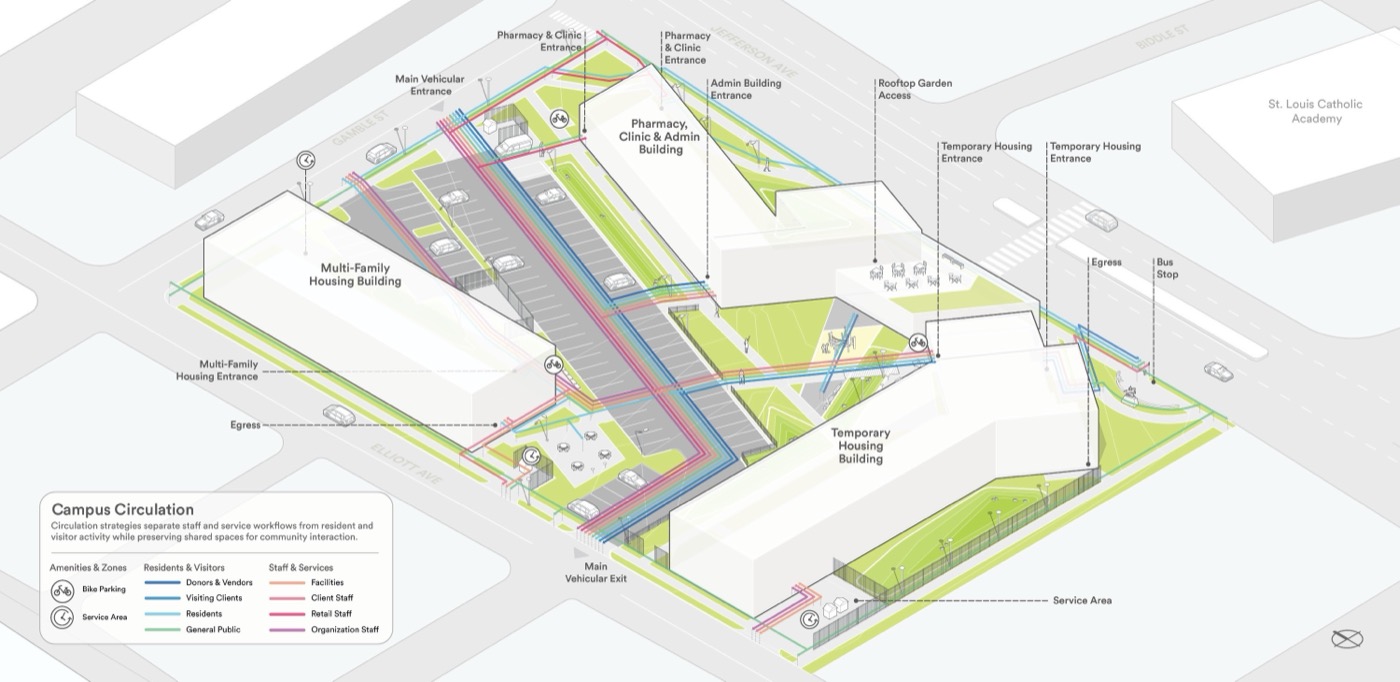
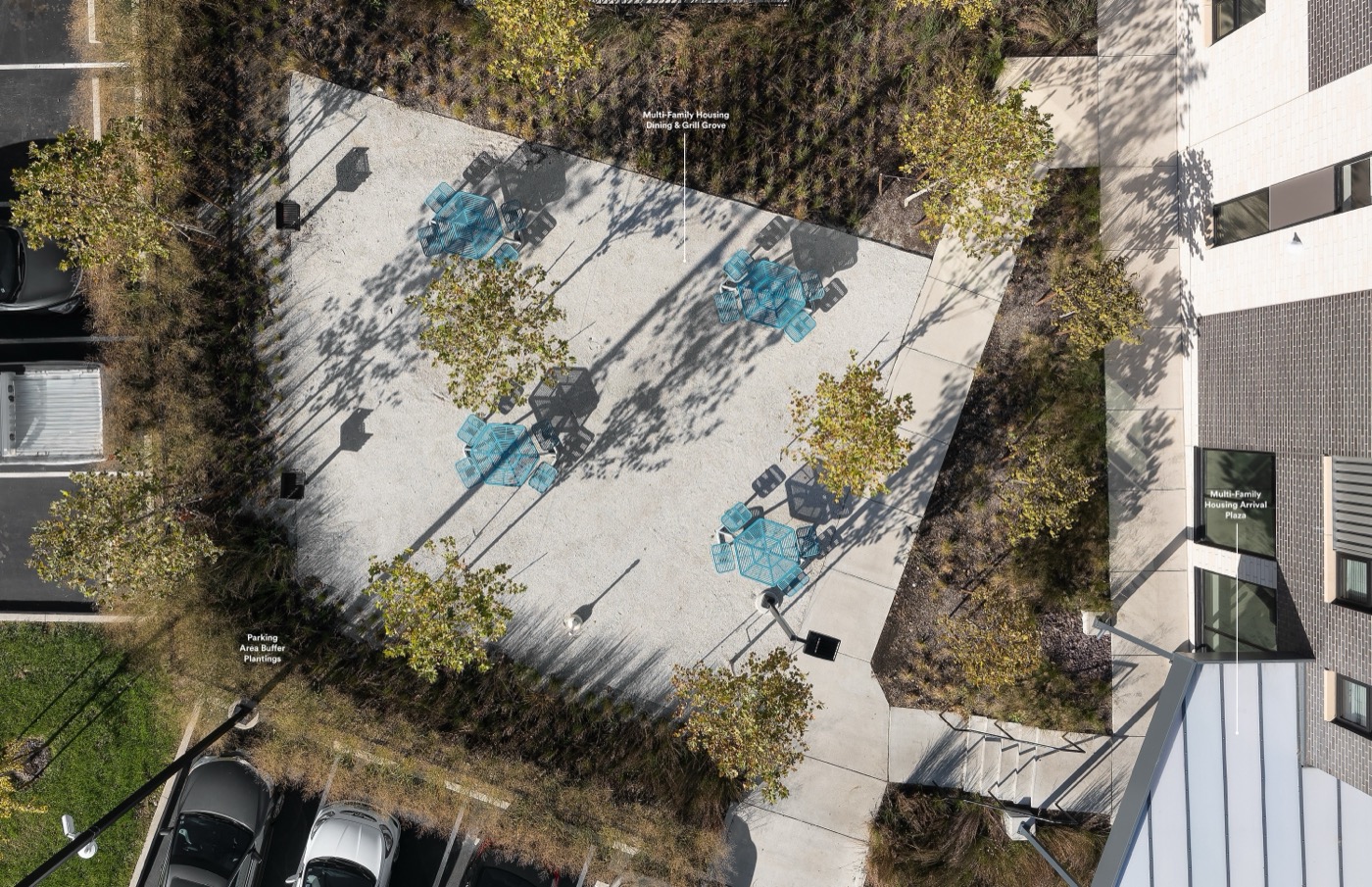
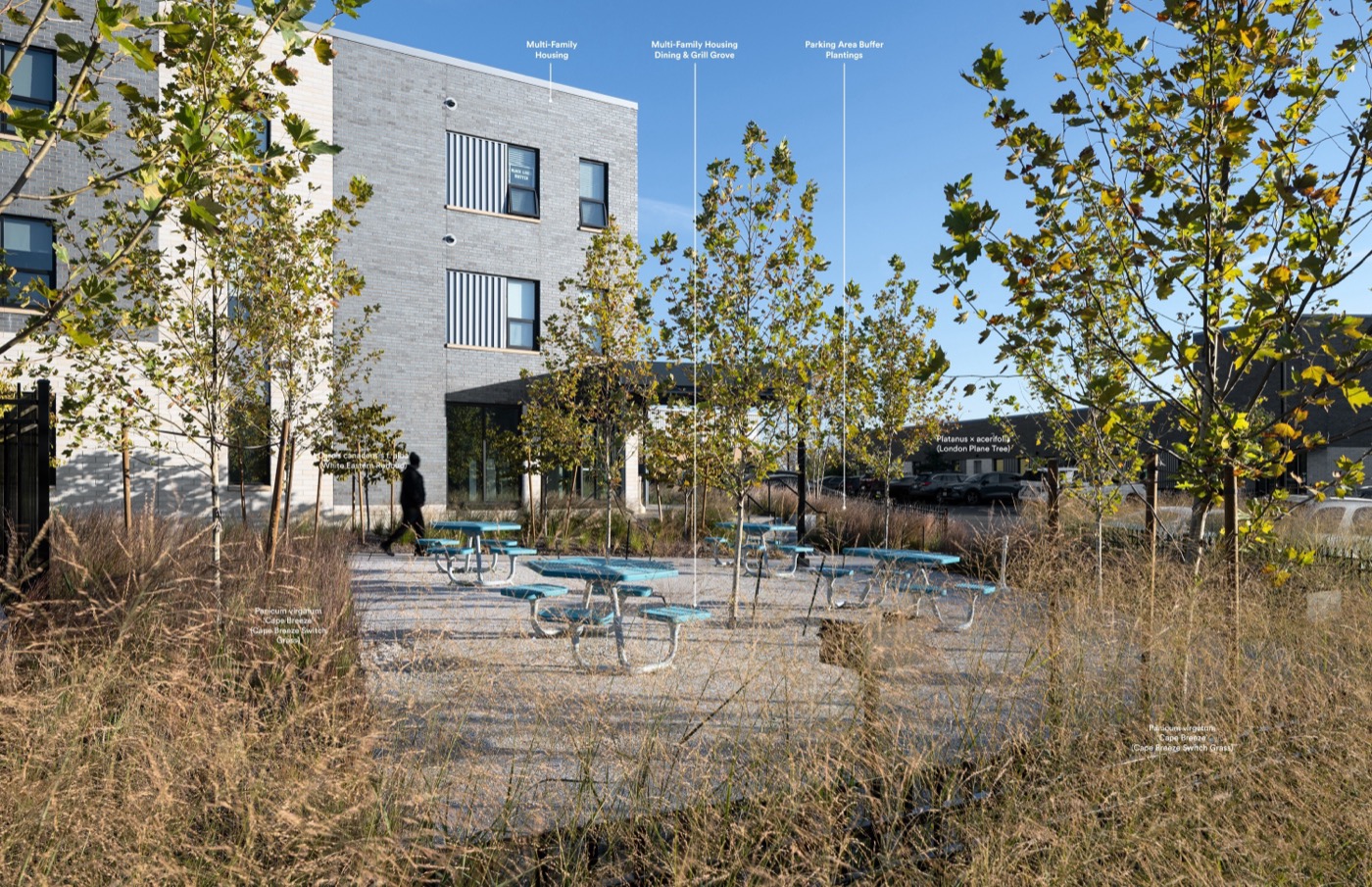
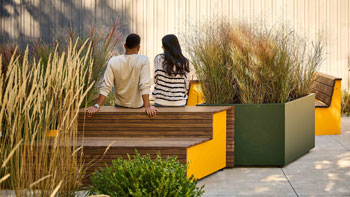
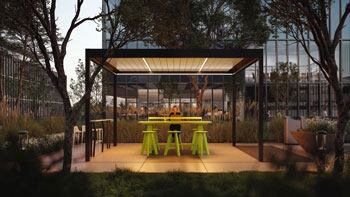
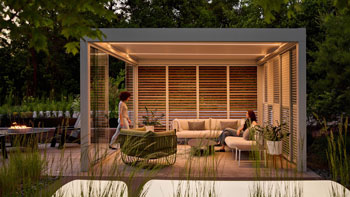
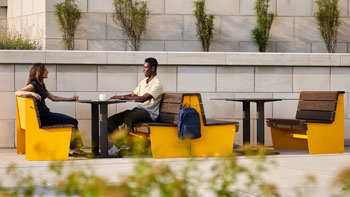
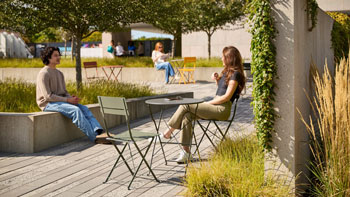
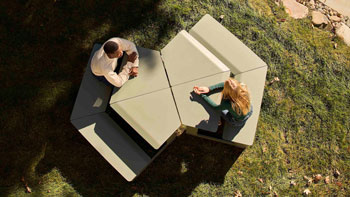
The campus foregoes one large communal space in favor of smaller, more intimate outdoor gathering areas. Bosques of native trees and understory plantings define these “rooms,” while a play structure engages younger residents and visitors, reinforcing the campus as a home rather than an institution.
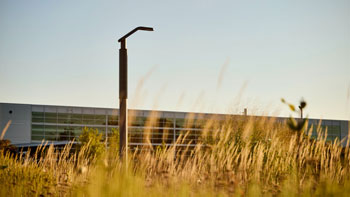
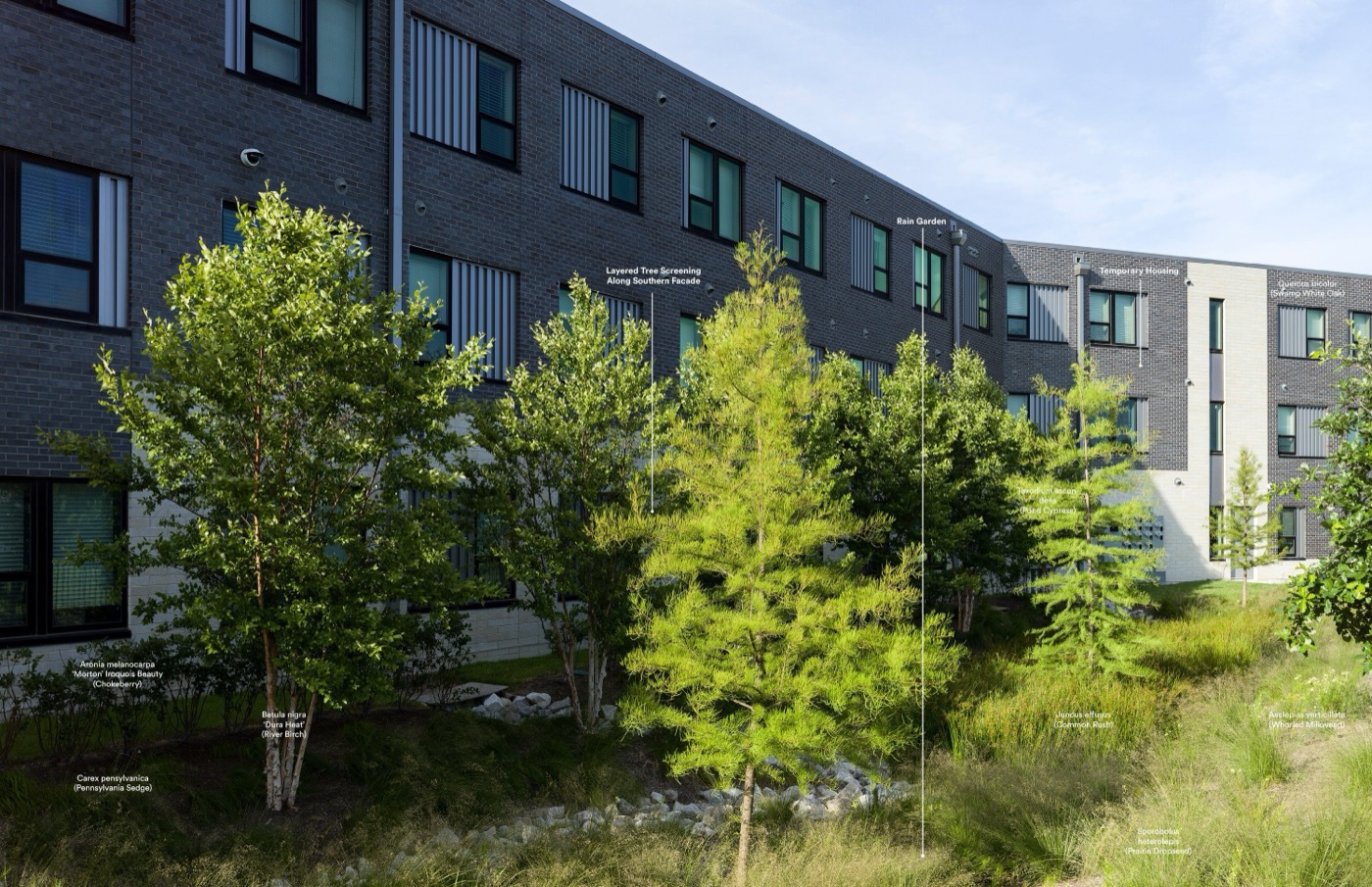
Plant selection prioritizes shade, seasonal interest, and ecological function. Native grasses, wildflowers, and shrubs create texture and habitat, while trees moderate temperature and improve comfort throughout the year.
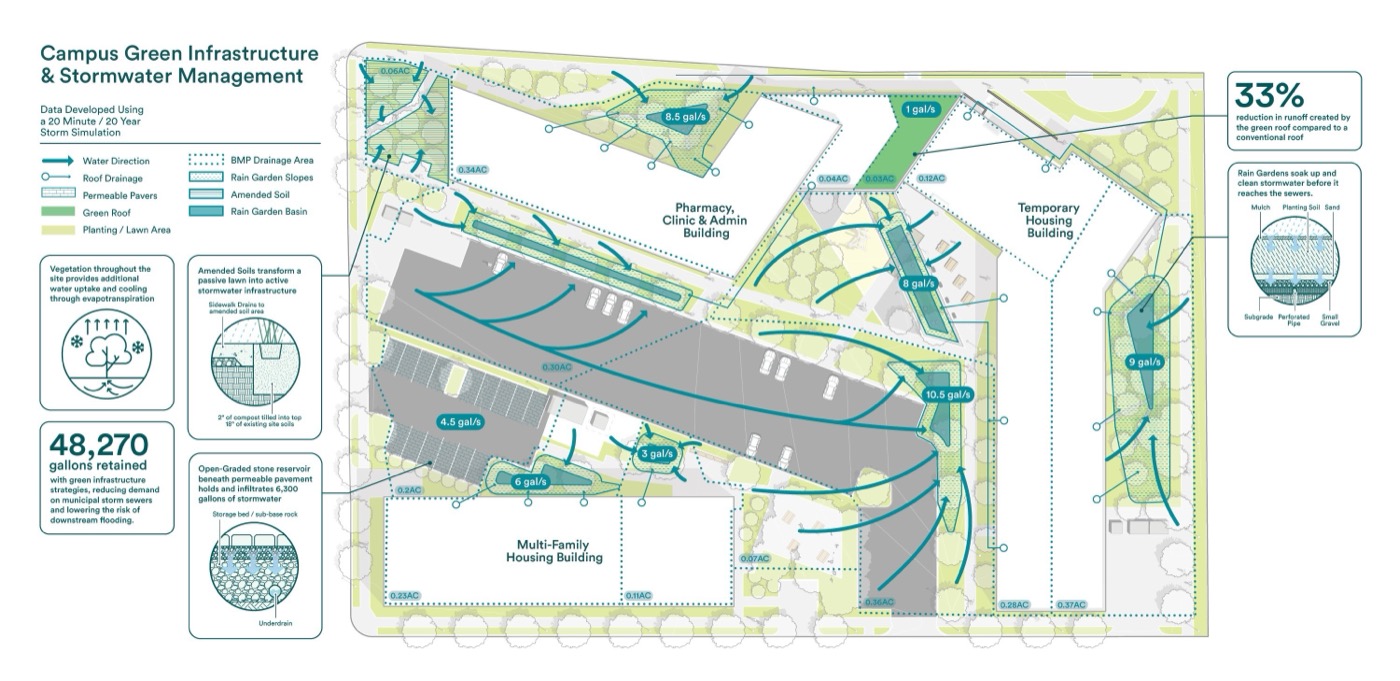
Leveraging substantial municipal grants to bridge the funding gap between the project’s ambition and budget, the Landscape Architect made stormwater management systems integral site-wide; turning them into fully-fledged, mission-aligned amenities. Rain gardens, permeable paving, and amended soils capture, filter, and infiltrate runoff, easing demands on overburdened combined stormwater-sewer city infrastructure and reducing flooding risk. These systems cool the site and soften its edges while connecting residents to natural systems and cycles. Their presence is felt, not flaunted—quietly supporting health and well-being. Infrastructurally and emotionally; the entire campus “heals.”
The landscape architect also contributed to the alignment of project sustainability goals with certification requirements for Missouri Housing Development Commission funding. By shade-modeling relationships between potential tree configurations and the building design, the landscape architects were able to layer trees to effectively mitigate solar heat gain; ultimately making the buildings passively energy efficient enough to satisfy certification requirements without the need to implement high-cost building appurtenances or systems.
The DOORWAYS campus landscape demonstrates how landscape architects can create highly impactful spaces with a limited budget; and how urban multi-unit residential campus design can promote ecological and human health by embedding community connection within the design framework. Doorways is a place where stability, care, and resilience extend beyond walls, offering residents a foundation for healing, belonging, and opportunity.
Project Credits:
Arbolope Studio (Landscape Architect)
Trivers (Building Architect)
Civil Design, Inc. (Civil)
38.640830761931866, -90.21299776620562
73677


LILA 2026 Sponsor