Shortlisted for LILA 2026 Jury Award:
Double Garden at Chunshen Port: The Syntax of Symbiosis
www.possibilismdesignstudio.com/
2026 Public Projects / China / Built in 2023 /

![Abstract: Living Archive in the Anthropocene At No. 370 Huashan Road, the Jing’an Hotel (formerly Haig Court) is a Spanish-style modernist masterpiece and Shanghai Excellent Historic Building. In 2022, alongside Jinjiang Group’s repositioning into “Haig Court,” this site underwent a profound metamorphosis. The design eschews static preservation for “Palimpsestic Regeneration.” By stripping later interference, it […]](https://landezine-award.com/wp-content/uploads/2026/05/00_Hero-image-16-600x450.jpg "Palimpsestic Regeneration of Haig Court Historical Garden: From Private Domain to Urban Interface of Perception")
1. Executive Summary: The Syntax of Symbiosis
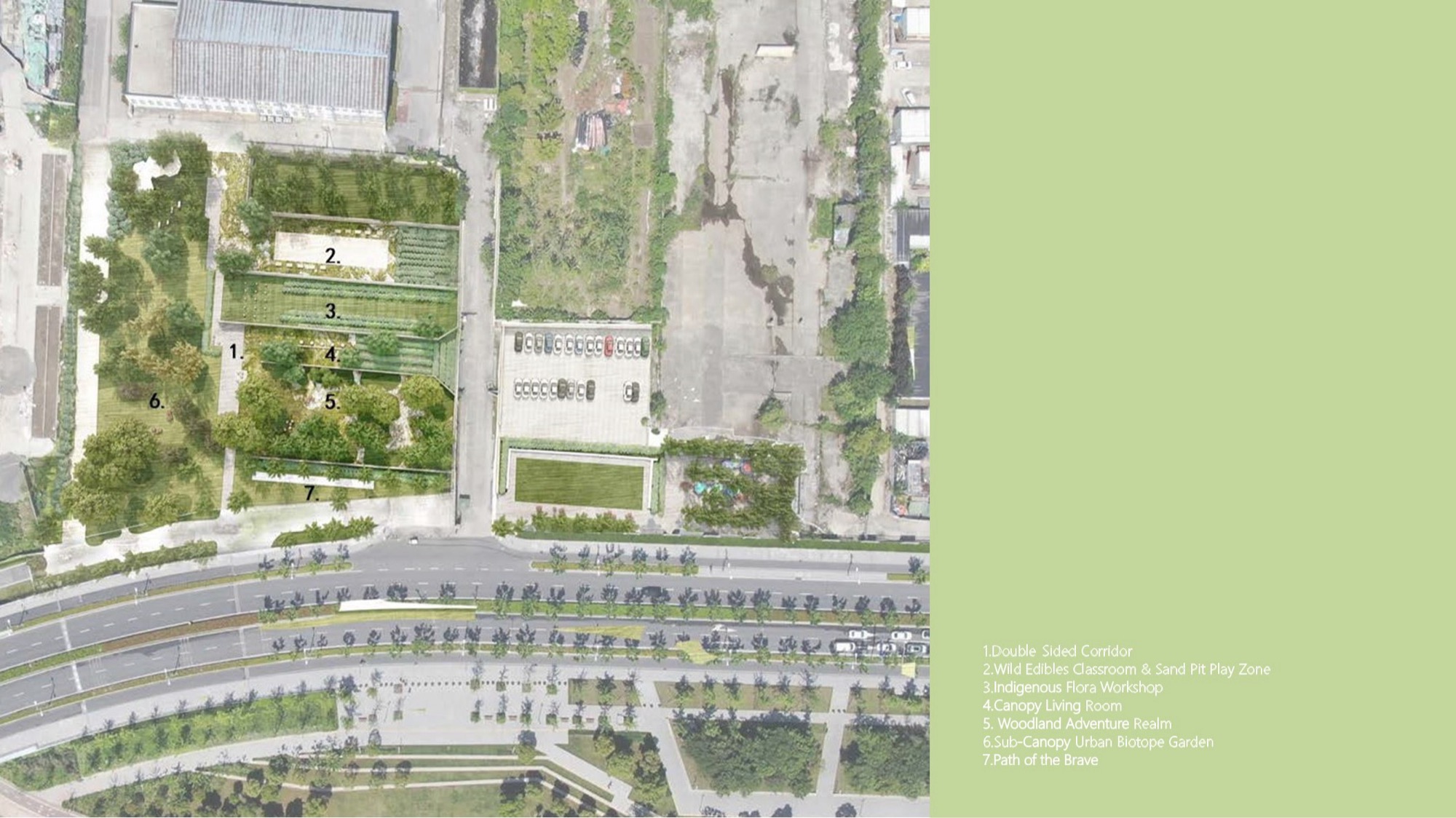
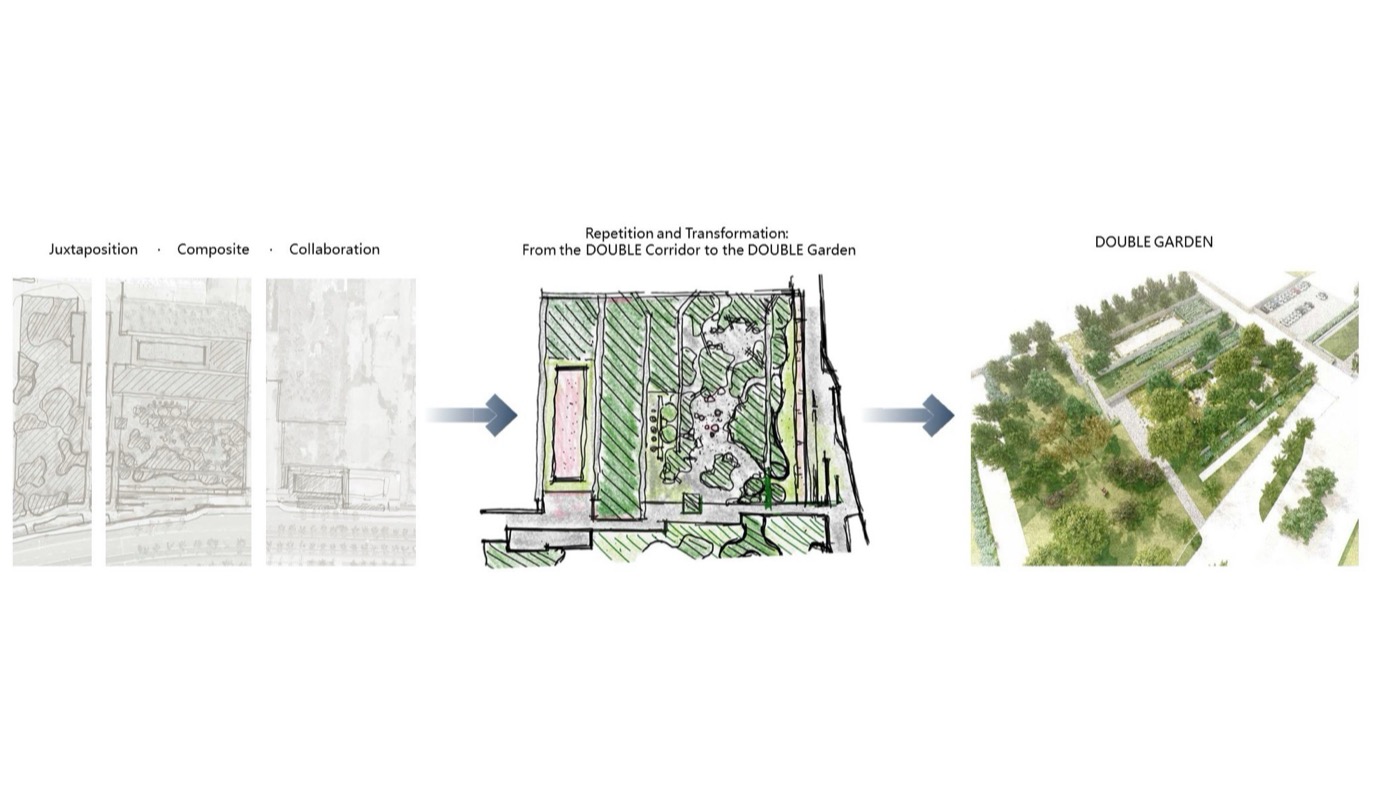
The Double Garden is not merely a park; it is a “double garden” operating at the intersection of ecological restoration and cultural reinterpretation. Located on a 2,000-square-meter post-industrial brownfield, it responds to the “METro-BIOSIS” theme—harmonizing urban development and nature. We established a technical framework for “Ecological Co-Habitation,” transforming a site defined by invasive species and ruins into a gradient habitat. By implementing a Five-Phase Manual Eradication Protocol, we rescued the native seed bank. Simultaneously, we turned industrial walls into “Spatial Punctuation Marks” using the classical principle of “Borrowed Scenery” (Jiejing). This is a landscape where the pathology of the site meets poetic design, serving as a vital node in Shanghai’s “15-minute Community Living Circle.”
2. Context & Technical Diagnosis
2.1 The Site: An Urban Operating Table
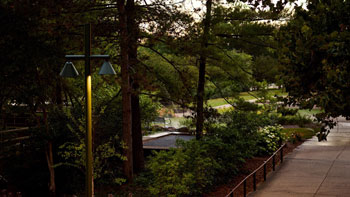
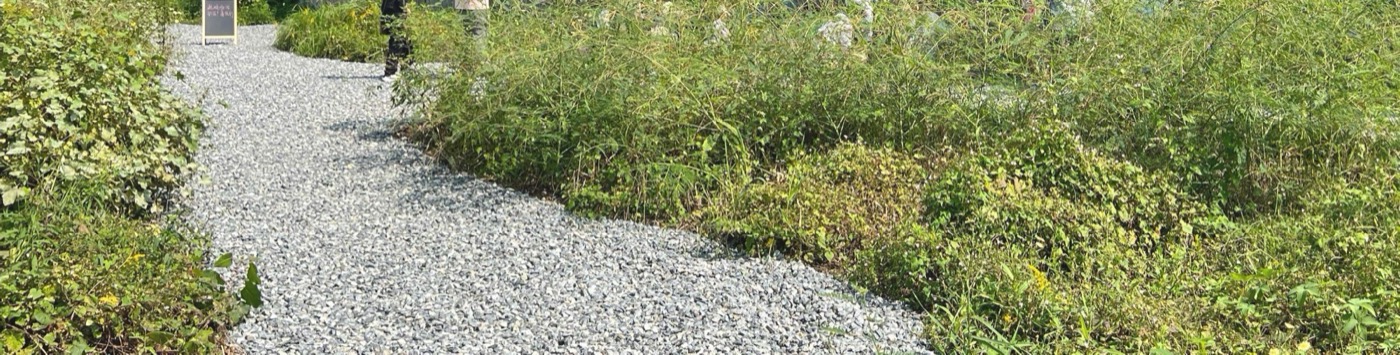
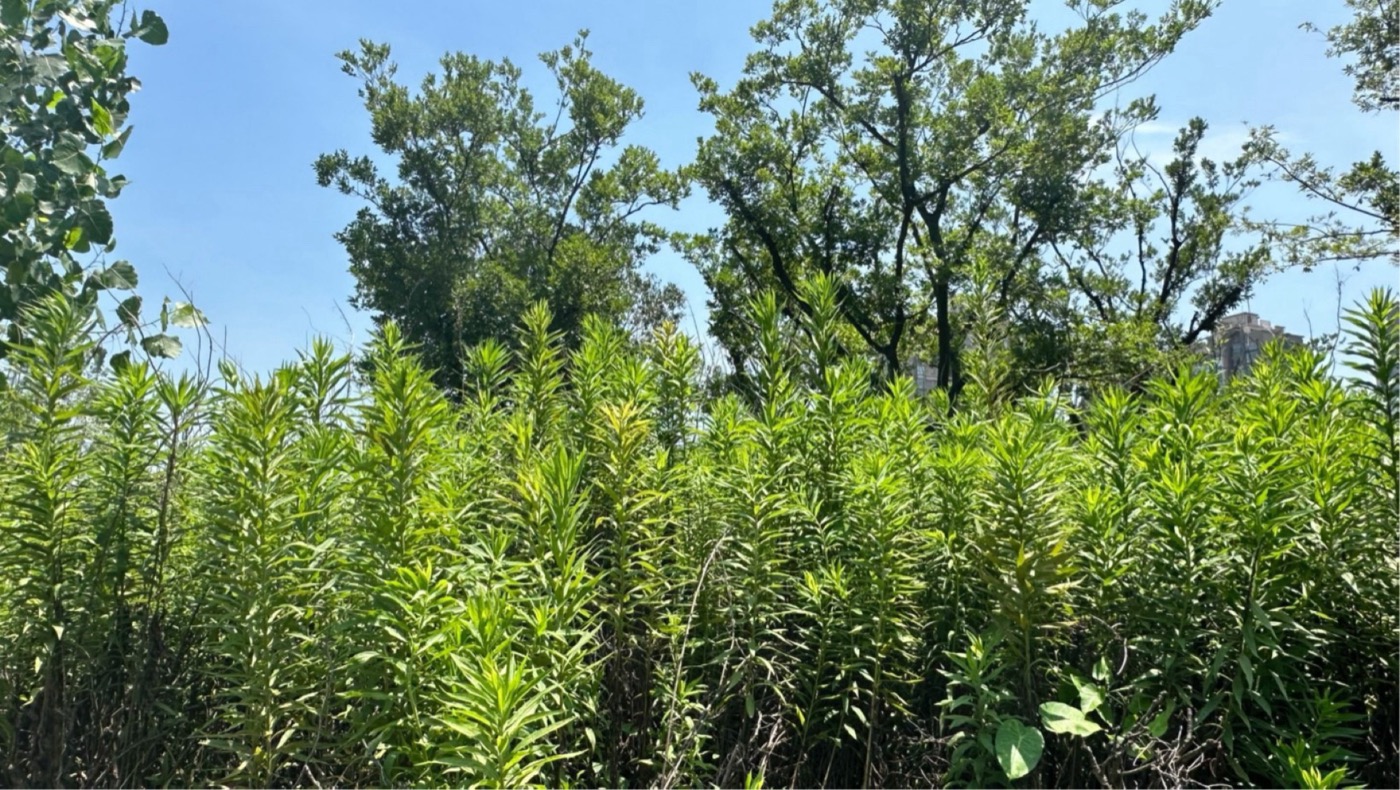
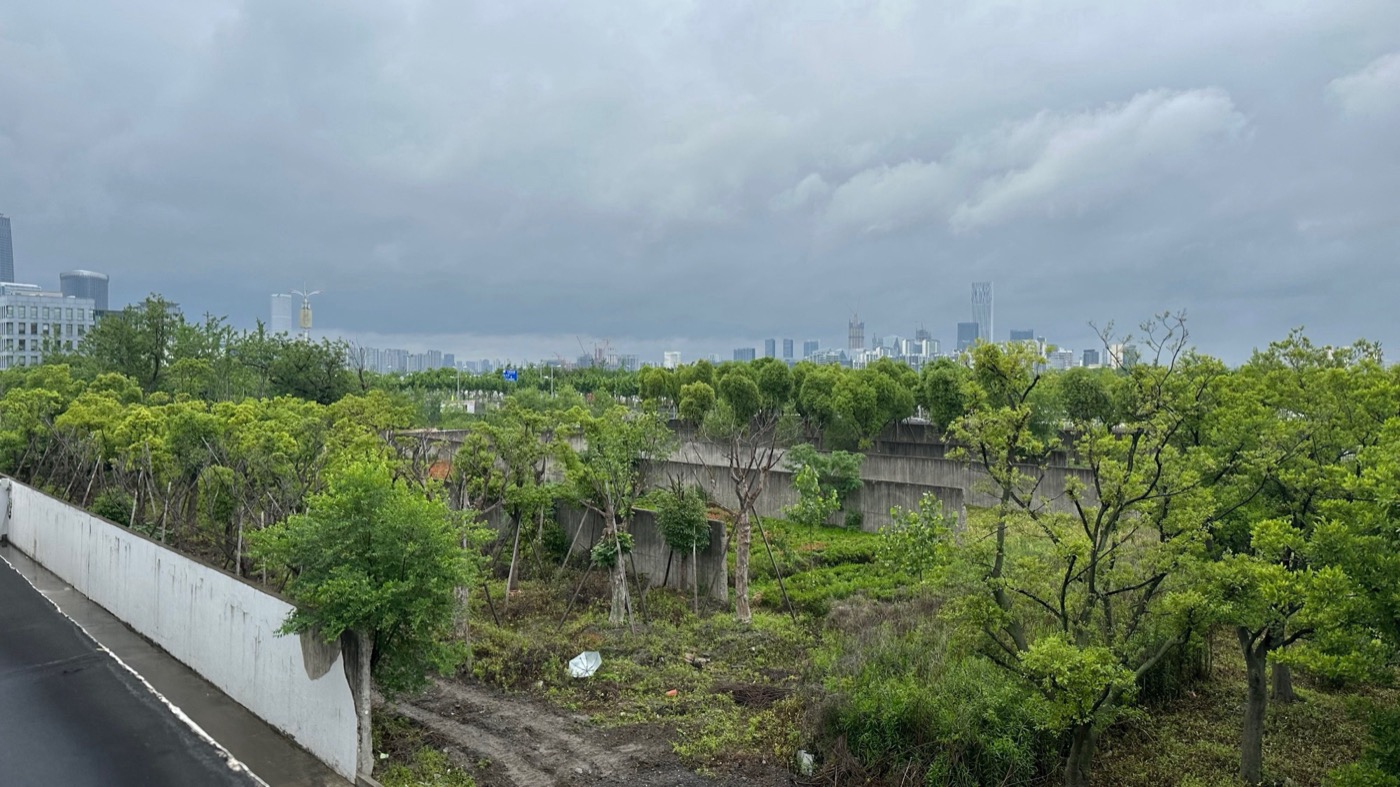
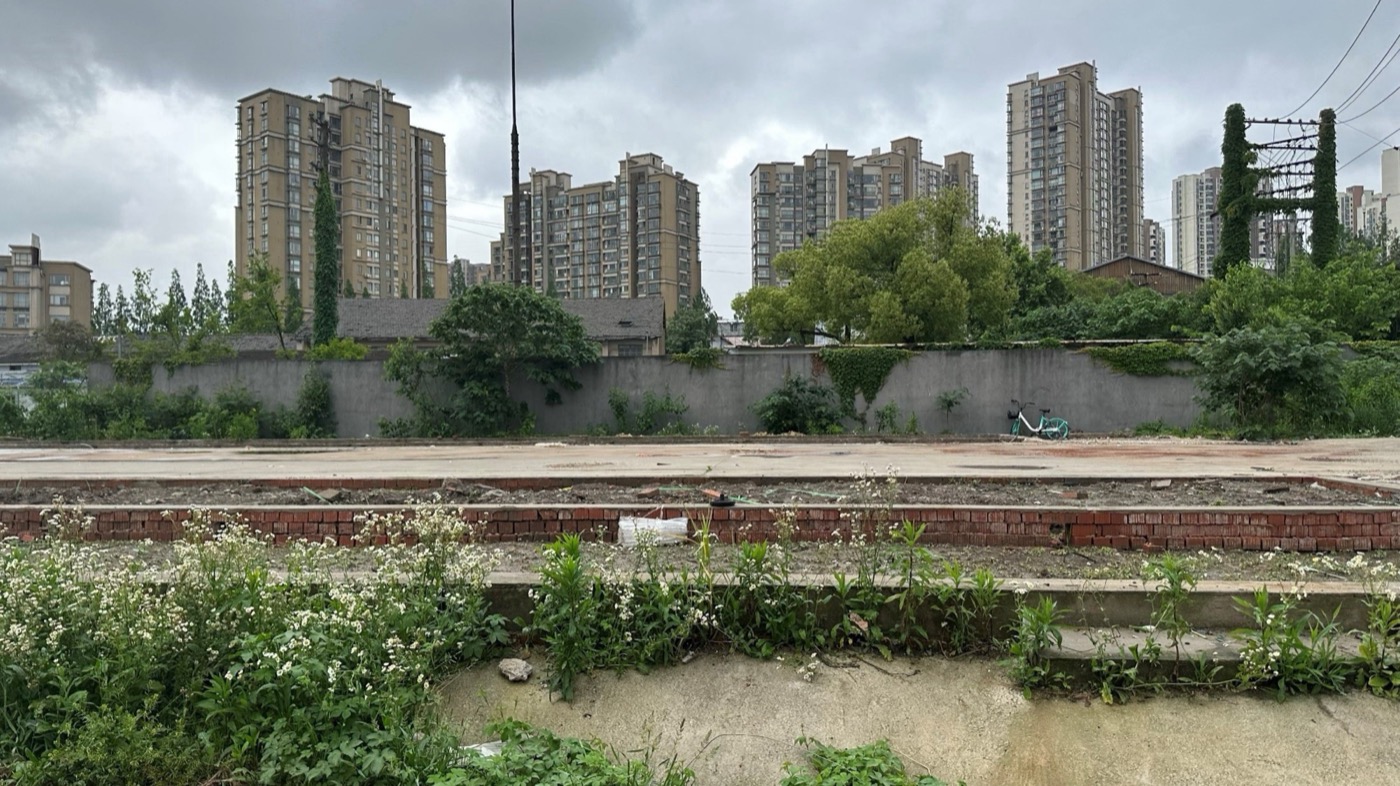
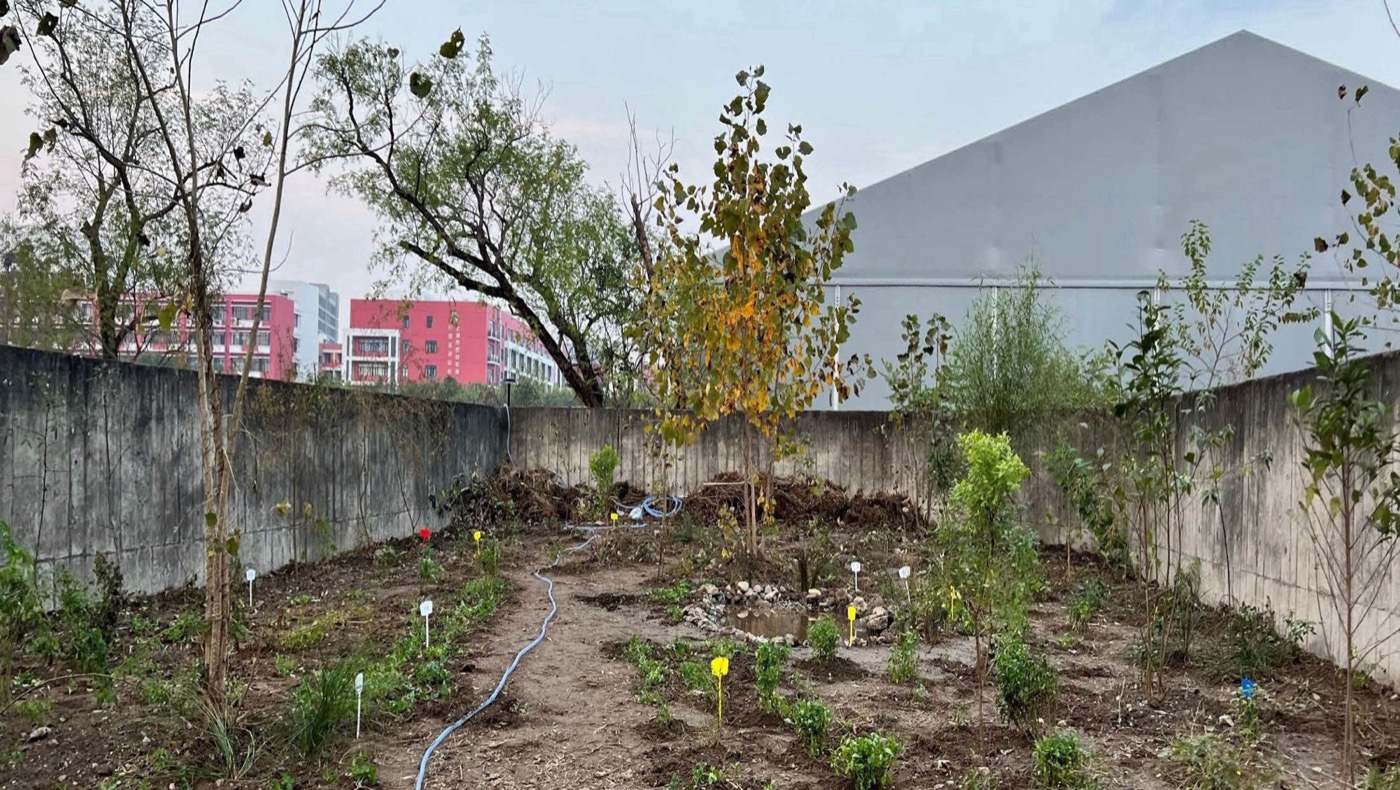
The former storage yard adjacent to the waterfront was a neglected industrial site transformed into a temporary green space and nursery. The core challenge was the paradox of “wilderness beauty.” Initial readings revealed a lush landscape that was actually an ecological dead zone. The diagnosis identified a critical “Red Line” of biodiversity loss caused by aggressive Invasive Alien Species (IAS). The design began with ecological triage, balancing urgent eradication with preserving industrial memory and the site’s function as a plant “convalescent home.”
2.2 The Invasive Species Red Line
The primary hurdle was biological invasion threatening the urban micro-habitat.
(1)The Invaders: Dominated by Solidago canadensis (Canadian Goldenrod) and Bidens pilosa (Beggarticks), listed on China’s “Key Management” lists.
Solidago canadensis: Spreads via wind and aggressive rhizomes, inhibiting native seeds.
Bidens pilosa: Uses burr-like seeds for high dispersal efficiency.
(2)The Dilemma: Chemical herbicides were unacceptable due to the waterfront proximity. Mechanical methods risked spreading rhizomes. The timeline required intervention before the pre-flowering season.
3. Design Methodology: Technical Intervention
3.1 The Five-Phase Manual Eradication Protocol
To address the crisis without harming the native ecosystem, we developed a proprietary protocol executed five times pre-flowering:
(1)Identification: Delineating monoculture zones.
(2)Harvest: Cutting biomass before flowering (early spring).
(3)Excavation: Manual removal of Solidago rhizomes (0-30cm soil).
(4)Containment: Vacuum-assisted removal of Bidens burr seeds.
(5)Smothering: Covering with jute geotextile and sowing competitive natives.
(Result: Reduced the invasive seed bank by 95%)
3.2 The Gradient Habitat Matrix
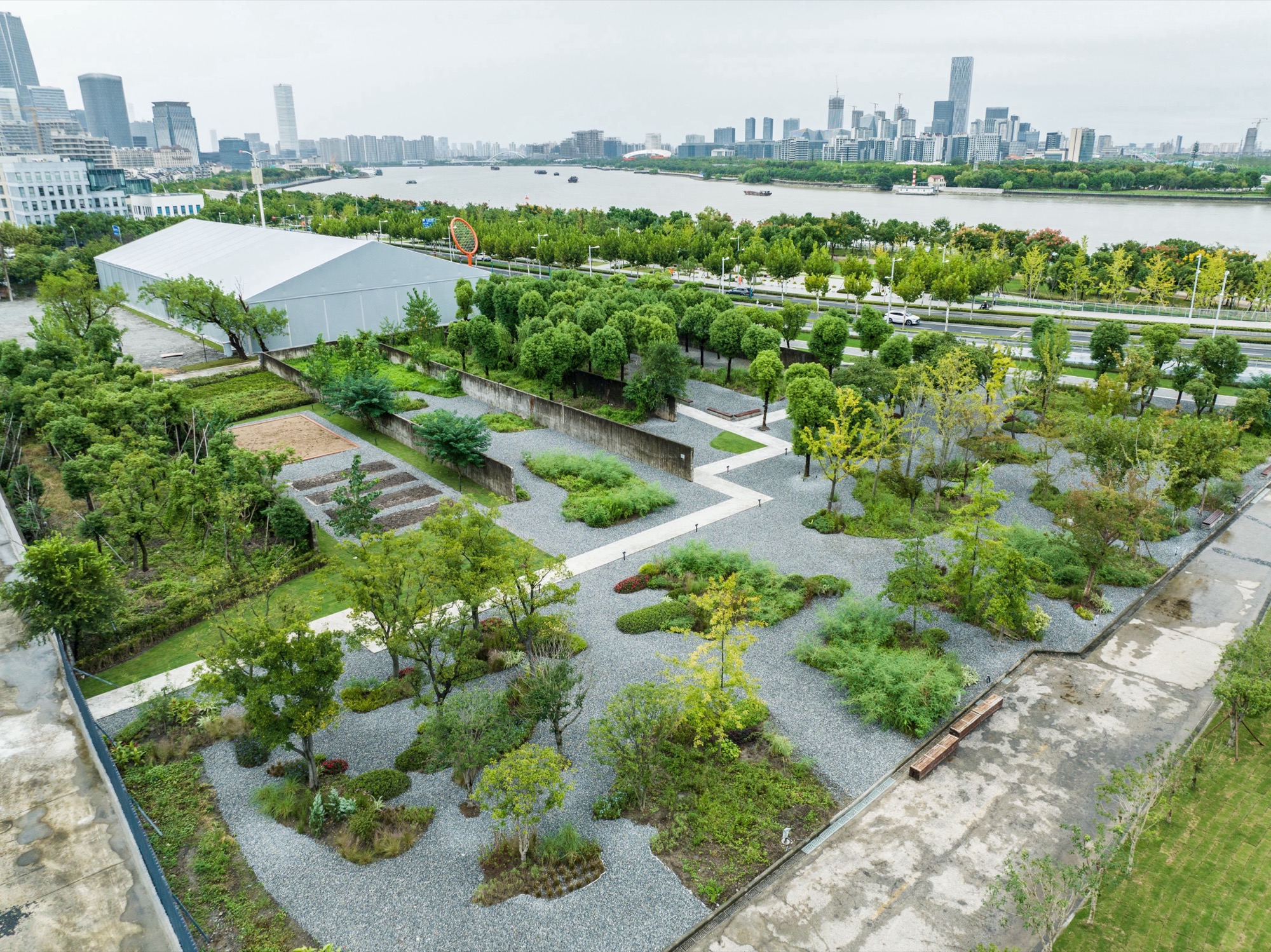
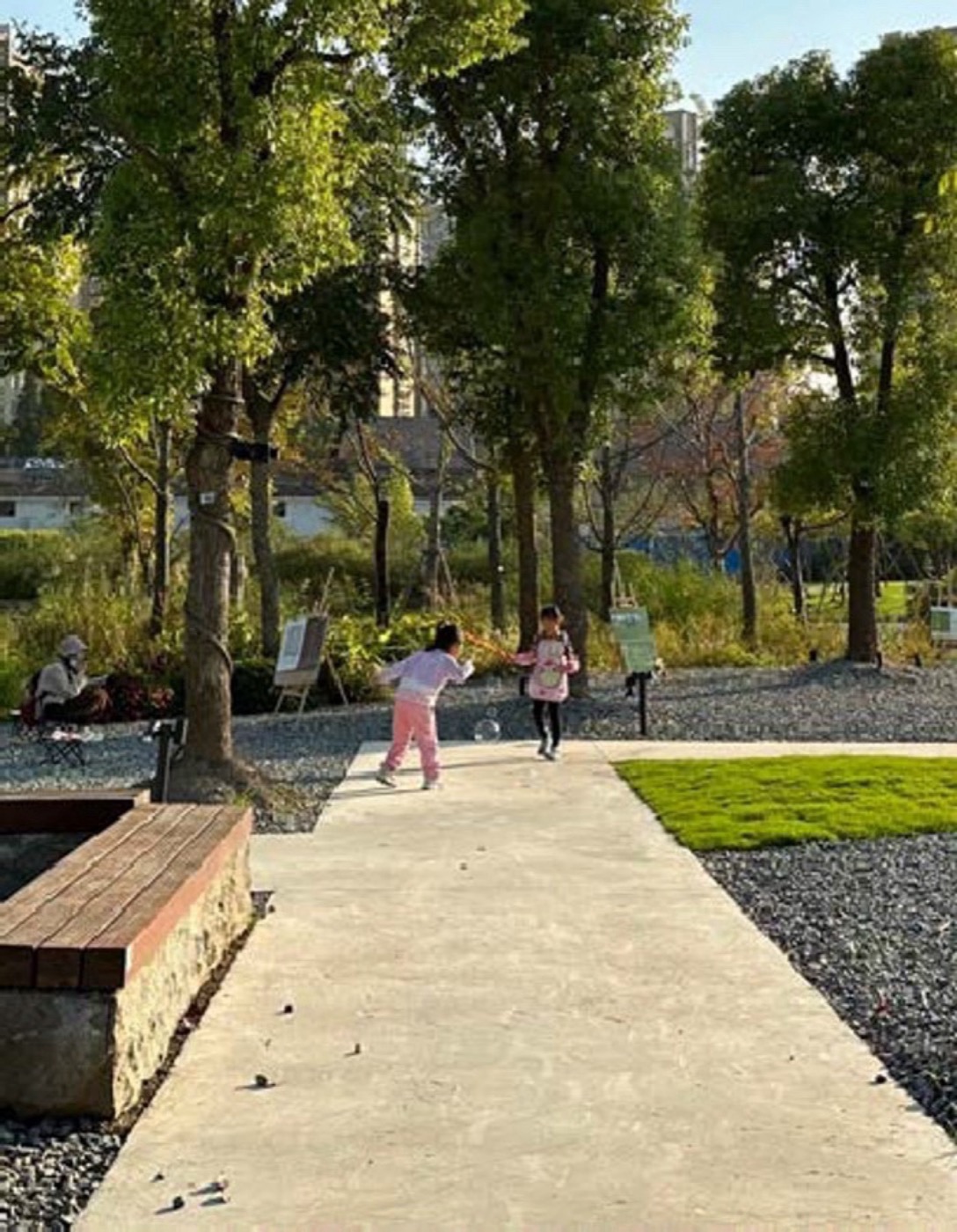
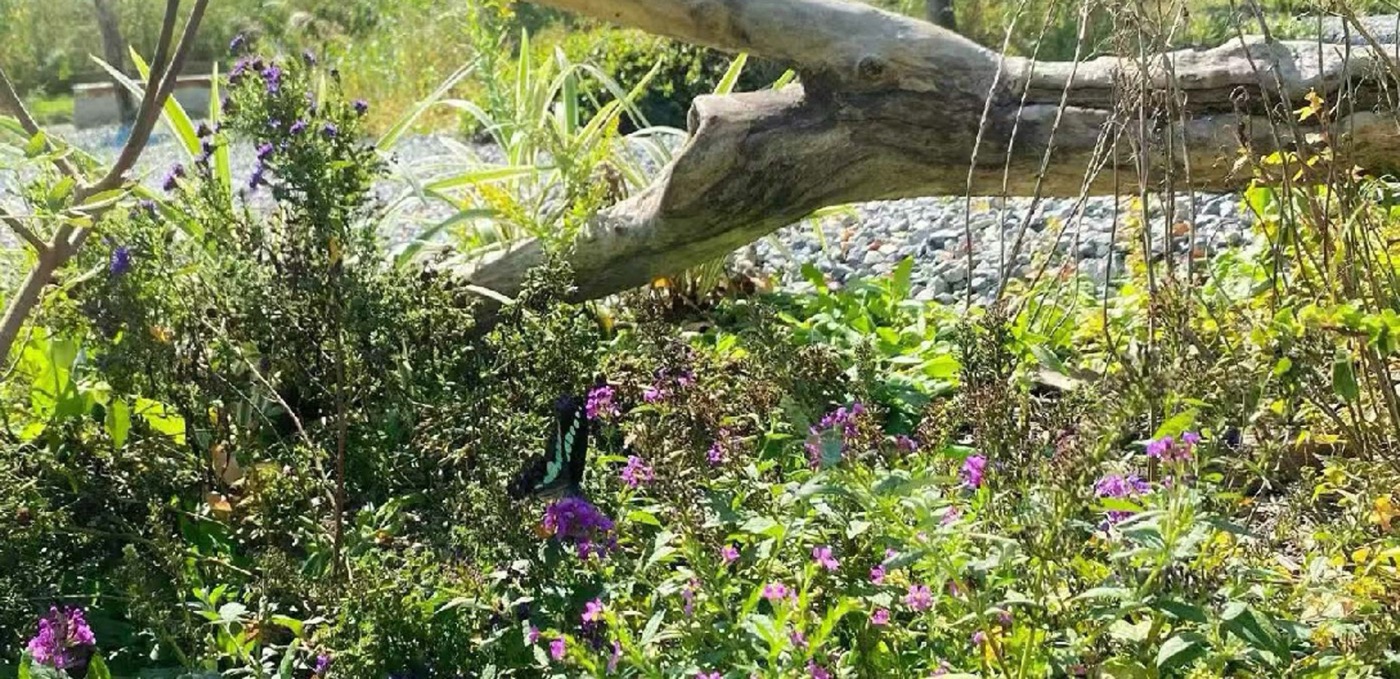
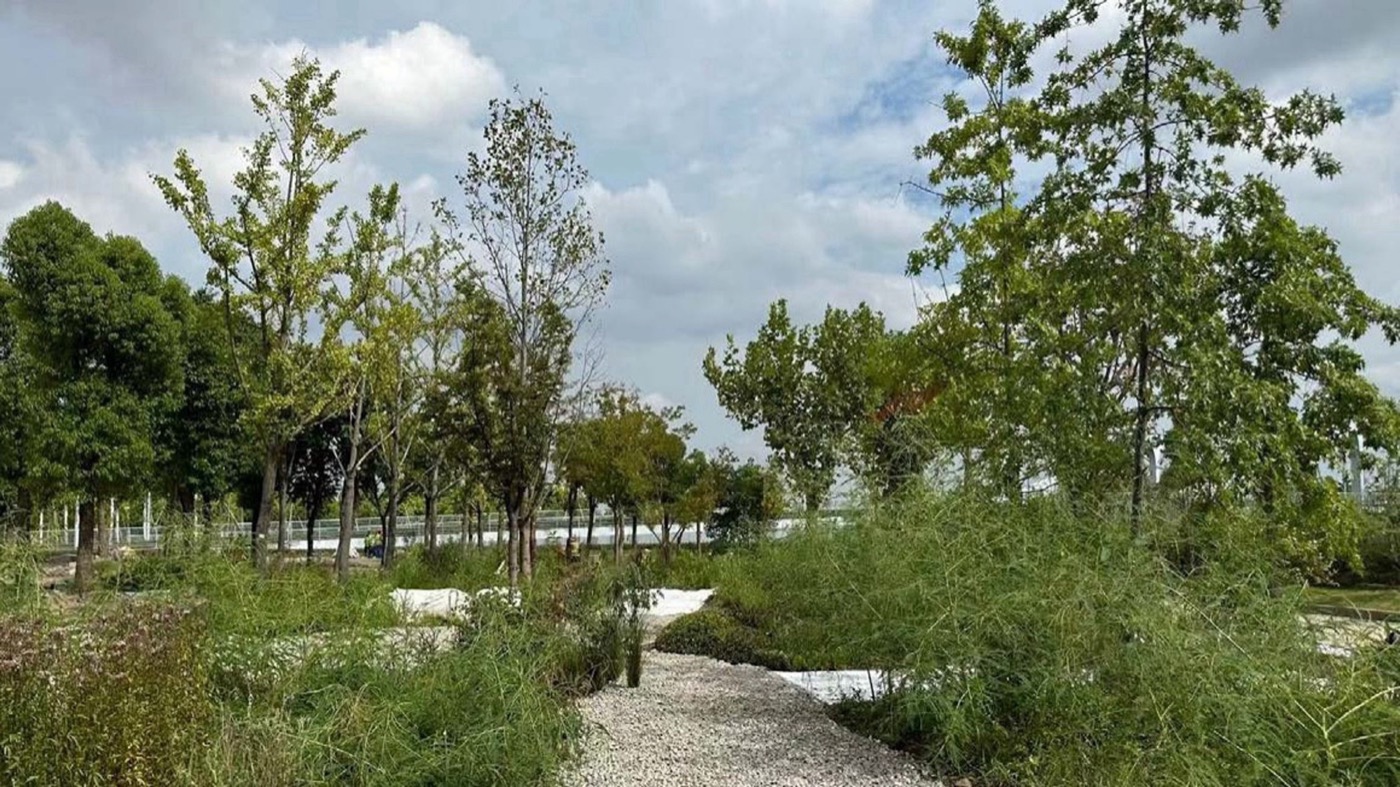
We devised a strategy allowing the landscape to shift between a nursery and public space:
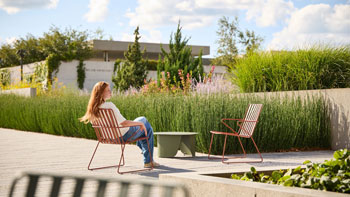
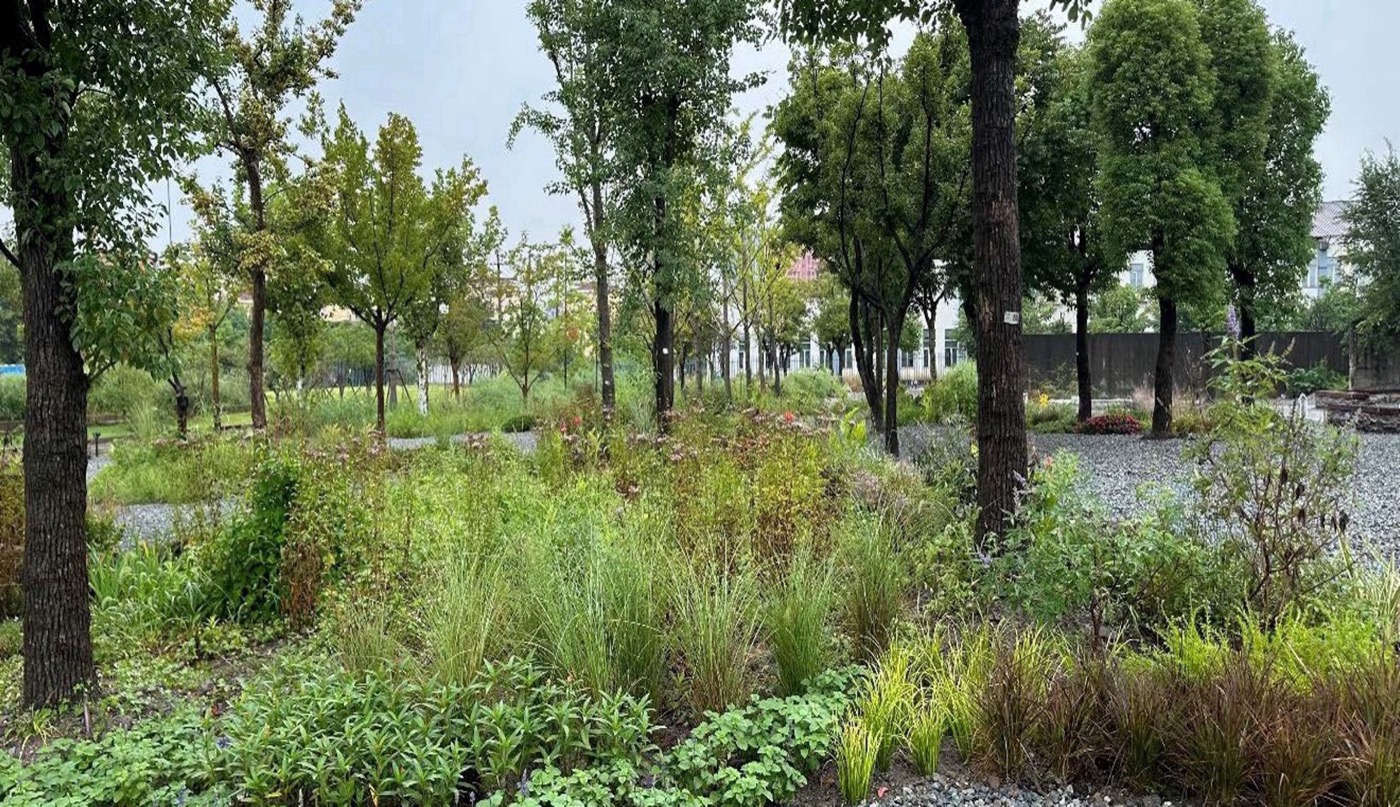
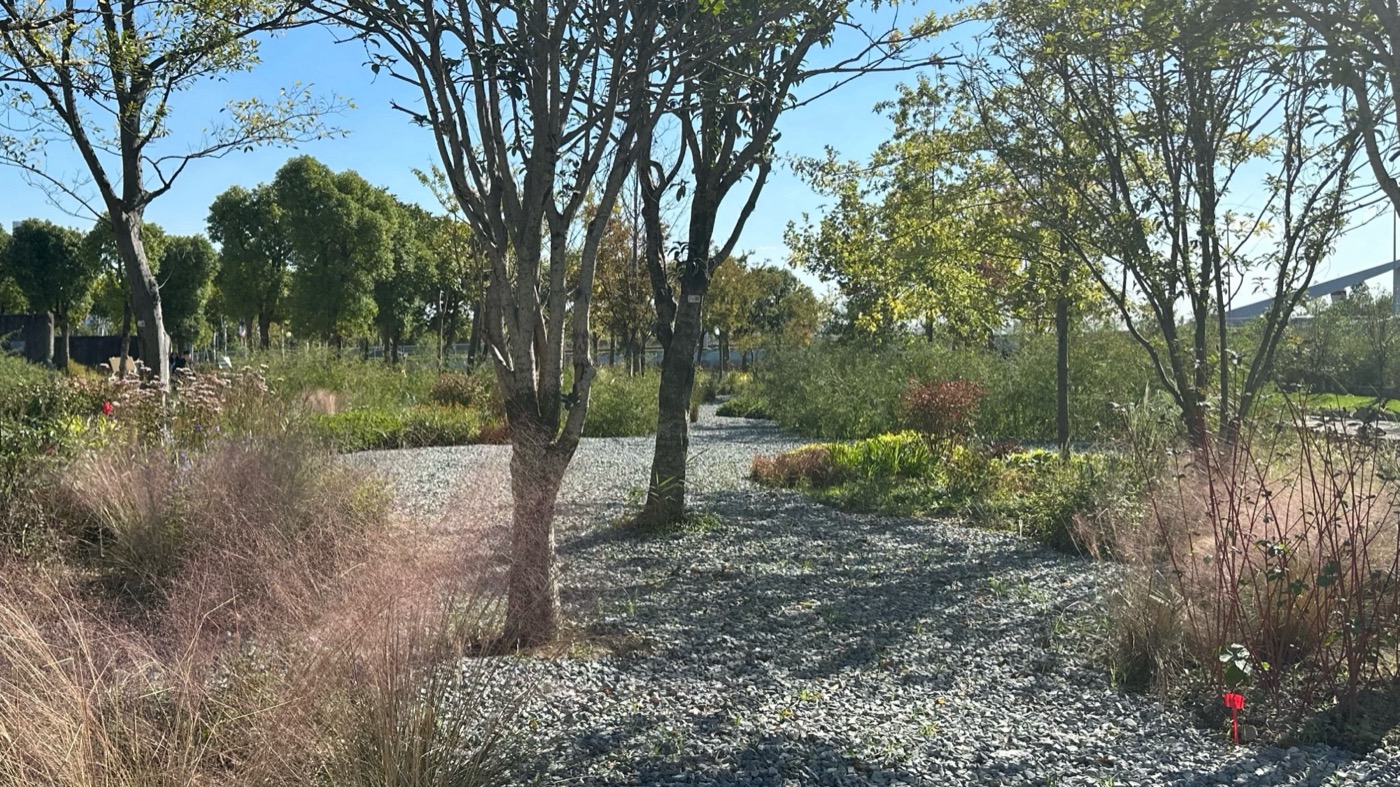
Zone 1 (The Wild): Minimal intervention. Retaining the soil seed bank with species like Phragmites australis and Setaria viridis.
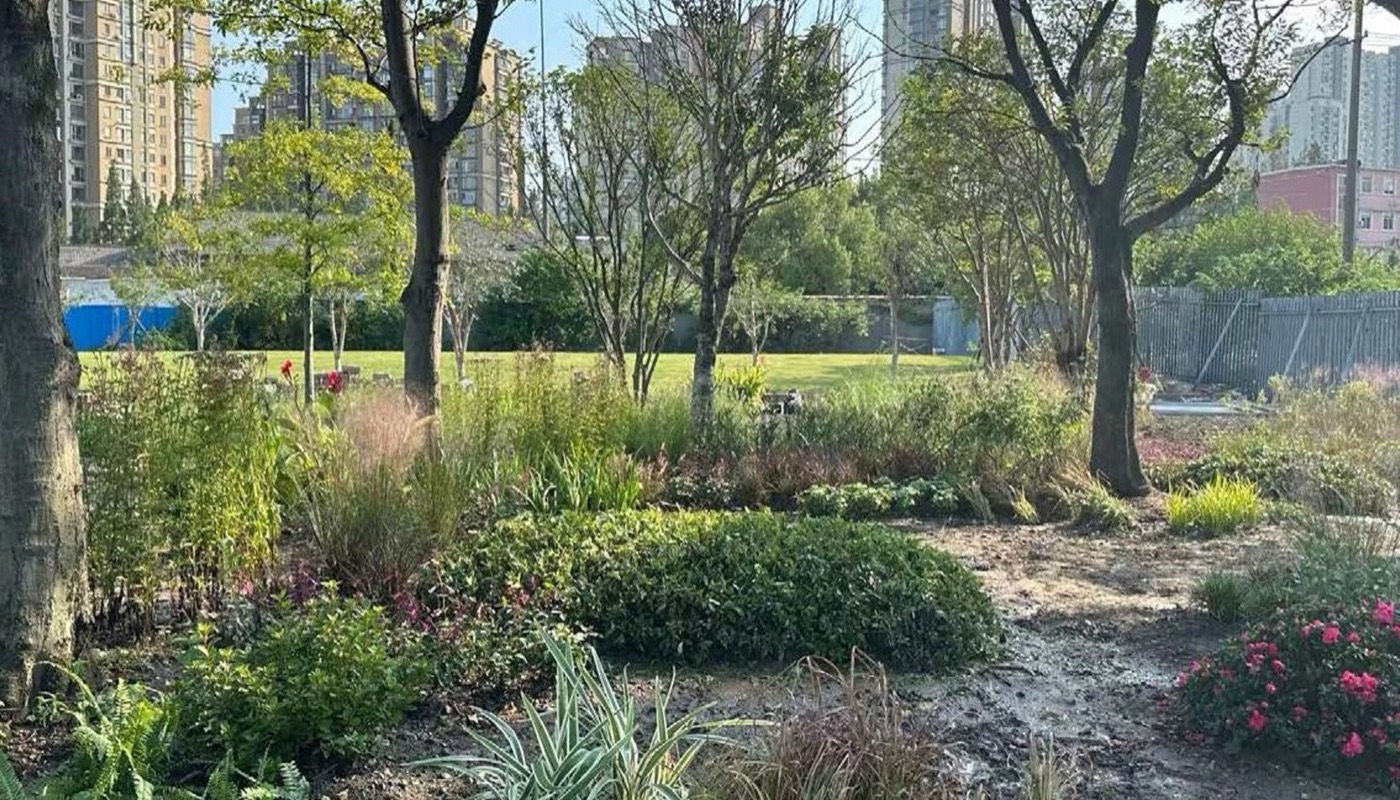
Zone 2 (The Managed): Active succession management. Introducing native forbs like Vicia sativa to guide evolution.
Zone 3 (The Cultivated): High visual impact with intensive maintenance (irrigation, crop rotation) featuring Salvia uliginosa and Miscanthus.
3.3 Gardening “Cause” and “Borrowing”
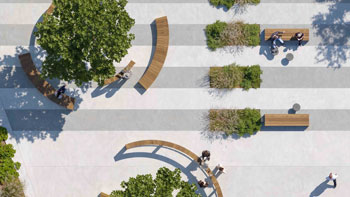
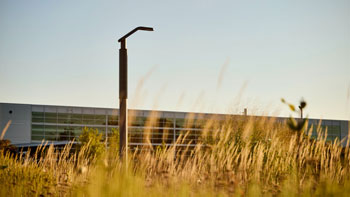
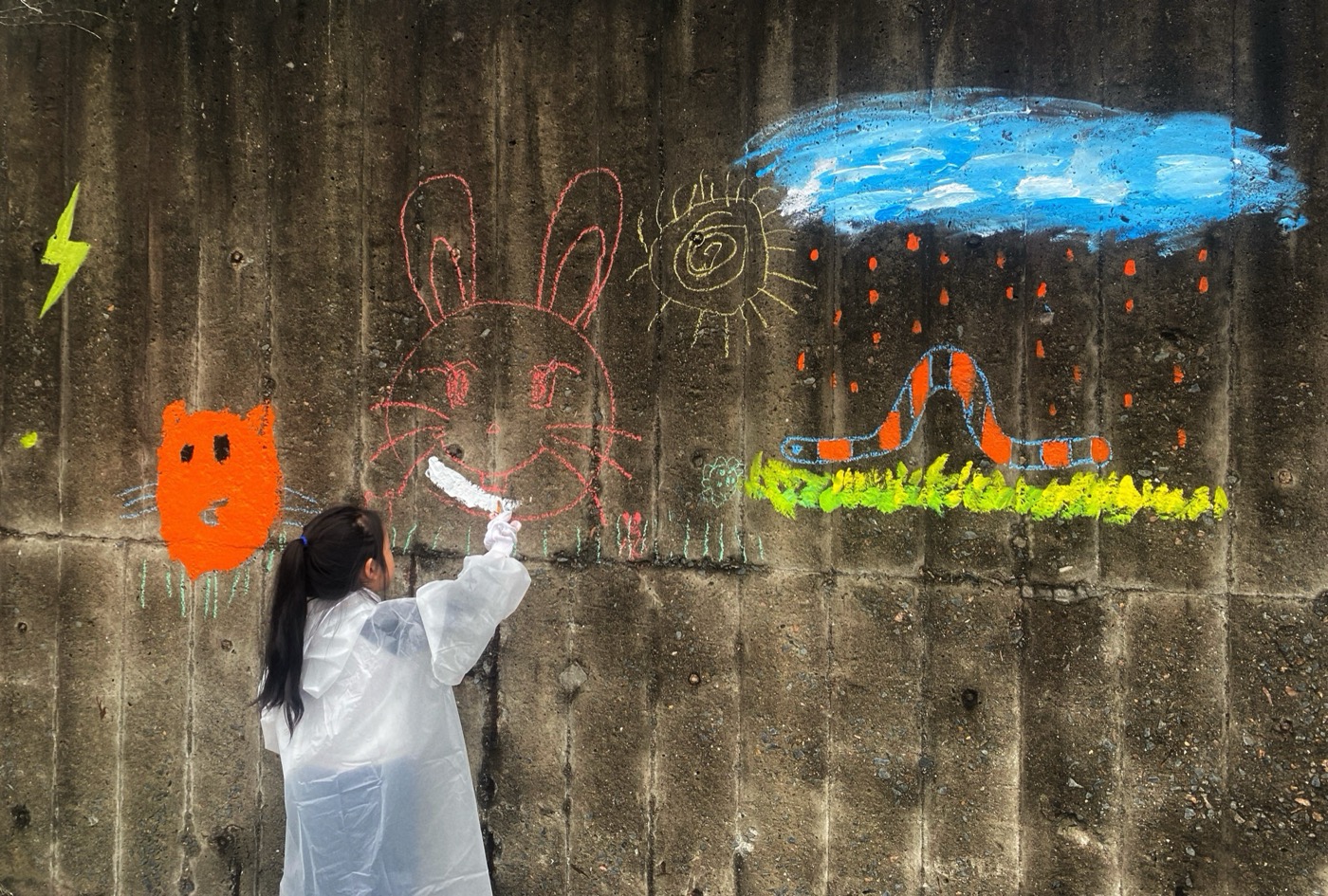
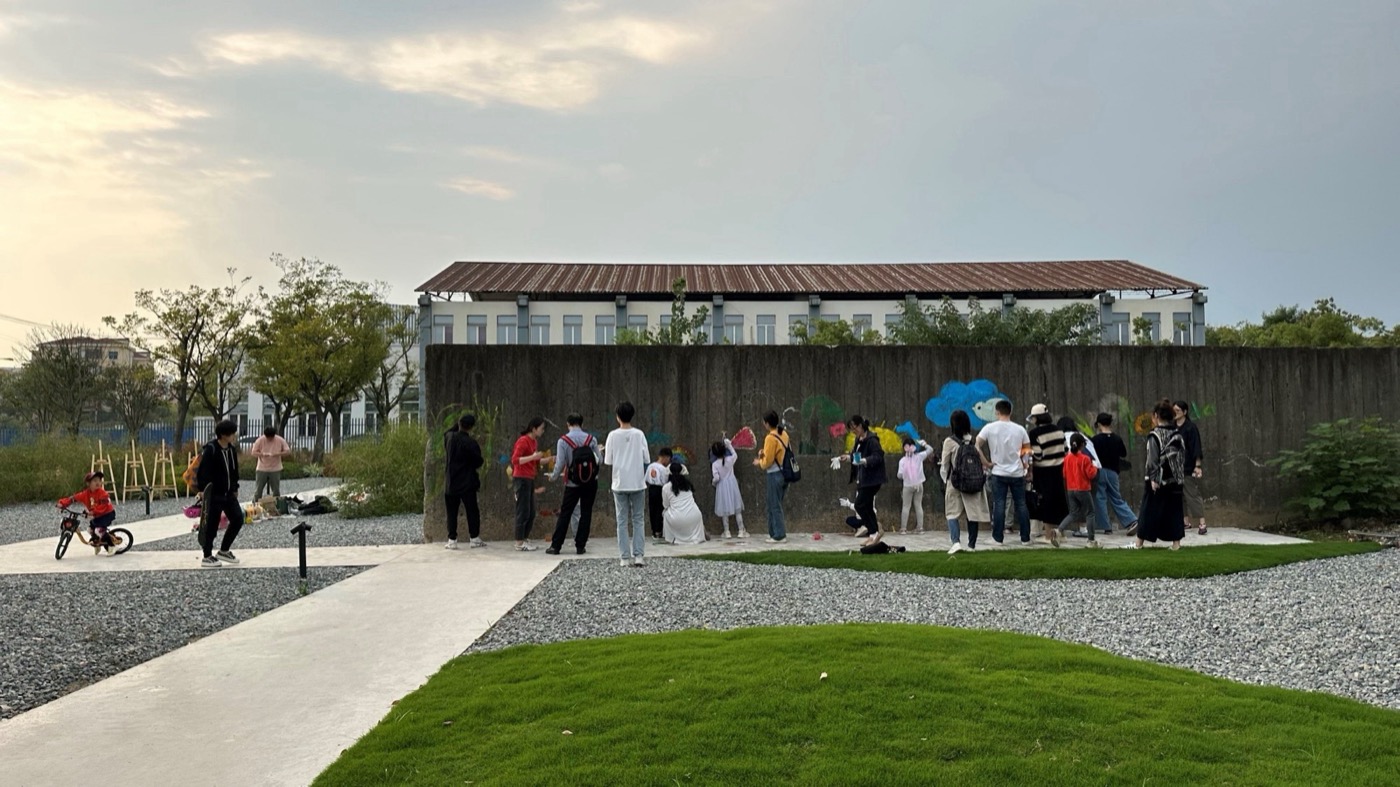
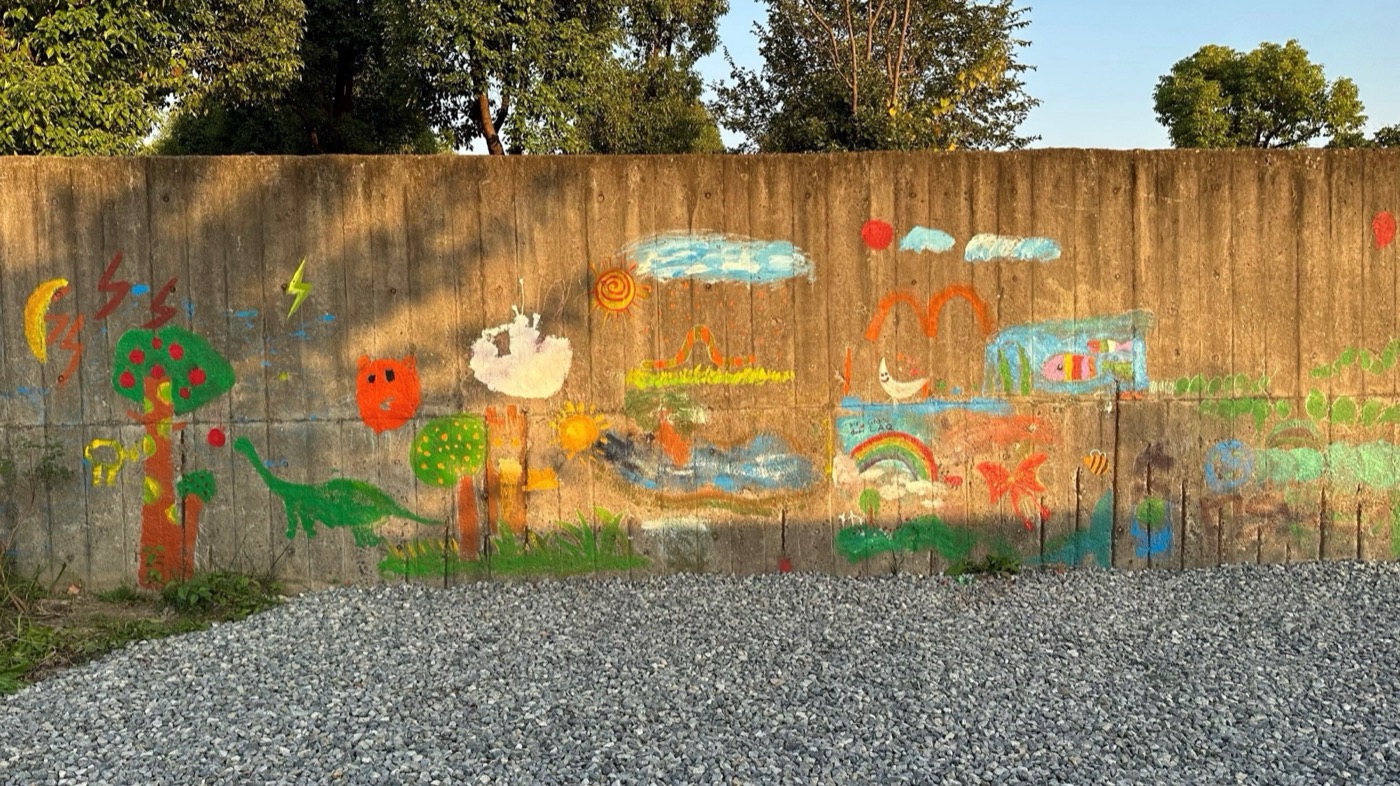
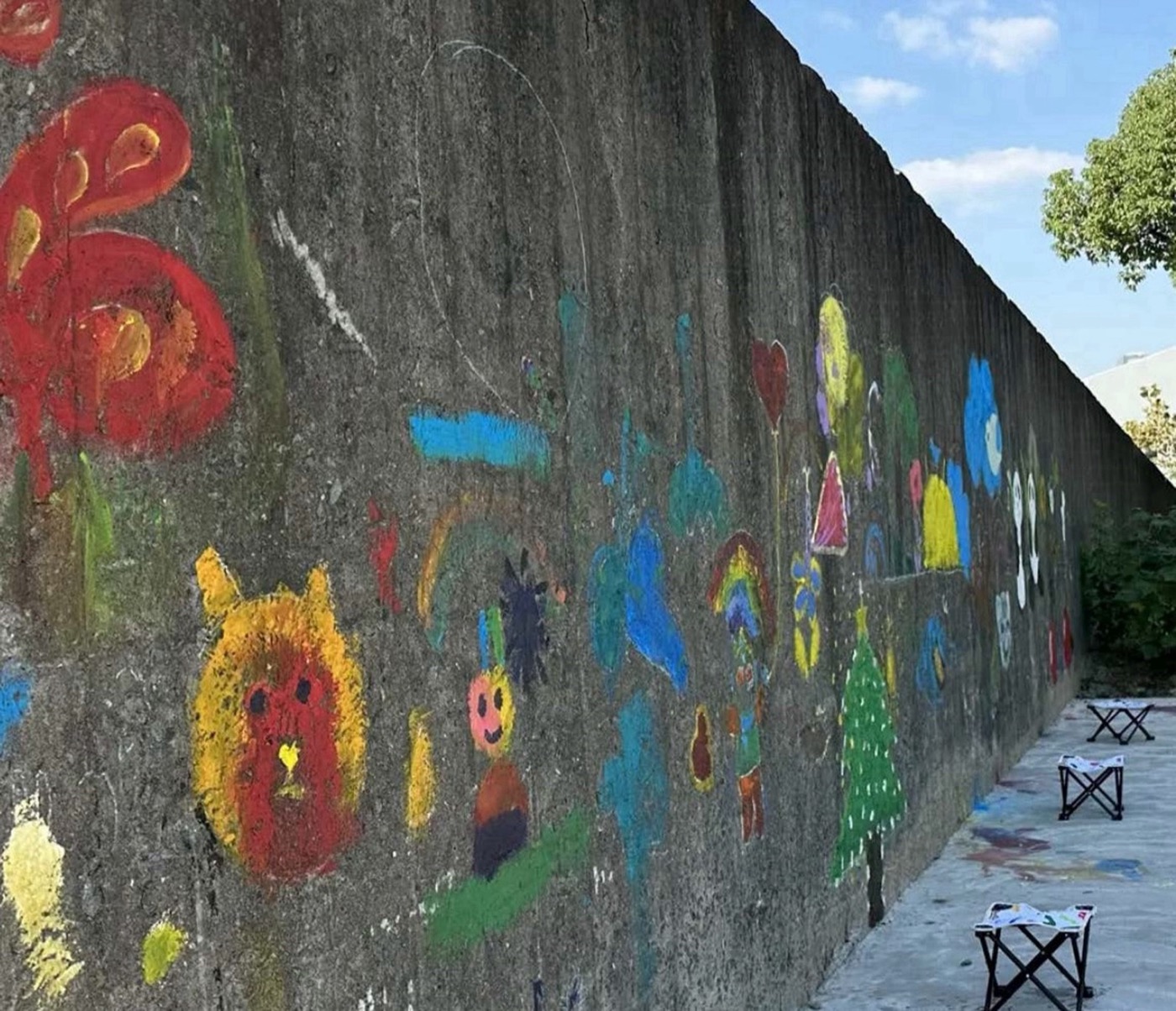
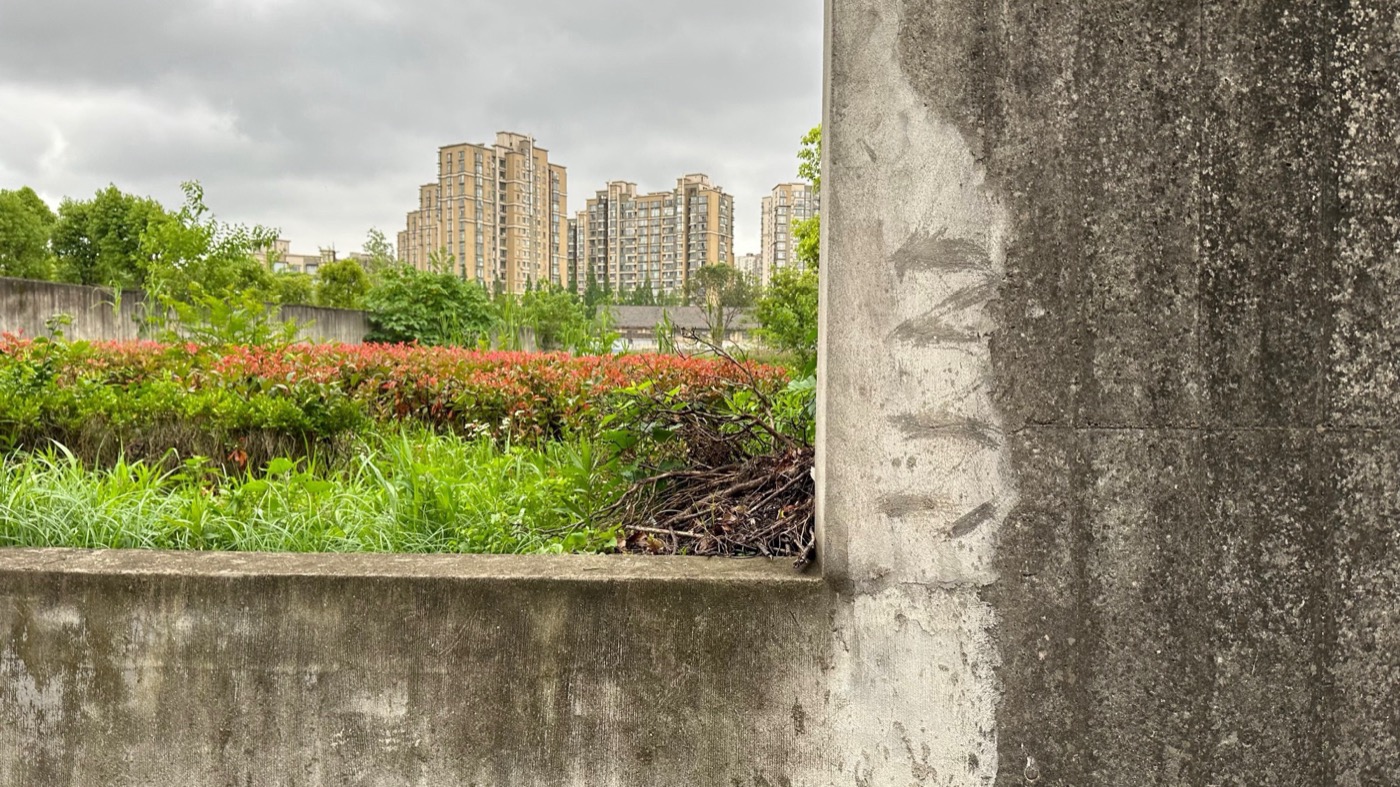
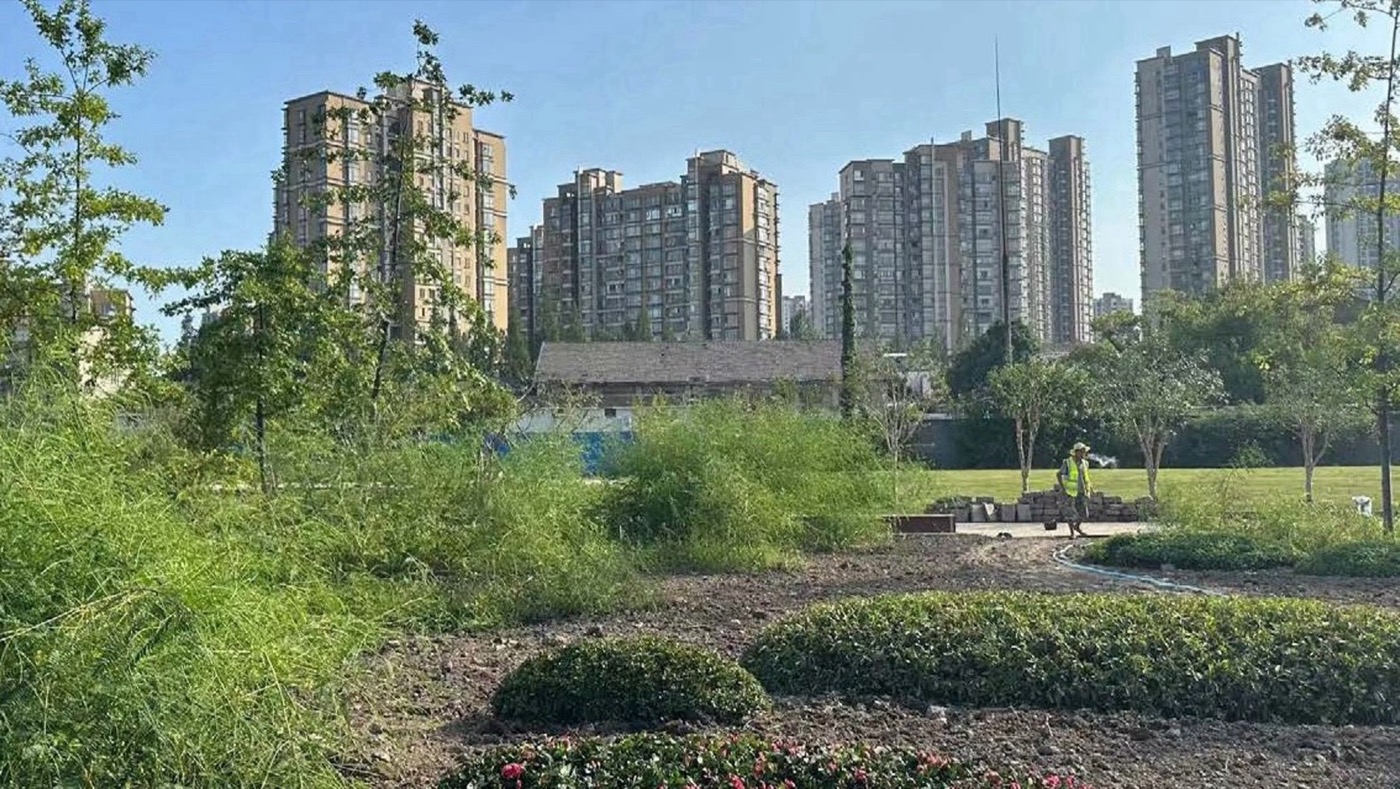
Applying the principle “There is no grid… but a reason for borrowing scenery” (Yuanye), the six north-south concrete industrial walls act as “Spatial Punctuation.” They frame the modern Xuhui West Bank skyline, creating a “Palimpsest Space” where rusted concrete dialogues with wild grasses.
3.4 The “Shared Light”: A Dialogue Across Time
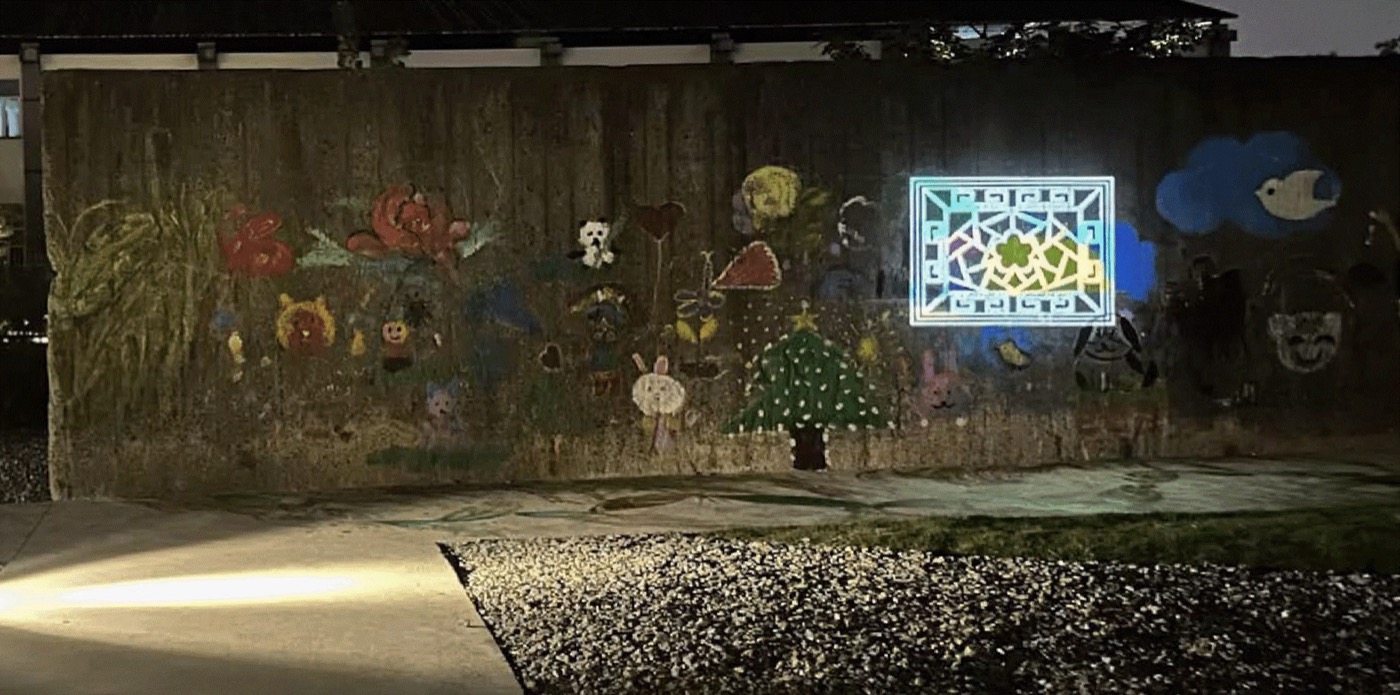
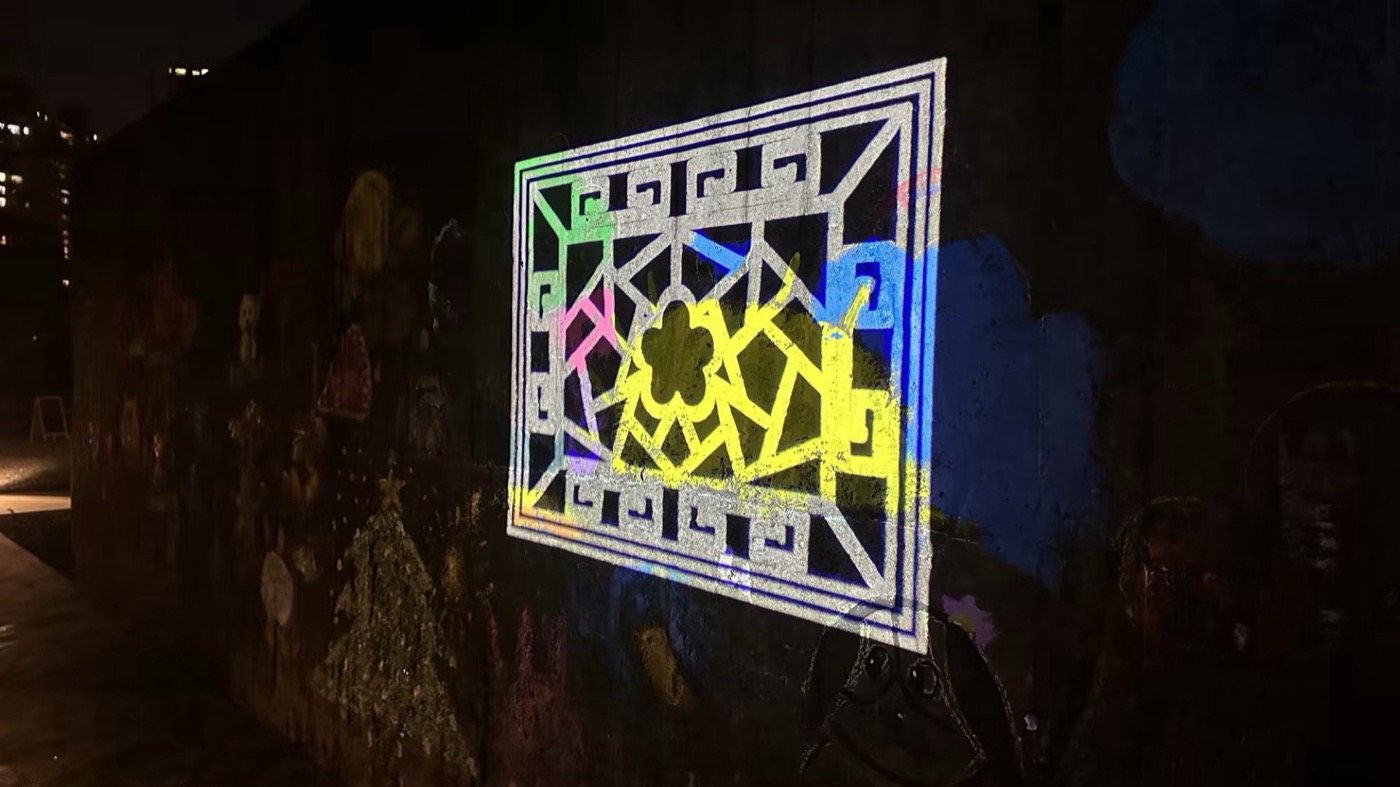
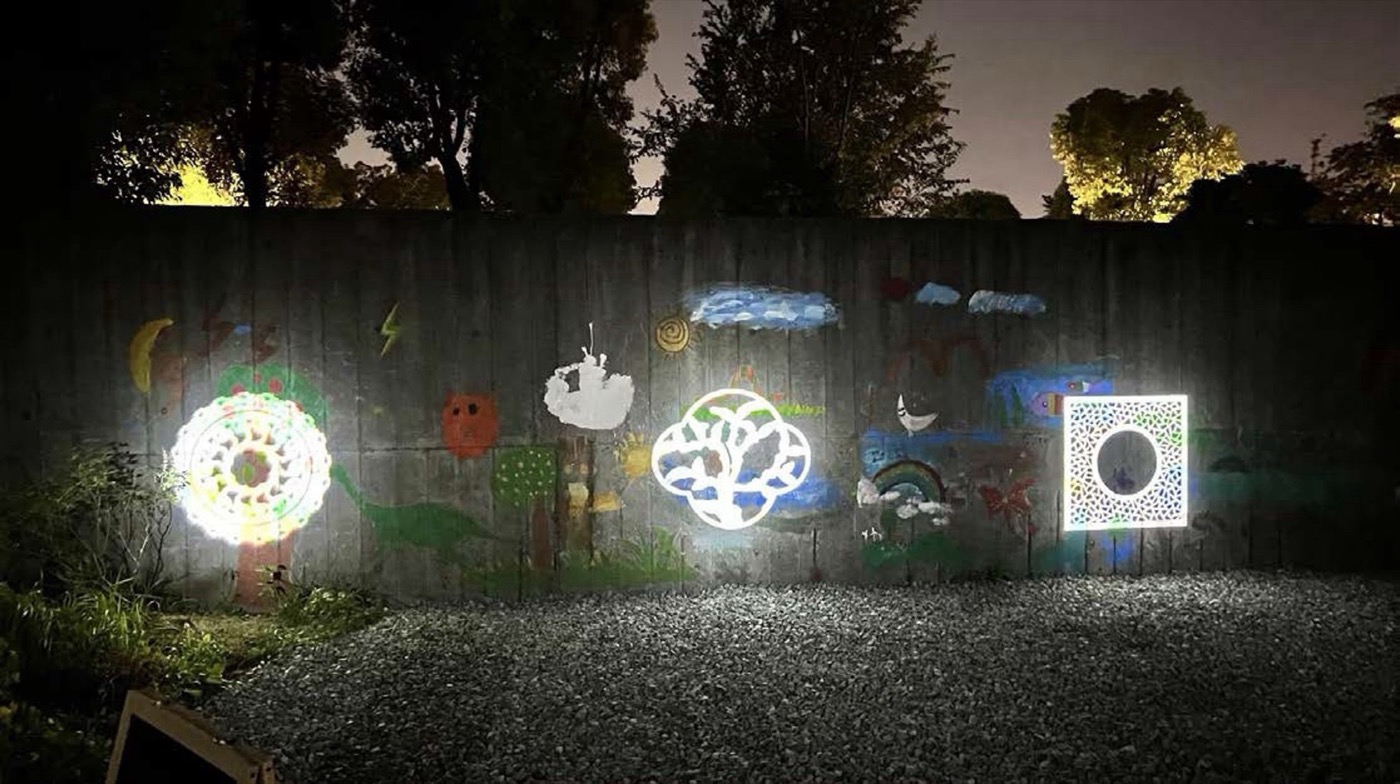
The 2023 Art Season timeline is an integral design layer. Night projections of Jiangnan garden windows (from Suzhou Museum) overlay the industrial ruins, creating a “temporal symbiosis” and a 21st-century reinterpretation of the lantern night tour.
4. Social Impact: The “Complex Garden”
Cohabitation in 2026 Shanghai
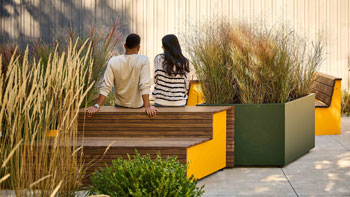
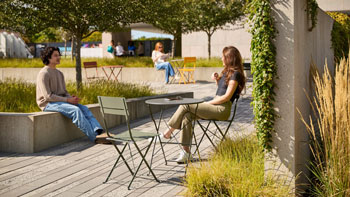
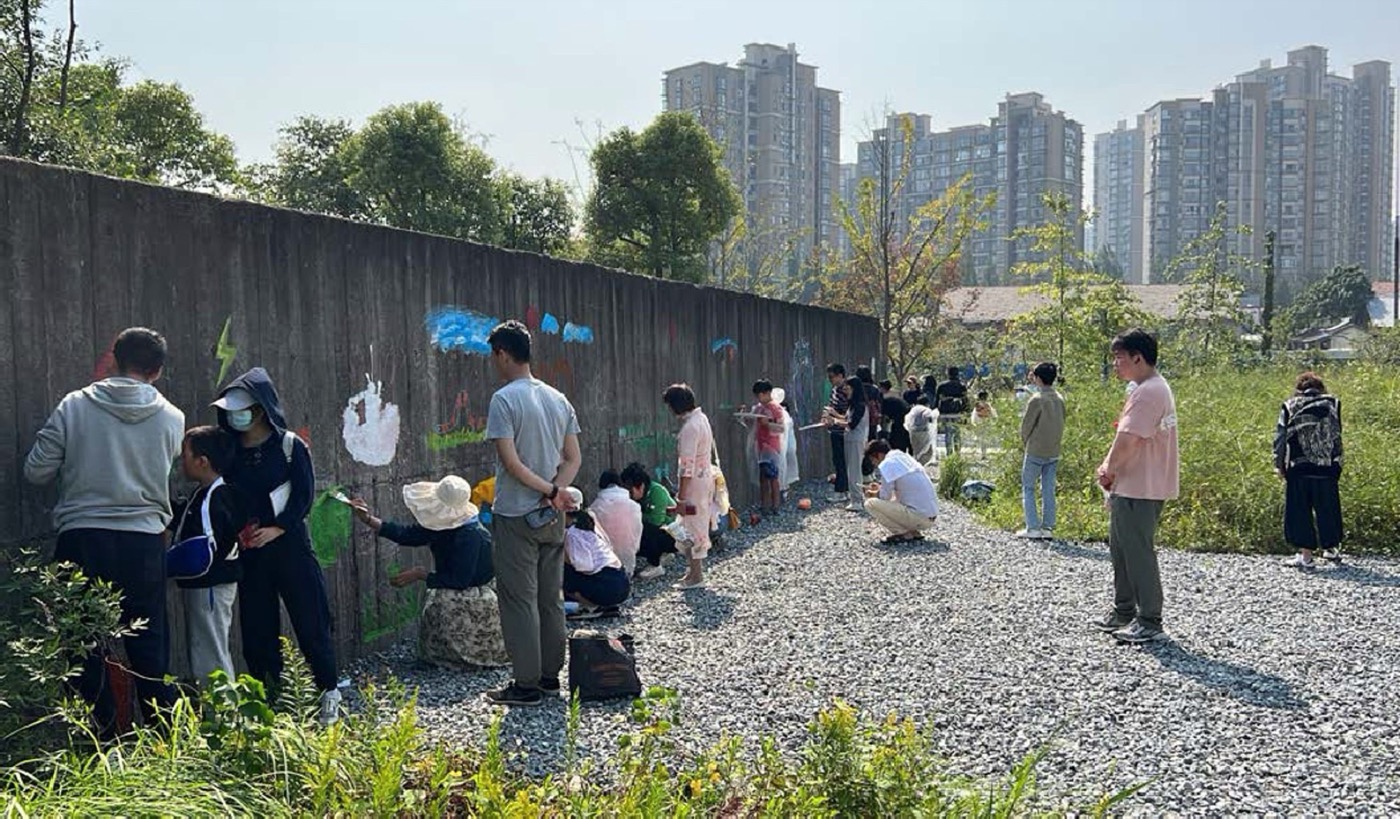
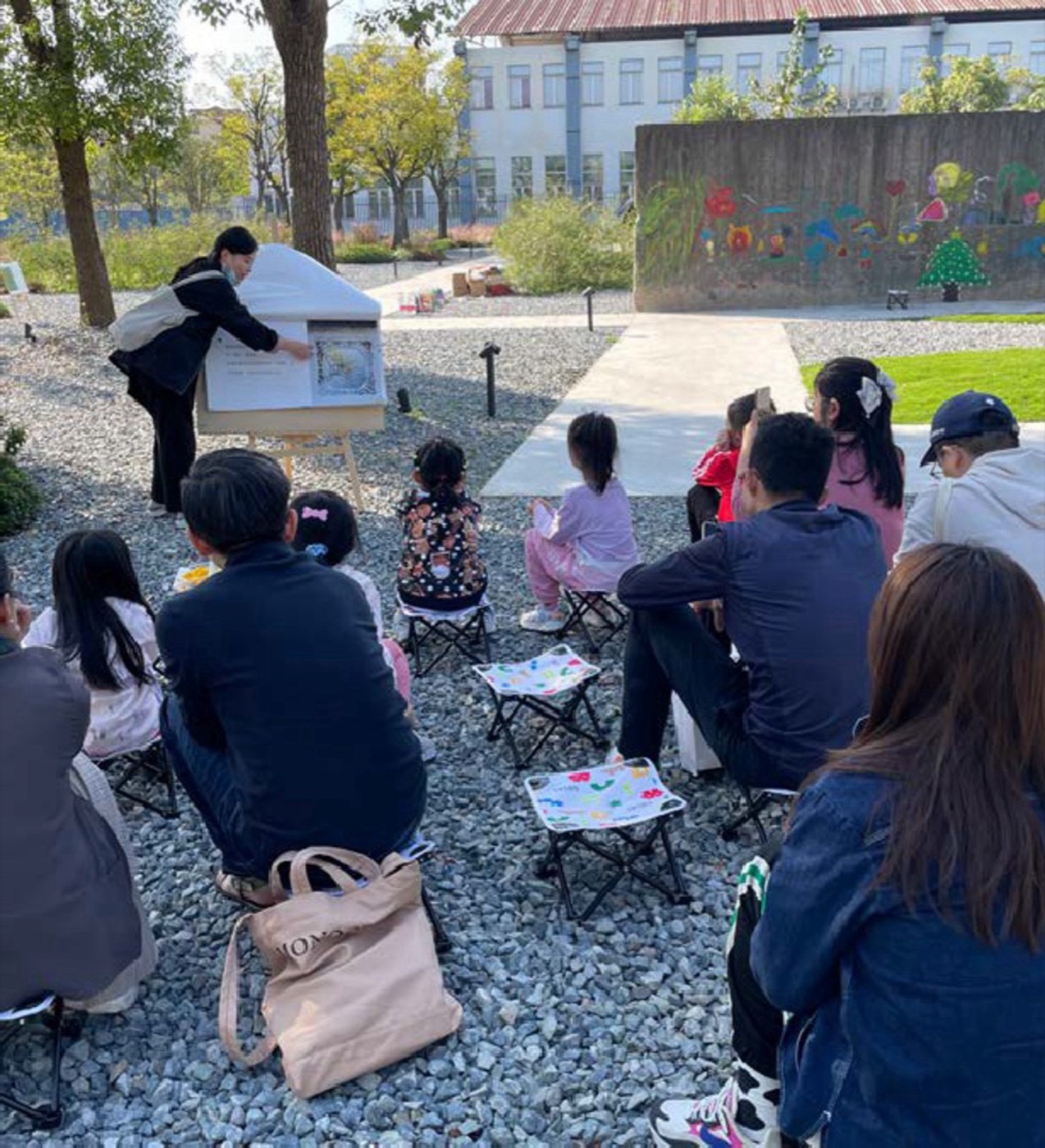
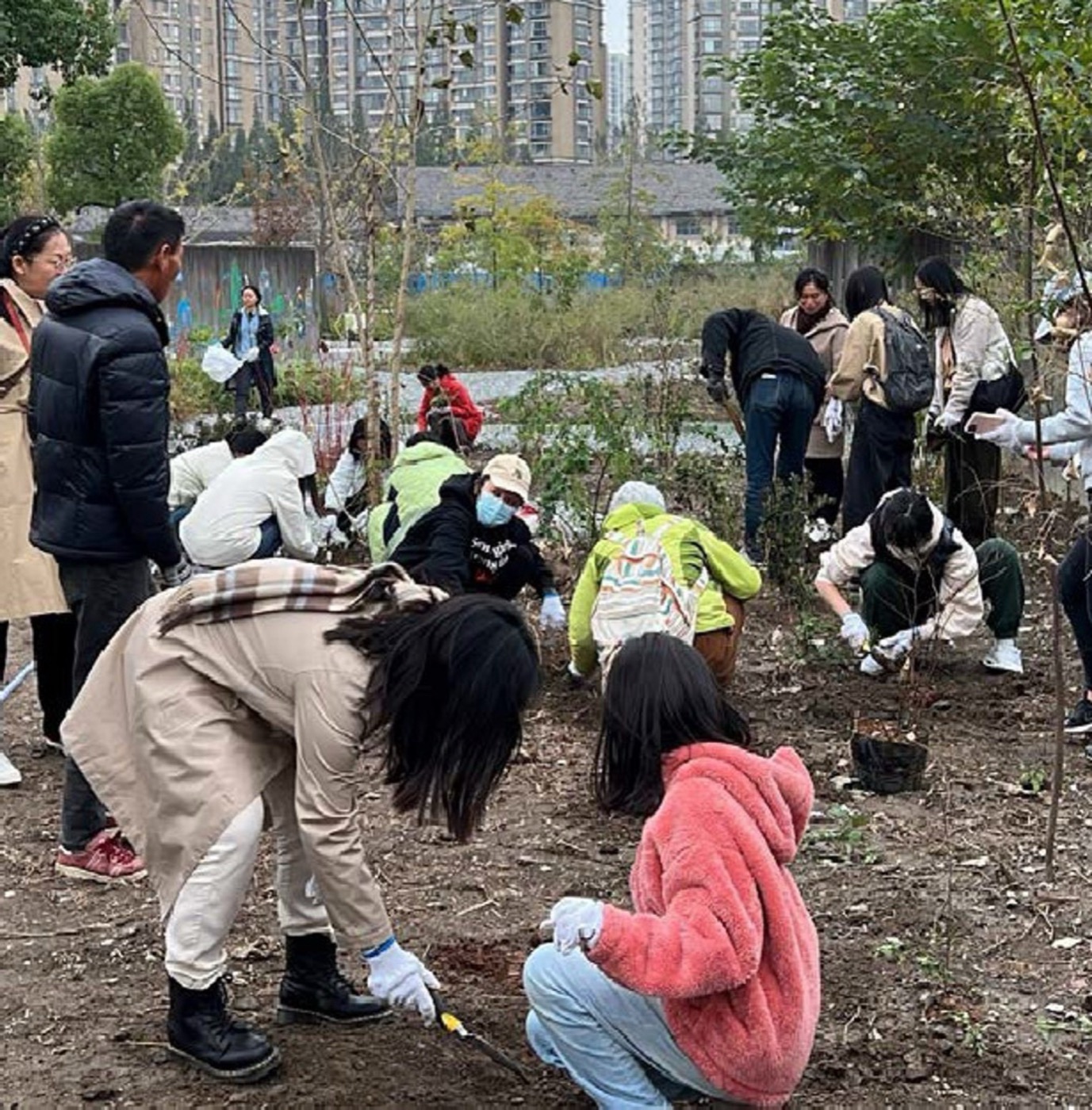
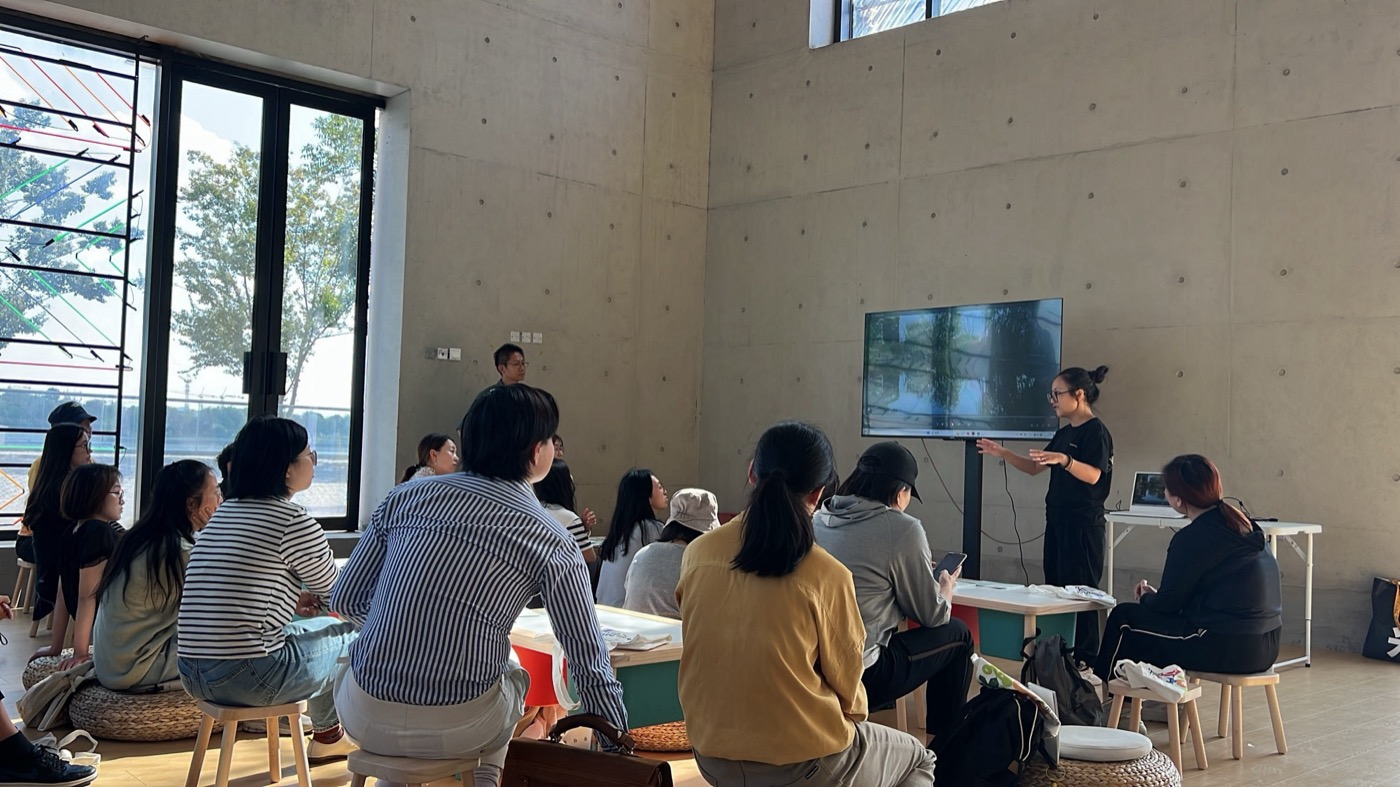
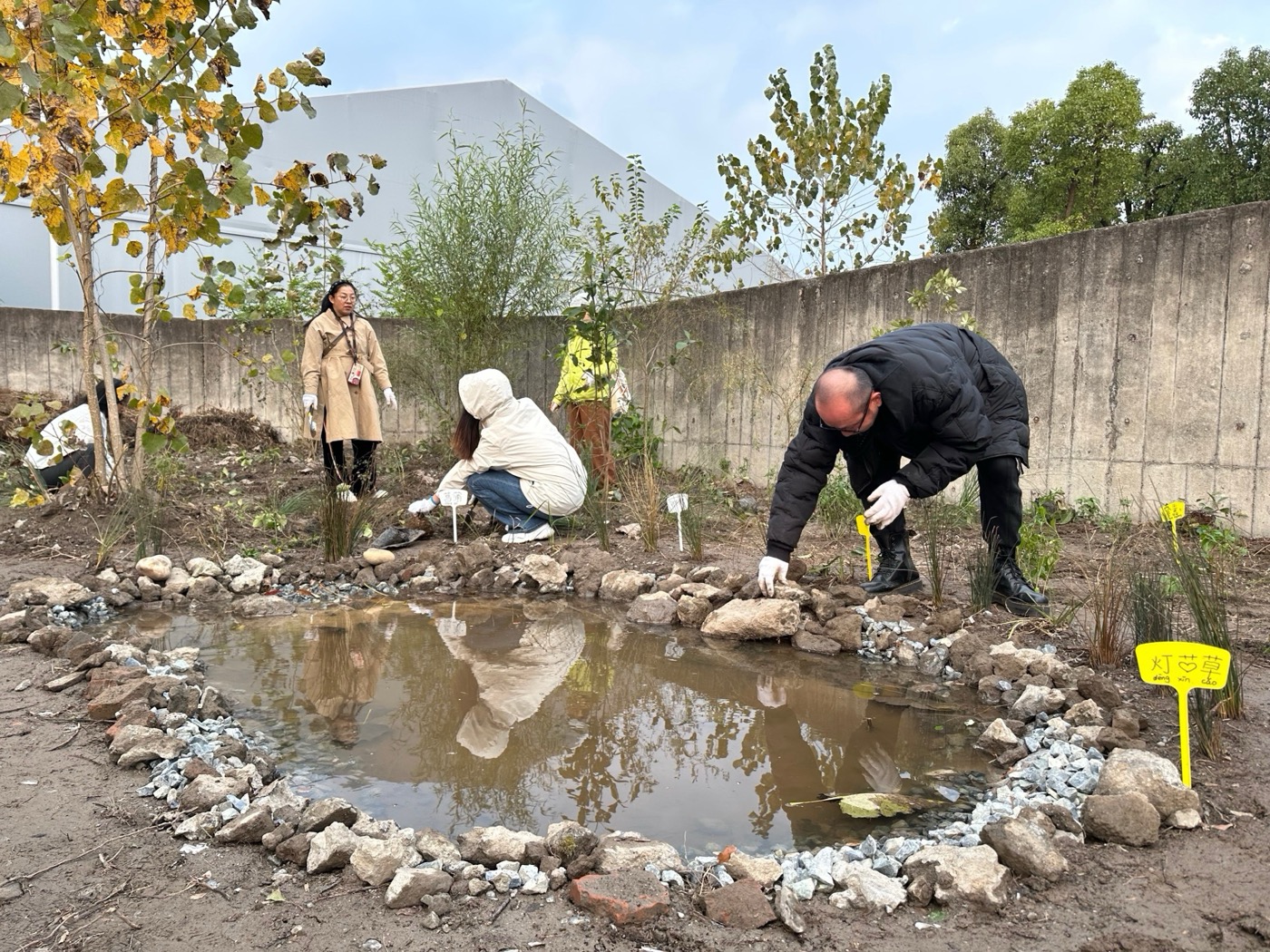
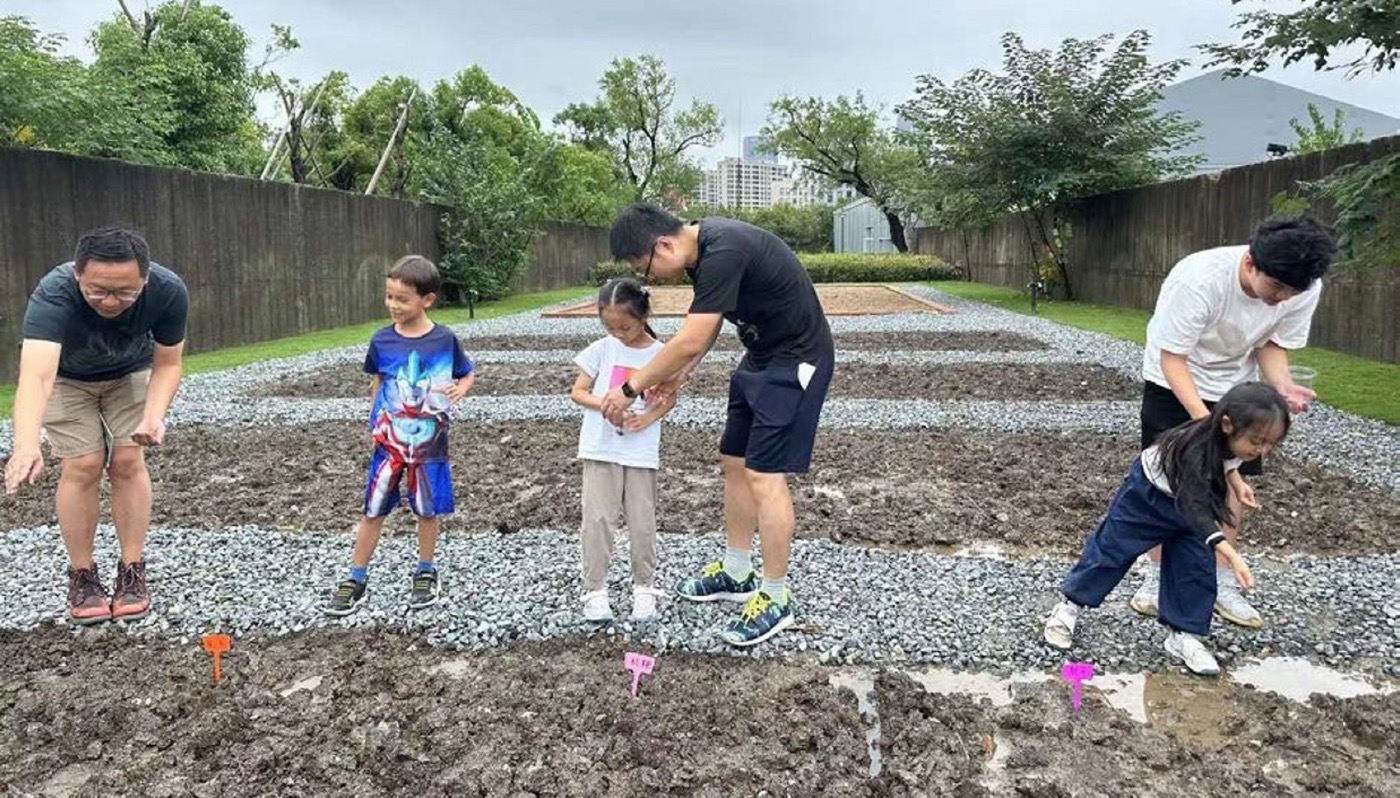
Located in the “15-minute Community Living Circle,” the project acts as a “Living Laboratory.” Activities like “sowing color for the garden” and nature education drive public participation. “Symbiosis” is threefold: industrial memory vs. nursery, wilderness vs. cultivation, and professional vs. public collaboration.
Exhibitors:
KUO Yi-Fong, SUN Tian/Possibilism Design Studio
XUE Zhijian/Museum of Suzhou Gardens
Clients:Shanghai Xuhui Binjiang development investment construction co., ltd
Lighting Consultant: Liu Hongjian
Public Event Planning: Chen Yu, Yang Zhanglin, Zhang Wei, Guo Yan, Zhu Xincheng/Contingent Landscape, Zhang Jiale/Suzhou Garden Museum, Guo Taoran/Urban Wilderness Studio, Shanghai Yangpu District Beautiful Nostalgia Culture Promotion Center
Photo credit: Tian Fangfang, Possibilism Design Studio
31.146267680724772, 121.44896078630829
76530


LILA 2026 Sponsor