El Quejigal
locuslandscape.com/
2026 Private Gardens / Spain / Built in 2022 /

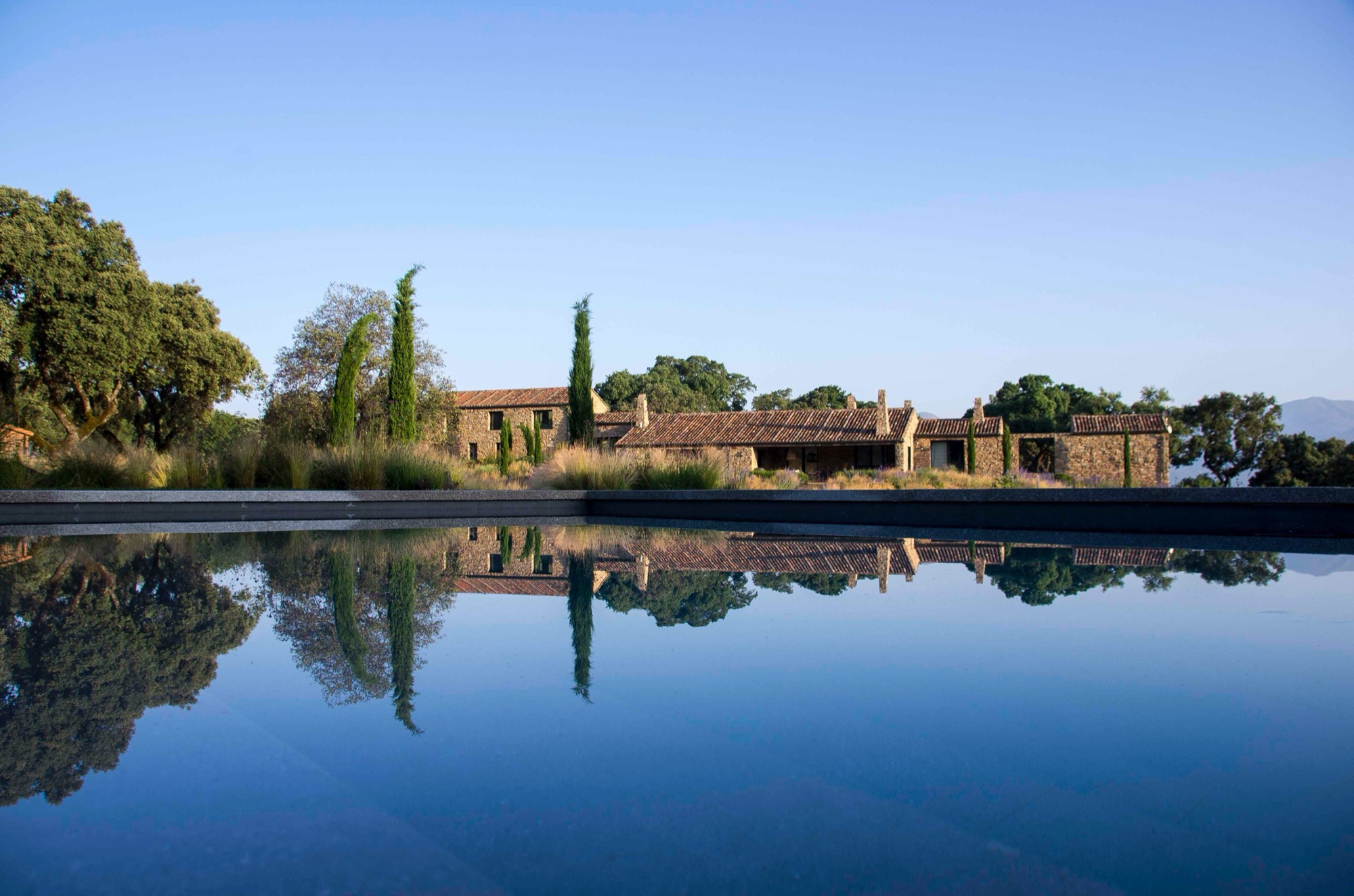
High in the mountains of Toledo province, overlooking the Tiétar valley lies El Quejigal– a project that redefines the relationship between architecture, landscape, and wilderness. The owners, both city dwellers in search of authenticity, dreamed not of a showcase 100-hectare estate but of a place where they could live with the rhythms of nature. They wanted something beautiful but discreet that would not compete with the rugged splendour of the dehesa. What was once a working cattle stable has been carefully restored by architects Riveiro & Baselga into a discreet family refuge. Modest in scale and austere in character, the house blends seamlessly into the hillside, appearing as if it has always been part of the land.
The true poetry of El Quejigal lies in its landscape. The land was entrusted to landscape architects who were tasked not with creating a conventional garden, but with orchestrating a subtle extension of the land itself. Their clever intervention, covering 2,500 m² within a 100-hectare estate, is almost invisible—slopes shifted by a few degrees, paths curving softly between oaks, stone walls and porches rising from the land rather than being placed upon it. Winding paths invite discovery, revealing the house gradually through the trees. Shady porches to the north and south were introduced for different uses during the day and a pergola and pool were sited on a rise where the mountains of Gredos frame the horizon. Nothing is overstated, yet everything feels inevitable. Minimal lighting sketches the silhouettes of oak canopies at night, preserving the atmosphere of the dehesa. Resilience was key to the design. With summer highs reaching 40 °C, winter lows of–7 °C, and just 400 mm of annual rainfall, the landscape demanded discreet and sustainable solutions. Drip irrigation supported new plantings in the first years before being reduced to emergency use. Natural granite soils handle drainage, and drought-tolerant species dominate the planting palette.
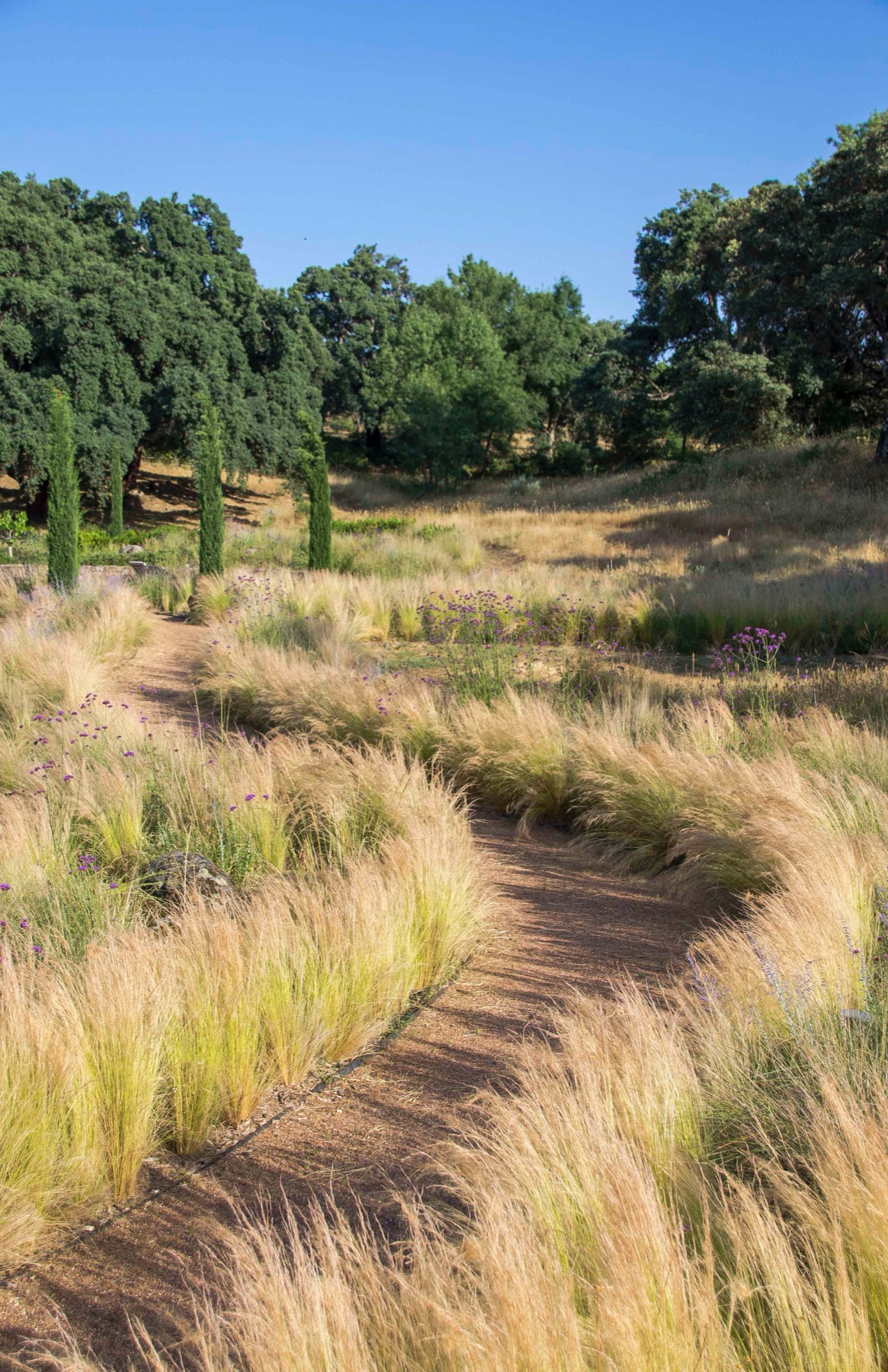
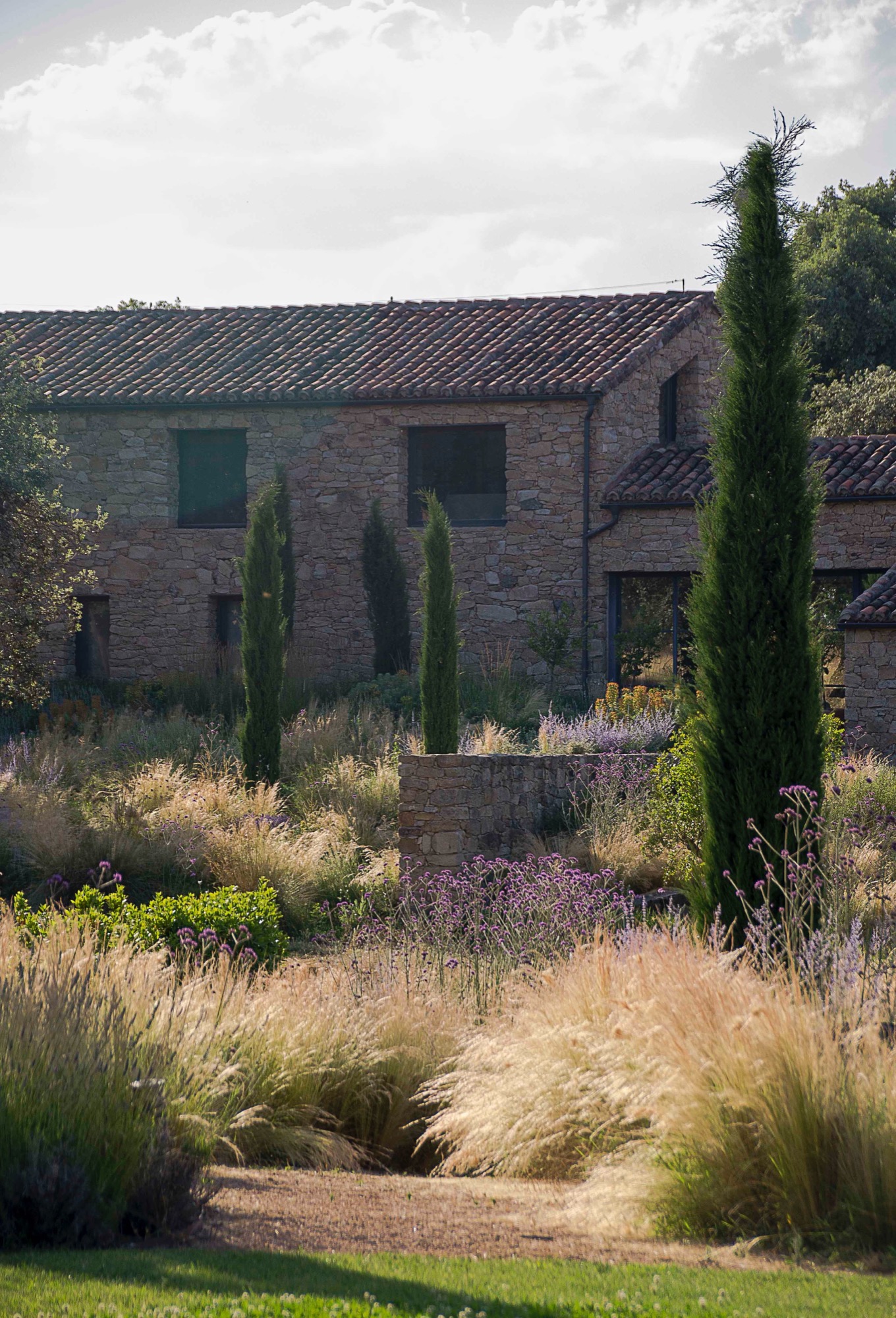
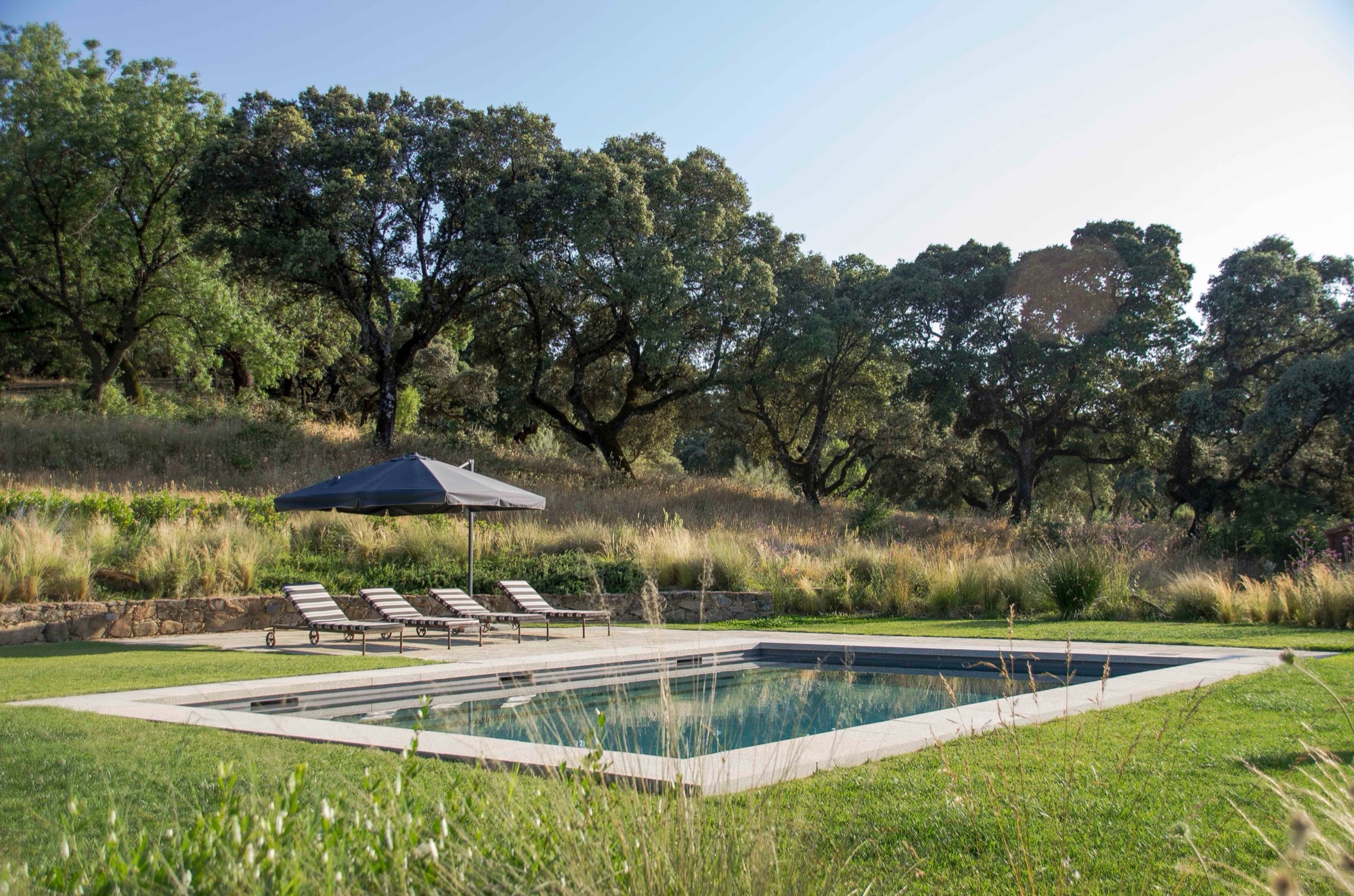
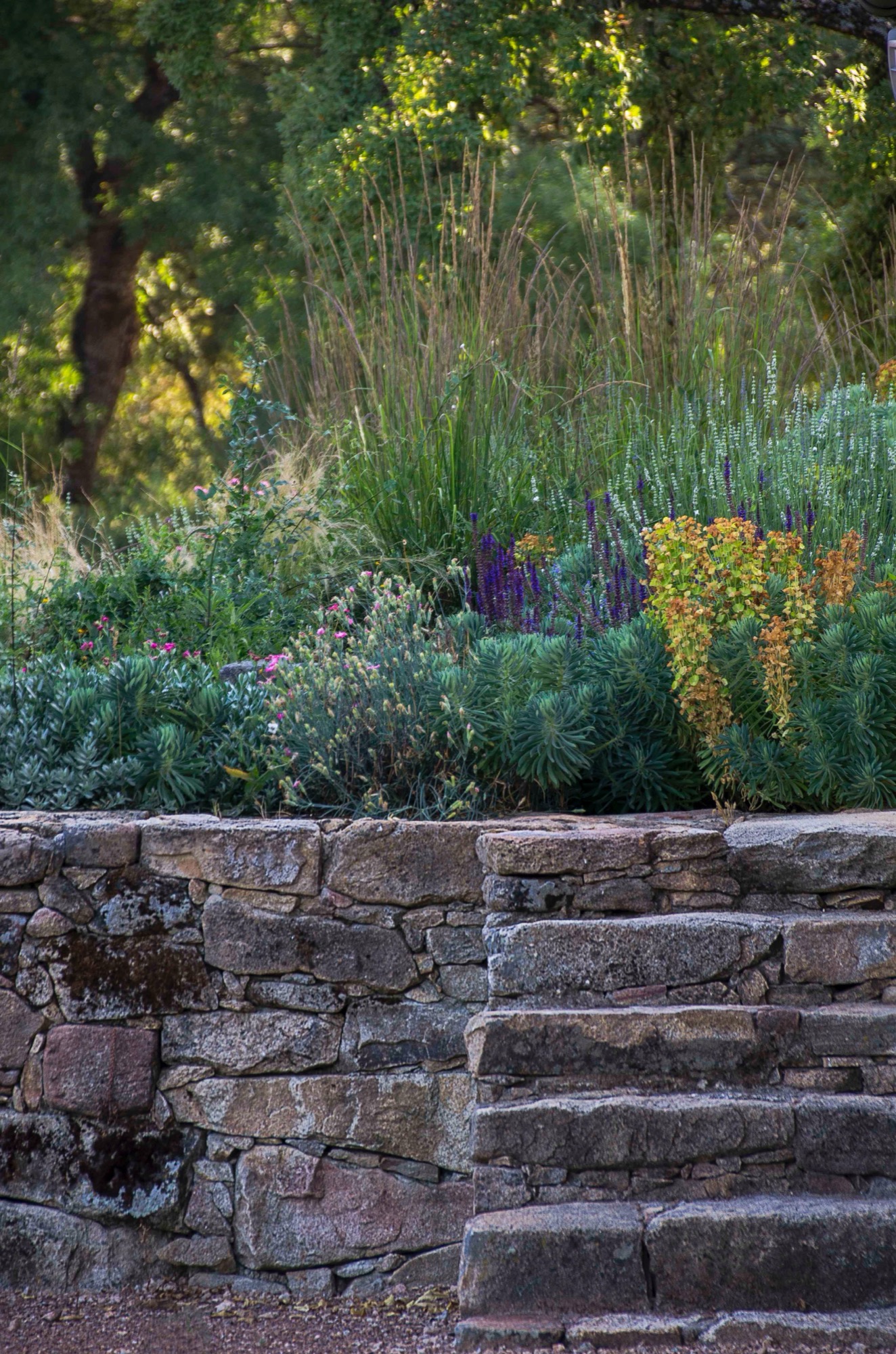
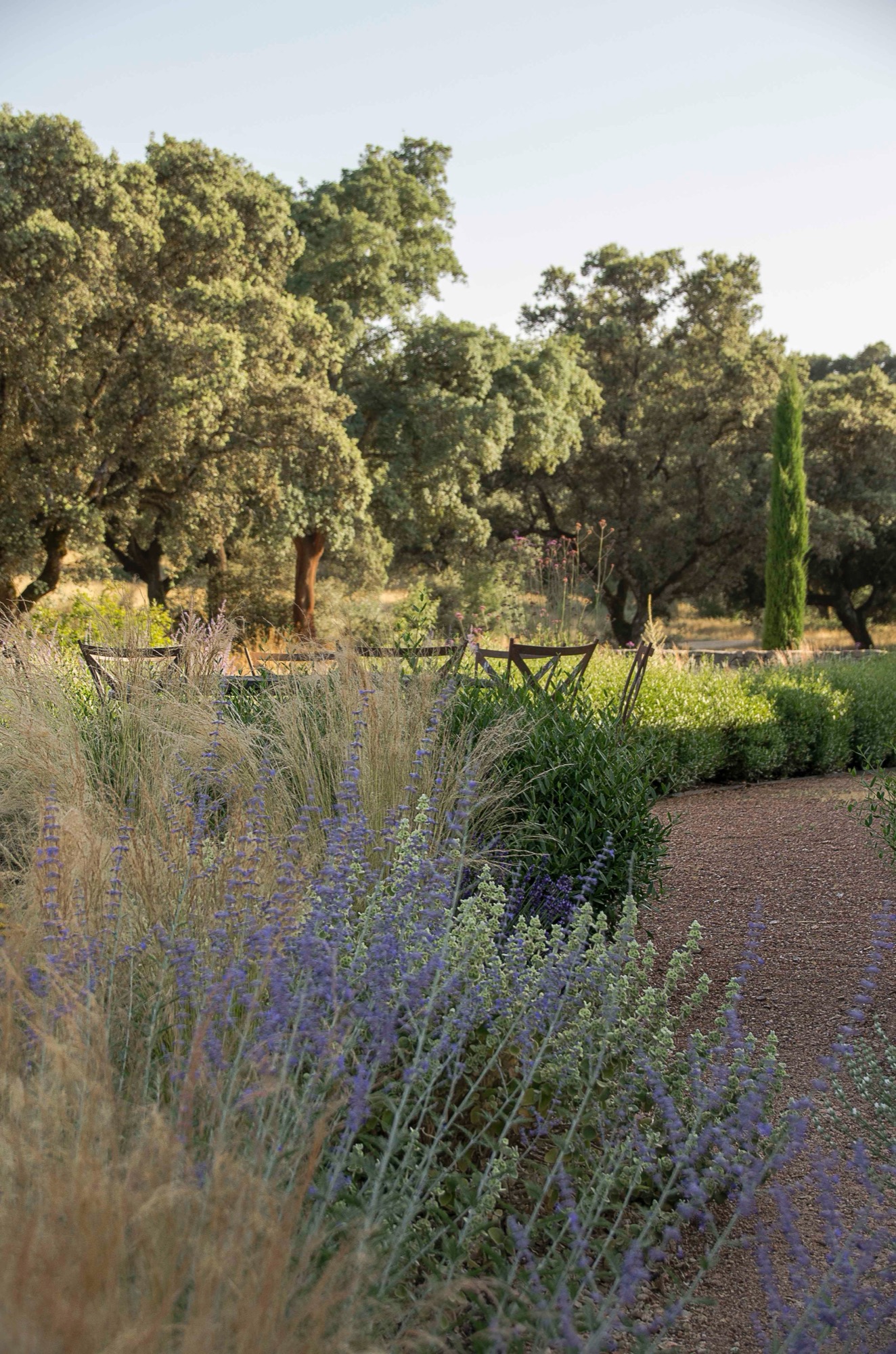
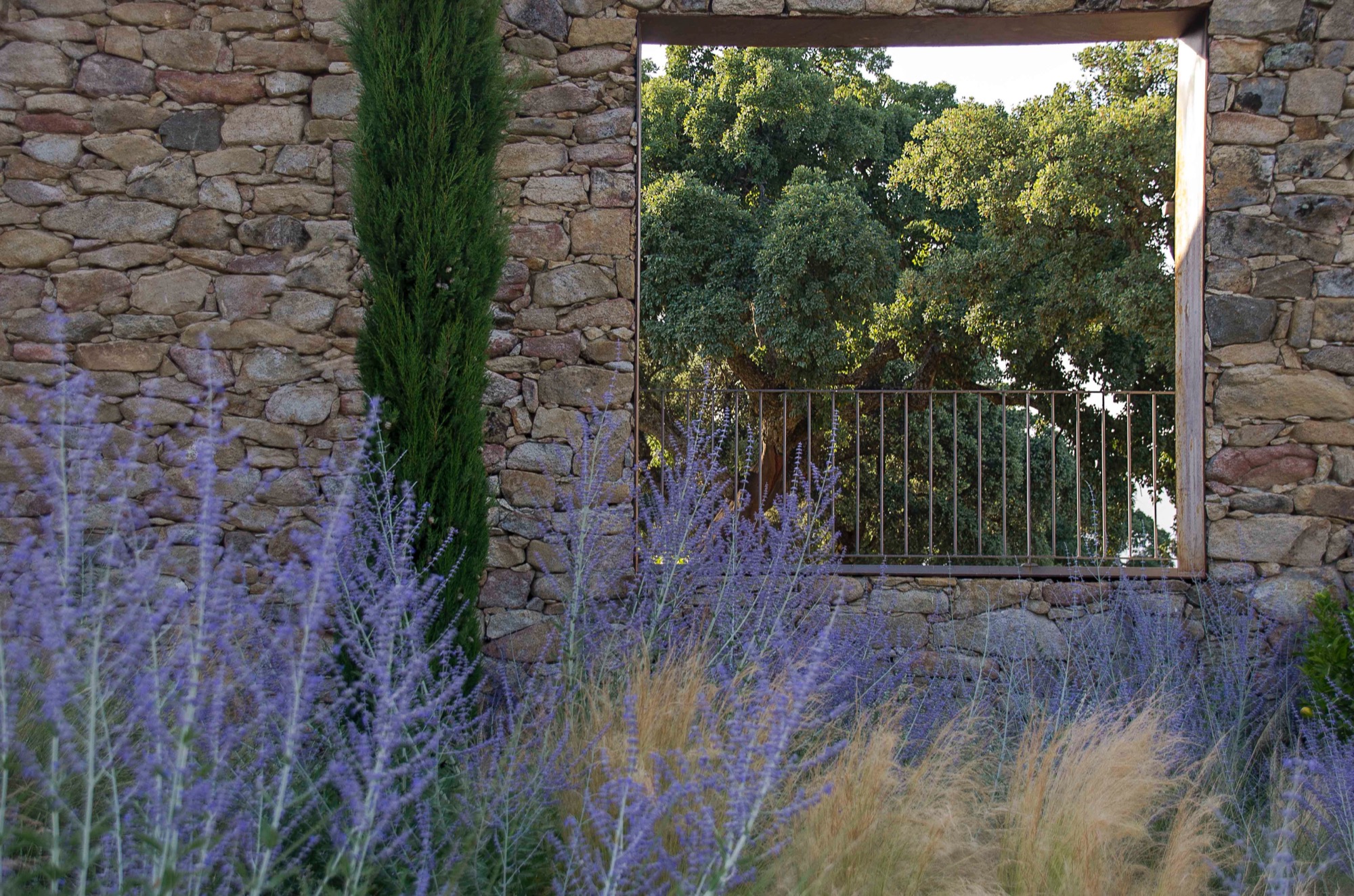
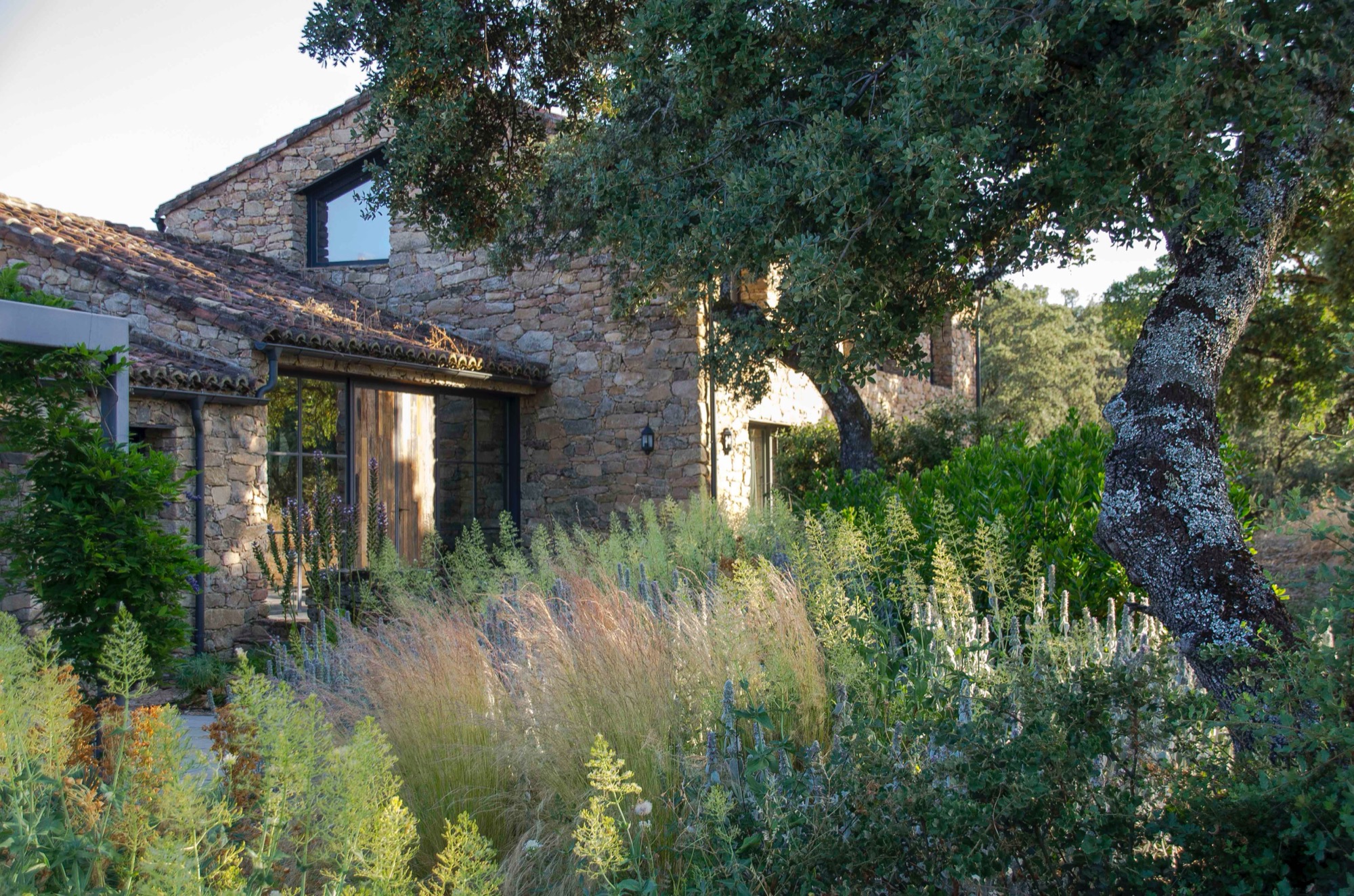
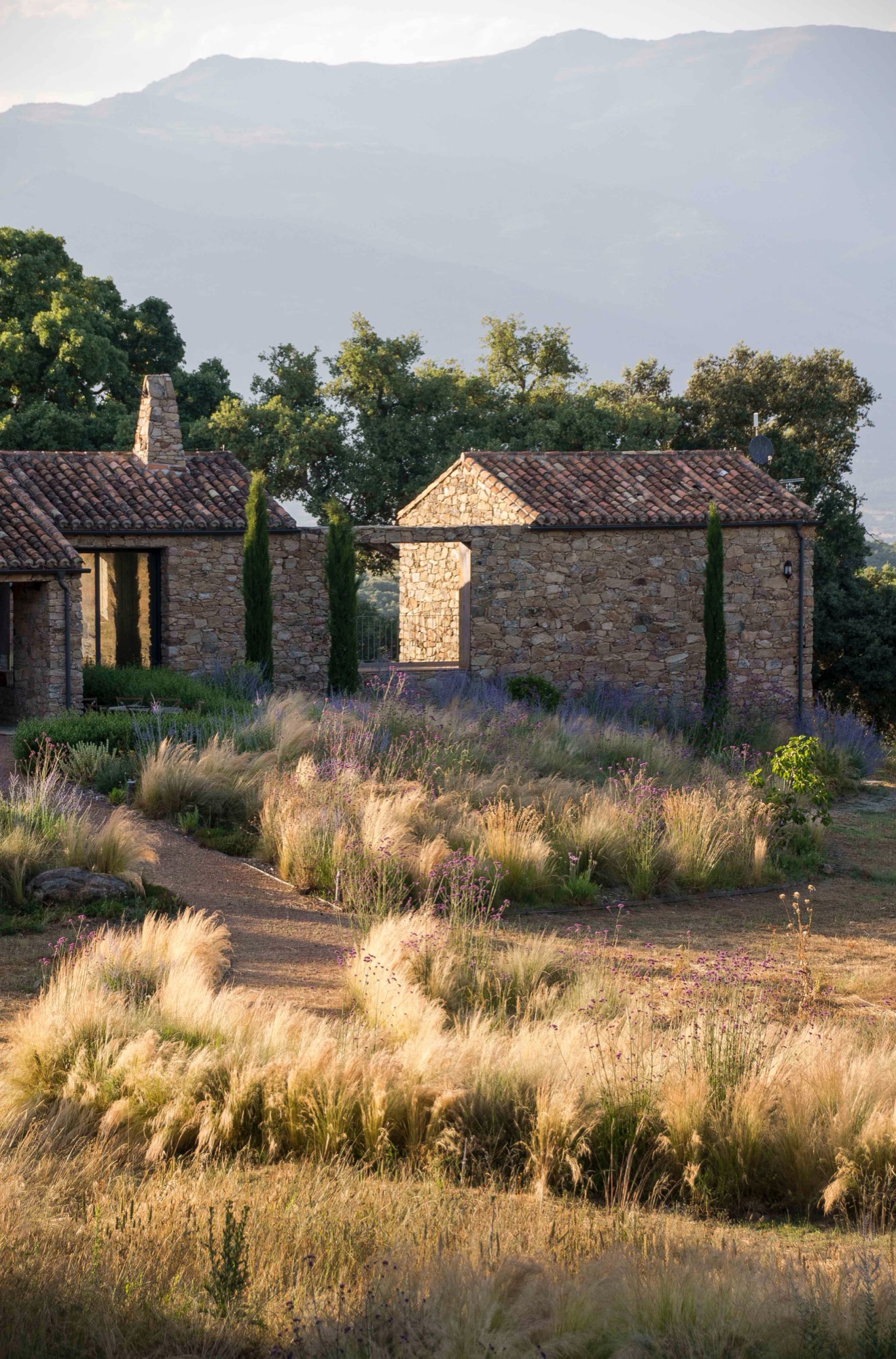
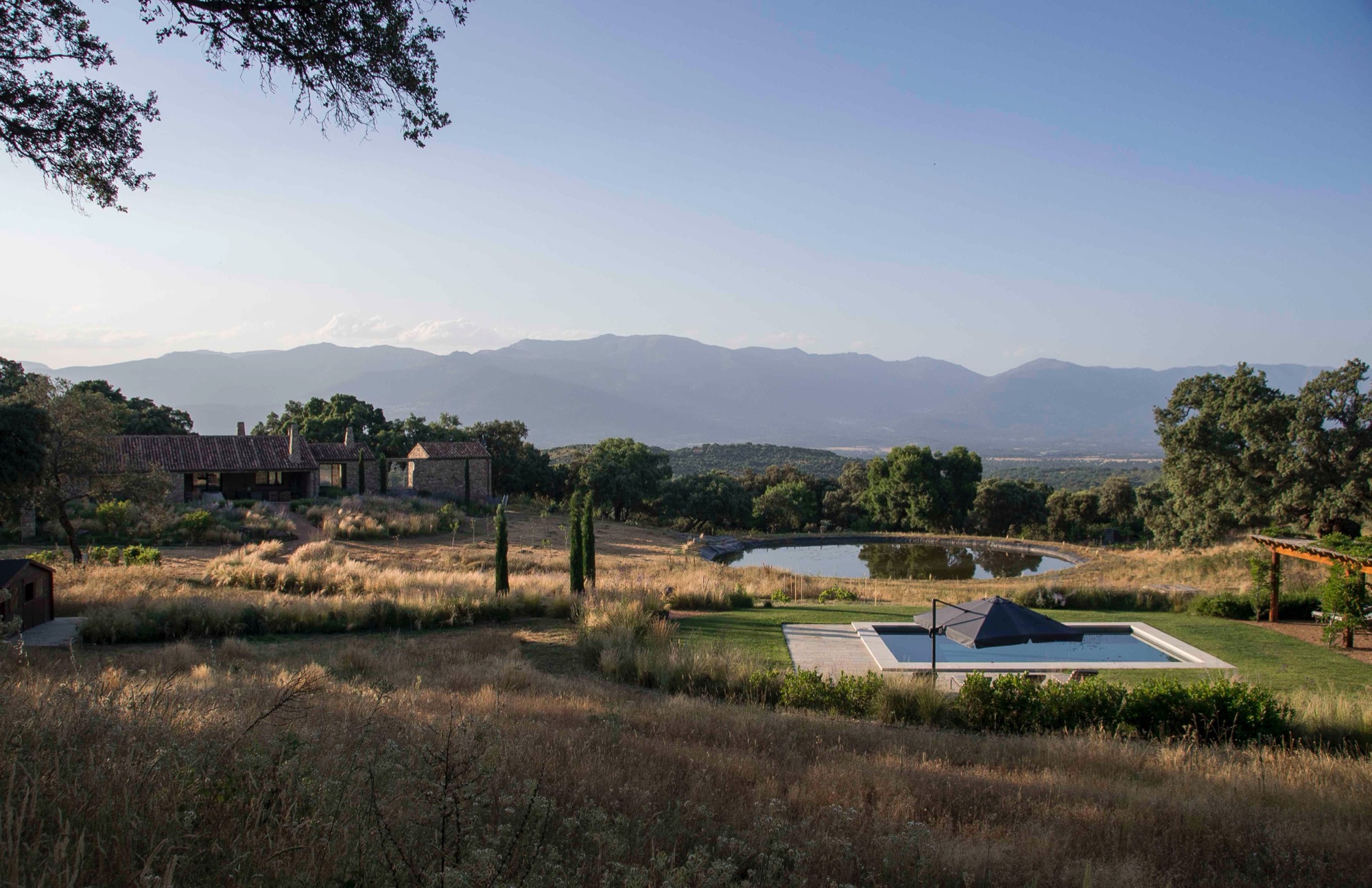
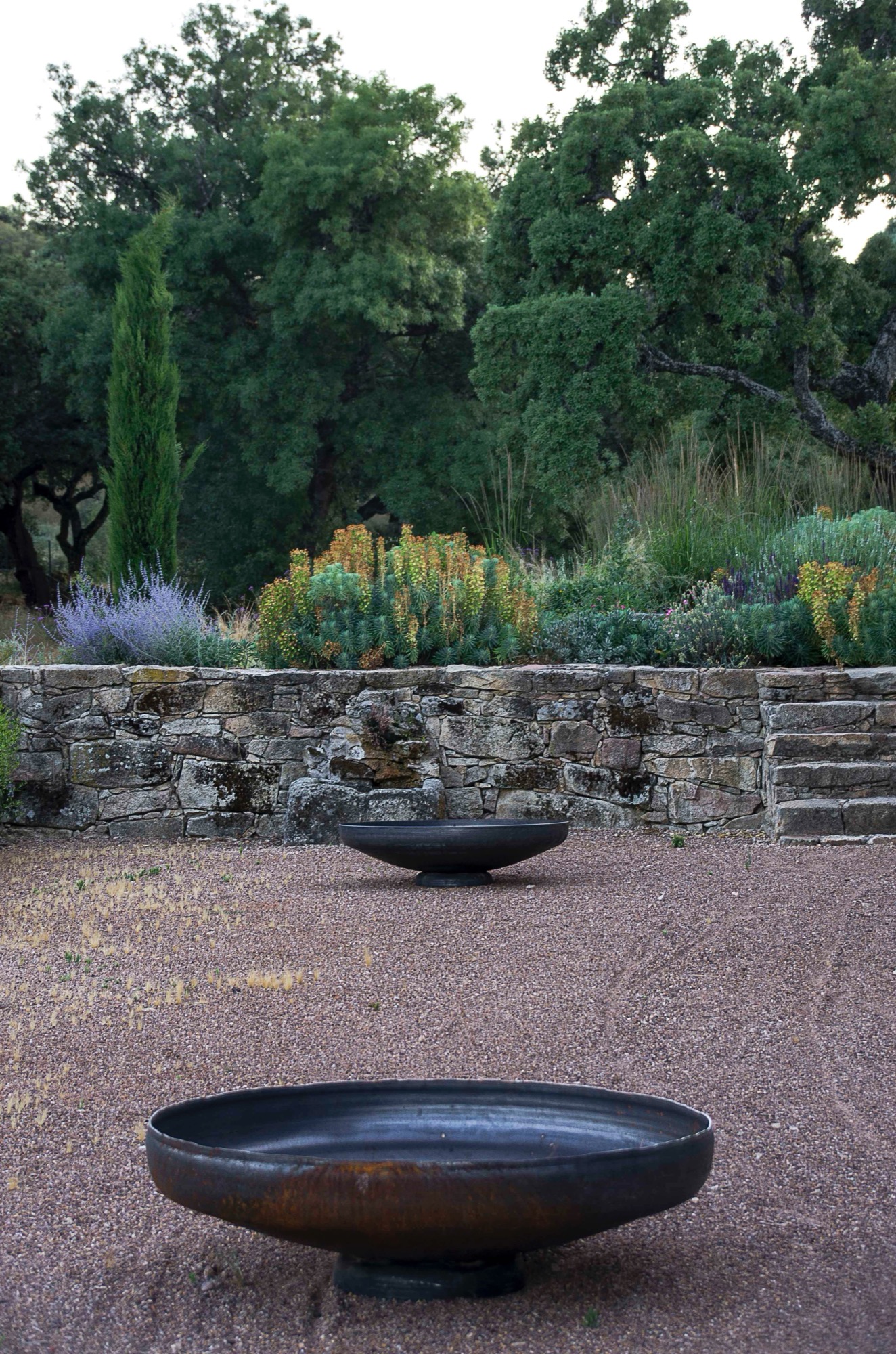
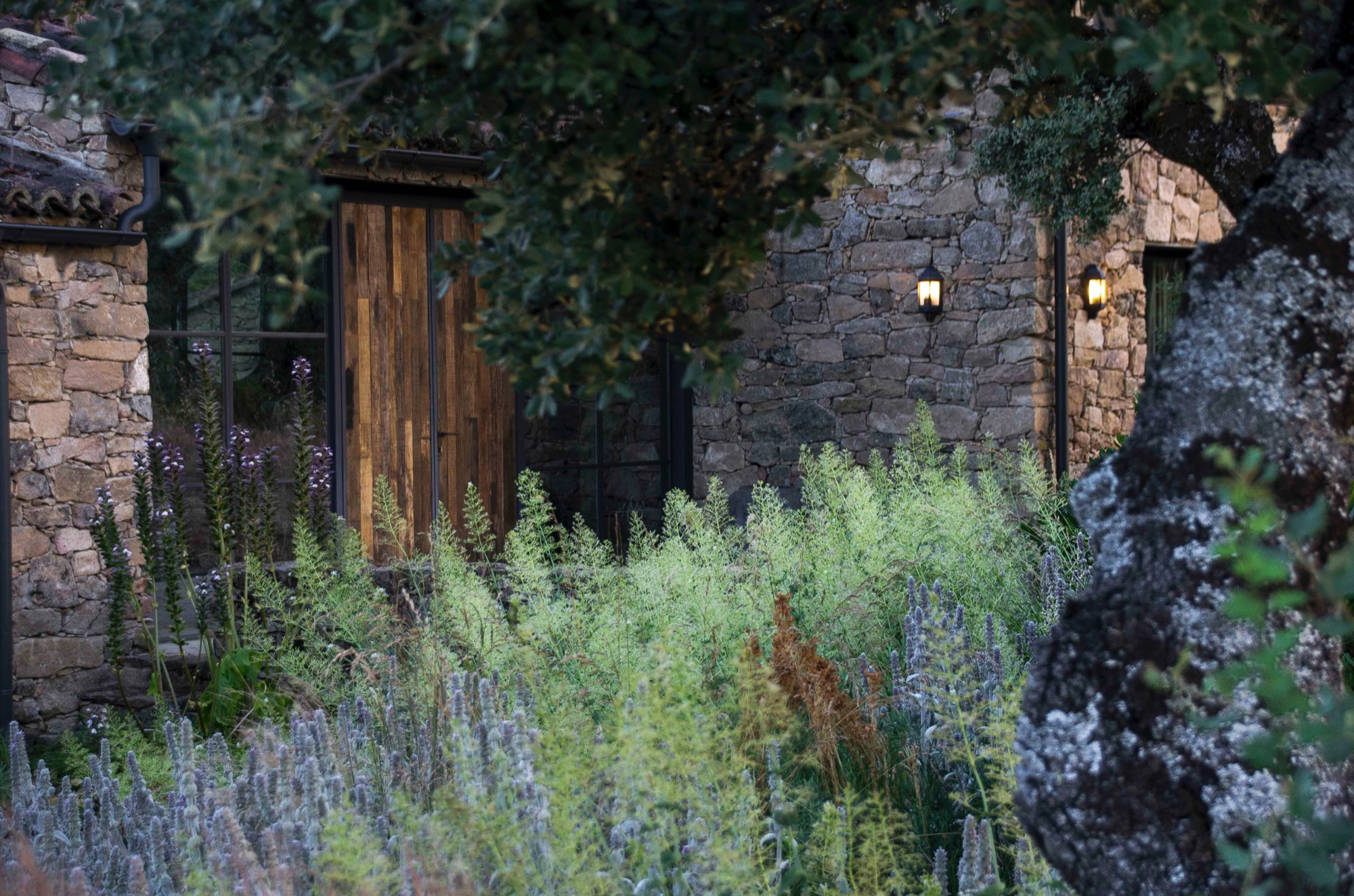
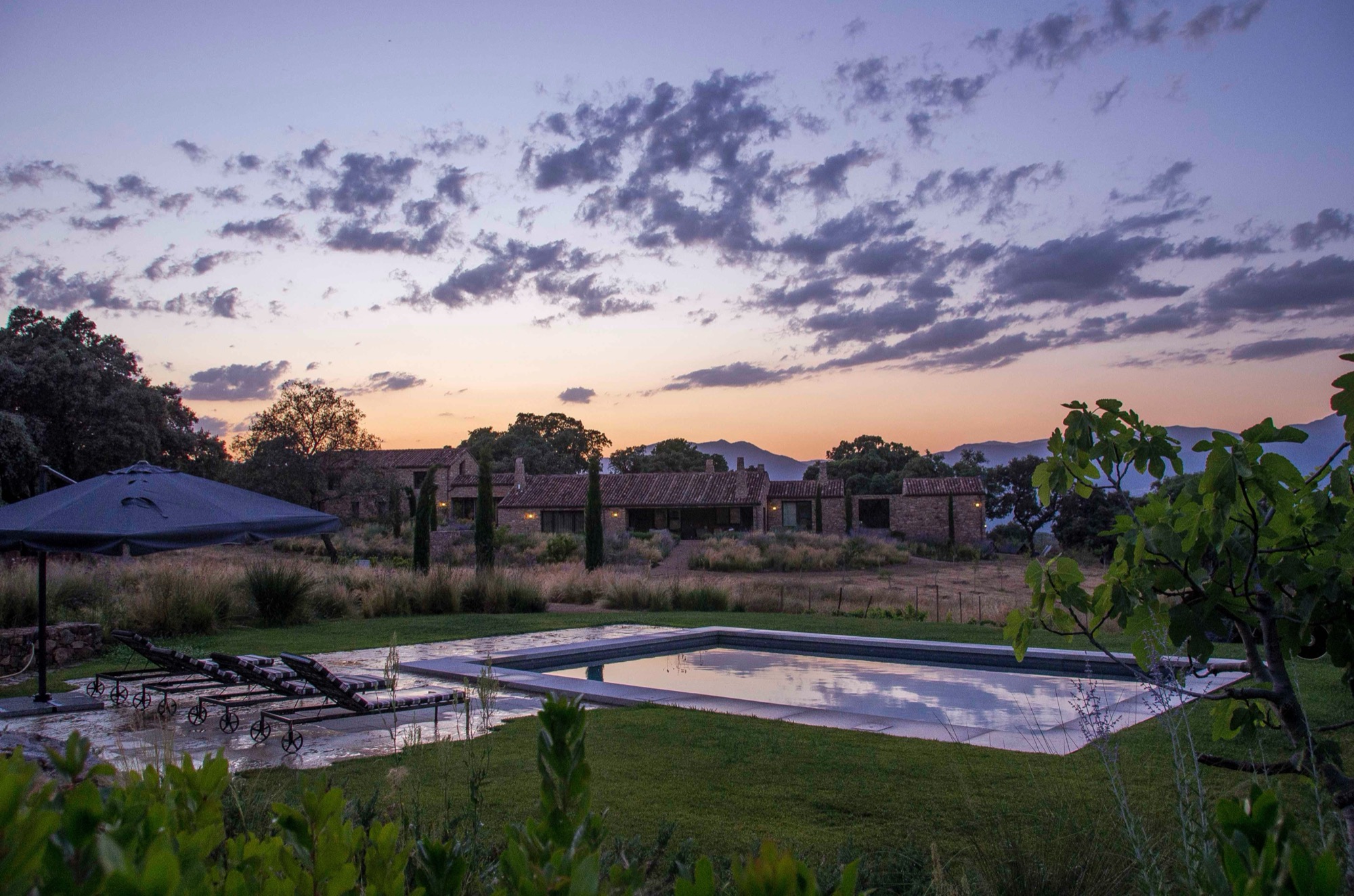
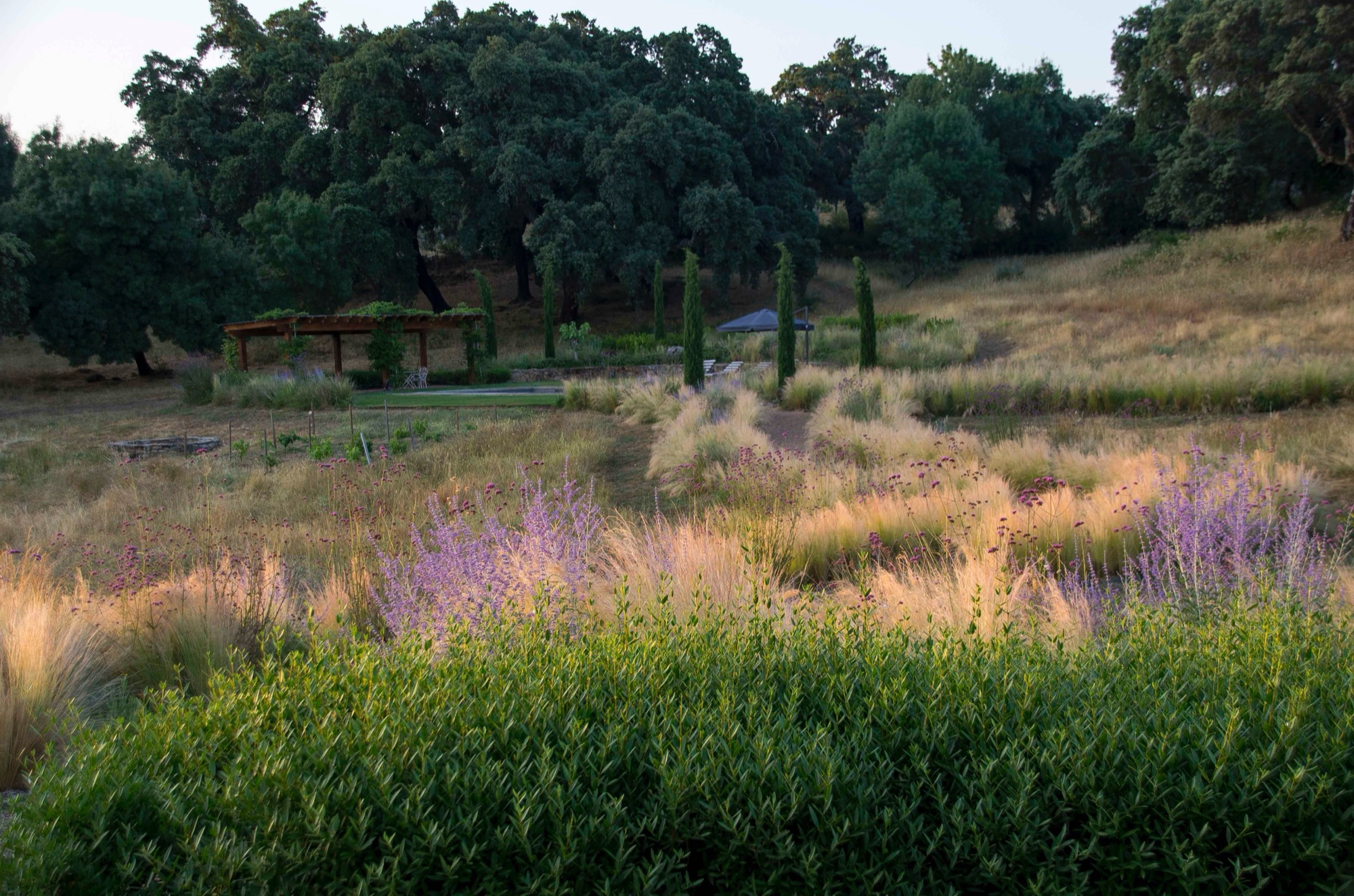
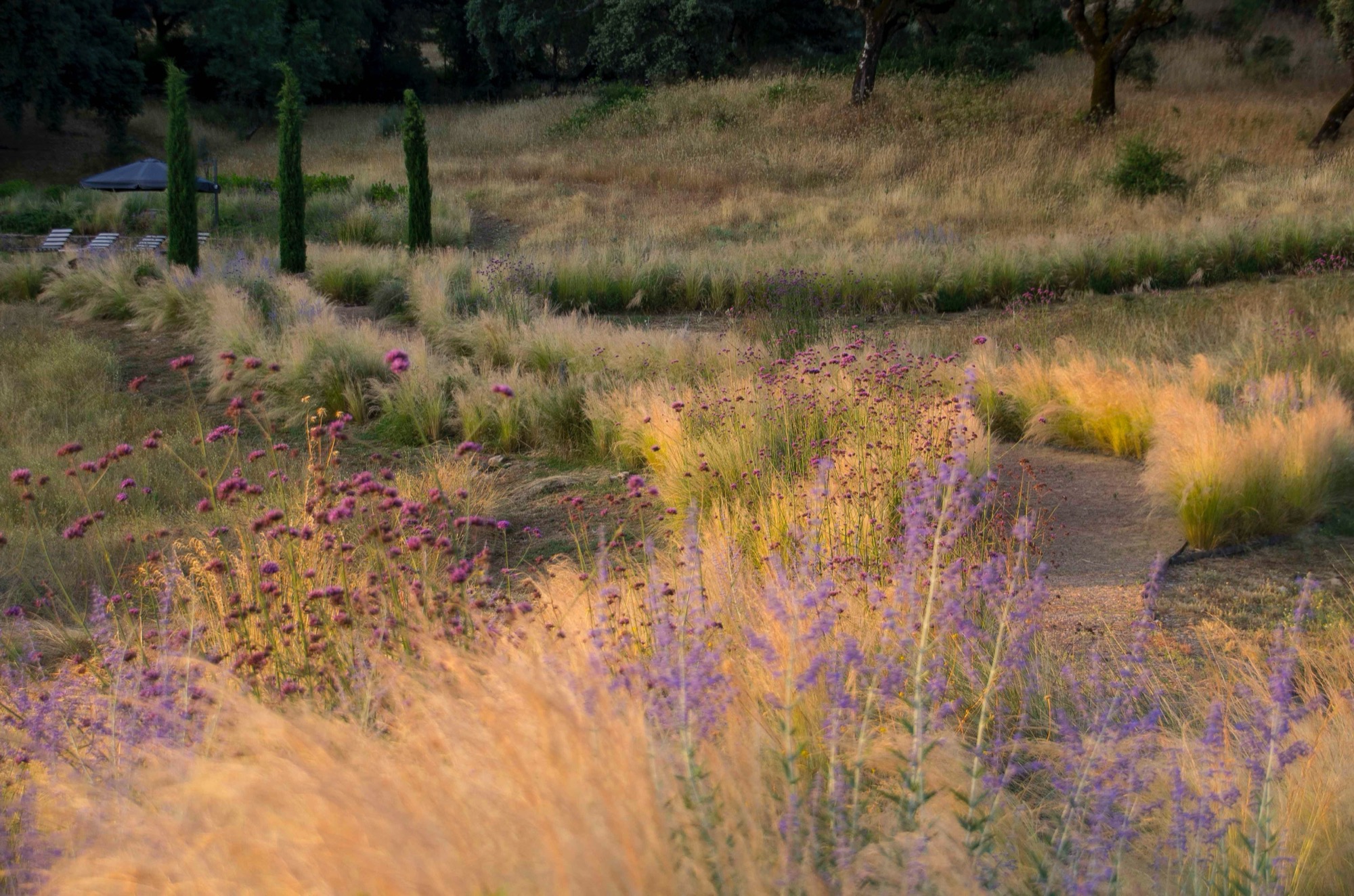
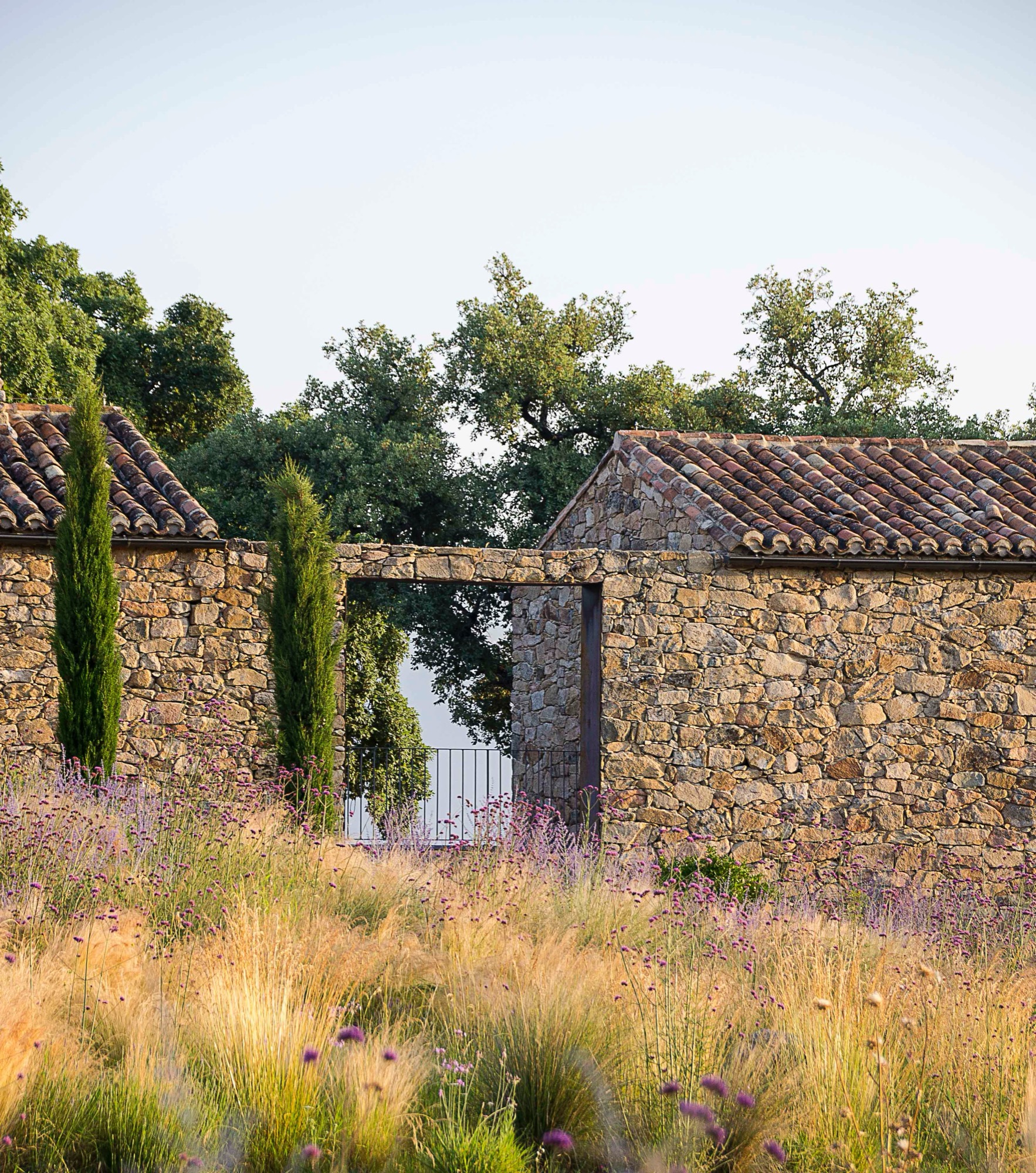
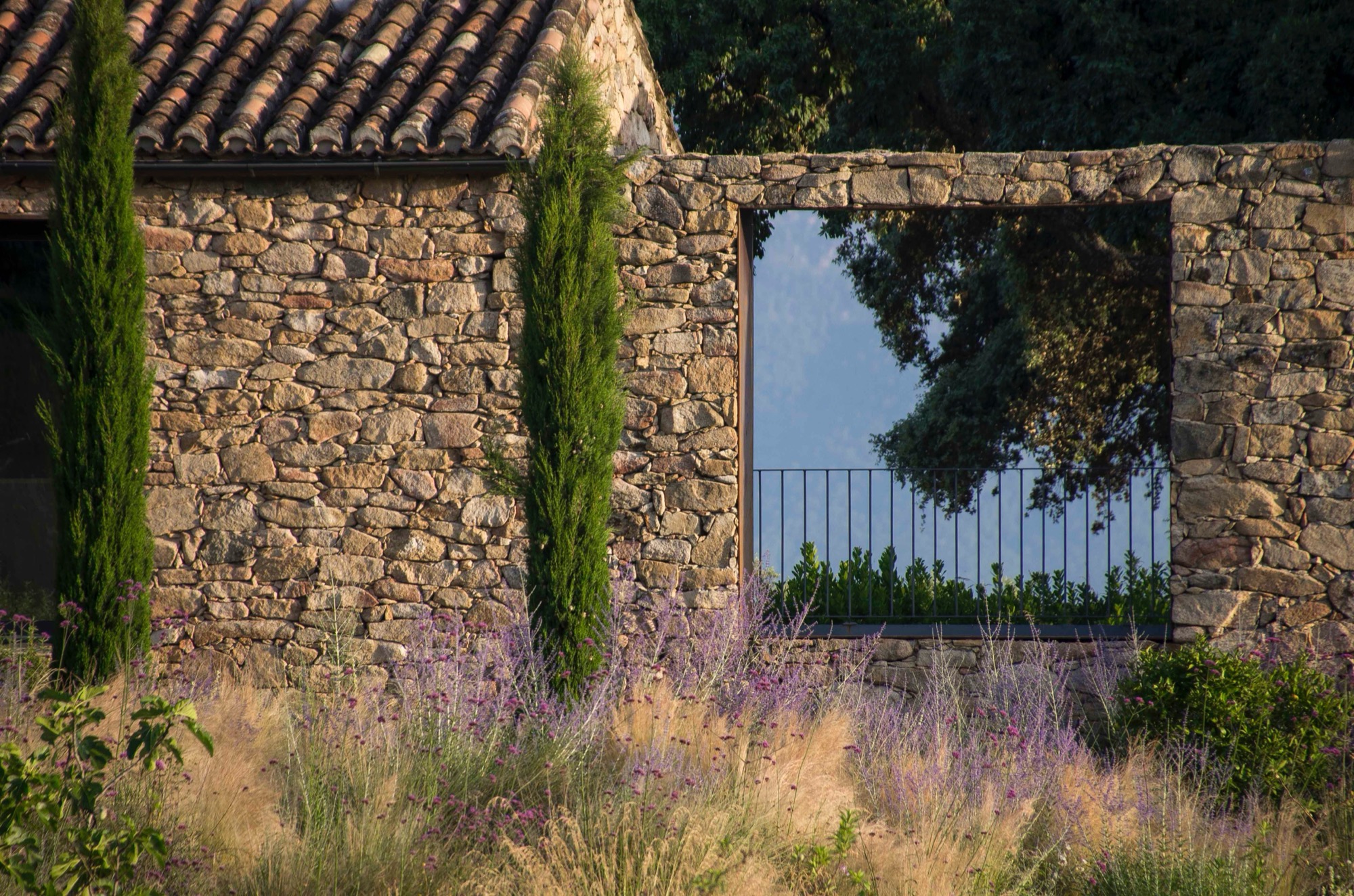
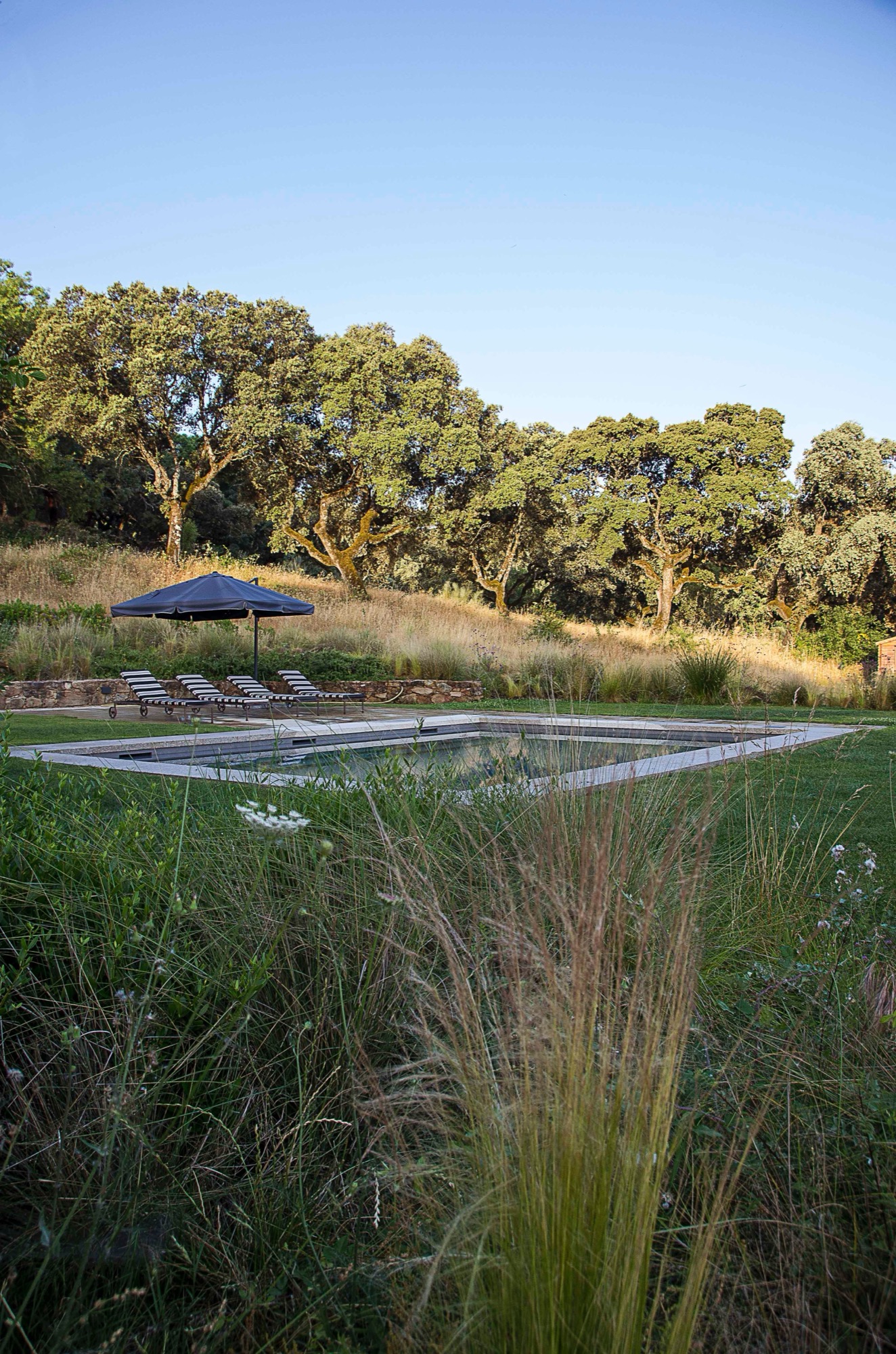
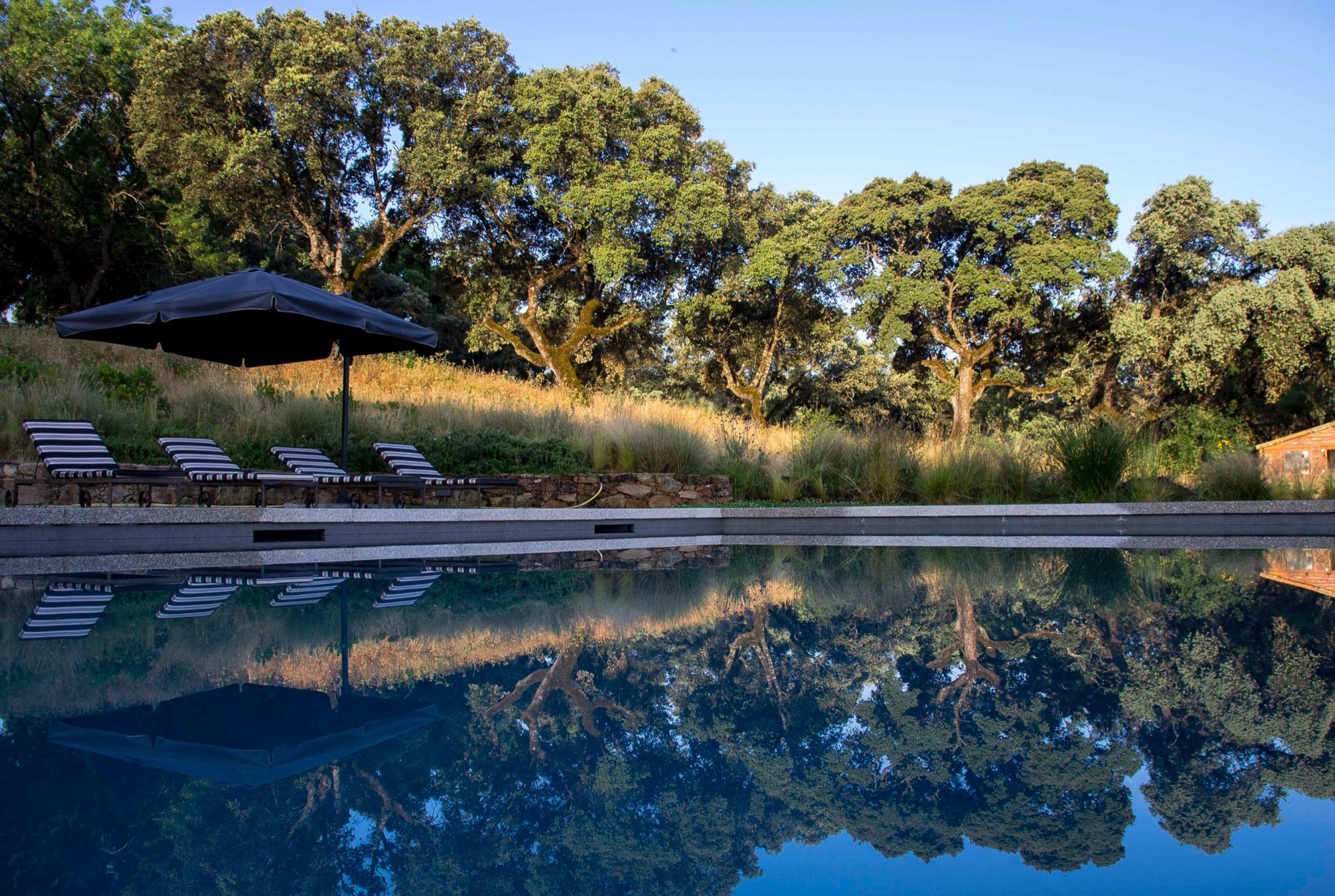
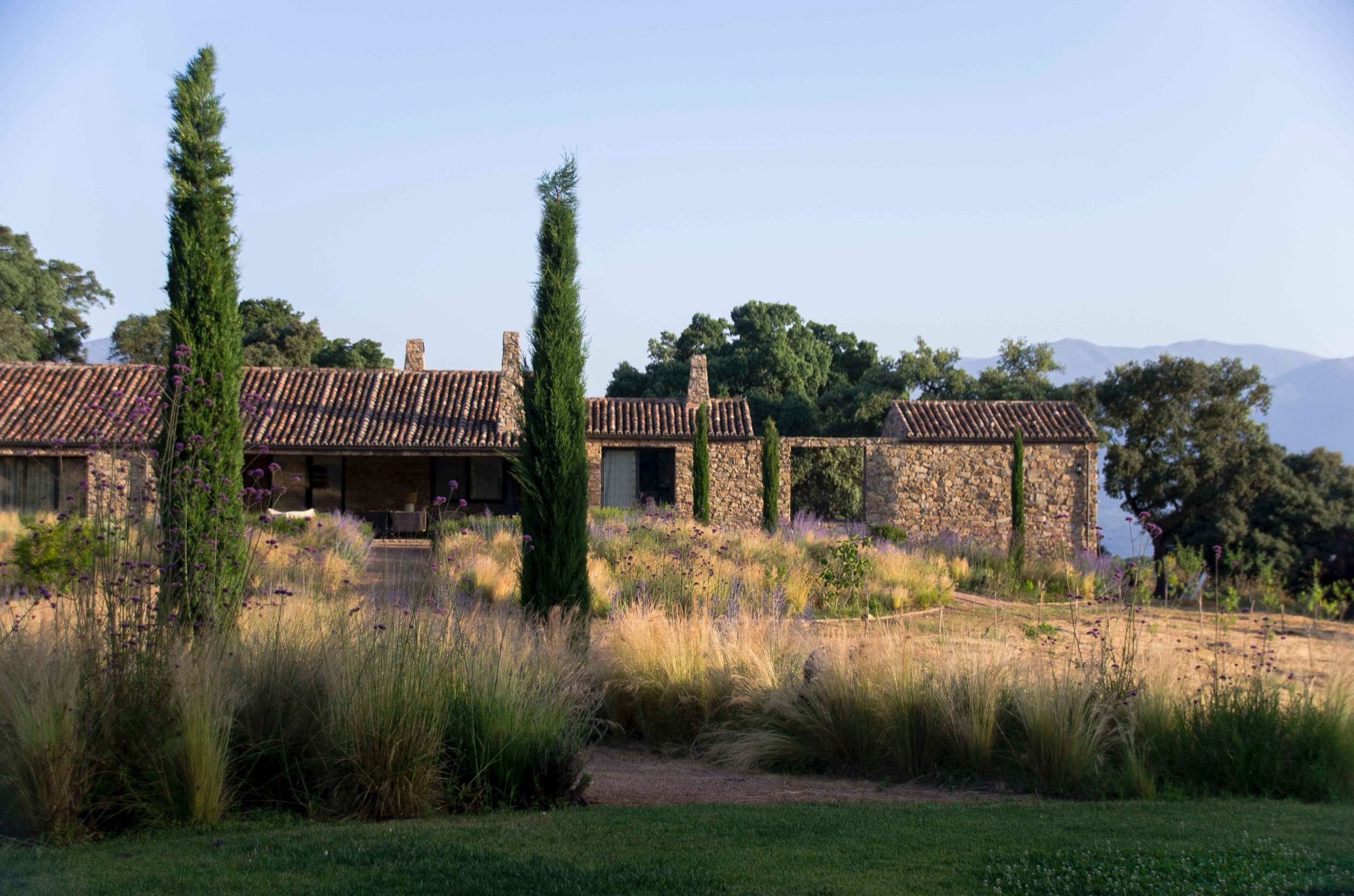
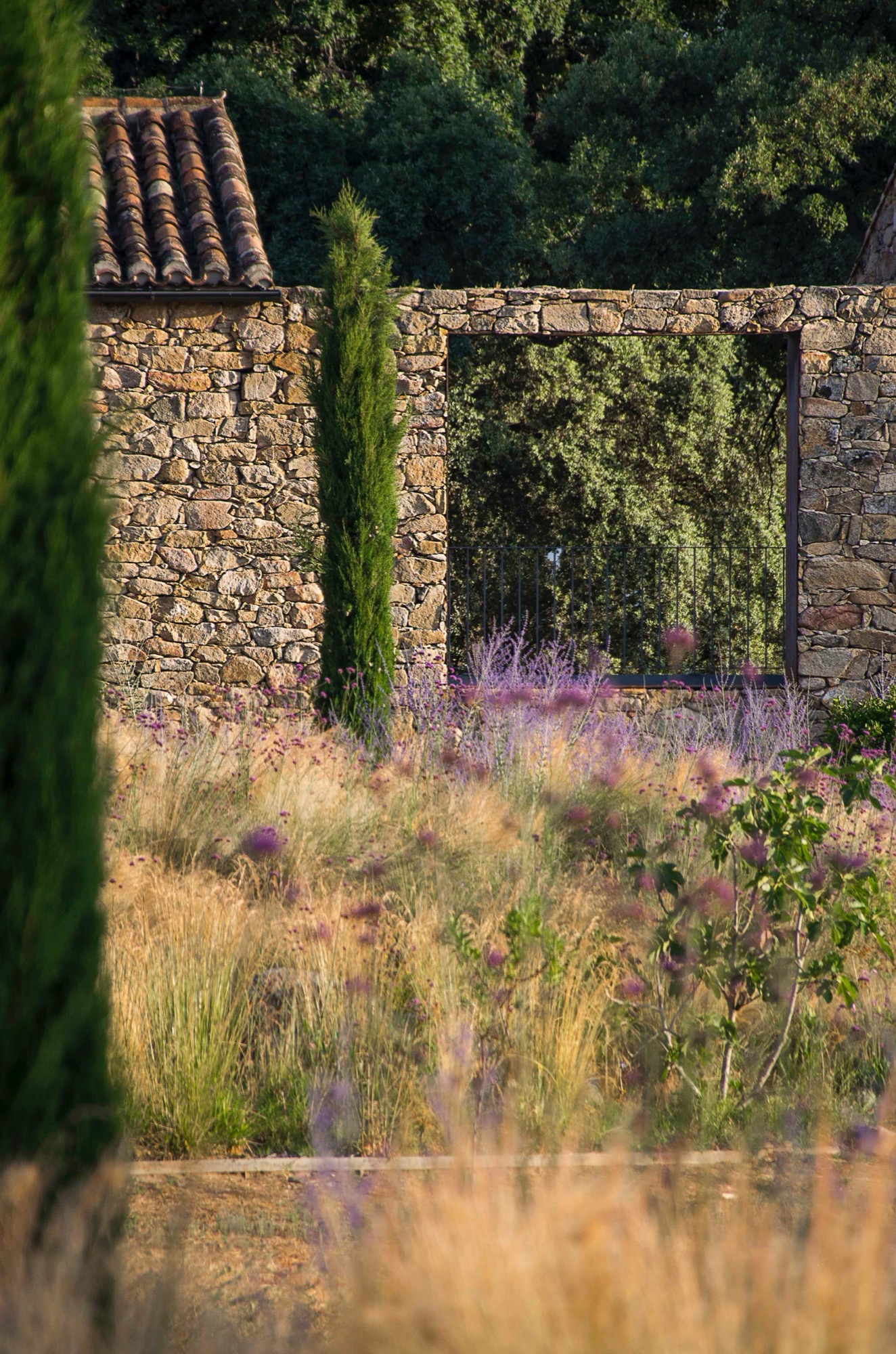
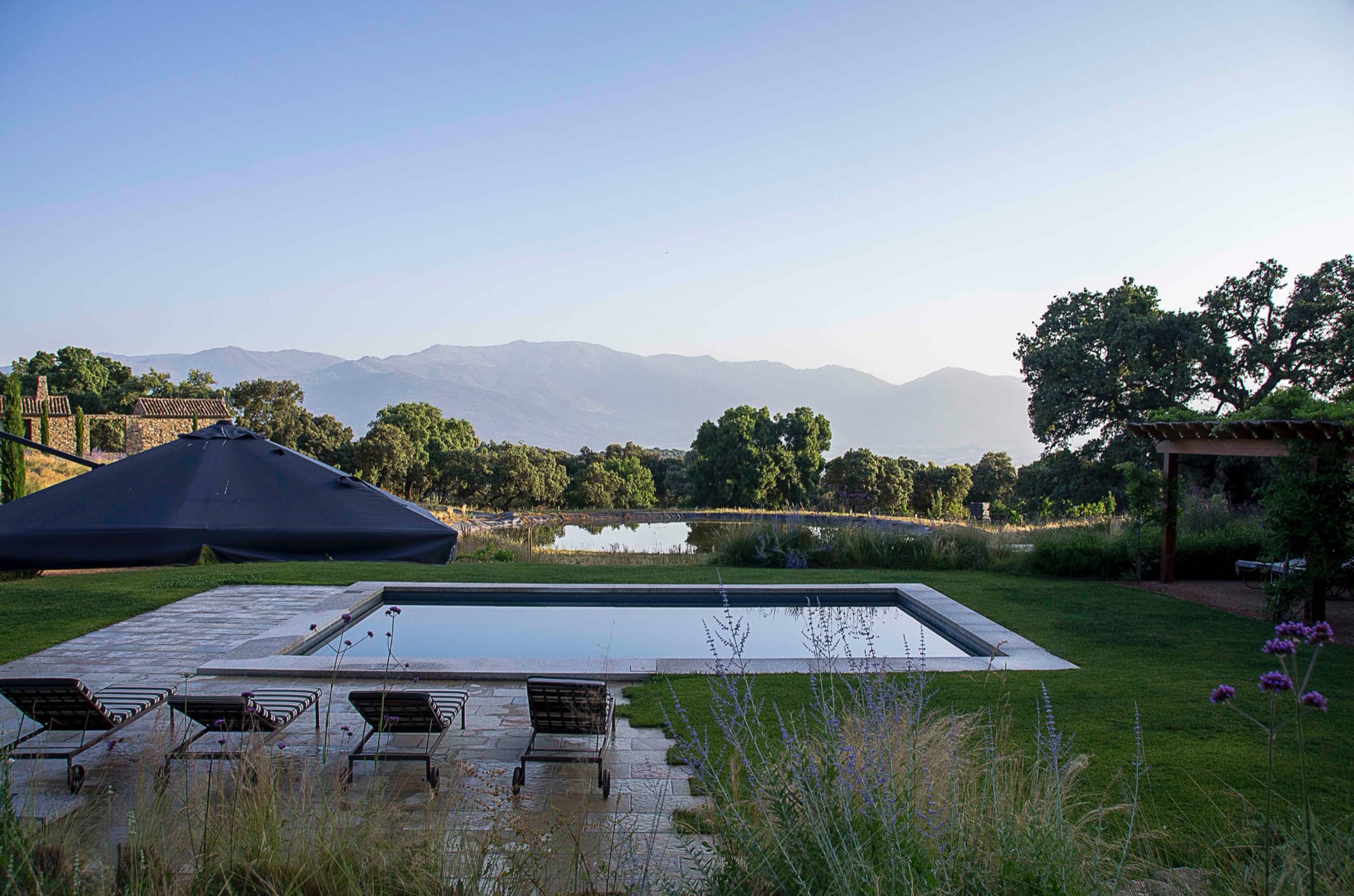
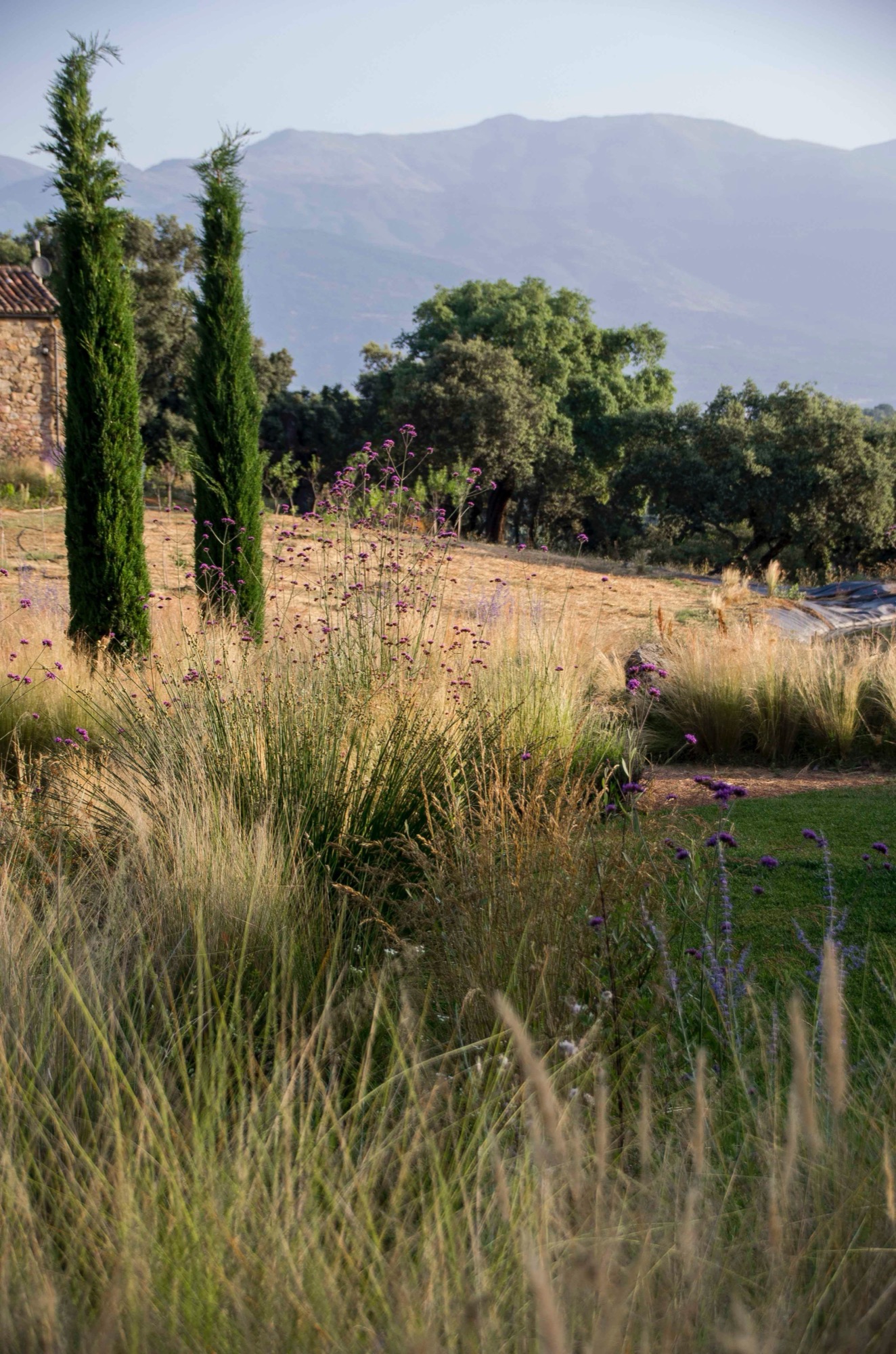
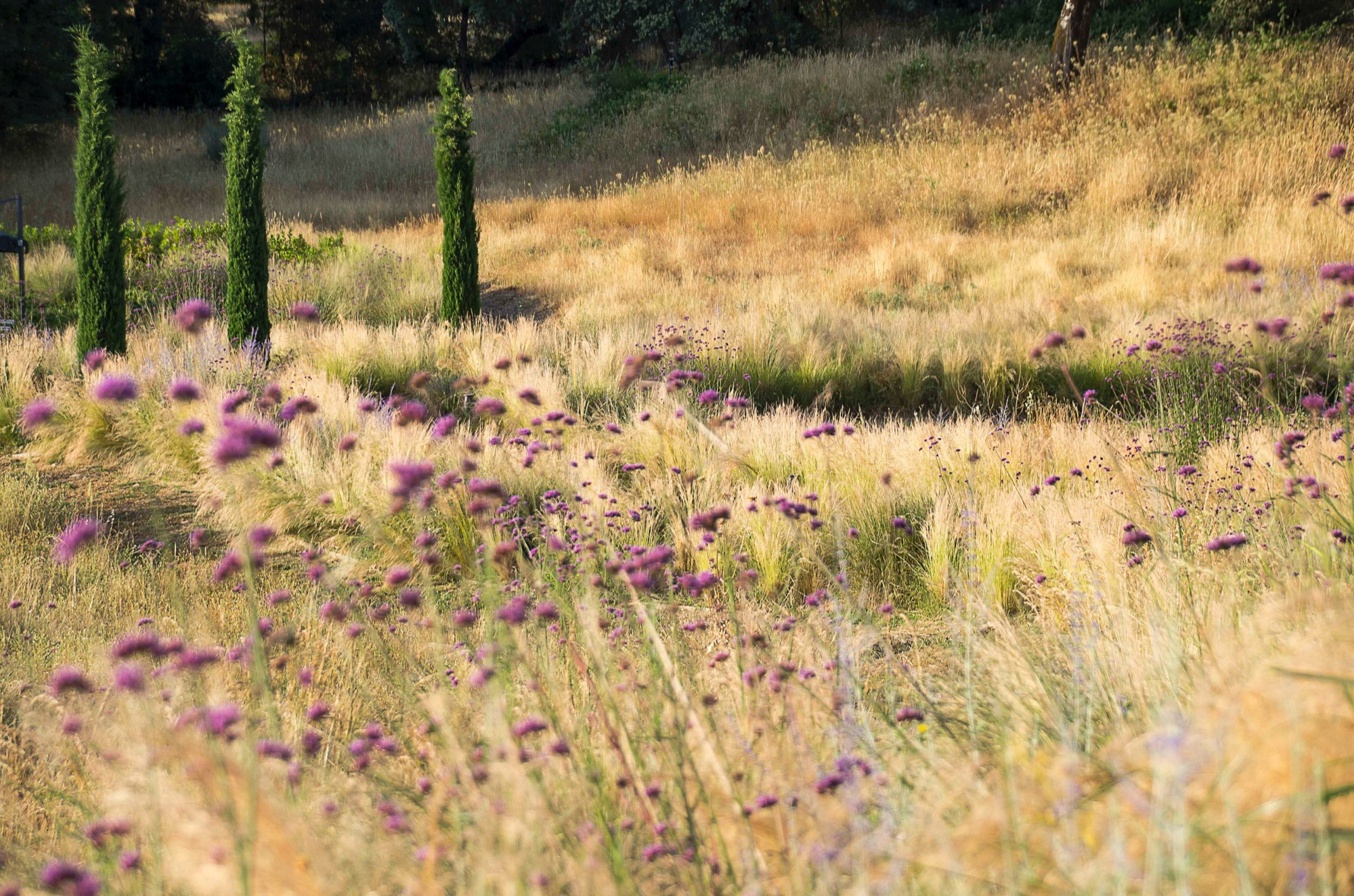
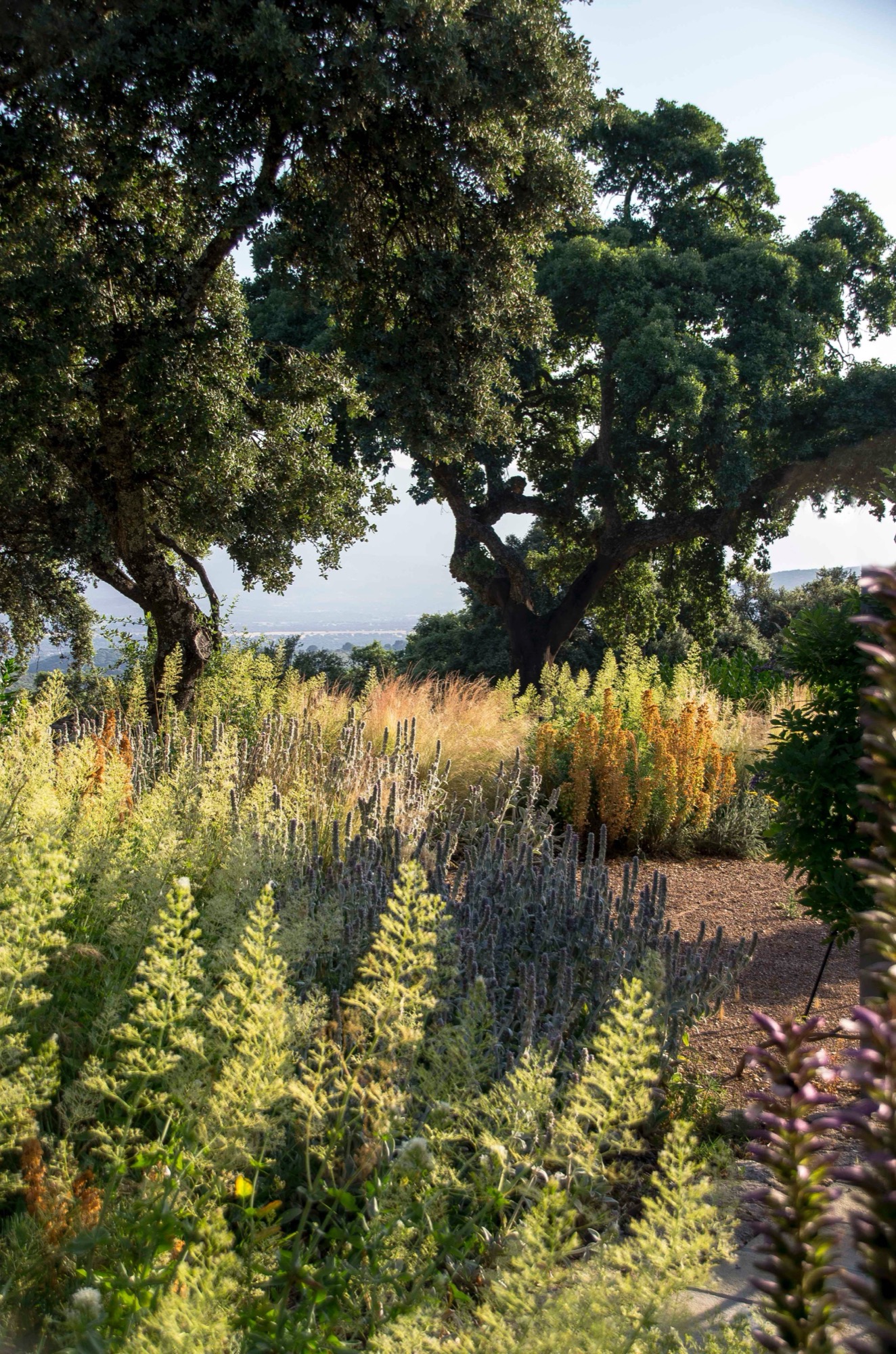
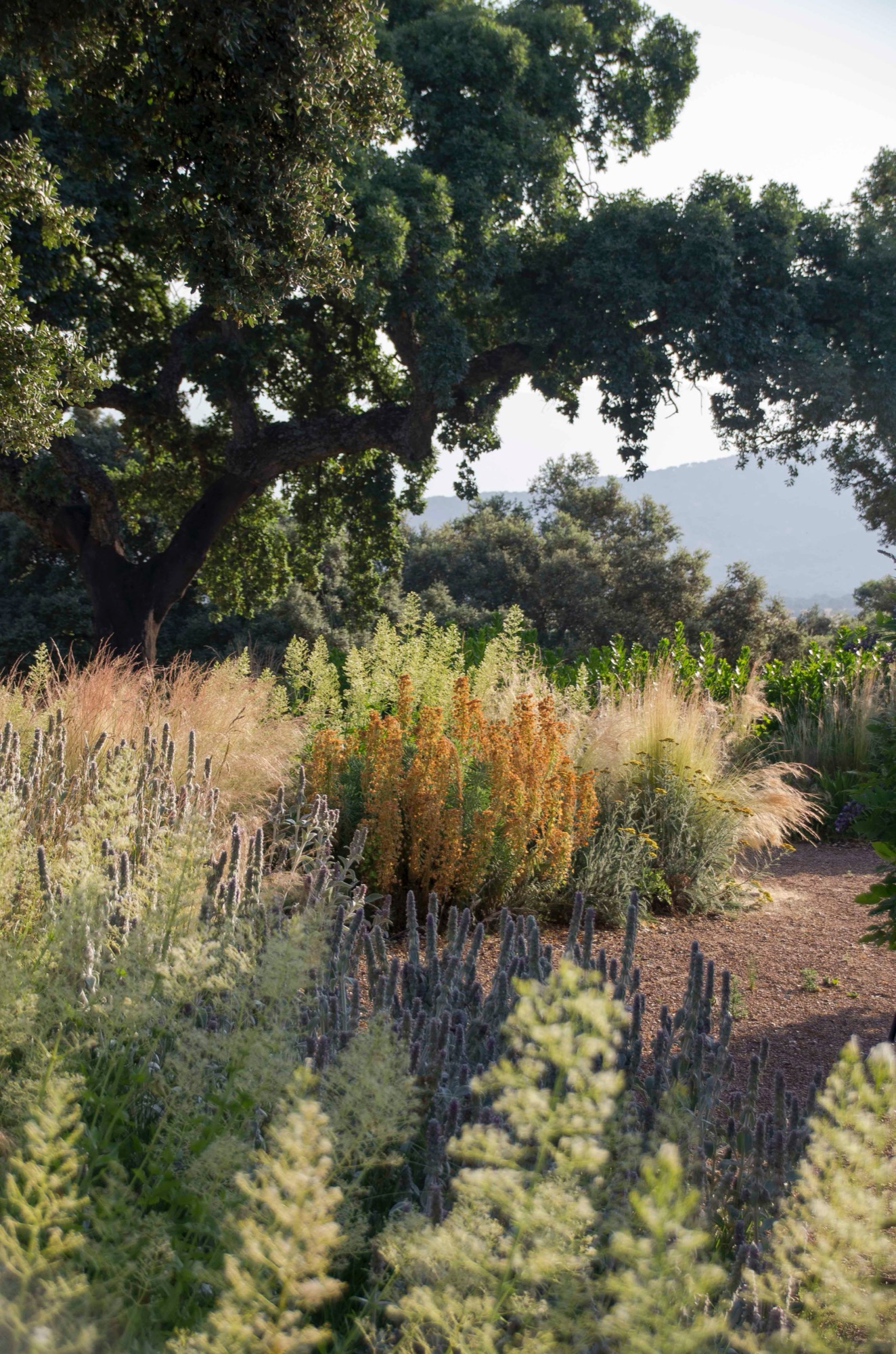
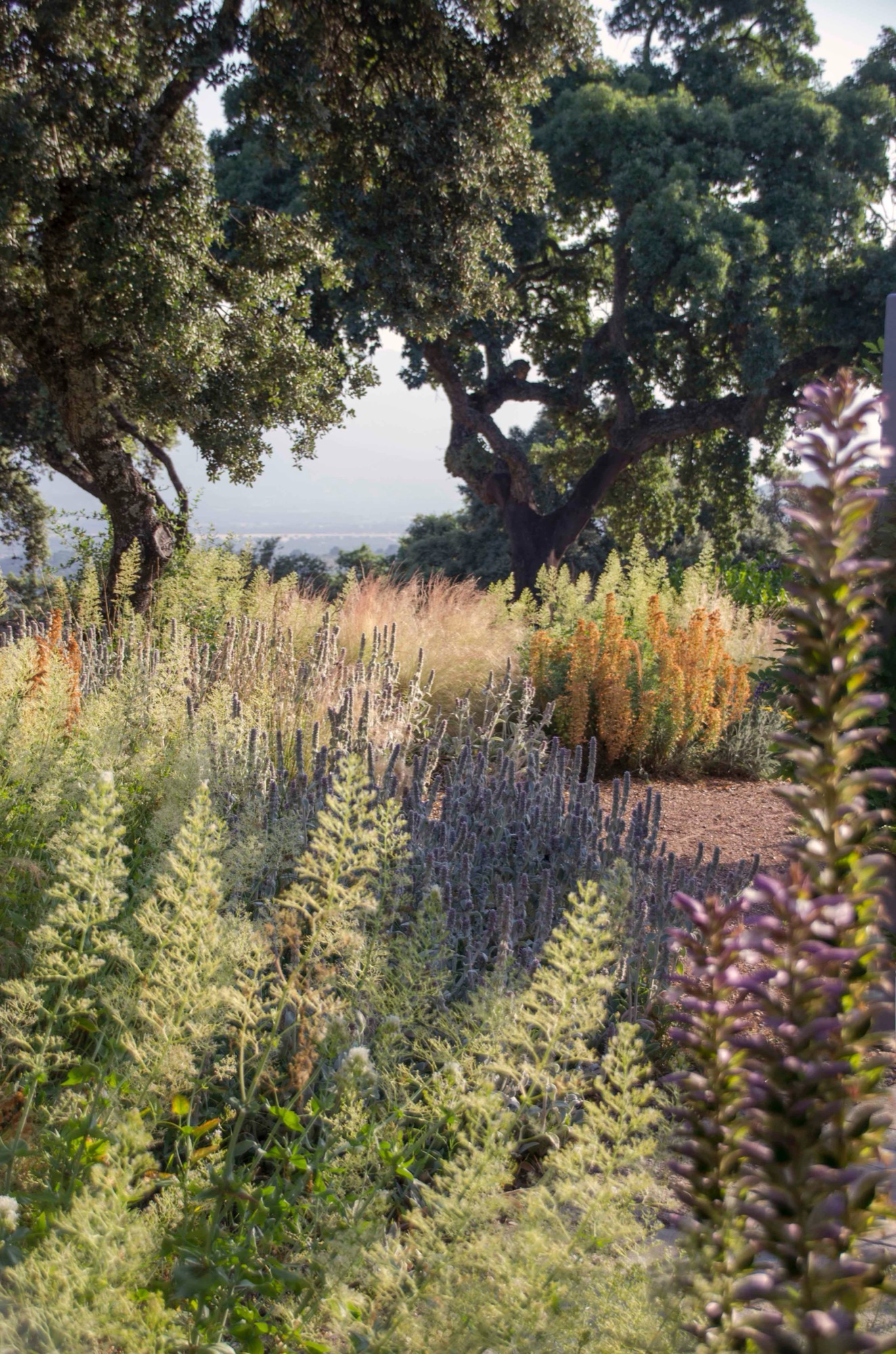
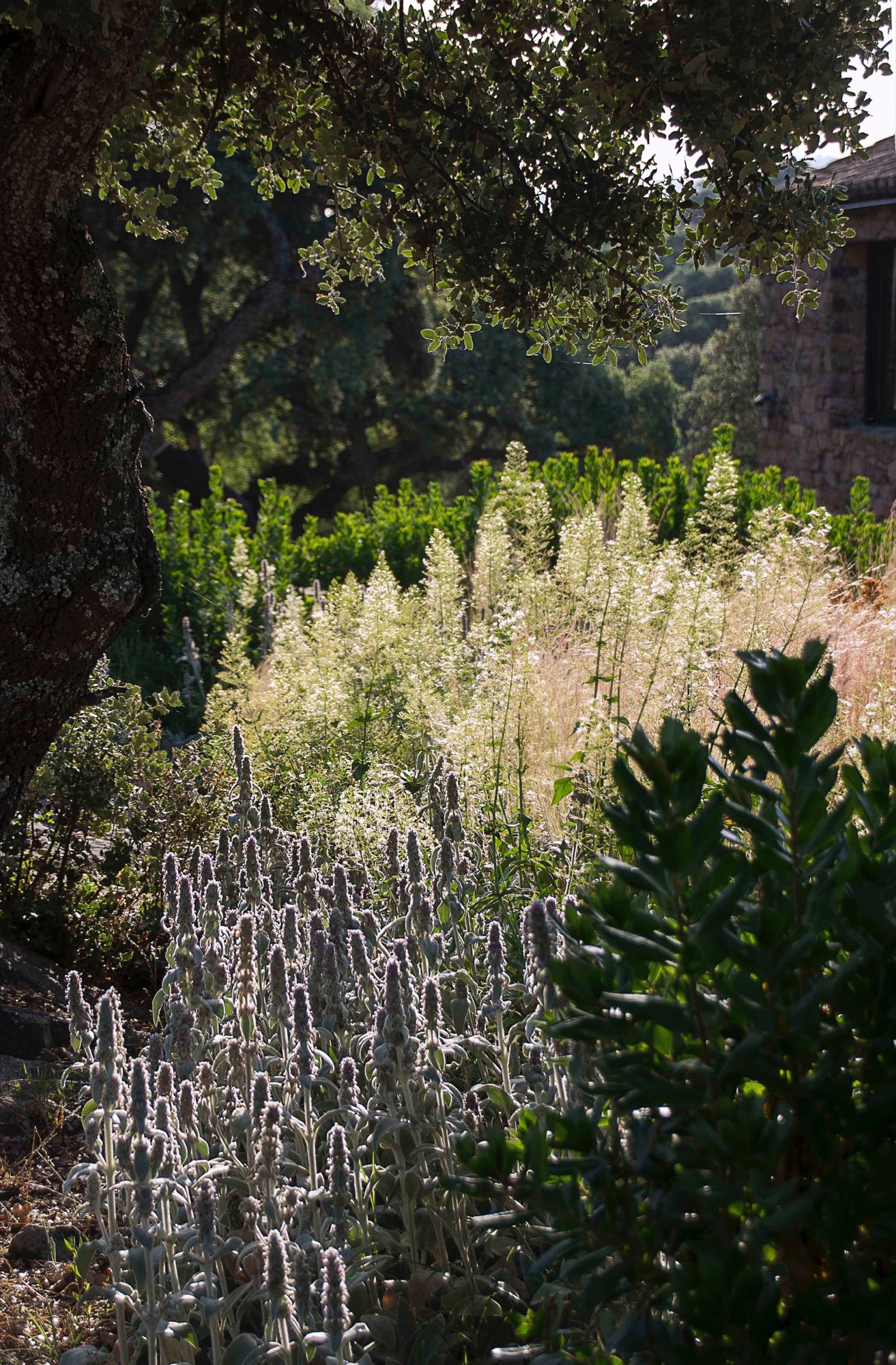
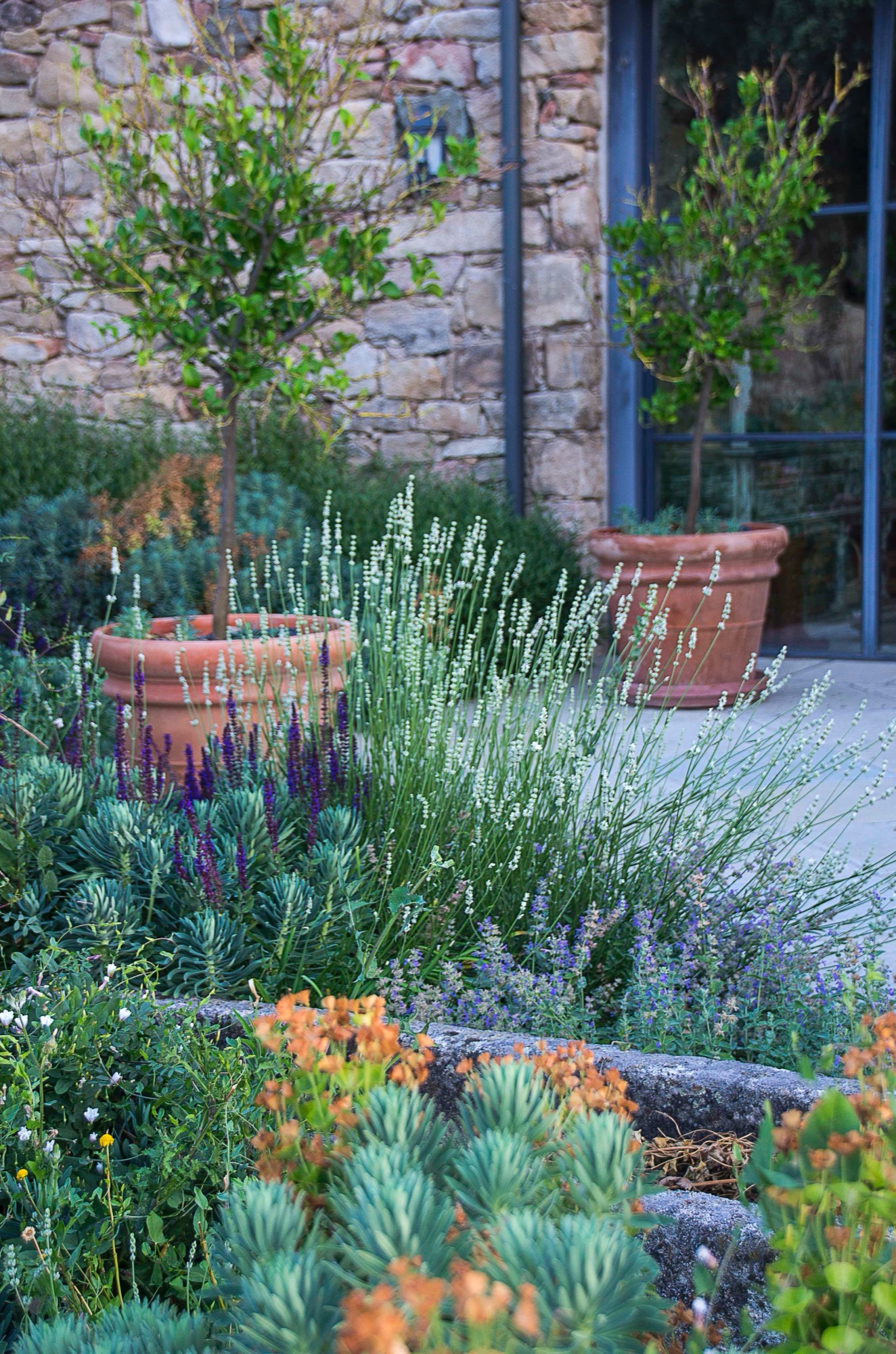
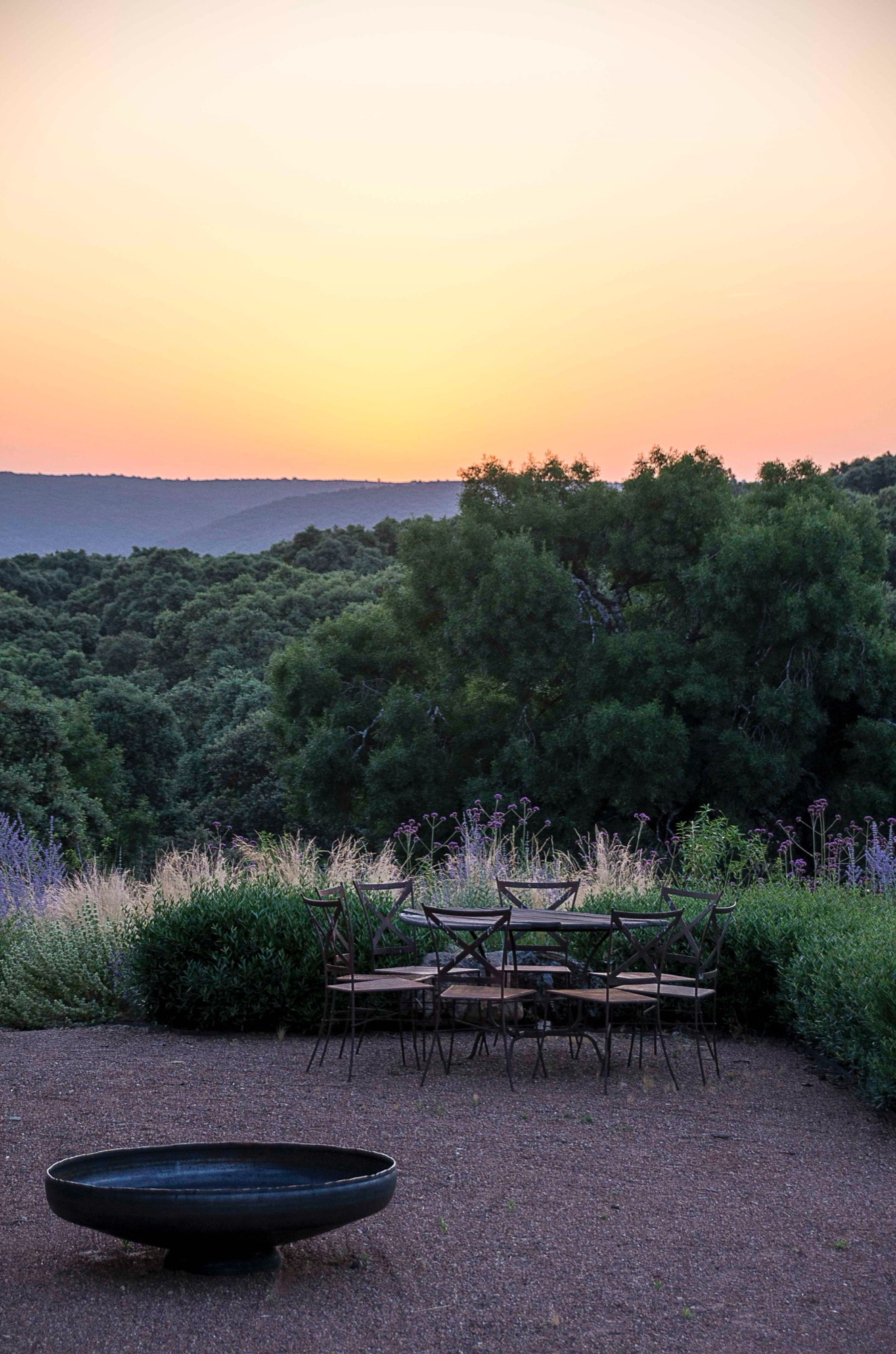
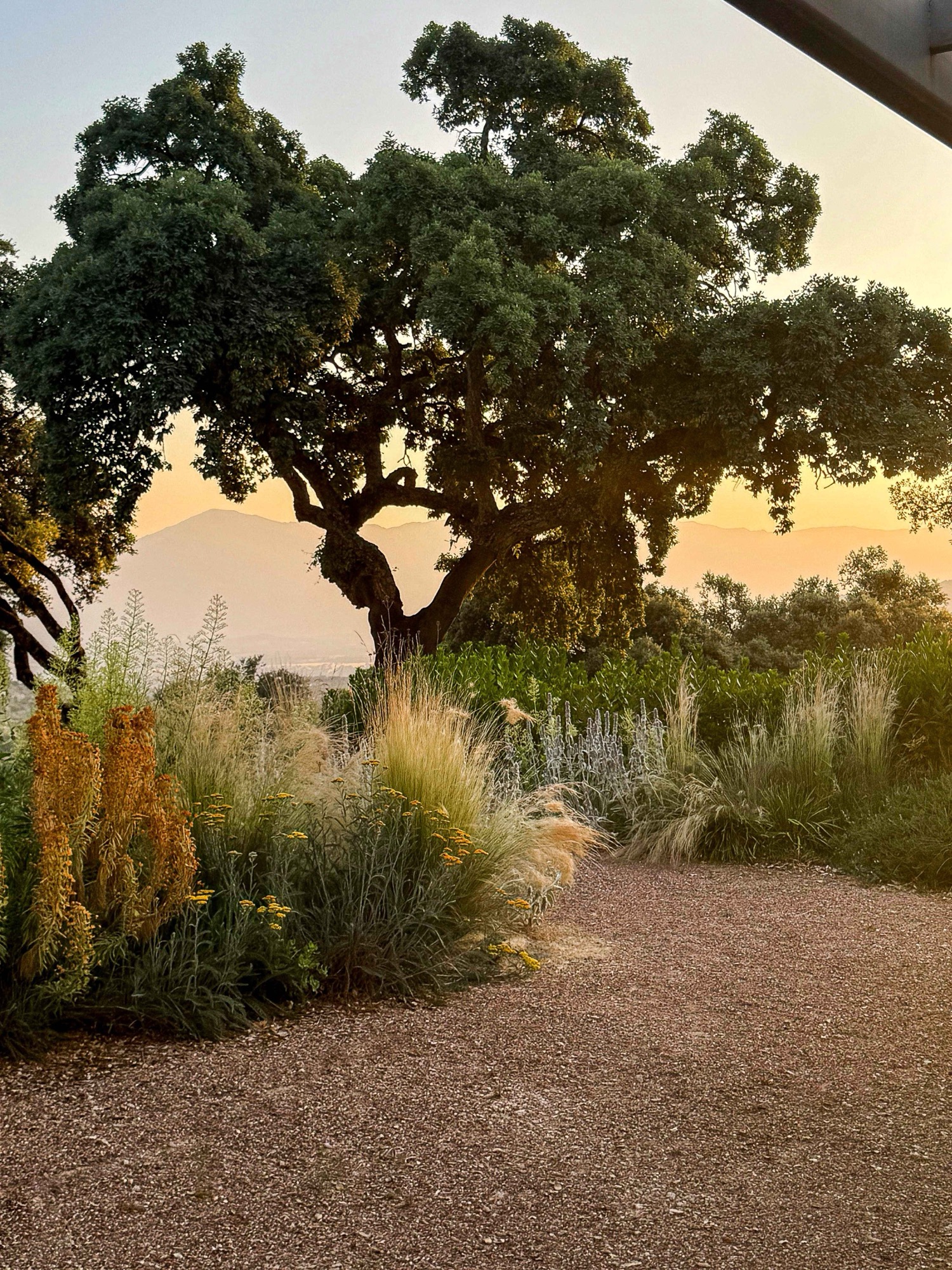
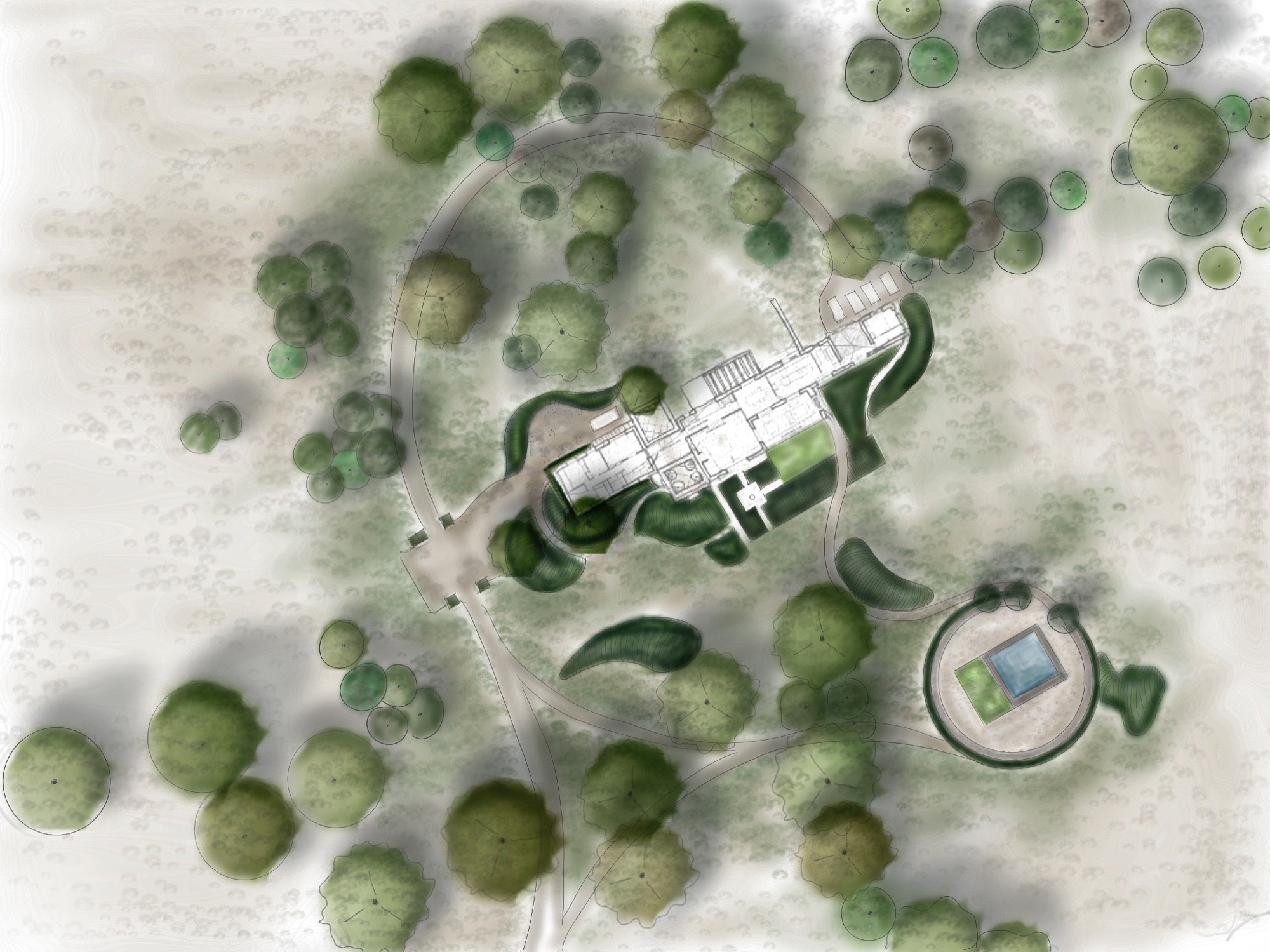
The planting design is inspired by a Portuguese oak grove, the planting scheme enriches the estate with holm oaks, arbutus, walnuts, fruit trees and cypresses forming a structural backbone. Lavender, rosemary, perovskia, and peonies add fragrance and colour, while grasses like Stipa and Muhlenbergia bring light and movement. Groundcovers (Erigeron karvinskianus and Stachys byzantina) weave soft textures across the soil, with turf reserved only for the pool area. The result is a hybrid landscape, both cultivated and untouched, where house, garden, and dehesa dissolve into one another. El Quejigal is not an ornamental garden nor a grandestate, but a lived environment—discreet, resilient, and deeply rooted in its setting.
75872


LILA 2026 Sponsor