Finsbury Circus Gardens
realmlandscape.com
2026 Public Projects / United Kingdom / Built in 2025 /

PROJECT SUMMARY
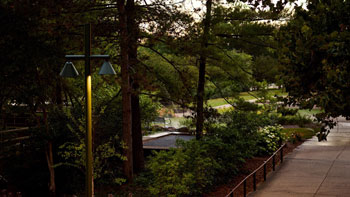
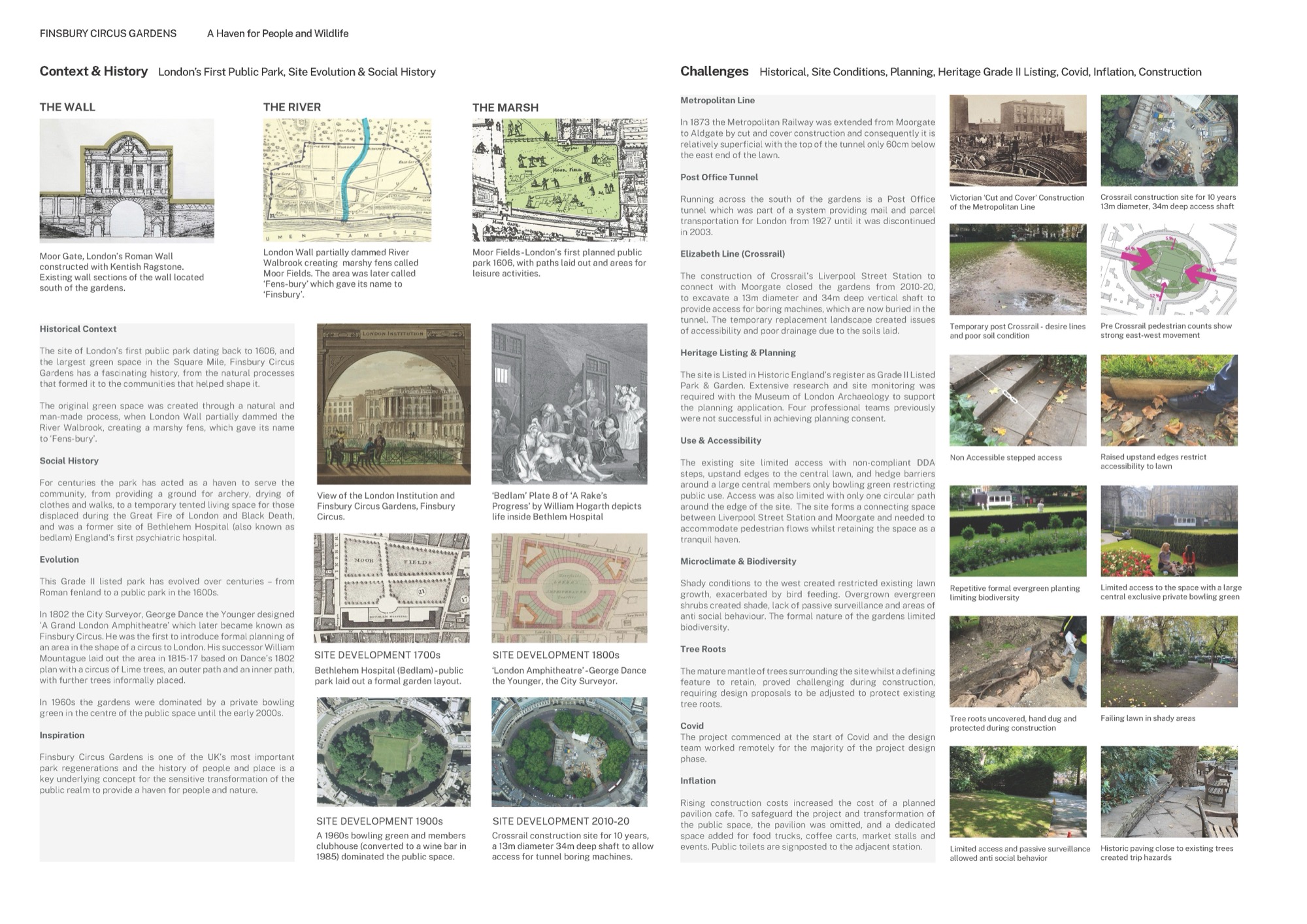
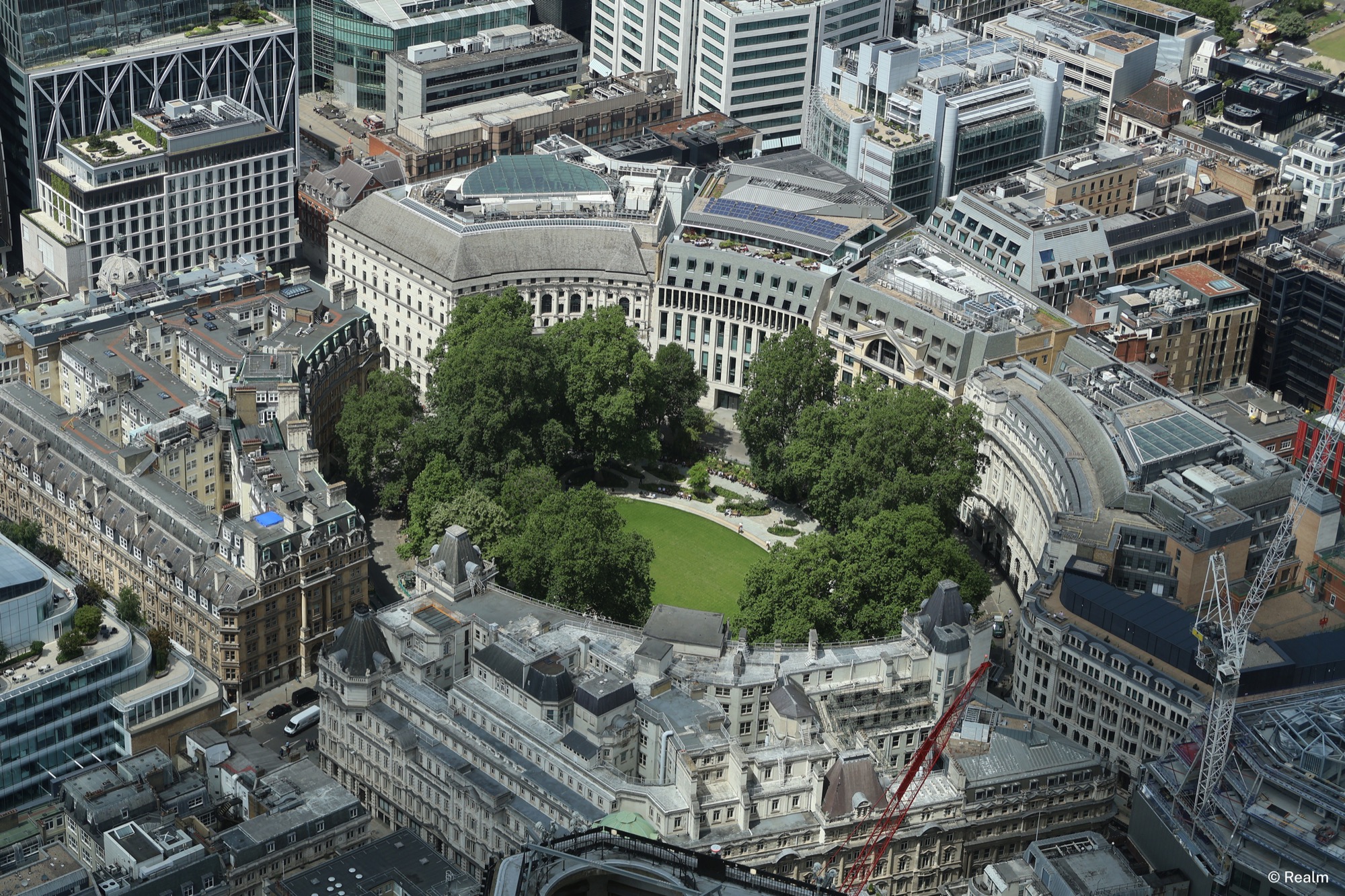
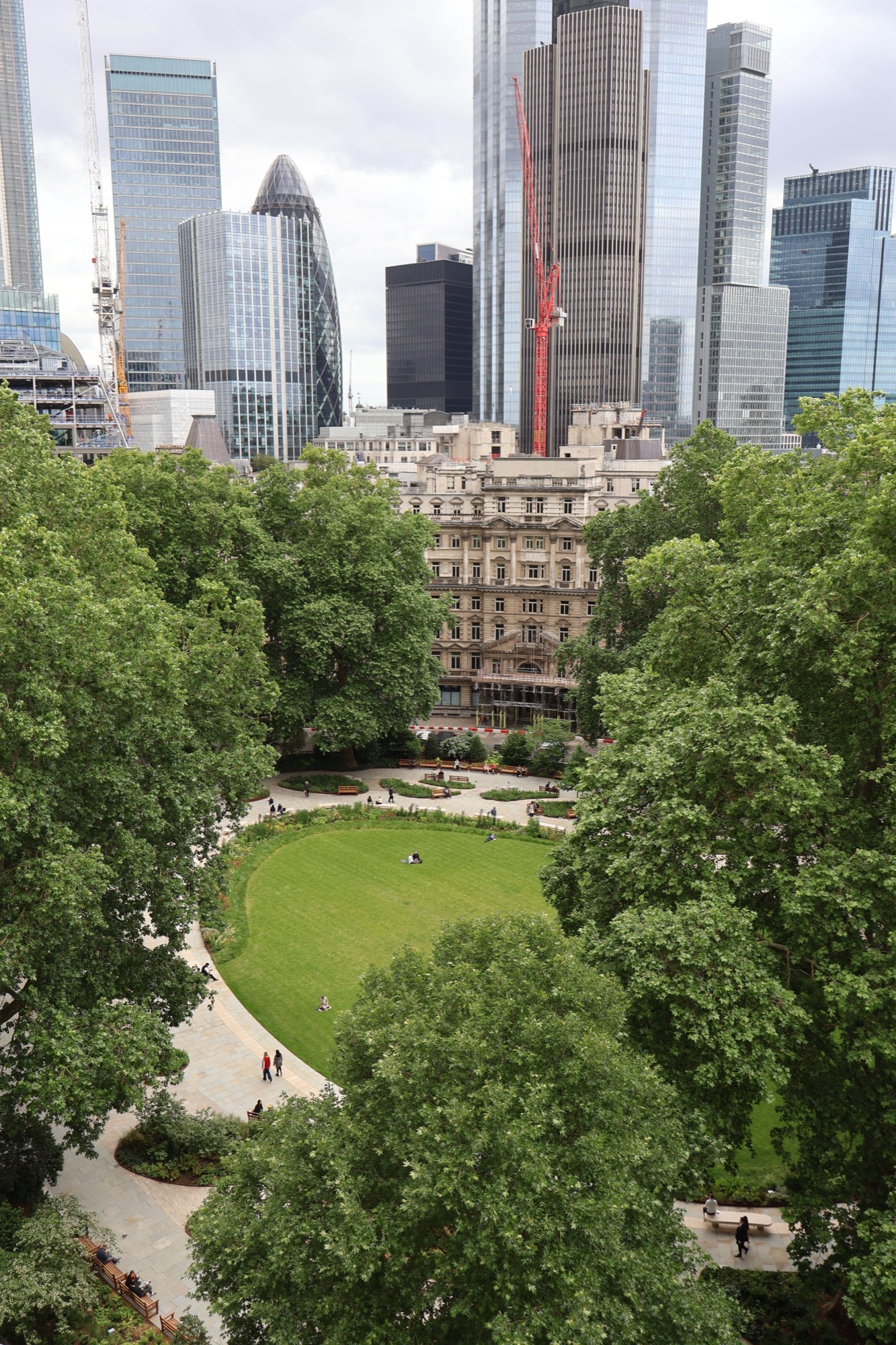
Finsbury Circus Gardens is one of the UK’s most important park regenerations. The site of London’s first public park dating back to 1606, and the largest green space in the Square Mile, Finsbury Circus Gardens has a fascinating history, from the natural processes that formed it to the communities that helped shape it.
The original green space was created through a natural and man-made process, when London Wall partially dammed the River Walbrook, creating a marshy fen, which gave its name to ‘Fens-bury’. For centuries the park has acted as a haven to serve the community, from providing a ground for archery, drying of clothes and walks, to a temporary tented living space for those displaced during the Great Fire of London and Black Death, and was a former site of Bethlem Royal Hospital (known as ‘Bedlam’) England’s first psychiatric hospital.
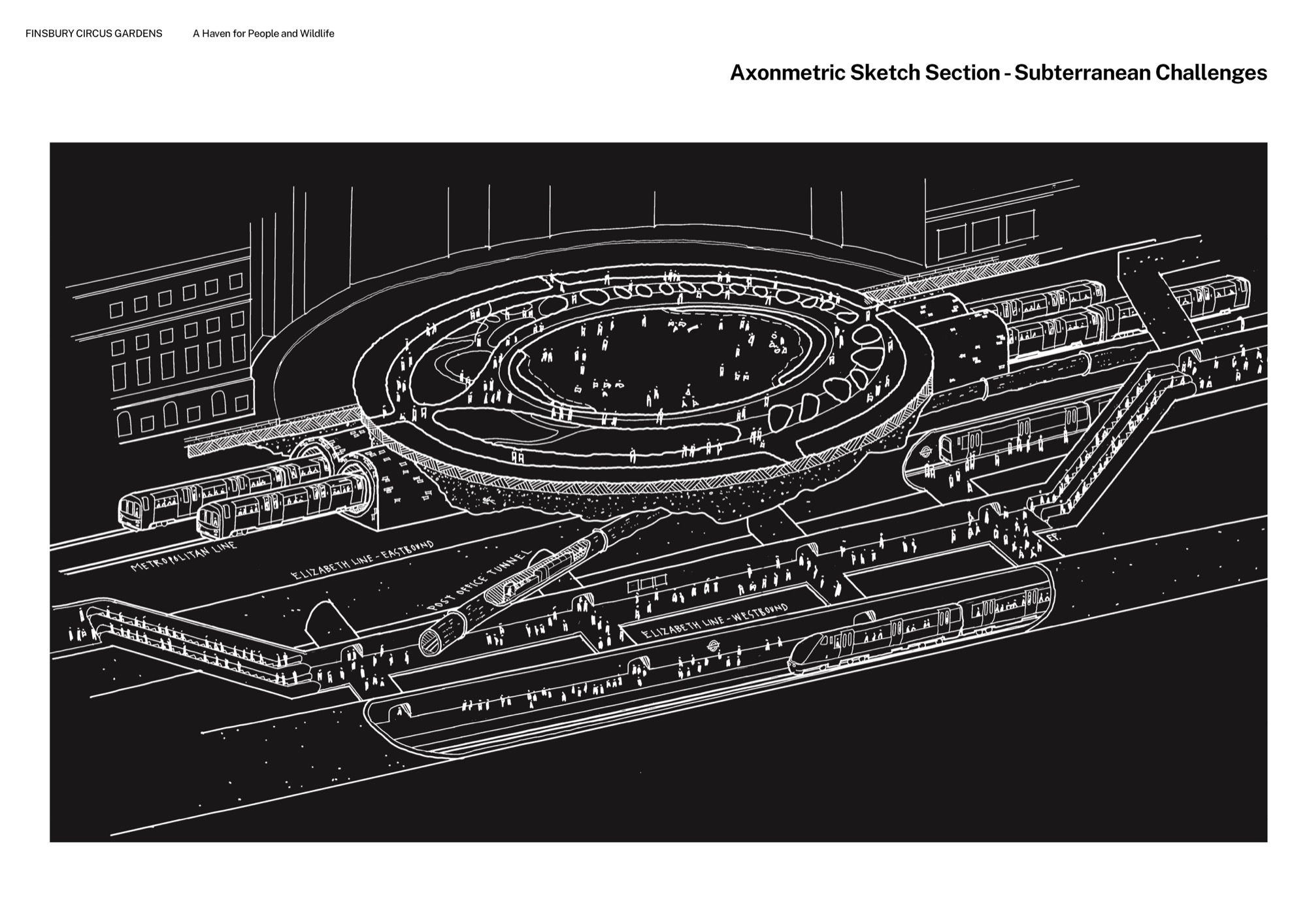
The site forms part of a key pedestrian network linking east to Liverpool Street station, west to Moorgate station, and south to London Wall, and underfoot presents challenging below ground conditions with the top of the Metropolitan Railway tunnel only 60cm beneath the lawn at the eastern end. The park was occupied by Crossrail for construction of the Elizabeth Line from 2010-2020 and following completion, an open global competition was launched to innovatively rethink the Grade II Listed 0.9 hectare public space.
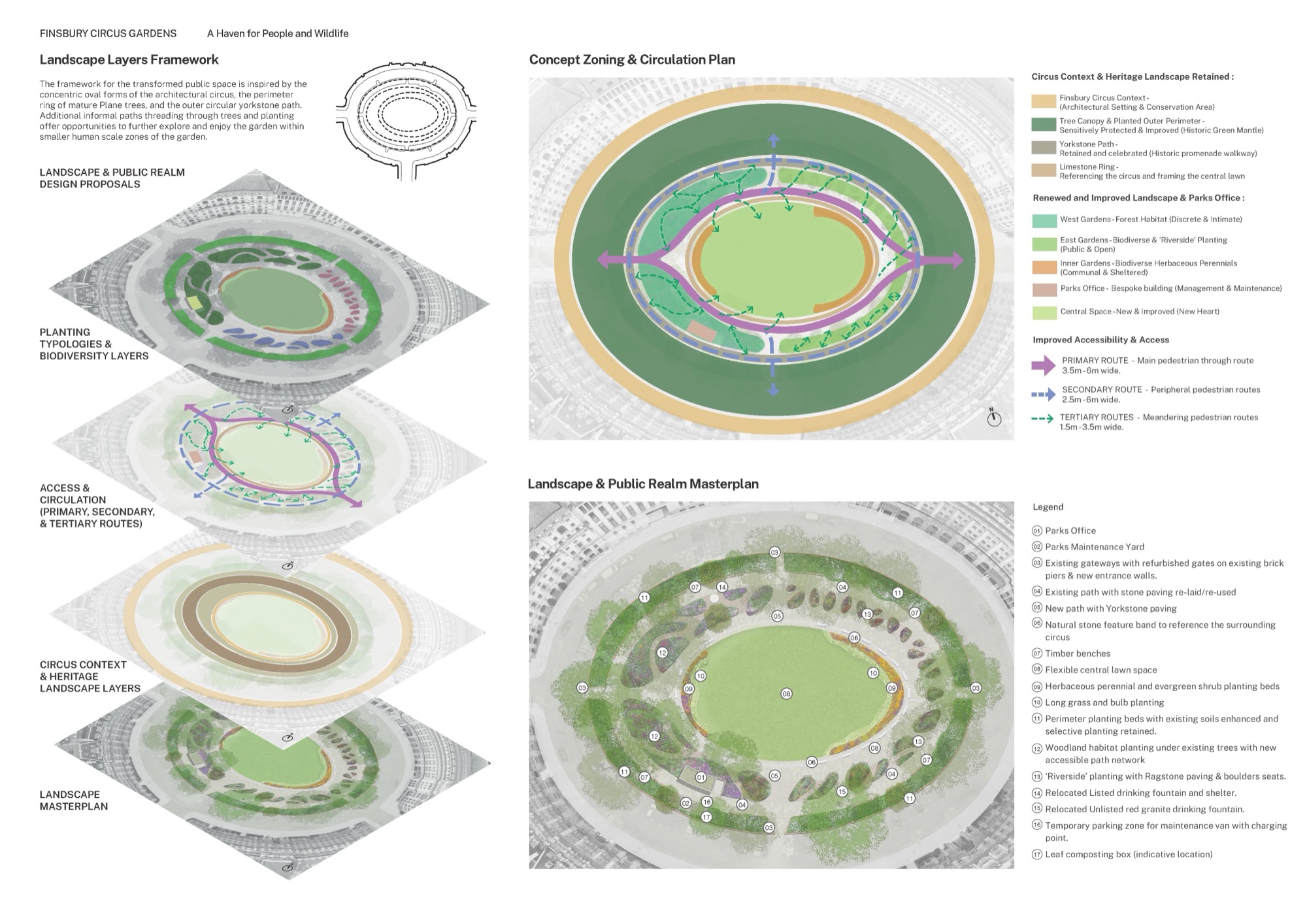
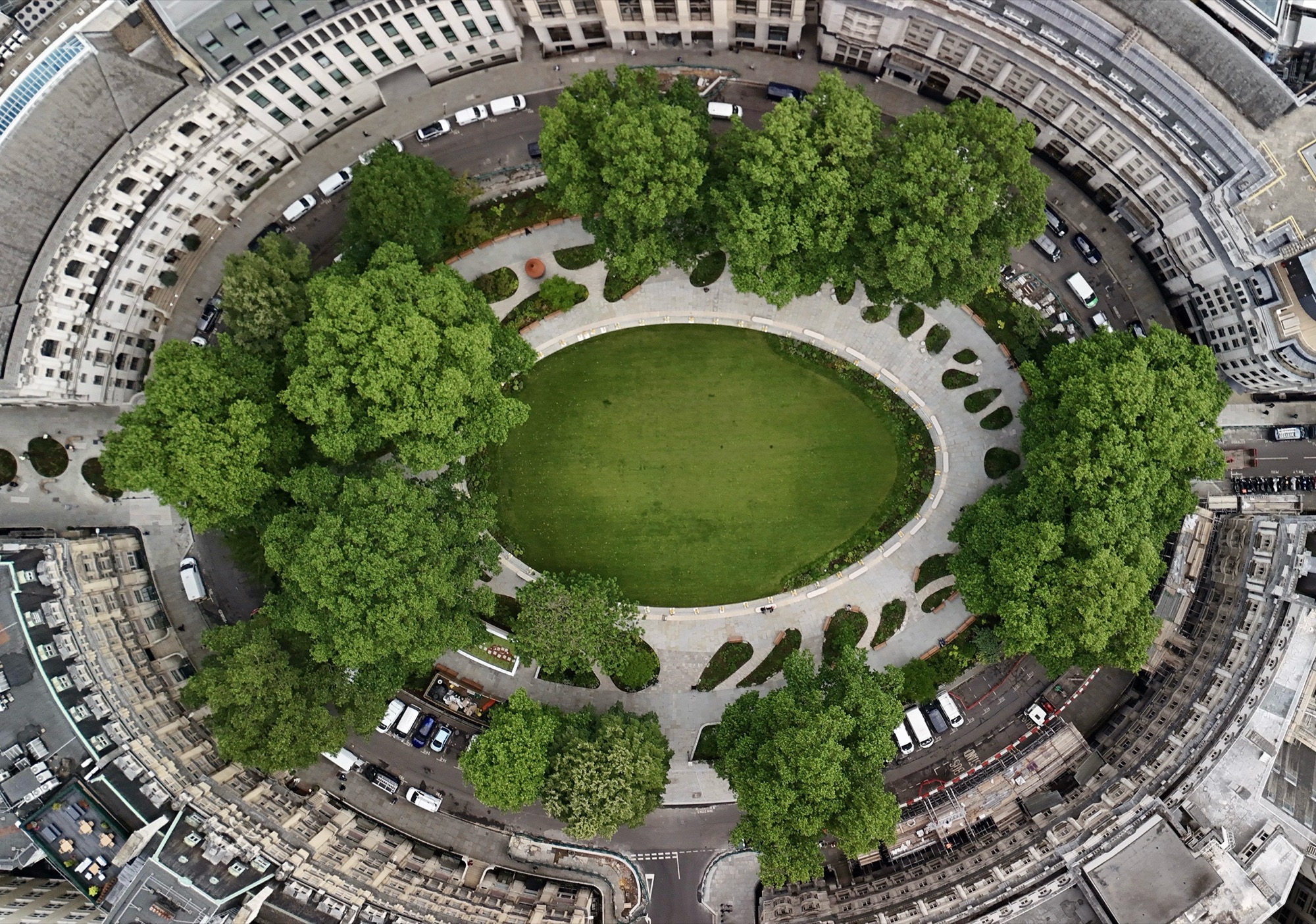
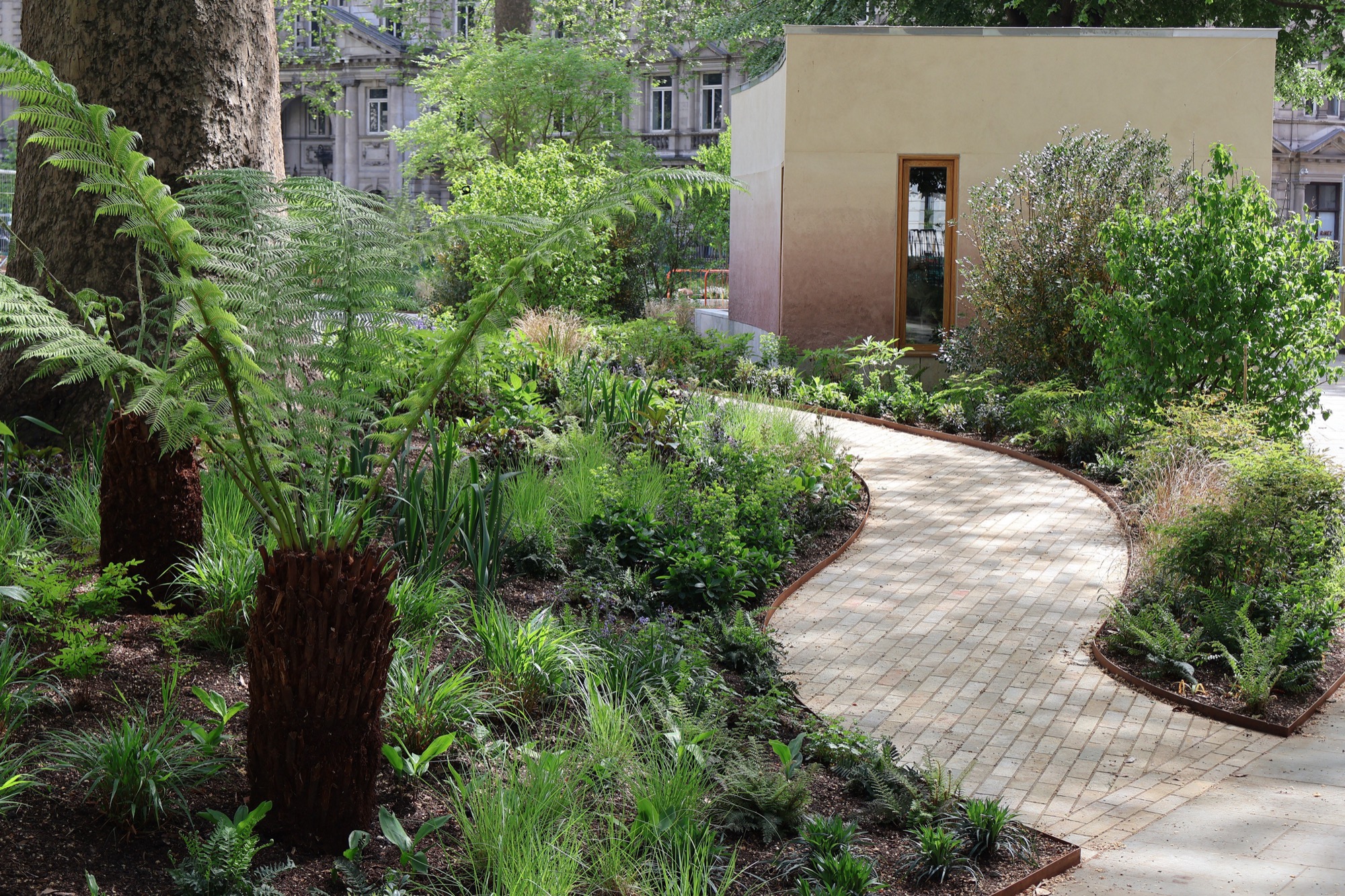
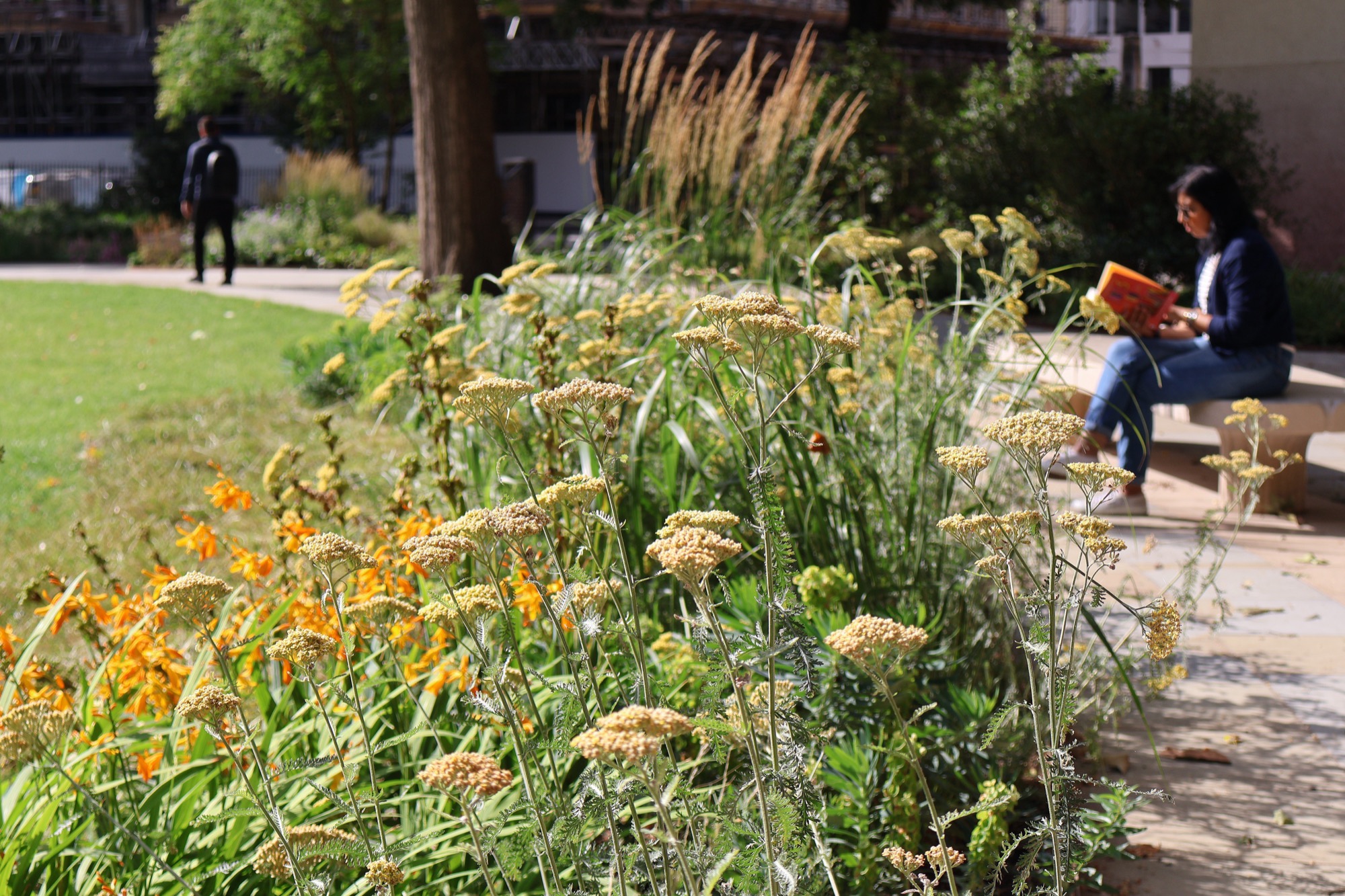
The winning landscape and public realm design by Realm, who worked with Studio Weave to incorporate a new Parks Office, creates a revitalised public space for future generations to enjoy – a tranquil haven for people and nature, with increased equitable space and accessibility, improving biodiversity with new planting palettes and trees selected for climate change and resilience.
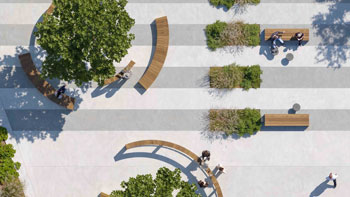
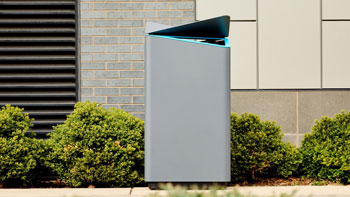
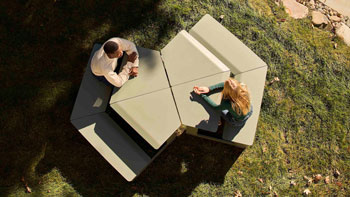
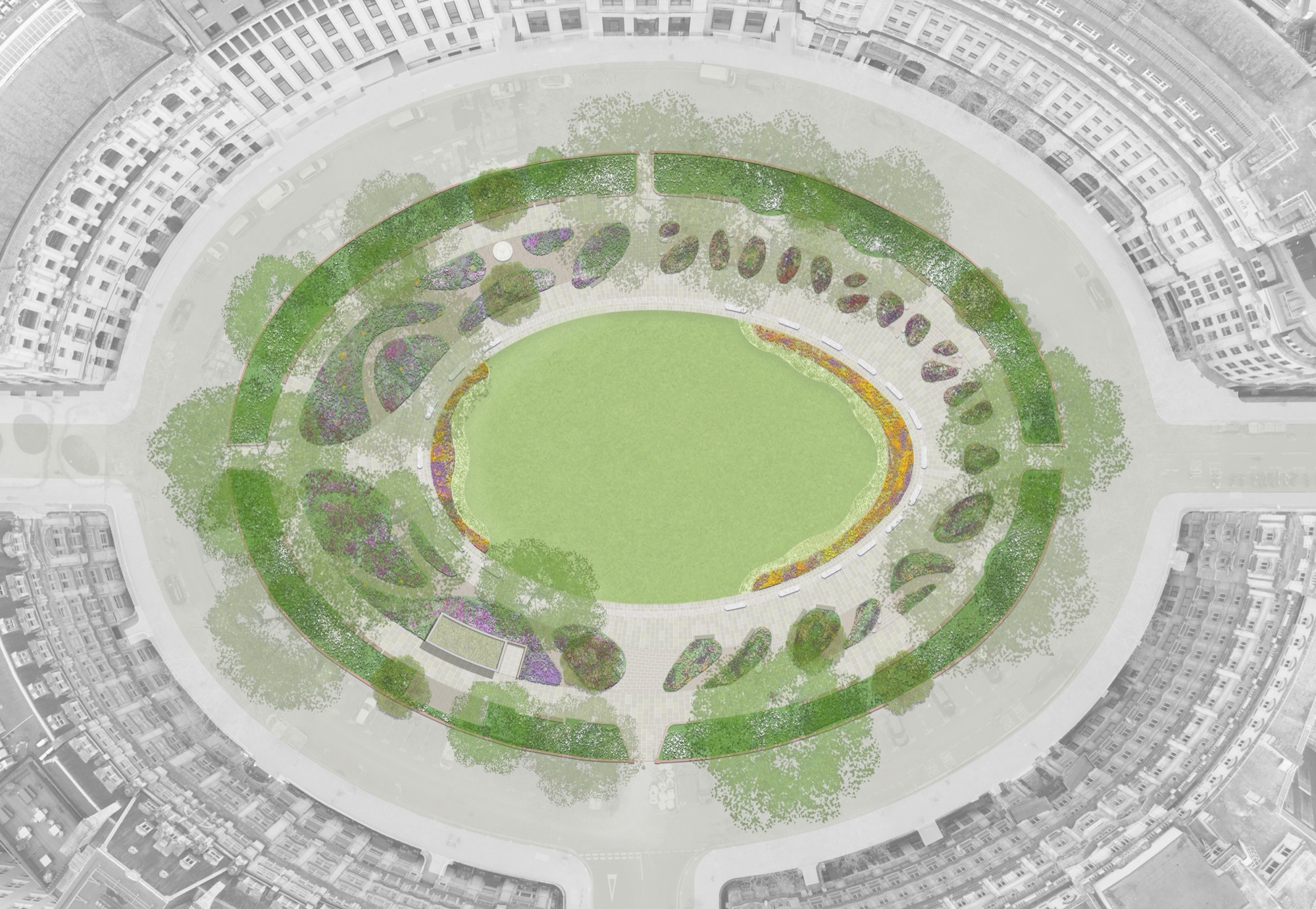
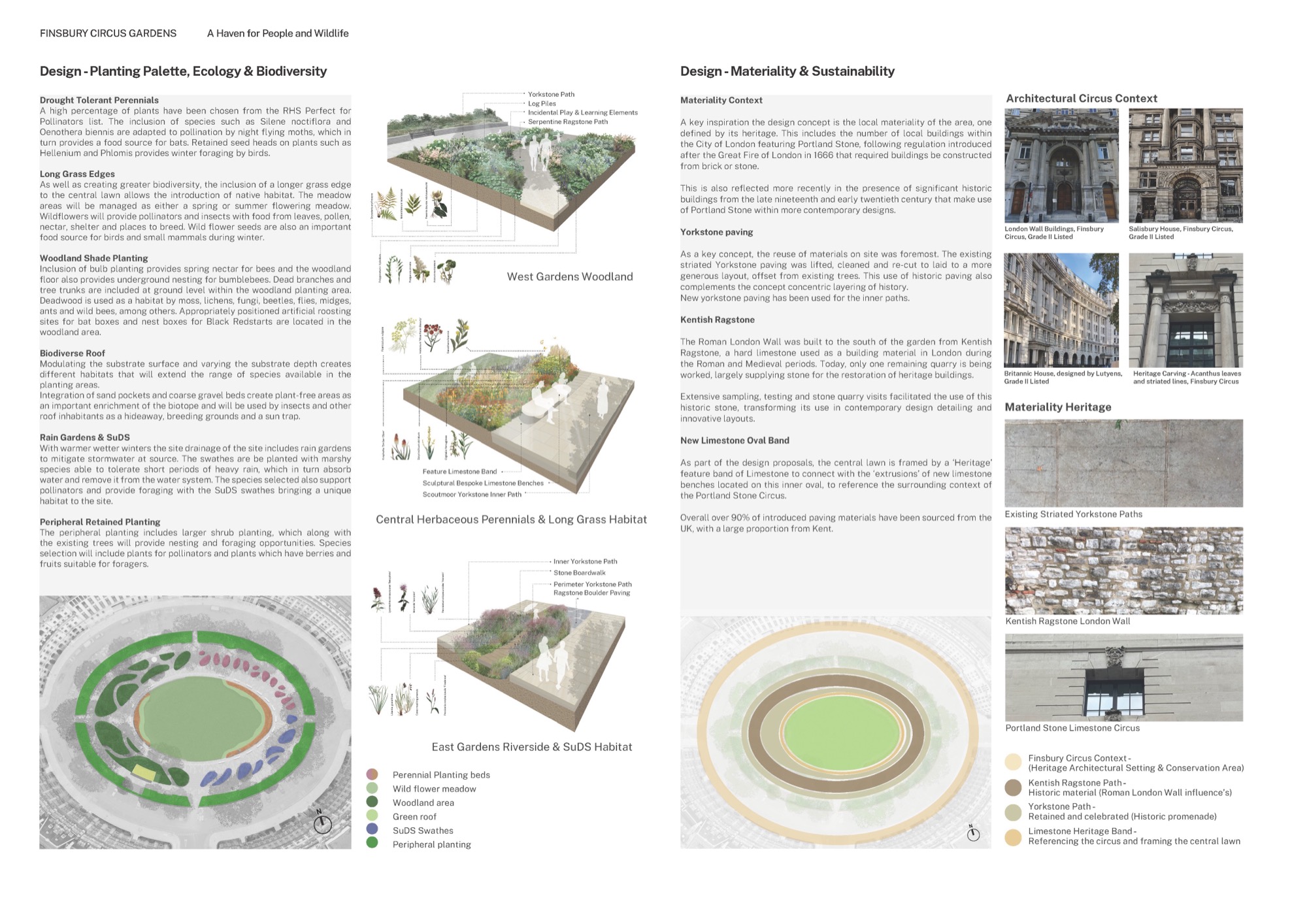
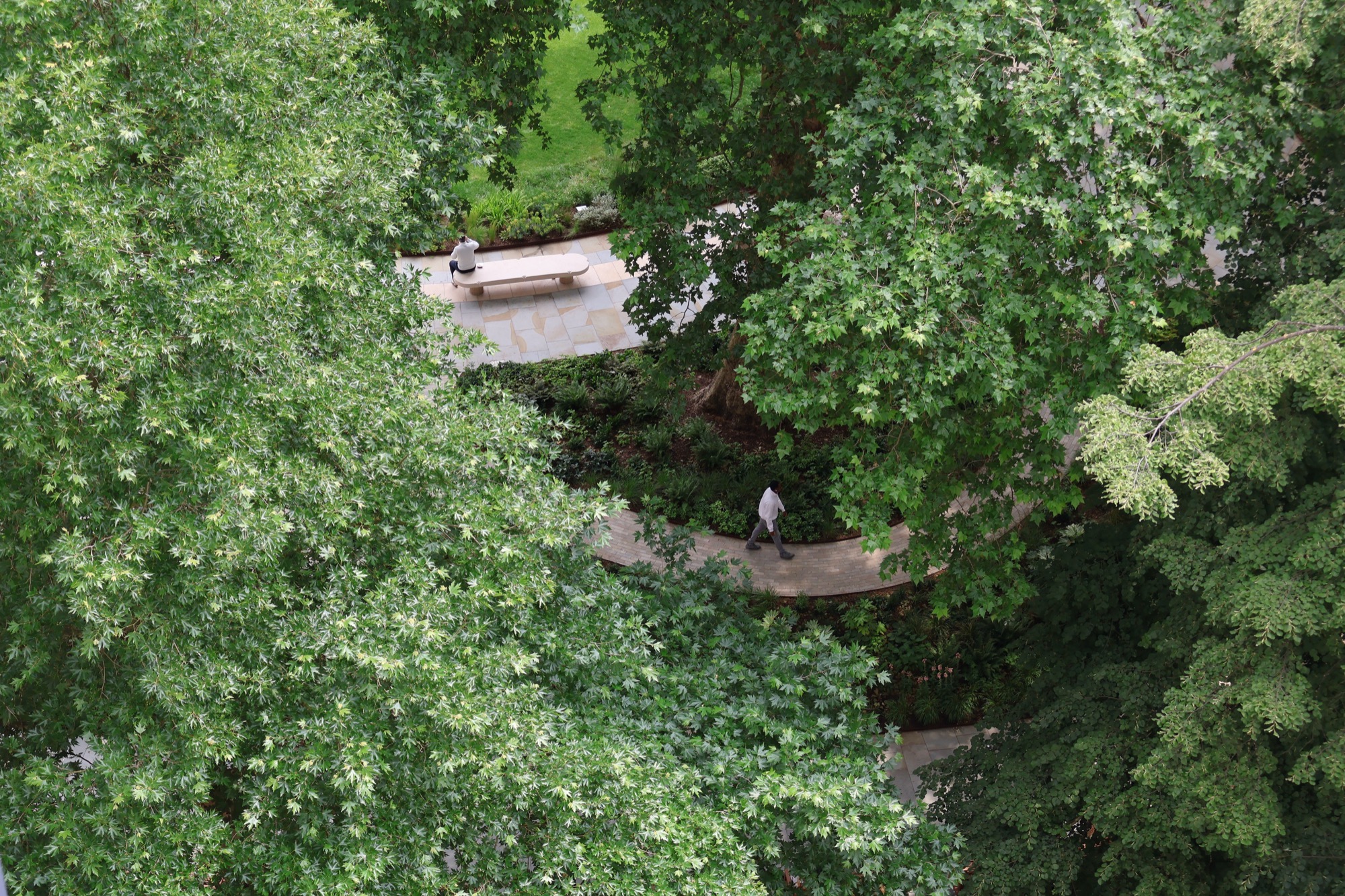
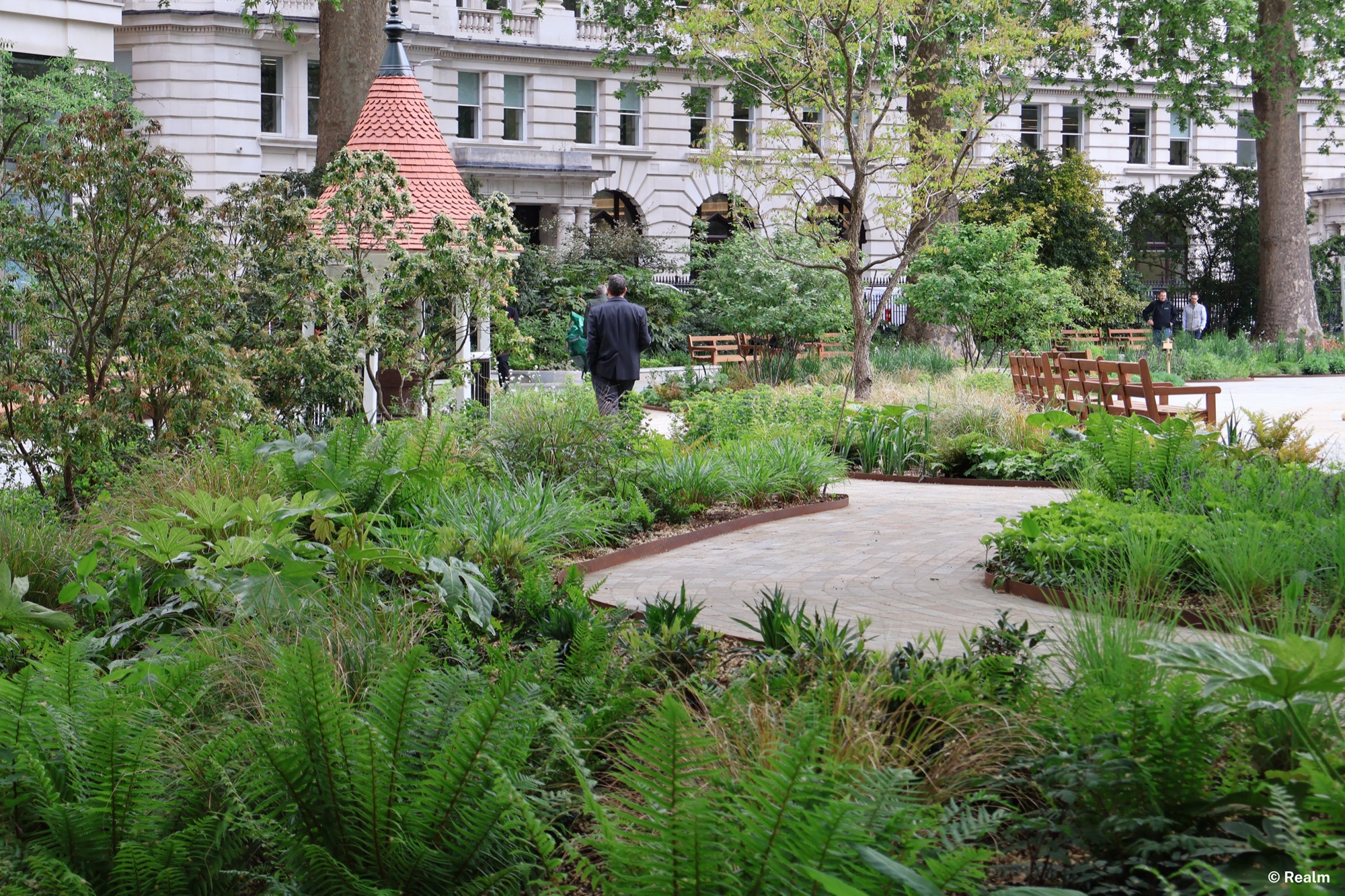
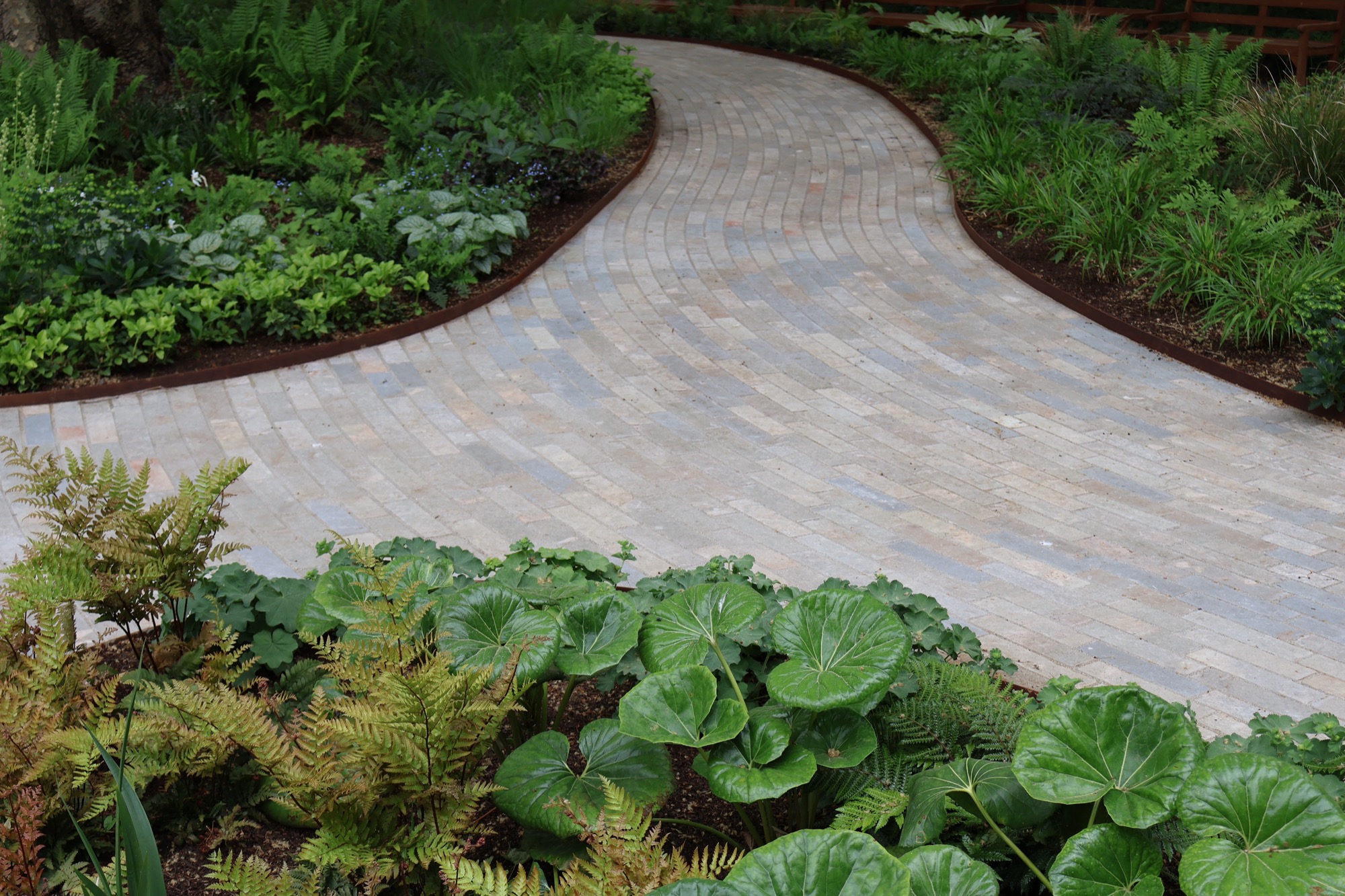
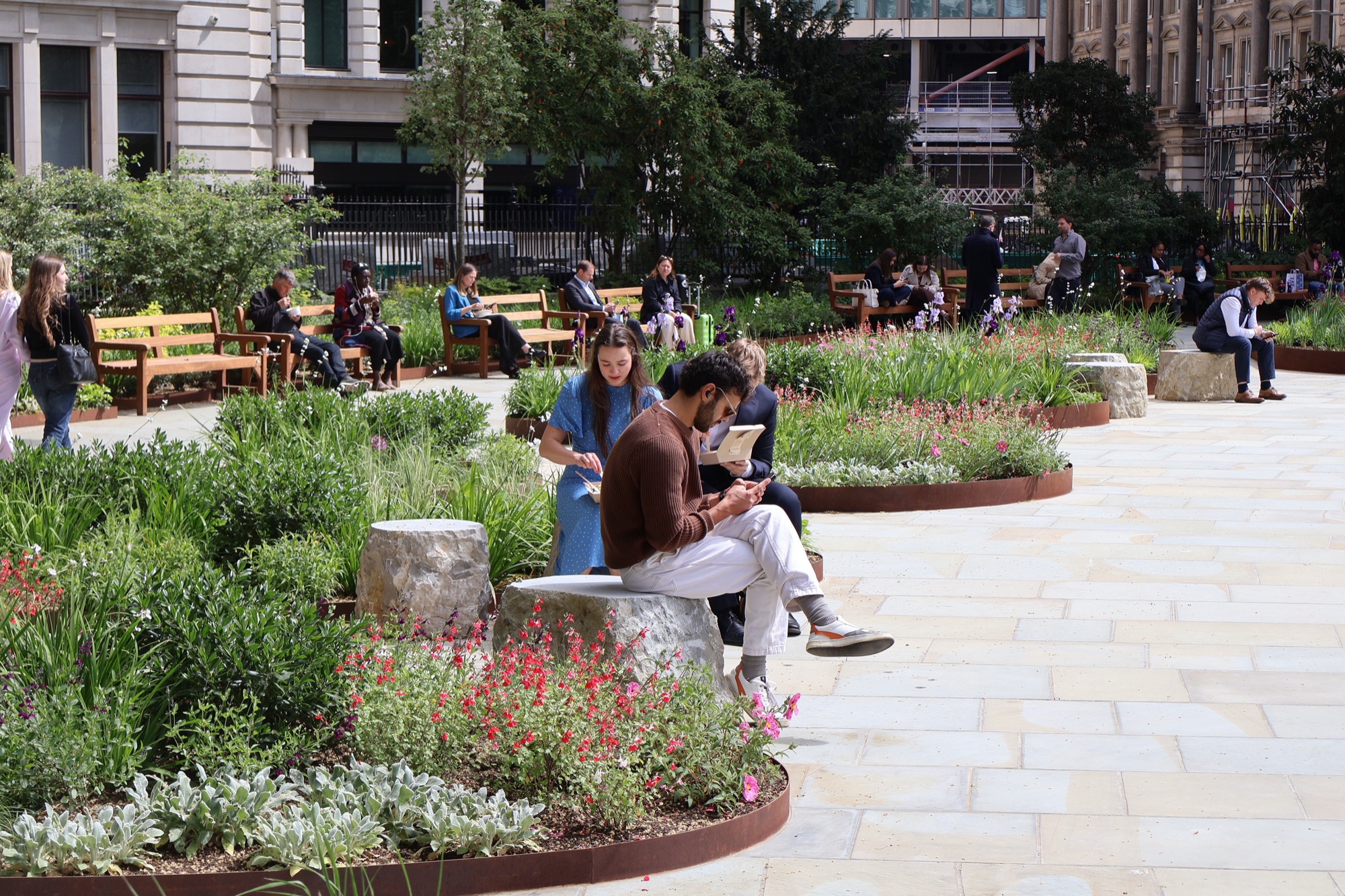
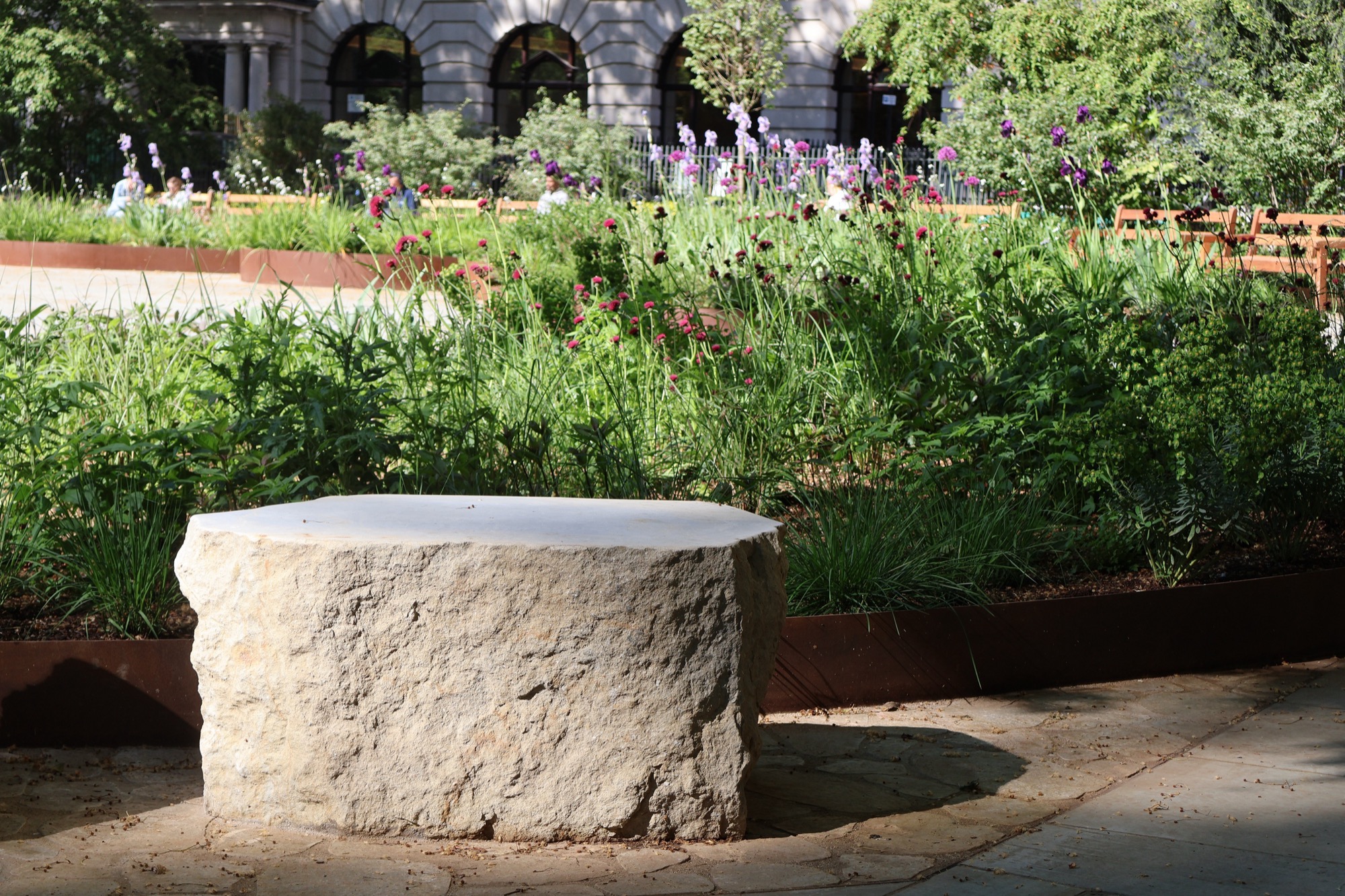
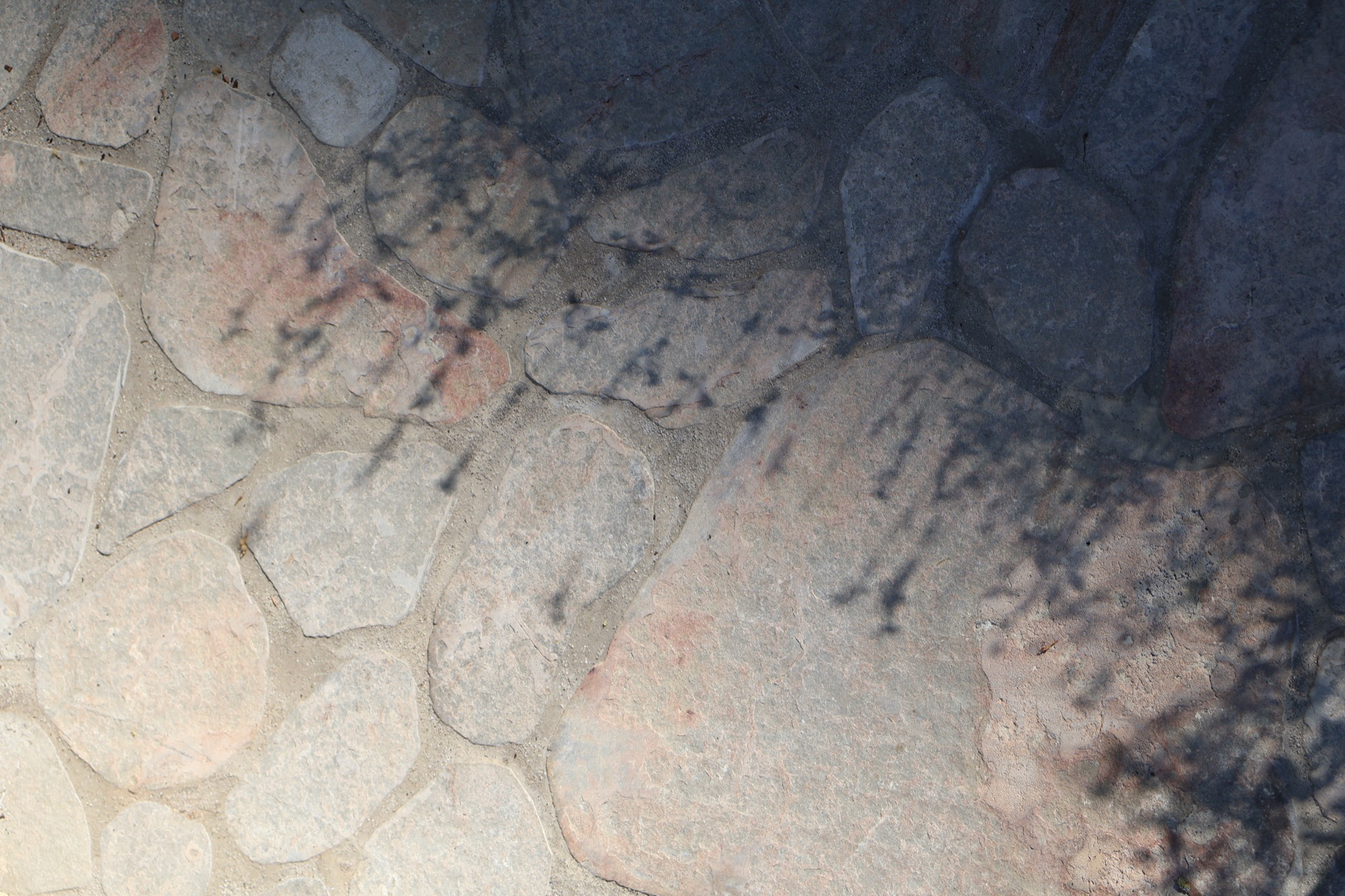
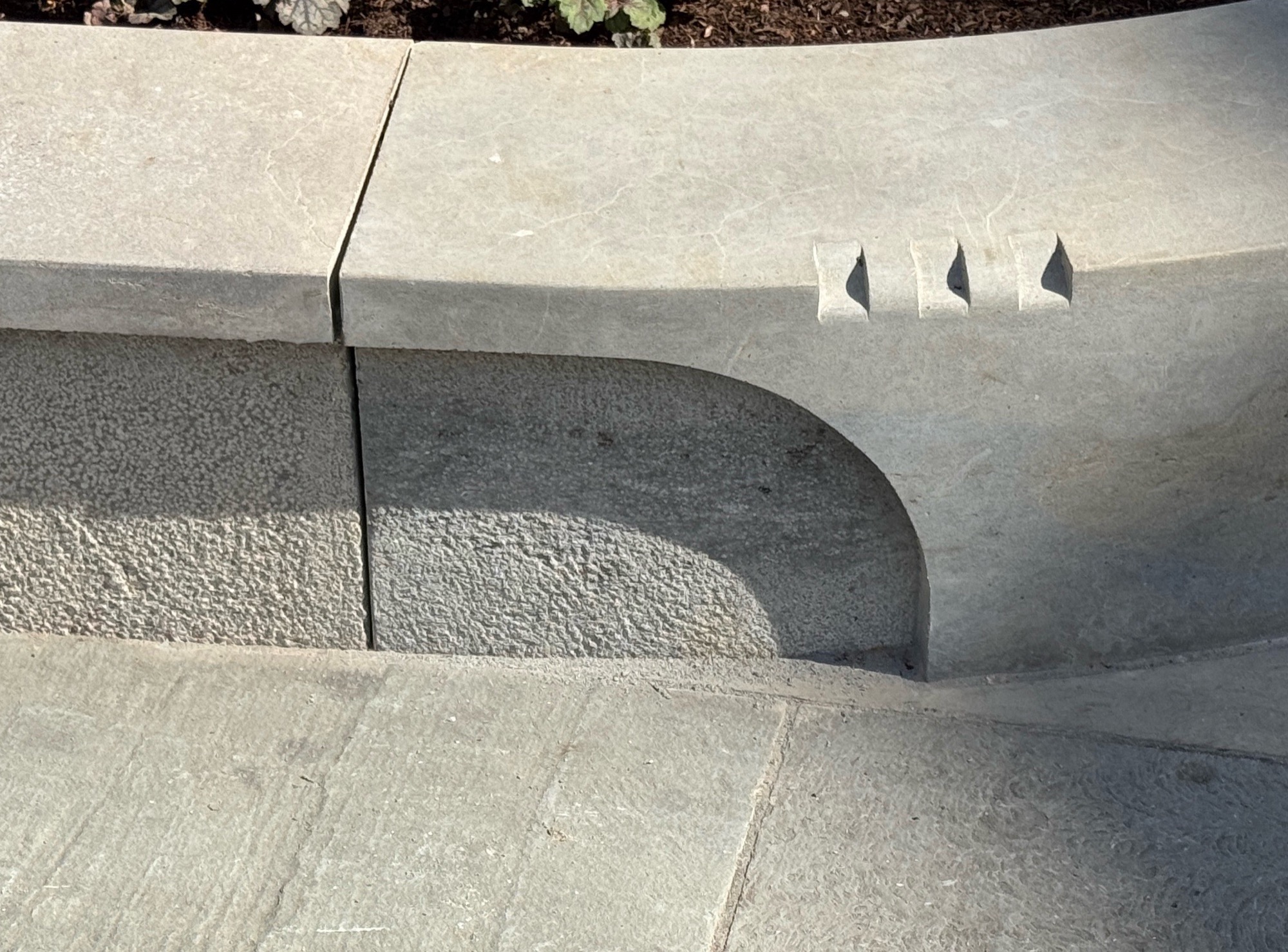
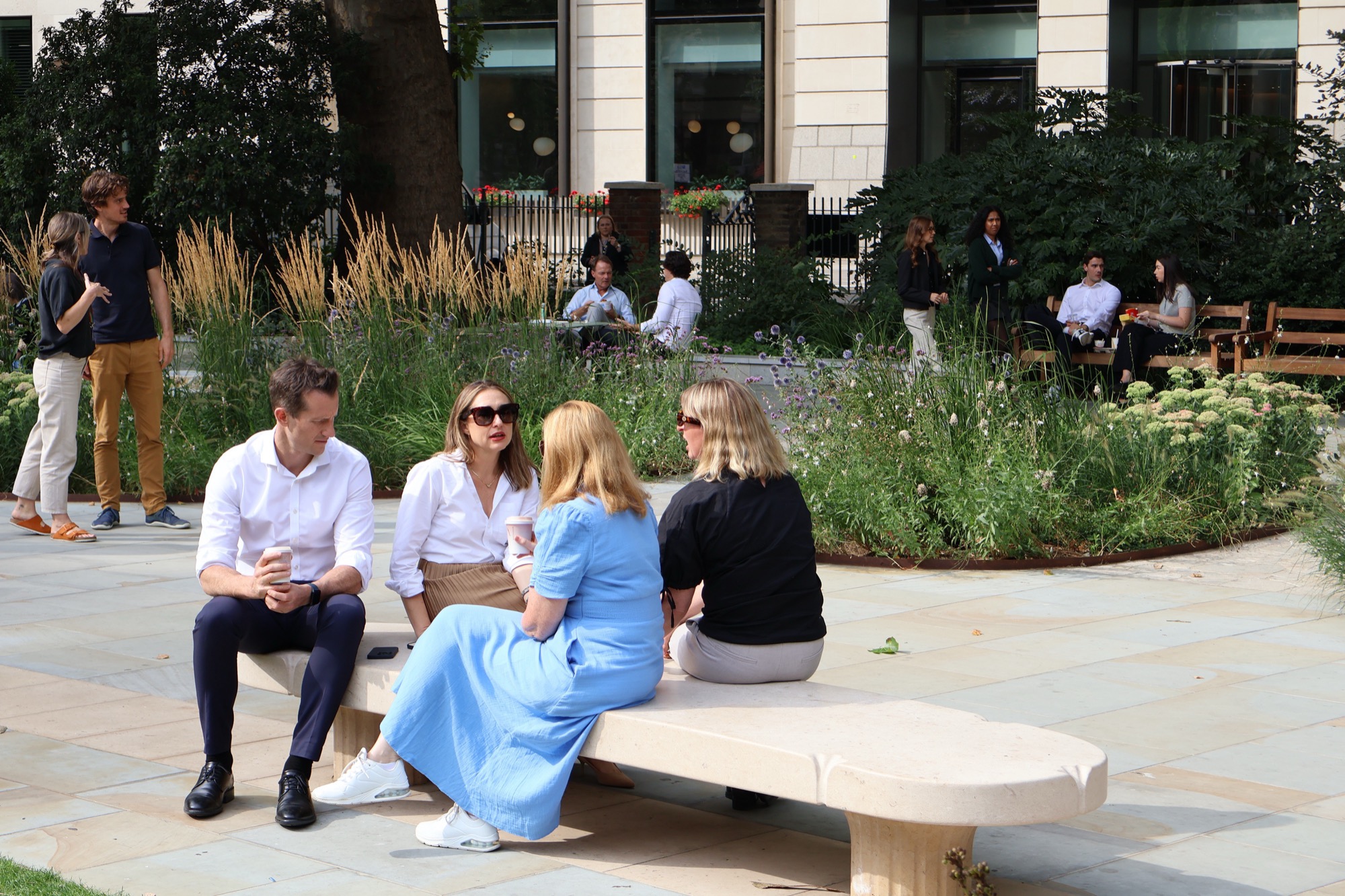
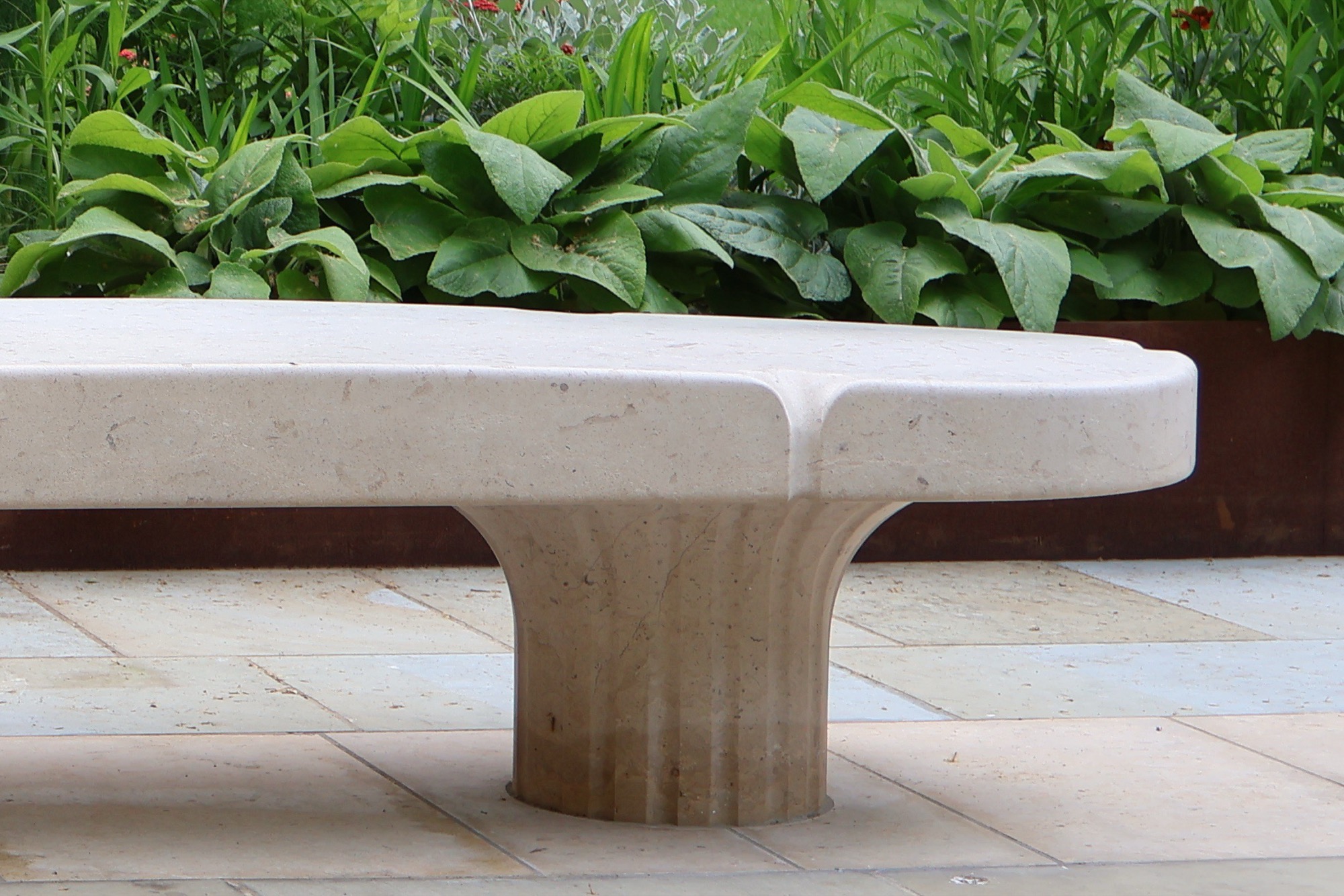
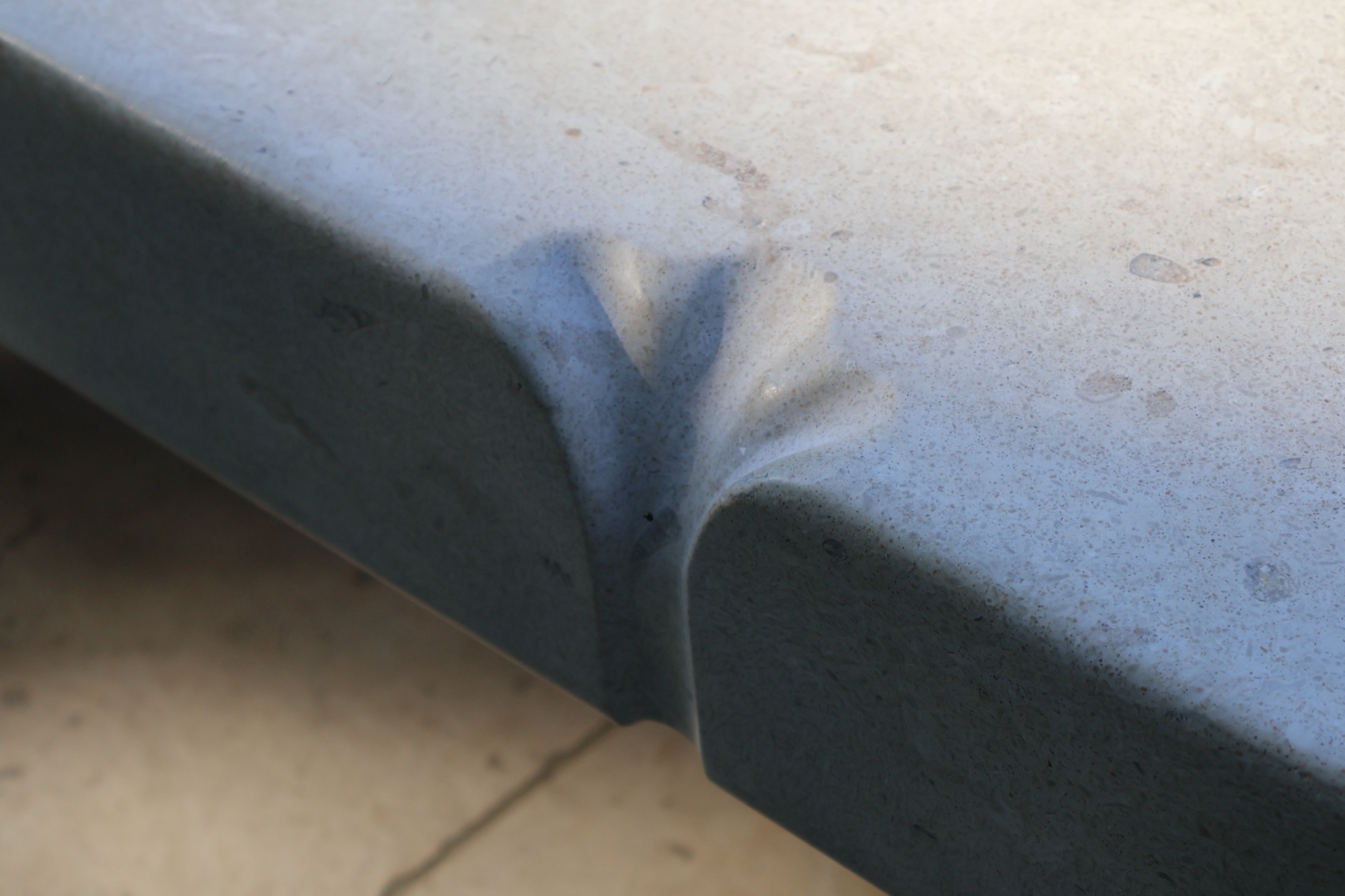
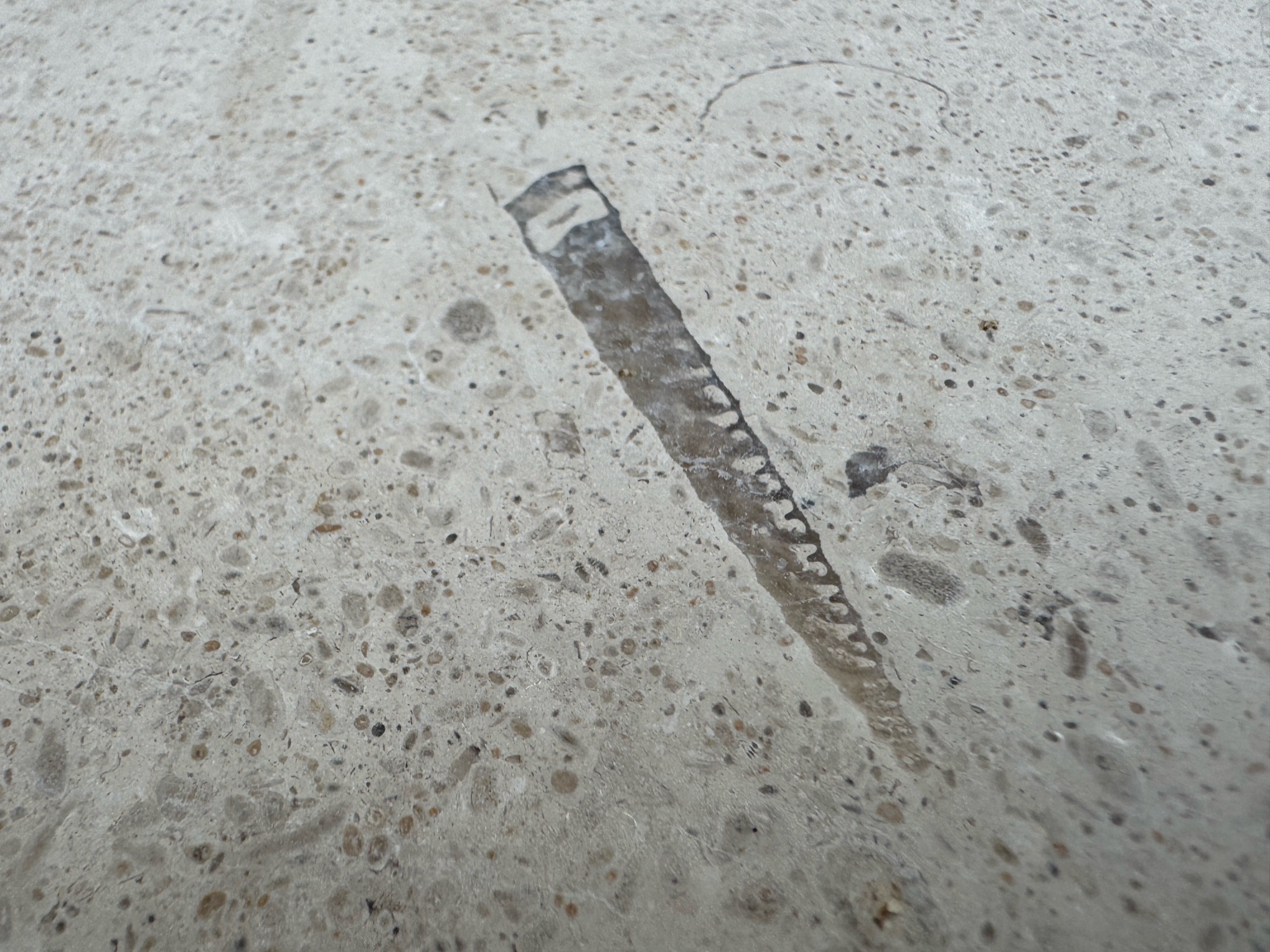
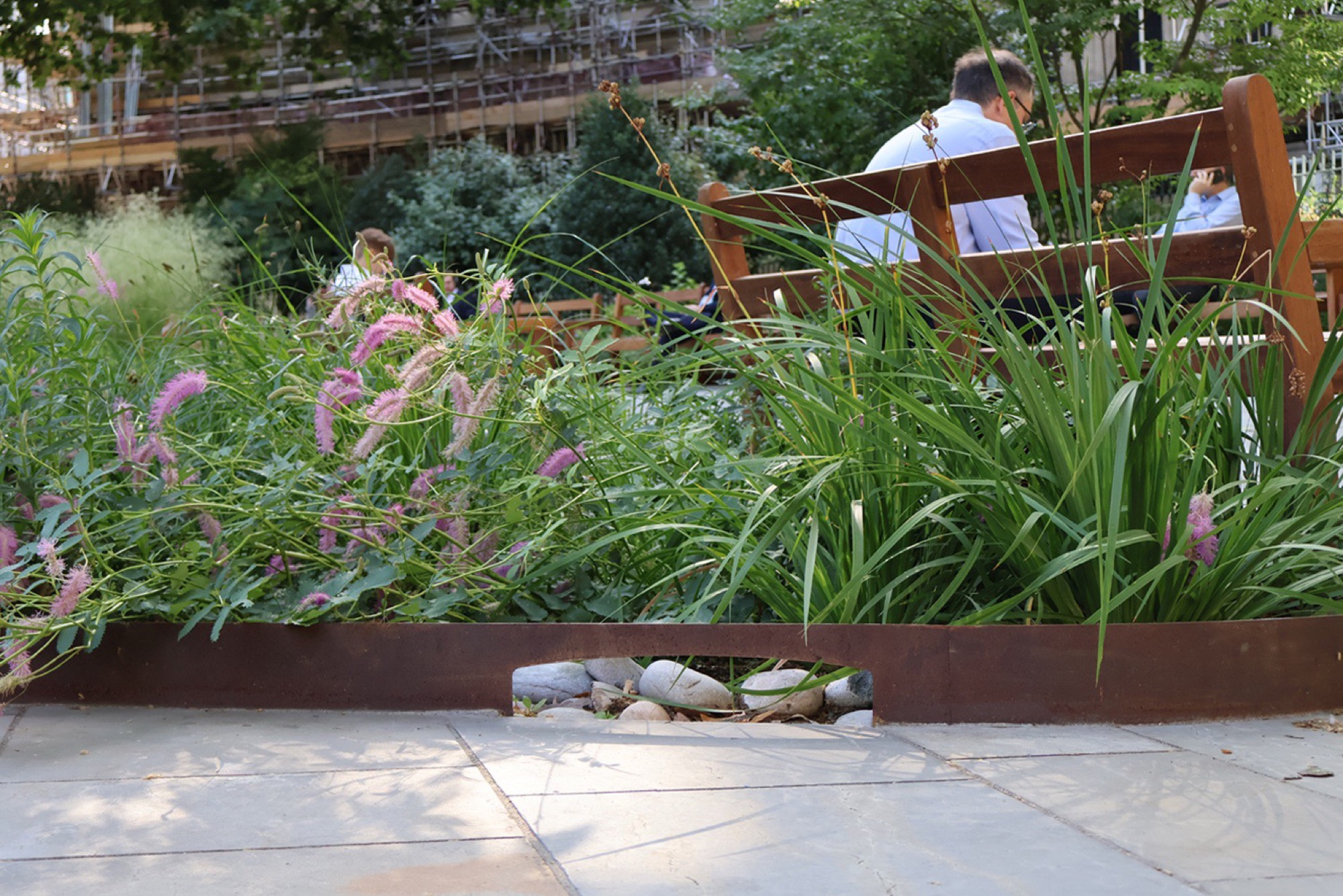
Historical research informed both the concept design and material selection. Kentish Ragstone boulder seats and paving references the Roman Wall, serpentine paths echo the River Walbrook, rain gardens allude to the historical marshy conditions, and an inner Limestone oval of paving and benches, with sculptural skateboard deterrents referencing architectural stone detailing, reflects the surrounding Portland stone circus.
The engagement strategy brought together statutory and non-statutory stakeholders, residents, neighbours, political voices, local businesses and community groups. Pop-up garden events let people meet the project team, review the proposals and share views directly, ensuring the final design reflected a broad and inclusive dialogue. Community feedback was overwhelmingly positive, reflecting robust proposals and an inclusive, adaptive process.
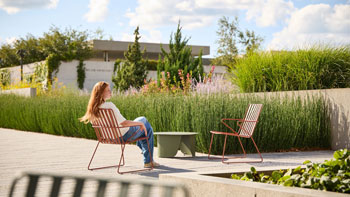
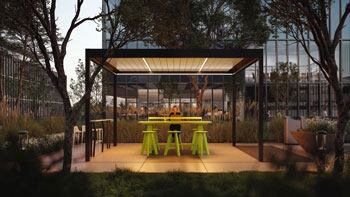
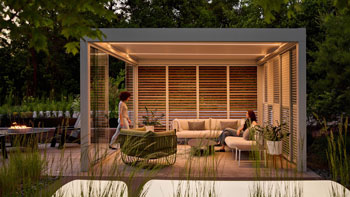
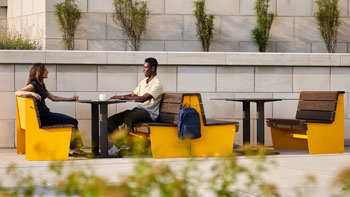
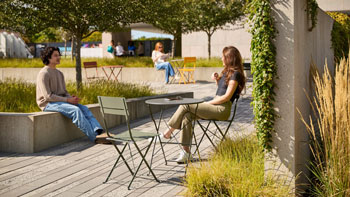
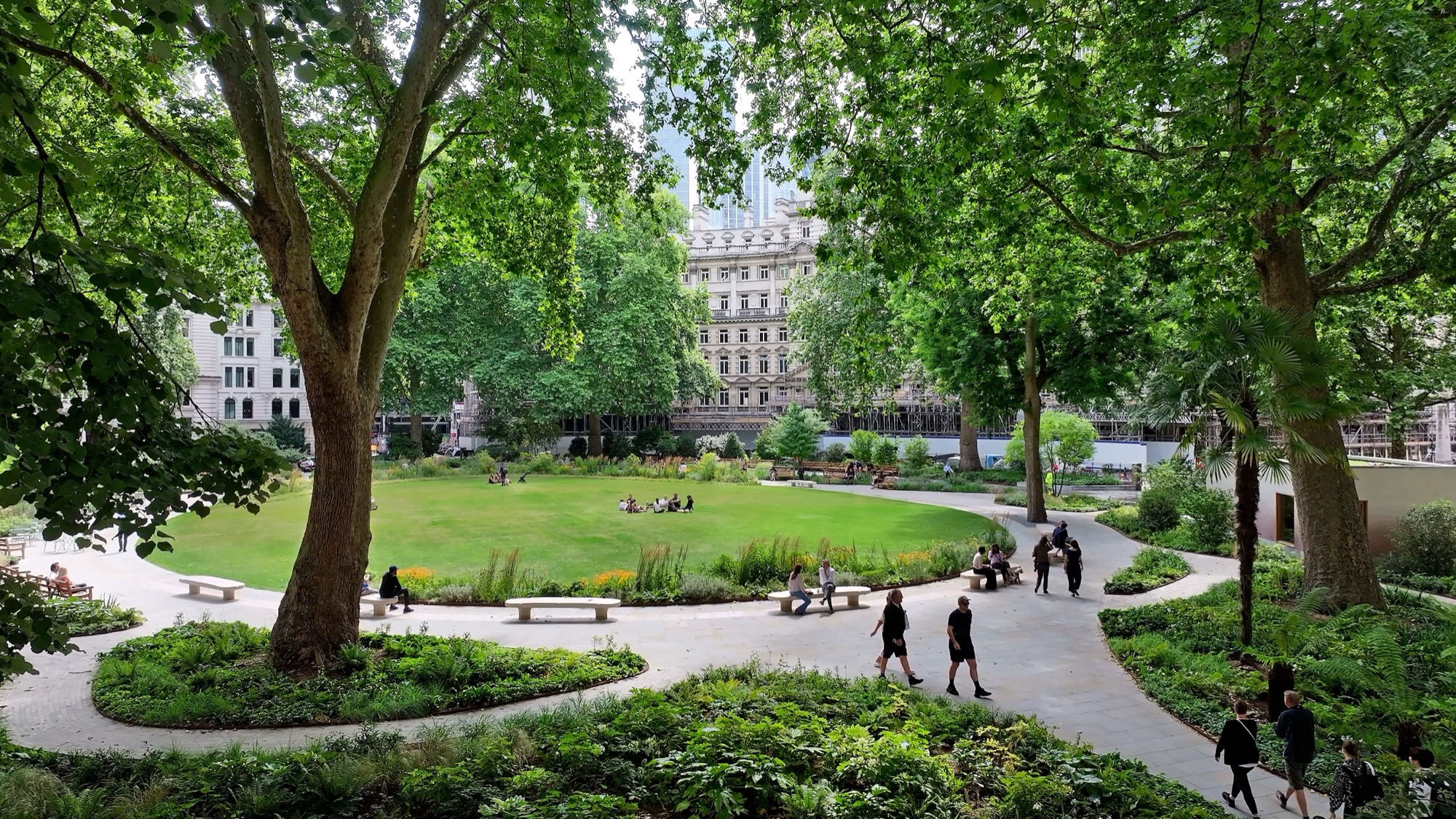
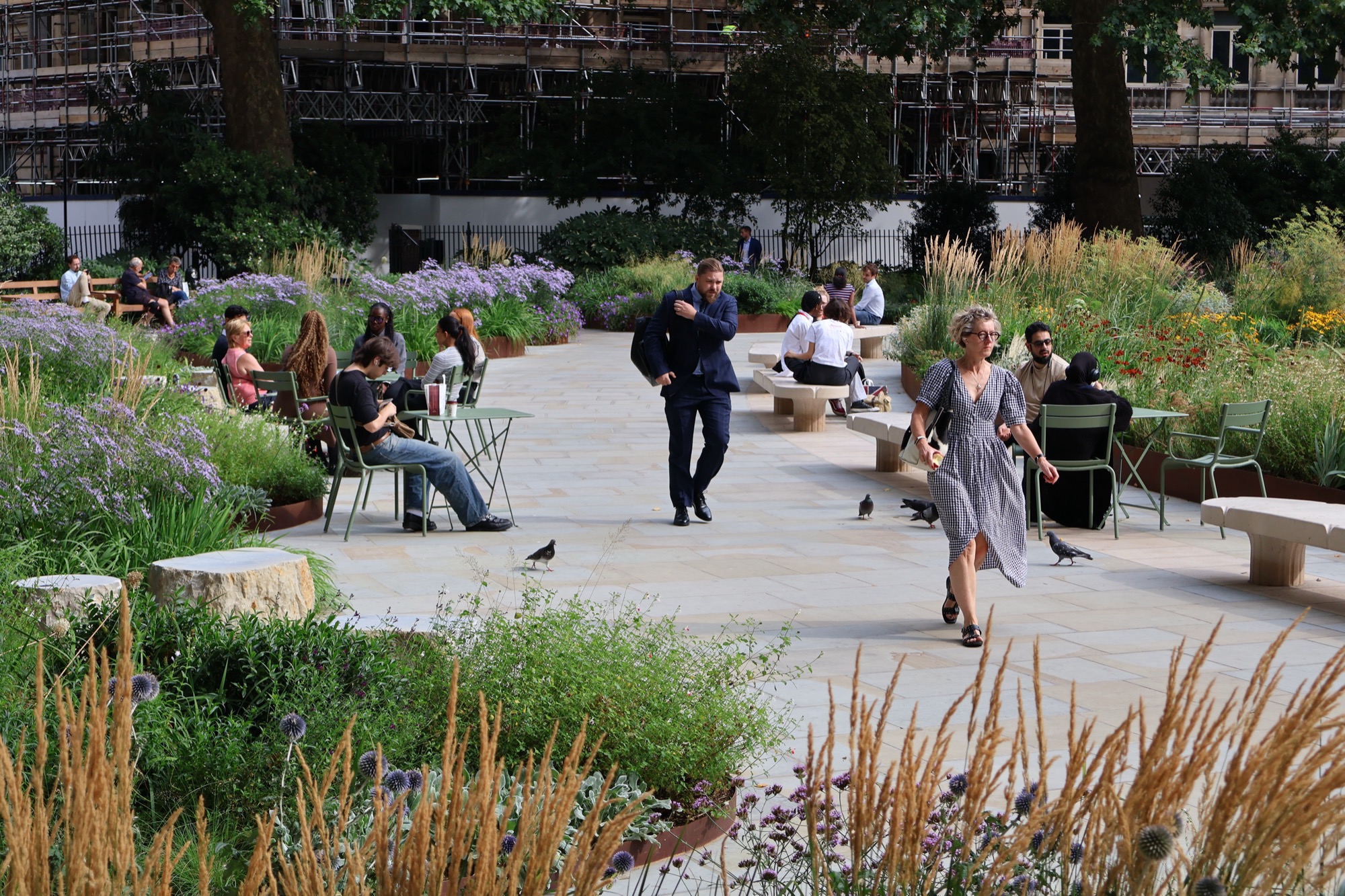
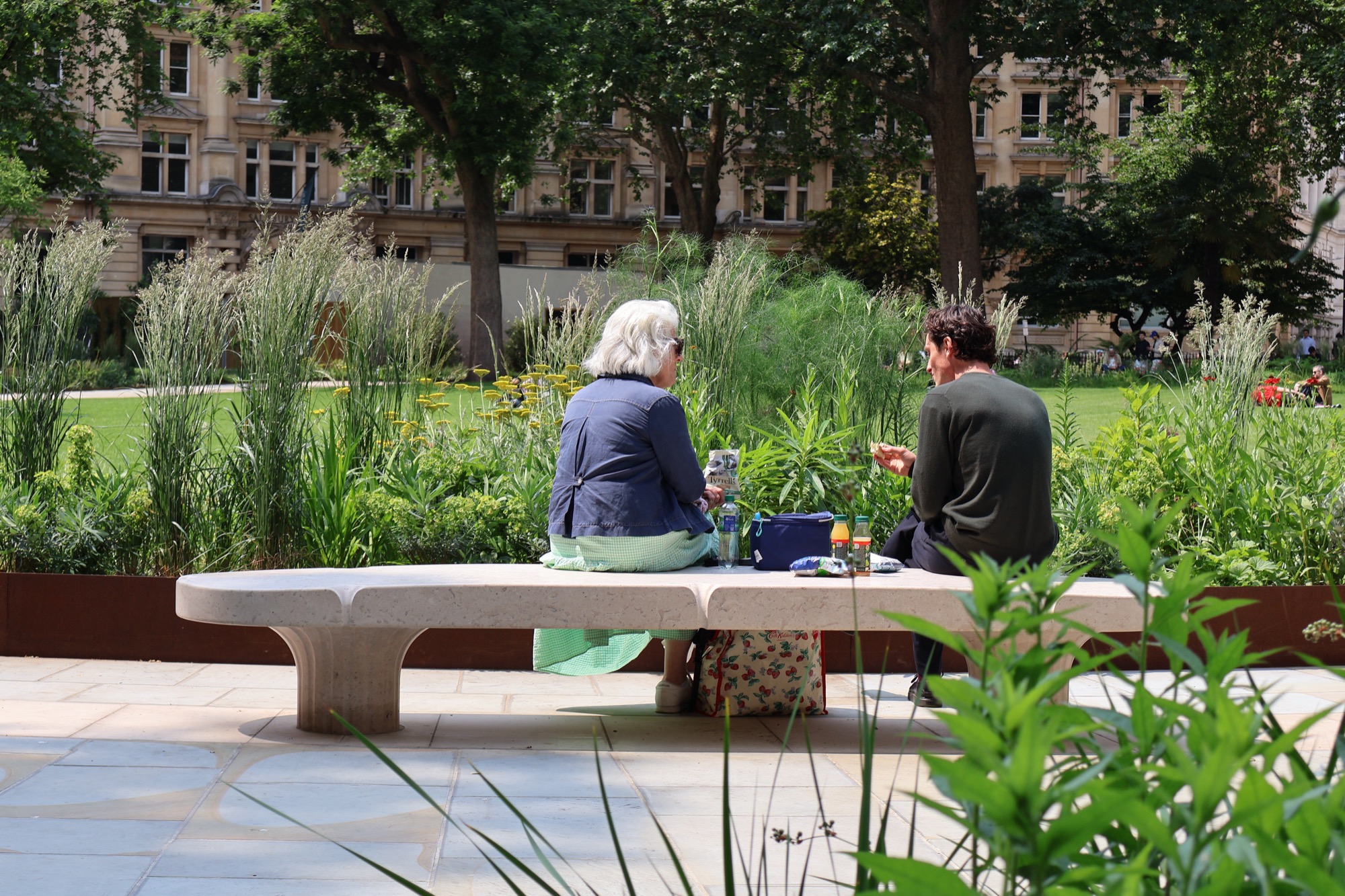
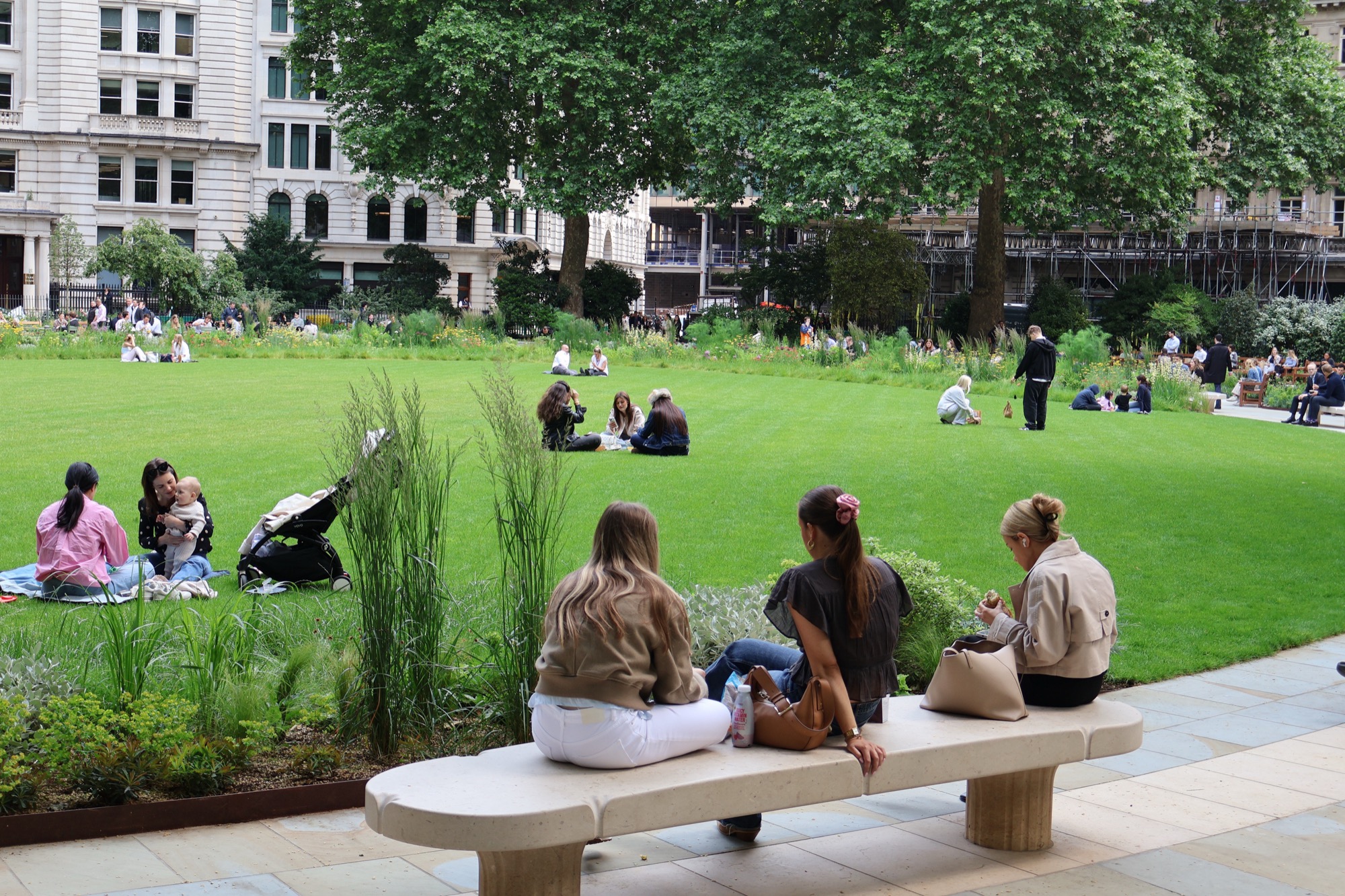
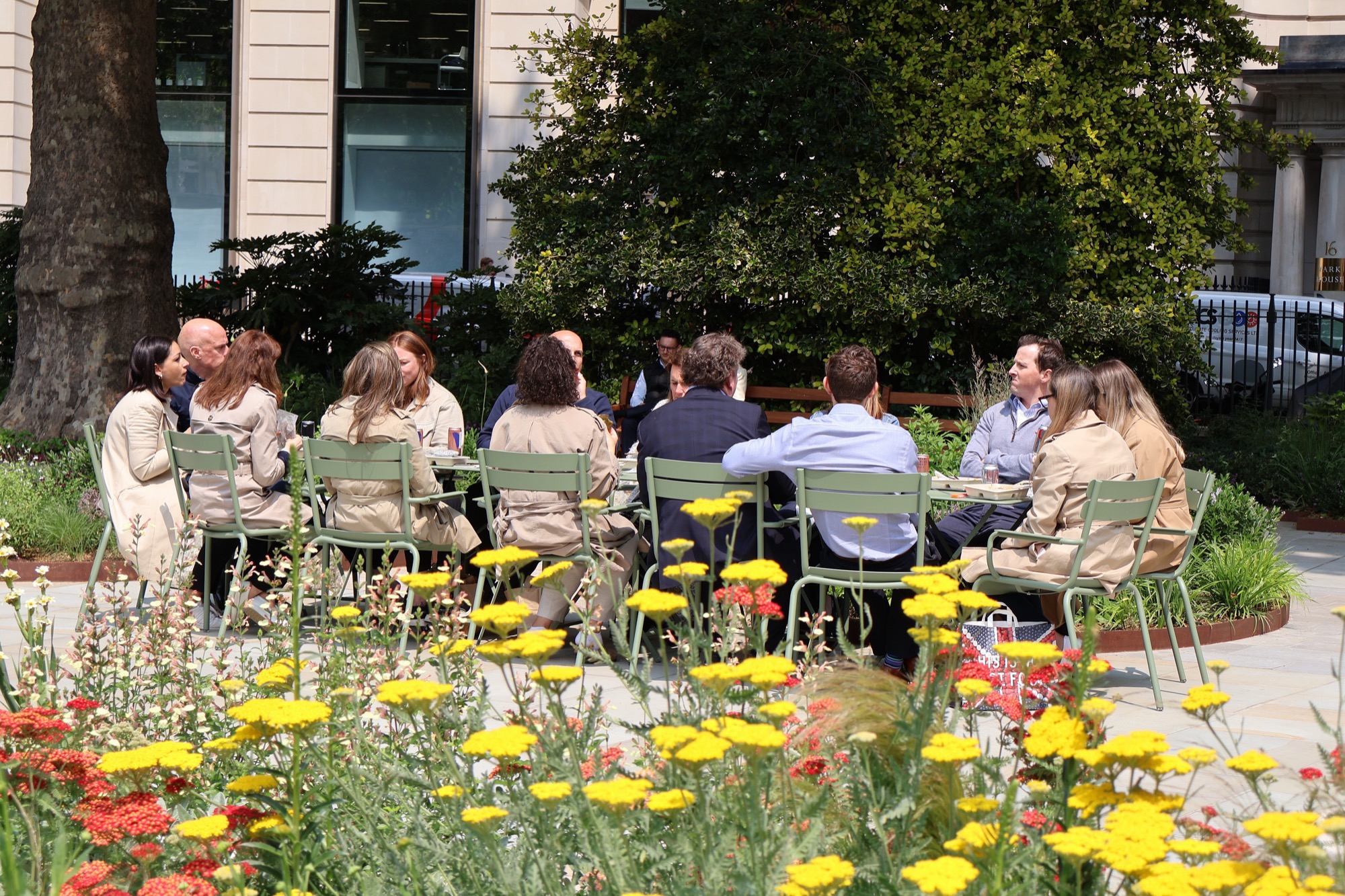
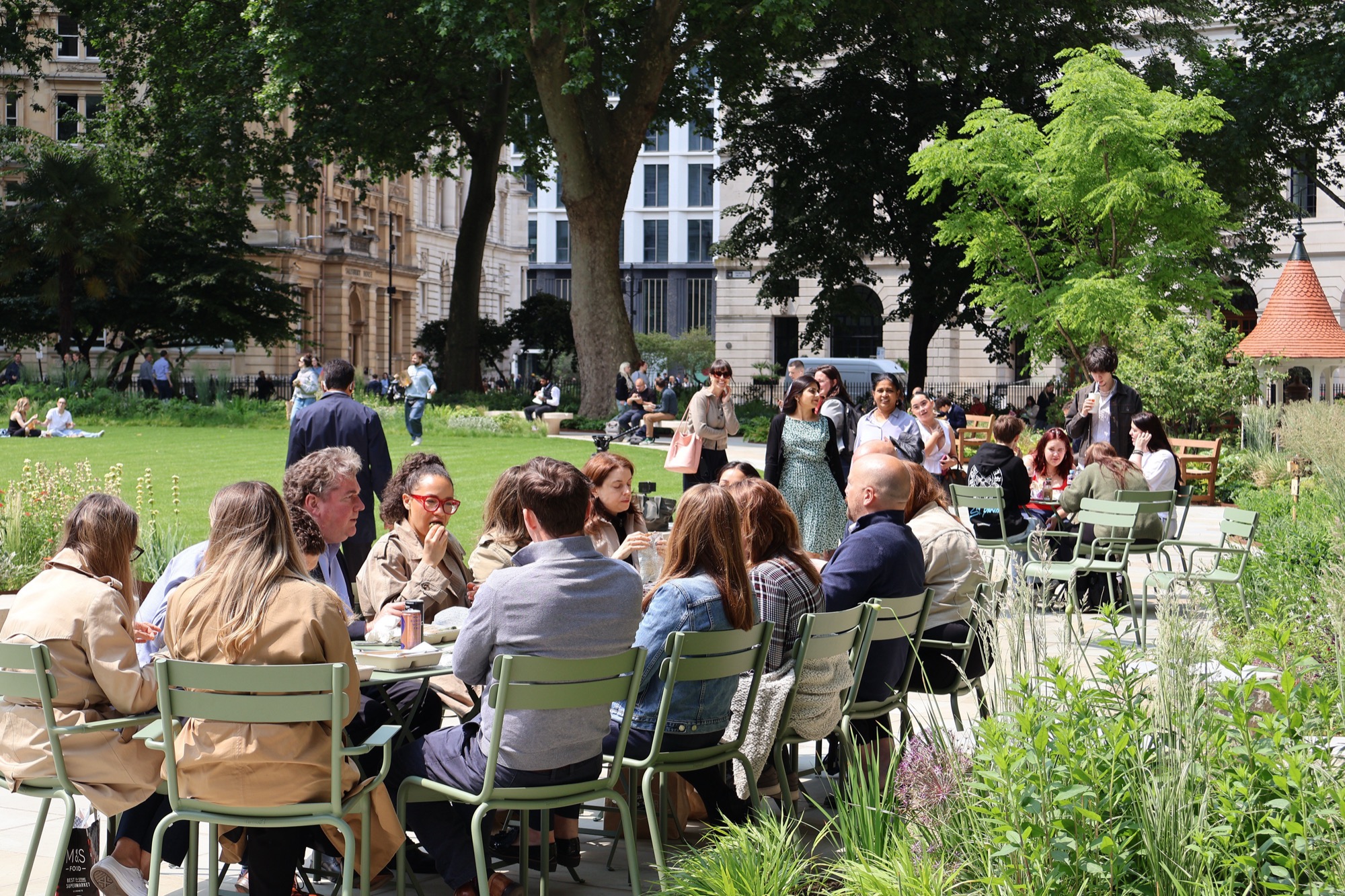
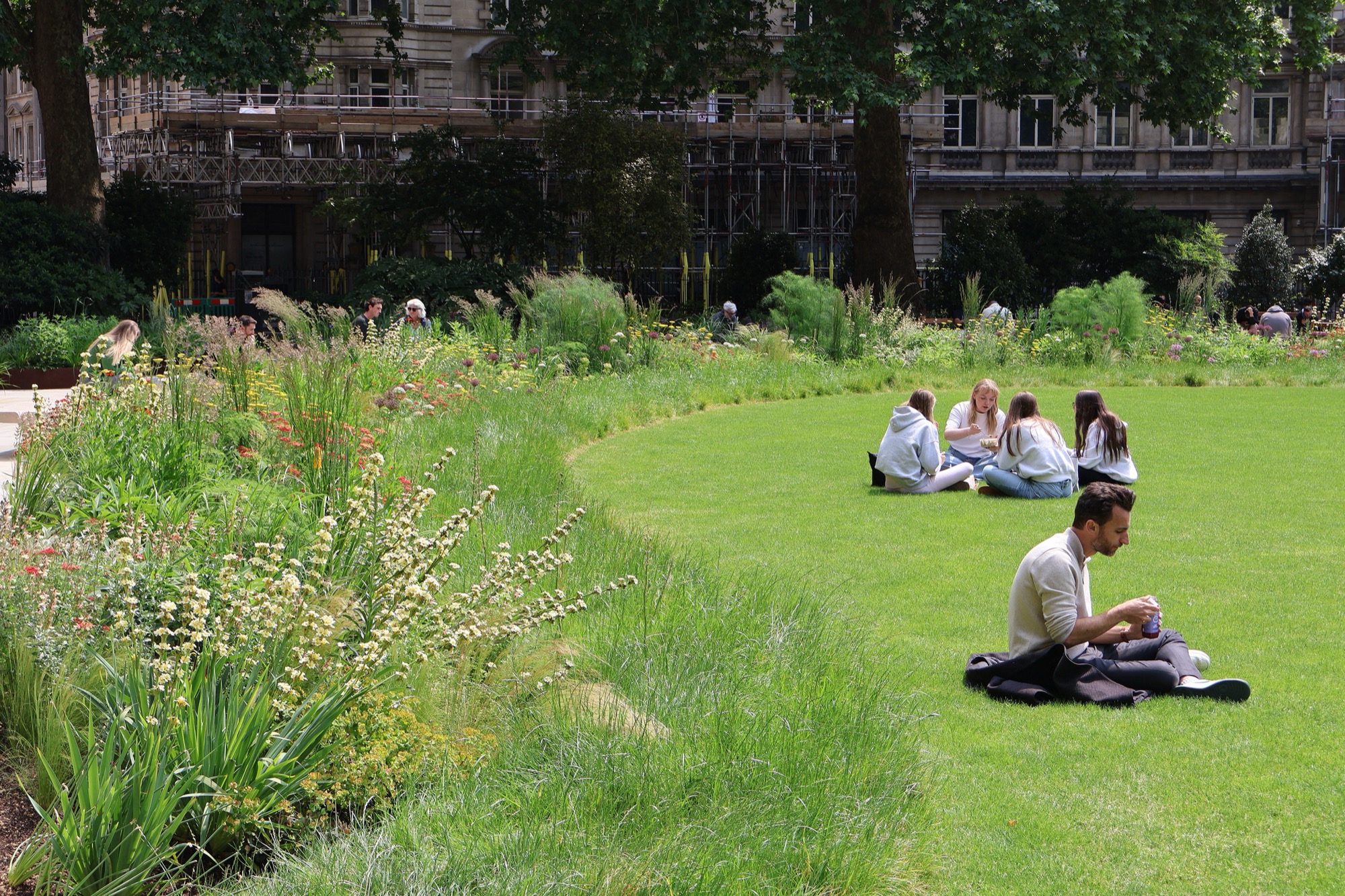
Since opening, it has become actively used providing a variety of functions from early morning meditation and yoga classes, to morning coffee meetings, team lunches on the moveable tables and chairs, gathering of local students on the central lawn, and residents enjoying evening relaxation.
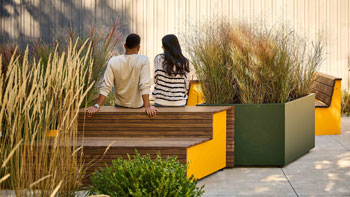
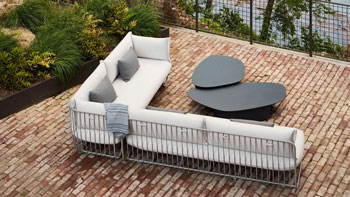
Enhancements include new pathways that improve accessibility, increased seating types to encourage increased dwell time, a central lawn for gatherings and events; and new planting to create a more welcoming environment and boost biodiversity.
The completed public space supports people’s health and wellbeing, playing a vital role in climate resilience and biodiversity, and delivers upon the City’s vision for a more inclusive, innovative, and sustainable City. Finsbury Circus Gardens is one of the UK’s most important park regenerations and the large number of people using the space is testament of its value to both the local community and visitors.
KEY FACTS – SOCIAL AND ENVIRONMENTAL IMPROVEMENTS
• Seating increased from 110 to 210 linear metres, plus a large central lawn for gatherings.
• 90% of paving materials sourced from the UK.
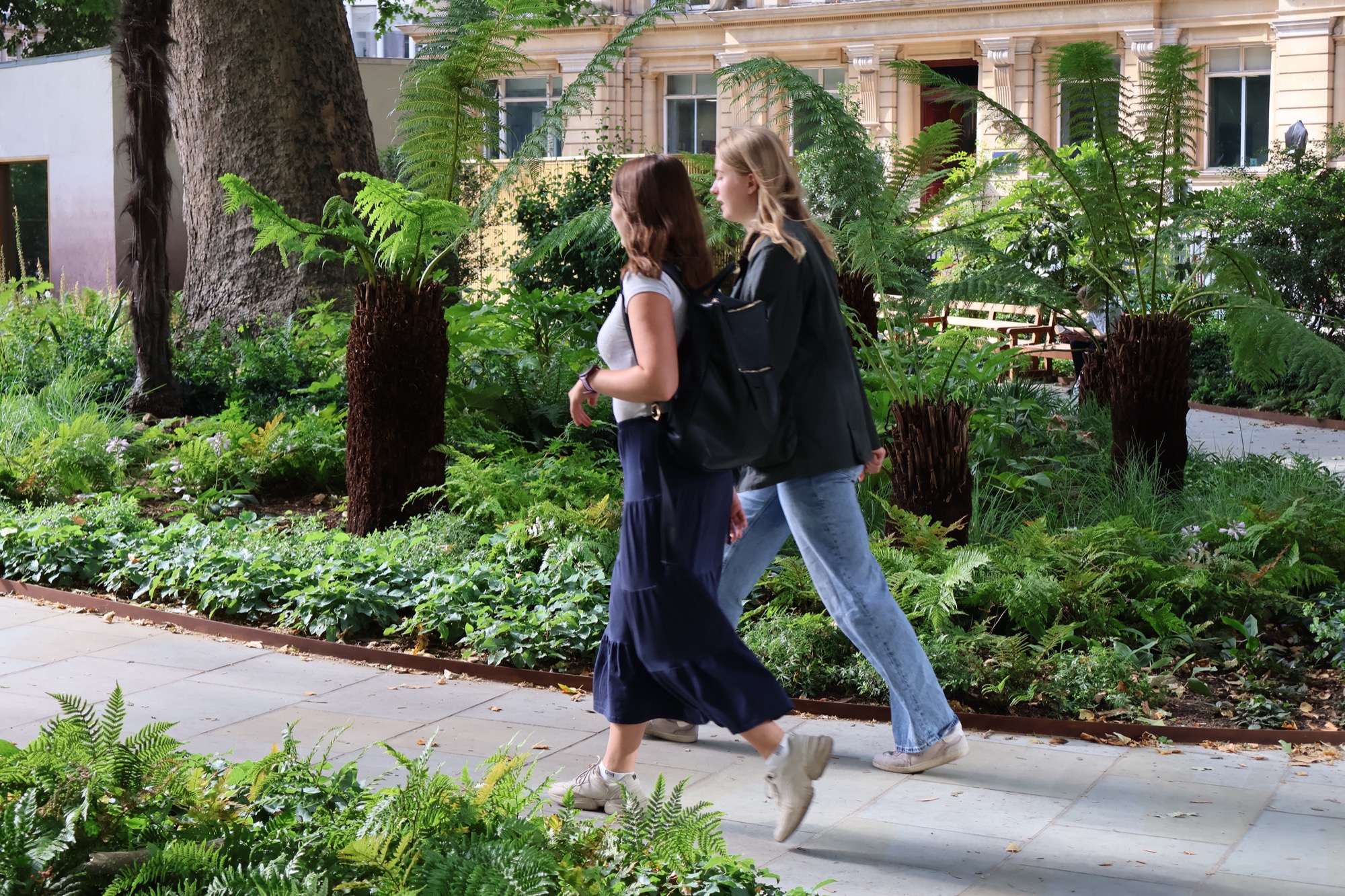
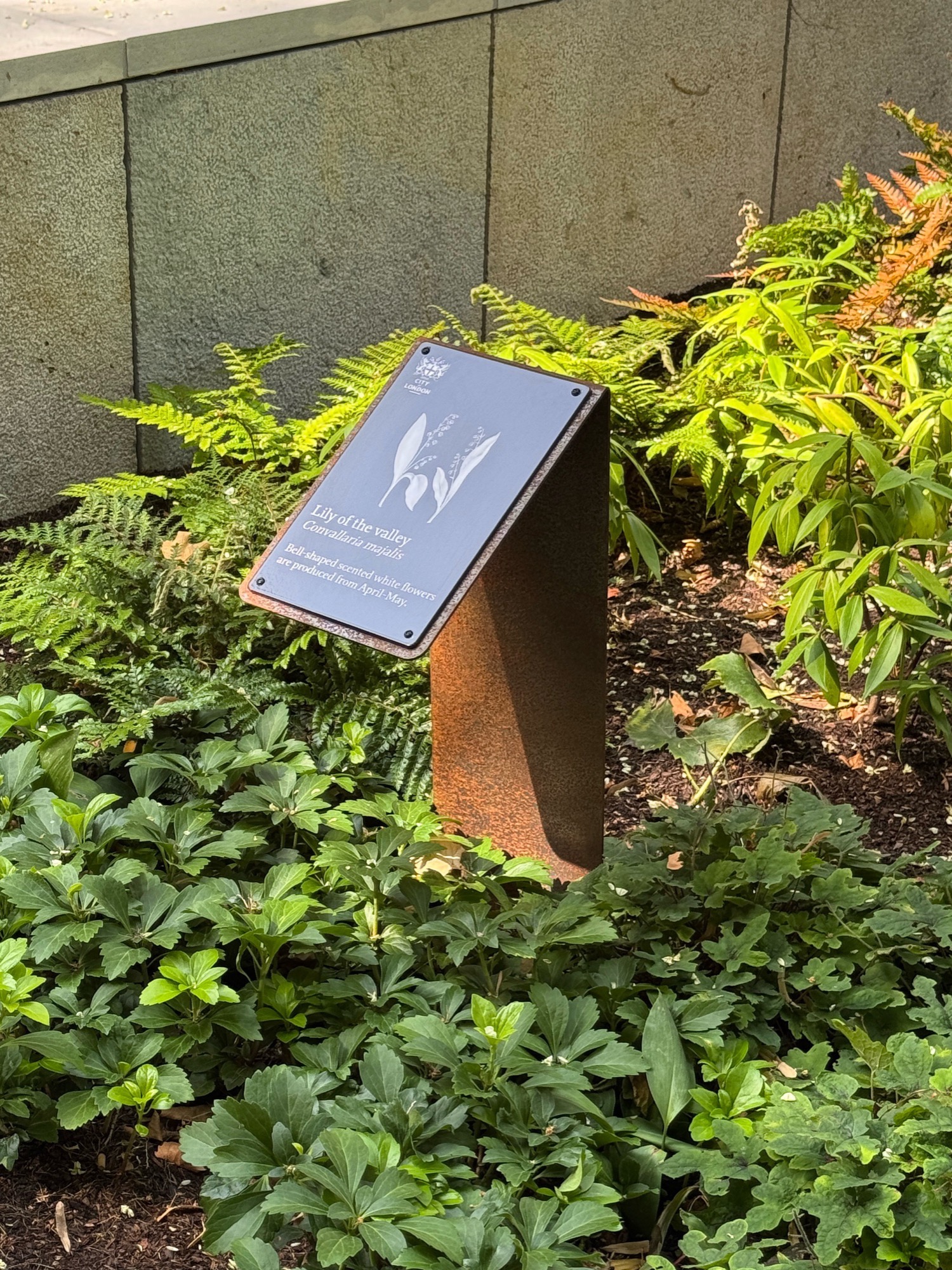
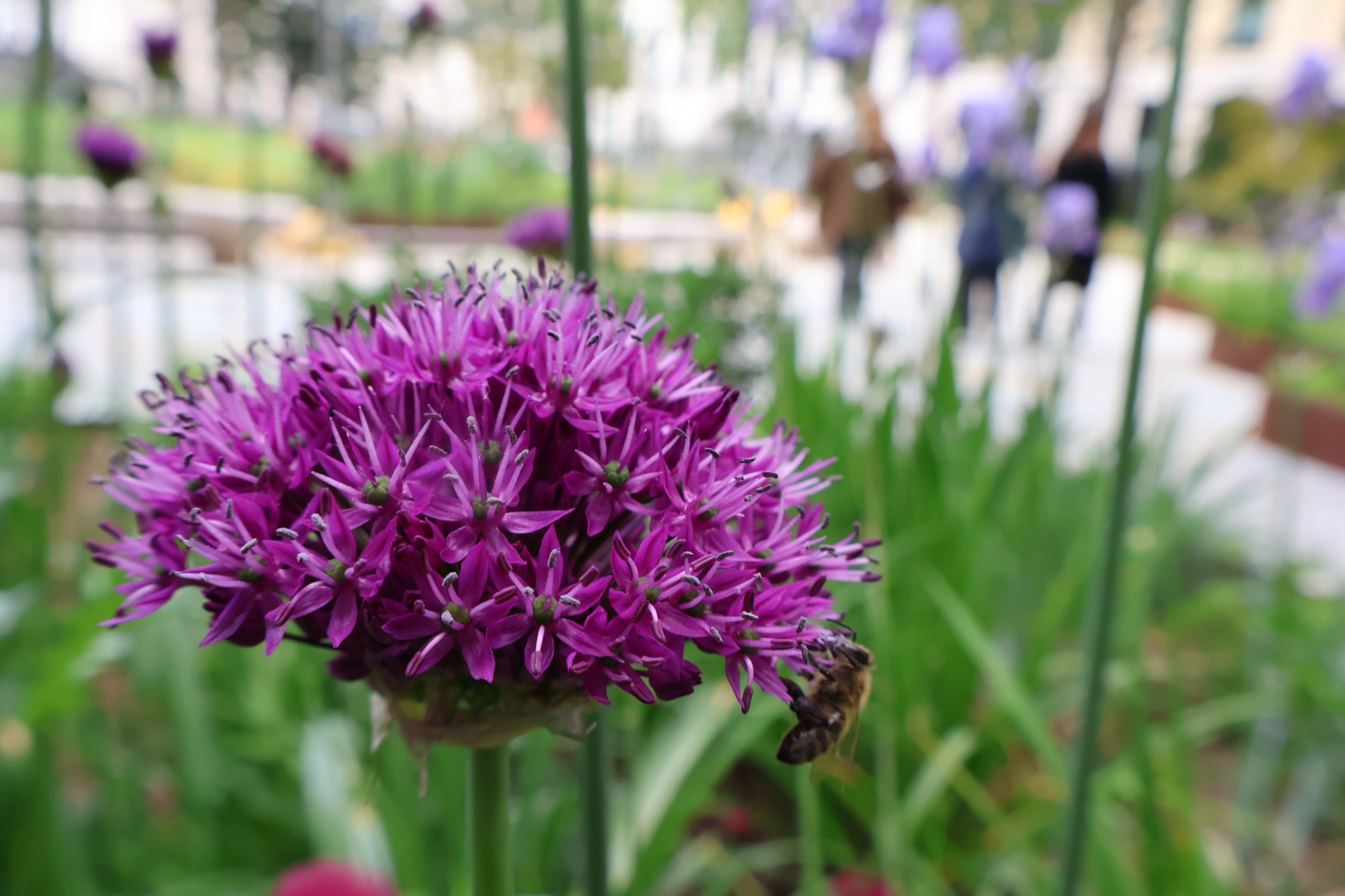
• 5 new habitats, 12 additional tree species, 13,000+ plants, and 6,000+ bulbs.
• Planting areas expanded by 27%, introducing six planting types including rain gardens, drought-tolerant perennials, and vertical habitats.
• Biodiversity Net Gain: +19.47% (above 10% minimum).
• Urban Greening Factor: 0.45 (above 0.3 target).
• Improved canopy resilience through greater diversity and lifespan.
• Environmental gains include increased pollutant removal (25kg → 38kg/year), carbon storage (87 → 134 tonnes), and sustainable stormwater management through rain gardens and SuDS.
• Supports urban cooling and year-round pollinators.
• Delivers strong economic value, generating £87 in health and wellbeing benefits per £1 spent.
CREDITS
Lead Designer Landscape and Public Realm: Realm
Lead Consultant & Parks Office Architect: Studio Weave
Project Manager: Potter Raper
Planning Consultant: Tibbalds
Structural & Civil Engineers: Engenuiti
Arboriculture & Ecology: TMA Environmental
Soils Scientist: Tim O’Hare Associates
Heritage & Archaeology: Museum of London Archaeology
Sustainability Consultant: Etude
Communications: Kanda
Main Contractor: Maylim
51.517950, -0.085765
73587


LILA 2026 Sponsor