GLOBUS BASEL
www.millermaranta.ch + https://raderschall.ch
2026 Landscape and Architecture / 2026 Other Typologies / Switzerland / Built in 2025 /

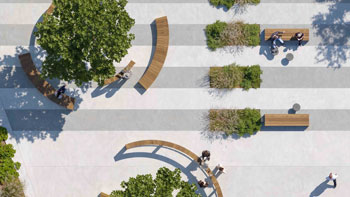
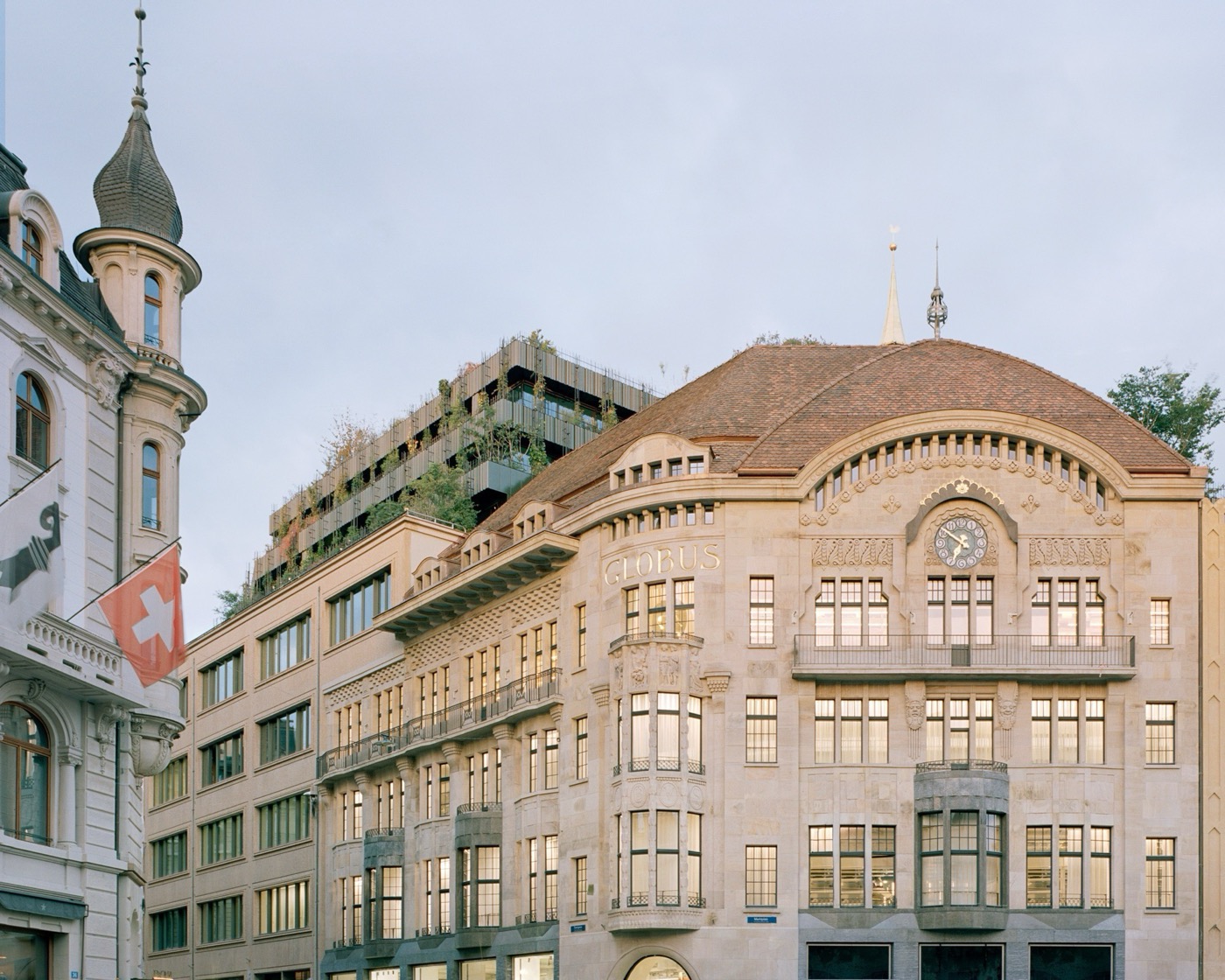
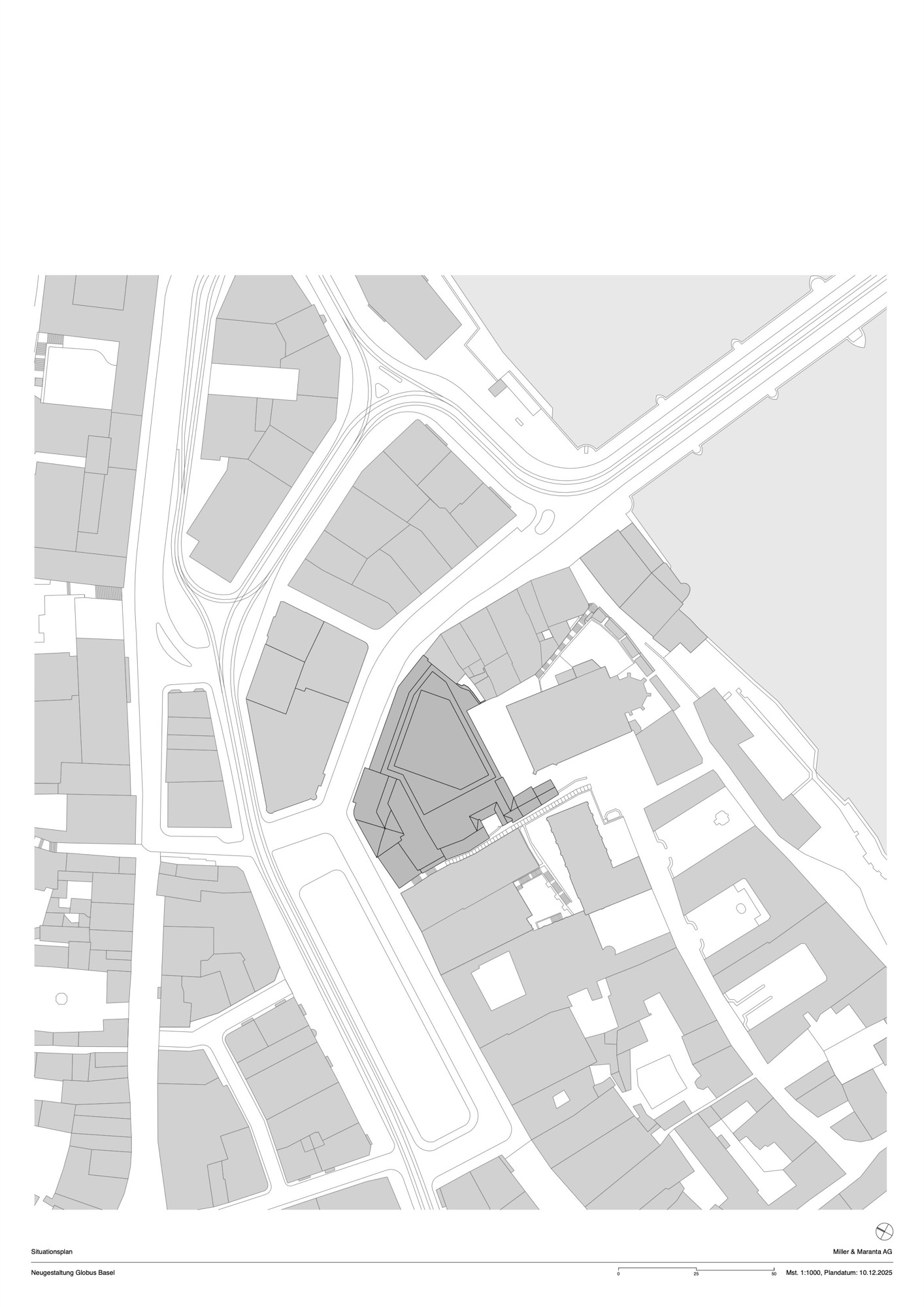
At the edge of Basel’s historic centre, where the dense urban fabric of the Marktplatz meets the elevated topography of the Münsterhügel, the transformation of the Globus department store reimagines a century-old commercial building as a vertically layered urban garden.
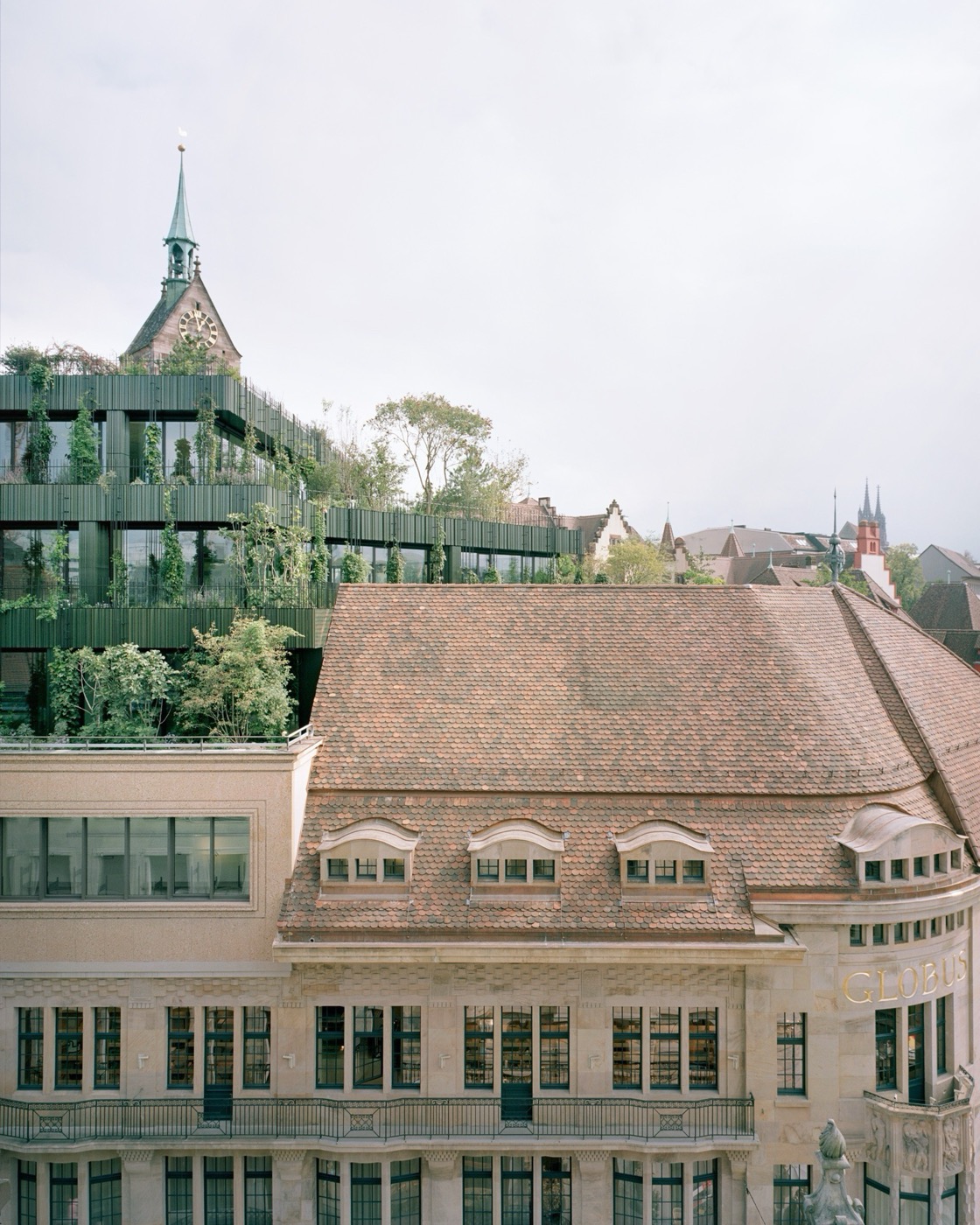
Rather than introducing a singular architectural object into the historic cityscape, the project extends and intensifies existing spatial and atmospheric conditions of Basel’s roof landscape. New rooftop levels are conceived as a terraced topography of gardens and planted facades that continue the vegetated silhouette of the Münsterhügel across the city block. Seen from the surrounding streets, from the river Rhine, or from the opposite riverbank, the intervention appears less as an addition to a building than as a new cultivated layer within the historic skyline.
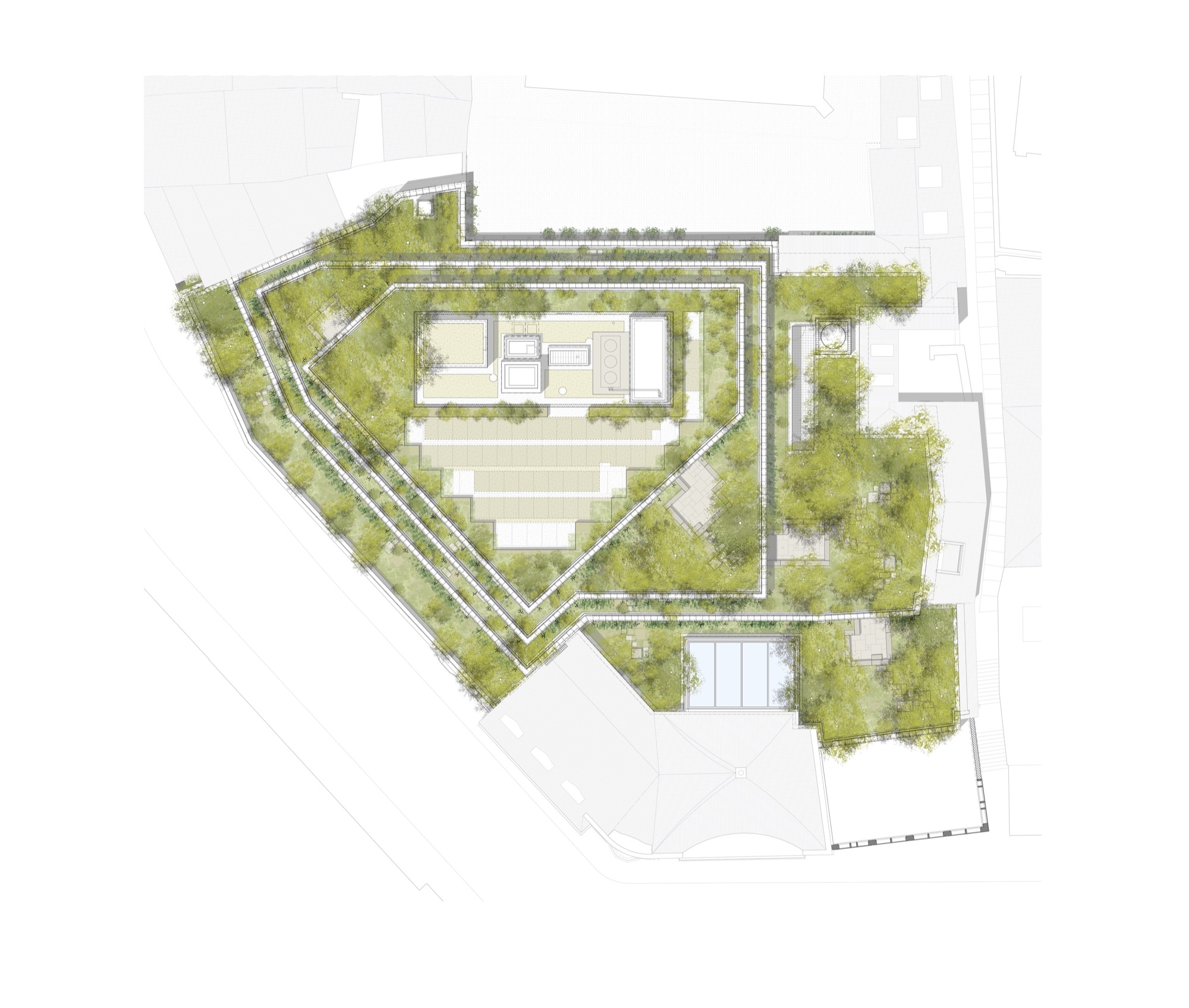
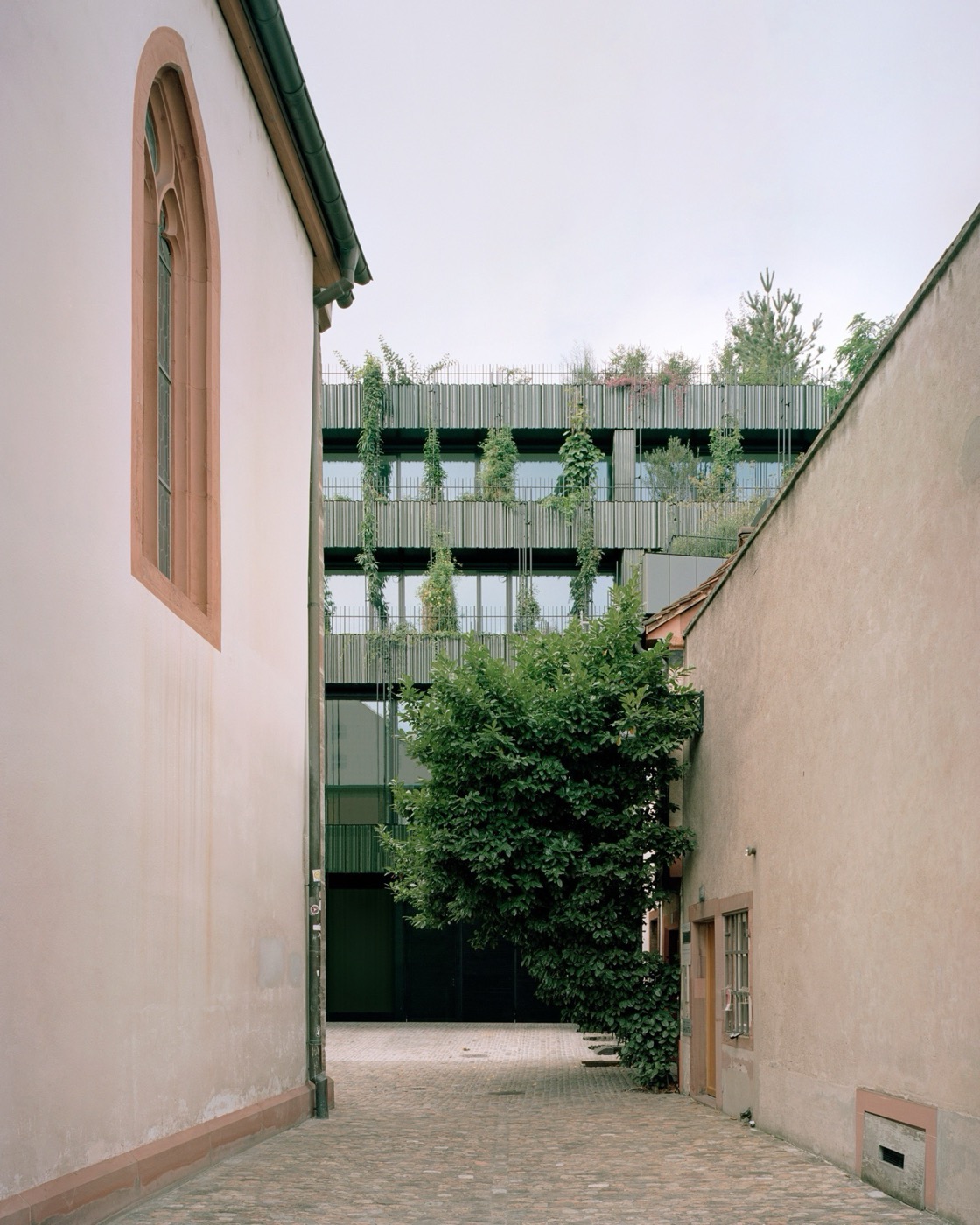
The project is rooted in the careful transformation of an existing structure that has evolved over more than 120 years. Historical facades from different construction periods, including protected stone facades and characteristic window structures, are preserved and integrated into a contemporary architectural framework. Instead of replacing the existing building fabric, the intervention works through adaptation, continuation, and densification, allowing the existing structure to remain legible while opening it towards new forms of use and occupation.
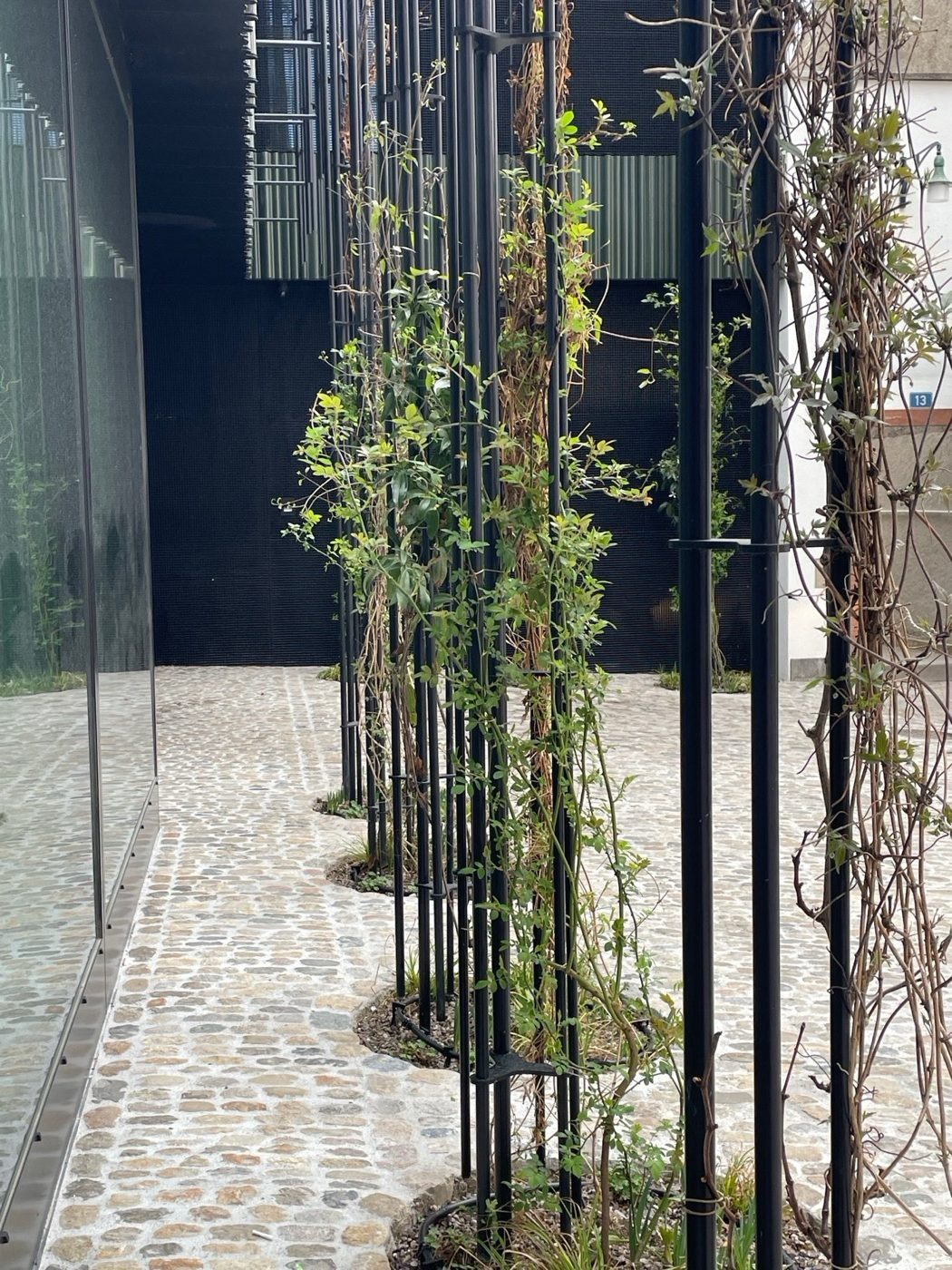
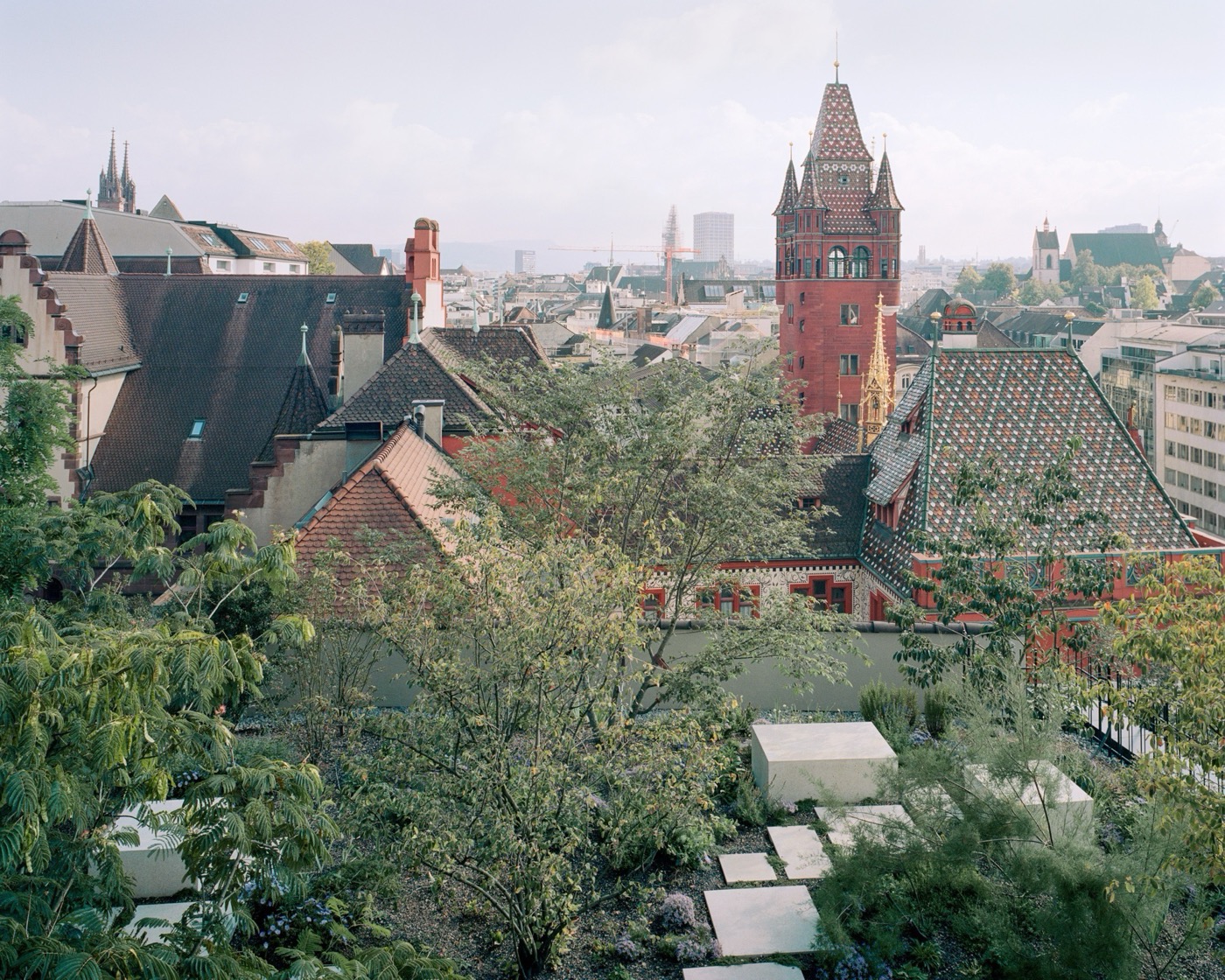
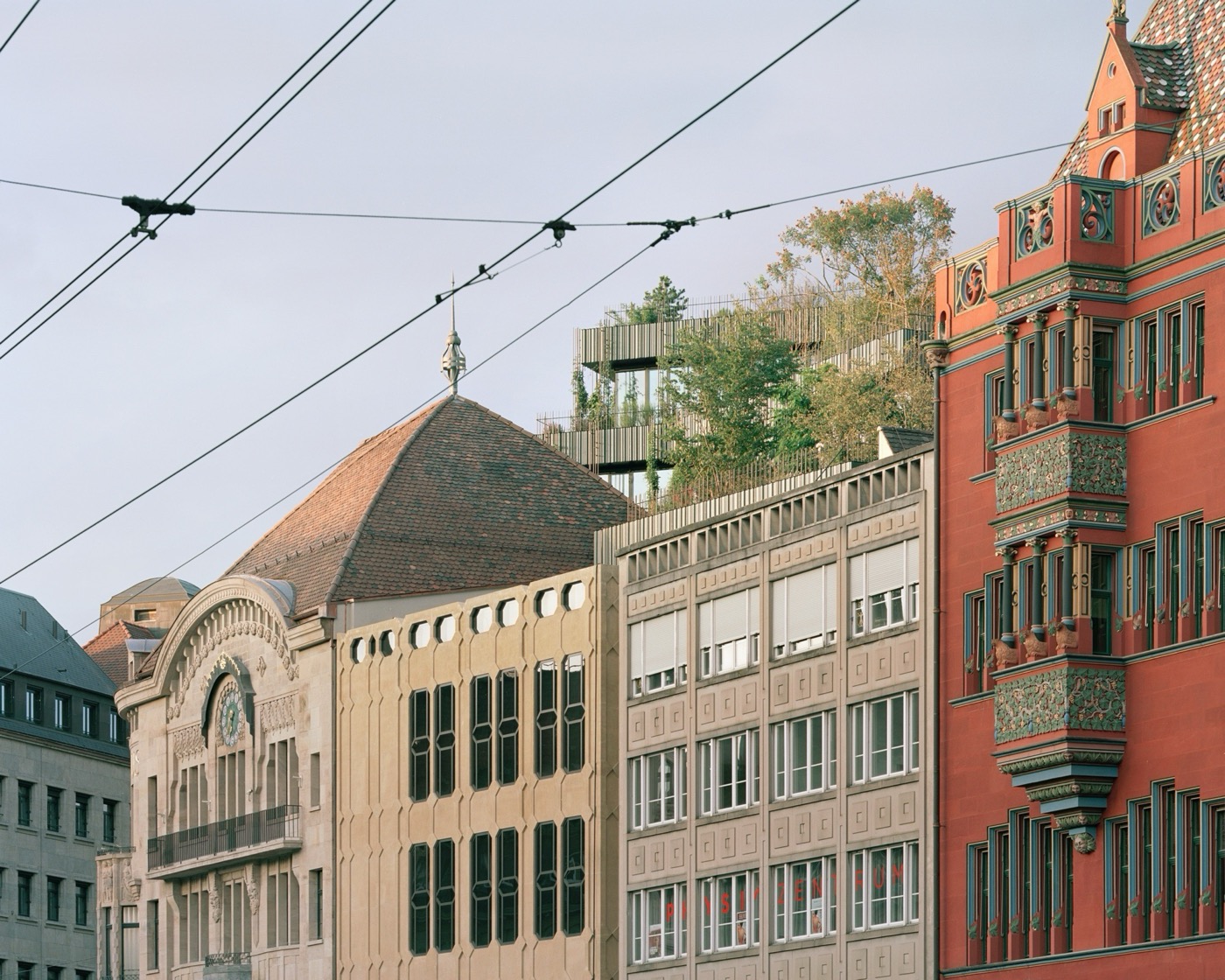
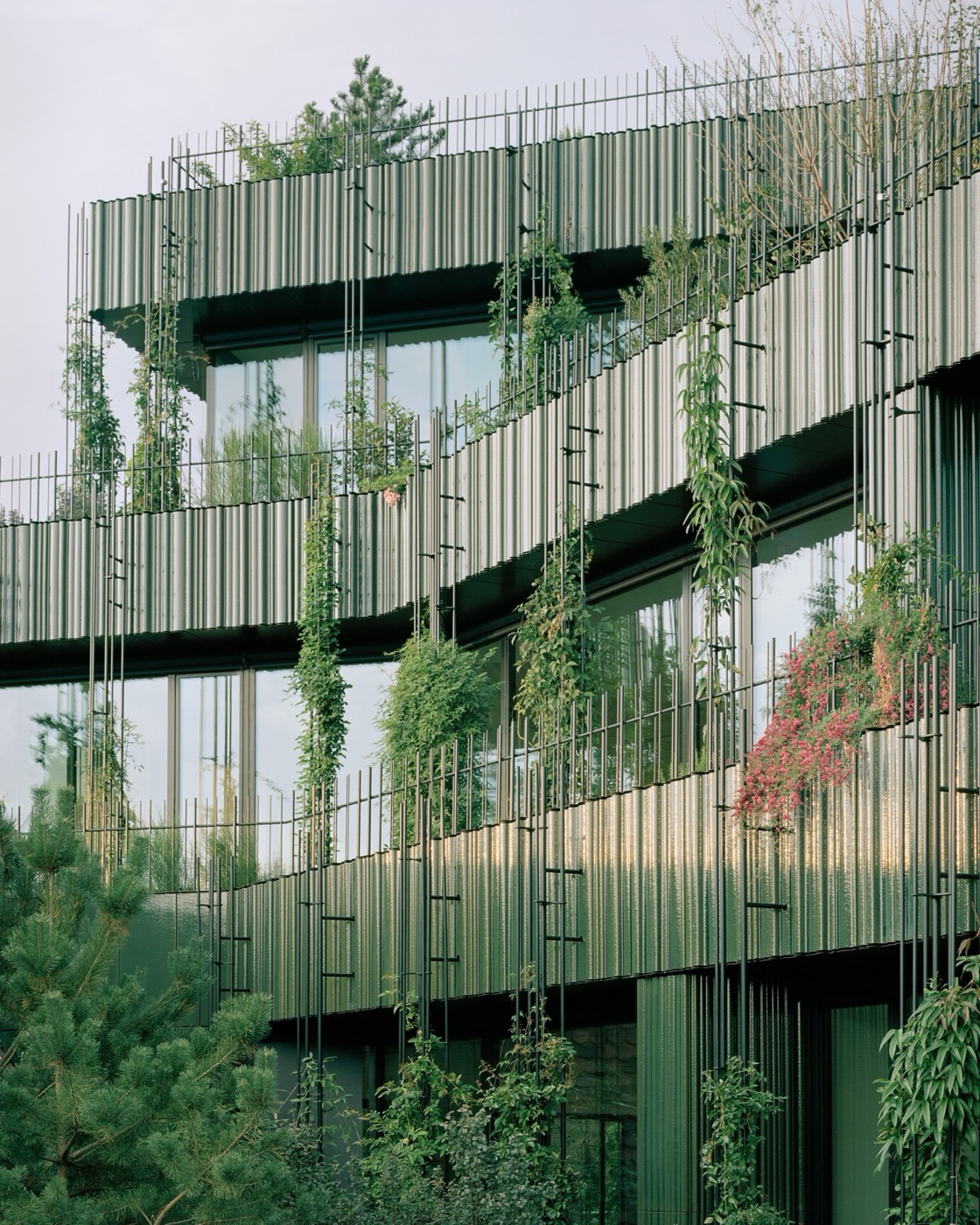
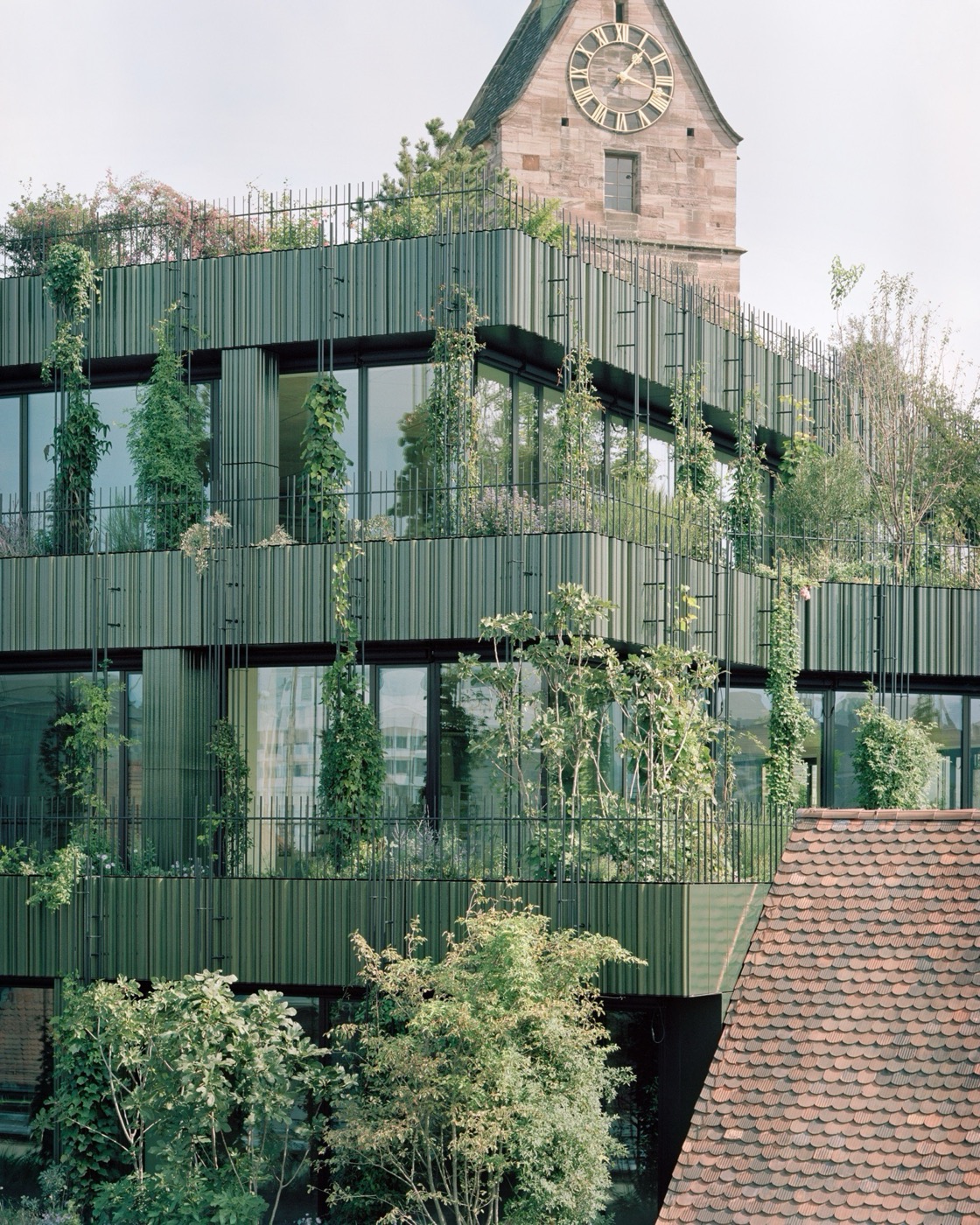
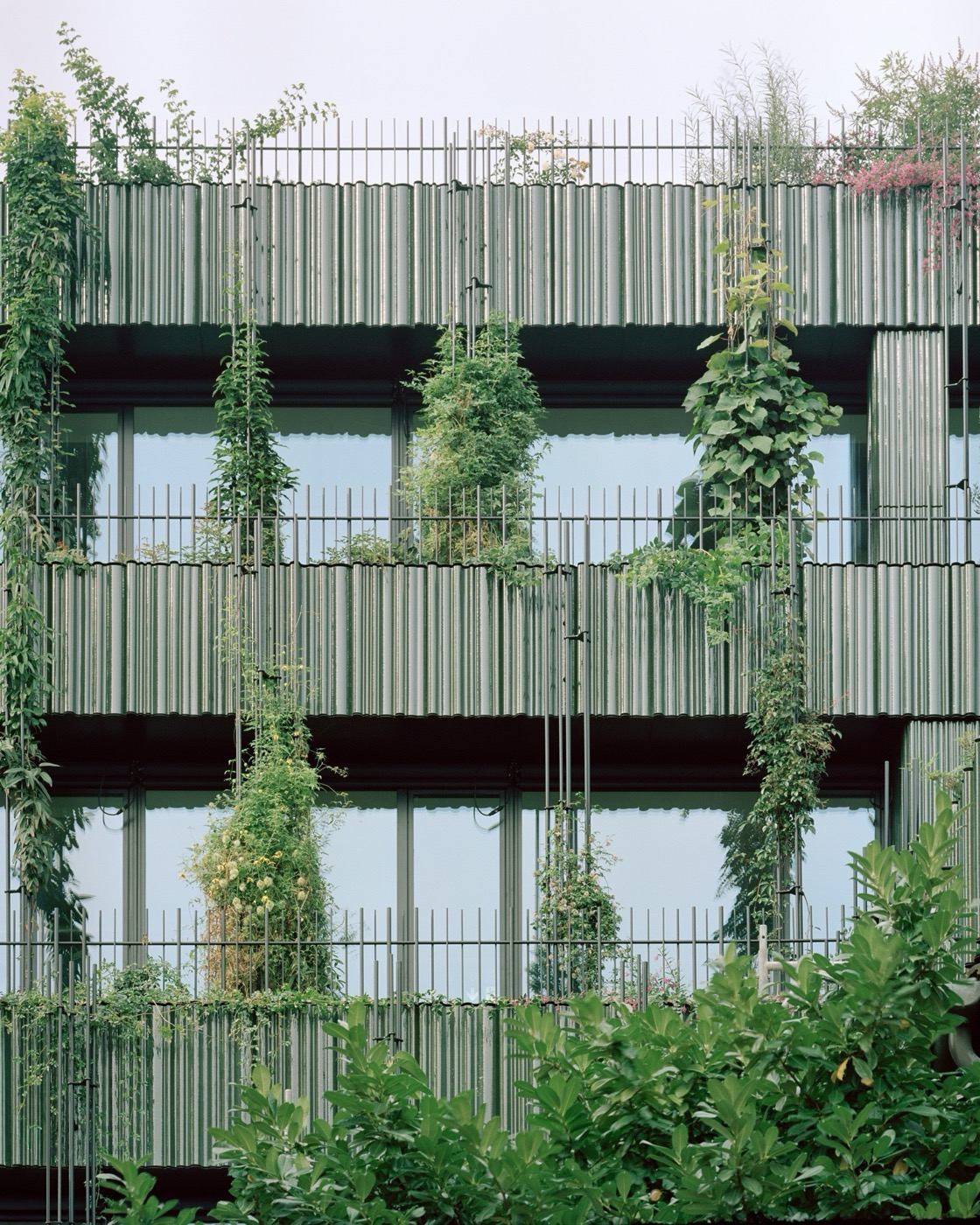
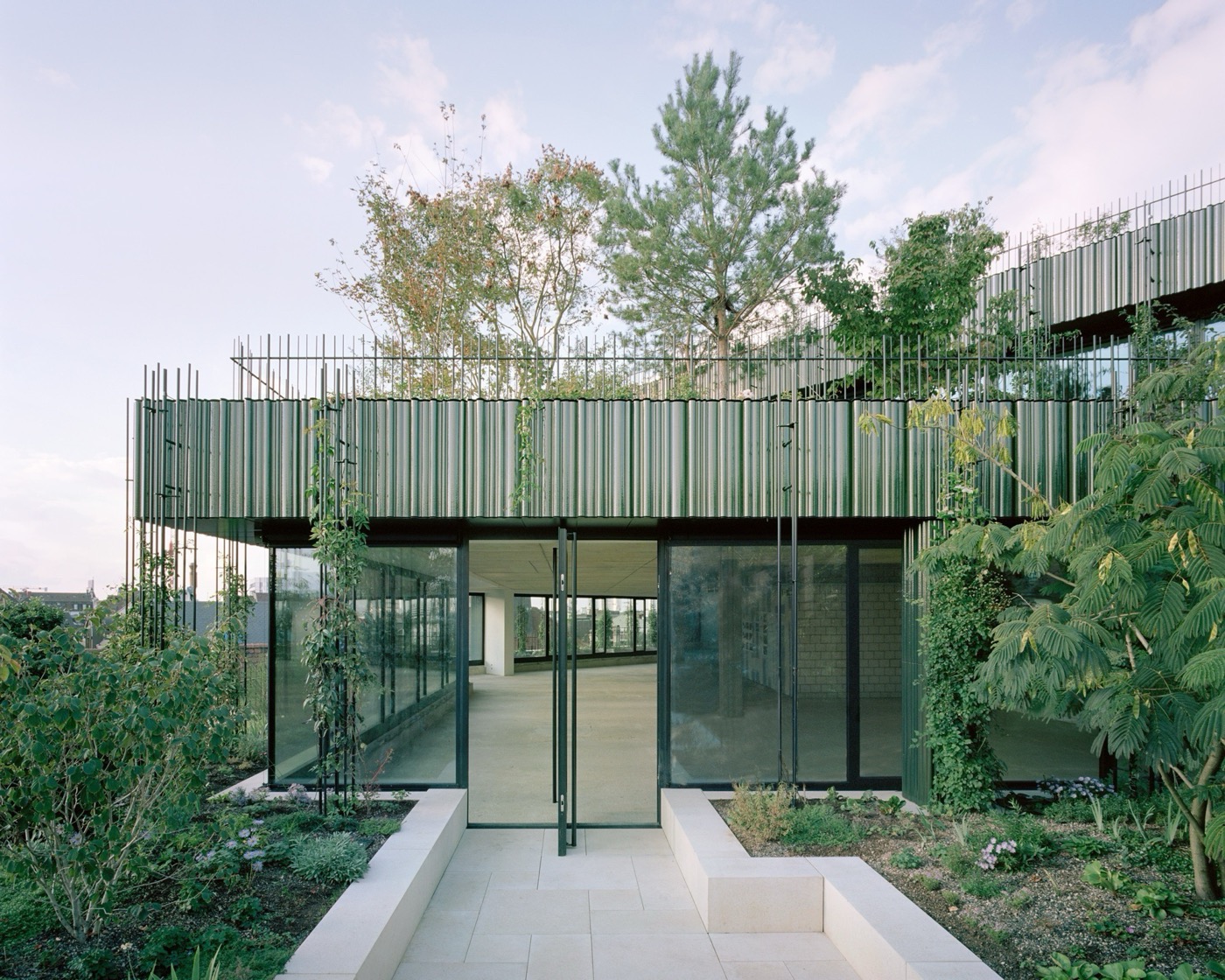
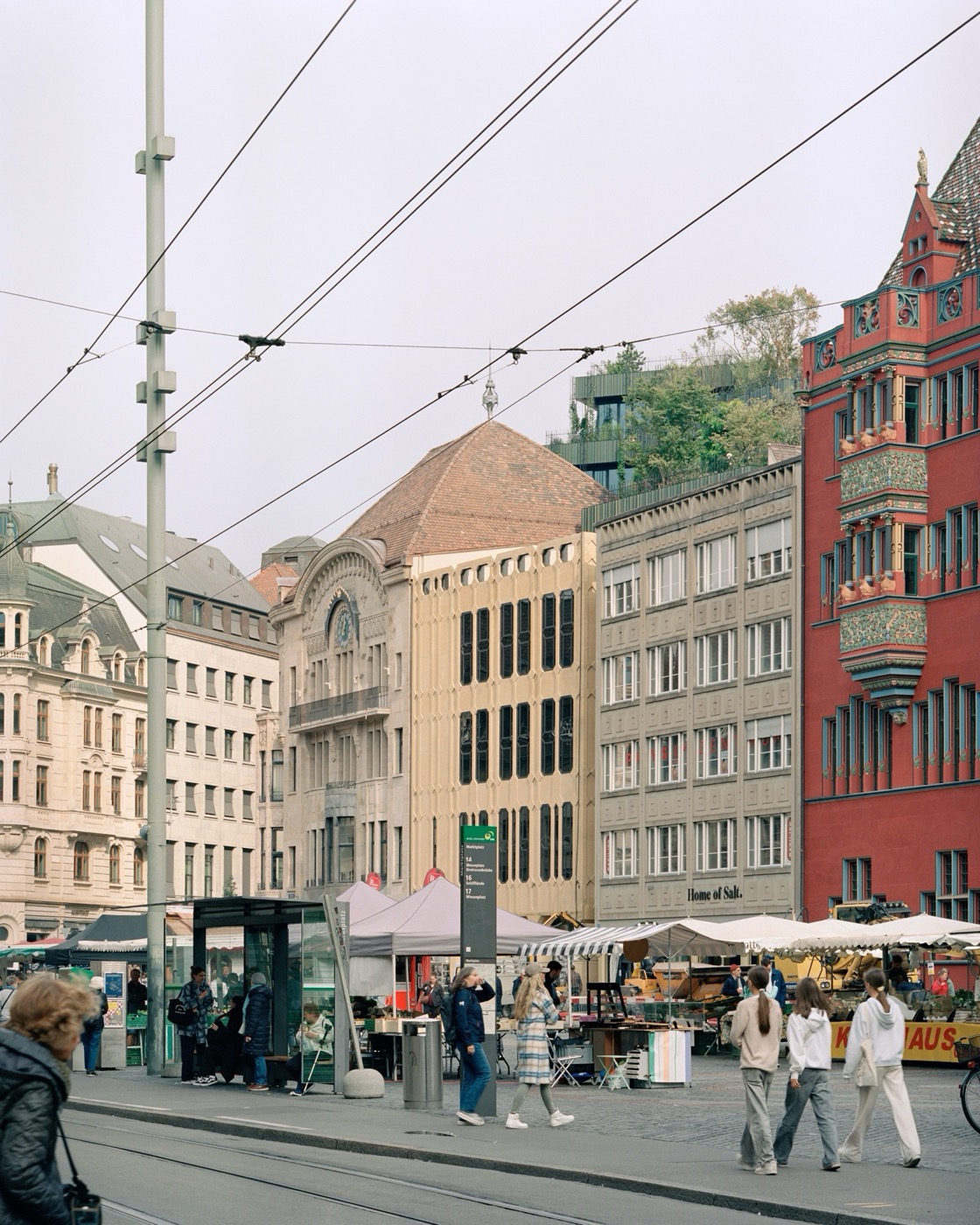
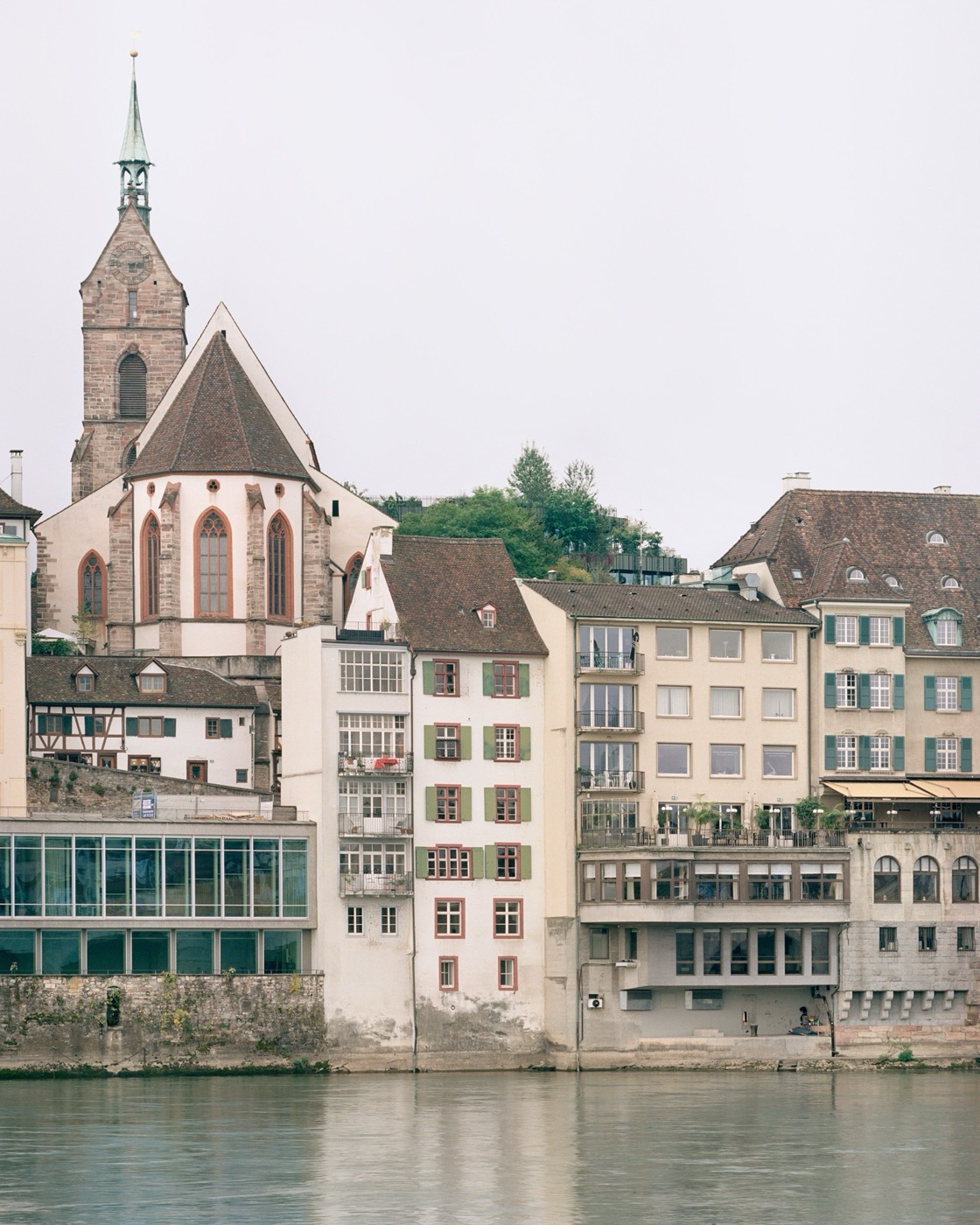
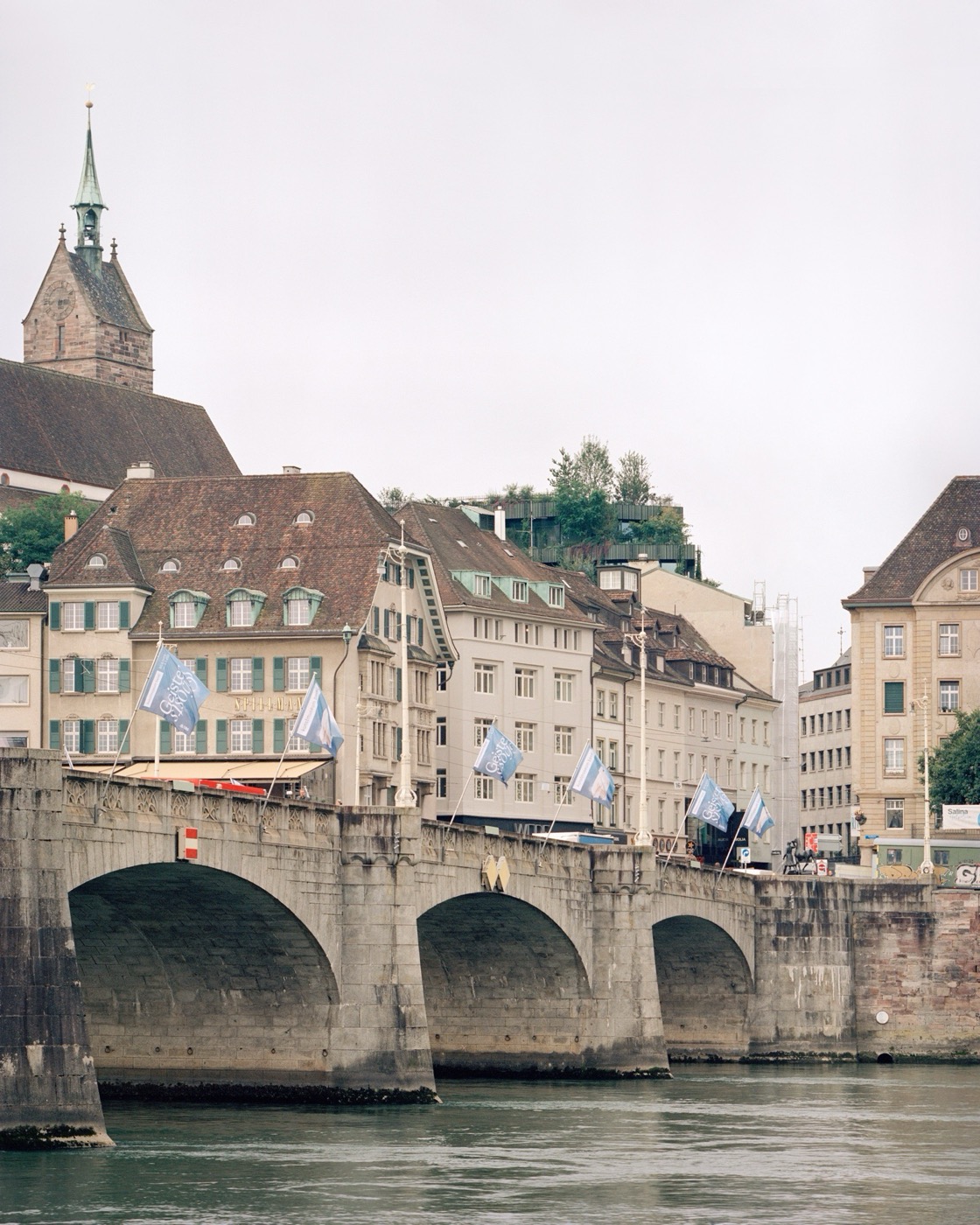
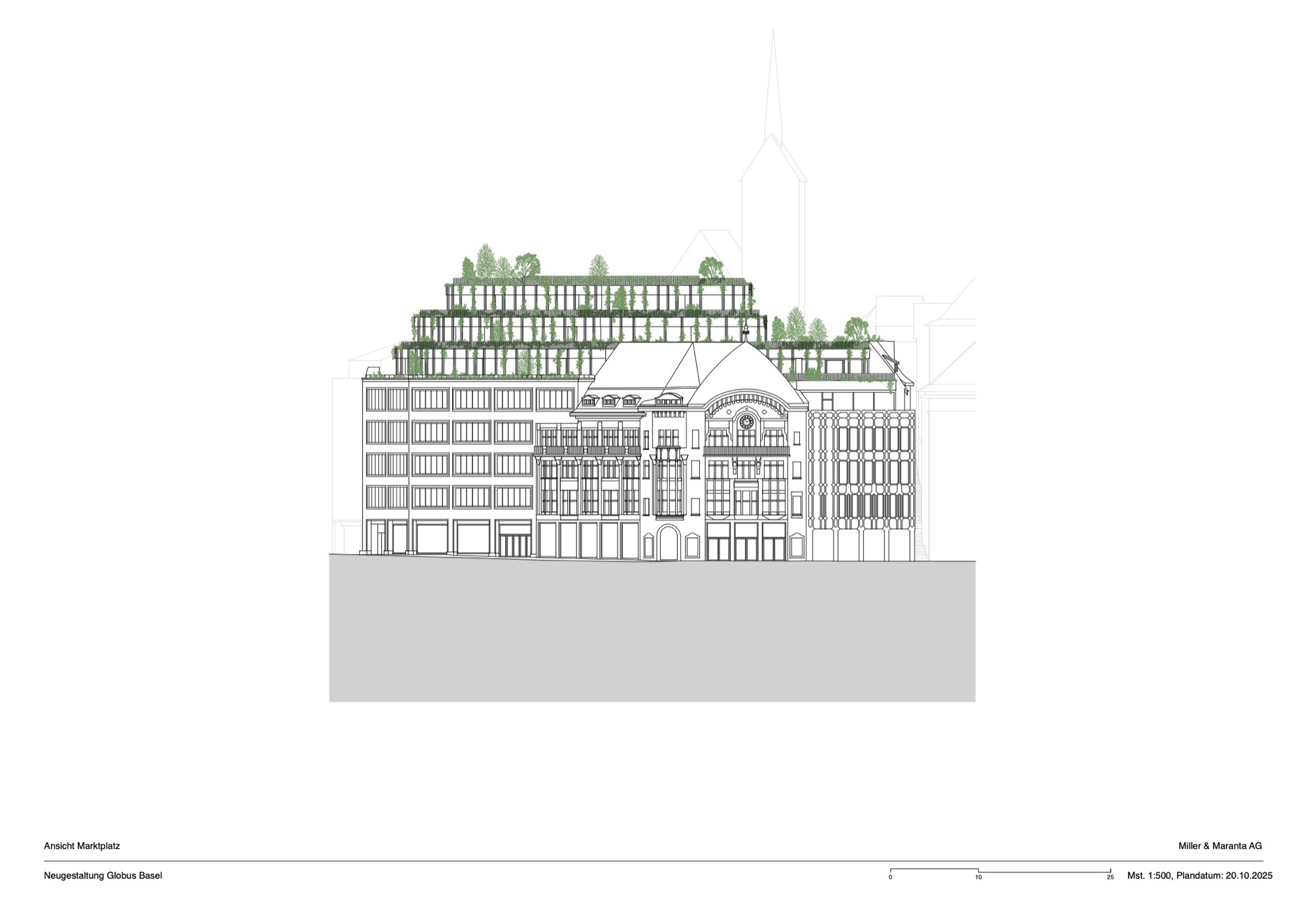
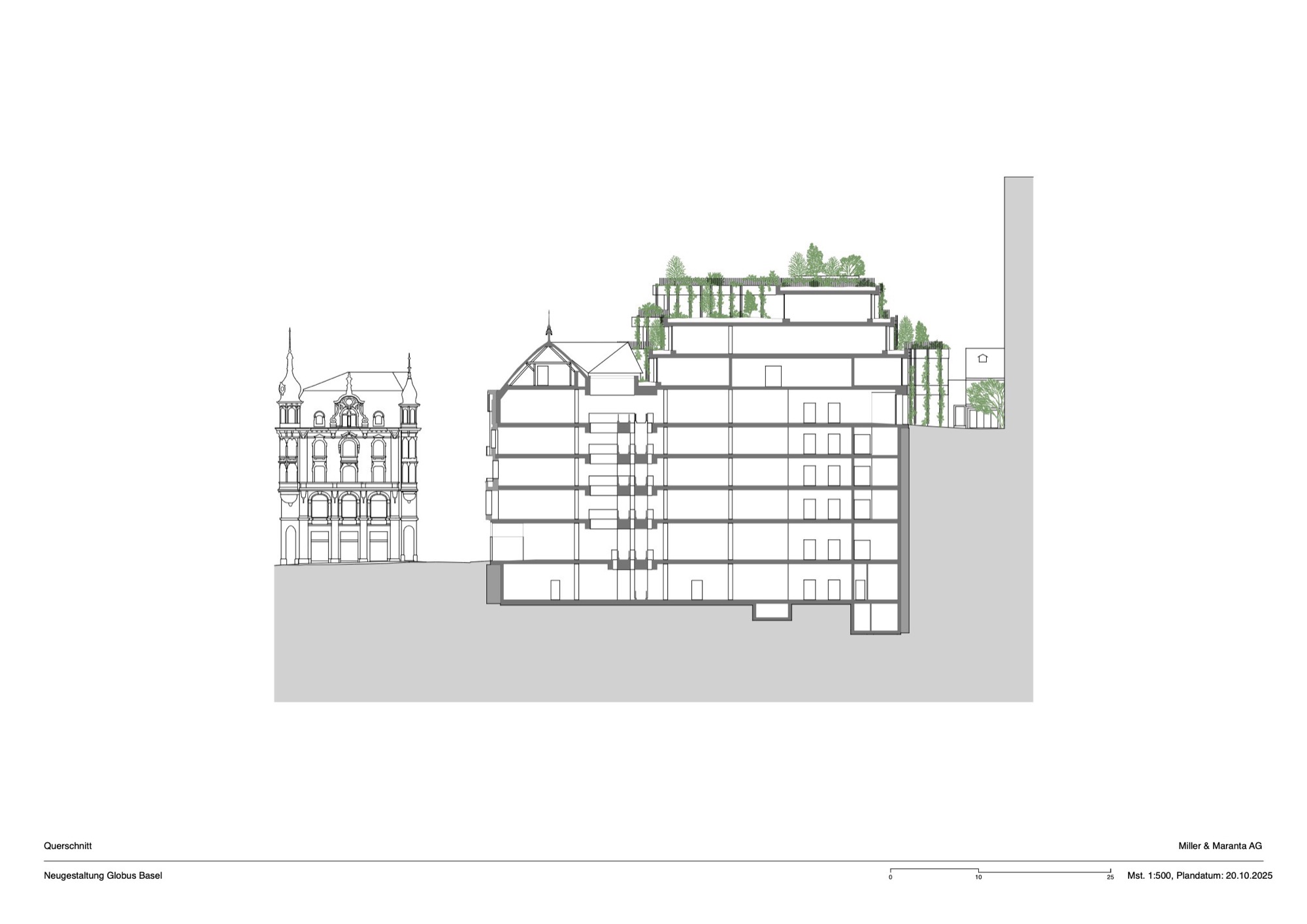
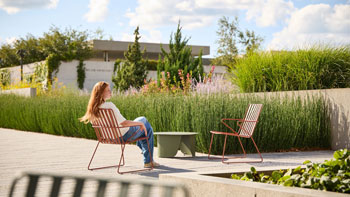
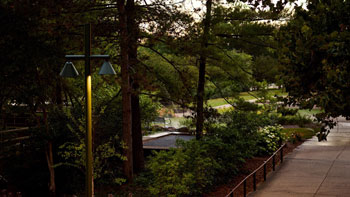
The new rooftop architecture is inseparable from its landscape concept. Intensive roof and facade planting forms the central spatial element of the project. Terraces, gardens, and climbing vegetation wrap the upper floors in a dense vegetal layer composed of shrubs, perennials, small trees, and climbing plants. The vegetation is not conceived as a decorative overlay, but as an inhabitable environmental system that mediates between architecture, climate, and the surrounding city.
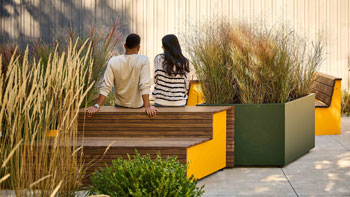
Planting beds directly adjoin the facades, while integrated climbing structures allow vegetation to grow vertically. As the plants mature over time, the architecture increasingly dissolves into a cultivated landscape. Seasonal change, growth, flowering, colour variation, and weathering become visible components of the building’s appearance and identity.
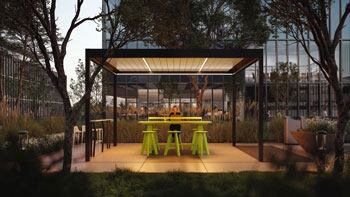
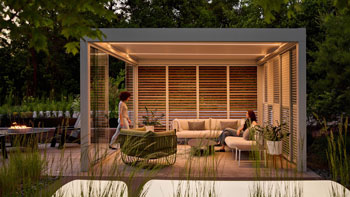
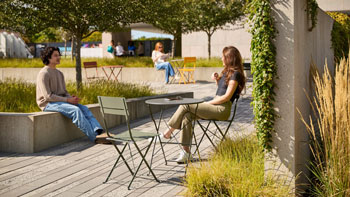
The sectional organisation of the project reinforces this landscape character. The stepped rooftop volumes create a gradual transition between the scale of the historic city and the elevated church terraces of the Münsterhügel. Outdoor workspaces, terraces, and garden rooms extend office spaces into the open air, creating working environments embedded within vegetation and exposed to light, wind, and changing seasons. Despite the dense urban context, the upper floors are experienced as part of a continuous garden landscape overlooking Basel’s rooftops.
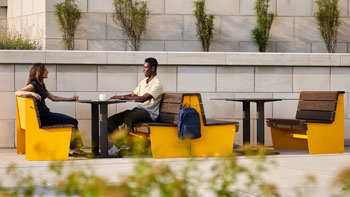
At street level, the intervention establishes new relationships between the department store and the surrounding public realm. A new entrance at Martinskirchplatz reconnects the building with the upper city and introduces vegetation into the narrow urban spaces through ground-based climbing plants and planted edge conditions.
The project also addresses the environmental challenges of building within a dense historic centre. The extensive planted surfaces improve the local microclimate through evapotranspiration, rainwater retention, air filtration, and cooling effects during periods of heat. Varied substrate depths and diverse planting structures create habitats for insects and urban wildlife, establishing a layered ecological system within the compact inner city.
More fundamentally, however, the project proposes an alternative approach to urban transformation. Instead of treating sustainability as a technical addition, landscape becomes the primary medium through which the existing building is adapted to contemporary environmental and social conditions. Architecture and vegetation operate as a single spatial system: a cultivated urban topography that repositions the relationship between heritage, climate, and everyday life in the city.
Architecture: Miller & Maranta and Landscape Architecture: raderschallpartner ag
https://www.google.com/maps/search/?query_place_id=ChIJk3IRblC4kUcRSMKj9Kz1PPE&utm_source=chatgpt.com
74372


LILA 2026 Sponsor