Hyatt Place Hotel
www.espace-libre.fr/
2026 Hospitality and Therapeutic / 2026 Landscape and Architecture / France / Built in 2024 /

The transformation of the former École Normale d’Institutrices in Rouen into a Hyatt Place Hotel represents far more than a rehabilitation project: it embodies a true landscape approach, where memory, topography, and contemporary design intertwine to form a unified work. Rarely have architecture and landscape been so clearly conceived as a single project, seamlessly united in both form and setting.
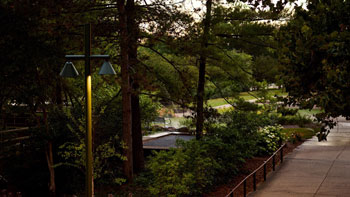
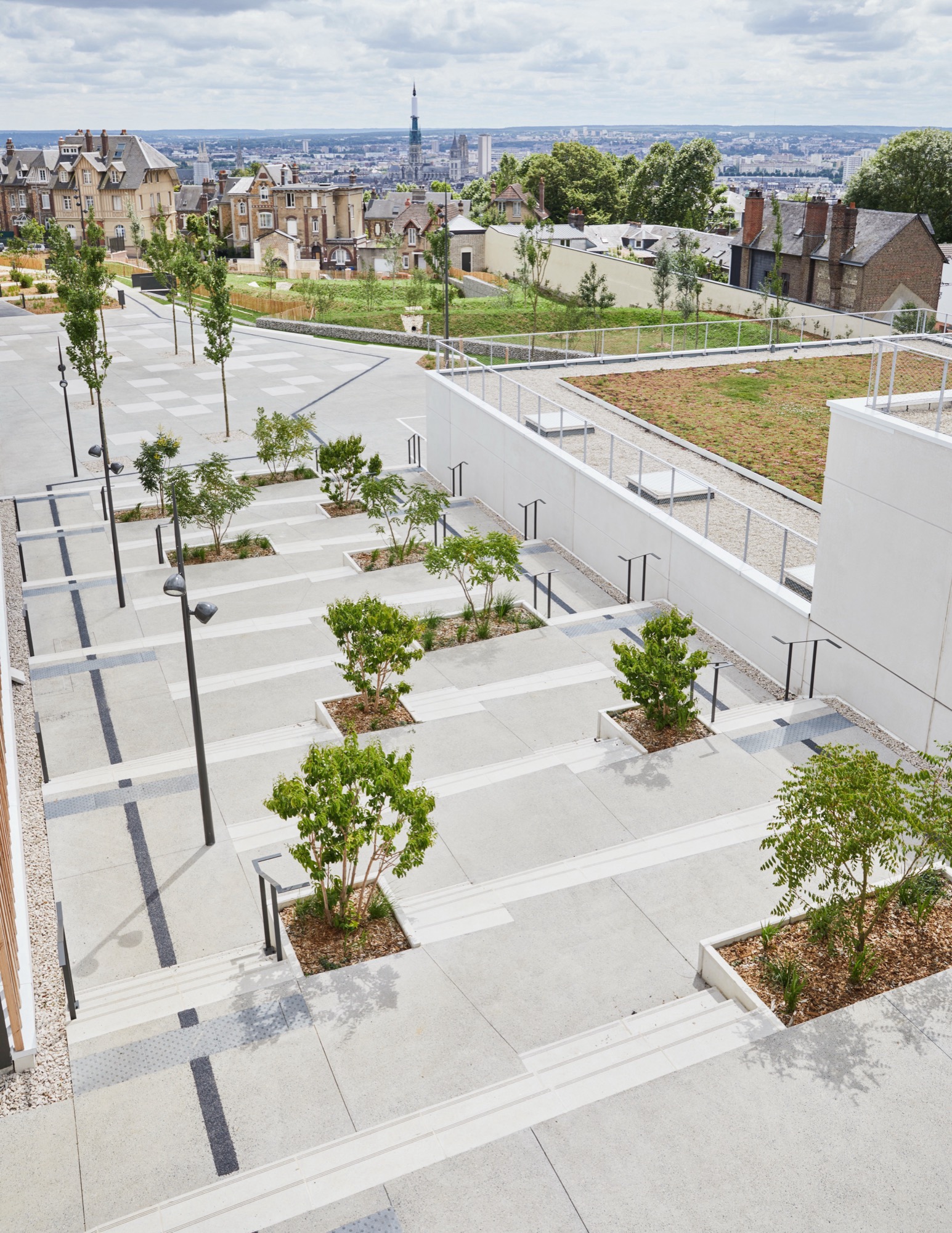
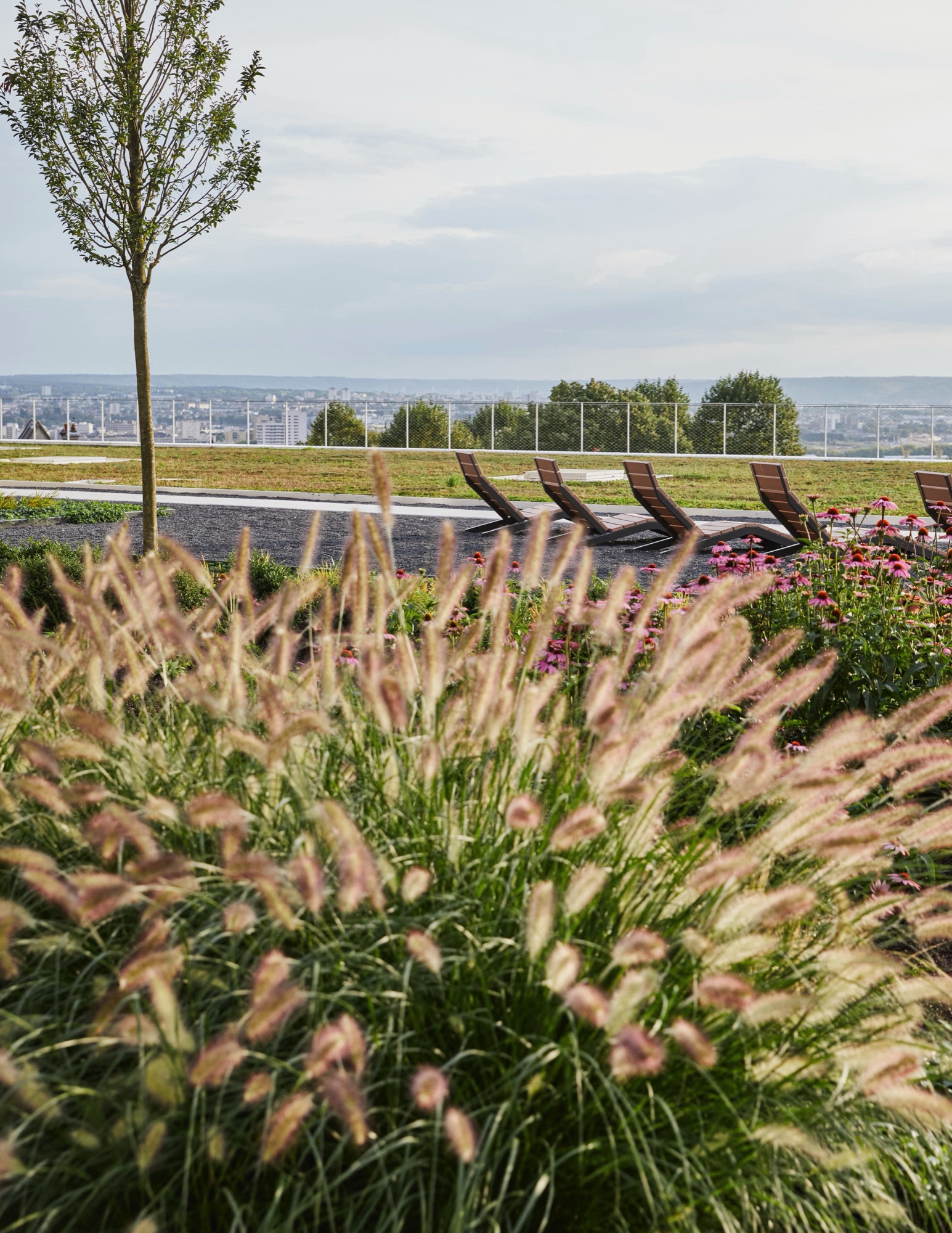
The site benefits from a pronounced topography that becomes the very foundation of the composition. The slope is neither constraint nor backdrop: it structures the project, organizes circulation, and reveals sweeping views over Rouen. The collaborative work of CBA (architects) and ESPACE LIBRE (landscape architects) opens up a plot long turned inward, granting it new breathing space at both neighborhood and metropolitan scales. The site becomes a belvedere, a crossroads of uses and a shared space.
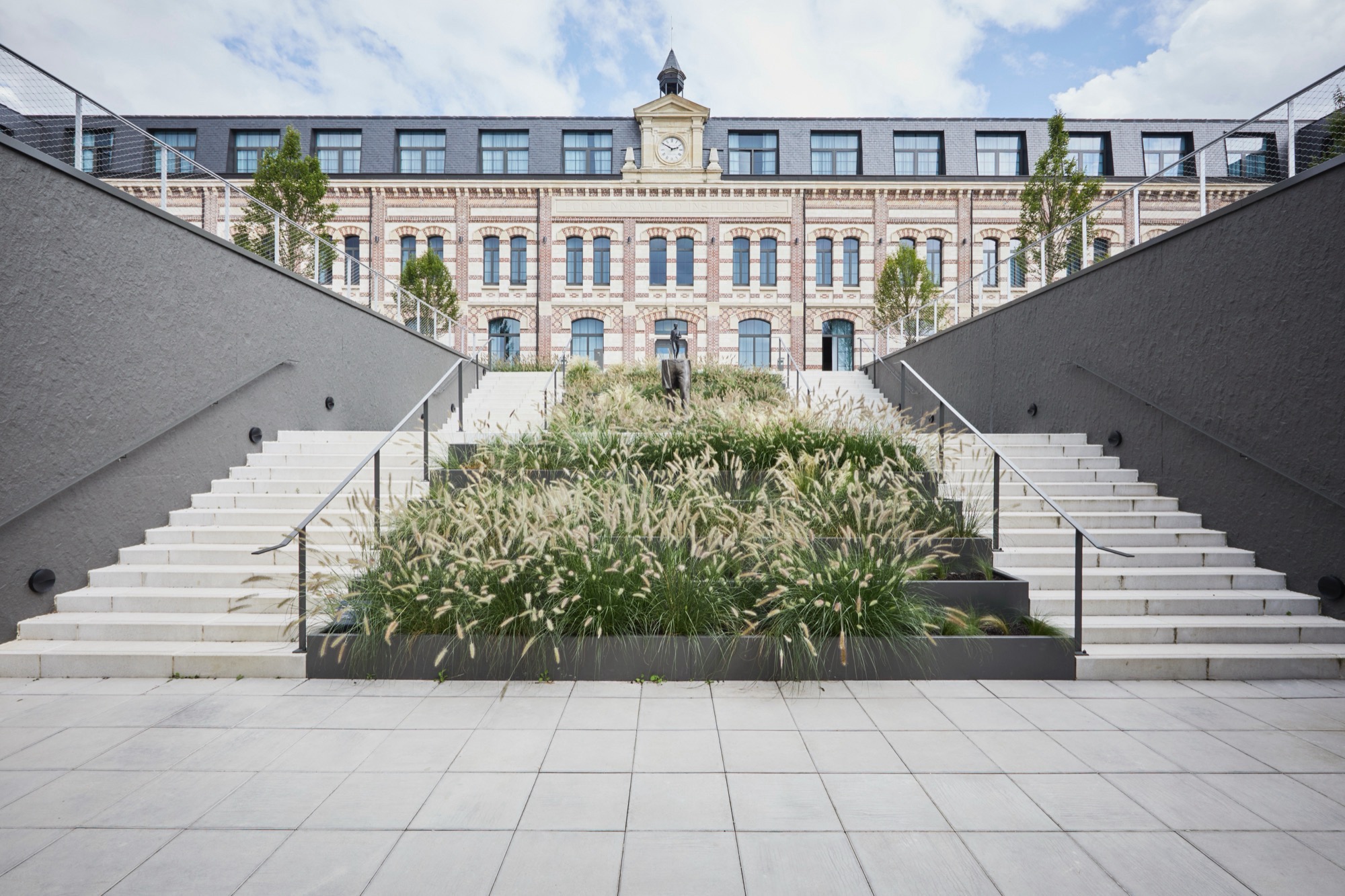
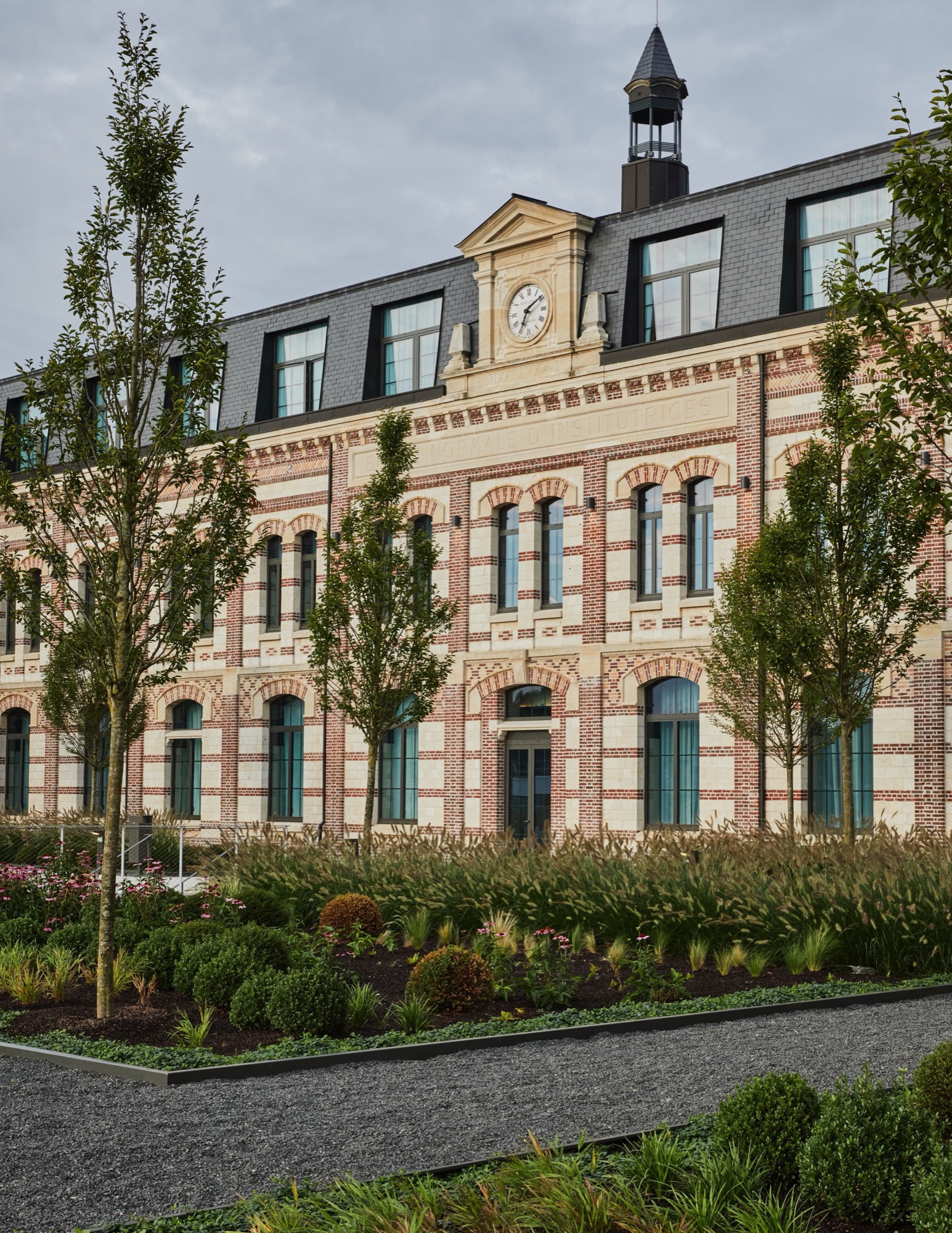
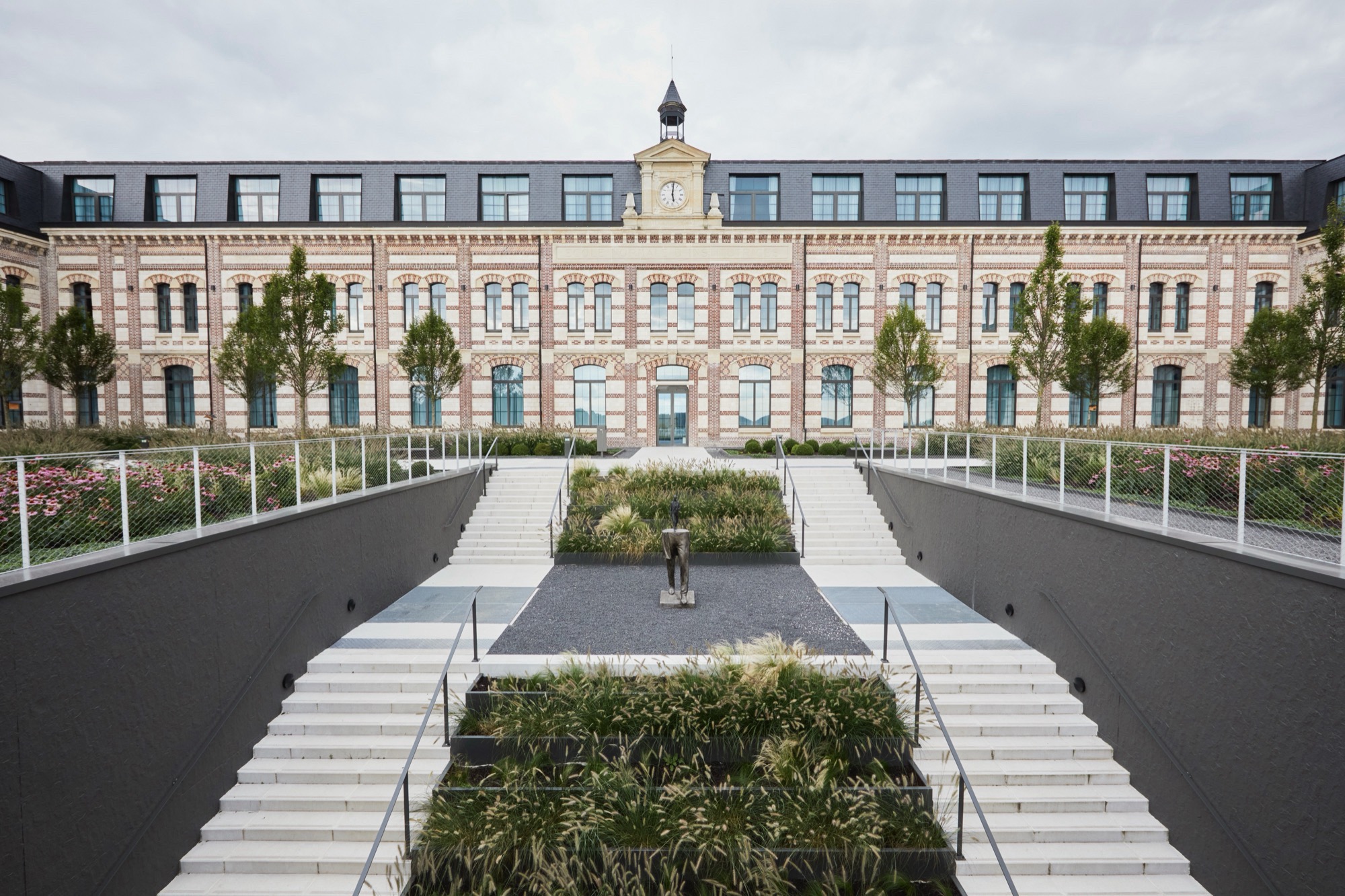
The original building, designed by Lucien Lefort and inaugured in 1886, has been carefully restored. Facades, turret, clock, and carriage entrance regain their symbolic presence, while the roof now discreetly integrates solar panels set among the slate tiles. This measured intervention affirms a respectful dialogue between heritage and innovation. Yet beyond the architectural restoration, it is the overarching landscape intent that gives the project its full strength.
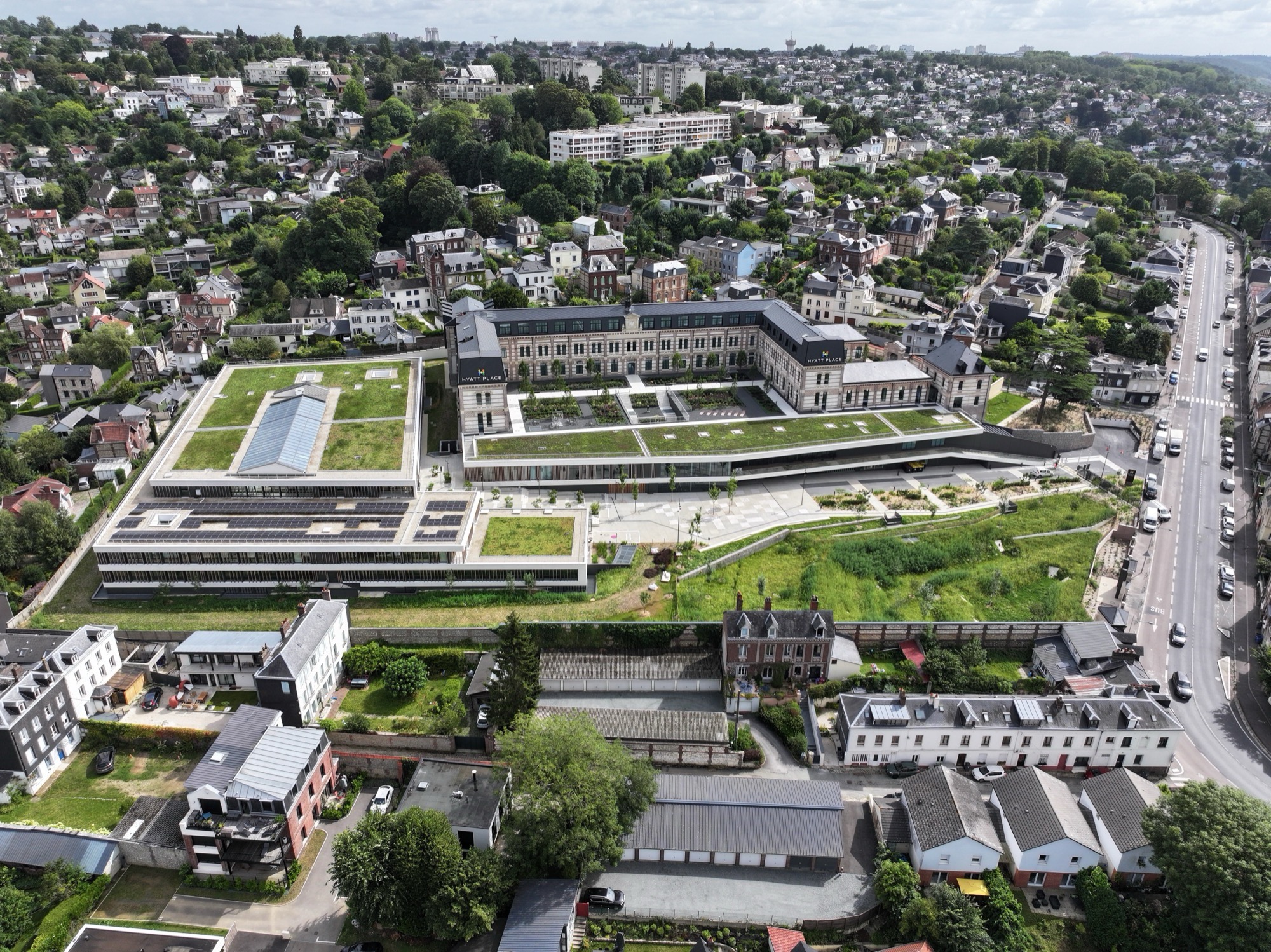
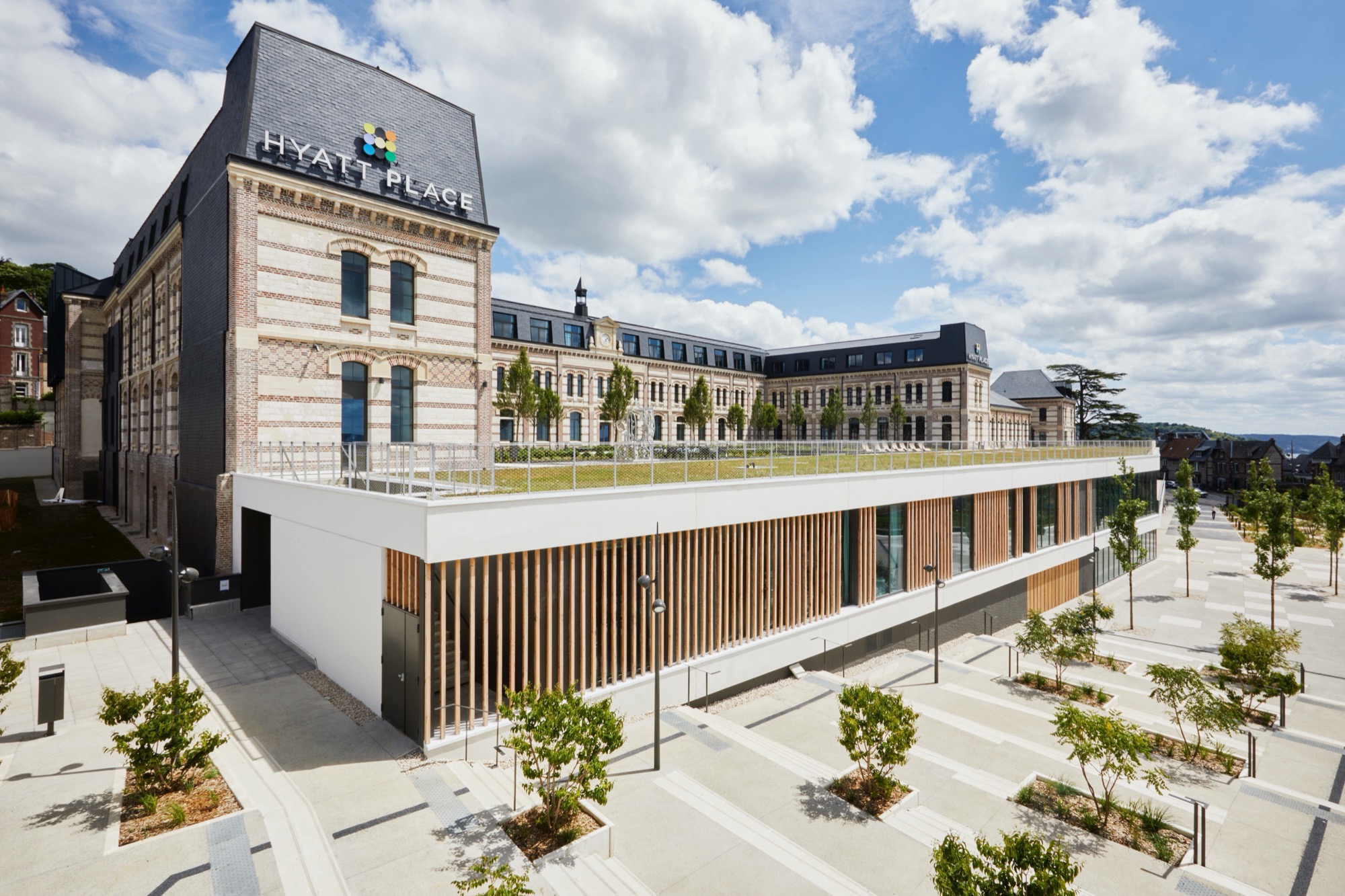
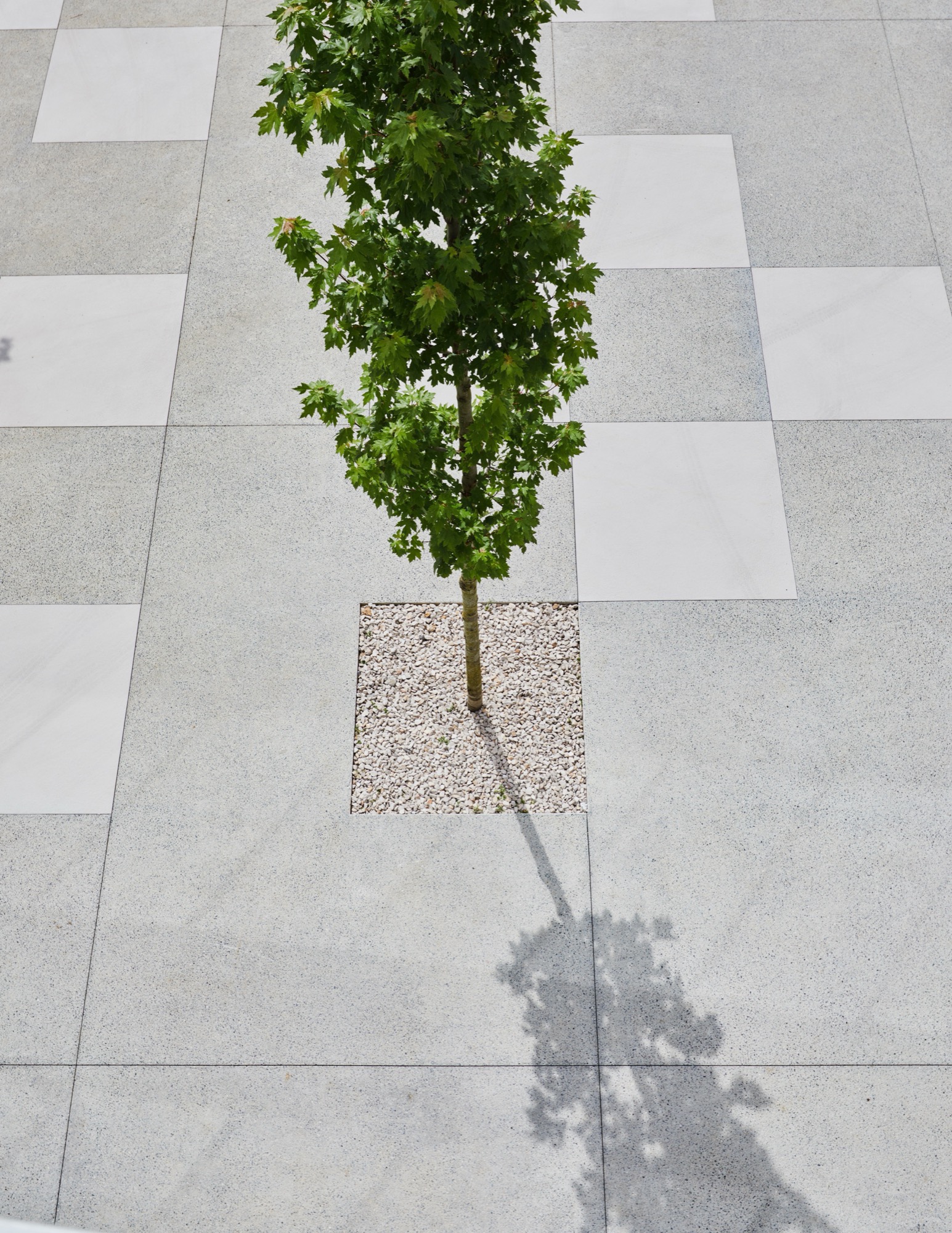
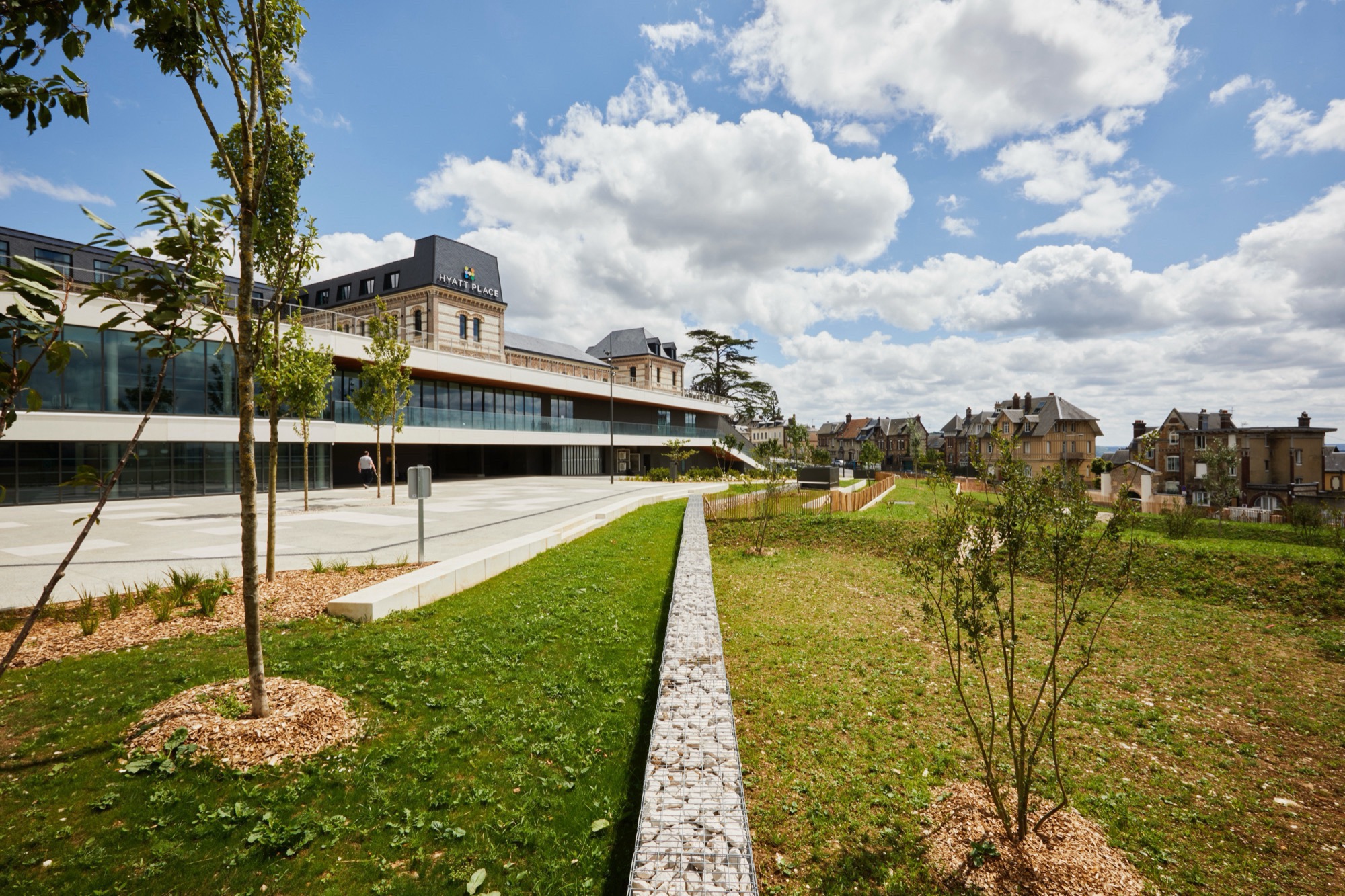
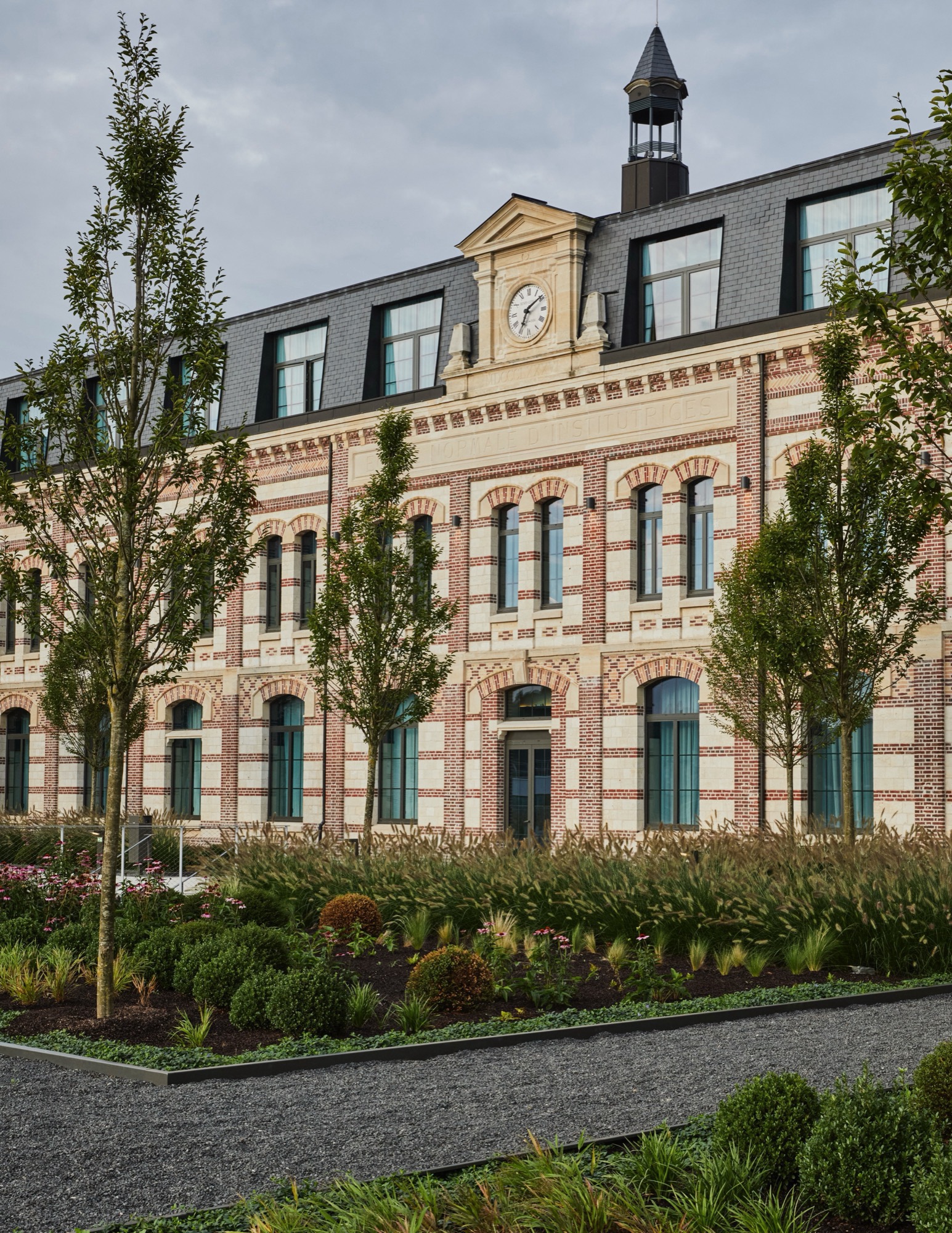
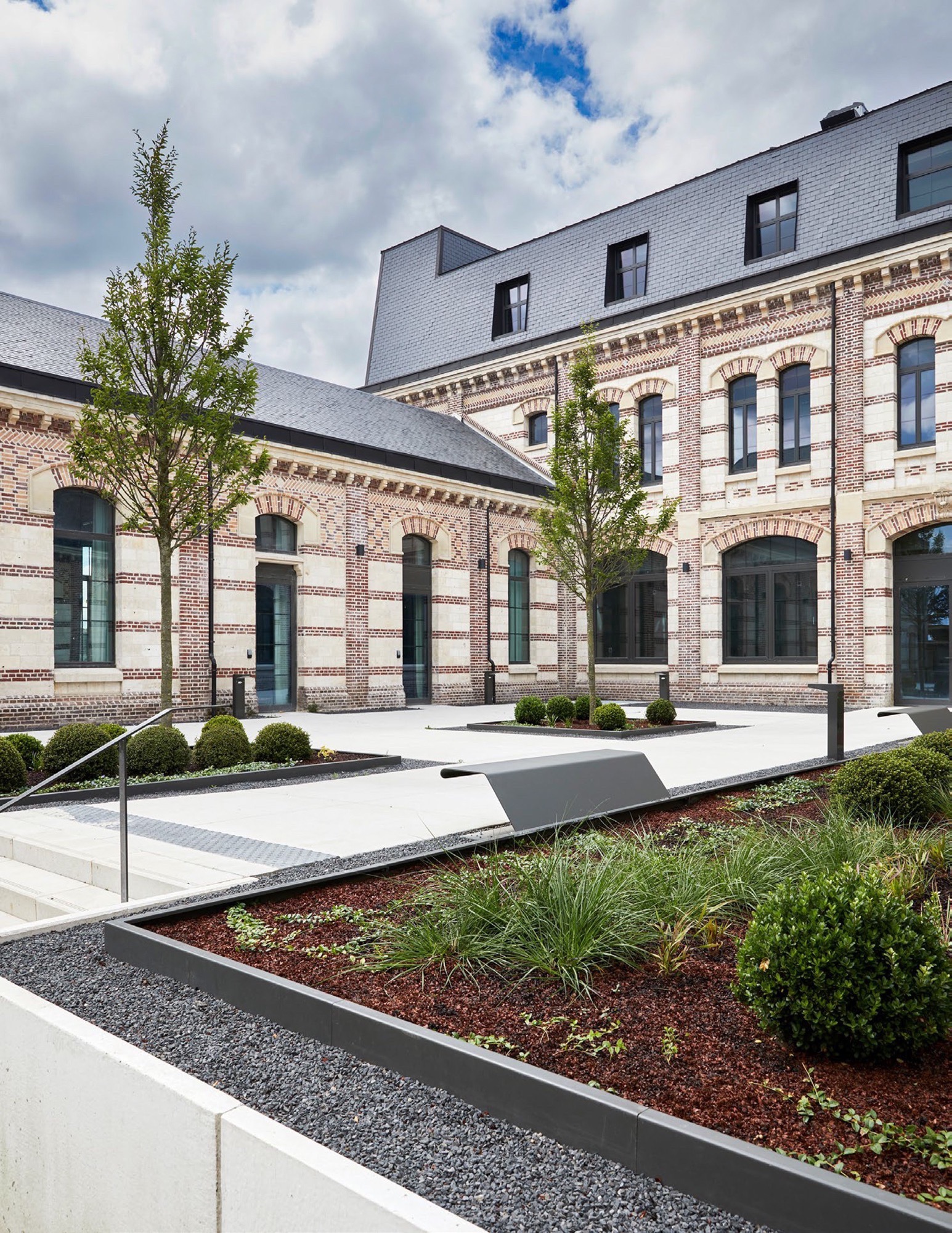
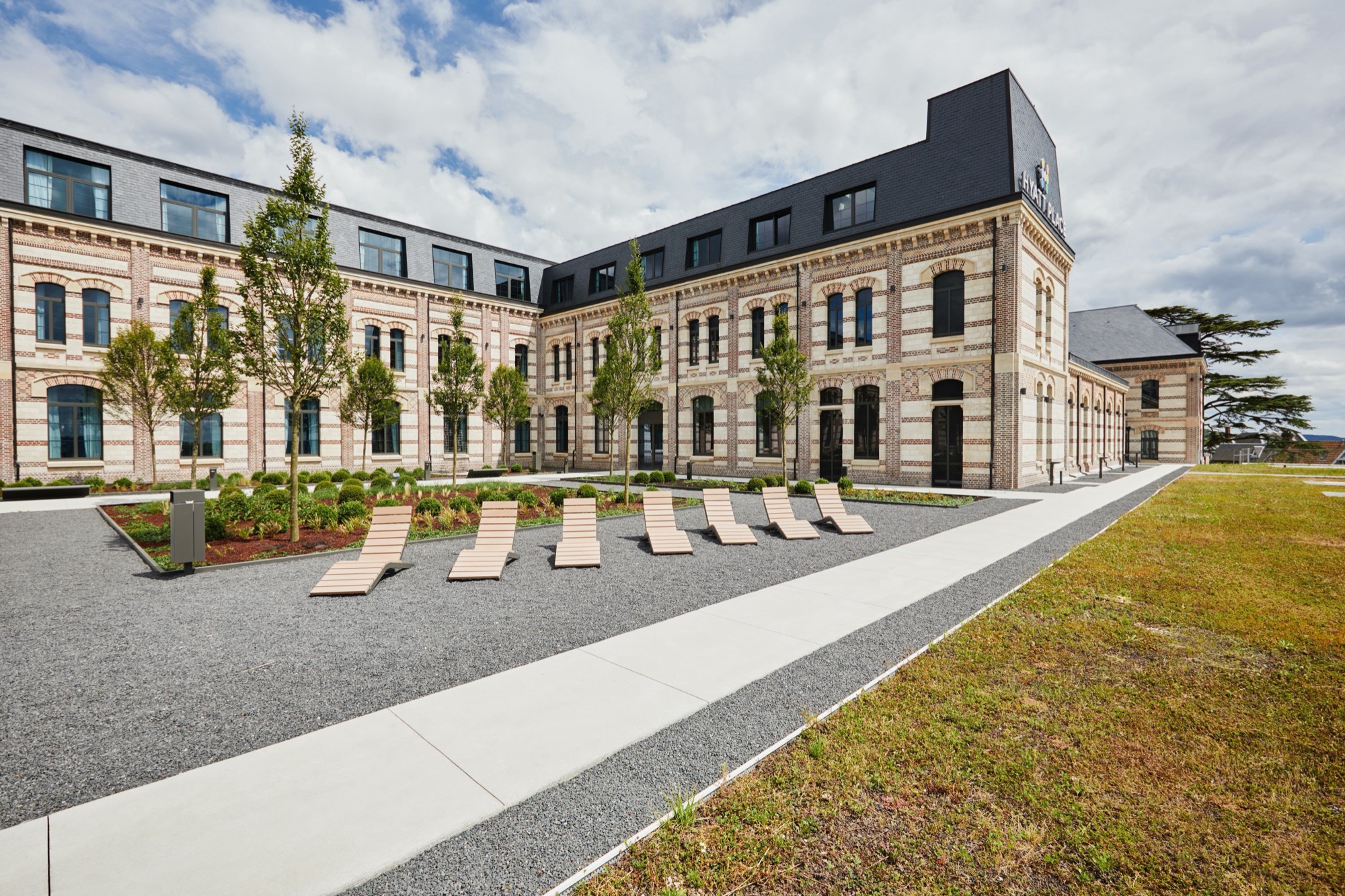
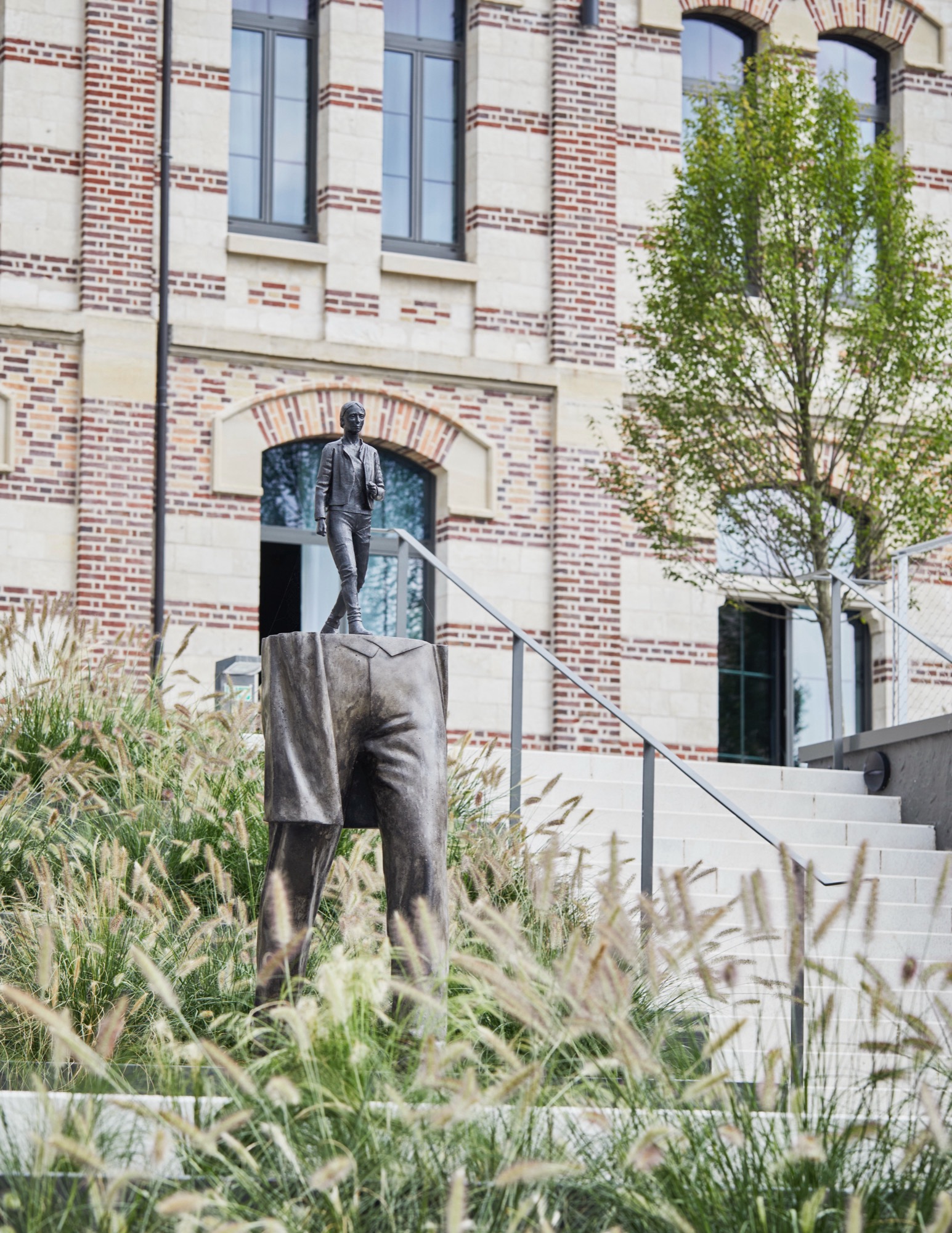
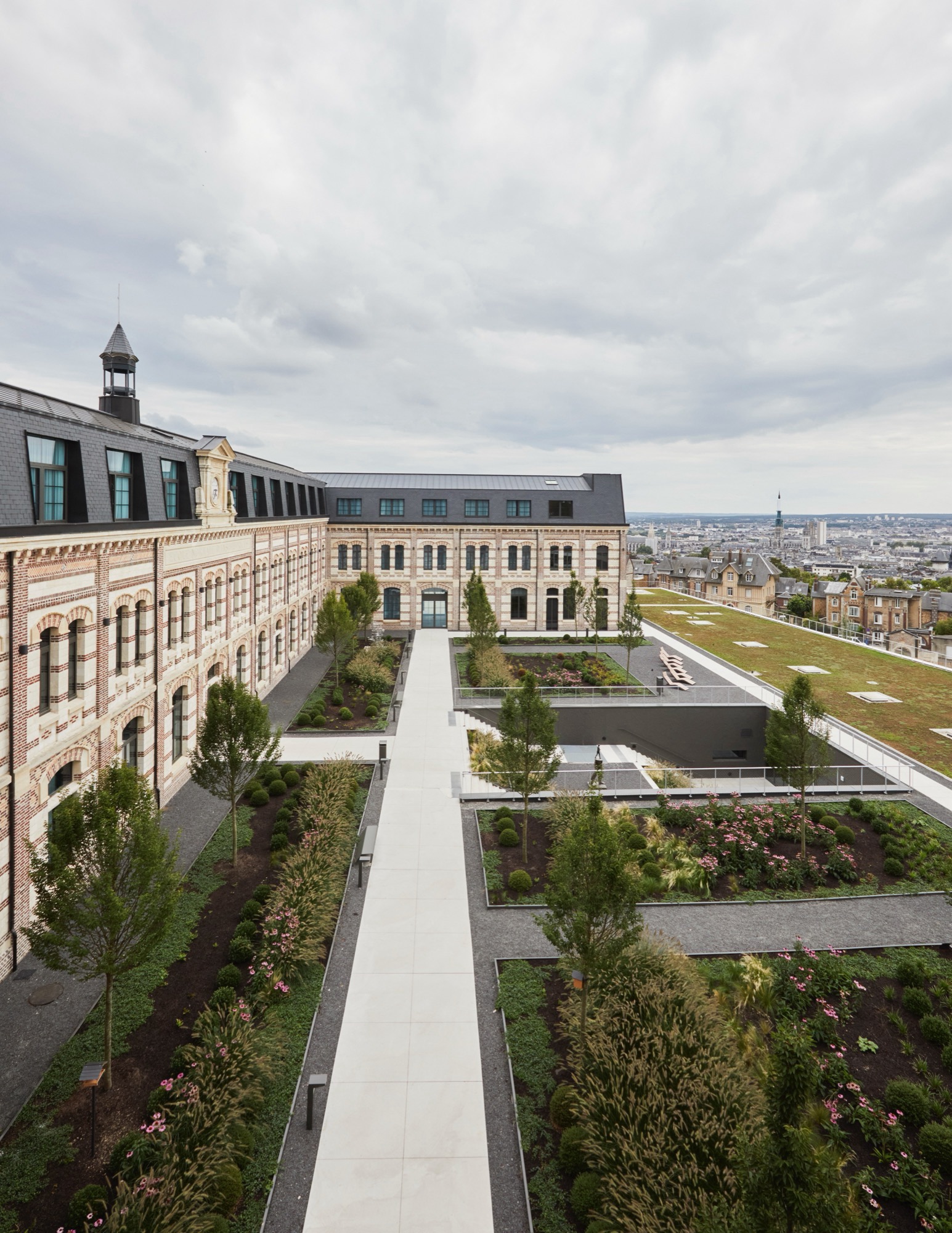
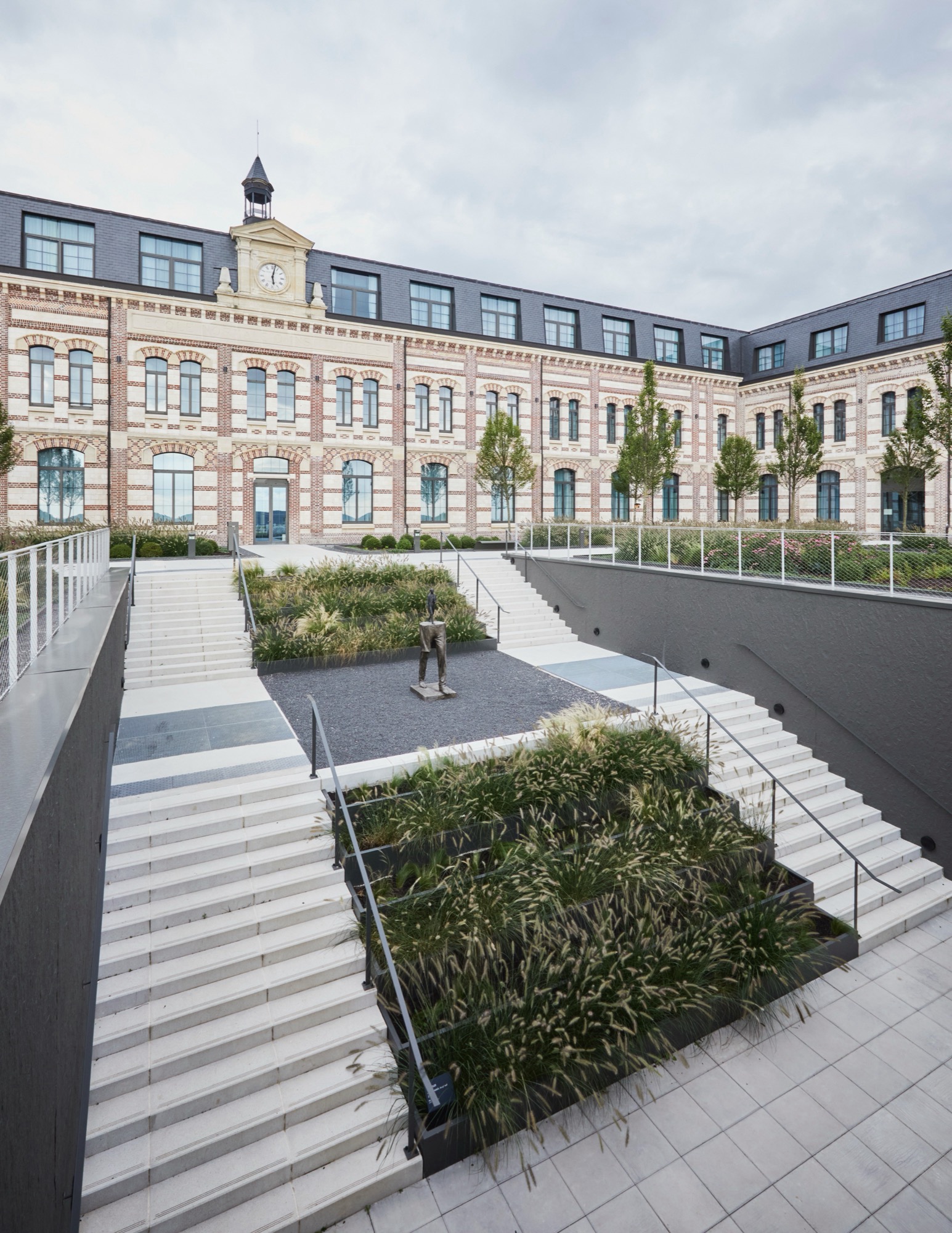
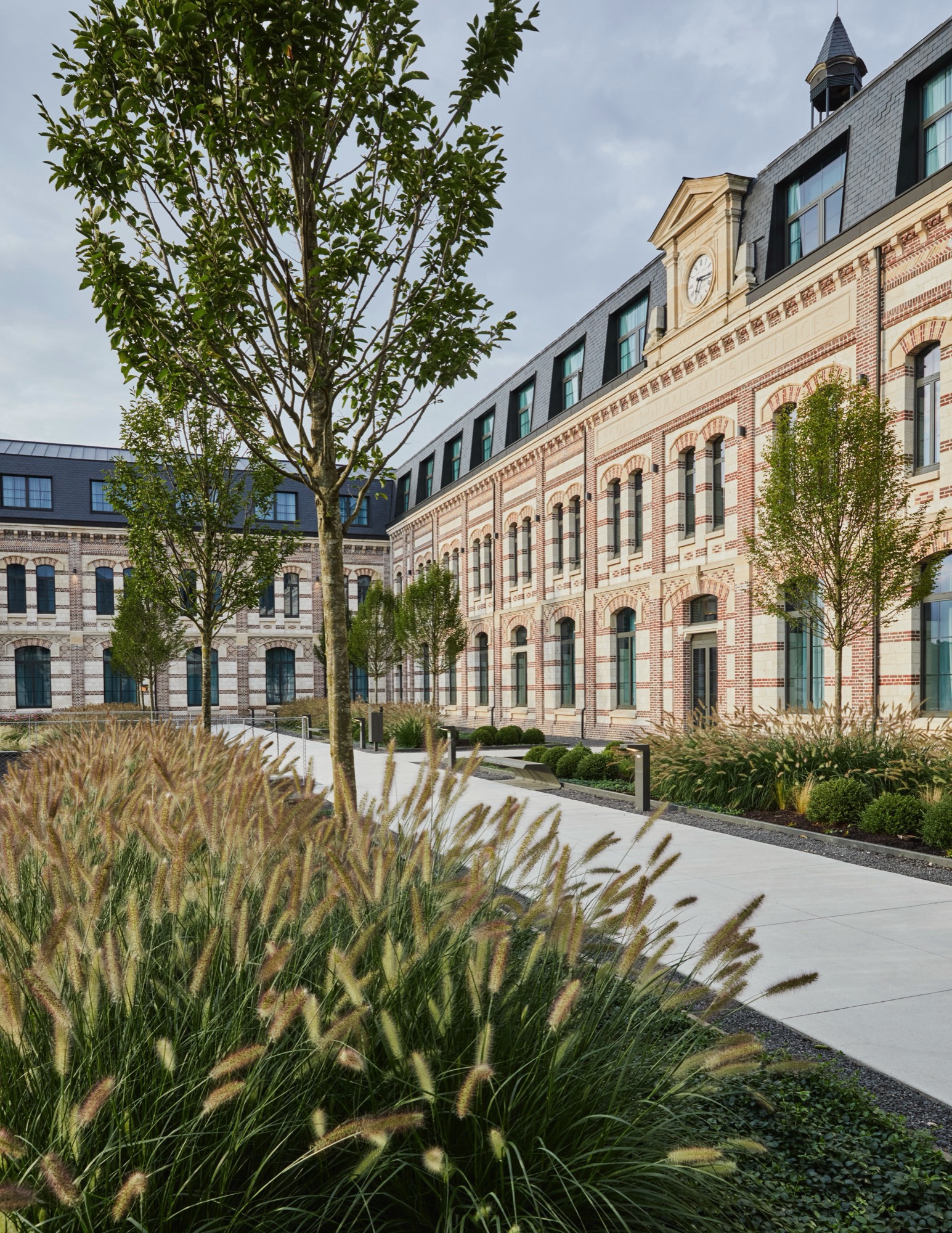
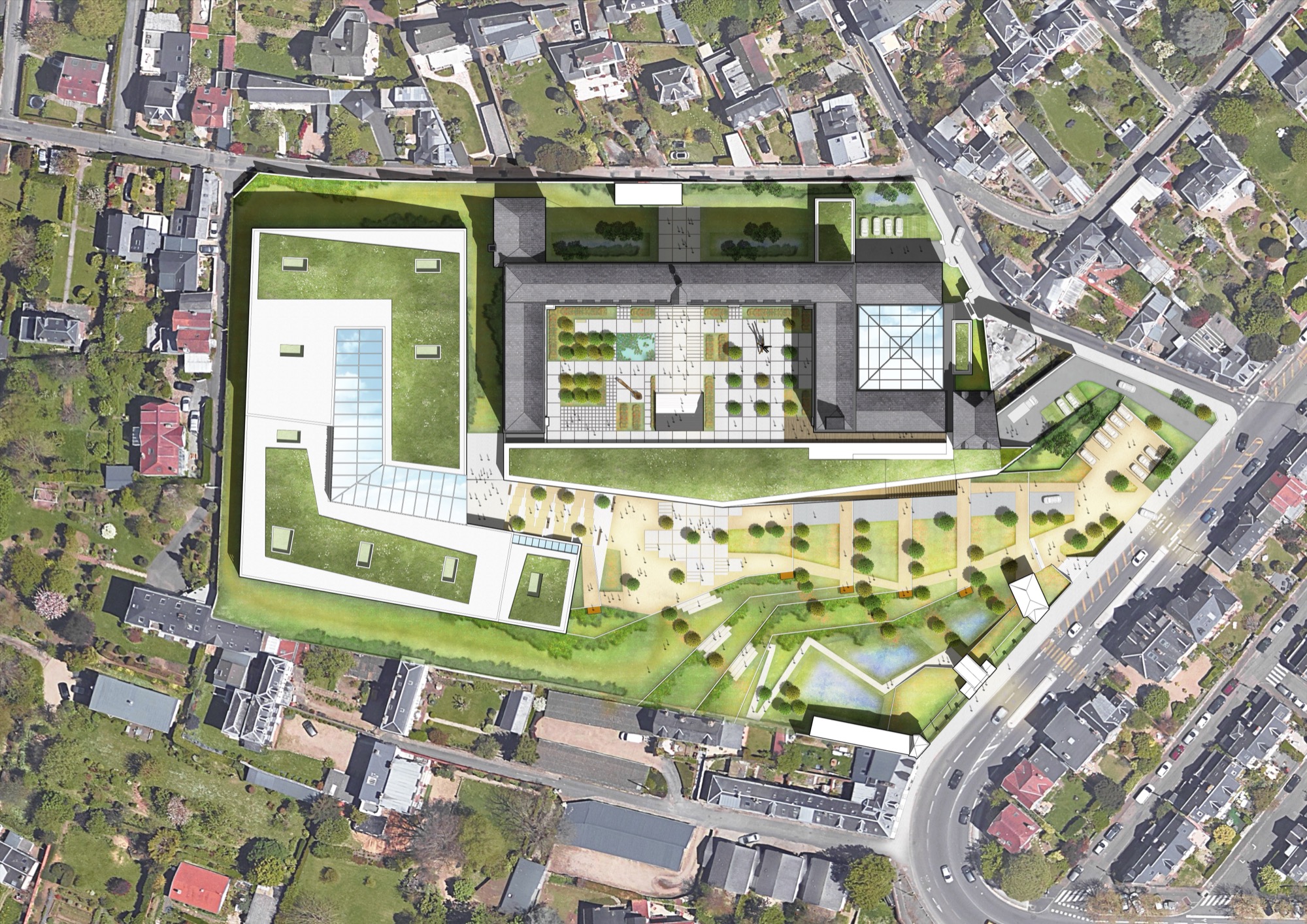
The architecture embraces the site’s gradient through elongated lines and subtle folds that frame the former school without ever overshadowing it. The 8,000-square-meter hotel is inserted horizontally into the slope with great discretion toward the historic building and neighboring structures. Its vast central atrium brings generous natural light deep into the office floors, encouraging interaction through a system of open staircases and walkways. This interior organization extends the landscape logic: fluid circulation, intersecting views, and spatial continuity.
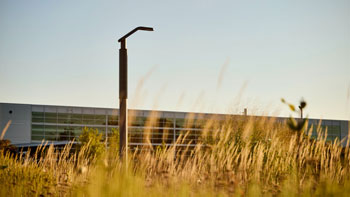
The hotel’s extension, housing the common areas, unfolds like a horizontal ribbon. It appears to slot in, like a precise blade, into the foundations of the existing structure. The 187-space parking facility, entirely underground, frees the ground plane from vehicular presence and allows the landscape to fully express itself. This strategic choice reflects a sensitive, compact, and understated approach, where visual impact is carefully controlled in favor of high-quality outdoor spaces.
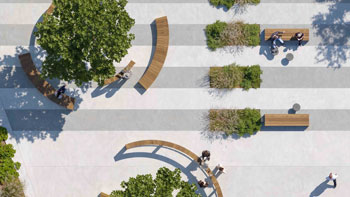
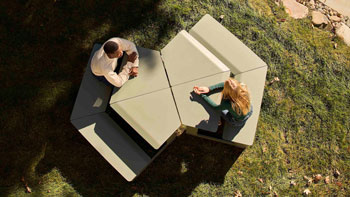
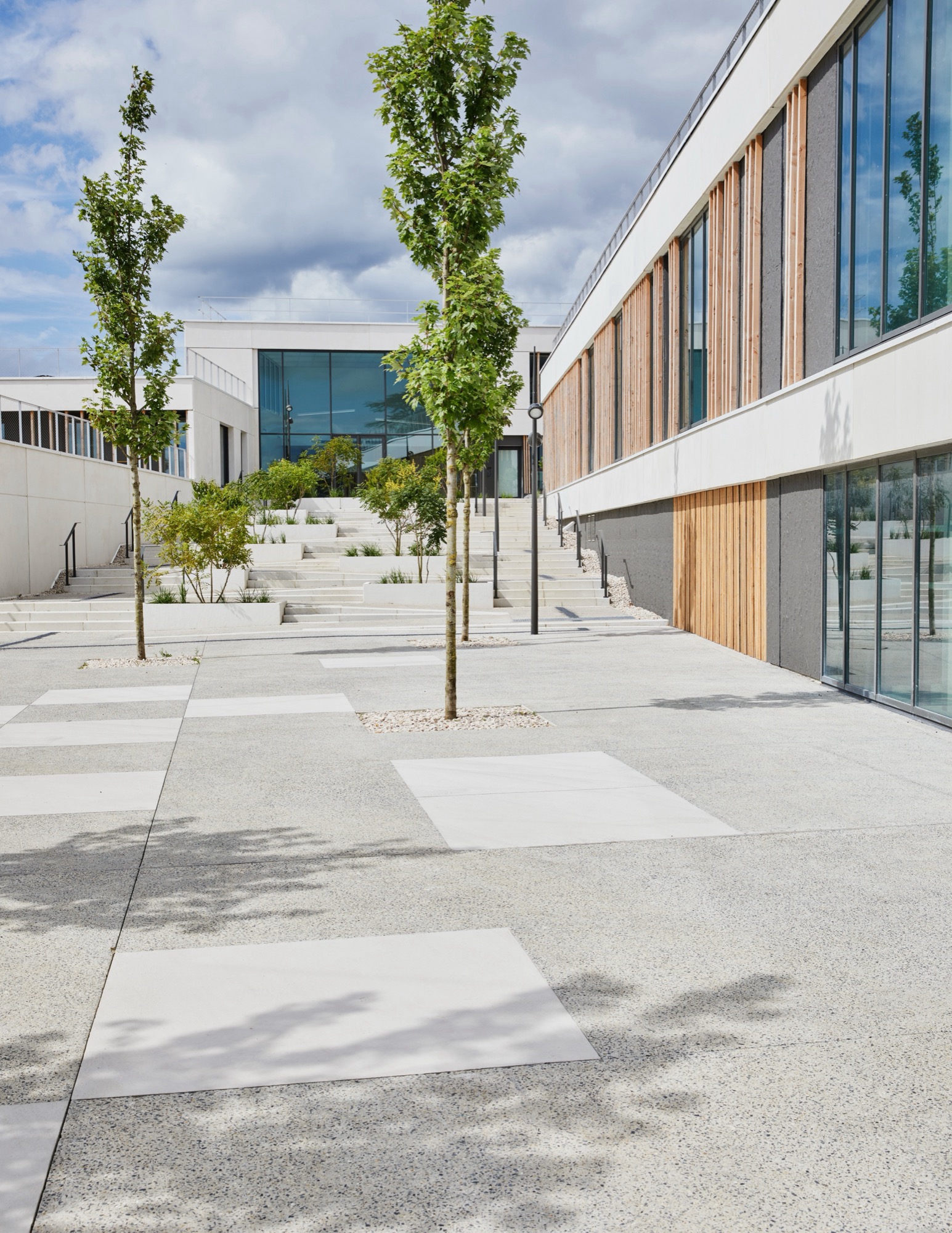
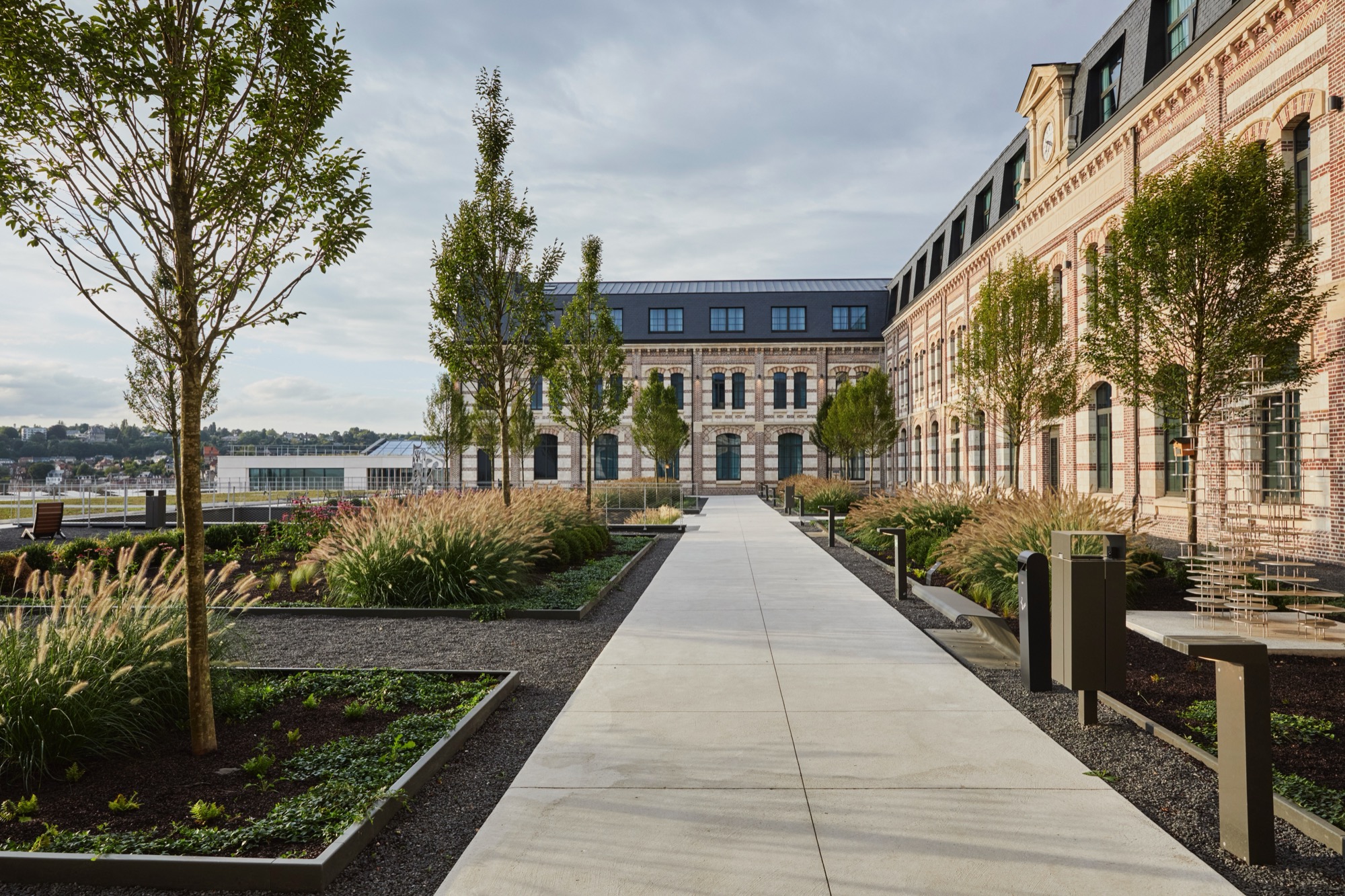
Thus cleared, the heart of the project hosts a “Garden of Art,” a true central clearing that connects the various programmatic elements. Below, a vast urban park unfolds through a terraced design blending mineral and vegetal elements. Planted terraces, gentle ramps, and landscaped belvederes naturally link the site’s different levels. Pathways follow the slope, multiply viewpoints, and invite calm wandering.
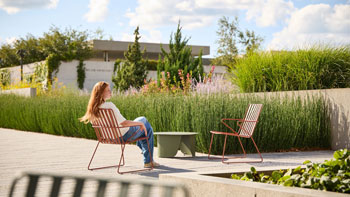
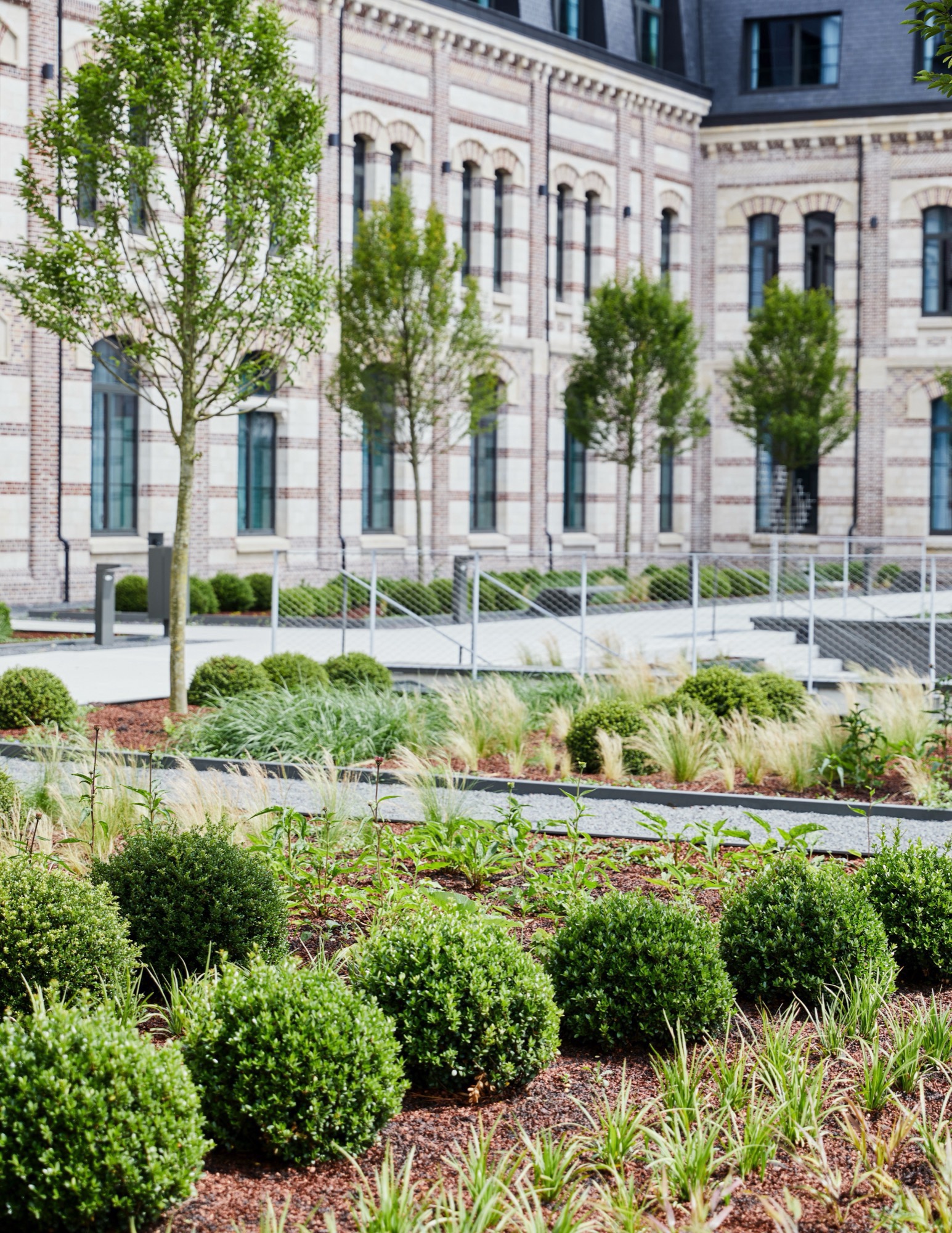
A contemporary planting framework envelops the restored structure. The deliberately restrained and local palette combines shade trees, flowering beds, and herbaceous layers to recreate a natural atmosphere while enhancing biodiversity. Landscaped swales and permeable surfaces ensure integrated stormwater management, transforming technical systems into defining elements of the landscape. Ecology is not an addition; it structures the composition.
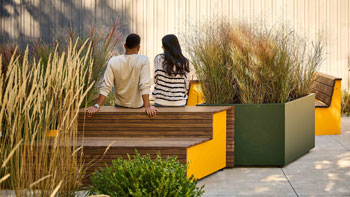
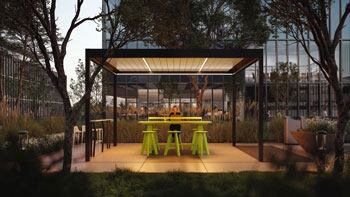
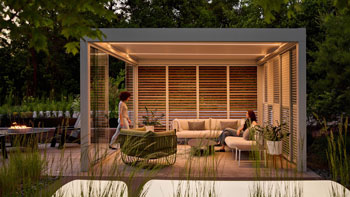
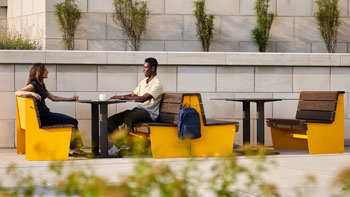
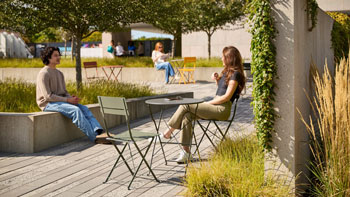
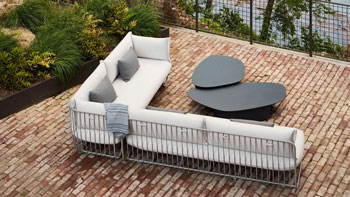
The outdoor spaces extend the hotel’s uses: dining terraces, relaxation gardens, and shaded paths create a sensory setting conducive to well-being. Within the building itself, the original generous ceiling heights of the rooms have been preserved, while the interior design subtly evokes the history of the women teachers who once occupied the premises. Past and present blend naturally, as in the dialogue established between restored architecture and reimagined landscape.
Through this intervention, the project is truly one of regeneration. This emblematic site of the Rouen metropolitan area is reborn in a form both accomplished and unexpected. Architecture and landscape together construct a contemporary genius loci: vegetation becomes a compositional material, a mediator between heritage and modernity, between city and nature. The project does not juxtapose two disciplines; it asserts a unified vision in which landscape structures architecture and architecture reveals landscape, permanently anchoring this place within a new, open, and vibrant identity.
49.45403426666522, 1.0983908112816139
73559


LILA 2026 Sponsor