Kìwekì Point
jrstudio.ca/
2026 Landscape and Architecture / 2026 Public Projects / Canada / Built in 2025 /

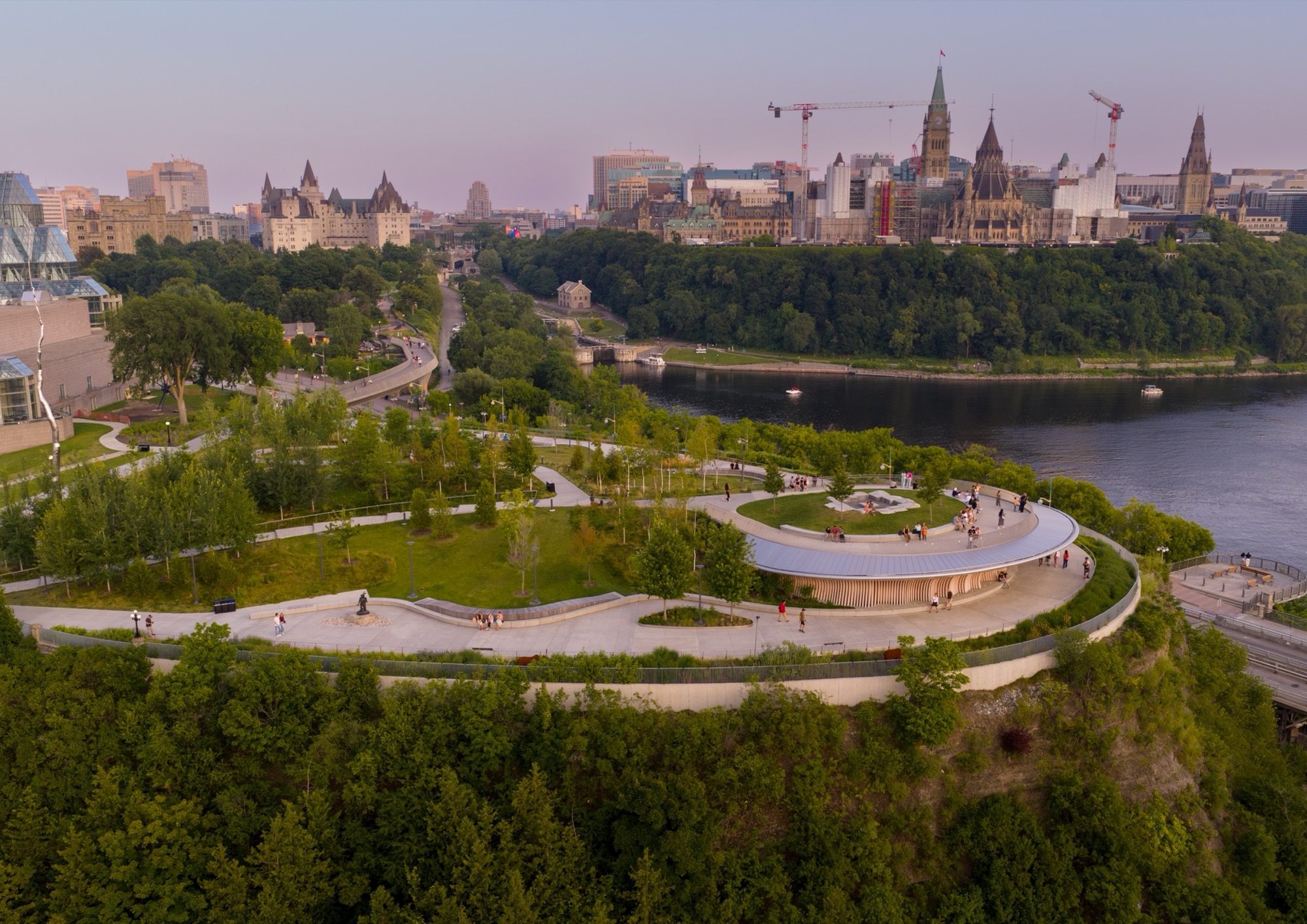
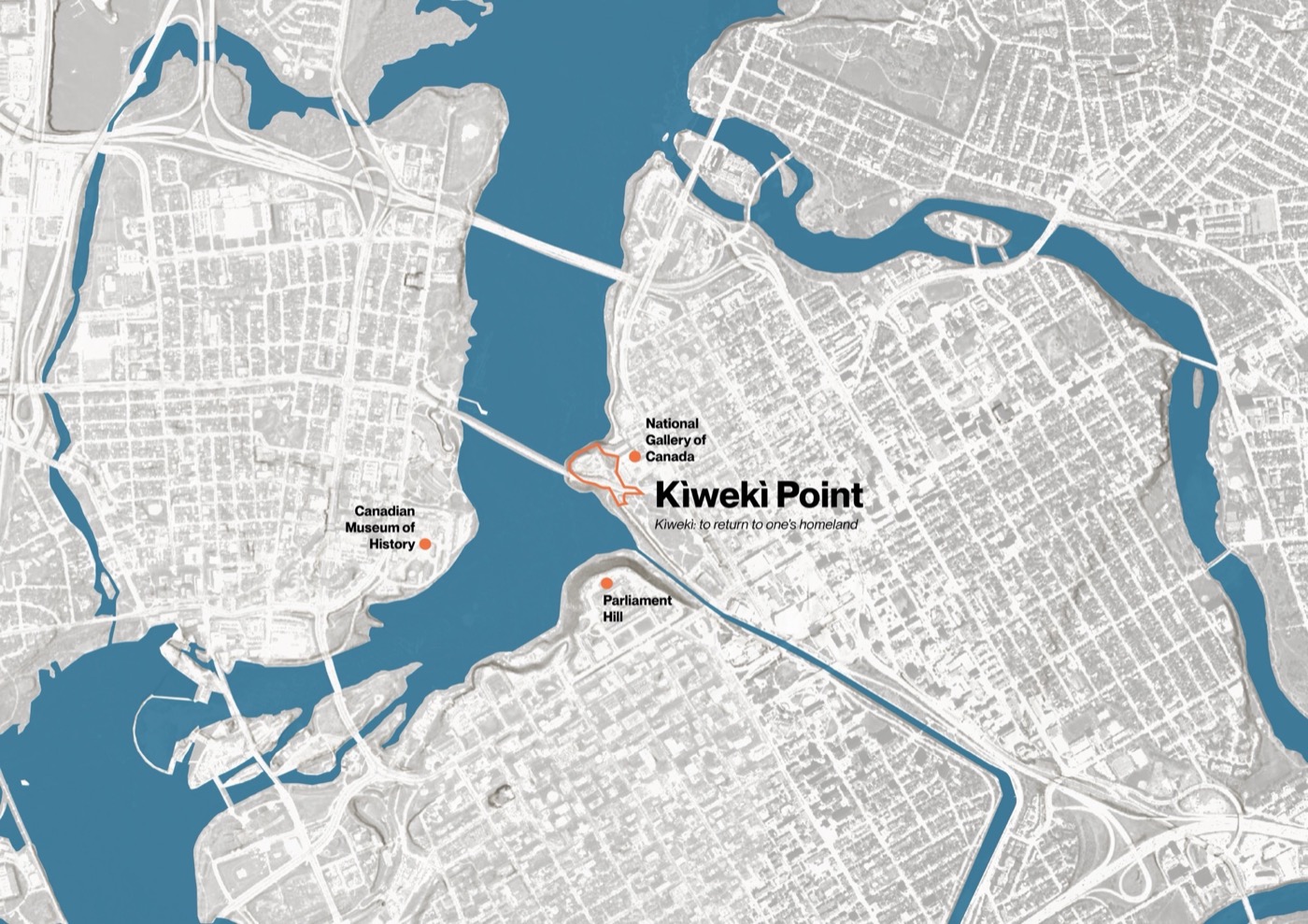
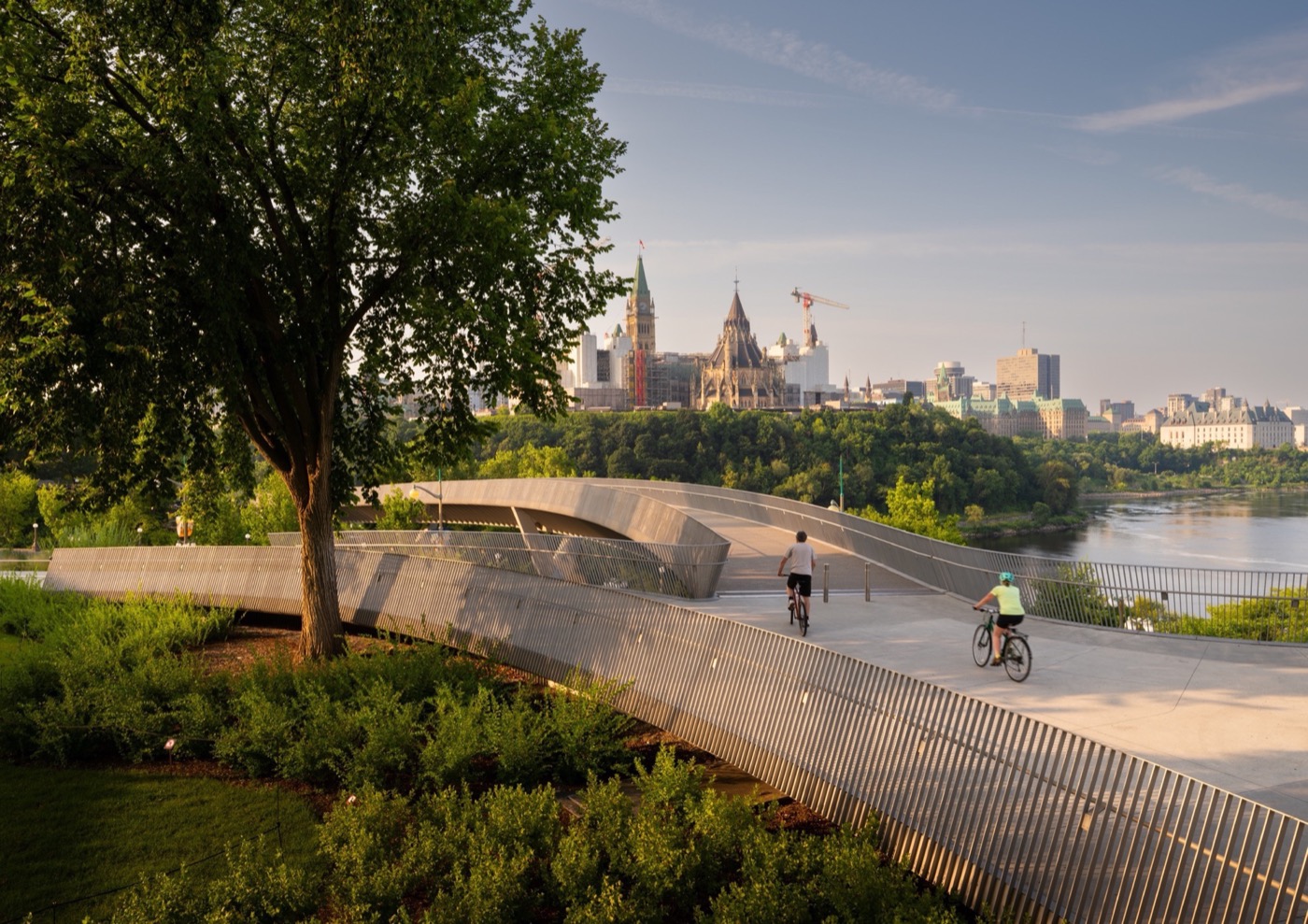
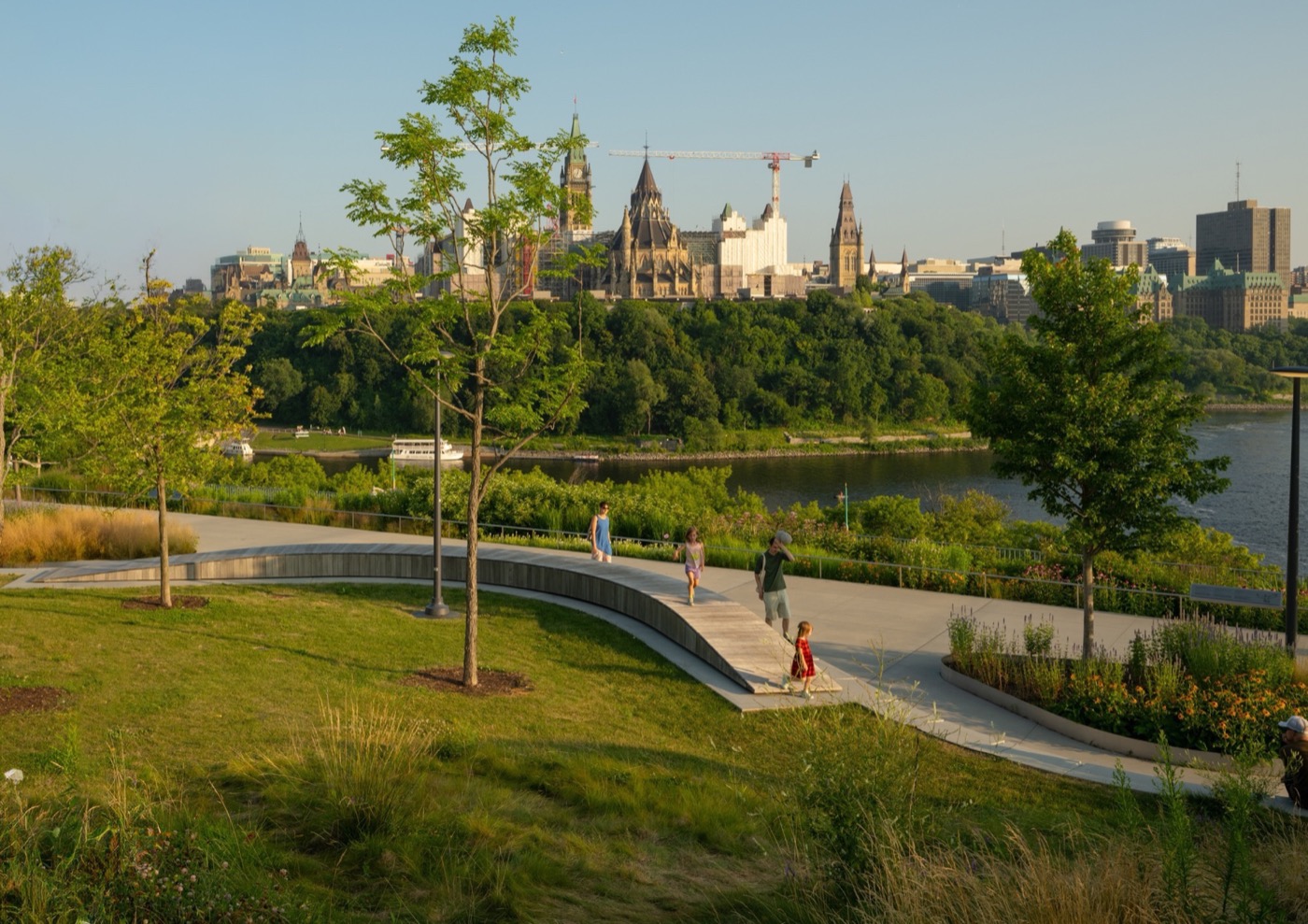
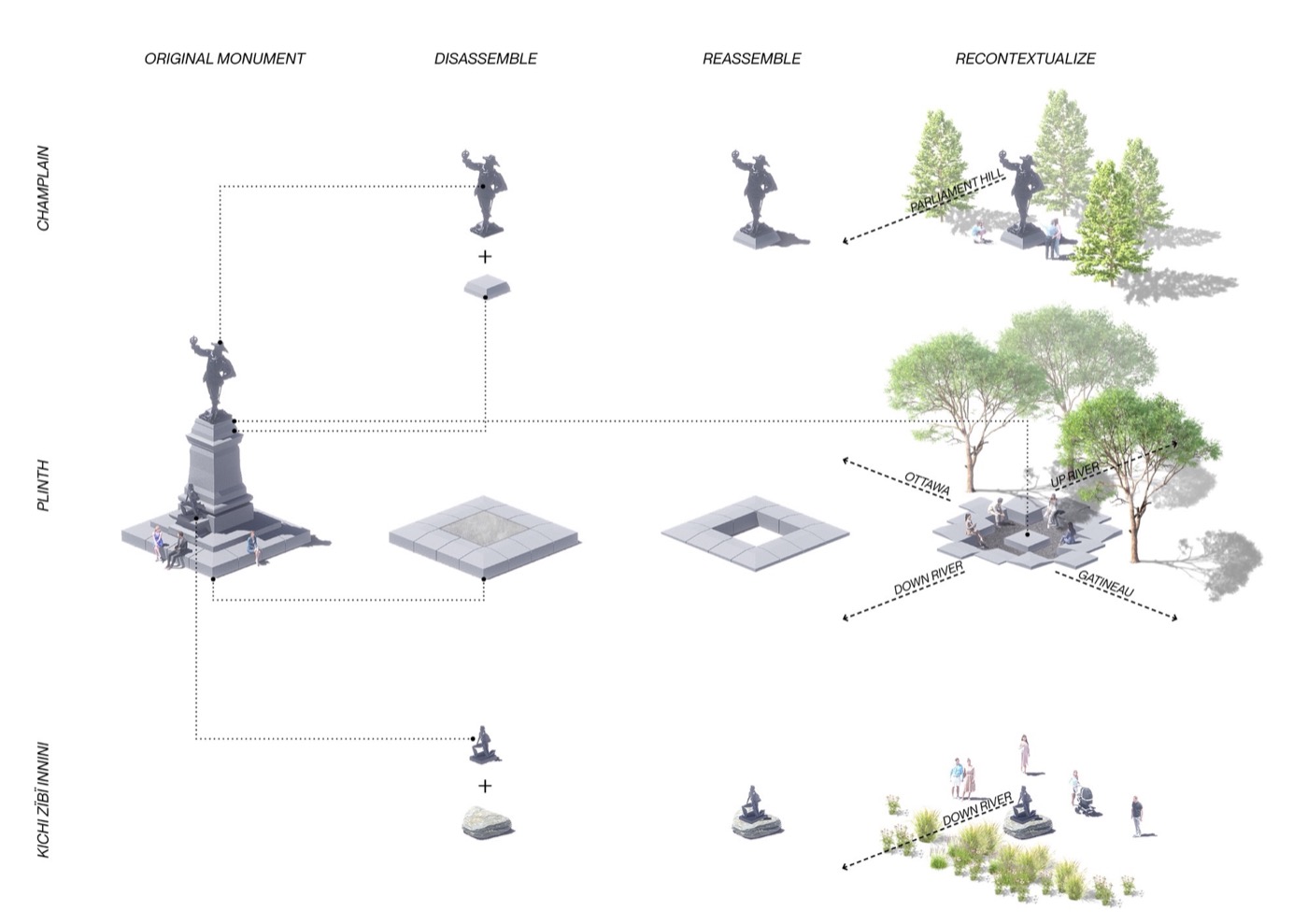
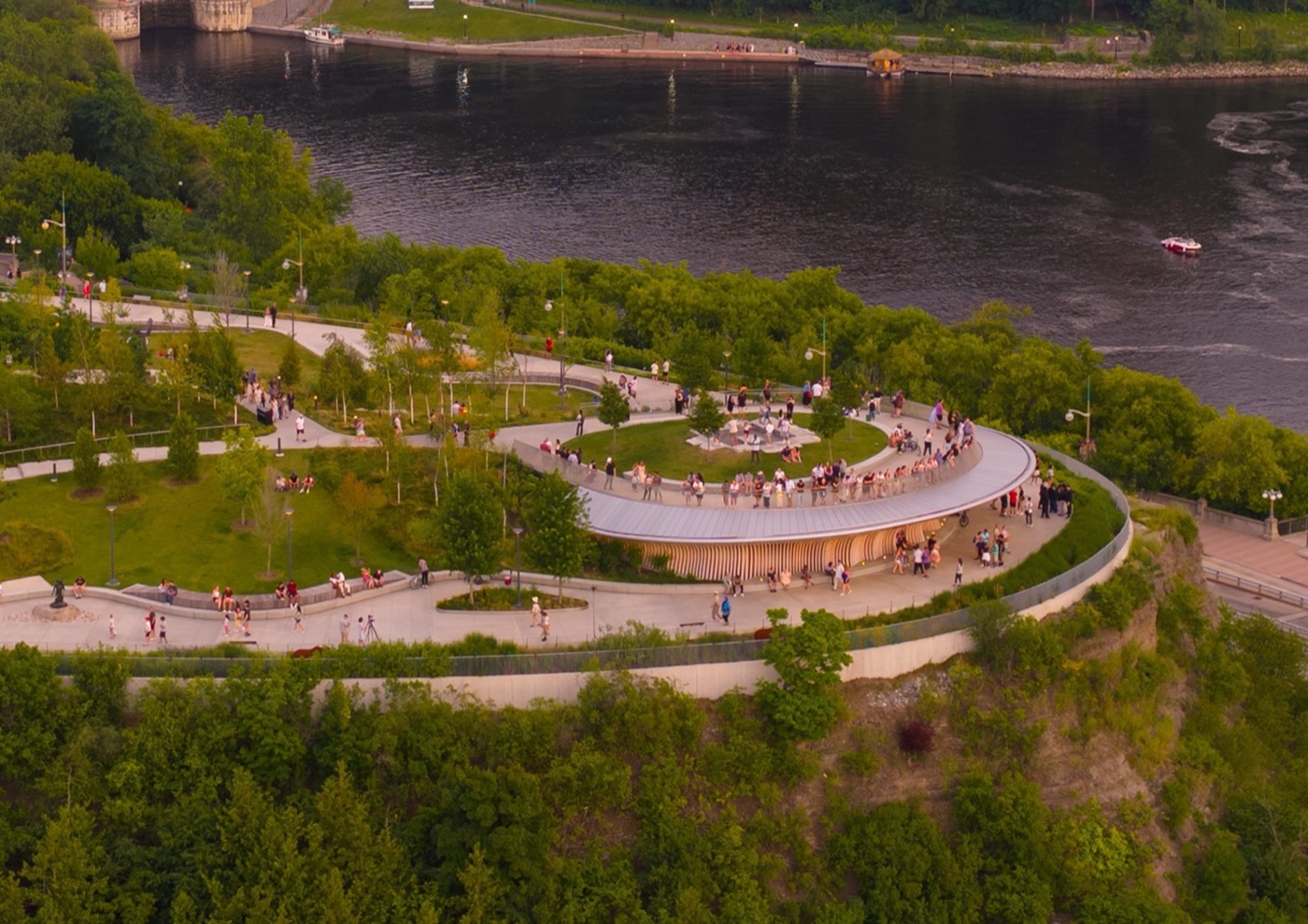
Kìwekì means “to return to one’s homeland” in Algonquin. Kìwekì Point challenges what it means to design a park in a nation’s capital, inviting visitors to return to the river and the land. Located on a promontory overlooking the Kichi Zibi (Ottawa River) across from Canada’s parliament buildings, the park is a sensory landscape that shifts attention to the Ottawa River valley. New landforms, pathways, and biodiverse plantings frame views, engage sound and scent, and create spaces for gathering and dialogue. The design recontextualizes two existing monuments in a broader landscape. Renamed by the host Anishinaabe Algonquin Nation, the park layers complex histories and restores Indigenous storytelling to the promontory through extensive engagement and reorientation towards the river.
Context
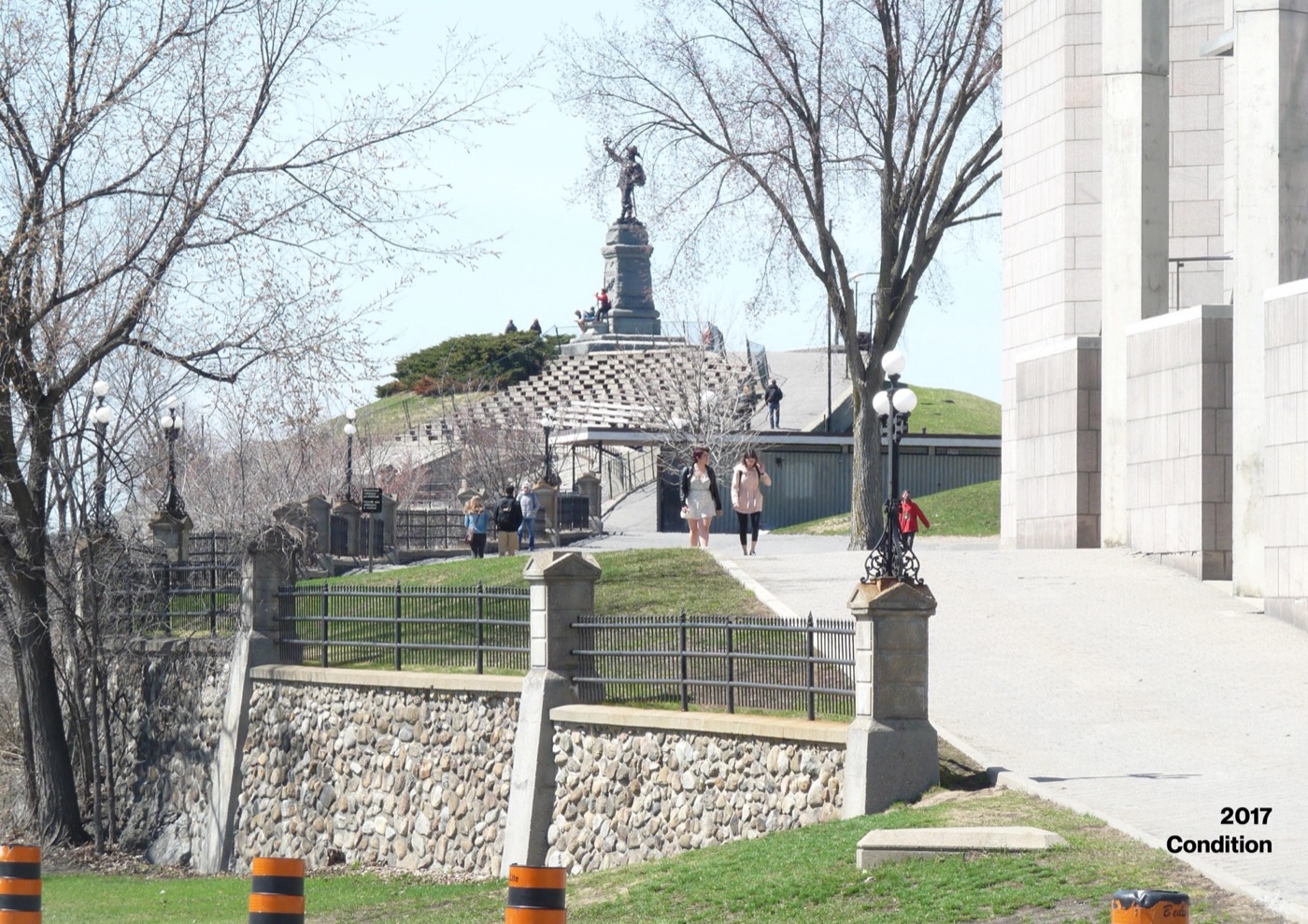
For over two decades, the site was underused and falling into disrepair. A steep, vehicle-oriented entrance severed the park from Ottawa’s public space network. A controversial monument to Samuel de Champlain visually dominated the lawn, asserting a single national narrative.
In 2017, Canada’s National Capital Commission identified the importance of the Kichi Zibi and the need to reposition the river in the cultural imagination. The river is a carrier of the region’s many stories. It is an ancient cultural landscape of commercial and cultural exchange, a means of connection, and a fluid entity with abundant life. Yet, as Canada formed into a nation, the river’s role as a border dividing French and English-speaking communities became dominant.
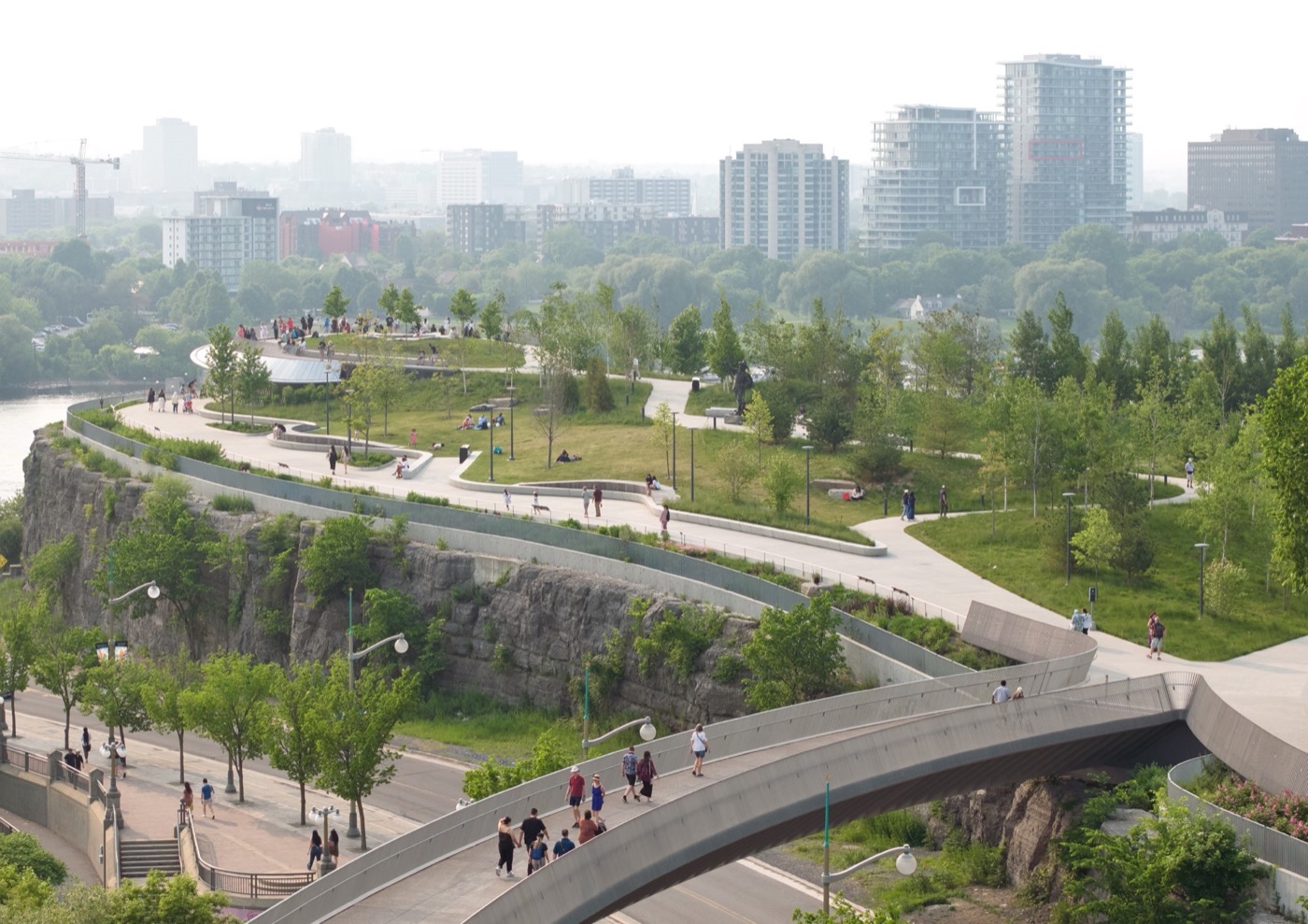
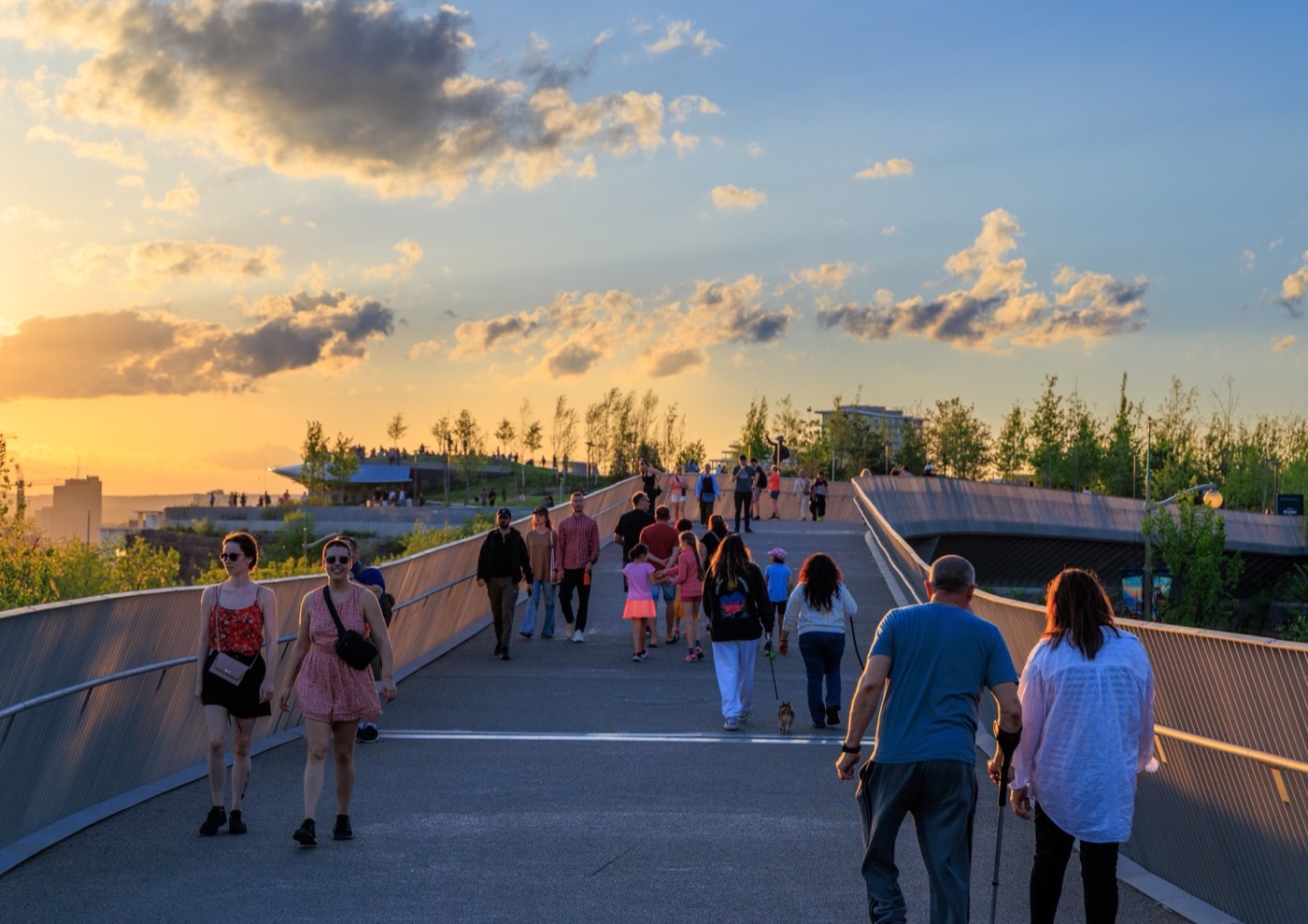
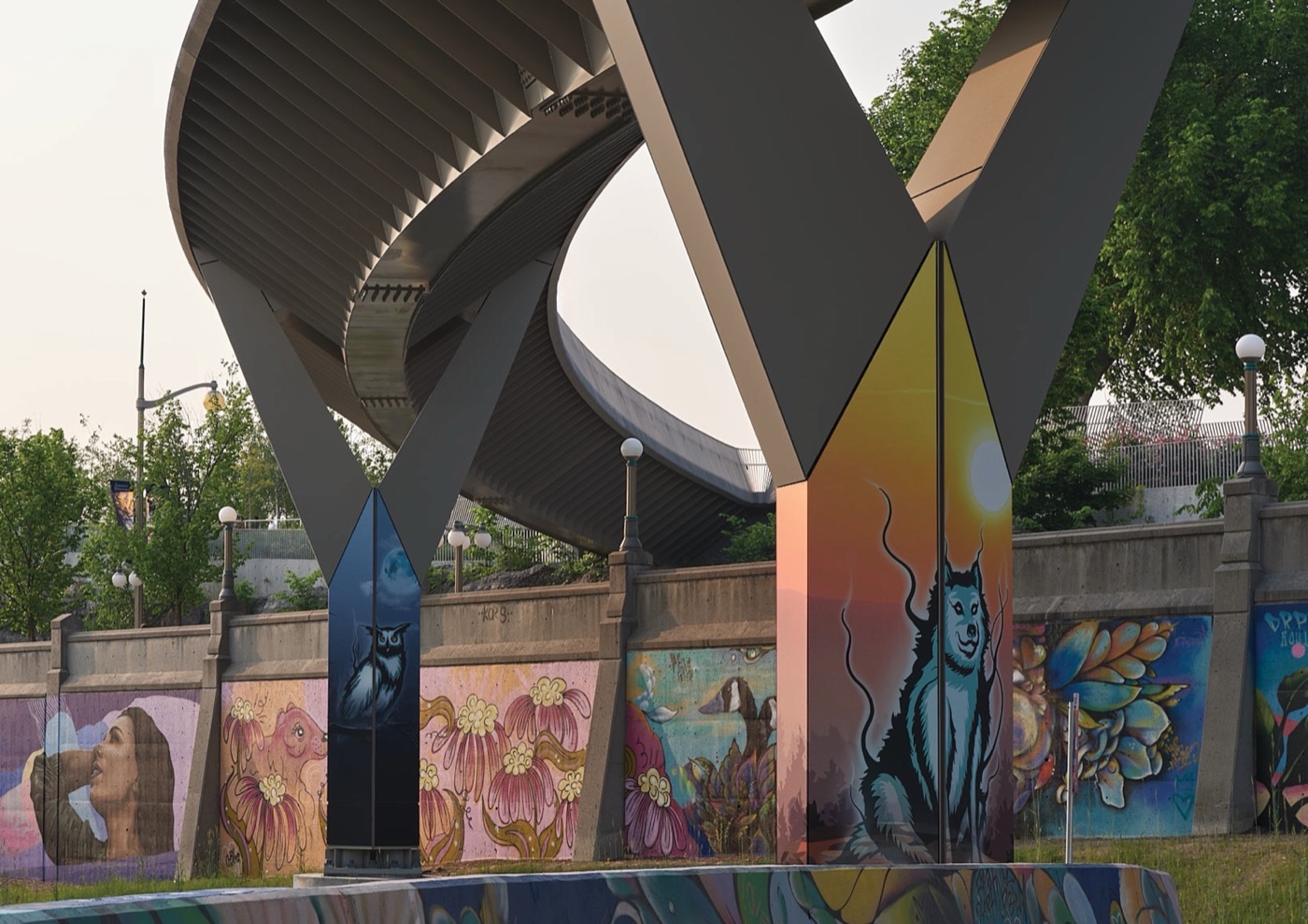
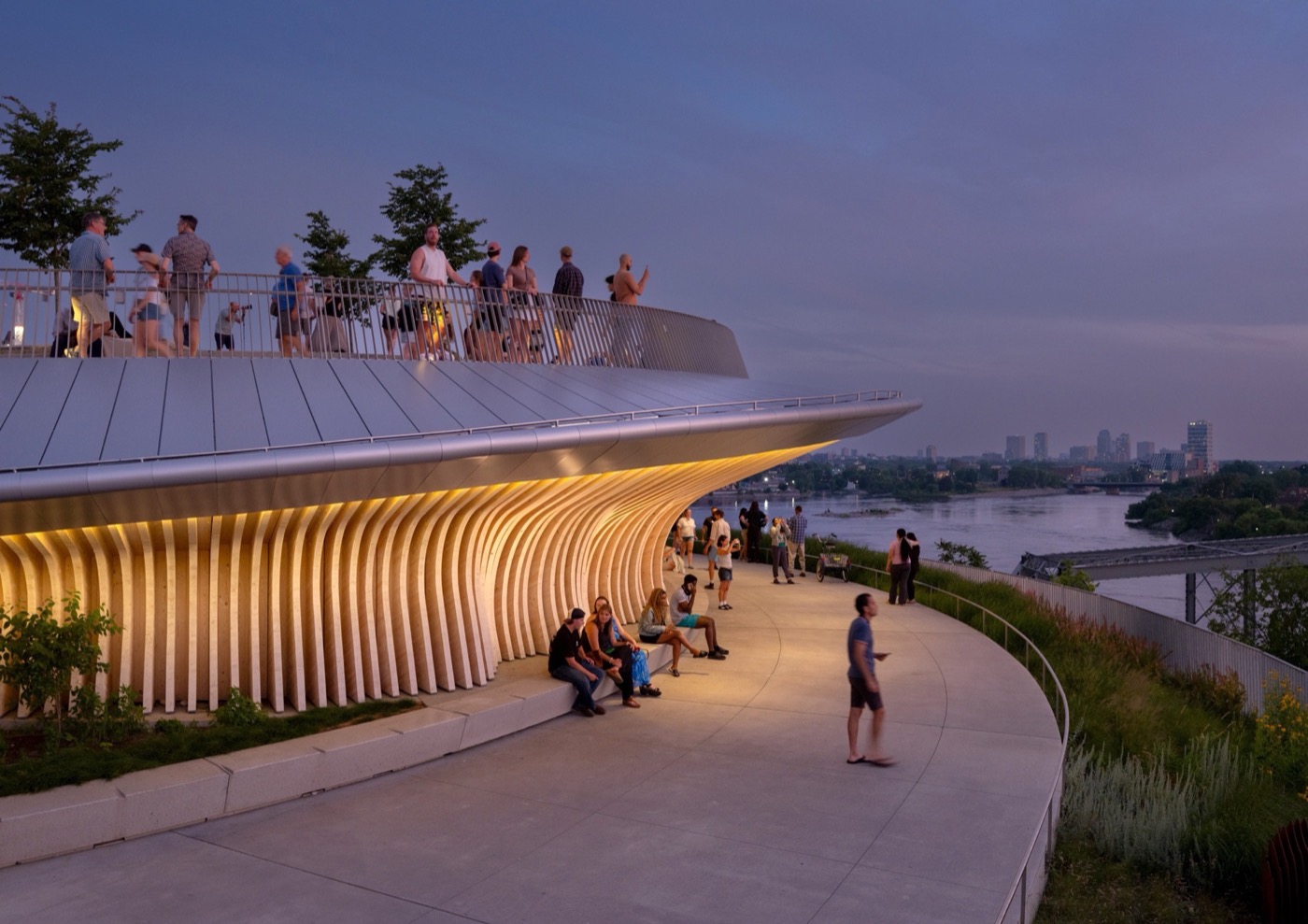
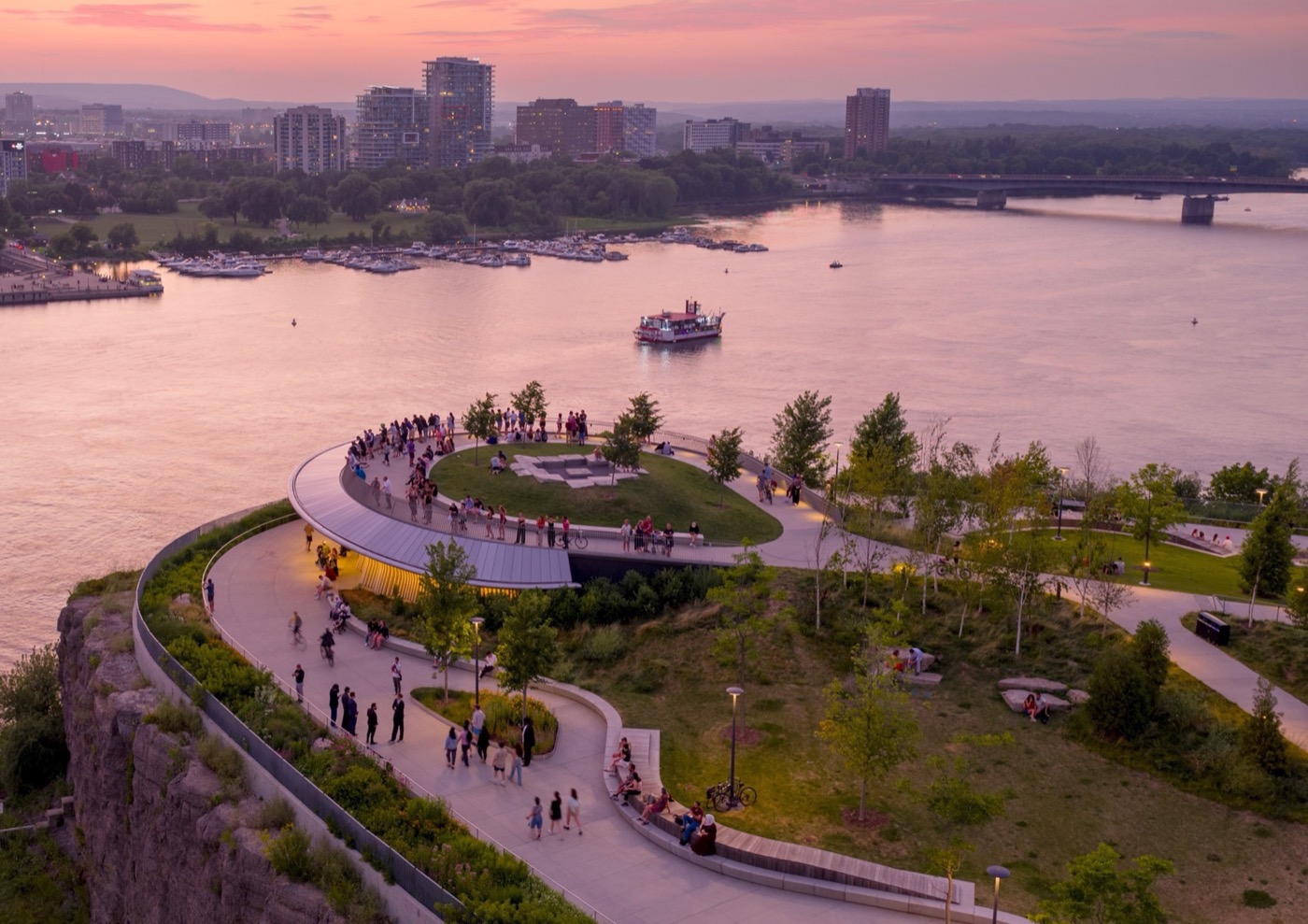
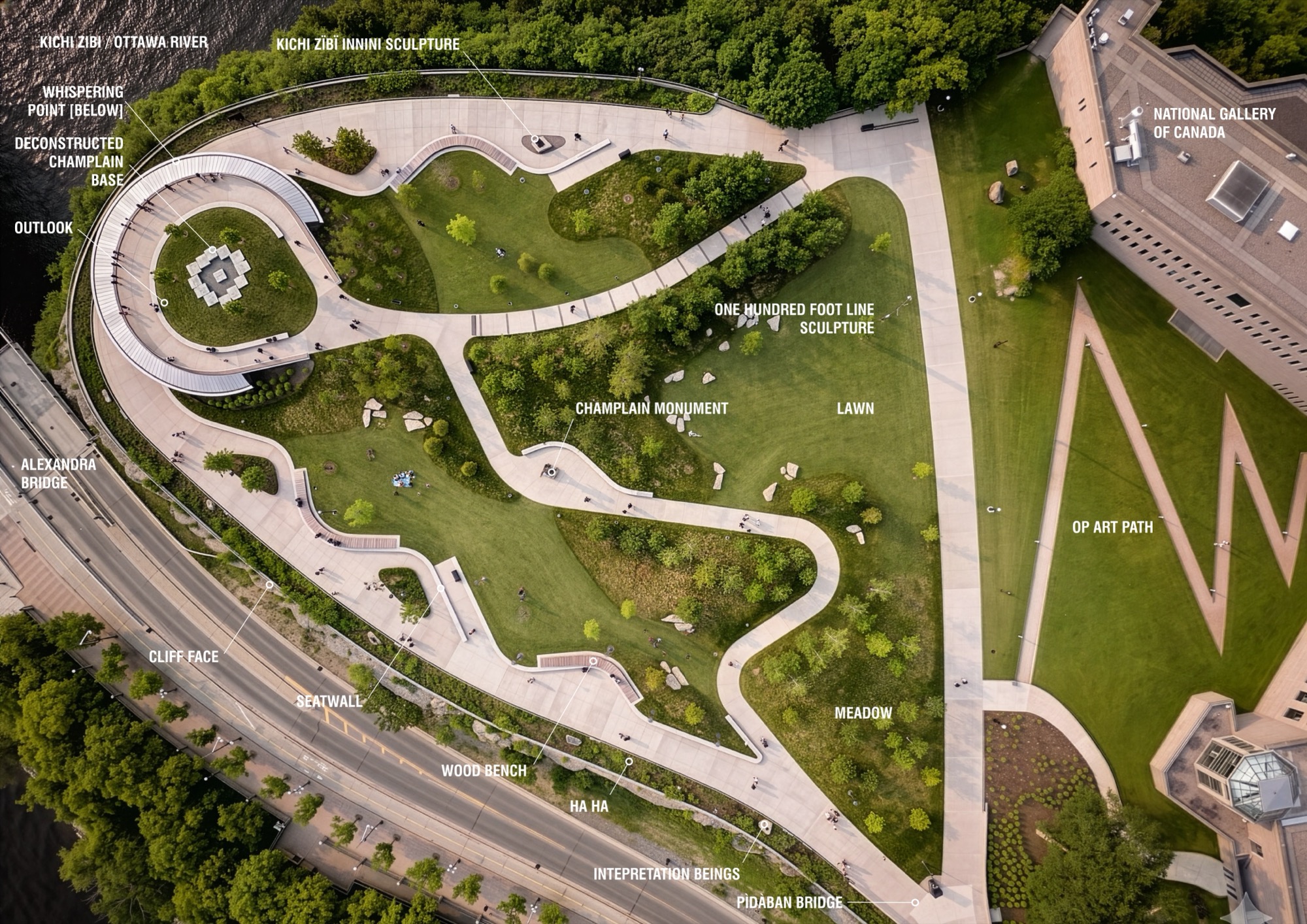
Kìwekì Point reasserts the many stories of the Kichi Zibi through close collaboration with Indigenous communities. Designed for year-round use, the park enhances biodiversity, manages stormwater, and reduces operational carbon through low-maintenance, drought-tolerant planting. The new Pìdàban Bridge establishes a critical pedestrian and cycling link to the regional open space network while navigating complex cliff conditions. At the promontory’s edge, Whispering Point, a sculptural pavilion of Alaskan Yellow Cedar, offers shelter and orients visitors toward the river.


Recentering Algonquin Narratives
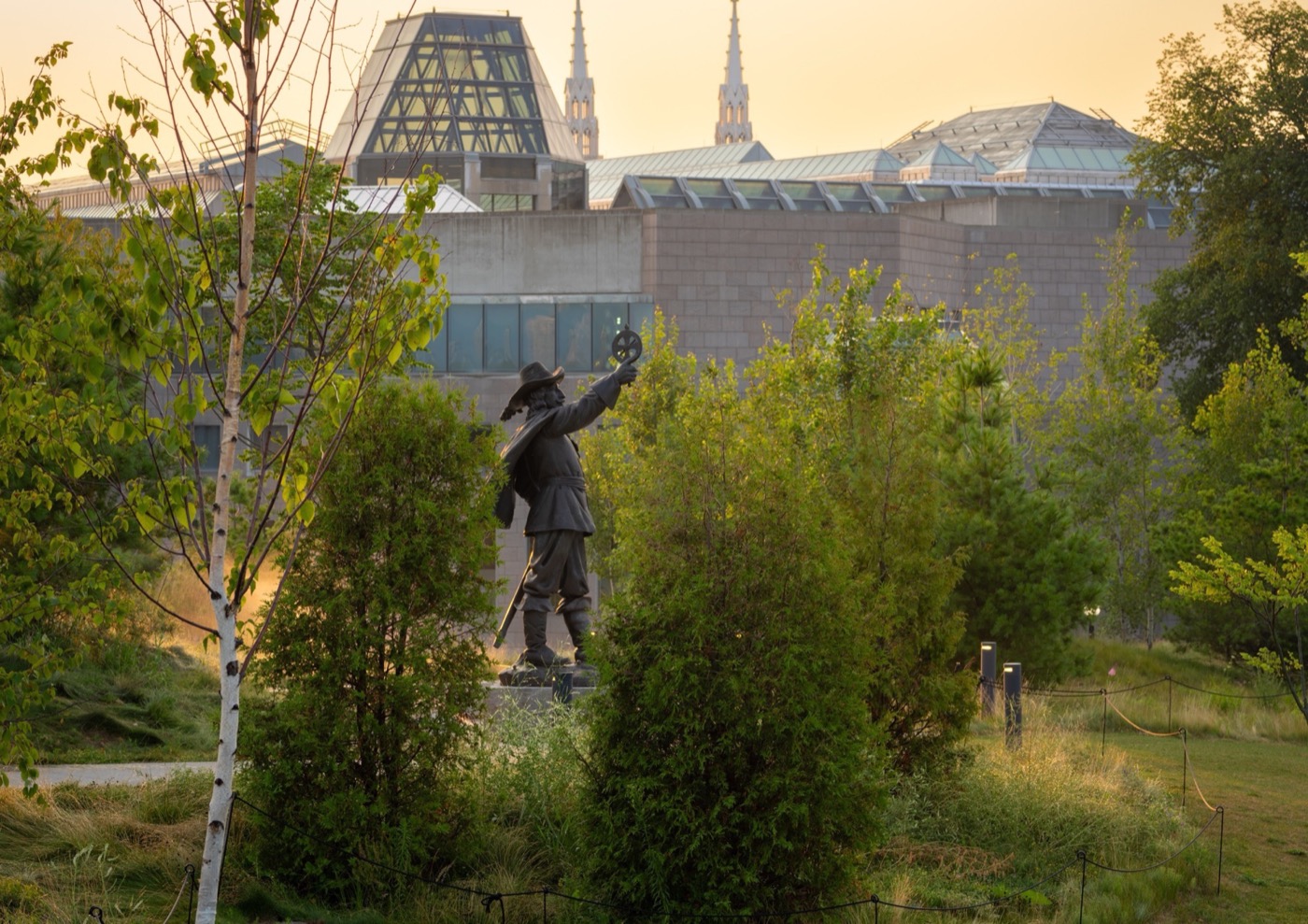
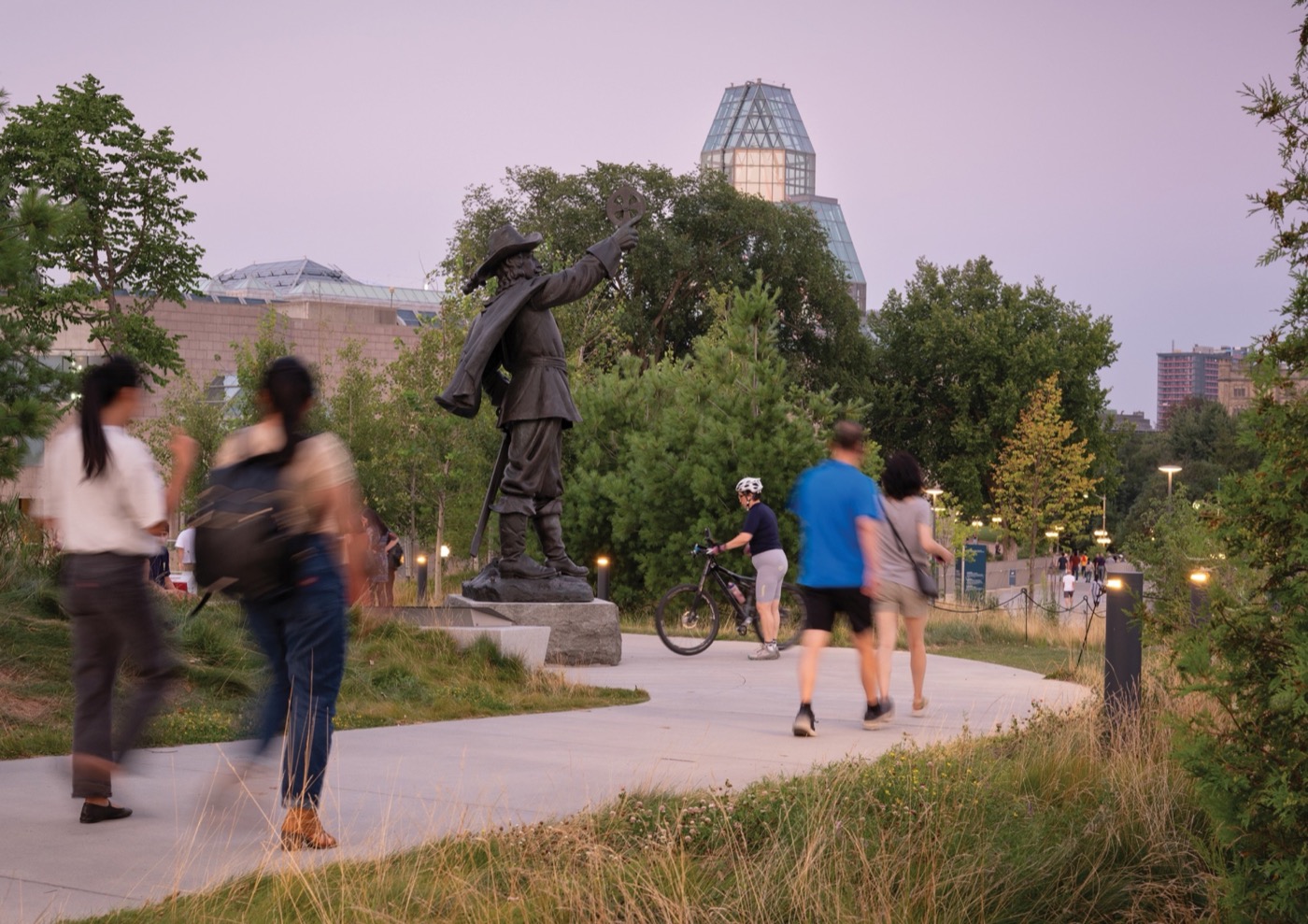
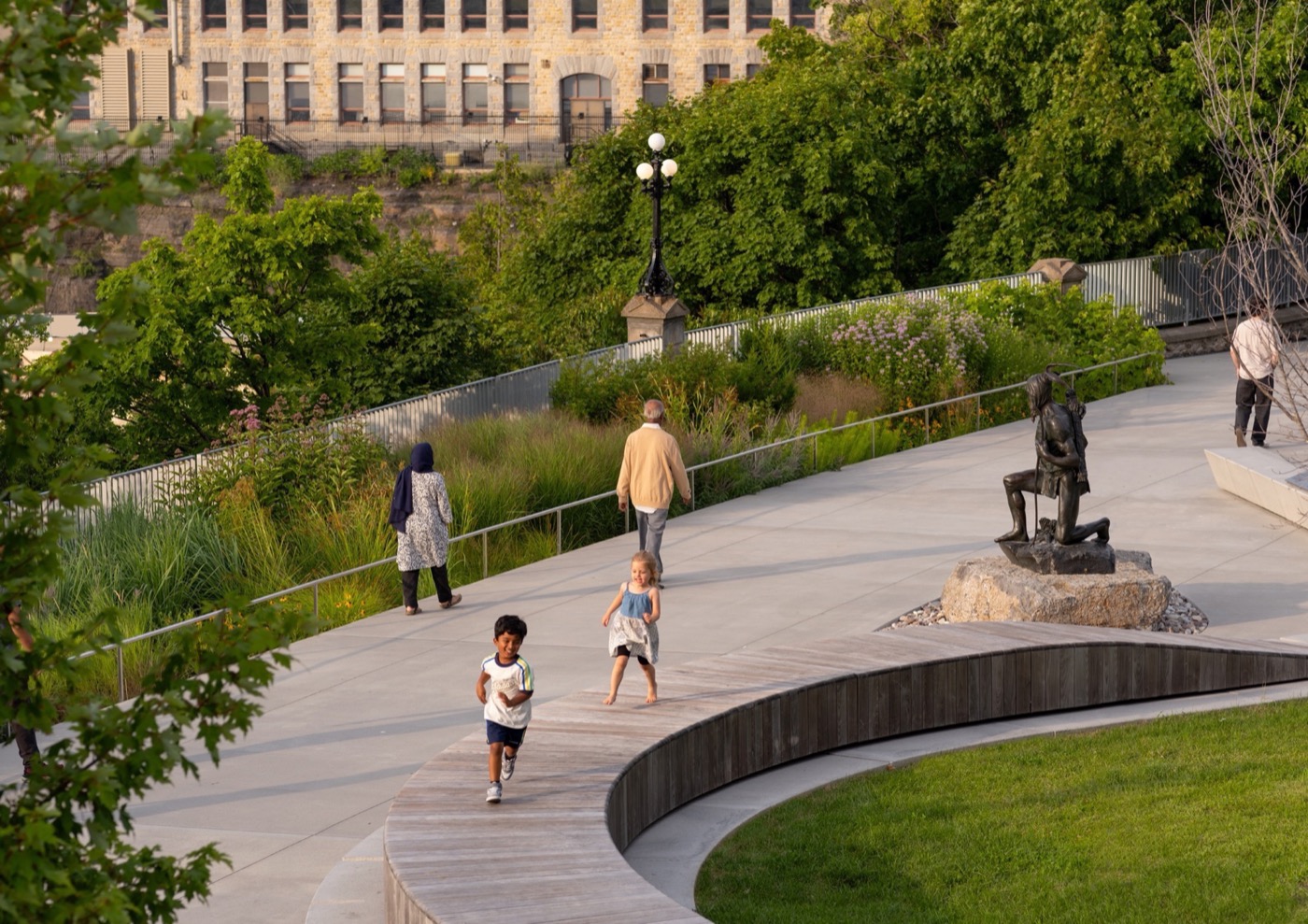
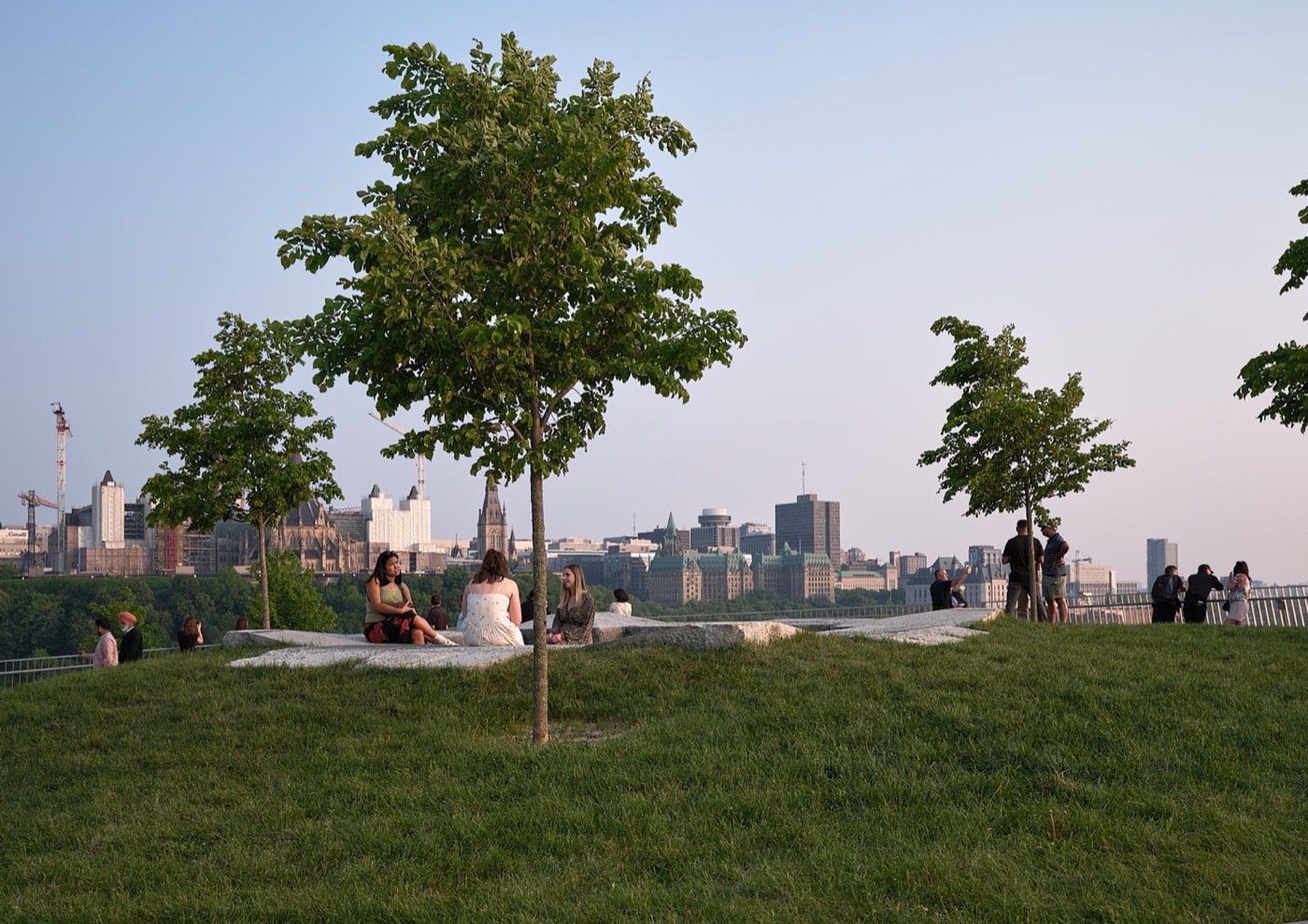
A new interpretive framework informing the design was developed in collaboration with the Algonquins of Pikwakanagan and Kitigan Zibi Anishinabeg. This engagement led to the renaming of the site Kìwekì Point (“to return to one’s homeland”), the bridge Pìdàban (“dawn”), and to the recontextualization of monuments. Through consultation, a statue called Kichi Zibi Innini (Anishinaabe Scout) was moved to a prominent location on site, looking towards the river. The Champlain monument was relocated to a white pine grove, reducing its visual dominance, in reference to diary accounts of Champlain’s first visit to the region. Its granite plinth was repurposed as seating on the upper promontory.
Cultures and Ecologies
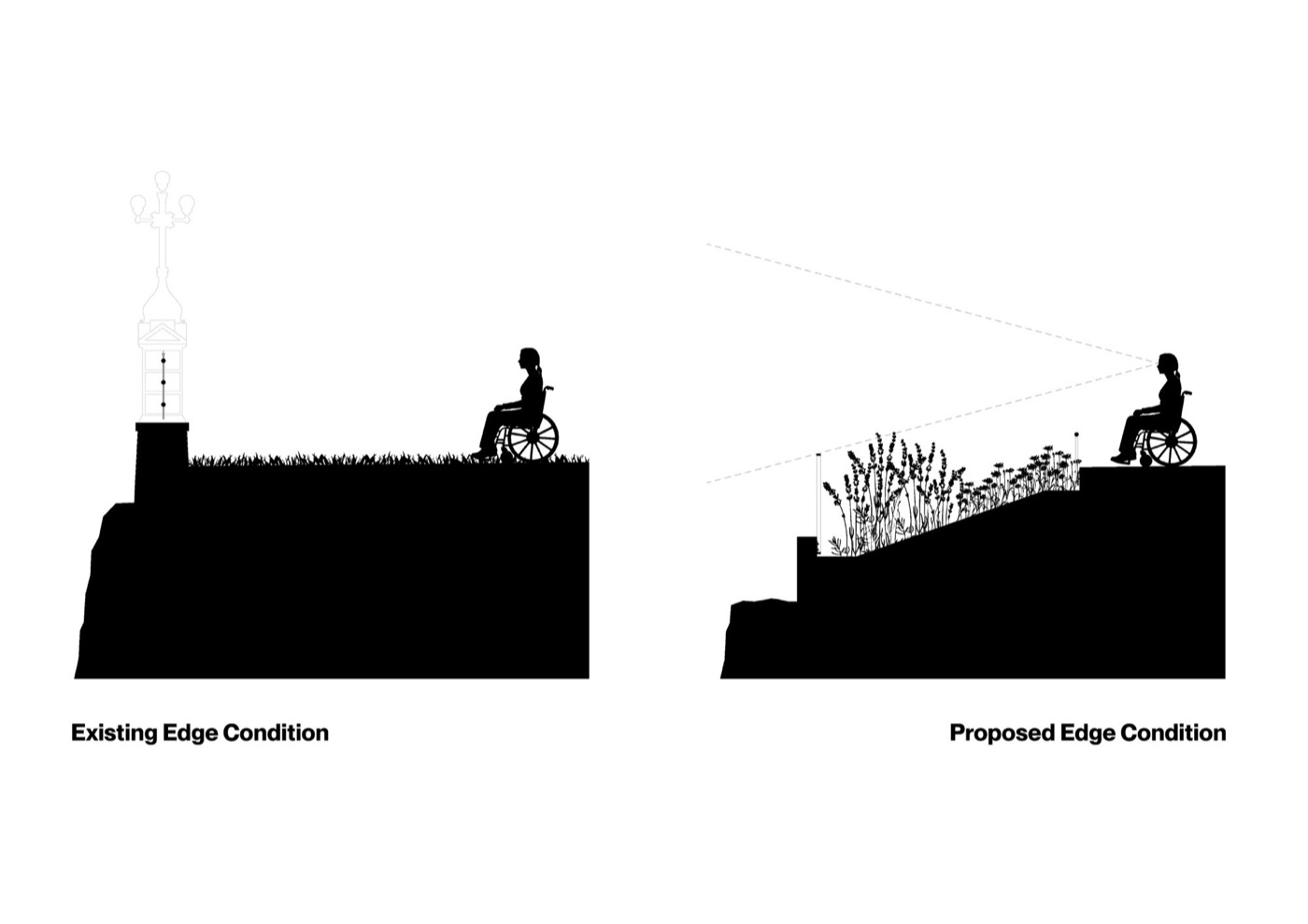
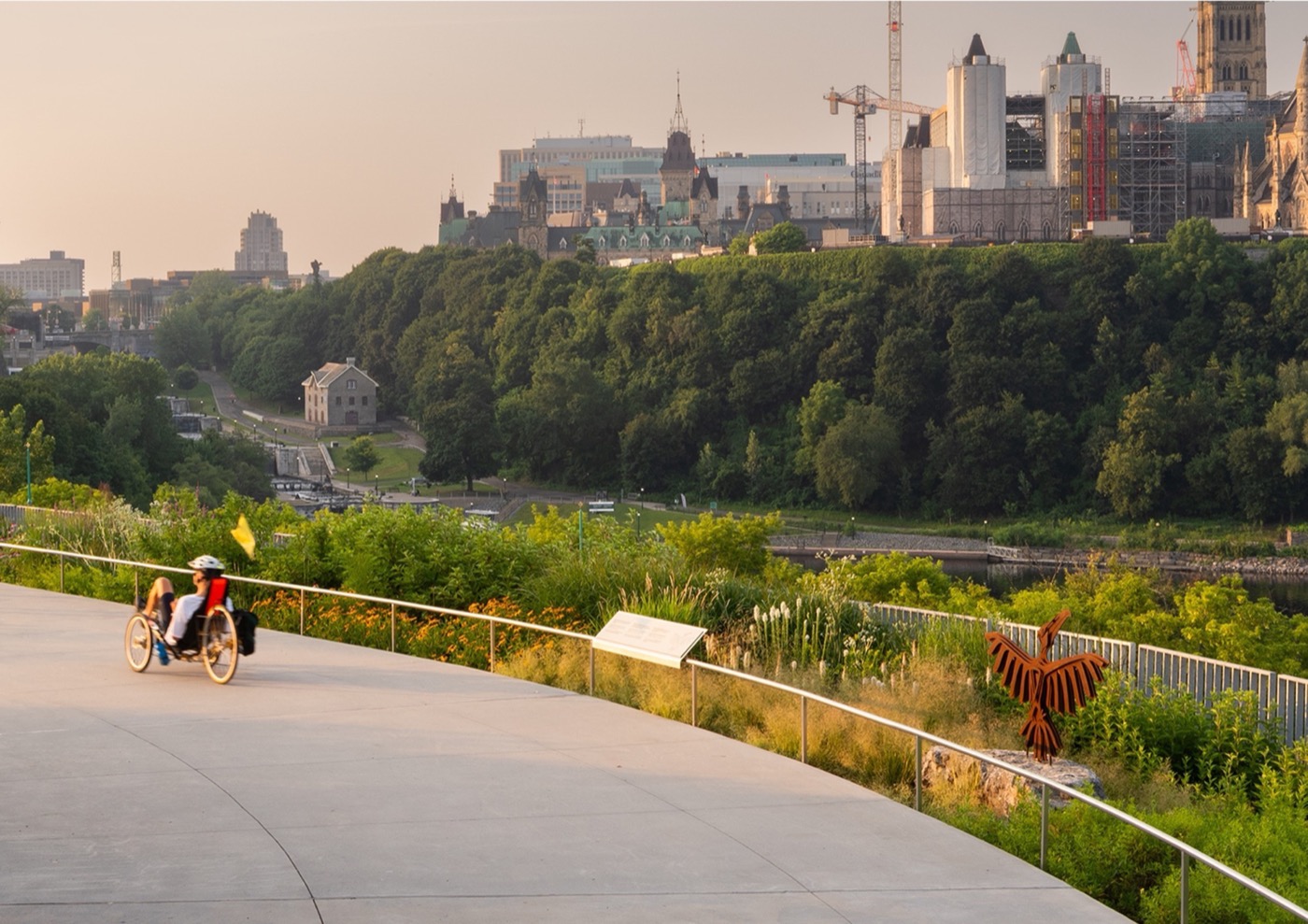
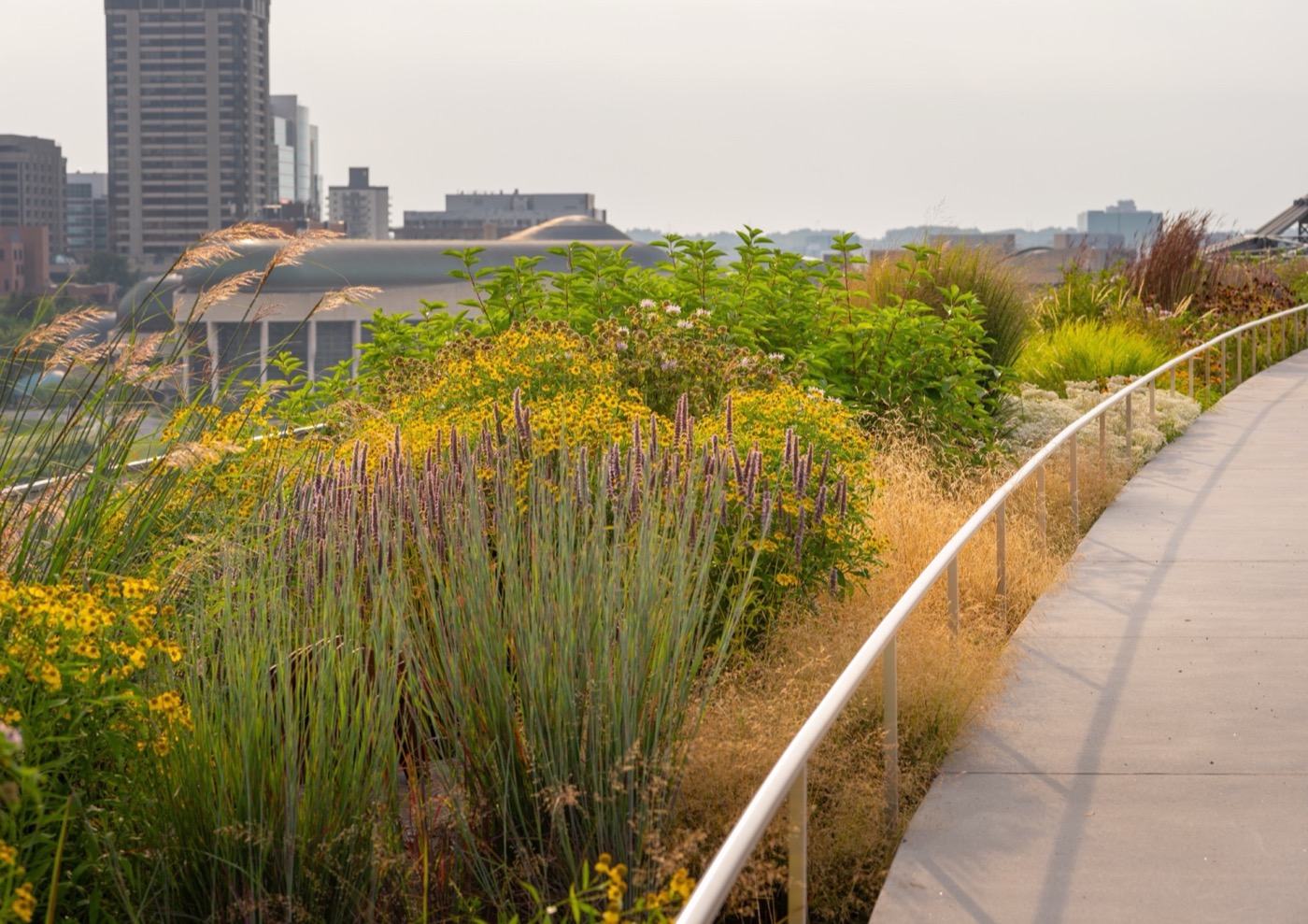
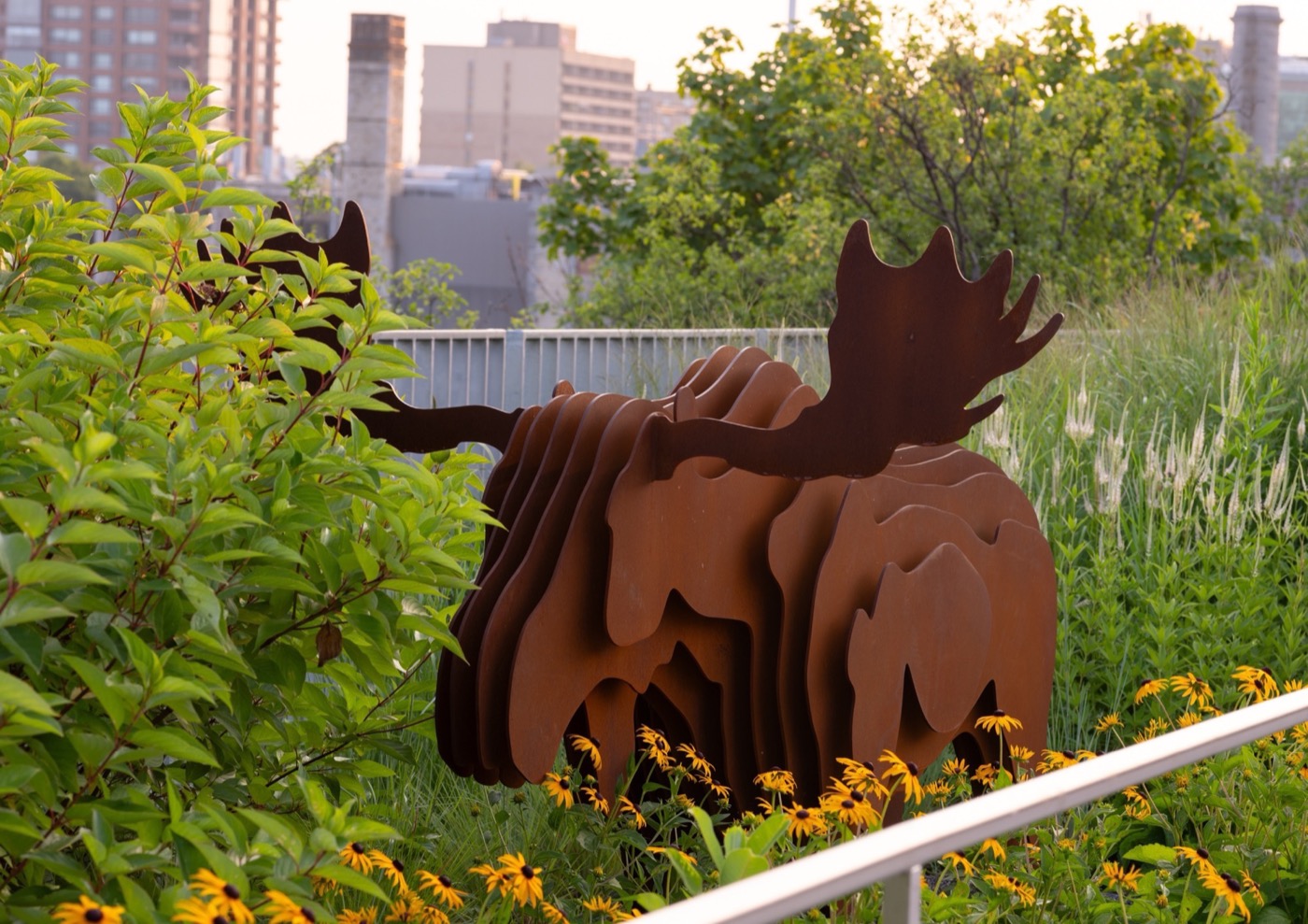
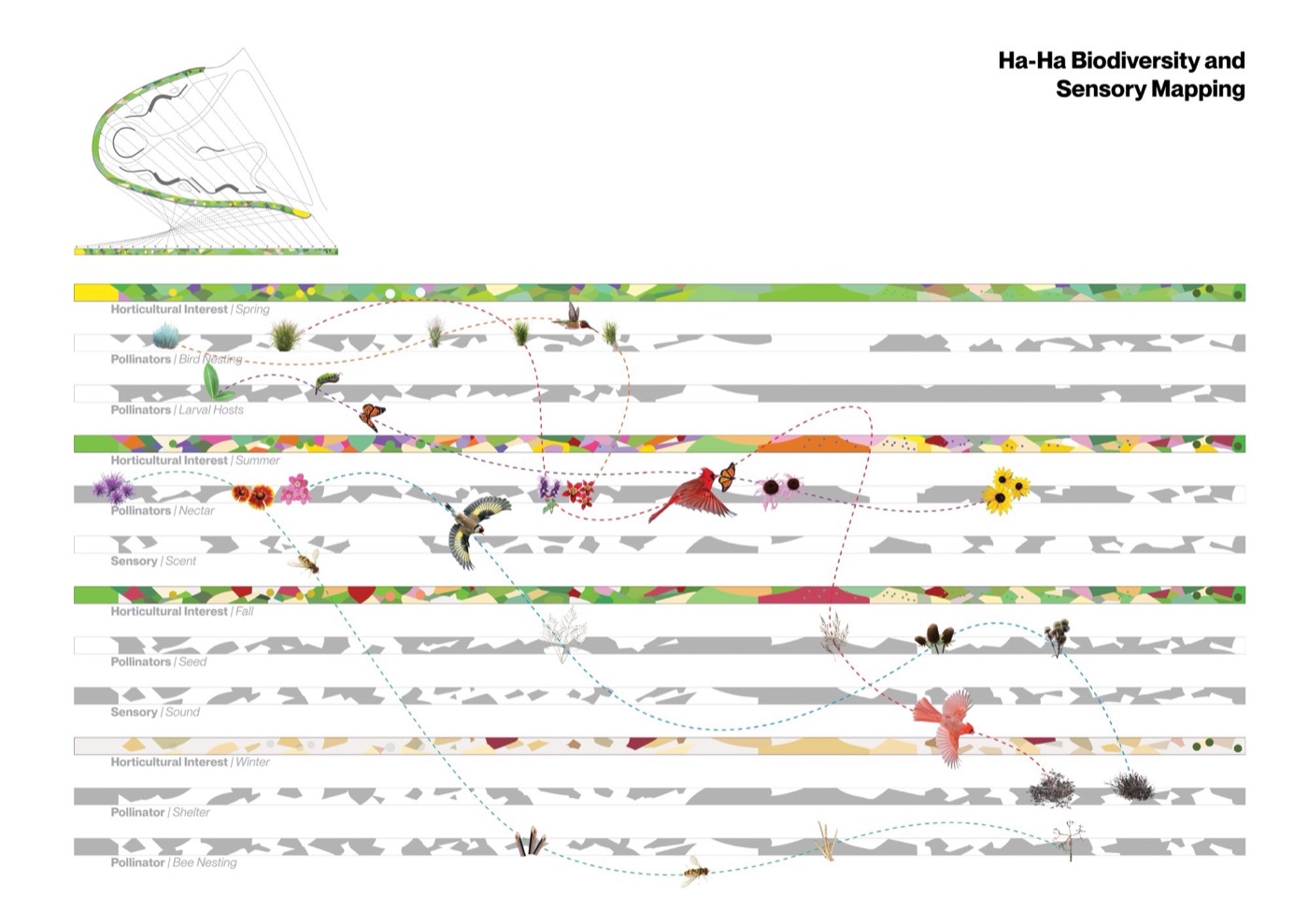
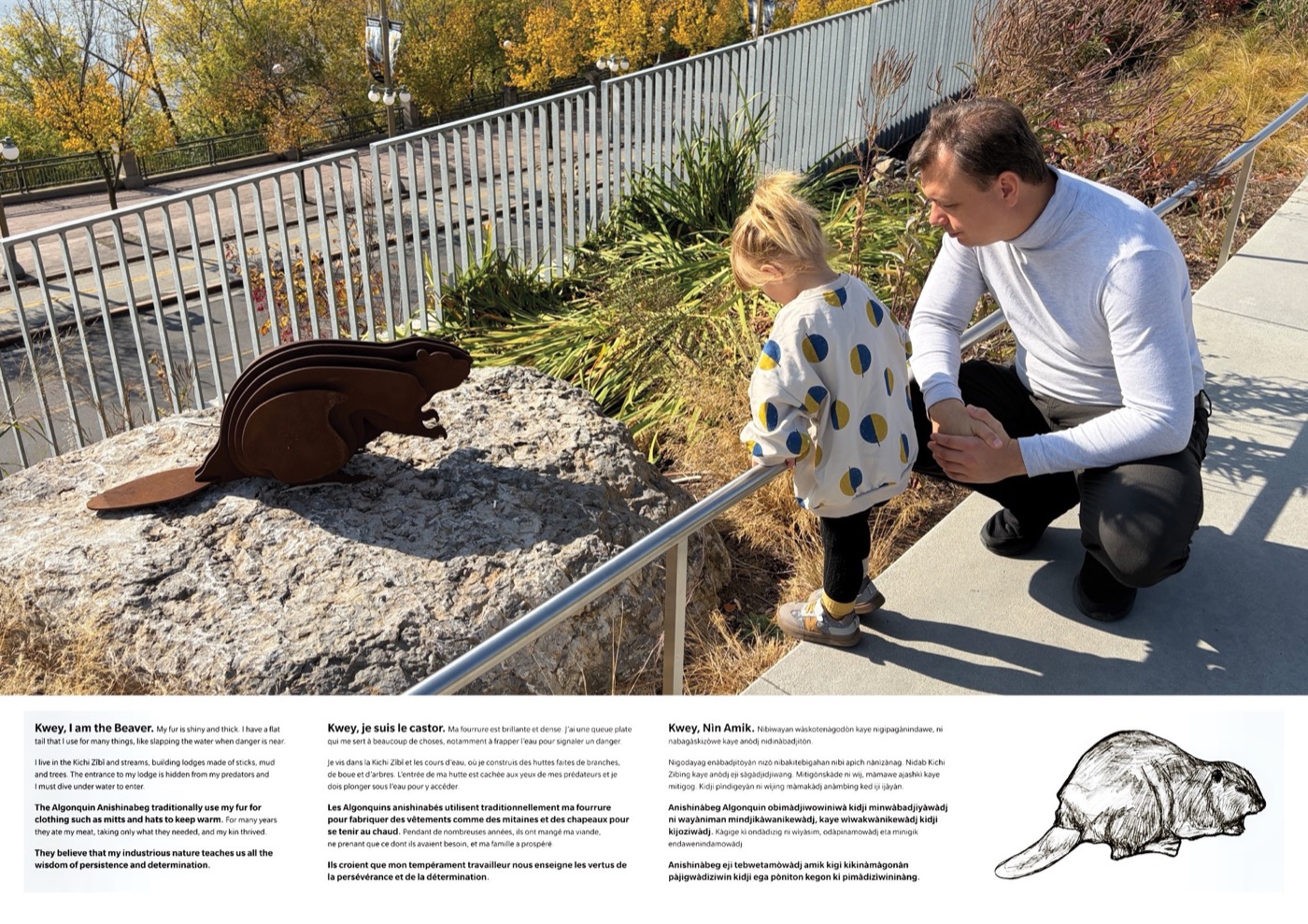
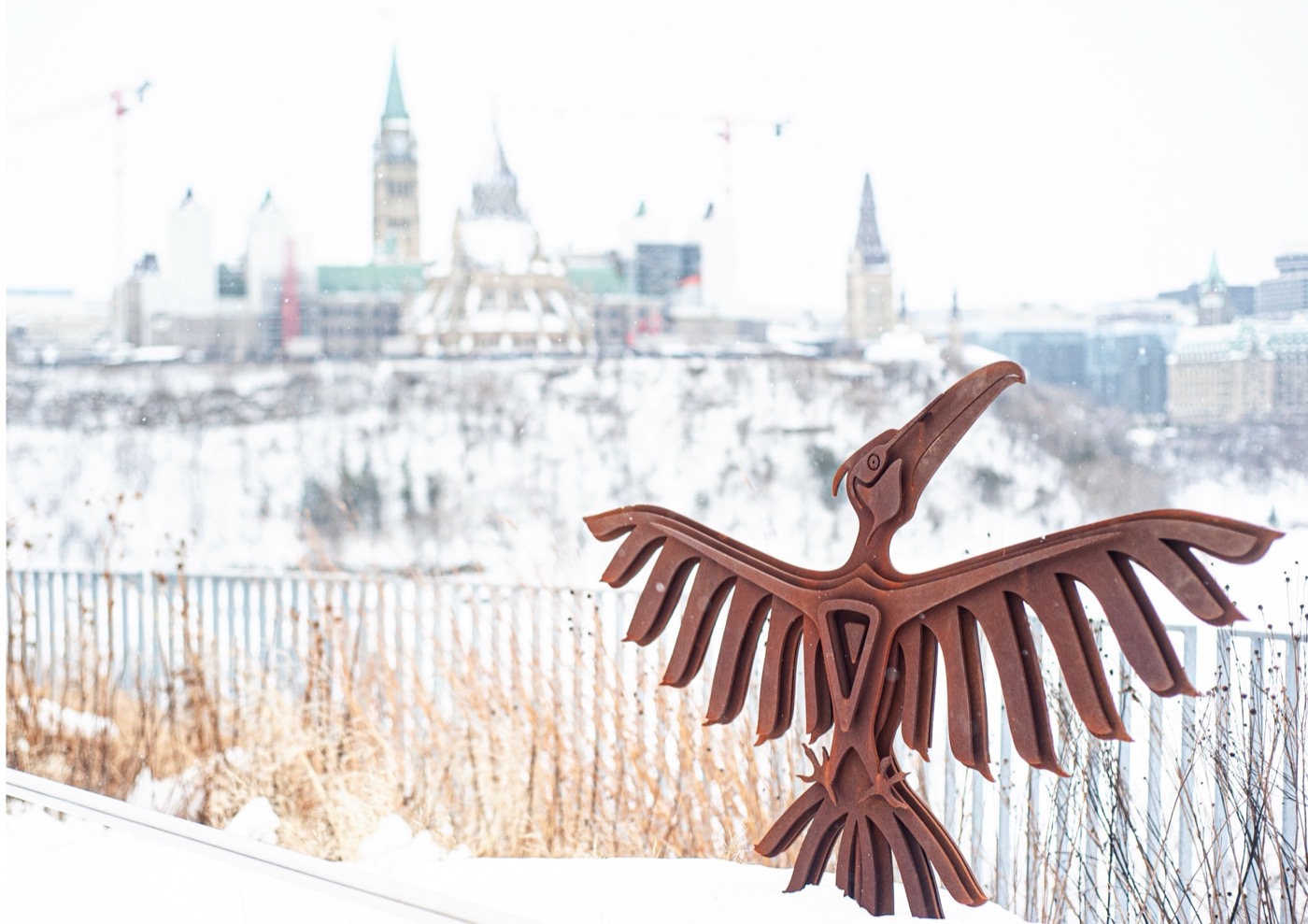
The site’s planting blends ecological performance with culture. A recessed ha-ha dissolves the park’s boundary edge, opening expansive views of the river. Along this edge, a linear garden of nearly 9,000 native and nativar pollinator plants softens the escarpment. Seven sculptural Corten Steel river-associated creatures are embedded in the planting and paired with trilingual interpretive panels illustrated by Algonquin artist John Tenasco.
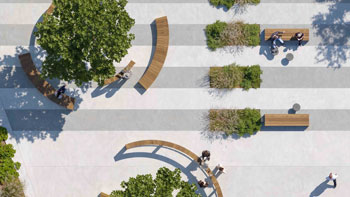
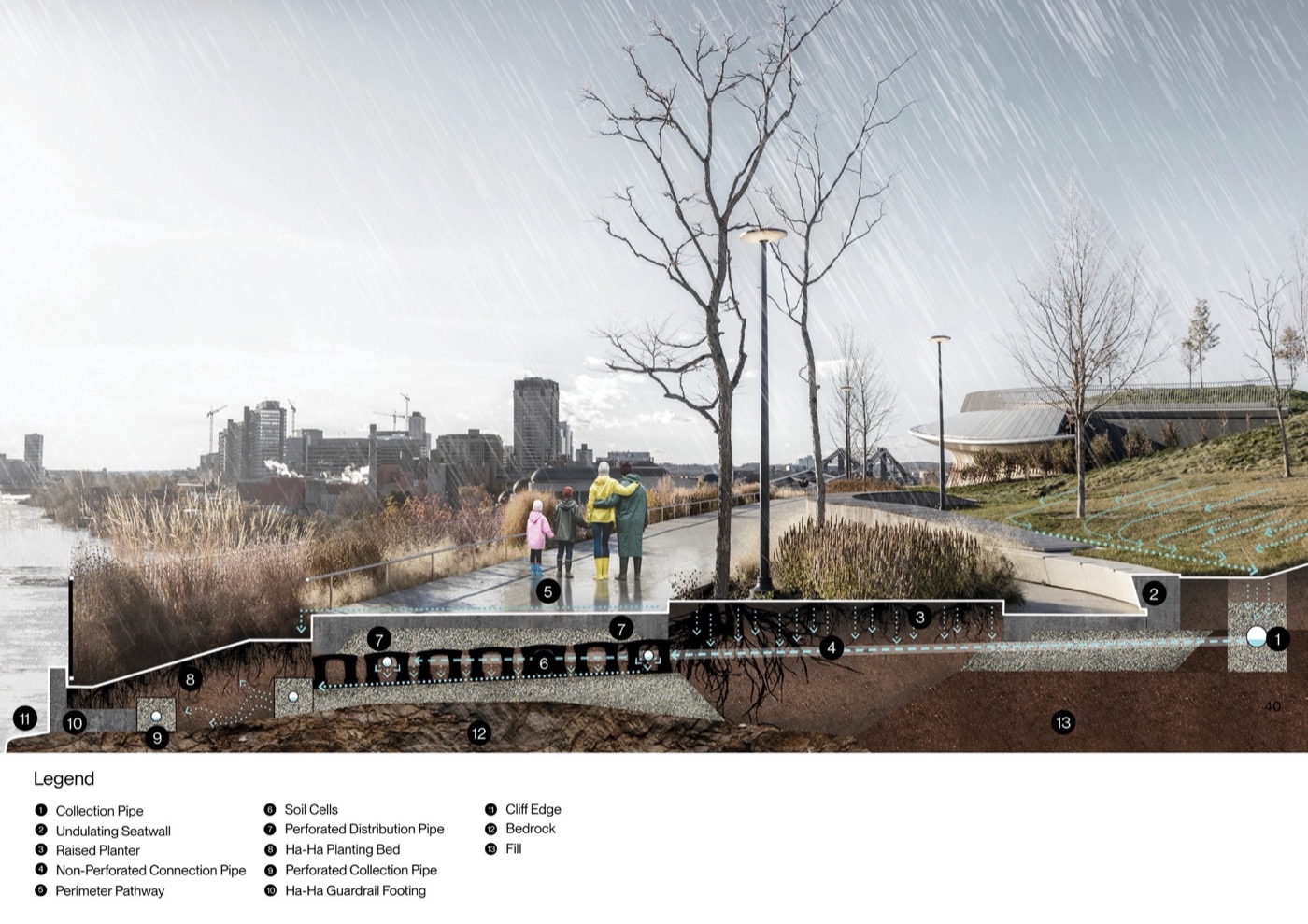
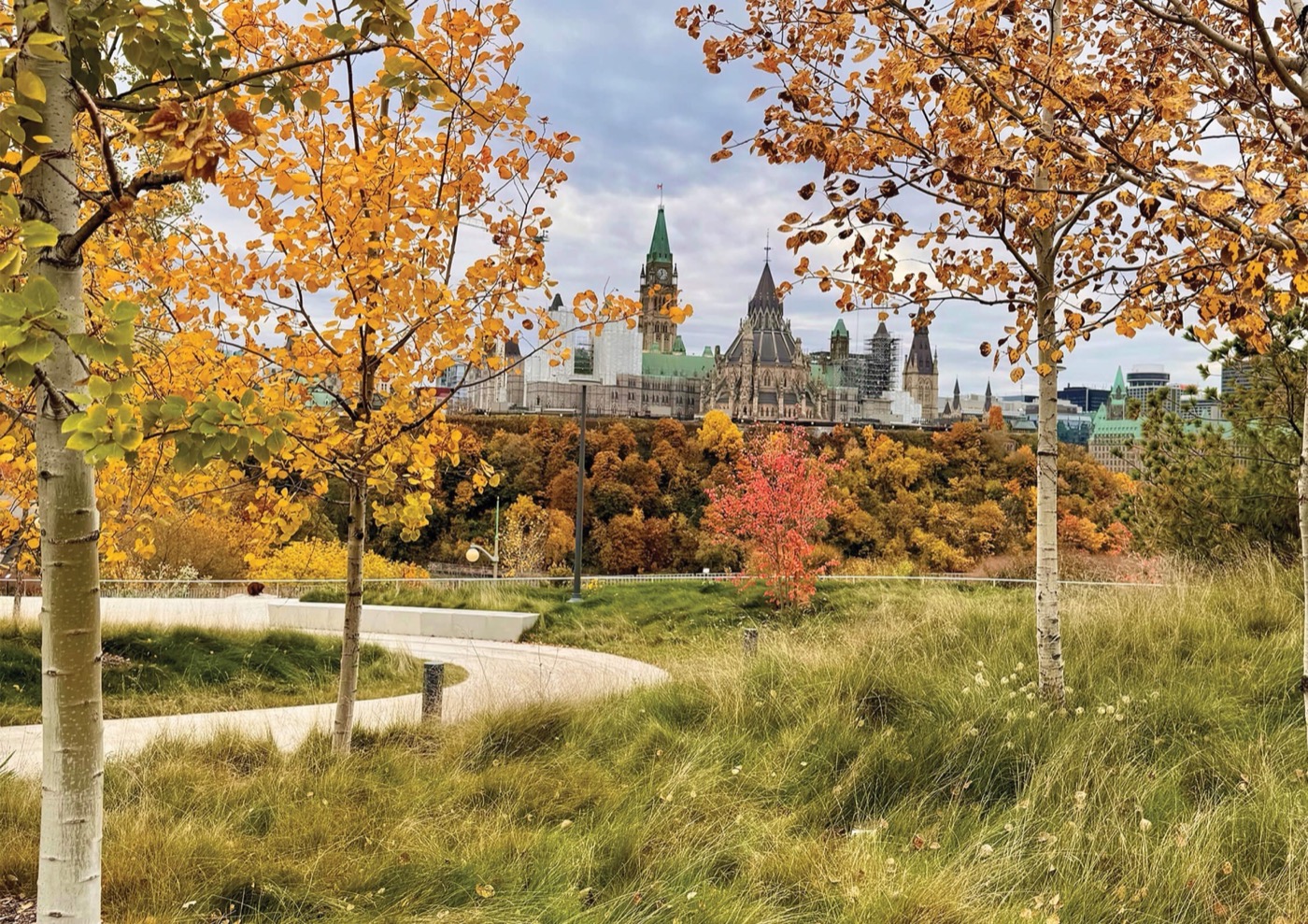
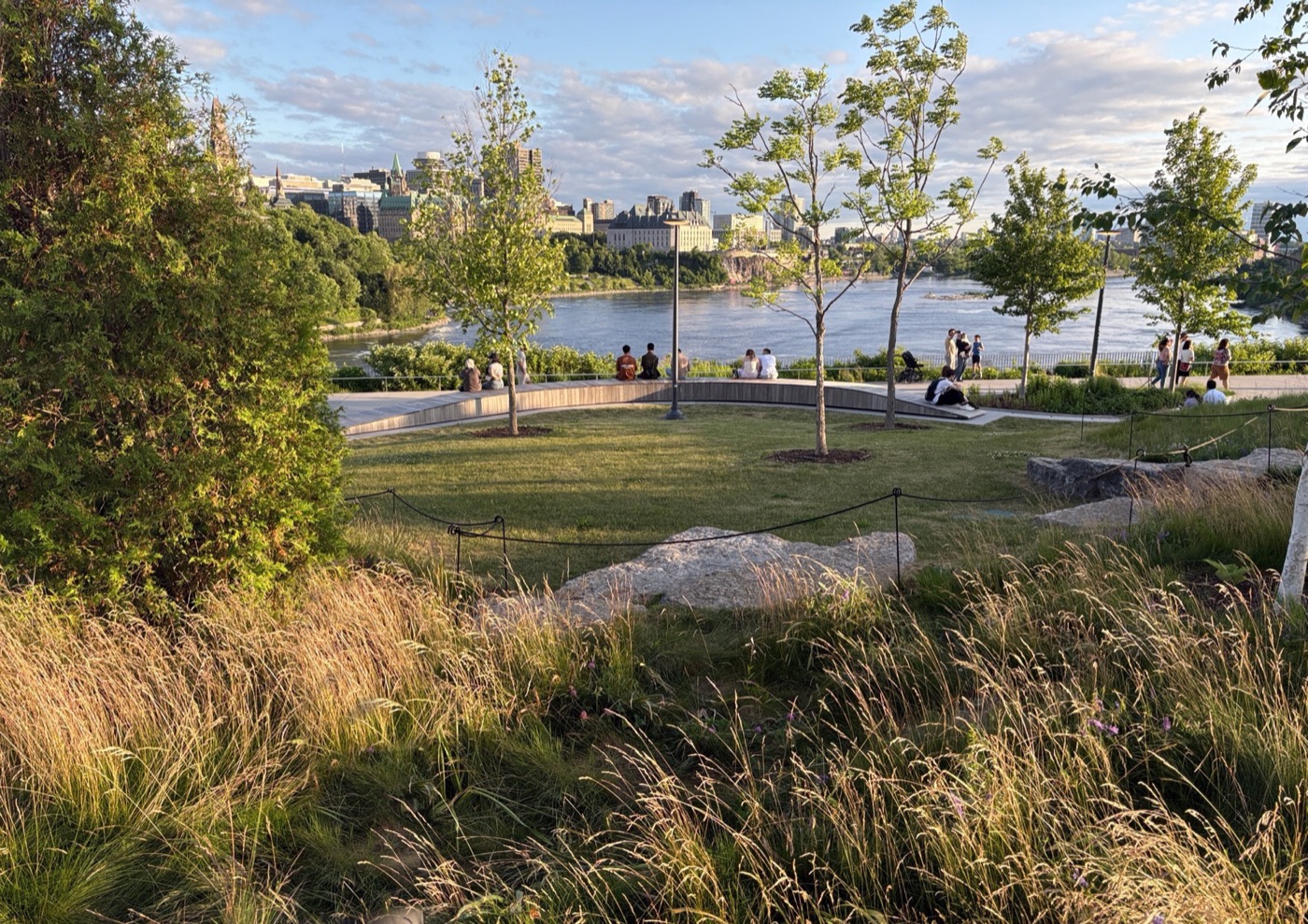
Within the park, 264 metres of seating define open meadows planted with drought-tolerant fescue requiring no irrigation and a single annual cut. The landscape includes 150 new trees, 2,100 native perennials, and 13,500 spring bulbs, providing habitat, shade, and seasonal variation. Tree placement along these paths was inspired by psithurism, the sound of wind through leaves. Circulation and infrastructure preserve two 80-year-old white elms at the park gateway. Meadow planting slows rainwater towards a system of soil cells under the riverwalk, providing passive irrigation.
Returning Home
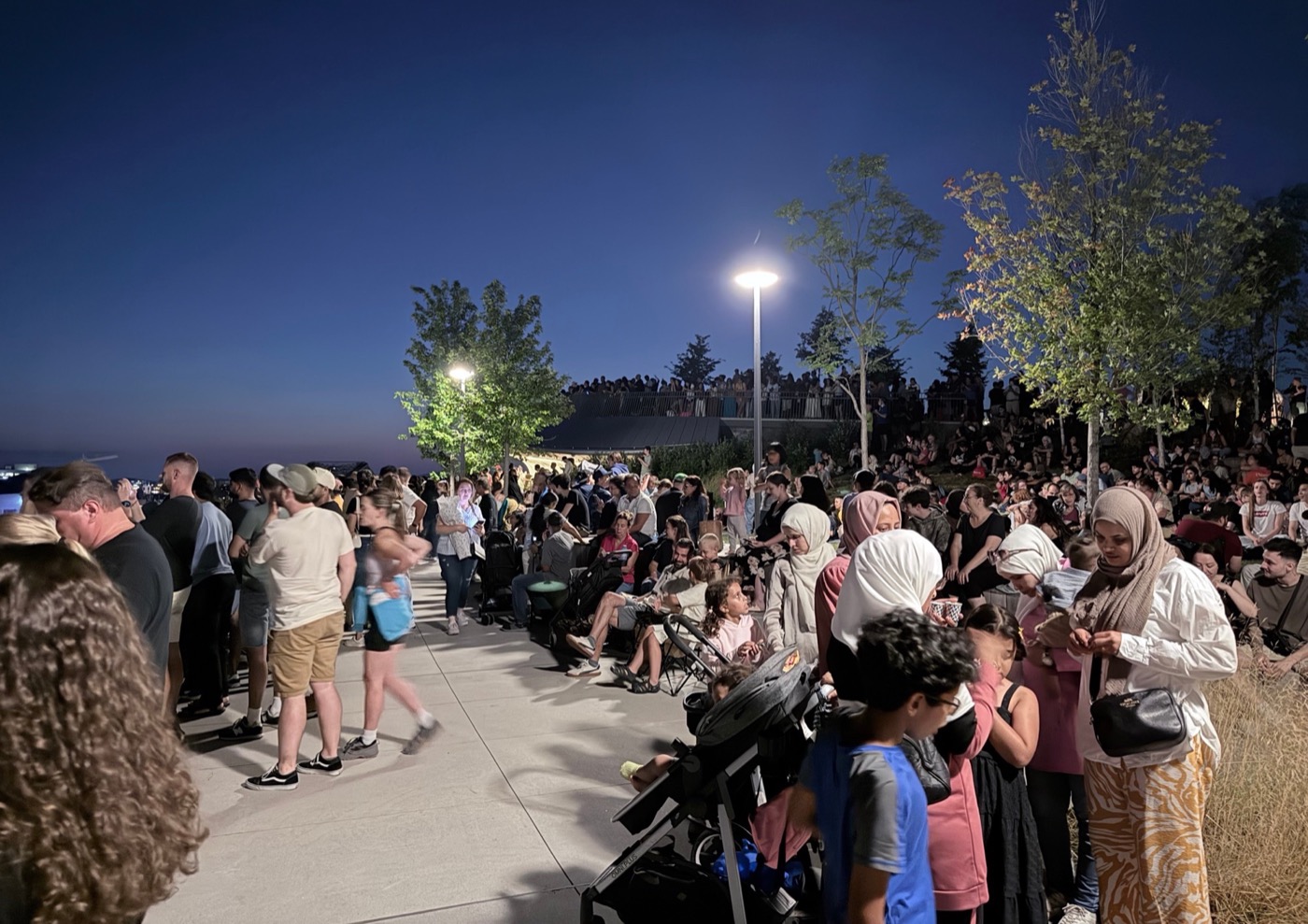
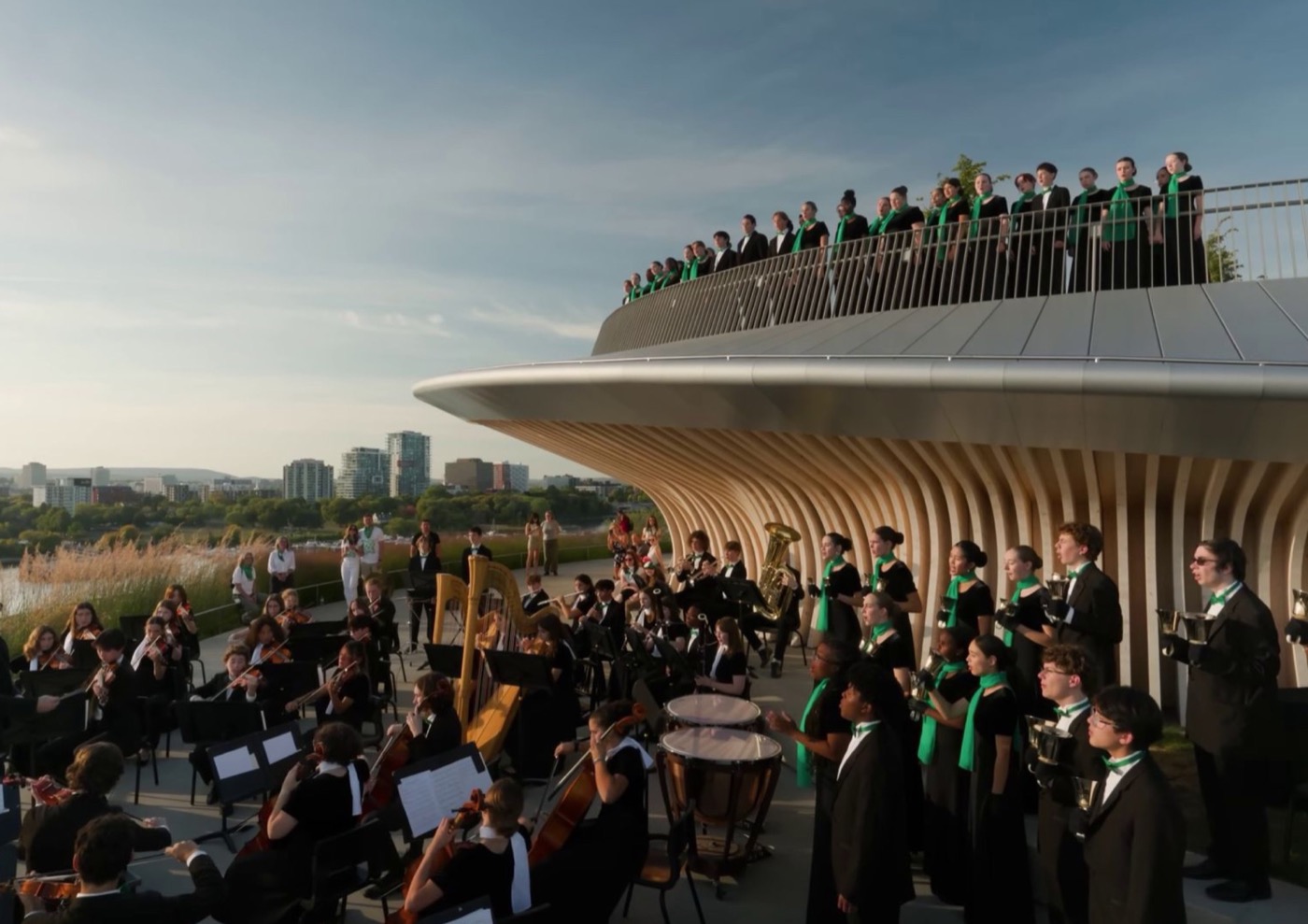
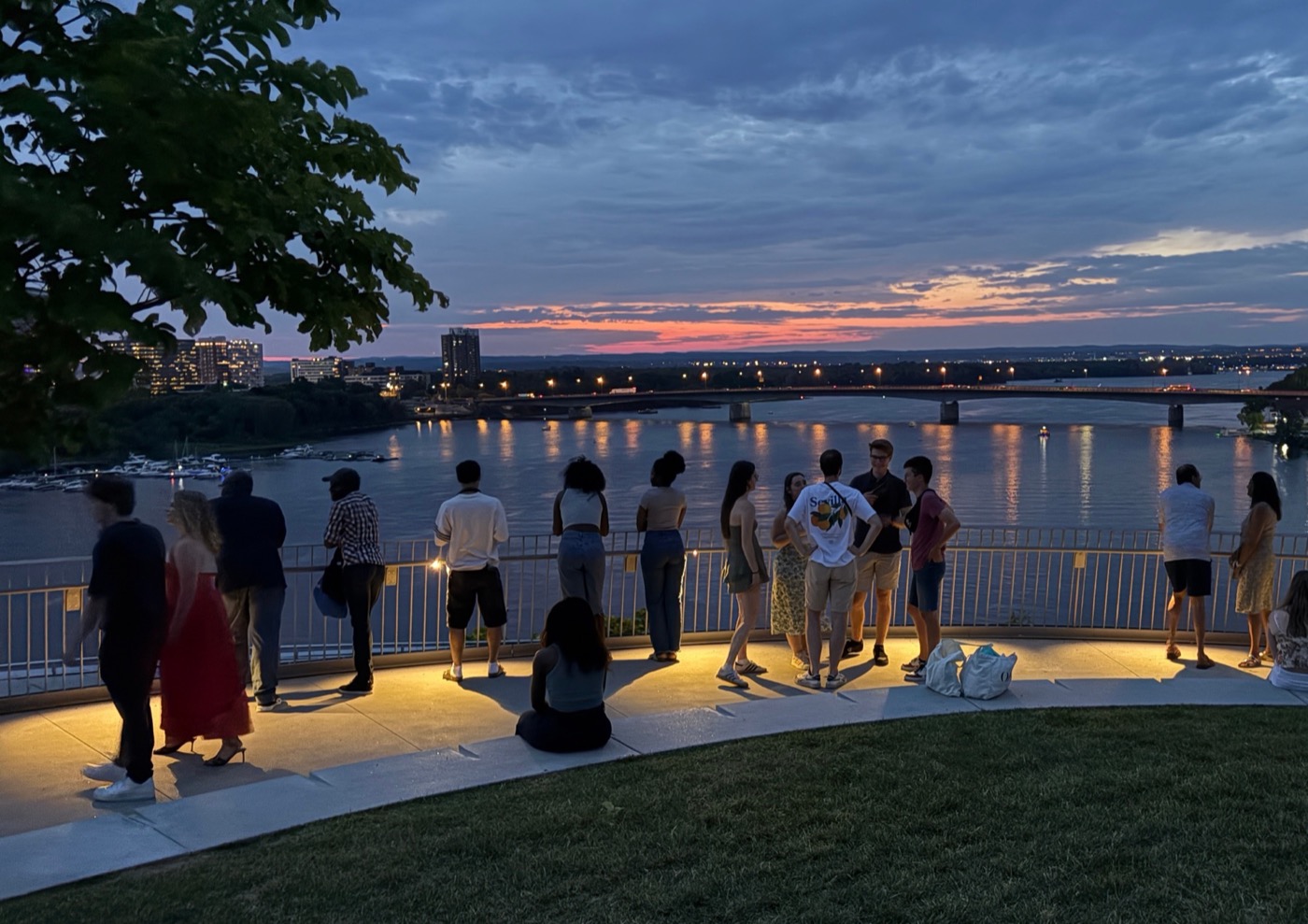
Since opening, Kìwekì Point has become a gathering place for significant events from Canada Day celebrations to orchestral performances. It is an active place that has inspired impromptu dance performances and artwork, as well as a contemplative place where people gather to watch the sunset. Kìwekì Point now forms a vital node in Ottawa’s riverfront public space network, contributing to the NCC’s long-term vision of a continuous open space corridor from Rideau to Rideau. A new kind of public landscape, Kìwekì Point, demonstrates how landscape architecture can elevate community voices and operate ecologically while reframing national narratives, inviting all who visit to return to the land.
Client: National Capital Commission
Design Team: Janet Rosenberg & Studio (Lead, Landscape Architect), Patkau Architects (Architect), ERA Architects (Heritage)
Murals: Ottawa Urban Art Collective / NCC
Bridge Pillar Artwork: Jay Odjick
Photography: Jeff McNeill Photography, Doublespace, Mark Gorokhovski, NCC, JRS, CEAO – CEPEO (Orchestra)
45.42961712933551, -75.70158861479919
73985


LILA 2026 Sponsor