Magnuson Park
www.bergerpartnership.com/
2026 Revisited Landscapes / USA / Built in 2009 /

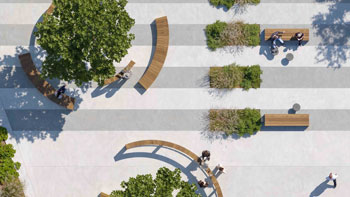
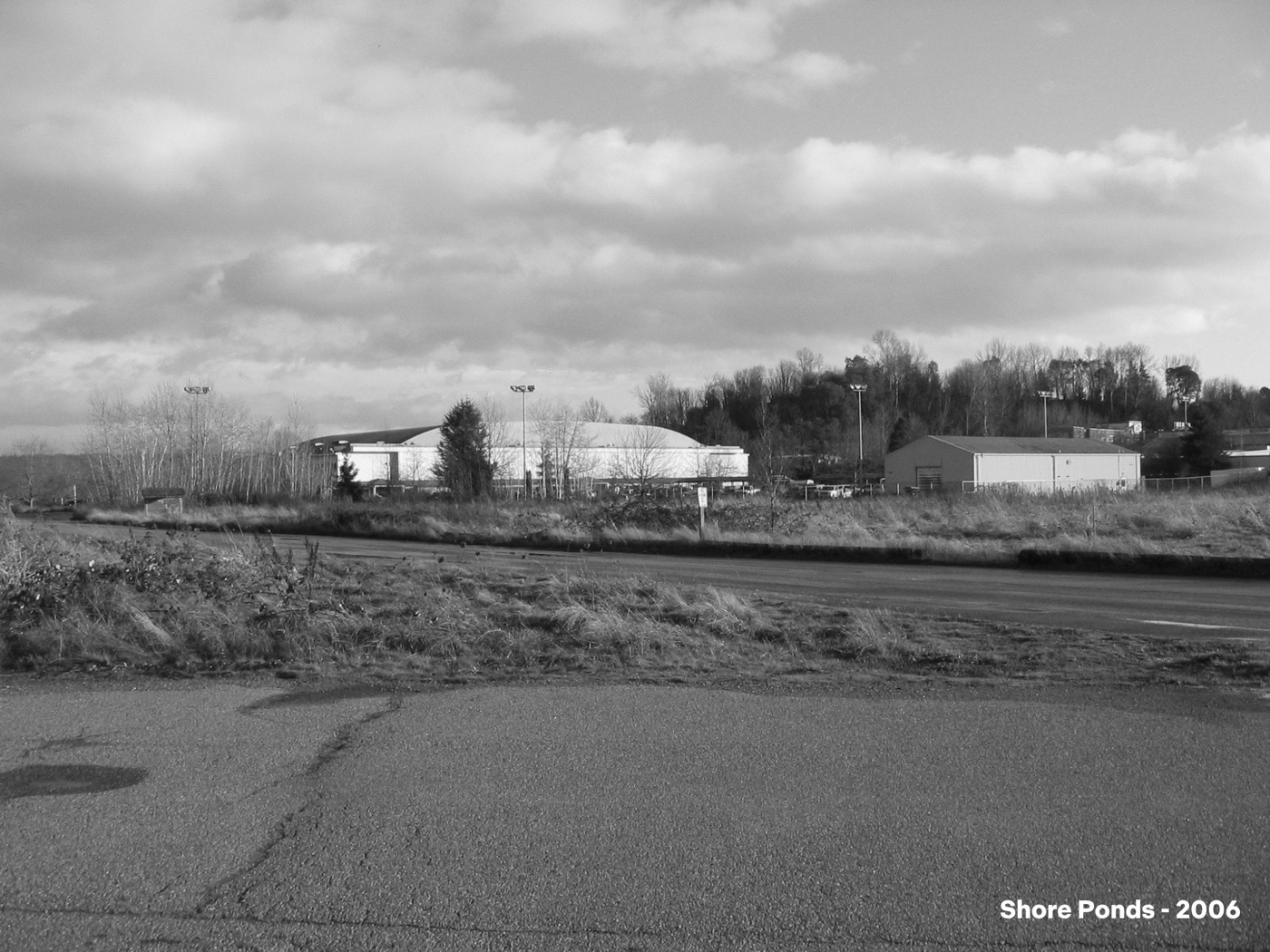
Sand Point Peninsula, along the shores of Lake Washington, was forever altered from its original peat bog landscape to a flattened, filled, and paved naval air station during WWII. Our work focused on a 154-acre master plan within the larger 350-acre park. Today, Magnuson Park provides the next chapter for the peninsula’s lifecycle, which exceeds pre-development environmental conditions while offering diverse human activities. Achieving this within the fiscal and regulatory realities of public projects, Magnuson Park is an exemplary model for synergizing nature, ecology and the human experience.
Ahead of its time.
Magnuson Park anticipated priorities that now shape contemporary landscape practice: multi-benefit infrastructure, stormwater as public amenity, and habitat integrated with recreation.
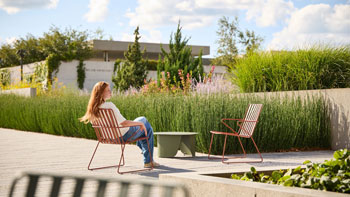
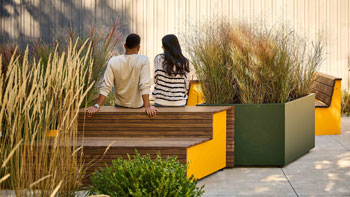
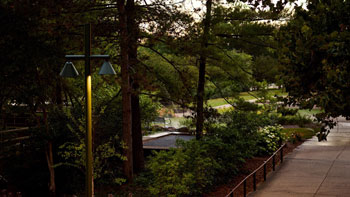
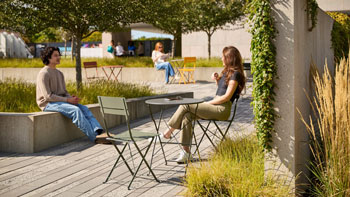
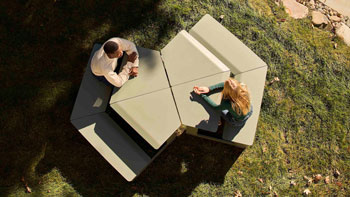
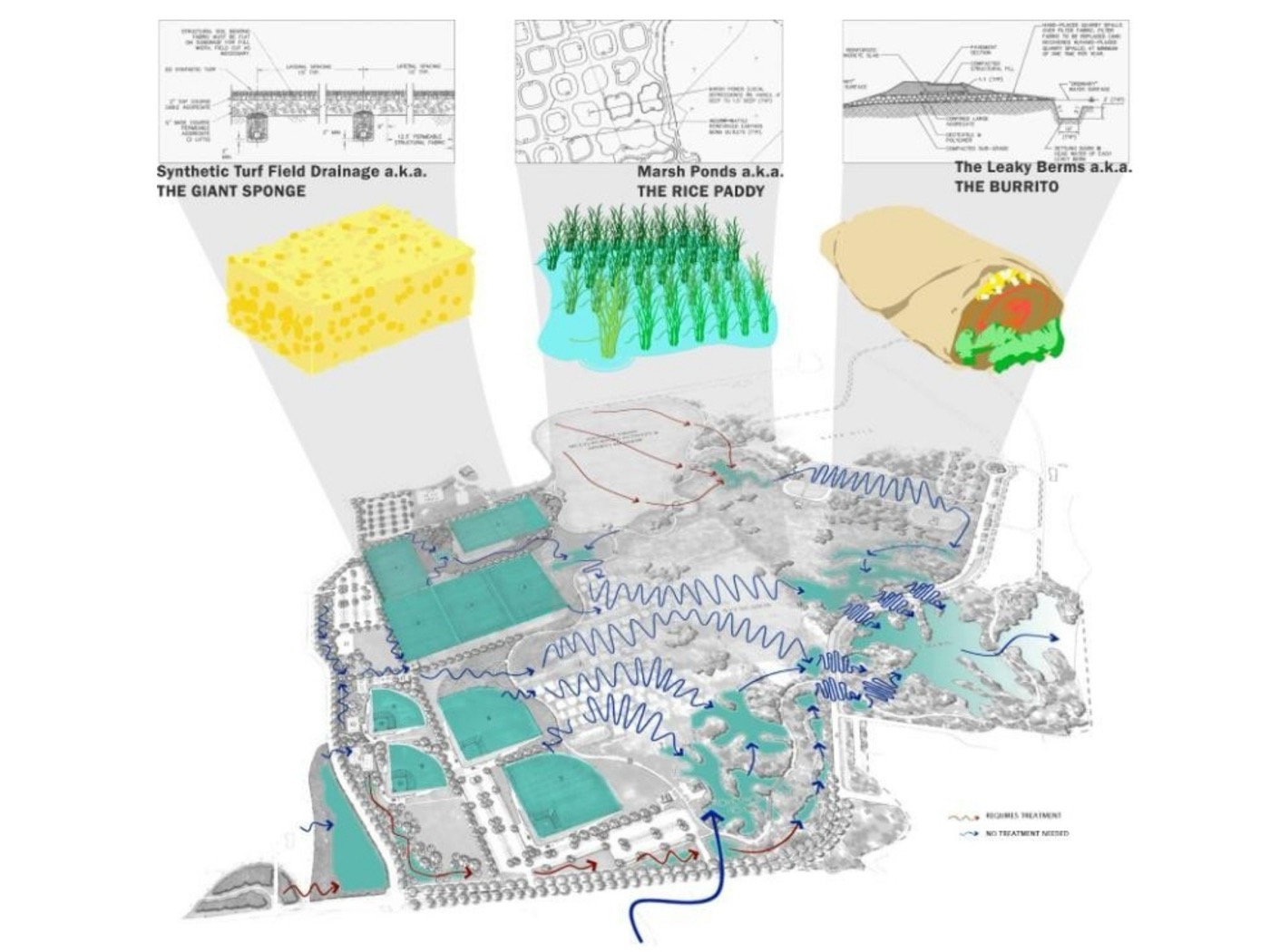
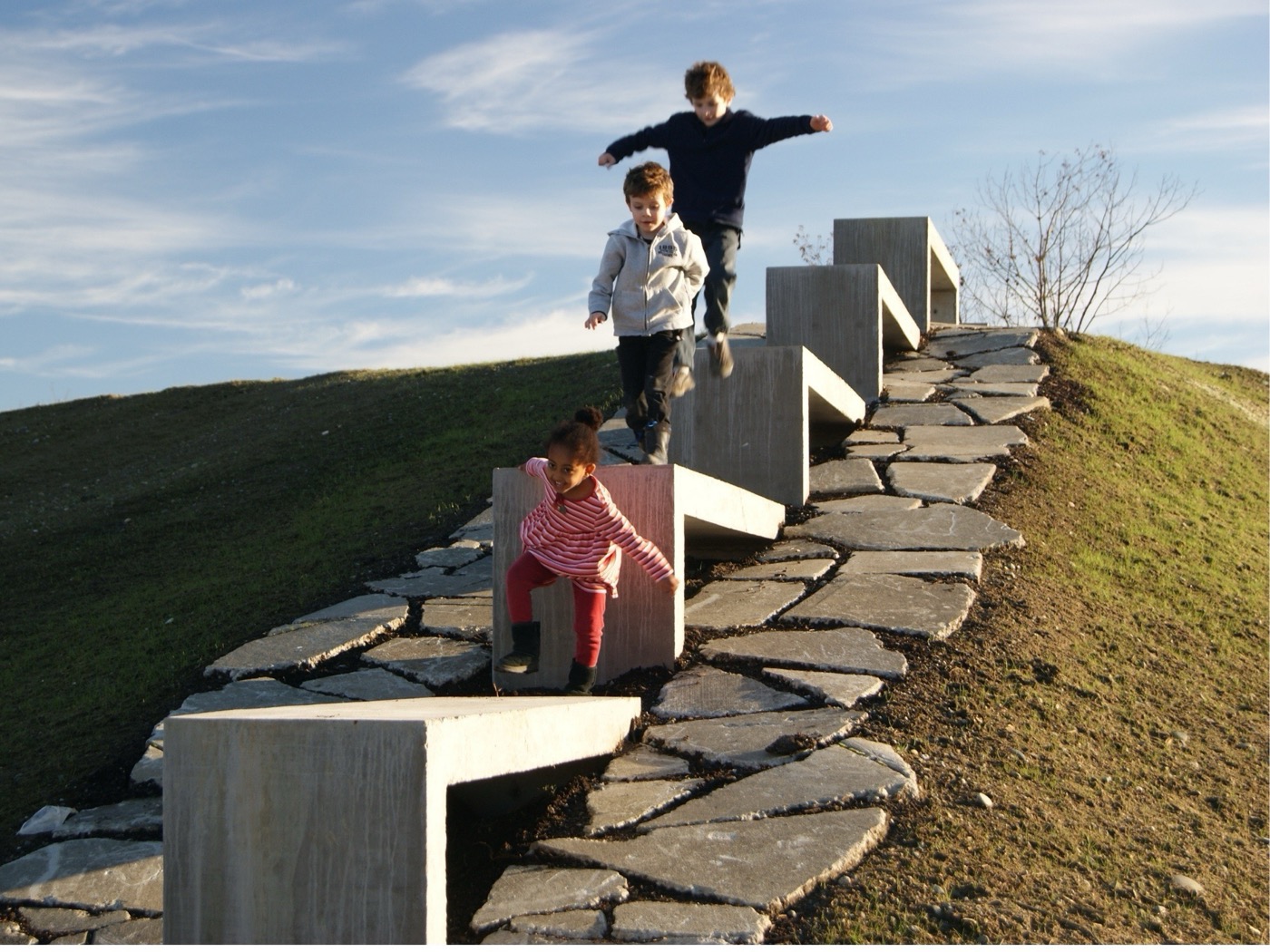
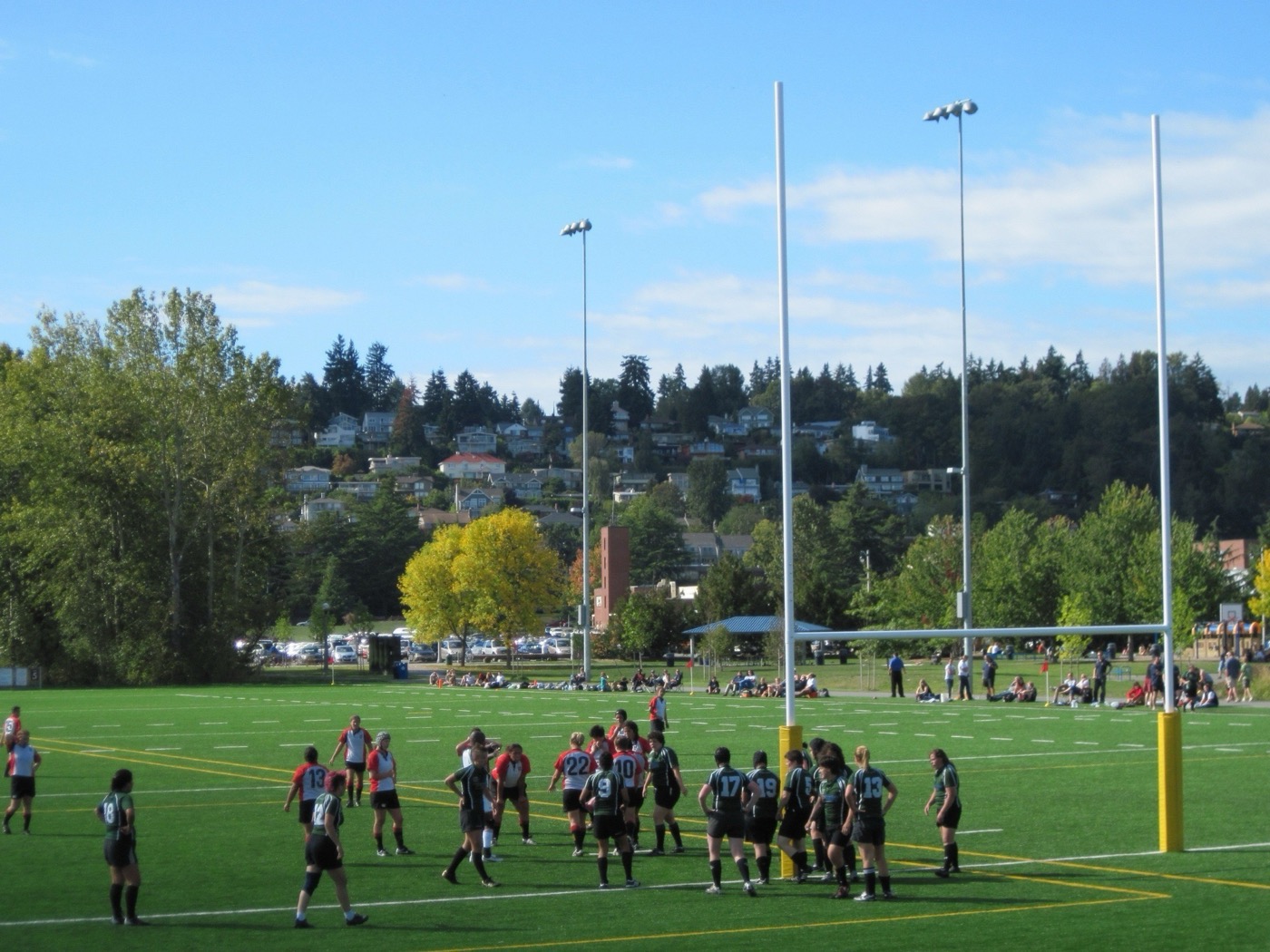
Over 16 acres of impervious tarmac and runway were removed, and reused onsite or recycled offsite. From a site so flat that water would not flow, and soils so compact that water could not percolate, the landscape was regraded into a functioning hydrological system that gathers runoff from fields, roads, and parking areas, directing it through ponds, swales, and wetlands before discharge to Lake Washington. Visitors can launch kayaks, paddleboards and small boats, swim at the beach, use athletic fields and sports courts, walk or cycle miles of paths, garden in community plots, and use one of Seattle’s largest off-leash dog areas. The park also includes playgrounds, picnic shelters, an amphitheater, and shoreline access to Lake Washington. Magnuson is a park, yes, but it is foremost a beloved part of civic life we couldn’t imagine the city without today.
Refusing to choose between people and ecology.
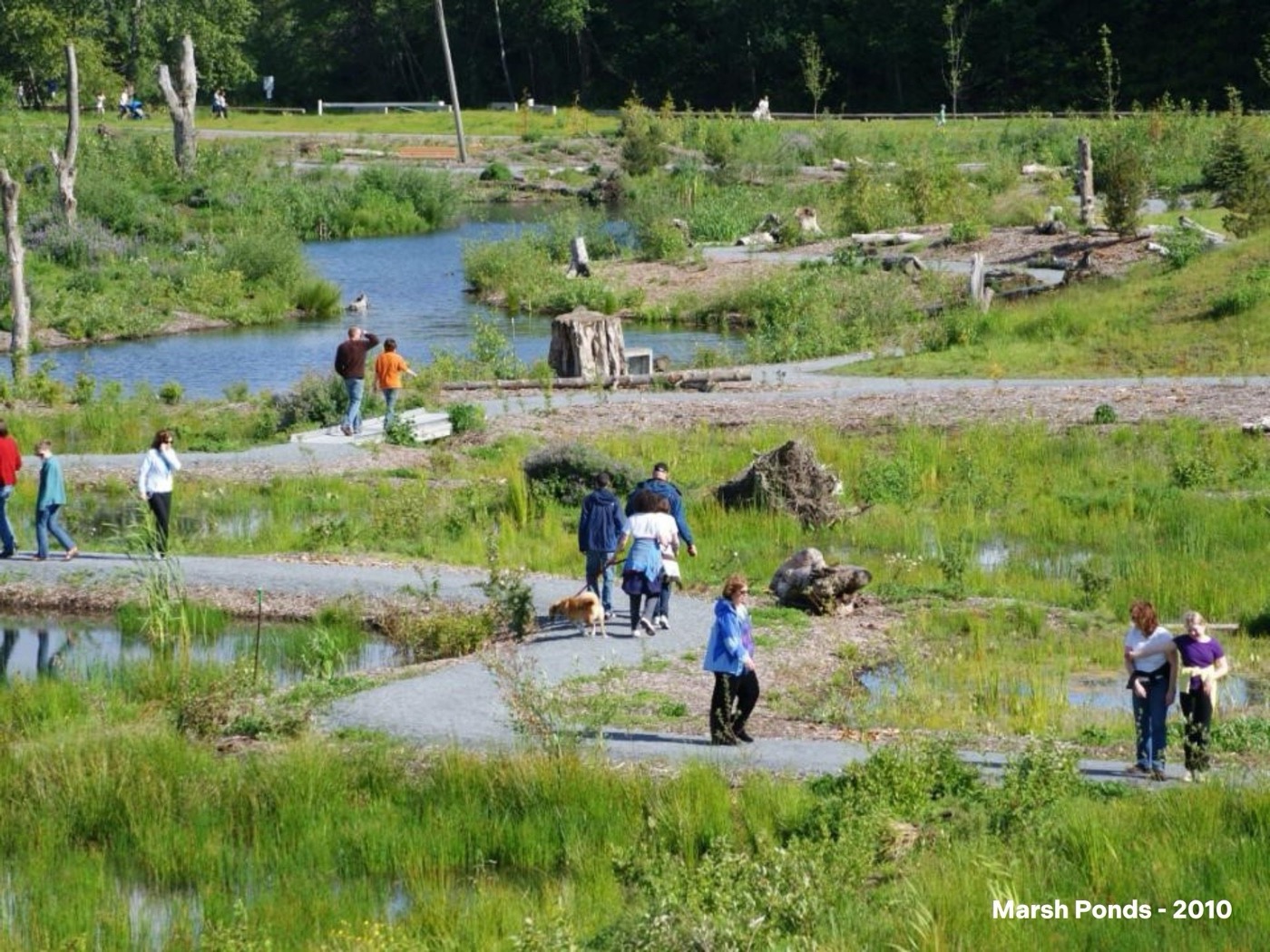
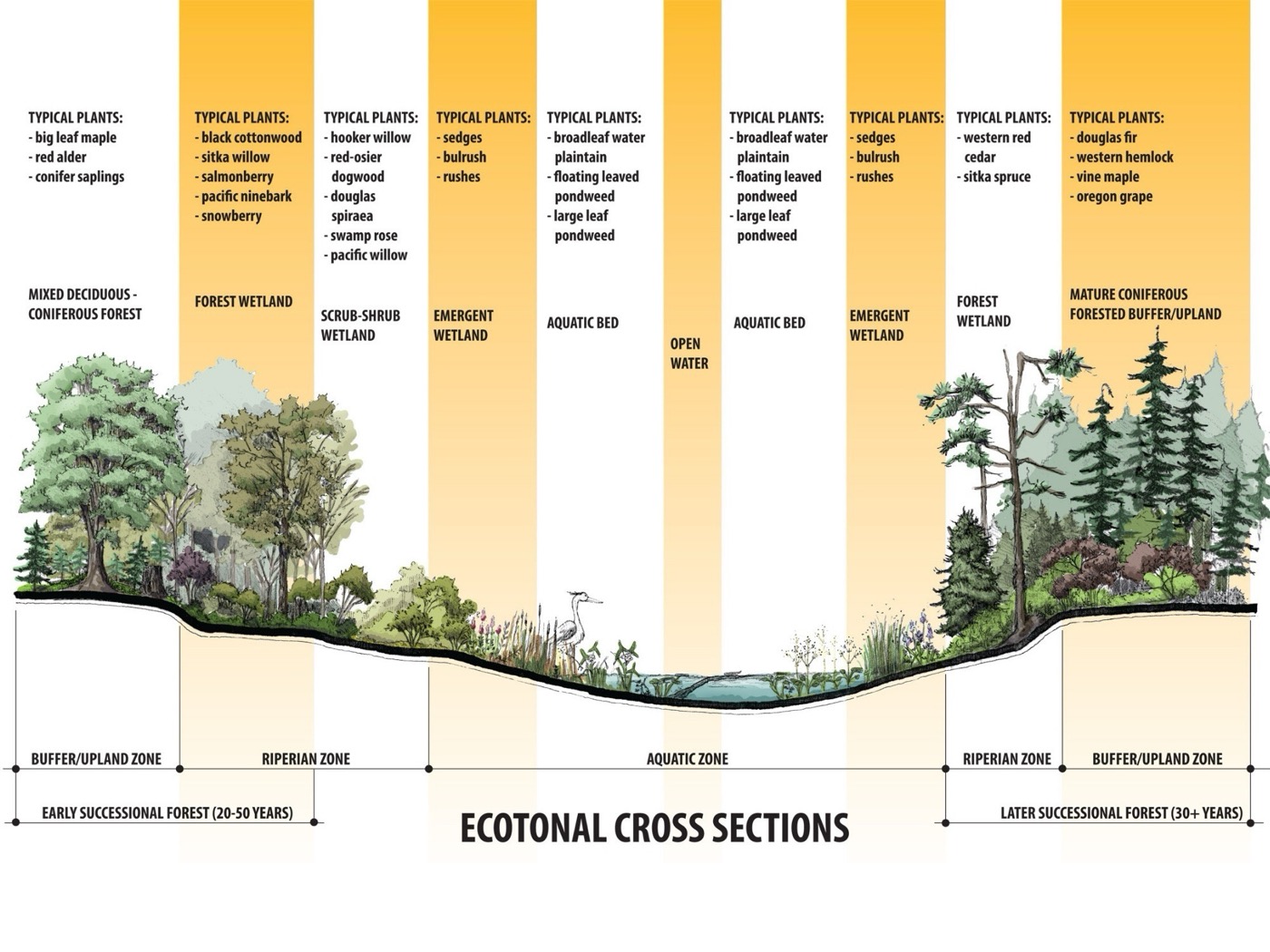
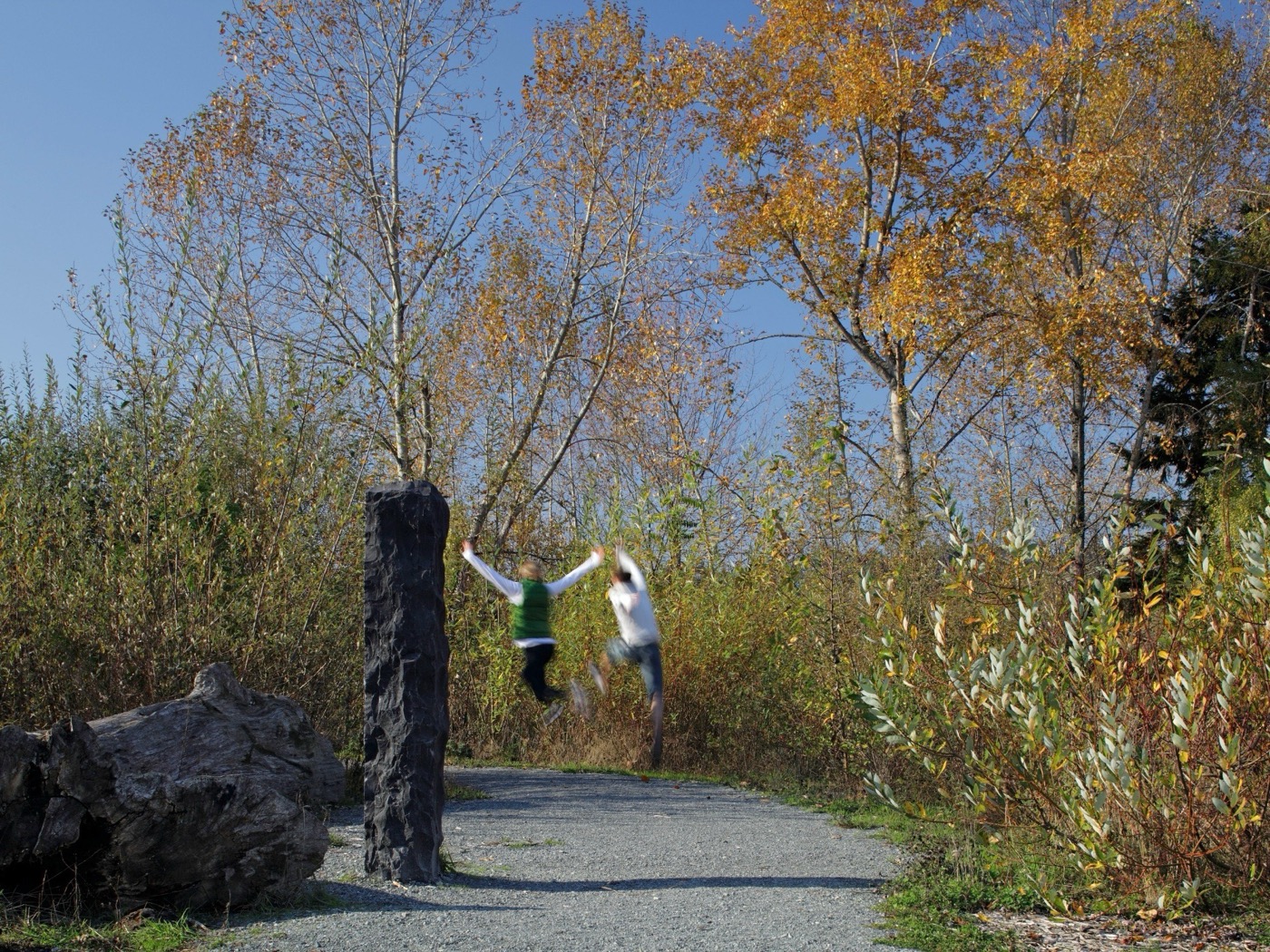
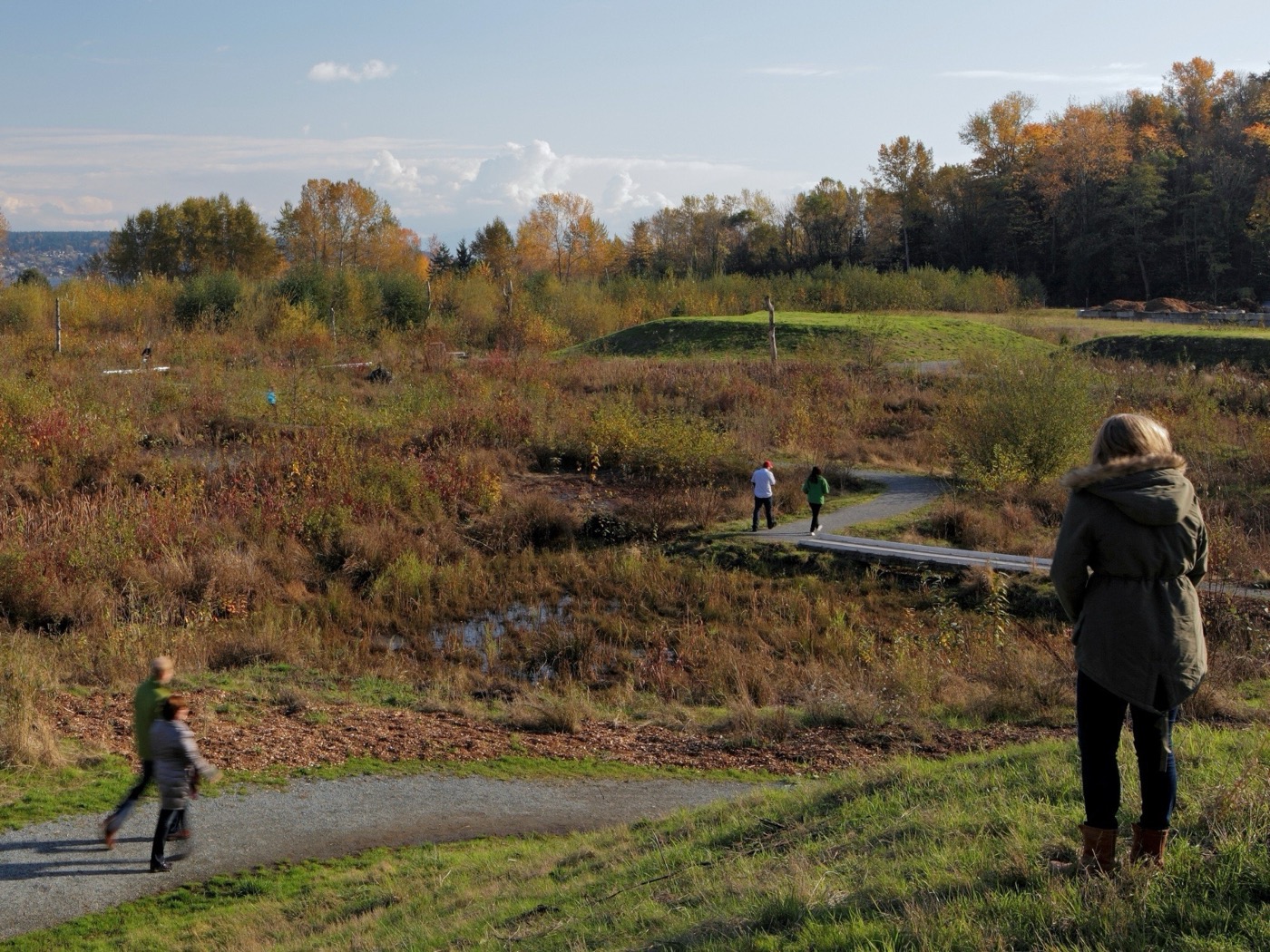
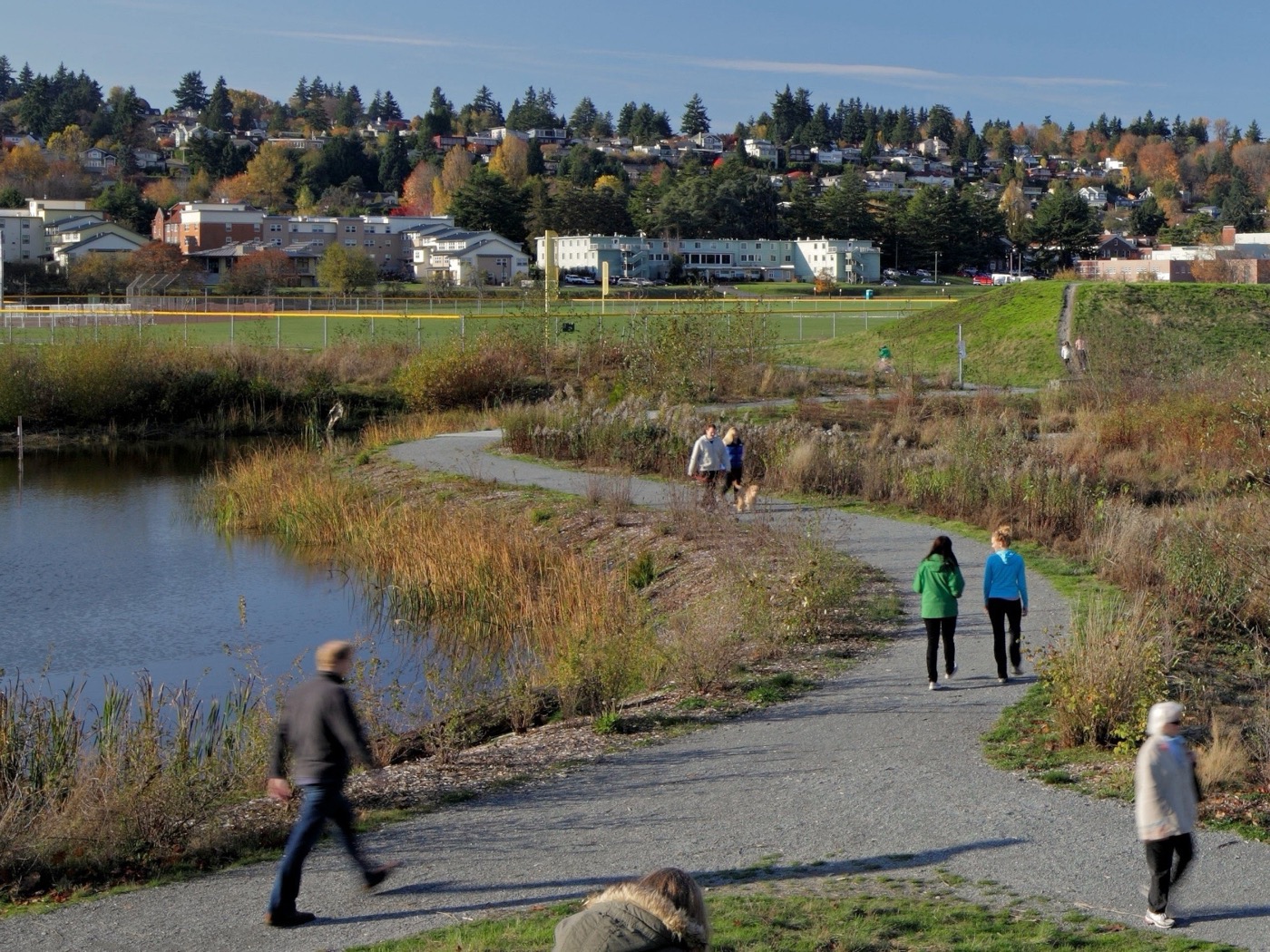
Magnuson Park was designed around the principle that increased human activity and improved ecology need to coexist and thrive to ensure long-term use and stewardship. Over 65 acres of completed wetland and upland habitat, sports fields, and related park elements were planned as interdependent parts of a larger whole, connected by trails, overlooks, gathering areas, and everyday circulation. More than 50 ponds support a range of water conditions and vegetation communities, expanding habitat diversity while helping manage runoff across the site.
Water from fields, roads, and parking areas is collected, treated, and directed into constructed wetlands. Fingers of wetlands and upland forest extend into athletic areas, while earth mounds and orthogonal ponds extend into habitat zones. Rather than separating uses, the project makes each system support the other.








Civic scale, built through consensus.
Magnuson Park demonstrates what can be achieved when ambitious landscape goals are carried through civic process. Our work included dozens of public open houses, advisory meetings, charrettes, stakeholder meetings, a full Environmental Impact Statement, hearings during appeals, and coordination with City Council. Complex public landscapes require social coordination as much as design skill; that work continues to be visible in the range of uses the park now supports. Projects of this scale succeed when many users can recognize themselves in the result, and Magnuson Park continues to do so.
The Revisited Landscapes category asks what time reveals.
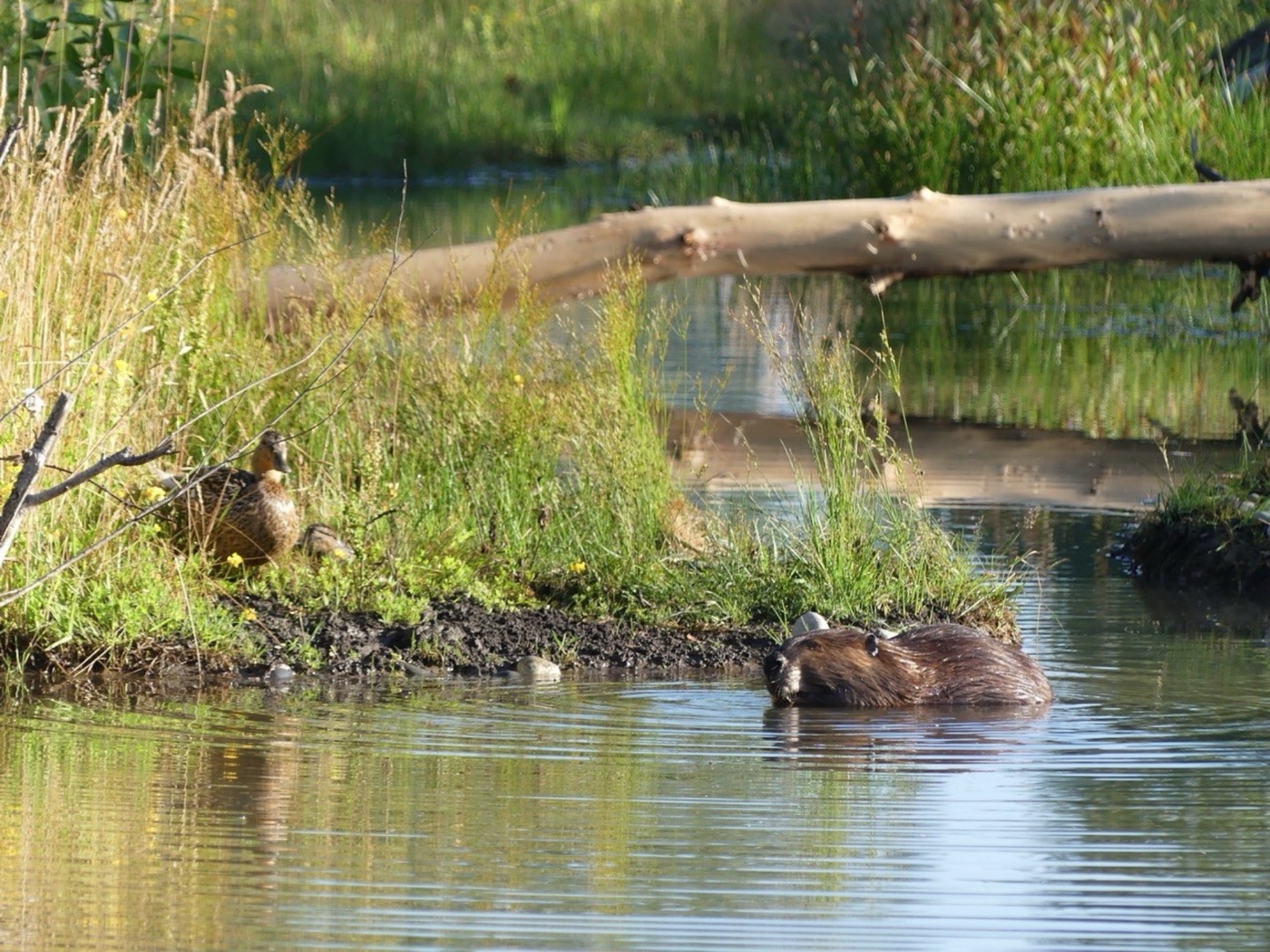
At Magnuson Park, time has allowed the project’s planted systems, hydrological networks, and public uses to mature together. Planting strategies modeled on ecological succession established early species, followed by longer-term forest and wetland communities. While many systems performed as intended, others evolved in unexpected ways as the site transitioned from designed landscape to living ecology. Wetlands created to support native Pacific tree frogs now sustain thriving amphibian populations, while the park has become home to bird species not seen in the city in decades and nearly twenty varieties of dragonflies. Beaver activity has further expanded portions of the wetland system beyond its original design, increasing habitat area and reinforcing the project’s ecological performance over time.
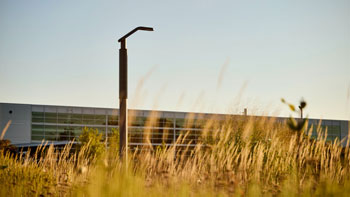
Today, much of Magnuson Park feels as though it has always existed as part of Seattle’s landscape. Many visitors are unaware the site was once covered in runway and tarmac. What was once controversial has become deeply valued civic space. Beloved parks are places that last, and we aimed for Magnuson Park to become a place where many people feel at home.
Landscape Architecture: Berger Partnership
Owner: City of Seattle
Client: Seattle Parks & Rec
Wetlands/Habitat Specialists: Dyanne Sheldon Ventures
Civil Engineer: Magnusson Klemencic Associates
Athletic Field Design: D.A. Hogan & Associates
Lighting and Electrical: Sparling Electrical (Now Stantec)
Irrigation: Dragonfly Irrigation
General Contractor: Ohno Construction
Geotechnical: GeoEngineers
Public Outreach: Norton-Arnold & Company
47.67945806225135, -122.25210006540324
73564


LILA 2026 Sponsor