Mandai Rainforest Resort
Henninglarsen.com
2026 Hospitality and Therapeutic / 2026 Landscape and Architecture / Singapore / Built in 2025 /

![Nearly 500 inhabitants have found a home in this new district of Dornstadt. On the former industrial wasteland of the Kaupp window factory in Ulm/Dornstadt with an area of about four hectares, the Quartier Arkadien was built. With this development, the real estate developer Strenger has realized a significant expansion of Dornstadt. In addition to […]](https://landezine-award.com/wp-content/uploads/2026/04/00_Heroshot_IMG_2710-600x514.jpg "Dornstadt Arkadien Quartier")
![What kind of park would best serve a community as active, rooted, and diverse as Sembawang? The answer, at Bukit Canberra, was not a park at all — but a living commons. From meals, to movement, to medical care, it integrates essential neighbourhood functions into a seamless landscape experience, all in one. Bukit Canberra is […]](https://landezine-award.com/wp-content/uploads/2026/05/00_LILA_Bukit-Canberra_1_©DP-Architects_Hero-Image-600x338.jpg "Bukit Canberra")
![The Biotope offers an office environment uniquely entwined with the natural environment for the municipal offices of Lille. The design transforms the typical office program into a unique, circular environment that supports people, animals, and local nature alike. Located on a bustling, yet constrained site without the possibility of an extensive ground level park, our […]](https://landezine-award.com/wp-content/uploads/2021/04/00-1787-0493b-600x403.jpg "The Biotope")
The Mandai Rainforest Resort did not begin as a forest. The 4.6-hectare site along the Upper Seletar Reservoir was once the staff and animal keeper quarters of the adjacent zoo, a cleared, domesticated patch of ground sitting at the edge of Singapore’s Central Catchment Nature Reserve. The ecology did not start well. But at the fringes of the site, something persisted: a thread of secondary forest, tangled with lianas, that hinted at what the land was reaching toward. That fringe became the design’s first instruction.
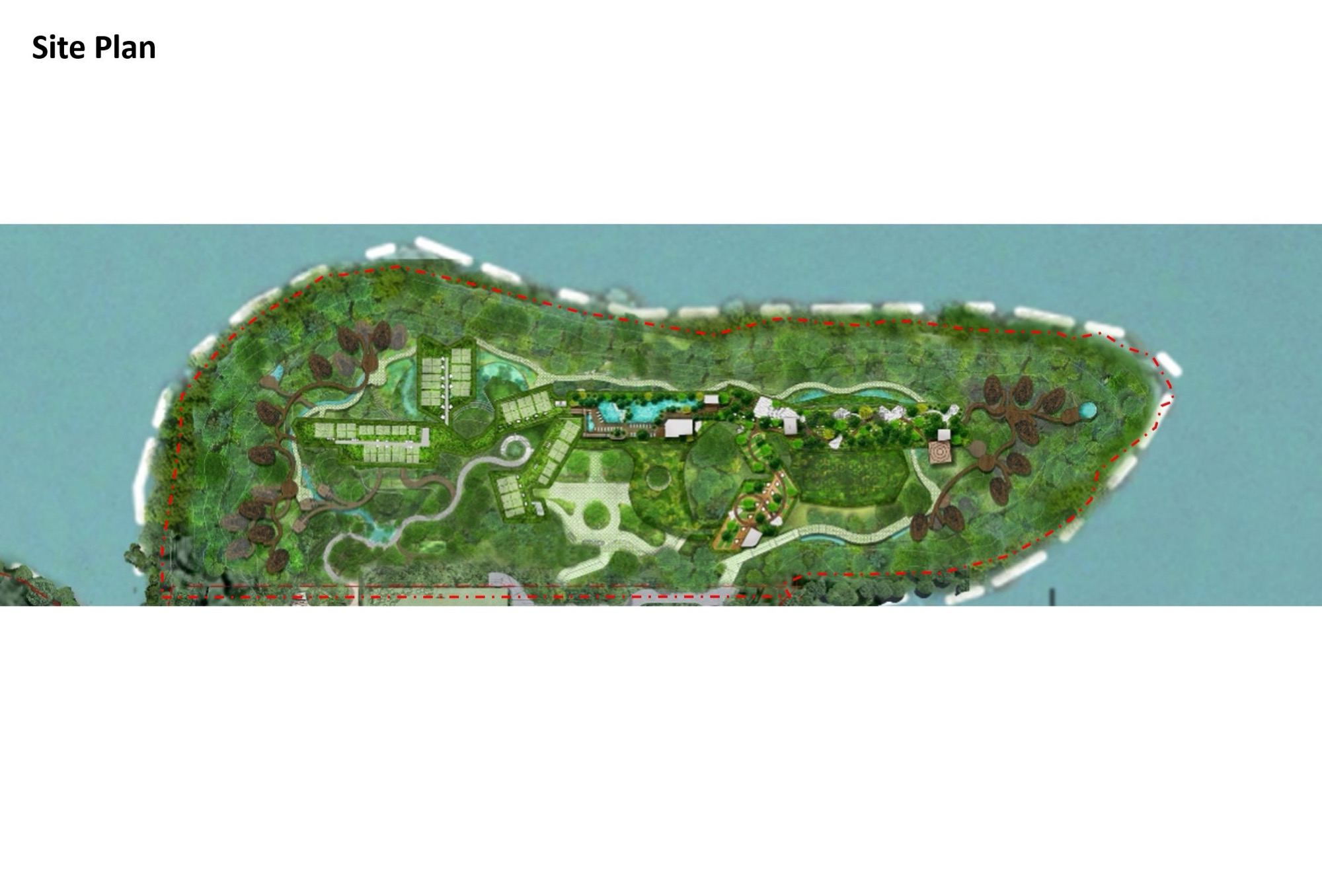
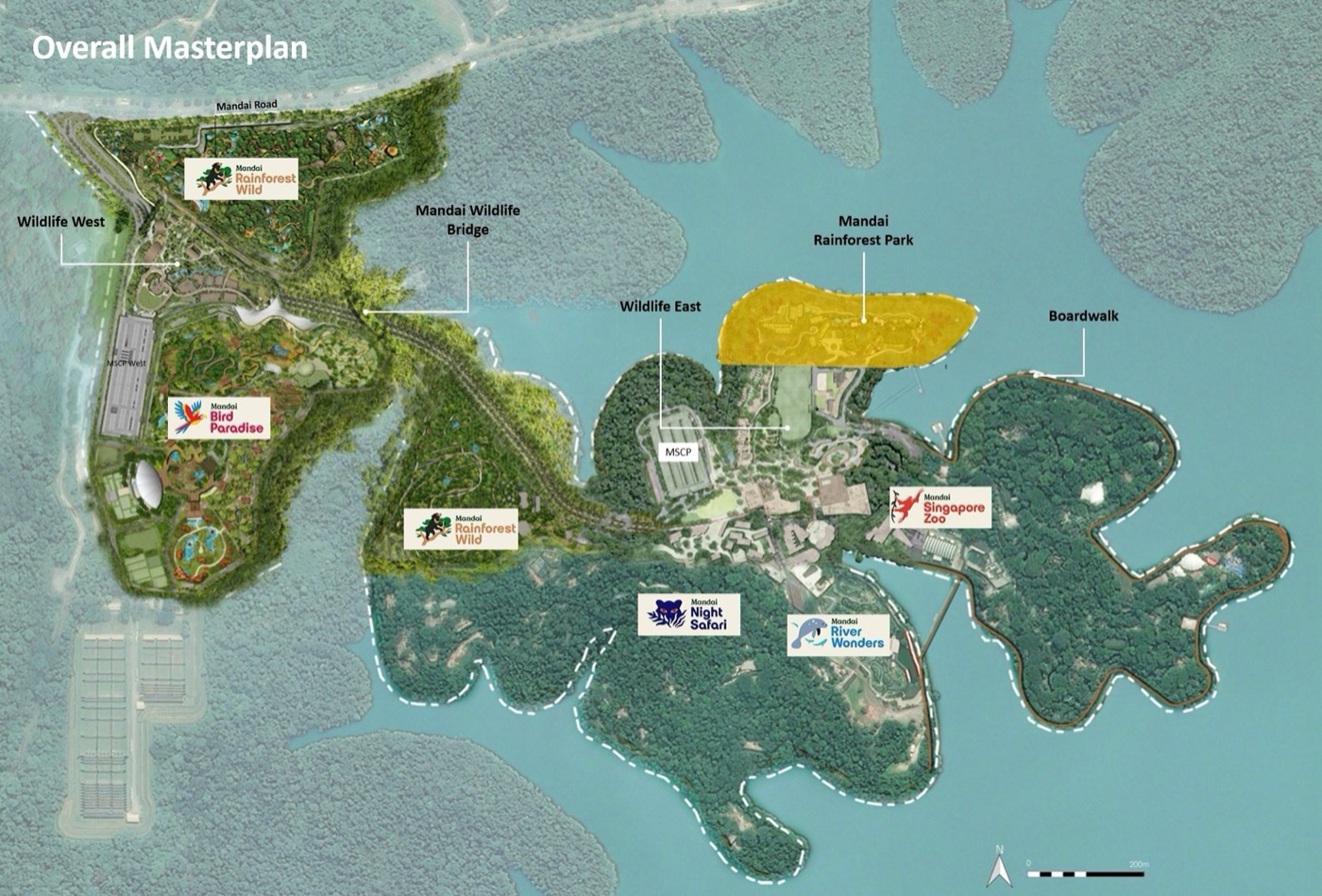
The project is conceived not as a hotel in a forest, but as an inhabitable extension of the rainforest itself. Its ambition is to transform the Mandai precinct from a collection of wildlife attractions into a continuous, restorative ecological landscape. But more than that, it is an act of listening: to the land, to its original inhabitants, and to the slow processes of forest succession that, if given the conditions to unfold, will continue long after the last contractor has left the site. At its most provocative, the resort proposes a complete inversion of the zoo experience. Here, wildlife roams freely through an uninterrupted landscape while human guests occupy elevated structures above the forest floor, contained, observant, and secondary to the life moving beneath them.
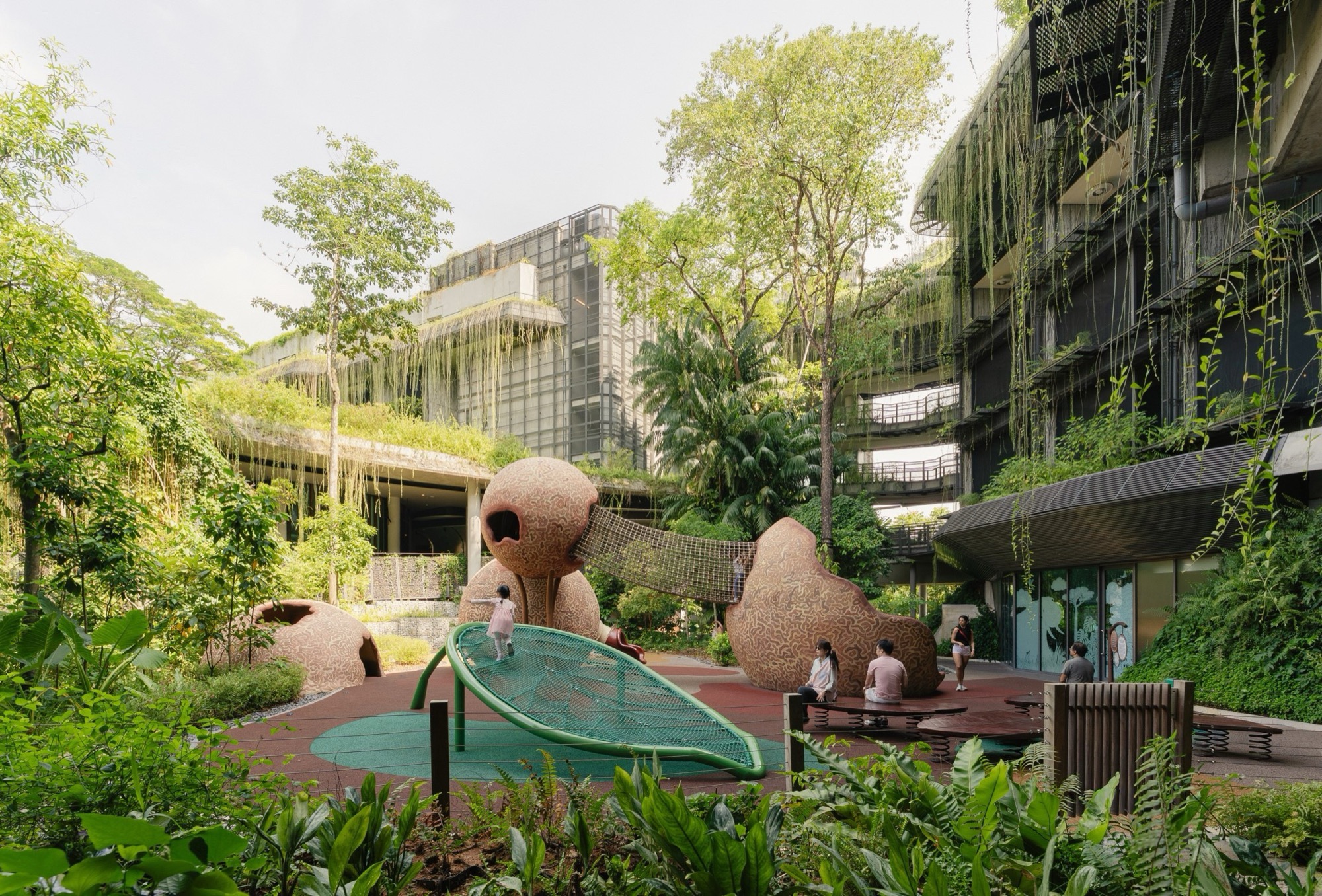
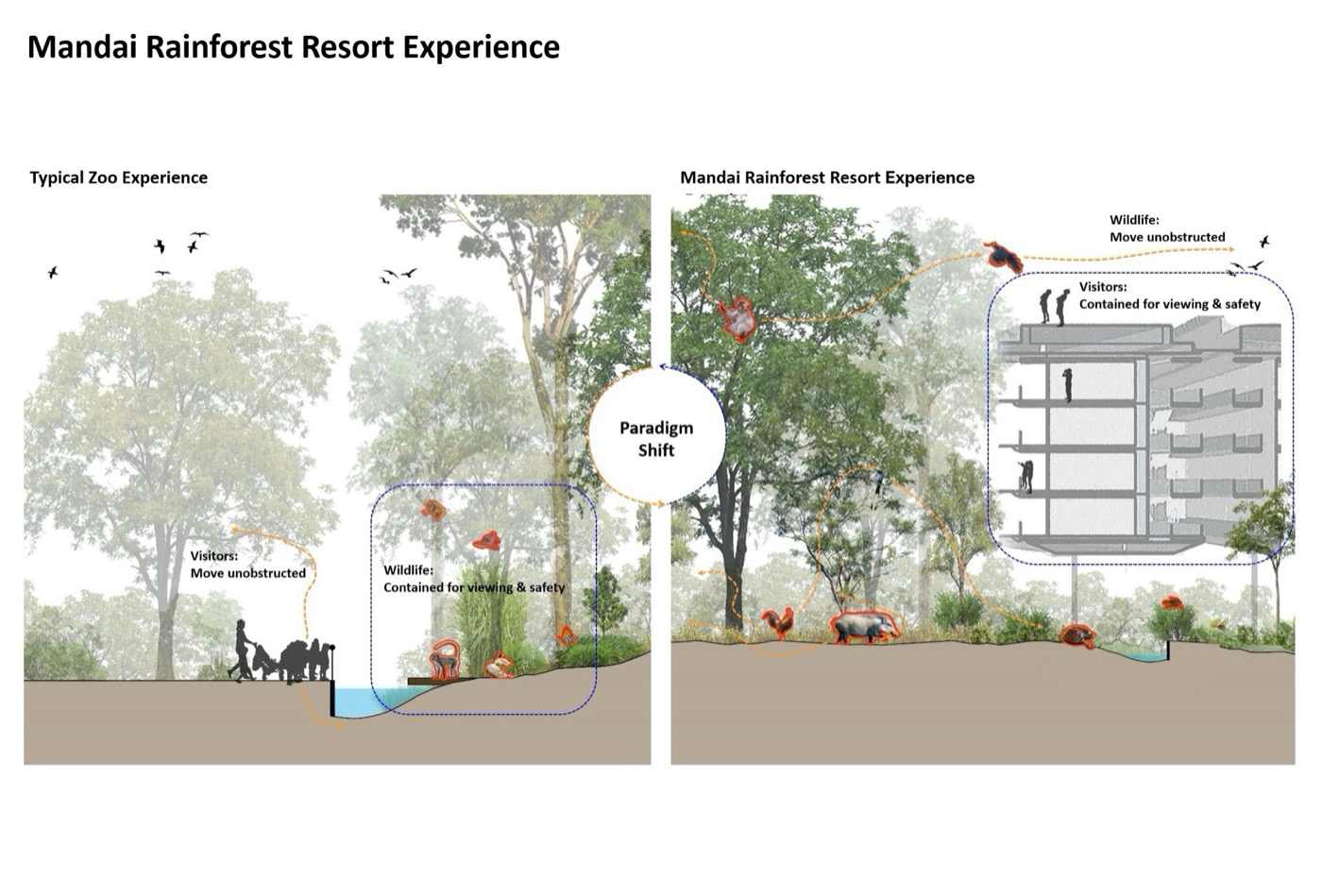
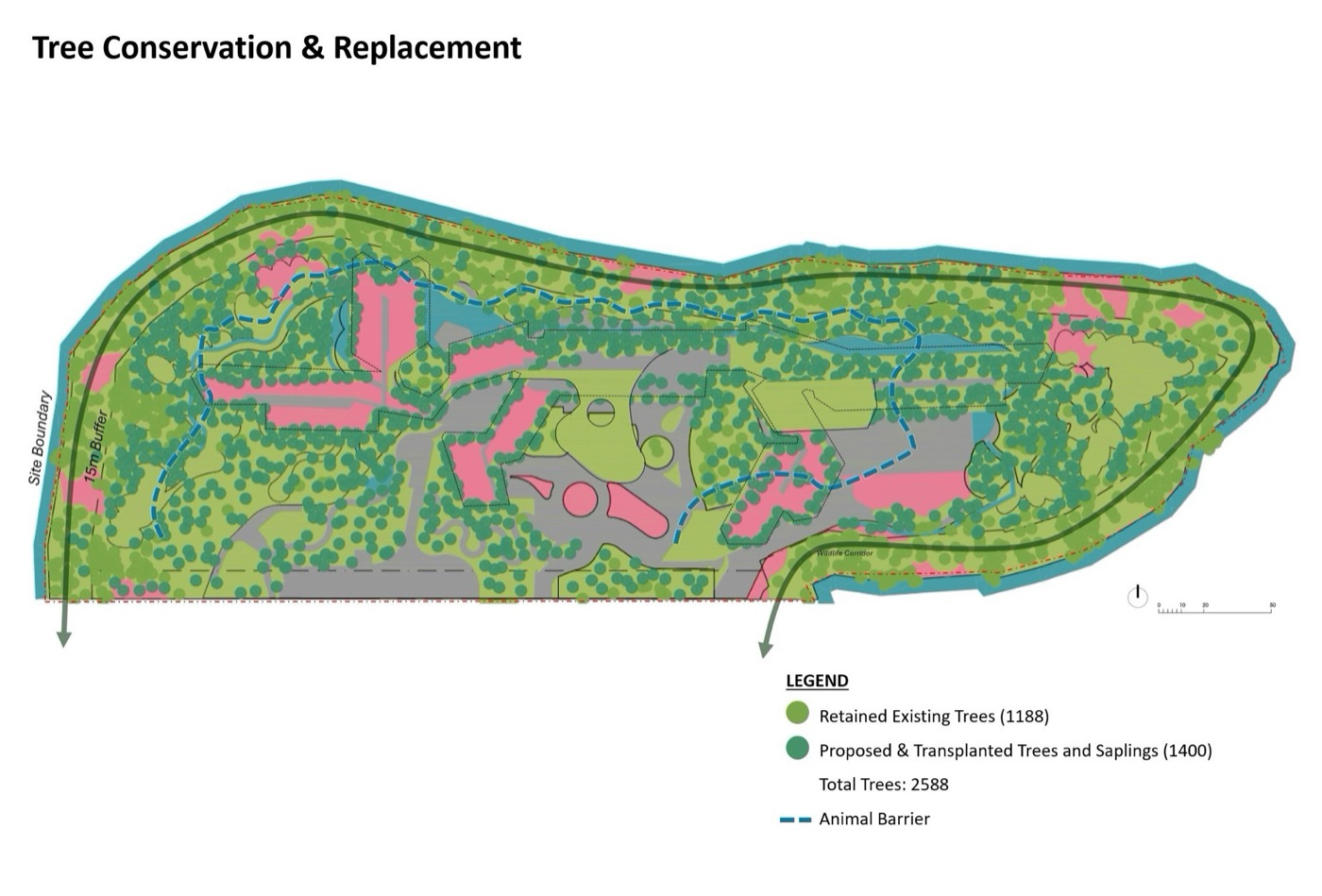
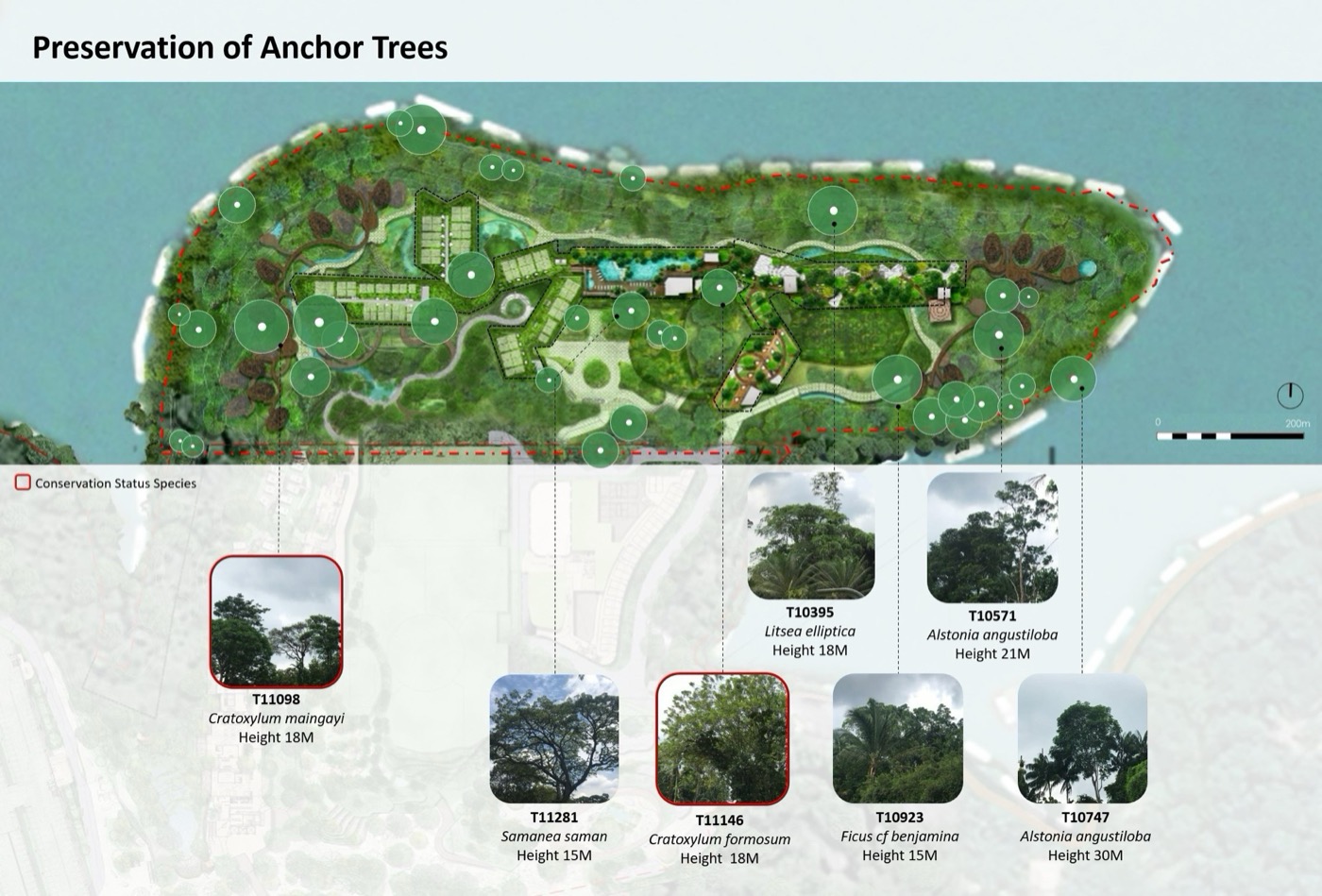
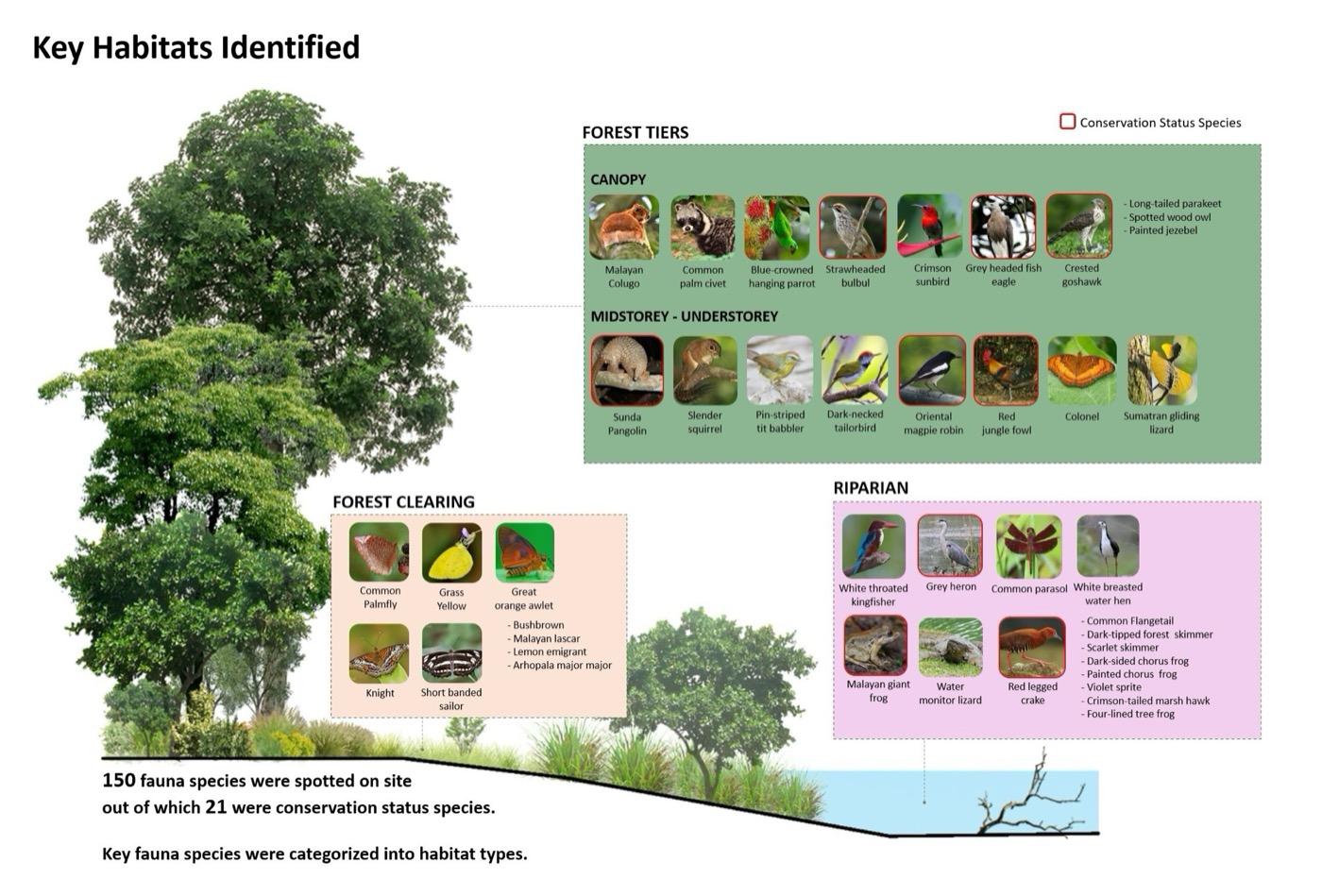
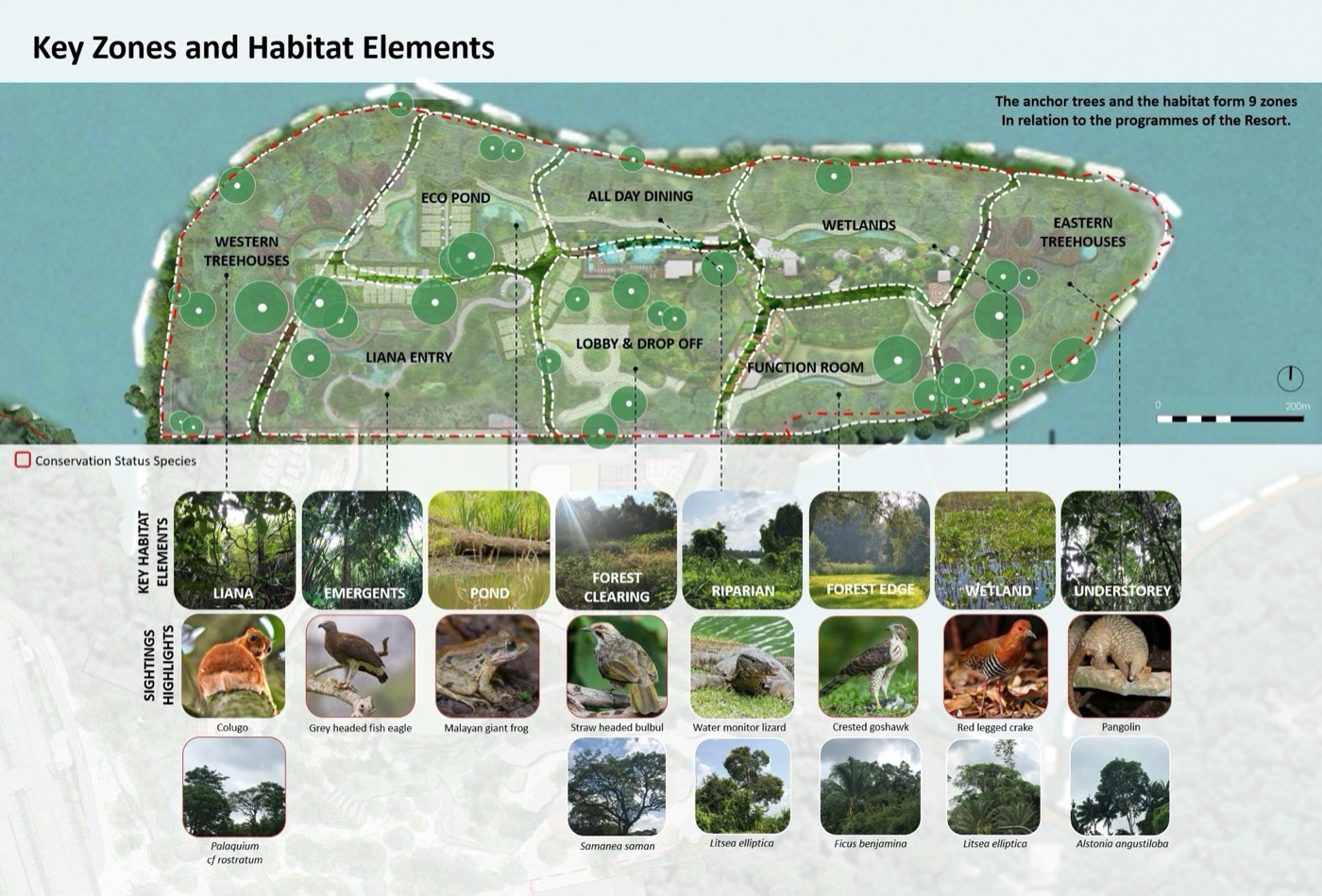
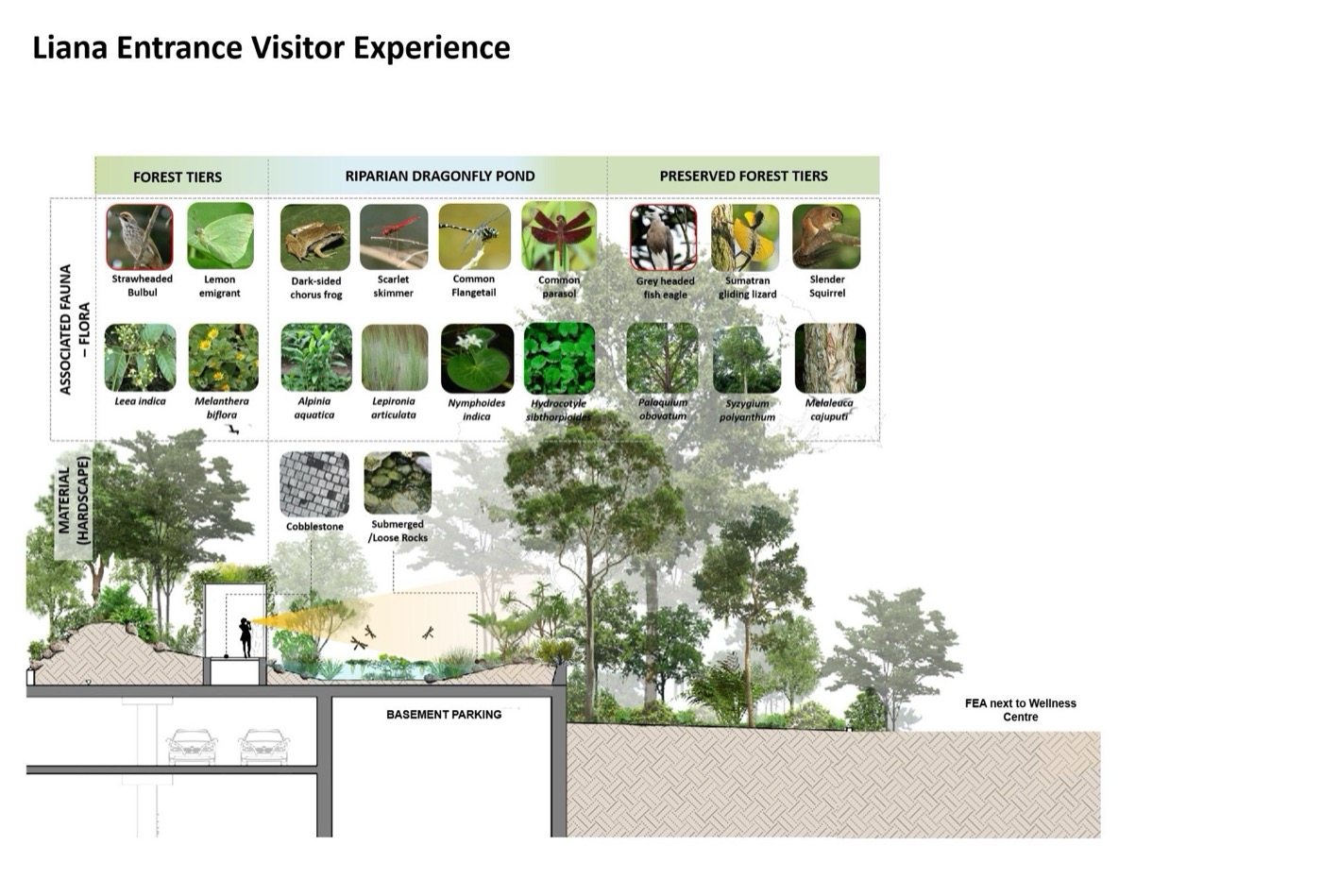
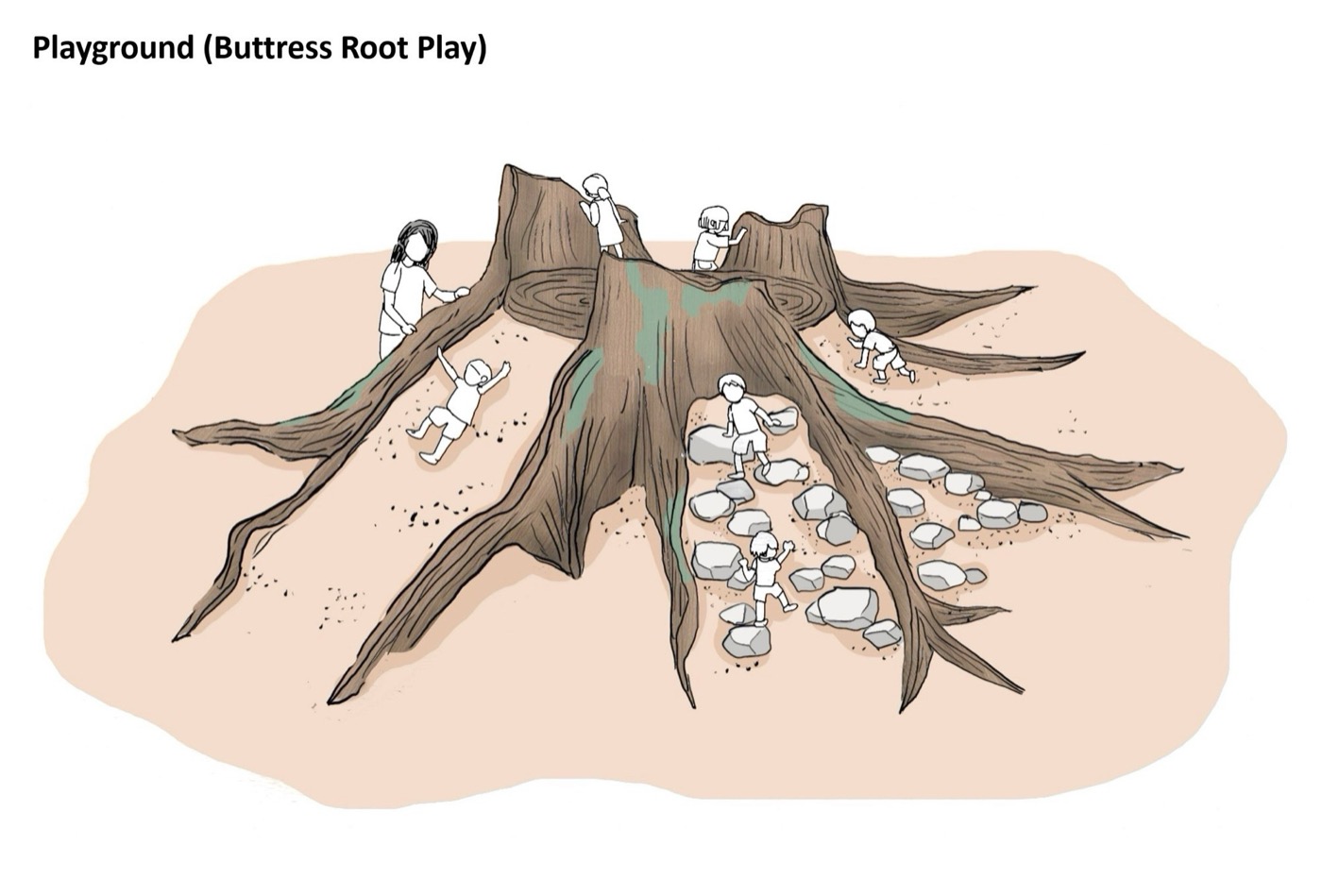
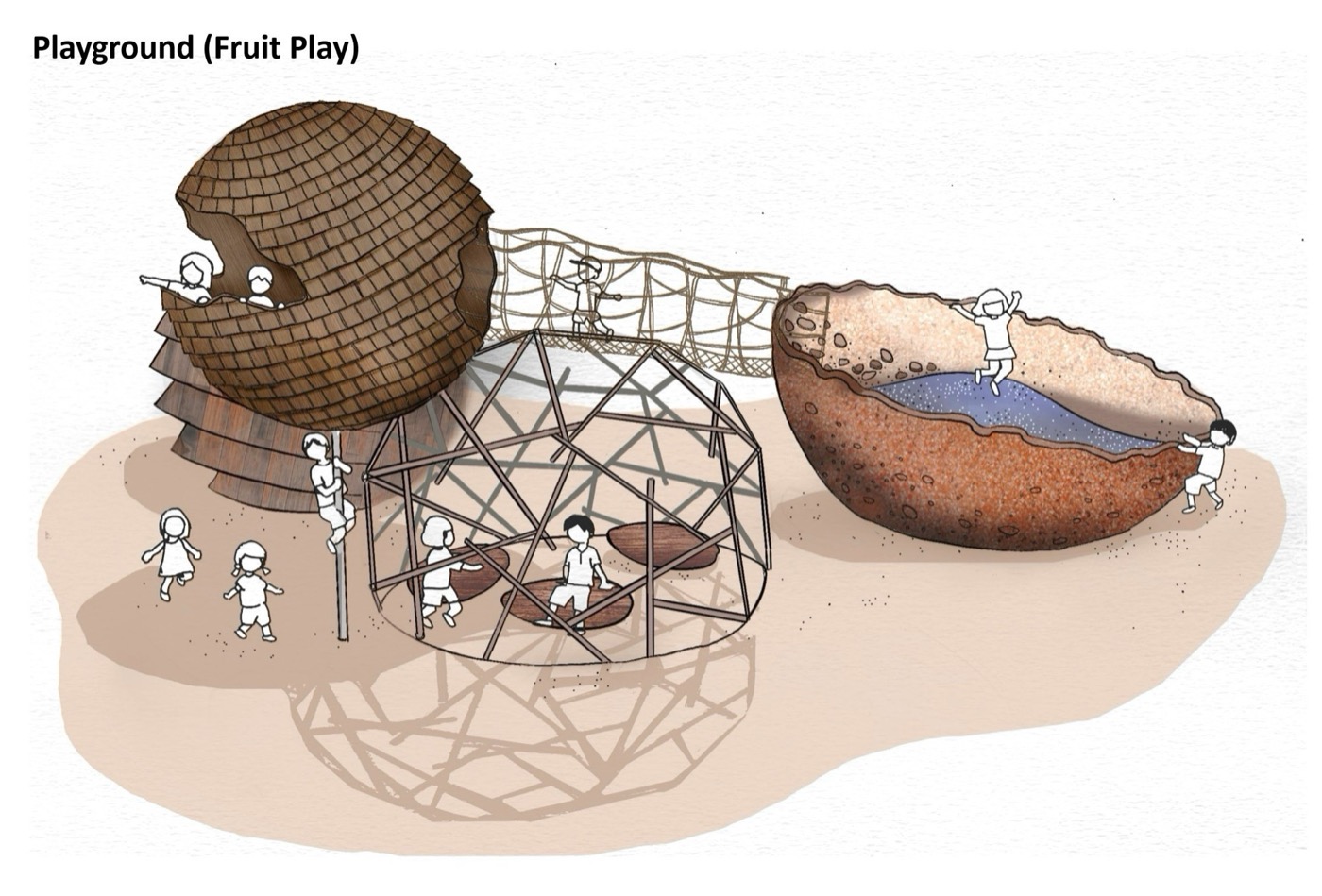
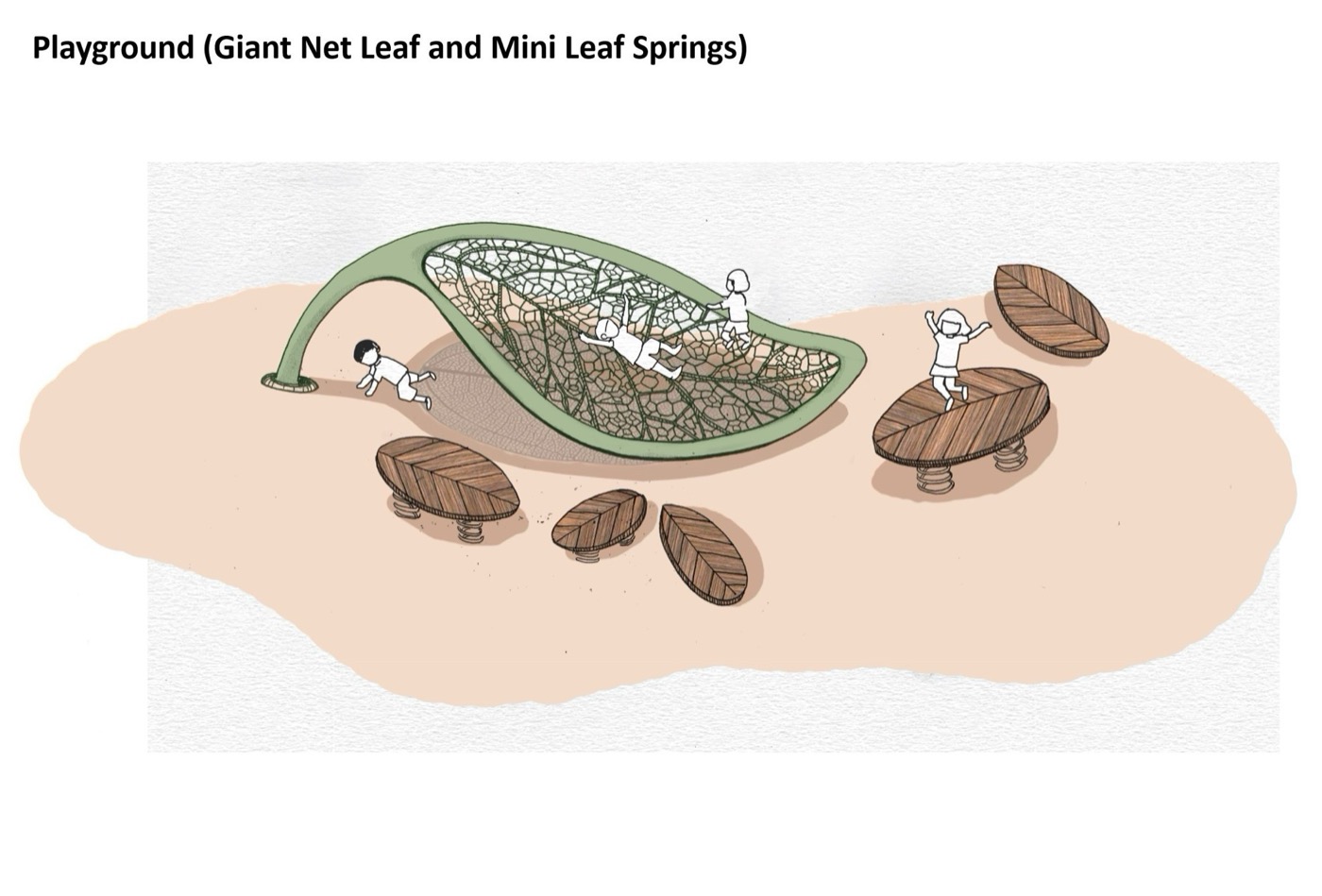
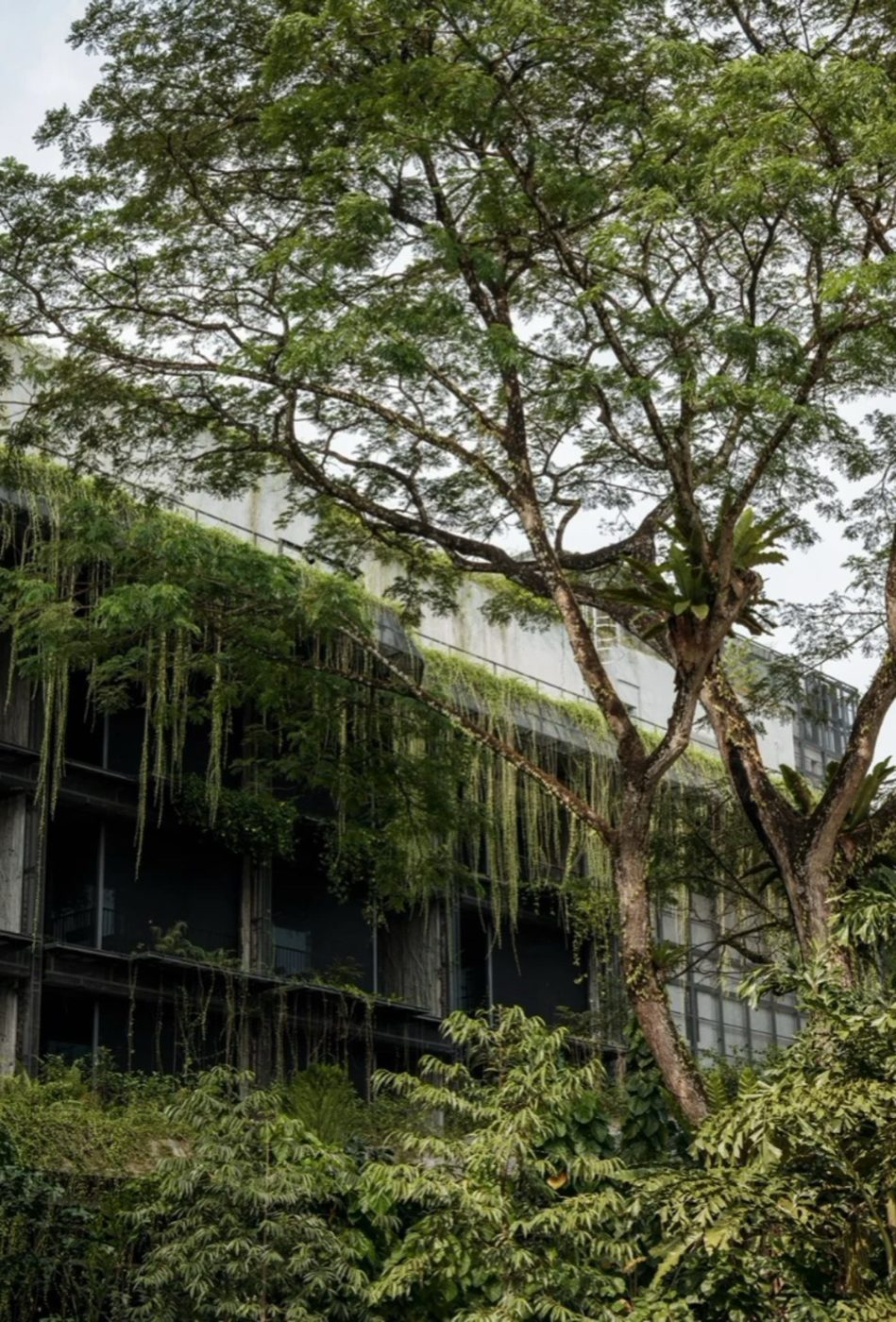
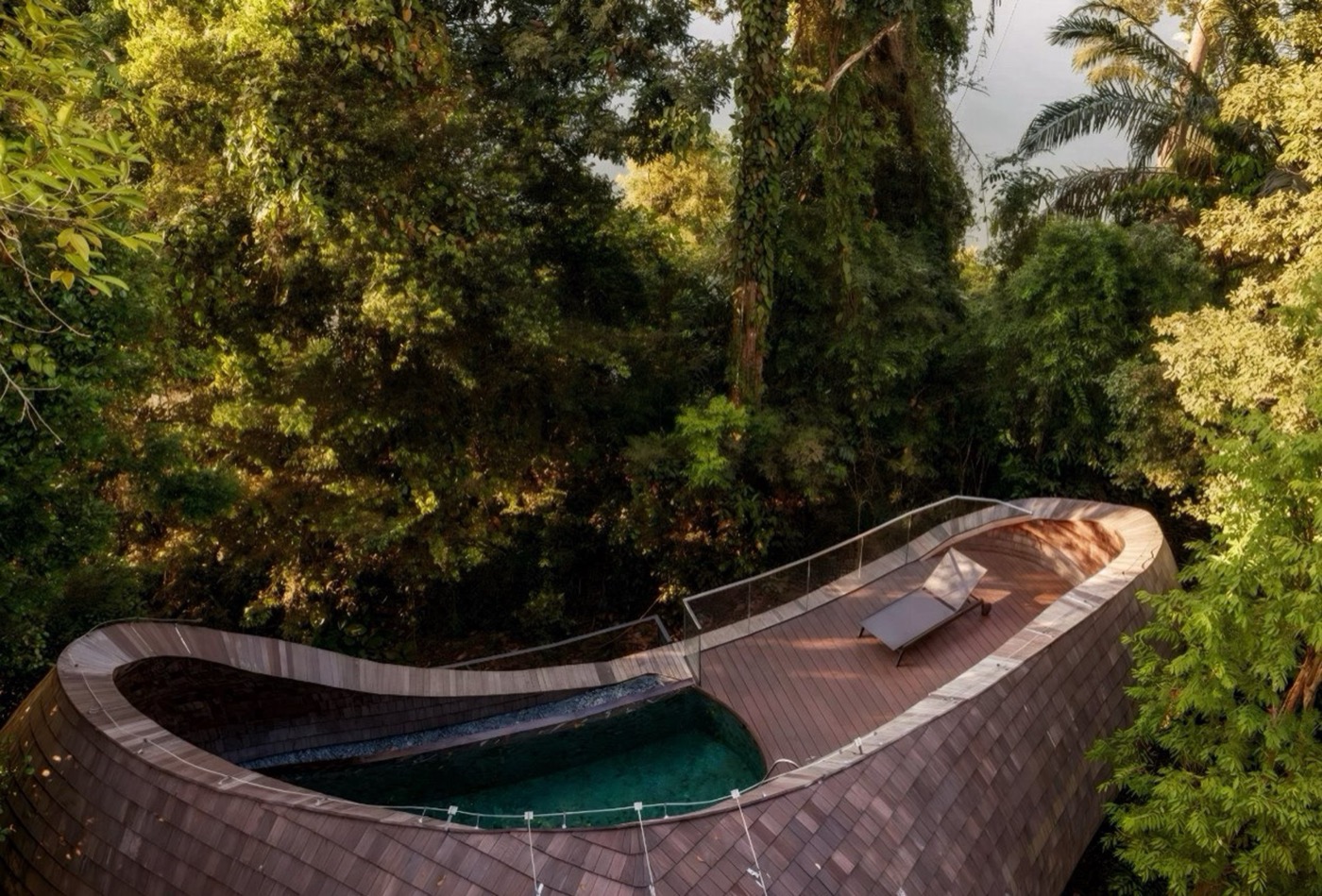
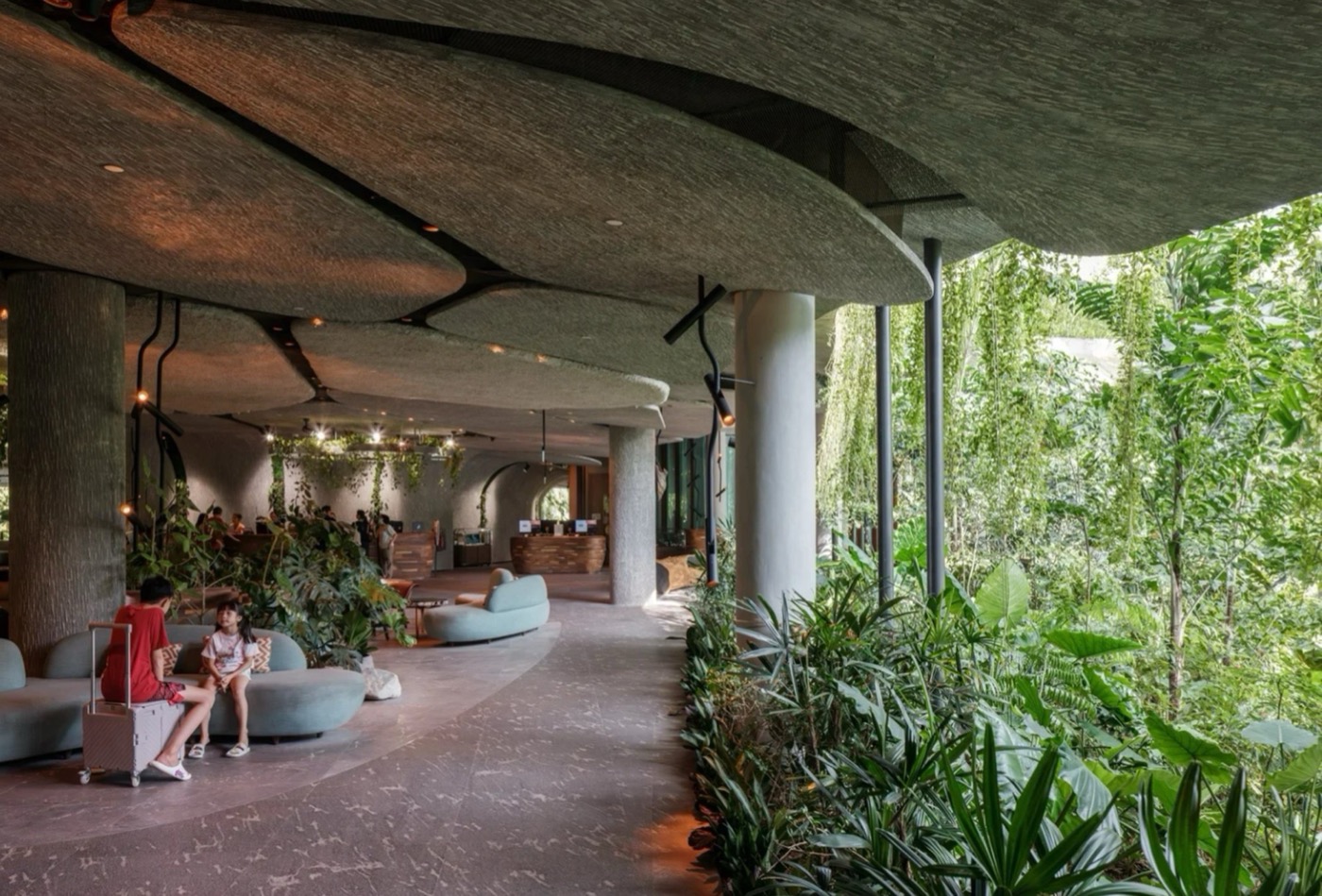
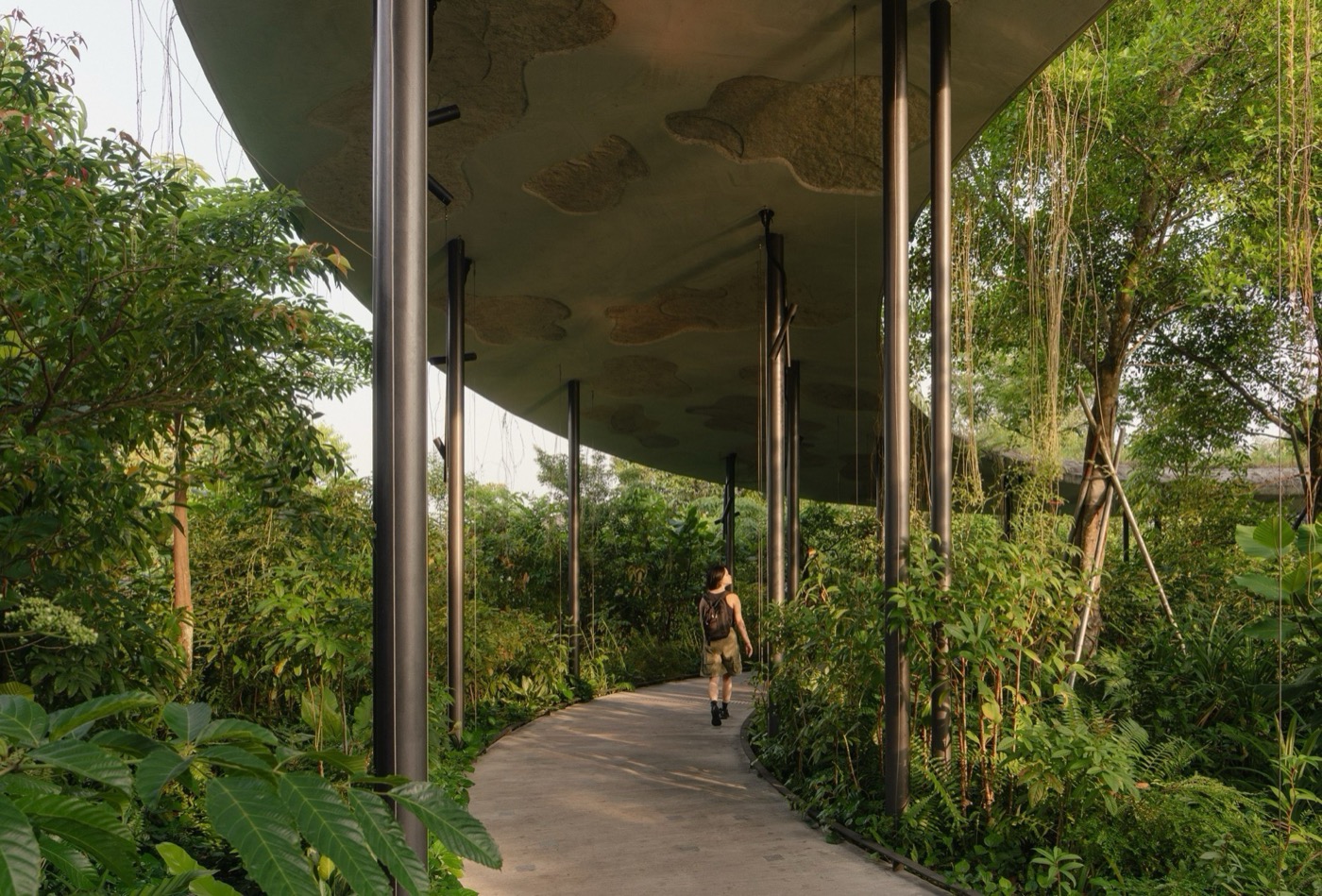
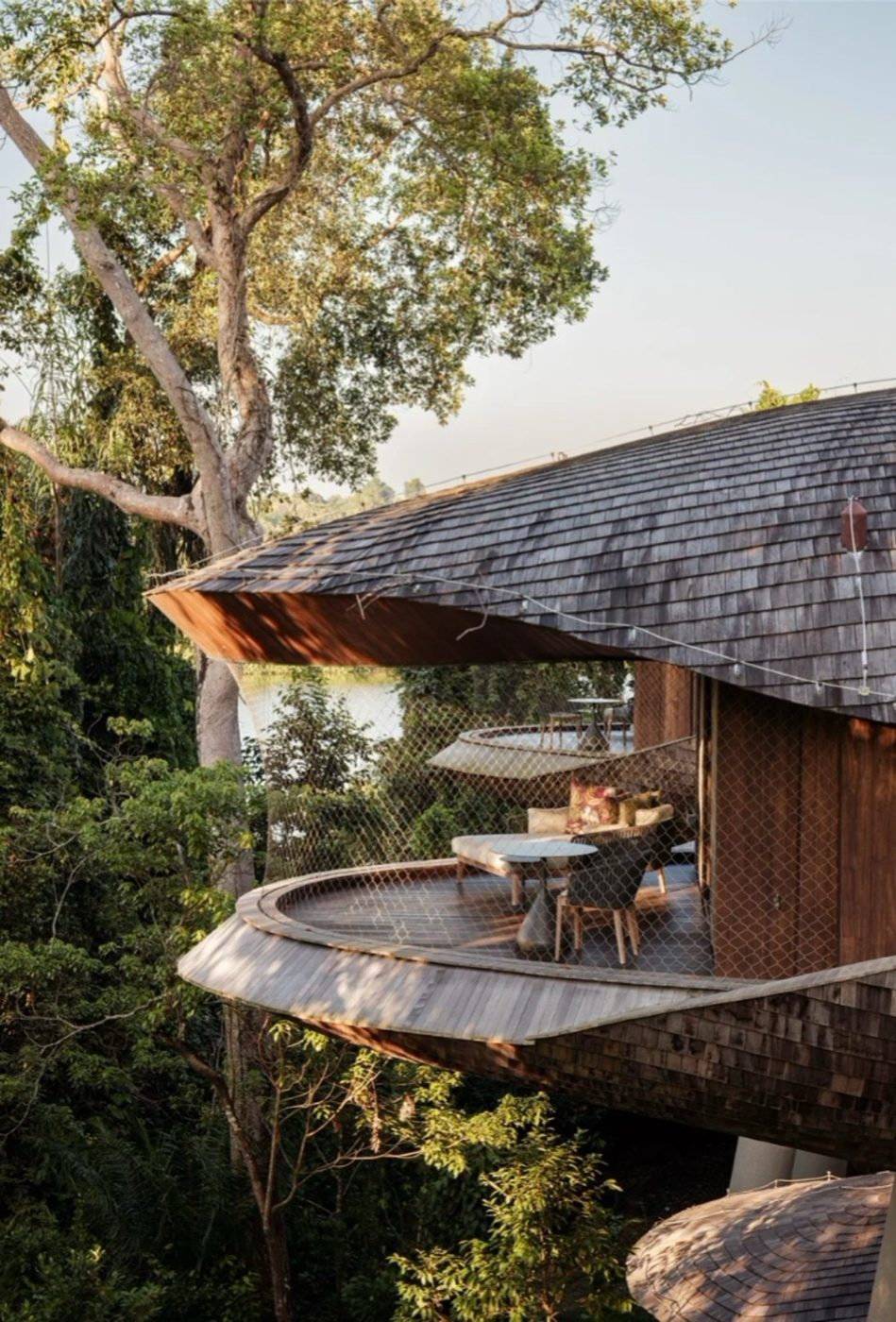
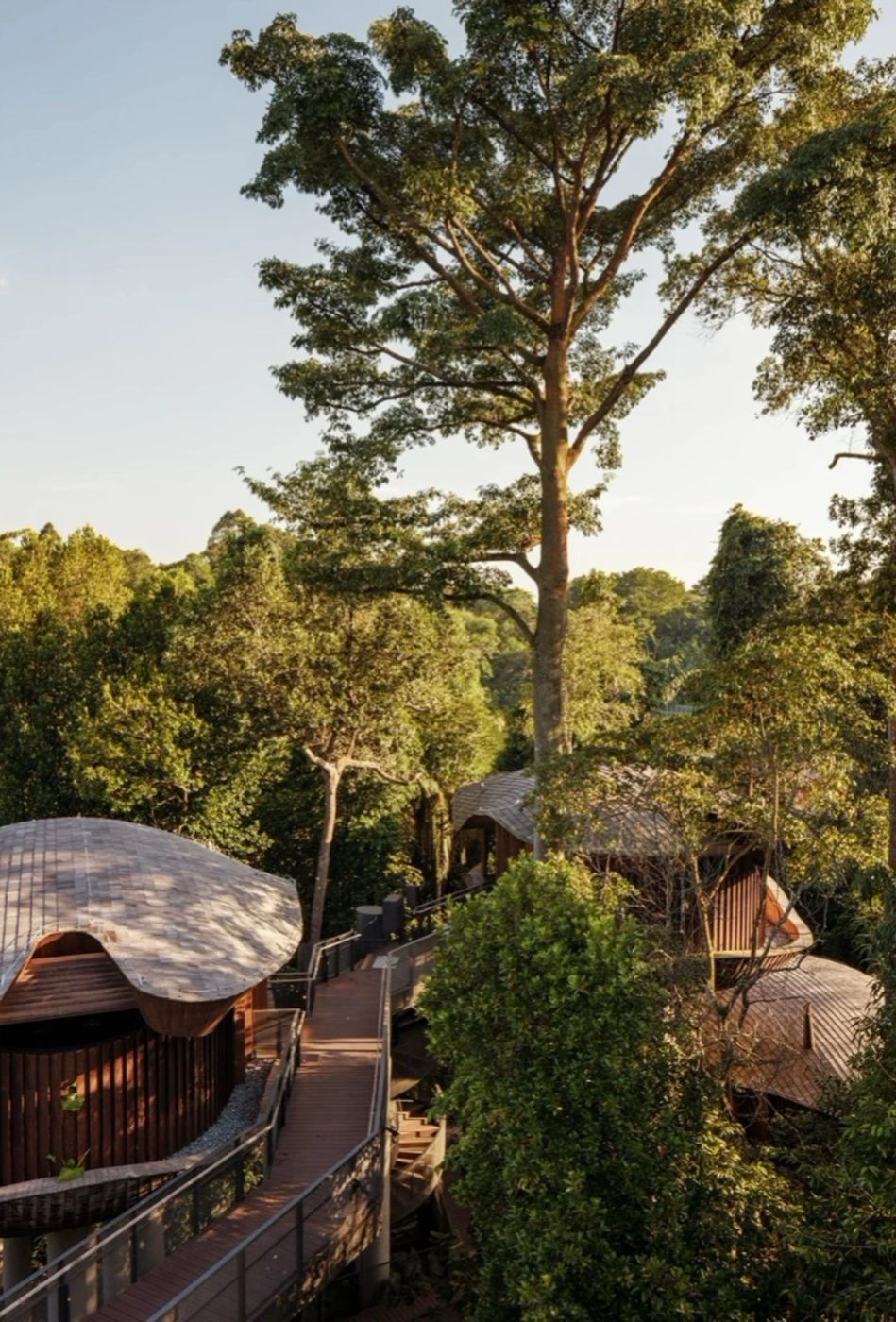
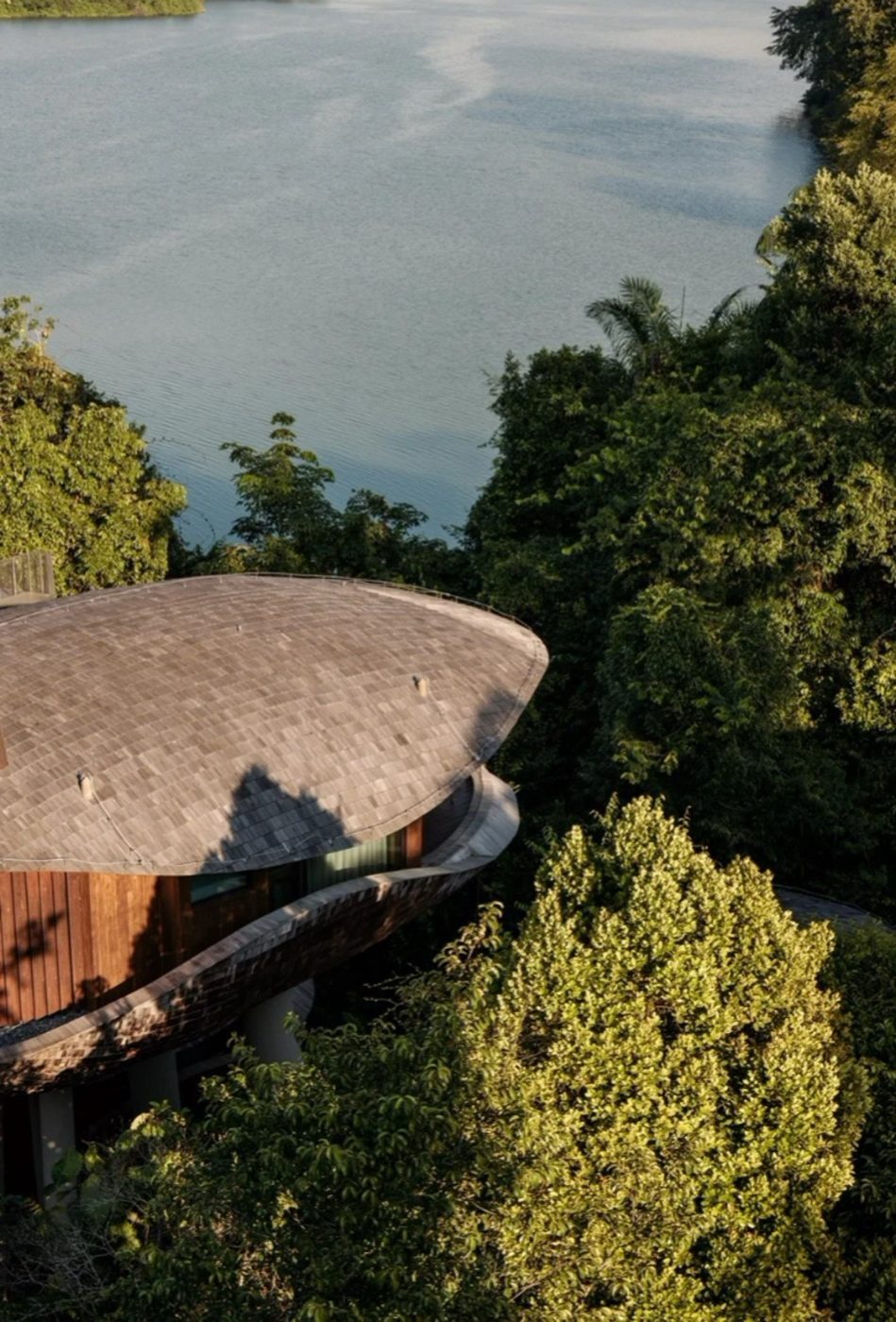
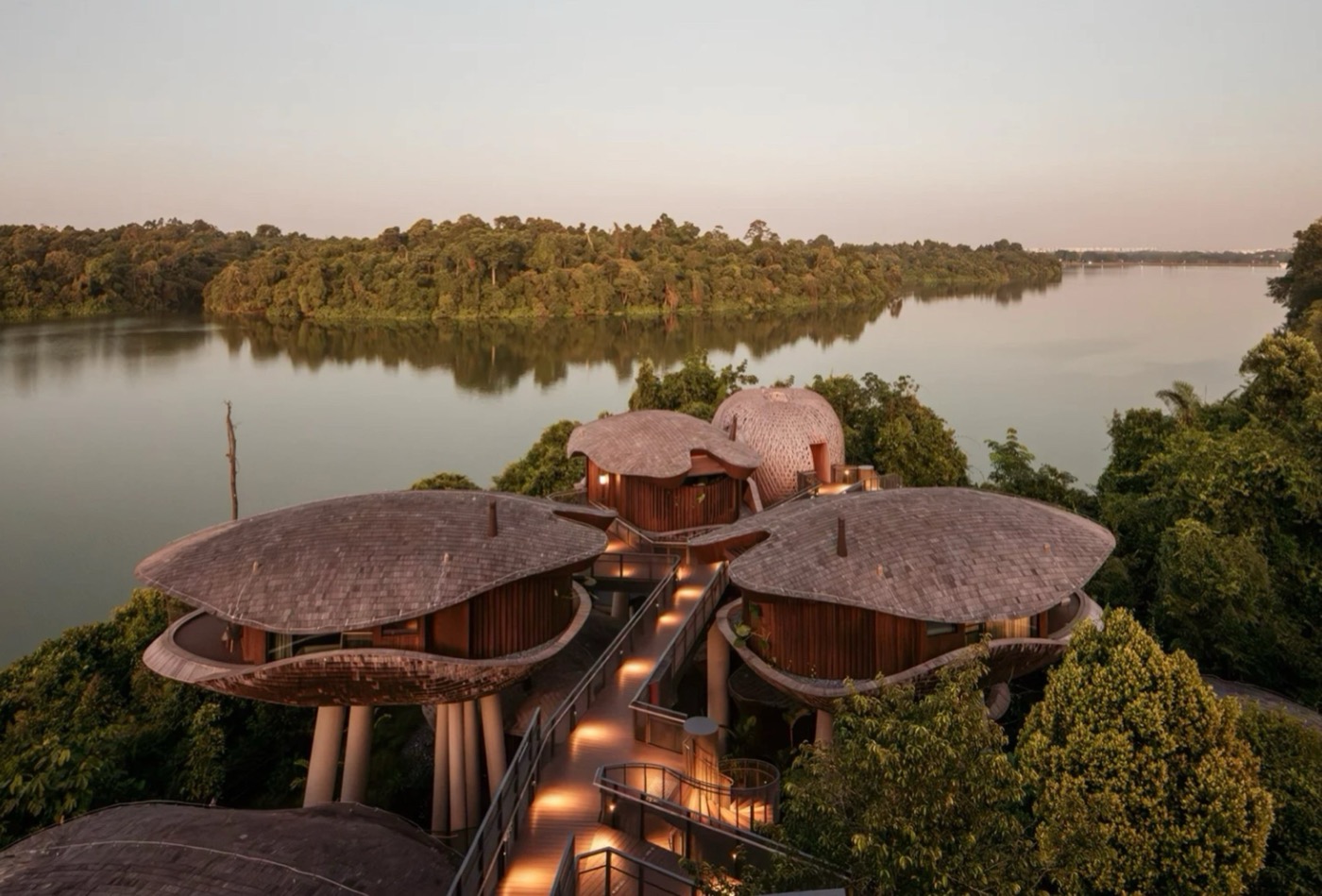
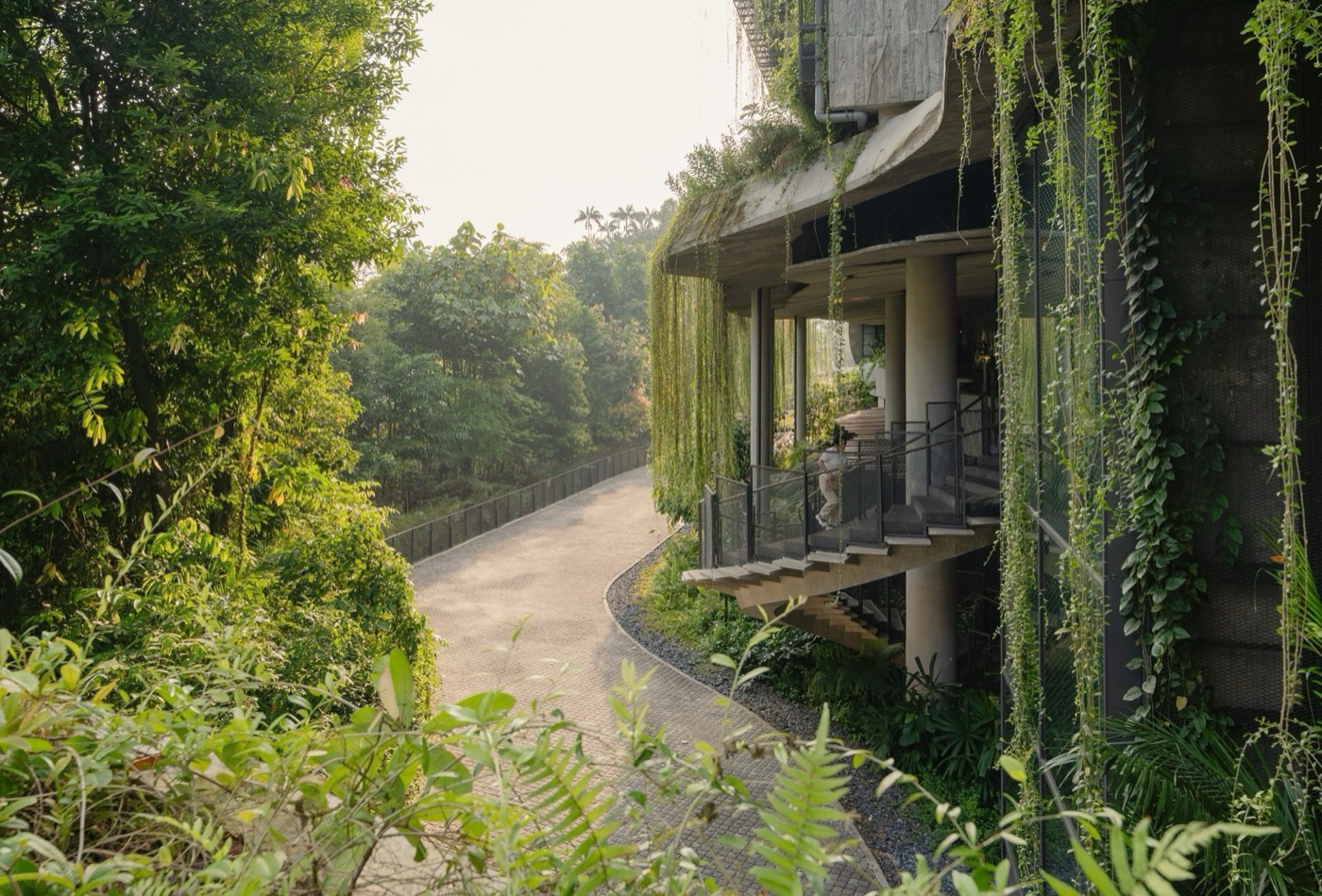
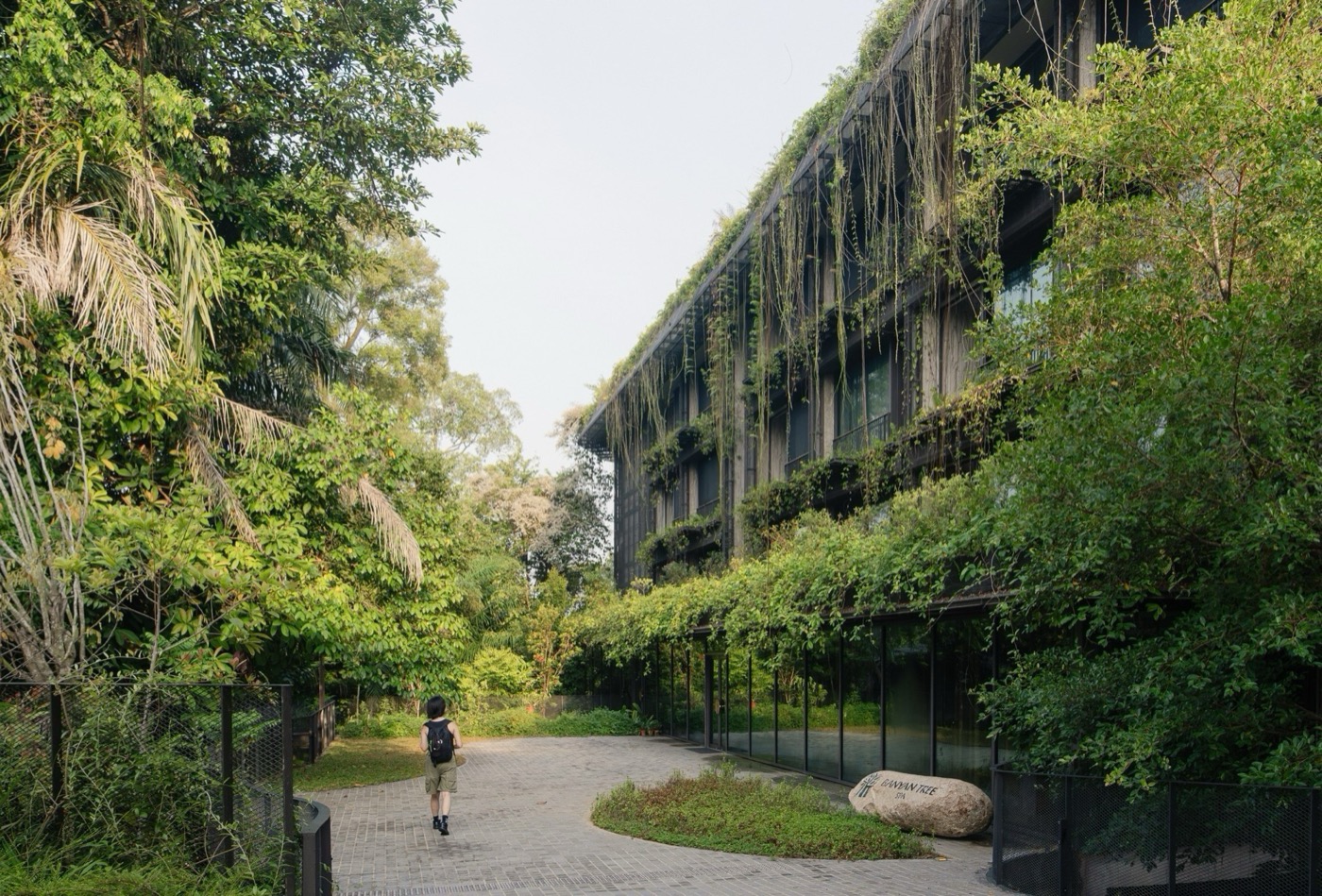
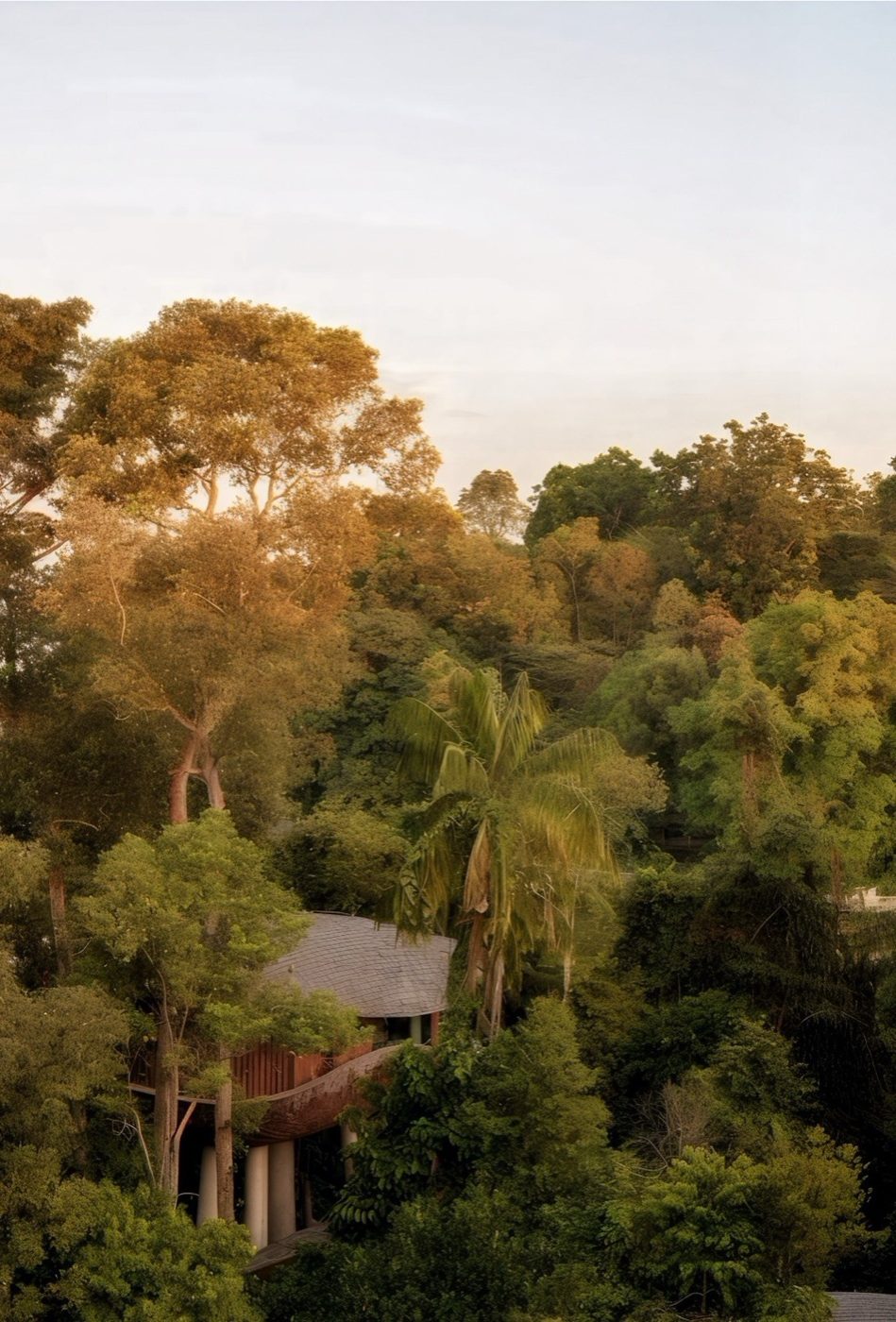
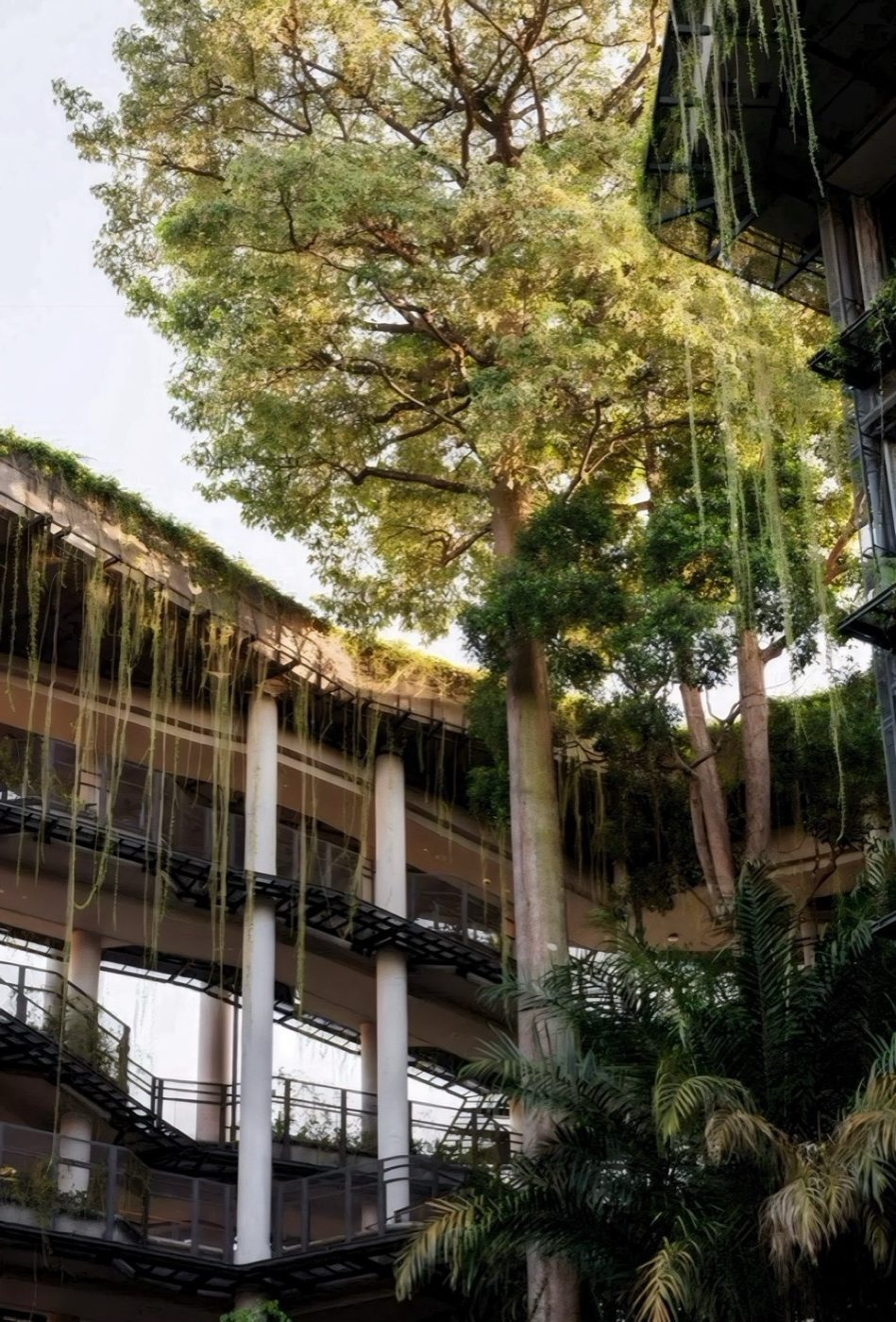
The most radical design decision was also the quietest: to touch the ground lightly, and to allow the forest to lead. All primary buildings are elevated above the forest floor, preserving topography and creating uninterrupted animal corridors beneath. Building heights are capped at four storeys, ensuring roofs do not breach the existing tree canopy. At the site’s edges, recessed ha-ha walls replace conventional fencing, maintaining visual and ecological continuity between forest and architecture. Biophilic façade strategies including planted walls, green screens, and salvaged timber elements allow vegetation to become an architectural medium, embedding the site’s biological history directly into the built fabric.
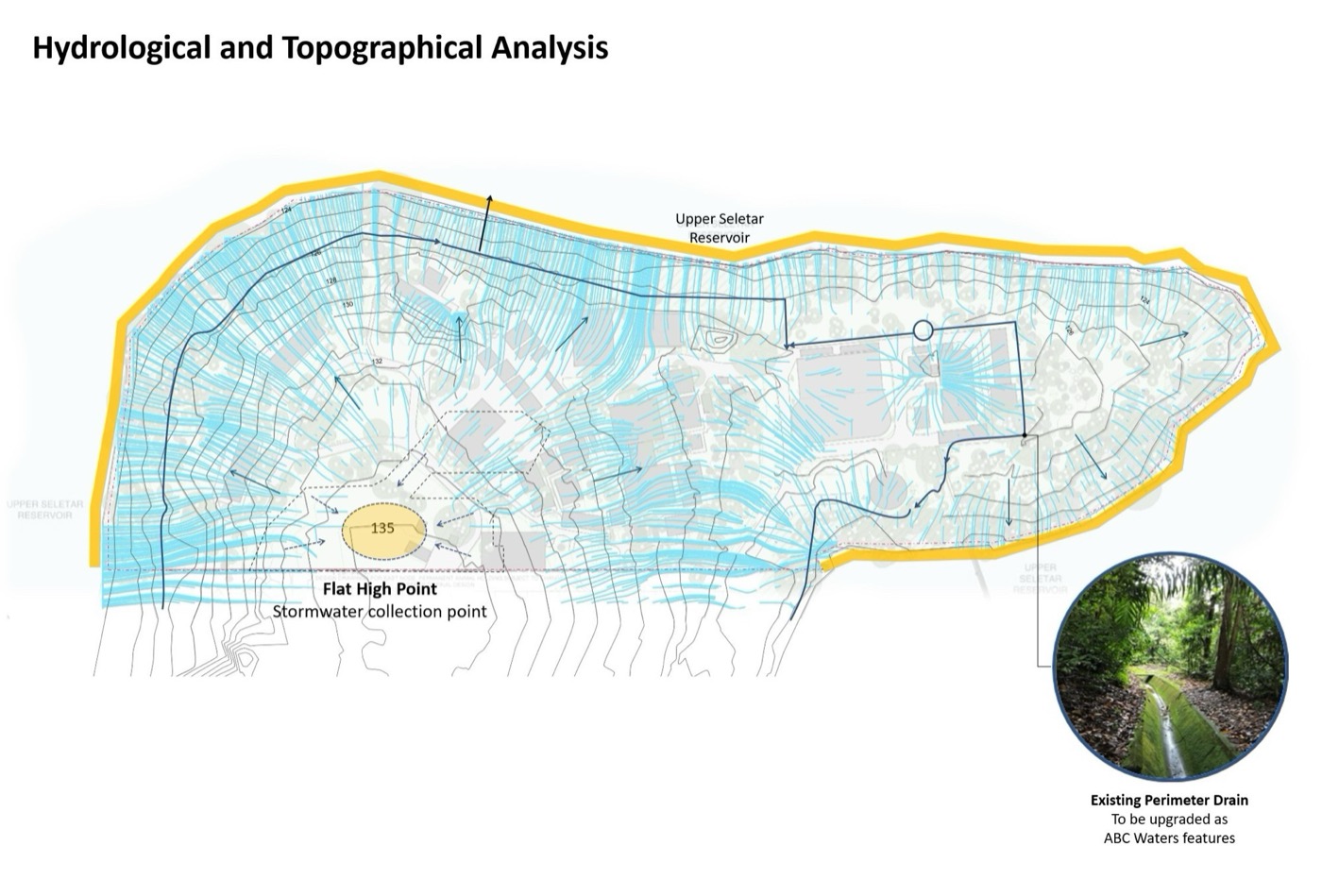
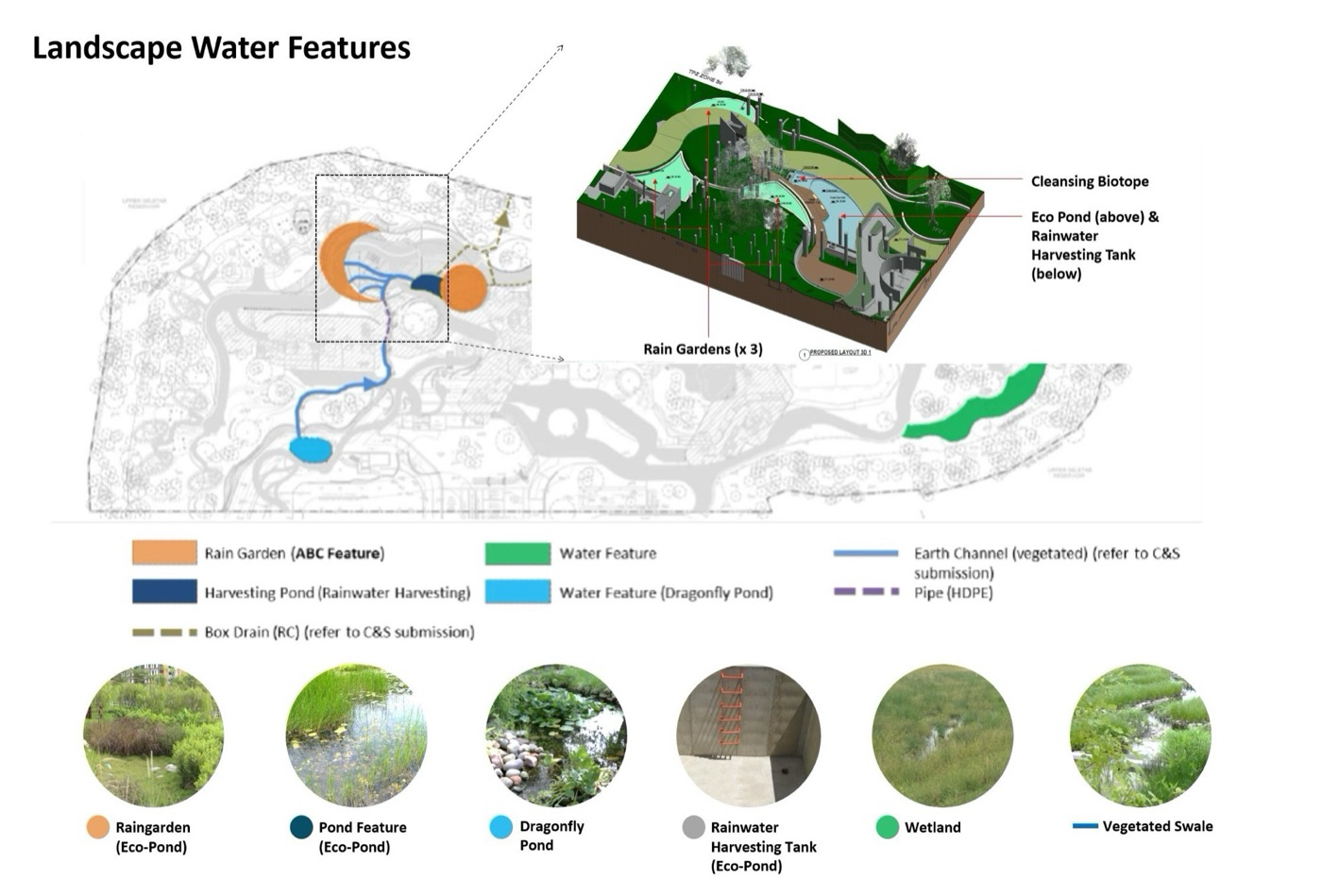
The forest restoration effort is central to this story. The site’s interior had been degraded, a bare patch where keeper quarters once stood, severed from the secondary forest buffer at its edges. The design team tracked animal movement patterns across the site, mapping routes used by wild boar, colugo, and bats to understand what the land had been before human occupation interrupted it. Specific mature raintrees were retained and worked around. The gap between the degraded interior and the fringe forest was then deliberately stitched through successional planting and habitat connectivity, supported by an Eco Pond and a network of rain gardens and wetlands that restore aquatic habitats and moderate microclimates, to allow animal movement to resume. About 40 percent of existing trees were conserved, and an additional 1,400 trees and saplings were planted.
To move through the resort is to inhabit a landscape in the process of becoming. Beneath the elevated buildings, the forest floor remains cool and humid, open to the movement of animals and the drift of undergrowth. The canopy closes overhead in uneven layers, pioneer species giving way to the slower-growing forest trees establishing beneath them, and the acoustic register shifts with every hundred metres: birdsong deepening, the rustle of unseen movement in the understorey, the occasional encounter with a colugo gliding between trunks at eye level. Treehouse guest rooms offer not a view of nature but immersion within it, their elevated corridors placing guests at canopy height where the boundary between building and forest dissolves entirely. This is a landscape that rewards attentiveness over spectacle.
What distinguishes this project is not what was built, but what was set in motion. The planting strategy is conceived as a succession story: dynamic, intentional, and oriented toward a future the designers will not fully see. Parts of the landscape will shift. Species will establish, compete, and give way to others. The resort is designed to be flourishing more fully in twenty years than it is today, as the forest continues to grow around and through it. Guests are not visitors to a finished landscape but temporary occupants within an ecosystem in active becoming.
The Mandai Rainforest Resort proposes a future for built landscapes where design success is measured not by visual dominance, but by how quietly and effectively life is allowed to return. It is a project that values animal movement as much as human comfort, and that finds its deepest ambition not in what it has made, but in what it has made possible.
WOW Architects – Architecture
Arup – Mechanical, Electrical, and Plumbing
Ramboll – Civil & Structural
Asia Infrastructure Solutions – Quantity Surveyor
Rider Levett Bucknall – Project Management
60 Mandai Lake Rd, Singapore 729979
73625


LILA 2026 Sponsor