Mandarin Oriental Costa Navarino, Messenia, Greece
www.coopershill.design
2026 Hospitality and Therapeutic / 2026 Landscape and Architecture / Greece / Built in 2024 /

The Costa Navarino Resort is Greece’s first truly sustainable tourism destination, built in harmony with the natural environment and a commitment to social and economic responsibility for the local communities. As such, the client desired a visionary hotel at the heart of its development, and through this the world’s first earth-sheltered multiple guest suite hotel was conceived.
The Mandarin Oriental, Costa Navarino, opened in 2024. Nestled on the southwest coast of the Peloponnese, one of the most unspoiled and breathtaking landscapes in the Mediterranean.
The brief for MOCN was to create a world-class new-build hotel in one of Greece’s most delicate and storied landscapes—a place of mythic geography and profound ecological value. The scope was to design a hotel that would meet the expectations of a global luxury brand while remaining understated, sustainable, and rooted in the landscape rather than imposed upon it.
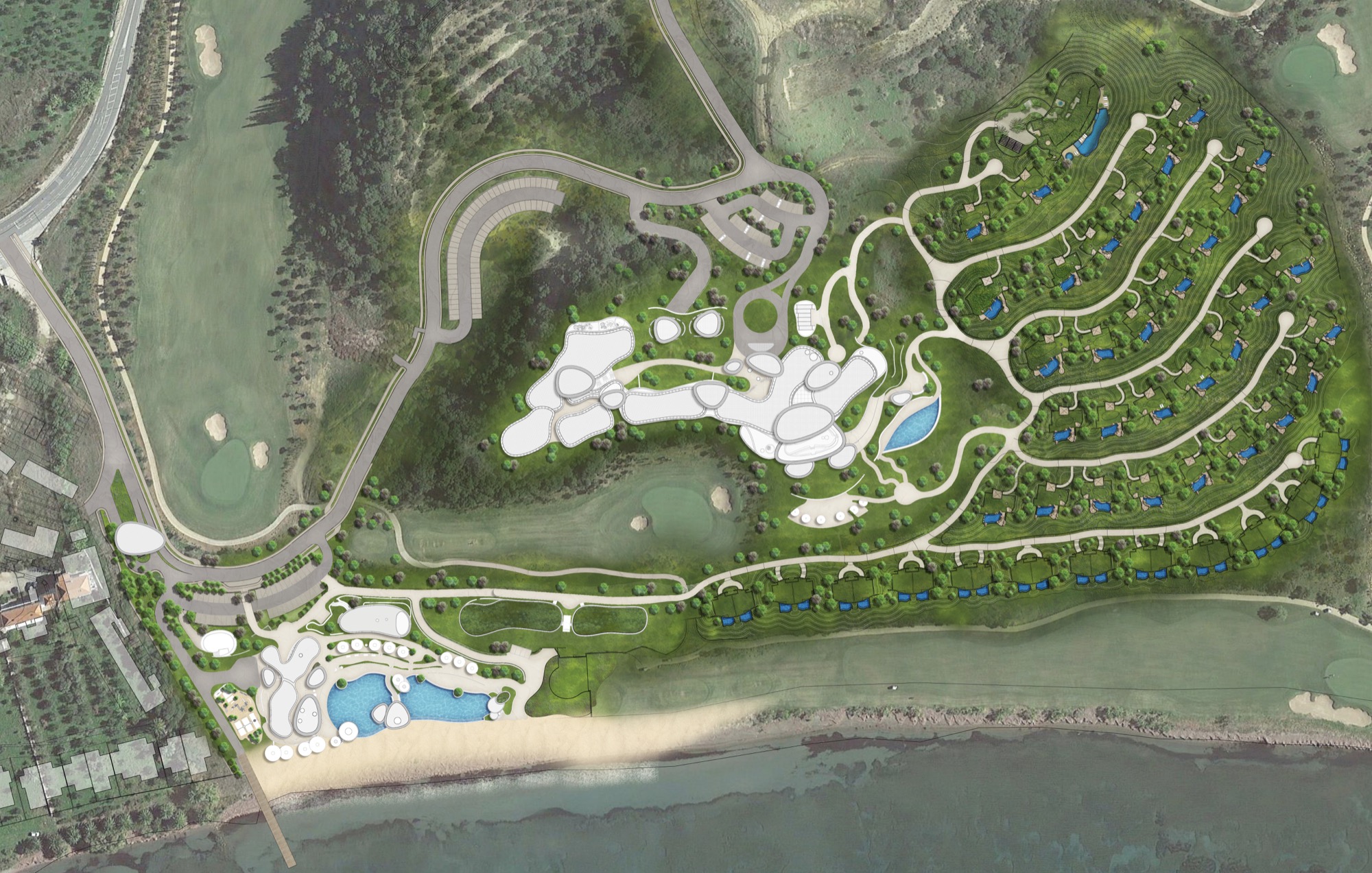
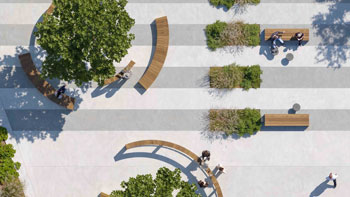
Coopers Hill were appointed alongside the lead architect from the earliest stages of the site development and the team’s response to the project’s brief was a decentralized masterplan inspired by the Greek rural agricultural traditional layering known as Mandria. The resort adopts this strategy, placing accommodation —including 48 spacious earth-sheltered villas with private pools and additional suites cleverly nestled beneath a recreated naturalistic coastal hillside— all following the natural contours of the hills. Coopers Hill’s meticulously located the “hidden” villas and suites within the carved hillside, and as such, a thoughtful integrated landscape design response was achieved, prioritising integration to nature, balancing cut & fill and ensuring 180-degree sea views. Adjacent outdoor spaces were contained within their own verdant intimate universe.
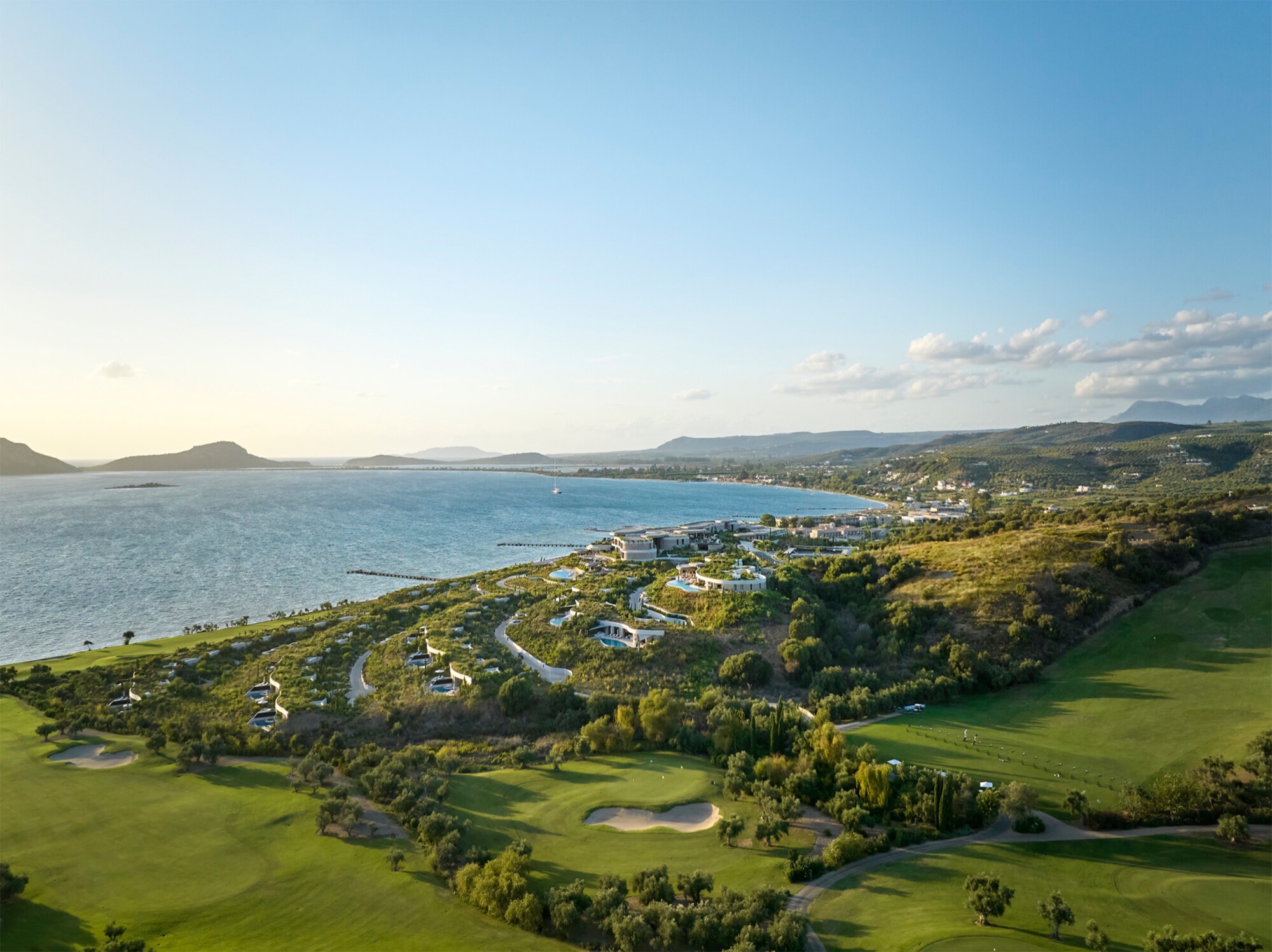
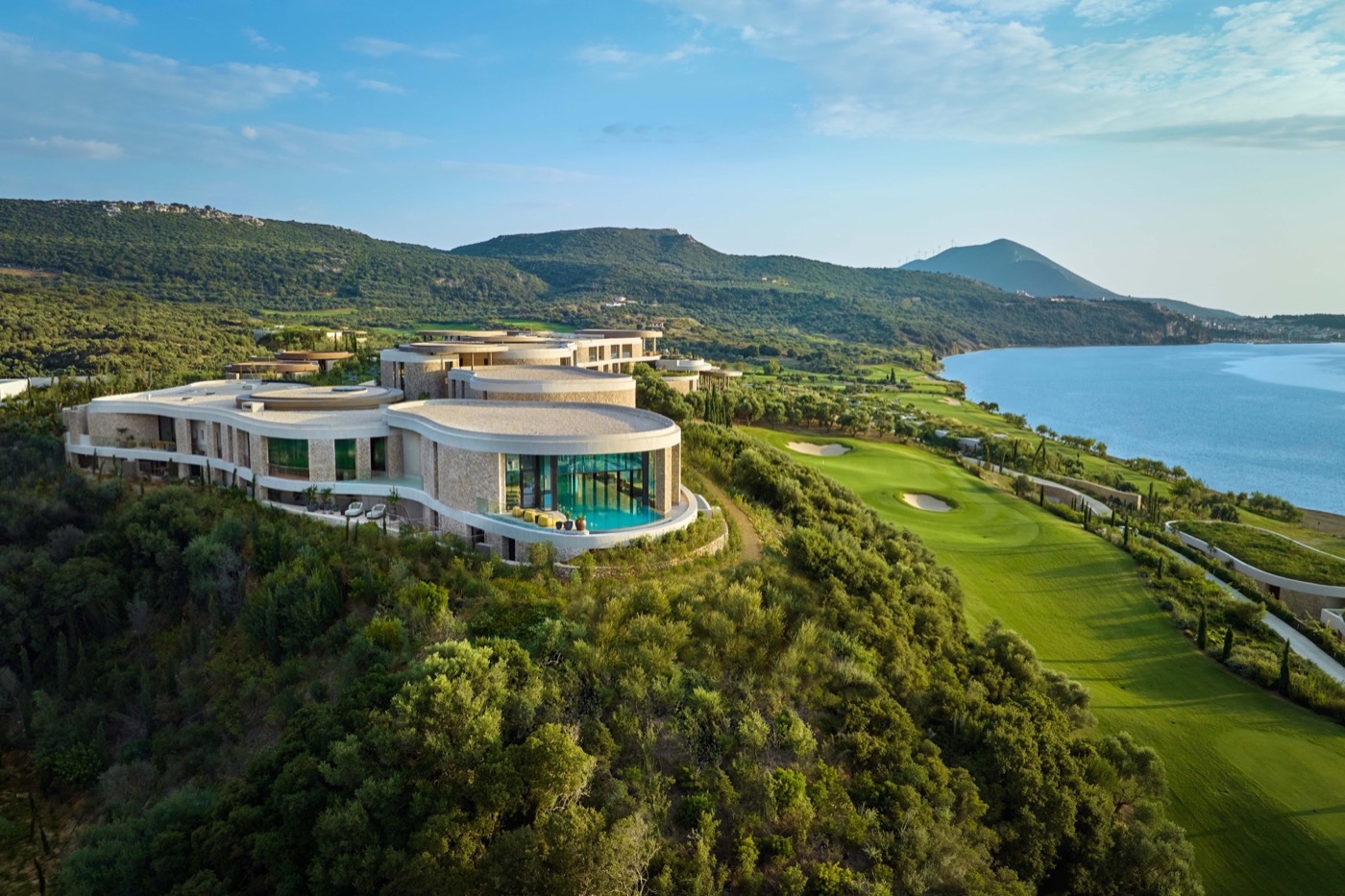
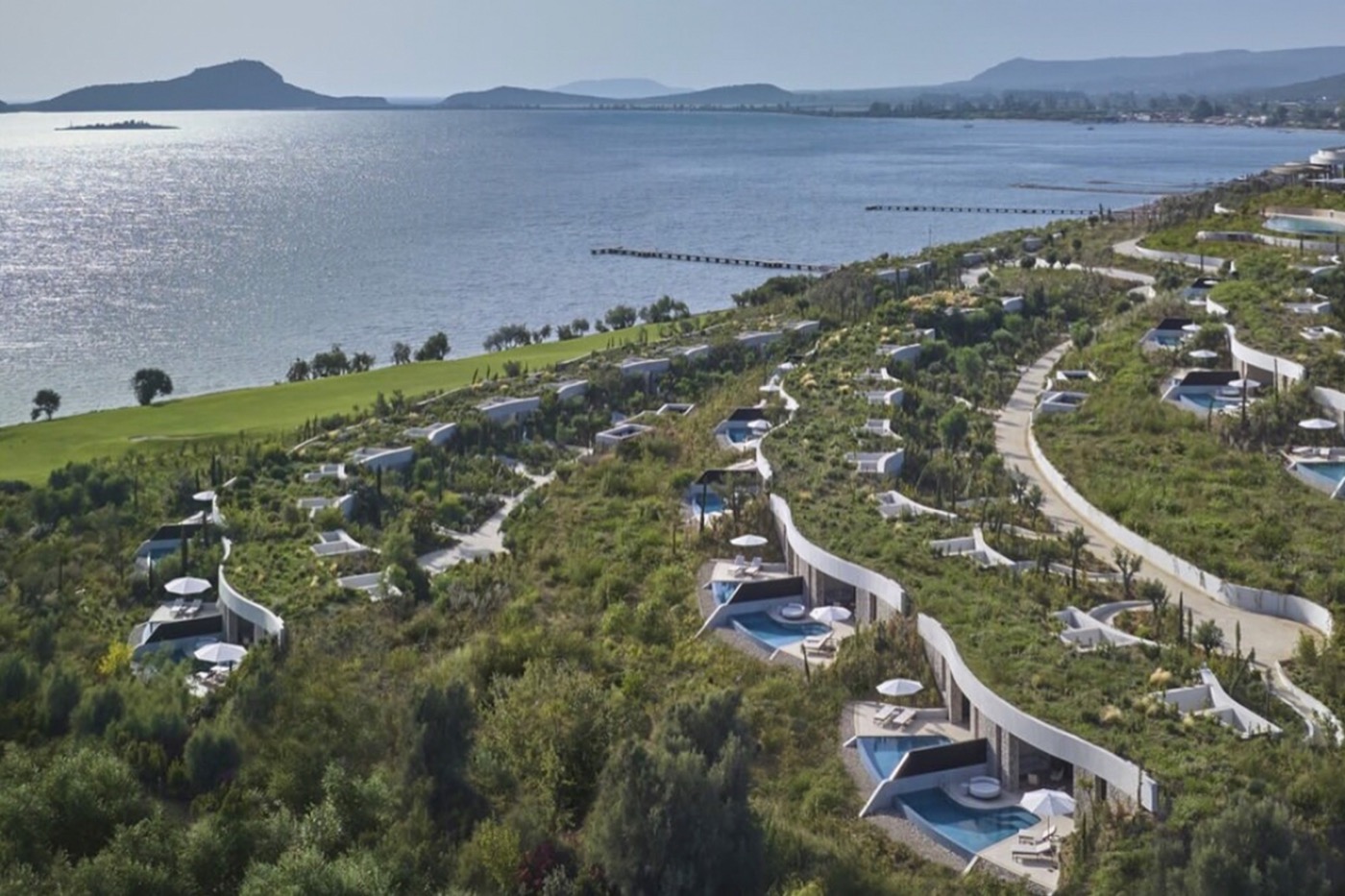
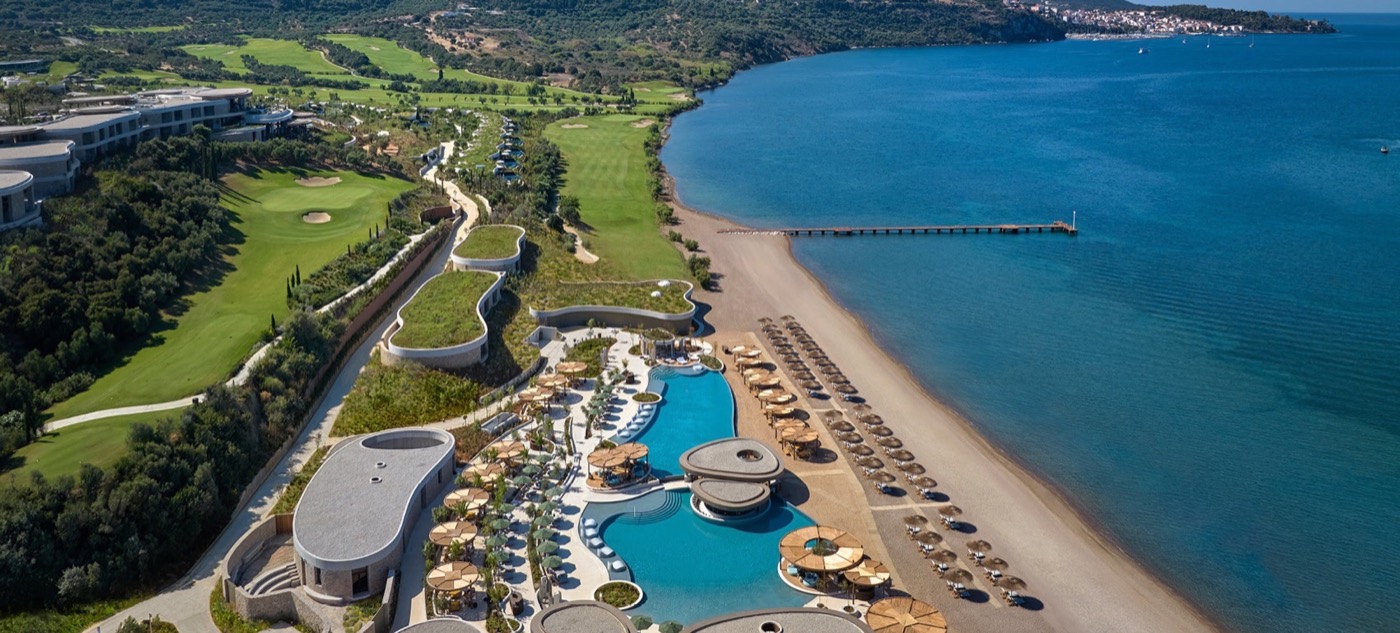
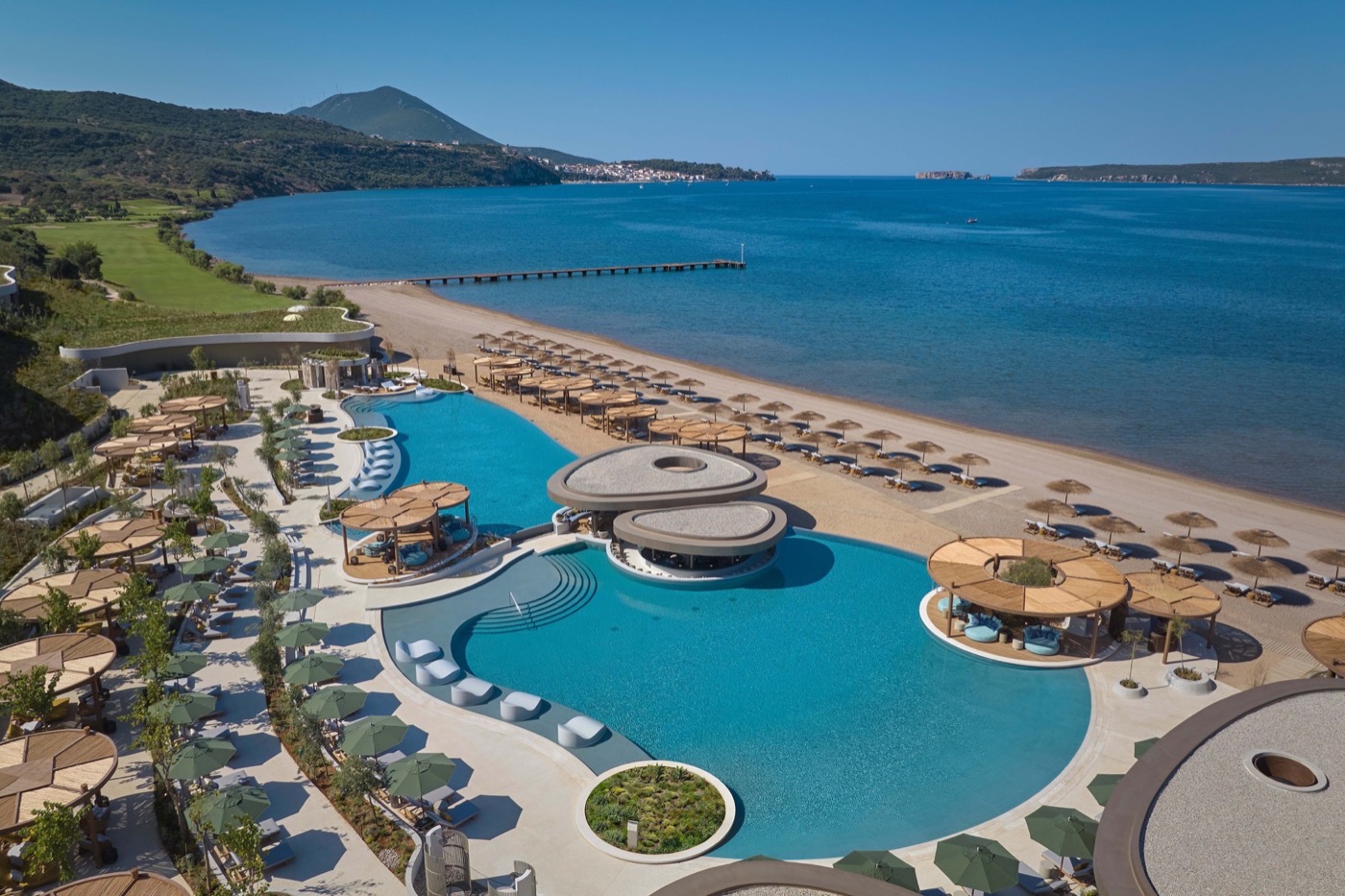
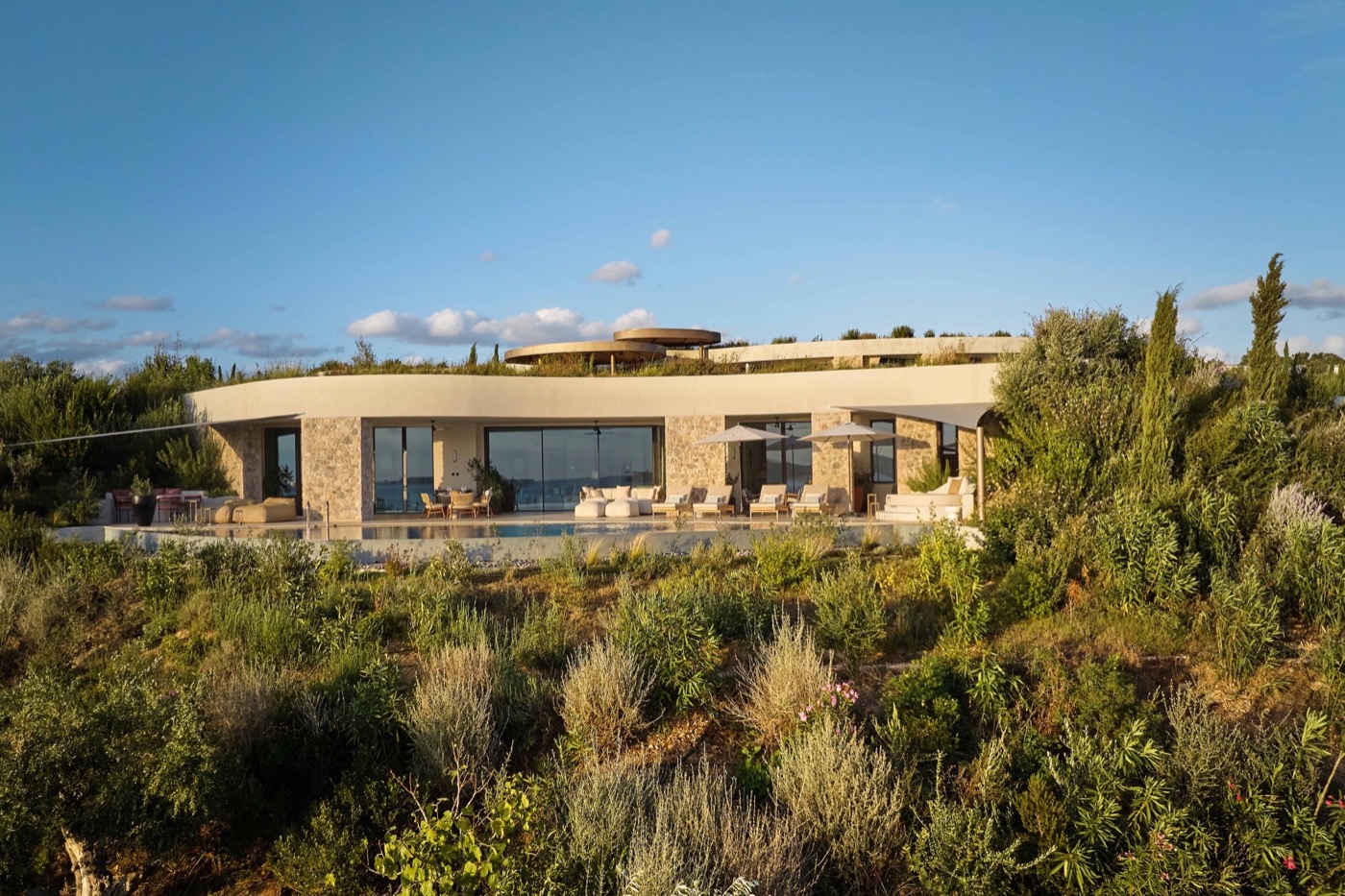
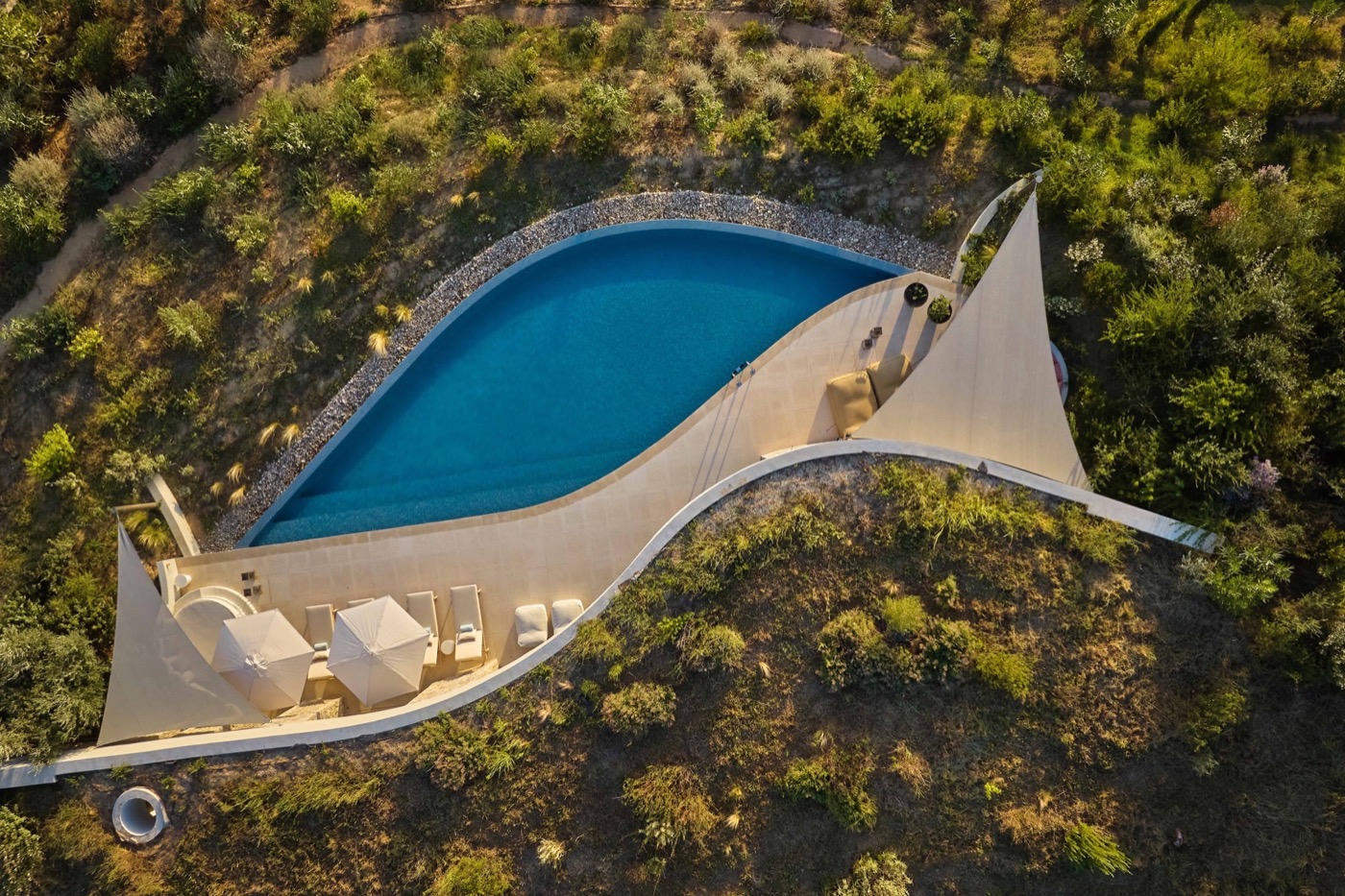
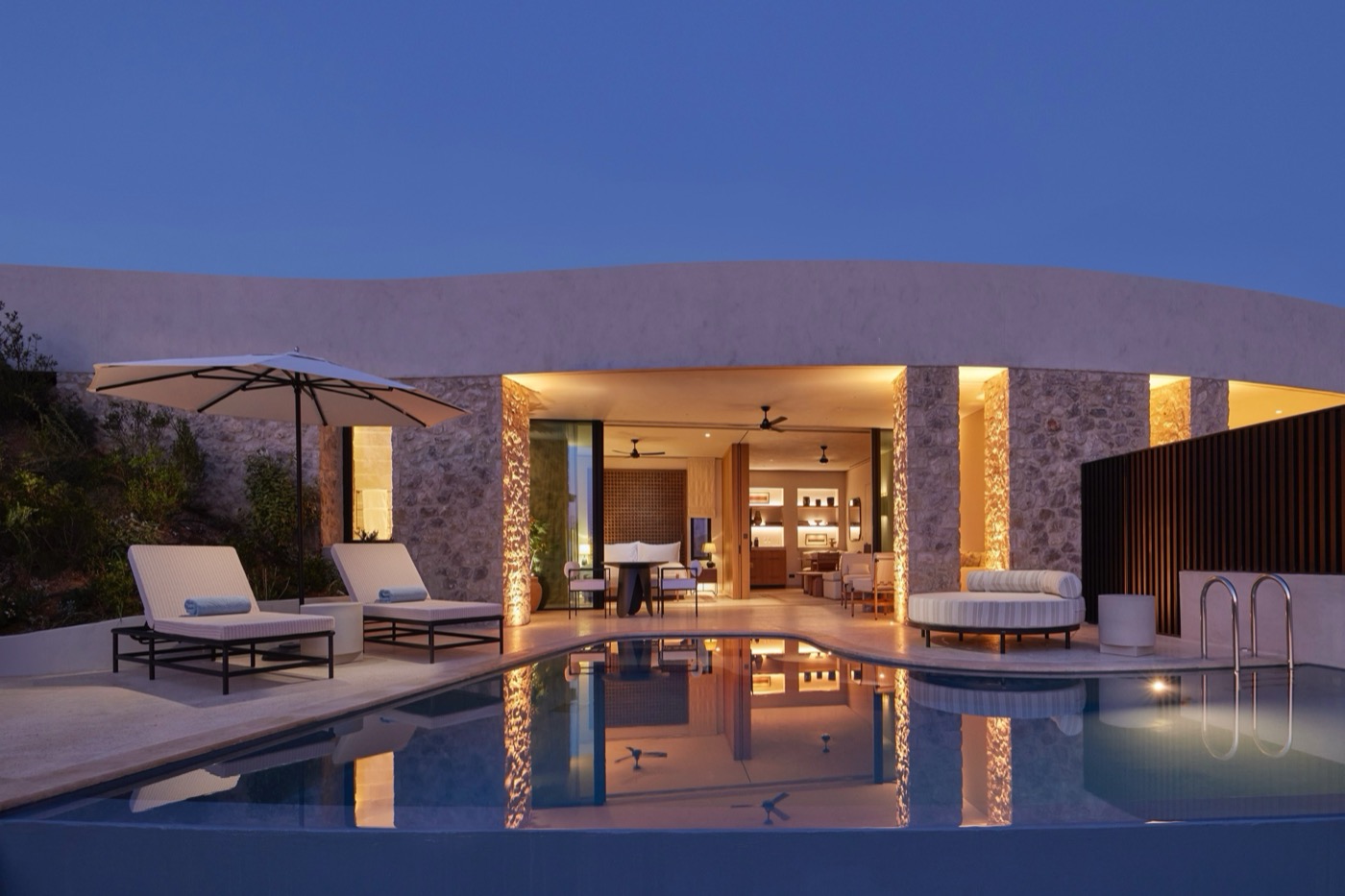
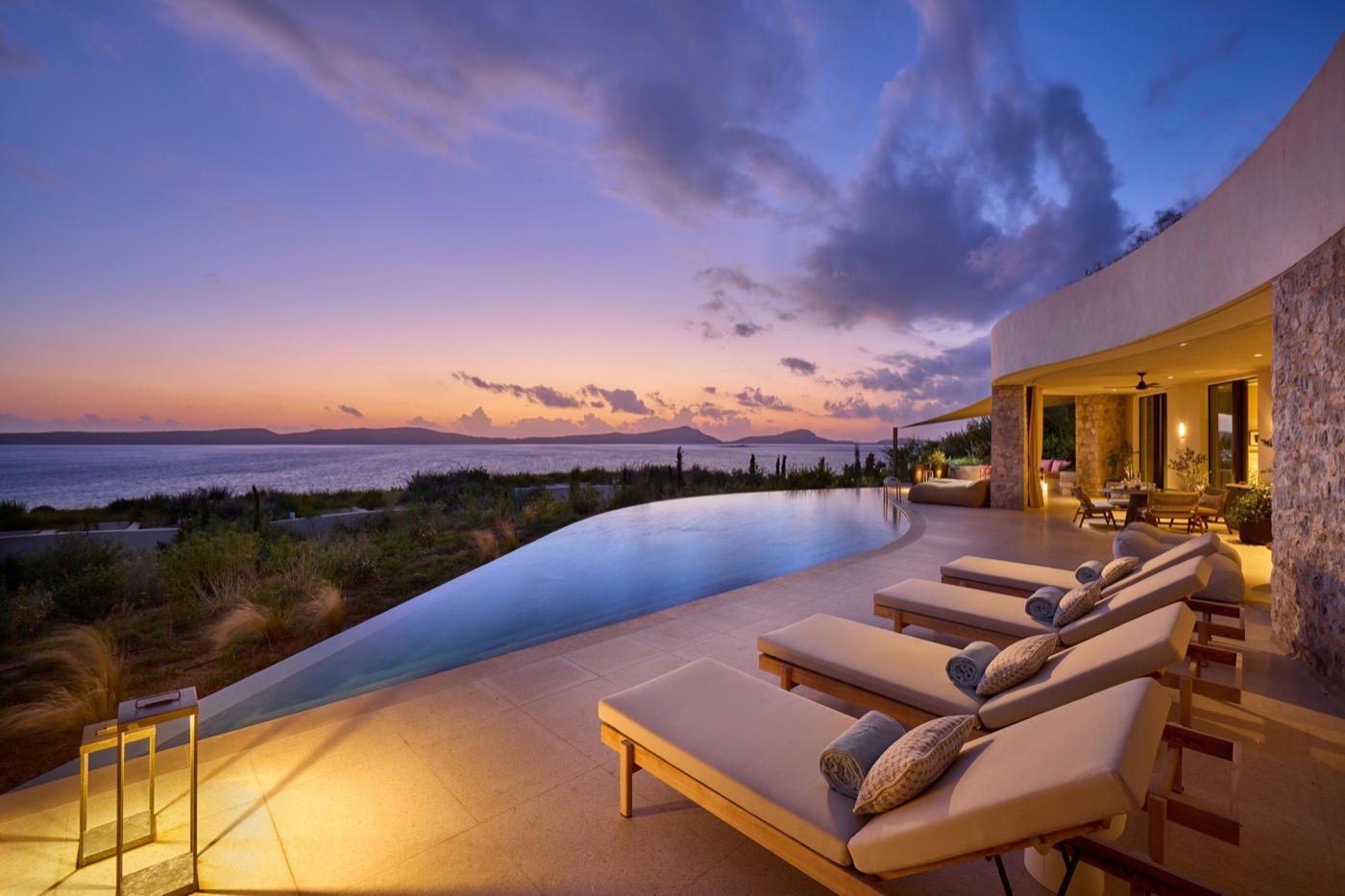
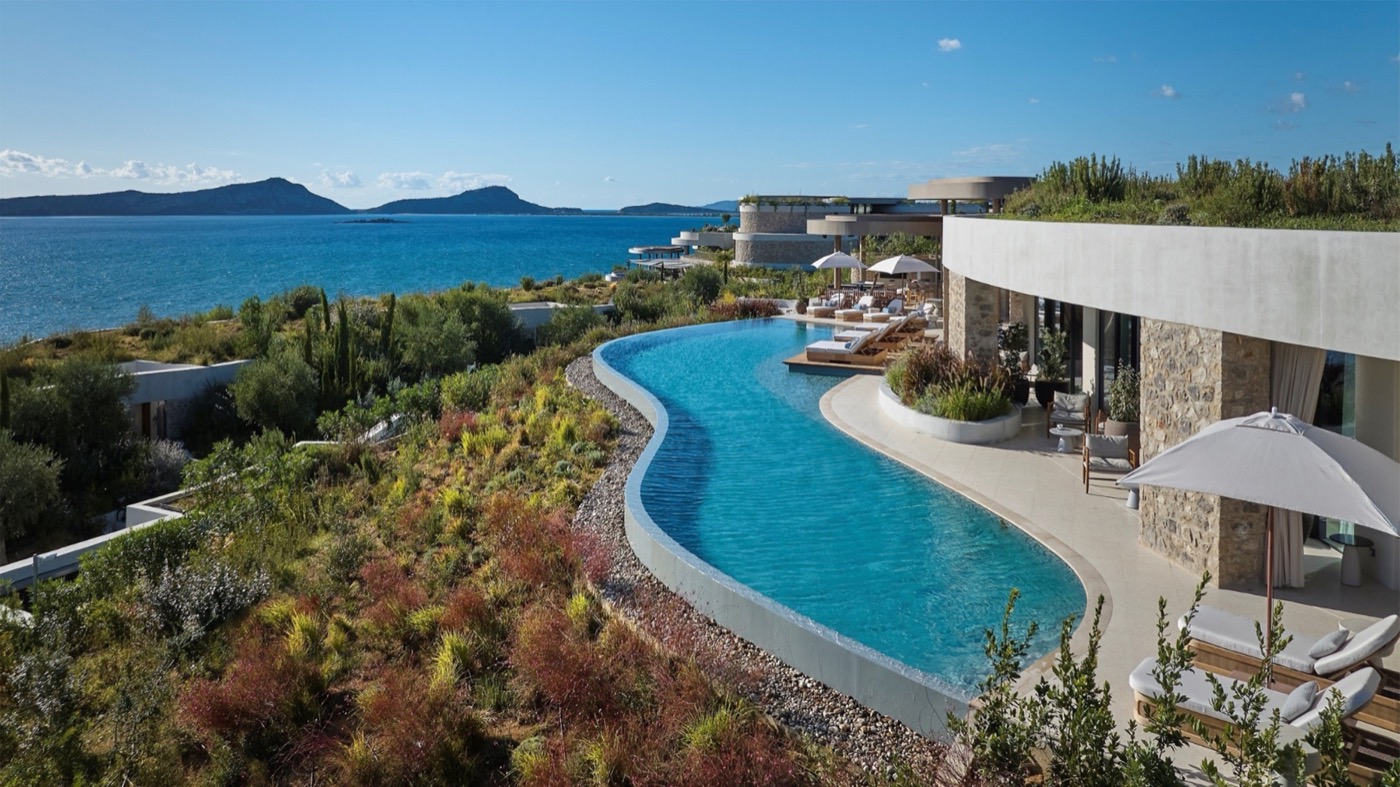
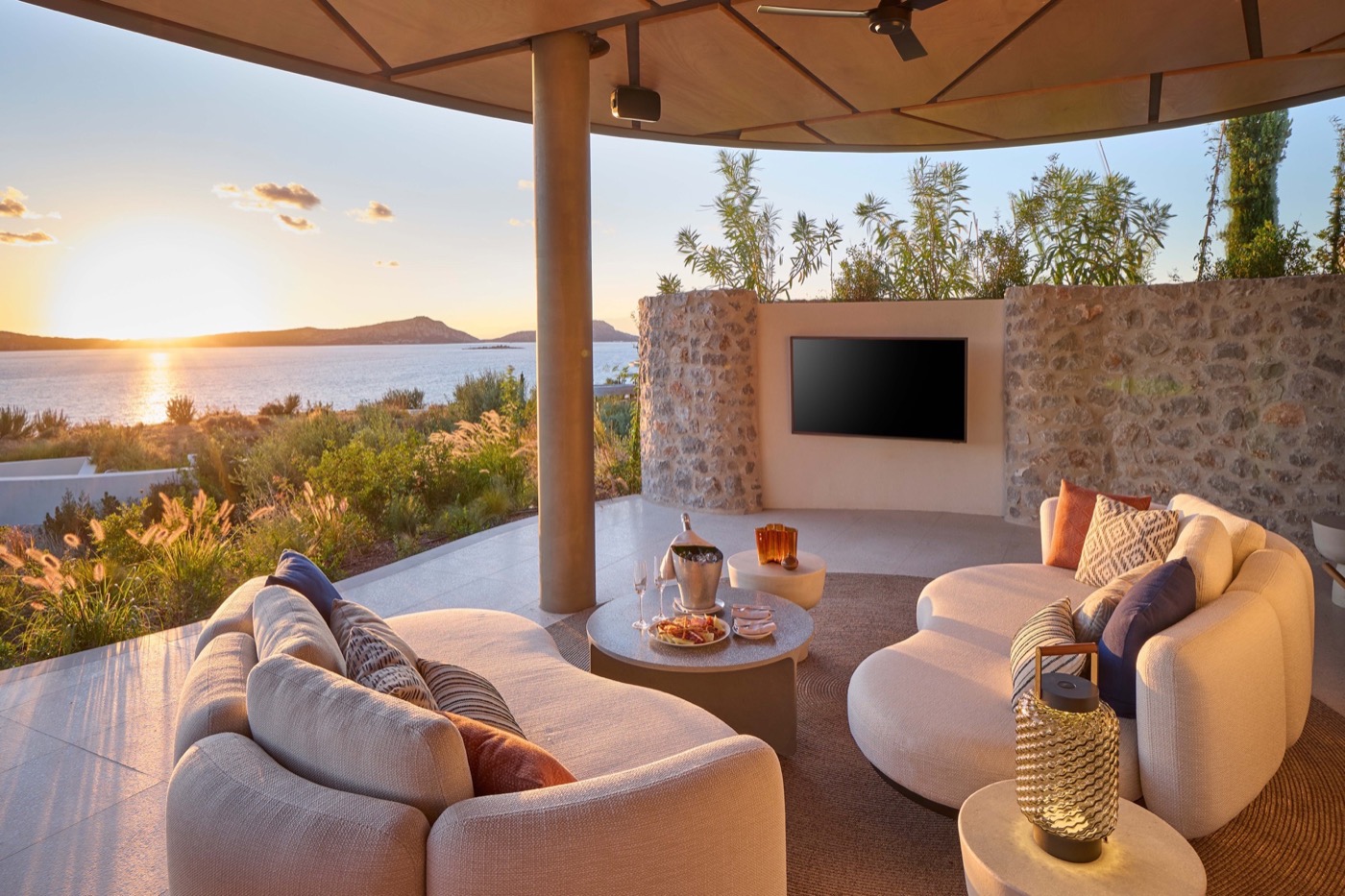
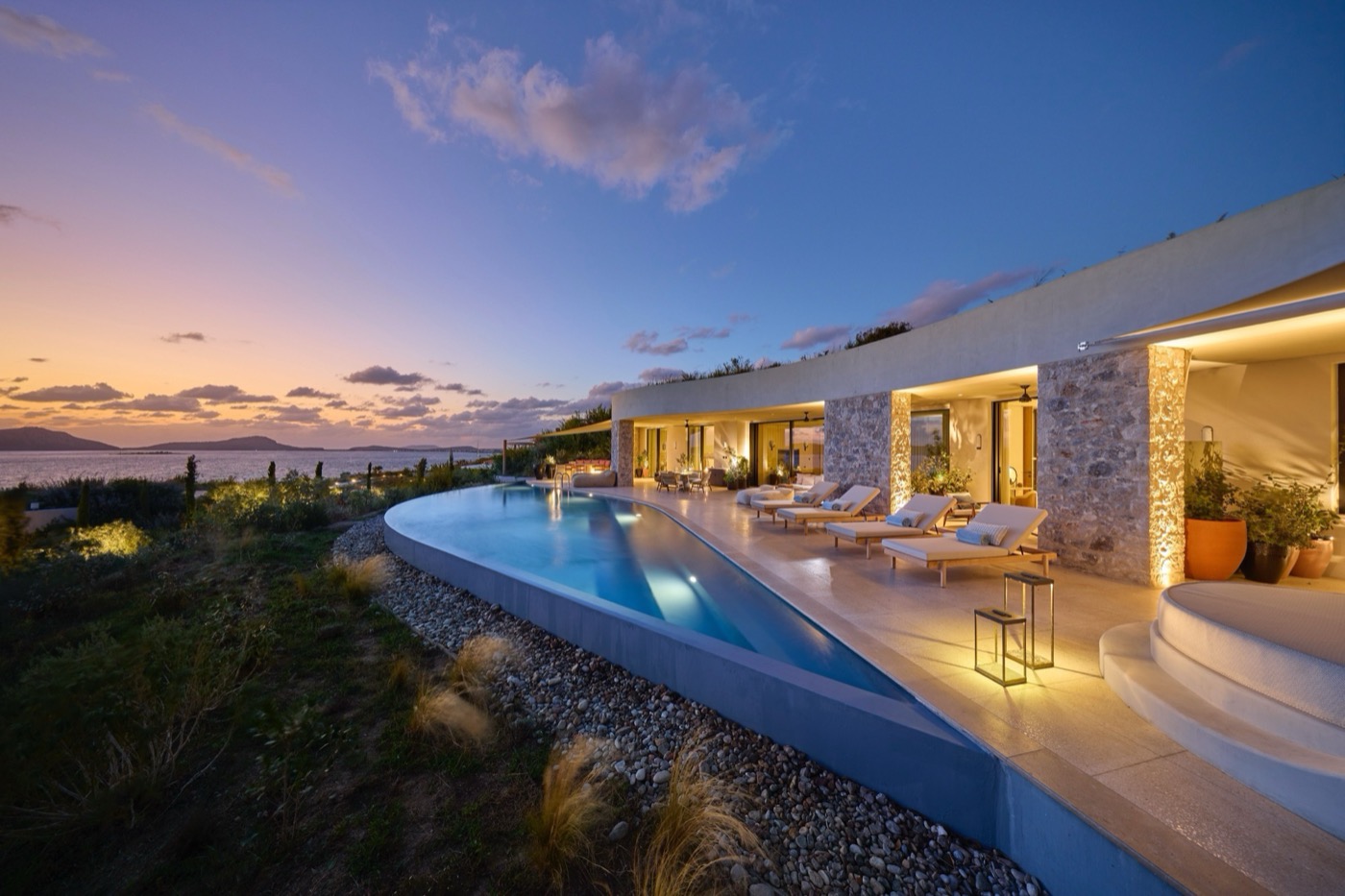
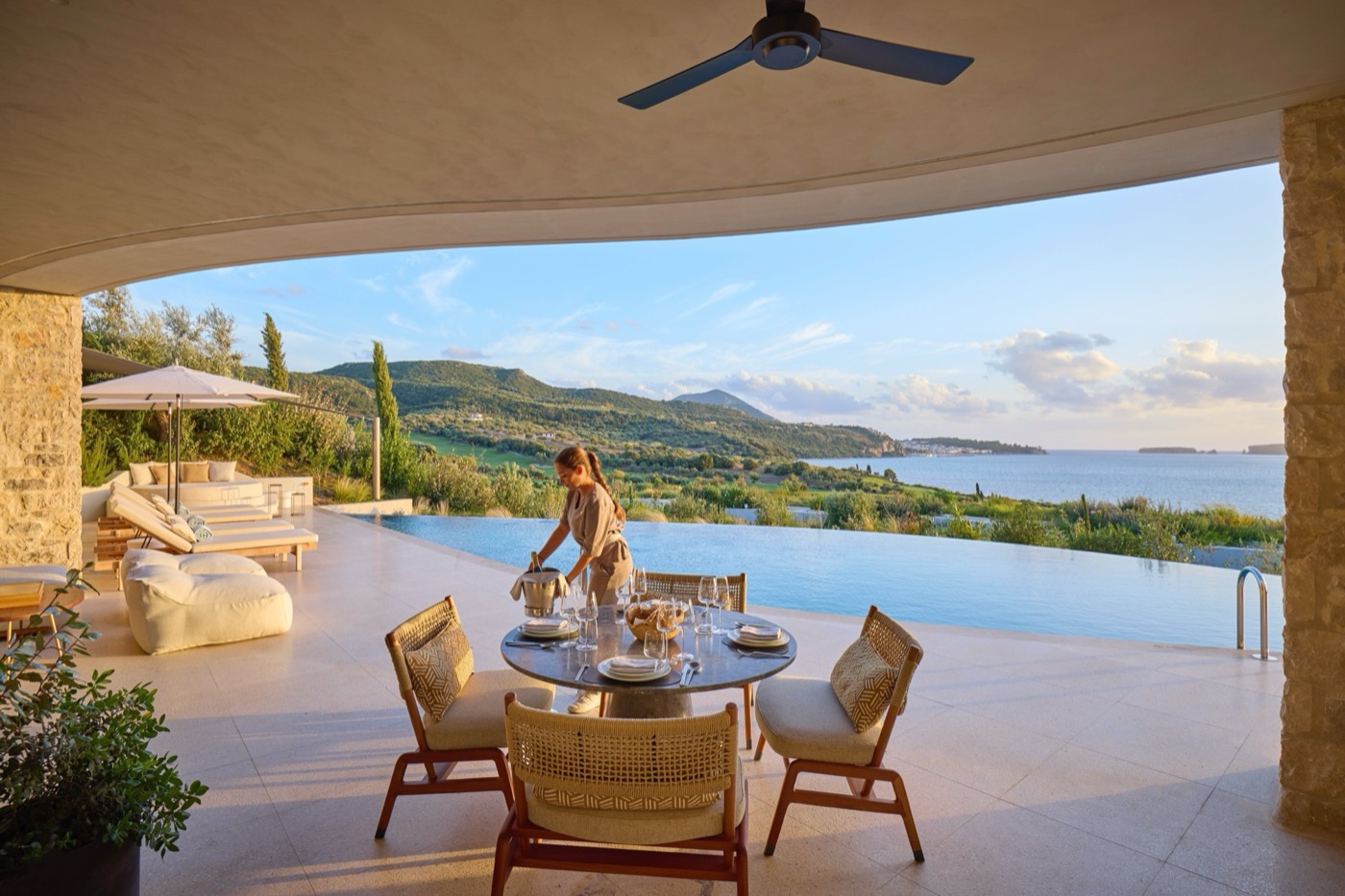
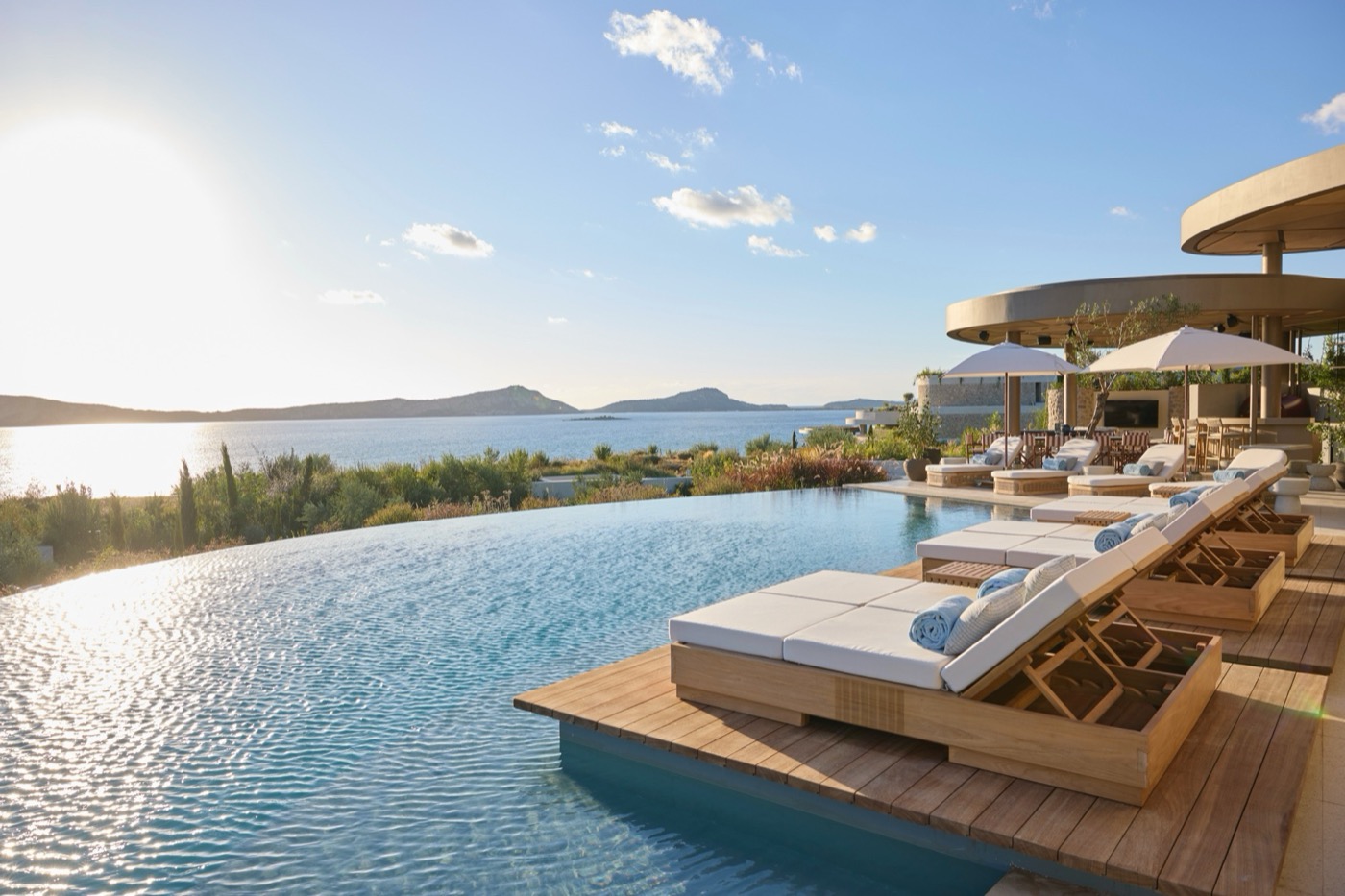
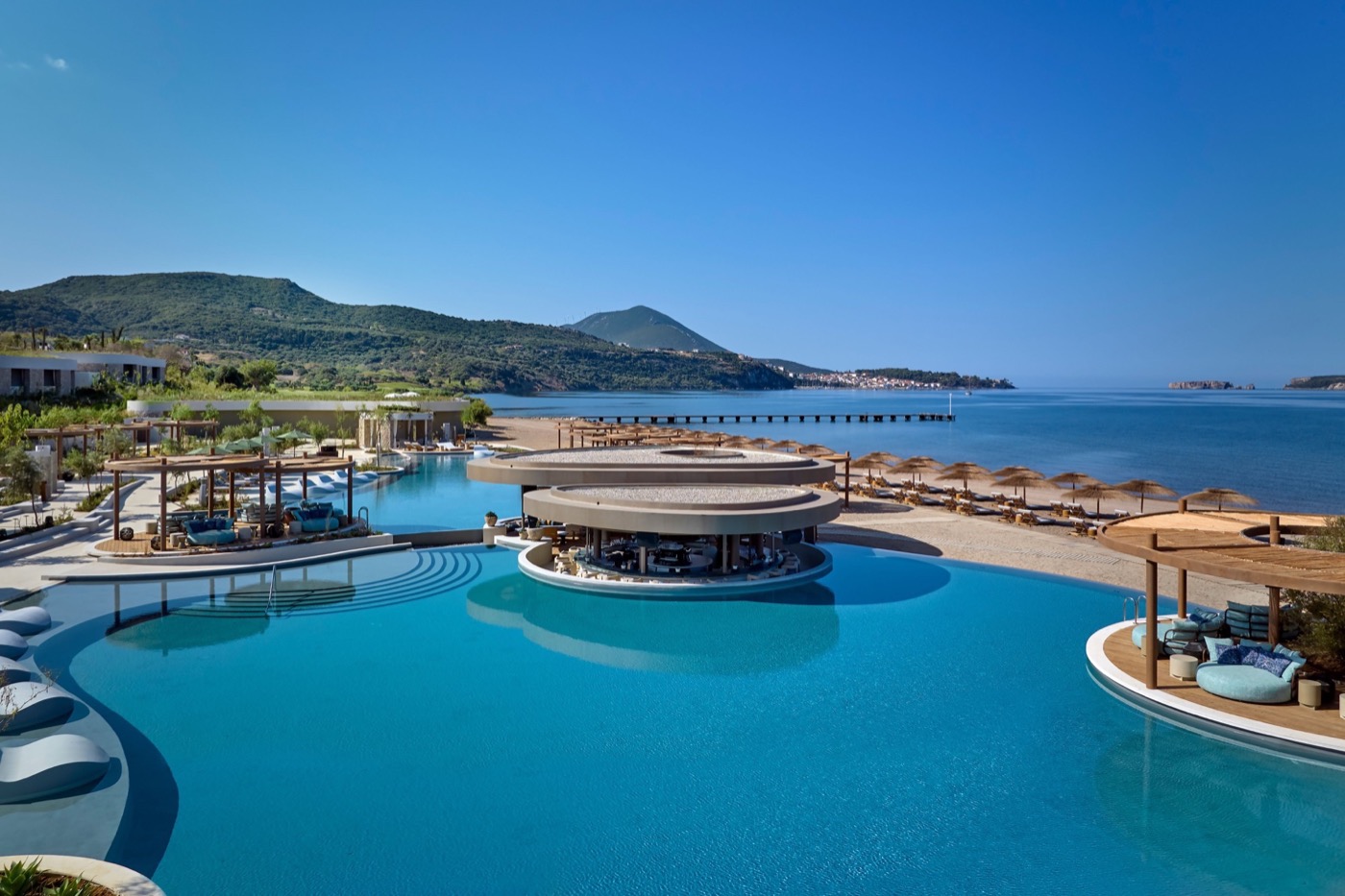
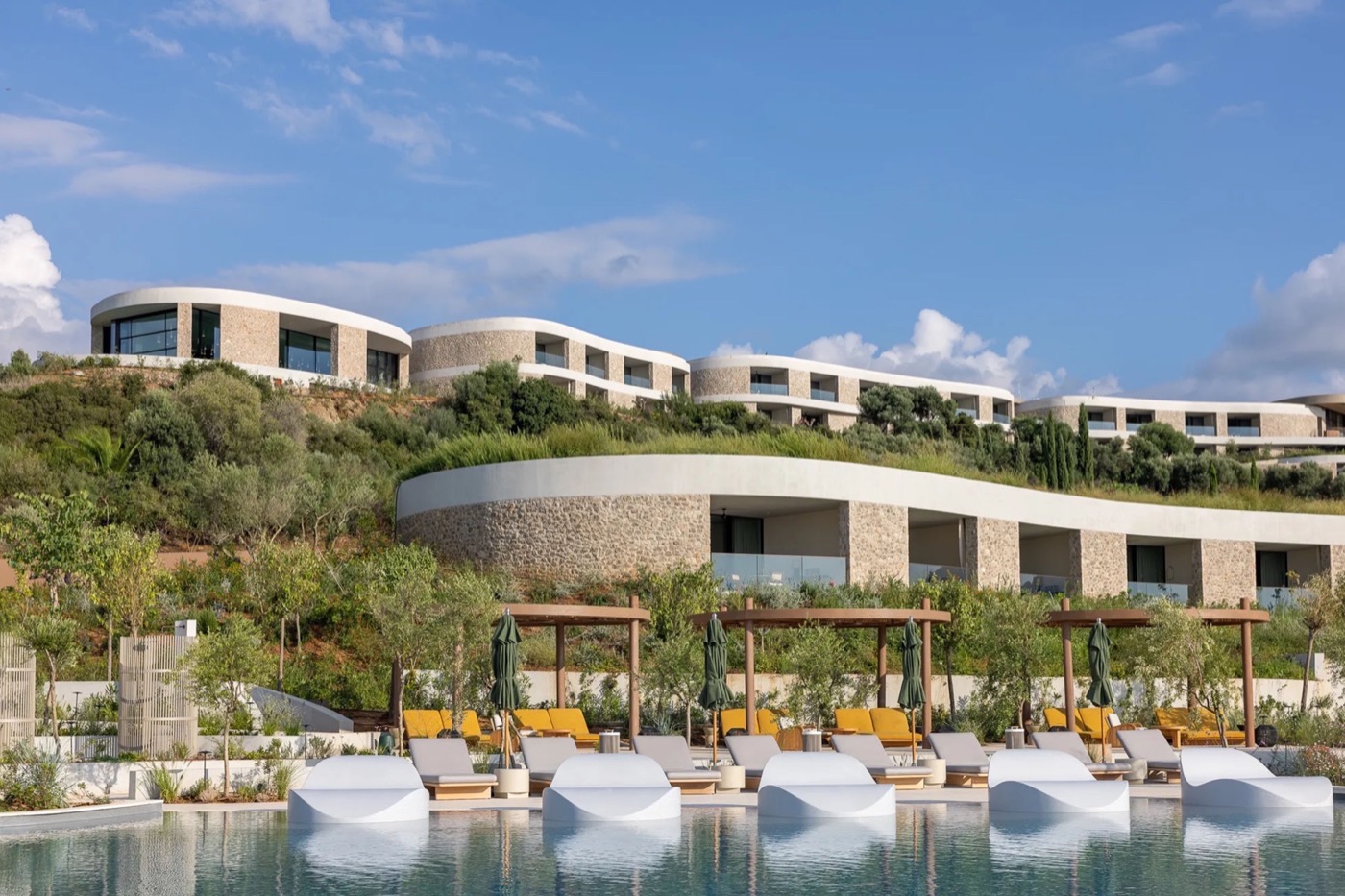
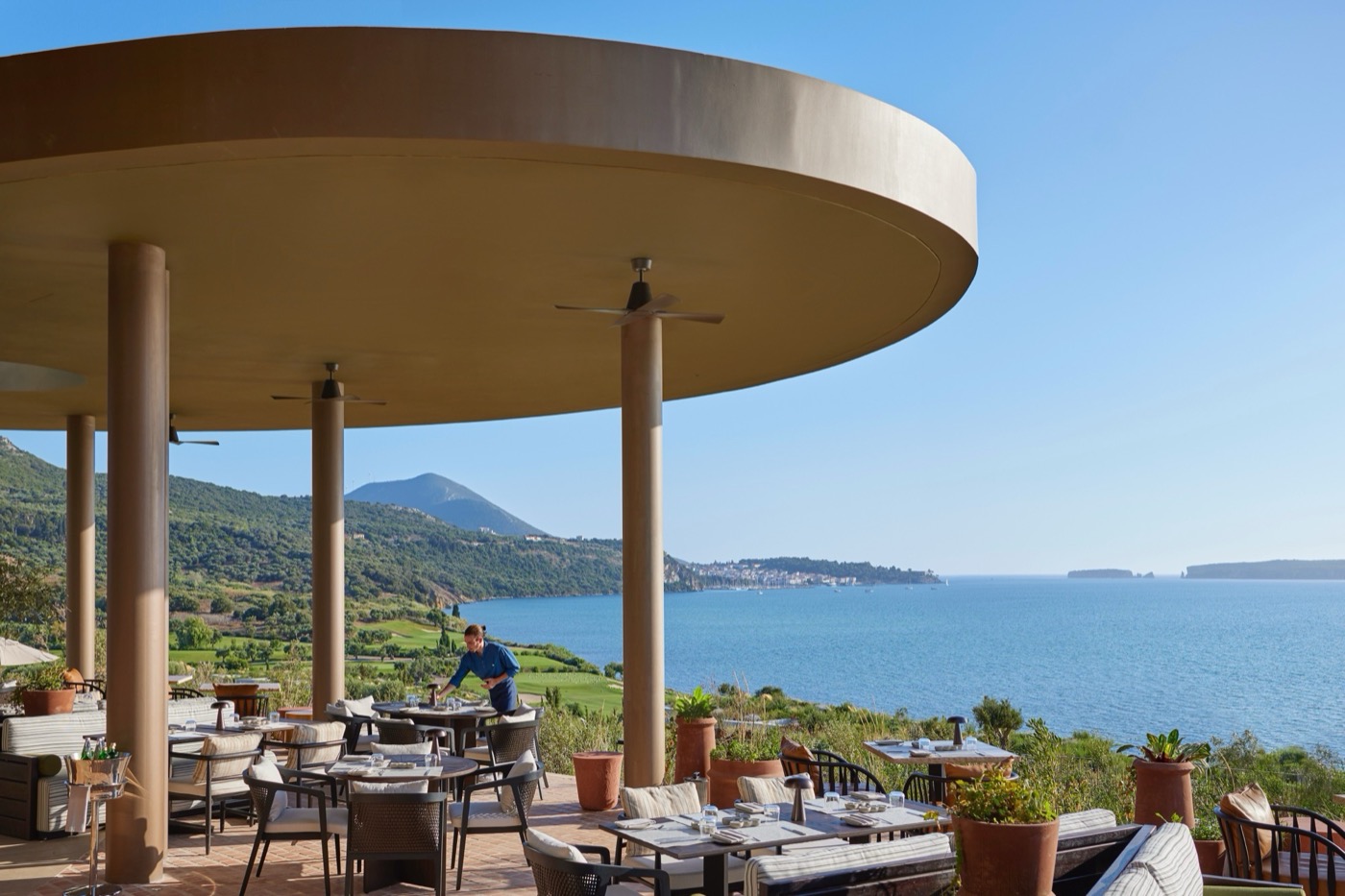

The main hotel building is perched on an outcrop overlooking the ancient town of Pylos and the Bay of Navarino is inspired by the area’s agricultural heritage. Here serpentine stone walls follow the natural topographical lines, embedding the villa volumes within the undulating hills. The architectural concept is inspired by the tradition of these Mandria – dry stone animal shelters built by hand by the farmers working the land. These spontaneously constructed enclosures are built of stone found in the ground of the site. Tthe architectural and landscape materiality is derived from the desire to connect with the project to the local and to give a sense of the resort having grown organically within the site.
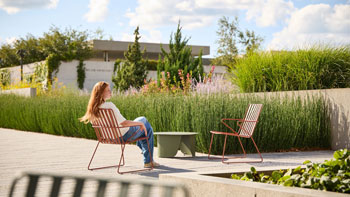
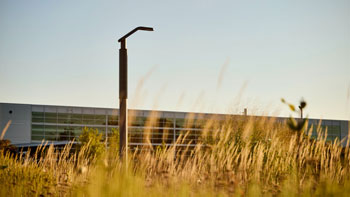
The projects planting design, forms an authentically verdant blend of olive, cypress, lavender, rosemary and thyme and other native species, many of which contribute to the agricultural heritage of this part of Greece. Importantly these rich layers of green life overlap and softens the built edges, tying the buildings down into the landscape and provide intermate encloses for the guests to ground themselves and connect in nature.
The designs had to adhere to strict environmental guidelines, making environmental protection a top priority. As such more than 4000 ancient olive trees were replanted across the resort with native coastal shrubs planted in pre-selected mixes across the undulating roofscape – offering seasonal interest with revolving arrays of colourful wild-flowers and grasses that nestle the buildings into their new home.
The landscape strategy prioritizes climate-adapted vegetation to enhance biodiversity and ensure resilience. Planting is integrated into roofs, terraces, and interstitial spaces between volumes, reinforcing the concept of a built landscape. The Green roofs are designed to minimize structural loads while ensuring optimal plant growth and water management, contributing to microclimate regulation and visual continuity between architecture and landscape.
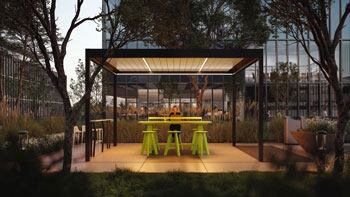
Overall, the dispersed nature of the guest suites enhances the guest experience and sense of retreat. Outdoor circulation reduces the need for cooled corridors, whilst, semi-protected spaces such as covered terraces and entry courtyards temper climate extremes, reducing mechanical loads and improving guest comfort.
The project translates a conceptual narrative of landscape-driven architecture and vernacular reinterpretation into a technically coherent hospitality environment. By fragmenting mass, integrating vegetation, and employing a restrained yet tactile material palette, the design achieves a balance between contextual sensitivity, contemporary performance, and experiential richness. The architecture is conceived not as an isolated object but as a constructed terrain and living settlement, where built form, topography, and planting operate as a continuous system rooted in environmental sensitivity. This project would be a worthy winner of the Landscape + Architecture award. Developer: TEMES S.A. Operator: Mandarin Oriental (refer also to Design credit list issued as a Jpeg)
https://maps.app.goo.gl/jQvEsfdqsiv7gotq8
76855


LILA 2026 Sponsor