LILA 2026 Jury Distinction
Marie Janson Plain
studiopaolavigano.eu/ + vvv.archi
2026 Landscape and Architecture / 2026 Public Projects / Belgium / Built in 2023 /
The jury found Marie Janson Plain to be a well-designed and generous urban public space. The project converts a former hard surface into soil, shade, water absorption, and a broader range of everyday uses. Its strength lies in the natural articulation of different conditions: open paved areas, planted surfaces, sports, play, seating, kiosks, terraces and quieter spaces under trees. The design allows these uses to coexist within a clear public structure. By working with existing trees, paving, and programmes, the project creates an ambitious, flexible, and more climate-inclusive social platform.
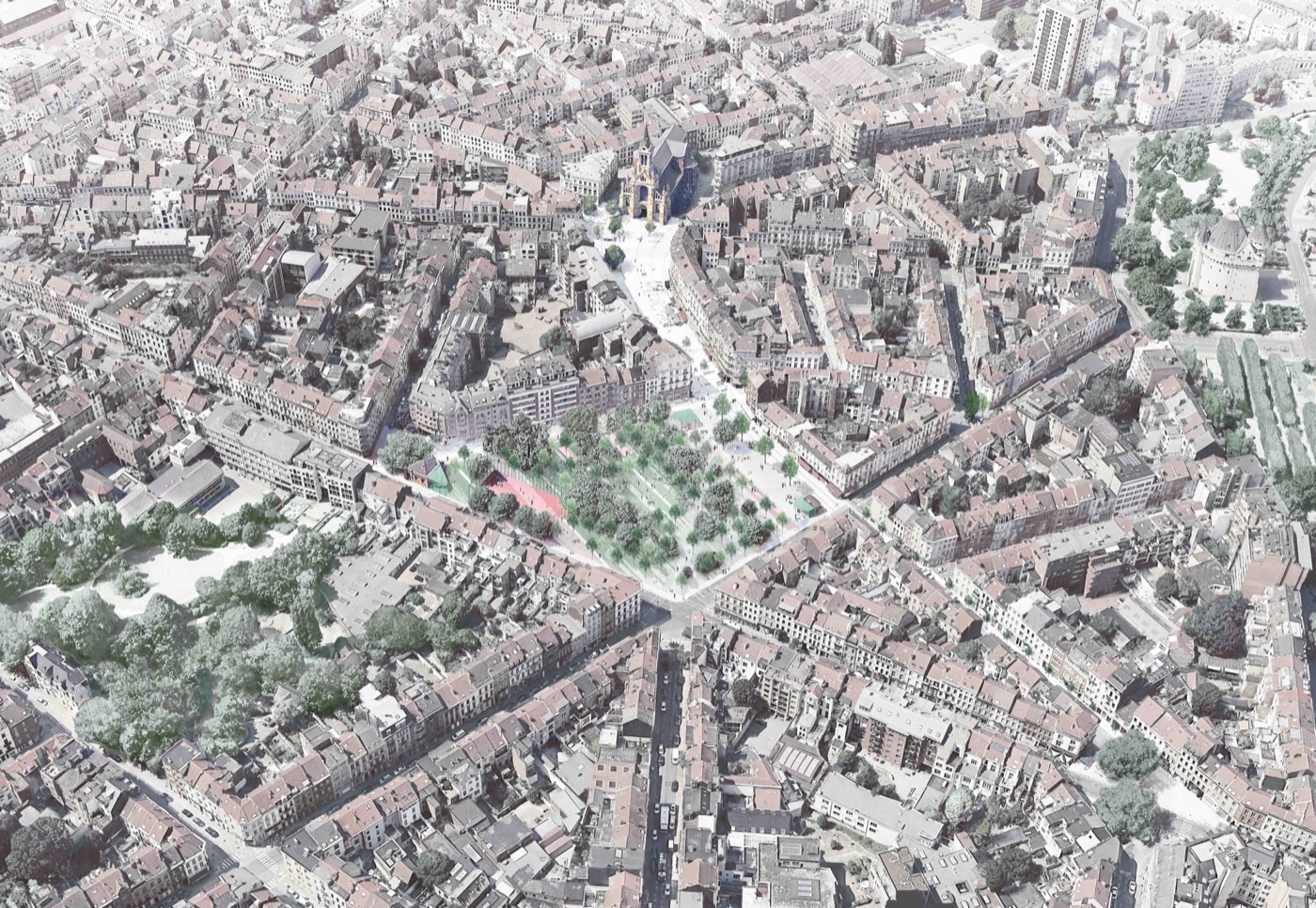
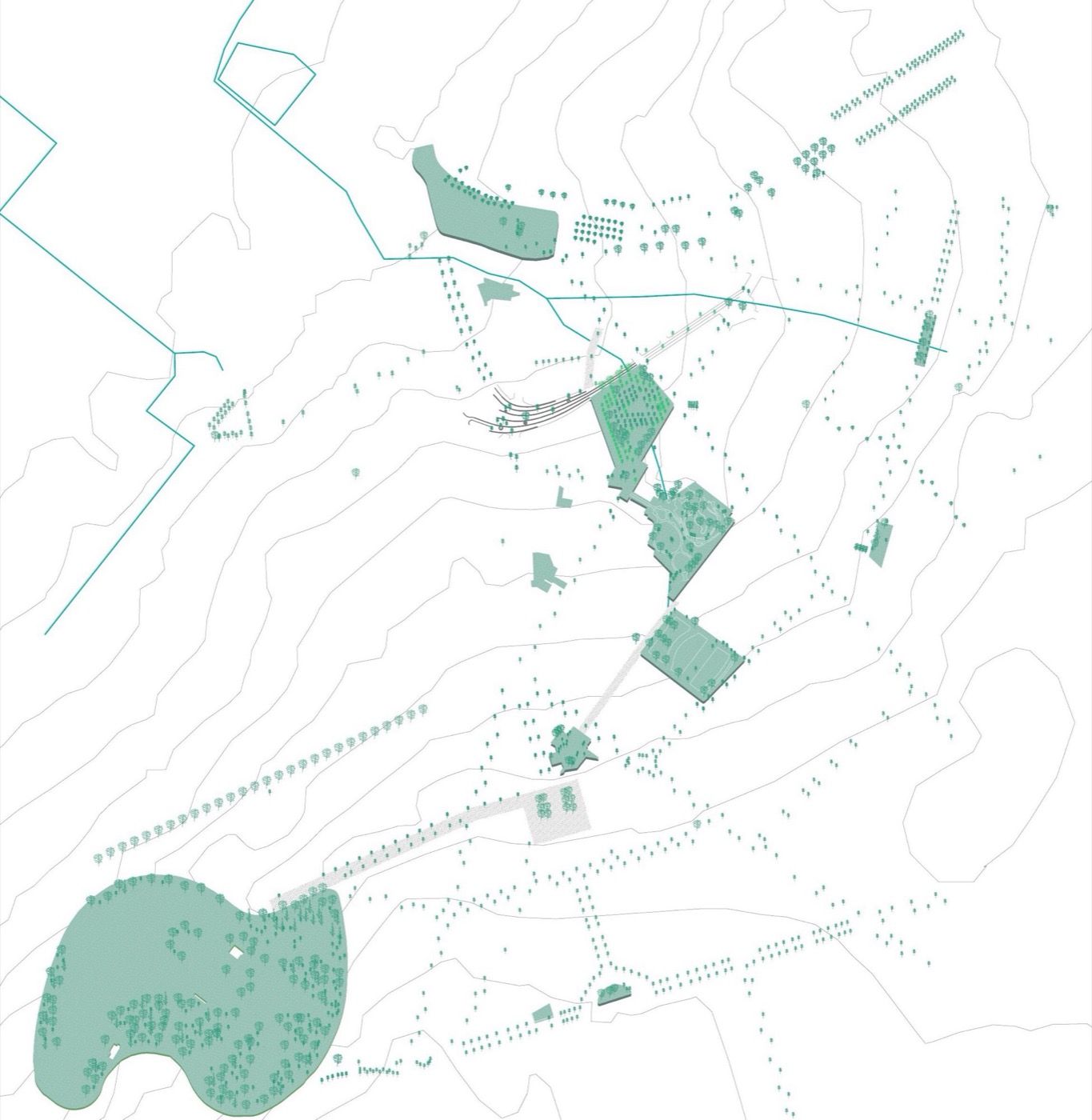
- from the award statementsThe Marie Janson plain completes a sequence of large open and shared public spaces that descend the Saint-Gilles slope. It is the pivotal place between a series of parks making up the soft link and the Parvis area, a place symbolic of the town’s dynamism, where events, open-air markets, and activities organized by various social groups take place. Its transformation is an opportunity to experiment with a shared space that affirms the capacity of a city to set up ecological and urban structures. This new space is an opportunity to deal with the fundamental transitional issues facing the city today. Water management, treatment of polluted soils, change in mobility, reuse of materials, and the climate adaptation are the points that the project wants to make manifest. More than the choice of a zeitgeist or an aesthetic, the future plain confronts the existing and works with the conviction that the resources of the project are already present in the city itself.
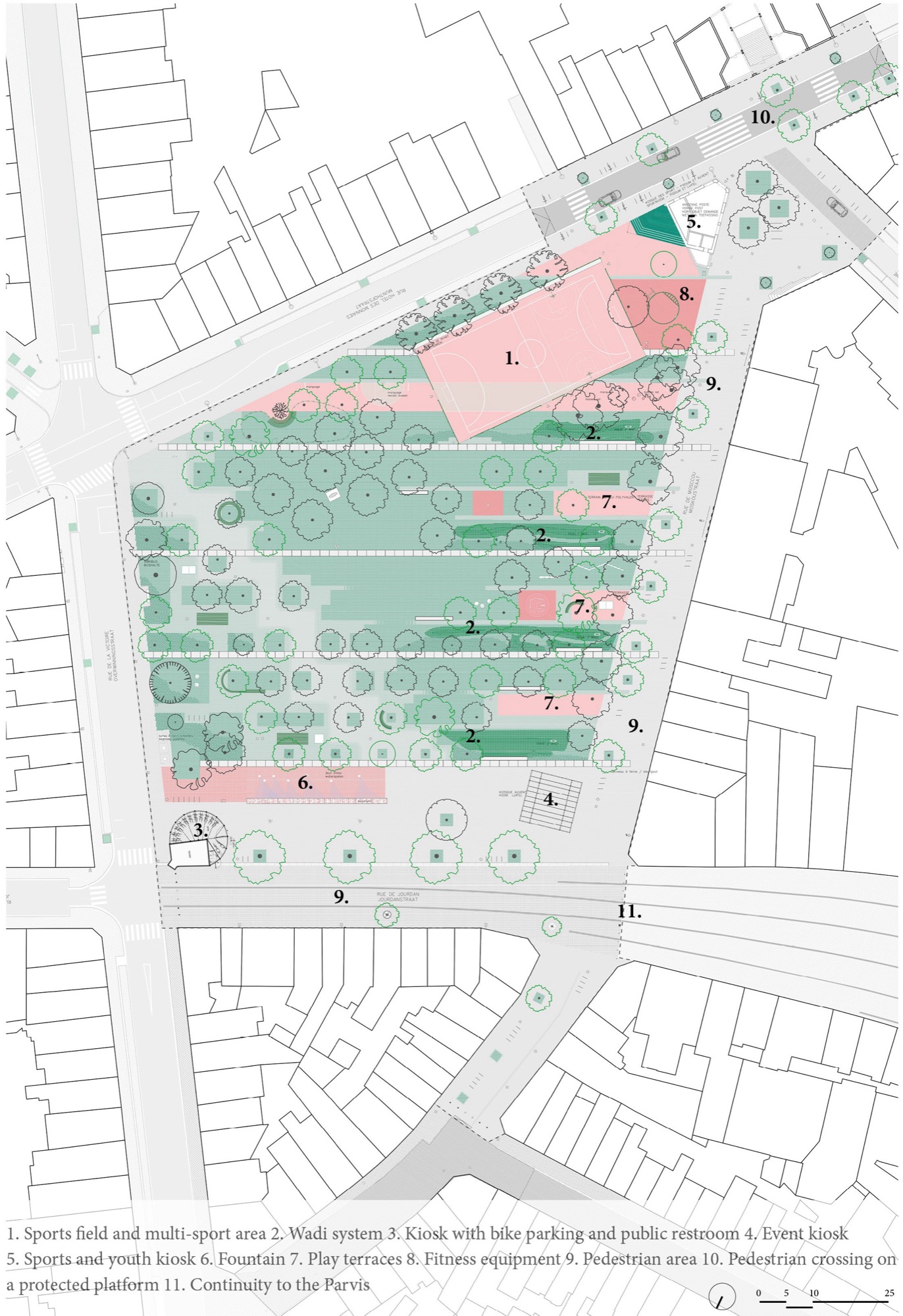
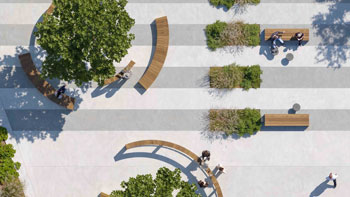
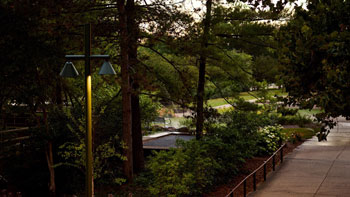
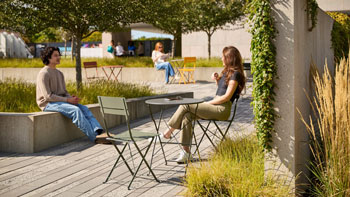
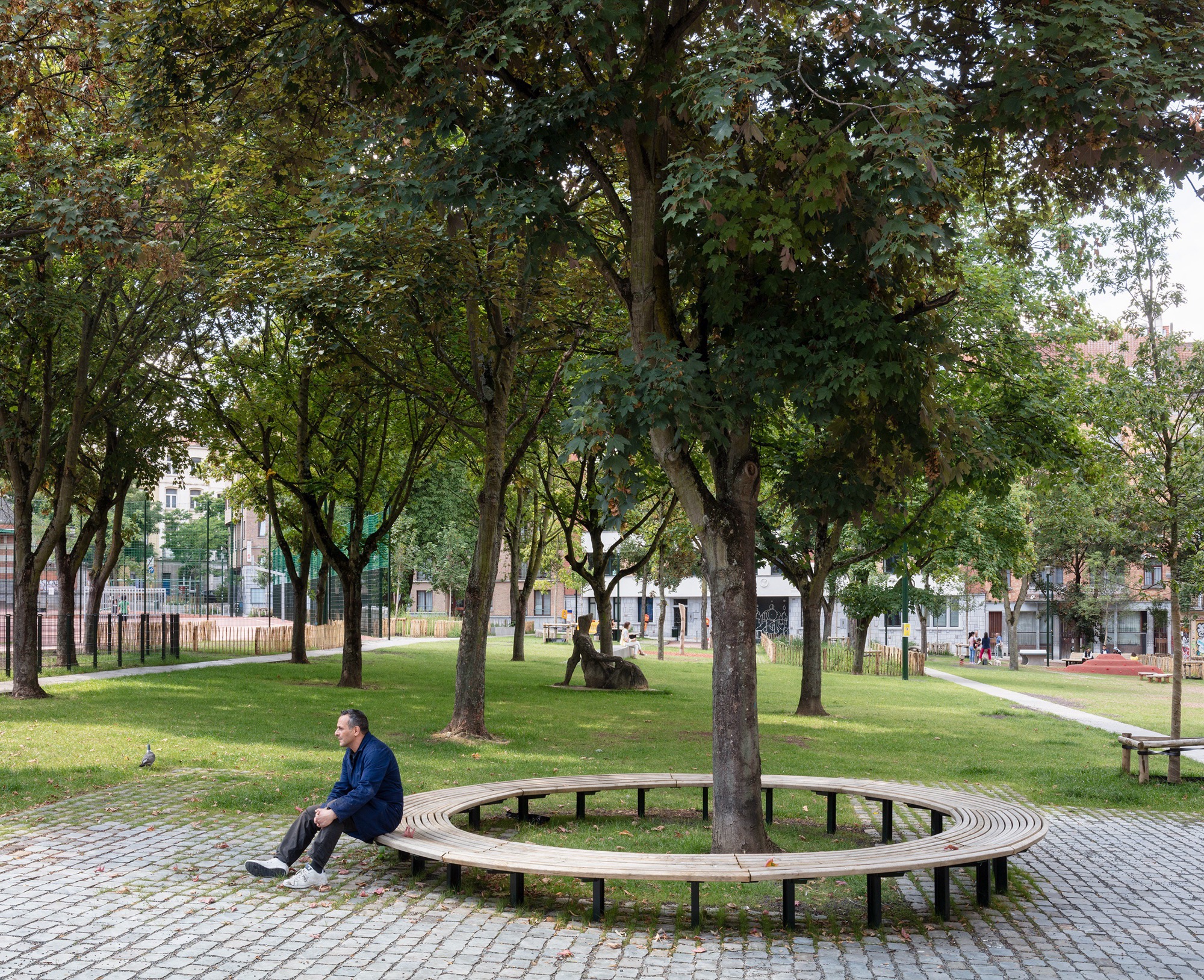
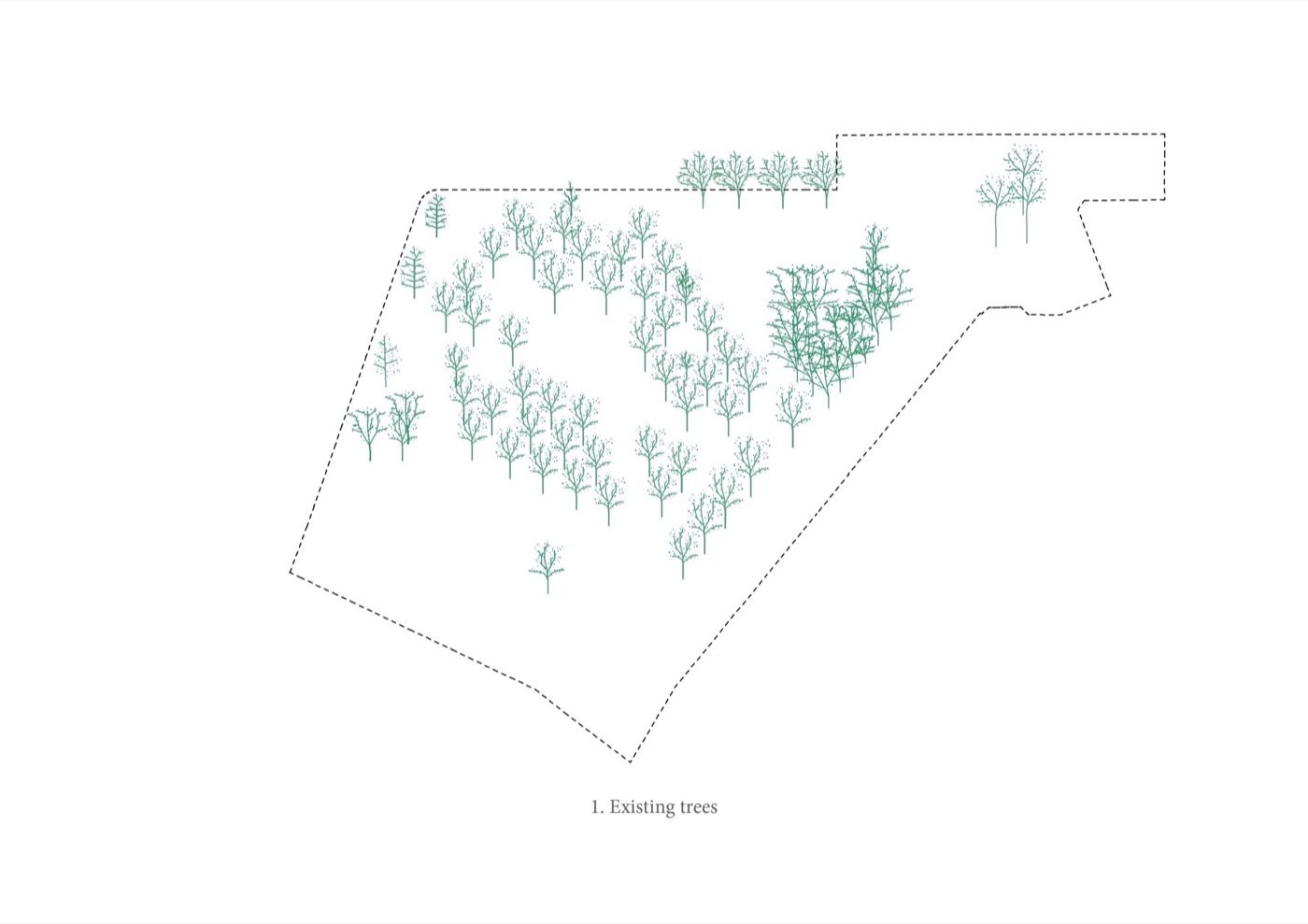
The project proposes to work with what already exists, enhancing and recycling the elements present on the site, such as the location of its sports field, the cobblestones of its large paved floor and its canopy of trees. It is designed as a park for a century, as a large grid of trees that will evolve over the years. Its ground is a large sloping plane, a gradient passing from mineral to vegetable, from intensity to quietness. It allows water to seep in and makes it visible through a wet landscape of wadis. By rationalising the space left for the car, the plain offers a space available for its inhabitants, alive and rich of activities, passages and festivals. The soil gradient expressly lends itself to a diversity of uses, allowing some to sit on the grass in the shade of a lime tree and others to ride their bikes or run in the fountains in the sun.
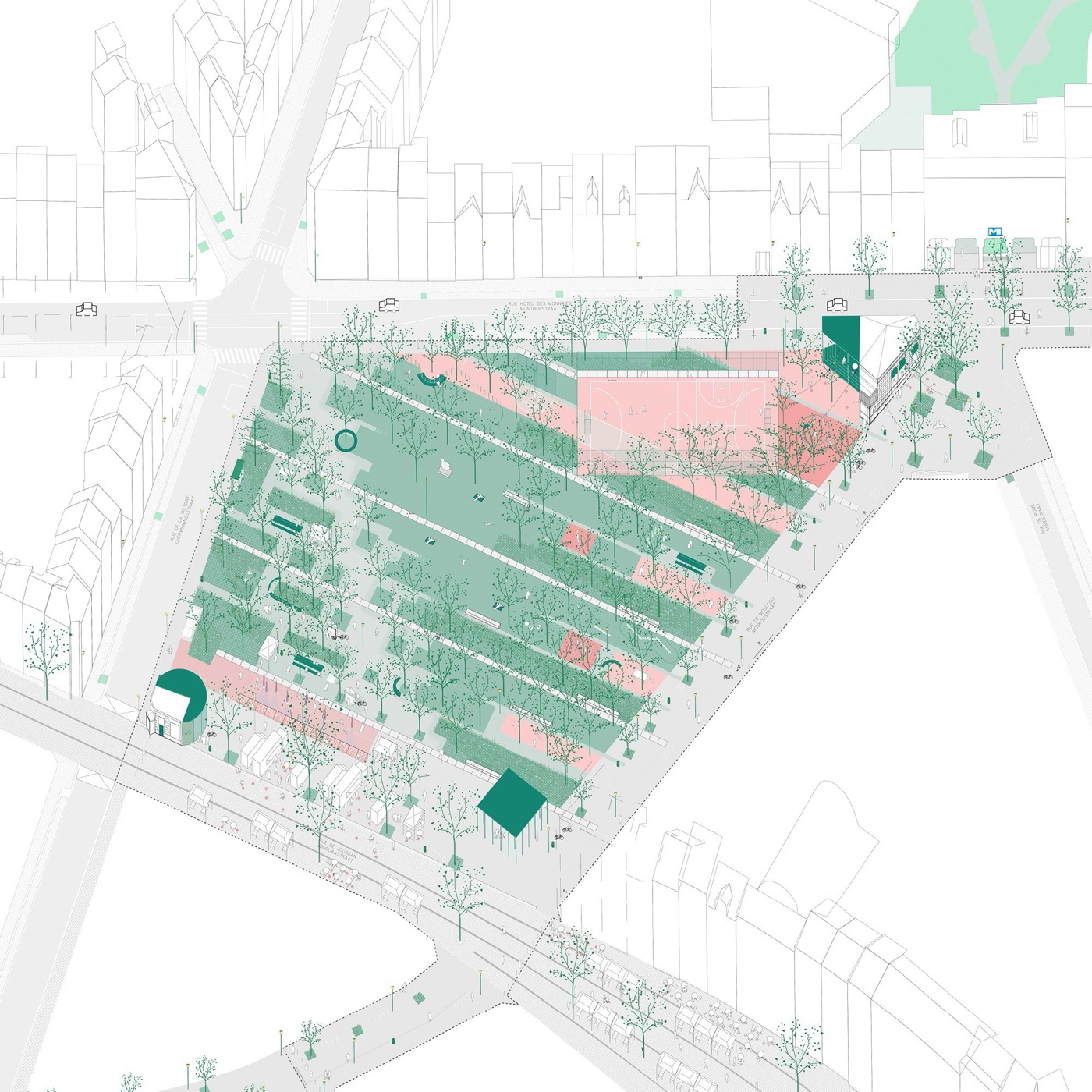
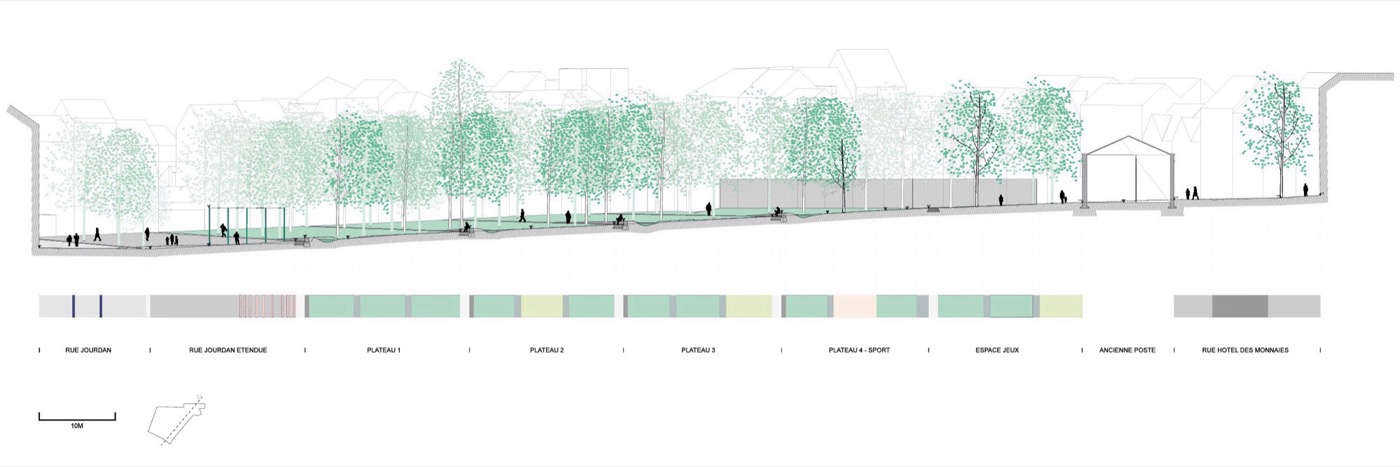
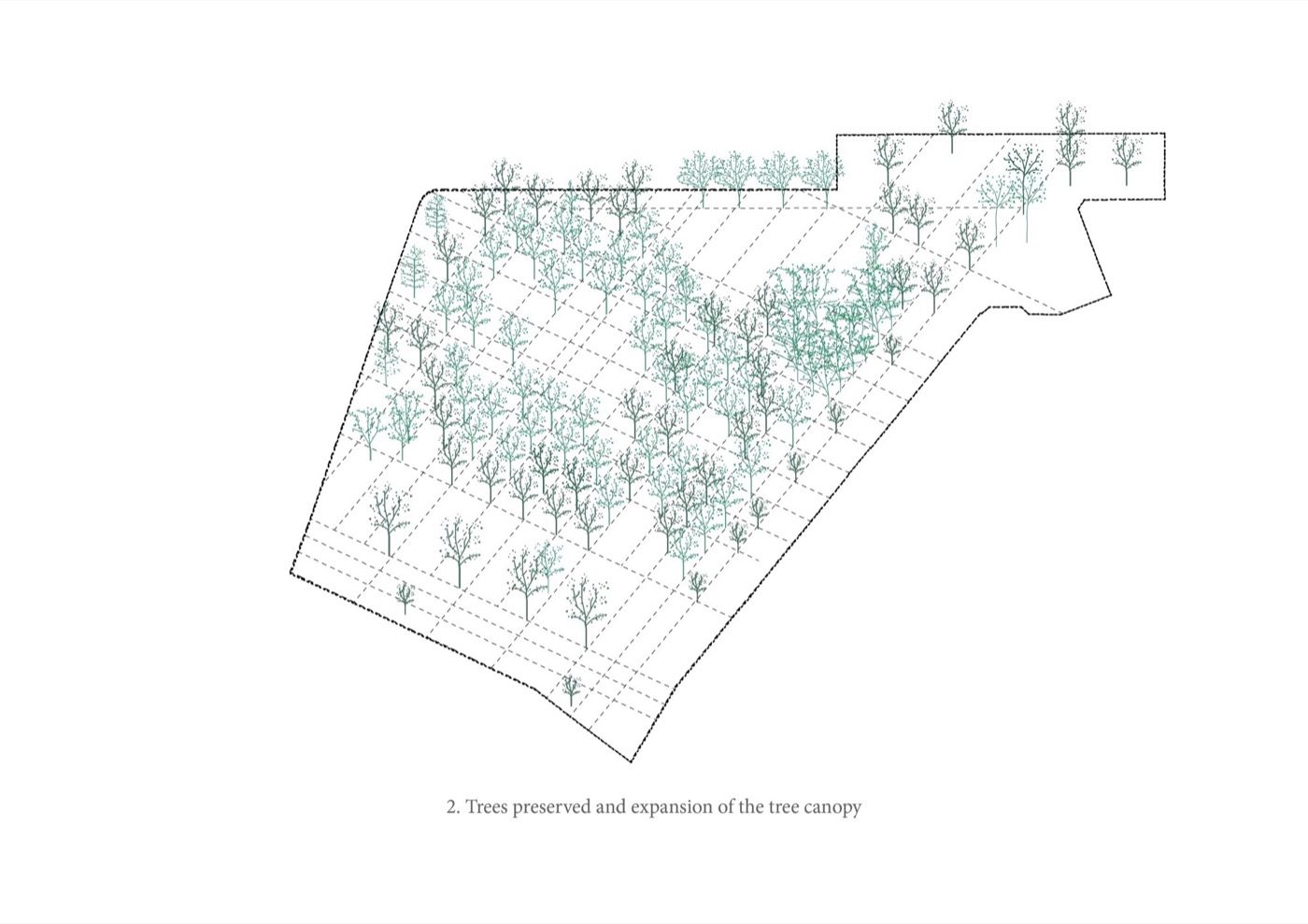
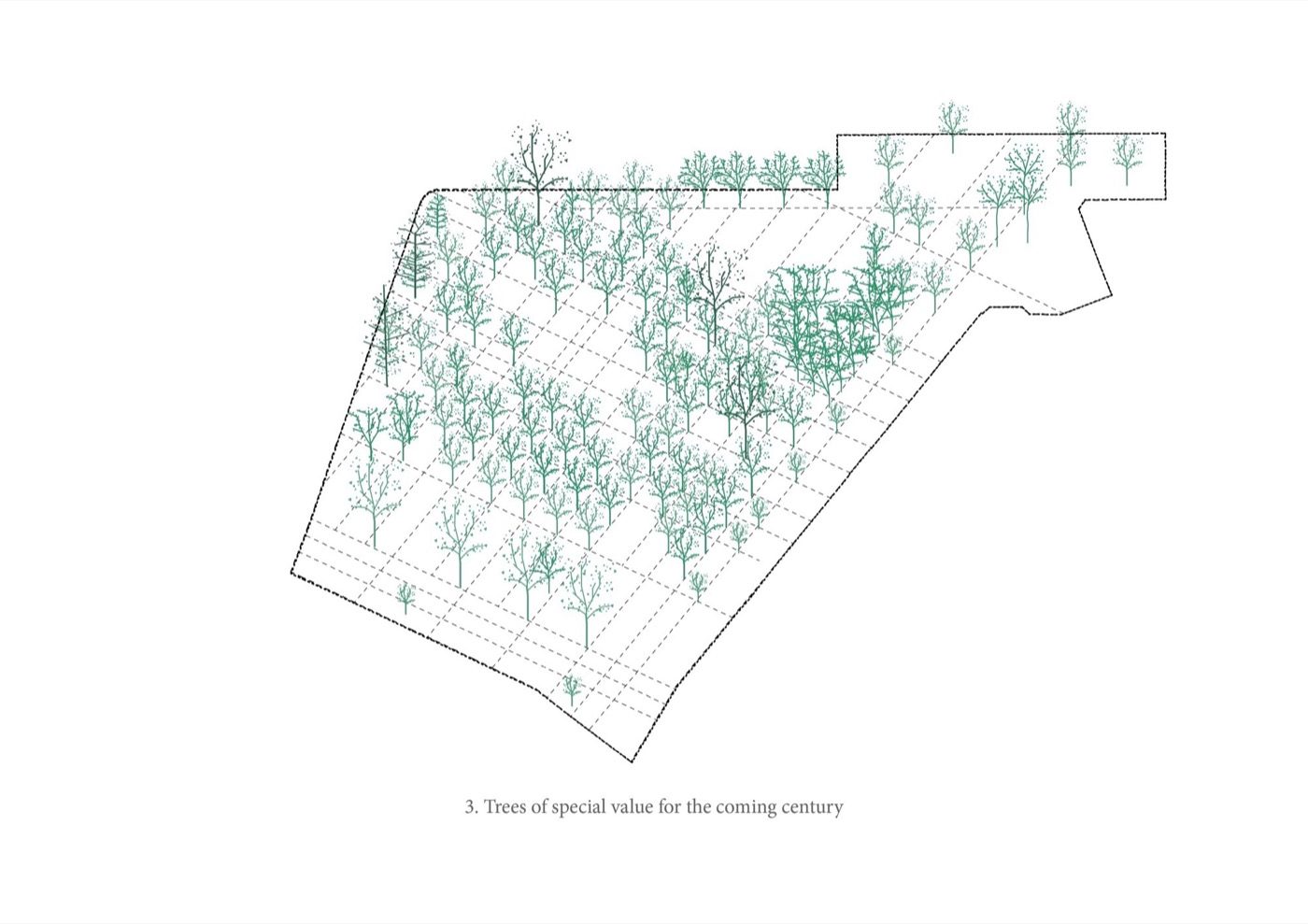
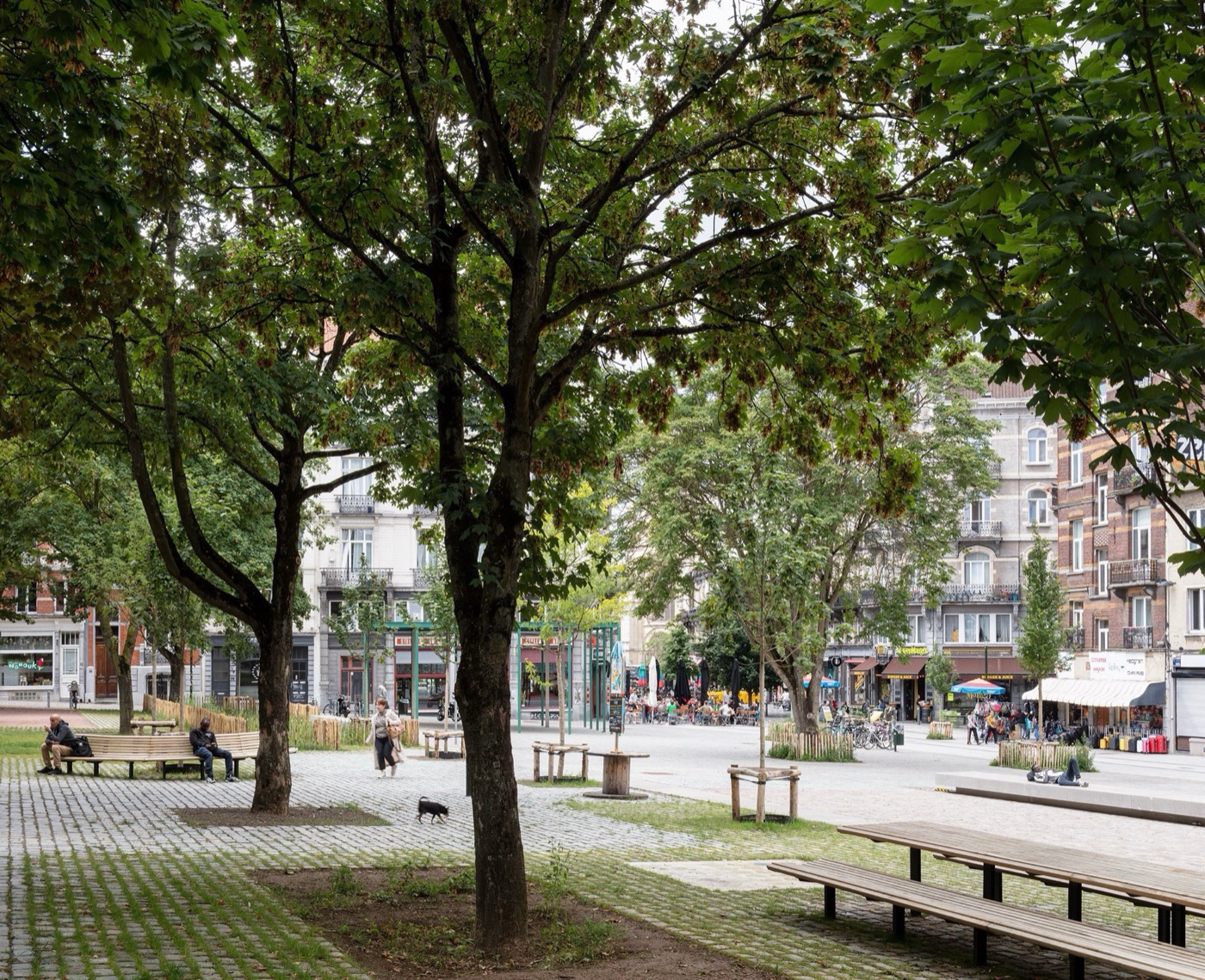
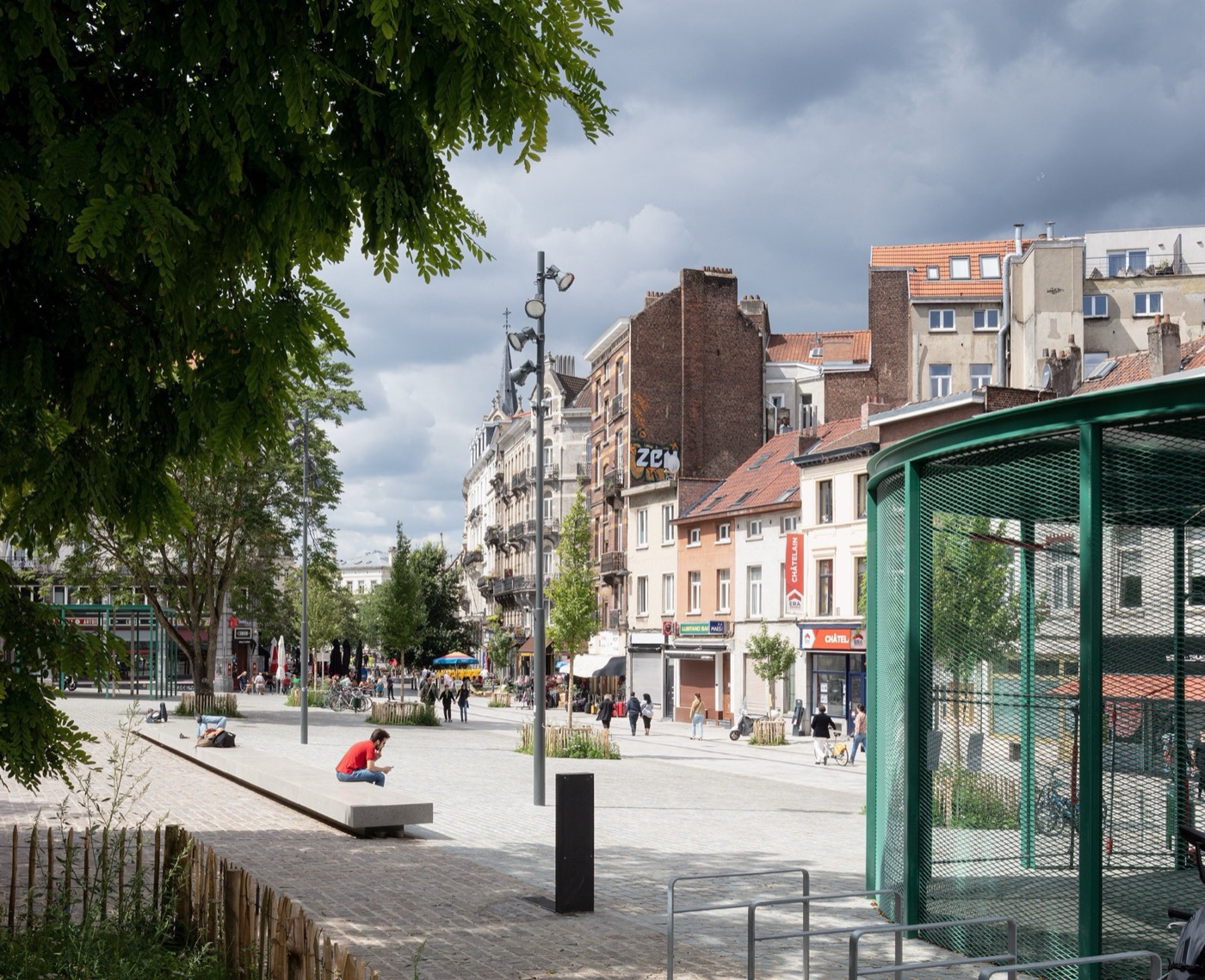
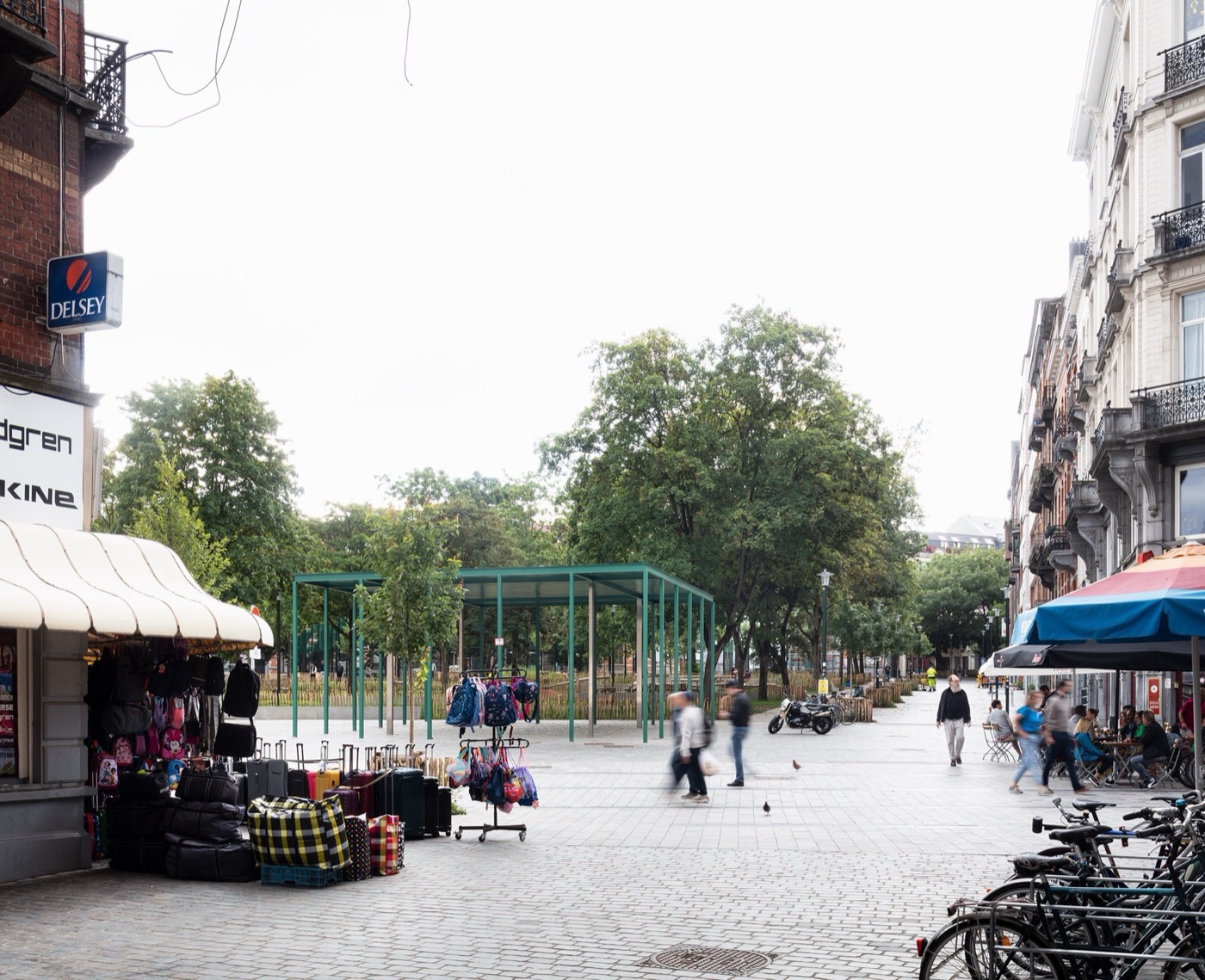
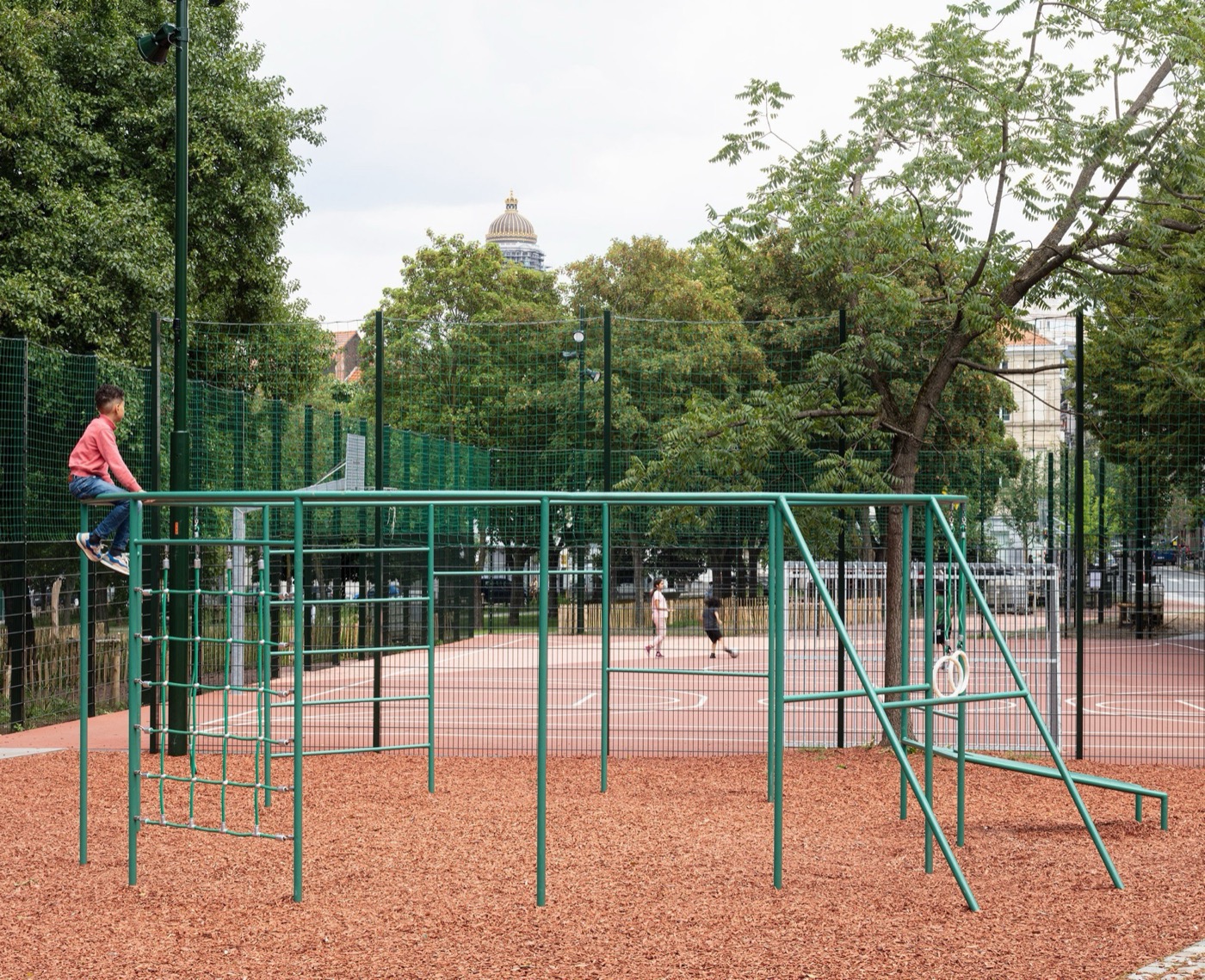
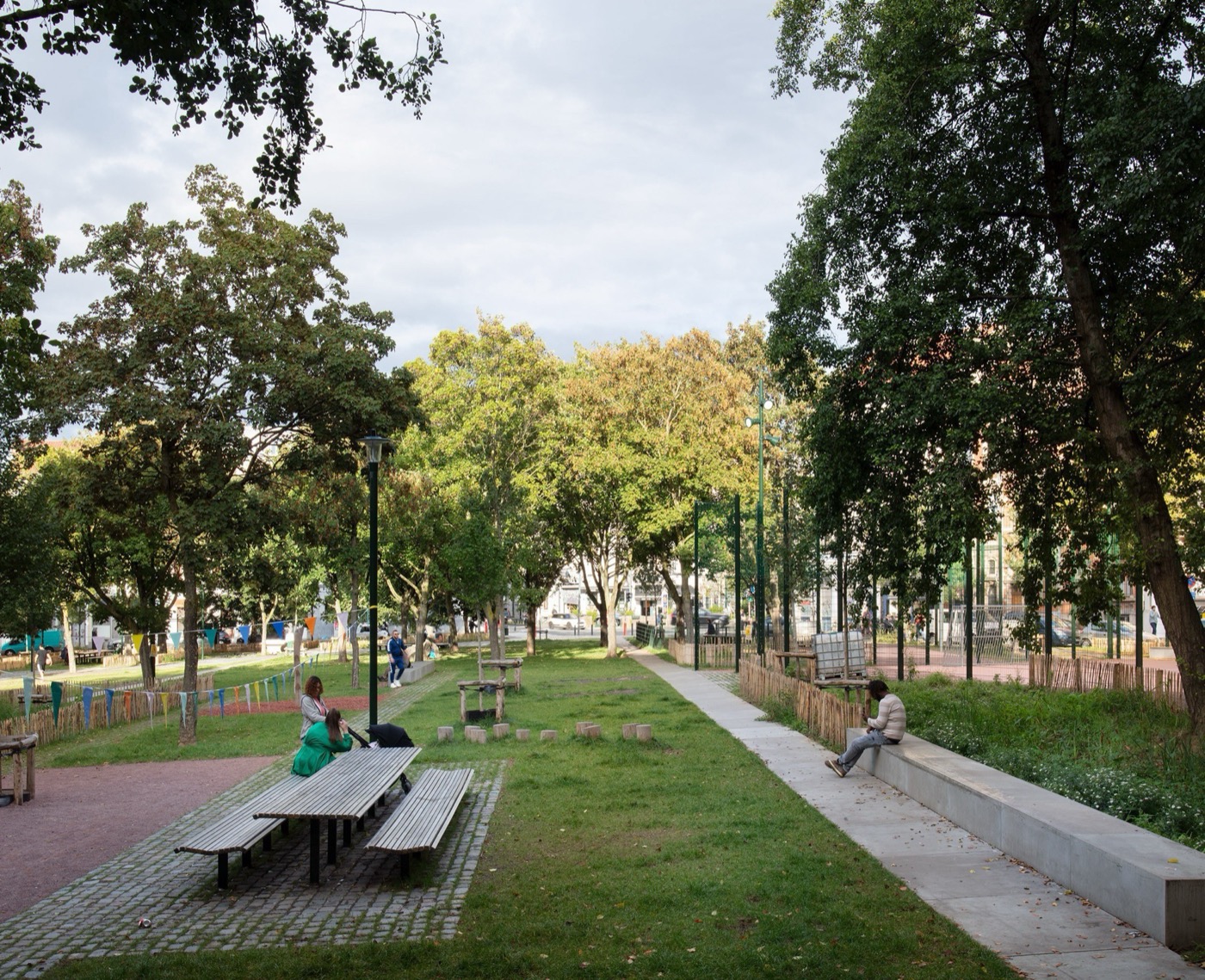
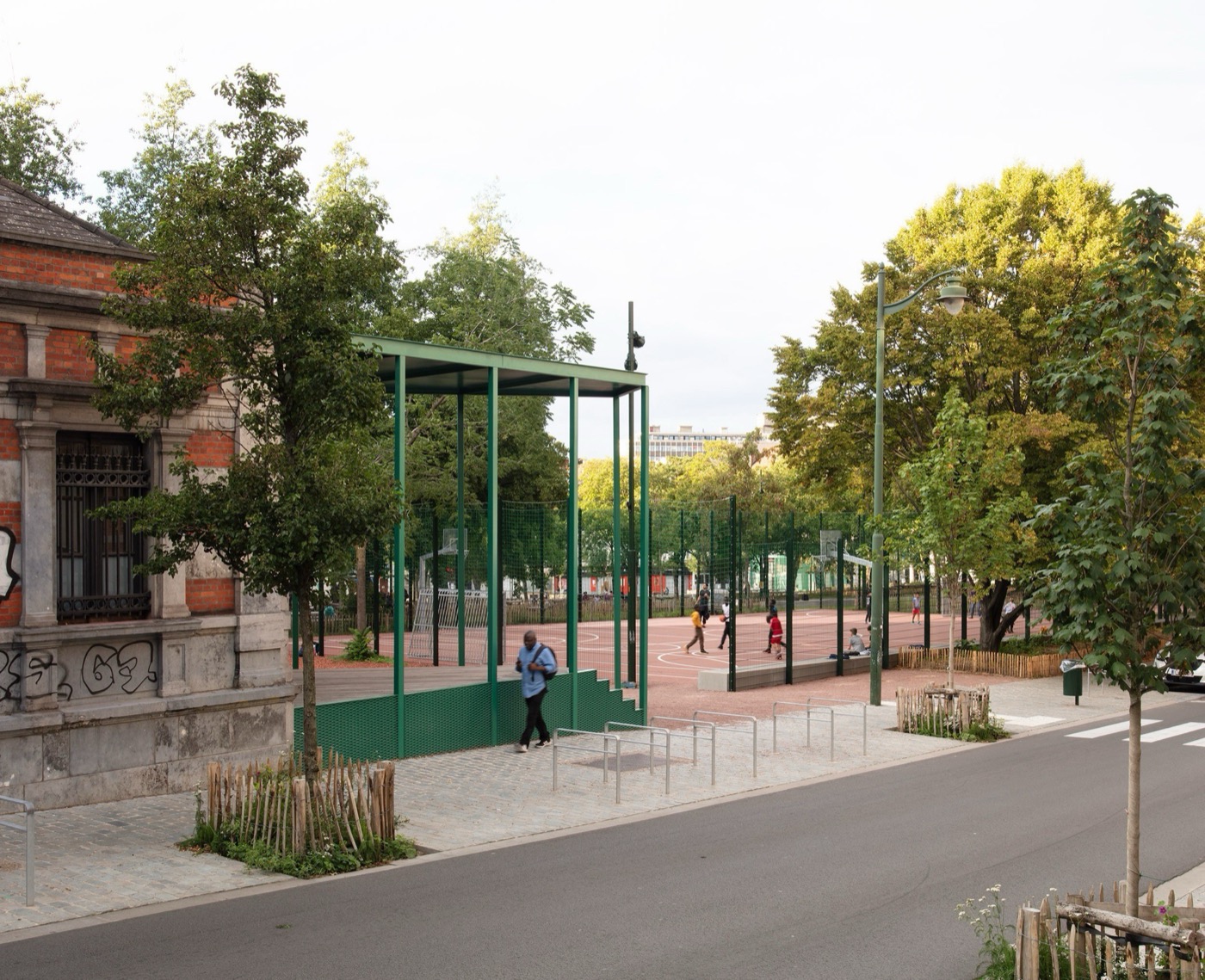
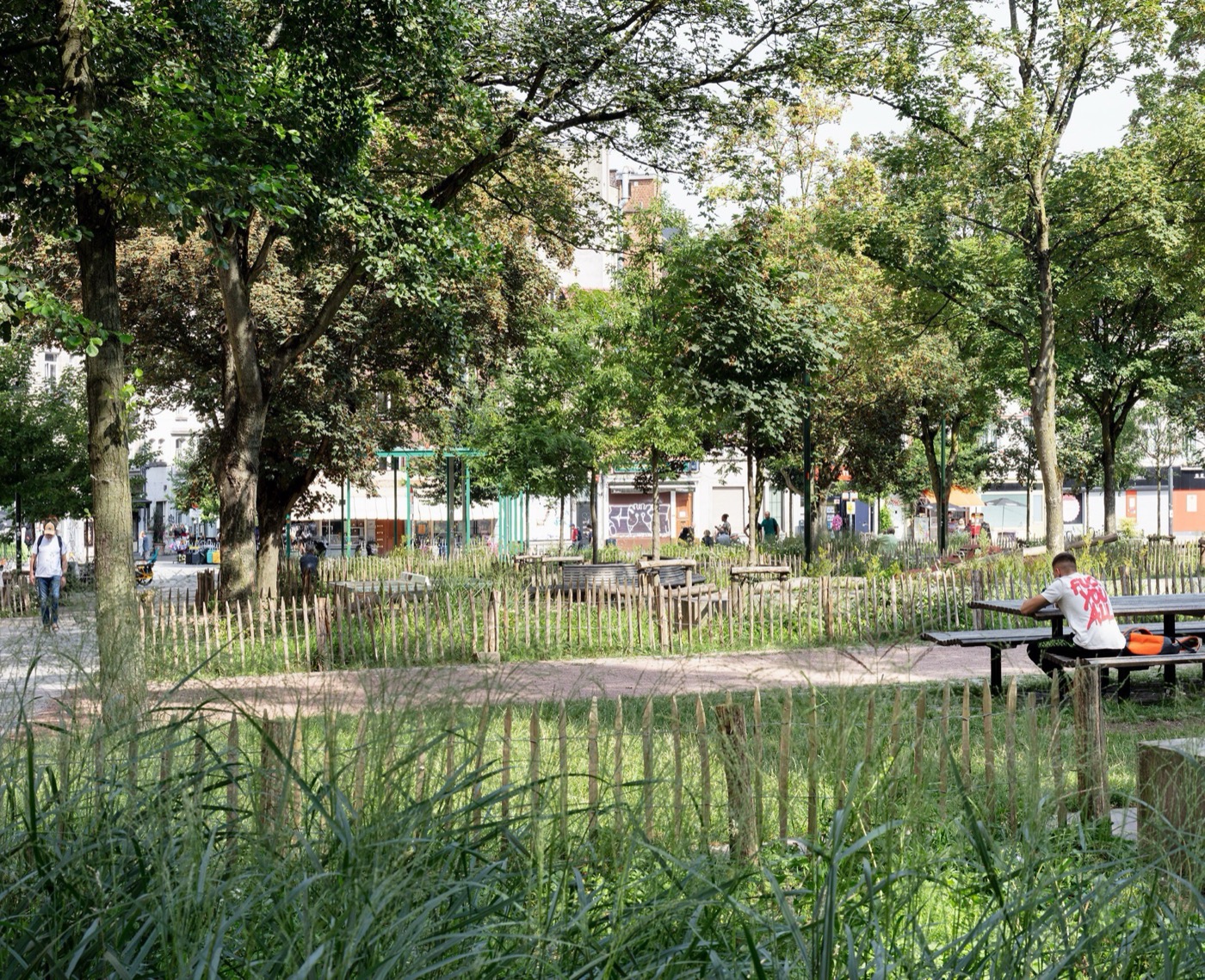
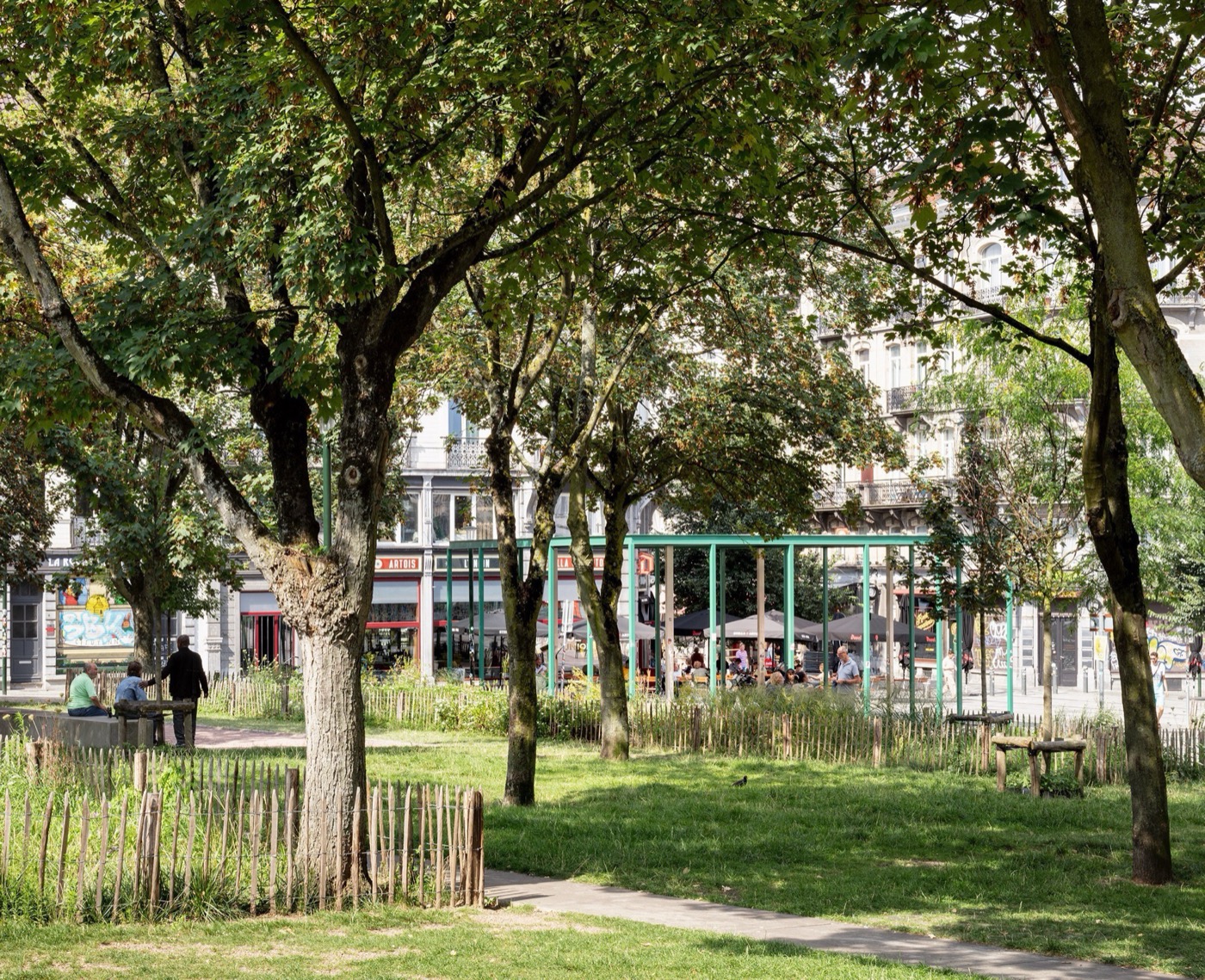
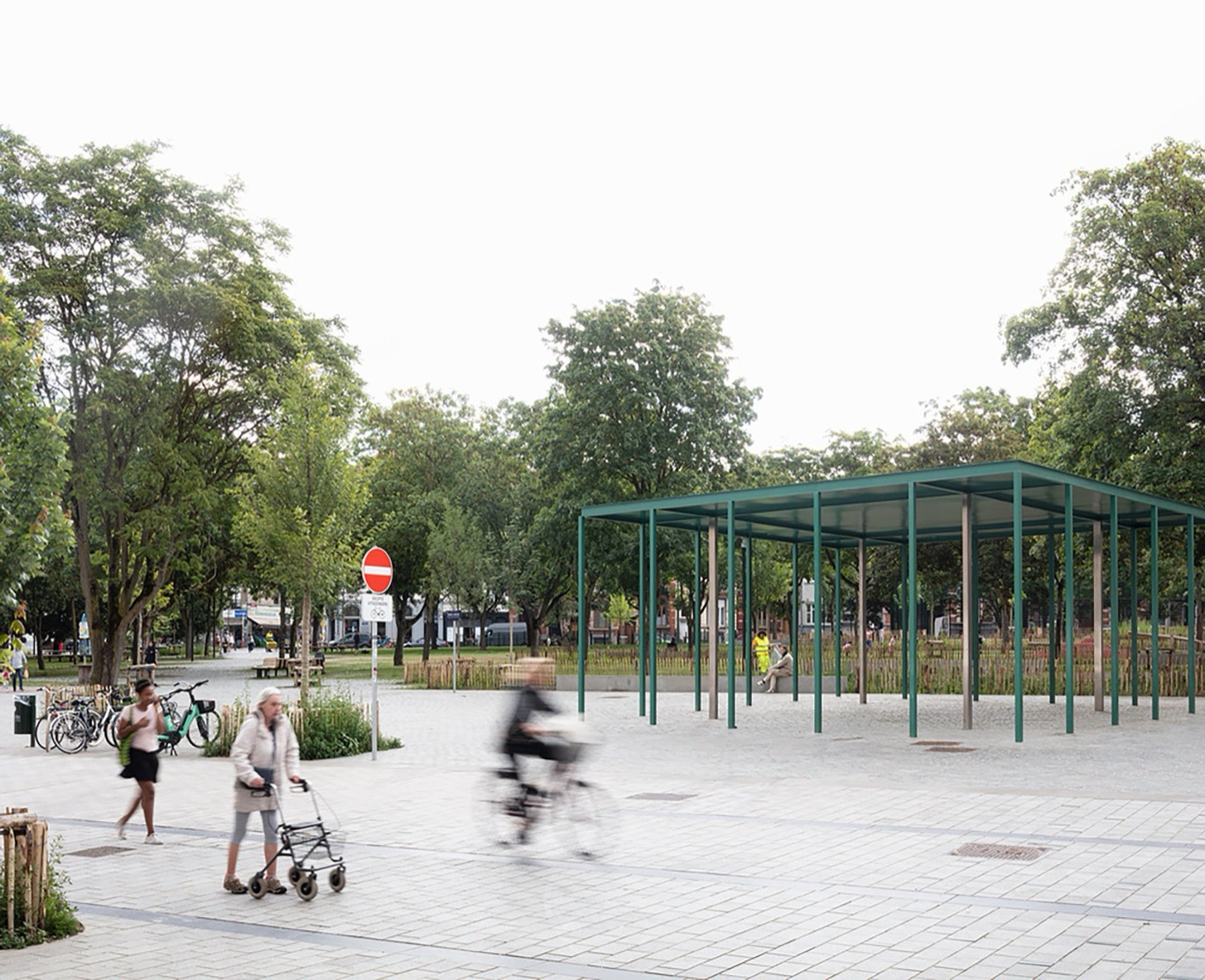
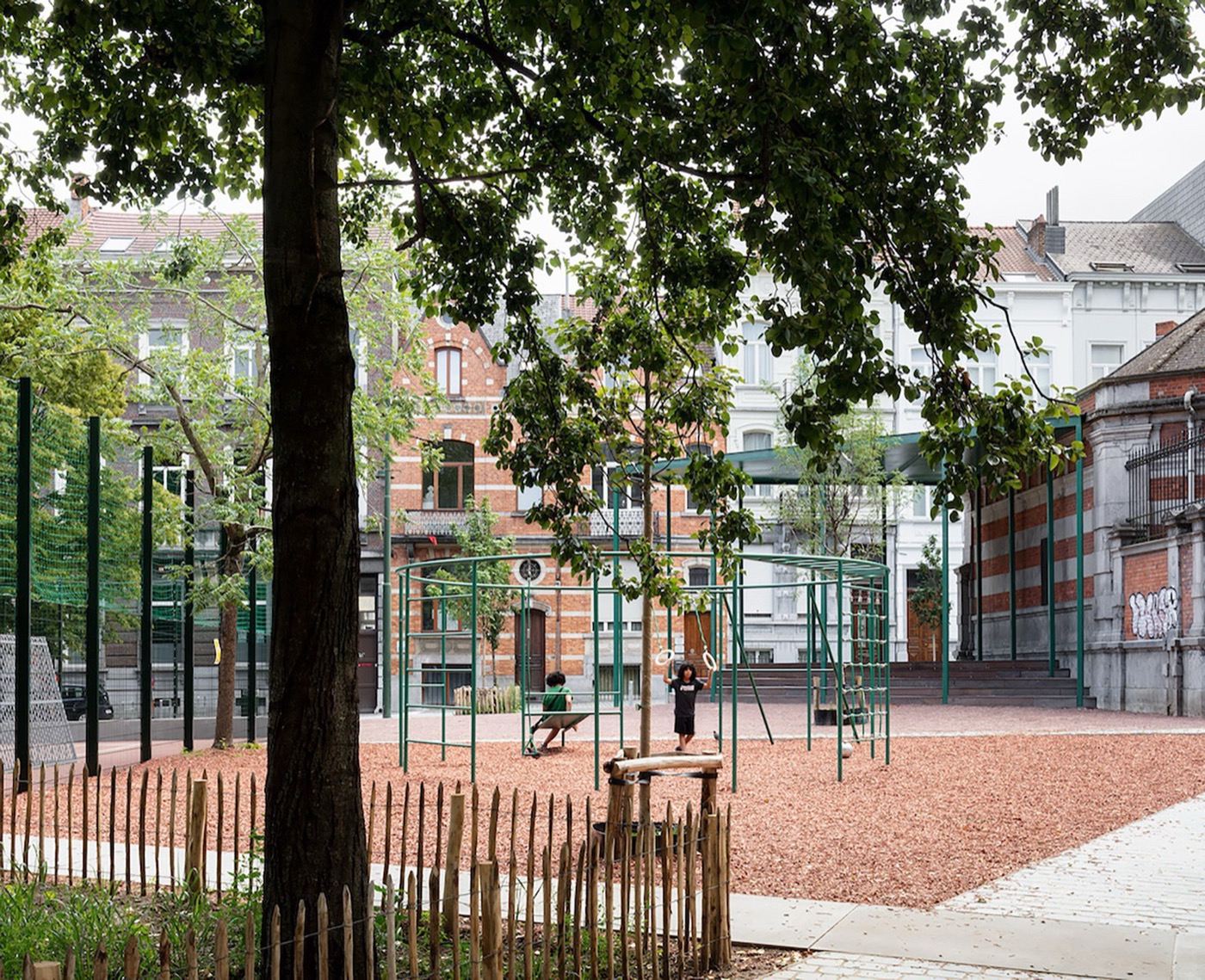
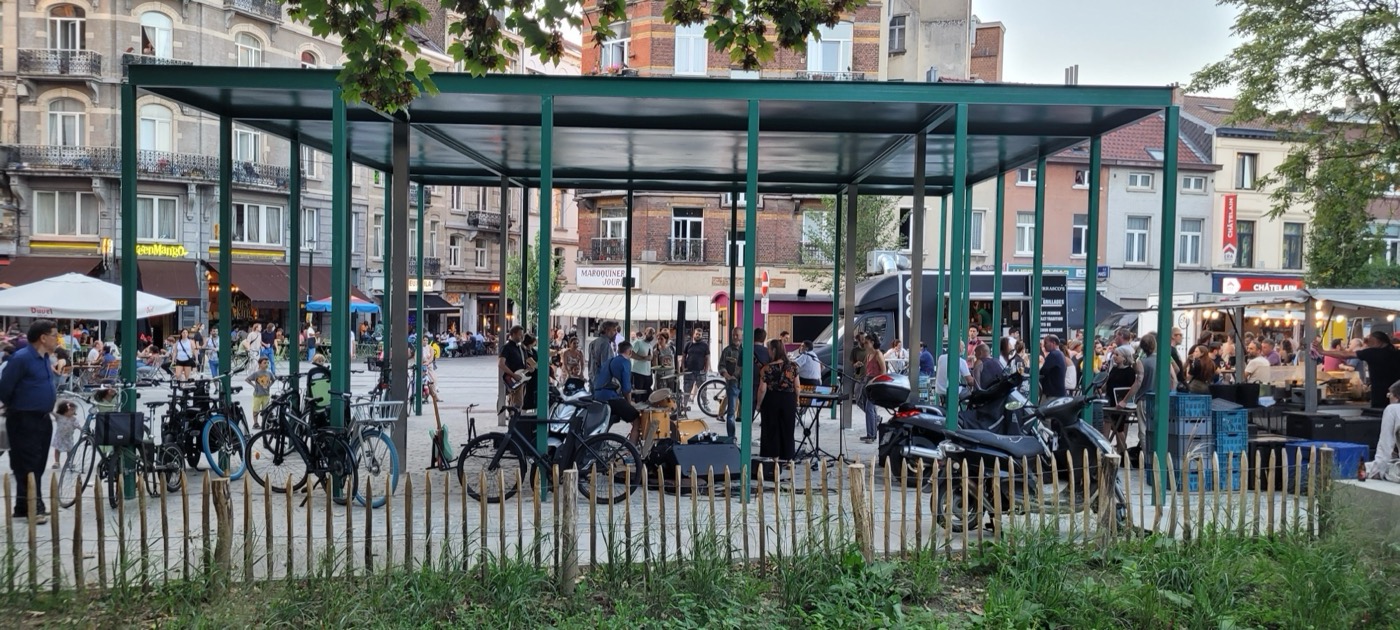
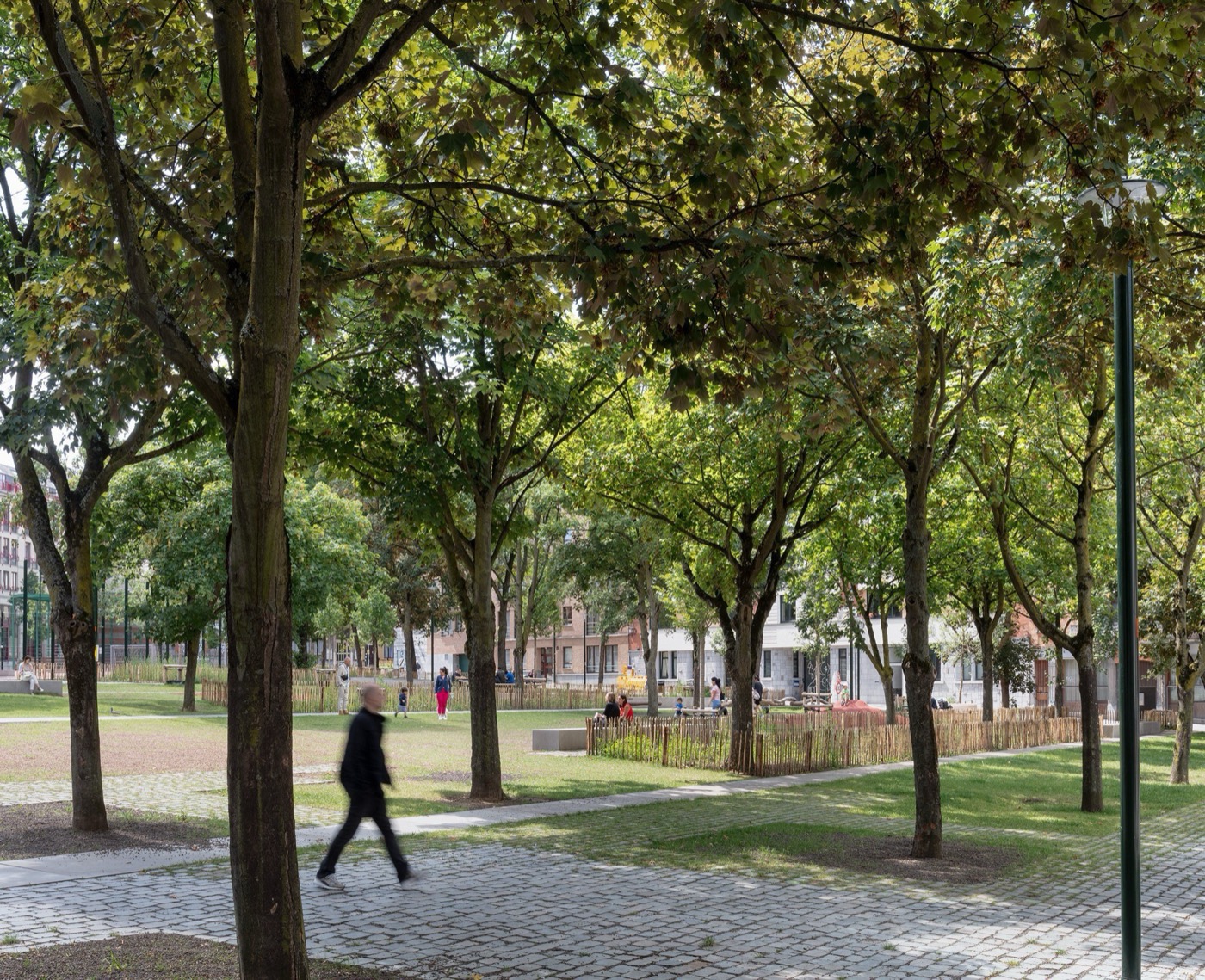
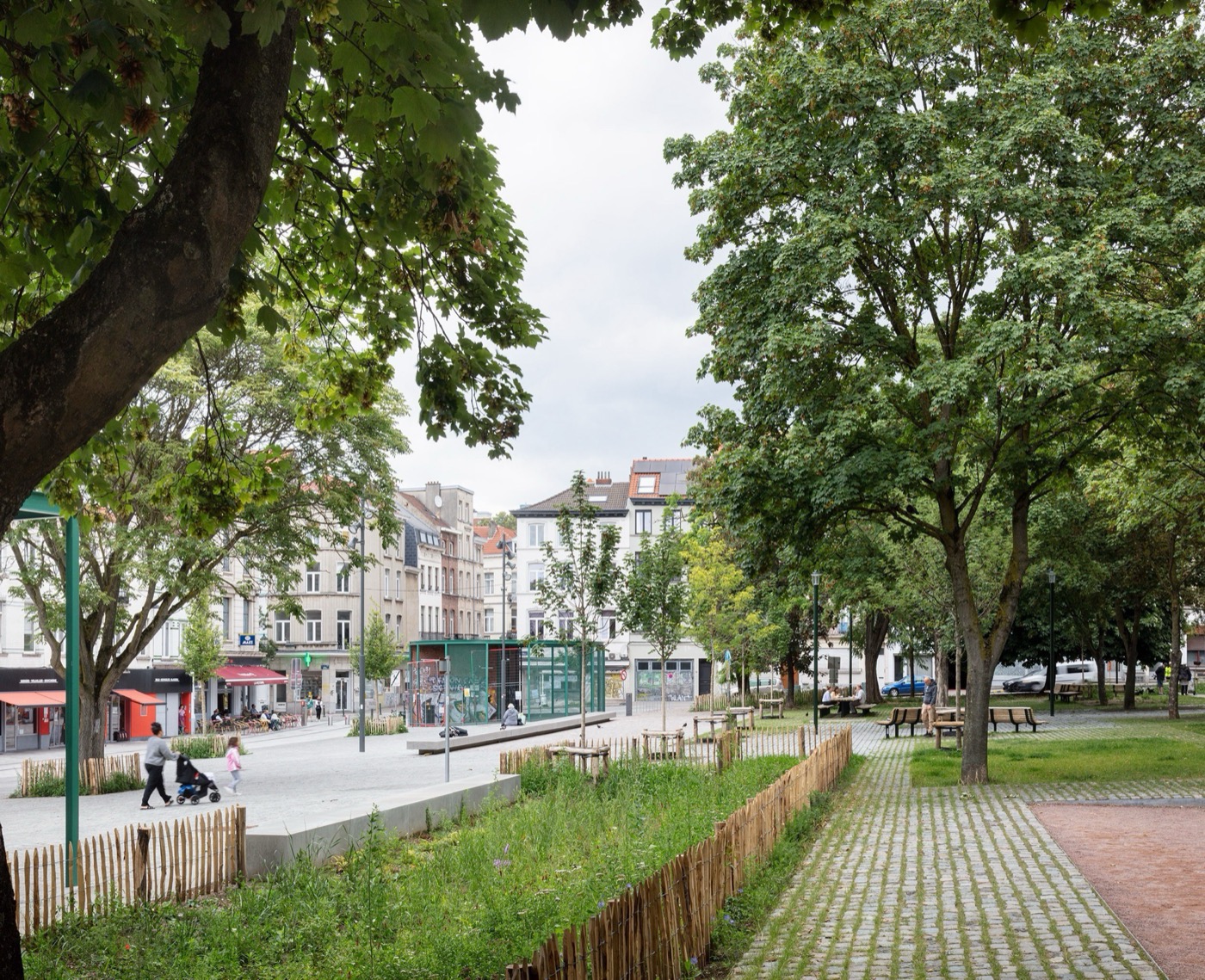
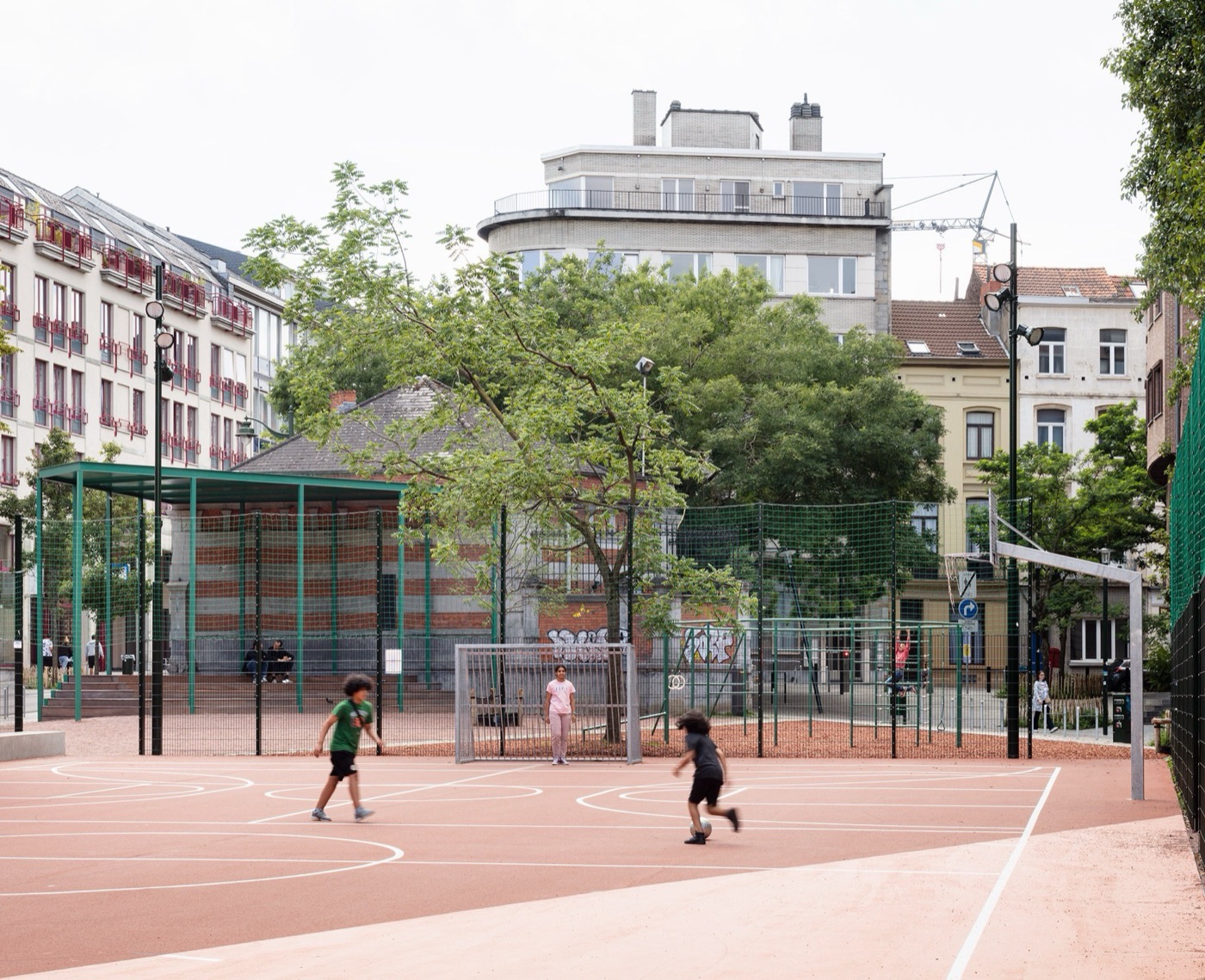
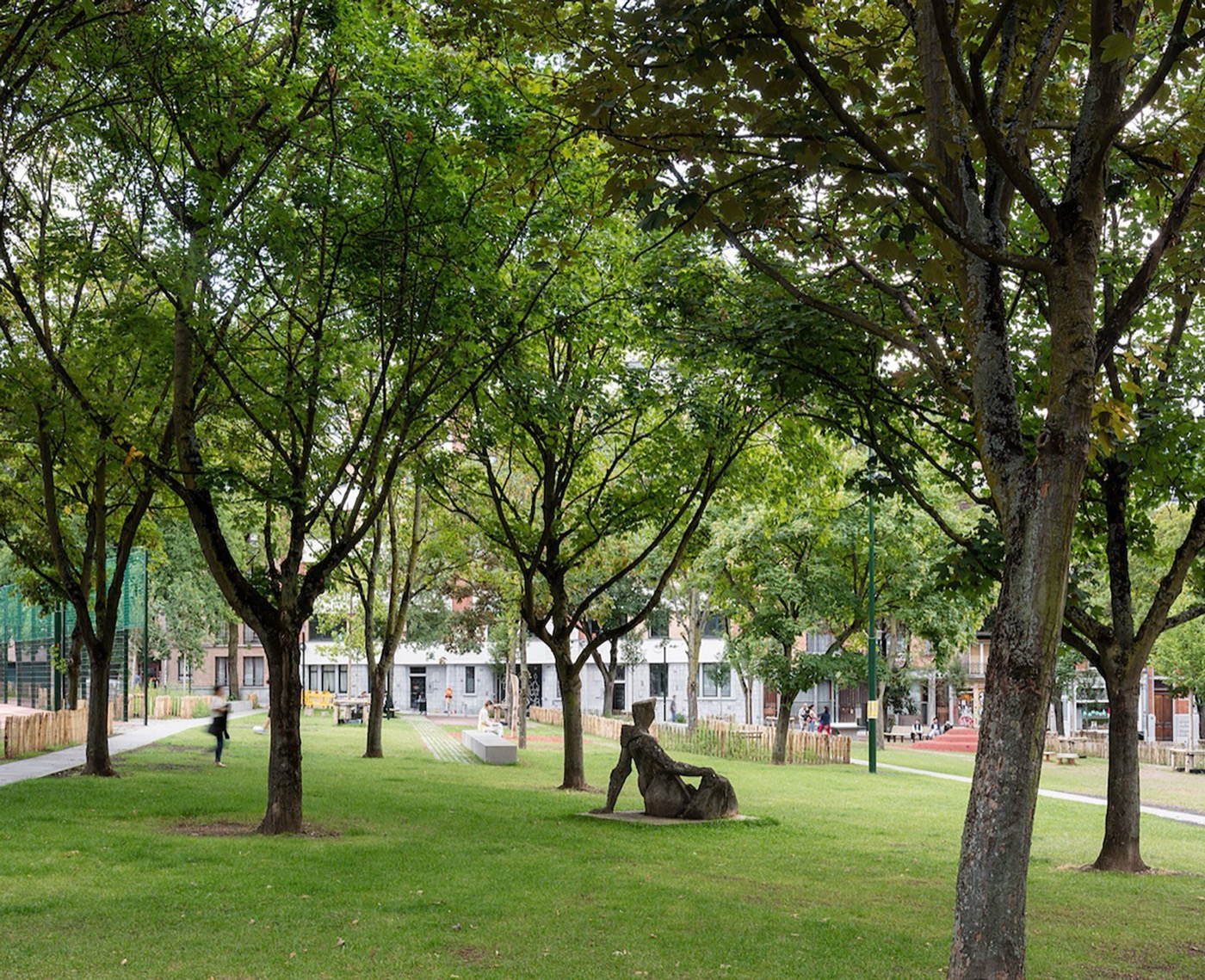
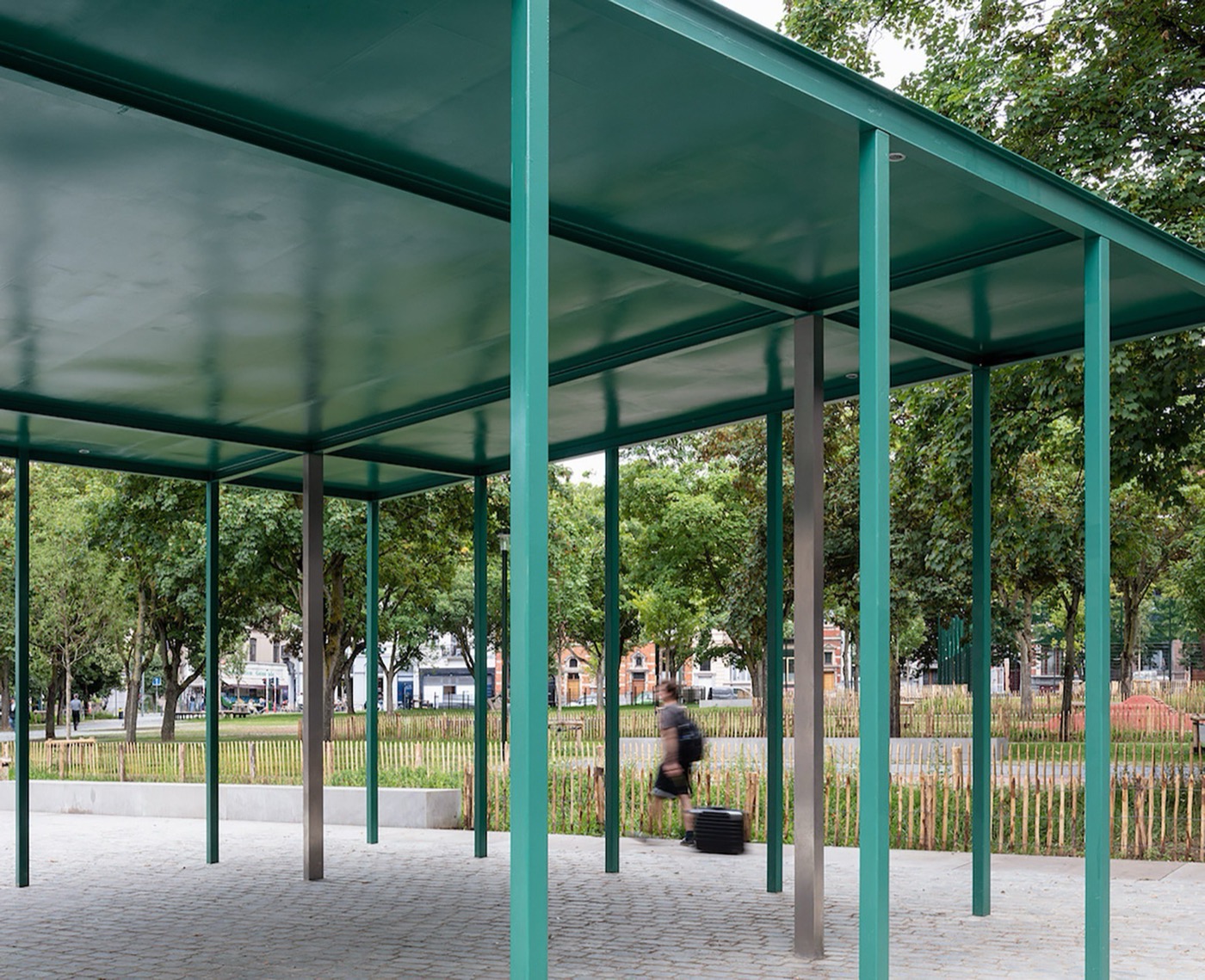
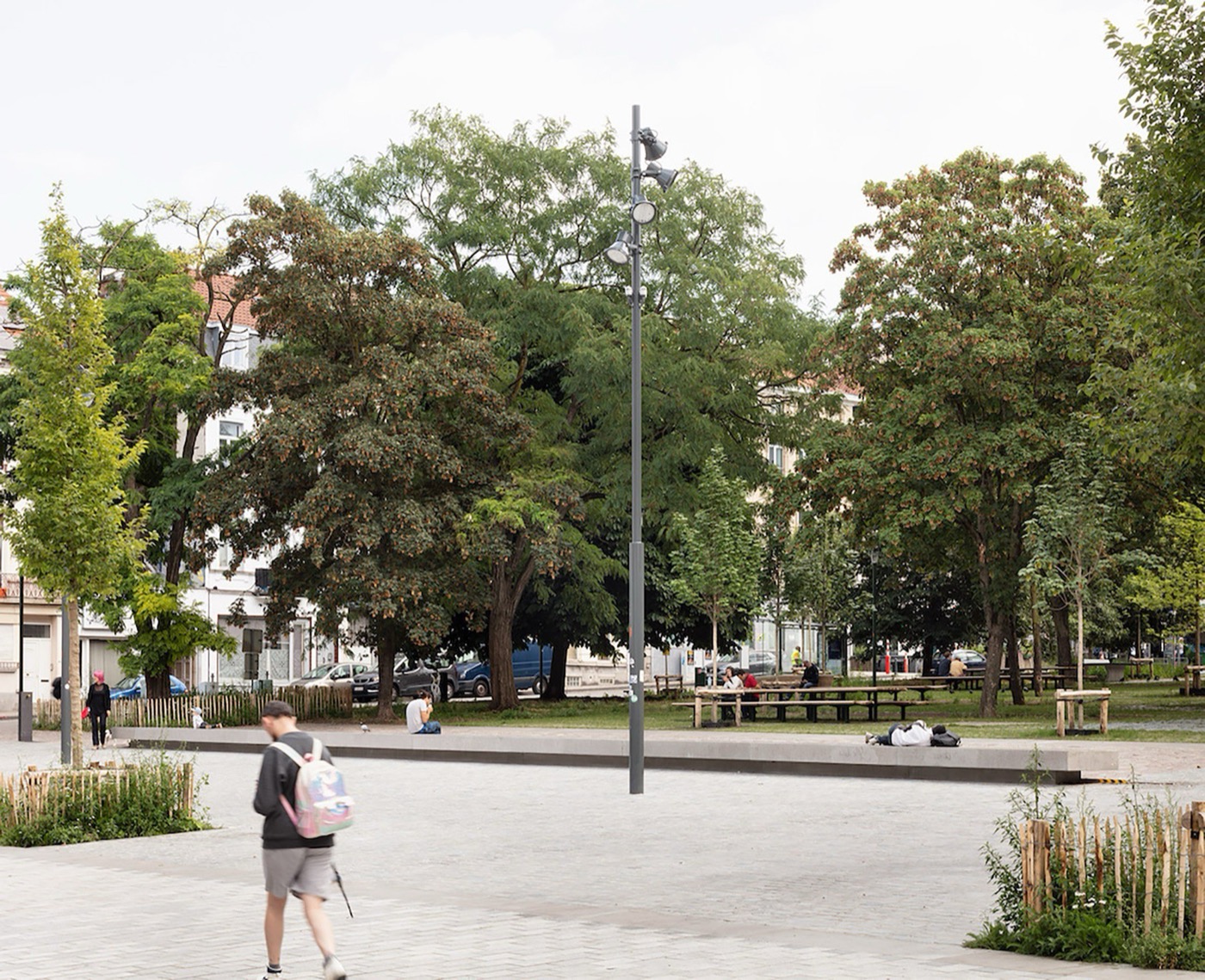
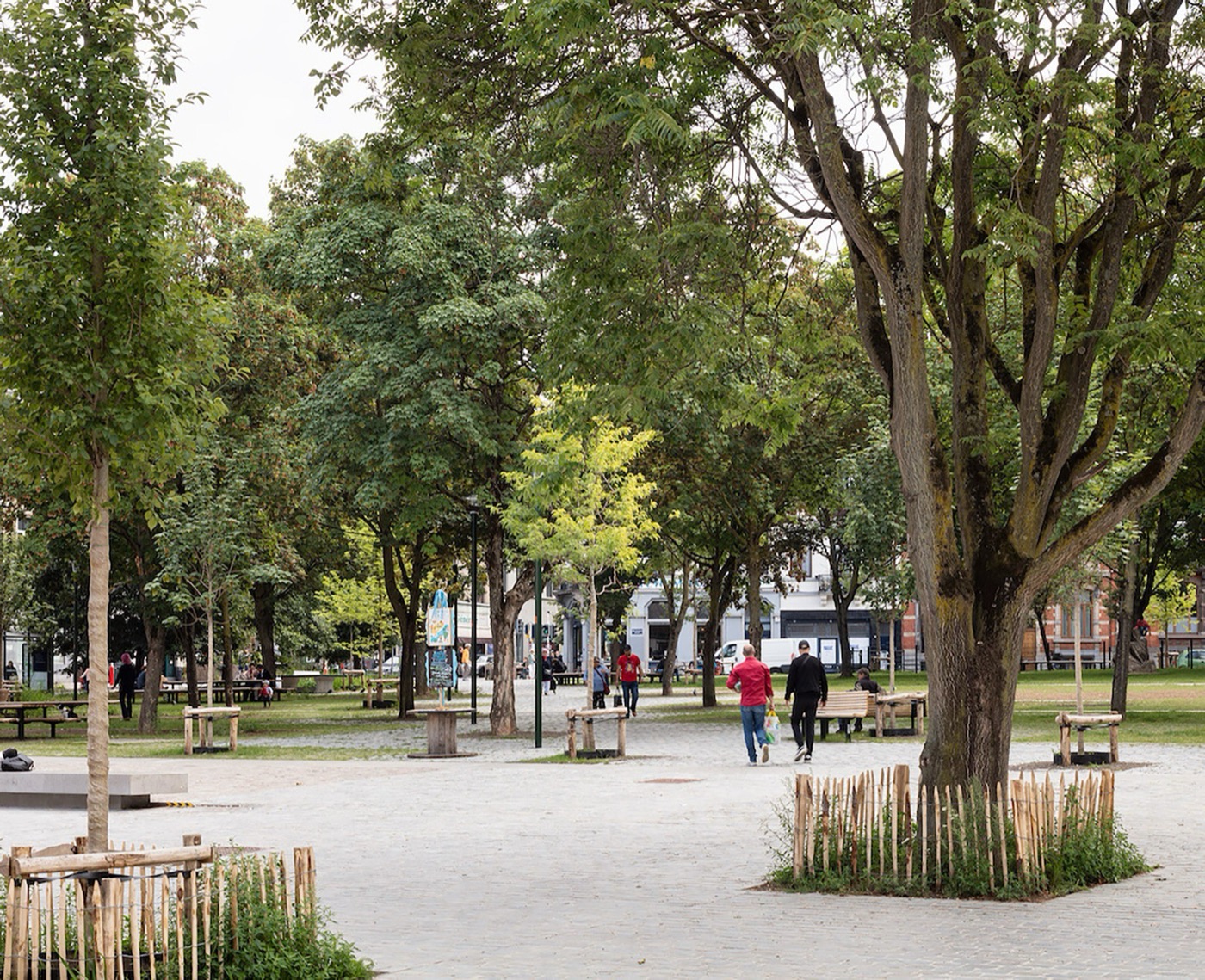
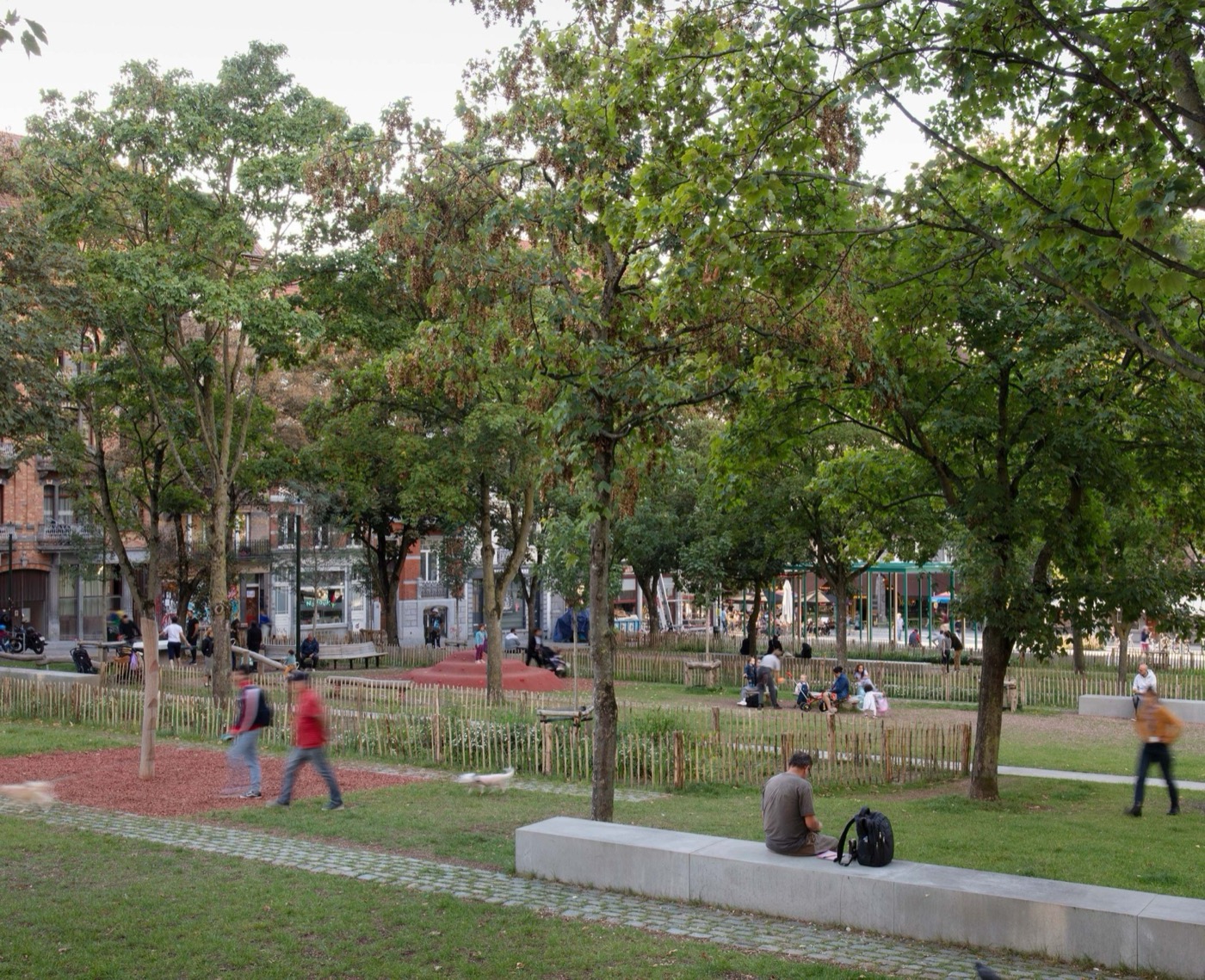
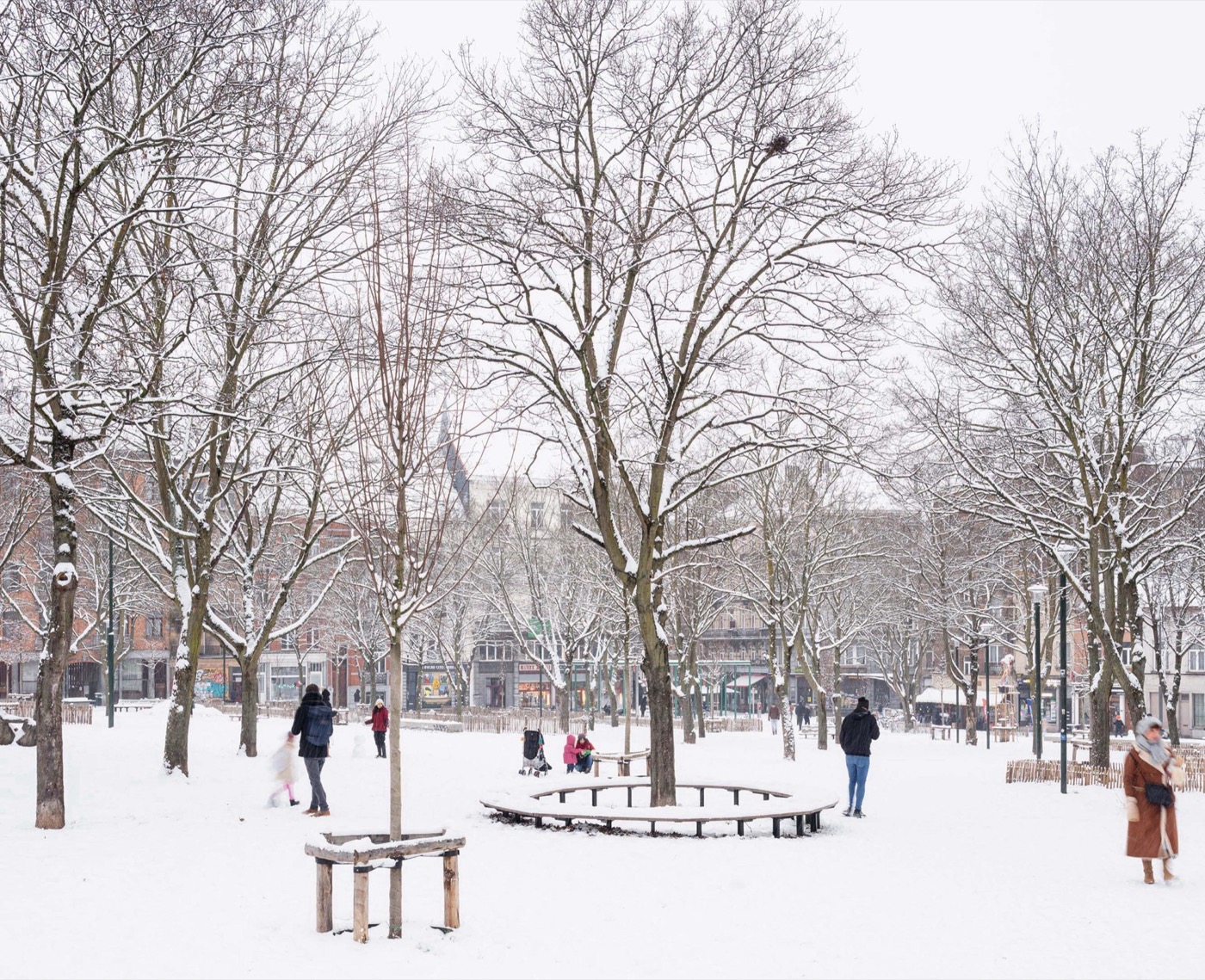
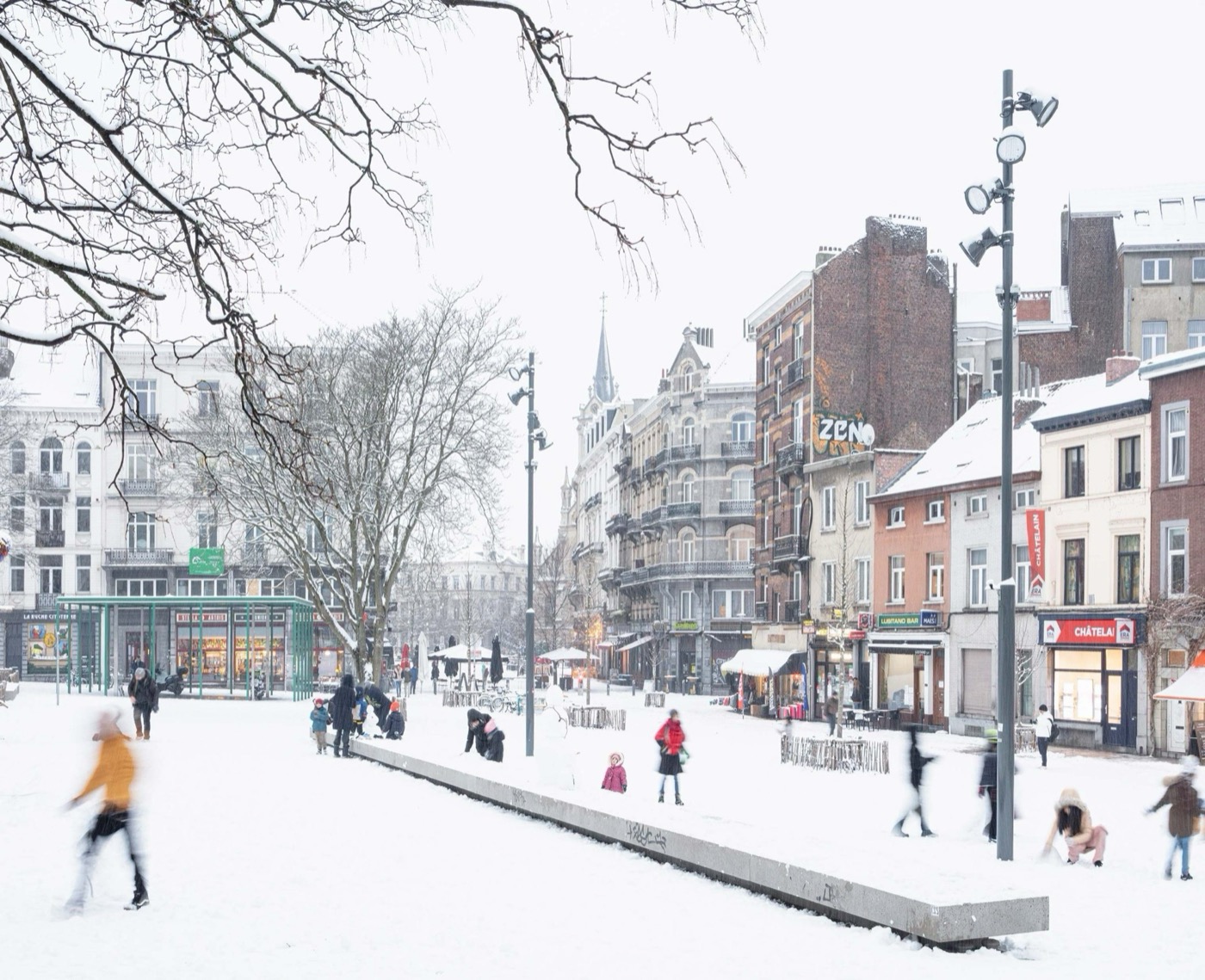
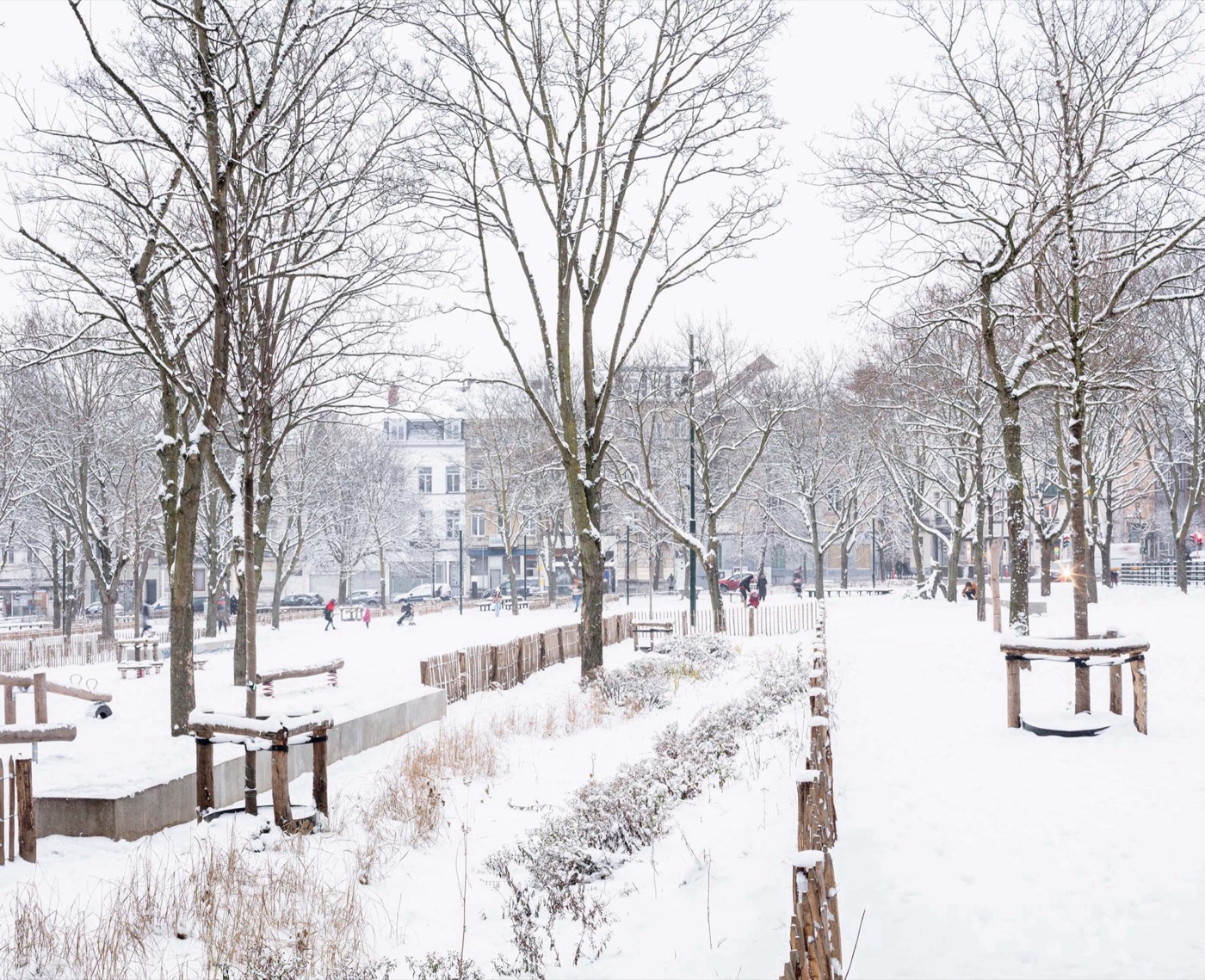
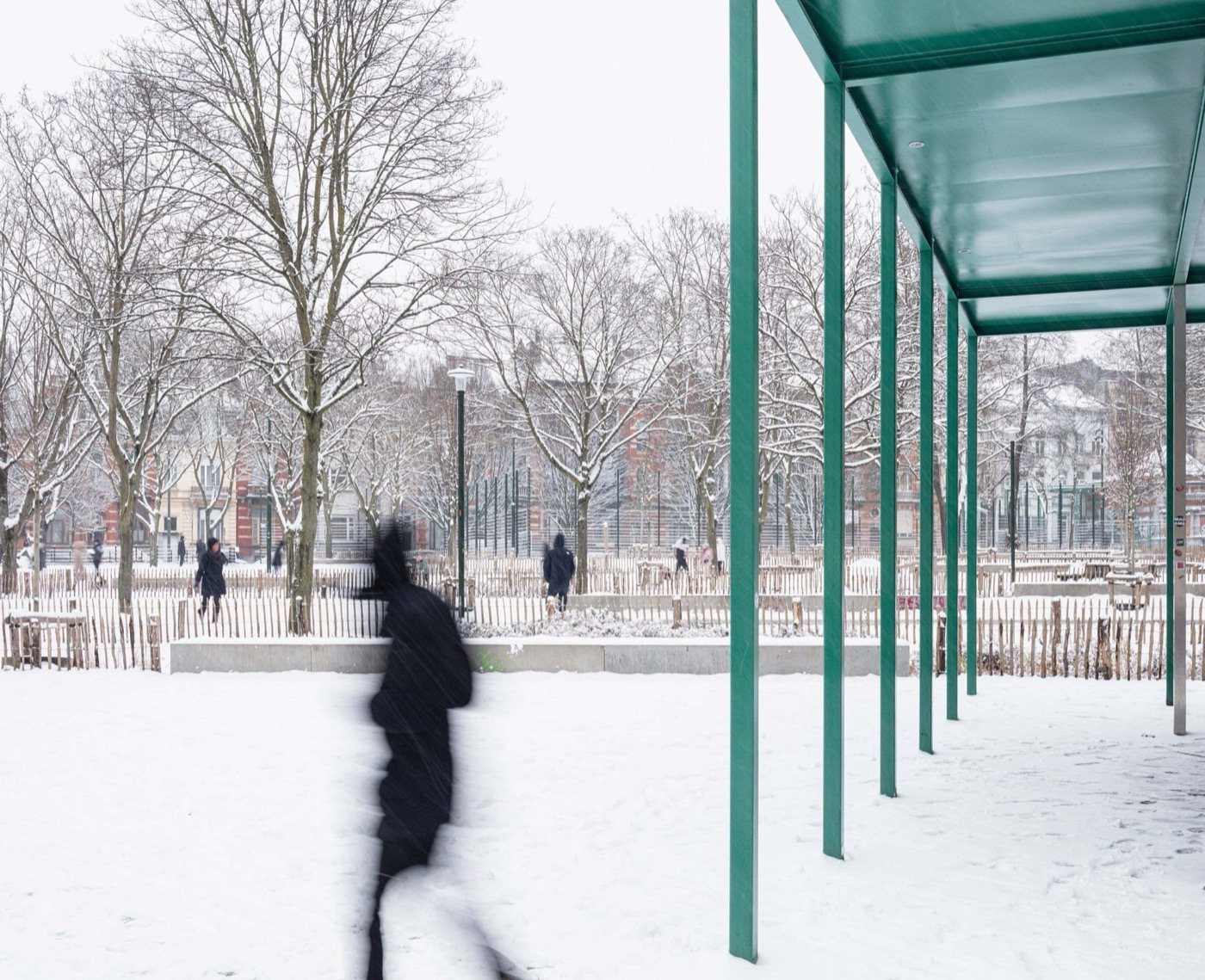
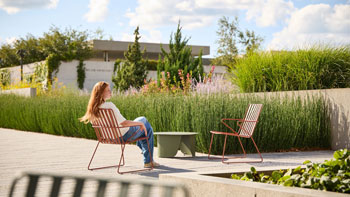
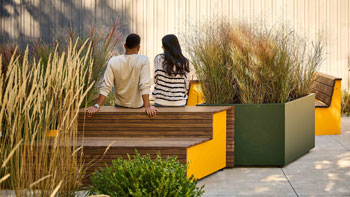
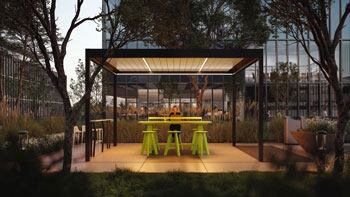
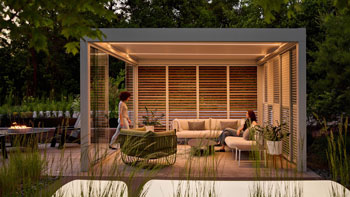
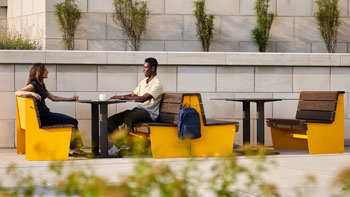
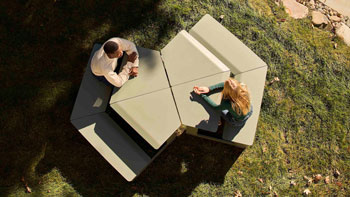
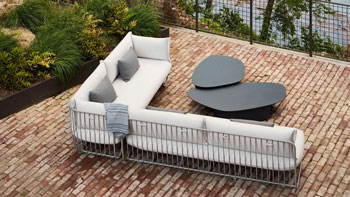
New architectural elements such as kiosks introduce new functions and covered spaces. The soccer field on the square has been restored to be accessible to people of all ages and genders. Multiple entrances and exits have been added, and a sports lane emphasizes movement and openness. Fitness modules and playground equipment have been installed in the neighborhood along a soft connection. Terraces have been designed for different generations, and the space is more inclusive thanks to furniture and equipment tailored to various user groups. This promotes social interaction and provides a safe gathering space for everyone.
The space is flexible and adapts to changing times and intensity of use. Occasionally, additional activities take place, such as cultural events, markets, and more, breathing new life into the neighborhood. This was made possible thanks to an inventive participation and communication strategy that included market stalls during the design process.
The project was the winner of the Brussels Architecture Prize 2025 in the category of public space.
ARCHITECT(S): Studio Paola Viganò – vvv architecture urbanisme
ENGINEERS: ARA (Atelier Ruimtelijk Advies) – BAS
PROCEDURE: Selection procedure of the Brussels Government Architect (BMA)
CLIENT NAME: Saint-Gilles Municipality, as part of the Parvis-Morichar Sustainable Neighborhood Contract
TOTAL FLOOR AREA: 14.000 m2
BUDGET (€): 3.700.000 €
https://maps.app.goo.gl/Yk3tUPKKocCoJ51P7
76516


LILA 2026 Sponsor