Marina Garden
www.noack-landschaftsarchitekten.de/
2026 Landscape and Architecture / 2026 Residential Parks / Germany / Built in 2024 /

“LIVING IN THE PULSE OF THE FLOODPLAIN”
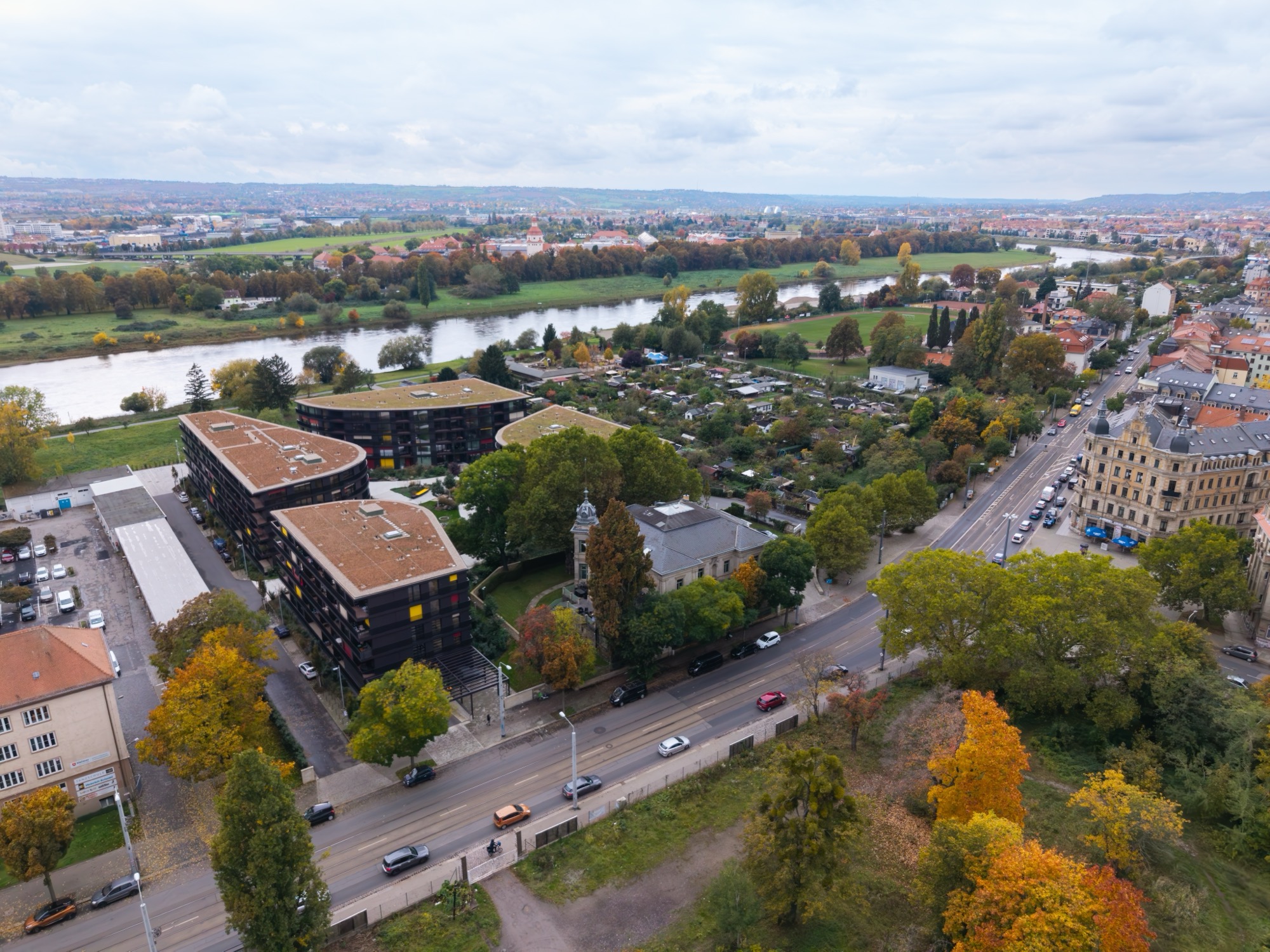
Marina Garden Dresden develops a residential quarter from the logic of the landscape. Between the urban condition of Leipziger Straße and the open expanse of the Elbe meadows, an ensemble unfolds in which landscape, architecture and water are interwoven into a continuous spatial system.
Four sculpturally articulated volumes define the urban figure of the quarter. They establish a clear edge towards the street while enclosing a shared garden at its centre. Their curving geometry responds to the movement of the river landscape, translating its latent dynamics into built form. Generous loggias, terraces and wide openings orient the living spaces towards the landscape. The stepped height of the ensemble engages sensitively with its position within the floodplain of the Elbe, allowing habitation in close proximity to the river while respecting the inherent dynamics of the Elbe meadows.
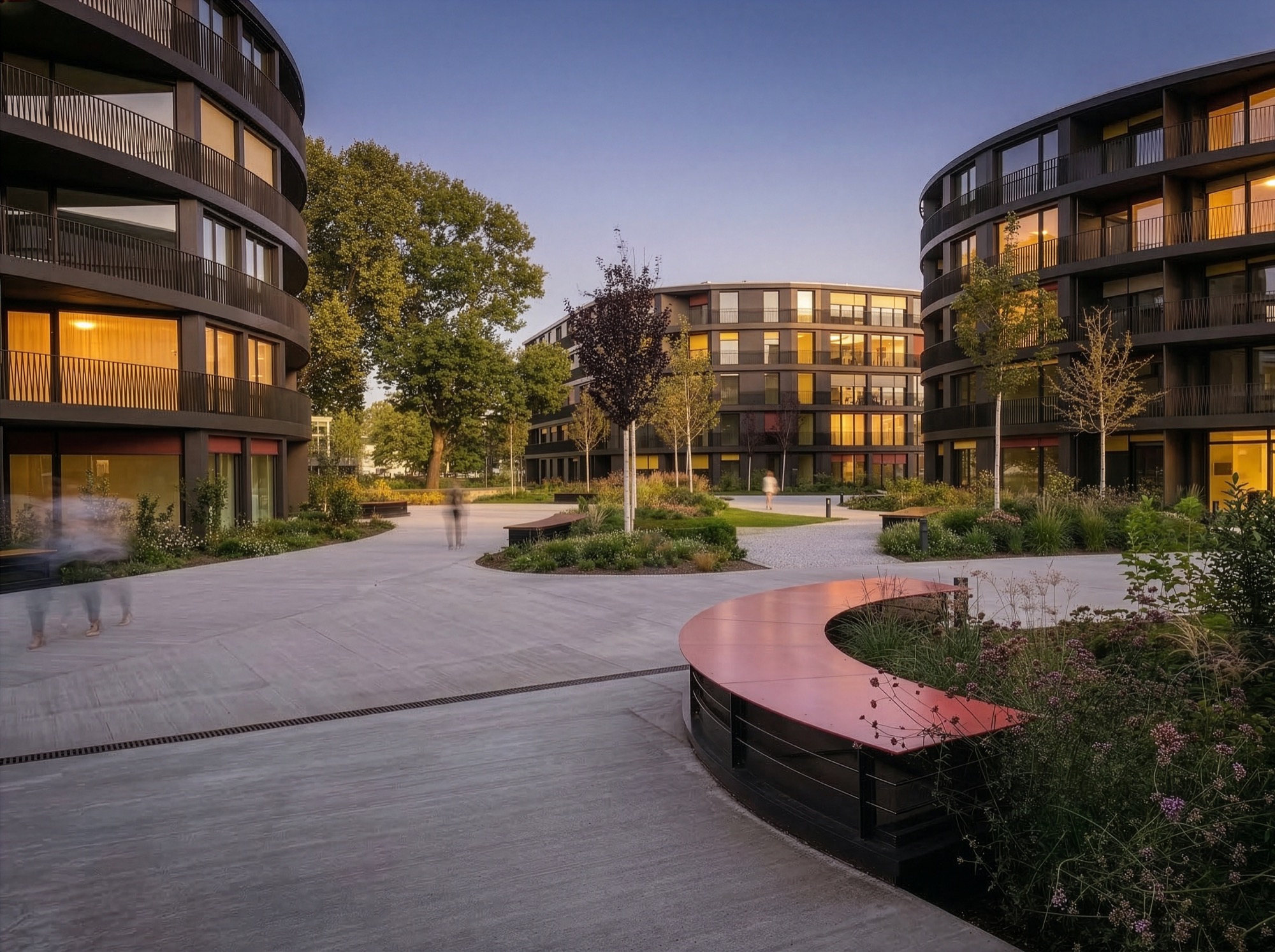
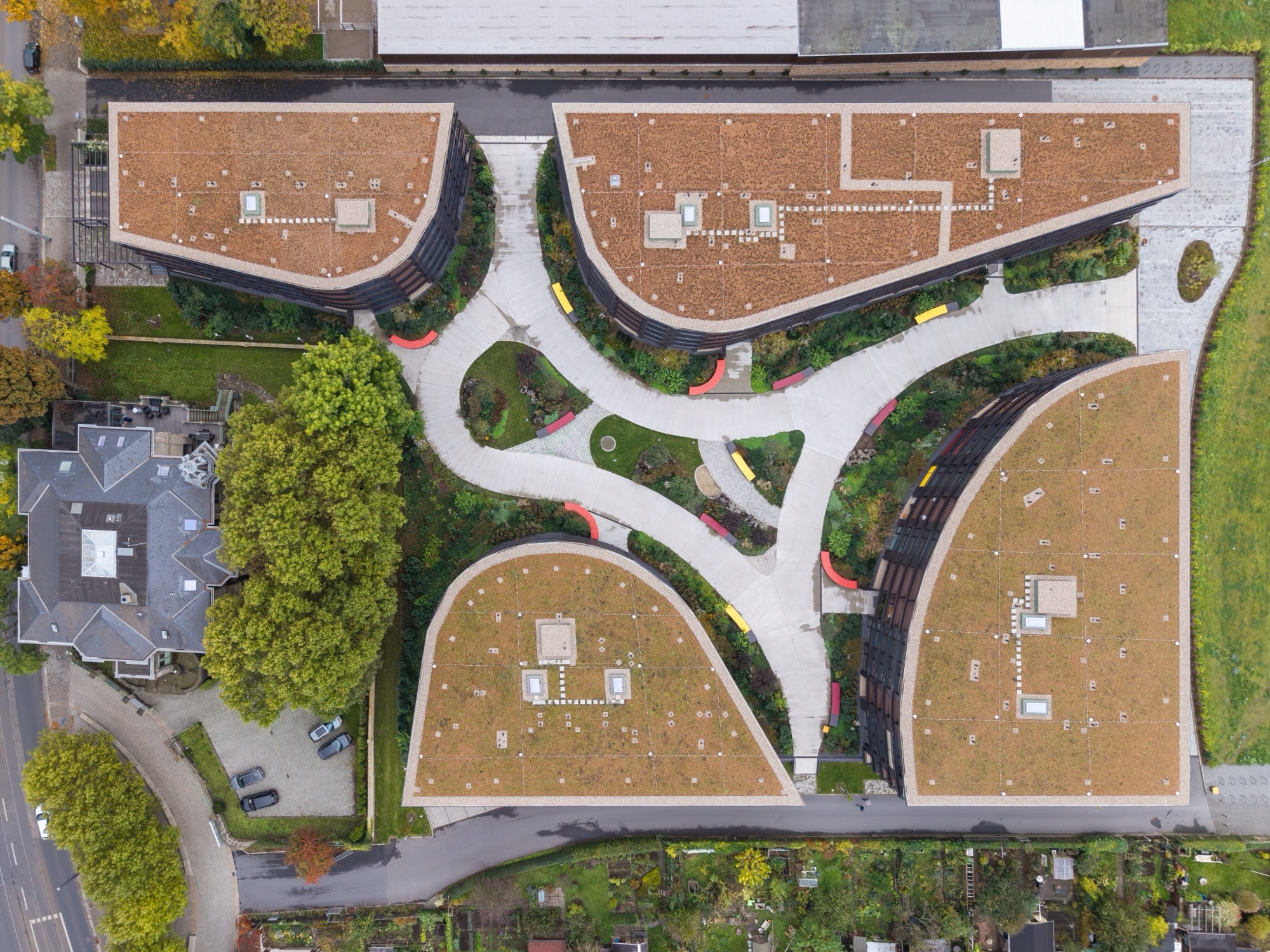
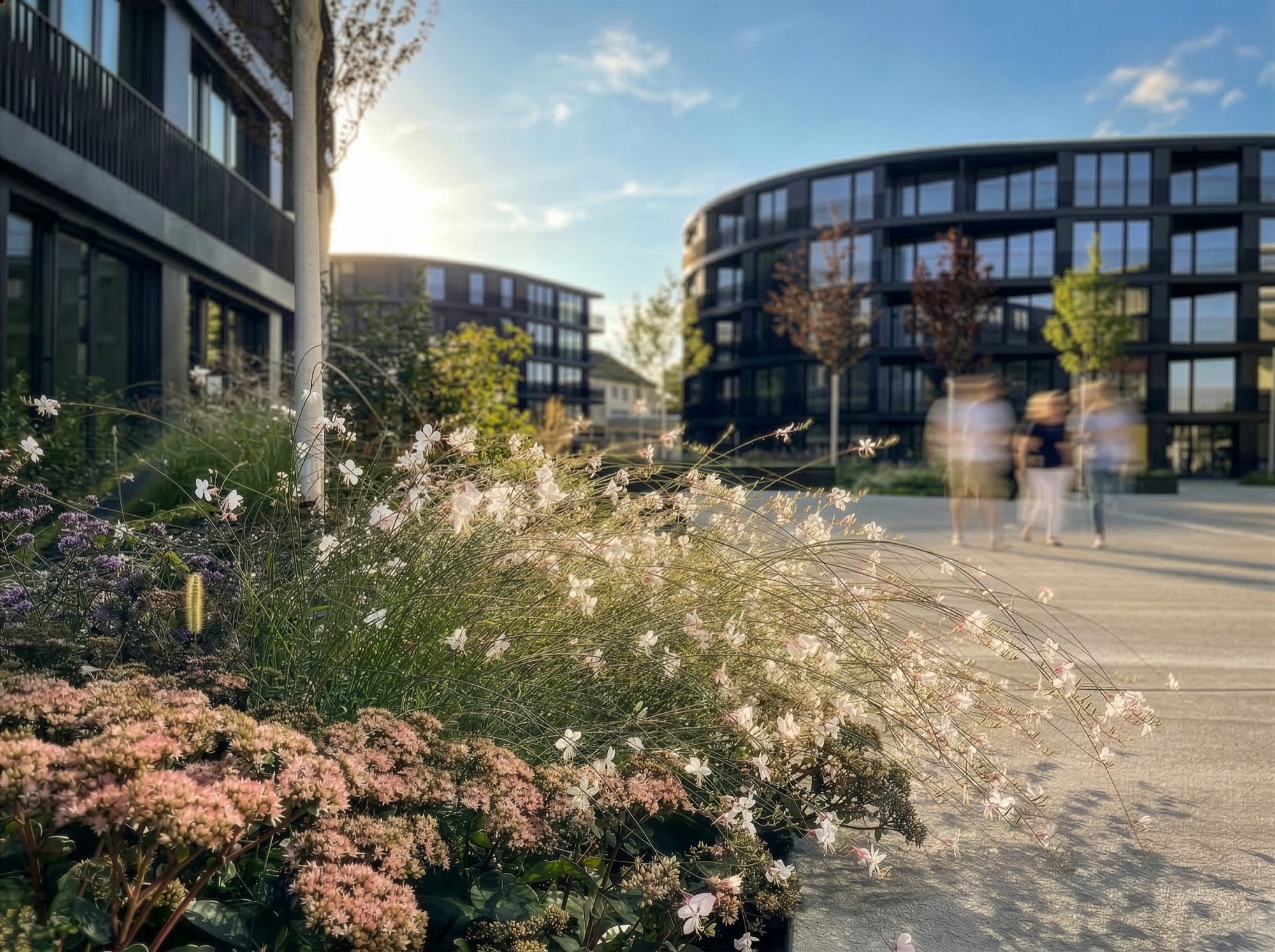
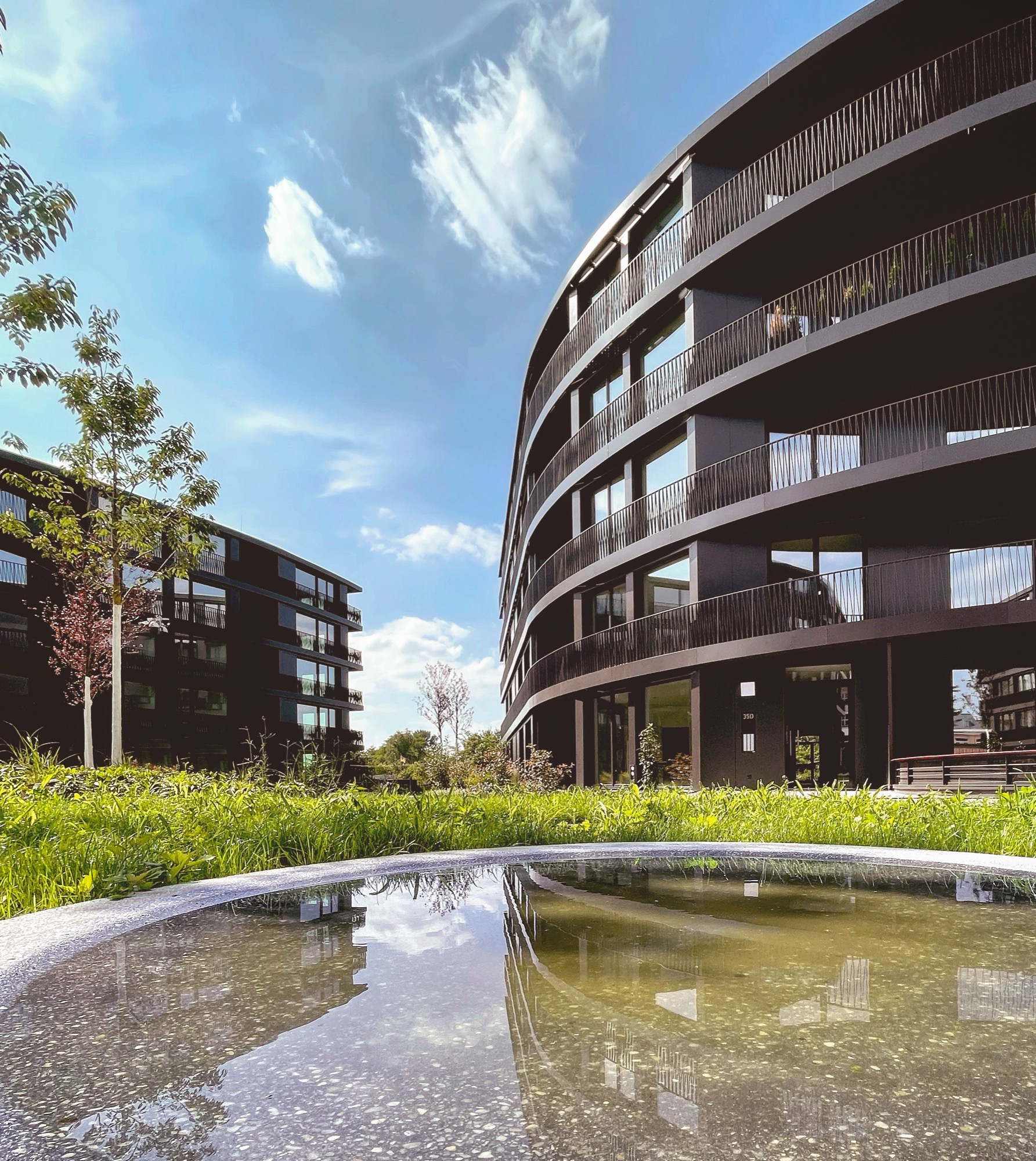
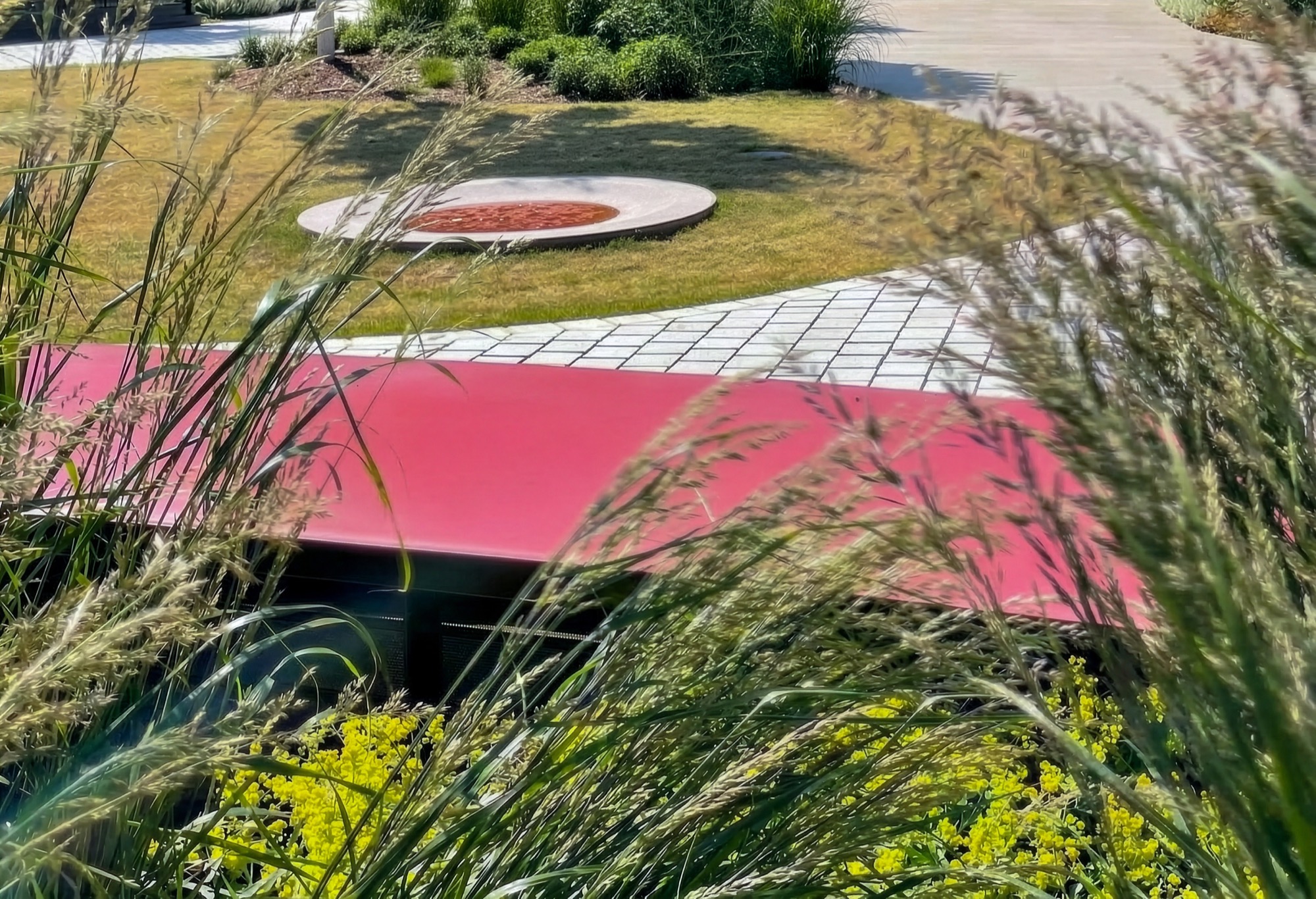
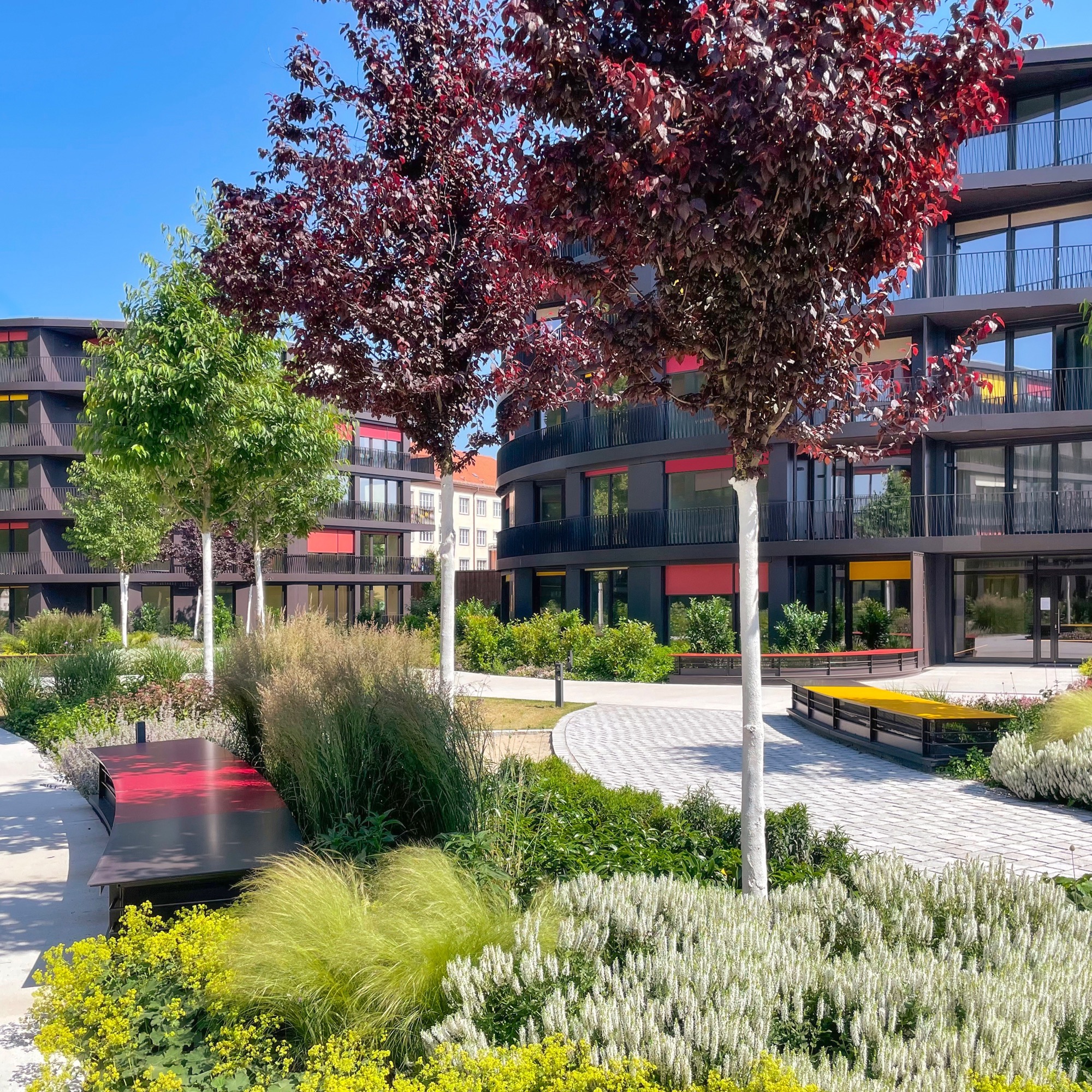
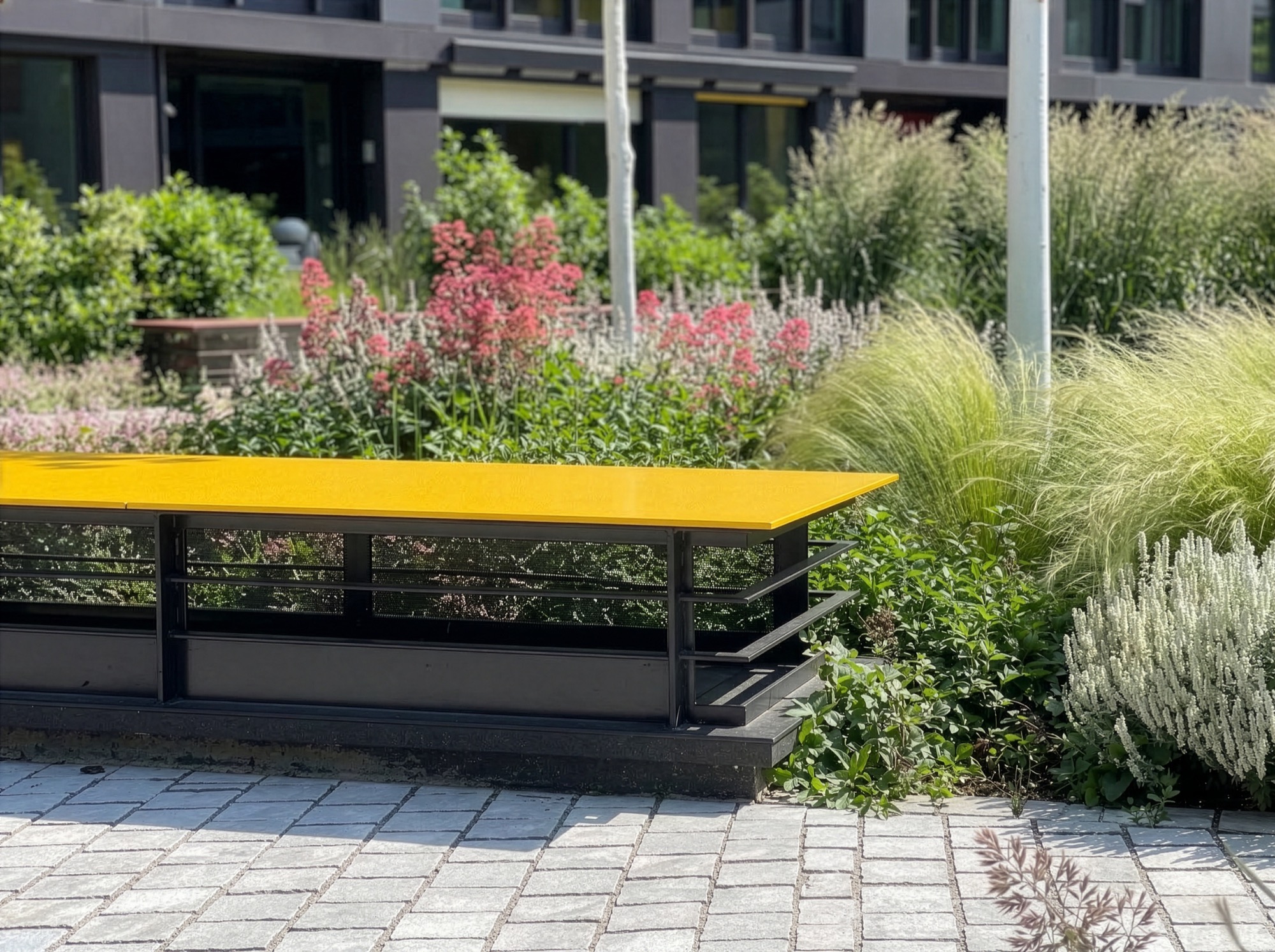
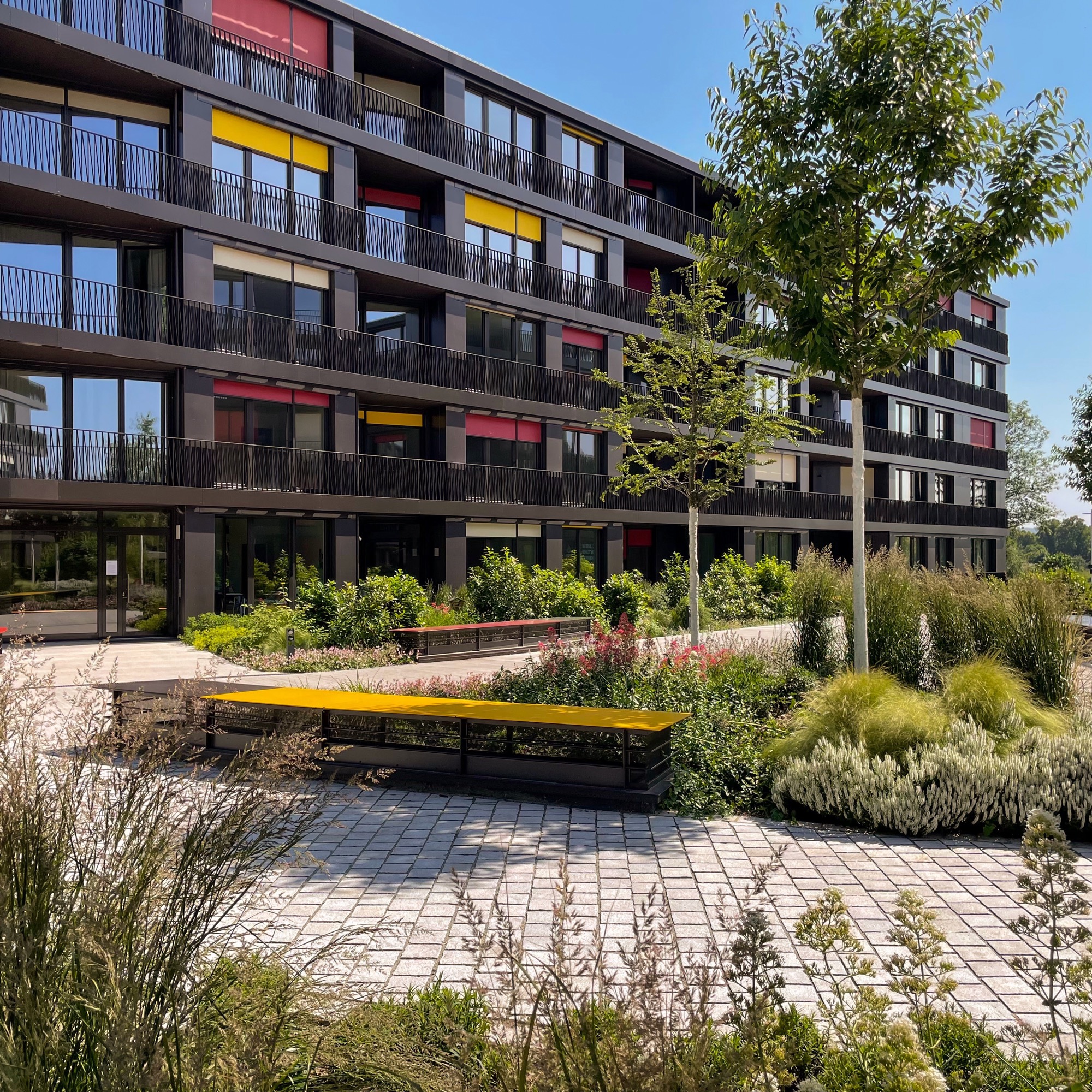
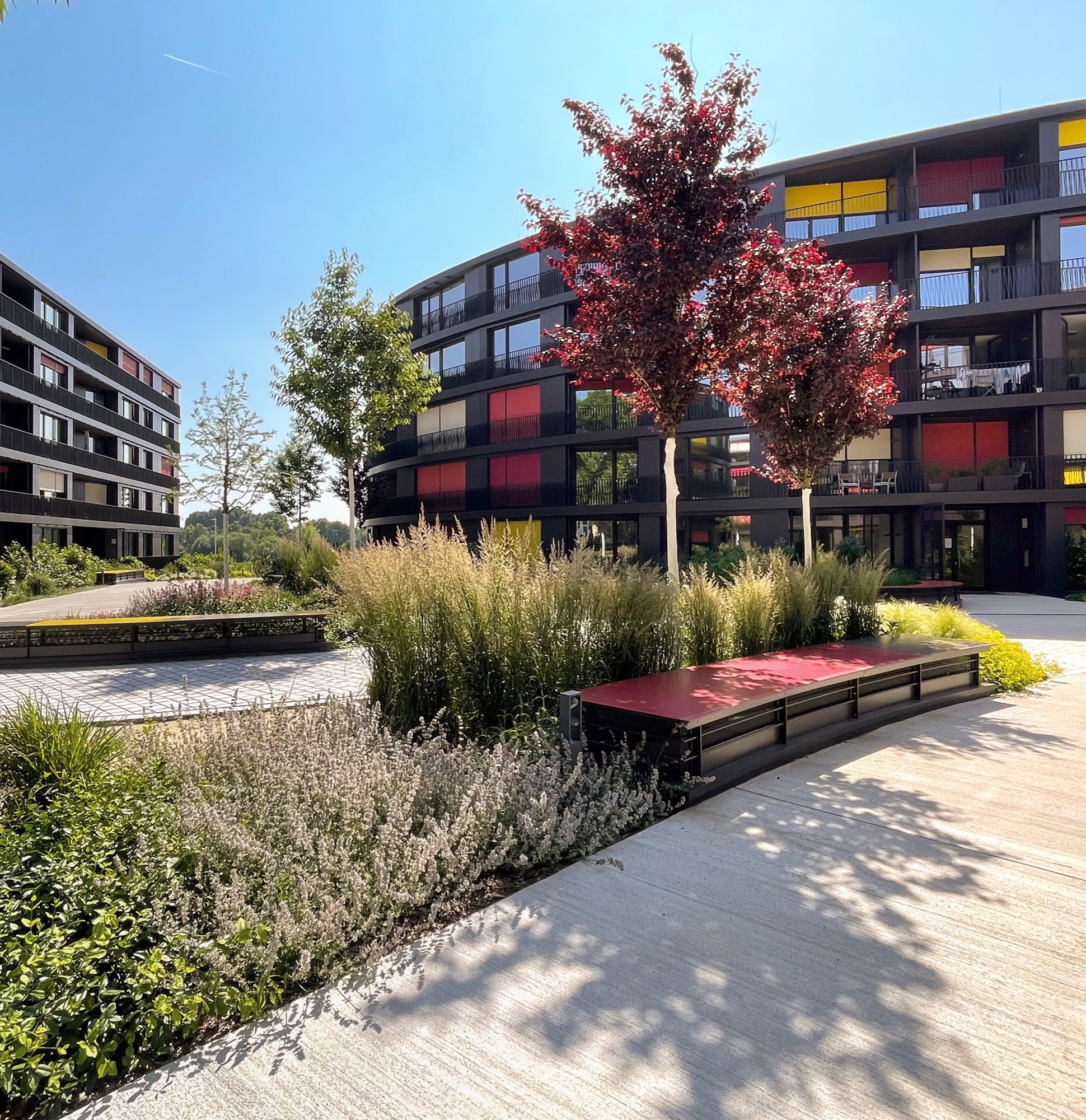
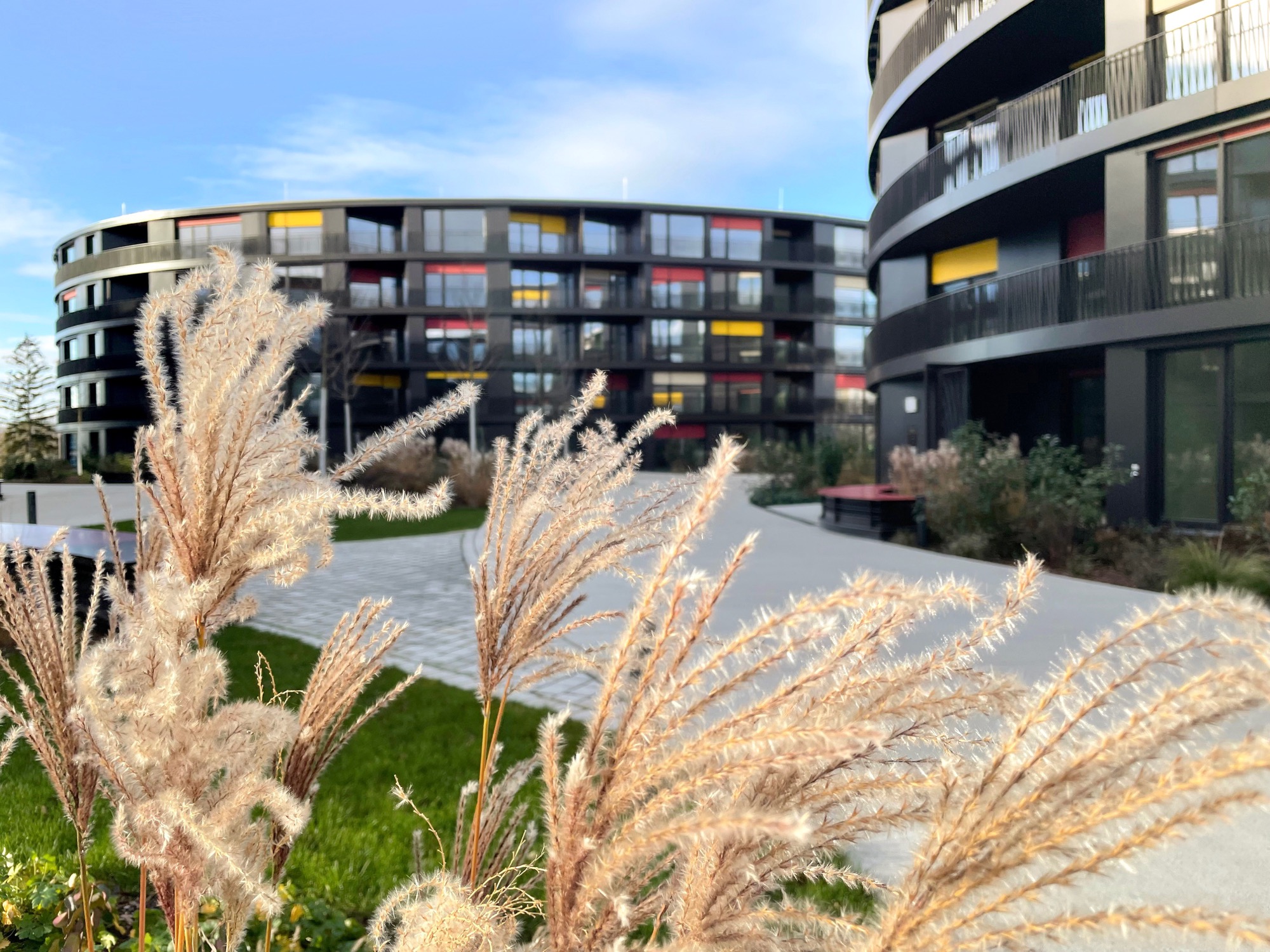
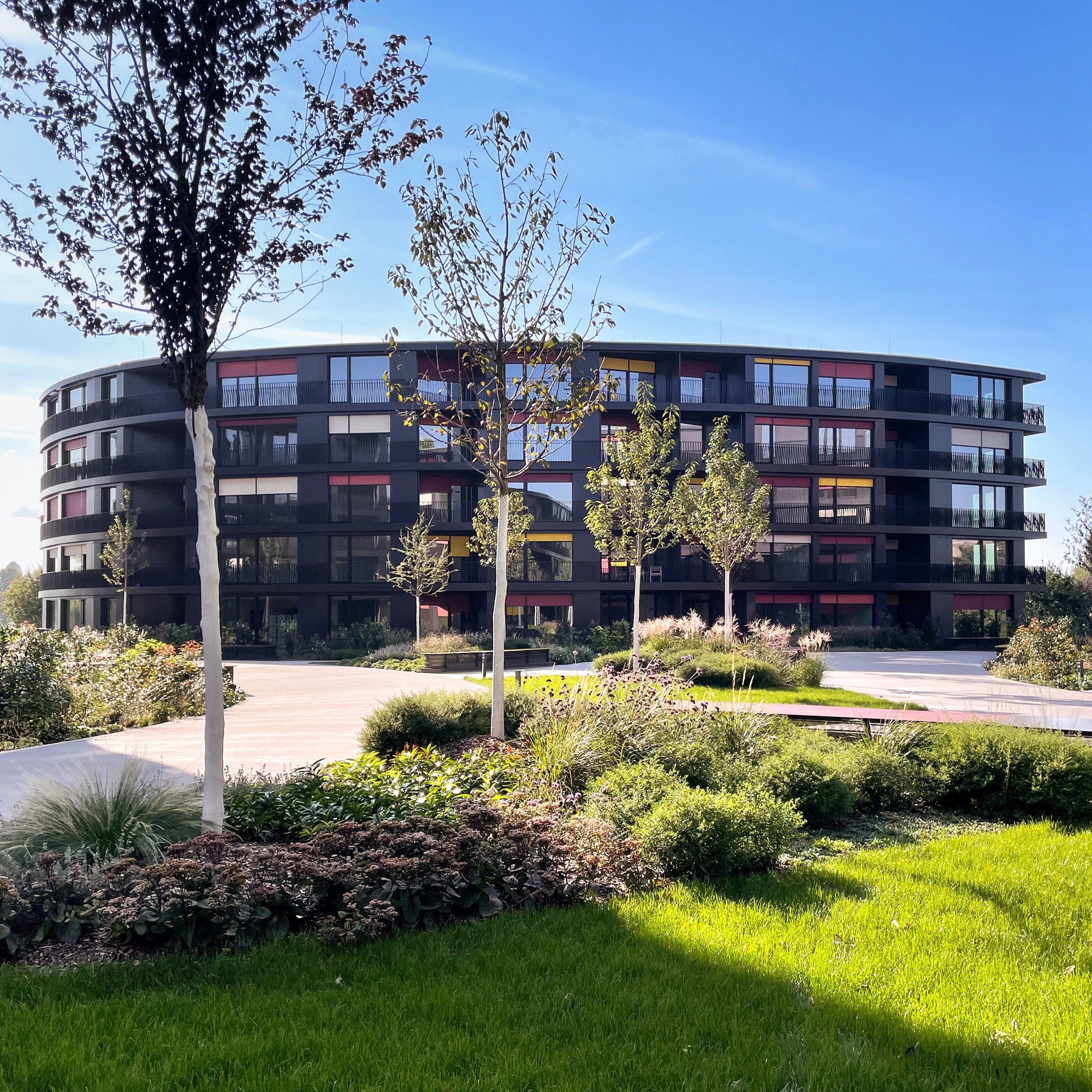
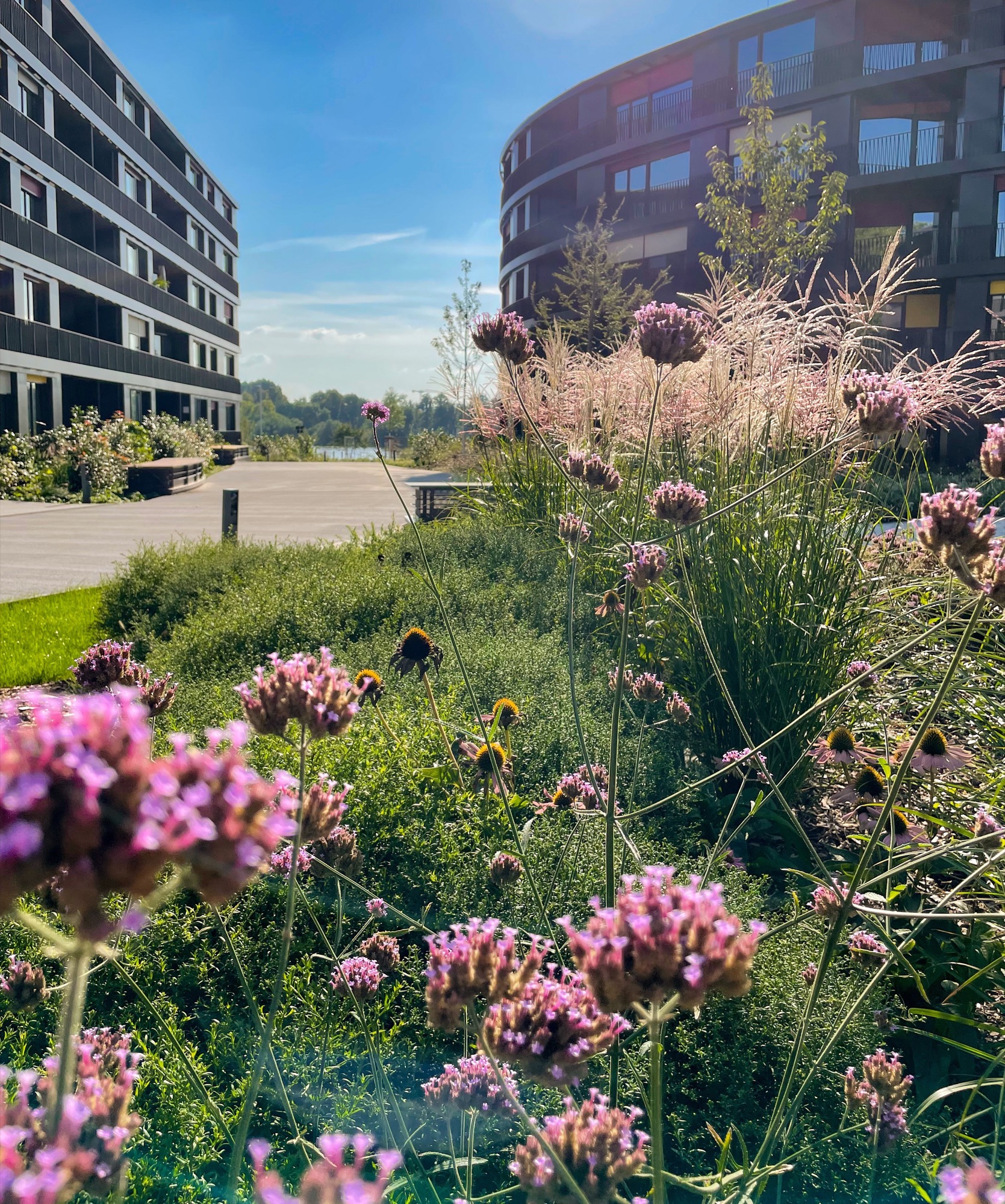
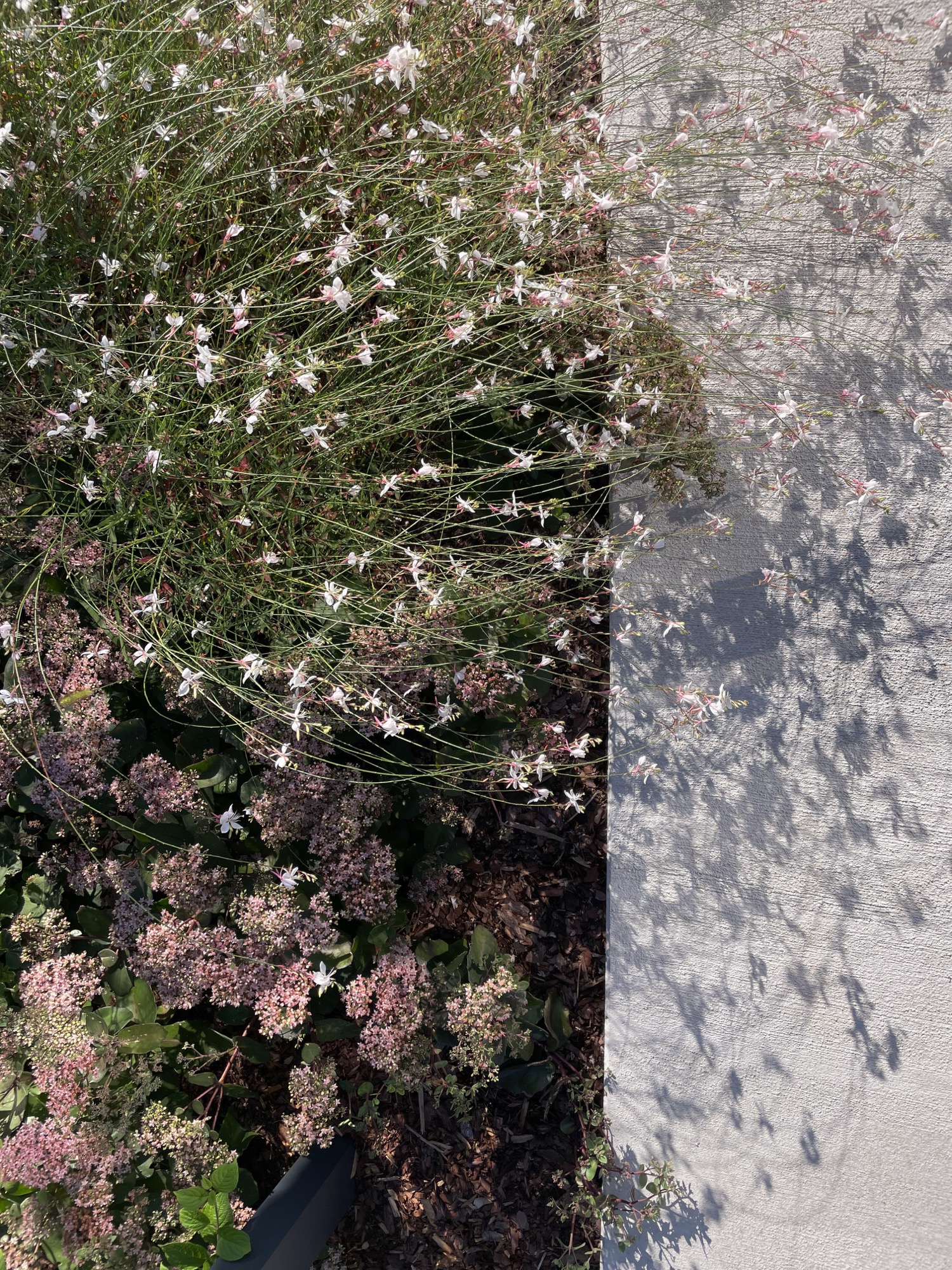
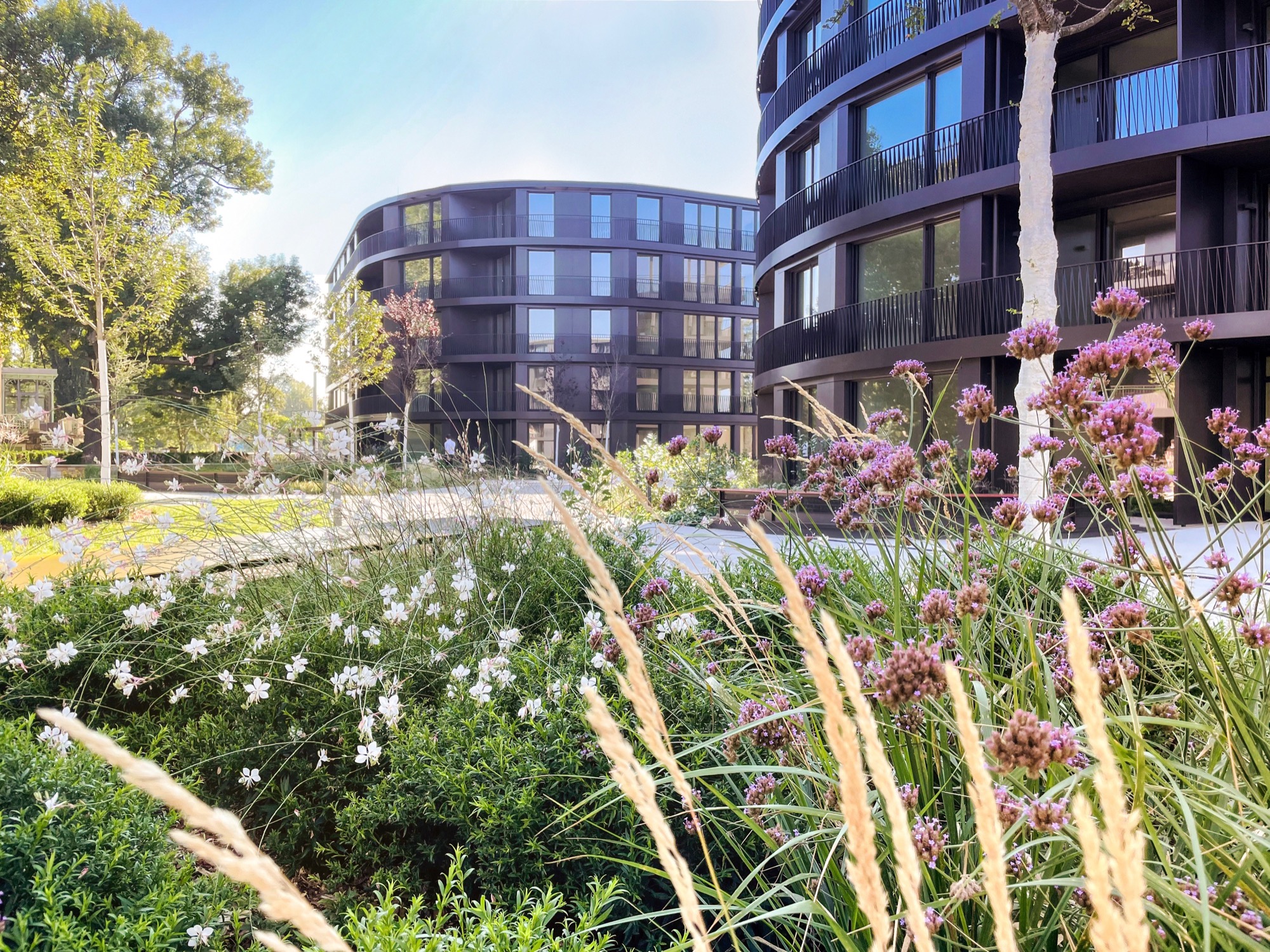
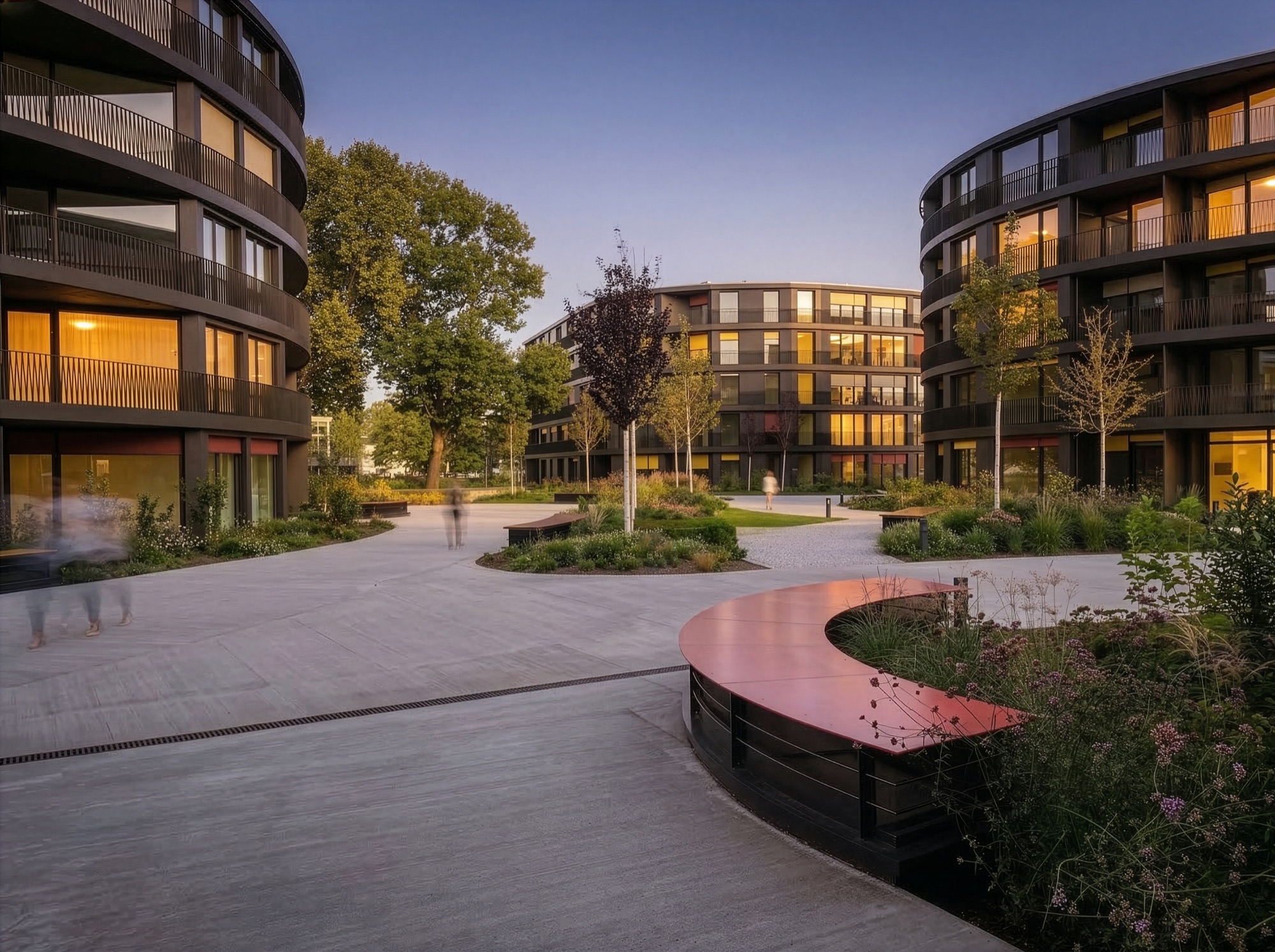
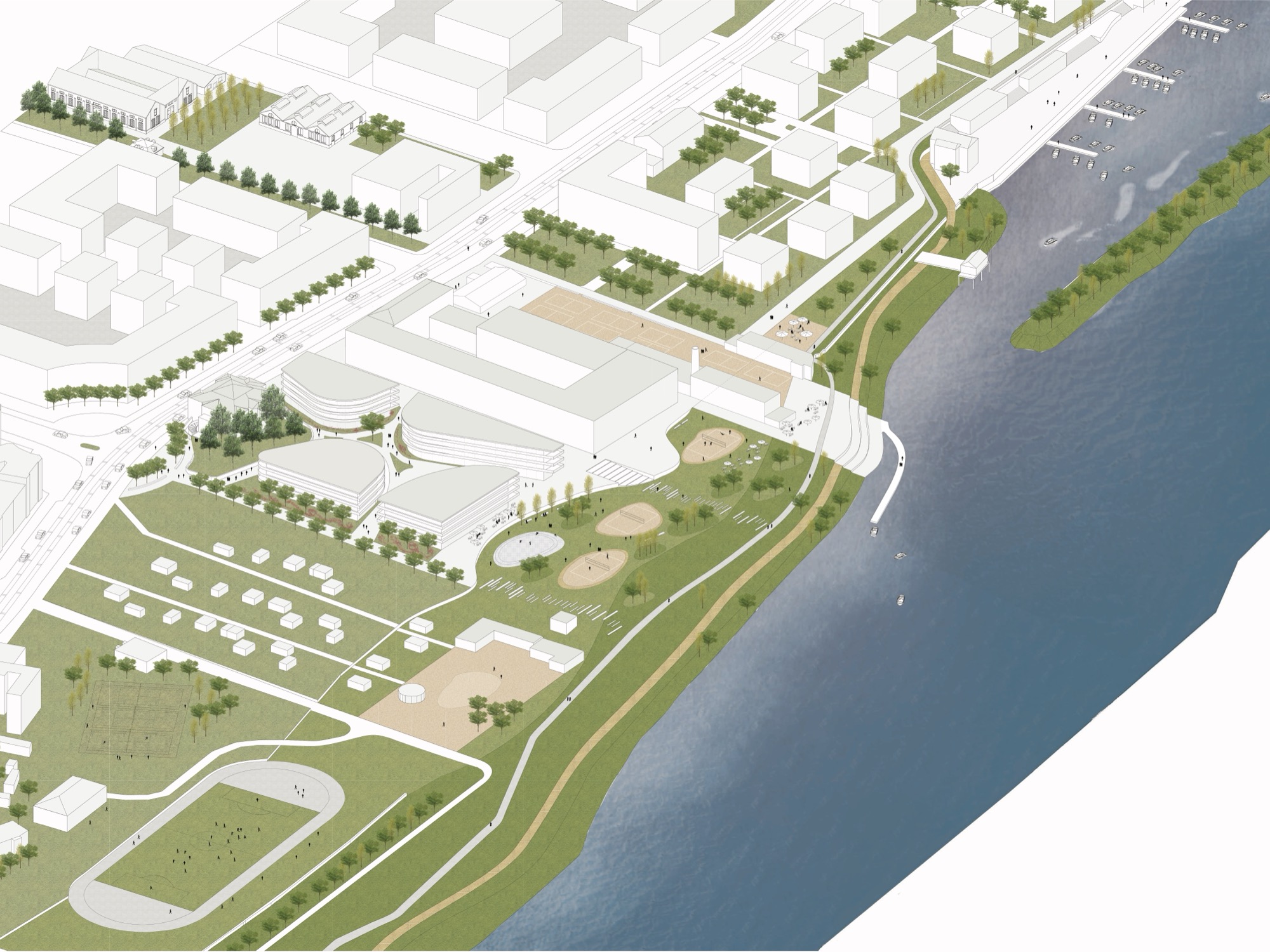
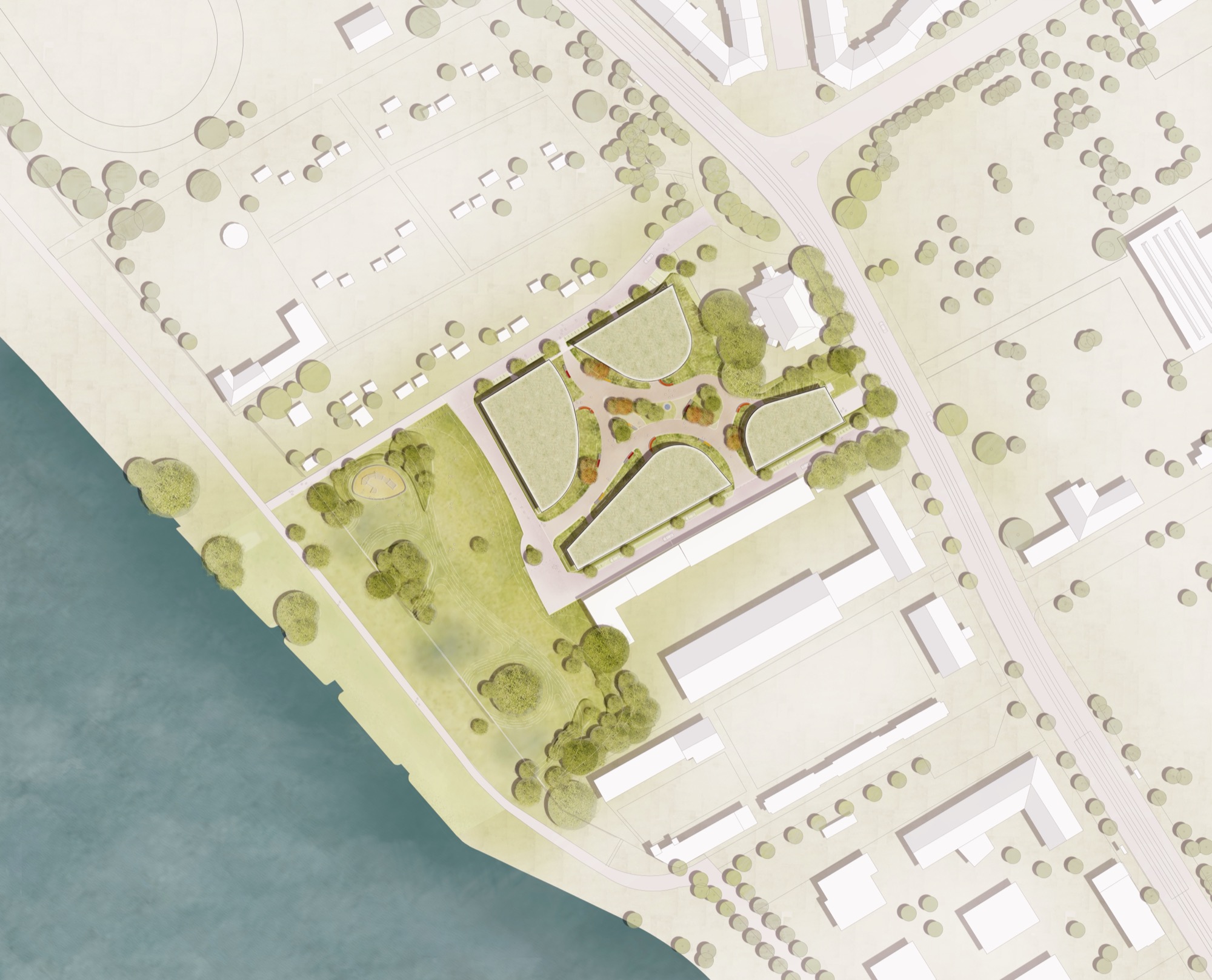
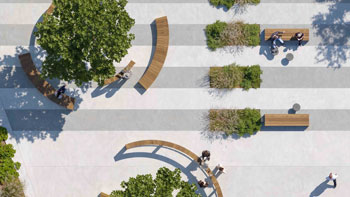
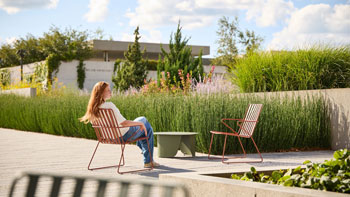
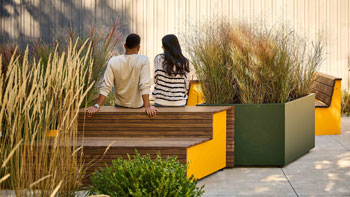
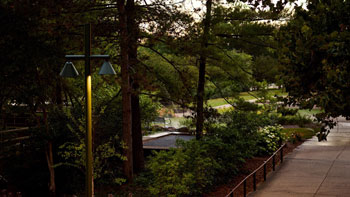
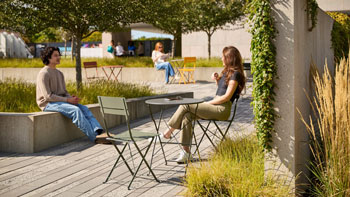
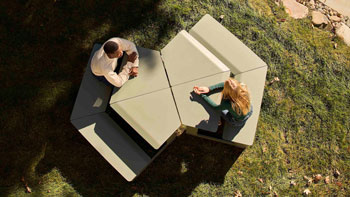
The garden is conceived as an extension of domestic space. For the residents of approximately 210 units, it becomes a daily field of presence, movement and encounter. Places to sit, small clearings and open lawns enable informal appropriation and shared use. The design follows a fluid spatial logic. Broad paths, gentle landform modelling and loosely arranged trees structure the courtyard in a continuous, flowing manner. Soft lawns alternate with richly textured perennial and grass plantings, generating differentiated atmospheres and layered visual connections from the dwellings into the vegetation. At its centre, the “Himmelsspiegel” reveals the natural accumulation of water in the shifting rhythm of rain and drought. The shallow basin produces changing reflections, offers a place for birds and acts as a cooling evaporative surface.
Planting is fundamental to the spatial and ecological performance of the courtyard. It fosters biodiversity and unfolds seasonal variation throughout the year. Seed heads and foliage extend the presence of the garden into winter, maintaining structure and depth. Climate-adapted trees complement the planting, providing shade and contributing to the microclimatic balance of the quarter.
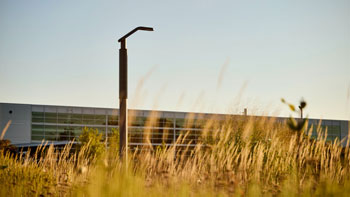
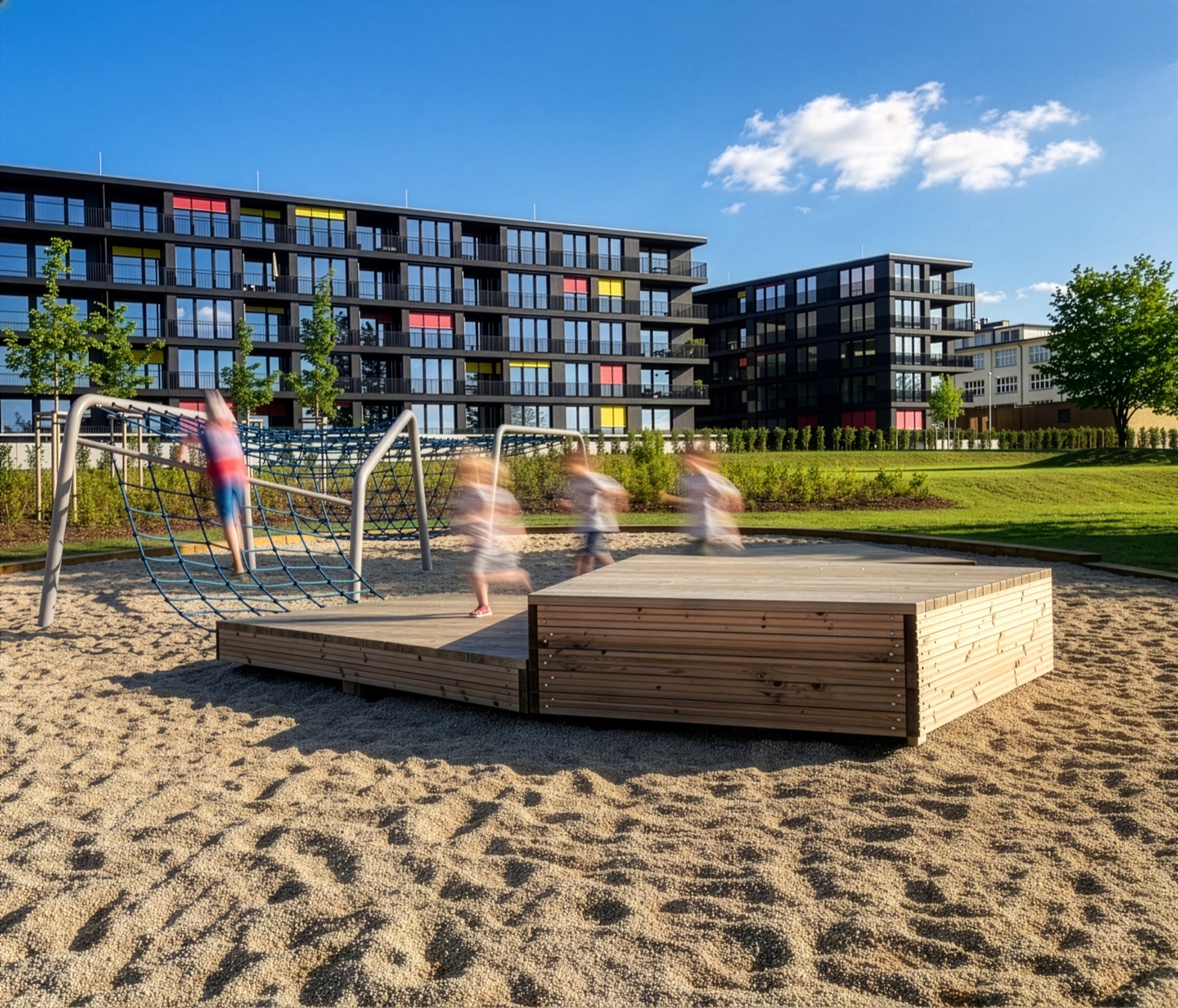
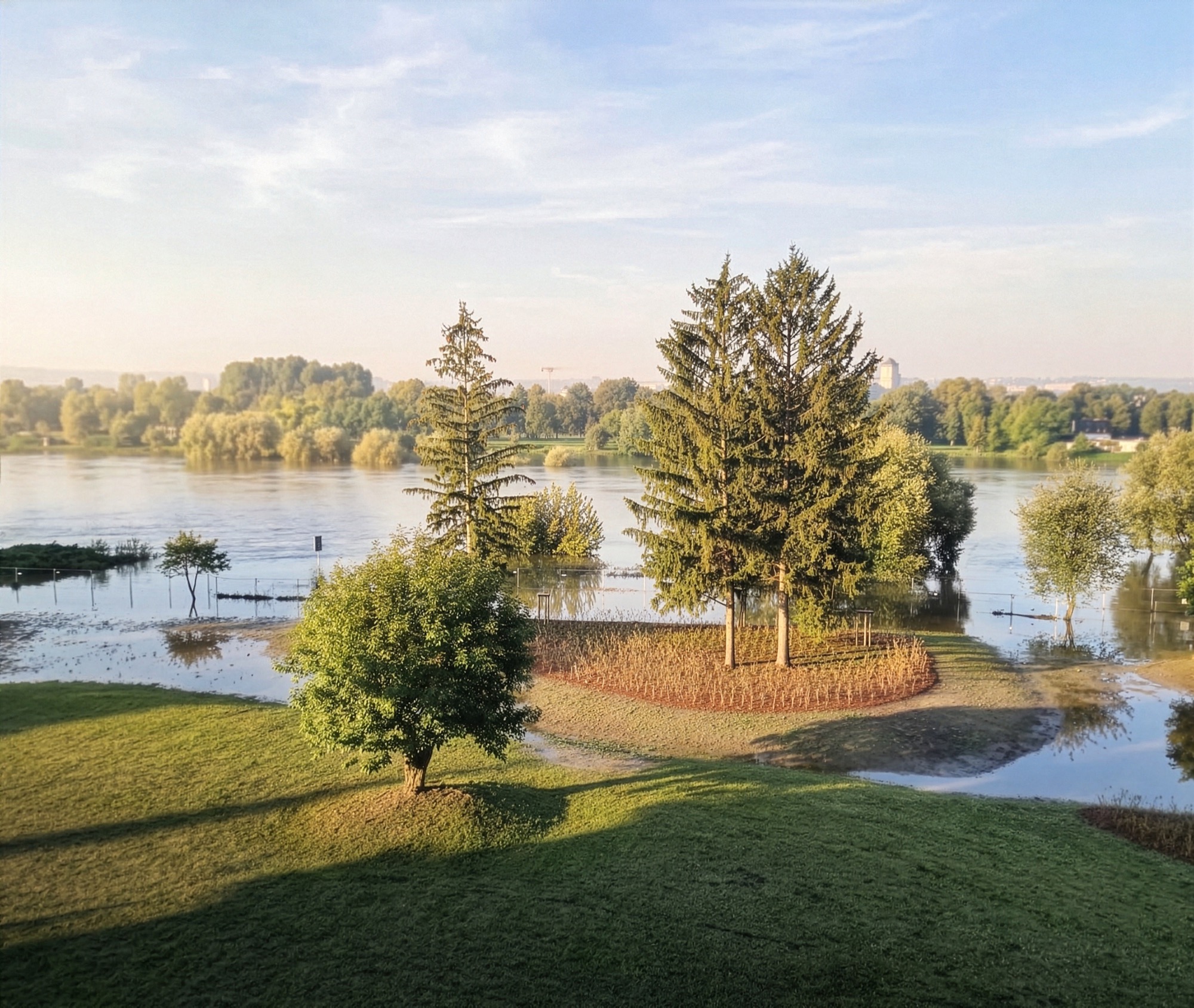
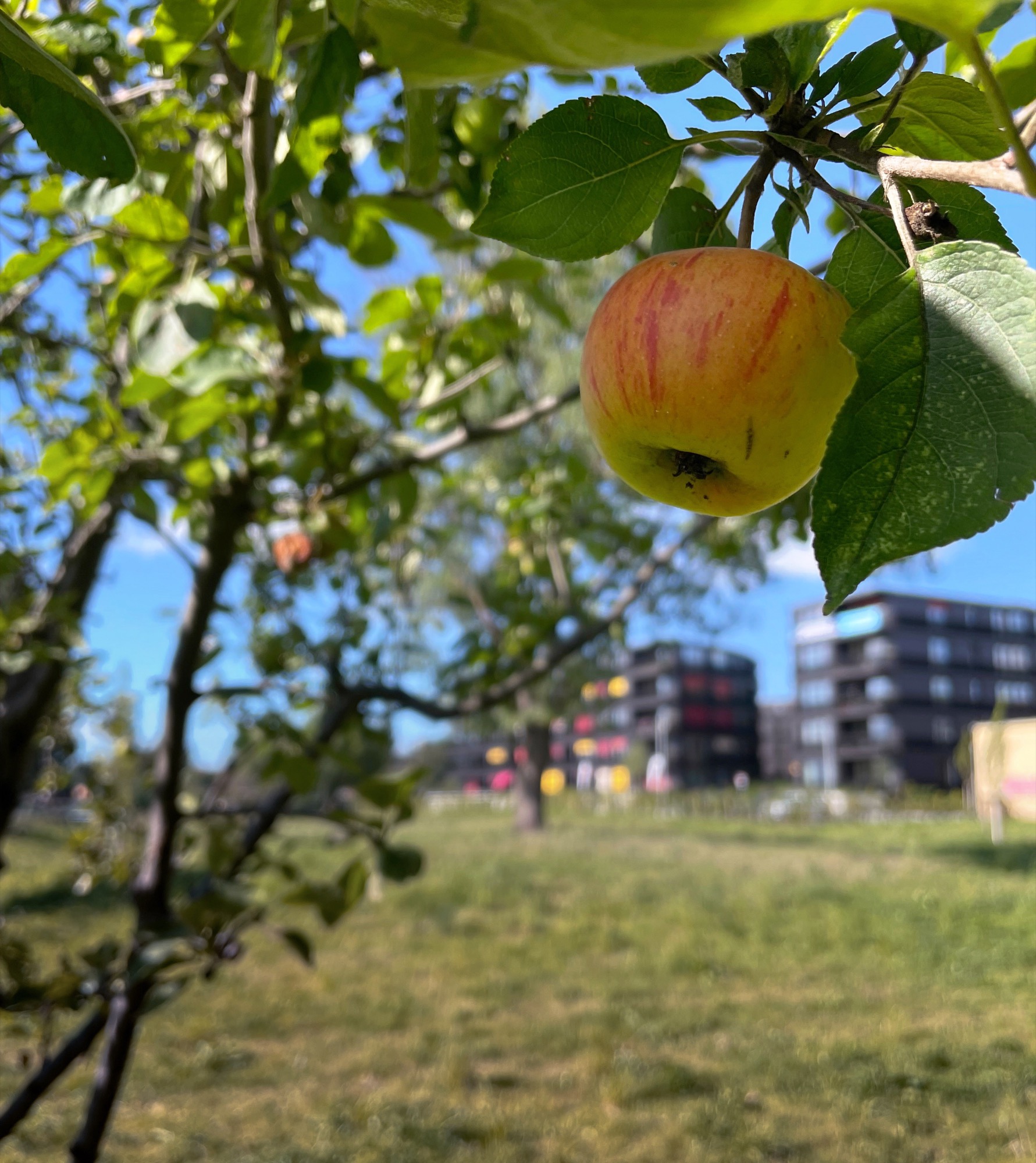
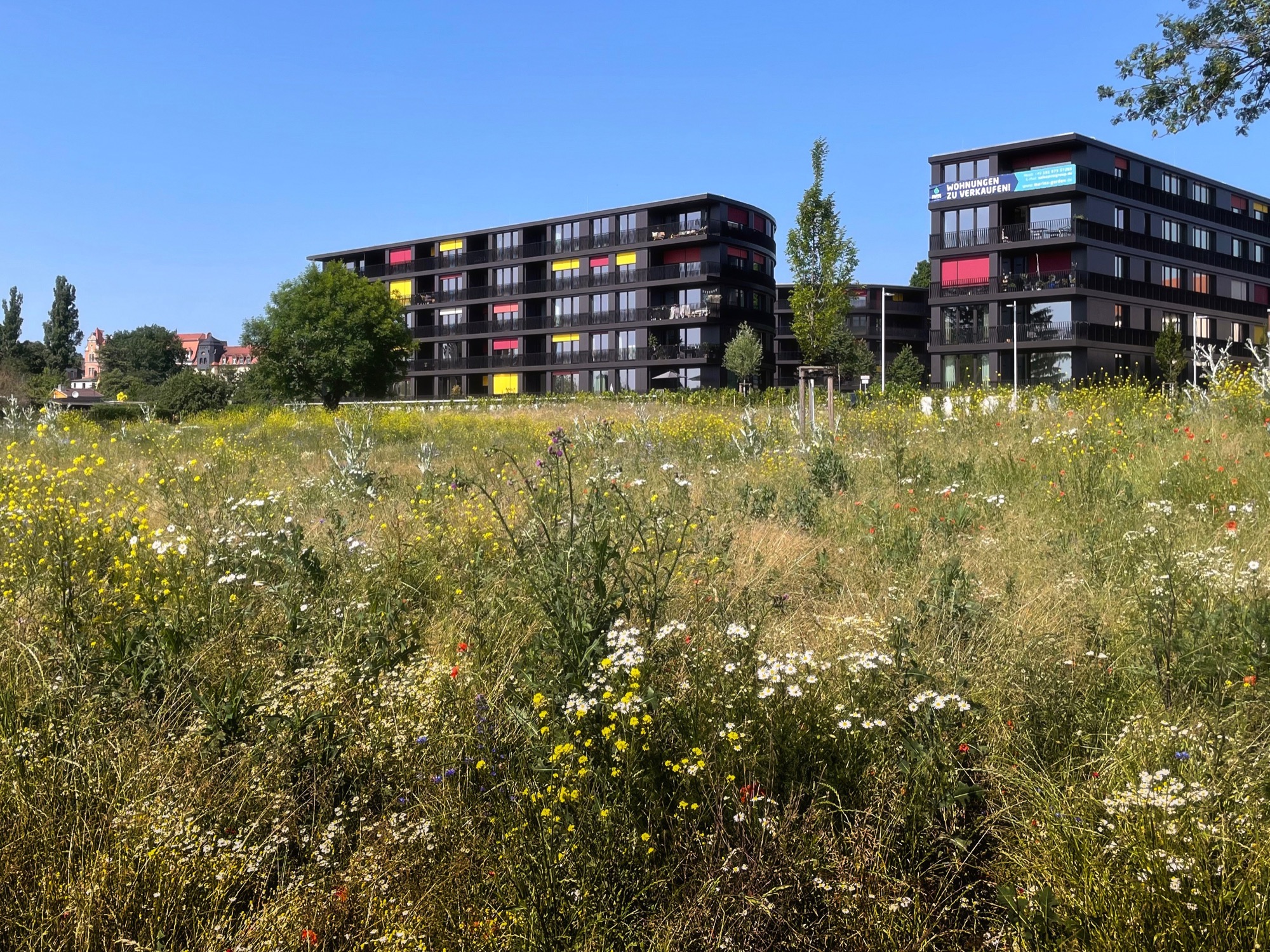
Towards the Elbe meadows, the vegetation becomes more resilient and closer to a natural condition. Extensive planting areas mediate between the composed courtyard and the open floodplain. The meadows themselves are developed as a near-natural and site-specific landscape, based on a regionally appropriate meadow seed mix that reflects the original character of the Elbe floodplain. A nature-oriented play landscape is embedded within this setting. The deliberate reduction of conventional equipment allows the landscape itself to become an open and interpretative field of play.
Beyond its social role, the open space operates as a climatic and ecological infrastructure. The floodplain of the Elbe is understood as an intrinsic quality and forms the basis of a dynamic spatial strategy. Retention areas and robust planting structures, modelled in accordance with the site’s original cartographic conditions prior to development, accommodate fluctuating water levels and reinforce the resilience of the site. A resource-conscious water cycle relies exclusively on retained rainwater for irrigation, supporting the sustainable management of the open space.
Architecture and landscape follow a shared design logic. Marina Garden Dresden demonstrates how landscape can act as an ordering and identity-forming framework in housing, as social ground, ecological system and connective medium between the city and the river landscape.
Landscape architecture: Noack Landschaftsarchitekten GmbH
Architectural design: Knerer und Lang Architekten GmbH
Urban planning: Barcode Architects
Investors: CTR Real Estate s.r.o.
Project location: Dresden, Germany
Design Year: 2019-2023
Year Built: 2024
Photography: Christoph Ullmann, Aerial photography by Egbert de Boer, courtesy of Barcode Architects
51.069602, 13.728823
74266


LILA 2026 Sponsor