Norrsken Kigali House
modelofarchitecture.org/
2026 Campuses and Corporate / 2026 Landscape and Architecture / Rwanda / Built in 2022 /


The Norrsken House Kigali is East Africa’s largest entrepreneurship hub—a new climate-resilient campus where African innovators turn ideas into scalable solutions. Designed to foster community and collaboration at every scale, the campus supports an ecosystem of 850 entrepreneurs, students, and partners. MASS’s team provided comprehensive services for the project—including architectural design, landscape design, furniture design, and engineering.
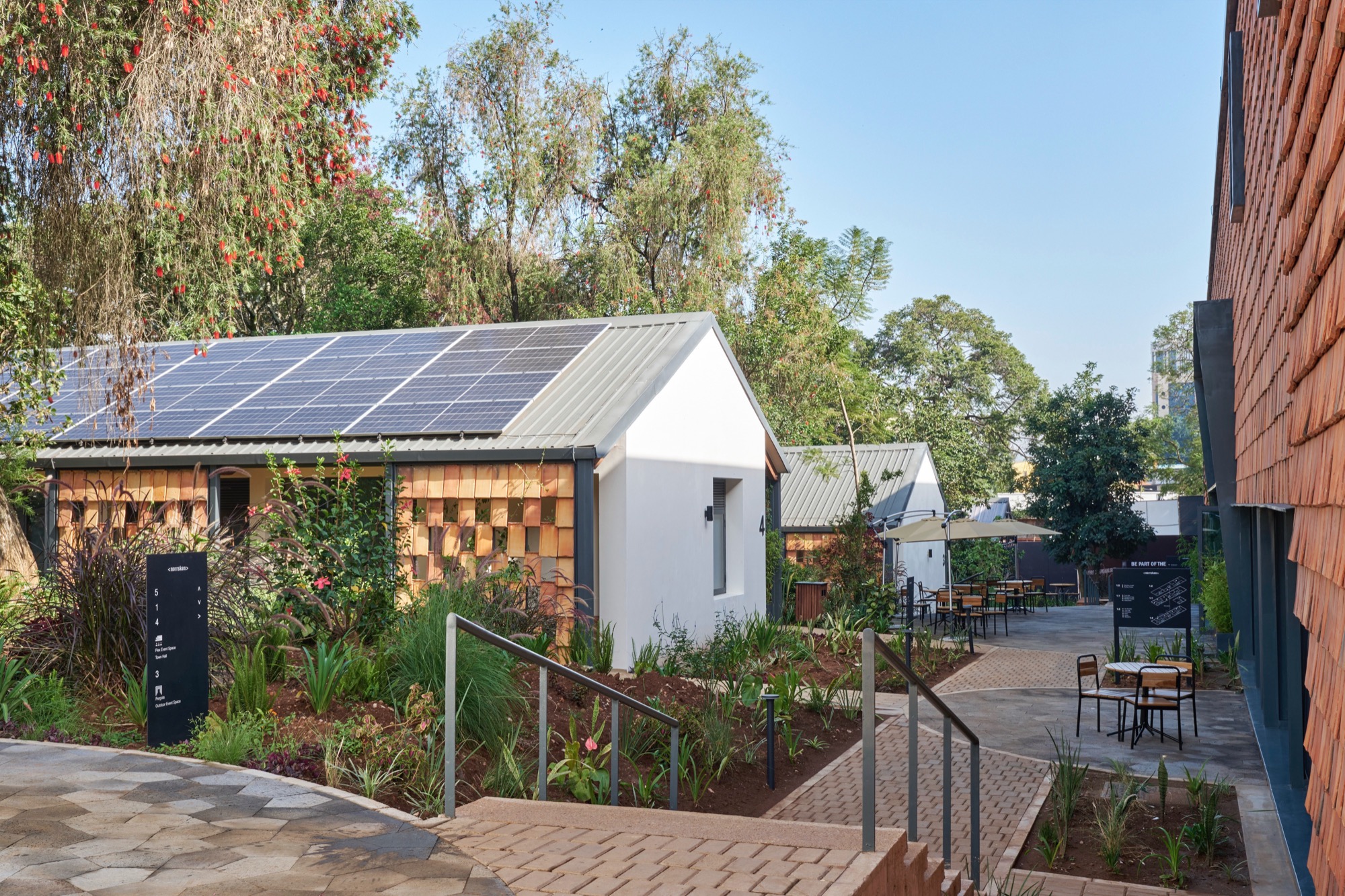
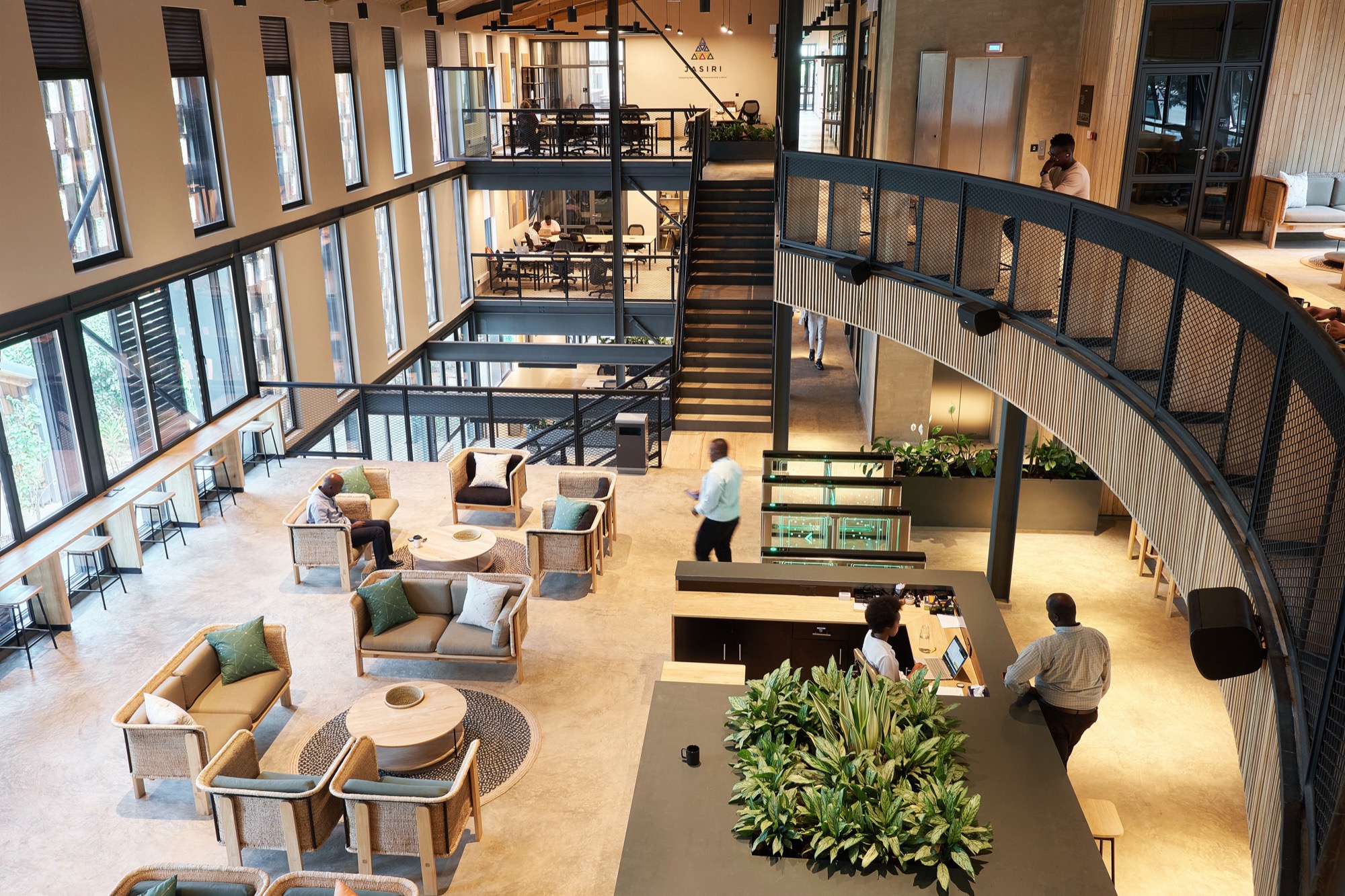
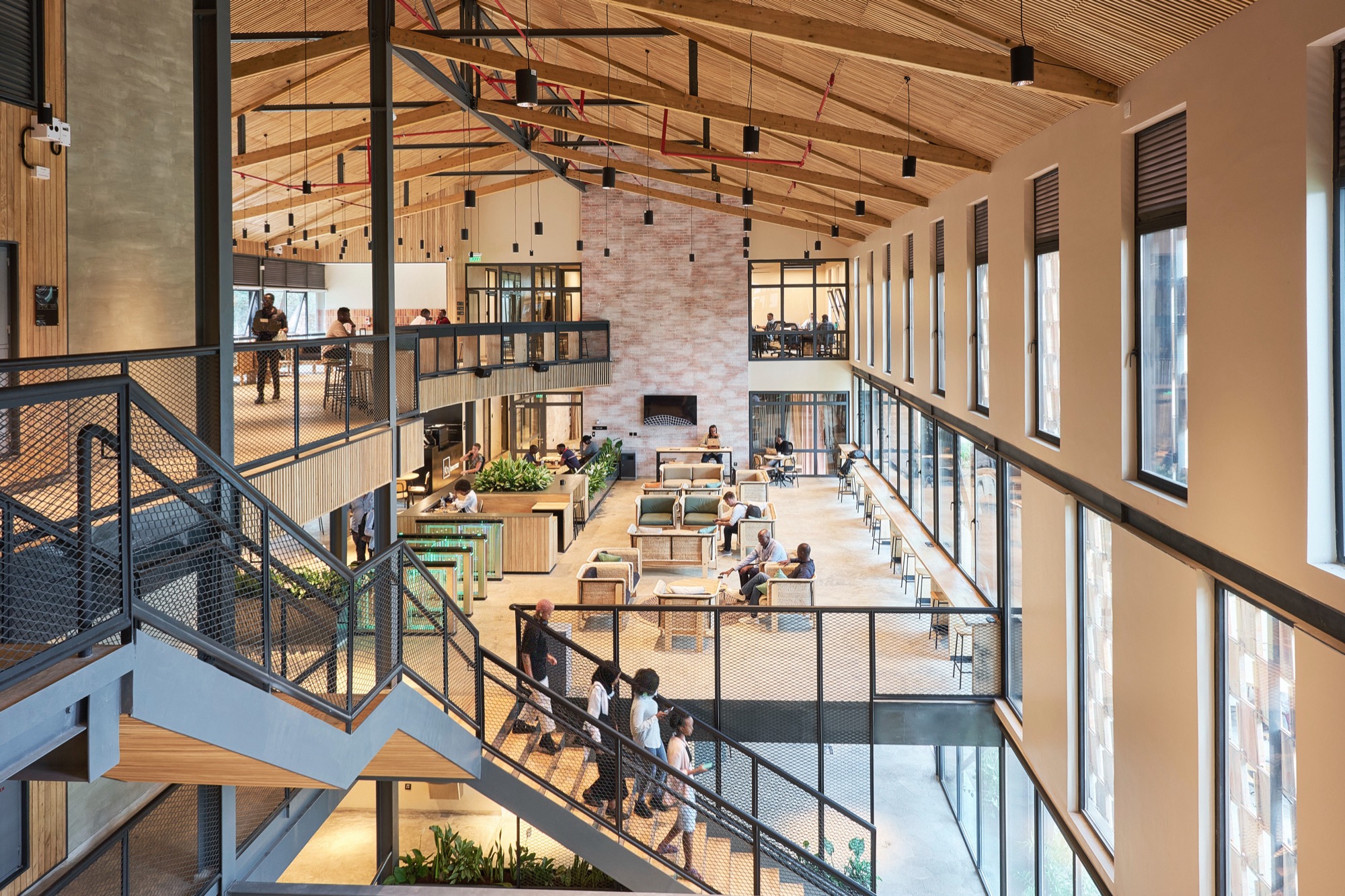
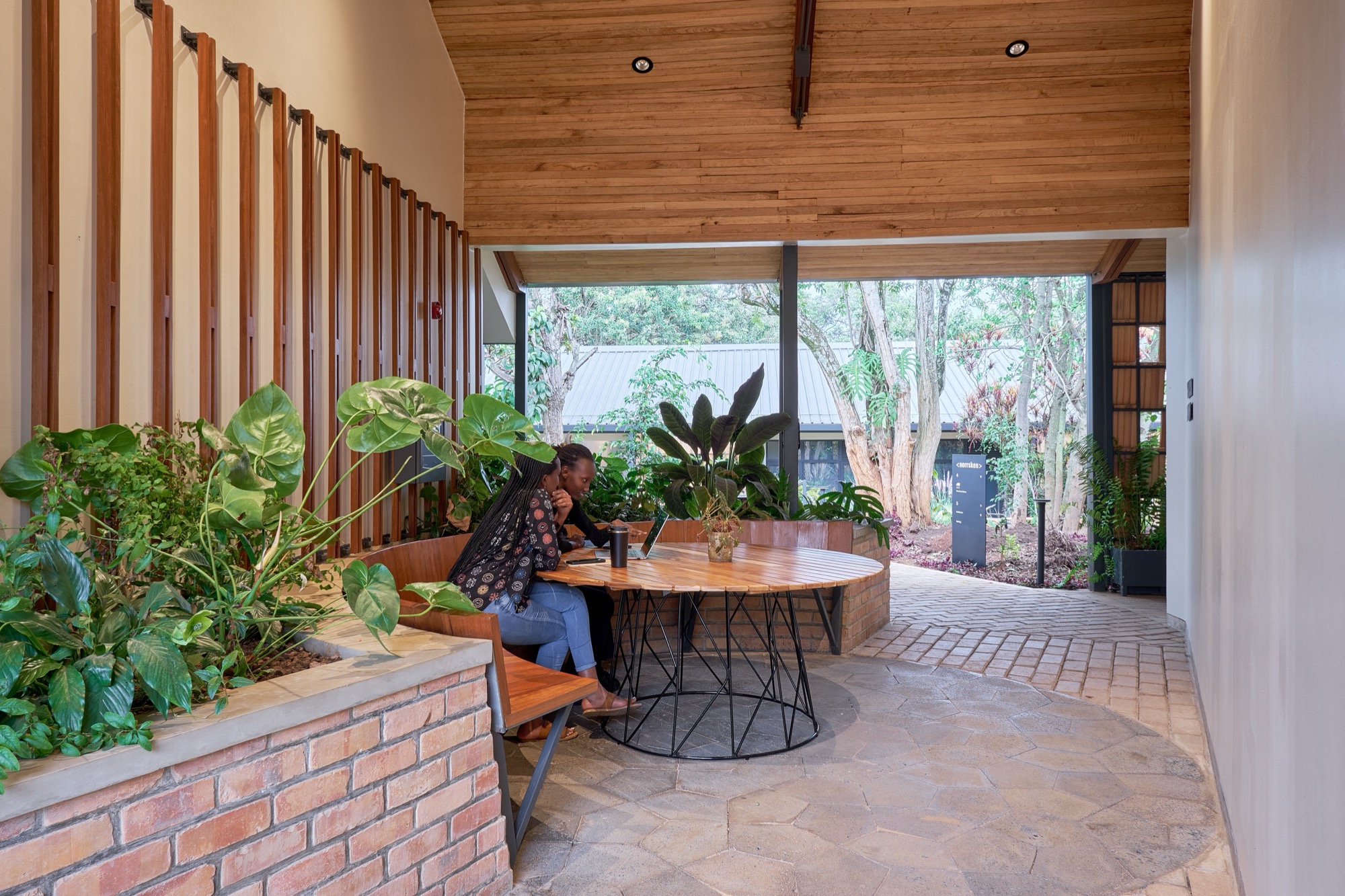
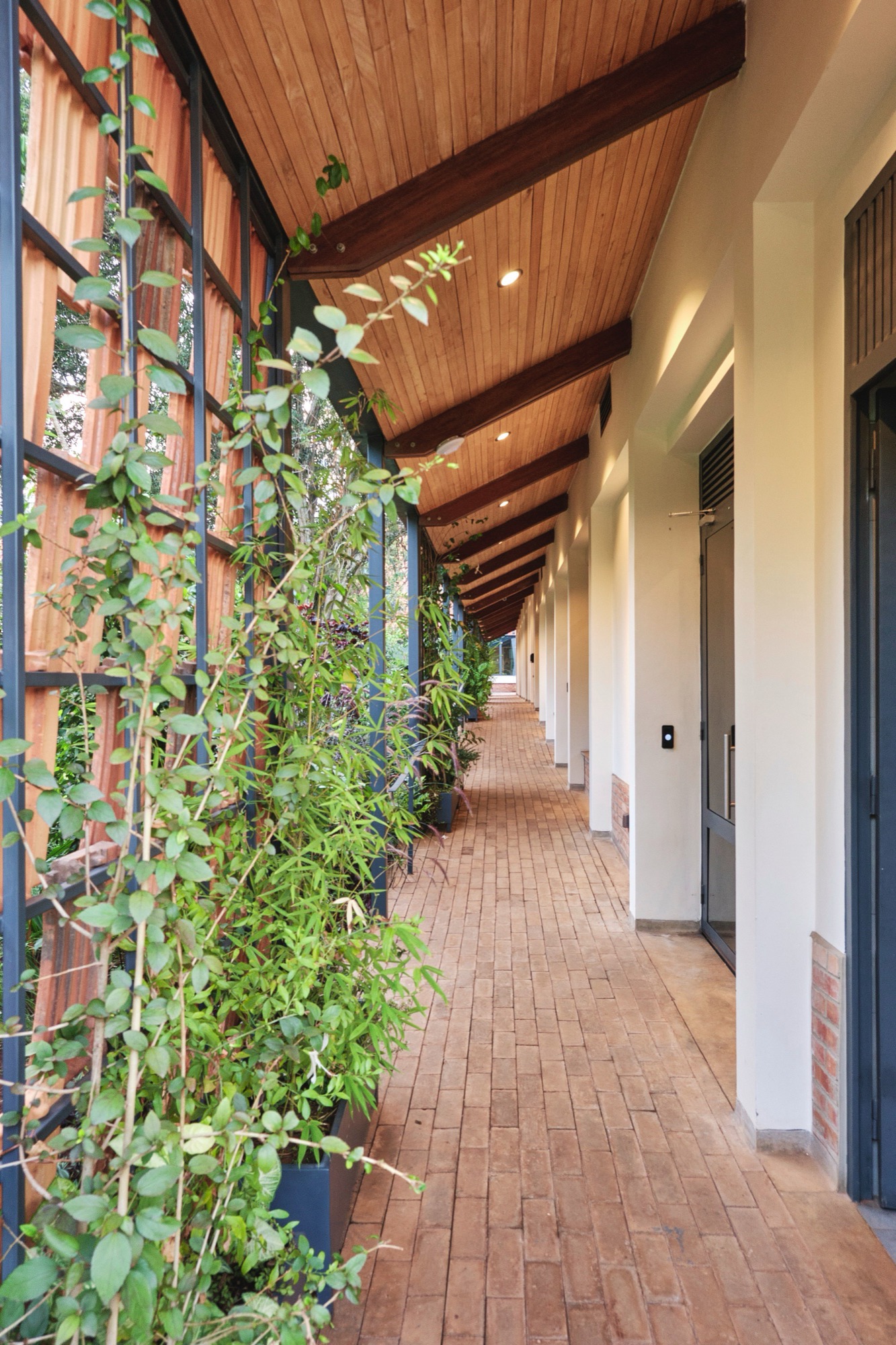
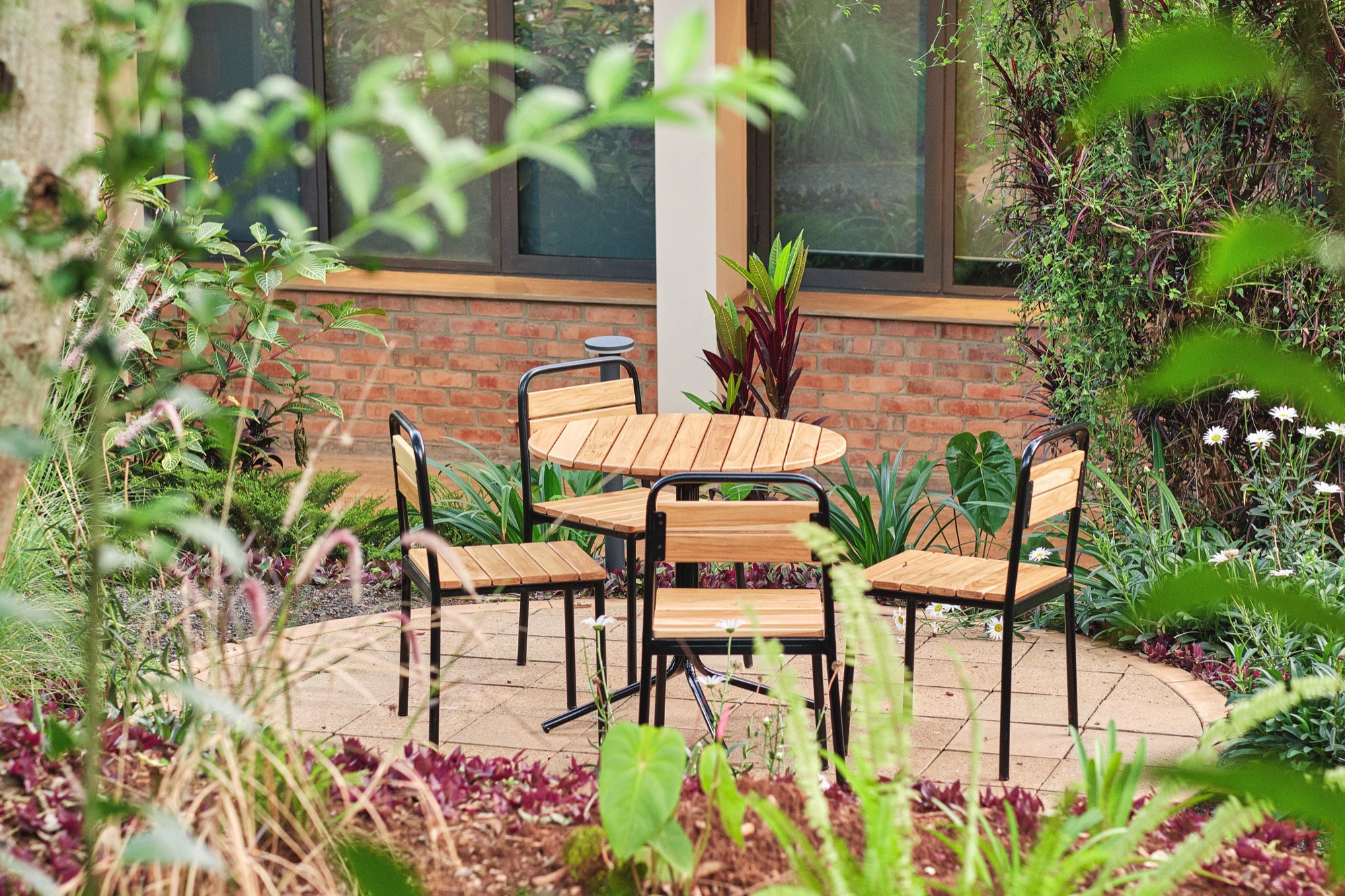
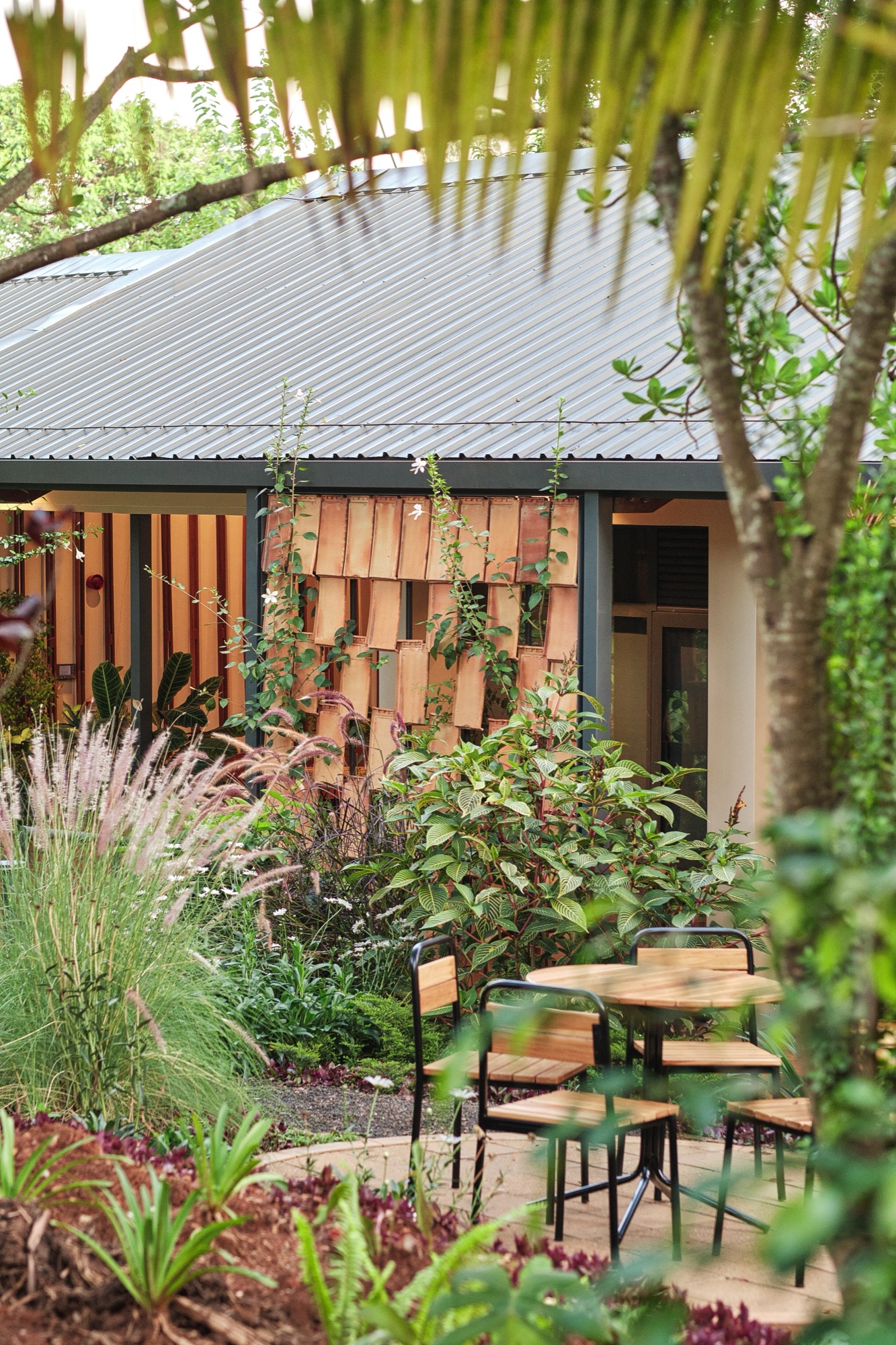
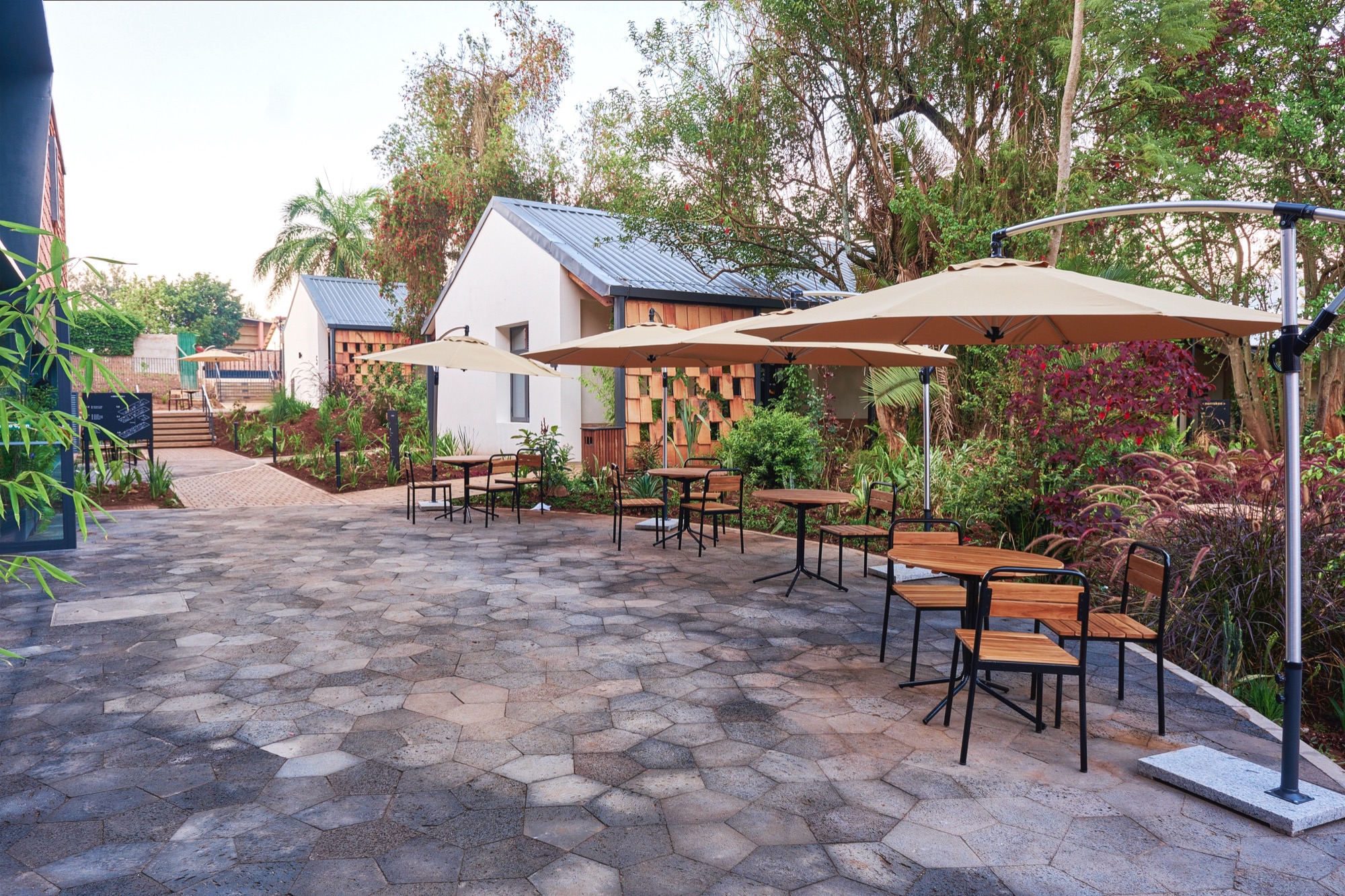
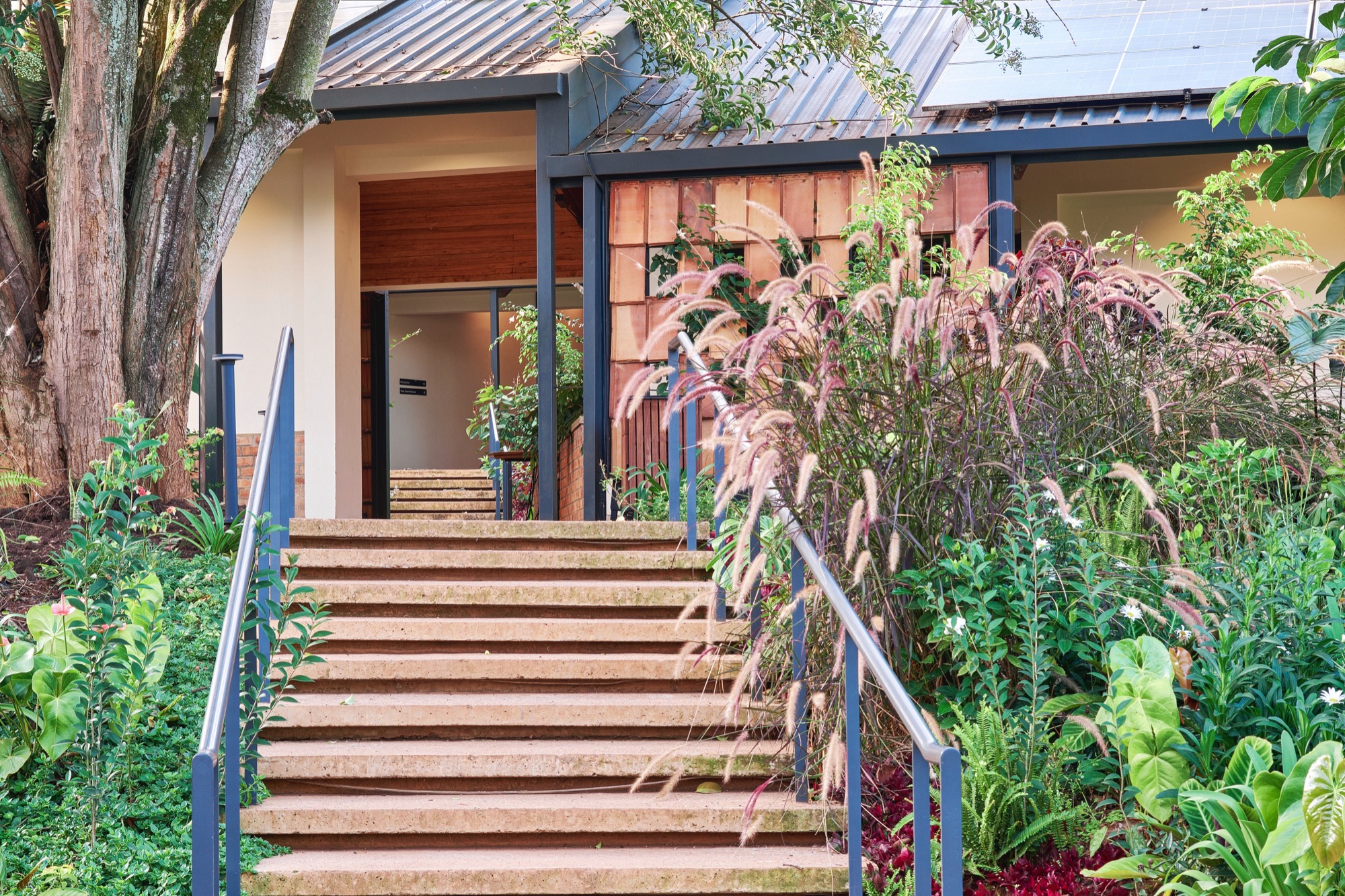
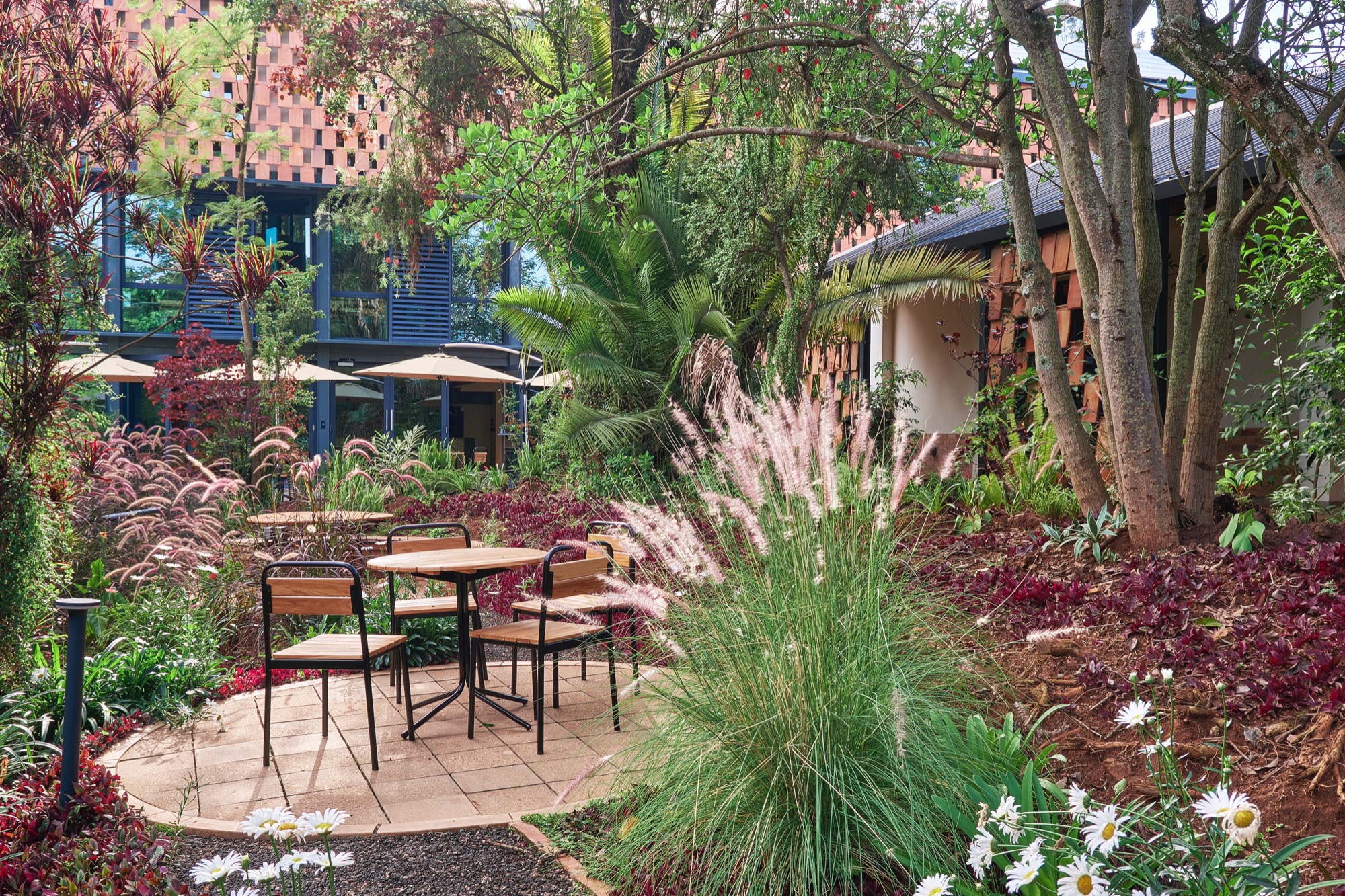
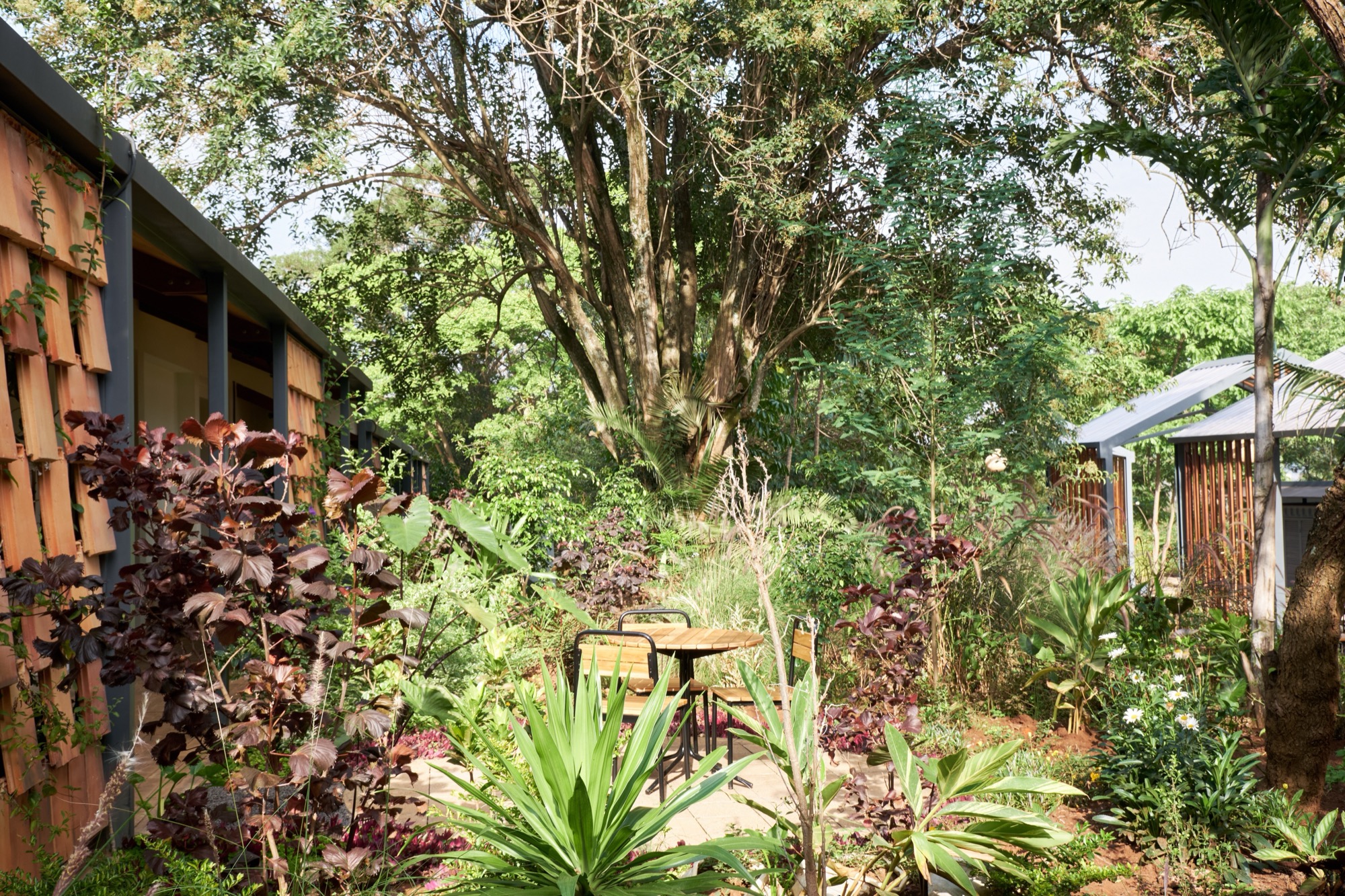
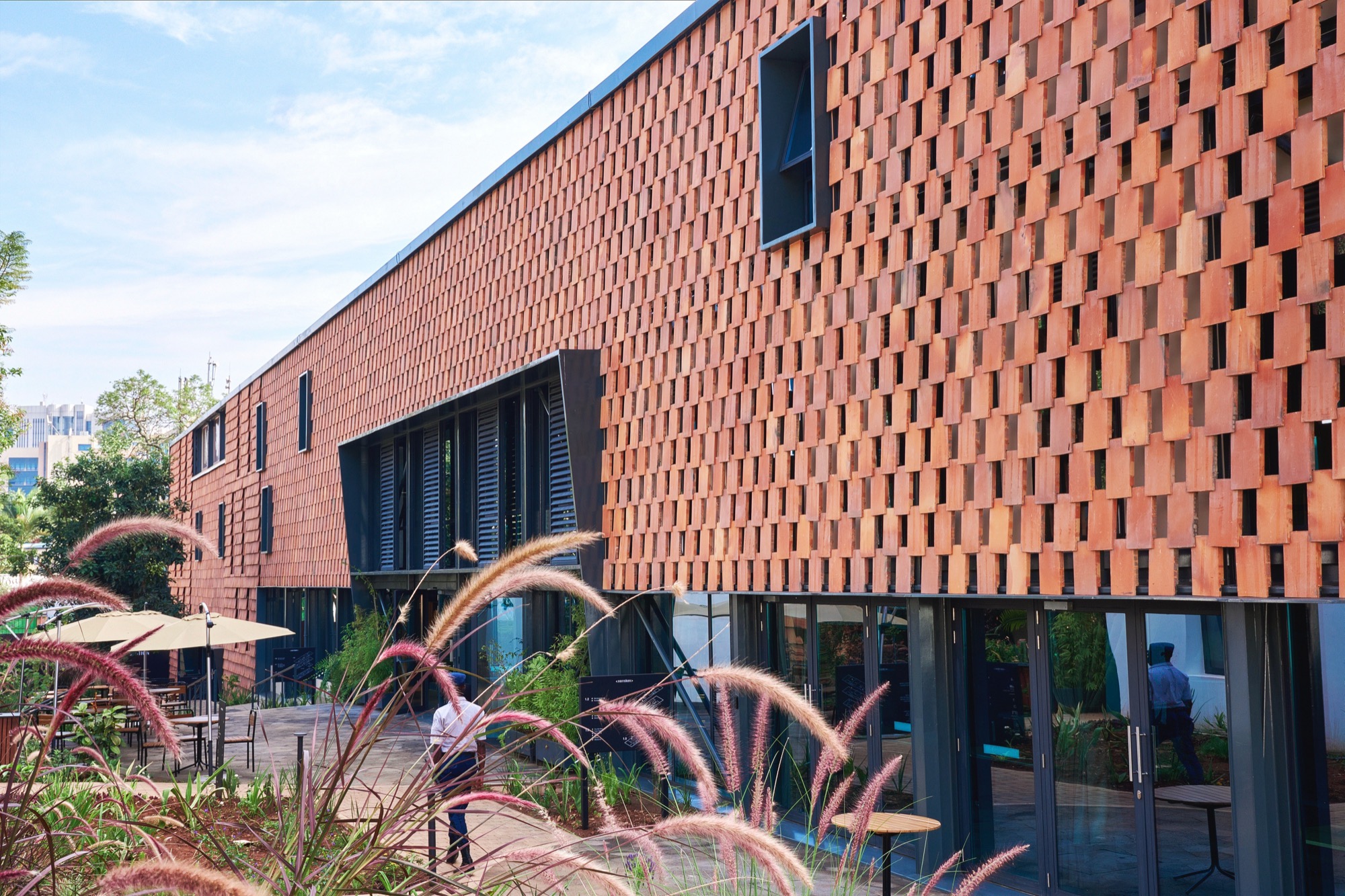
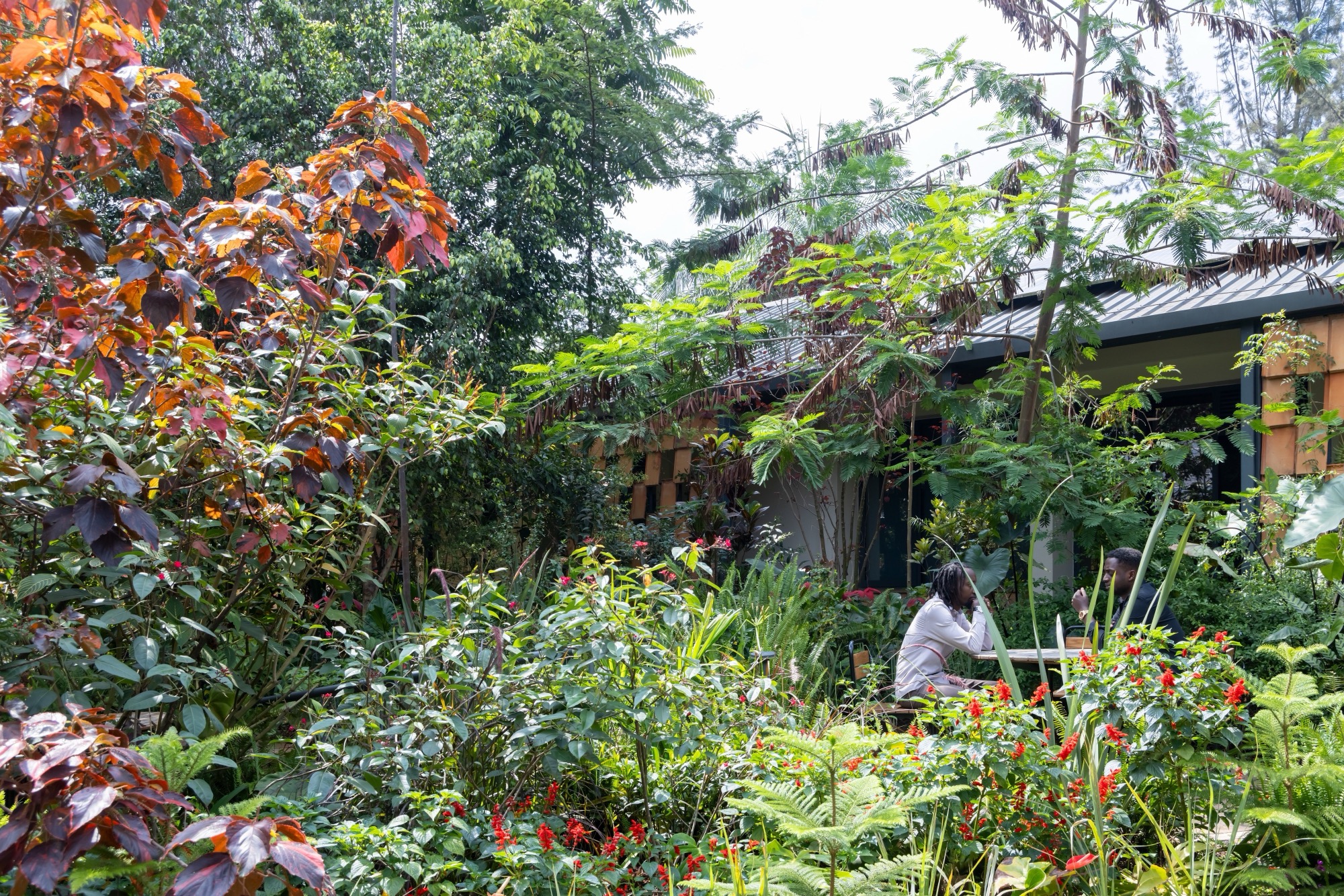
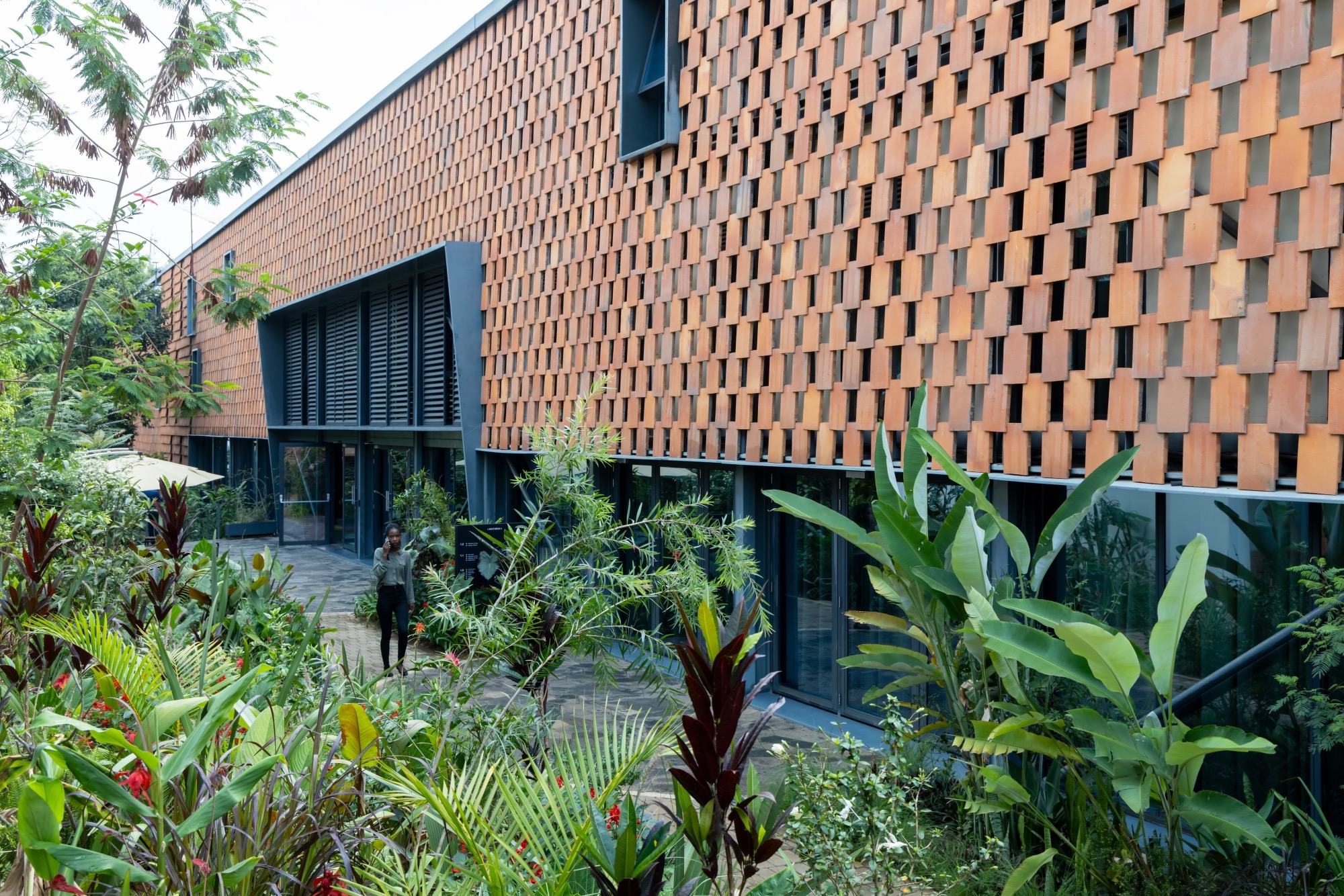
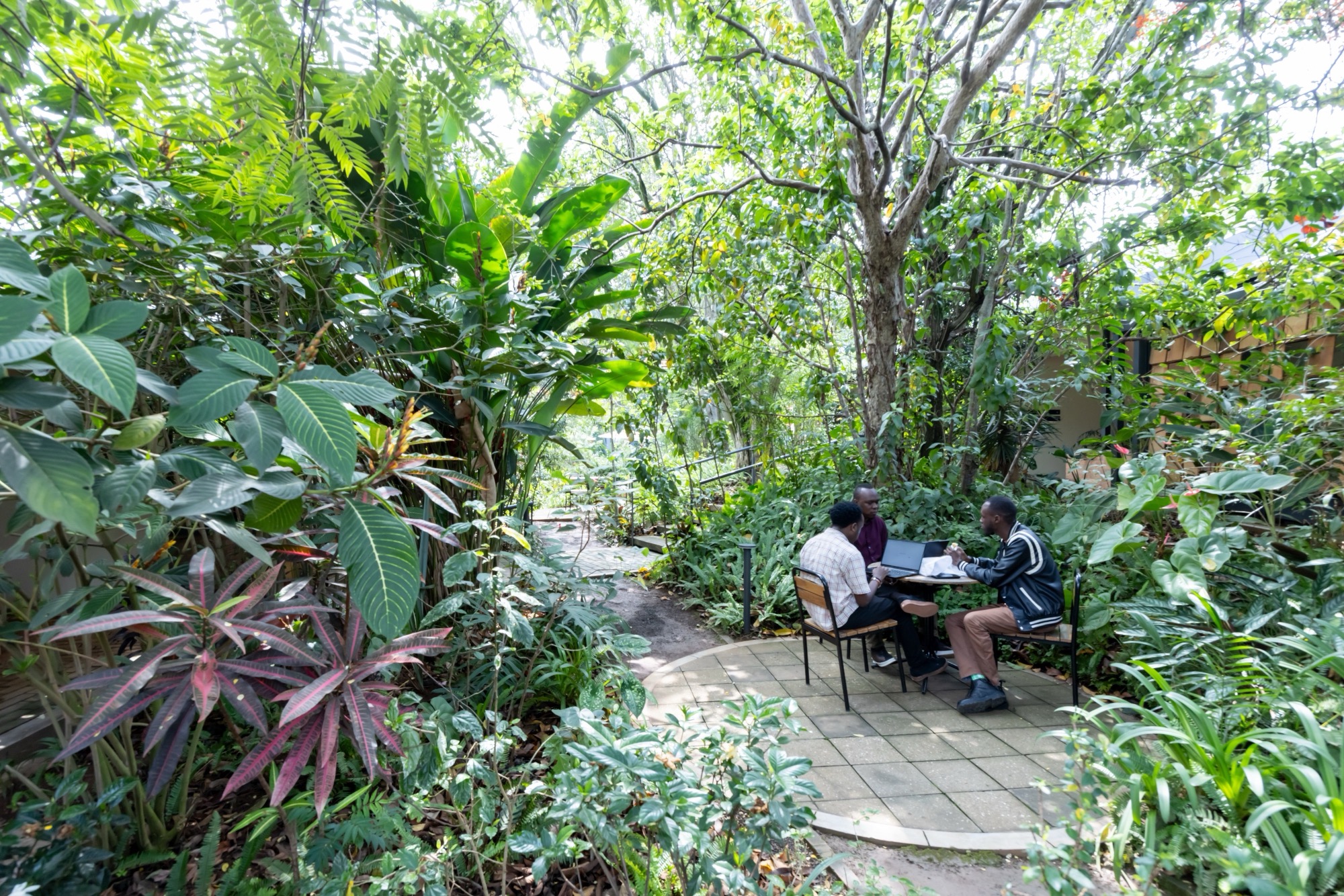
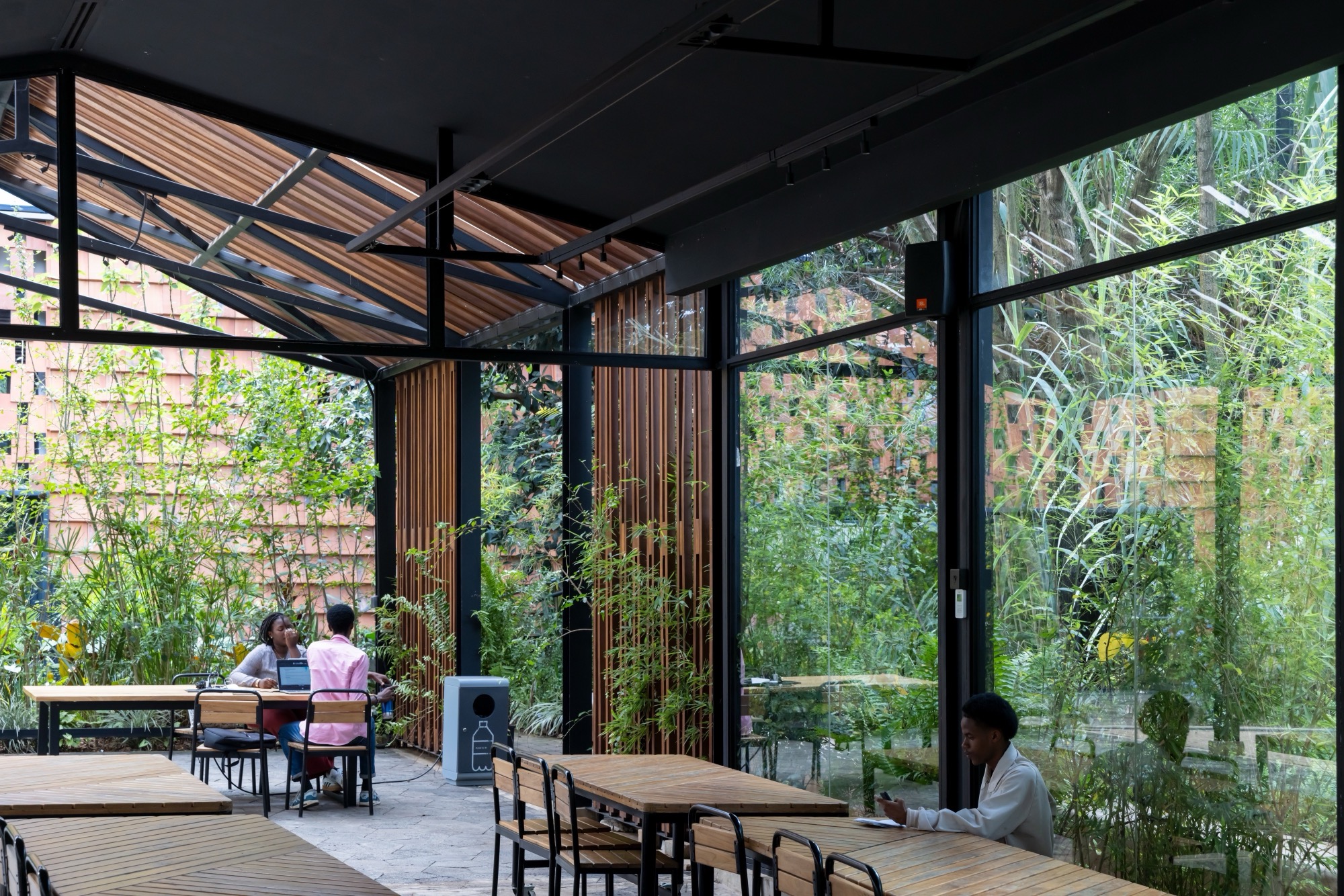
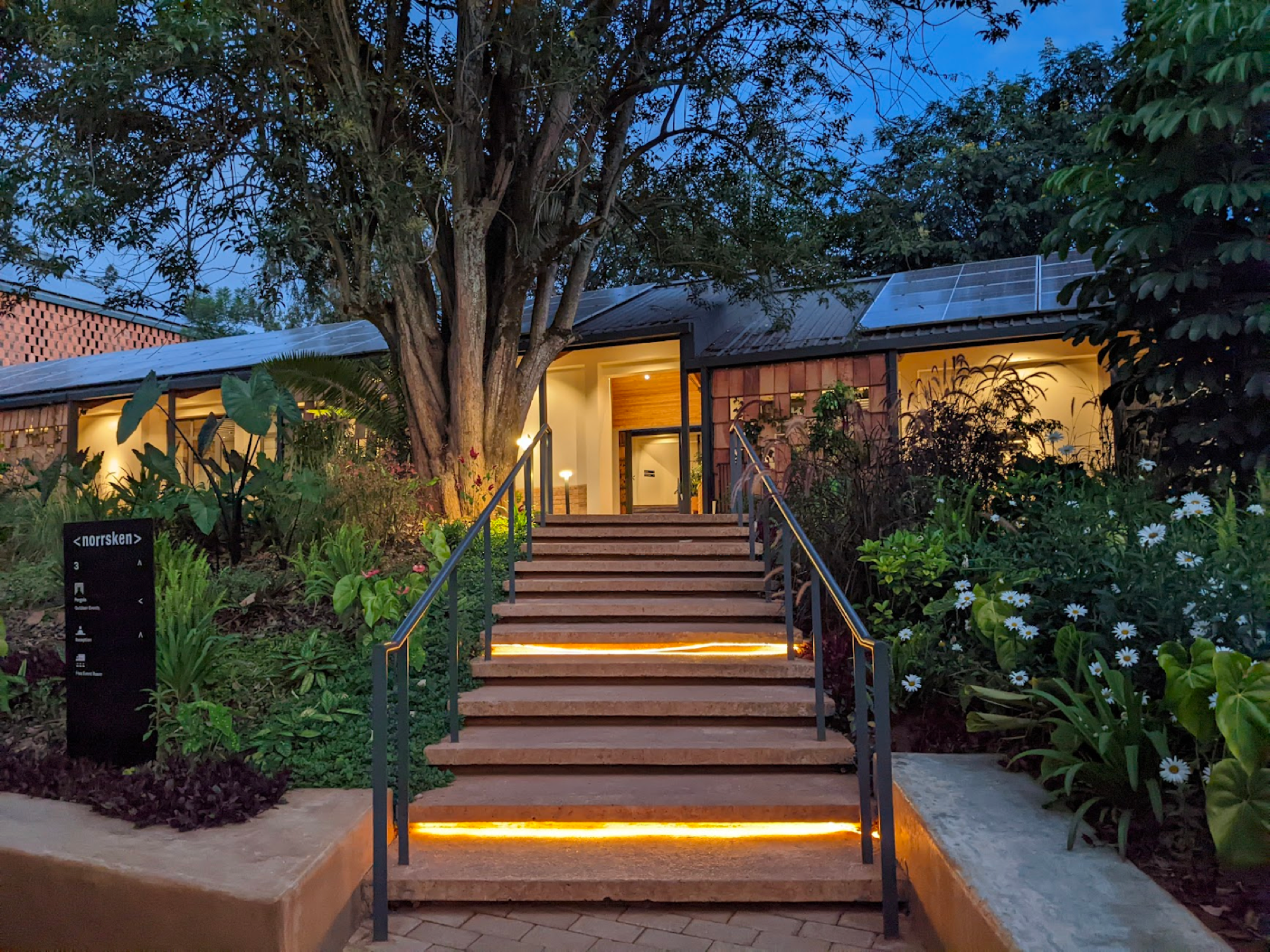
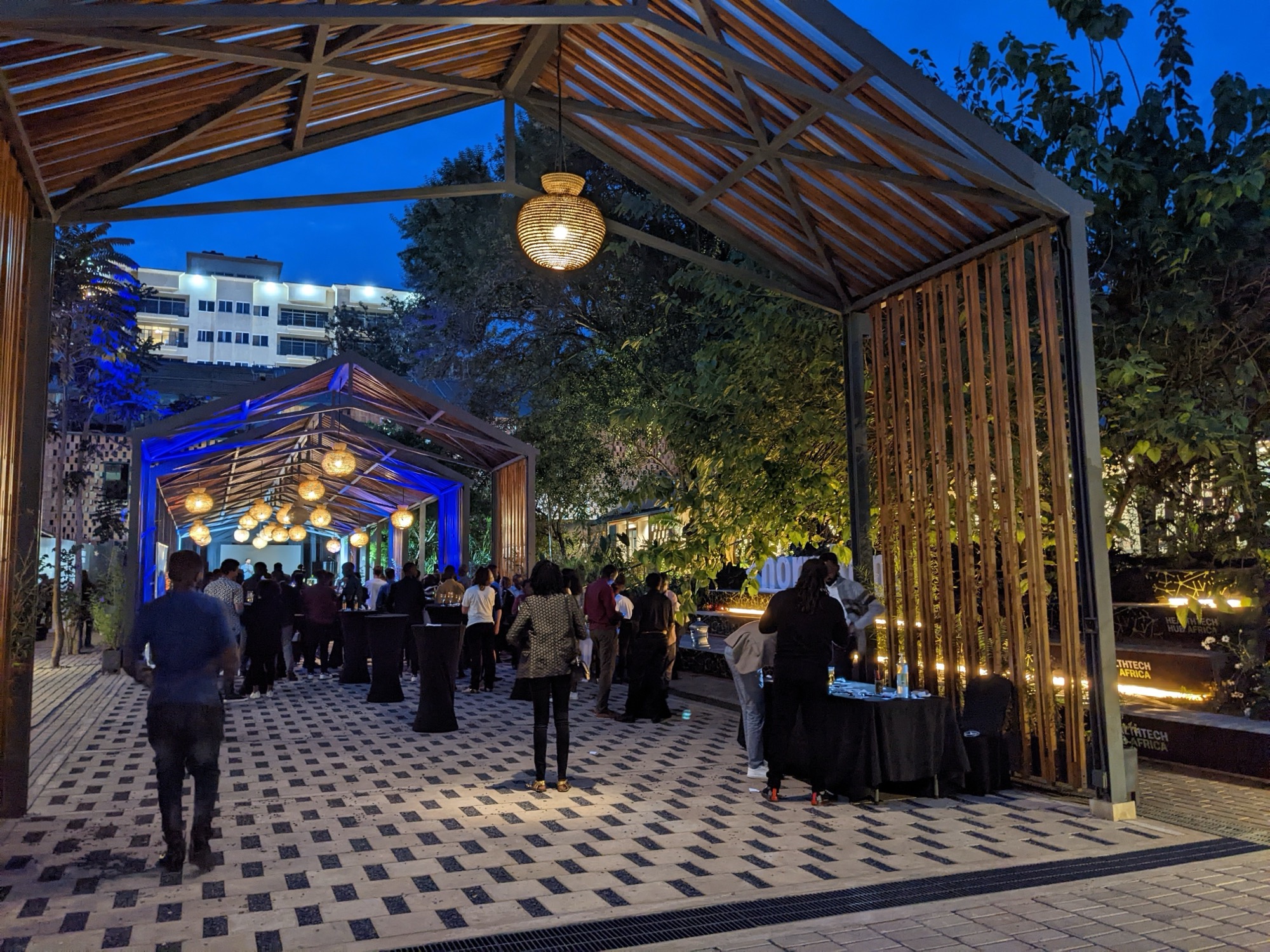
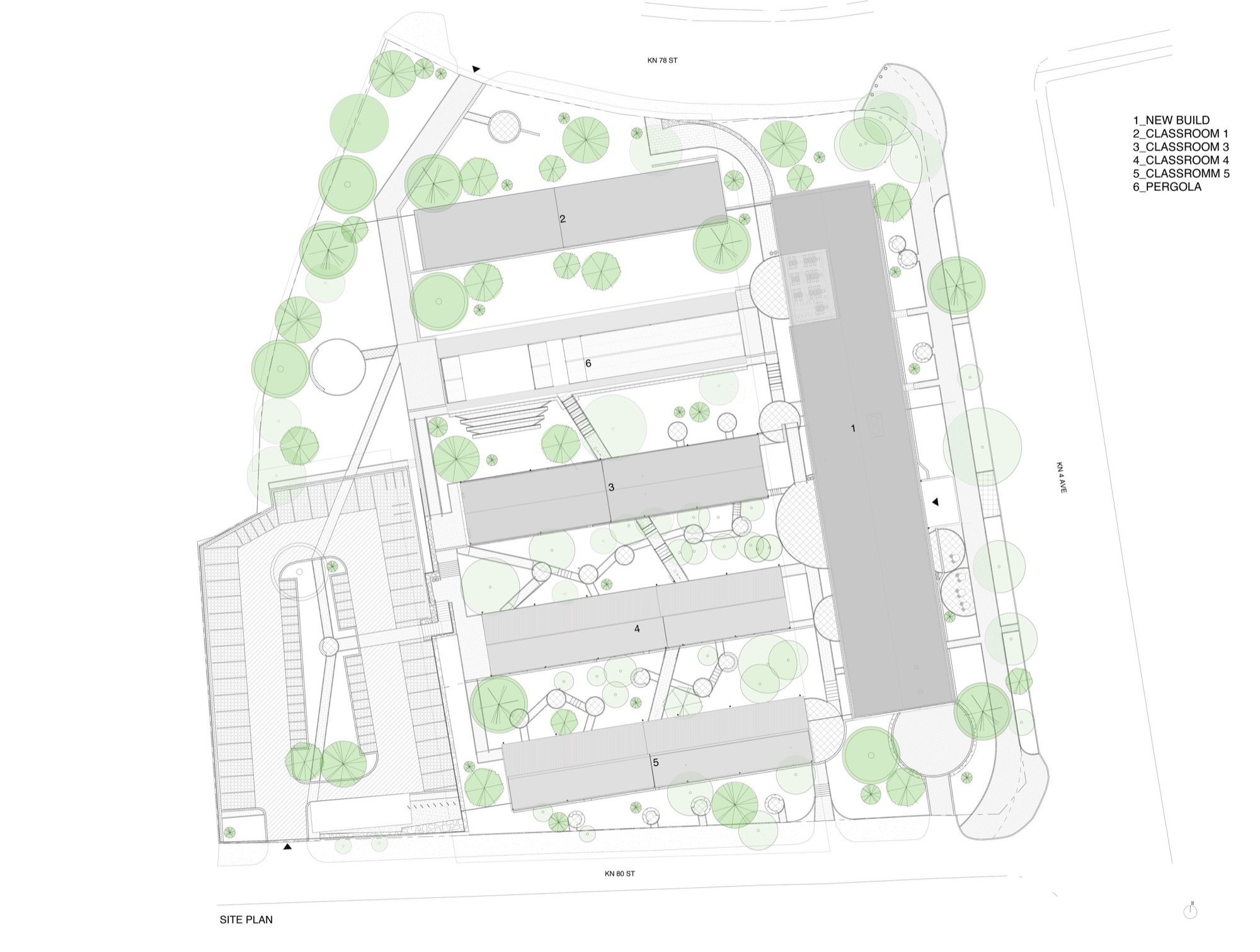
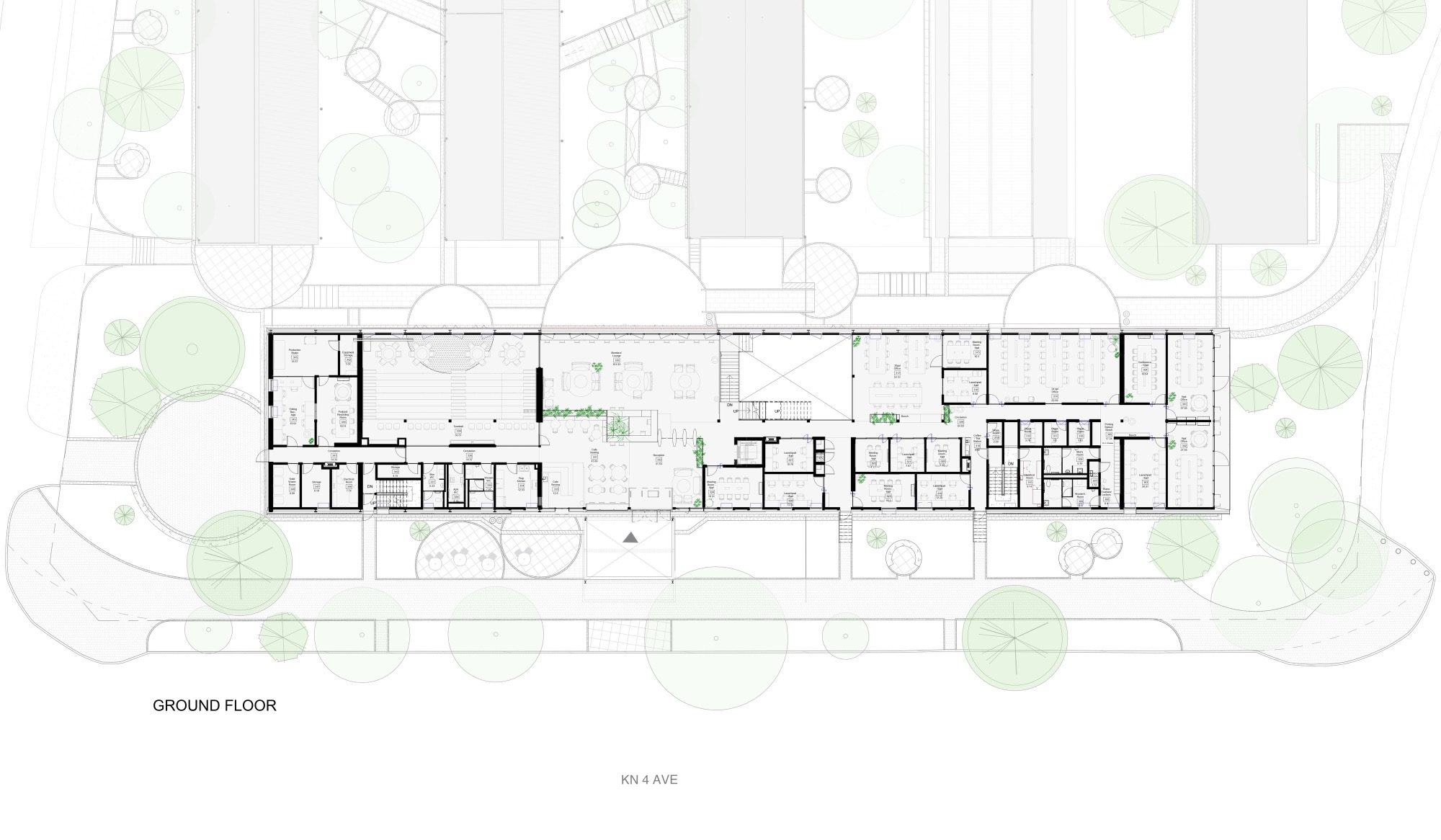
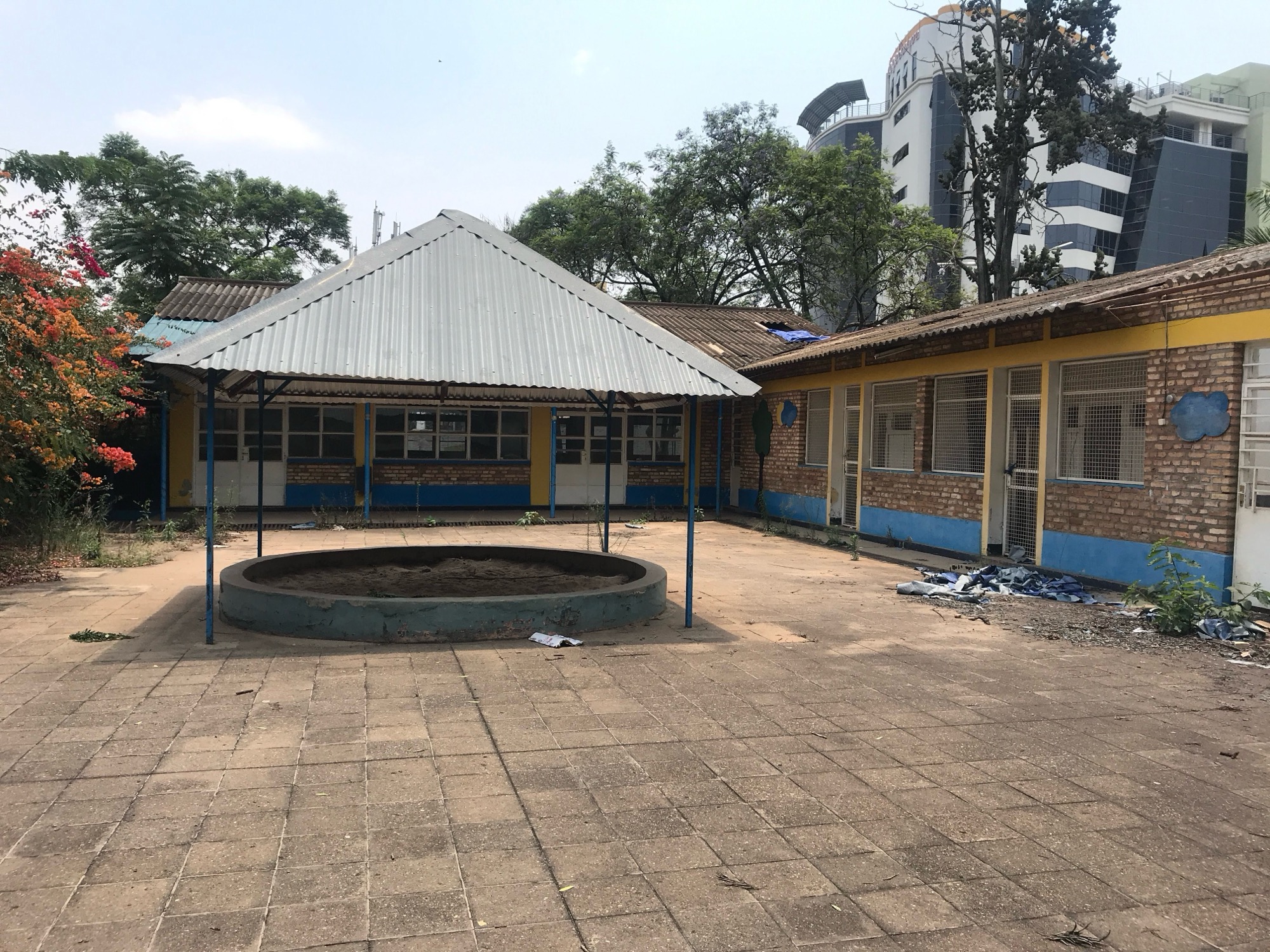
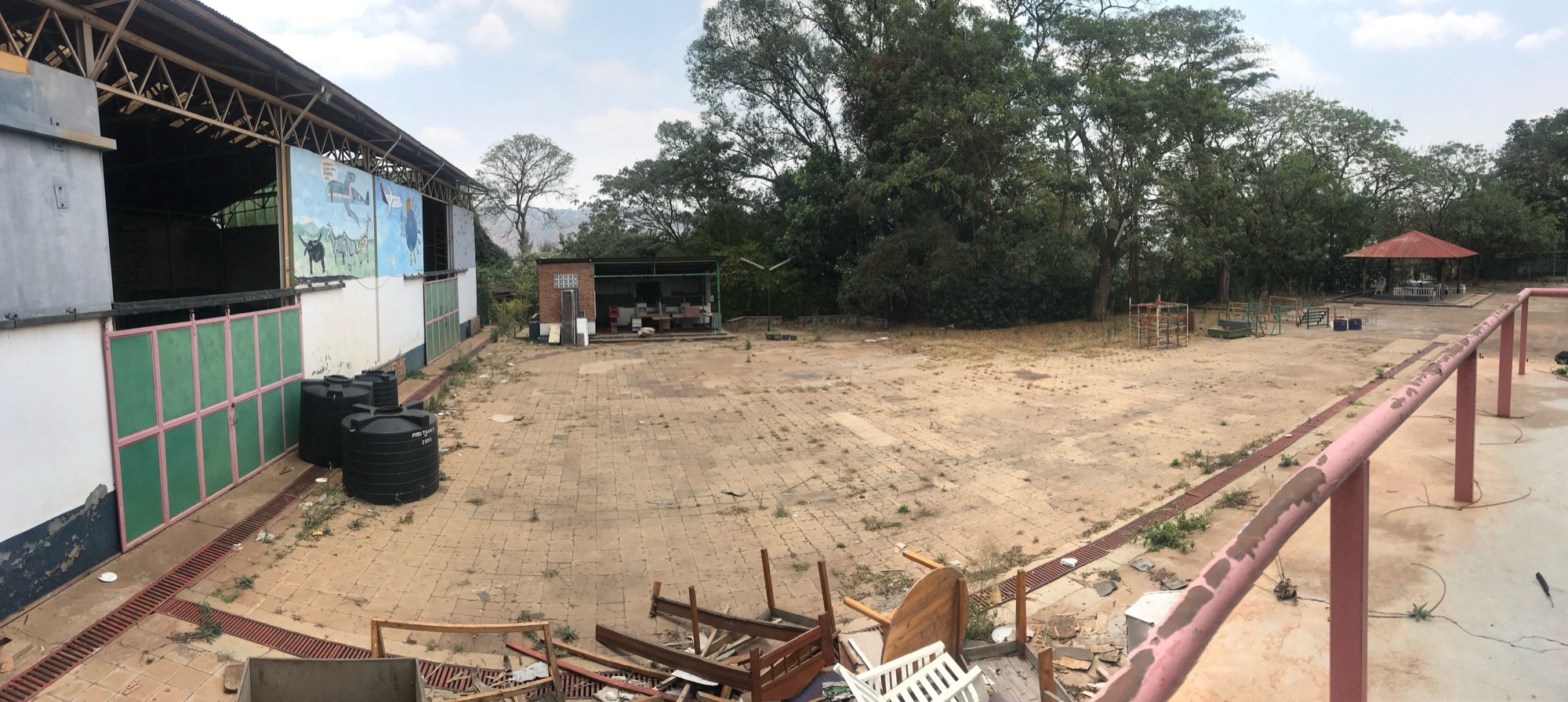
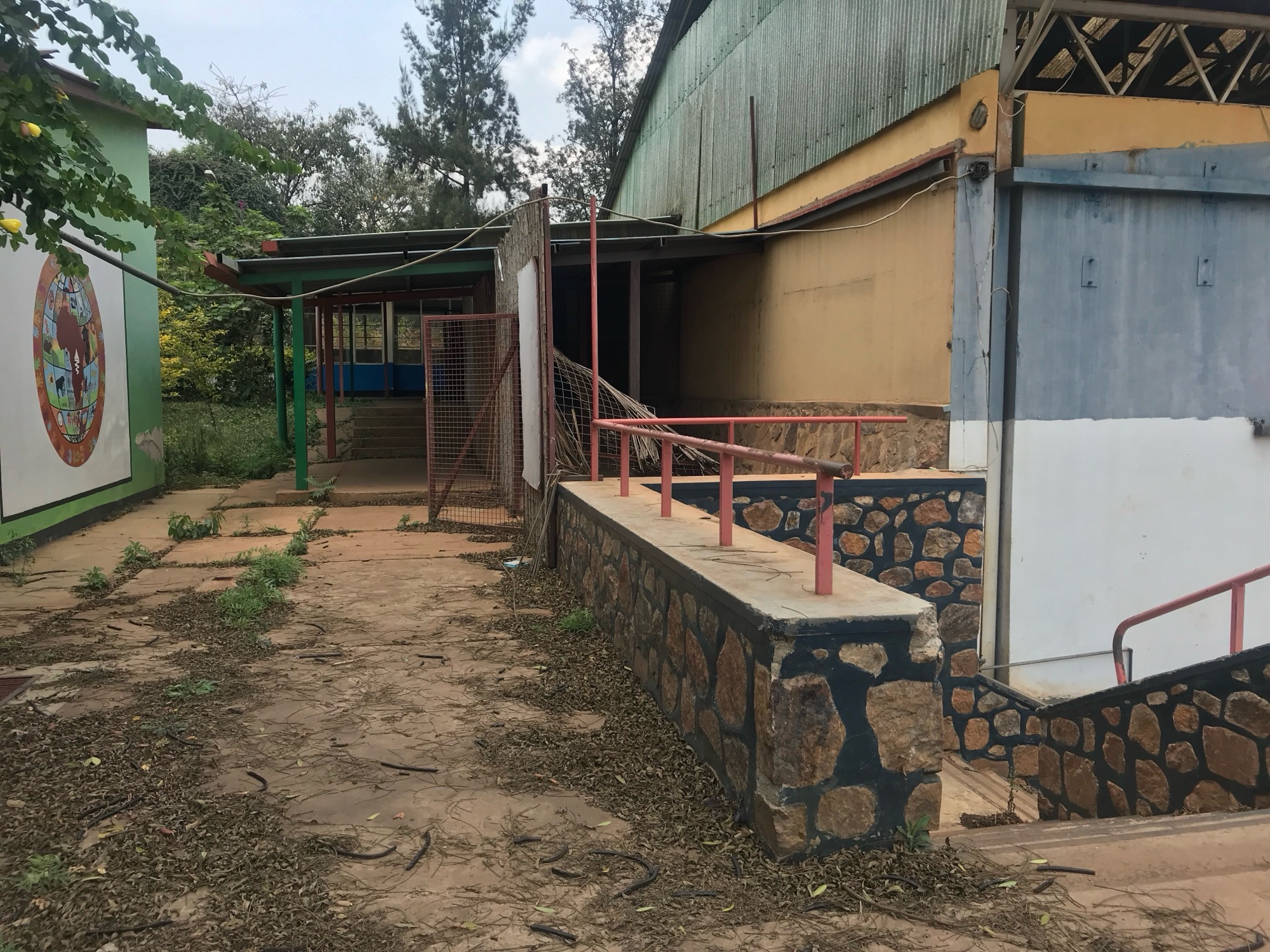
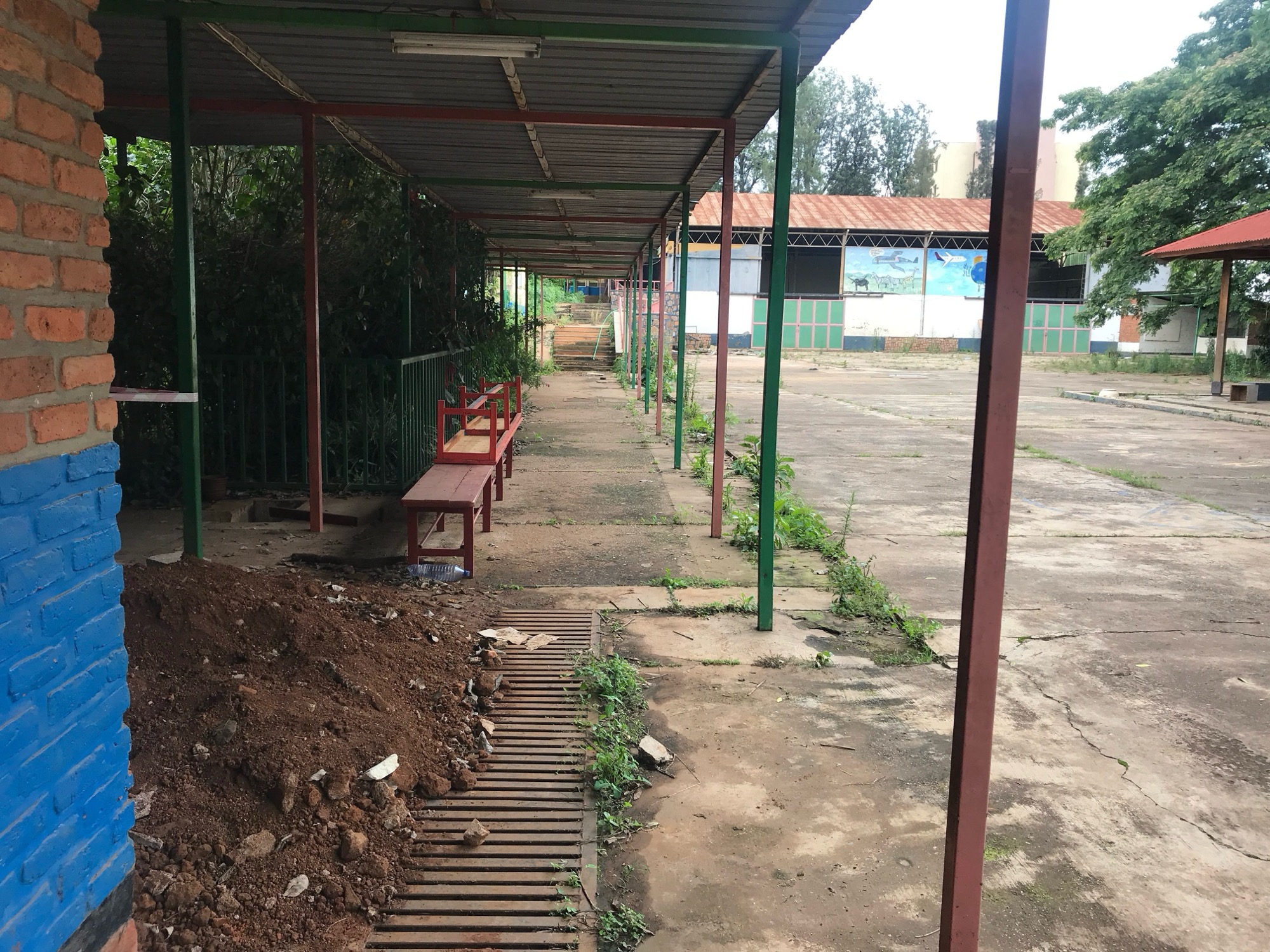
The Norrsken House is located on the historic site of the former École Belge, one of Rwanda’s oldest international schools. As the first adaptive reuse project in Kigali’s Central Business District, it sets a precedent for sustainable urban development in Rwanda—demonstrating that growth can coexist with stewardship of history and green space.
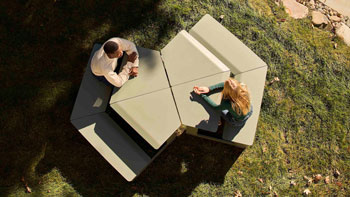
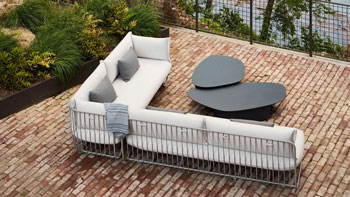
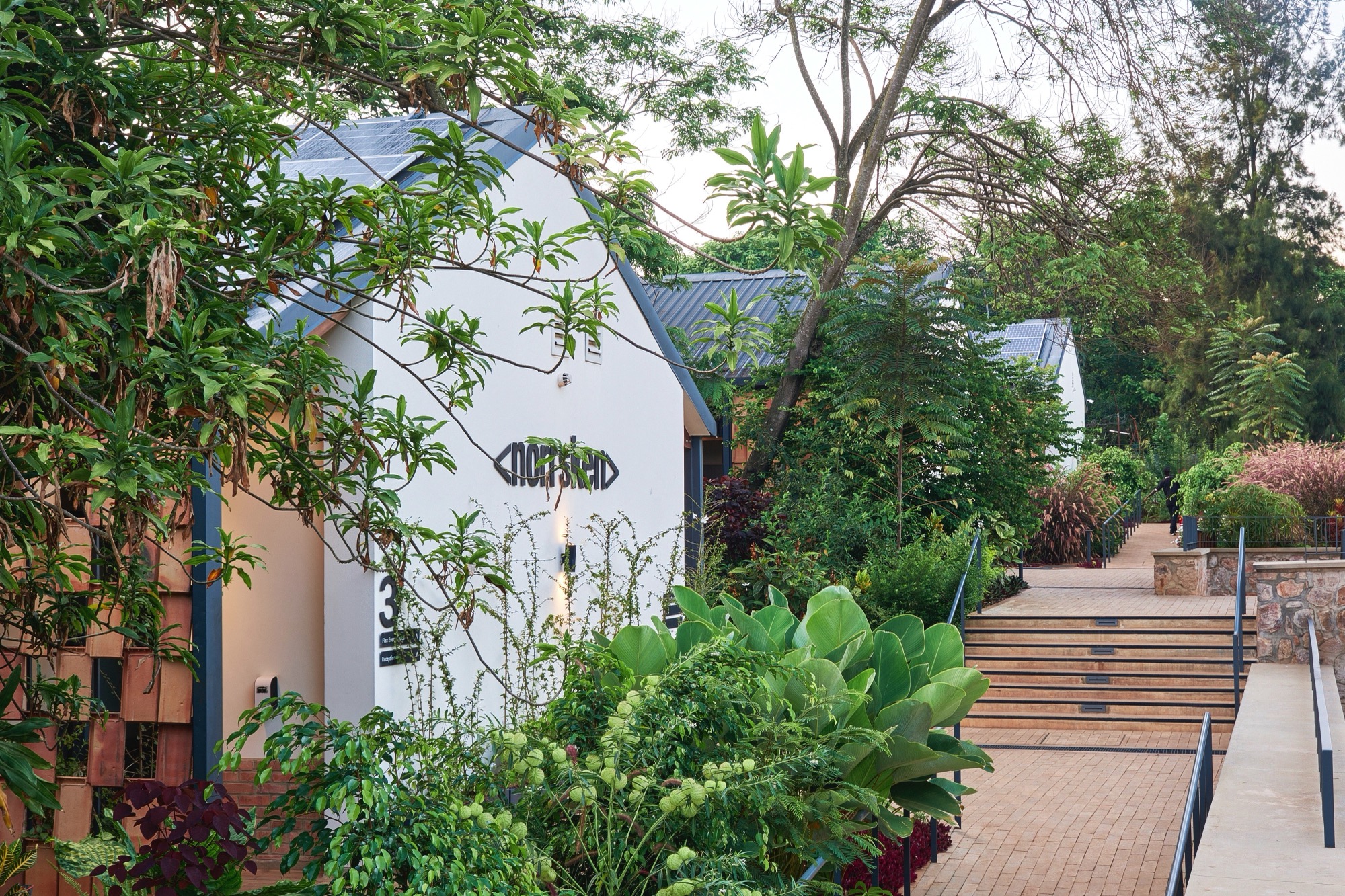
For the existing classroom blocks, low-strength masonry walls and foundations were reinforced, including seismic retrofitting, and new roofs incorporated diaphragms to improve resilience. MASS’s in-house furniture studio designed and fabricated custom pieces for the campus, producing items locally to further reduce carbon impacts and stimulate economic opportunity.
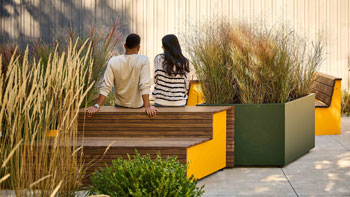
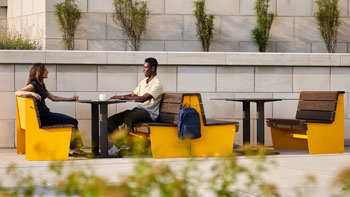
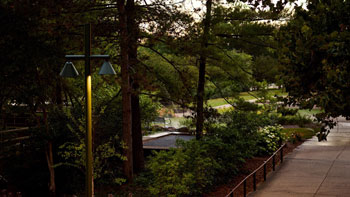
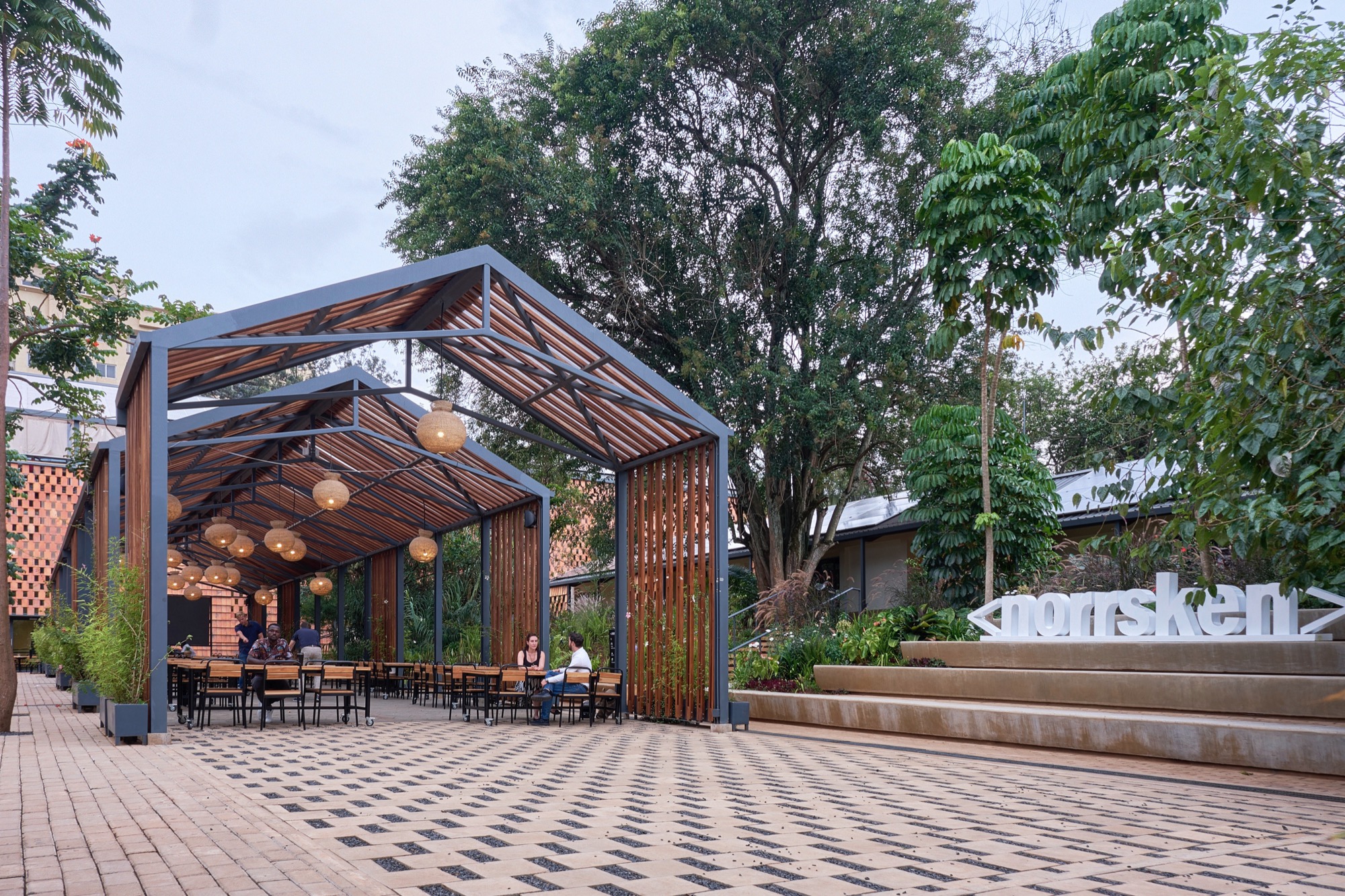
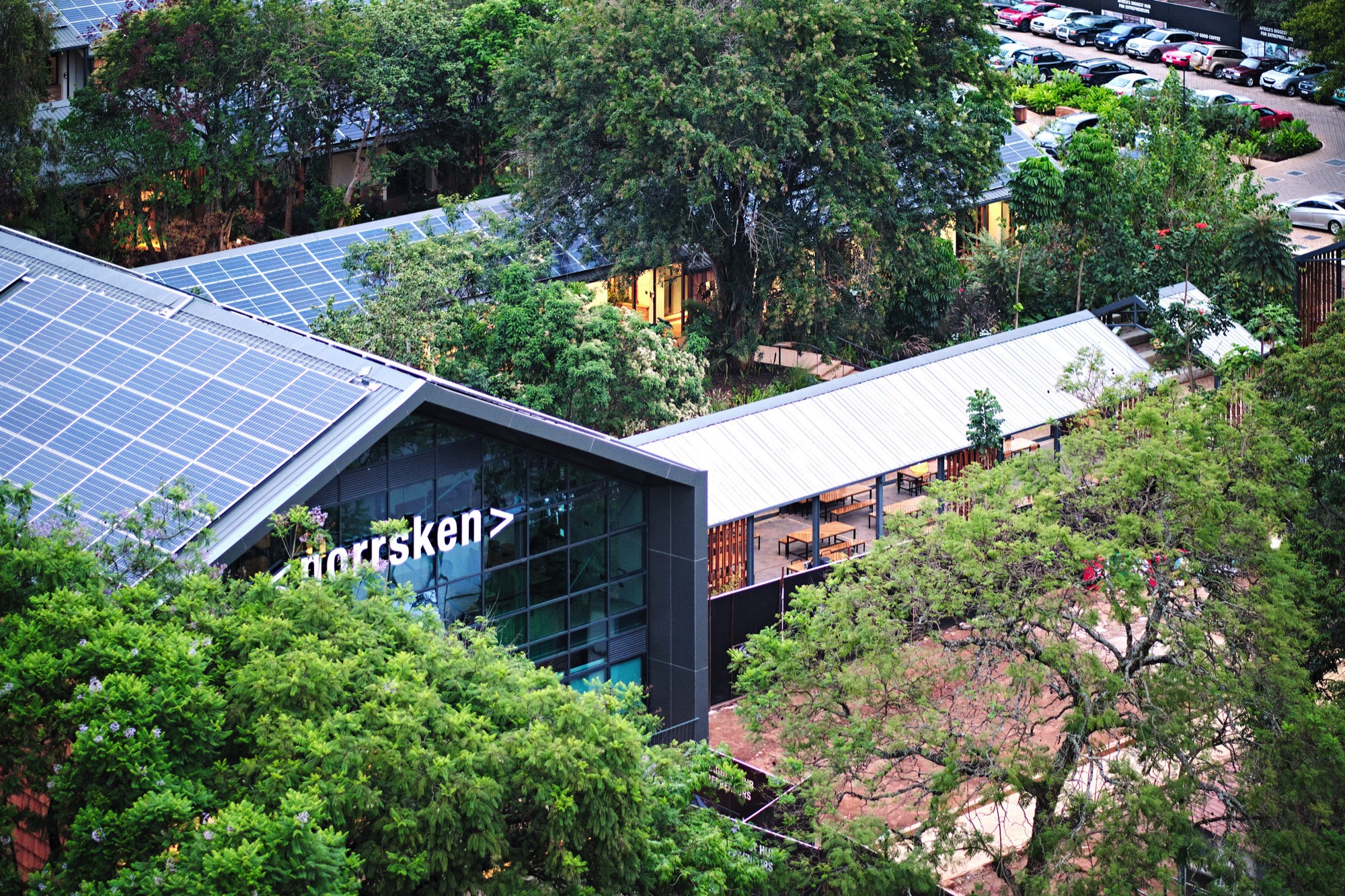
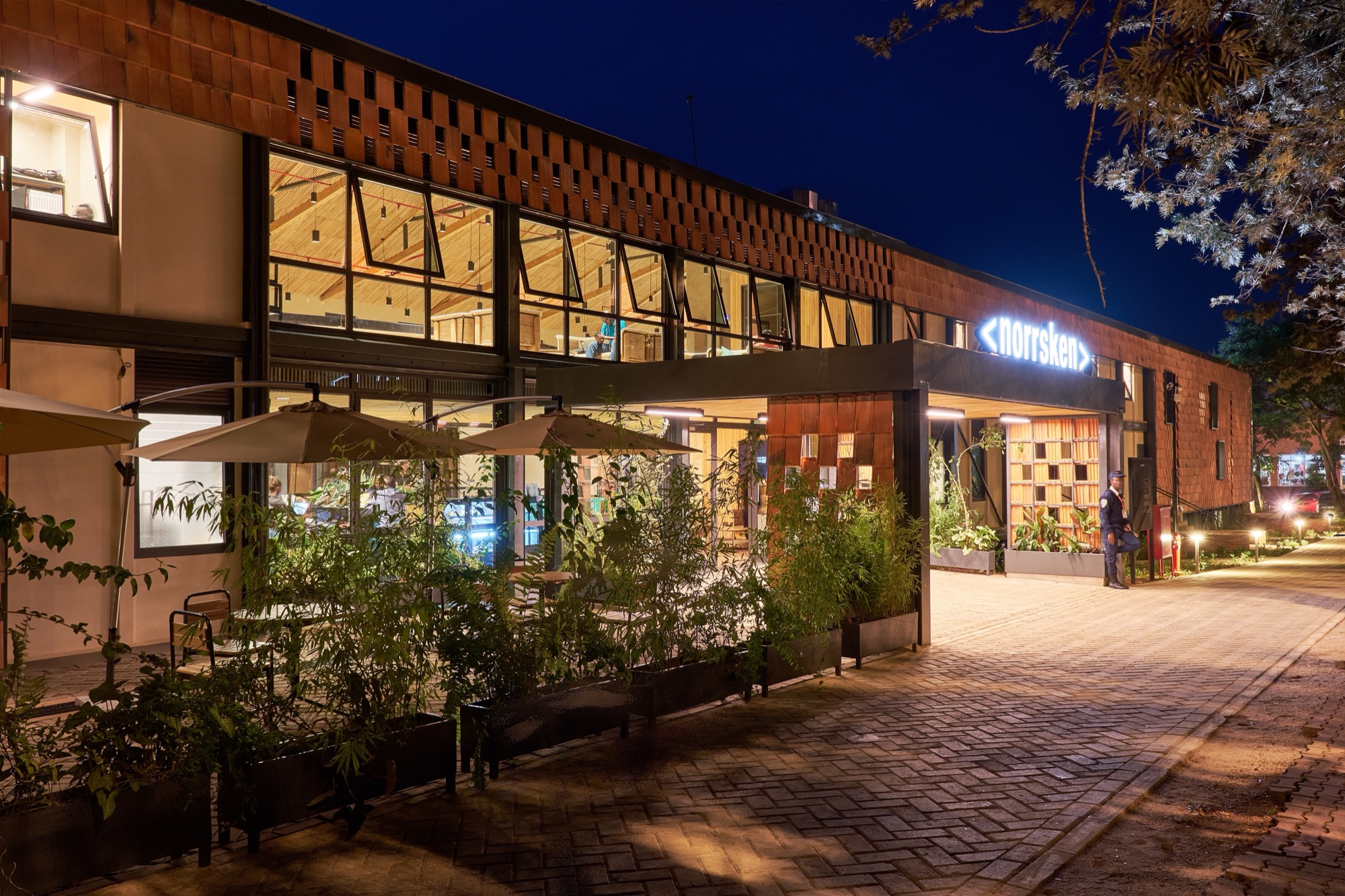
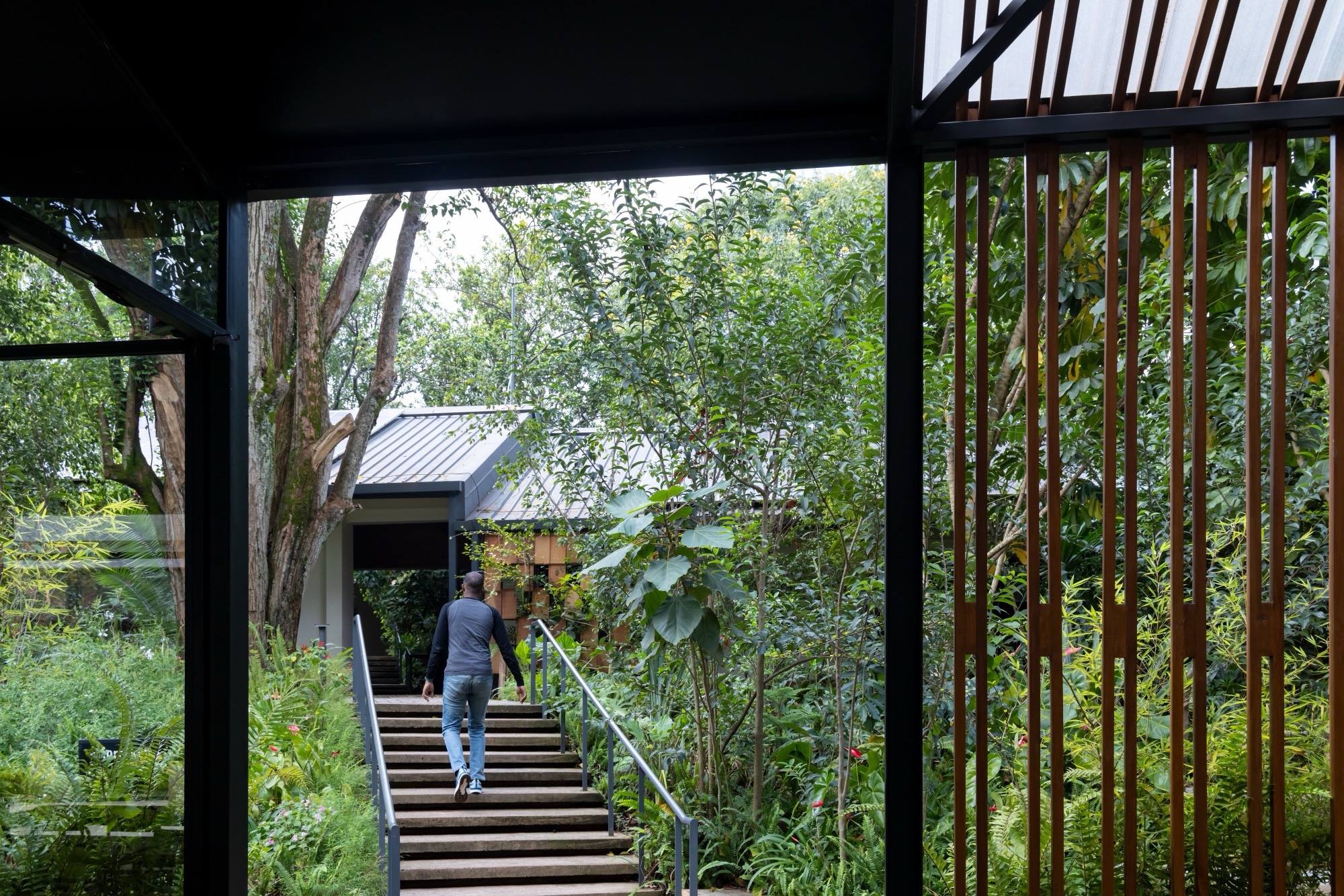
The new site comprises the three renovated École Belge classroom blocks, an outdoor pergola, and a newly constructed three-story main building: the Norrsken House. The design reused bricks from the original structures to create new landscape features and benches, deconstructed perimeter walls to make the site more accessible, and preserved almost all of the mature trees on site. Only four trees were removed across the entire redevelopment. The result is a transparent, welcoming hub for the community—illustrating how restoration and mixed-use development can coexist.
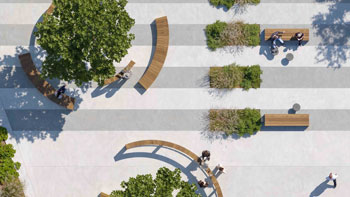
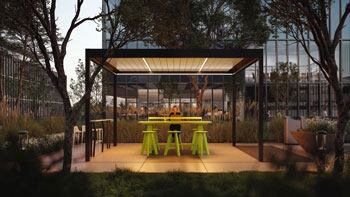
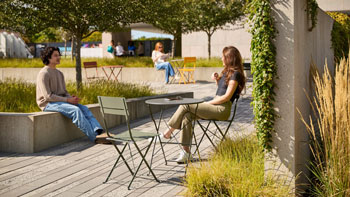
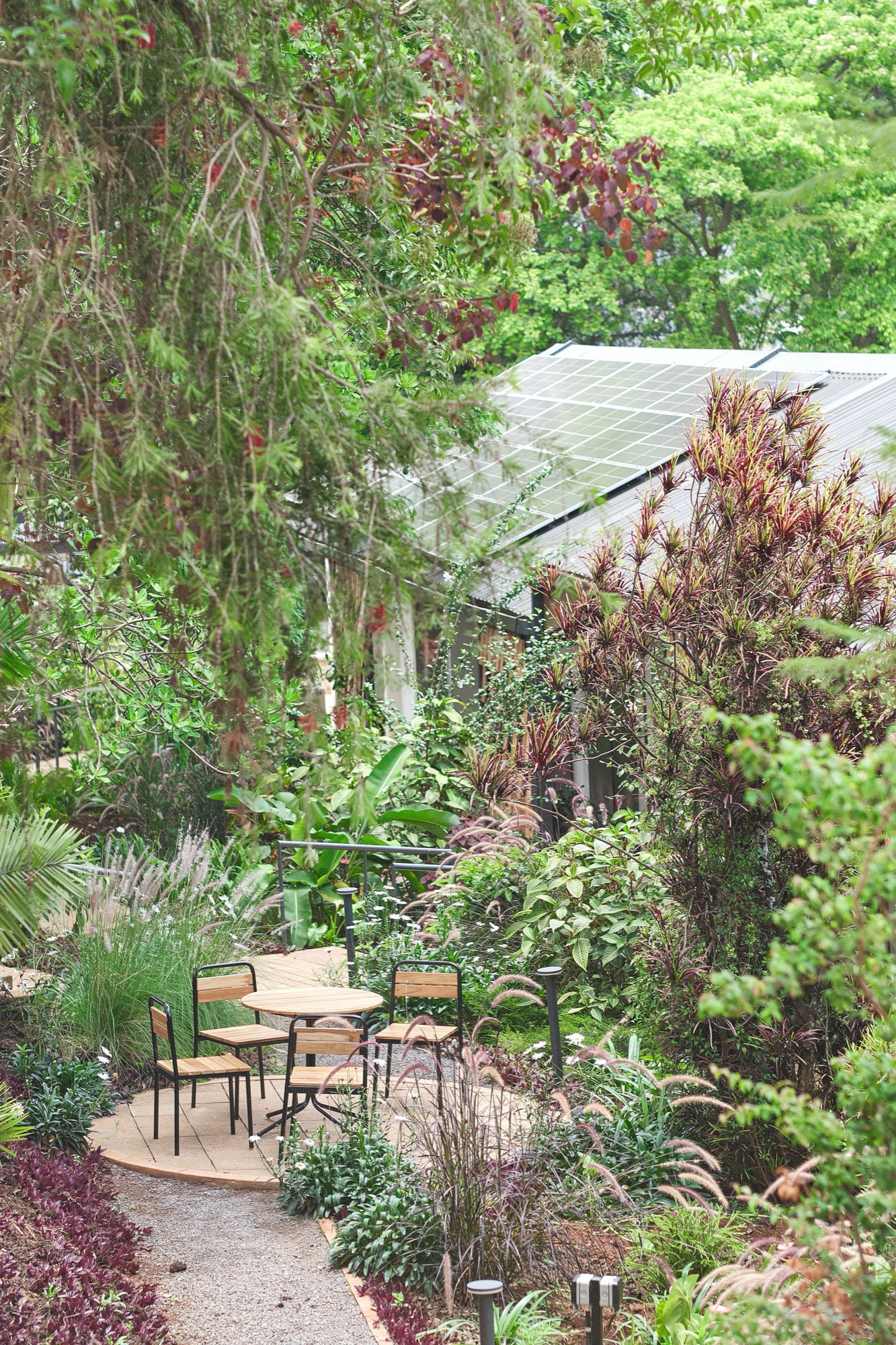
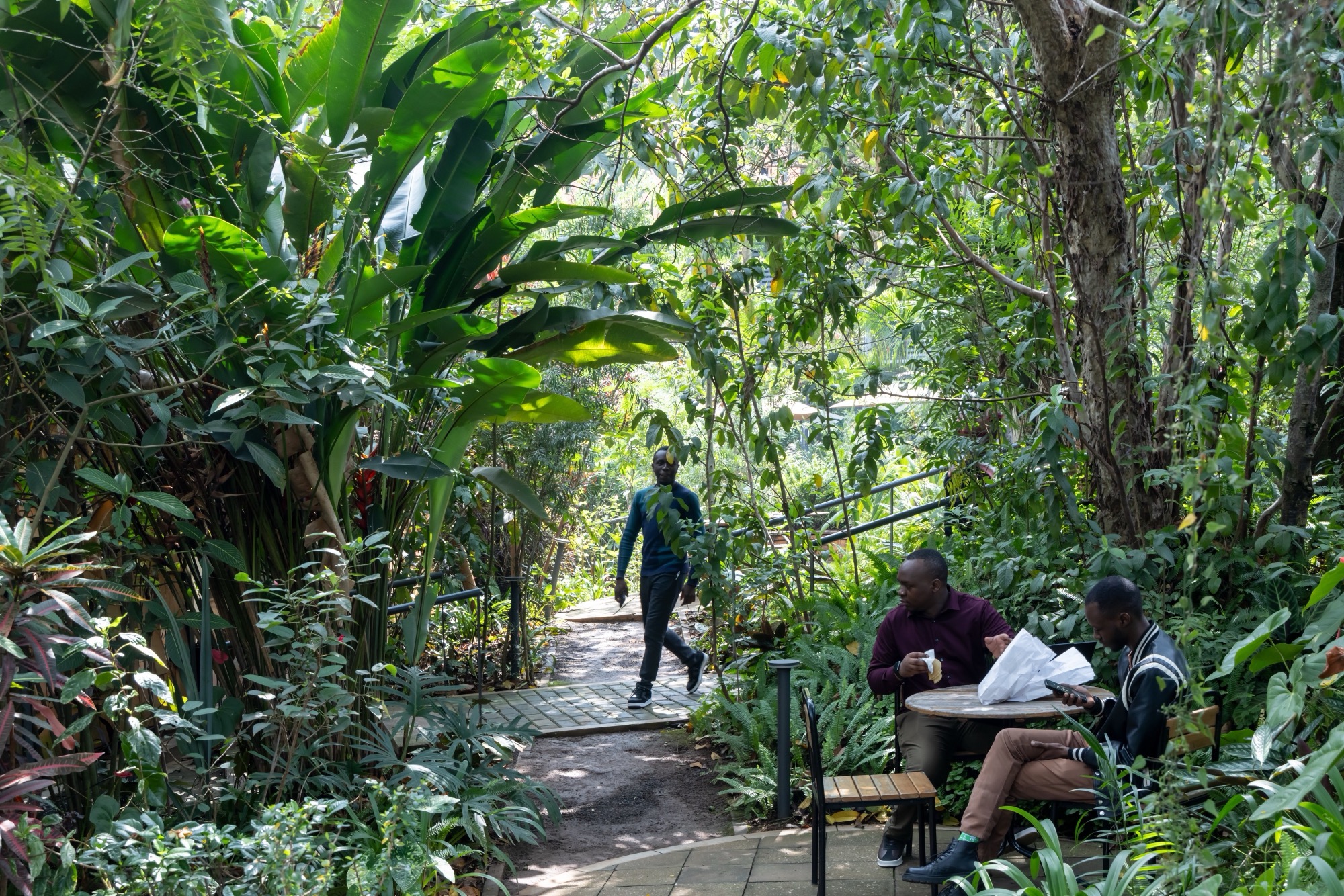
Outdoor forums and gathering spaces are woven throughout the site, each tailored for collaboration at different scales. Small “launchpad” courtyards host focused group sessions, while a larger amphitheater and pergola support lectures and events. Outdoor meeting areas utilize circular layouts, placing participants in an egalitarian forum for idea exchange.
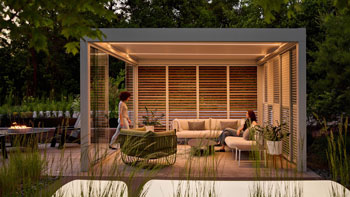
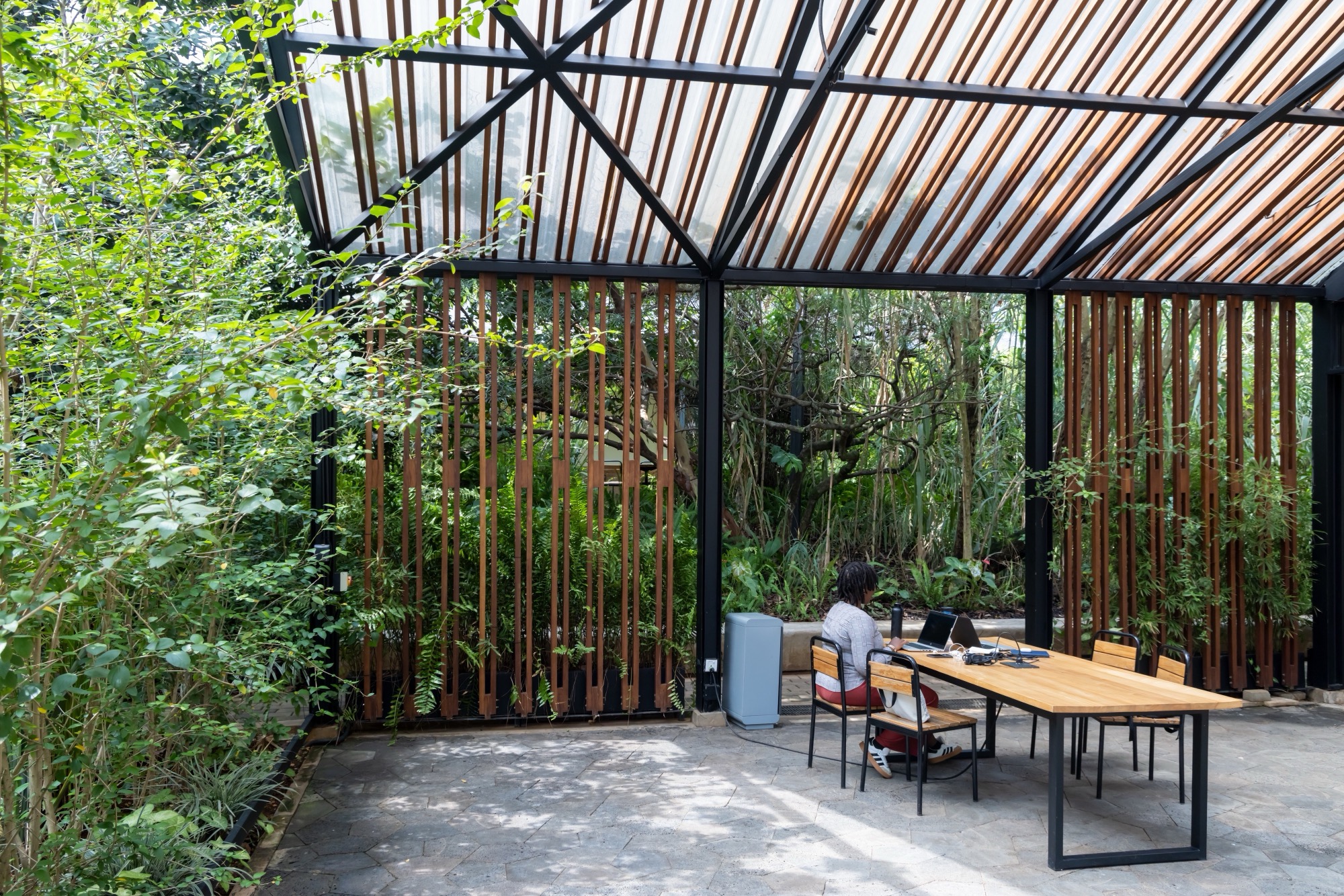
At the northern plaza, the amphitheater and pergola form the campus’s vibrant center. Built on the footprint of a demolished classroom, the pergola echoes the scale and form of the original structure, providing shade and weather protection while maintaining architectural continuity. In contrast, the southern courtyards offer more intimate, garden-like settings for breakout groups and private work.
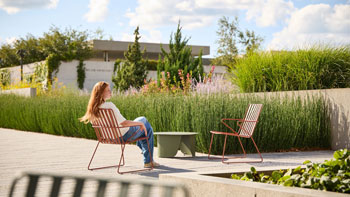
Linked by pathways, these areas balance privacy with opportunities for spontaneous interaction while preserving mature trees and integrating seamlessly into the site’s topography. Plantings throughout the campus soften courtyards, create natural buffers between meeting areas, and add seasonal color. A mix of native and ornamental species enriches the landscape, complementing the architecture and enhancing the campus’s sense of vitality.
The project is a model of green building development, demonstrating a 32% reduction in embodied carbon compared to global averages for similar office buildings. Material reuse was a defining strategy—seen in the reuse of site pavers, salvaged bricks for benches, and repurposed steel for the pergola structure.
For thermal comfort and ventilation, the design optimizes clay-shaded façades, natural cross-ventilation, and a pioneering thermal labyrinth cooling system to reduce energy demand. To conserve energy and water, all stormwater is managed on-site or harvested for non-potable uses.
Treated water from the campus wastewater plant is filtered through infiltration trenches beneath the gardens, replenishing the landscape. The landscape further integrates green courtyards and diverse plantings that provide shade, reduce heat gain, and restore biodiversity. Collectively, these strategies create a climate-responsive campus that models sustainable development in a rapidly urbanizing African city—an achievement now being recognized through its pursuit of EDGE Advanced certification.
Since opening, Norrsken House Kigali has become a magnet for impact-driven entrepreneurship. Norrsken now represents 320 companies, hosts more than 200 events annually, and has helped entrepreneurs raise over $57 million USD between 2022 and 2023. It is a bold experiment in how adaptive reuse, green design, and collaborative space-making can fuel economic transformation.
By blending history and innovation, preserving resources, and fostering community, the campus embodies a new model of development—one where architecture serves as infrastructure for ideas, connections, and opportunities. In this dynamic environment, entrepreneurs are not only raising capital and scaling businesses, but also reshaping the narrative of Africa’s future—from one defined by aid to one defined by investment, innovation, and self-determined growth.
-1.951142, 30.059954
74379


LILA 2026 Sponsor