Parc de la Savèze
www.agencelanton.com/
2026 Public Projects / France / Built in 2021 /

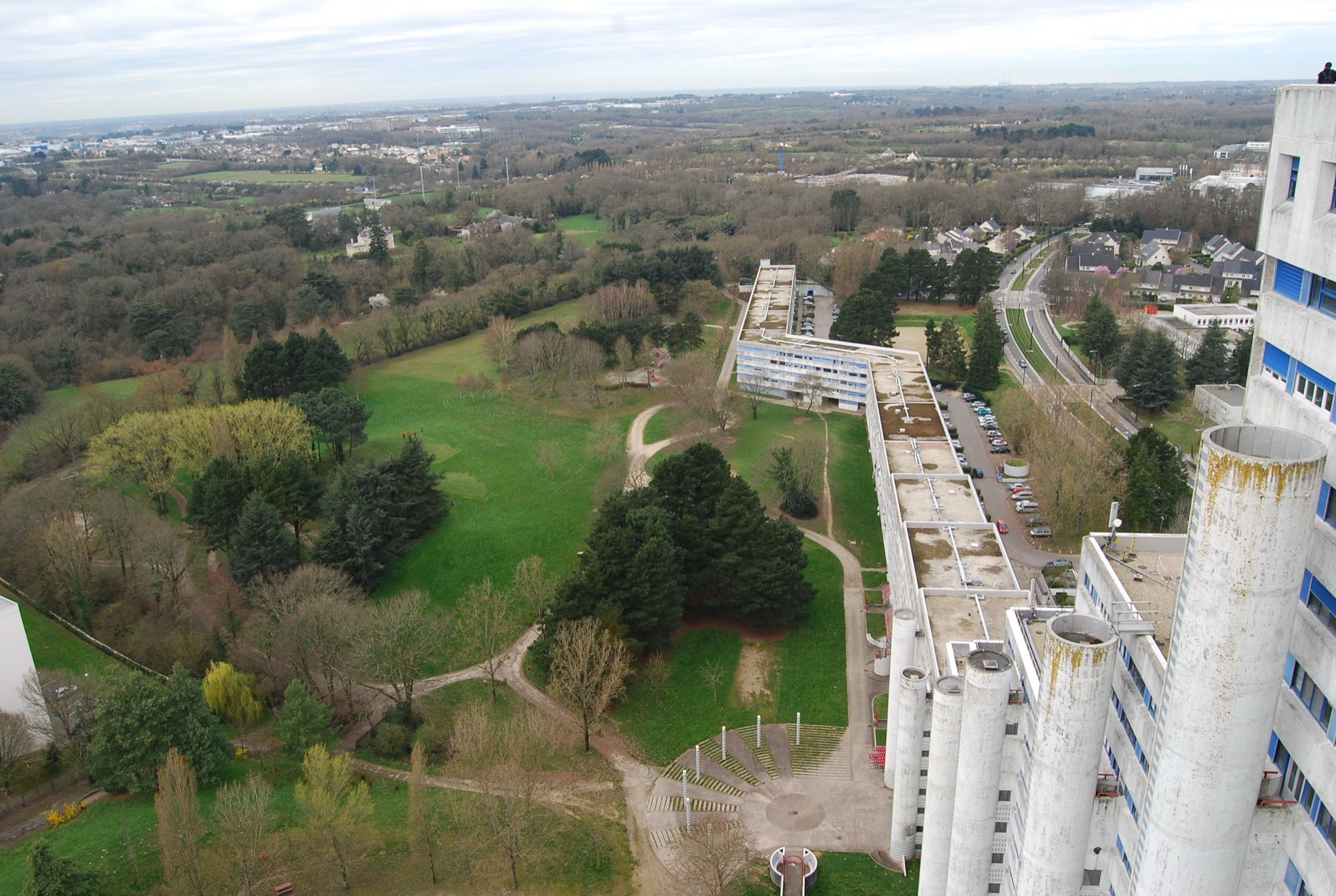
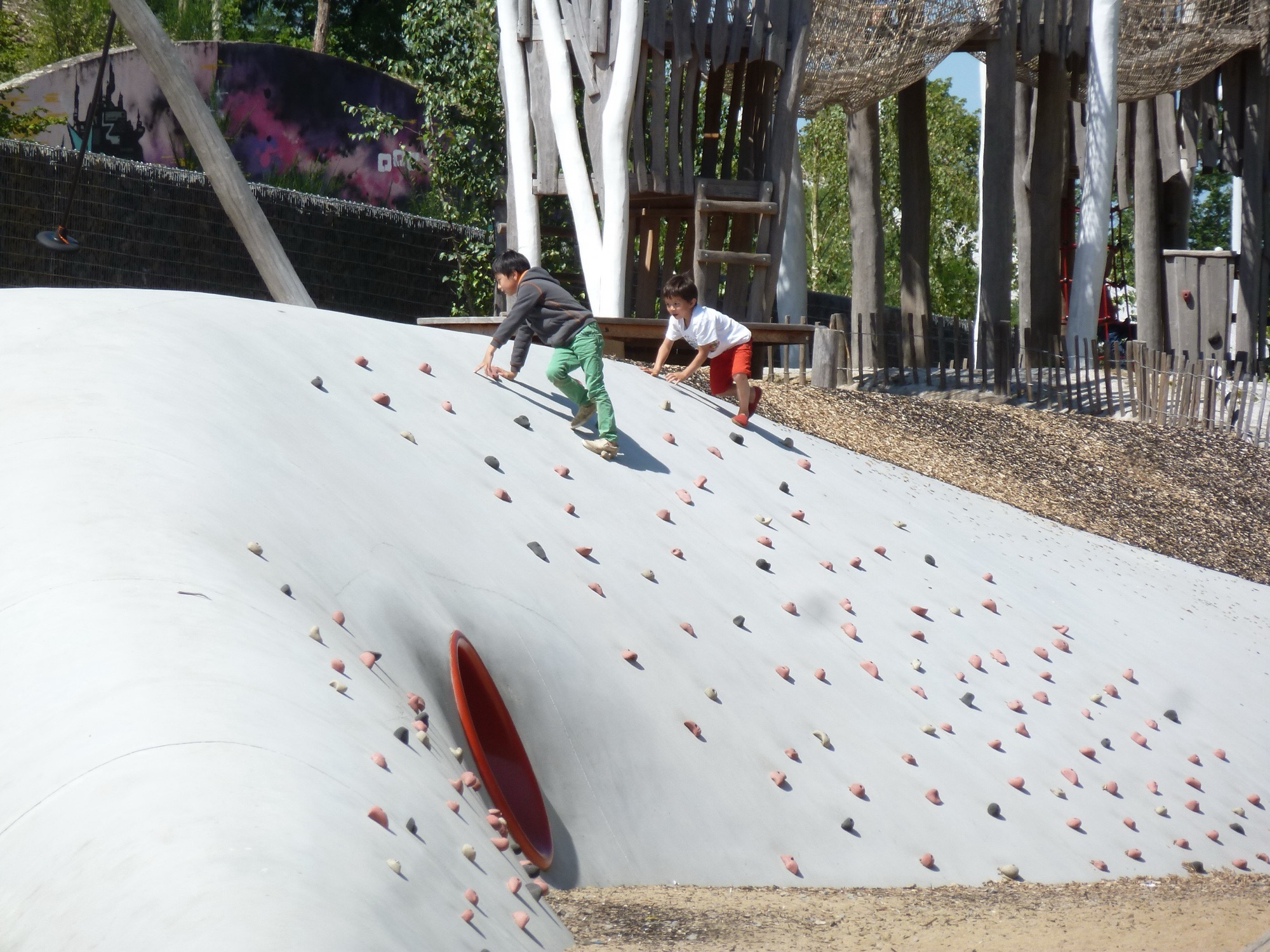
Le Sillon de Bretagne is not only a geological fault; it is also a massive building nearly 1 km long and 100 m high, constructed in the early 1970s in Saint-Herblain, a suburb of Nantes. At that time, to the south of this building, a 6-hectare park on the urban edge was minimally developed: storage of excavation soil from the building’s construction, planting of a few trees, creation of one or two paths, and systematic lawns across all areas, etc. As a result, this little-used park offered virtually no biodiversity—arguably even less than in its original state.
In early 2005, this neighborhood was included in the ANRU (National Urban Renewal Agency) program, with the park itself identified as the central link in a large urban redevelopment project. In early 2011, the city of Saint-Herblain launched a design competition, which our team won.
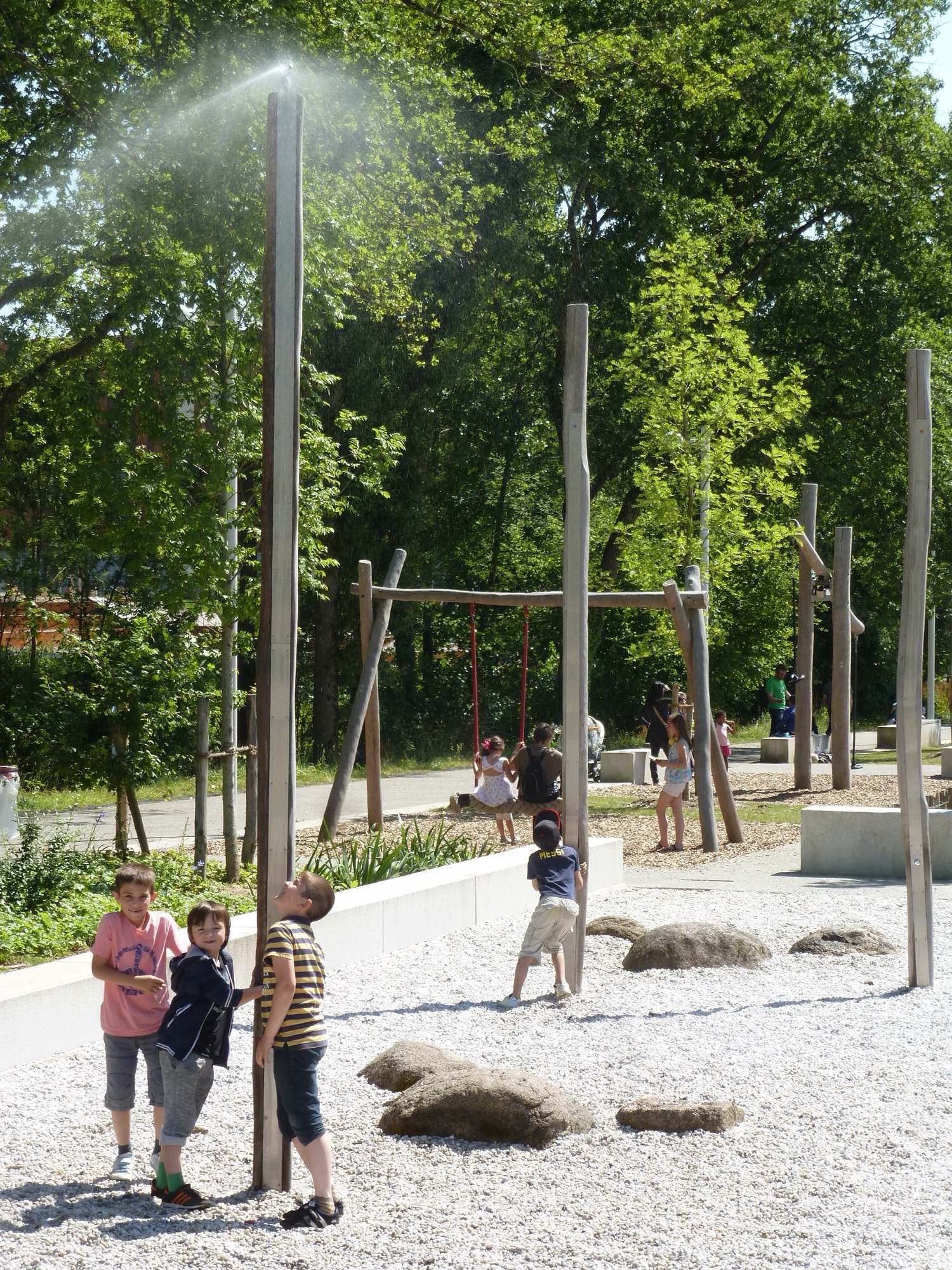
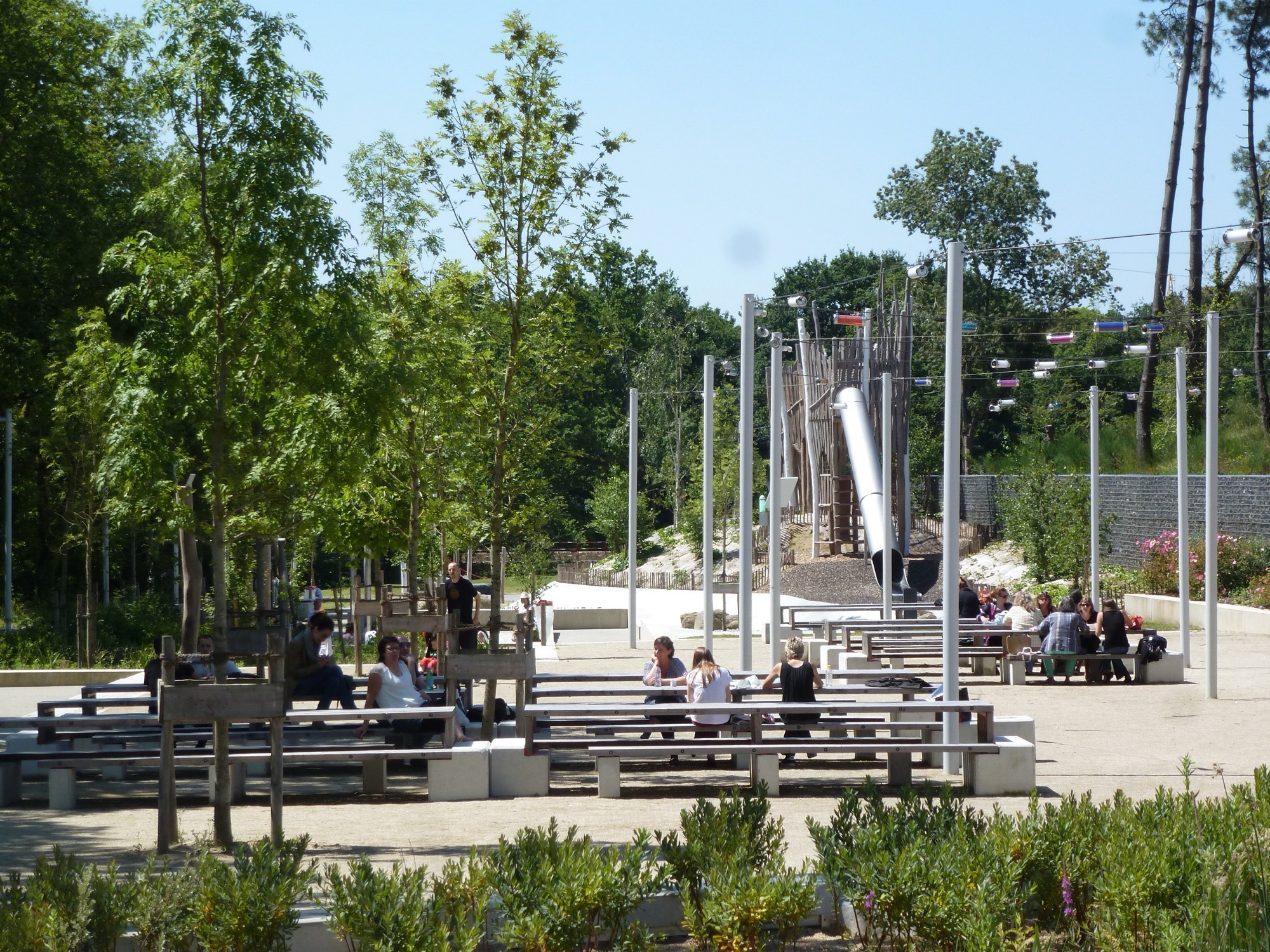
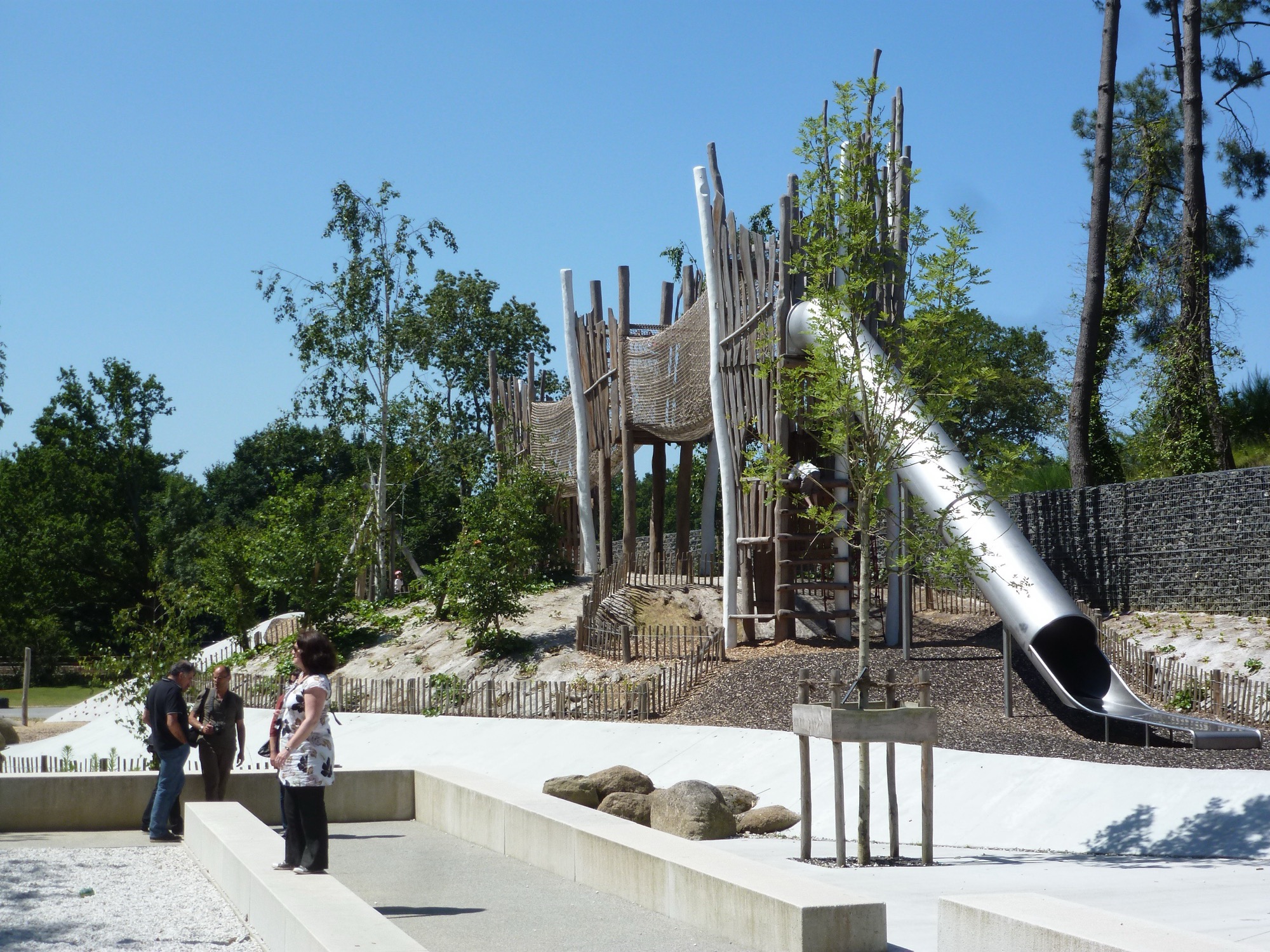
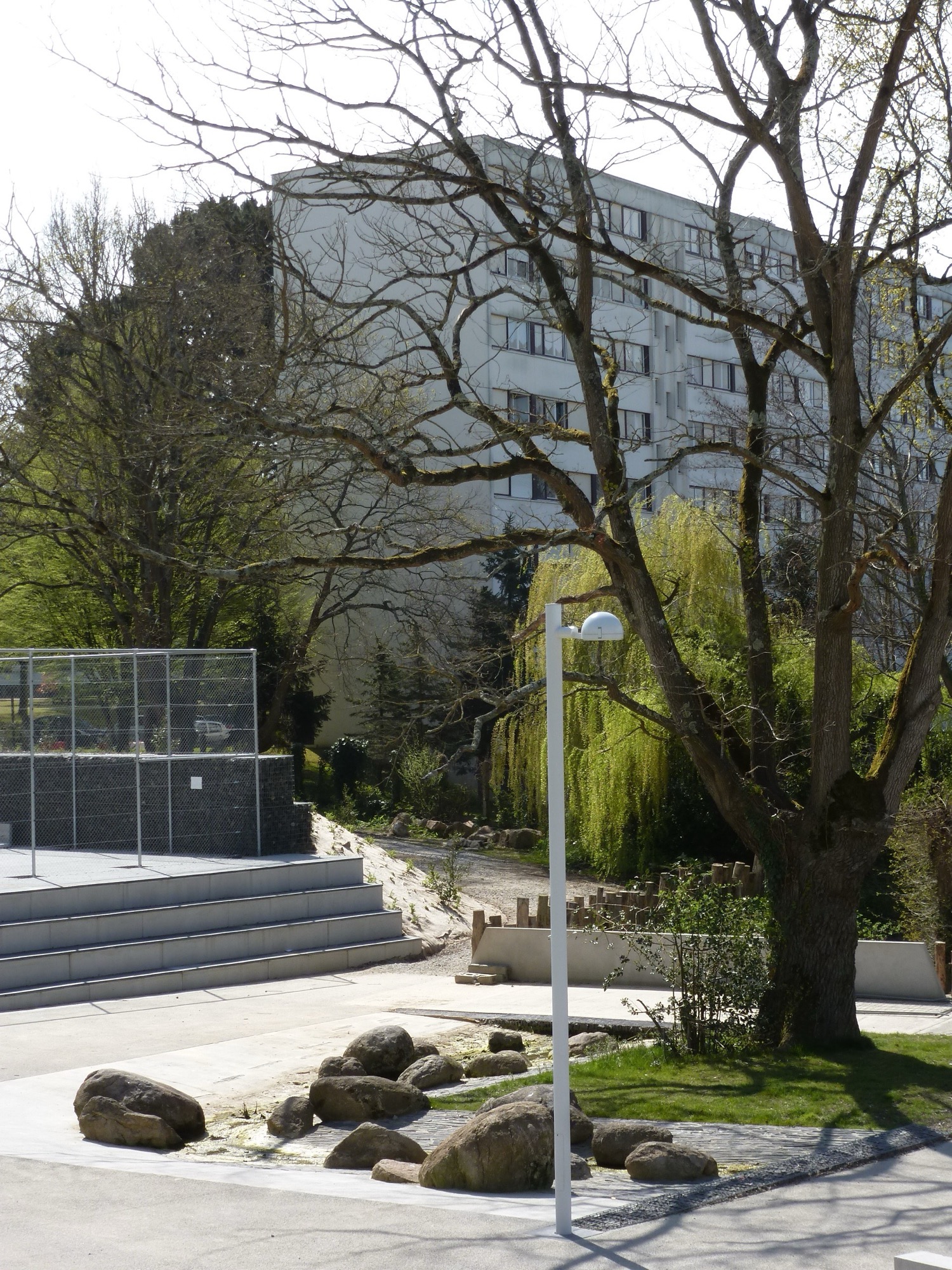
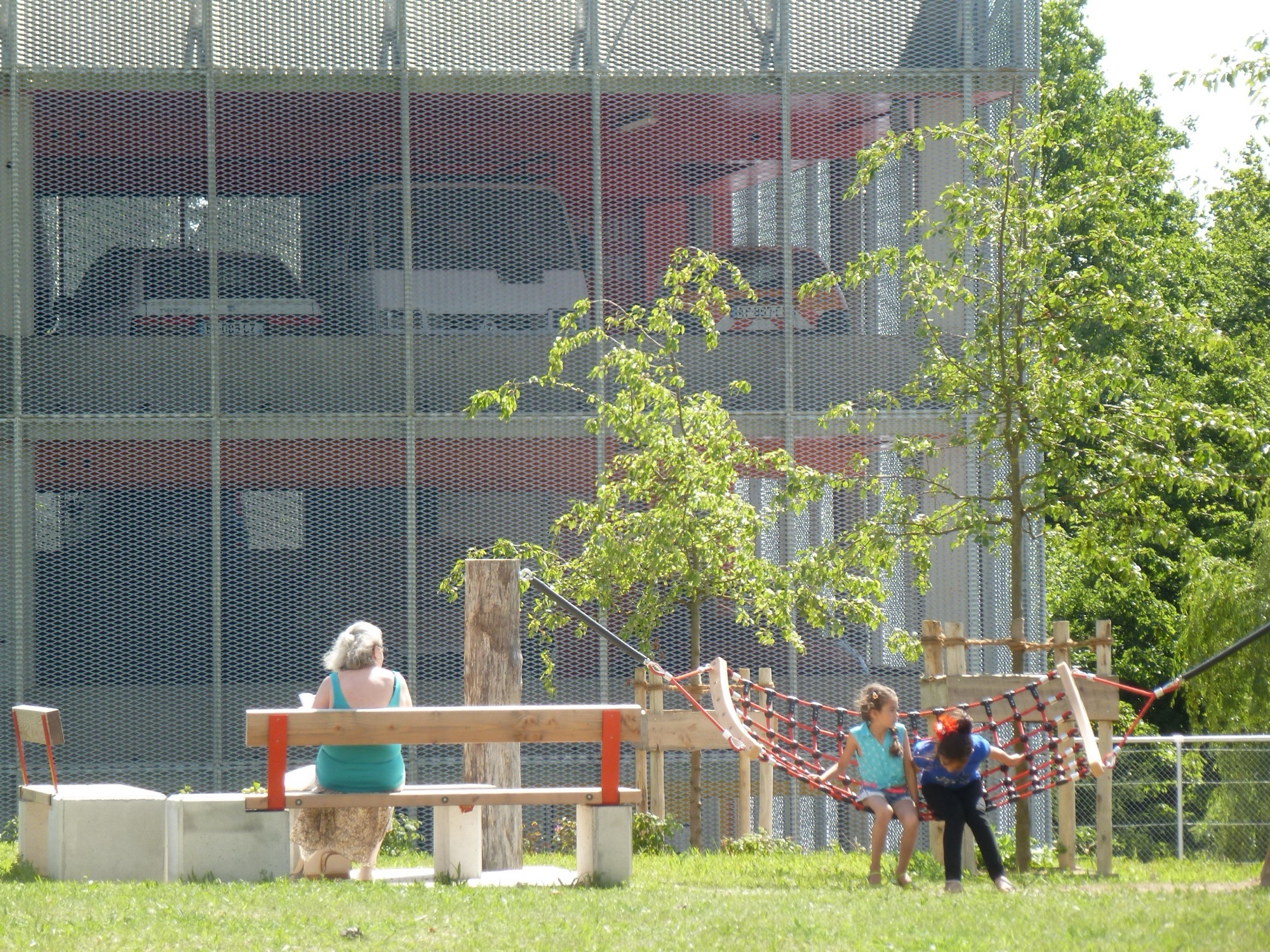
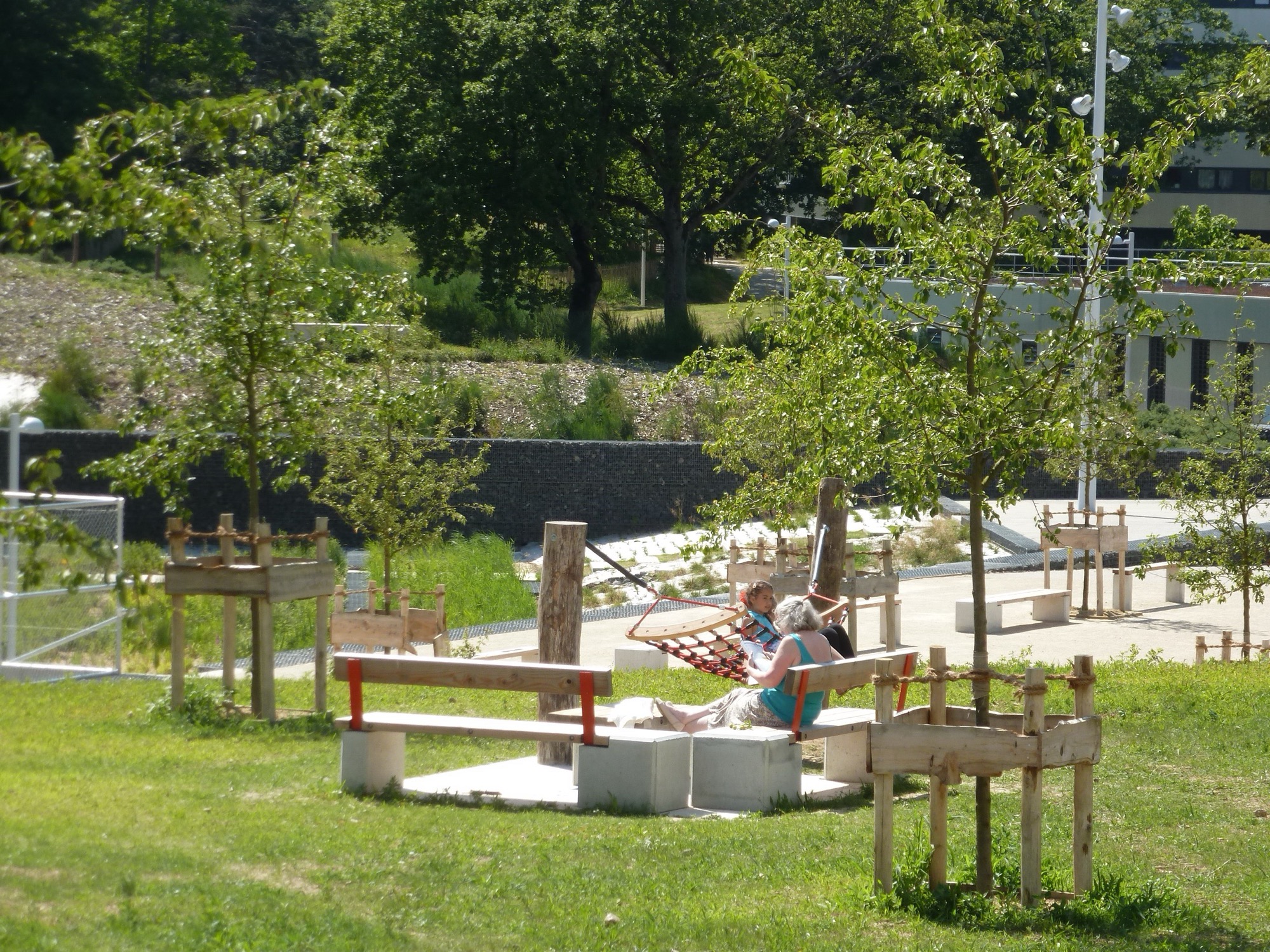
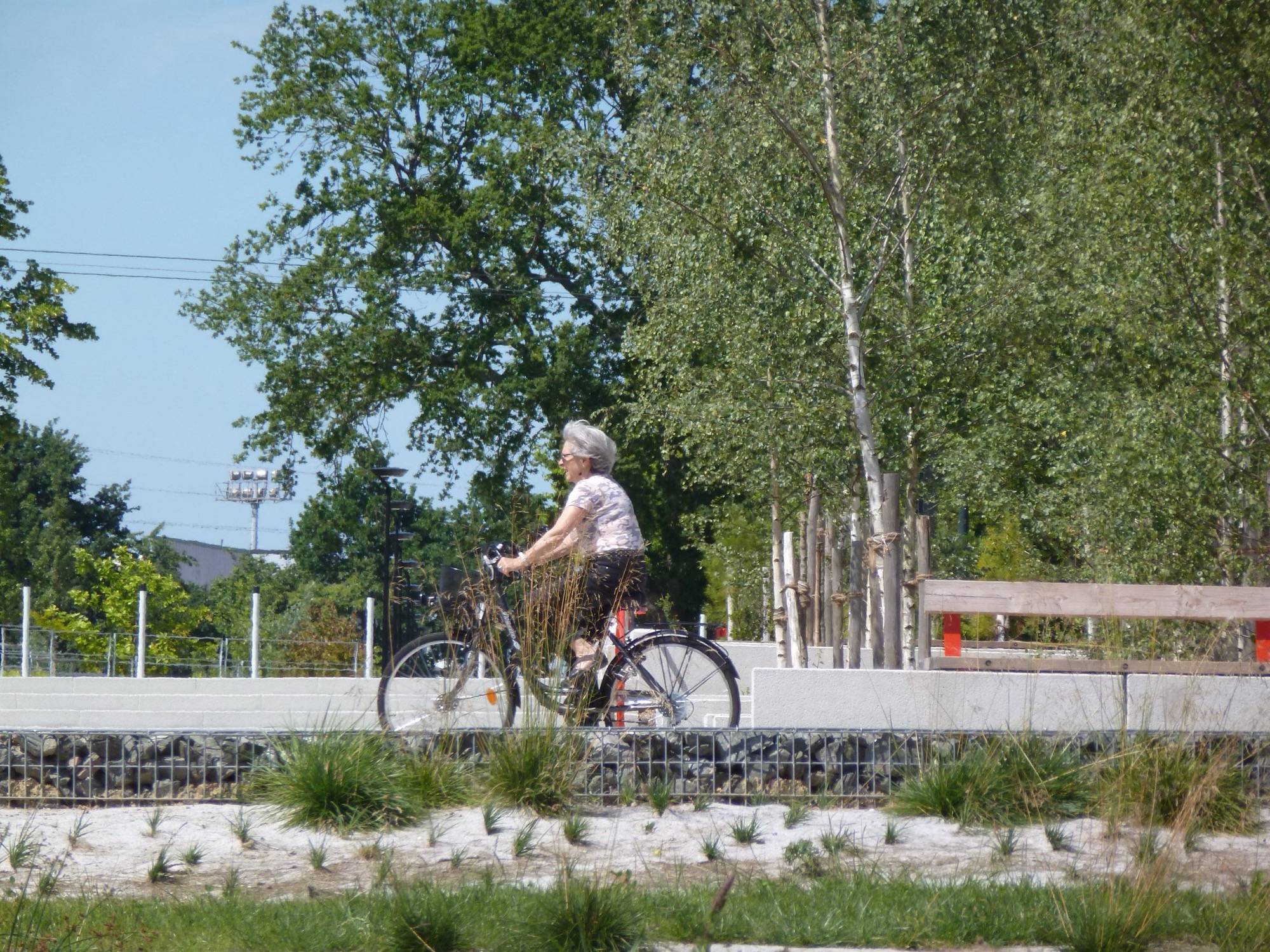
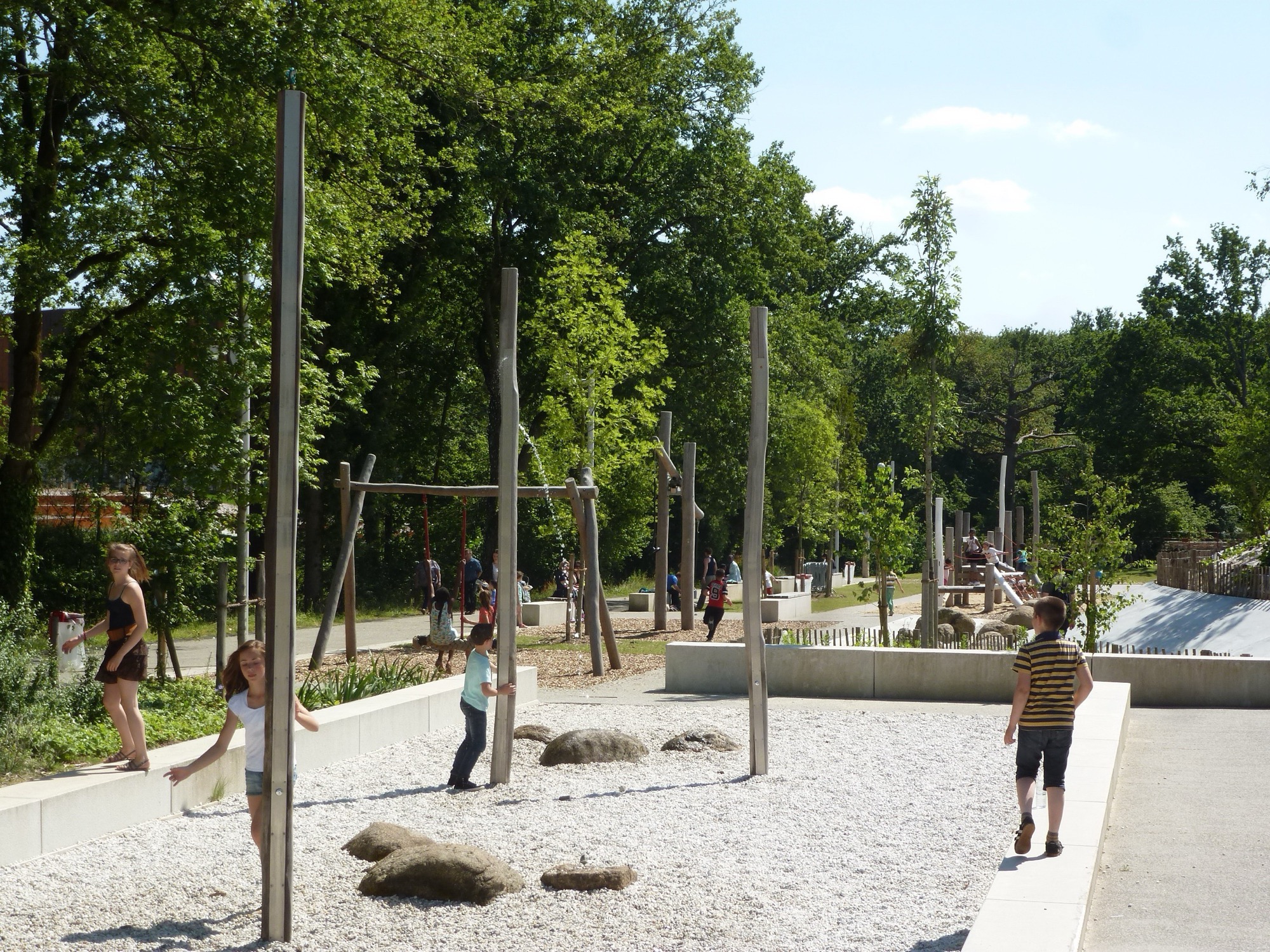
Consultation while moving the project forward
The city aimed both to quickly secure funding for the park’s construction and to conduct an in-depth consultation process with local residents to provide them with a green space that meets their needs. Faced with this apparent contradiction between the time required for consultation and the urgency to act, we proposed to create the park’s primary structure first, while reserving part of the budget and certain areas for the later implementation of proposals emerging from the consultation process.
Hierarchy between “anthropically pressured spaces” and natural areas
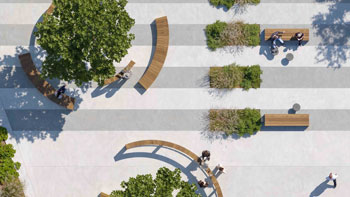
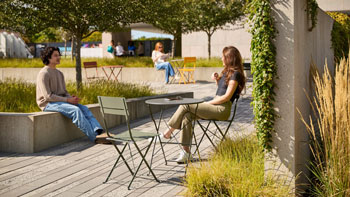
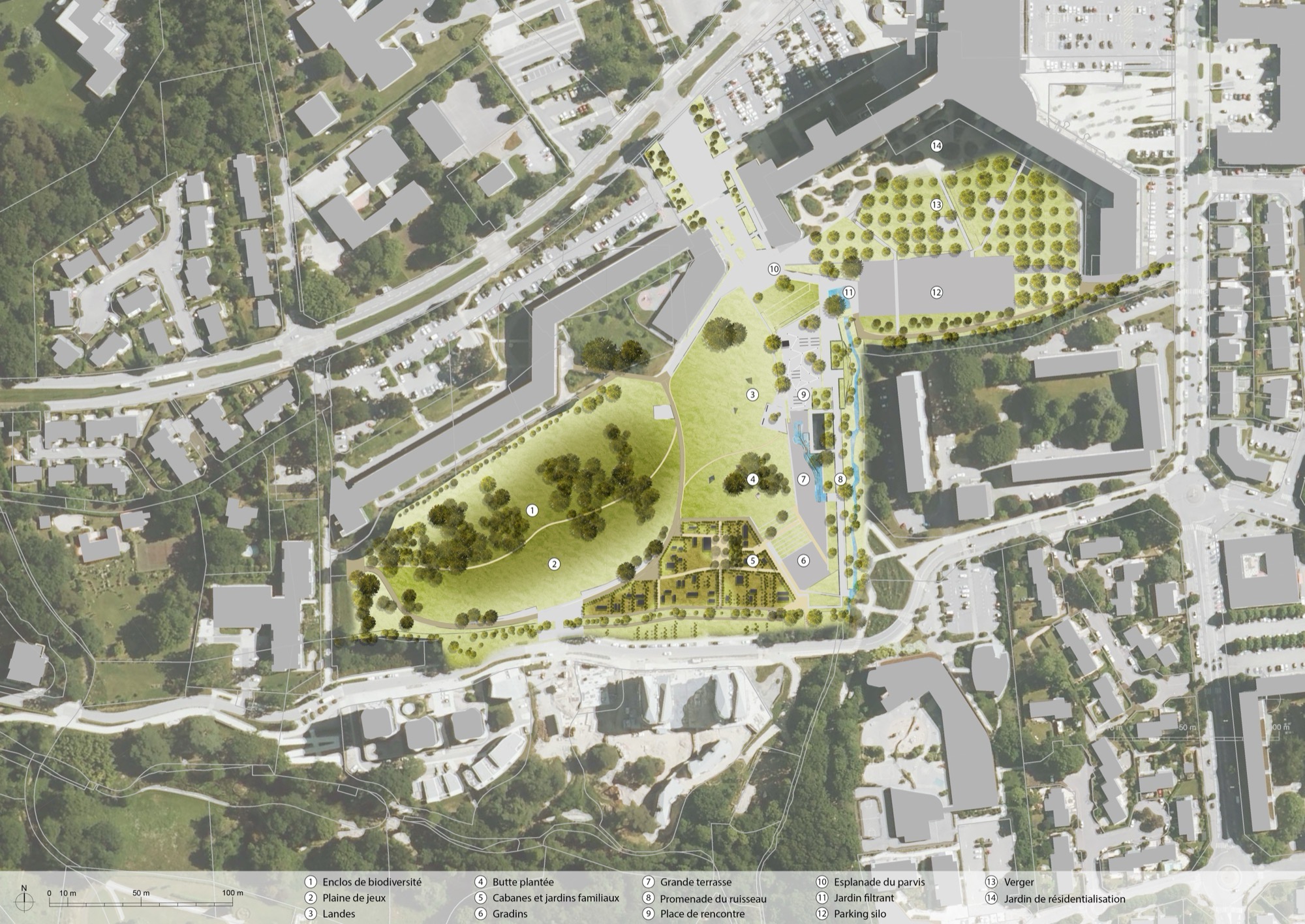
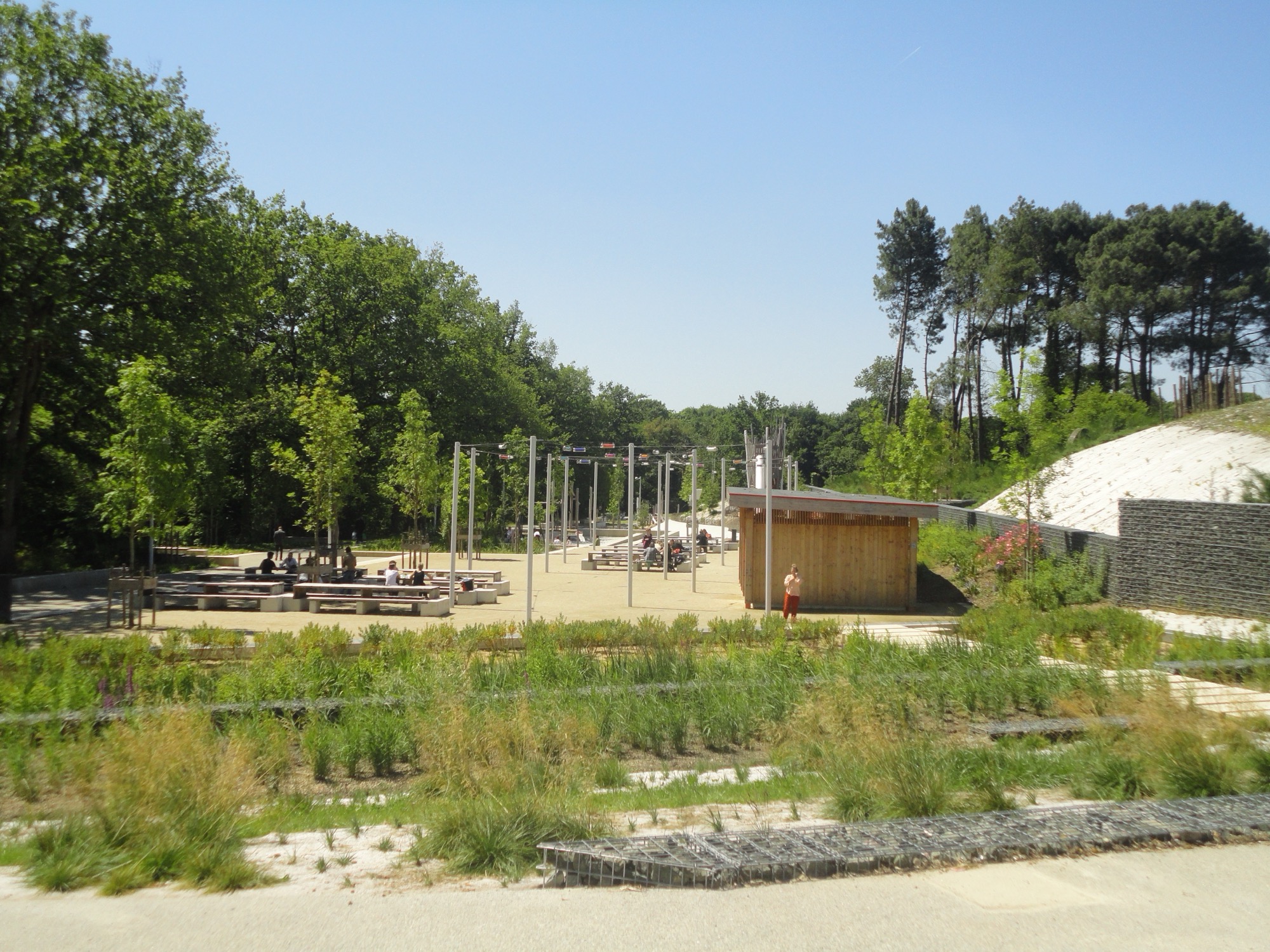
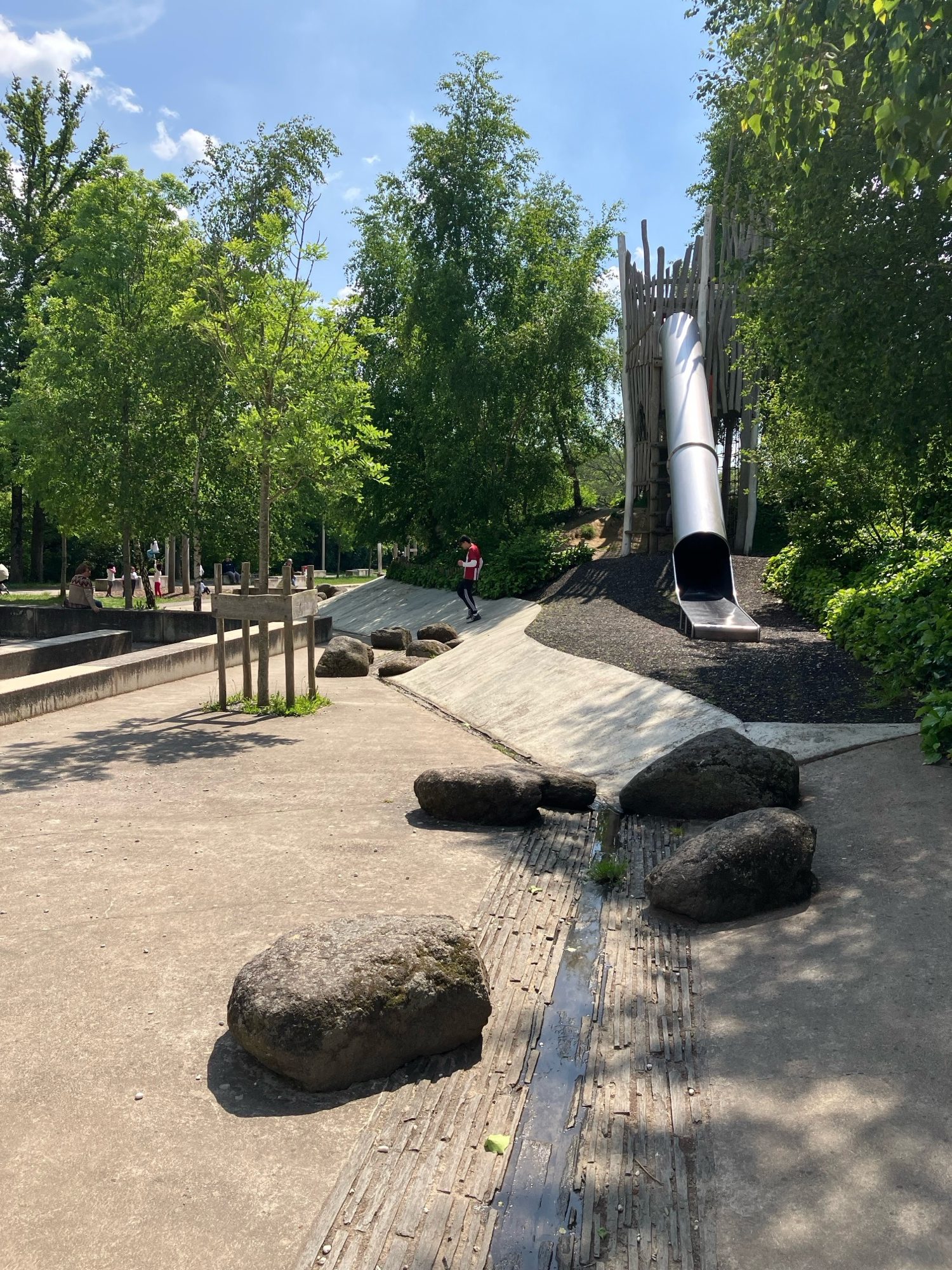
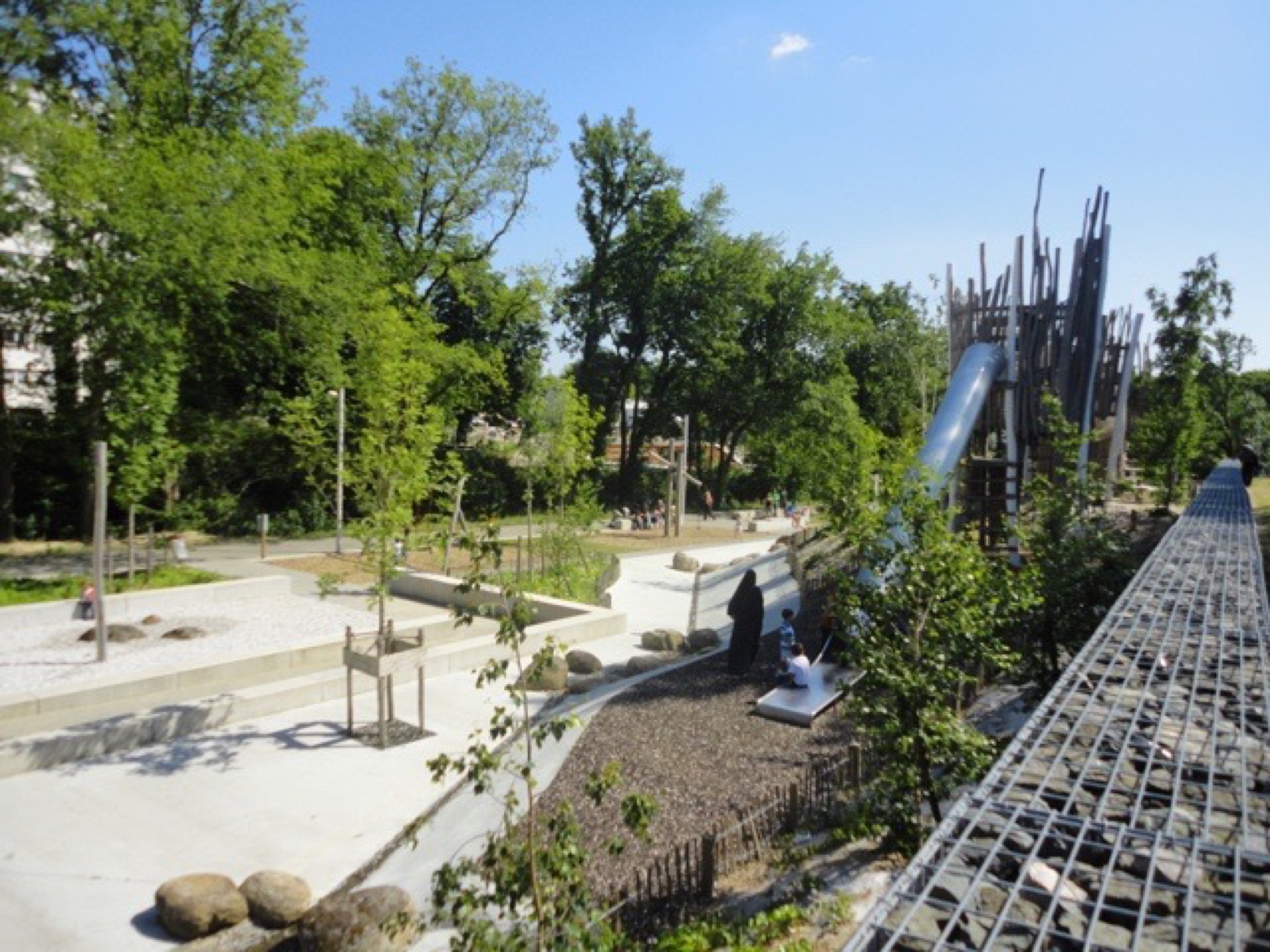
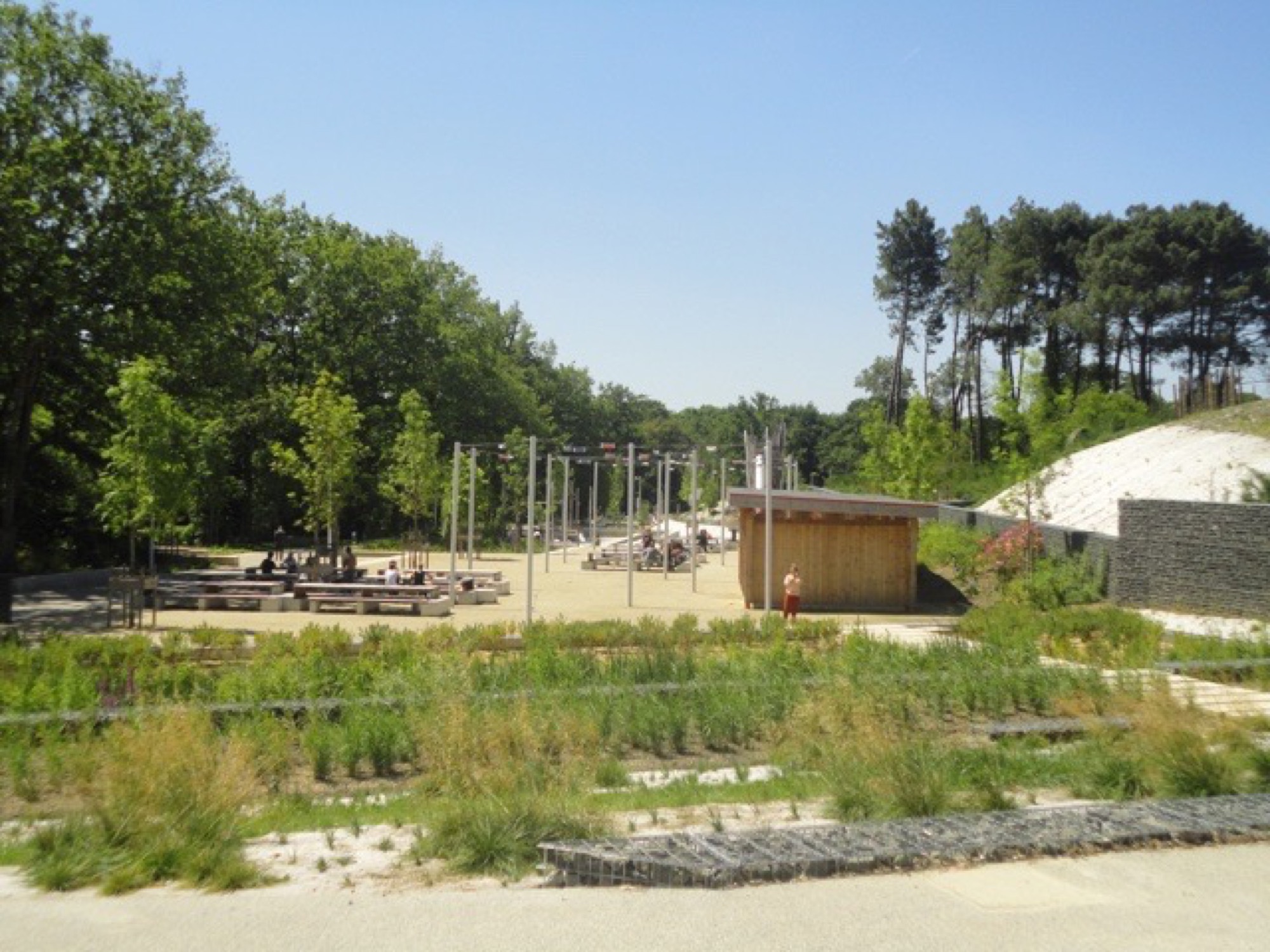
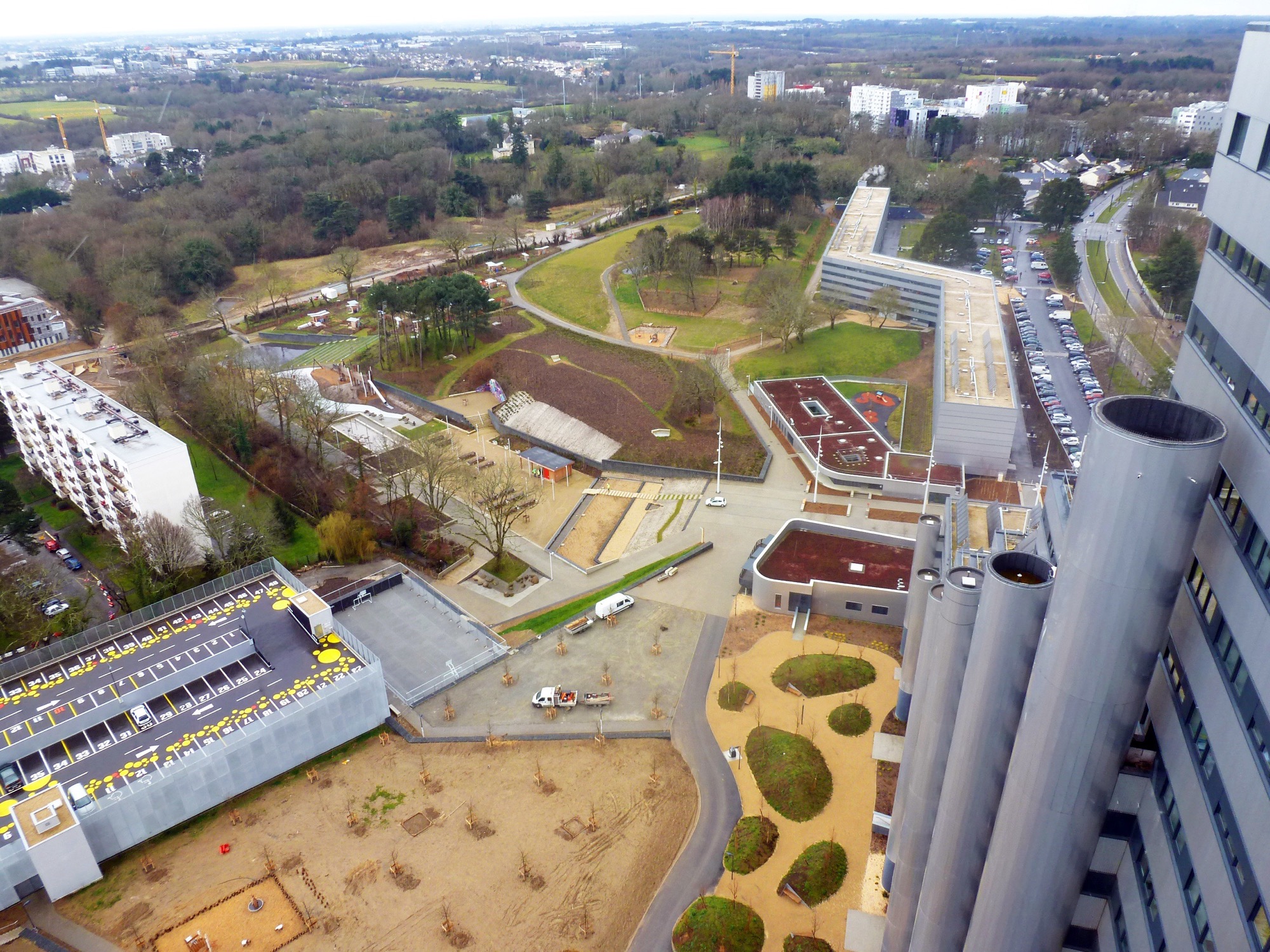
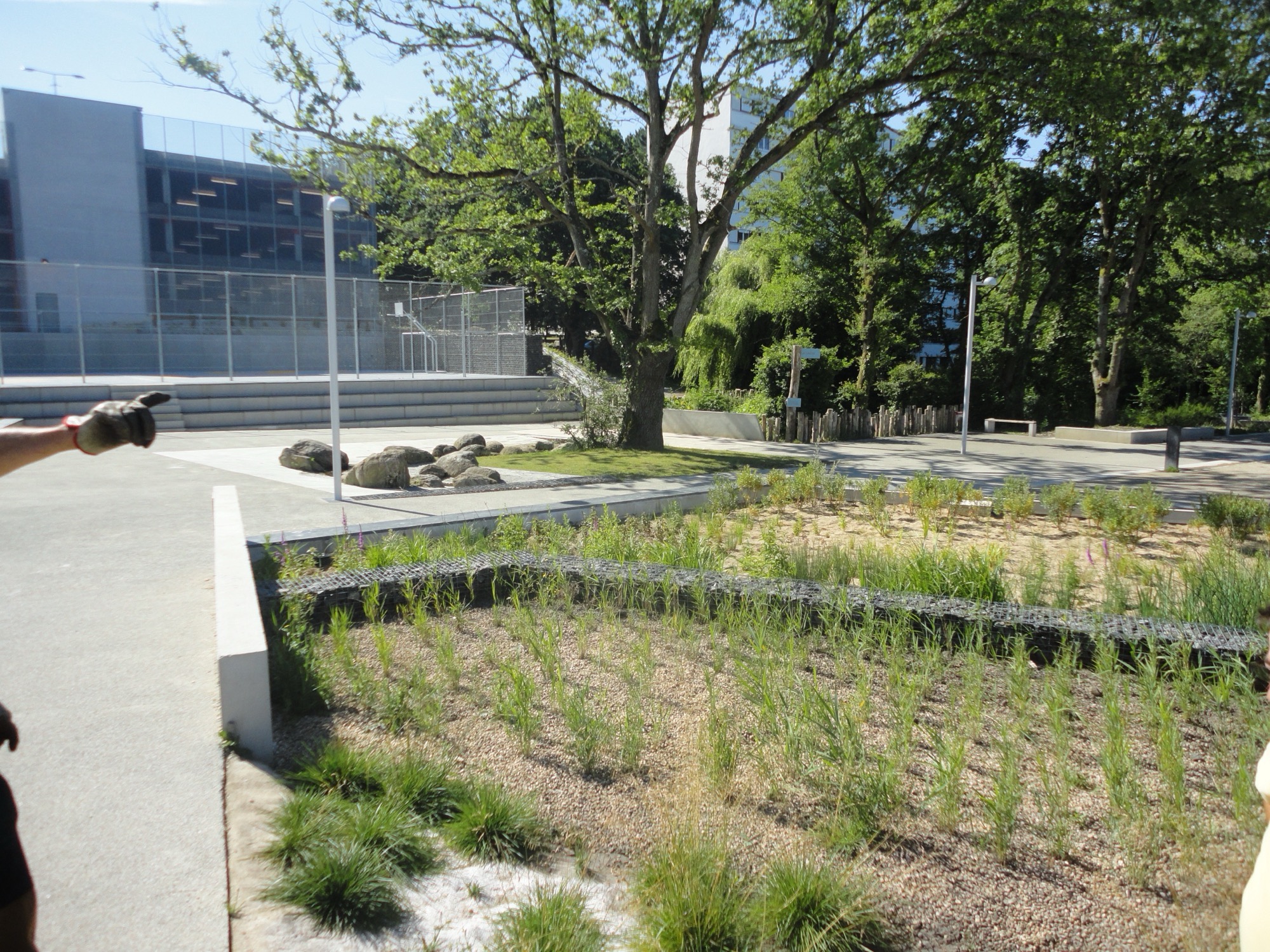
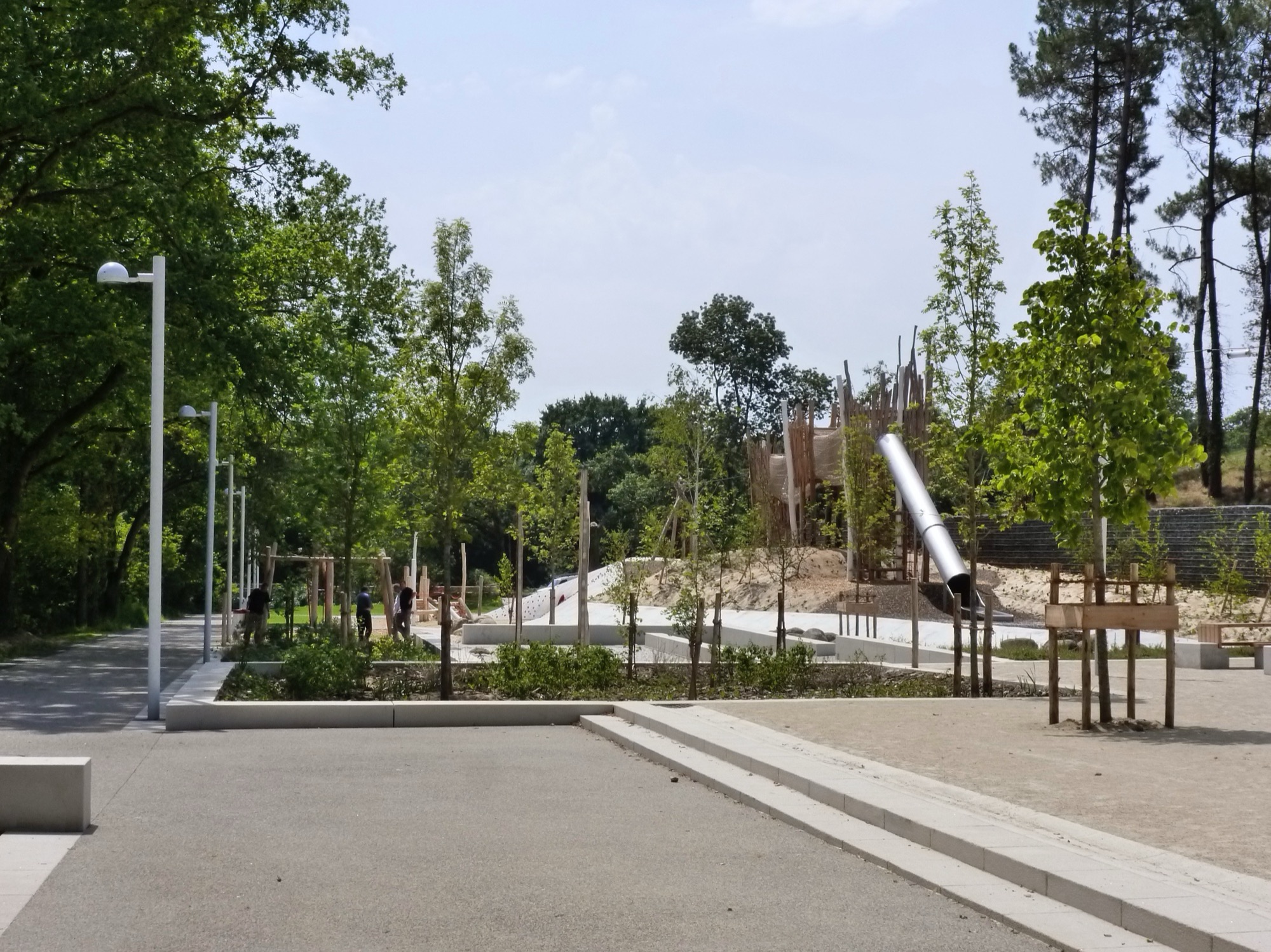
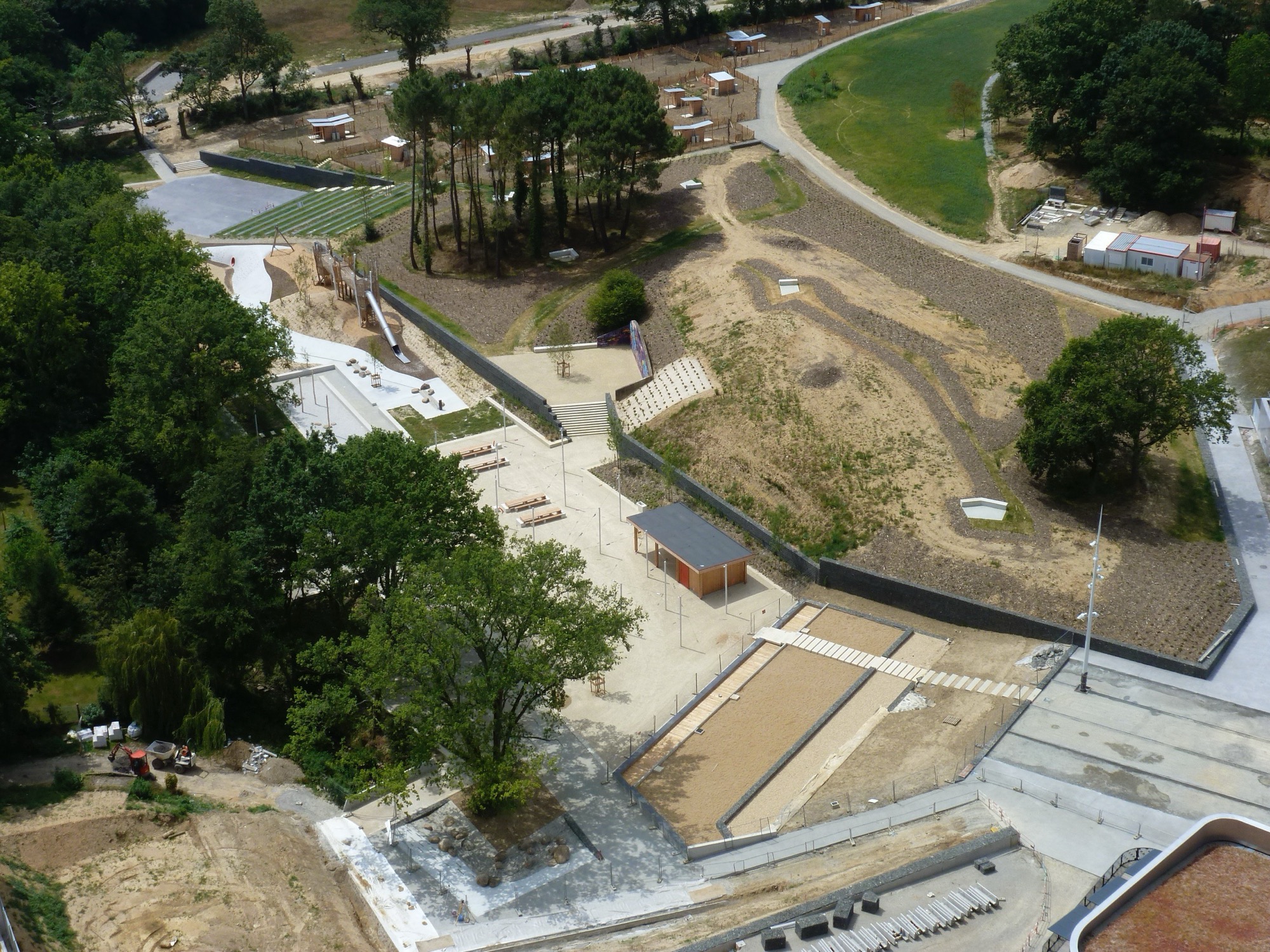
In response to the city’s desire to keep the site largely open, we proposed a hierarchy of spaces: a large natural area managed extensively, alongside a broad north–south public esplanade. This esplanade extends the openness of the building and organizes circulation between existing and future facilities (early childhood center, media library, middle school, and schools), thereby creating a “school route.”
Restoring and enhancing an urban river
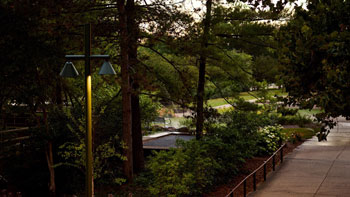
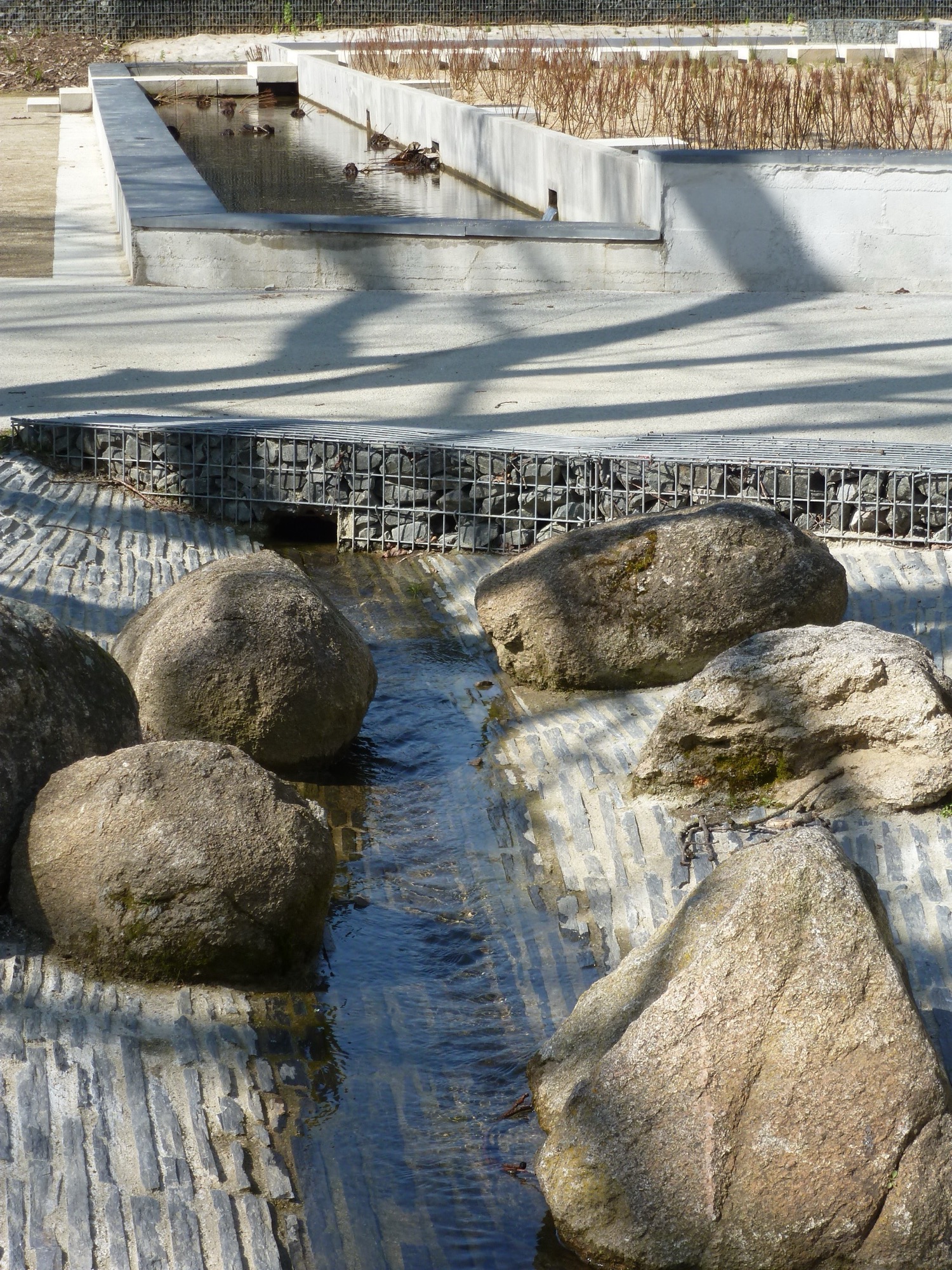
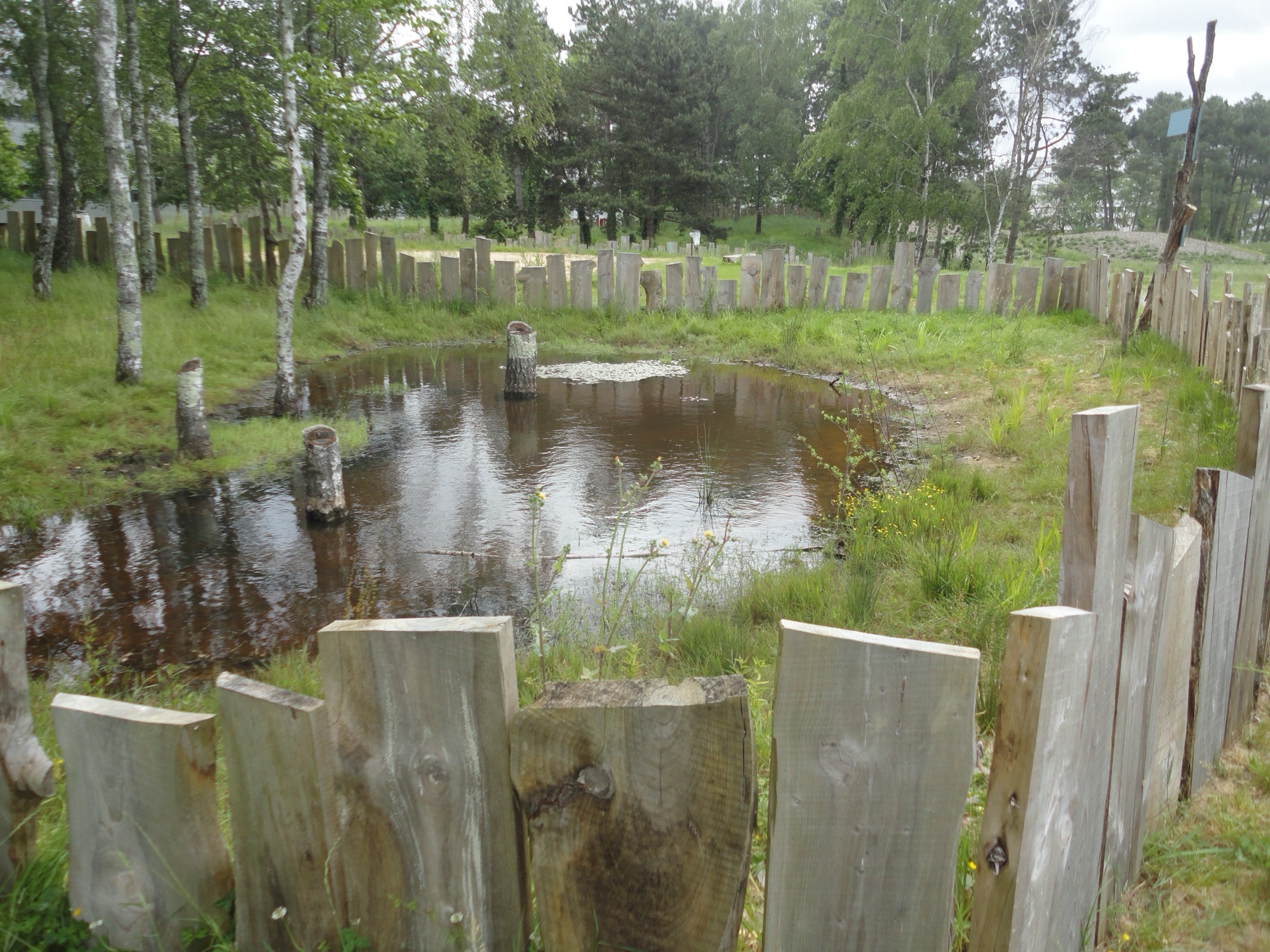
The “school route” runs along a forgotten river: the Savèze. This “urban river,” culverted upstream of the park, suffers from pollution during low flow periods and becomes torrential during heavy rainfall (due to upstream impermeable surfaces). A dual planted filtration system cleanses the water and reintroduces it into the park with a quality suitable for wading and play.
Reuse and biodiversity
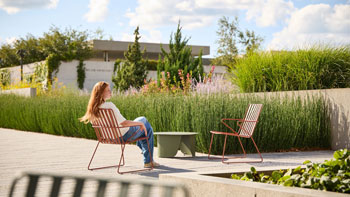
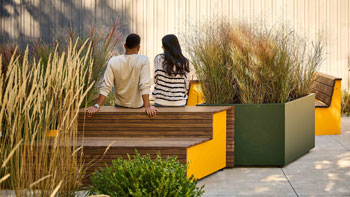
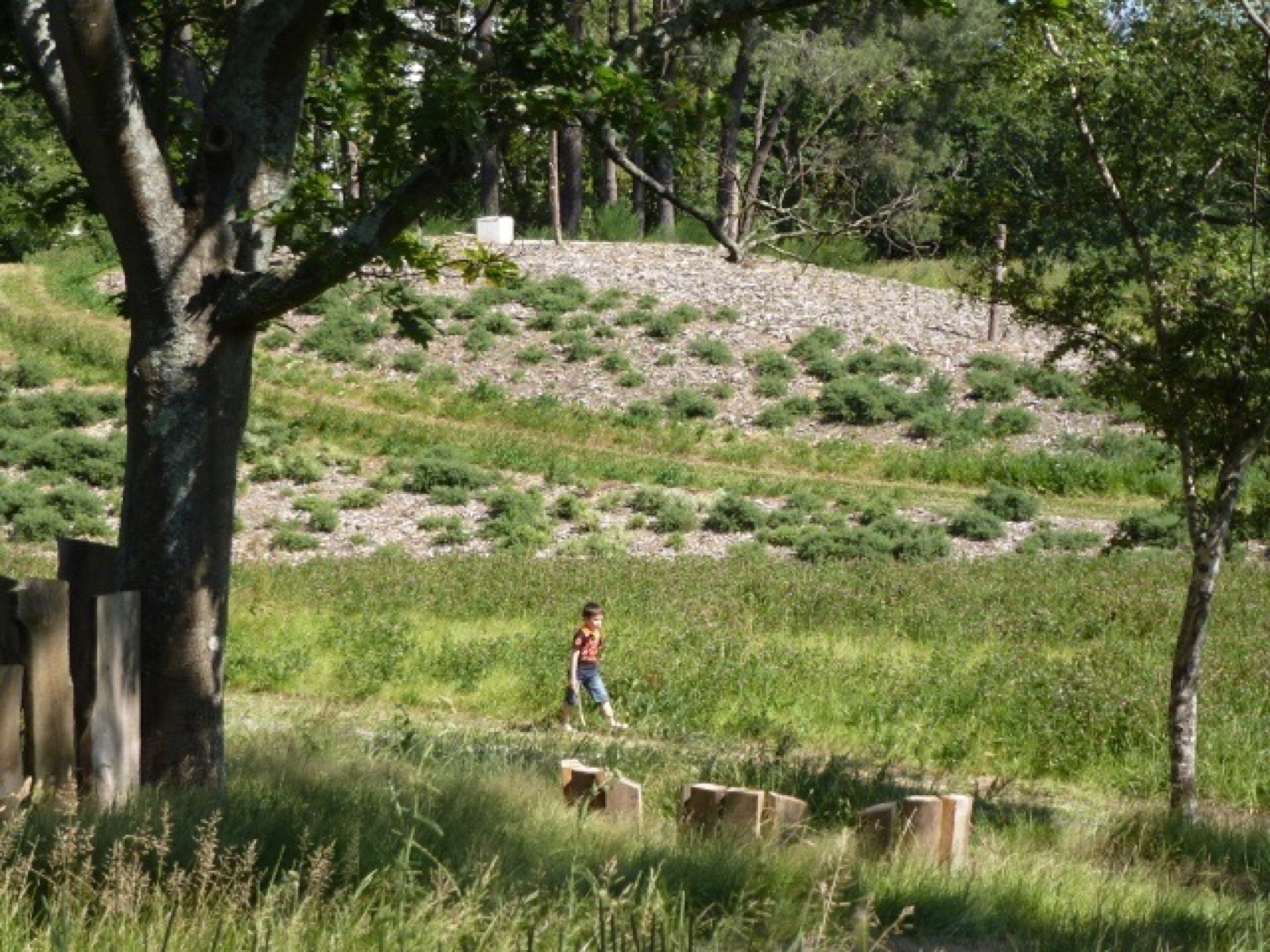
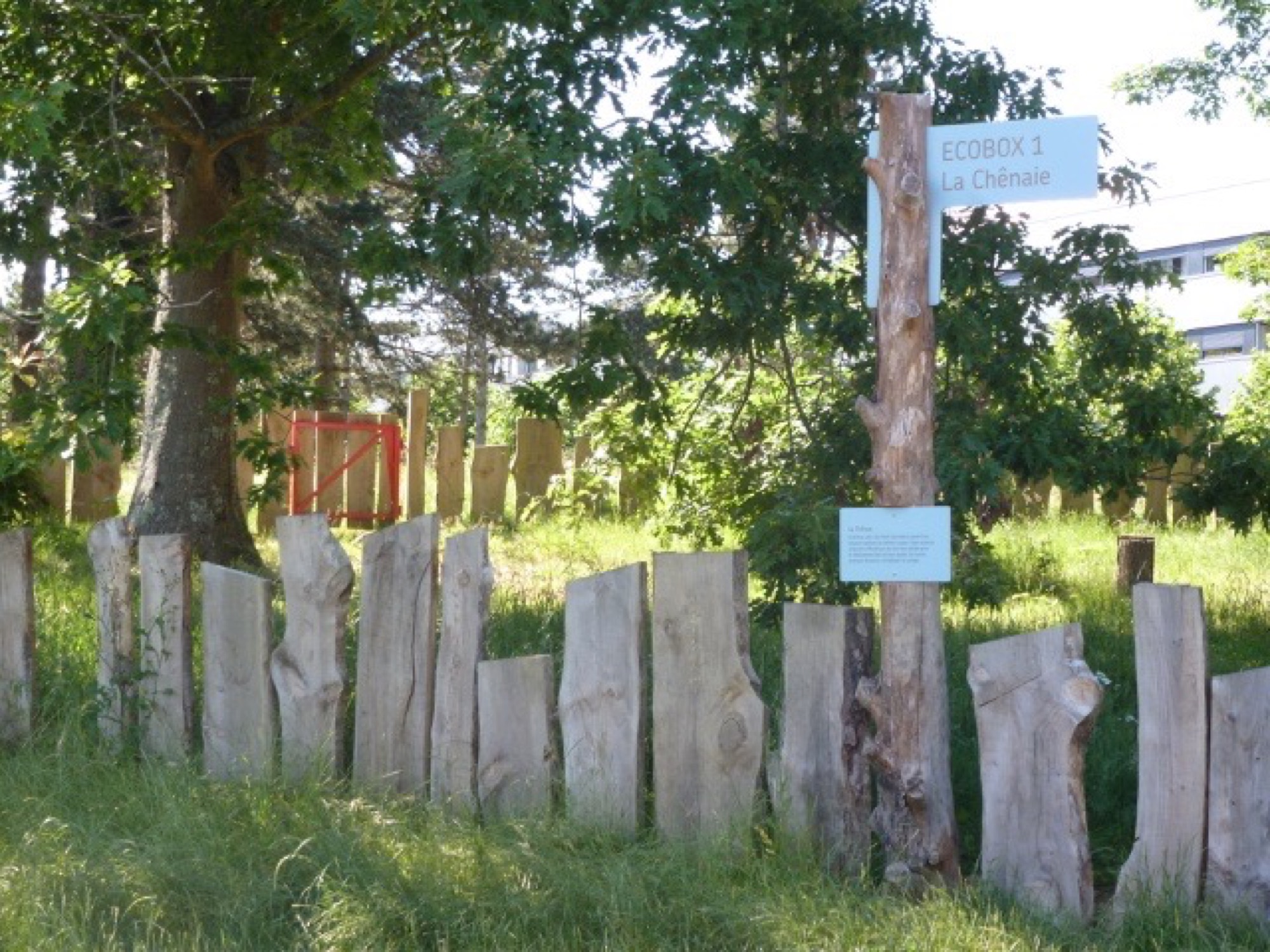
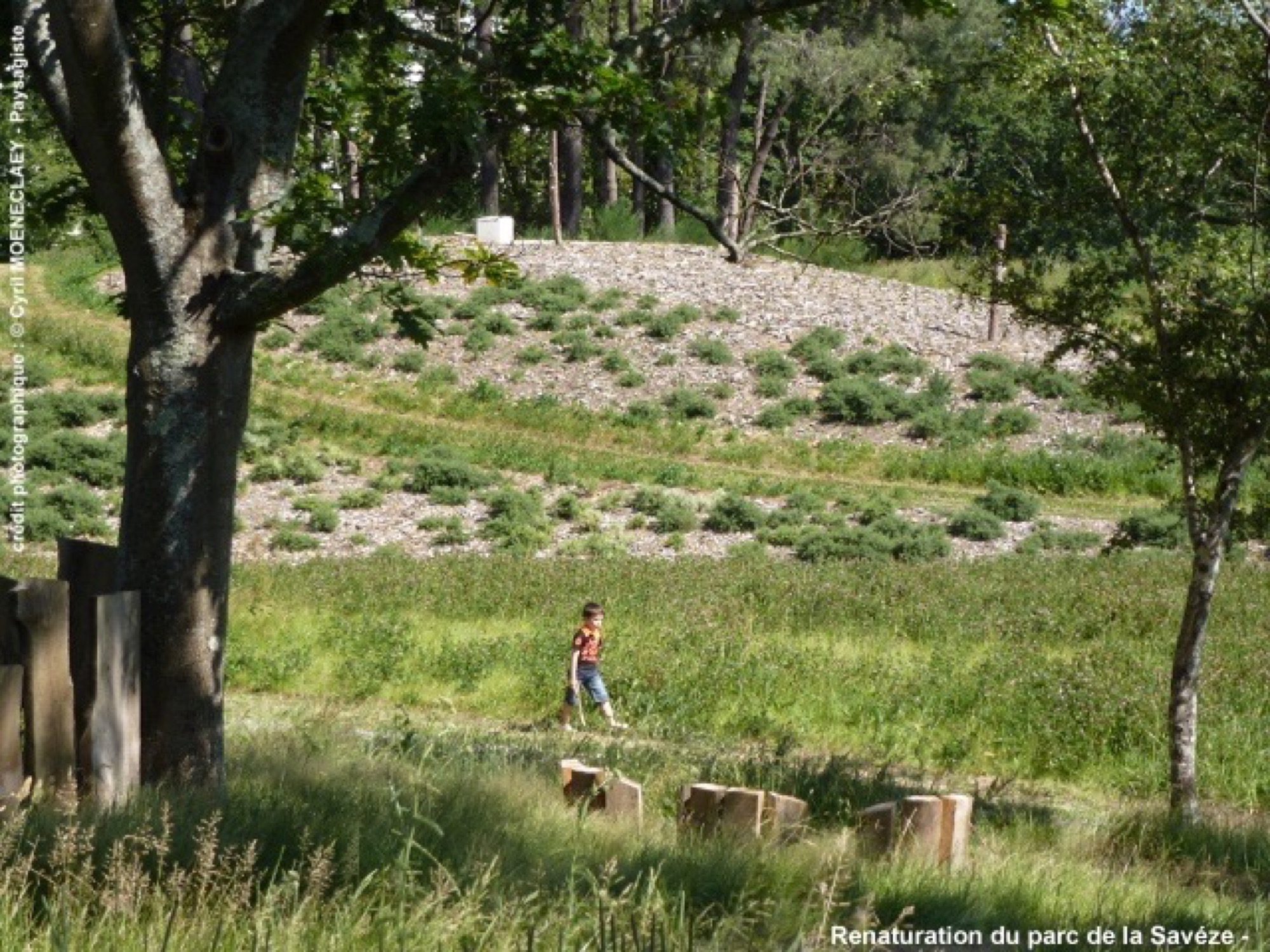
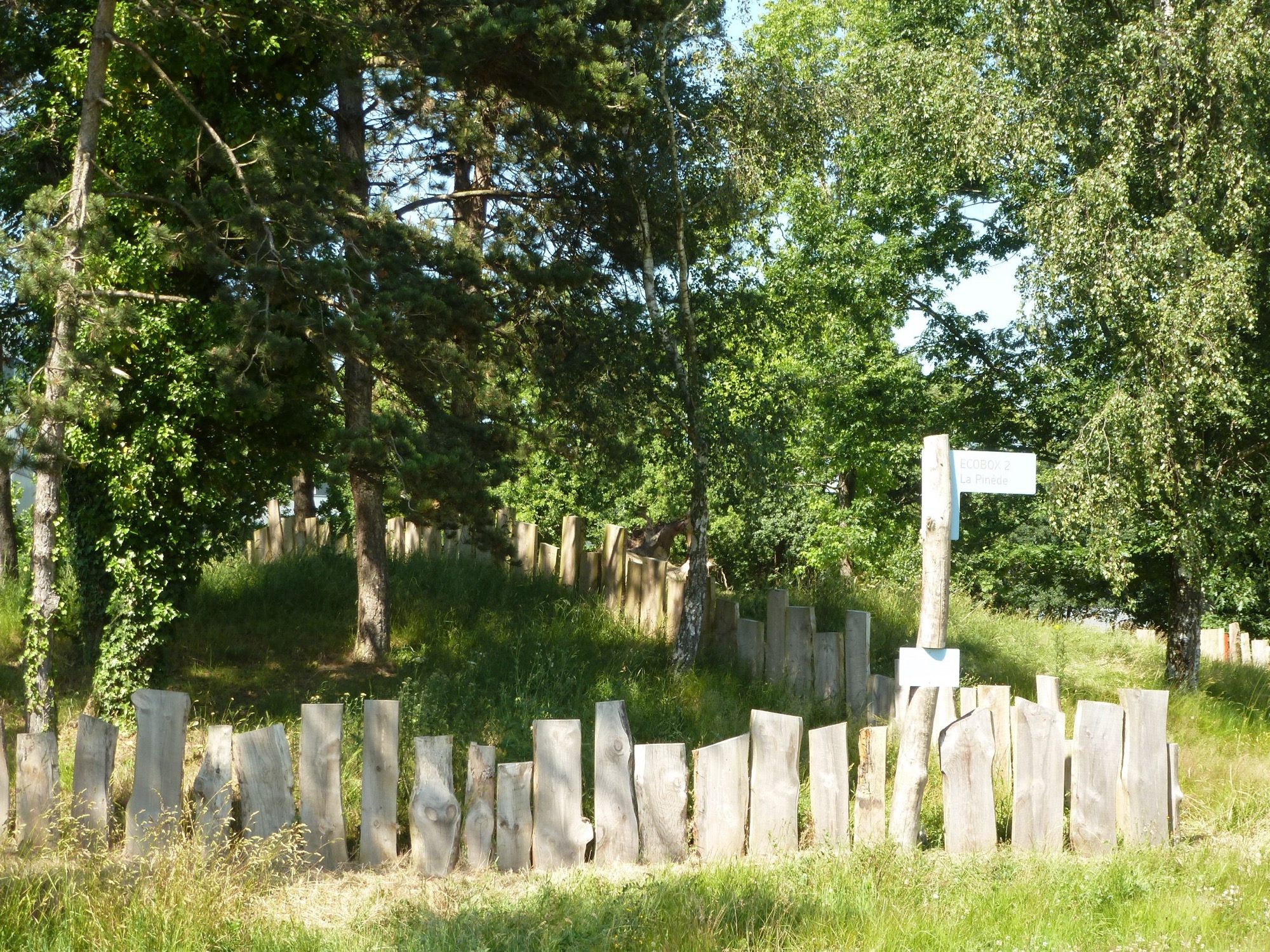
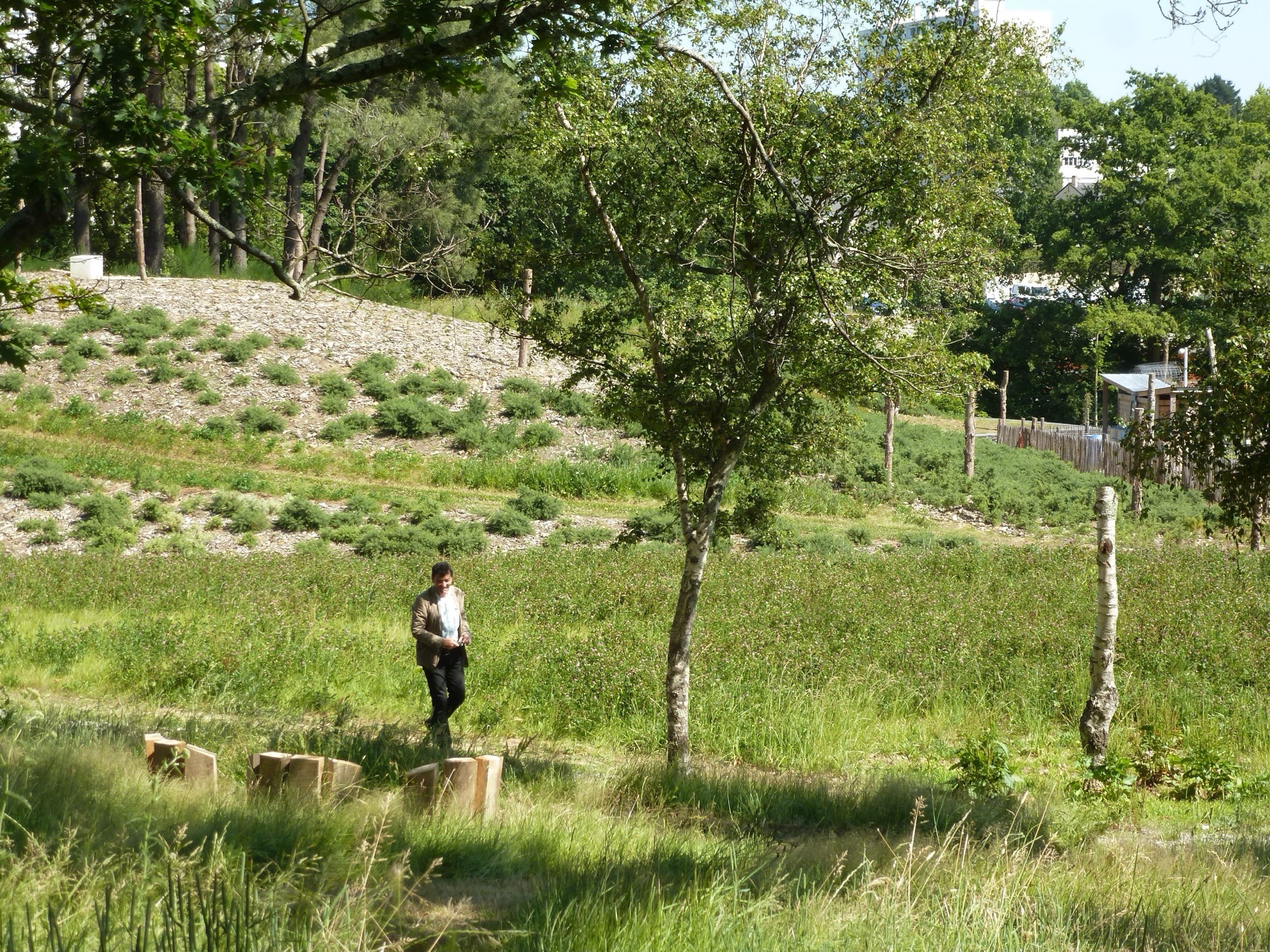
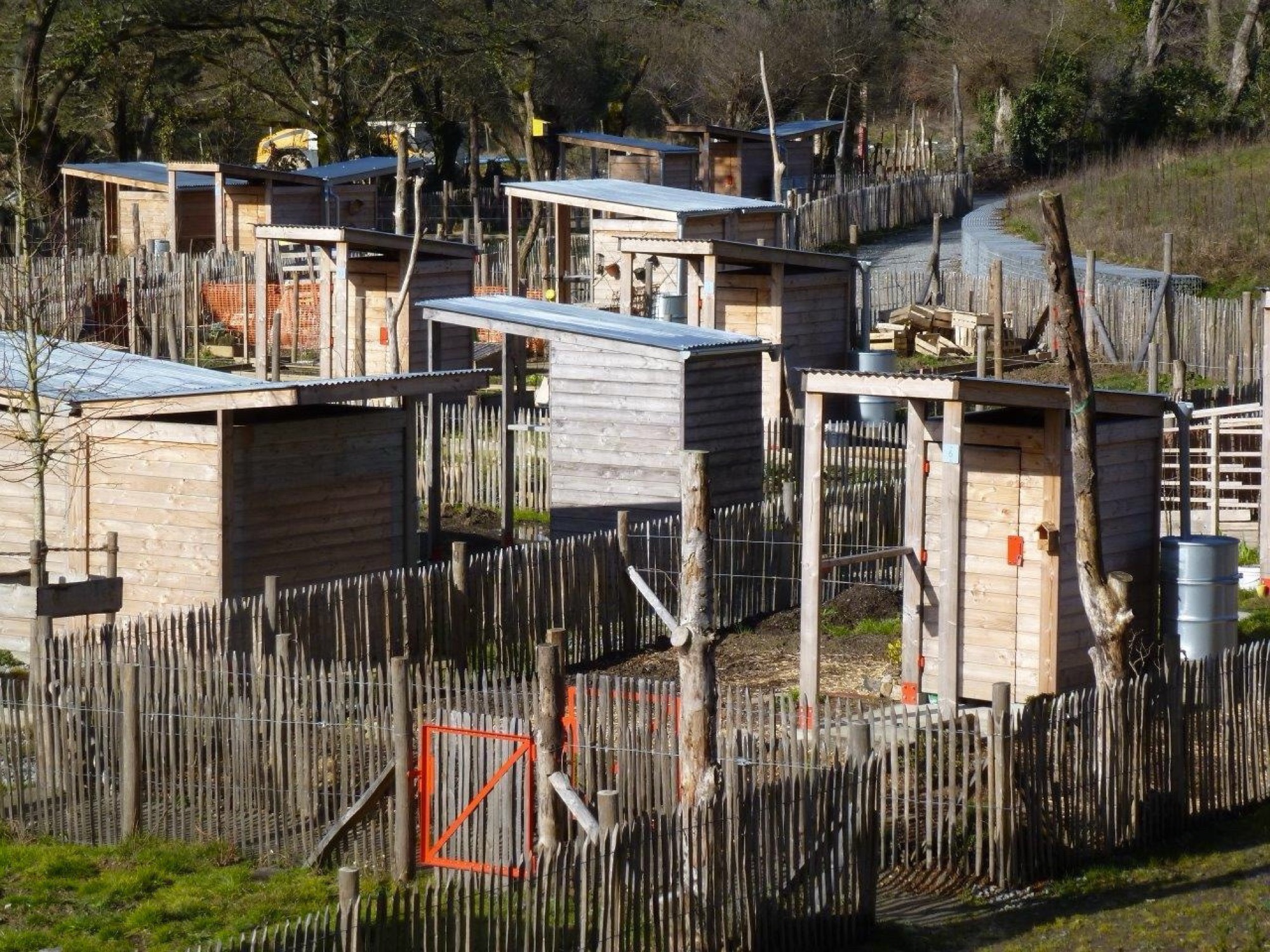
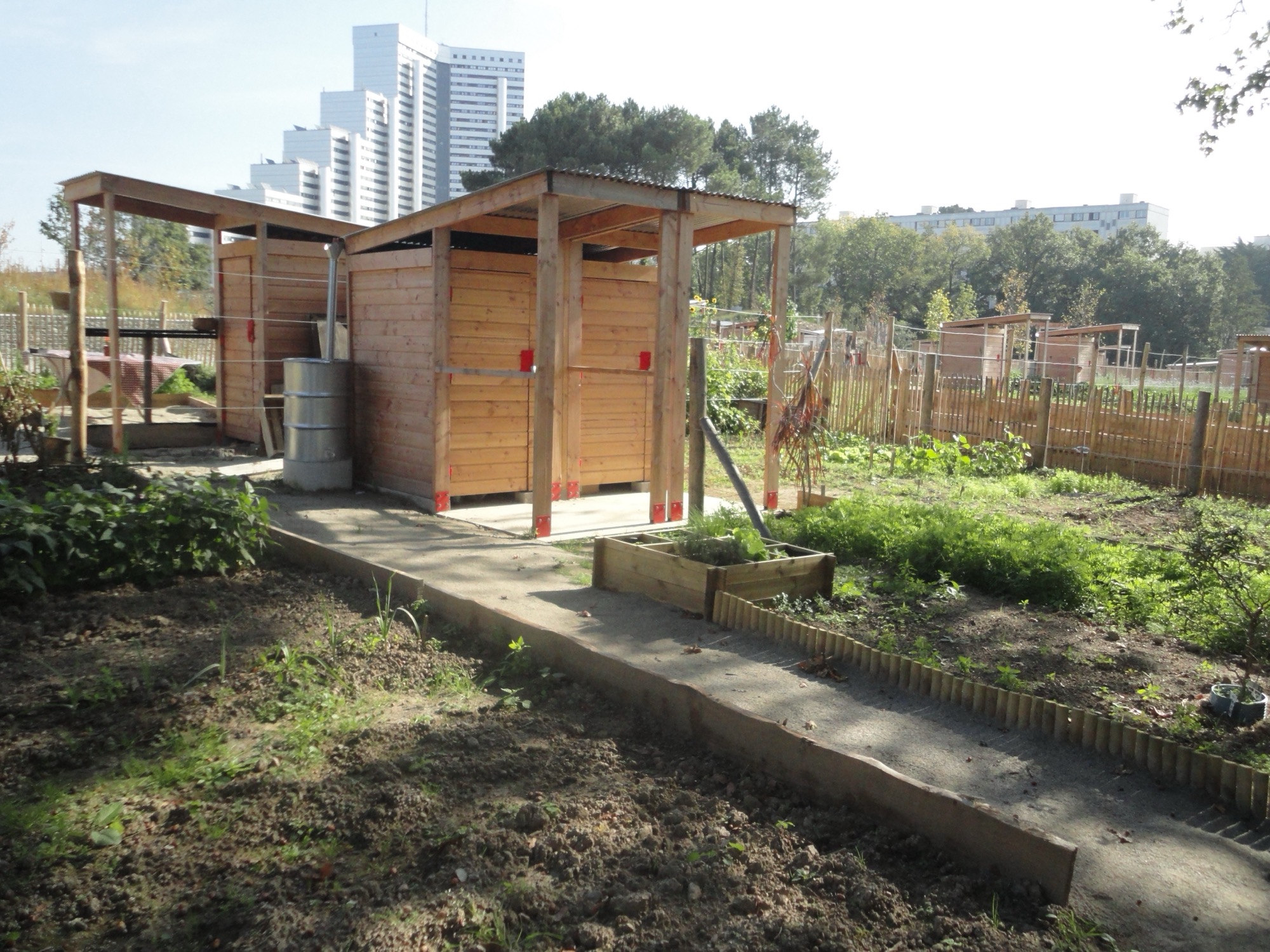
The restored biodiversity is based on the renaturation of existing spaces using materials found on site. Trees that were too densely planted had to be removed. Their trunks were milled on site (using a mobile sawmill) to create enclosures for the “ecoboxes.” Their chipped crowns helped acidify the soil in heathland areas on the site’s poor soils. Significant earthworks were carried out to restore geographic coherence to the park. No soil was removed, and no external materials were brought in.
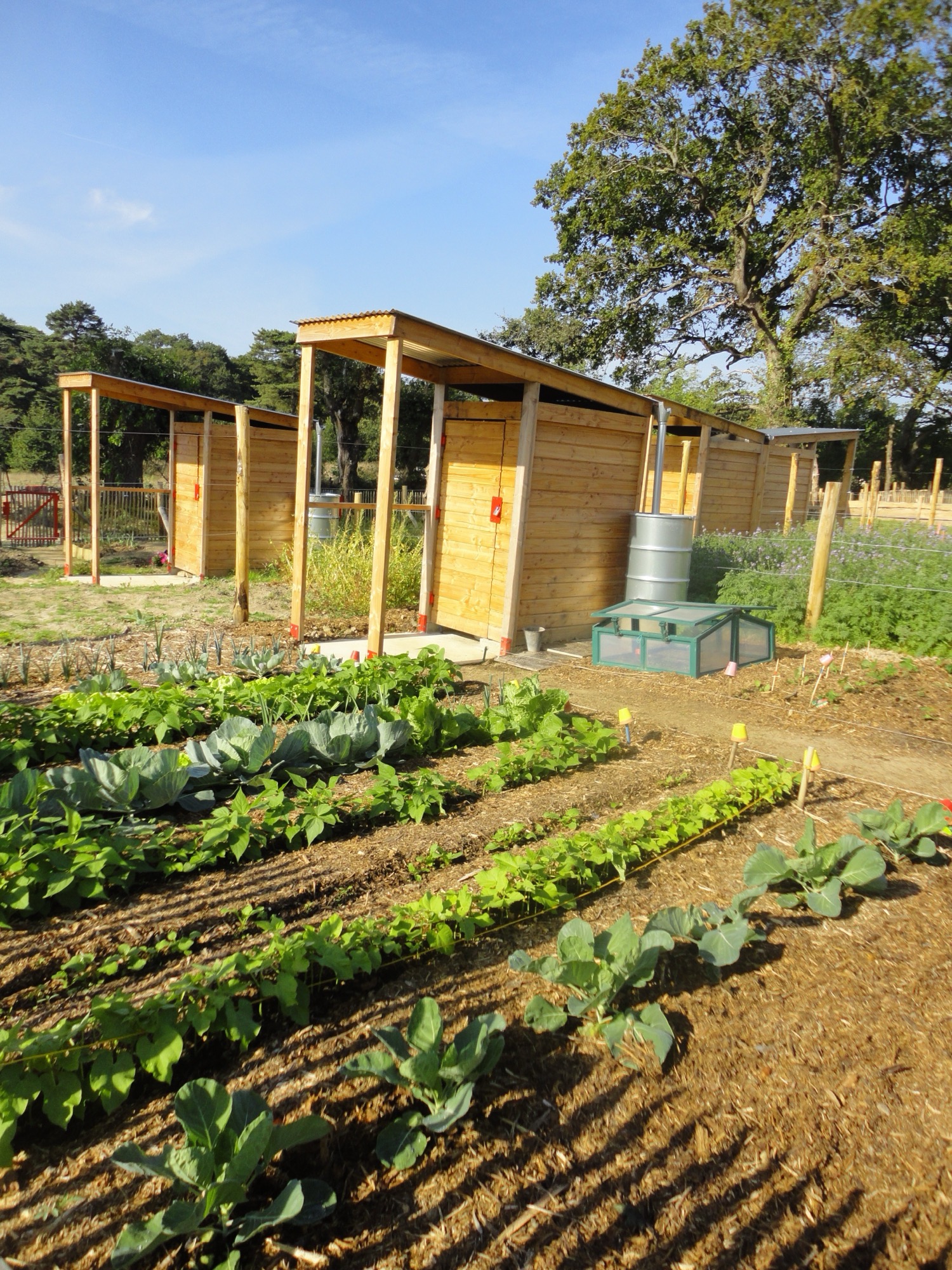
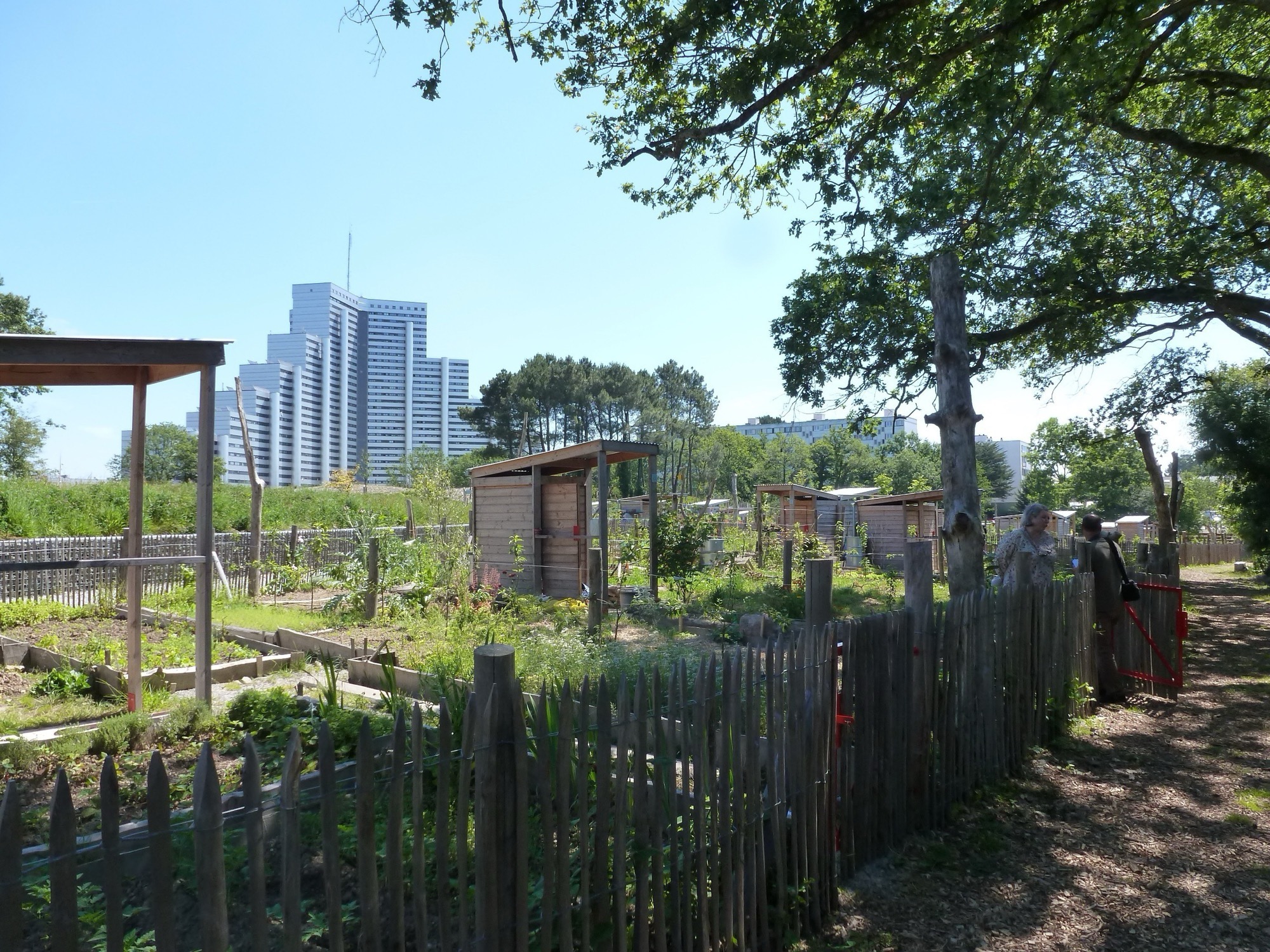
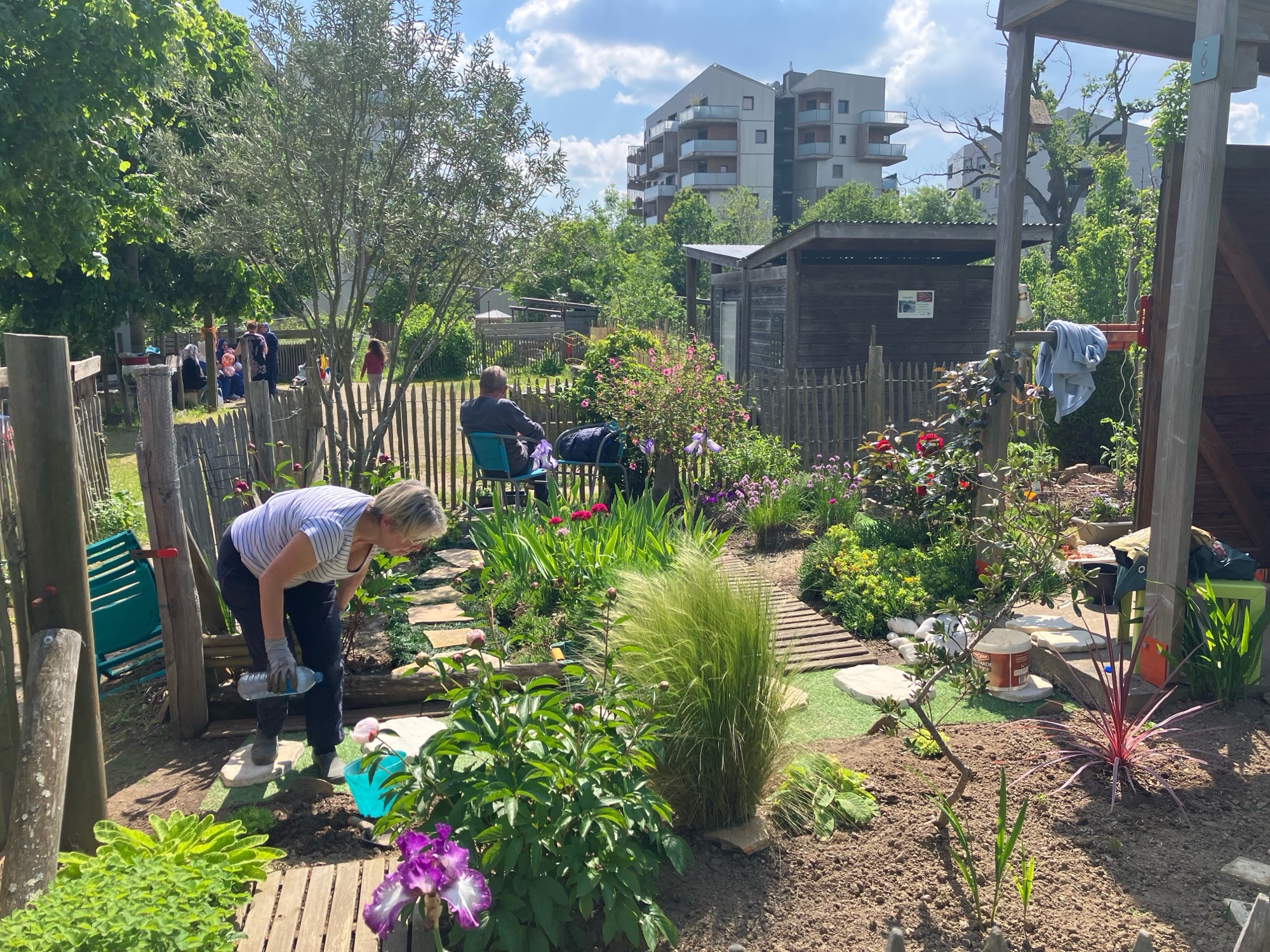
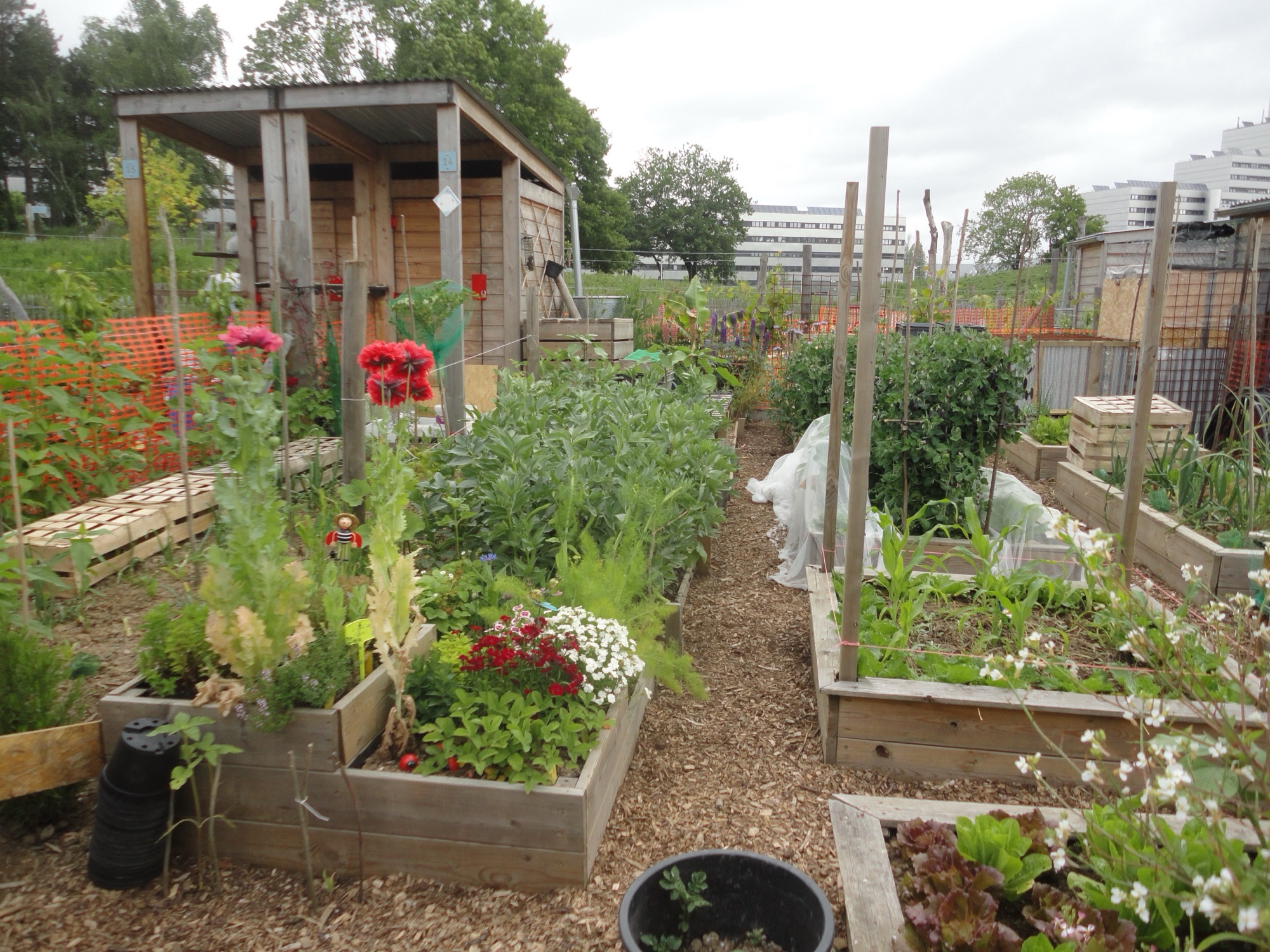
Community gardens were created to encourage “co-surveillance” of previously neglected areas of the park. Elsewhere, “reserved gardens” were established to host projects resulting from the consultation process. Three of these gardens have since been realized in calmer spaces framed by the “ecoboxes.”
Between a large natural area offering a nighttime refuge for restored biodiversity and an esplanade structuring the “school route” and concentrating urban uses, the park has become a central and defining space for the neighborhood.
→ Client (Contracting Authority)
City of Saint-Herblain
→ Team
L’Anton et Associés,
Landscape Architect–Urban Planner (lead consultant)
– Infra Services, infrastructure engineering consultancy
DU-MA, designers
F. Franjou, lighting designer
Zoom (Raphaël Zumbielh), ecologist
→ Scope of Services
Competition (winning entry), design services,
full mission (from preliminary design to completion) with project coordination (OPC)
→ Construction Cost
€3.2 million (excl. VAT)
→ Area
6-hectare park
→ Dates
Design phase : 2011–2015
Construction : 2015–2017
47.242844510358964, -1.61056146926509
74269


LILA 2026 Sponsor