LILA 2026 Jury Award / Landscape And Architecture
Parque EL Jaguar
2026 Landscape and Architecture / Mexico / Built in 2024 /

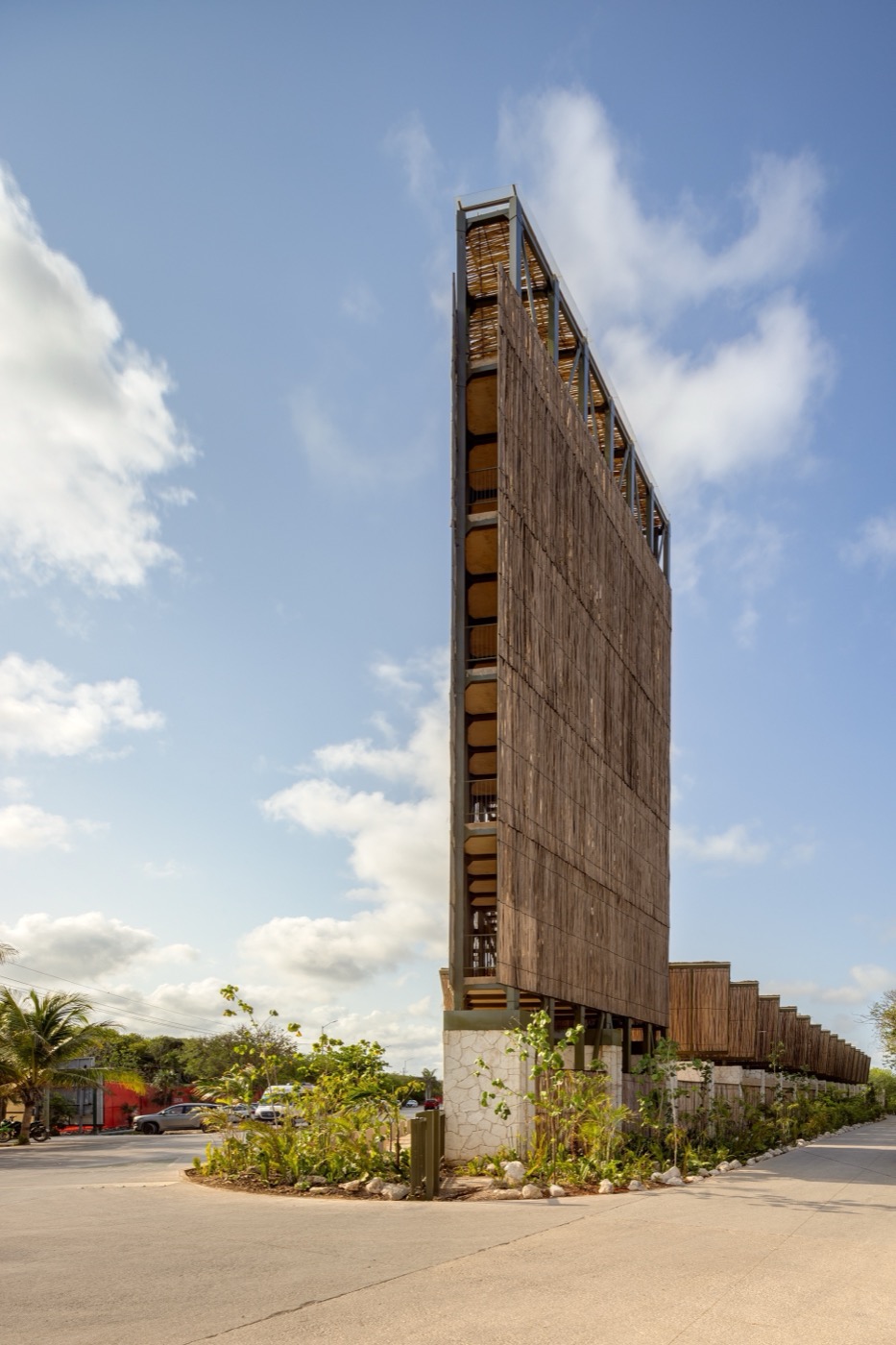
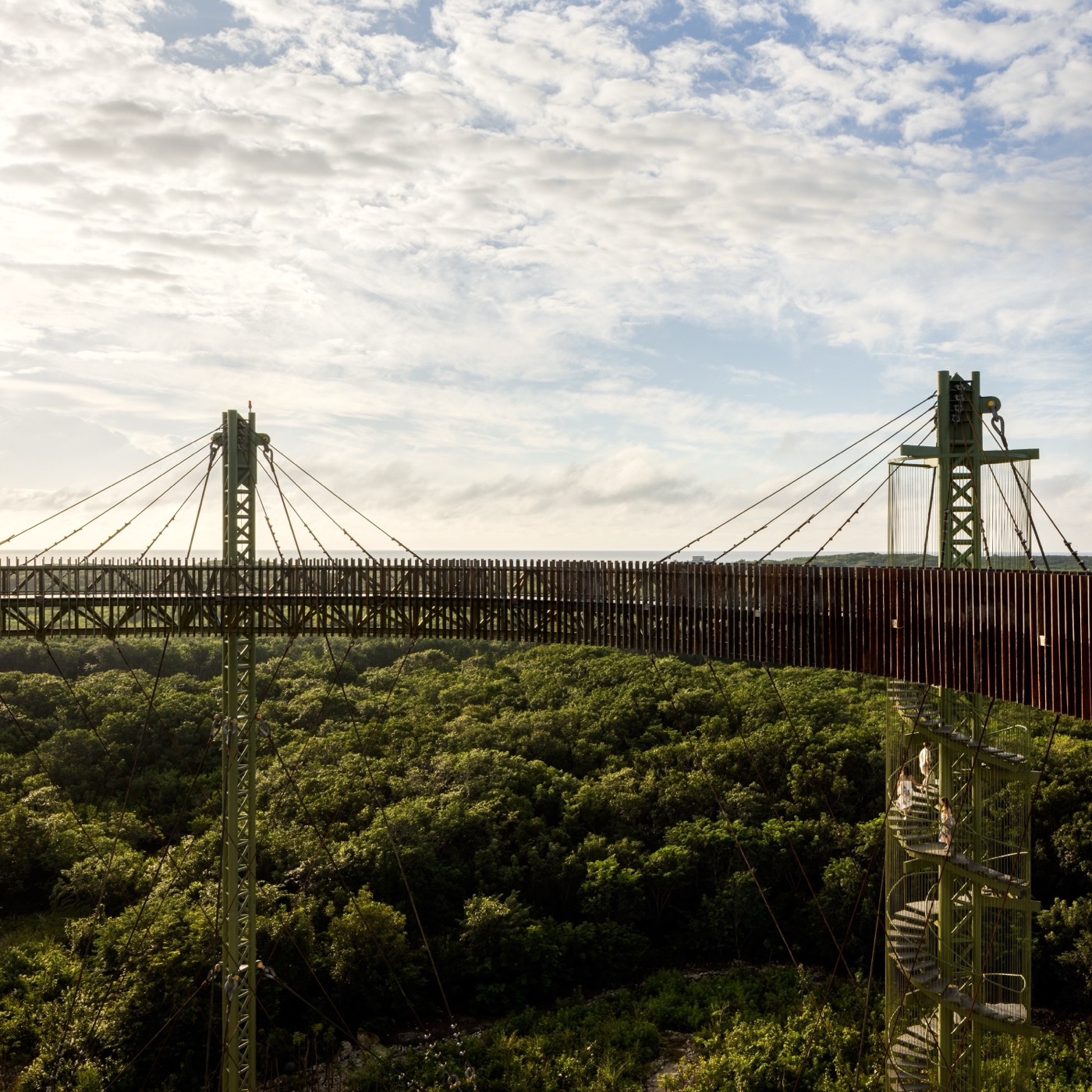
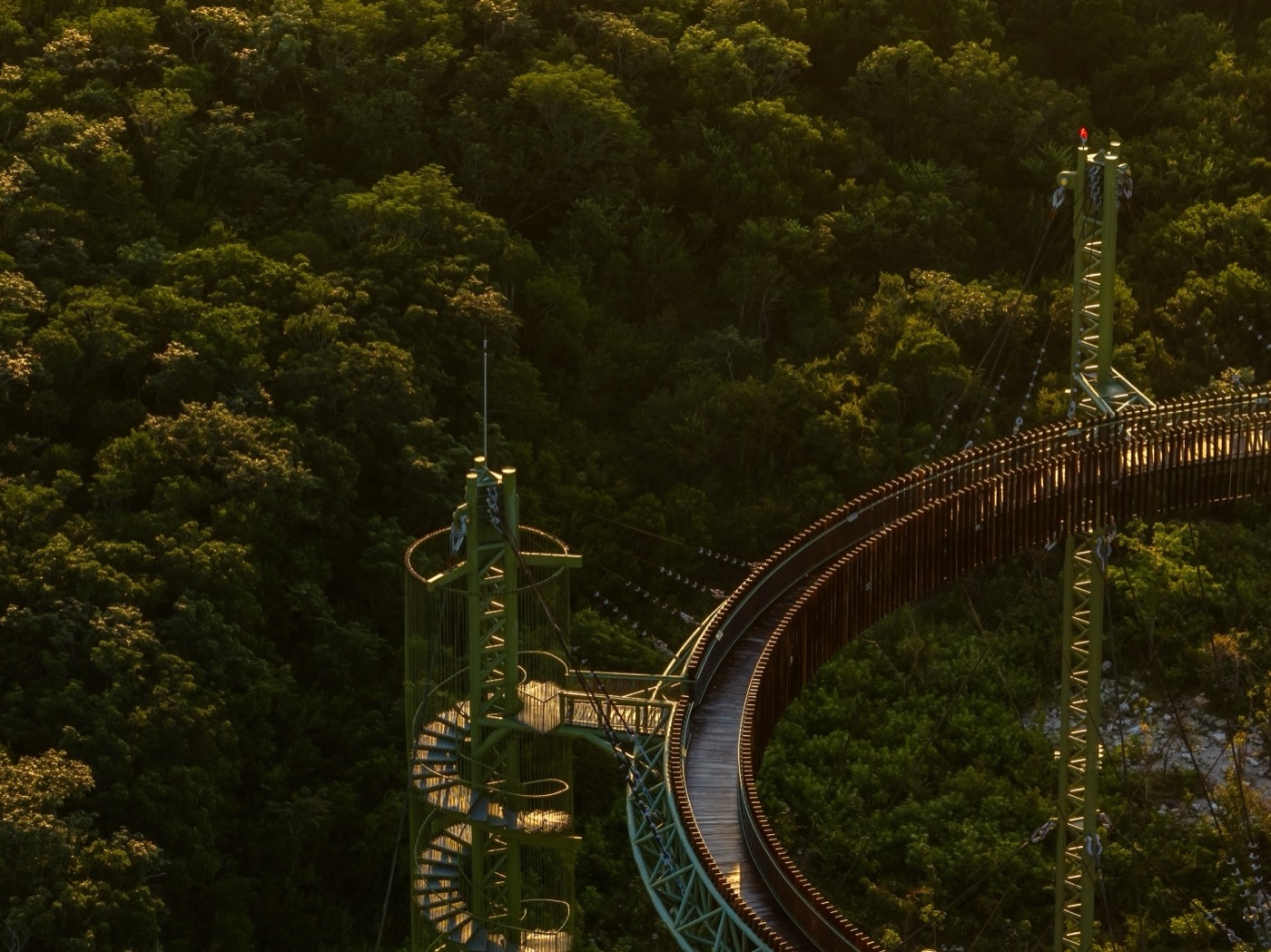
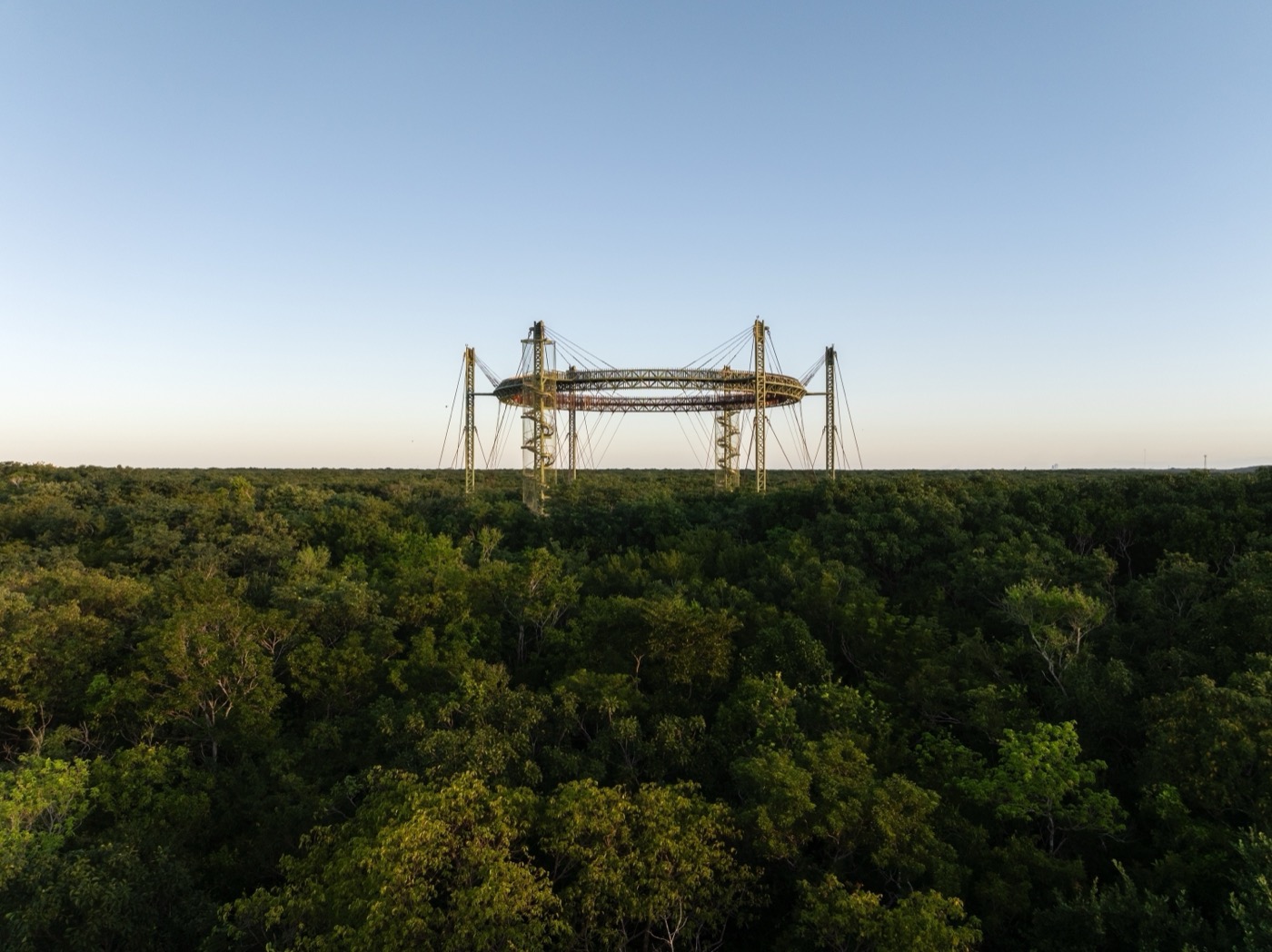
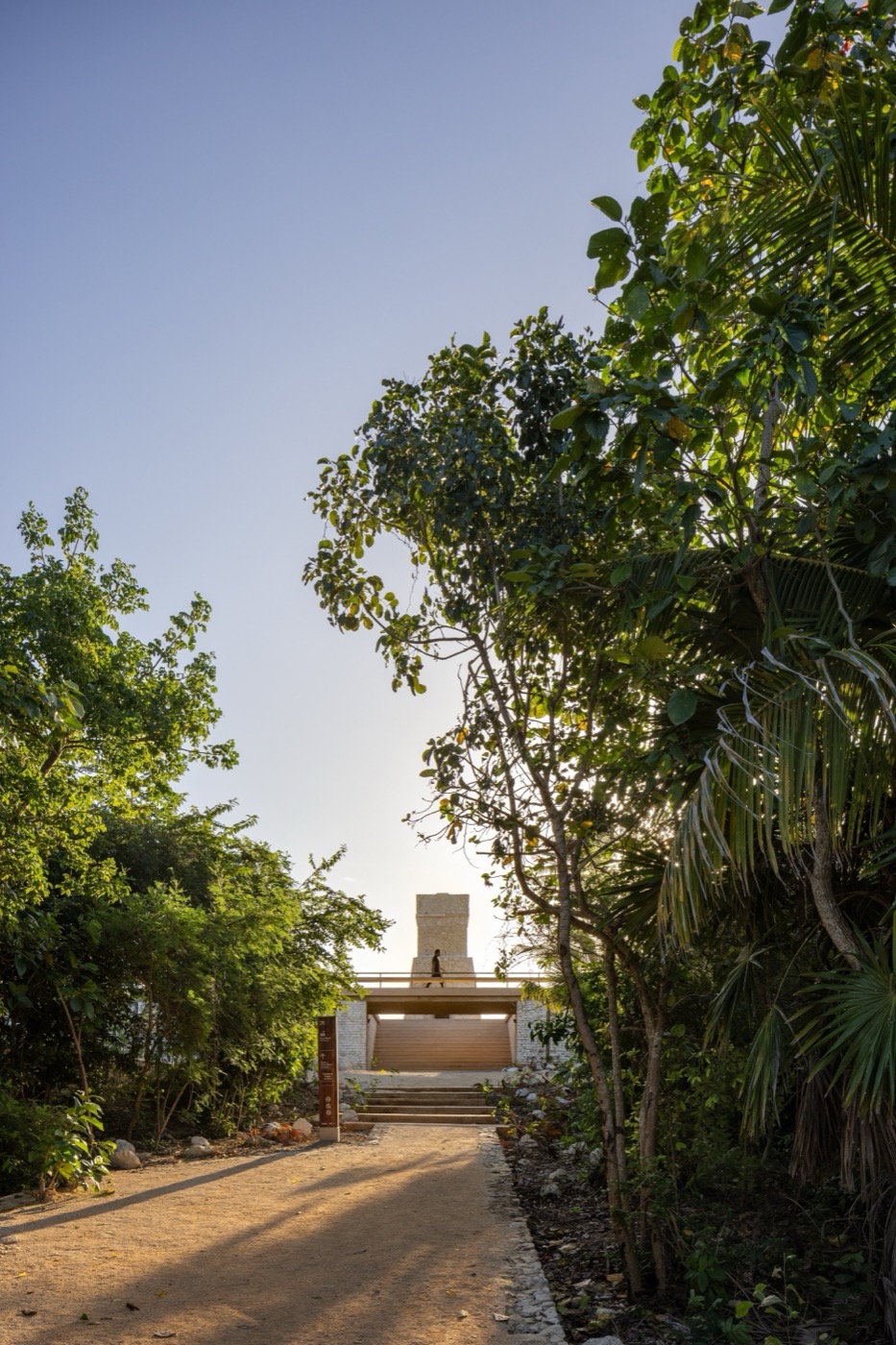
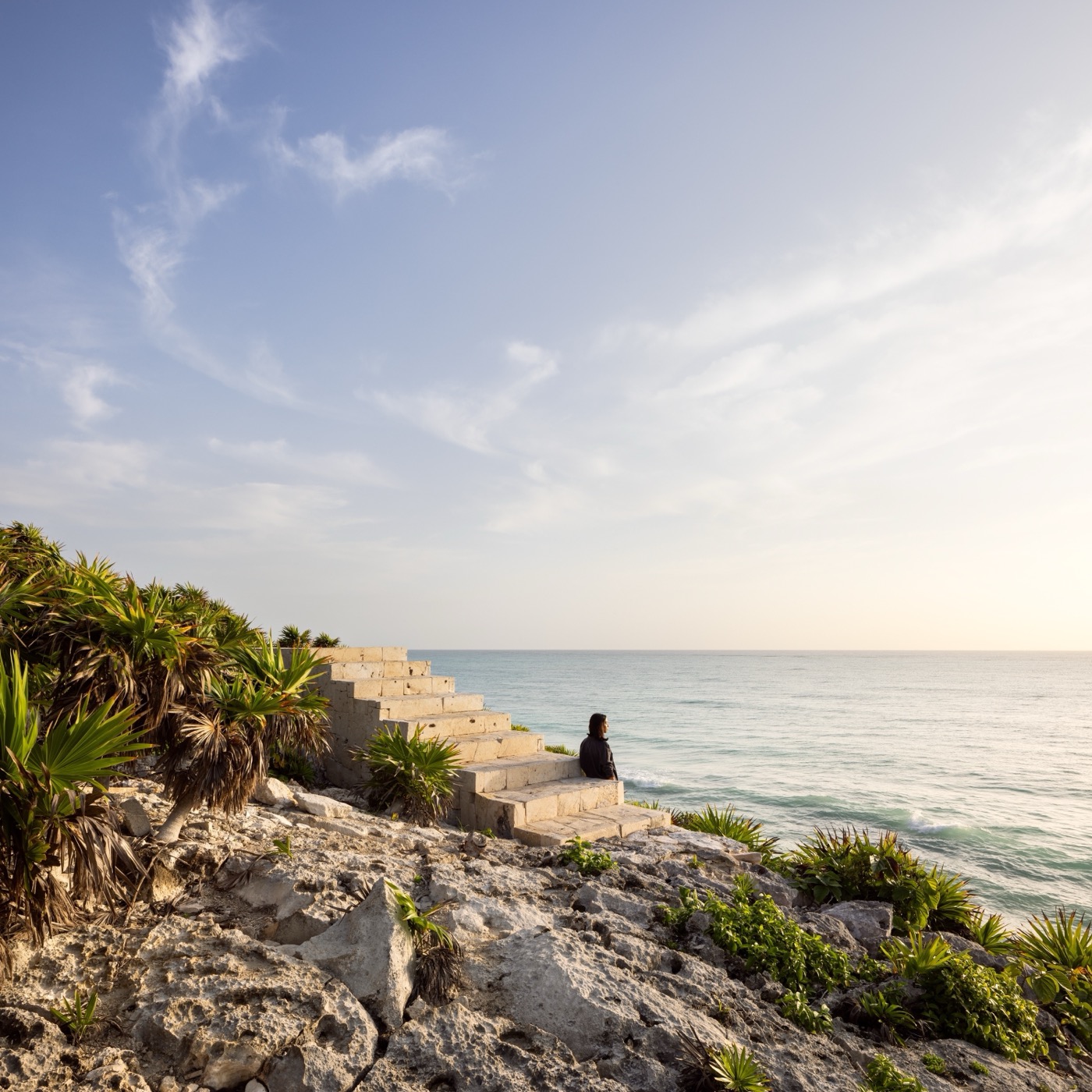
Parque El Jaguar is a complex, large-scale intervention that deals with the protection of natural and cultural heritage, while upgrading the infrastructure through which this territory is experienced. It is multiscalar and dispersed, and at the same time, architecture is highly consistent. From museum architecture to the adaptive reuse of an airfield runway and to very subtle viewpoints, the project embraces the spectacle while resisting the commercialisation of the landscape. Rather than staging the site as a consumable panorama, it invites visitors into immersive experiences, individual and collective, that deepen the engagement with the ecology of the place. The project also inhabits the contact zone where the tropical forest meets the sea with a series of smaller and remarkably precise interventions. Through consistent architectural gestures and carefully handled proportions, it provides a sophisticated public experience and serves as infrastructure for the processes of protection.
- from the award statementsParque del Jaguar emerges from a fundamental question: how can architecture participate in the protection of a fragile territory without transforming it into a spectacle of consumption? Located in Tulum, on the Caribbean coast of Mexico, the project was conceived as a territorial strategy to restore, reorganize, and protect an ecological landscape under increasing pressure from tourism, uncontrolled urban growth, and environmental fragmentation.
Commissioned by SEDATU and developed by Colectivo C733 through an interdisciplinary collaboration of architects, biologists, archaeologists, anthropologists, landscape designers, environmental specialists, and public institutions, the project proposes a new relationship between infrastructure and nature. Rather than understanding development as occupation, the project sees architecture as a mechanism for mediation, repair, and coexistence.
The territory previously known as Parque Nacional Tulum contained extraordinary ecological and cultural value: tropical forests, mangroves, cenotes, underground rivers, coral ecosystems, and the archaeological site of Tulum, one of the most visited in Mexico. Yet much of the area had become fragmented by private occupation, informal development, deteriorated ecosystems, and infrastructure barriers such as the Cancún–Tulum highway and a former military airstrip.
The project operates through three interconnected actions: delimiting, expanding, and organizing. To delimit the territory, an 18-kilometer-long “tecorral” was constructed using dry-stacked limestone extracted from the site itself. Inspired by Mayan albarradas and traditional “koot” walls, this porous boundary establishes protection while allowing biological continuity and fauna movement. The wall becomes both infrastructure and cultural memory: a contemporary reinterpretation of ancestral territorial practices.
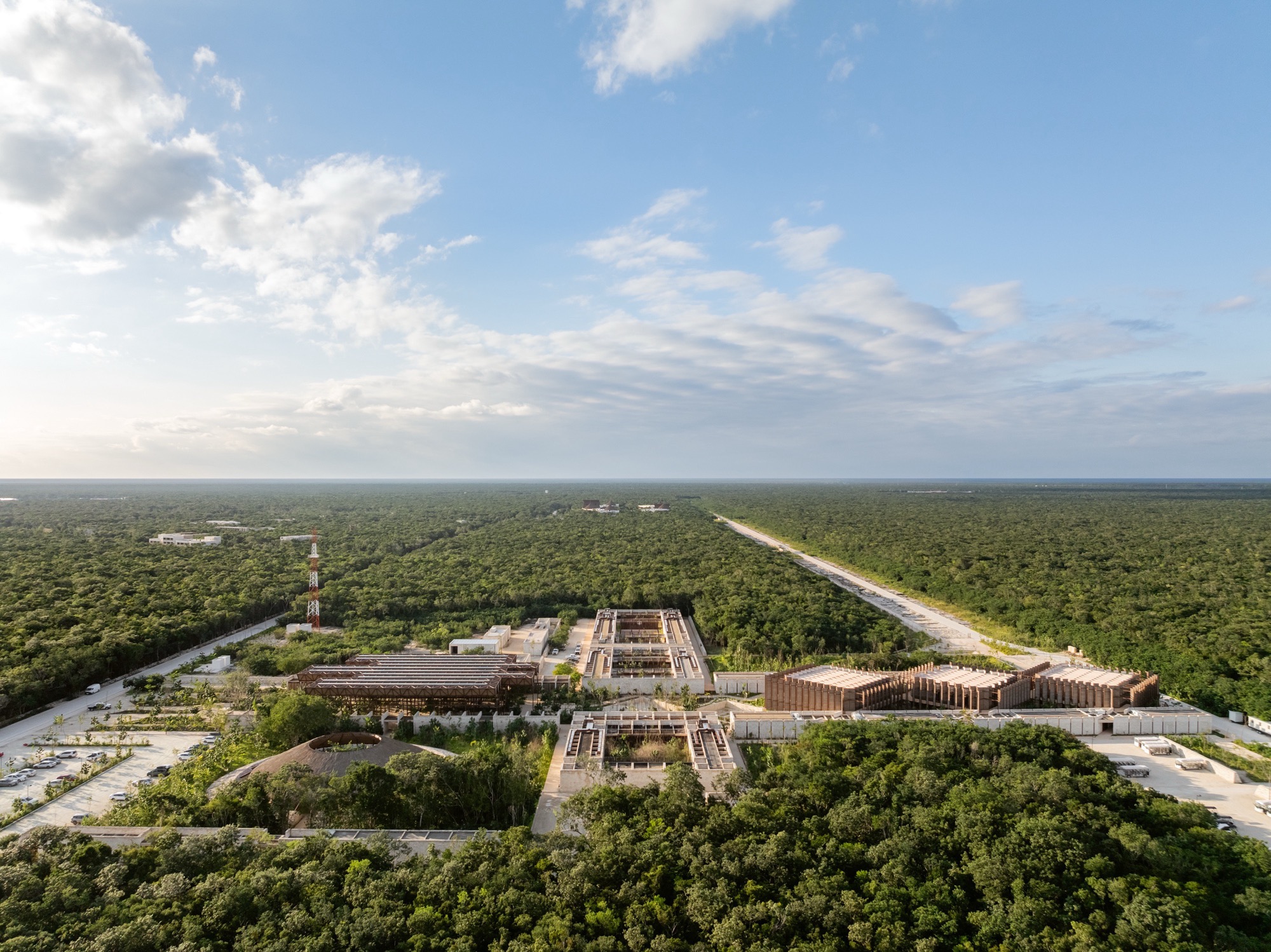
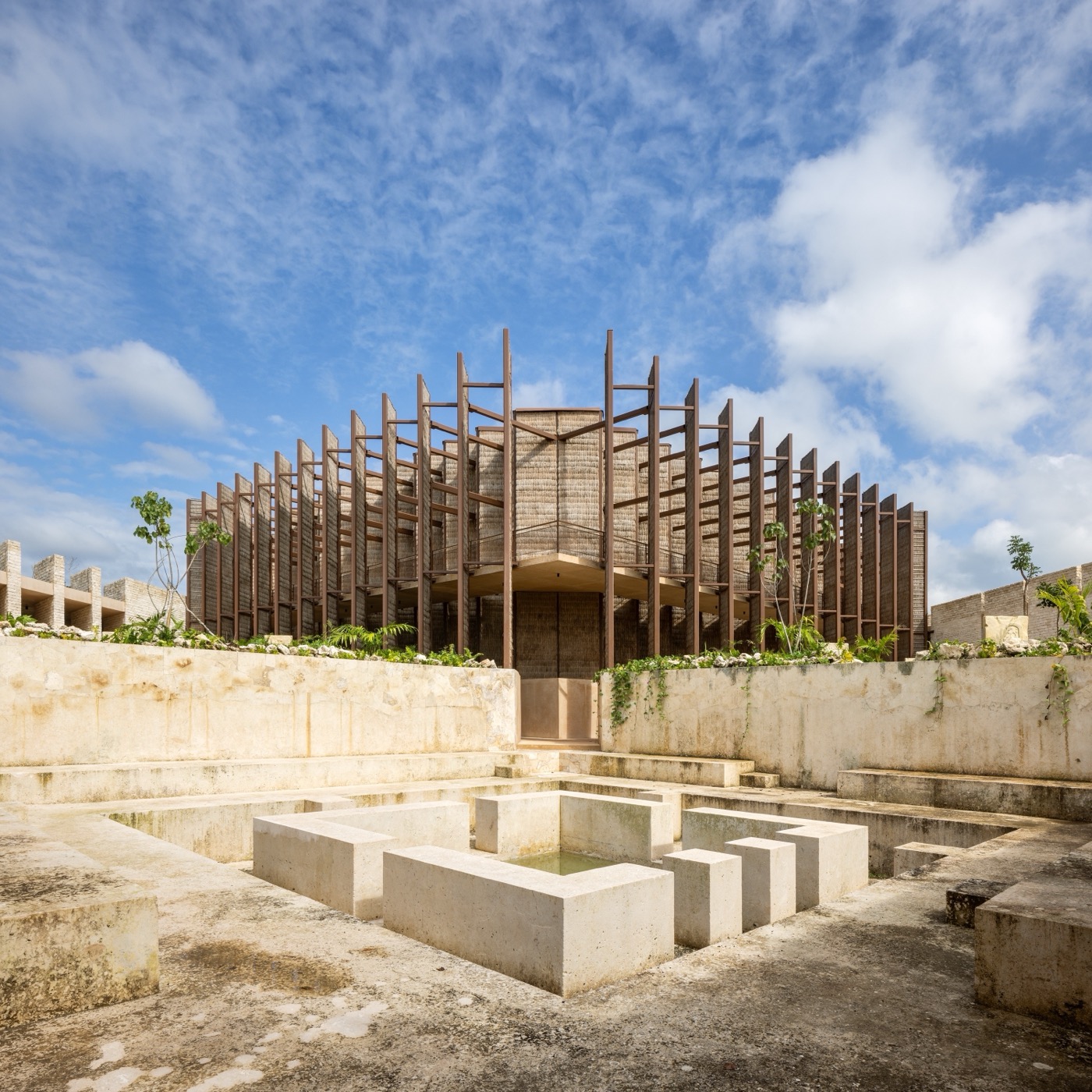
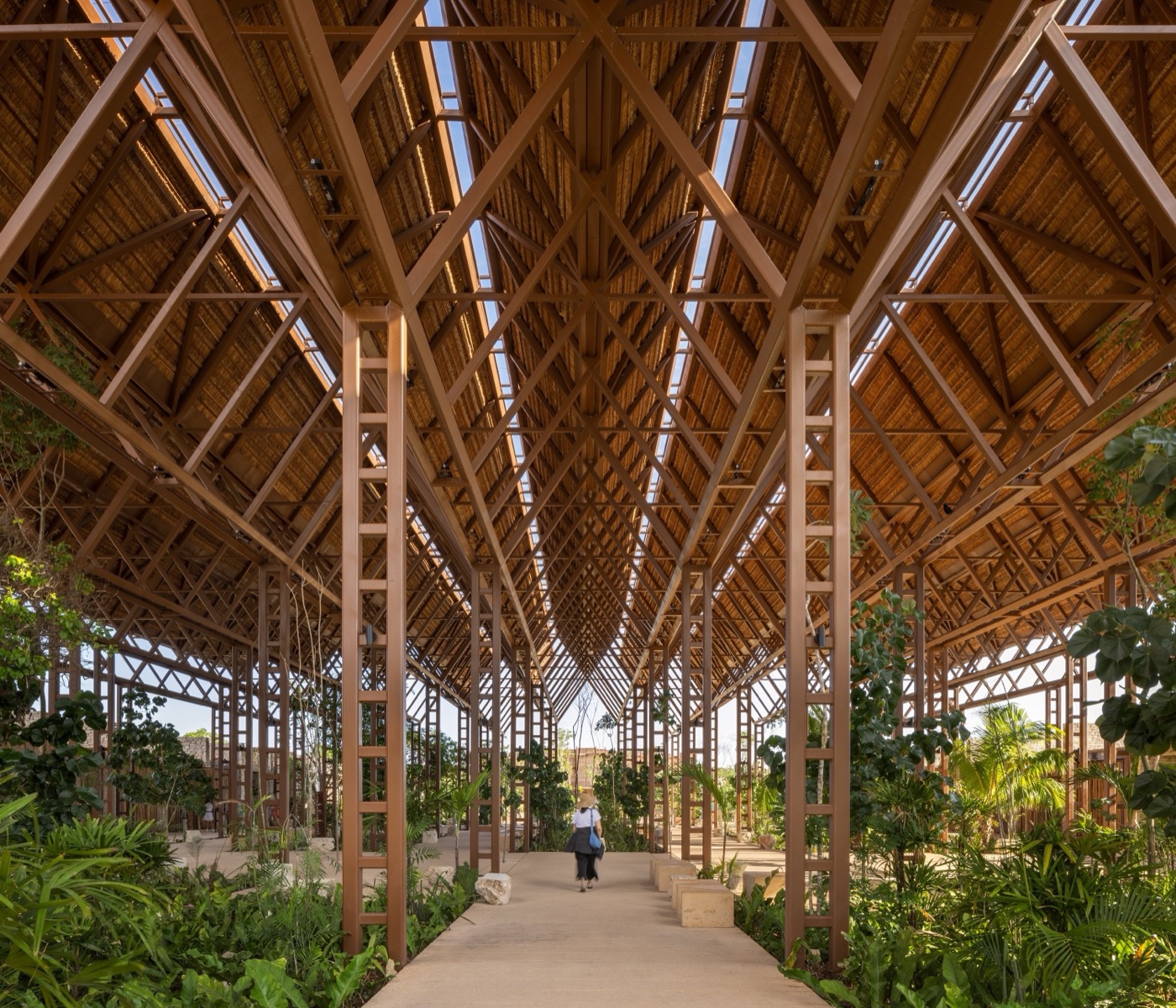
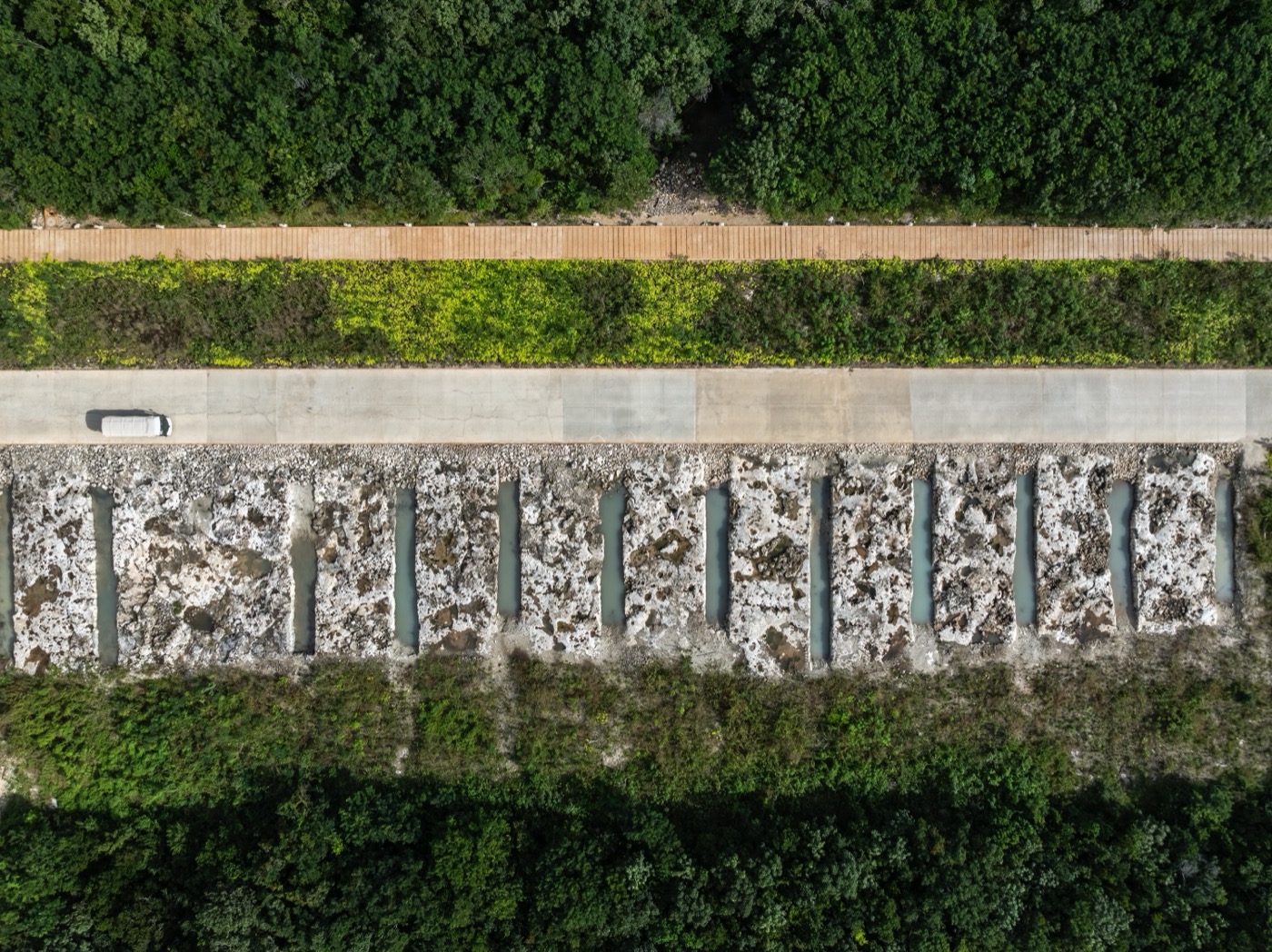
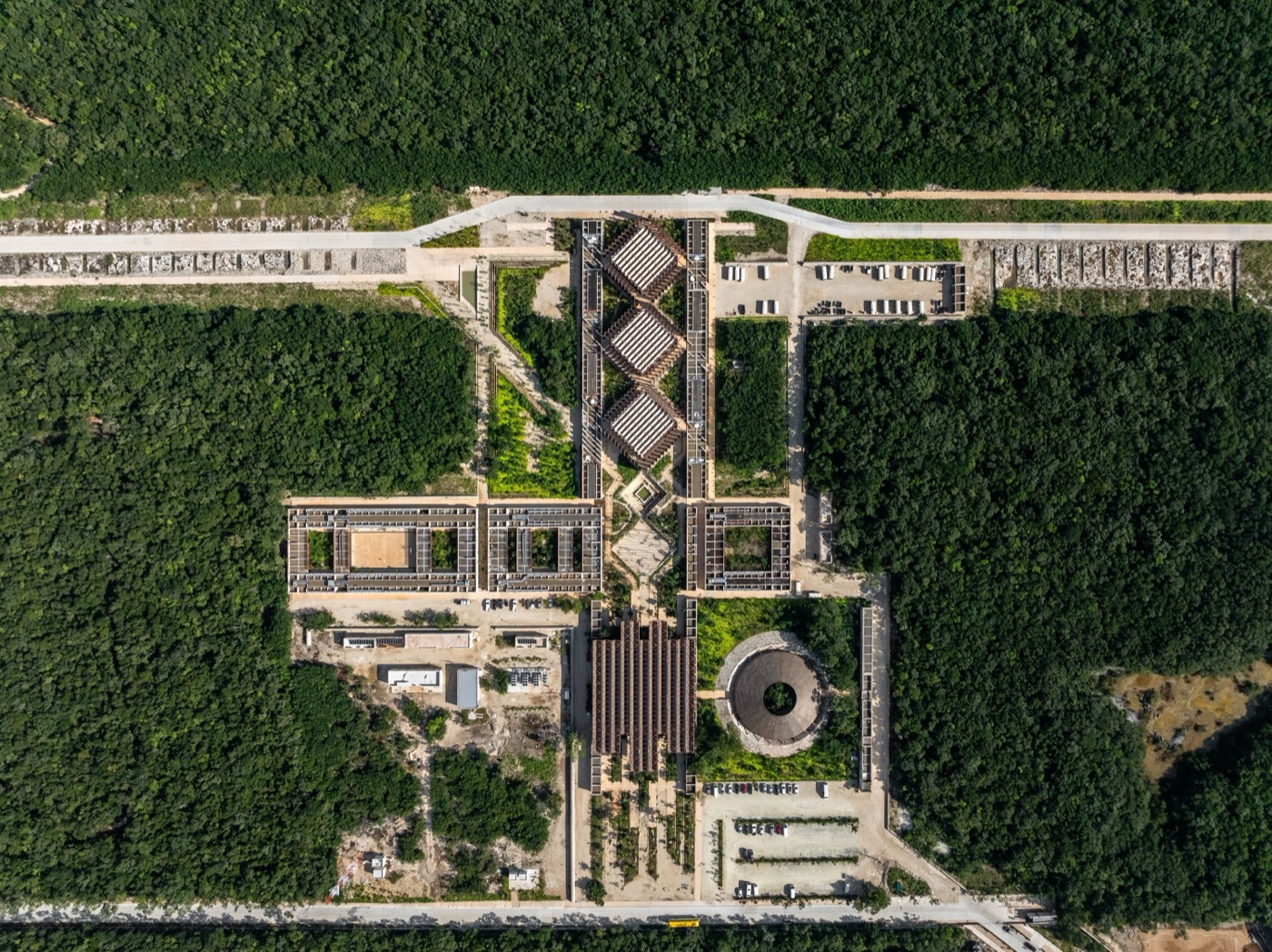
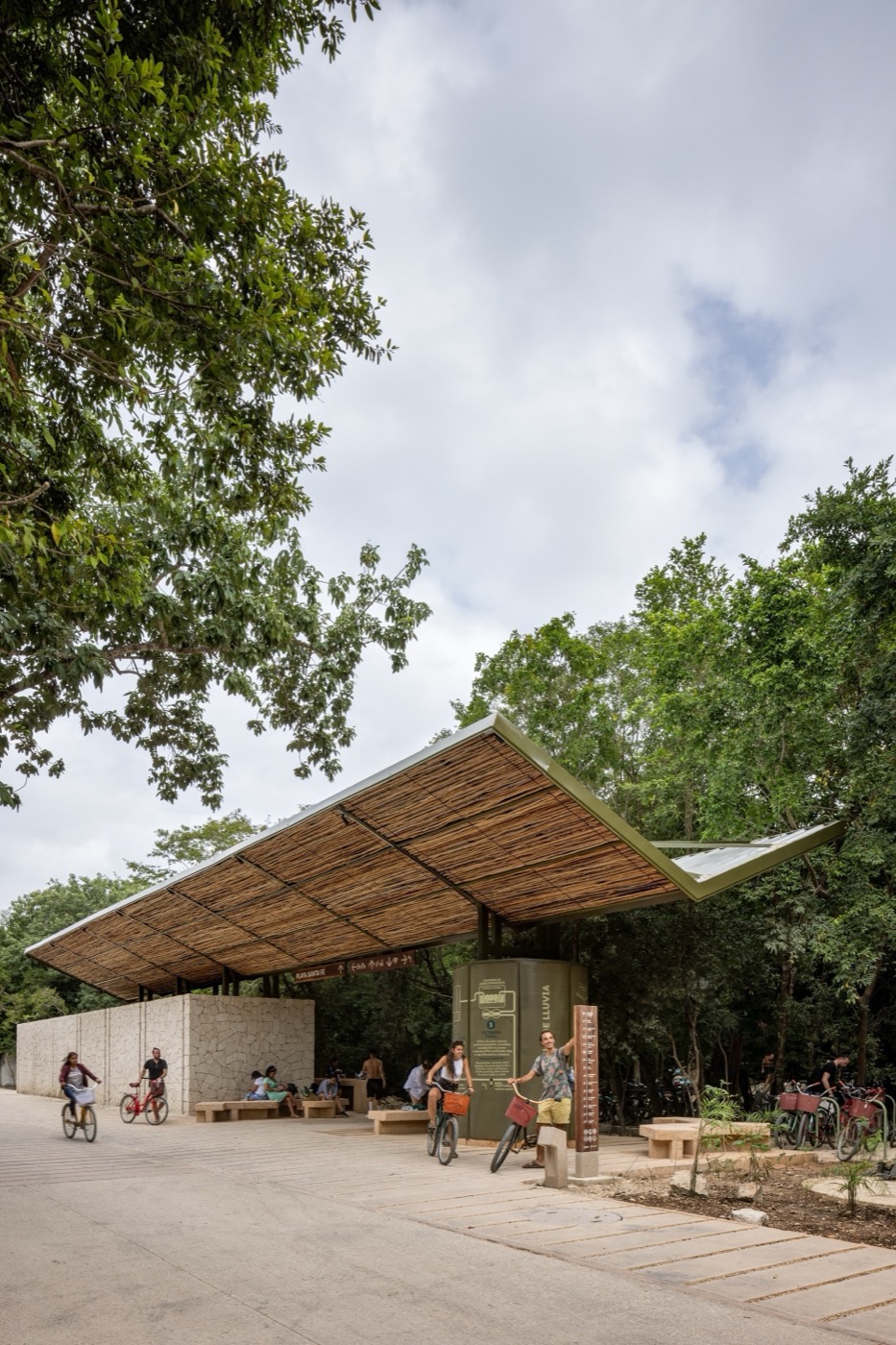
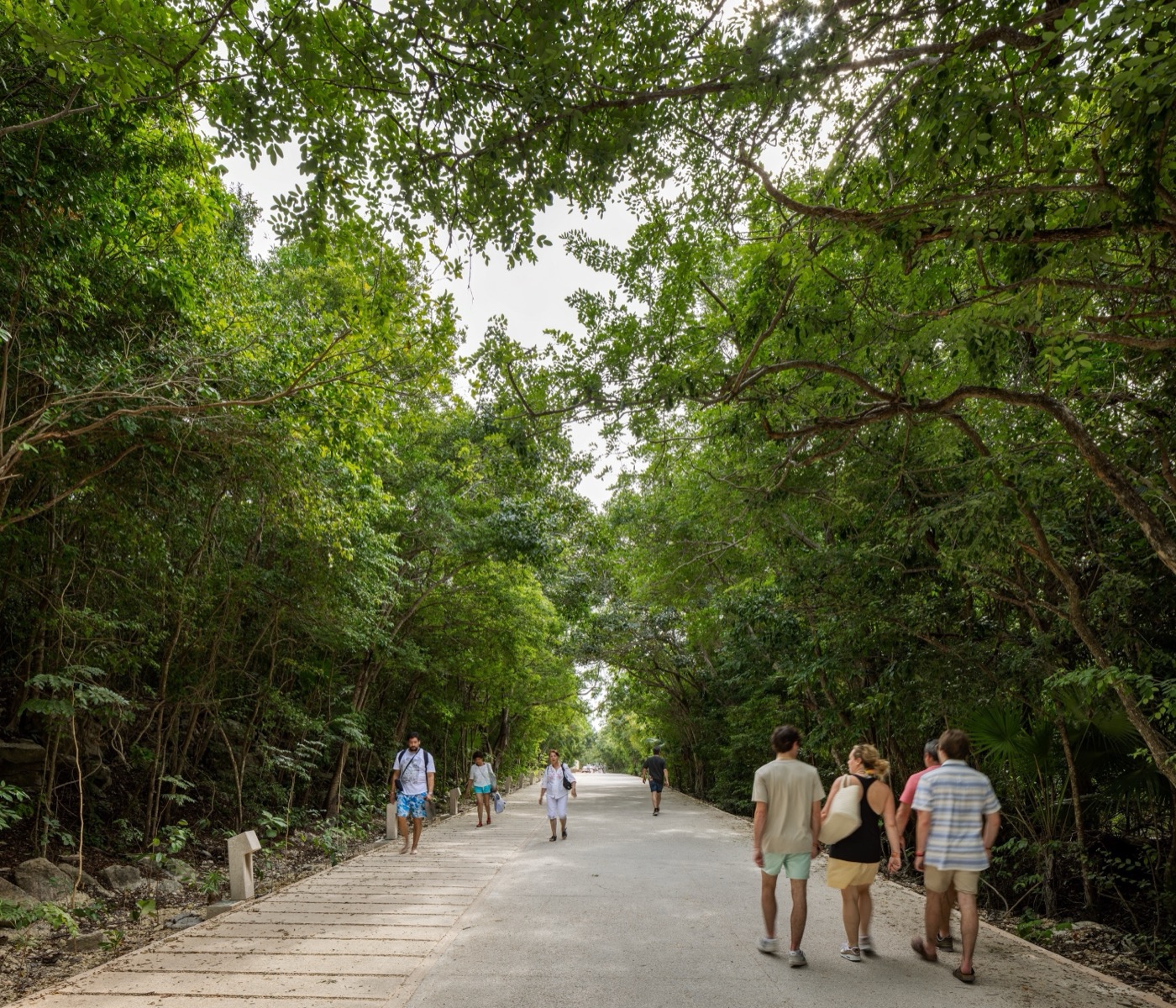
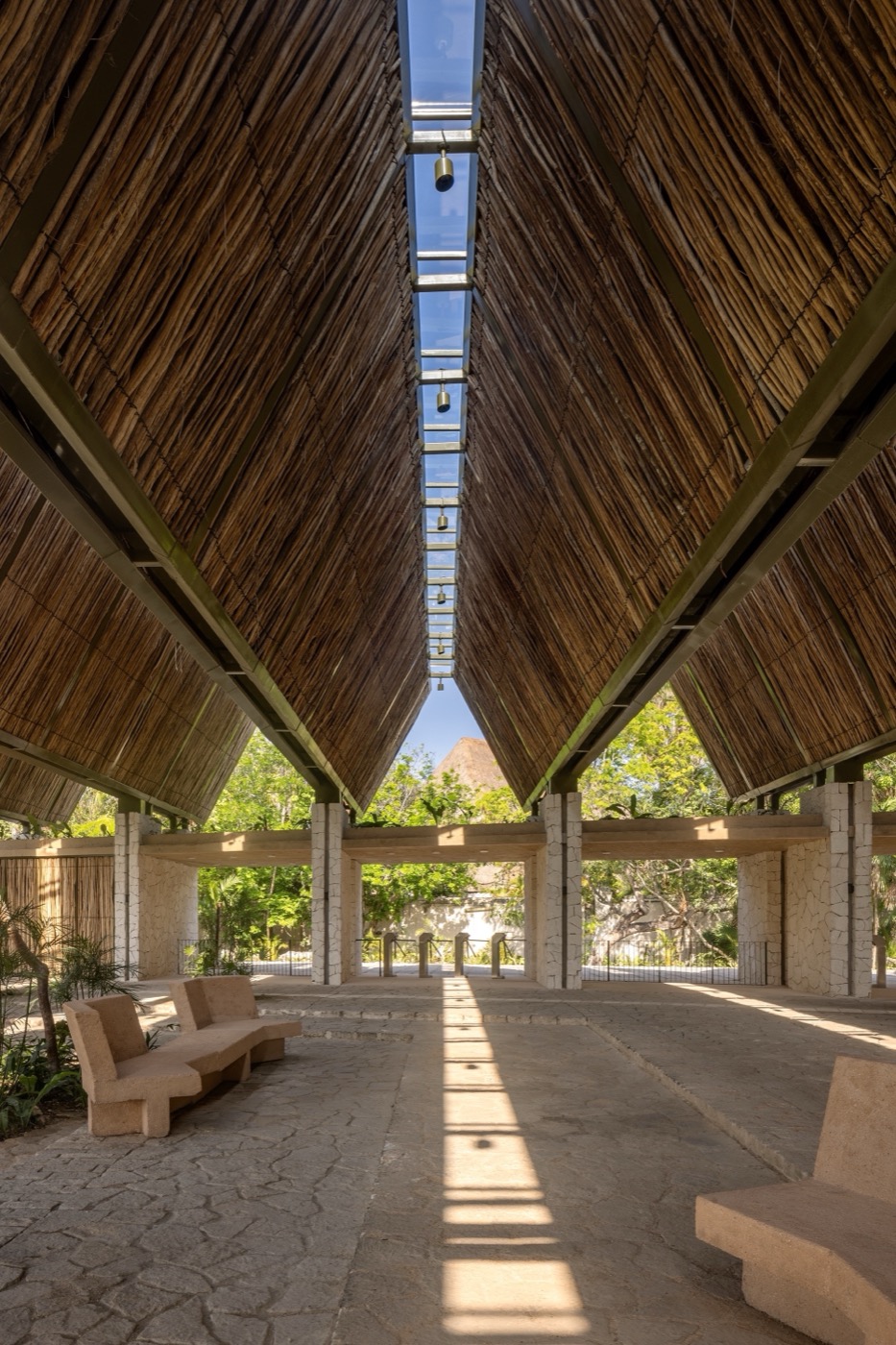
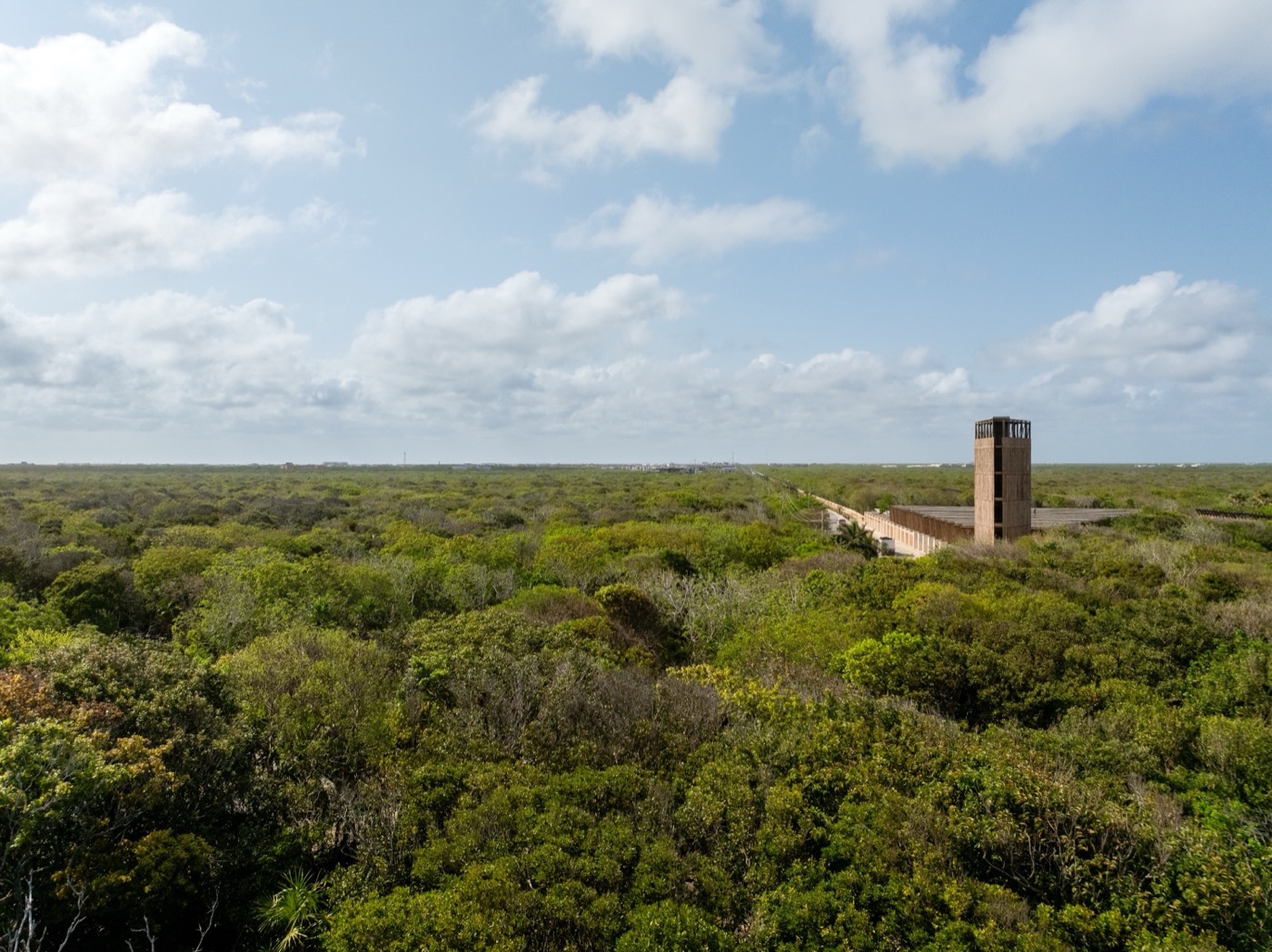
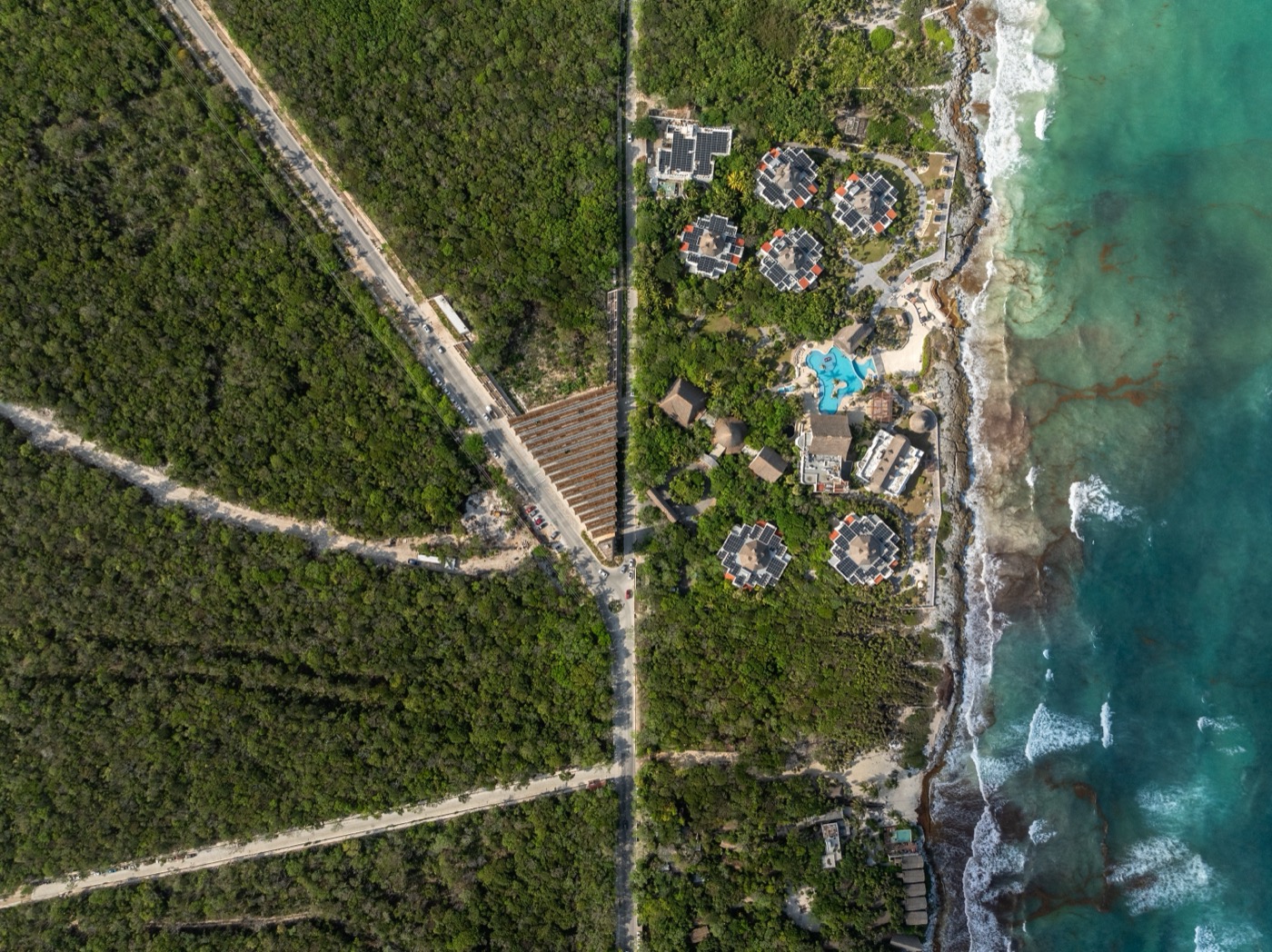
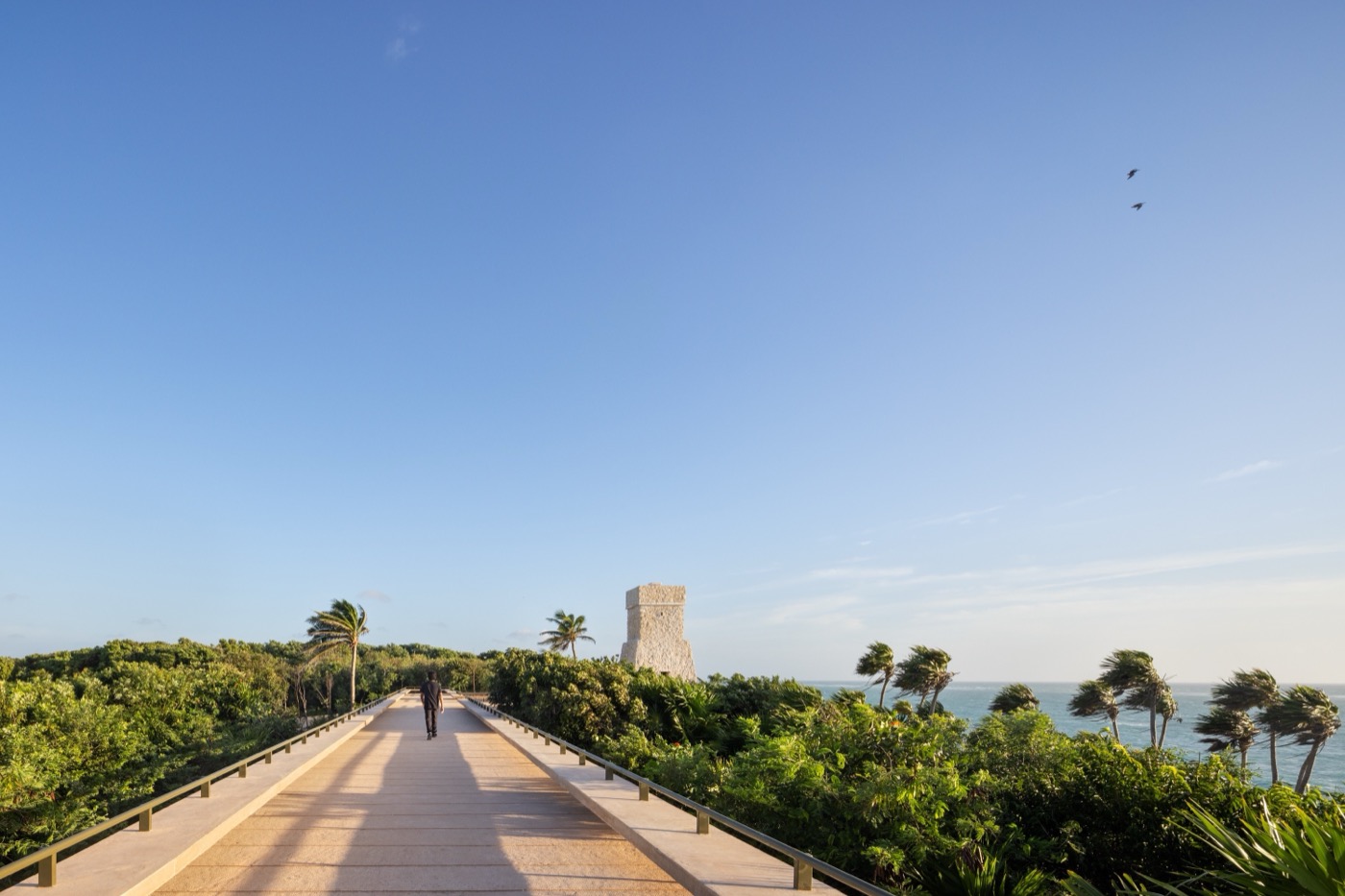
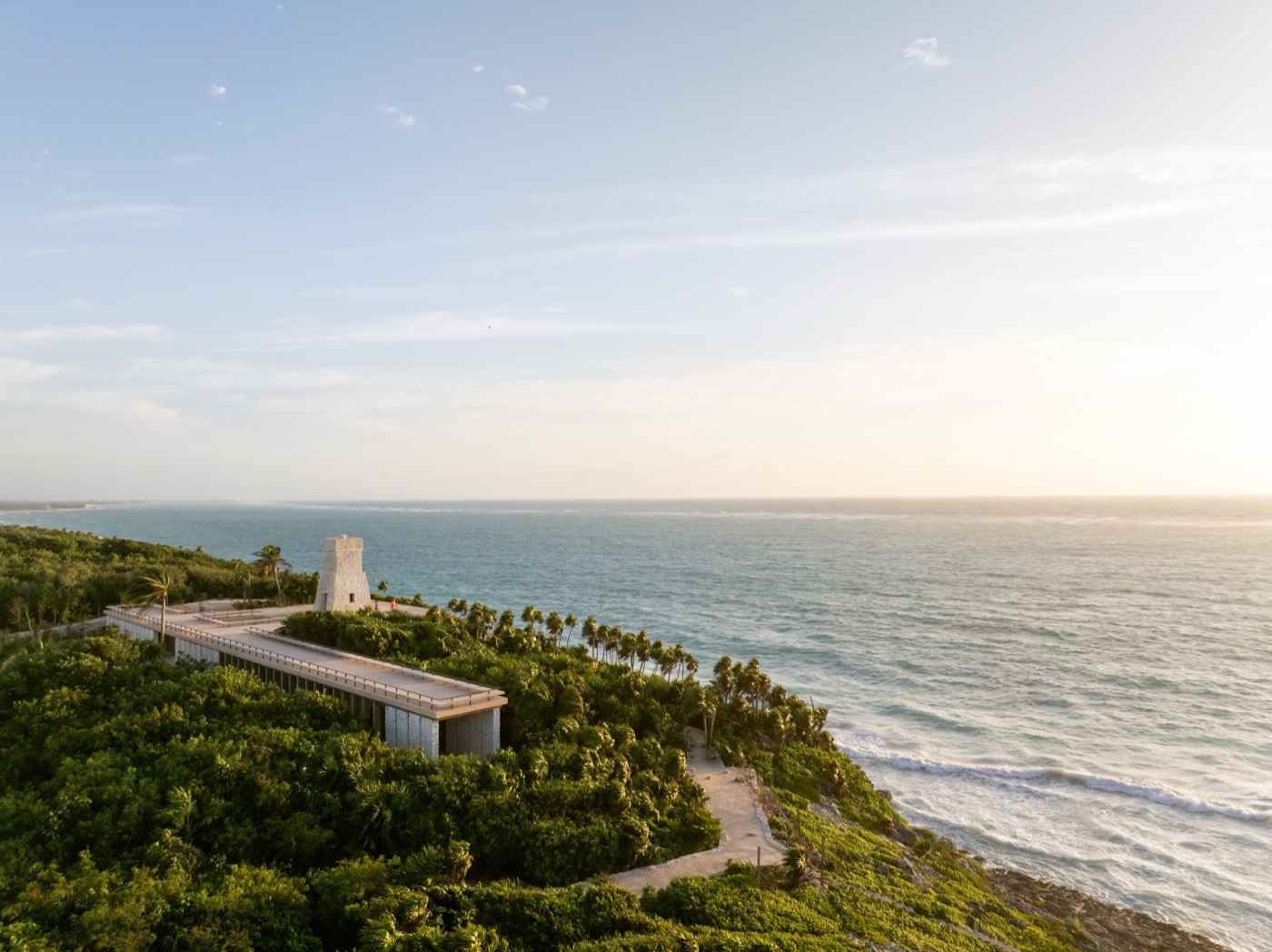
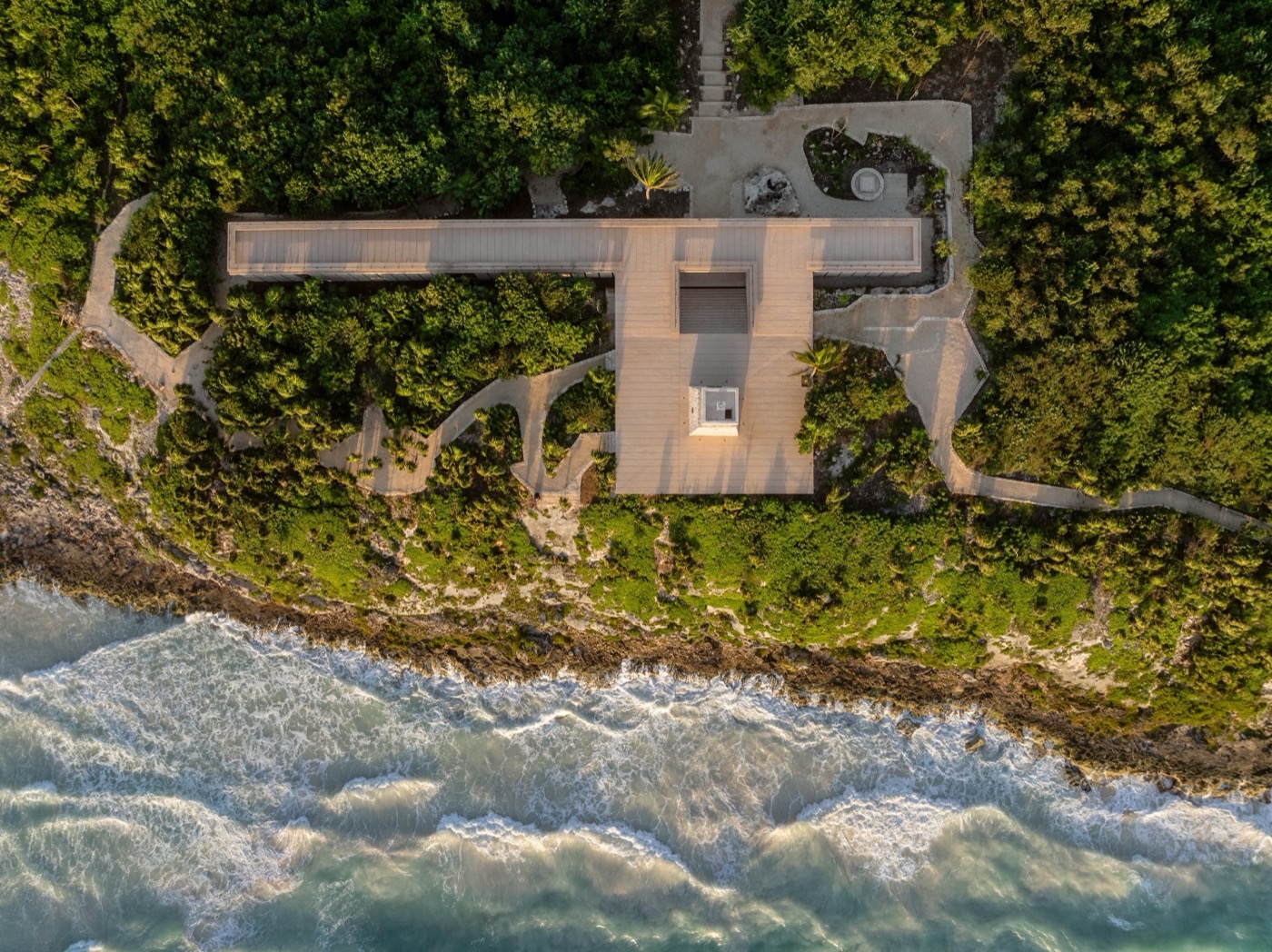
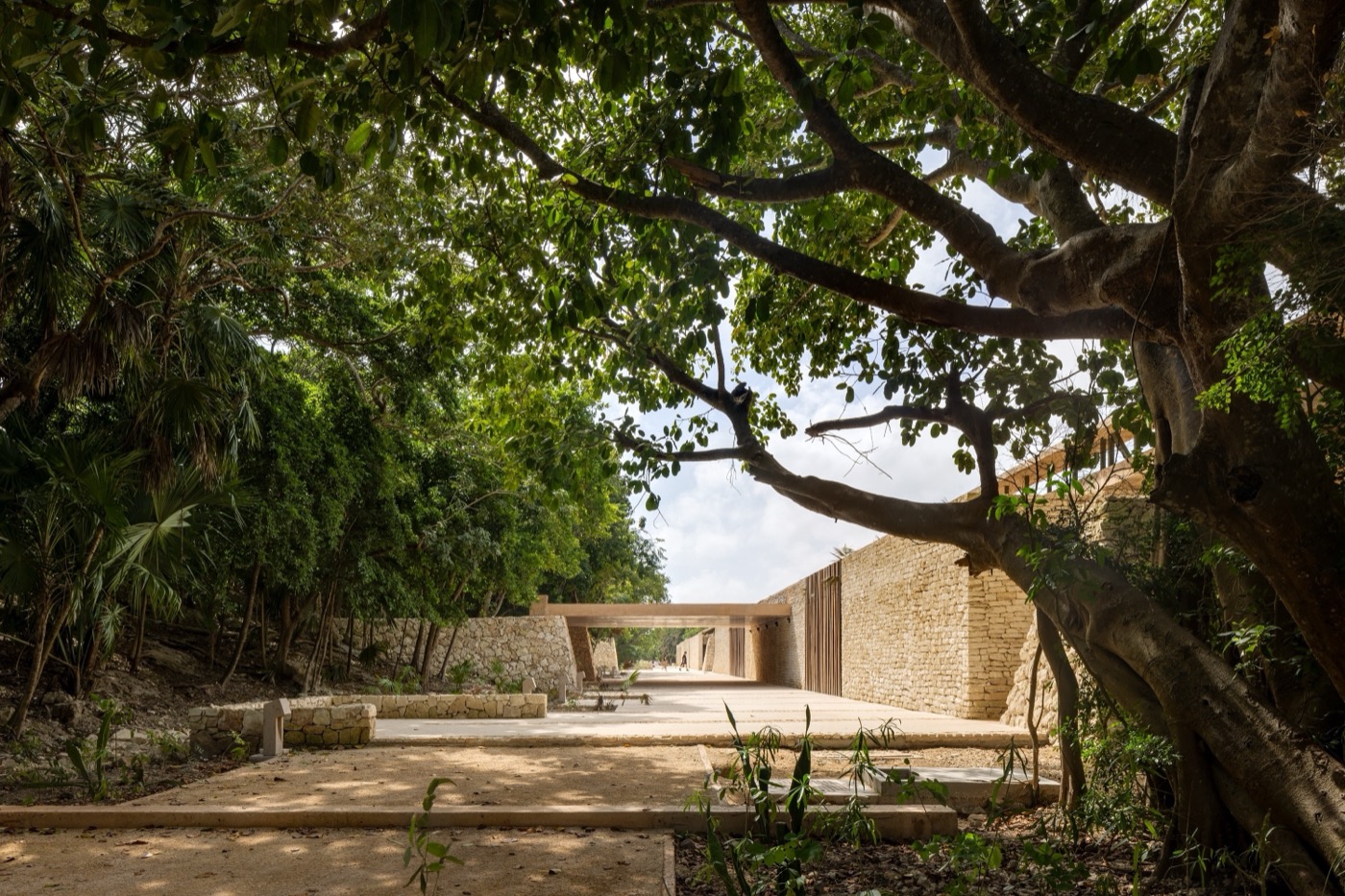
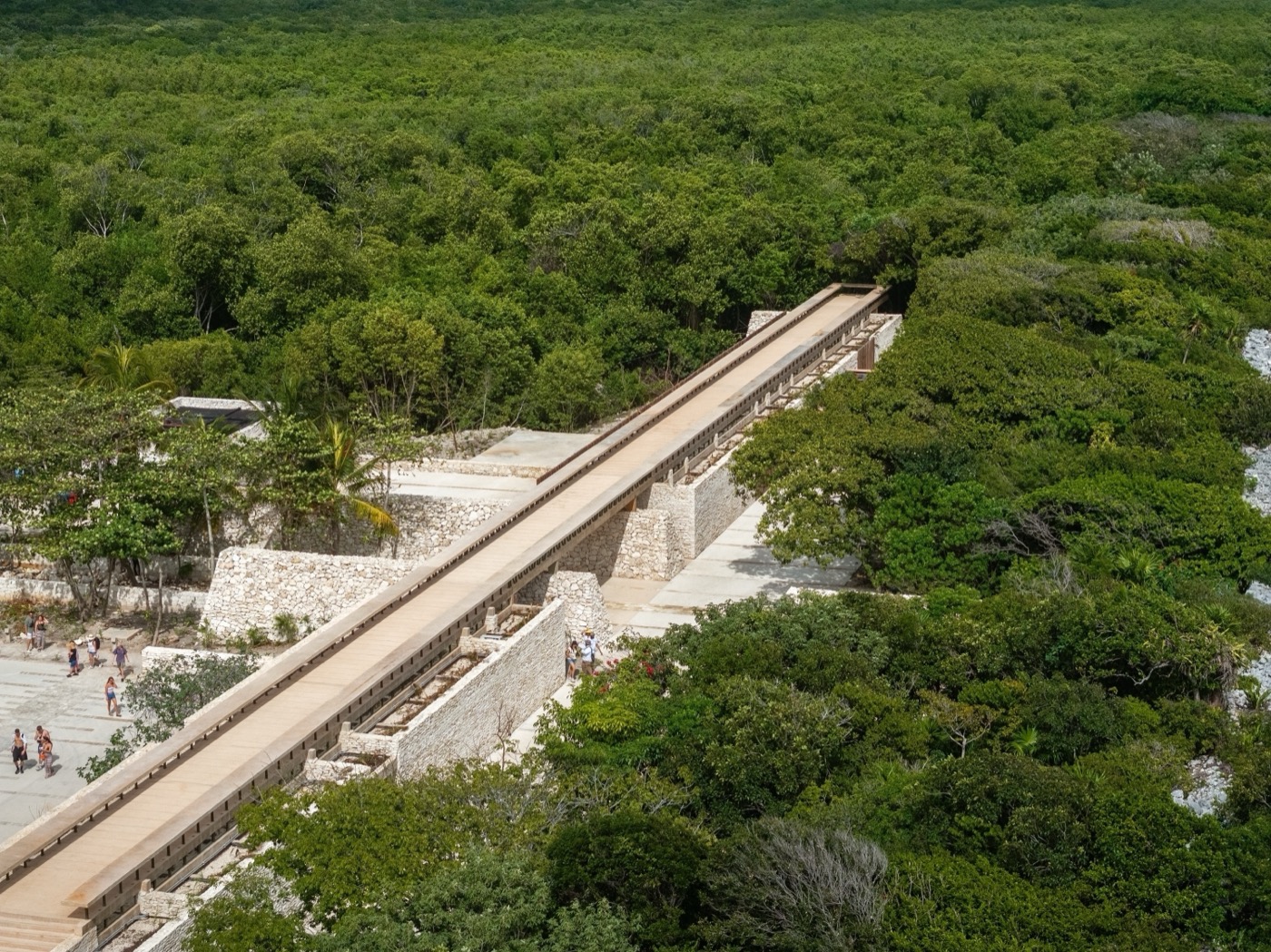
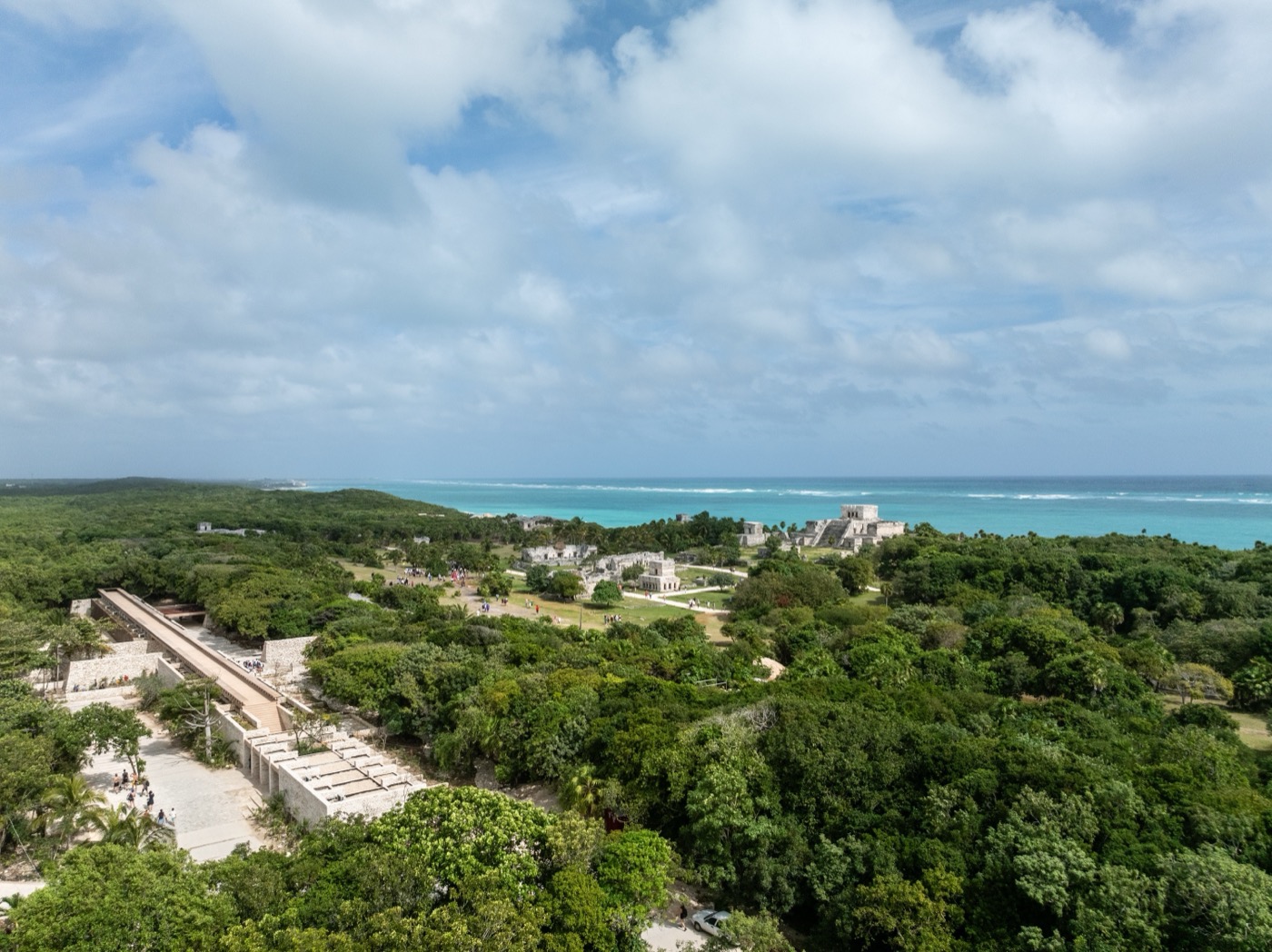
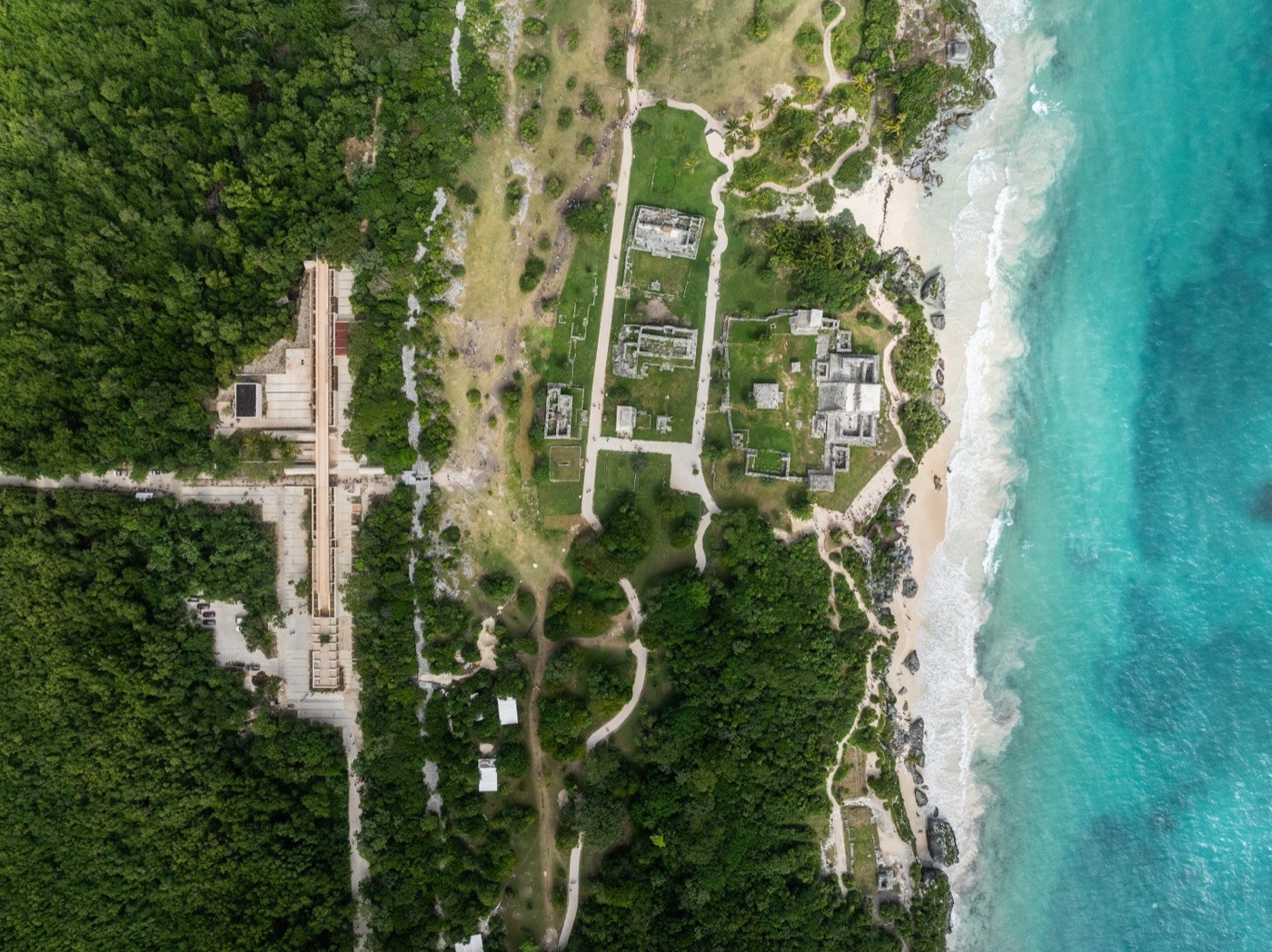
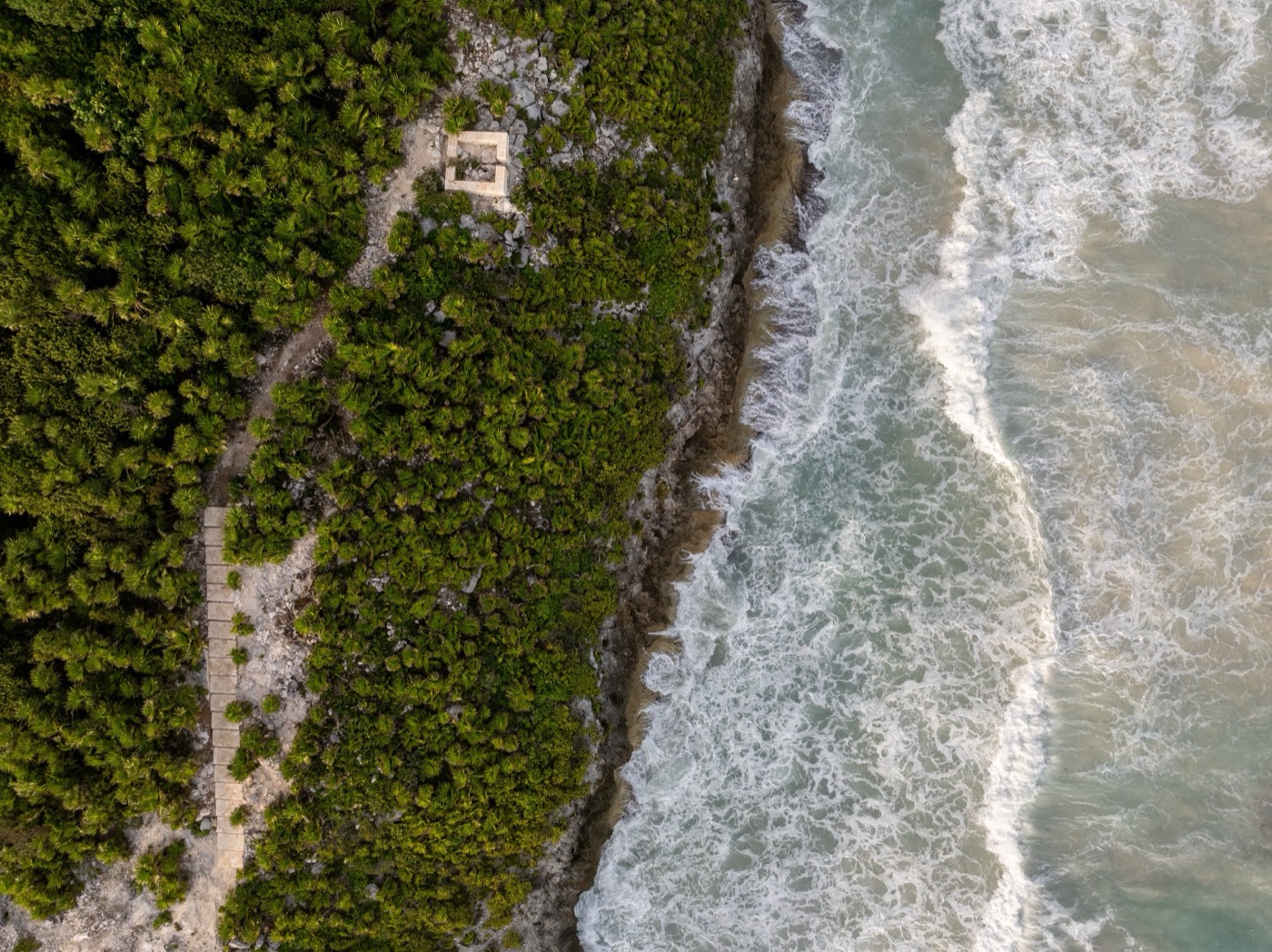
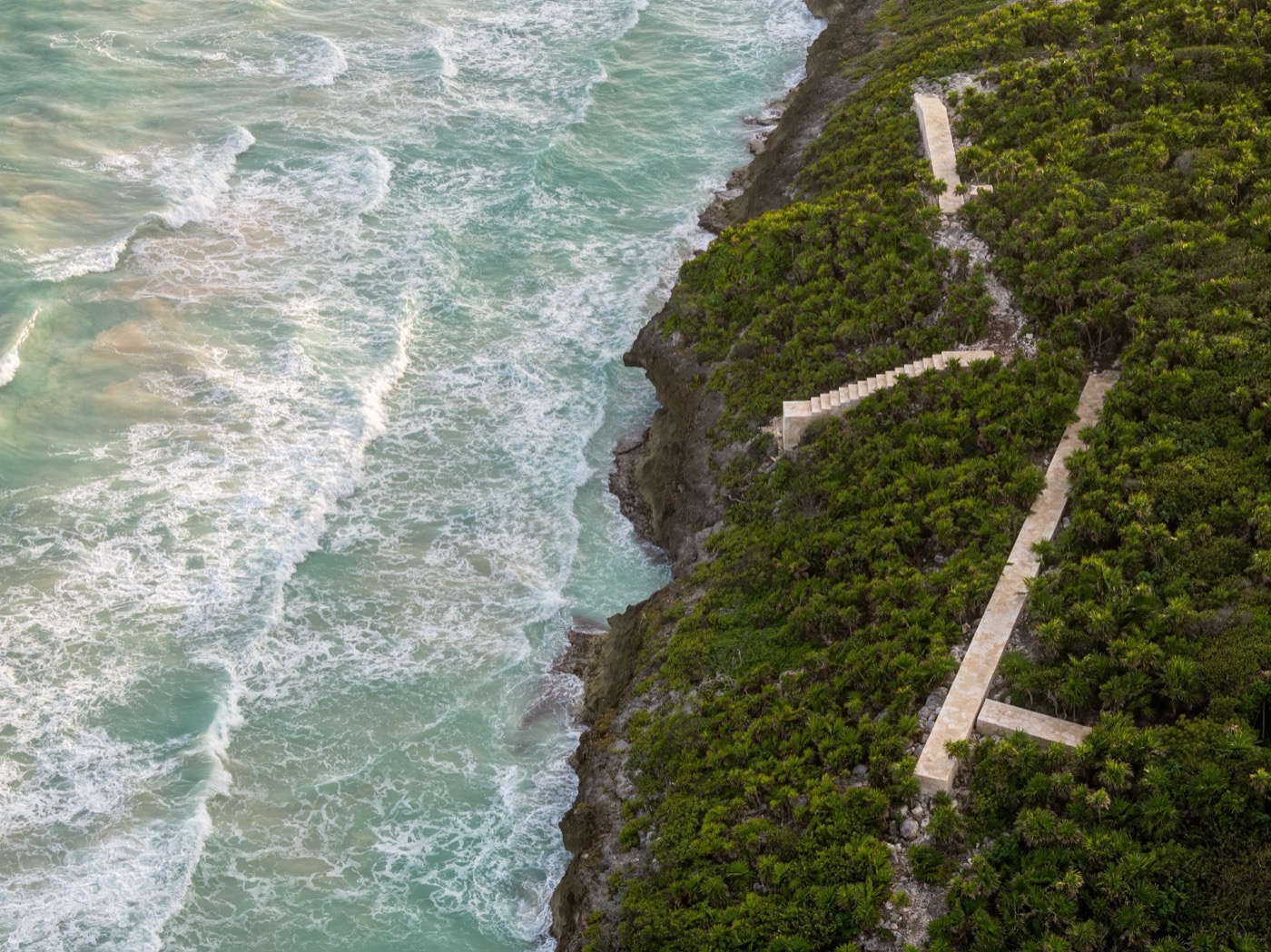
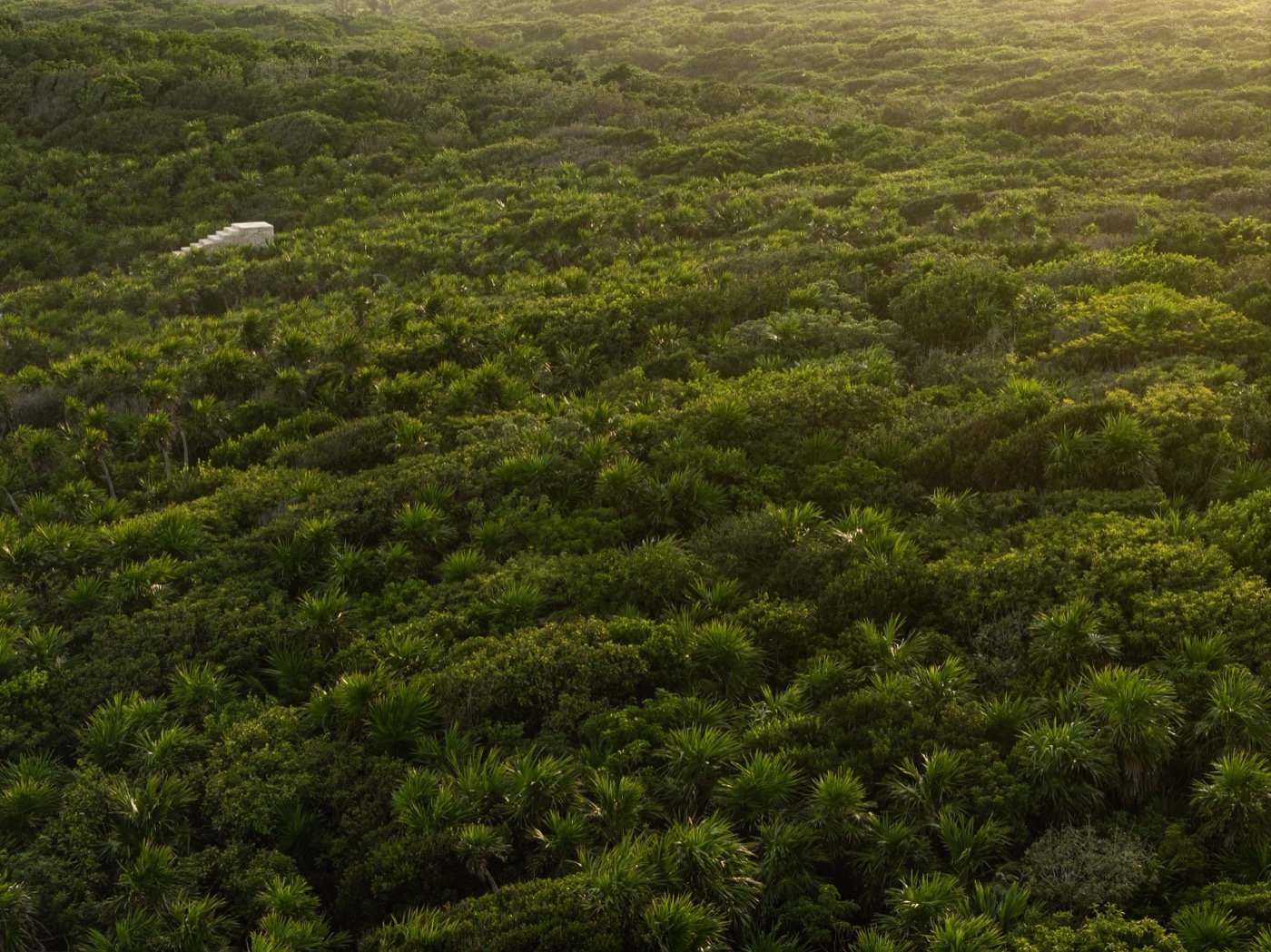
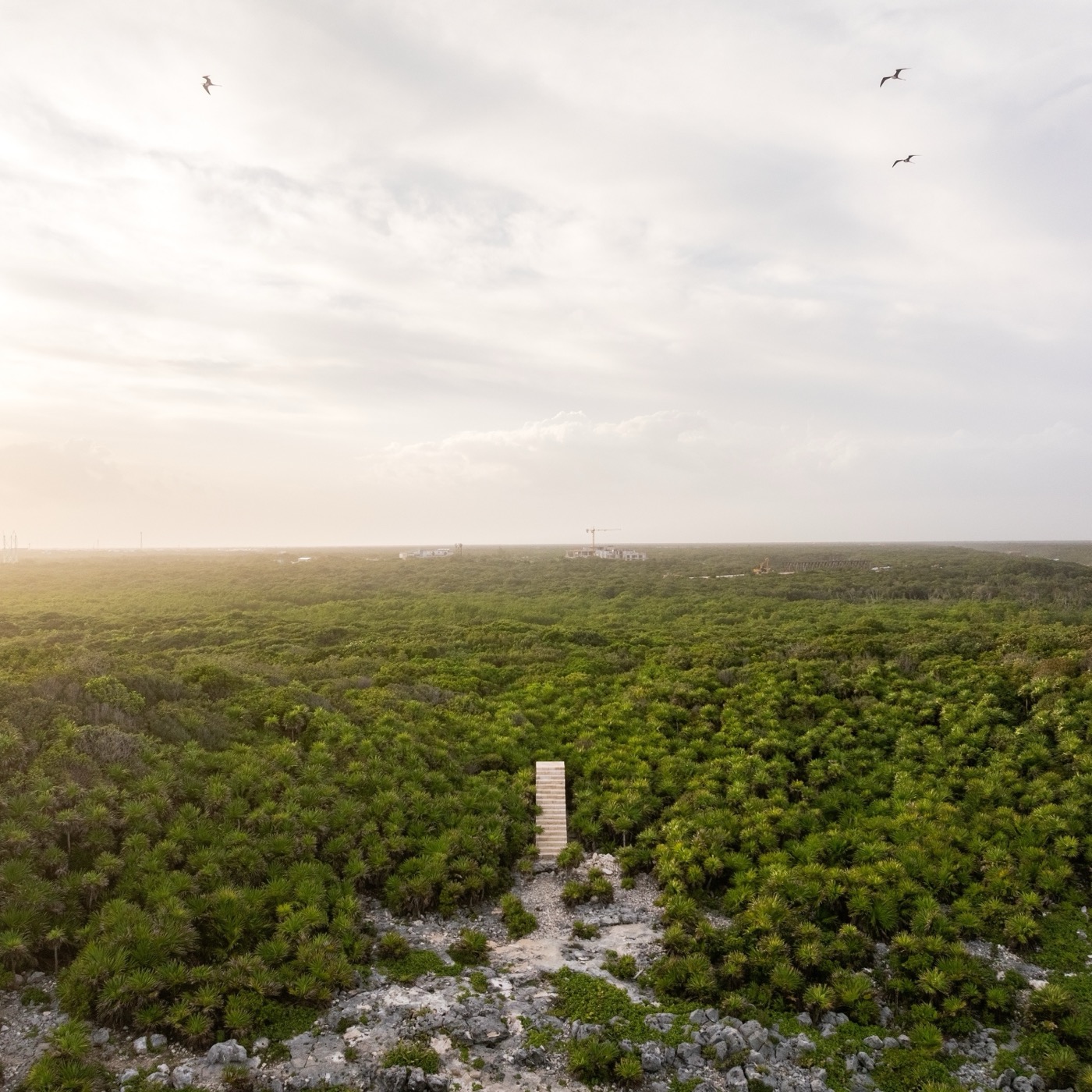
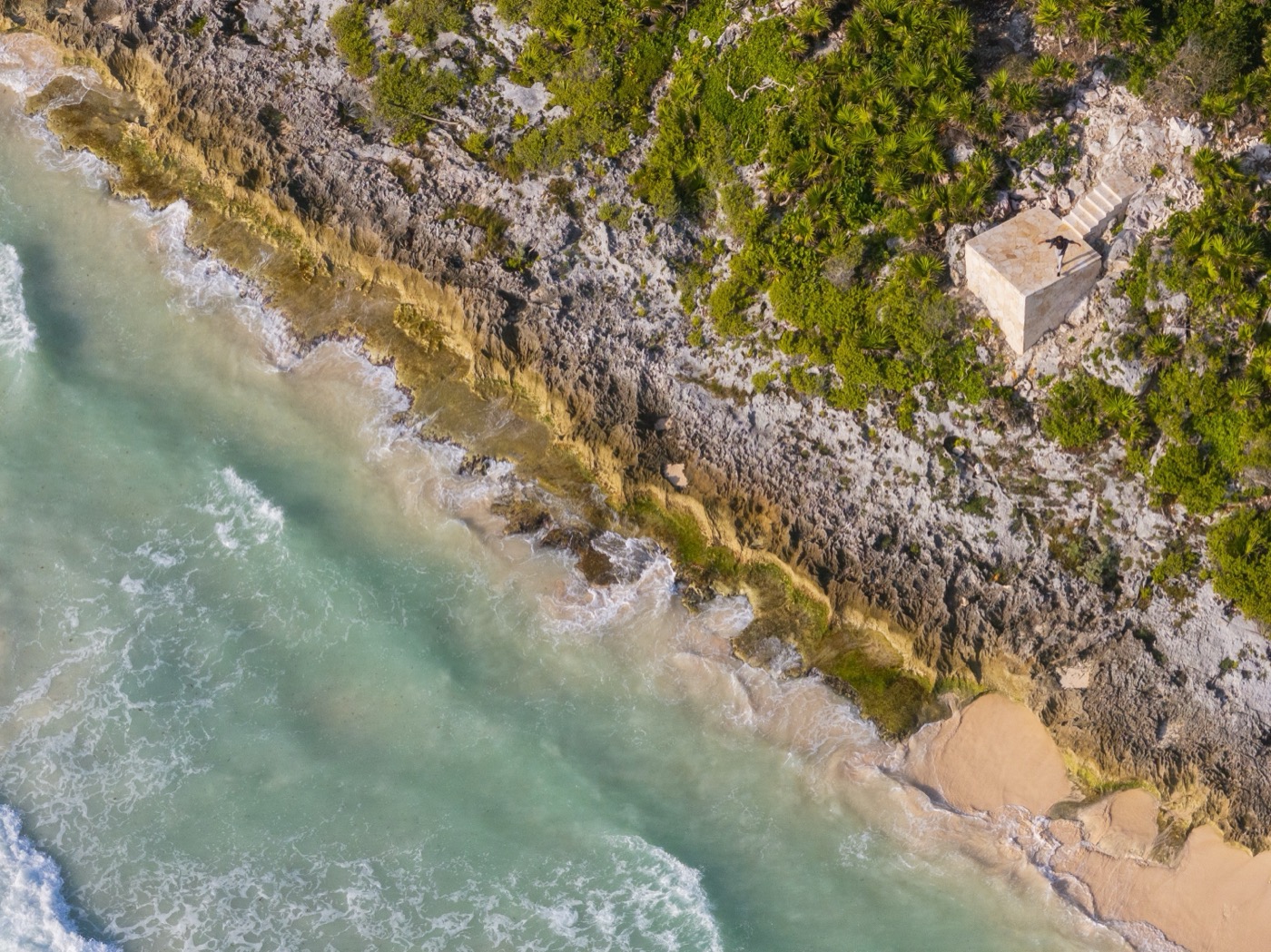
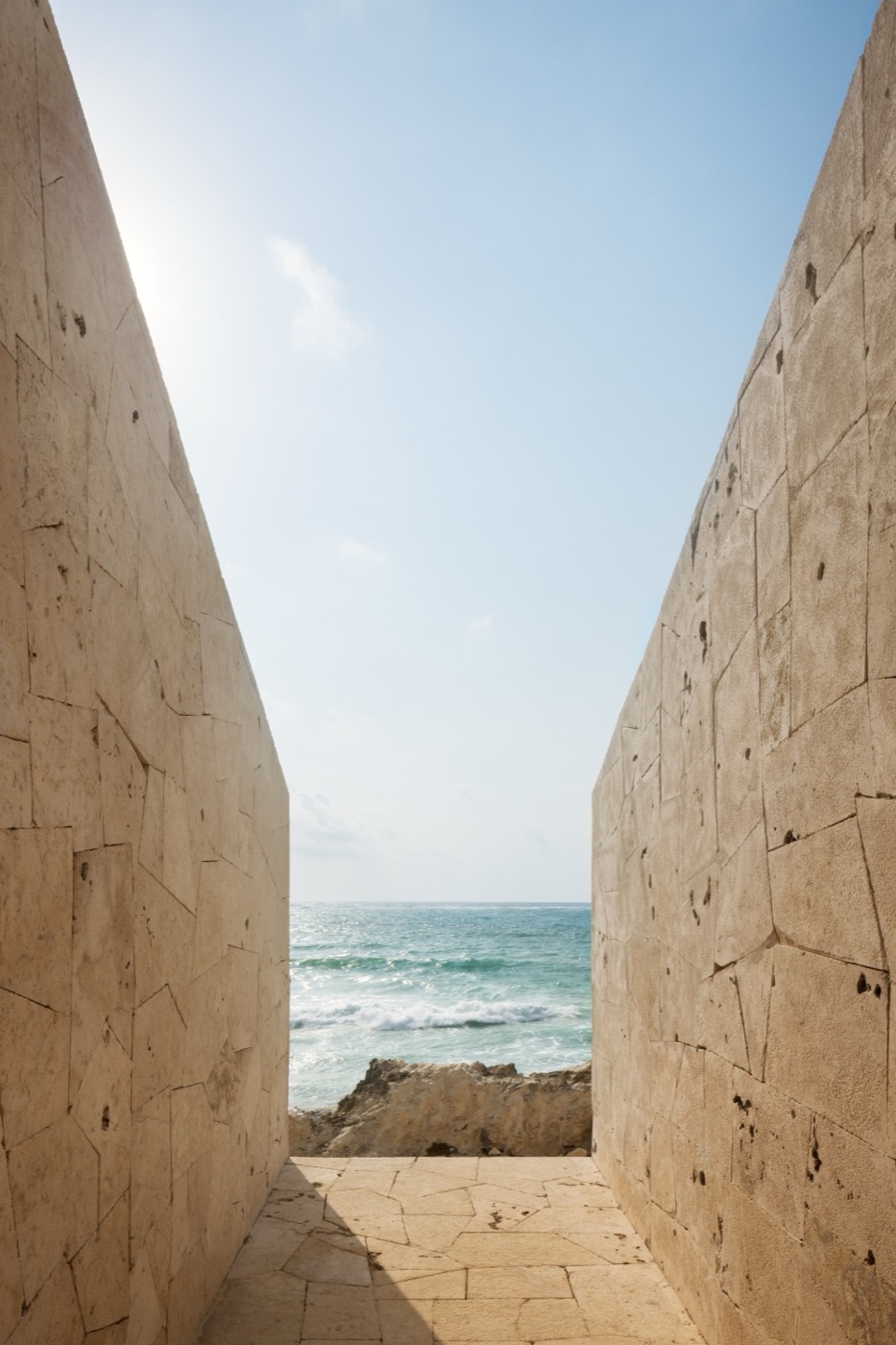
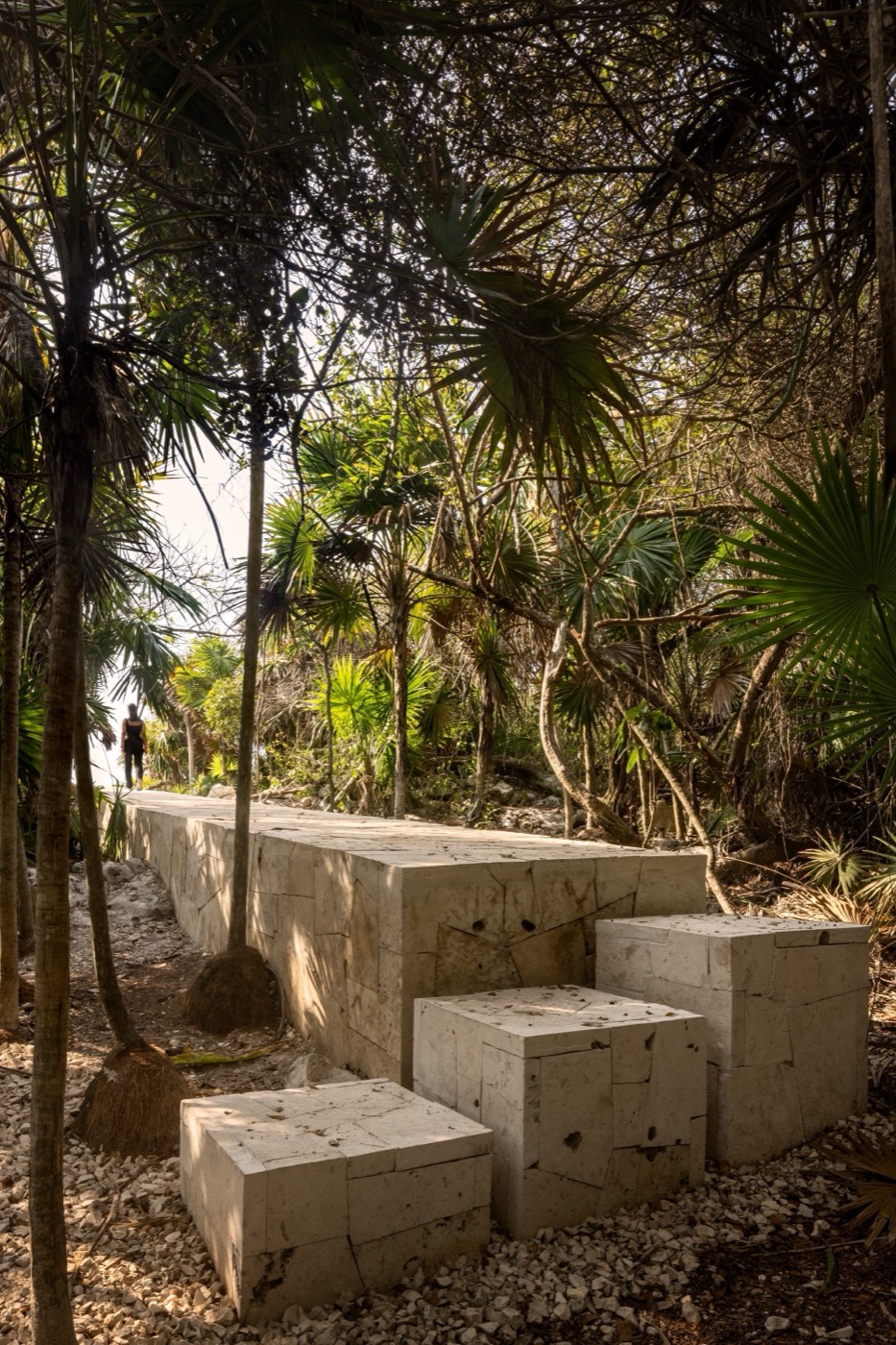
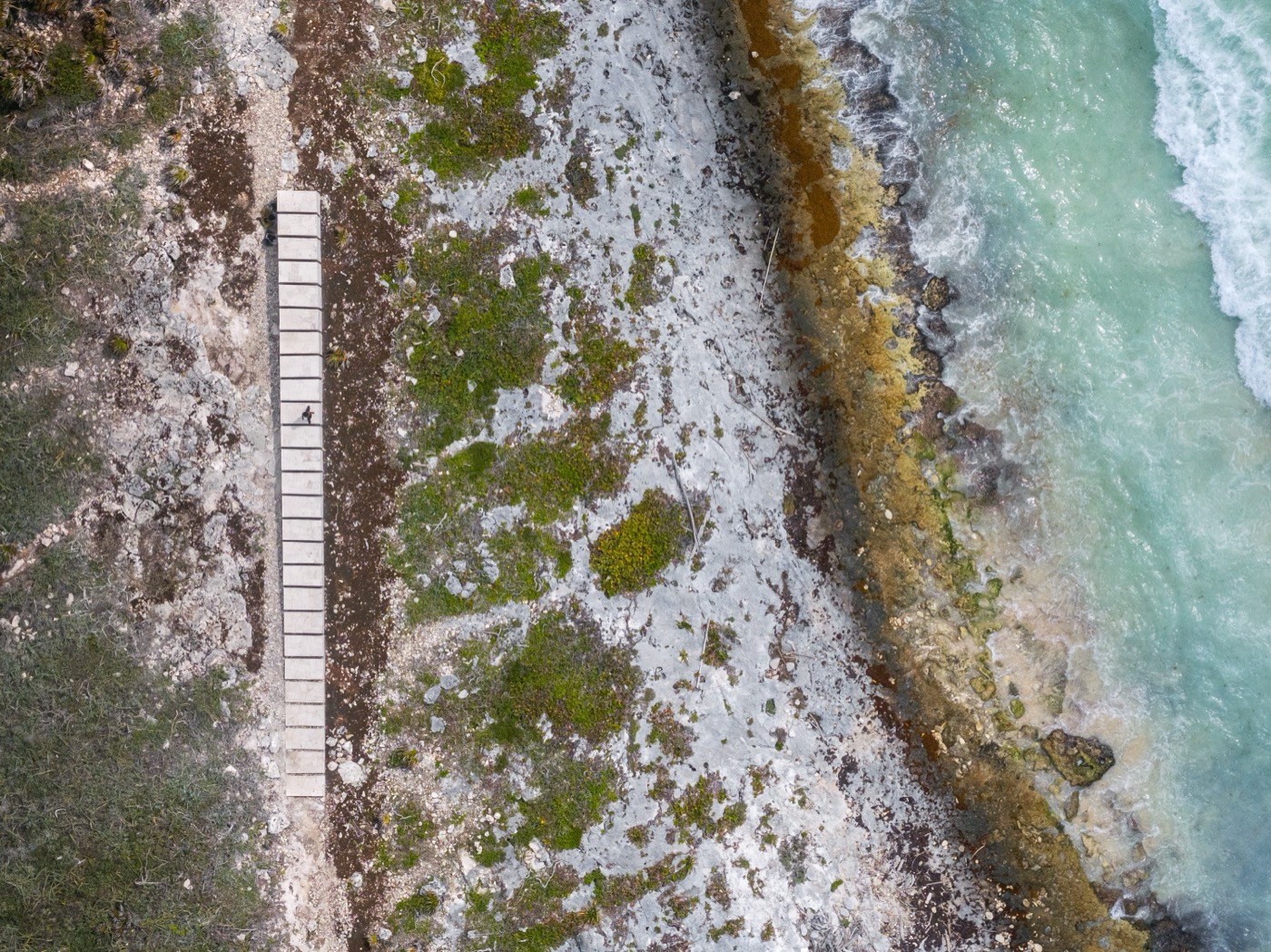
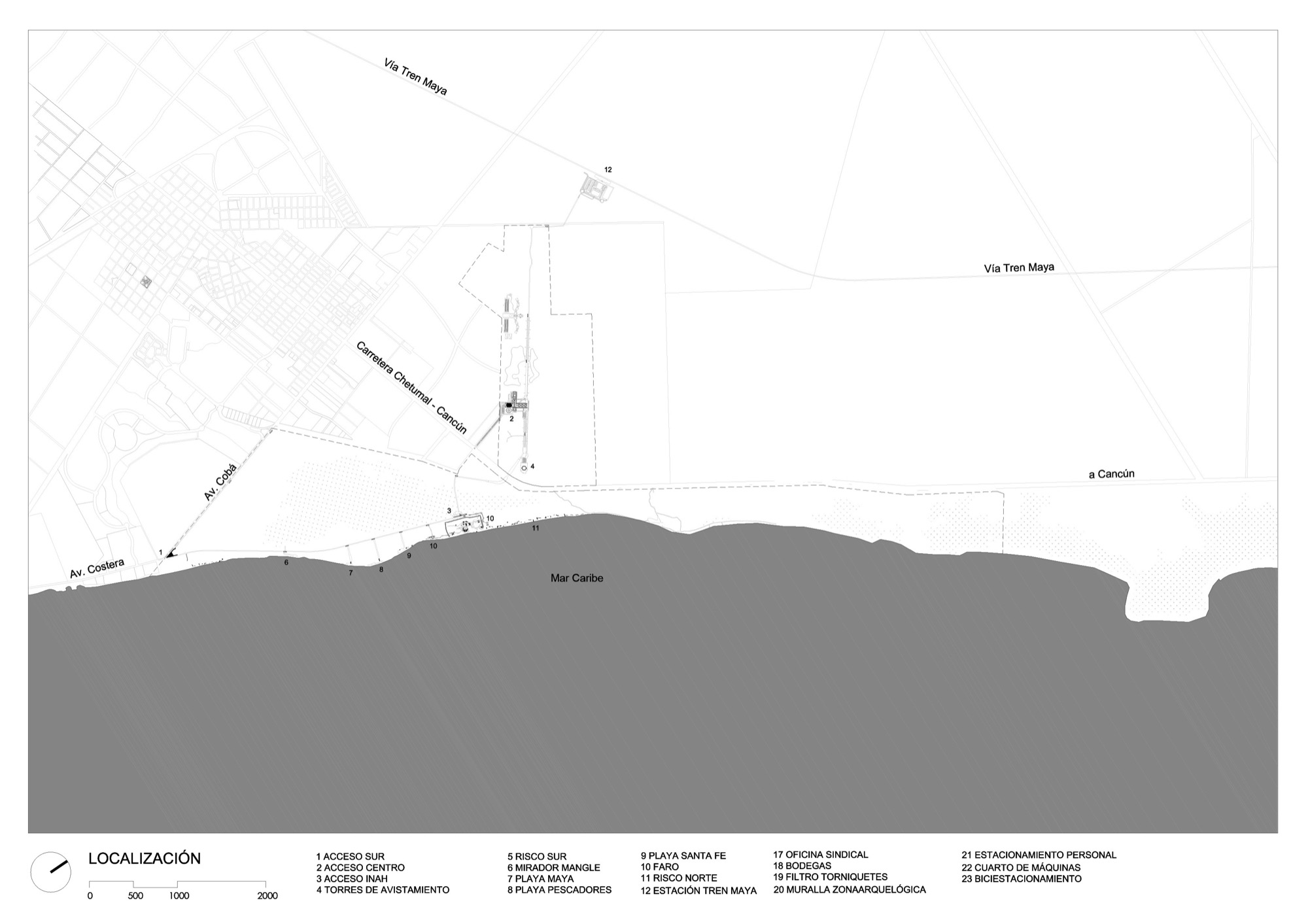
To expand the protected ecosystem, the project incorporated more than 300 additional hectares, consolidating a continuous protected area of over 1,000 hectares. Wildlife crossings and ecological corridors reconnect fragmented habitats, while the removal of asphalt from the former runway allowed the recovery of soils, hydrological cycles, and native vegetation. Reforestation strategies, water infiltration systems, and the restoration of wetlands and mangroves reposition the ground itself as the primary architectural project.
To organize the territory meant addressing mobility, access, and public use. The project reduces dependence on private vehicles by introducing pedestrian routes, bicycle infrastructure, and electric collective transport. Rather than concentrating visitors in isolated destinations, it redistributes movement through a network of shaded paths, archaeological routes, observatories, beaches, cultural programs, and ecological stations. Access to the landscape becomes gradual and educational.
Architecture within the park deliberately avoids monumentality. Buildings are conceived as extensions of the landscape: low horizontal structures, green roofs, shaded palapas, stone platforms, and open-air pavilions constructed with regional materials such as limestone, chicozapote wood, sascab, and palm thatch. Passive climatic strategies—including natural ventilation, shade, and water collection—reduce environmental impact while reinforcing local construction knowledge.
The project also integrates new cultural infrastructures such as the Museum of the Eastern Coast, observation towers, community spaces, and gastronomic programs operated by local cooks and artisans. These interventions recognize that conservation cannot exist independently from culture, memory, and public participation.
Parque del Jaguar proposes an alternative model for contemporary public infrastructure in environmentally sensitive territories. Instead of imposing architecture onto nature, it seeks to reveal existing relationships between geology, biodiversity, archaeology, climate, and collective life. The project understands preservation not as isolation, but as the careful construction of coexistence between human presence and living systems.
Architecture: Colectivo C733 – Gabriela Carrillo, Eric Valdez, Israel Espín, Carlos Facio y José Amozurrutia; Fernando Rodríguez, Sofía Pavón, Roberto Rosales, Eduardo Suarez, Gersaín Aquino, Awin Quijano, Joyce Meneses, Pilar Huidobro, Ximena Izquierdo, Montserrat Loyola, Lizeth Ríos, Vanessa Sosa.
Executive architect: Colectivo C733, F+A Landscape, DRK
Structural engineering: LABG + GIEE, Grupo Sacmag
Electrical and mechanical engineering: Grupo Sacmag, RBL Ingeniería
Lighting design : Luz en Arquitectura
Landscape design: Hugo Sánchez Paisaje, Taller Nuevos Territorios
Other consultants: IN.DUSTRI.AL, TEMAS MX, Isla Urbana, Estudio Esterlina, Ariel Rojo Design Studio, Bala Estudio, Rodrigo Remolina, Victor Arroyo, Enrique Meyer, Javier Sosa, Taller ID, Tania Candiani, Diego Espinosa.
Client: Sedatu
https://maps.app.goo.gl/9tCYSsHR3D3vfPFy6
74271


LILA 2026 Sponsor