LILA 2026 Jury Distinction
Prairie Plots
dept.llc
2026 Other Typologies / USA / Built in 2022 /

The jury valued Prairie Plots for turning the university campus into a living laboratory of landscape experimentation, eco-cultural awareness, and environmental literacy. The project gives agency to the landscape by positioning the institution as an enabler of ecological practices that are often politically, culturally, or operationally difficult to introduce in public or urban settings. Its importance lies in replacing the conventional lawn, the defining image of the academic campus, with a process-based landscape rooted in the native prairie ecosystems of the Texas Gulf Coast. In doing so, it redefines maintenance as ecological stewardship, embracing disturbance regimes, such as low-intensity fire (cold-fire), that were practised for millennia by Native American communities and fundamental to maintaining these ecosystems.
The project is not merely anti-lawn; it argues for a more productive ground, shaped by different forms of maintenance, ecological succession, soil improvement, endemic species and reduced chemical inputs. The first prescribed burn on the Rice campus is especially significant, bringing fire back into the urban environment as a legitimate tool of care, nutrient cycling and prairie management. Prairie Plots also works as a pedagogical landscape. Students, faculty and the wider community encounter seeds, soils, sprouting, maintenance and species change directly, rather than as abstract ecological ideas. At a larger scale, the project contributes to the rethinking of prairie habitats, among the most diminished ecosystems in the United States, and points toward forms of land care outside the conventions of ornamental campus landscape and agro-industrial production.
- from the award statementsPrairie Plots is an ongoing, living installation on the Rice University campus created in collaboration with the School of Architecture and Rice Facilities, Engineering, and Planning.
The project sits at the intersection of visual art, ecology, and community engagement, conceptualizing an alternative to a fixture of American culture: the ubiquitous mowed lawn. Maintaining the appearance of the highly sought-after cropped, homogenous, green grass, can harm both people and the environment. From water-intensive irrigation systems, toxic pesticides and fertilizers, and noxious fumes from gas-powered lawnmowers (which are responsible for 24% to 45% of all non-road related gasoline emissions), the cost of achieving this classic aesthetic extends far past the financial.
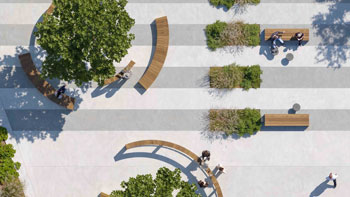
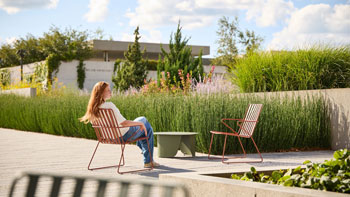
Expanding the collective imagination surrounding what a “lawn” can be, Prairie Plots replaces 10,000 square feet of existing campus lawn with prairie plant species endemic to the Texas Gulf Coast: Texas Coneflower (Rudbeckia texana), Blazing Star (Liatris spicata and Liatris acidota), Little Bluestem (Schizachyrium scoparium), Seaside Goldenrod (Solidago sempervirens), and Rattlesnake Master (Eryngium yuccifolium), among others. Led by local landscape architecture and urban planning firm Dept. (co-founded by Isaac Stein and Rice School of Architecture faculty member Maggie Tsang), the project seeks to counteract the harm caused by the classic lawn typology through radical gardening and land care, with plants that require fewer chemical inputs, provide habitat for insects and birds, and store significant volumes of water in the soil with their deep root systems, reducing the impact of Houston’s frequent stormwater flooding.
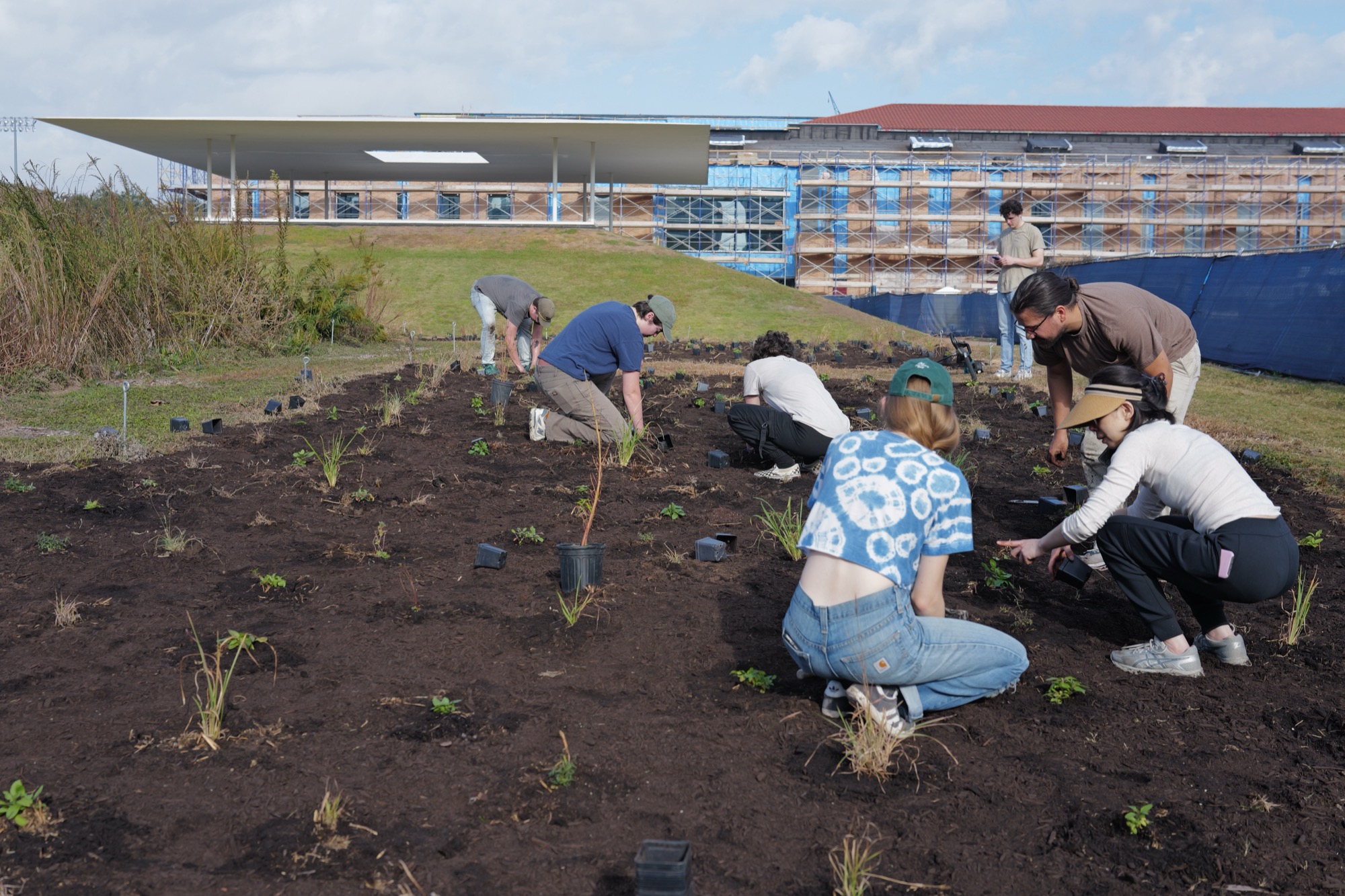
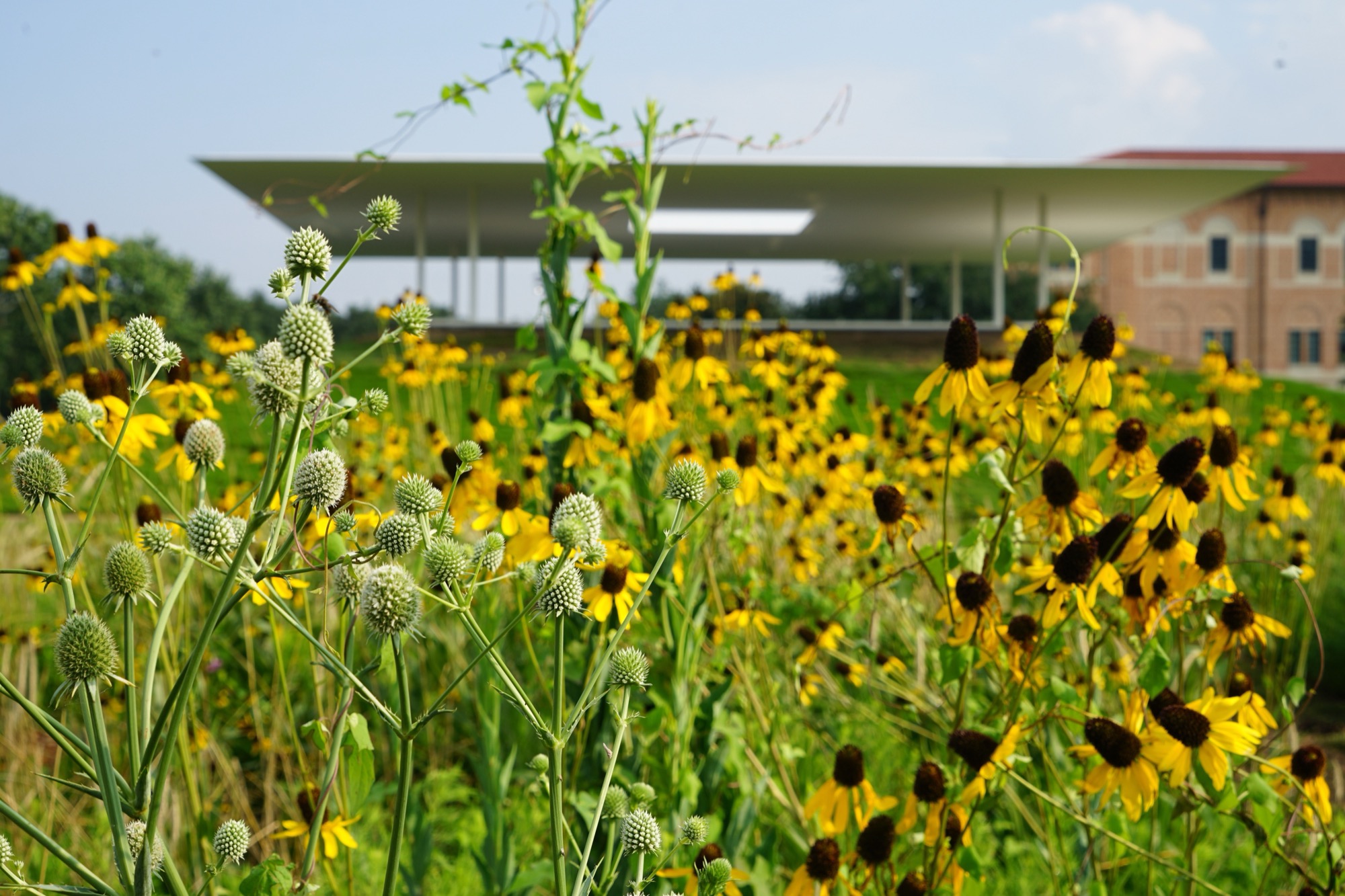
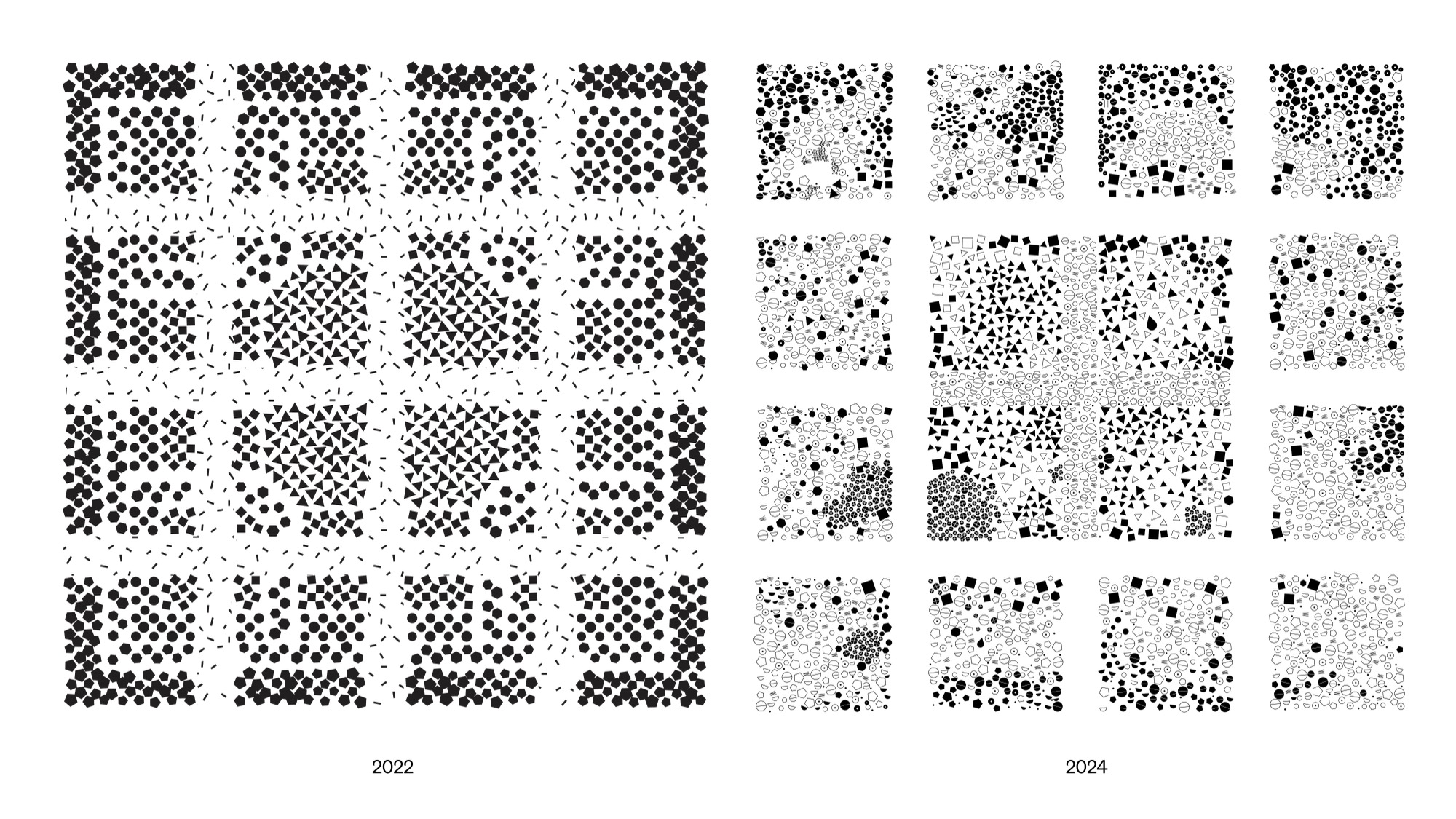
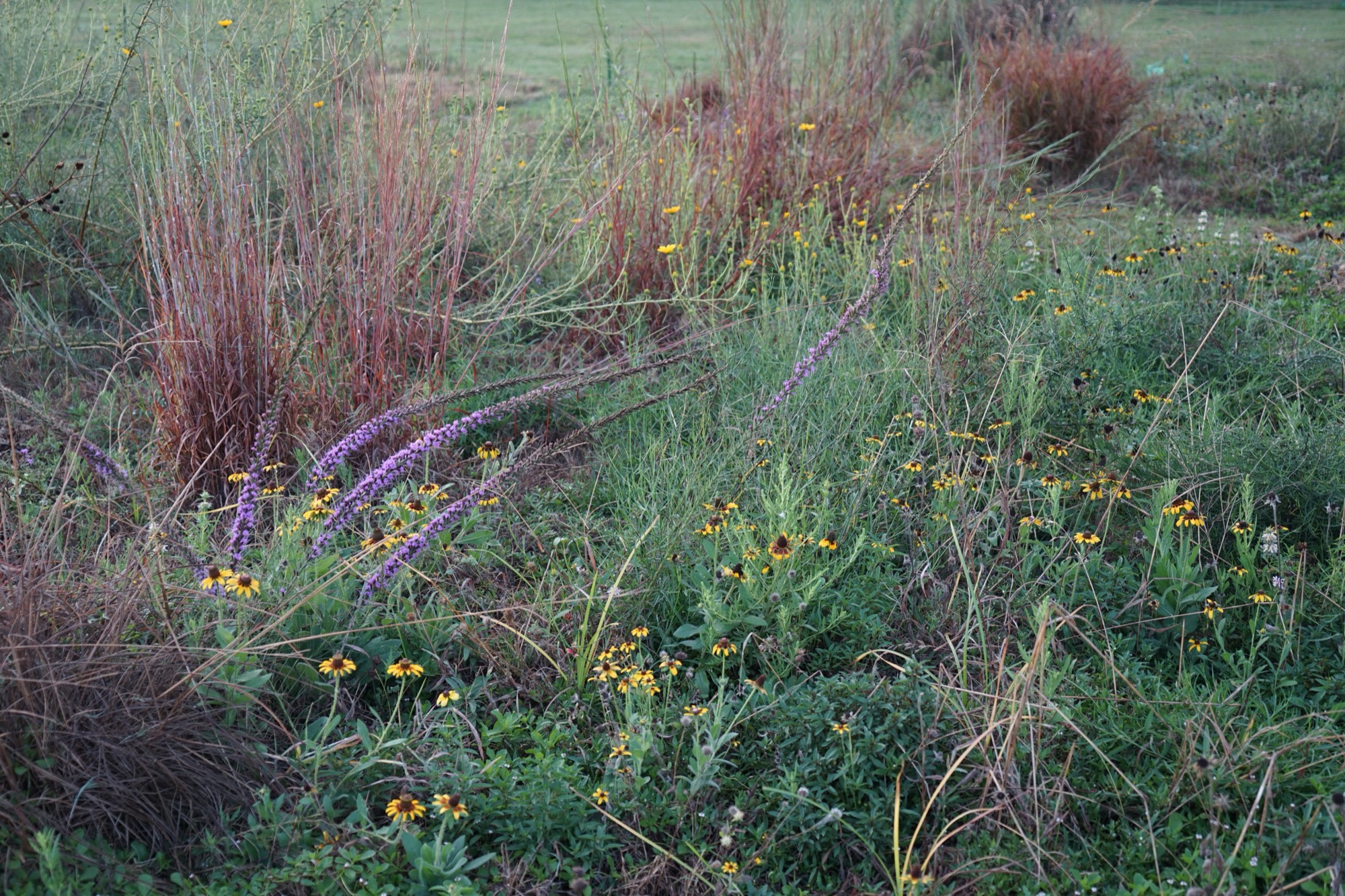
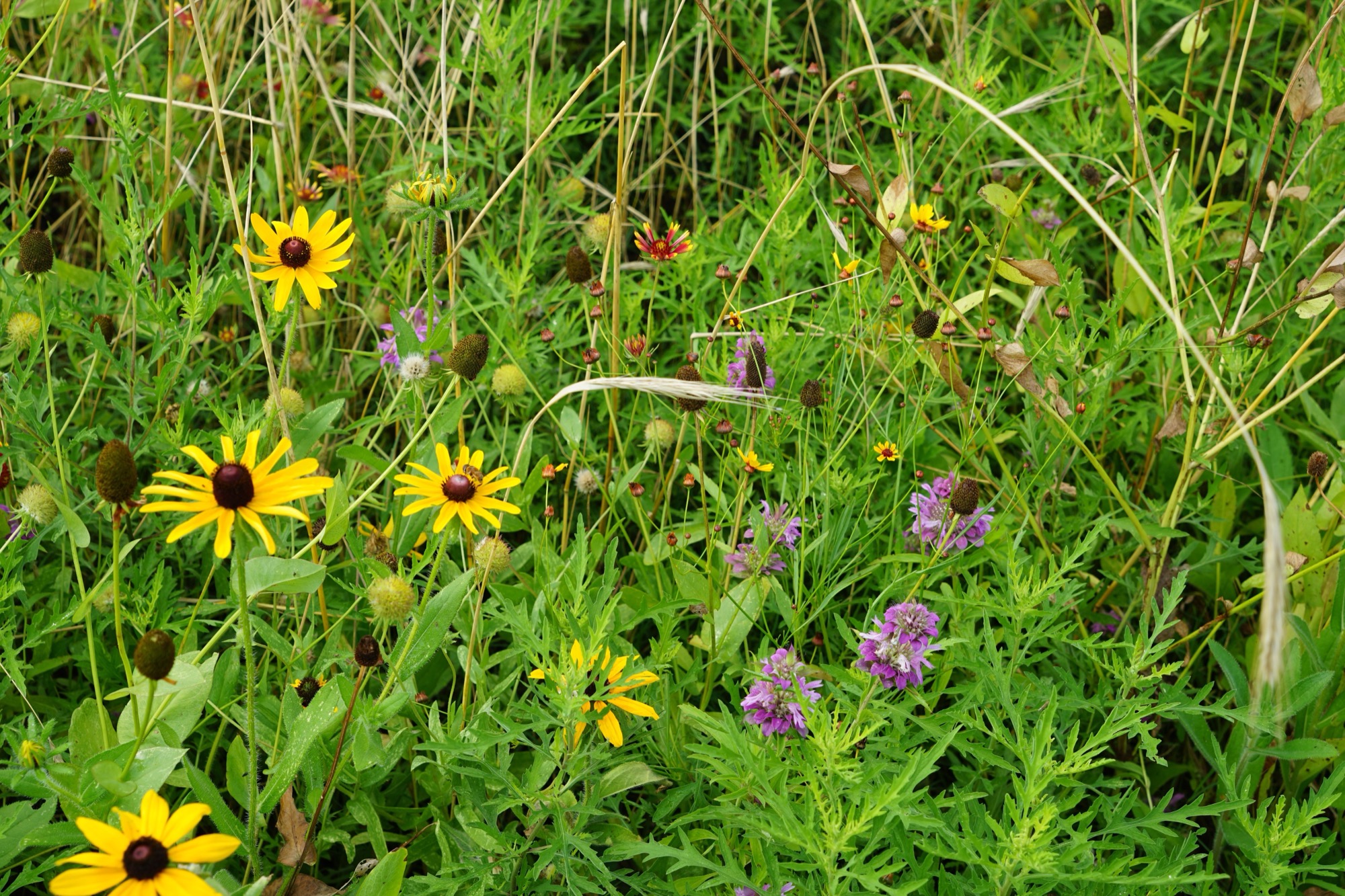
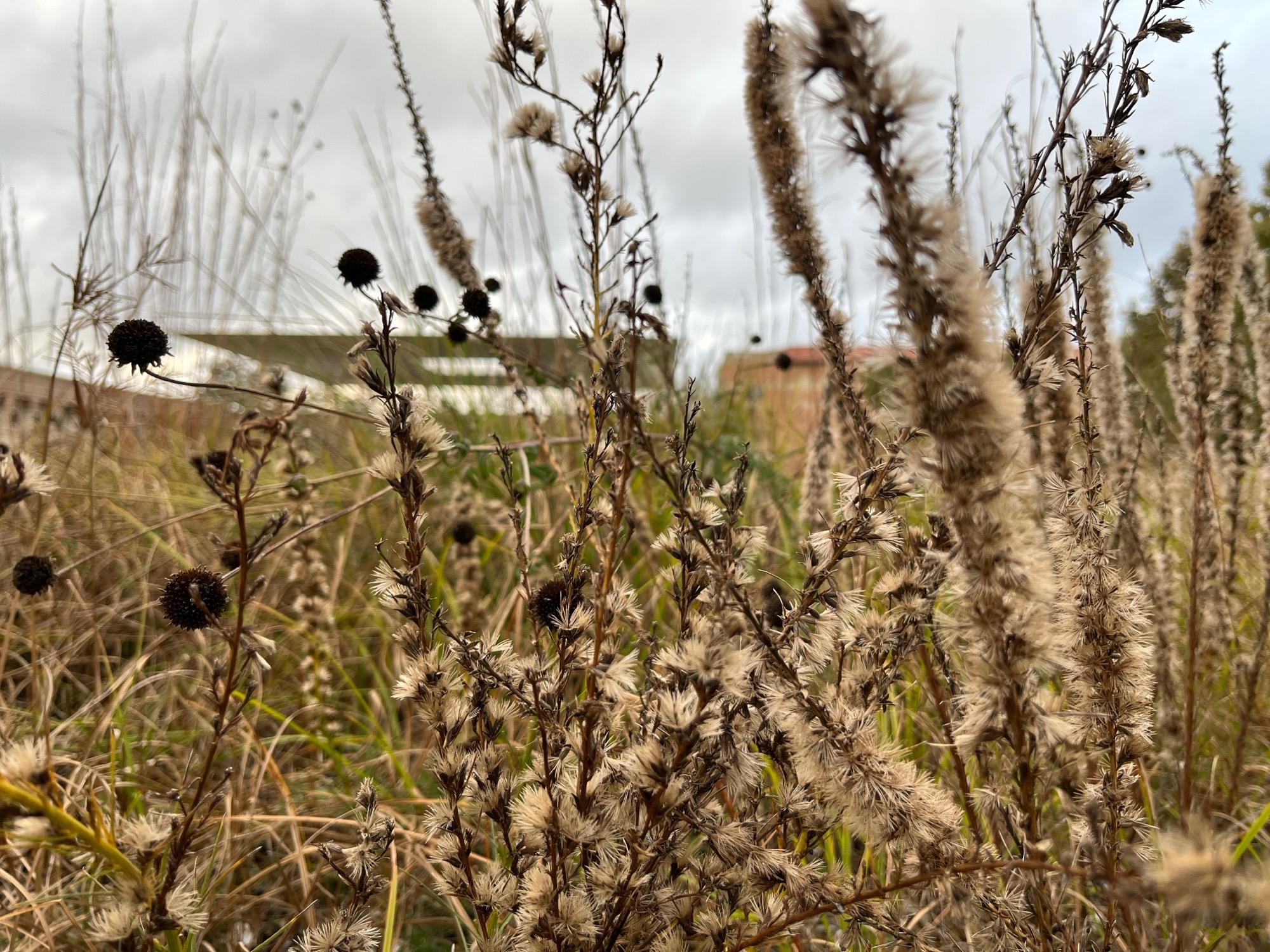
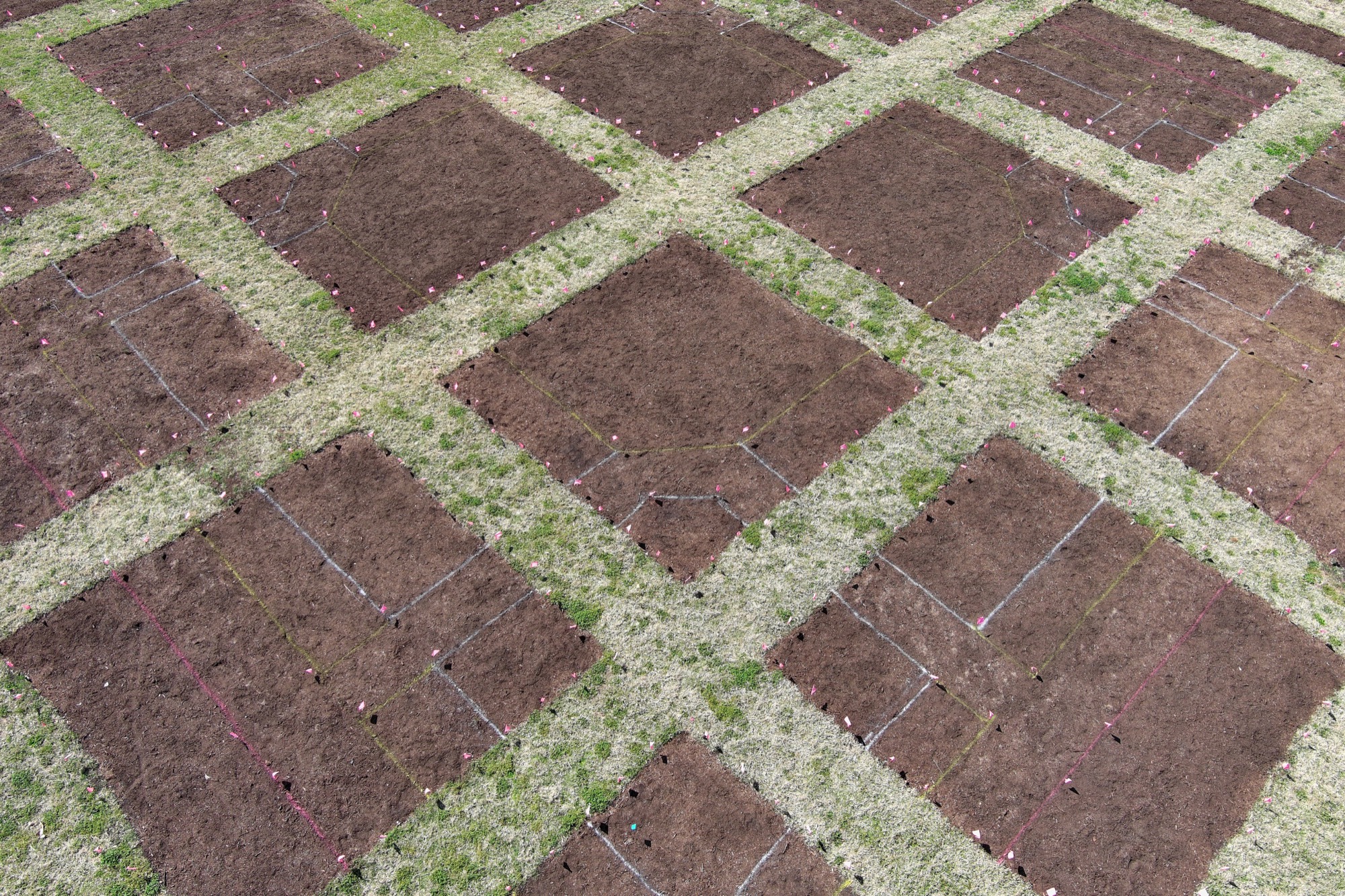
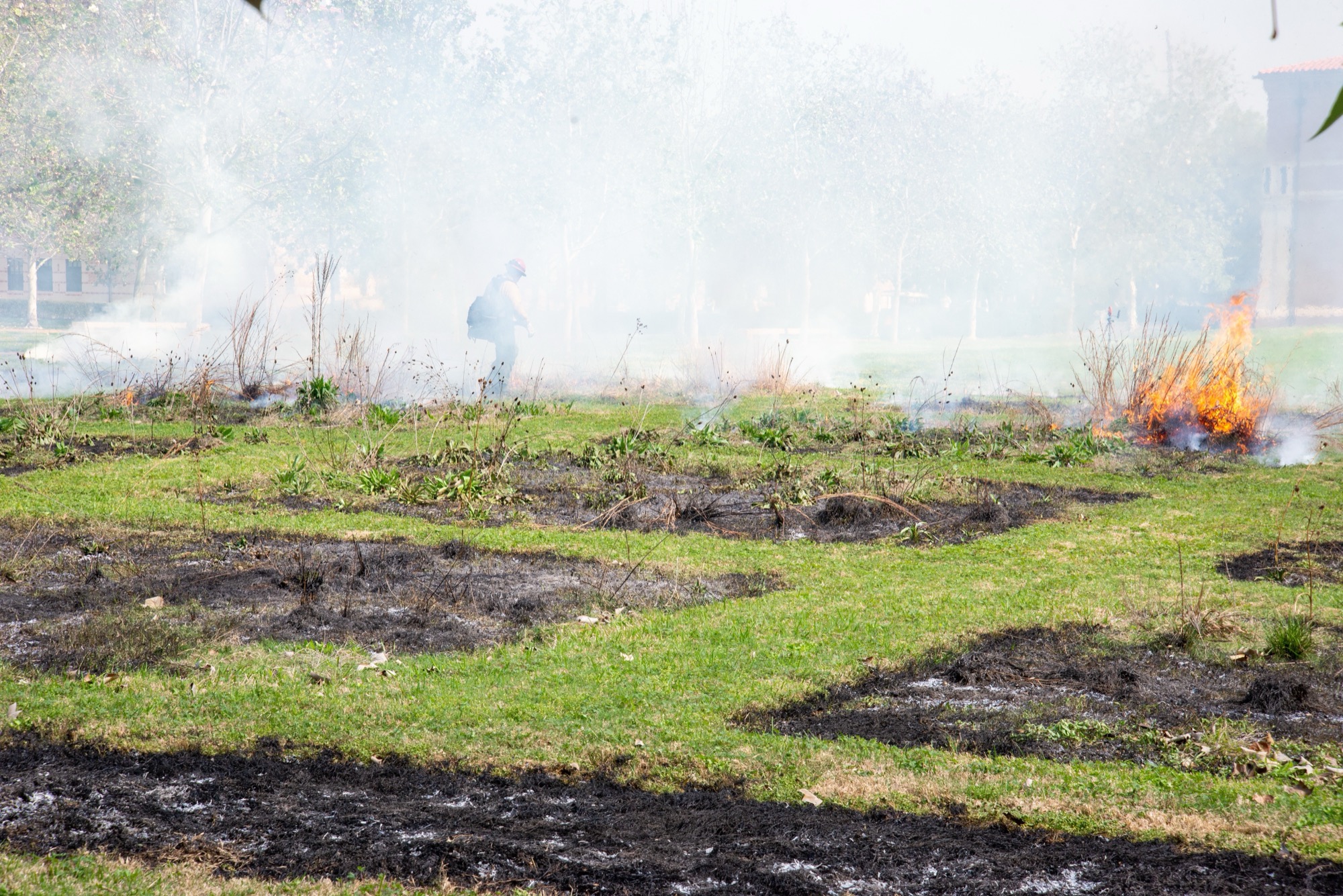
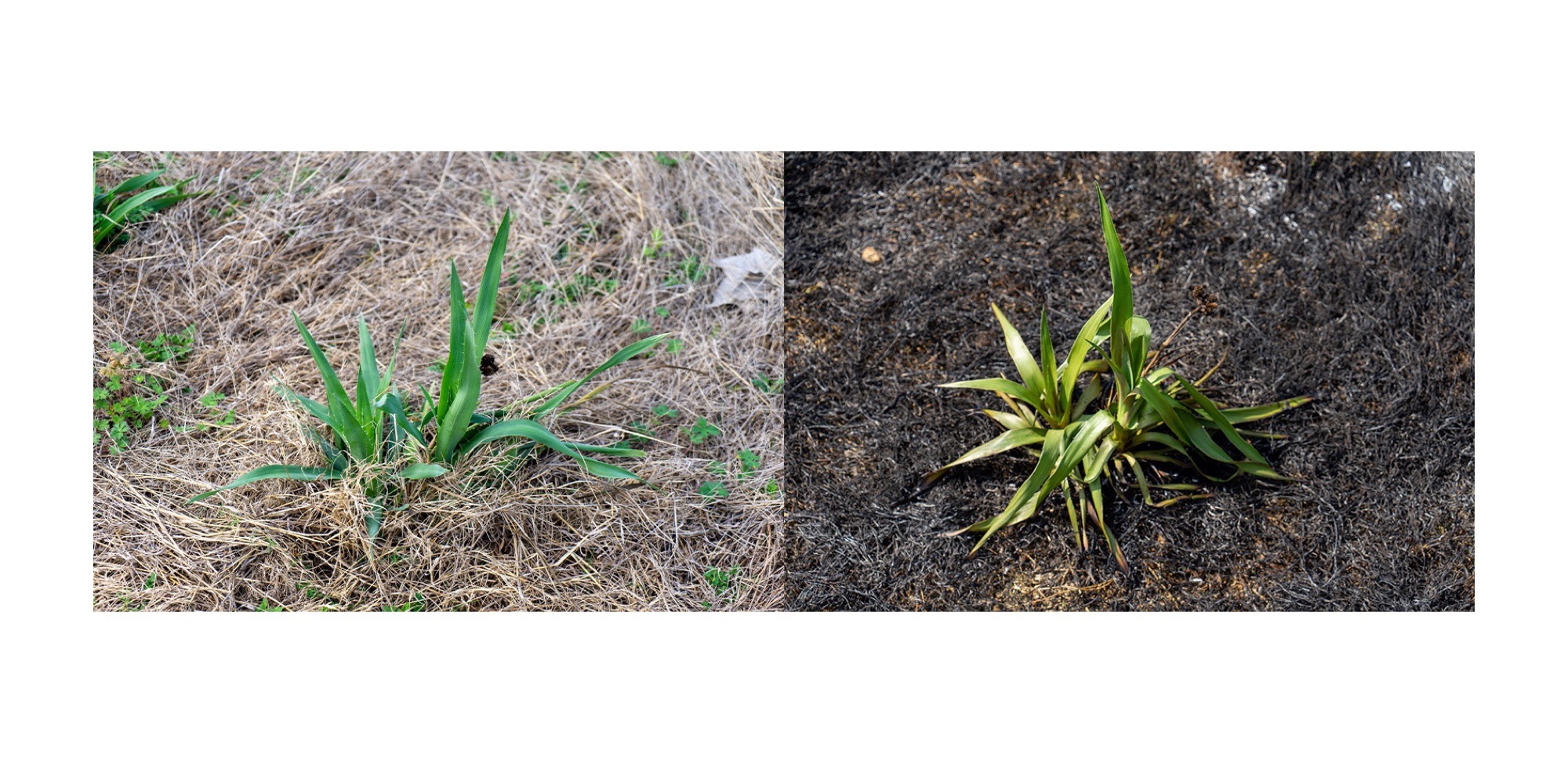
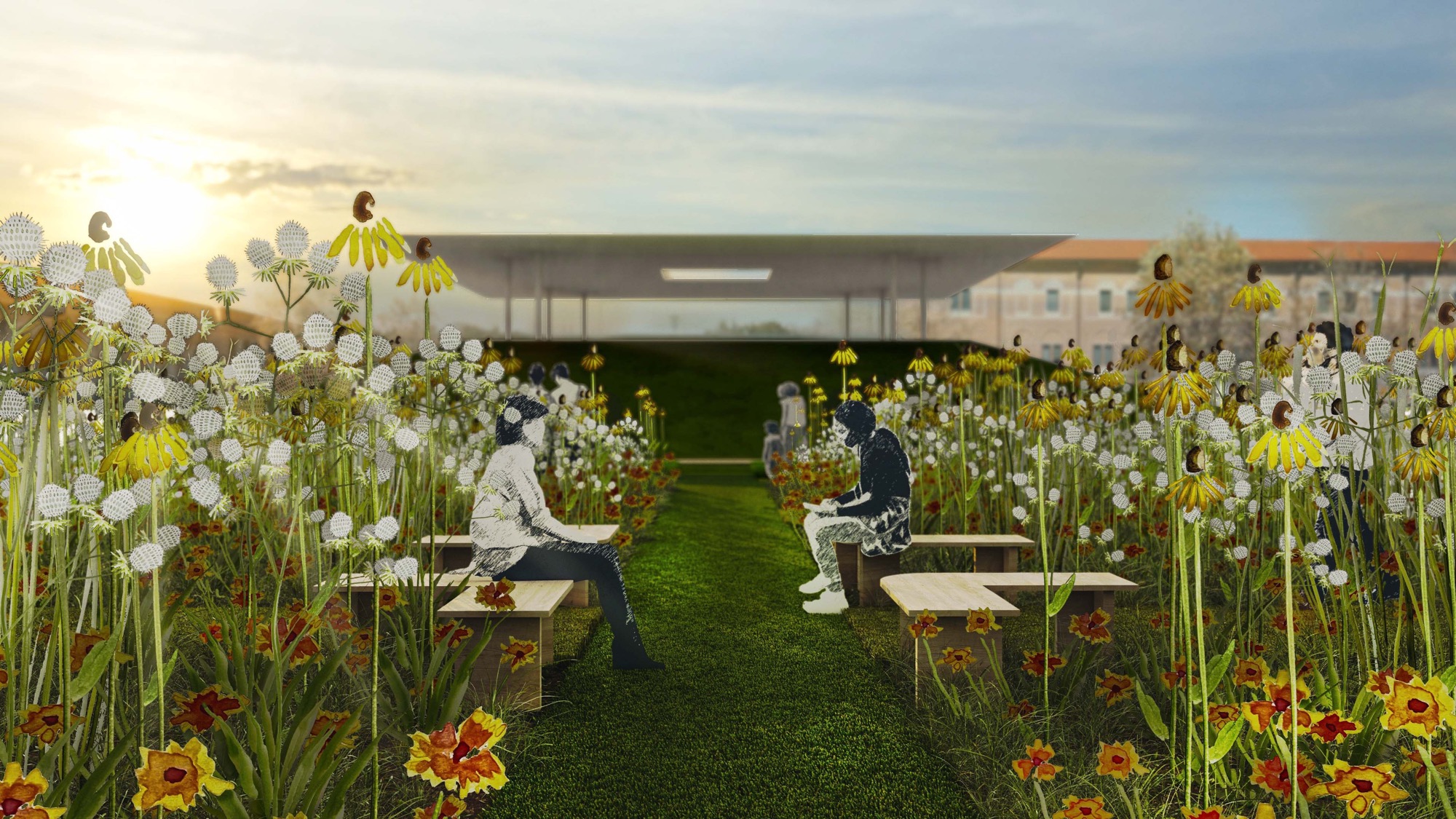
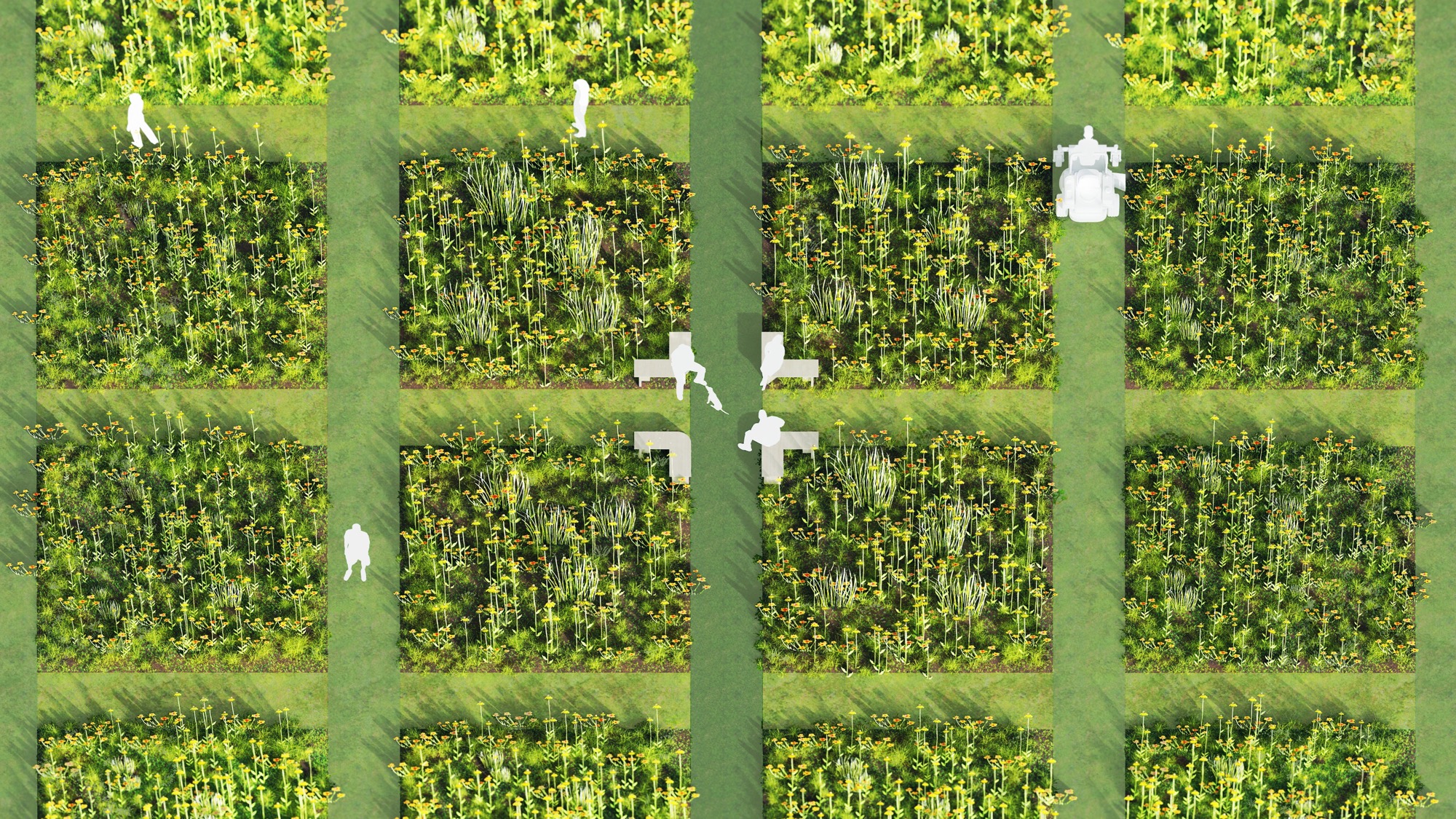
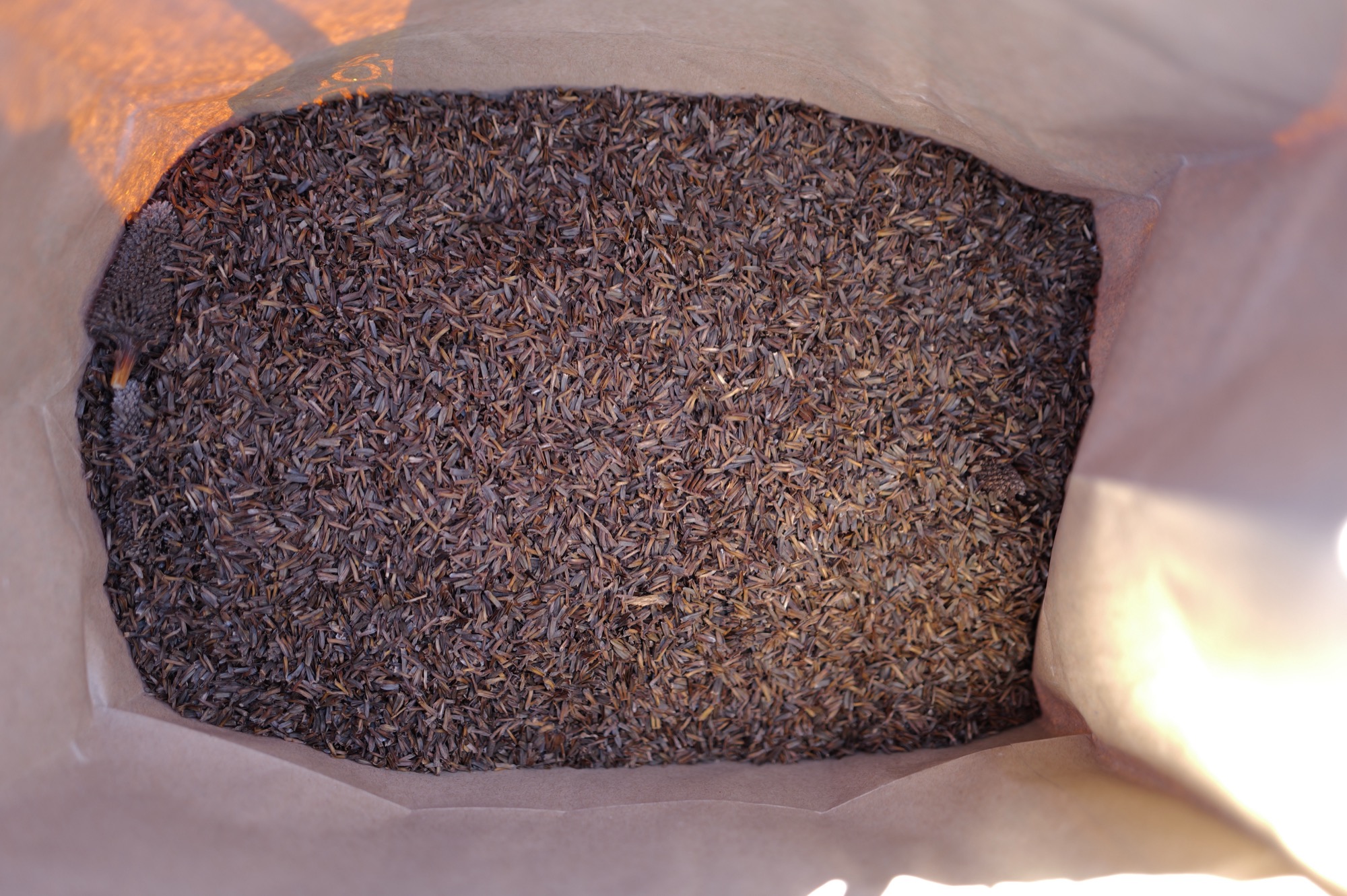
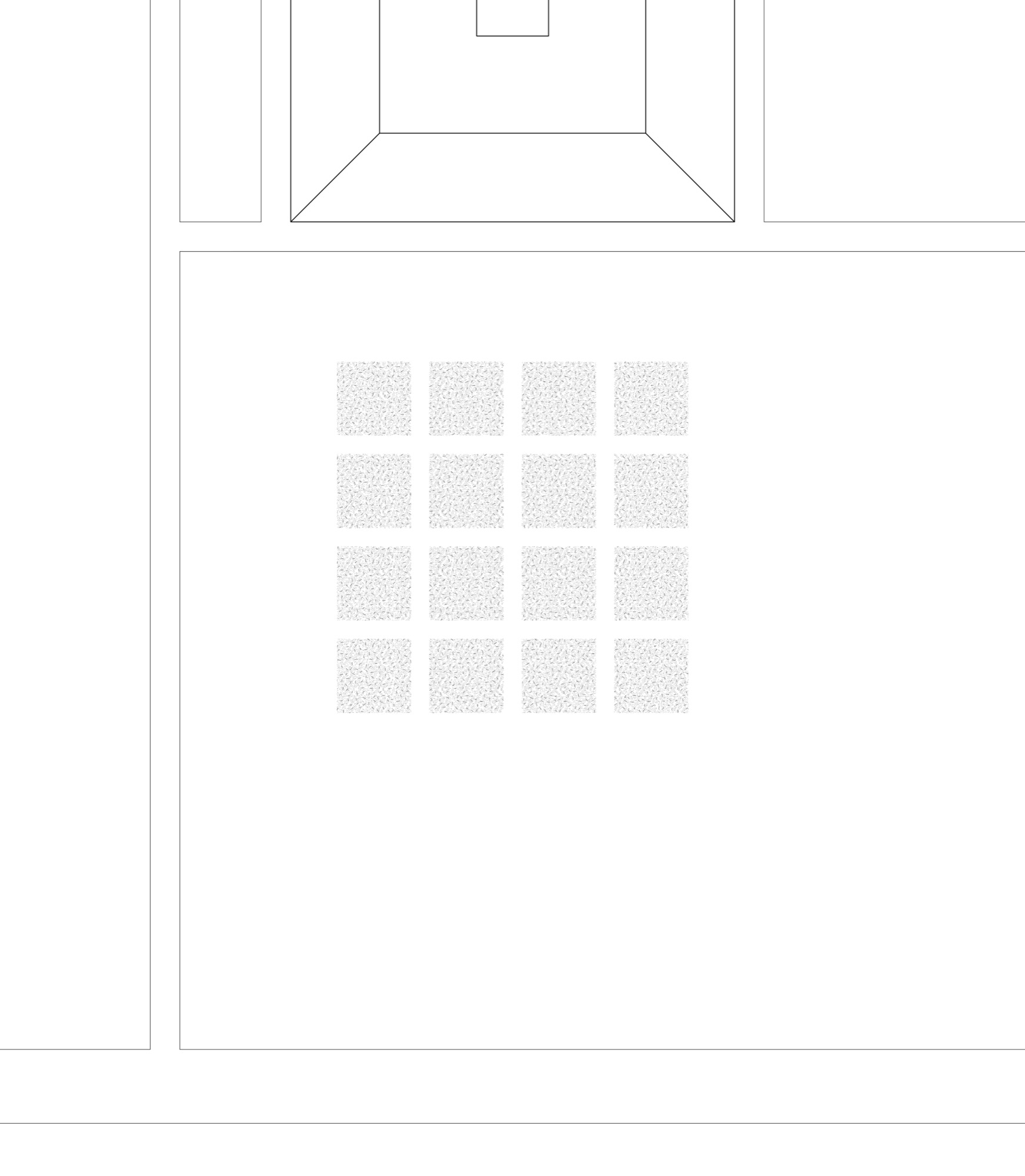
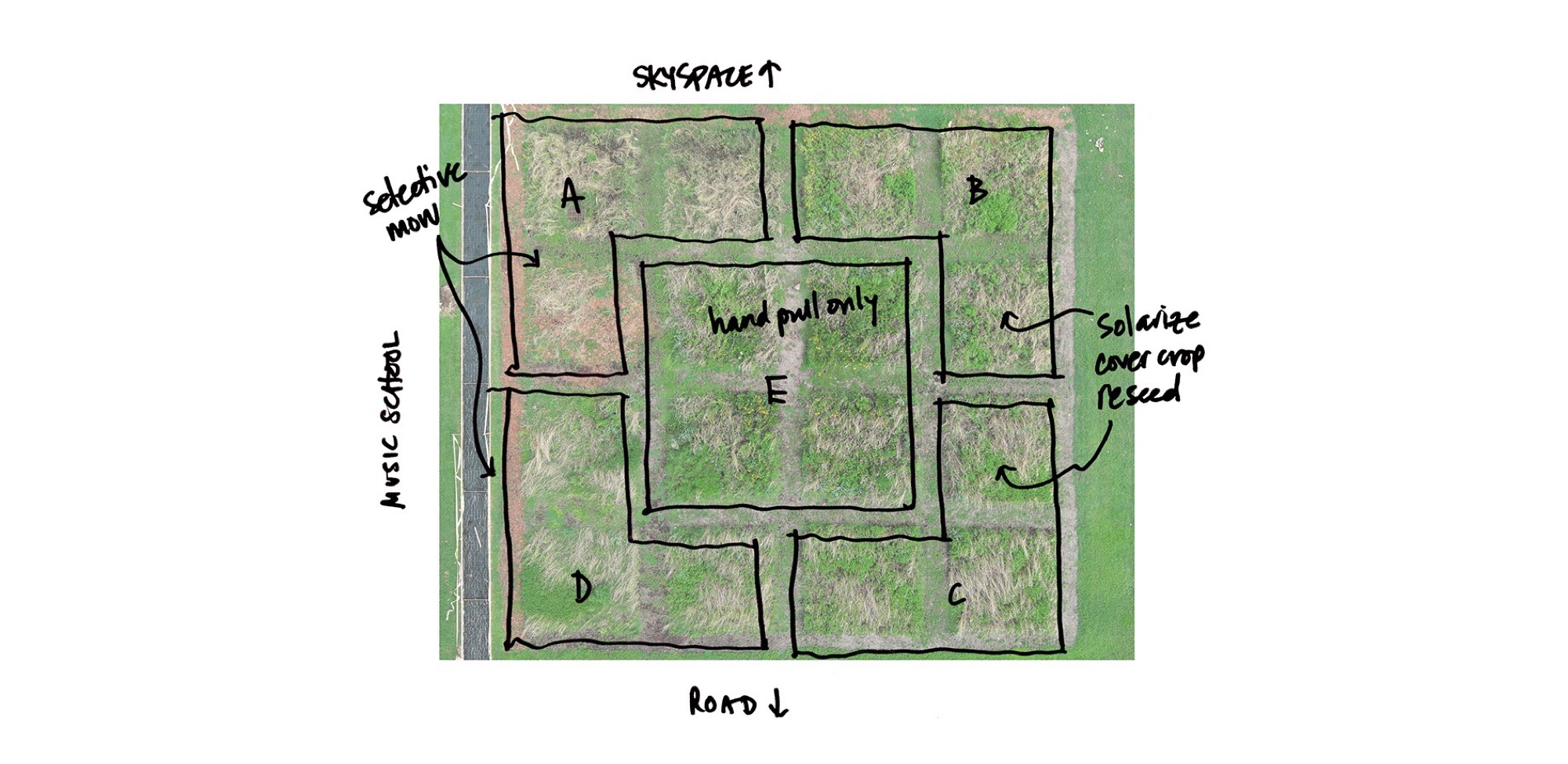
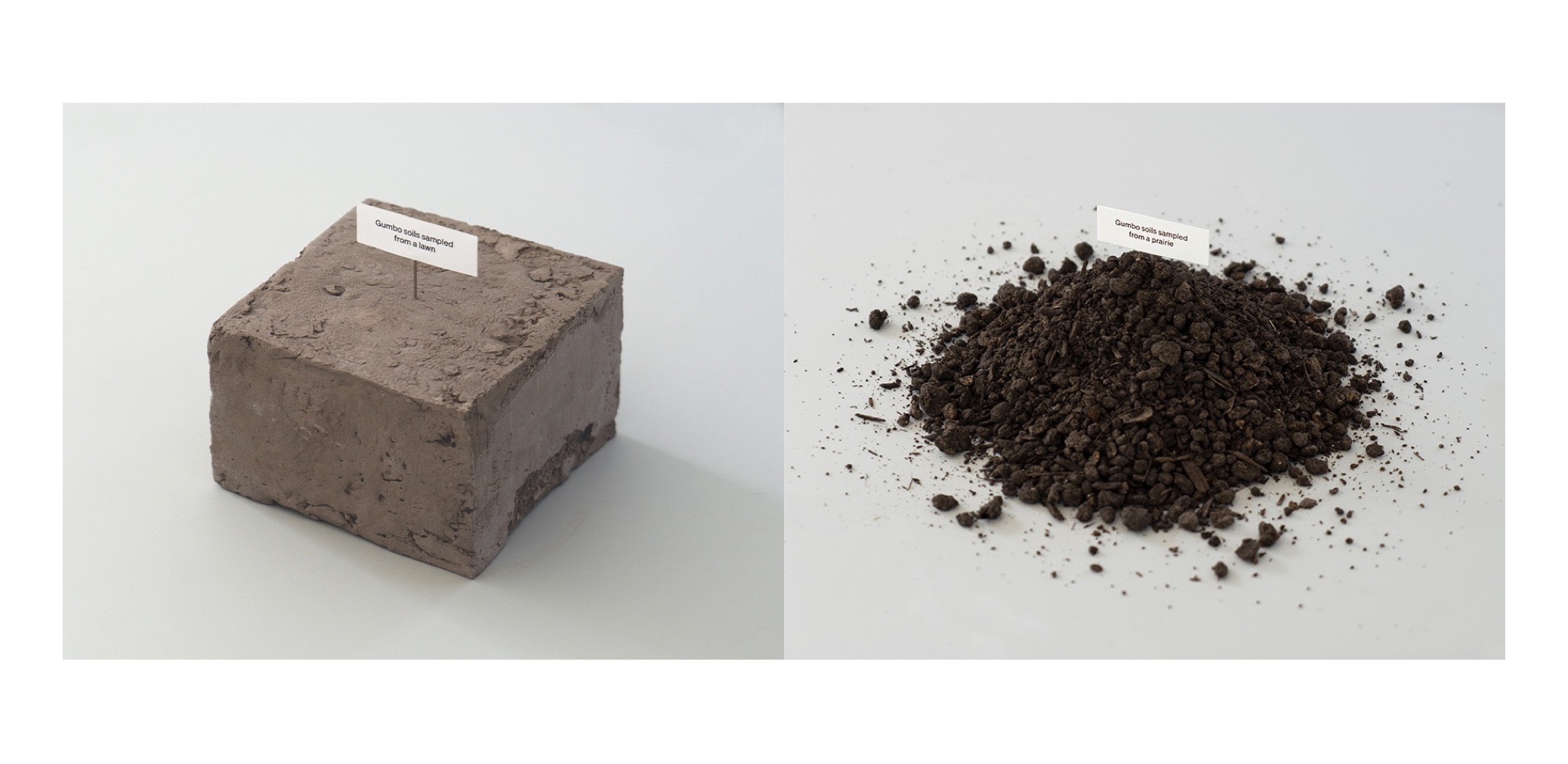
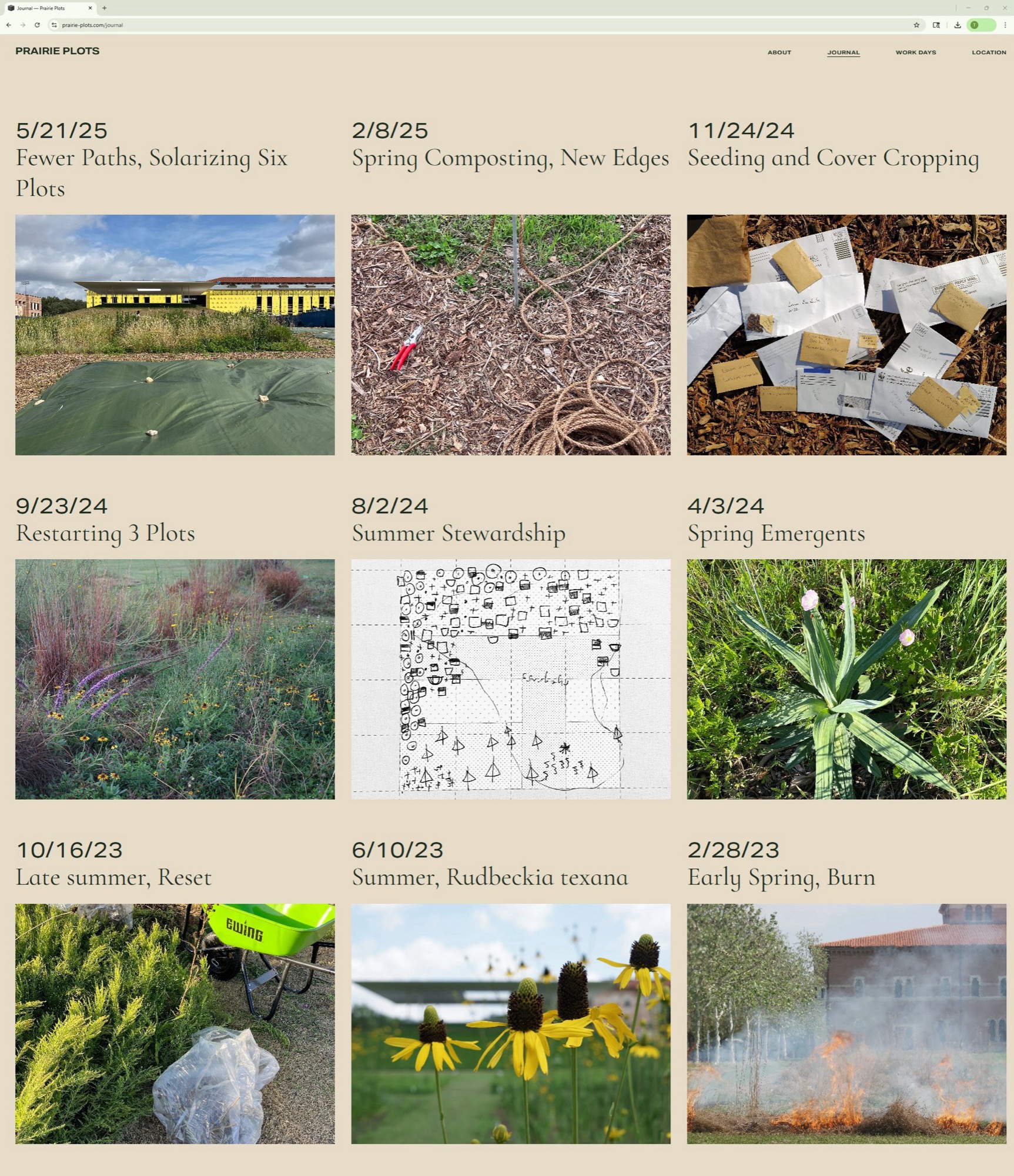
Since its installation in Spring 2022, Prairie Plots has continuously evolved as a living laboratory for students, faculty, and community members alike, providing a range of research opportunities and even serving as the site for the university’s first-ever prescribed burn. The landmark moment demonstrated the practical applications of fire as a land management tool and blurred the lines between the formality of landscaping and the long-established cycles of maintenance and care that are infrequently practiced. Over the past several years, Prairie Plots has become a campus hotspot for biodiversity, providing the surrounding community with a seed source for rare and endemic plant species, along with important carbon sequestration and dramatic improvements of soil quality.
At large, the project has raised questions around building capacity for alternative land management practices, and engaged campus- and community- wide conversations on the cultural impact of ecological landscapes.
Project Credits:
The project was supported by Rice Architecture, Rice Facilities, Engineering, and Planning; Rice University Office for Research, and the Arboretum Committee. Prairie Plots would not exist without the care and tireless help of many community and student volunteers.
29.71598041170492, -95.40399355825583
75921


LILA 2026 Sponsor