Privet Drive by Maclver-Ek Chevroulet
maciverekchevroulet.ch
2026 Landscape and Architecture / 2026 Public Projects / Switzerland / Built in 2025 /

Identity
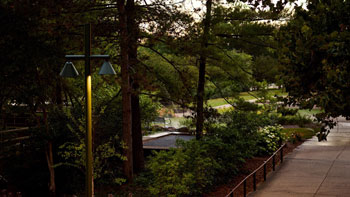
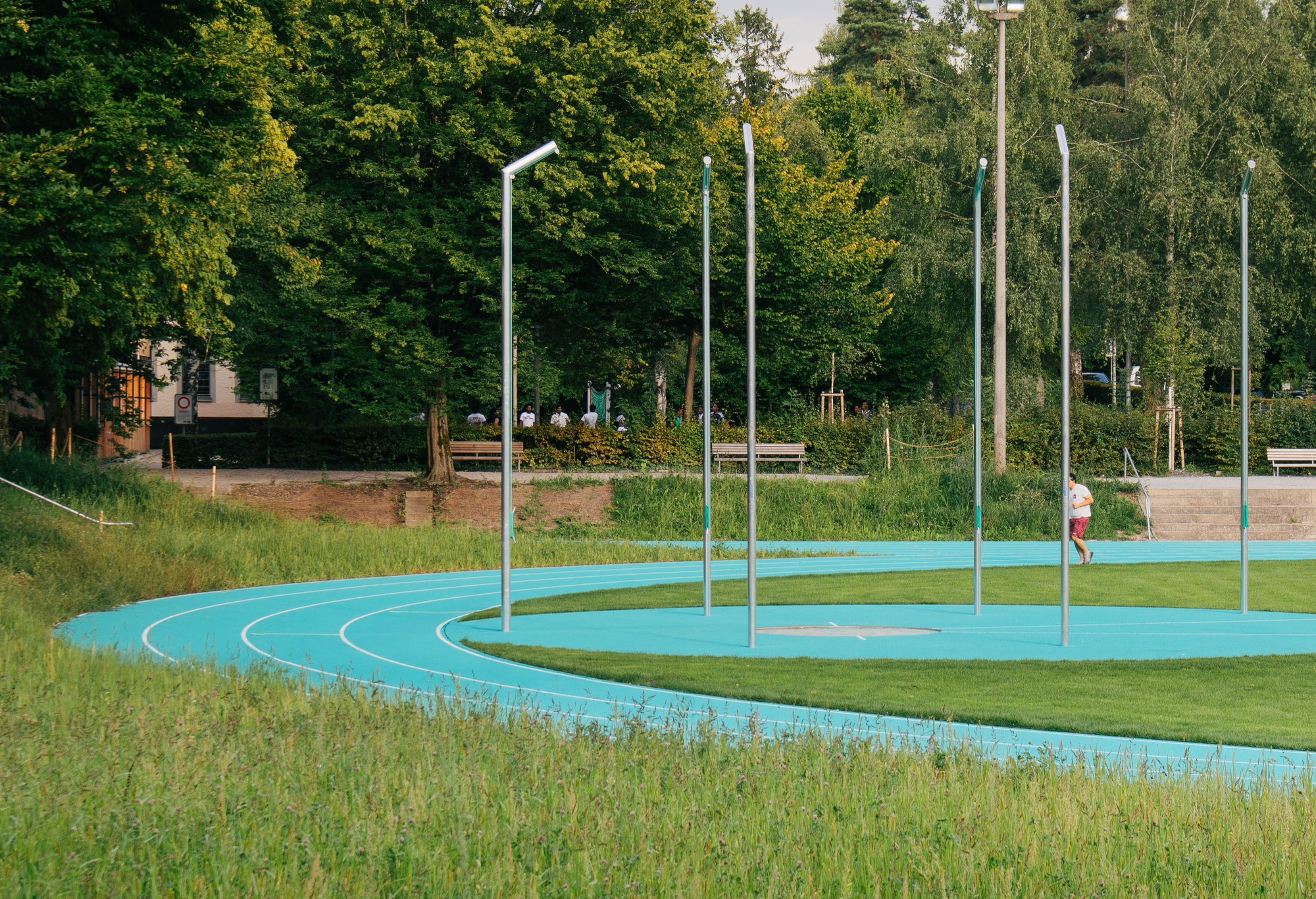
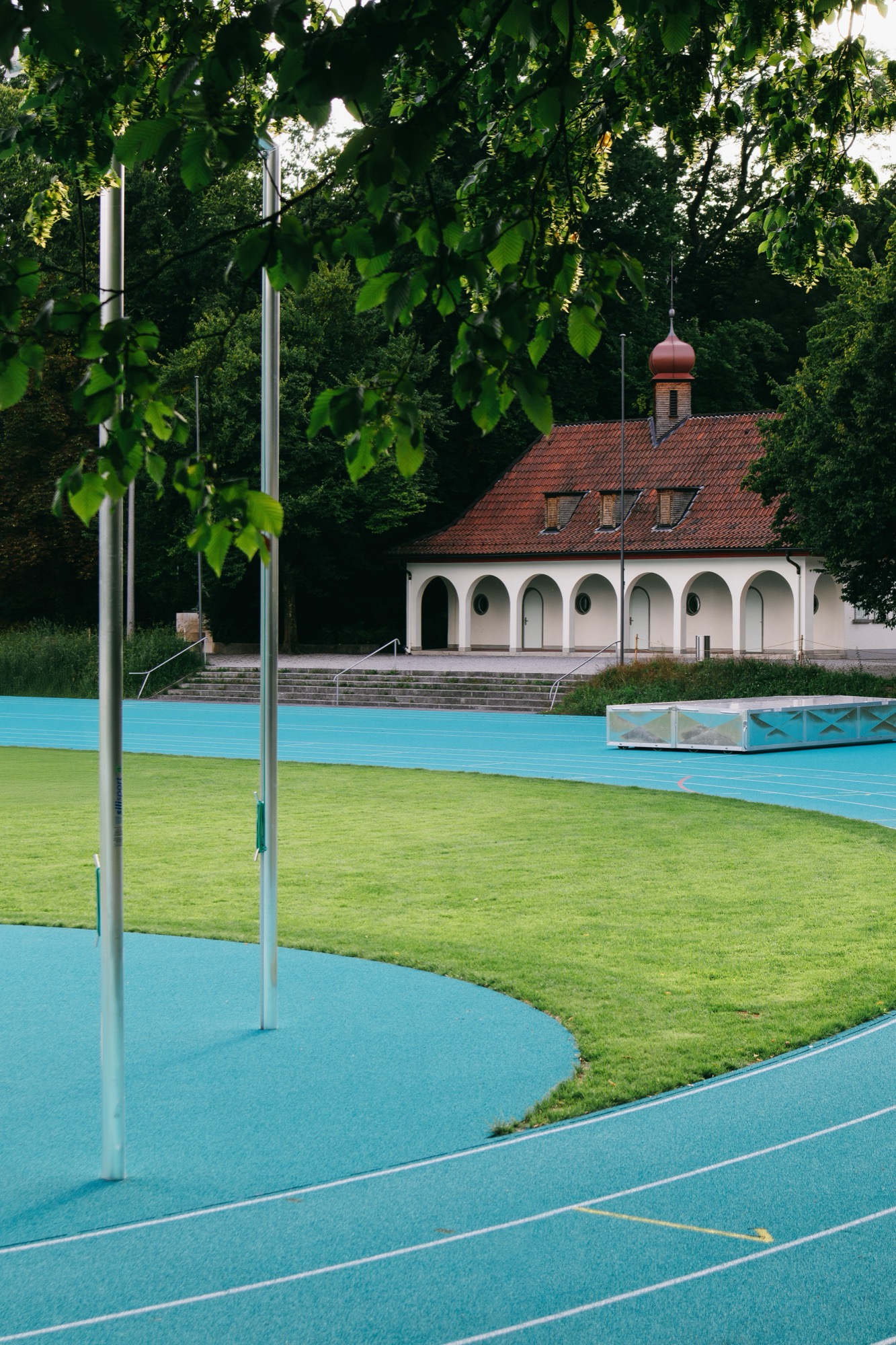
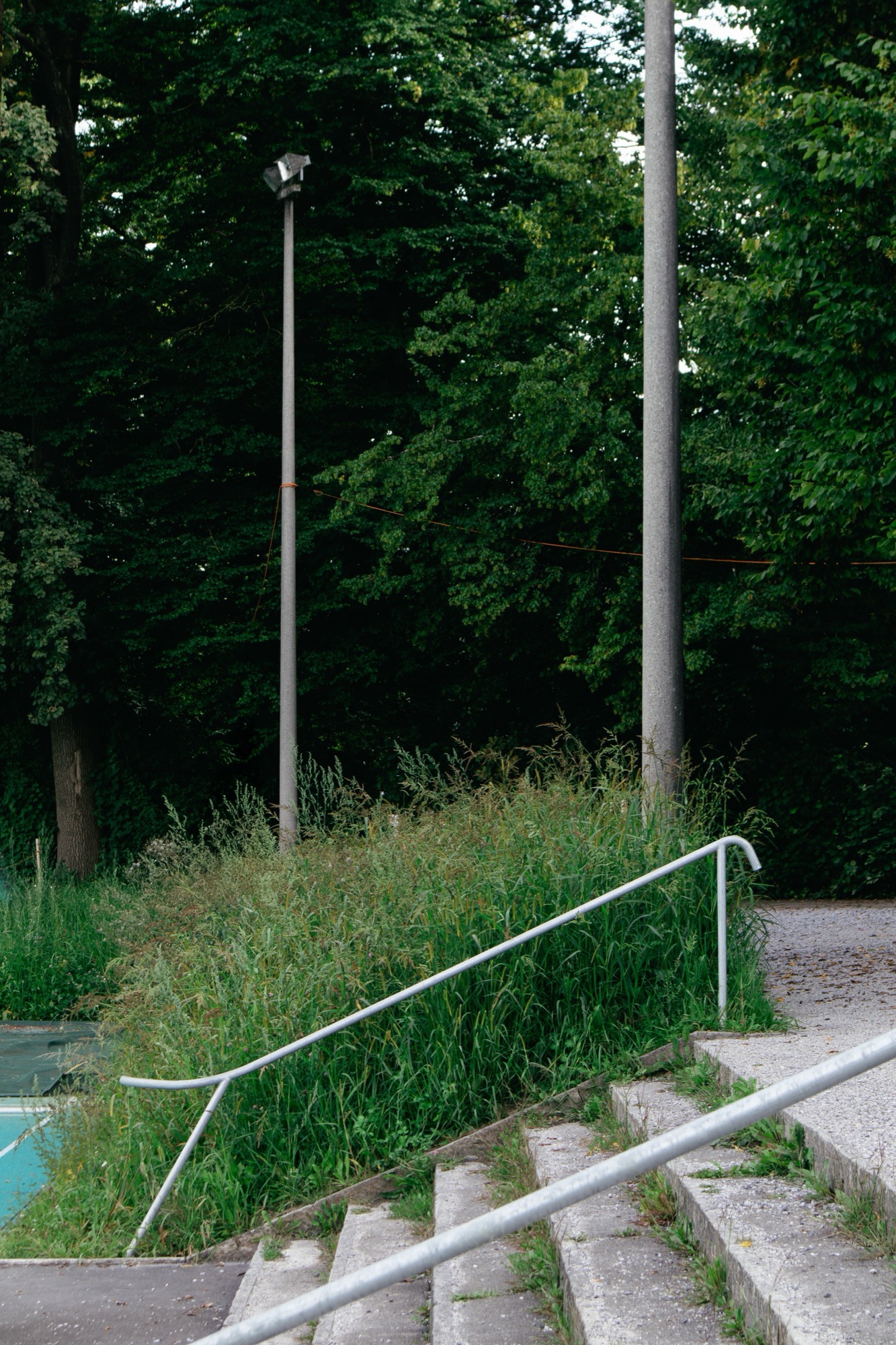
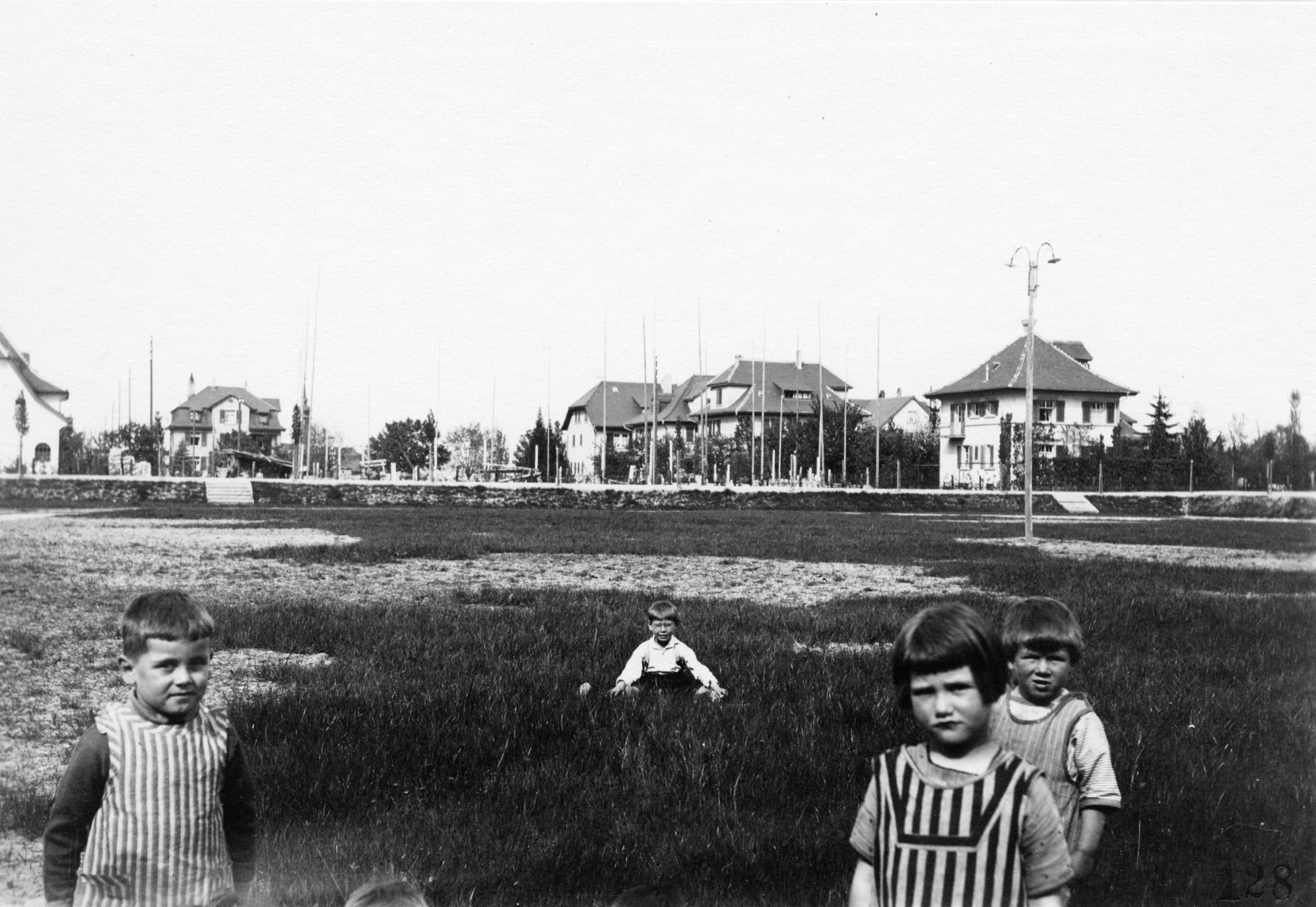
Established in 1926, the site originally functioned as a public park with integrated sports uses. Its transformation in the 1980s into a purely sports-oriented facility erased many of its natural and spatial qualities. Through close collaboration with garden heritage, the project re-engages with the site’s historical layers, revealing lost characteristics and carefully reintroducing elements that reconnect contemporary use with the park’s original landscape identity.
Critical thinking
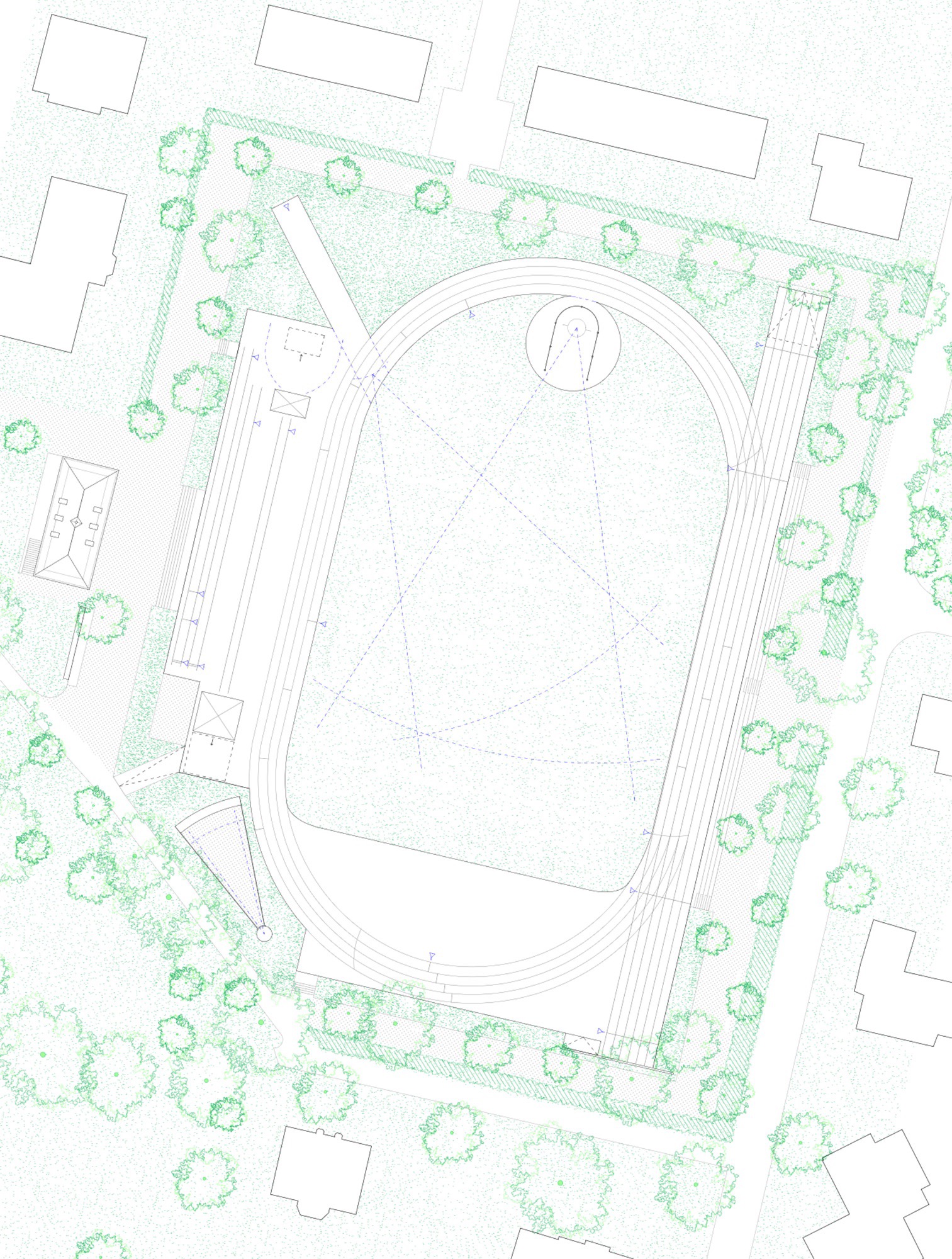
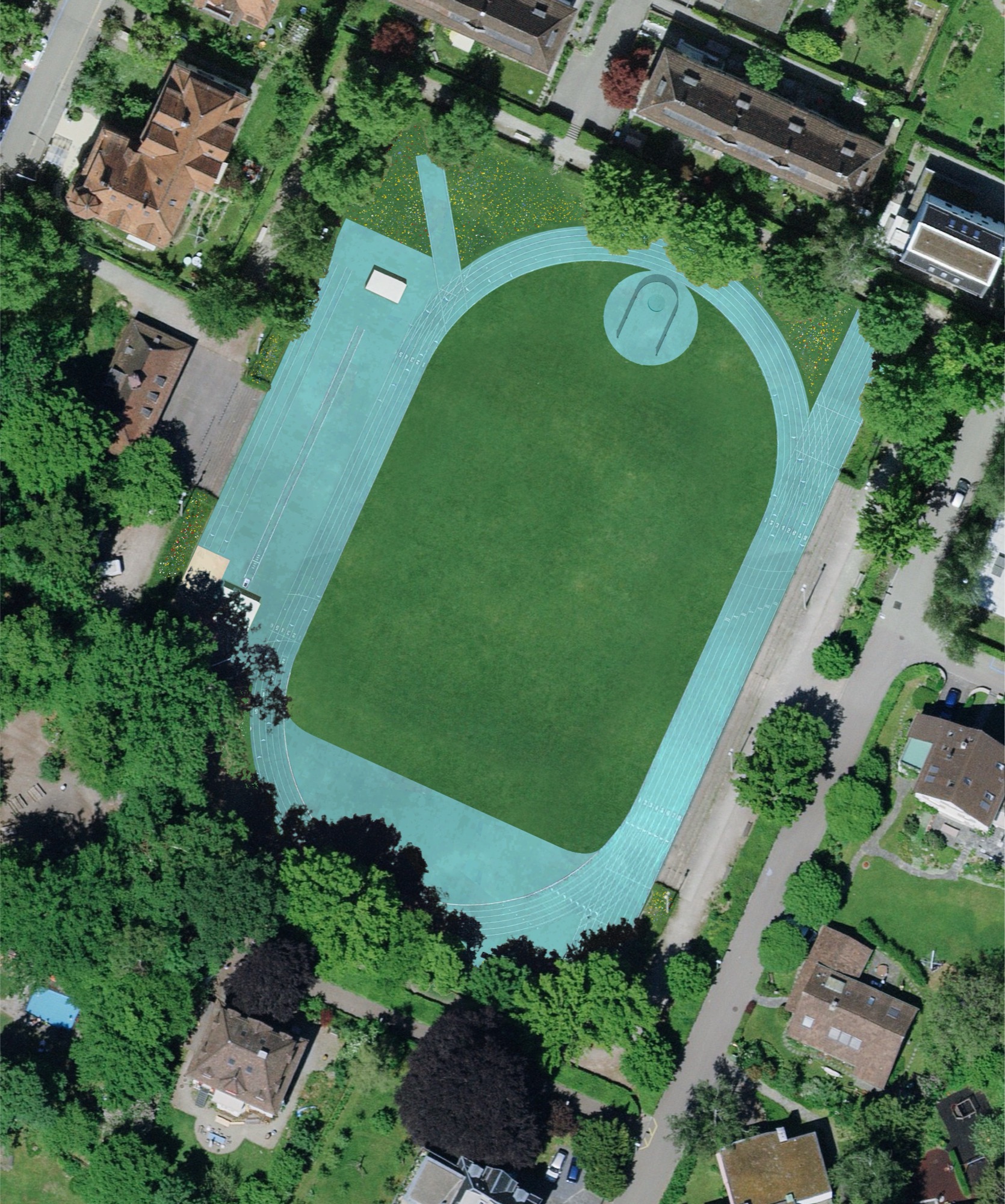
Initially commissioned as a simple maintenance project, the proposal reframes this limited mandate. By questioning the given program, we acted as engaged actors, introducing unrequested yet necessary changes to improve the site for future generations. Through small, forward-thinking interventions, maintenance becomes a process of care, responsibility, and shared value. After lengthy negotiations, we convinced the city that it was possible to improve the sports facilities while removing a substantial area of sealed surface and returning it to vegetation.
-
- Screenshot
-
- Screenshot
Functionality
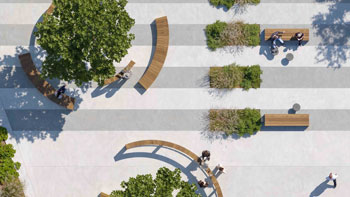
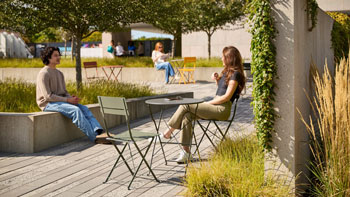
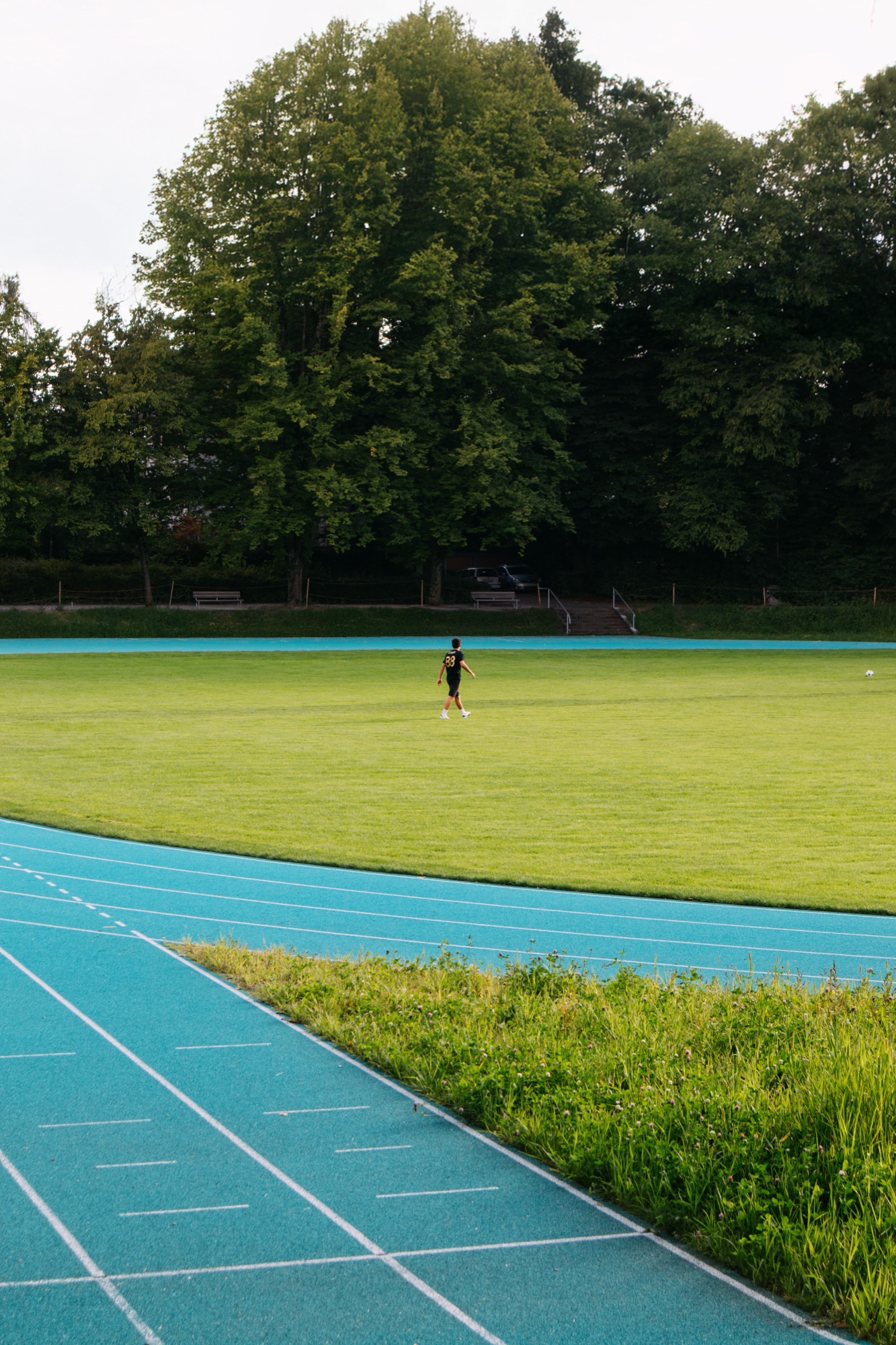
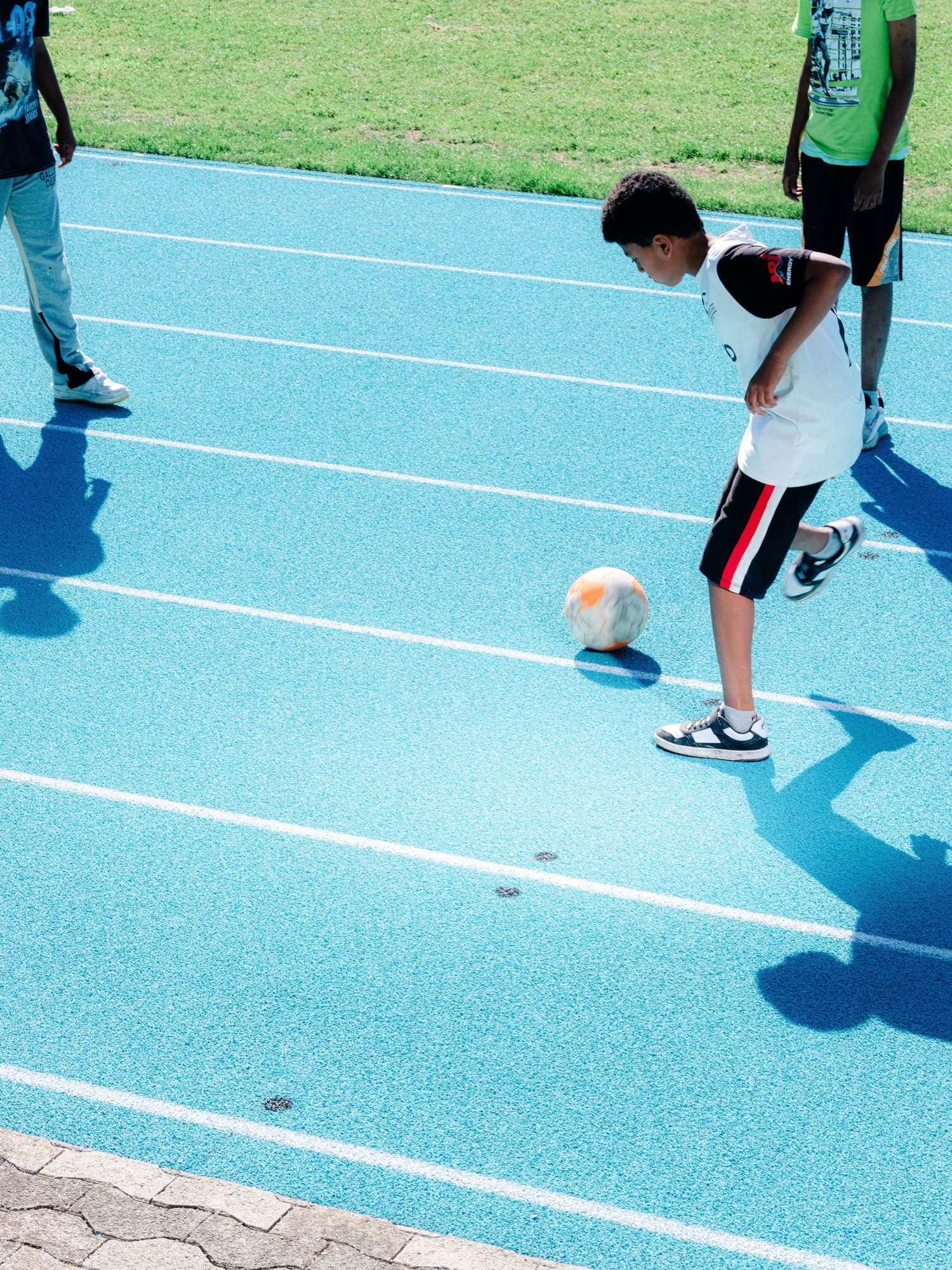
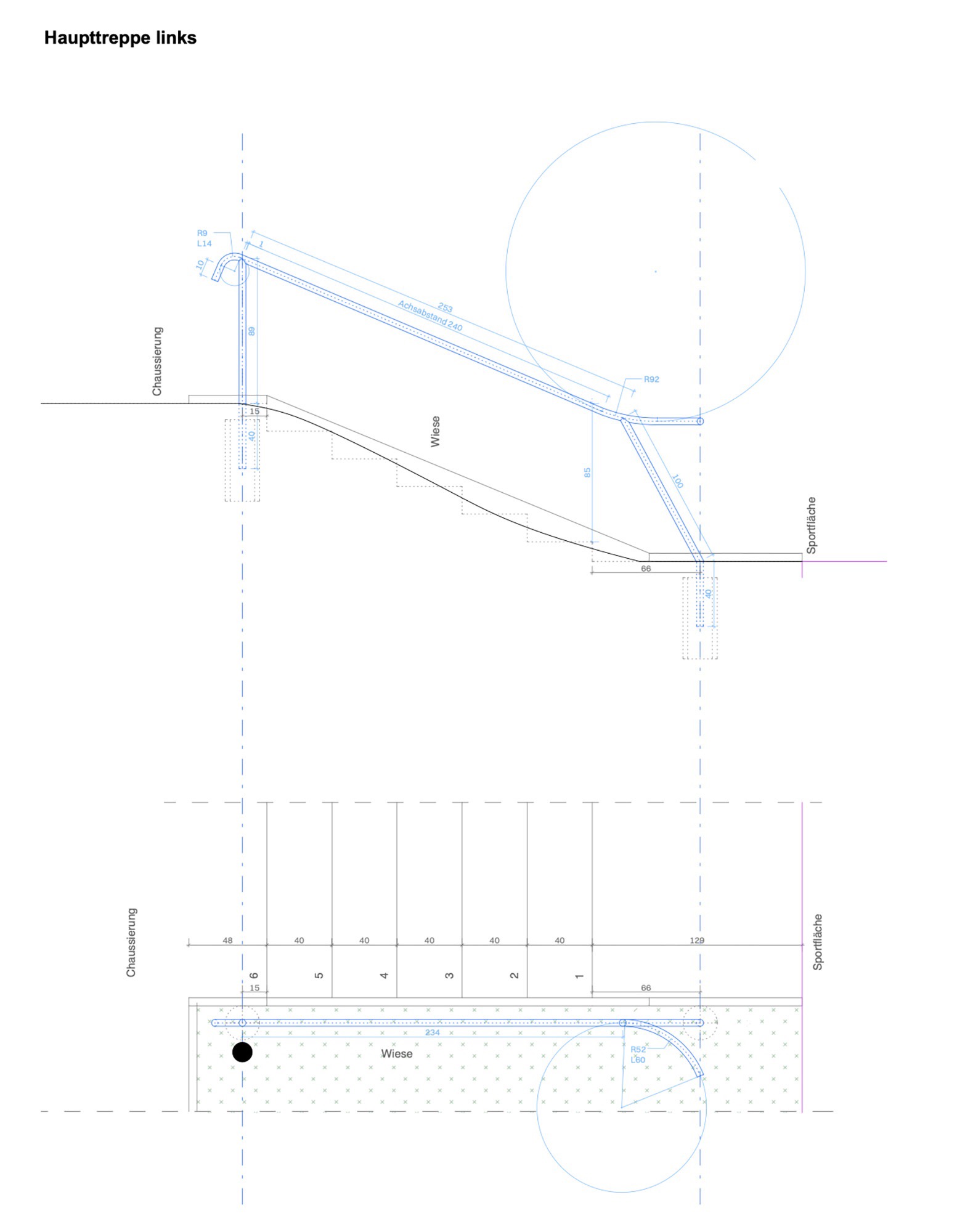
The project strengthens the site’s sports functionality while expanding its role as a public park accessible to the surrounding neighbourhood. Beyond organized sports, it offers a safe, open environment where children can learn to ride their bikes, elderly residents can walk comfortably without tripping, and people can play pétanque in summer. The site supports diverse users while remaining adaptable to future needs.
Sustainability and biodiversity
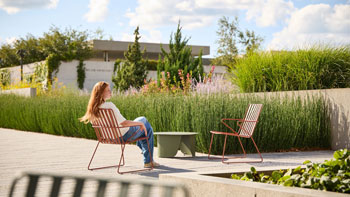
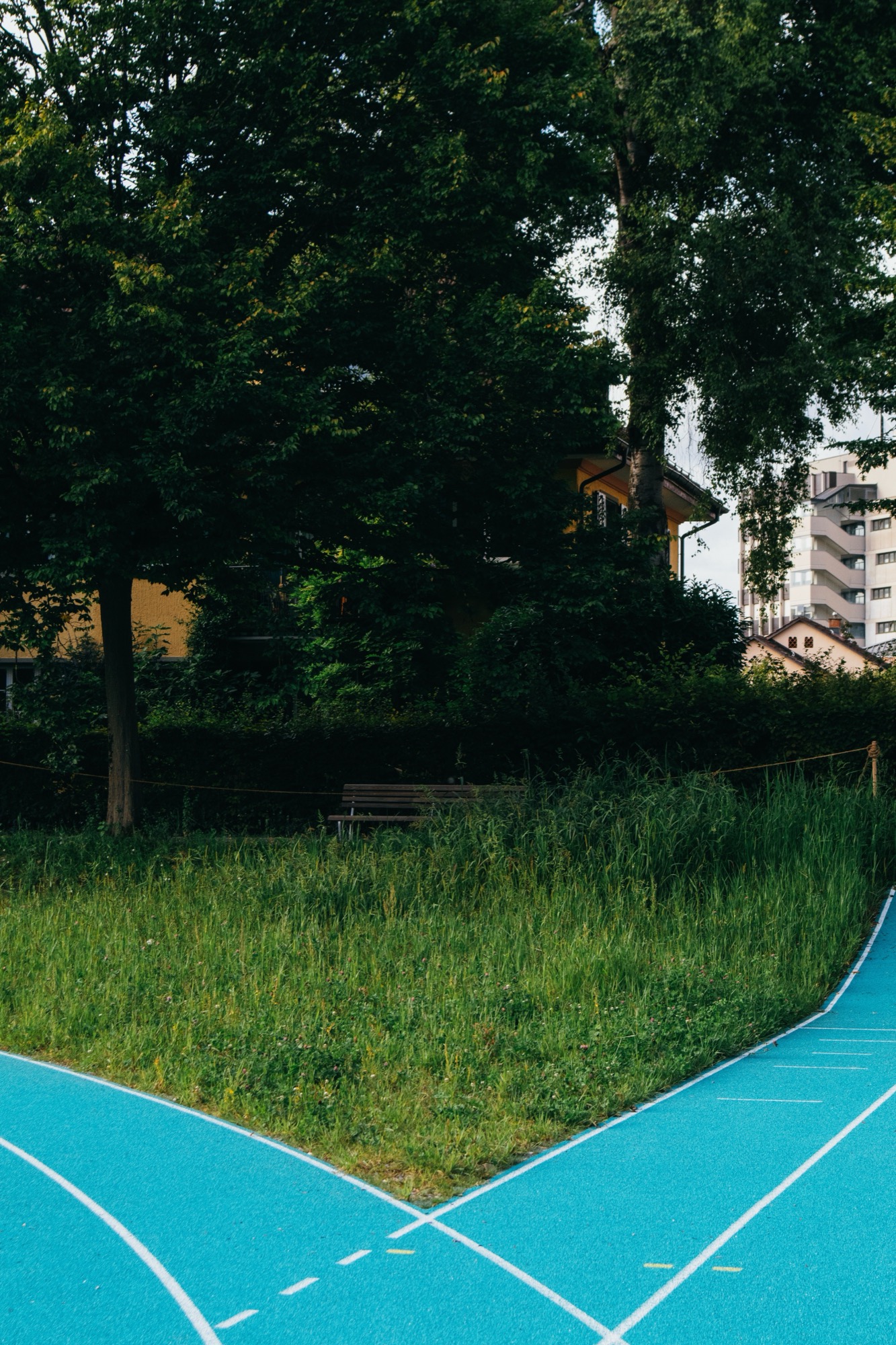
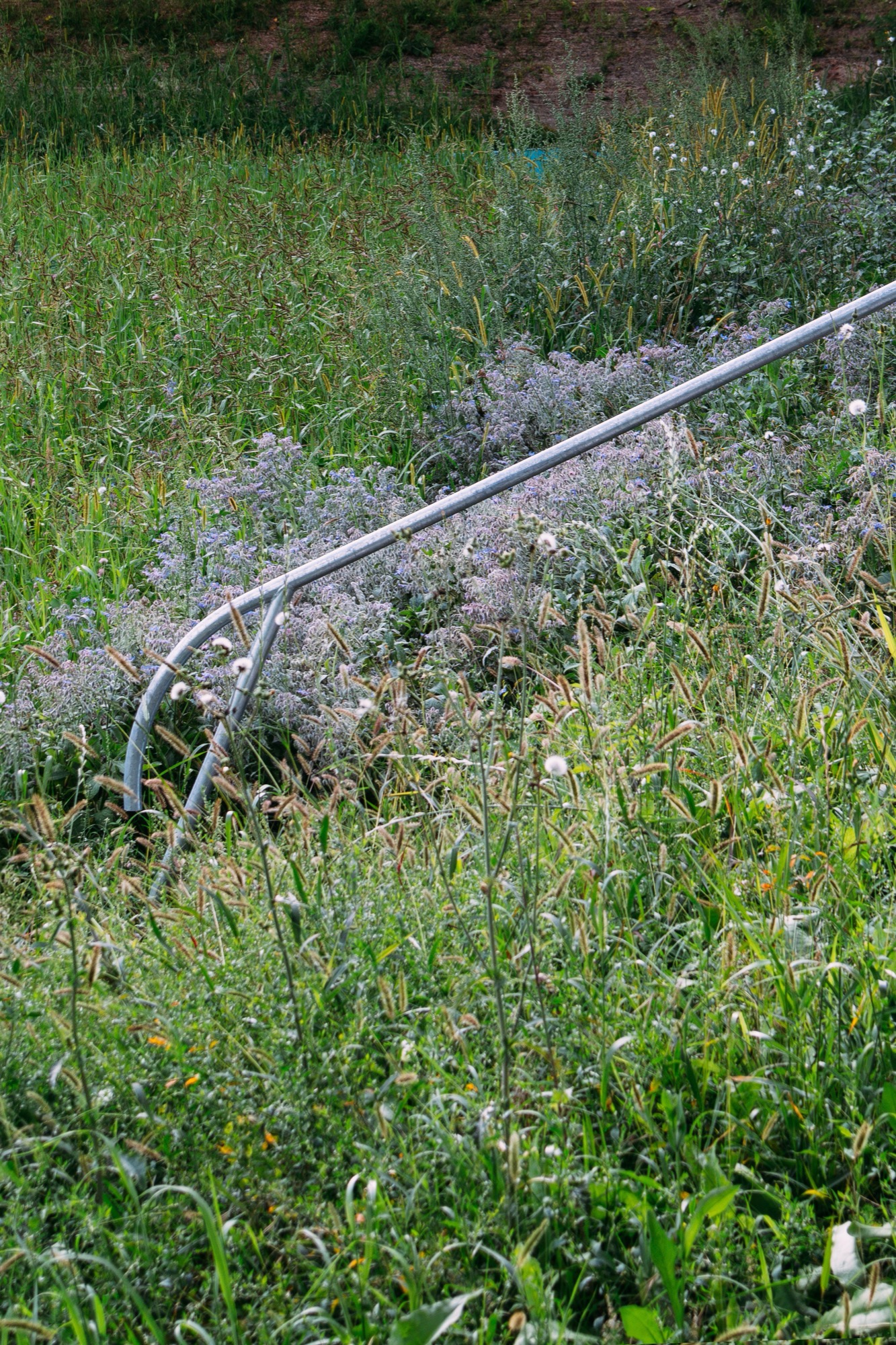
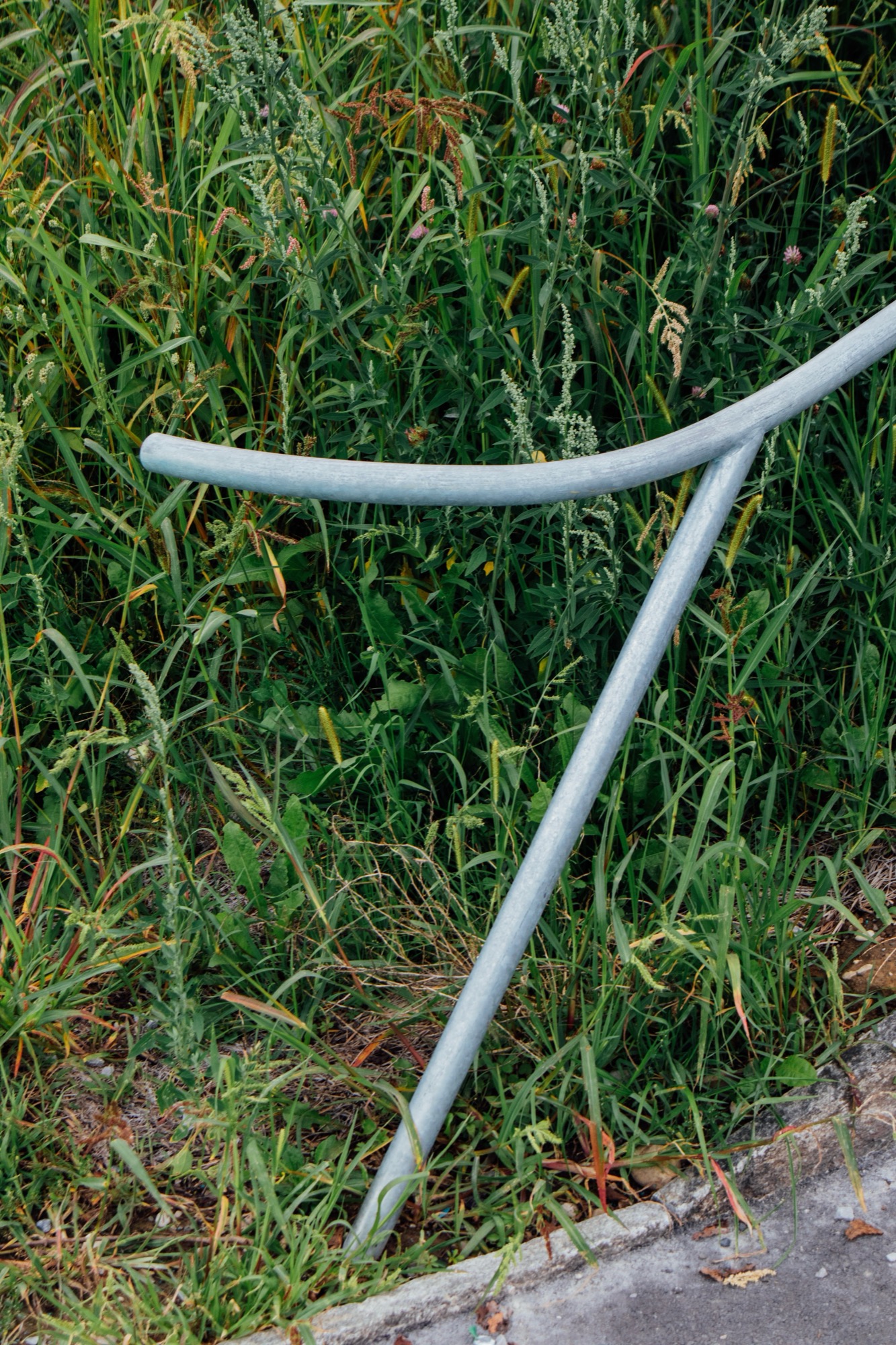
By replacing sealed surfaces with flower fields, biodiversity is increased and local ecosystems are strengthened. Reduced hard ground mitigates heat-island effects, improves the site’s microclimate, and allows rainwater to infiltrate naturally into the soil. These interventions promote responsible land use, enhance climate resilience, and support long-term environmental sustainability while respecting the site’s natural and cultural landscape.
Inclusion
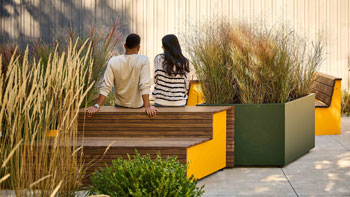
Contemporary cities require truly public spaces that are accessible to all. The sports complex is transformed into an inclusive public park and adapted to align with SIA 500, ensuring barrier-free access. It welcomes a broad diversity of users from the neighbourhood, while also providing space for animals and plants. Human activity, ecological presence, and everyday use coexist within a shared and open landscape.
Economy
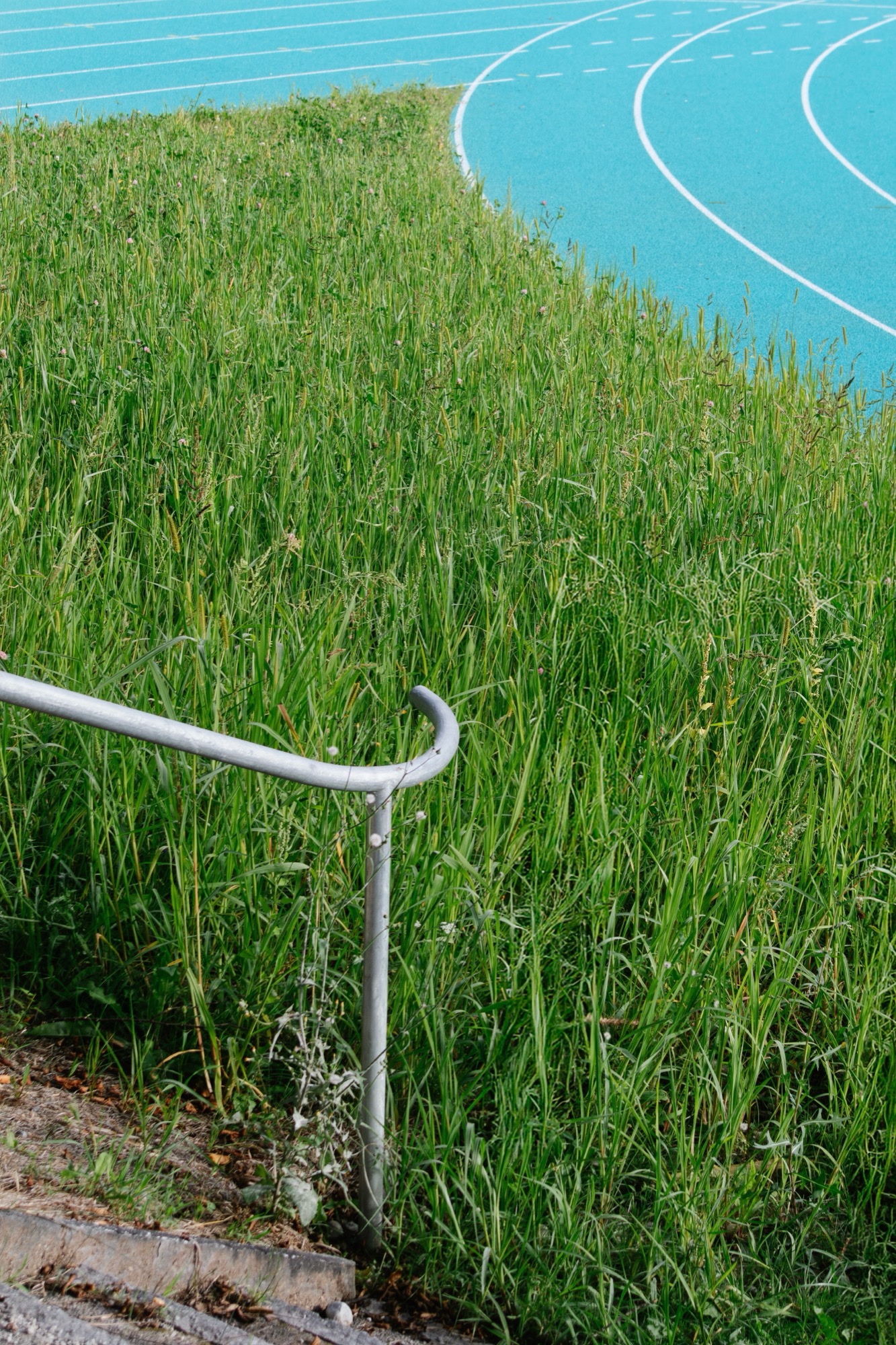
Costly sealed sports surfaces were replaced with unsealed vegetative ground, resulting in significantly lower construction and maintenance costs. Unsealed surfaces require fewer technical layers and offer greater durability over time. This approach delivers more for less, investing resources in spatial quality and responsible resource use.
Context and beauty
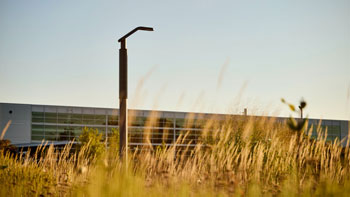
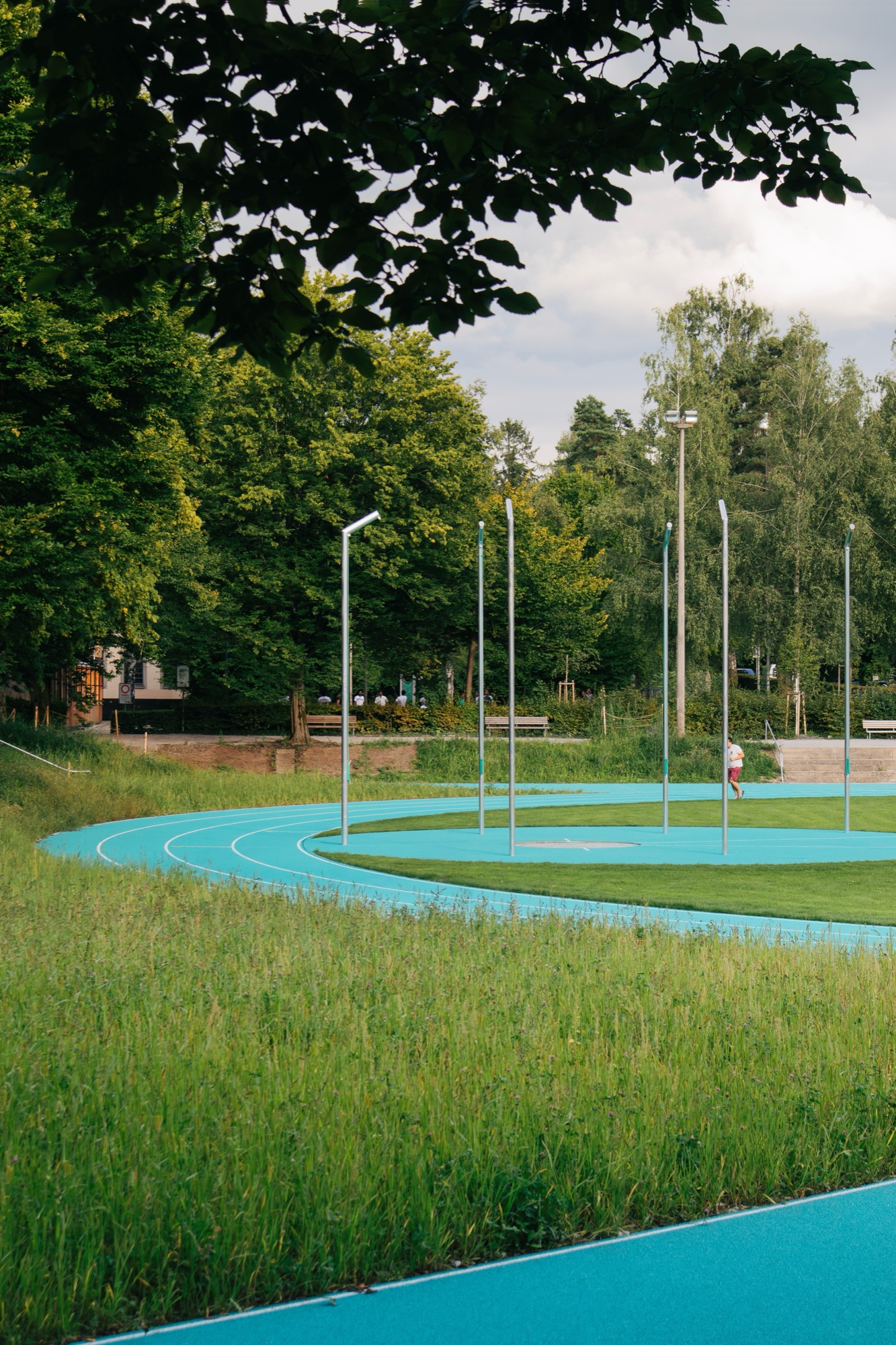
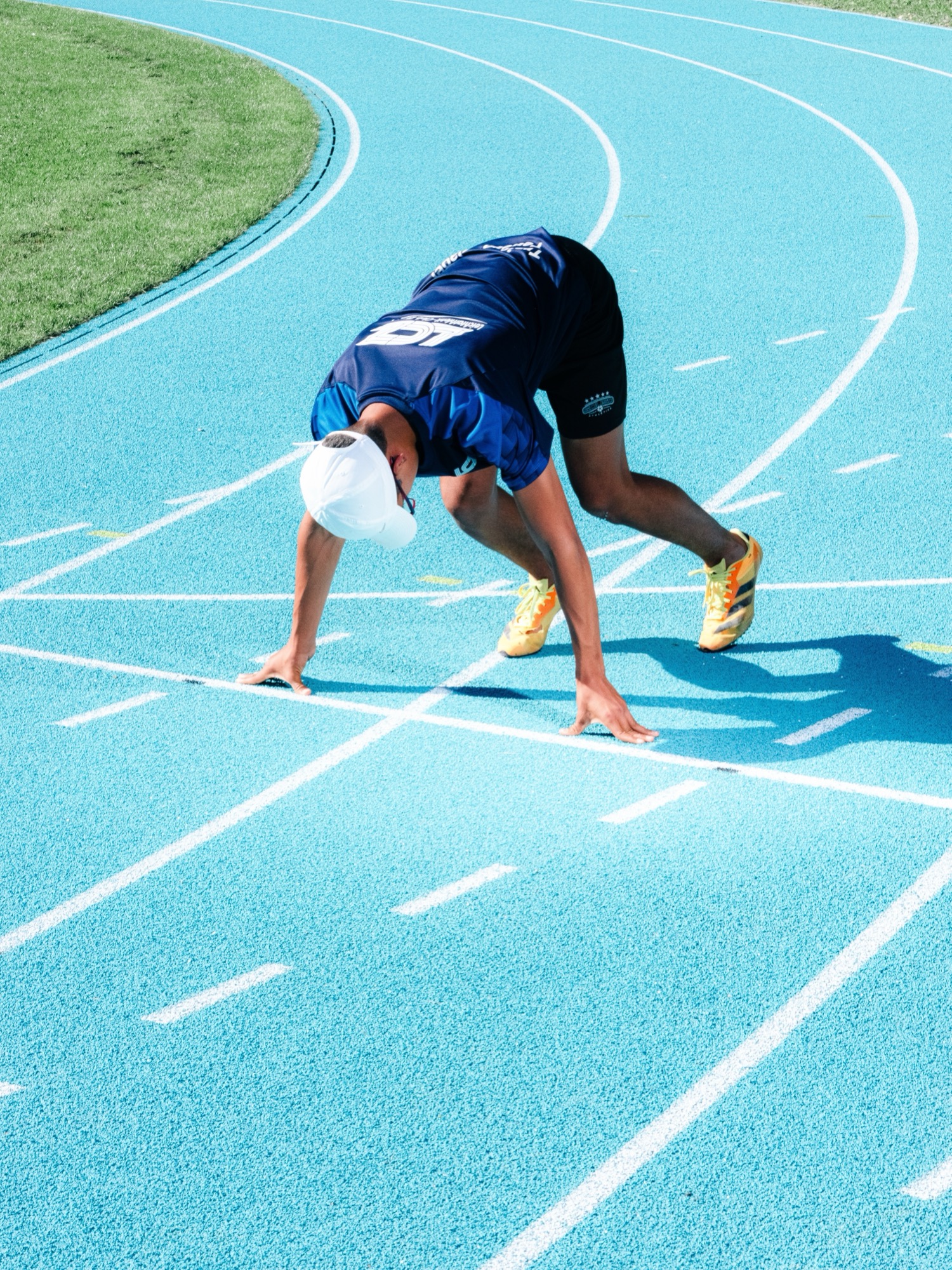
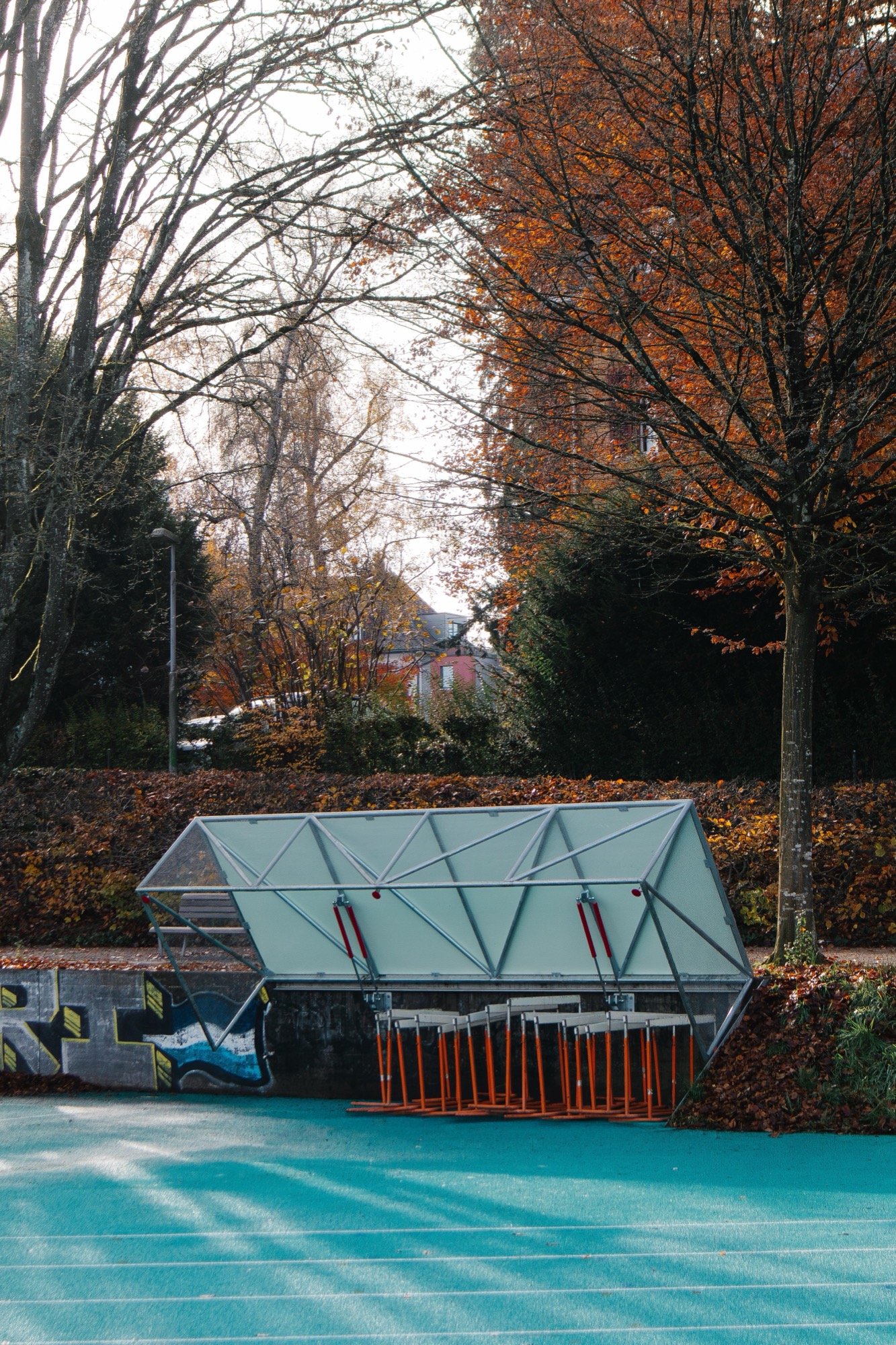
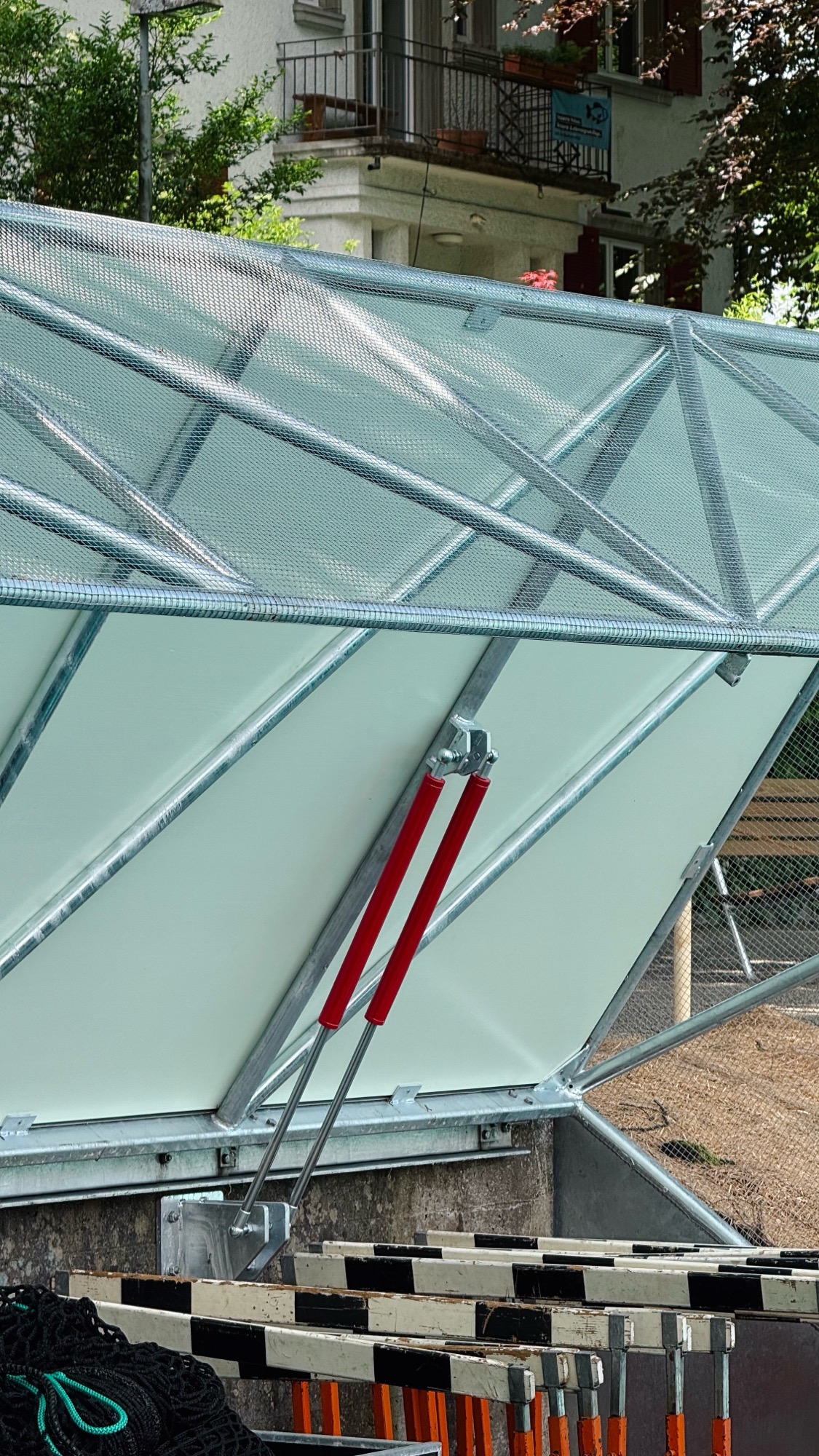
The project engages with the site’s layered history to rediscover its original character. Certain later additions are selectively removed to reveal underlying qualities, while new elements are introduced where appropriate to support contemporary use. Through this careful calibration of subtraction and addition, the place gains clarity and continuity without losing its capacity to evolve. The project enhances the aesthetic presence of sports functions by making their forms and geometries legible and distinct. The running track gains its own colour and identity, while nature gradually becomes the defining character of the site, with grass lapping at runners’ feet. Light interventions to the existing building, including new colours and four mirrored openings, refine perception without overwhelming the place.
Credits
Planners: MacIver-Ek Chevroulet
Client: City of Zurich
Photos: MacIver-Ek Chevroulet and Pierre Marmy
47.406525549581836, 8.542529608944733
73561


LILA 2026 Sponsor