Puerto Canoas Park
www.biotopia.com.ar
2026 Public Projects / Argentina / Built in 2022 /

Context
Located 30 km from Buenos Aires, Argentina, Nordelta is a master-planned urban development created in 1999. Described as a “ciudad pueblo” (city-town), it was designed to offer a self-sustaining lifestyle outside the bustling capital city. Spanning over 1,600 hectares, the development is divided into over 20 distinct gated neighborhoods (barrios), each with its own character, and specific amenities. These are connected by a main avenue and an extensive network of artificial lakes. Nordelta features a premier educational network, health centers, commercial hubs, sports clubs, and an emerging civic center. Recently, special emphasis has been placed on expanding public spaces, recognizing the fundamental value of green areas for collective well-being.
Urban Contribution
Currently, Nordelta has few public spaces intended for social use. Originated as a gated community, it is gradually opening up. While recreational spaces are mostly within neighborhoods, the growing need for accessible areas has initiated the development of new public spaces. This park represents a crucial step toward inclusive and sustainable public works.
Built on a highly disturbed plot, the park offers multiple options for recreation and contemplation. Conceived as an open space for residents and visitors, its aim is to establish a high-quality green area sensitive to post-pandemic priorities: proximity to nature, emotional health, and collective well-being. It generates an ecological-social matrix, reintroducing displaced species and fostering a lifestyle integrated with nature.
Connectivity
The park is accessible by public transport and non-motorized means. A network of bike lanes and pedestrian paths links the park to the commercial center and future civic center, establishing it as part of a comprehensive recreational circuit.
Landscape Proposal
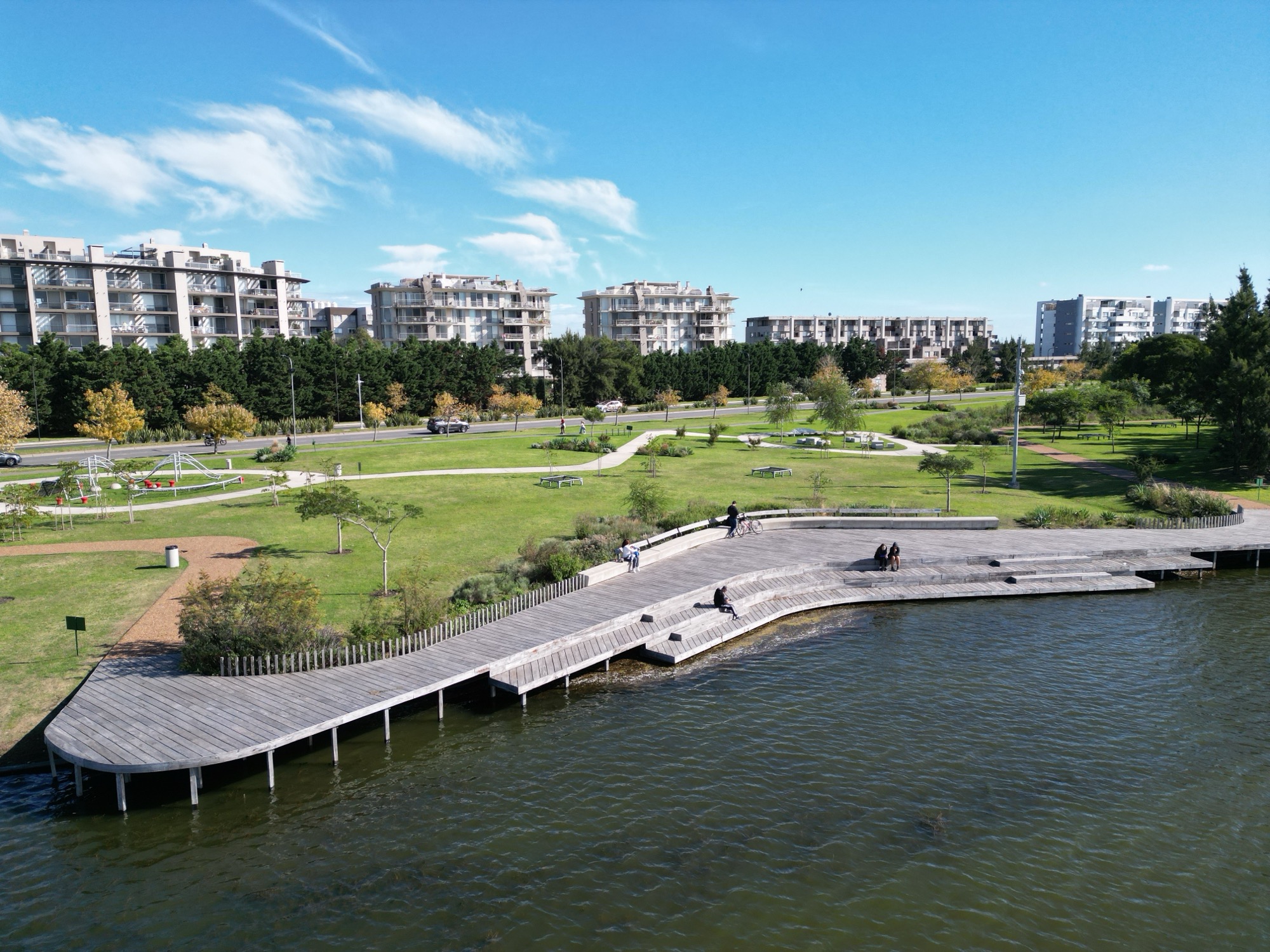
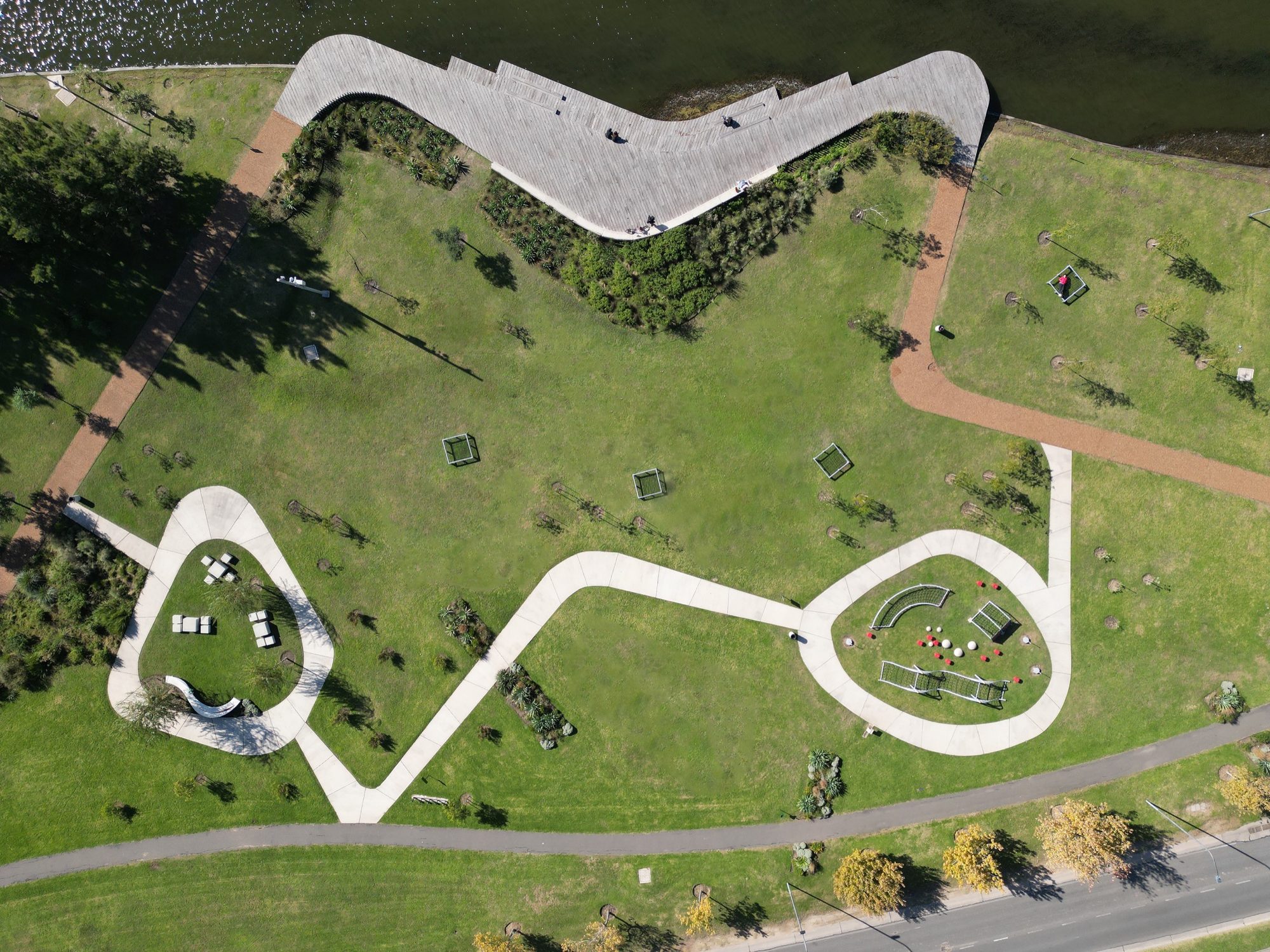
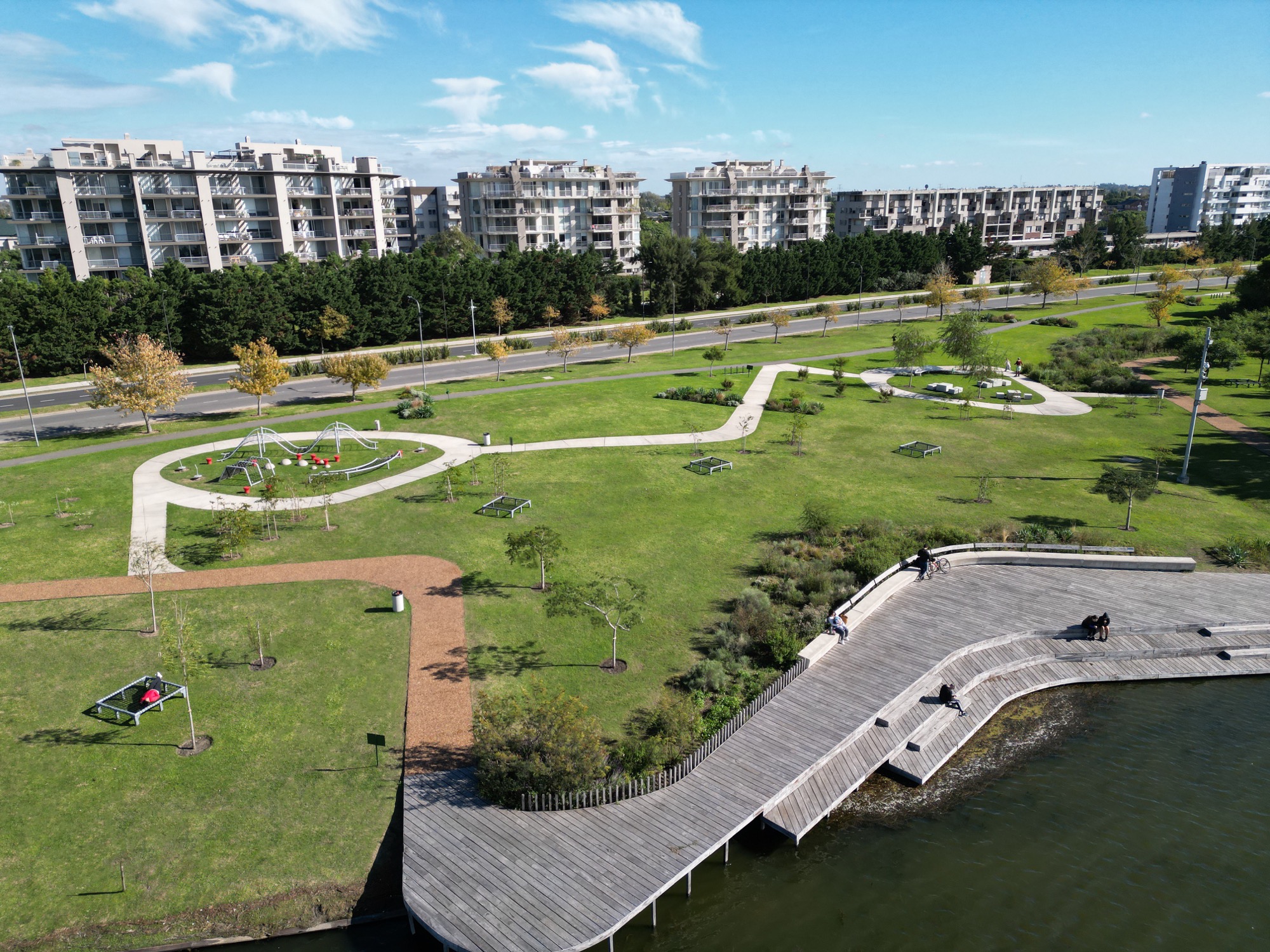
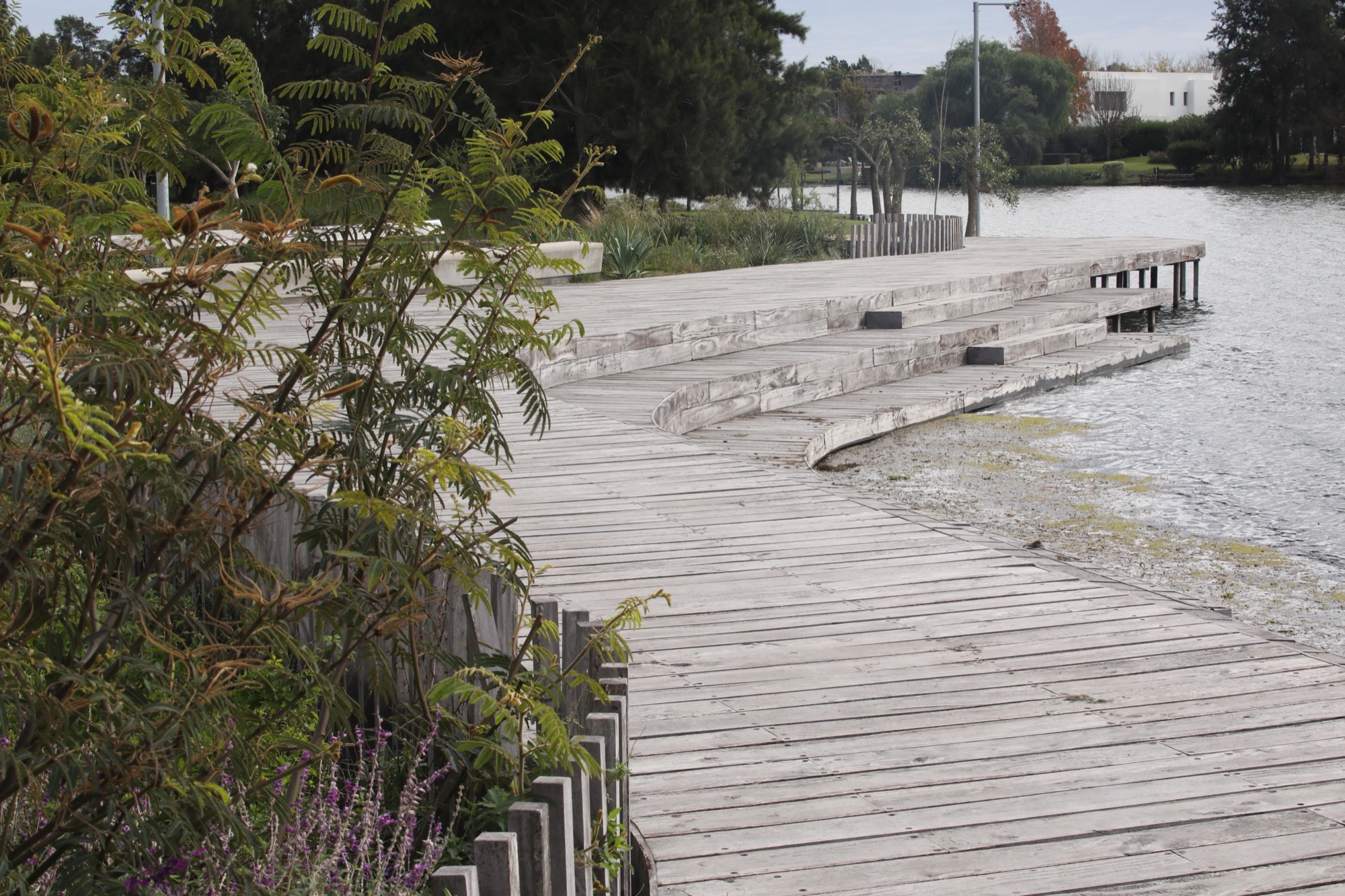
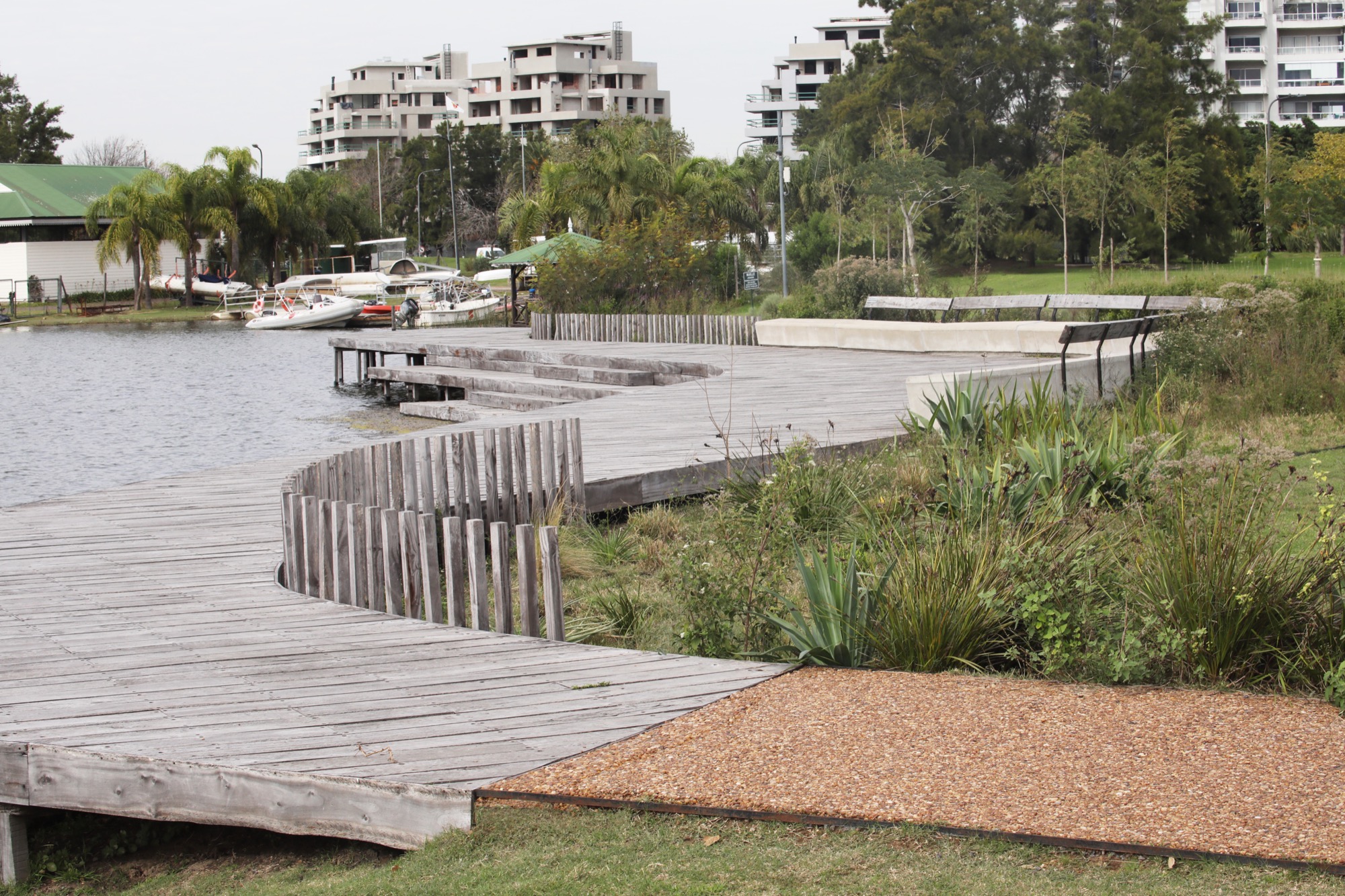
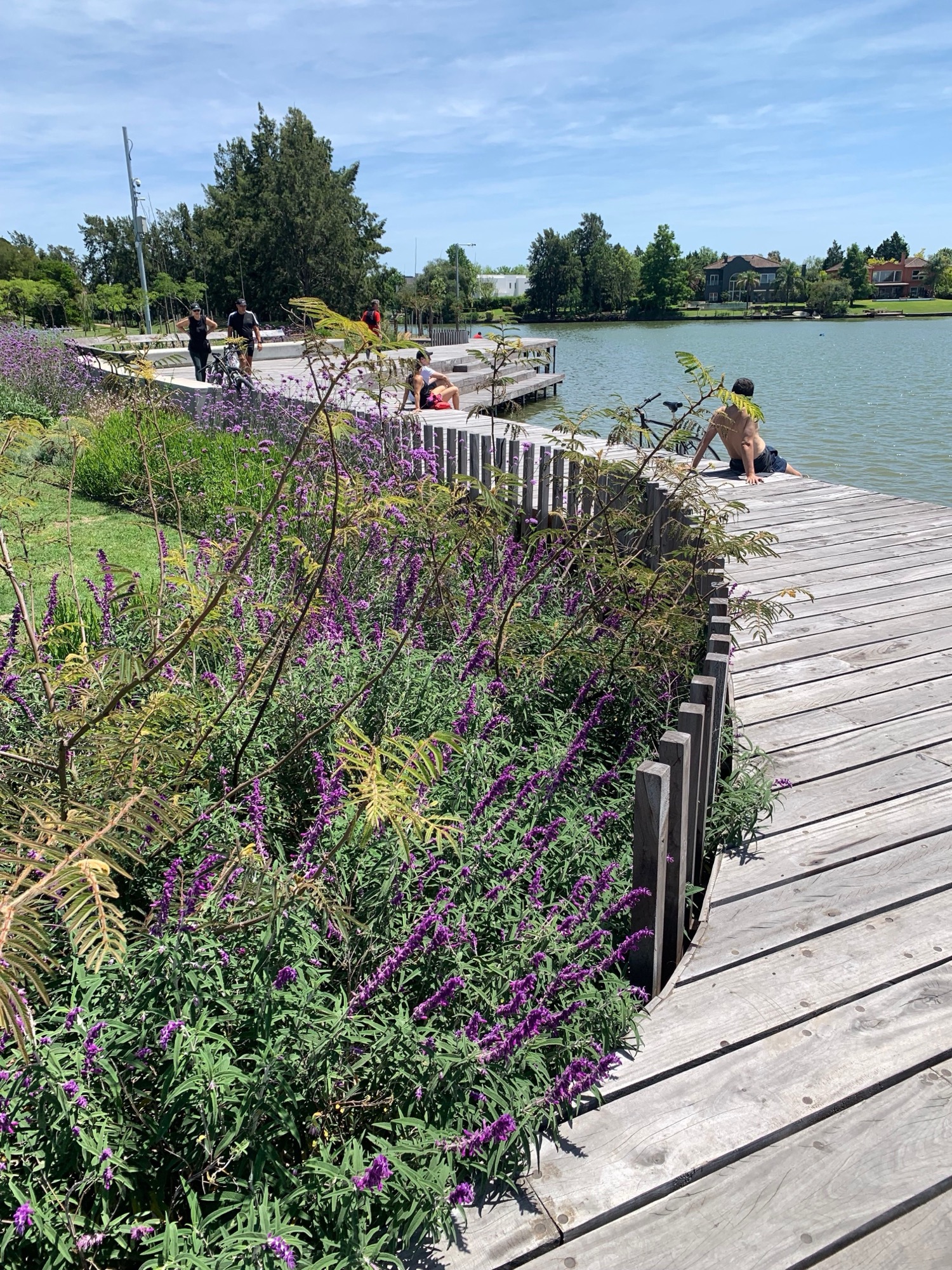
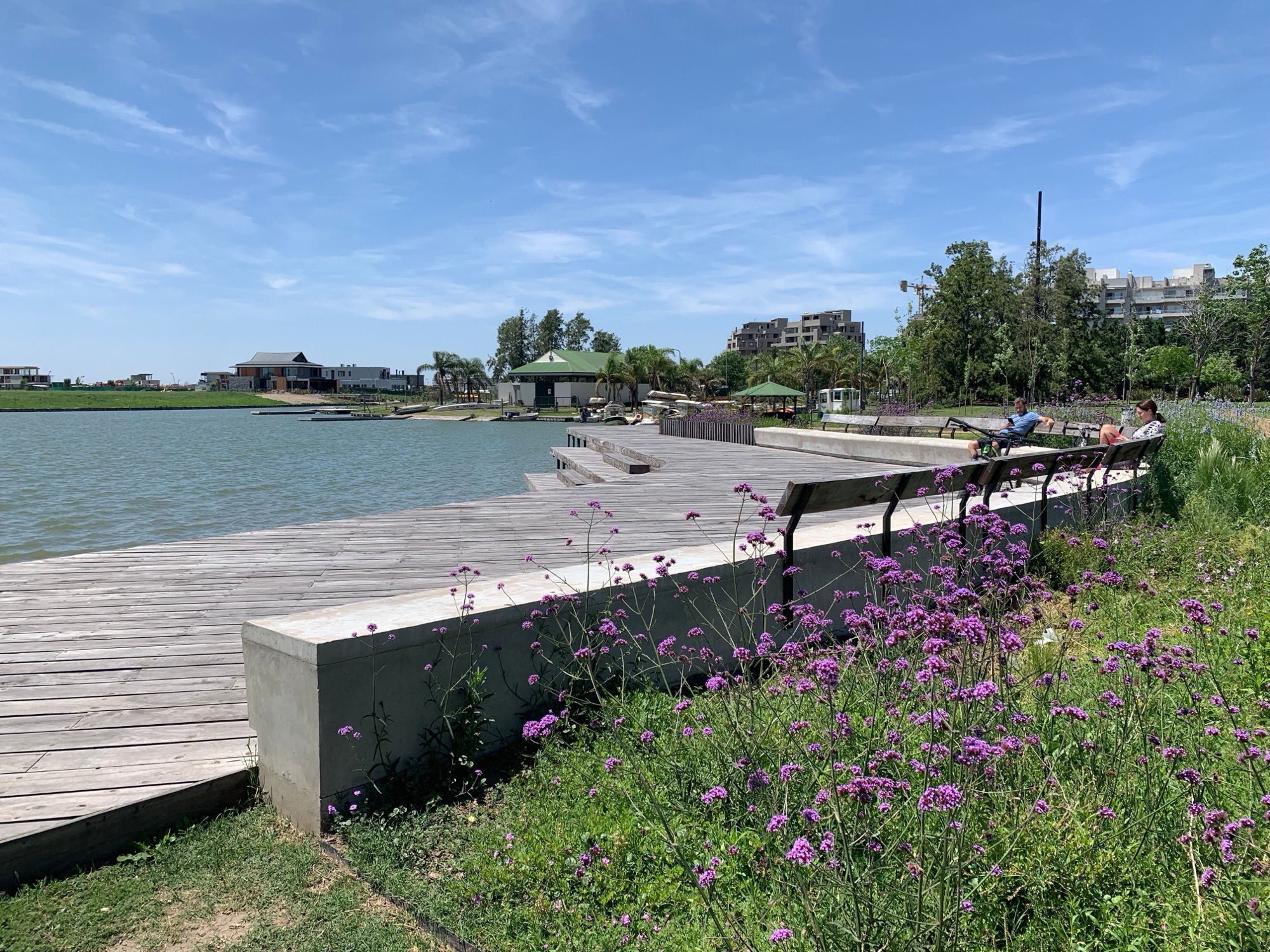
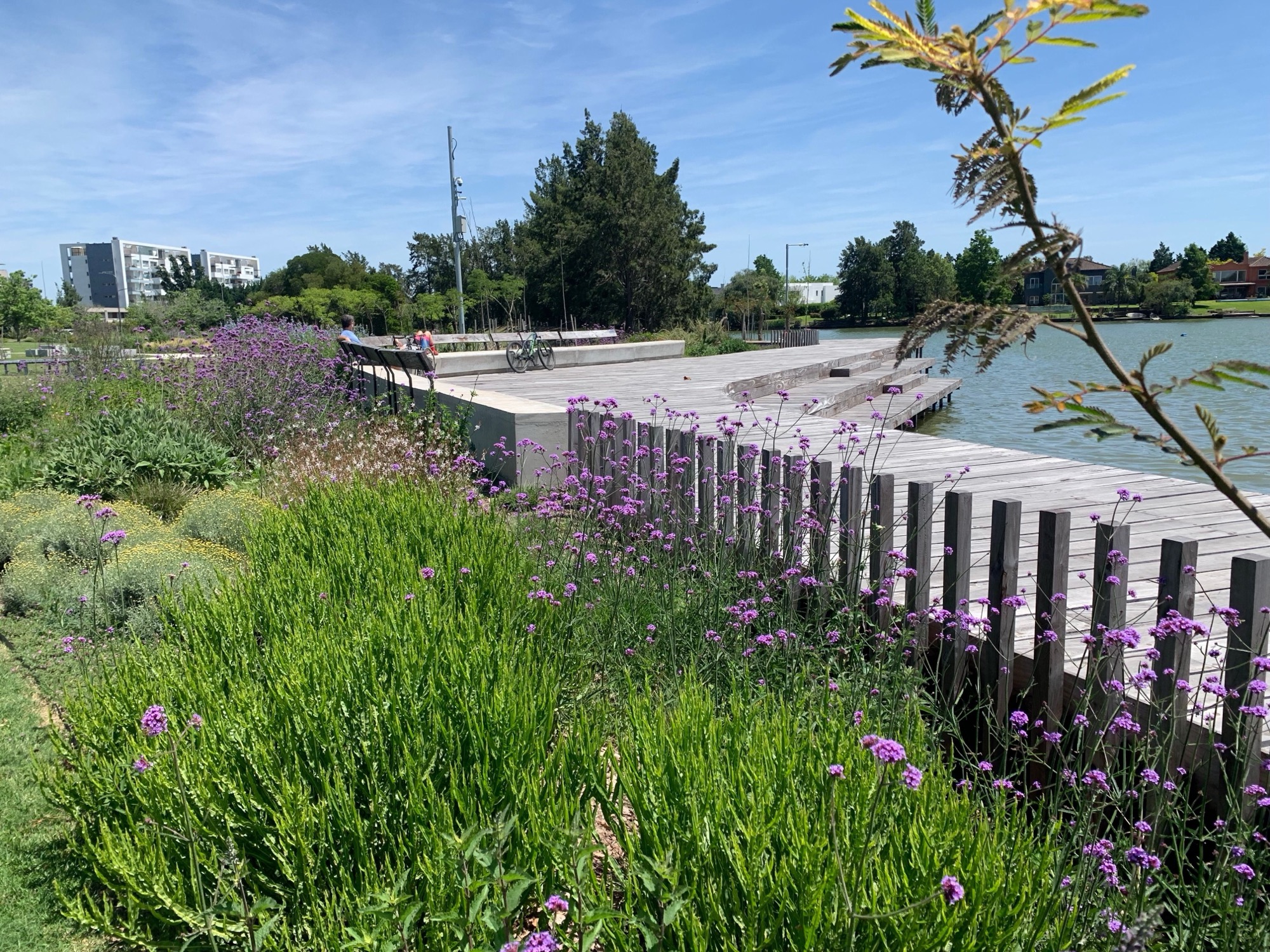
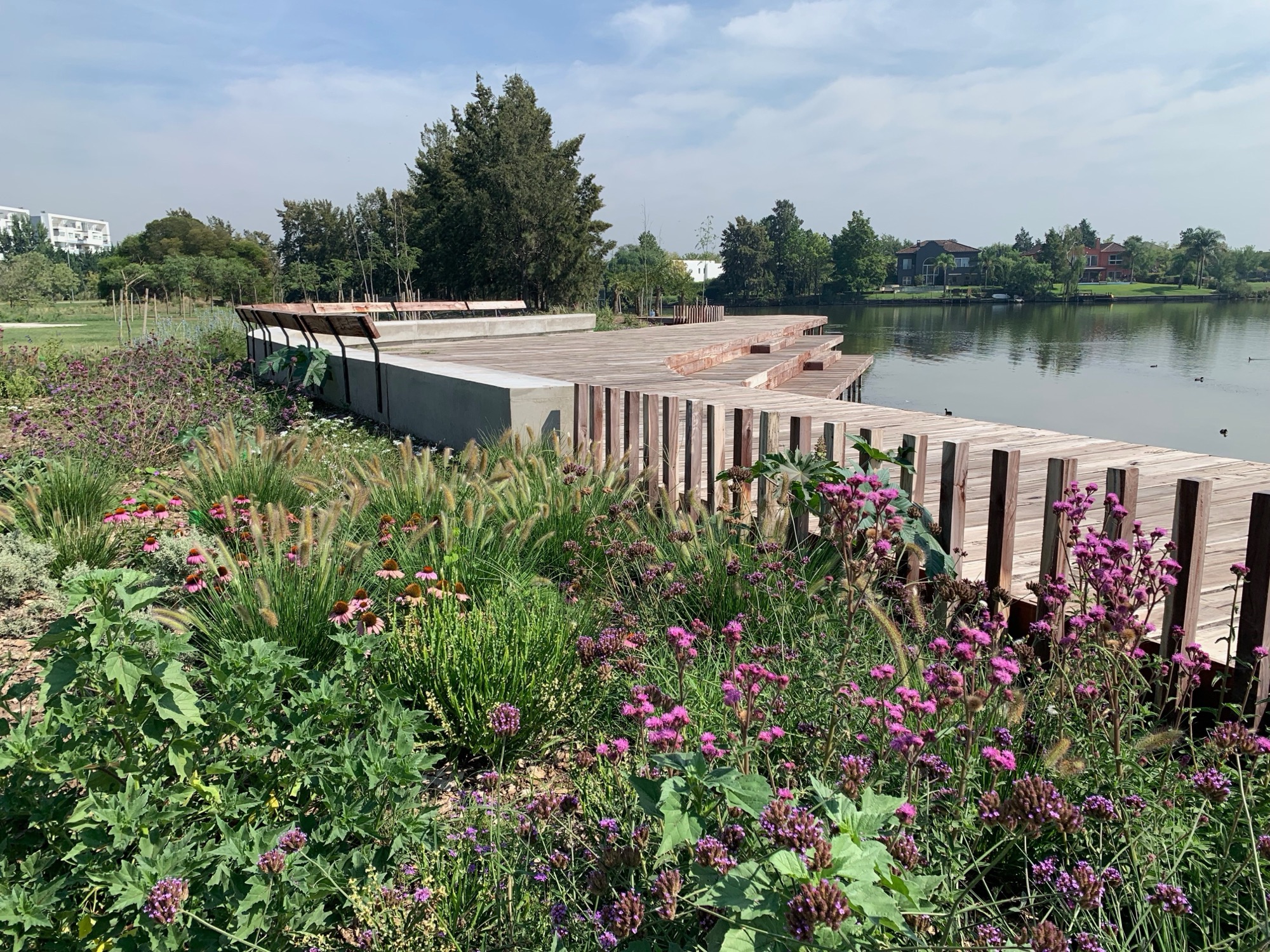
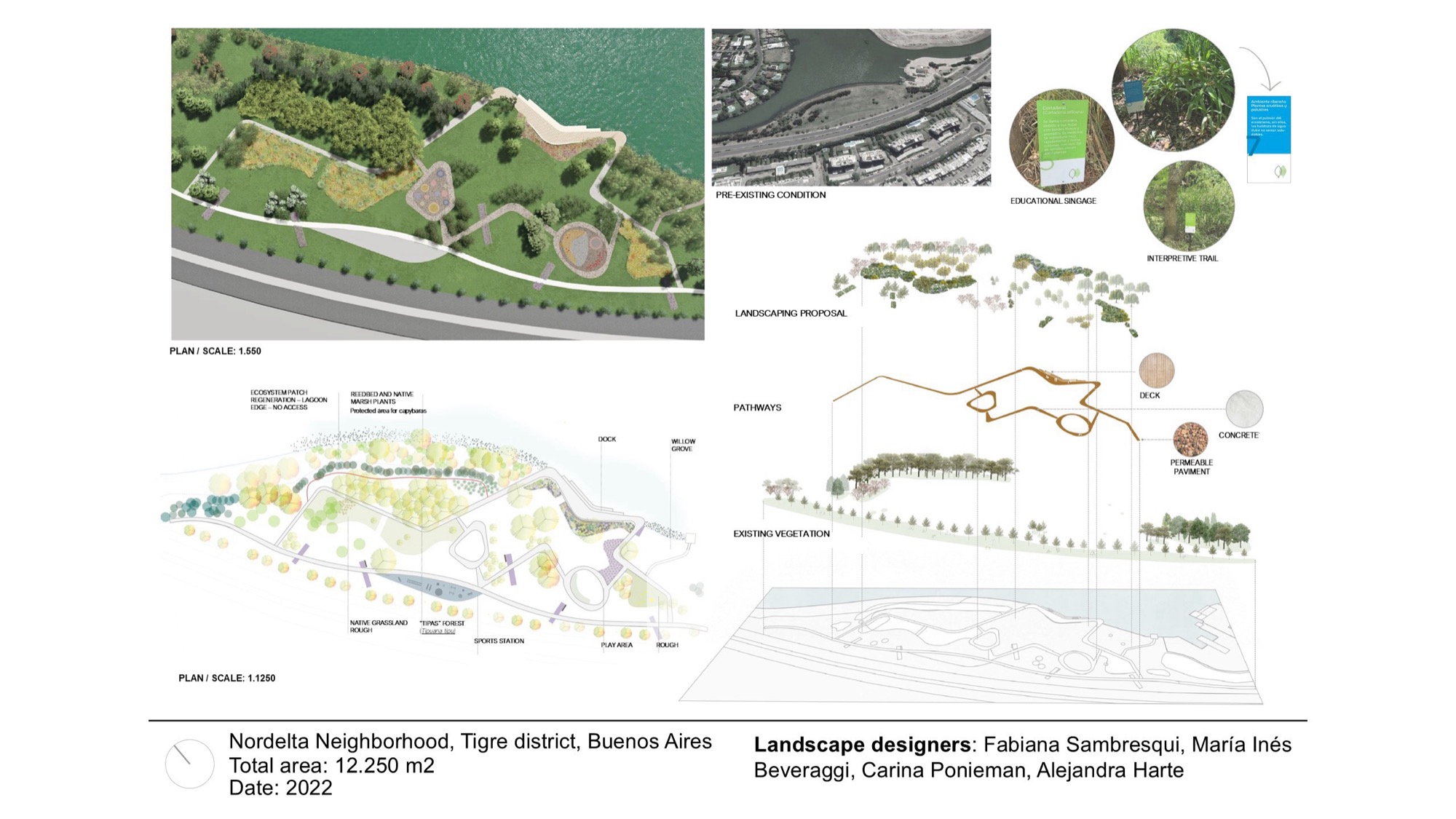
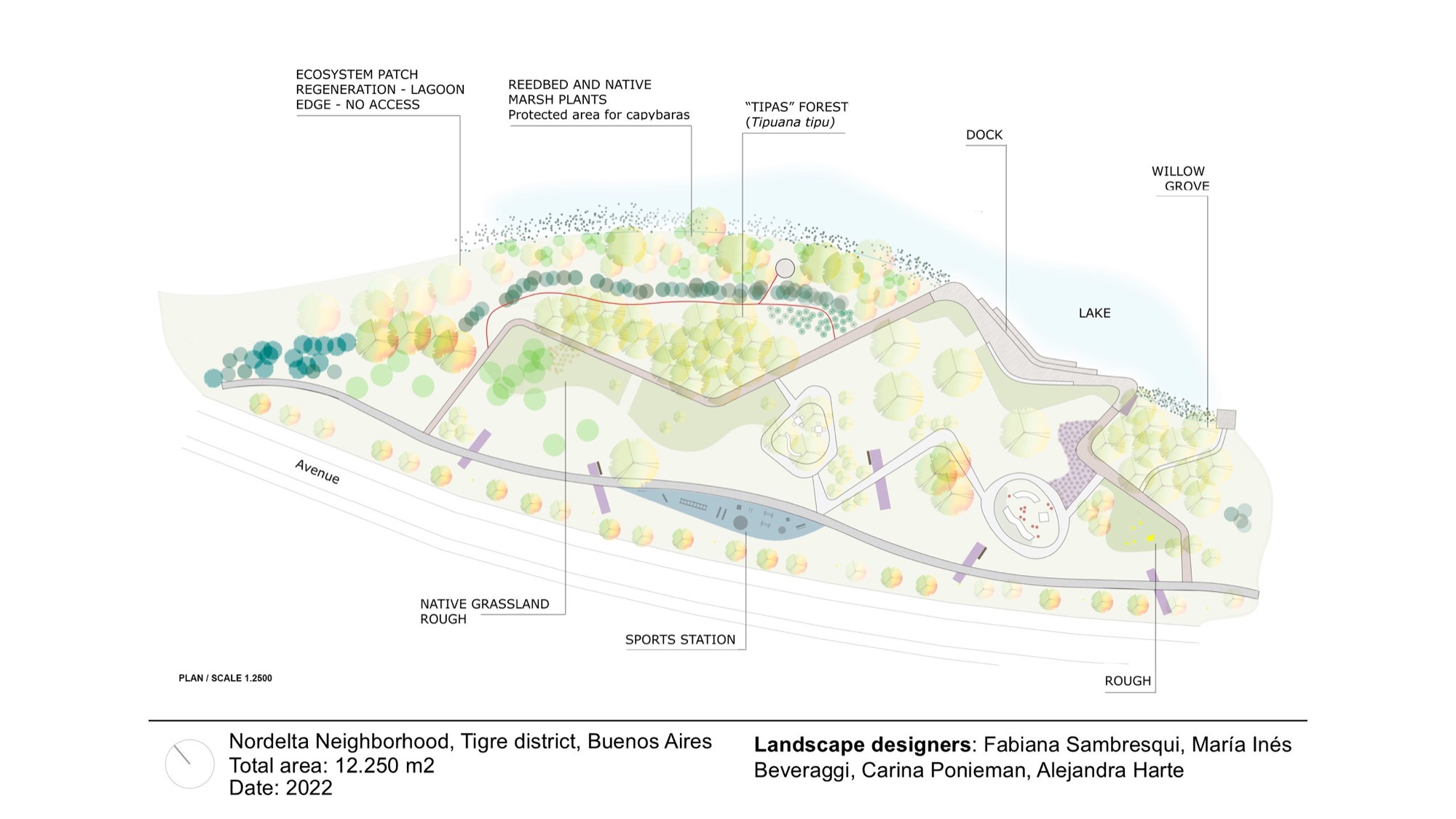
The design rests on functionality, accessibility, and landscape integration. Organic pathways connect use areas, promoting an immersive experience. A key gesture was diverting circulation toward the lagoon, creating a direct connection with the water. A stepped natural wood pier serves as a gathering and observation point, offering a new way to interact with the aquatic landscape.
Circulations and Uses
The accessible trail system hierarchizes movement using differentiated materials:
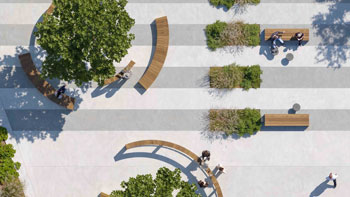
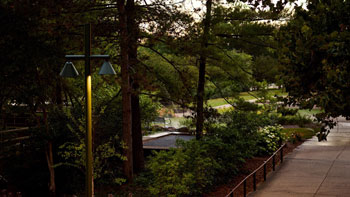
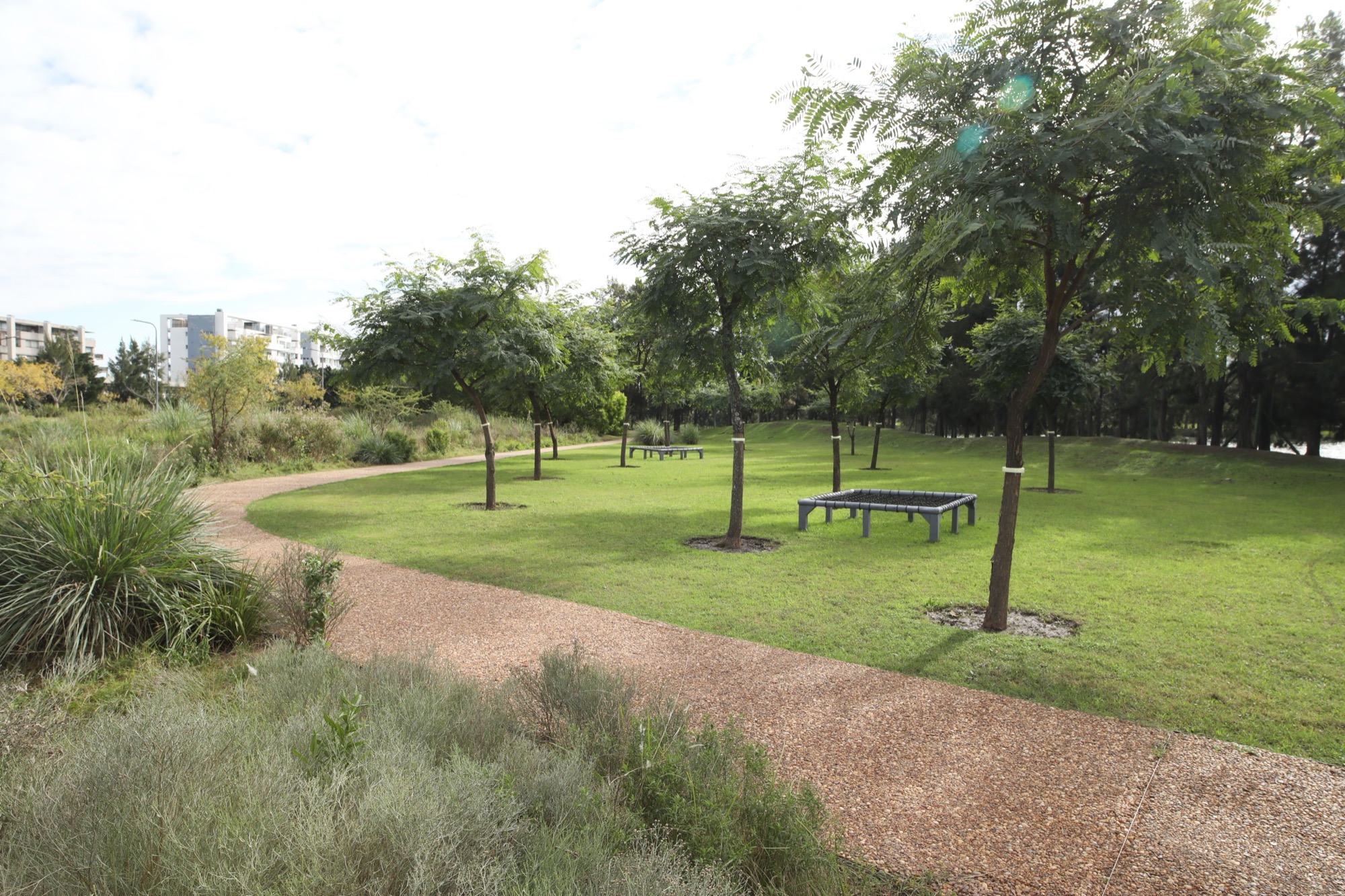
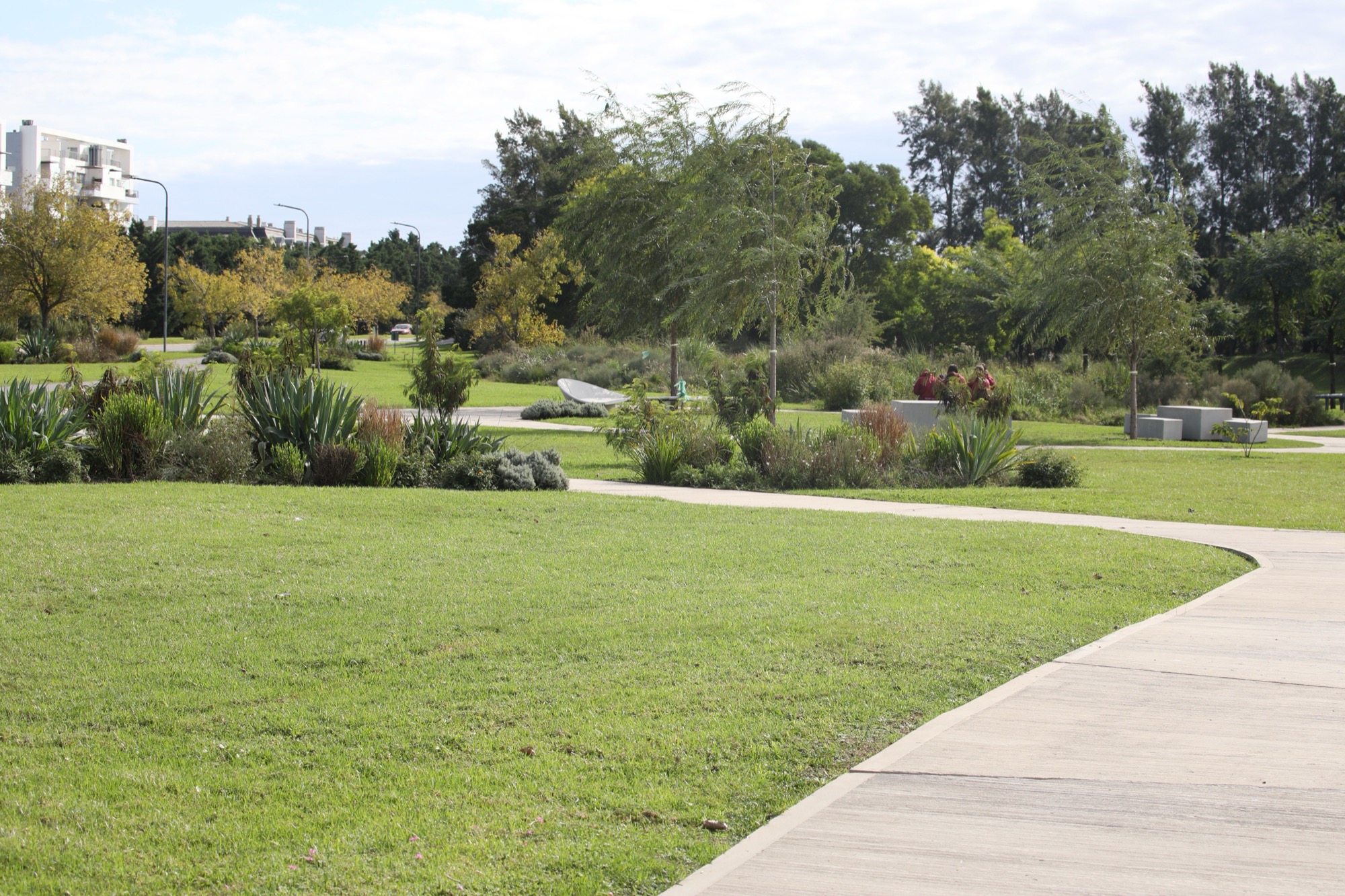
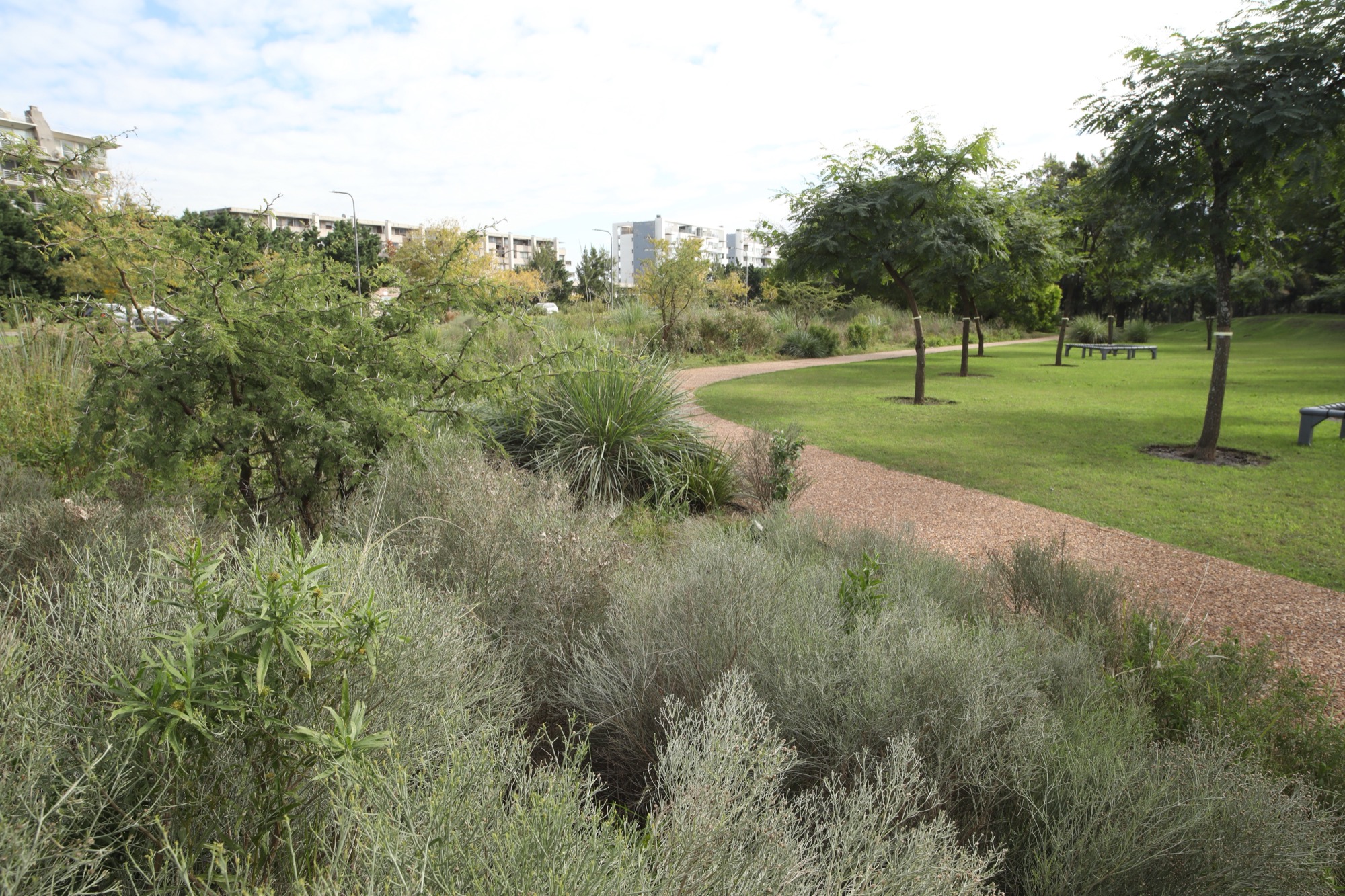
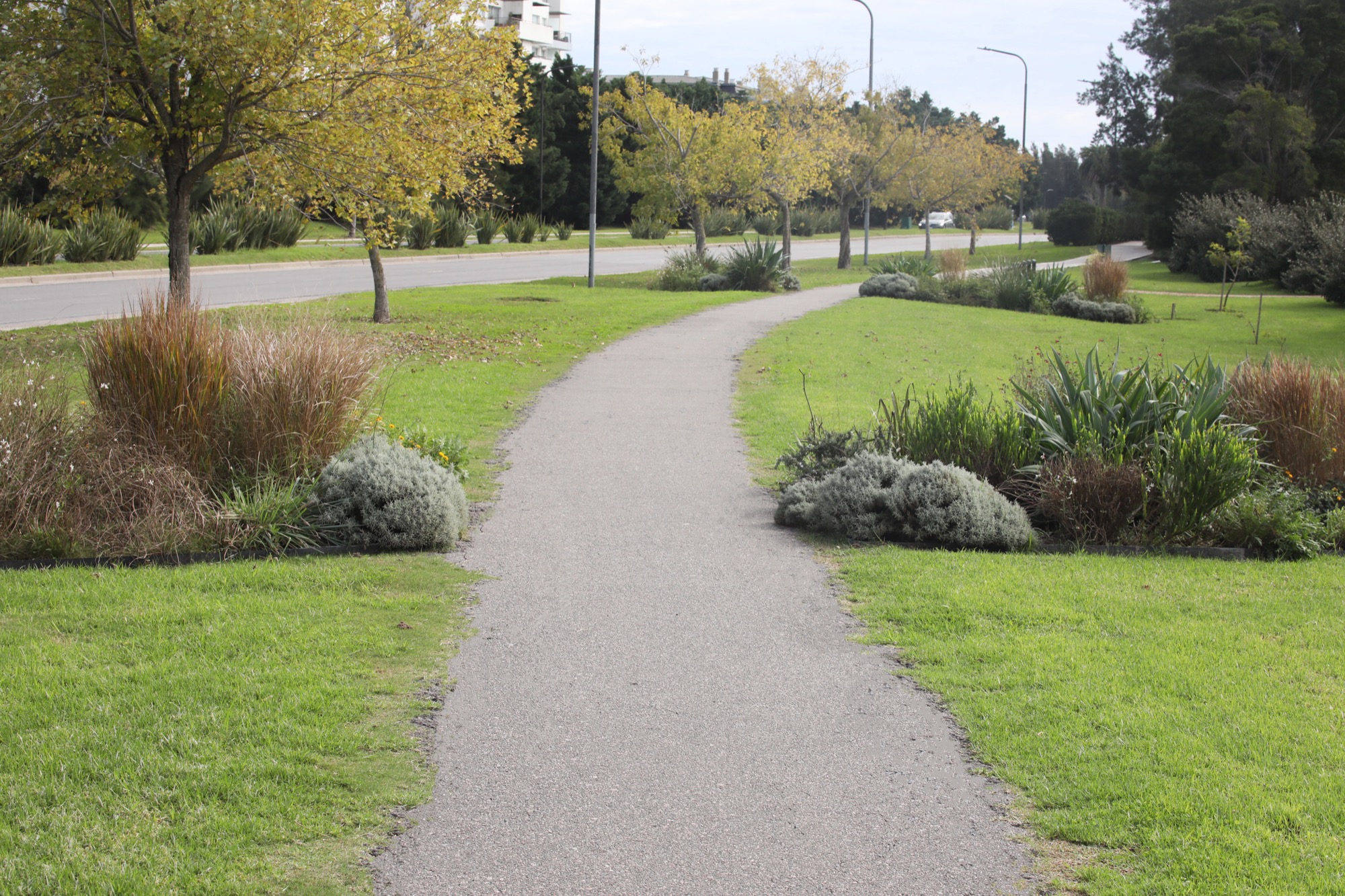
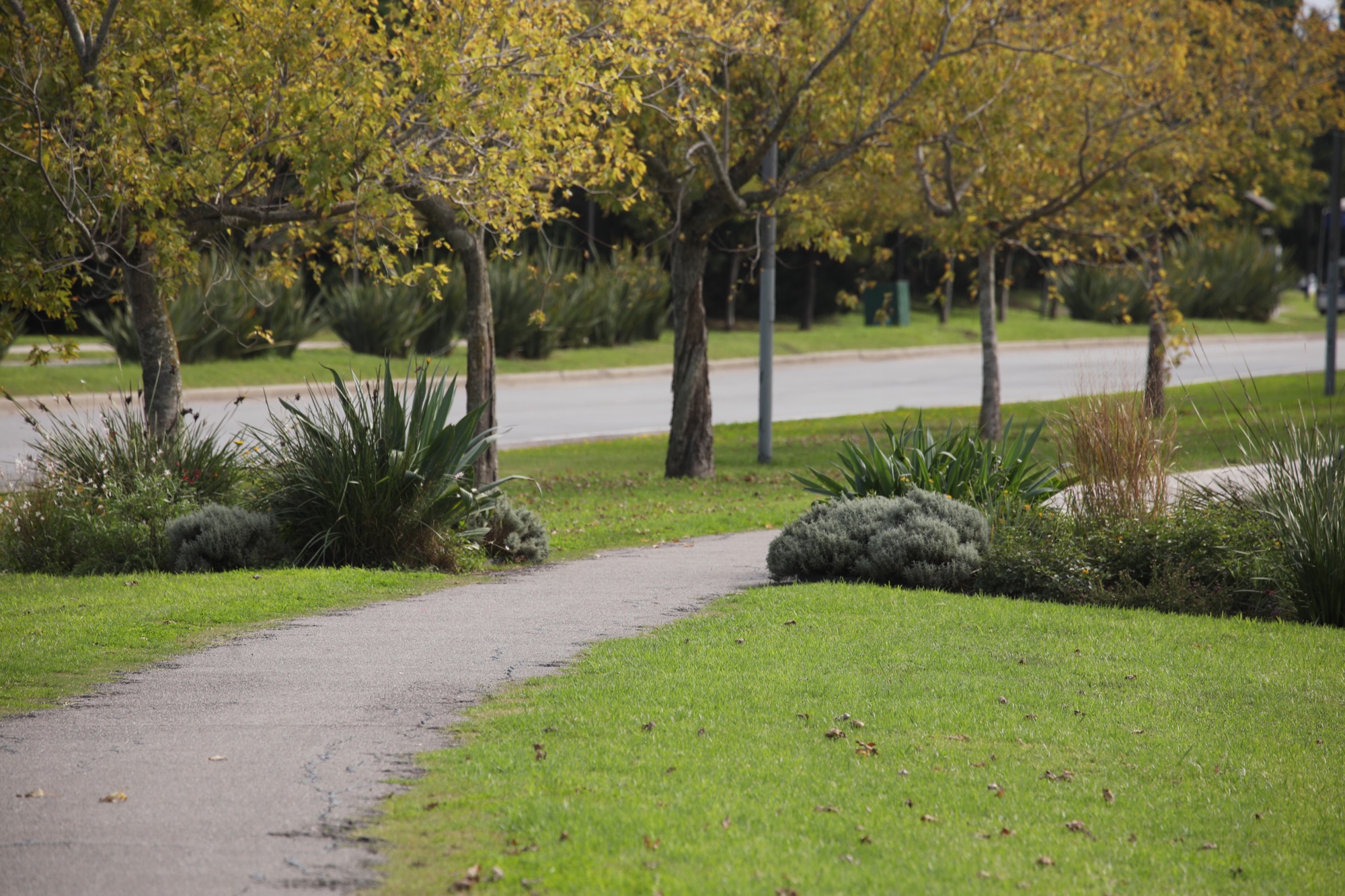
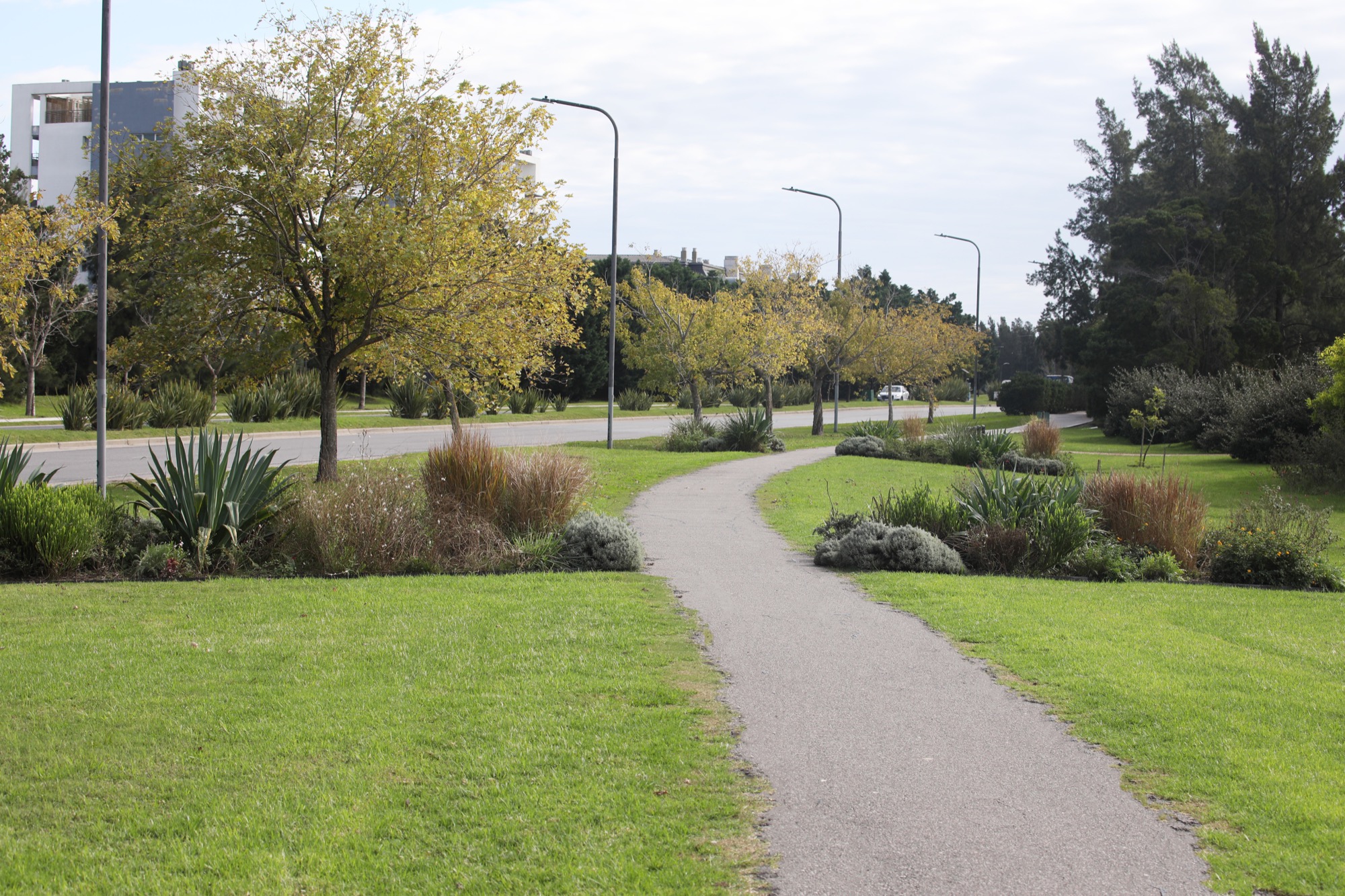
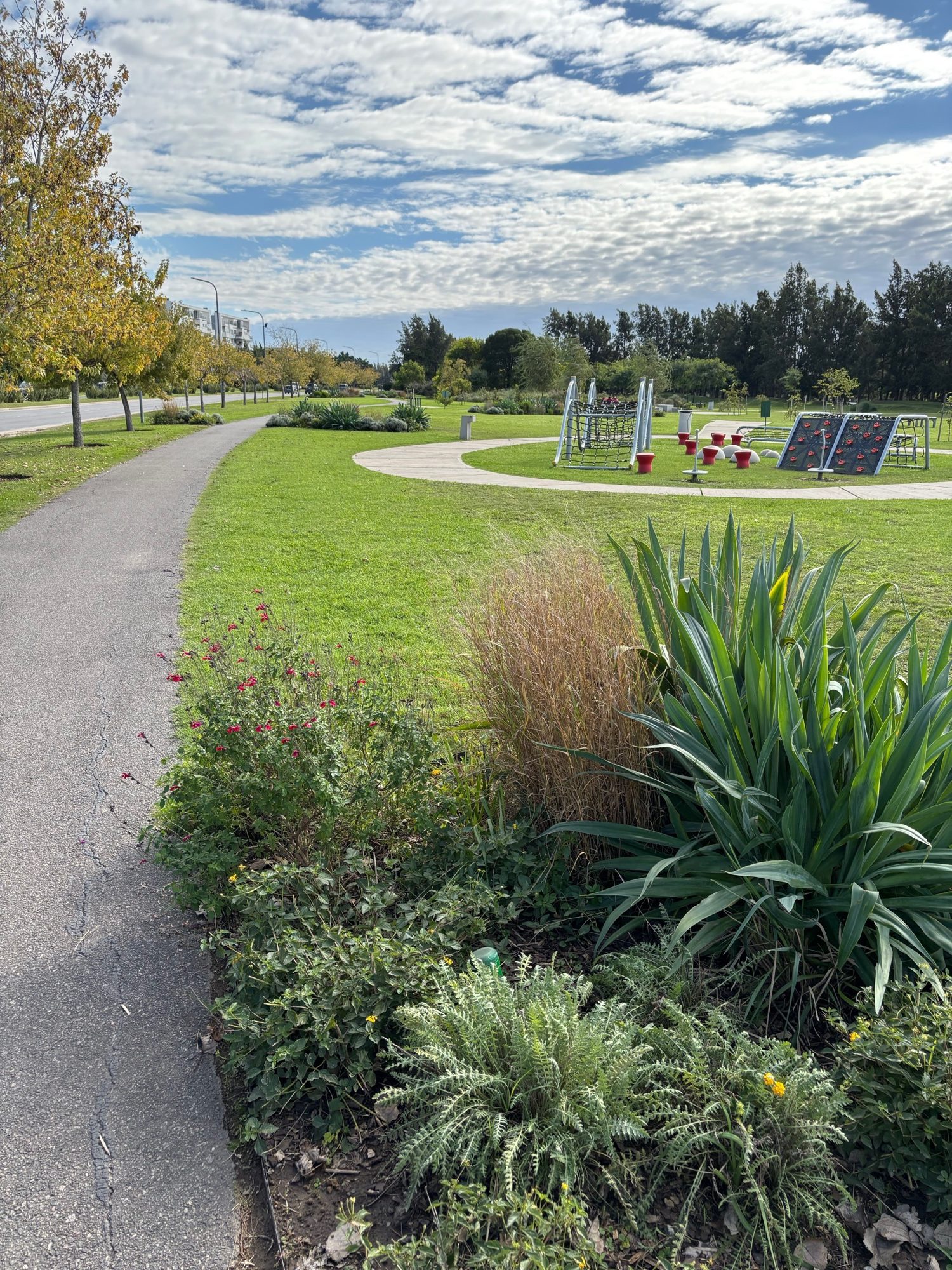
• Main Path: Made of permeable material, it winds through the park, gradually transforming the user’s perspective and revealing varied settings.
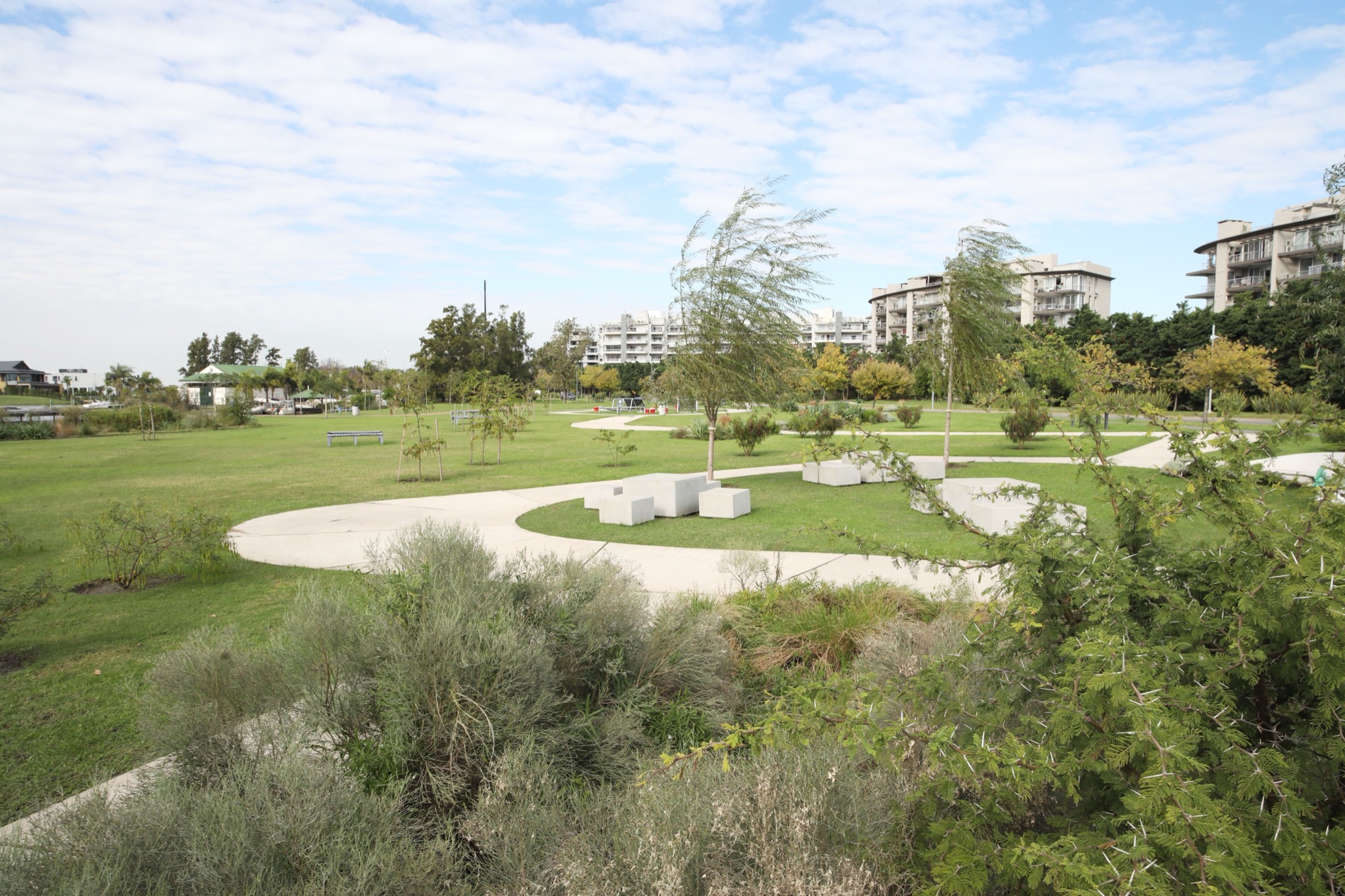
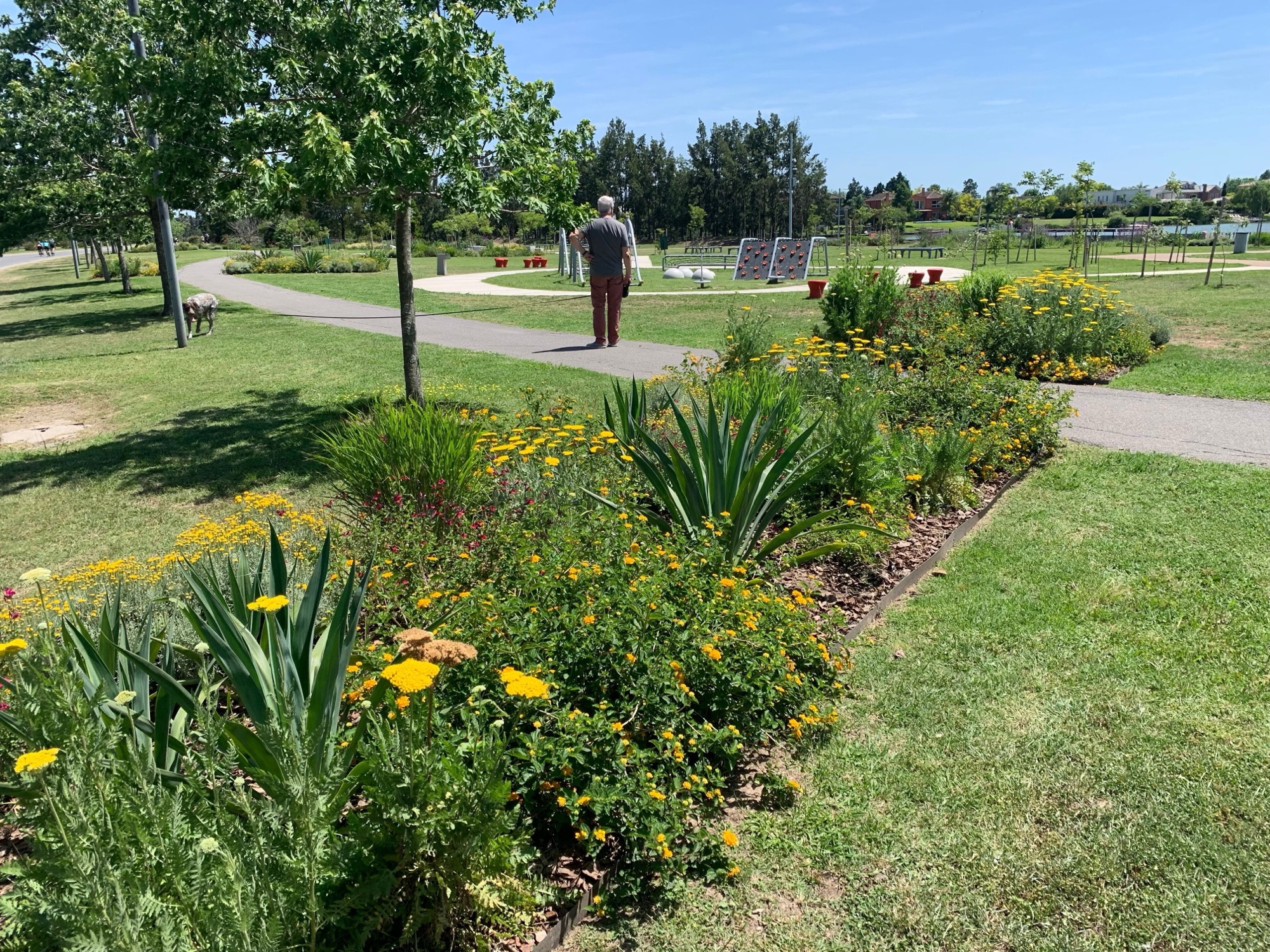
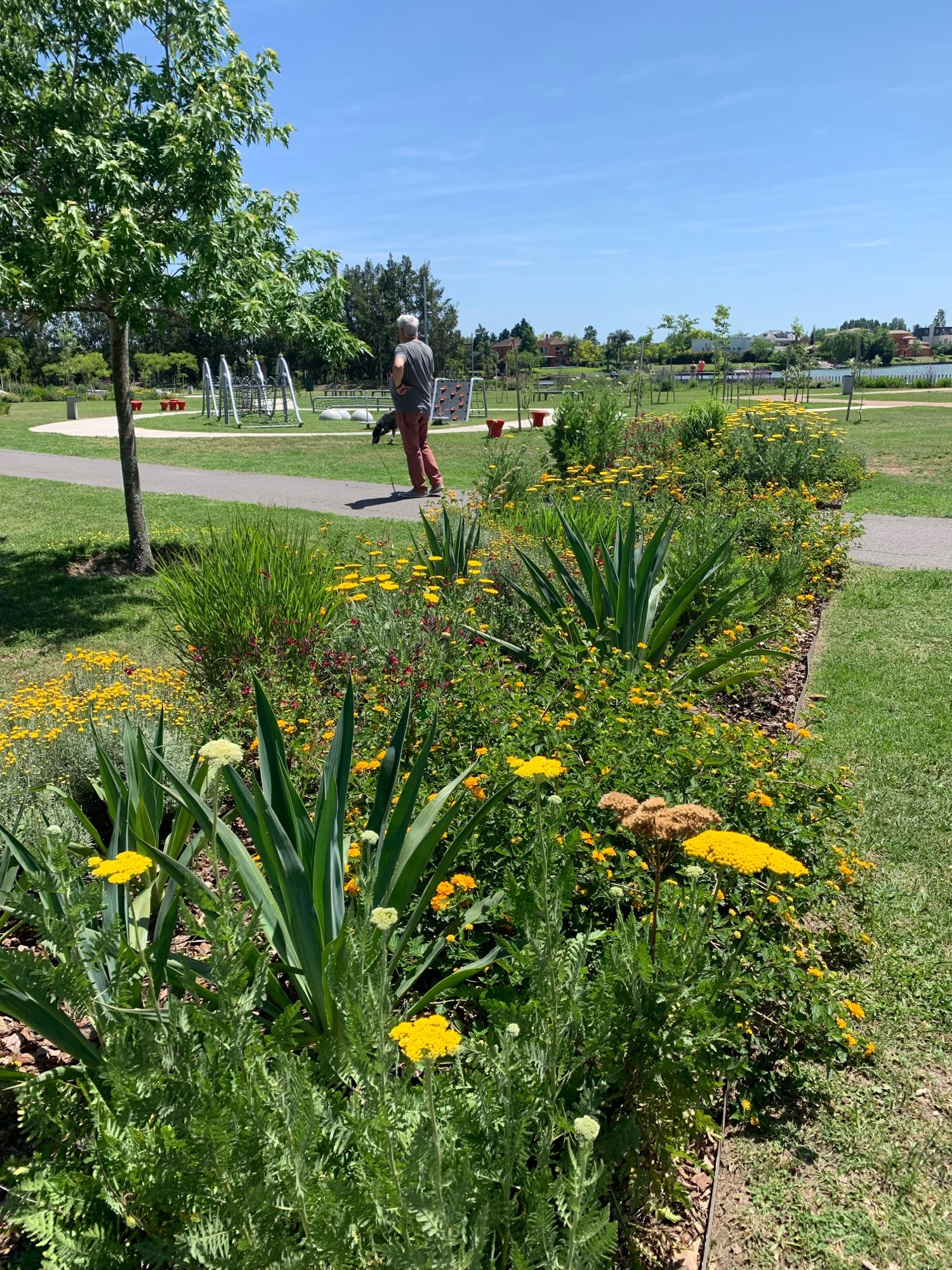
• Secondary Route: Smoothed concrete outlines resting areas and playgrounds, framed by young forests.
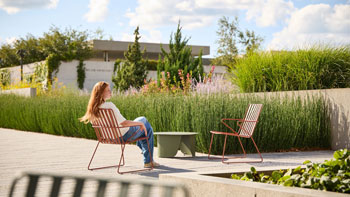
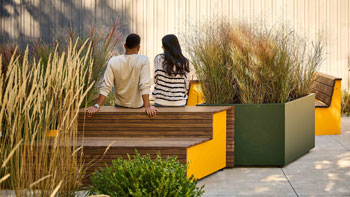
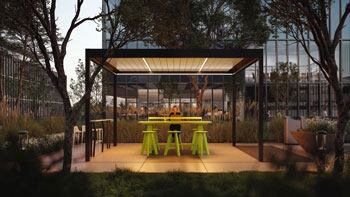
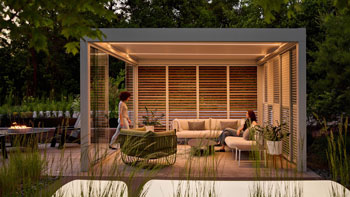
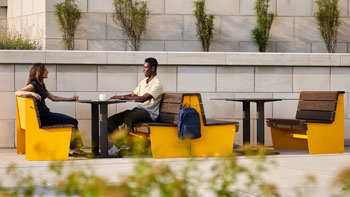
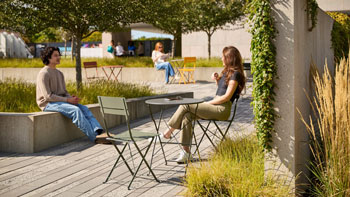
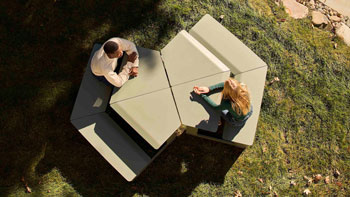
Varied pavement textures aid navigation for visually impaired individuals. The flat topography allows free movement across the lawn. Resting areas and urban furniture reinforce the park’s community character and encourage spontaneous lingering.
Vegetation and Bioclimatic Strategy
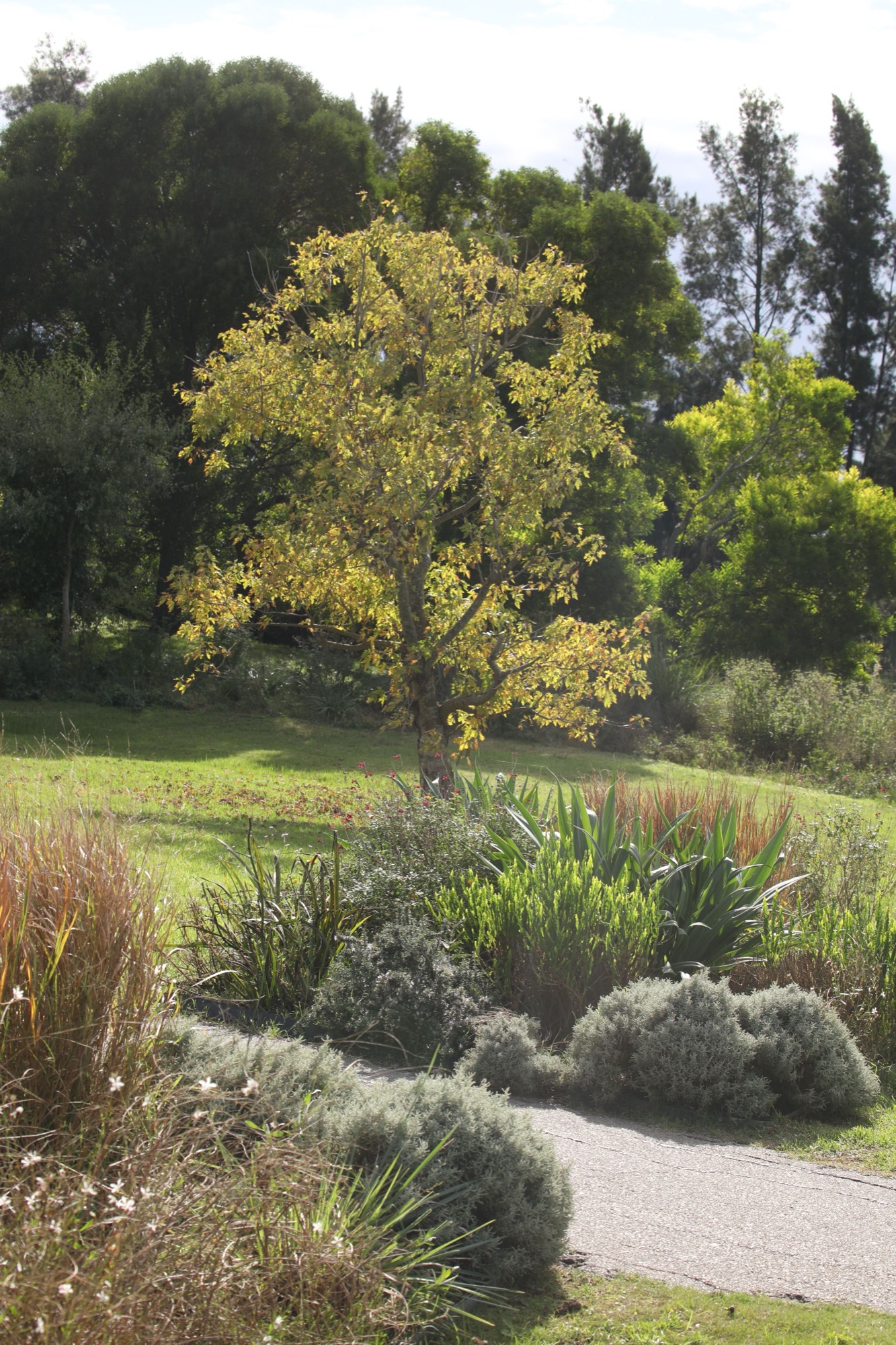
The park combines pre-existing vegetation with new native plantings, creating what we call an ordered nature. The strategy is rooted in the ecological identity of the Buenos Aires Delta.
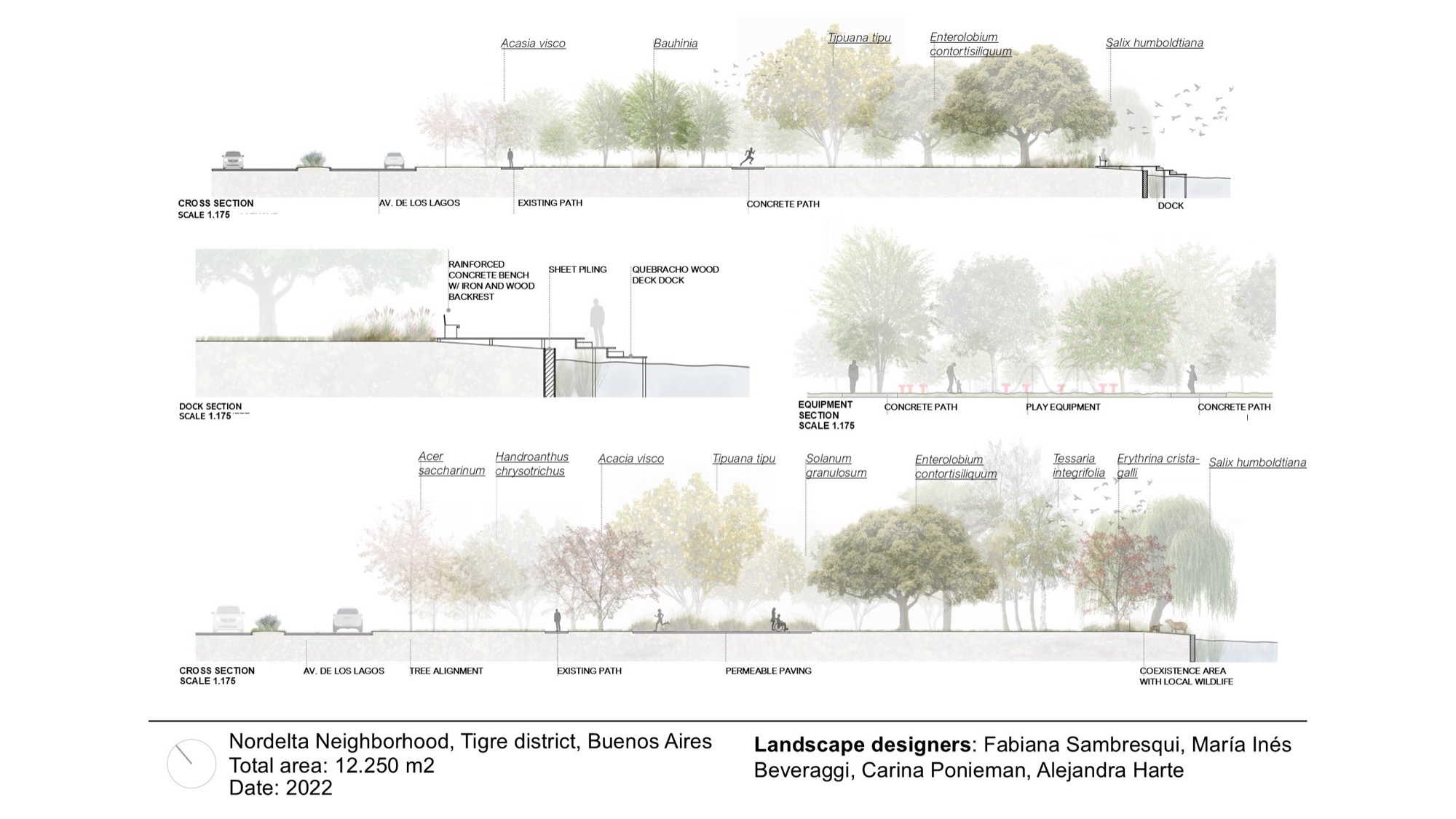
• Trees: 160 native trees (including Chalchal, Curupí, Acacia mansa, Bugre, Pata de vaca, Viscote, Murta, Ceibo, Aliso de río, Fumo bravo, Sen del campo, Anacahuita, Tipa, Timbó y Sauce criollo) line pathways, providing thermal comfort and promoting environmental regeneration.
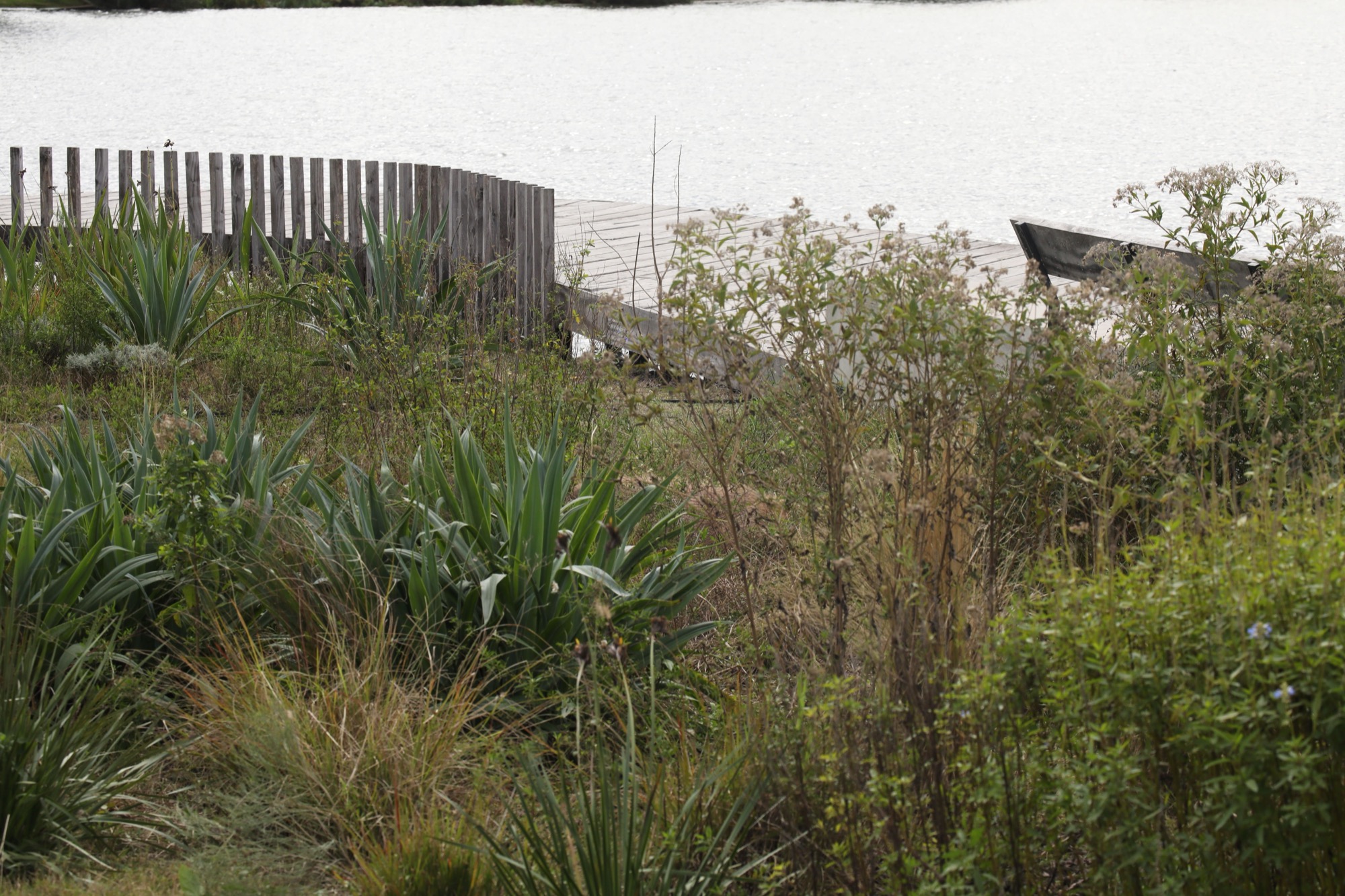
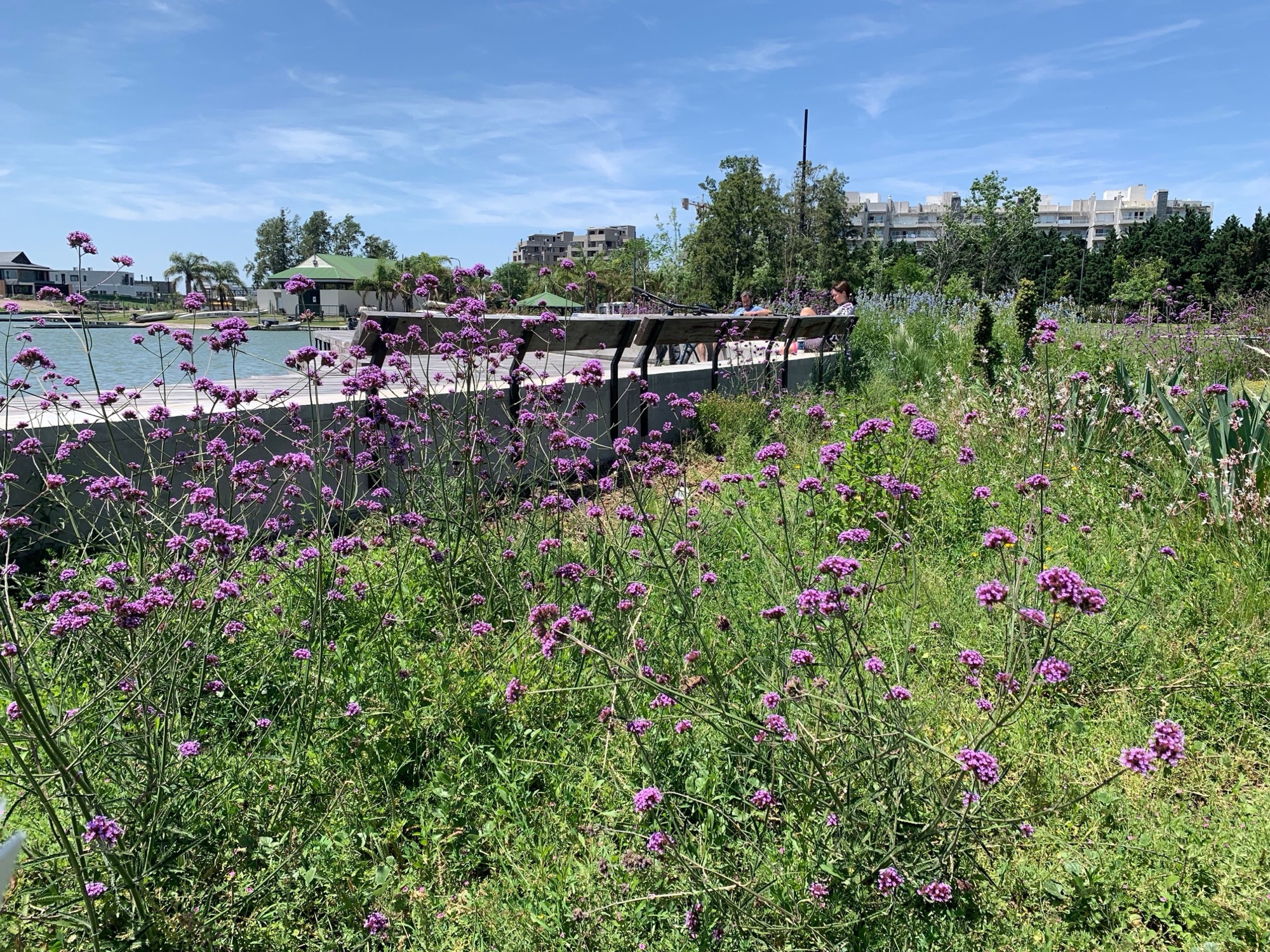
• Shrubs and Herbaceous Plants: 1,800 biodiverse, mostly native plants were added near the pier. They attract pollinators, offer wildlife shelter, act as acoustic barriers, and enrich the sensory experience.
• Naturalized Grassland: Planted on disturbed soil, this “rough” sector acts as a transition to an existing forest. The original seed bank allows spontaneous species emergence, monitored for educational purposes.
• Wildlife Sanctuary: A coastal edge with no interventions promotes a respectful bond between humans and wildlife, reinforcing Nordelta’s biological corridor.
Technology and Sustainability
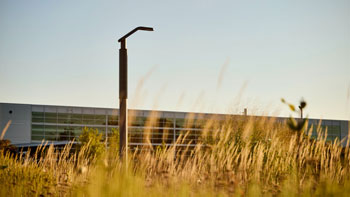
Materials with low visual and environmental impact were chosen. The main path combines smoothed concrete with earth-toned permeable materials. The pier uses untreated natural wood to blend seamlessly. Lighting minimizes light pollution. Coexistence with local wildlife, particularly capybaras, required constant adaptation during construction, ultimately bolstering the design’s resilience.
Conclusion The transformation of Puerto Canoas proposes a new way of inhabiting urban-natural spaces. The park acts as a holistic system integrating amenities, pathways, and vegetation to promote an inclusive, sustainable lifestyle. It establishes itself as a new civic node within Nordelta, offering immense urban, social, and environmental value.
Credits:
• Client: Nordelta SA
• Landscape designers: Fabiana Sambresqui, Maria Inés Beveraggi, Carina Ponieman, Alejandra Harte
• Collaborators: Fiorella Losada Odone, Emilia Semin, Alexandra Cater
-34.4254288969979, -58.655415762211646
73592


LILA 2026 Sponsor