QH Straight, Urban Jungle
lohrengel-landschaft.de/
2026 Landscape and Architecture / 2026 Residential Parks / Germany / Built in 2024 /

A Climate-Resilient Courtyard as a Living Infrastructure
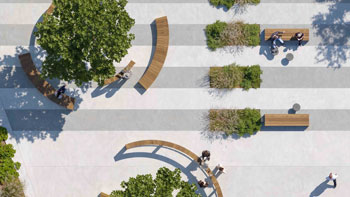
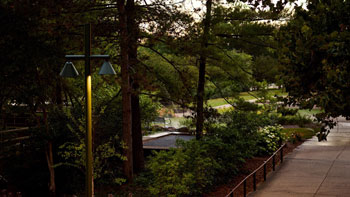
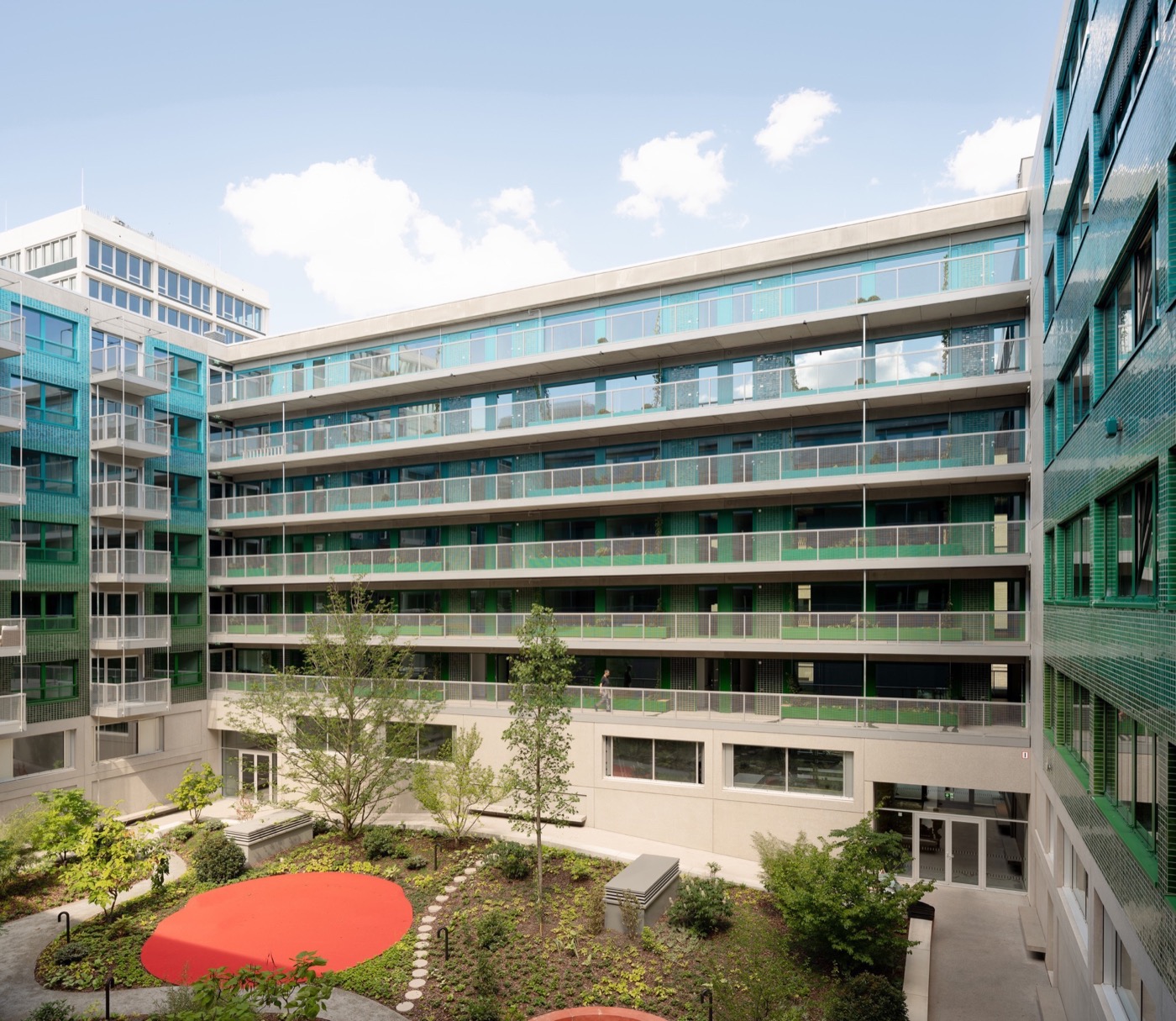
The courtyard of the Heidestrasse block reinterprets the traditional urban courtyard as a dense, climate-effective “urban jungle.” Within a highly compact urban environment, the project transforms approximately 1,200 m² into a performative landscape that reduces heat stress, manages stormwater, supports biodiversity, and creates a shared green refuge for everyday life.
Rather than treating technical performance, planting design, and spatial use as separate layers, the project understands landscape as an integrated living infrastructure where vegetation, water, soil, and architecture operate as one interconnected system.
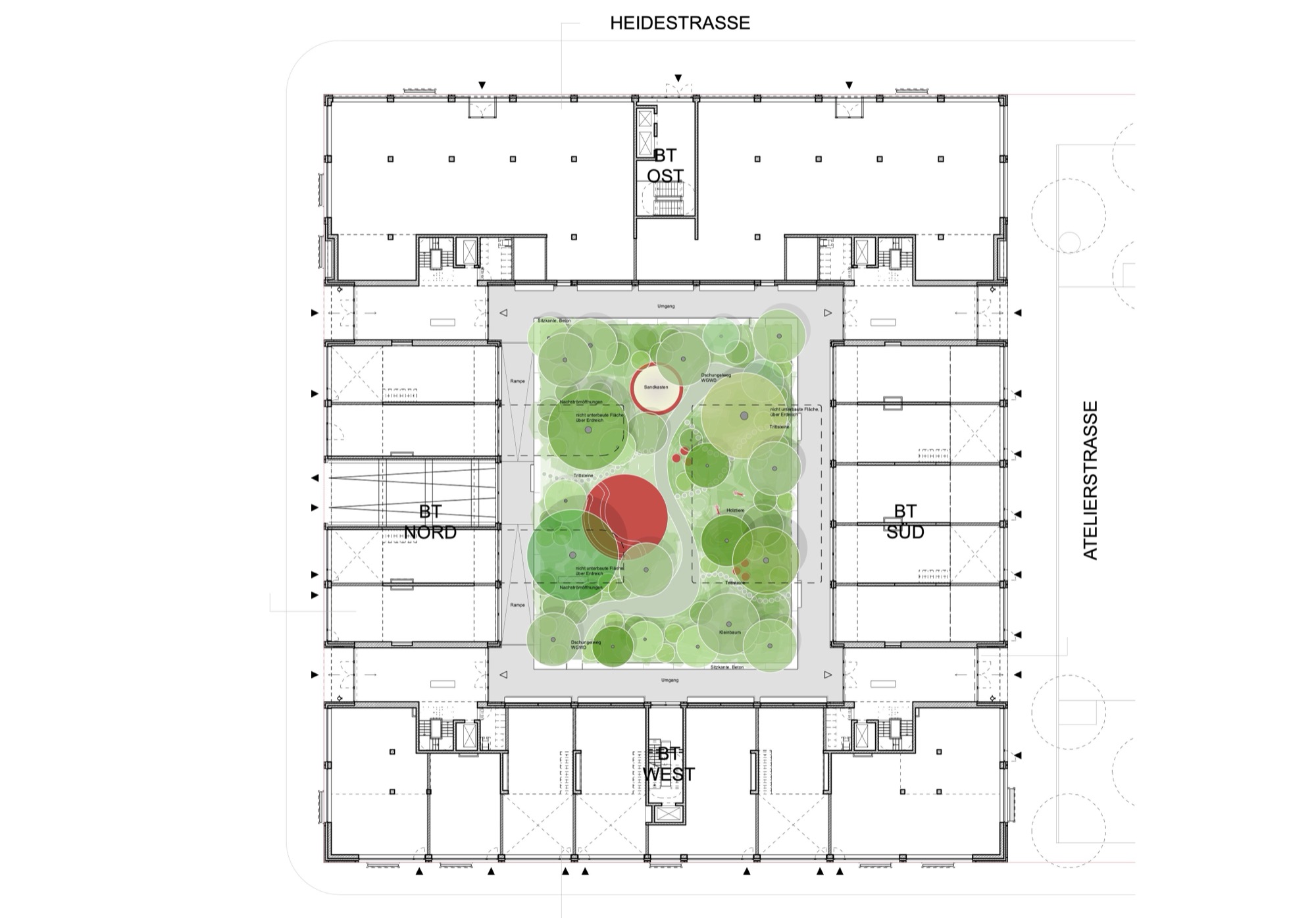
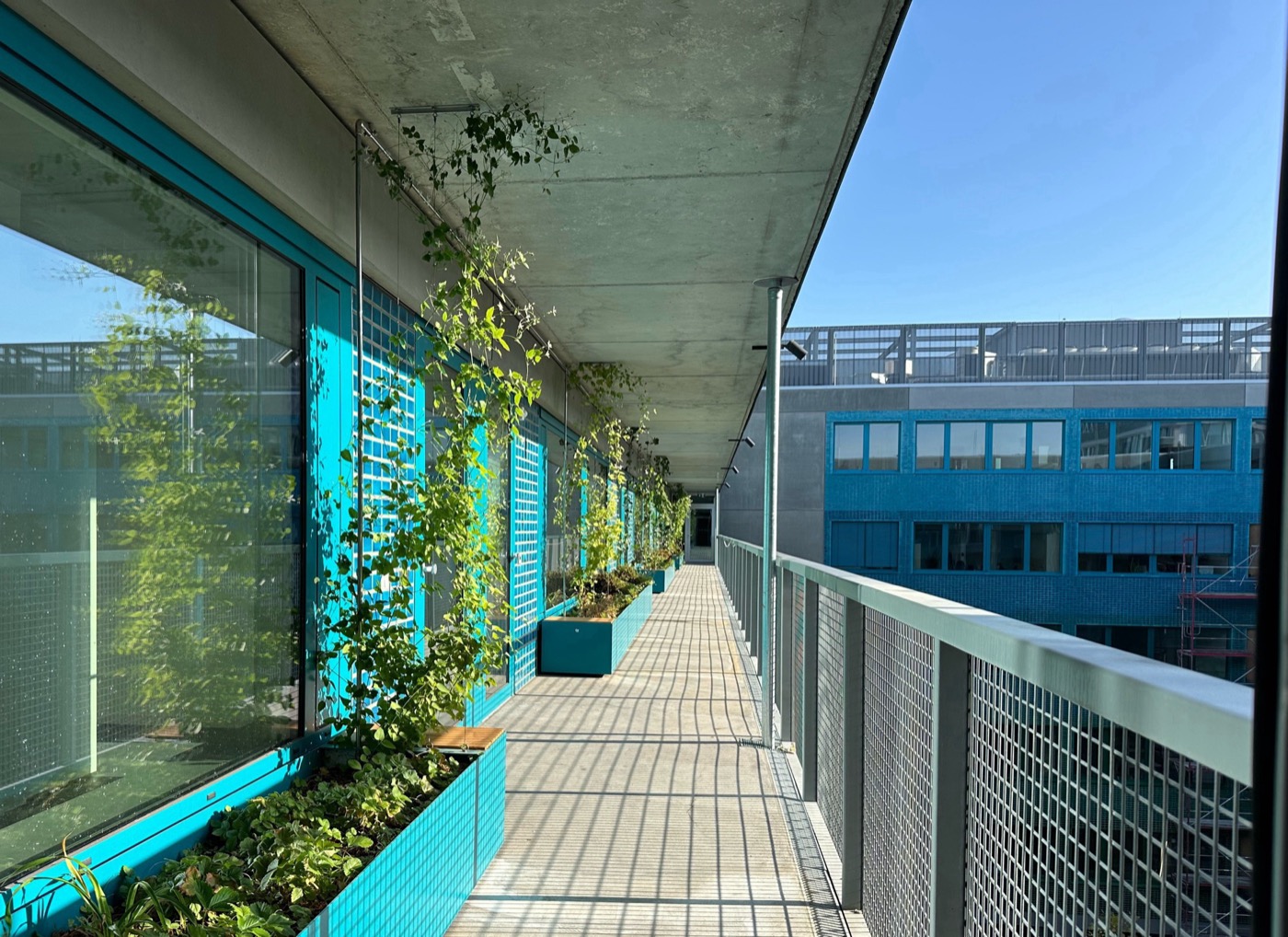
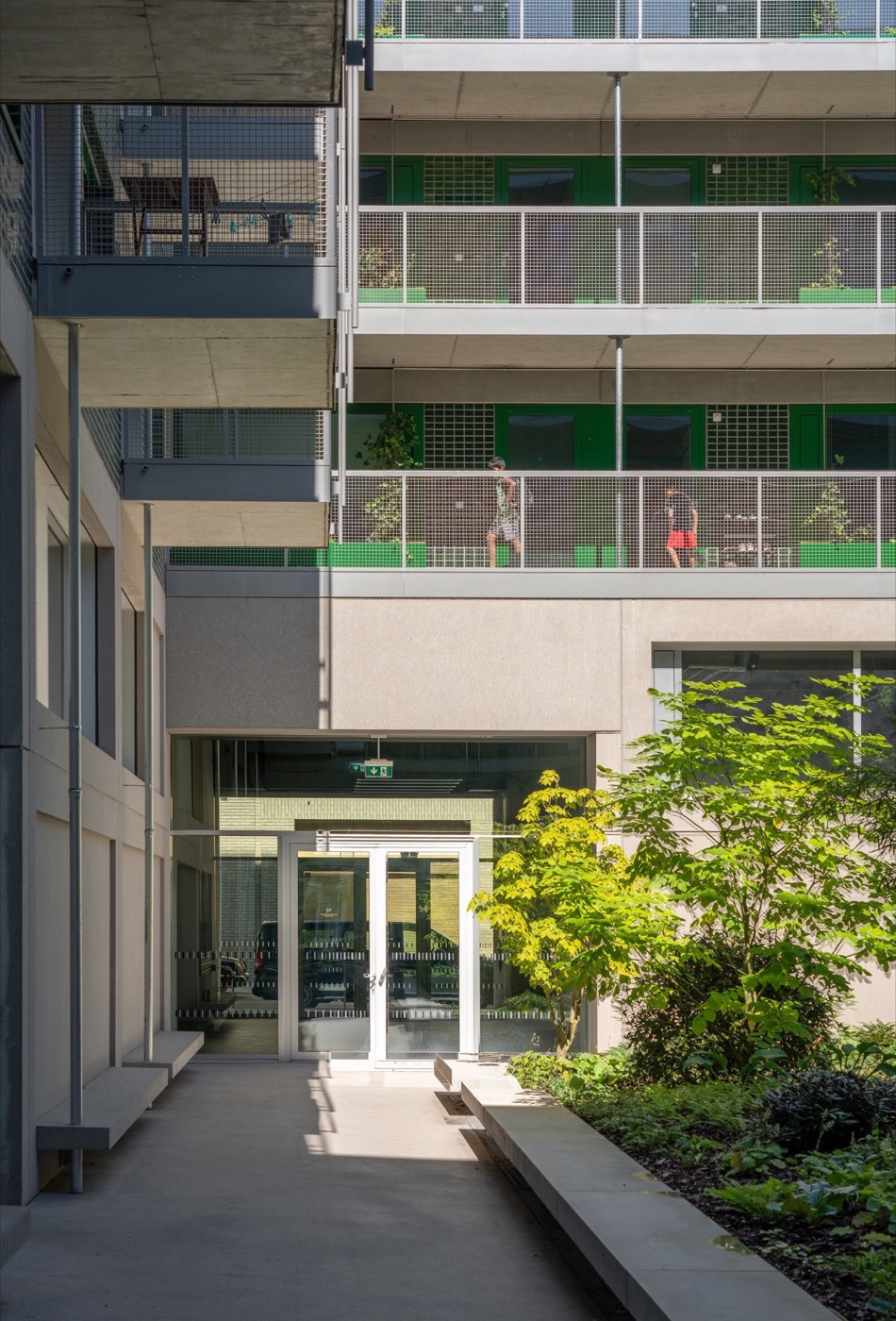
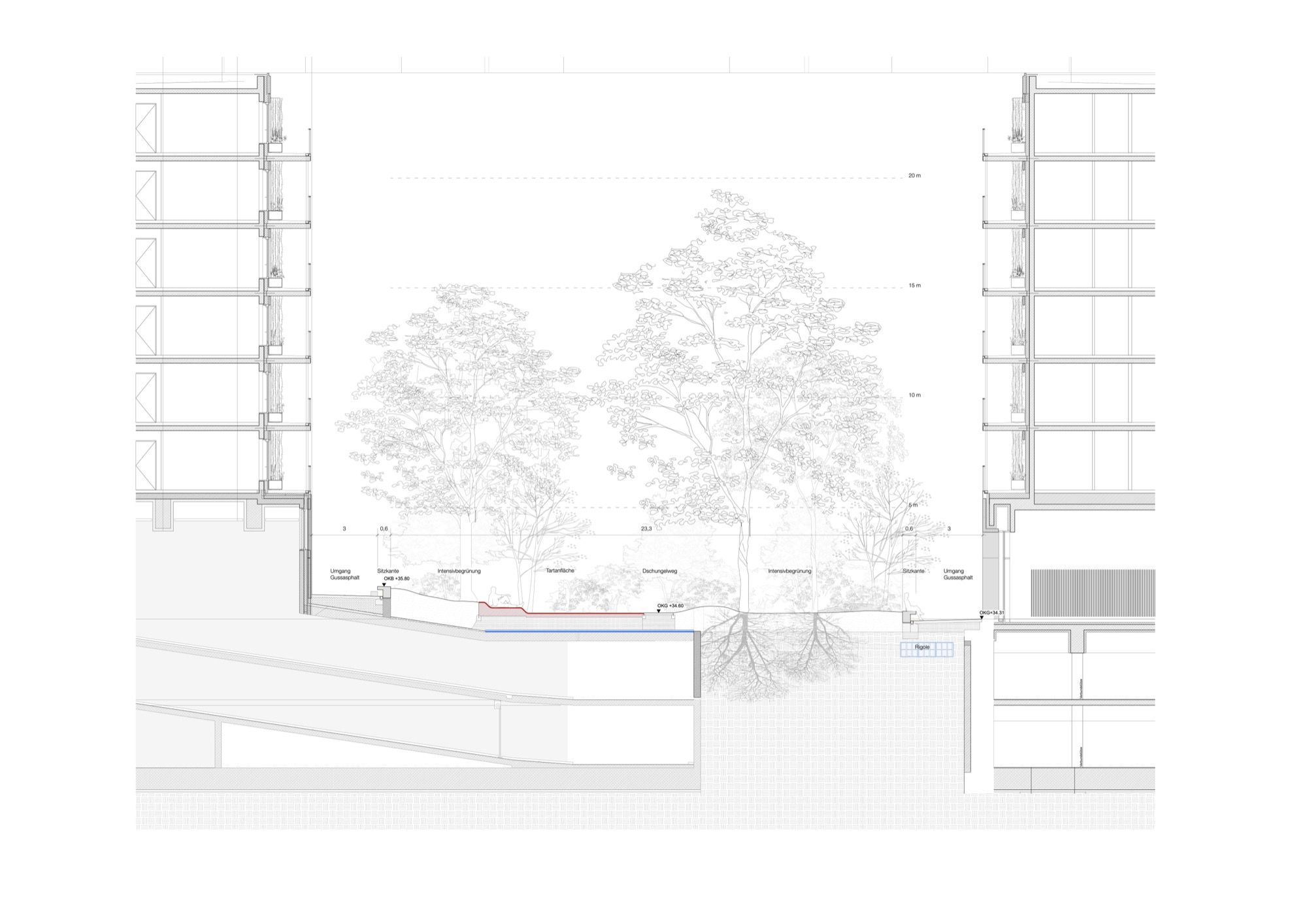
The approximately 30 × 40 m courtyard contains about 730 m² of continuous unsealed planting areas forming the ecological core of the project. This ground-level landscape is extended vertically through planting beds integrated into the access galleries from the 1st to the 6th floor along the north and south façades. Here, plant communities were carefully selected according to solar exposure, transforming circulation spaces into green edges. A semi-intensive green roof completes this three-dimensional landscape system and strengthens the environmental relationship between building and open space within the mixed-use ensemble of housing, offices, and retail.
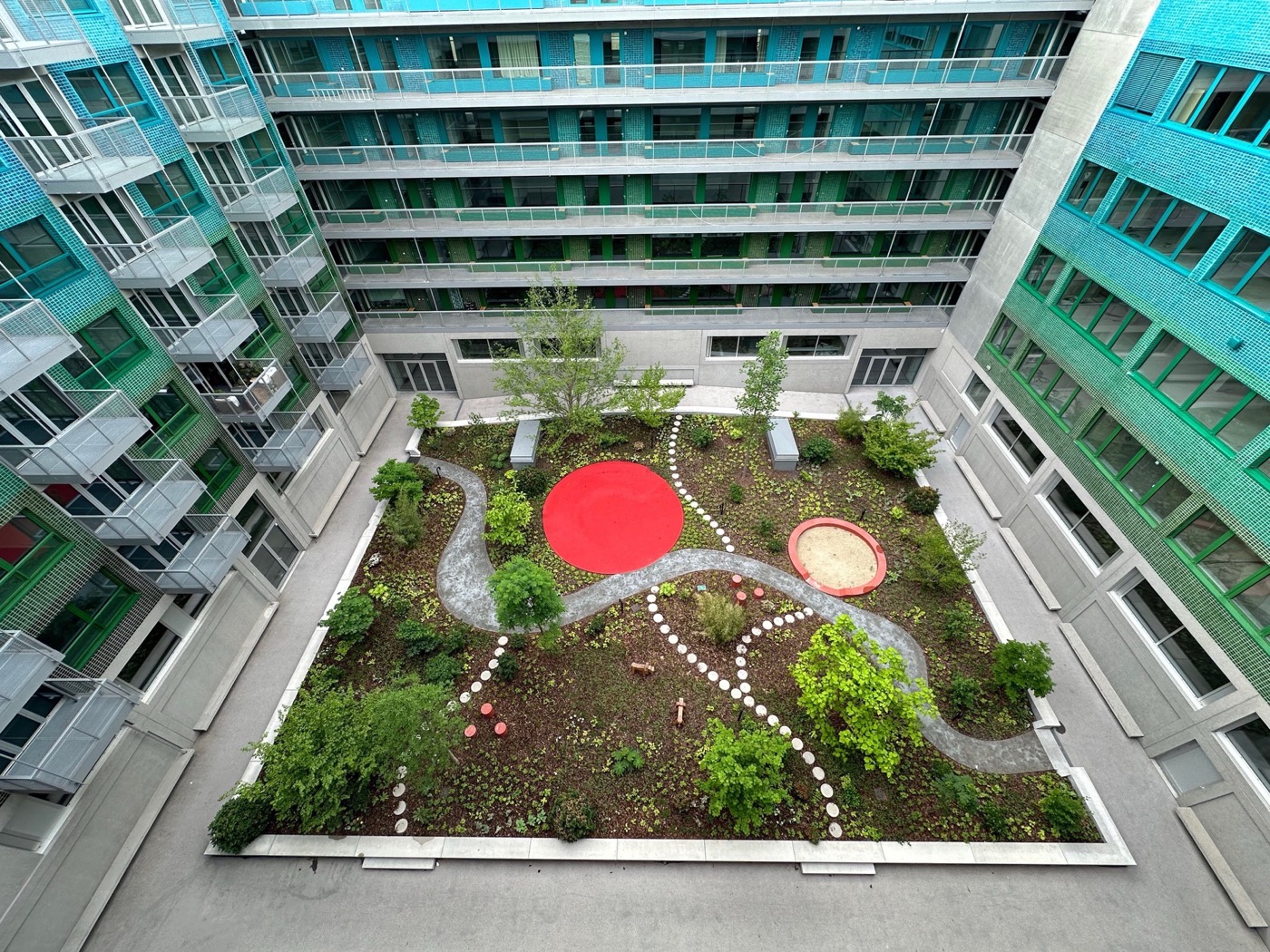
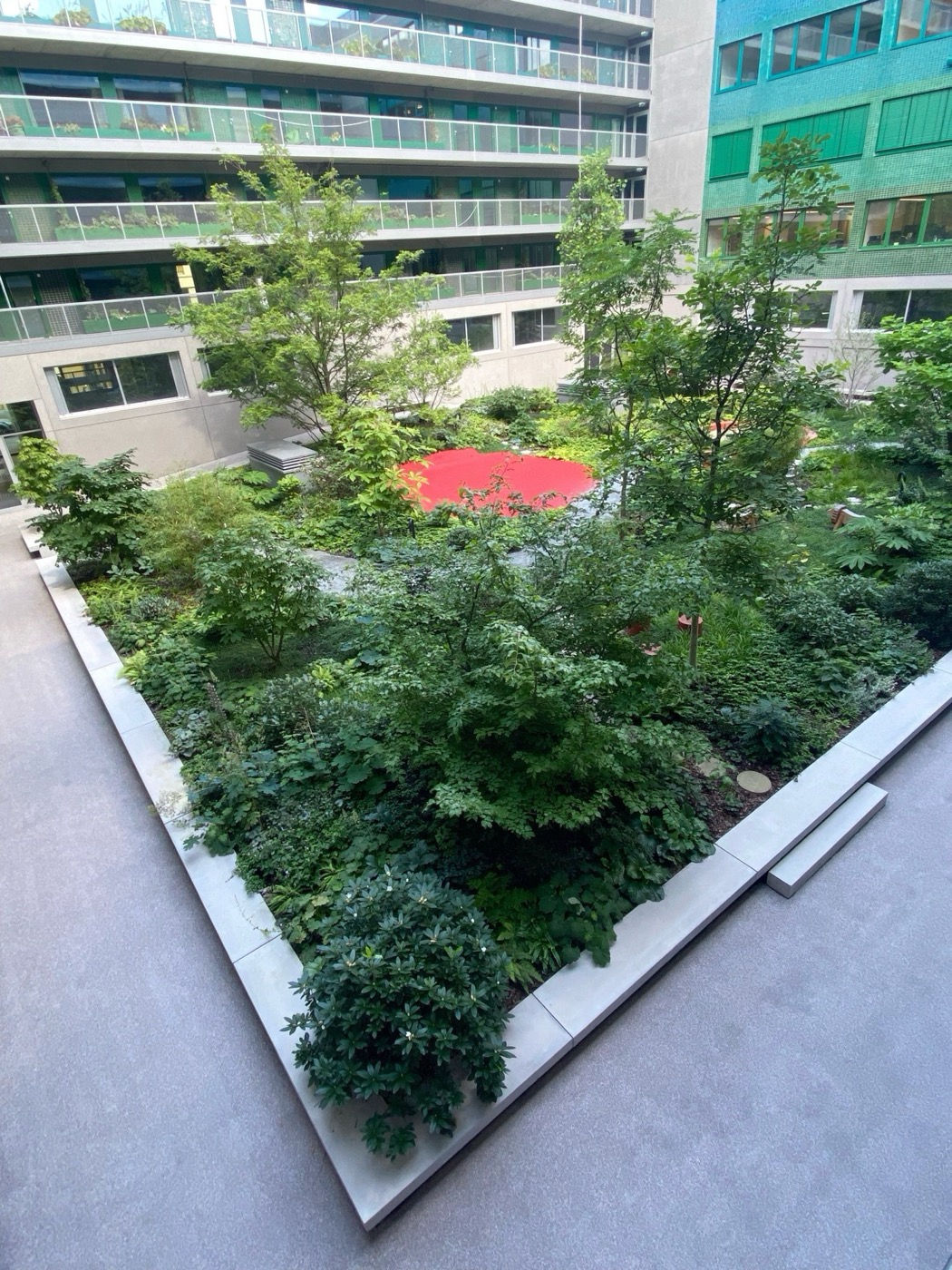
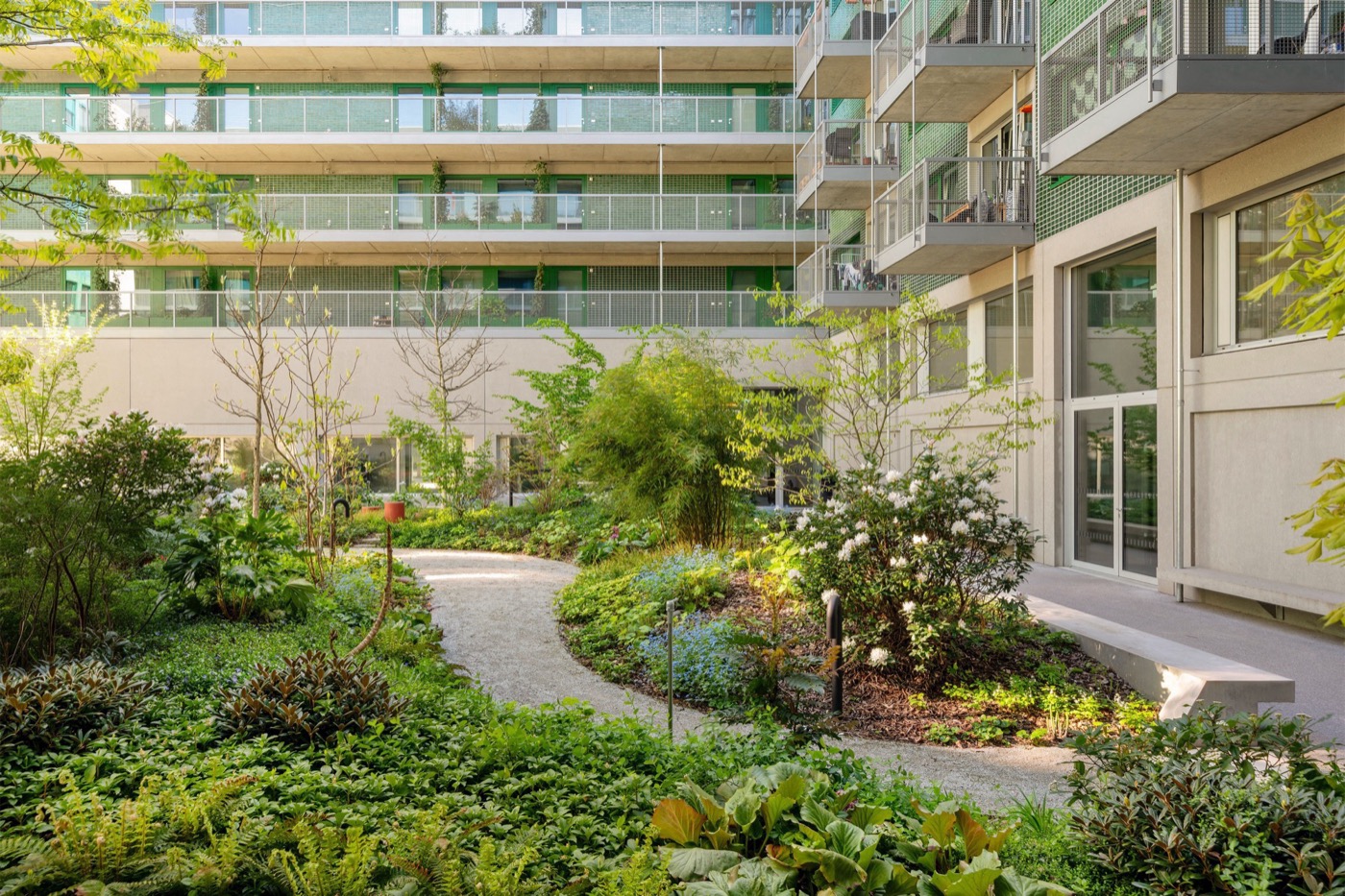
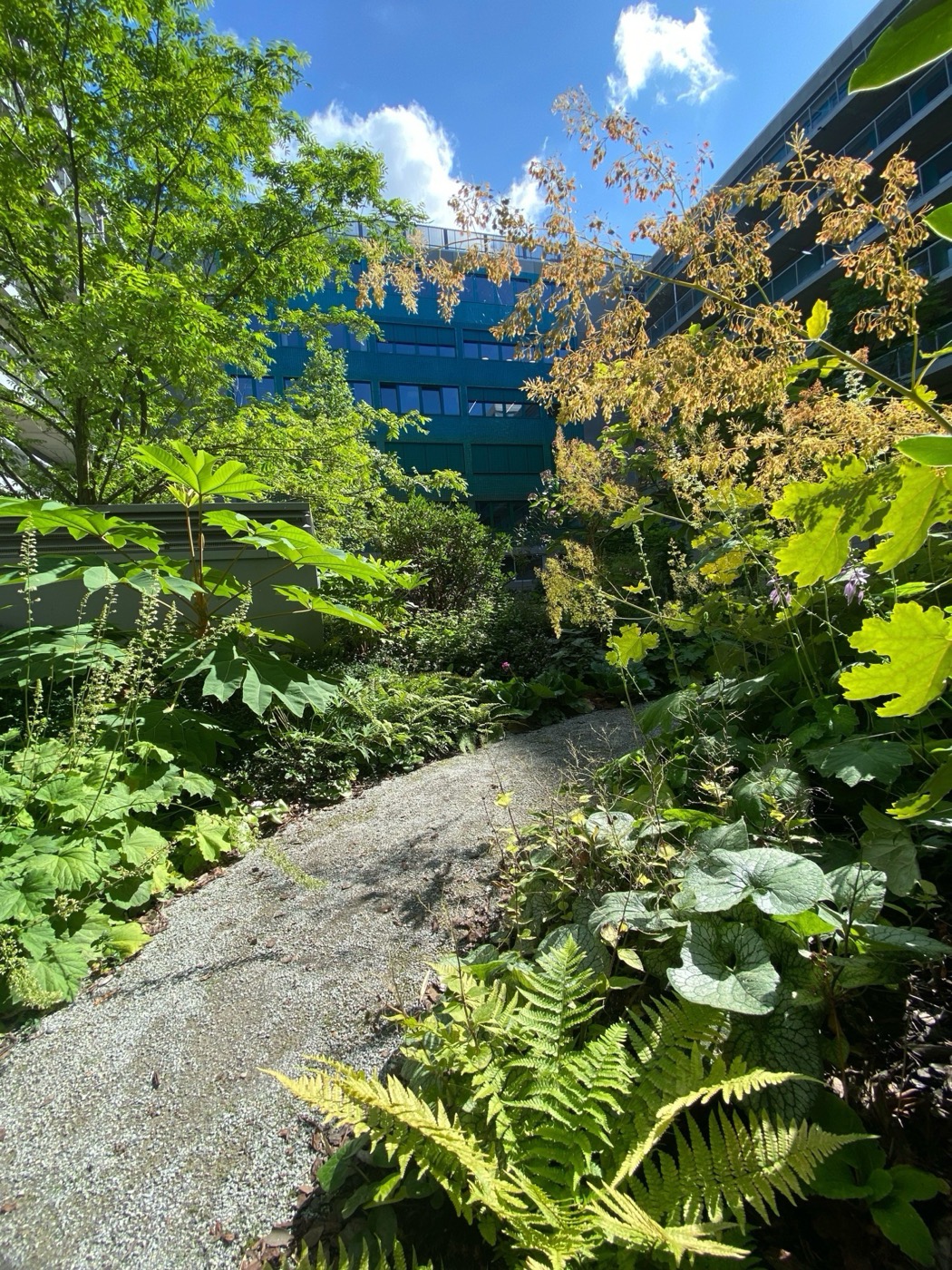
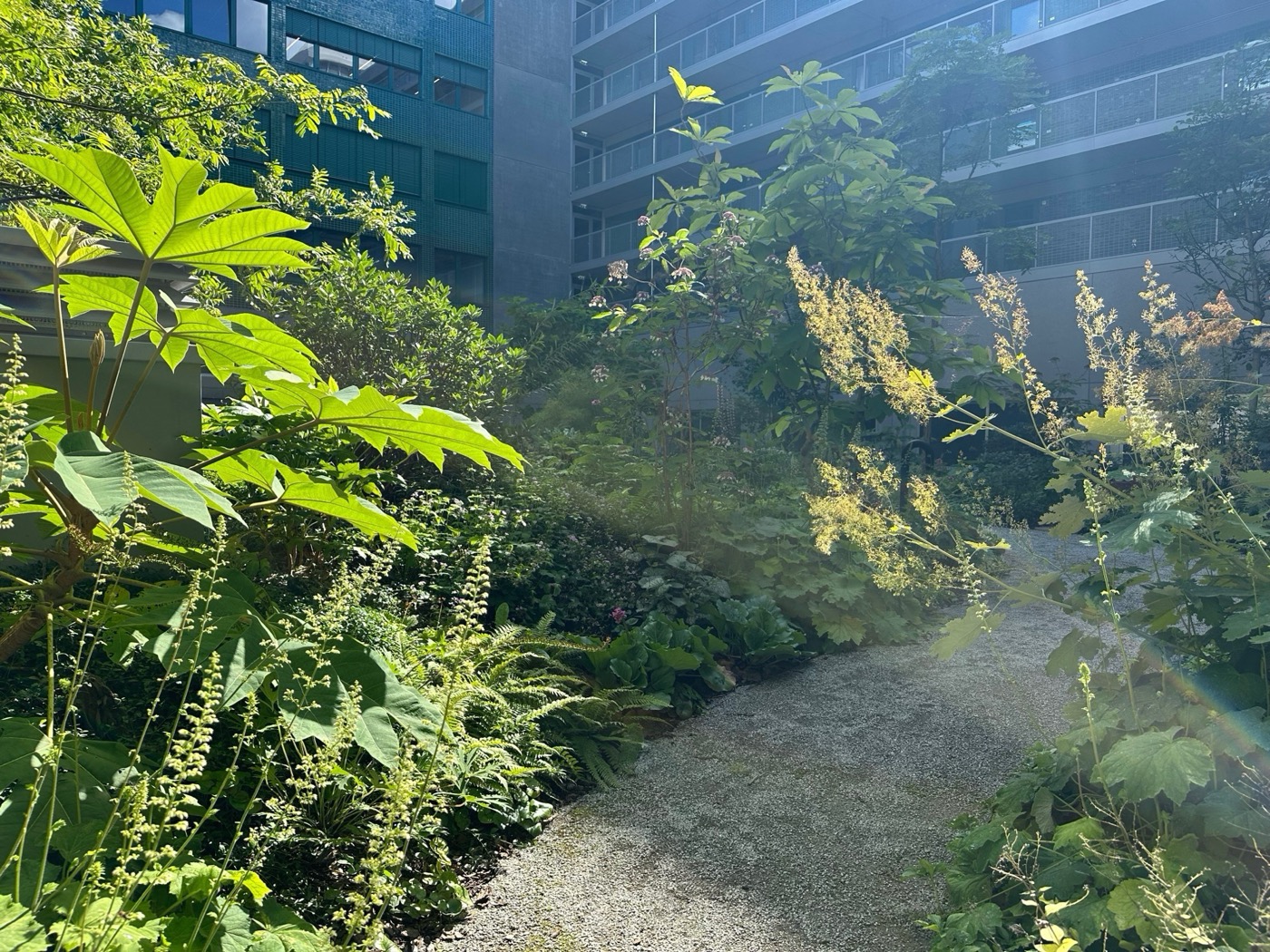
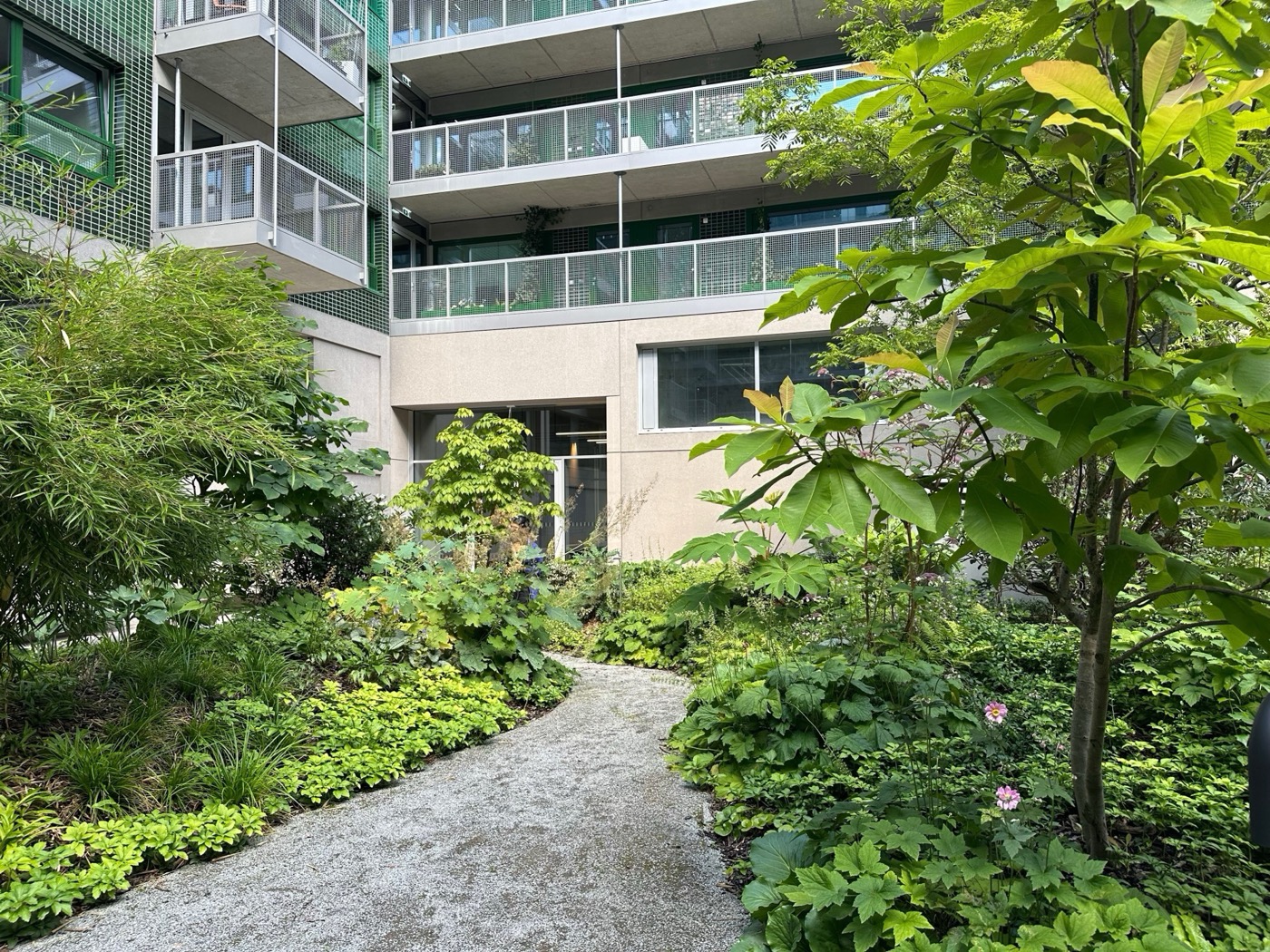
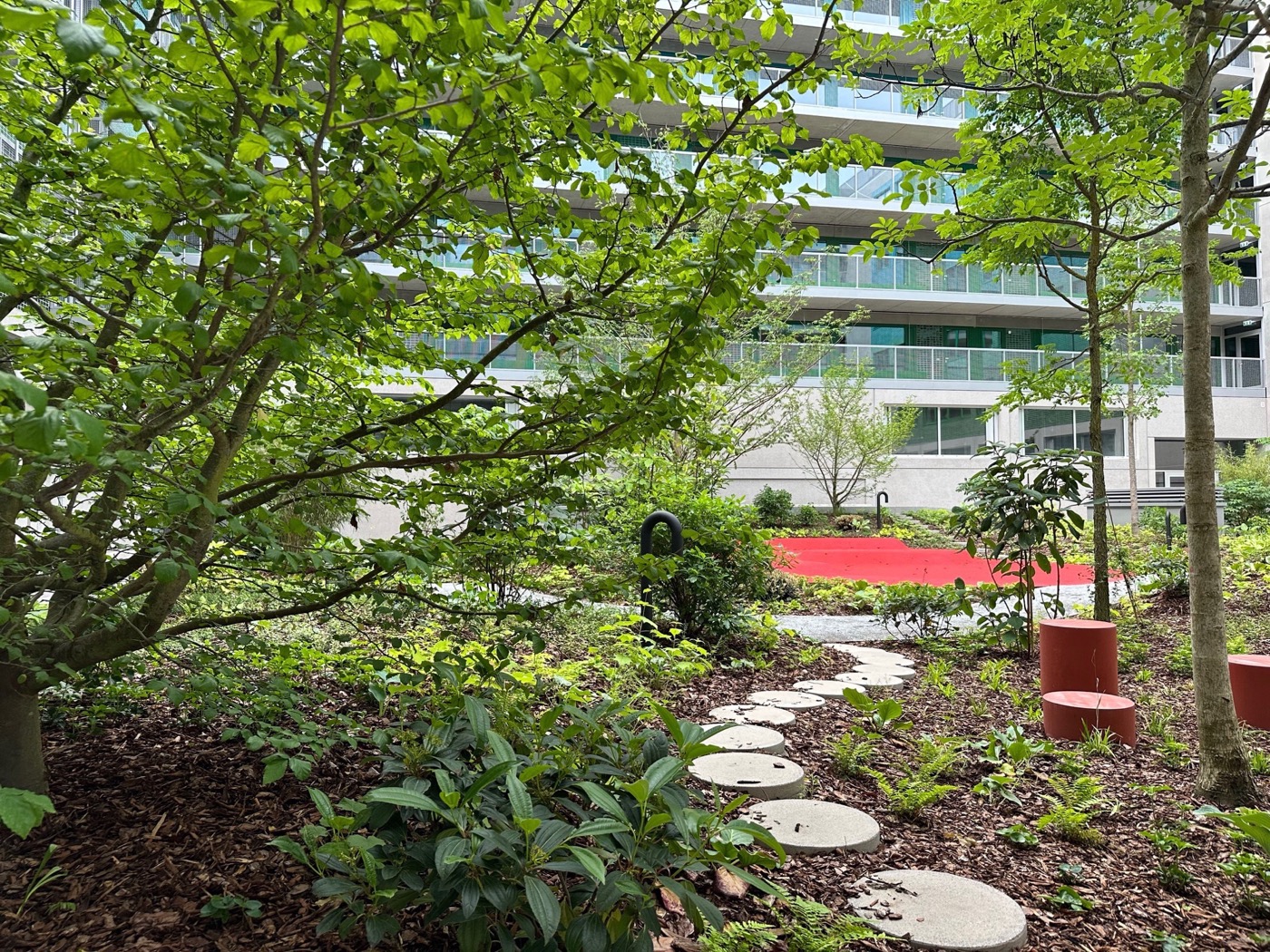
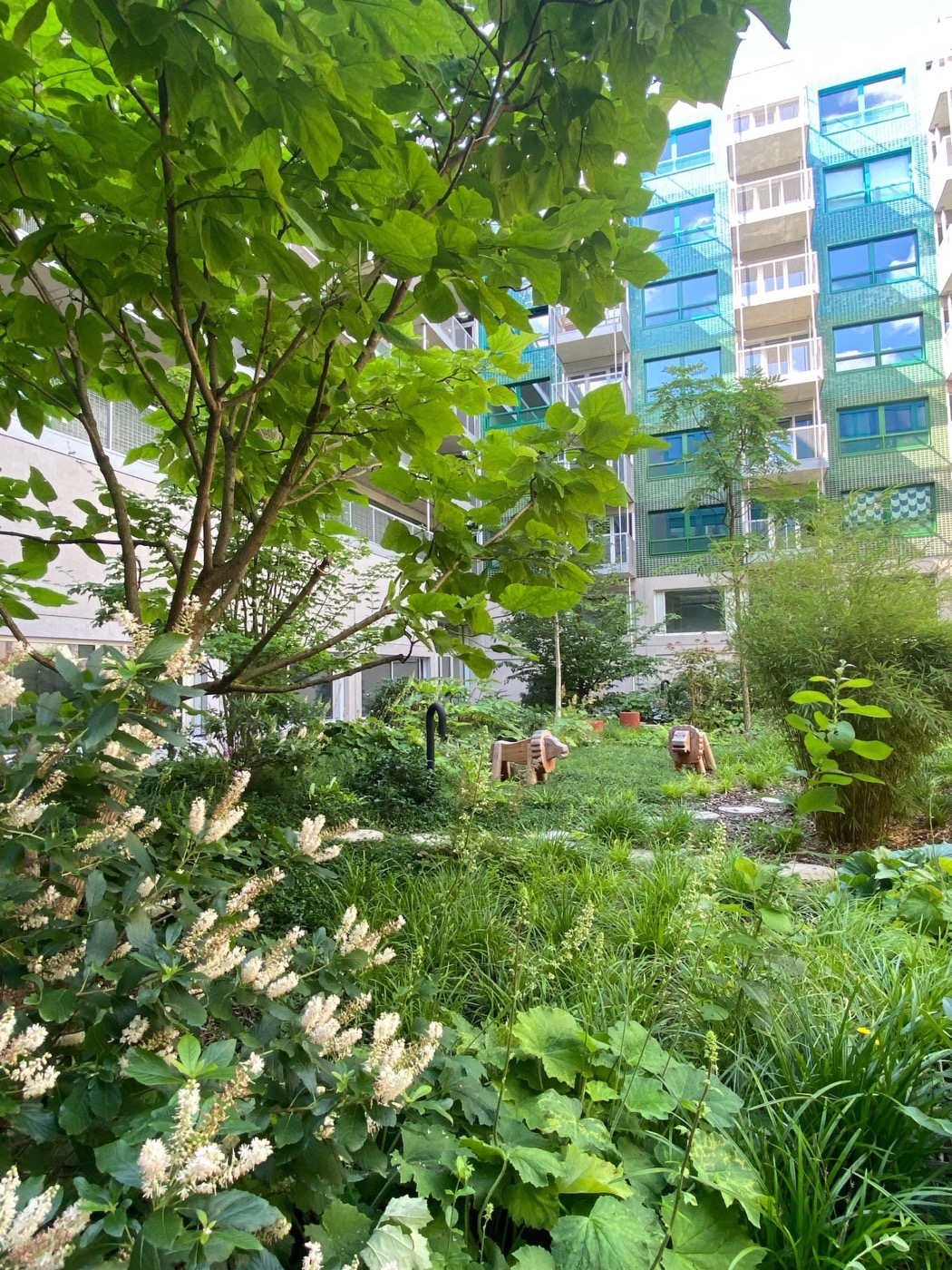
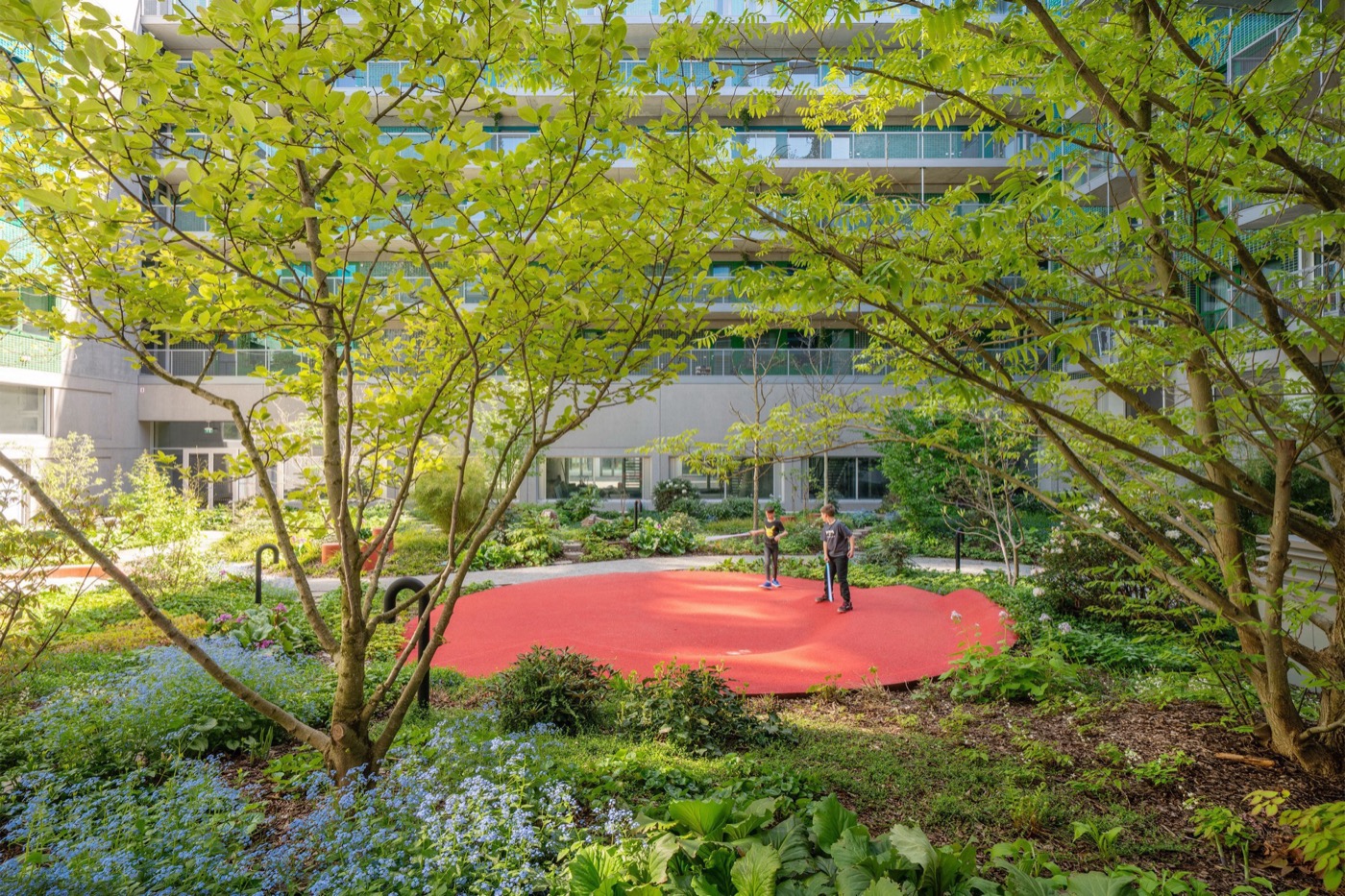
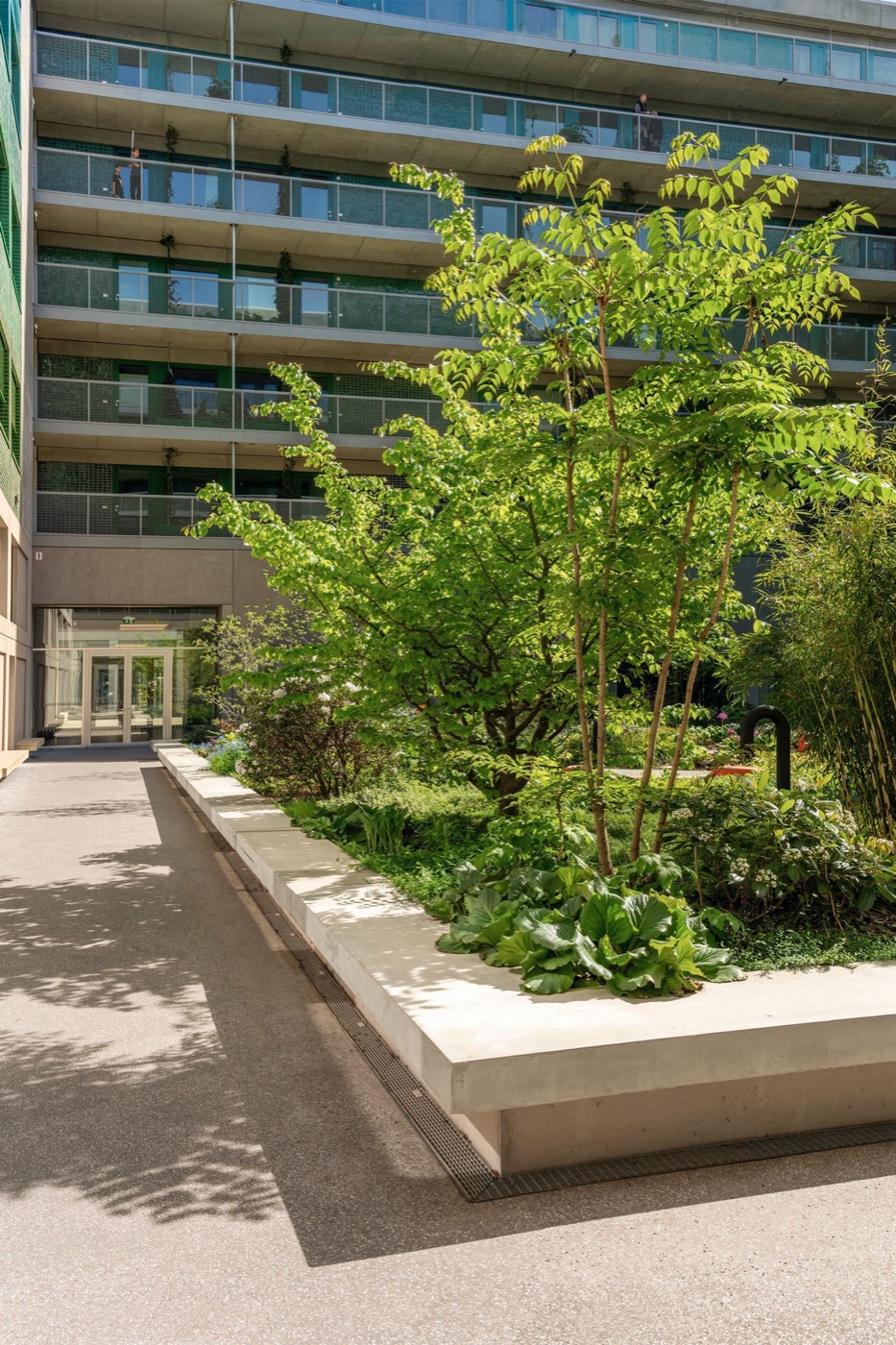
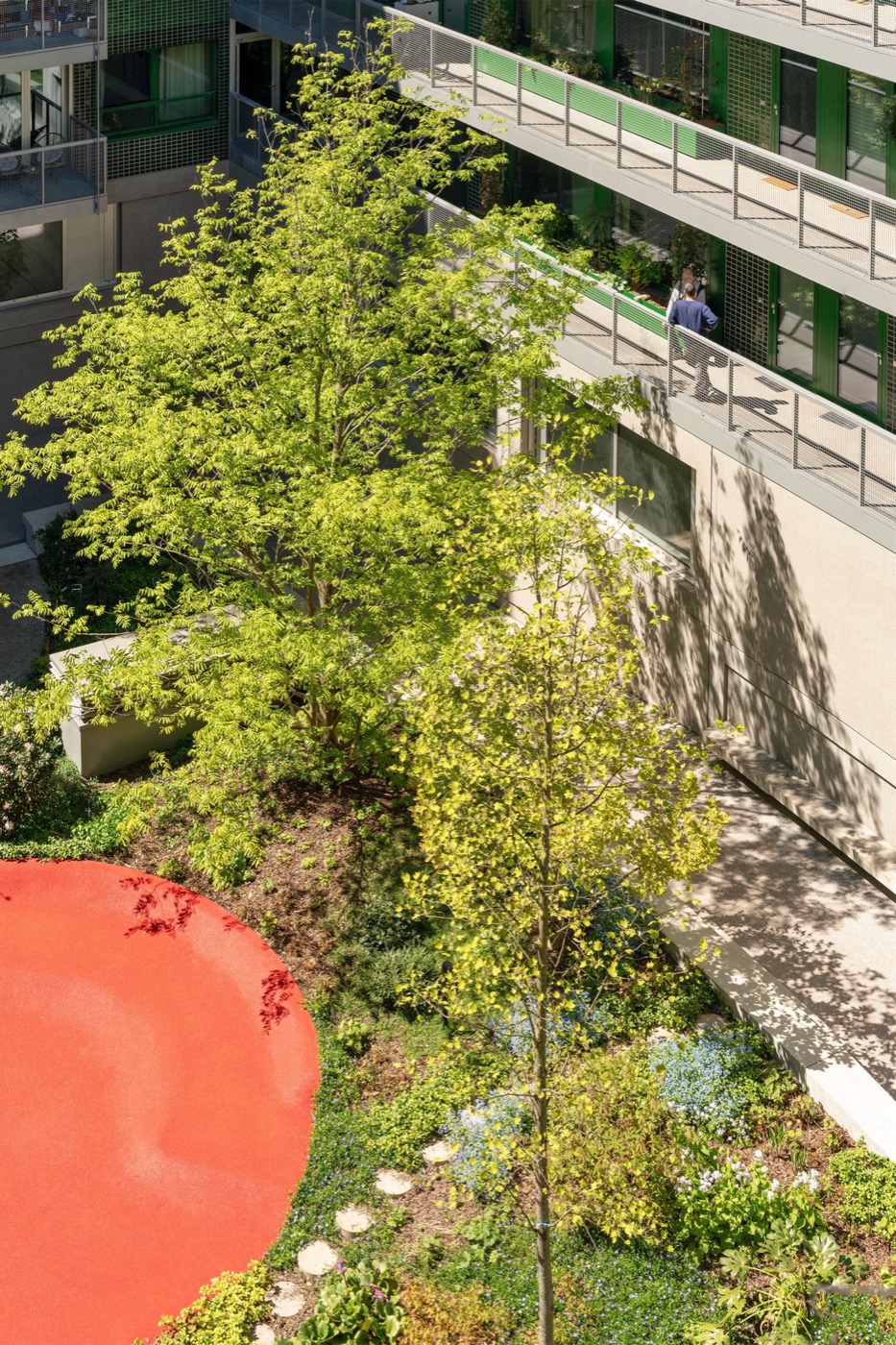
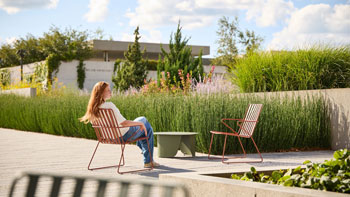
The vegetation concept follows the logic of resilience rather than static composition. A permanent structural layer of trees and large shrubs provides spatial stability, while dynamic perennial communities were selected according to complementary propagation strategies. Clump-forming species provide continuity, self-seeding species allow adaptive regeneration, and vegetatively spreading plants stabilize the ground plane. This strategy of guided succession allows the landscape to evolve over time while reducing maintenance intensity and increasing ecological robustness.
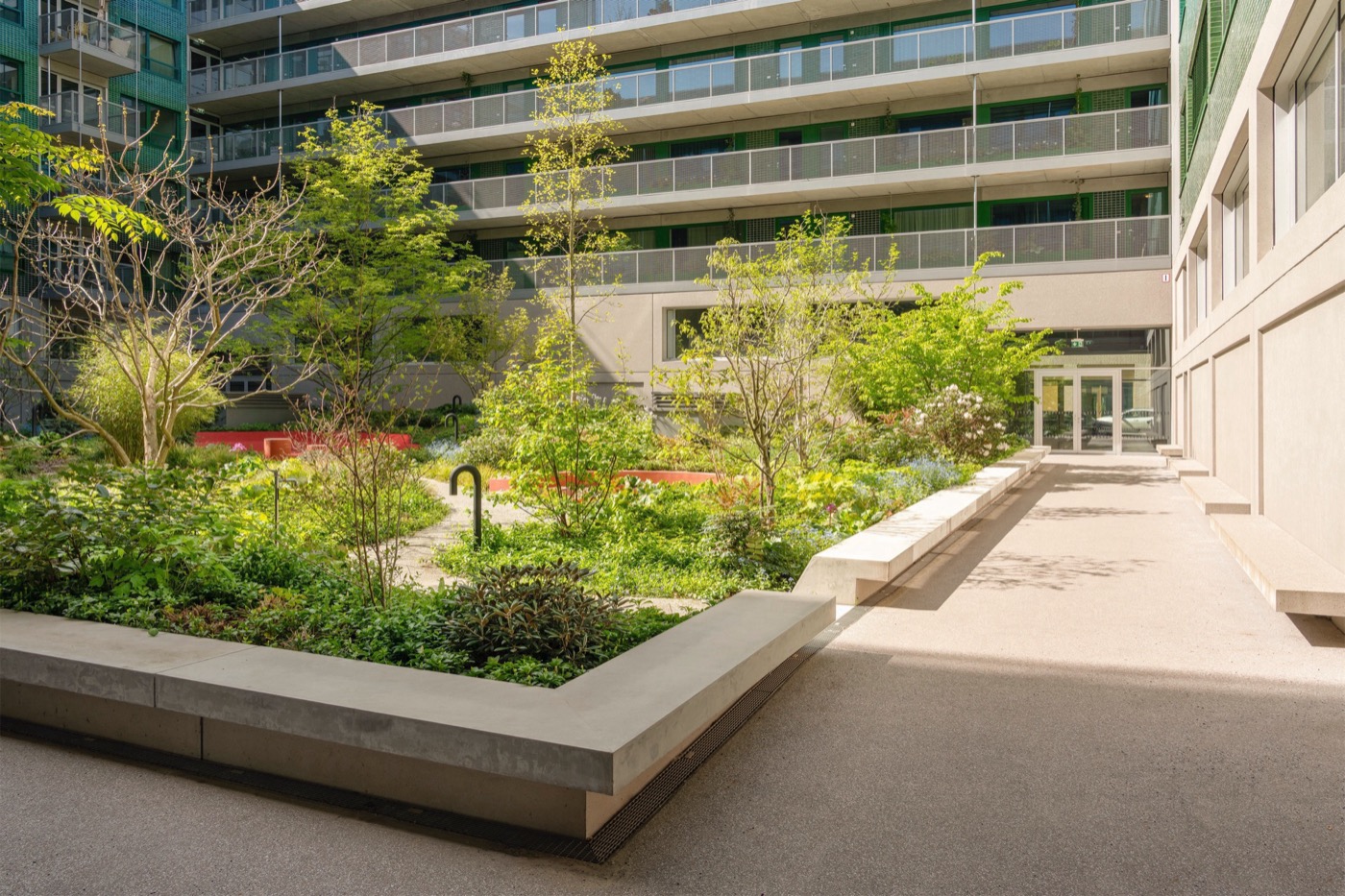
Providing adequate root space above the underground garage was a central design challenge. Three larger planting areas with direct soil connection ensure long-term tree vitality. Above the underground structure, a differentiated substrate topography between 40 and 130 cm creates varied growing conditions. By concentrating planting areas toward the center, the project establishes a large continuous root zone while improving microclimatic performance. The surrounding pathway simultaneously acts as circulation, spatial frame, and structural edge for the planting areas.
Rainwater Management as a Design Driver
Stormwater is a fundamental driver of the landscape concept. The design prioritizes retention, ecological use, and delayed discharge. Rainwater first infiltrates the planting substrate completely. Beneath it, a retention layer maintains a permanent water reservoir that provides capillary moisture during dry periods. When this capacity is exceeded, water overflows into adjacent planting zones with direct soil connection, defined by a retention edge. Only during periods of extreme rainfall does excess water reach the infiltration ditches located outside the planted areas. This cascade-like system – retention, promotion of plant growth, local distribution and, finally, the discharge of excess water to recharge the groundwater – transforms rainwater from a technical problem into an ecological resource. The required retention volume has been achieved without compromising plant health or root development.
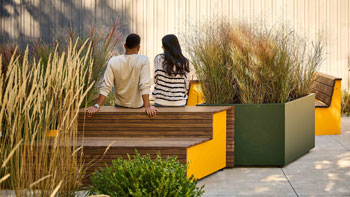
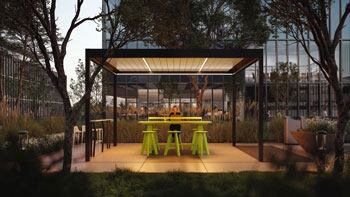
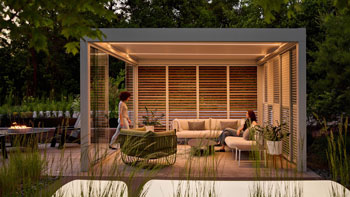
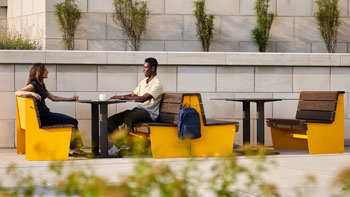
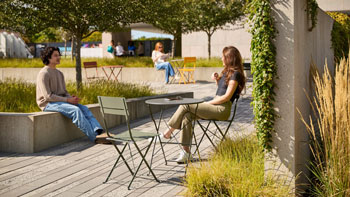
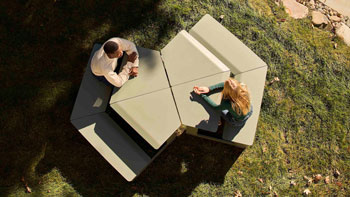
The courtyard is conceived as an open framework for appropriation rather than a predefined program. Instead of conventional playground equipment, a network of paths, stepping stones, and integrated play elements encourages informal use. A bright red EPDM surface creates space for play, movement, and community activities while establishing a strong visual identity within the vegetation. Seating edges foster everyday encounters and social interaction.
Roof areas act as complementary habitats with drought-tolerant vegetation and mineral substrates that provide ecological value with minimal maintenance. Controlled self-establishment of plant species allows the landscape to adapt and mature over time.
The Heidestrasse courtyard demonstrates how landscape and architecture can merge into a single environmental system where technical performance, ecological processes, and social life reinforce each other. Its quality lies not in individual sustainable measures but in their careful orchestration. The project shows how even small urban courtyards can become climate infrastructures — resilient, adaptable, and capable of bringing nature back into the daily life of dense cities.
Landscapearchitecht: Lohrengel Landschaft. Team: Mania Lohrengel, Elena Erickson, Elsa Sitsen, Annika Janthur, Silvia Bachetti.
Architechts: Robertneun TM Architekten. Projectleaders: Christina Eigendorf, Nina Sleska.
Developers: QUARTIER HEIDESTRASSE GMBH. TAURECON. Projectleader: Petra Kauschus
Pictures: Arthur Zalewski and Lohrengel Landschaft
52.53416638363095, 13.364332852439793
75058


LILA 2026 Sponsor