REQUALIFICATION OF PIAZZA LIBERTA’ AND HISTORICAL CENTRE OF LISSONE
www.studiomoscatelli.com/ + https://www.studio-arosio.com/
2026 Public Projects / Italy / Built in 2024 /

The project for the redevelopment of Piazza Libertà and the historical centre of Lissone is the result of a competition with a participatory phase launched by the Municipality in 2019. The intervention aims to three goals: the increase of attractiveness, while at the same time envisioning a square for everyone and for each individual; the improvement of comfort, by configuring a square that is safe at all hours of the day and accessible throughout the year; and the enhancement of memory, embodied in existing heritage (the former Casa del Fascio, Villa Magatti and Villa Mussi), lost heritage (the fountain relocated in 2006 and the Church of San Pietro demolished in 1933) and intangible heritage (the wood–furniture–design system).
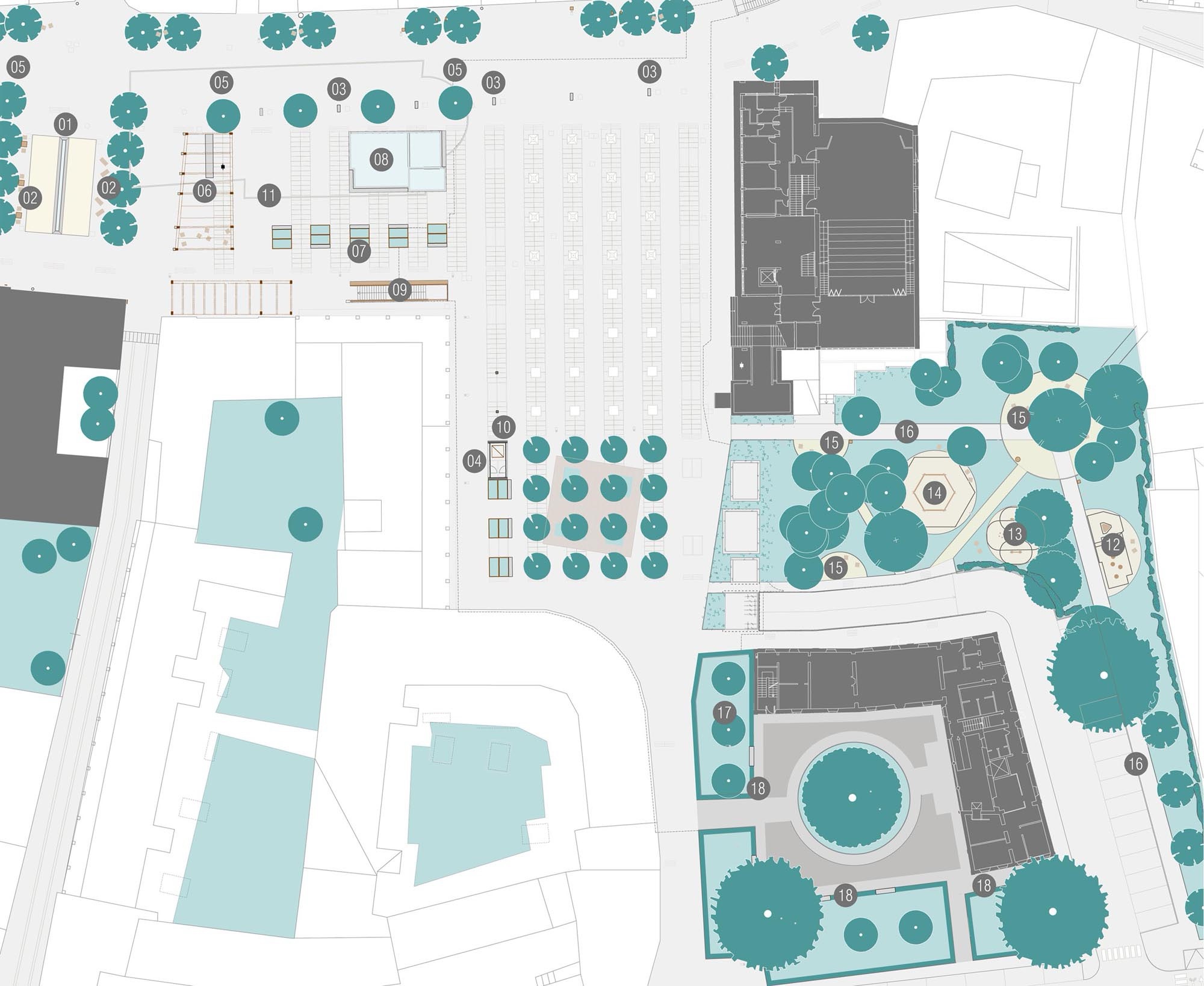
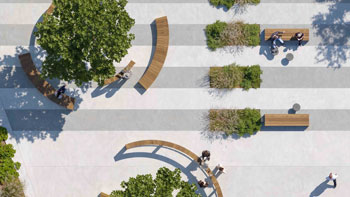
The design strategy is based on the subdivision of the open space into five places, each one with specific morphological and functional features: the urban living room, defined by a canopy and a fountain; the multifunctional area, conceived as a flexible interface for cultural and sport activities; the gaming and educational park, with three children’s islands differentiated by age; the games and reading square; the Garden of Villa Magatti.
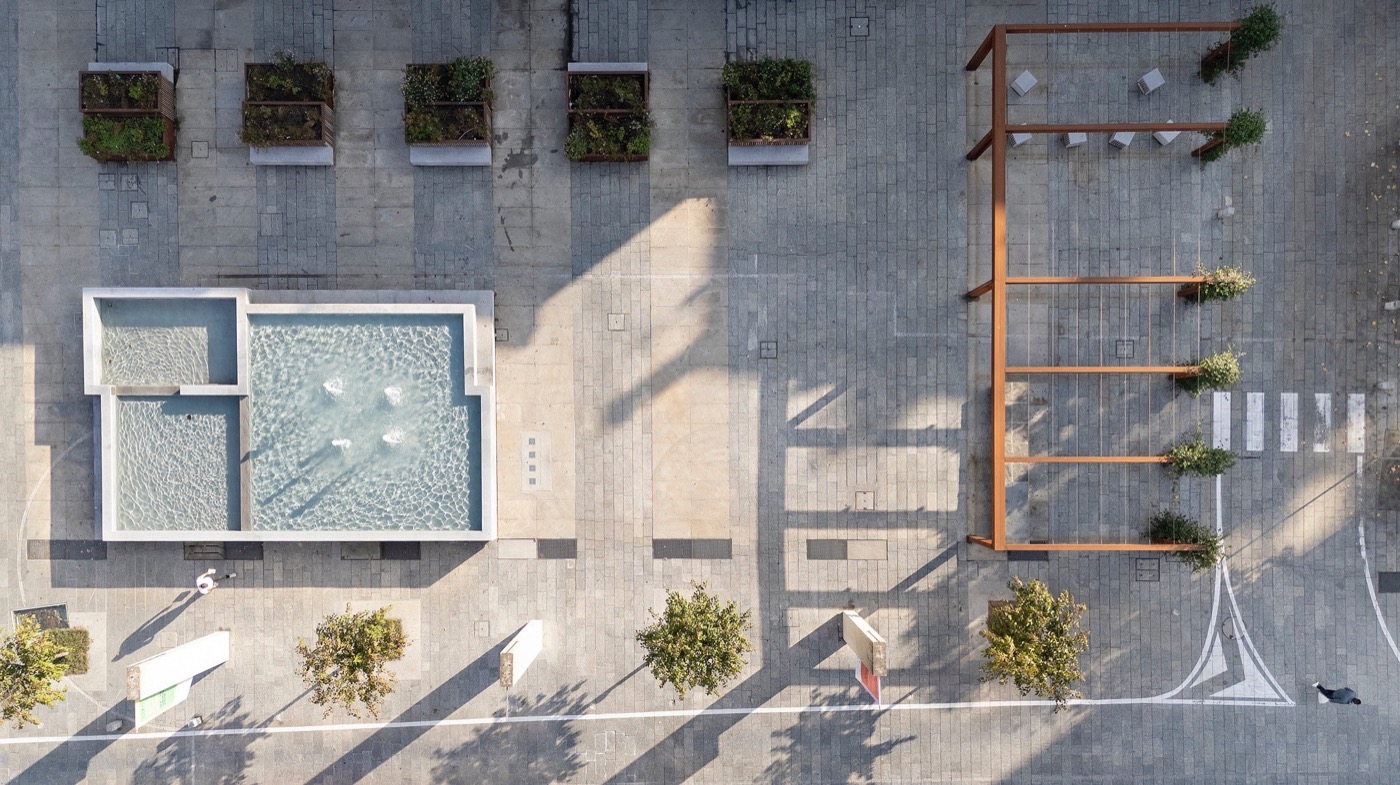
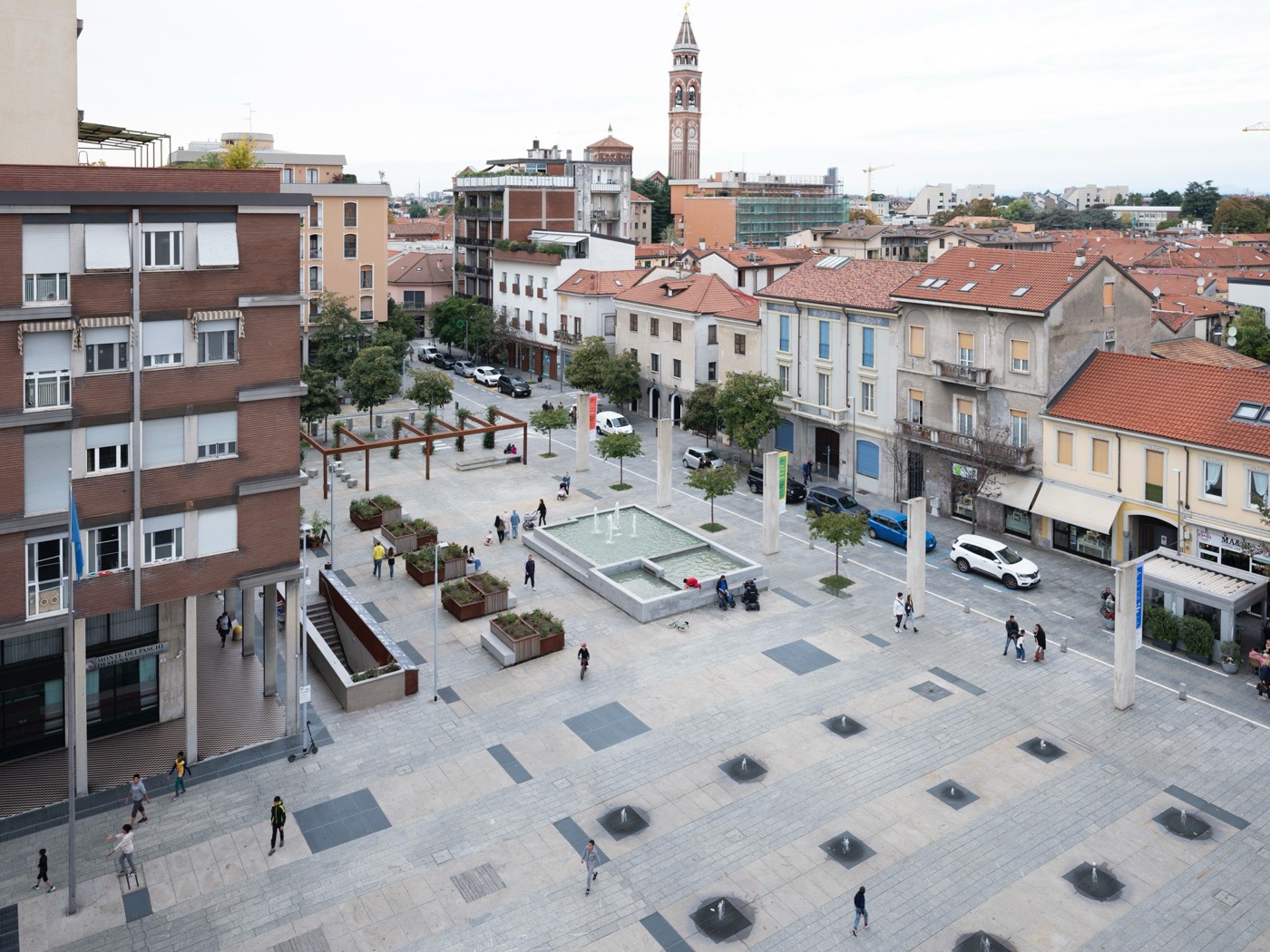
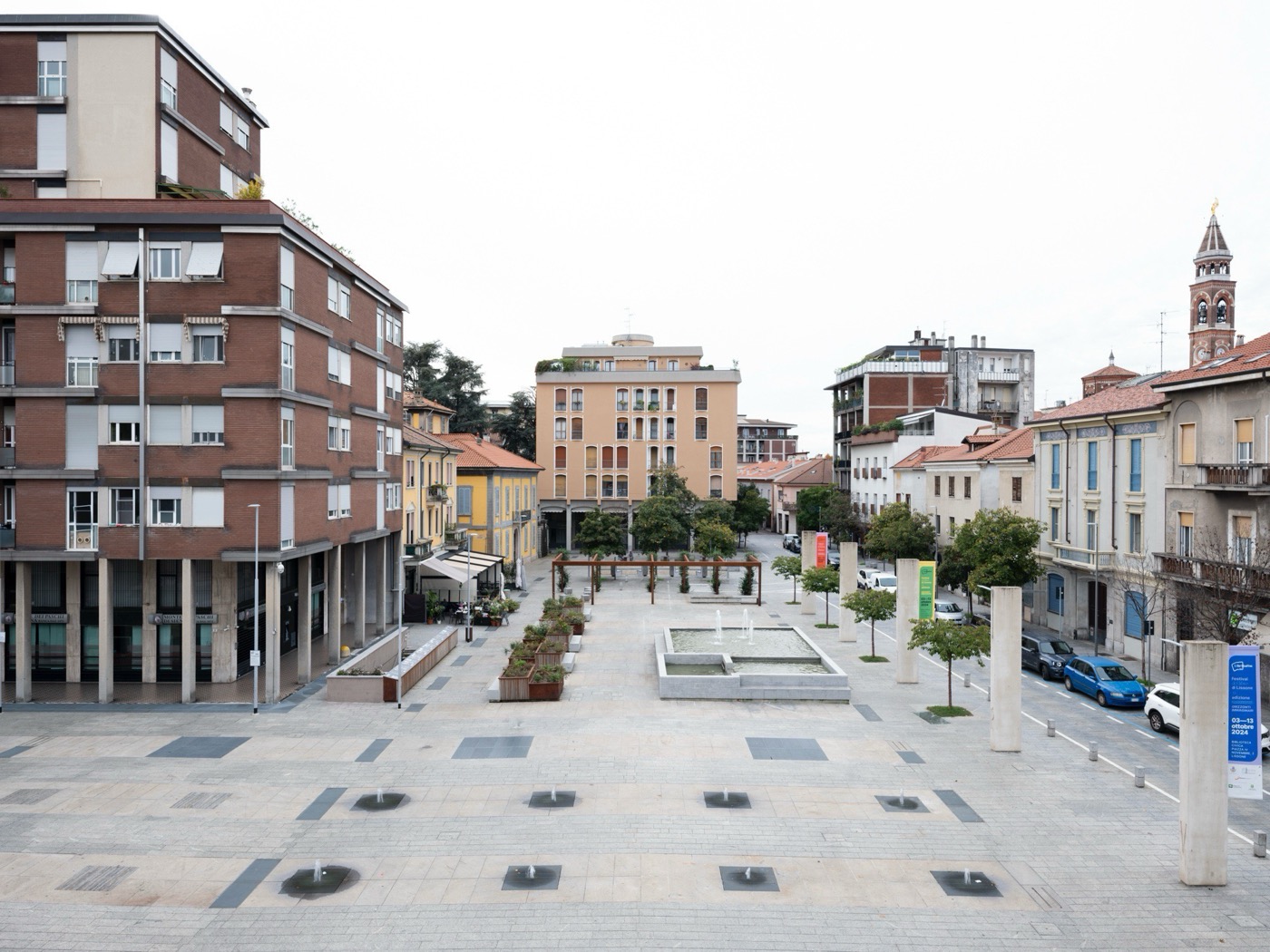
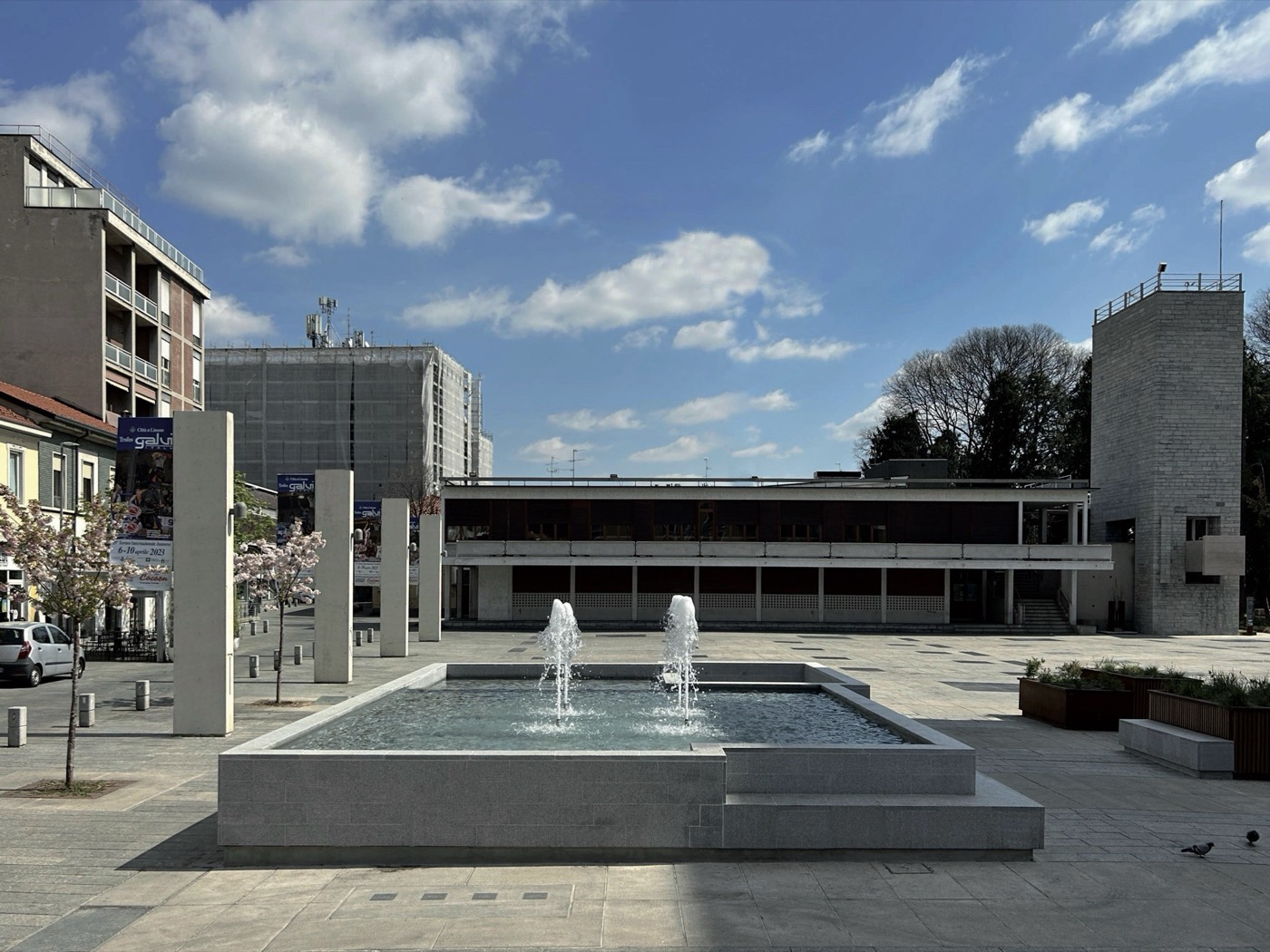
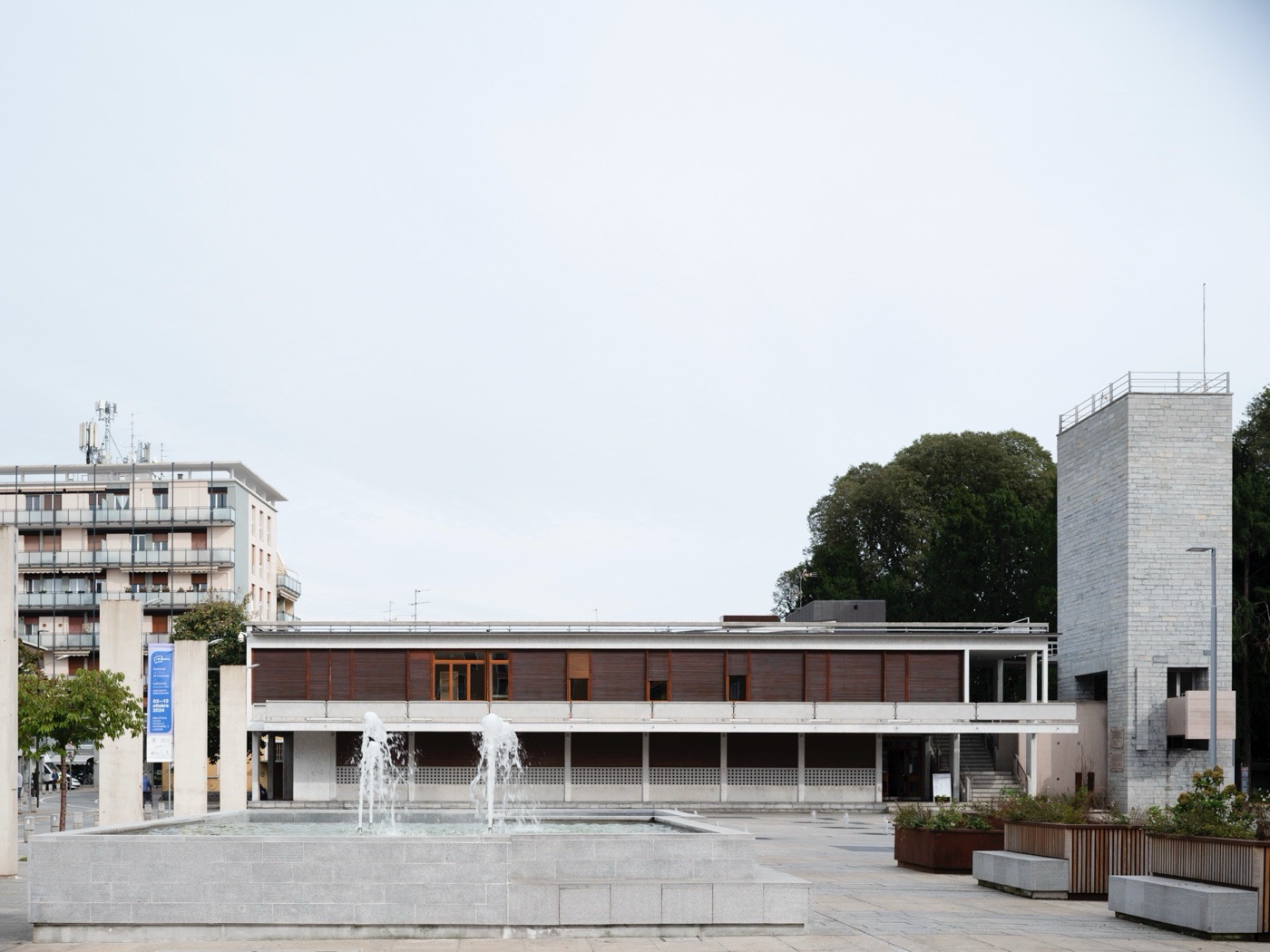
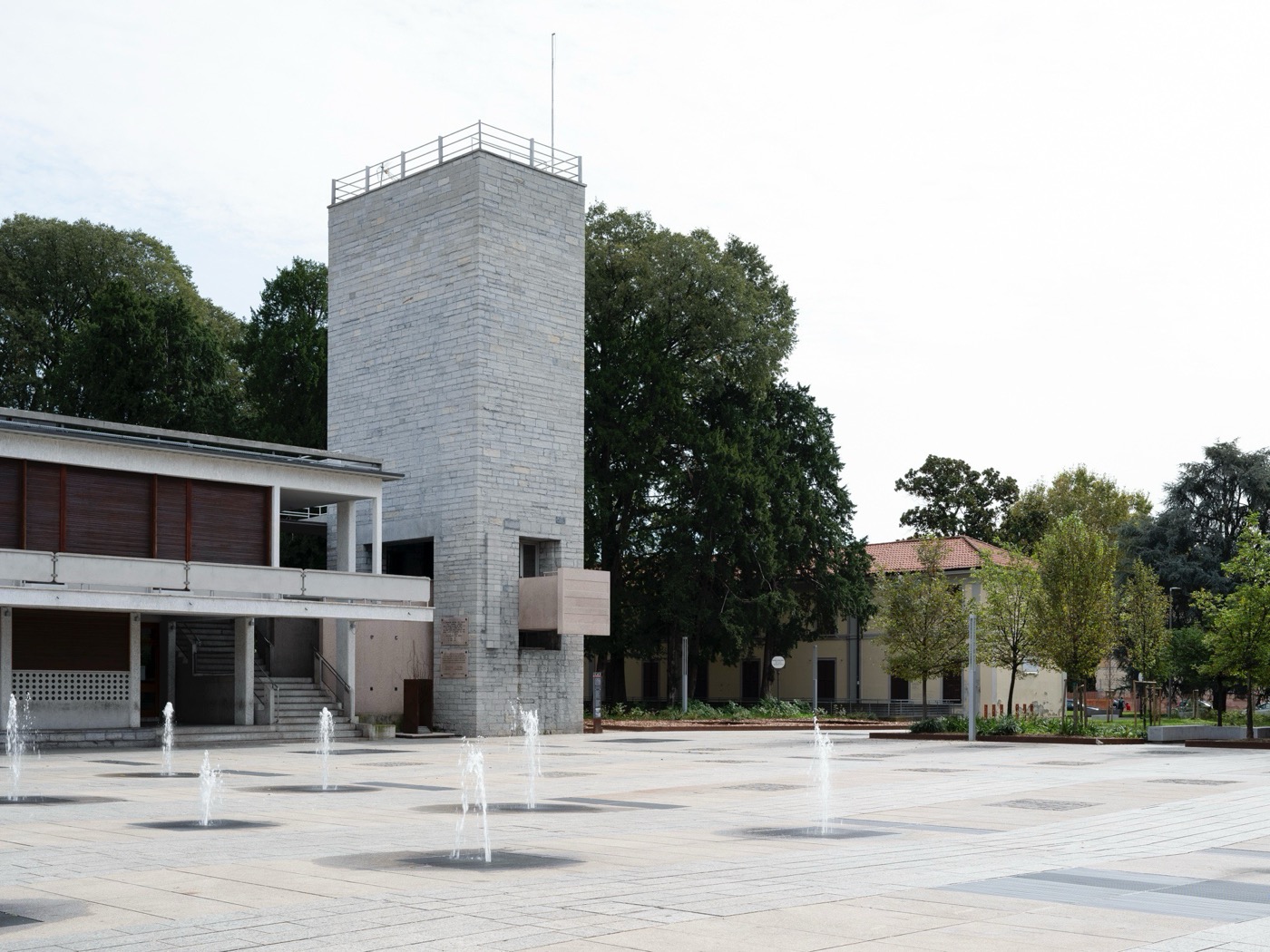
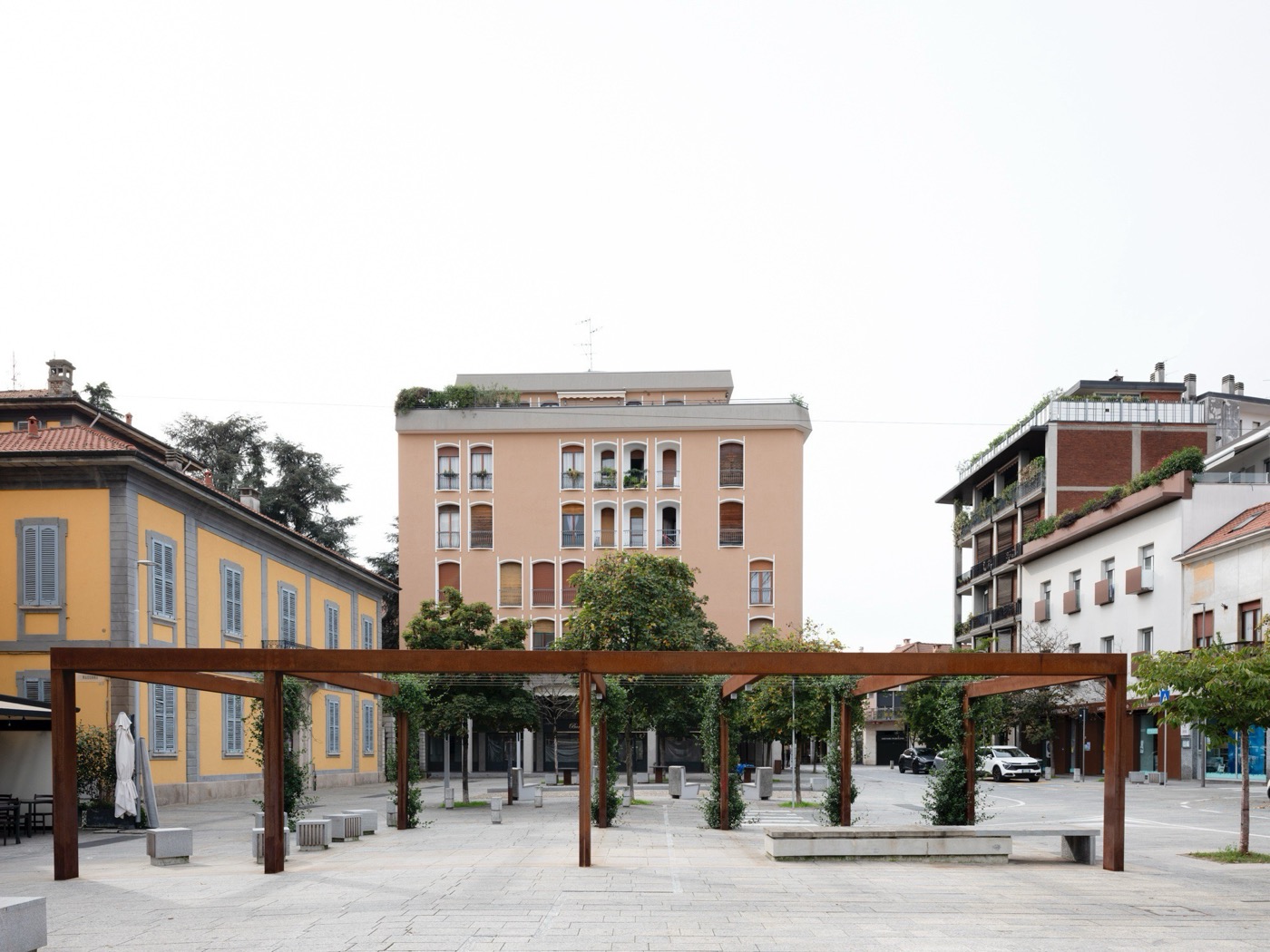
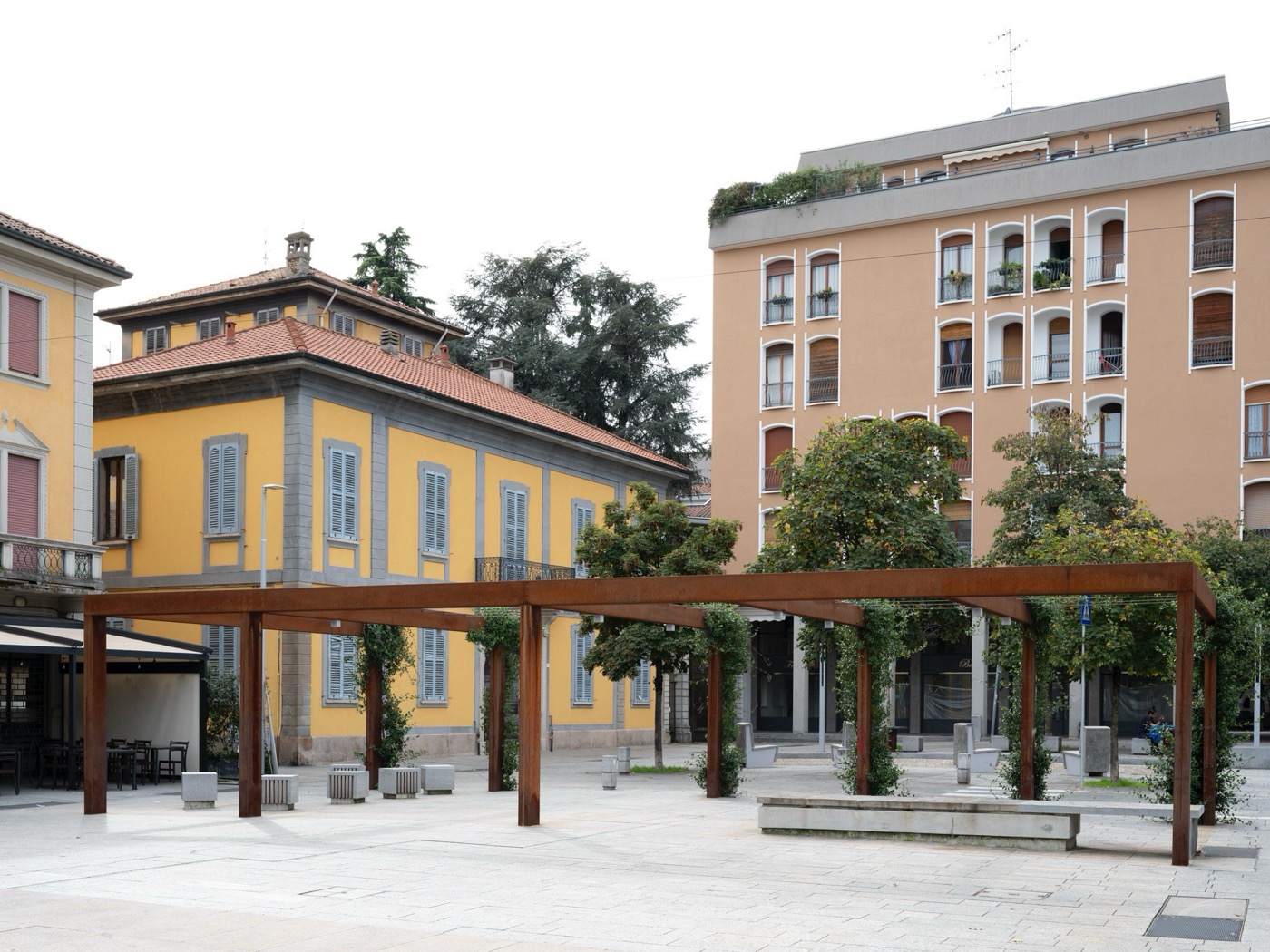
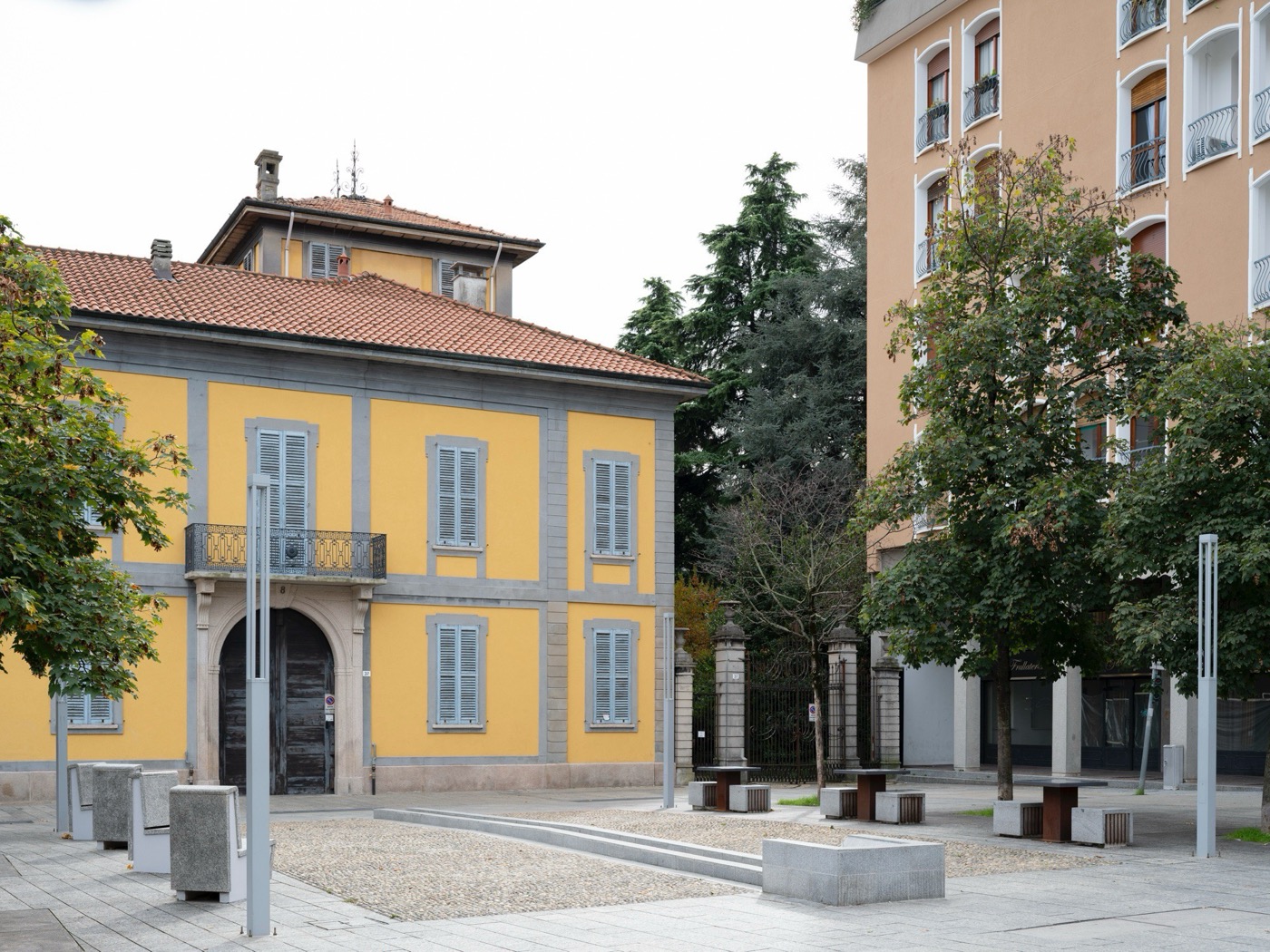
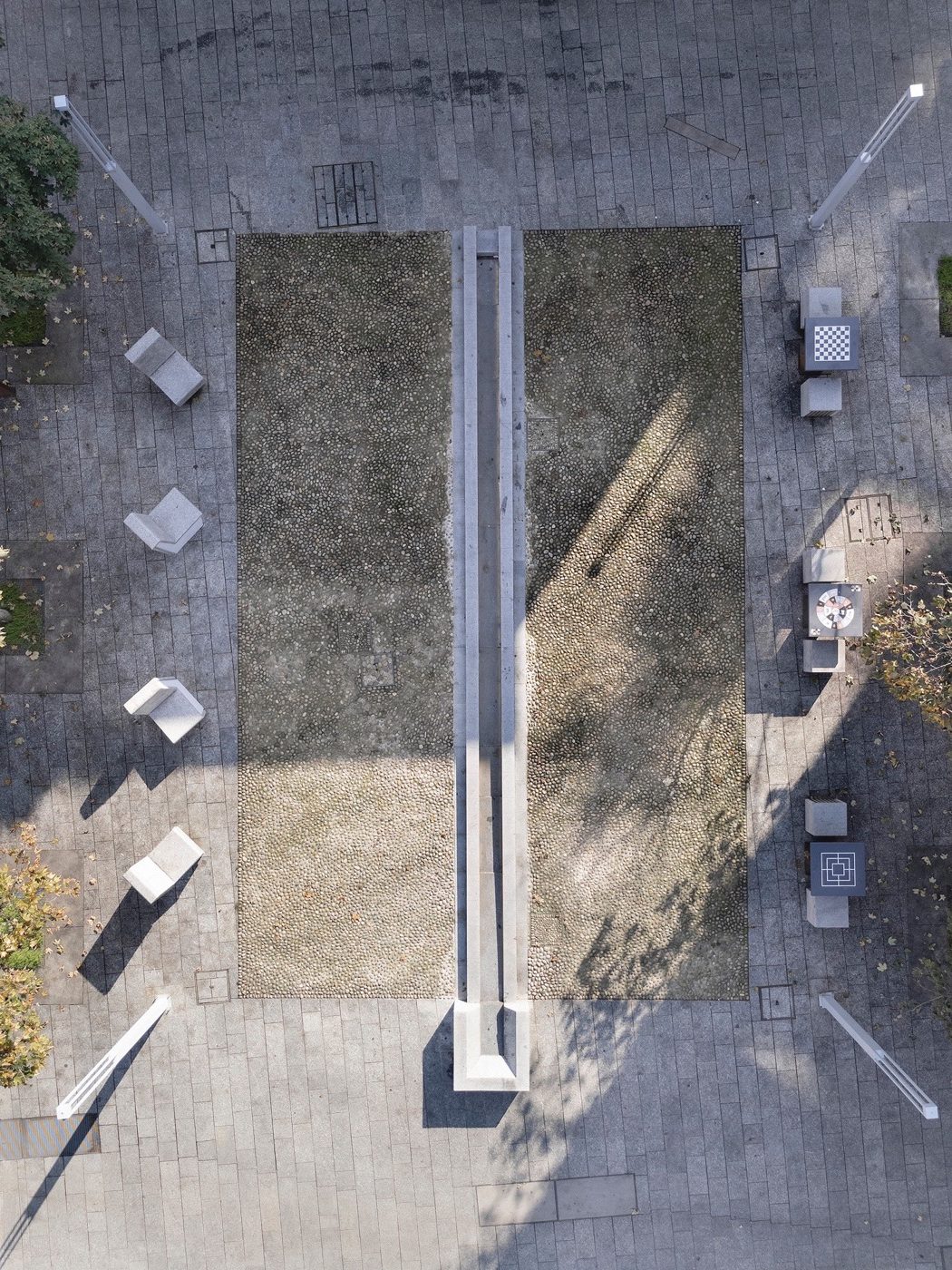
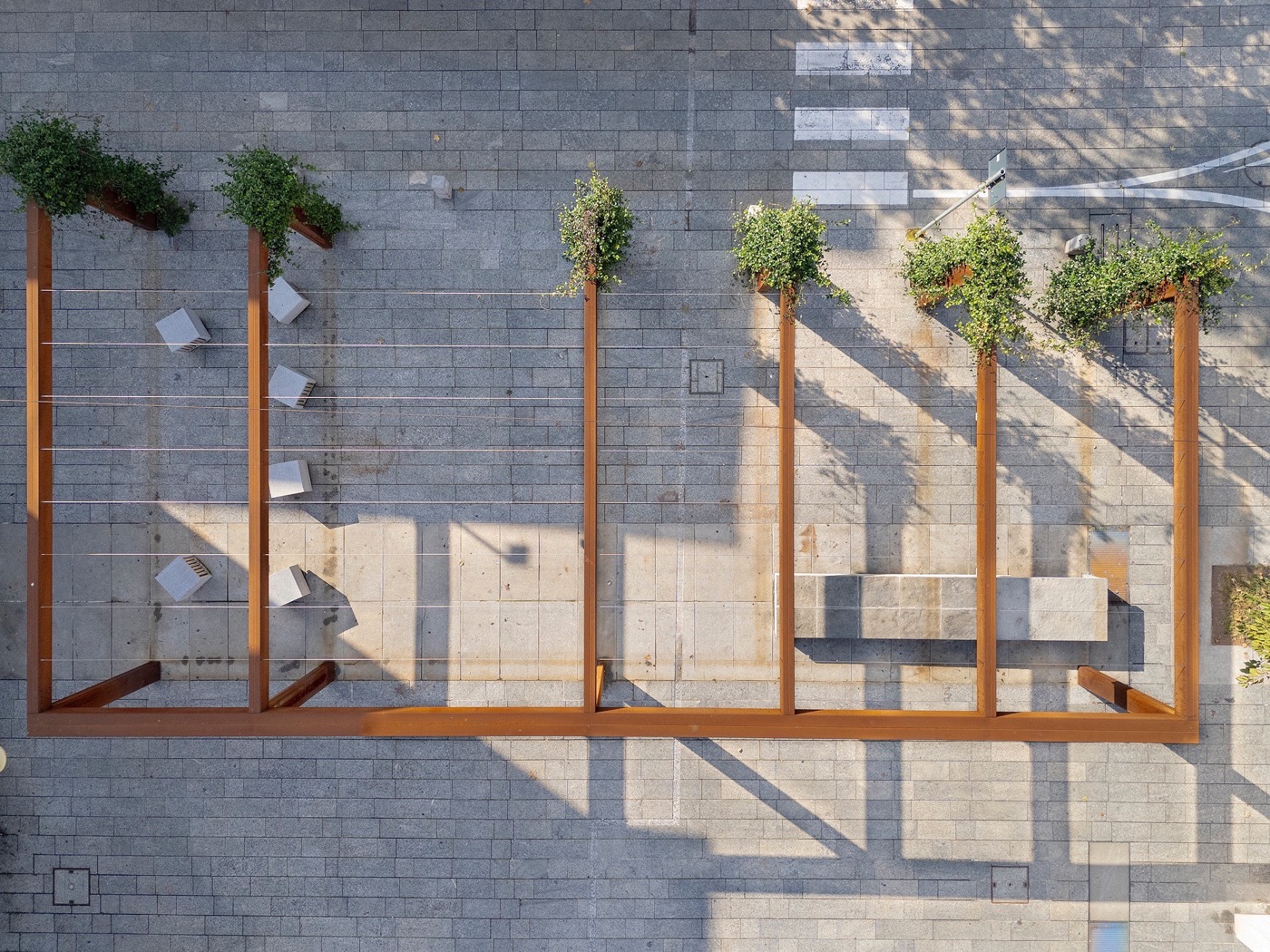
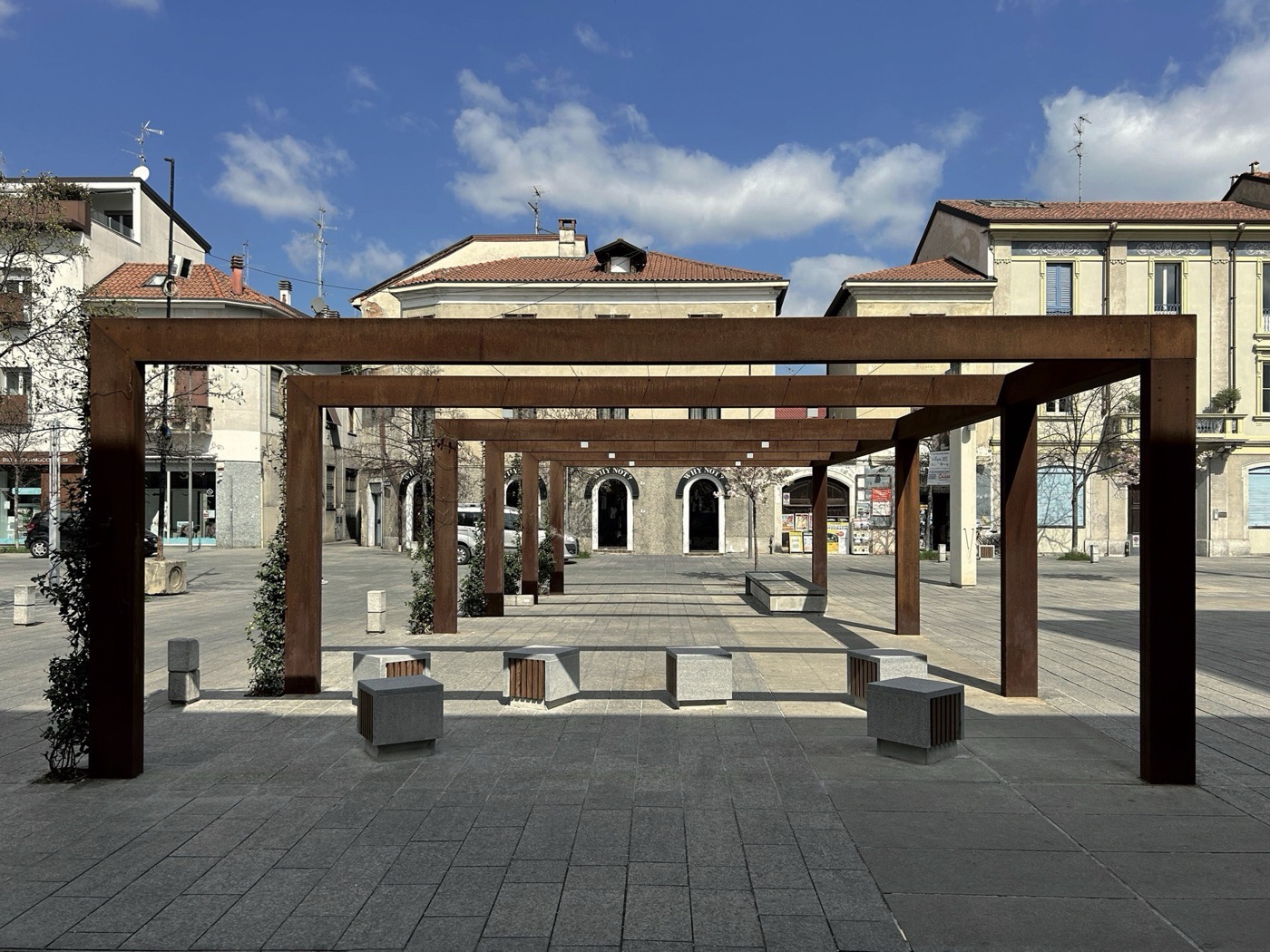
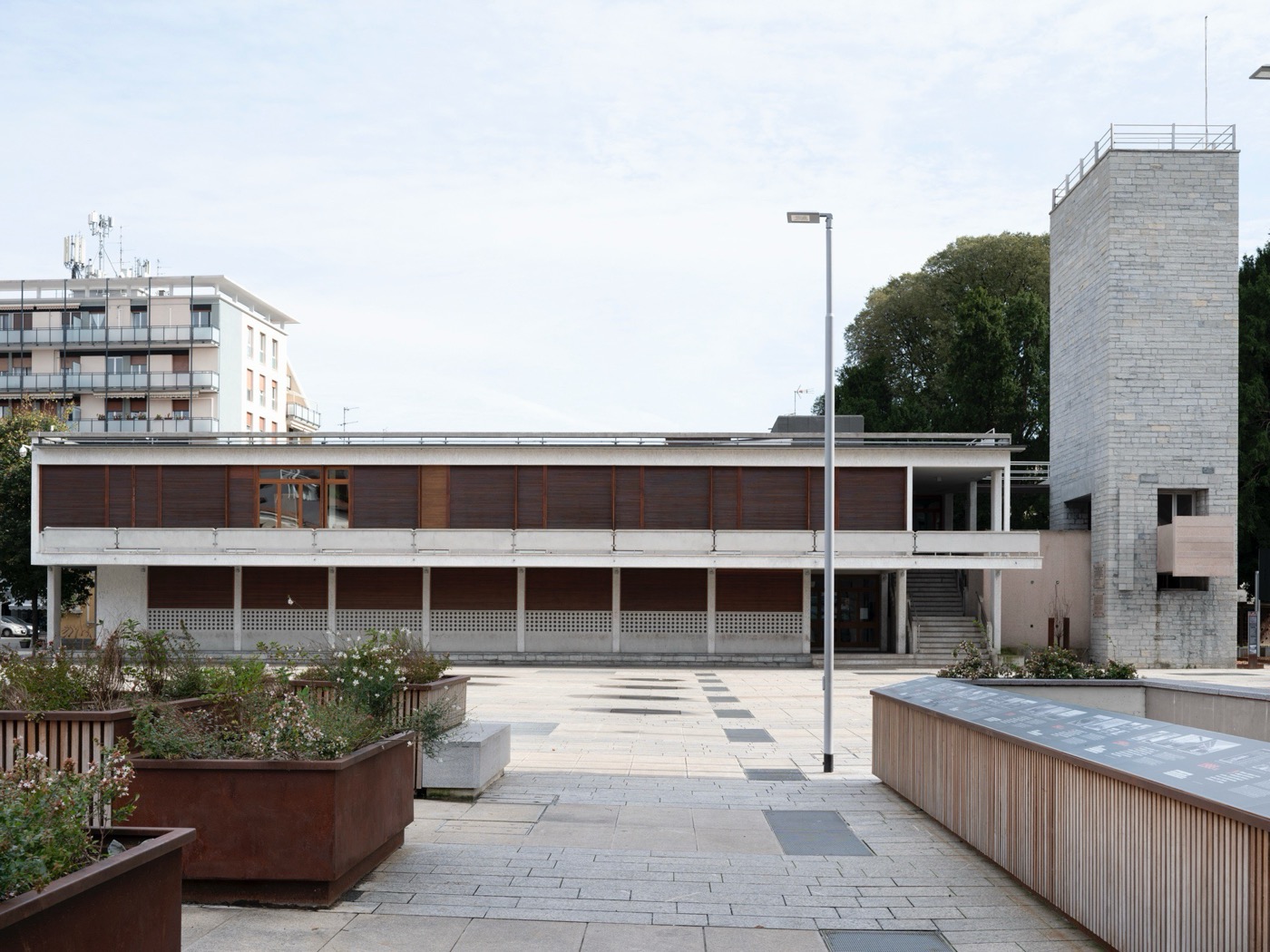
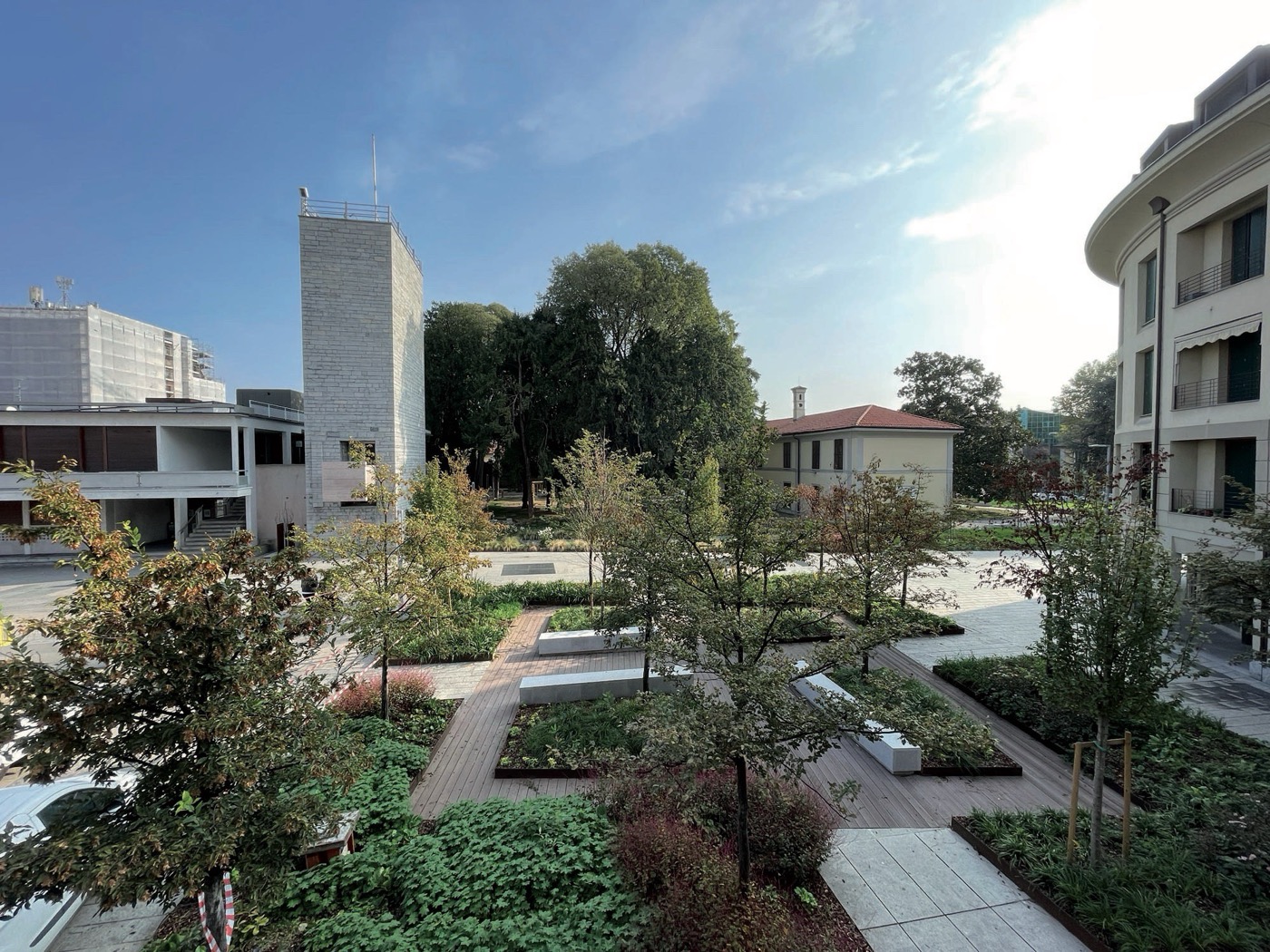
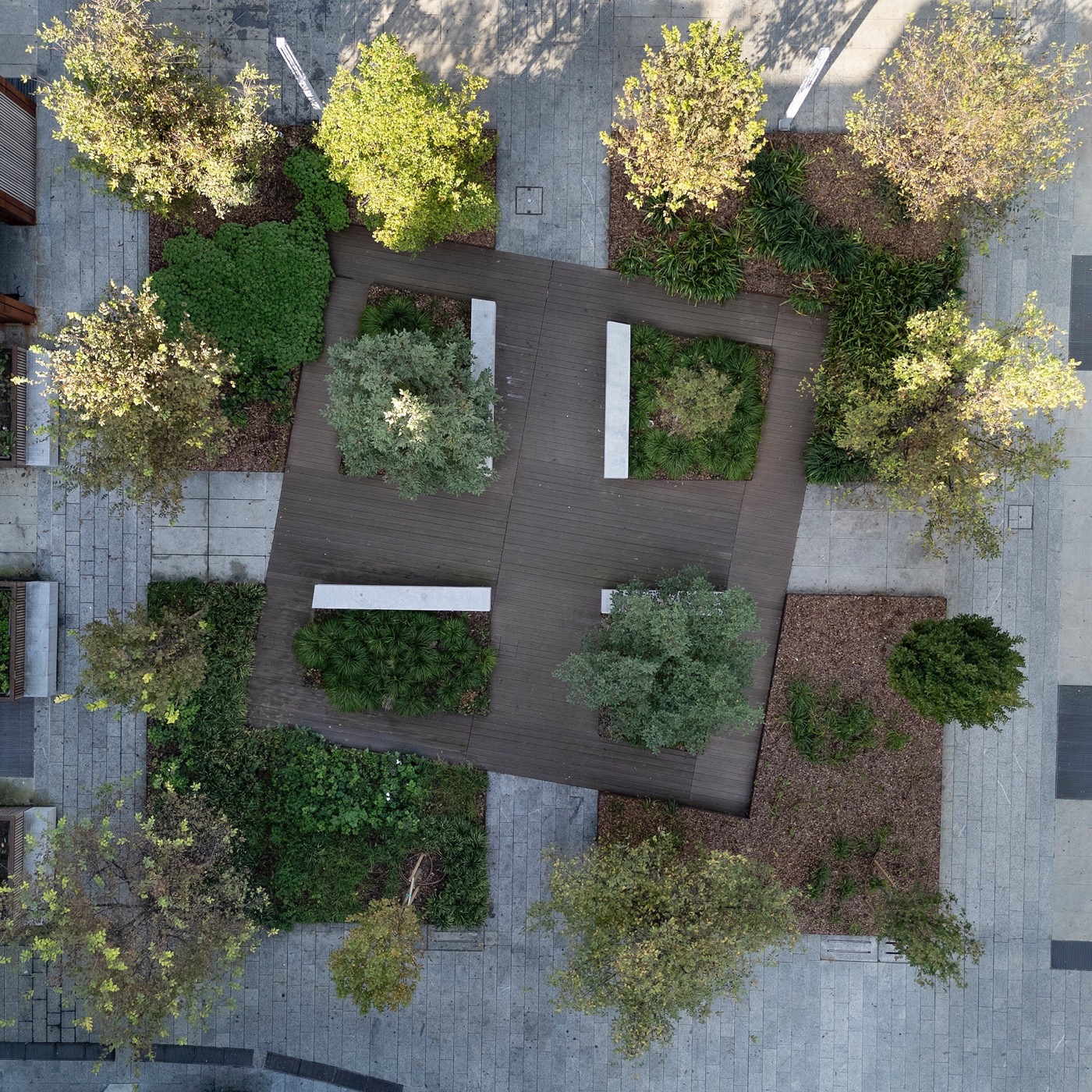
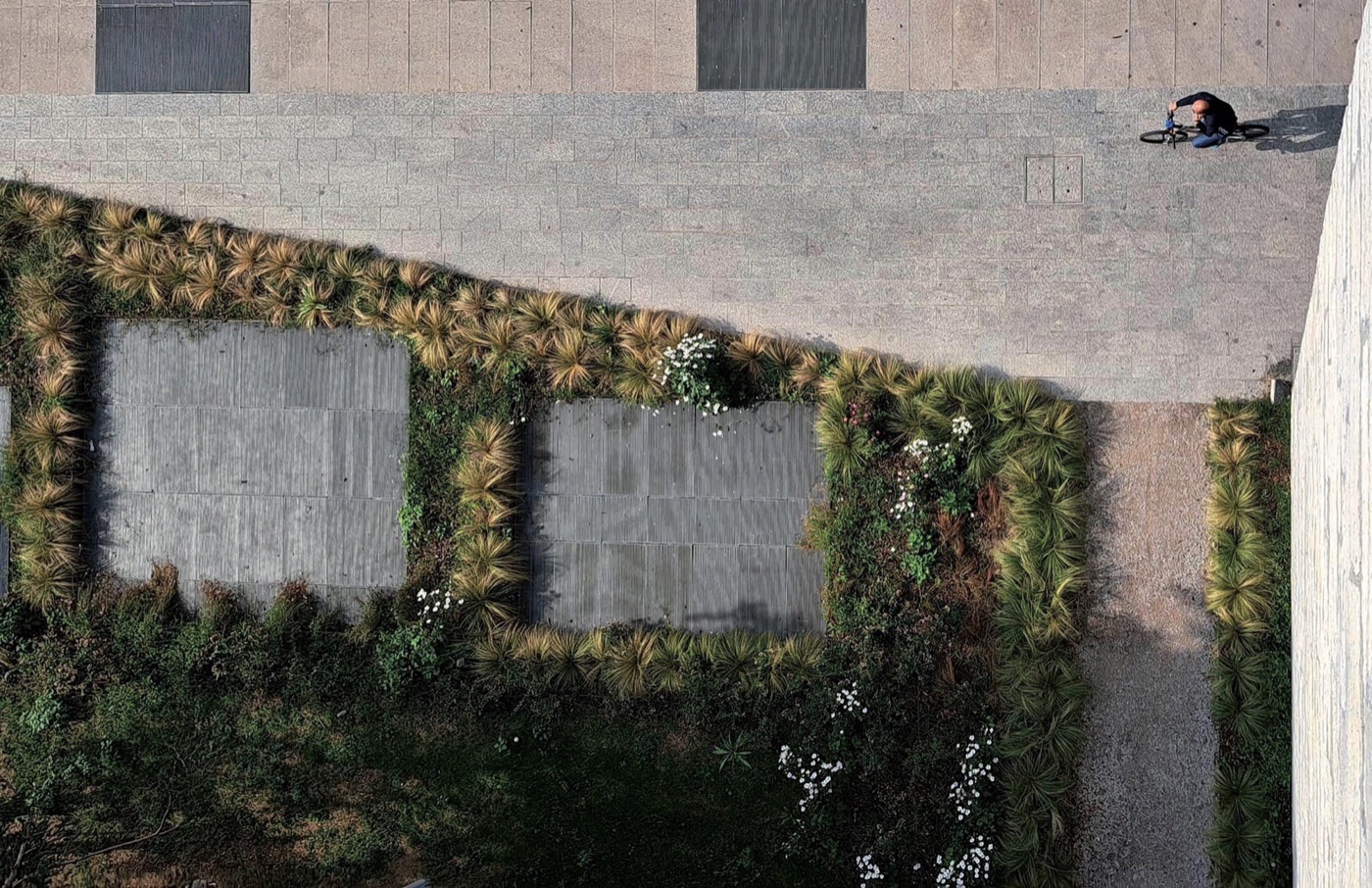
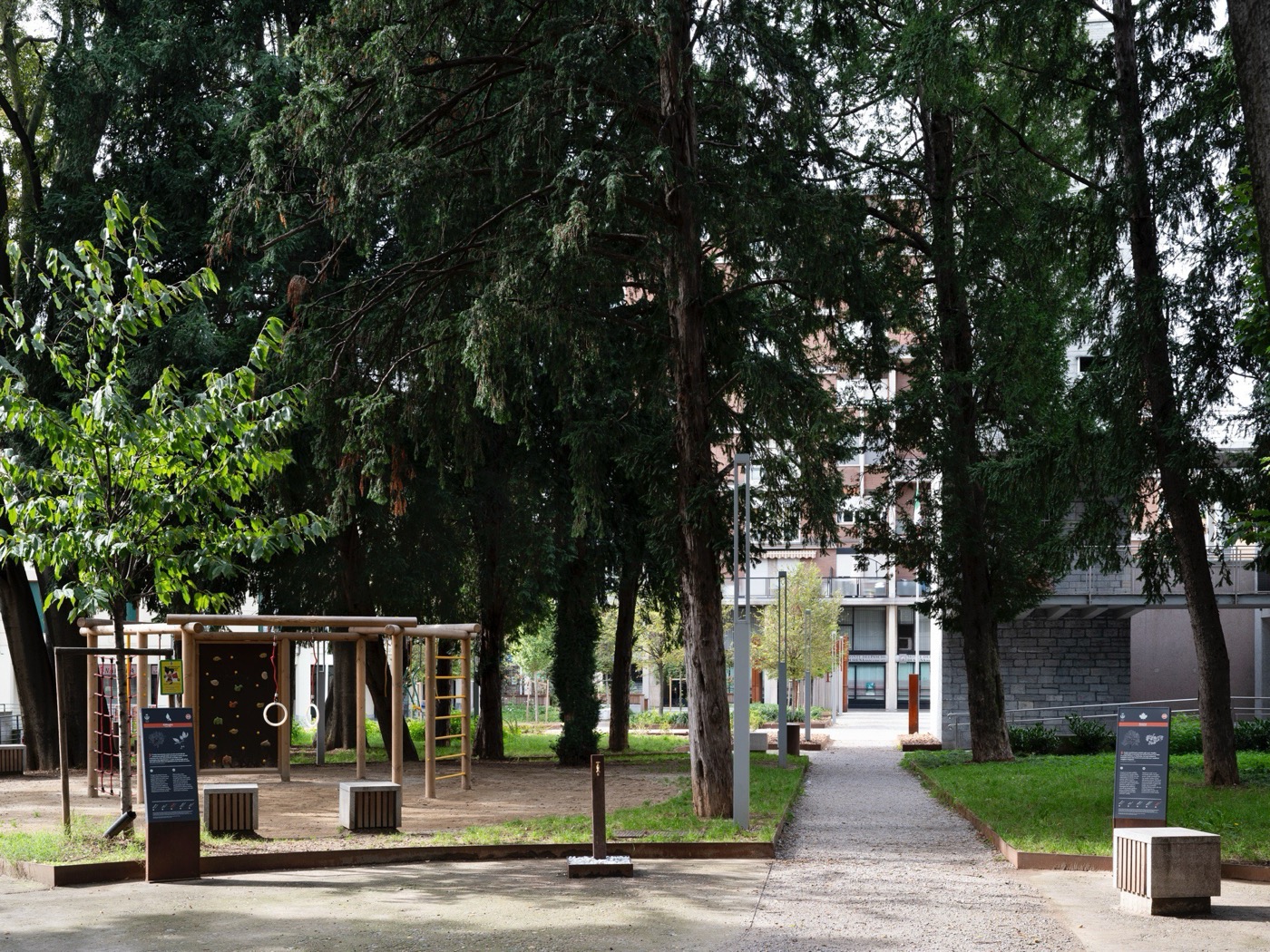
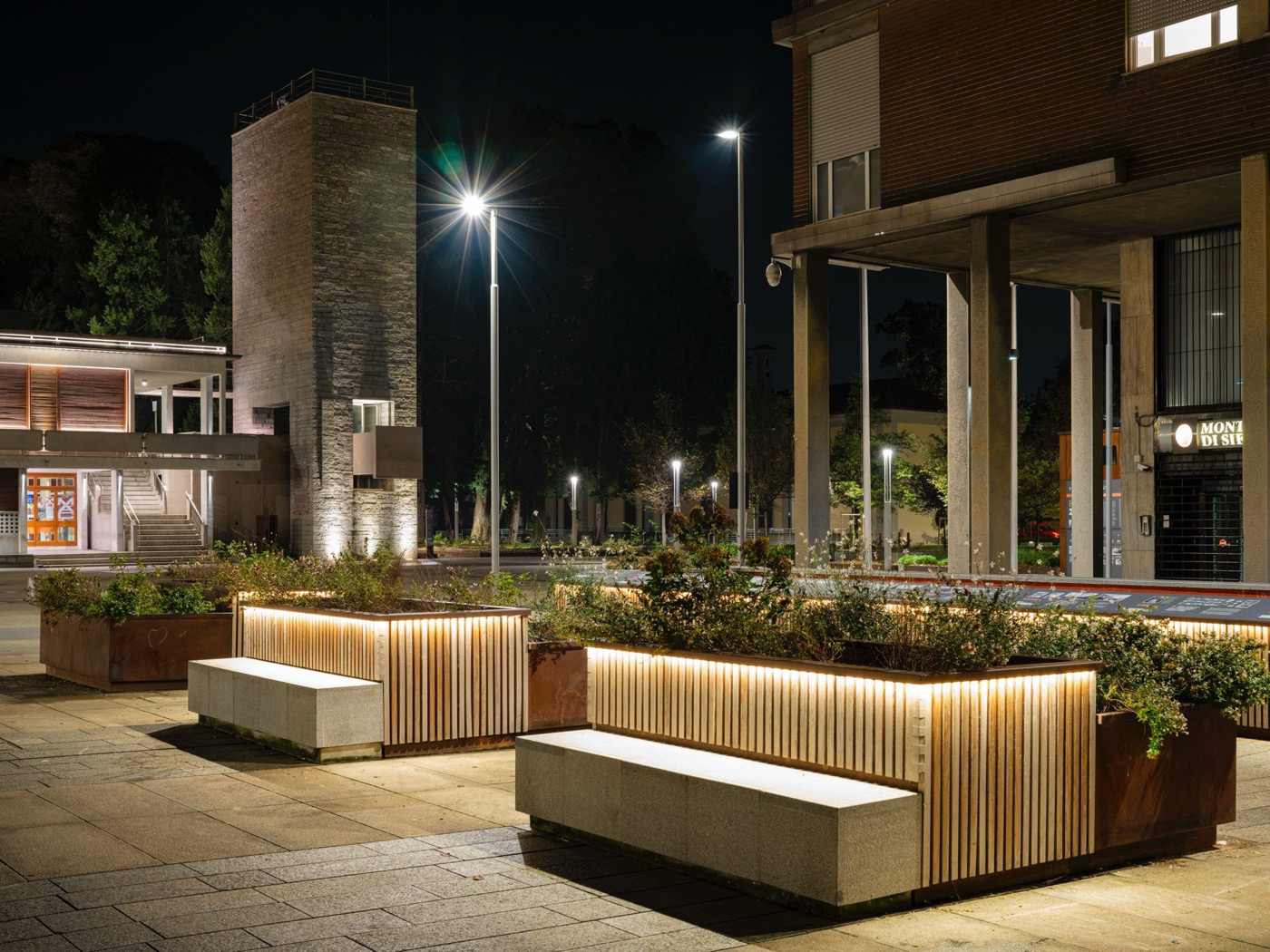
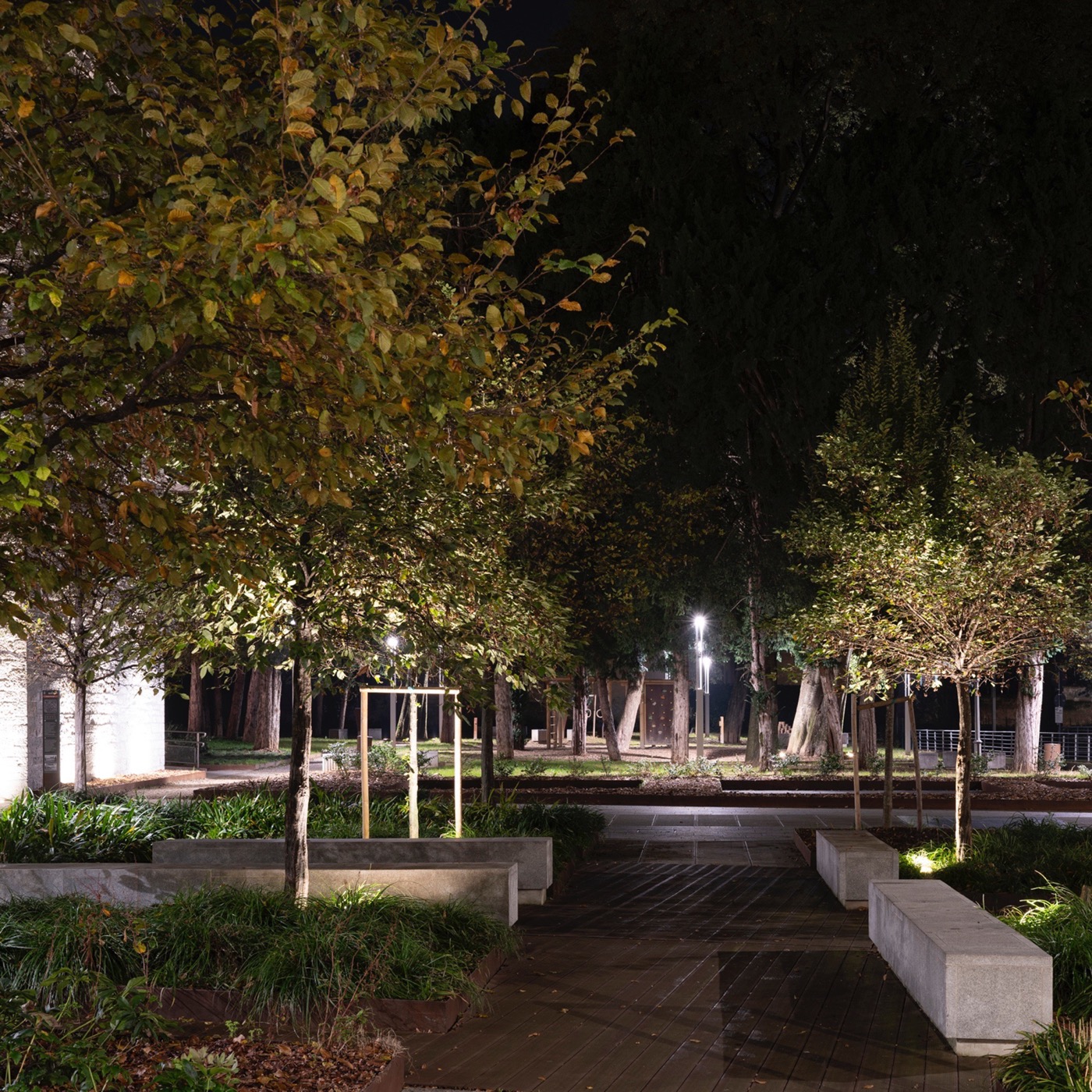
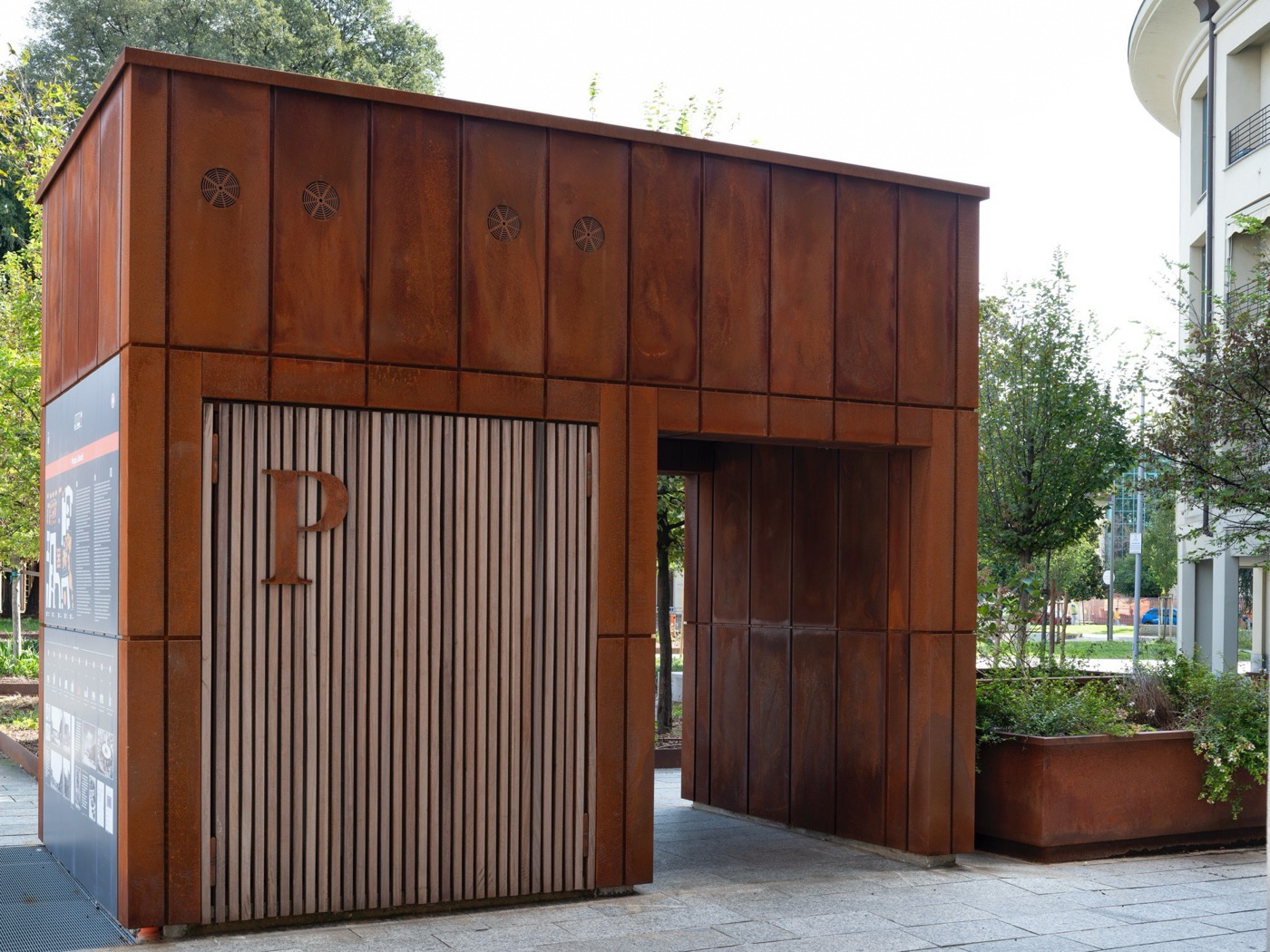
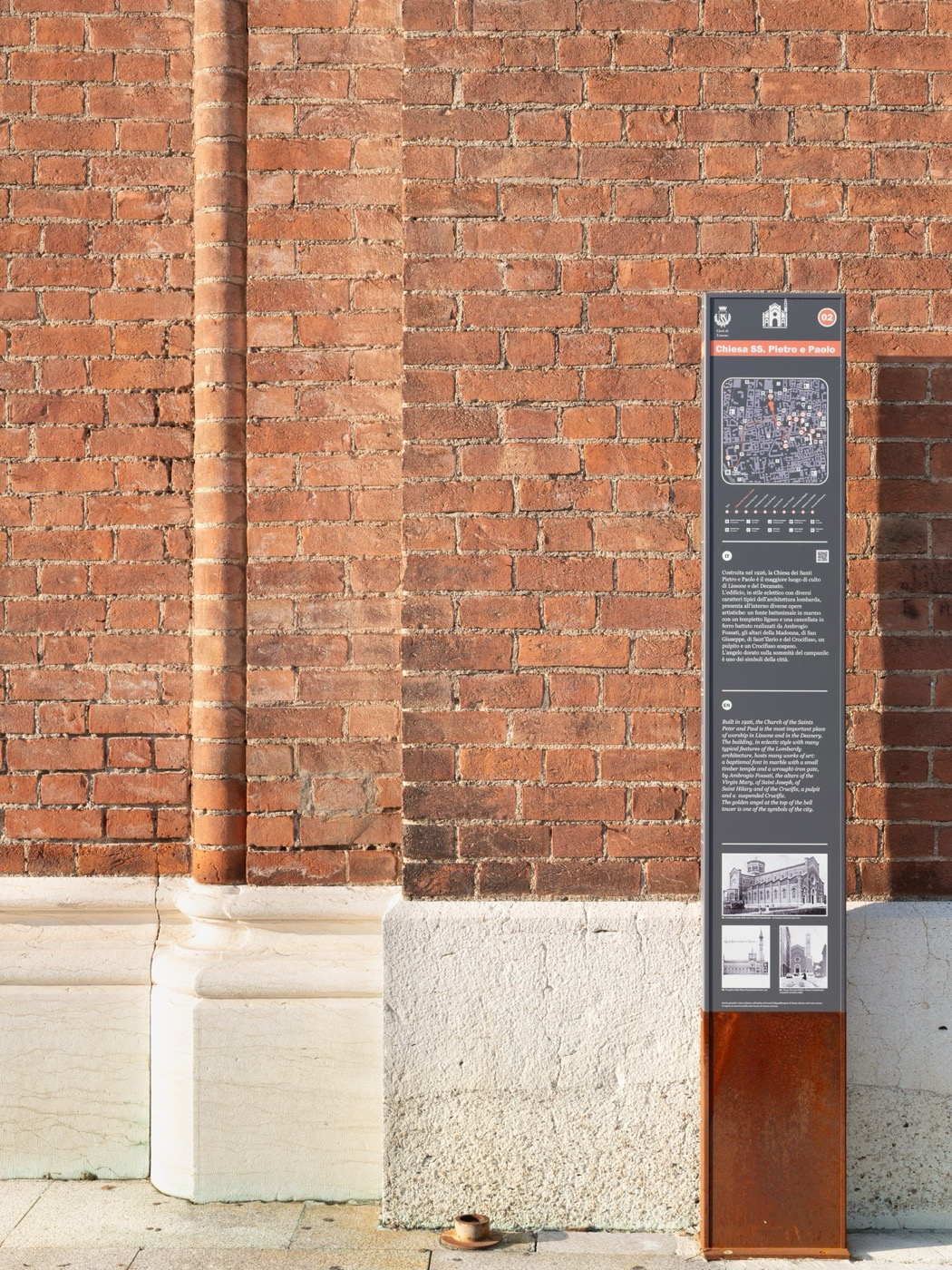
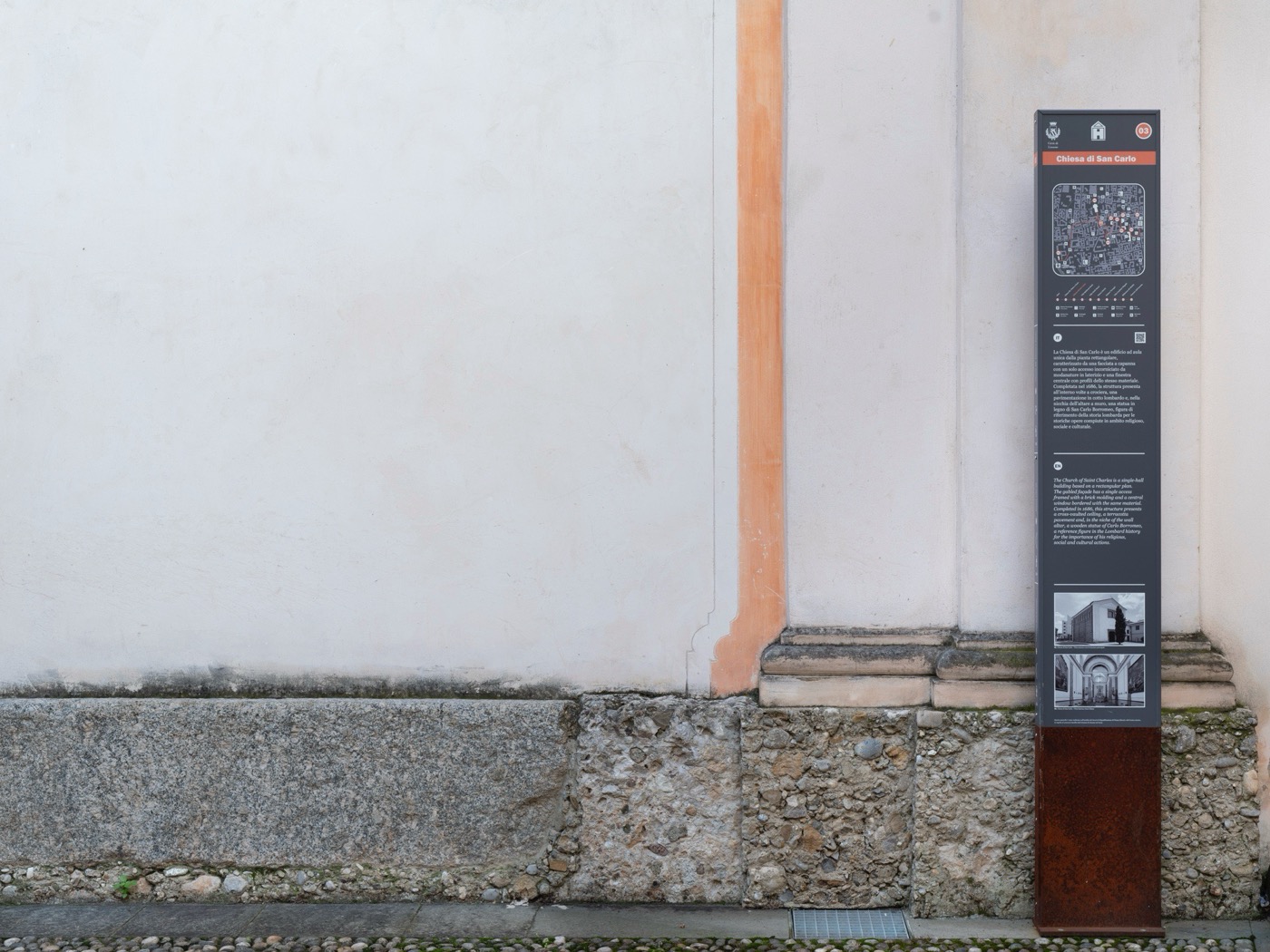
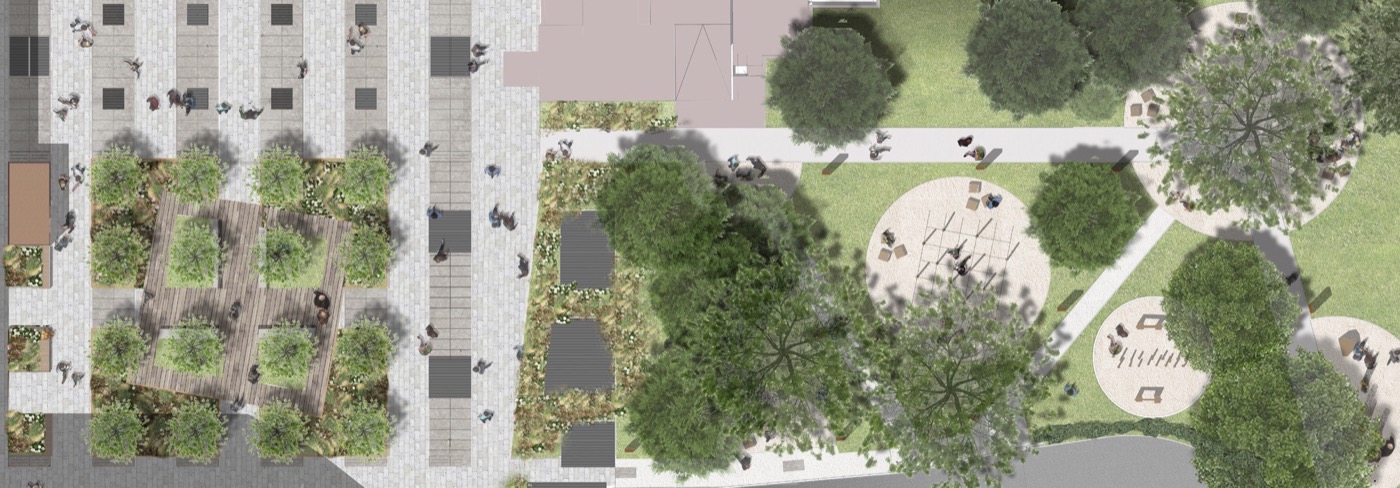
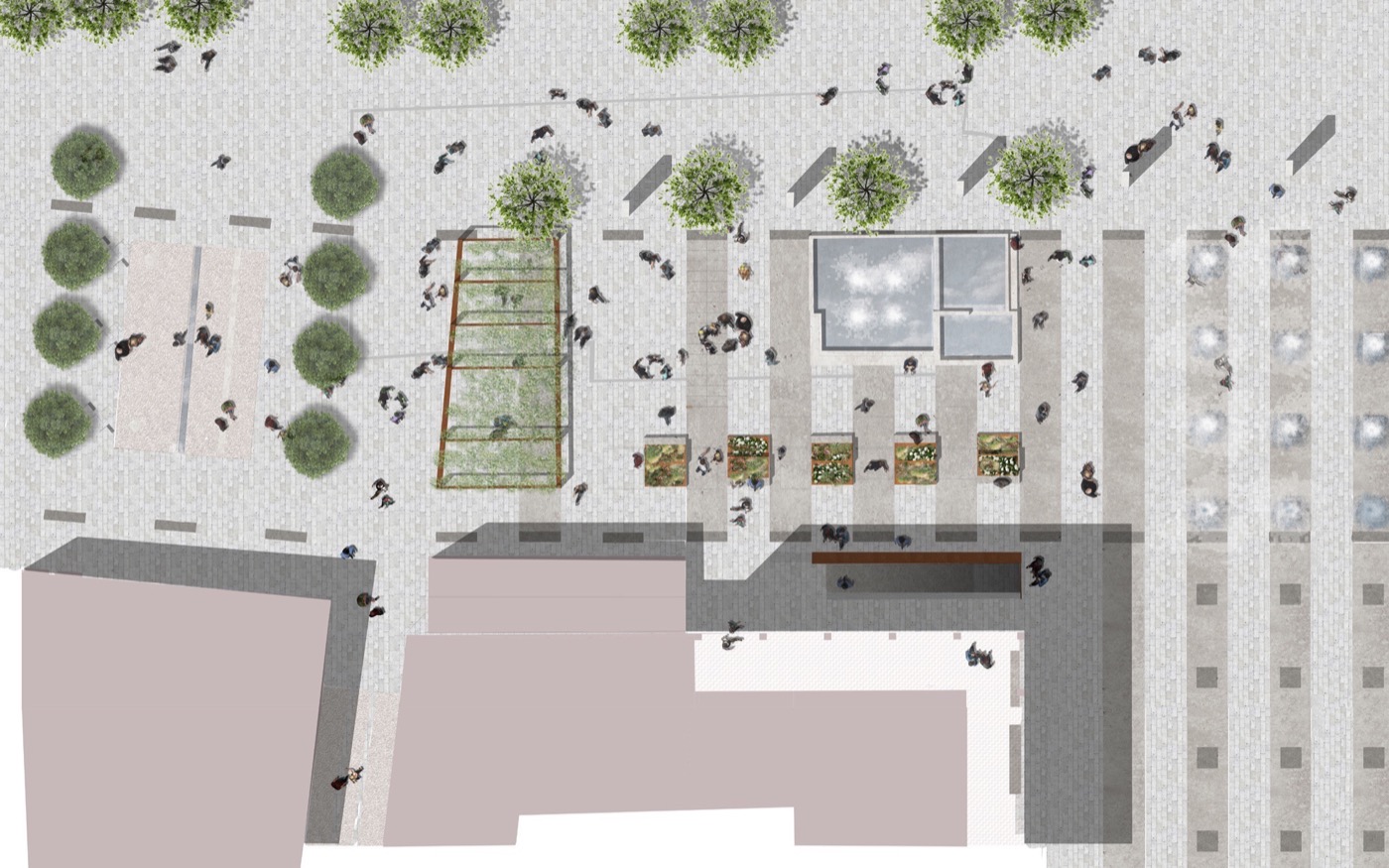
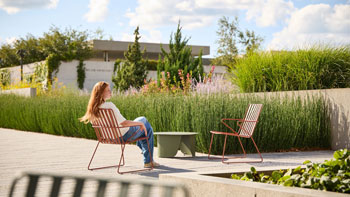
Transversally to these five areas, for ensuring continuity, we introduced five layers: nature, furniture, light, water and signage. The layer of nature, conceived from not only an aesthetic but also a functional perspective, aims to transform the square from a space of transit into a space of staying. The project reduces the heat island effect of the existing mineral surface by increasing the plant component, introducing a new green area (the “garden of colors”), new trees (a row of Prunus serrulata along the northern edge of the square), several flower boxes with shrubs, grasses and perennials, a canopy with climbing shrubs along the western edge of the “urban living room,” and expanding the green area of Parco De Capitani, which now adjoins the tower of the former Casa del Fascio.
All selected plant species (except in the “garden of colours”) are characterized by white flowers, in reference to the chromatic choices of the Rationalist architects. As a reference to local craftsmanship and furniture production, we introduced a path composed of five educational trees (maple, cherry, ash, walnut and oak).
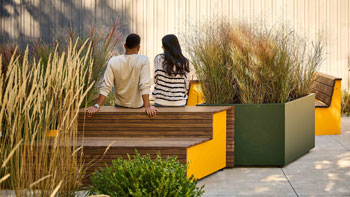
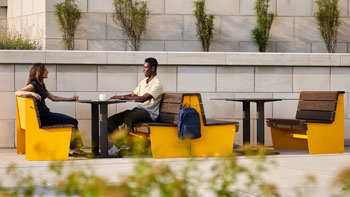
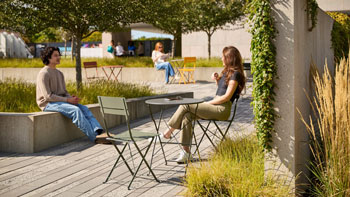
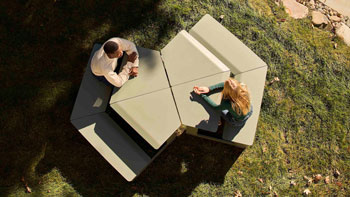
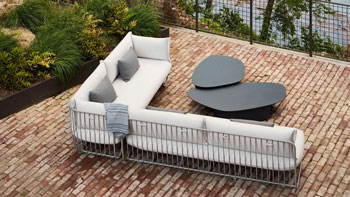
The layer of furniture consists of seating, planters and two special structures. The seating elements, made of granite and wood, are of three types: individual (in the square and the historic centre), linear (in the park) and integrated (at the fountain or within the planters). The planters, proportioned from a square footprint from which rise two parallelepipeds differentiated by material, define the southern edge of the square and several spaces within the historical centre.
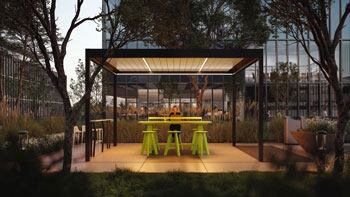
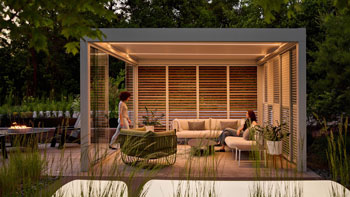
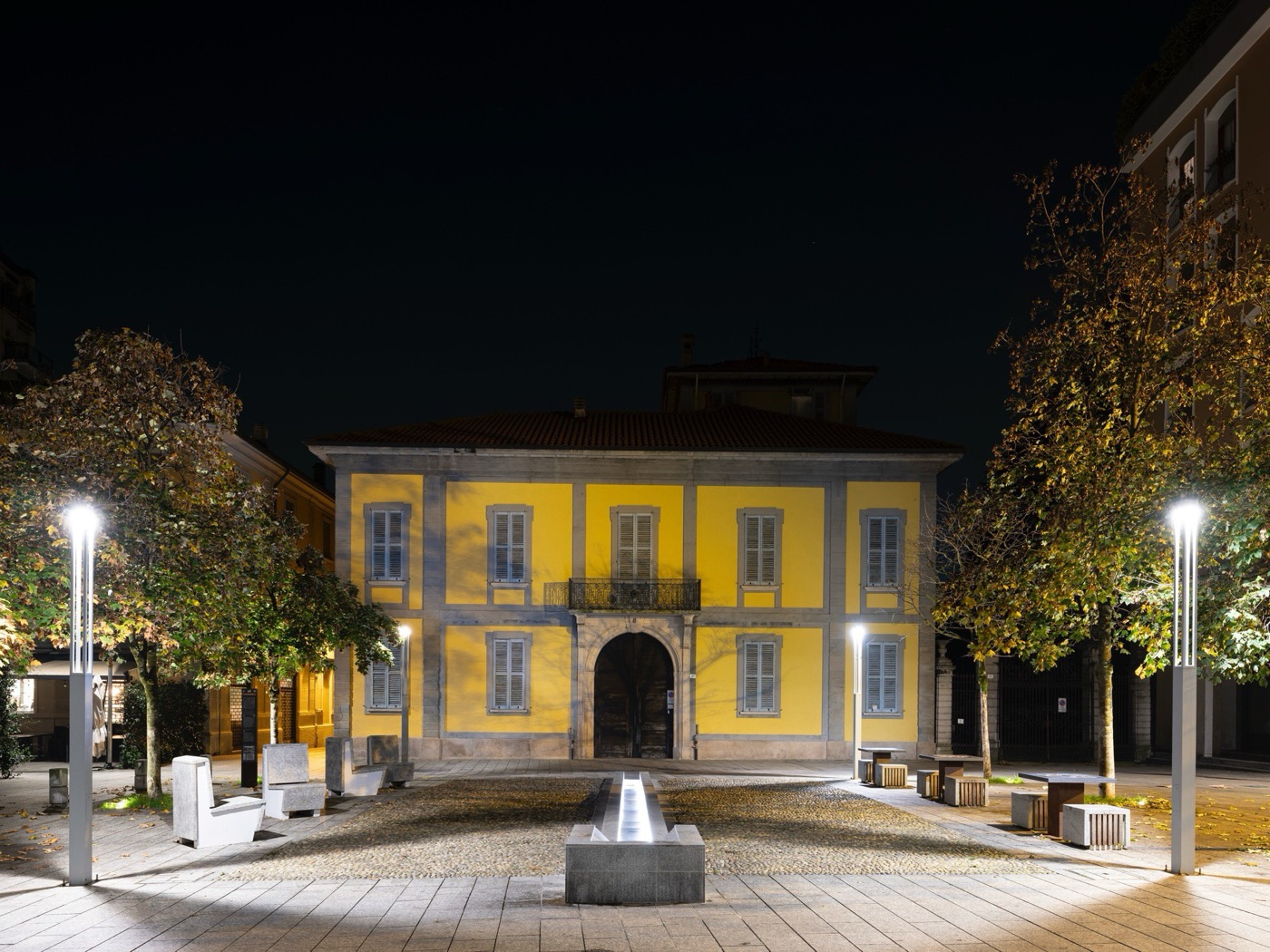
This layer also includes two special structures. The canopy more clearly articulates the space between the square and the area in front of Villa Mussi, while simultaneously offering a new gathering place. The geometry of this structure, in corten steel like the planters, recalls the Rationalist grid through the choice of coplanar horizontal and vertical axes, dimensioned with equal thickness. The granite fountain is shaped from a golden rectangle, with perimeter subtractions to accommodate seating. The use of dynamic proportions refers to Terragni’s compositional approach, who also employed the golden section for the former Casa del Fascio in Lissone. The incision in the paving between the fountain and the canopy reproduces the outline of the no-longer-existing Church of San Pietro.
The layer of water is expressed in three complementary geometries: points, corresponding to the water jets in front of the former Casa del Fascio; the line, highlighting the axis of Villa Mussi’s façade; and the surface, represented by the fountain at the centre of the “urban living room”.
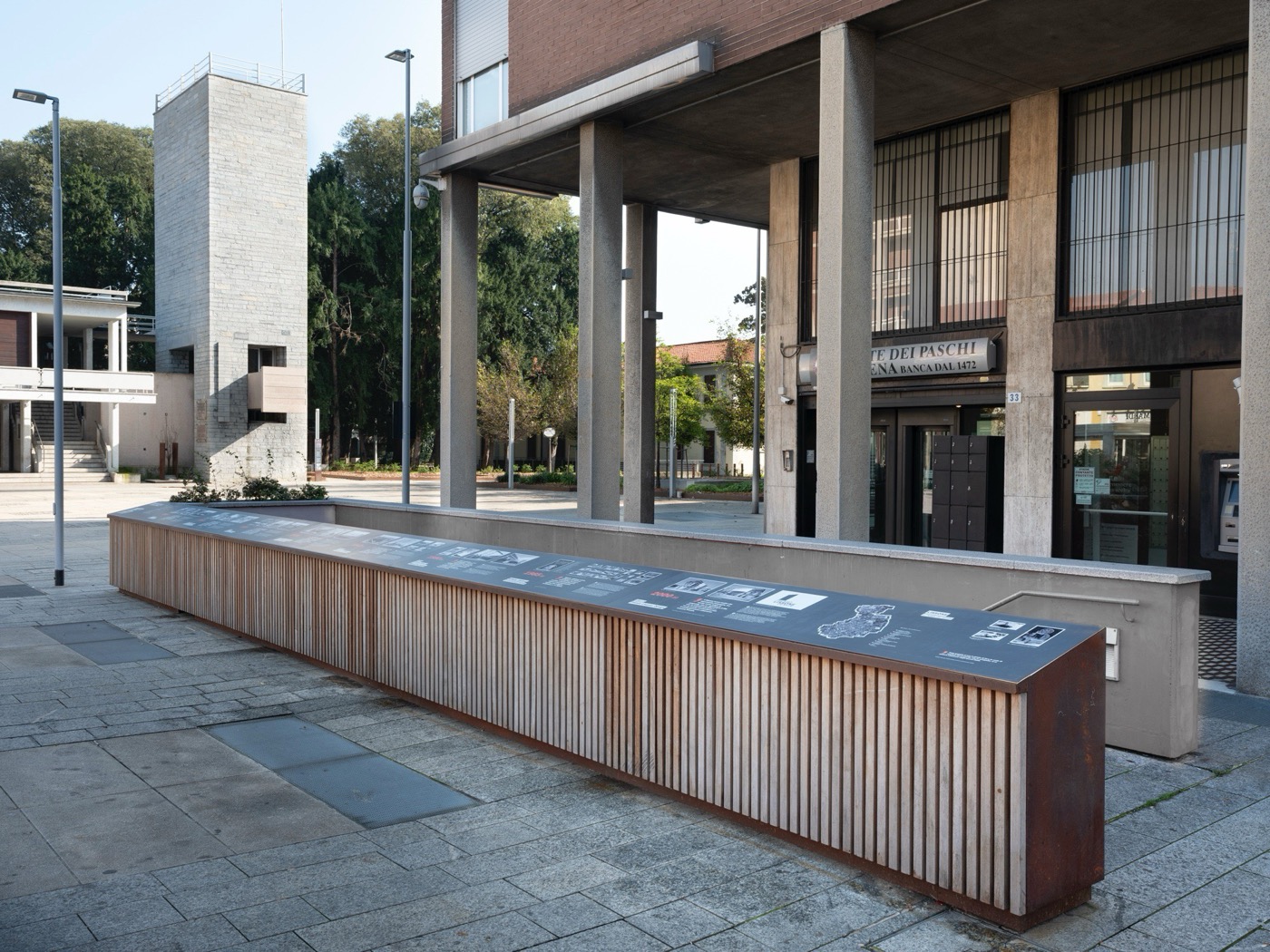
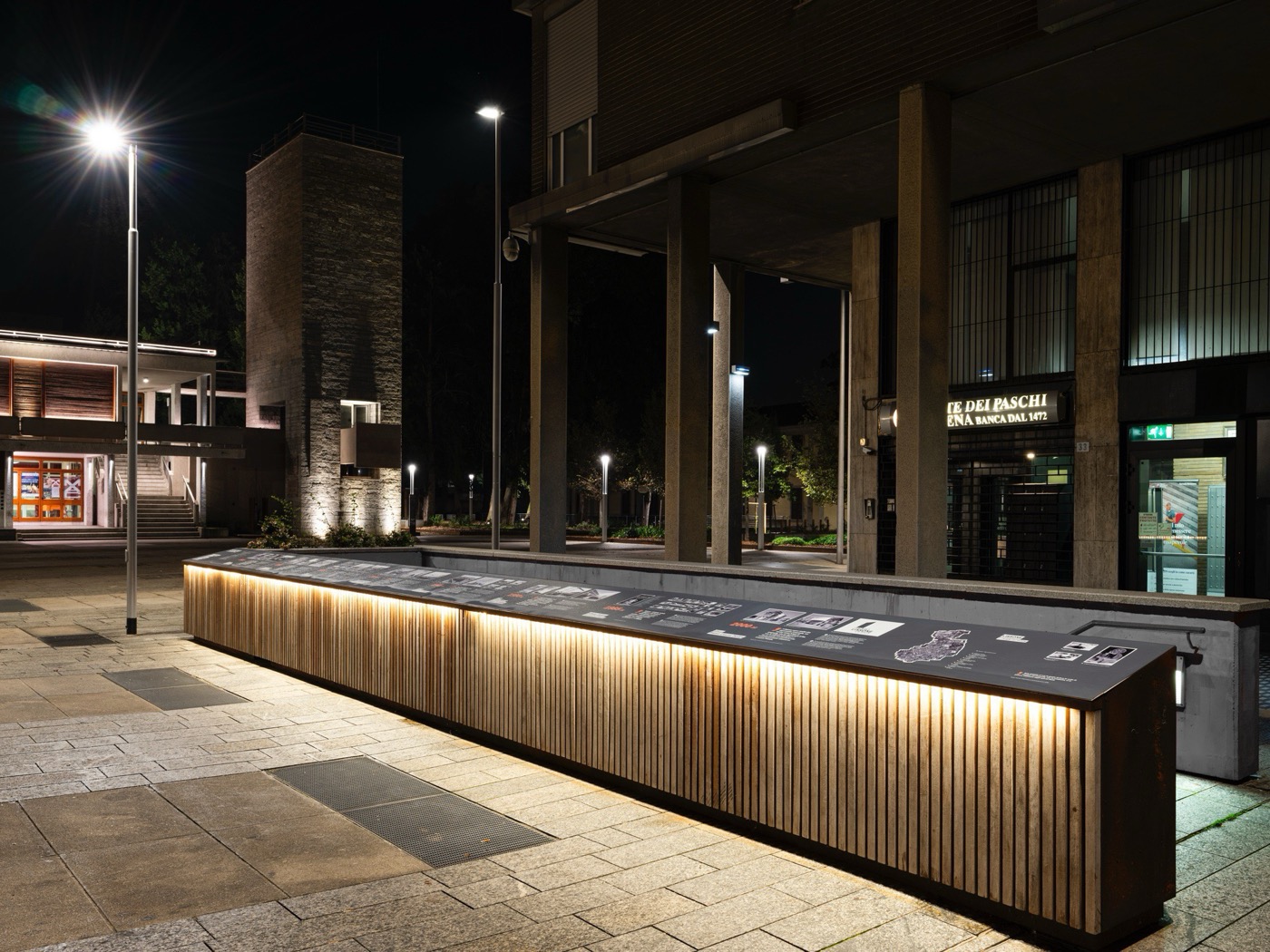
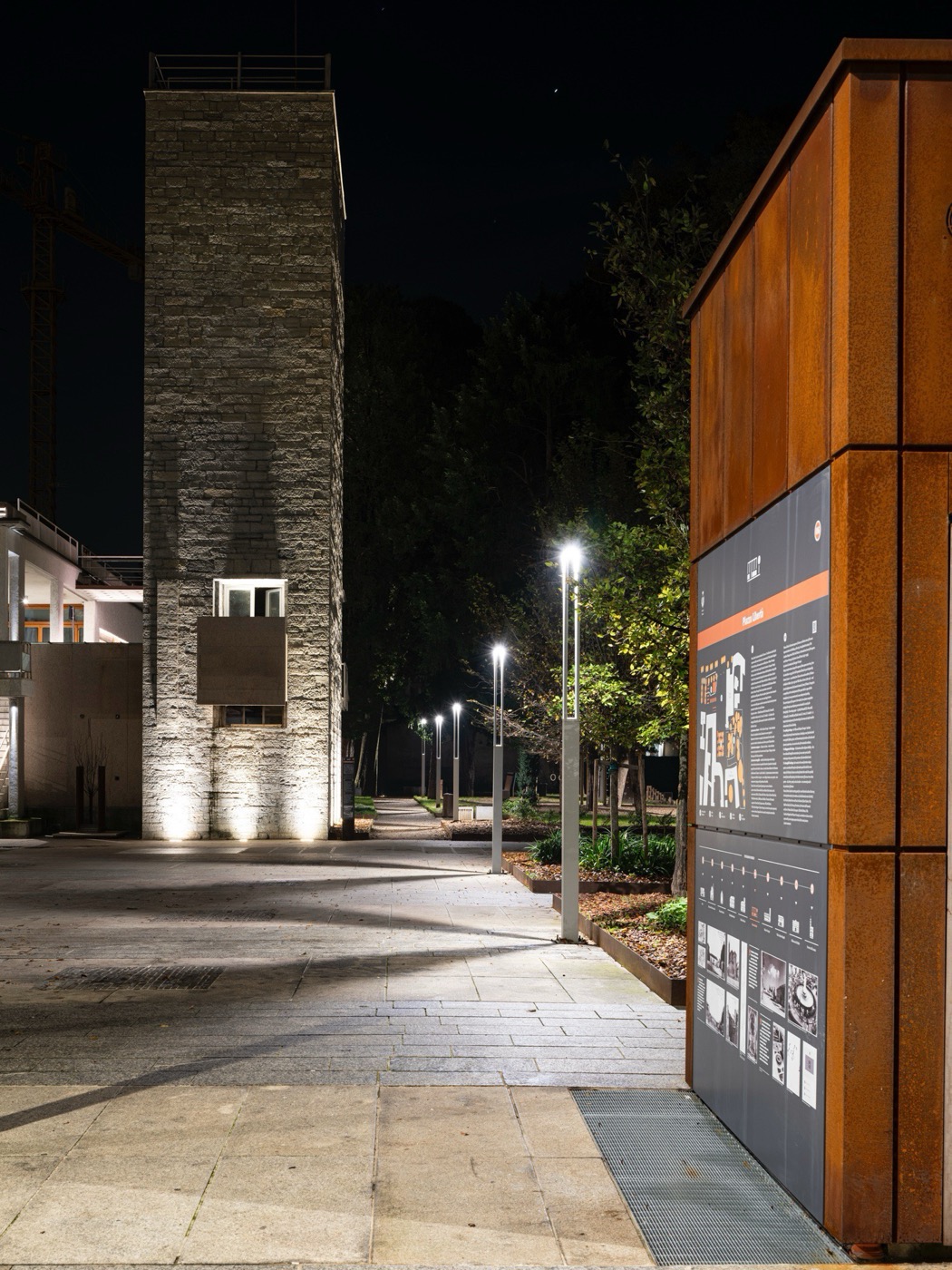
The layer of signage is articulated in three themes: the monumental signage, with ten descriptive totems for the main buildings of the historical centre; the historical signage, with ten panels illustrating the evolution of the wood-furniture-design system; and the botanical signage, with five totems that narrate the “educational trees”.
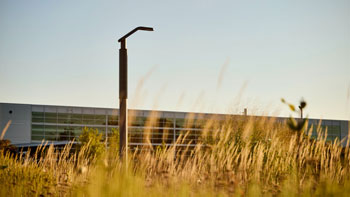
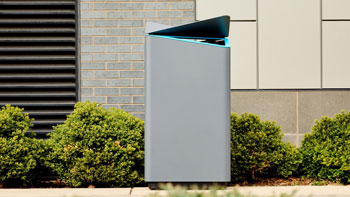
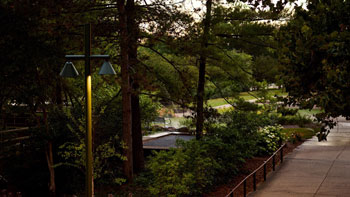
The layer of light plays a fundamental role, ensuring perceived and real safety while enhancing the most significant elements of the square. Functional lighting corresponds to the new poles around the square and to the illuminated furnishings placed in the “urban living room”, while accent lighting concerns the three water geometries and the façade of the former Casa del Fascio. The entire LED system was designed in compliance with sustainability criteria.
Client: Municipality of Lissone
Office involved:
Structural engeener: Colombo Engineering
Hydraulic system designer: Trezzi Studio Tecnico
Electrical system designer: RM Studio
Lighting consultant: Studio Ronchetti
Security coordinator: Giuseppe Zappa
Photo credits: Marco Introini
45.610977263123225, 9.24076021921753
74378


LILA 2026 Sponsor