Río Maipo Wetland Nature Sanctuary
www.fundacioncosmos.cl/
2026 Landscape and Architecture / 2026 Public Projects / Chile / Built in 2024 /

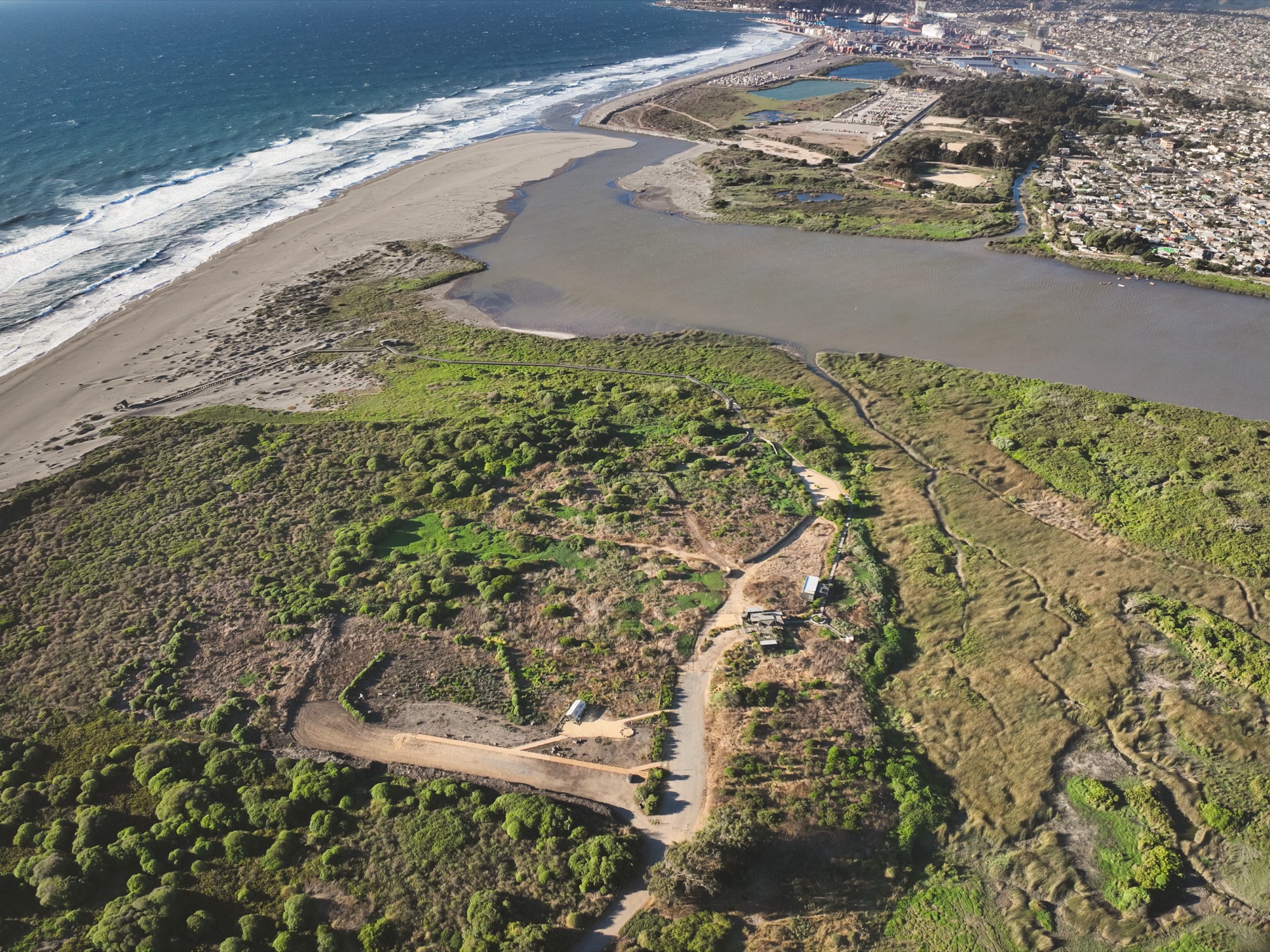
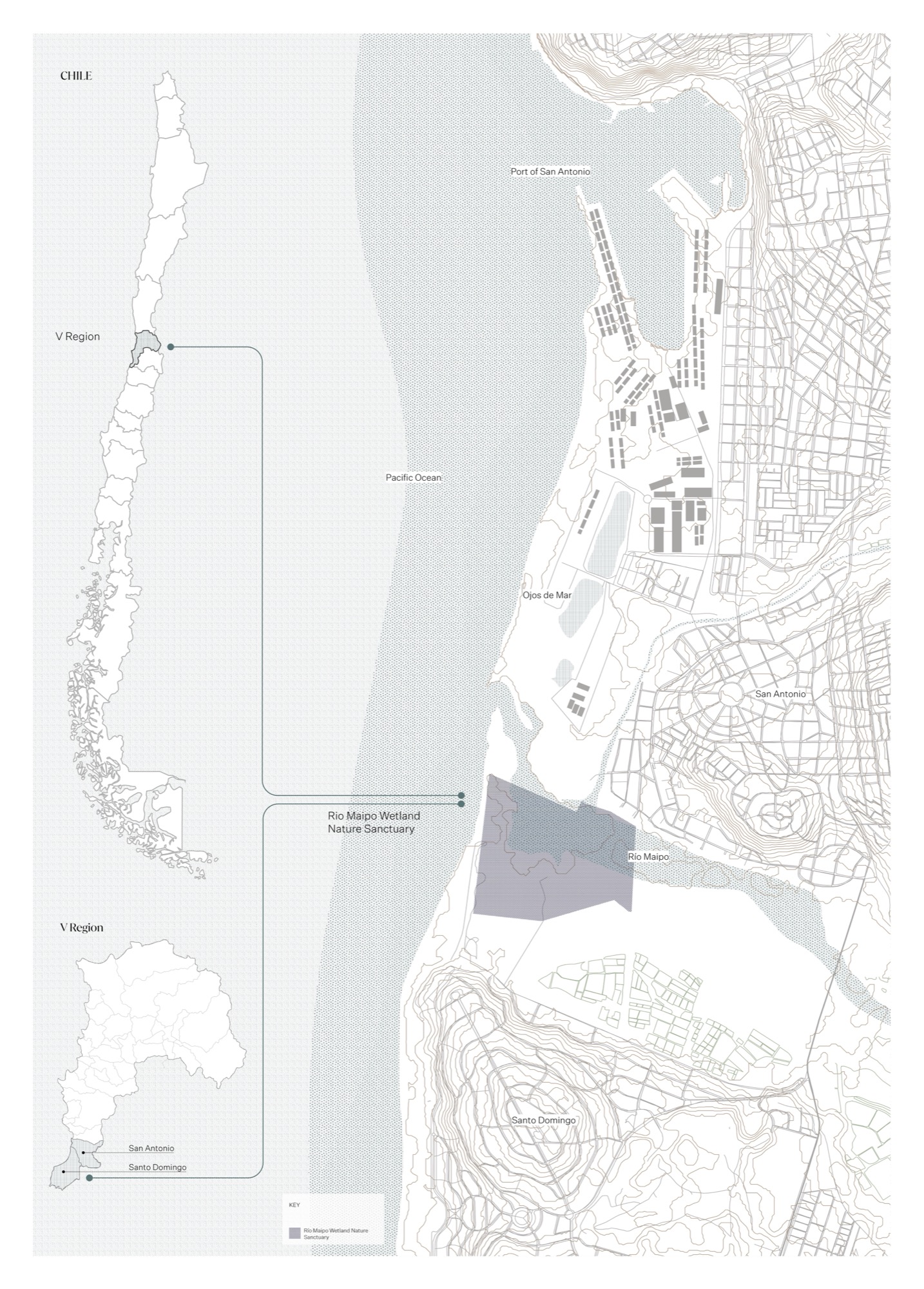
At the confluence of Chile’s Maipo River and the Pacific Ocean, a 60-hectare coastal wetland is home to over 190 bird species, 94% of which are native or endemic — the most biodiverse bird site in central Chile and the country’s second-largest bird habitat. For years, this area was used as an illegal dump for construction debris and pruning waste. The Río Maipo Wetland Nature Sanctuary demonstrates how landscape architecture can reverse environmental damage by learning from the land itself, rather than imposing infrastructure upon it.
Fundación Cosmos took over management in 2018 and, together with the Municipality of Santo Domingo, secured the site’s designation as a Nature Sanctuary in 2020 — Chile’s first intercommunal sanctuary. The project’s architectural strategy is grounded in a single conviction: ecological recovery and built intervention are inseparable, and every constructed element must function as an ecological act.
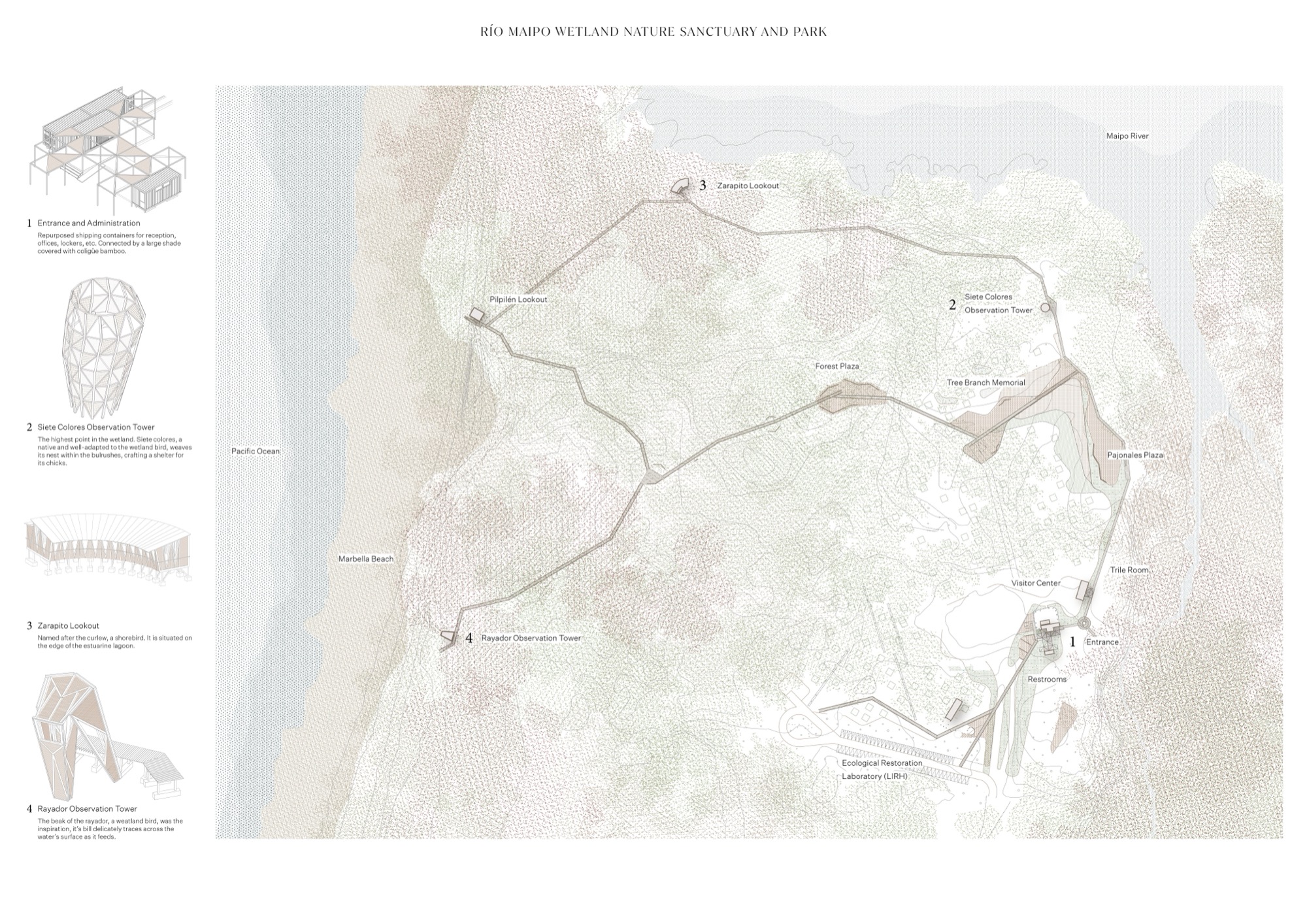
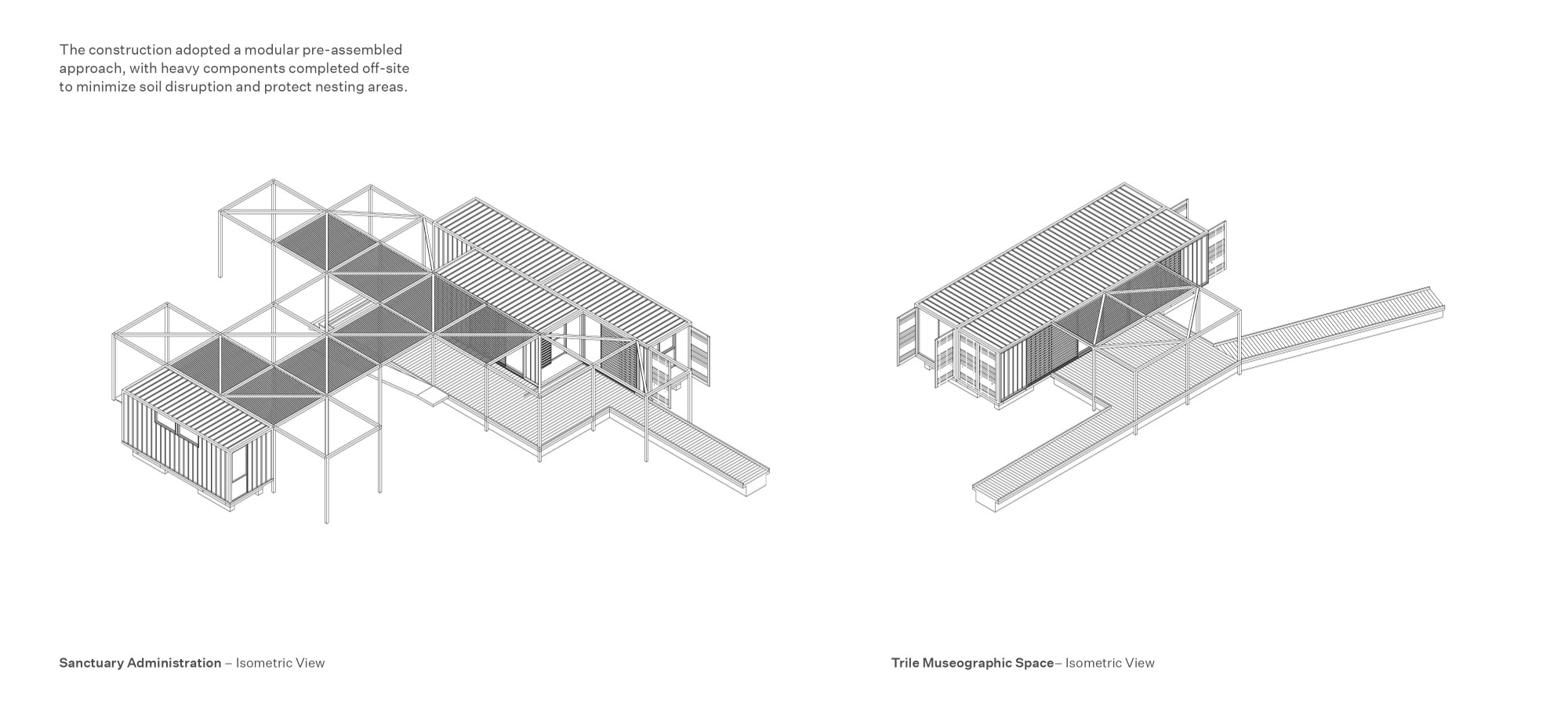
The infrastructure manifests as a series of landscape interactions. Over a kilometer of elevated timber boardwalks meander through marshlands, riparian forests, and dune terrains, lifting visitors above the ground to reduce ecological impact and enhance views. Sections rise in flood zones and narrow in delicate habitats, translating the ecosystem’s own logic into structural form. Construction followed a modular, pre-assembled method — heavy components fabricated off-site to minimize soil disruption and protect nesting areas.
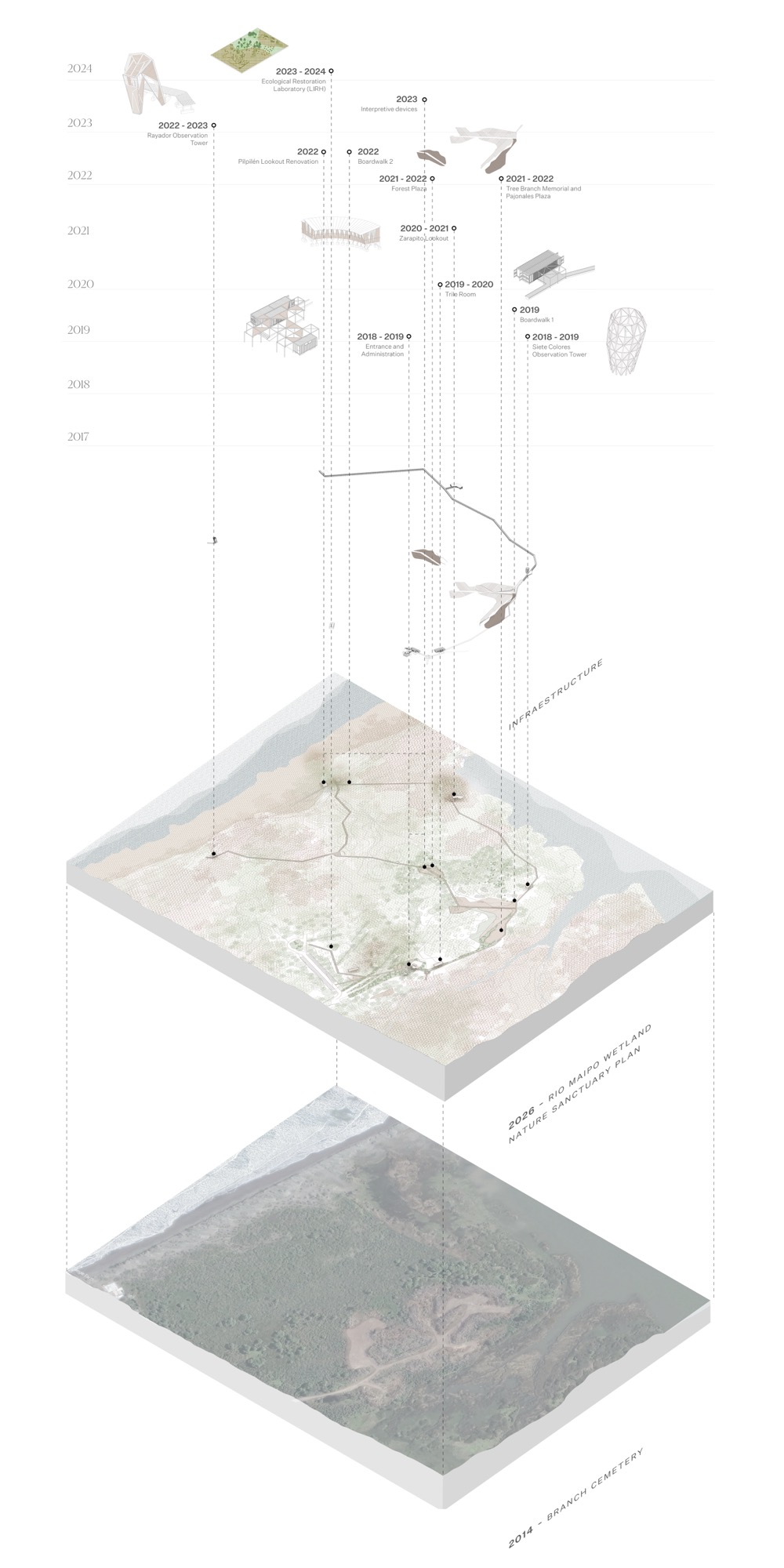
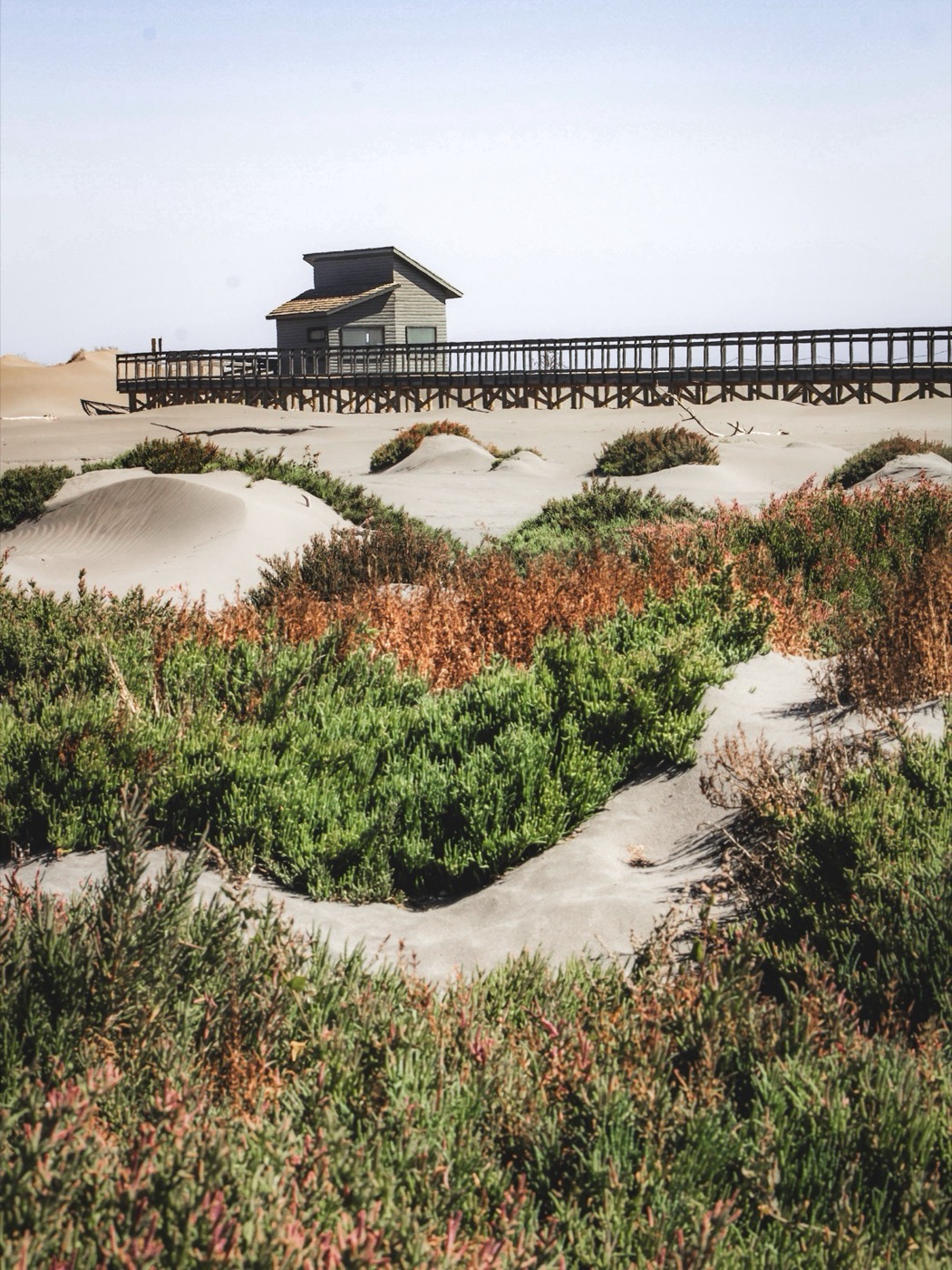
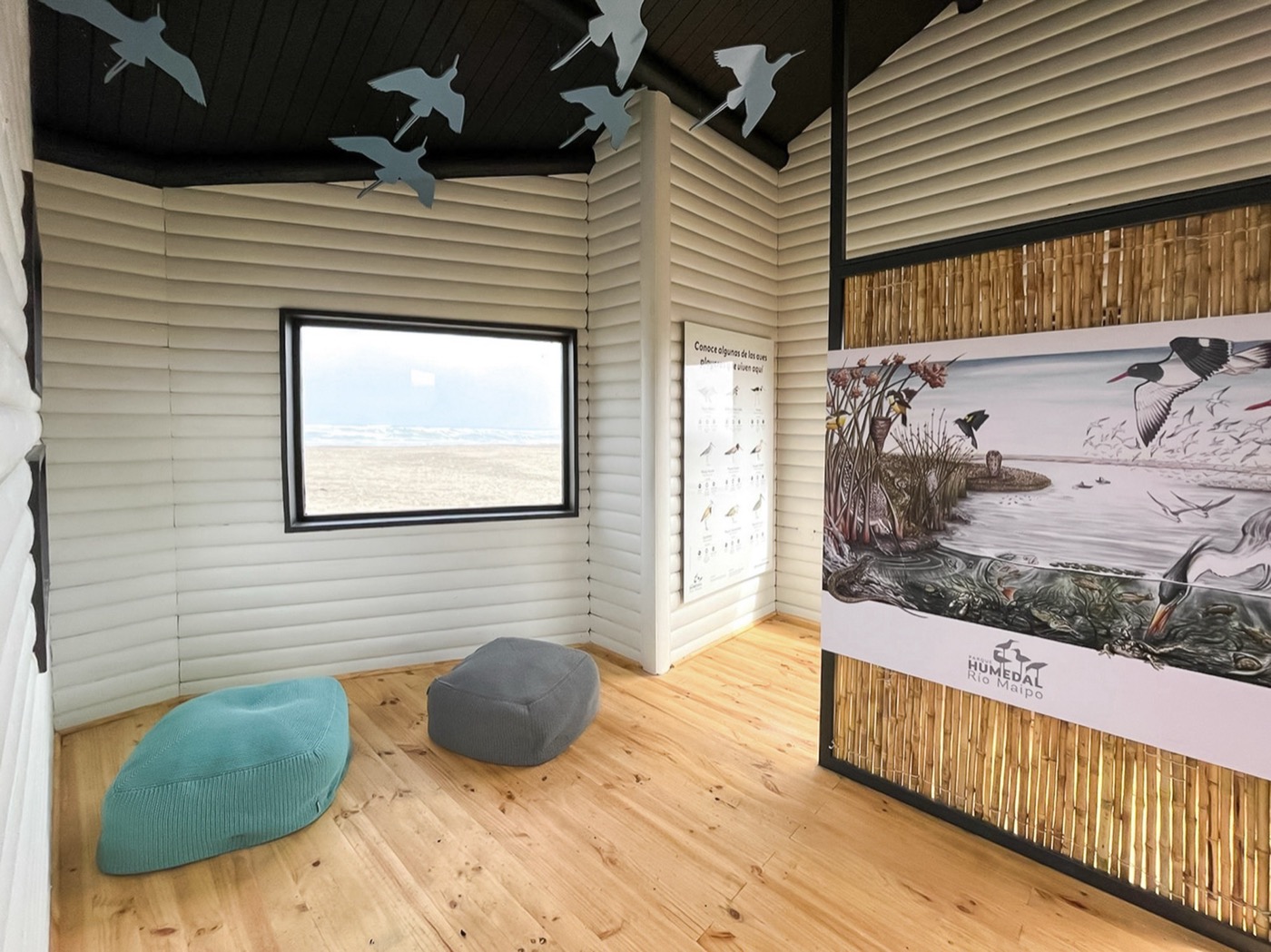
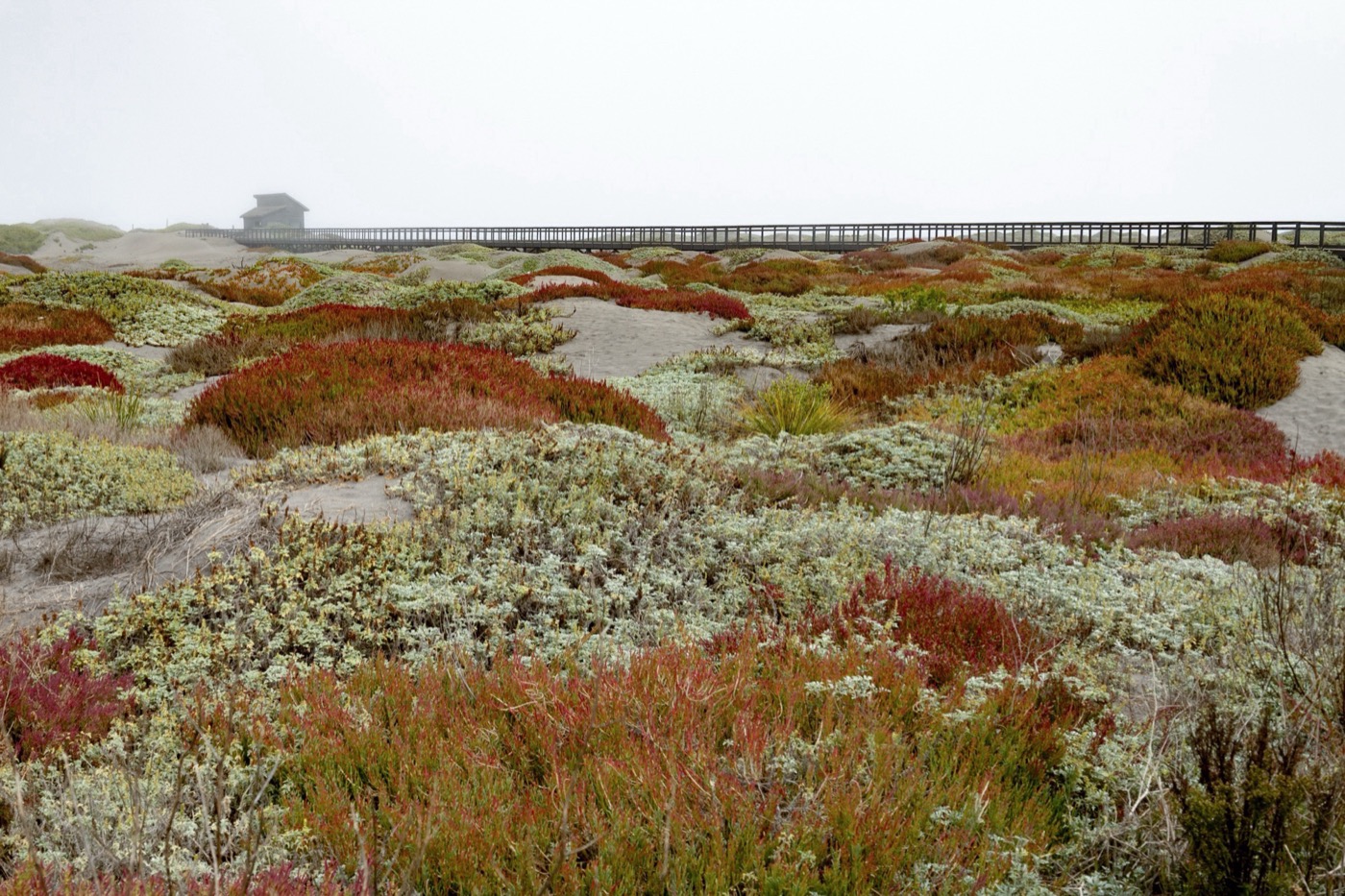
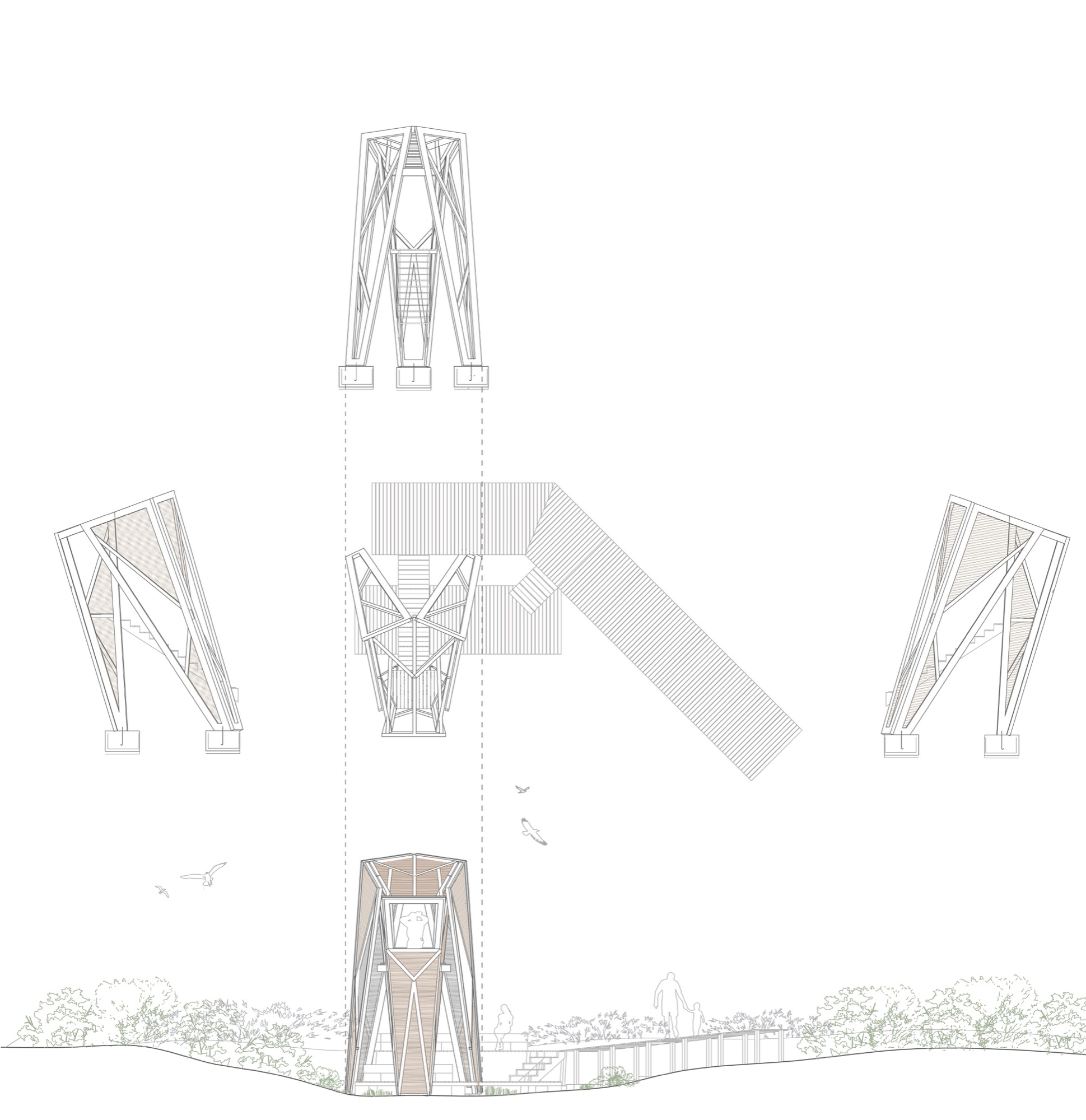
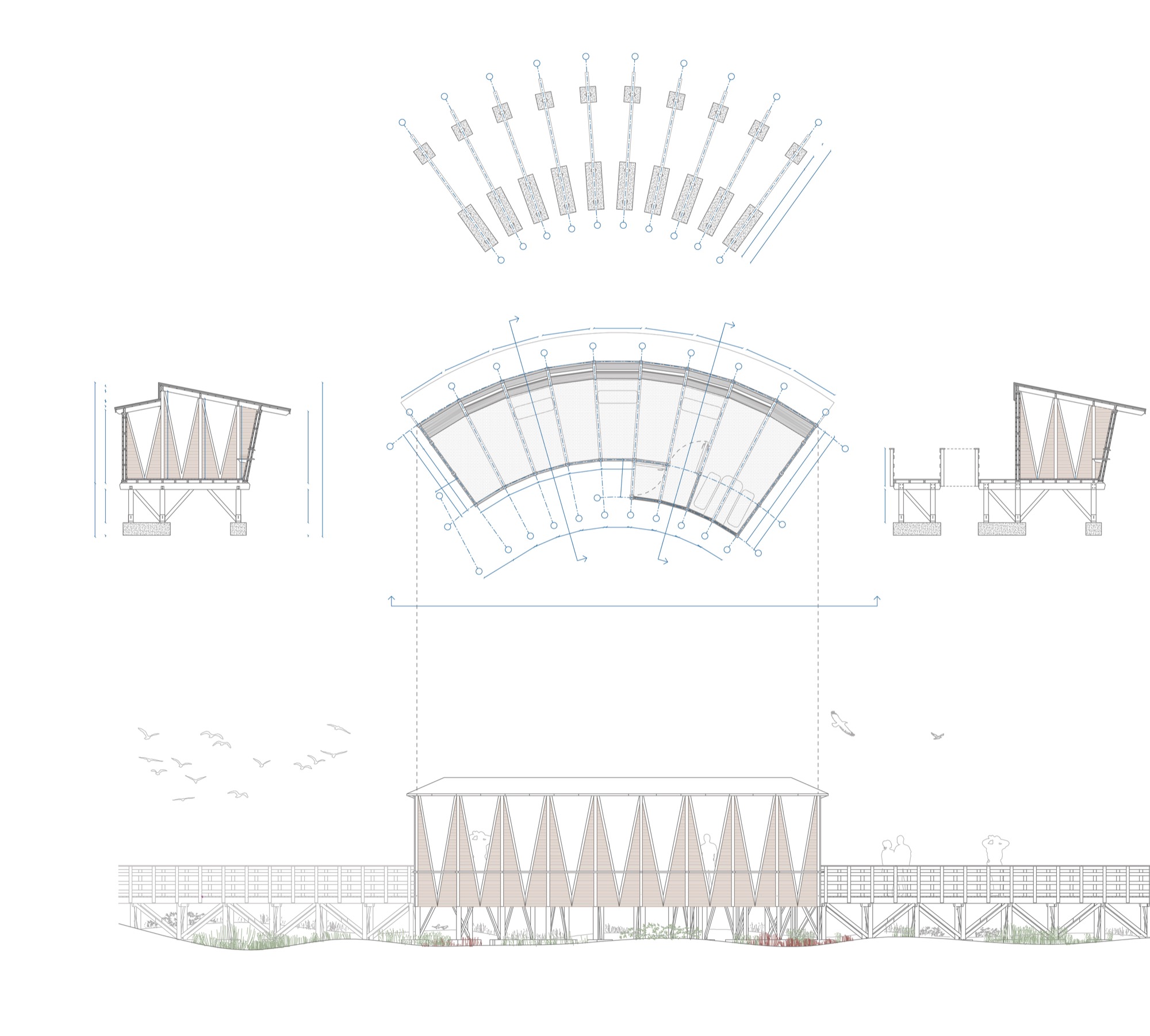
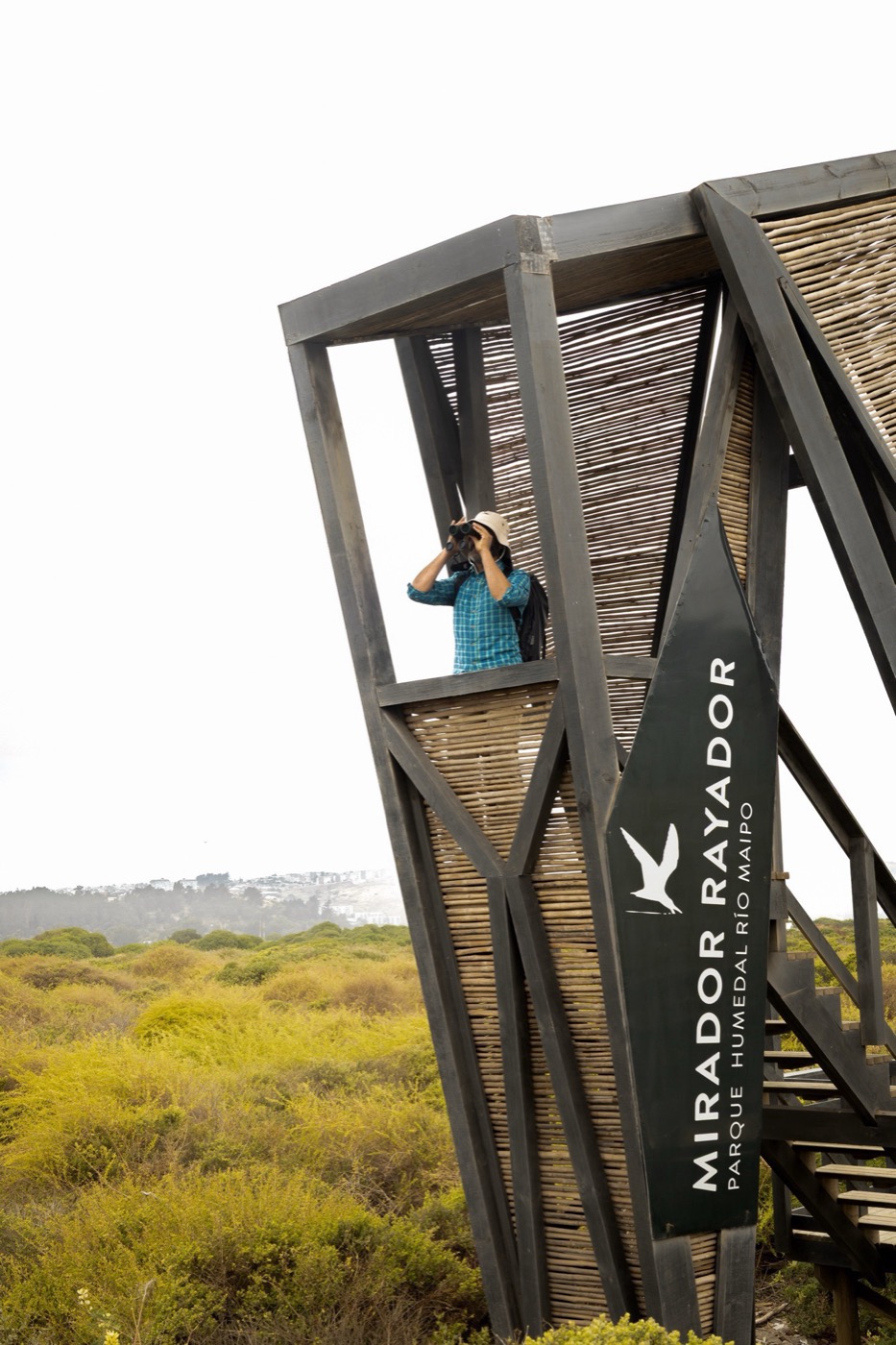
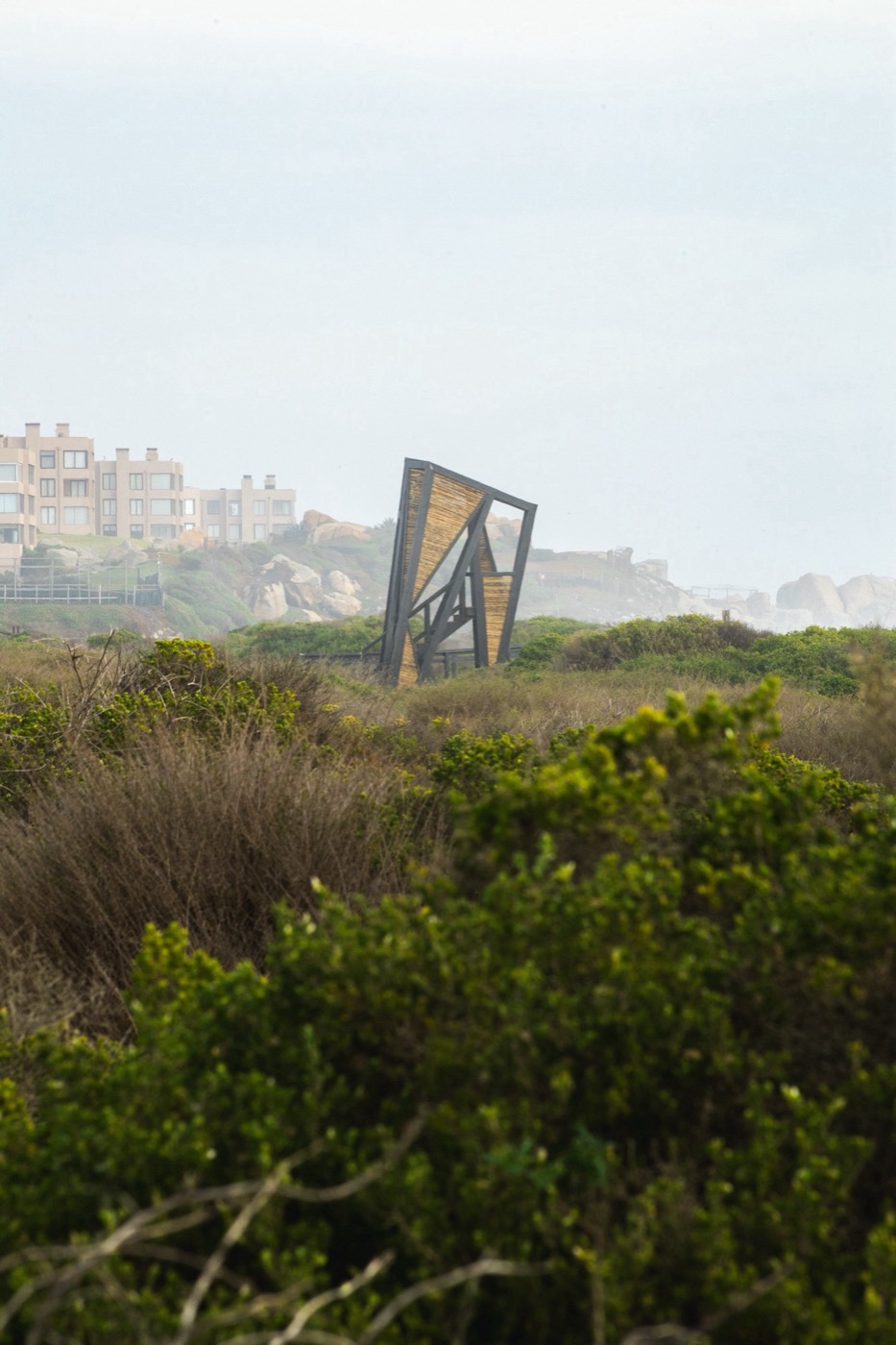
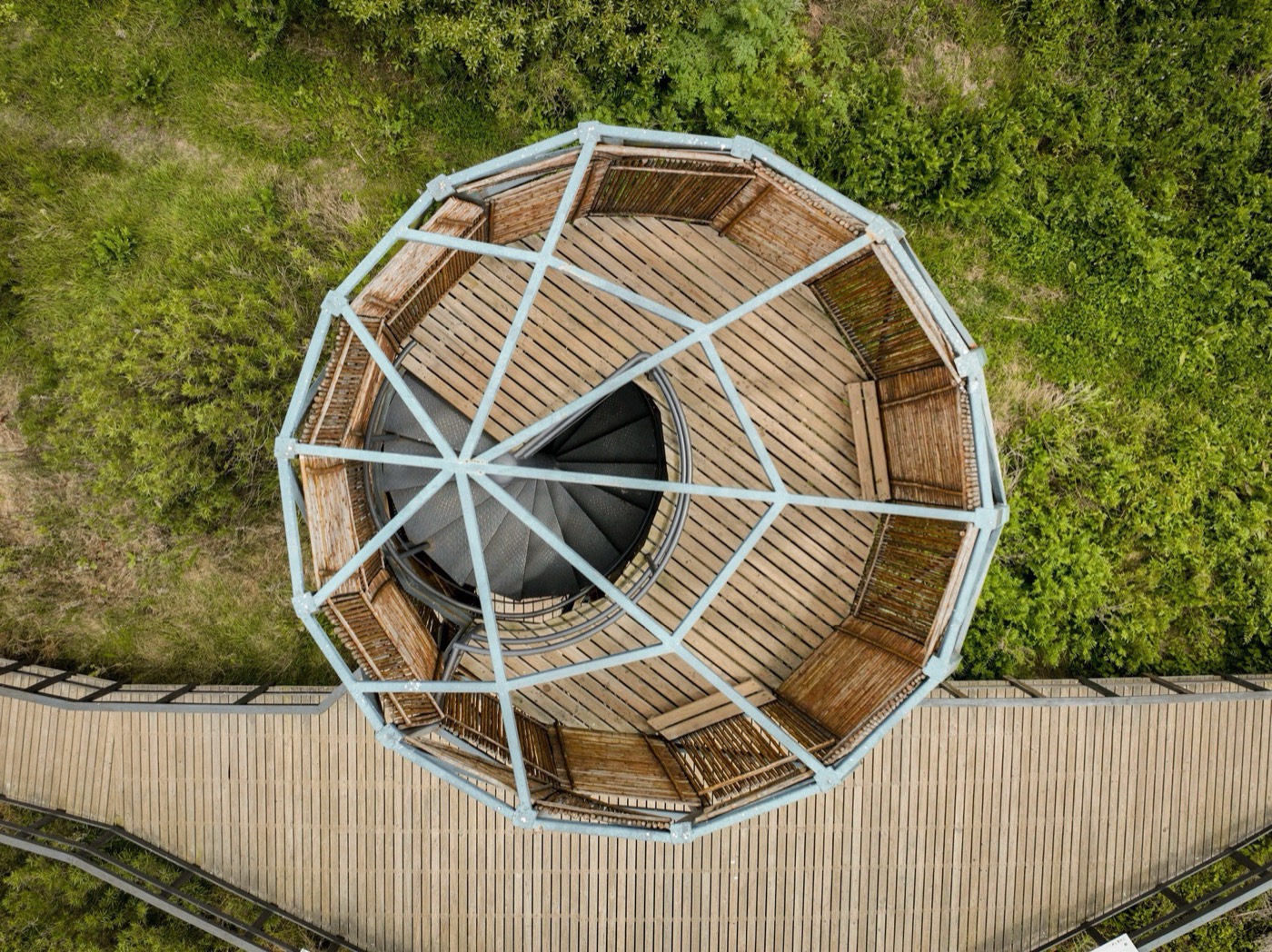
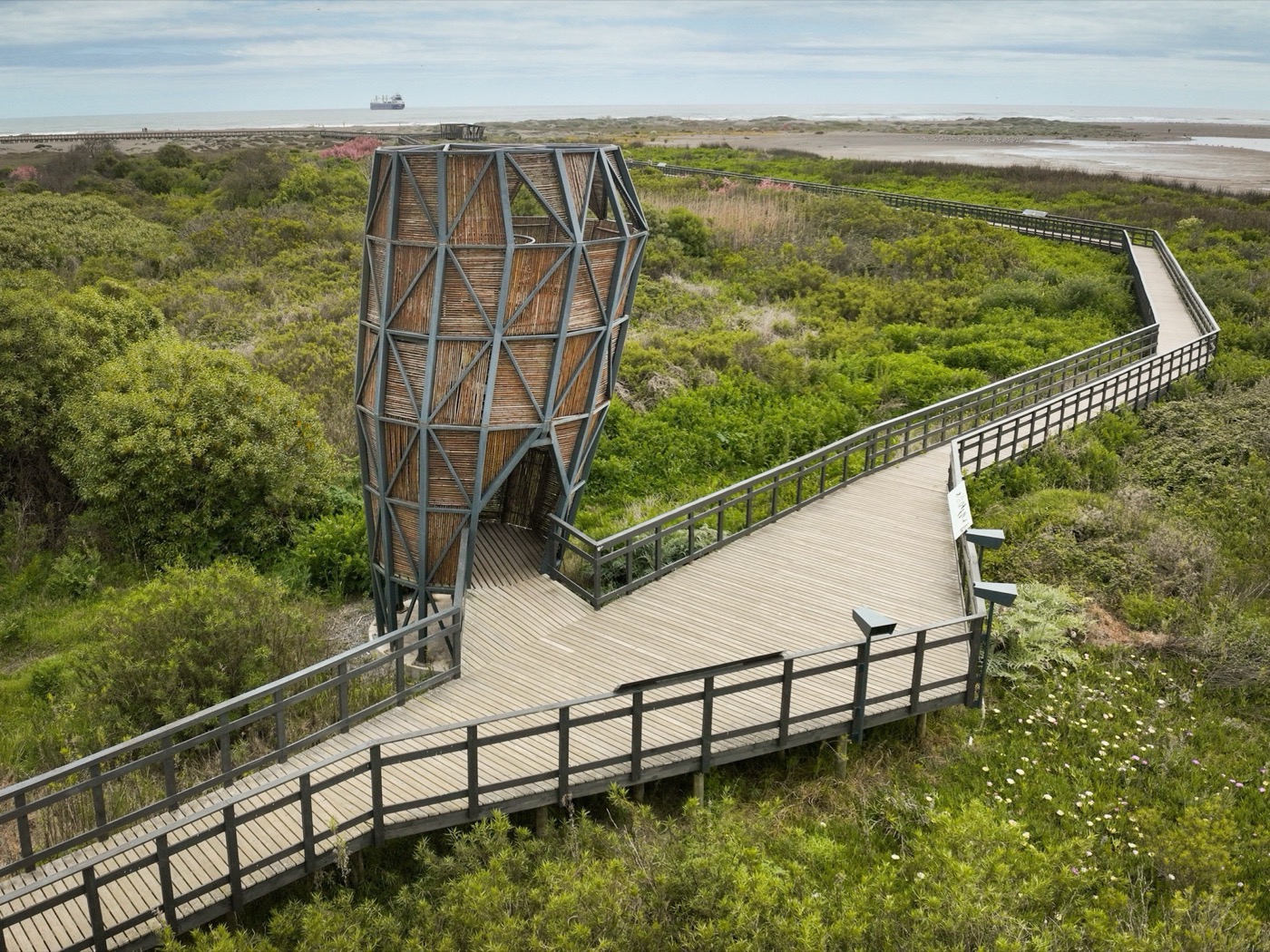
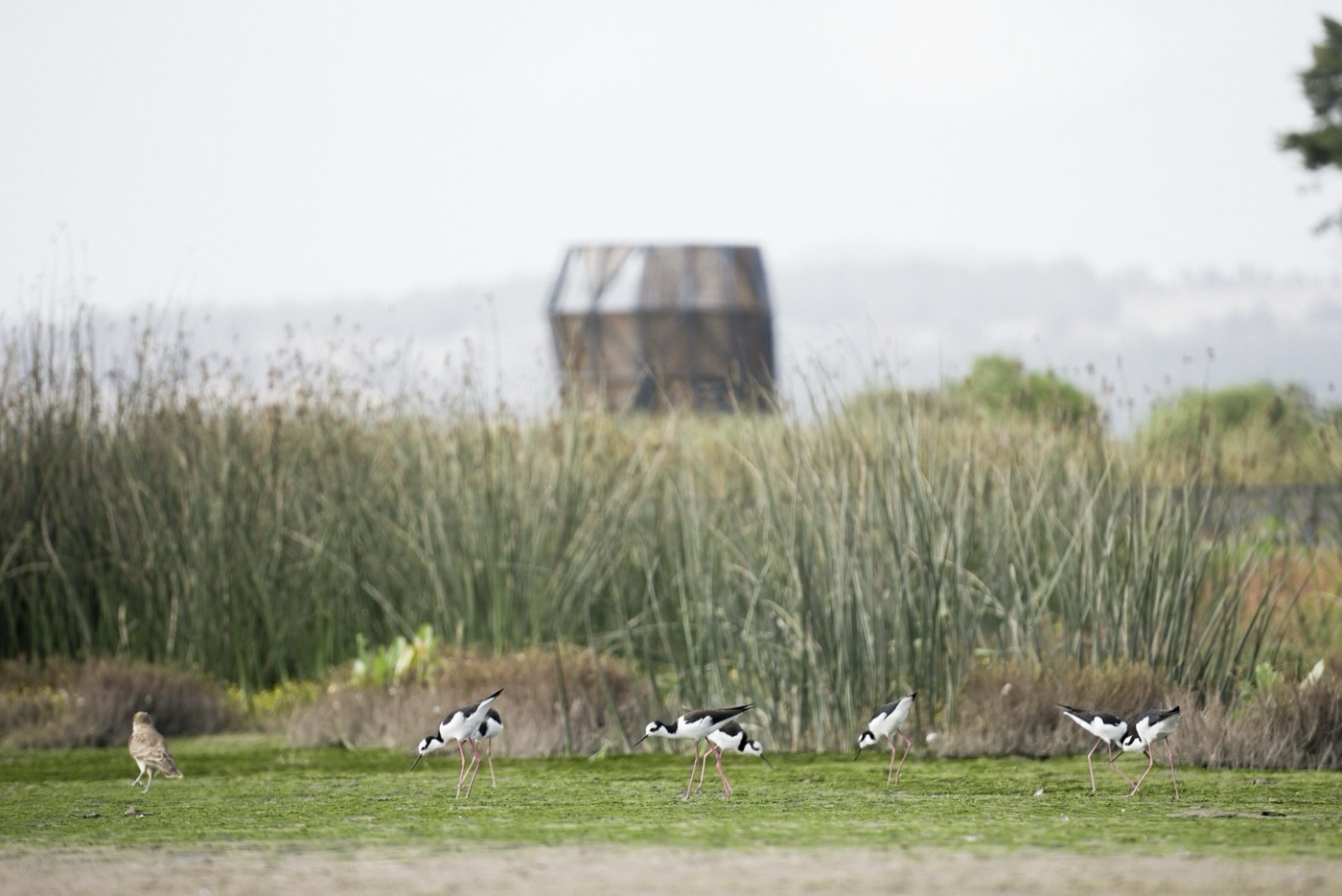
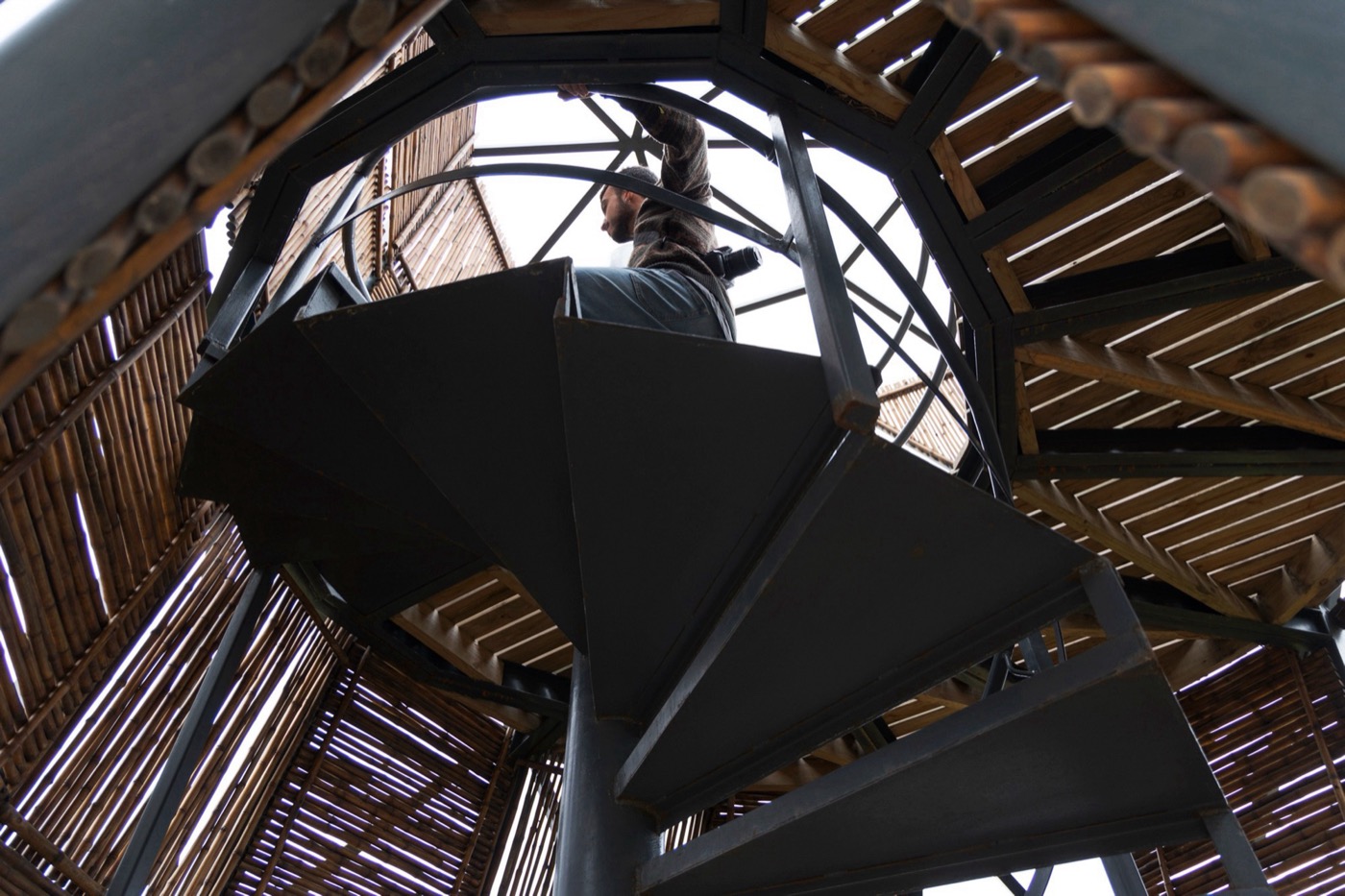
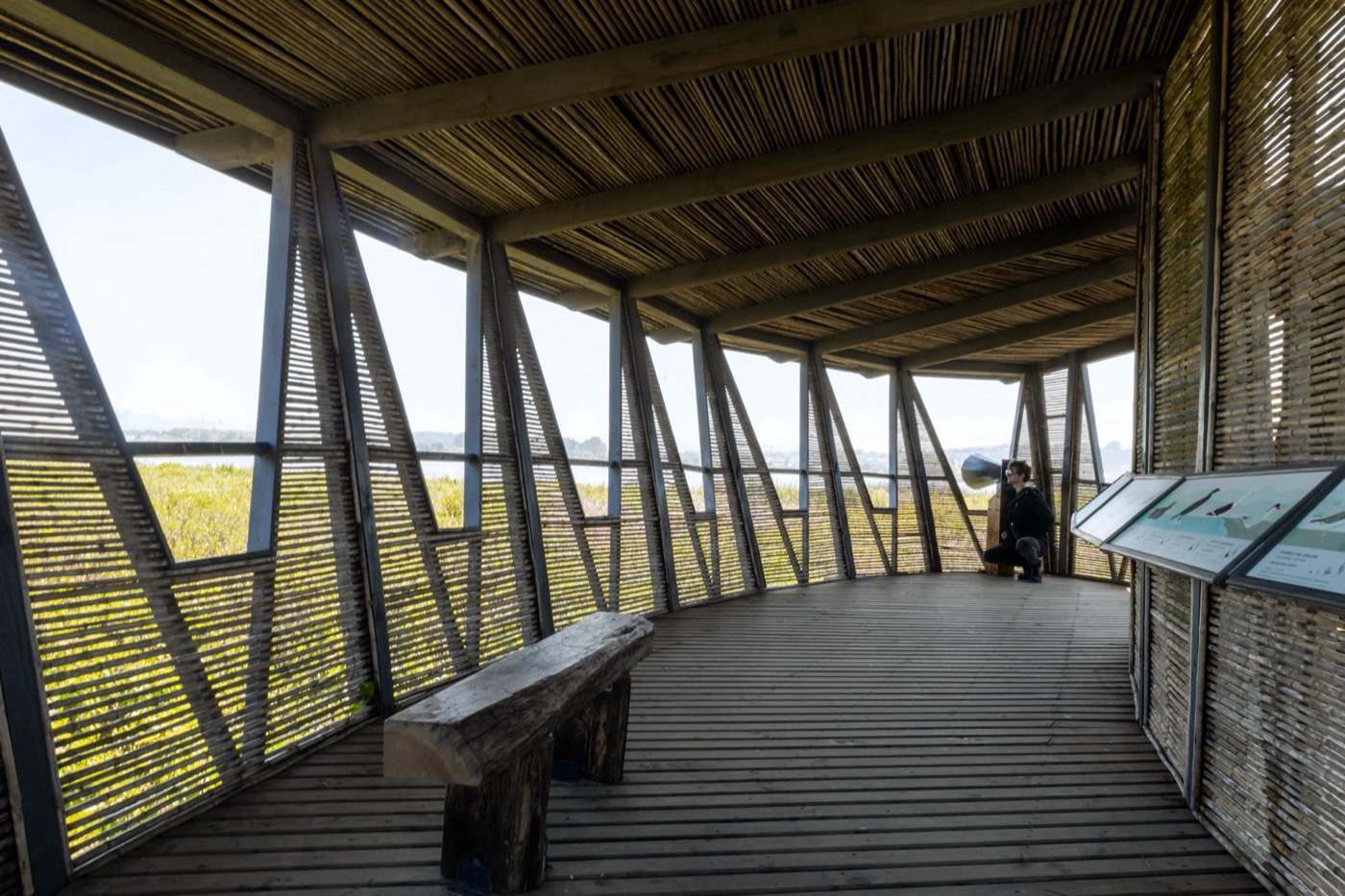
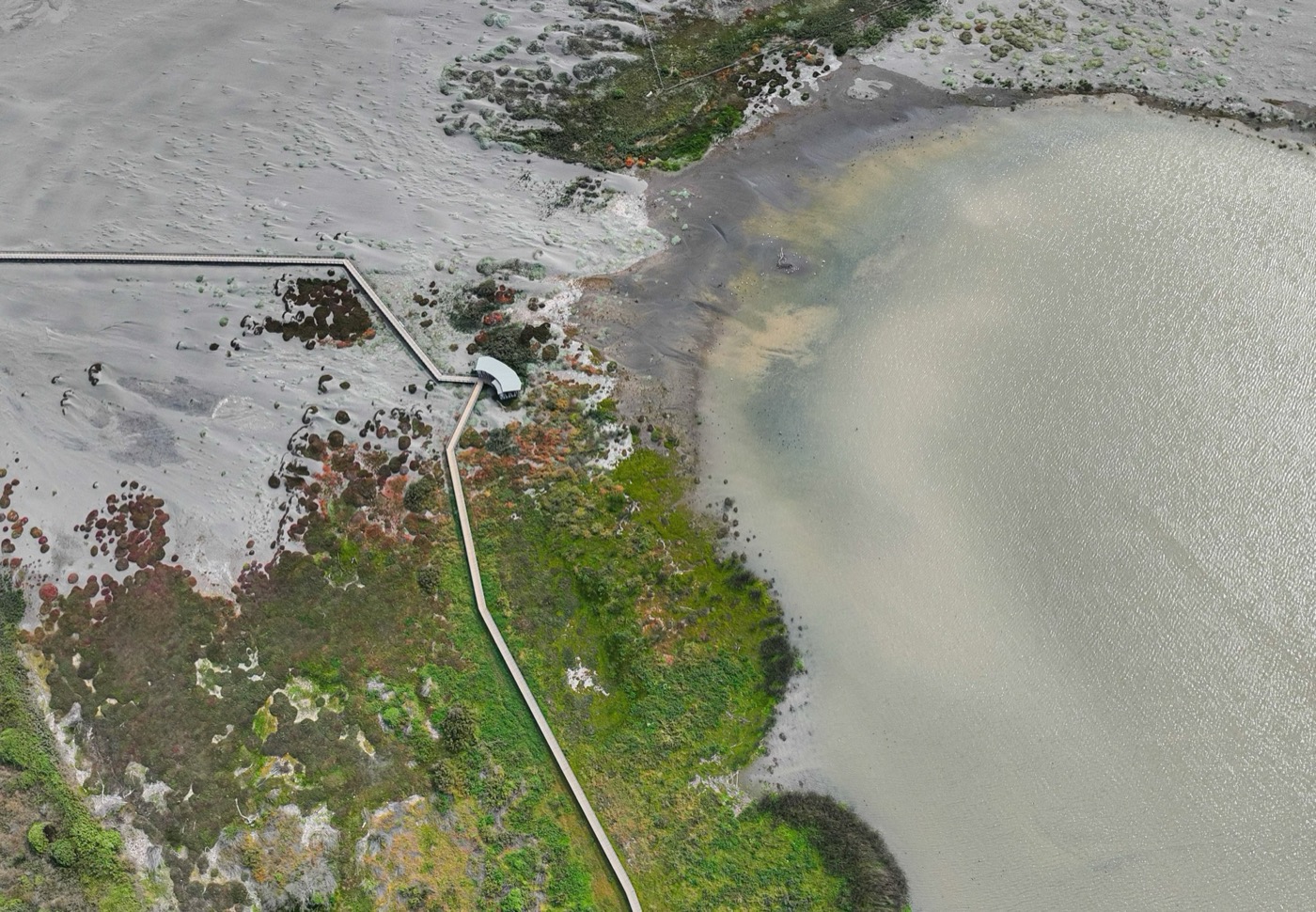
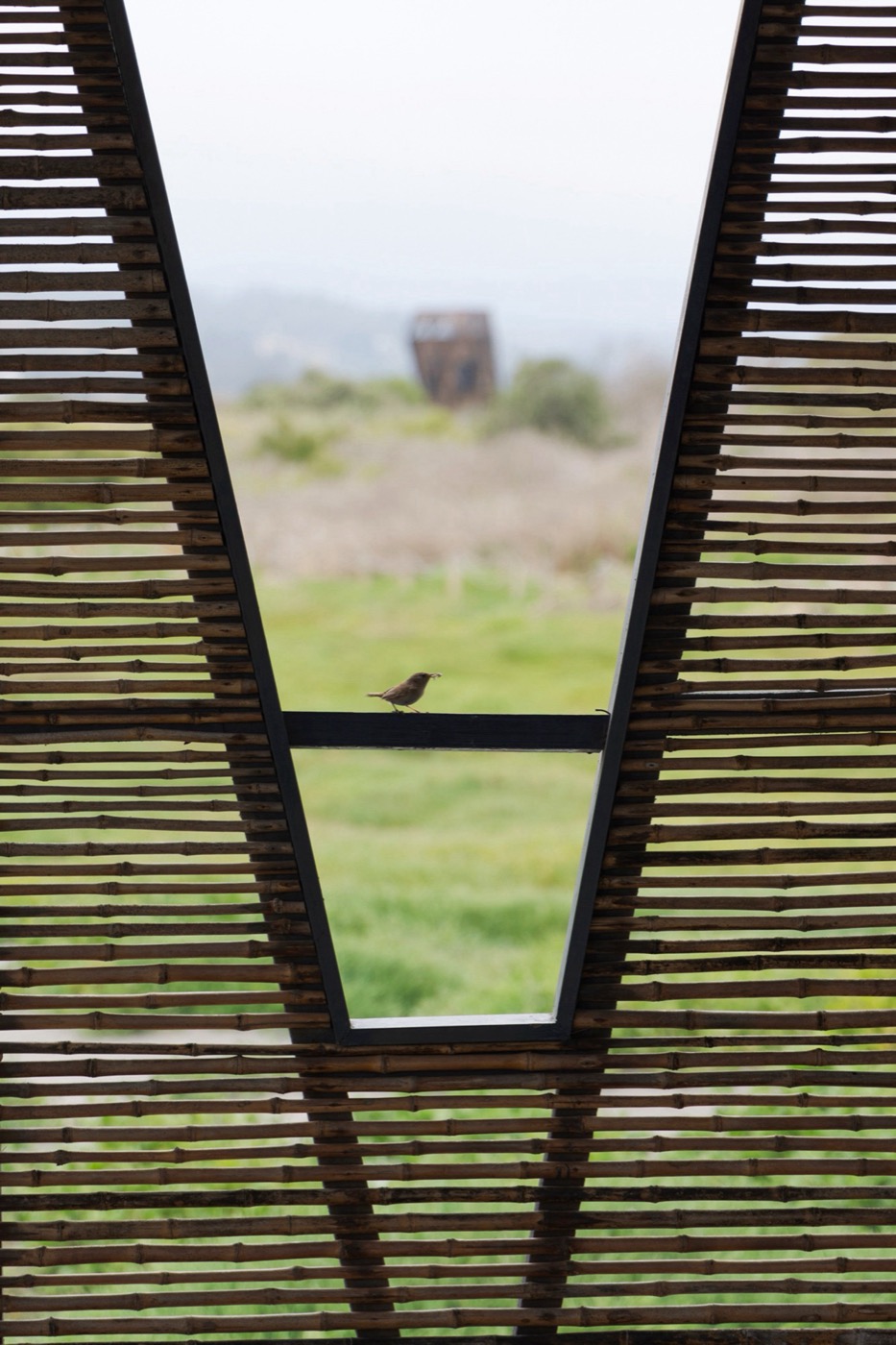
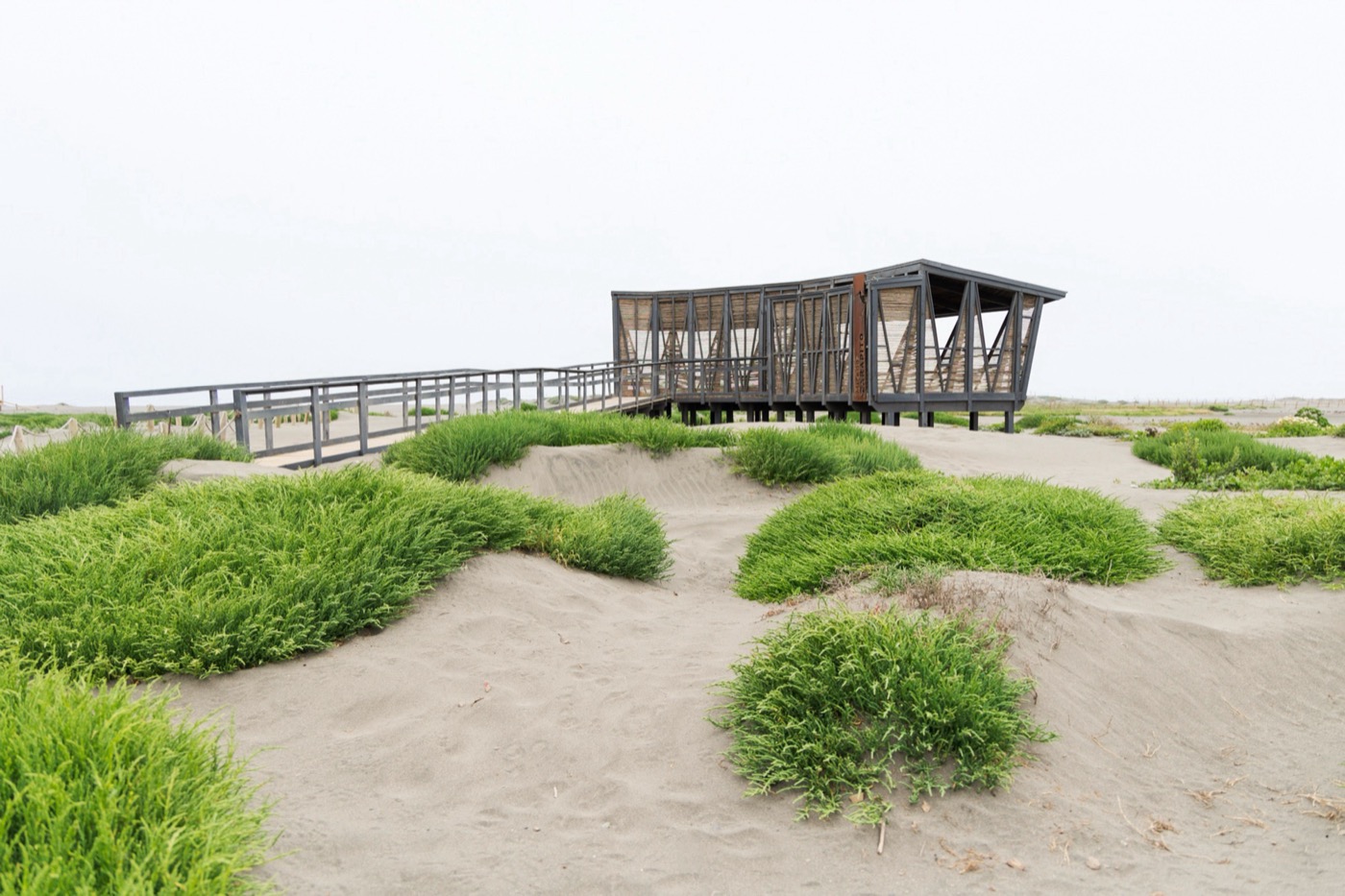
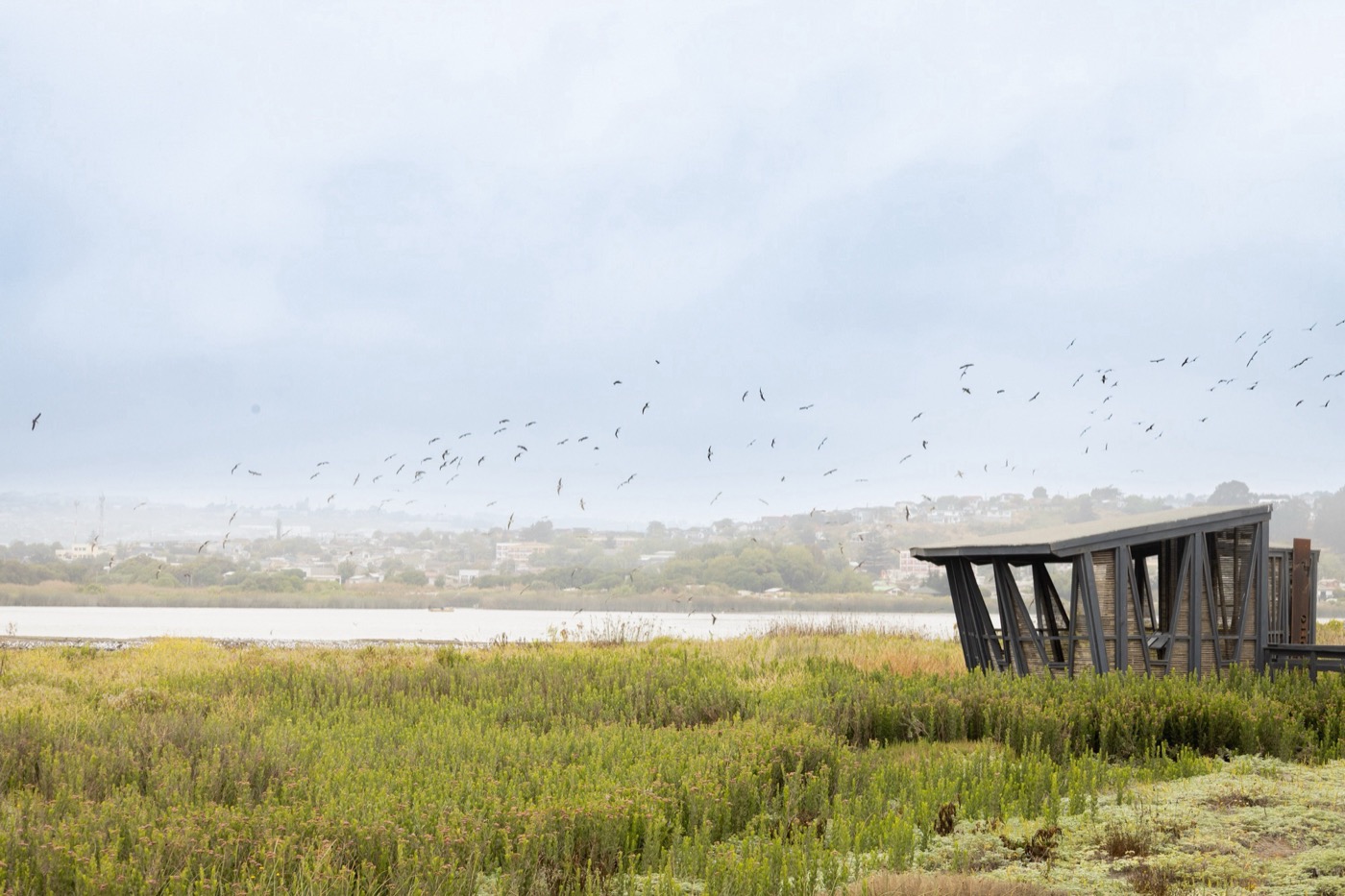
Three main viewpoints punctuate the circuit, each named after a resident bird and shaped by its behavior and physiognomy. The Siete Colores Observation Tower — the park’s highest point at 5.5 meters — was inspired by the nest of the many-coloured rush tyrant (Tachuris rubrigastra), a small wetland bird that carefully weaves its nest within bulrushes. It features a reinforced-concrete foundation supporting a central steel column, surrounded by radial beams that support a triangulated metal framework wrapped in coligüe bamboo cladding. A spiral staircase grants a gradual ascent to a viewing deck, offering a panoramic view that highlights the interconnectedness of the socioecosystem — river, reedbeds, ocean, and urban edges. The Zarapito (Numenius hudsonicus) Lookout, built over the estuarine lagoon, allows visitors to approach the estuary beach where large flocks of birds gather without disturbing them, thanks to its resilient, flood-resistant design; water flows freely through its open coligüe structure. The Rayador (Rynchops niger) Observation Tower, inaugurated in February 2024, echoes the shape of the black skimmer’s beak skimming the water’s surface, completing the interpretive sequence from freshwater to saltwater habitats.
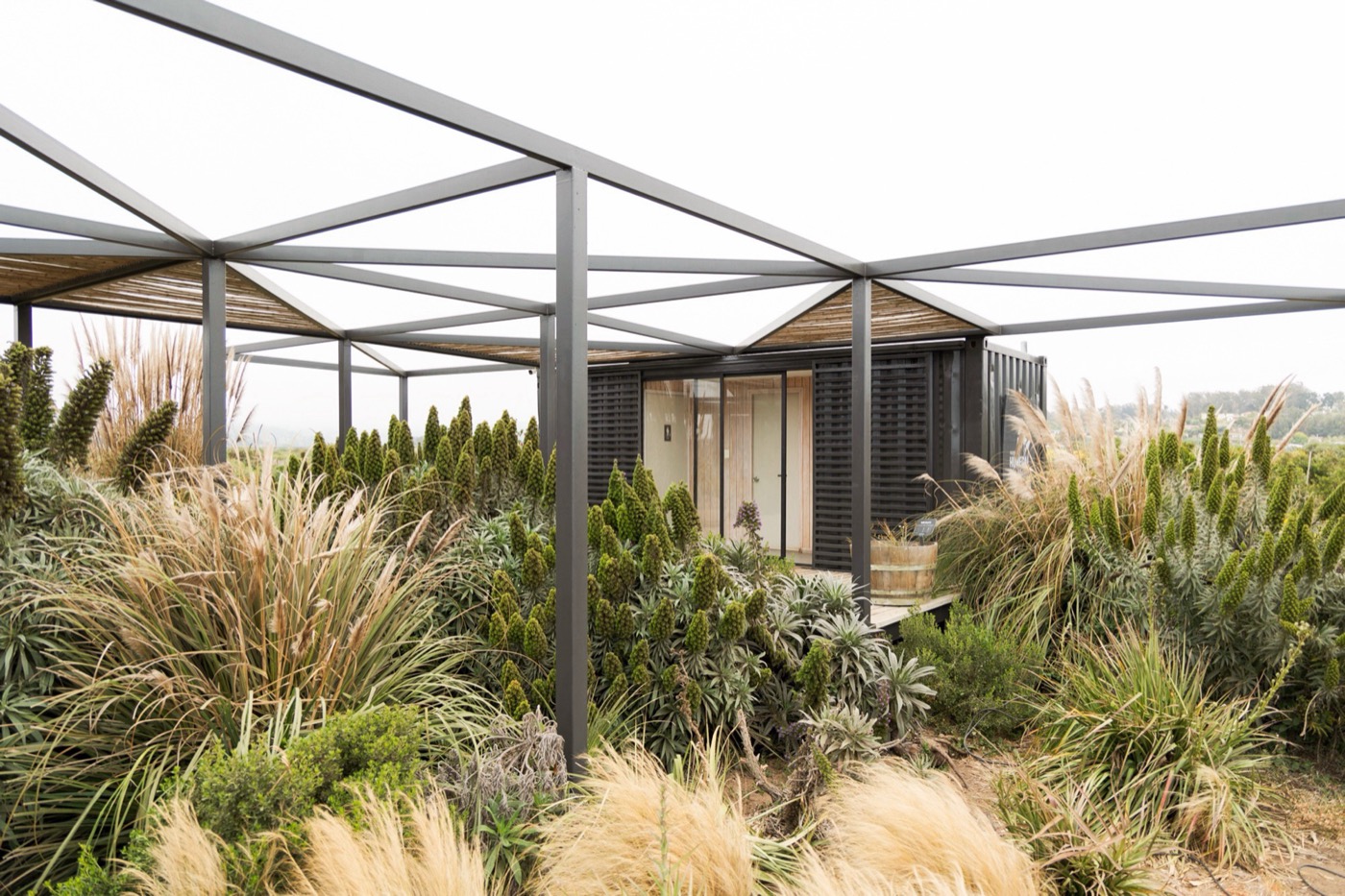
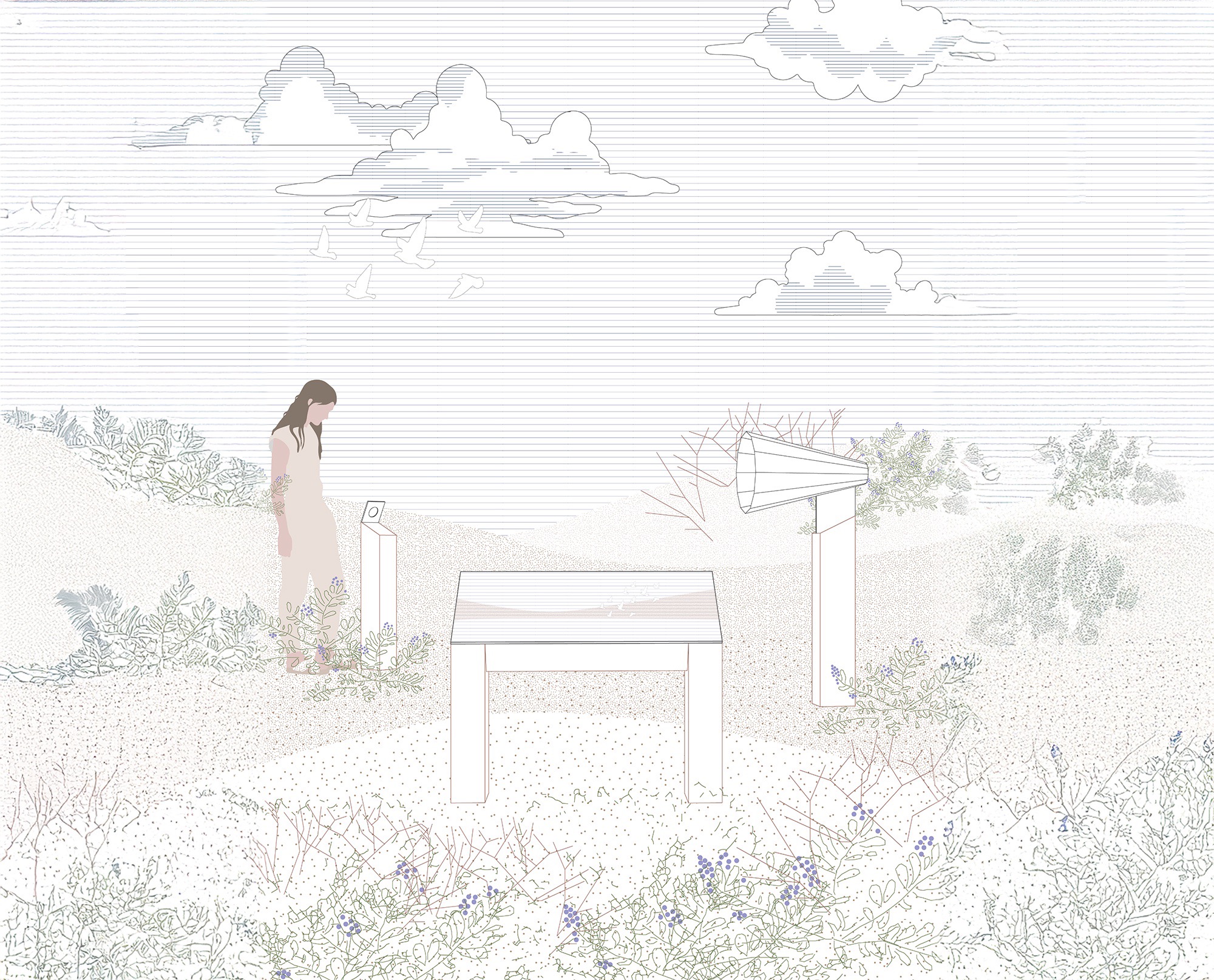
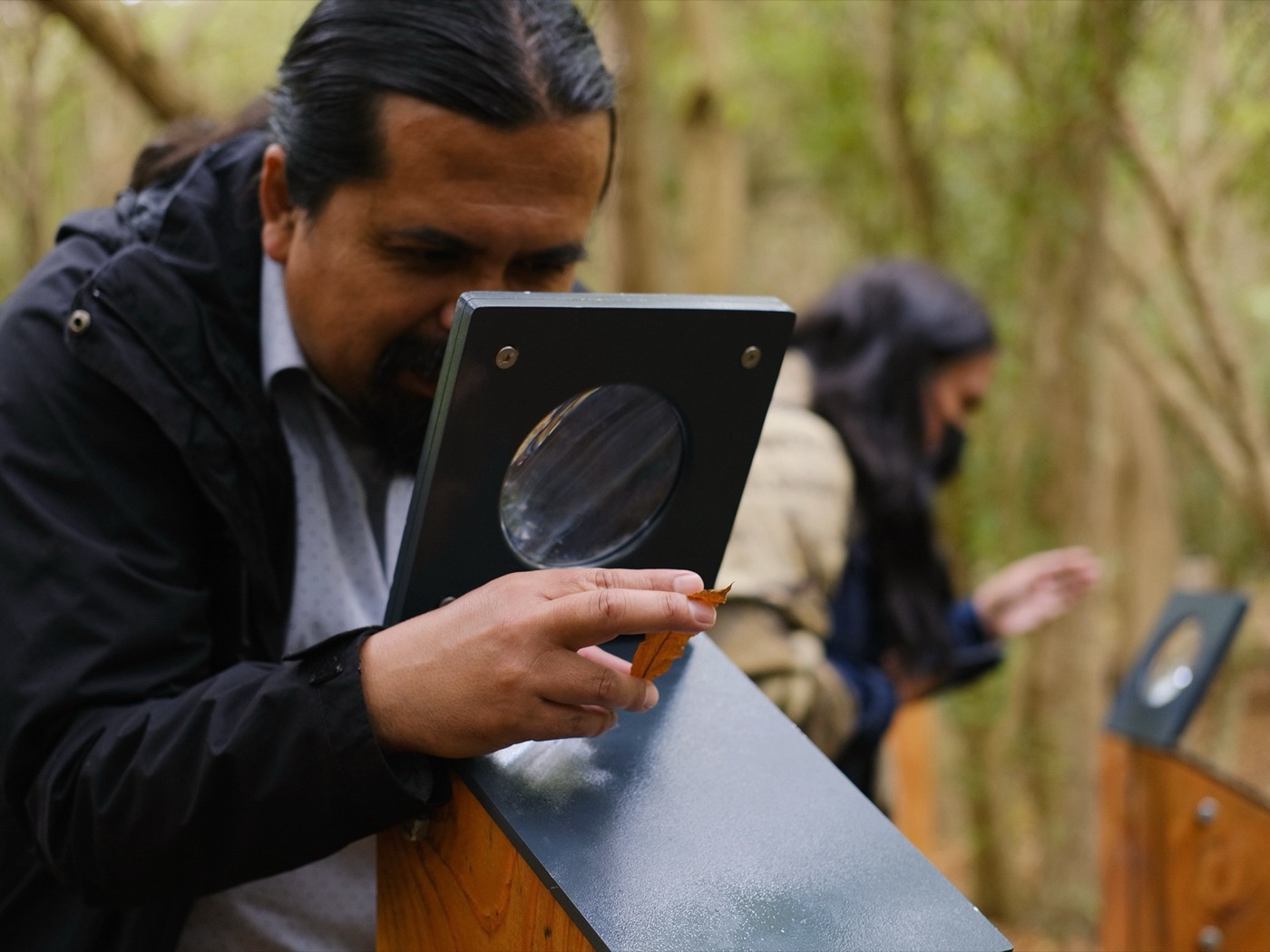
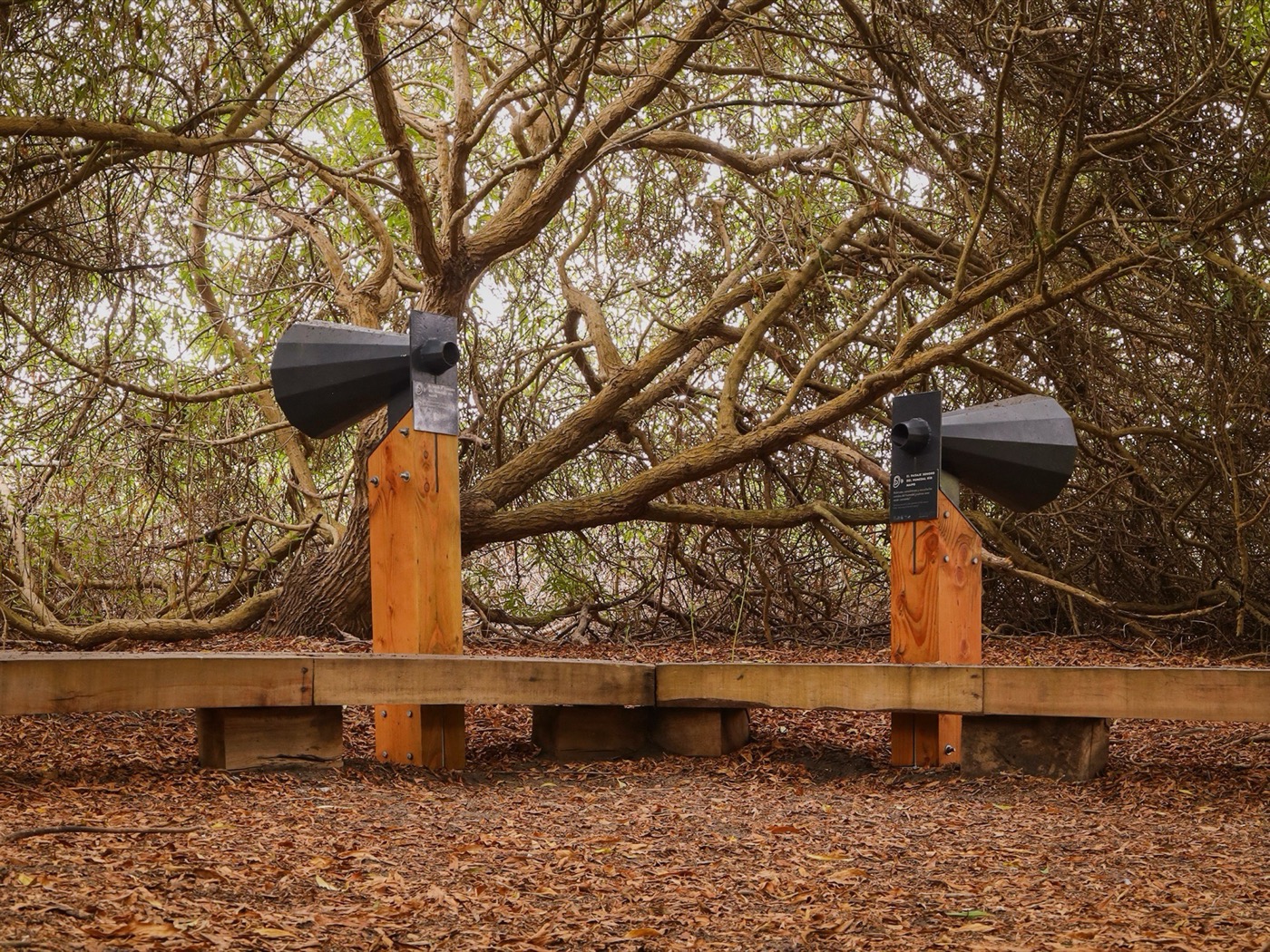
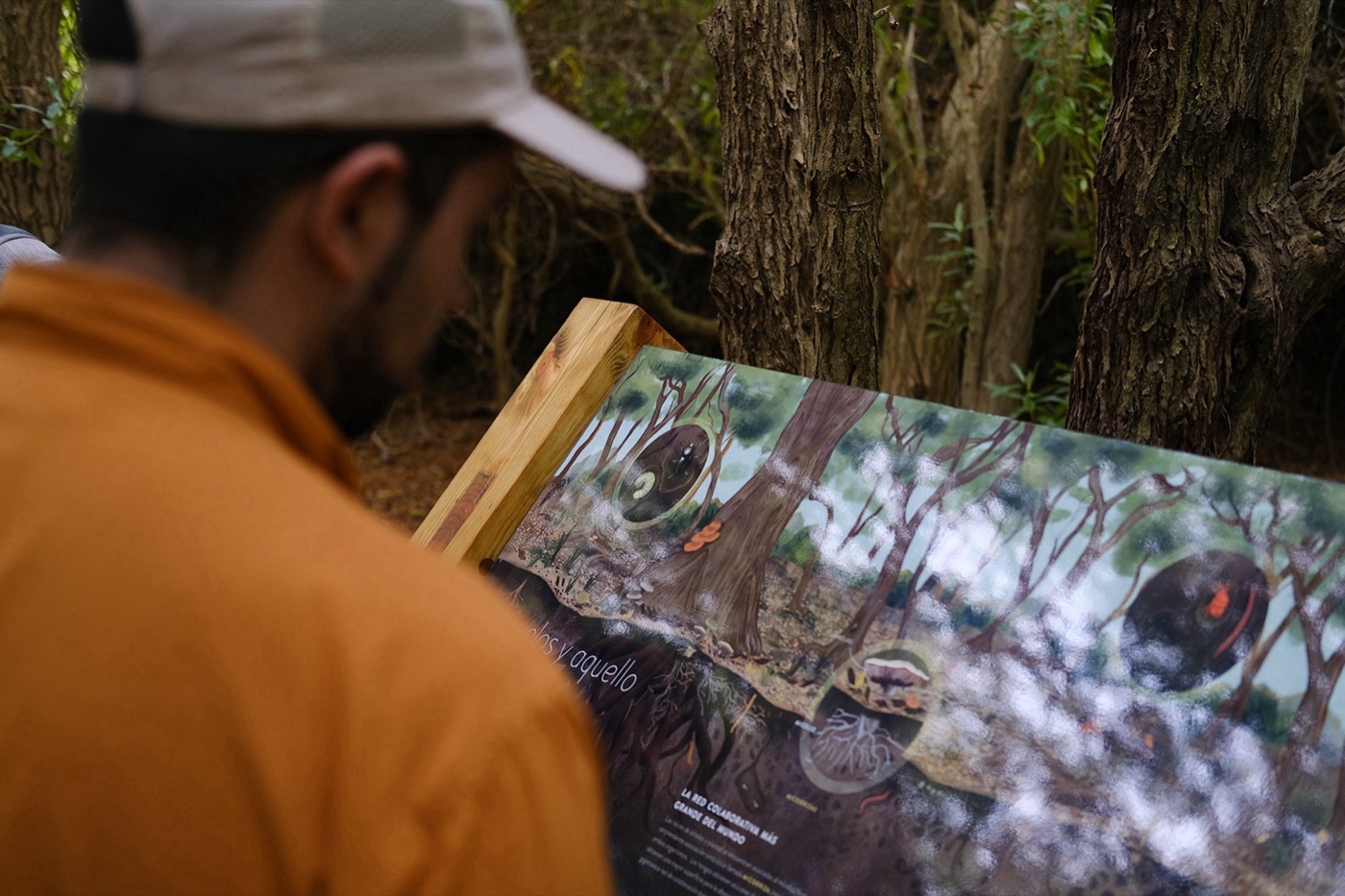
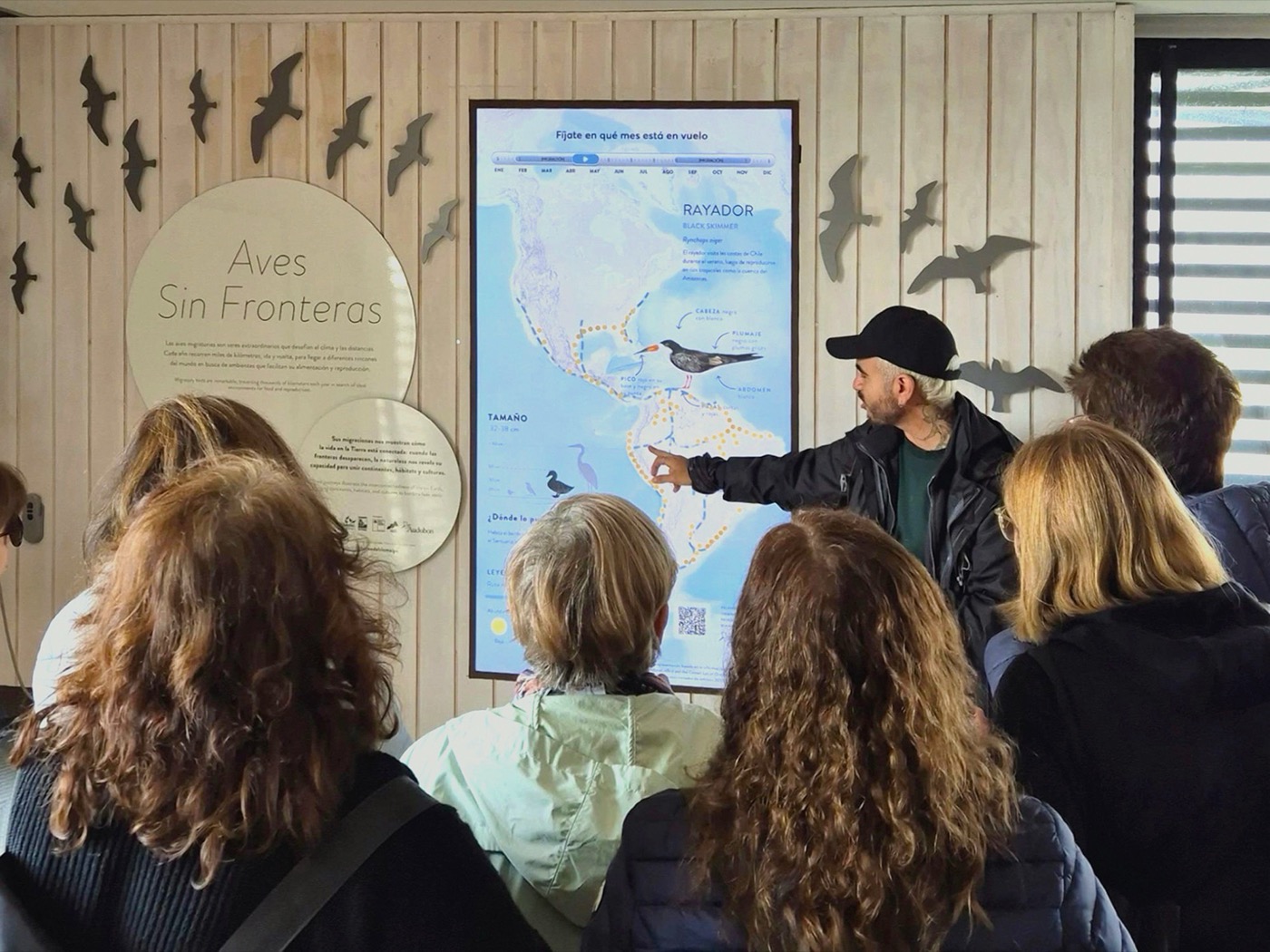
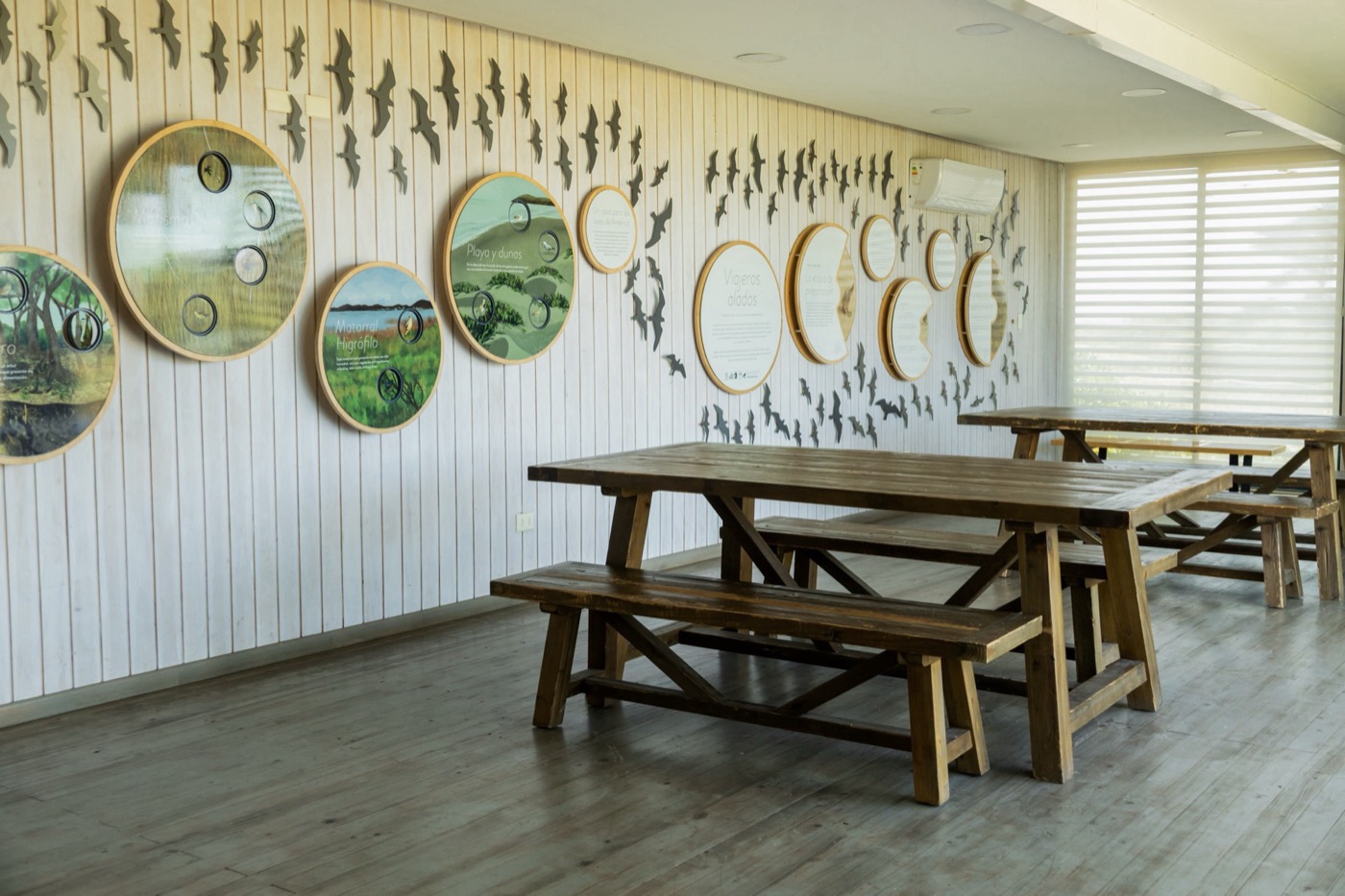
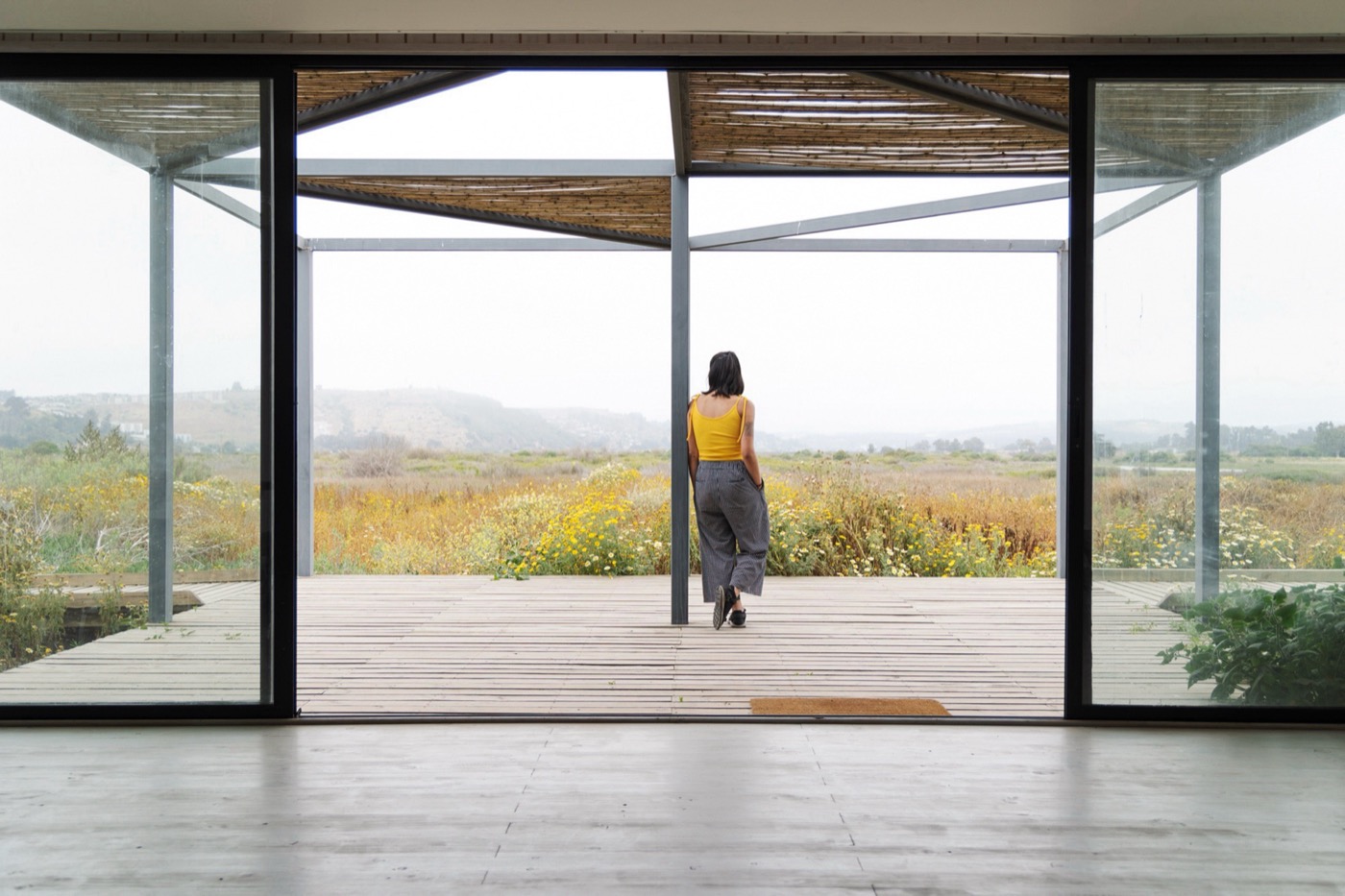
Twelve interactive museographic stations are set along the route, featuring sound-amplification cones that highlight the wetland’s acoustic environment, magnifying lenses for fungi exploration, and telescopic viewers focused on nesting sites. This transforms the walk into an open-air classroom where architecture educates without walls. The access zone reuses recycled shipping containers connected by a large shaded structure made of coligüe bamboo poles arranged in a triangular pattern.
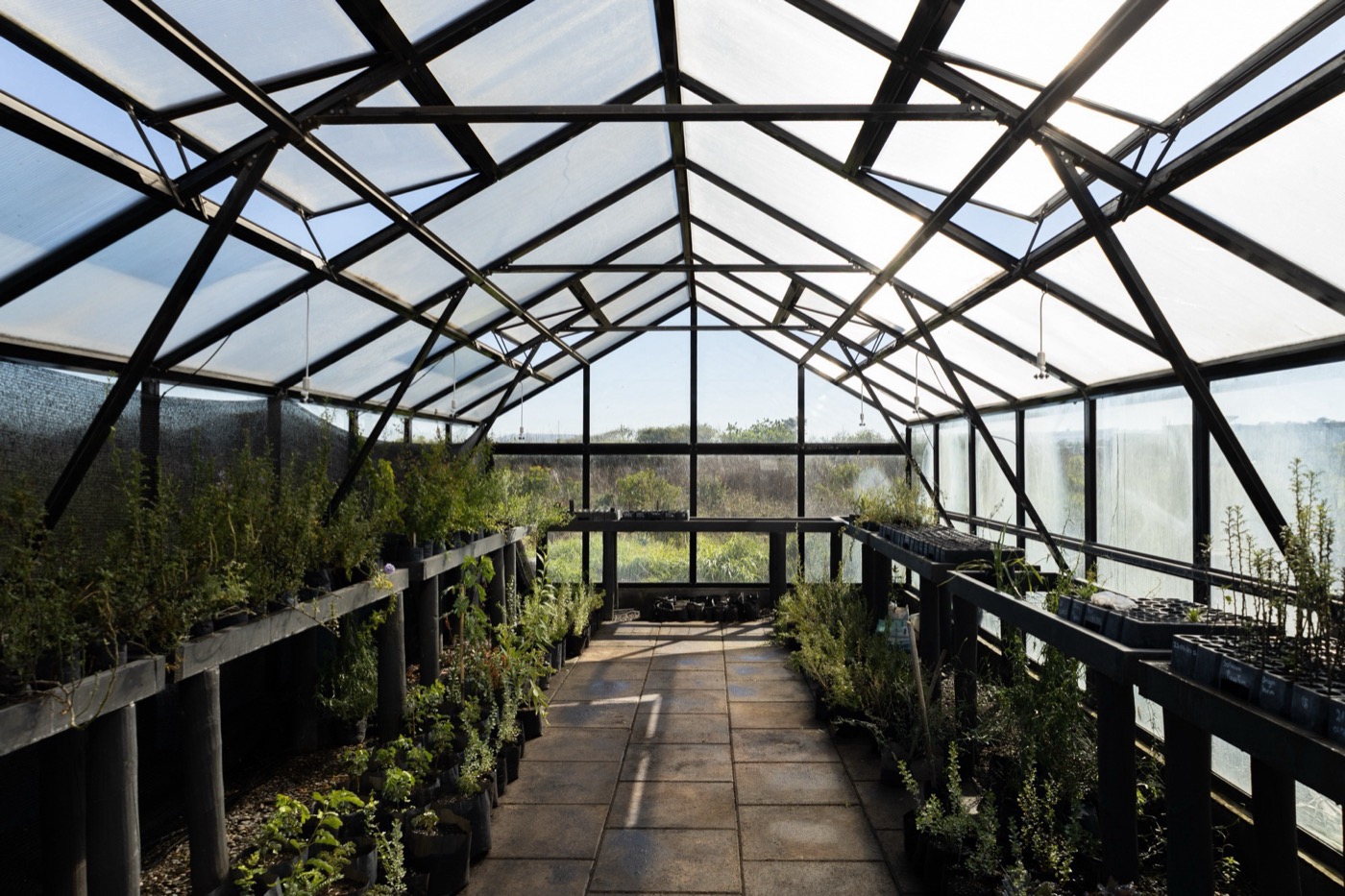
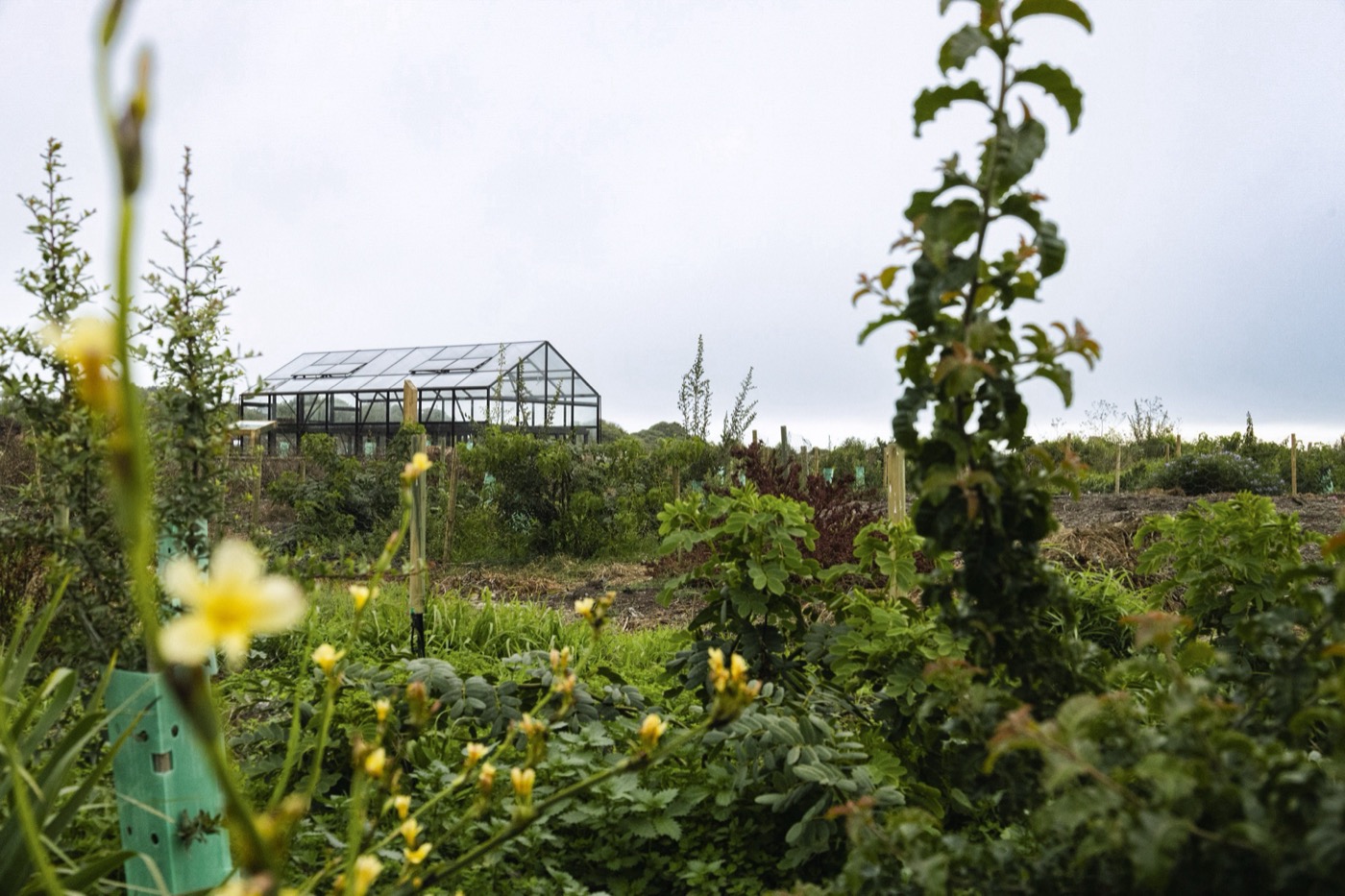
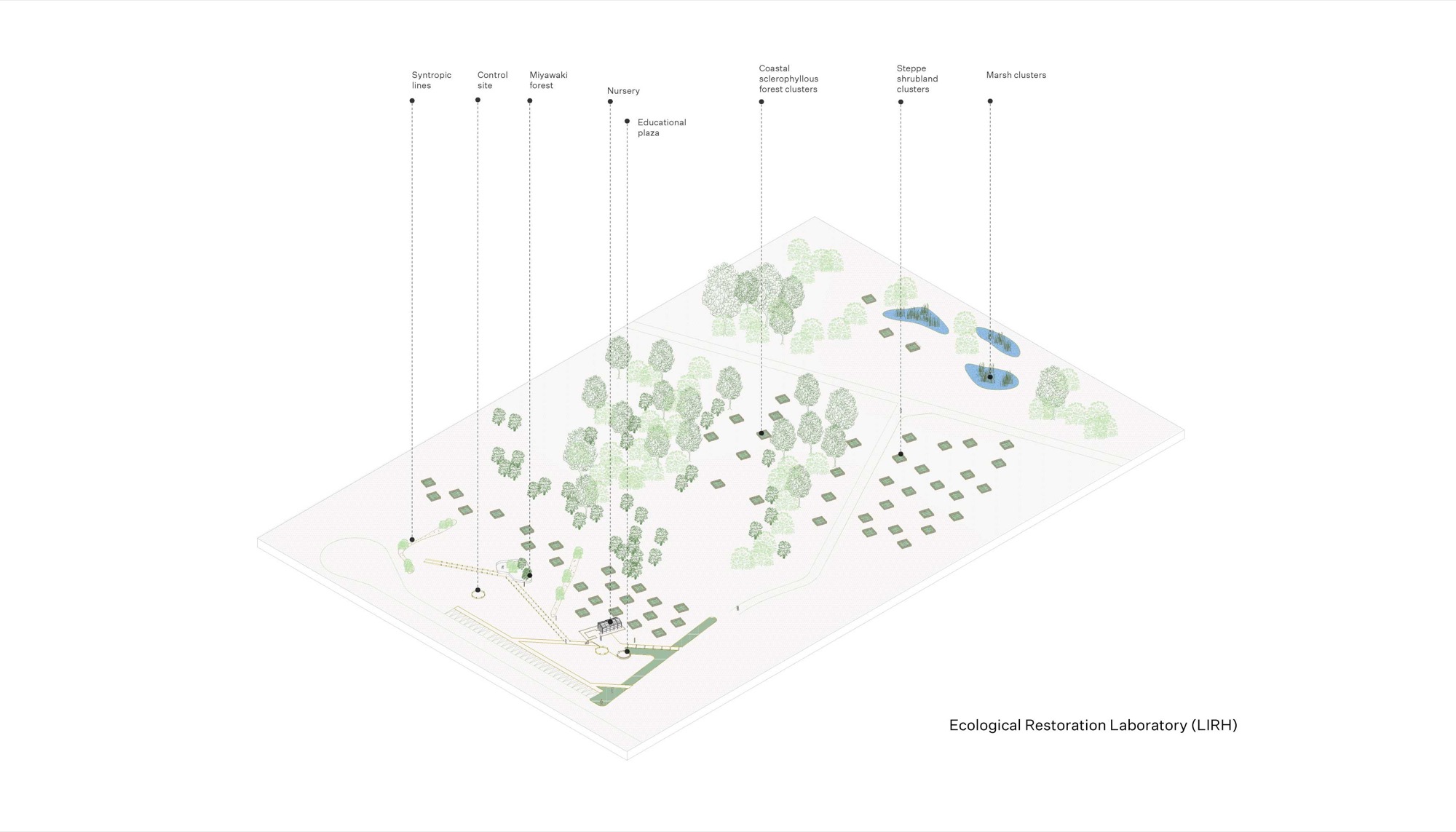
A three-hectare socio-ecological restoration program, driven by community-led efforts, removed tons of debris and replanted native species, establishing the Laboratory for Innovation in Wetland Restoration (LIRH) with a native plant nursery. 169 residents were certified in environmental stewardship by the Pontificia Universidad Católica de Chile. The sanctuary now receives more than 40,000 visitors annually, including 4,300 students from 124 schools and 8 universities, and is managed through a tripartite governance model involving the Ministry of the Environment, two municipalities, and Fundación Cosmos.
The Río Maipo Wetland Nature Sanctuary shows that on land shaped by water, wind, and migration, the strongest architectural move is restraint—creating in harmony with the landscape rather than against it. When infrastructure is attentive to its ecosystem, it integrates seamlessly into the environment, becoming part of it.
Project Credits
Client: Municipality of Santo Domingo / Fundación Cosmos
Landscape Architecture and Design: Fundación Cosmos Architecture Team
Executive Director: Diego Urrejola Correa
Founding Director: Pamela Hurtado Berger
Design Director: Felipe Correa Tagle
Location: San Antonio — Santo Domingo, Valparaíso Region, Chile
Site Area: 60 ha / 148 acres (36 ha with infrastructure)
Year: 2014 — ongoing (last built phase: February 2024)
Collaborating Entities: Municipality of Santo Domingo and San Antonio, Ministry of the Environment, National Monuments Council, Regional Government of Valparaíso, Audubon Americas, PUC Chile, Fondo Naturaleza Chile, Red de Observadores de Aves Chile
https://maps.app.goo.gl/c7yqRY4zcYTKhvtu9
75360


LILA 2026 Sponsor