Riverline, Queens Wharf
www.cusp.net.au/
2026 Landscape and Architecture / 2026 Public Projects / Australia / Built in 2025 /

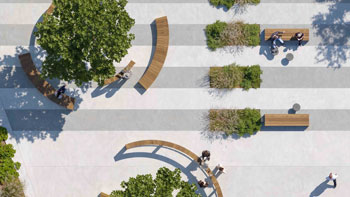
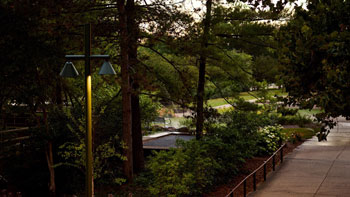
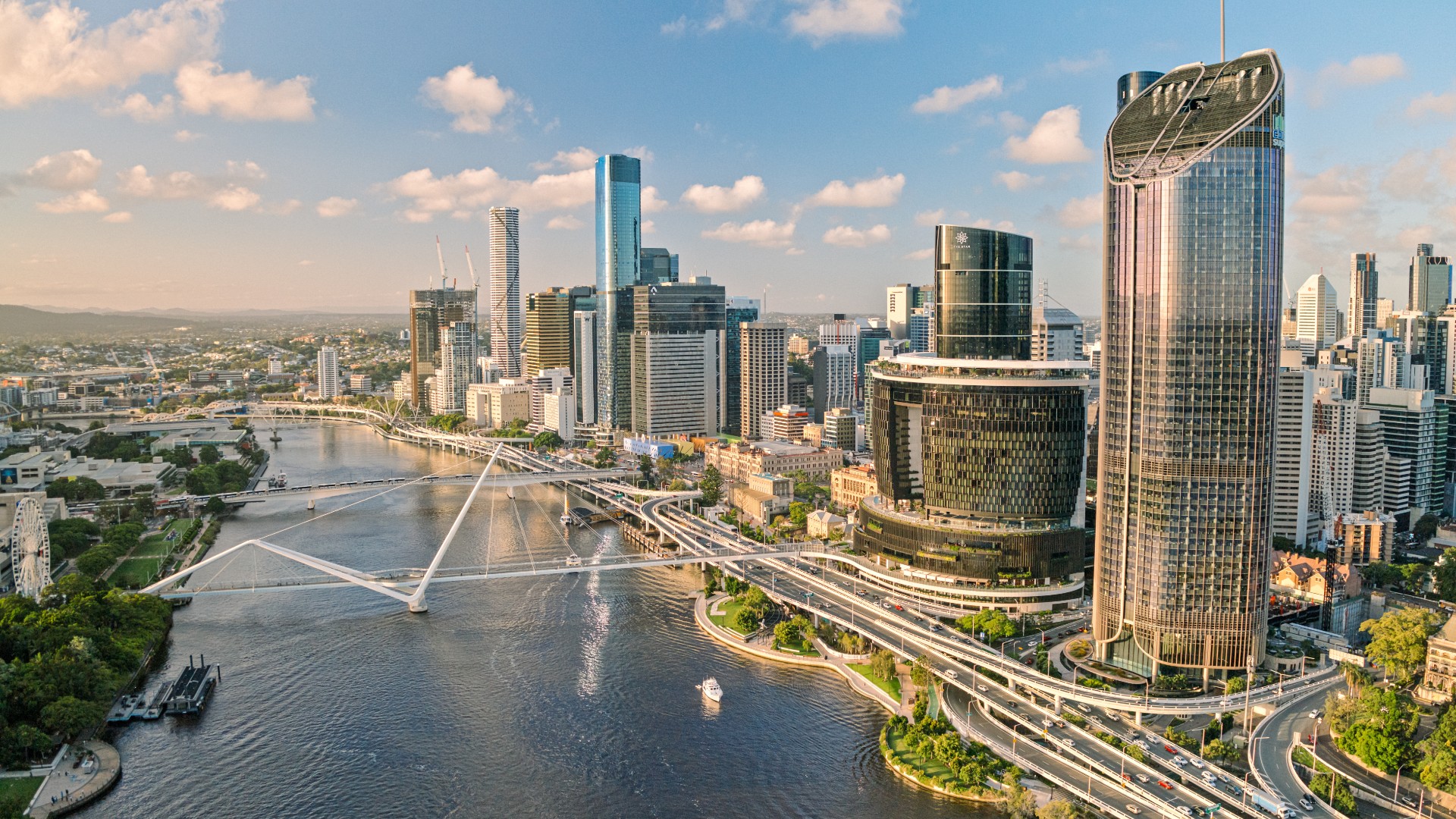
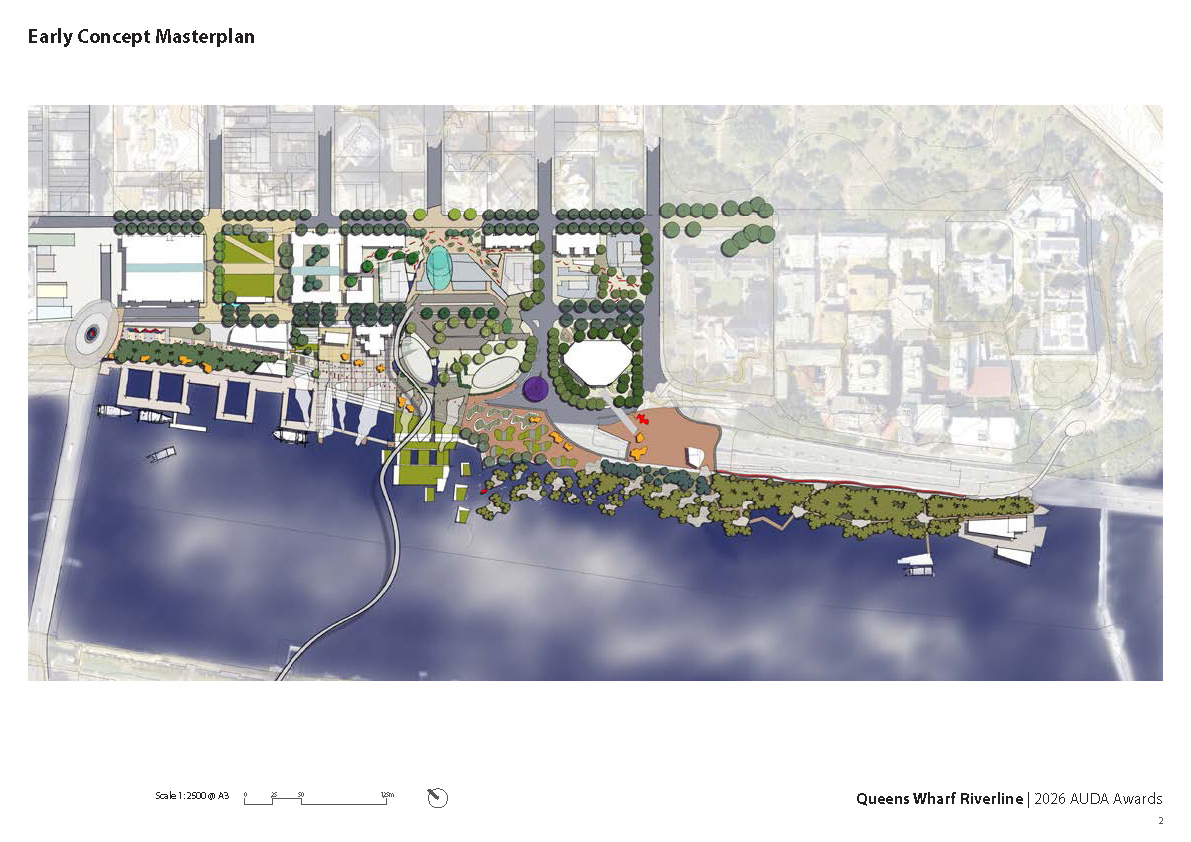
Queens Wharf Riverline is a new civic landscape along the Brisbane River, designed by CUSP Landscape Architecture as a critical piece of urban infrastructure within the city’s evolving riverfront. For more than forty years, this edge of the CBD was fragmented and inaccessible, shaped by transport infrastructure and environmental constraints that excluded it from public life. Riverline reclaims this interstitial territory, transforming a previously disconnected river edge into a resilient public landscape that supports movement, recreation, gathering, and ecological function.
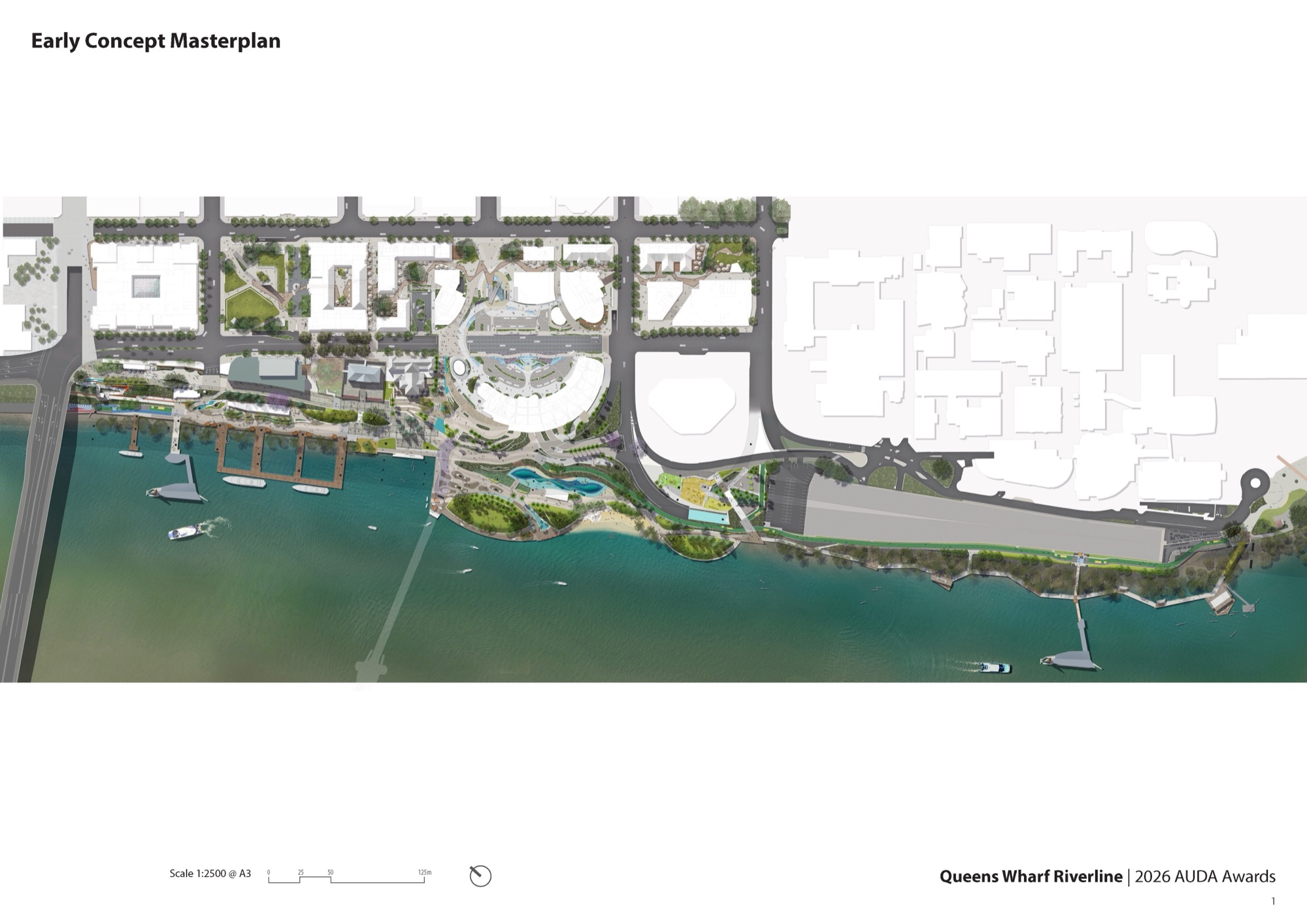
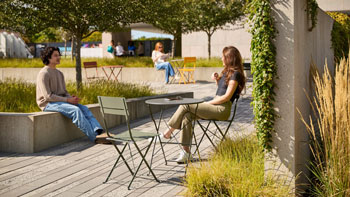
The project introduces a vital new artery through the city centre, accommodating everyday commuting, informal recreation, and large-scale civic events, while re-establishing physical and experiential connections between the CBD, the river, and South Bank.
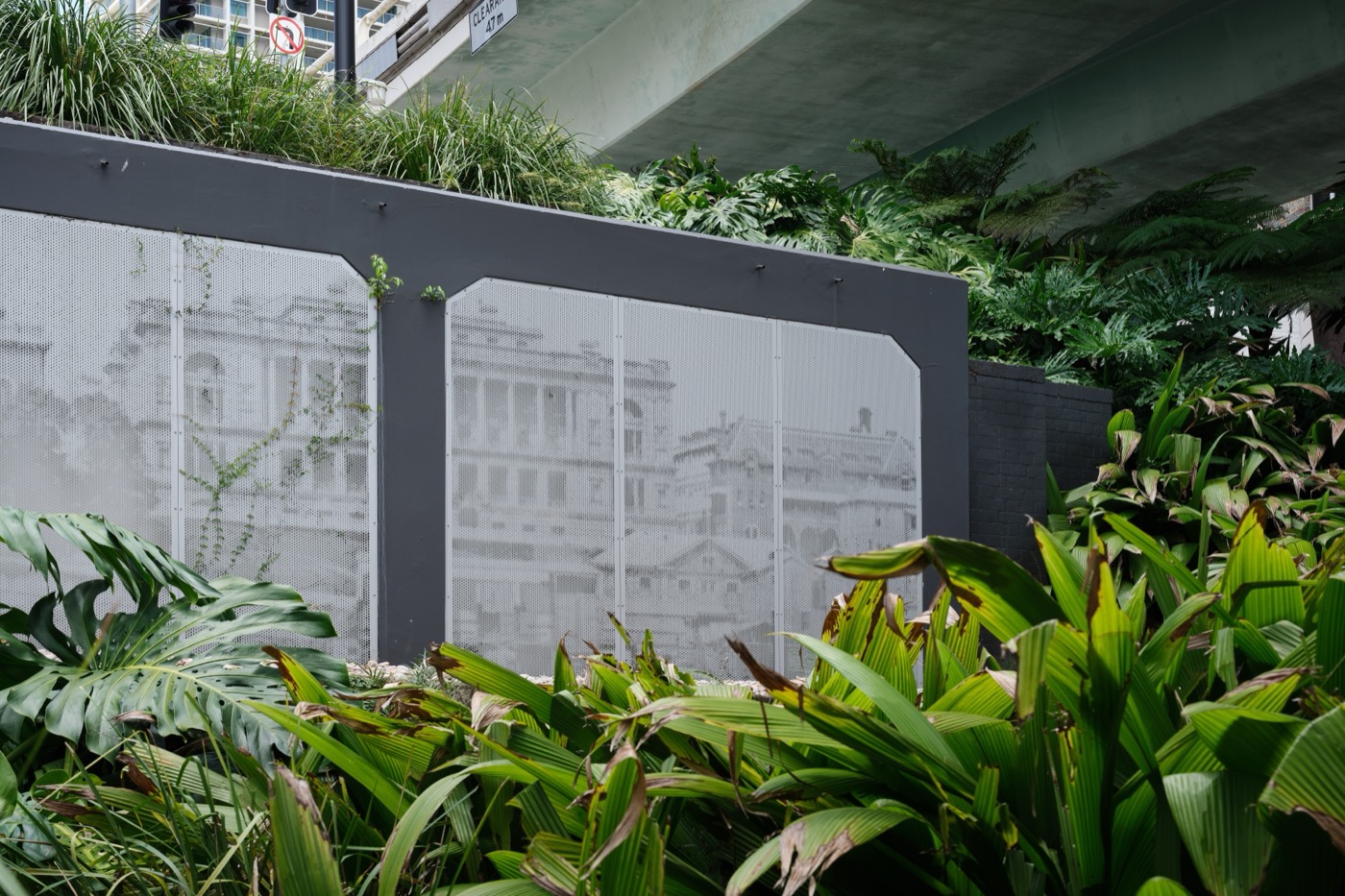
Riverline was delivered across a highly complex and constrained site, defined by deep river mud substrates, significant tidal fluctuation zones, legacy transport infrastructure, heritage constraints, and the physical and environmental impacts of the Riverside Expressway. Rather than mitigating these constraints, the design responds directly to them, with site conditions fundamentally informing landscape form, materiality, and spatial organisation.
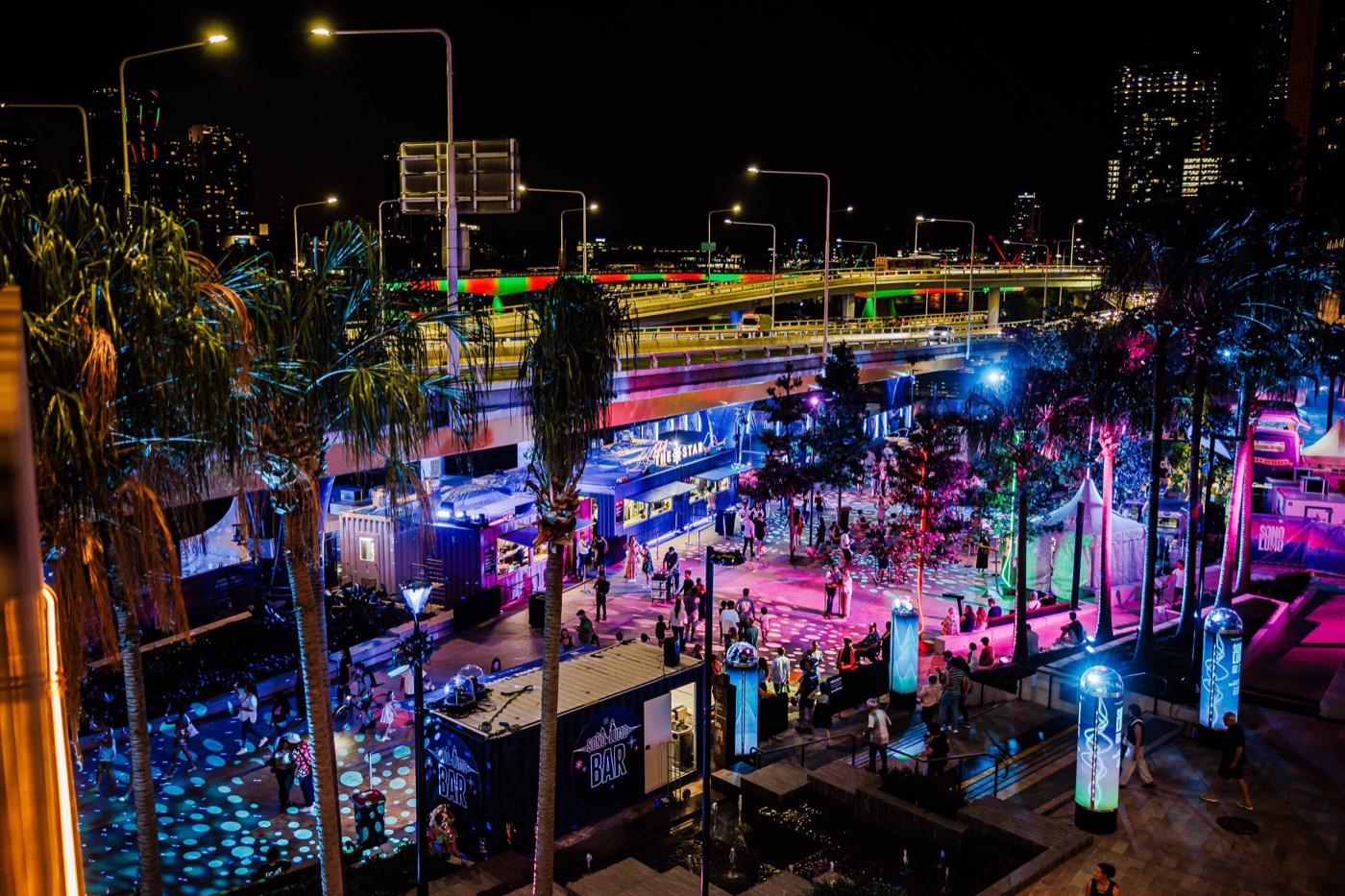
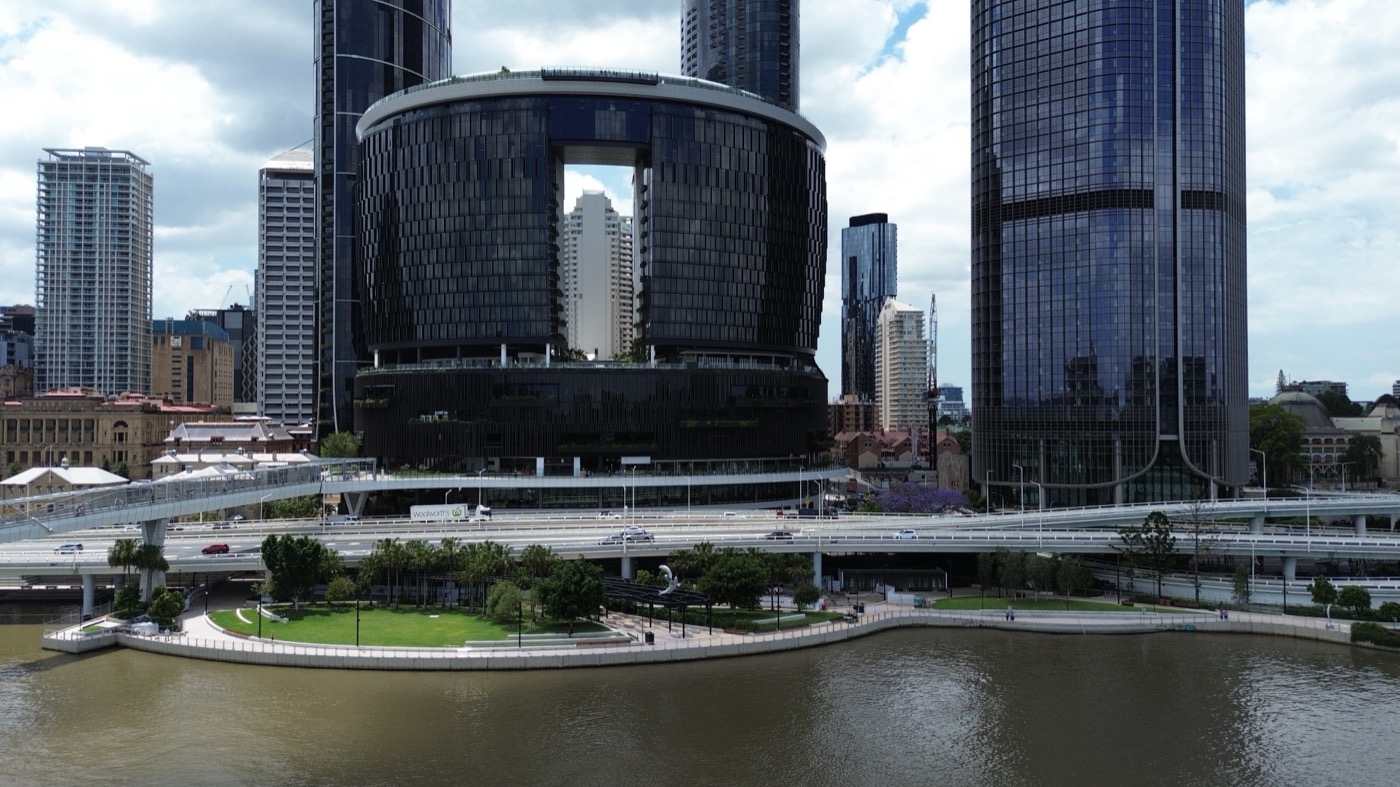
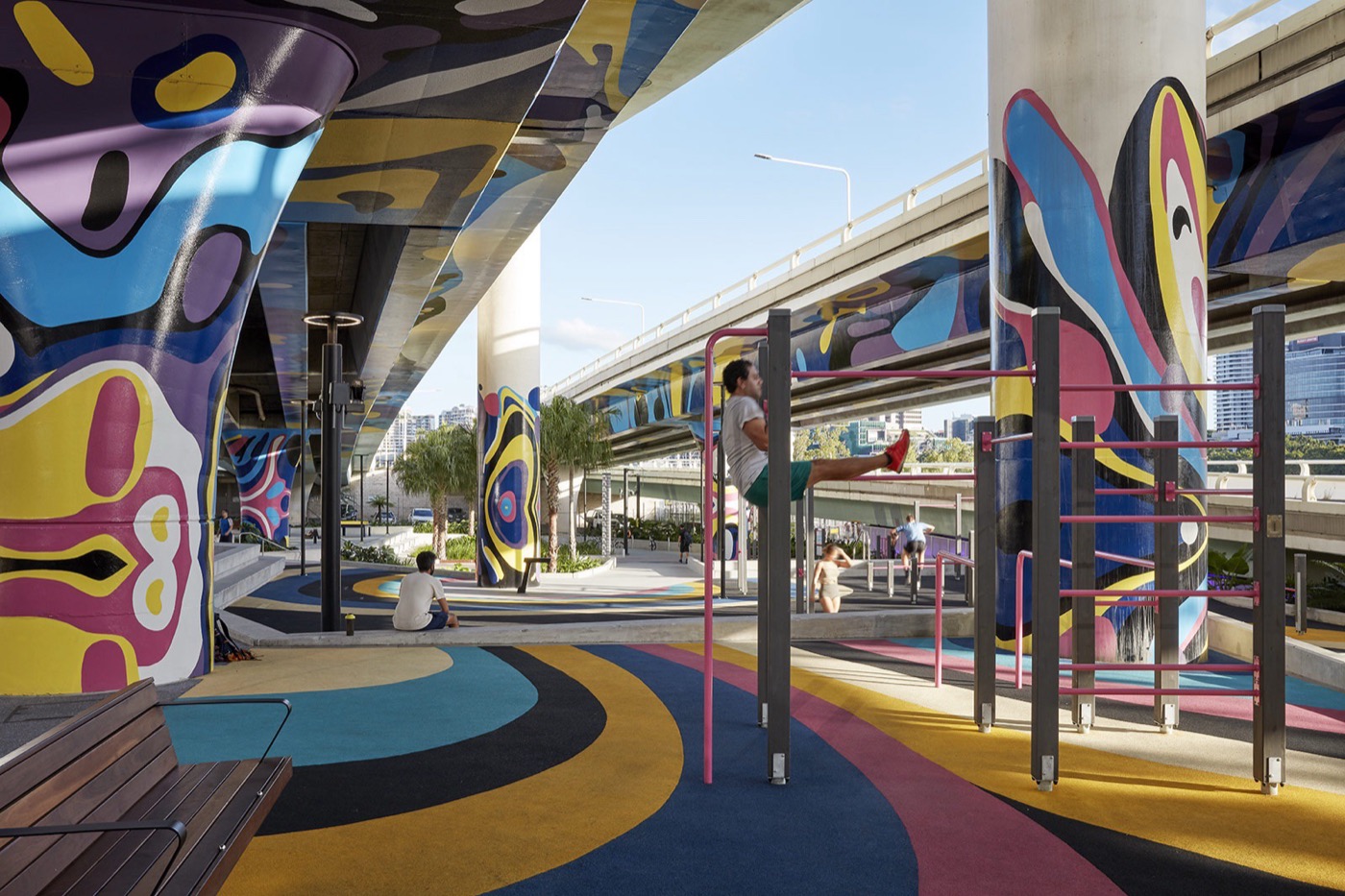
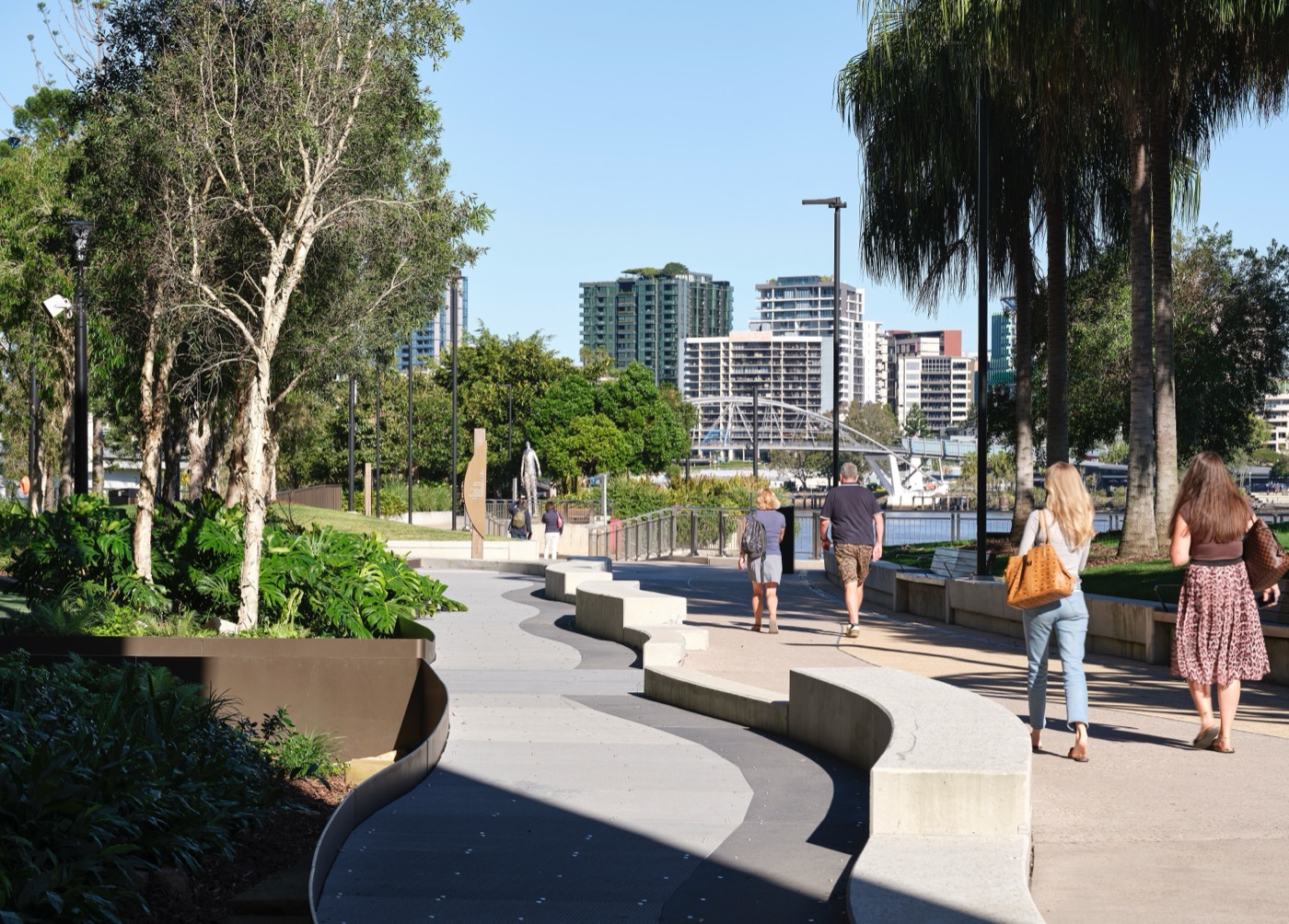
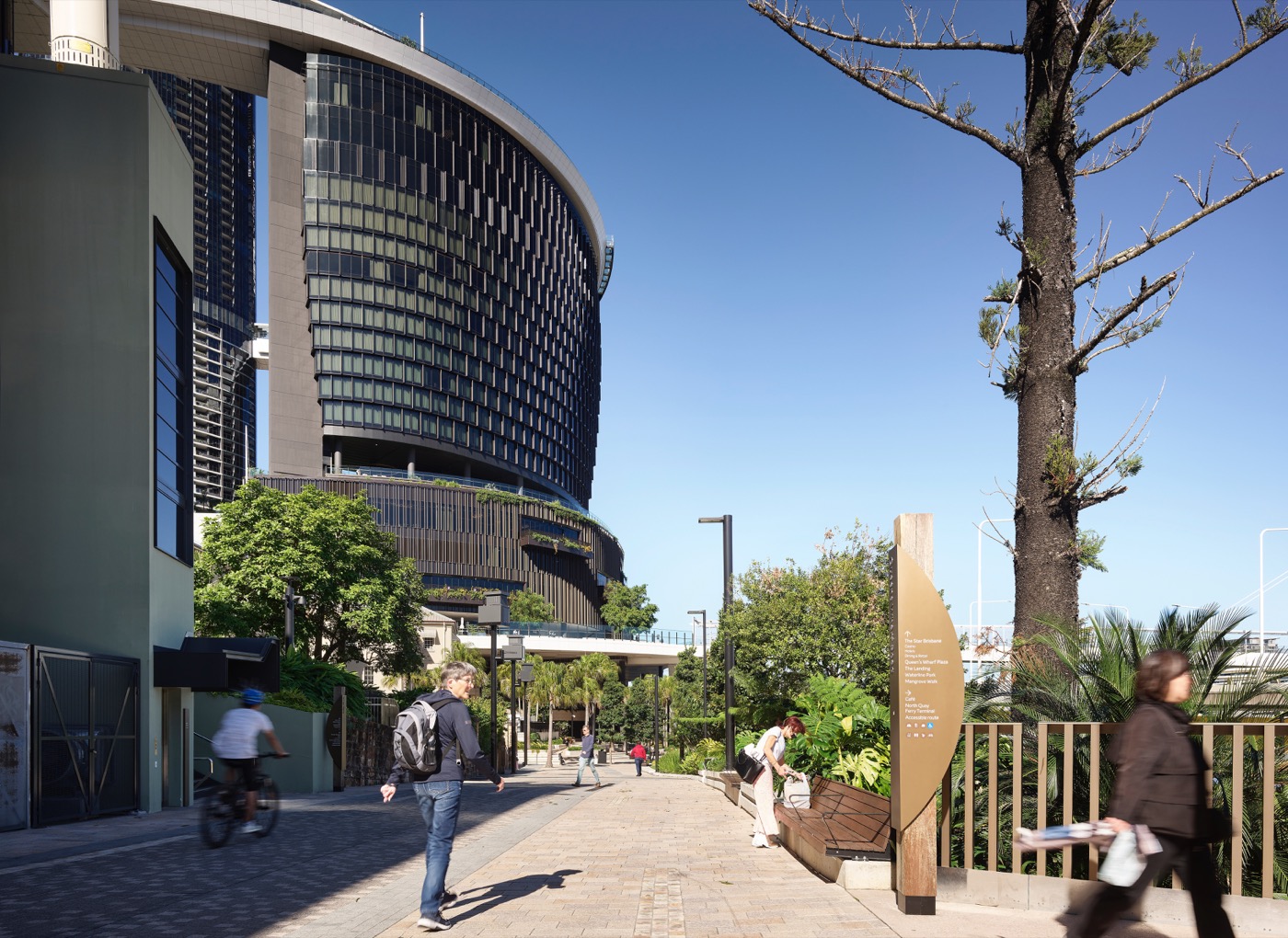
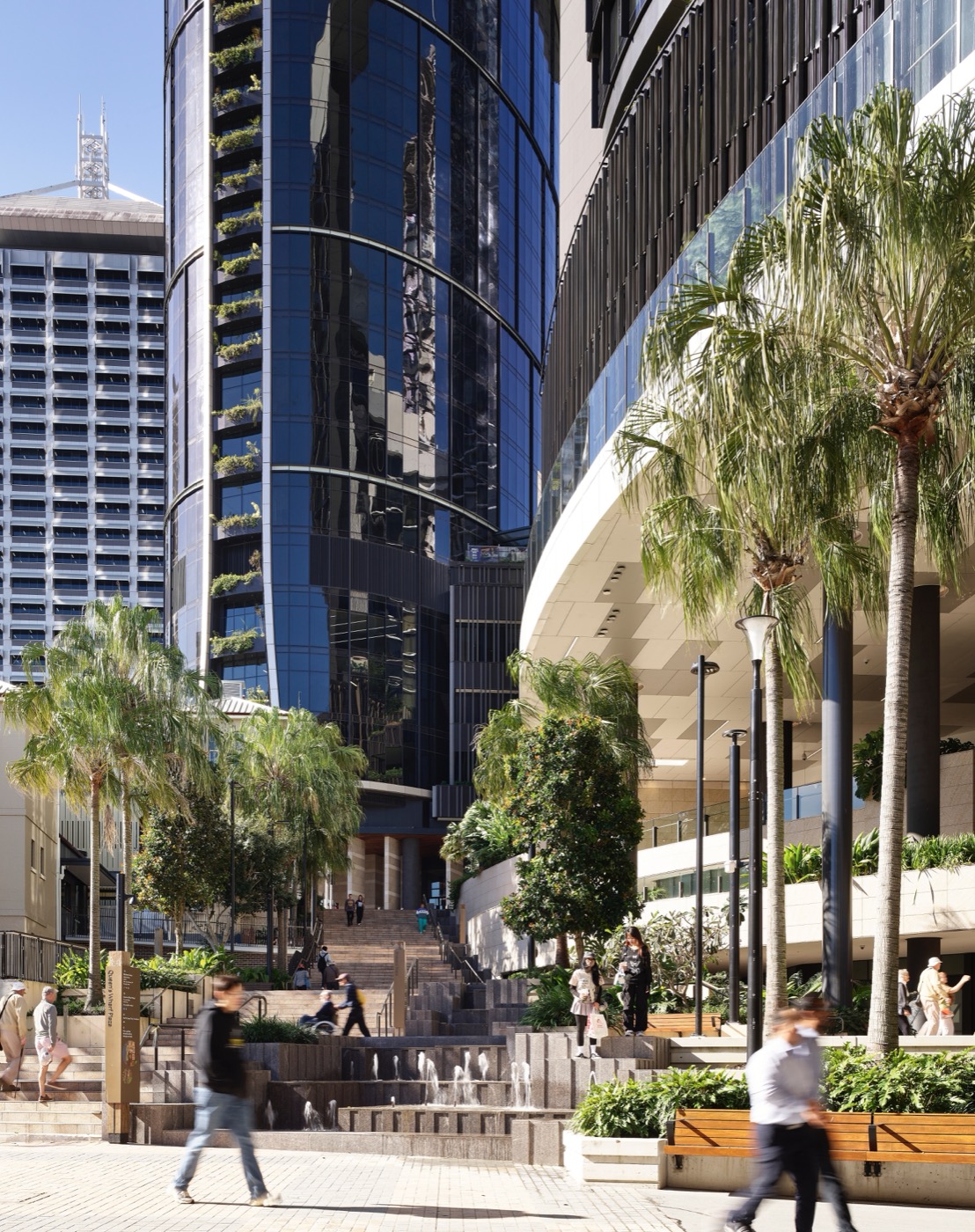
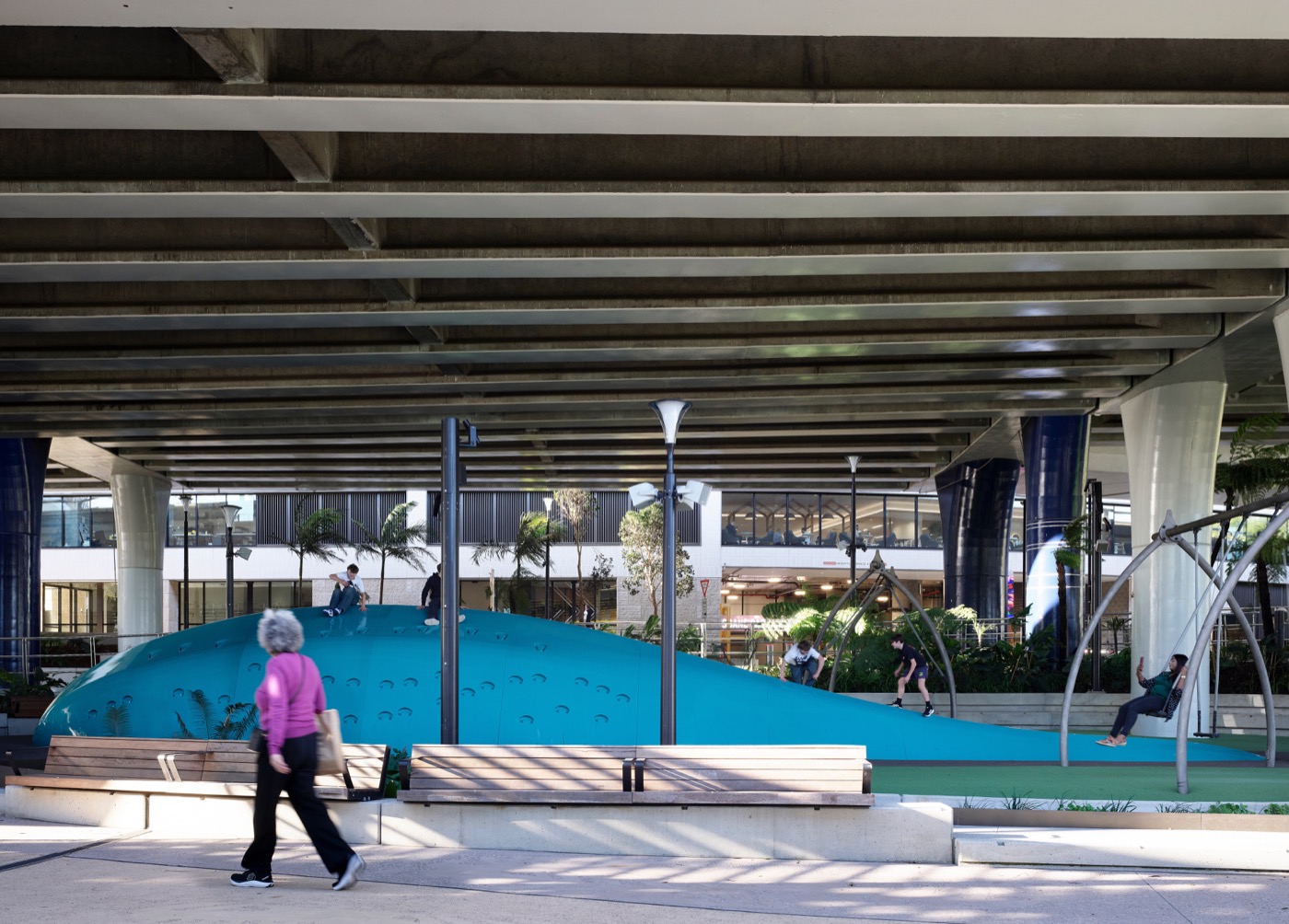
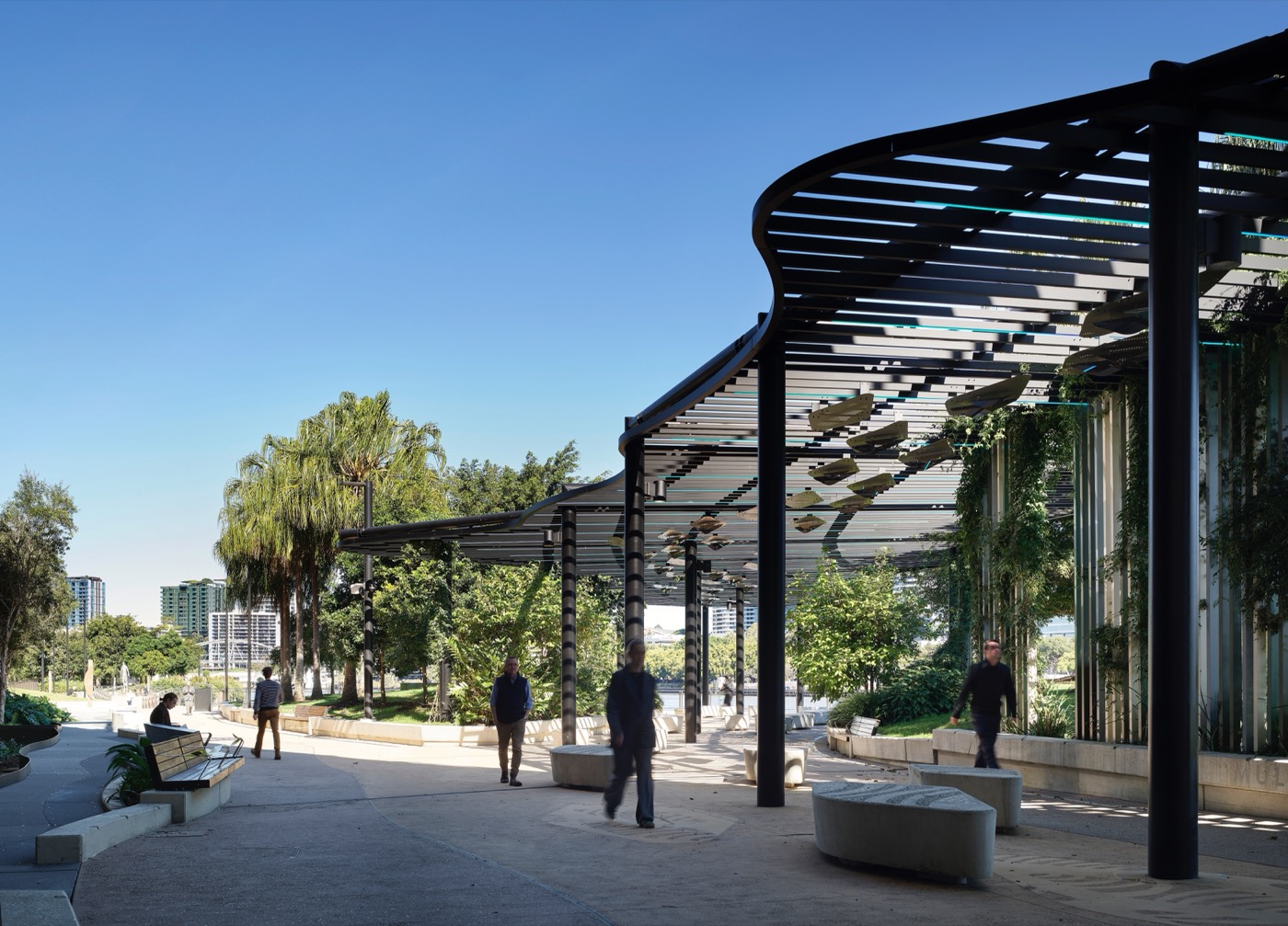
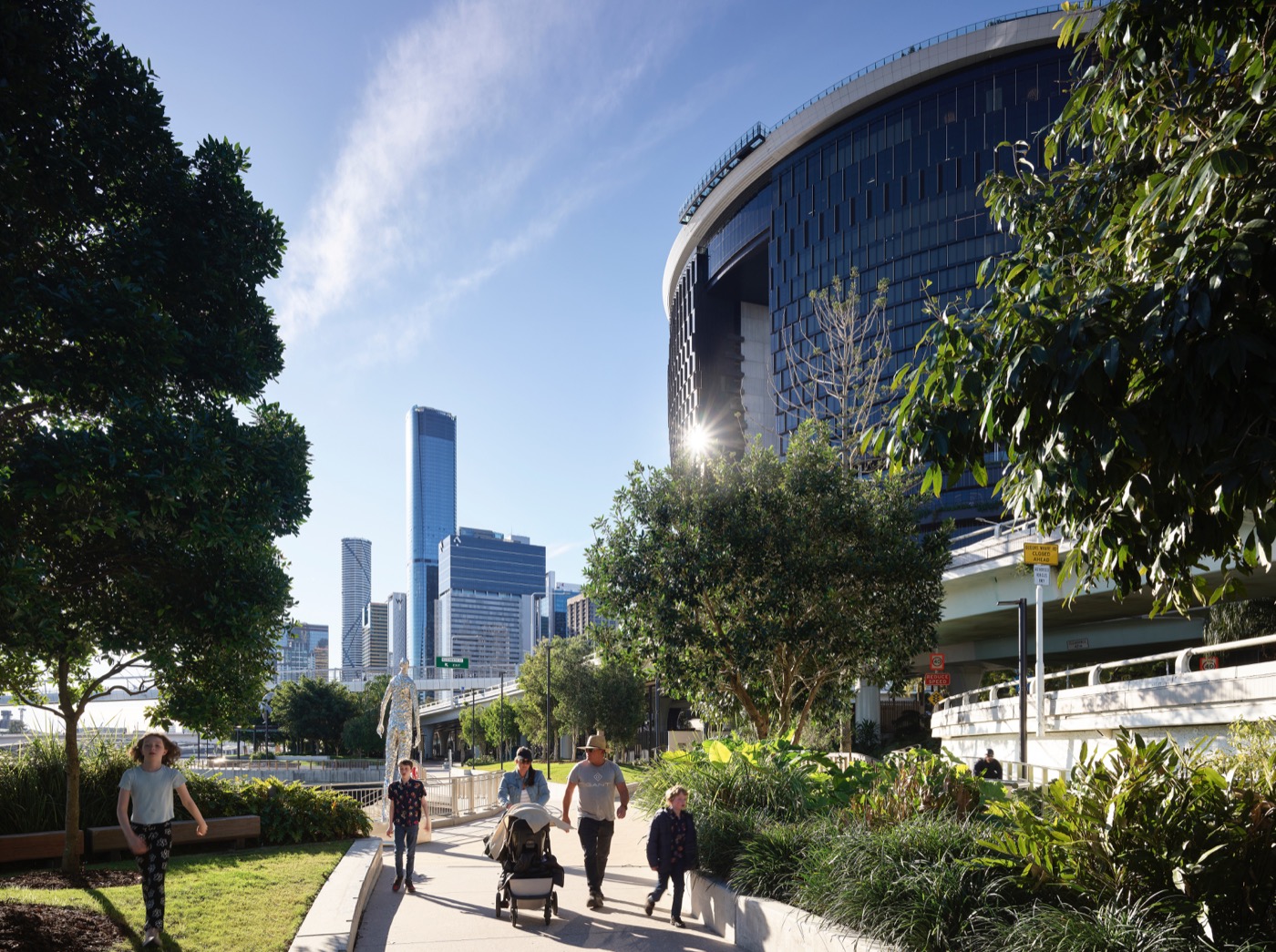
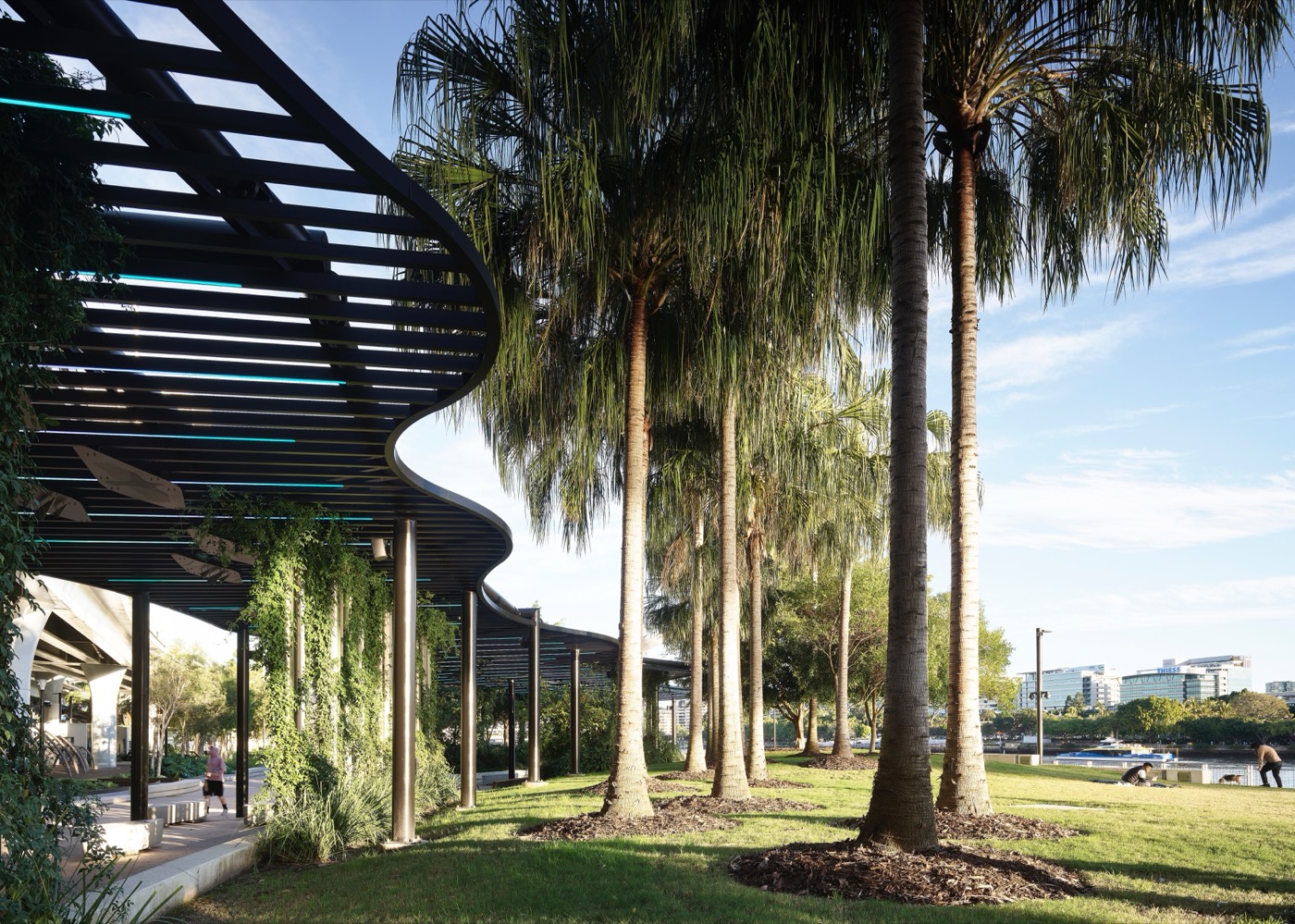
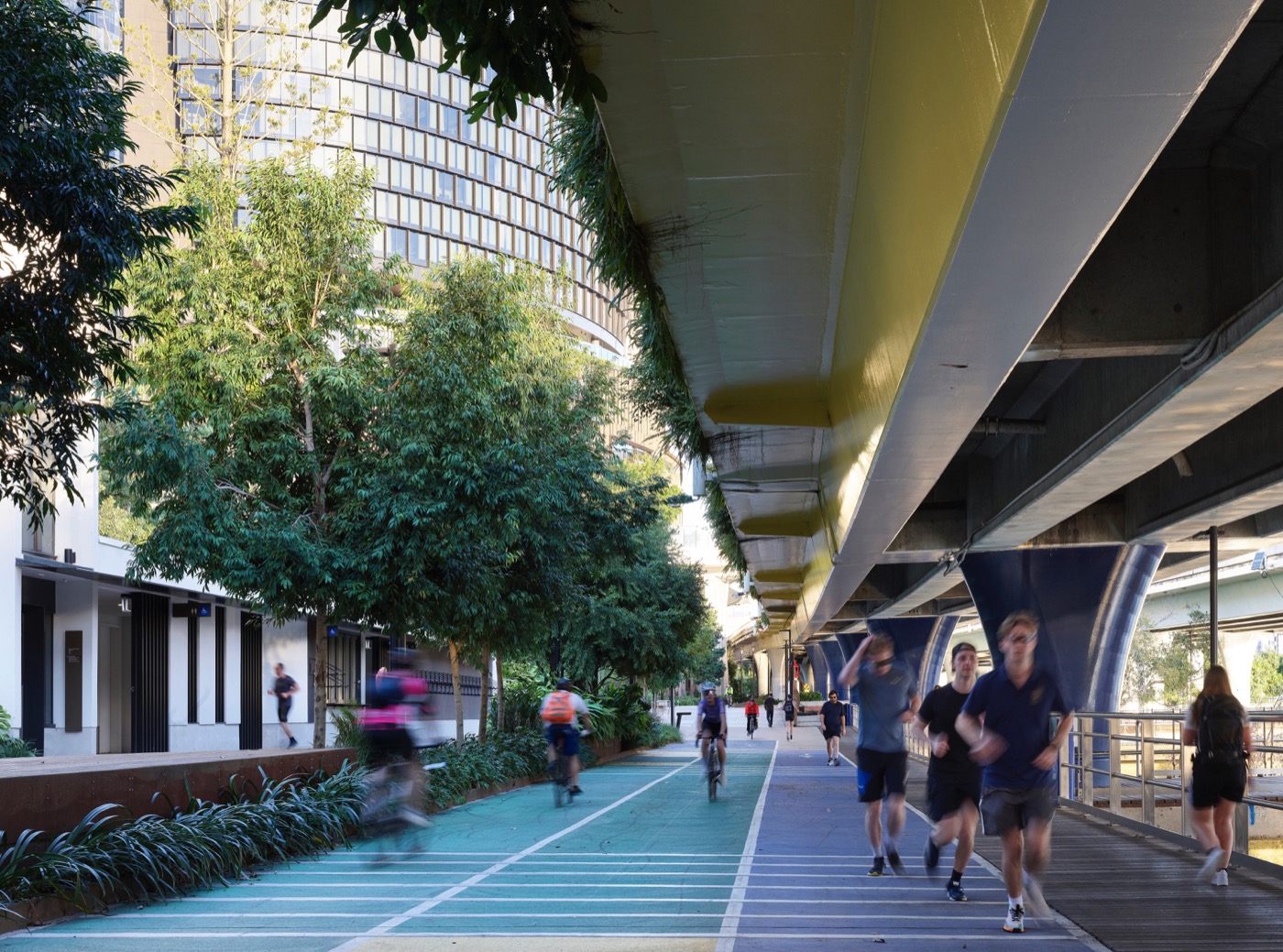
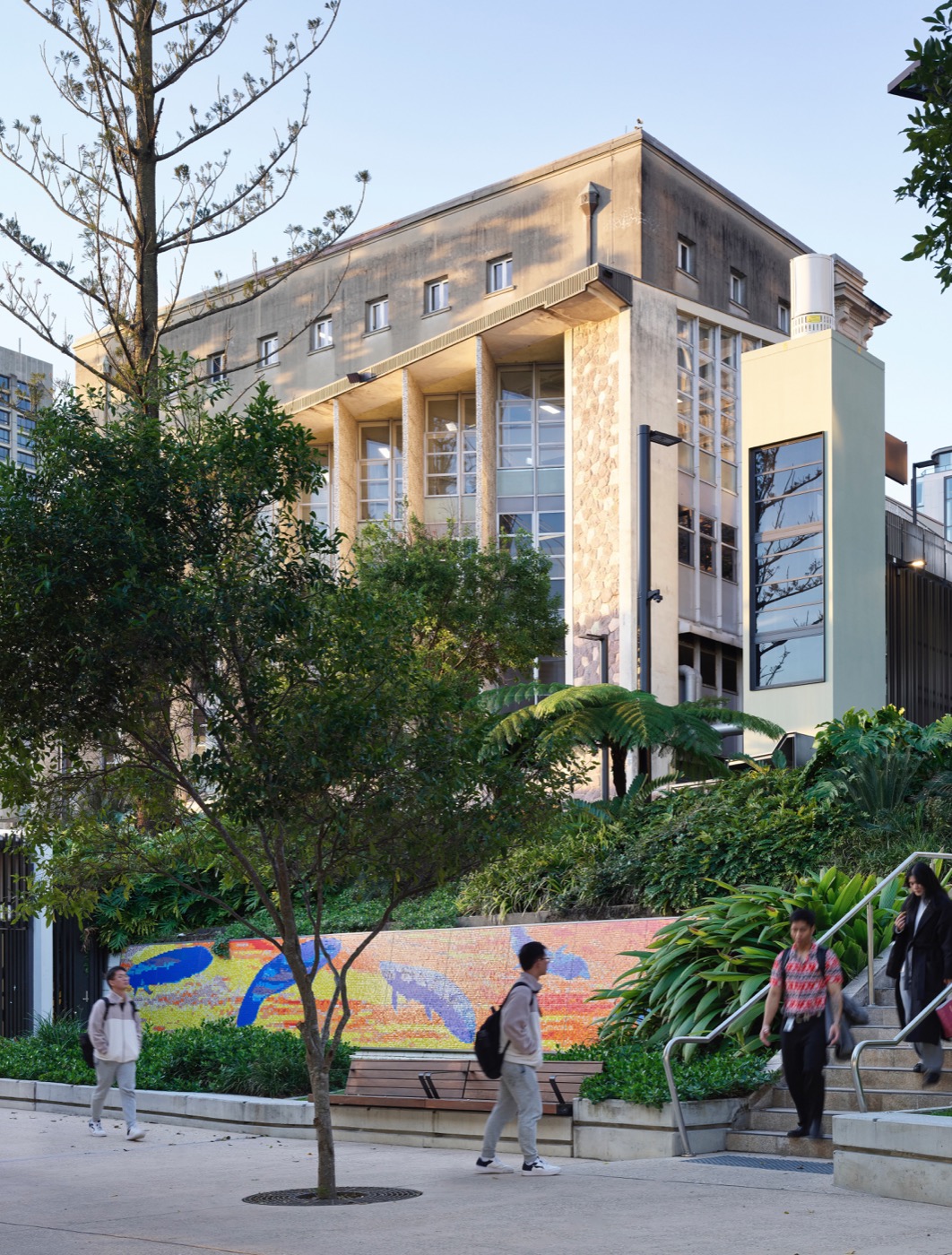
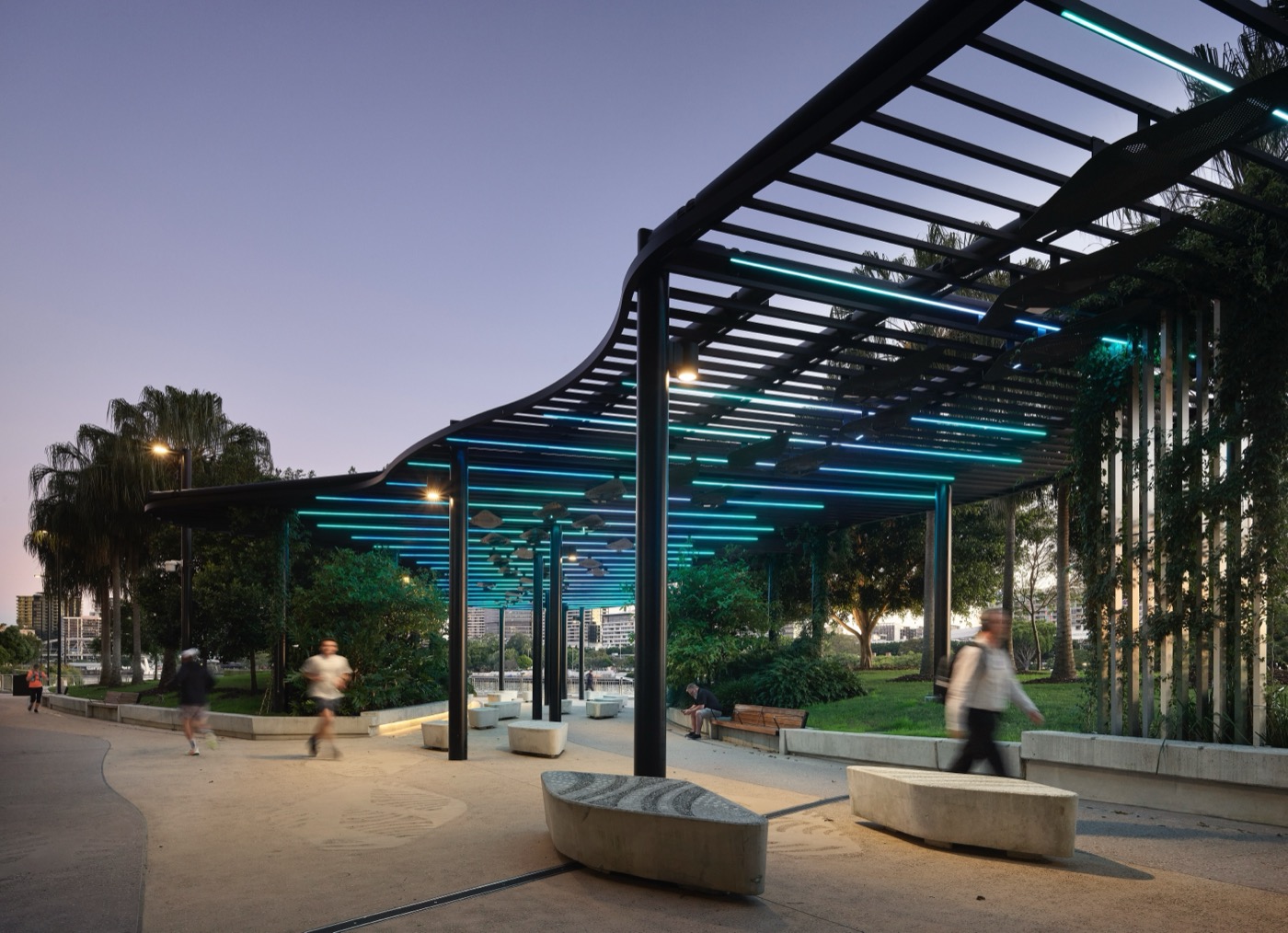
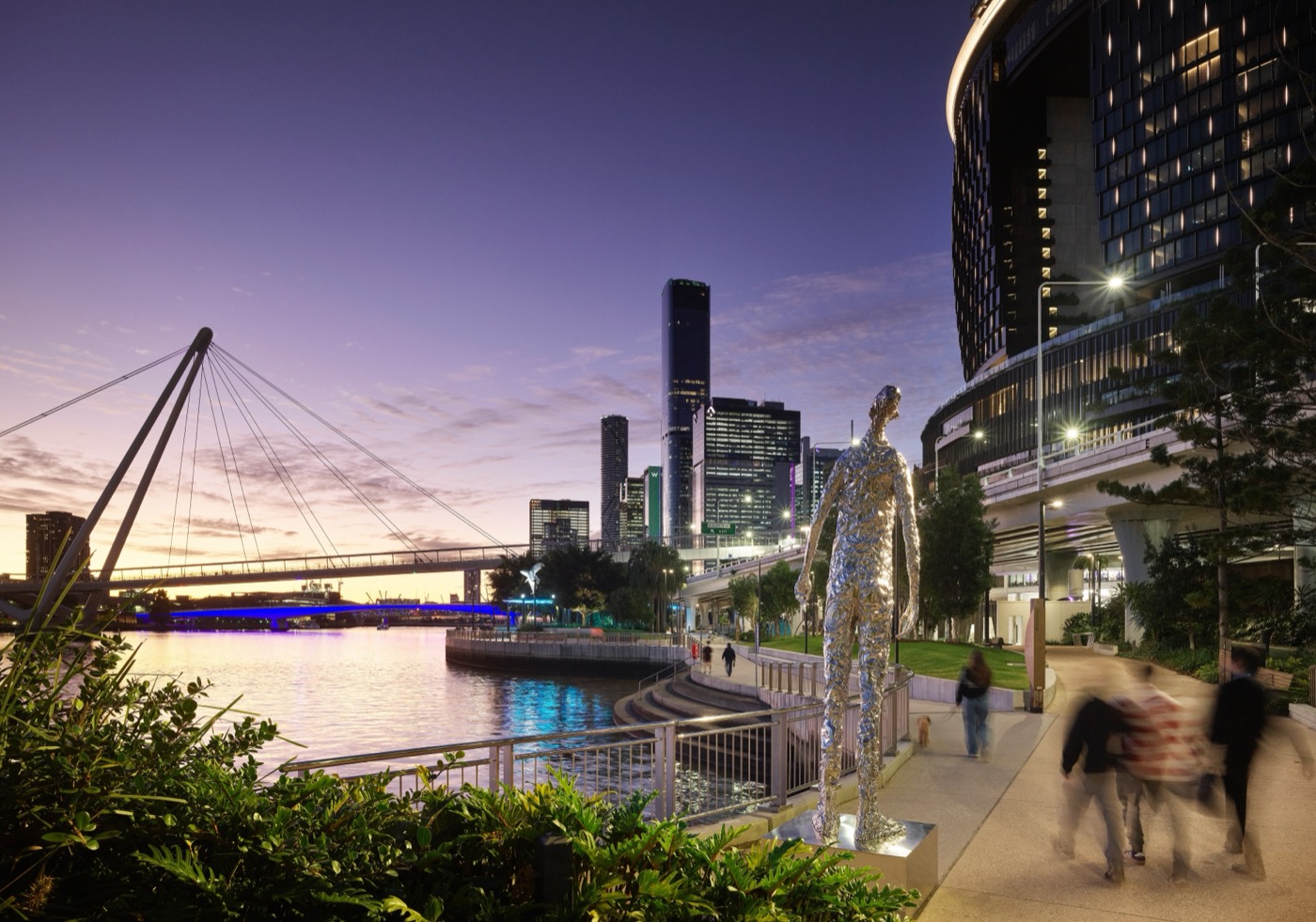
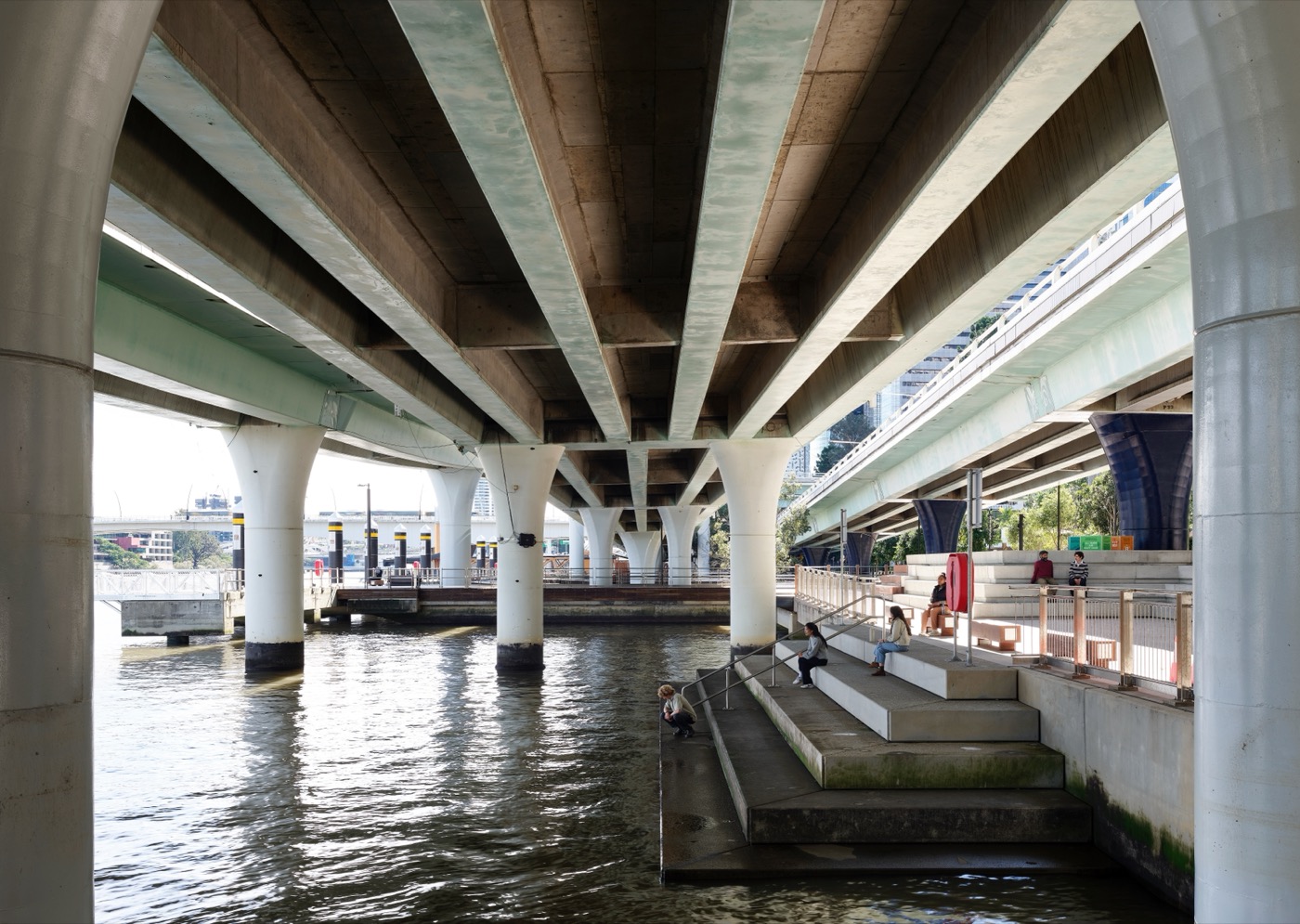
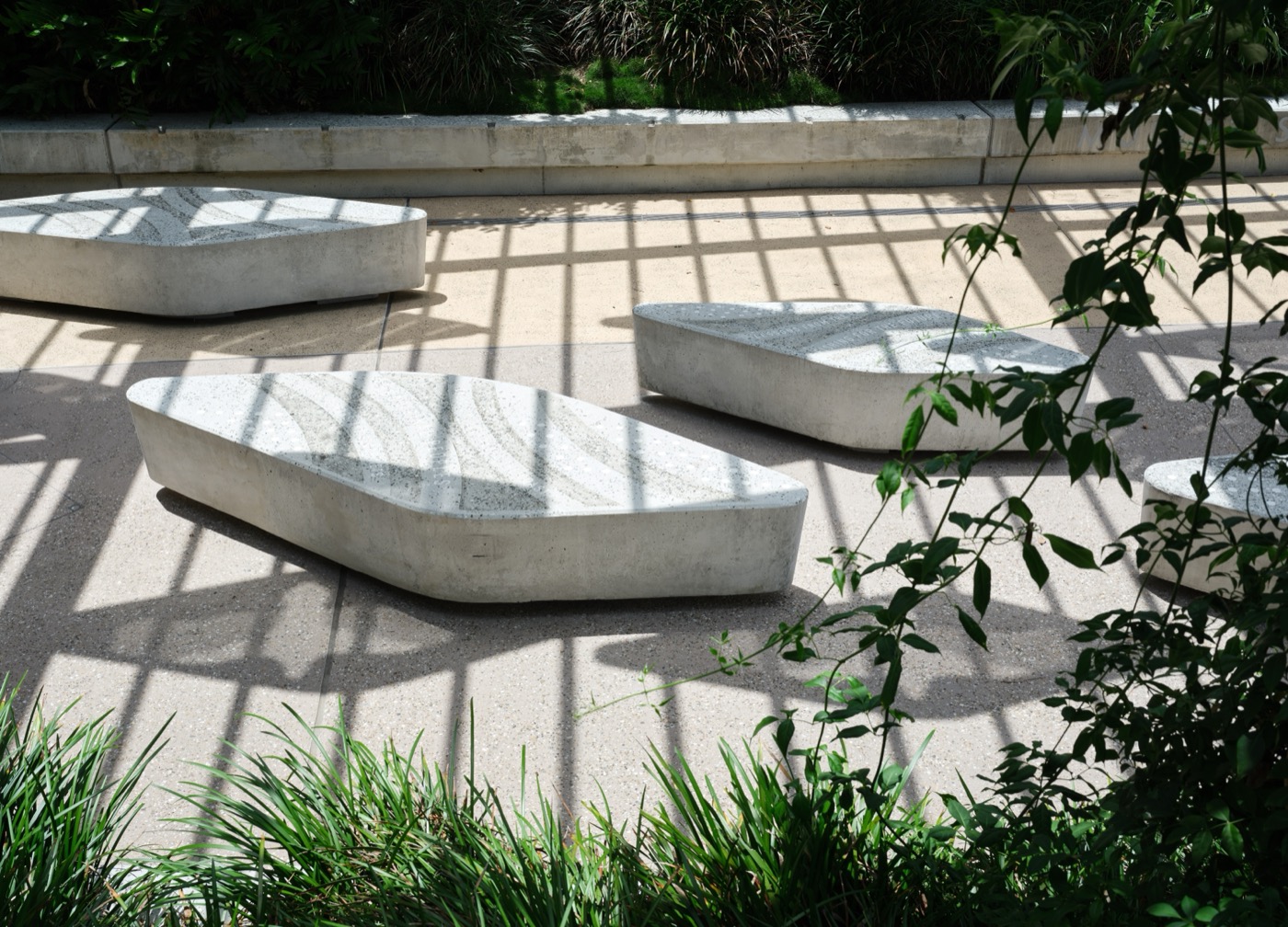
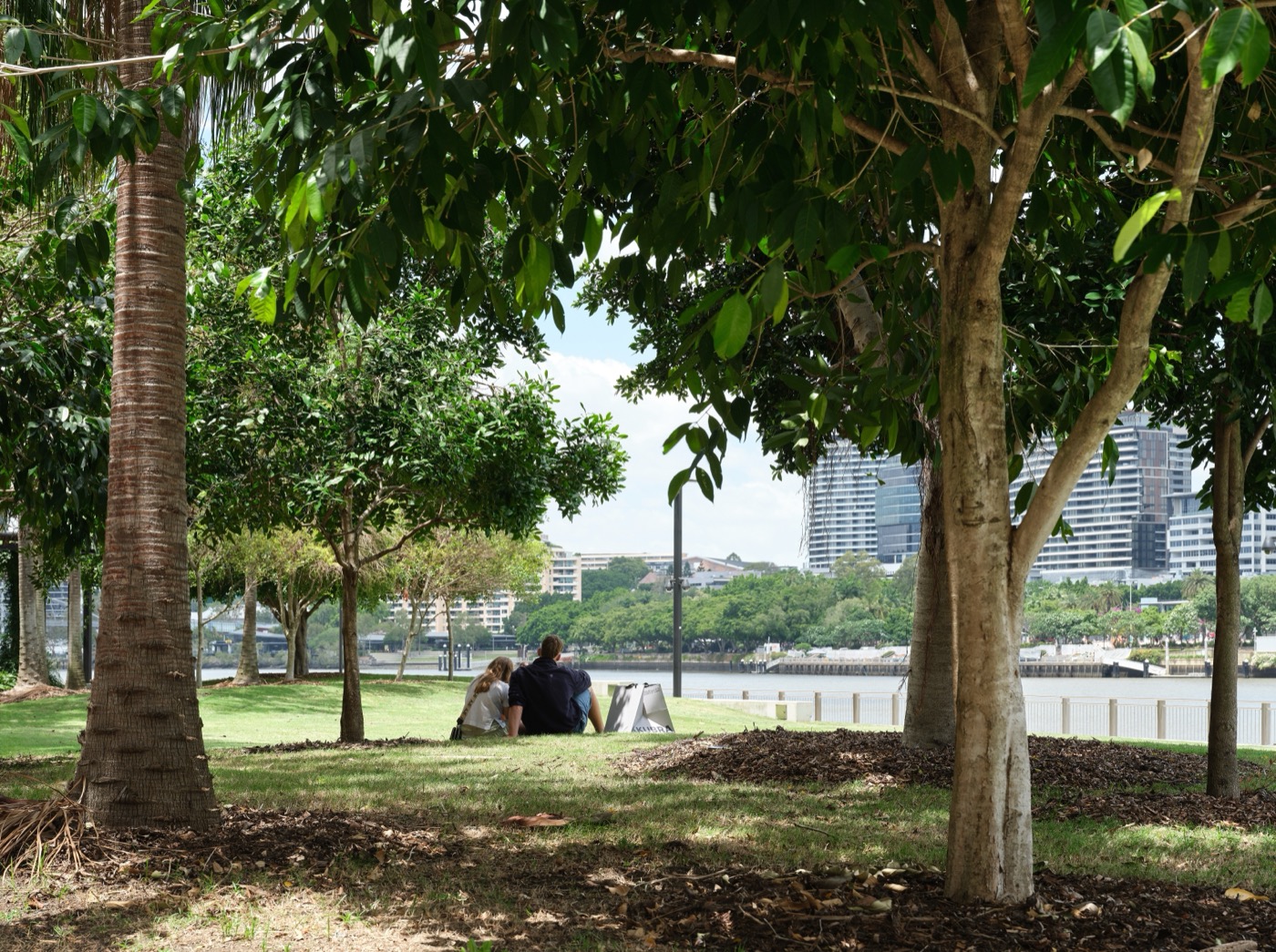
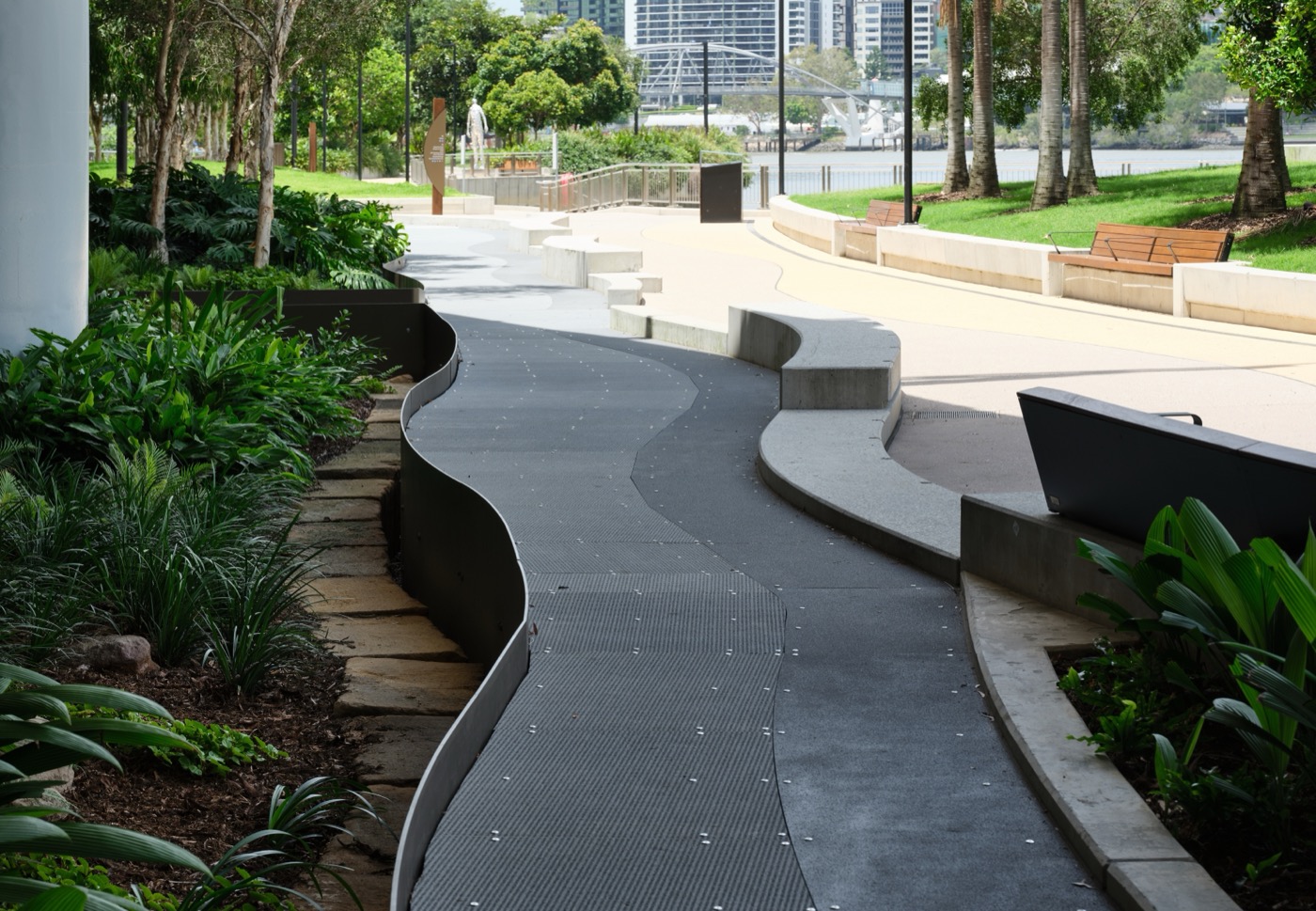
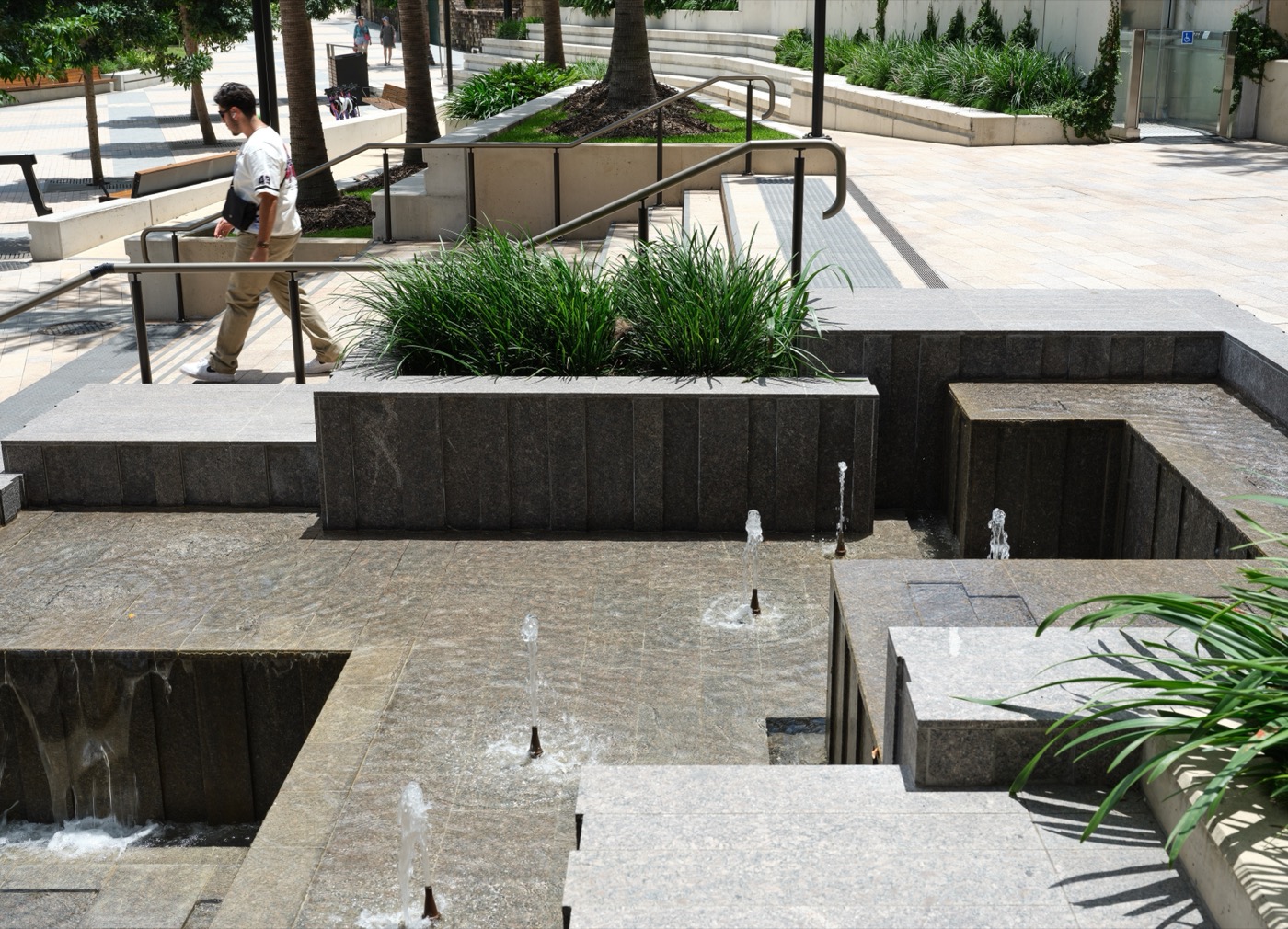
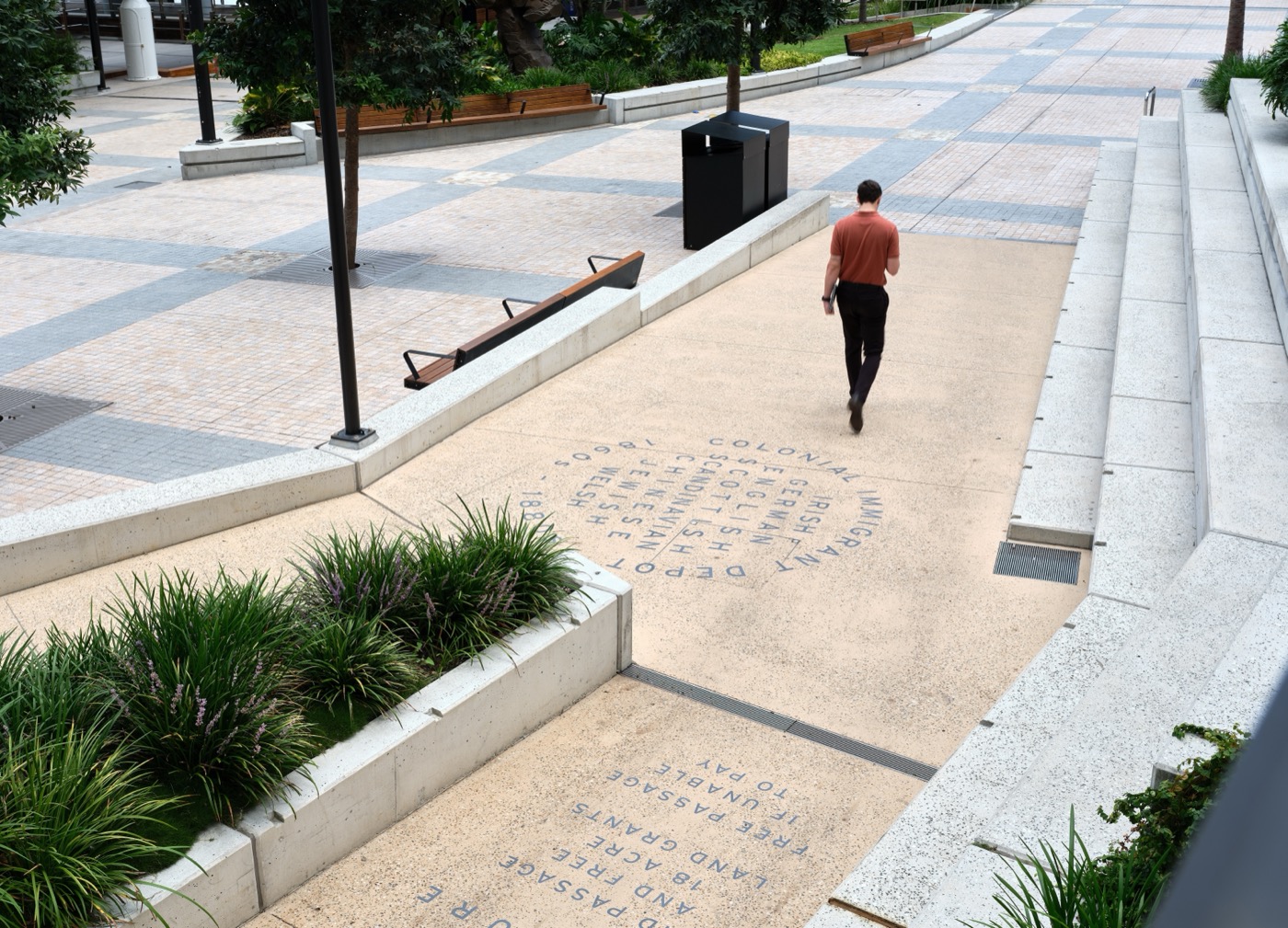
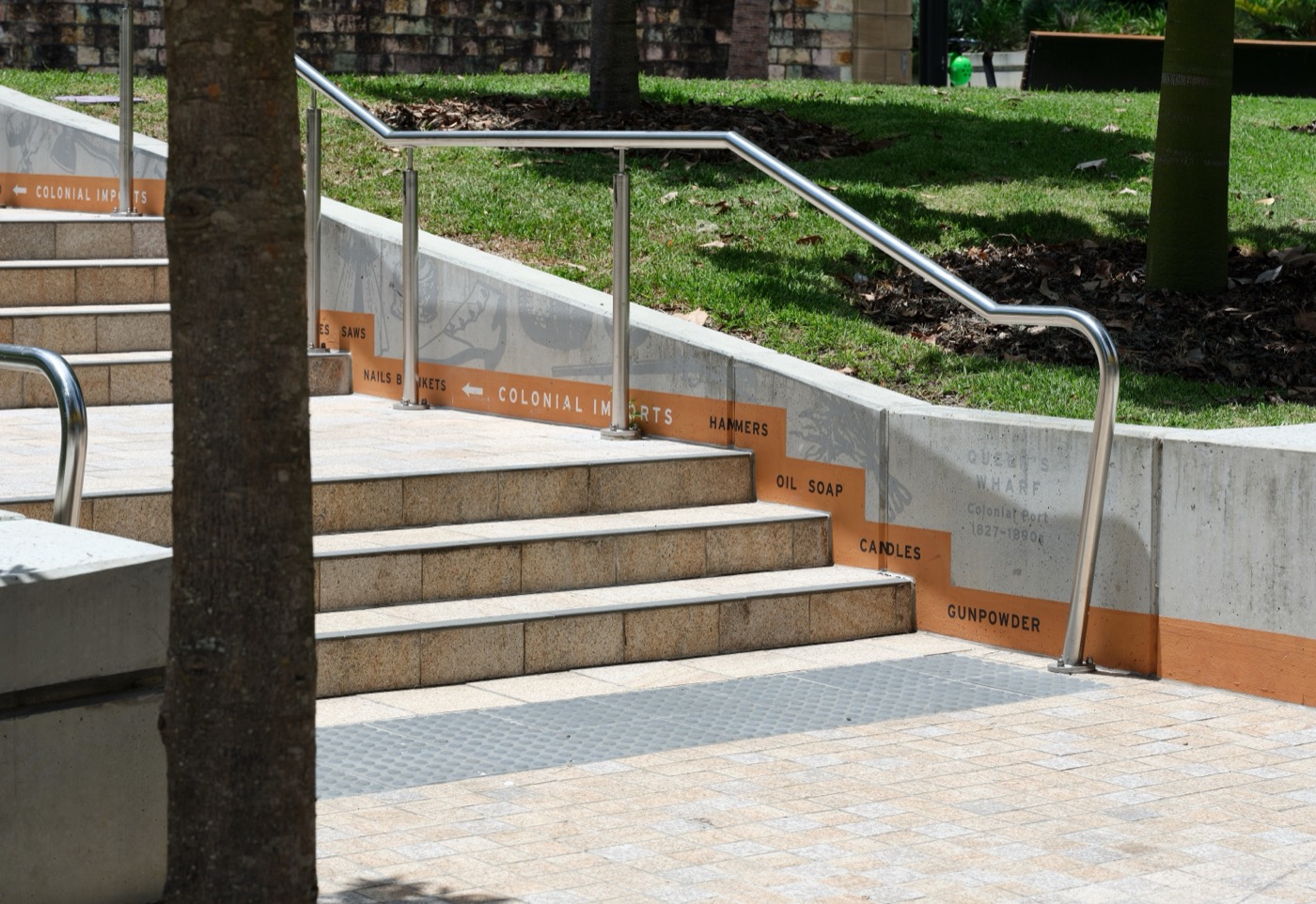
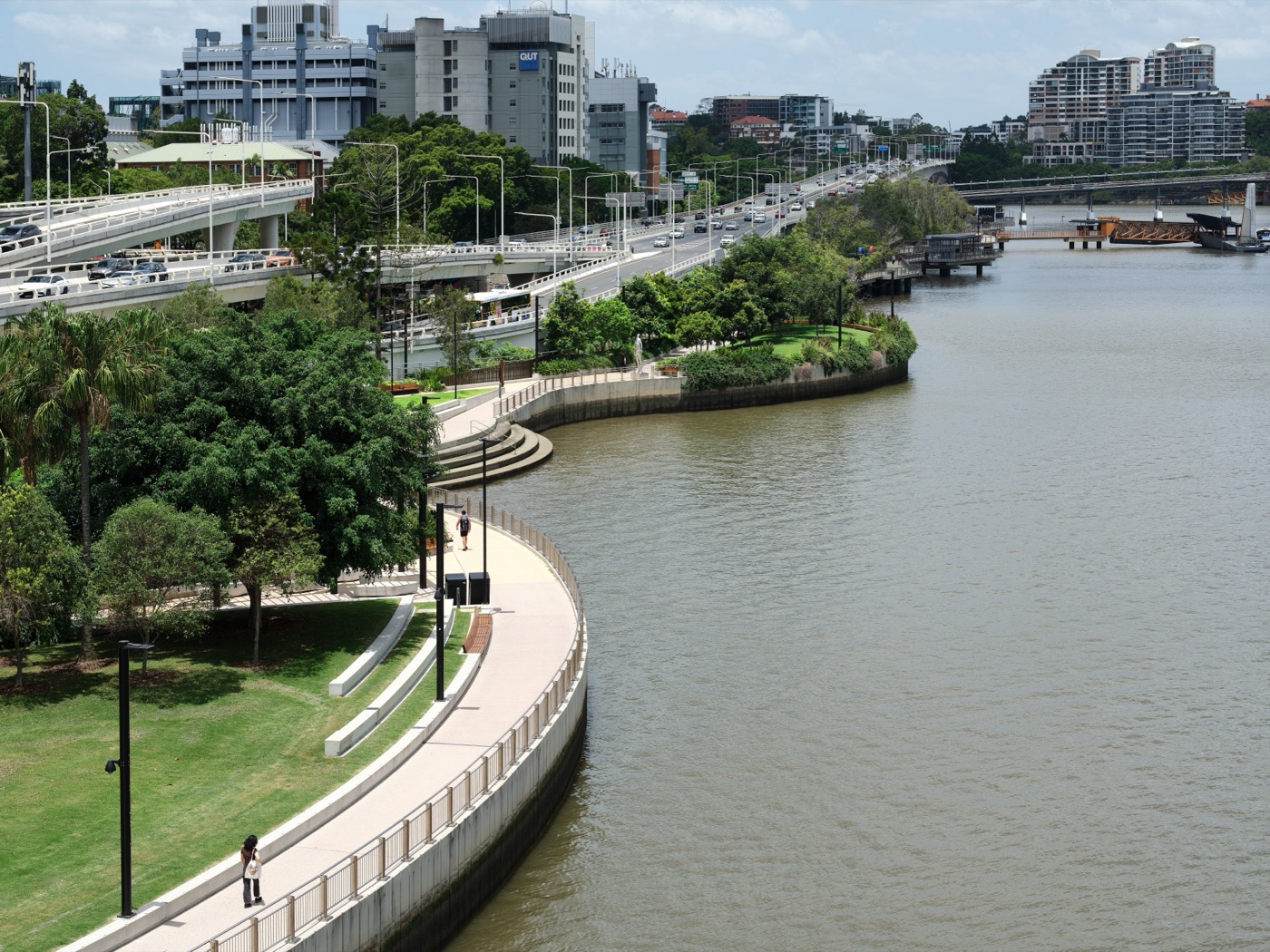
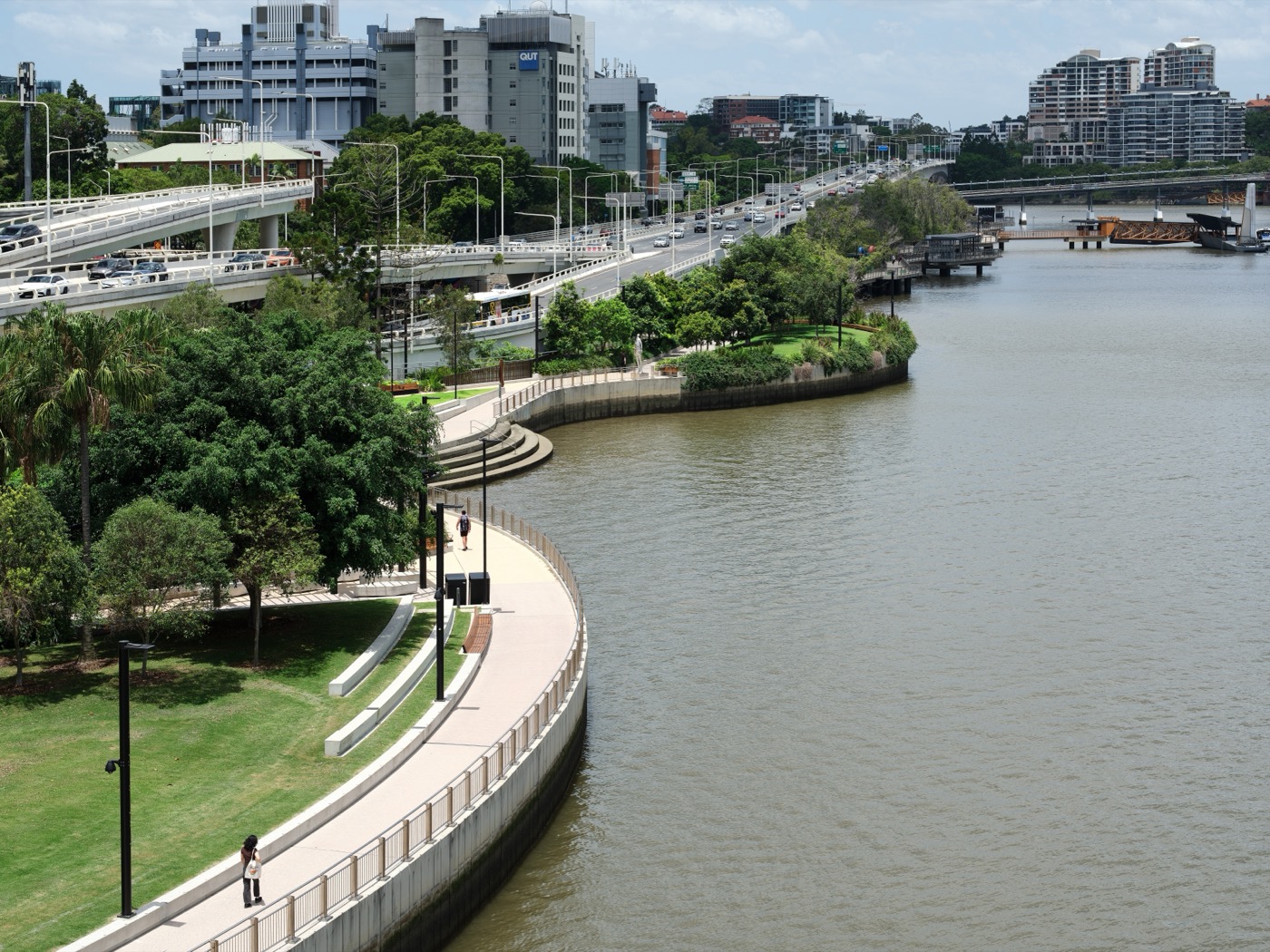
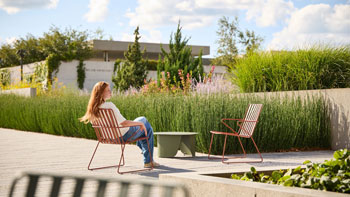
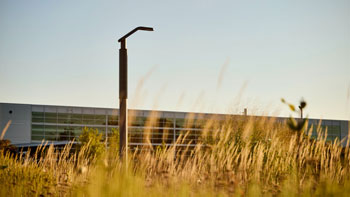
The result is of a resilient and adaptive landscape, integrating flood-tolerant planting, reinforced and articulated river edges, and robust landscape elements capable of absorbing, responding to, and recovering from regular inundation. This approach enables Riverline to function as an active riverfront in both every day and extreme conditions.
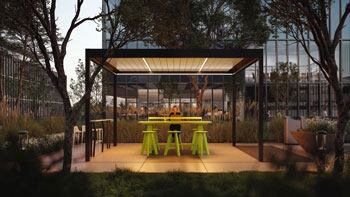
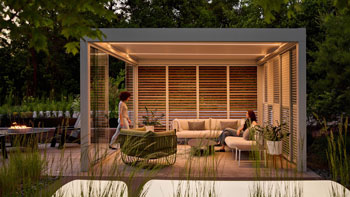
Riverline delivers new flood-resilient open space, expanded tree canopy, climate-responsive shade structures, and more than 3,000 square metres of new grassed areas designed to tolerate periodic flooding. A continuous pedestrian and cycling loop strengthens active transport connections through the CBD and across the river, repairing previously fragmented movement networks along Brisbane’s waterfront.
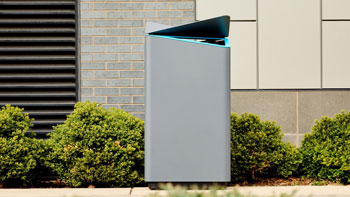
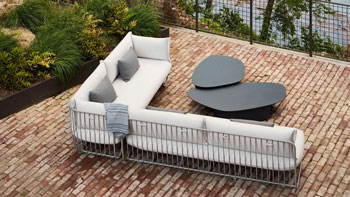
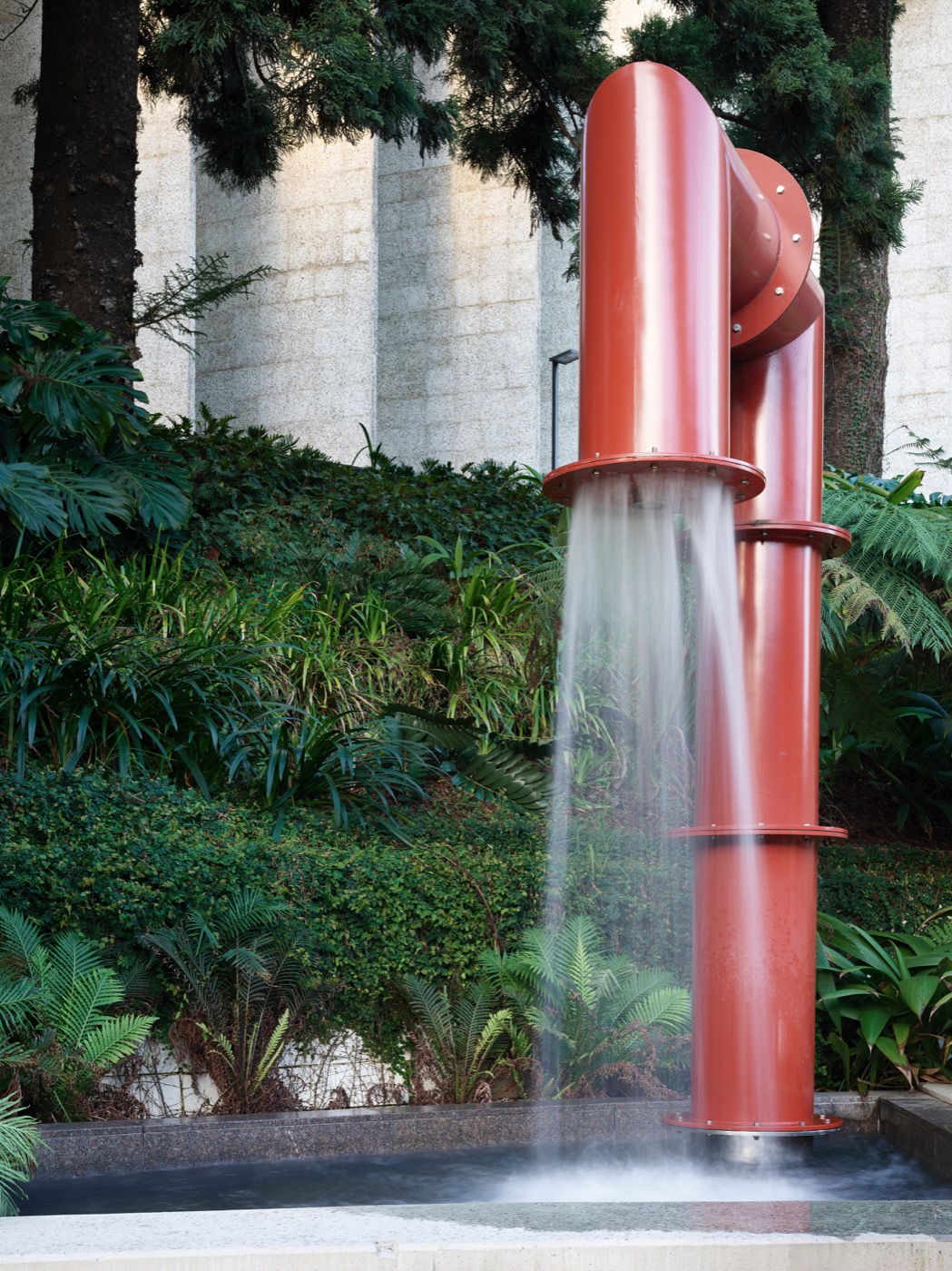
The landscape integrates Water Sensitive Urban Design strategies, ecological planting systems, and durable materials selected for longevity within a dynamic river environment. Together, these elements position the landscape as essential green infrastructure that supports climate moderation, biodiversity, and long-term environmental performance while accommodating intensive public use.
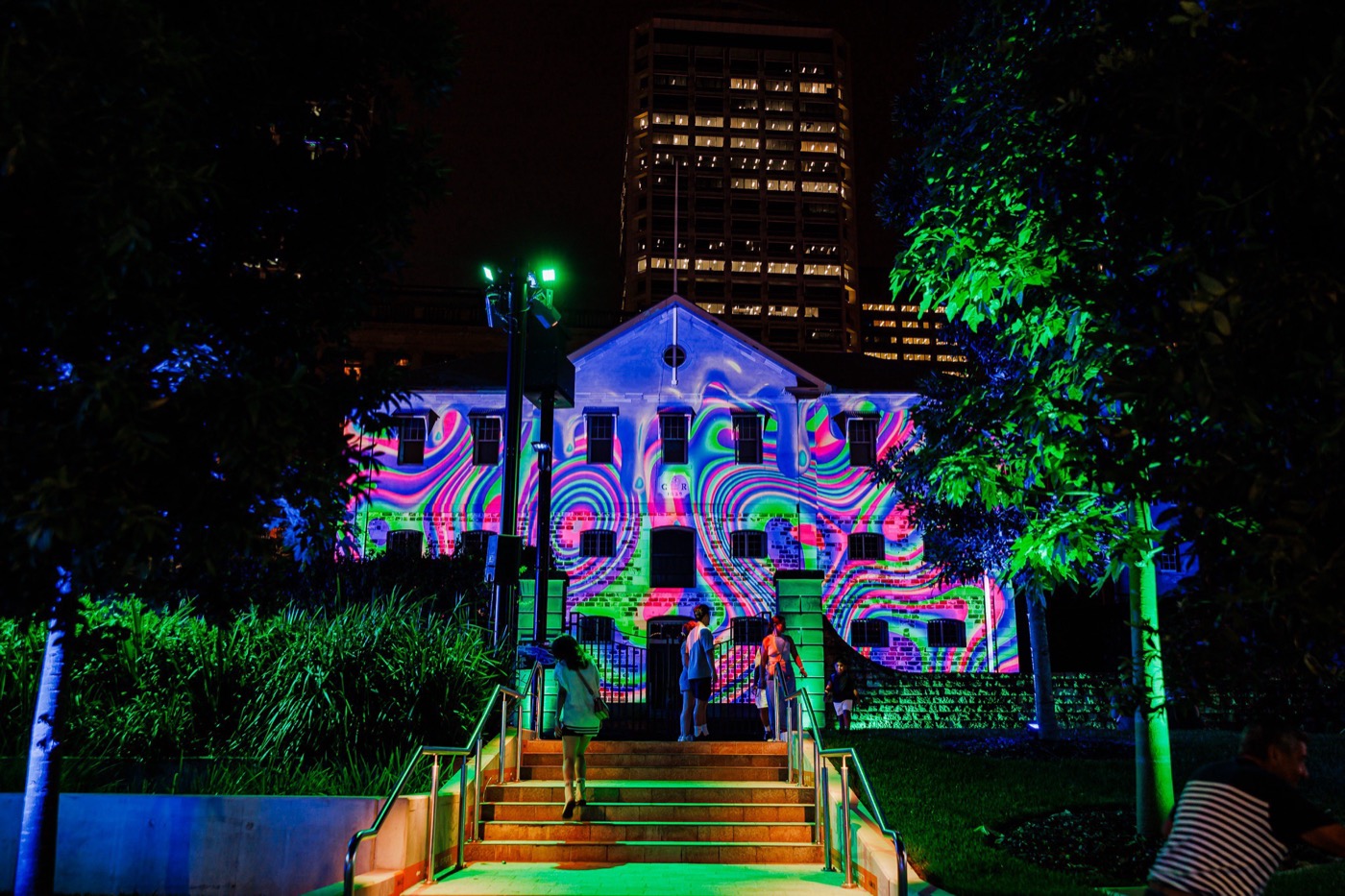
Brisbane’s layered colonial and pre-colonial history is embedded within the design of Queens Wharf and Riverline, offering a model for integrating heritage into contemporary urban redevelopment. CUSP responded to heritage constraints by allowing heritage buildings, infrastructure remnants, and river narratives to inform the new public realm. Existing heritage structures were adaptively reused across the precinct, while the historically significant Commissariat Store—Queensland’s oldest continuously occupied building—remains a dedicated museum, now surrounded by a generous and legible landscape that invites everyday engagement and foregrounds its civic presence.
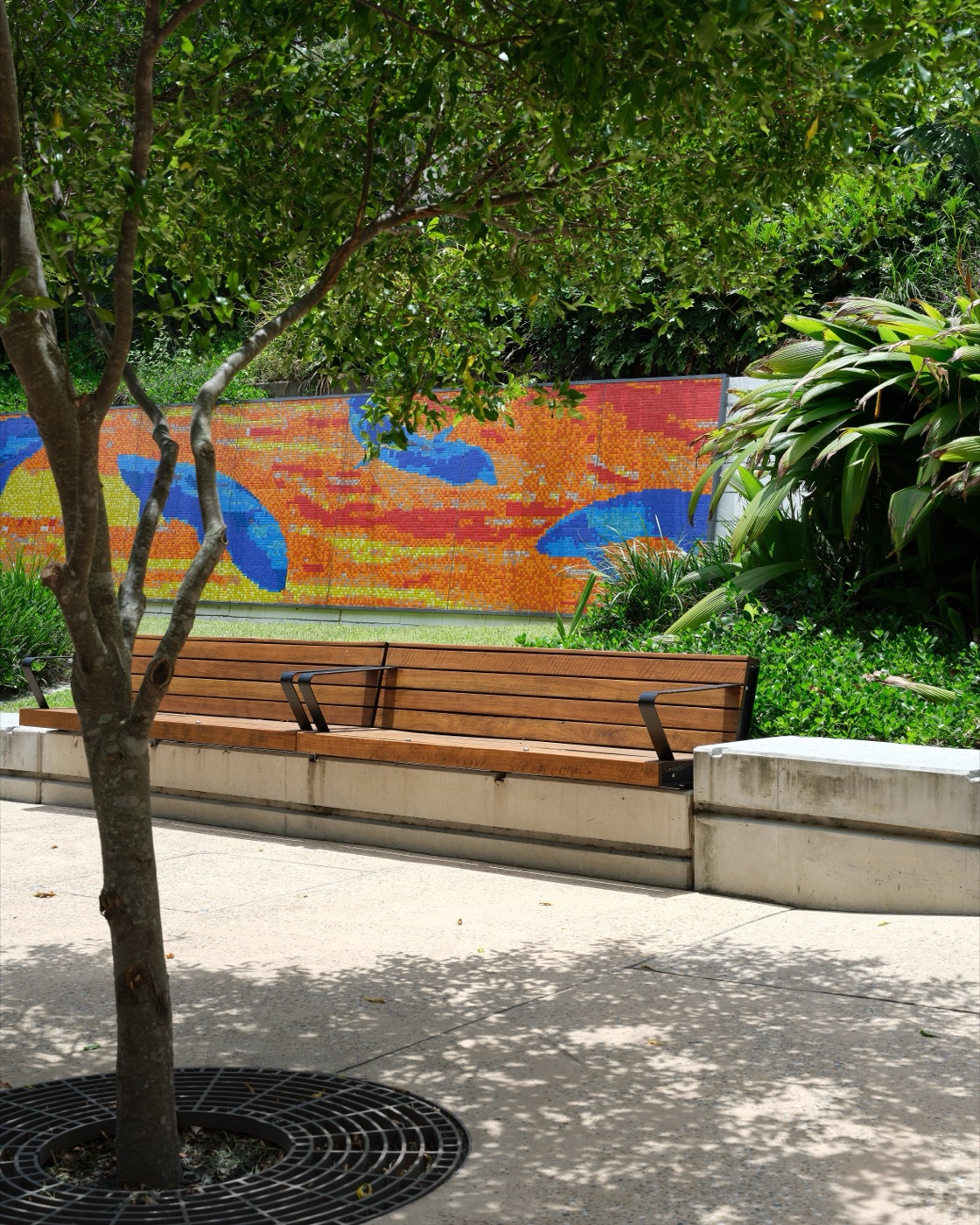
Culturally responsive design was a core driver throughout the project. Collaboration with Turrbal and Jagera Traditional Owners informed landscape form, material expression, and storytelling embedded within the riverfront. The Turrbal and Jagera peoples are intrinsically connected to the Brisbane River and hold deep knowledge of its inhabitants, seasonal markers, and ecological patterns.
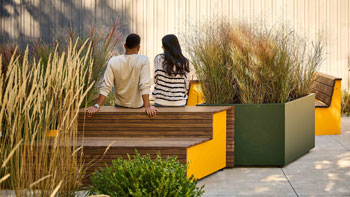
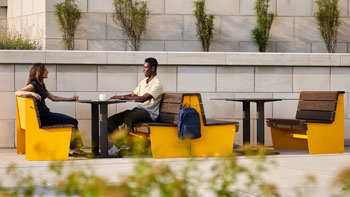
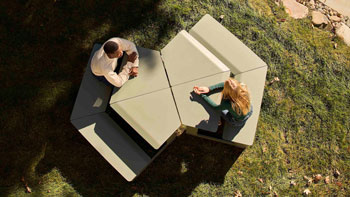
This knowledge is expressed spatially through elements such as Riverline’s shark shelter and accompanying seating, which reference the seasonal mullet run. These structures serve as both a physical refuge and a cultural marker within the landscape, embedding First Nations knowledge systems into the everyday experience of the river’s edge.
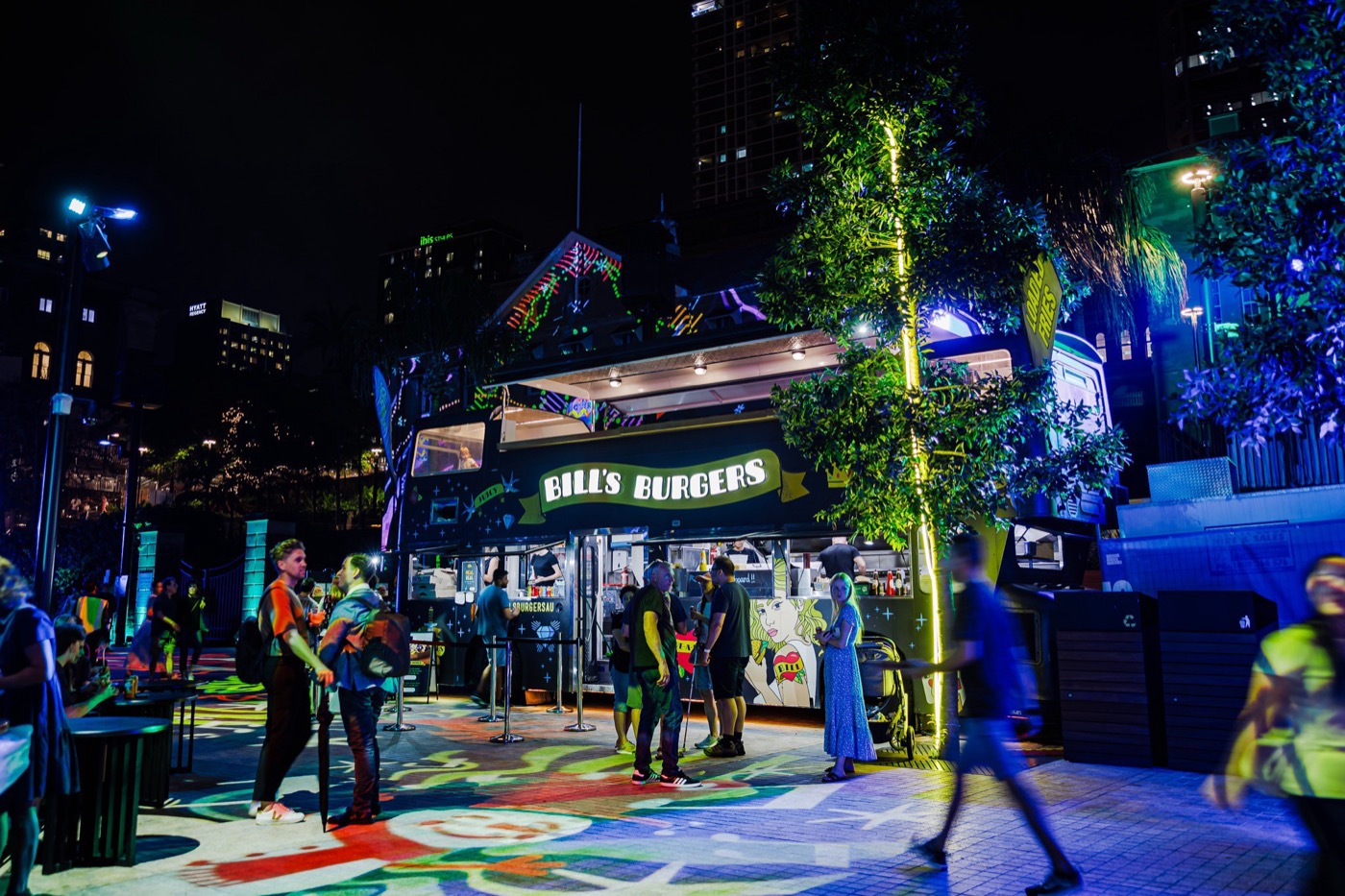
Since opening, Riverline has been rapidly adopted by the community, supporting daily recreation, commuting, and social exchange, while also accommodating major civic events. Operating within one of Australia’s most technically demanding riverfront environments, the project demonstrates how landscape architecture can function as primary urban infrastructure—balancing environmental performance, cultural narrative, and public life.
Riverline exemplifies a landscape-led approach to urban transformation, one that redefines the river edge as a resilient, inclusive, and adaptable civic space capable of evolving alongside a growing city.
Project Team: CUSP, Cottee Parker Architects, Jerde, ML Design, Urbis, RLB, WSP, JLL and Scharp.
Client: Destination Brisbane Consortium
-27.47511038448326, 153.02551512844678
73650


LILA 2026 Sponsor