Schloss Burg
www.dtp-essen.de
2026 Other Typologies / Germany / Built in 2025 /
As part of the comprehensive renovation and reconception of the museum, DTP was commissioned to redesign the outdoor areas of Schloss Burg. As an identity anchor and a “Bergisches National Monument,” Schloss Burg a/d Wupper holds a special significance for the region. This importance is reflected in the newly designed outdoor areas, which are uniformly structured to convey an authentic, “medieval” atmosphere.
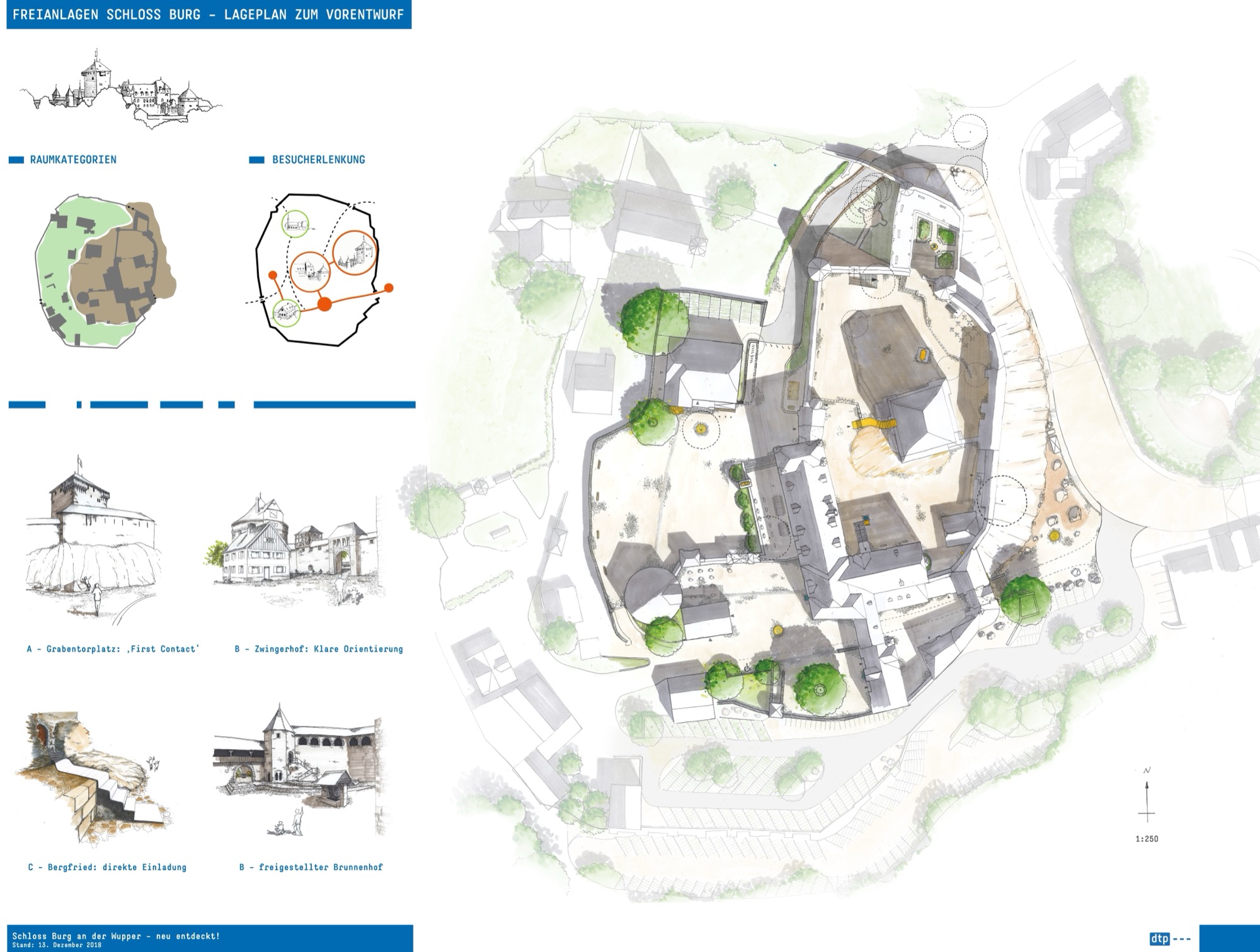
The open space guides visitors and tourists toward the complex, incorporating the surrounding areas—symbolically rolling out the red carpet and creating a new welcoming experience.
Under the narrative guiding principle “Fortress Meets Noble Residence,” a comprehensive design concept forms the basis for the redesign. This concept is developed with consideration for historical references and important visual connections.
Narrative design elements are strategically placed to tell the local history within the museum context. For example, the North Terrace has been staged as a romantic retreat, featuring a rose garden with a sky mirror. Engraved within it are quote fragments from a Bergisch legend: “The Rose Knight,” by Otto Schell, 1835.
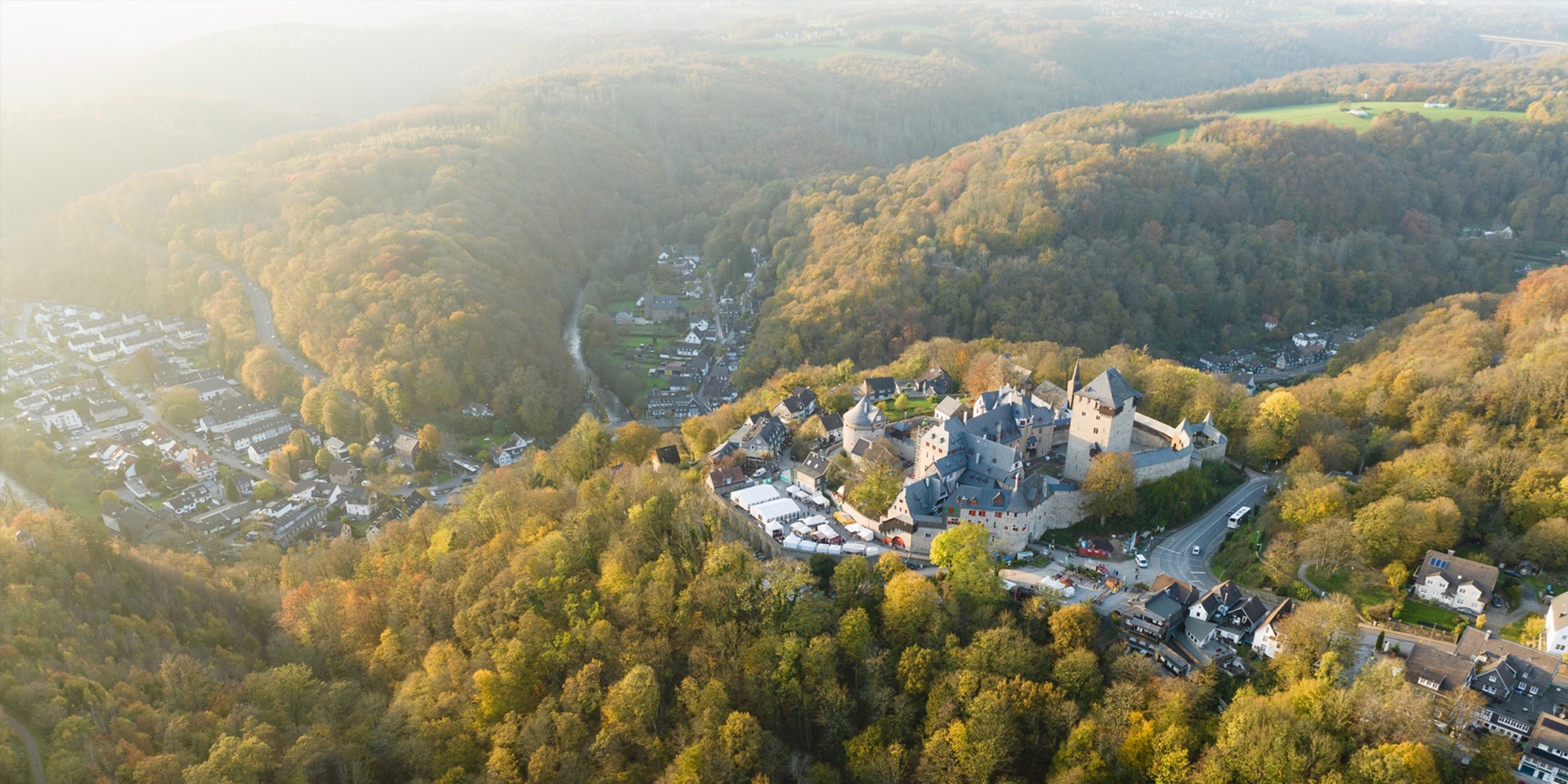
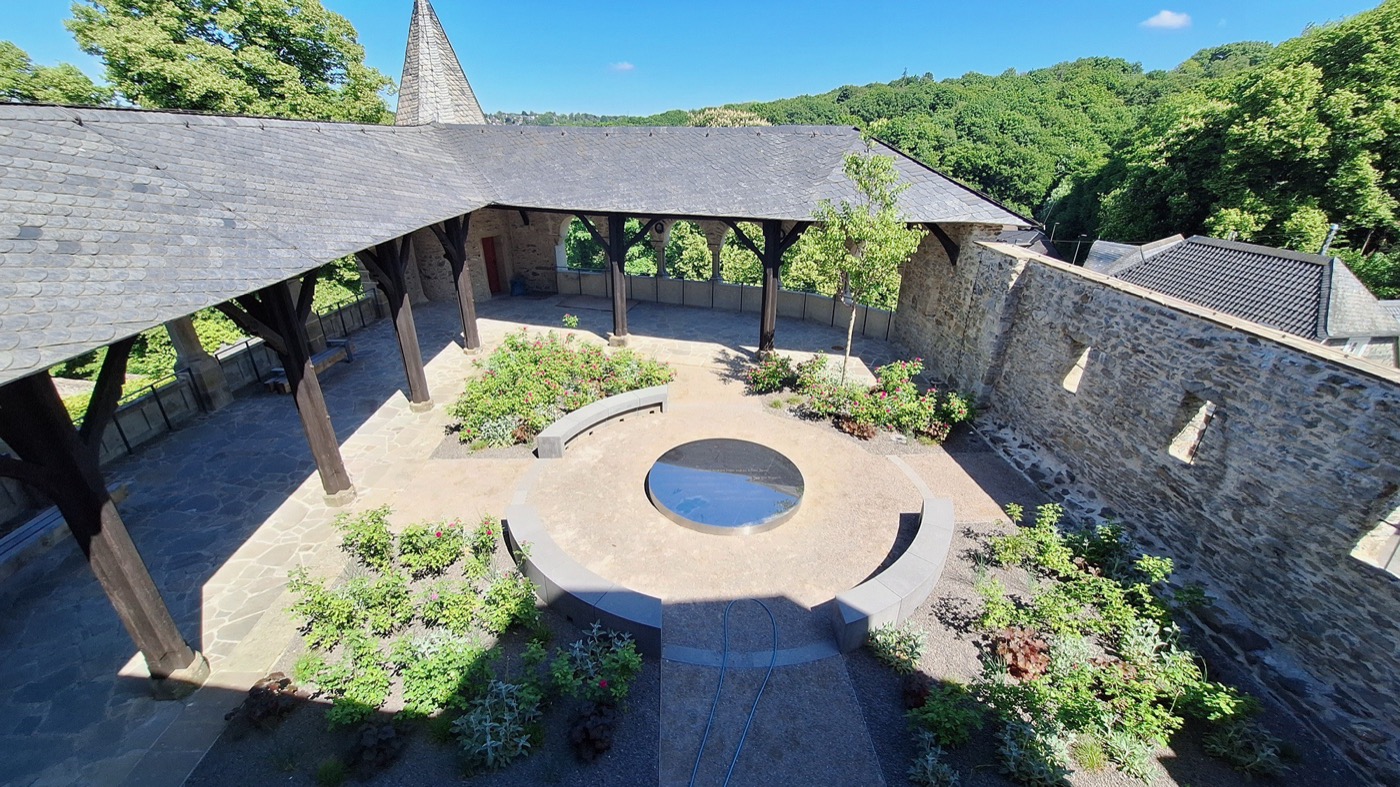


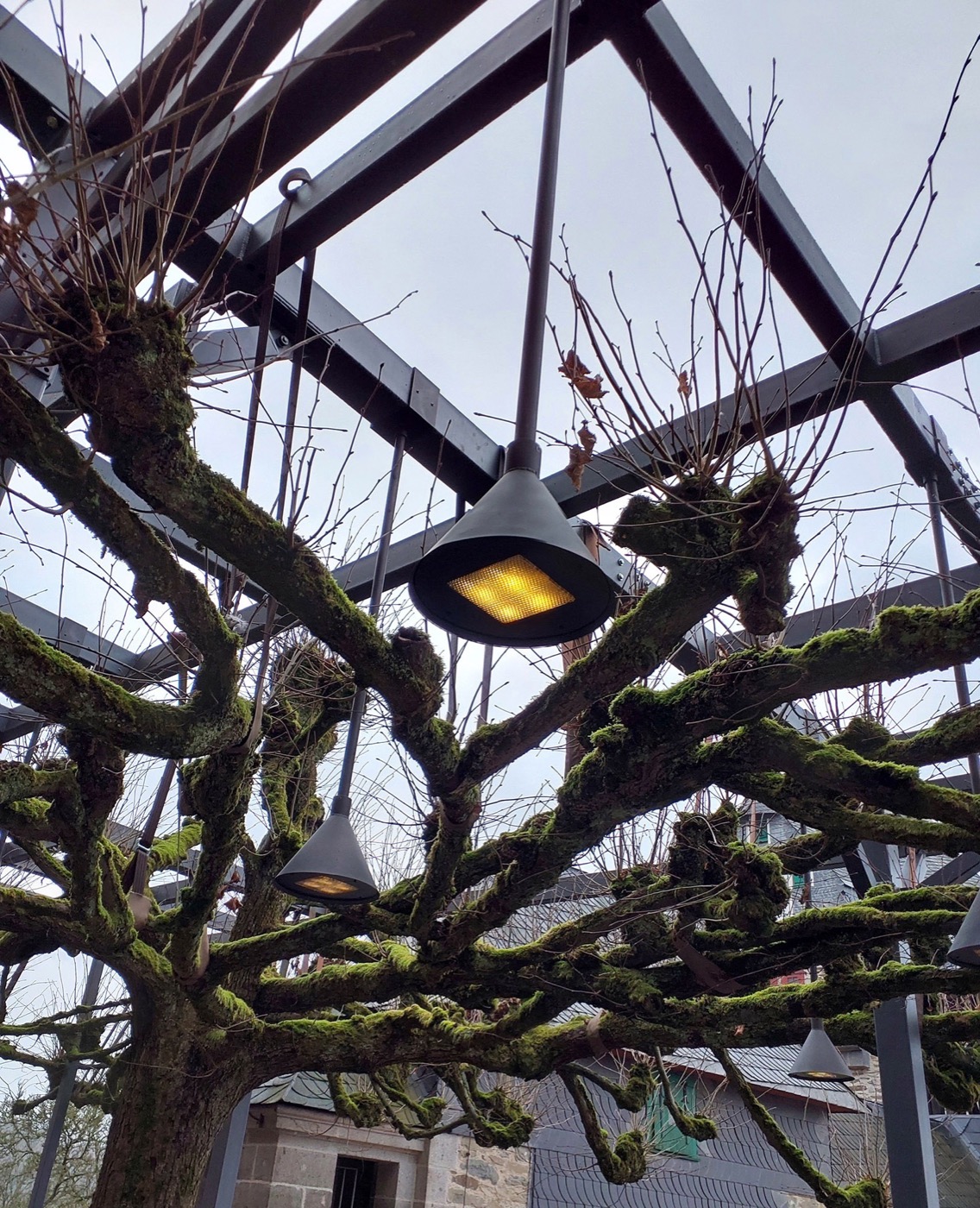
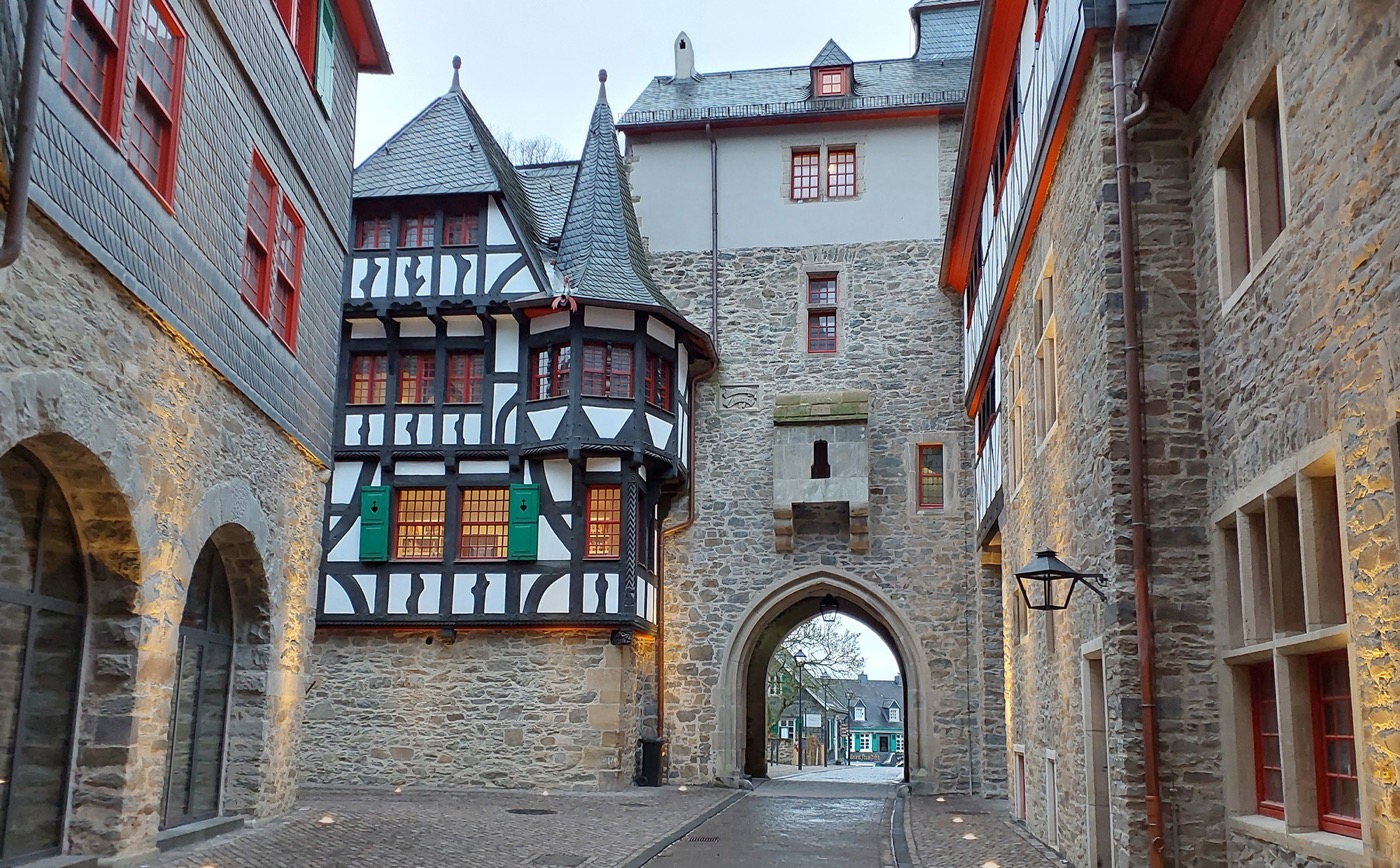
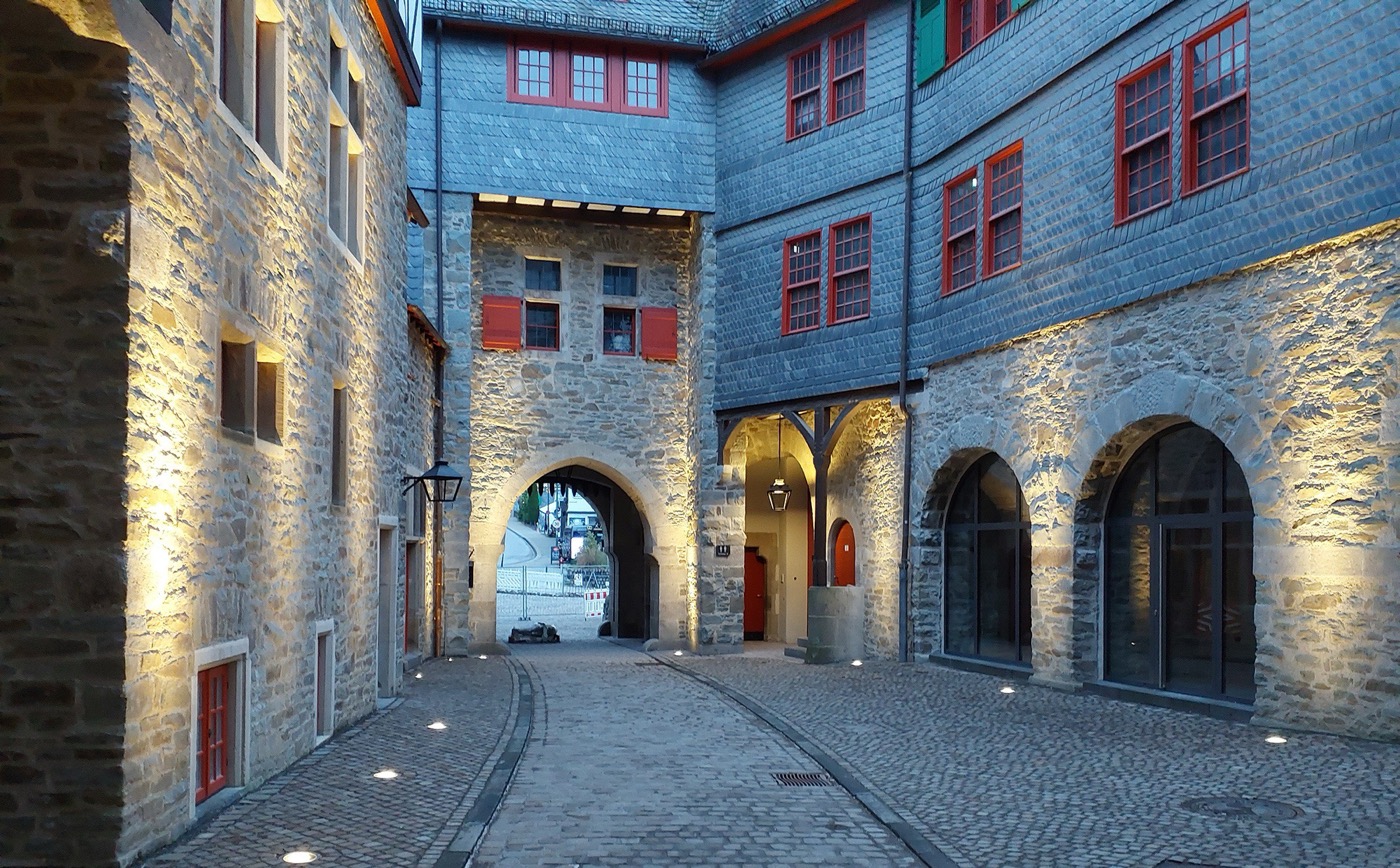
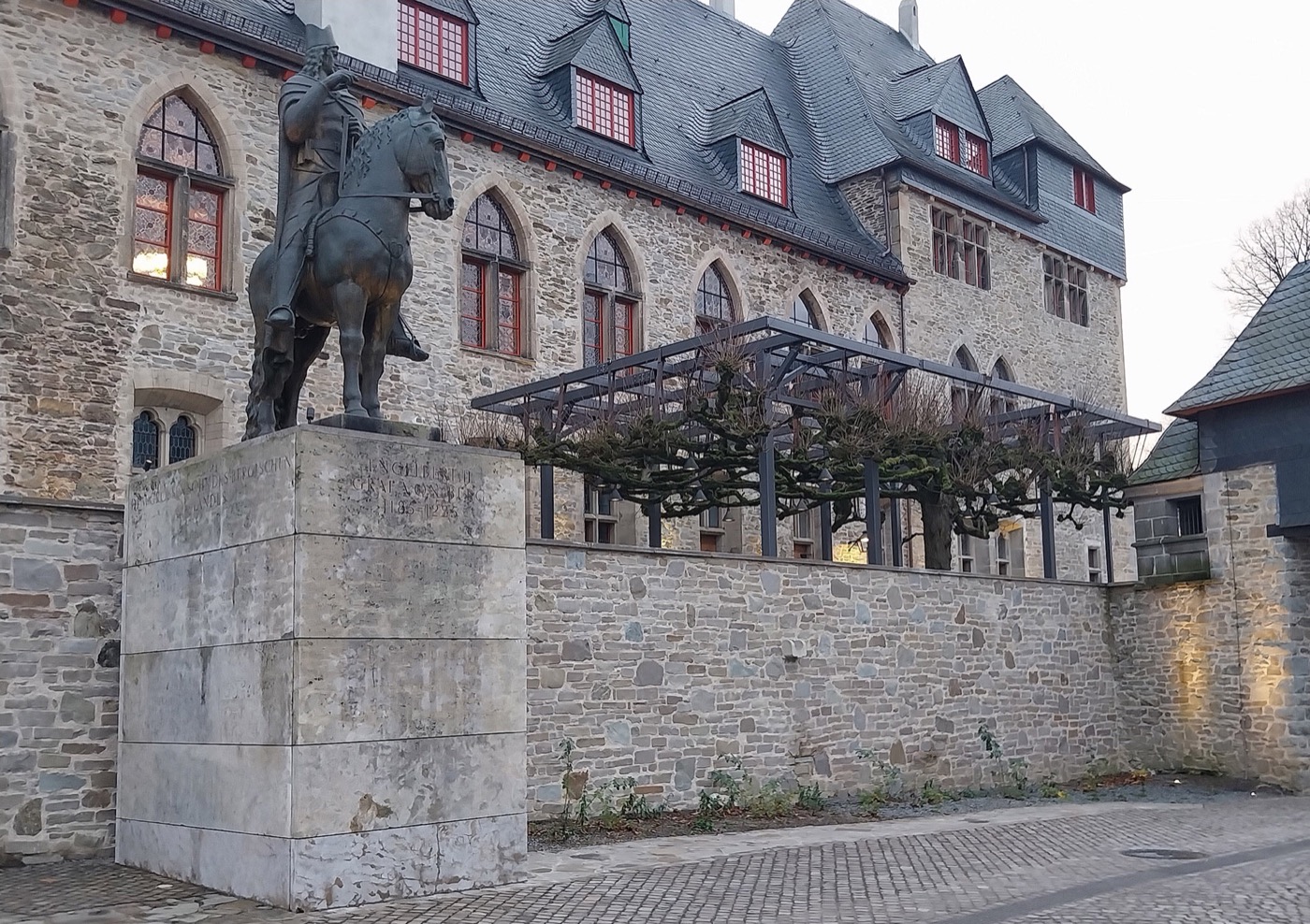
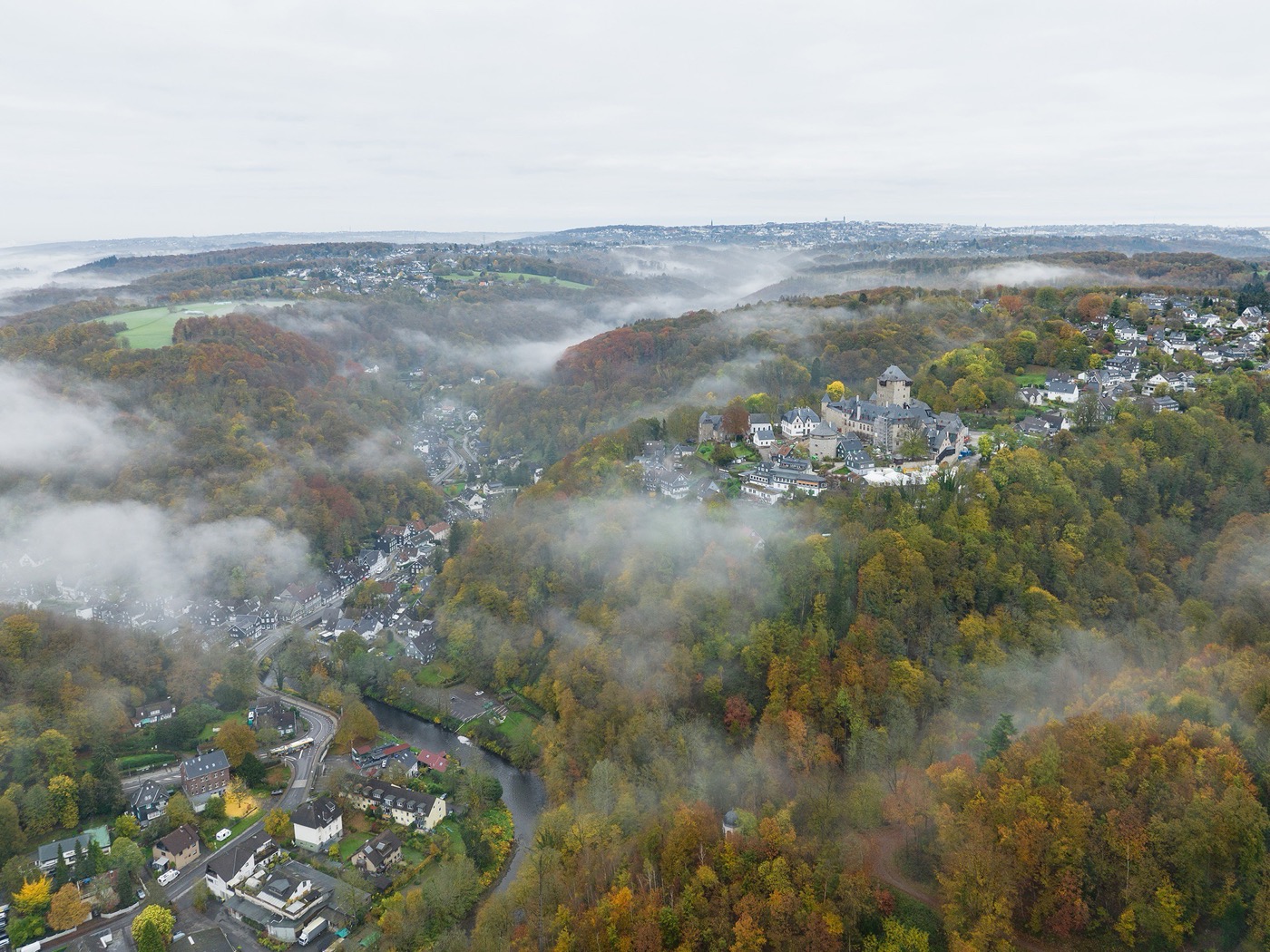
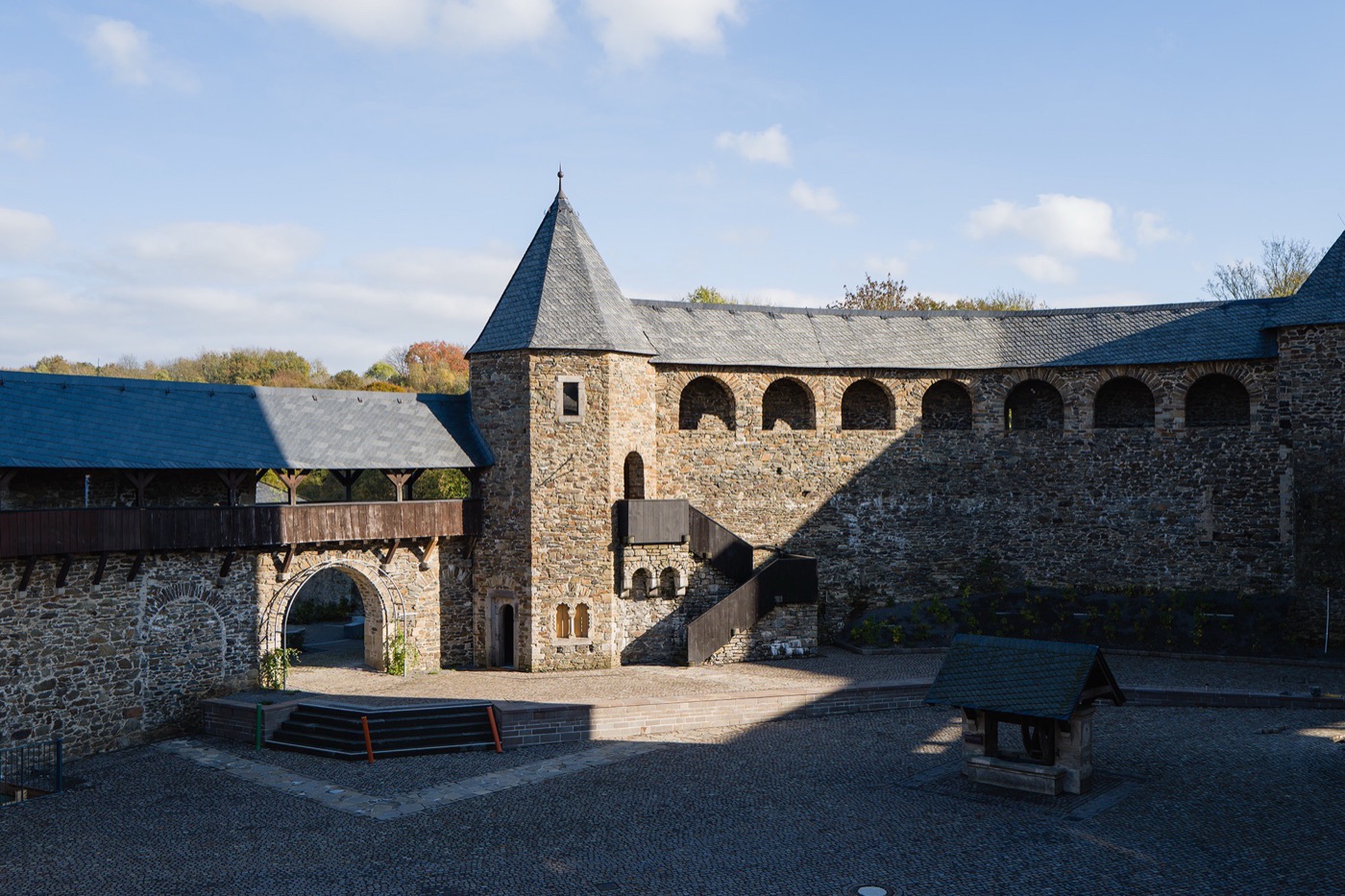
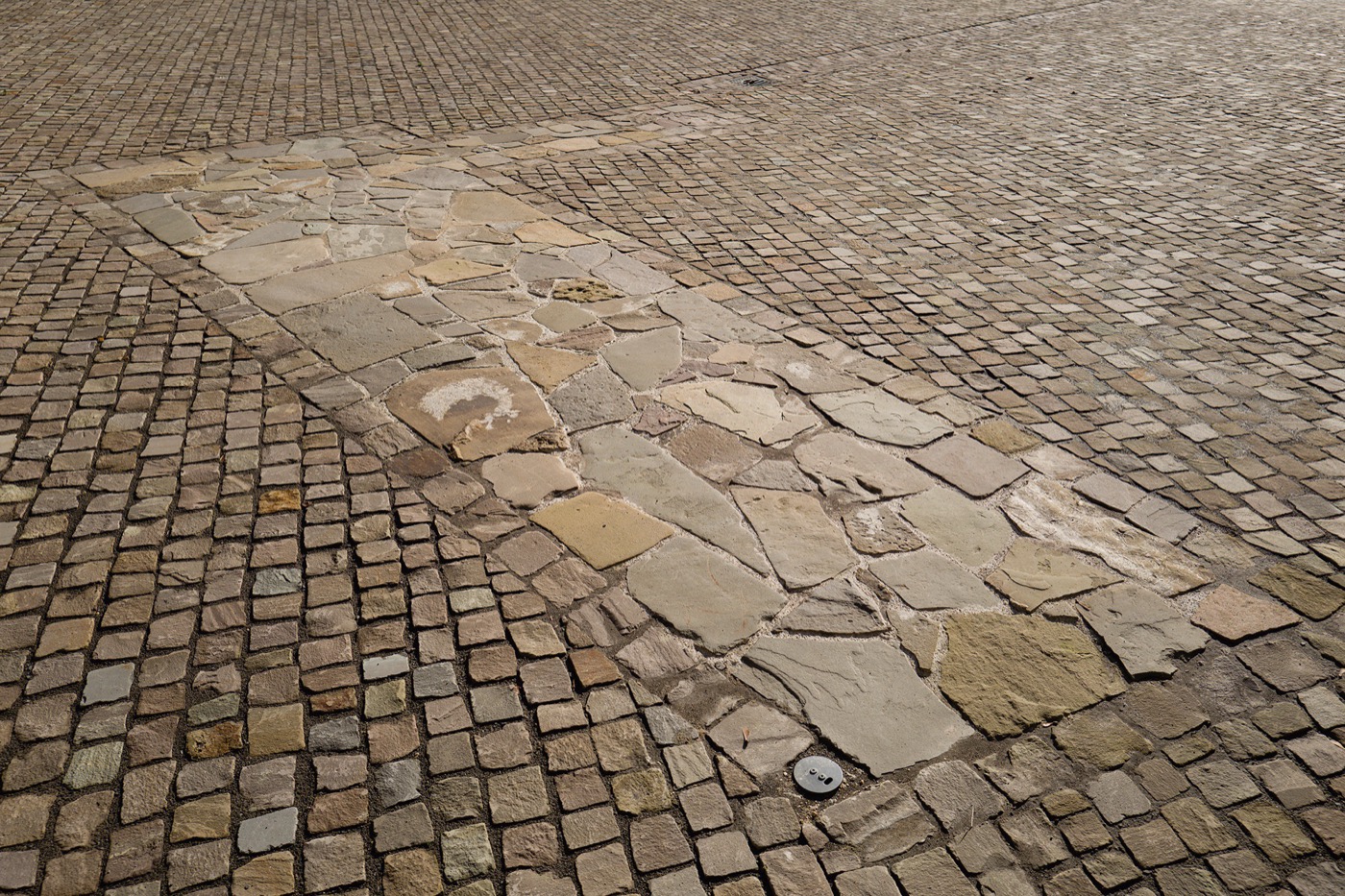
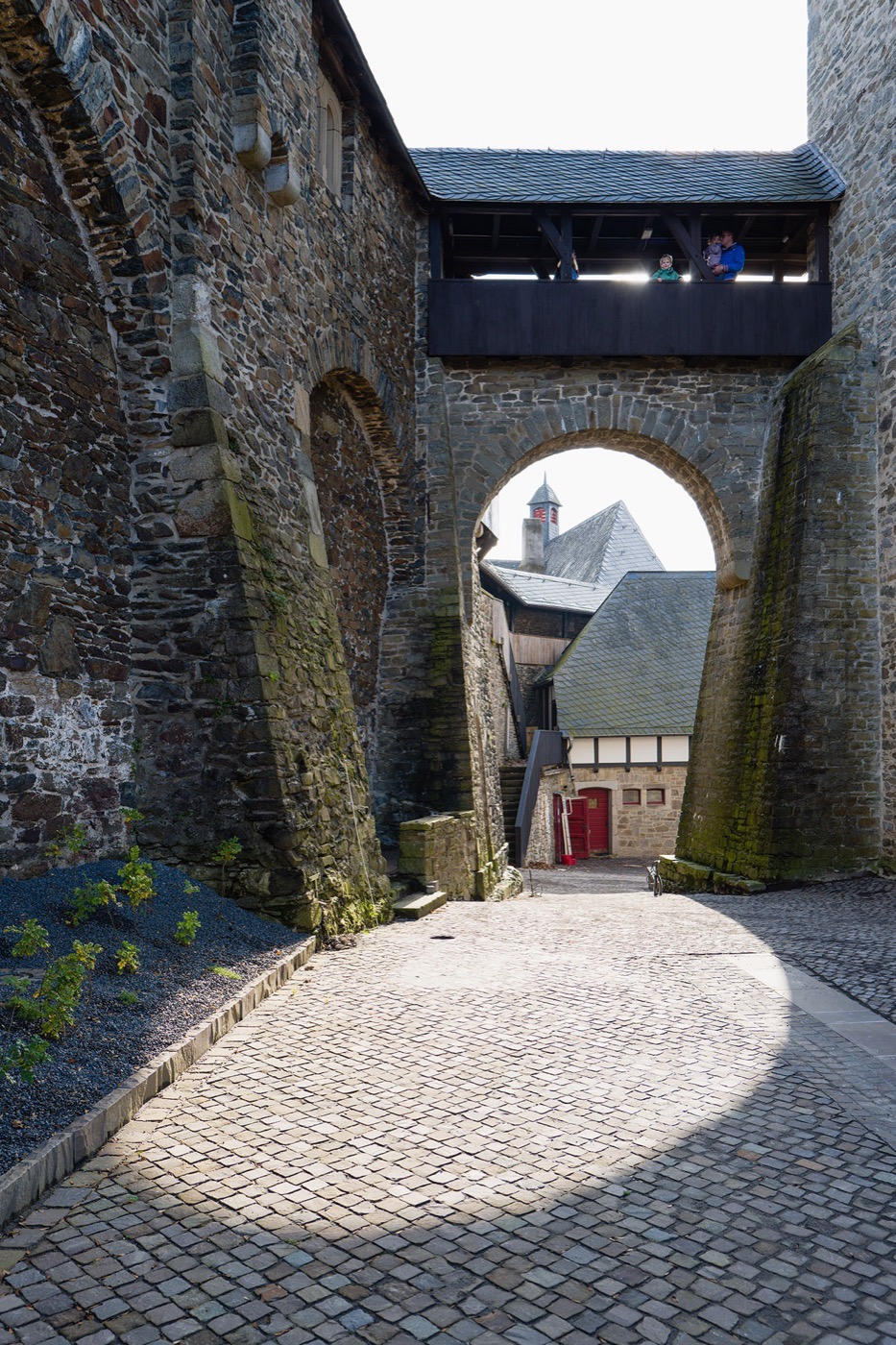
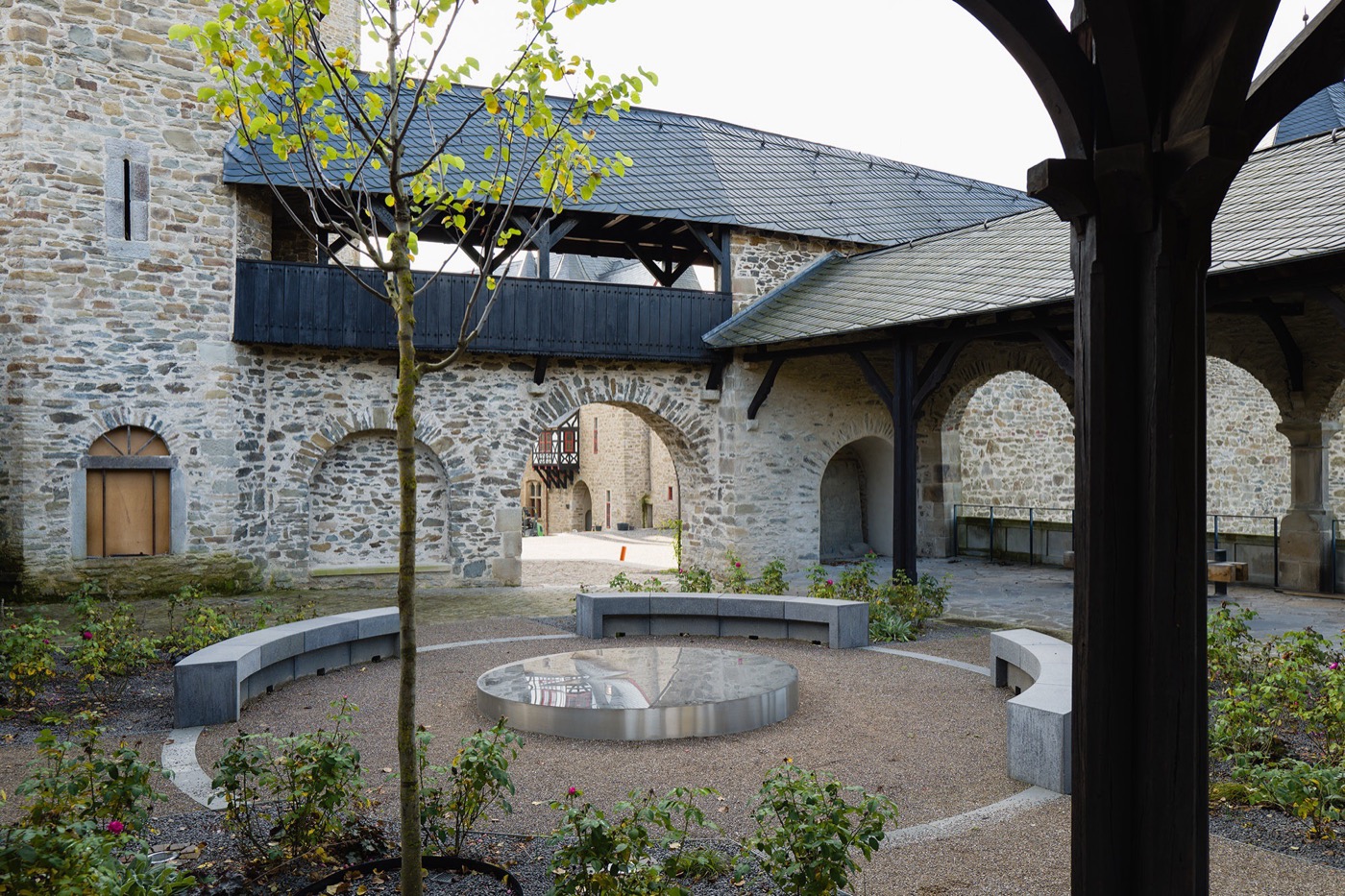
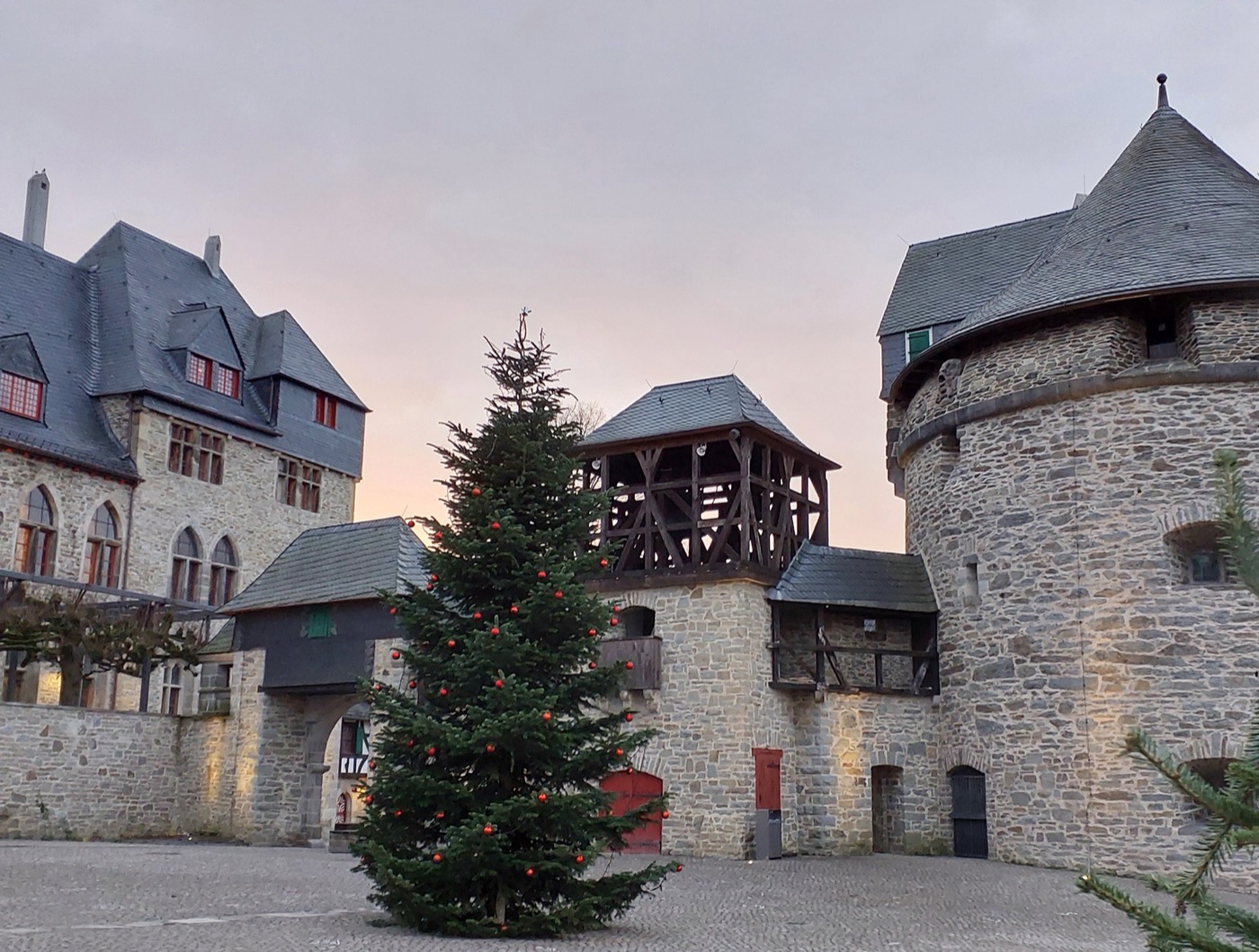
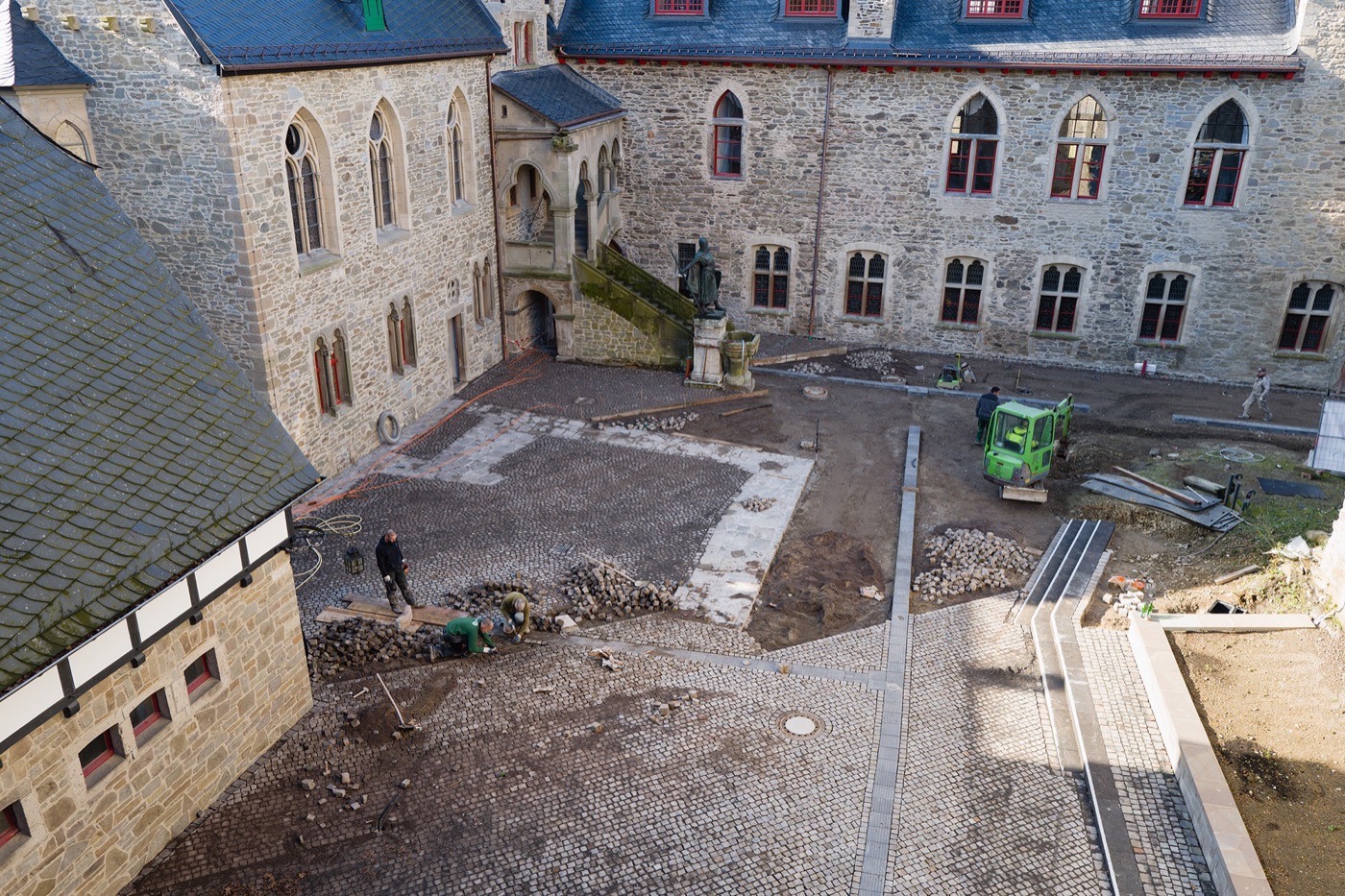
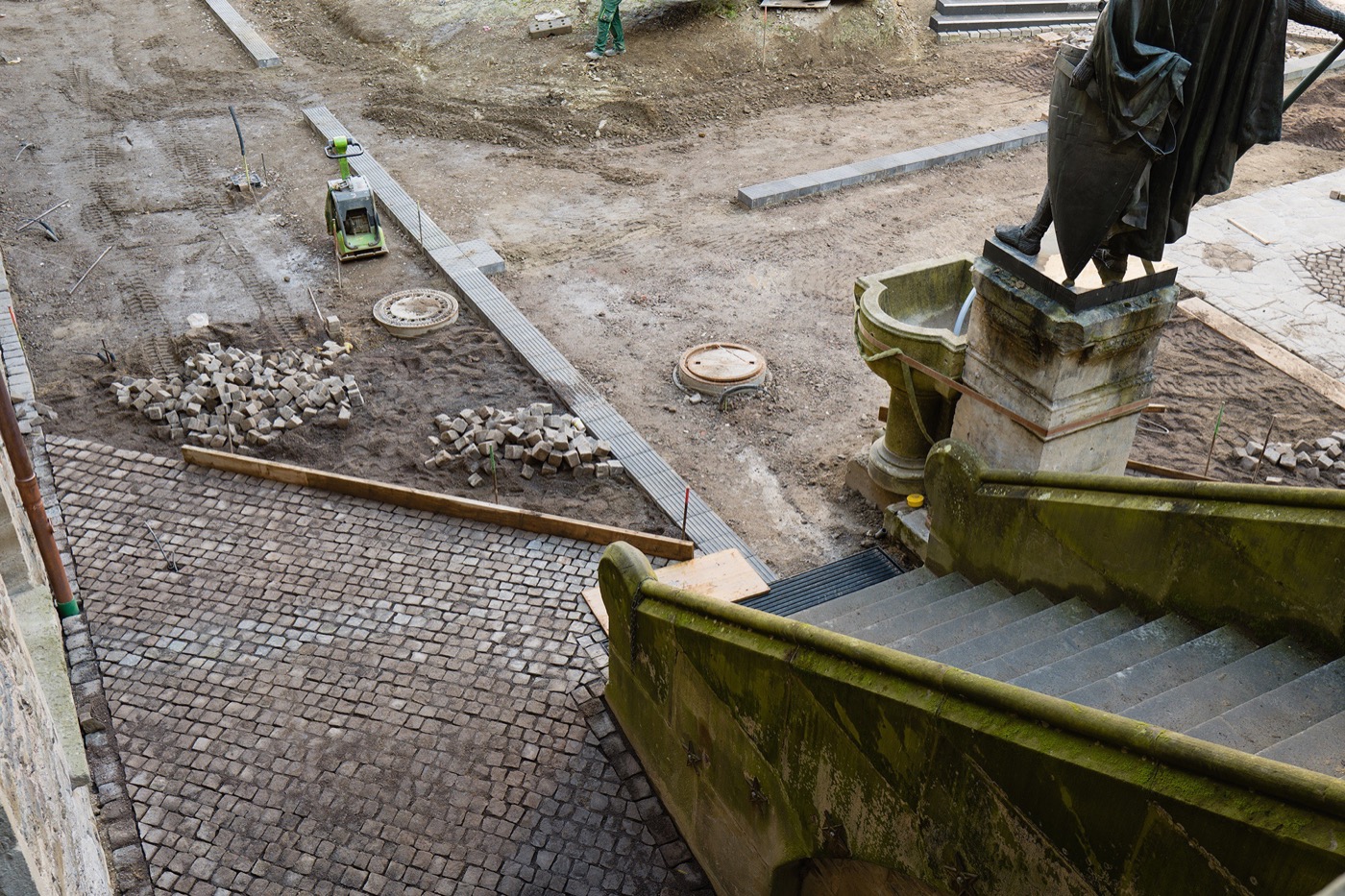
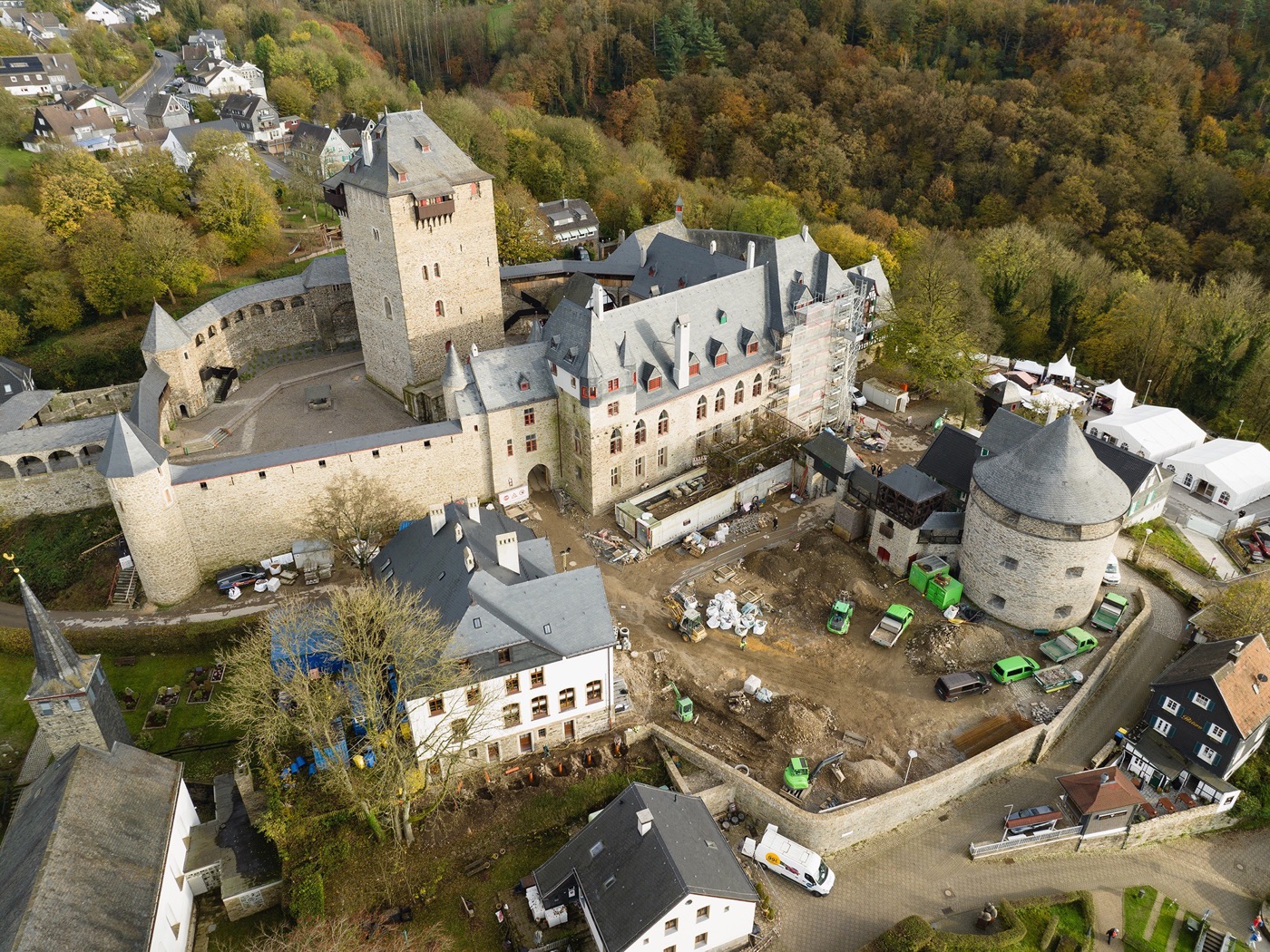
Perched on a mountain spur, Schloss Burg towers over the Wupper River in the heart of the Bergisches Land. The view from the complex into the surrounding landscape—and conversely, the view from outside toward the castle—has been emphasized and enhanced. The significance of Schloss Burg is also intended to be tangible in the outdoor areas, conveying an authentic experience. Generous movement spaces for visitors and new opportunities for organizing events have been created. The adapted staircase leading to the Bergfried opens more toward the castle gate, clarifying both the start of the museum tour and the reception situation of the core castle.
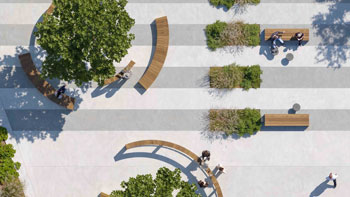
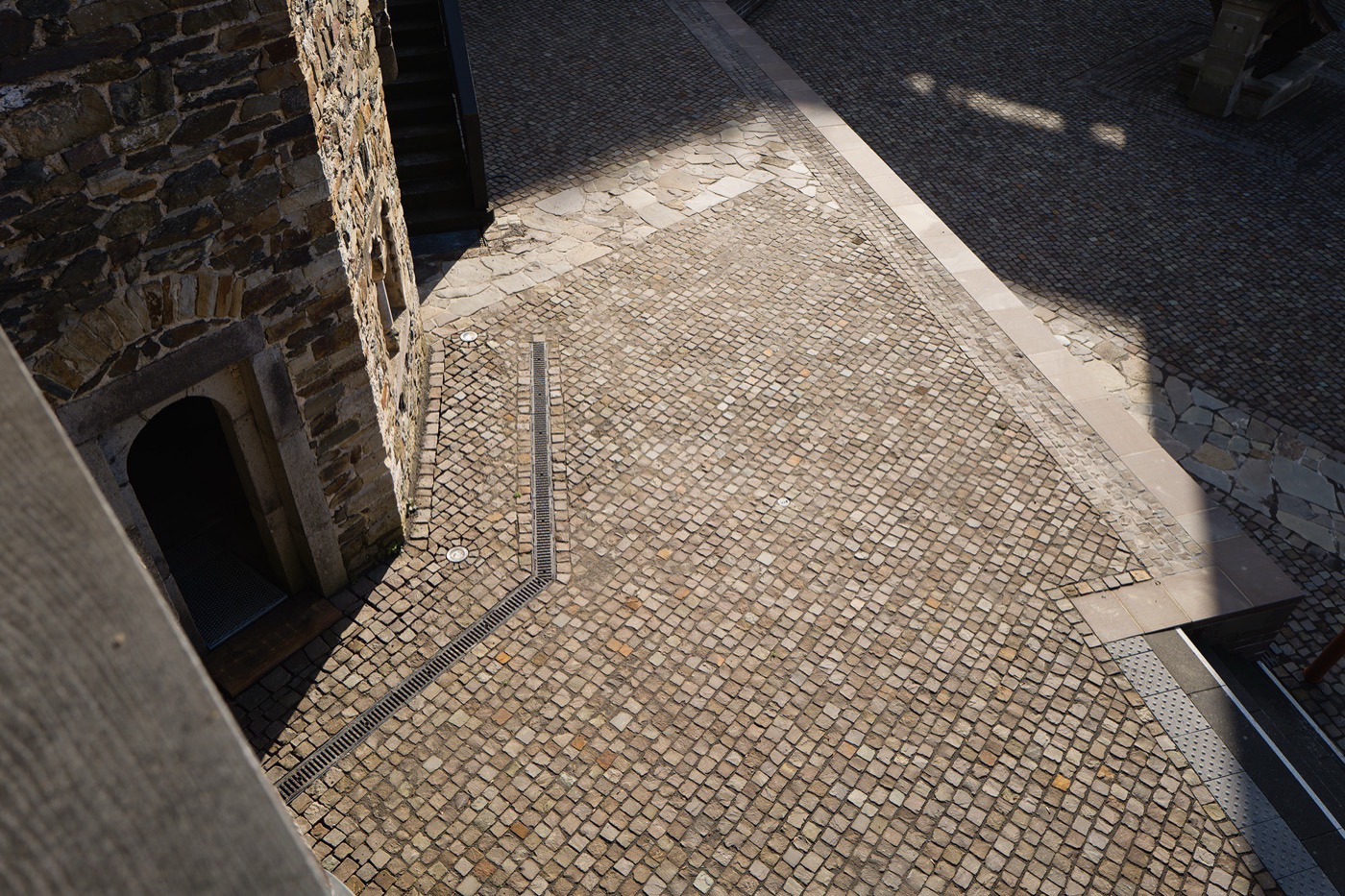
The goal for the redesign of the outdoor areas is a restrained design with uniform surfaces, using regional natural stones that highlight the significant architectural ensemble of Schloss Burg. Important walls discovered during construction are traced as intarsia on the surfaces.
A roof-shaped linden tree, a natural monument, spans the historic area of the Palace Terrace, providing shade for outdoor dining in the summer months. The location of the linden tree has been significantly upgraded through structural measures.
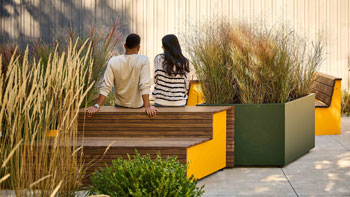
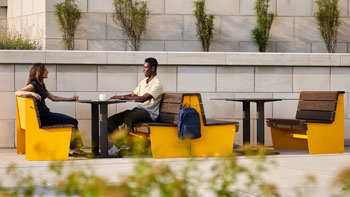
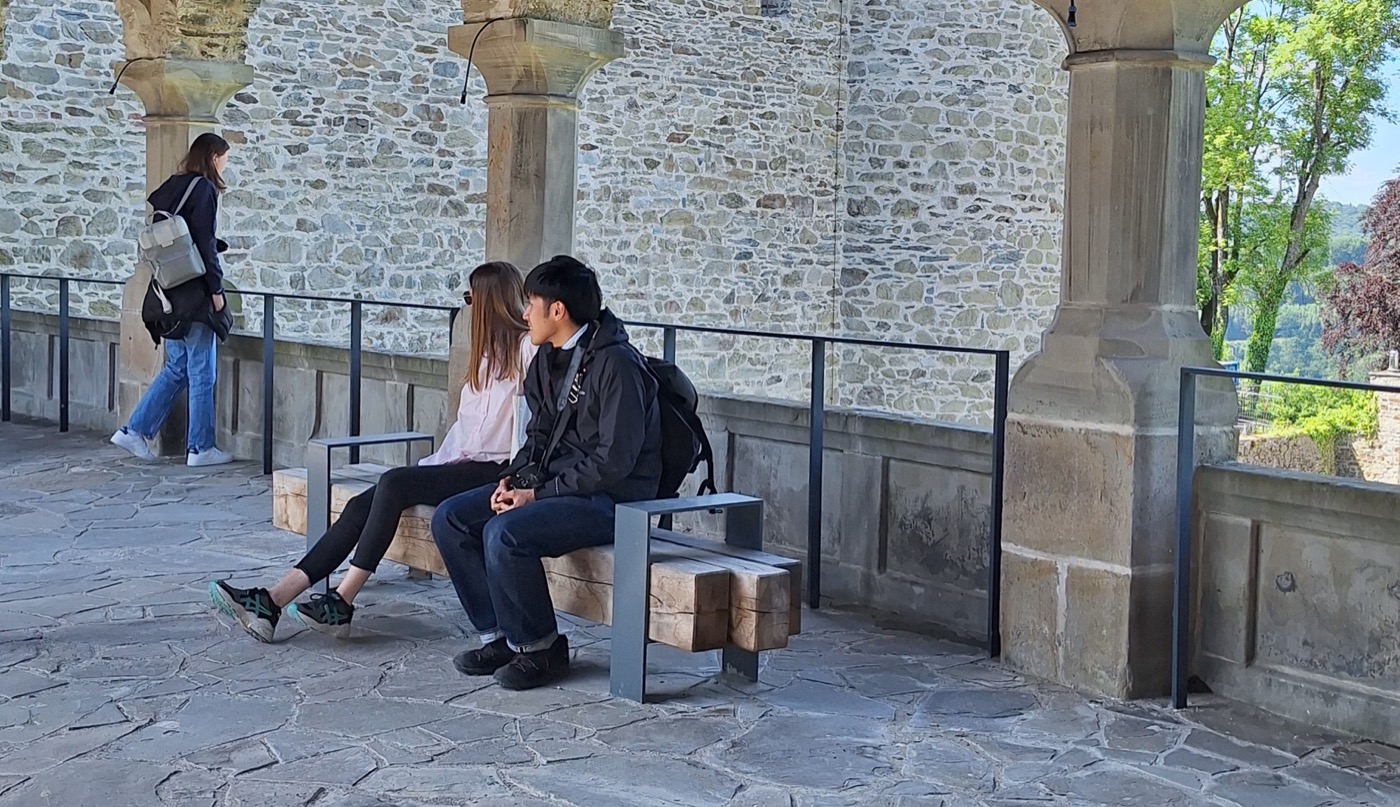
The benches, specially designed for this project, delight visitors. The furniture is made of robust oak beams, and its metal handles evoke battering rams. The implementation was carried out in close collaboration with architects, archaeologists, lighting designers, museum planners, tree experts, and technical specialists.
https://www.google.com/maps/place/Schloss+Burg/@51.1377868,7.1495809,688m/data=!3m2!1e3!4b1!4m6!3m5!1s0x47b8d50016746c6f:0x614378841f10203!8m2!3d51.1377835!4d7.1521558!16s%2Fg%2F11yhrbkzhs?entry=ttu&g_ep=EgoyMDI2MDQyOS4wIKXMDSoASAFQAw%3D%3D
73612


LILA 2026 Sponsor