Terrazza Biandrà
parkassociati.com/
2026 Hospitality and Therapeutic / 2026 Landscape and Architecture / Italy / Built in 2024 /

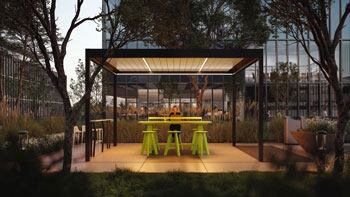
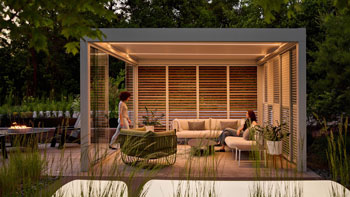
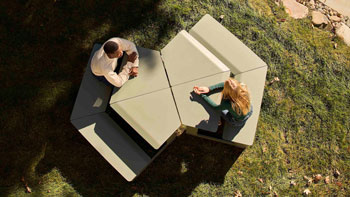
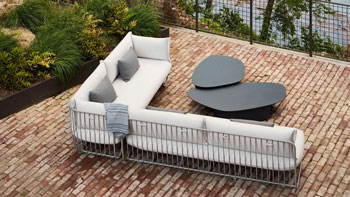
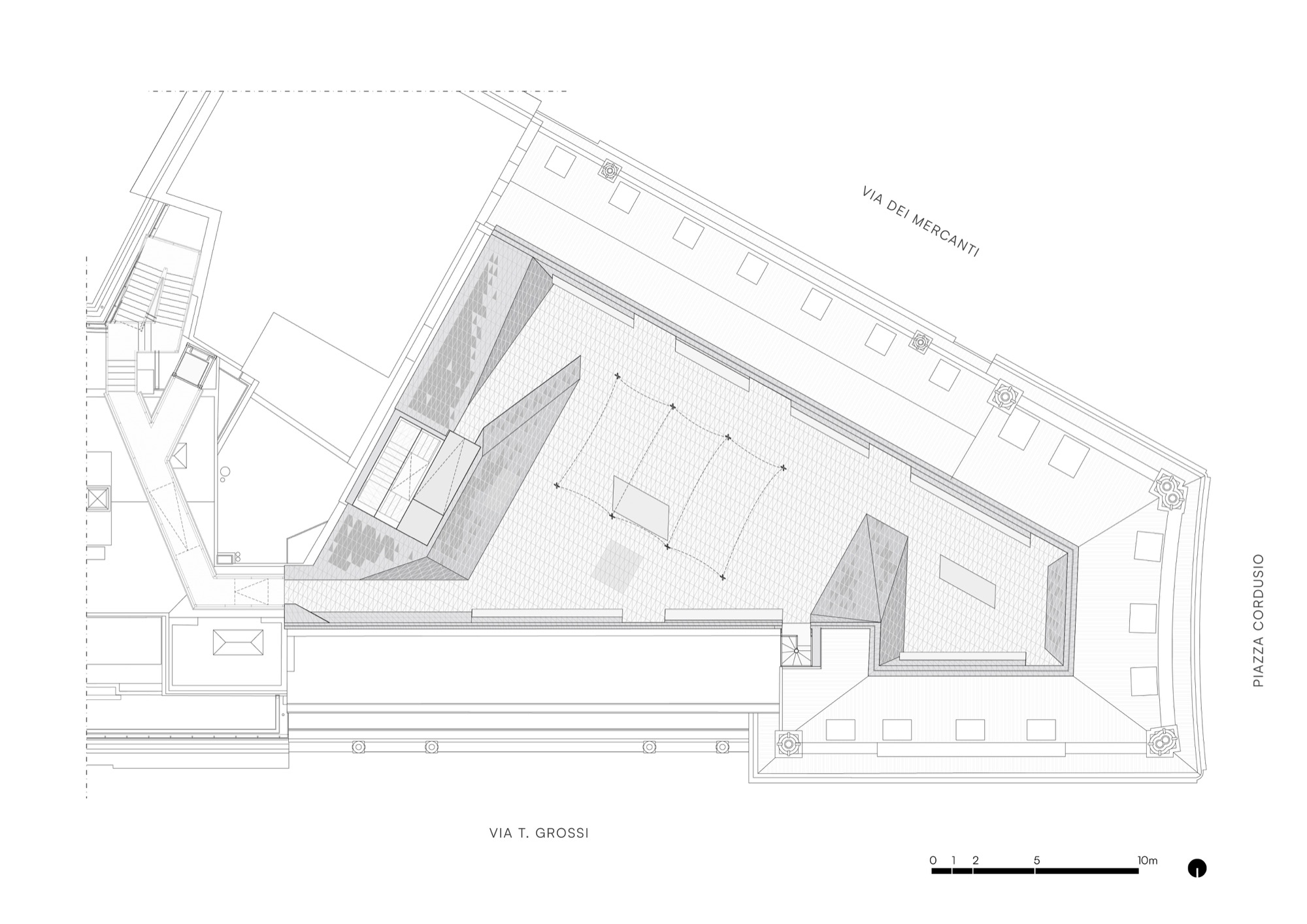
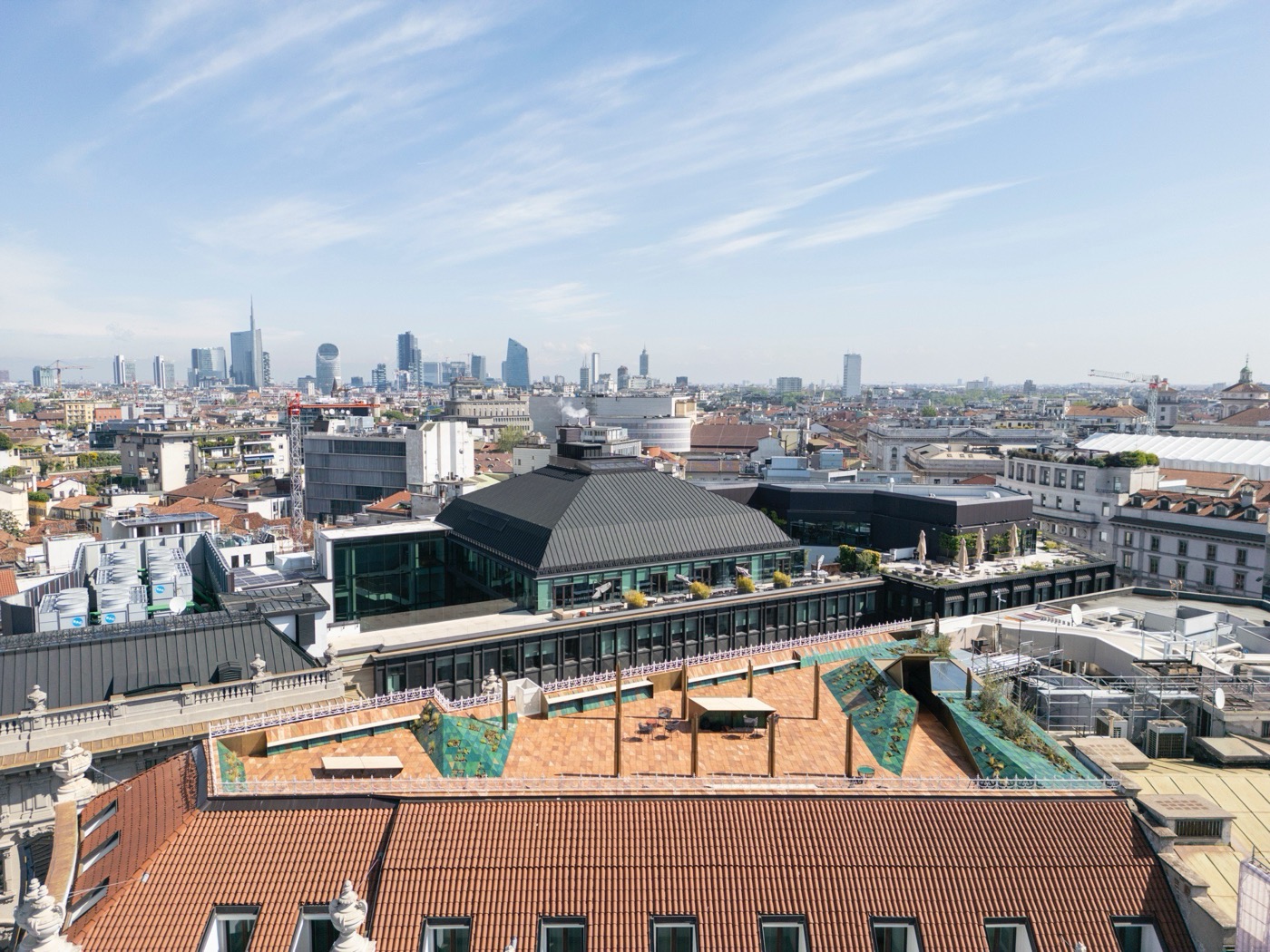
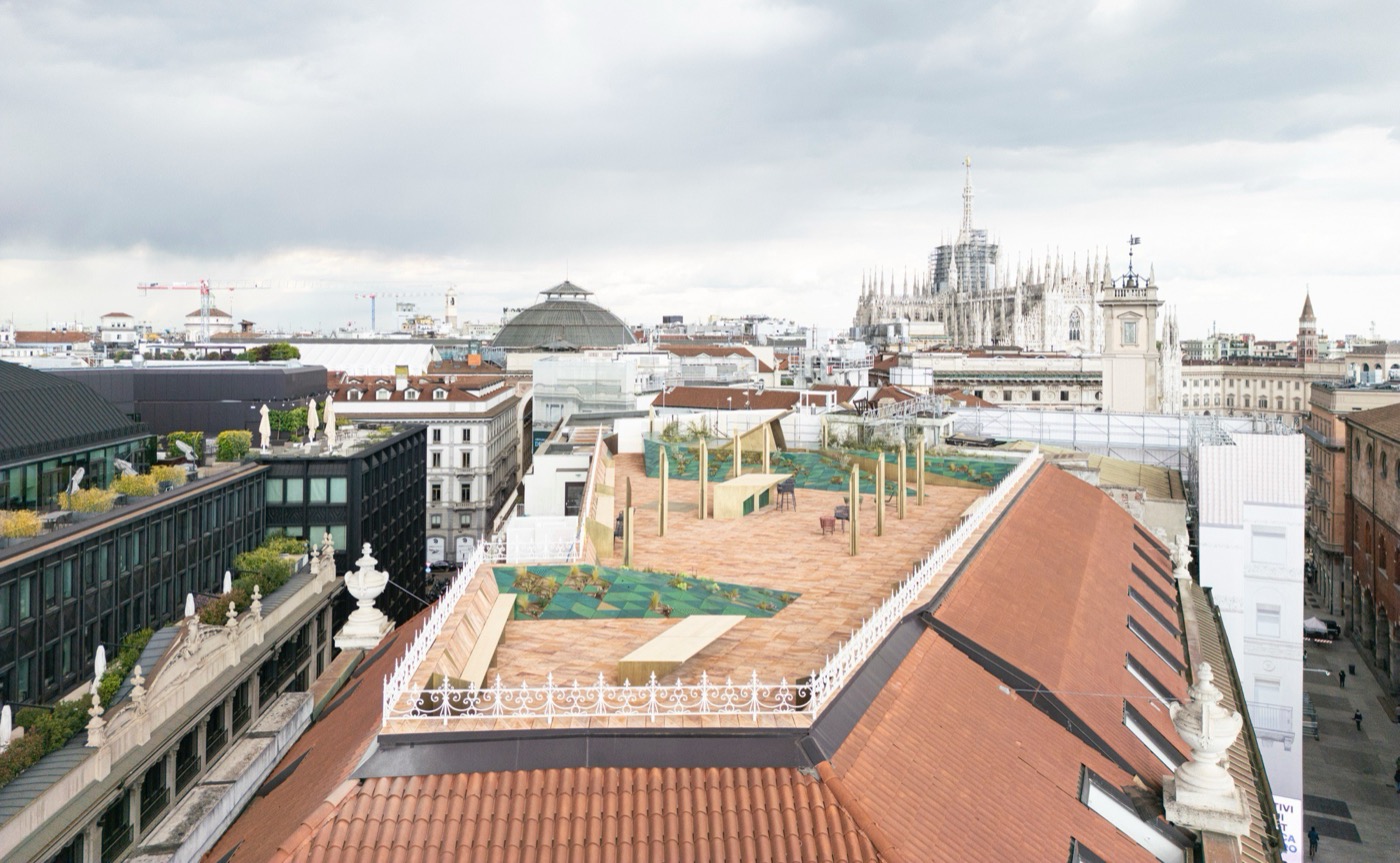
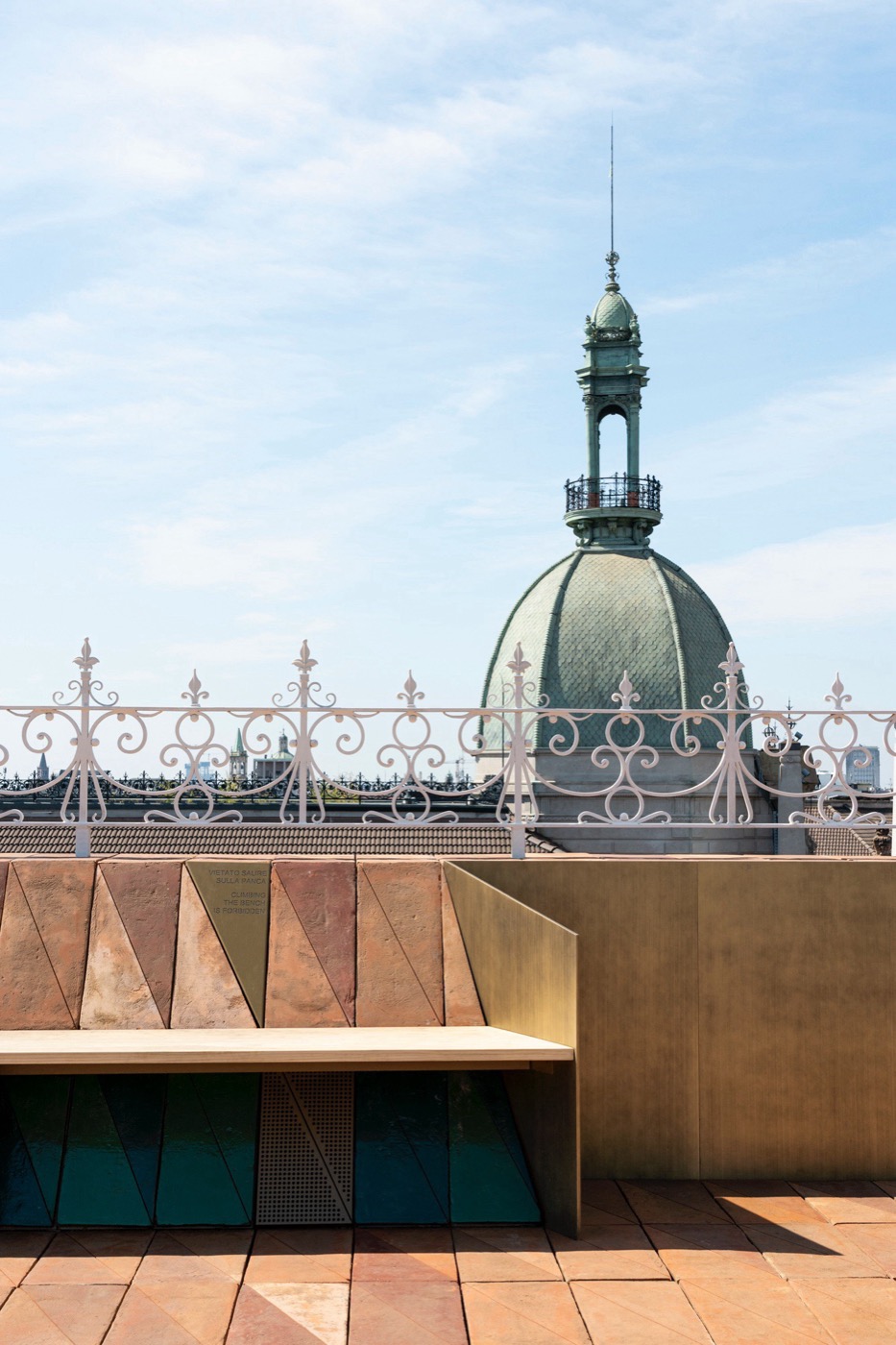
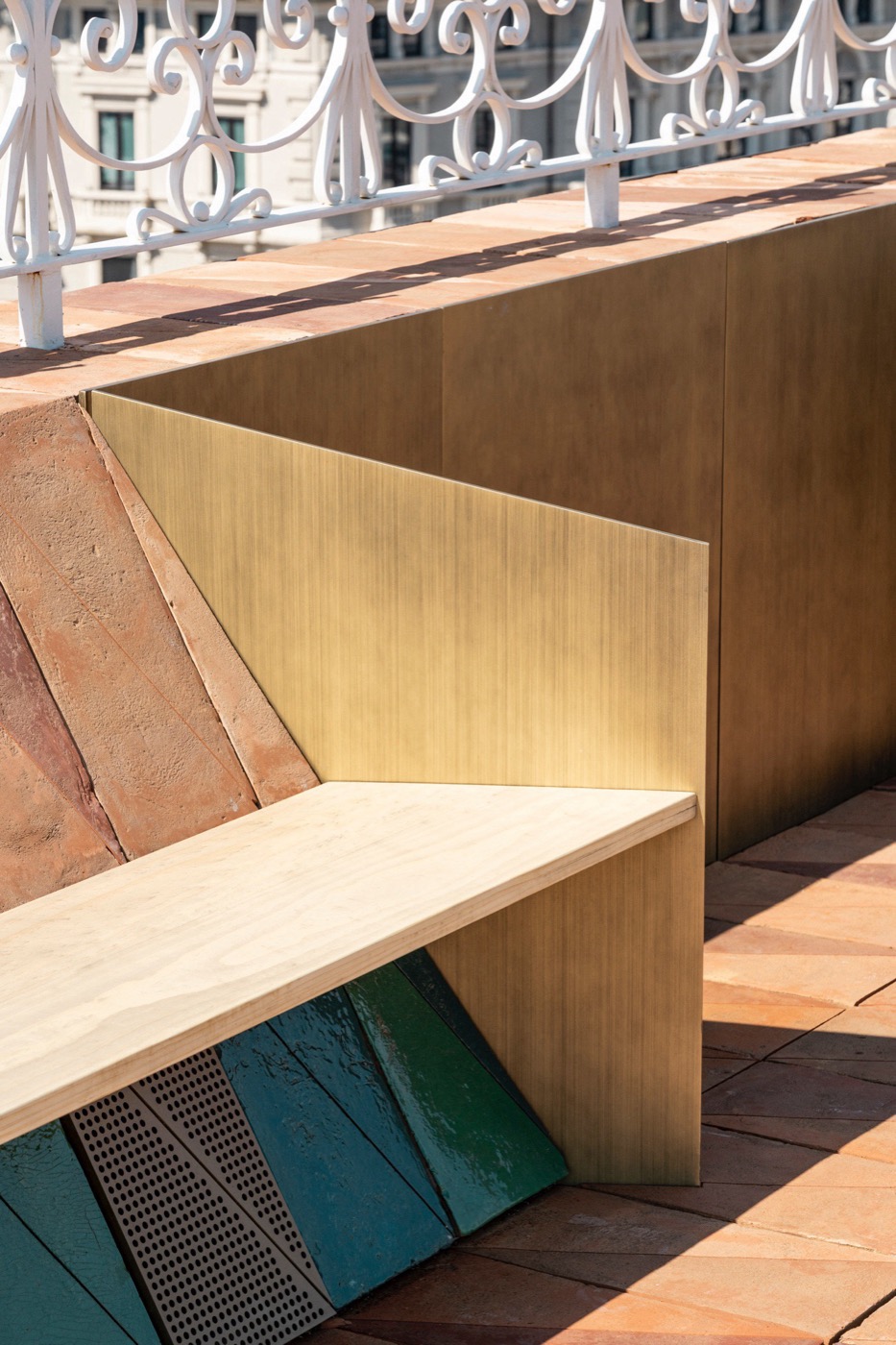
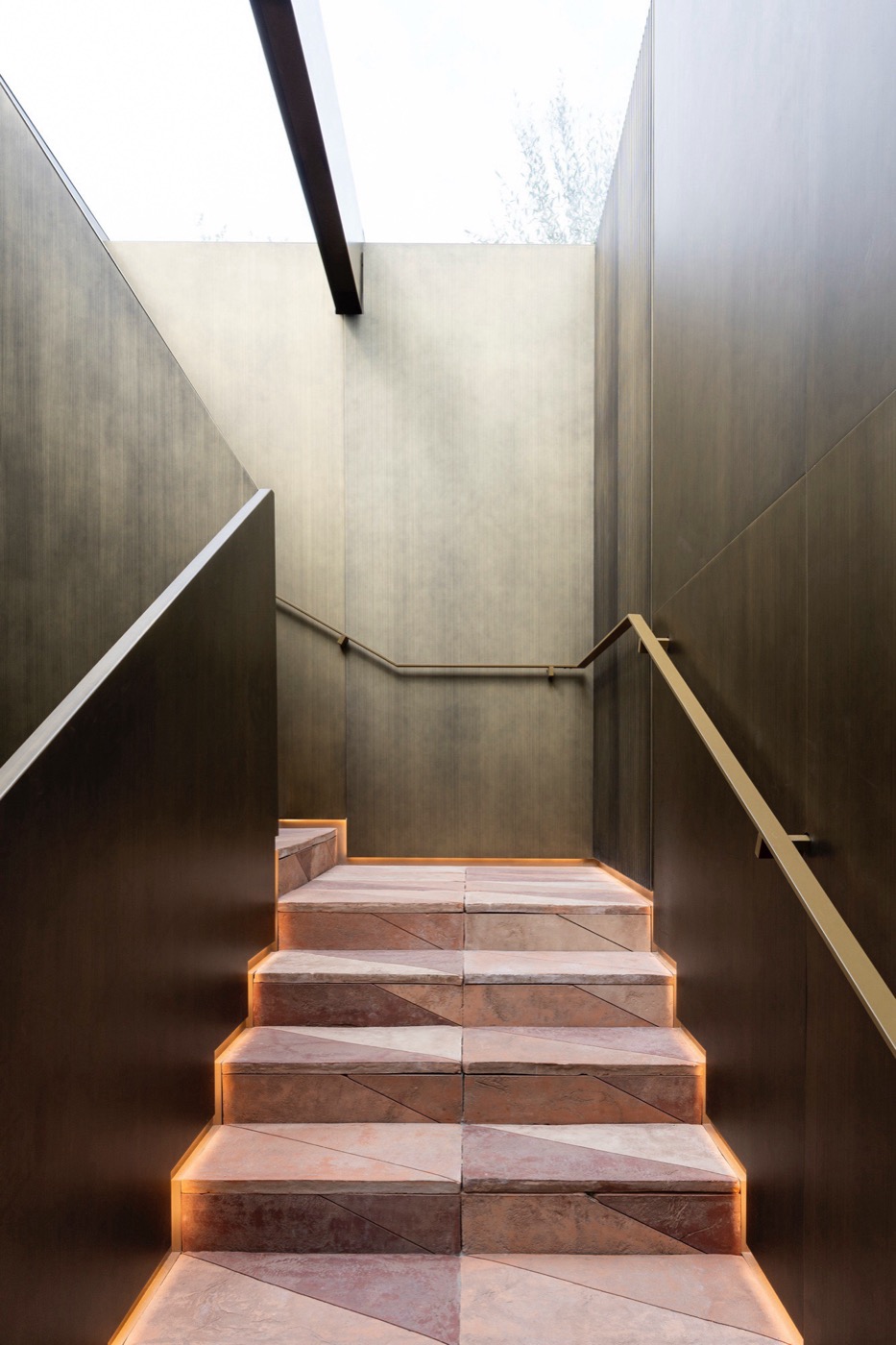
In the heart of Milan, in Piazza Cordusio, the restoration of the open space atop a building by Luca Beltrami—commissioned by Countess Celeste Dario-Biandrà at the beginning of the twentieth century—has created a distinctive place that harmonizes with the city’s nineteenth-century fabric. The flooring, made of handmade terracotta tiles cut into triangles and designed in various shades, evokes Milanese rooftops; the terracotta parapets suggest a sloping roof curving towards the terrace. The result is an elevated square with a discreet appearance, whose noble materials give it a unique and refined simplicity. The project respects the heritage authority’s restrictions, including height limits and the diversion of the building’s services. A large, motorized skylight serves as the main entrance and a dramatic architectural feature, remaining open when the terrace is in use. Marine wood seating and workstations make the space flexible, suitable for work breaks or meetings, while a removable canopy provides shade over the table areas. The trapezoidal perimeter is lined with seating and panoramic niches in satin-finish stainless steel with a brass effect.
The architectural concept is strong, and the material that defines it—terracotta—naturally calls for a subtle vegetation that does not compete with the material’s elegance or form. Imagining a sea of terracotta brings to mind the lichens that typically colonize it over time, with their acidic yellow and green tones, or warmer shades of yellow and orange. For this high-altitude square, it was therefore consistent to conceive “vegetal geographies” rather than ordinary potted plants: plants emerging from the terracotta, not simply placed on it. The idea is that mineral and vegetal elements form a unified whole rather than separate components. Practically, this translates to extensive green roofs, featuring plants with a very natural appearance that become self-sustaining once planted. These are shallow-rooted species that could even grow through slight shifts in the terracotta (15 cm of soil is sufficient). They spread across the surface: mosses, Sedum, small grasses, and aromatic plants that thrive independently with minimal care.
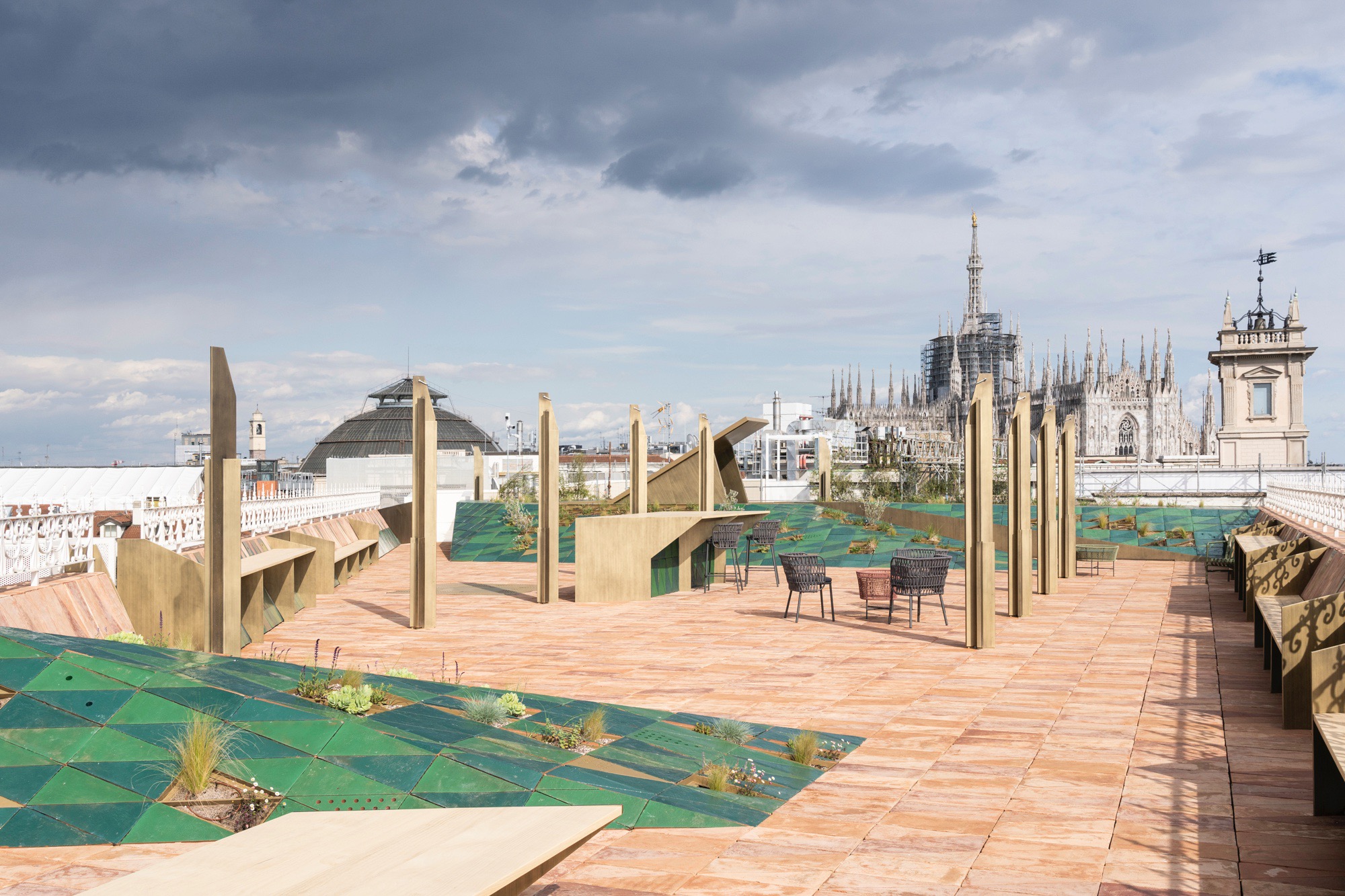
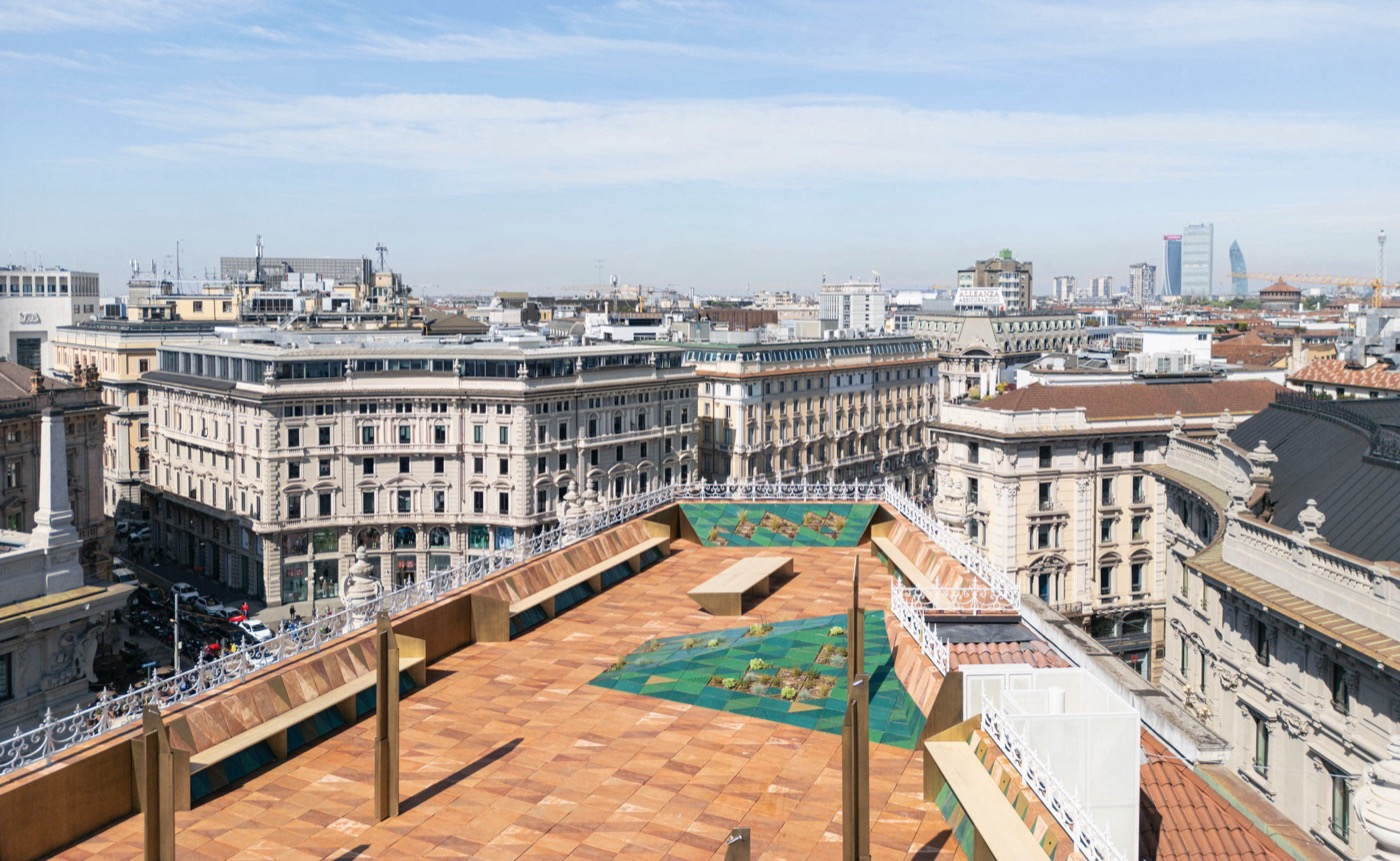
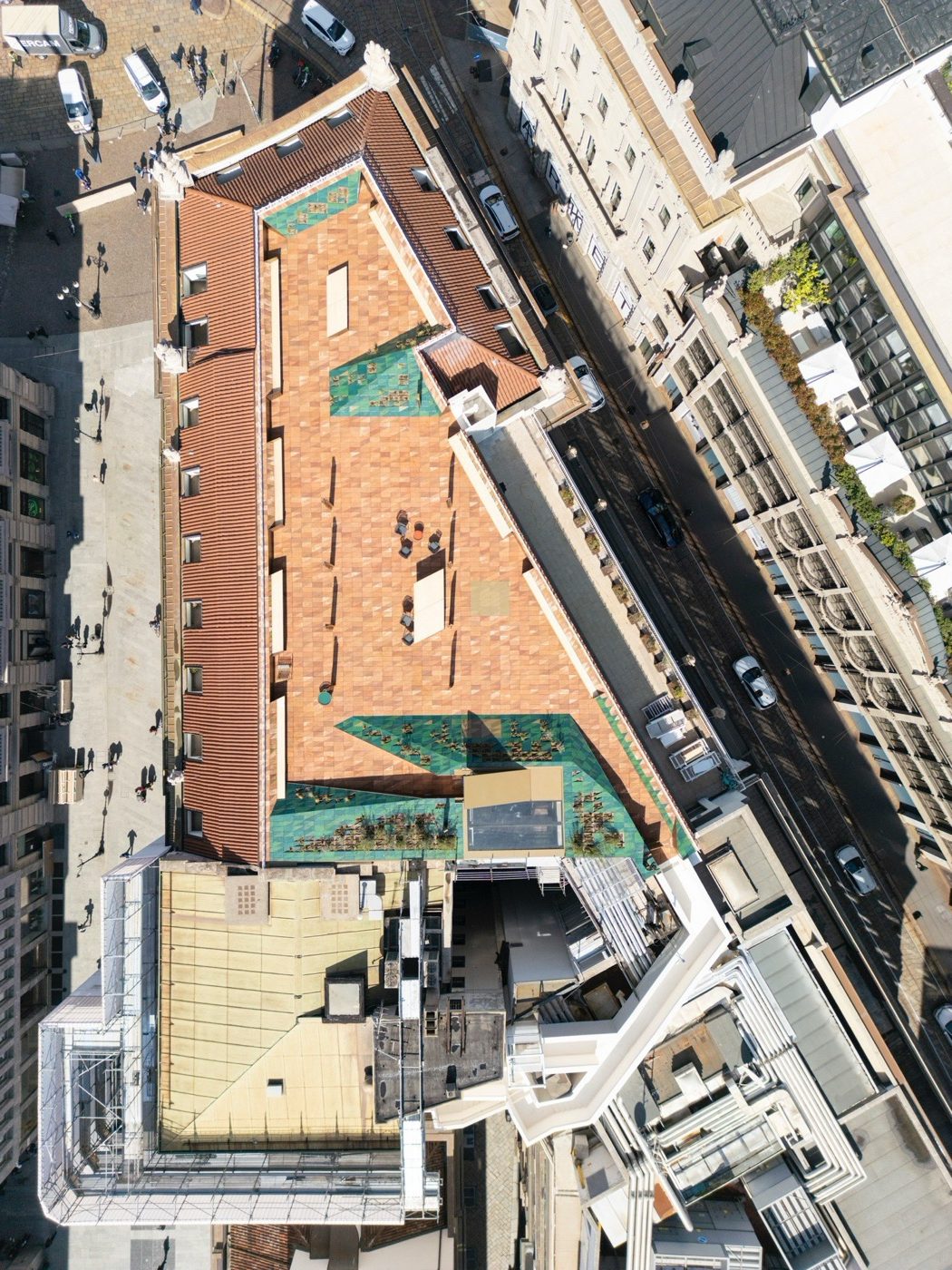
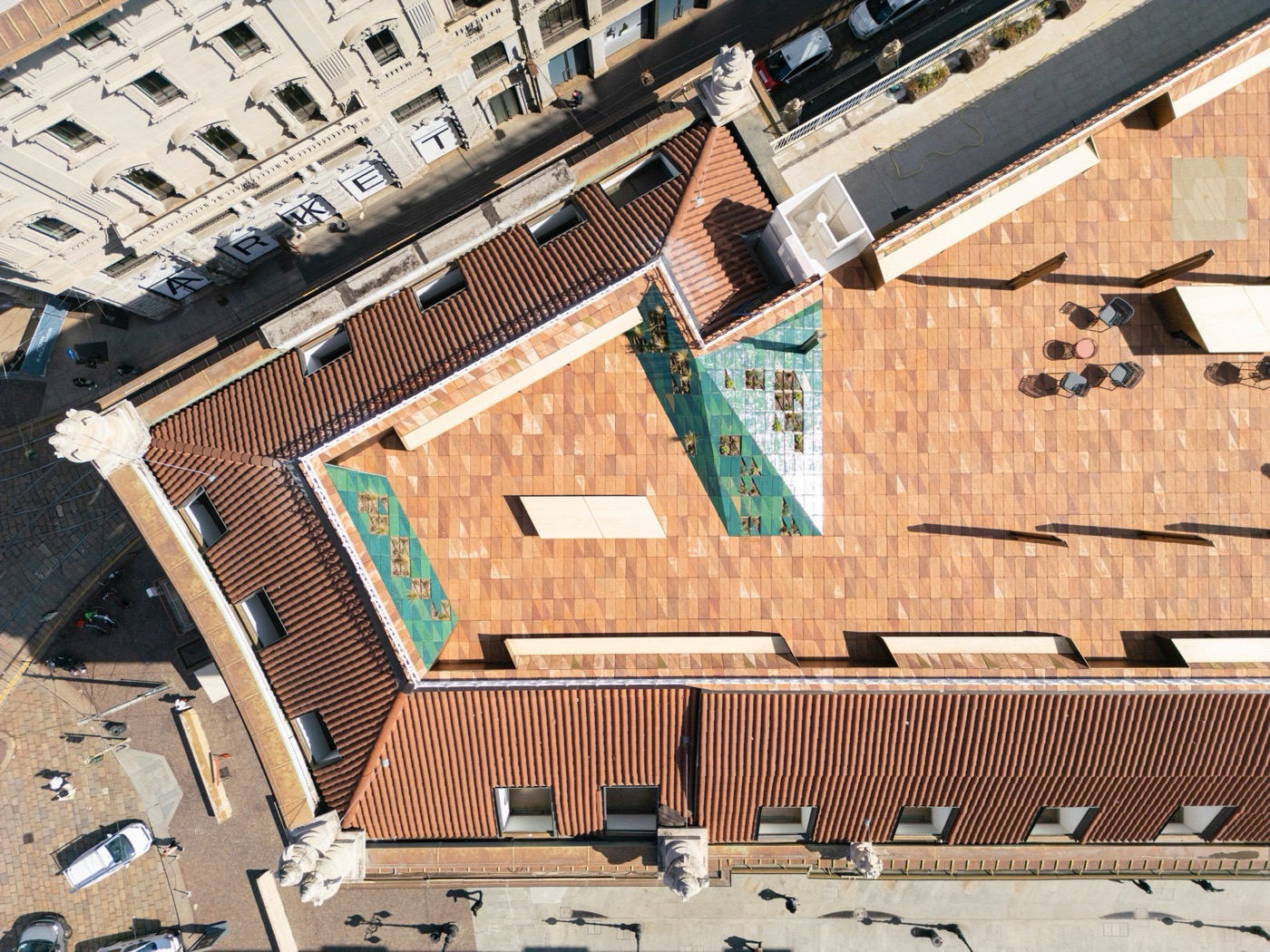
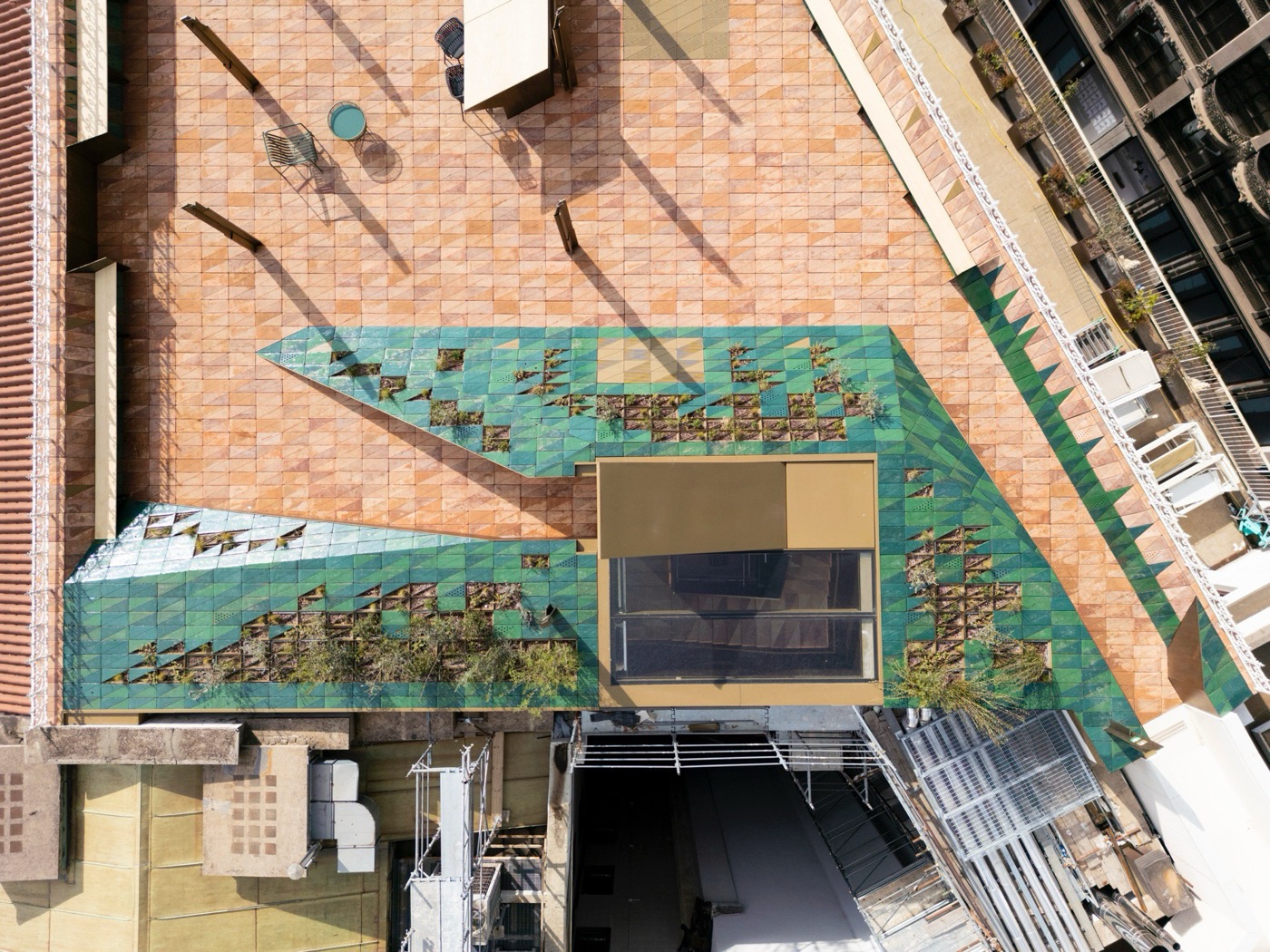
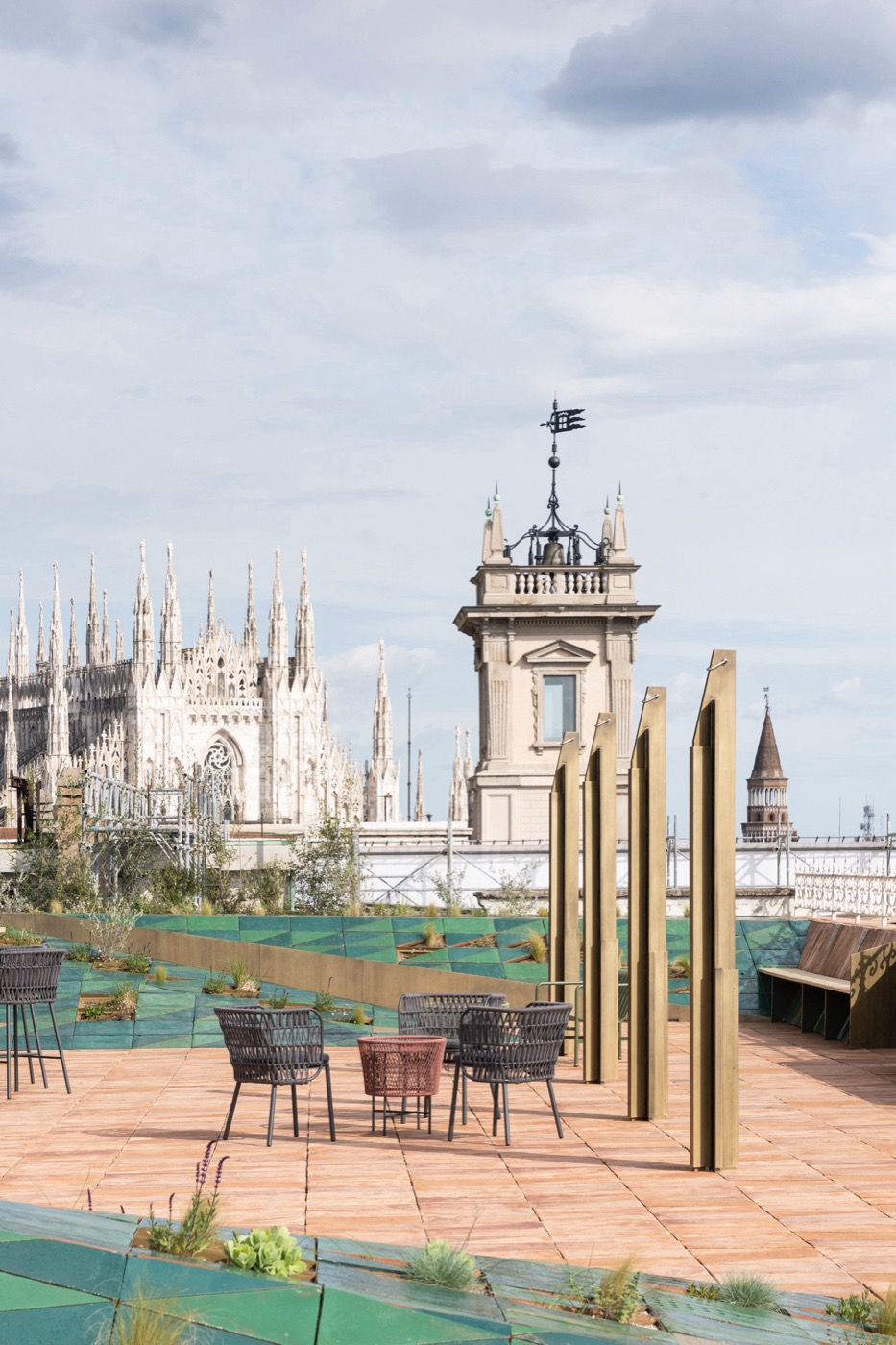
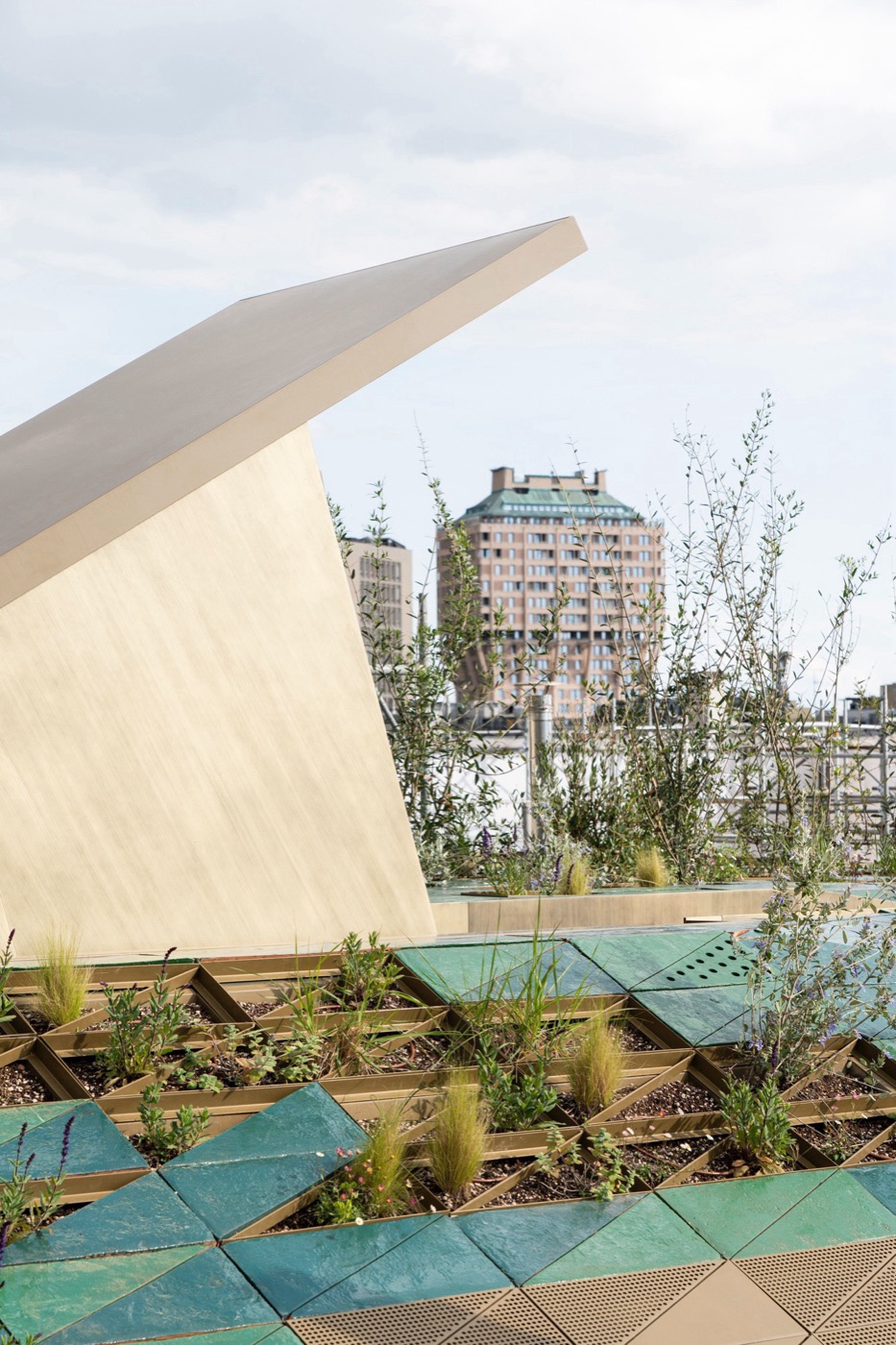
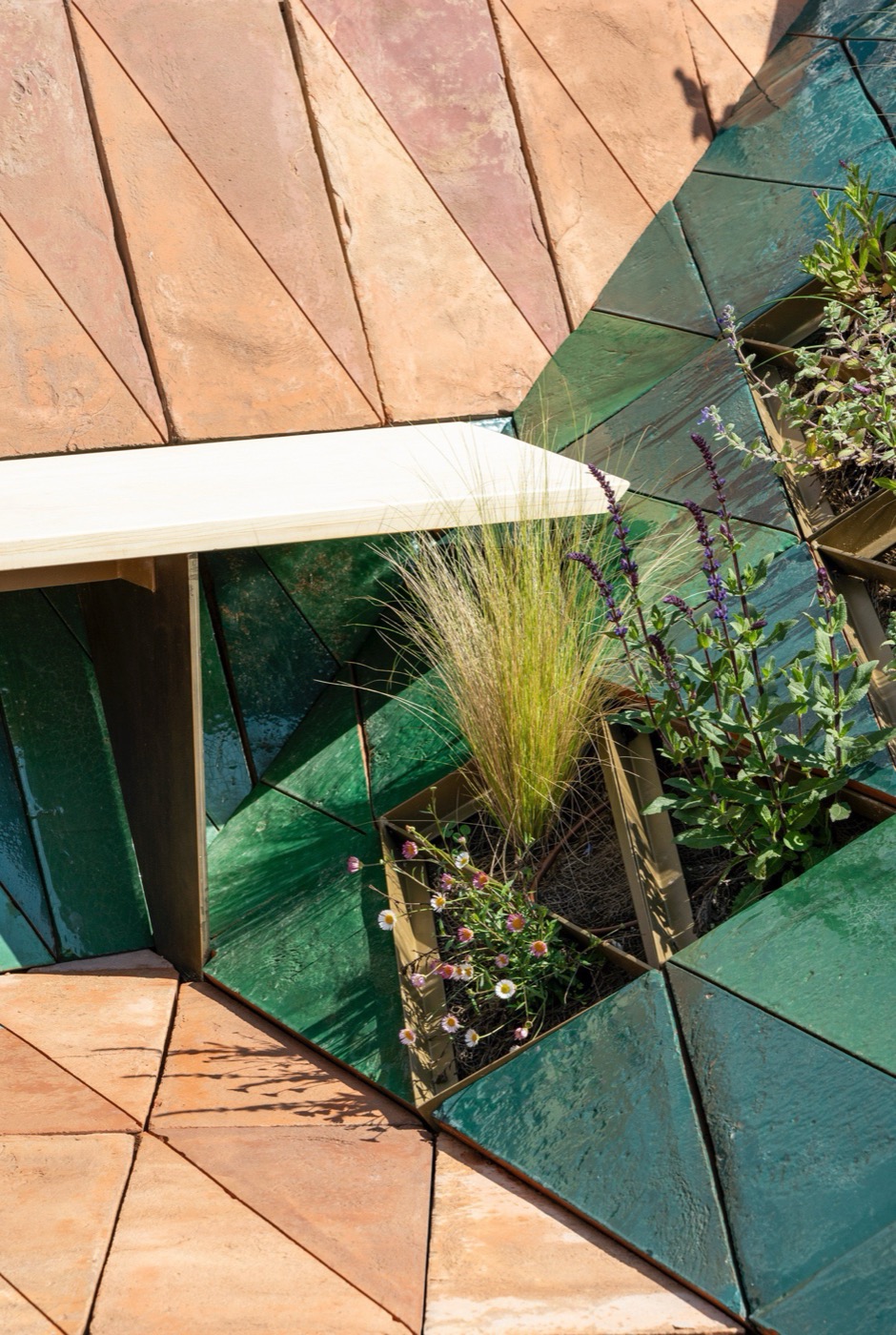
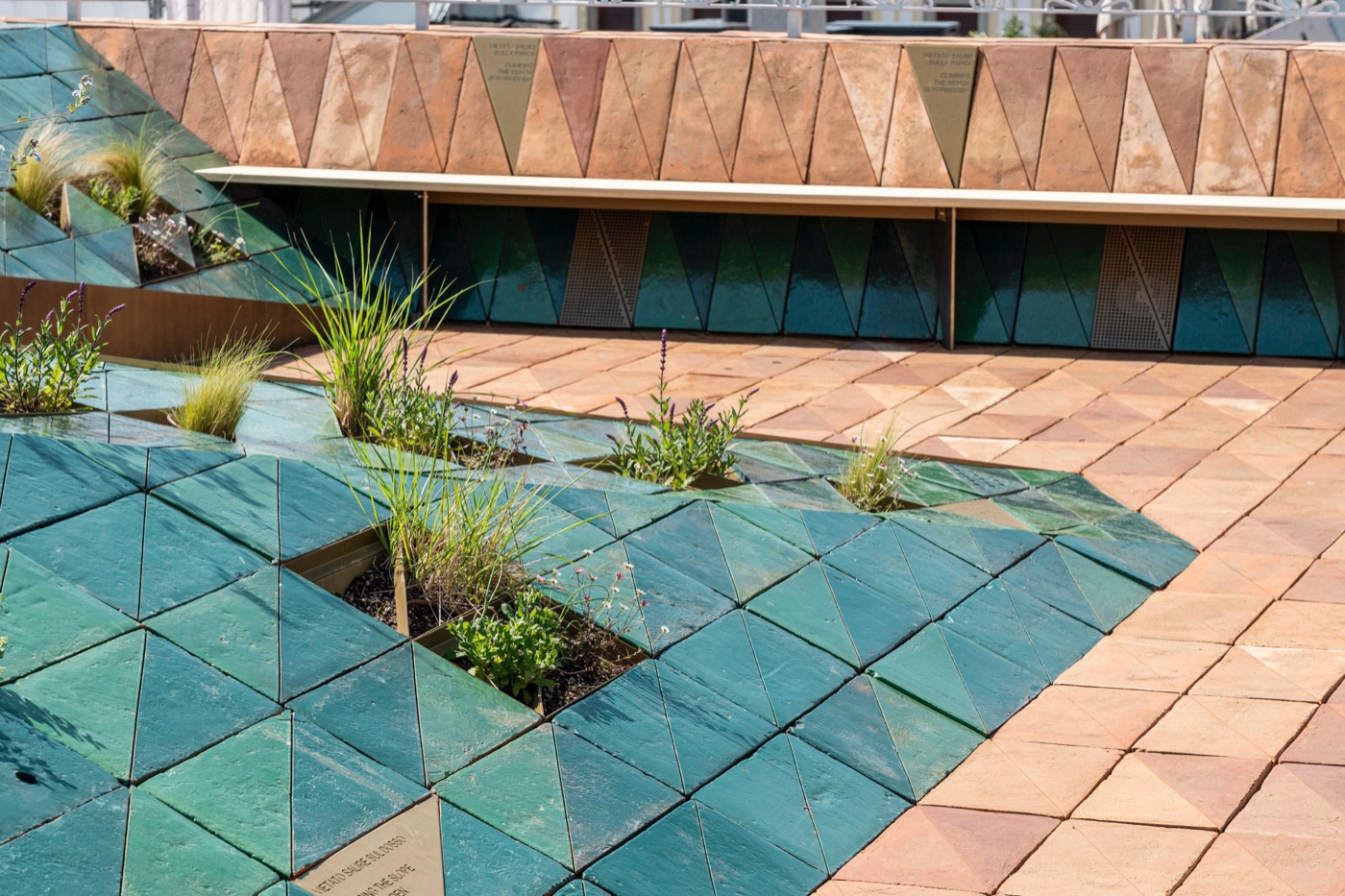
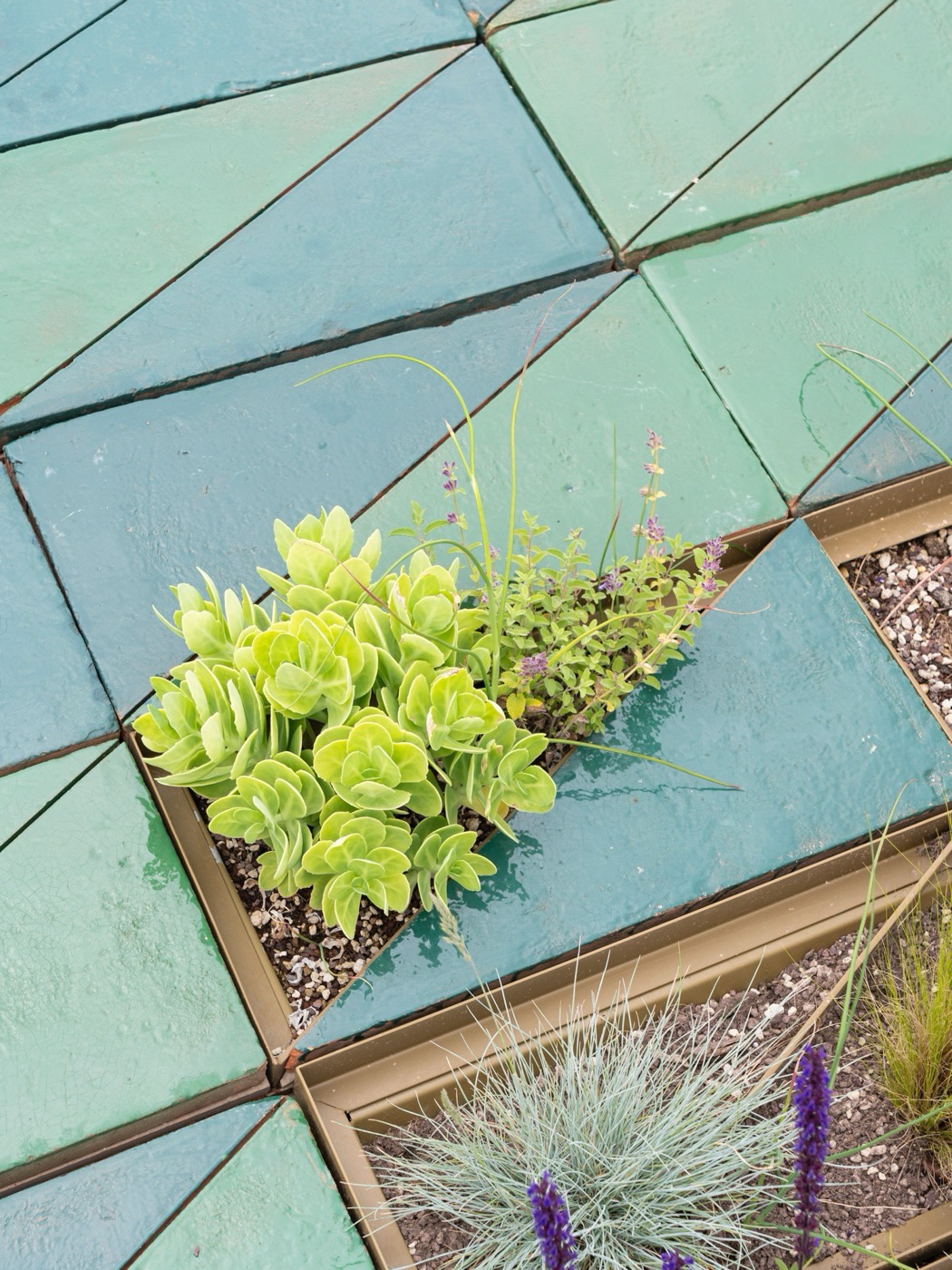
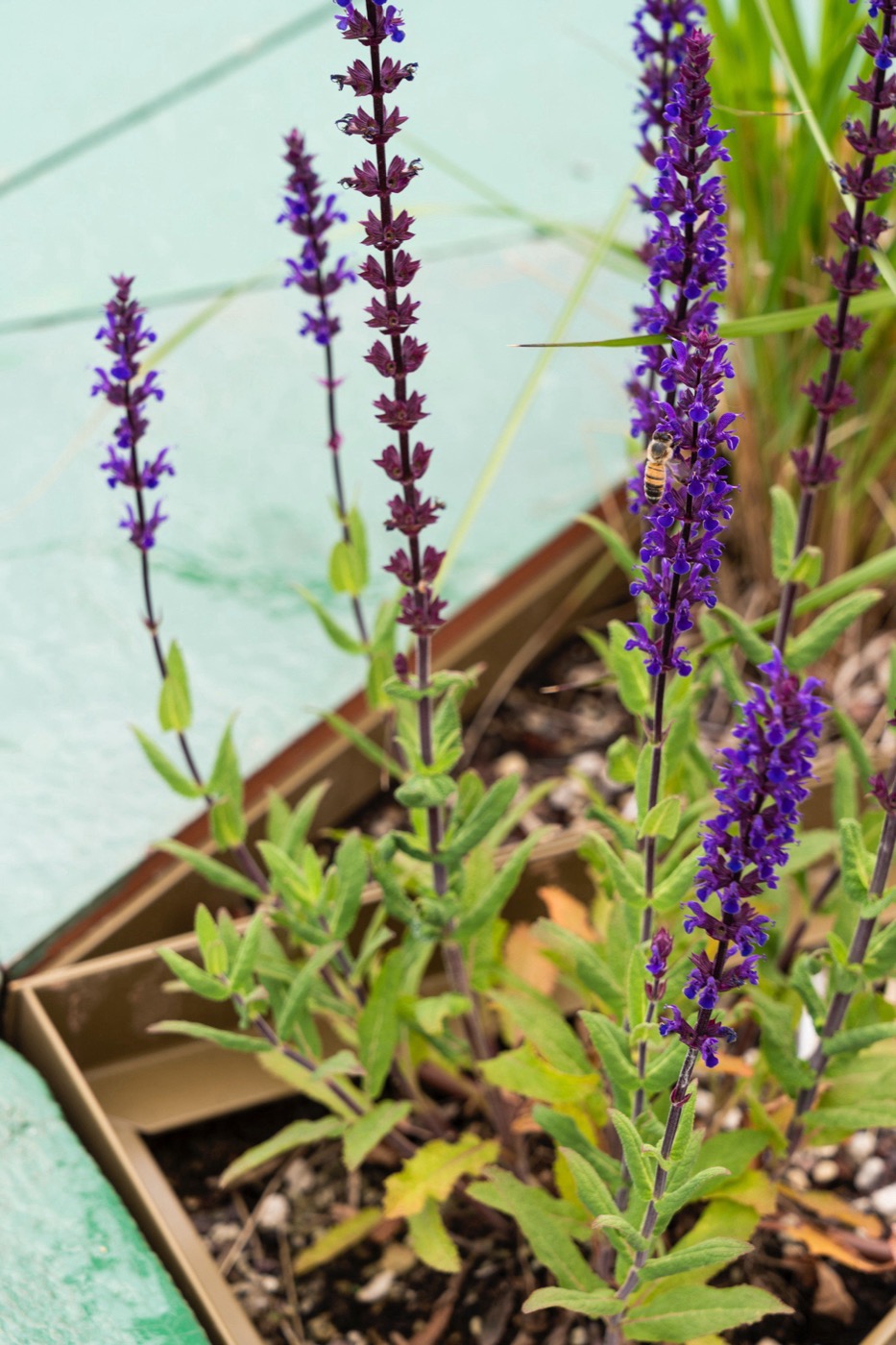
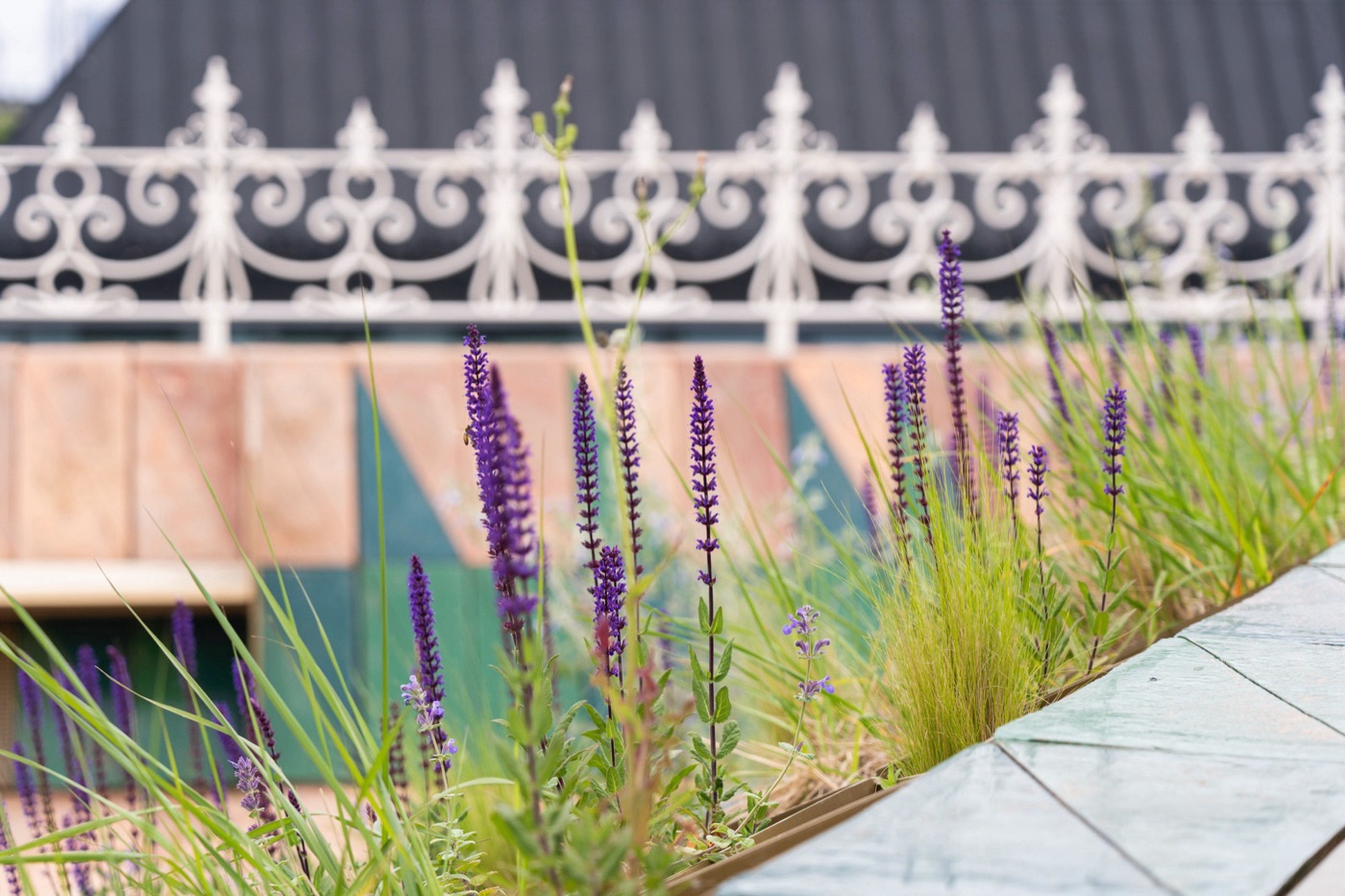
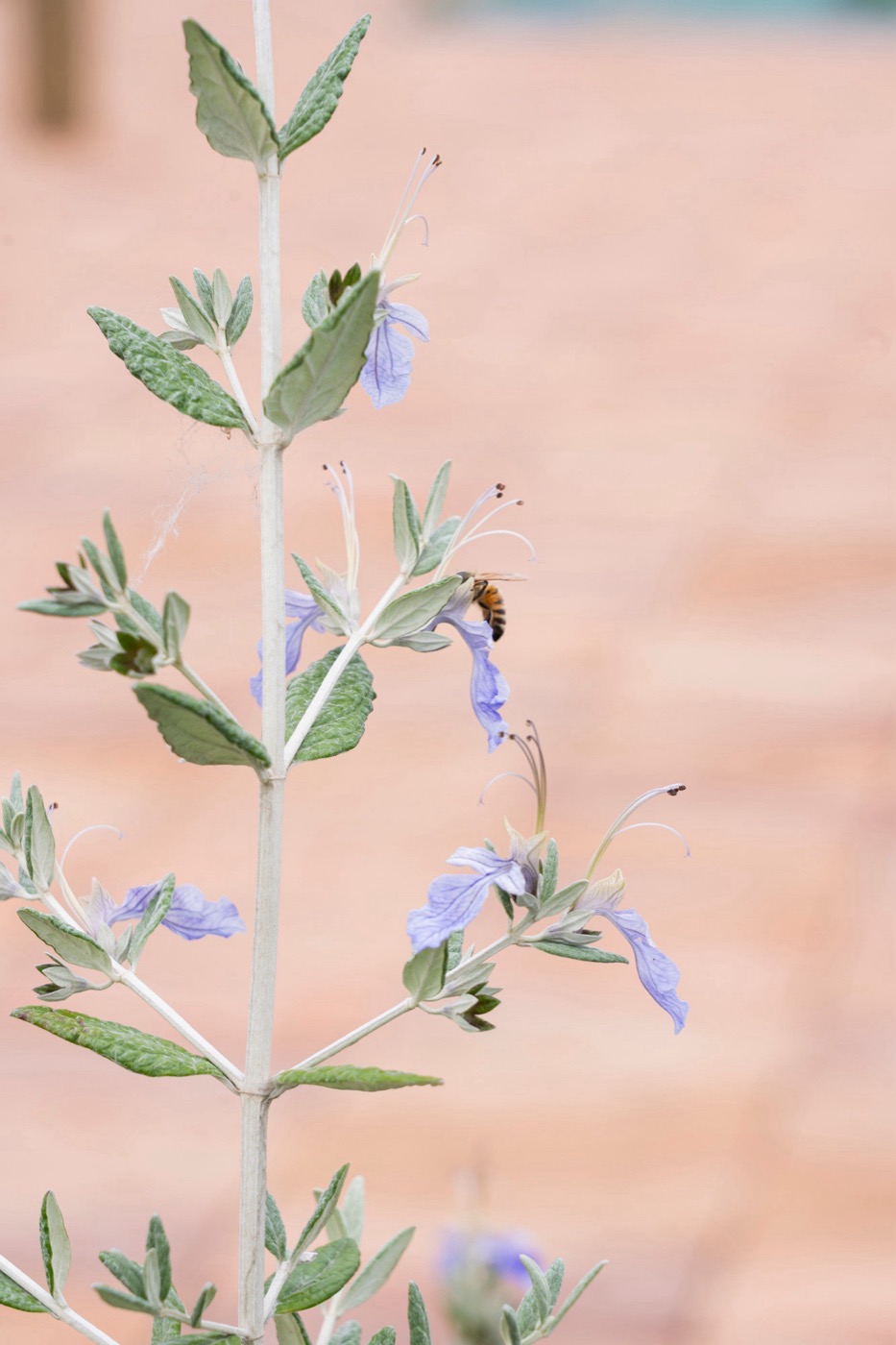
Visitors arriving on the terrace are greeted by taller vegetation (around 70 cm), including Stipa tenuissima, Nepeta × faassenii, and Salvia nemorosa ‘Caradonna,’ producing a soft, pastoral green. Reaching the terrace reveals an unexpected scale: it feels like stepping onto a true high-altitude piazza. The space does not reveal itself all at once but gradually unfolds. The vegetation then begins to lower progressively, with seasonal blooms rising above. Festuca glauca serves as an evergreen base (it is one of the few grasses, along with Stipa, that do not need to be cut back after winter, requiring virtually no maintenance). Alliums (Allium nigrum and Allium atropurpureum) emerge from this green-blue foundation to flower in spring. In autumn, Sedum spectabile ‘Autumn Fire’ takes center stage, shifting from pale pink at the beginning of flowering to brick red later. The vegetation continues to descend, adopting acidic tones. Euphorbia cyparissias forms a delicate, airy base that turns colorful in autumn, then blooms in spring with a profusion of acid-yellow flowers fading to rust. Allium schoenoprasum flowers in late spring, while Petrorhagia saxifraga blooms from summer into late autumn.
The view extends across the entire city. Planting interventions become increasingly minimal and precise, aligned with the concept of a flat vegetation “geography” in harmony with the terracotta, where occasional seasonal highlights emerge. Sedum sexangulare rapidly forms a dense evergreen carpet, blooming with golden flowers in late spring. Sedum album is green in summer and turns a rosy hue in winter. Allium shubertii is just one example of what might sporadically sprout from this Sedum carpet.
These carefully calibrated, minimal interventions reveal small seasonal marvels, reminding us that this is a unique place whose iconic character derives from restraint. The project embodies a concept centered on spontaneous nature, fostering rich biodiversity populated by nectar-rich plants that, in spring, transform the terrace into a sanctuary for insects in the very heart of Milan.
Design Team
Co-founders: Filippo Pagliani, Michele Rossi
Associate and Project Director: Alessandro Rossi
Project Leader: Alberto Ficele
Landscape Director: Marianna Merisi
Architects: Simone Negrisolo, Margherita Piccin, Irene Ricciardi, Nicola Colella, Alice Cuteri
Visualizers: Stefano Venegoni, Mara Nunziante
Client
Fondo Euripide managed by Generali Real Estate SGR
Photography
Nicola Colella
45.46550031307928, 9.187050054054703
73976


LILA 2026 Sponsor