Tunisian Hammamet (Baths) Street Gardens
sanabel-landscape.com/ + tibahjo.com/
2026 Revisited Landscapes / Jordan / Built in 2005 /
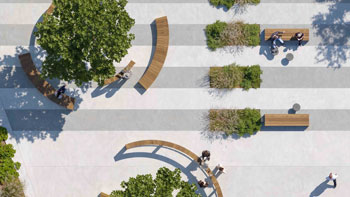
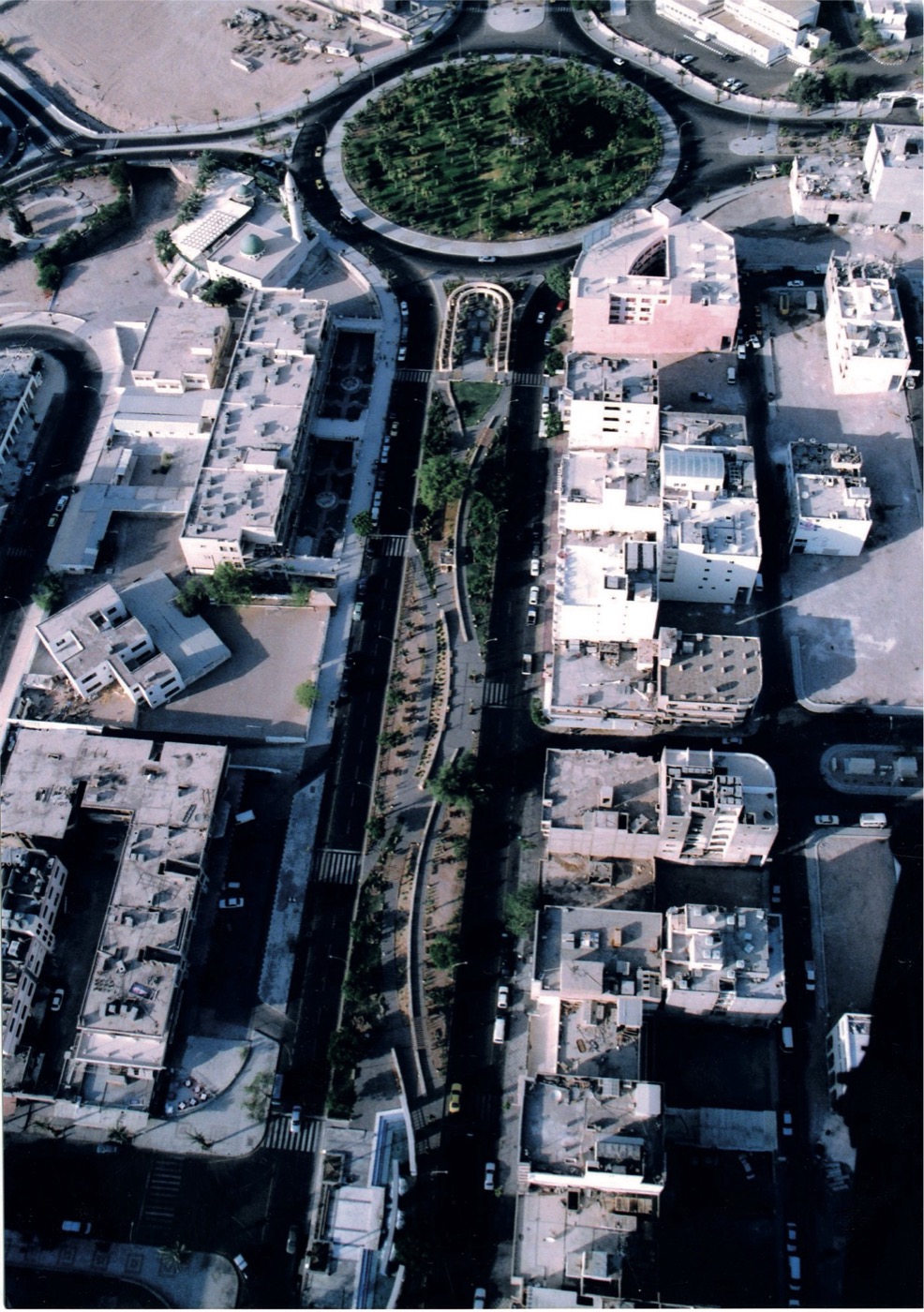
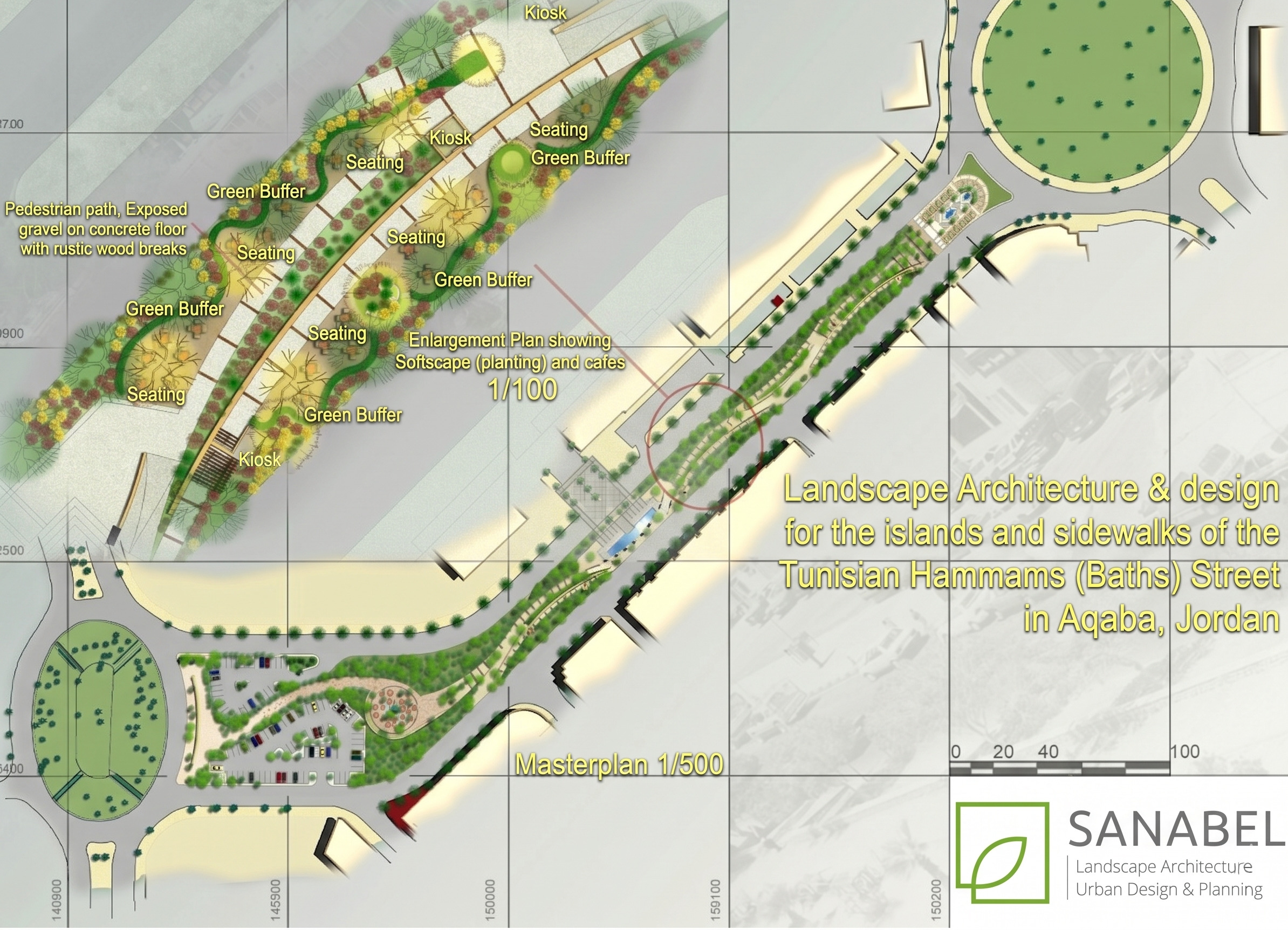
Tunisian Hammamet Street Gardens in the port city of Aqaba city in Jordan, is a large-scale urban landscape design project commissioned by the Aqaba Special Economic Zone Authority (ASEZA) in Aqaba, Jordan. Covering an area of 60,063.69 m², the project transforms a key street corridor into a vibrant, inclusive, and climatically responsive public destination. It redefines the site as a continuous cultural and recreational spine between Princess Haya Al Hussein Roundabout and Sharif Hussein bin Ali Square, strengthening urban connectivity and reinforcing Aqaba’s coastal identity. The design concept aimed at enhancing the interaction between local people and tourists and took into consideration the accessibility and safety of people as it is surrounded with roads.
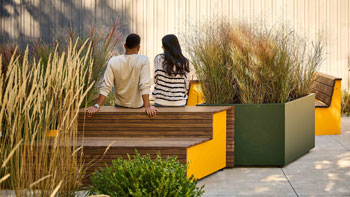
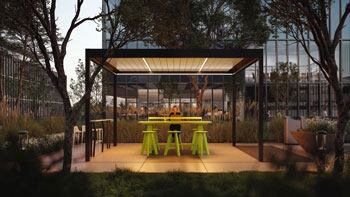
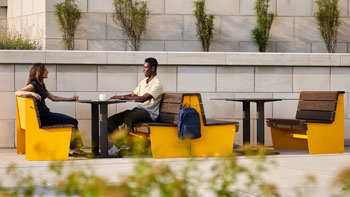
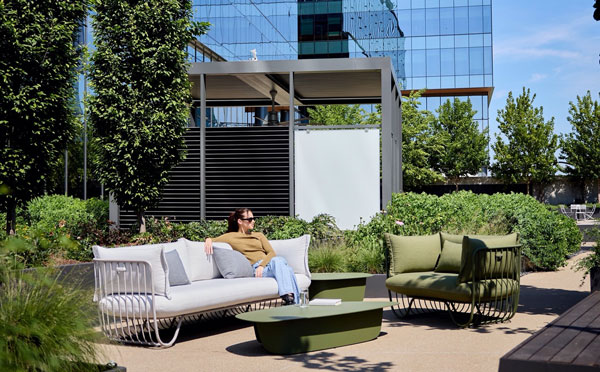
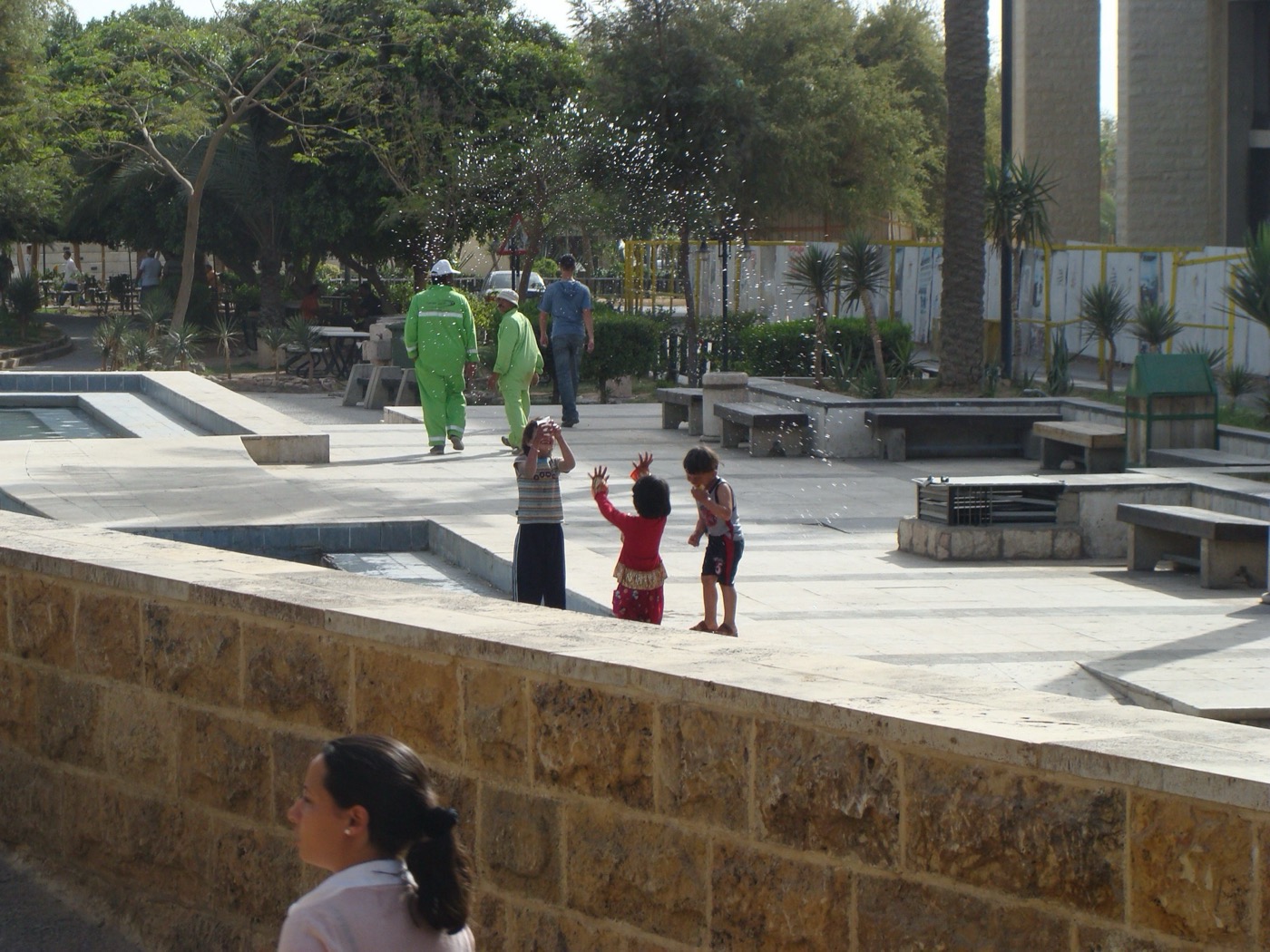
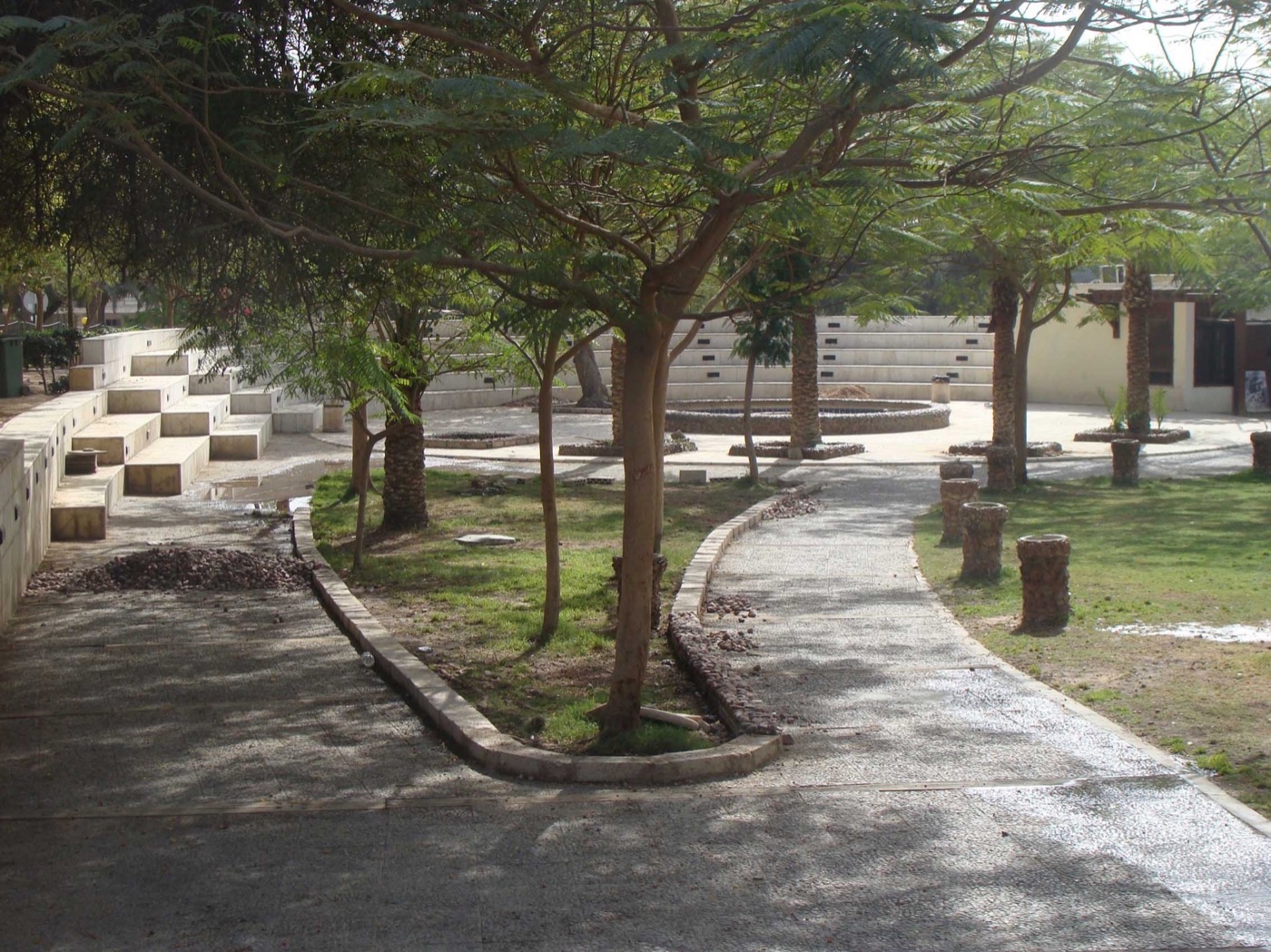
The project reimagines a previously underutilized and abandoned area into a dynamic public realm that supports social interaction, tourism, and everyday urban life. A key achievement is its role in bridging the gap between local residents and tourists, creating a shared public environment where both groups interact naturally. This integration fostered familiarity, mutual acceptance, and cultural exchange, transforming the street from a fragmented corridor into a socially cohesive destination that strengthens the relationship between people and place. Historically perceived as an unsafe and transient zone with limited public engagement, the area was redefined through a comprehensive landscape strategy focused on social activation, environmental performance, and cultural identity. Early stakeholder engagement, including interviews with adjacent commercial users, informed a design approach grounded in accessibility, safety, and local socio-cultural needs, ensuring the space responds directly to community expectations and urban realities. A core principle of the design is inclusivity and universal accessibility. All level differences were resolved through gentle ramps and continuous pedestrian pathways, ensuring barrier-free movement throughout the site. Shaded seating areas are distributed along the promenade to encourage rest, interaction, and social exchange among diverse user groups. Durable, context-sensitive urban furniture enhances usability and long-term resilience under intensive public use.
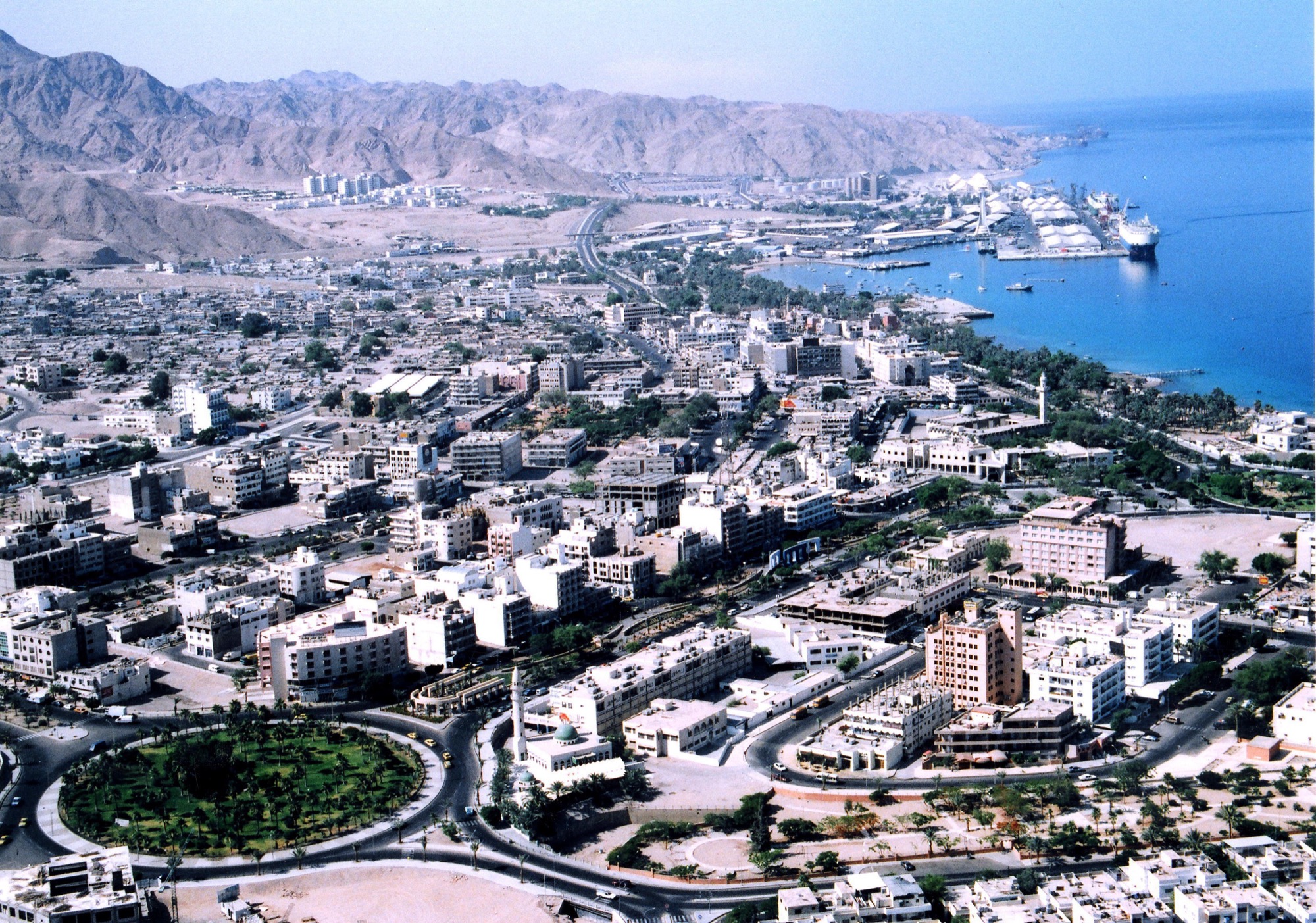
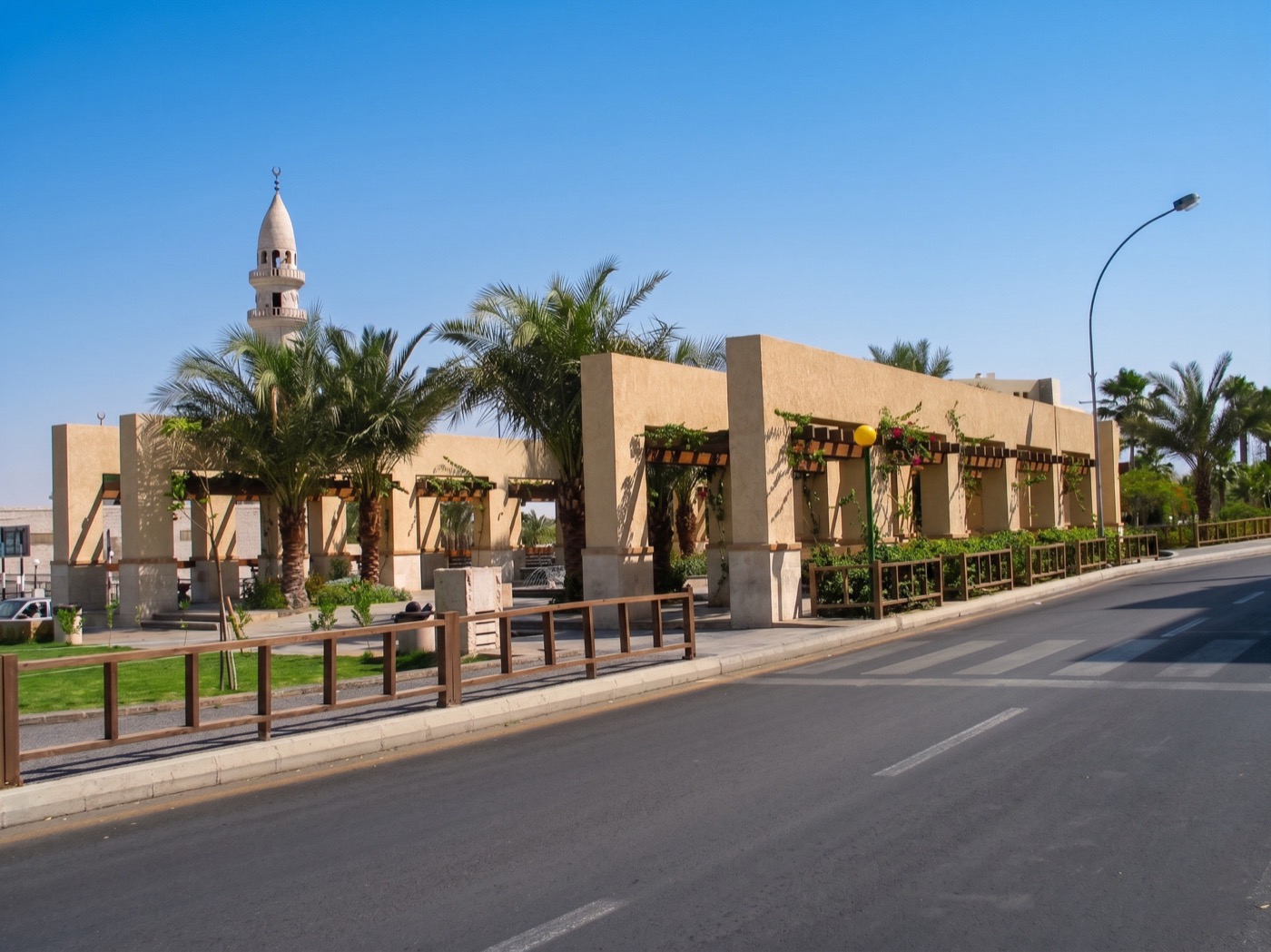
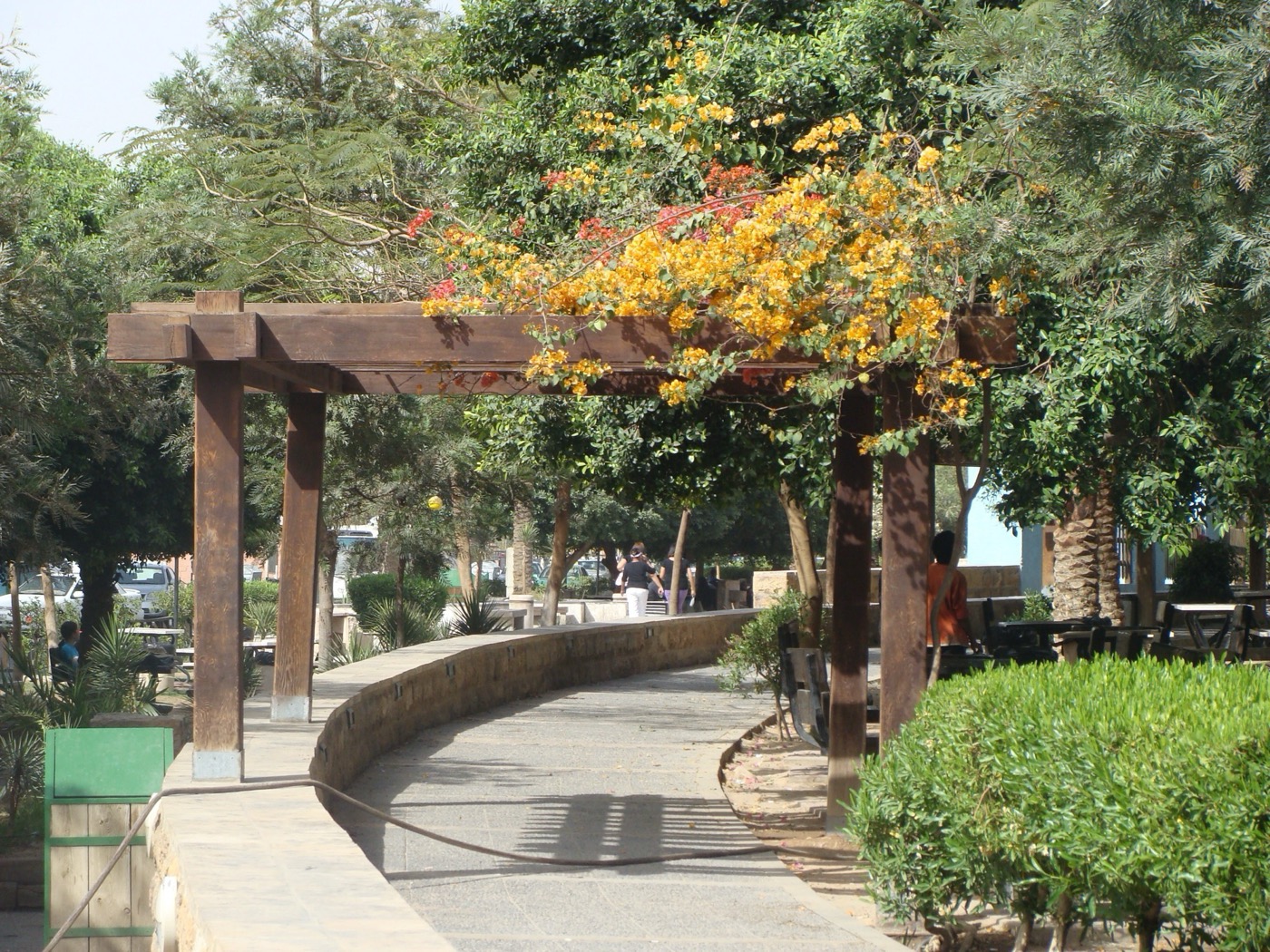
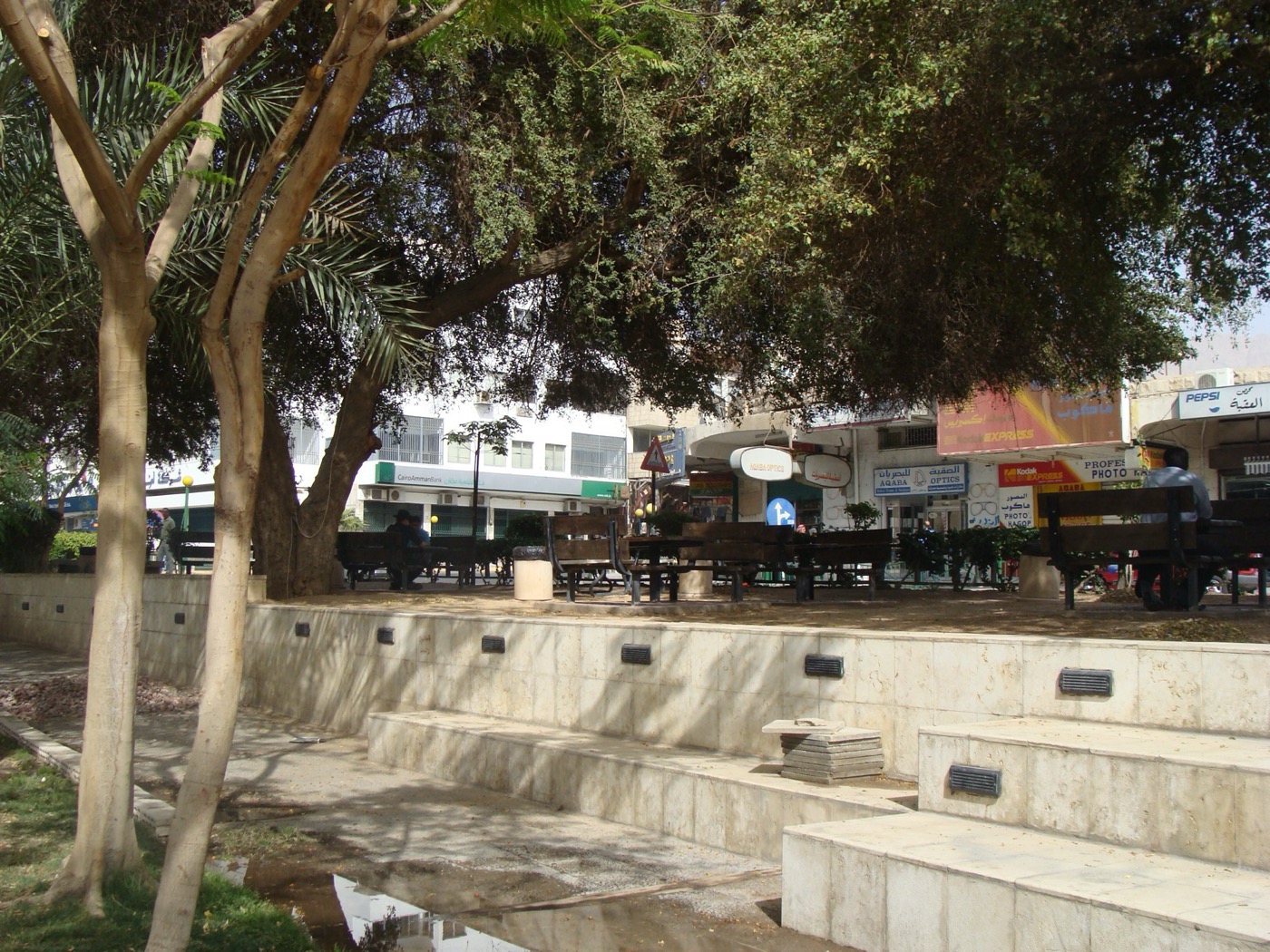
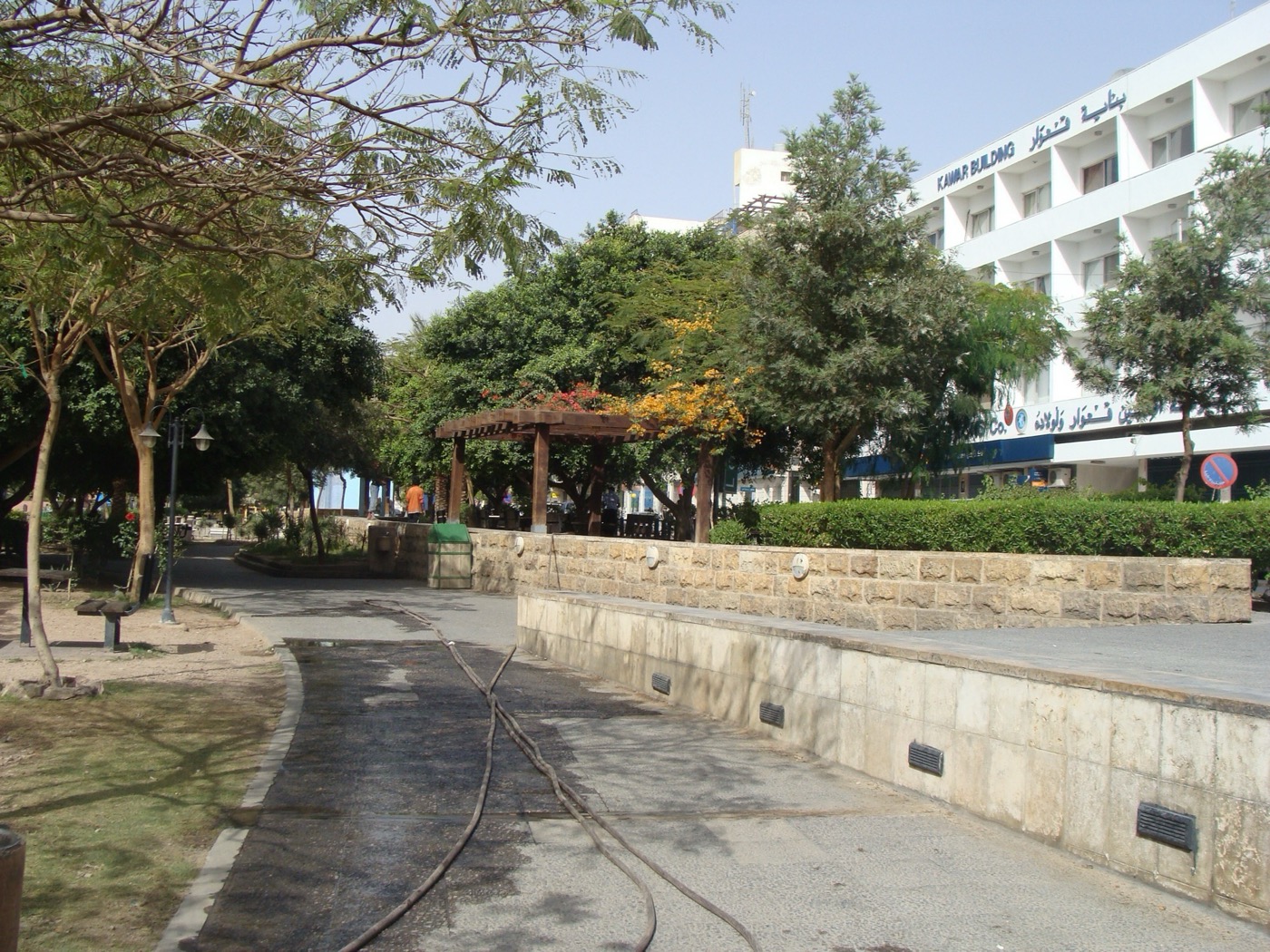
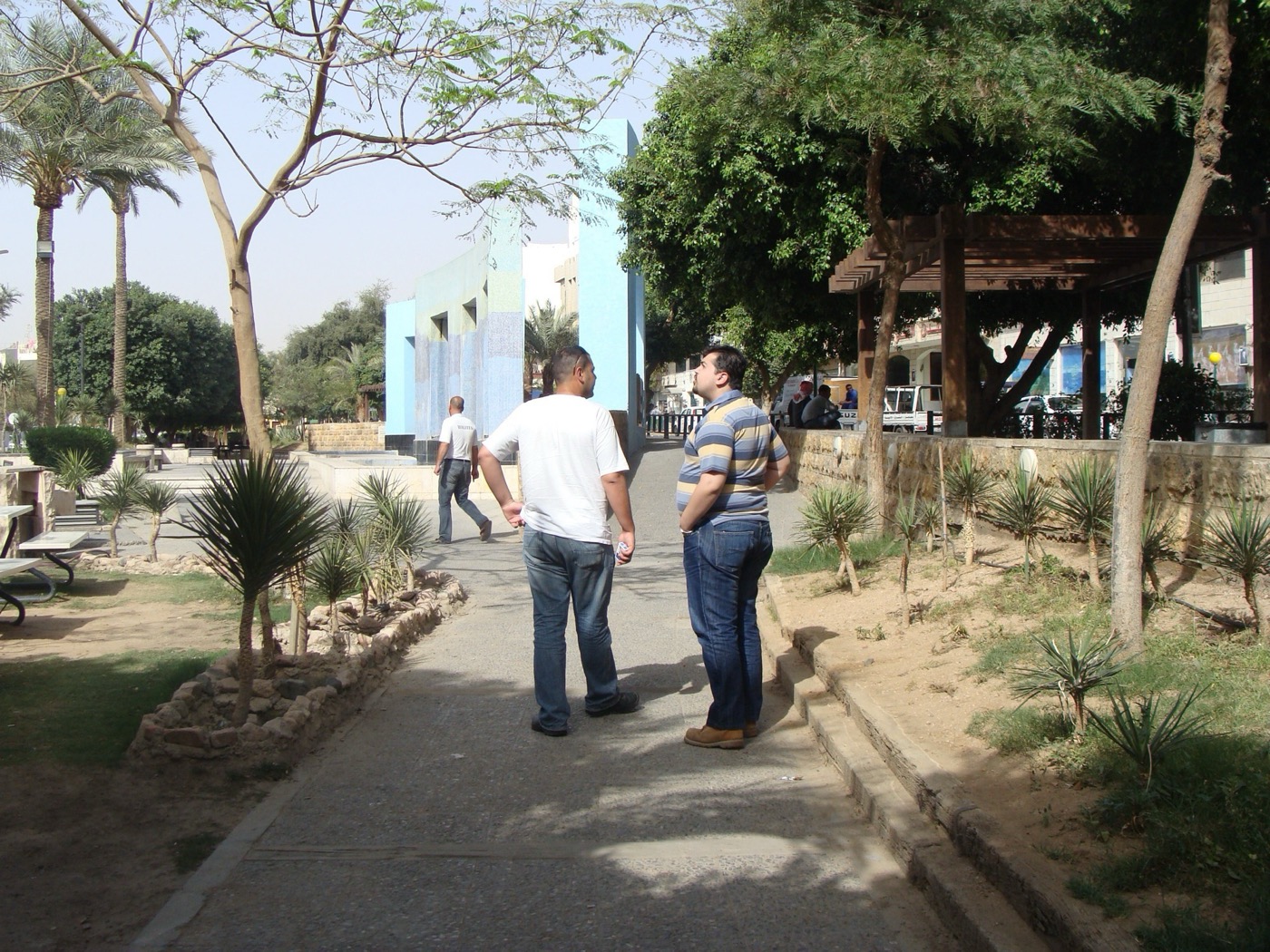
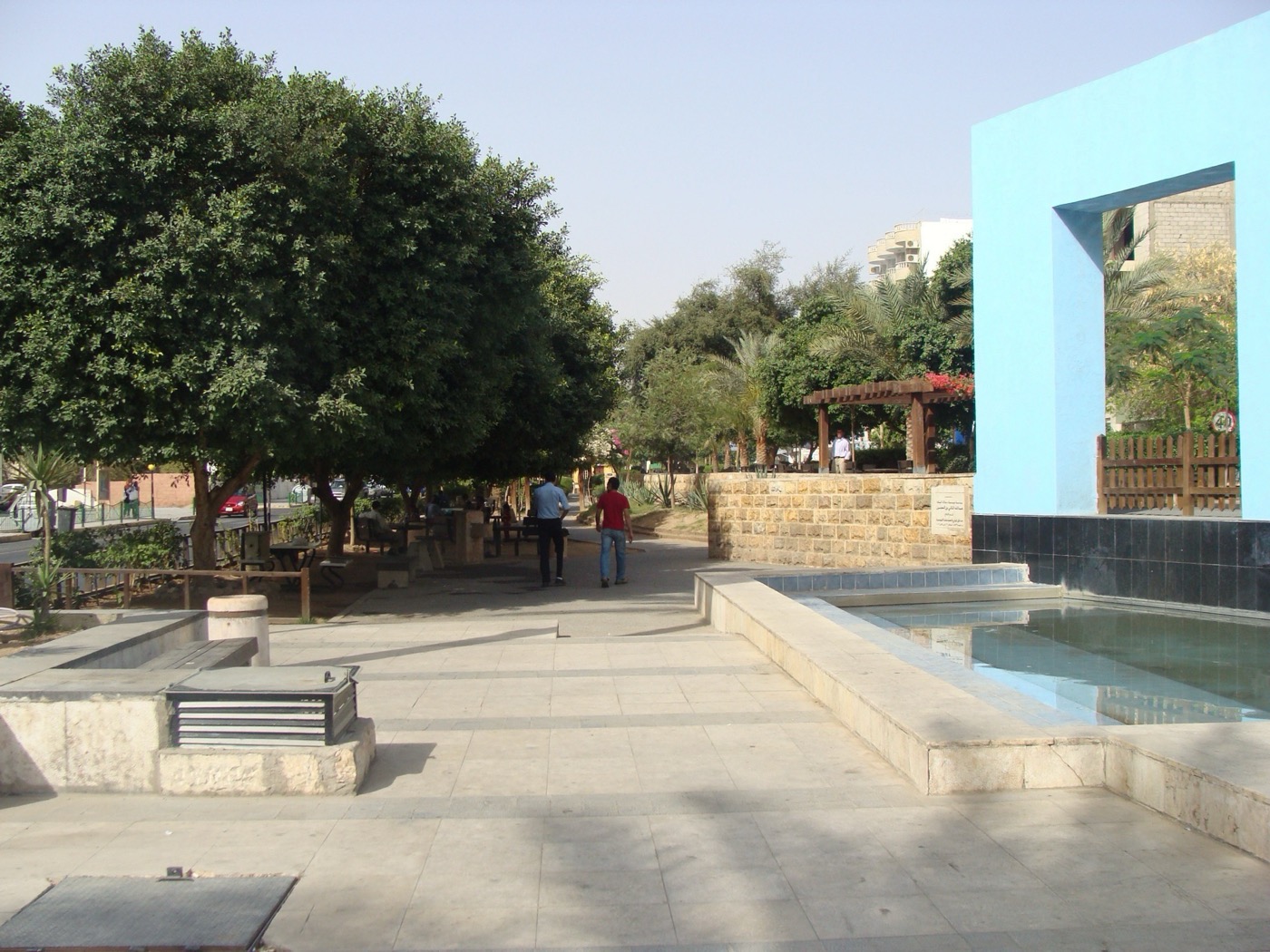
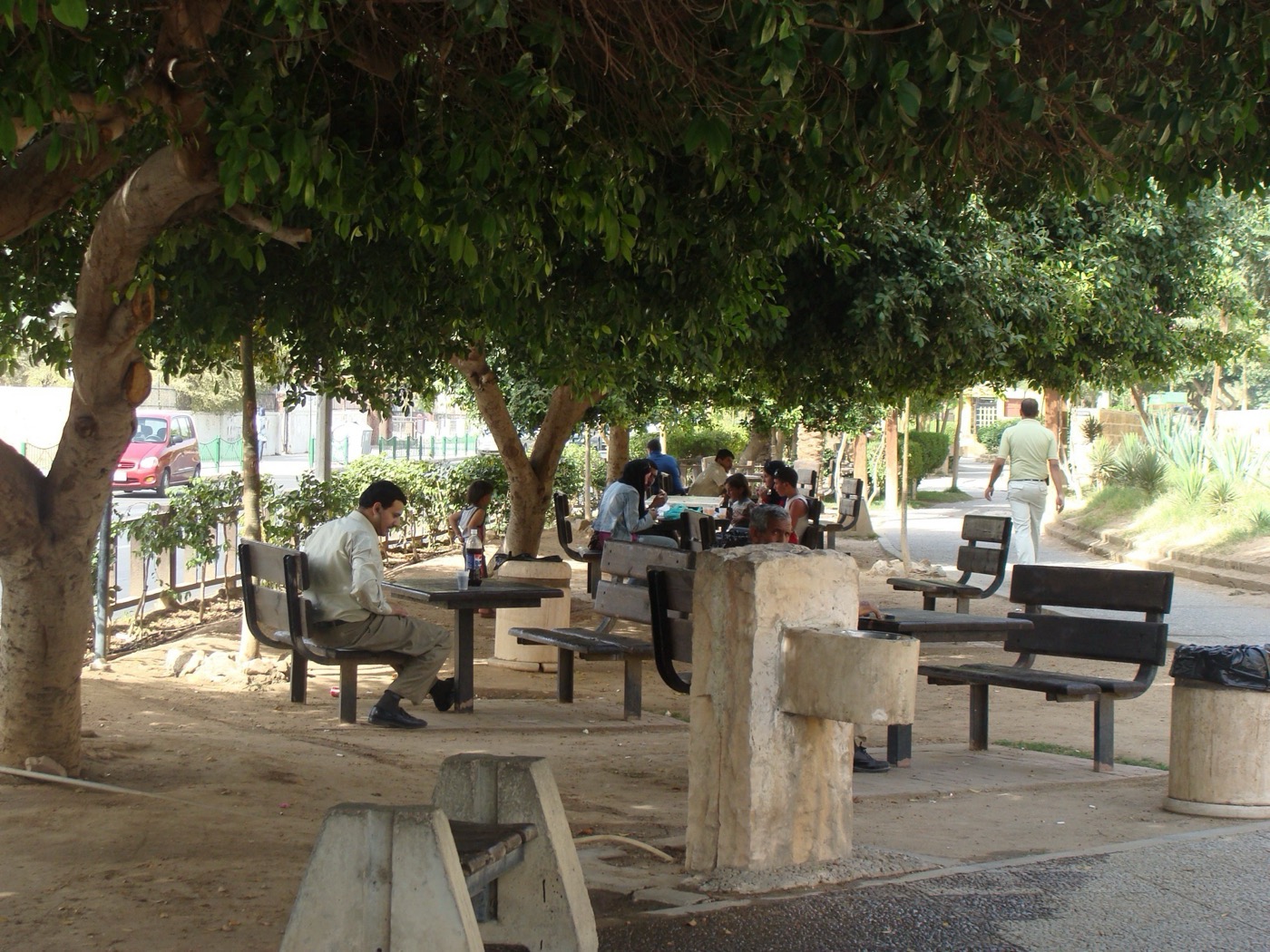
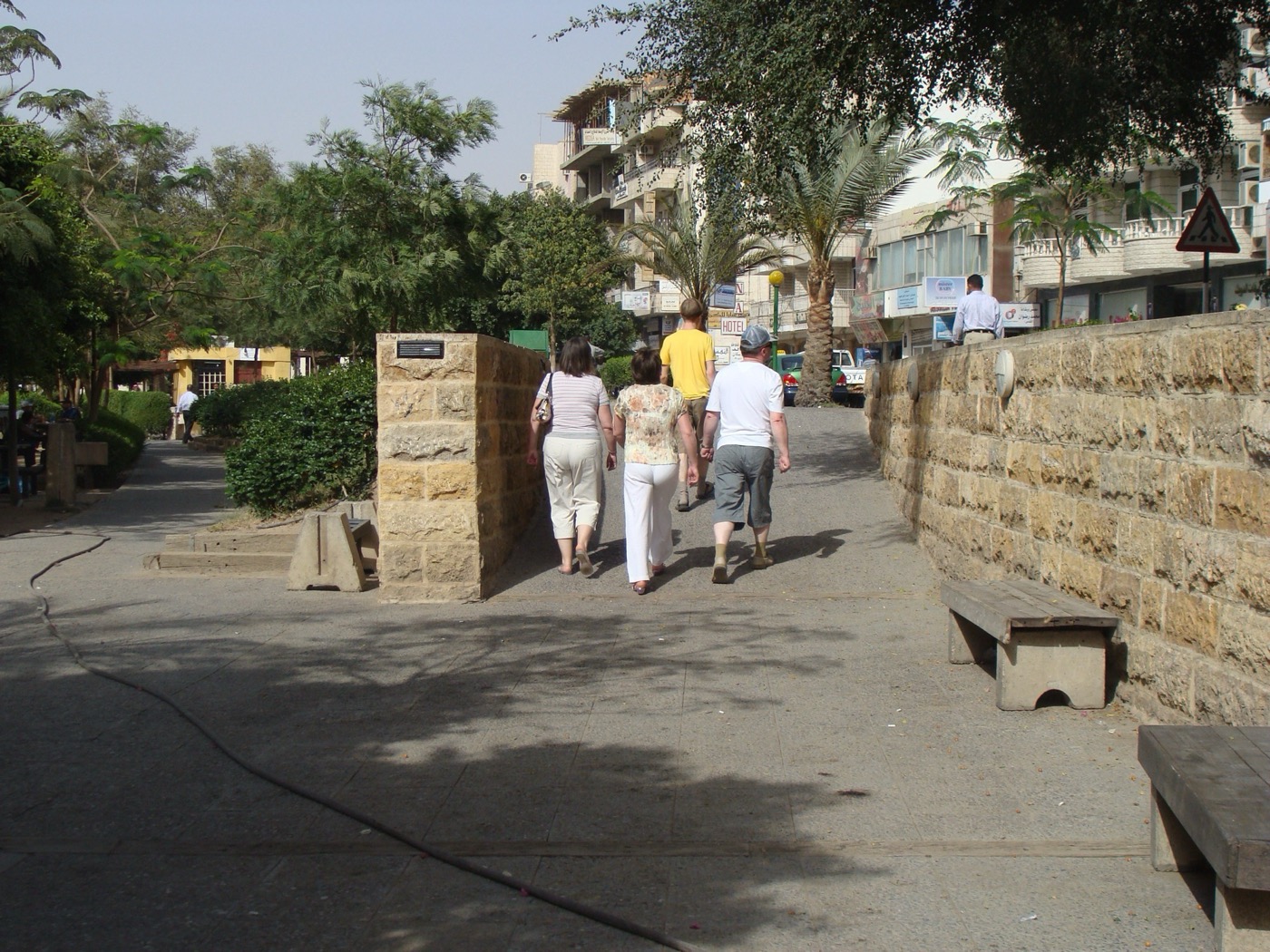
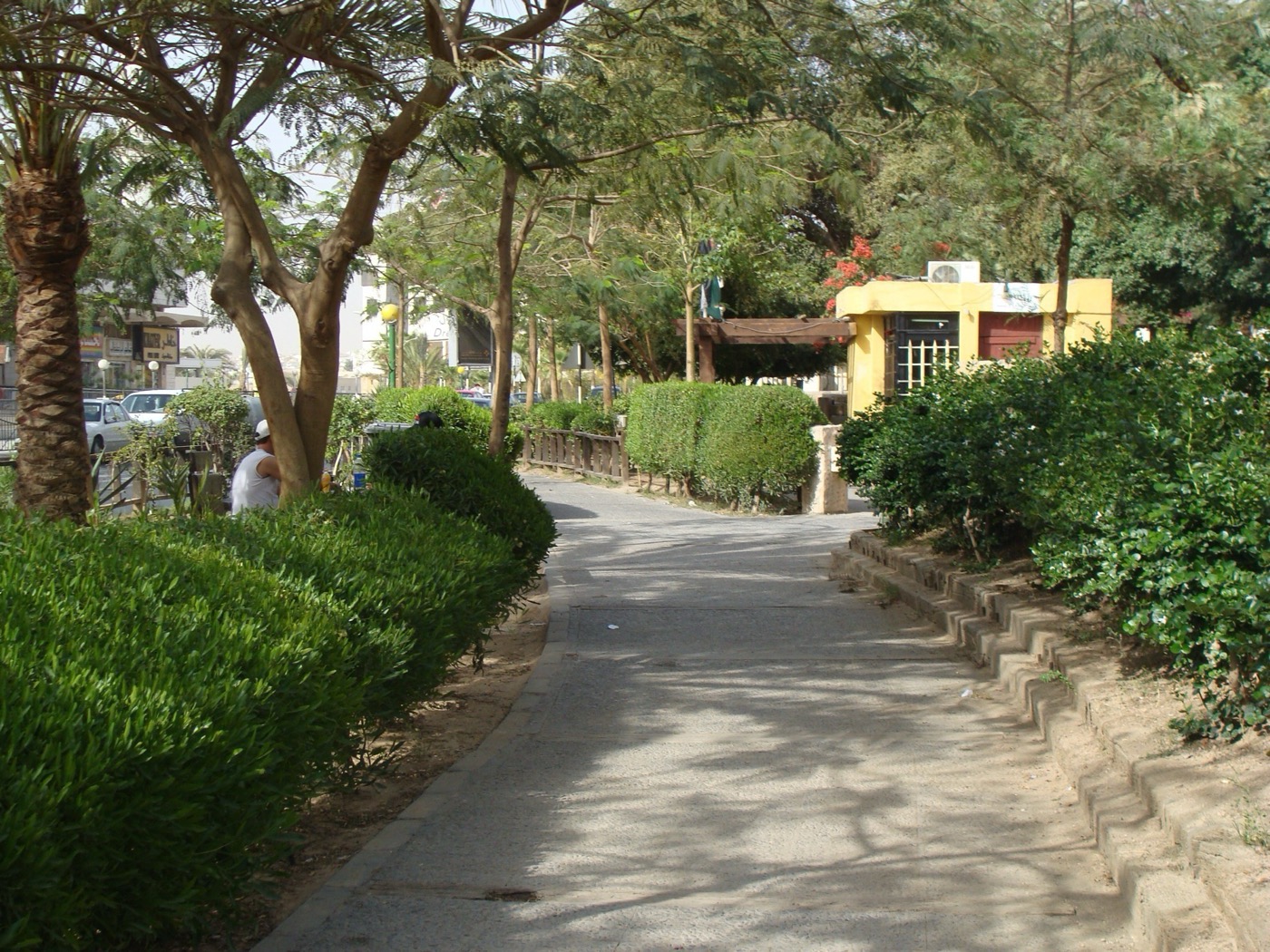
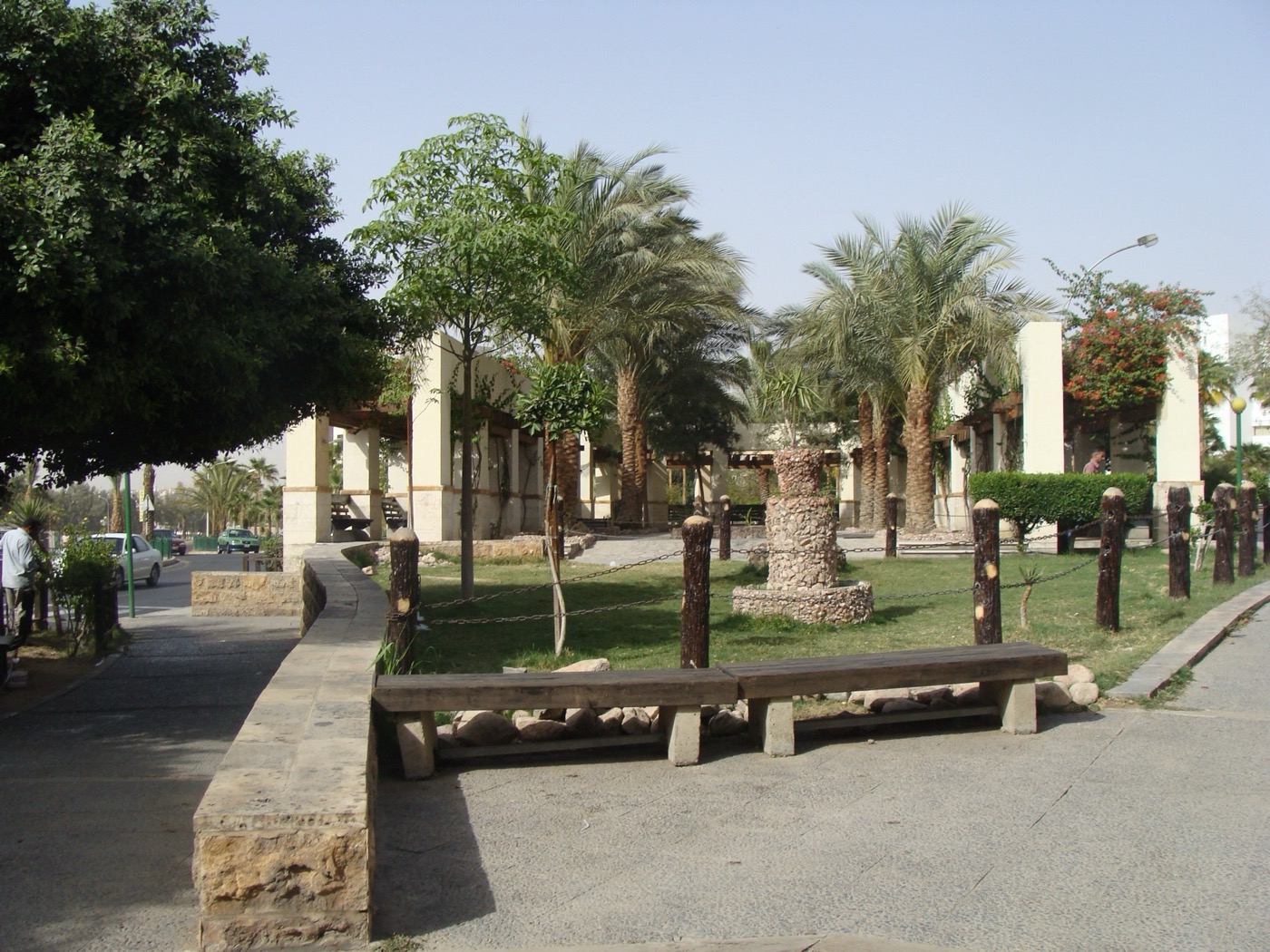
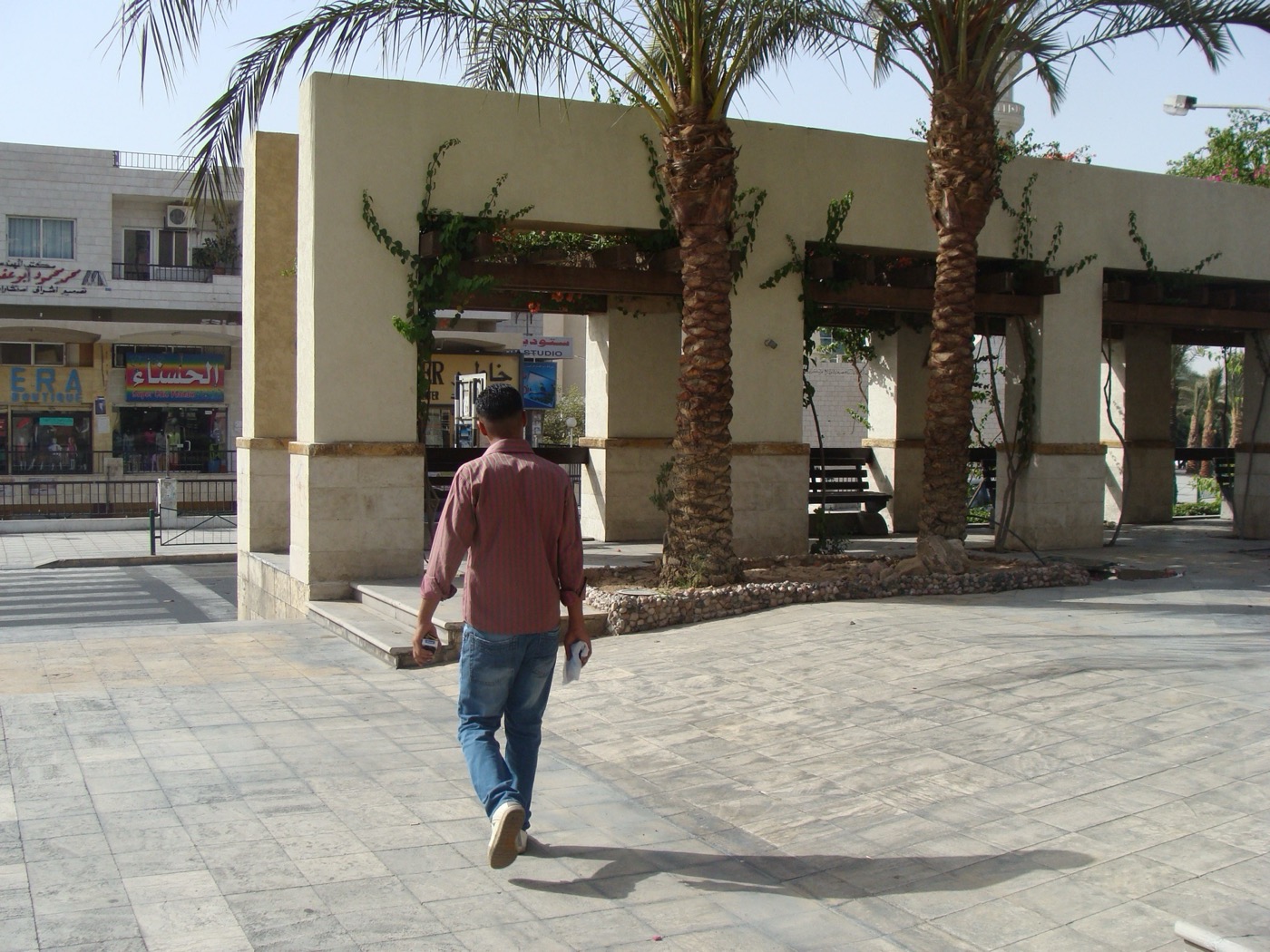
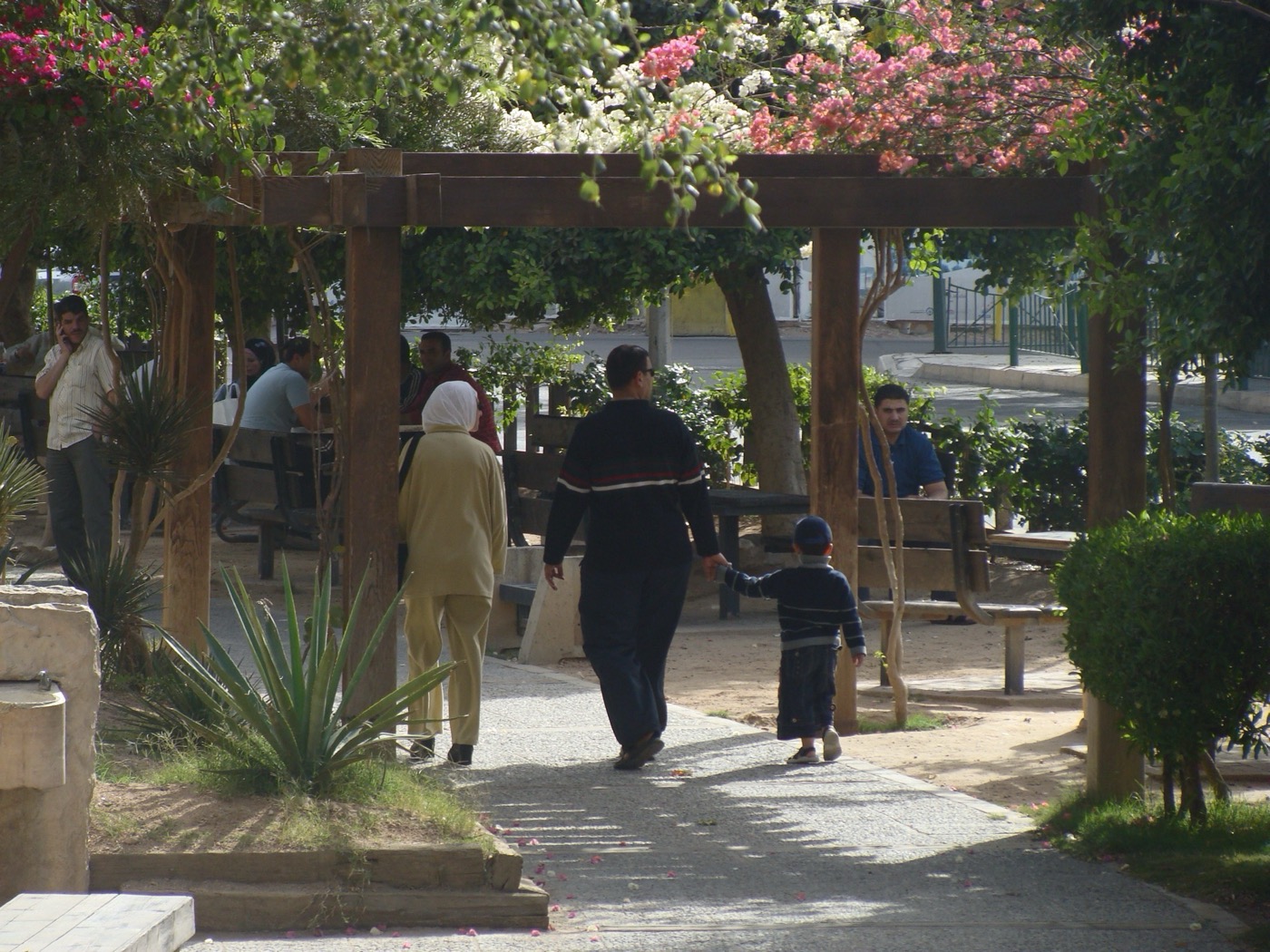
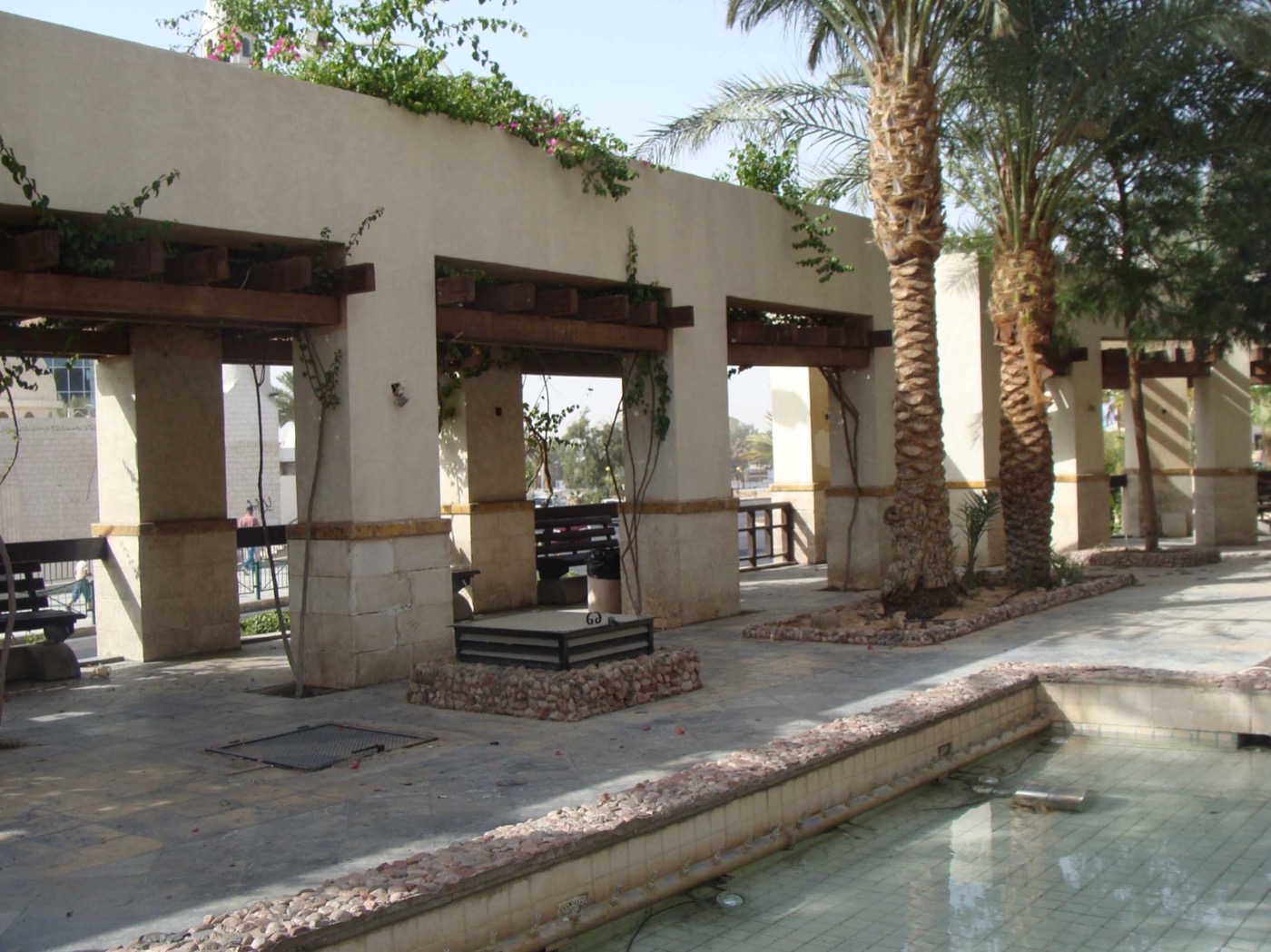
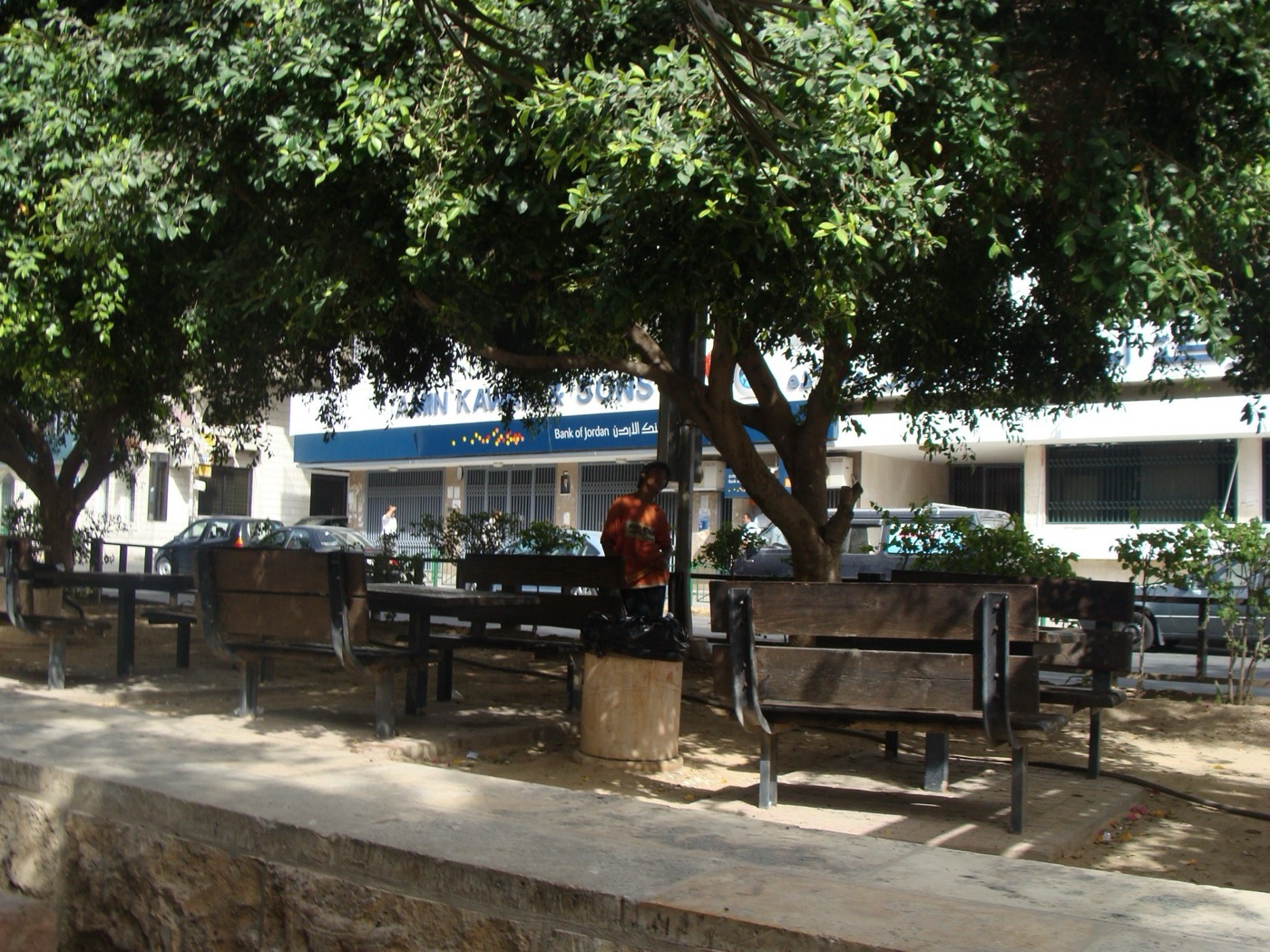
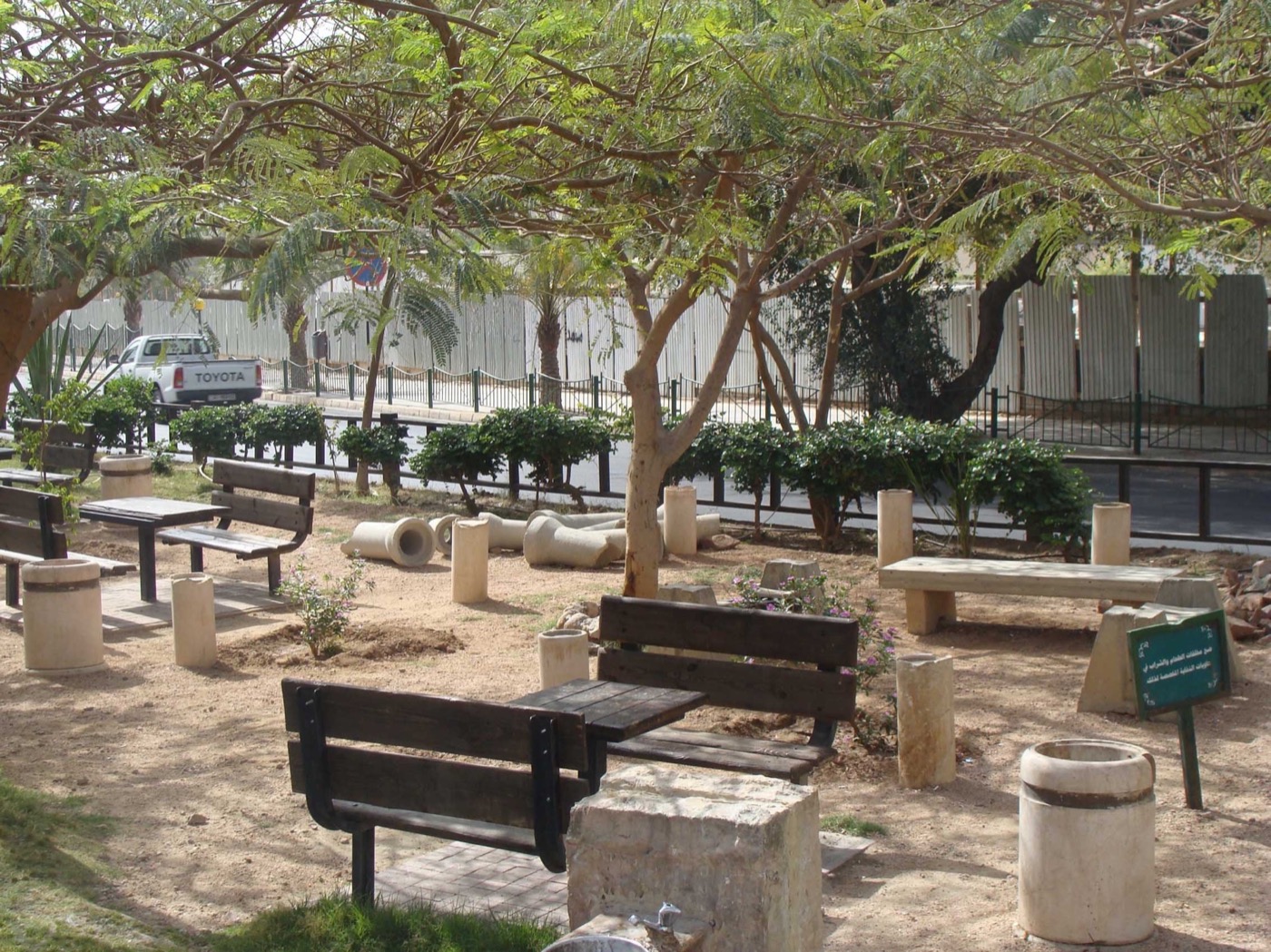
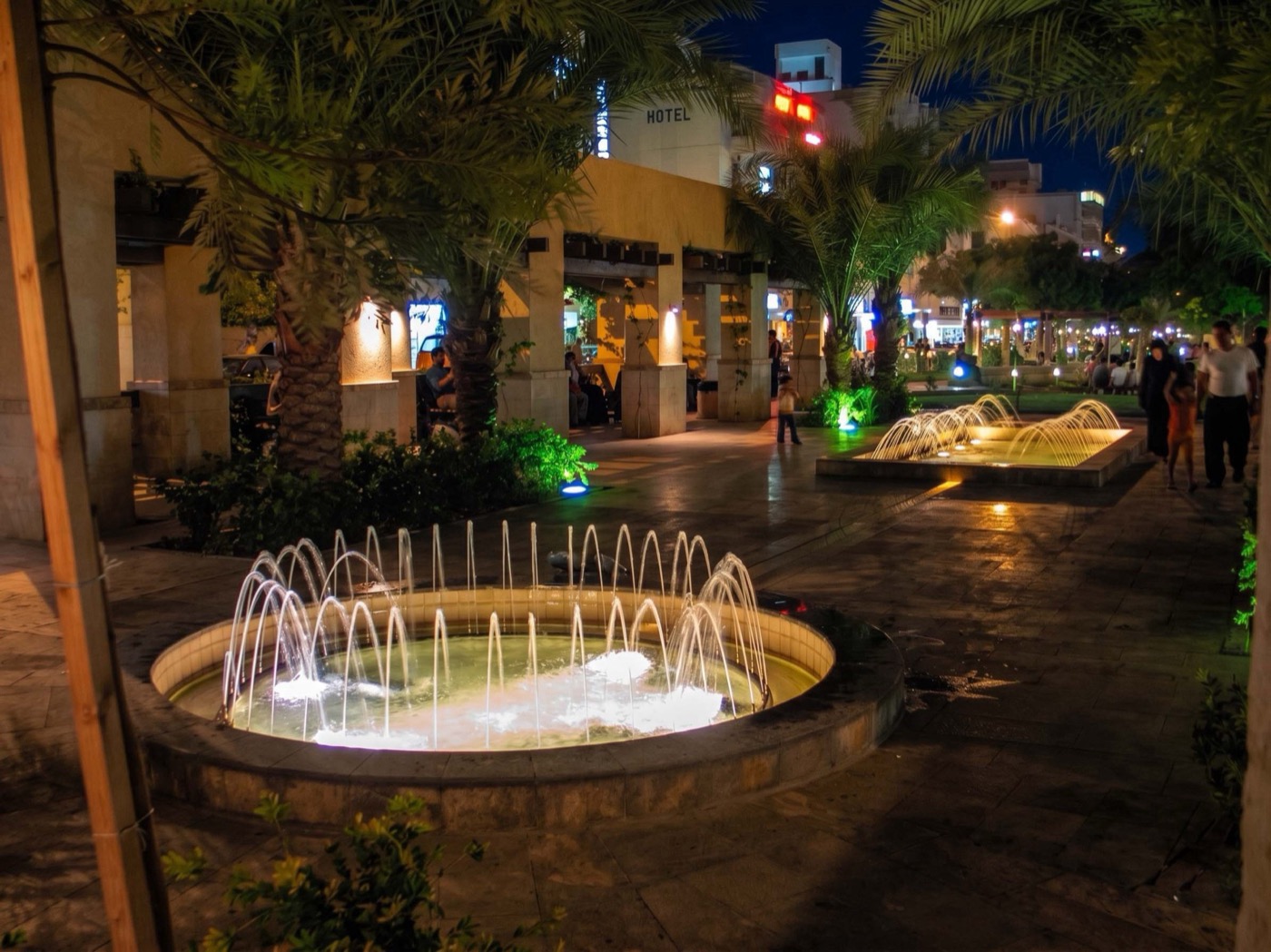
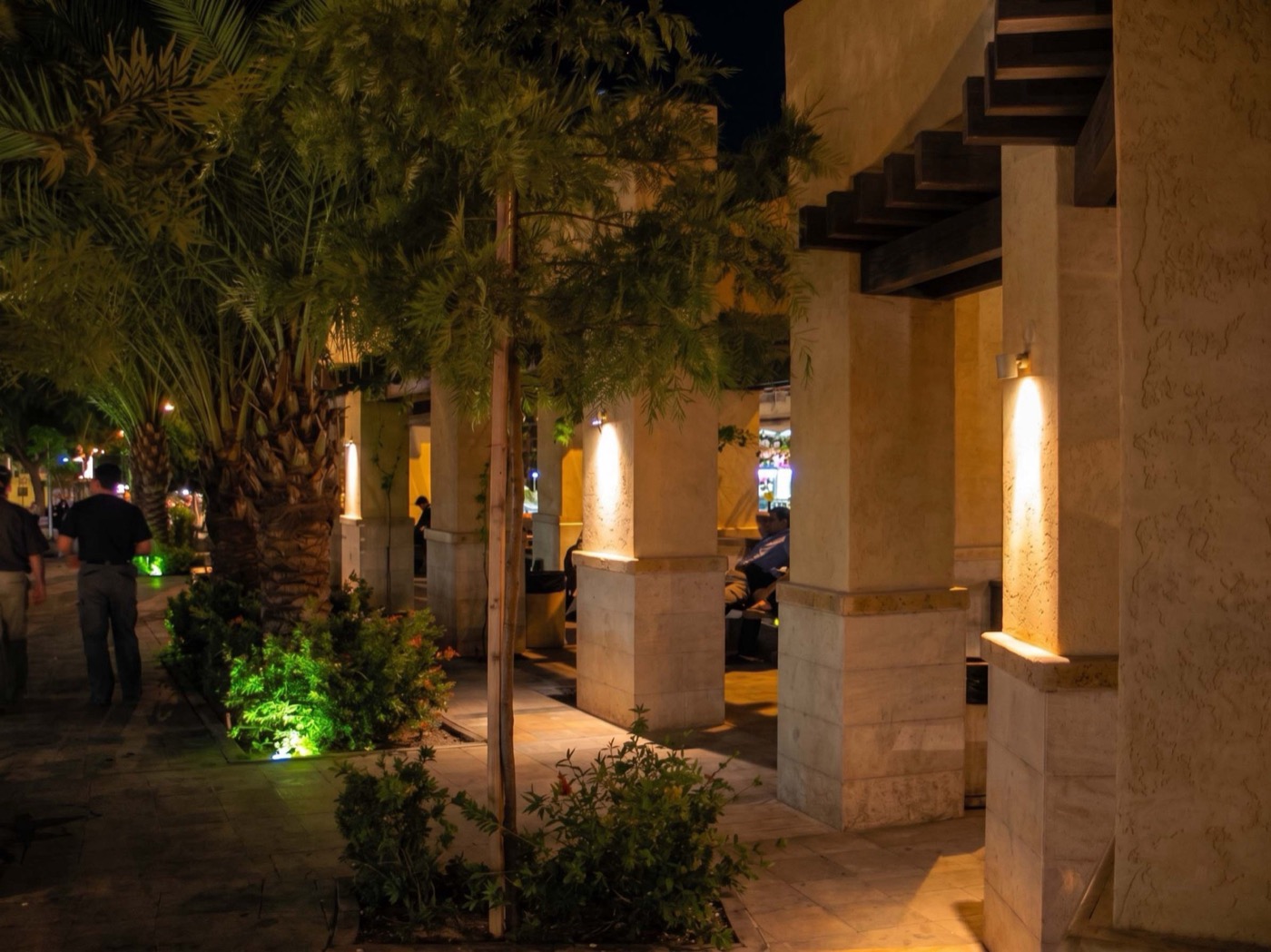
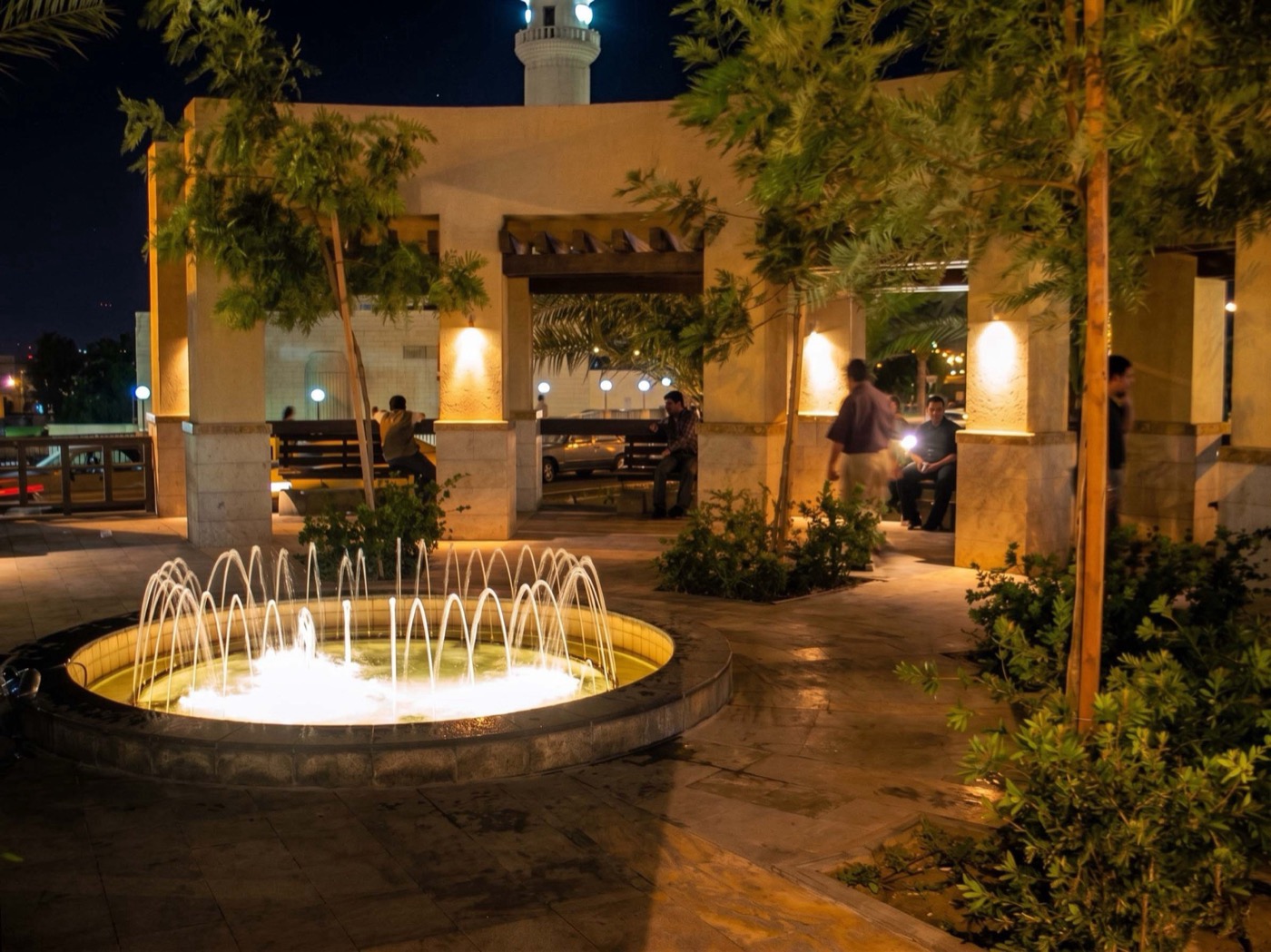
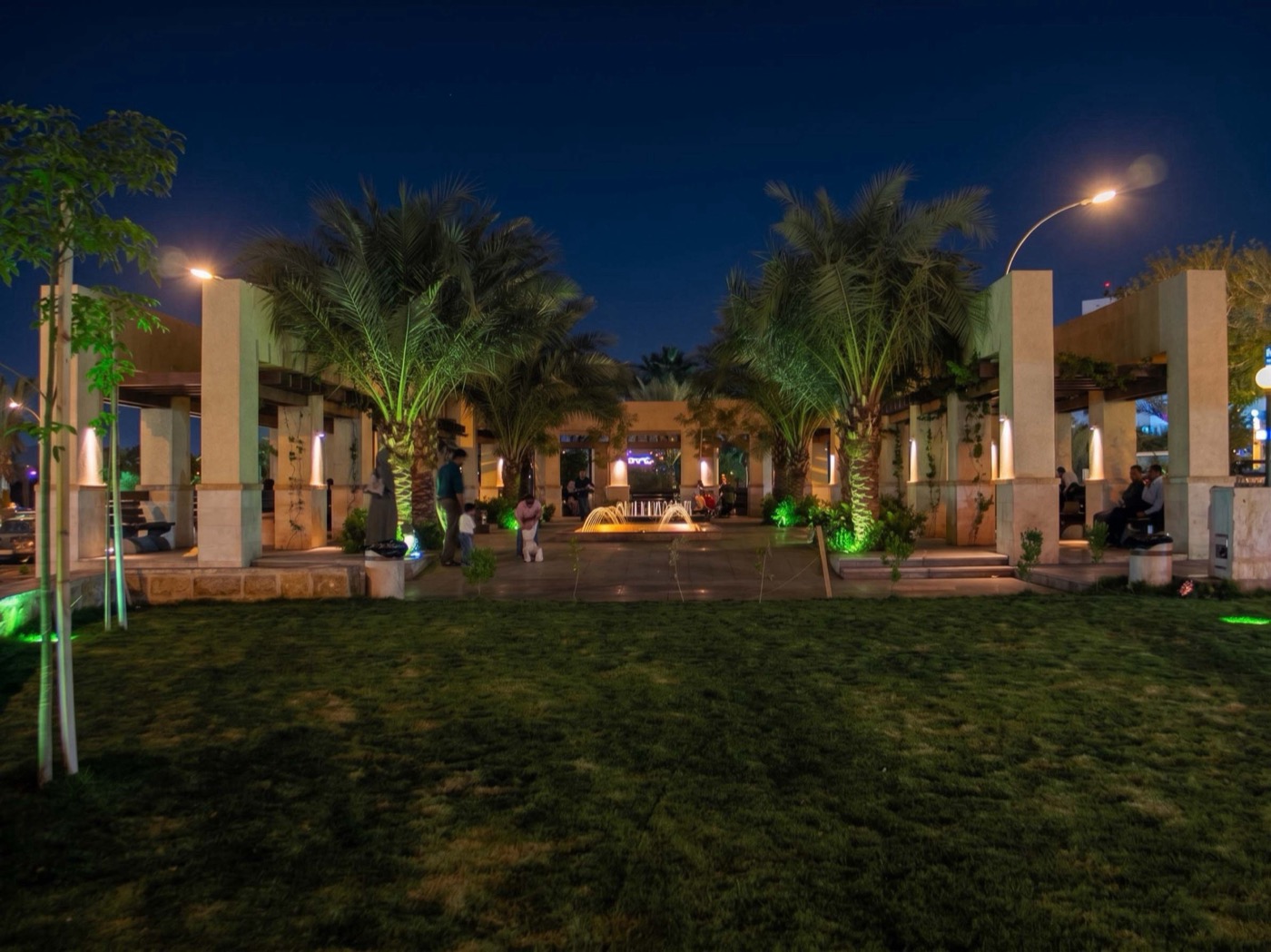
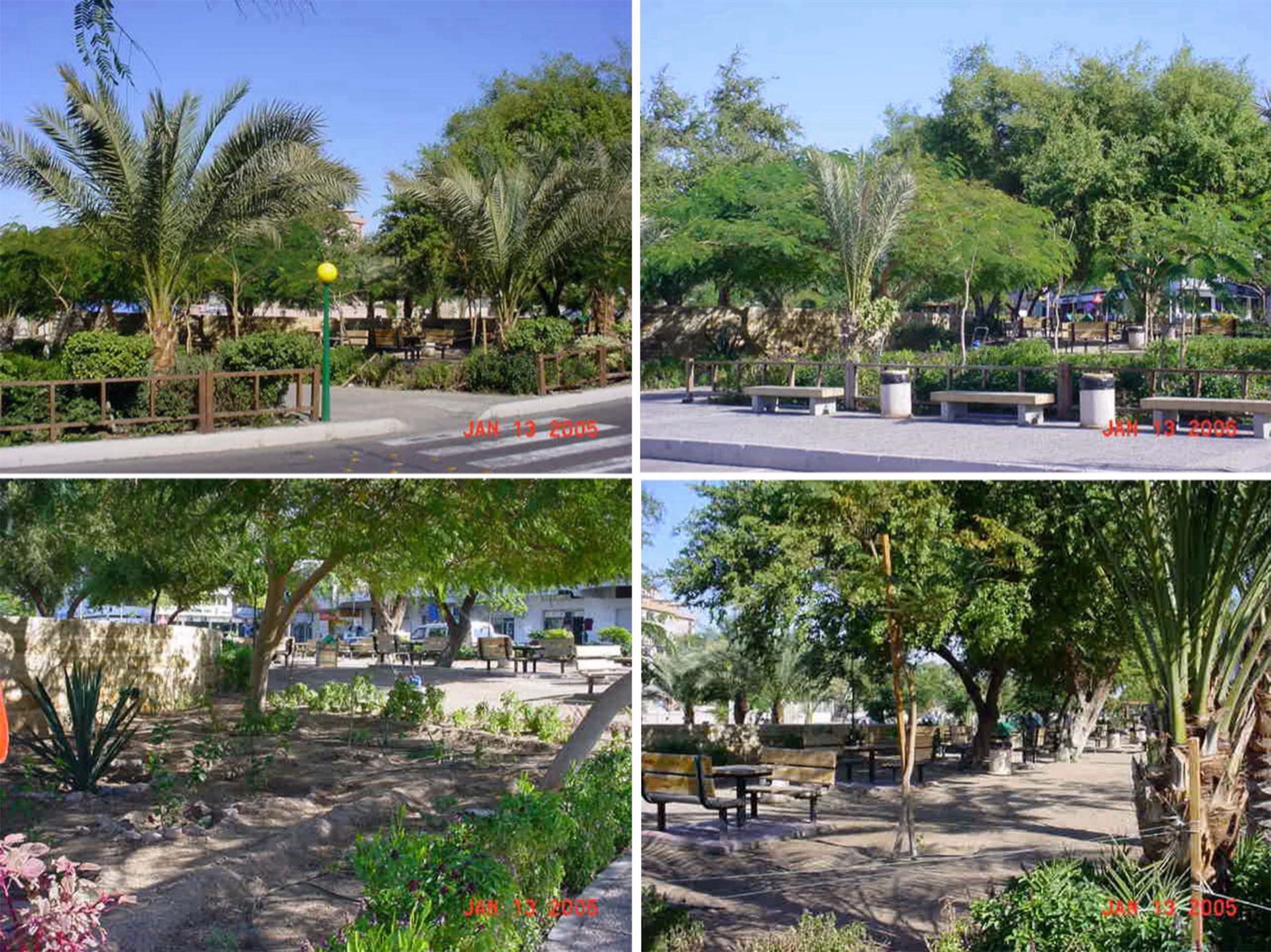
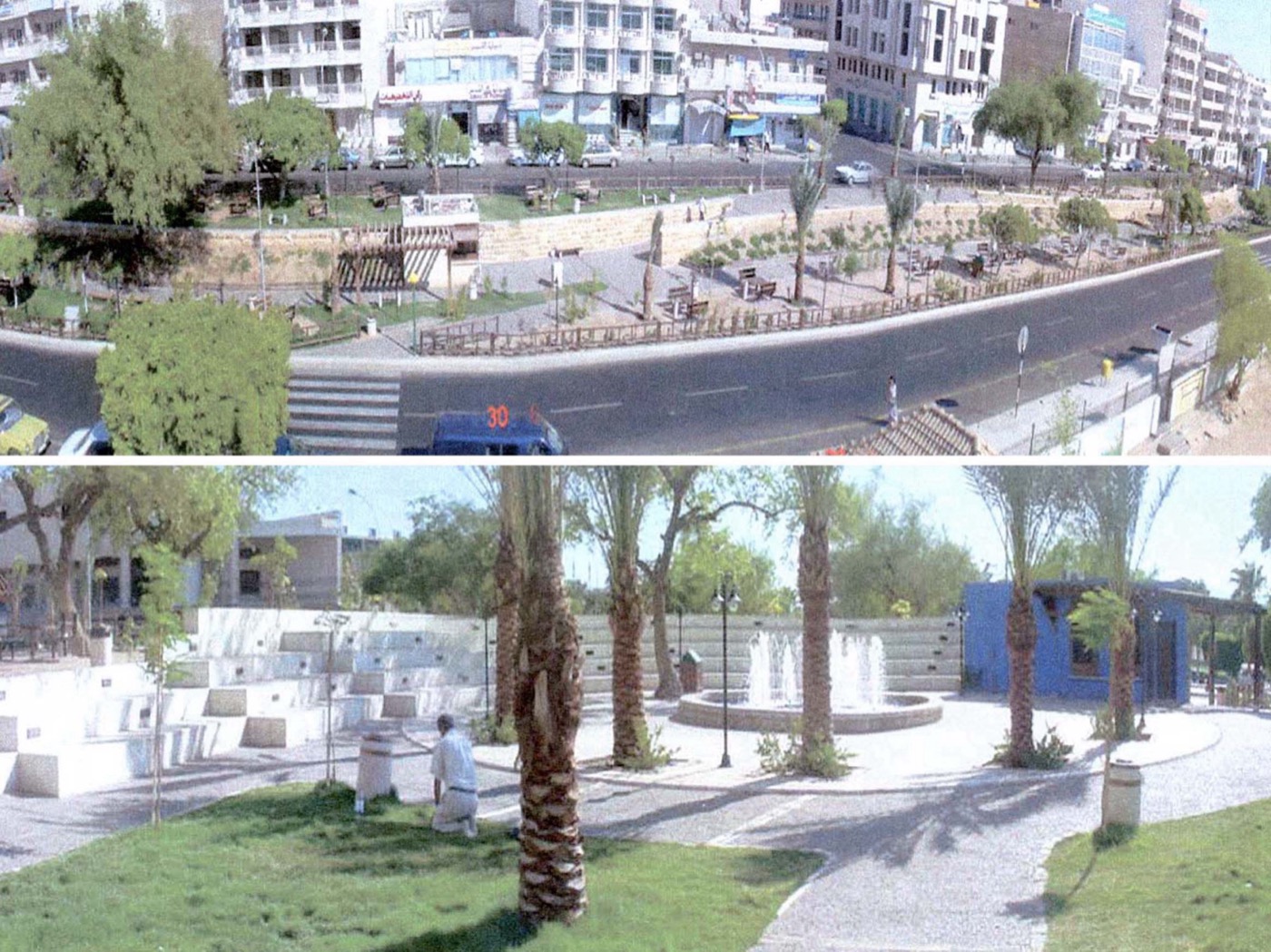
The design responds strongly to Aqaba’s harsh microclimate, characterized by intense solar exposure, aridity, and coastal winds. A layered environmental strategy was introduced to improve outdoor comfort, including strategically placed tree canopies, shaded corridors, and dense planting clusters that reduce heat gain and create comfortable microclimatic conditions for pedestrians.
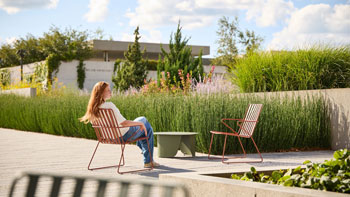
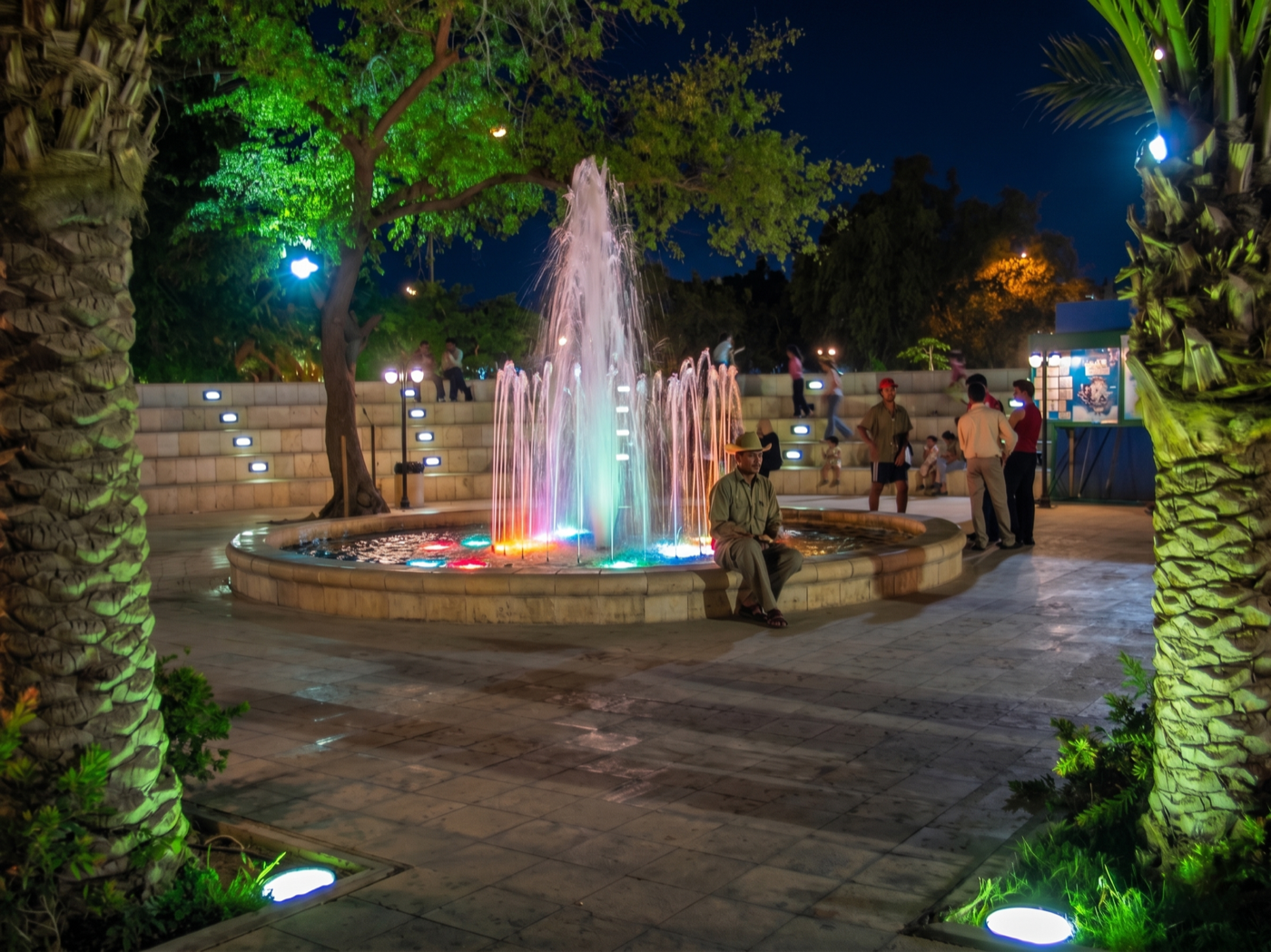
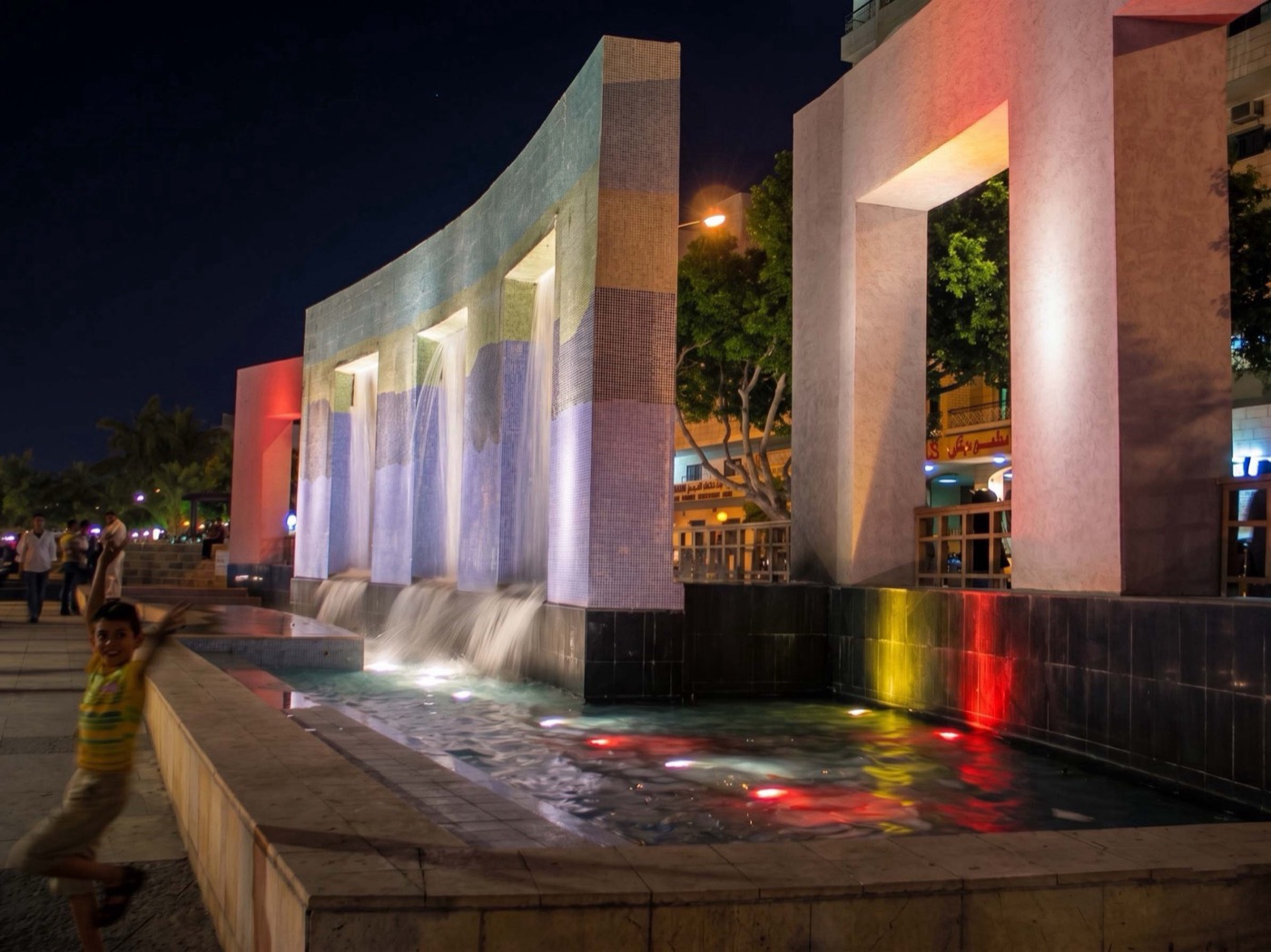
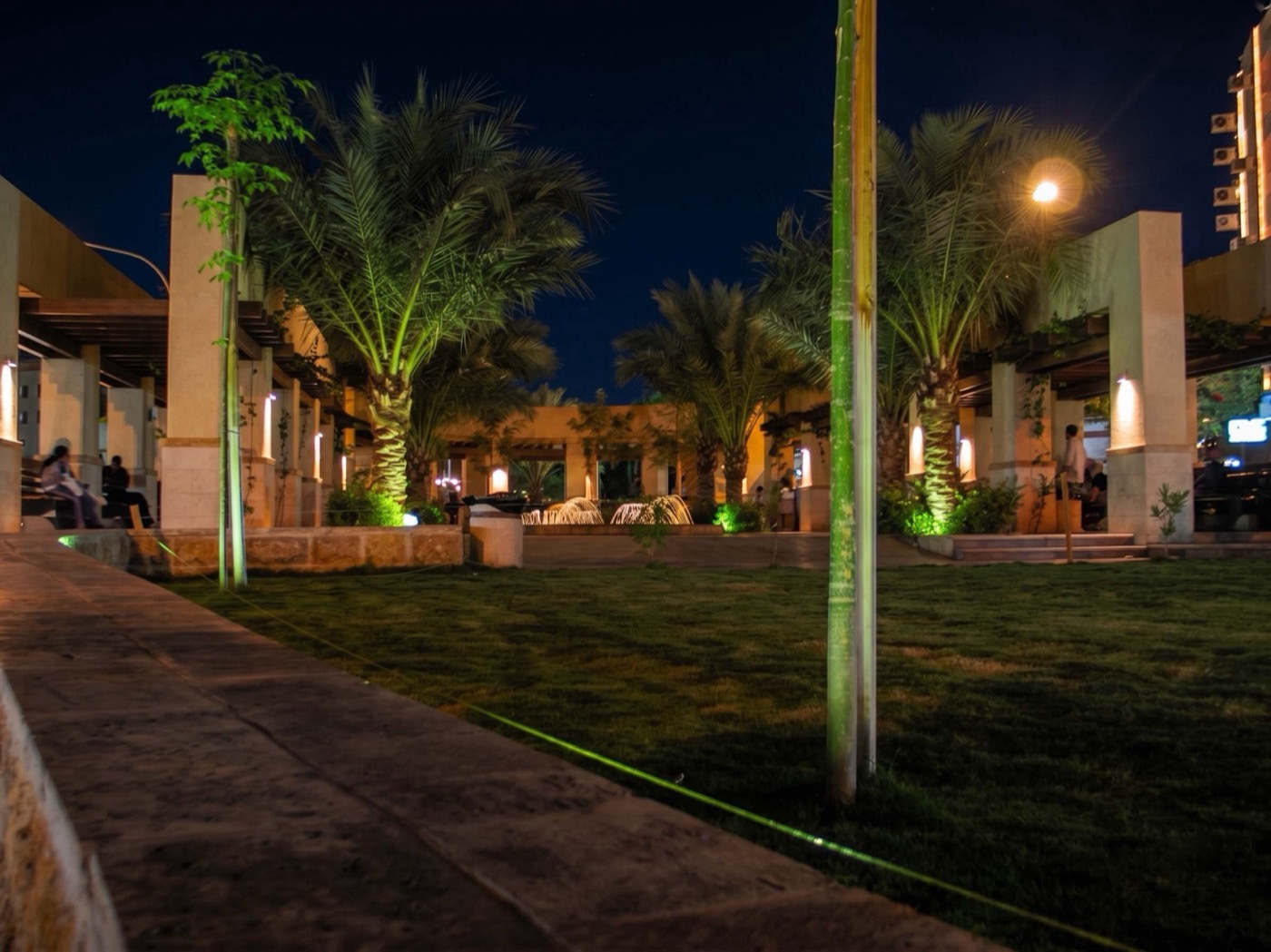
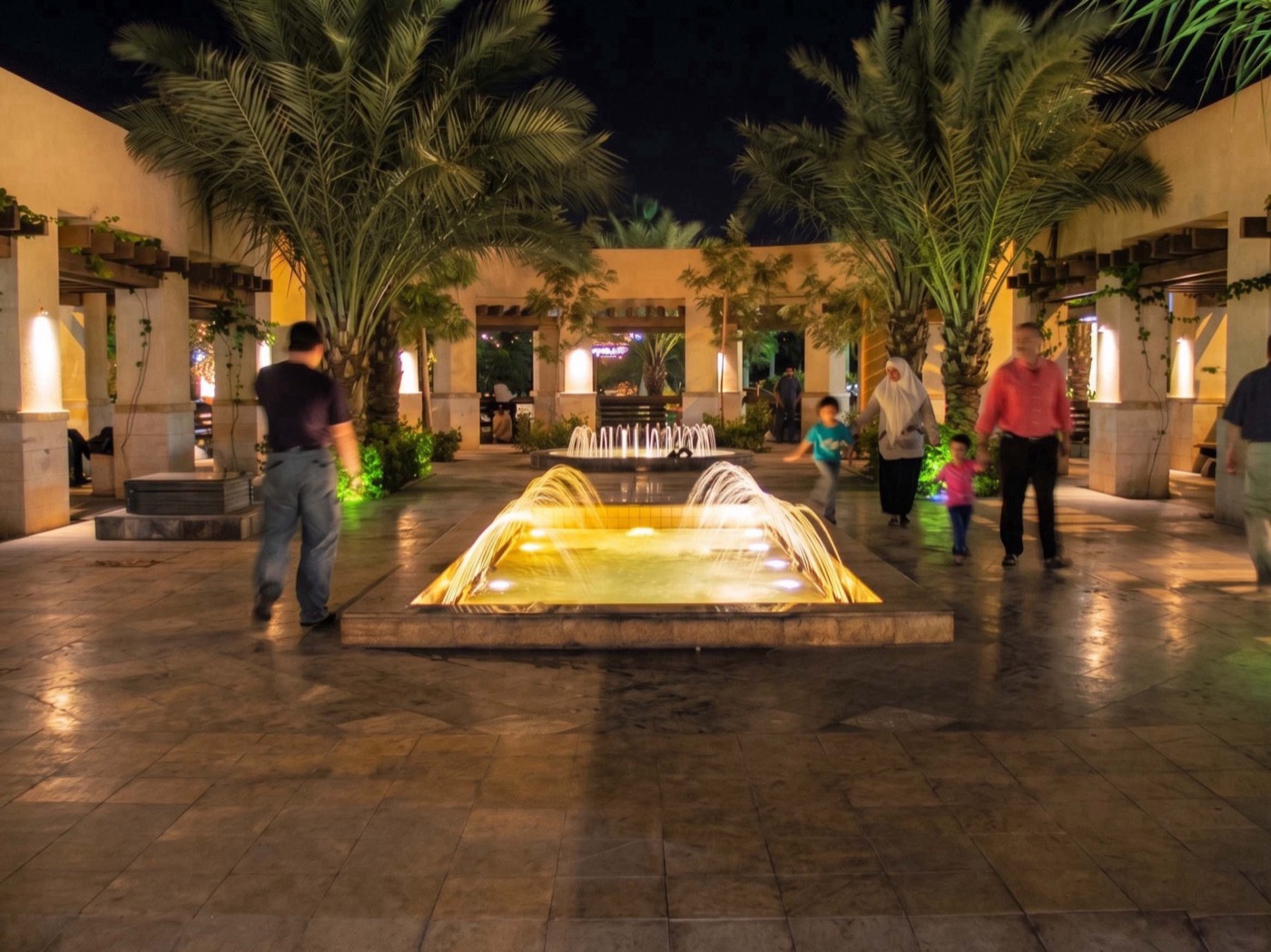
A carefully curated palette of native and climate-adapted plant species ensures ecological resilience, low irrigation demand, and long-term sustainability. These planting systems reinforce regional identity while enriching the sensory experience through seasonal color, texture, and fragrance, transforming the street into a continuously evolving garden environment. Water plays a central role in both the spatial and climatic experience. Flowing freshwater features are integrated throughout the promenade to provide evaporative cooling, acoustic softness, and visual continuity. Combined with vegetation and shaded structures, these elements create localized microclimatic pockets that significantly enhance pedestrian comfort, extend the usability of outdoor spaces throughout the day, and encourage continuous public activity even during peak daytime temperatures. The corridor gardens support a diverse range of activities. The southern edge accommodates an open-air performance space, while quieter seating and contemplative areas are located along the northern side. This balance enables simultaneous cultural, social, and recreational use. Custom-designed stone seating and geometric landscape elements add a sculptural identity to the public realm. In the evening, the street becomes a vibrant social destination where families gather, children play safely, and visitors engage with illuminated landscapes. The integration of surrounding markets, restaurants, hotels, and residential developments creates a seamless urban experience that merges leisure, tourism, and daily life within a single cohesive framework.
These Corridor gardens have evolved into a landmark destination in Aqaba, contributing significantly to urban regeneration, increased land value, and tourism development. It has redefined public life by fostering social cohesion between locals and tourists, encouraging shared ownership of space, and strengthening cultural exchange through everyday interactions.
Ultimately, the project stands as a model for climate-sensitive urban design in desert environments. It demonstrates how microclimate-responsive planning, native ecological systems, and socially inclusive design can transform a fragmented street corridor into a resilient, meaningful, and memorable civic landscape.
https://maps.app.goo.gl/TMo1MiqtFxeNqr1cA
77144


LILA 2026 Sponsor