University Plaza
www.florentinopaisagismo.com/
2026 Landscape and Architecture / 2026 Public Projects / Brazil / Built in 2024 /

The University Plaza in Jataí begins with a simple premise: as cities expand, the demand for meaningful public spaces becomes increasingly urgent. People need places not only for leisure and sports, but also for children’s play, pets, and quiet contemplation—spaces where daily life can slow down under the shade of trees and reconnect with the rhythms of nature. To ensure the longevity of such places, the design process began with a careful reading of the site, understanding its natural cycles and respecting the logic of the existing landscape.
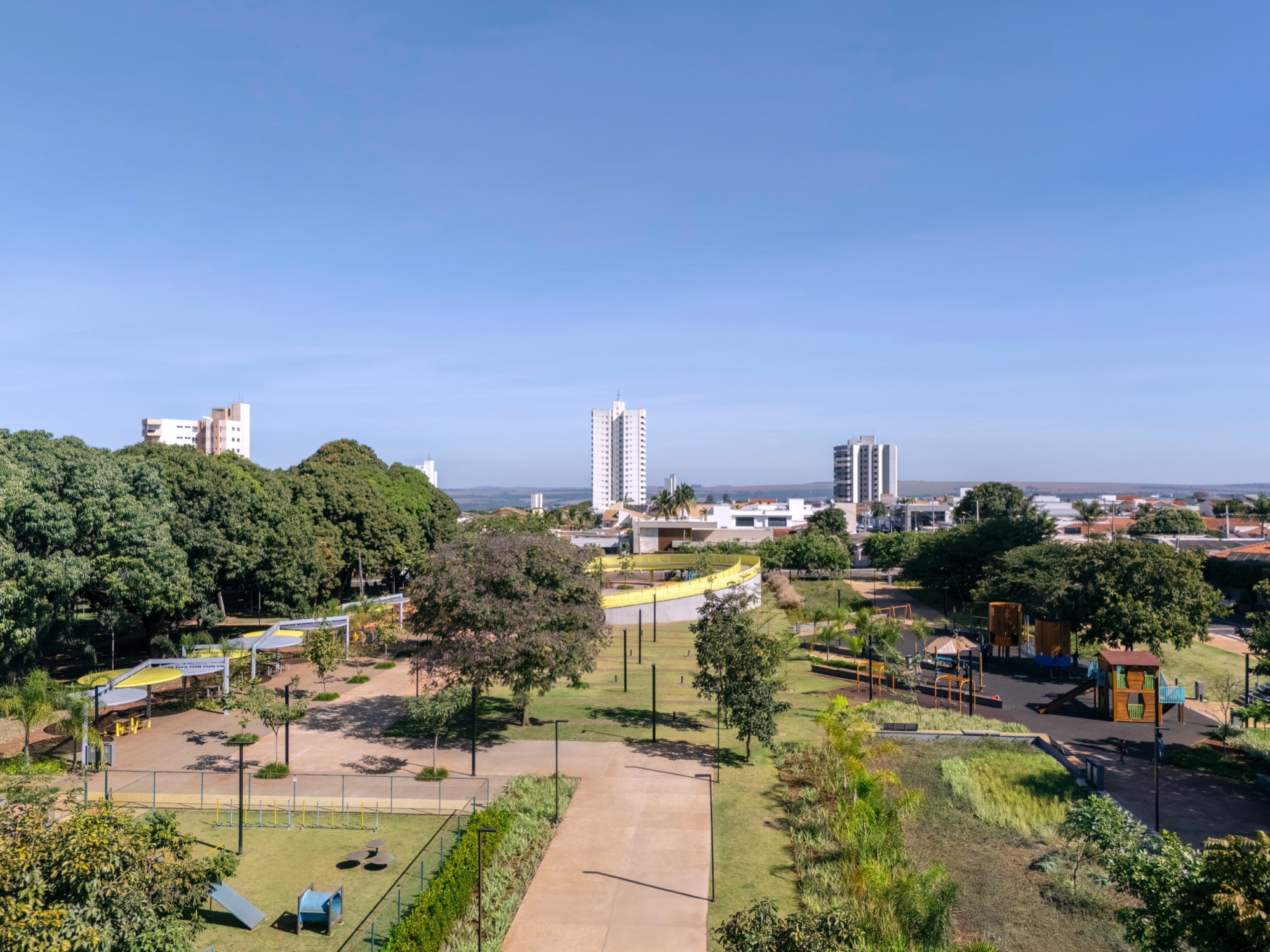
Site analysis revealed two distinct zones. The first occupies the highest plateau, defined by flat topography and limited vegetation. From this elevated position, the site maintains strong visual integration with the surrounding neighborhood. The adjacent street runs along the highest edge of the terrain, allowing broad views across the plaza and establishing a direct relationship between the public space and the city.
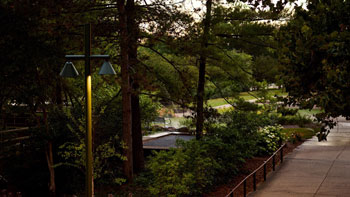
The second zone, largely untouched, is characterized by steep terrain and dense woodland surrounding an old house. This area preserves many mature trees planted when the property functioned as a private residence. Over time, the vegetation formed a shaded and intimate landscape with a strong sense of memory and continuity.
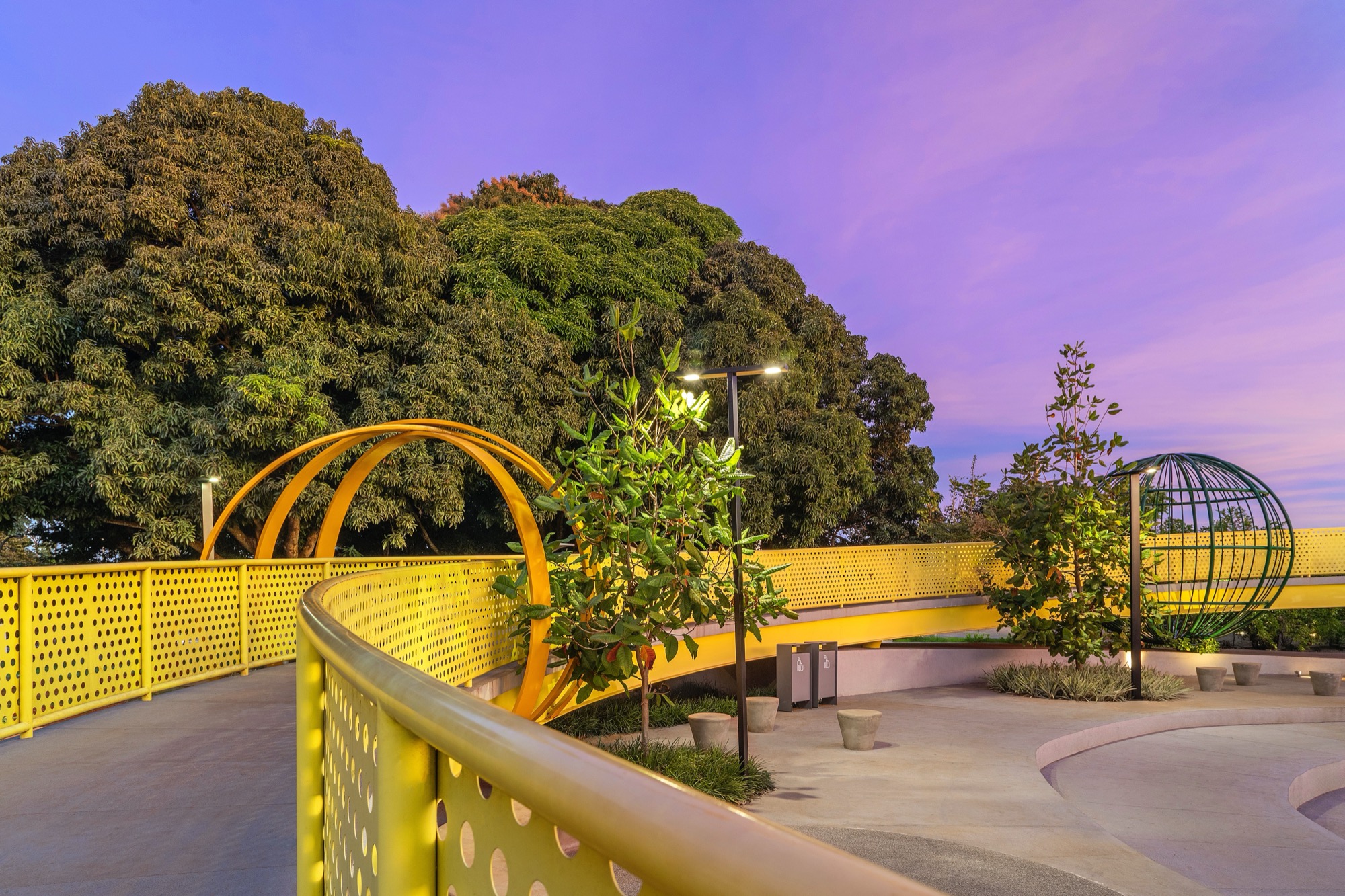
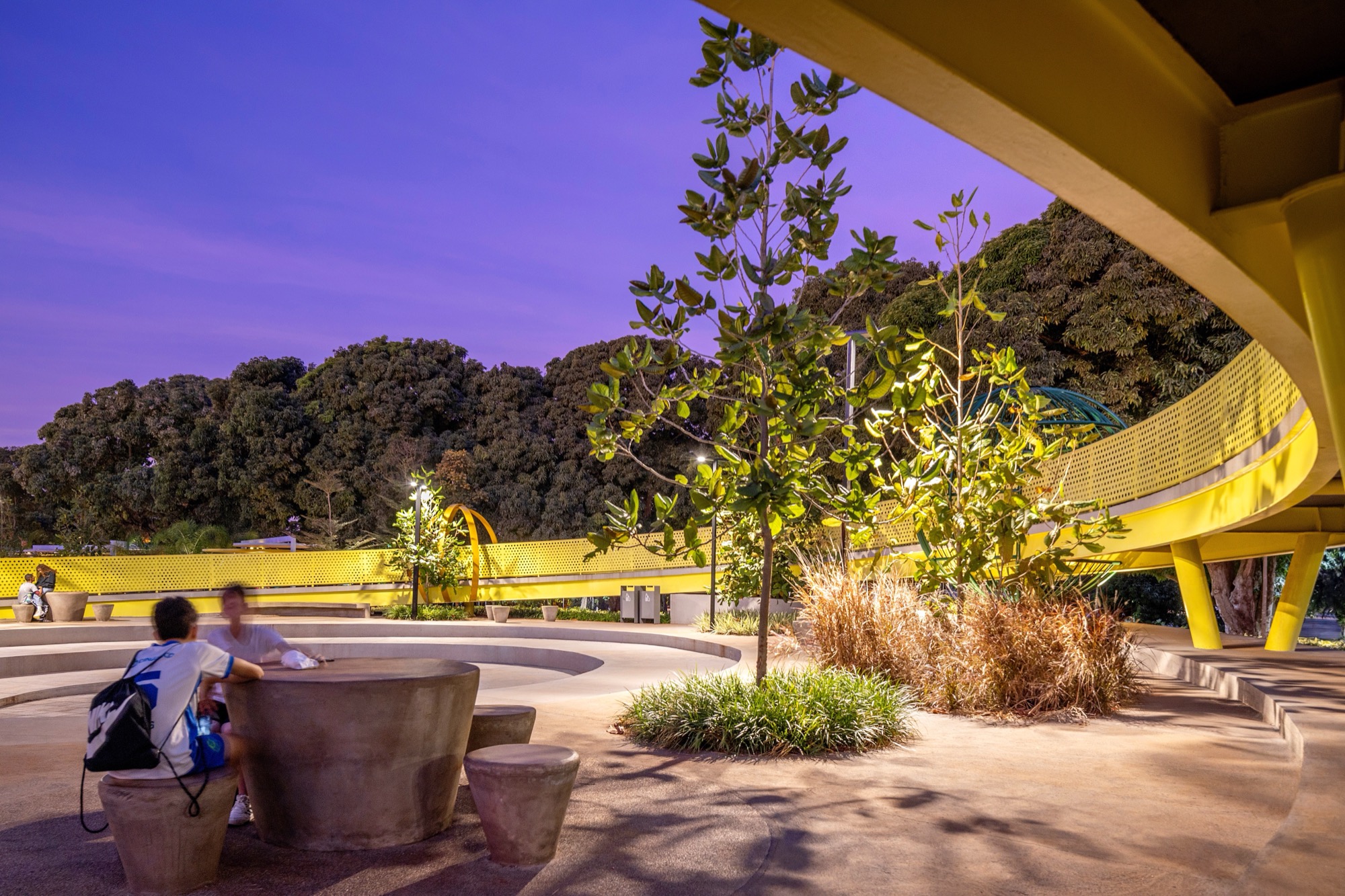
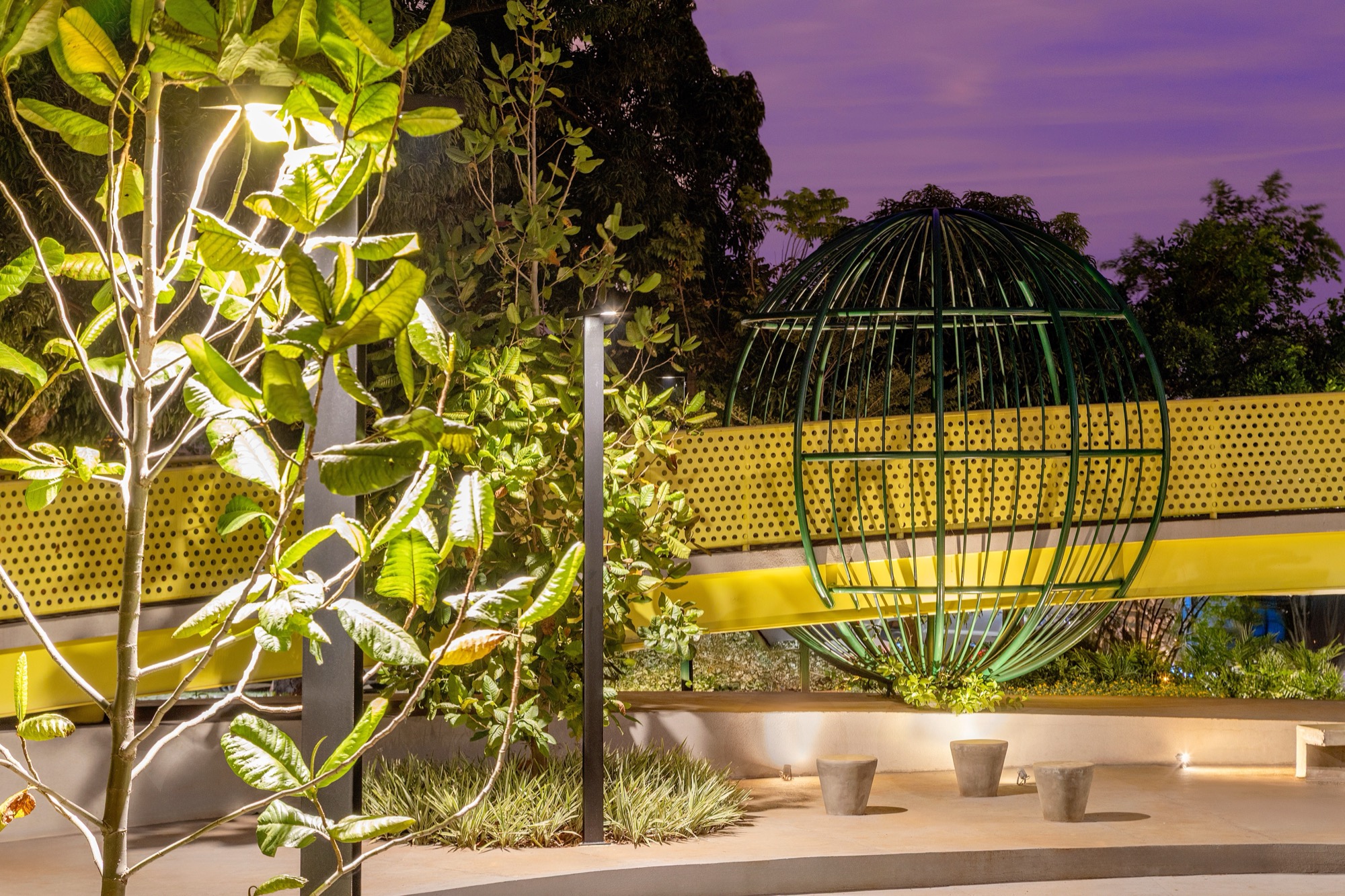
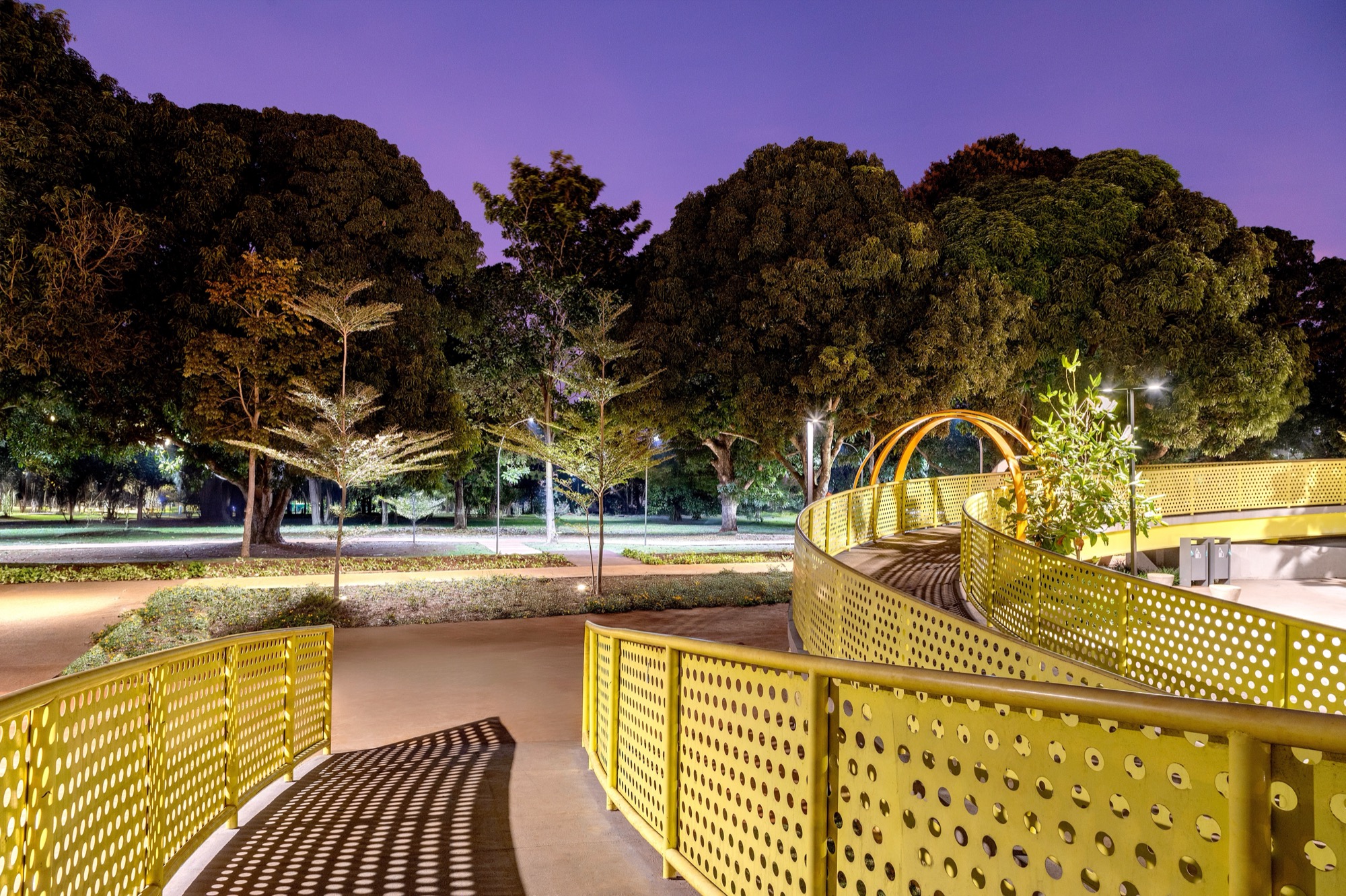
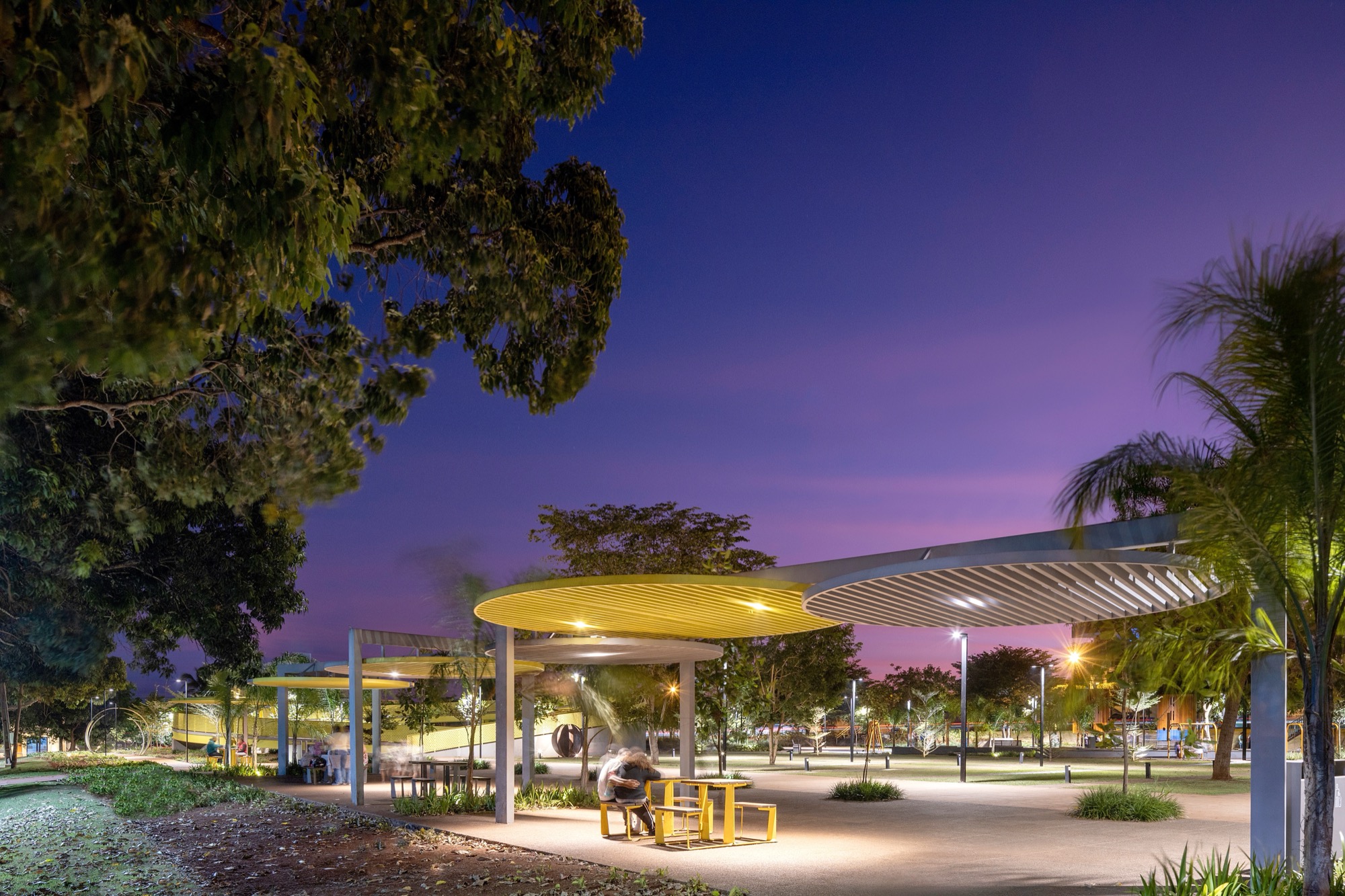
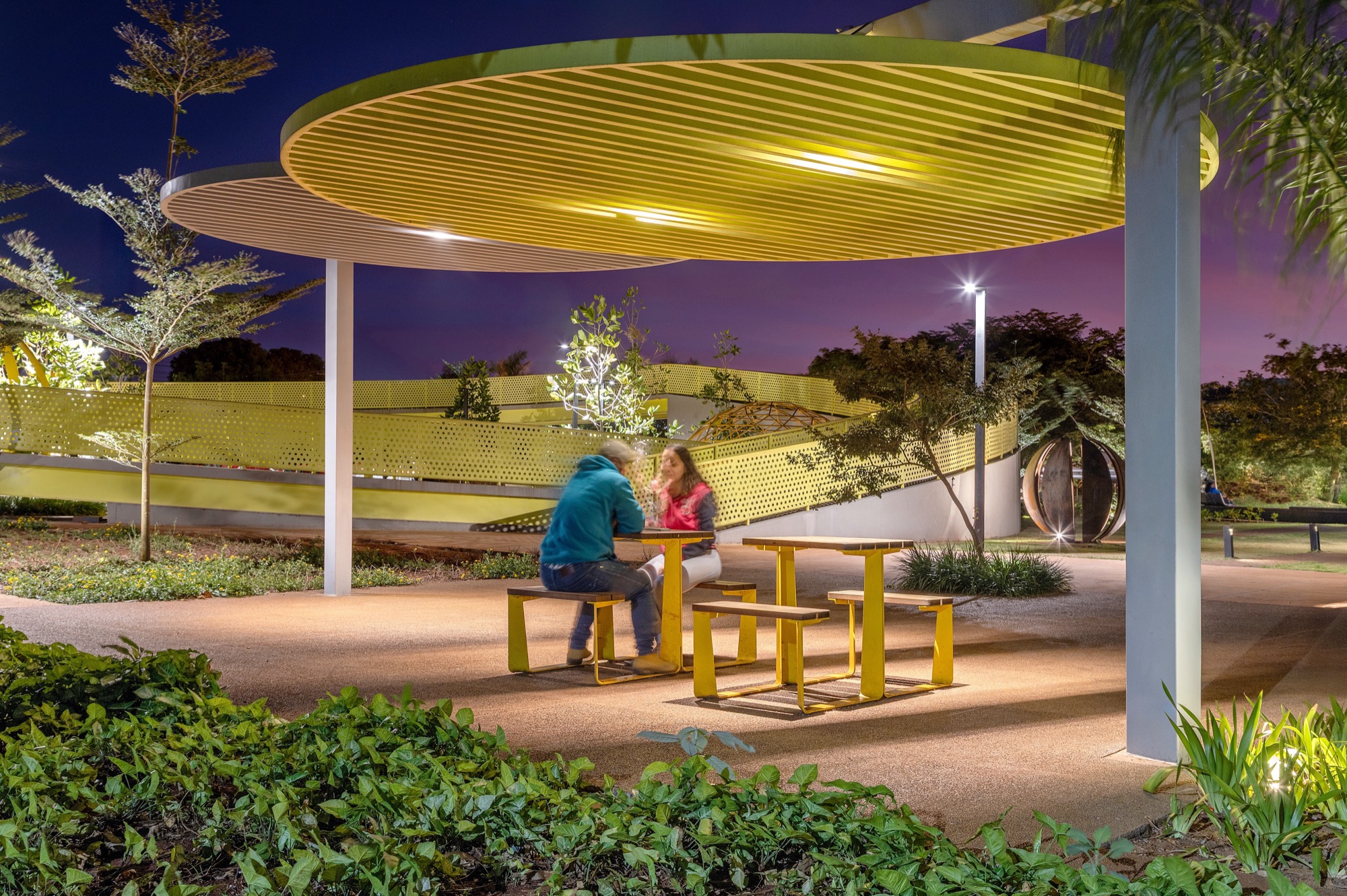
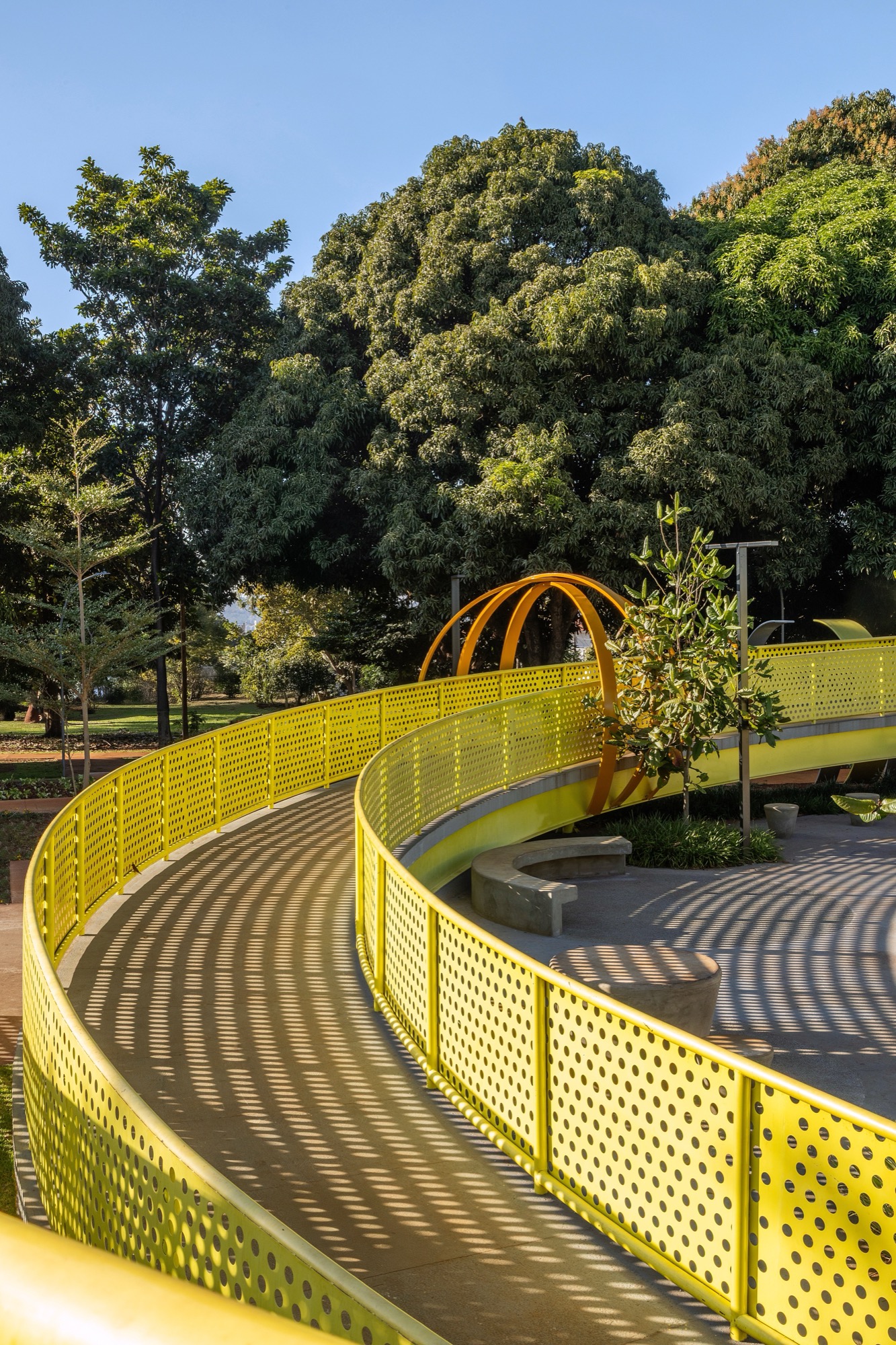
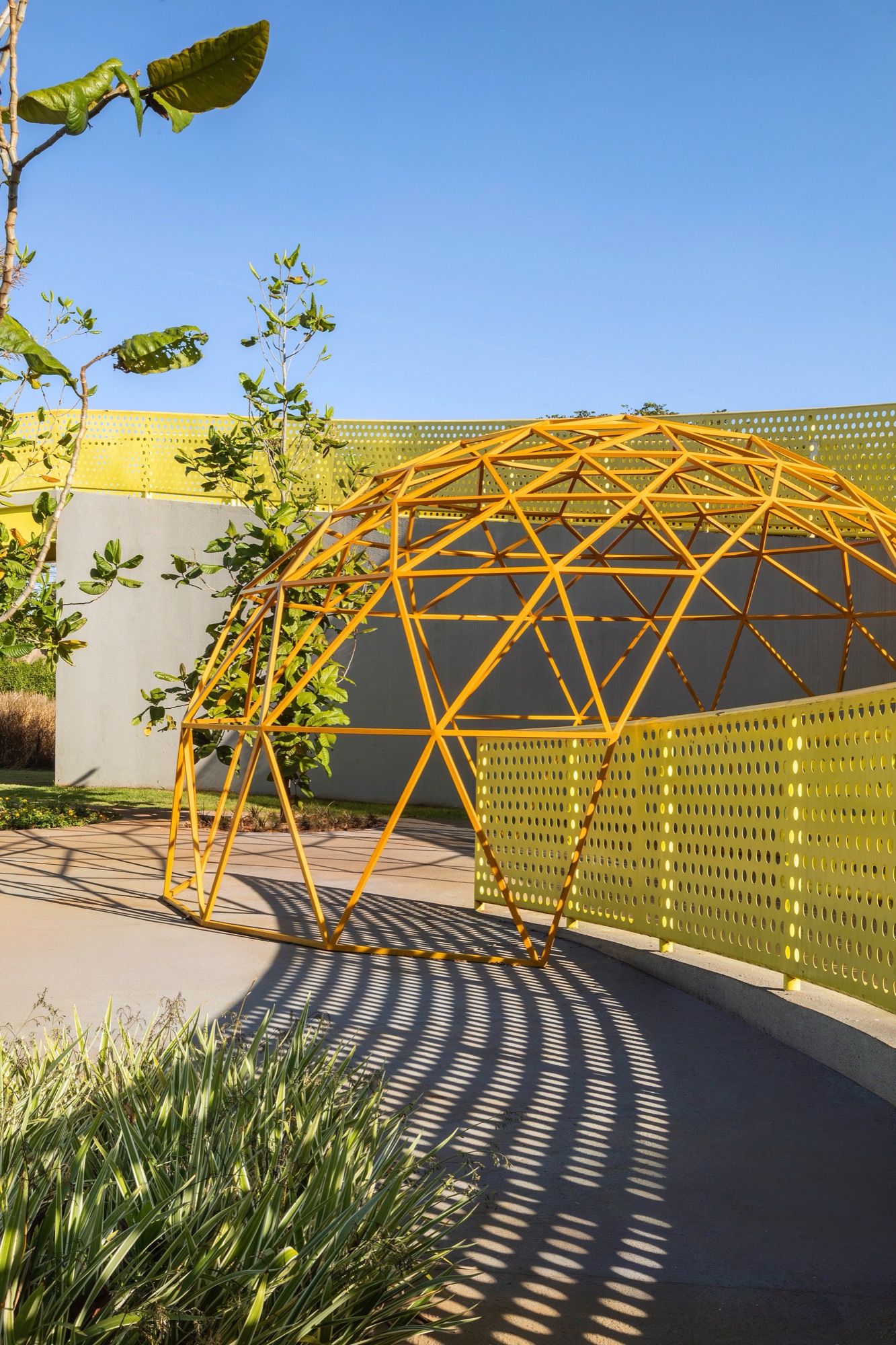
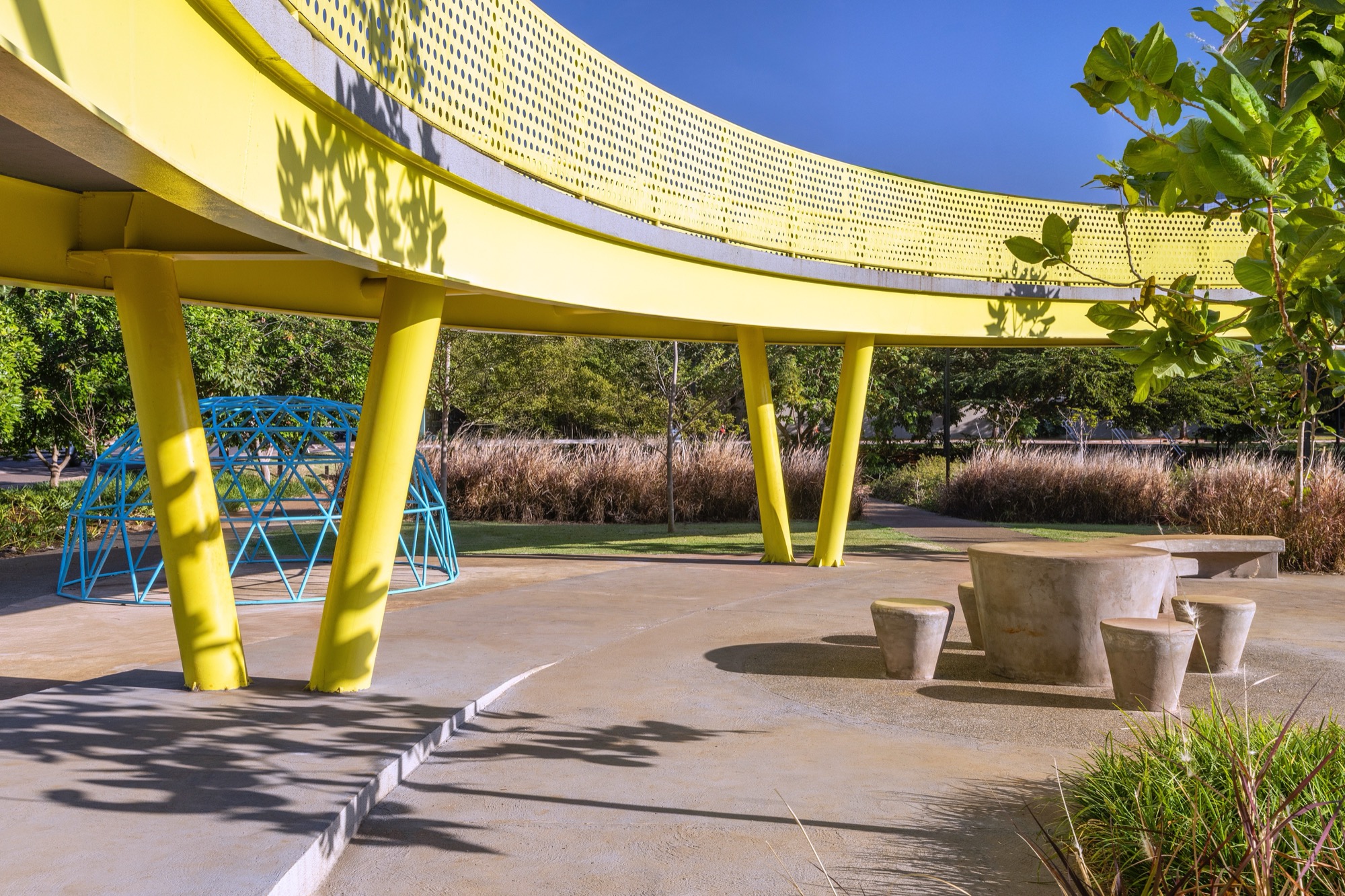
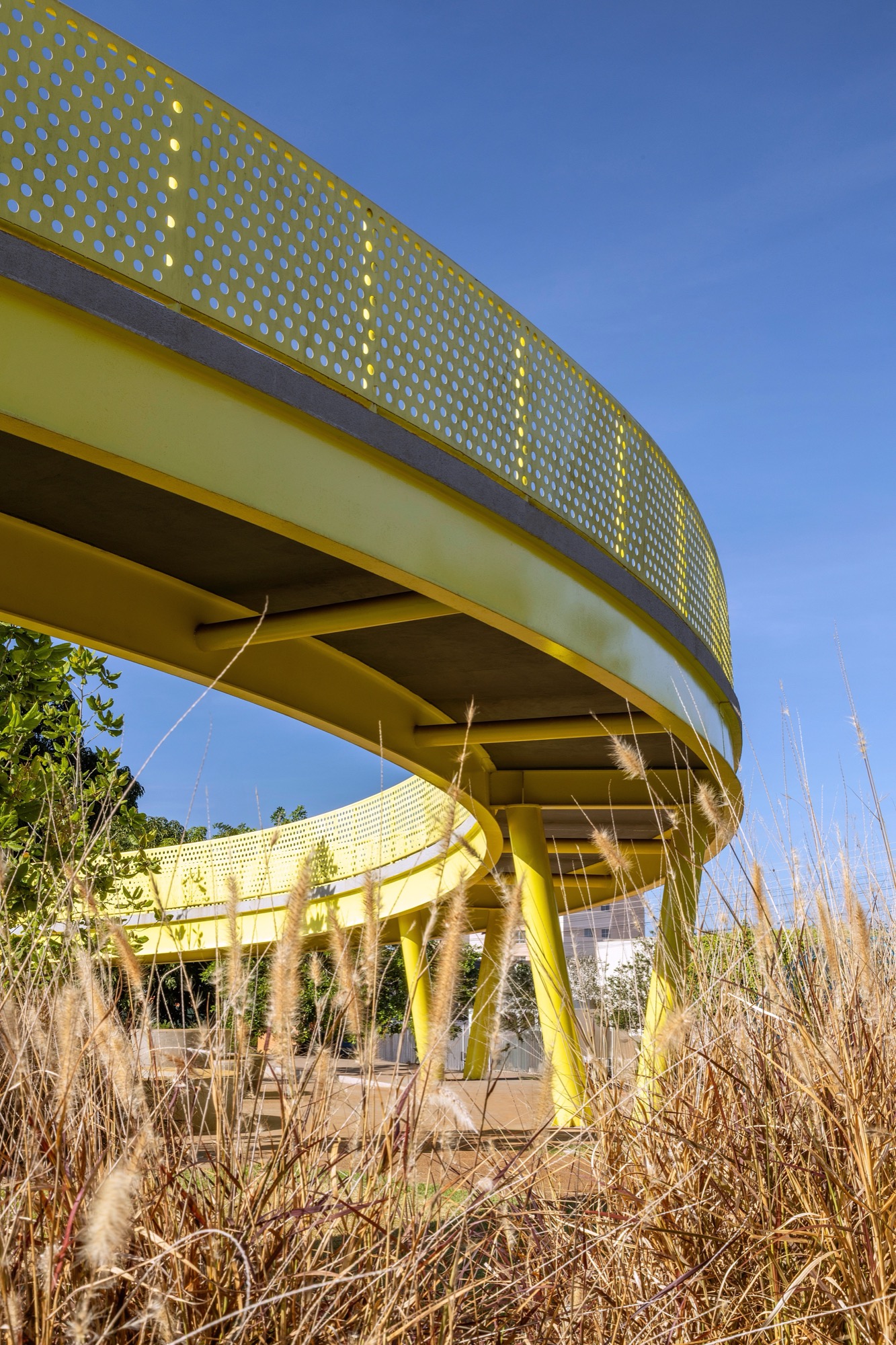
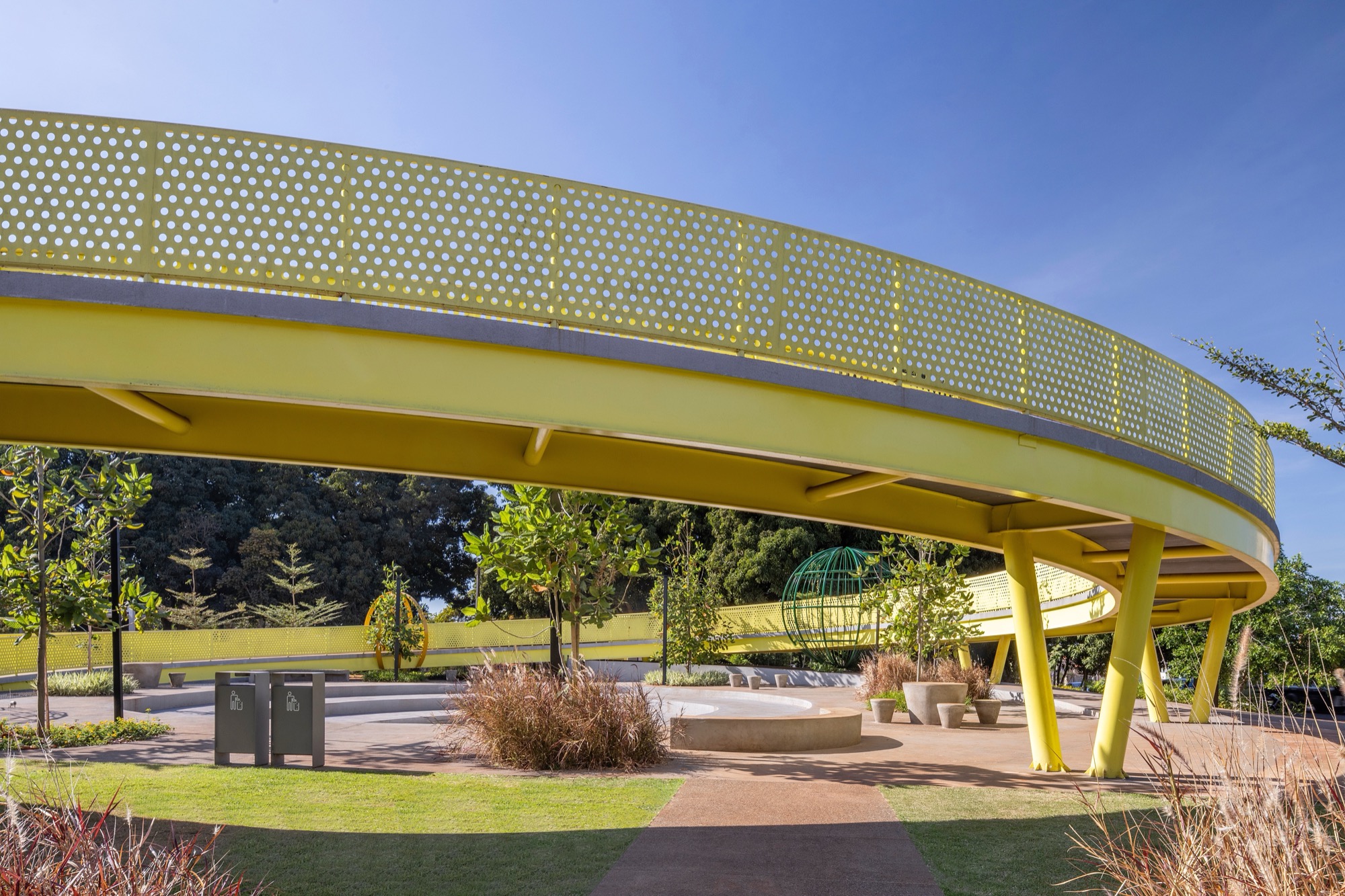
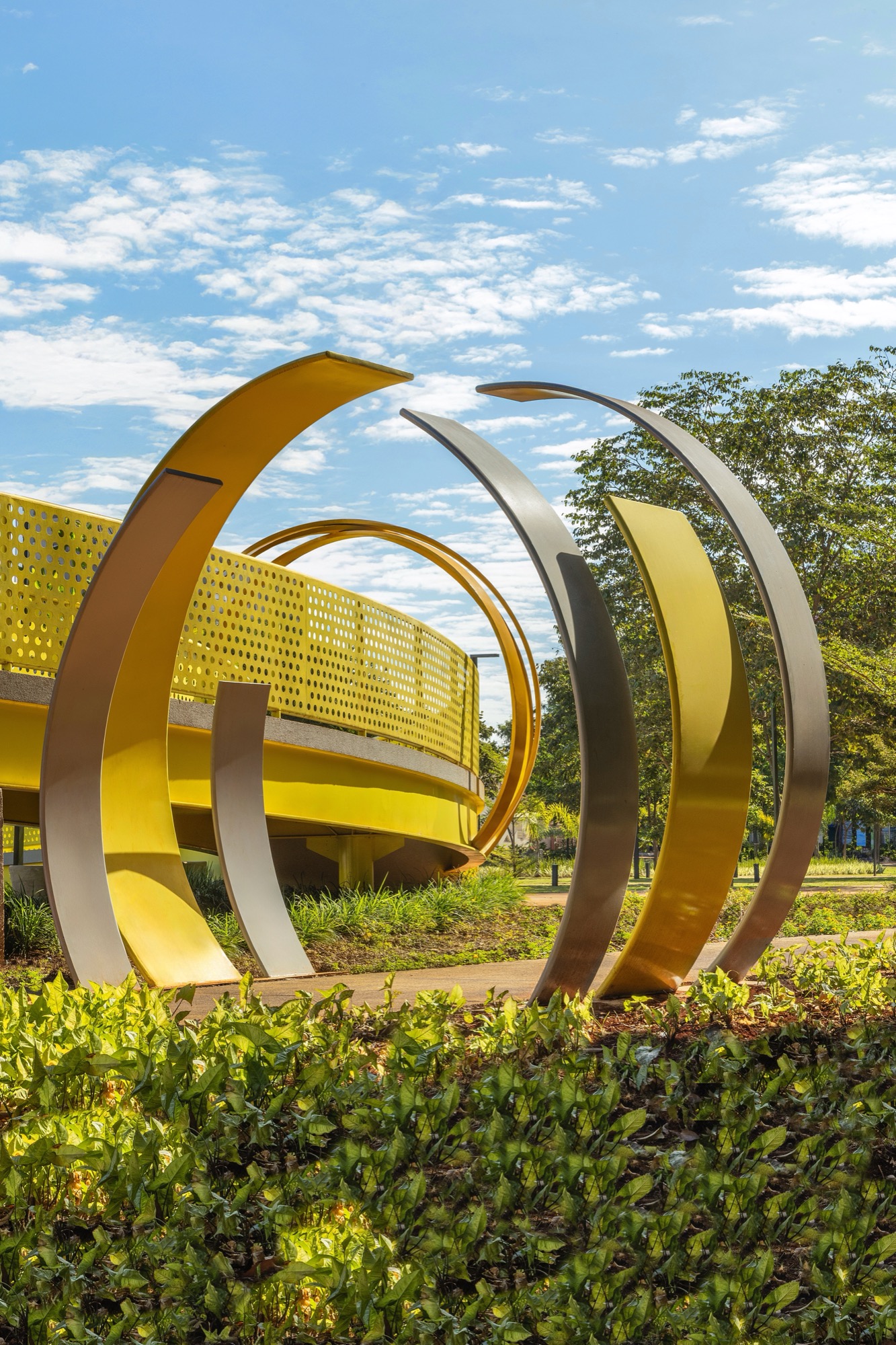
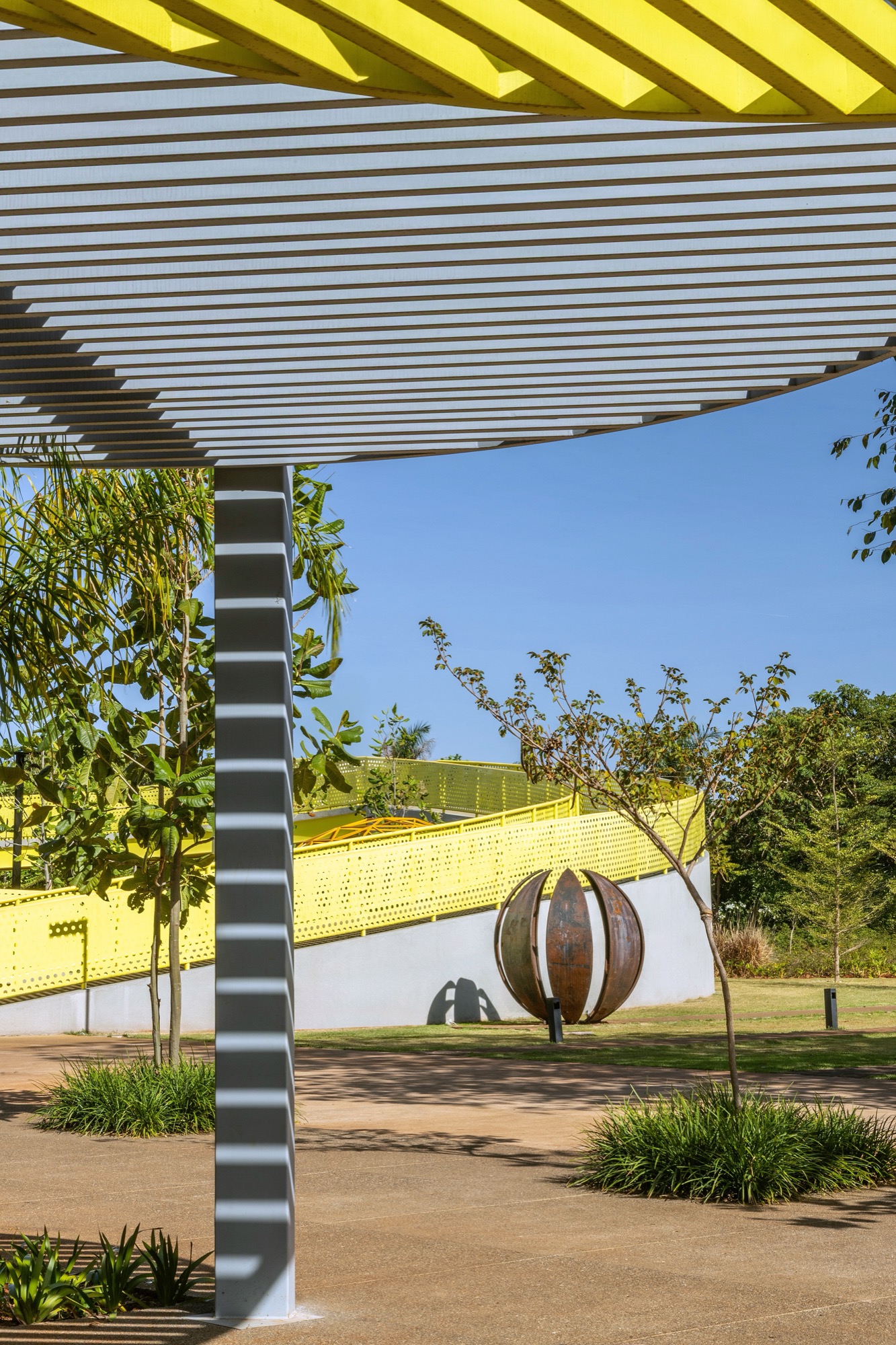
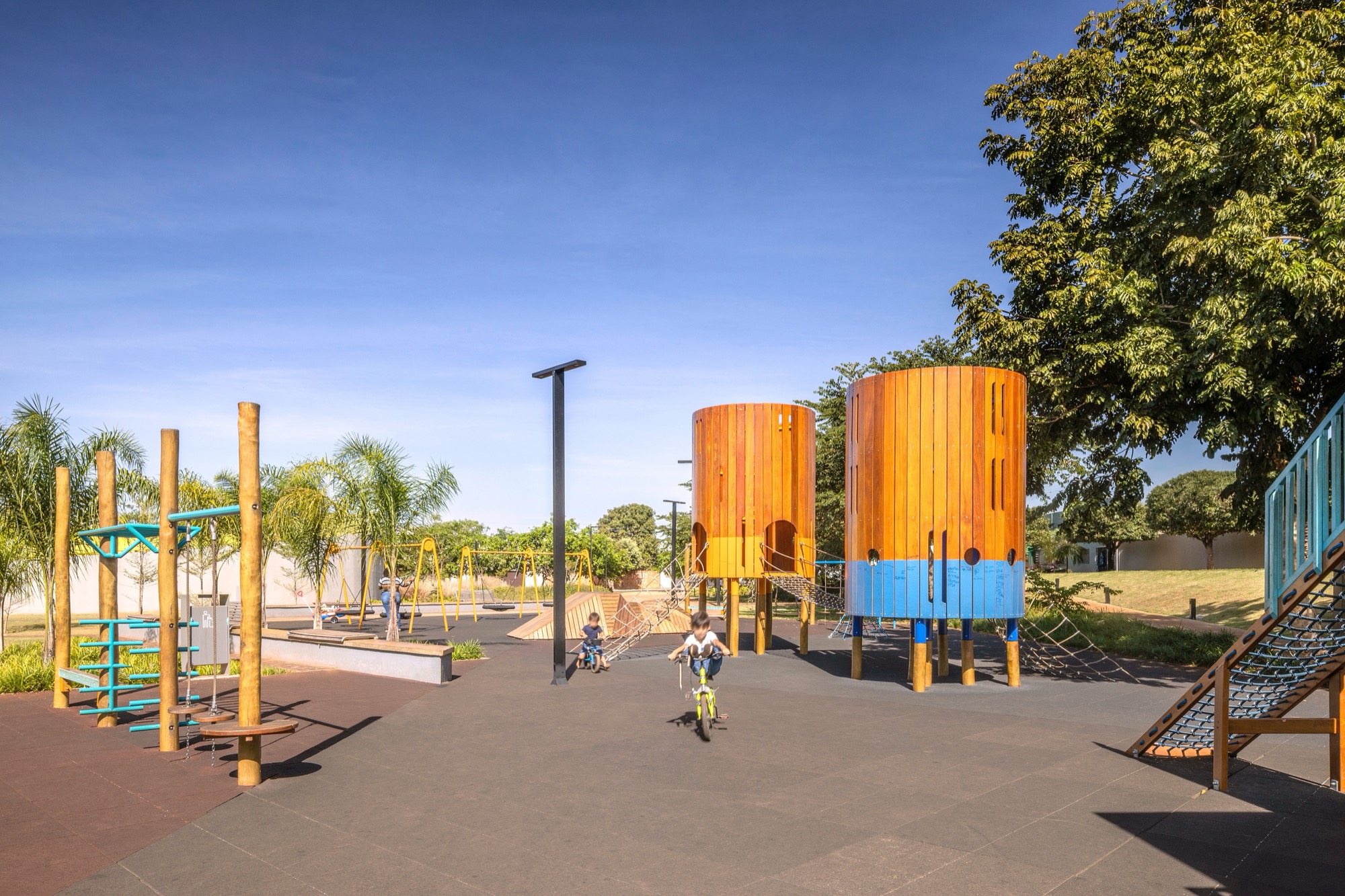
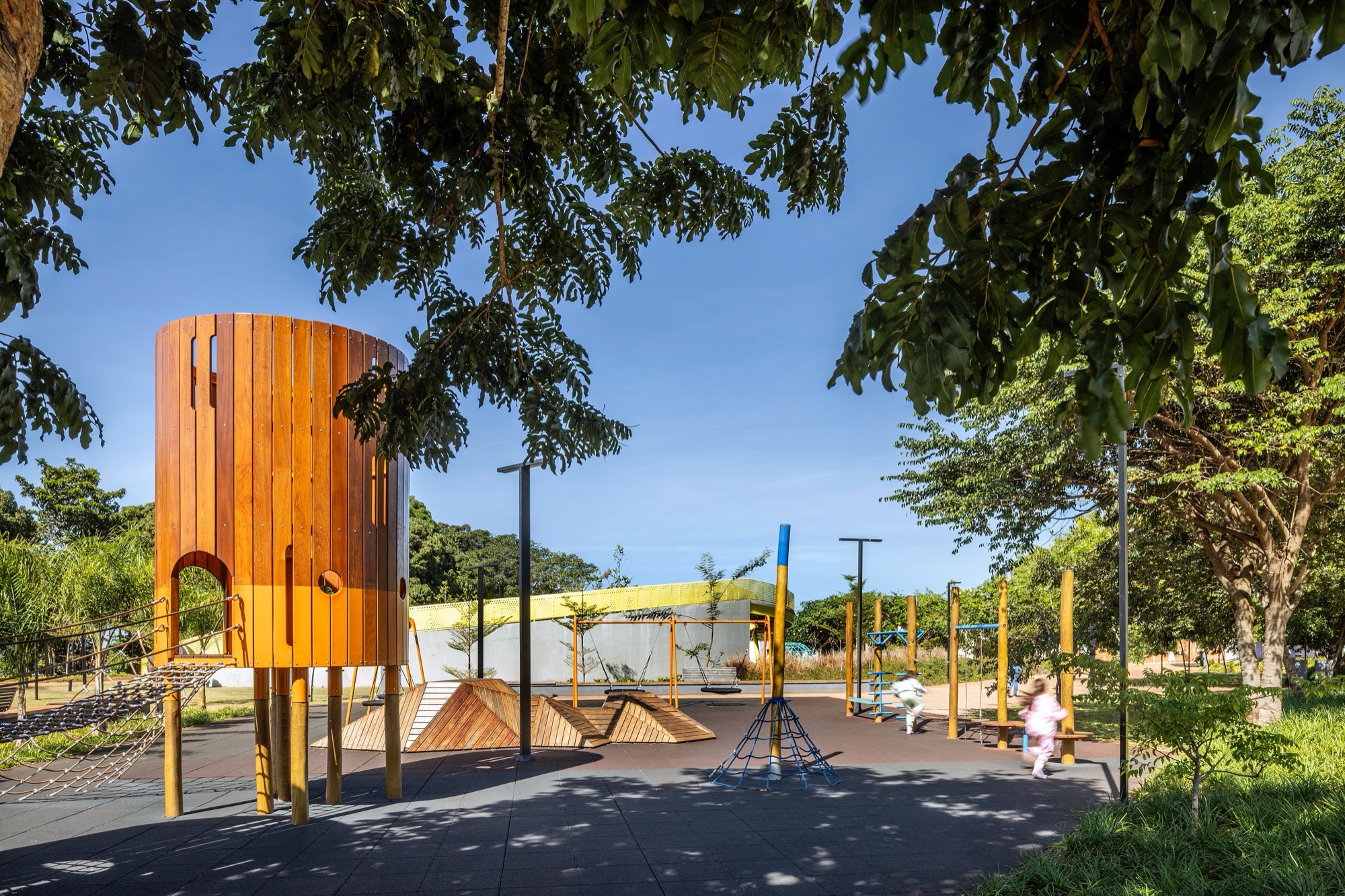
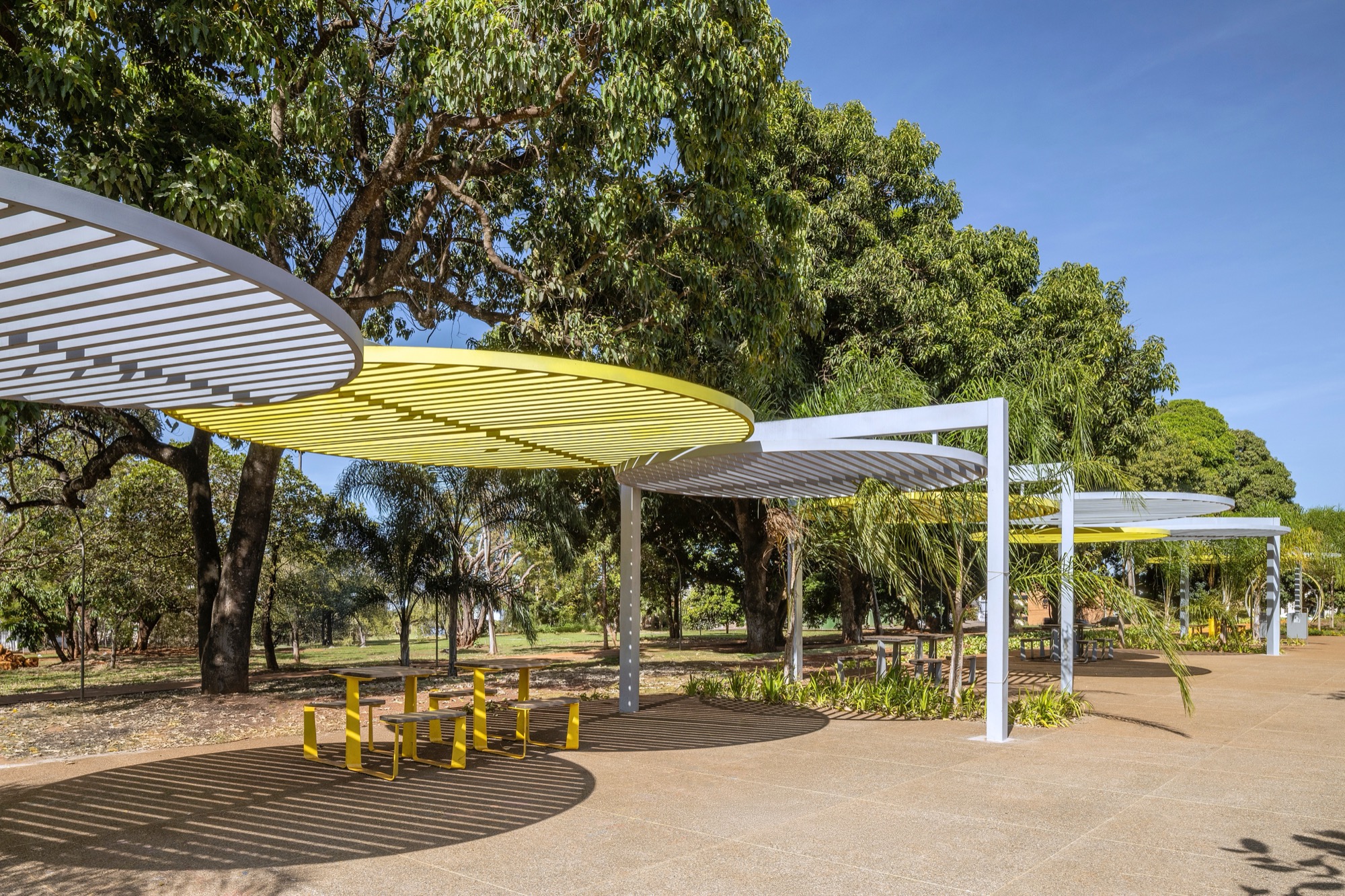
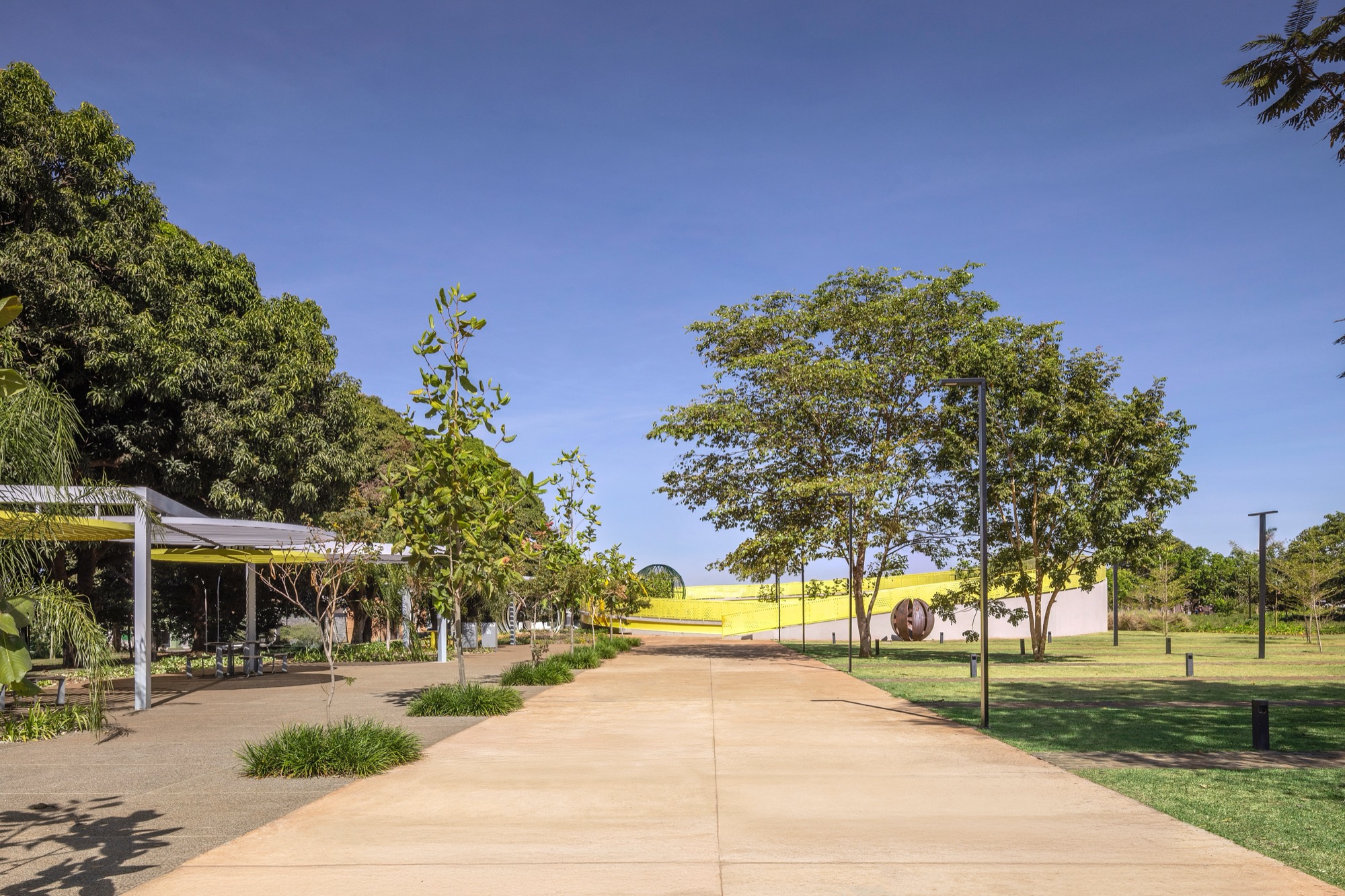
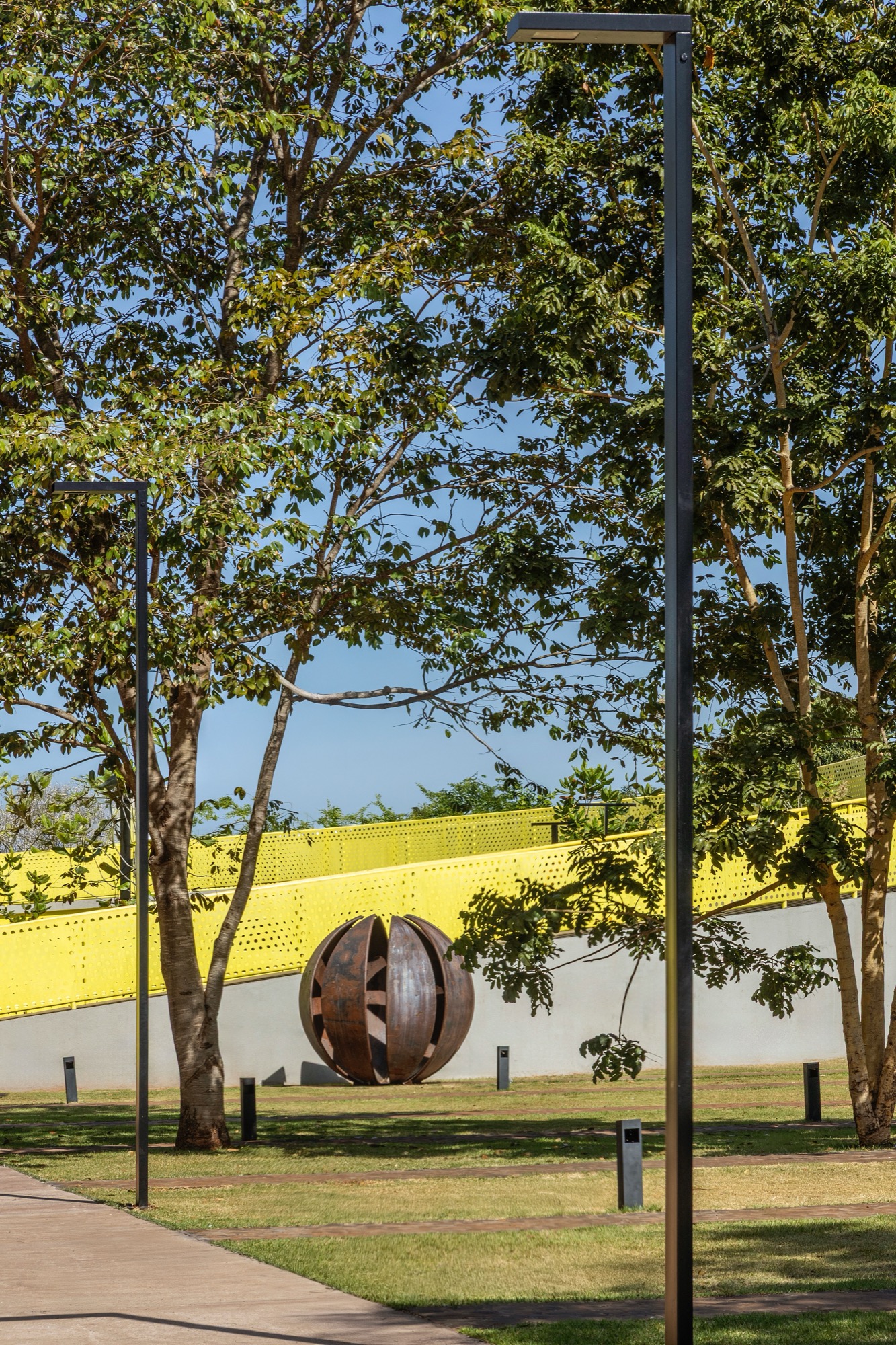
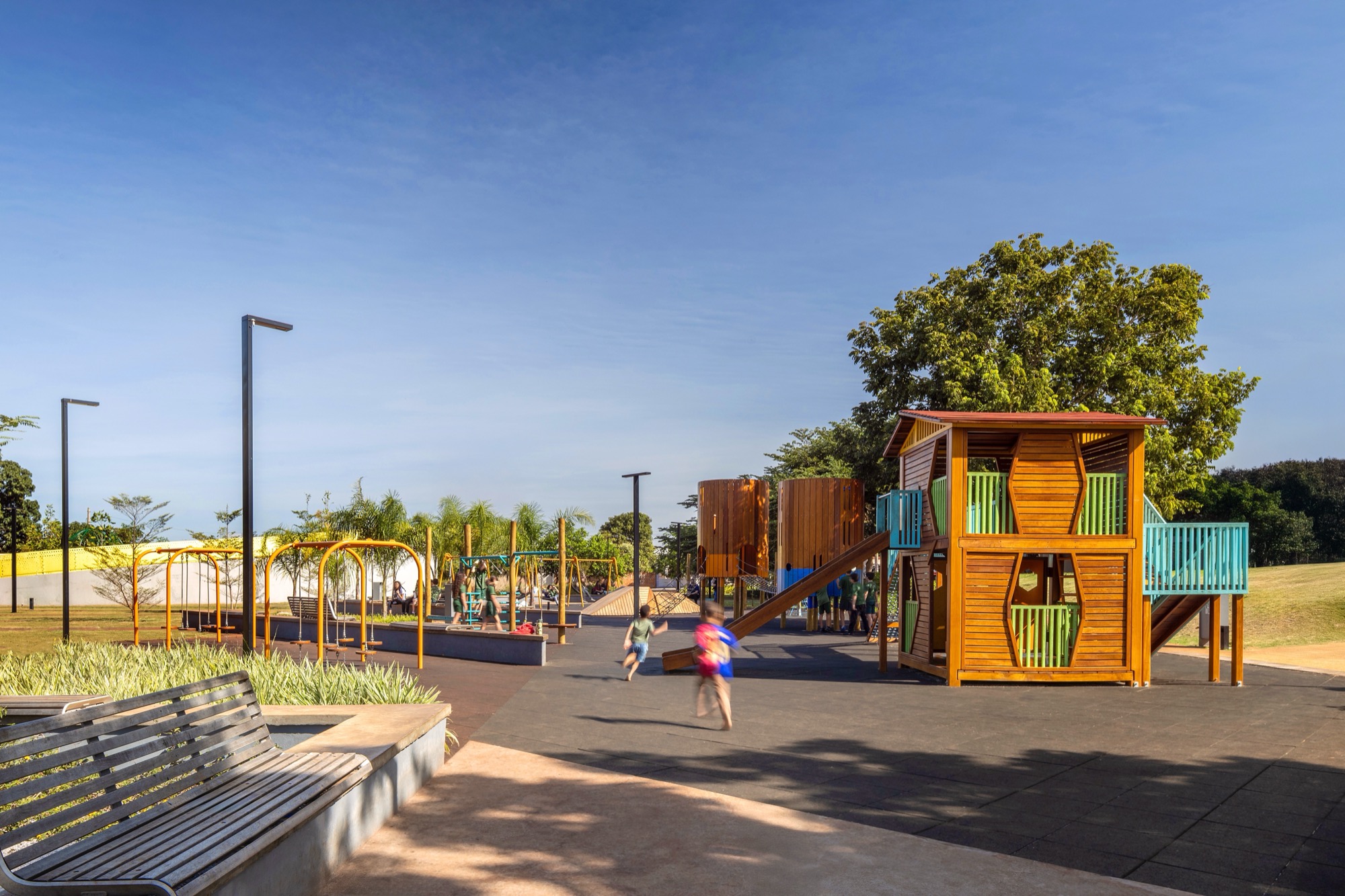
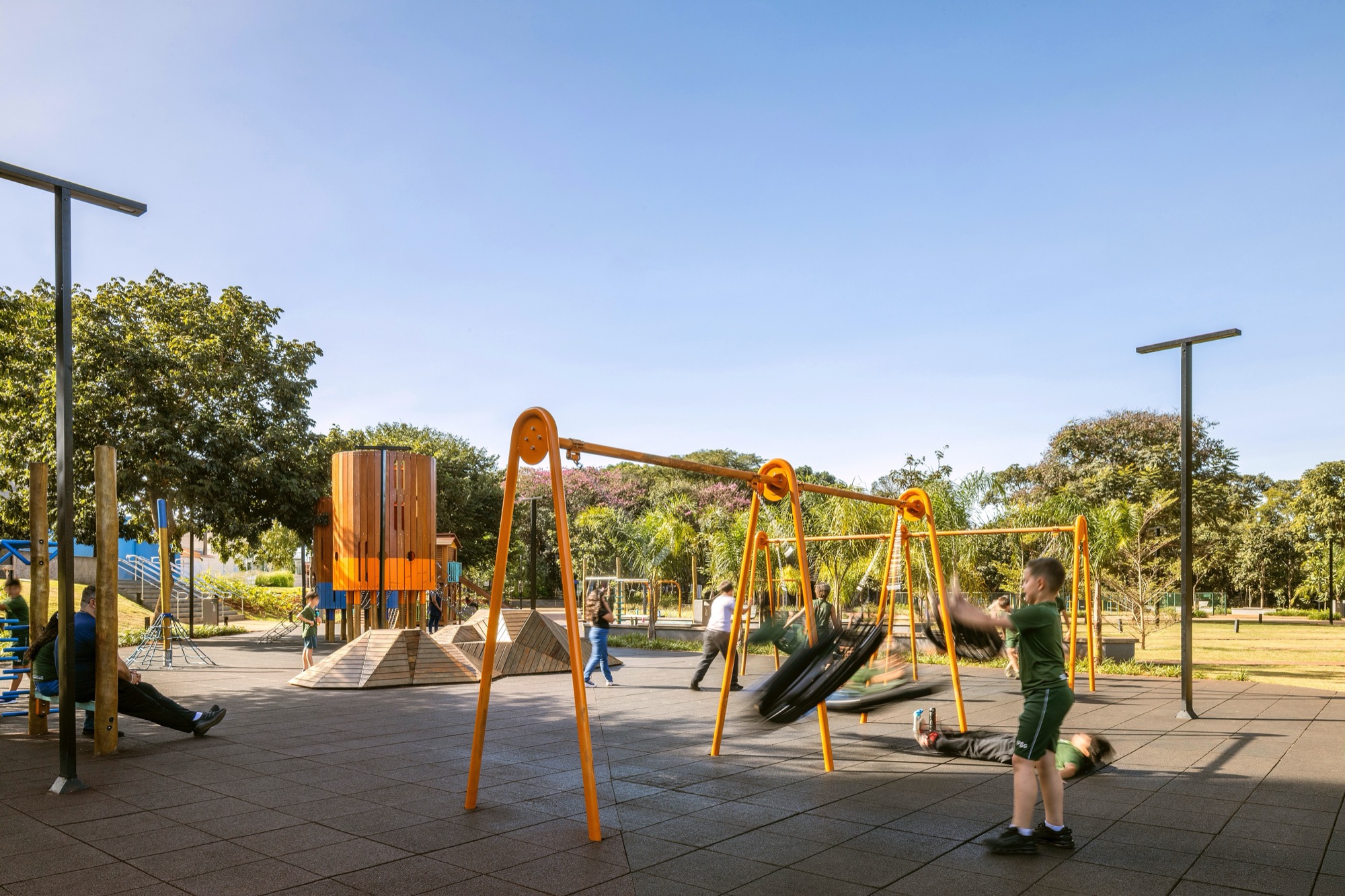
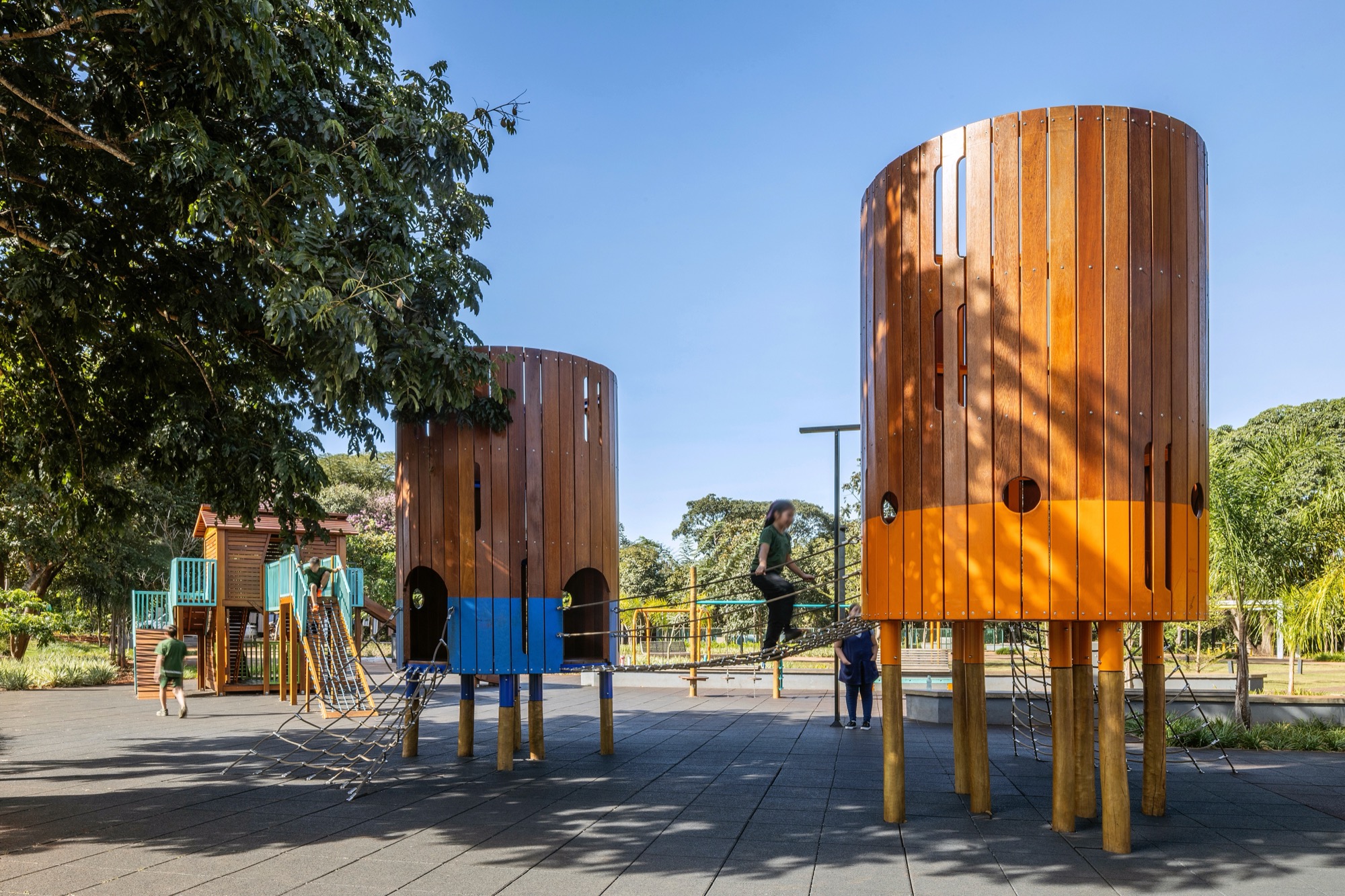
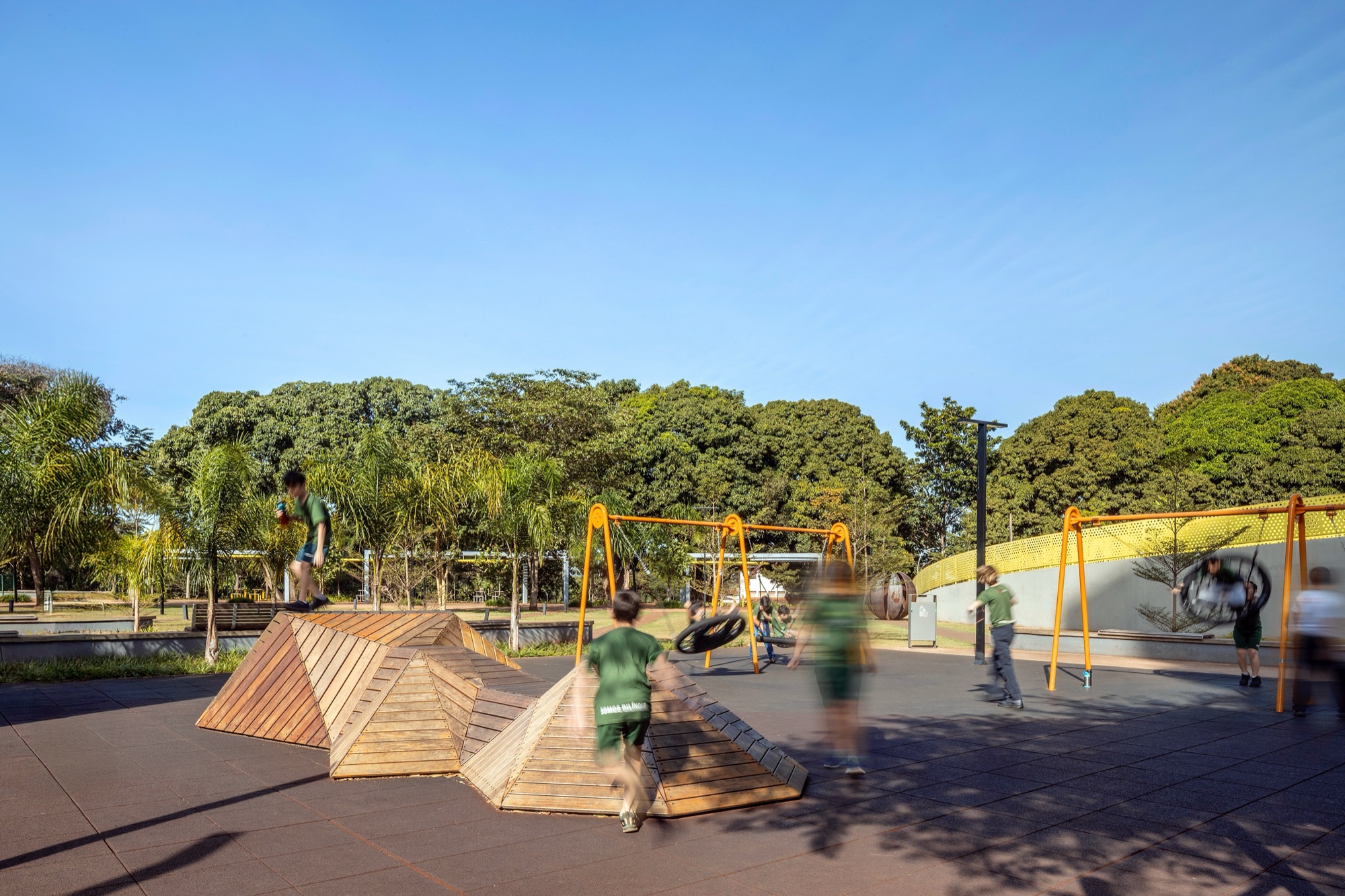
The project’s landscape strategy is straightforward: preserve most of the existing vegetation and respect the natural topography. Instead of imposing rigid forms, the design embraces what already exists, allowing the site itself to guide spatial decisions and shape the long-term evolution of the landscape.
The plaza occupies a strategic location within a university district. The land was ceded by the Federal University of Jataí through a partnership with the municipal government, strengthening the relationship between the university and the city. The project therefore sought to create spaces that stimulate curiosity and disseminate scientific knowledge in an open and accessible environment. During the research phase, the team discovered that an earlier proposal for a planetarium had once been considered for the site. This reference became the catalyst for the project’s central idea: creating architectural and landscape elements that invite visitors to explore space through new perspectives.
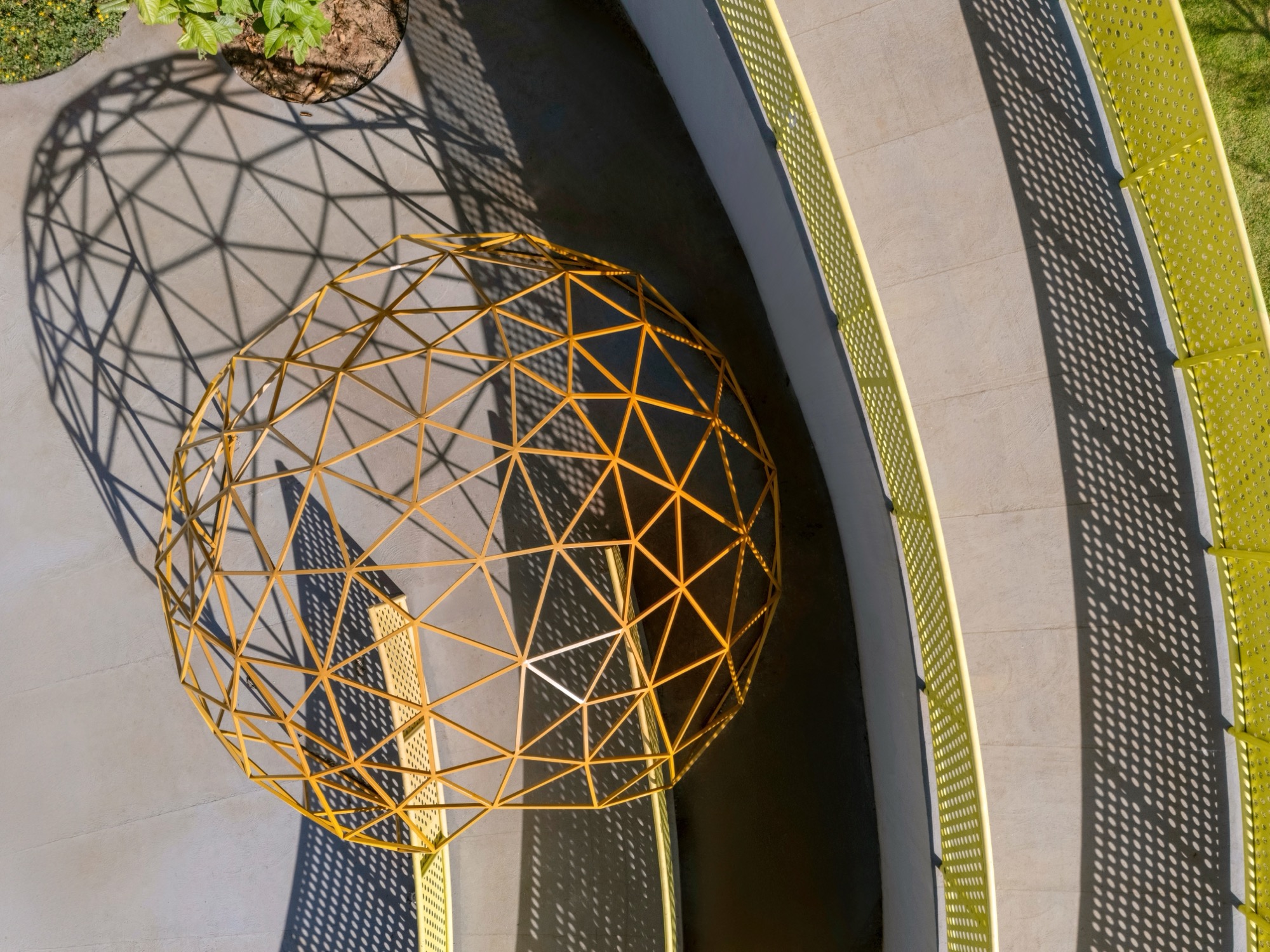
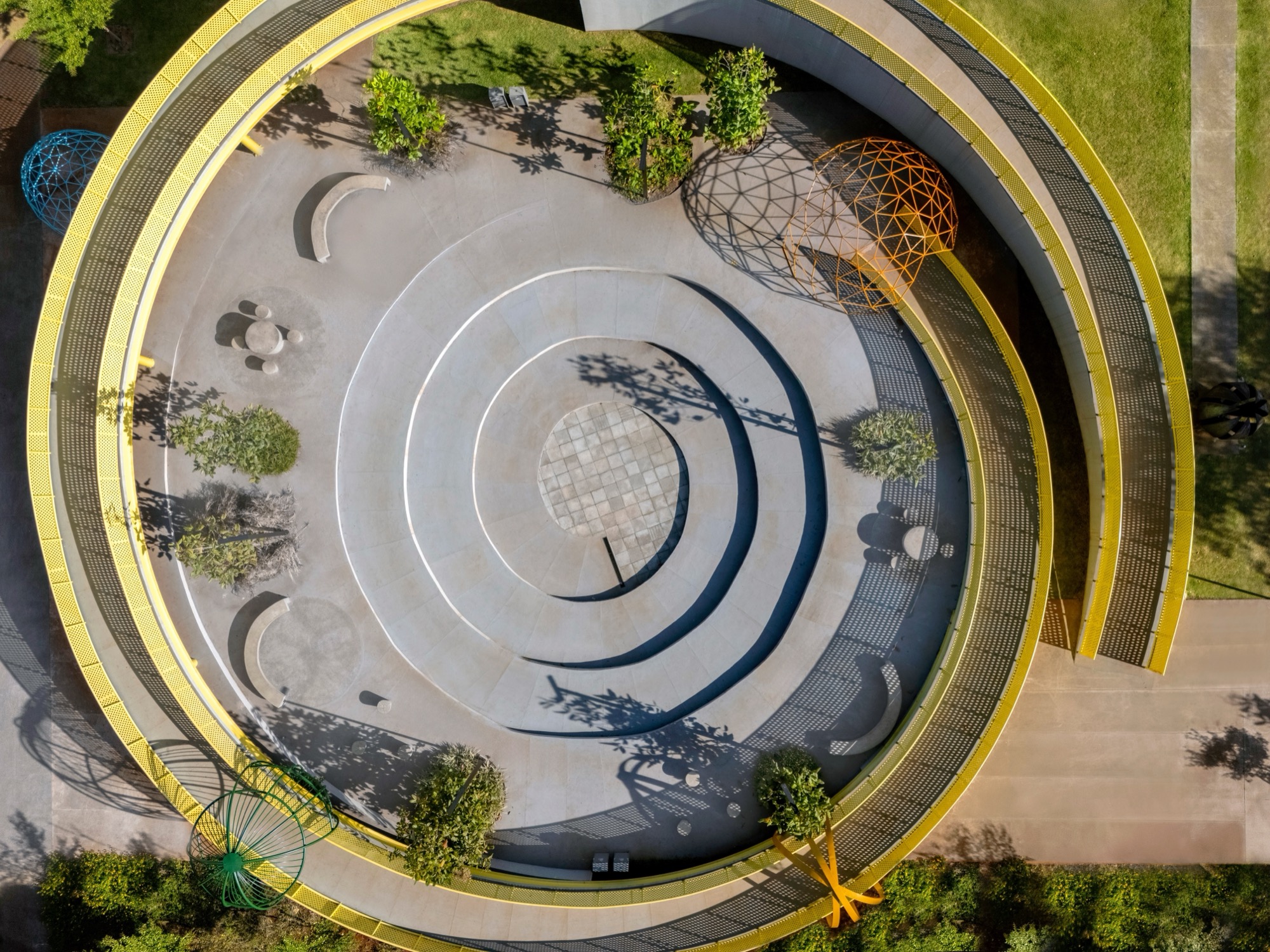
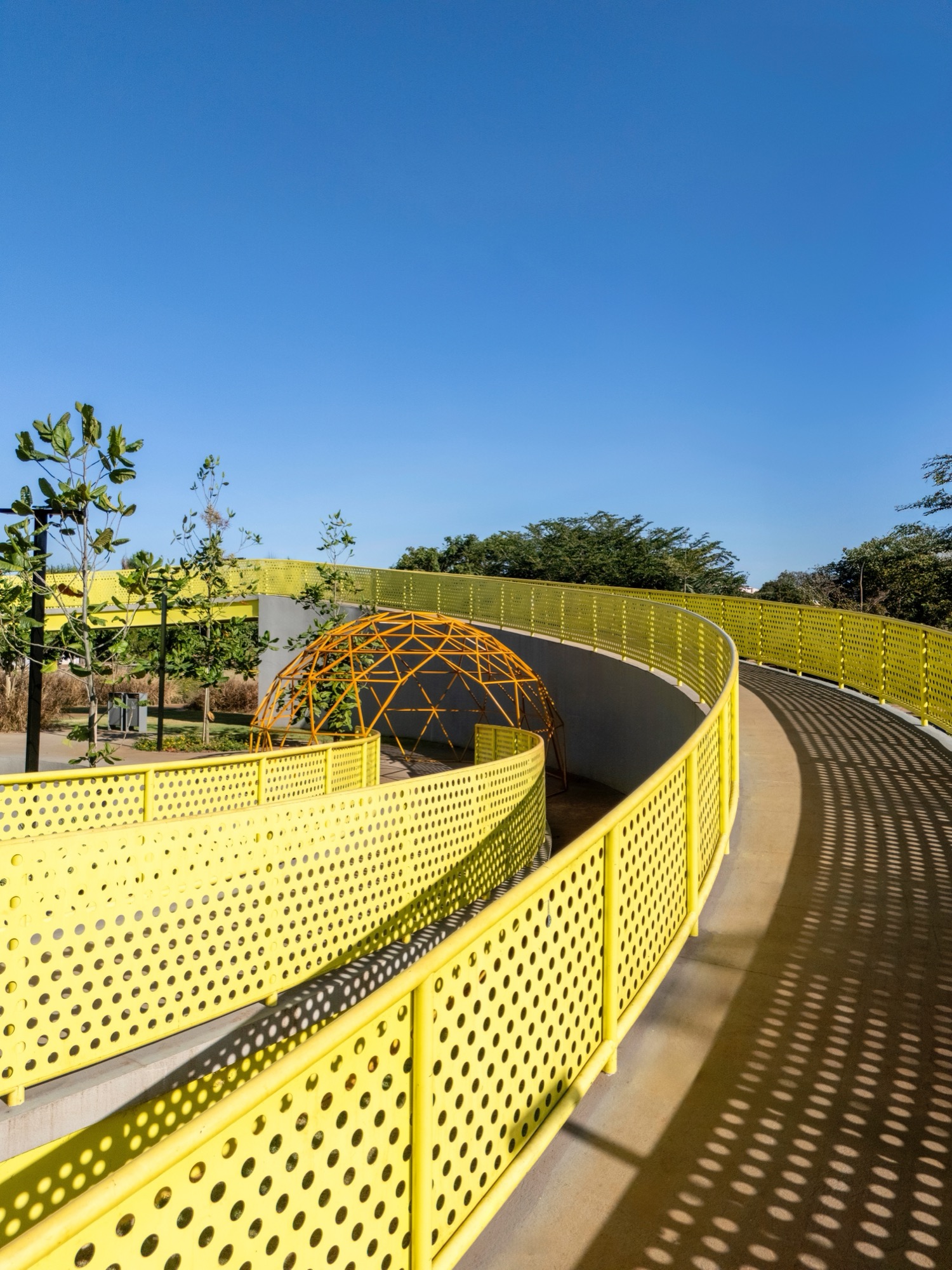
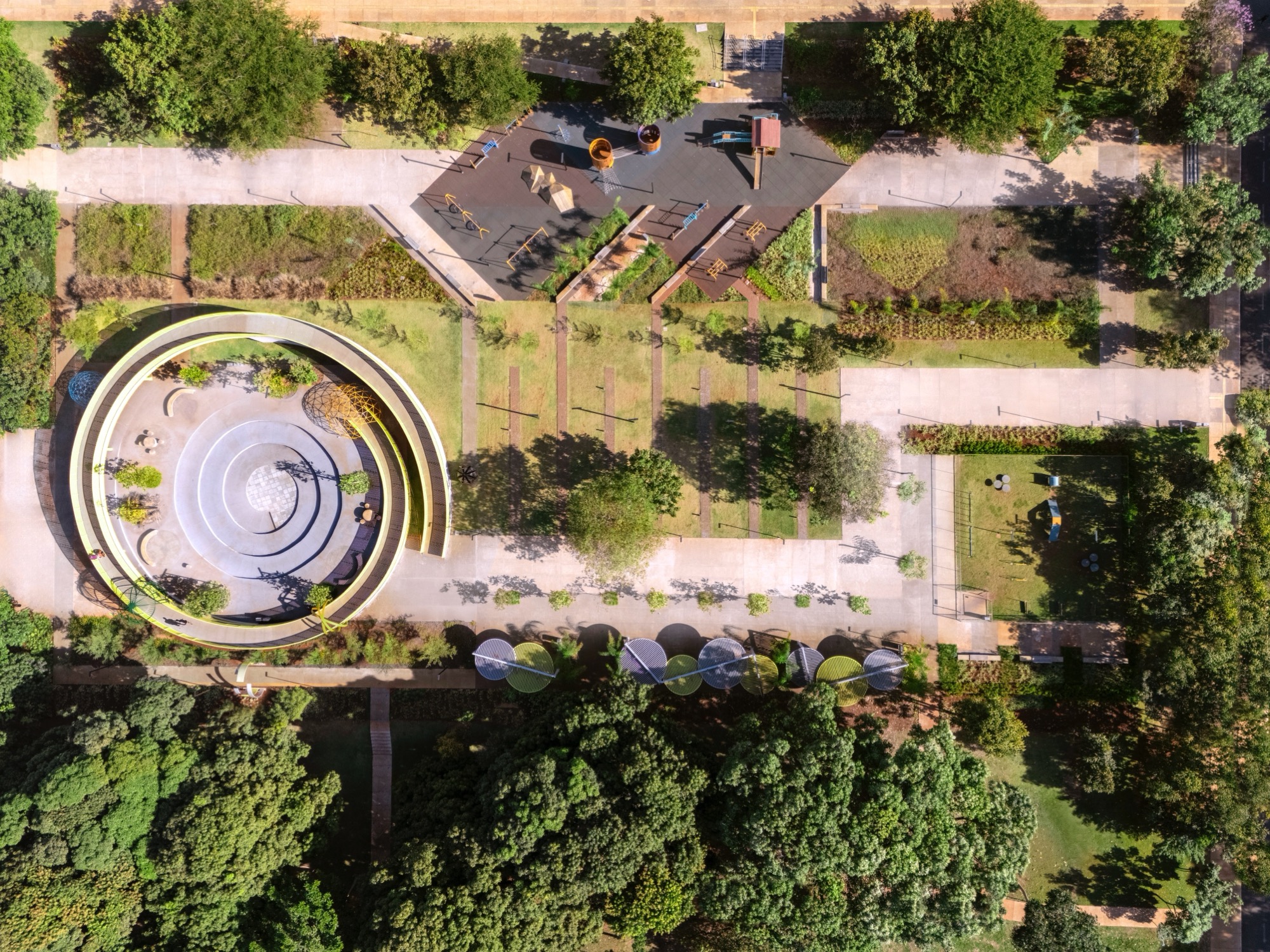
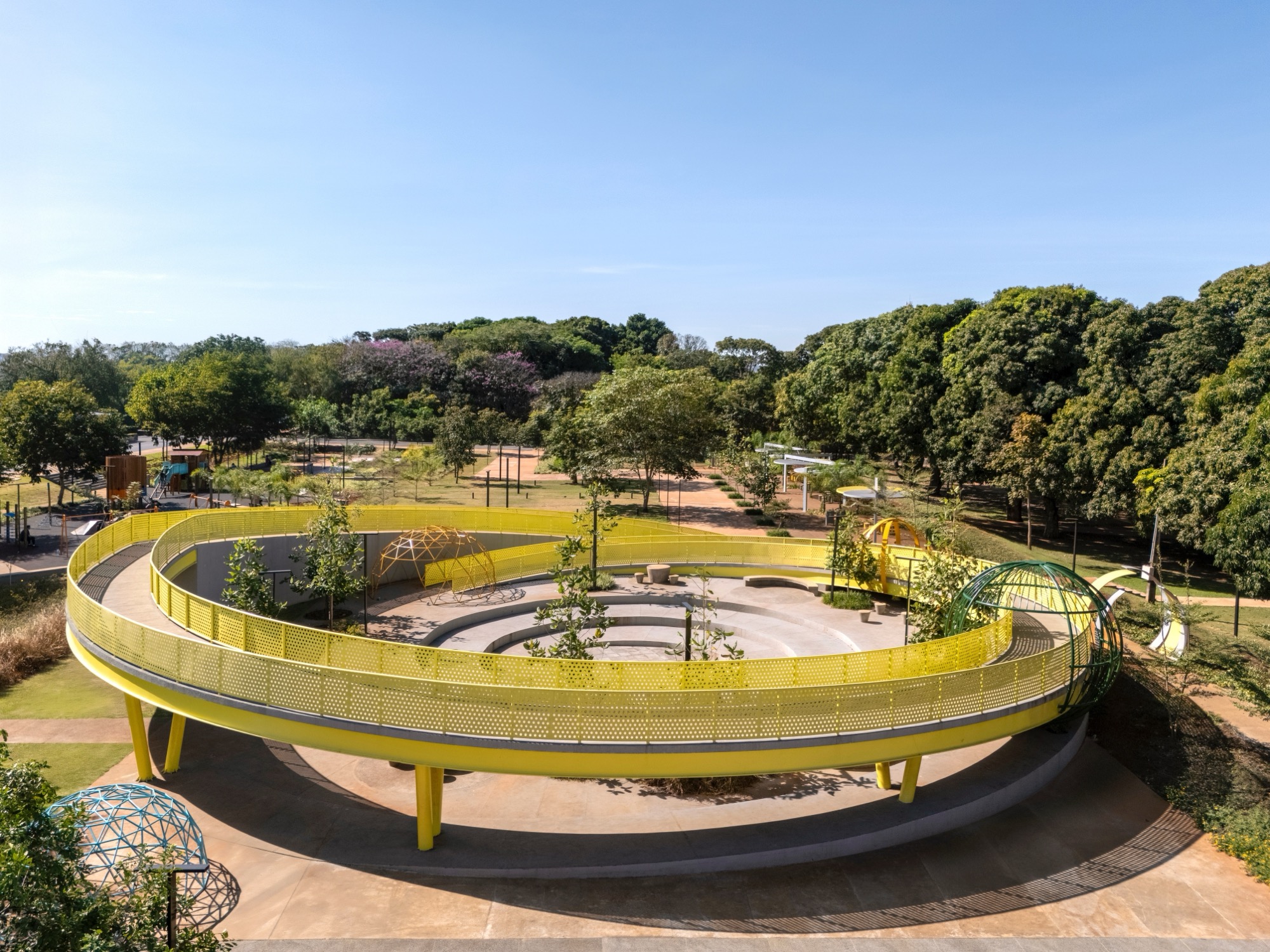
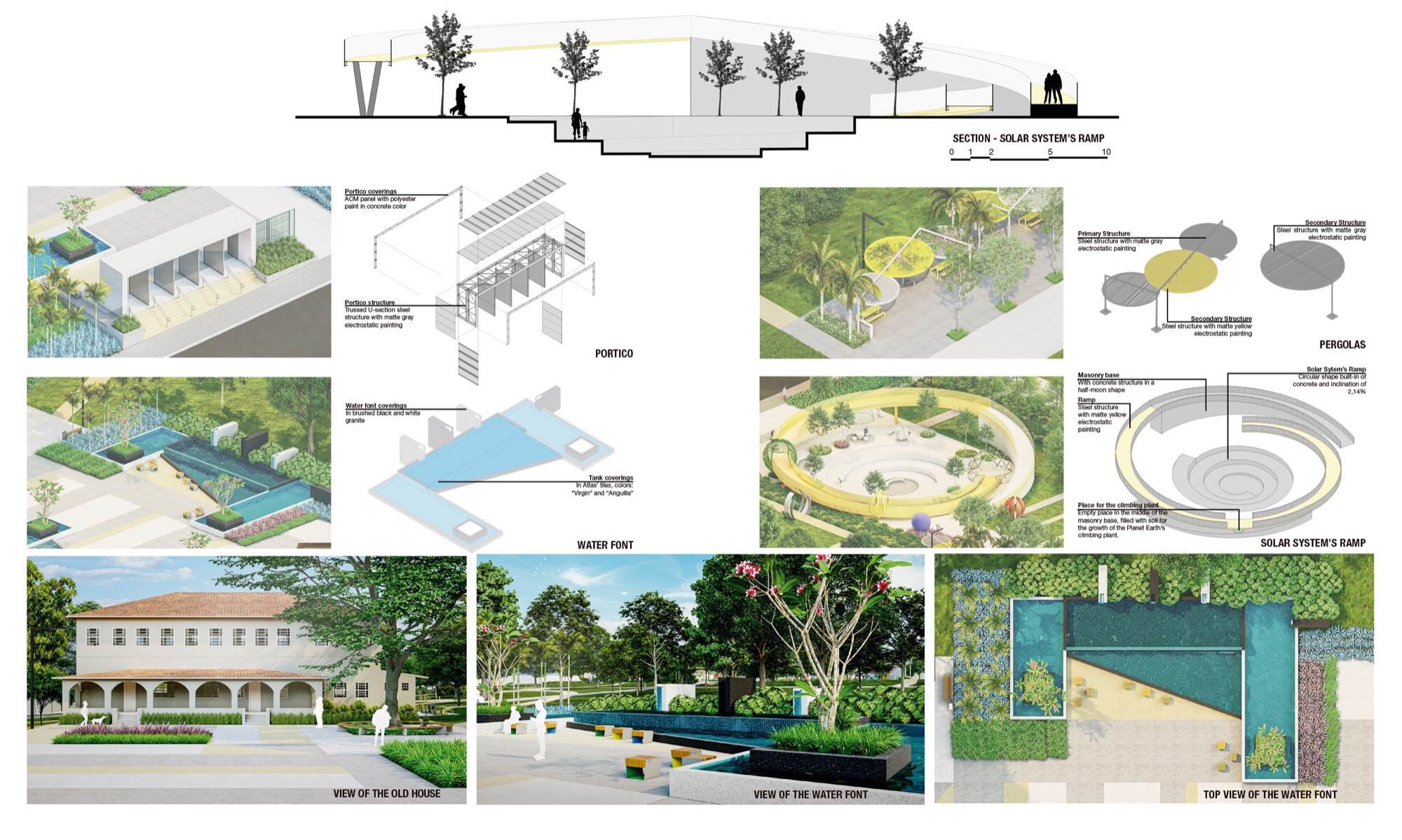
Since physical travel through space is impossible, the plaza proposes symbolic journeys. The starting point is a large circular ramp painted bright yellow, evoking the sun and functioning both as a promenade and a running track. This element represents a journey through the Solar System, where each planet is expressed through distinct materials, colors, and dimensions inspired by its physical characteristics. Earth, the only planet in constant transformation, is represented by a green steel structure gradually covered by climbing vegetation, allowing time and natural growth to become part of the design.
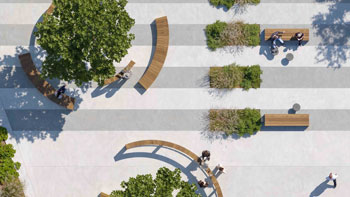
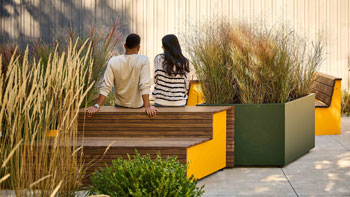
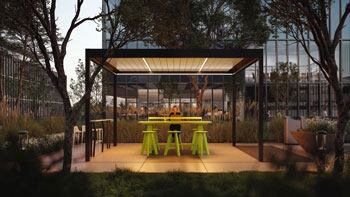
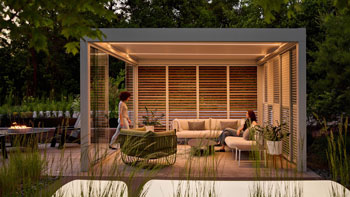
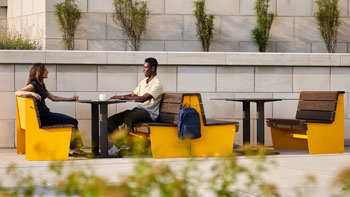
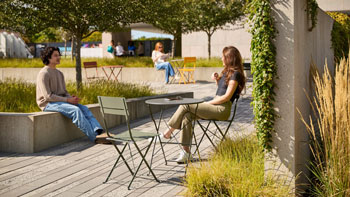
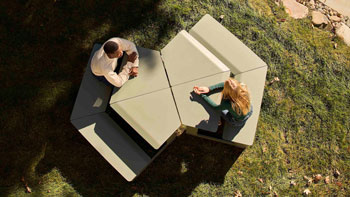
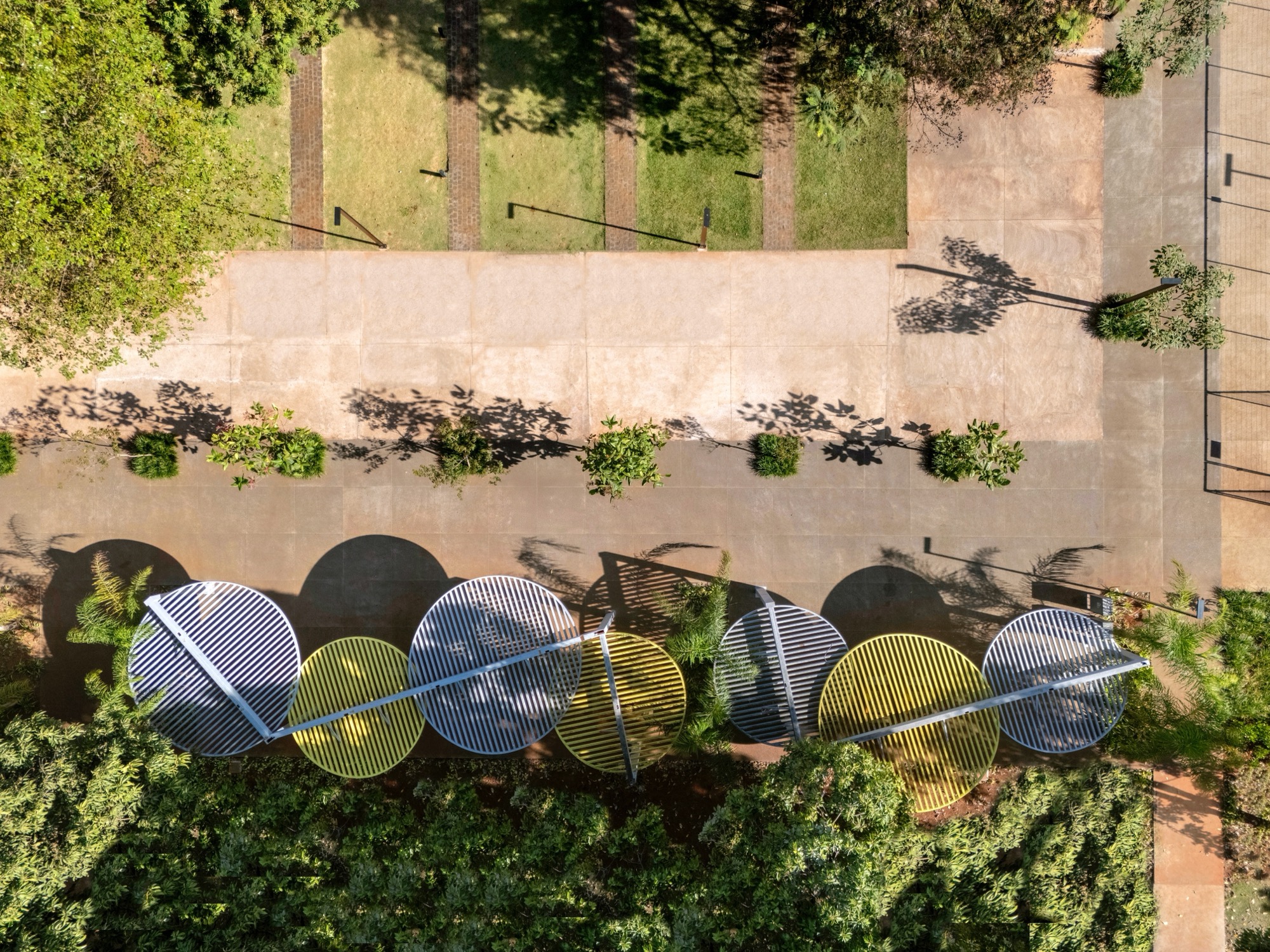
From this solar ring, a network of pathways unfolds across the site, organizing seating areas, recreation spaces, and gathering points for different age groups. Circular pergolas are positioned in dialogue with one another, evoking constellations and reinforcing the connection between people, landscape, and sky. Circulation paths were designed not only for movement but also to create multiple ways of experiencing the landscape. A large open lawn accommodates spontaneous activities and future uses that naturally emerge in public spaces.
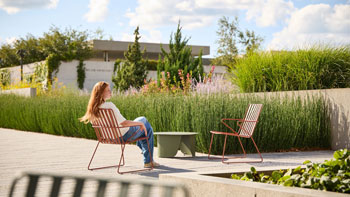
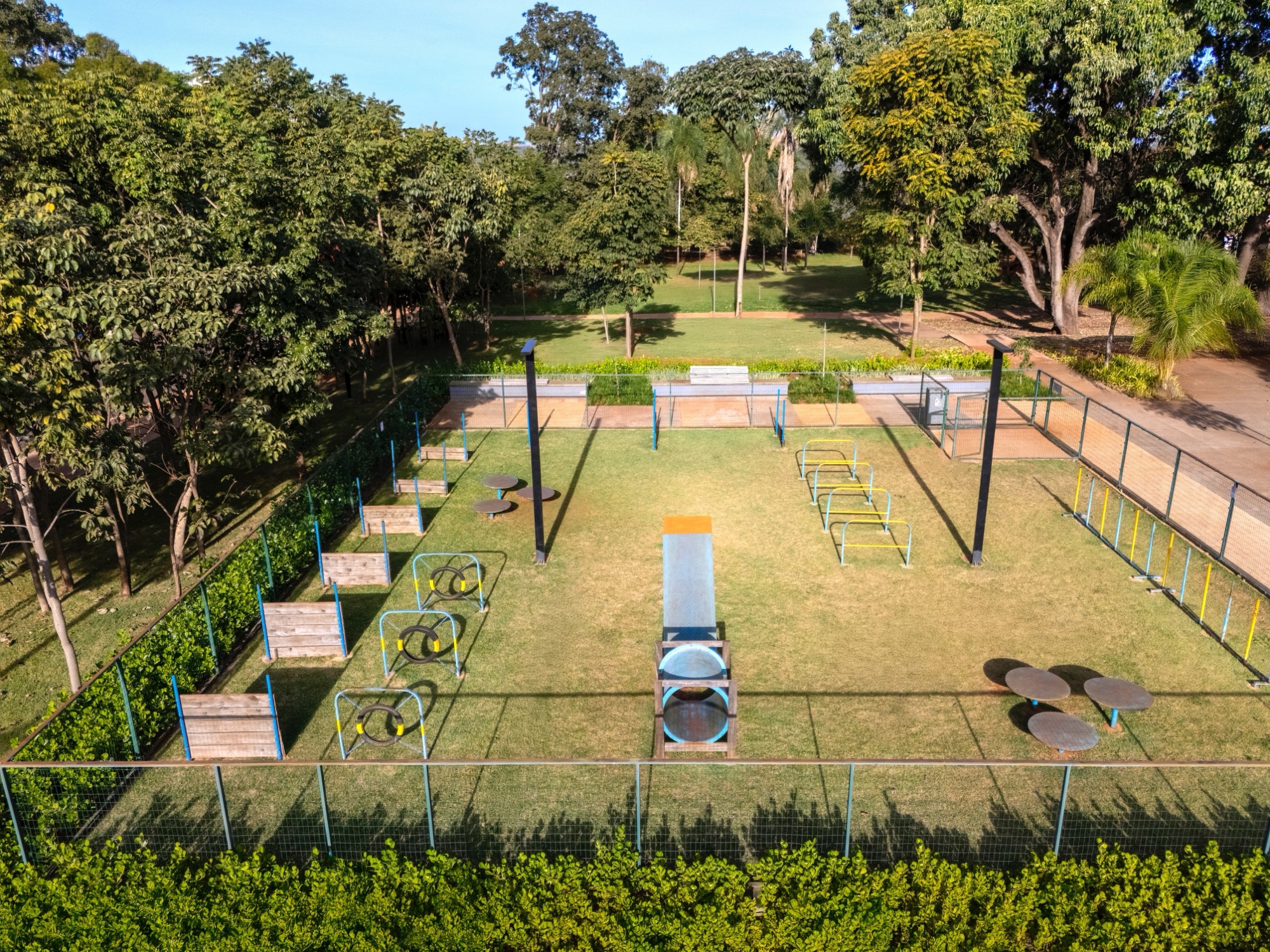
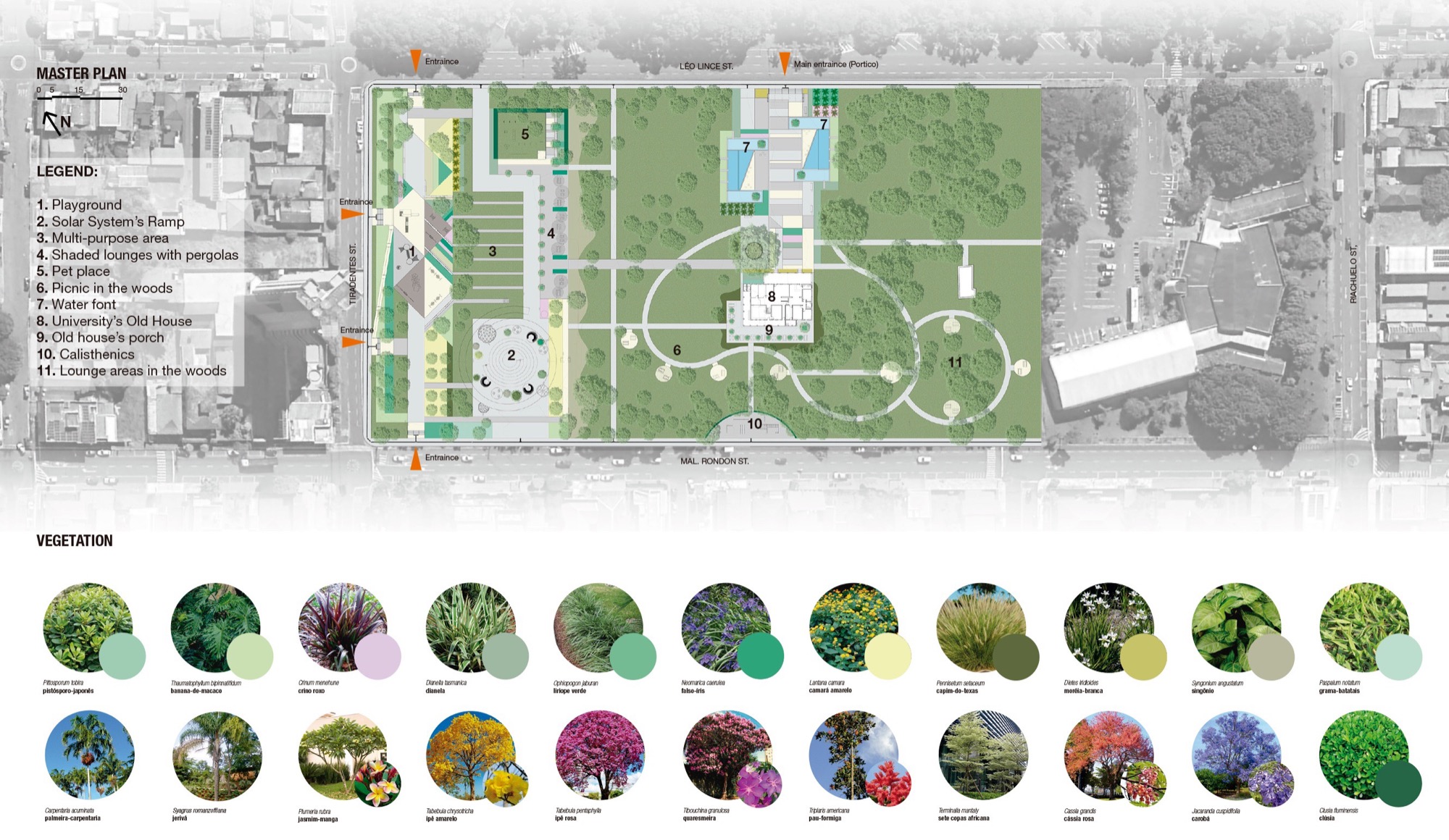
Respecting natural conditions and existing vegetation, the first of the Plaza, known as the “Solar System,” occupies the highest and flattest portion of the site and concentrates most recreational equipment, including playgrounds, pet areas, and shaded pergolas. Vertical vegetation elements act as landmarks and provide shade at strategic points, while the absence of dense vegetation reinforces visual continuity and users’ sense of safety.
The second zone, “The Old House and the Woods,” corresponds to a later phase of implementation. The former residence—now used for university administration—becomes the focal point of this area. The design highlights the existing architecture while creating pathways that connect the forested landscape to the rest of the plaza. A large portico marks the entrance, aligned with the main façade of the house, leading visitors into a path framed by water features and vegetation. From there, winding trails move through the forest, weaving between mature trees and opening into small resting areas.
Ultimately, the University Plaza proposes a landscape that reconciles memory and future, nature and built form—an accessible public space designed to belong to everyone, where the city meets science, imagination, and everyday life.
Project Credits
Studio: Florentino Arquitetura Paisagística
Architects: João Paulo Florentino, Sofia Menezes, Letícia Nunes, Isabela Moraes, Joel Netto
Client: Prefeitura de Jataí
Photography: Edgard Cesar
-17.88171138199466, -51.728308266605445
74058


LILA 2026 Sponsor