Waterside Factory, Zurich
www.studiovulkan.ch
2026 Revisited Landscapes / Switzerland / Built in 2007 /

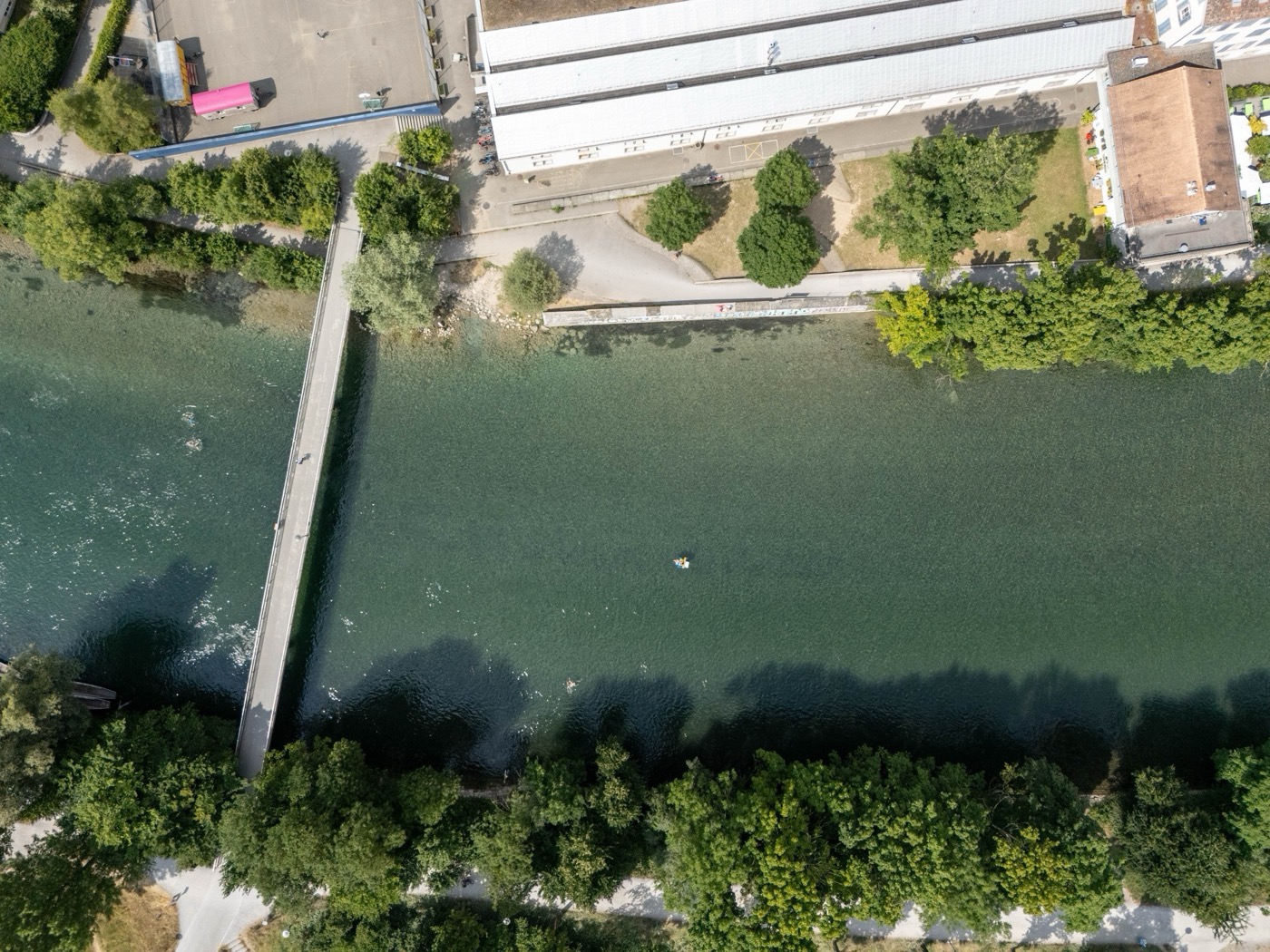
Situated along the Limmat River, the former Höngg Silk Weaving Mill was historically organized around water. A canal diverted water from the river to power the factory’s turbines, structuring the relationship between industry, terrain and river edge. Over time, this hydraulic infrastructure disappeared beneath layers of urban development, leaving the river physically and spatially disconnected from its surroundings.
The project reinterprets this former infrastructural landscape as an inhabitable riverbank shaped by fluctuating water levels, sedimentation and direct public proximity to the water. Rather than fixing the riverbank into a permanent form, the intervention establishes conditions for an evolving relationship between water, terrain and public use.
The uncovering of the historic canal became the starting point for a new landscape structure embedded within the existing site condition. Between the preserved canal walls, the terrain is re-contoured into a sequence of stepped terraces that gradually mediate between the elevated city level and the river. Lawn, gravel and river stone surfaces trace changing proximities to water, while large shotcrete thresholds stabilize the terrain and form inhabitable edges for sitting, gathering and accessing the river.
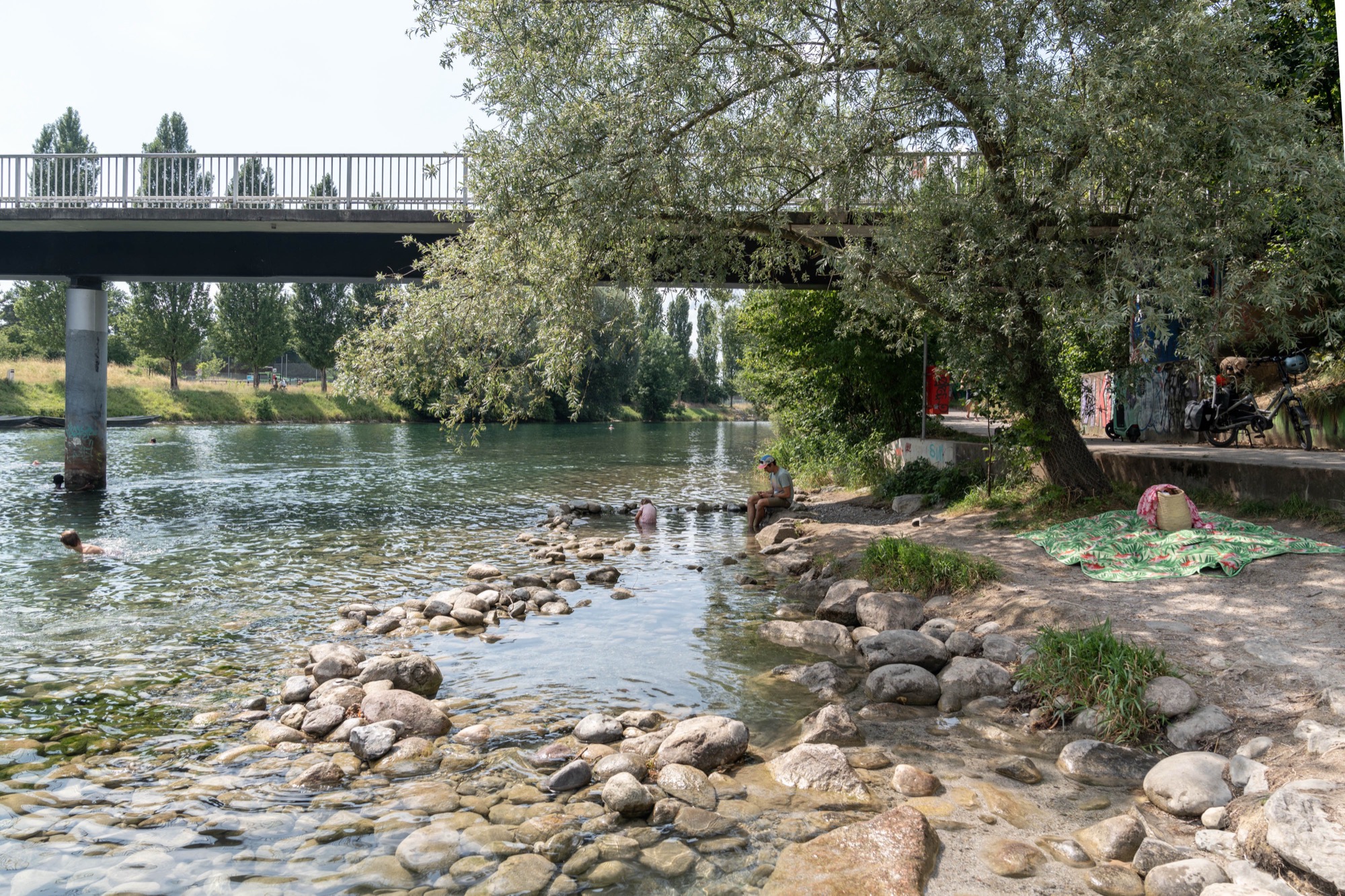
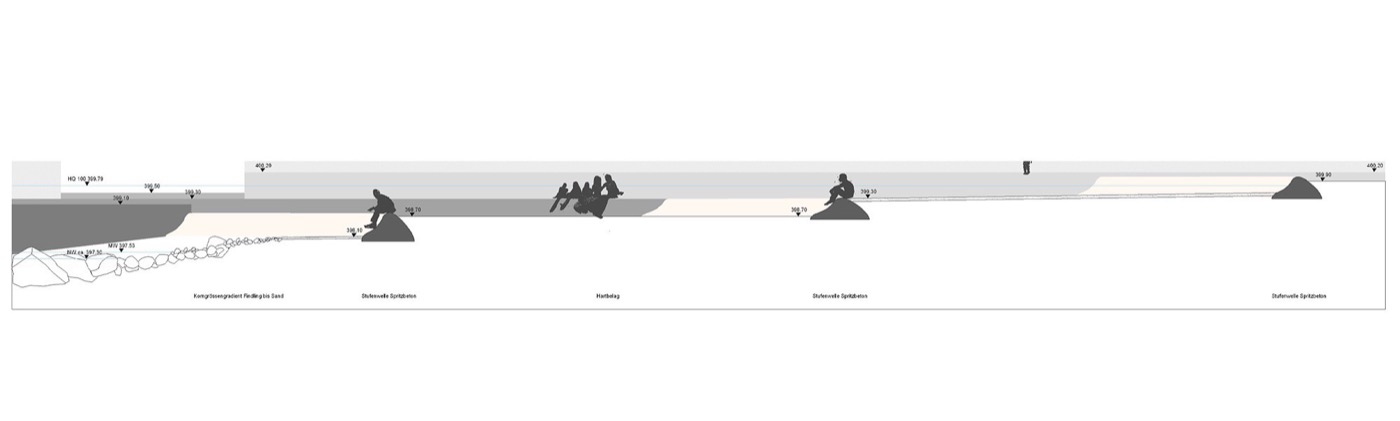
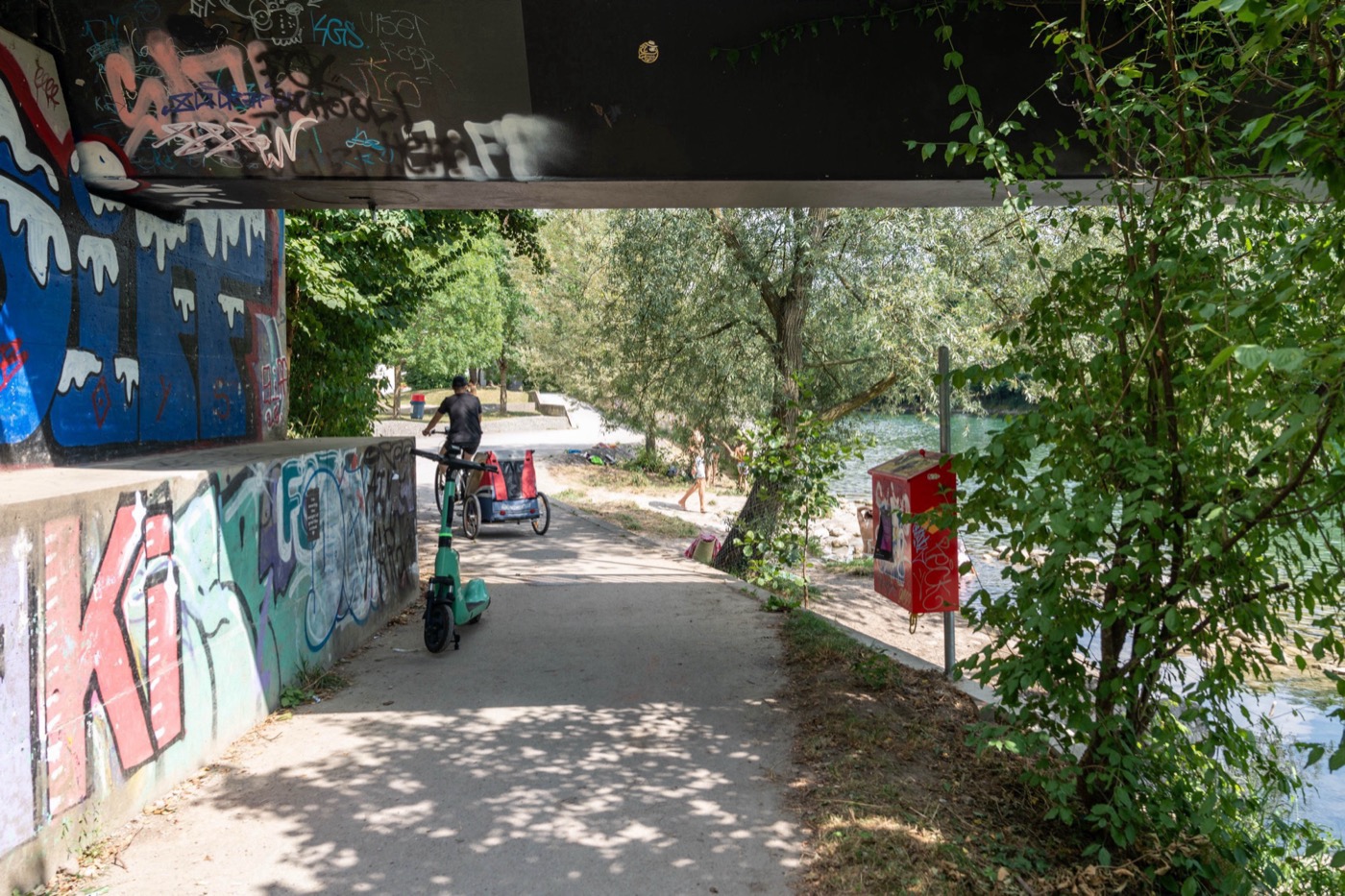
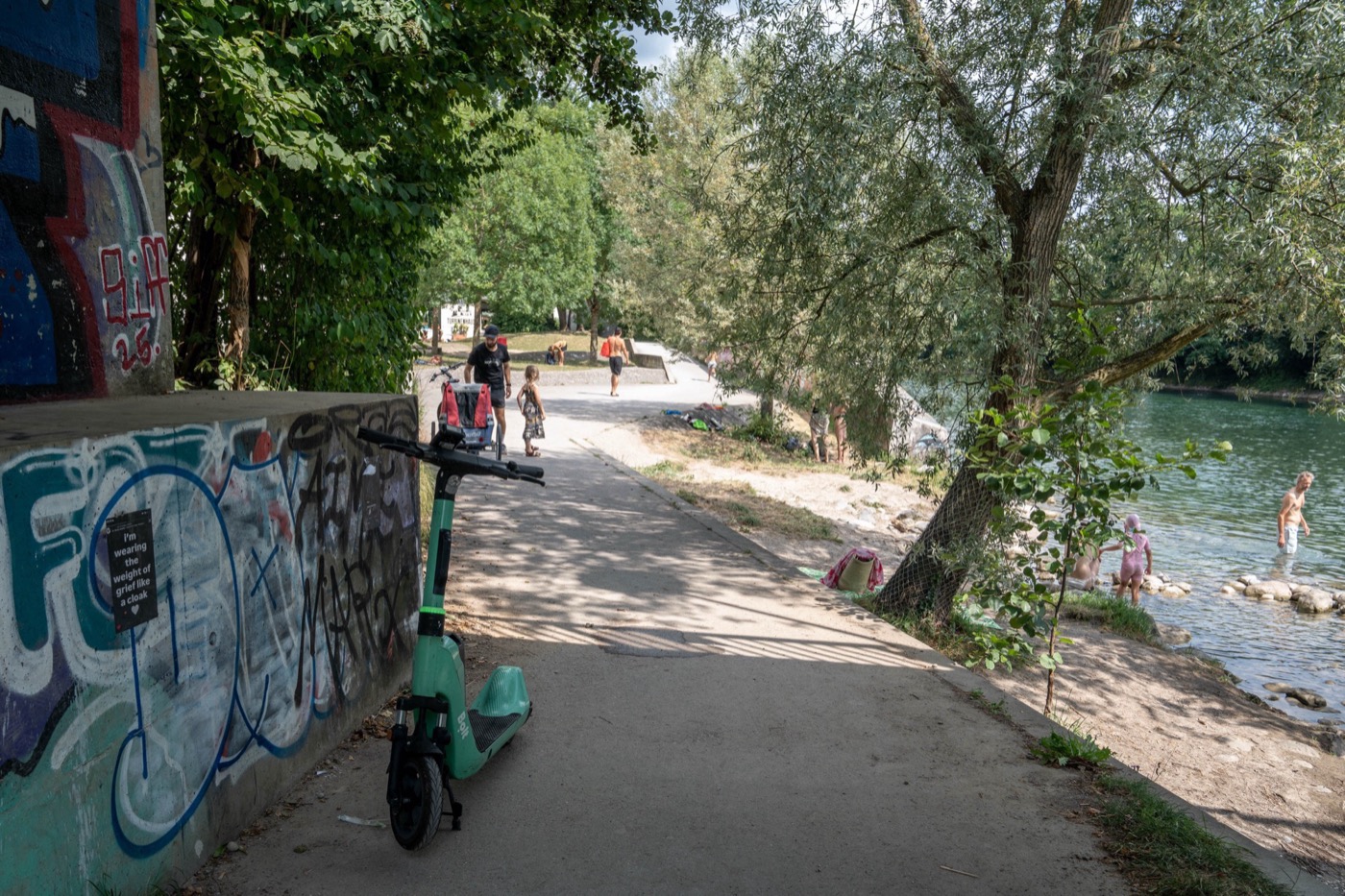
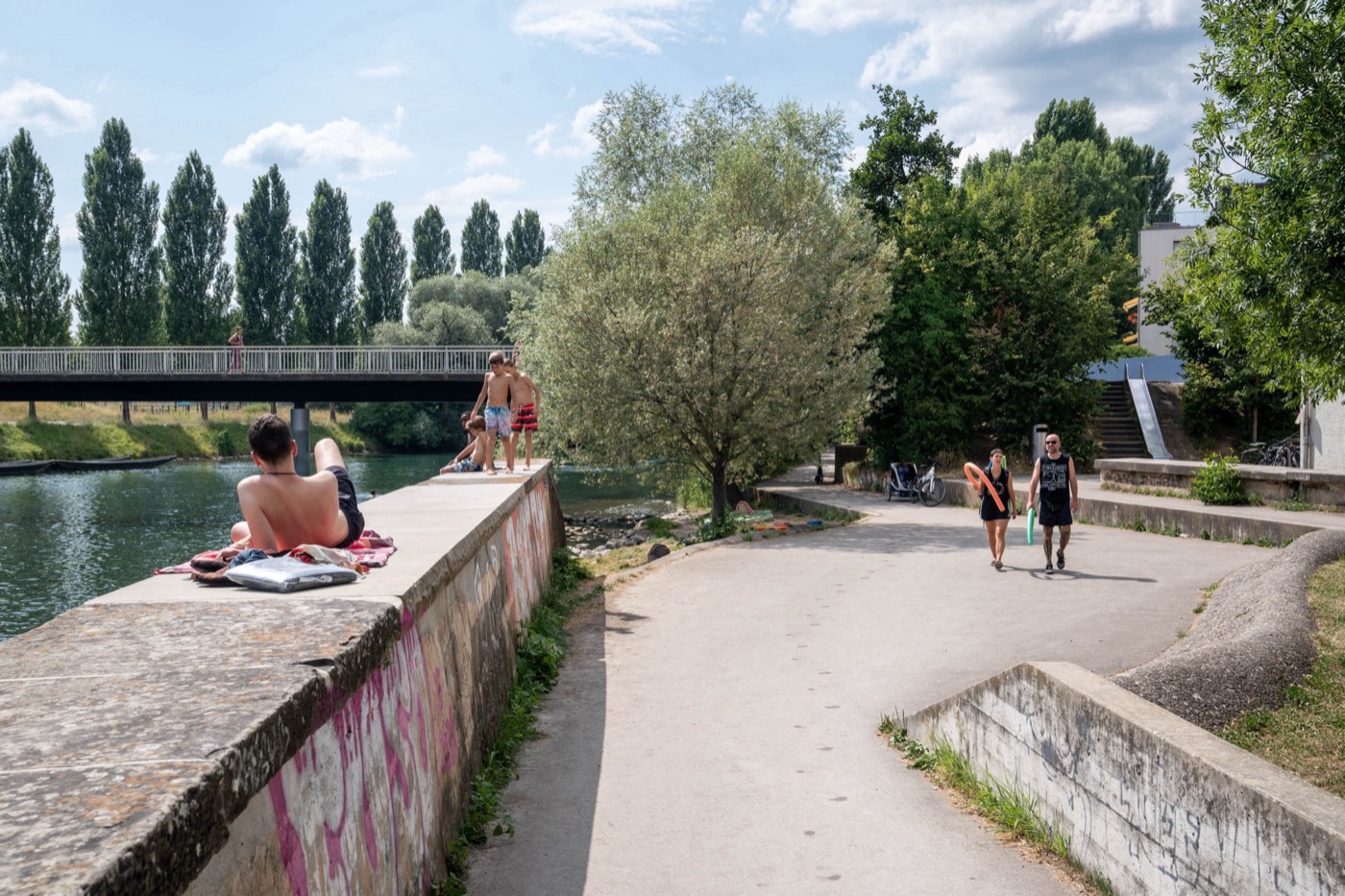
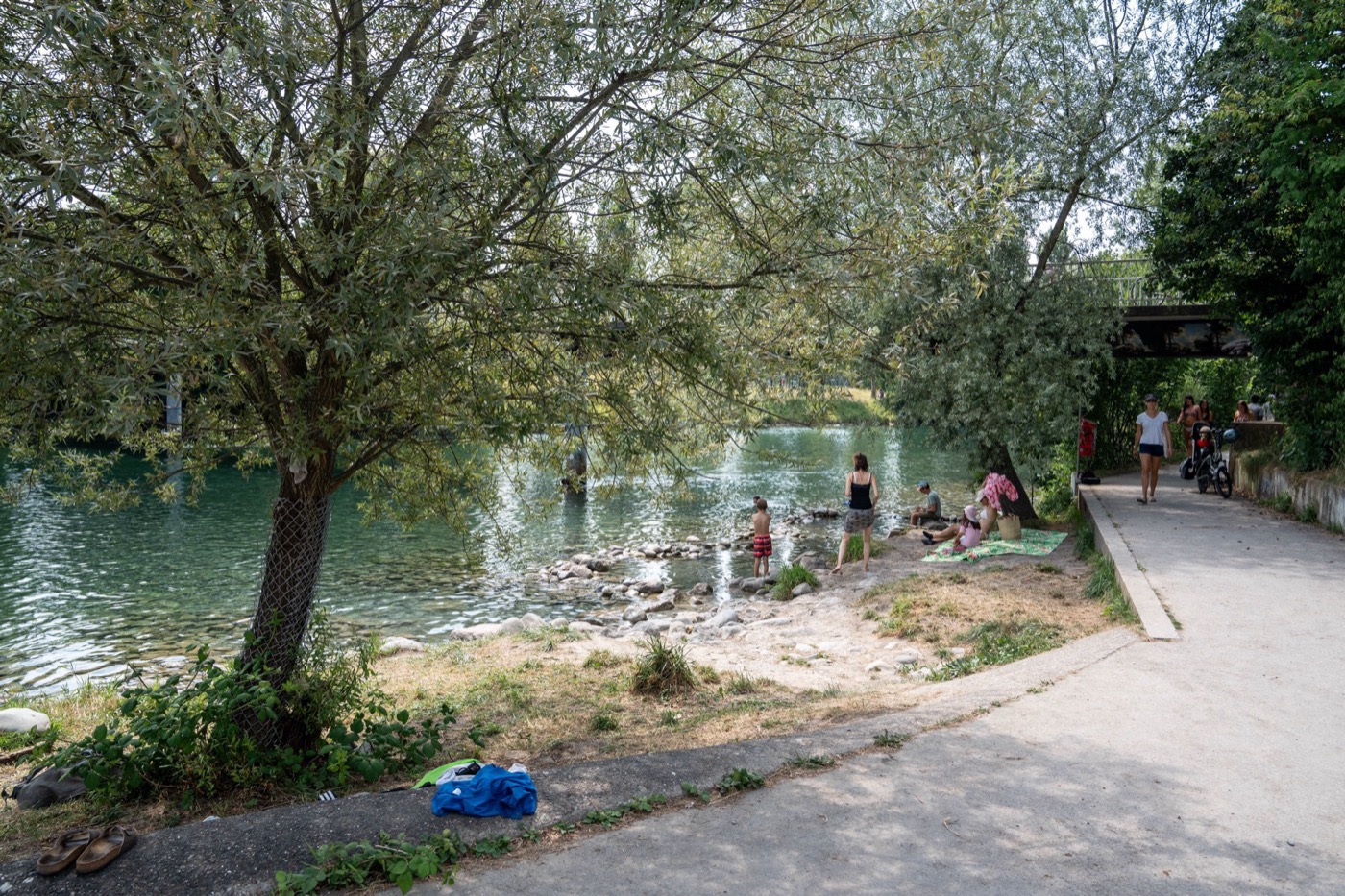
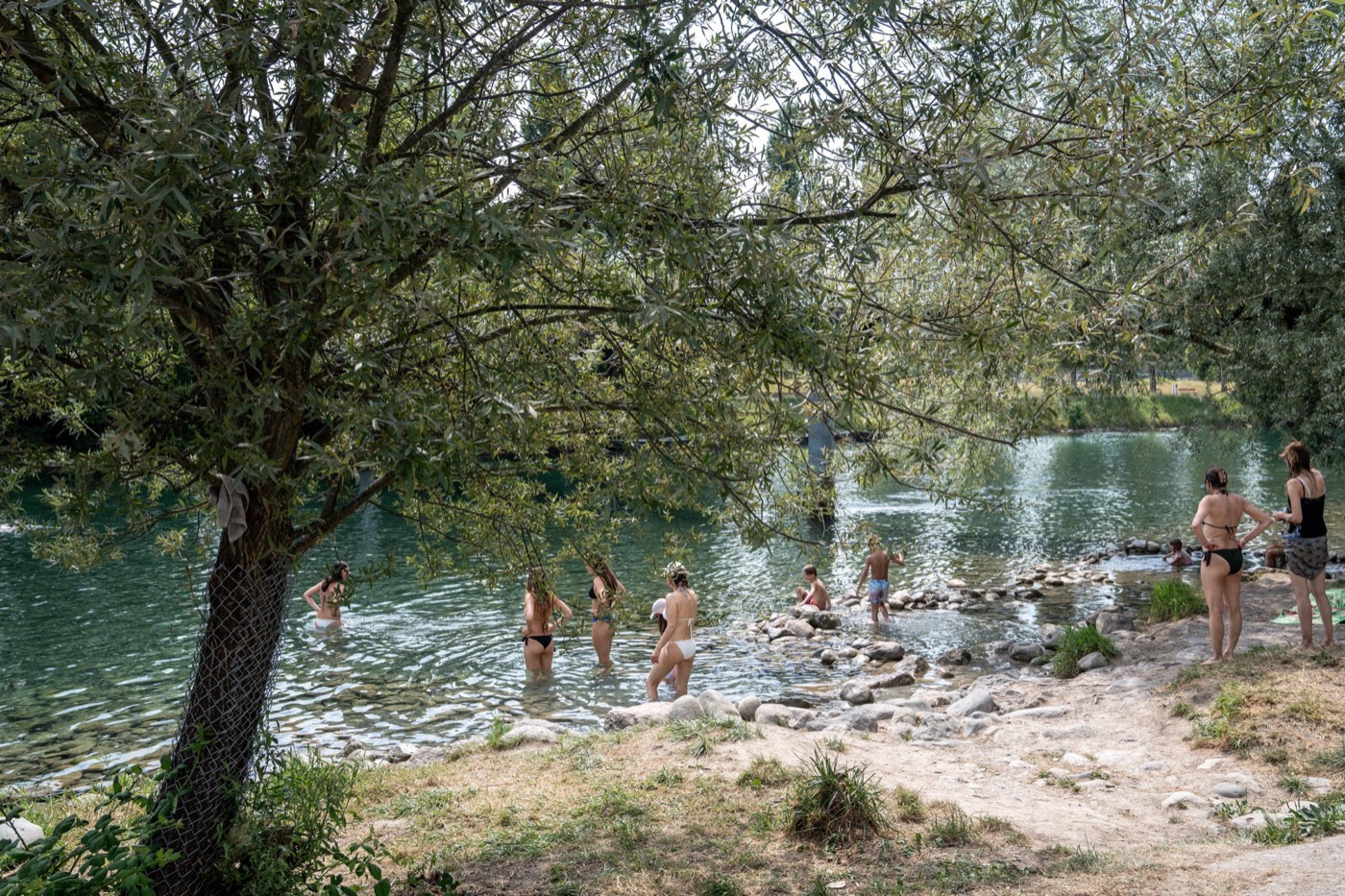
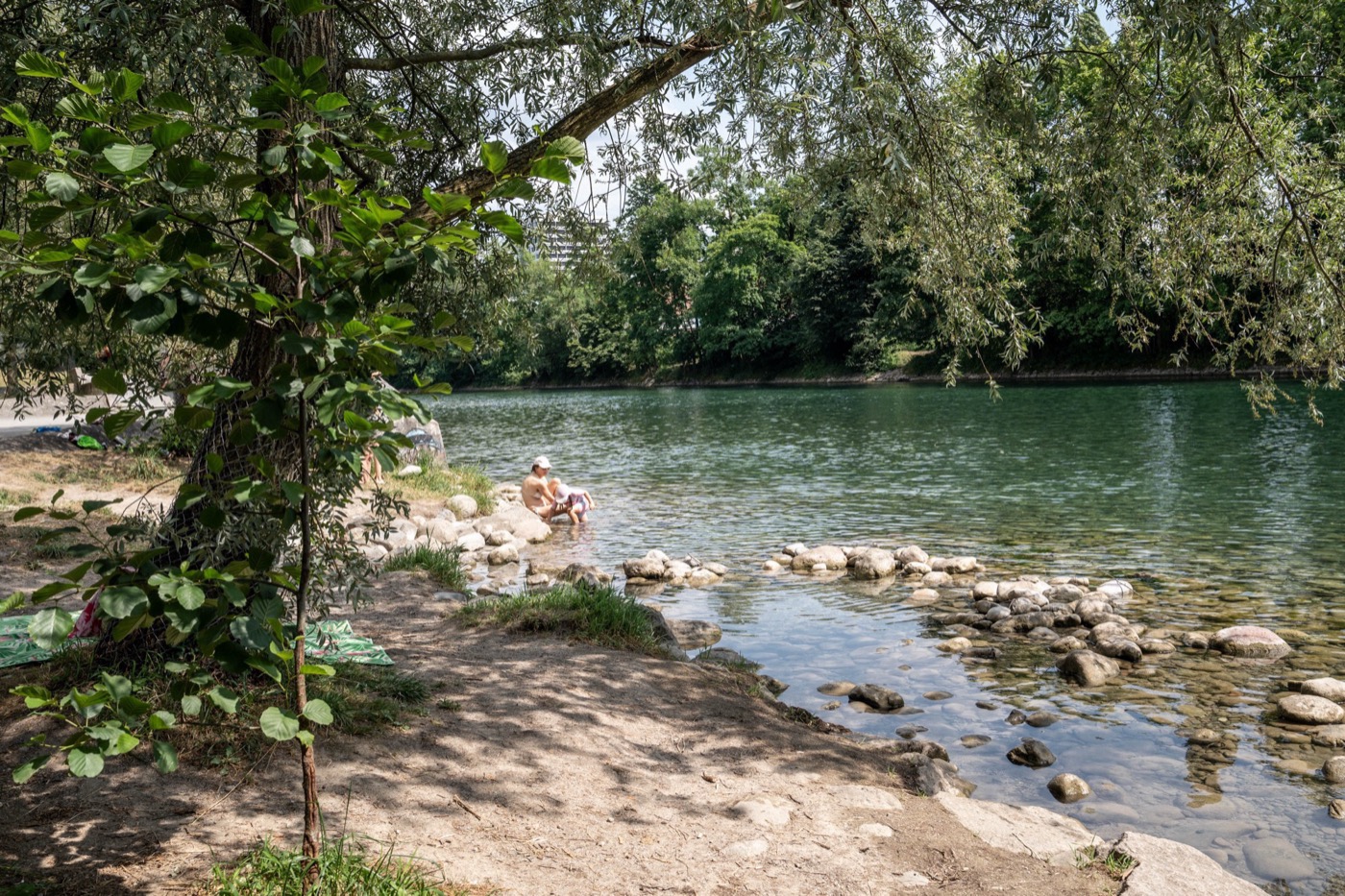
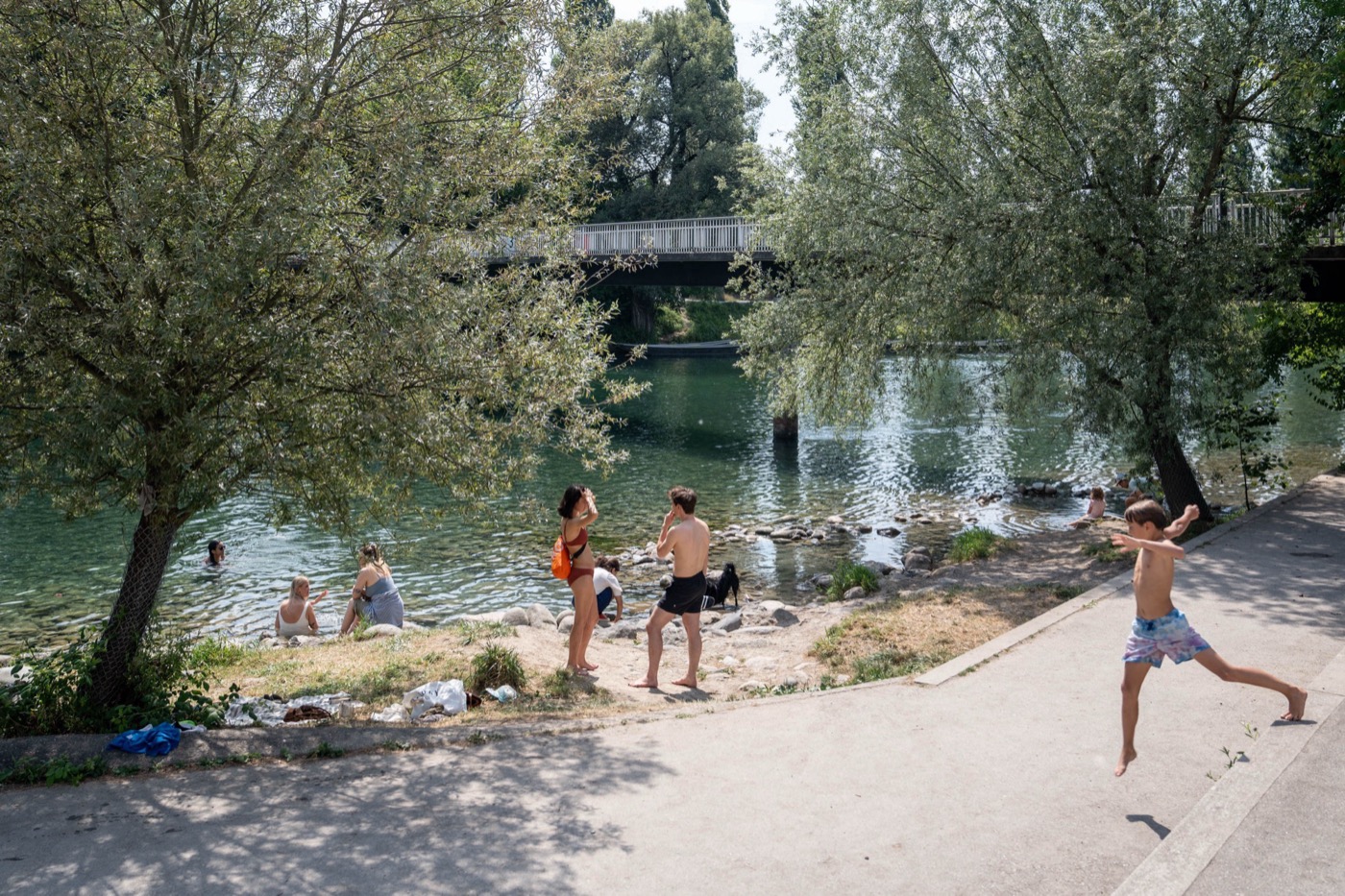
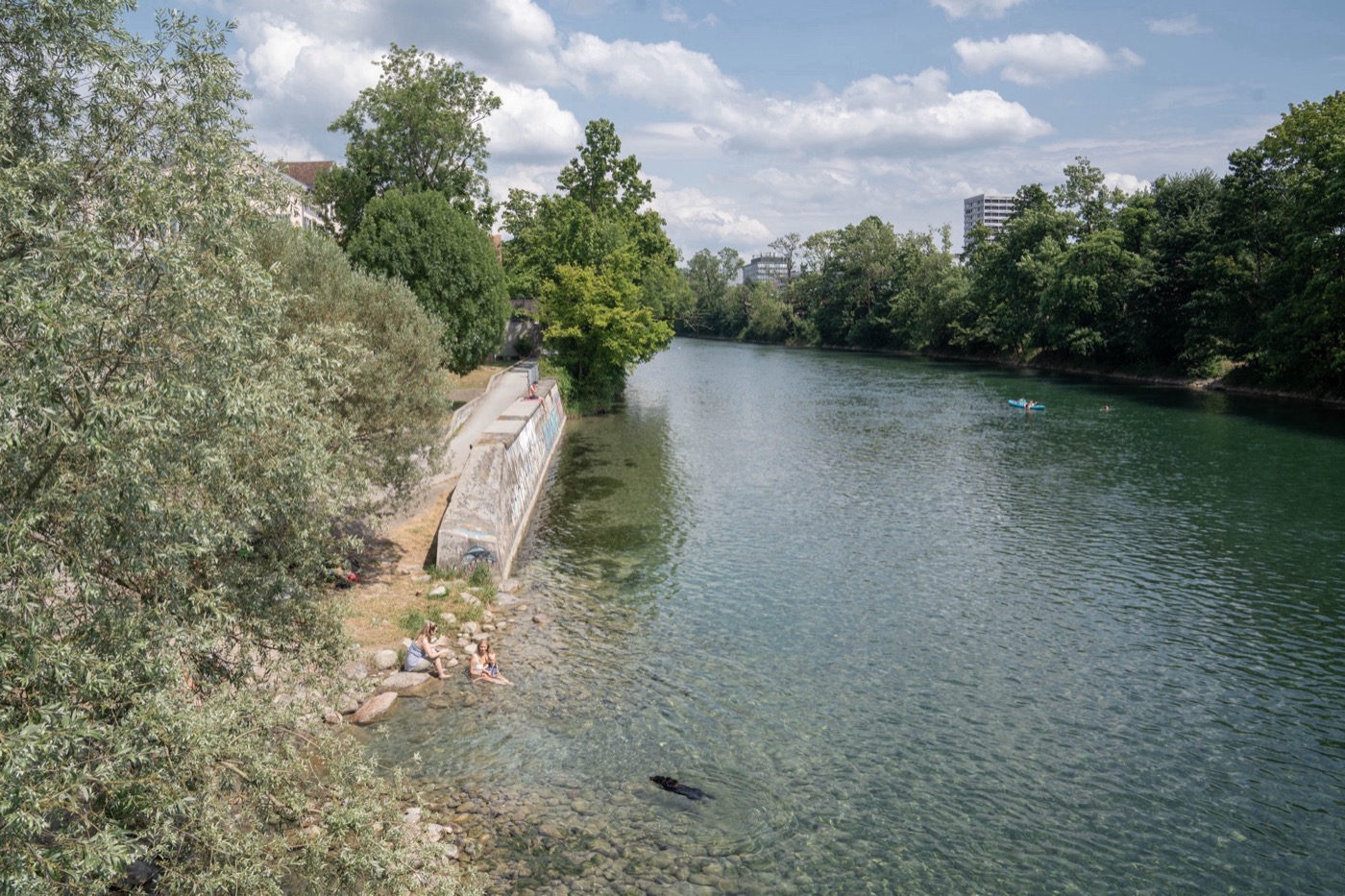
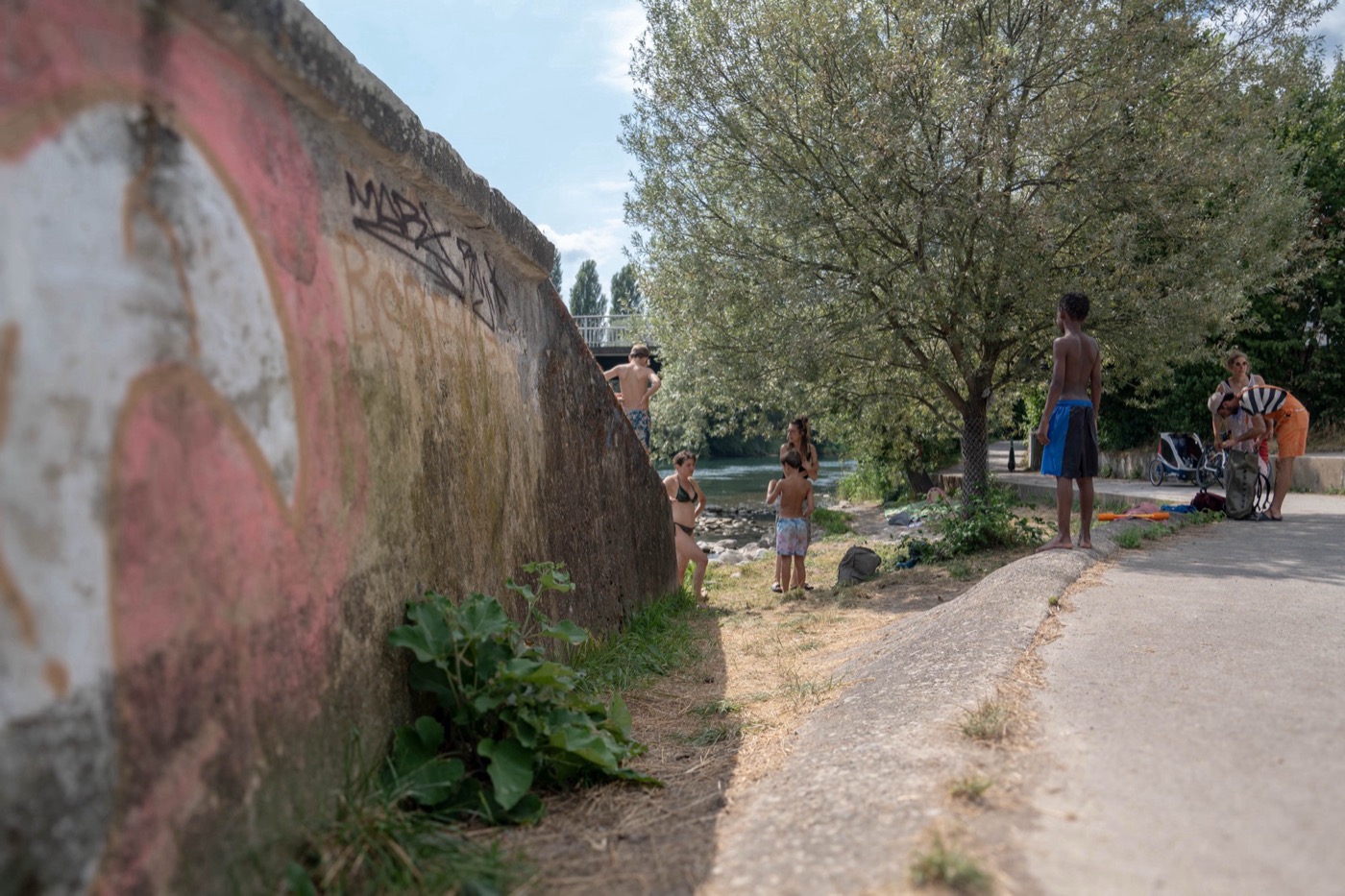
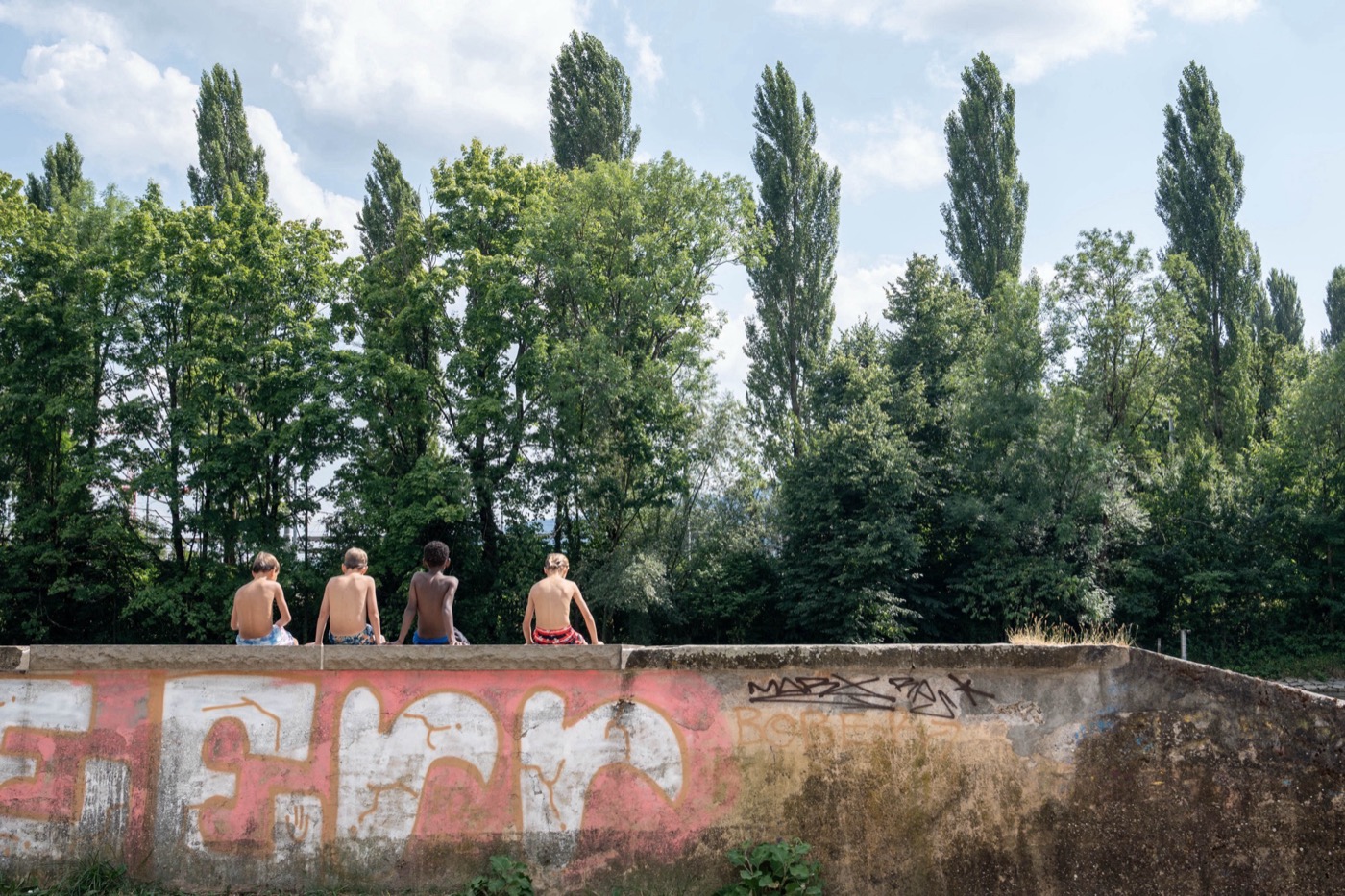
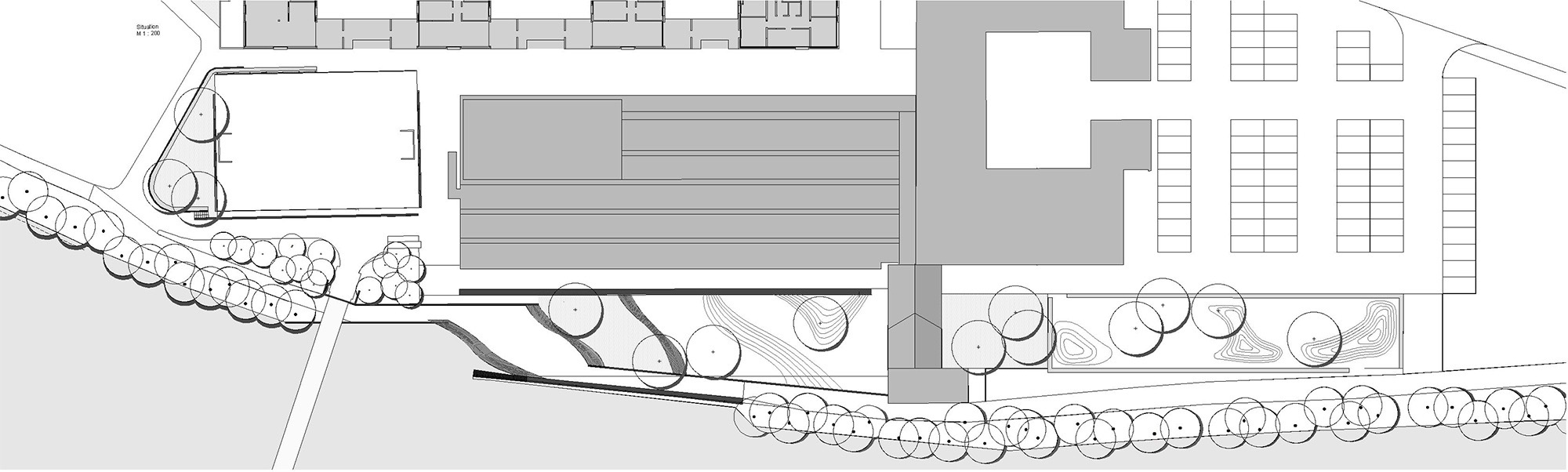
The project does not attempt to stabilize the riverbank into a fixed image. Instead, the landscape framework allows the Limmat to continuously reshape the shoreline through water flow, sedimentation and seasonal fluctuation. Gravel deposits, erosion and changing water levels remain visible and active components of the spatial experience. Periodic flooding is not excluded from the site, but accepted as part of its changing condition. During high water events, sections of the riverbank become temporarily inaccessible before gradually re-emerging through the river’s own dynamics.
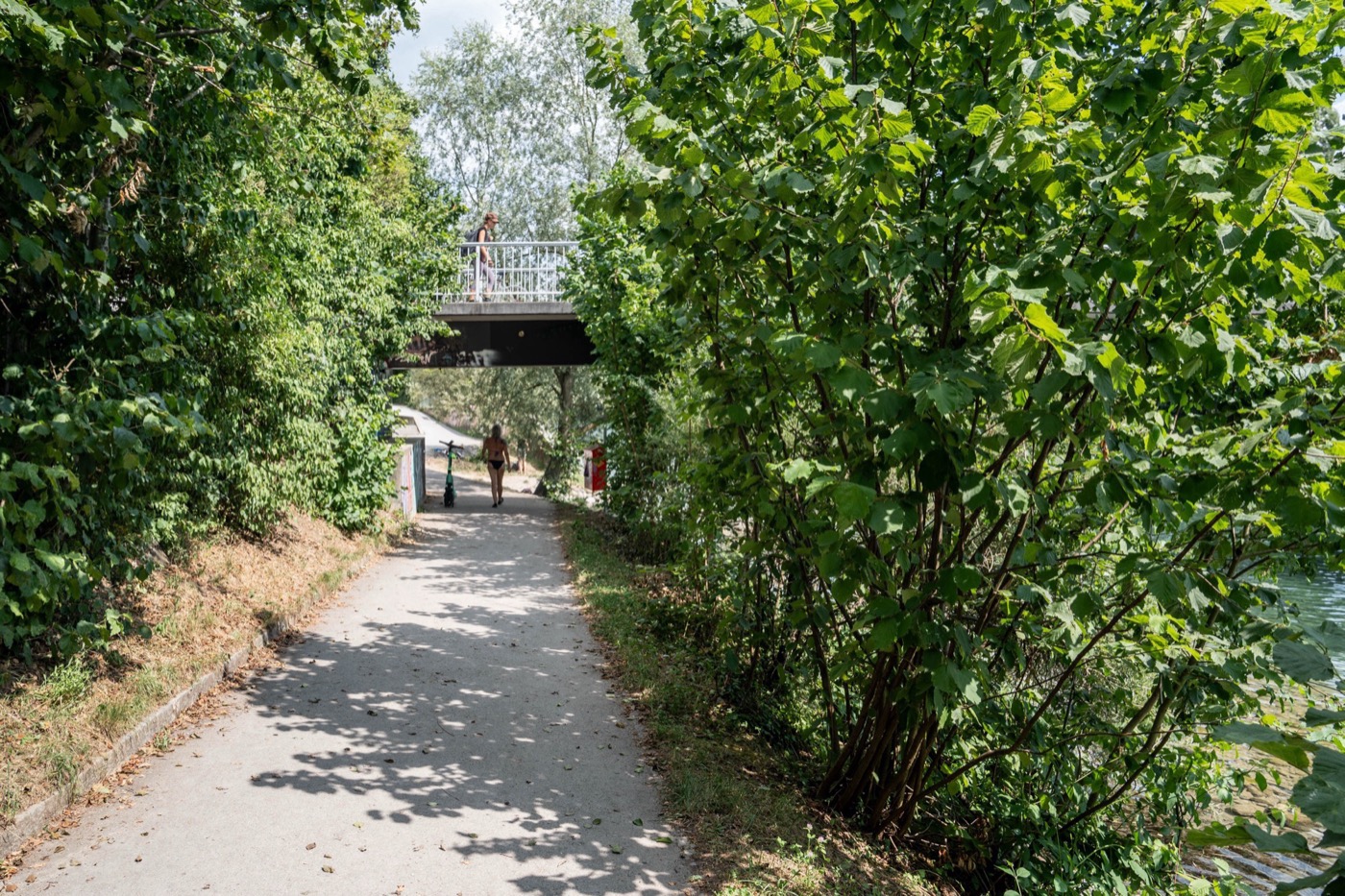
A lowered riverside path extends beneath the Hardegg Bridge and establishes direct physical proximity to the water. The sequence of terraces, edges and paths produces changing relationships between city, river and body, allowing the river to be experienced not as a distant urban backdrop, but as an immediate and accessible landscape condition.
The historical course of the canal remains legible through a sequence of trimmed hedges extending from the former turbine house, now reused as a public restaurant with an outdoor garden. Within this linear clearing, a public playground is integrated into the landscape structure, while selective tree plantings provide shade and reinforce the spatial rhythm of the terraces.
At Waterside Factory Zurich, landscape is understood not as a fixed waterfront image, but as an open framework for hydrological and civic processes shaped through water, sedimentation and time.
Project info:
Location:
Zurich, Switzerland
Project Phases:
Completion 2007
Client:
Grün Stadt Zürich (Green City Zurich)
Landscape Architecture:
Studio Vulkan
Architect (Competition Phase):
Schregenberger Architekten
Photography:
Daniela Valentini
47.395445, 8.504453
76804


LILA 2026 Sponsor