Zhiva Nyva
2026 Landscape and Architecture / 2026 Private Gardens / Ukraine / Built in 2022 /

“Zhiva Nyva” was created in May 2022 on the territory of an existing agricultural farm with organic farming practices in Ukraine. The project emerged during the full scale war as an attempt to reinterpret a working agricultural landscape through a contemporary naturalistic garden, without separating it from the identity of the place itself.
The farm has operated according to ecological farming principles since 2012. The garden was developed directly on the territory of the active farm, between existing storage buildings, technical structures, agricultural roads and production infrastructure. These elements were not hidden, relocated or stylized. Instead, they were consciously preserved as part of the spatial character, memory and authenticity of the territory.
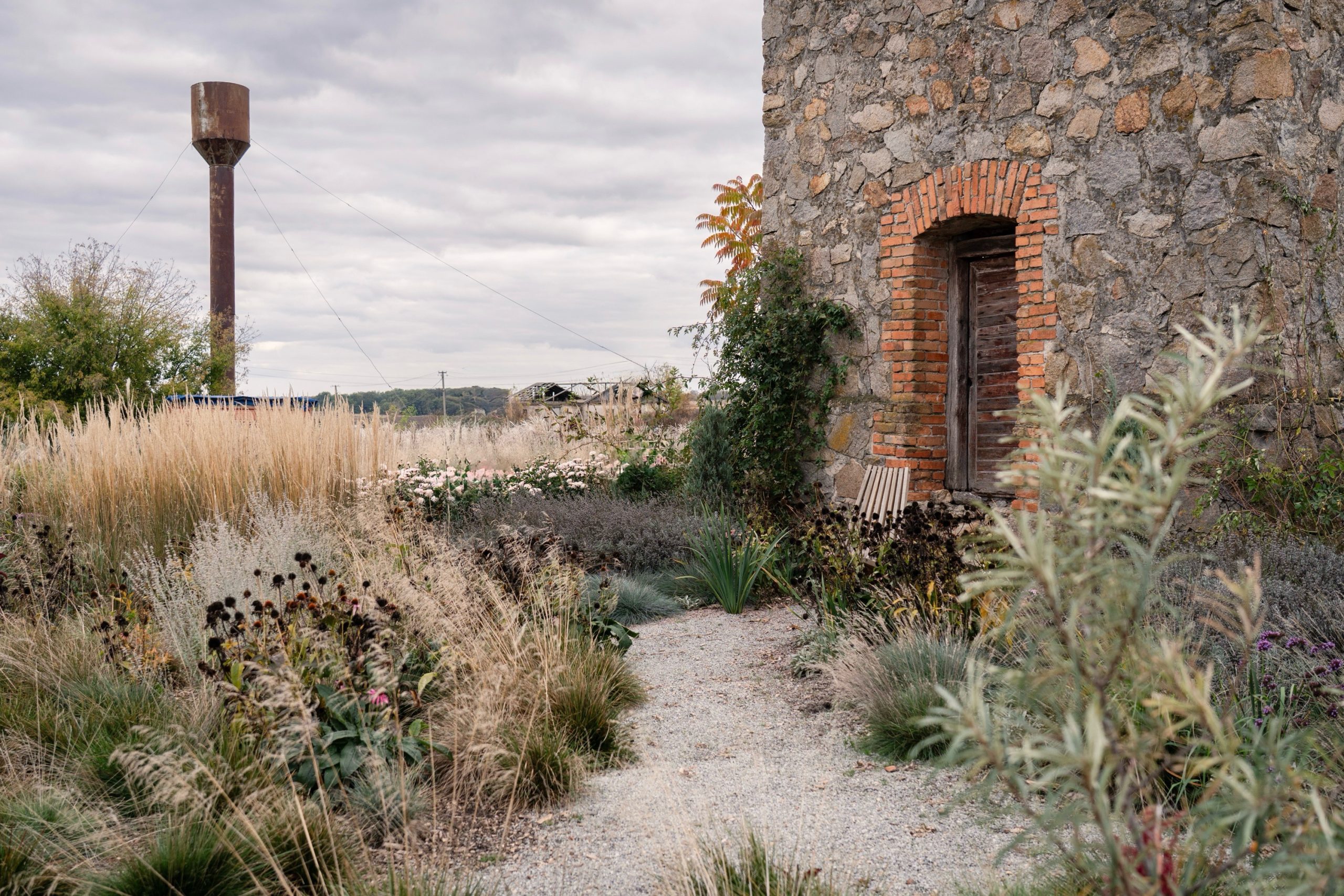
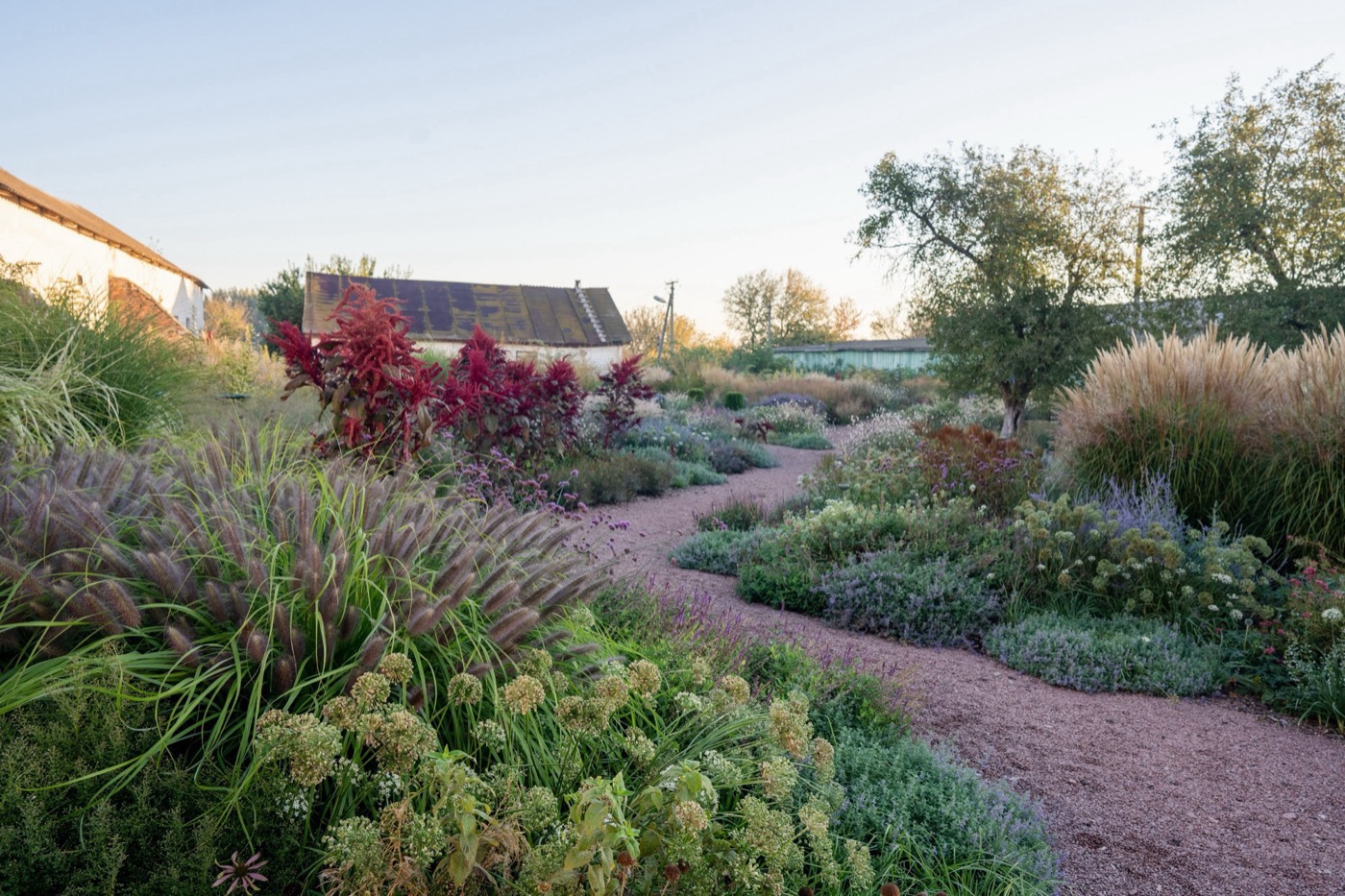
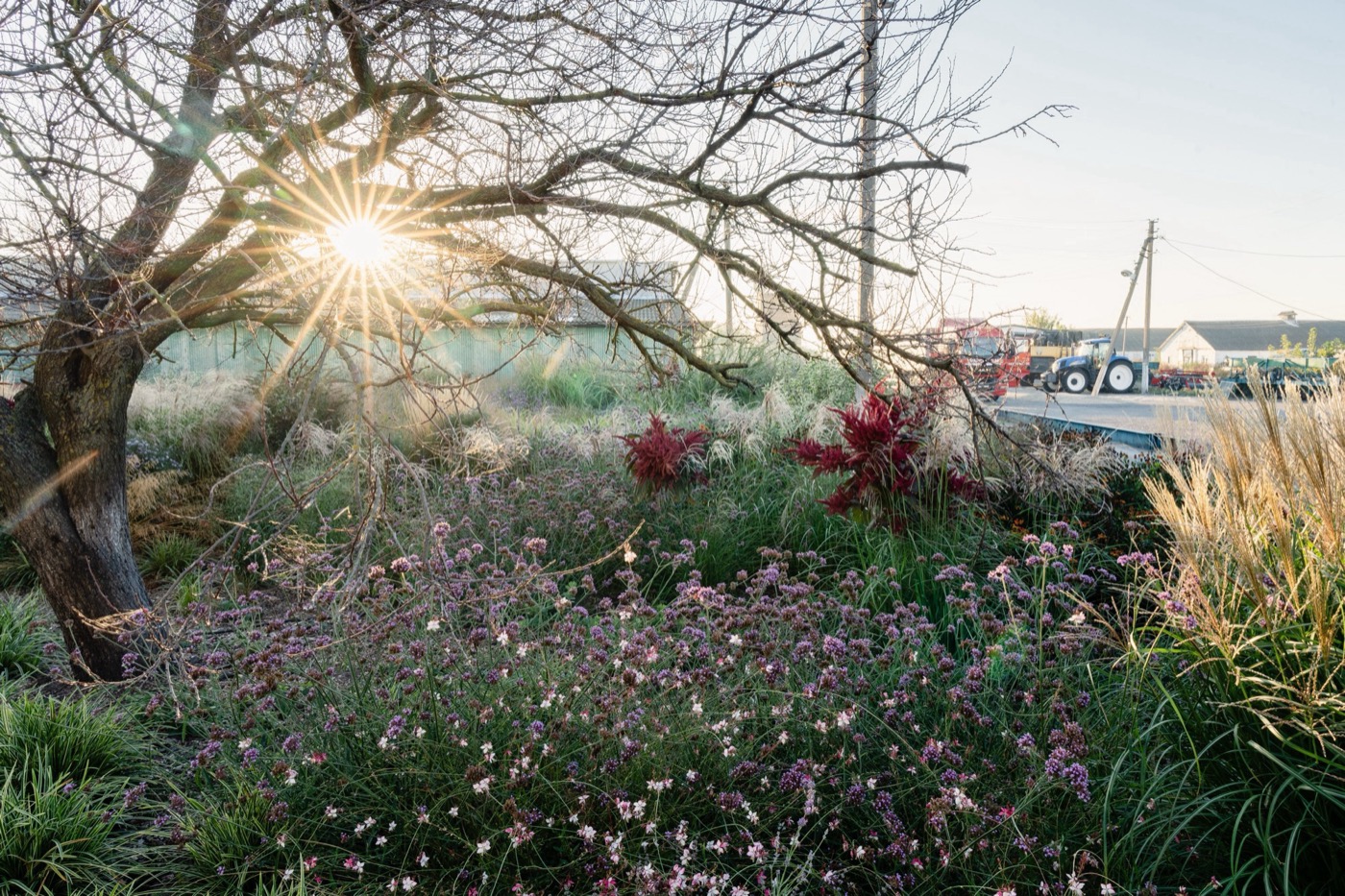
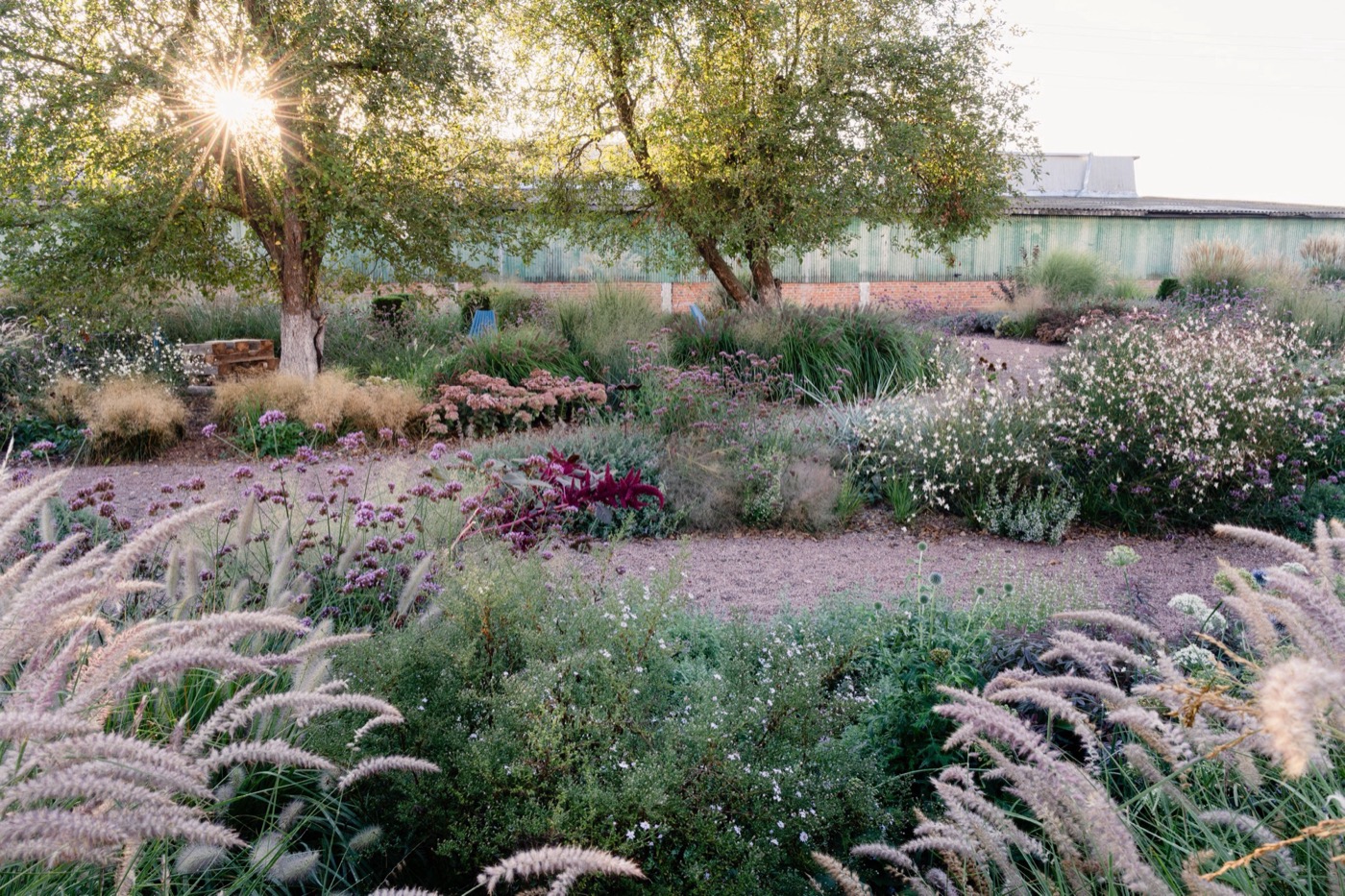
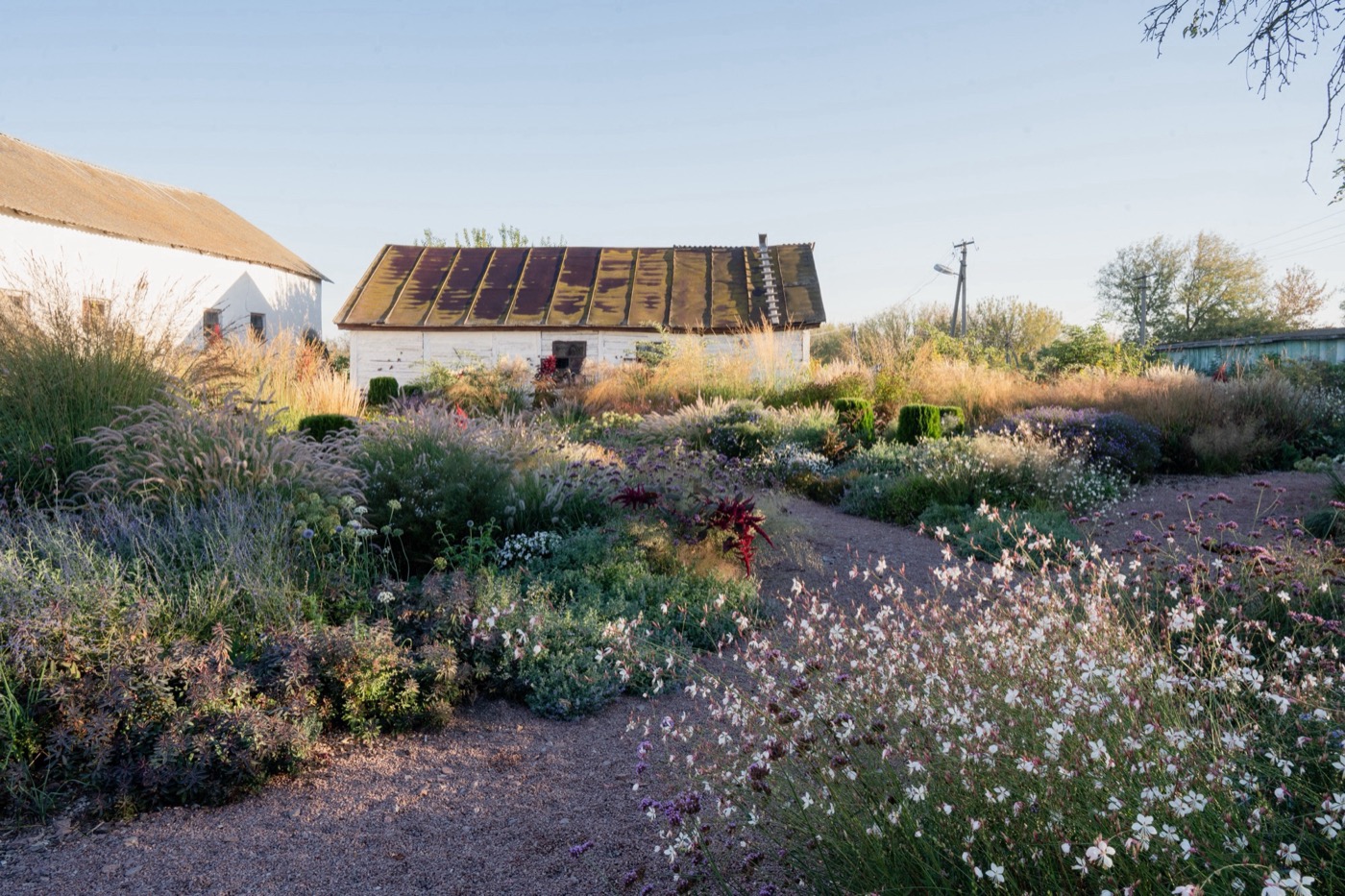
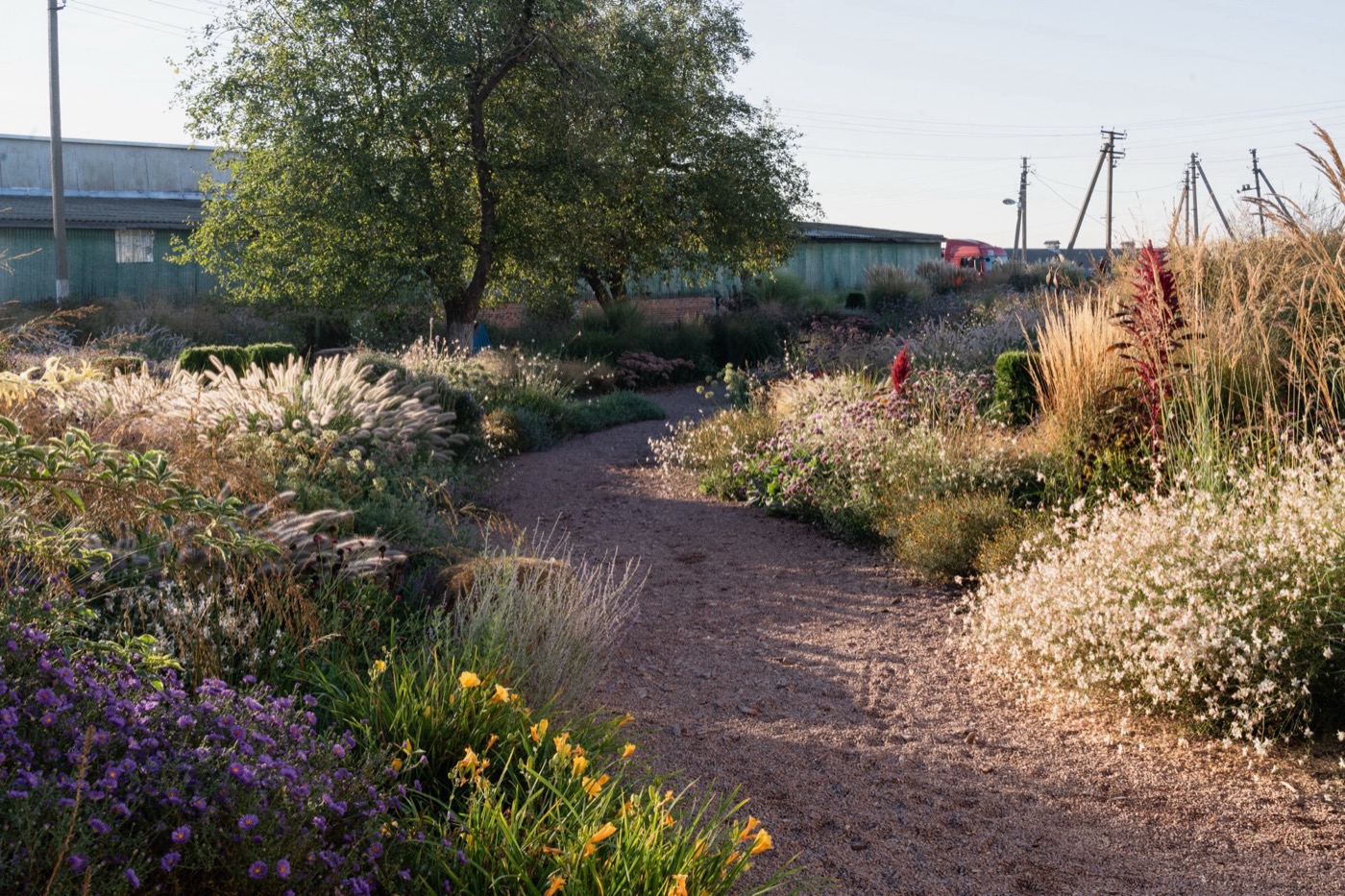
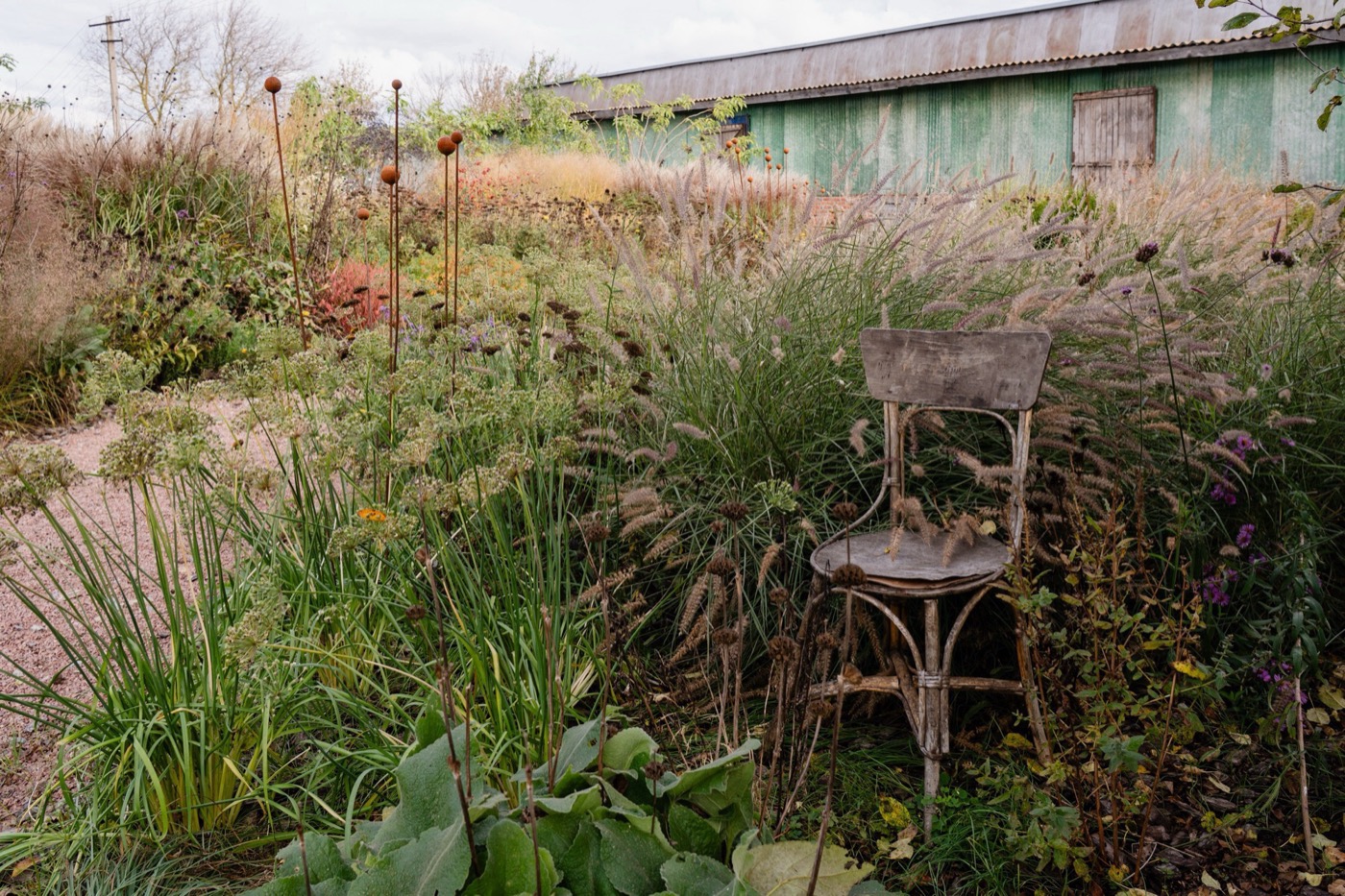
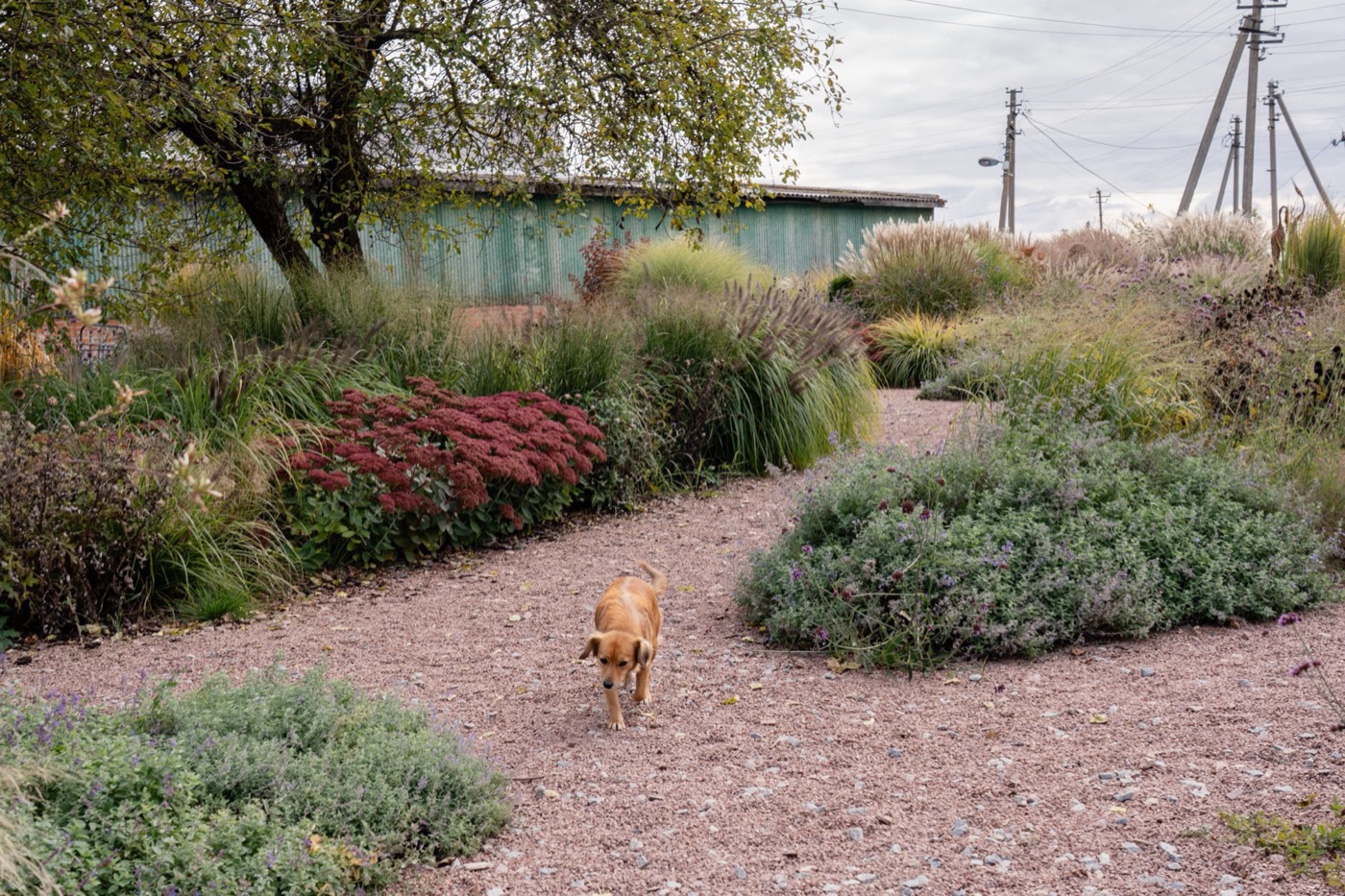
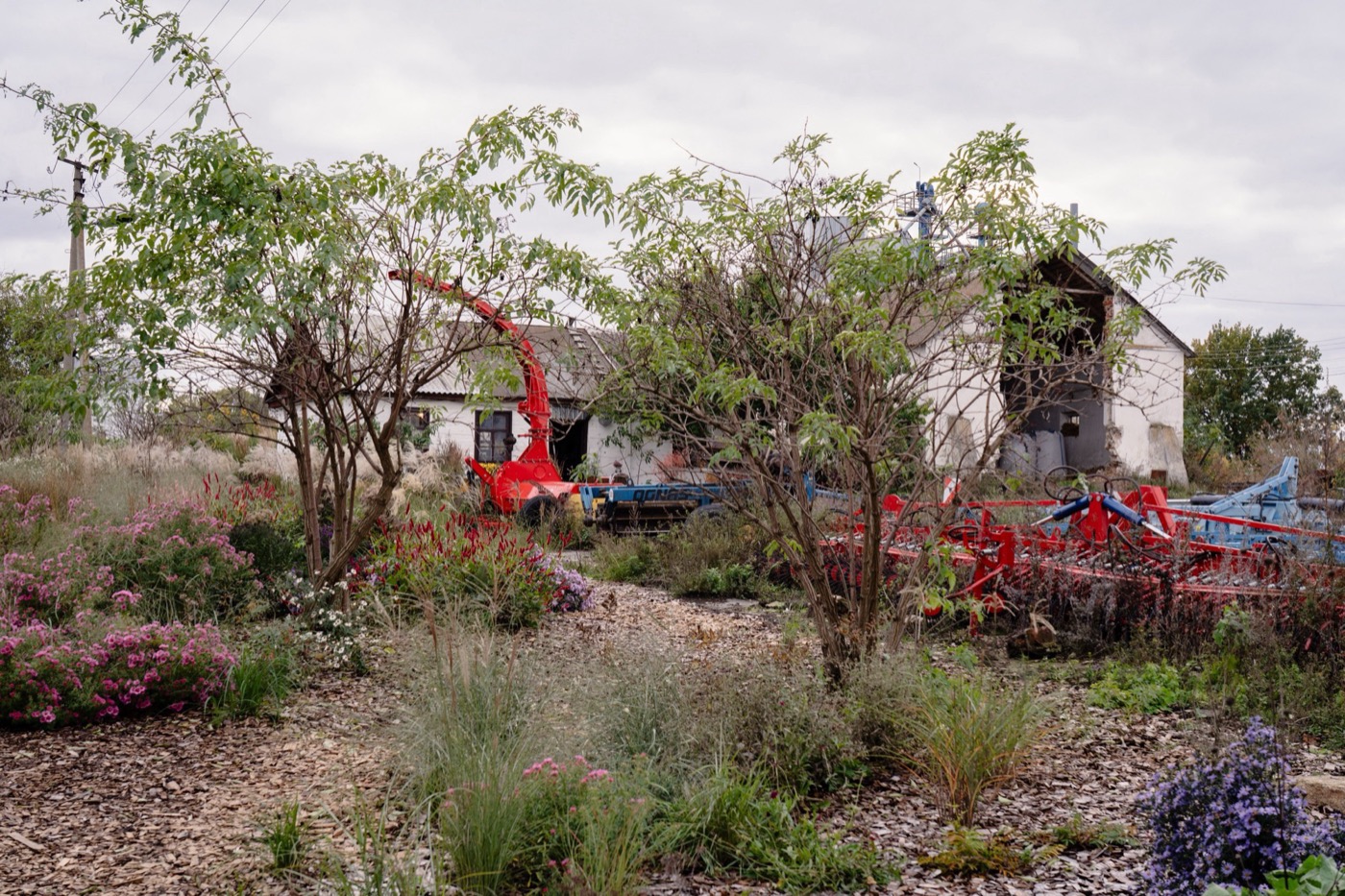
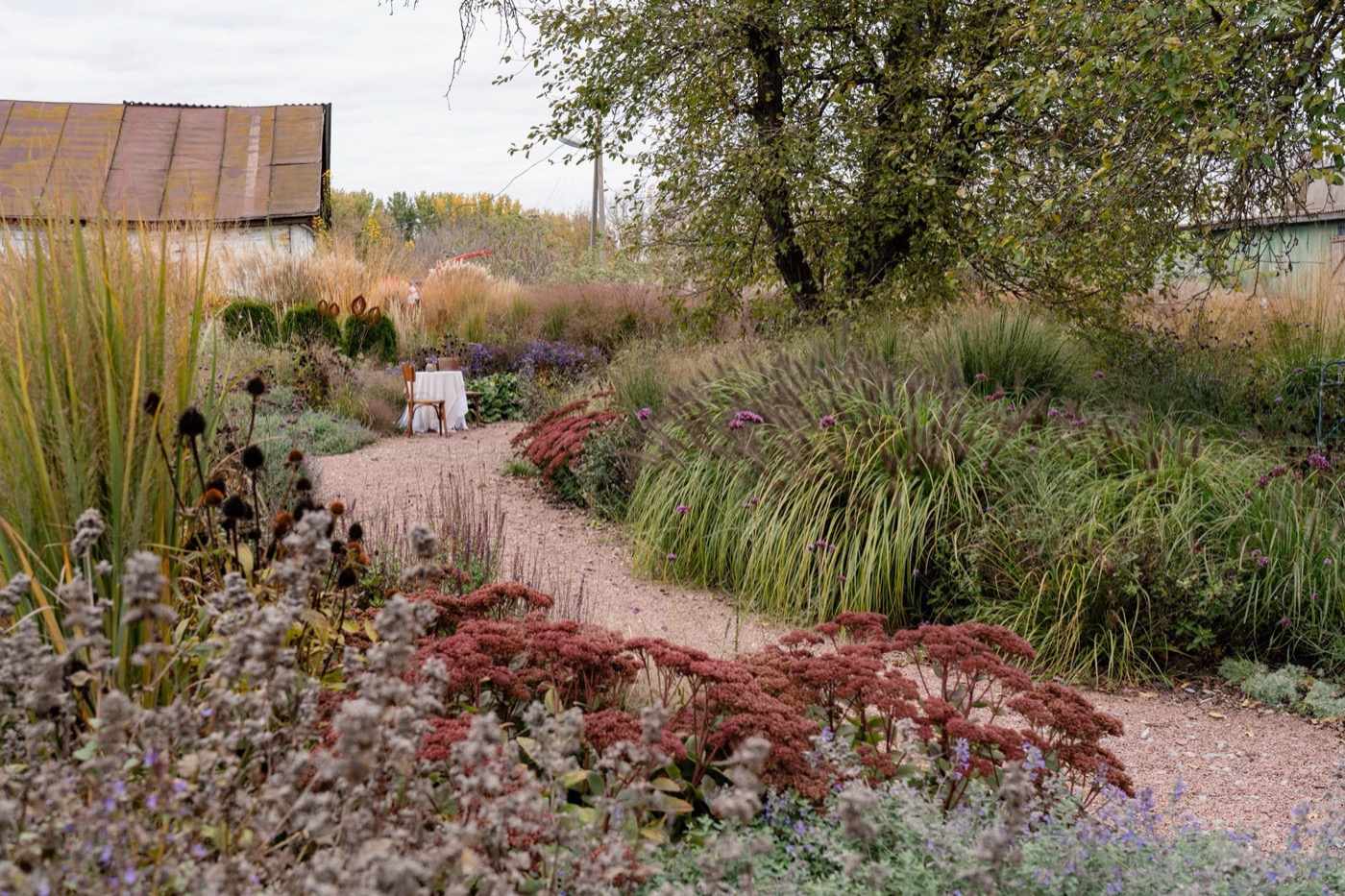
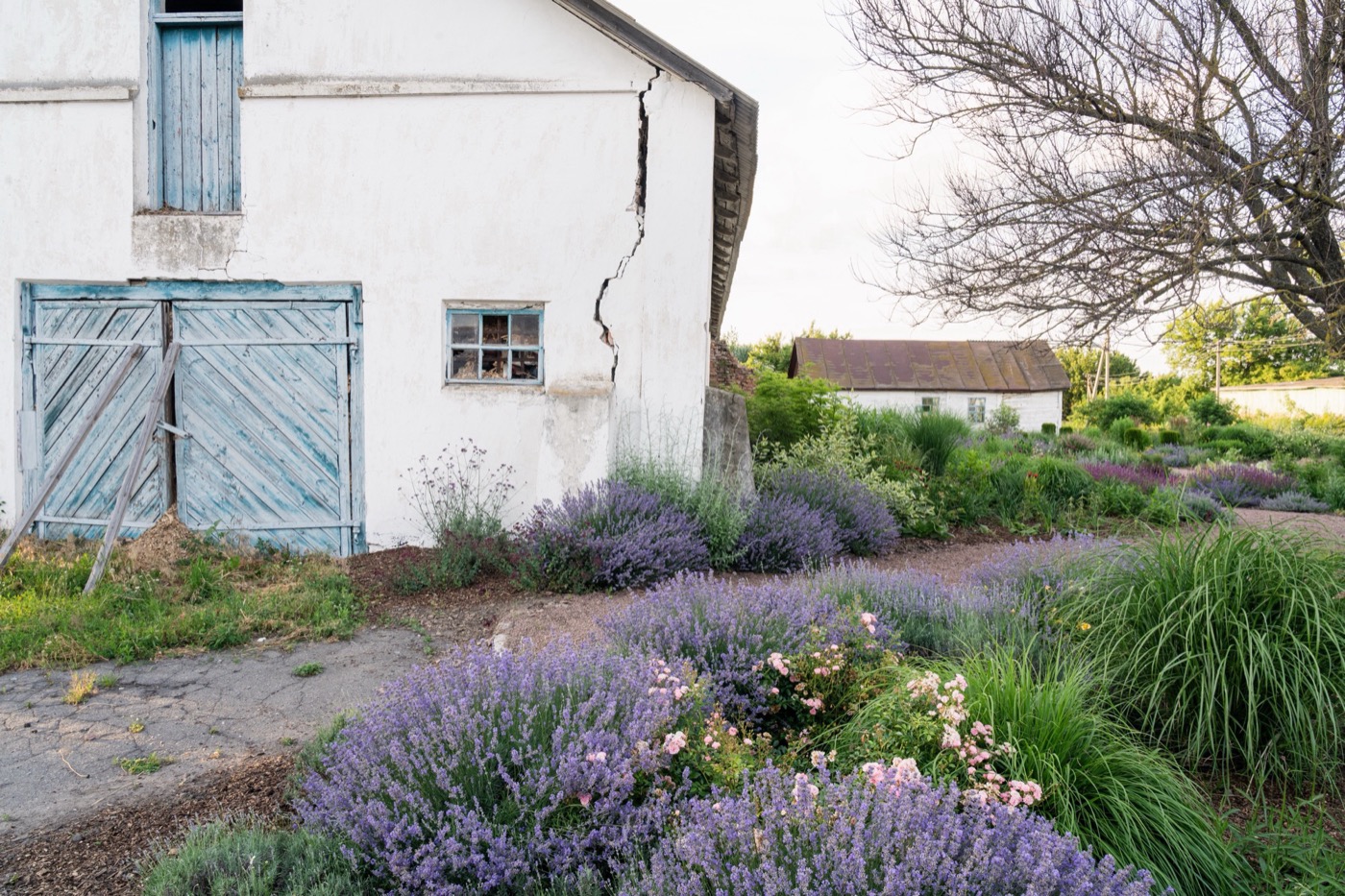
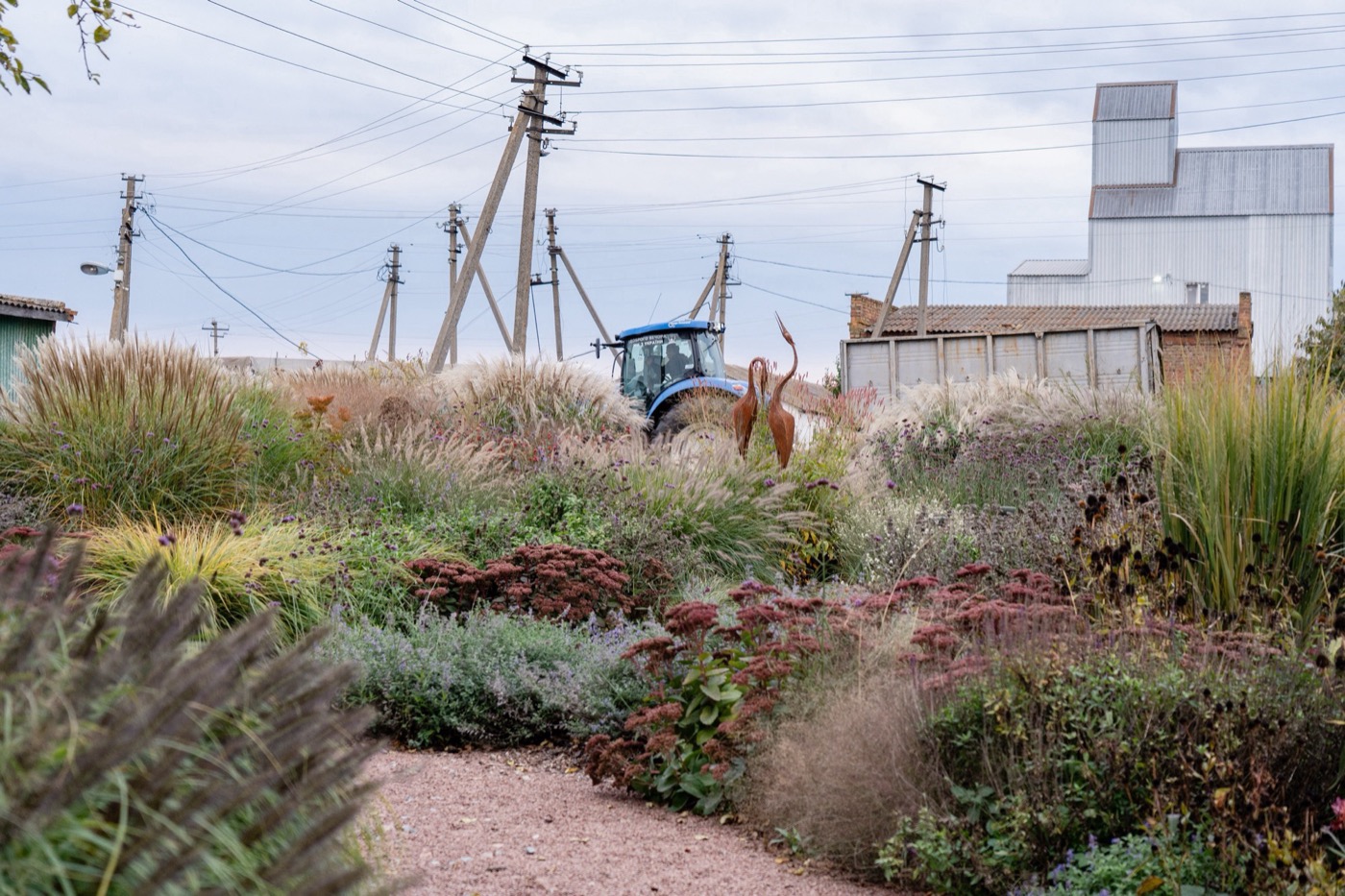
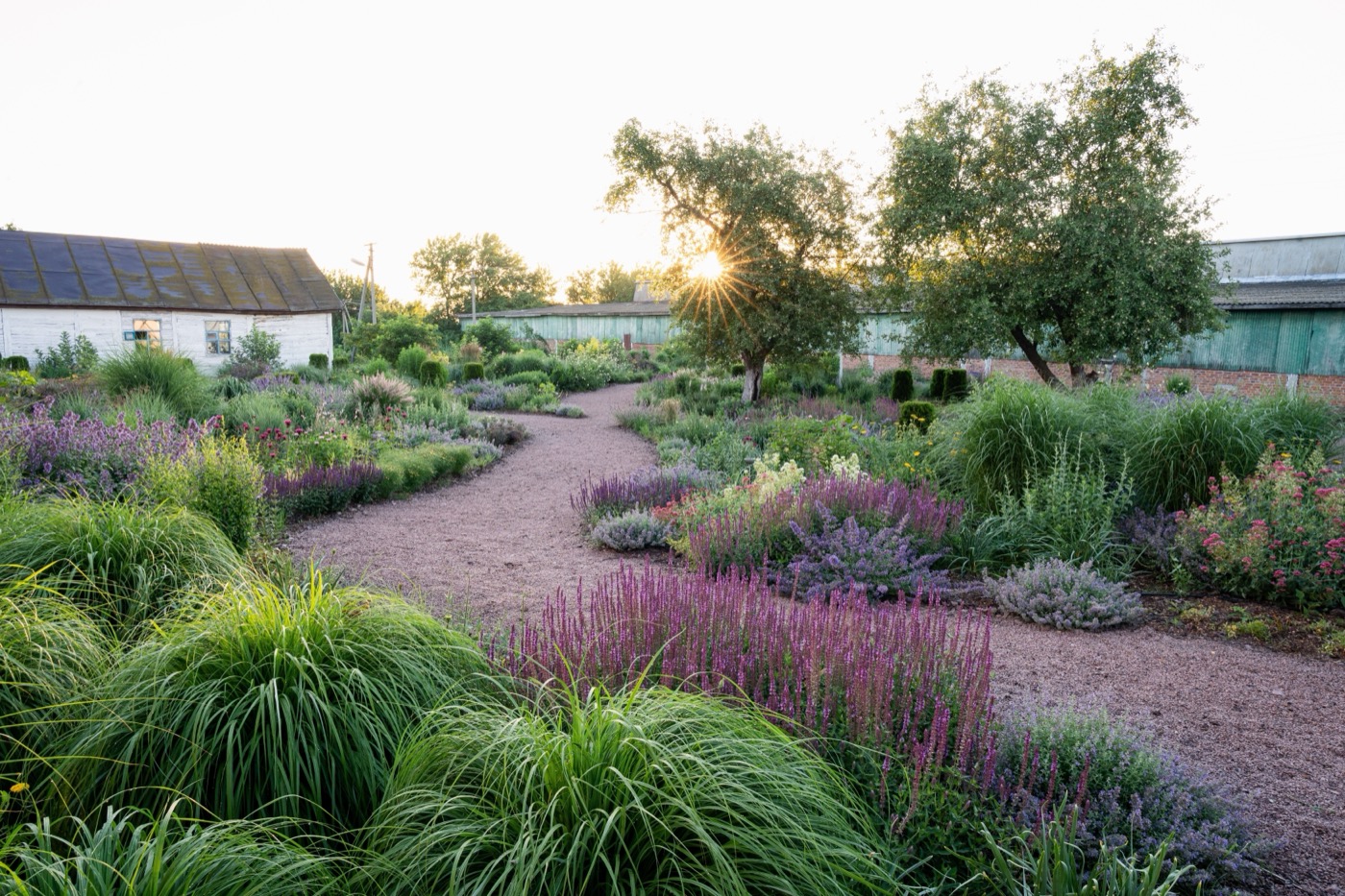
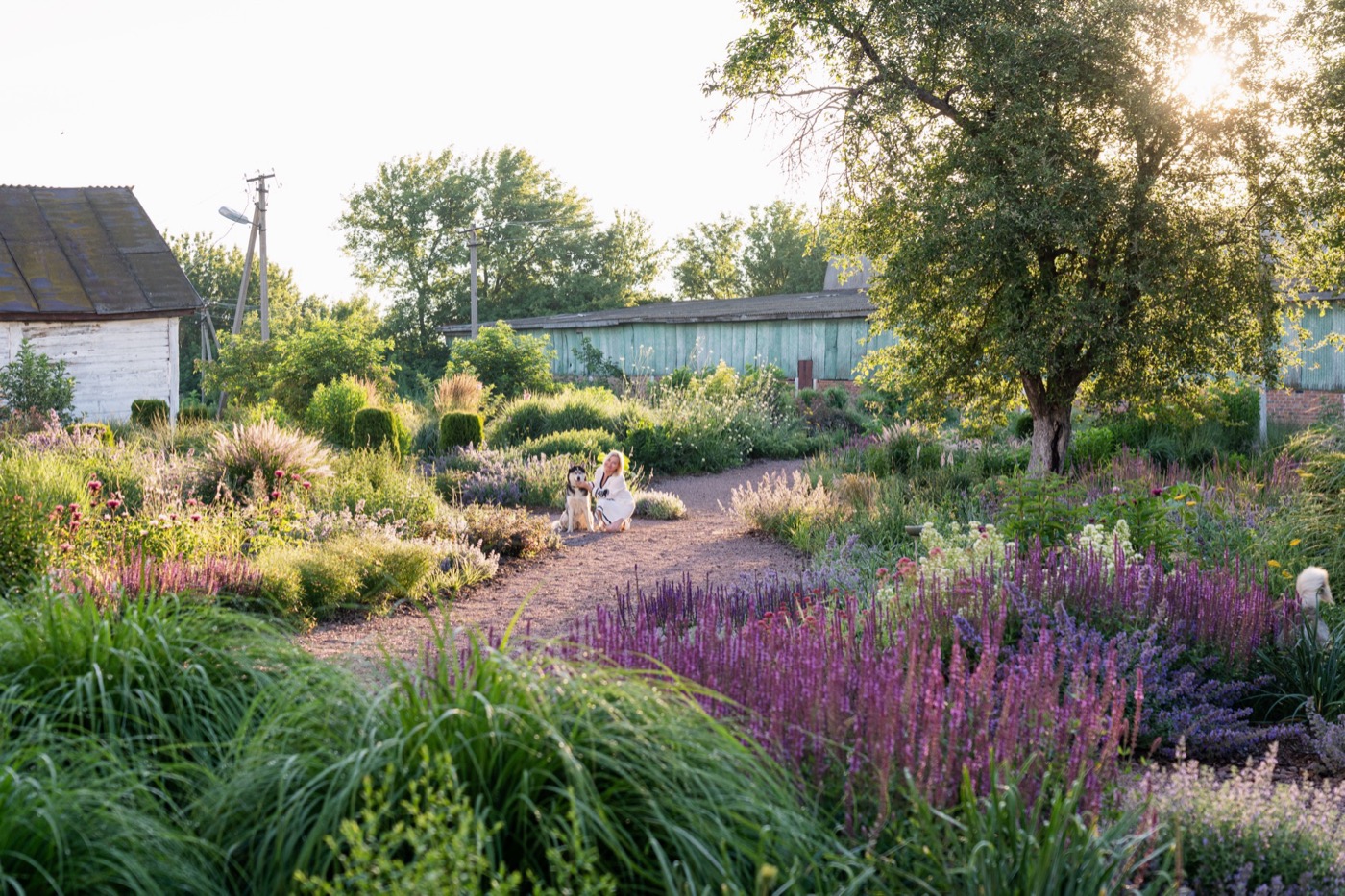
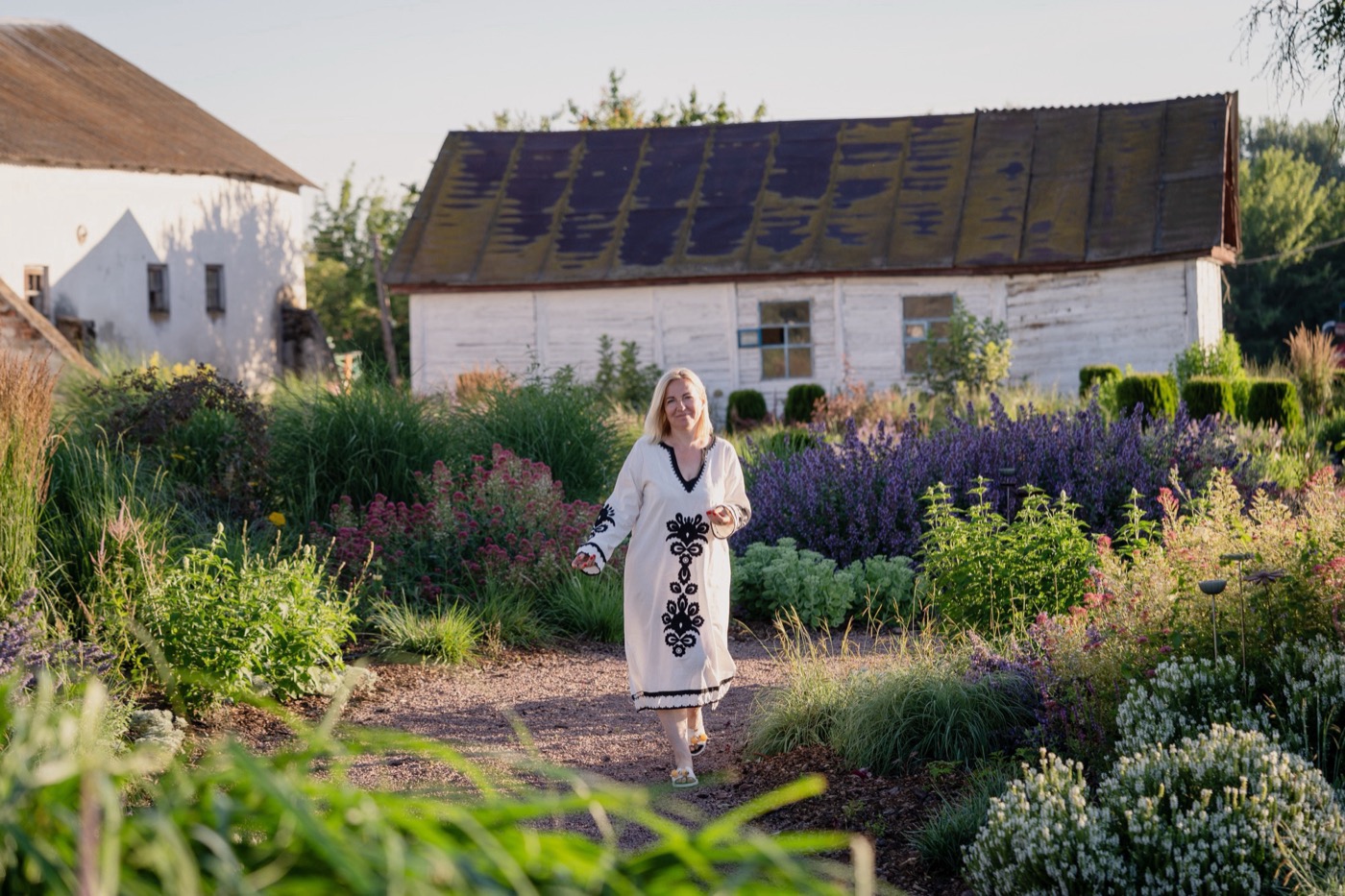
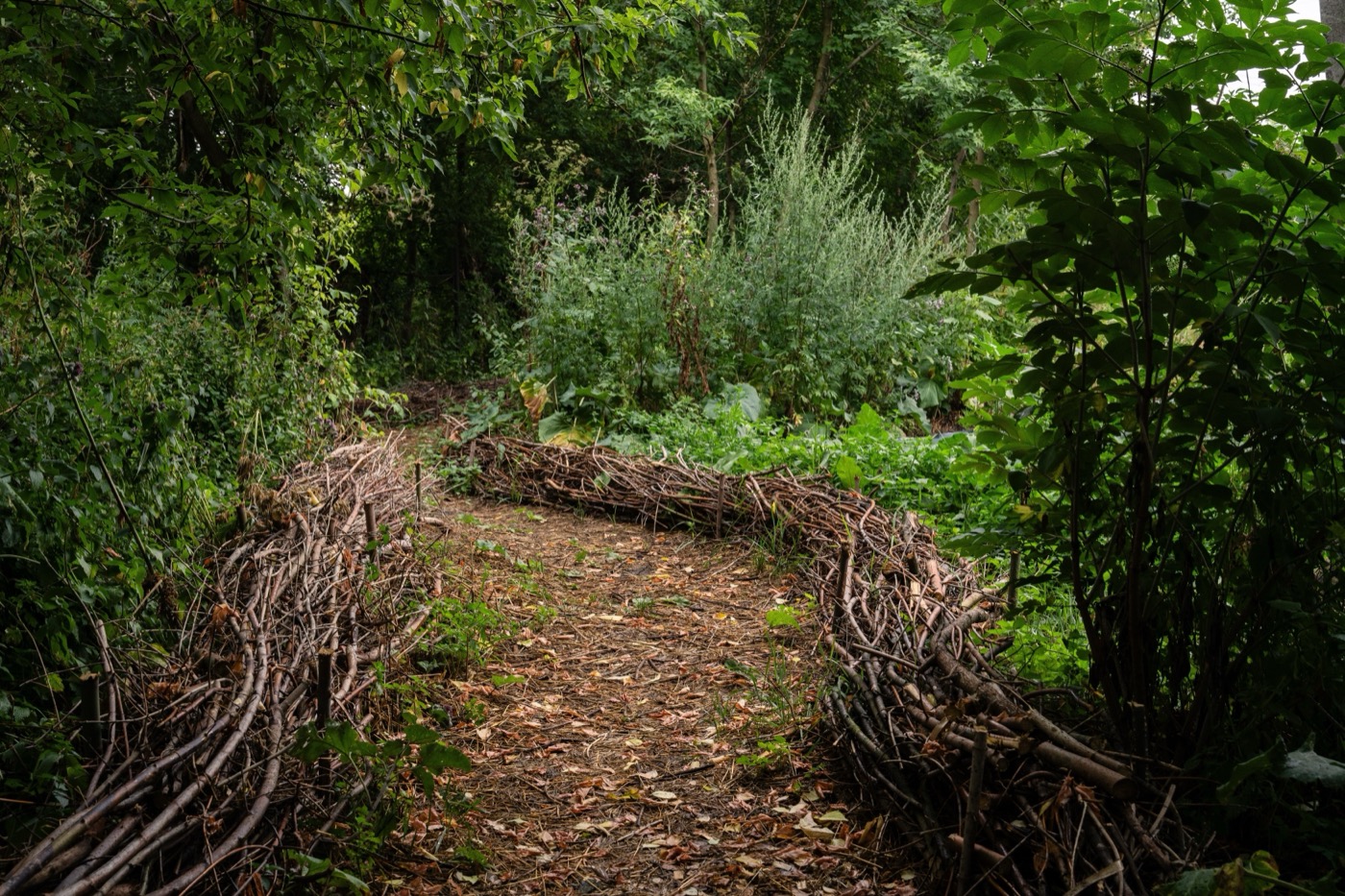
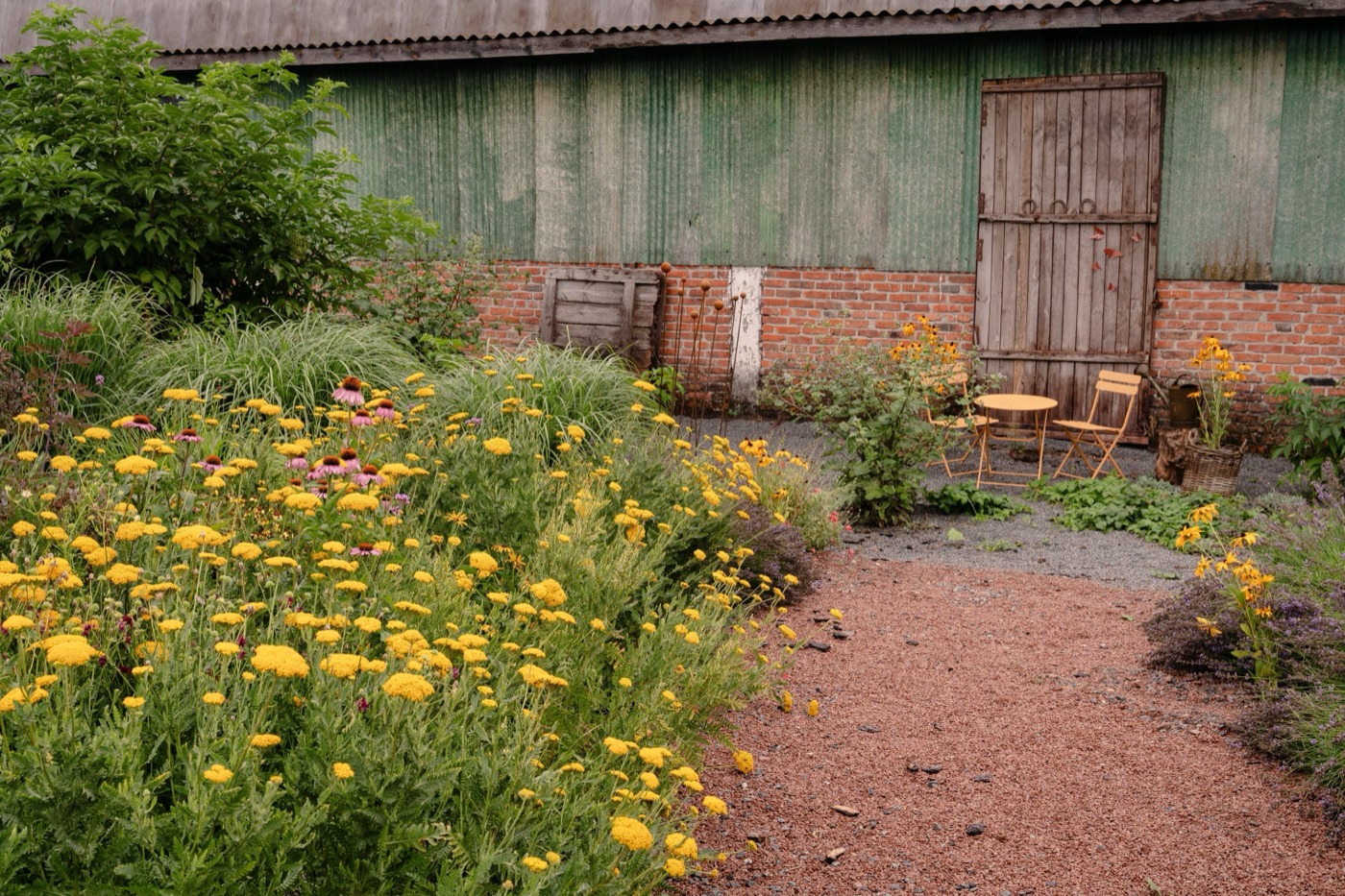
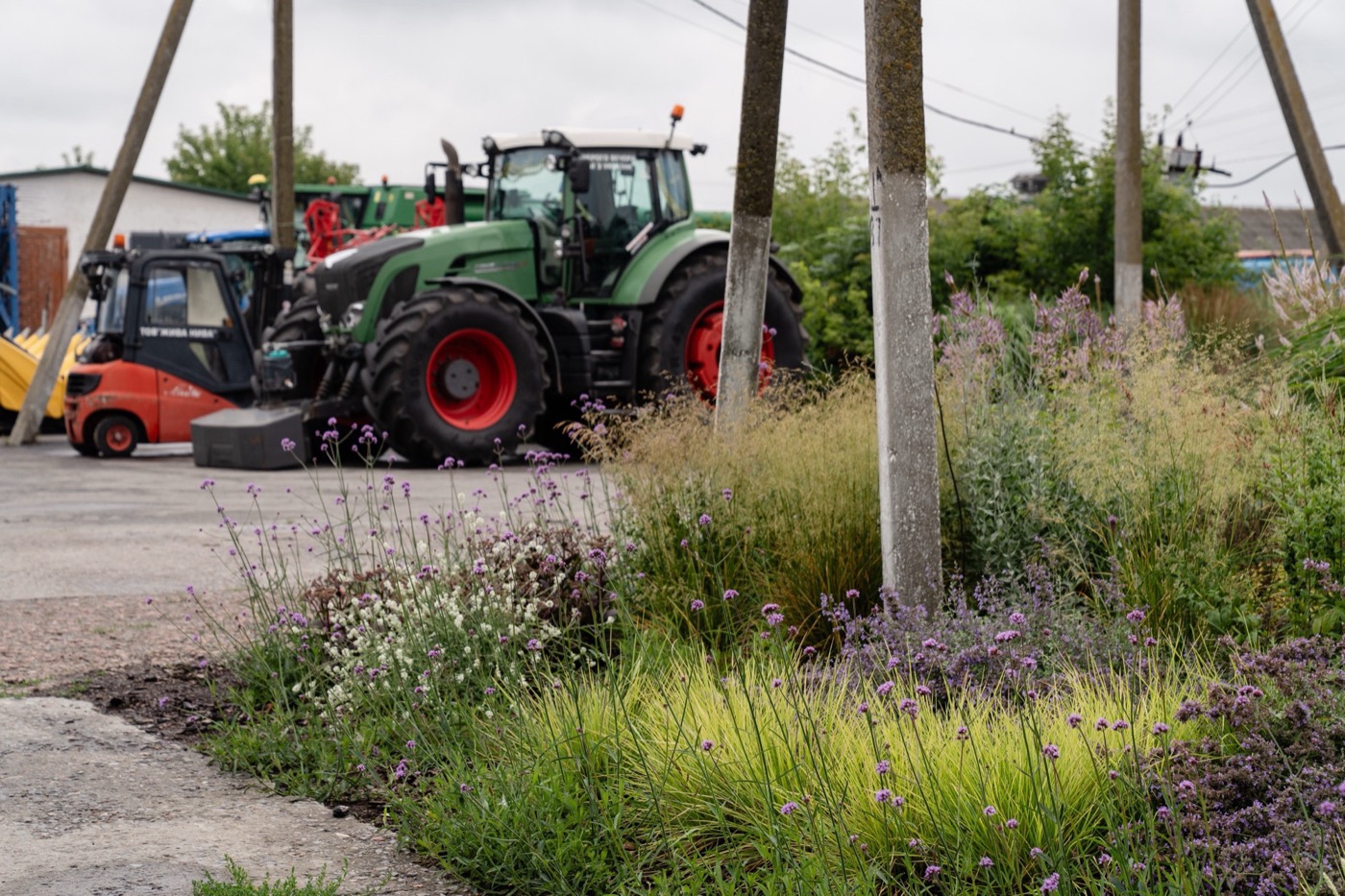
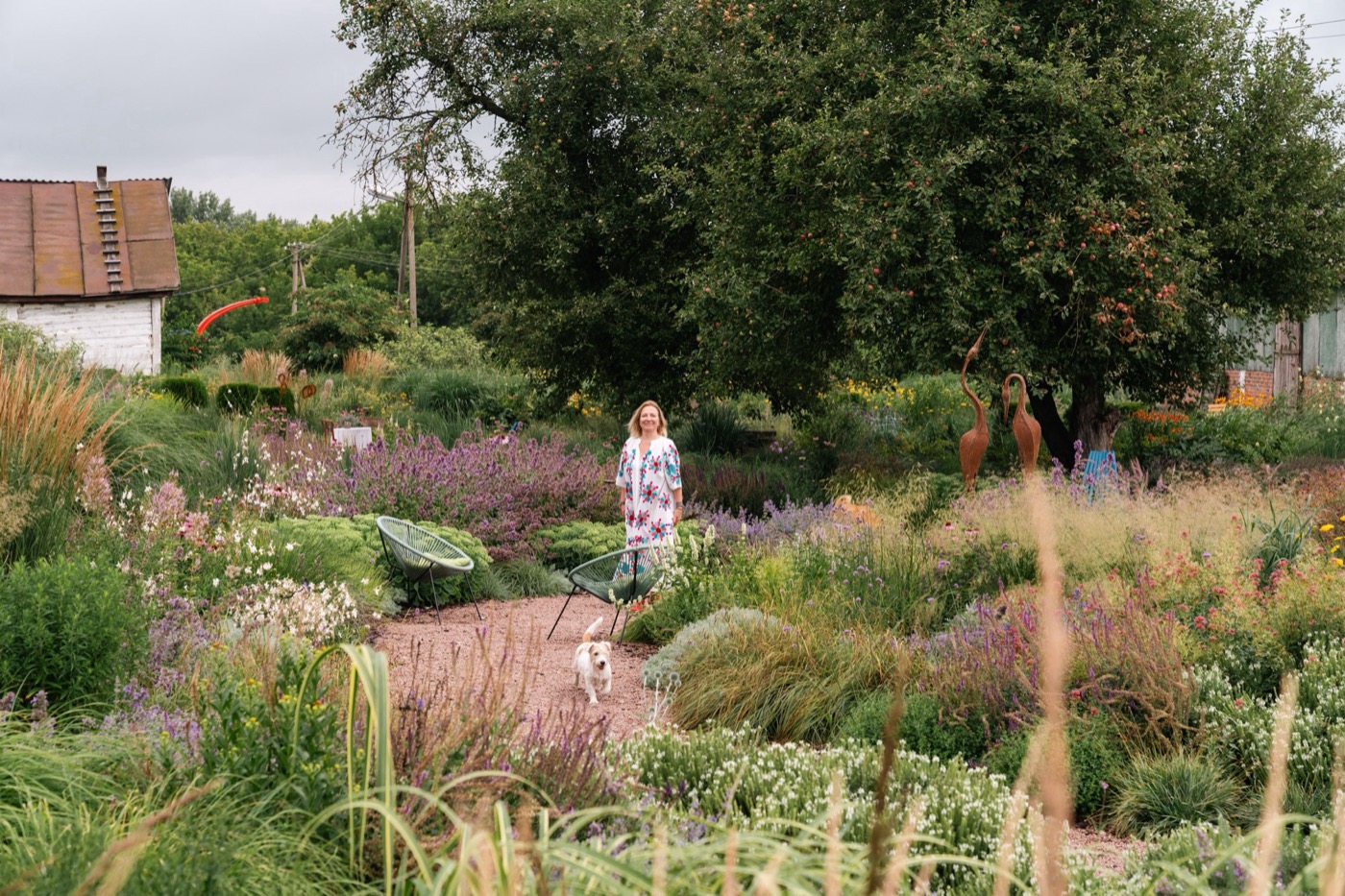
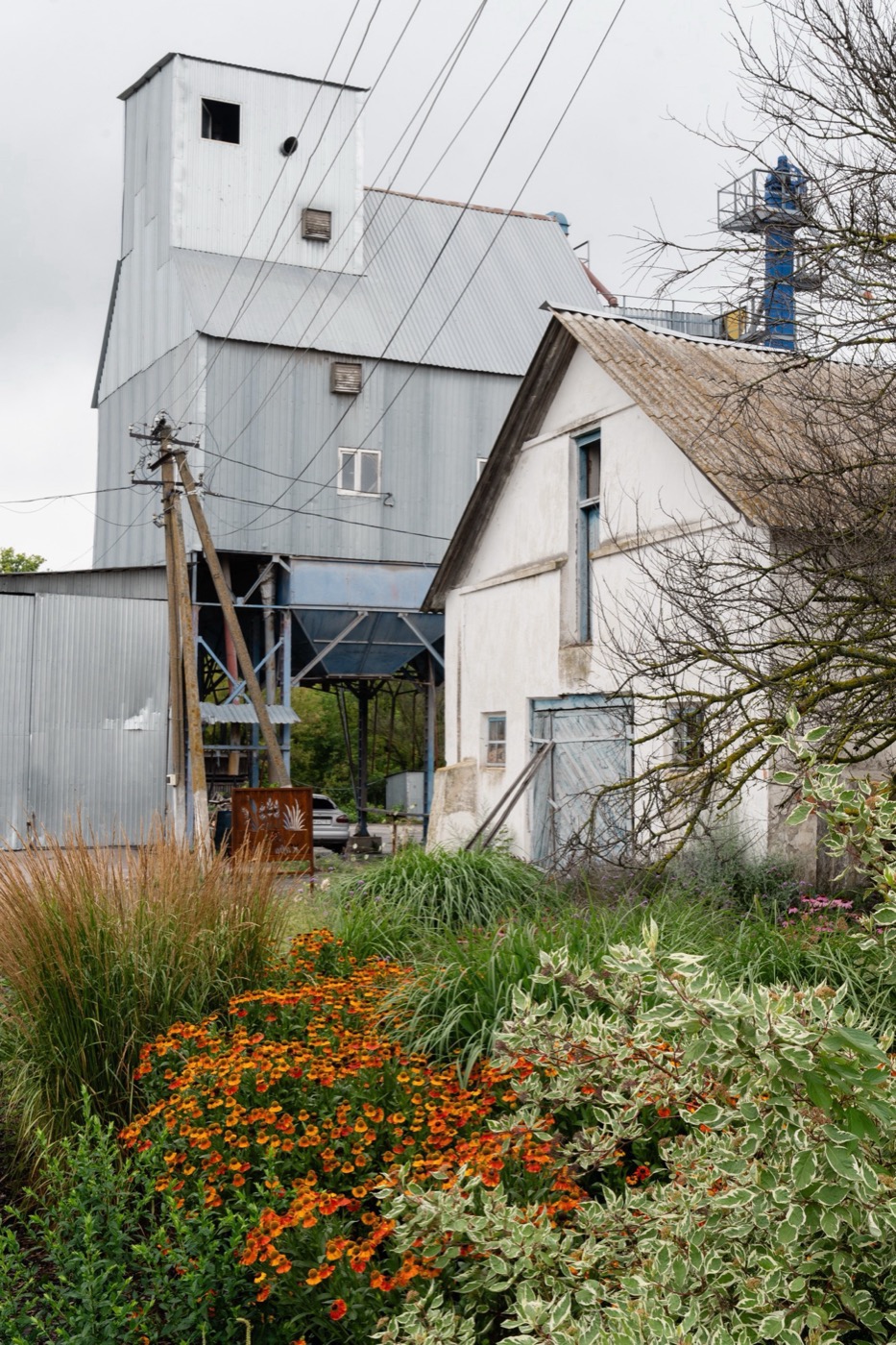
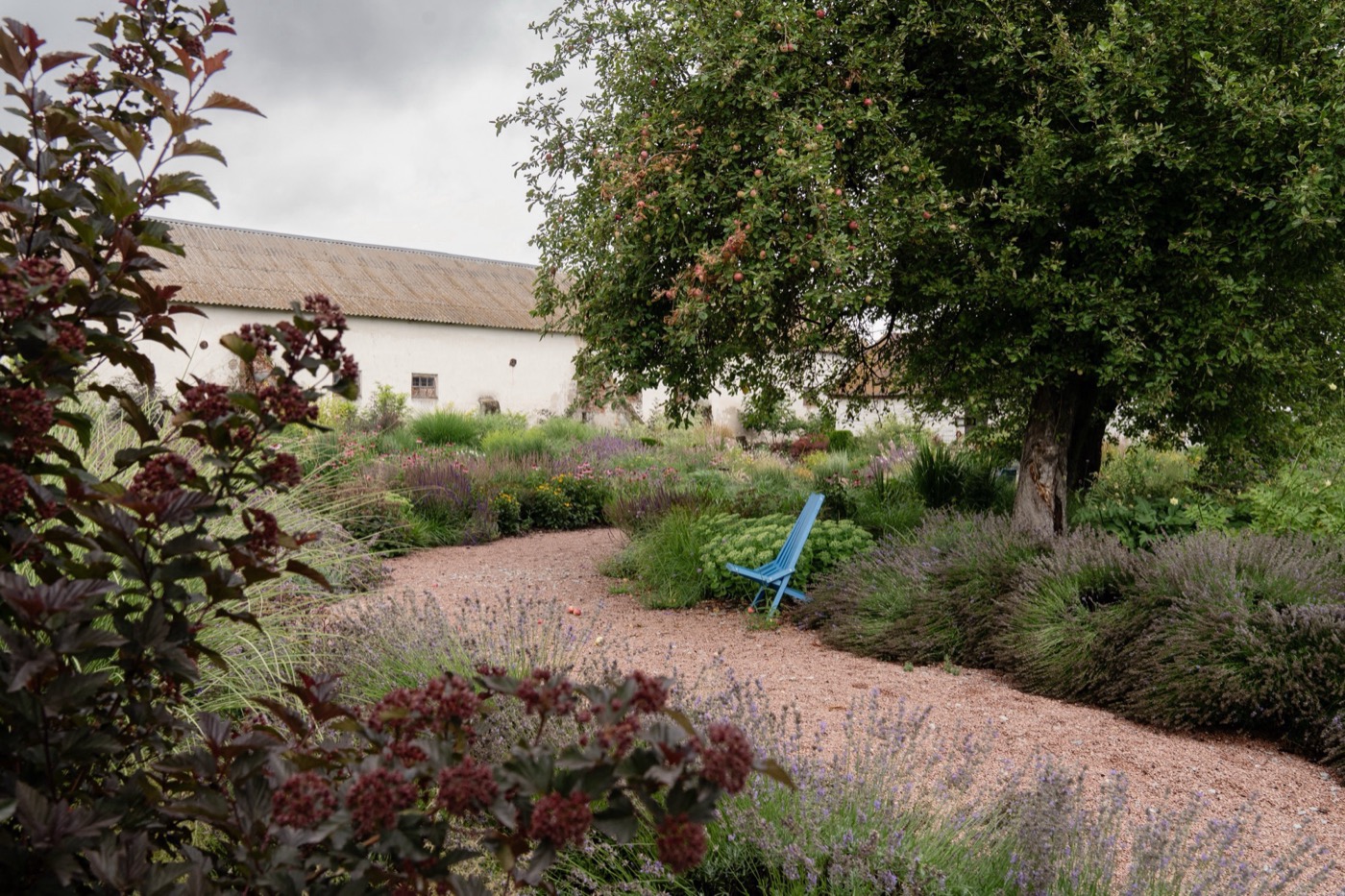
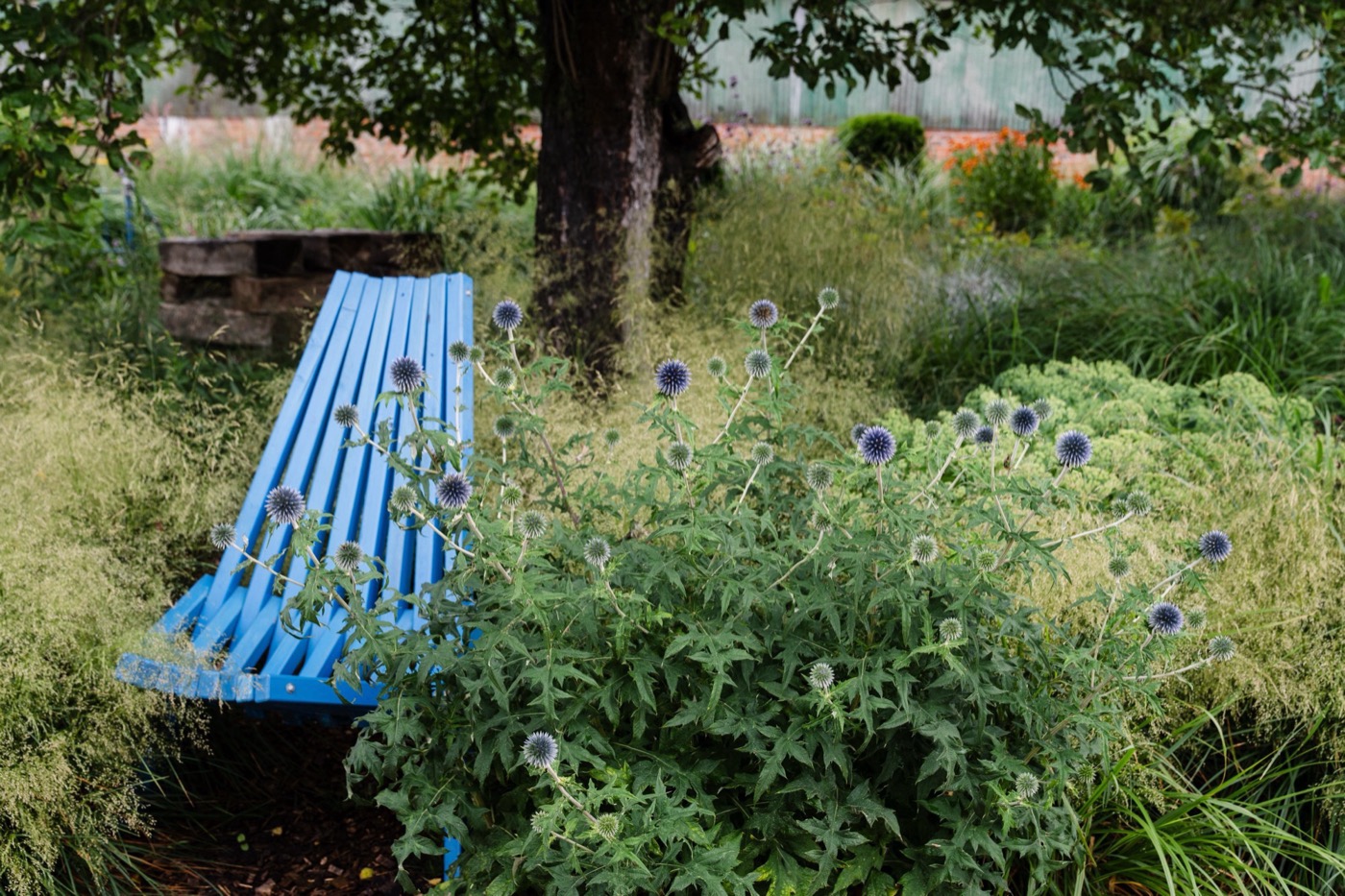
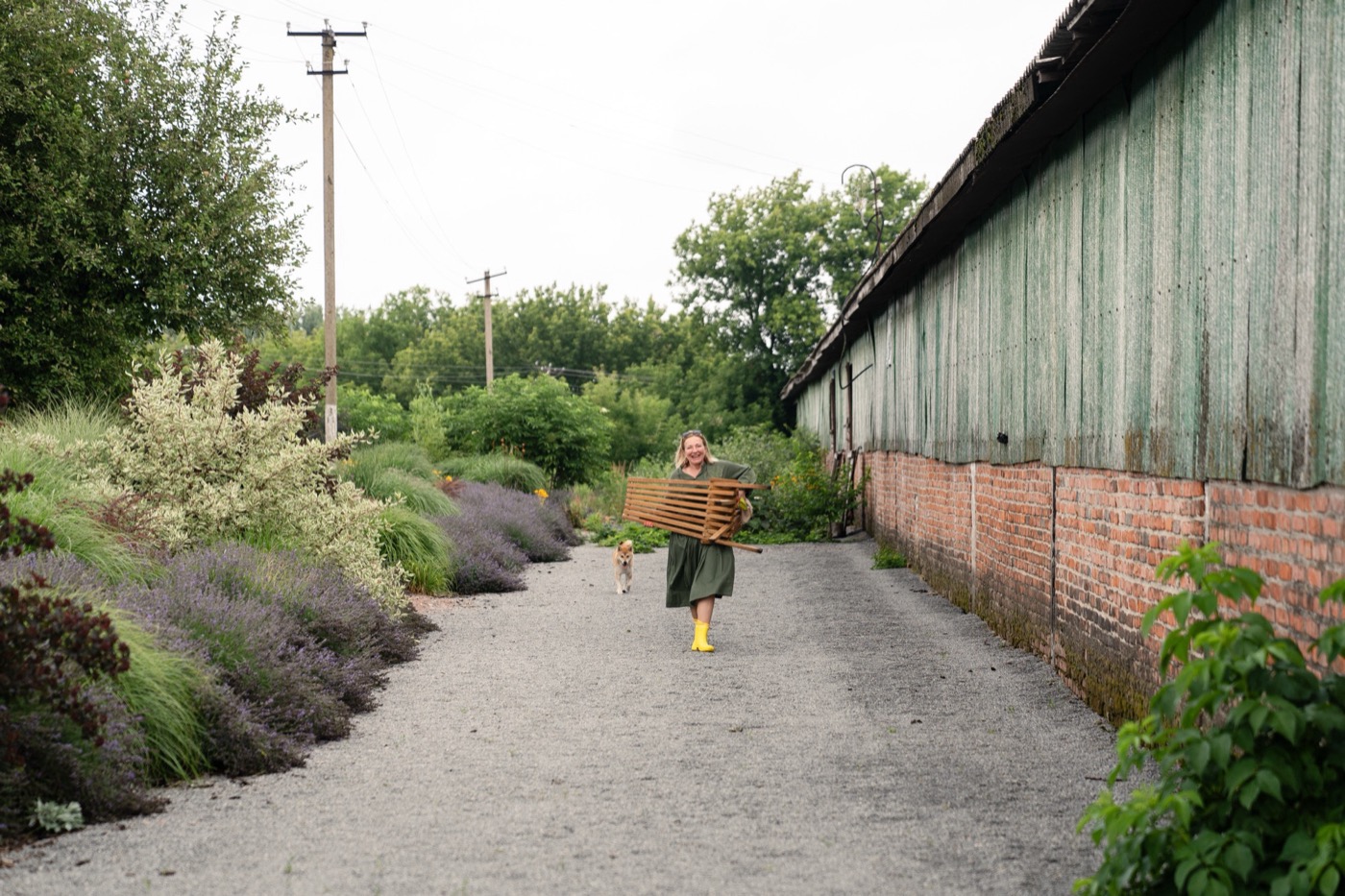
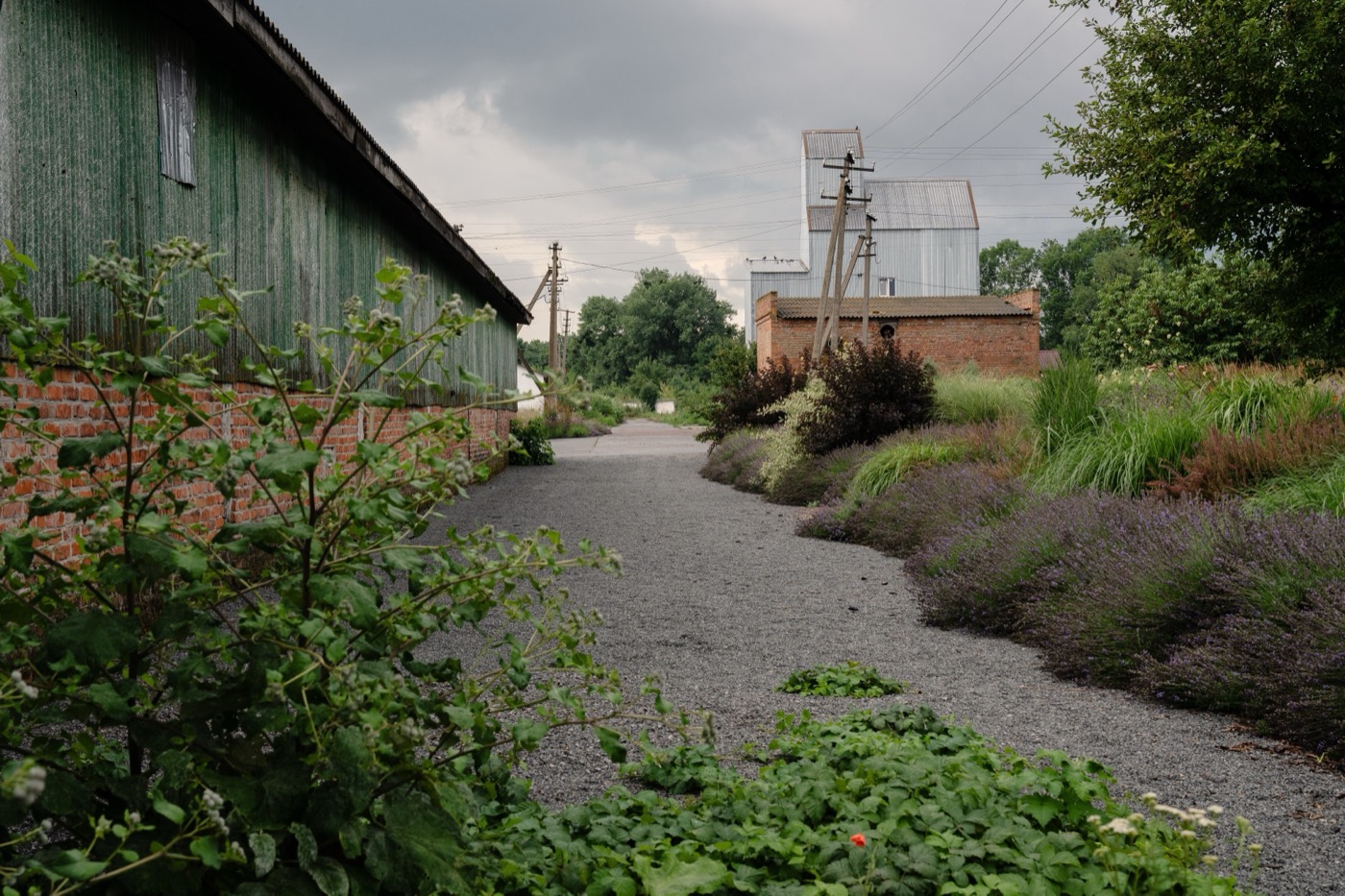
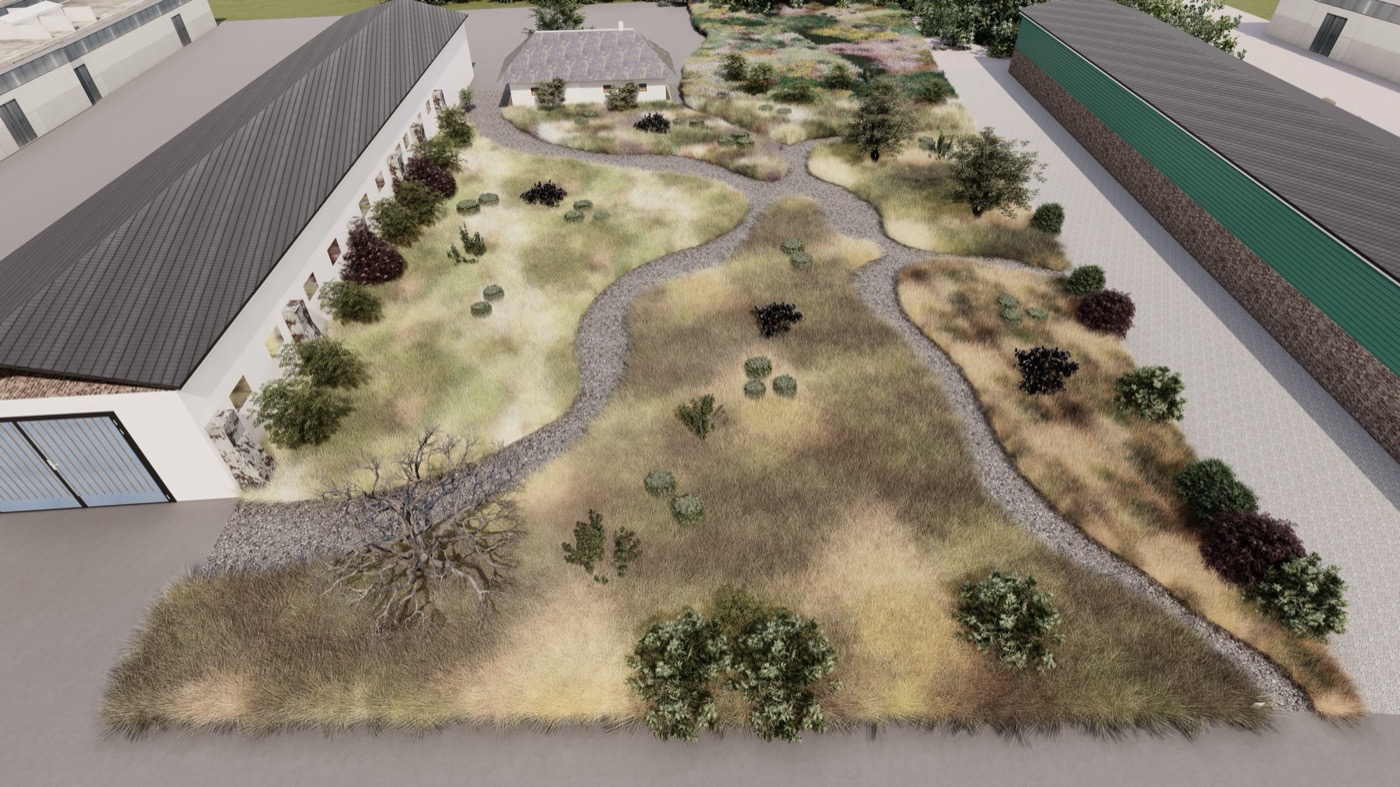
Before the garden was created, this territory functioned primarily as a utilitarian agricultural space. The project did not attempt to erase traces of labor, production or rural infrastructure. One of the central ideas of “Zhiva Nyva” became the coexistence of contemporary planting design with the roughness and honesty of a real working agricultural environment.
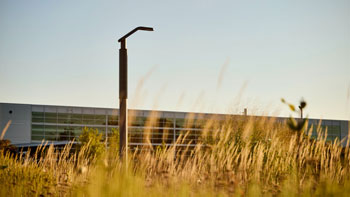
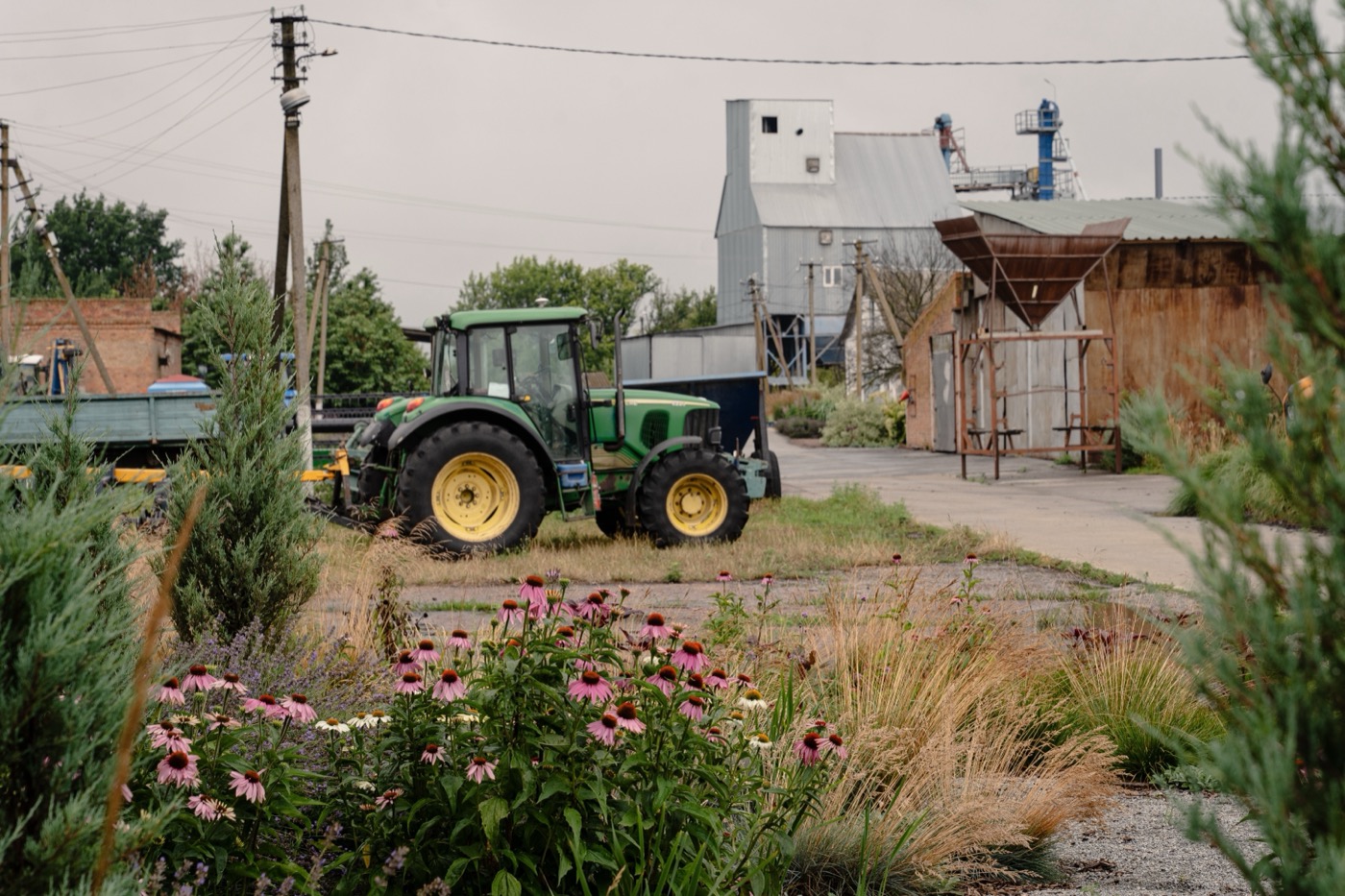
Agricultural machinery continues to move through and around the garden. Tractors, storage buildings, industrial structures, loading areas and technical roads remain a visible part of the landscape. Rather than separating beauty from production, the project explores how a working agricultural territory can transform through landscape architecture while preserving its original identity and function.
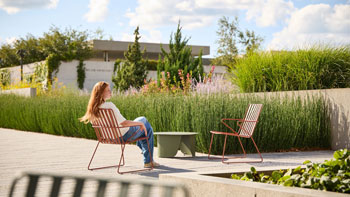
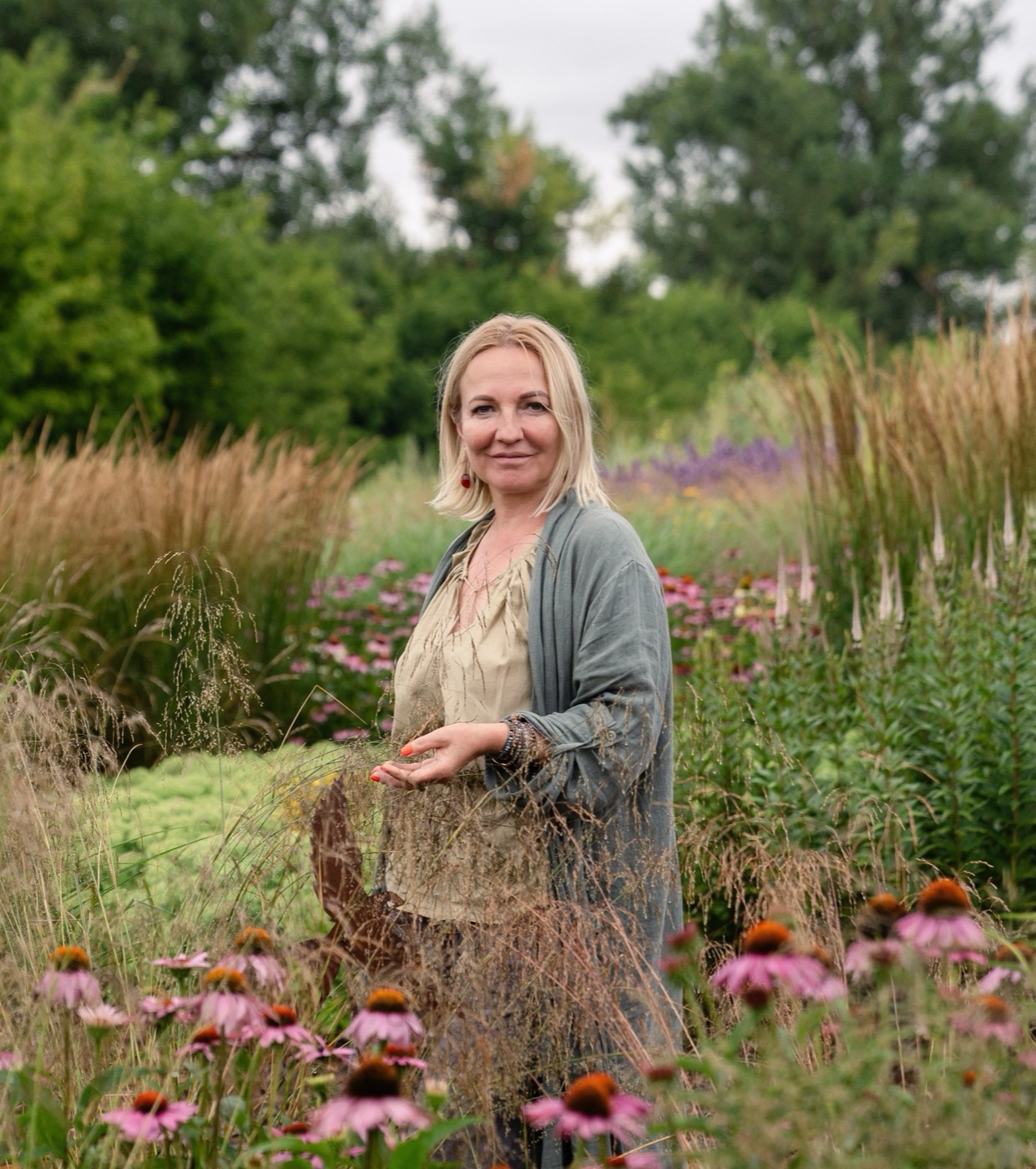
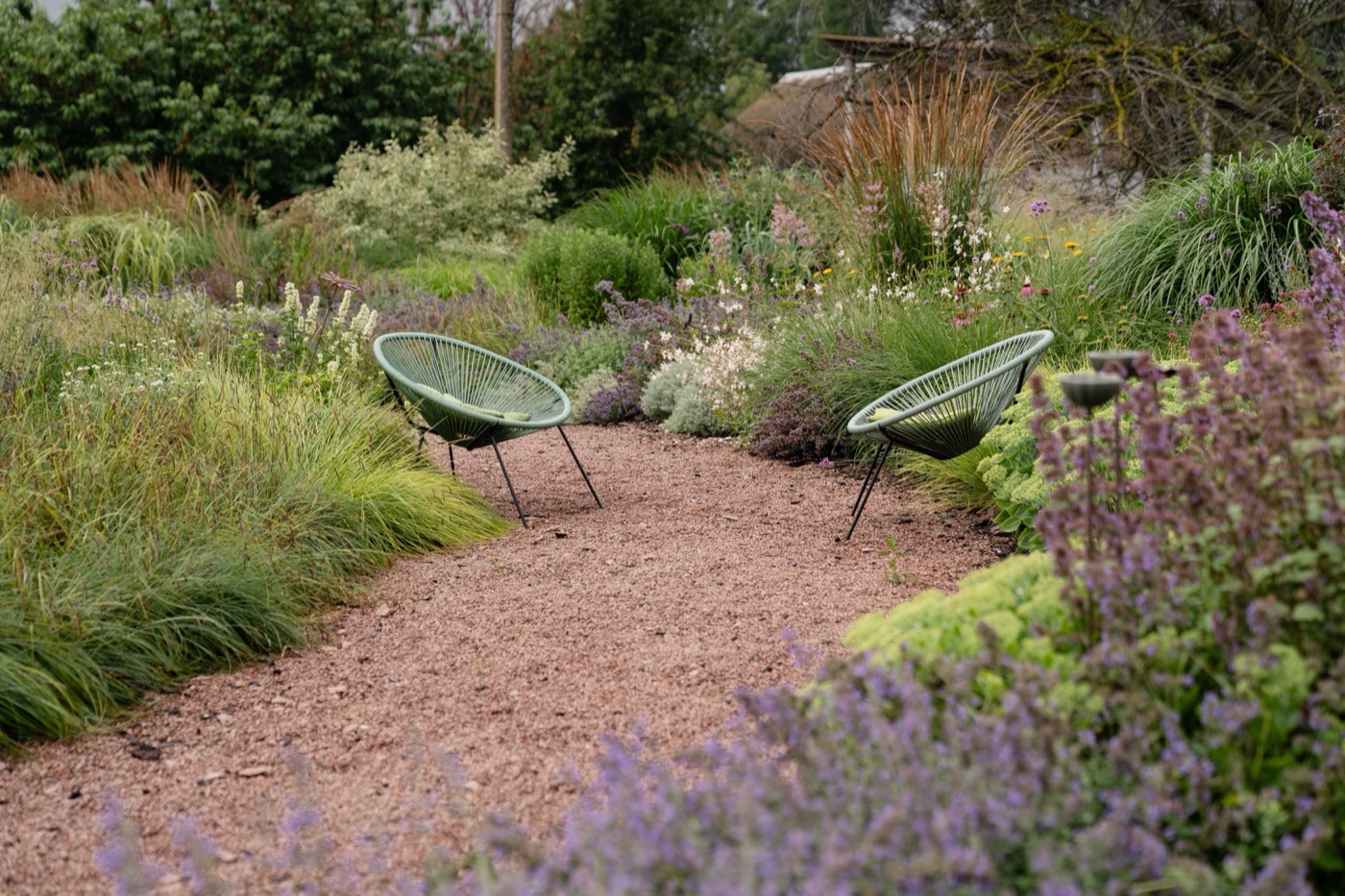
Large open spaces, ornamental grasses and perennial plantings became the foundation of the project, maintaining a visual and spatial connection with the surrounding fields and agricultural landscape. The planting structure relies heavily on grasses in order to extend the scale and movement of the rural landscape into the garden itself. Seasonal changes, movement of wind, dry seed heads and the natural aging of plants became important compositional elements of the space.
The garden changes significantly throughout the year. In early summer the planting appears soft, fresh and highly floral. By mid summer the structure becomes denser and more textural, while autumn fills the space with dry grasses, fading perennials, seed heads and muted colors. These seasonal transitions are perceived not as decline, but as an integral part of the aesthetic and ecological life of the garden.
No mineral fertilizers or chemical treatments are used in the garden, continuing the ecological approach that already existed on the farm. Self seeding, natural spreading of plants and the coexistence of cultivated and spontaneous vegetation are accepted as part of the natural process, rather than imperfections that need to be controlled.
The project also preserves the visual presence of older architectural and infrastructural elements, including warehouses, agricultural buildings and the old water tower, which remains one of the visual landmarks of the territory. Existing structures were integrated into the atmosphere and spatial composition of the garden, rather than concealed behind planting.
Paths within the garden were designed not as formal axes, but as slow movement routes that allow gradual immersion into the landscape. Visitors constantly move between views of naturalistic planting and views of active agricultural infrastructure, creating tension between natural beauty and the reality of a working rural environment.
One of the symbolic elements of the project was an old apricot tree that existed on the territory long before the garden was created. After its loss in 2024, the remains of the tree became part of the landscape itself, a reminder of time, fragility, loss and natural change.
The context of war also influenced the perception and development of the garden. During a period of instability and uncertainty, the project became a reflection on resilience, continuity and the relationship between people, land and everyday rural labor. Instead of becoming an isolated decorative space, “Zhiva Nyva” remained connected to the rhythms and realities of the surrounding agricultural environment.
“Zhiva Nyva” explores how an existing agricultural territory can transform through landscape architecture without losing its authenticity, working character, ecological principles or connection to place.
Landscape architect: Oksana Yazykova
Photography: Maria savoskula
Client: Private
Andrushivka District, Zhytomyr Region, Ukraine
77199


LILA 2026 Sponsor