Palimpsestic Regeneration of Haig Court Historical Garden: From Private Domain to Urban Interface of Perception
www.possibilismdesignstudio.com/
2026 Hospitality and Therapeutic / China / Built in 2024 /

![1. Executive Summary: The Syntax of Symbiosis The Double Garden is not merely a park; it is a “double garden” operating at the intersection of ecological restoration and cultural reinterpretation. Located on a 2,000-square-meter post-industrial brownfield, it responds to the “METro-BIOSIS” theme—harmonizing urban development and nature. We established a technical framework for “Ecological Co-Habitation,” transforming […]](https://landezine-award.com/wp-content/uploads/2026/05/00_Hero-image-15-600x449.jpg "Double Garden at Chunshen Port: The Syntax of Symbiosis")
Abstract: Living Archive in the Anthropocene
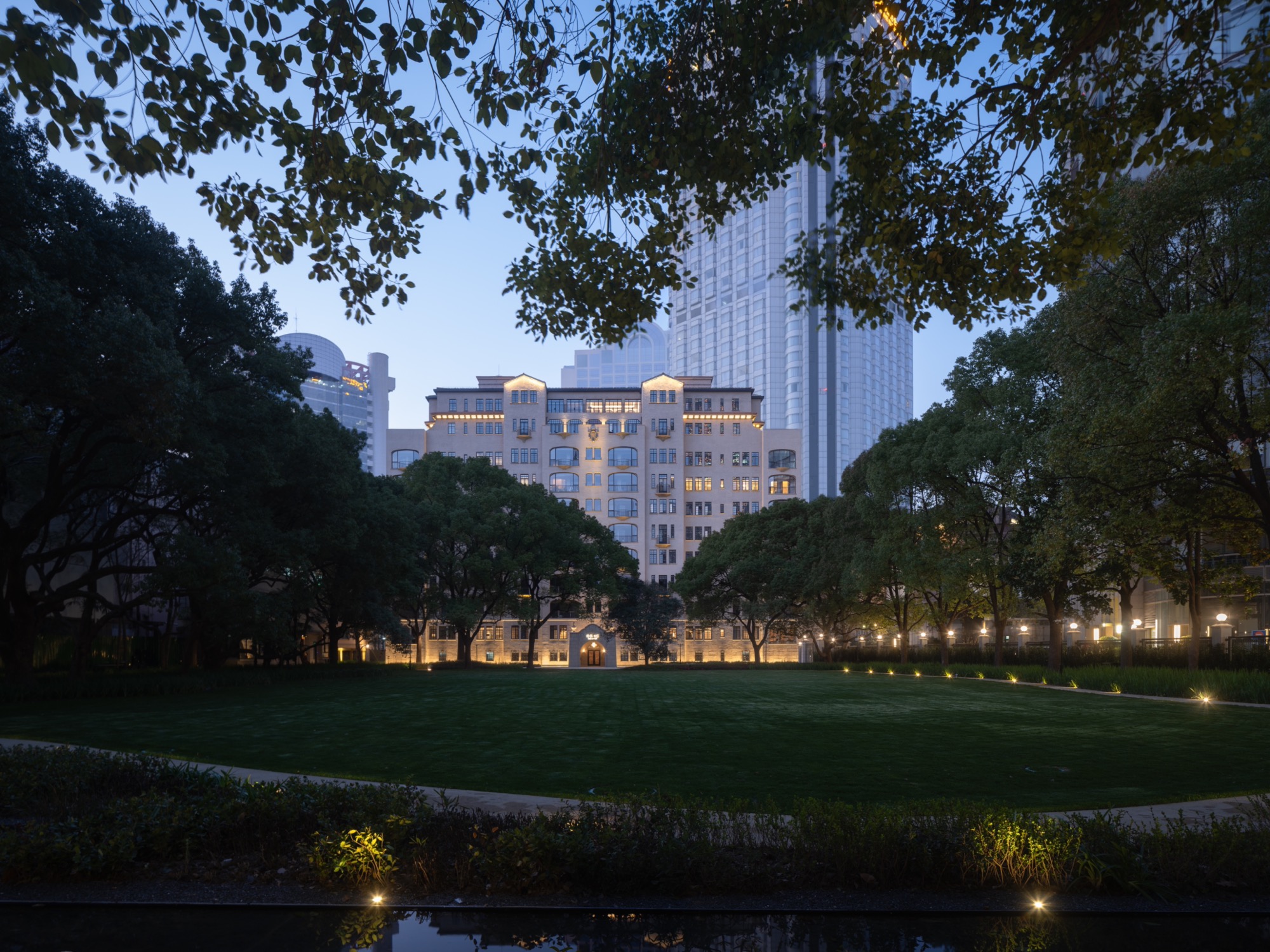
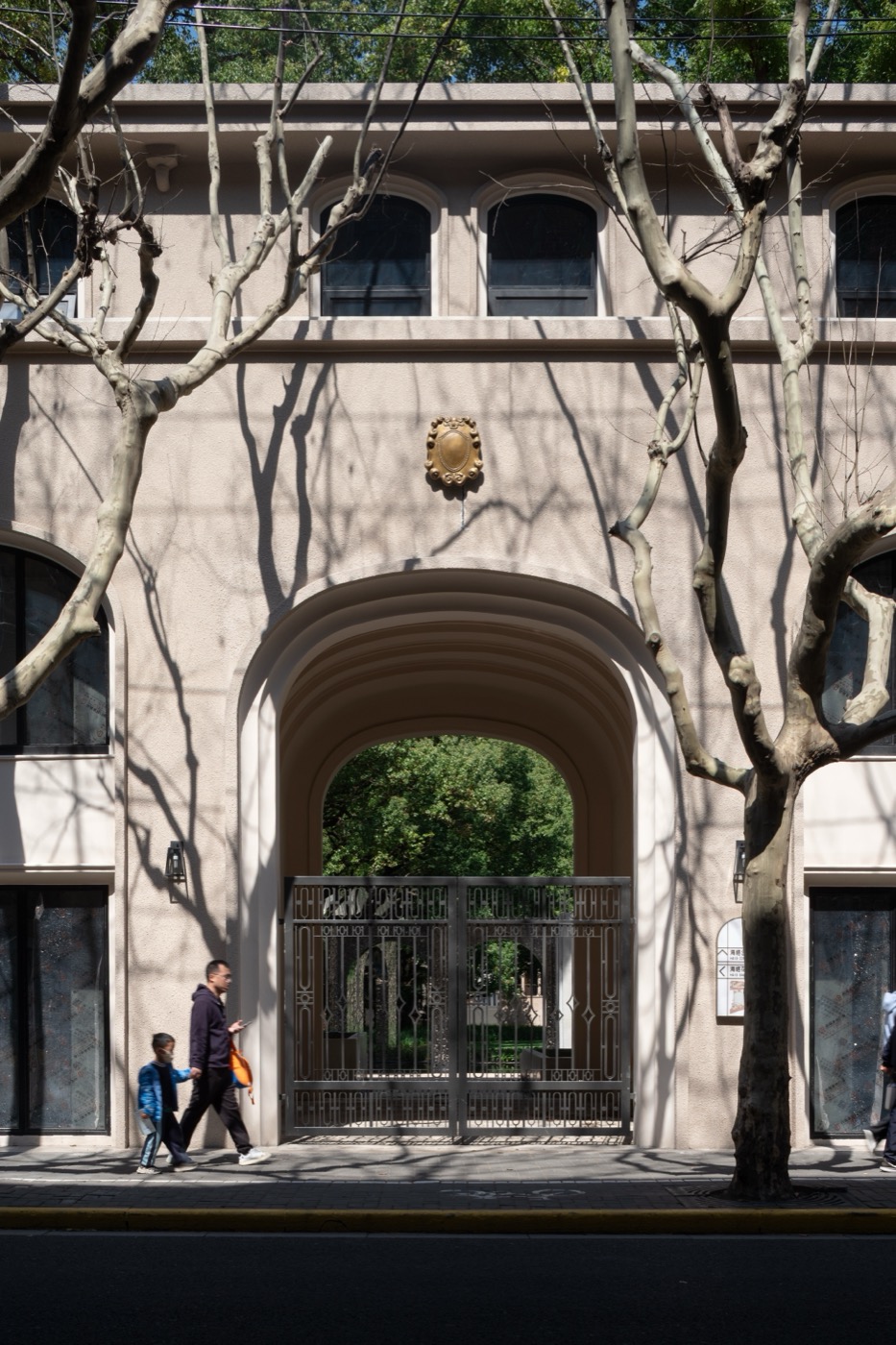
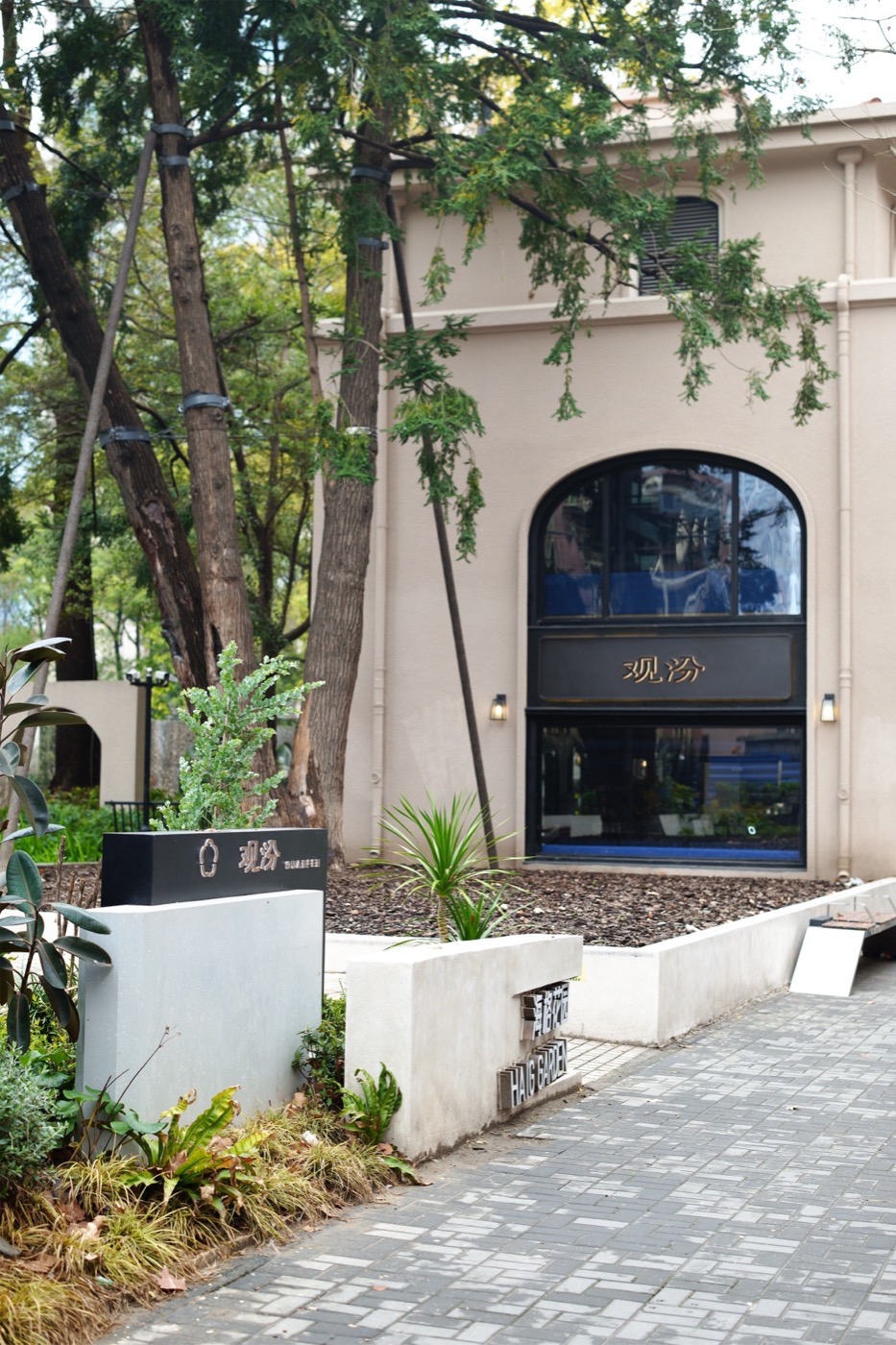
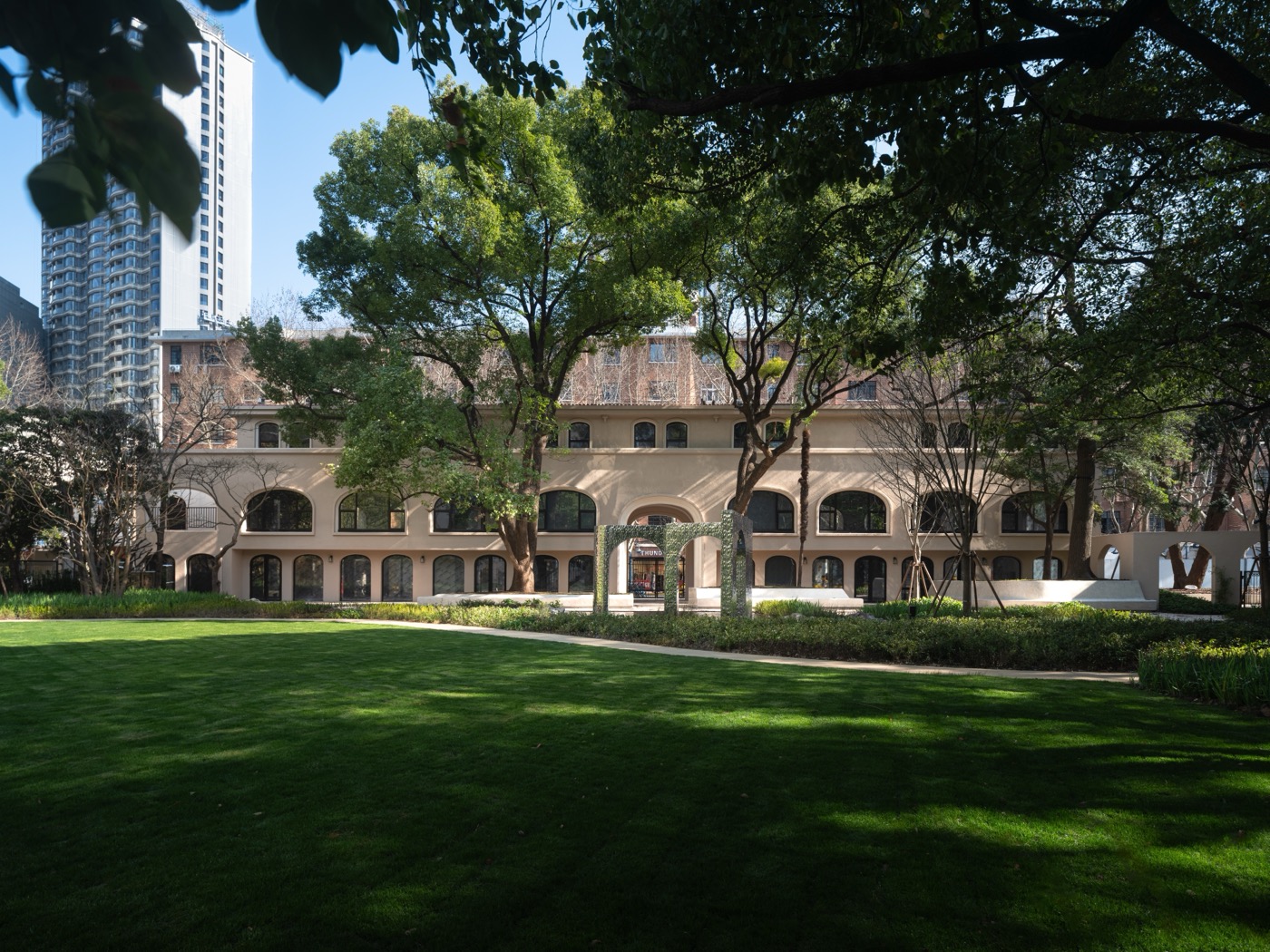
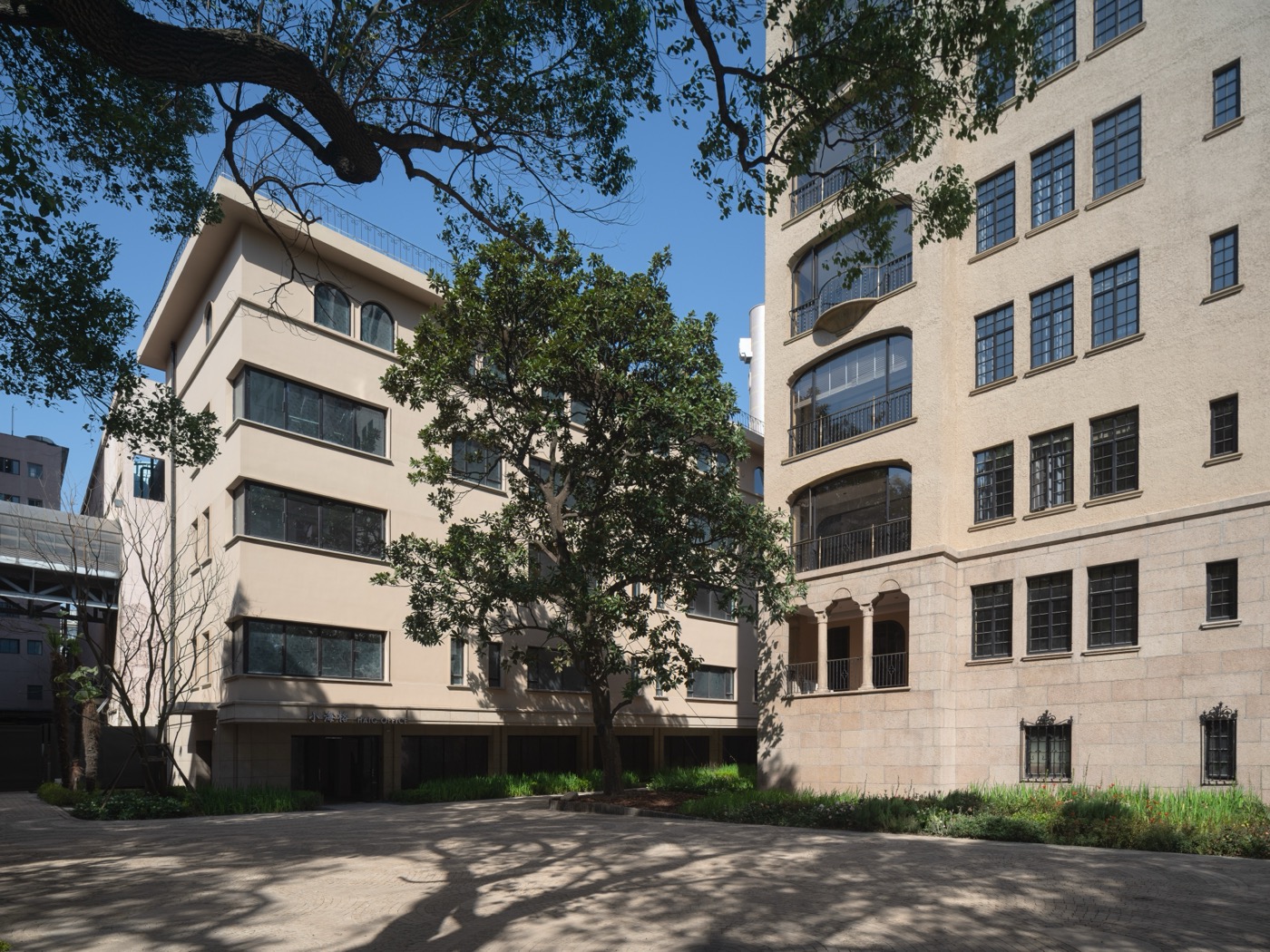
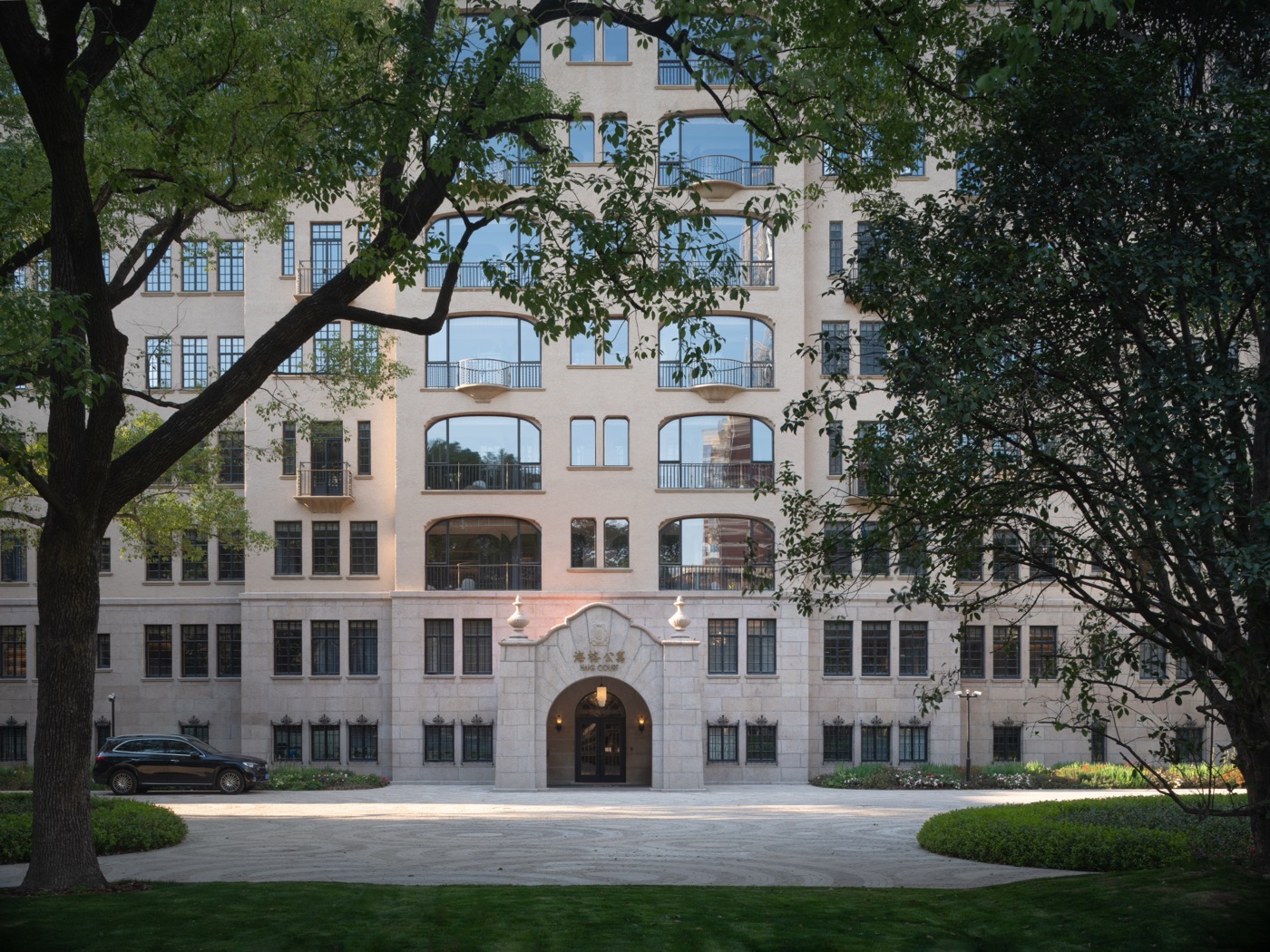
At No. 370 Huashan Road, the Jing’an Hotel (formerly Haig Court) is a Spanish-style modernist masterpiece and Shanghai Excellent Historic Building. In 2022, alongside Jinjiang Group’s repositioning into “Haig Court,” this site underwent a profound metamorphosis. The design eschews static preservation for “Palimpsestic Regeneration.” By stripping later interference, it reinforces the 1925 naturalistic lawn and ancient tree ecology. Through “Urban Suture,” the secluded garden becomes an “Urban Interface of Perception,” demonstrating that resilient heritage spaces must actively invite public engagement.
1. Context and Critical Diagnosis: Fragments in the Urban Fabric
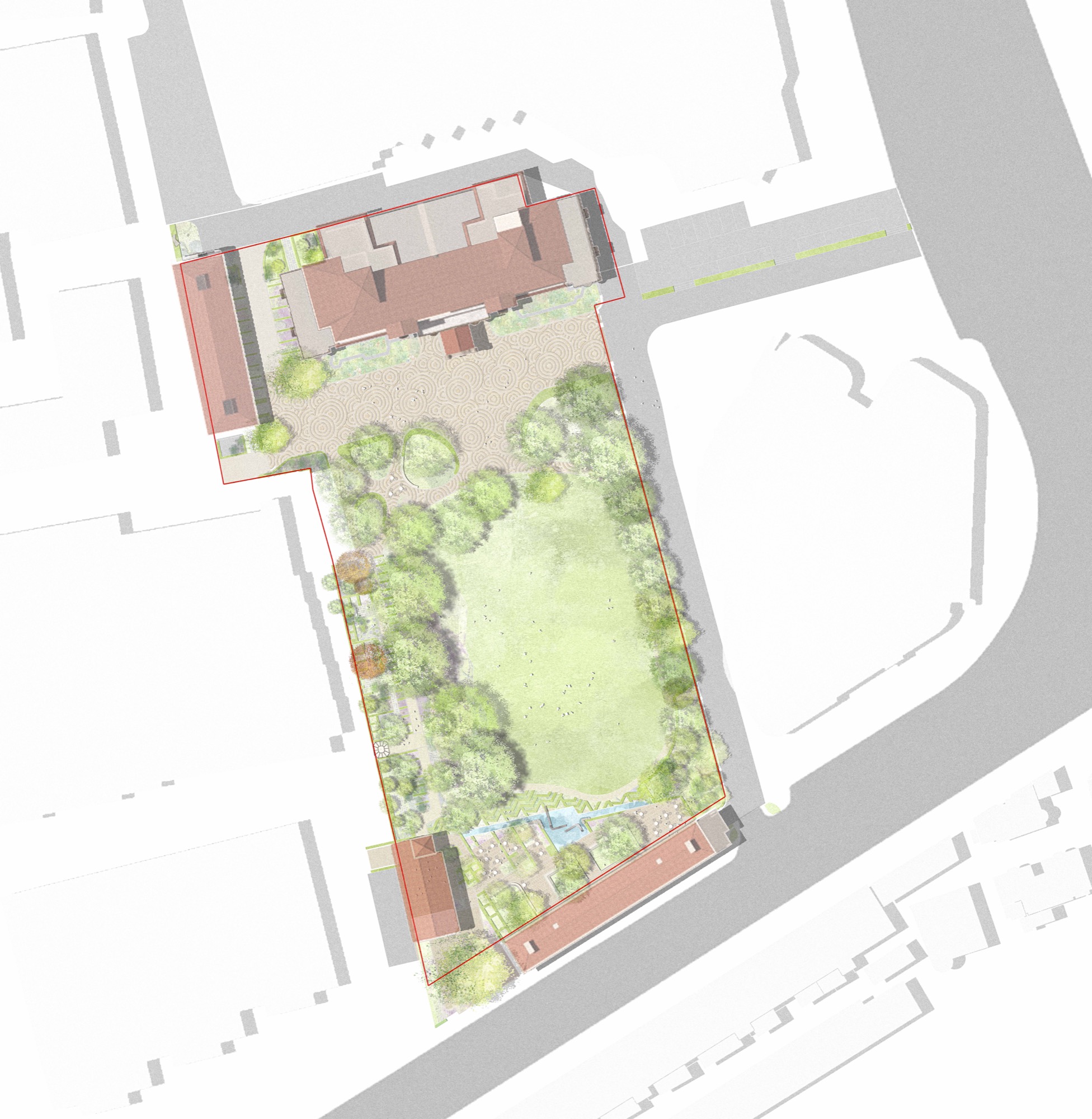
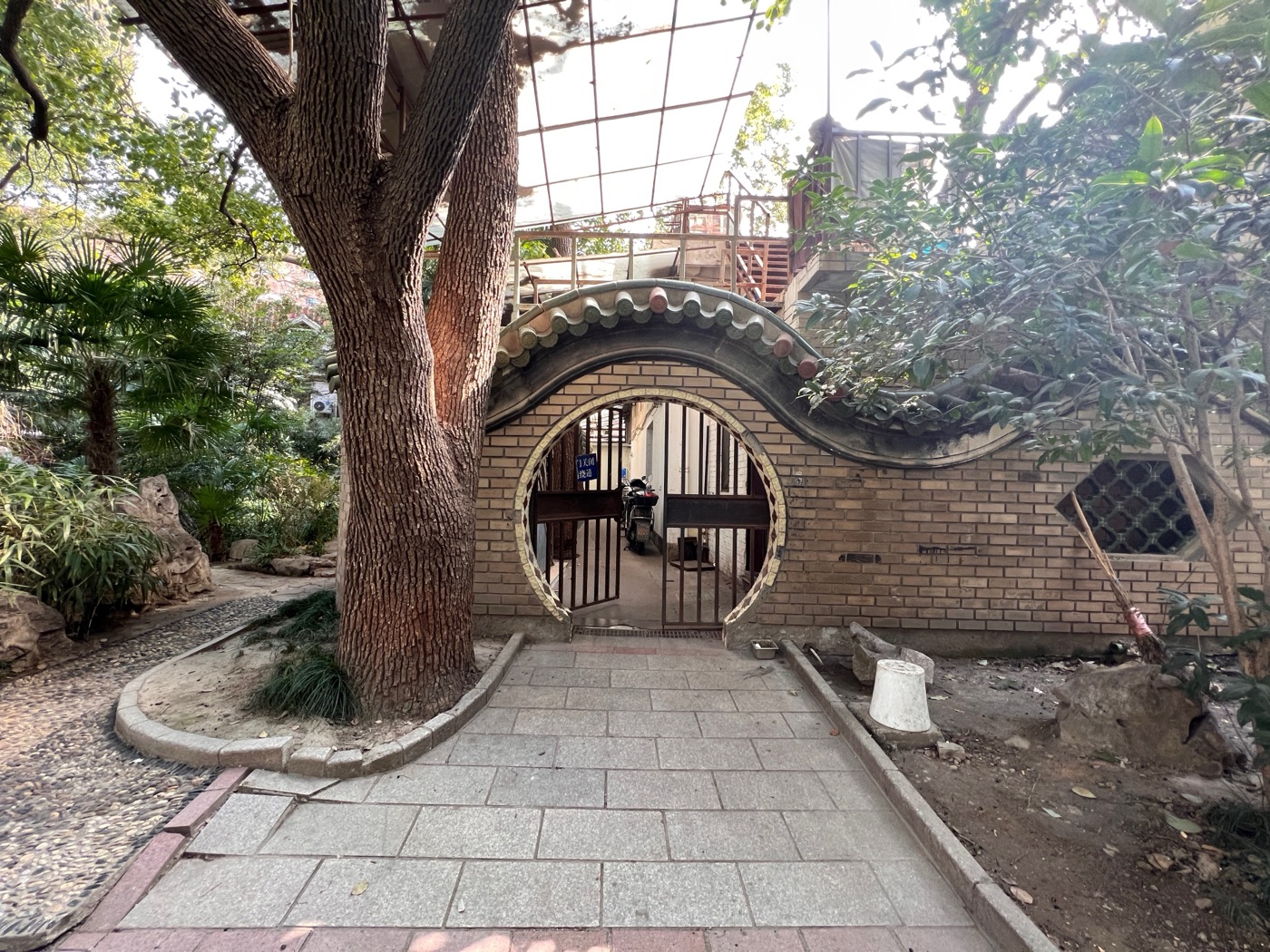
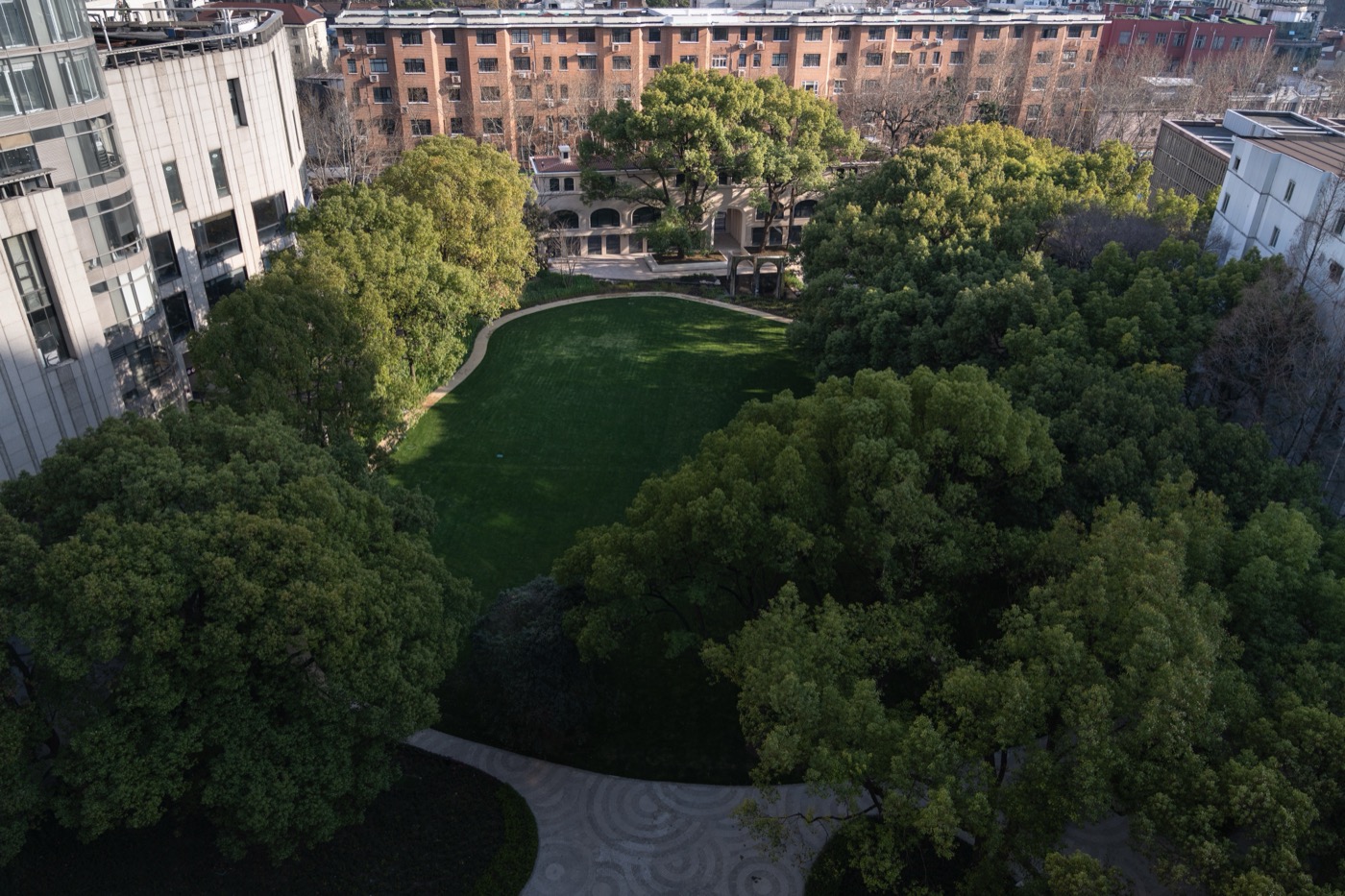
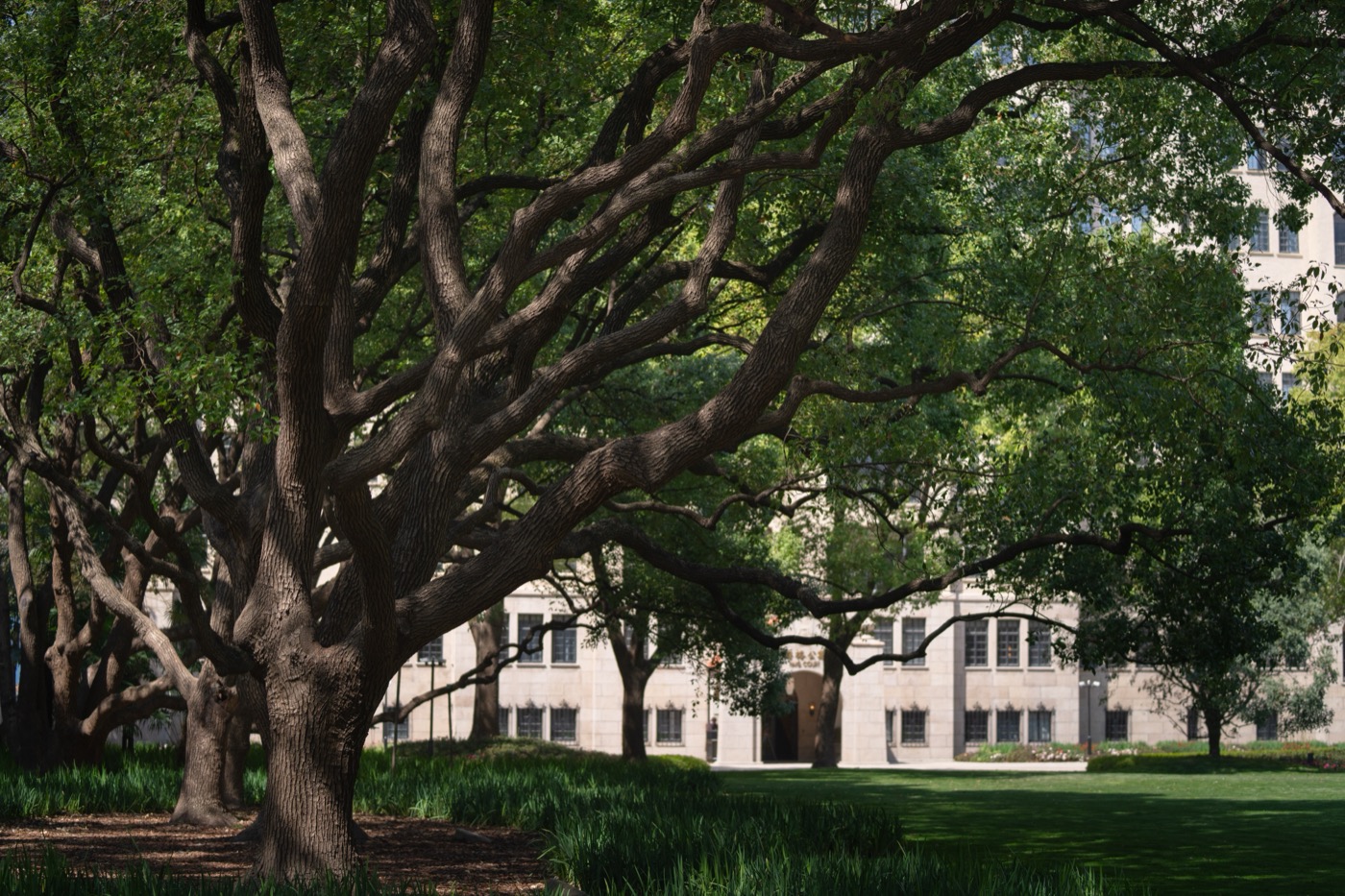
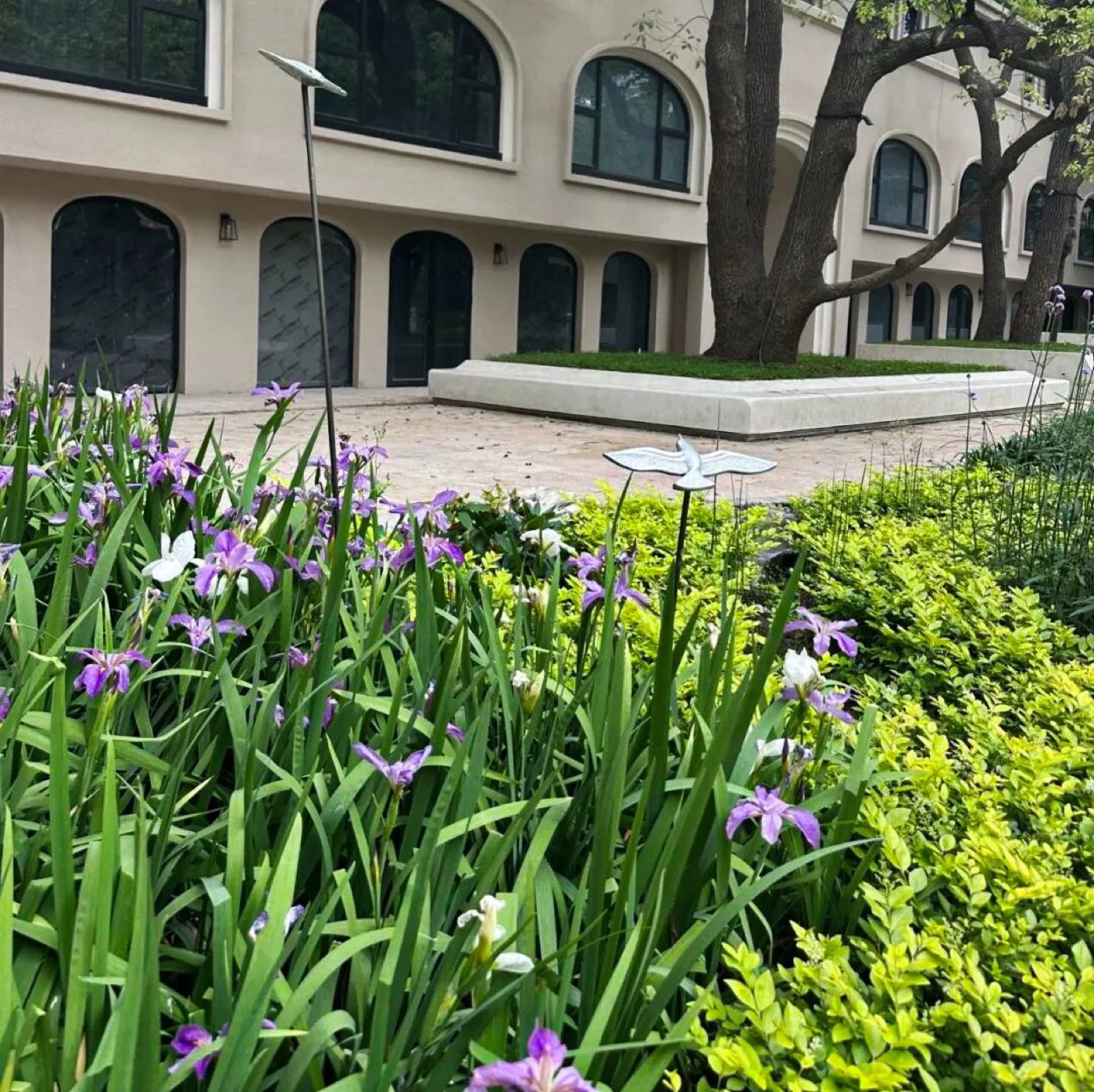
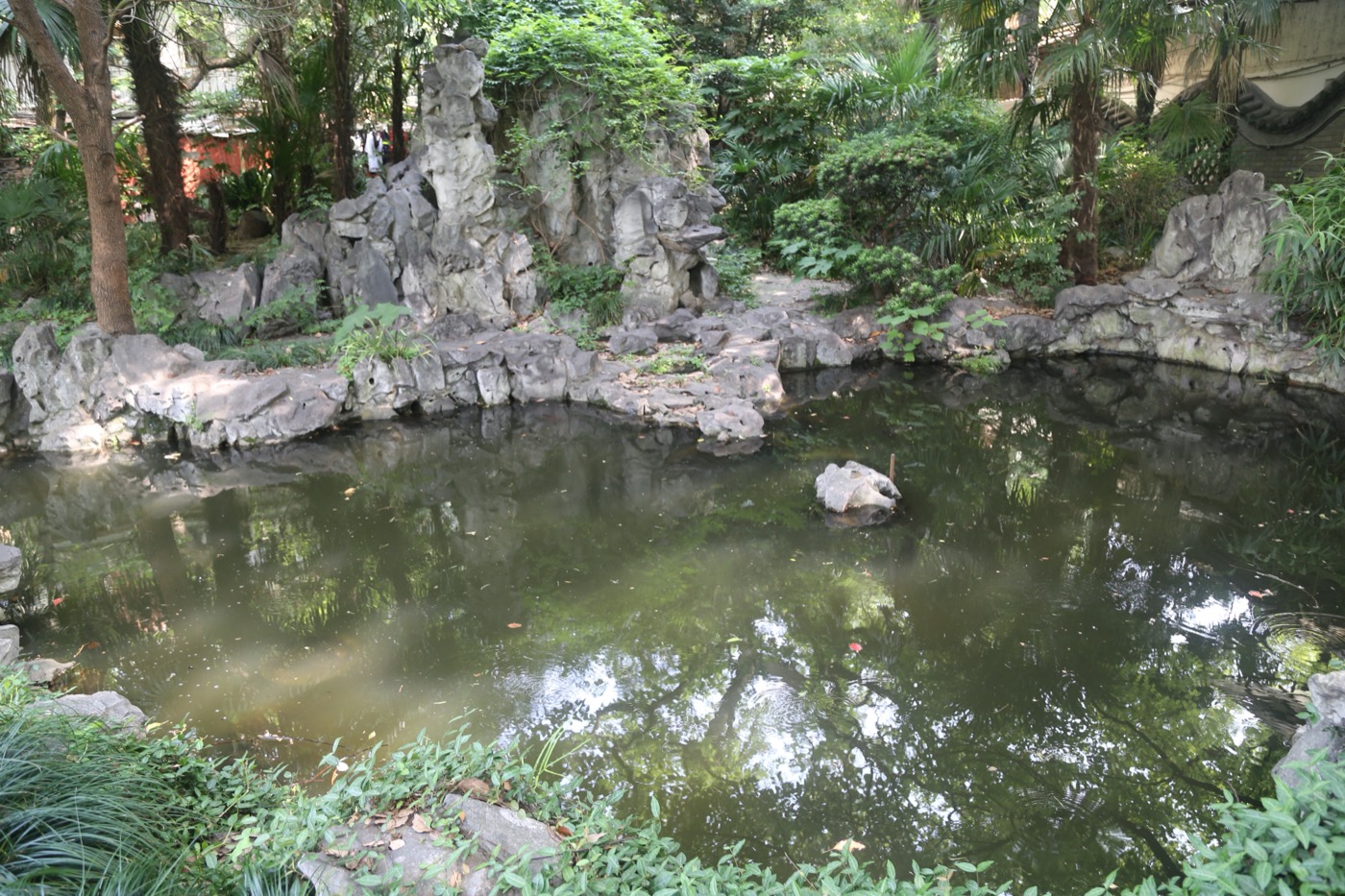
The Site as Archaeological Stratum-the 10,035-square-meter site is a miniature of Shanghai’s modern history. While the 1925 lawn persisted, it was fragmented by later Chinese-style rockeries and walls. Ecologically, it functioned as a “Green Island” with six ancient trees; socially, it was a “Grey Blind Spot,” lacking dialogue with Huashan Road.
The Dual Red Lines of Ecology and Society-the core challenge was the “Coexistence of Strata”: resolving social closure without disturbing tree roots. These immovable biological archives required absolute priority. The social task shifted to constructing a new “Contract of Viewing”—unfurling this historical scroll to the city without encroaching on the private domain.
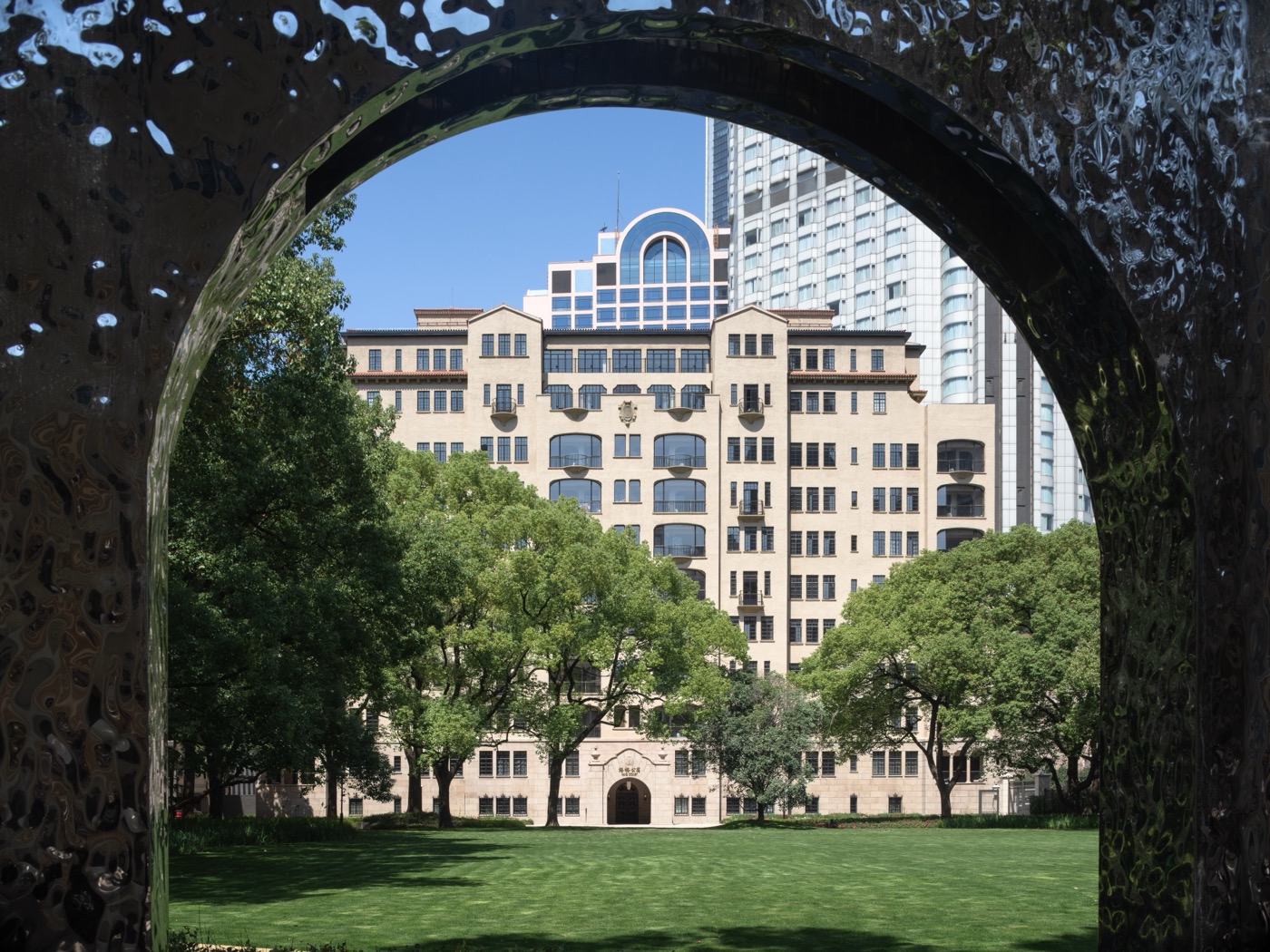
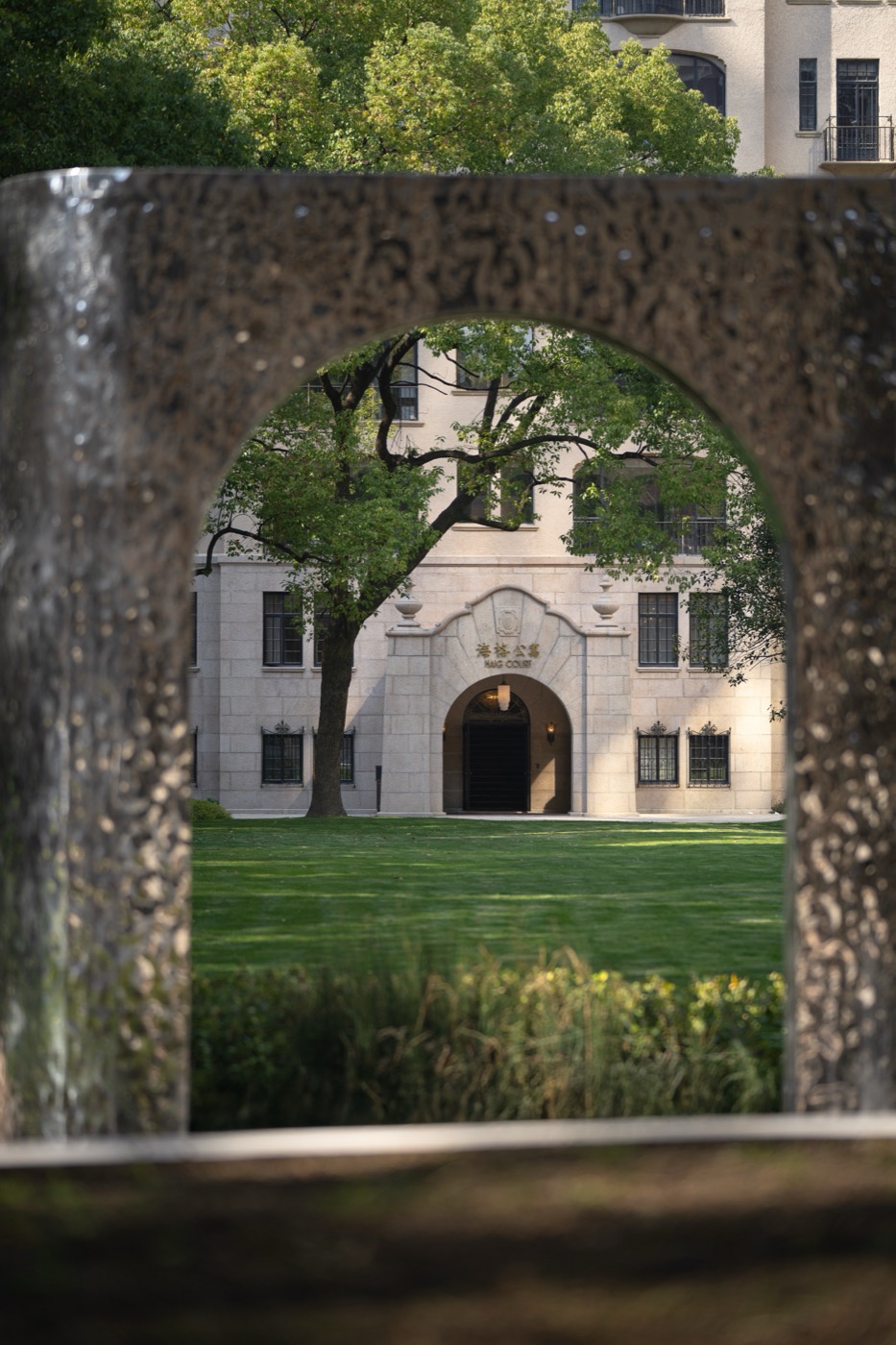
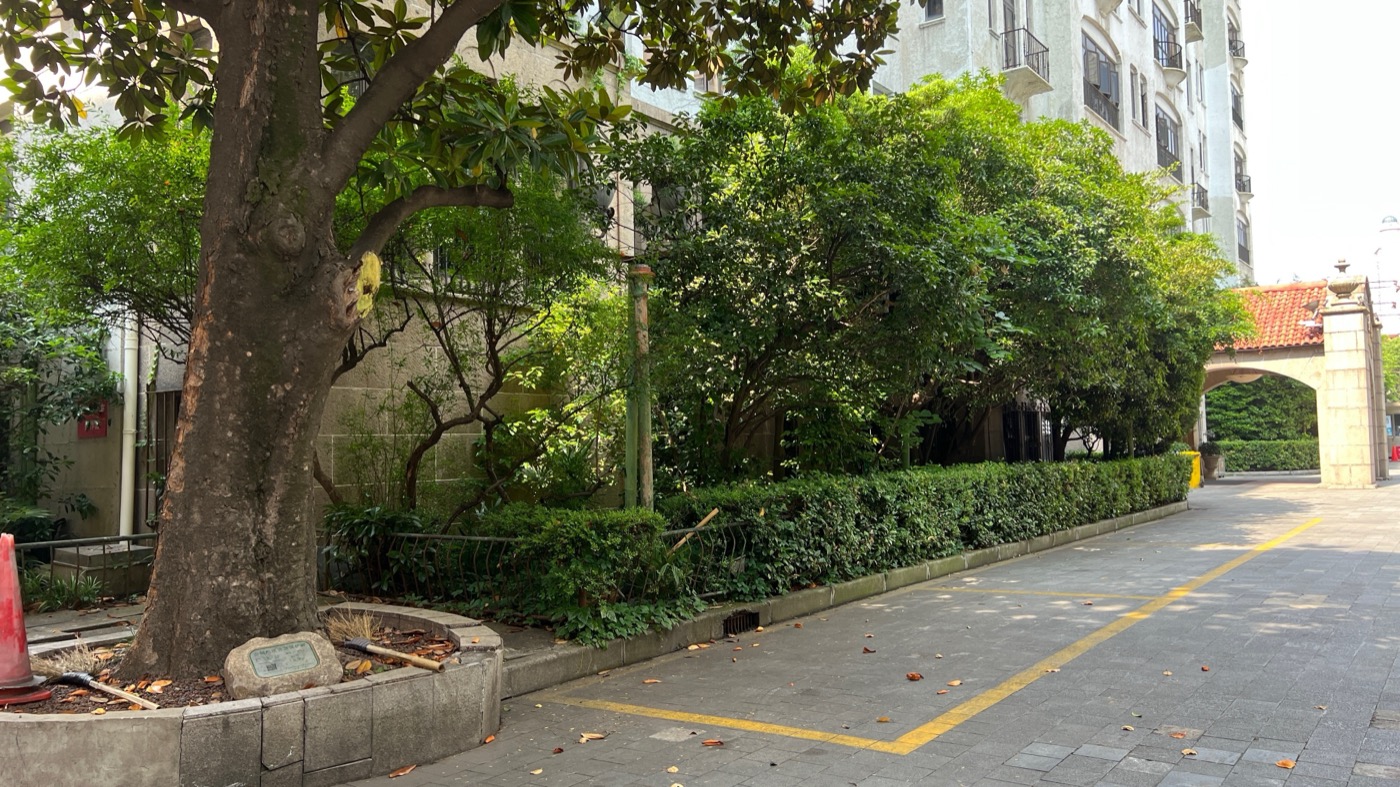
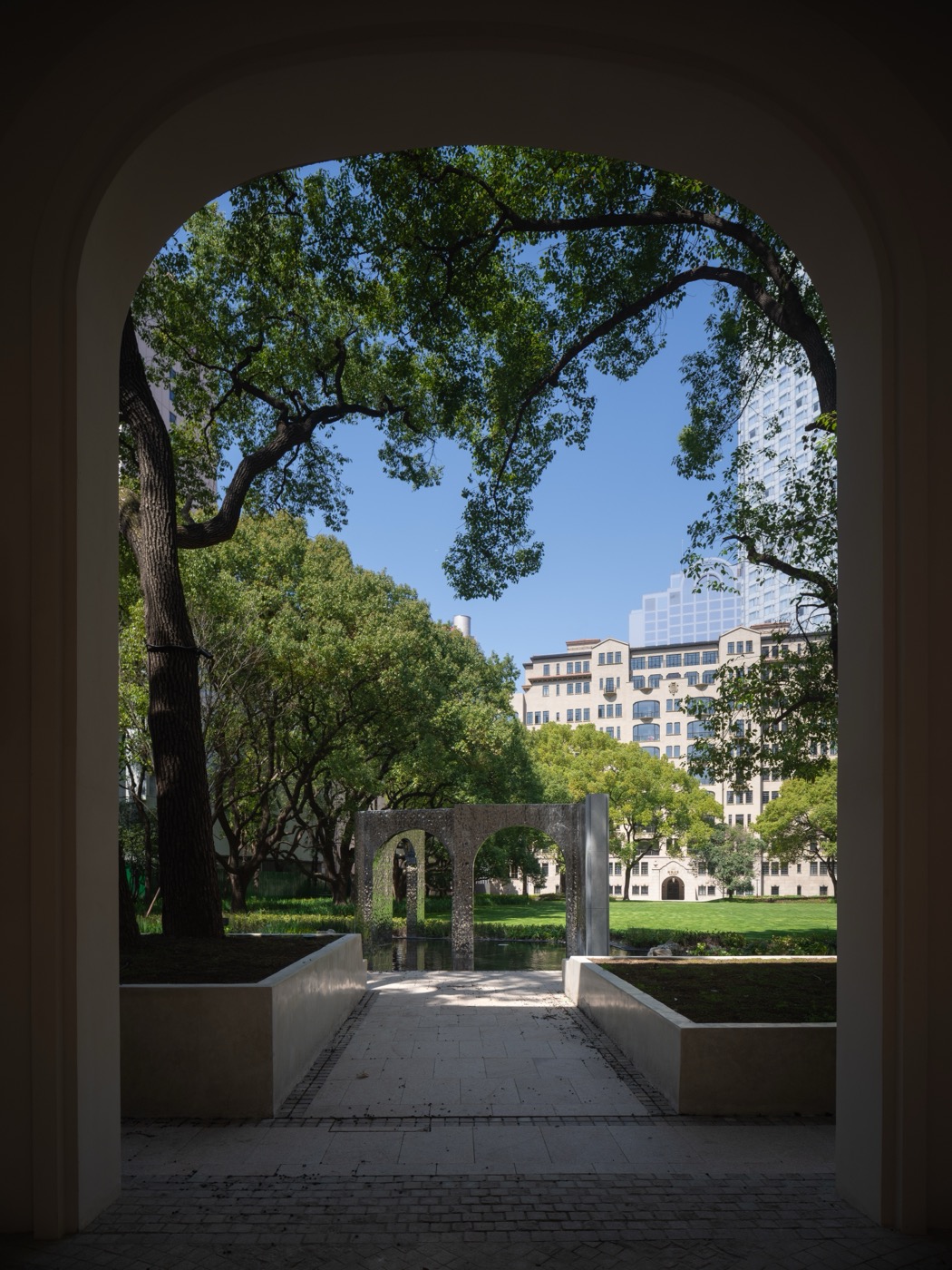
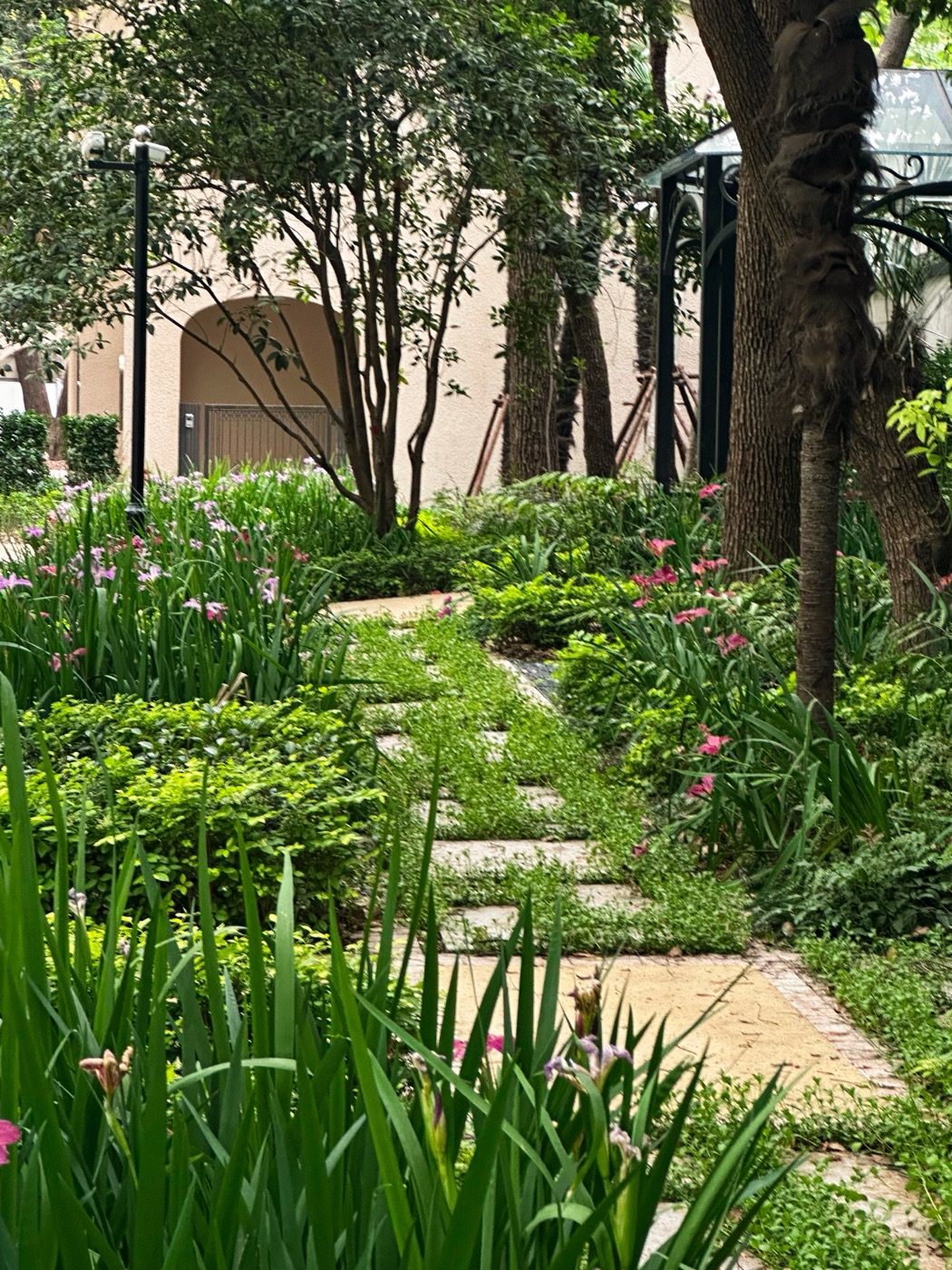
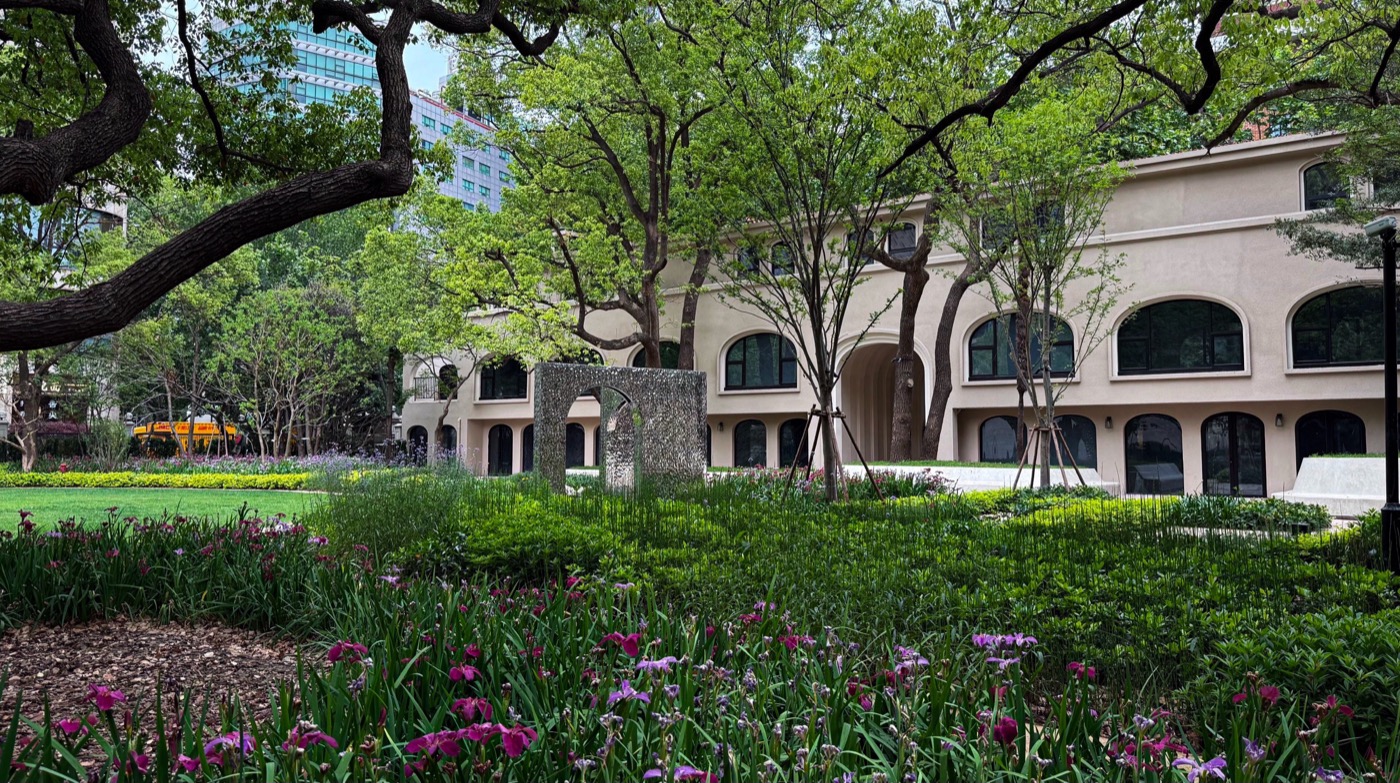
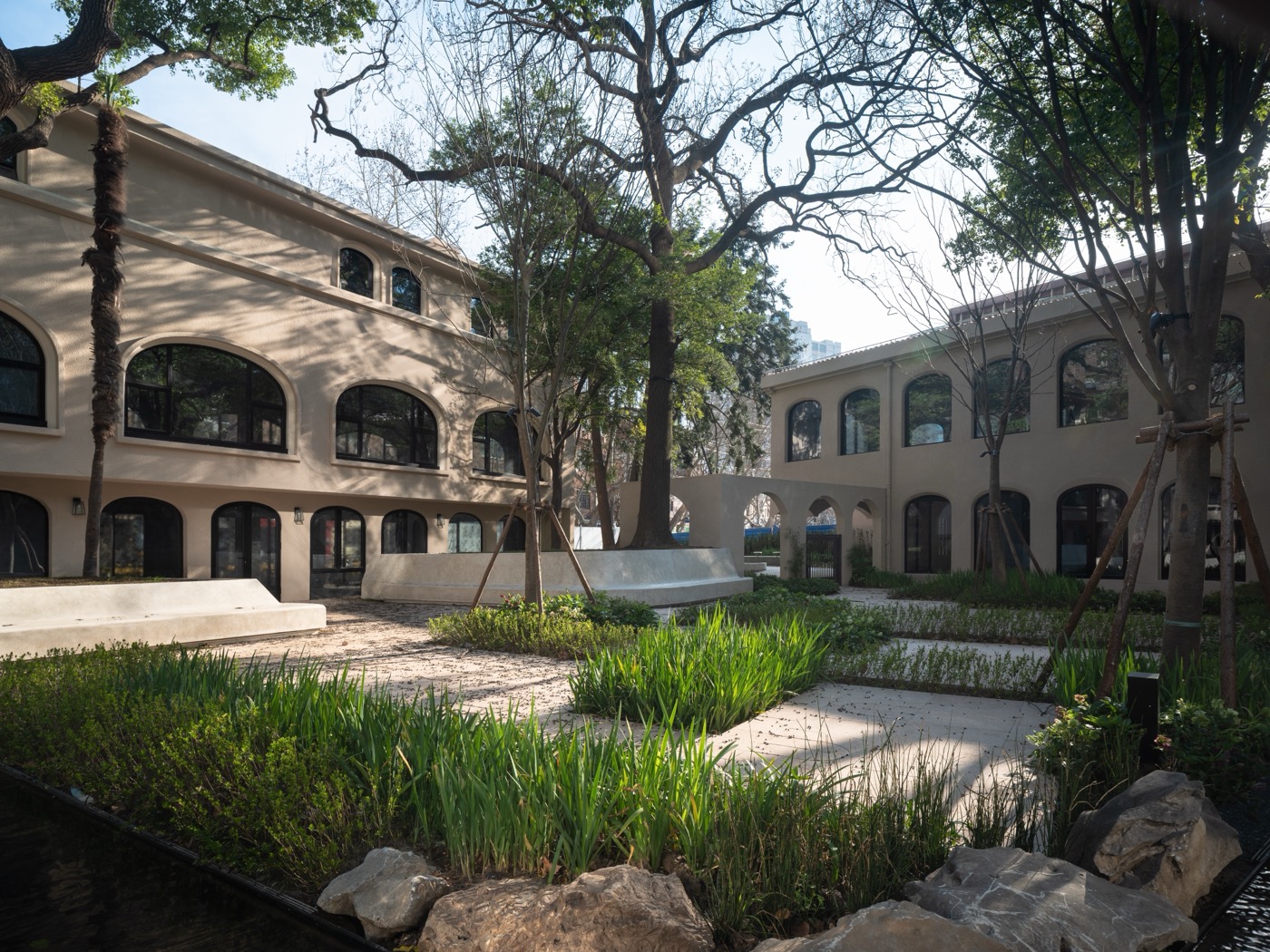
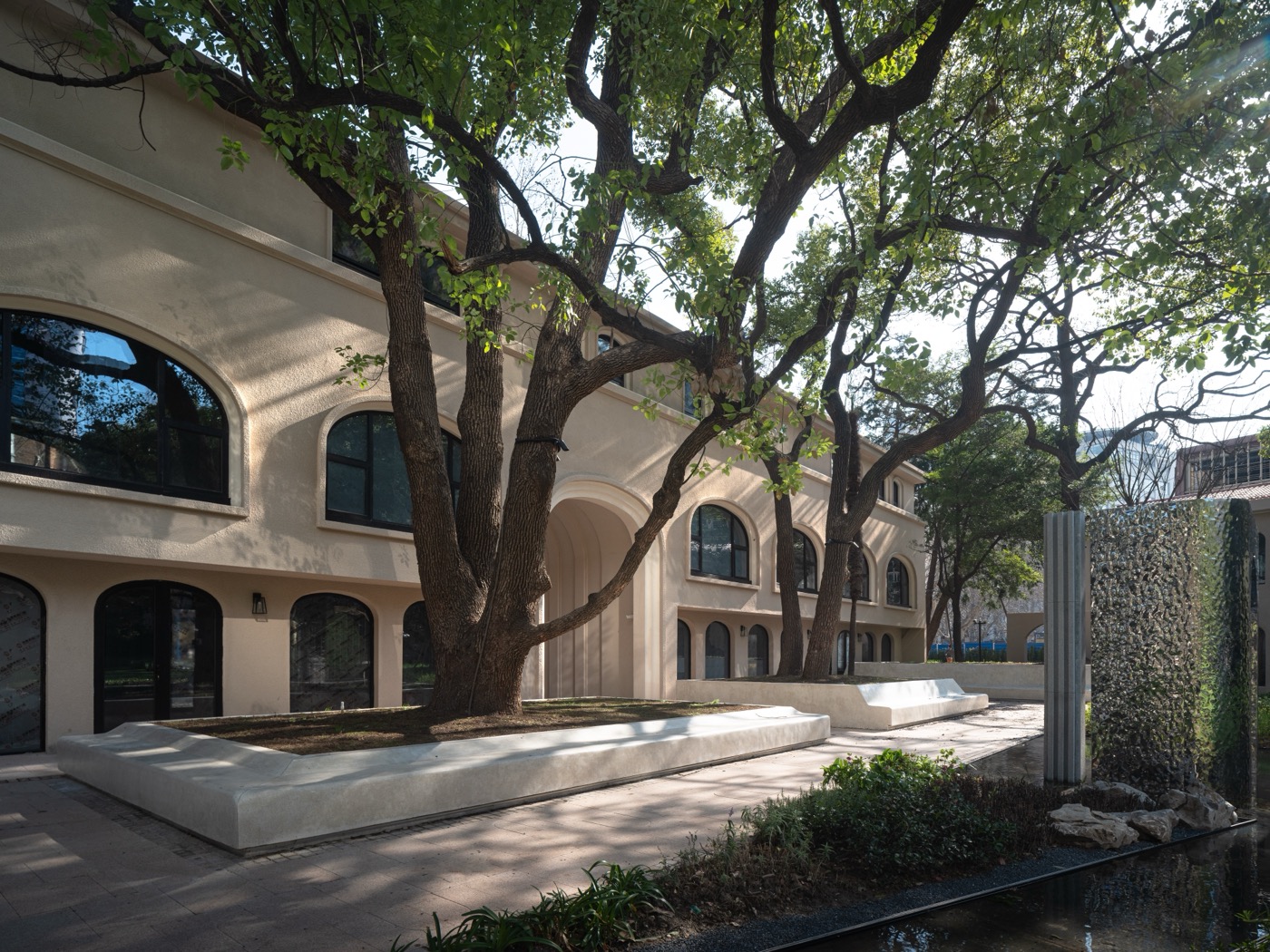
2. Design Methodology: The Syntax of “Palimpsestic Regeneration”
The design adopted “Subtle Intervention, Deep Stratigraphy” through three pillars:
(1) Ecological Syntax: “Full Life Cycle” Root Guardianship
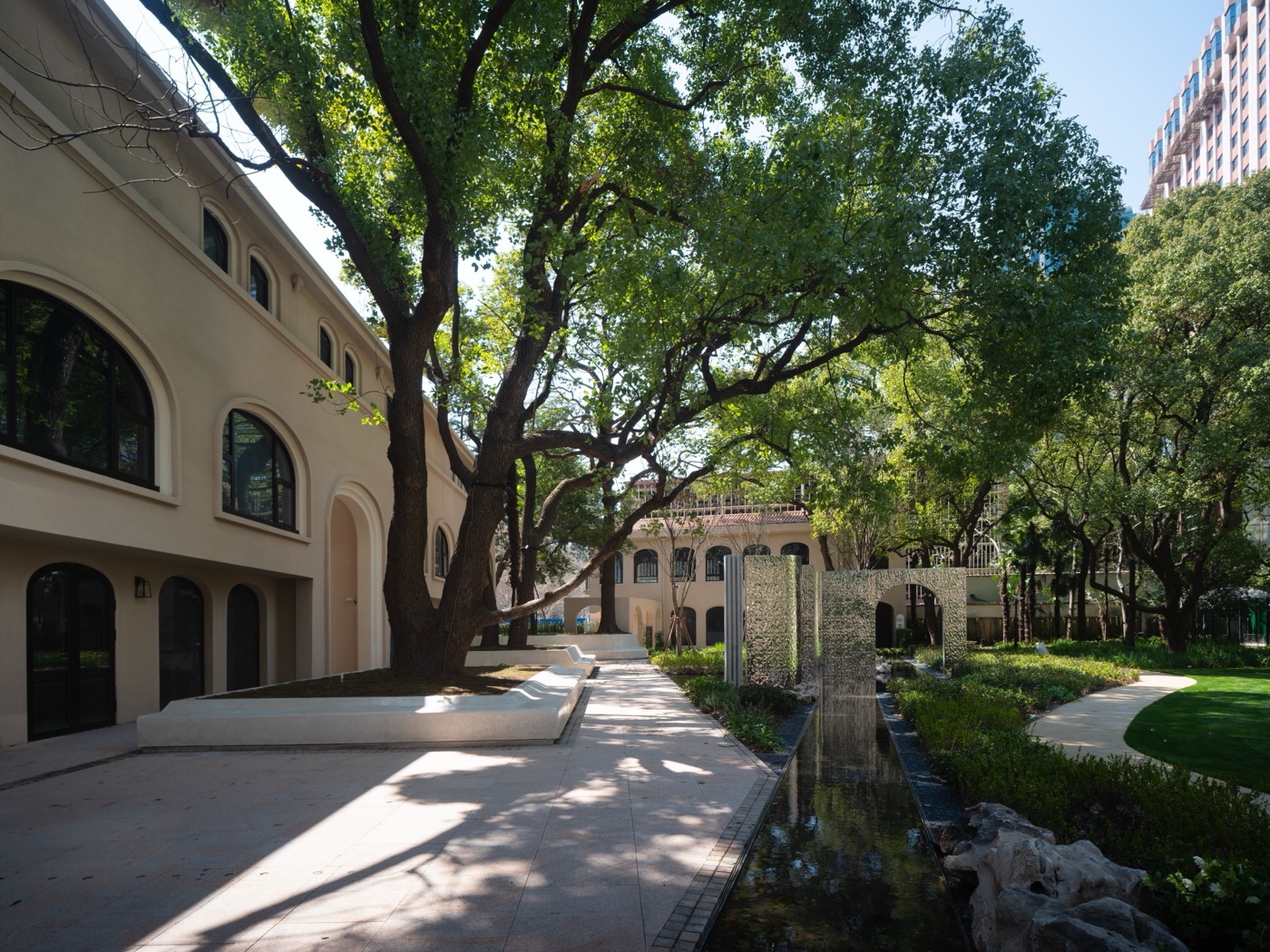
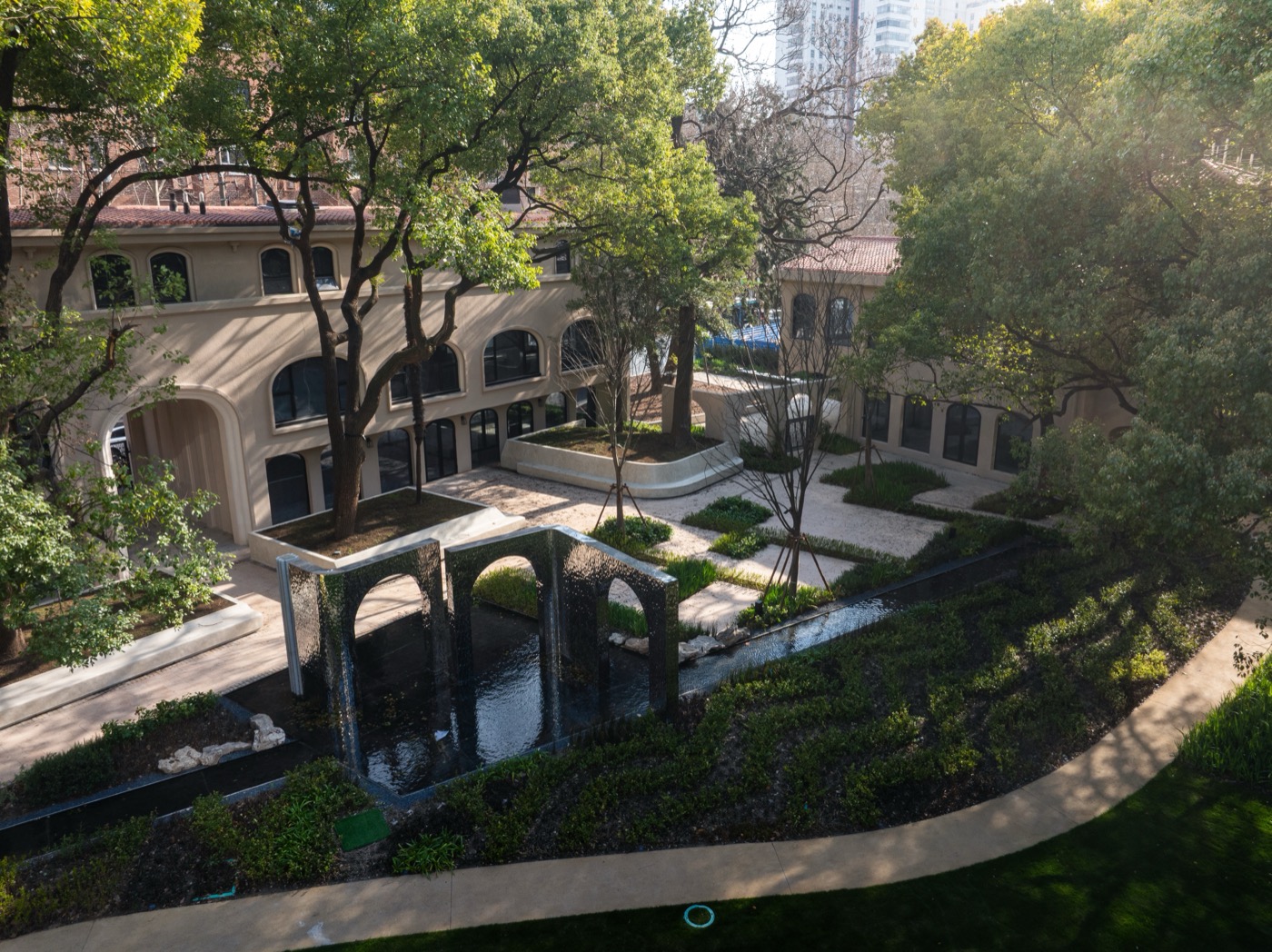
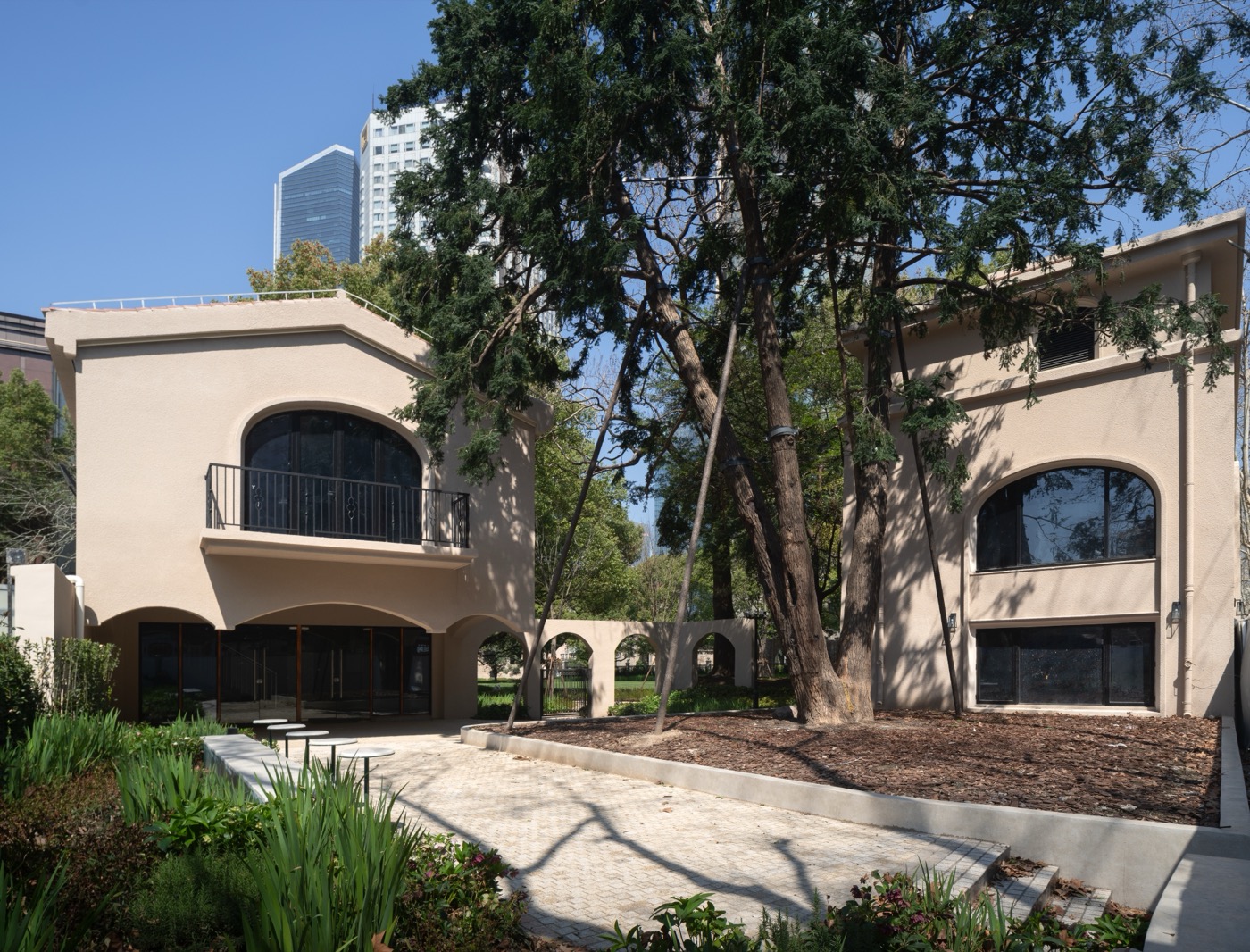
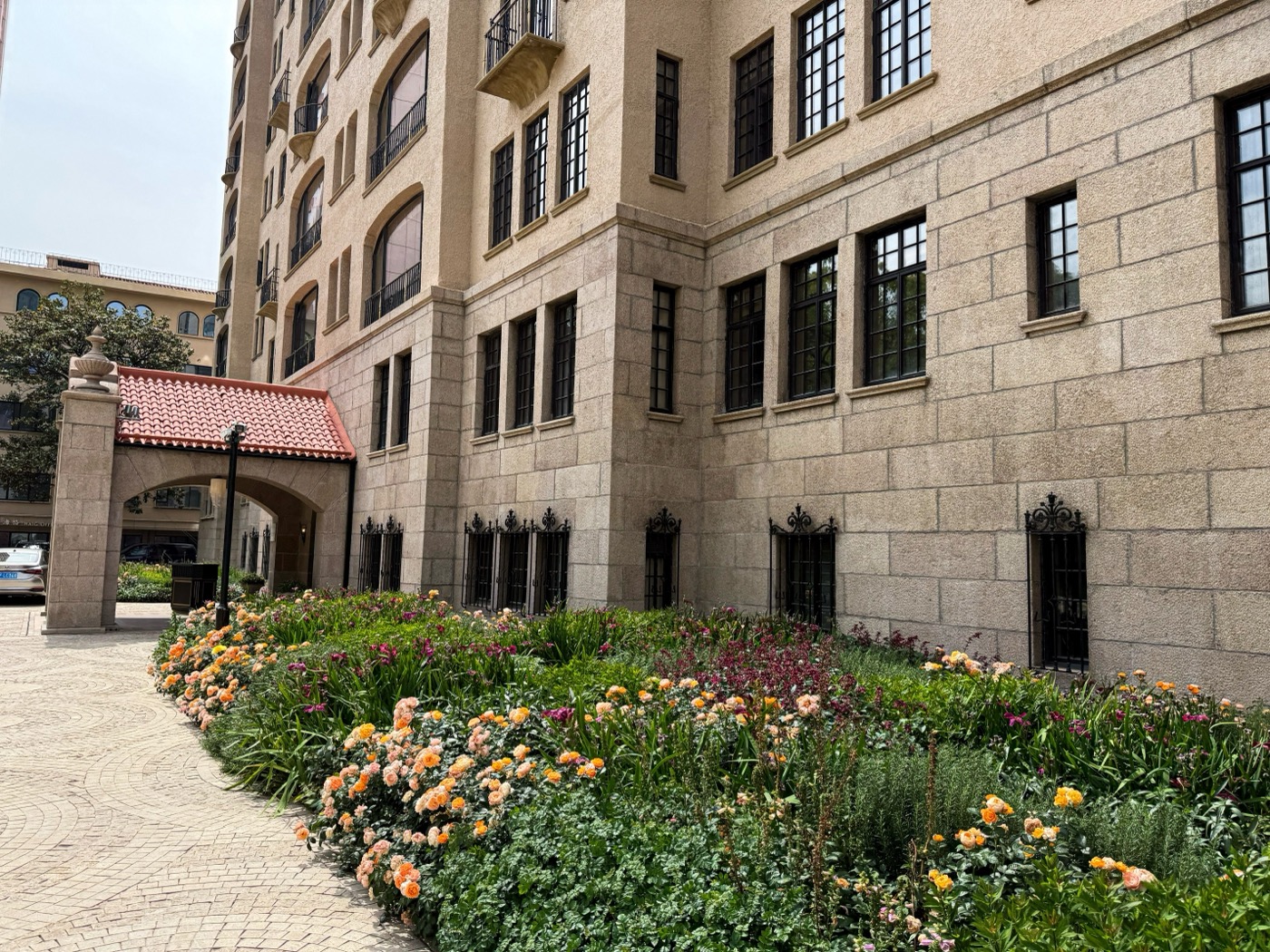
Adhering to “Structure First,” the project implemented a “Gradient Habitat Strategy.” Strict protection zones were established for the ancient trees using permeable paving. Inspired by Joaquín Sorolla, the design replaced mosquito-prone still water with a “Modern Haipai” palette (Rose Madder, Prussian Blue), achieving an ecological succession from “Enclosed Vegetation” to a “Garden of Light and Shadow.”
(2) Spatial Syntax: From “Blockage” to “Permeability”
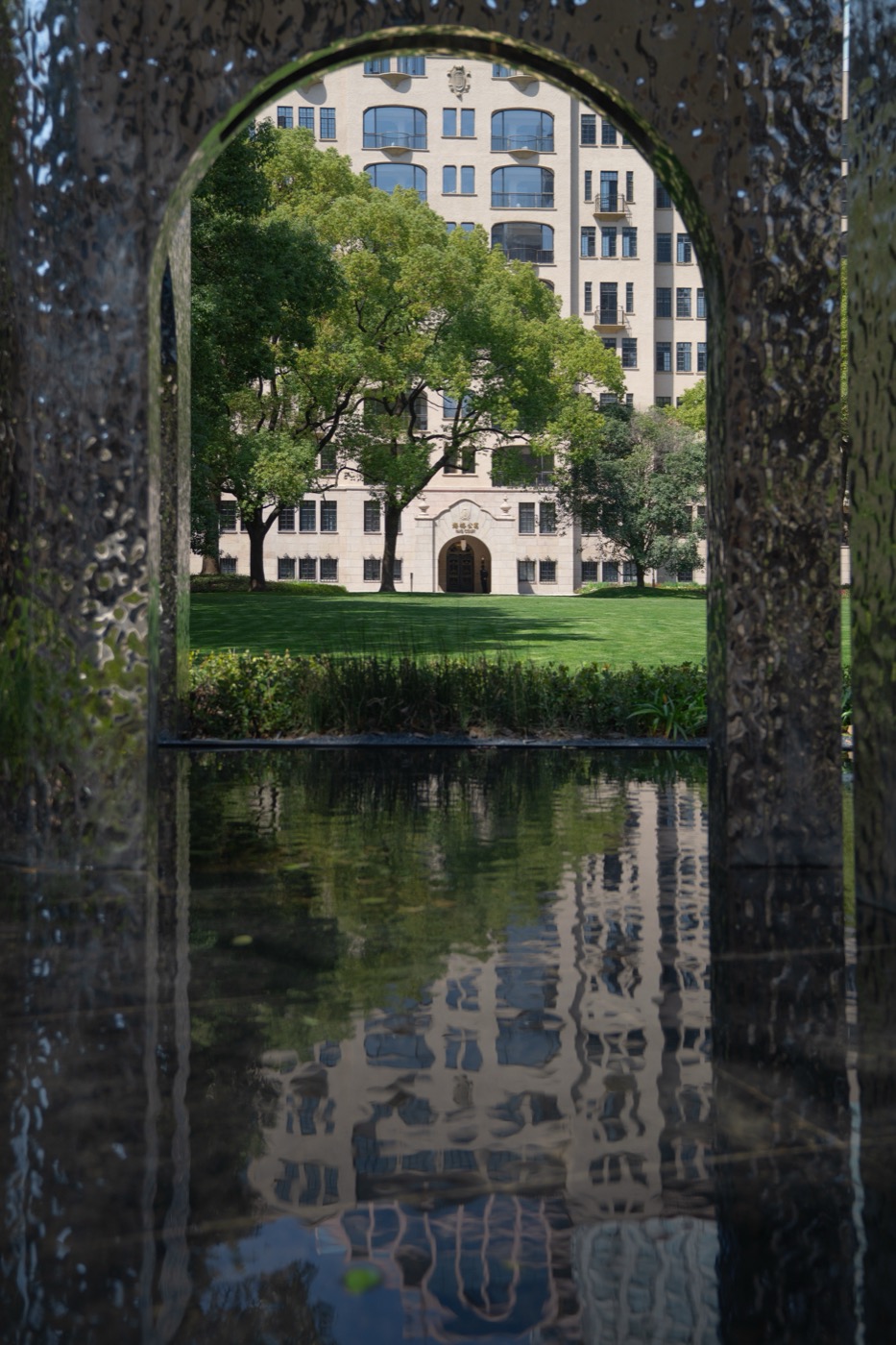
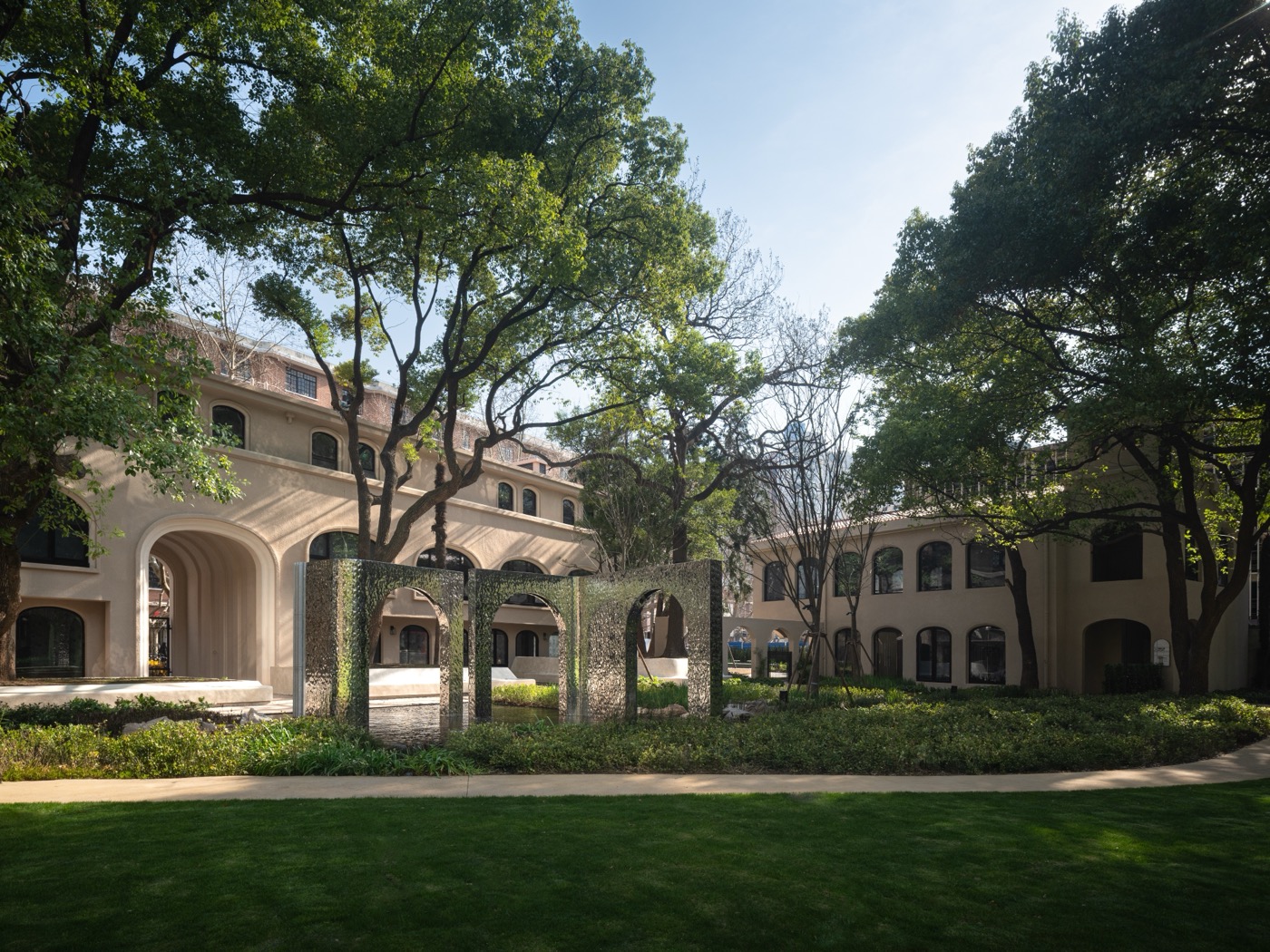
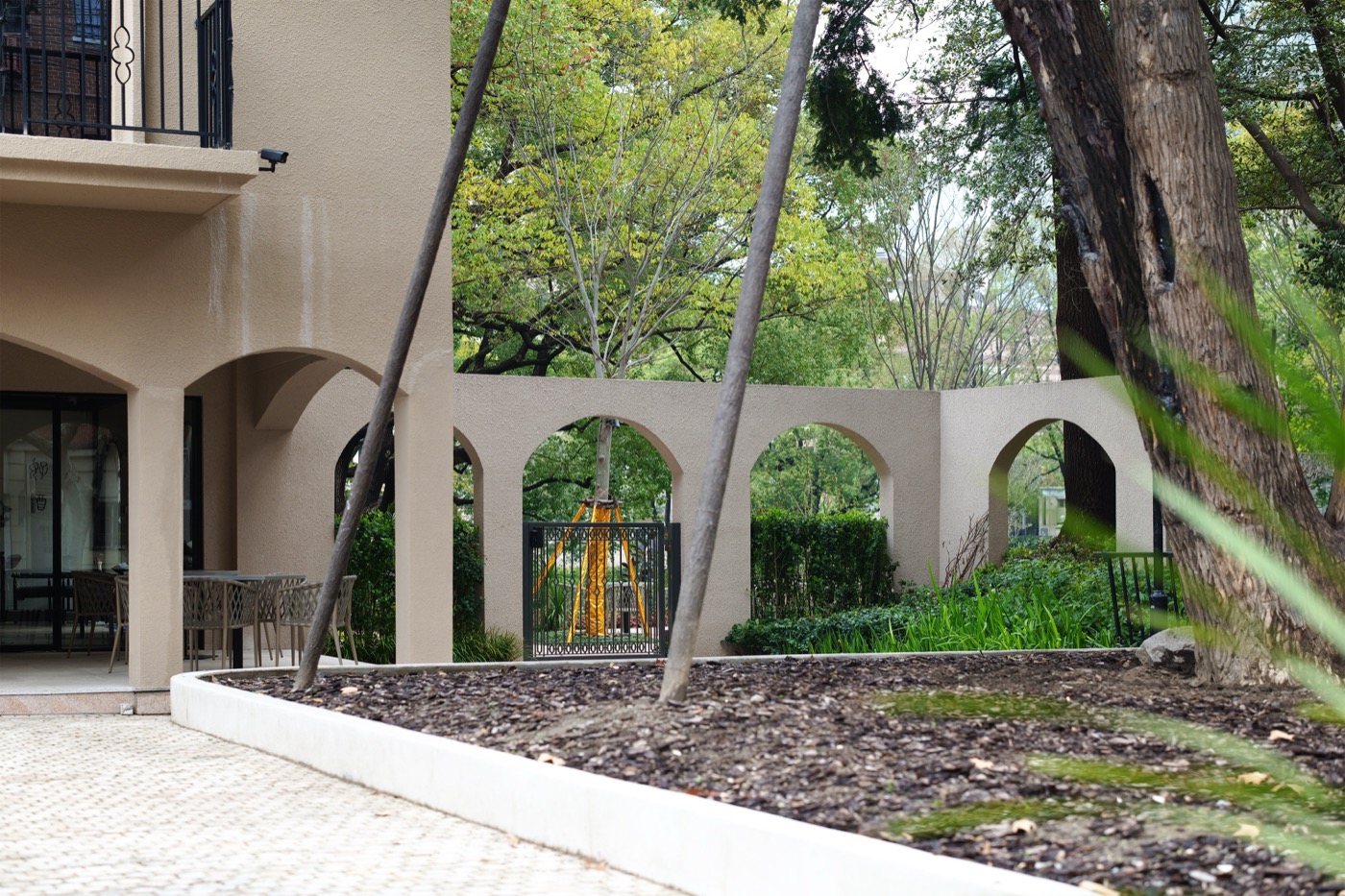
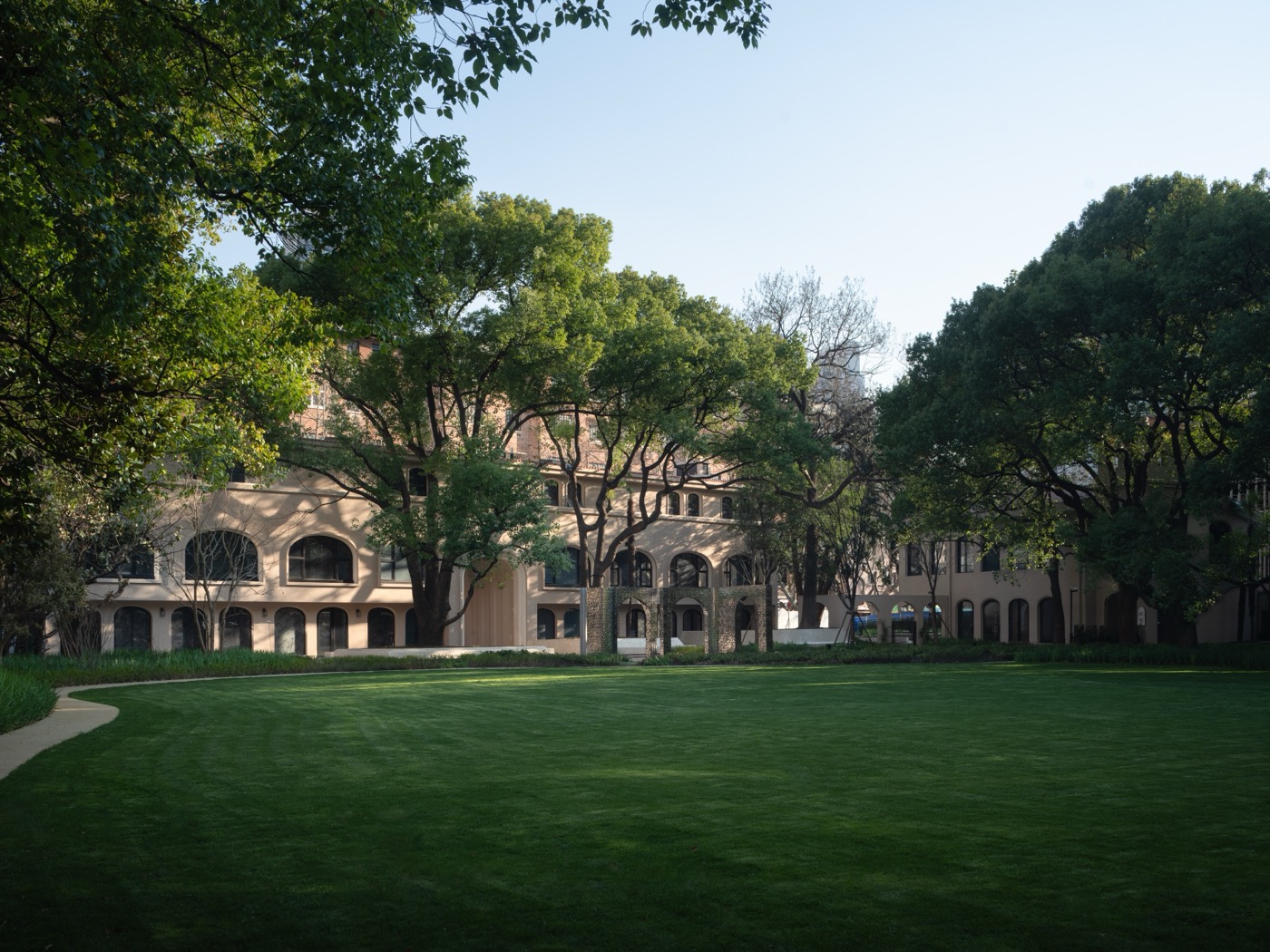
Acting as “Spatial Glue,” the design removed southern walls and rockeries. The garden morphed into a “Street Corner Pocket Park,” suturing into the Huashan Road corridor. Inversely applying “Borrowed Scenery,” the design “lends” greenery to the city via arch installations, achieving “Visual Accessibility without Physical Intrusion.”
(3) Cultural Syntax: Dialogue of the “Material Palimpsest”
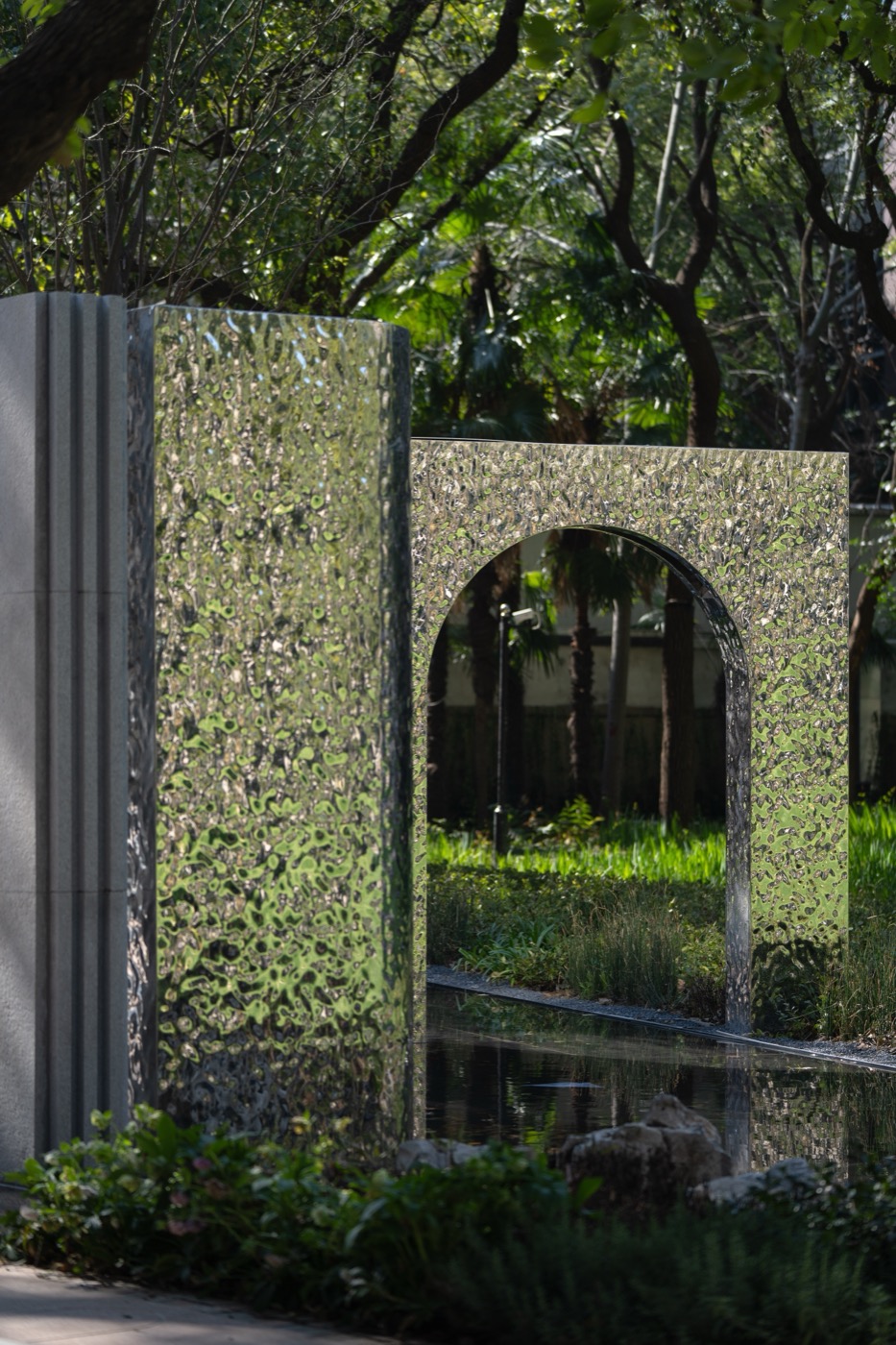
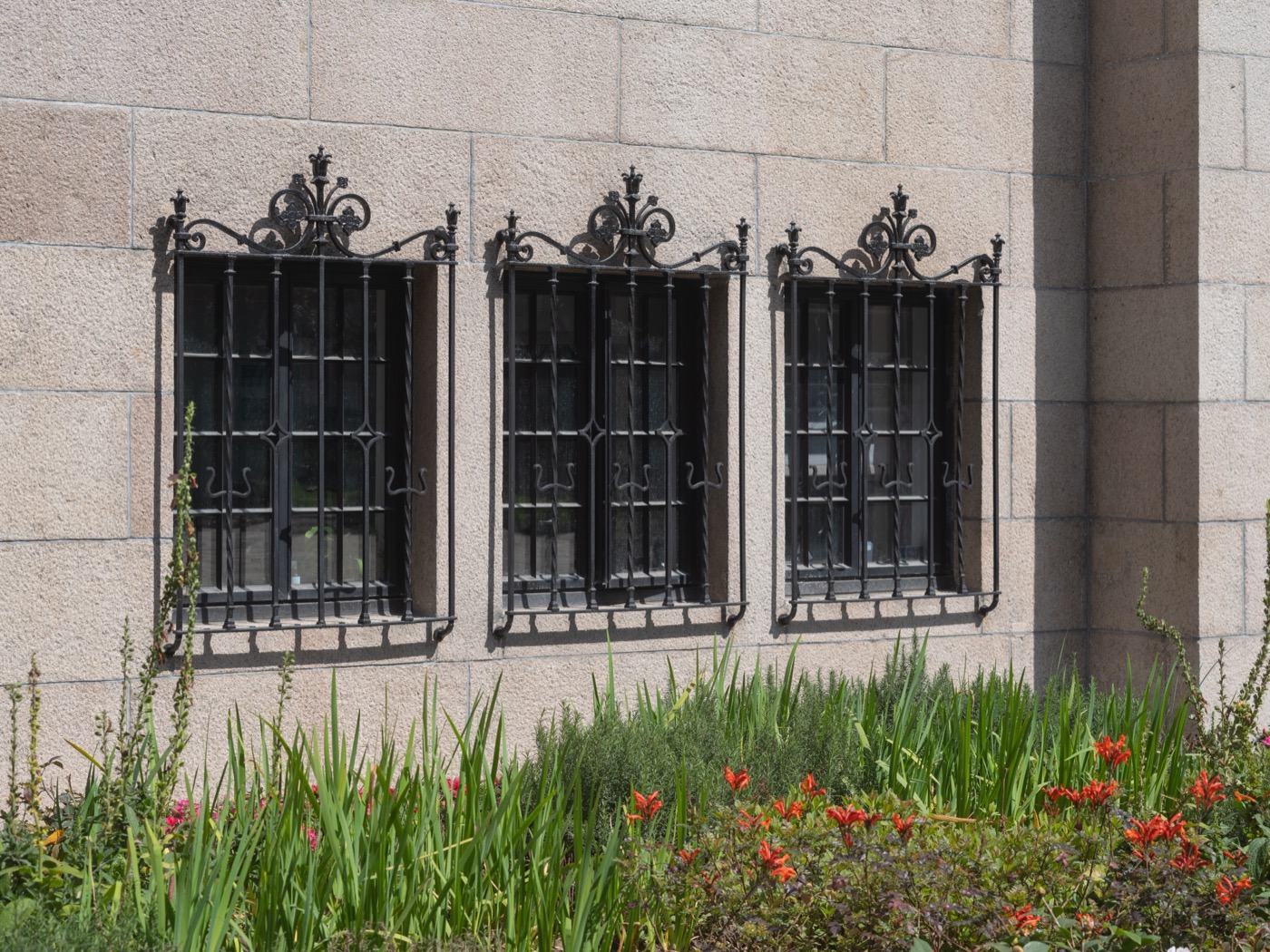
Re-created historical objects such as repurposed Taihu stones serve as scattered art nodes. Working with the water features, they allow the public to touch the texture of time and perceive Haipai elegance; abstracted arch and ironwork motifs harmonize “Hard Architecture” with “Soft Landscape.”A dynamic arch installation and water gallery replace the still water as the South Garden’s focal point. Connecting the garden with the building’s core, this creates a symmetrical yet dynamic sequence, establishing a “Dialogic Framing between History and Rebirth.”
3.Social Impact: The “Composite Garden” and the Invitation to Perceive
(1)The “Urban Living Room” of the 15-Minute Life Circle
Opening the southwest corner shifted the site from “Private Domain” to “Urban Node,” integrating it into the “15-Minute Community Life Circle.” Permeable boundaries allow citizens to approach history, while night lighting blurs public-private lines.
(2)The “Living Laboratory” of Heritage Conservation
The garden is an “Ecological Classroom.” It offers full life-cycle monitoring for ancient trees and a “Palimpsestic Experience,” where the public reads a three-dimensional archive of time and cultural fusion.
Conclusion: A Benchmark for Suture in a Fragmented City
The Haig Court Historical Garden provides a replicable benchmark for global historic regeneration. It demonstrates that resilience lies in “Symbiosis” rather than seclusion. This project is a “Seamless Suture,” inviting the city to participate in the continuous reading of century-old memory.
Client: Shanghai Jing’an Hotel Co., Ltd.
Project Management: Shanghai Education Construction Management Consulting Co., Ltd.
Design Institute: Shanghai Architectural Design & Research Institute Co., Ltd.
Interior Design: Hirsch Bedner Associates (HBA)
Ancient Tree Conservation Consultant: Shanghai Yuanglv Landscape Engineering Co., Ltd.
Art Consultant: Shanghai Ruishen Art Co., Ltd.
Landscape Design Team: Possibilism Design Studio/Kuo Yifong, Suen Manchun, Li Shenglan, Lo Kaixin, Chen Yu
Landscape Contractor: Shanghai Lvshen Ecological Gardening Co., Ltd.
Photography: SFAP, SADR, Possibilism Design Studio
31.220560076661588, 121.4404789560779
76530


LILA 2026 Sponsor