LILA 2026 Office Award
BASE
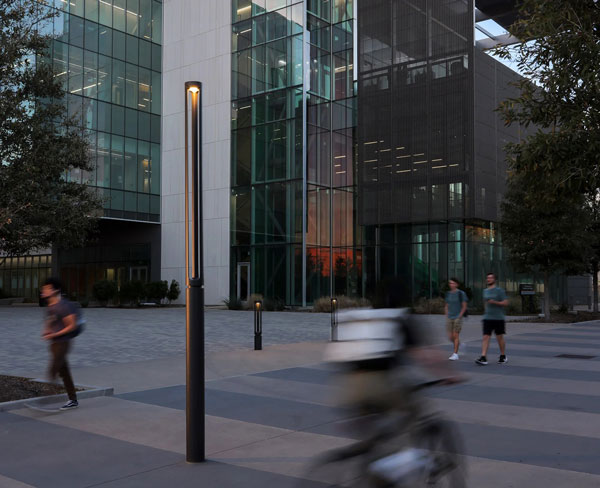
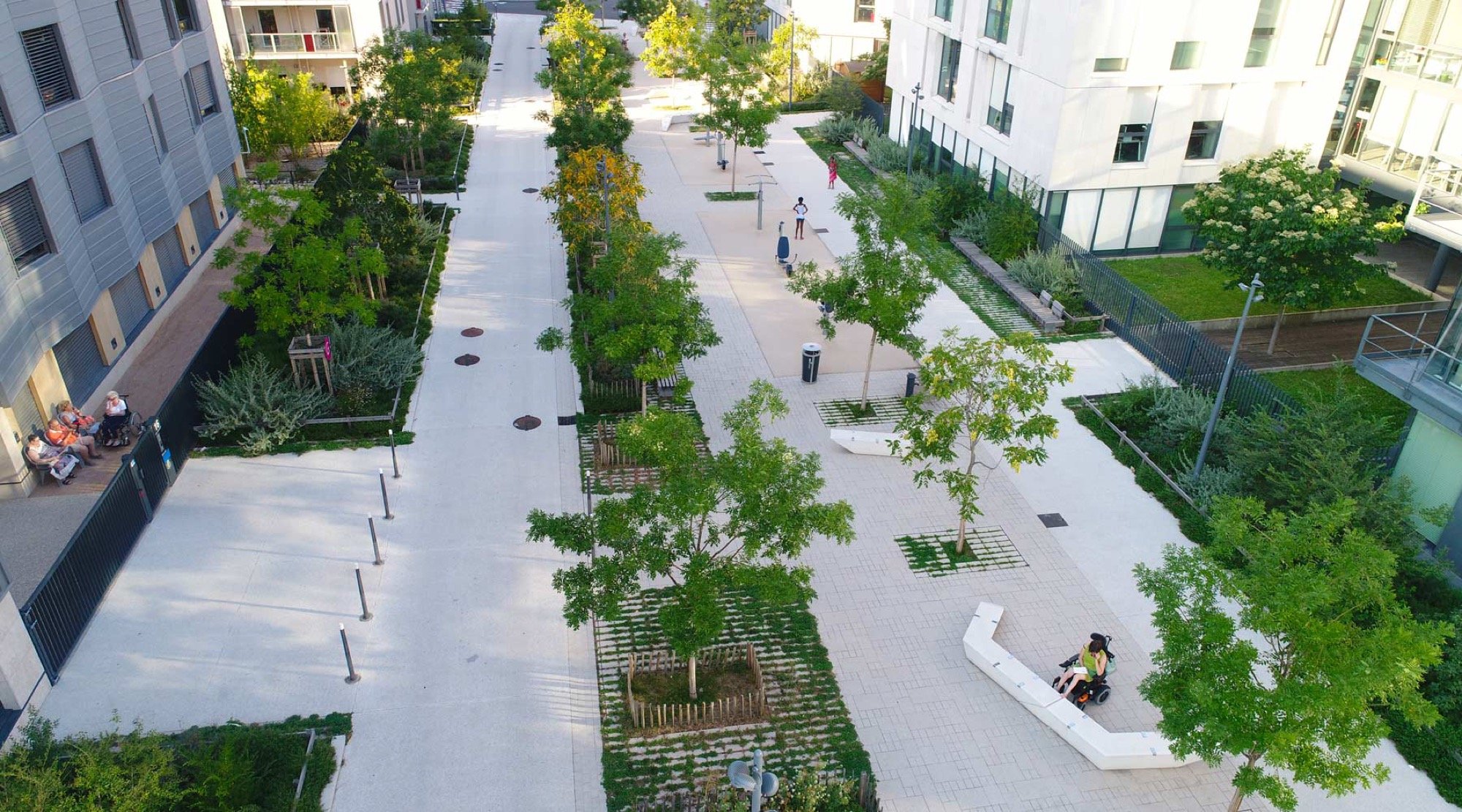
![Located in Lormont, on the right bank of Bordeaux, the Genicart district is a housing estate built in the sixties. In addition to restoring the buildings (Lan Architecture), the project proposes to create green ways, sporting equipments, traffic lanes and socializing sites in order to totally transform this district making it a contemporary car-free area. […]](https://landezine-award.com/wp-content/uploads/2017/07/Playground_Genicart_Sud-BASE-landscape-architecture-00-600x399.jpg "Playground in Génicart Sud")
![BASE is a landscape design, urban design and urban planning agency founded in 2000 by Franck Poirier, Bertrand Vignal and Clément Willemin, DPLG (certified by the French government) landscape designers from the Ecole Nationale du Paysage de Versailles. BASE combines the whole of the skills related to urban and landscape design. On the one hand, […]](https://landezine-award.com/wp-content/uploads/2016/10/BASE_06082_px2500-s-600x399.jpg "BASE")
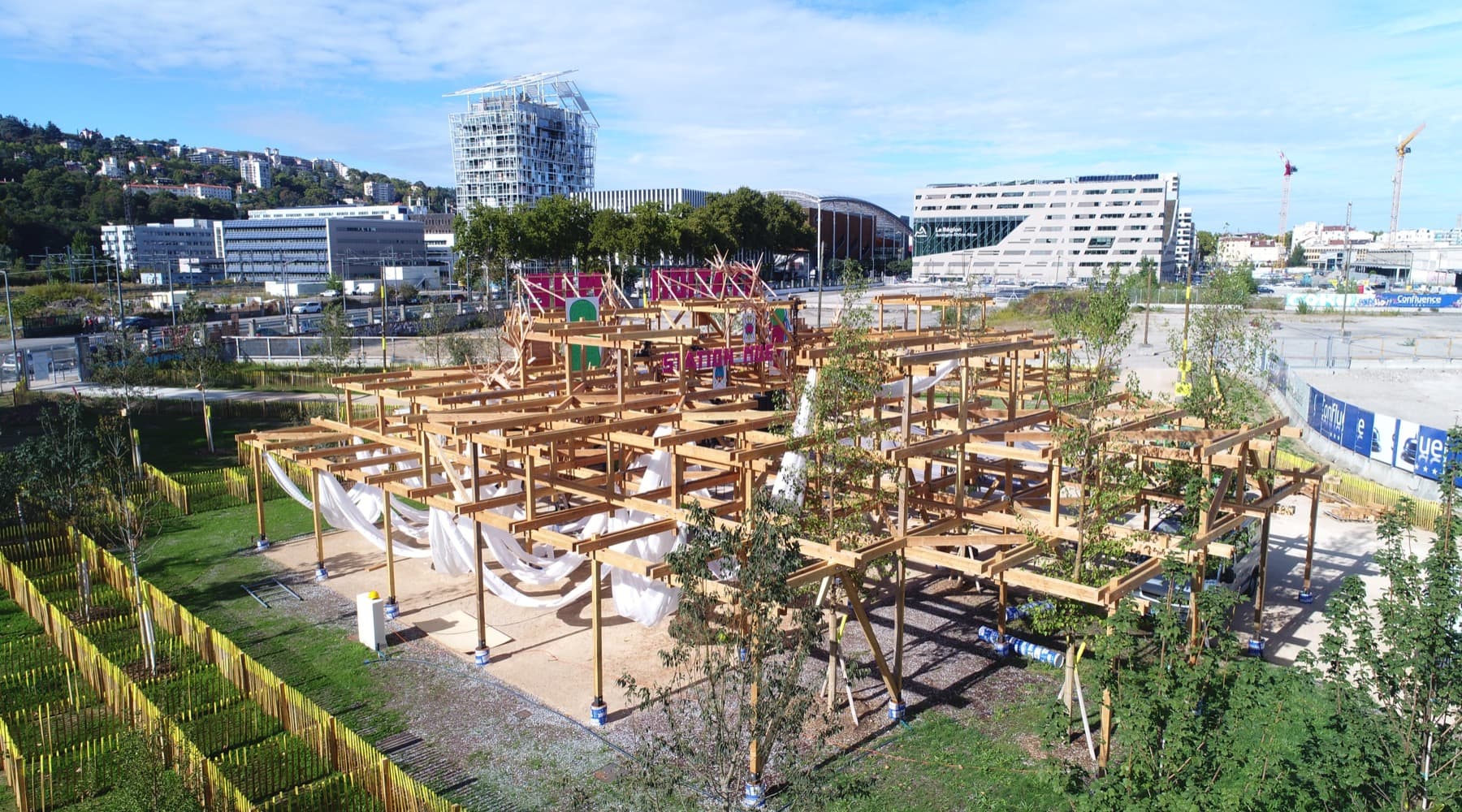
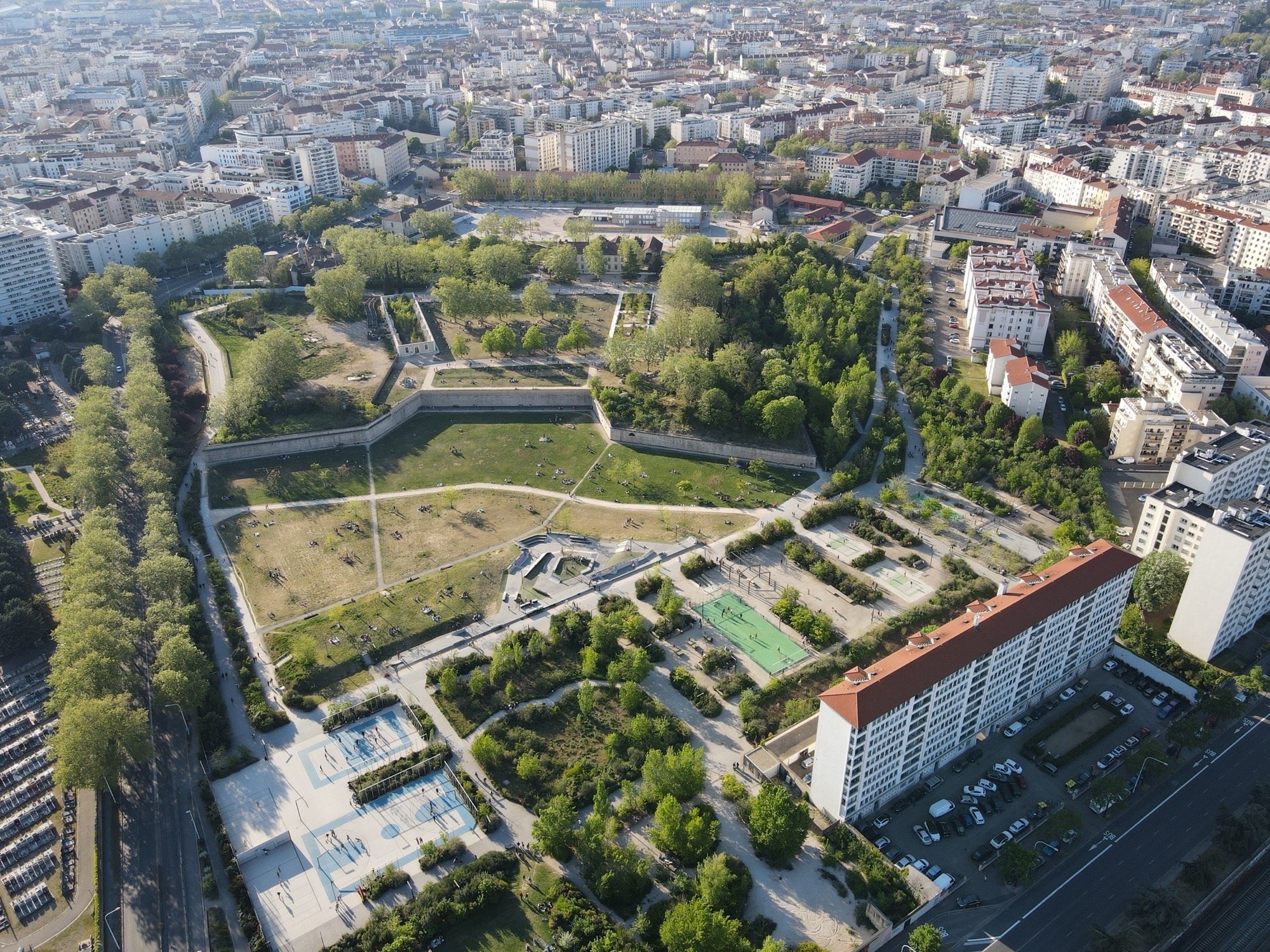
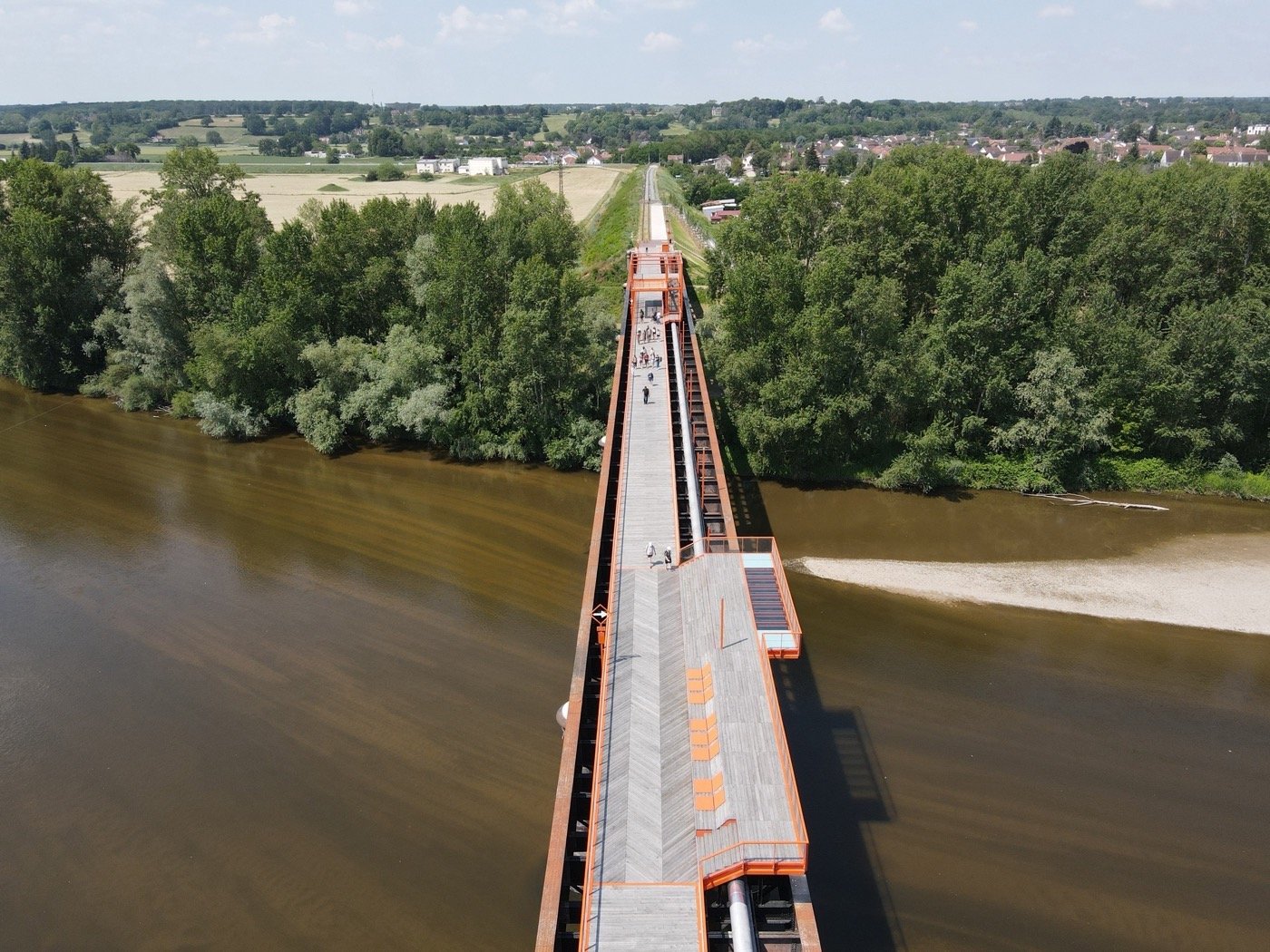
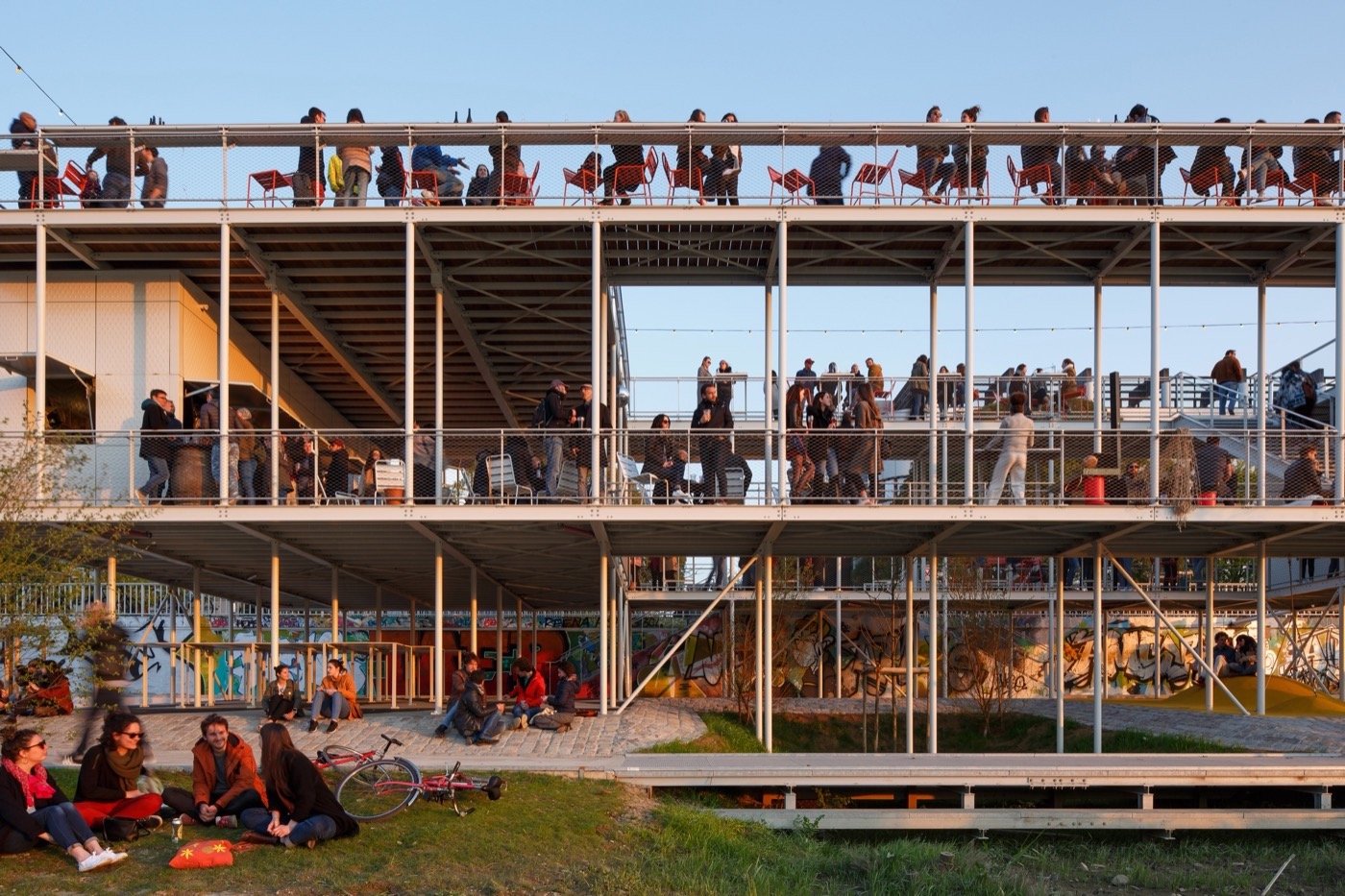
The LILA 2026 Office Award is presented to BASE, the French landscape architecture office founded by Franck Poirier and Bertrand Vignal. The office is recognised for a body of work that is imaginative and socially alert. Across parks, streets, waterfronts, neighbourhoods, productive landscapes, brownfields, and territorial strategies, BASE has demonstrated command of the full scope of landscape practice, from detailed public spaces to large-scale transformations. Since 2000, the office has grown into a large practice working from Paris, Lyon and Bordeaux. But BASE has retained a rare willingness to experiment and disrupt, a quality that often becomes harder to protect as offices grow. This is evident throughout their portfolio of complex urban environments, expanding what these places can become by embracing risk. They refuse to create spaces that are too determined, predictable and even too safe. BASE has repeatedly argued that public space should allow users to take risks they could not take elsewhere, pushing risk right up to the legal limits.
This attitude shows how offices can embrace a more activist stance through design itself, as it changes the very perception of how communities inhabit open space and how the texture of publicness is experienced. It addresses an important issue in which much of the contemporary production of space is over-regulated by safety concerns, producing spaces that limit users’ capacity to develop judgement and adaptive skills. In this sense, risk, when taken seriously and responsibly, deepens engagement with landscapes otherwise flattened by the cushioning of public space.
Our Work Lies on Freedom of Spirit – Read the interview with BASE on Landezine
They specifically address the necessity of human contact at a time when our attention and engagement are increasingly being absorbed by technology. While they acknowledge all technical, ecological, and safety constraints in the production of open space, they add that public space must not only address those conditions. They stress the discipline’s imaginative capacity to suggest a vision and leave spaces open and partly unresolved.
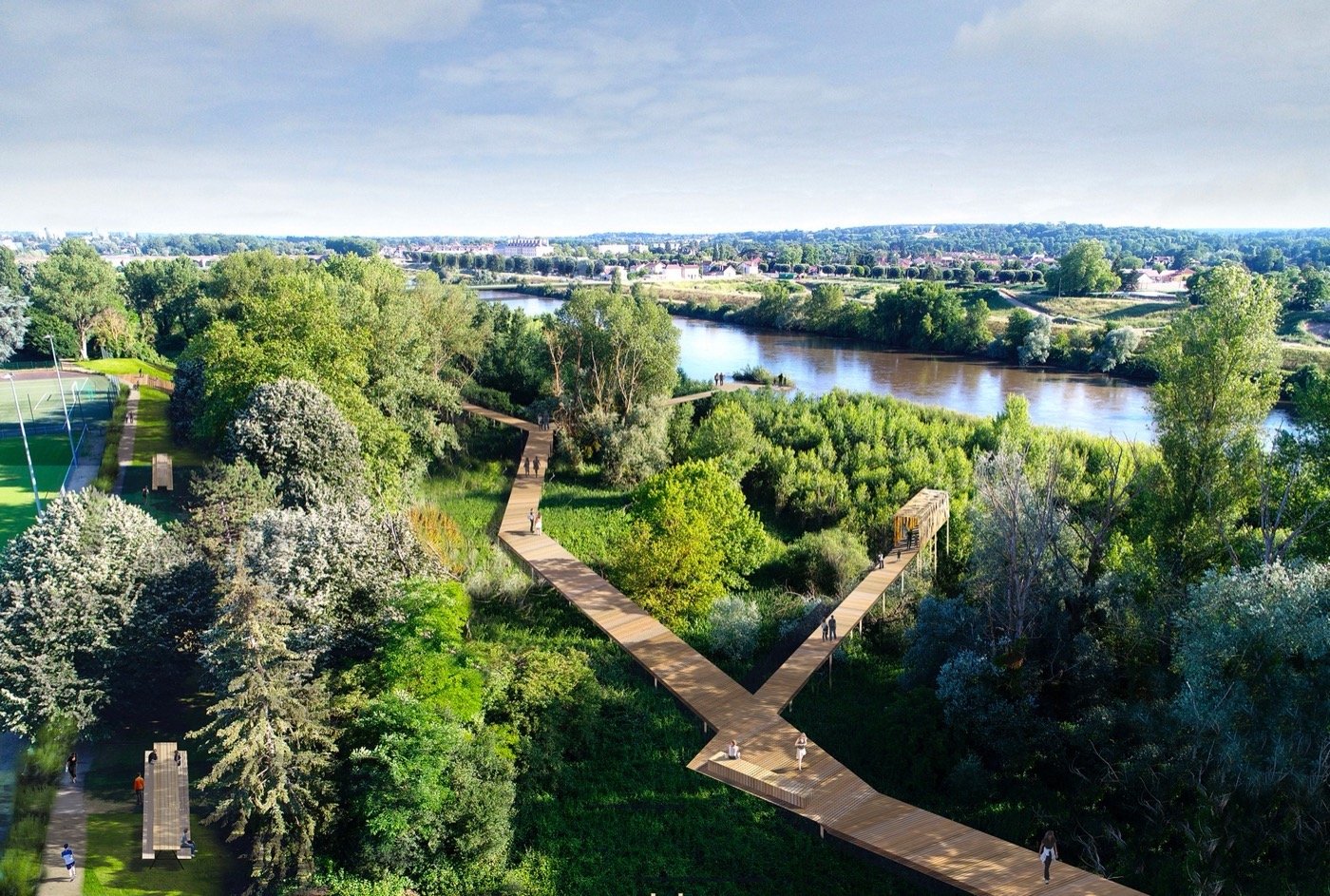
BASE brings the same intelligence to sites of ecological disrepair, where nature is not reduced to a harmonious decorative sanctuary but instead left open, often allowed to appear unpredictable, unstable, relational, and sometimes threatening. Their projects suggest that the city can still surprise its inhabitants, and that landscape architecture can take risks on behalf of collective life. For this courage, political intelligence and sustained inventiveness, BASE is awarded the 2026 LILA Office Award.


LILA 2026 Sponsor