Araraquara Nautical Club
www.licuripaisagismo.com.br
2026 Landscape and Architecture / 2026 Revisited Landscapes / Brazil / Built in 2010 /
![Viva Energia Park was implemented during the first stage of Vivapark Porto Belo, the first park neighborhood in Brazil, located in Porto Belo on the Emerald Coast in southern Brazil. It is a green area featuring two constructed lakes designed for flood control and water retention, framed by native vegetation, lawns, leisure amenities, and specially […]](https://landezine-award.com/wp-content/uploads/2026/05/0_hero-image_VOKKANⓒ-600x417.jpg "Viva Energia Park")
![The Green Golf Residence is located in Campinas, in the state of São Paulo. The landscape design for the residence created a welcoming and vibrant garden featuring organic shapes and tropical vegetation that enhance the clean, rectilinear geometry of the architecture. The project also includes the design of a recreational area featuring a swimming pool […]](https://landezine-award.com/wp-content/uploads/2026/05/00_HERO-IMAGE-©Favaro-Jr-600x399.jpg "Green Golf Residence")
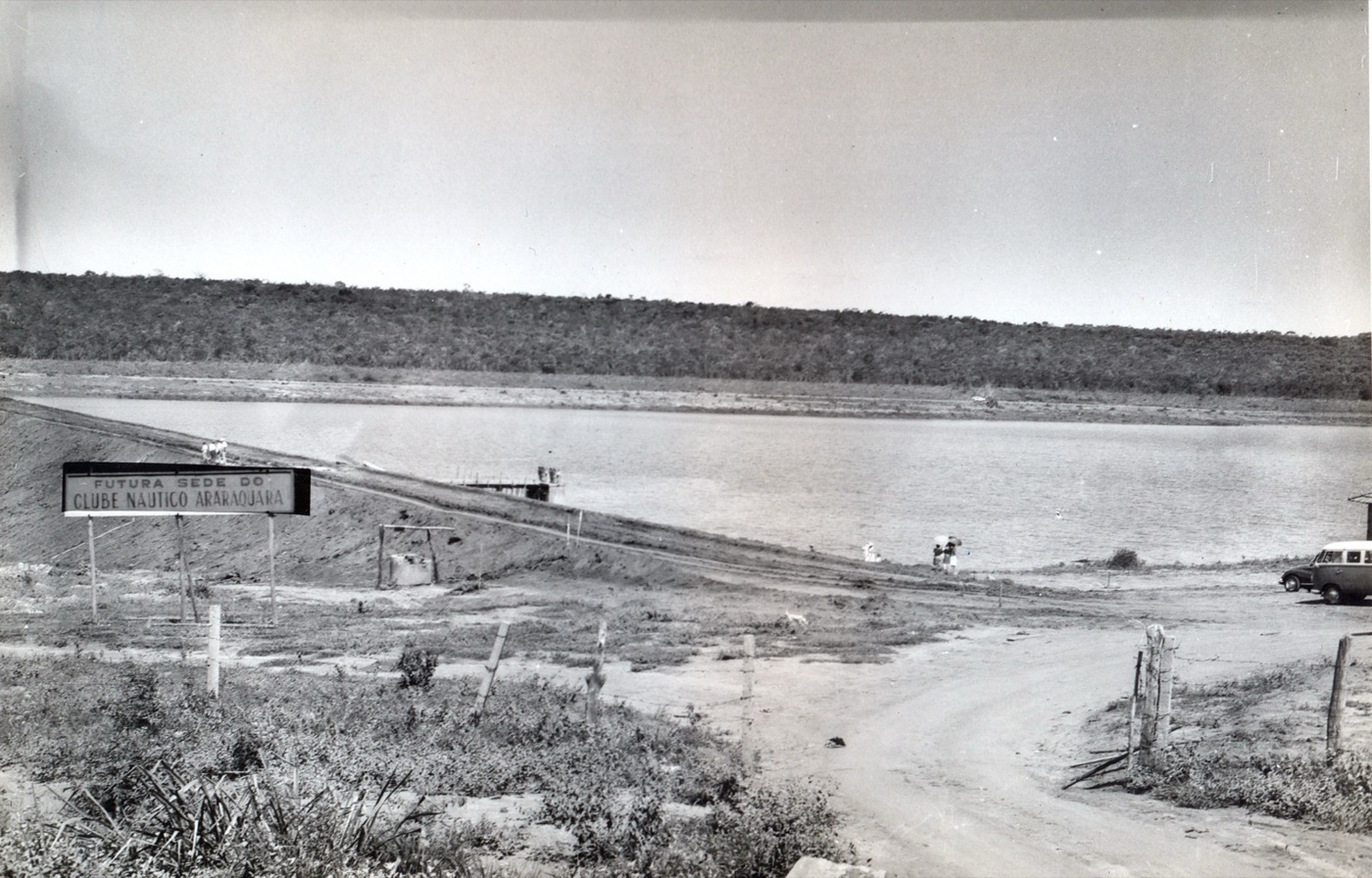
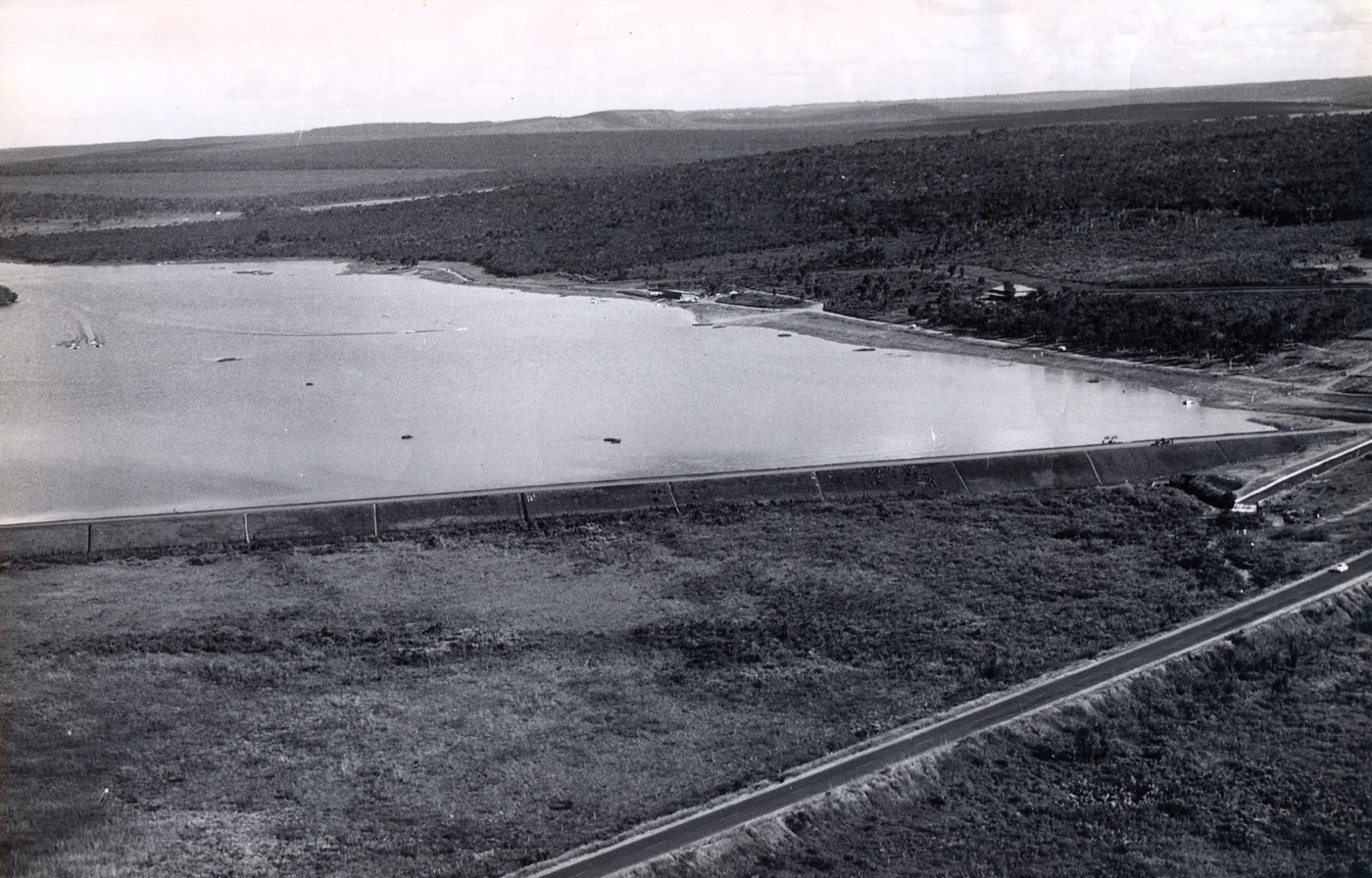
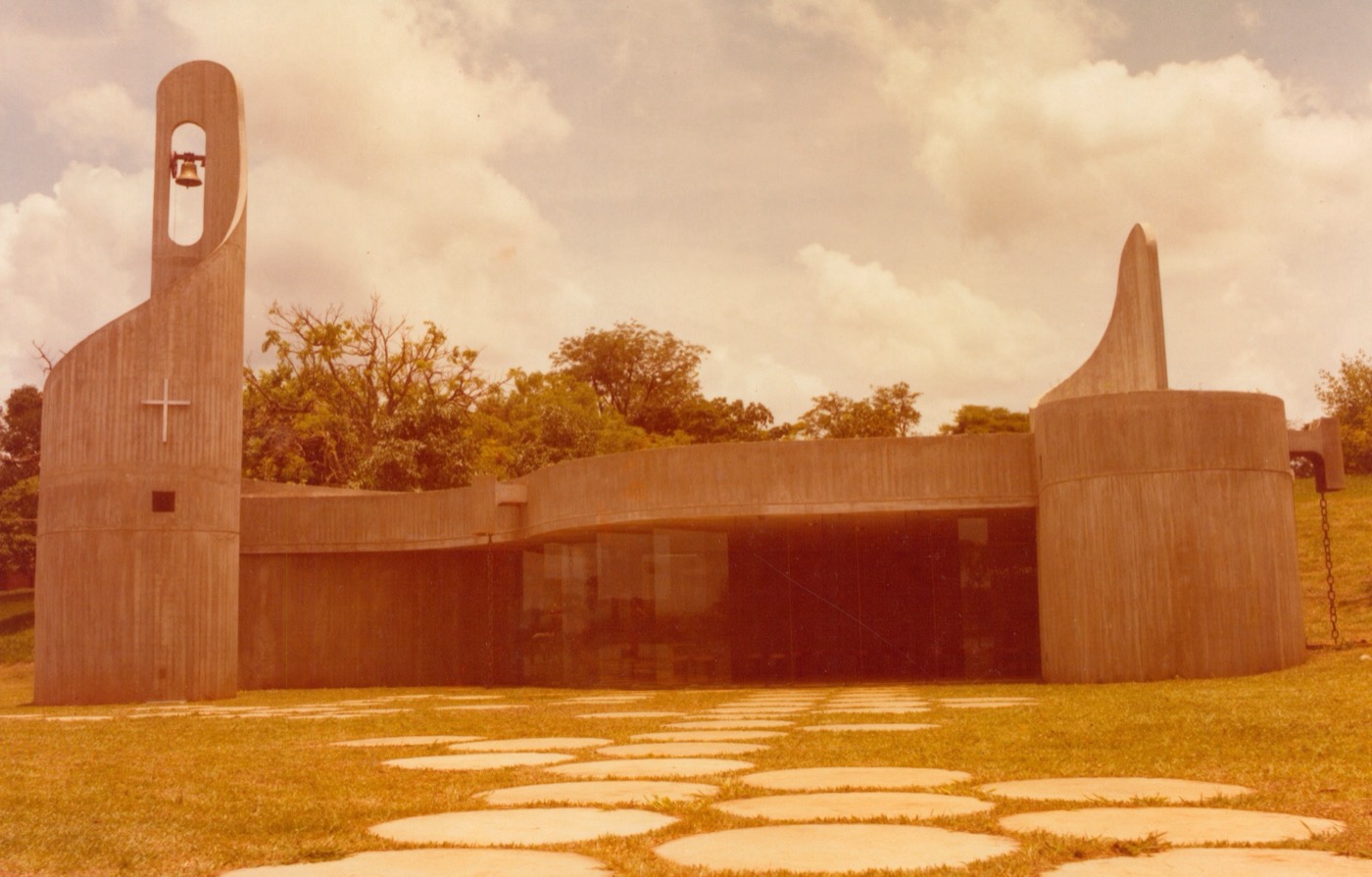
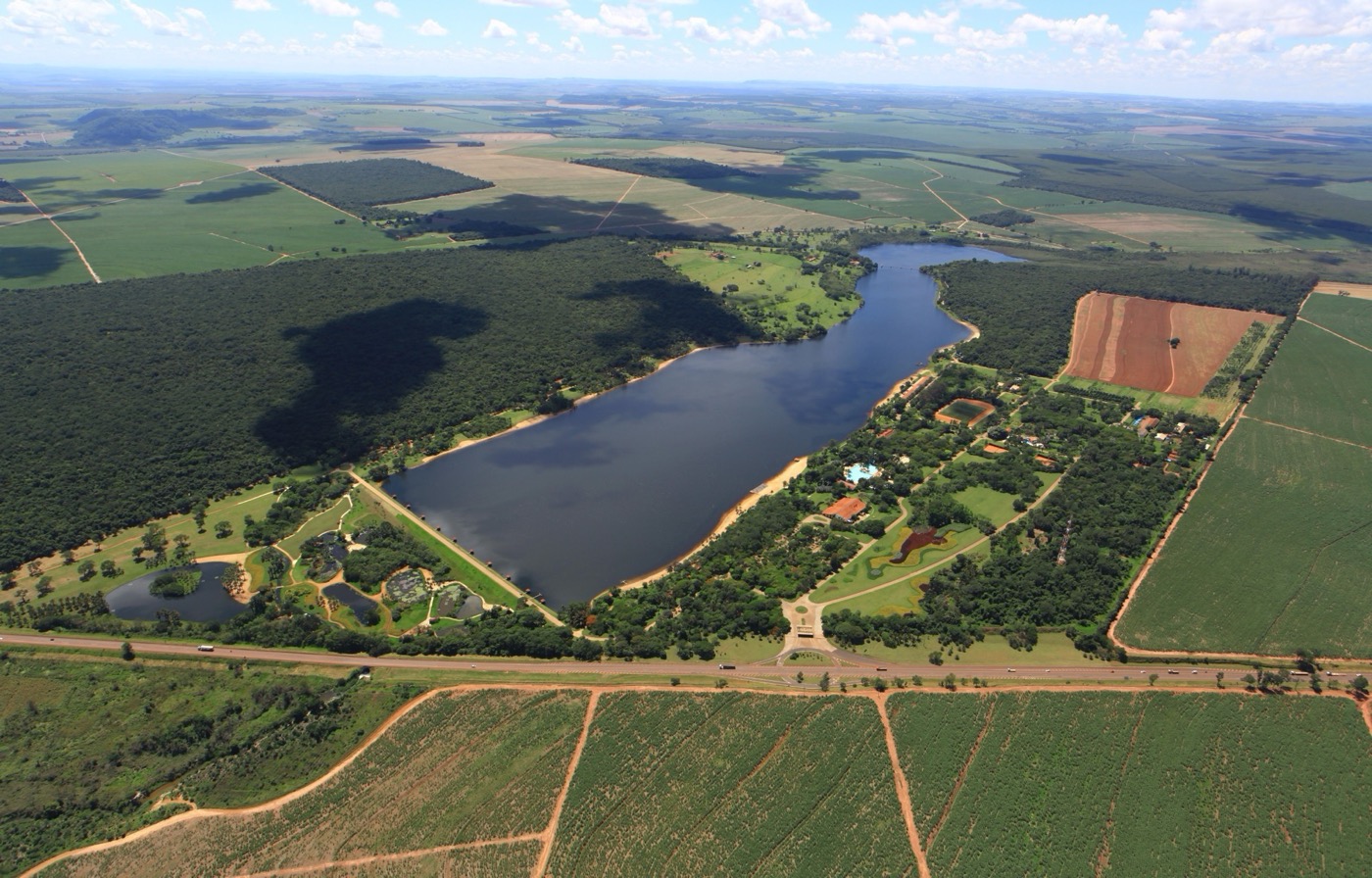
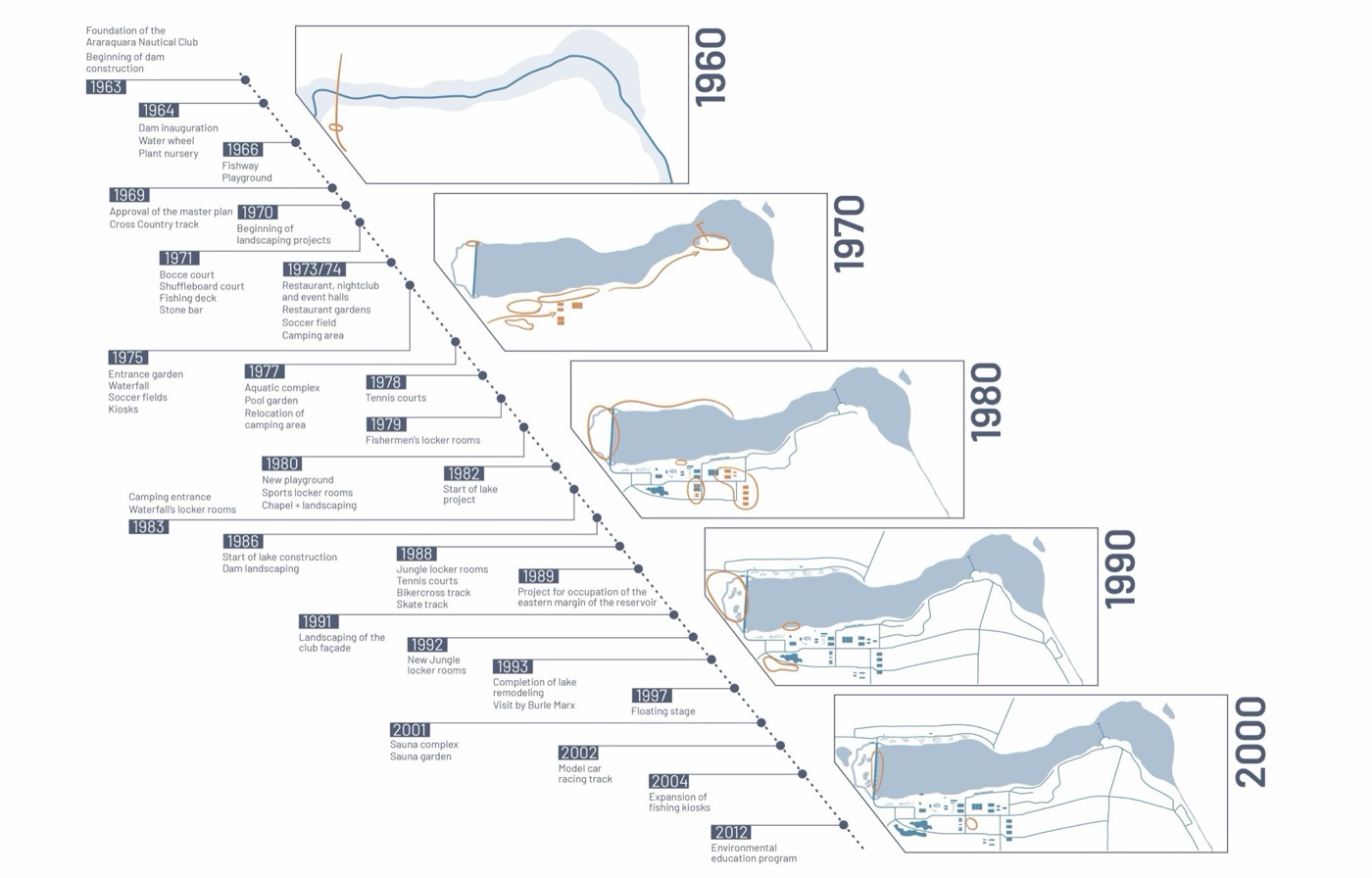
The Nautical Club of Araraquara was founded in 1963 on a 664-hectare site. Its origins can be traced back from the interest of a group of colleagues passionate about water skiing, who built the reservoir in 1964 and developed a Master Plan for the club.
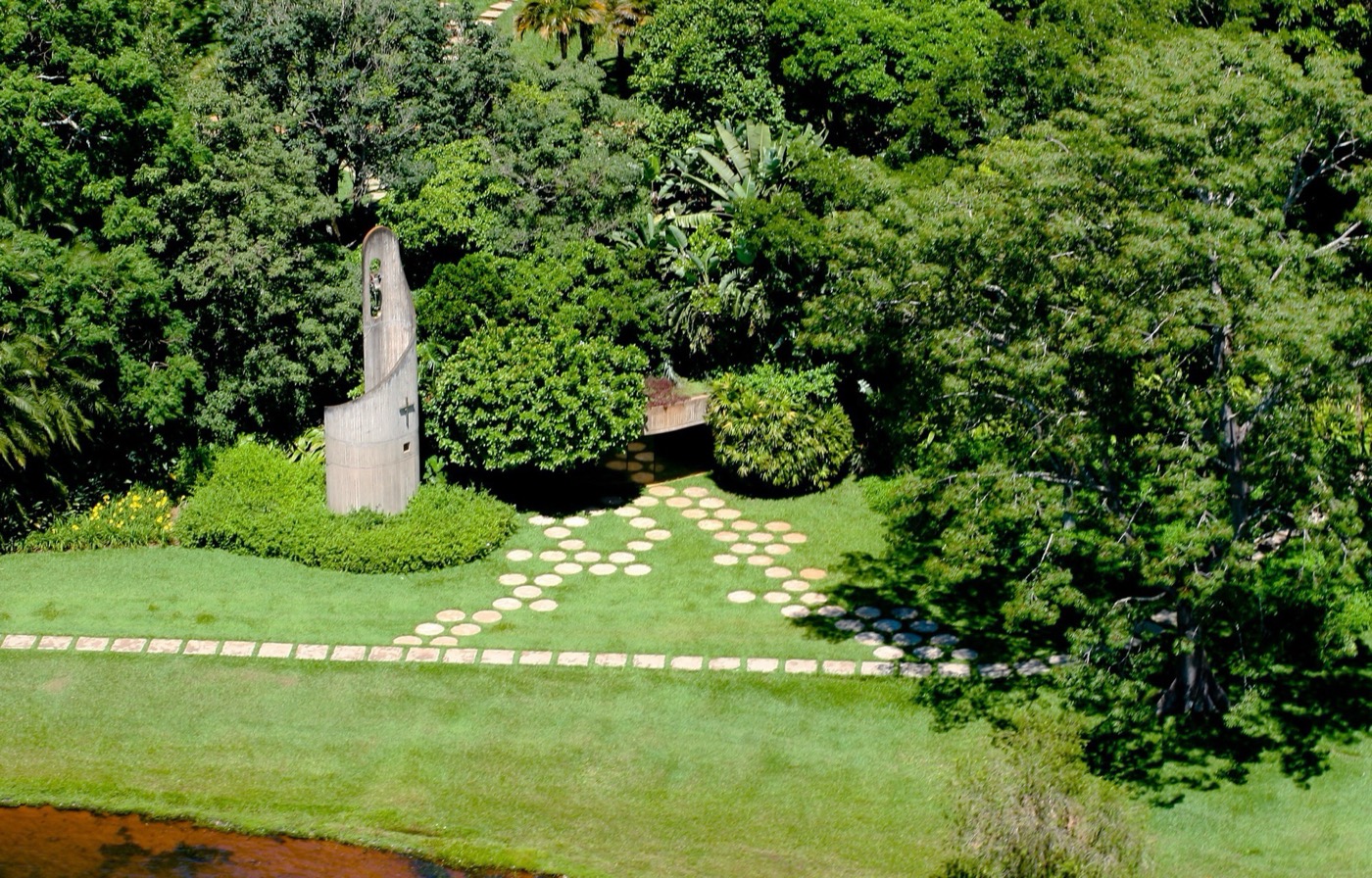
The board of directors regarded the landscape with great responsibility, appointing the agronomist Luiz A. F. Matthes to design the club’s gardens in 1970. The site was characterized by sandy, nutrient-poor soils, with pastures, orange groves and remnants of Cerrado biome.
Matthes developed a landscape master plan for the club and gradually implemented the gardens in open areas while the construction of buildings, circulation routes and infrastructure were completed. From 1997 onward, he collaborated with landscape architect André Graziano, with whom he founded Licuri Paisagismo, maintaining the monthly technical visits to the club initiated in 1972. In 2018, Cauê Martins joined the team to support fieldwork and project development. Luiz remained the central figure in shaping and transforming the club’s landscape.
-
- 1960s
-
- 1960s
-
- 1980
-
- 1982
-
- 1993
-
- 1990s
-
- 1993
-
- 1995
-
- 2009
-
- 2009
-
- 2009
-
- 2009
-
- 2009
-
- 2009
-
- 2009
-
- 2013
-
- 2013
-
- 2013
-
- 2013
-
- 2013
-
- 2019
-
- 2020
-
- 2020
-
- 2020
-
- 2020
-
- 2020
-
- 2020
-
- 2021
-
- 2022
-
- 2022
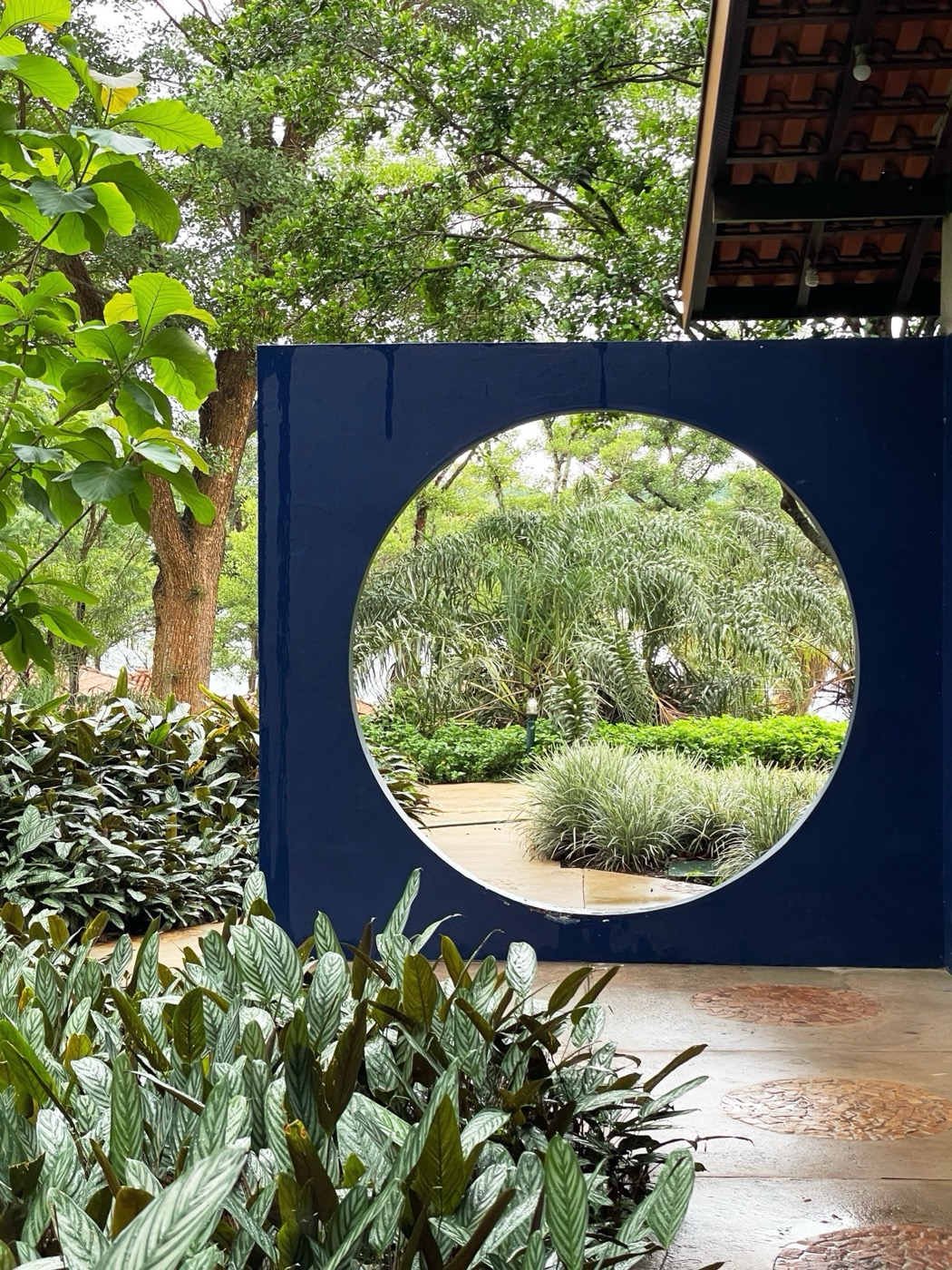
After 50 years of landscape design and technical guidance, the club has become a benchmark for environmental preservation and a place of stunning gardens, characterized by remarkable diverse vegetation and aesthetics, as well as multiple spaces where the grandeur of the landscape composition can be experienced in all its aspects.
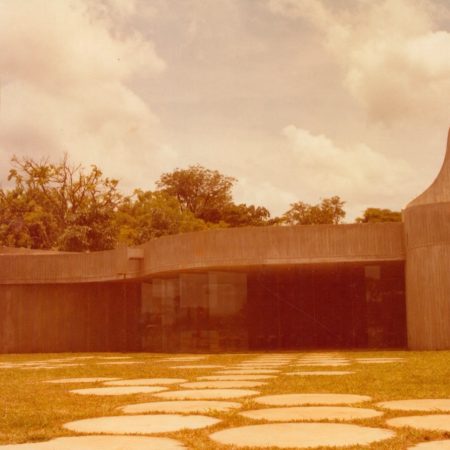
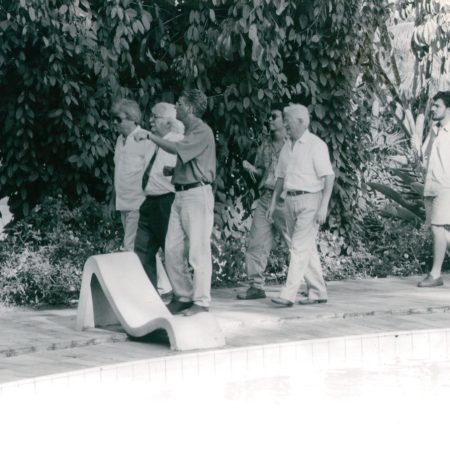
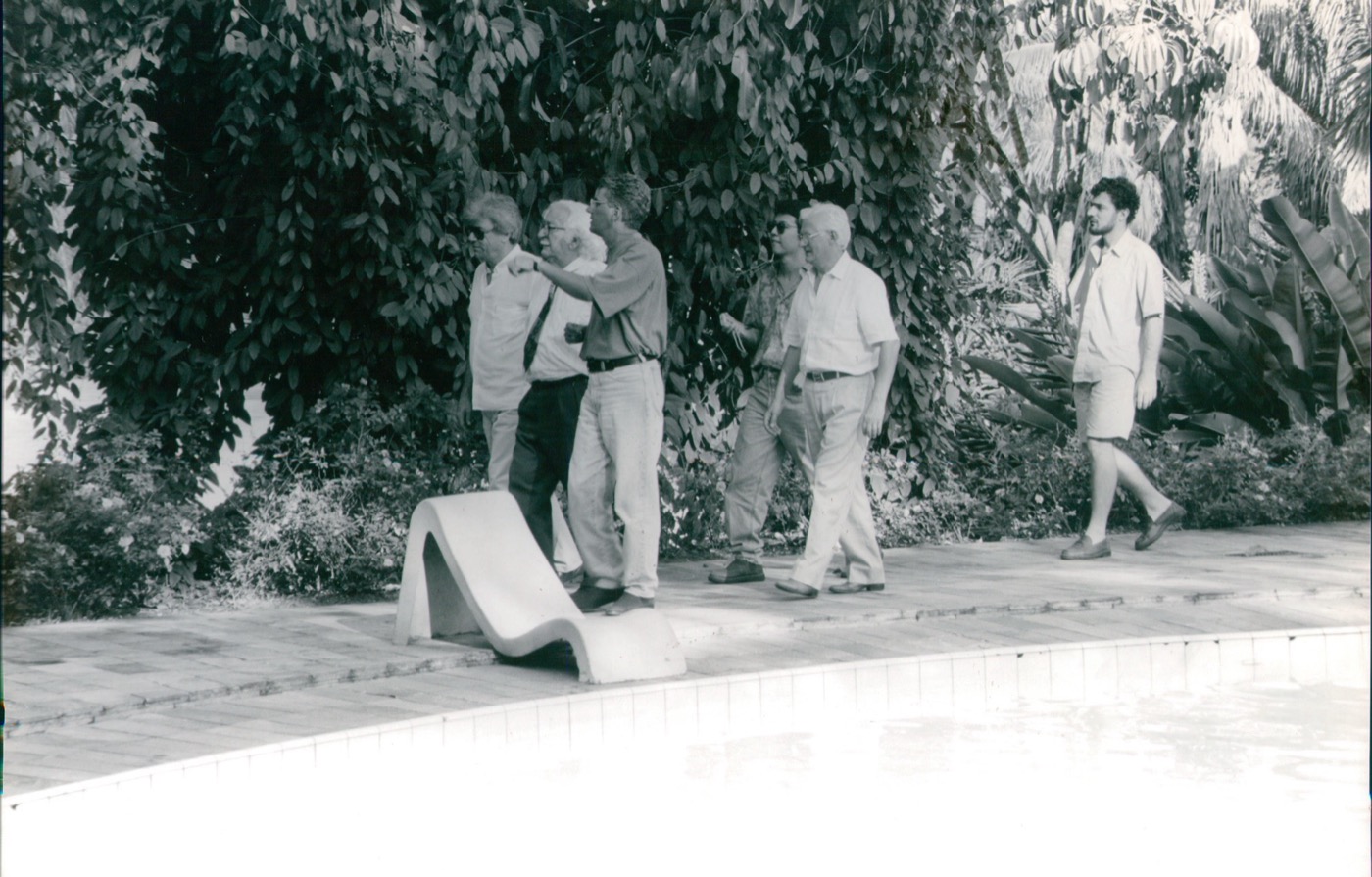
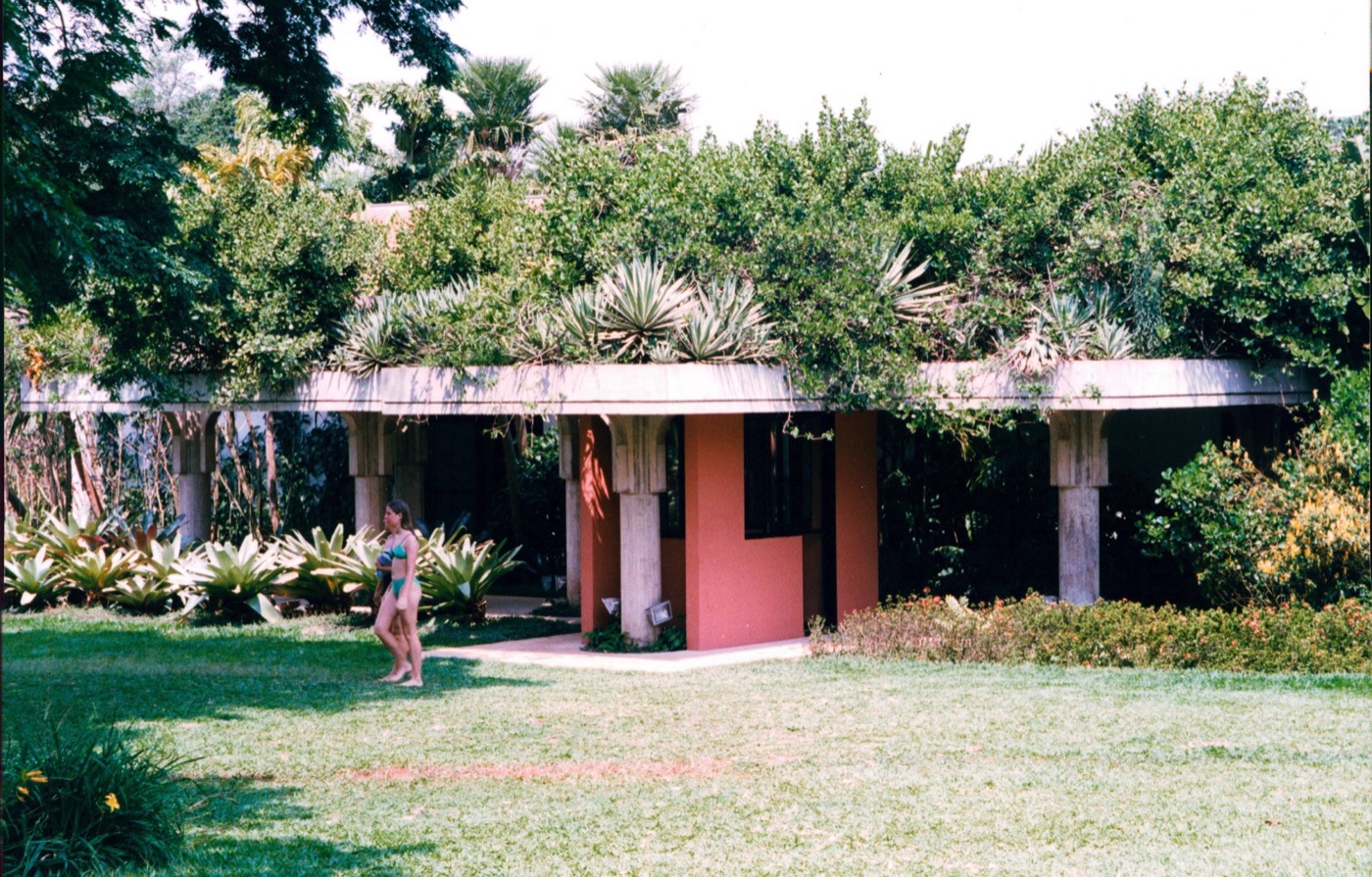
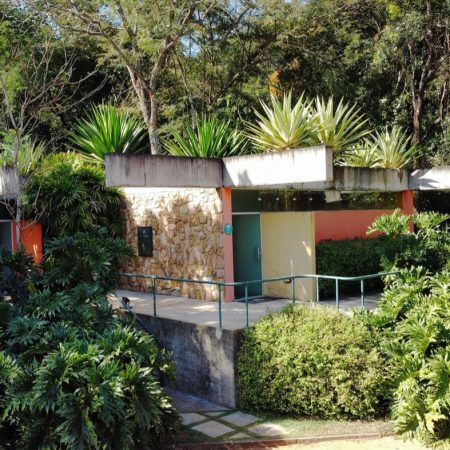
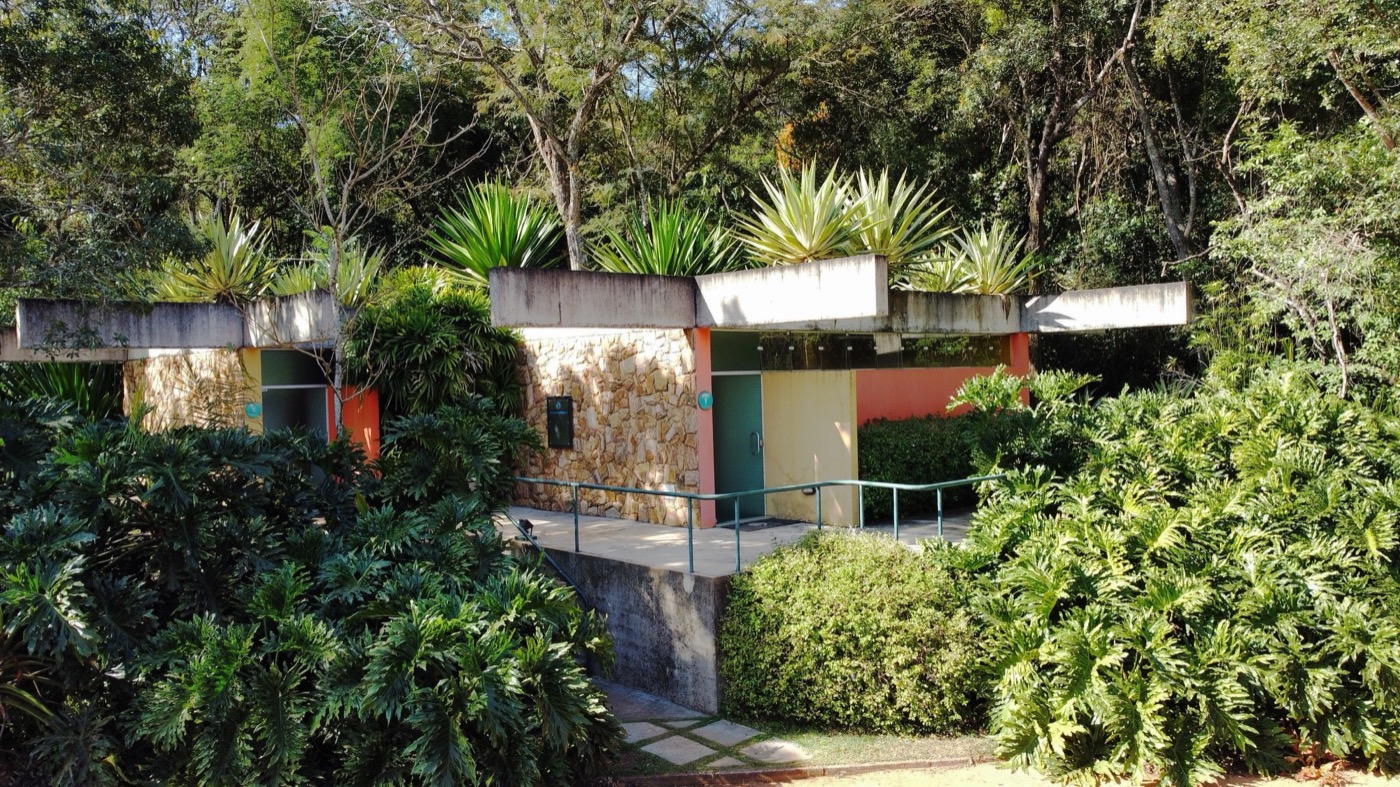
A strong harmony can be observed between the modern architecture and the landscape, inspired by Roberto Burle Marx, with whom Matthes worked as an intern, friend and collaborator for over 35 years. Burle Marx visited the club in 1993, flew over the site, planted a tree and declared that the club’s landscape design would be the only one he would recognize as if it was his own.
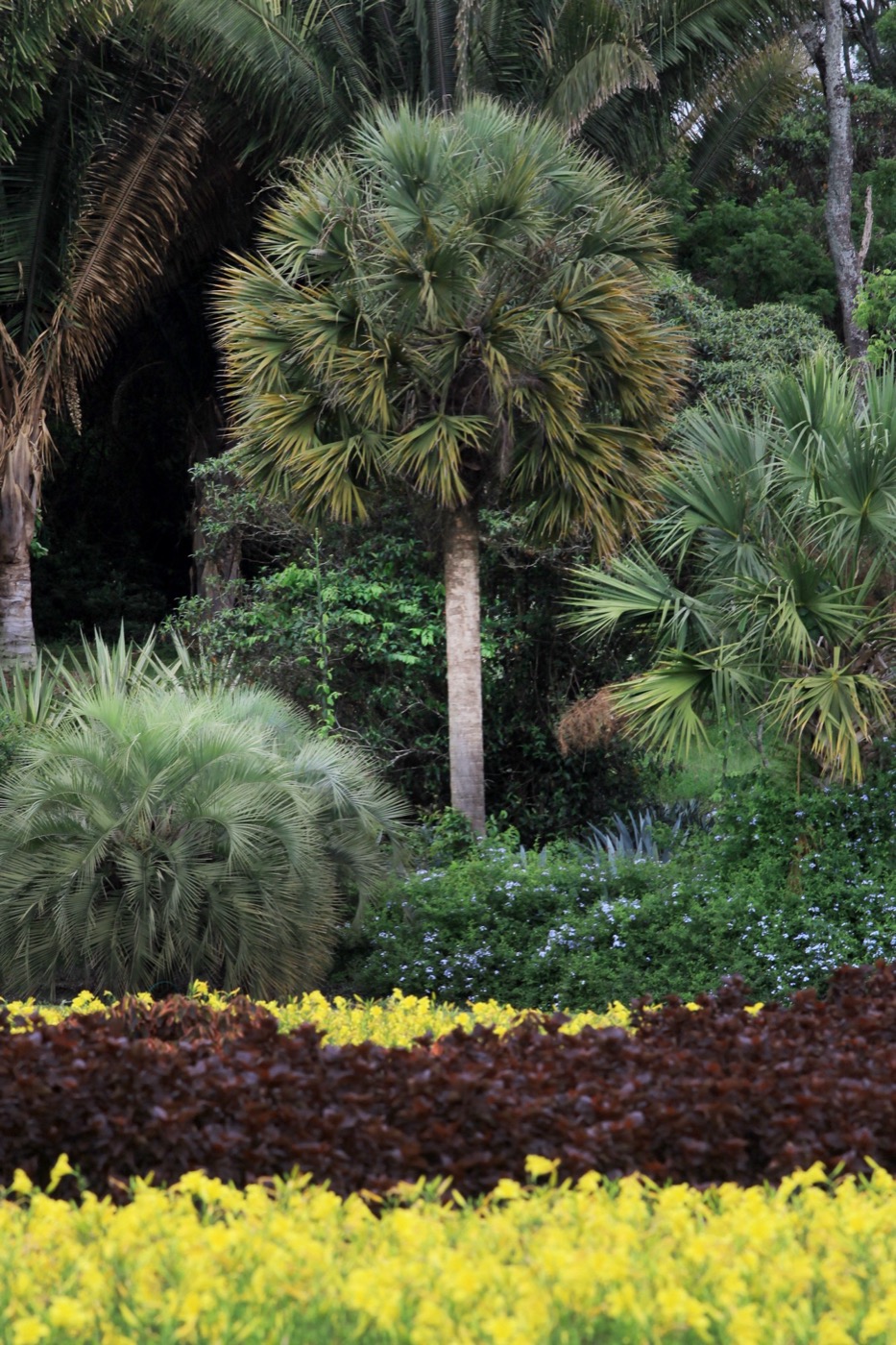
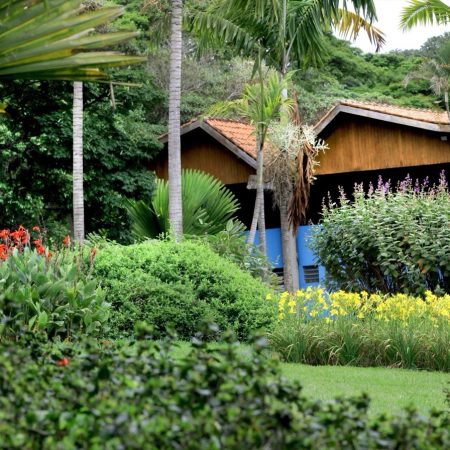
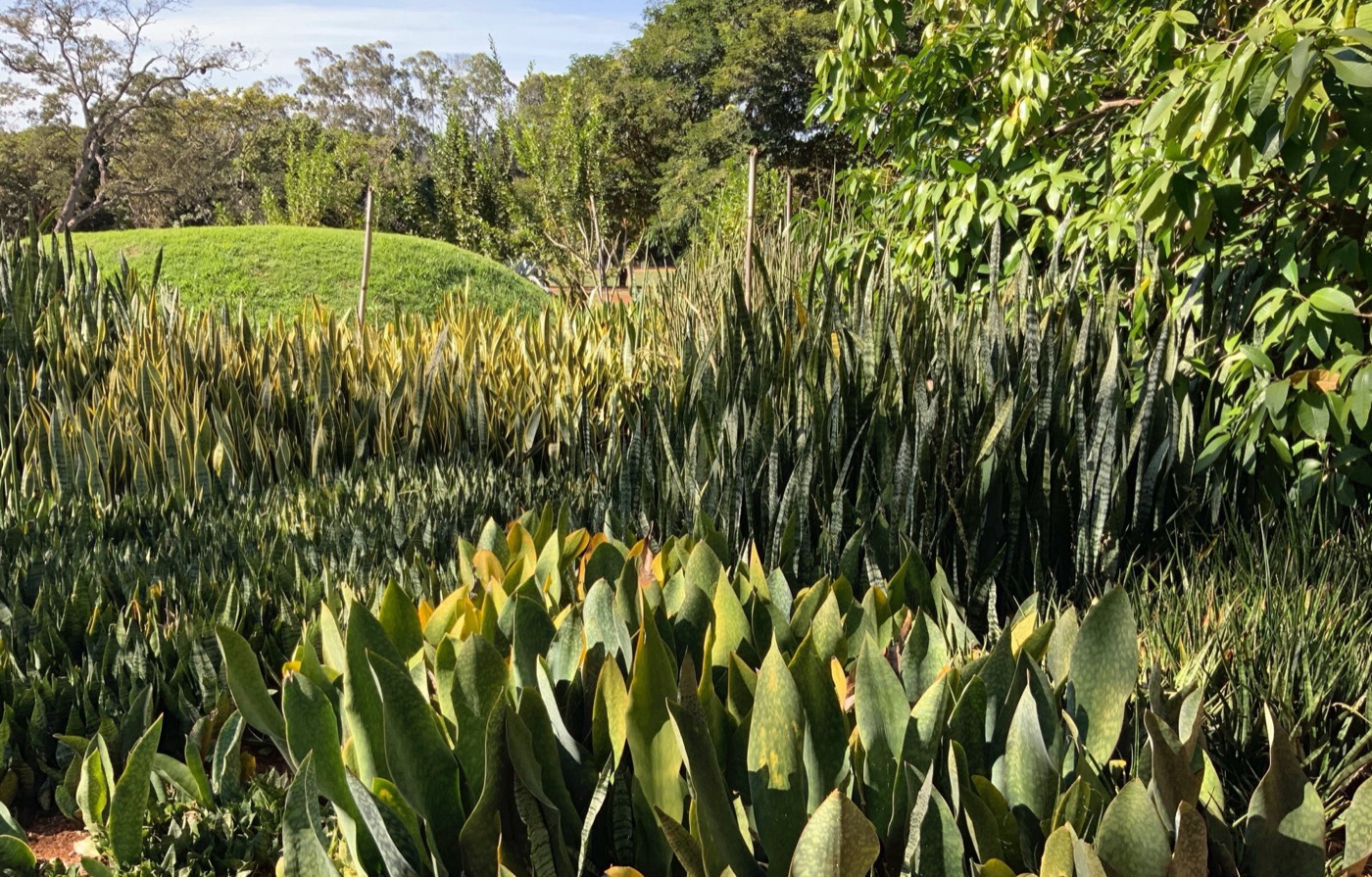
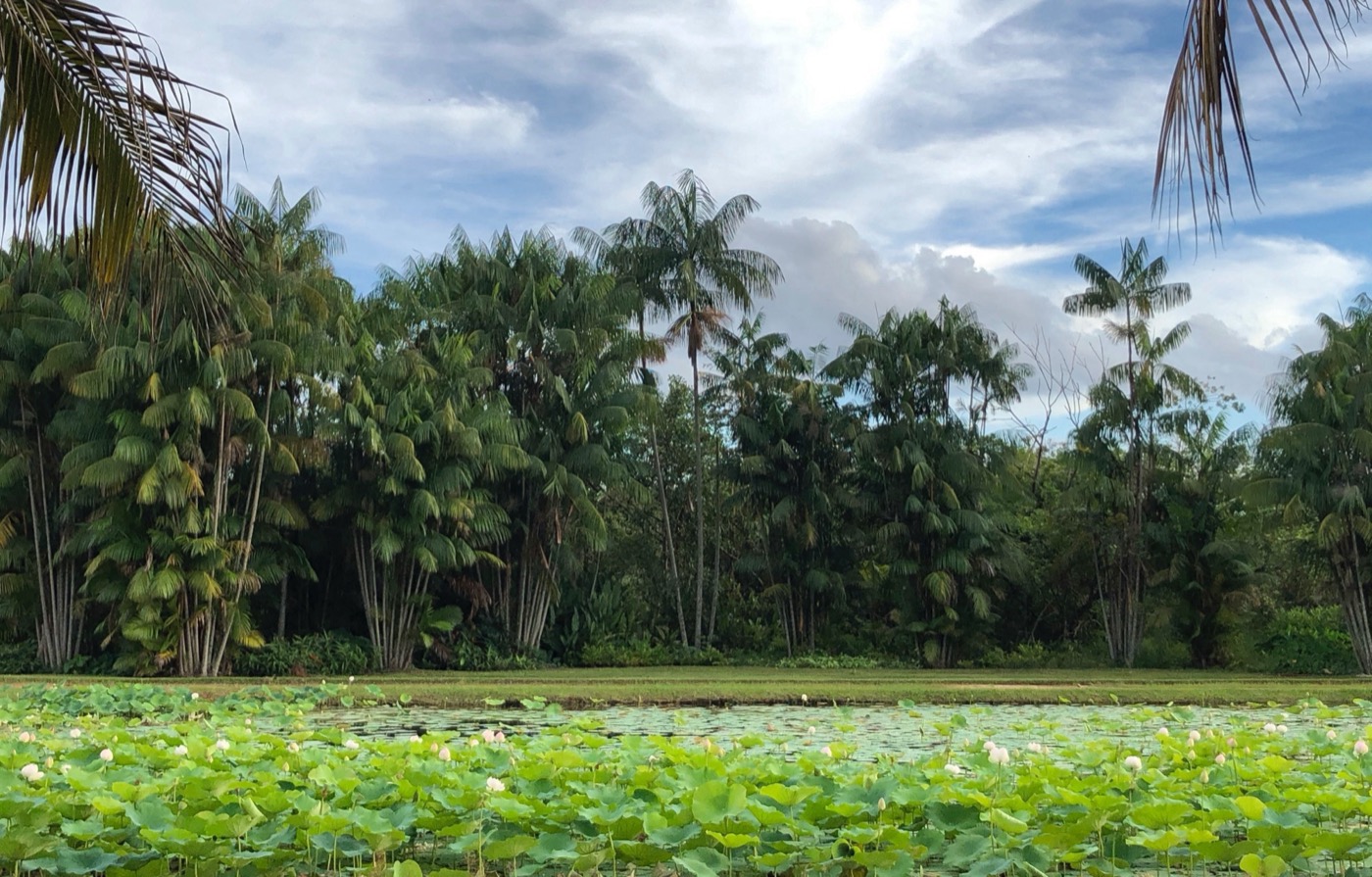
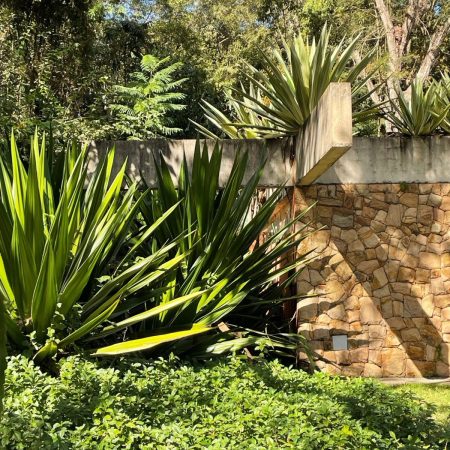
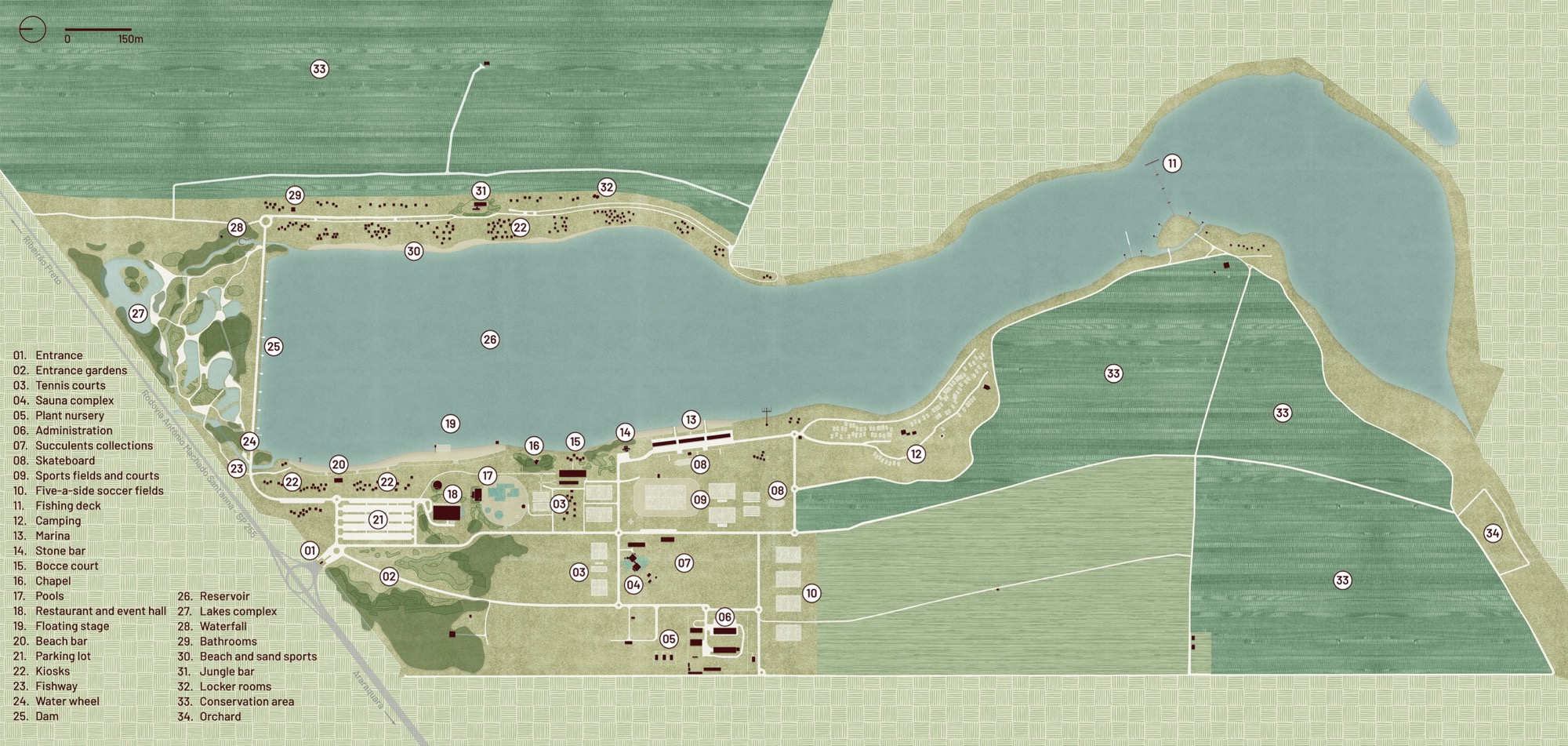
With more than 120 species of palms and over 400 species of trees, shrubs and herbaceous plants across its gardens and conservation areas, the club stands as an “oasis of biodiversity” amid the monotony of surrounding sugarcane fields. The executed project is a work of art, encompassing approximately 145 hectares of gardens, which include more than 30 compositions.
Long-term landscape management and maintenance strategies have enabled the training of gardeners and managers, plant propagation and the engagement of directors and partners, establishing clear guidelines for the preservation of its heritage.
Toward the end of Matthes’s life, who passed away in 2023, Martins and Graziano have brought greater international visibility to the project. The club was selected for the collection of the 11th International Biennial of Landscape Architecture of Barcelona in 2021 and the “Sauna Gardens” (the first collaboration between Luiz and André in 1998) received the top prize at the International Landscape Festival in 2021.
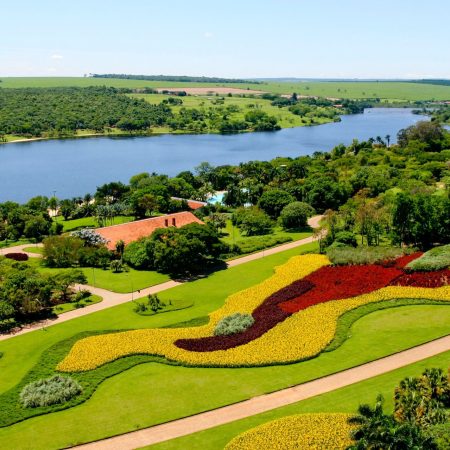
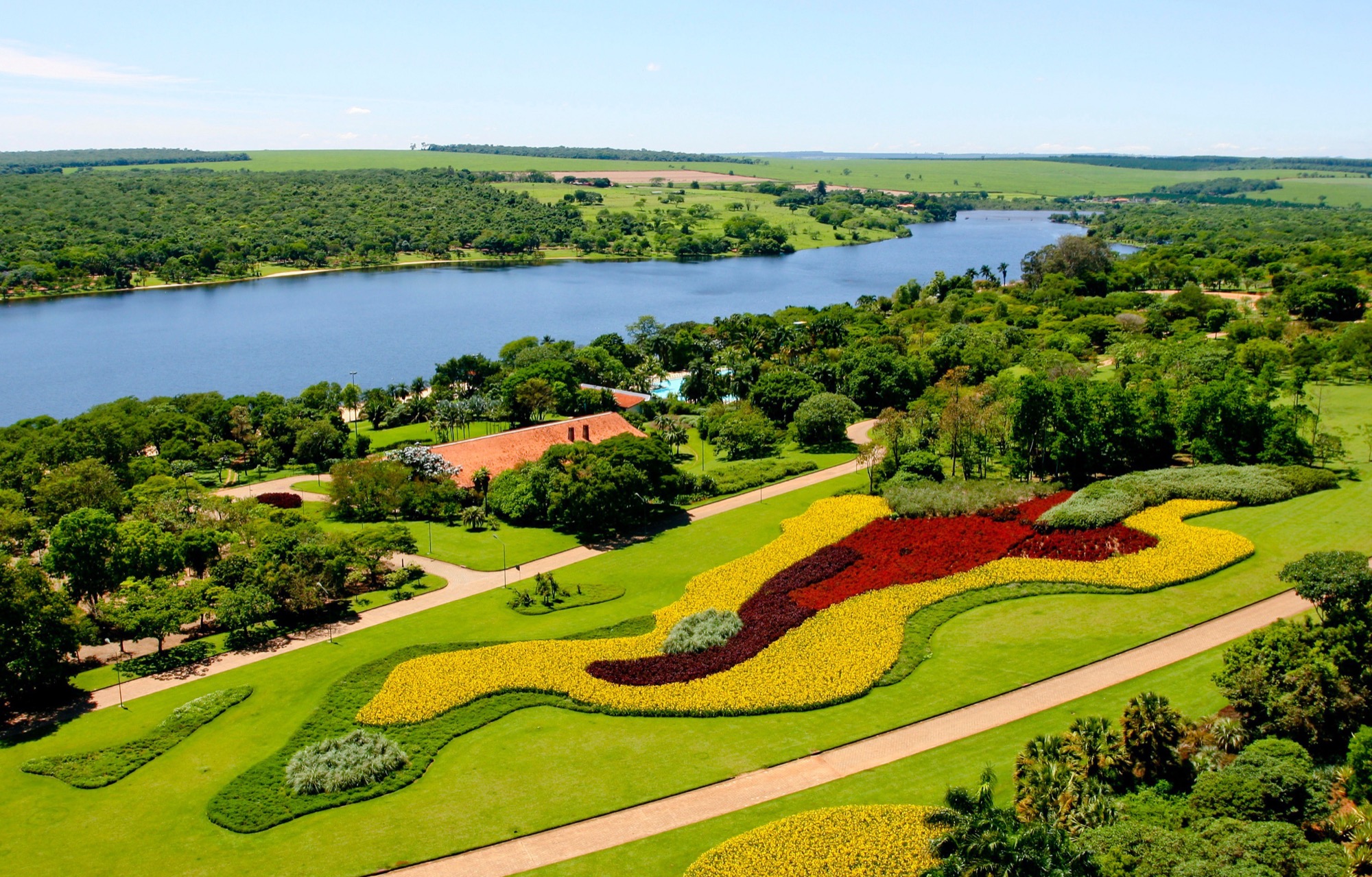
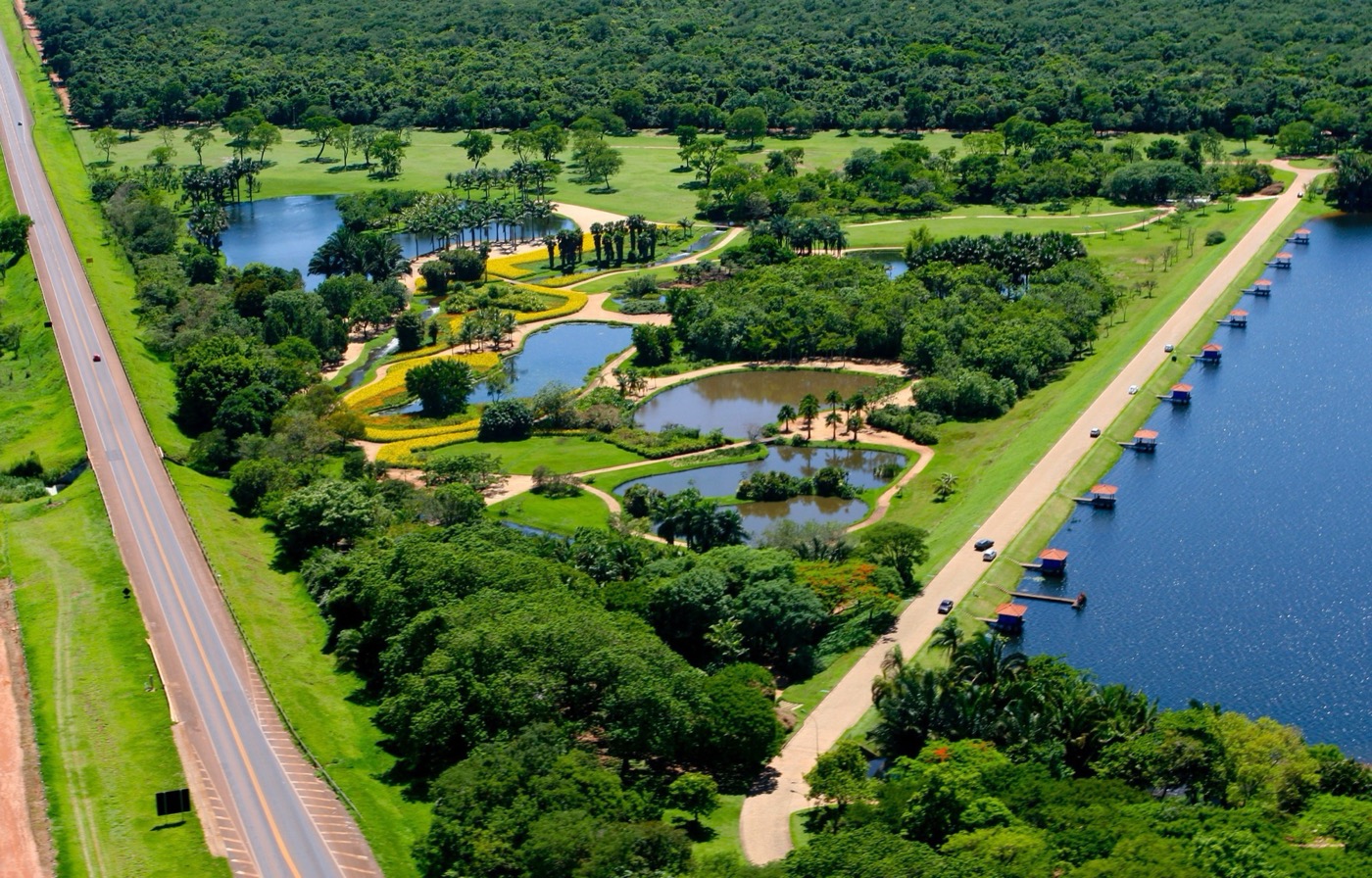
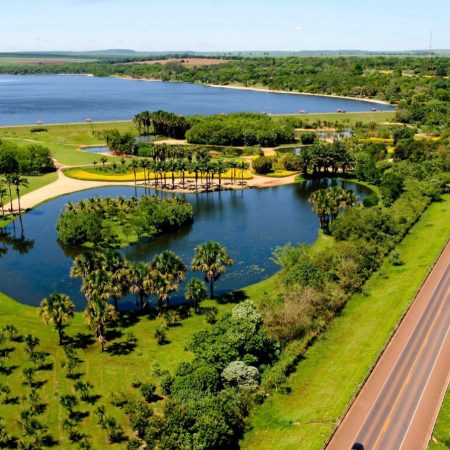
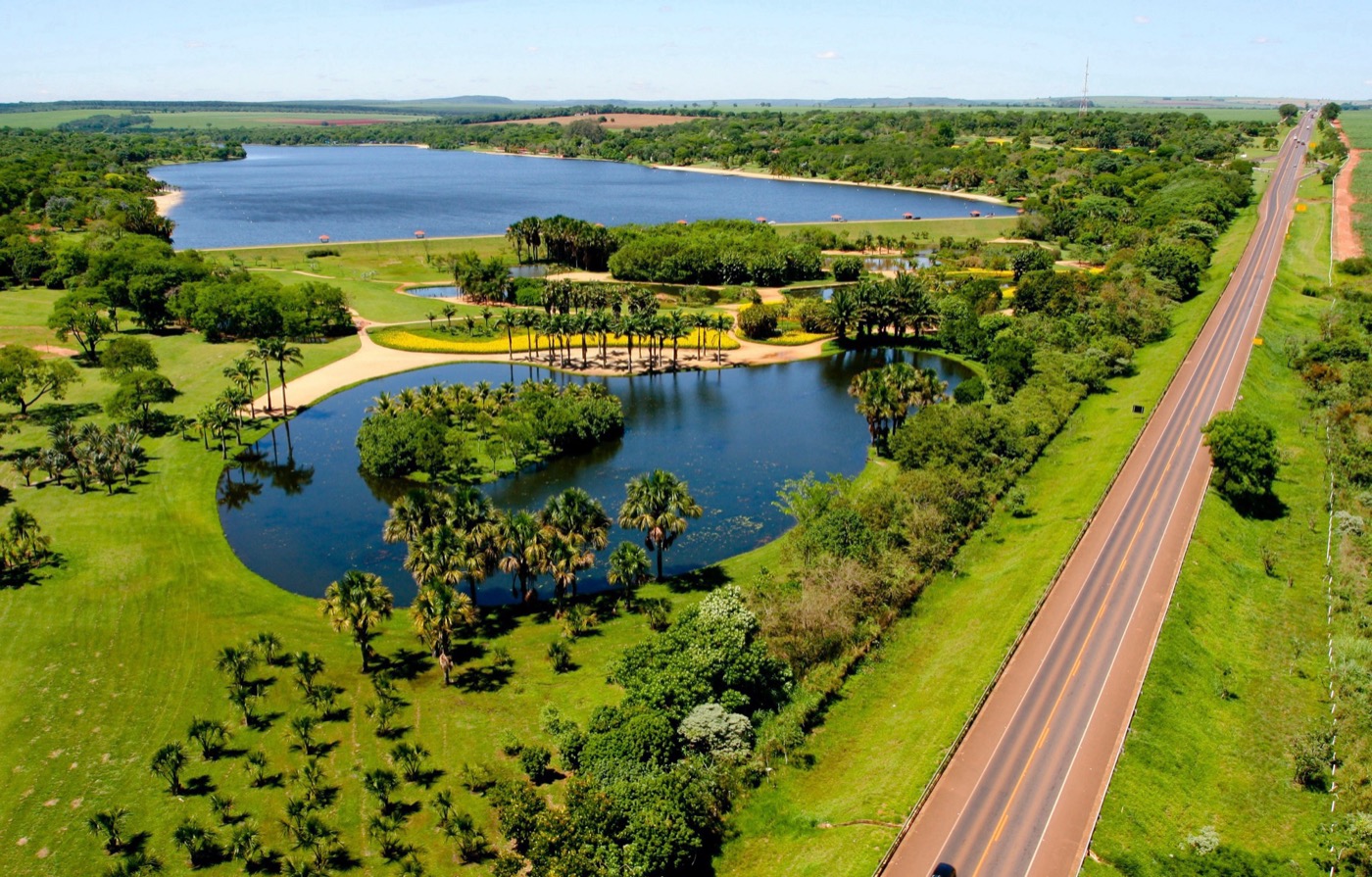
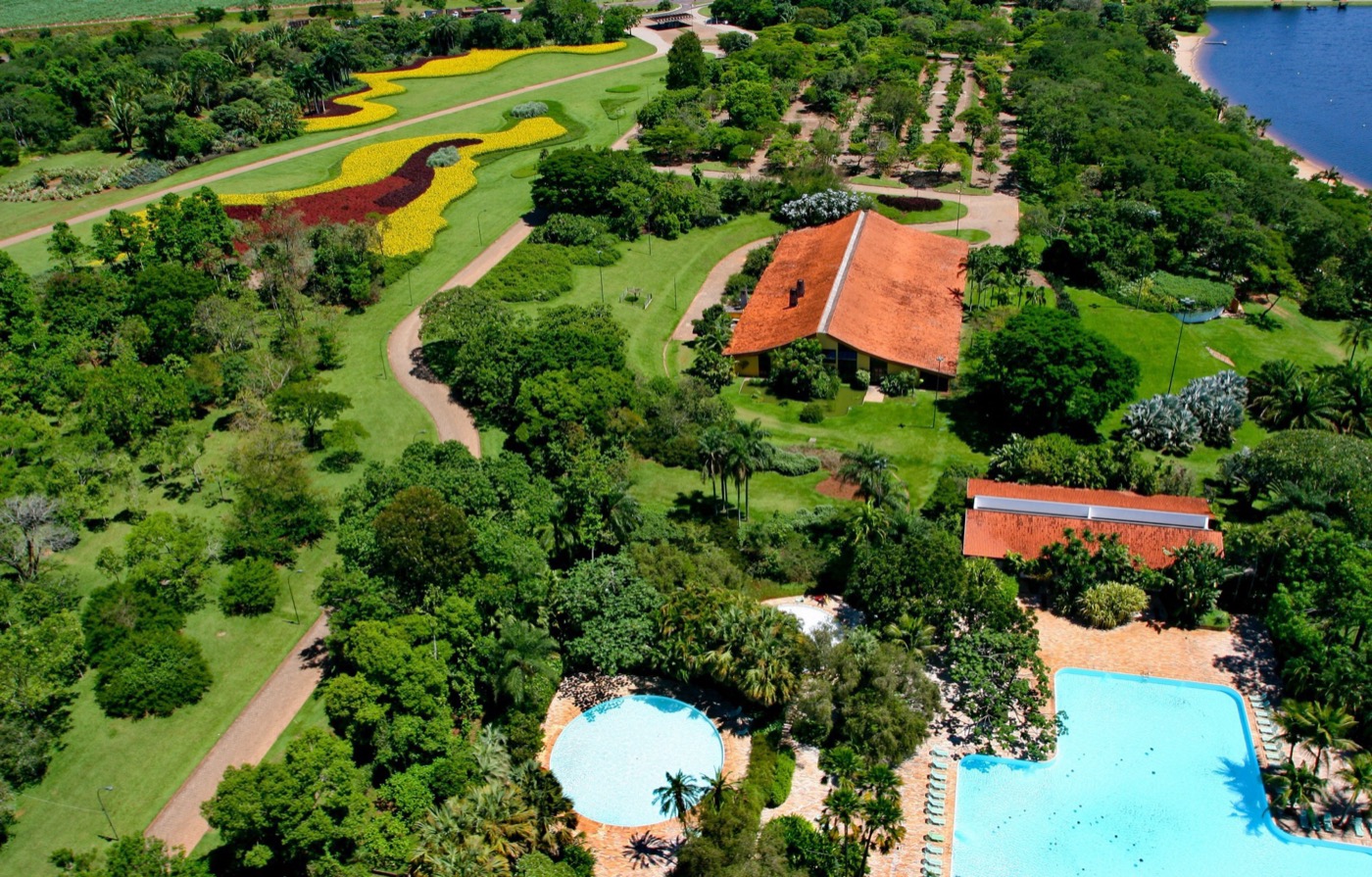
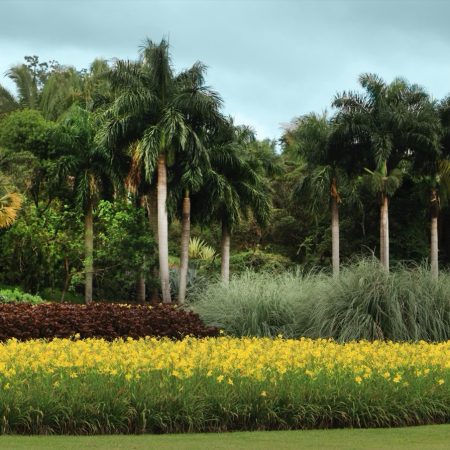
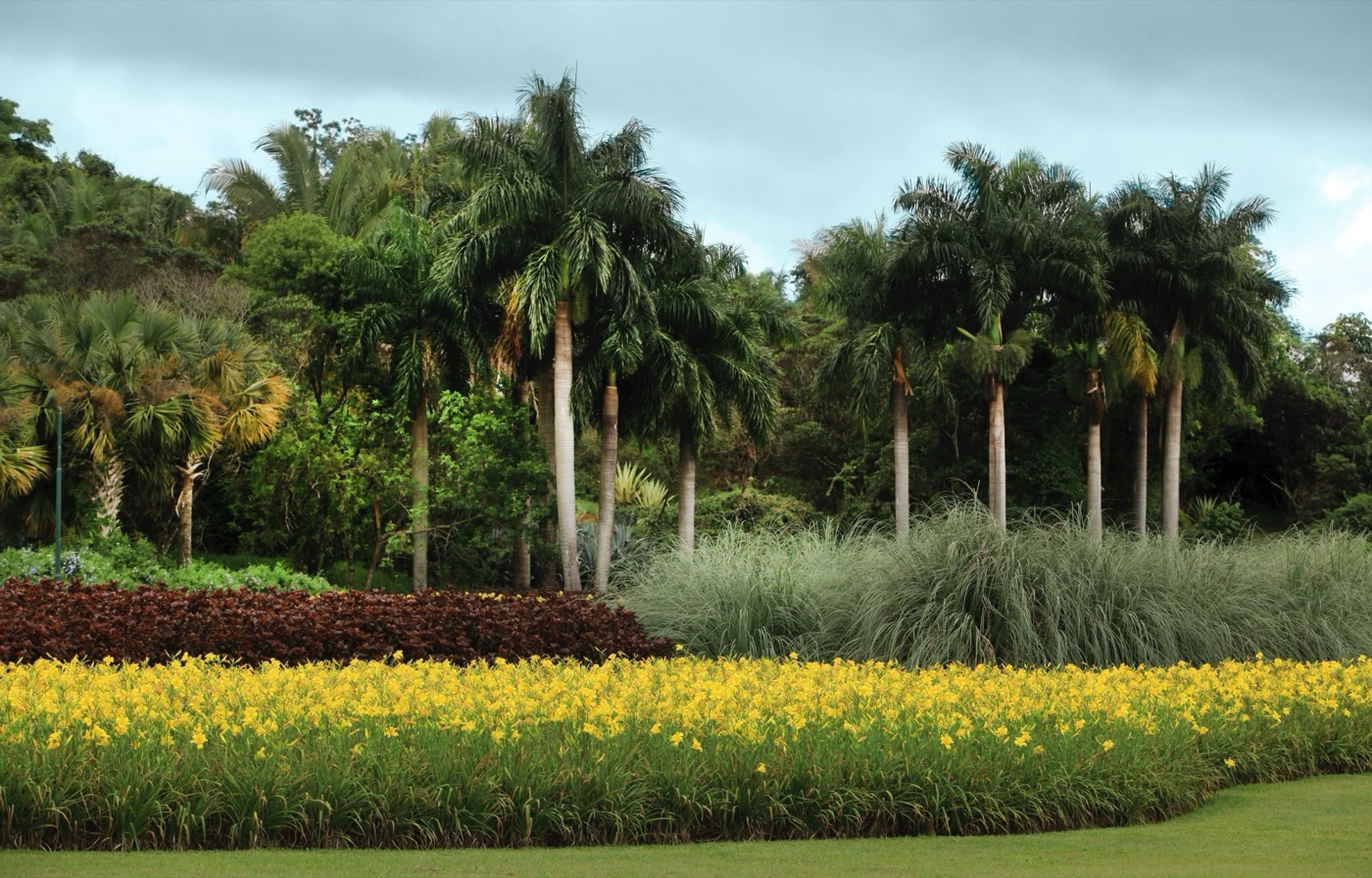
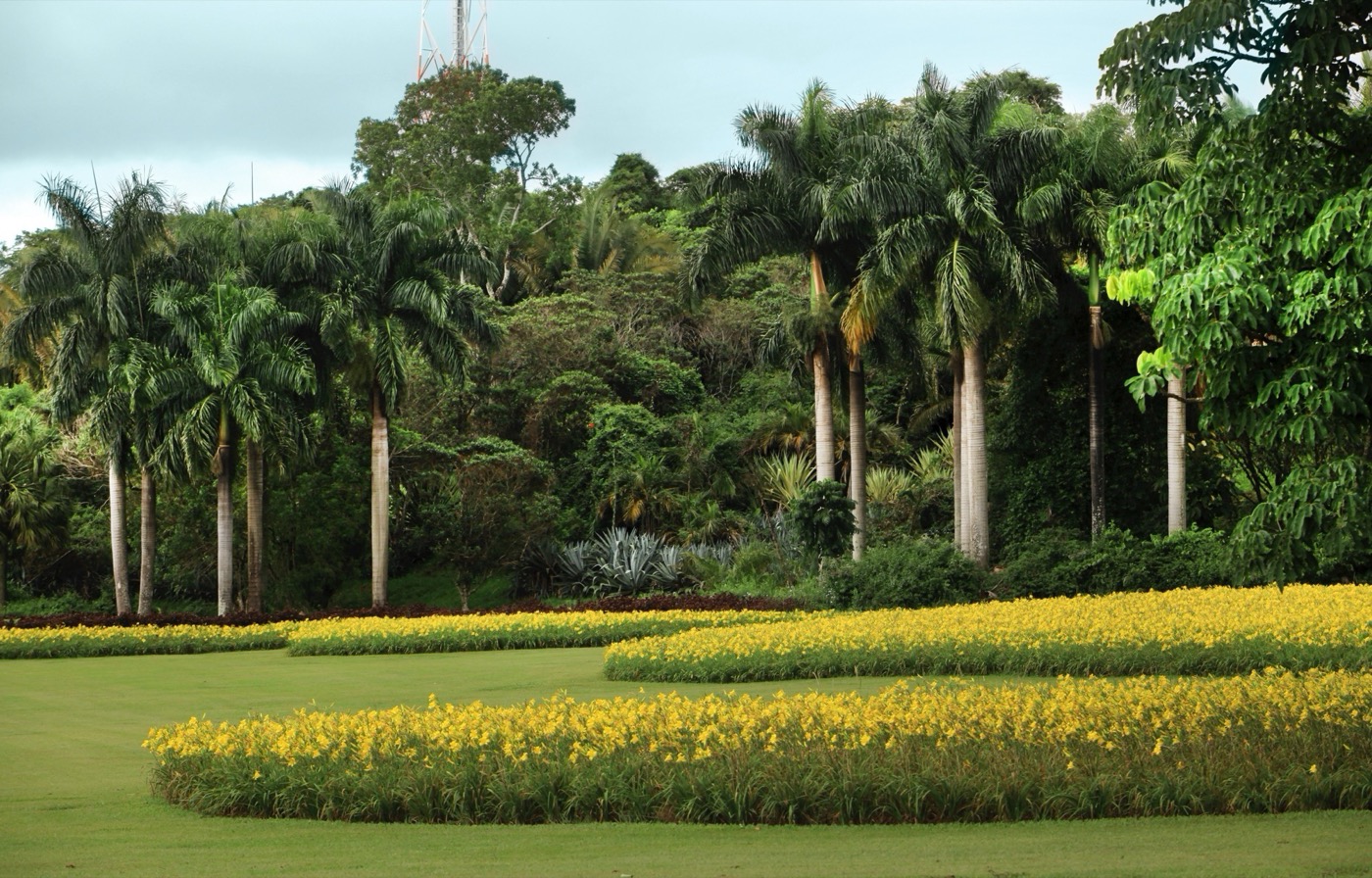
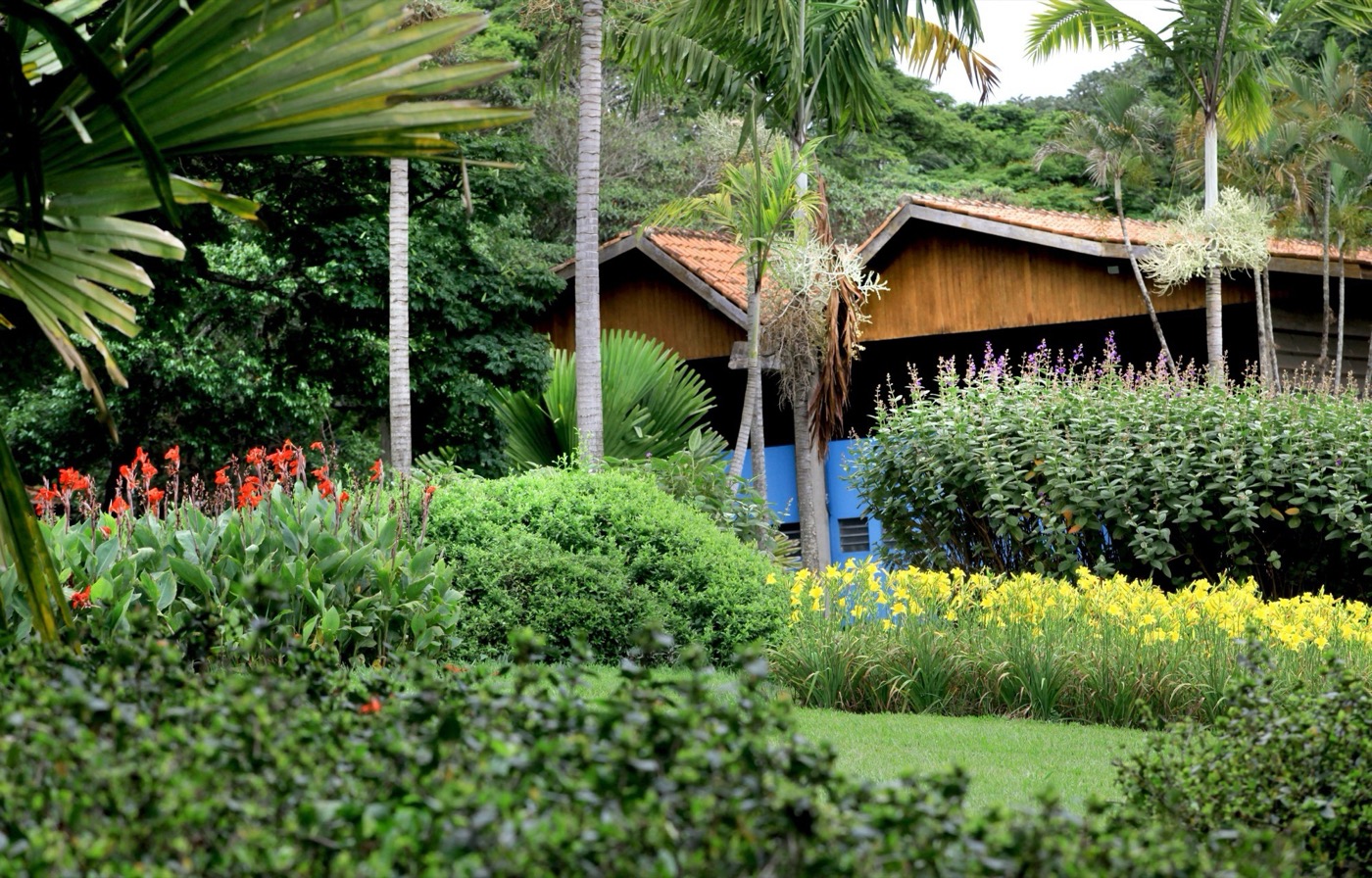
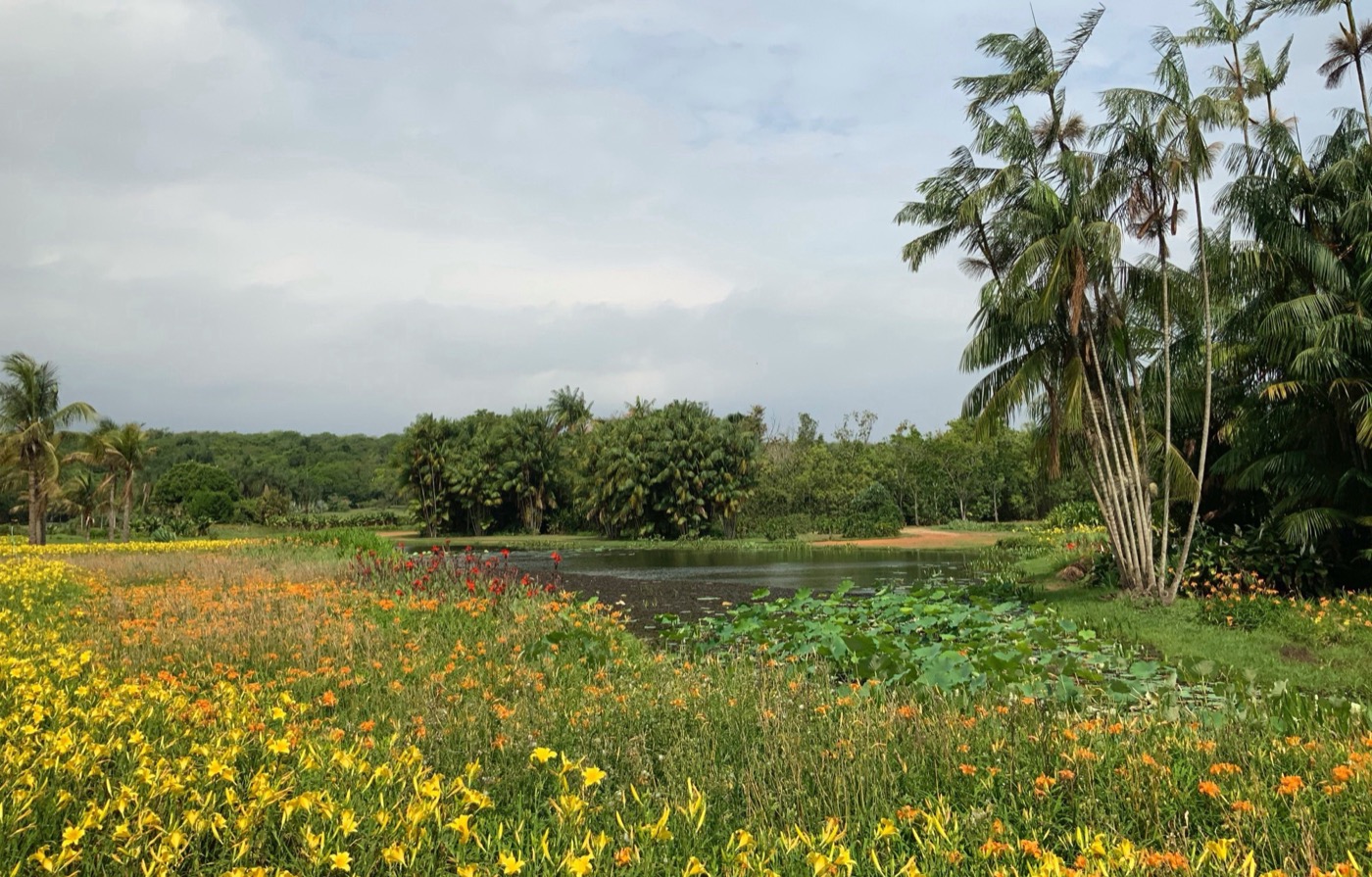
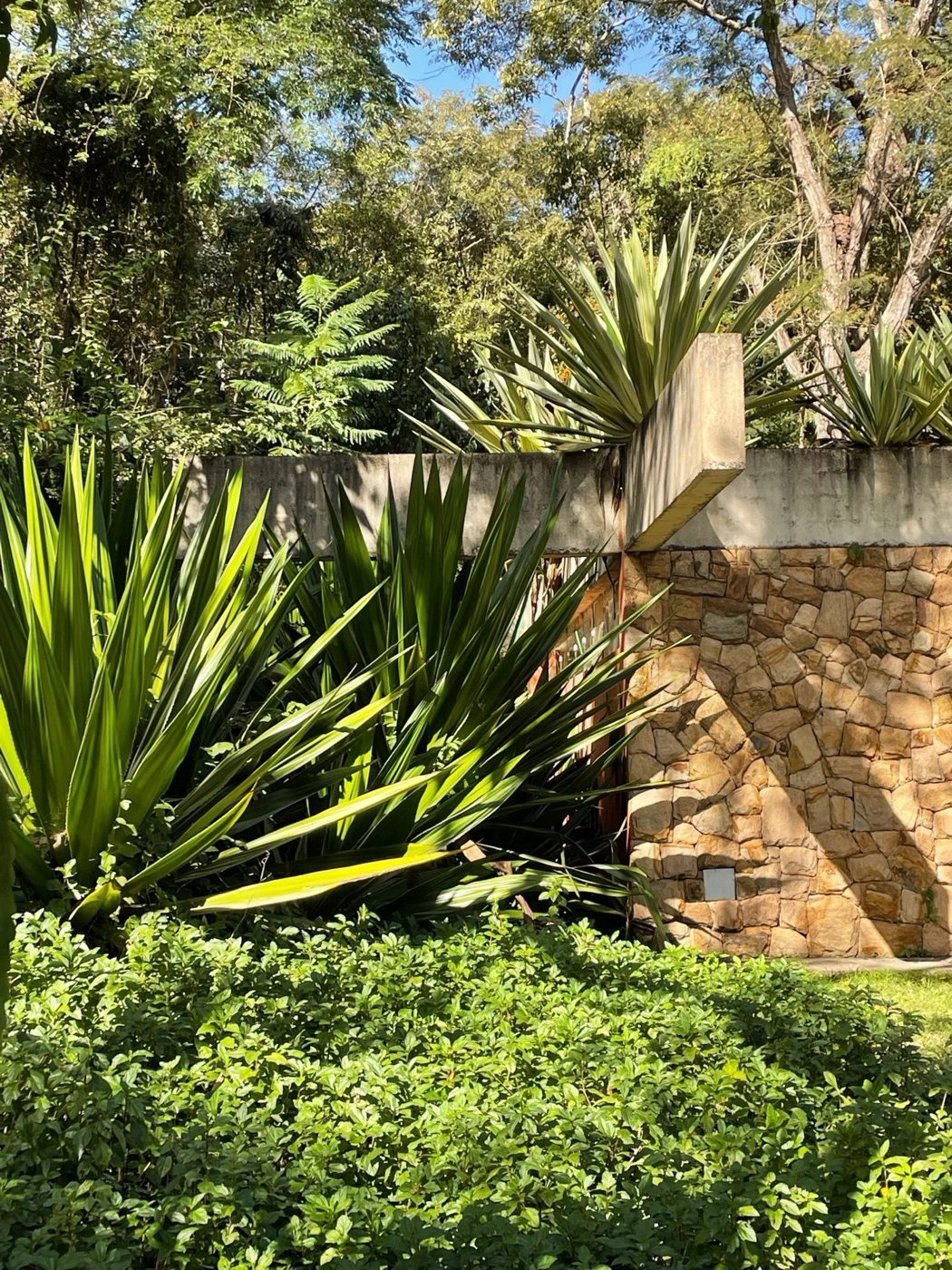
Among the club’s most appreciated landscapes are the main entrance, composed of large planting beds with yellow lilies, red Acalypha and numerous shrubs, trees and palms, as well as the group of lakes, which presents a landscape of exceptional beauty and emotional impact.
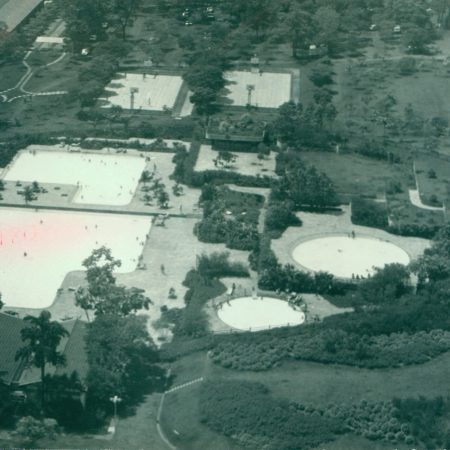
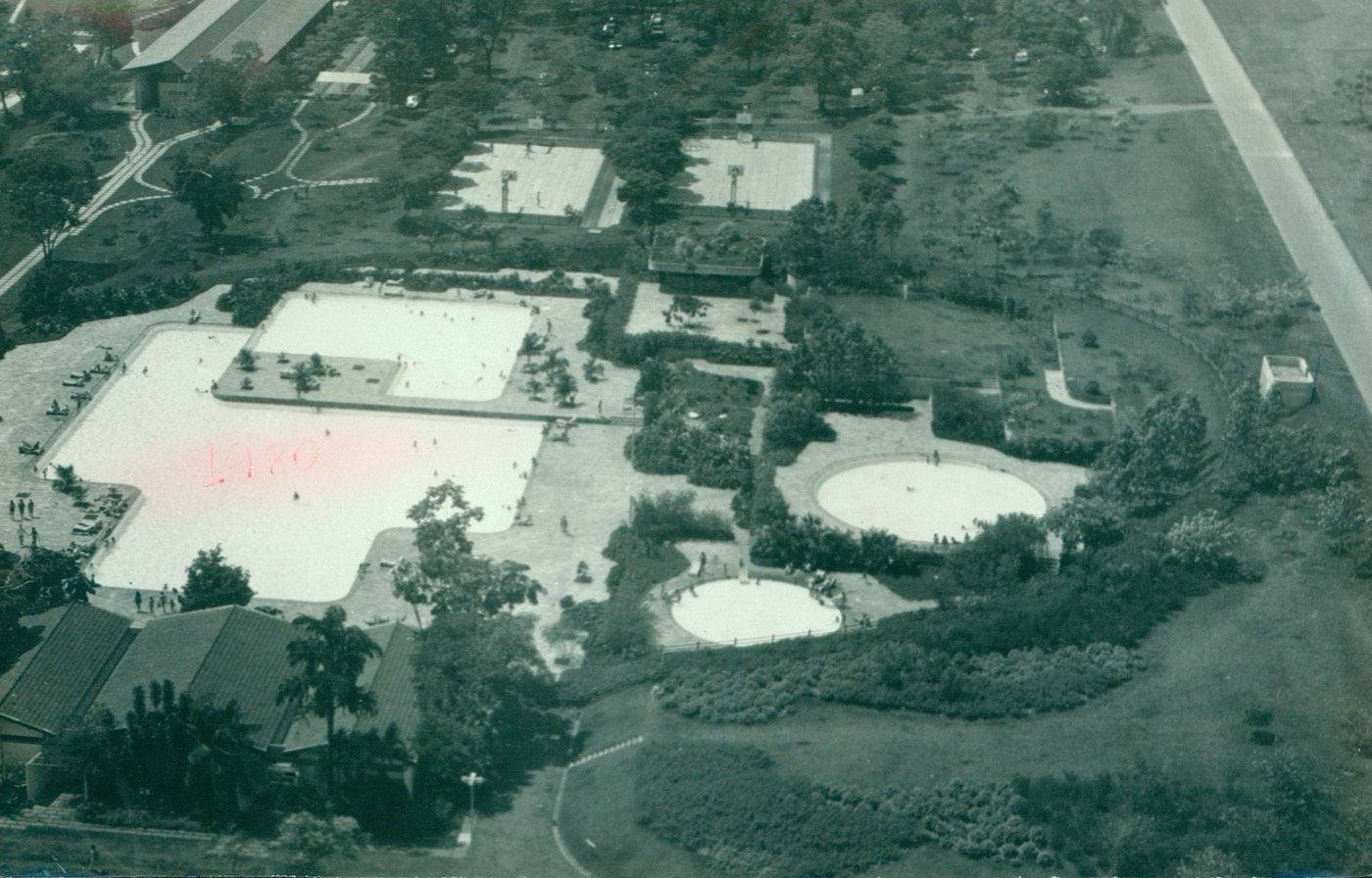
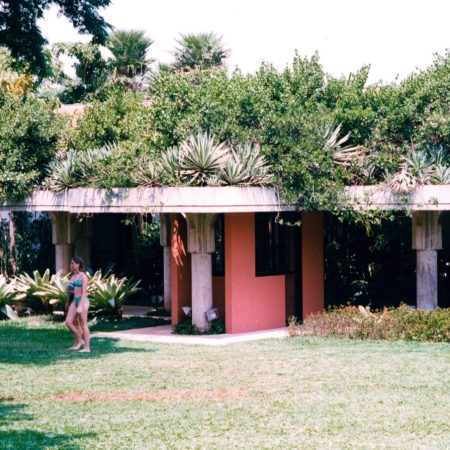
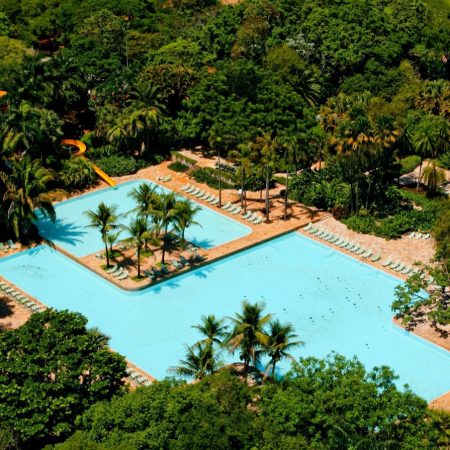
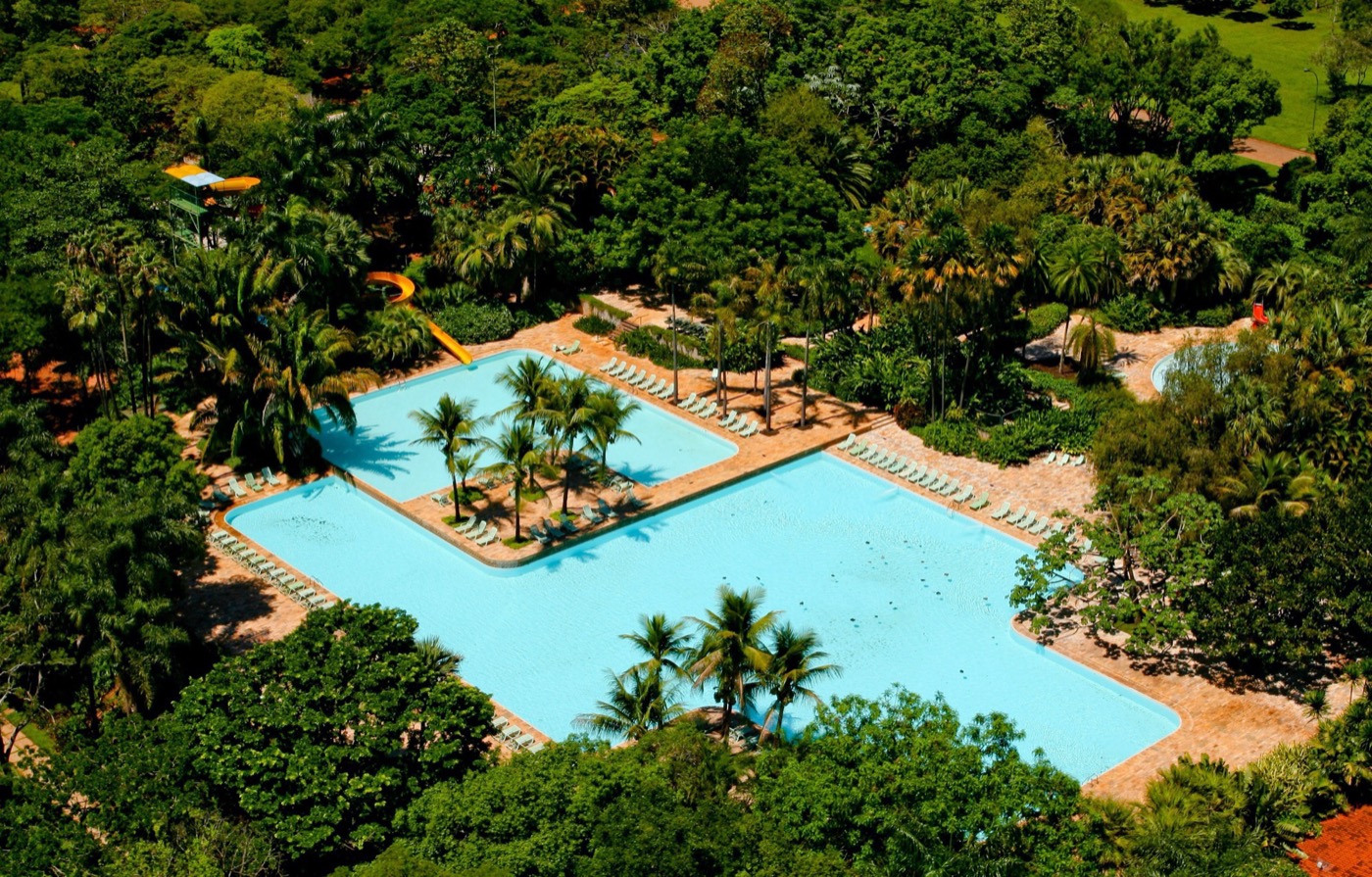
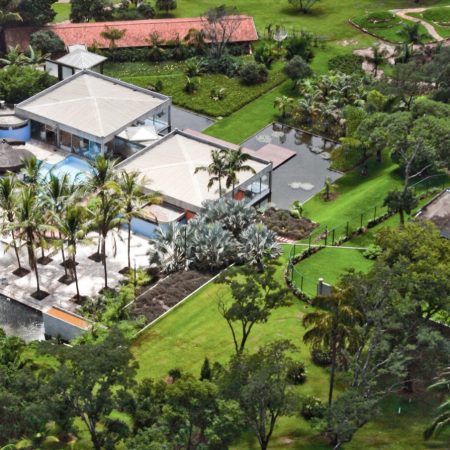
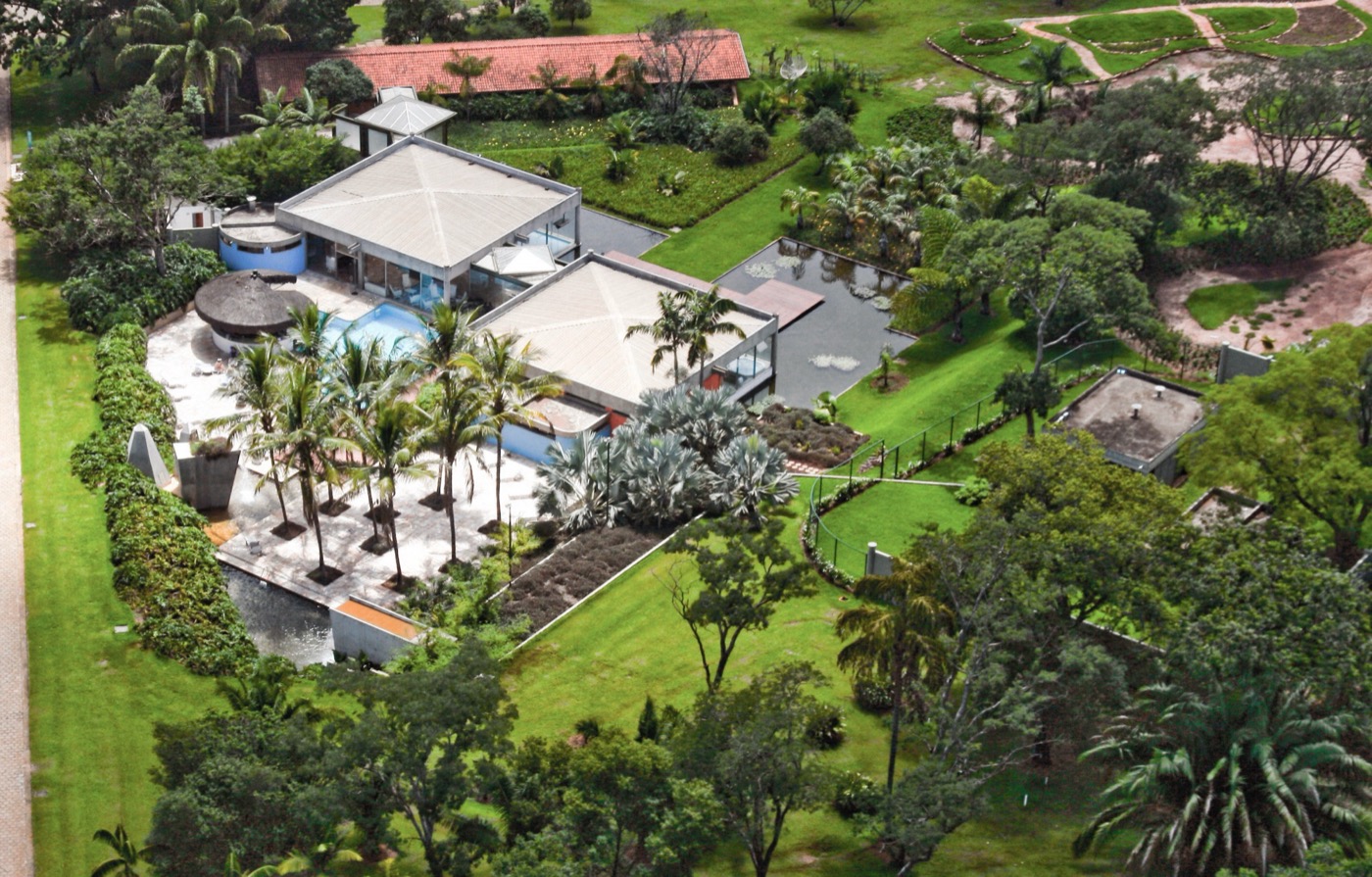
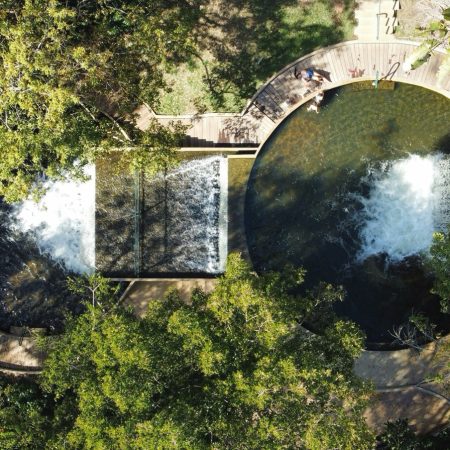
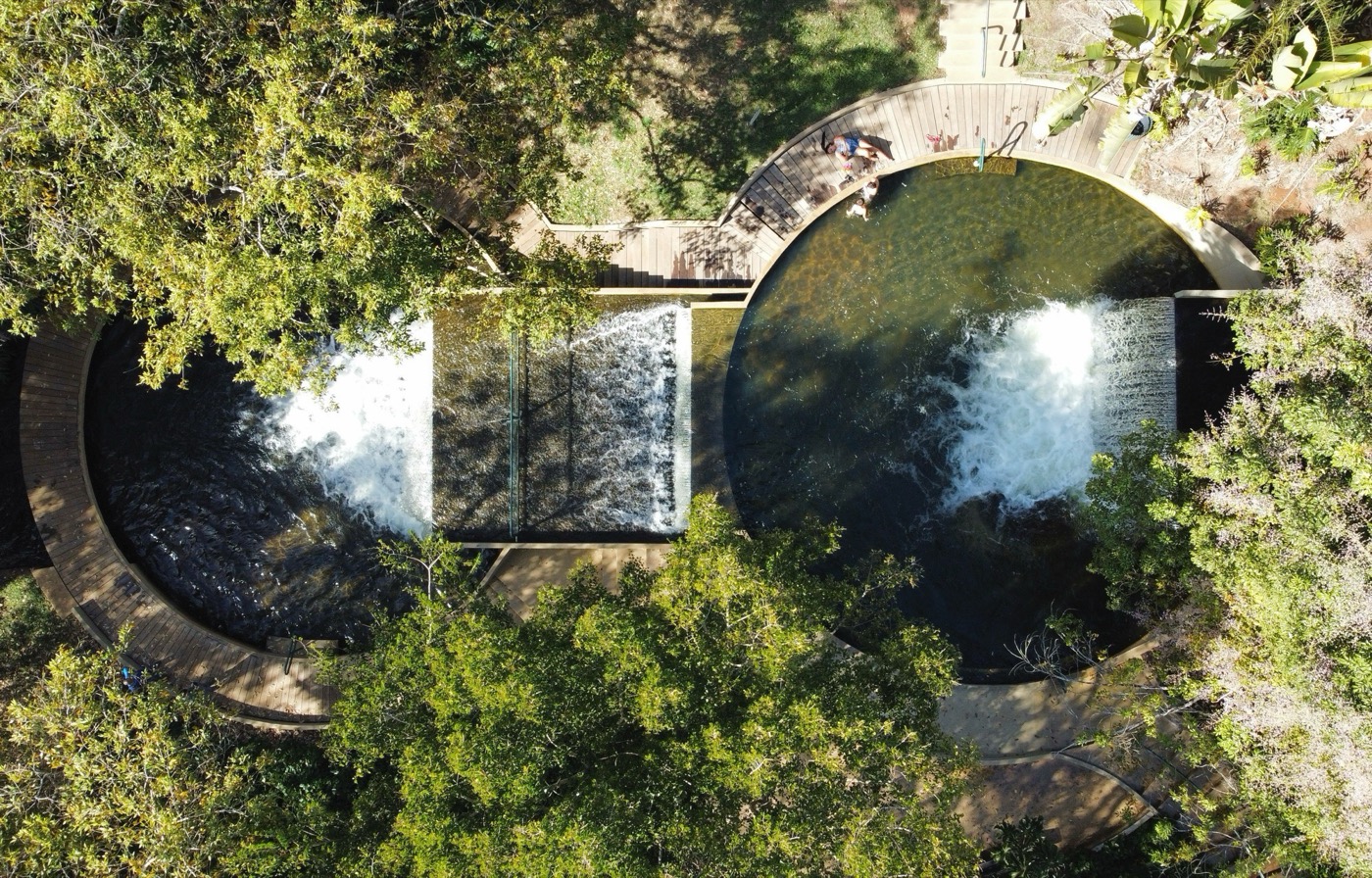
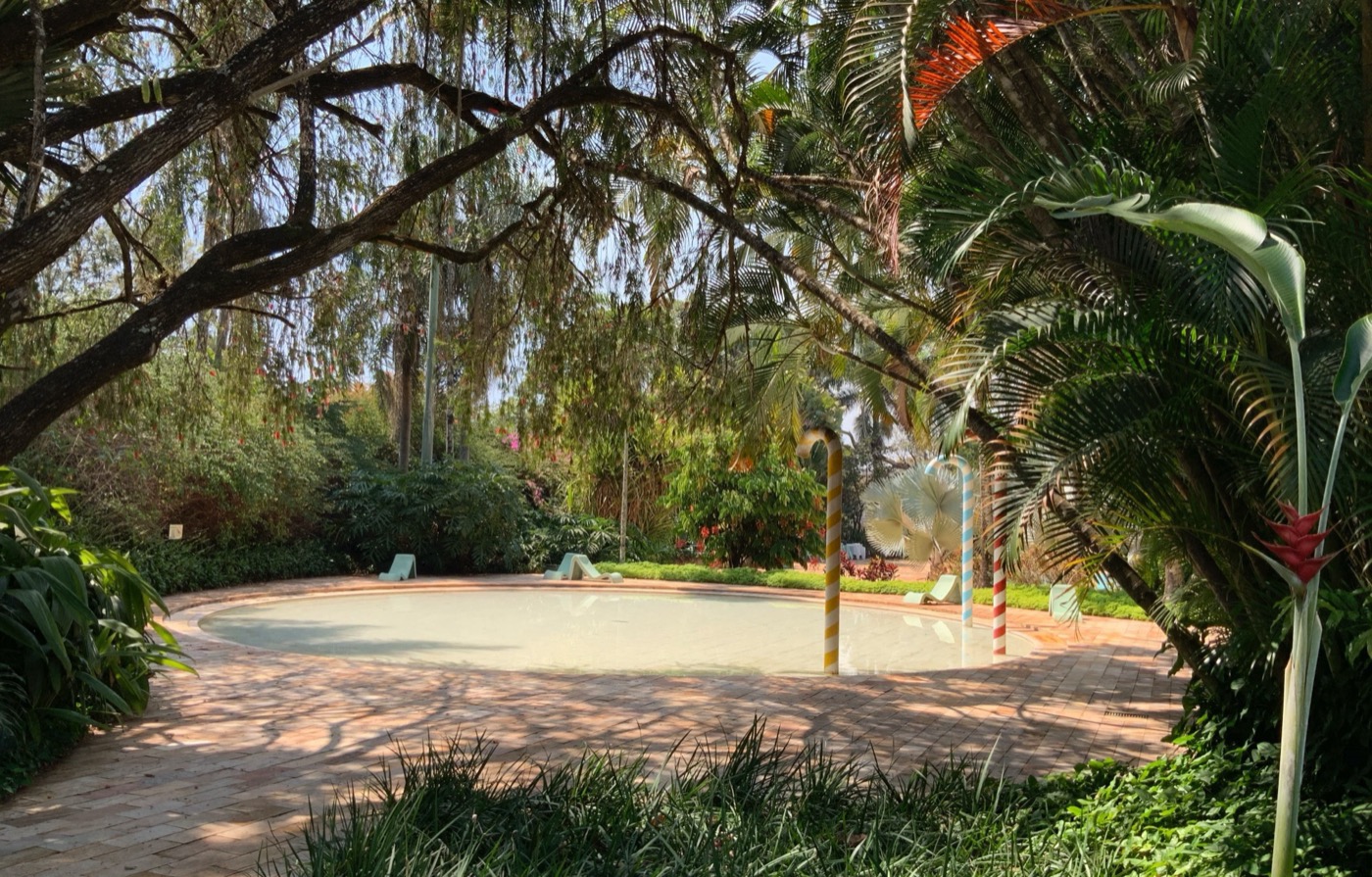
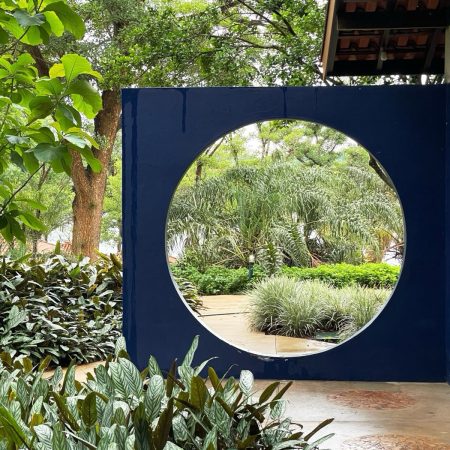
The pool complex is also a remarkable place, arranged on different levels, enabling the creation of gardens that interweave areas of use, without the necessity of protective fencing. The complex offers welcoming, visually rich environments.
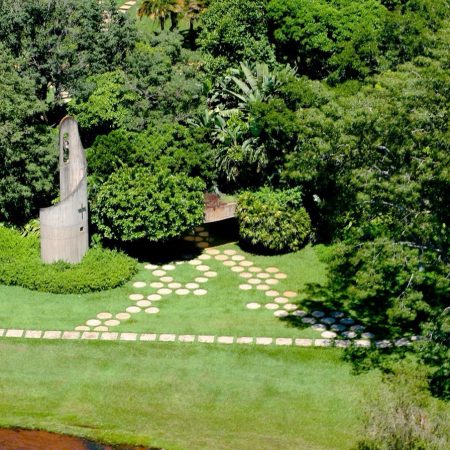
In the sauna gardens, “contemplative” and “active” spaces were designed between the built volumes, connected by a deck over a continuous reflecting pool. On one side, the composition emphasizes horizontal lines, while on the other, vertical elements are highlighted, with distinct symbolic expression.
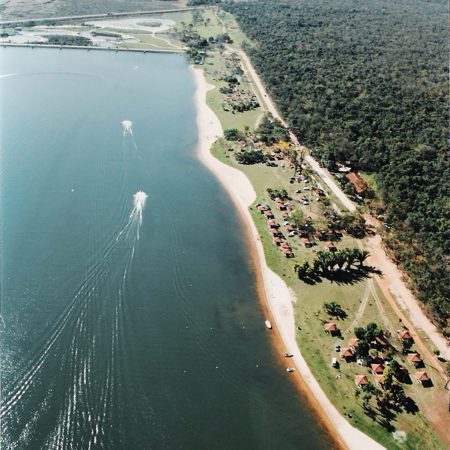
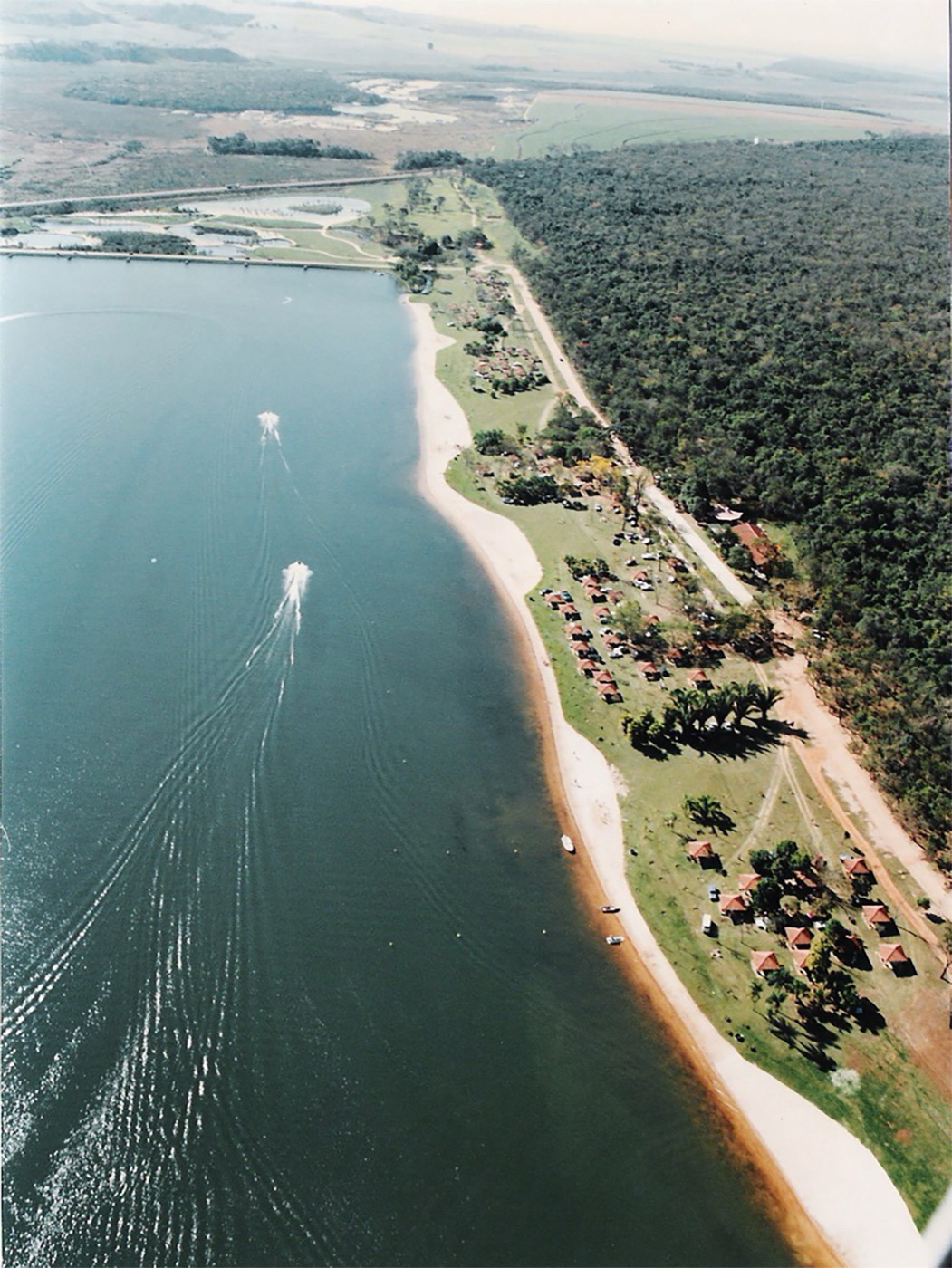
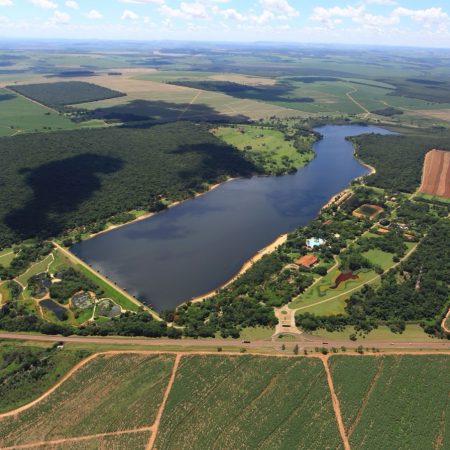
The reservoir banks reveal landscapes from different moments in time: on the western margin a continuous stretch of sand (2.4 hectares) with varied environments contrasts with the eastern margin where several bays are interspersed with palms and trees, connected to the “Cerradão” remnants. The tree canopy is extended down to the waterline, where leisure pavilions blend into the landscape.
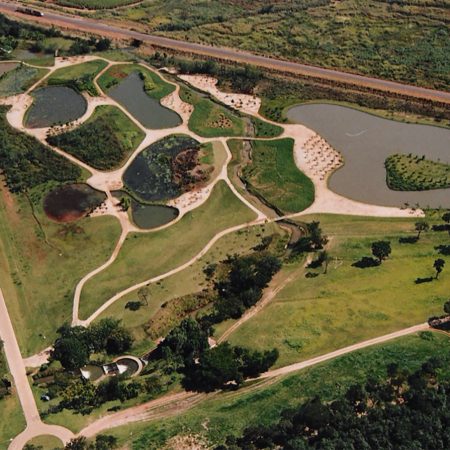
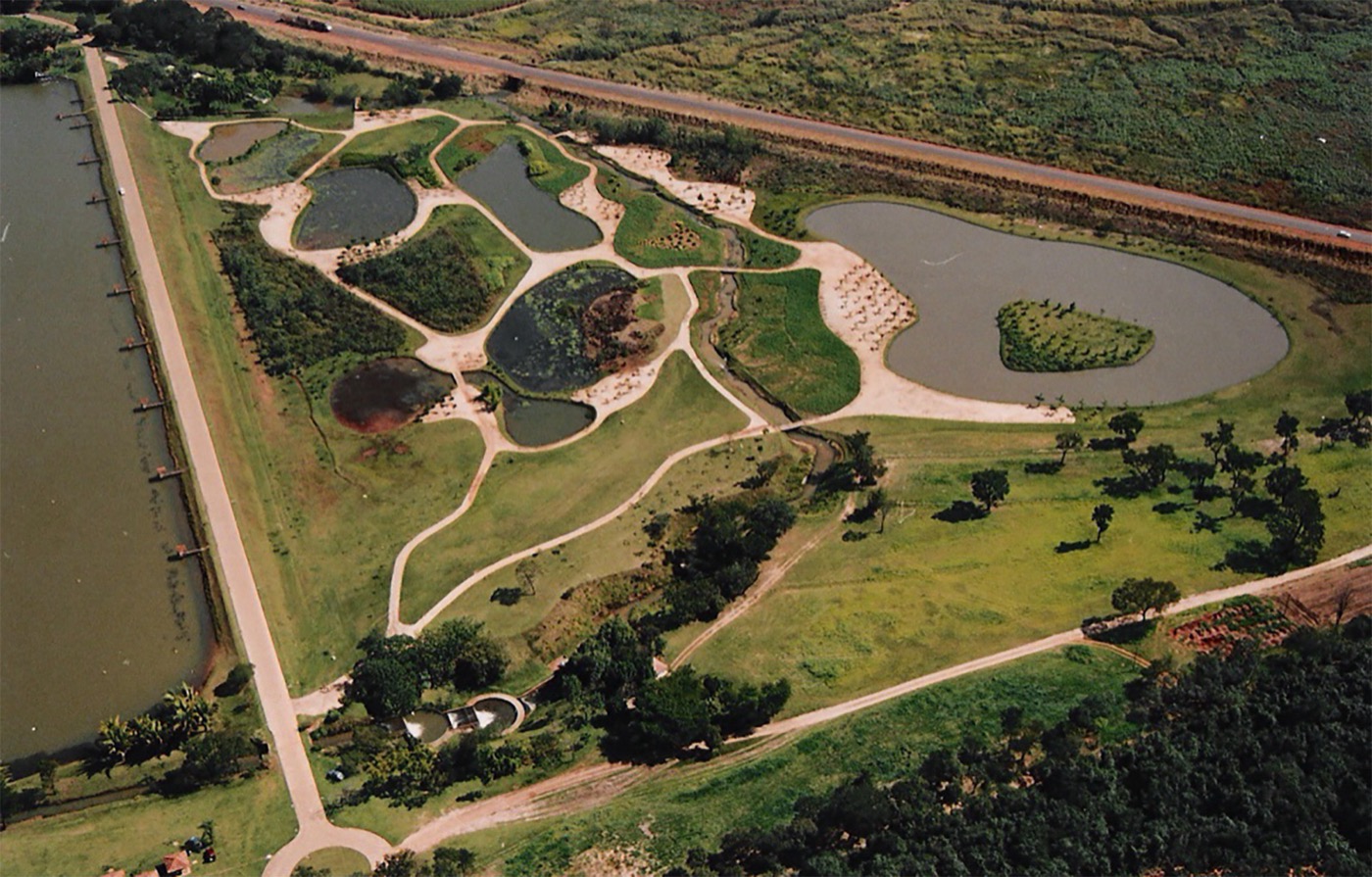
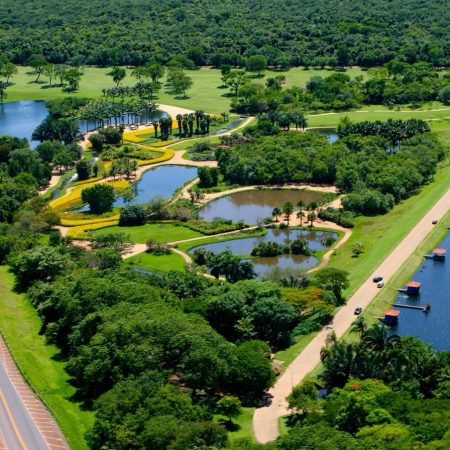
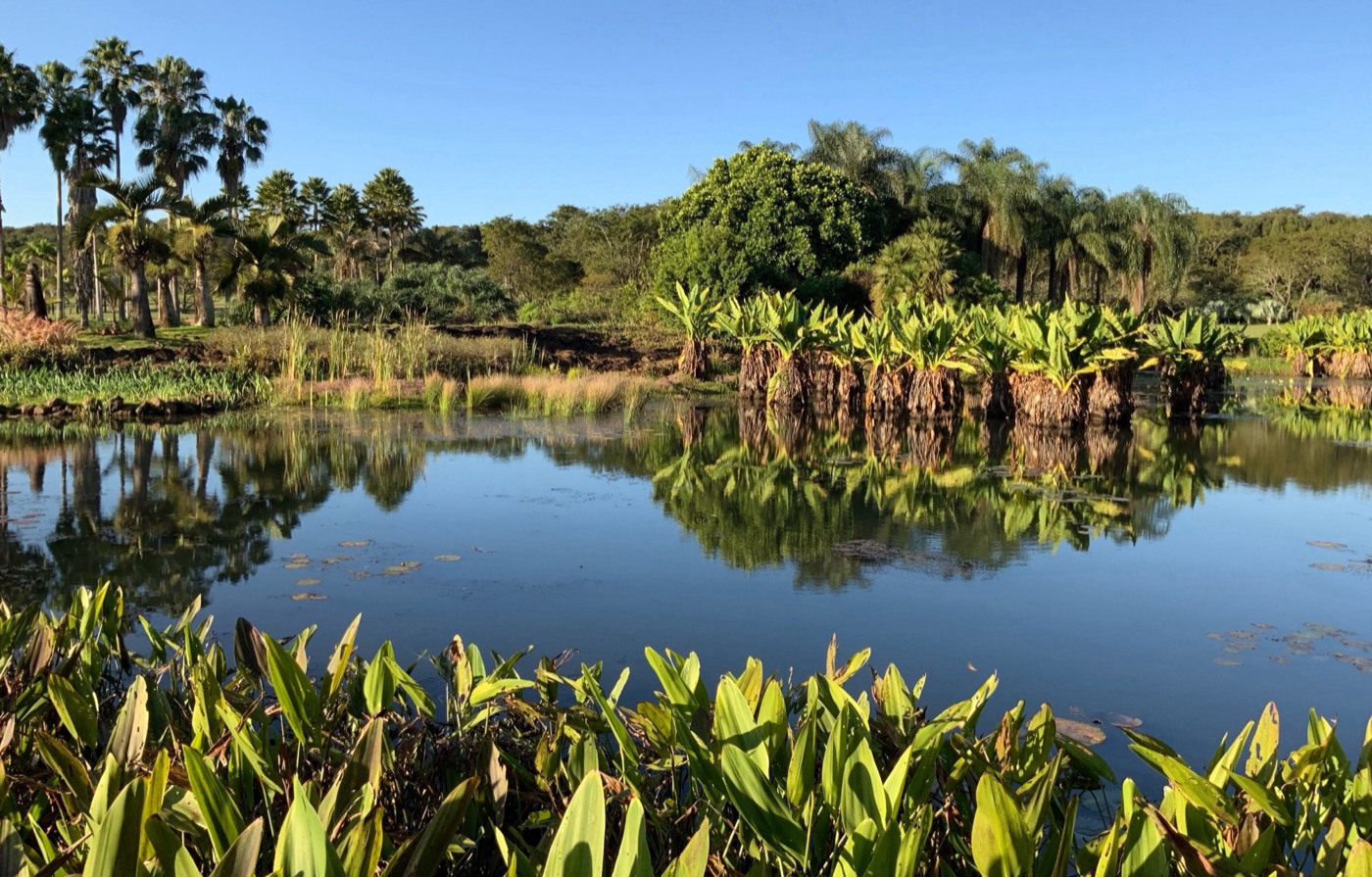
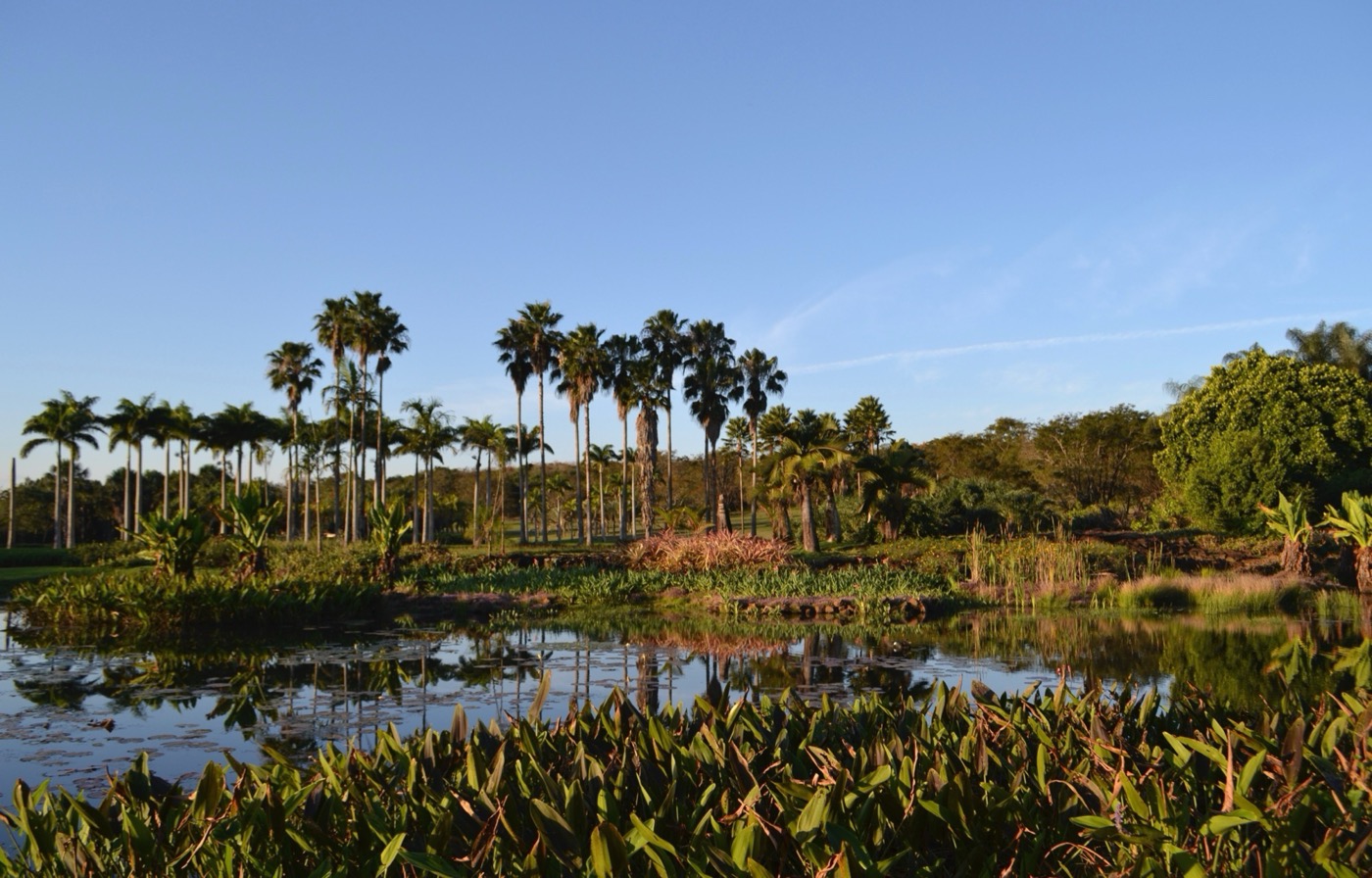
Following the construction of the dam in 1964, the downstream area became a flooded zone dominated by Typha spp. Between 1980s and 1990s, the dam was transformed into a system of eight lakes (12.7 hectares) and extensive gardens, with both terrestrial and aquatic planting beds. This area is now one of the club’s most biodiverse zones, distinguished by exceptional aesthetic value.
The Nautical Club offers a wide range of environmental and landscape attractions, functioning as an open-air school of landscape architecture by integrating practical knowledge of conservation (380 hectares of Cerrado) with botanical, ecological and landscape education.
There is no known record of a single professional working, as Matthes did, for over 50 years on the transformation of a landscape at such a high level of complexity and with such technical and practical expertise, allowing club members and visitors to experience the landscape in its fullest form.
7XR9+CR Américo Brasiliense, São Paulo
73498


LILA 2026 Sponsor