Viva Energia Park
www.licuripaisagismo.com.br
2026 Public Projects / Brazil / Built in 2025 /
![The Green Golf Residence is located in Campinas, in the state of São Paulo. The landscape design for the residence created a welcoming and vibrant garden featuring organic shapes and tropical vegetation that enhance the clean, rectilinear geometry of the architecture. The project also includes the design of a recreational area featuring a swimming pool […]](https://landezine-award.com/wp-content/uploads/2026/05/00_HERO-IMAGE-©Favaro-Jr-600x399.jpg "Green Golf Residence")
![The Nautical Club of Araraquara was founded in 1963 on a 664-hectare site. Its origins can be traced back from the interest of a group of colleagues passionate about water skiing, who built the reservoir in 1964 and developed a Master Plan for the club. The board of directors regarded the landscape with great responsibility, […]](https://landezine-award.com/wp-content/uploads/2026/05/0_HERO-IMAGE-Entrace-Garden-2009-©Bruna-Moreschi-600x384.jpg "Araraquara Nautical Club")
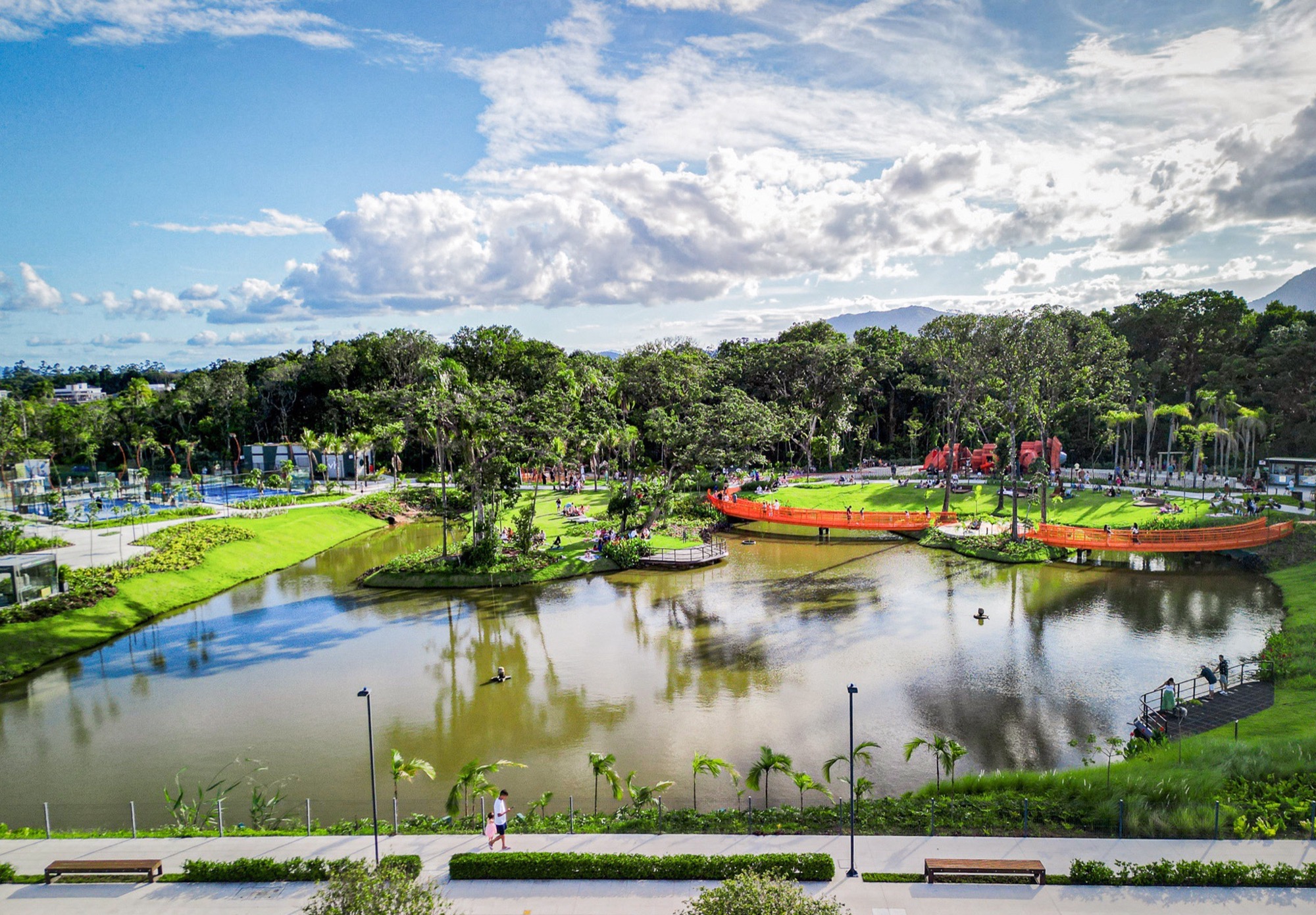
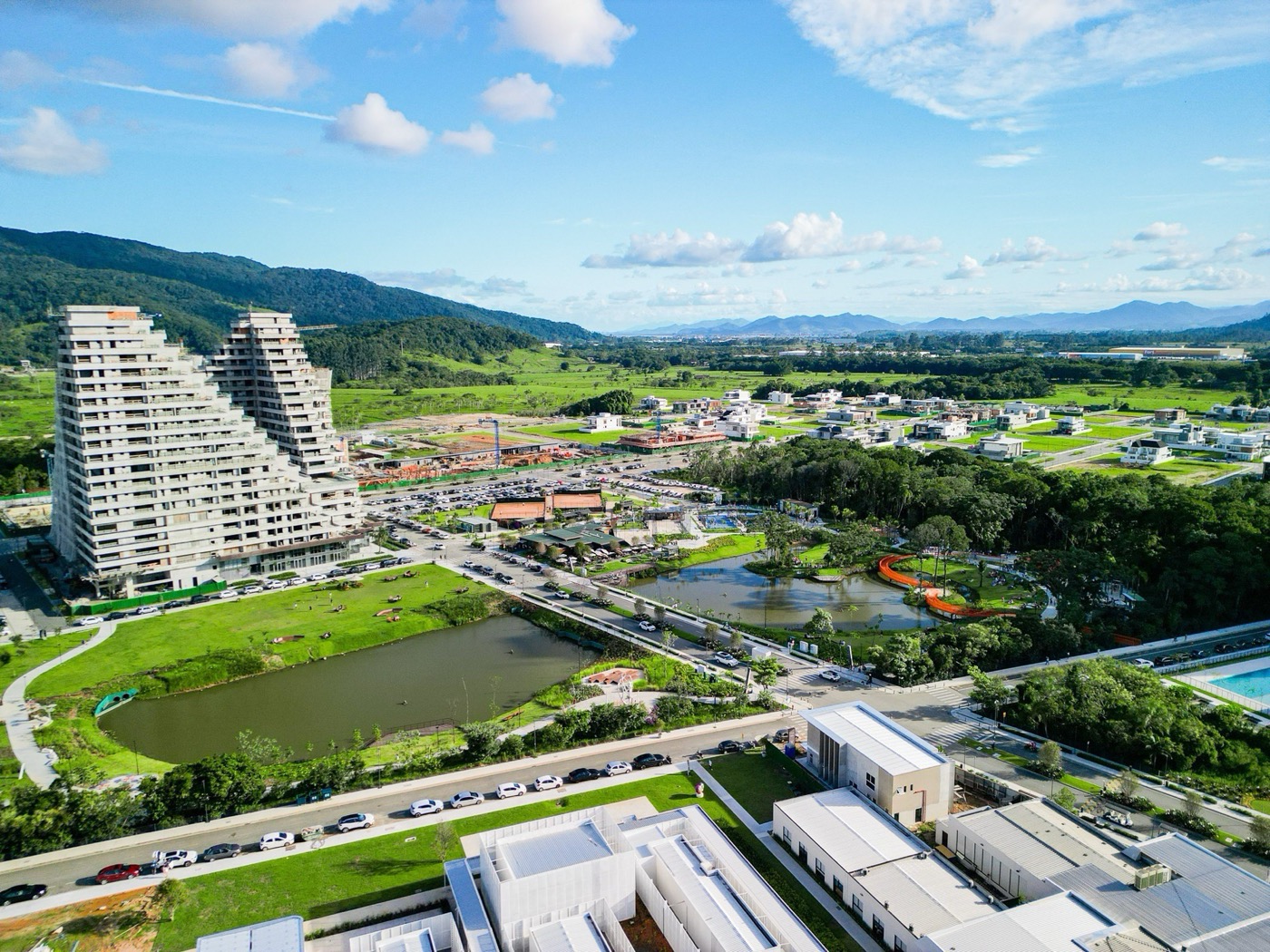
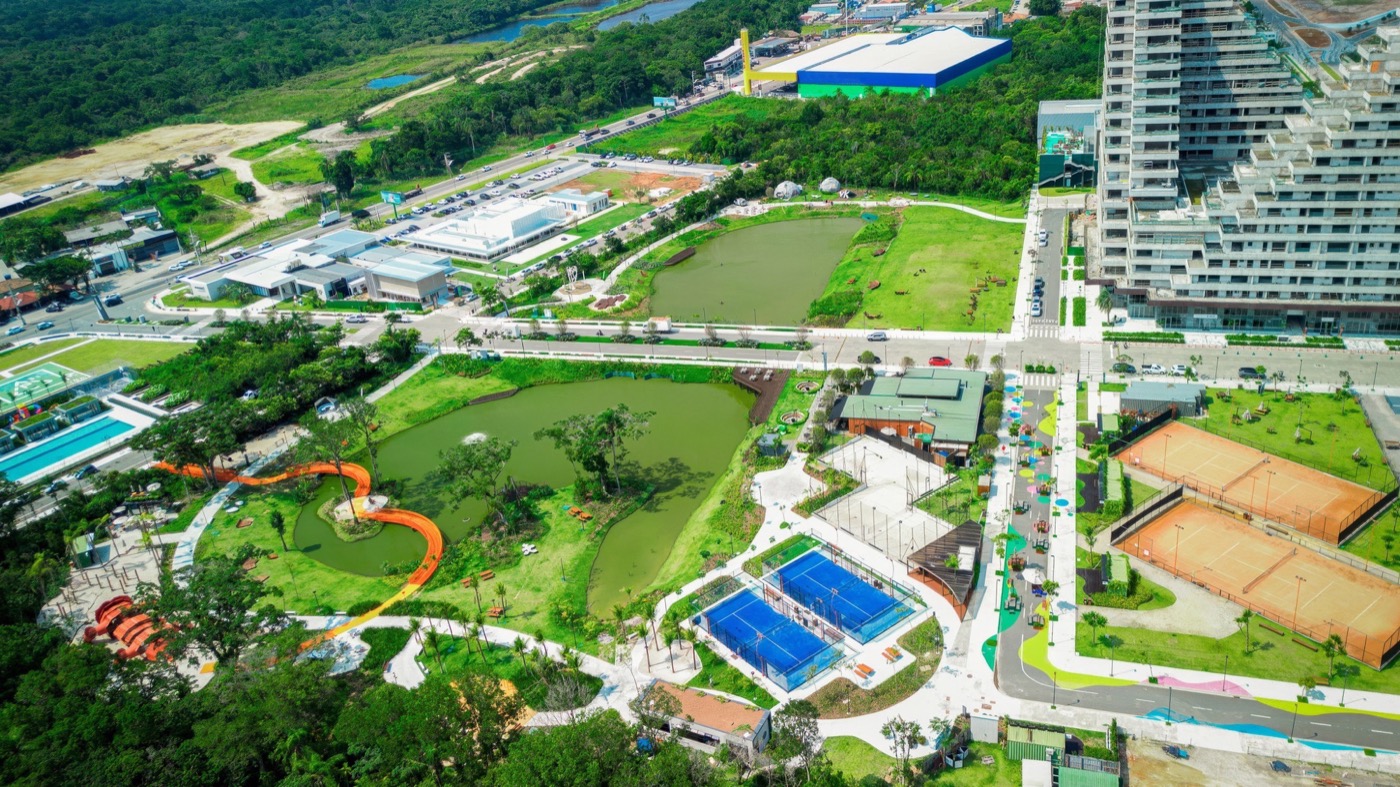
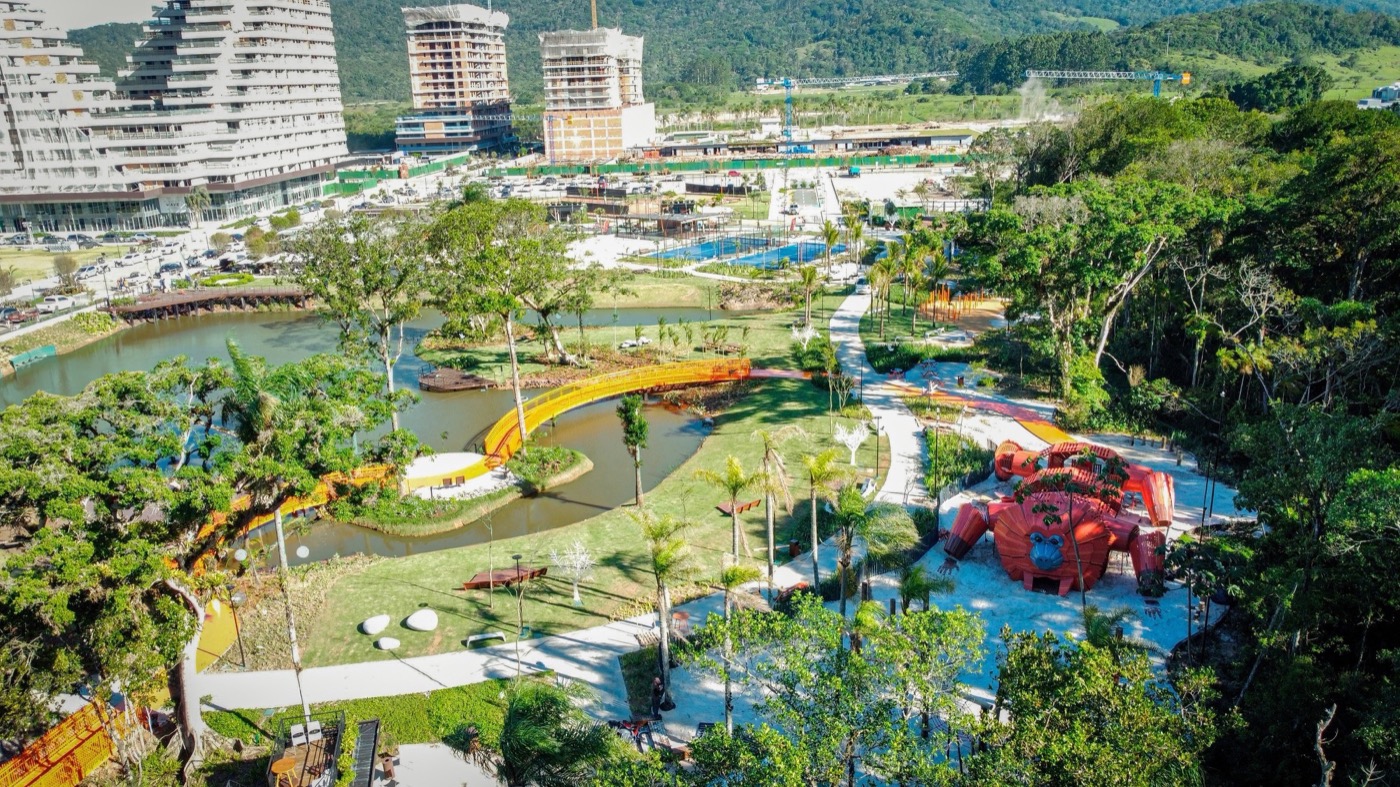
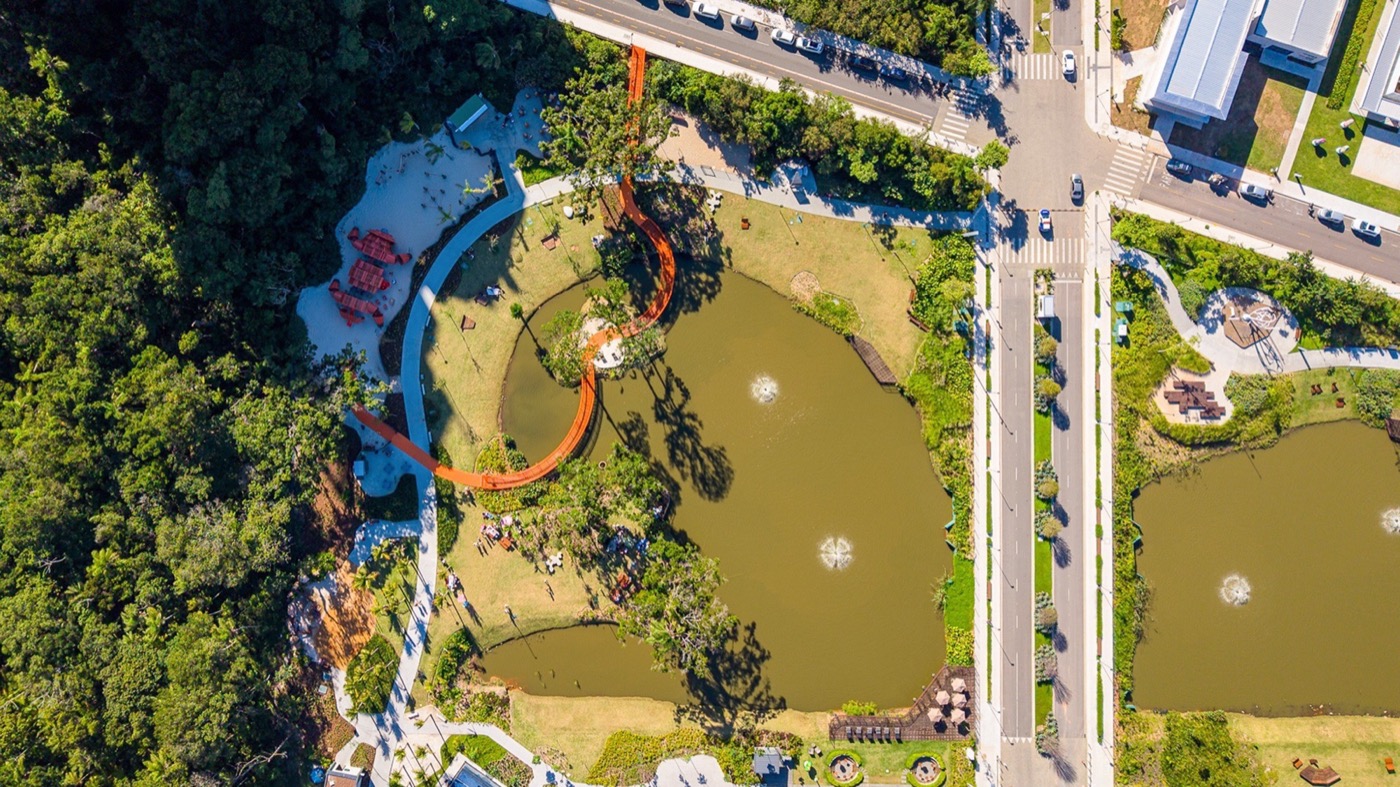
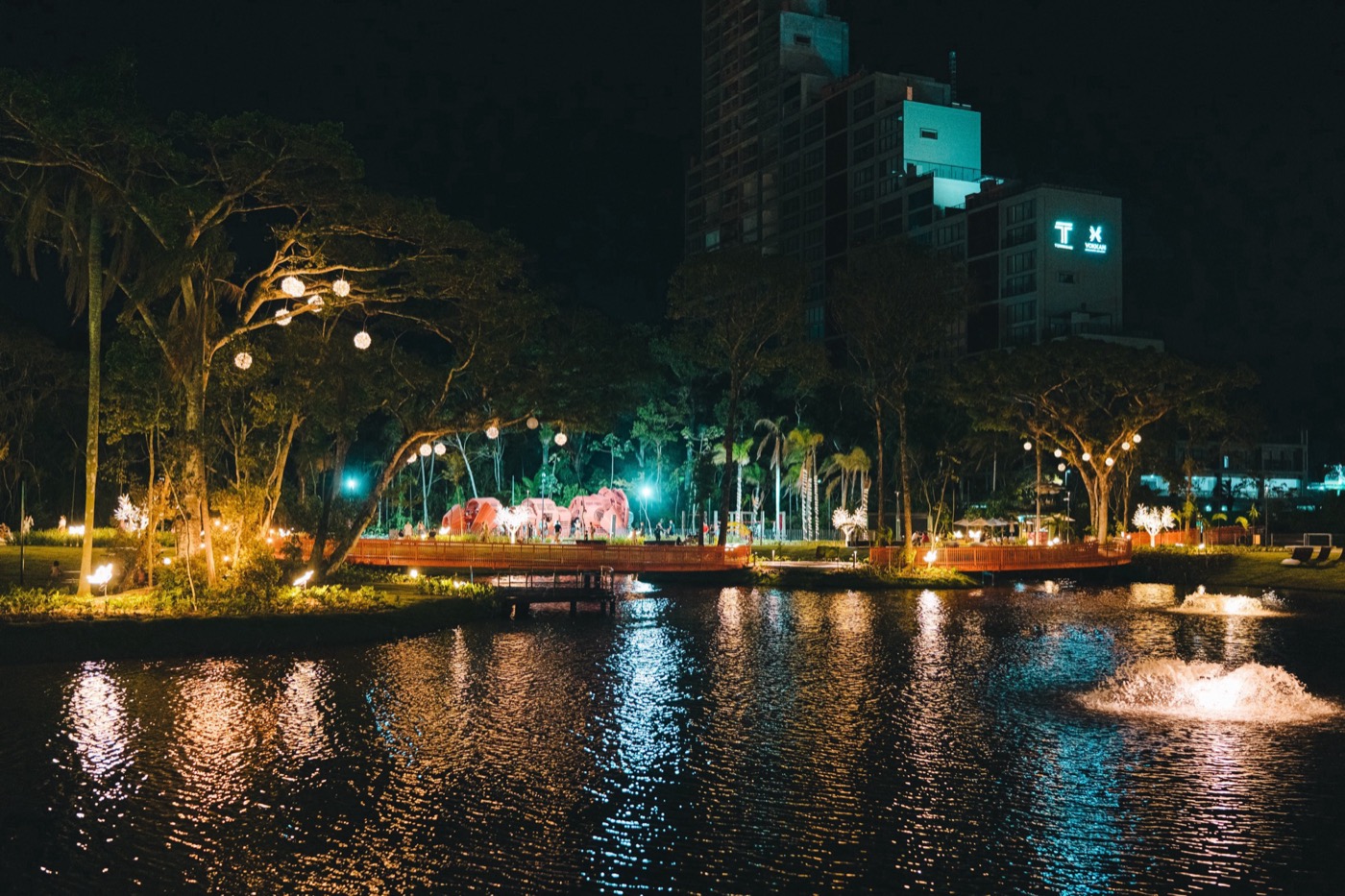
Viva Energia Park was implemented during the first stage of Vivapark Porto Belo, the first park neighborhood in Brazil, located in Porto Belo on the Emerald Coast in southern Brazil. It is a green area featuring two constructed lakes designed for flood control and water retention, framed by native vegetation, lawns, leisure amenities, and specially designed gardens, adjacent to the neighborhood’s main access.
Vivapark Porto Belo attracts a large number of visitors, ranging from local residents to inhabitants and tourists from Porto Belo and surrounding cities.
The new landscape design for Viva Energia Park reconfigured the site, promoting the enrichment and diversification of both vegetation and program, expanding the range of experiences available to its users. Through strategies of ecosystem valuation, the design of this landscape establishes a closer relationship between people and nature, introducing dynamic recreational spaces with a vibrant flow of activity—particularly in areas dedicated to children.
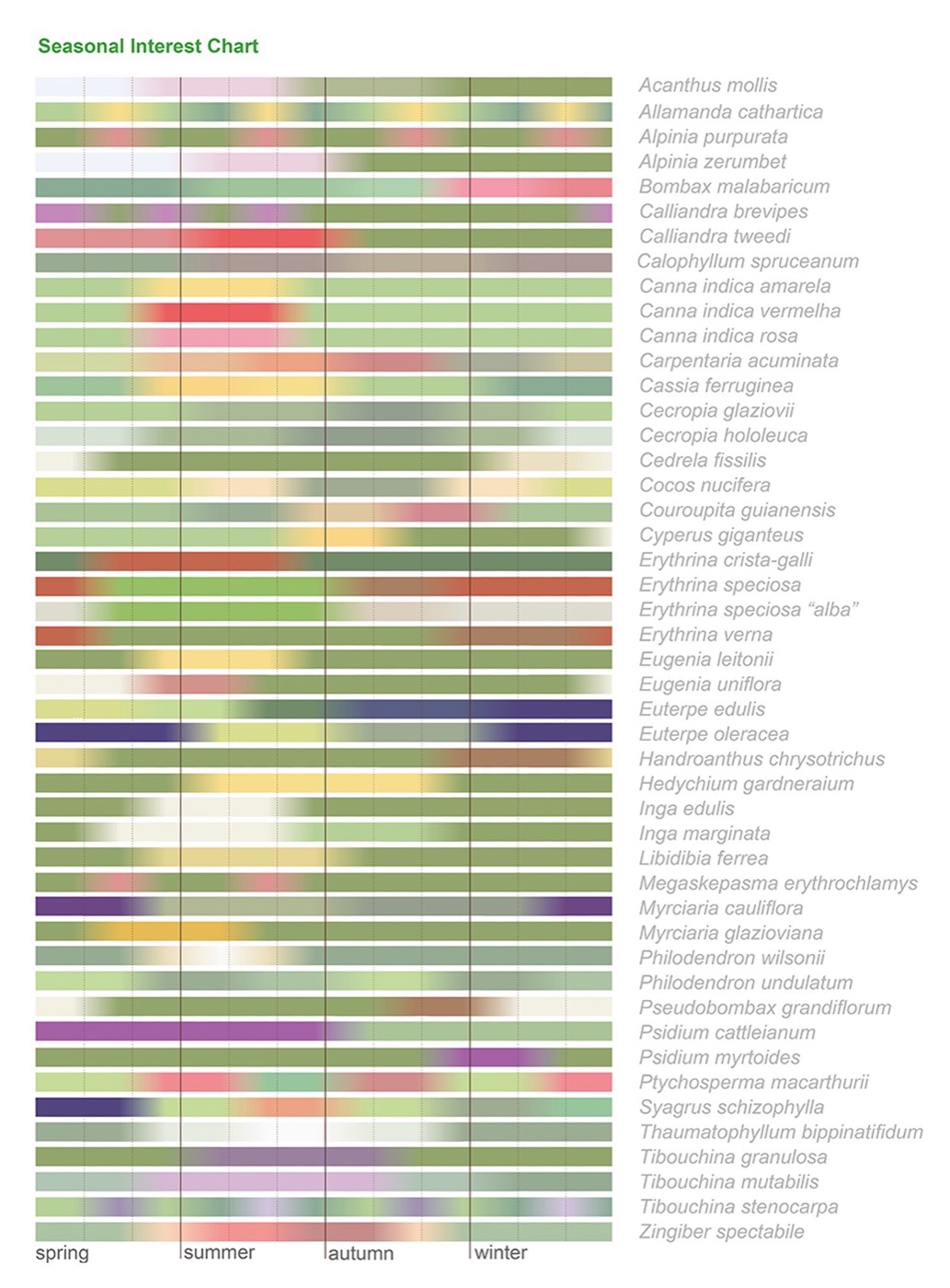
The selection of plant species was guided by the goal of increasing biodiversity. This botanical palette enhances the park’s capacity to attract regional fauna in search of food and shelter, through the use of native and well-adapted species.
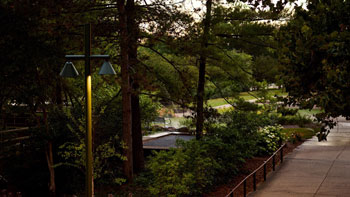
The project also created a transitional buffer zone between the protected forest and the park, safeguarding the natural heritage while providing environmental comfort through shaded areas. This green area includes fruit-bearing species commonly found in the region, such as Inga sp, Psidium sp, and Cecropia sp.
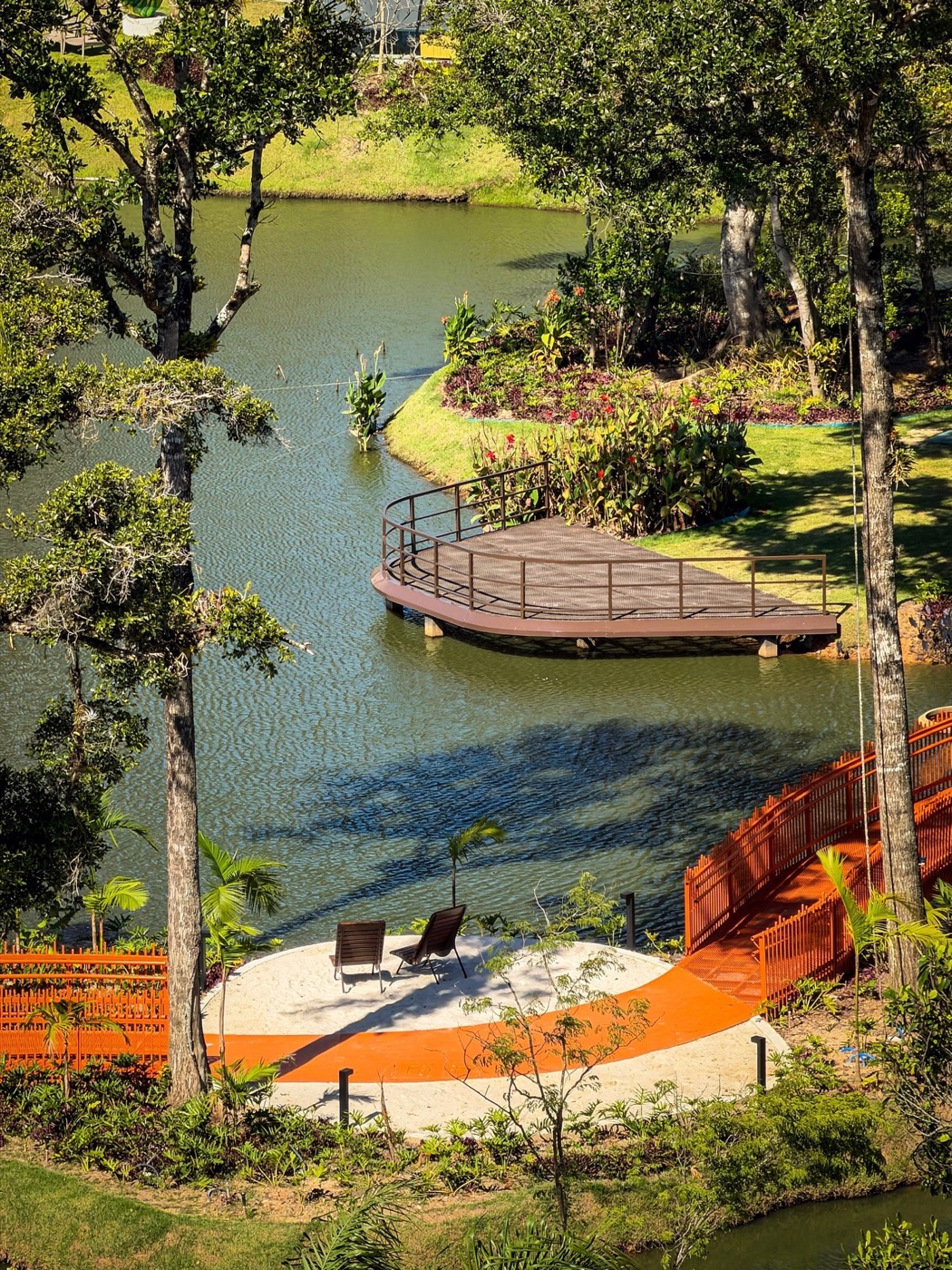
Water quality in the lakes was improved through the introduction of aquatic and palustrine species, which contribute to pollutant filtration and sediment stabilization. In addition to attracting birds, insects, and small amphibians, these planted beds enhance the lakes’ visual appeal, particularly near observation decks that bring visitors closer to the water and its diverse aesthetic qualities.
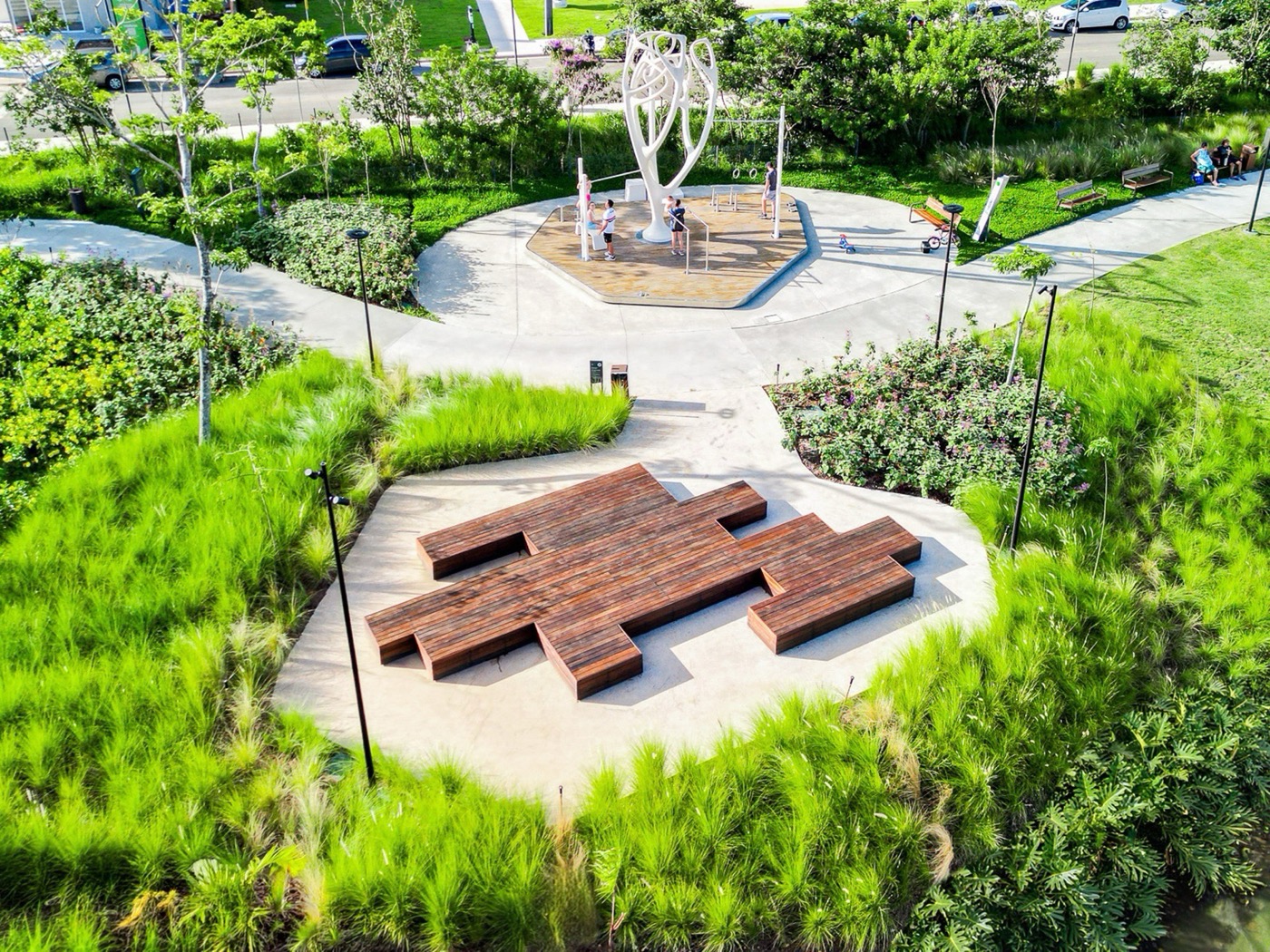
Beyond its ecological functions, the project brings significant aesthetic enrichment to the park, increasing both the diversity and quantity of trees, shrubs, and groundcovers. The variety of forms, colors, flowers, and textures contributes to a distinctive spatial identity. Newly constructed structures further reinforce the character of Viva Energia Park, while vegetation defines and frames pathways and gathering spaces.
Three new attractions stand out, encouraging leisure in contact with nature and promoting educational activities: PlayAcqua and Mico Leão Dourado to the west, and the Cultural Domes to the east.
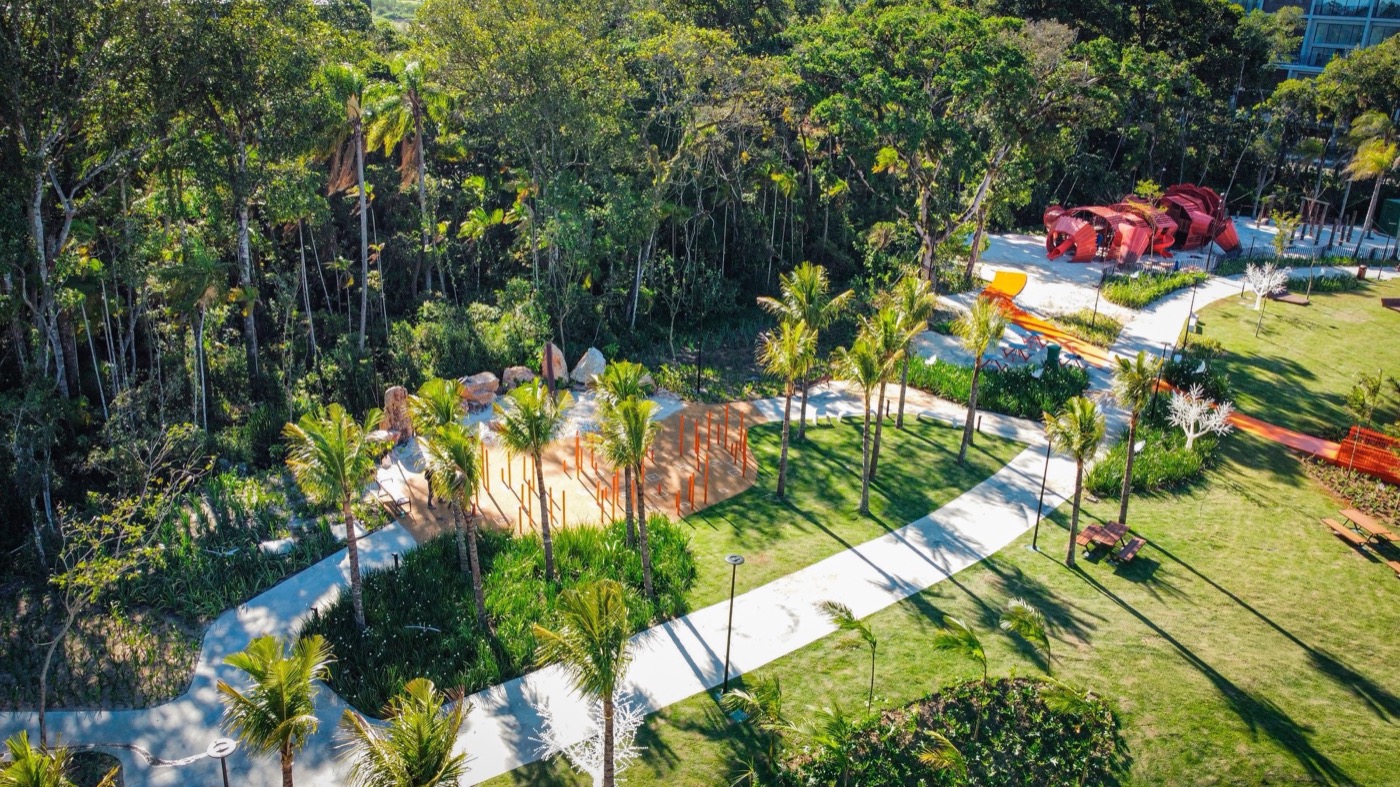
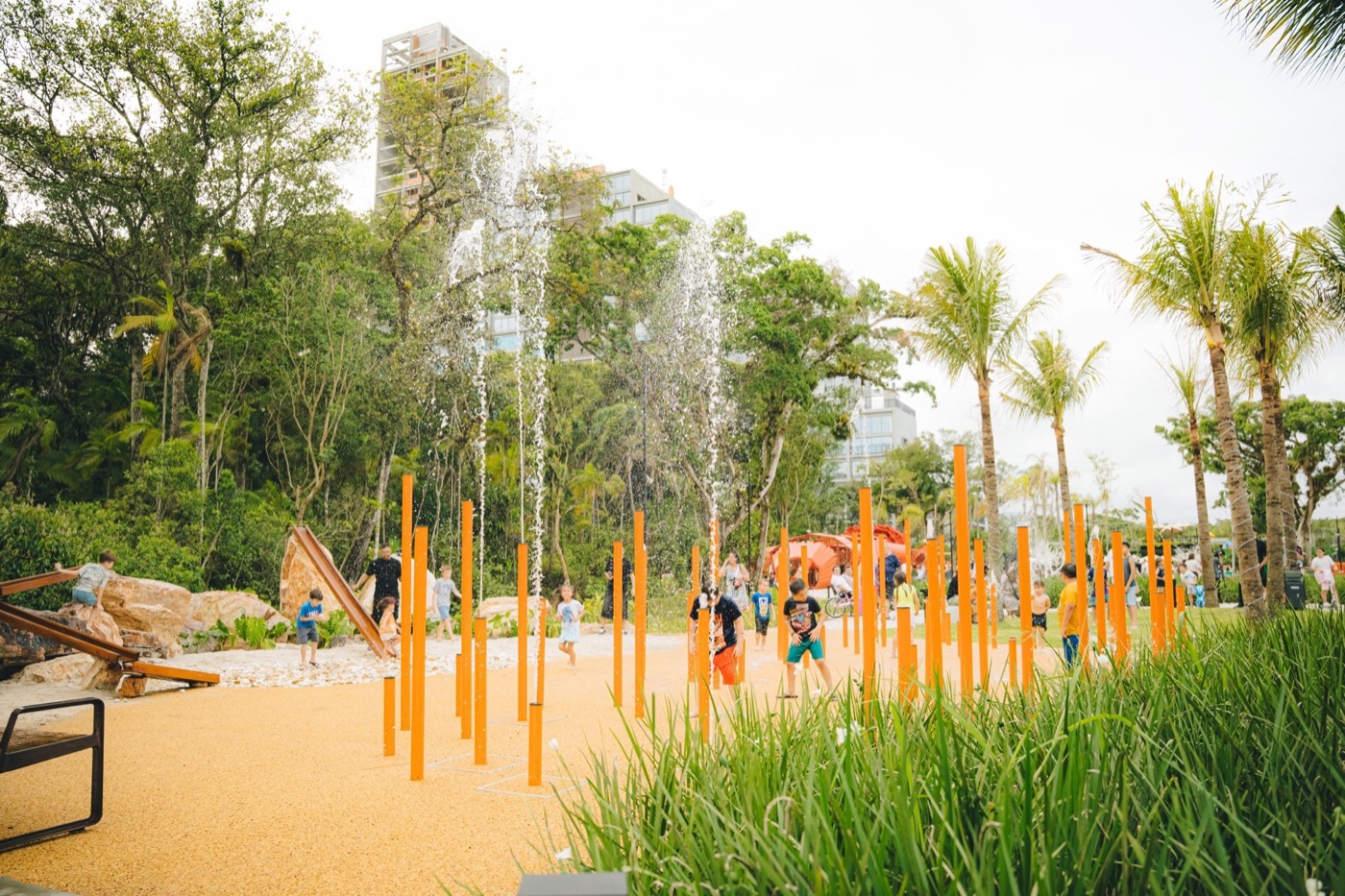
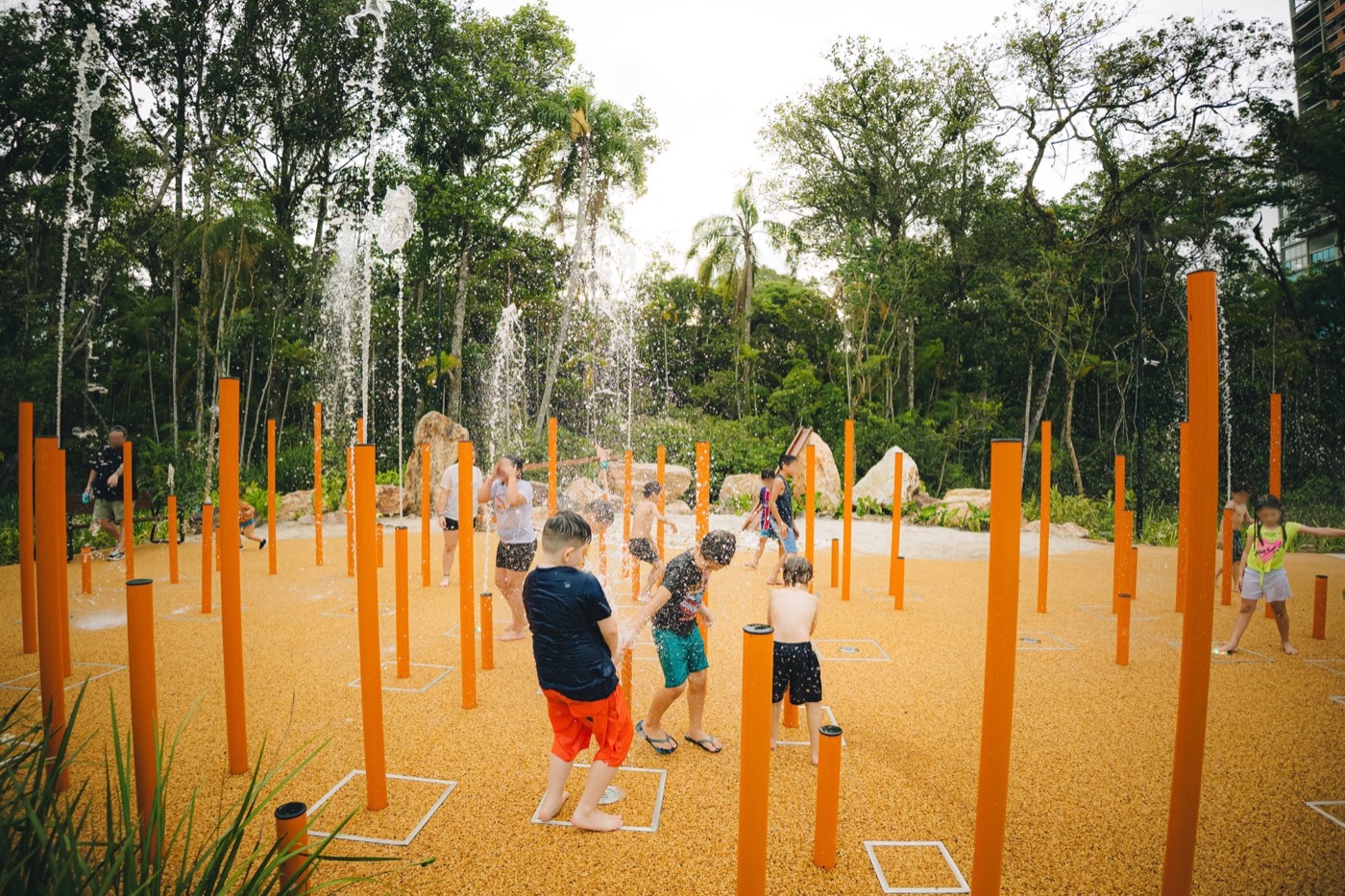
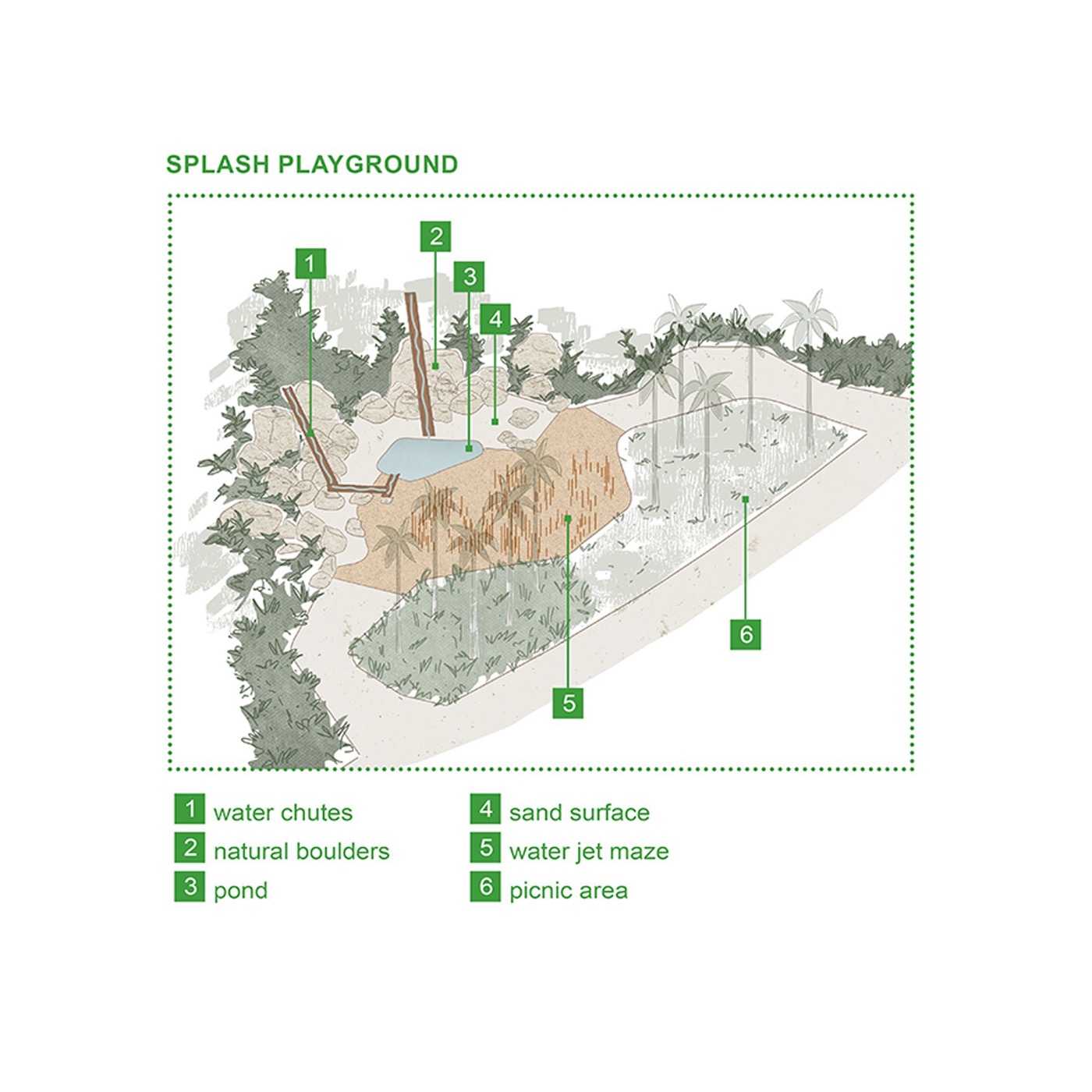
PlayAcqua is a playground that establishes a symbolic connection between the park and the existing forest, bringing children closer to water through designed features such as channels and cascades that lead into a small lake, as well as water jets at varying heights. This playful environment is framed by natural rock compositions and tropical vegetation, creating a background that suggests an extension of the surrounding native forest.
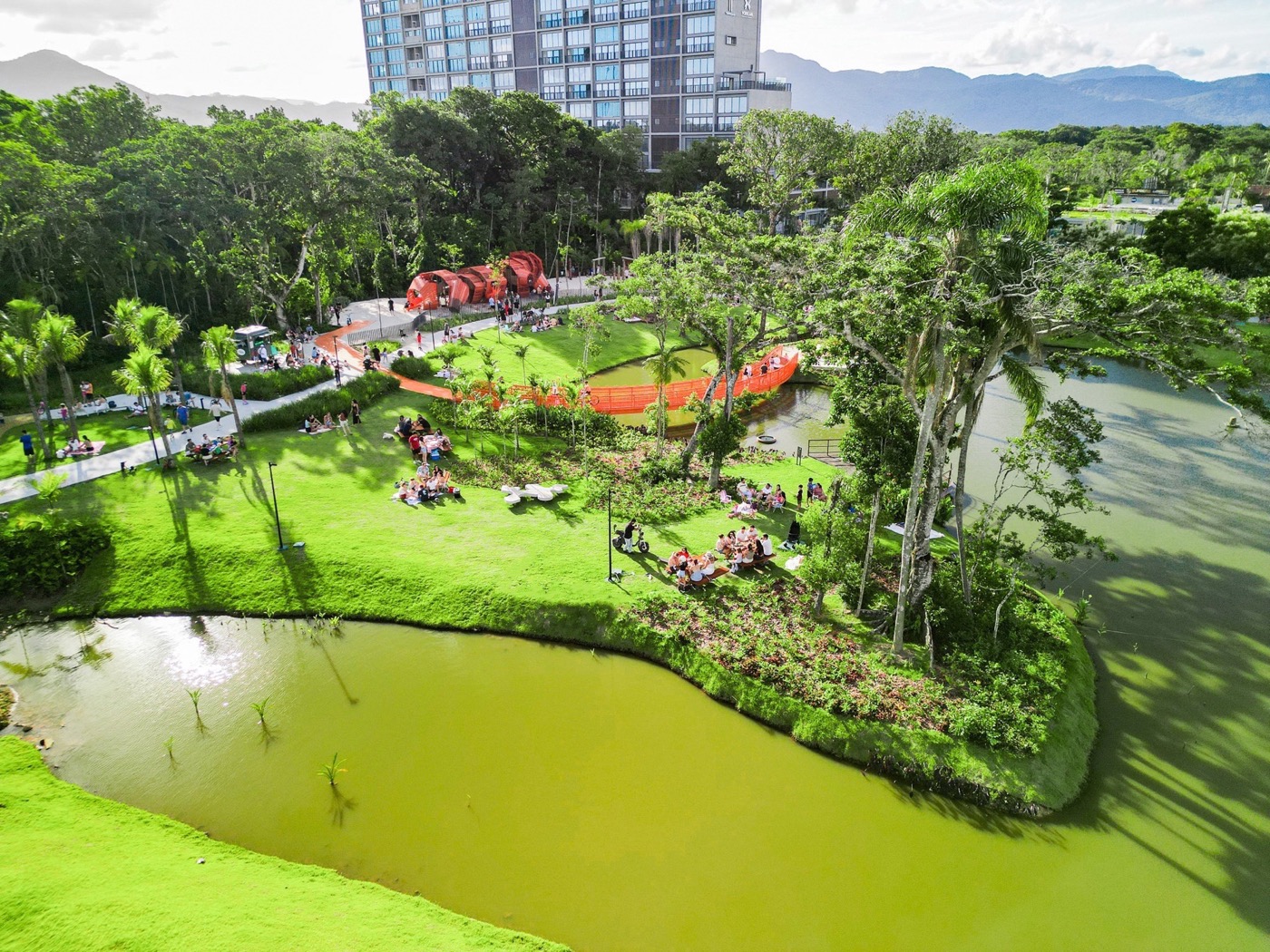
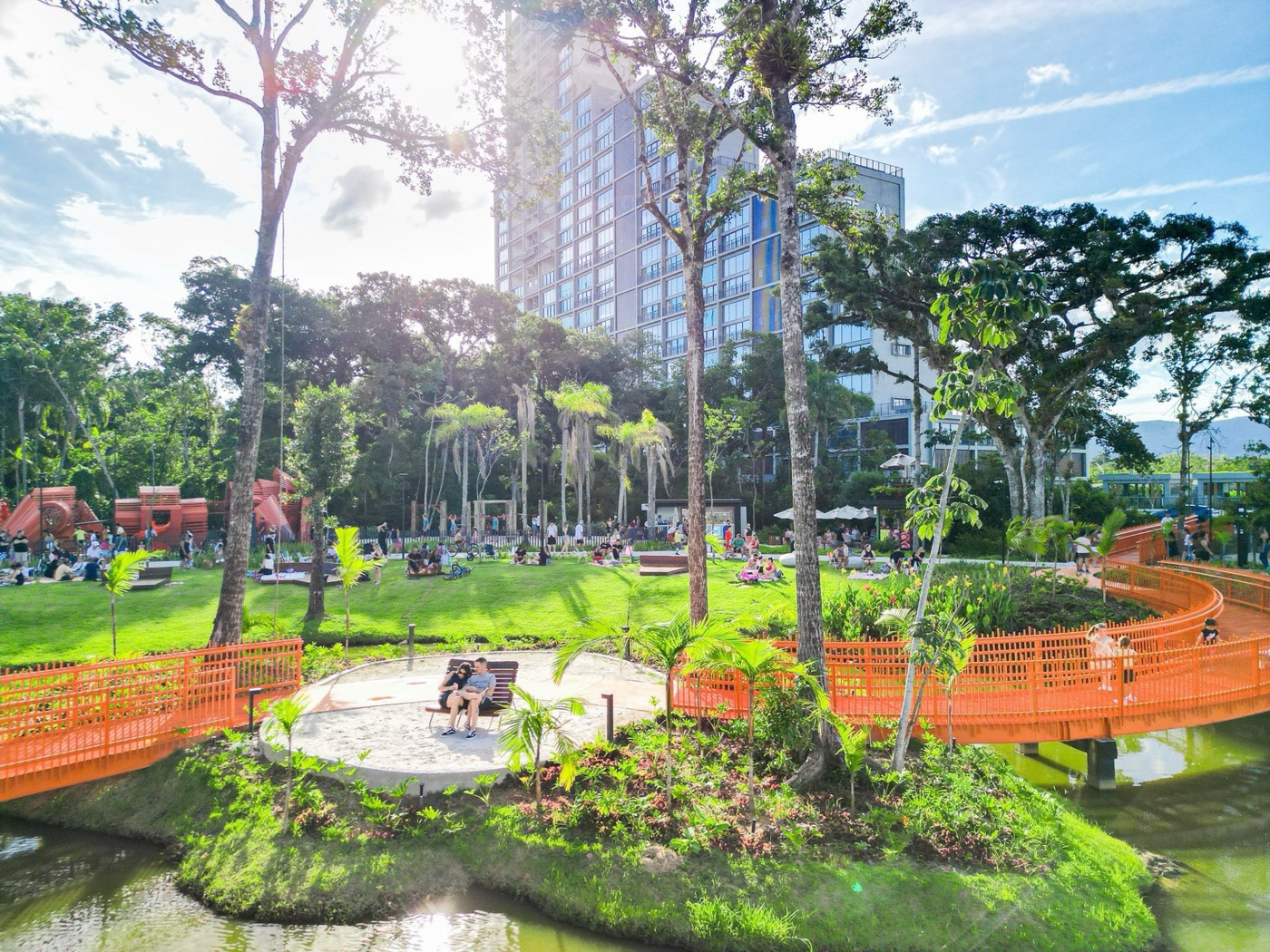
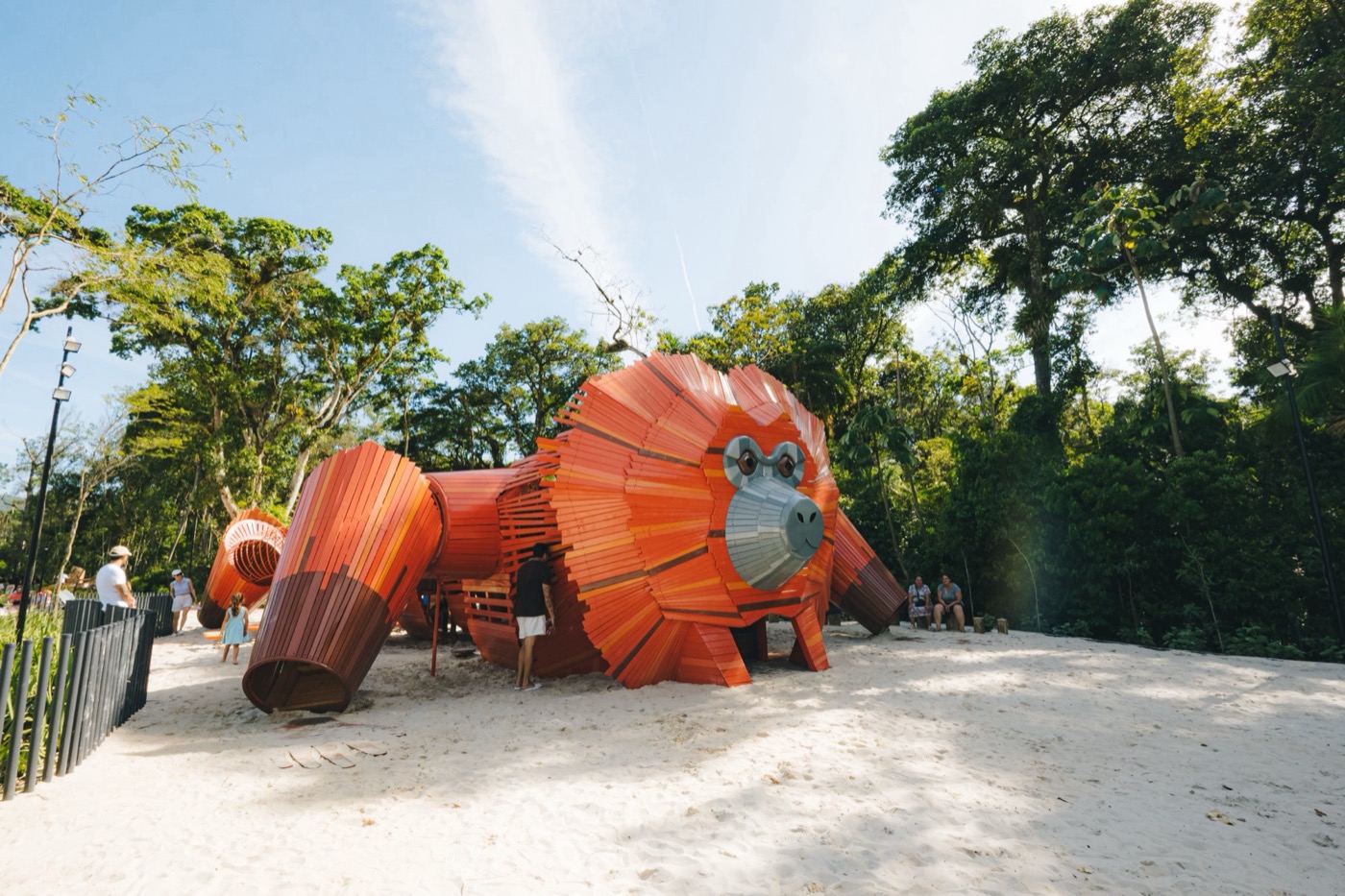
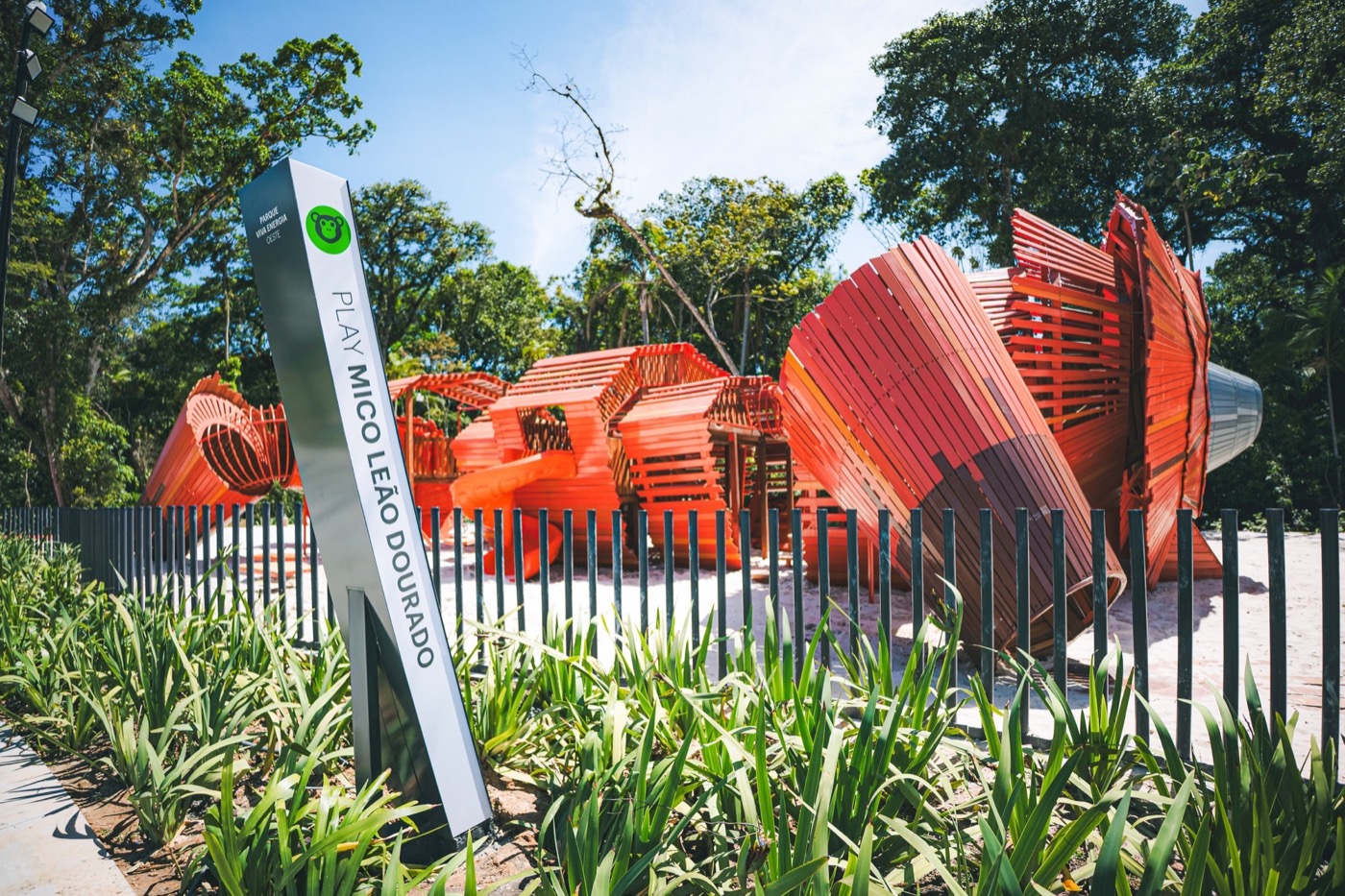
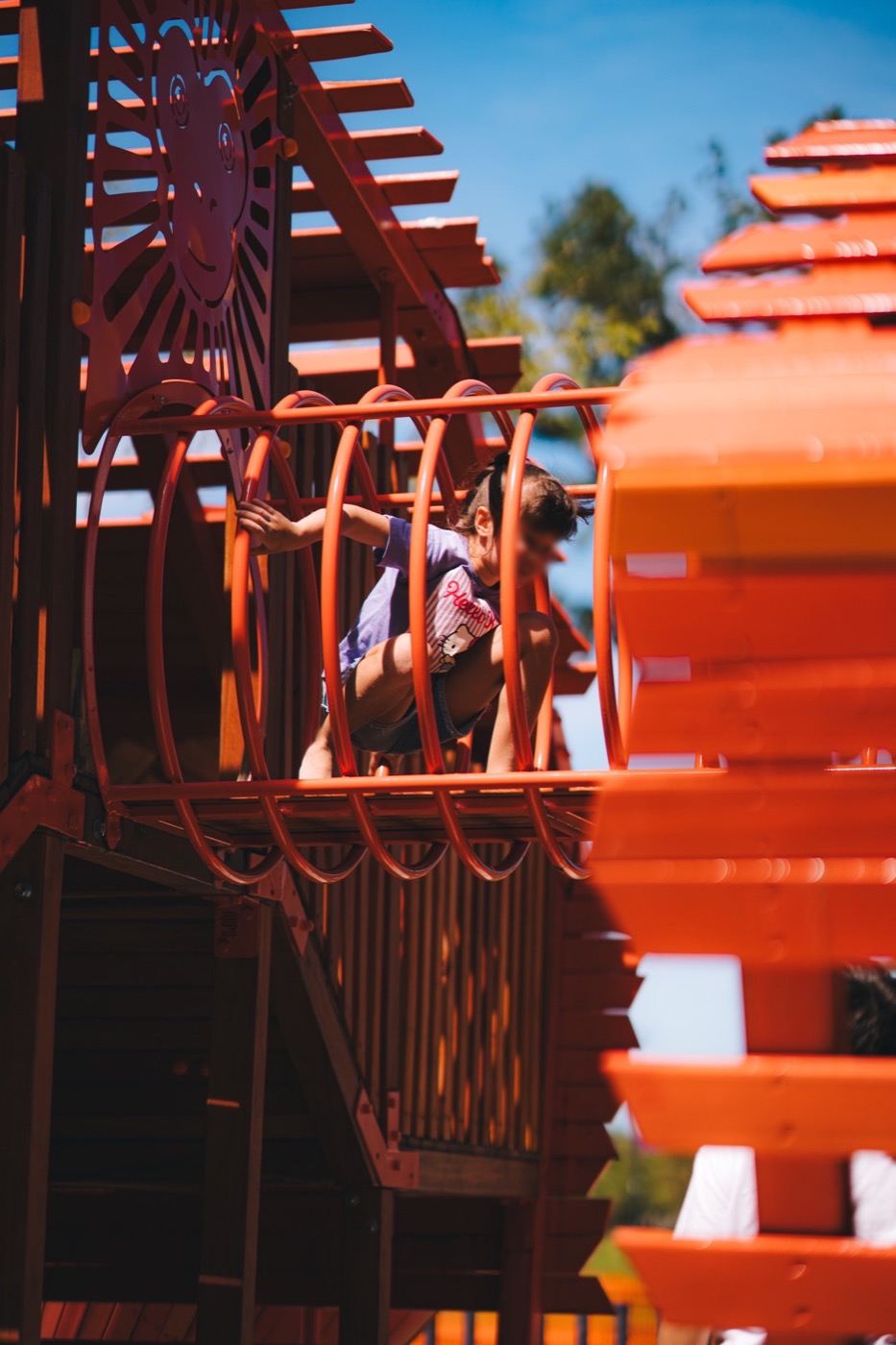
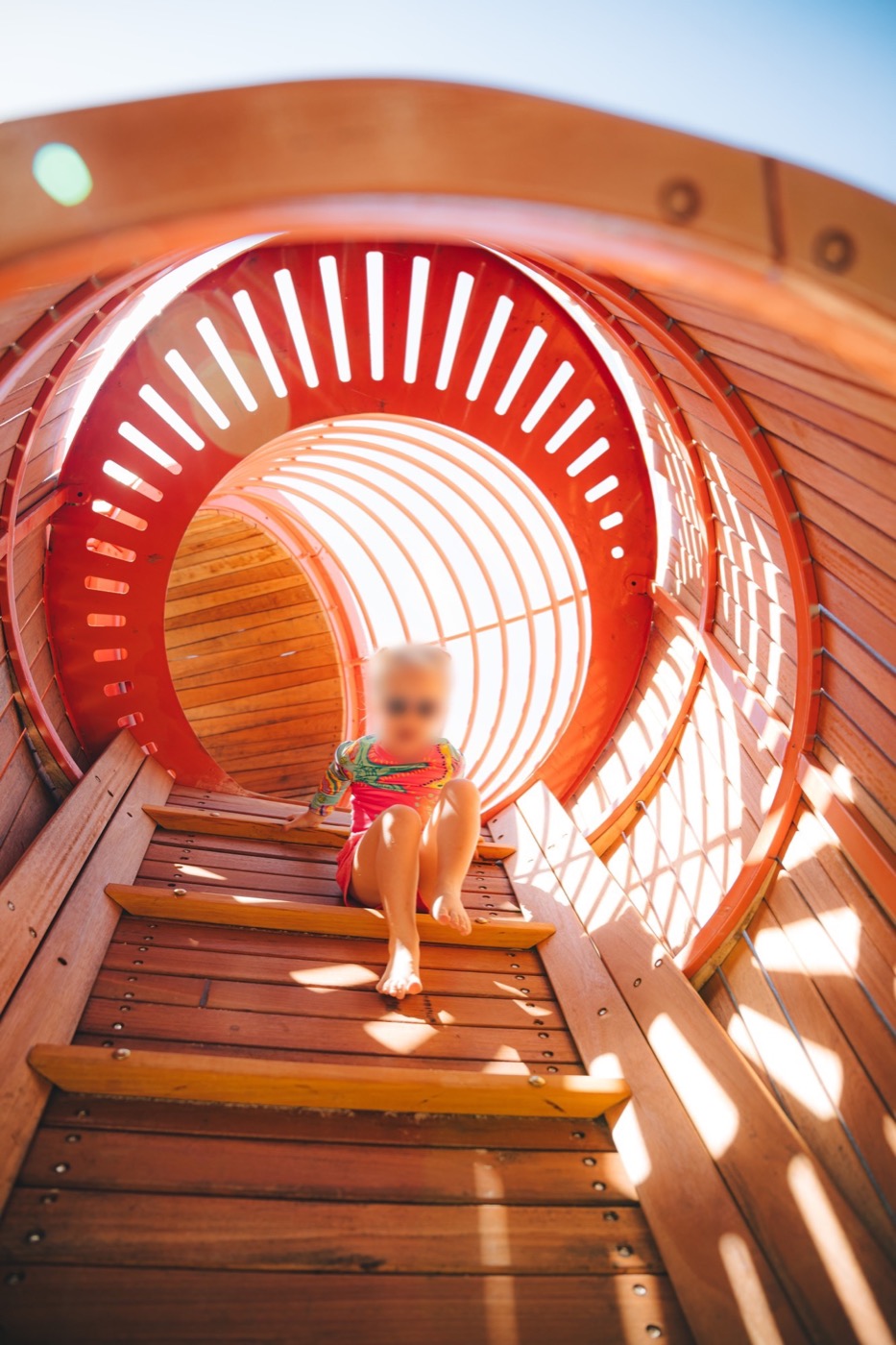
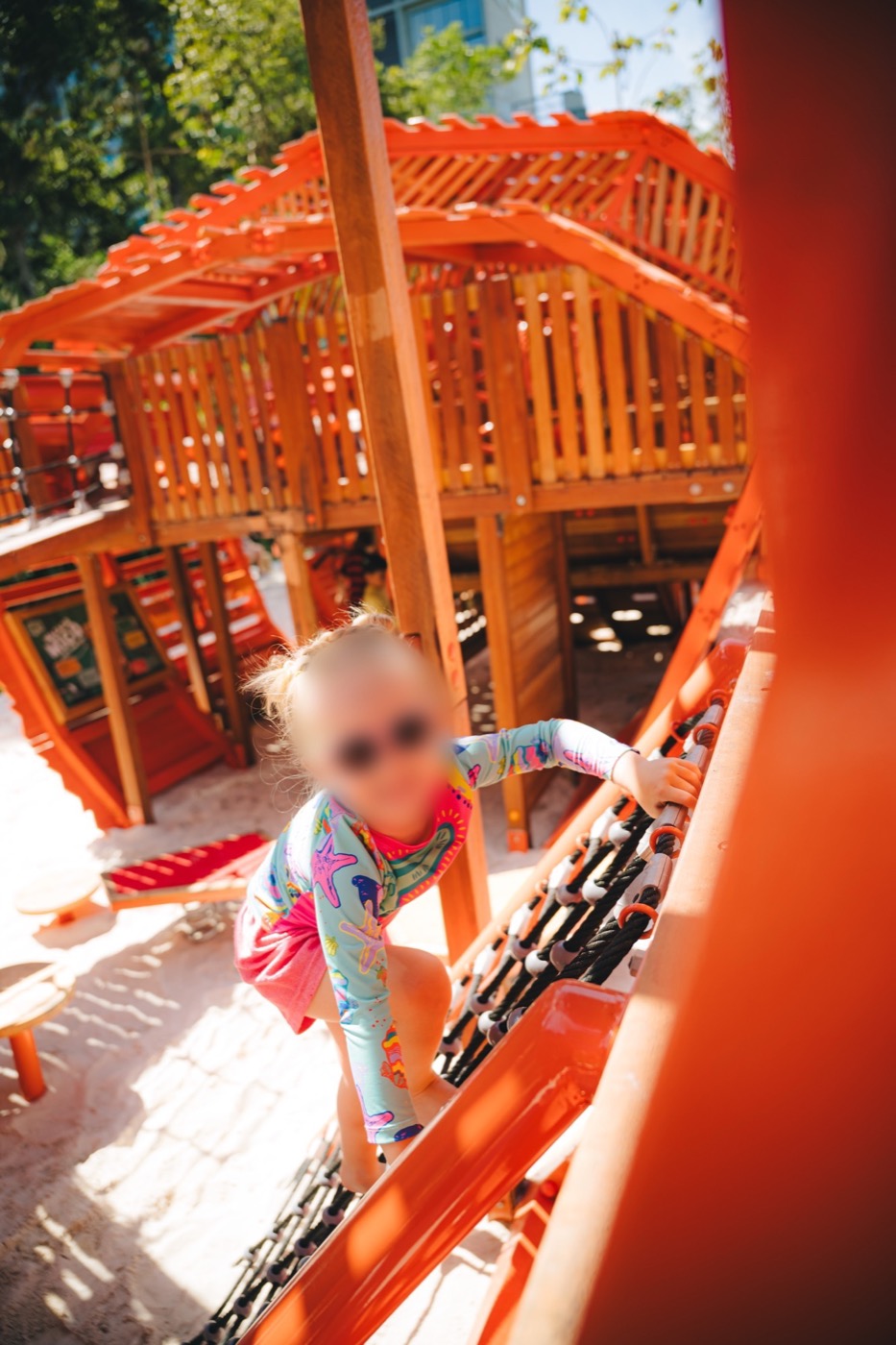
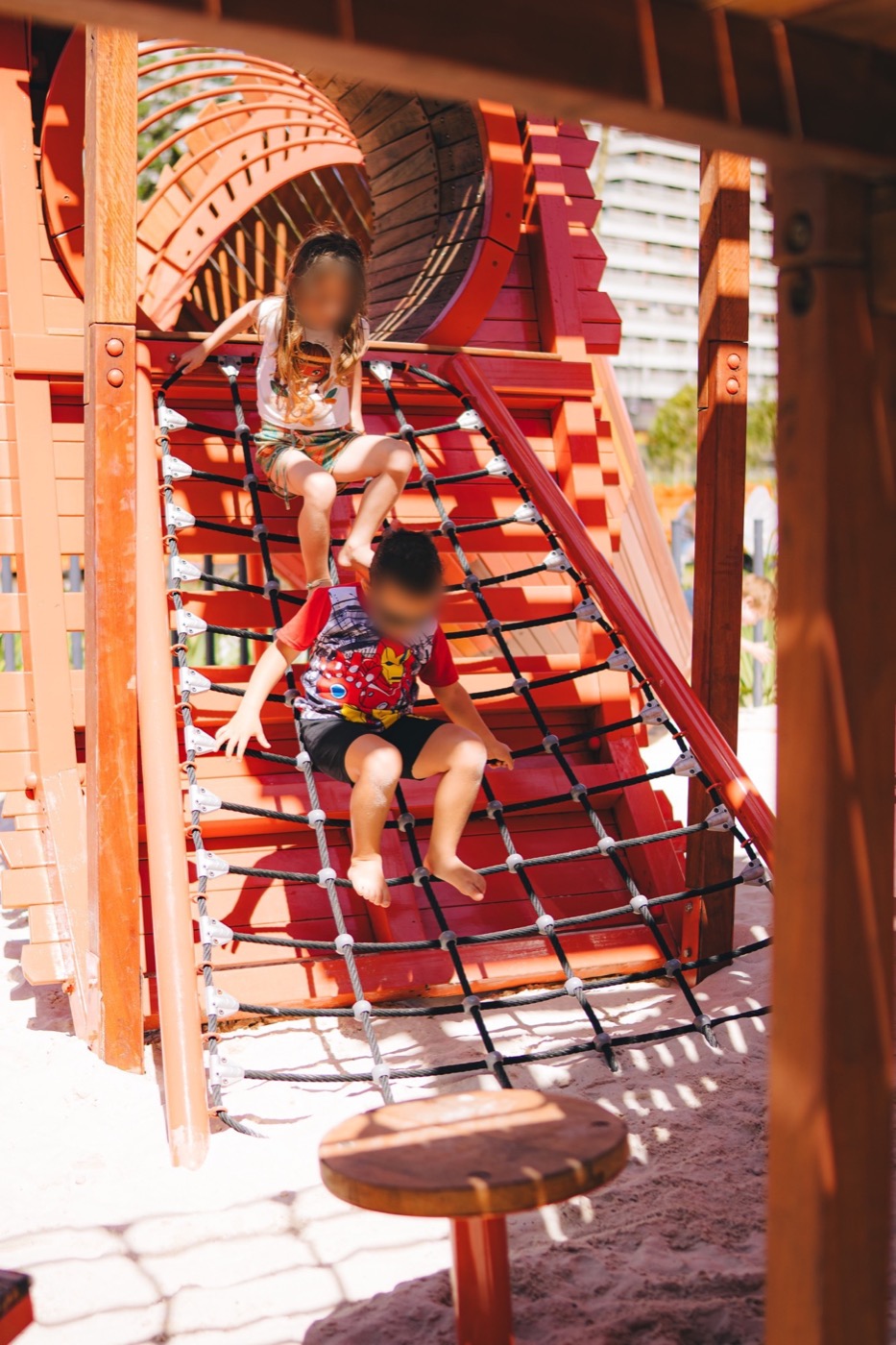
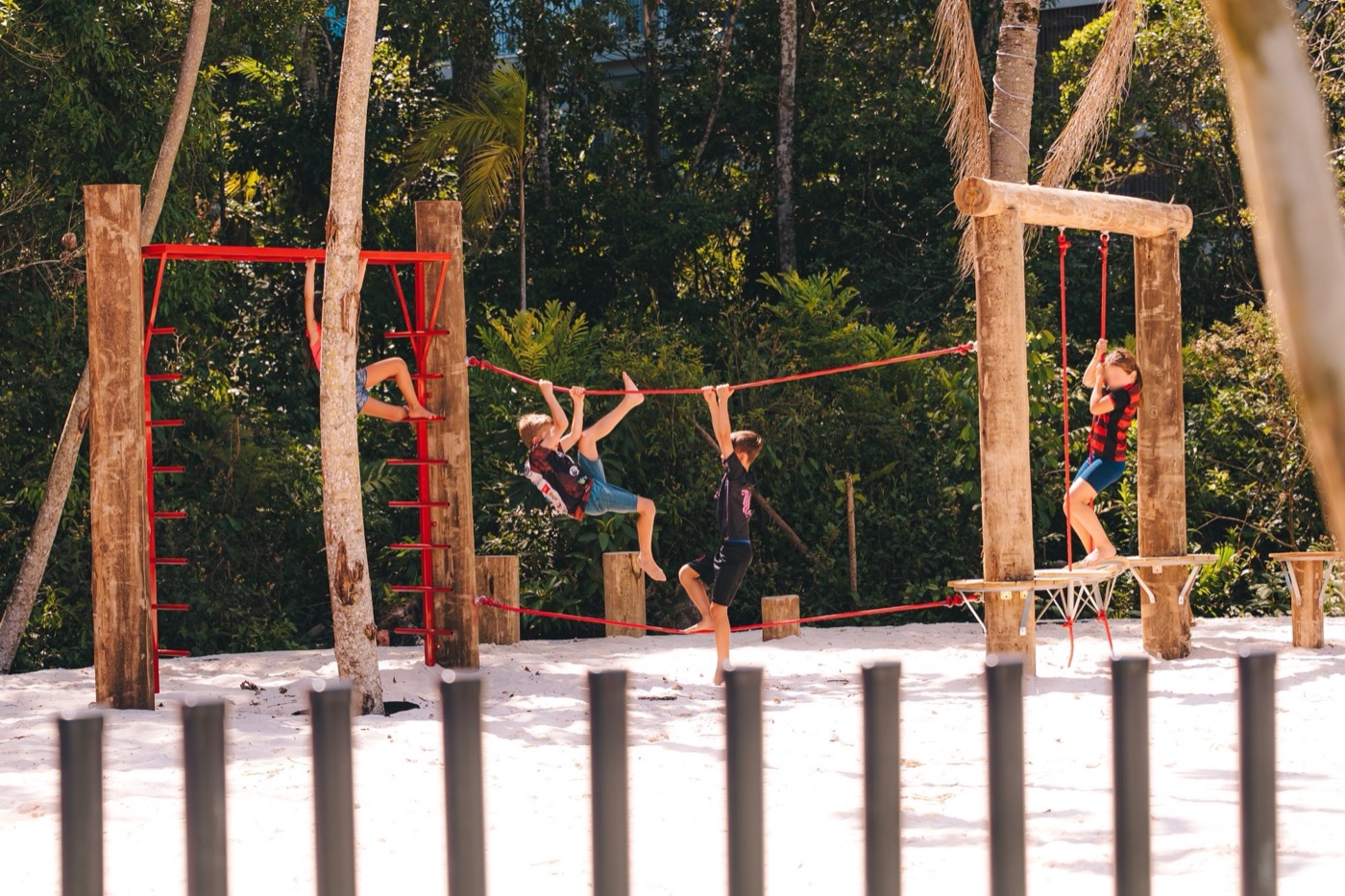
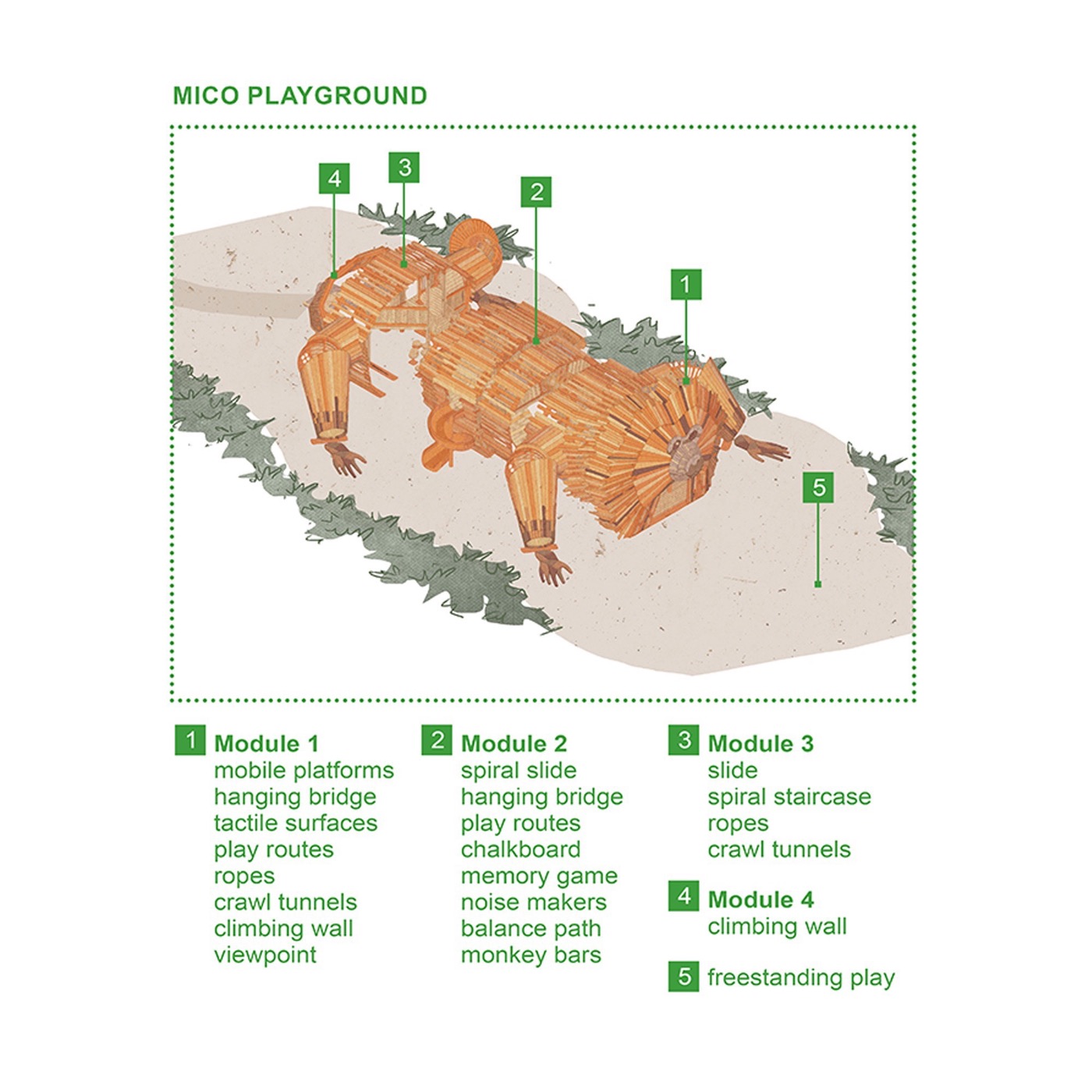
The Mico Leão Dourado (golden lion tamarin), an emblematic species of the Brazilian Atlantic Forest, inspired a large-scale play structure incorporating elements for sliding, balancing, swinging, and climbing, suitable for all ages. The orange hue of its fur is expressed in the form of its tail, which extends through the park as a bridge, pathway, and connector between the lakefront and its island, transforming it into a contemplative space that offers a new viewpoint over the park landscape.
This playground occupies a generous area near the western lake. The body of the tamarin is positioned in front of the native forest, facing the preserved greenery, while its tail moves freely through the park, inviting visitors into its playful elements.
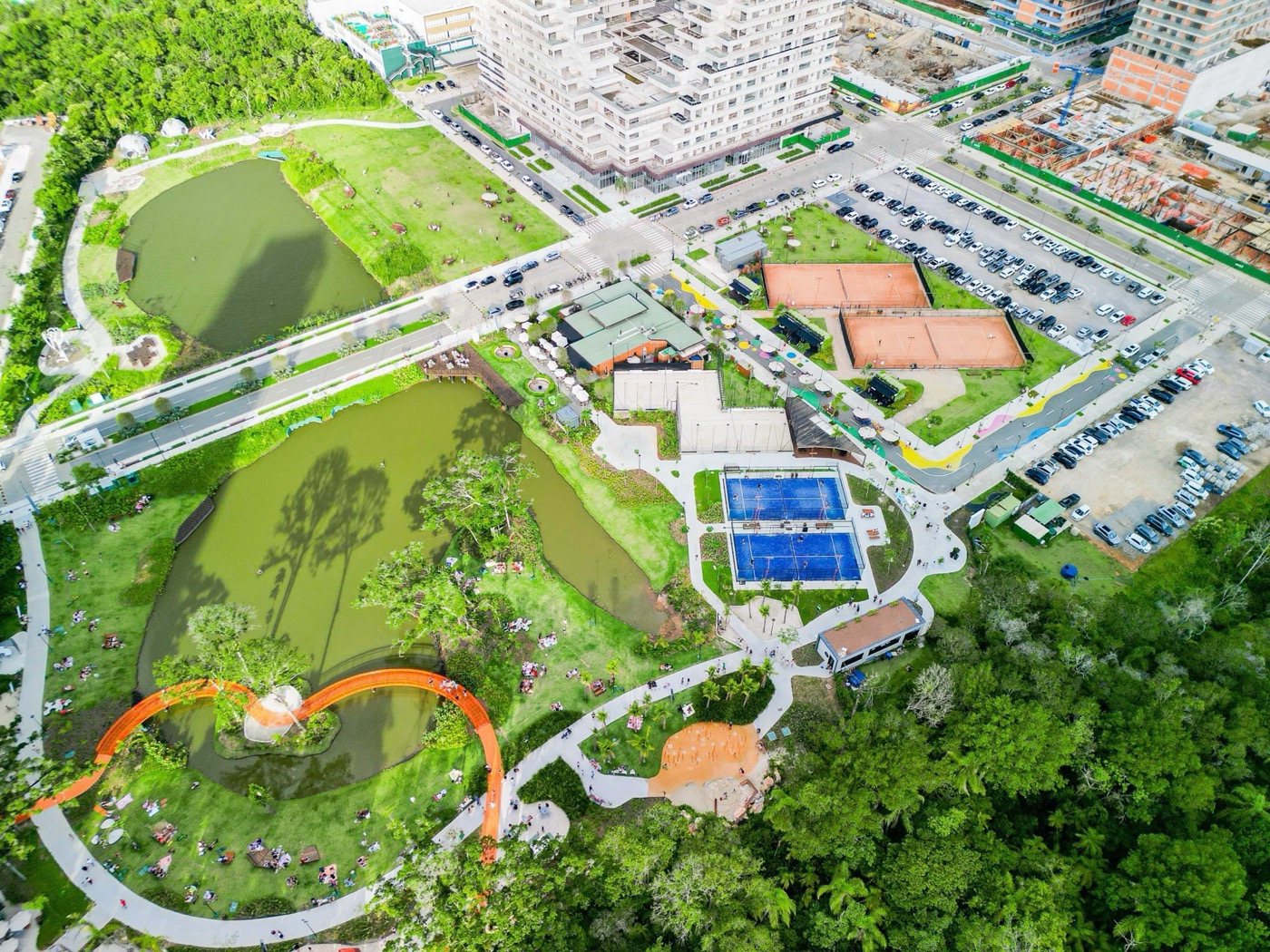
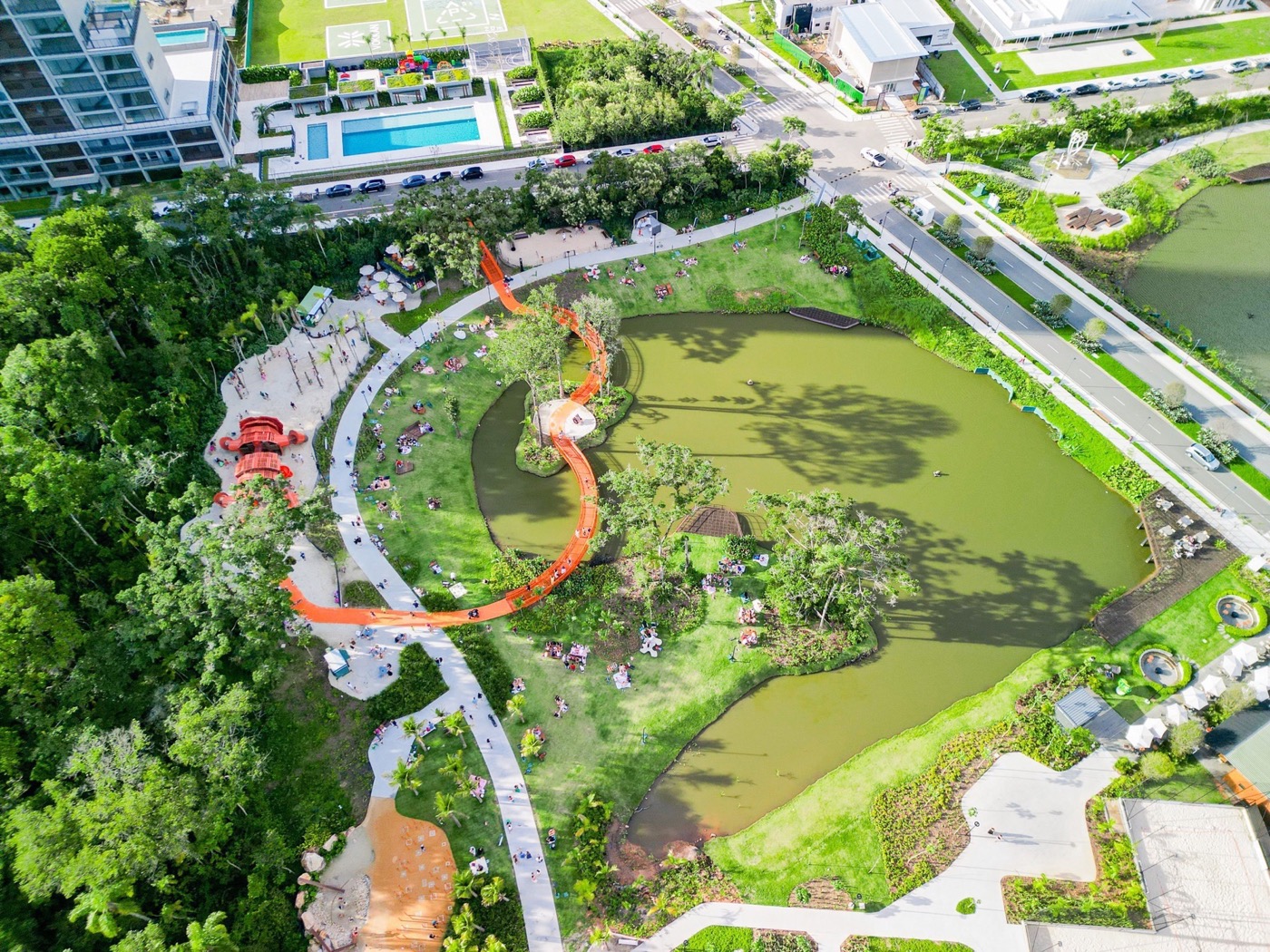
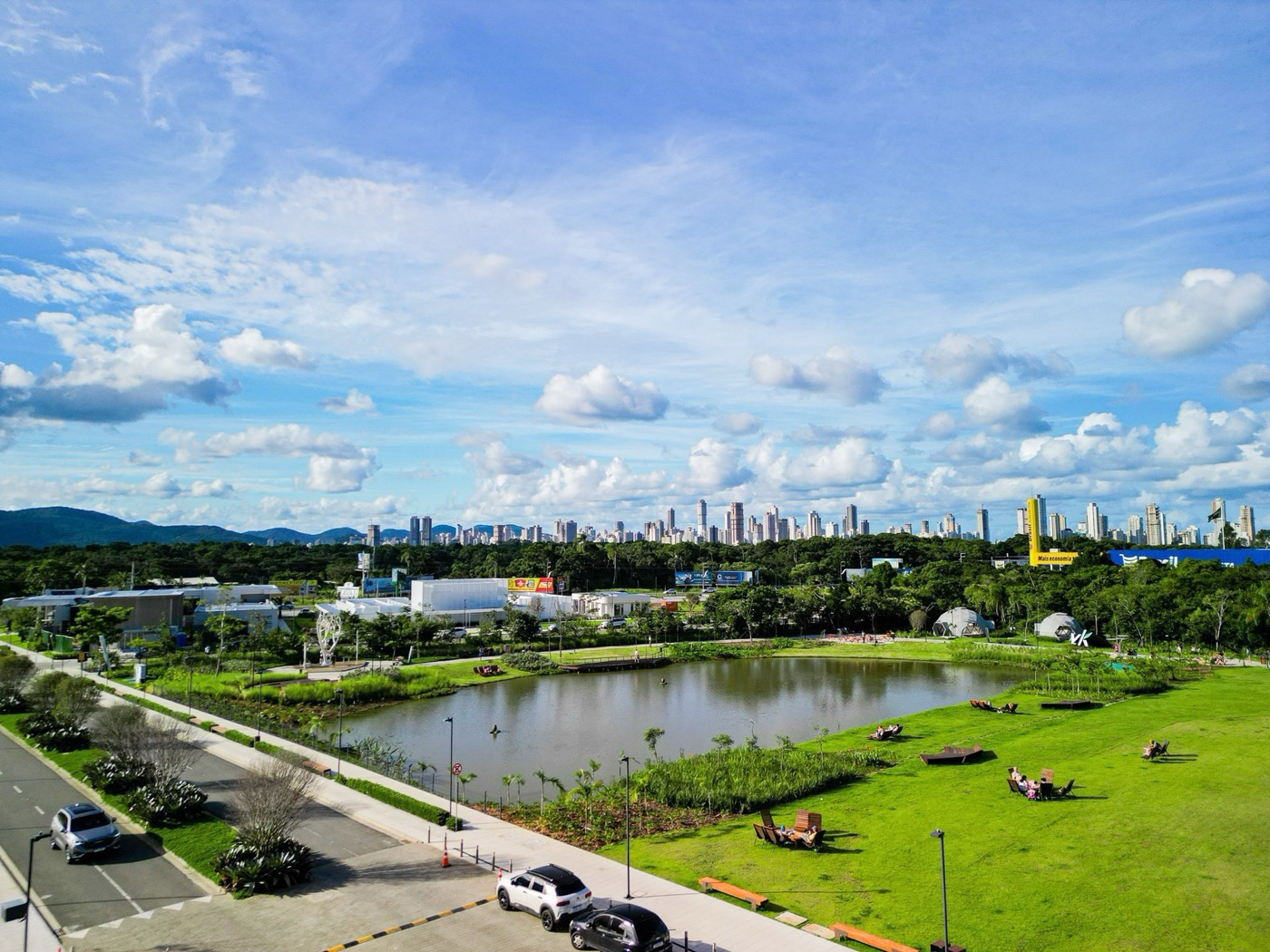
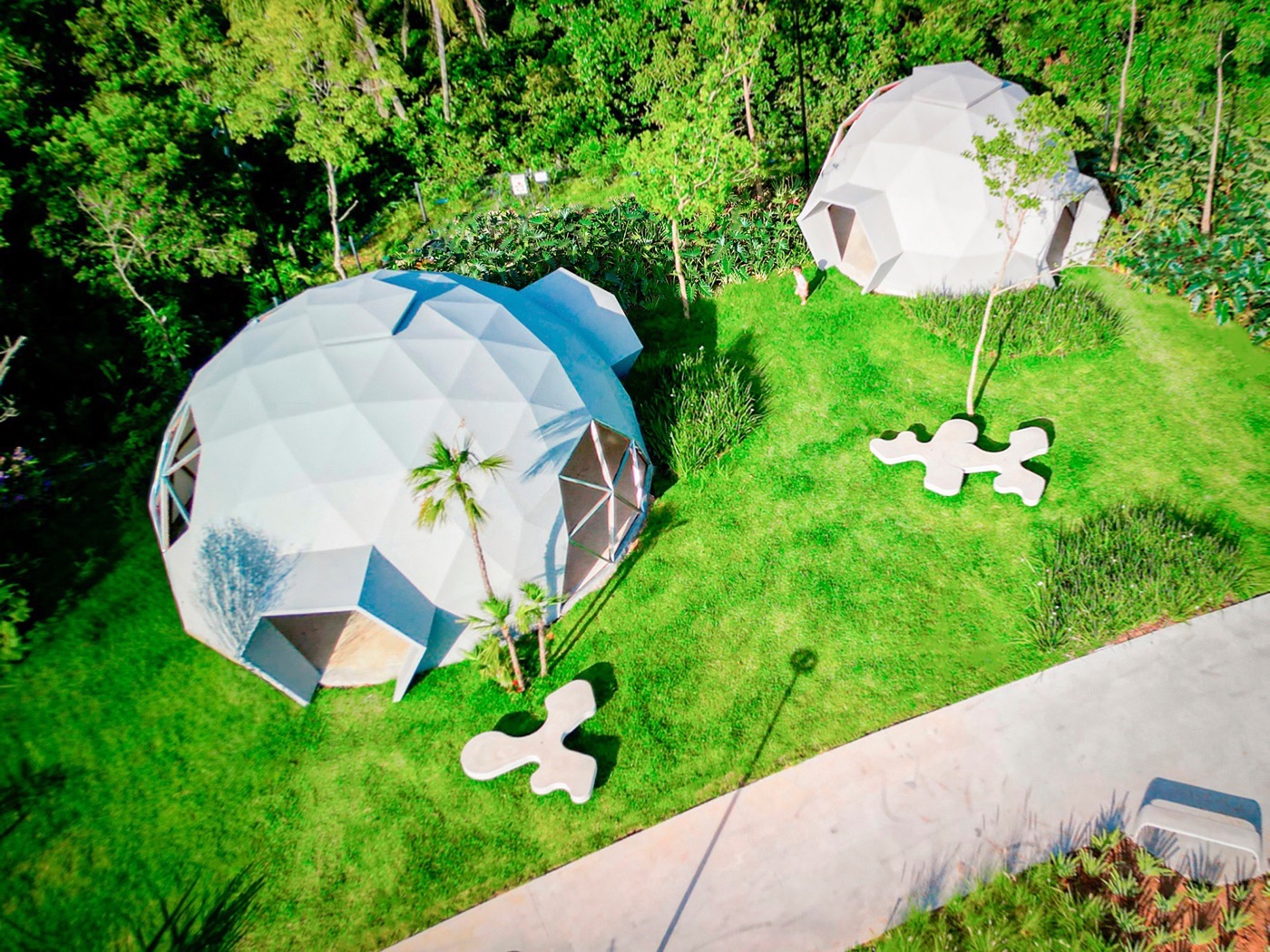
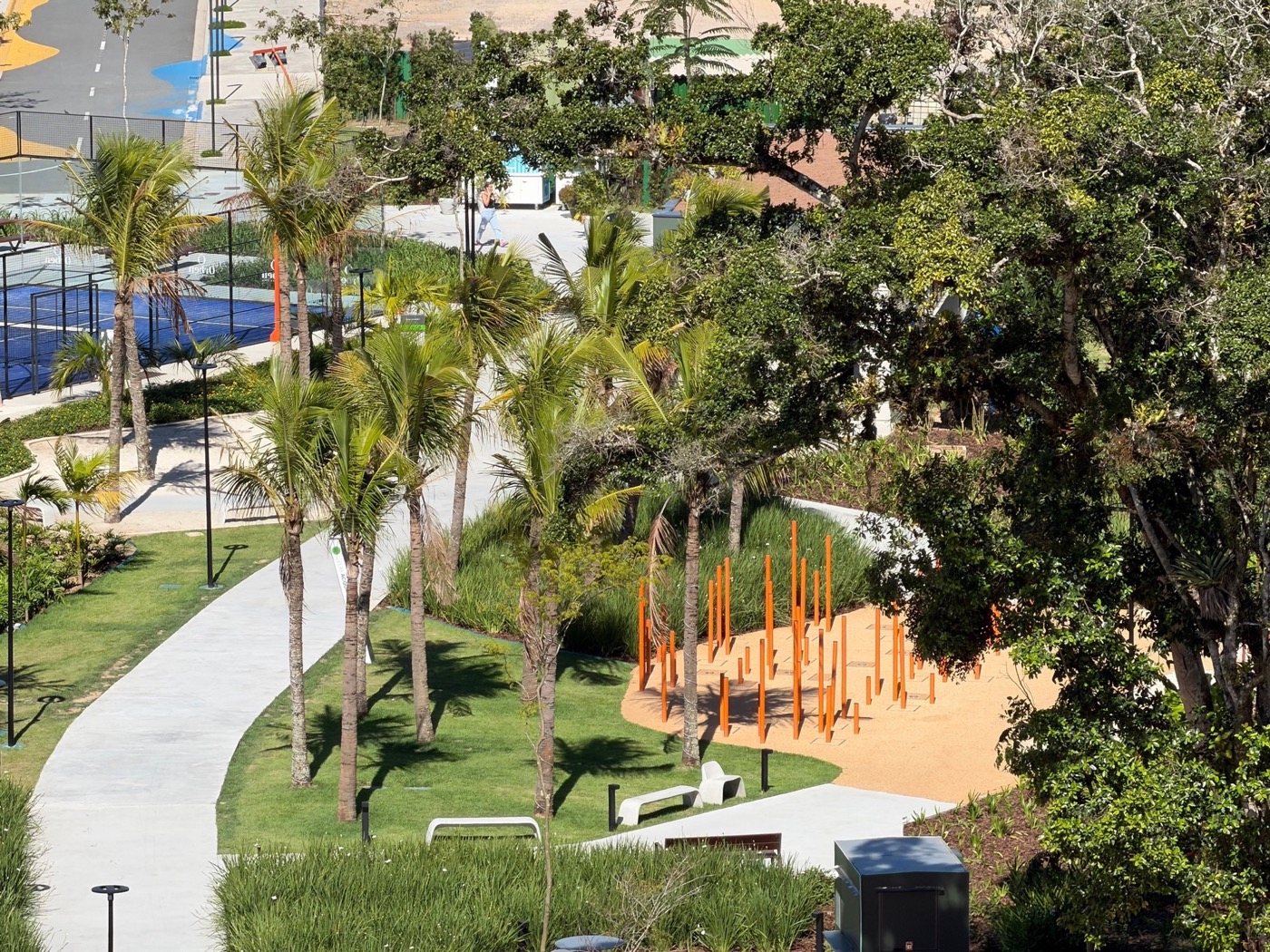
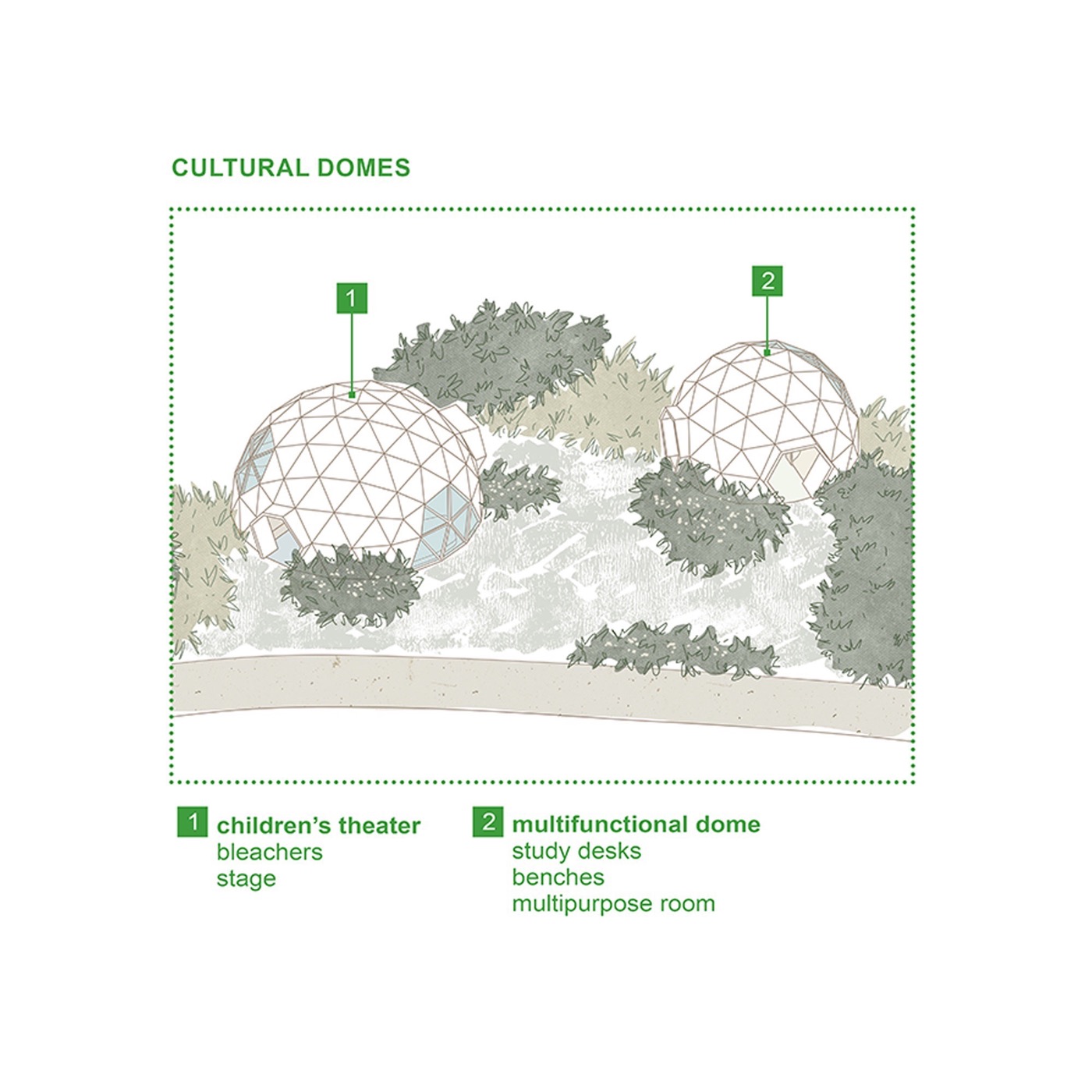
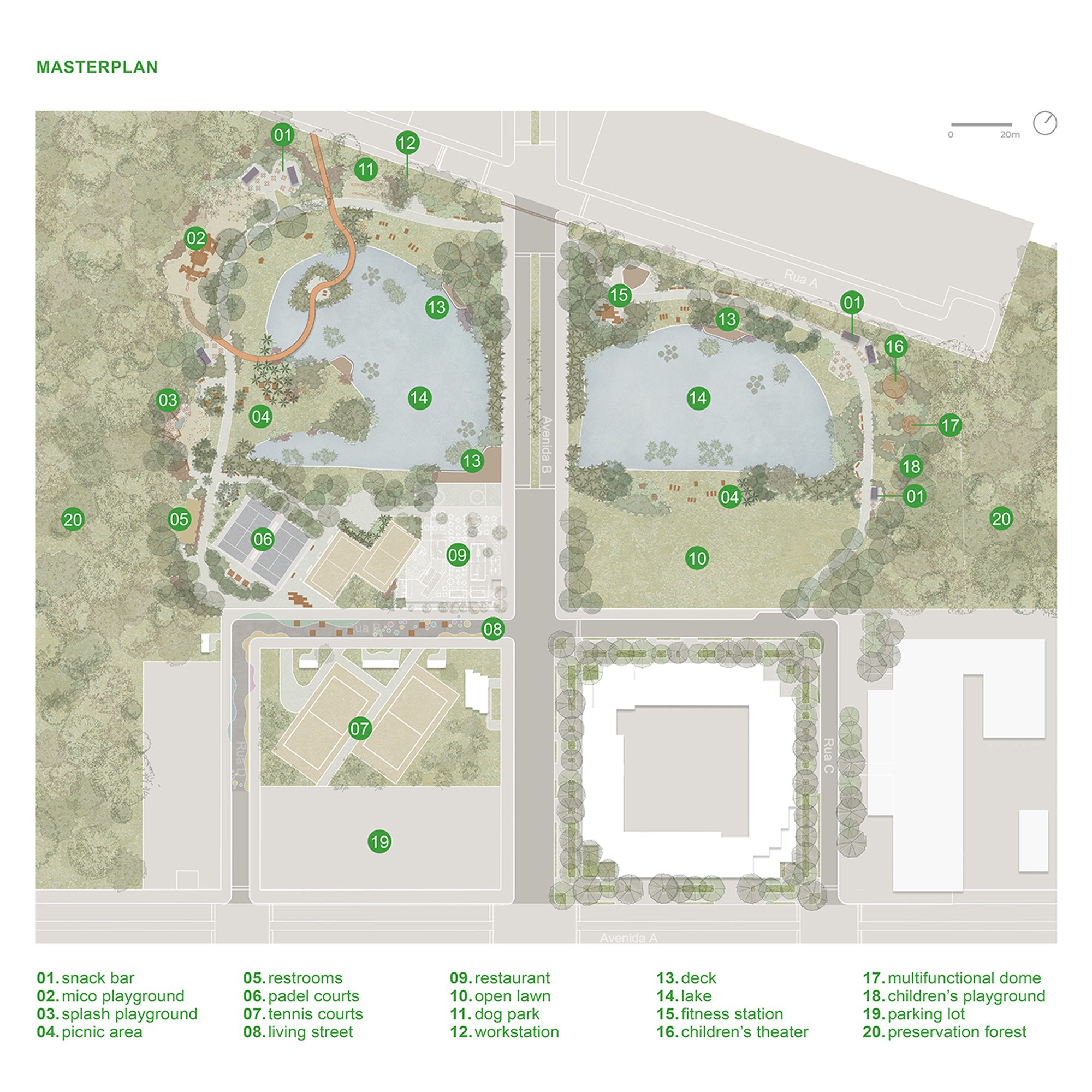
The Cultural Domes consist of two geodesic structures with educational, cultural, and social functions. The larger dome houses a cultural venue for performances, while the smaller includes tables, chairs, and soft seating for reading and storytelling activities. These structures feature multiple openings, creating covered yet permeable environments that connect interior and exterior, allowing activities to unfold in direct contact with nature.
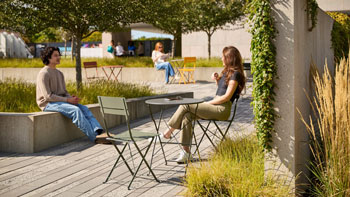
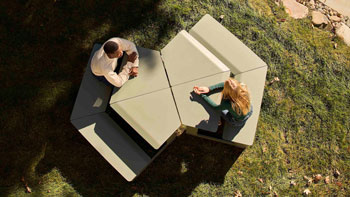
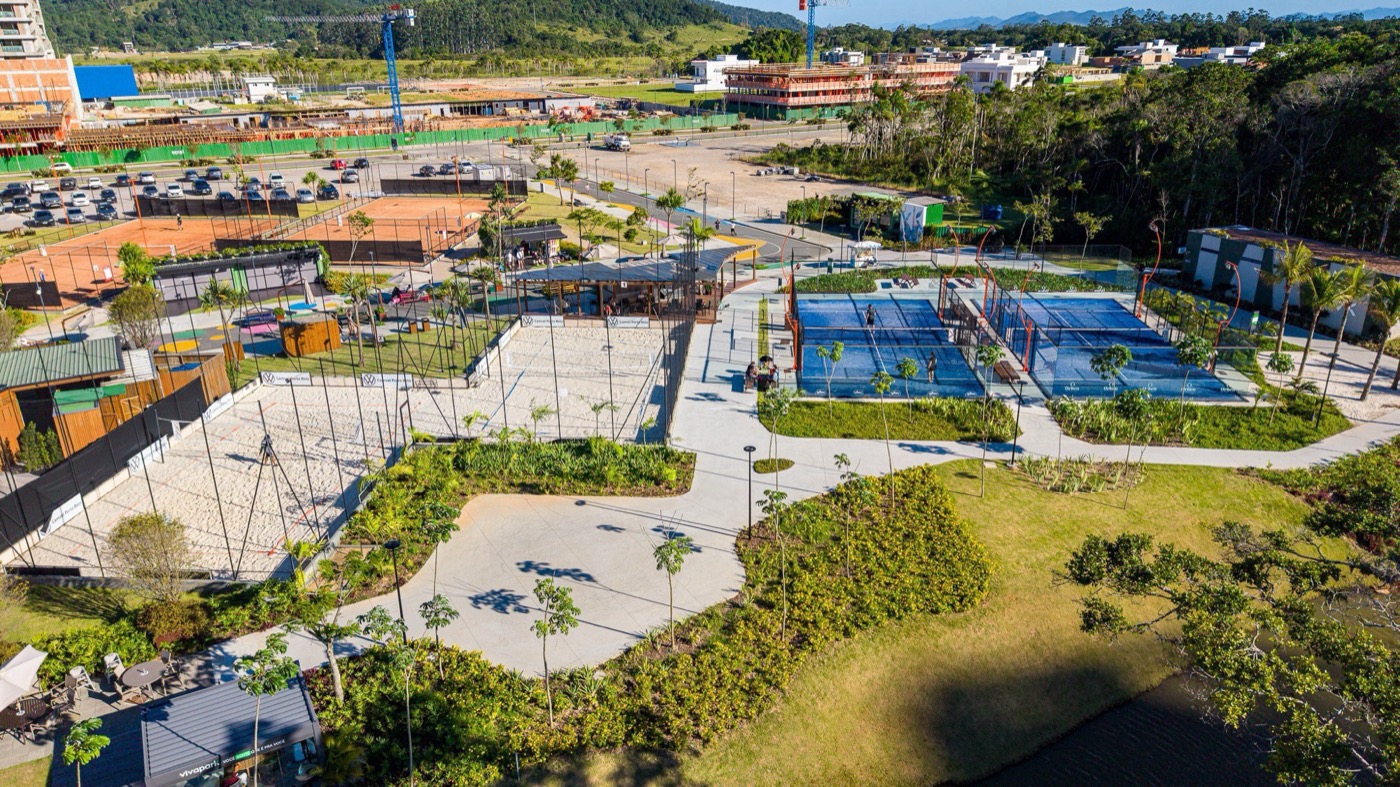
Throughout the park, multiple seating areas, a gastronomic hub with restaurants, lakeside decks, and numerous opportunities for contemplation of the lush landscape are provided. The park establishes itself as an educational, sustainable, regenerative, functional, and beautiful landscape—bringing people closer to nature while offering comfort, quality of life, and innovation in everyday living.
R9QW+3G Porto Belo, Santa Catarina
73498


LILA 2026 Sponsor