Shortlisted for LILA 2026 Jury Award:
Augusta Quarry
www.porturbanism.com
2026 Landscape and Architecture / 2026 Public Projects / USA / Built in 2025 /

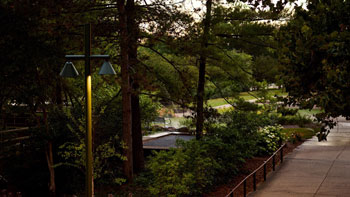
![The project transforms an incomplete highway into a continuous civic and ecological gateway that reconnects downtown Knoxville to its expansive Urban Wilderness through landscape infrastructure, multimodal access, and public programming. In the early 1980s, the Tennessee Department of Transportation halted construction of the James White Parkway, leaving behind a fragmented 2.2-mile roadway extending south from […]](https://landezine-award.com/wp-content/uploads/2026/05/00_Urban-Wilderness-Gateway-Park_74265_Hero-Image-600x338.jpg "Urban Wilderness Gateway Park")
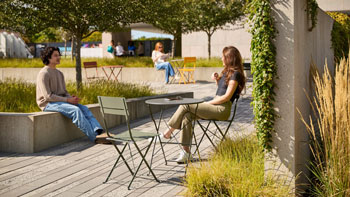
![The Plot Project, created for Exhibit Columbus 2022-23, reimagines public space at the intersection of landscape design, biodiversity, and community engagement. Awarded the J. Irwin and Xenia S. Miller Prize for its innovative approach to civic and ecological design, the project was conceived in response to that year’s chosen theme: “Public by Design.” As part […]](https://landezine-award.com/wp-content/uploads/2026/05/00_The-PLOT-Project_74265_Hero-Image-600x338.jpg "The PLOT Project")
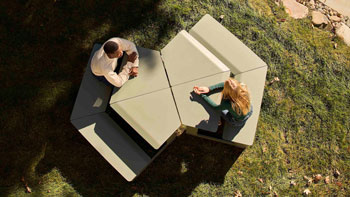
![The Cobbs Creek Playground demonstrates how community voices and environmental stewardship can come together to create something extraordinary. The Cobbs Creek Nature Playground is a vibrant and inclusive nature-based play environment located in West Philadelphia. Located in a historically underinvested site at the edge of Philadelphia’s municipal boundary, this transformative project creates a keystone of […]](https://landezine-award.com/wp-content/uploads/2026/05/00_Cobbs-Creek-Nature-Playground_74265_Hero-Image-338x600.jpg "Cobbs Creek Nature Playground")
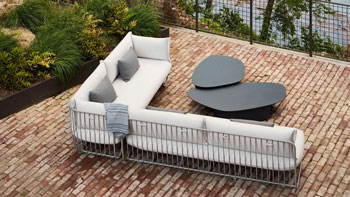
![Aspire Park redefines public gathering and open space in a rural community in East Tennessee, transforming a 180-acre site at the bend of the Clinch River into a dynamic destination for recreation, ecology, and cultural engagement. A widely popular site in the region, the park brings together a wide range of people looking to engage […]](https://landezine-award.com/wp-content/uploads/2026/05/00_Aspire-Park_74265_Hero-Image-600x338.jpg "Aspire Park")
Overview
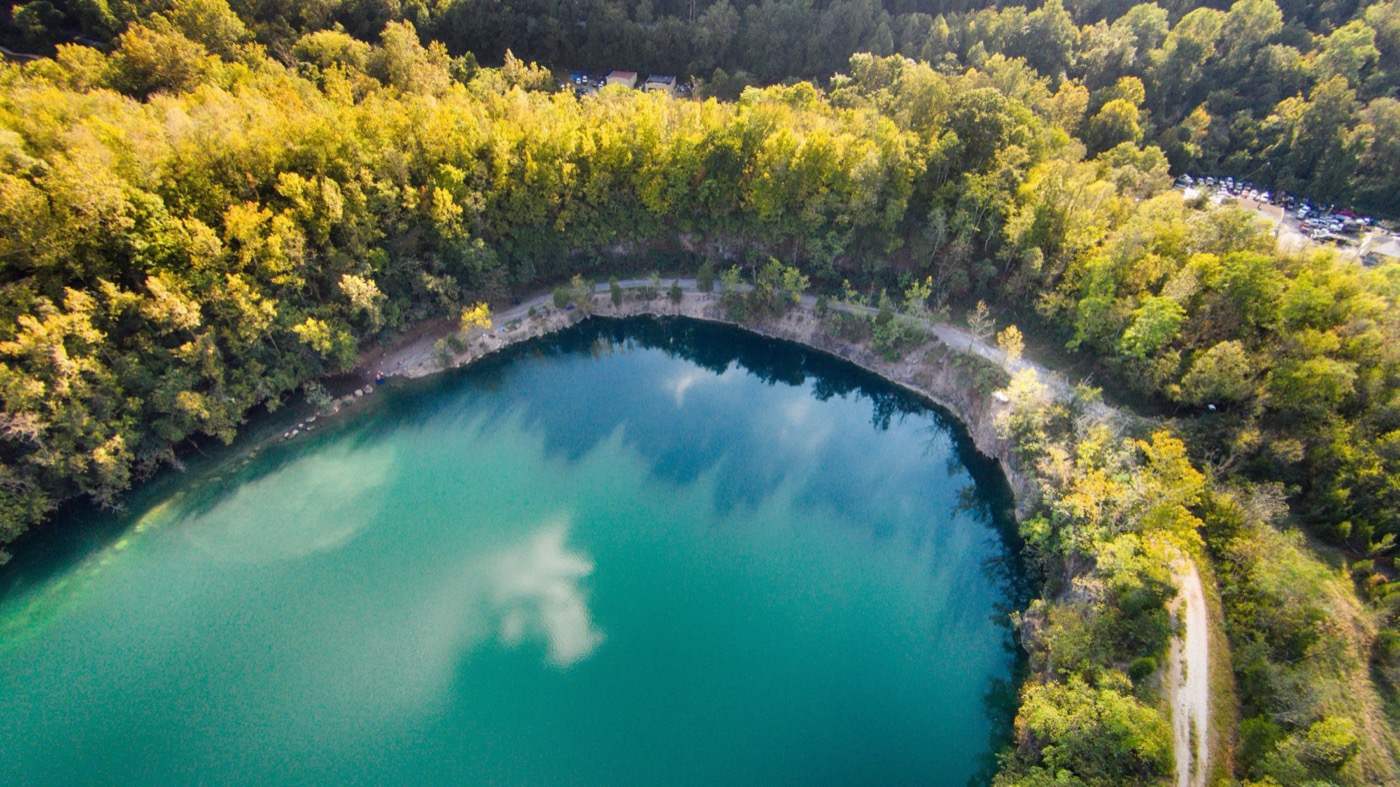
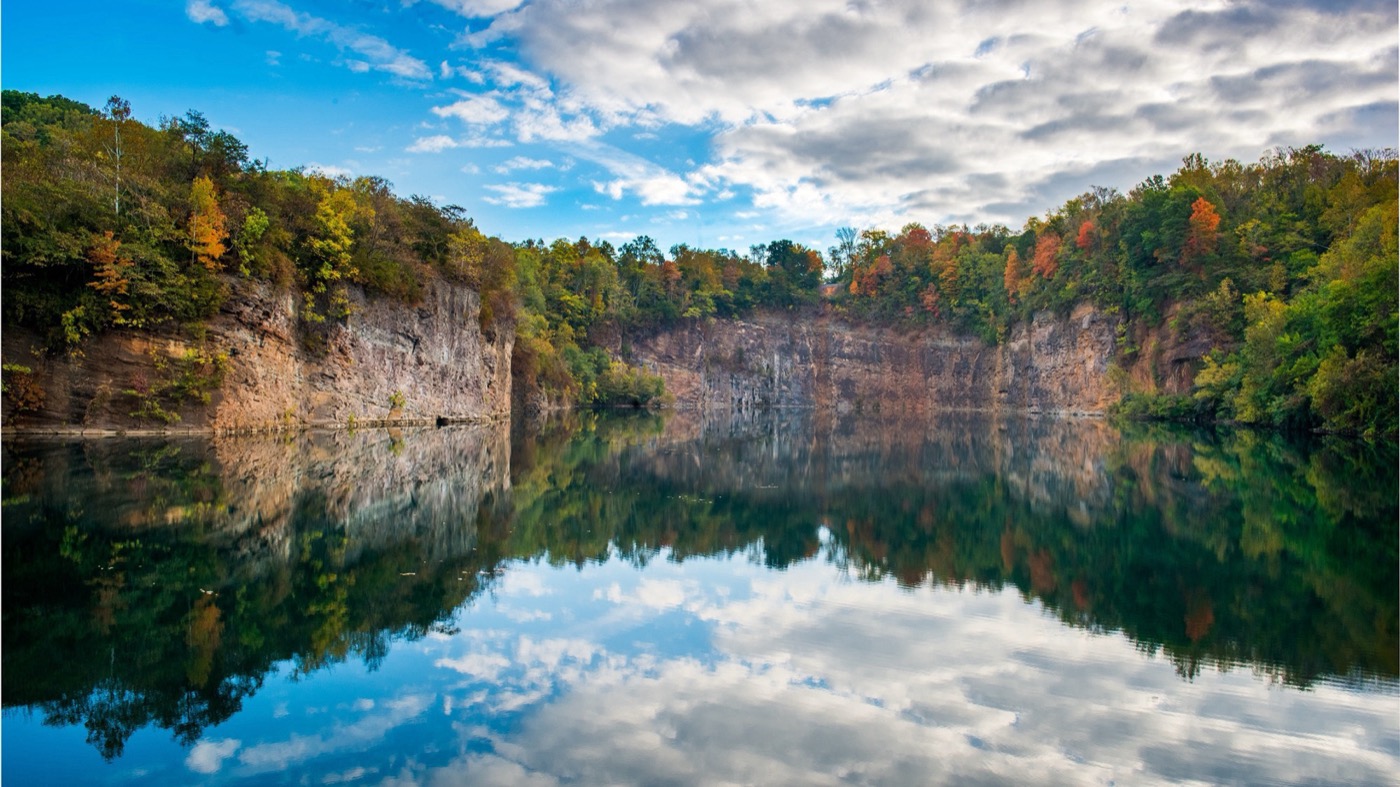
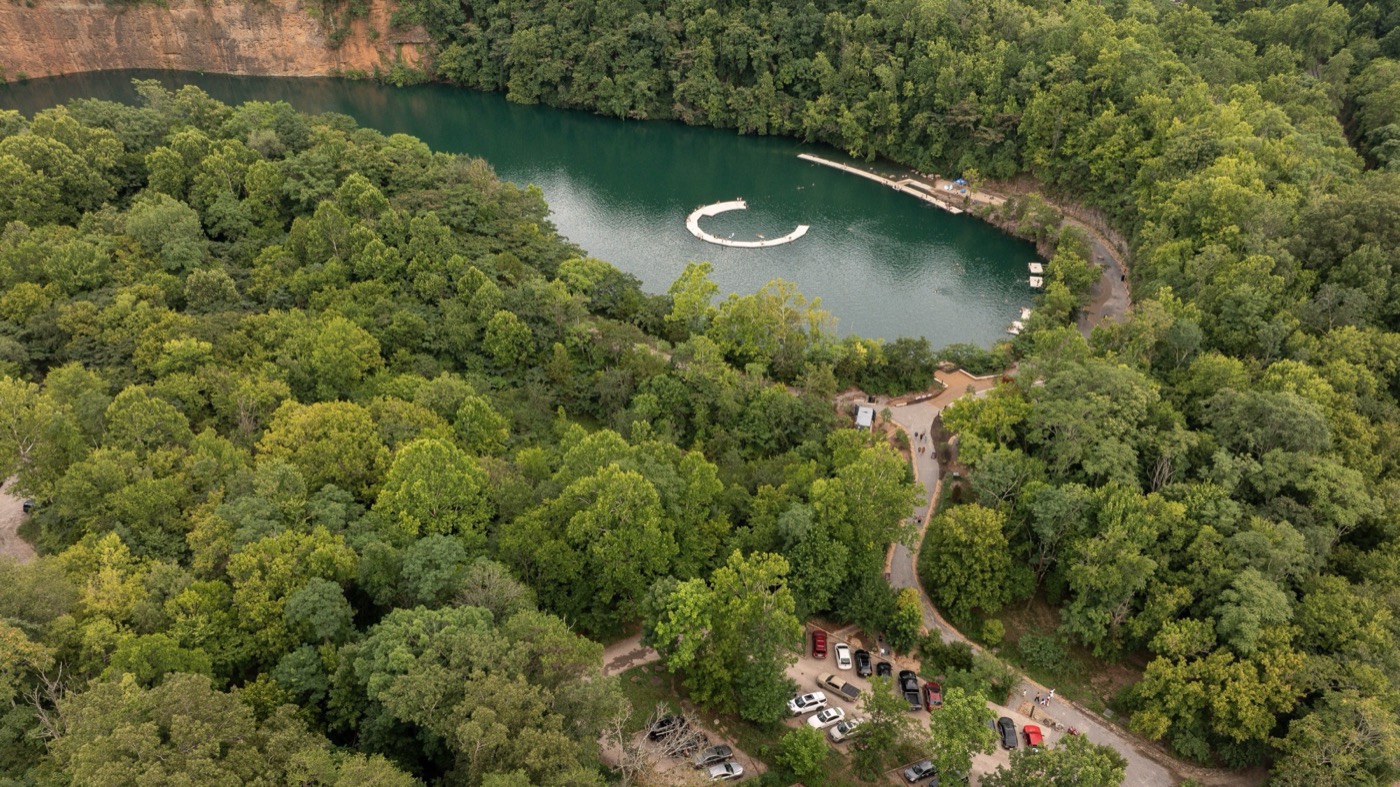
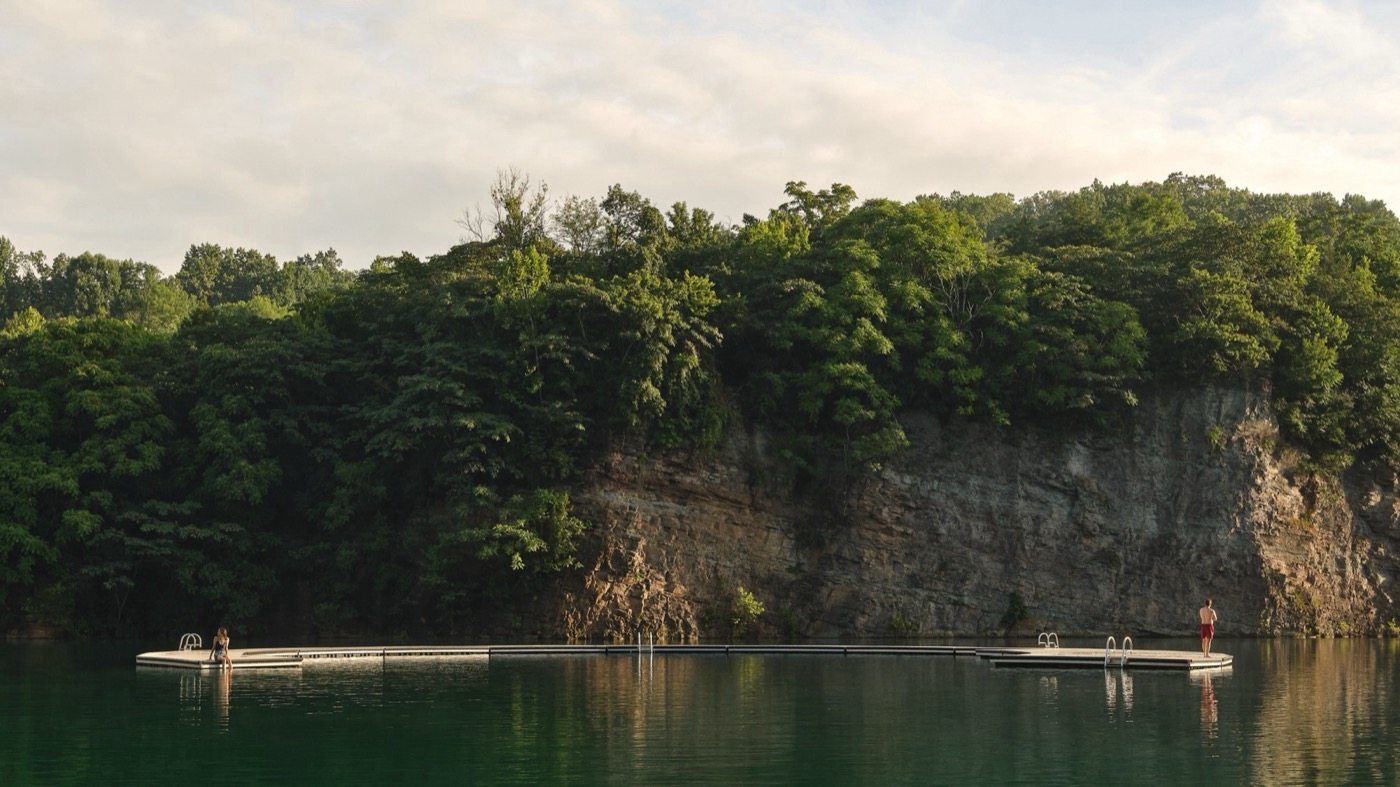
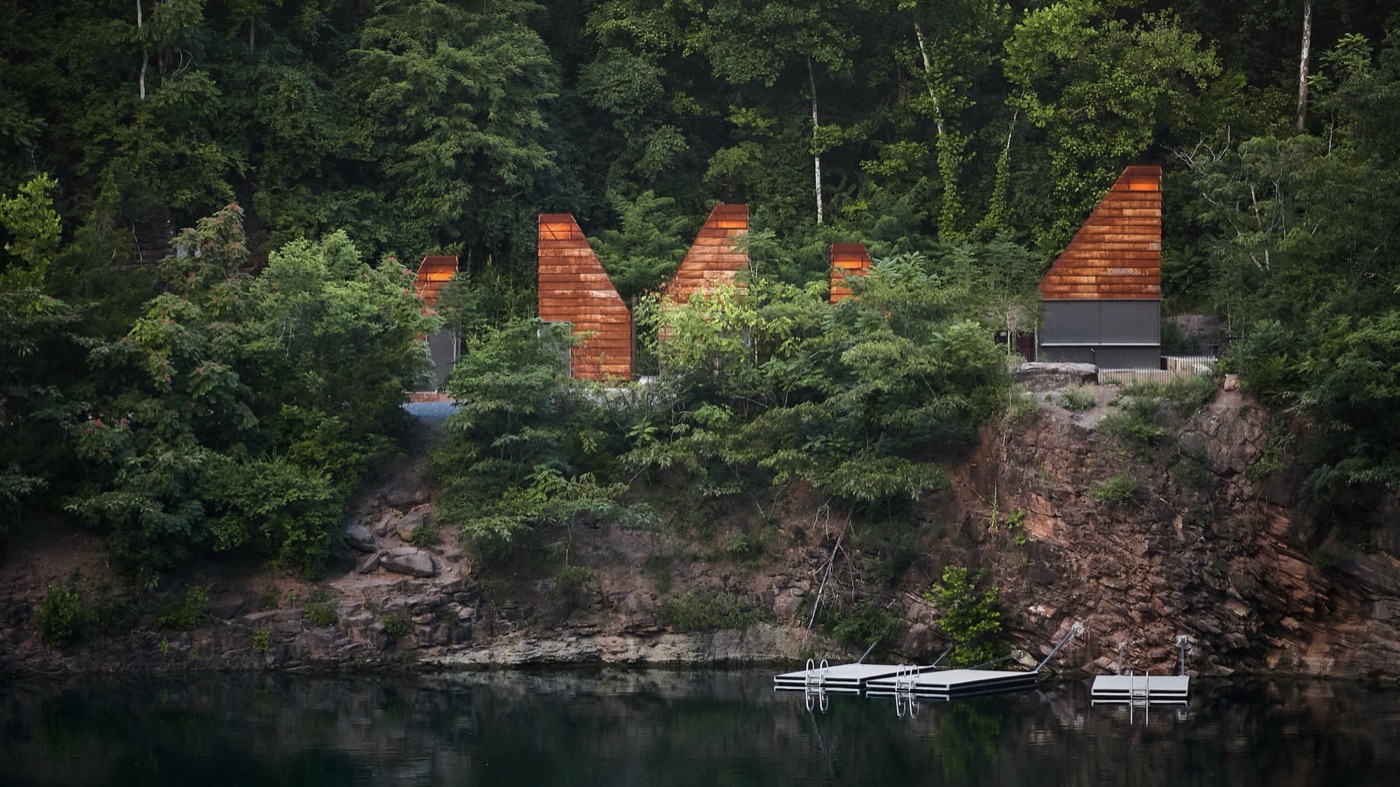
Augusta Quarry transforms a former limestone quarry into an accessible, ecologically rich public swimming venue that celebrates dramatic topography, history, and community use. The project elevates a beloved but precarious swimming site into a resilient, inclusive destination, setting a benchmark for reclamation-led landscape architecture. Located within Knoxville’s Urban Wilderness, the design formalizes safety and wayfinding, expands inclusive lake access, and integrates comfort and vendor amenities into challenging terrain while restoring native ecosystems that stabilize slopes, manage invasive species, and enhance biodiversity.
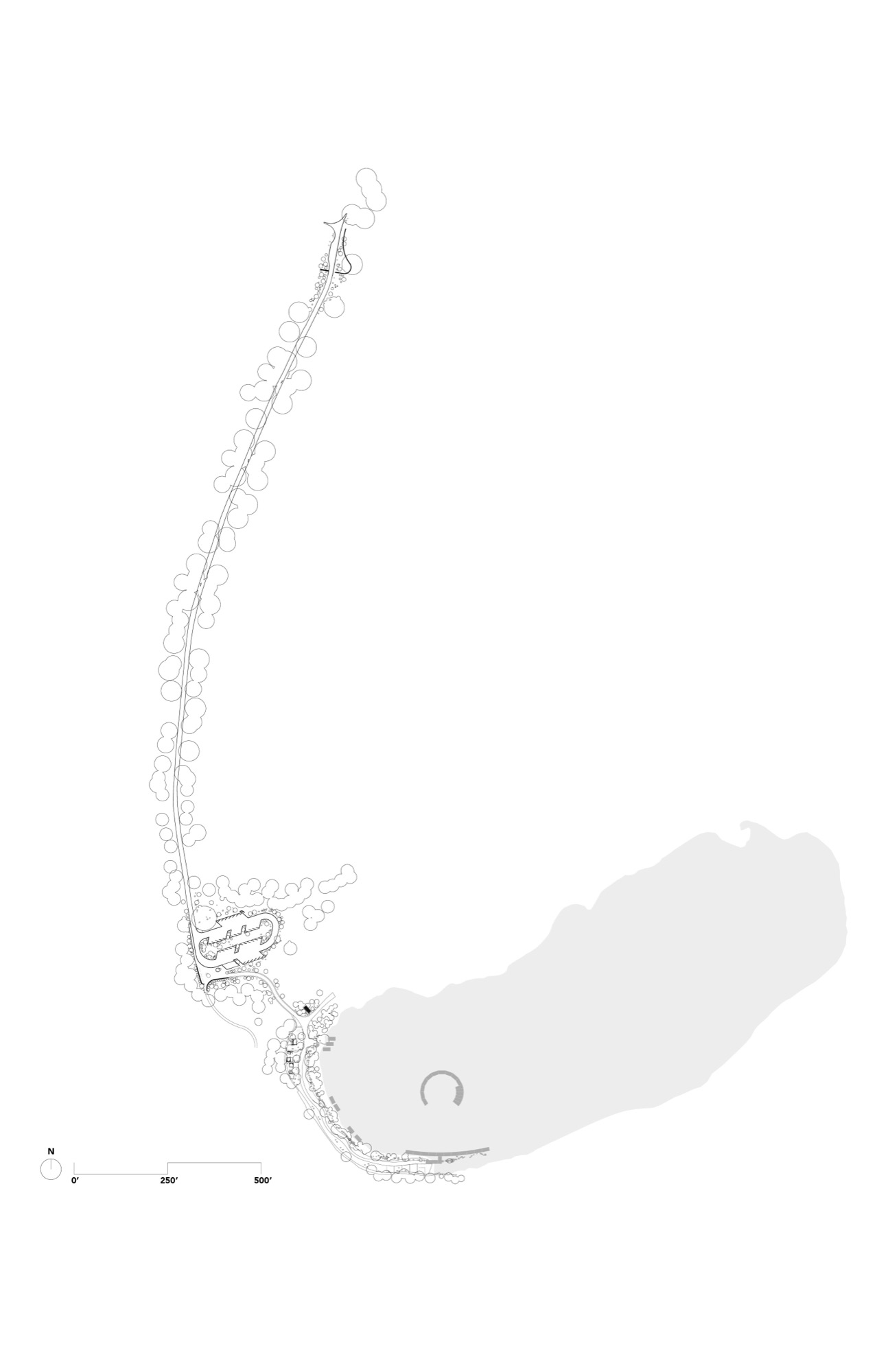
Project Location, Scope, and Size
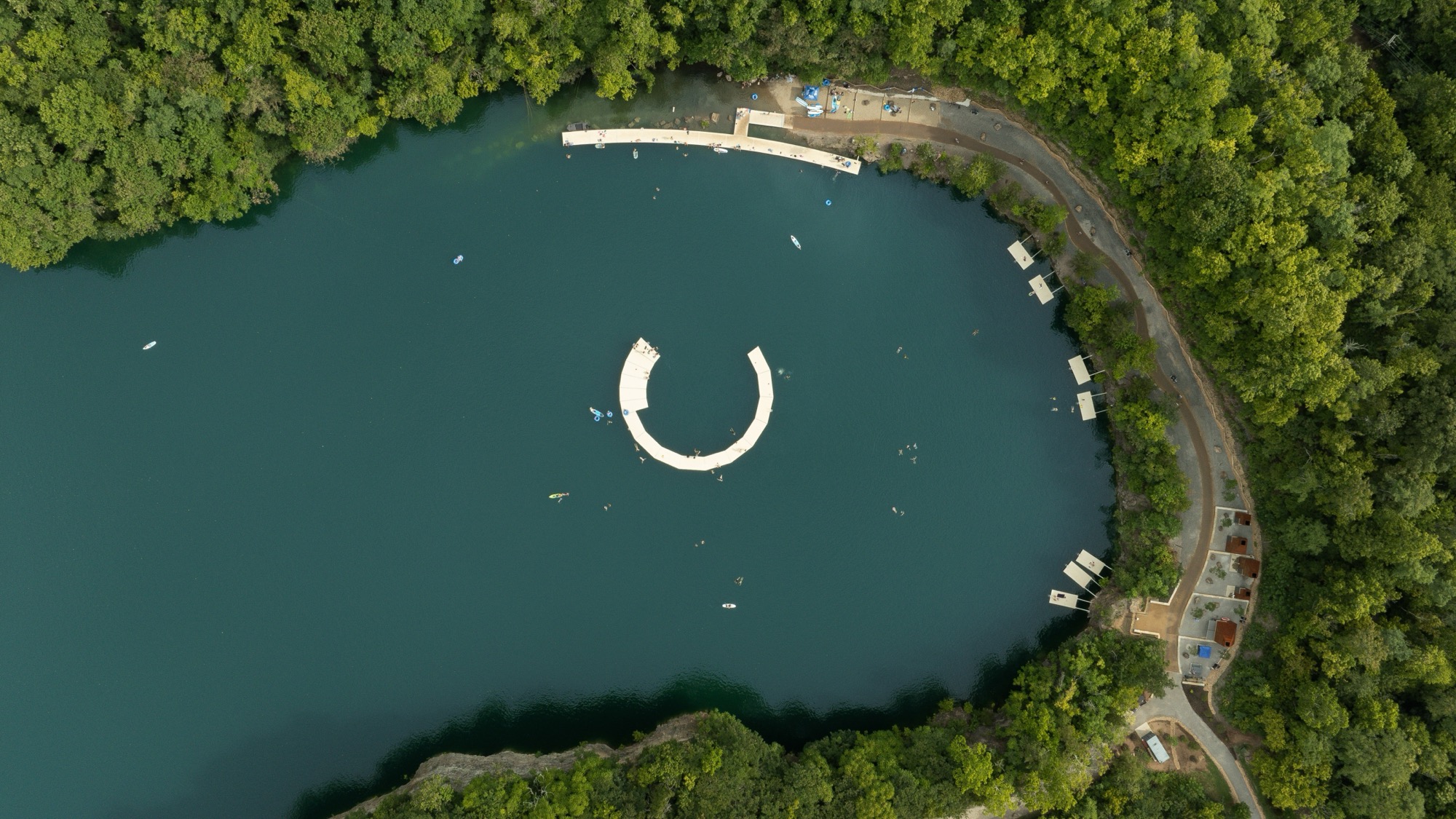
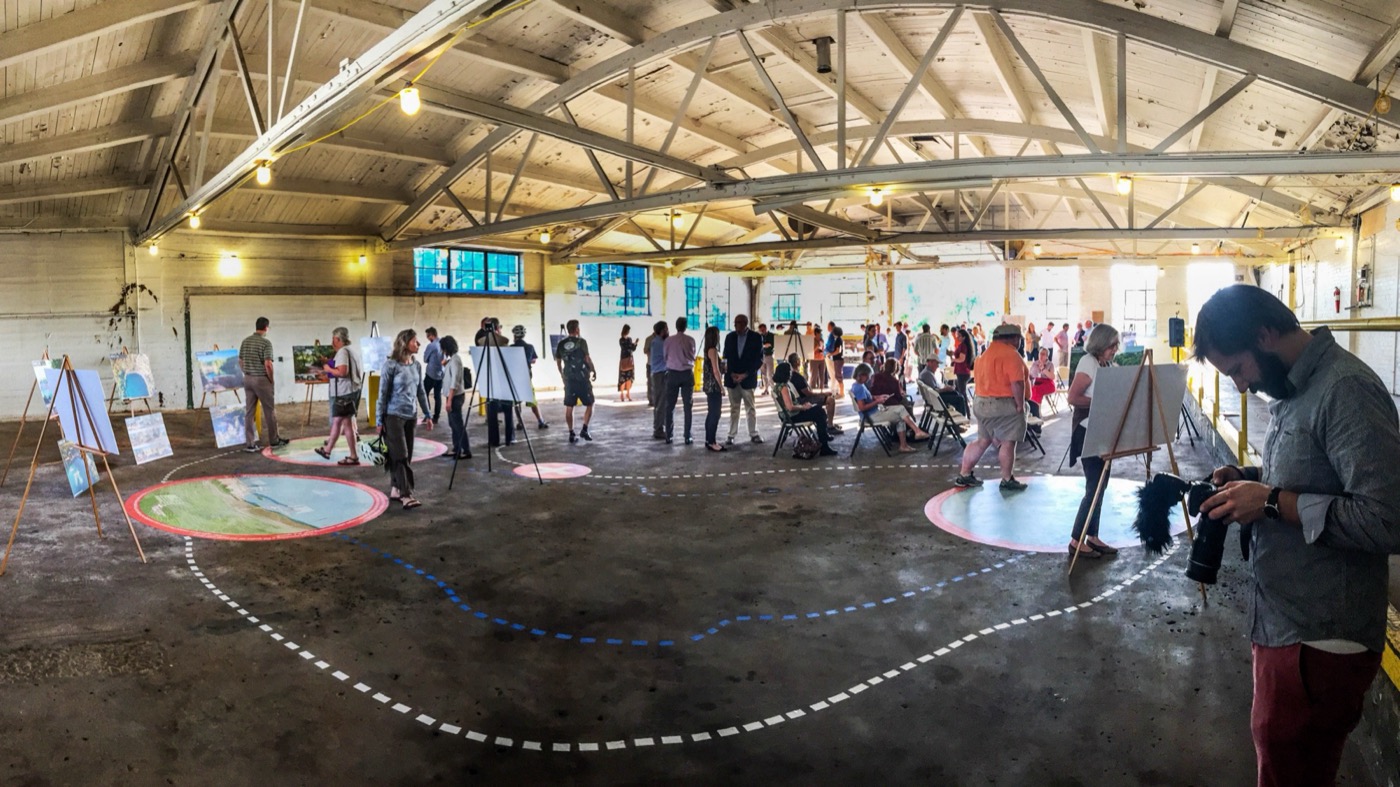
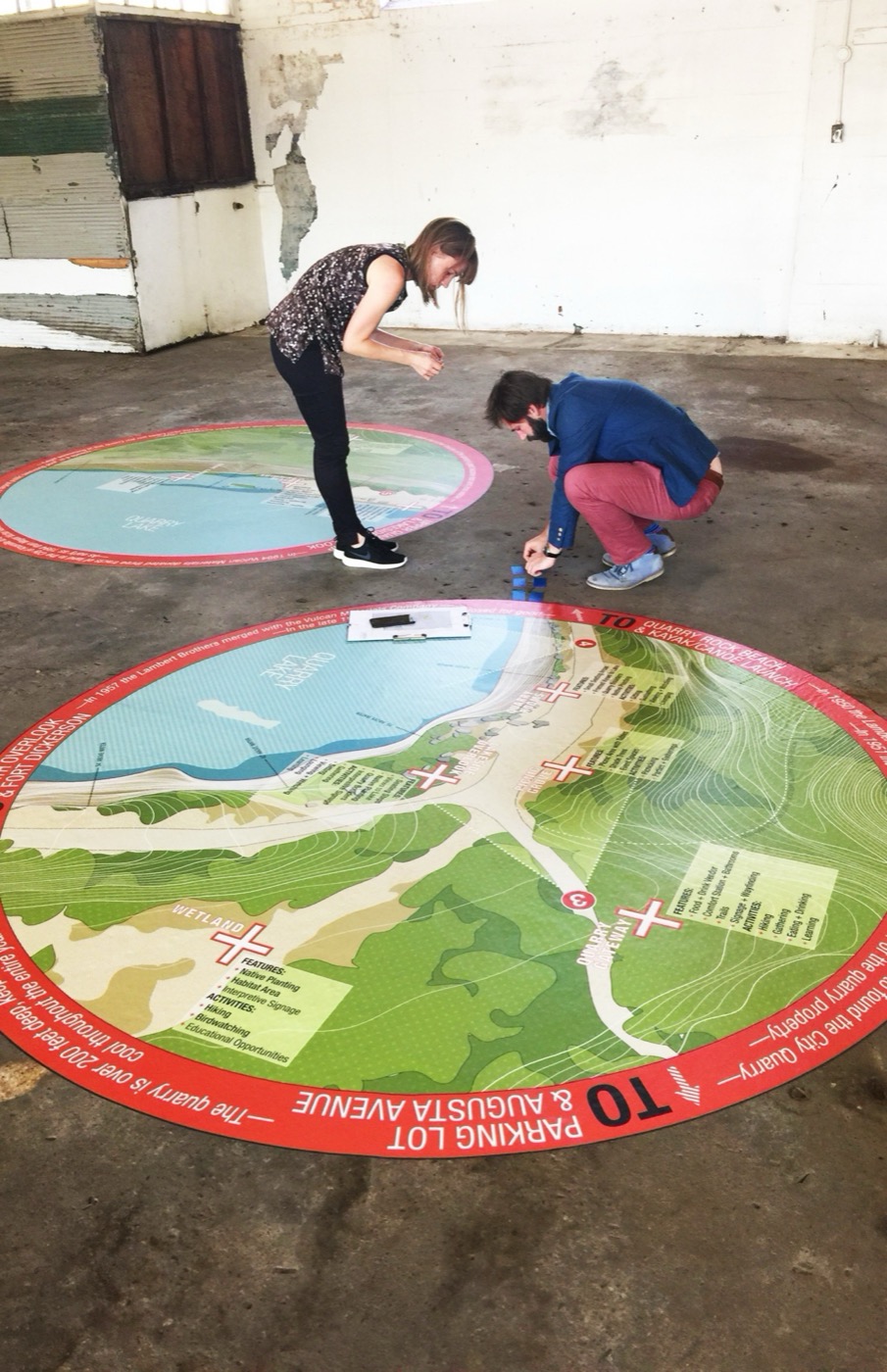
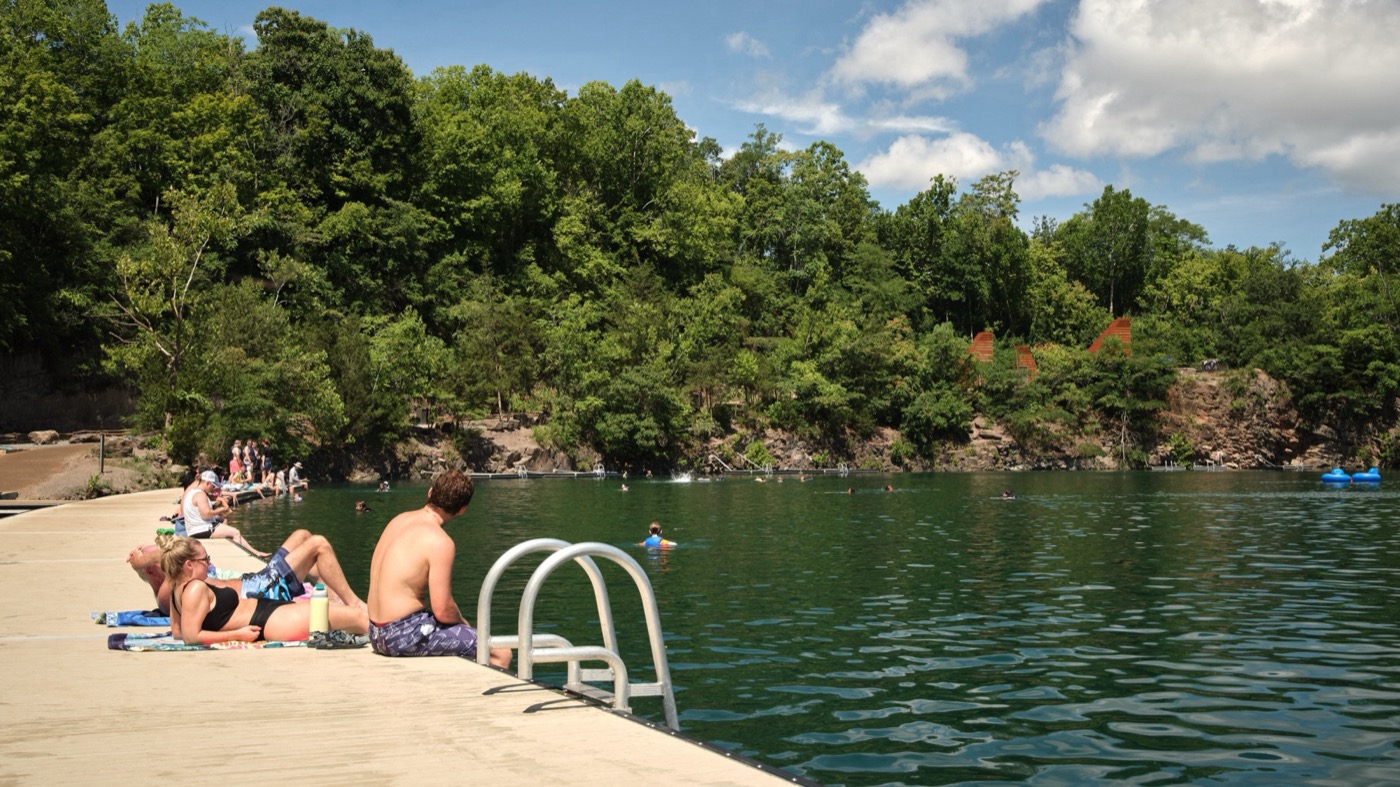
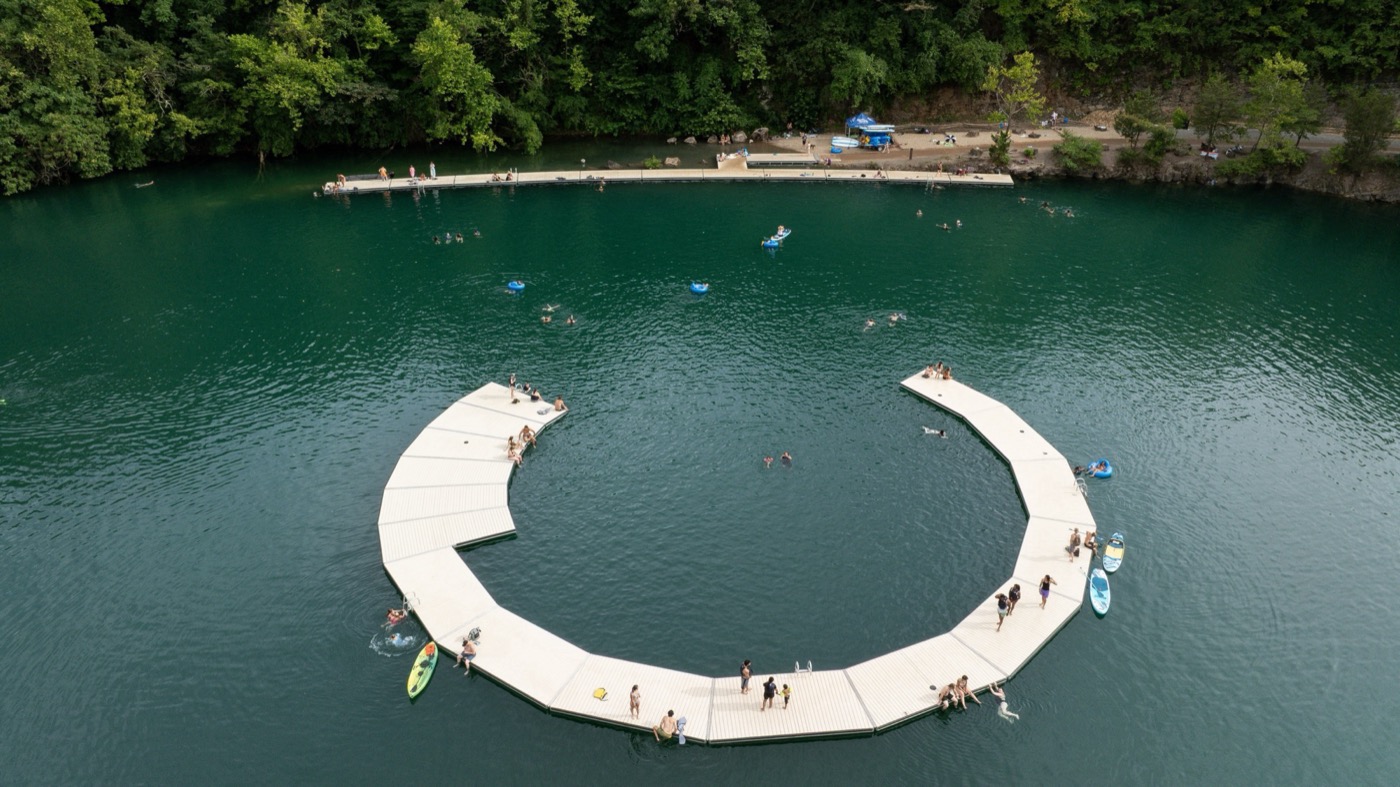
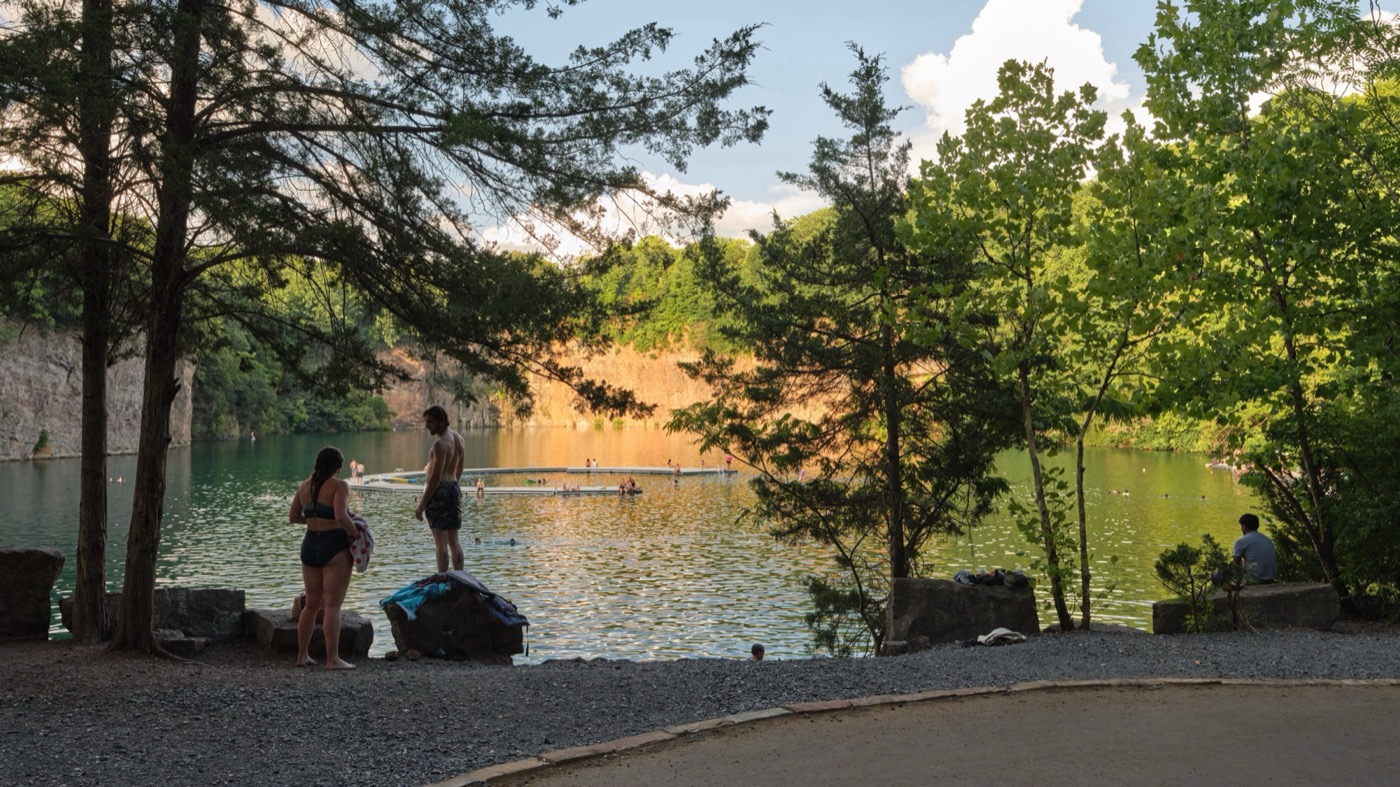
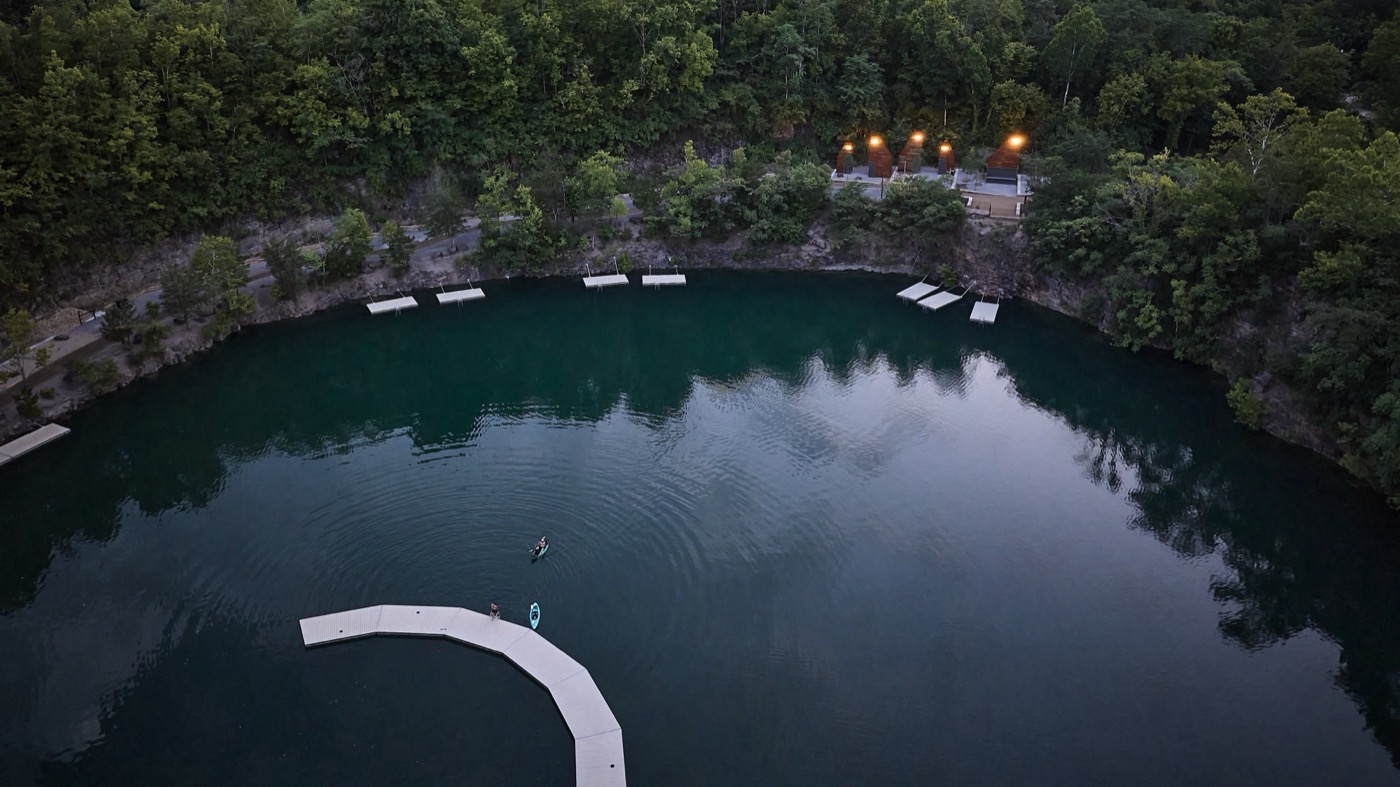
Augusta Quarry reimagines a former limestone quarry lake less than a mile from downtown Knoxville that had evolved into a popular but precarious public swimming venue. Long valued by the community yet lacking safe access or amenities, the site has been transformed into a fully accessible public recreation destination through a phased public–private partnership. Phase I, completed in 2019, established arrival infrastructure, parking, accessible circulation, and native plantings. Phase II, opened in summer 2025, expanded waterfront access and introduced visitor amenities while preserving the quarry’s rugged character. Community engagement was central to the project and featured a large community exhibition event at a vacant warehouse near the site.
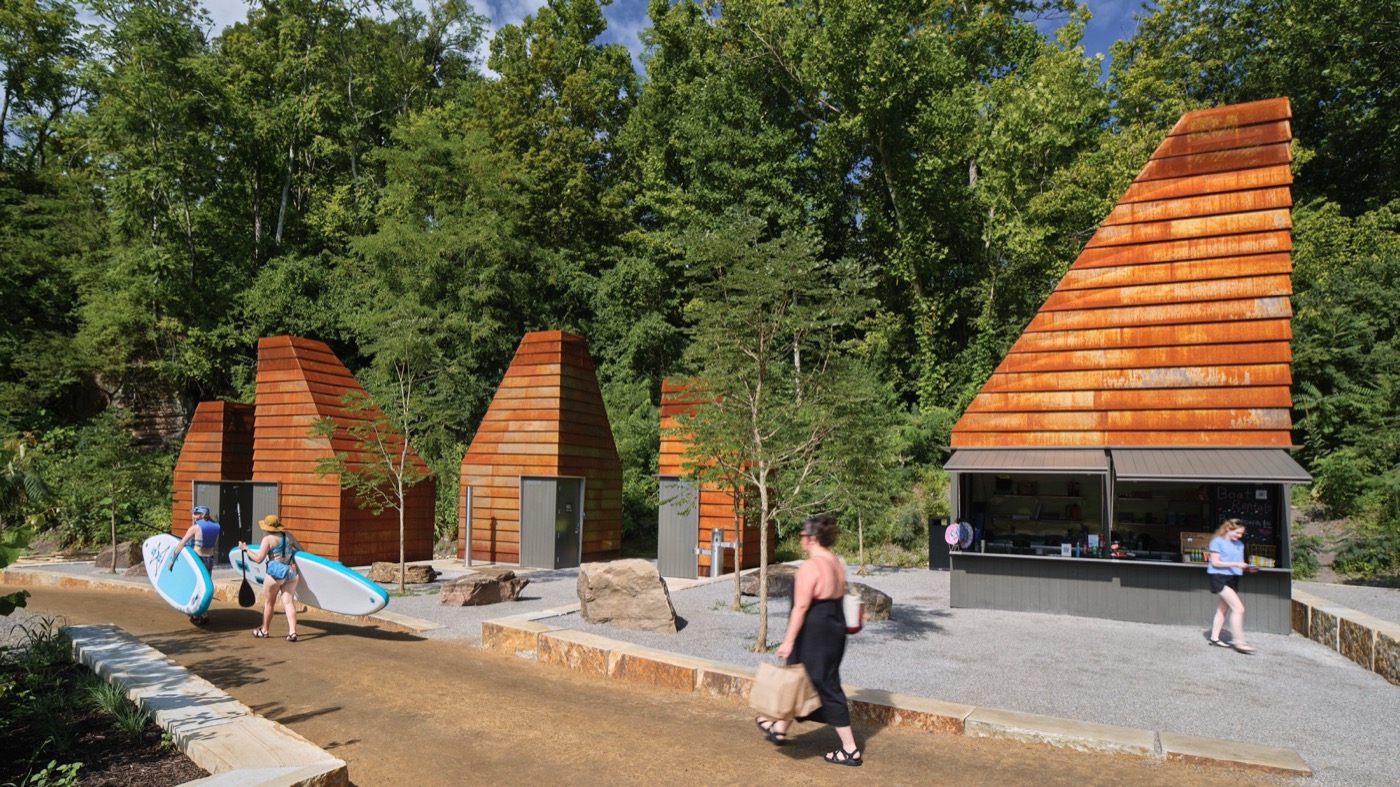
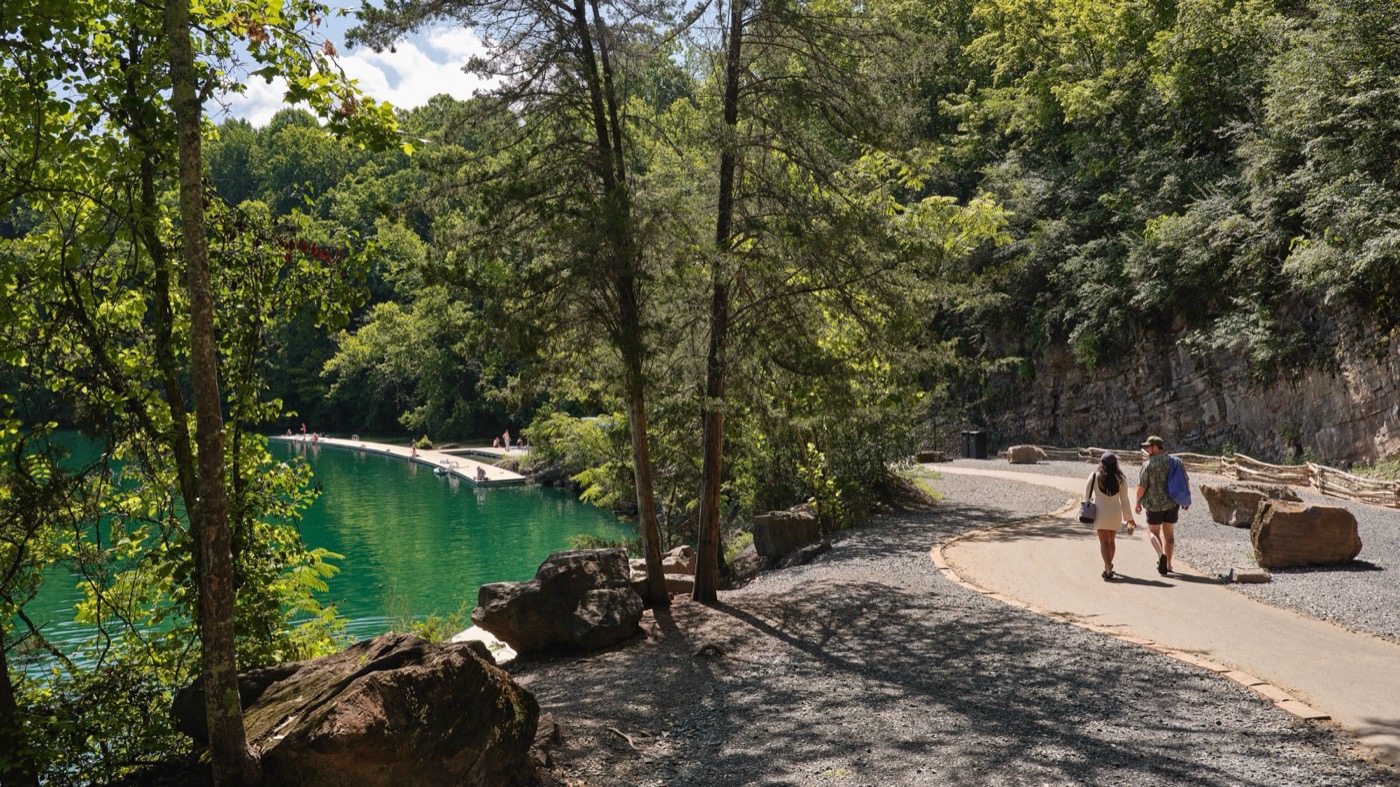
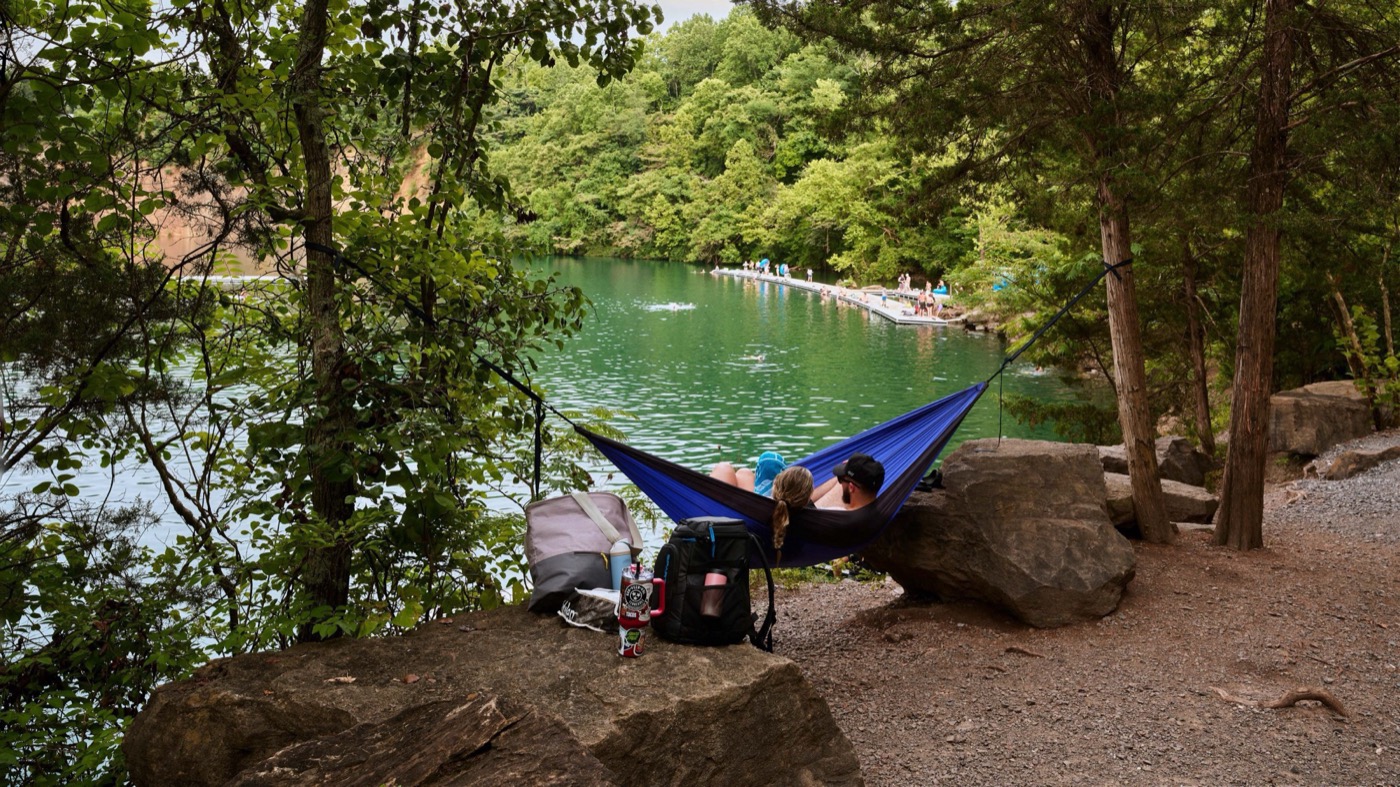
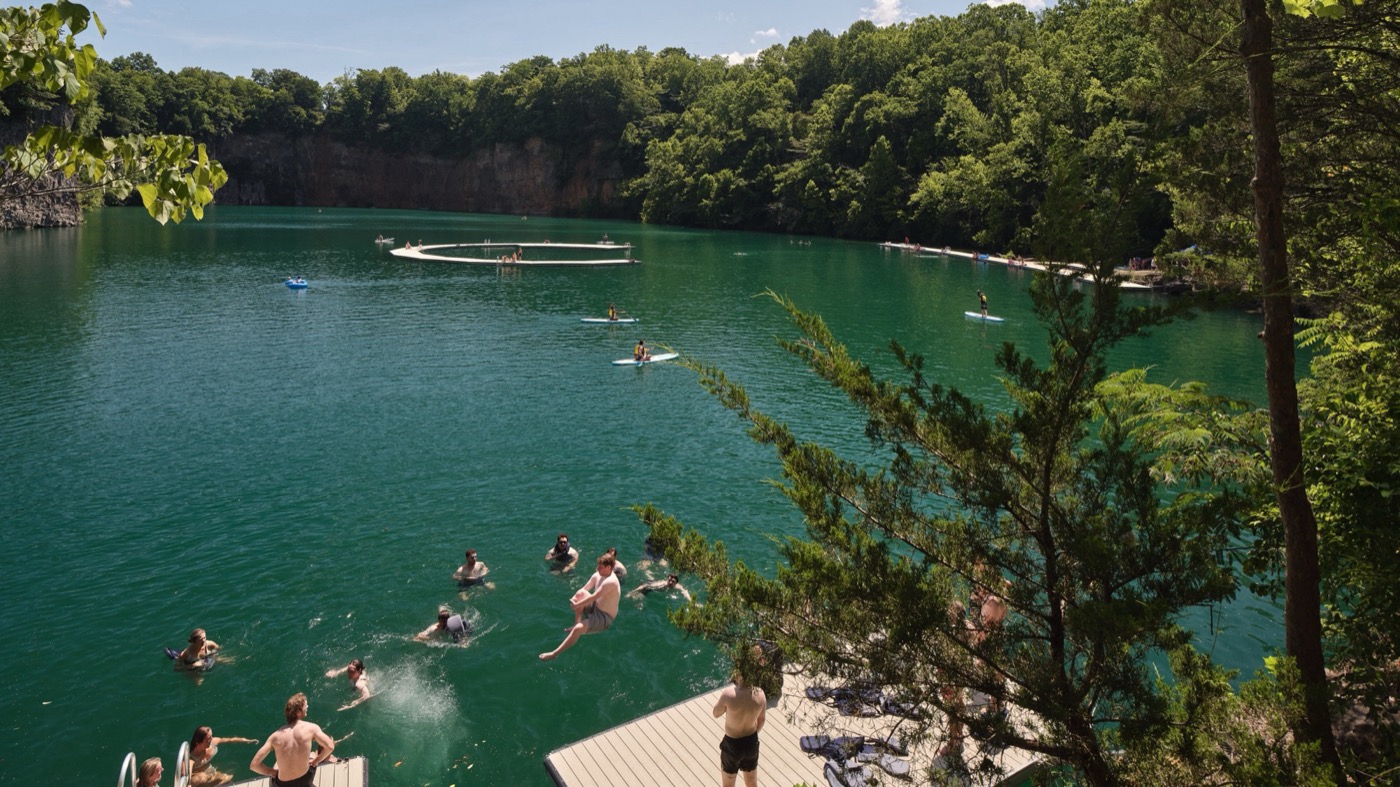
Site and Context Investigation
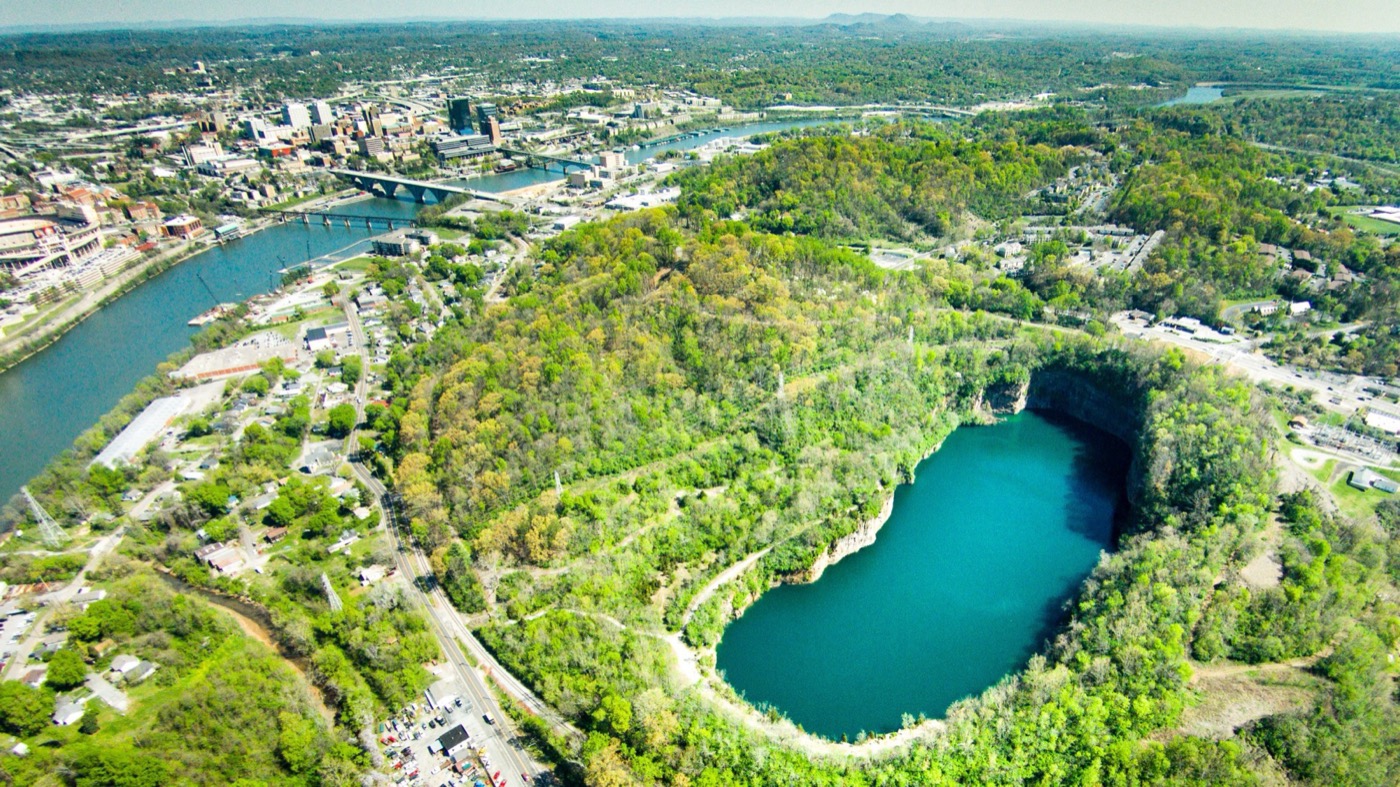
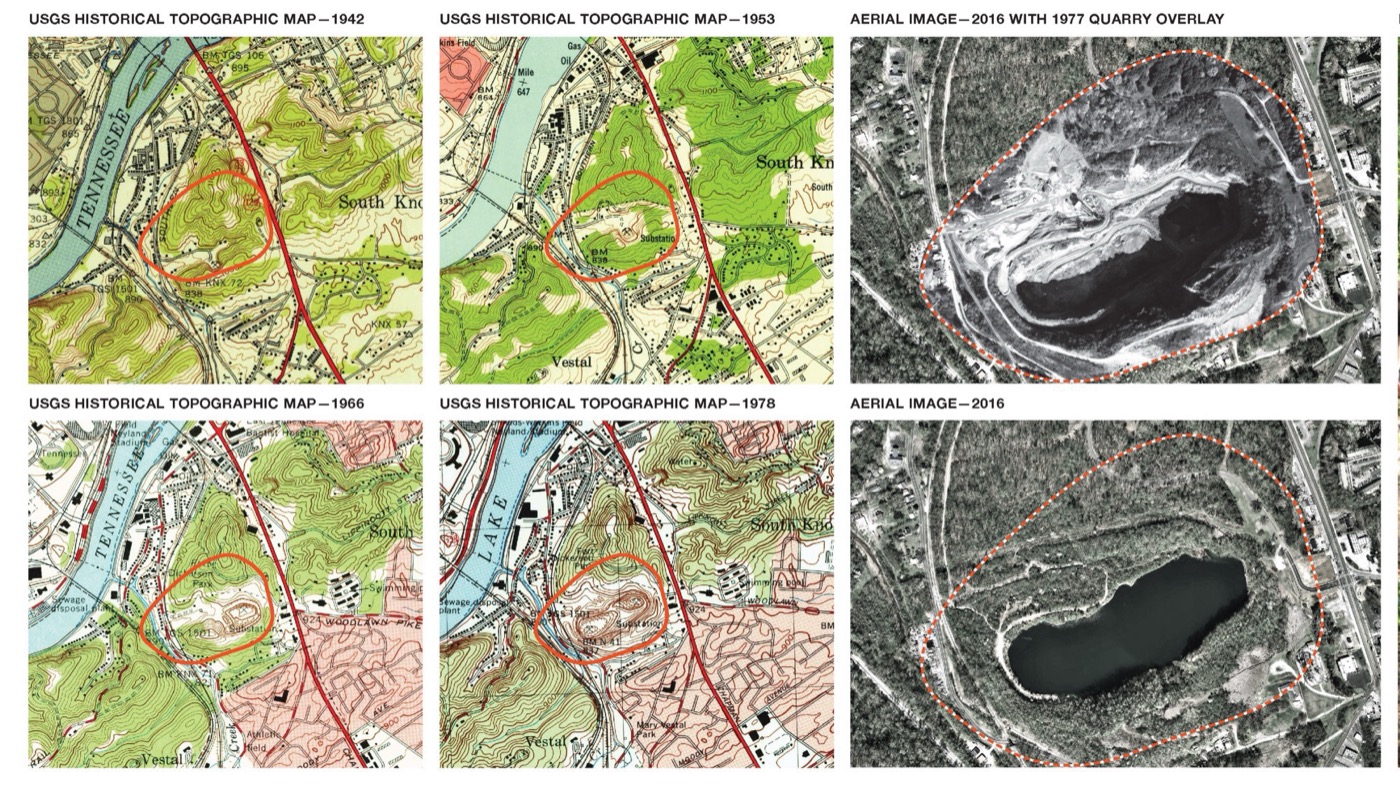
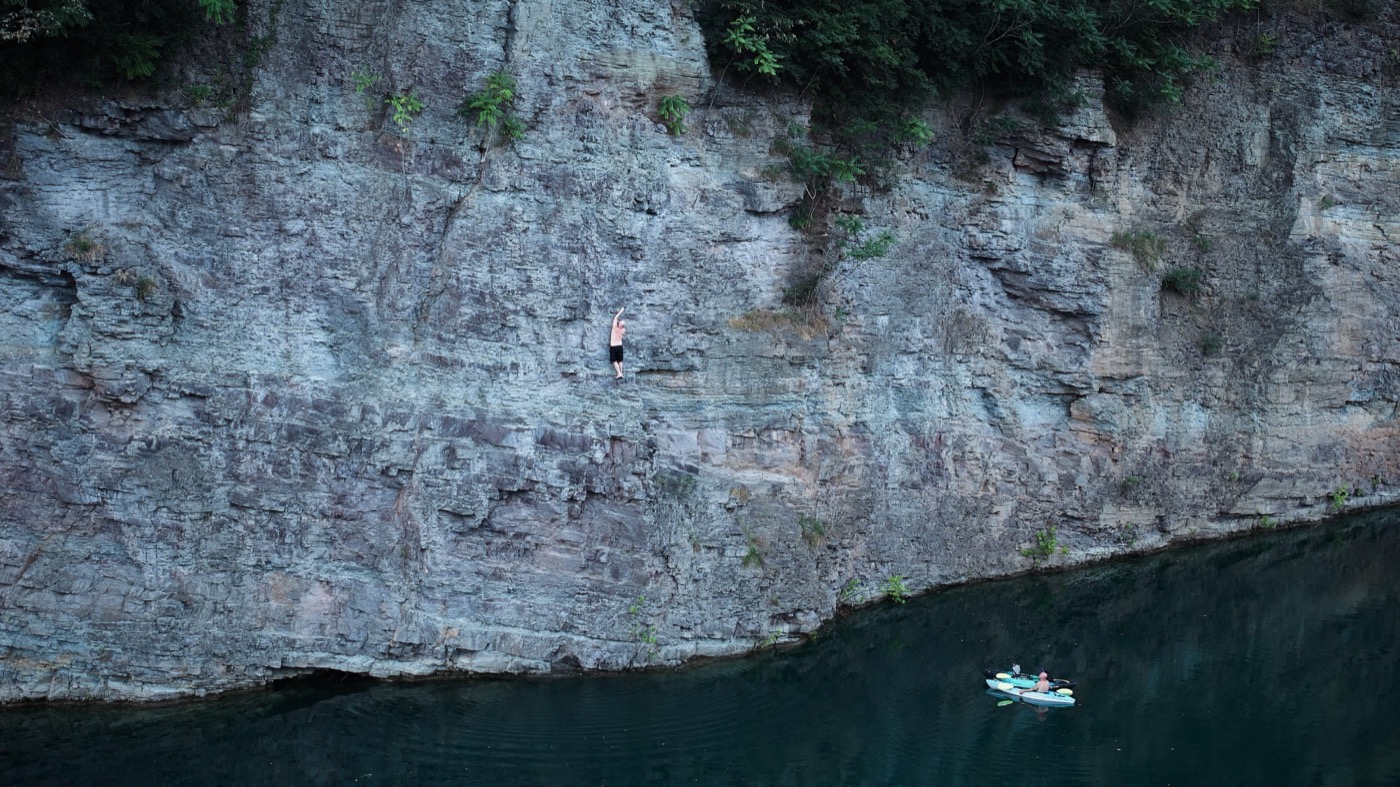
The design responds to the quarry’s dramatic vertical topography, industrial legacy, and ecological context. Formerly a limestone gravel operation that ceased in the 1970s, extraction created a 200-foot-deep lake whose raw beauty drew informal and often unsafe recreation. Through community engagement and site analysis, the design team prioritized reconciling public use with safety, accessibility, and environmental sensitivity.
Design Program and Intent
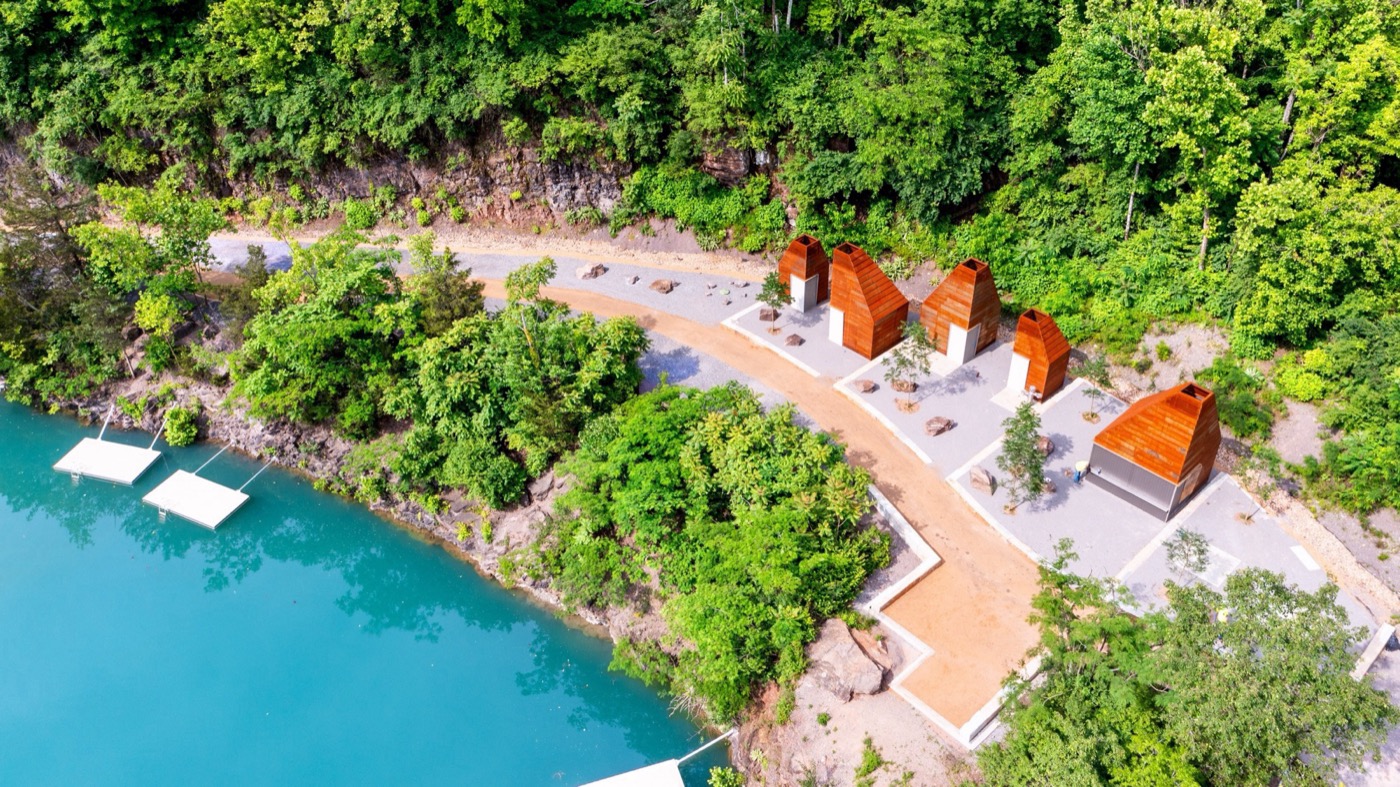
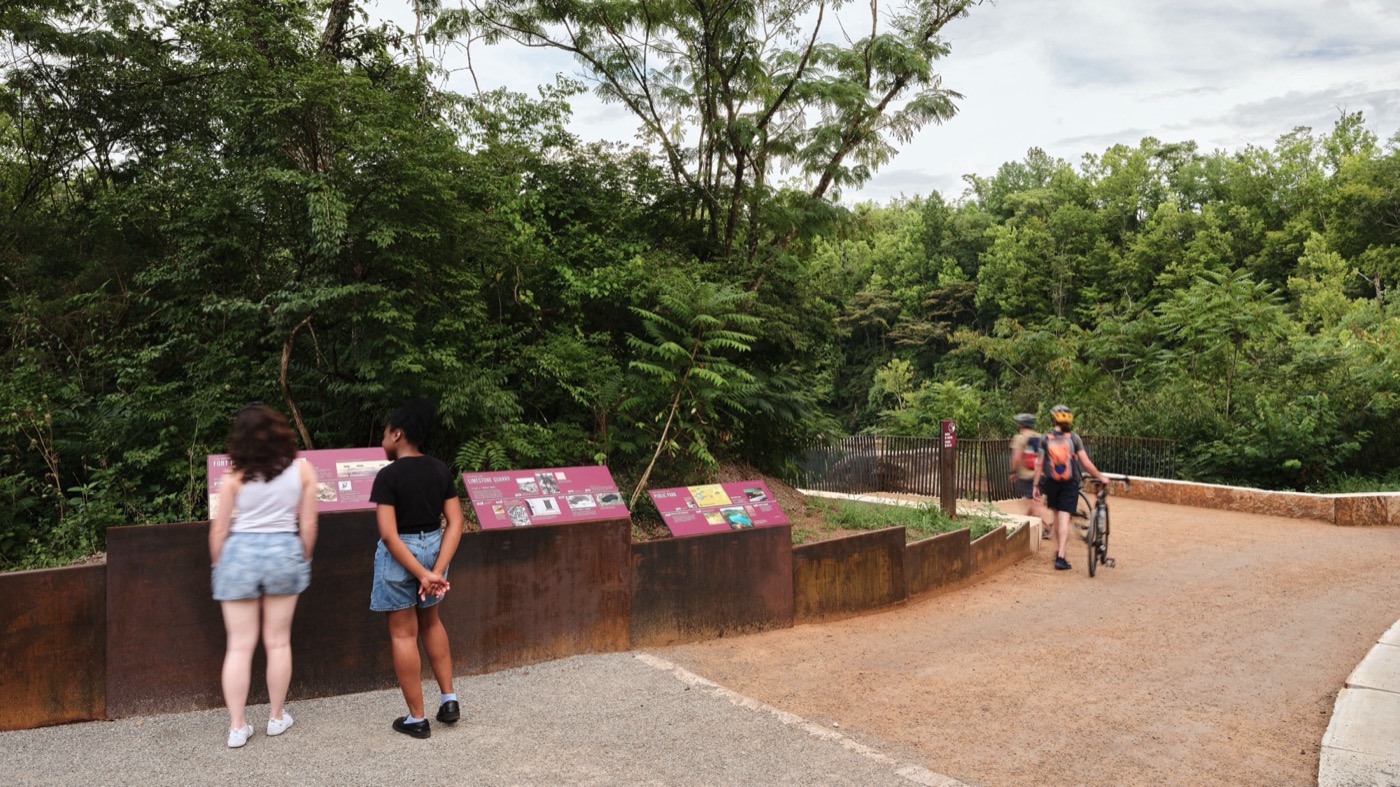
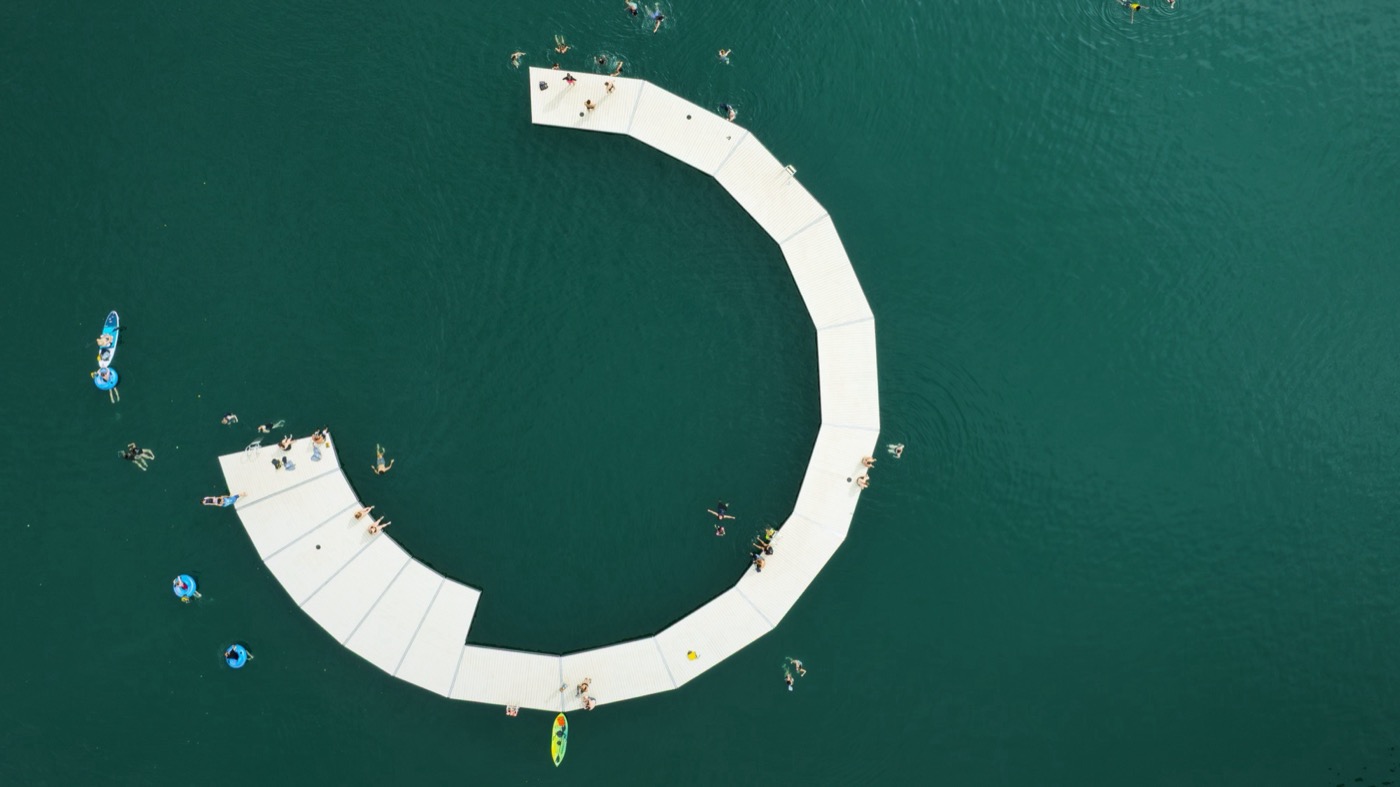
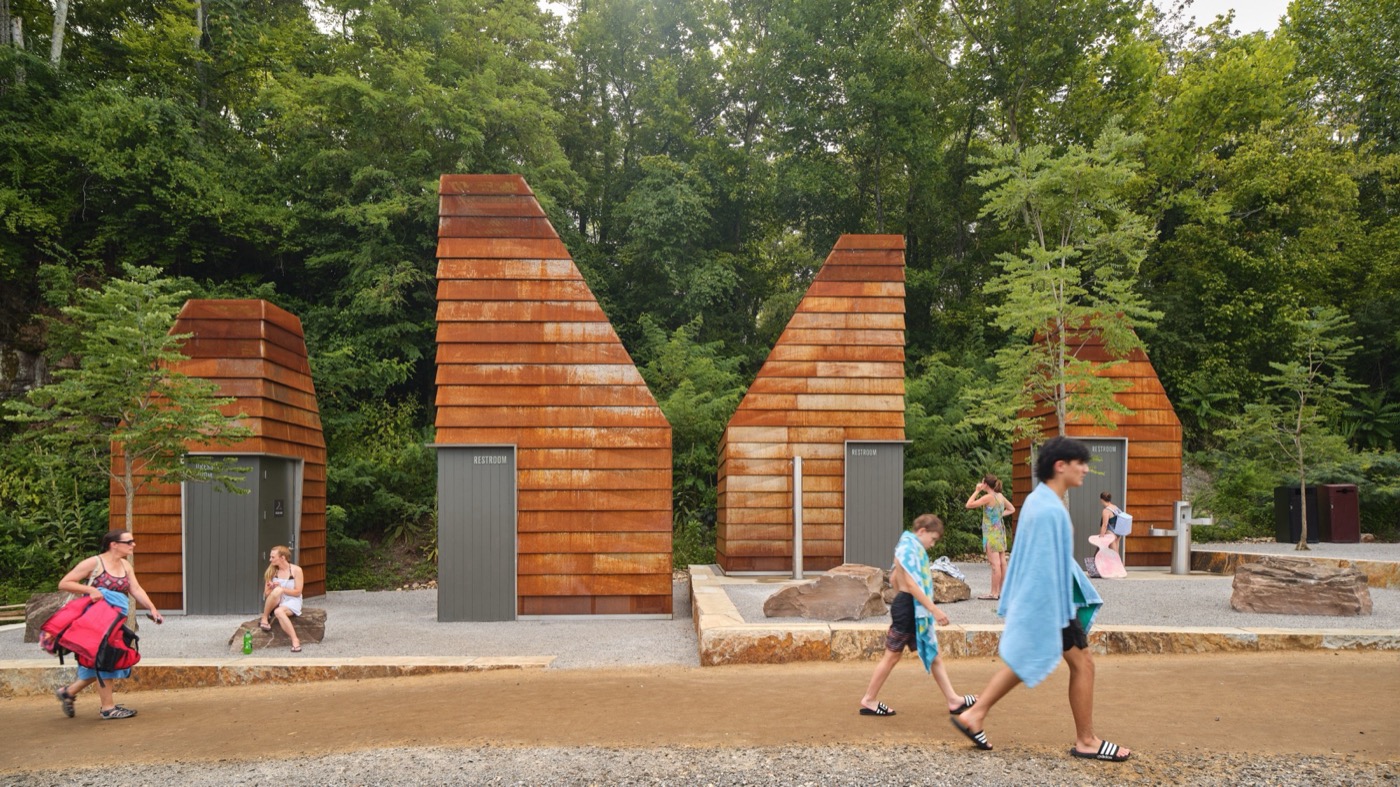
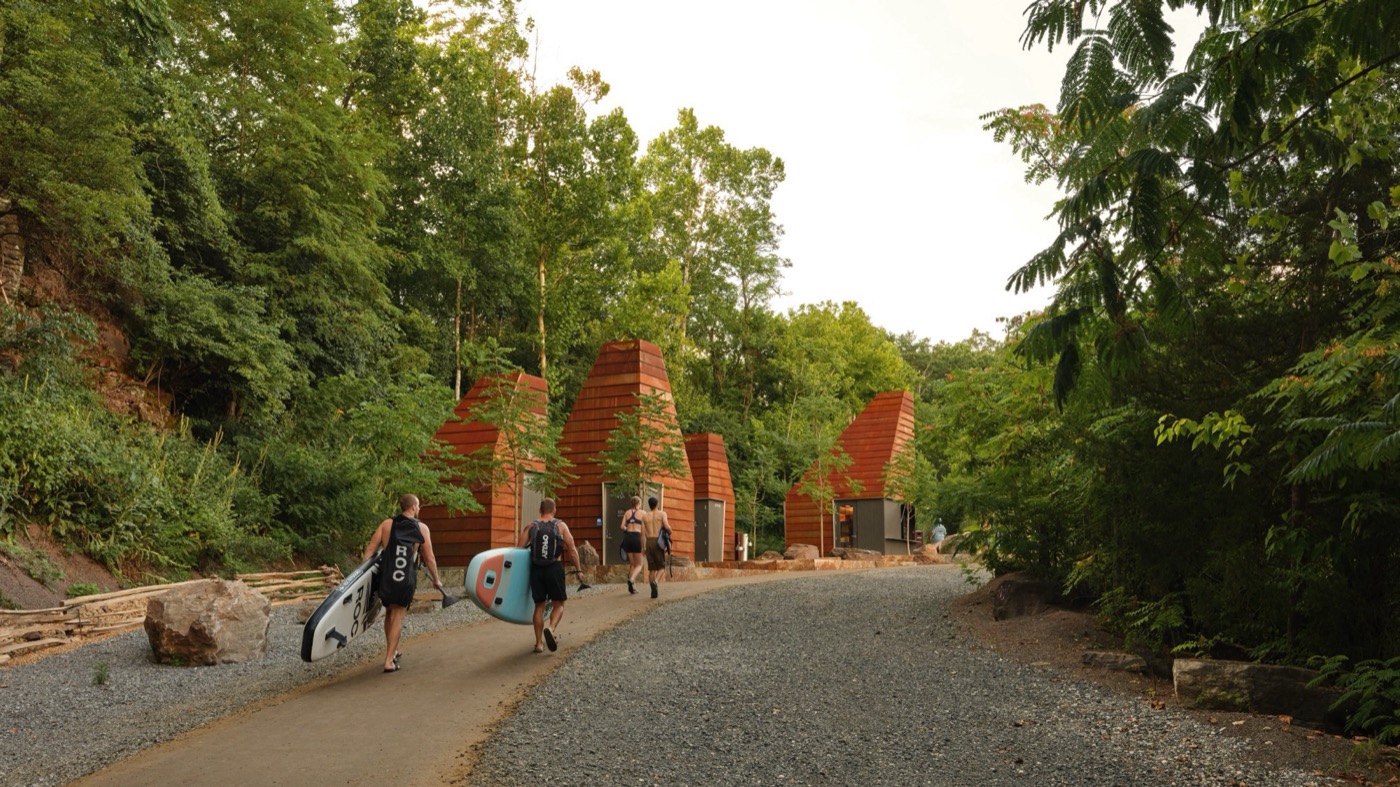
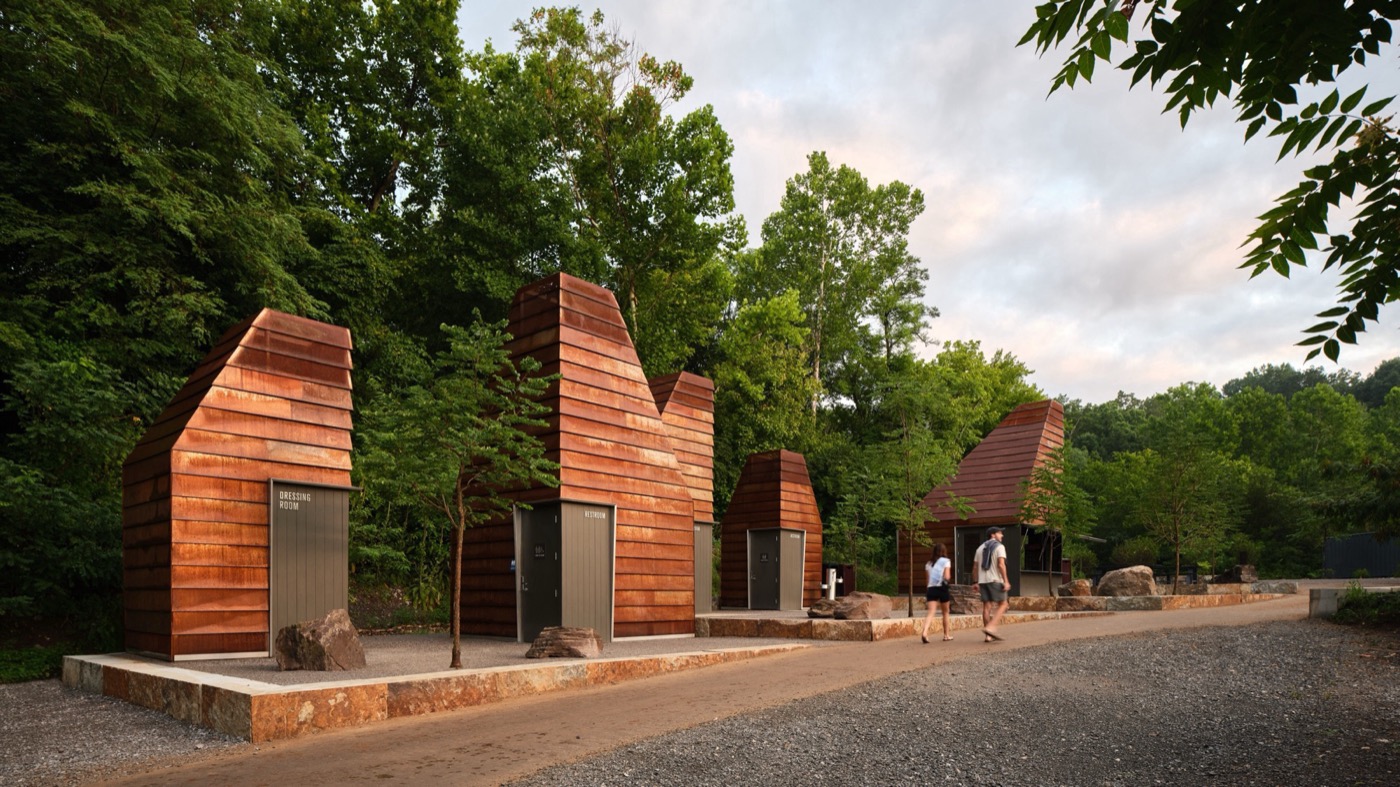
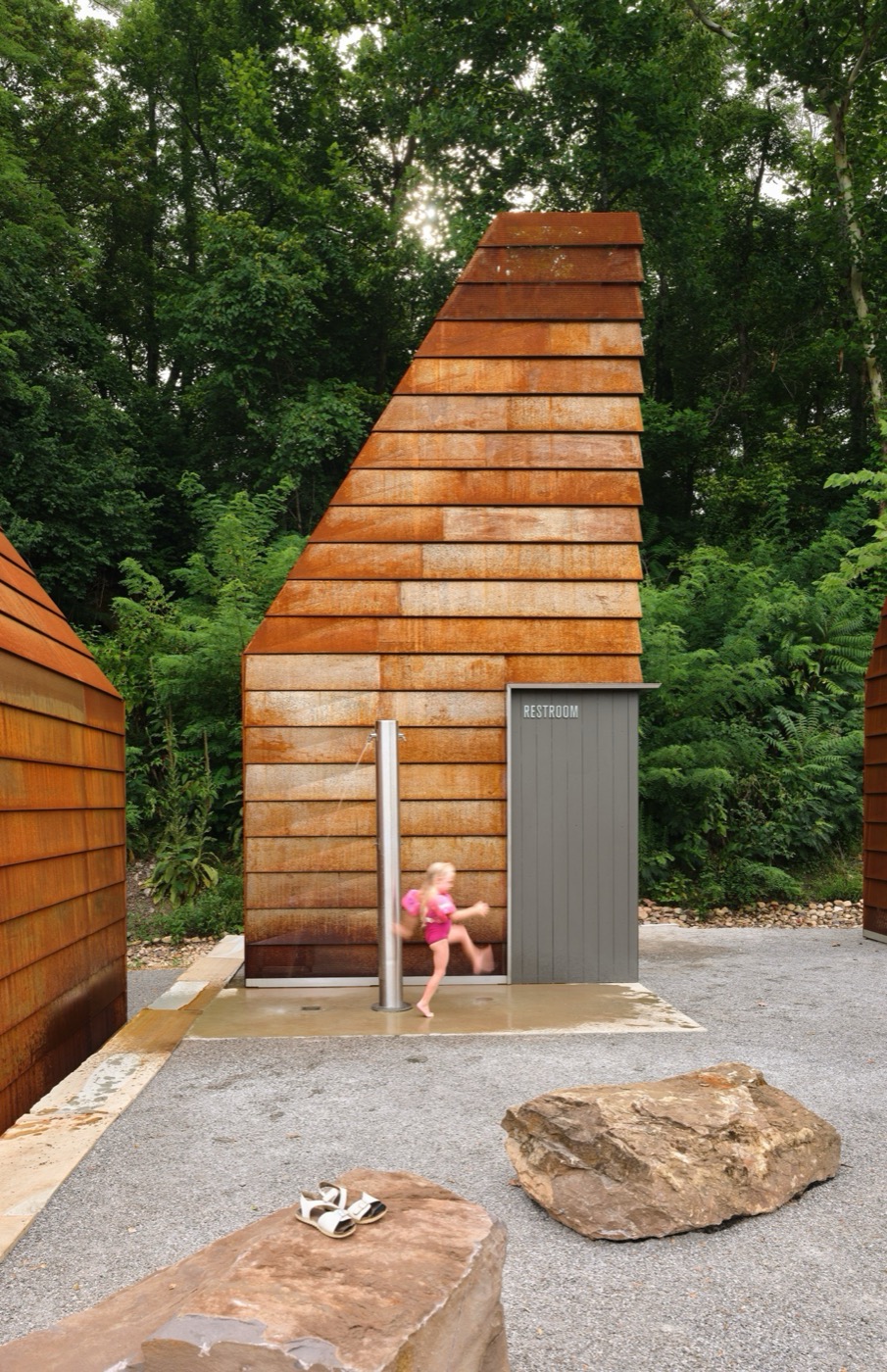
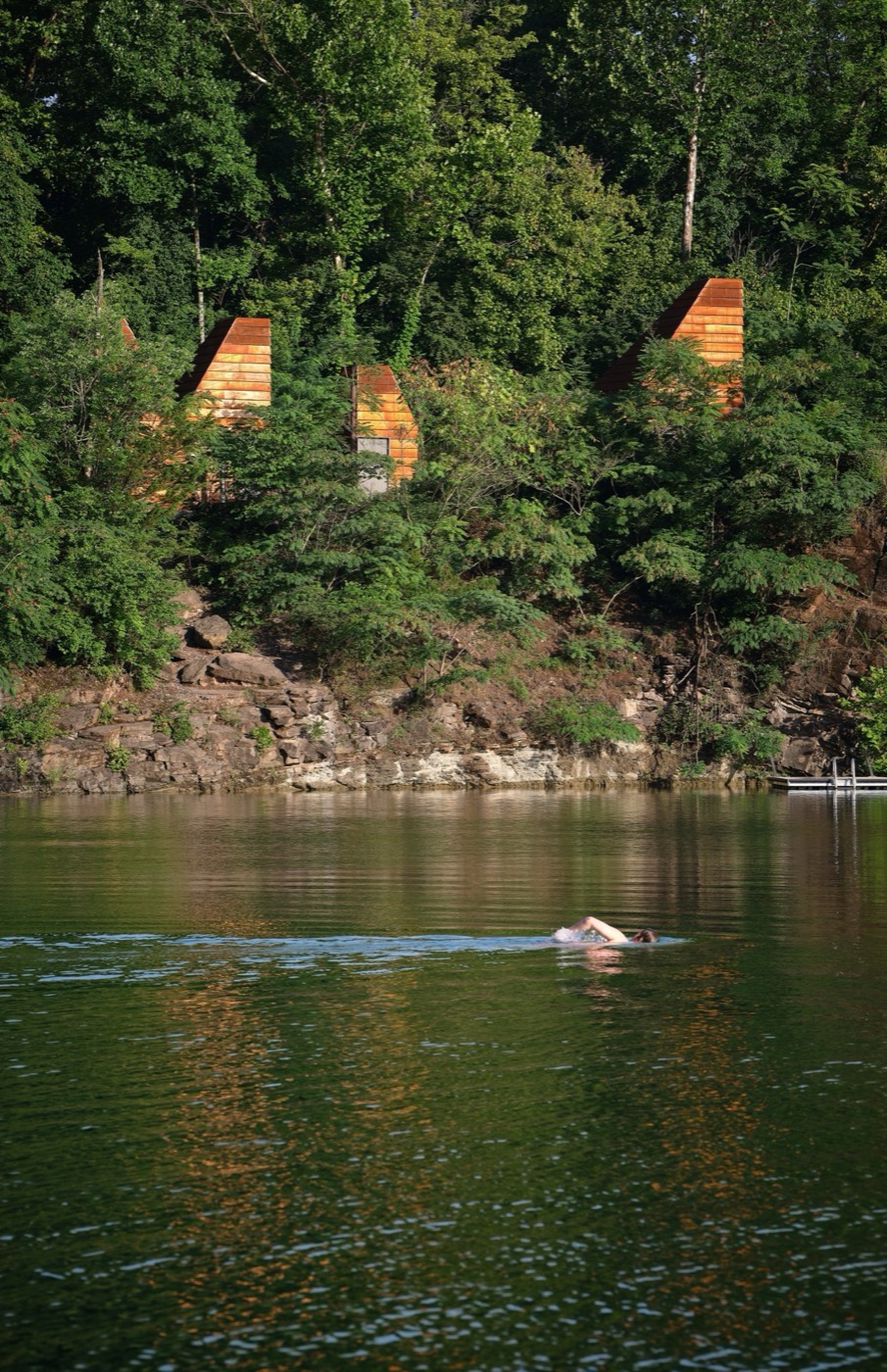
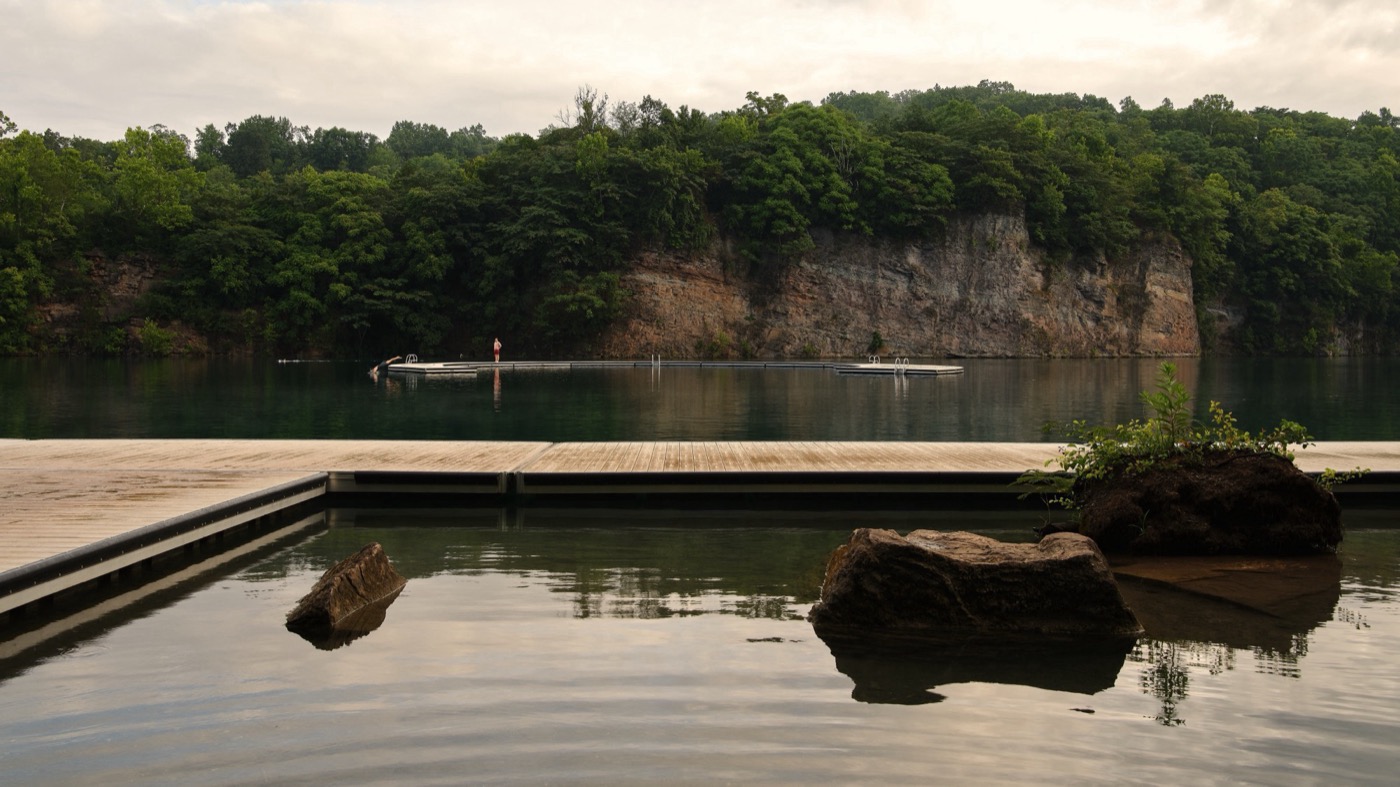
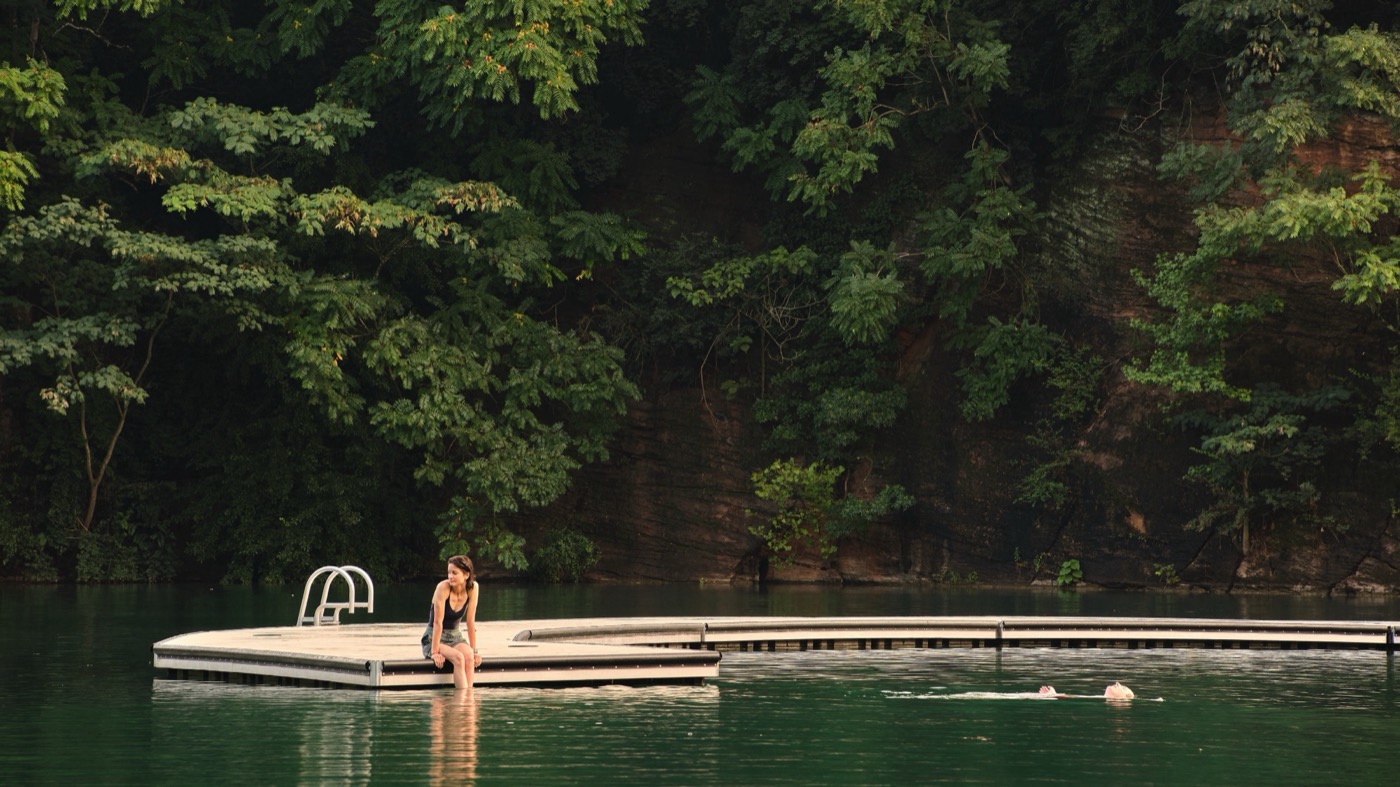
The program’s core intent was to formalize and expand public access while preserving the quarry’s rugged character. Organized around the historic access point and haul ramp, the design establishes a legible park entry with clear wayfinding and universal access, a network of accessible pathways, and waterfront elements including floating docks and swimming piers. Visitor amenities—restrooms, changing kiosks, picnic areas, and vendor spaces—are integrated into the site’s contours to minimize visual impact while supporting comfort, safety, and discovery.
Materials and Installation Methods
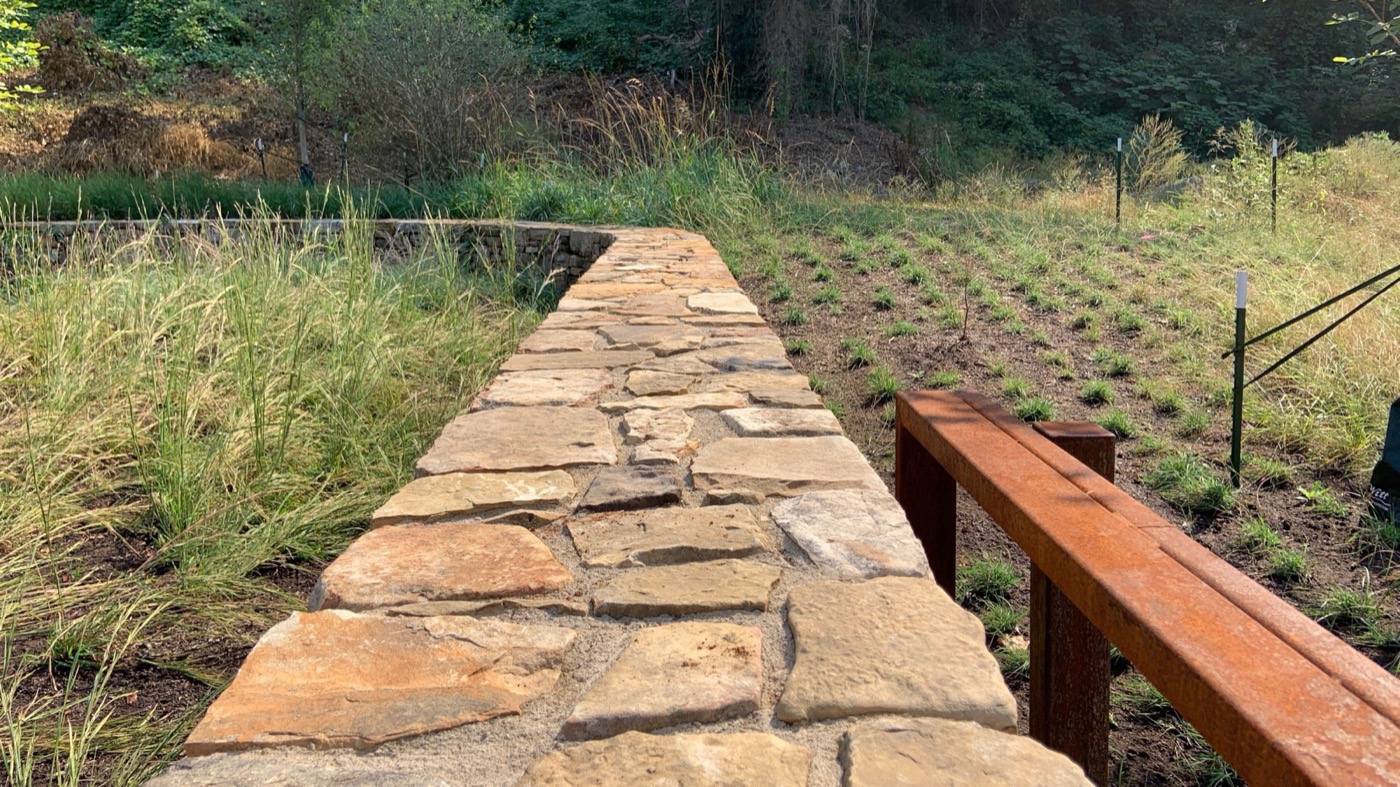
Materials respond directly to the site’s geological and cultural context. Compacted stabilized granite paving balances safety and accessibility with a minimal footprint, while integrated docks and platforms extend water access without disturbing shallow swimming zones or exposed geological features. Structures are sited to optimize views, provide natural ventilation, and blend with the landscape. Native plantings stabilize slopes, support local ecology, and reduce maintenance. Existing boulders were reused and long-established trees preserved, reinforcing the site’s post-industrial ecology.
Environmental Impact and Concerns
Environmental sensitivity guided all design decisions. Ecological restoration addresses invasive species control, slope stabilization, and habitat enhancement. Native plant communities buffer circulation areas and knit developed spaces into the quarry’s rewilding landscape. Stormwater is managed through graded pathways and vegetated areas that reduce runoff and promote infiltration, increasing long-term resilience. Water levels and quality were monitored over multiple years.
Collaboration and Design Value
Early design funding from a private philanthropic foundation enabled a rigorous planning process that established clear ambitions prior to public construction investment. A multidisciplinary team collaborated through design and implementation to integrate landscape, architecture, and engineering across challenging topography and regulatory constraints. The resulting public landscape addresses safety, access, ecological restoration, and heritage preservation, demonstrating the power of landscape architecture to reclaim industrial sites as inclusive, resilient civic spaces.
Clients:
Aslan Foundation + City of Knoxville
Collaborators:
Architect: Sanders Pace Architecture
MEP: Cannon & Cannon, FSC
Structural: Haines Structural Group
Civil: Johnson, Mirmiran & Thompson
Docks: The Dock Doctors
Photographer: Keith Isaacs
35.943430367457296, -83.91782267405512
74265


LILA 2026 Sponsor