BOSQUET
www.perimetral.mx/ + www.aearquitectos.mx/
2026 Landscape and Architecture / 2026 Residential Parks / Mexico / Built in 2025 /

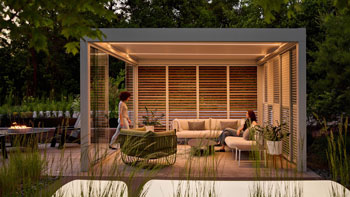
![The design of a bespoke garden for an architect and his family. The uniqueness of this program lies in the fact that it is a family with grown children, allowing for experimentation in garden design and the selection of a plastic and expressive palette of materials and vegetation. Through an innovative and sustainable approach, and […]](https://landezine-award.com/wp-content/uploads/2025/05/00_DSC6940-600x400.jpg "HOUSE AE by PERIMETRAL")
![An innovative urban project designed by Perimetral and AE Arquitectos, in collaboration with the American firm SWA, Bosquet redefines the concept of contemporary urbanization by prioritizing sustainability, landscape design, and integration with the natural environment. This high-end development comprises 17 single-family lots spread across 4 hectares, with more than 50% of the site dedicated to […]](https://landezine-award.com/wp-content/uploads/2025/05/00-_MG_8472-600x400.jpg "BOSQUET by PERIMETRAL")
Bosquet emerged in 2019 from a commission by the developer PRAXIS to translate a preliminary concept by the U.S.-based firm SWA into an integrated proposal that coherently articulates urbanism, landscape, and architecture.
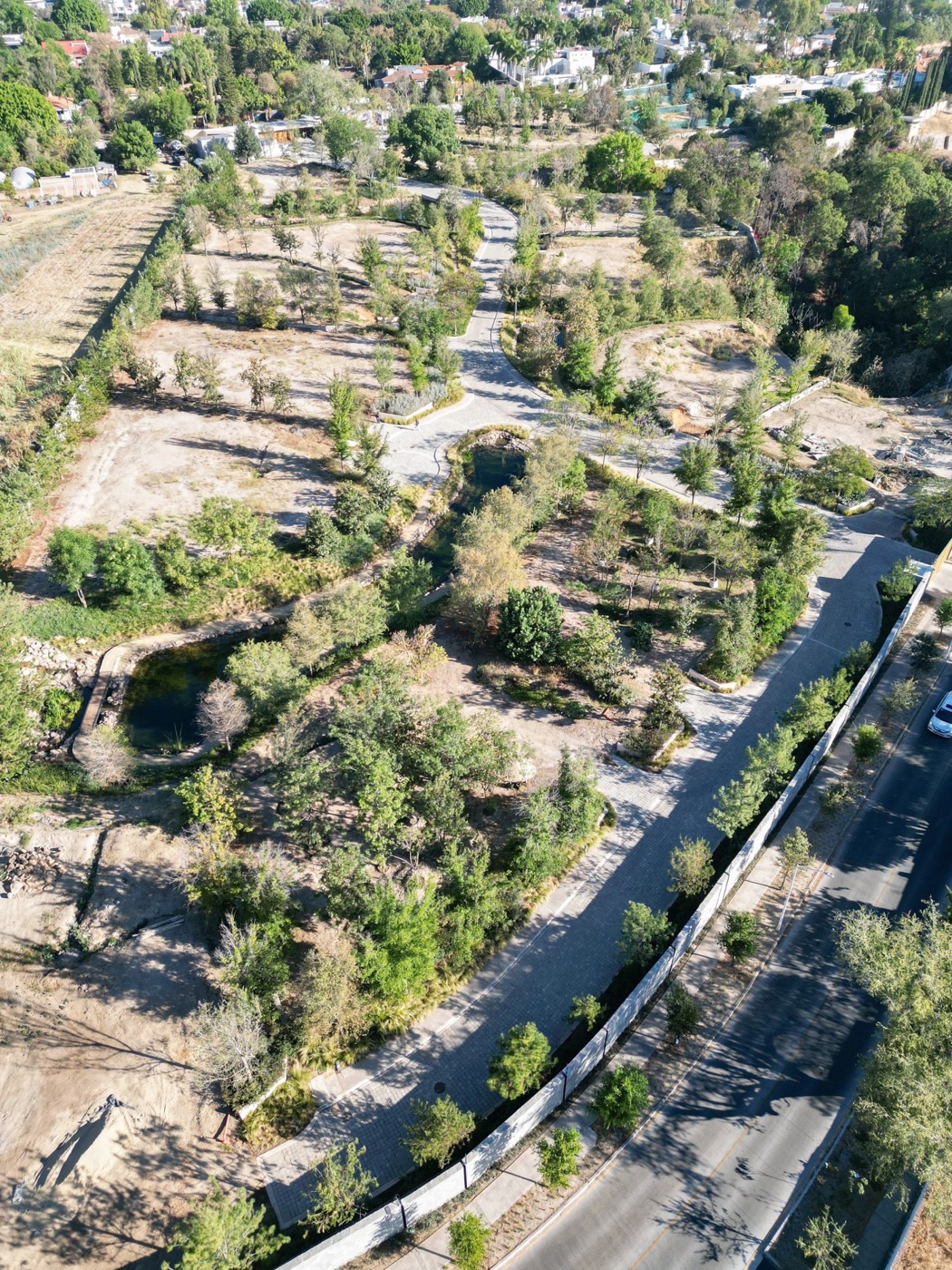
Located in Zapopan, Guadalajara, within the established residential enclave of Colinas de San Javier, the project occupies a fragmented and underutilized 4-hectare site between two emblematic neighborhoods. Through the gradual consolidation of privately owned plots, Bosquet reconfigures this territory into a single-family residential development of 17 lots, increasing density by 30% while dedicating over 50% of the land to green areas.
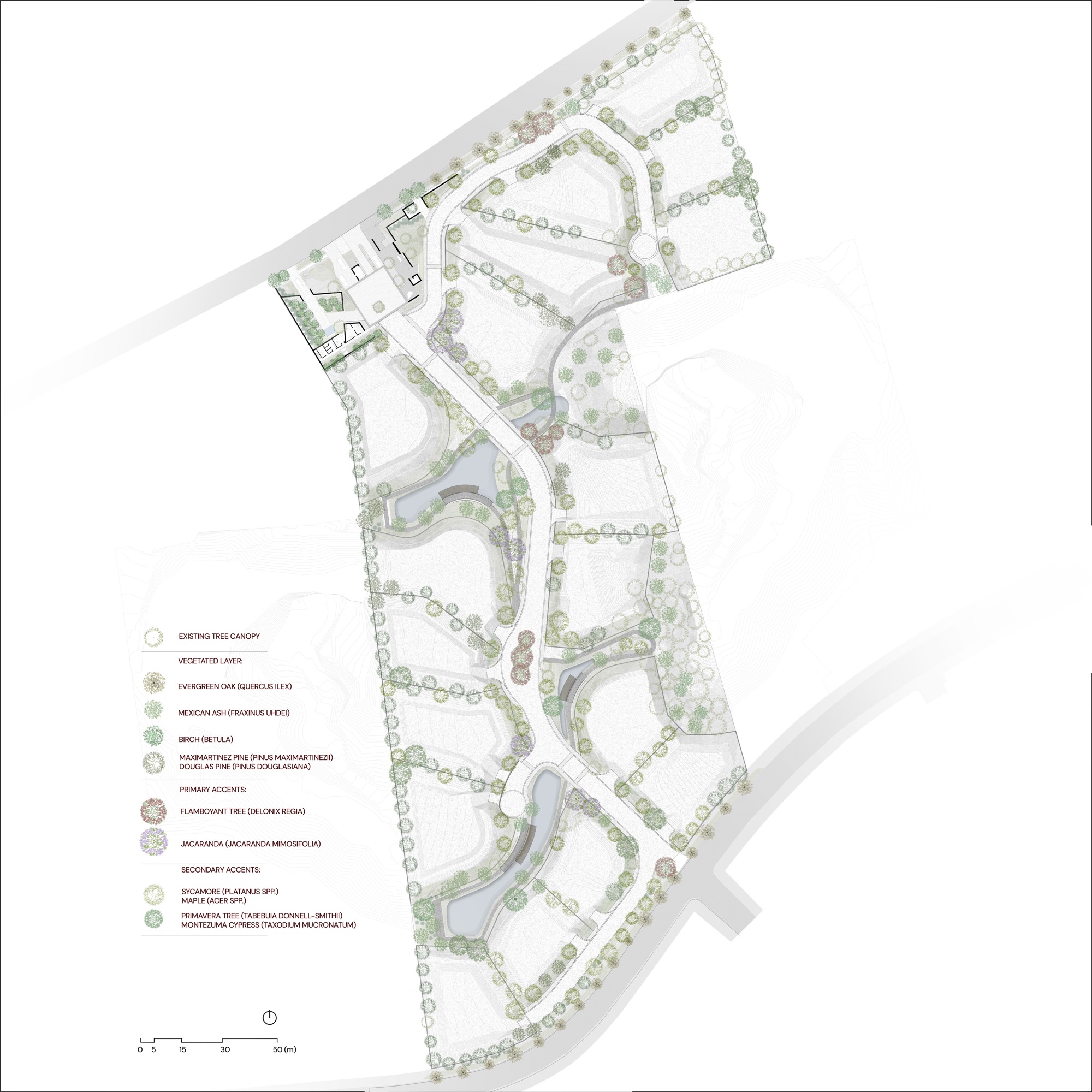
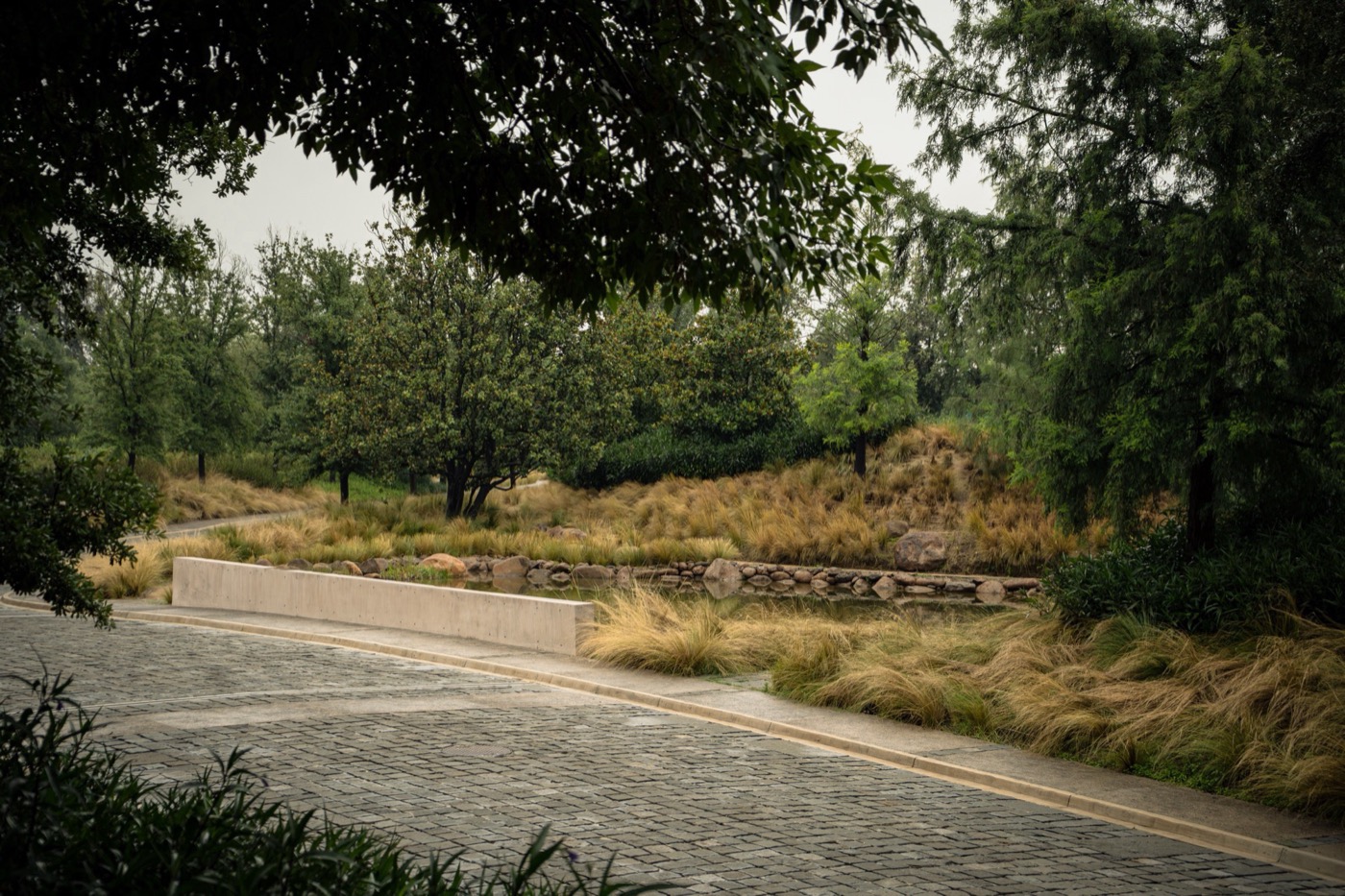
The project is conceived as a regenerative intervention, treating the site as an opportunity to restore pre-existing environmental conditions. A defining strategy was the recovery of natural ravines identified through historical and topographic analysis. By removing fill material and reestablishing original drainage patterns, these ravines are transformed into green lungs that structure the masterplan, enhance privacy, and frame panoramic views.
Bosquet operates through the integration of multiple disciplines—topographical, hydraulic, and infrastructural—ensuring that design and environmental performance are aligned from early stages. Internal guidelines developed by Perimetral regulate future construction, maintaining architectural coherence, controlling density, and ensuring a balanced relationship with the landscape.
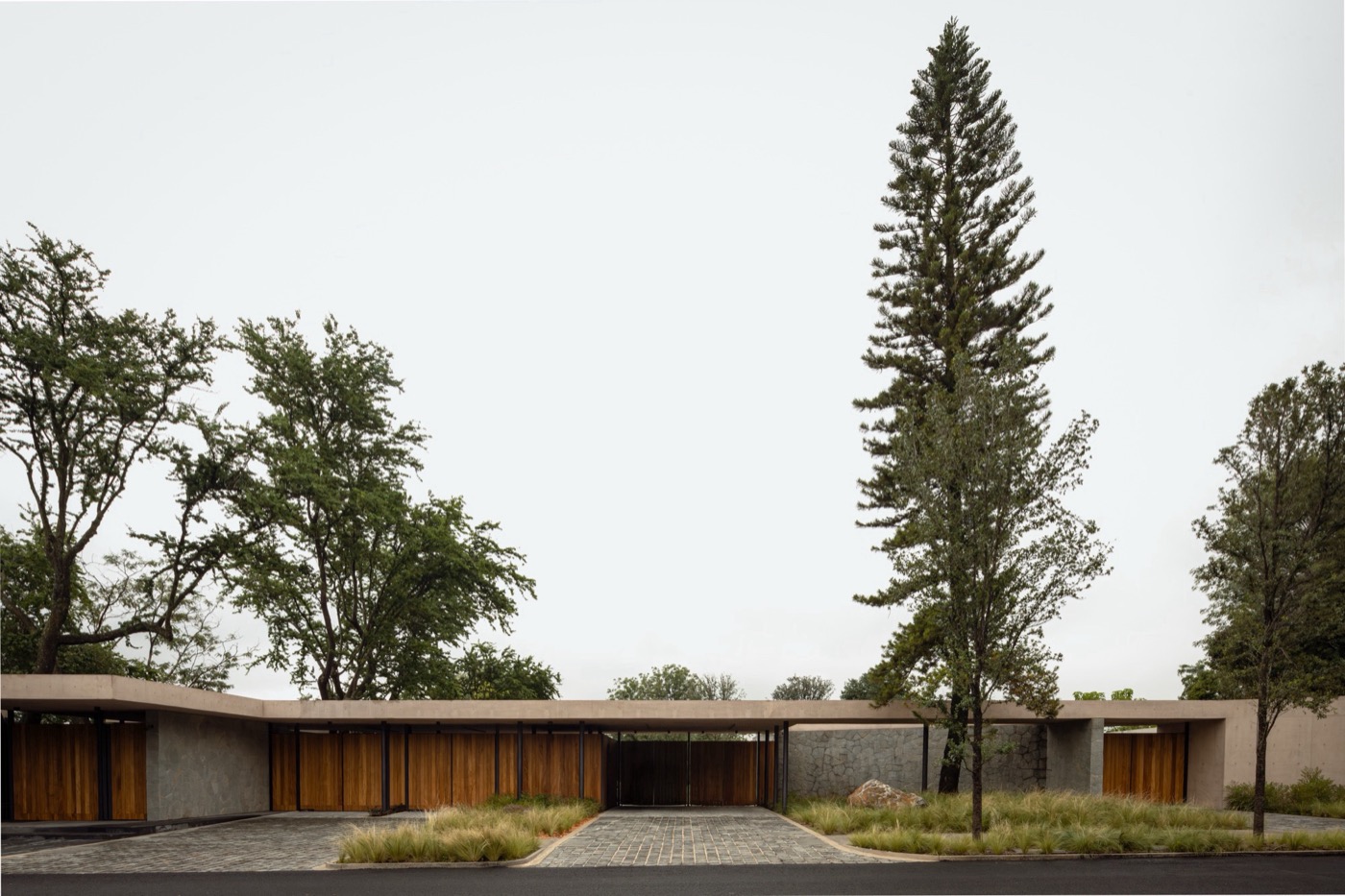
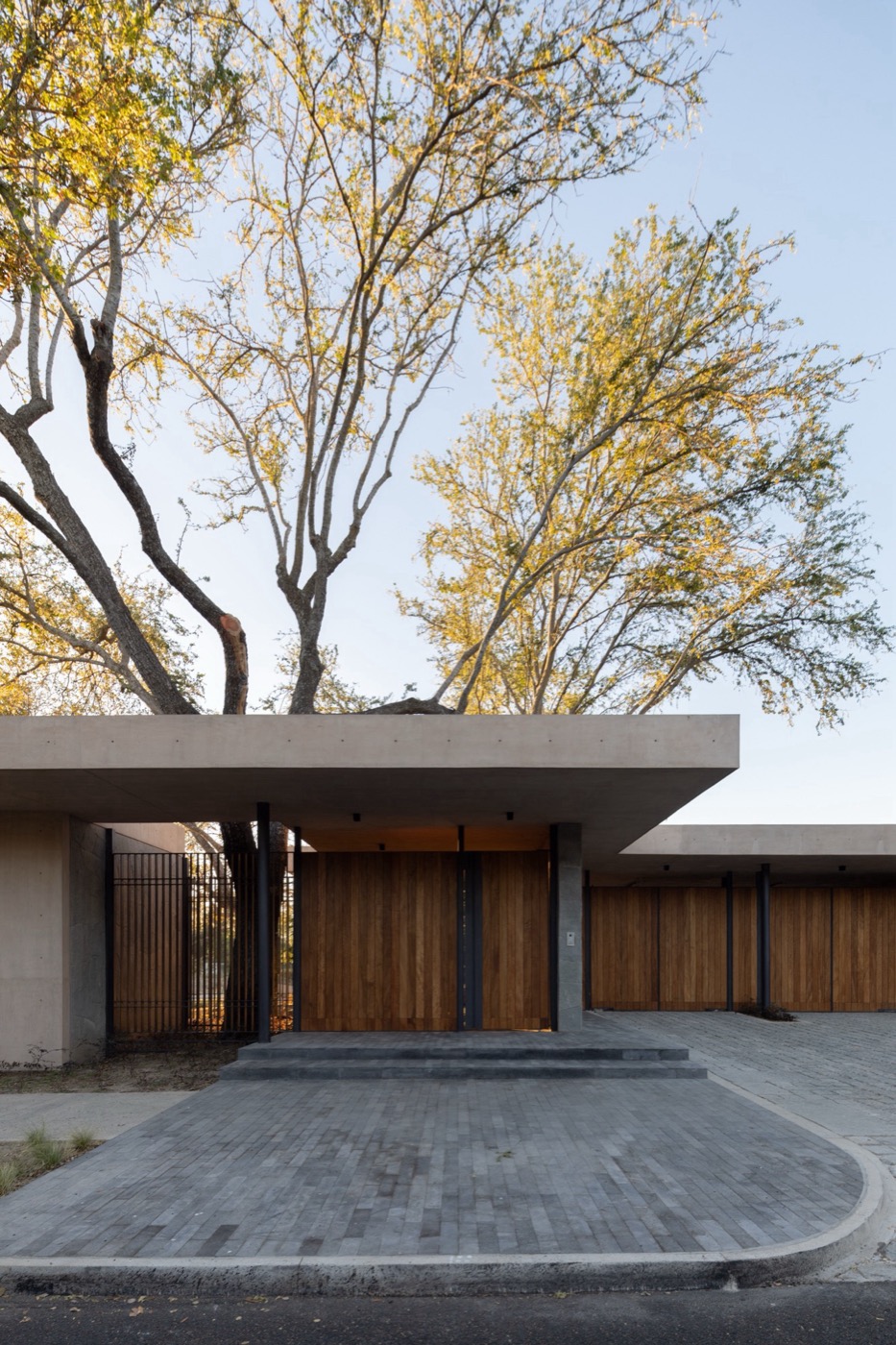
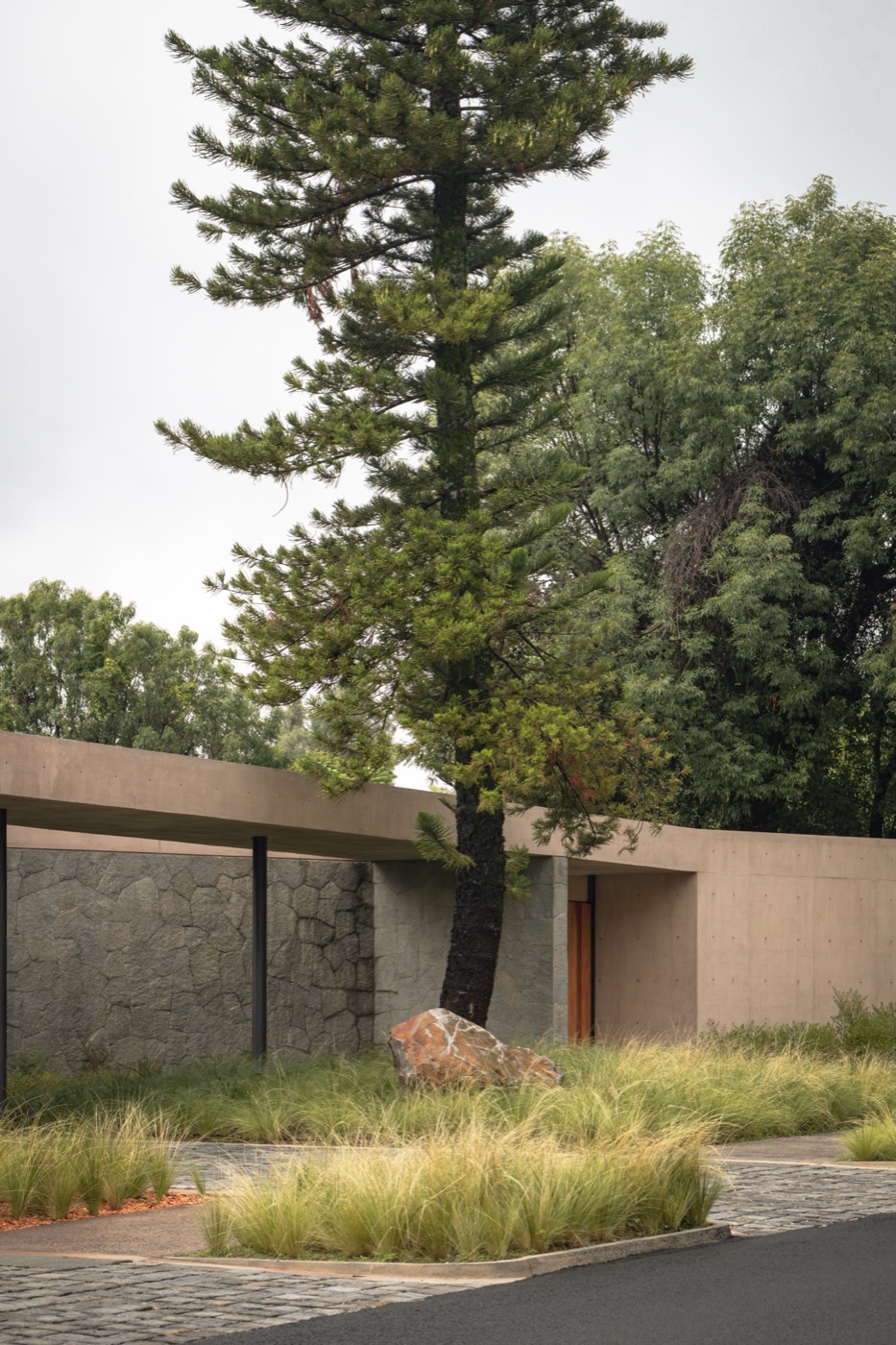
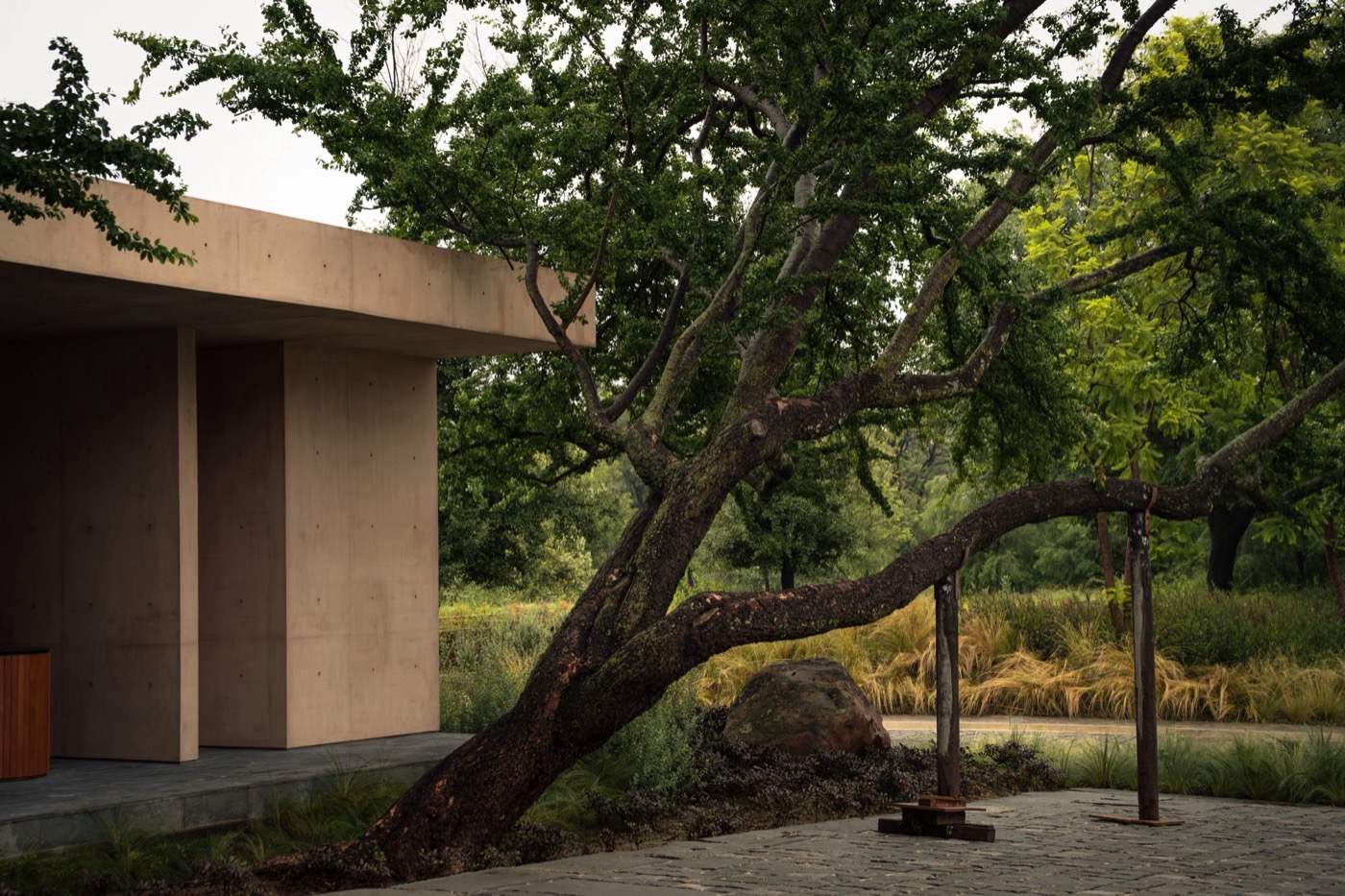
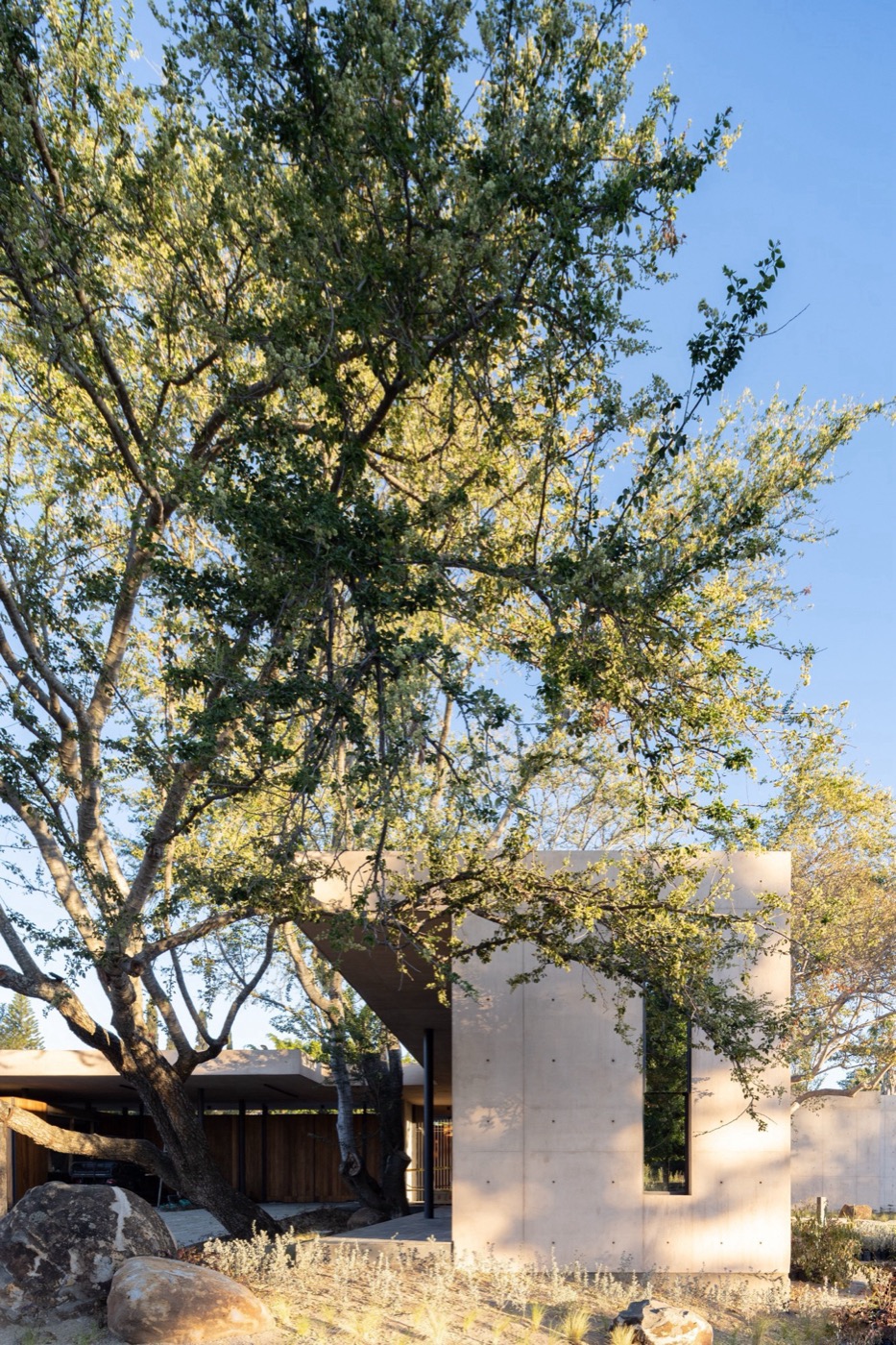
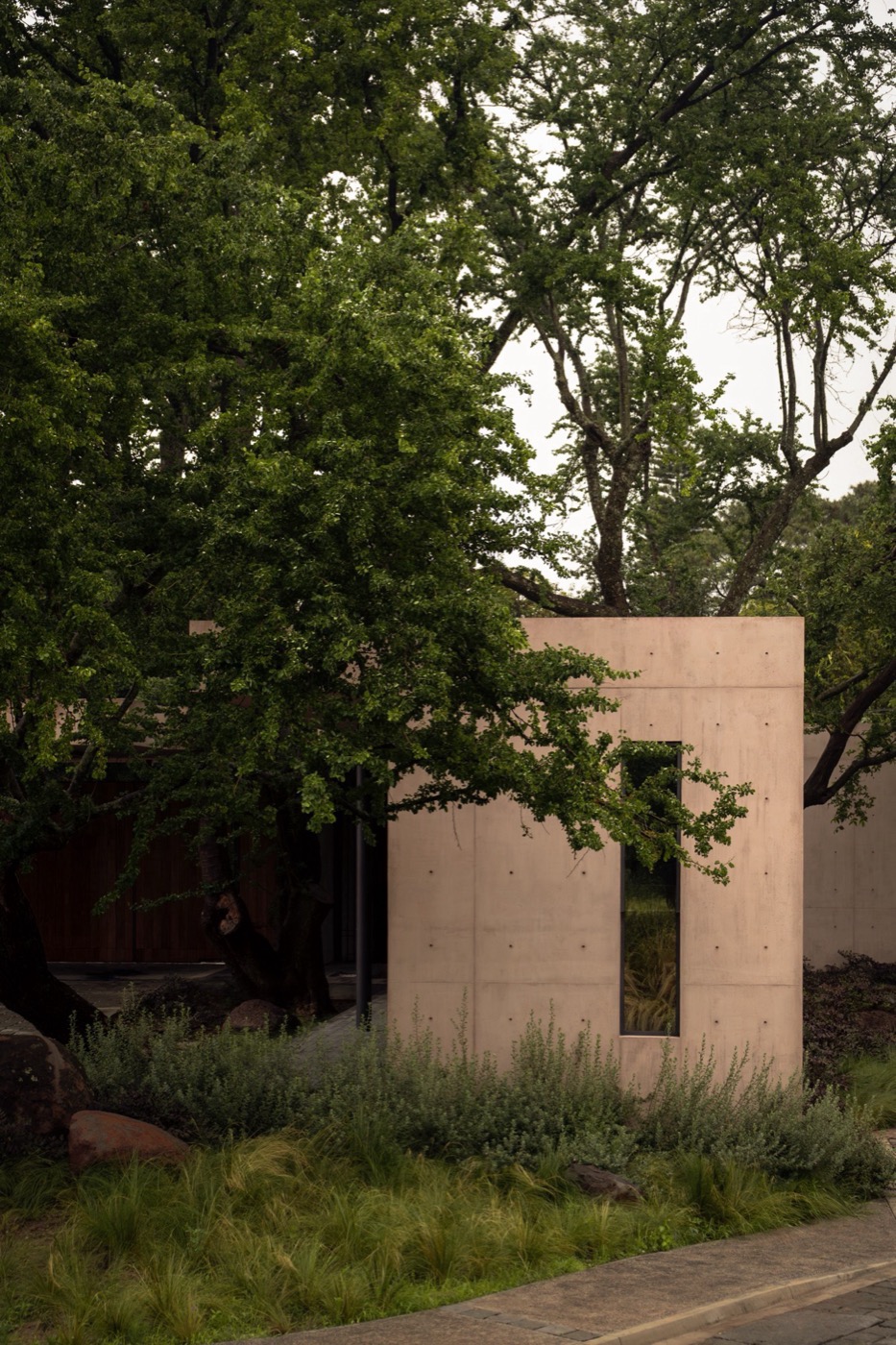
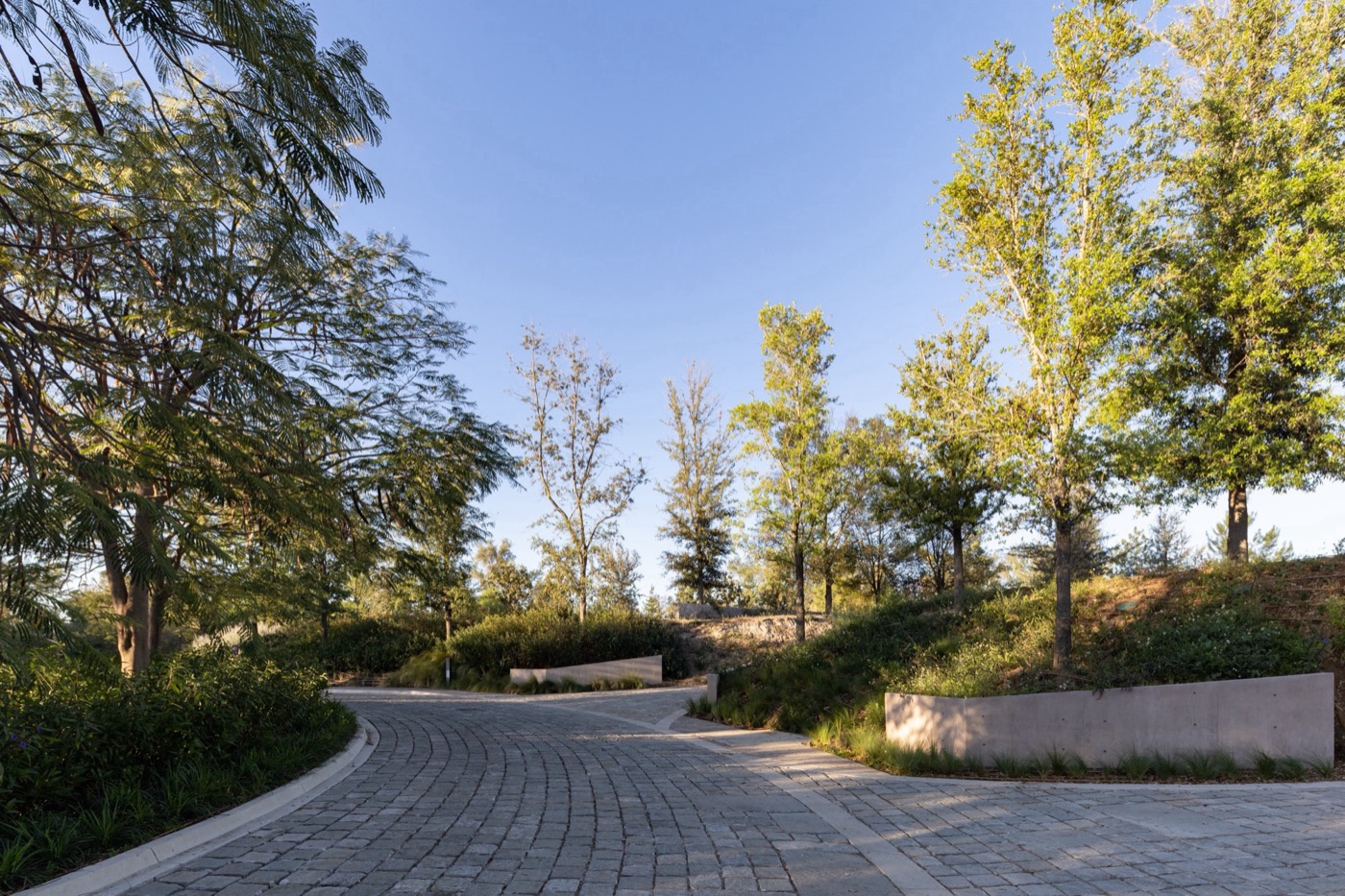
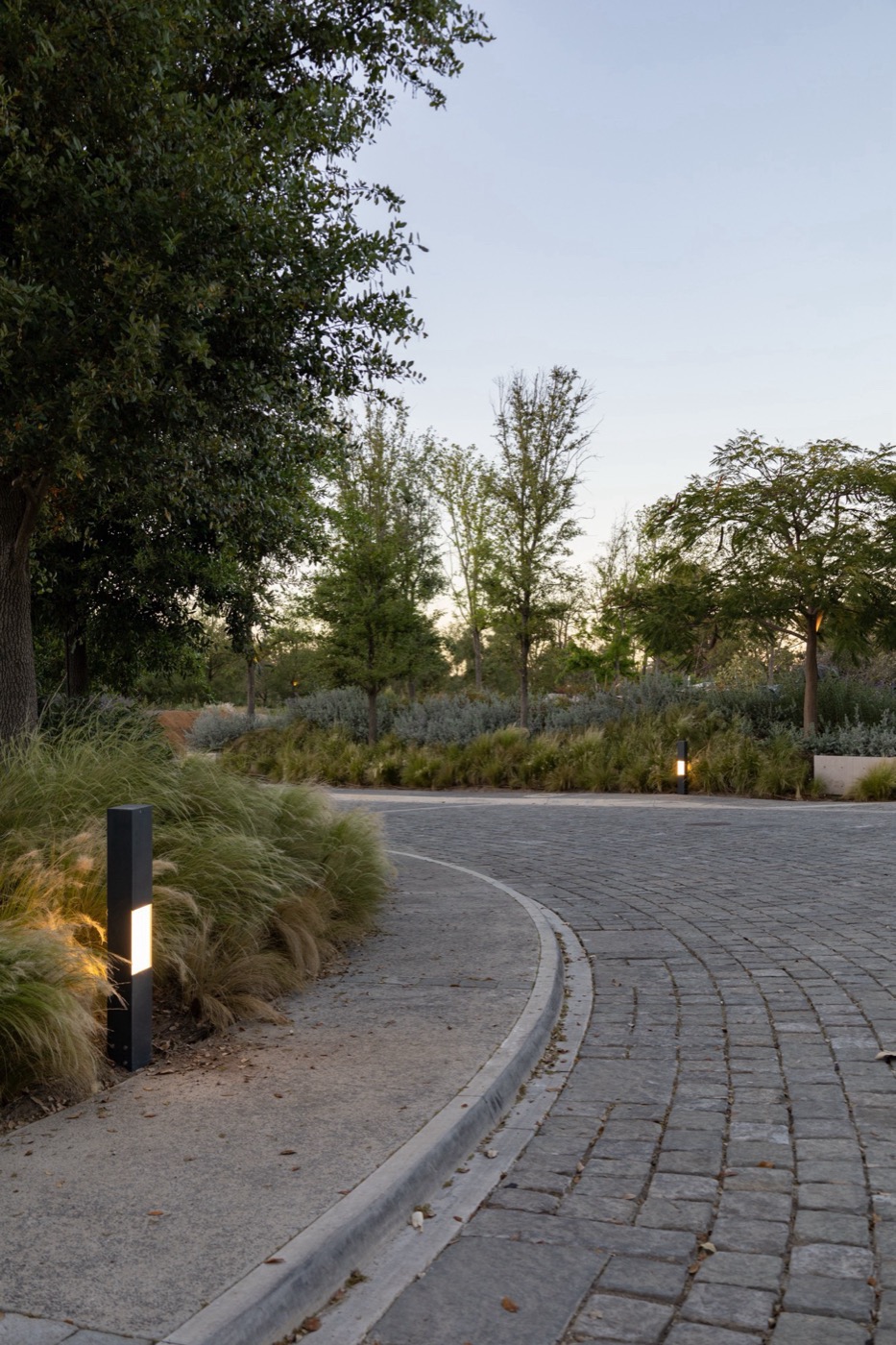
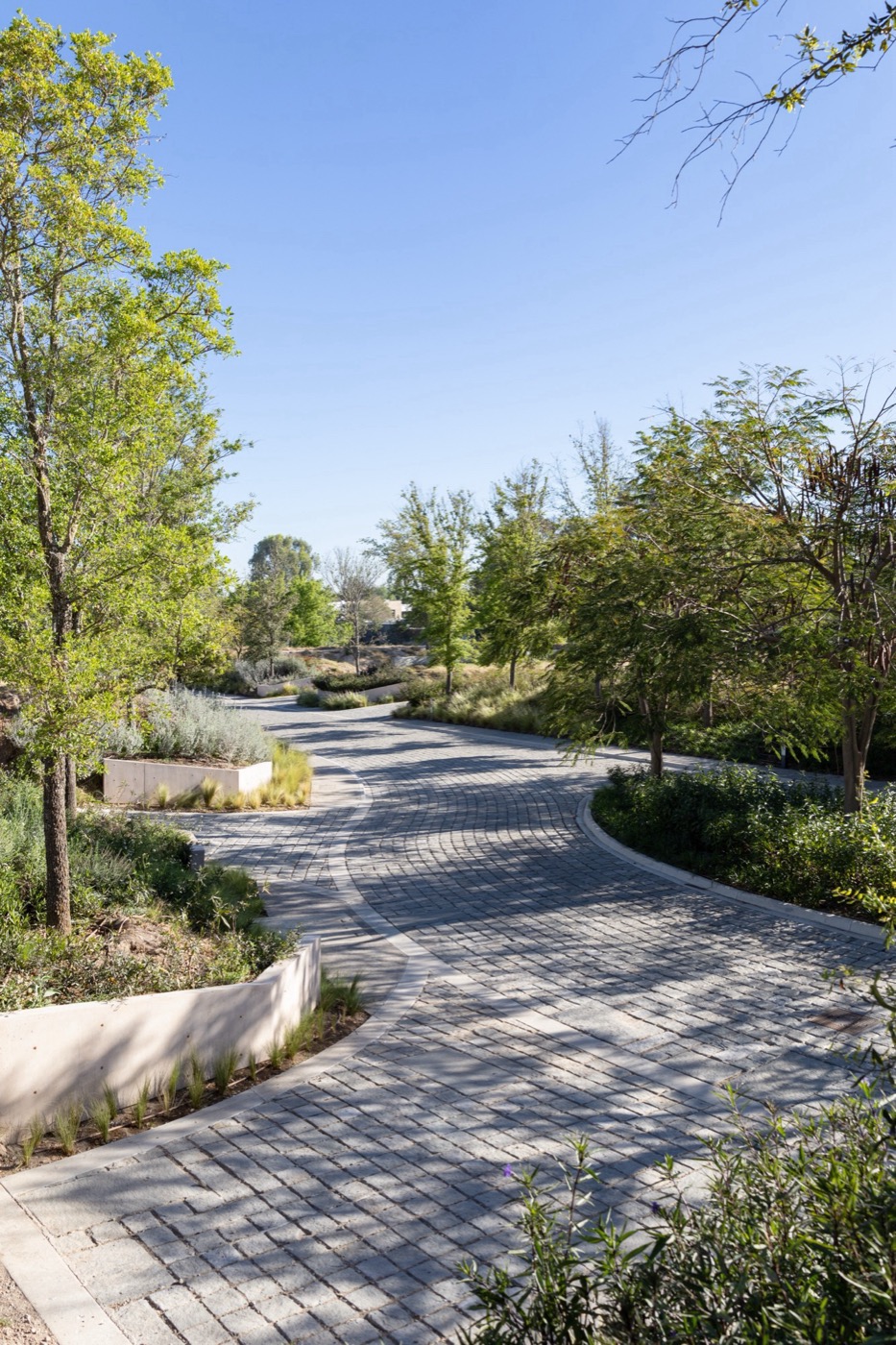
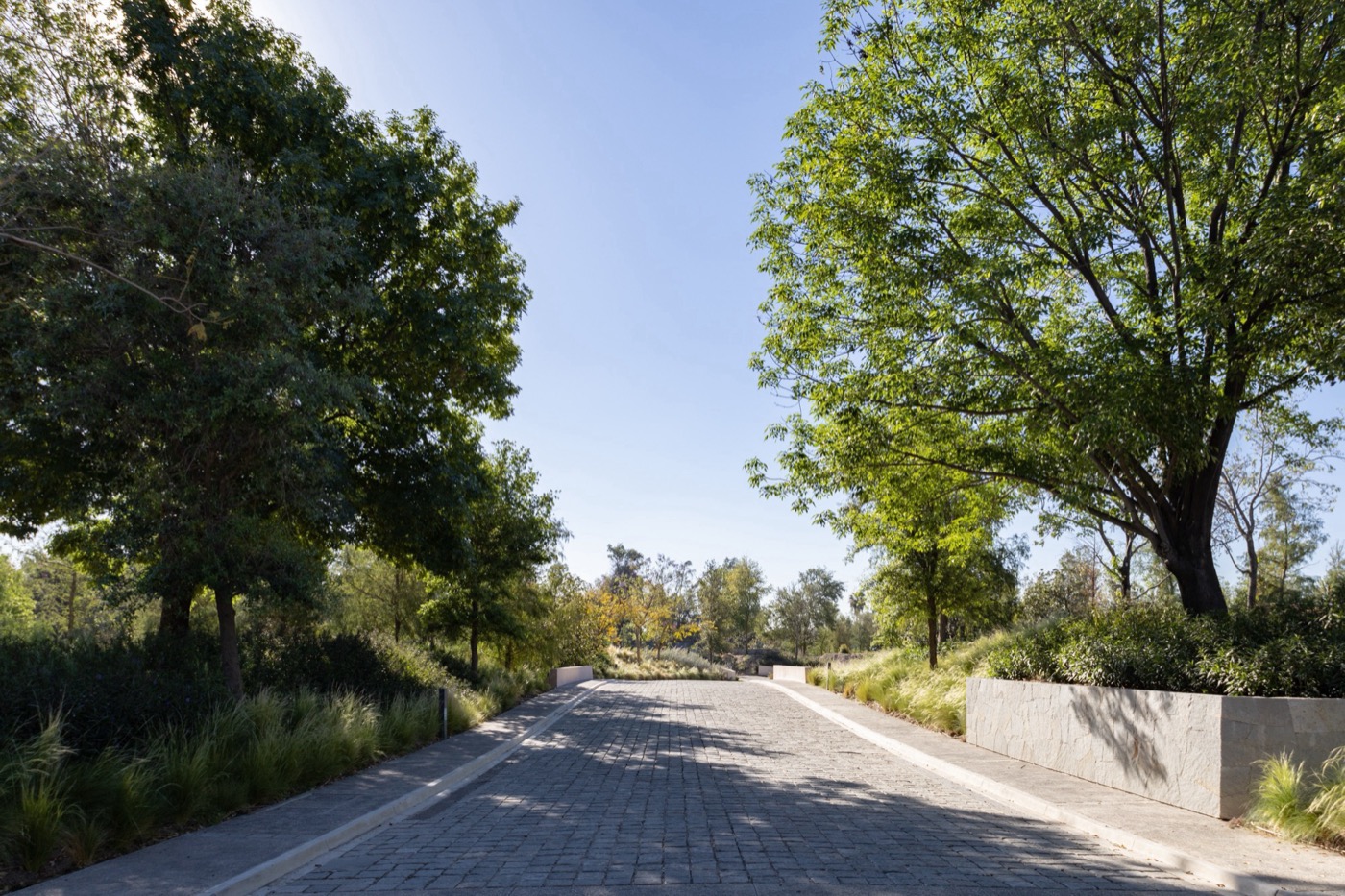
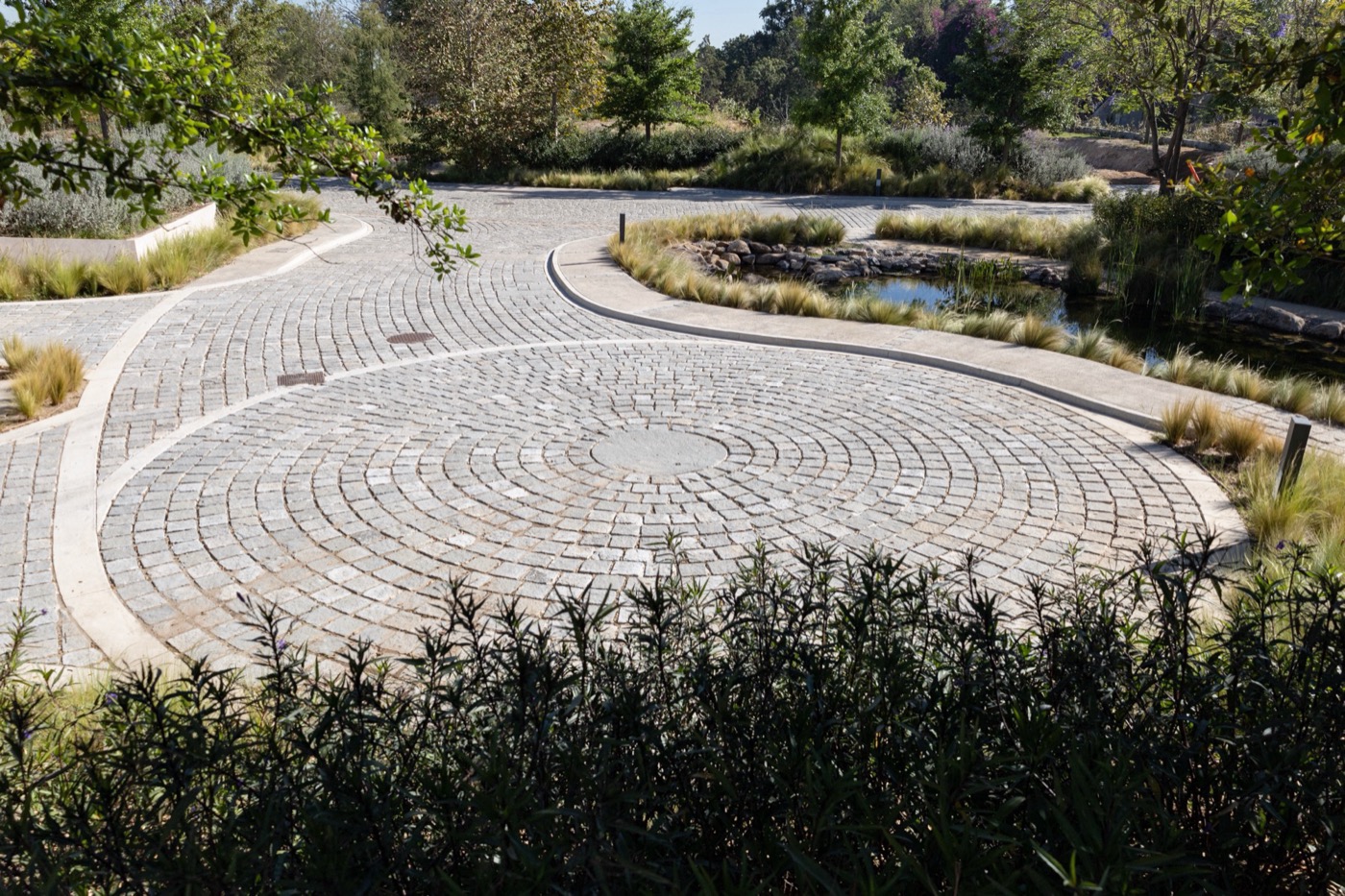
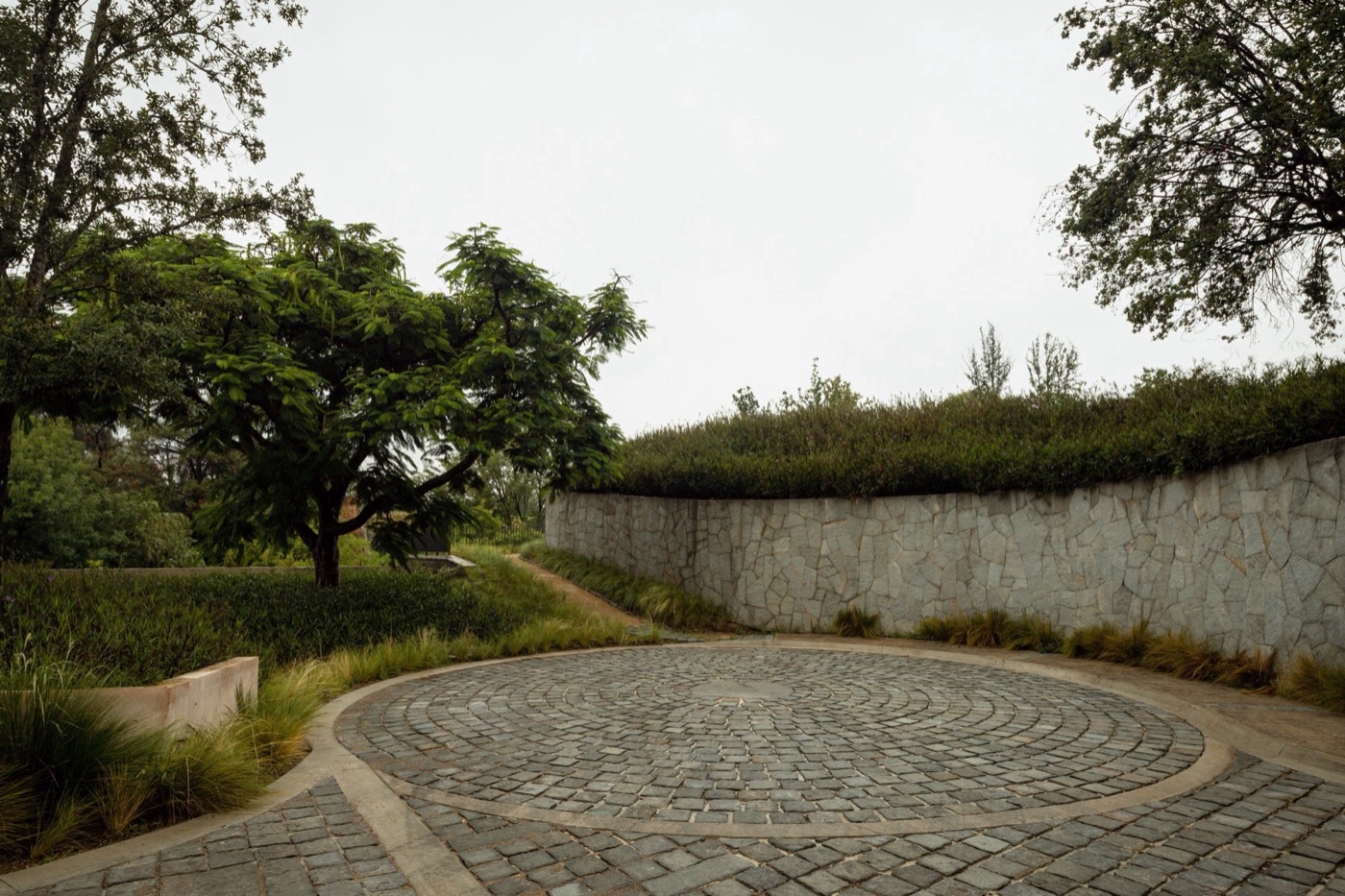
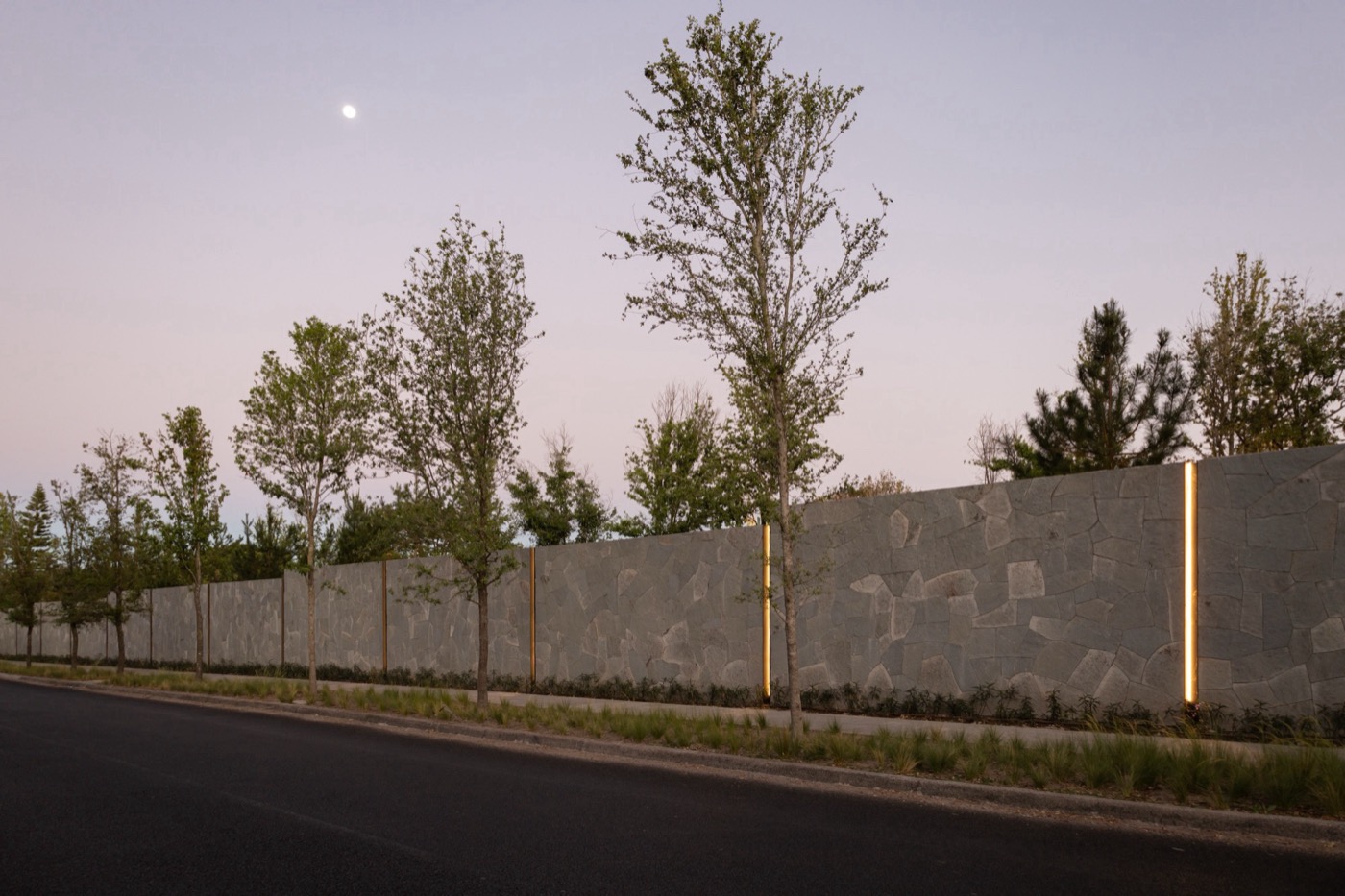
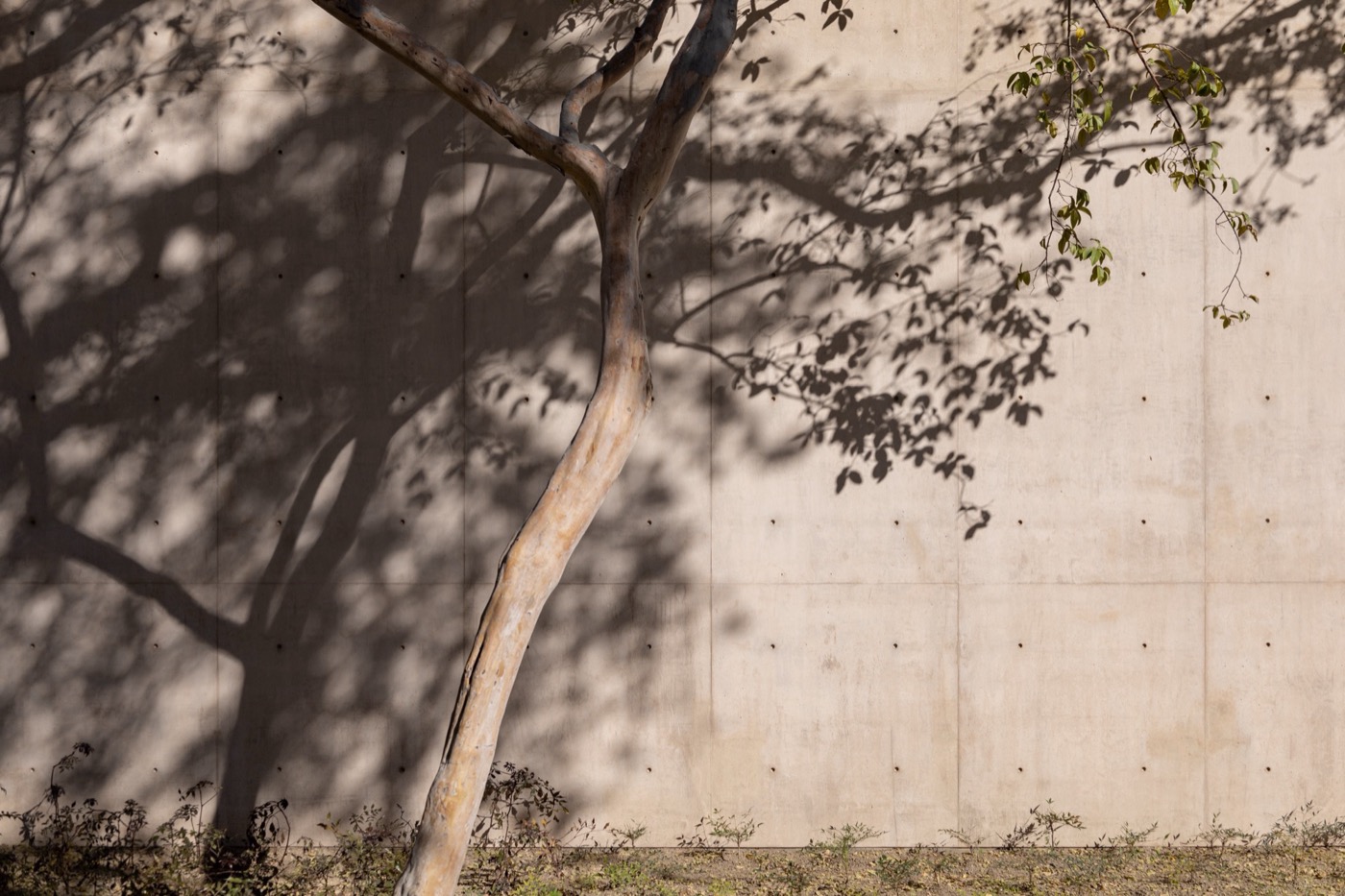
The entrance is defined by a stone-paved esplanade of local San Andrés cantera, leading to a monolithic horizontal volume composed of carved stone, wood, and steel. Its geometry responds to the preservation of a monumental Guamúchil tree (Pithecellobium dulce), which becomes the central spatial and symbolic element. Subtle volumetric shifts and strategic voids allow the tree to emerge through the architecture, reinforcing coexistence with existing natural systems.
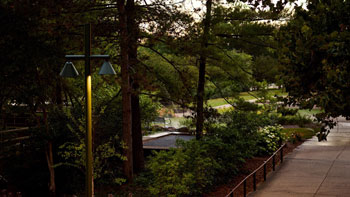
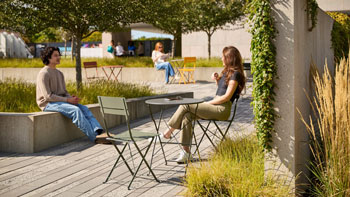
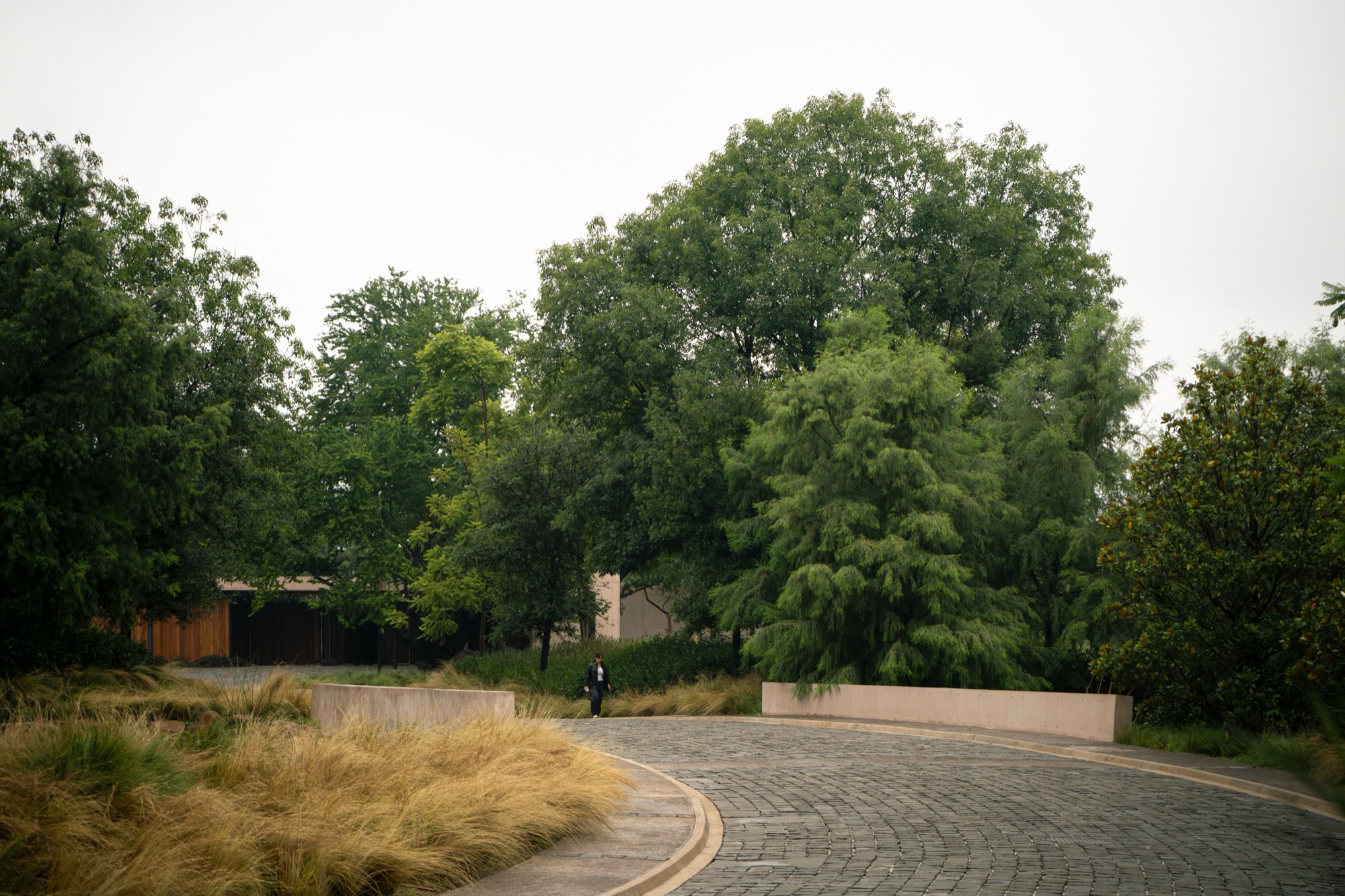
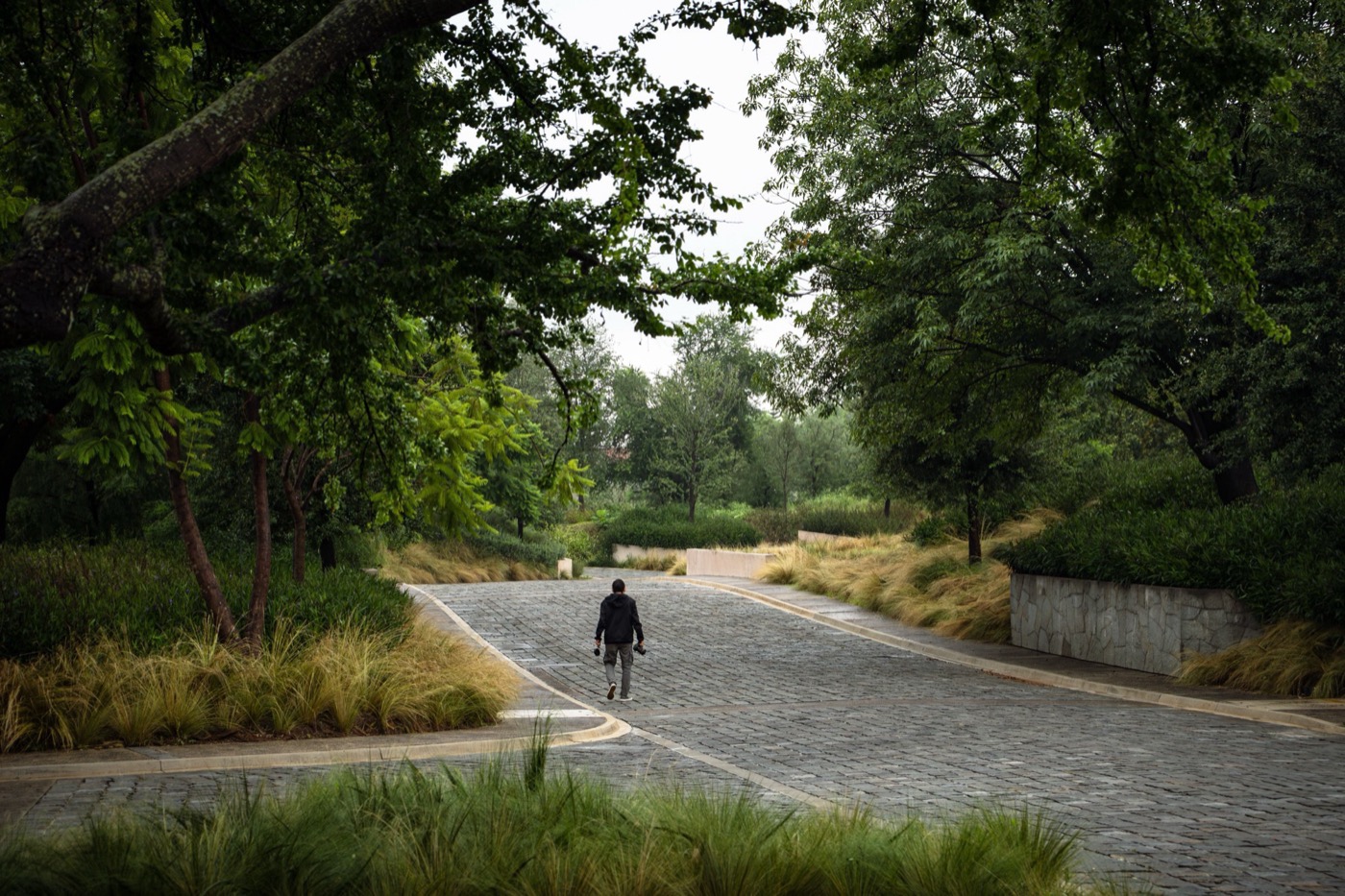
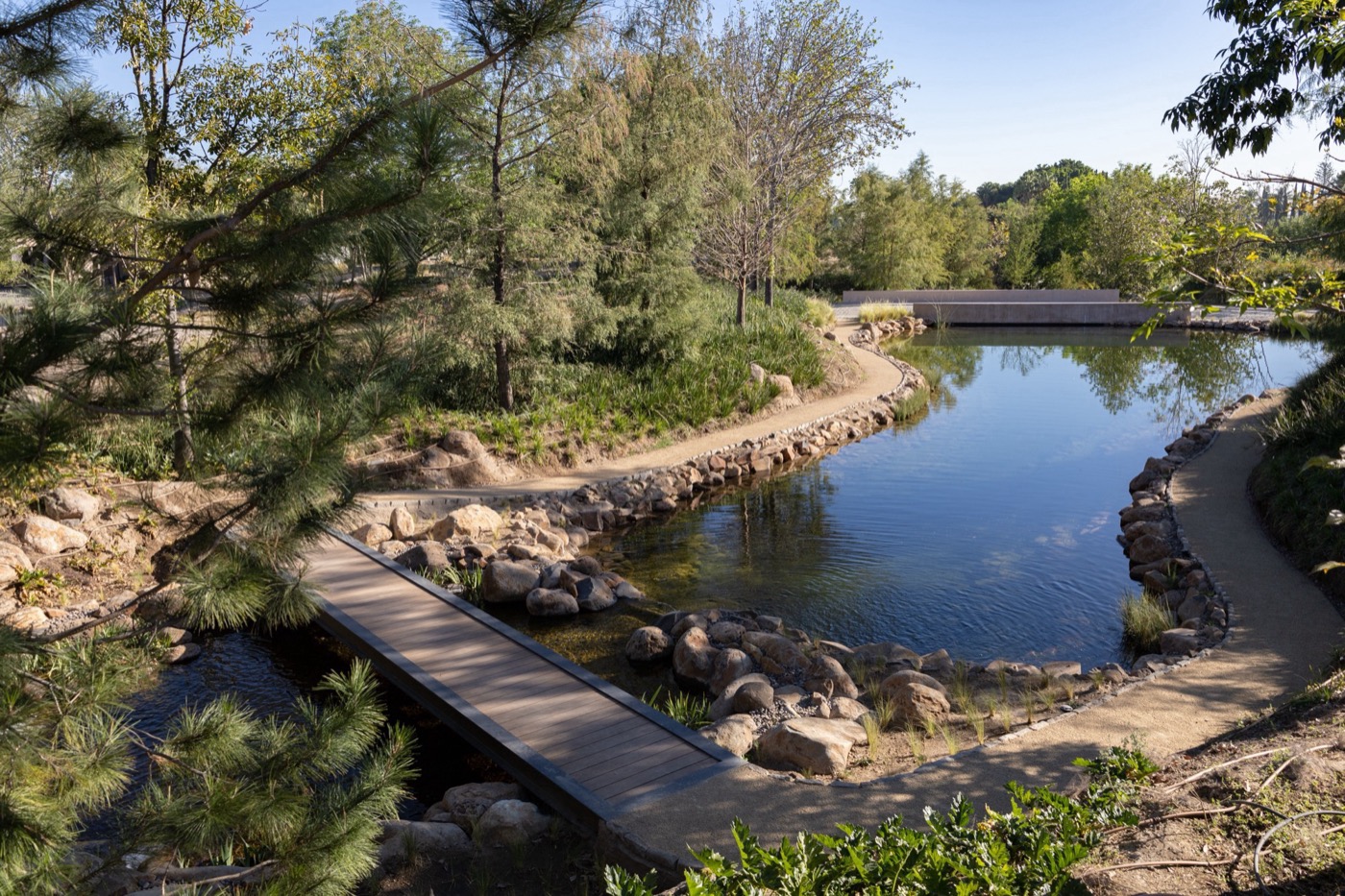
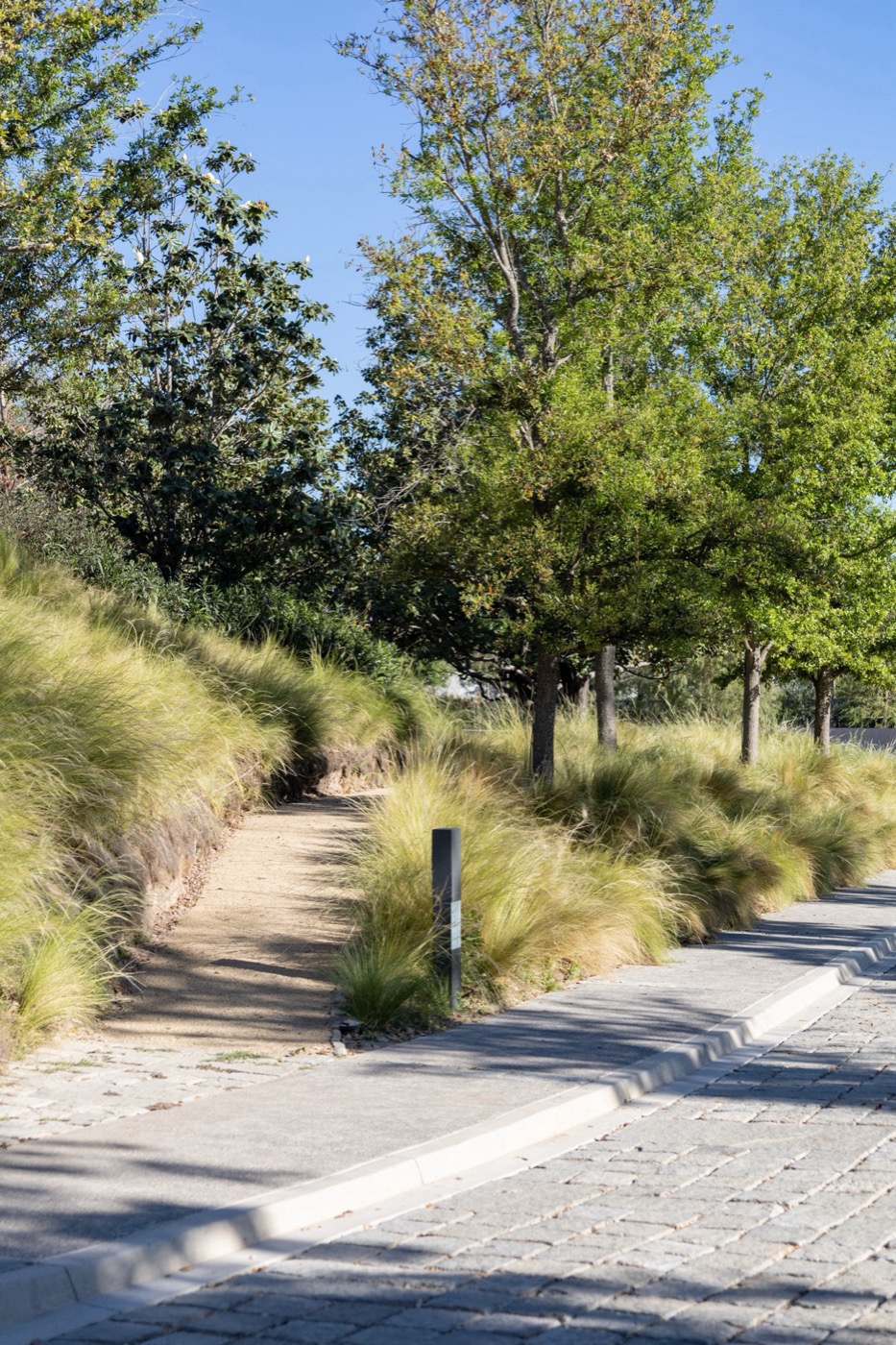
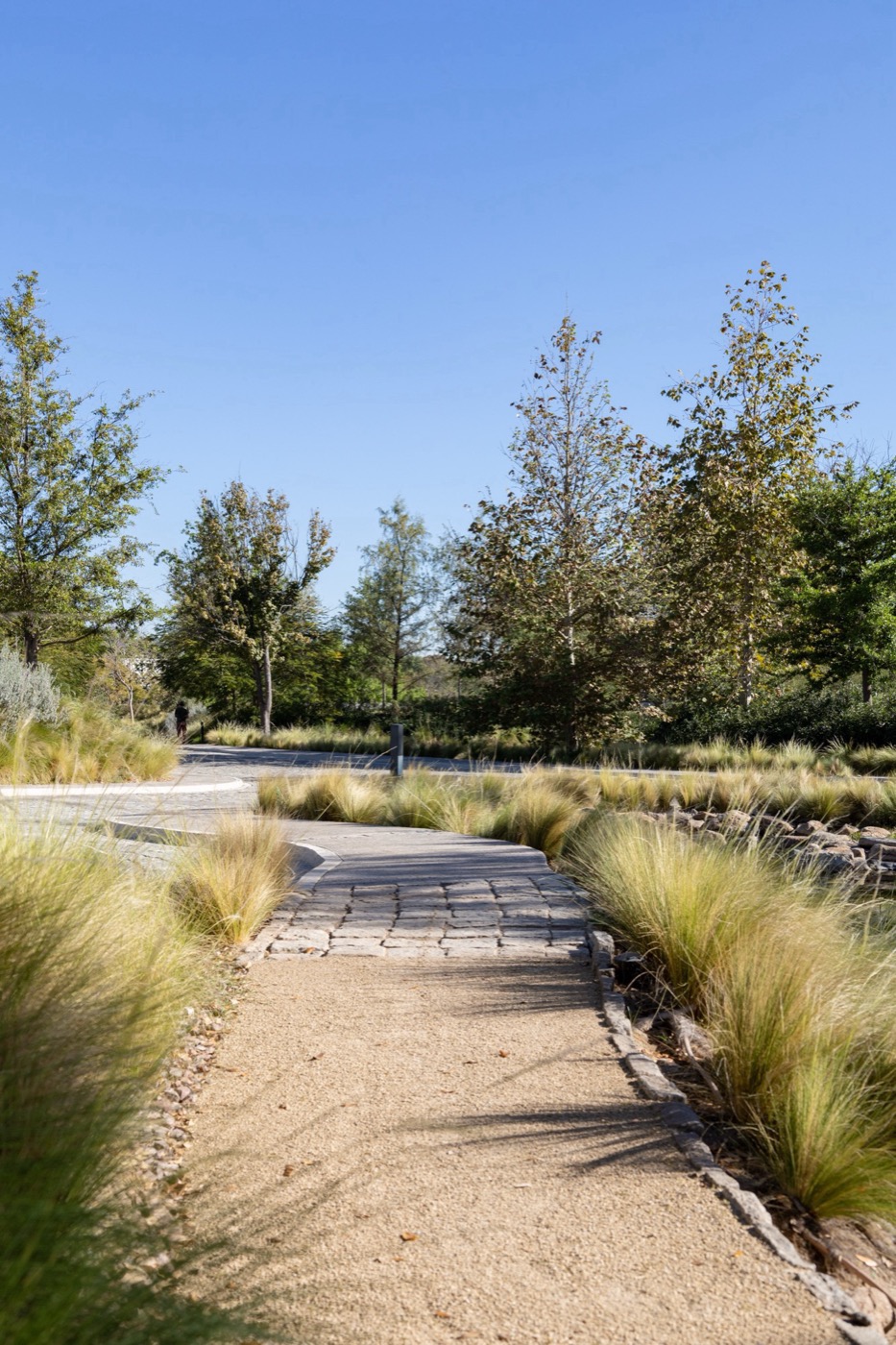
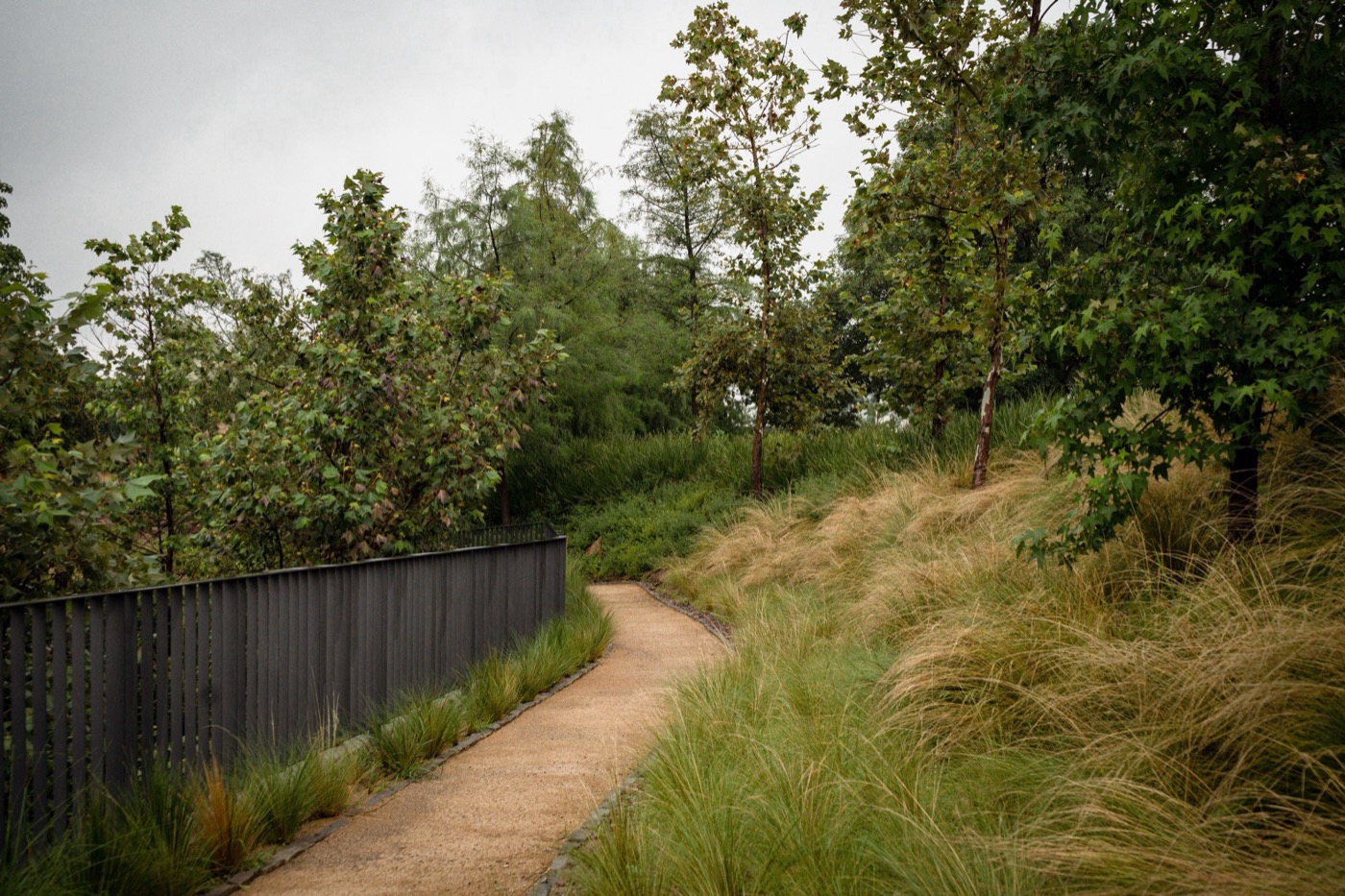
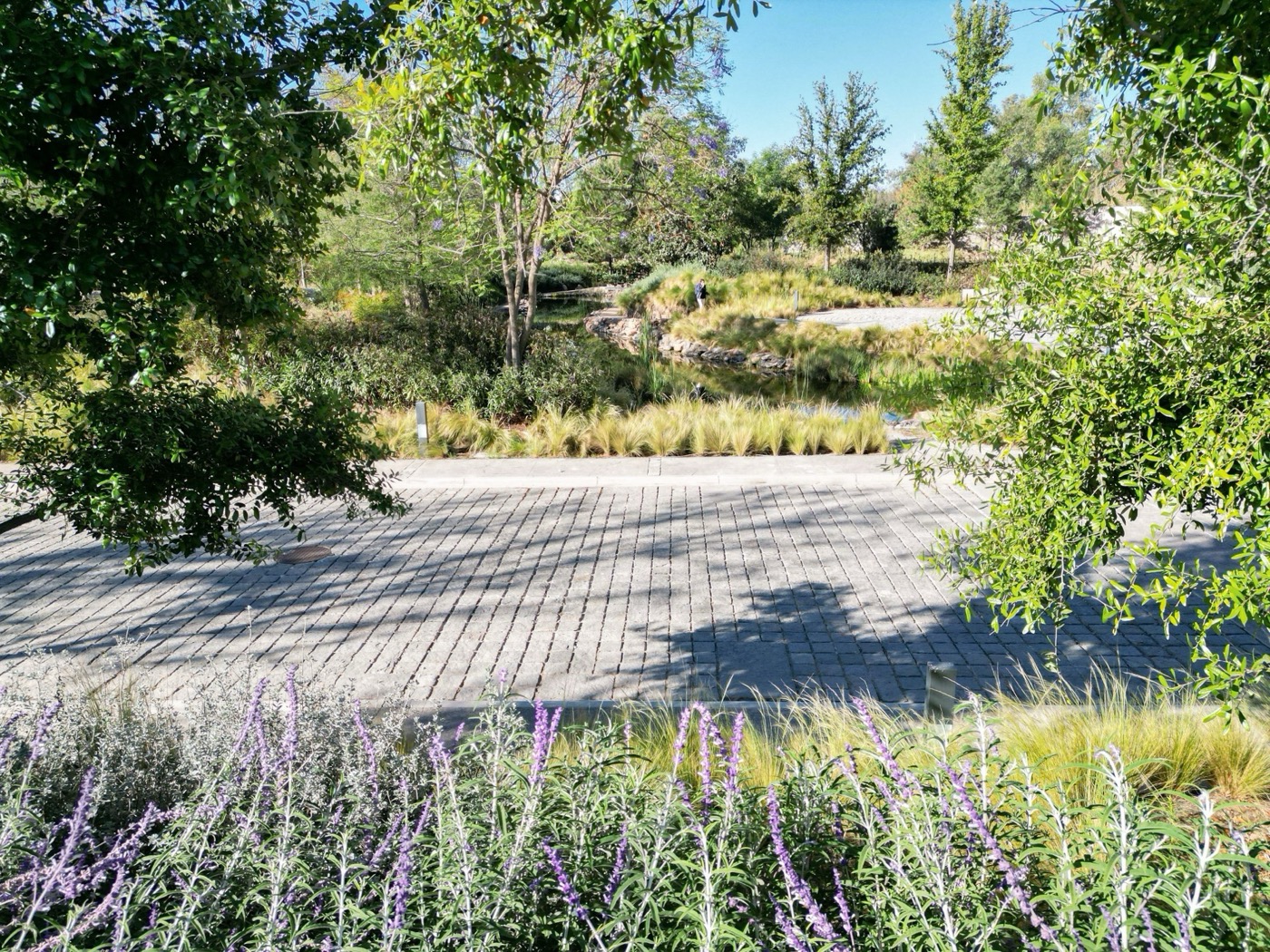
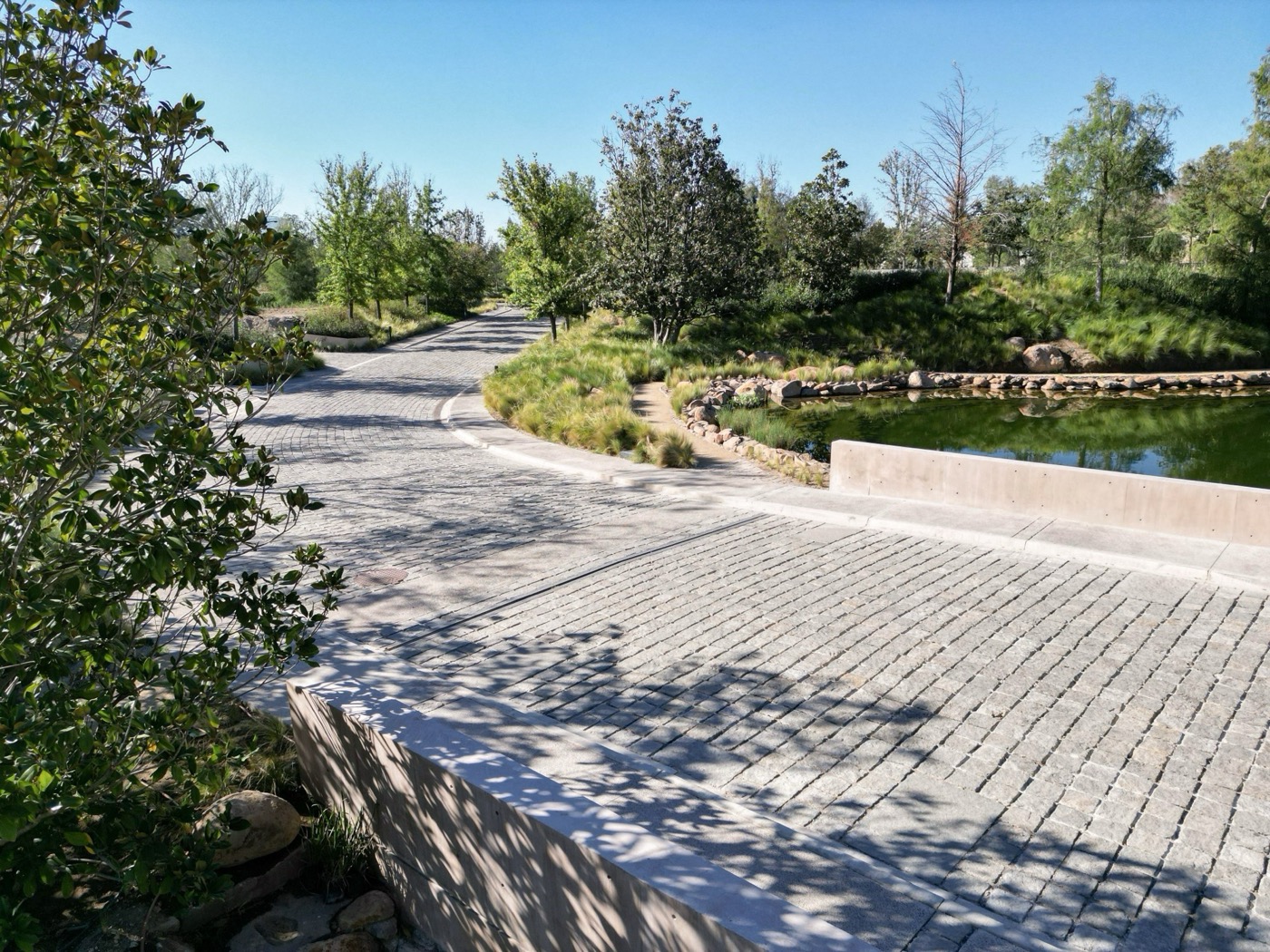
Within the development, circulation prioritizes permeability and coexistence. Exposed aggregate pathways and stone-paved roads follow the topography, enabling seamless interaction between pedestrians and cyclists, while softer semi-permeable trails extend into the green areas. This spatial openness promotes everyday encounters, walkability, and a shared relationship with the landscape, strengthening a sense of community.
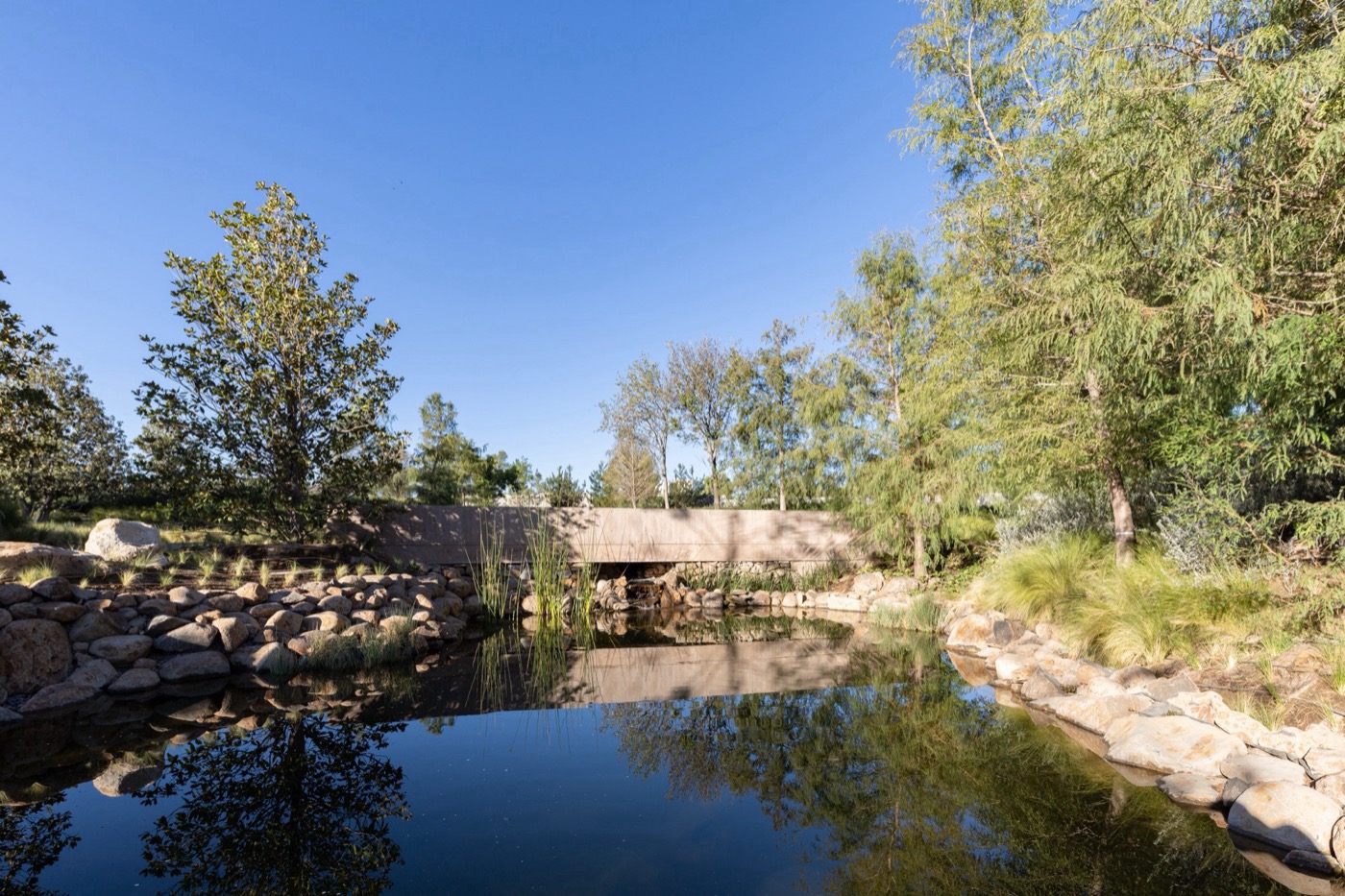
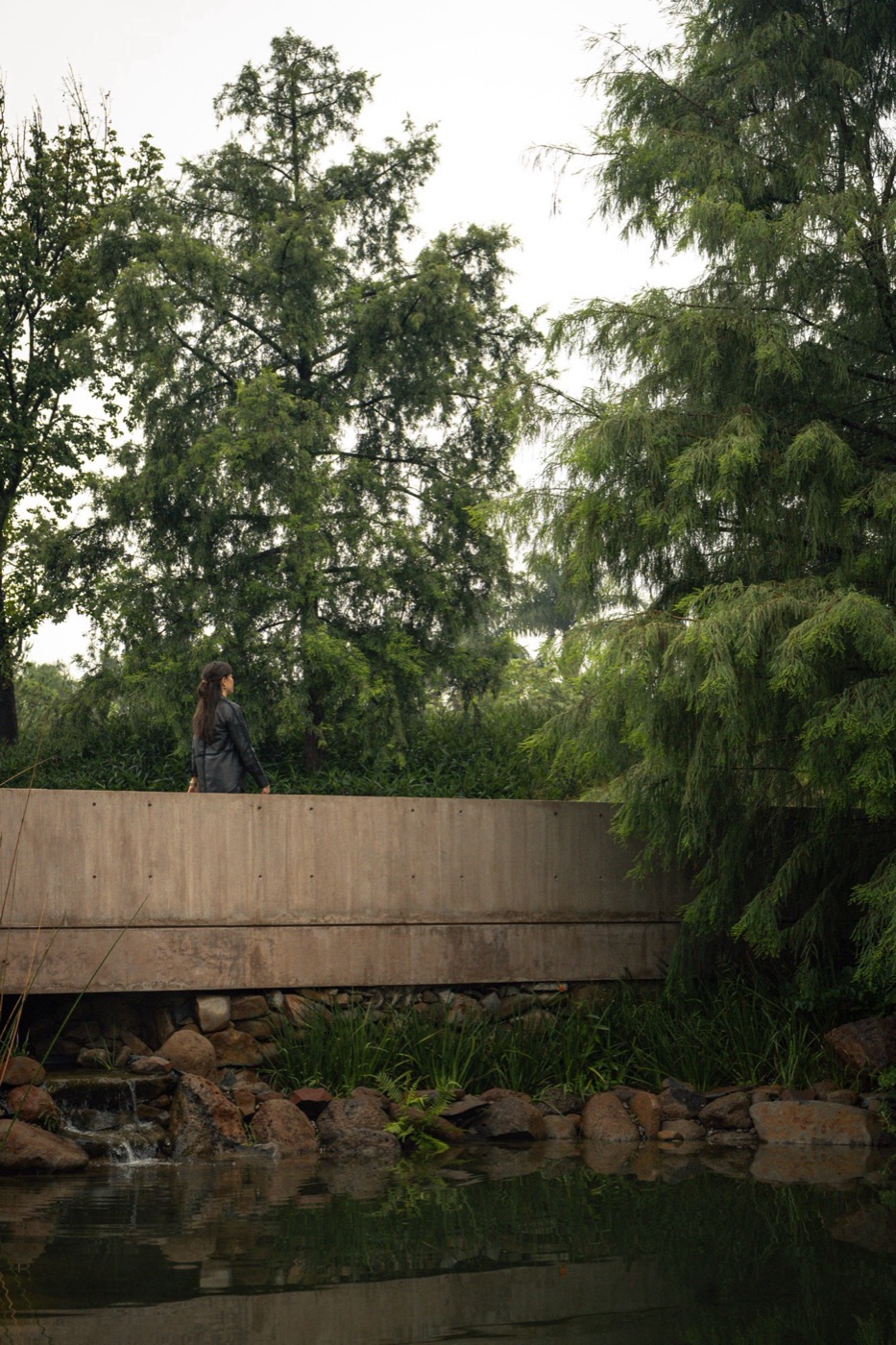
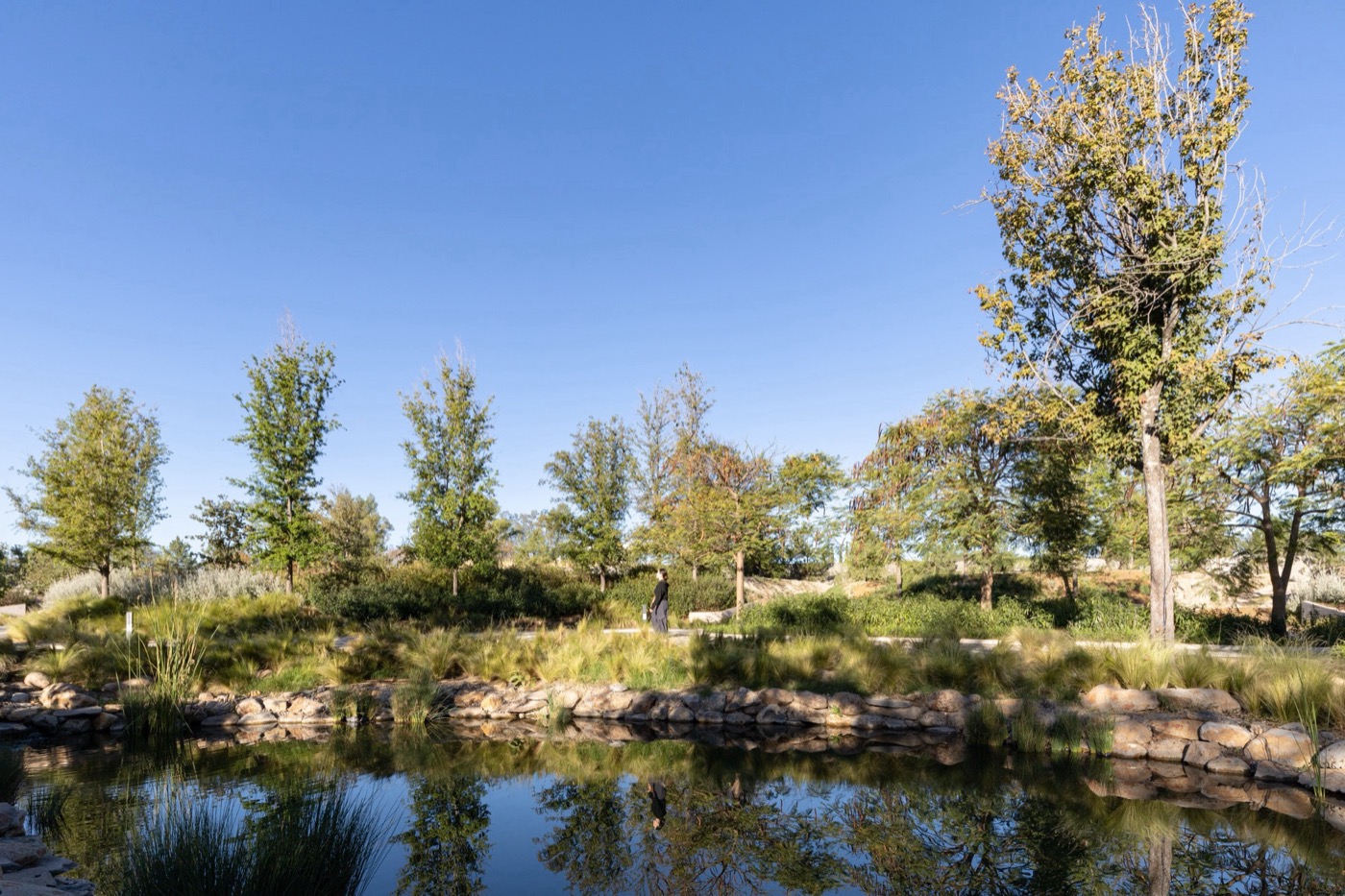
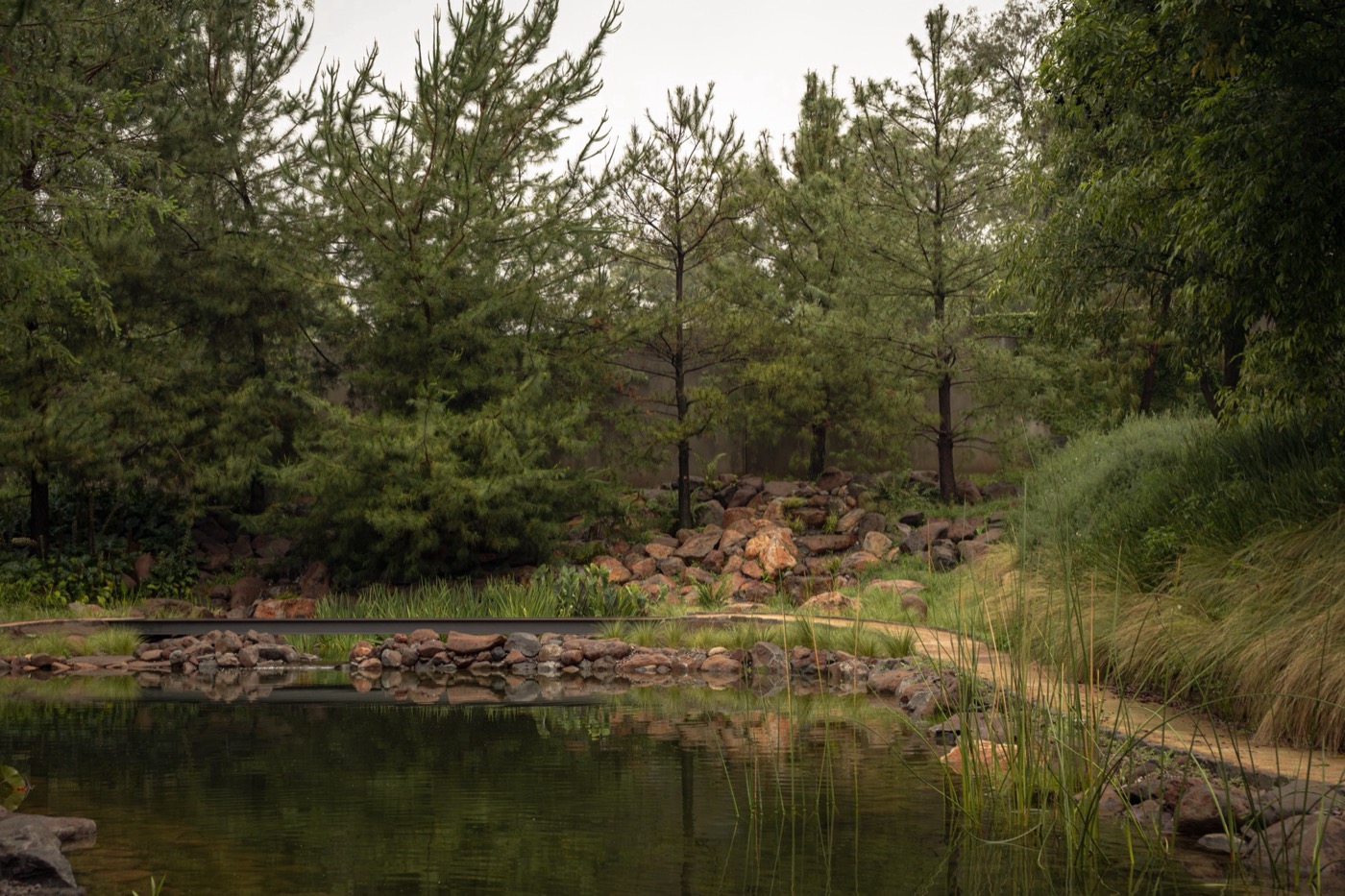
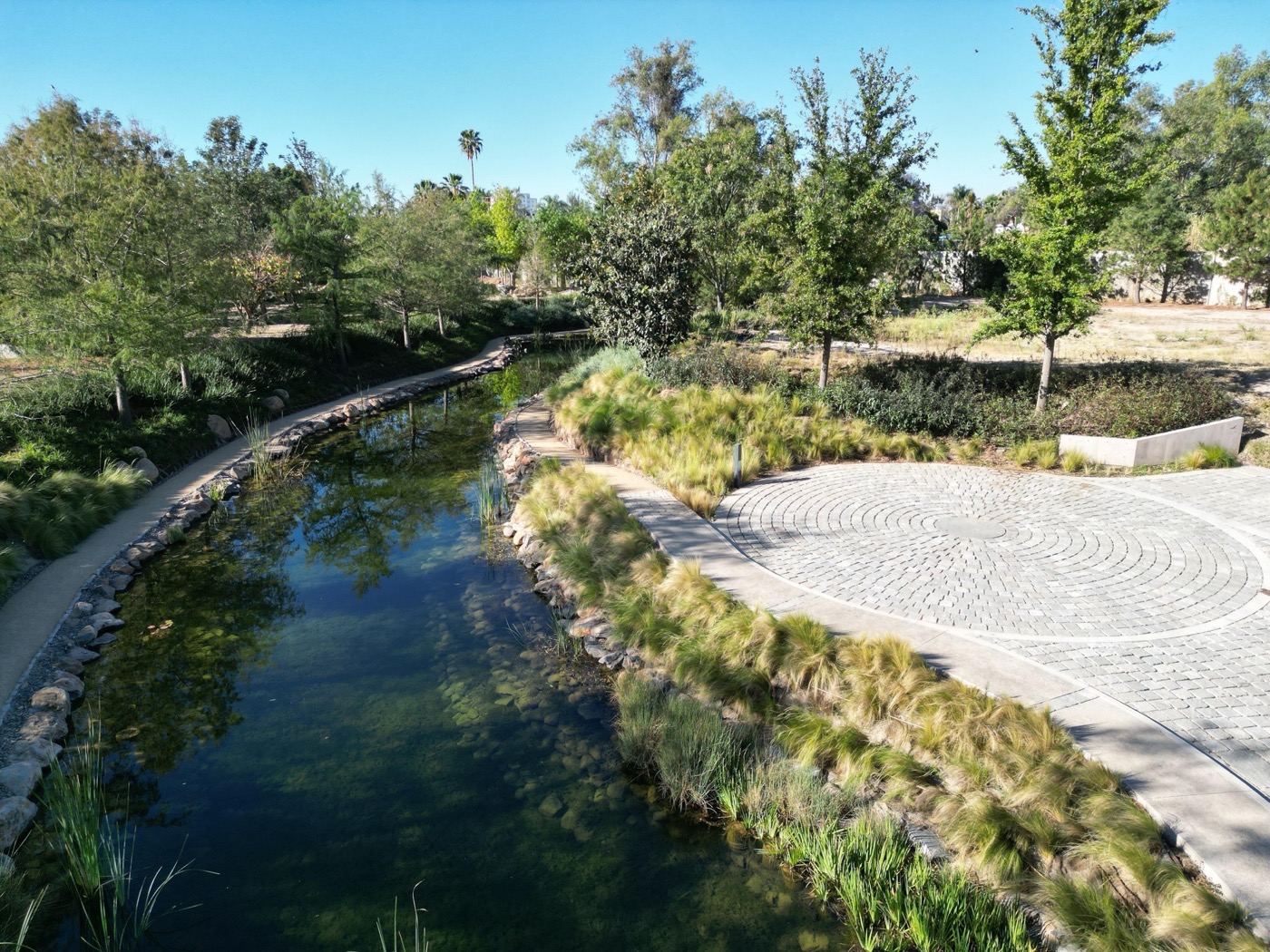
Water management is central to the project’s ecological performance. The restored ravines reveal the site’s hydrological logic, guiding stormwater through a system of slopes, artificial lakes, and overflow channels that regulate runoff, prevent erosion, and recharge the subsoil through absorption wells. These lakes operate simultaneously as infrastructural, ecological, and social amenities, offering spaces for contemplation, recreation, and collective use.
Ecosystem regeneration is embedded across all scales of the project. The reintroduction of native and adaptive species—over 300 trees—alongside layered understory planting fosters biodiversity and reactivates ecological cycles. Pollinator-friendly strategies encourage the presence of hummingbirds, butterflies, and other species, while vegetated slopes and lake edges function as habitats that reconnect fragmented ecological systems.
An automated drip irrigation system is conceived as an extension of the landscape strategy, delivering precise water dosage directly to root zones and adapting to the specific needs of each planting area. Operating during optimal climatic conditions, the system minimizes evaporation and water waste, while supporting the long-term resilience and self-sufficiency of the regenerated ecosystems.
Vegetation operates as active infrastructure: perimeter forest structures, vegetated slopes, and water-edge plantings contribute to microclimatic regulation, shade, and stormwater mitigation. Emblematic species—including the preserved Guamúchil, Araucaria, and native sabinos (Taxodium mucronatum)—anchor the project within a broader ecological and cultural context.
Bosquet is conceived as a continuous system where architecture, urbanism, and landscape are inseparable. The project constructs a coherent spatial and environmental experience—restoring natural processes while enabling new forms of inhabitation, fostering community interaction, and achieving a balance between performance, identity, and long-term ecological and social value.
Project Leads: Cony Lupercio, Juan Pablo Lupercio, Andrés Escobar
Design Team: SWA, Sergio Romo, Alejandra Caro, Cinthia Gutiérrez, Carolina Romo, Rozela Santana, Emmanuel Torres, Elías Delgadillo, Diego Tejera, Arturo Jamieson, Luis González, Ricardo Vallejo
Landscaping team: Praxis, Floriade SMA
Architecture: AE Arquitectos
Construction and Installations: CALCA, Noriegga Iluminación, Constructora Monte
Photography: Jesús López Cinco, Alejandro Ruiz Suárez, Juan García Rangel, Ricardo Vallejo
74250


LILA 2026 Sponsor