DS Landscape (NL)
Special Mention by the LILA 2025 Jury
Spaarndammerhart by DS landscape architects
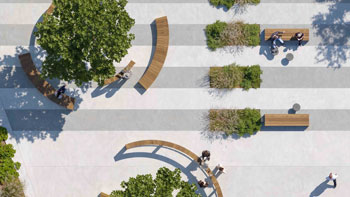
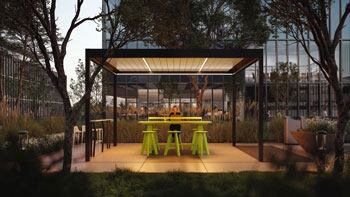
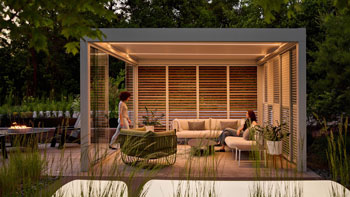
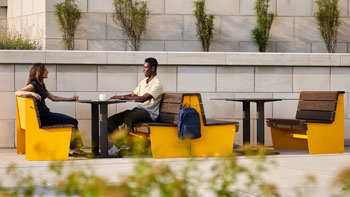
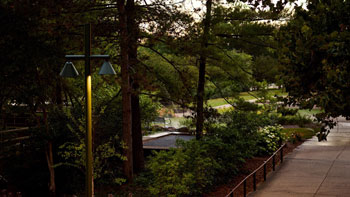
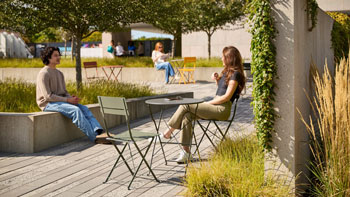
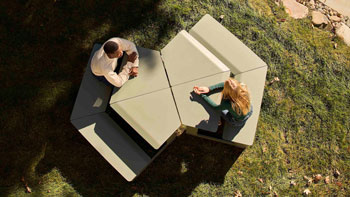
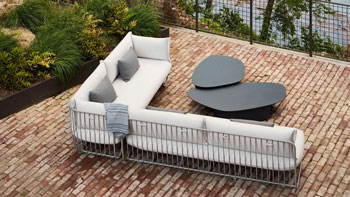
The jury recognizes Spaarndammerhart as a biodiverse and socially attuned response to urban densification. Built on the grounds of a former primary school, the project inserts a new residential ensemble within an existing urban block, negotiating the pressures of compact city development without sacrificing spatial generosity or community potential. In its limited space it introduces a range of conditions, from a public courtyard, to collective gardens, to private terraces.
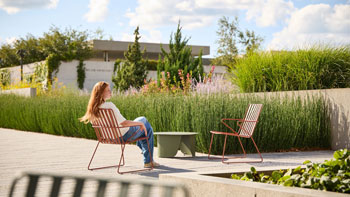
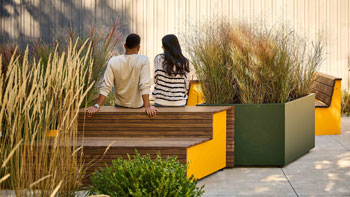
The outer gardens, while currently accessible only to the immediate residents, are constructed as spaces of latent openness. The need for shared decision-making—where any change requires mutual agreement—produces a political condition: the garden becomes at once resistant to arbitrary individual interventions and structurally open to collective reconfiguration. The outer path around the building appears as a comforting living environment and a generous playscape with lots of places to hide and be curious about who is around the corner.
Read MoreVertical is the first new building complex in the Sloterdijk district of Amsterdam. This urban area is being developed from a mono-functional office zone into a vibrant, mixed-use neighbourhood. The building complex consists of a plinth and two towers–an urban morphology given by the city, but designed for both humans and wildlife by DS. Wildlife […]
Read MoreAgainst excessive redesign and in favour of organic succession, Project Poelgeest resulted in one of the first large scale Dutch projects to fully incorporate nature into an urban housing development. Over ten years ago as part of the Dutch nature compensation scheme linked to new development, DS Landscape Architects proposed a design for a multi-functional […]
Read More

LILA 2026 Sponsor