From Façade to Ground
halayounes.com
2026 Campuses and Corporate / 2026 Landscape and Architecture / 2026 Revisited Landscapes / Lebanon / Built in 2000 /

![KARM EL DEIR The Garden of a Horticulturist Hala and Rania Younes Karm el Deir is a 4-hectare site on the edge of a village in Mount Lebanon, where a horticulturist settled and where her sister, the architect, designed a house for her. It is a place without a predefined design, a ground of experimentation […]](https://landezine-award.com/wp-content/uploads/2026/05/00-HERO-2026-1-600x400.jpg "Karm el Deir, The Garden of a Horticulturist")
From Façade to Ground
Inhabiting the suburban condition
Hala and Rania Younes
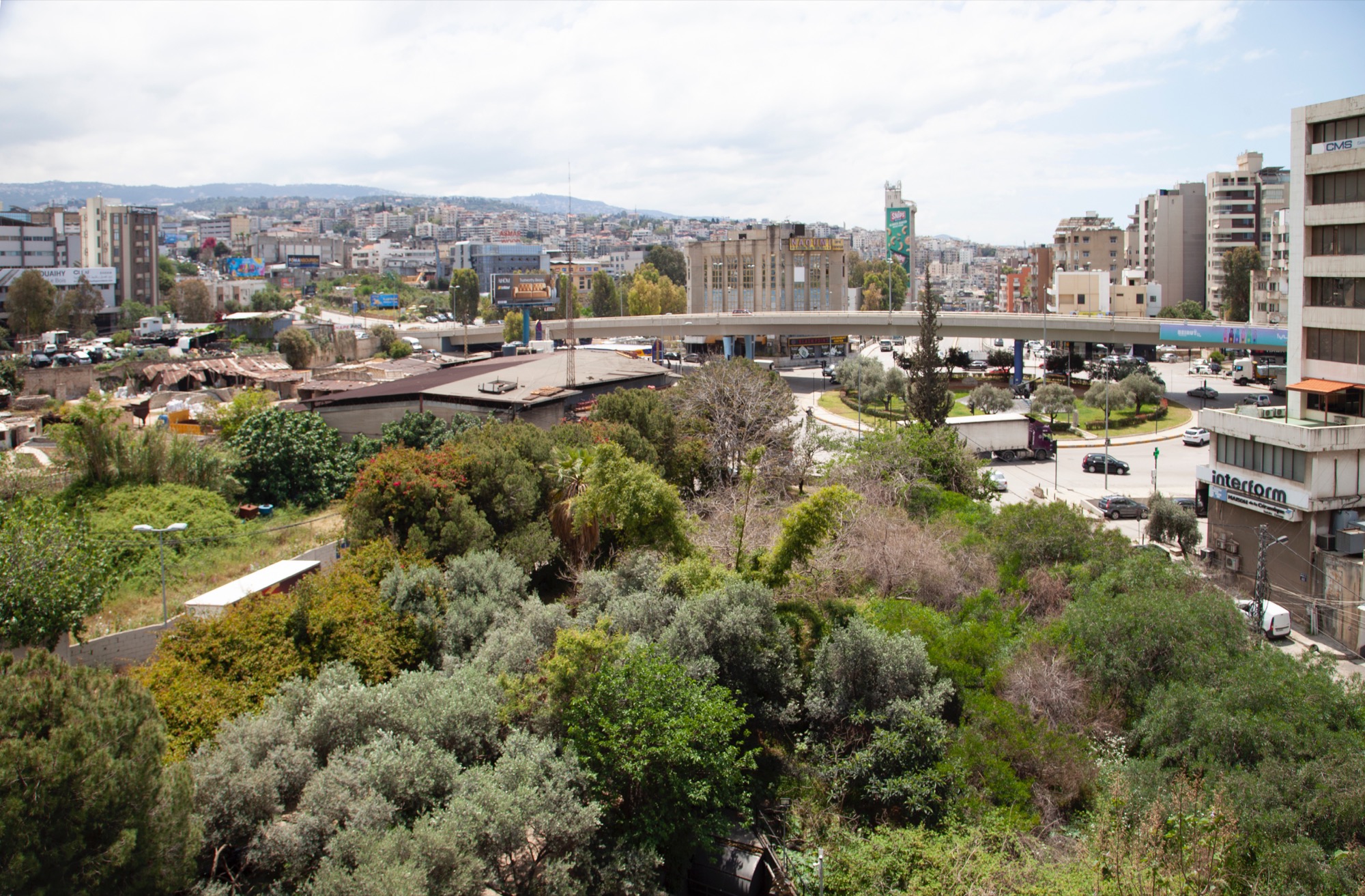
In a suburban landscape dominated by heavy infrastructure – bridges, highways, vacant lots, and industrial fragments – the project seeks to produce a form of urbanity by introducing shade, softness, and hospitality into an otherwise harsh environment.
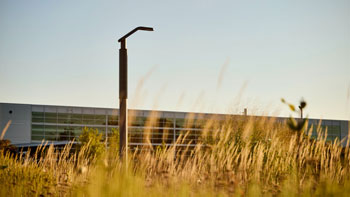
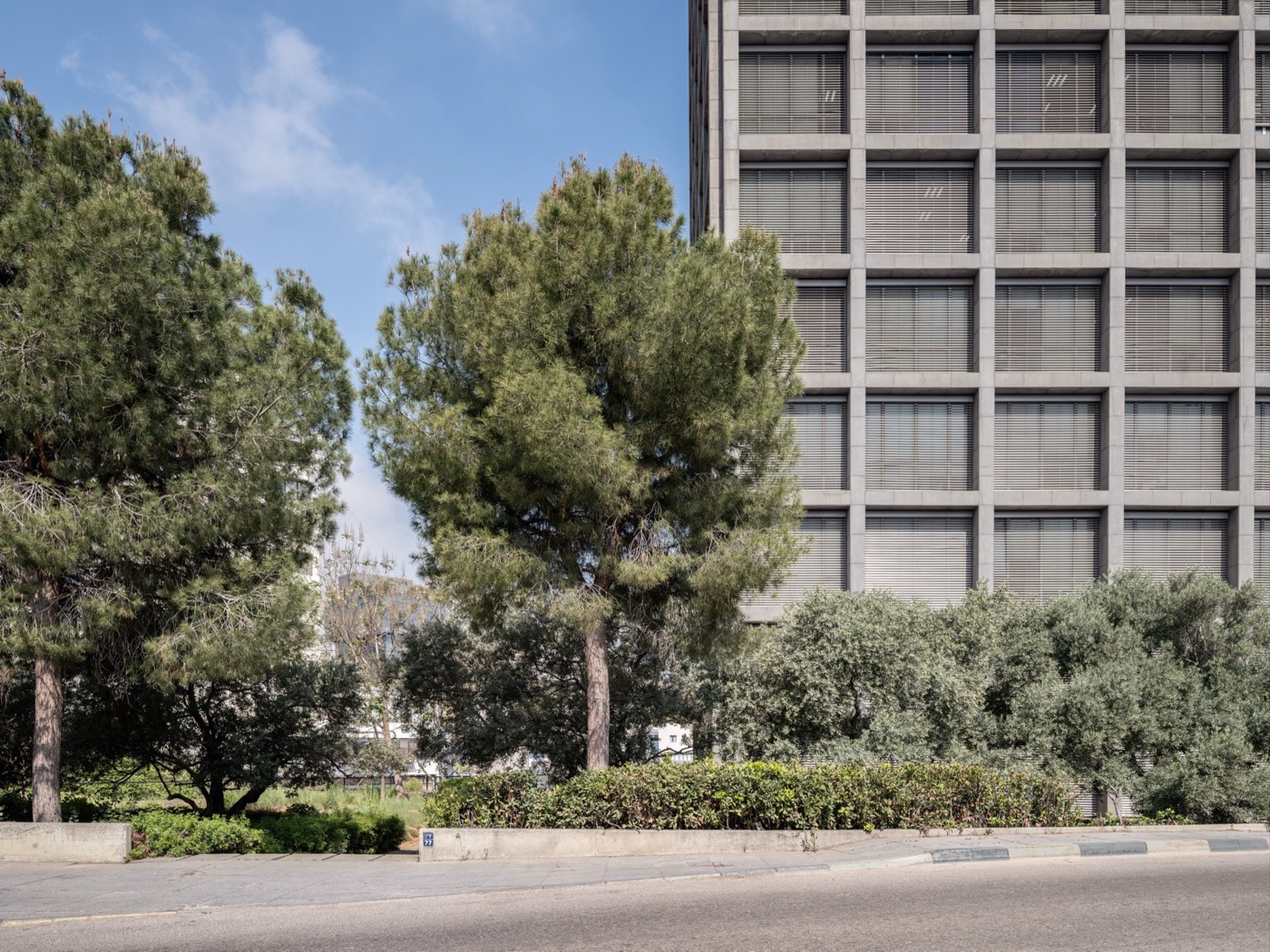
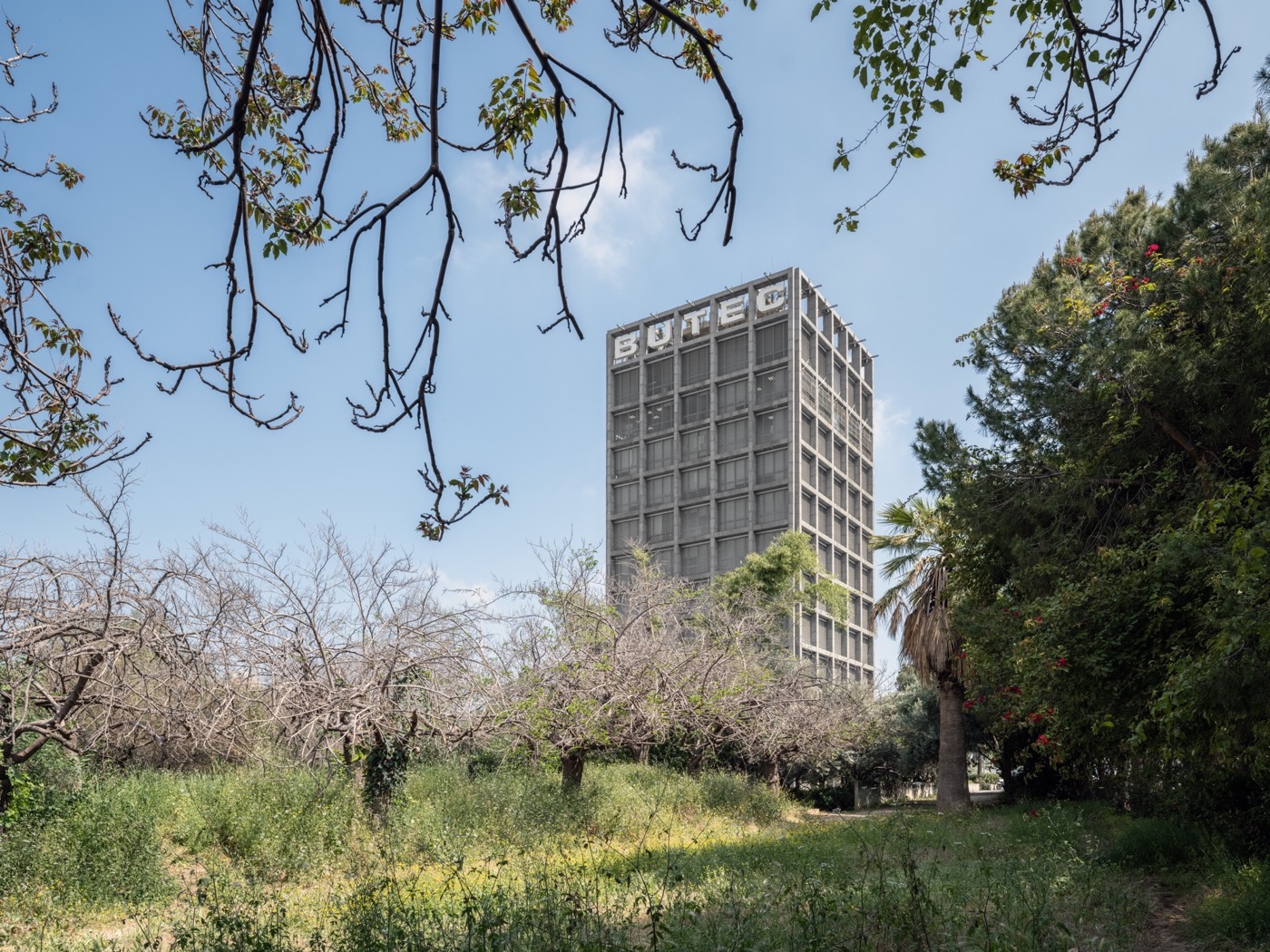
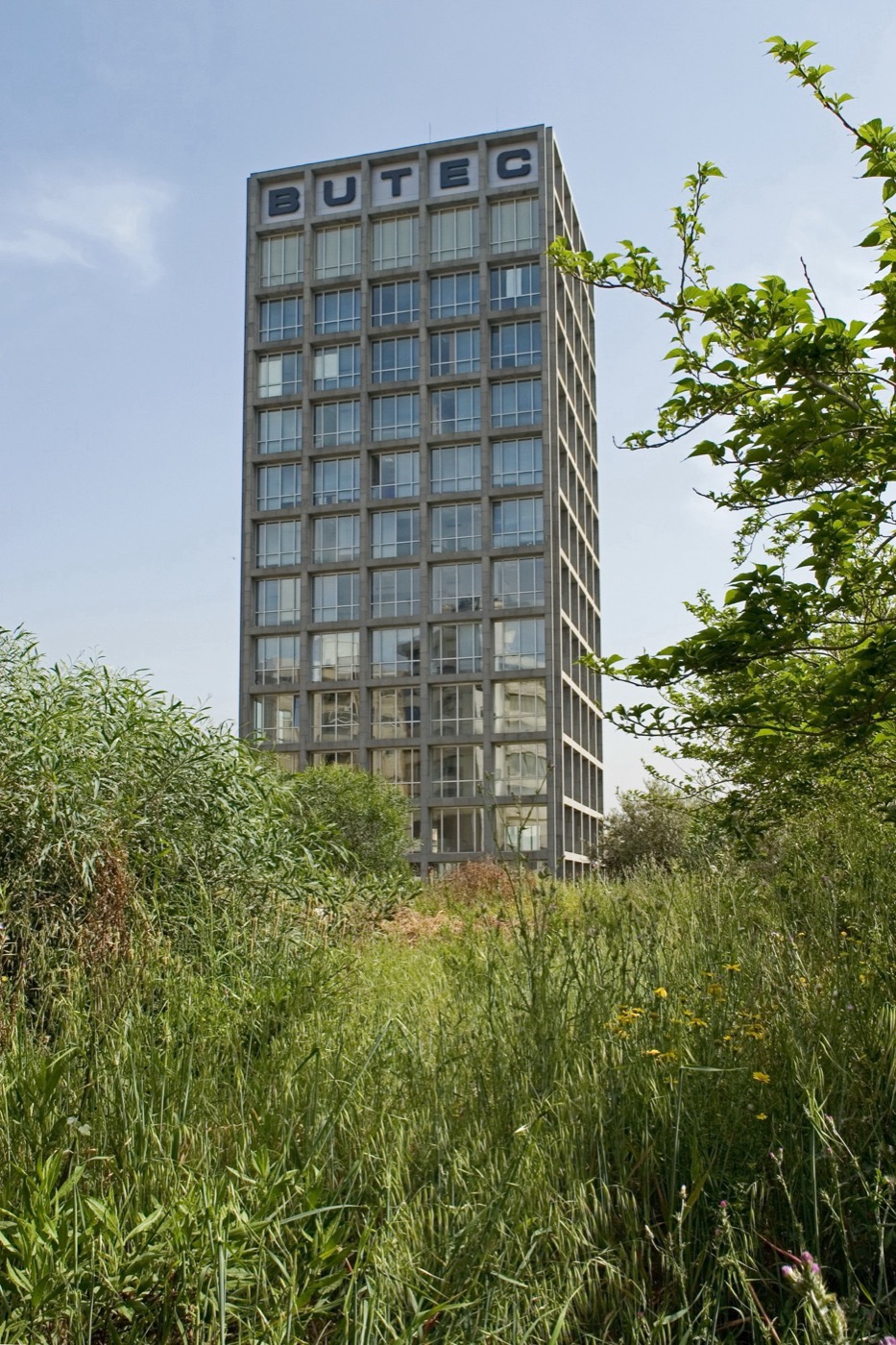
The commission involved the transformation of the façade of an office building, headquarters of a public works company. The architectural intervention was deliberately restrained, reduced to a sober structural grid. At a time when the façade was expected to embody the building’s identity, the project instead pays attention to the ground plane, where the garden becomes the primary agent of transformation and representation.
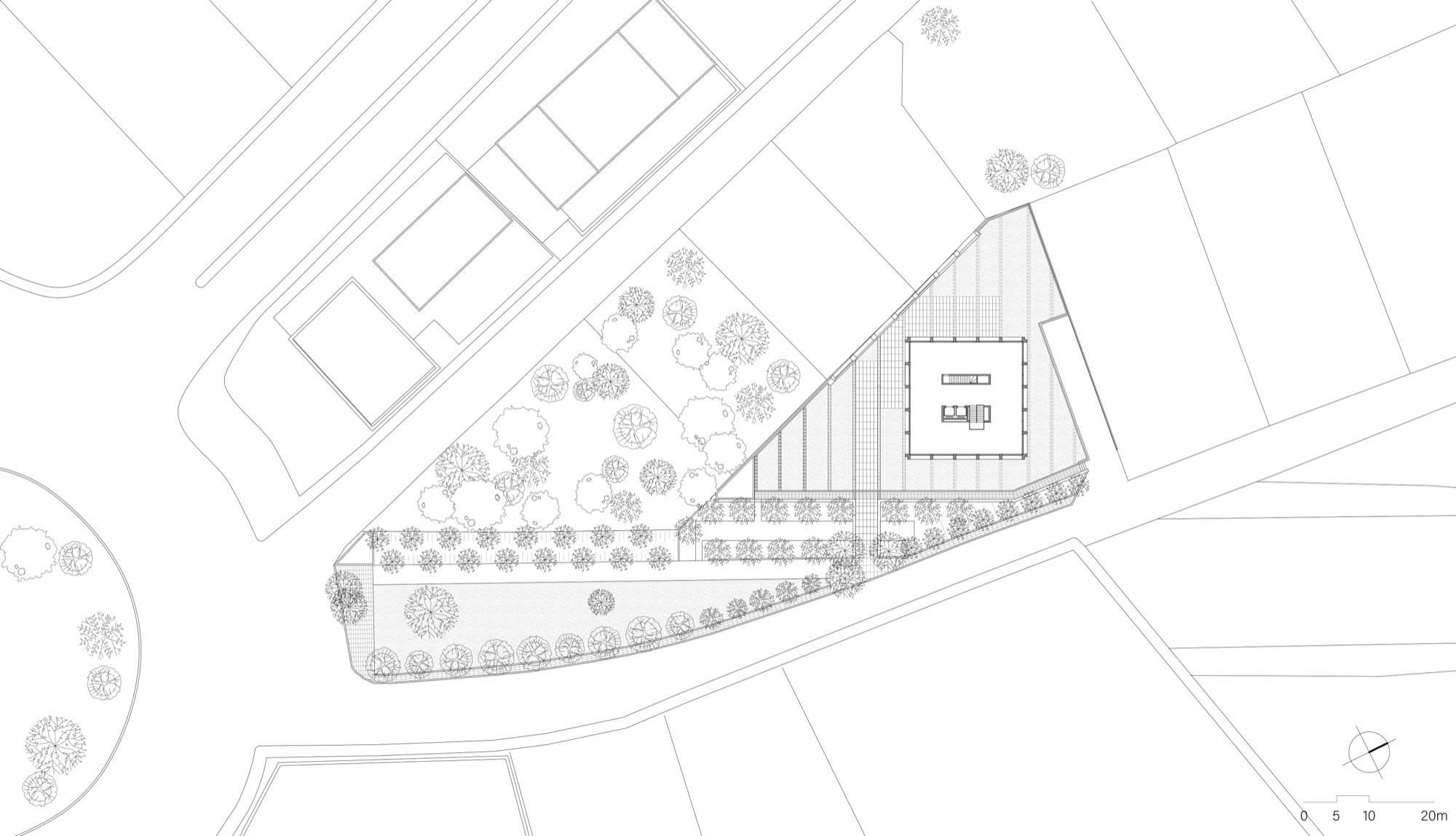
The intervention unfolds from the roof of a three-level parking structure forming the plinth of the building to the public grounds of a busy intersection. The project recomposes three spaces with distinct statuses: a parking roof, a regulatory setback zone, and a residual piece of public land, a remain from an abandoned infrastructure project. Rather than homogenizing them, the design embraces their heterogeneity and constructs a coherent whole through contrast, continuity, and complementarity.
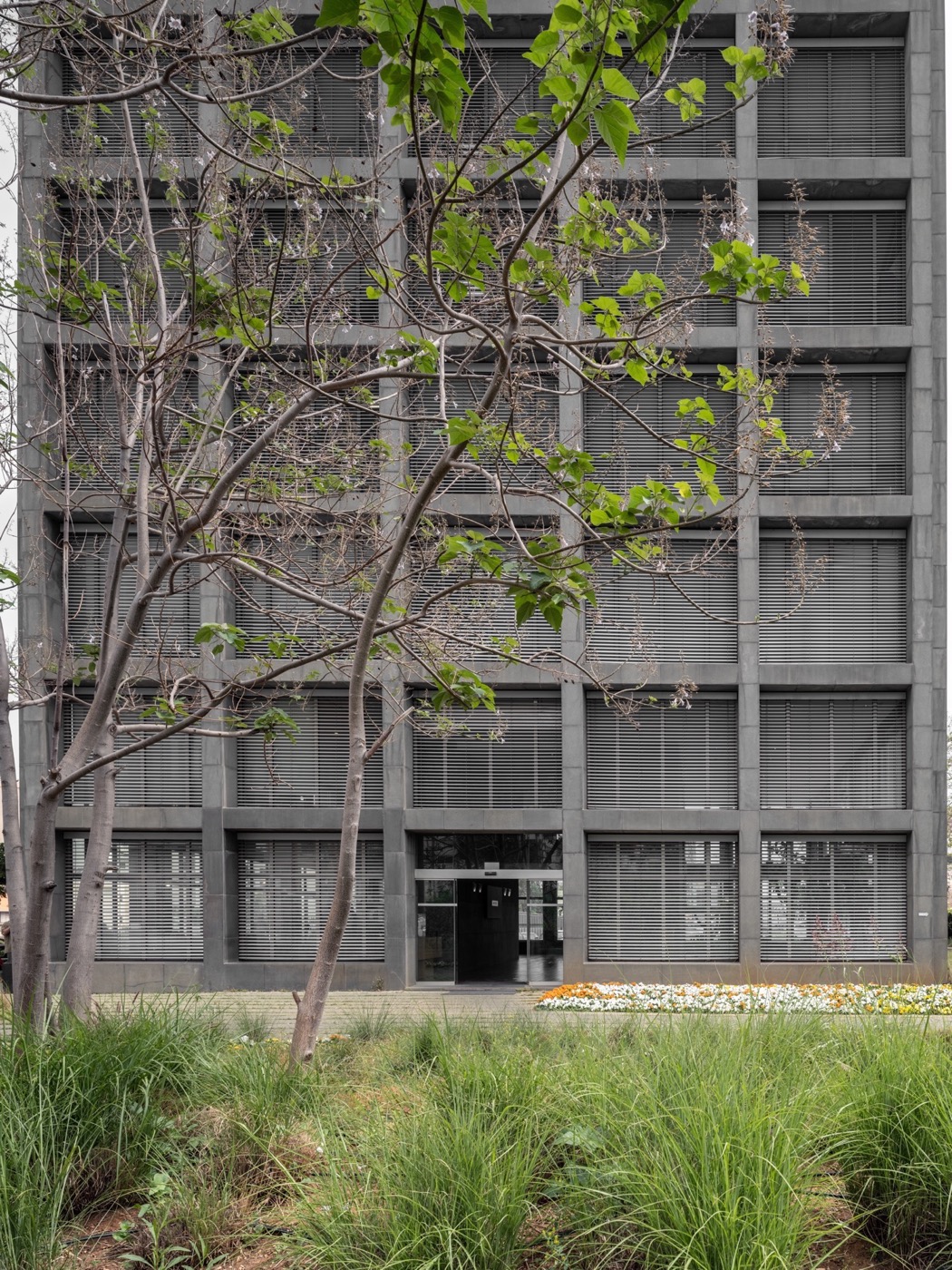
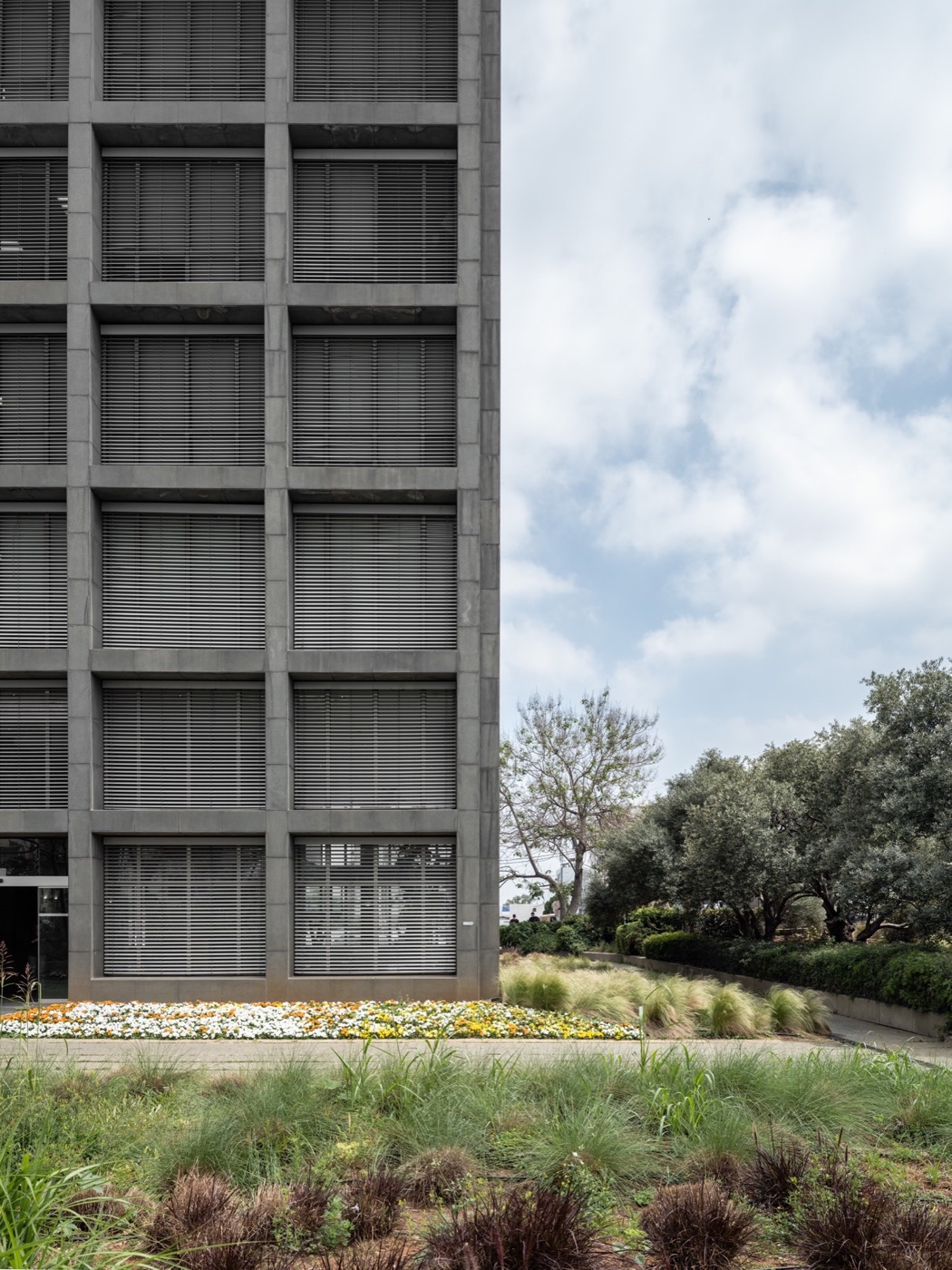
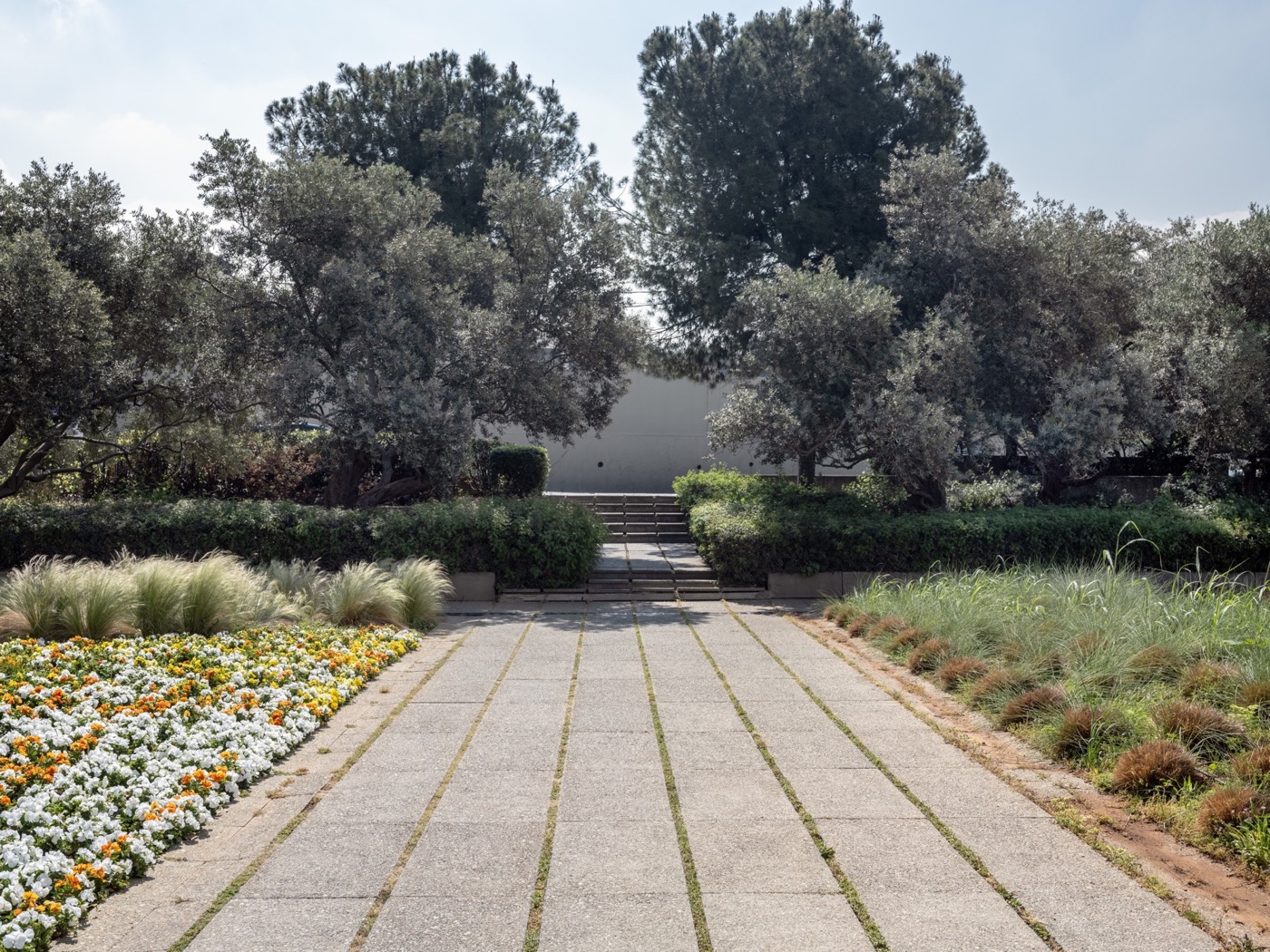
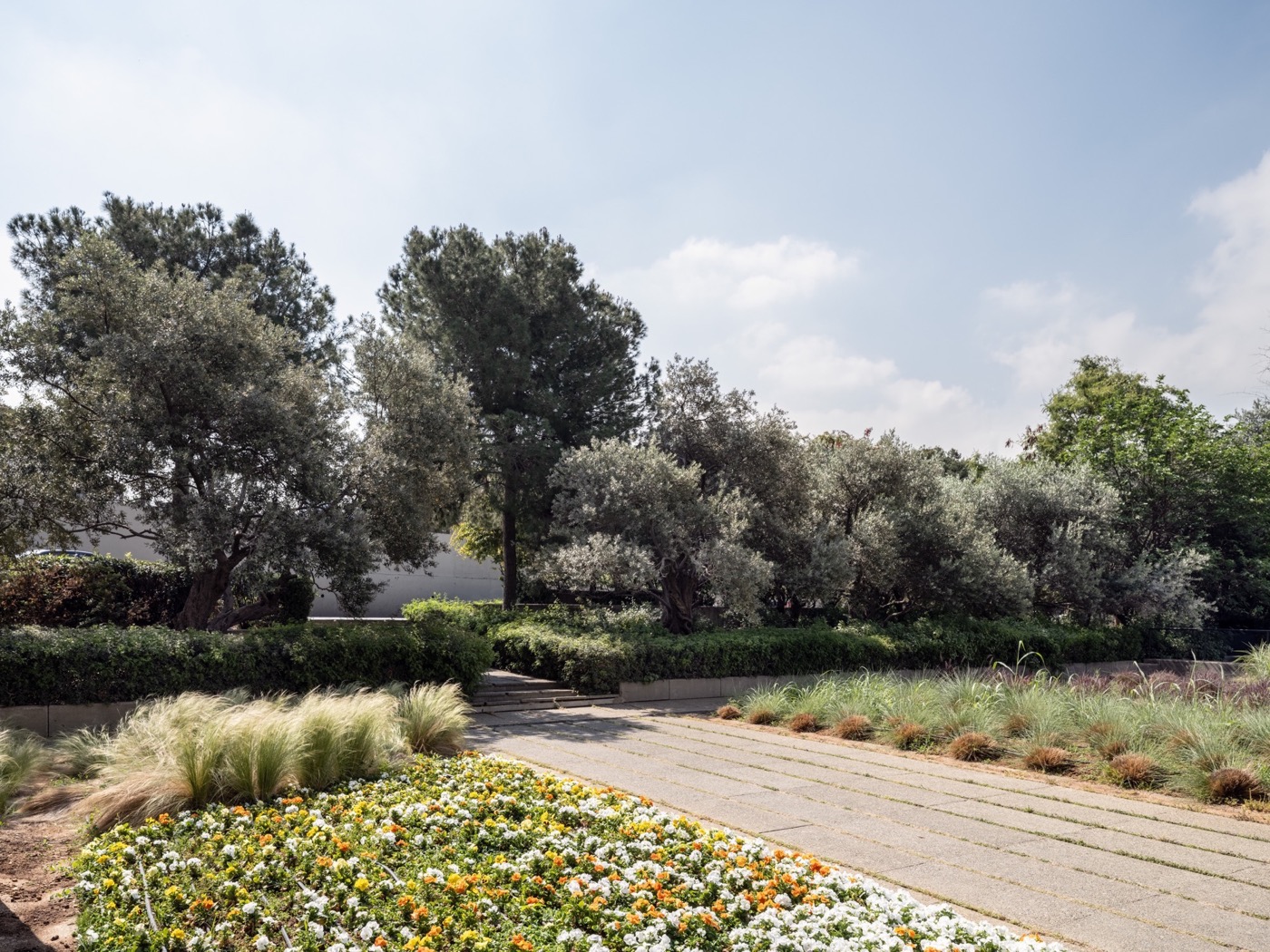
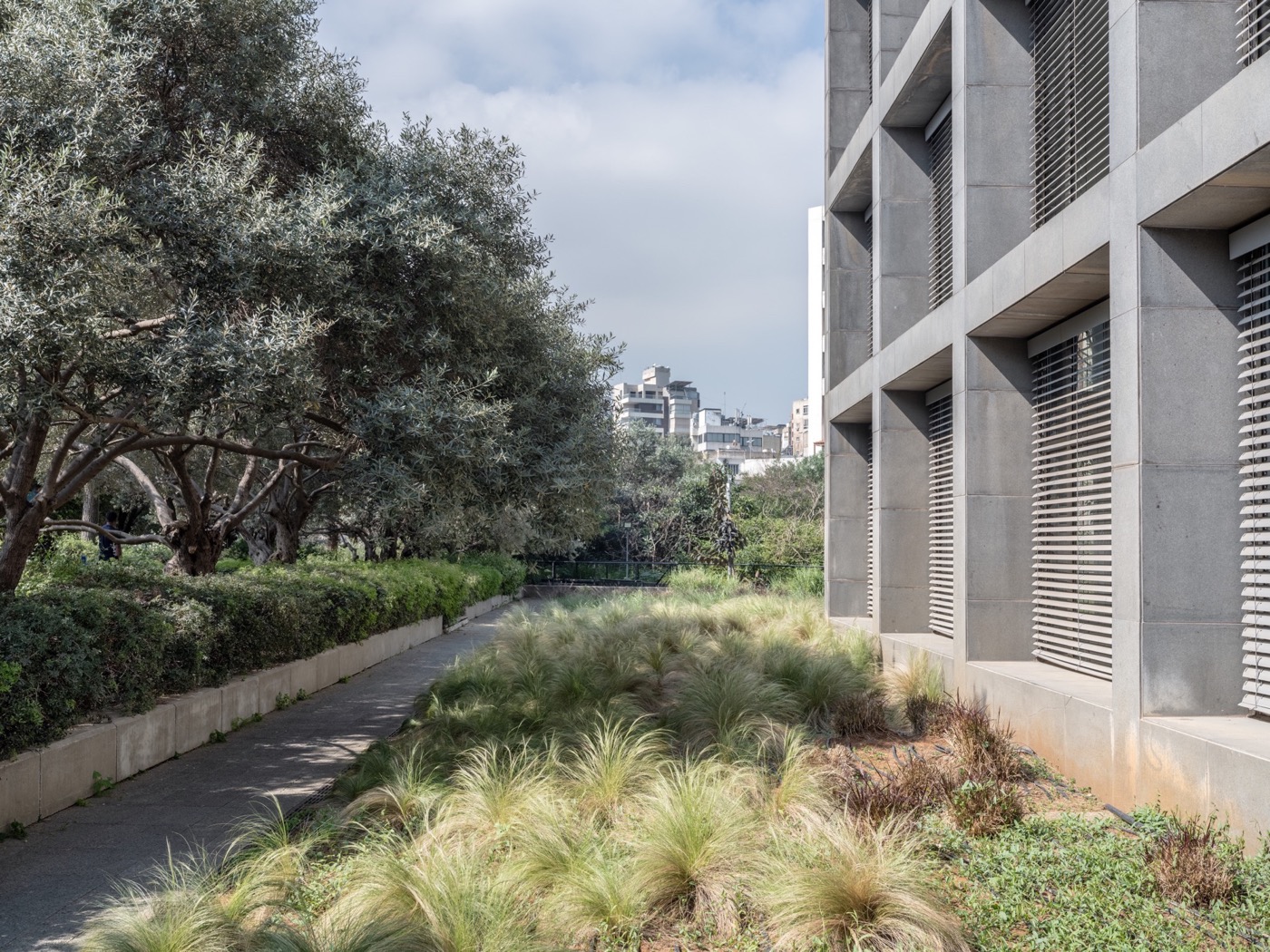
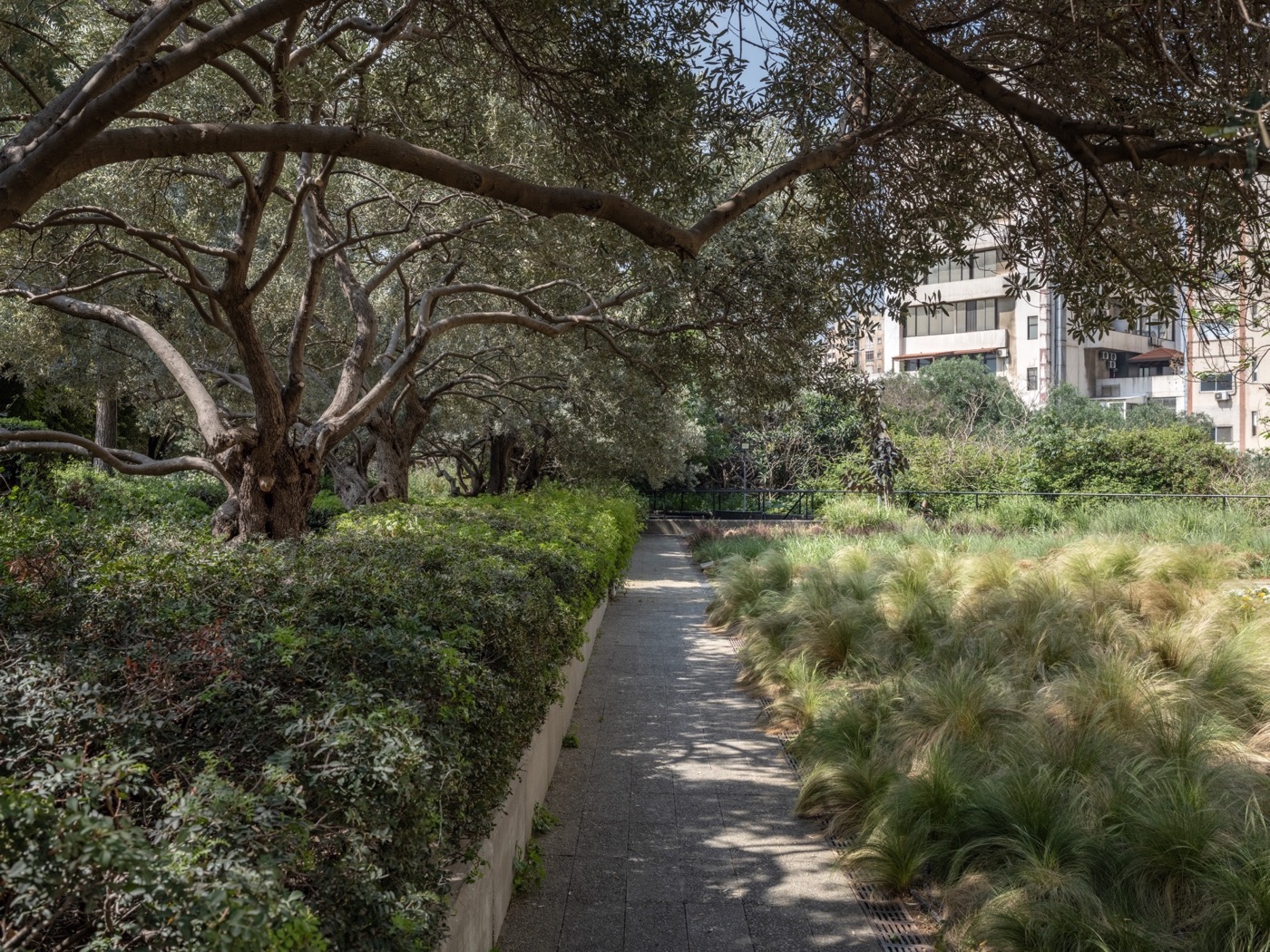
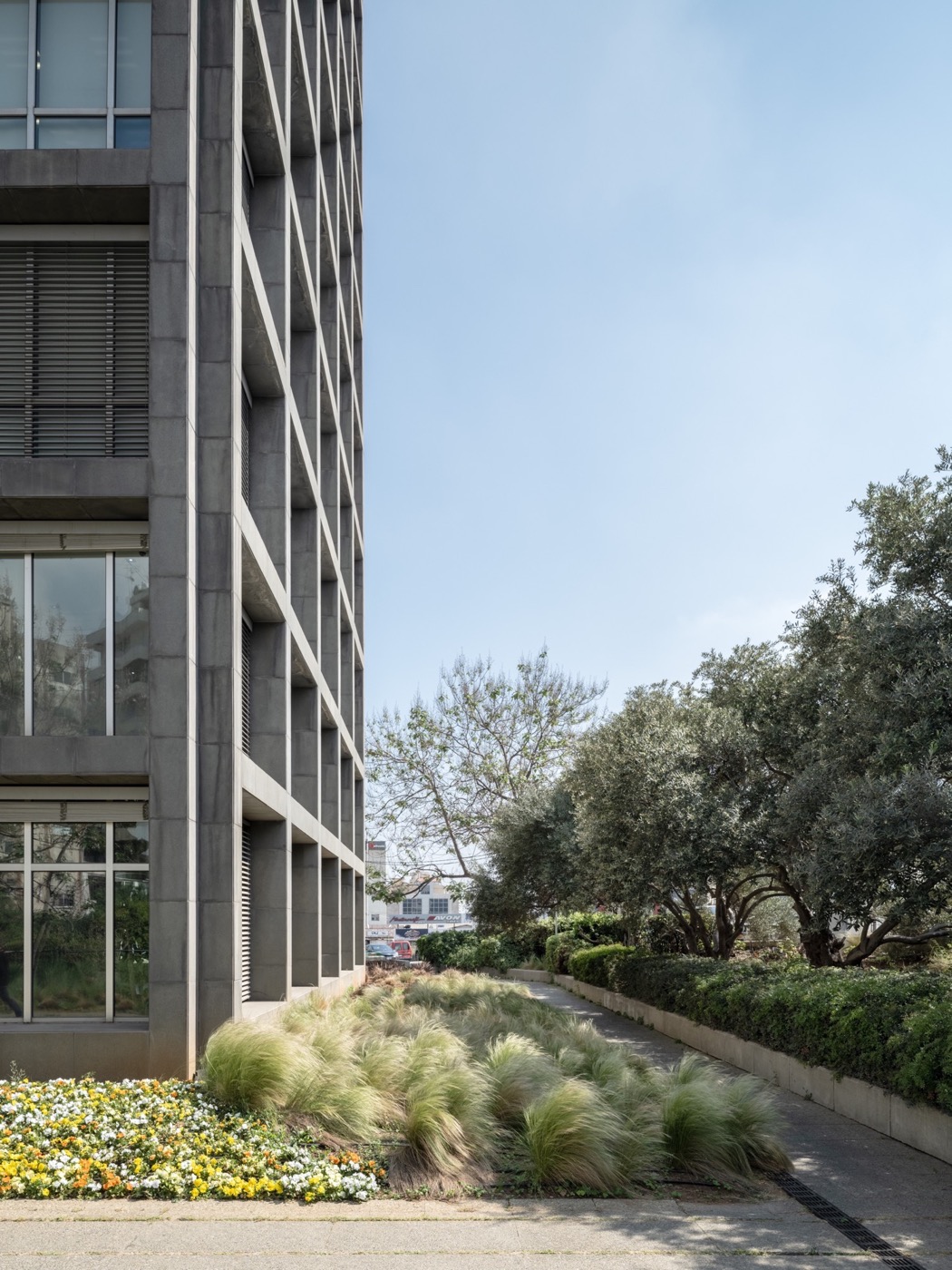
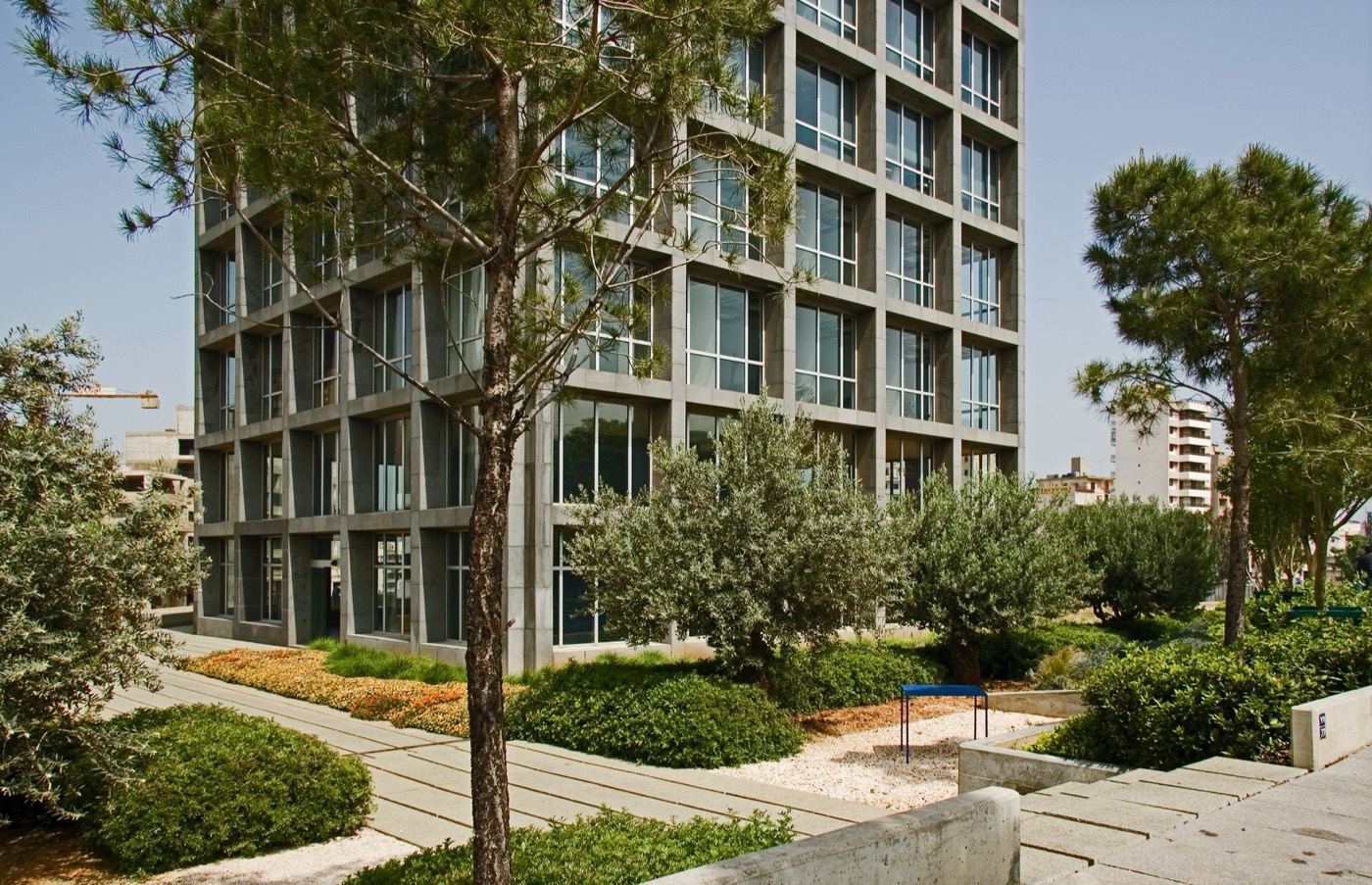
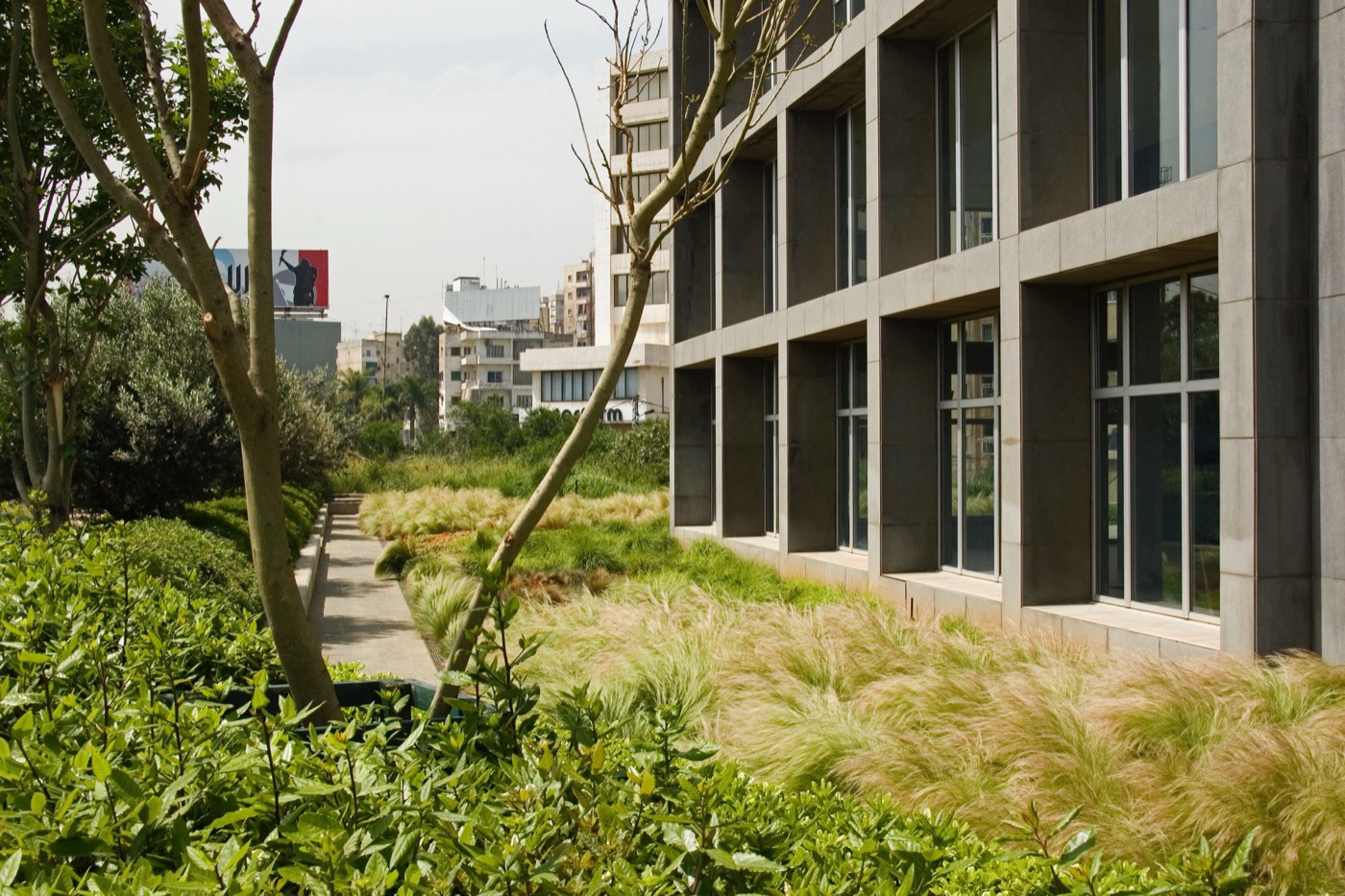
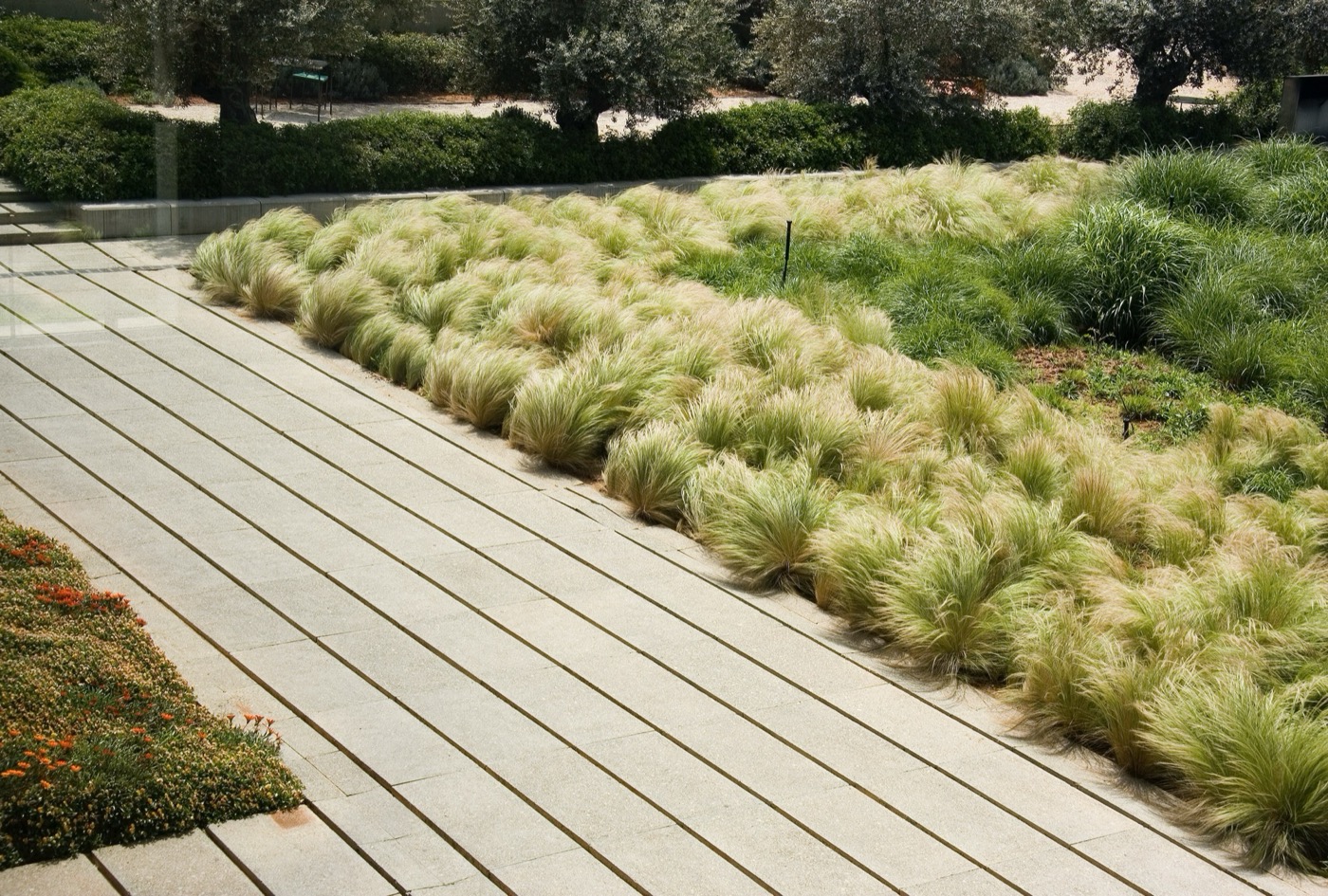
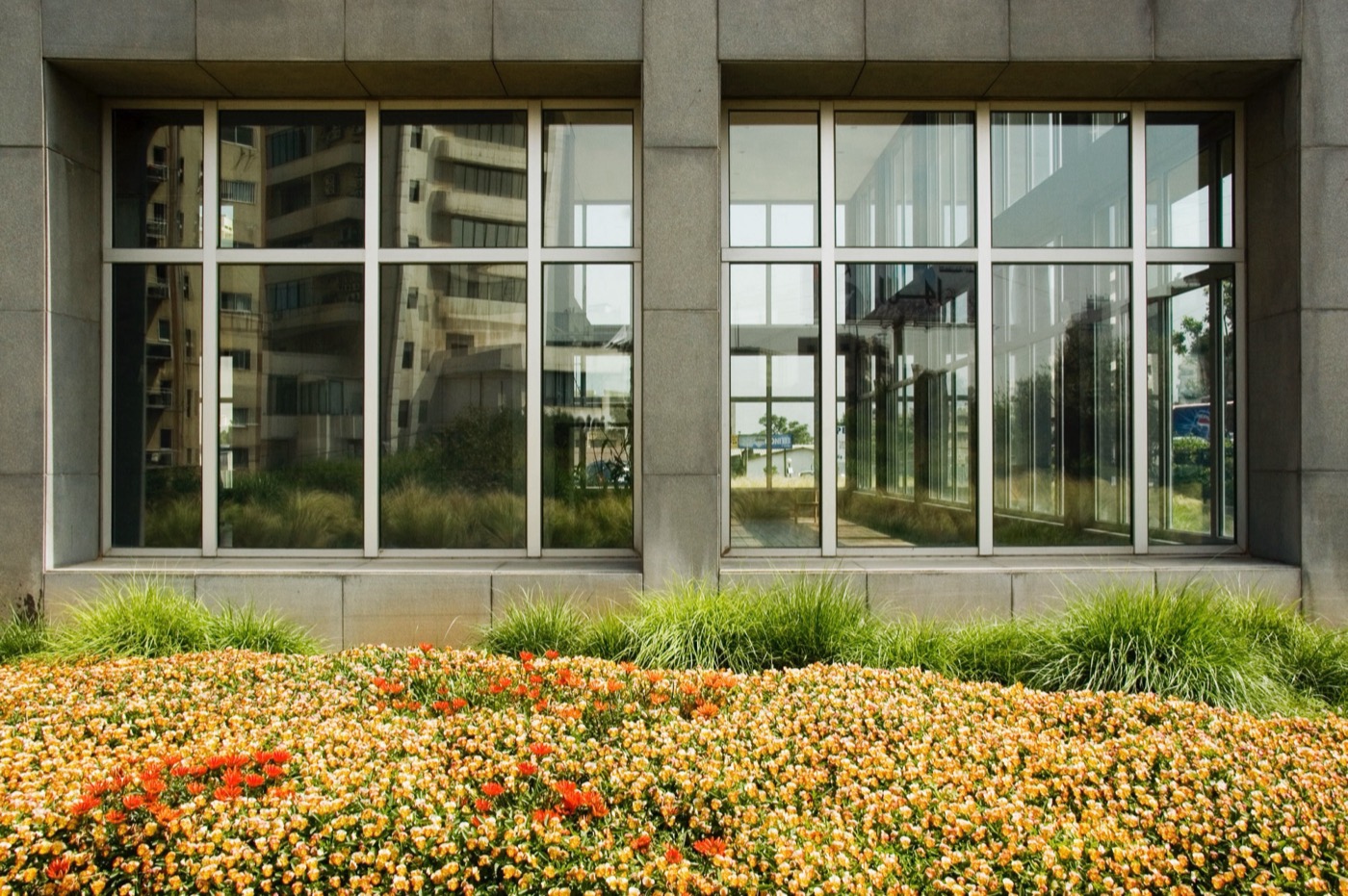
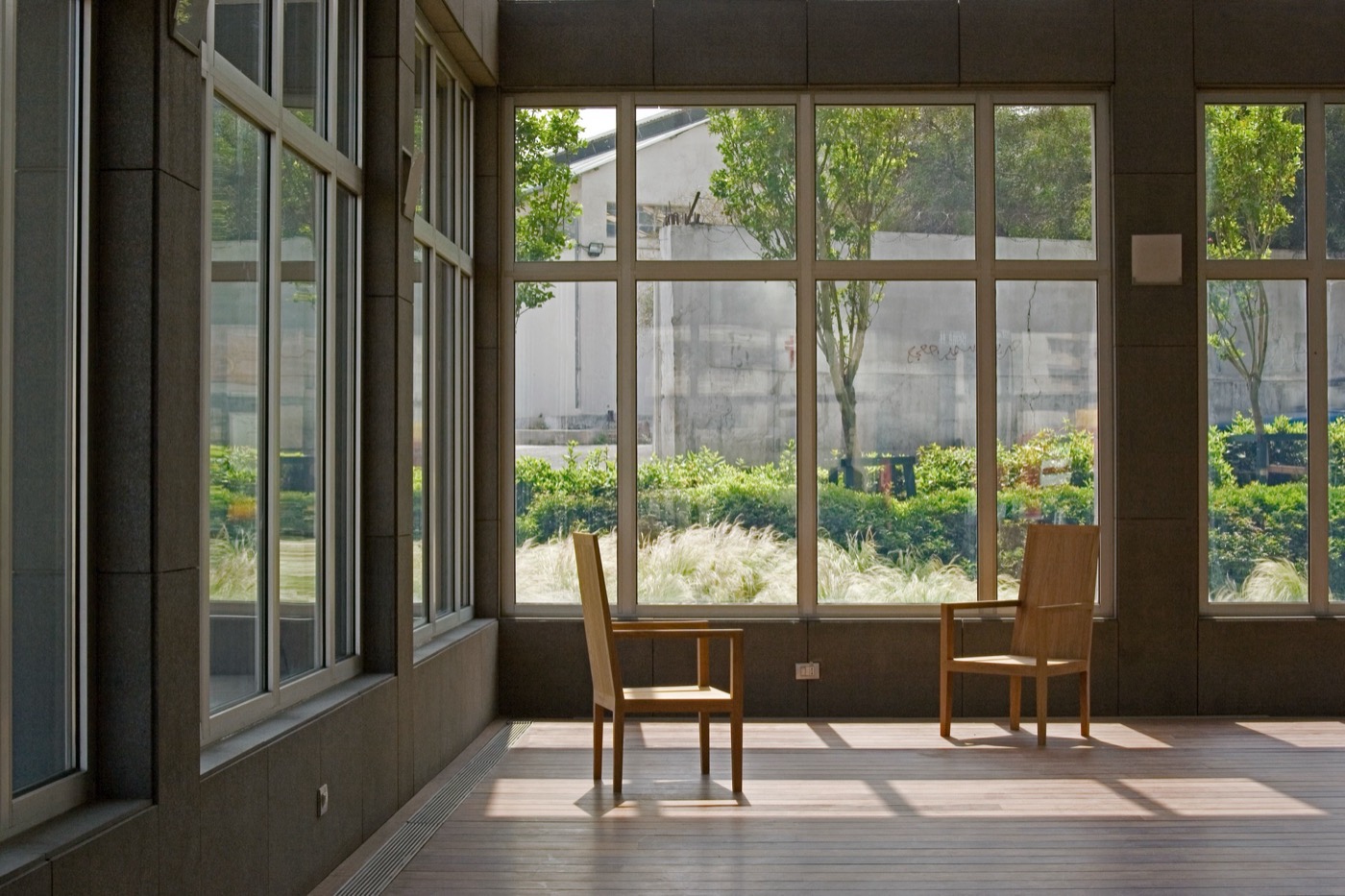
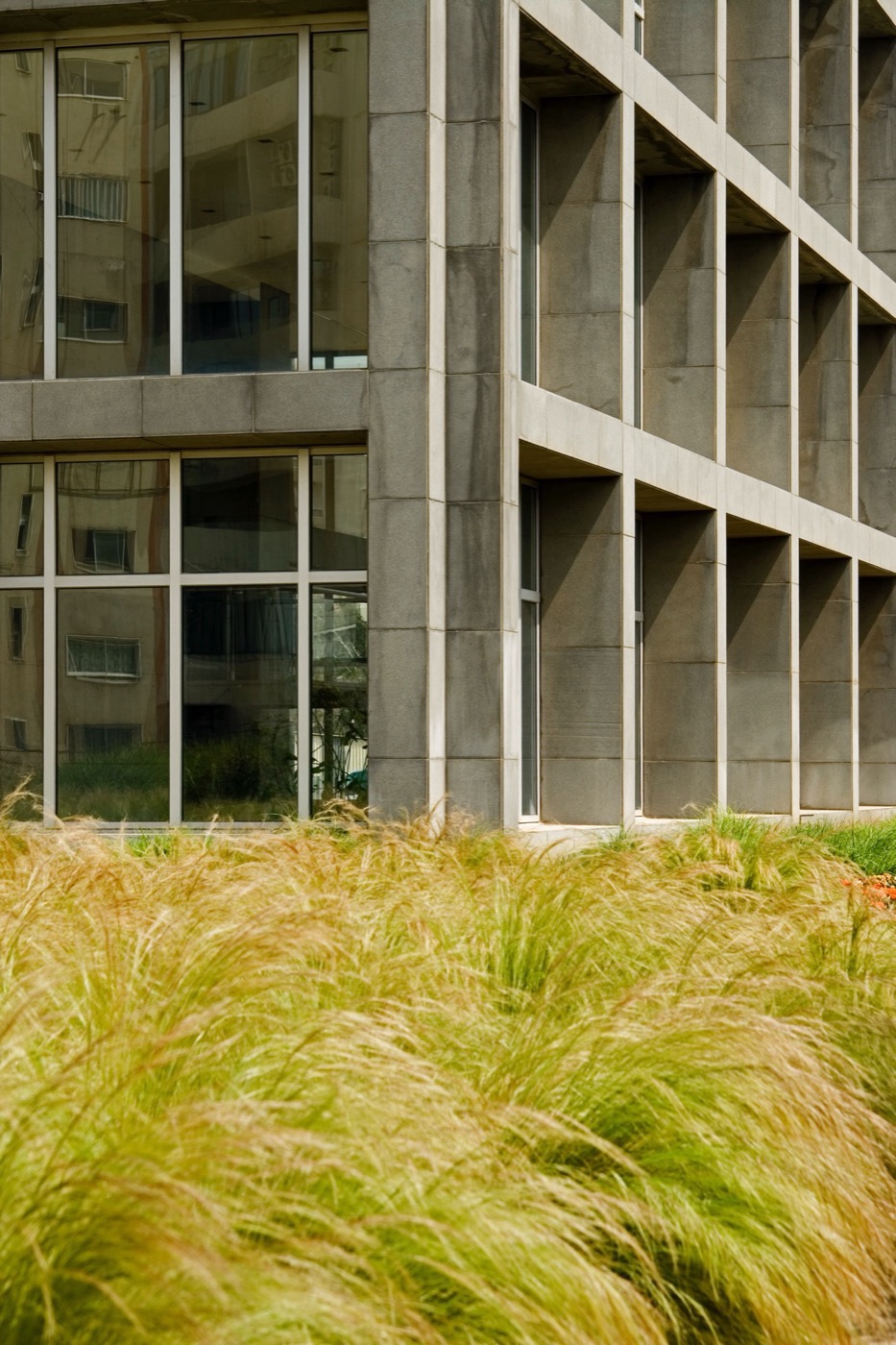
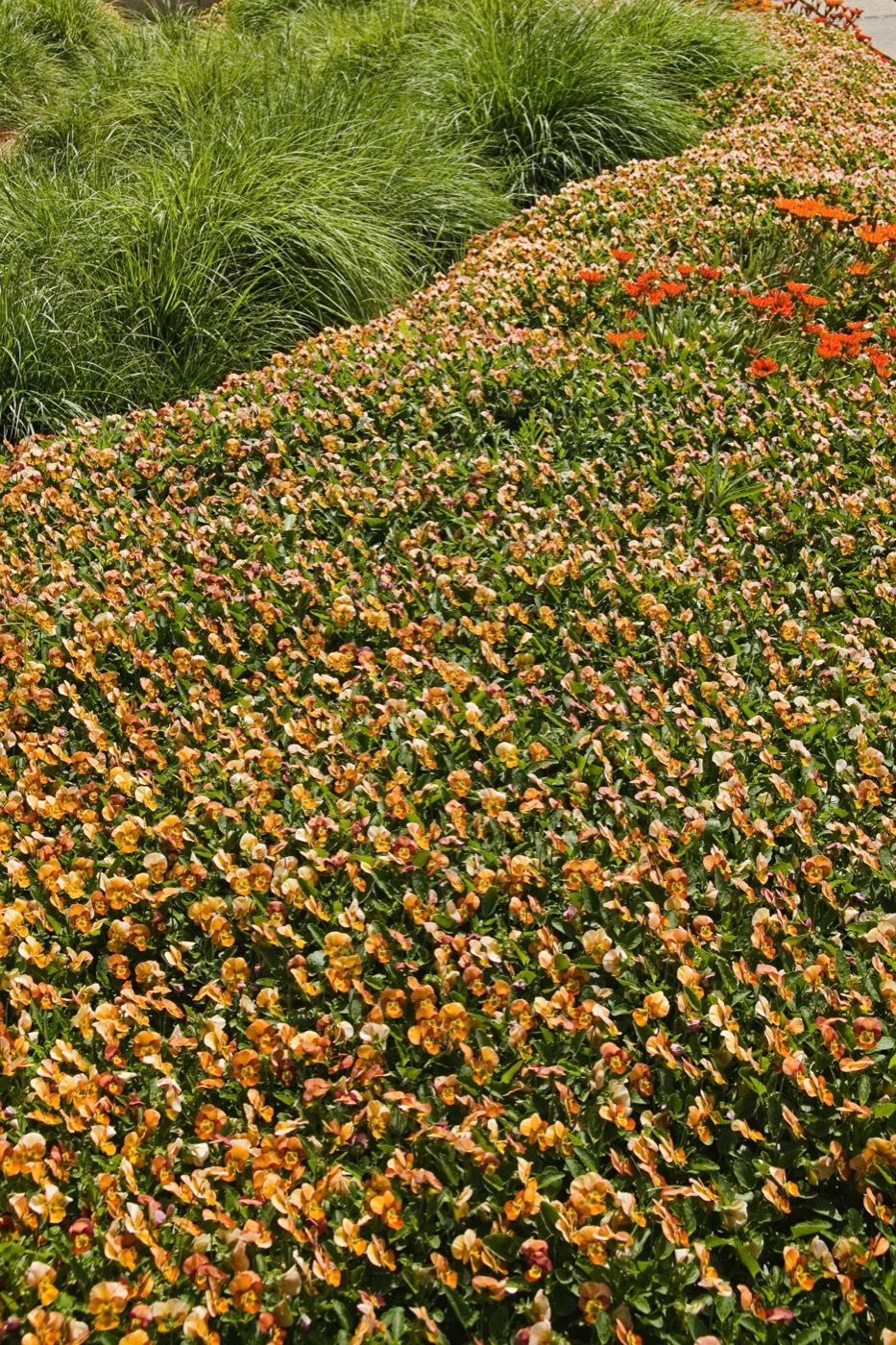
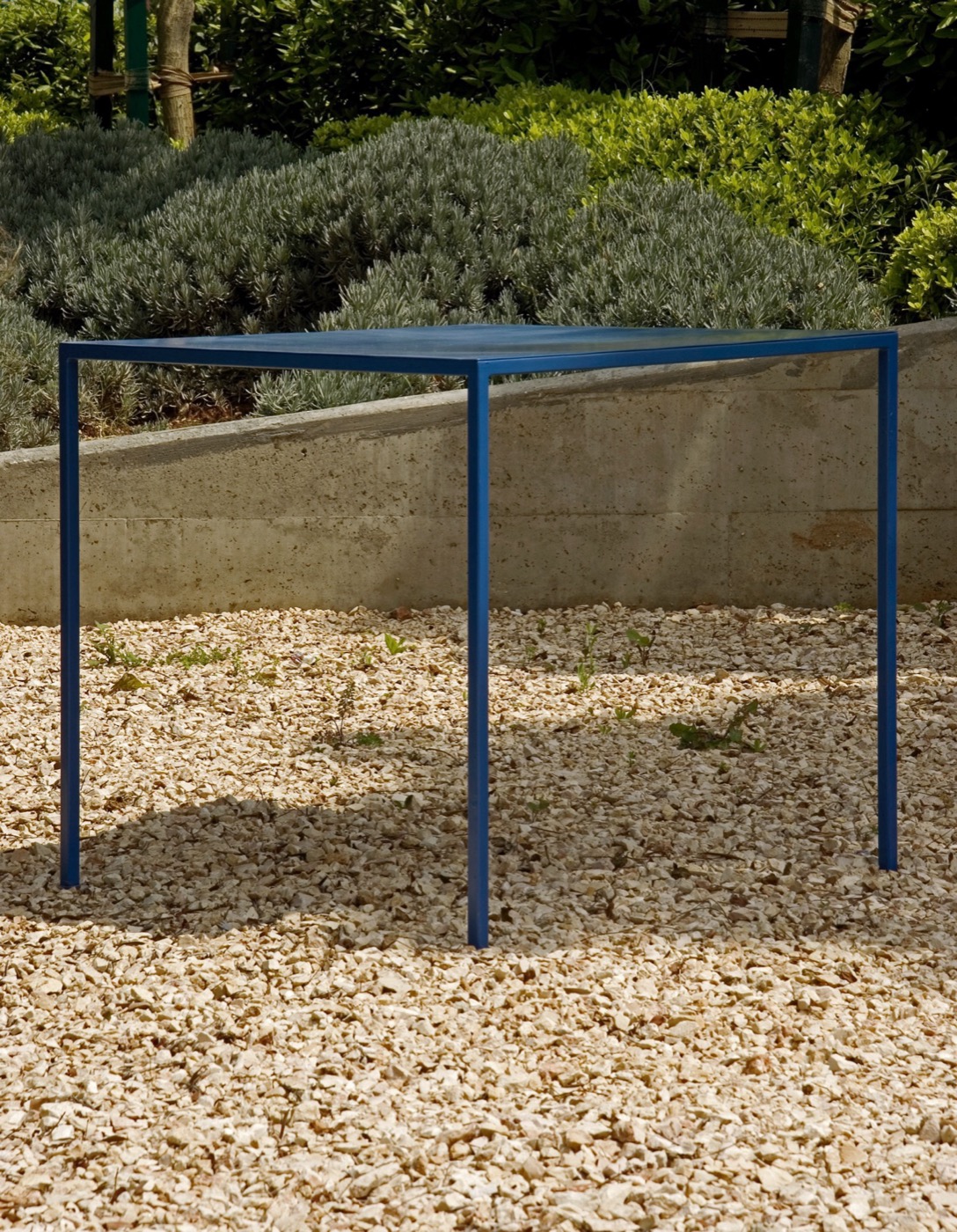
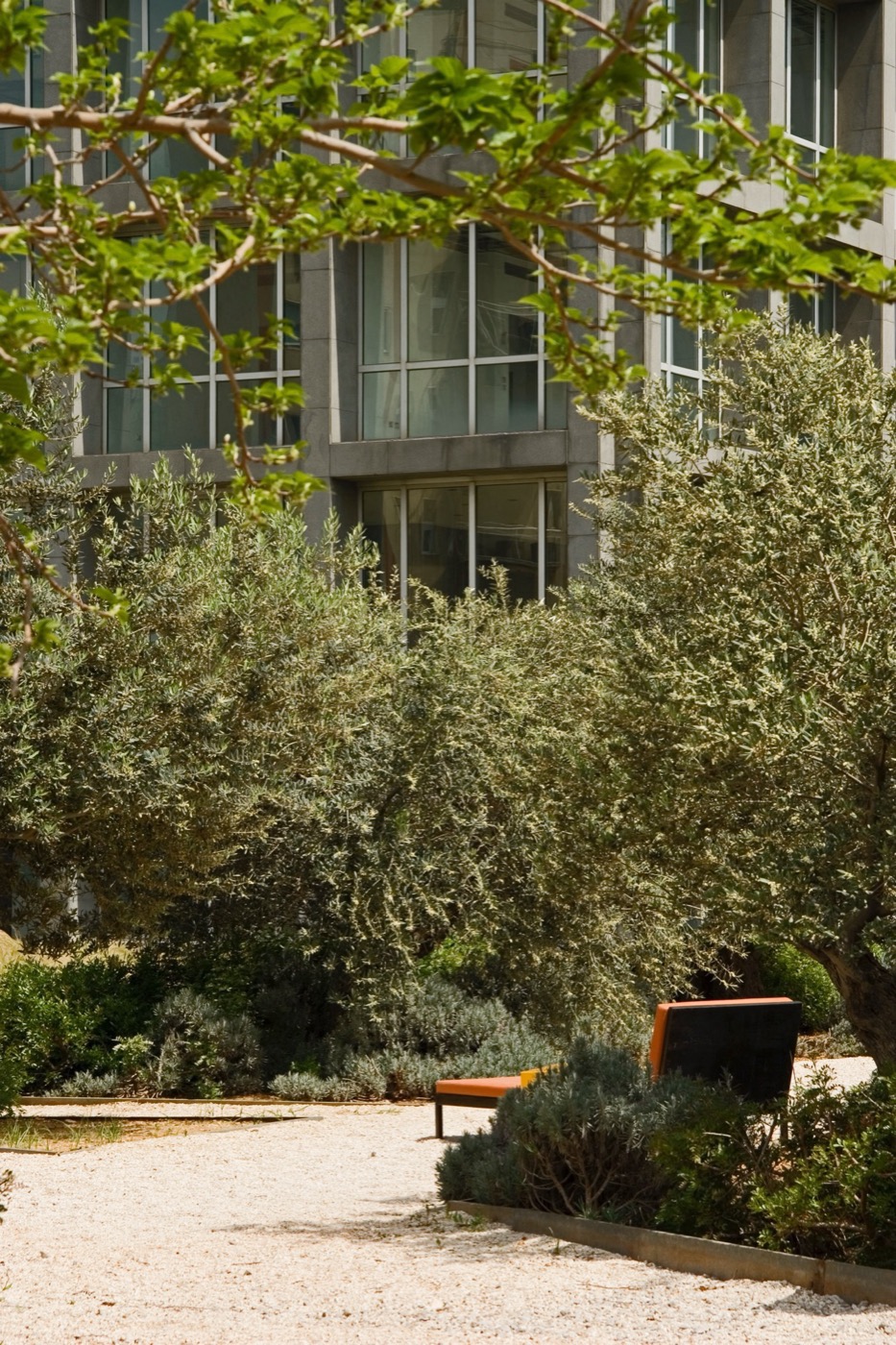
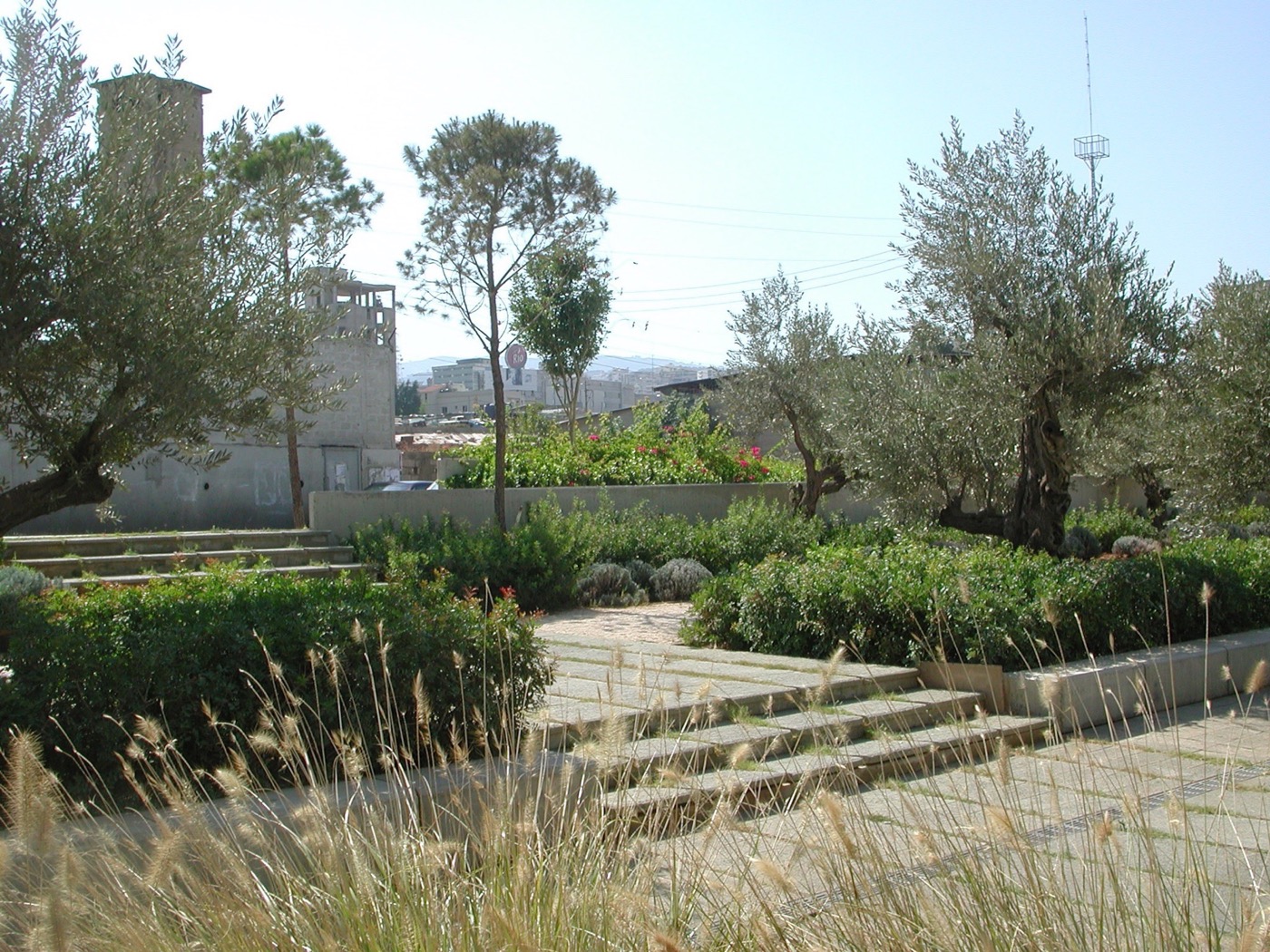
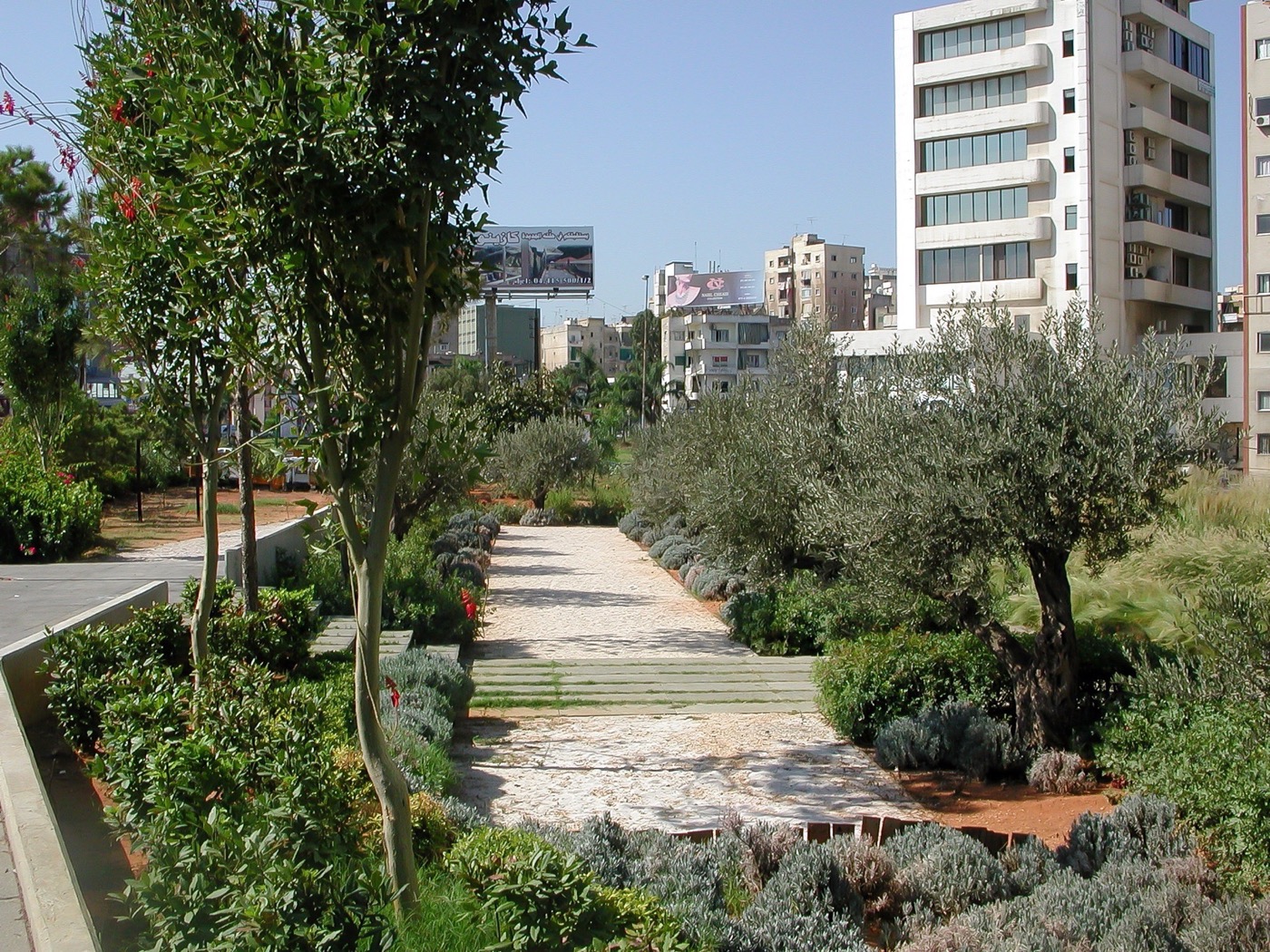
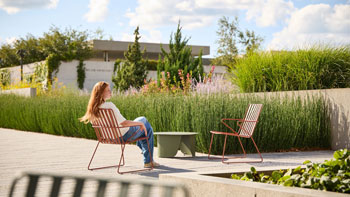
On the slab, a series of shallow swales structures a garden of angel hair grass and perennials, which, depending on seasons and circumstances, can also accommodate edible and aromatic plants. This artificial ground thus becomes a productive and evolving landscape. The building’s double-height entrance hall, fully transparent, extends this landscape inward: visual continuities draw the garden into the building, reinforcing its spatial presence and representational role.
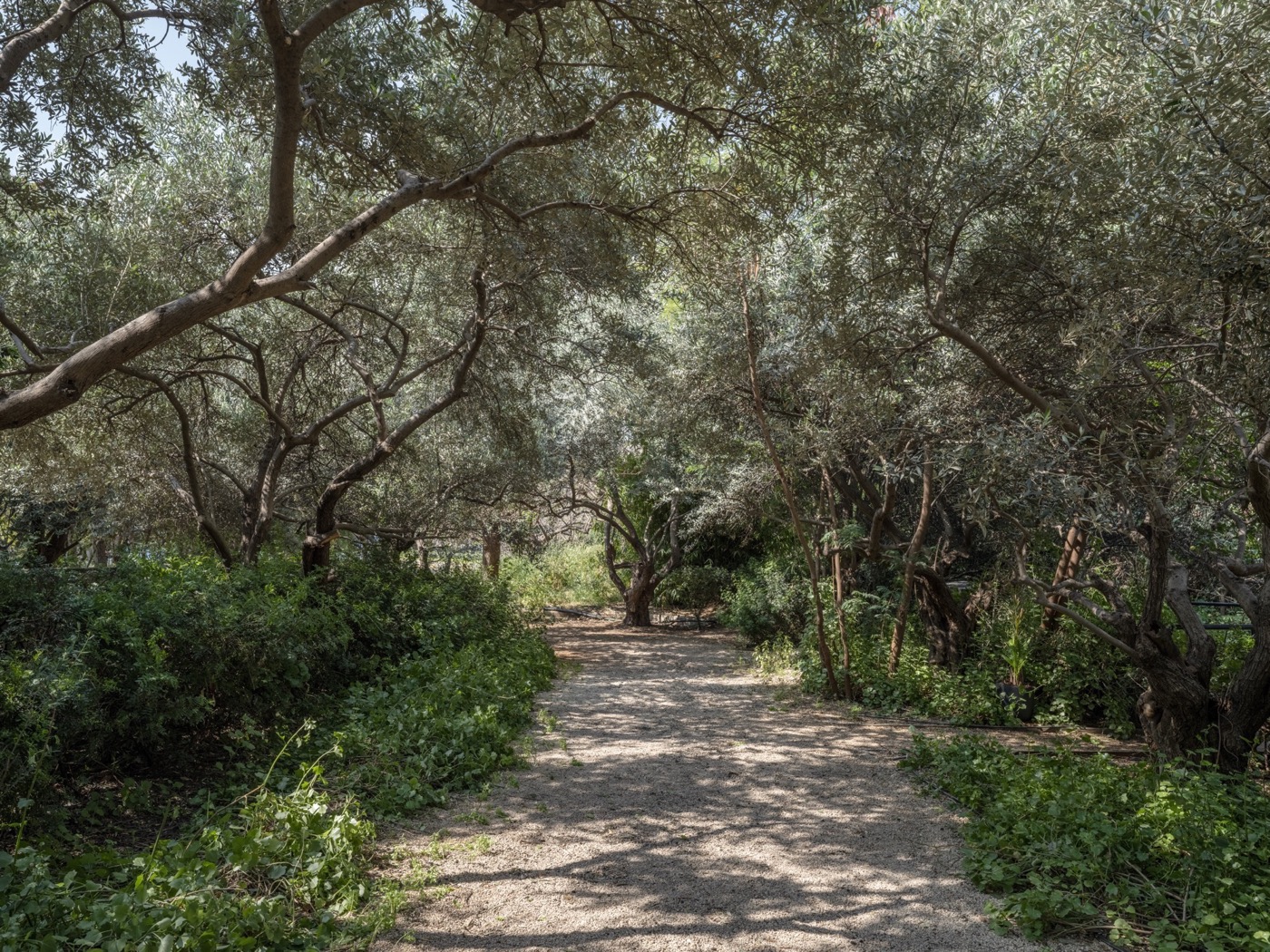
At mid-level, a long terrace planted with olive trees forms a transitional space between the garden and the street. It is edged with pistachio, reinforcing both spatial depth and botanical layering.
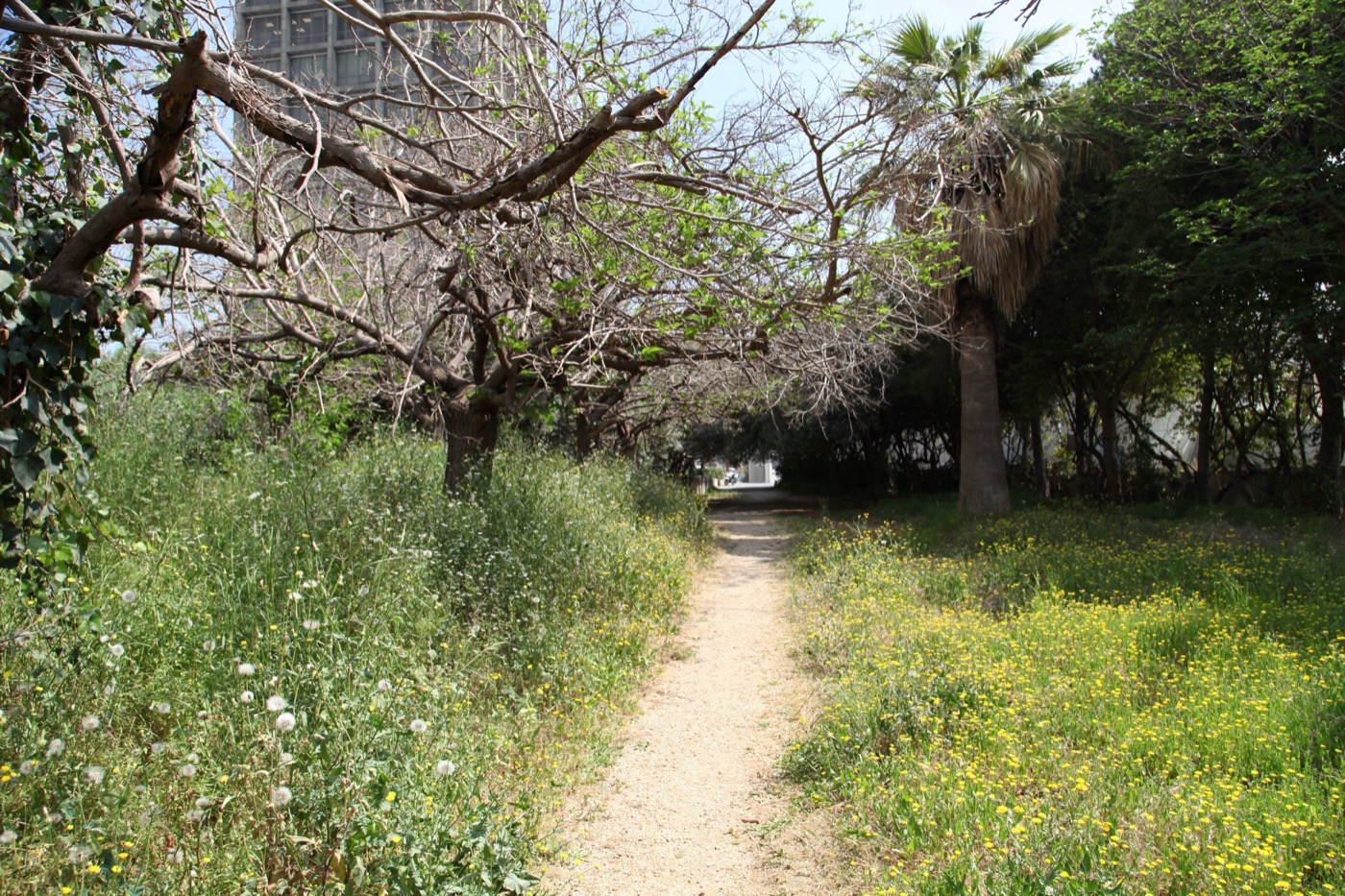
Along the street, a row of erythrina trees initially marked the threshold of the project. In the public area, an open meadow is framed by two rows of plane-leaved mulberries on one side, and by umbrella pines combined with a hedge of bougainvillea on the other.
Over time, the project has evolved beyond its initial intentions. Spontaneous species have colonized the interstices, while vegetation from the adjacent wasteland has benefited from increased shade and moisture, extending into the site and blurring its boundaries. The public area has become denser and more untamed: bougainvillea has climbed into the pines, and a washingtonia palm has appeared spontaneously.
In parallel, the more controlled areas have undergone their own transformations. The erythrina trees, unsuited for this environment, have gradually disappeared and been replaced by paulownias or colonized by bougainvillea. Beneath the olive trees, the lavender initially planted on the inner side of terraces, declined over time as the canopy thickened and shade increased, eventually disappearing altogether. Meanwhile, the transplanted olive trees have thrived, forming a dense canopy and an effective screen from the street.
This project can be understood as a form of landscape acupuncture, where a localized intervention acts as a catalyst. The garden on a parking structure becomes the starting point of a broader regenerative process, capable of greening, connecting, and activating neglected urban fragments.
Credits:
Architecture: Hala Younes
Agronomist: Rania Younes
Photography: Gilbert Hage (2006), Ieva Saudergaité (2026), Hala Younes (2000)
https://maps.app.goo.gl/1UidPXseJEoQxXePA
73662


LILA 2026 Sponsor