Karm el Deir, The Garden of a Horticulturist
halayounes.com
2026 Landscape and Architecture / 2026 Private Gardens / 2026 Revisited Landscapes / Lebanon / Built in 2000 /
![From Façade to Ground Inhabiting the suburban condition Hala and Rania Younes In a suburban landscape dominated by heavy infrastructure – bridges, highways, vacant lots, and industrial fragments – the project seeks to produce a form of urbanity by introducing shade, softness, and hospitality into an otherwise harsh environment. The commission involved the transformation of […]](https://landezine-award.com/wp-content/uploads/2026/05/00_-600x394.jpg "From Façade to Ground")
KARM EL DEIR
The Garden of a Horticulturist
Hala and Rania Younes
Karm el Deir is a 4-hectare site on the edge of a village in Mount Lebanon, where a horticulturist settled and where her sister, the architect, designed a house for her. It is a place without a predefined design, a ground of experimentation and surprise, a small paradise, more preserved than constructed, cultivated than planted.
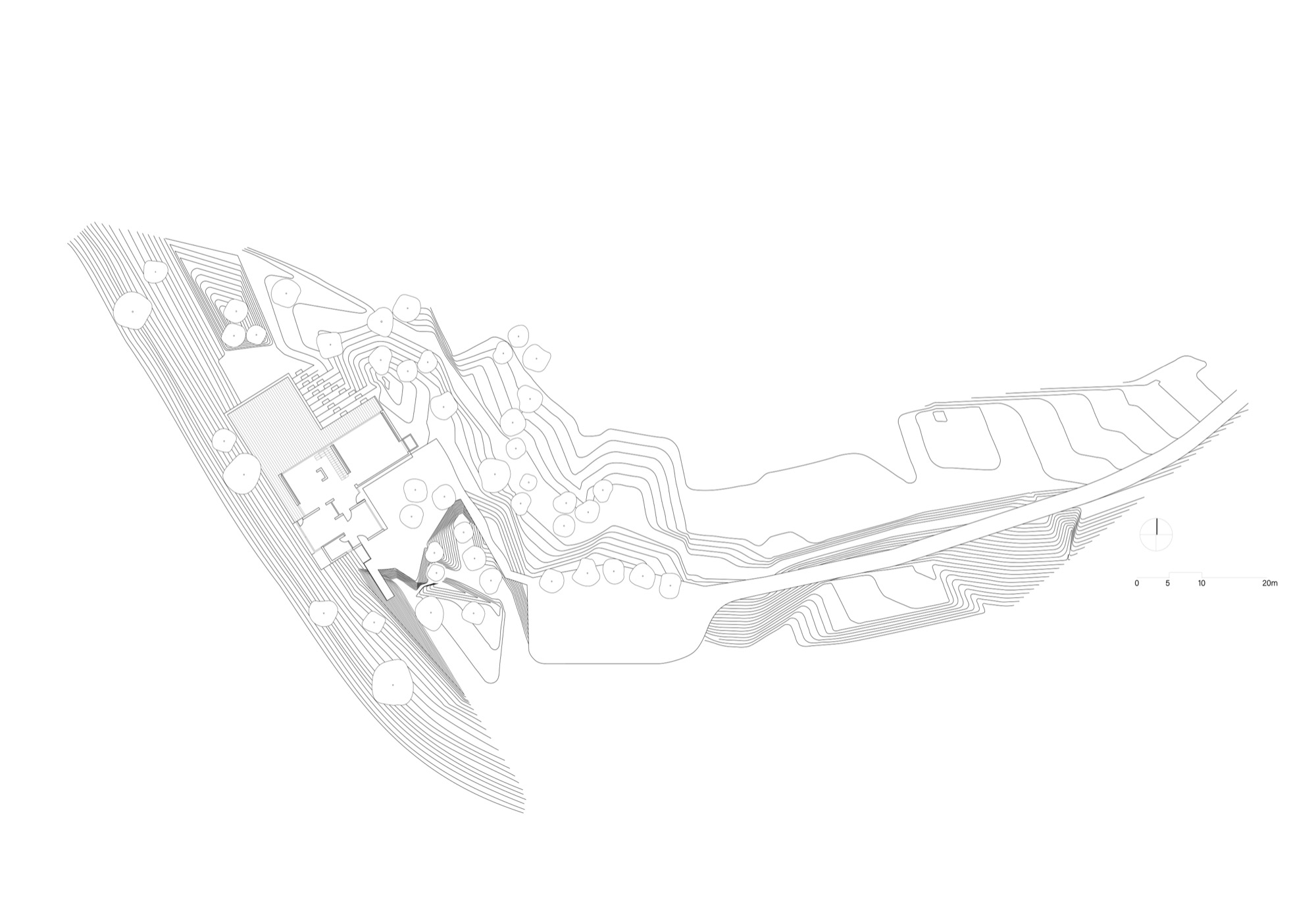
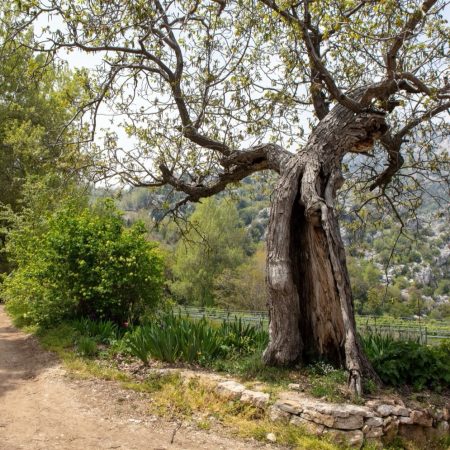
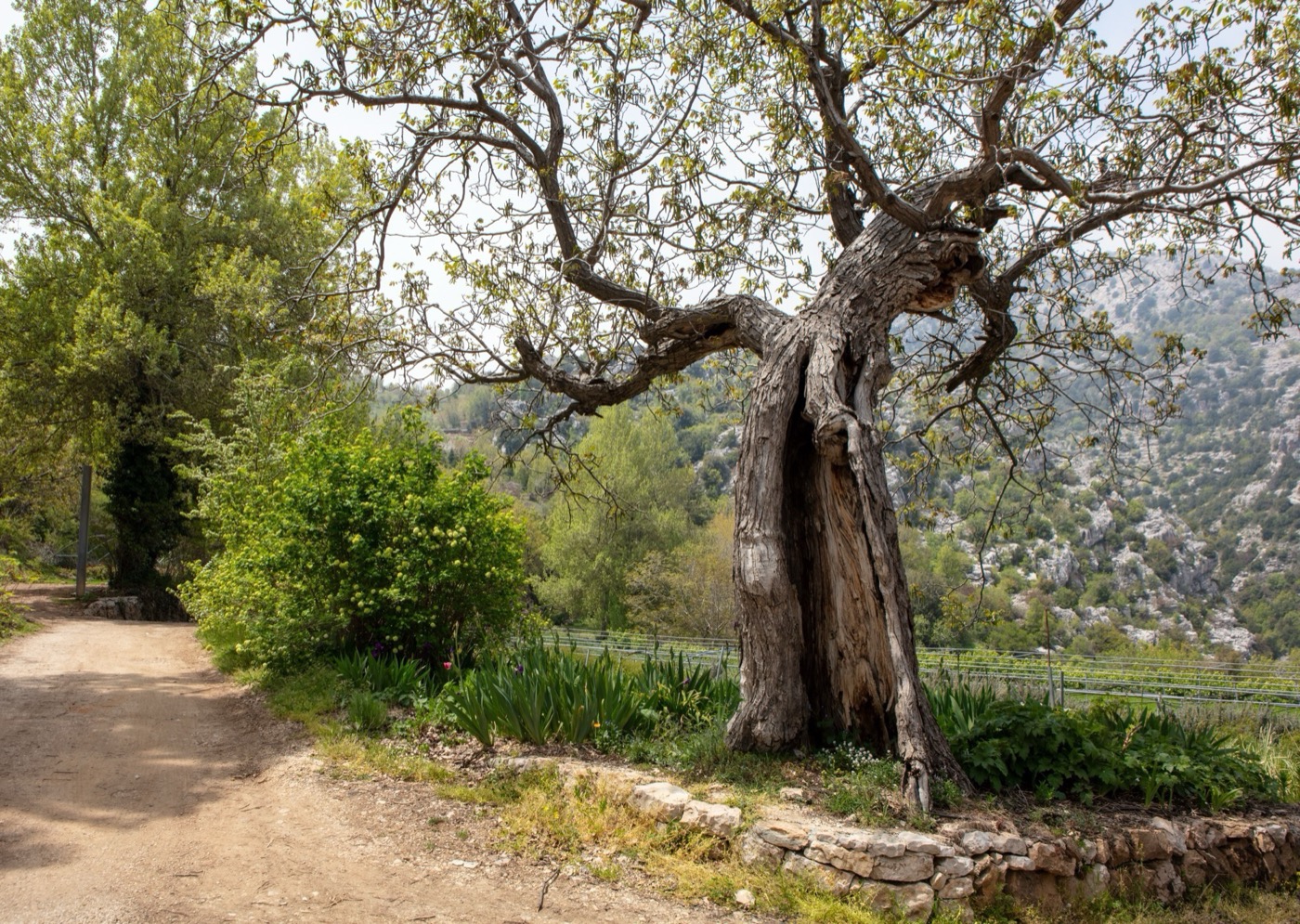
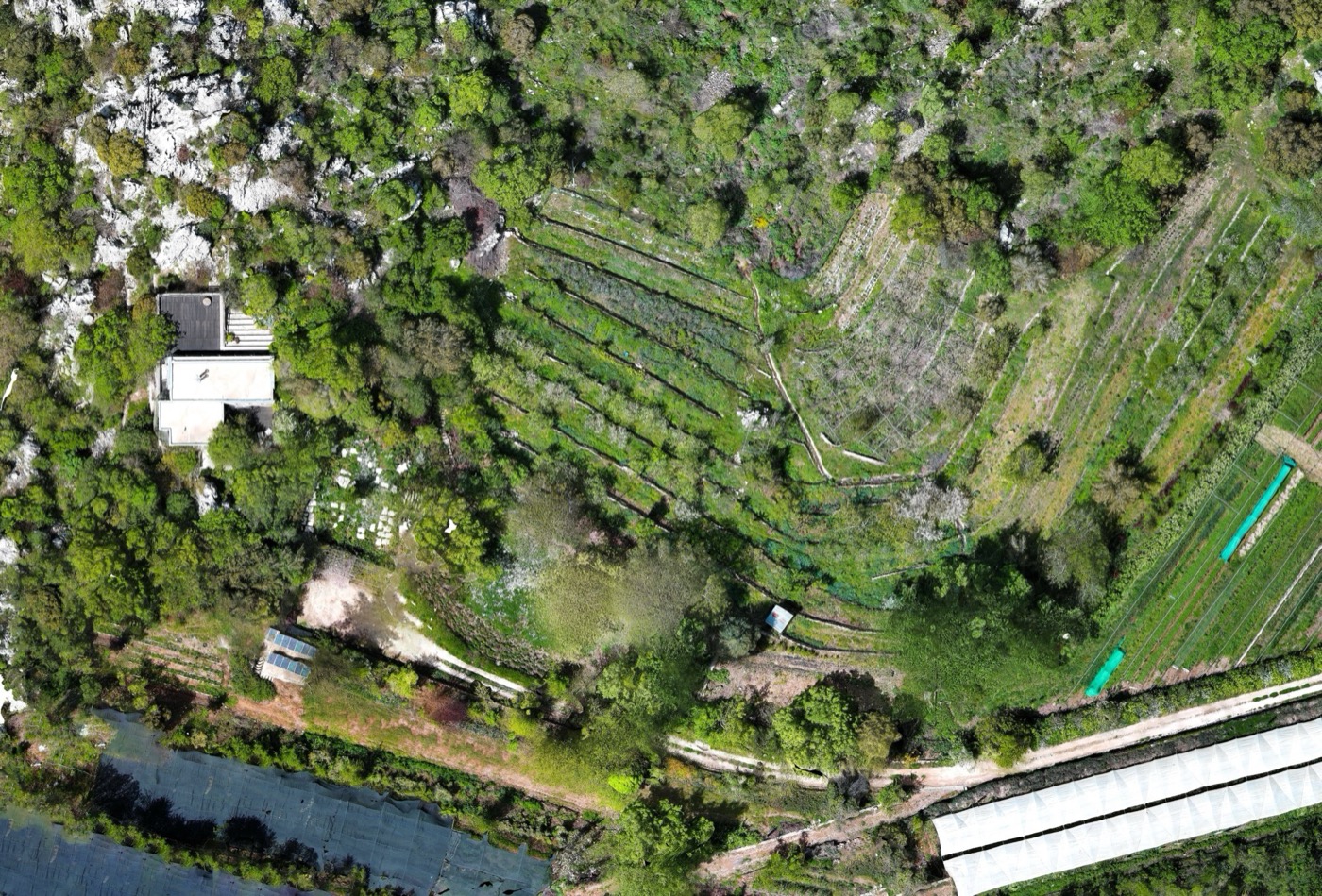
The site is entered through a dirt path marked by an old walnut tree. Above it, greenhouses and shade structures support seasonal production: tulips, daffodils, peonies, roses, and hydrangeas. Below, an old terraced orchard unfolds around a spring shaded by poplars. This cultivated landscape forms the quiet productive base of the project, shaped more by use than by design.
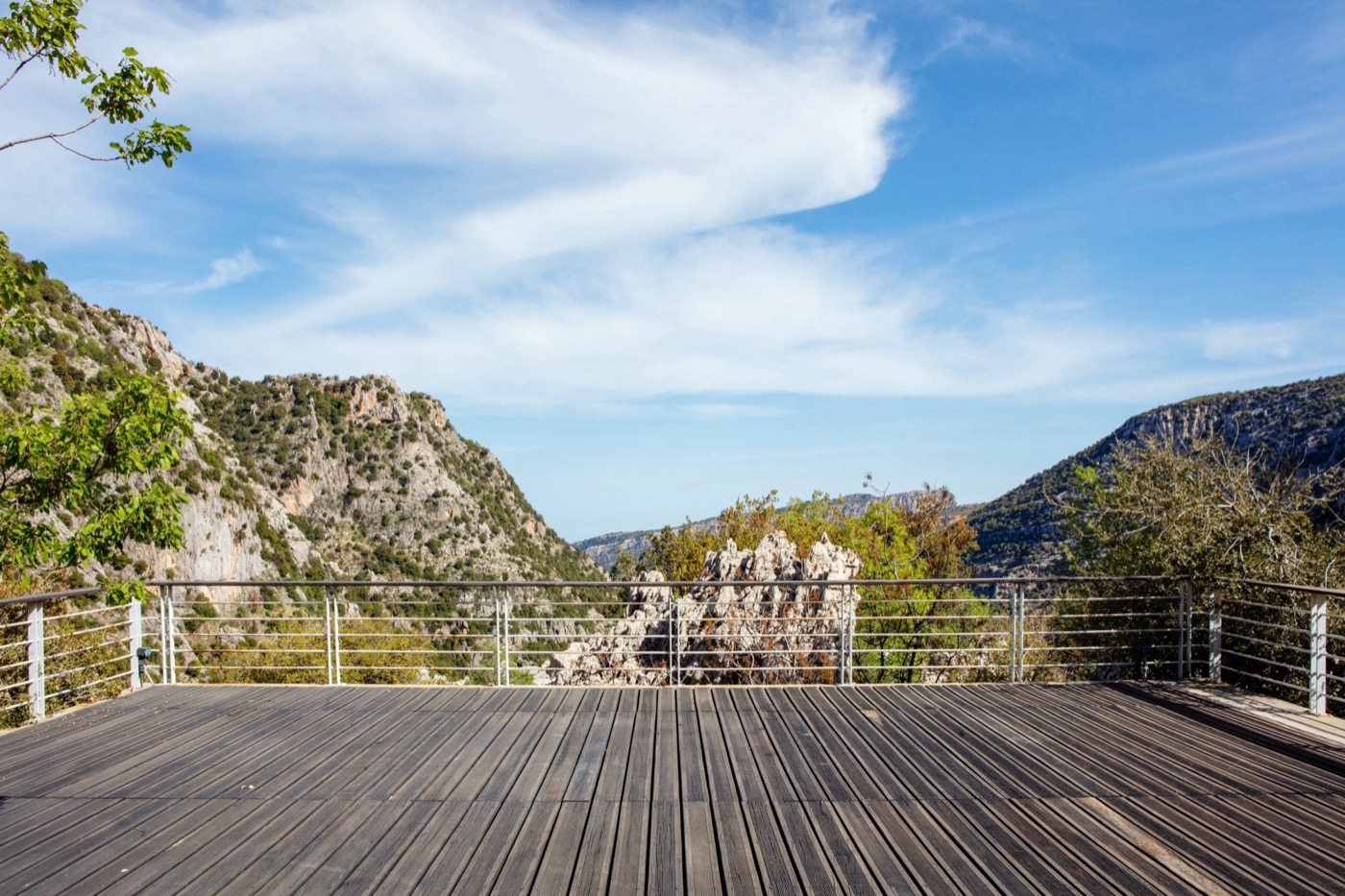
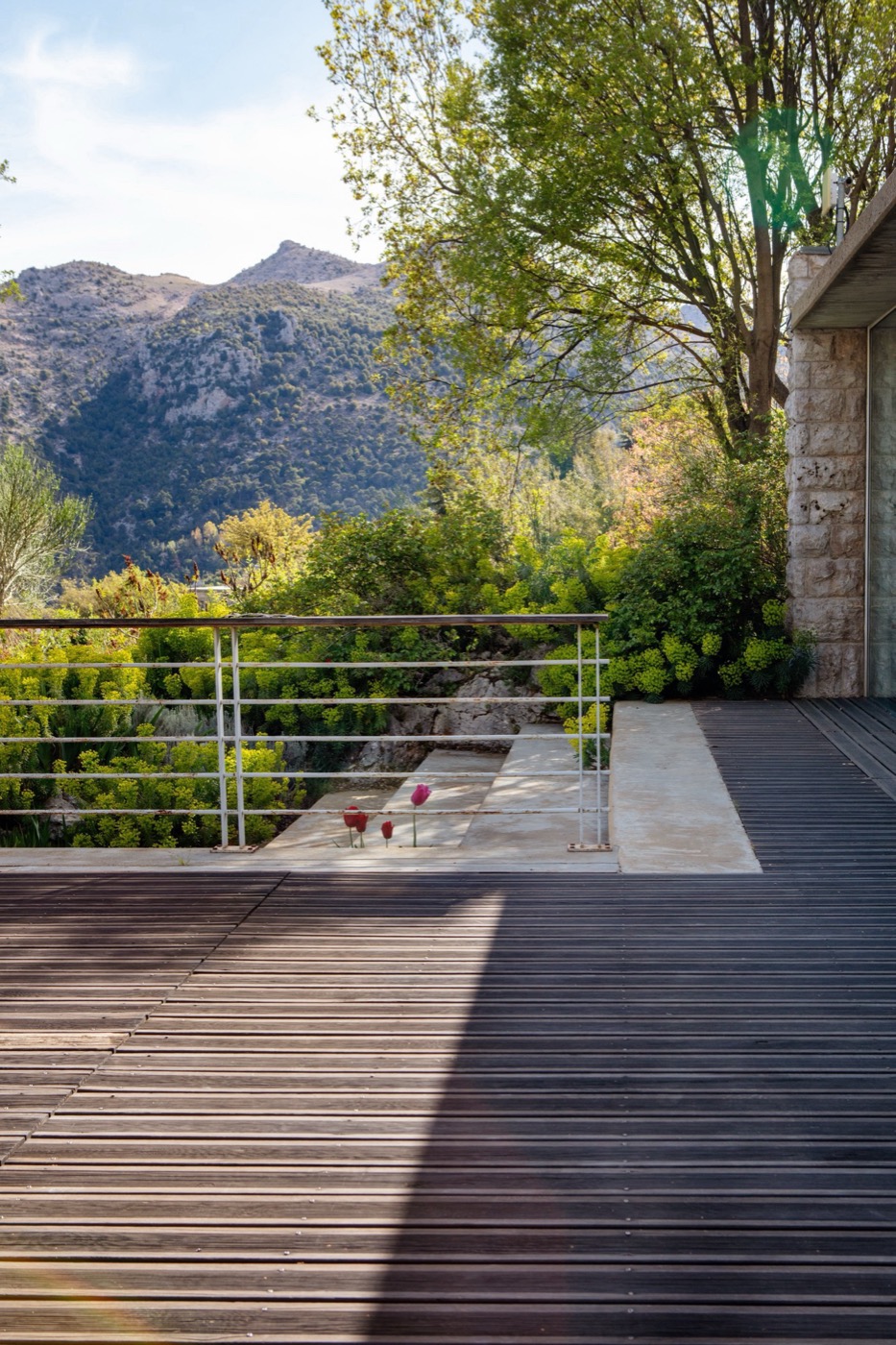
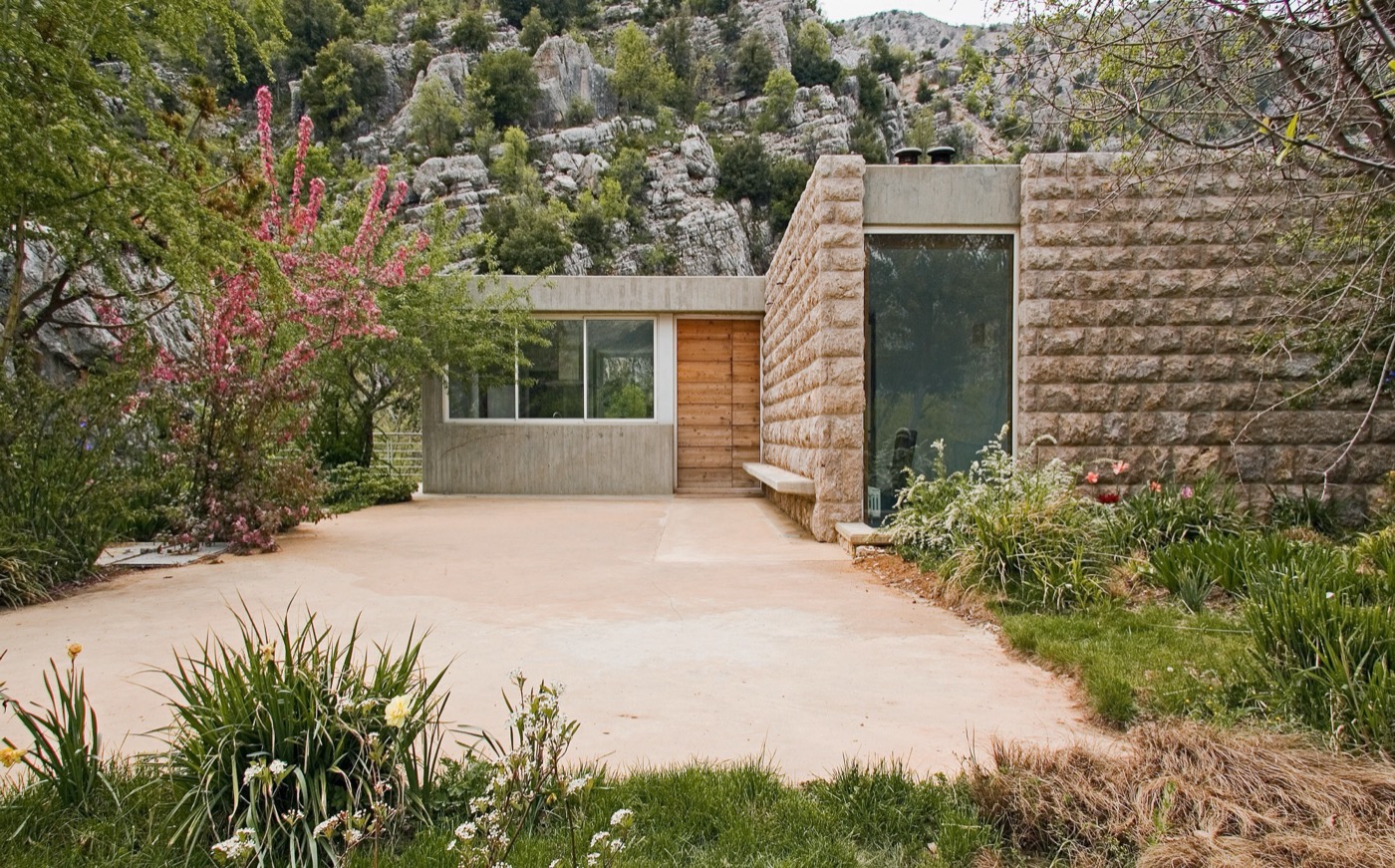
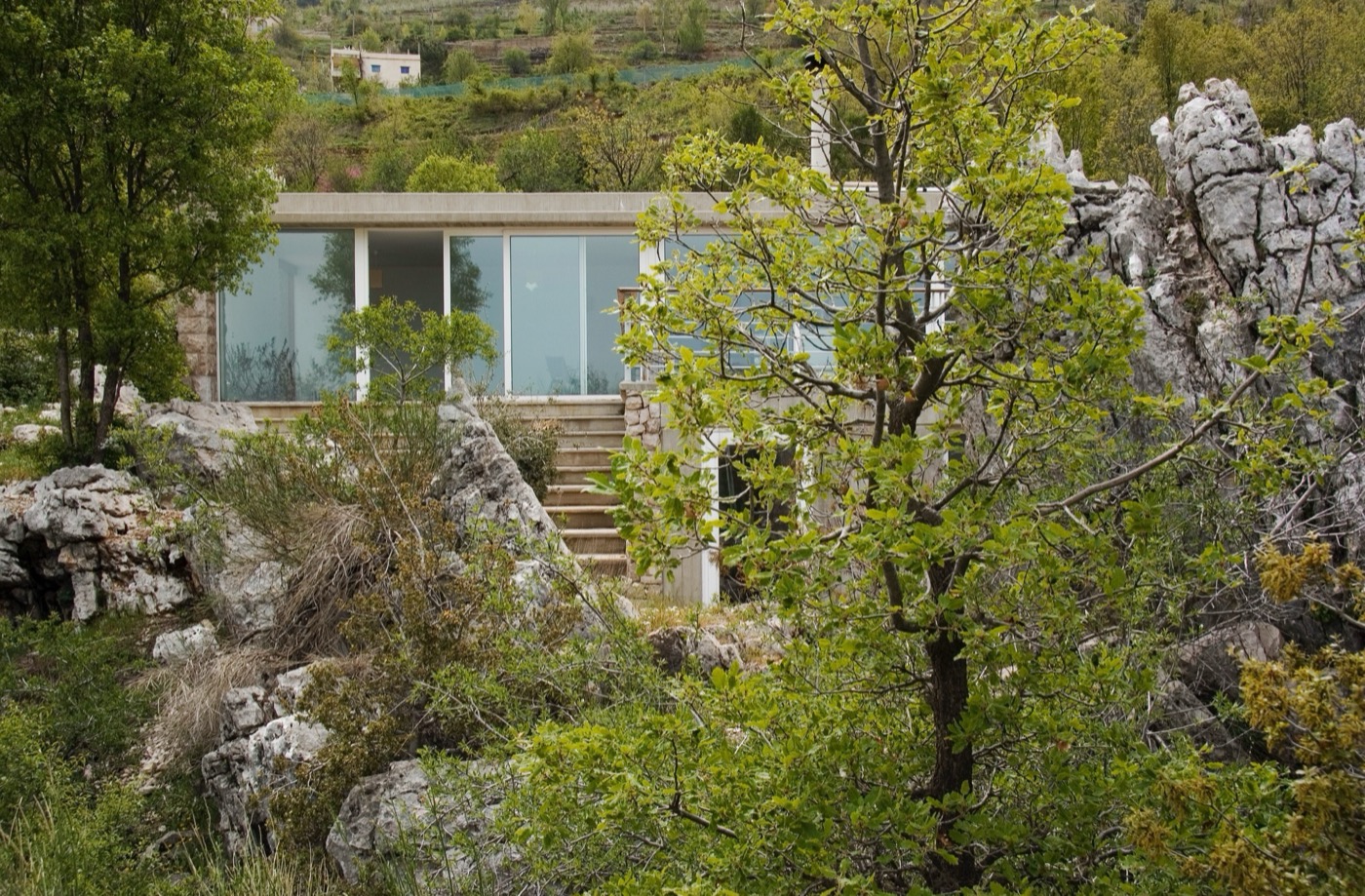
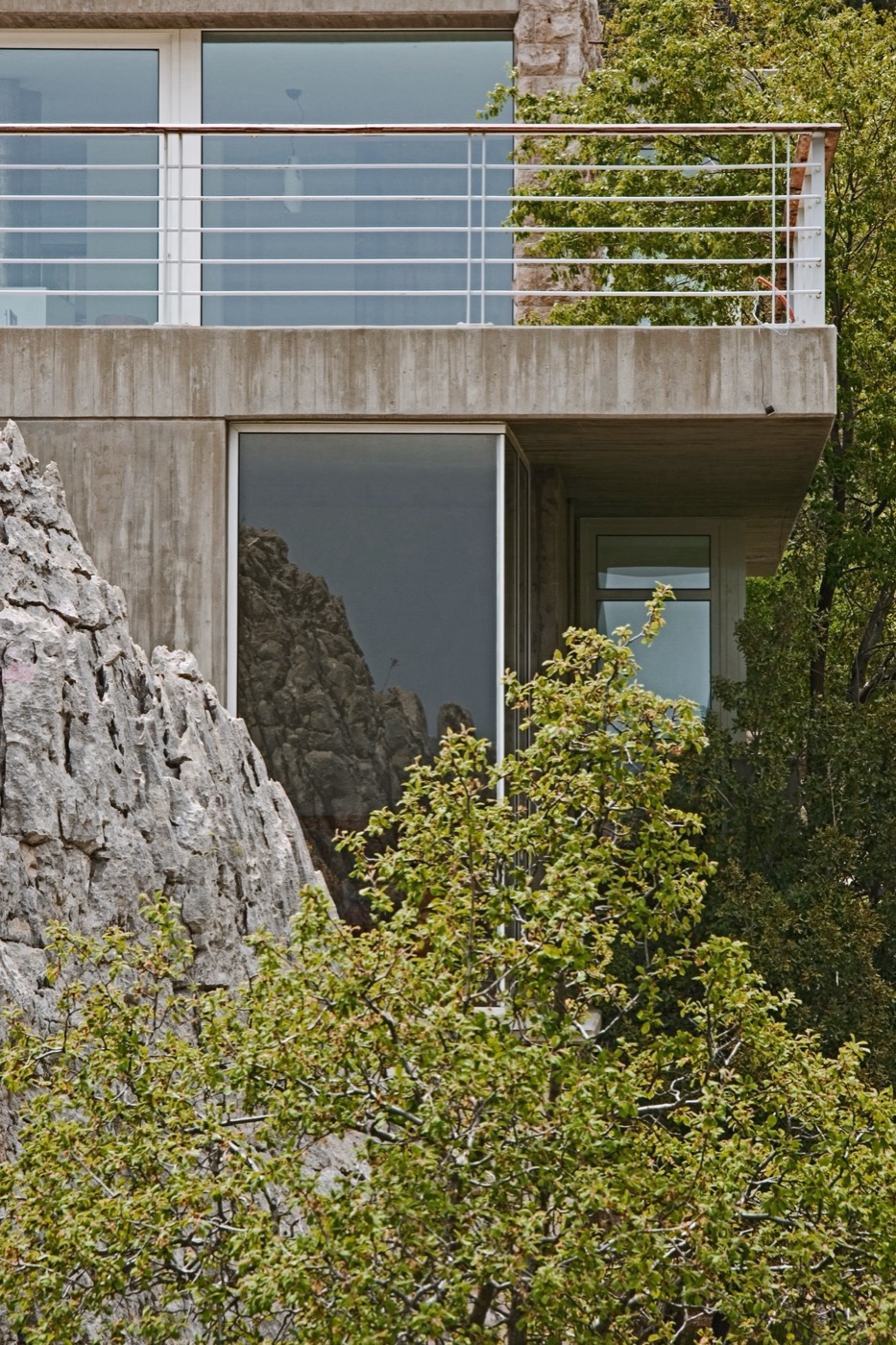
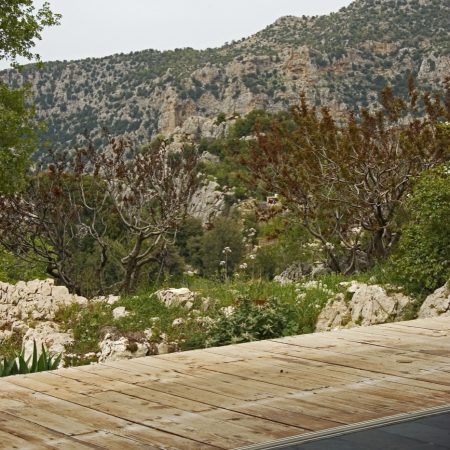
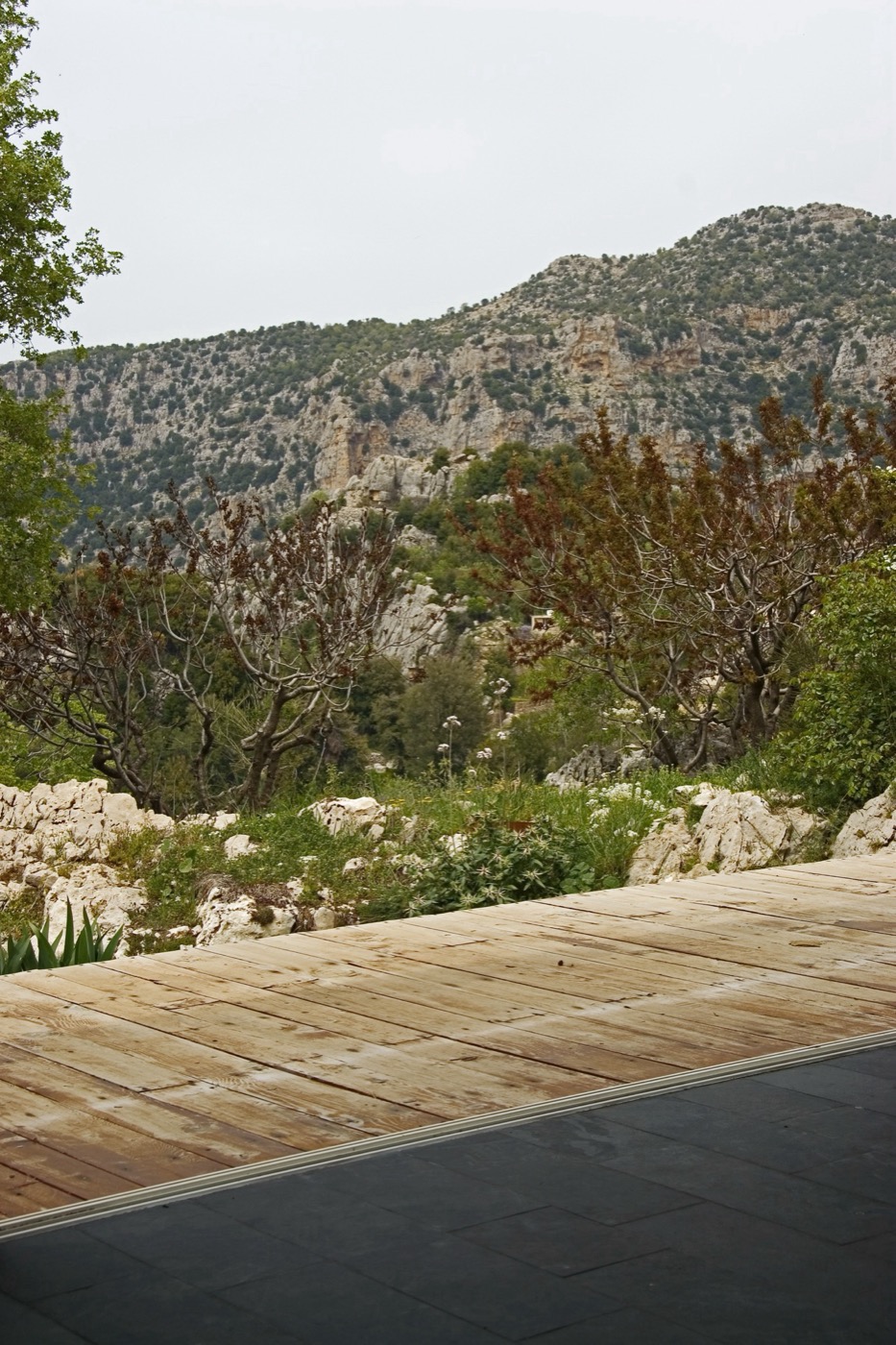
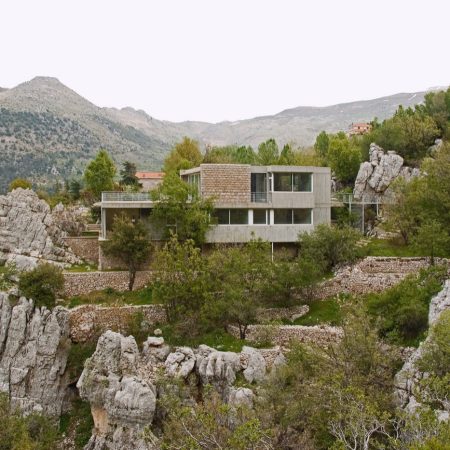
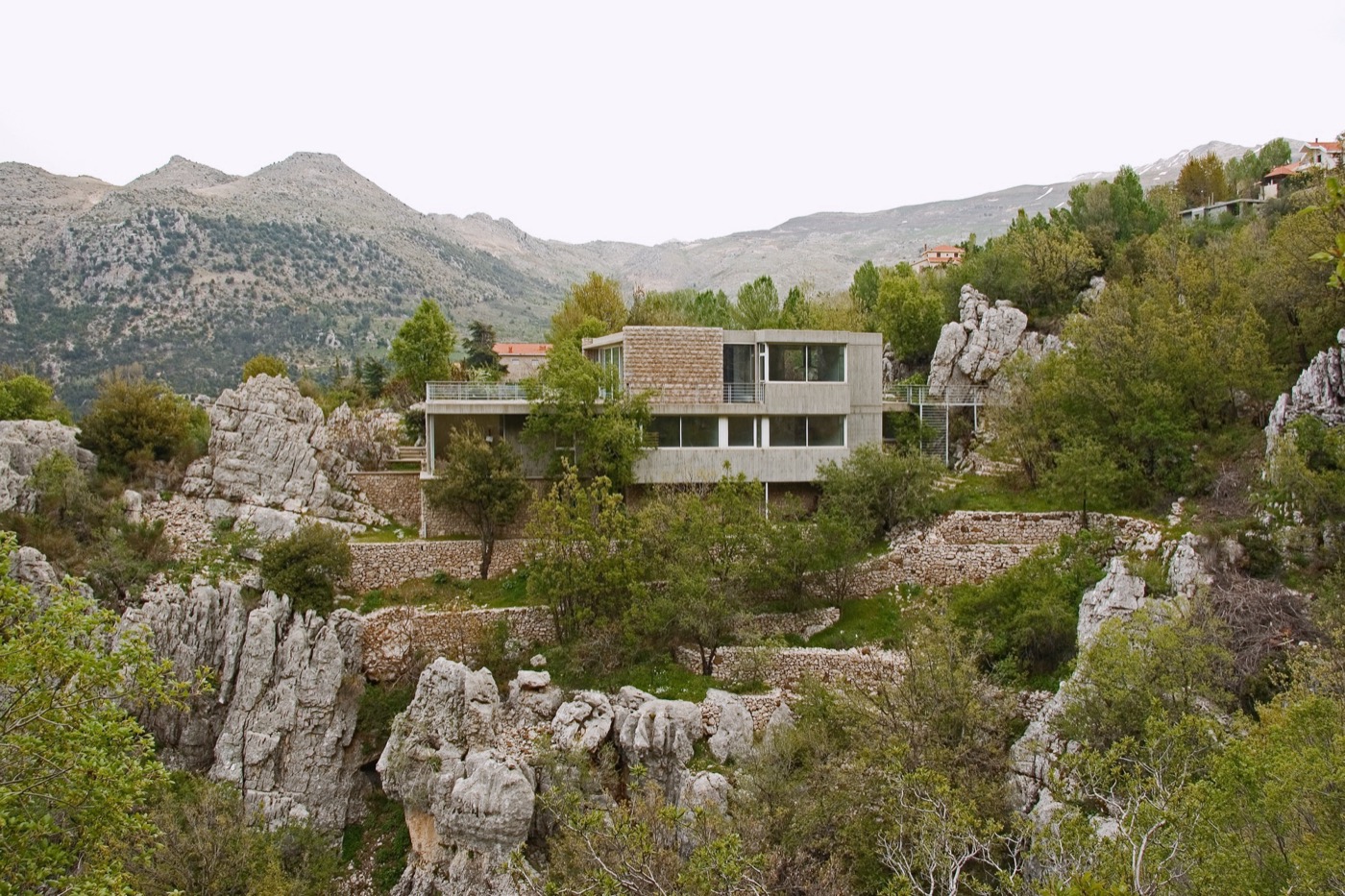
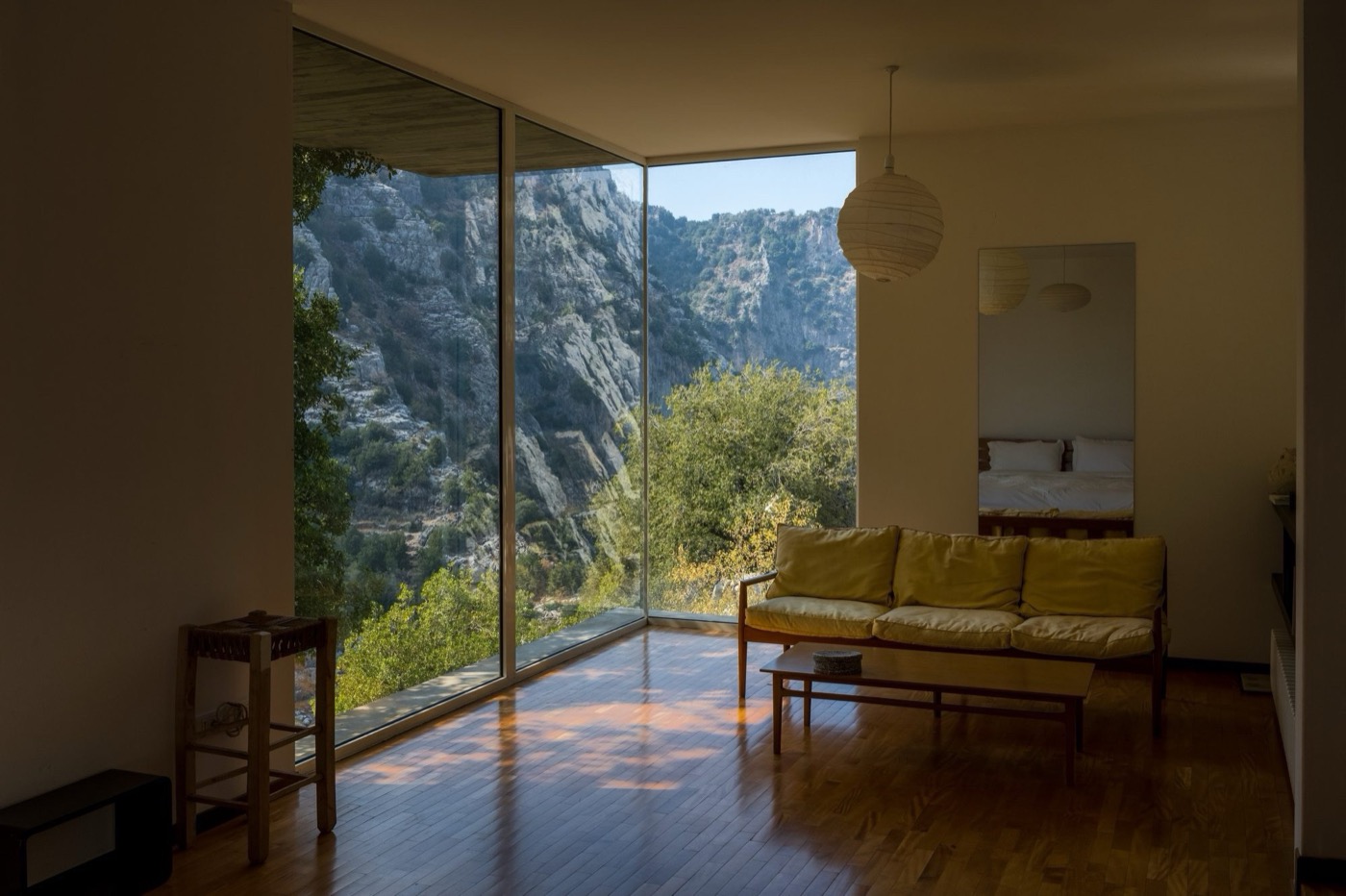
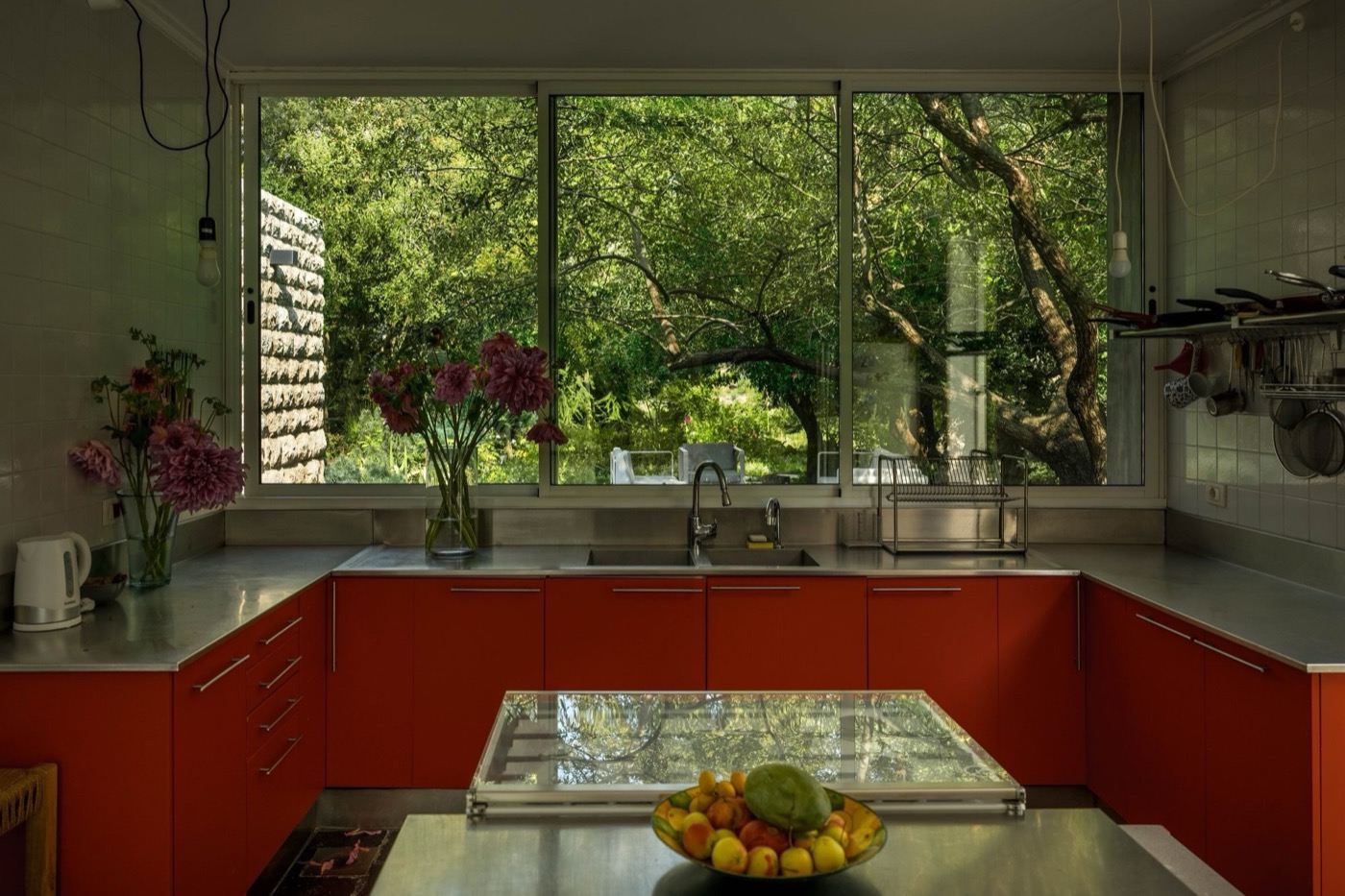
Following a vernacular logic, the house is set at the deepest point of the plot, on land considered uncultivable, once occupied by a scree field or possibly a lime kiln. It appears at the bend of the path and extends outward as a balcony over a small valley. It is inserted between two rocks: one to the south that defines the domestic space of the kitchen; another to the north, that frames the horizon and holds the landscape at a distance.
-
- 2026
-
- 2006
-
- 2026
-
- 2026
-
- 2026
-
- 2026
-
- 2026
-
- 2026
-
- 2026
-
- 2026
-
- 2026
-
- 2026
-
- 2026
-
- 2026
-
- 2026
-
- 2026
-
- 2006
-
- 2006
-
- 2006
-
- 2006
-
- 2006
-
- 2006
-
- 2006
-
- 2006
-
- 2006
-
- 2006
-
- 2024
-
- 2024
-
- 2024
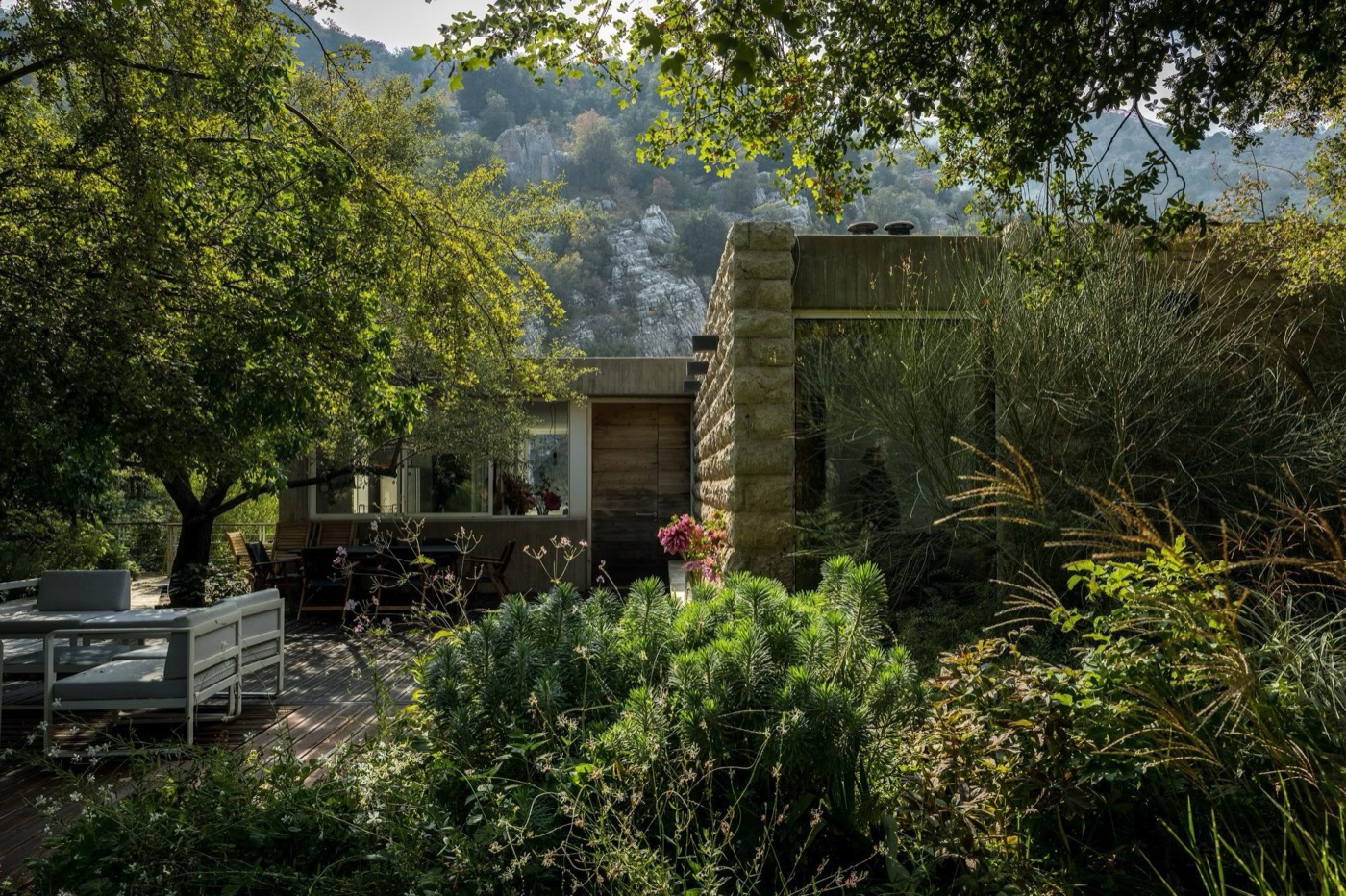
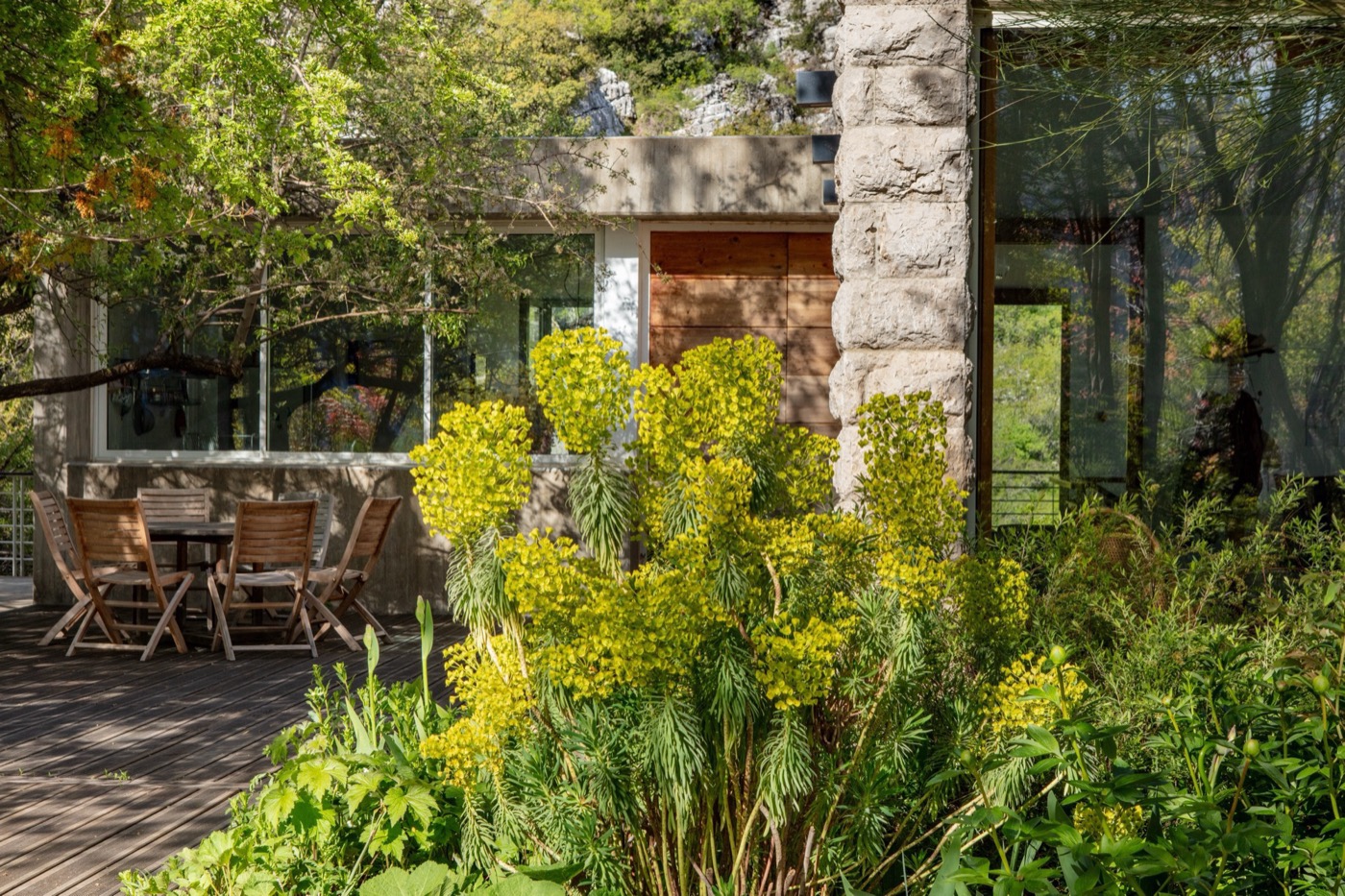
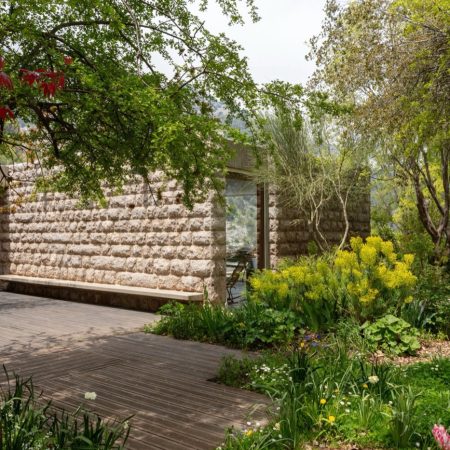
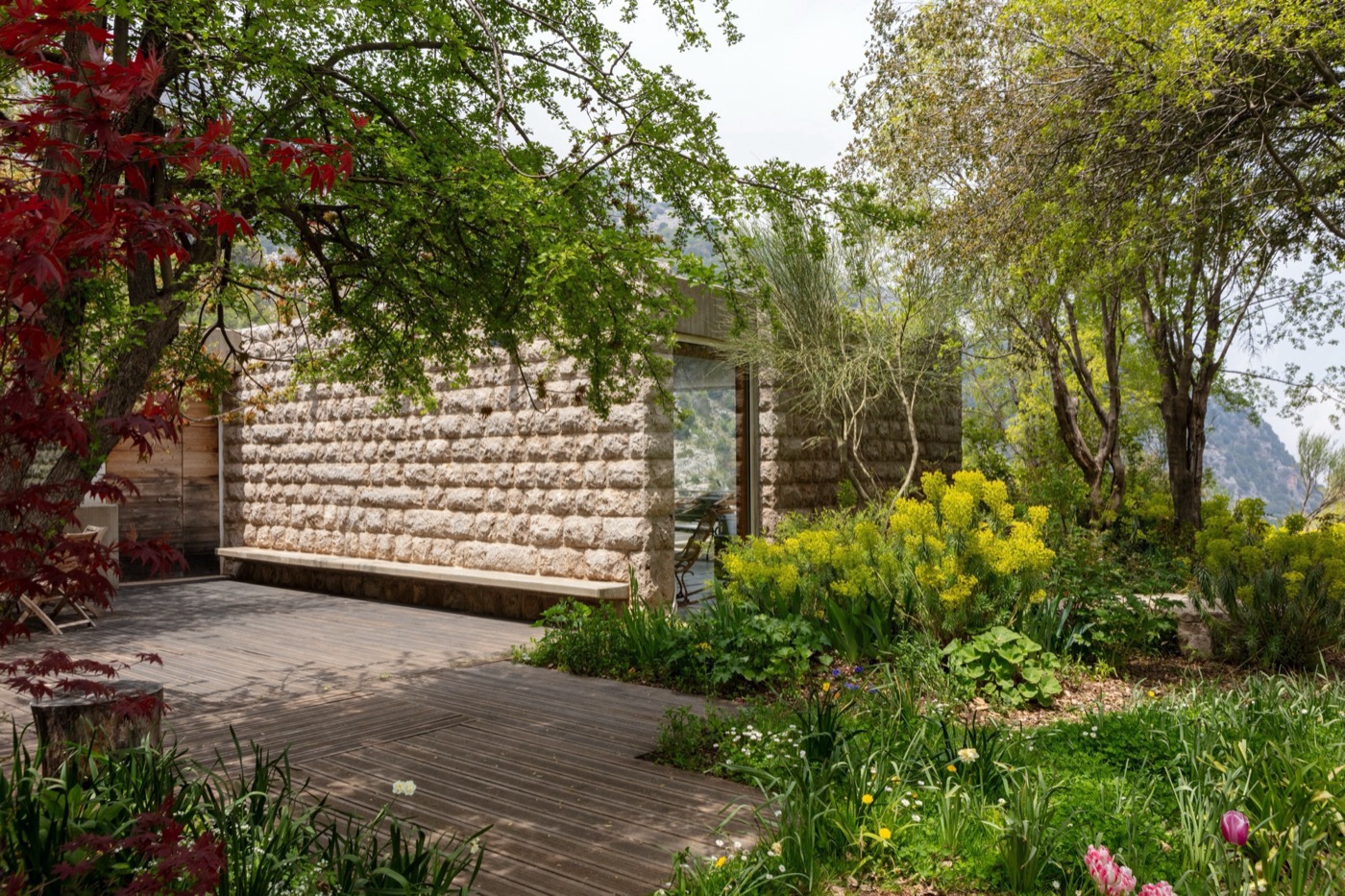
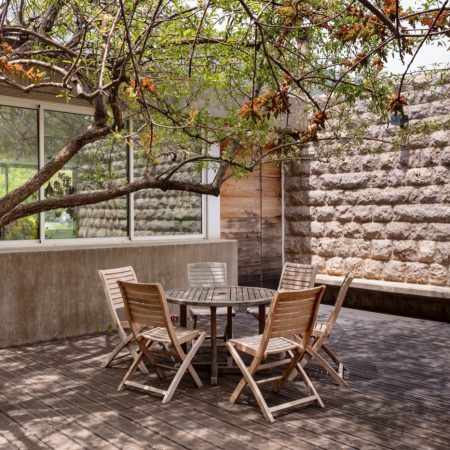
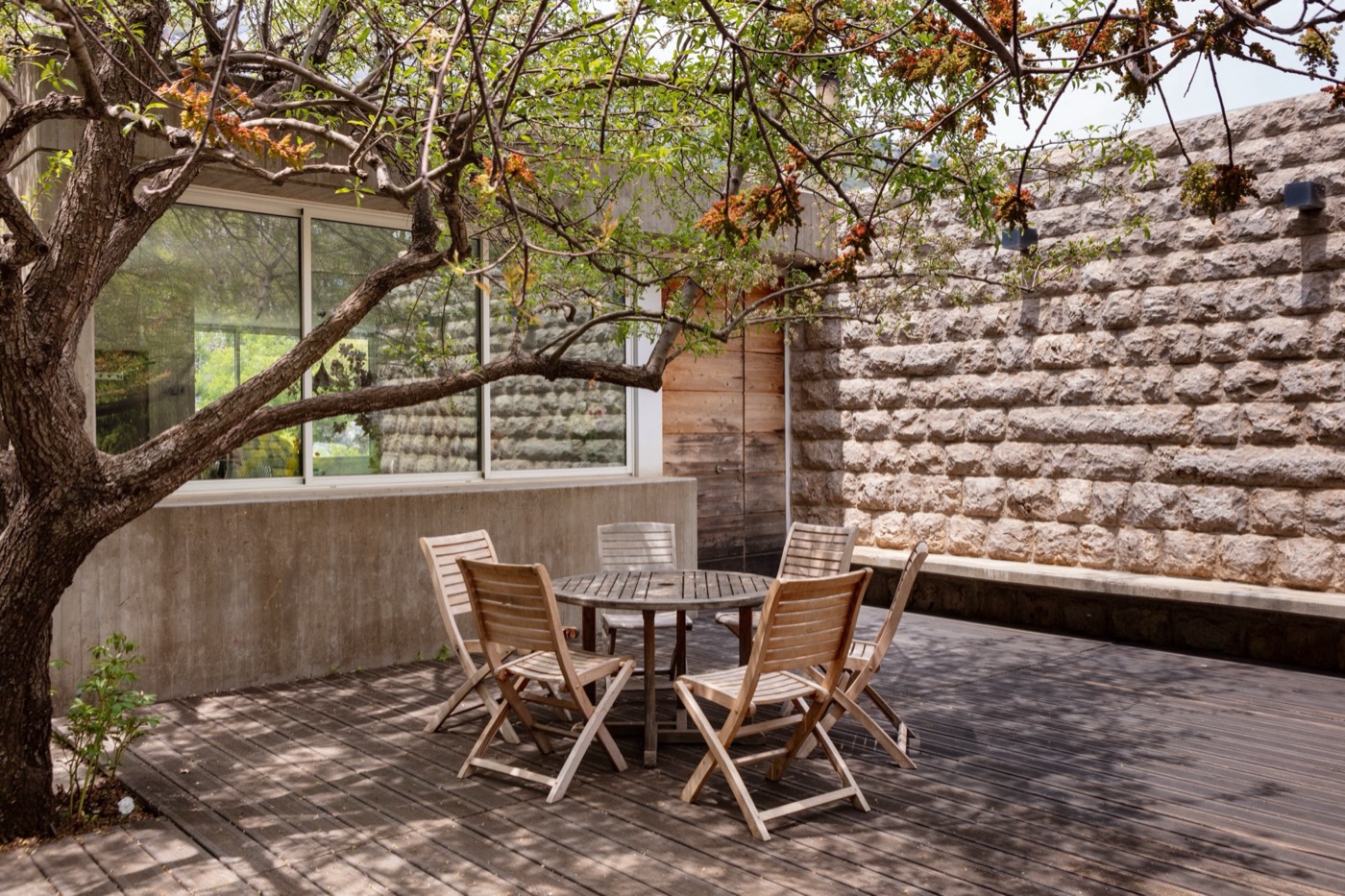
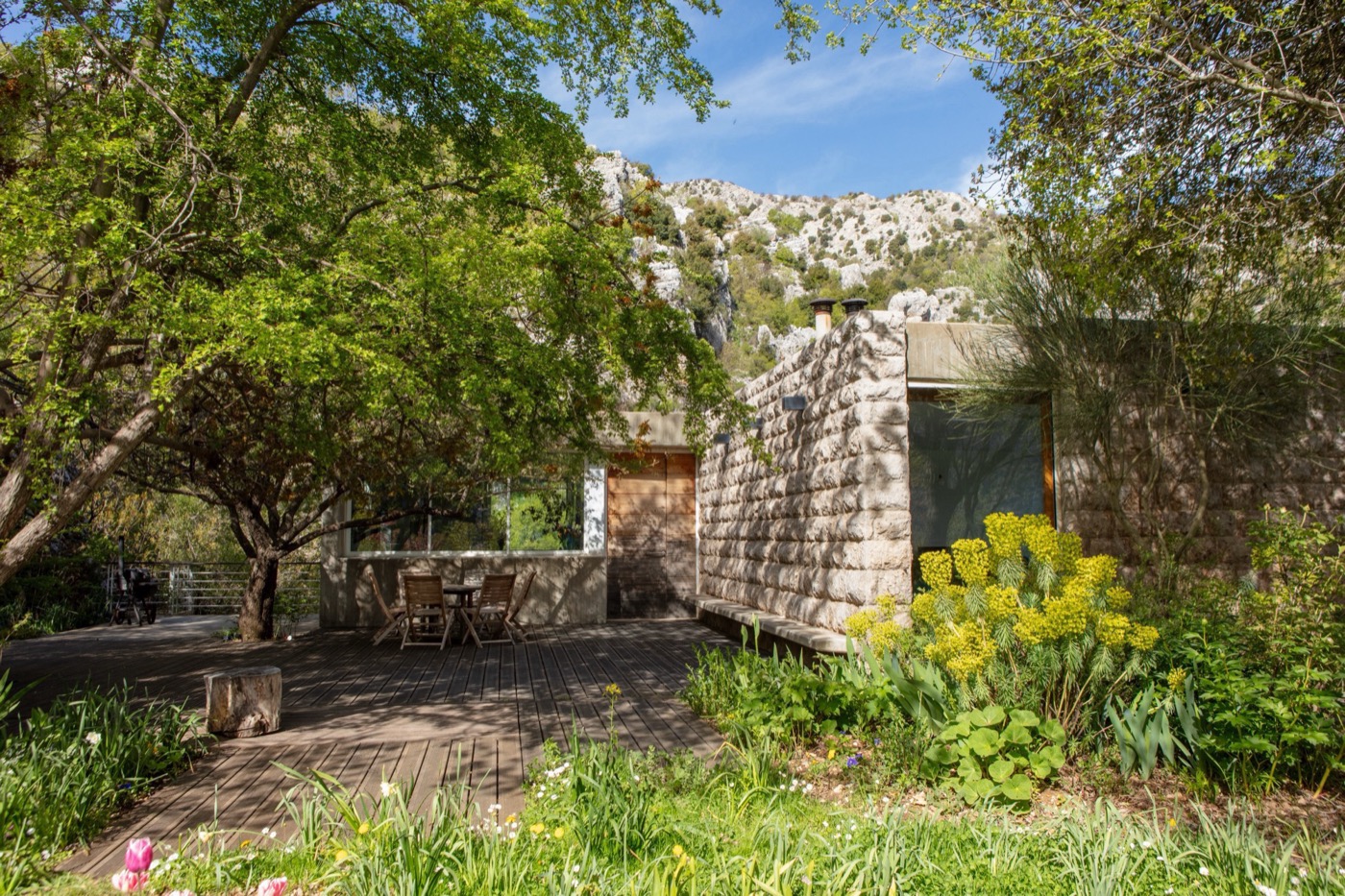
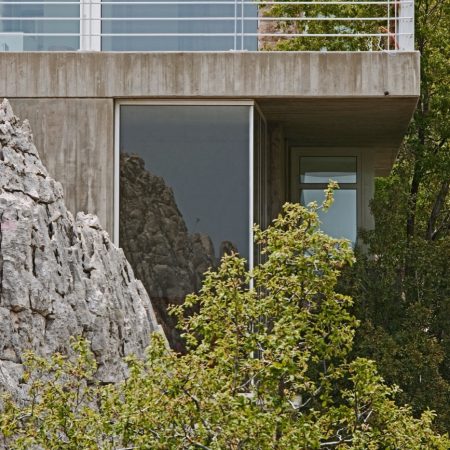
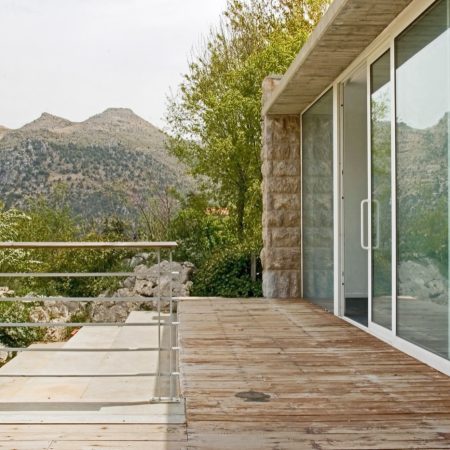
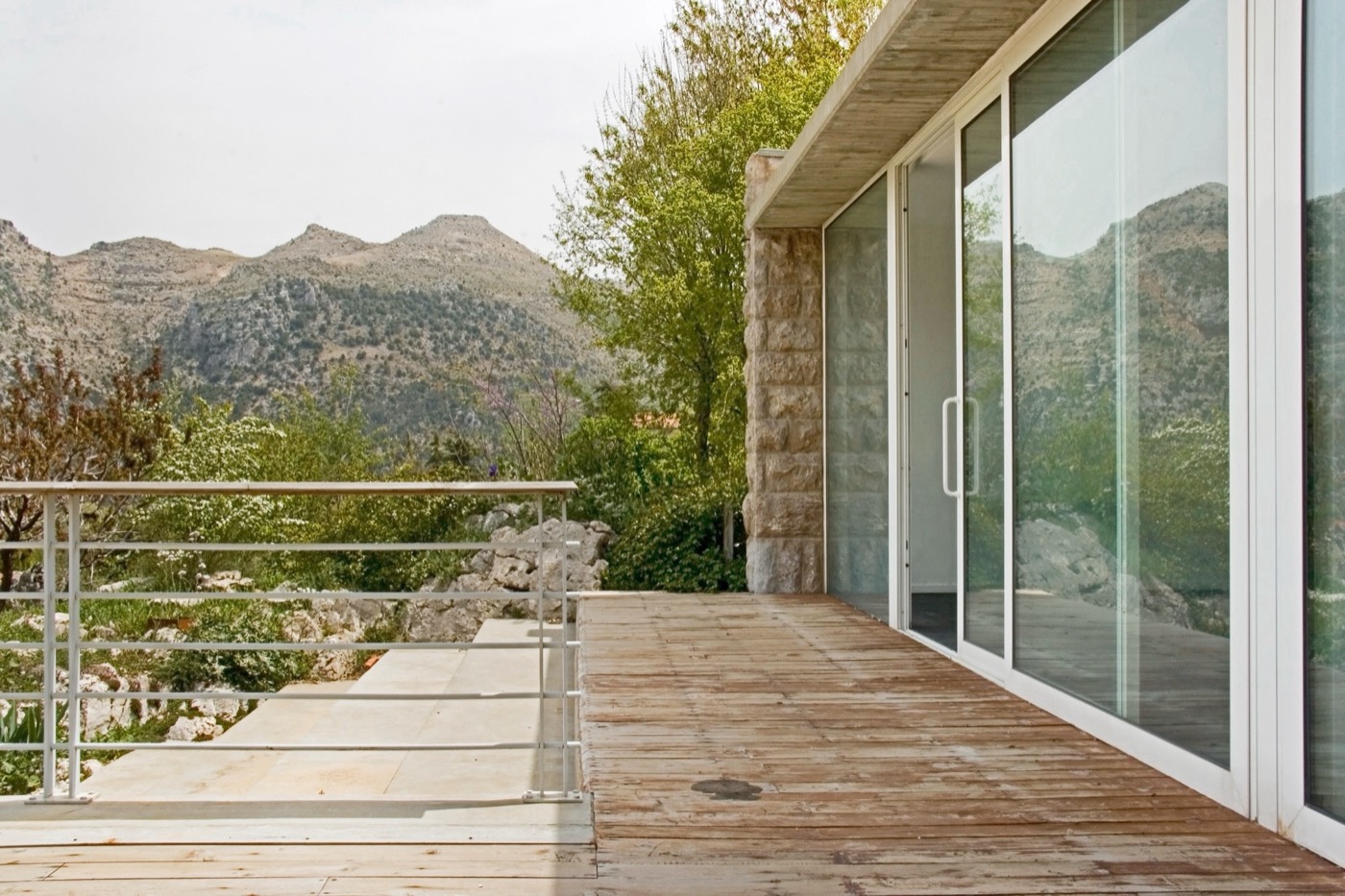
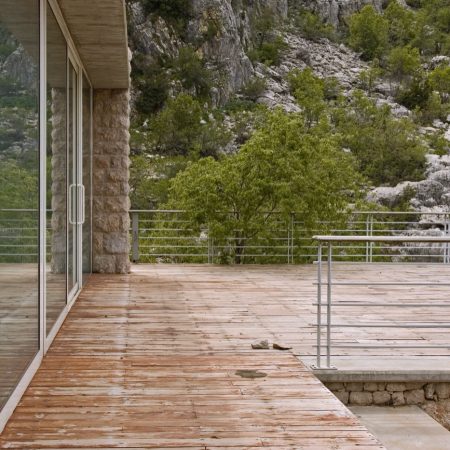
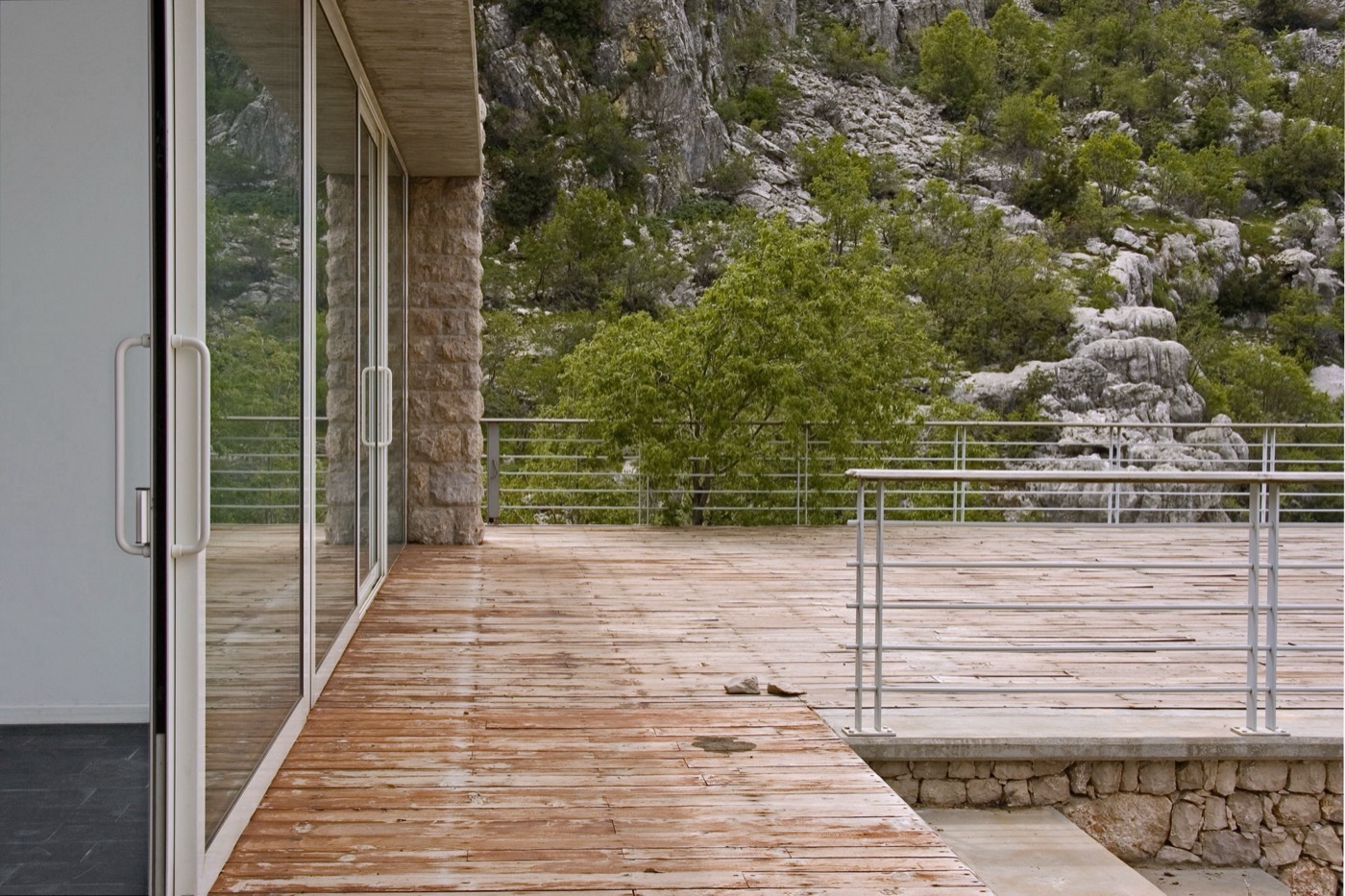
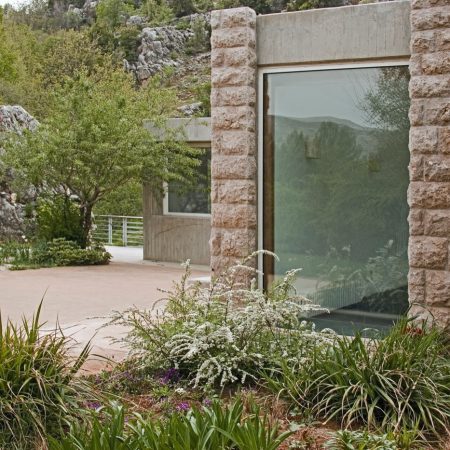
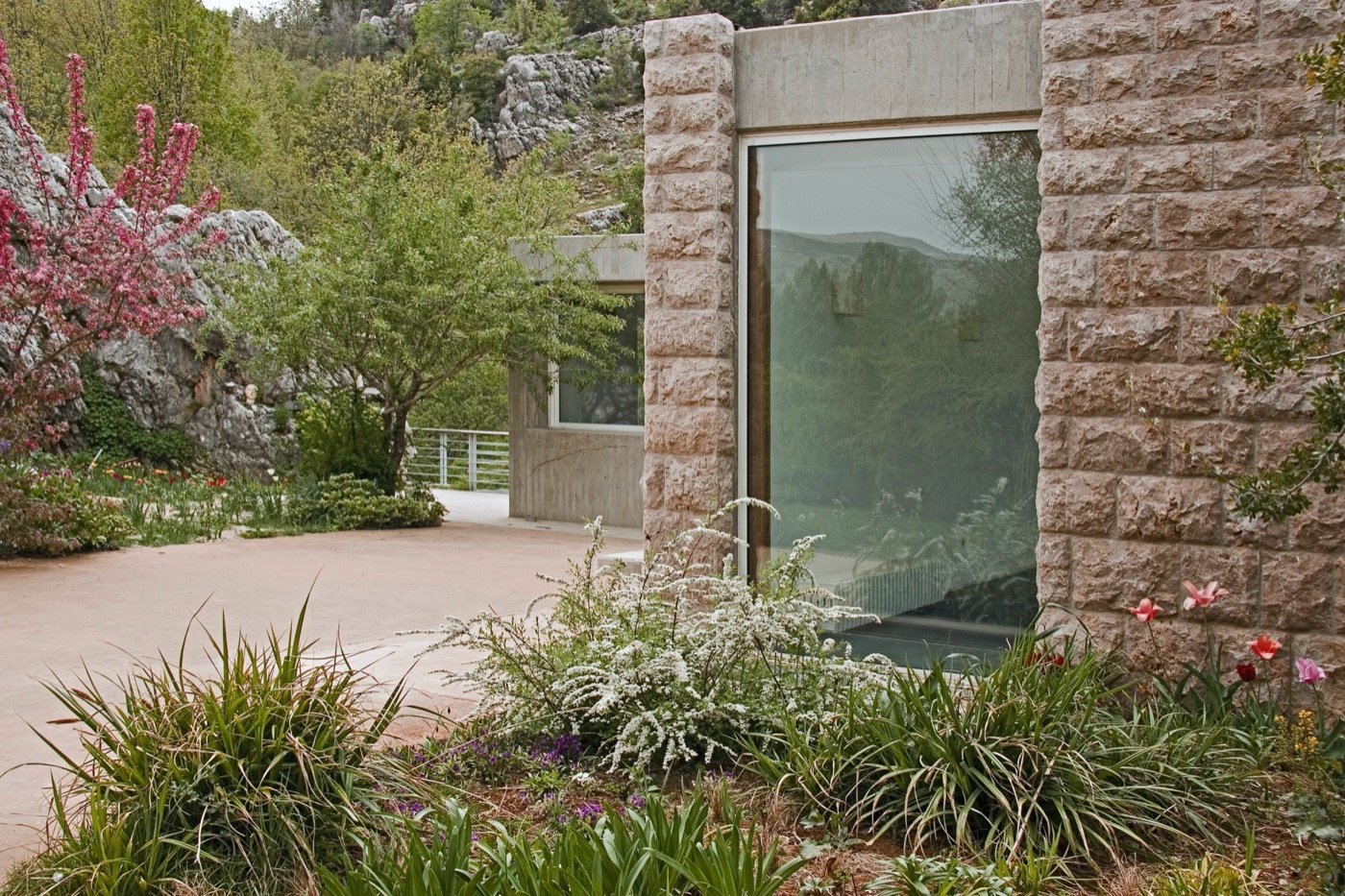
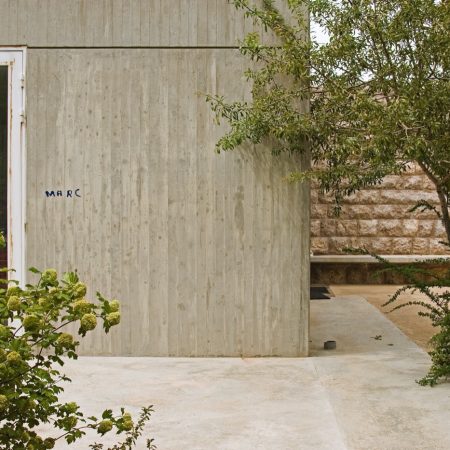
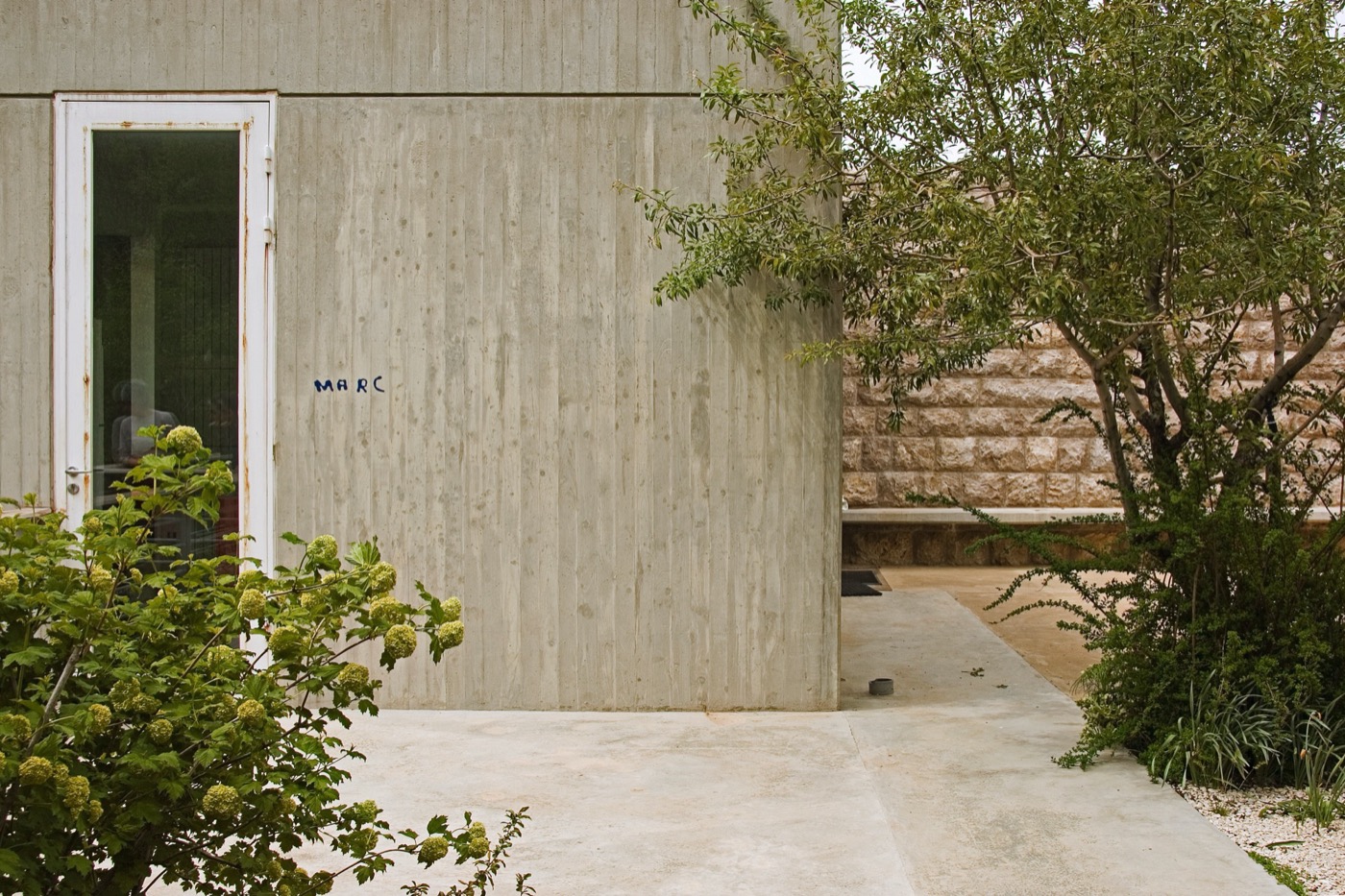
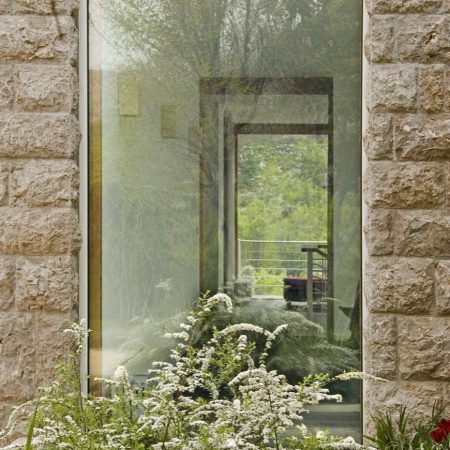
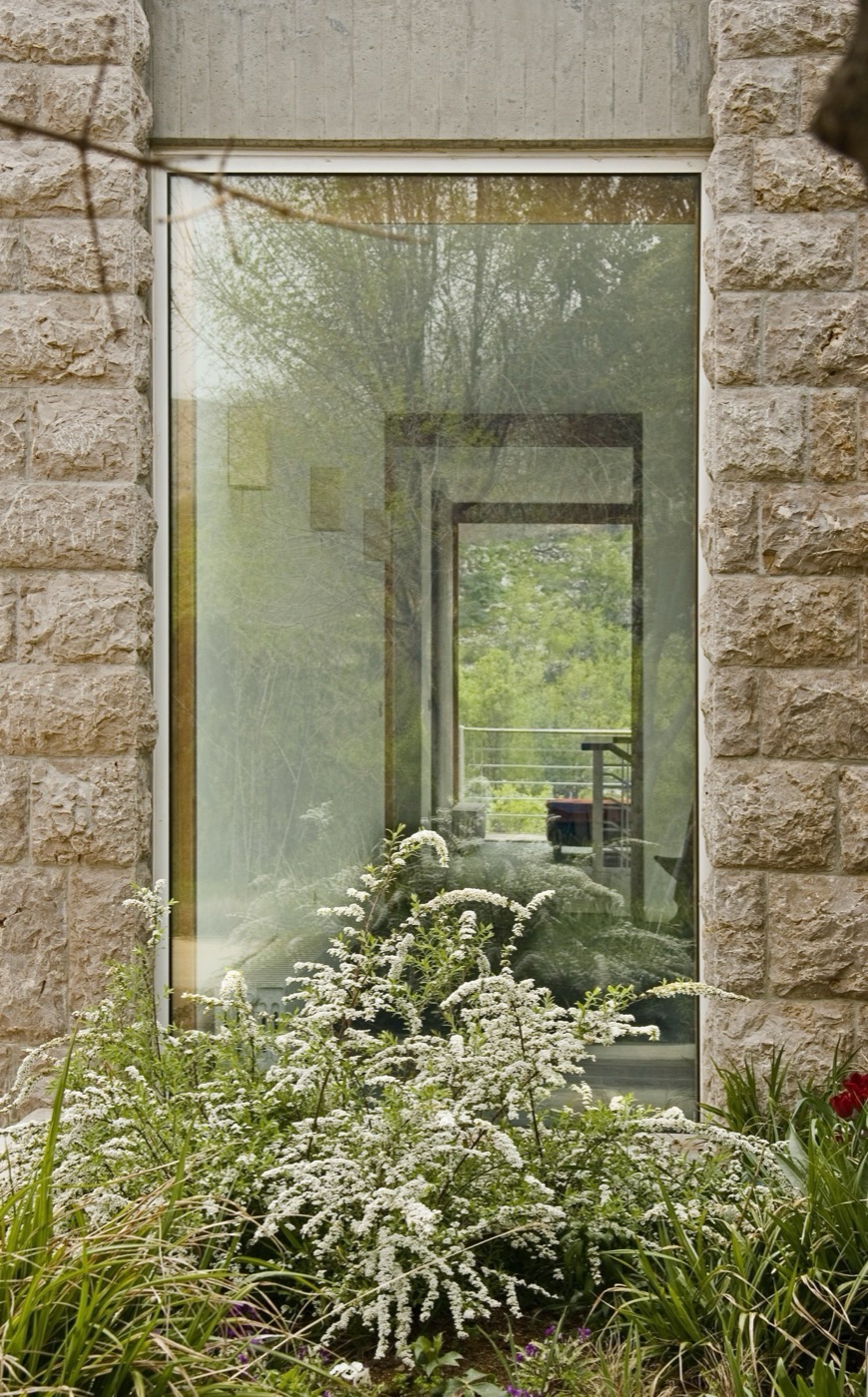
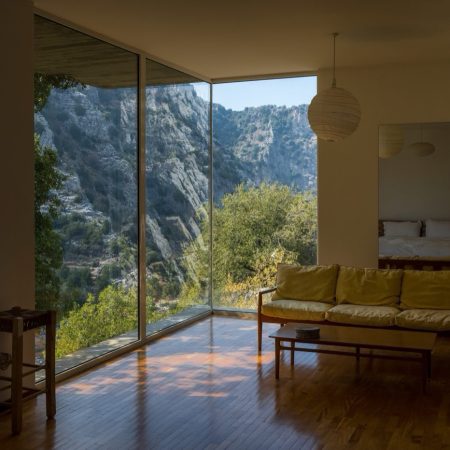
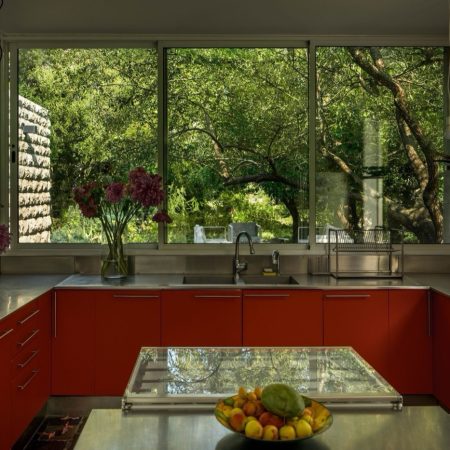
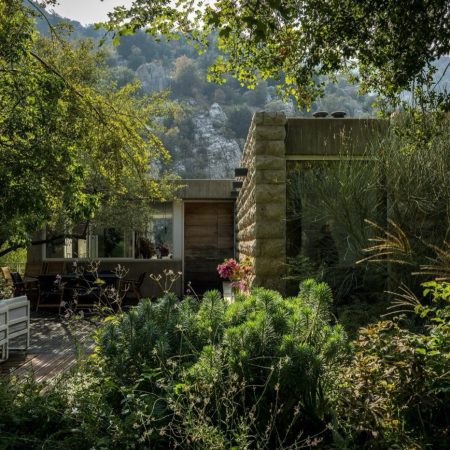
Its T-shaped plan organizes a sequence of exterior rooms with shifting atmospheres. To the east, toward the village, a simple stone volume articulates the entrance terrace and the kitchen, becoming the pivot of hospitality and gathering. To the west, toward the valley, the lower level in raw concrete preserves the intimacy of the bedrooms and secluded terraces. To the north, a wooden deck extends like the bow of a ship, opening the house to the mountain.
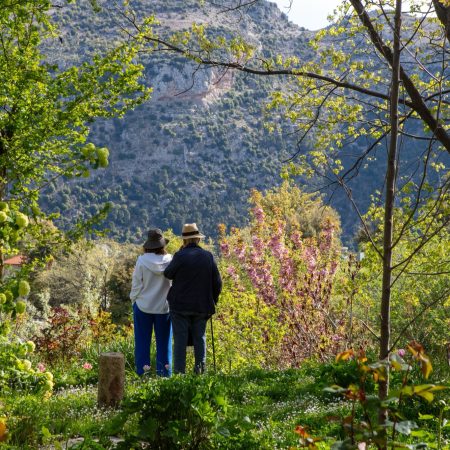
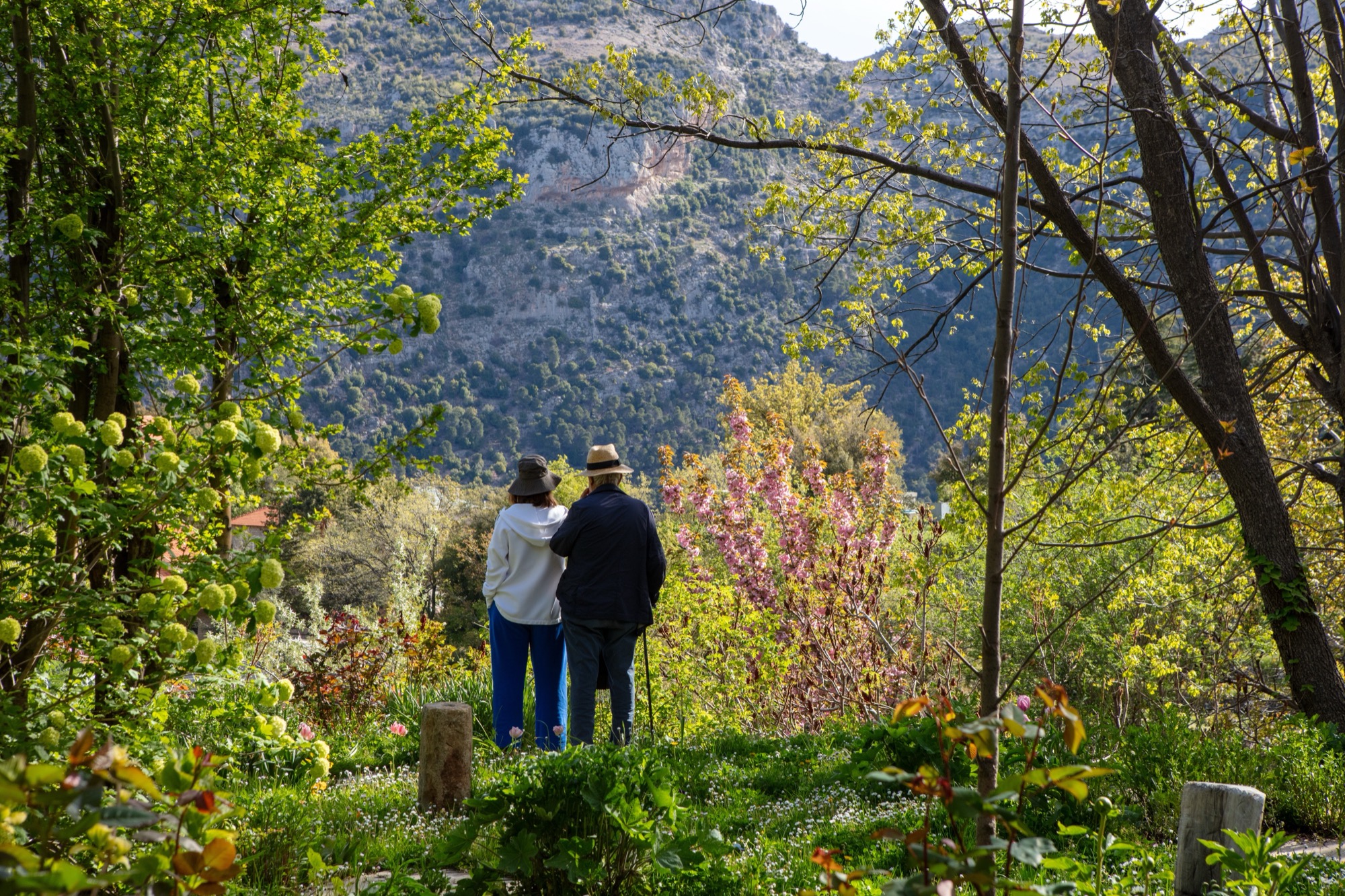
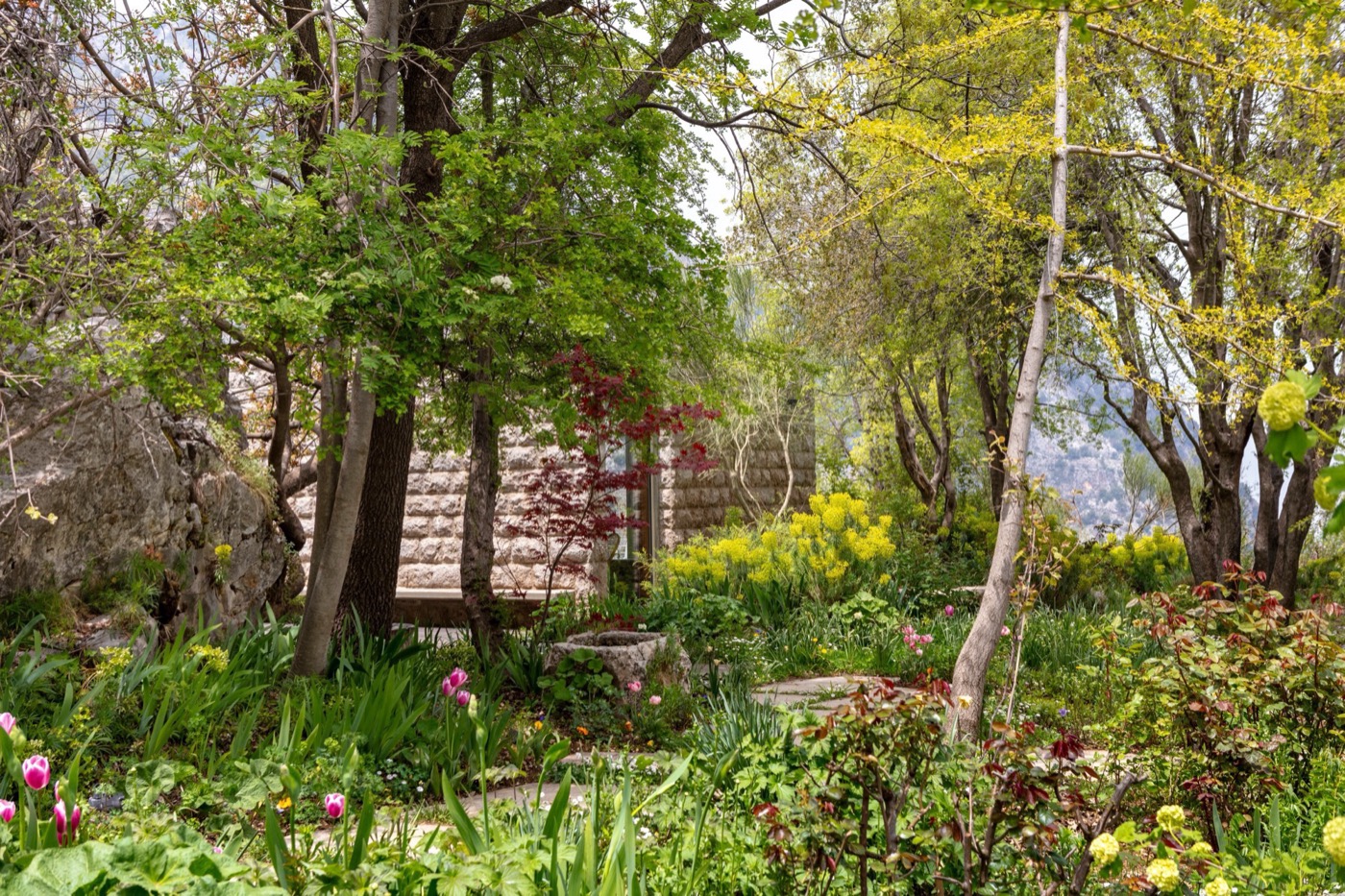
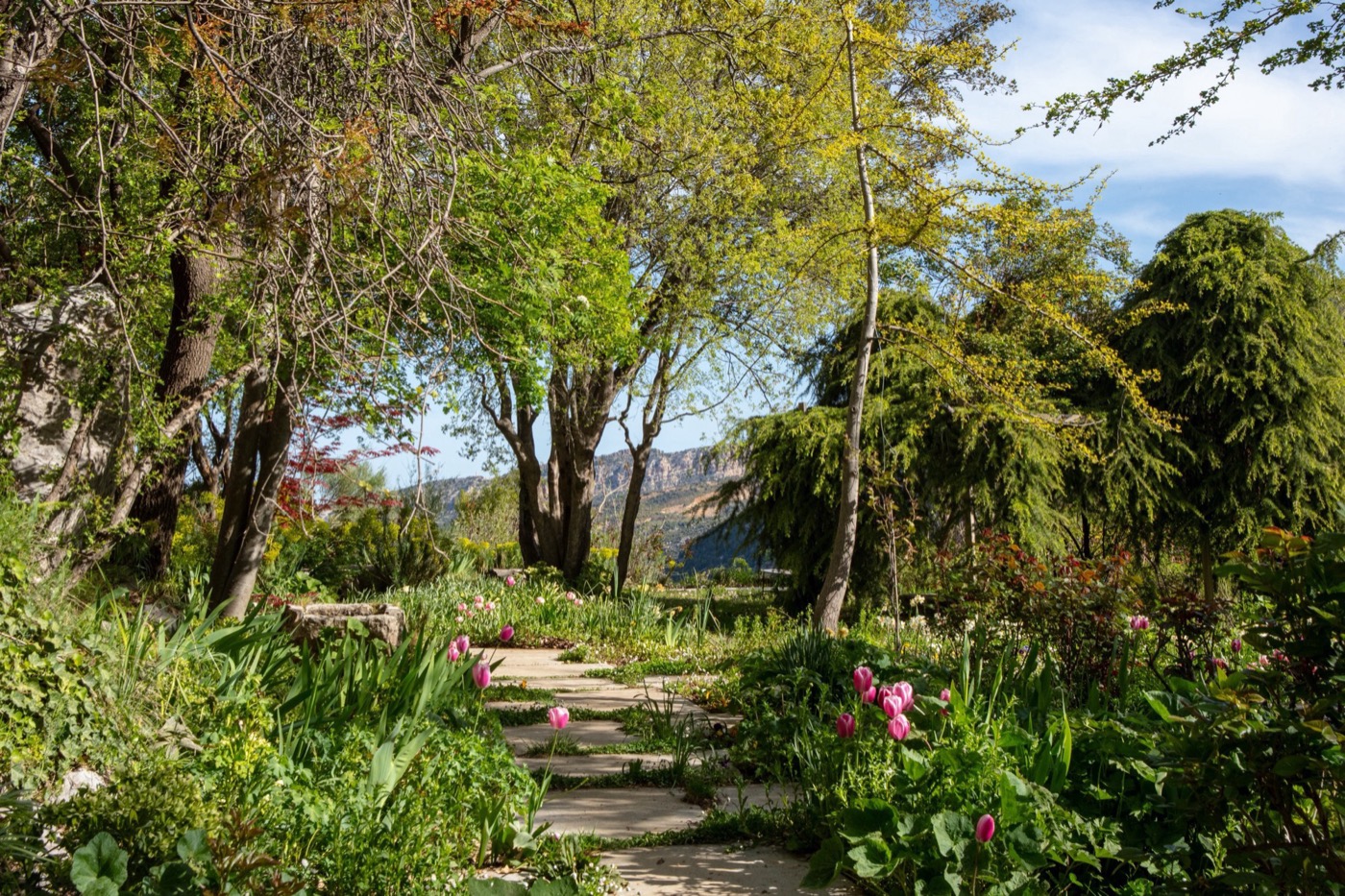
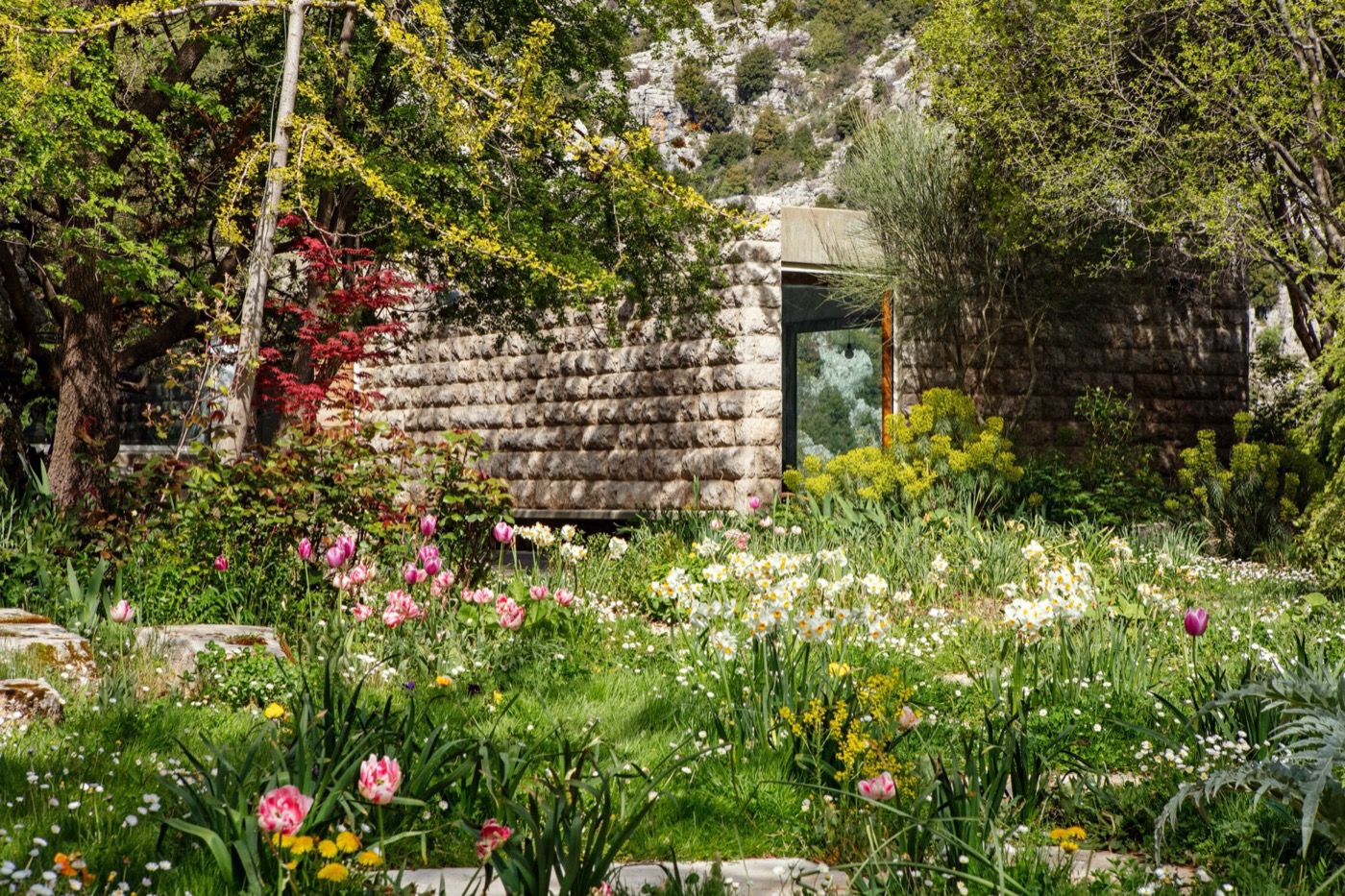
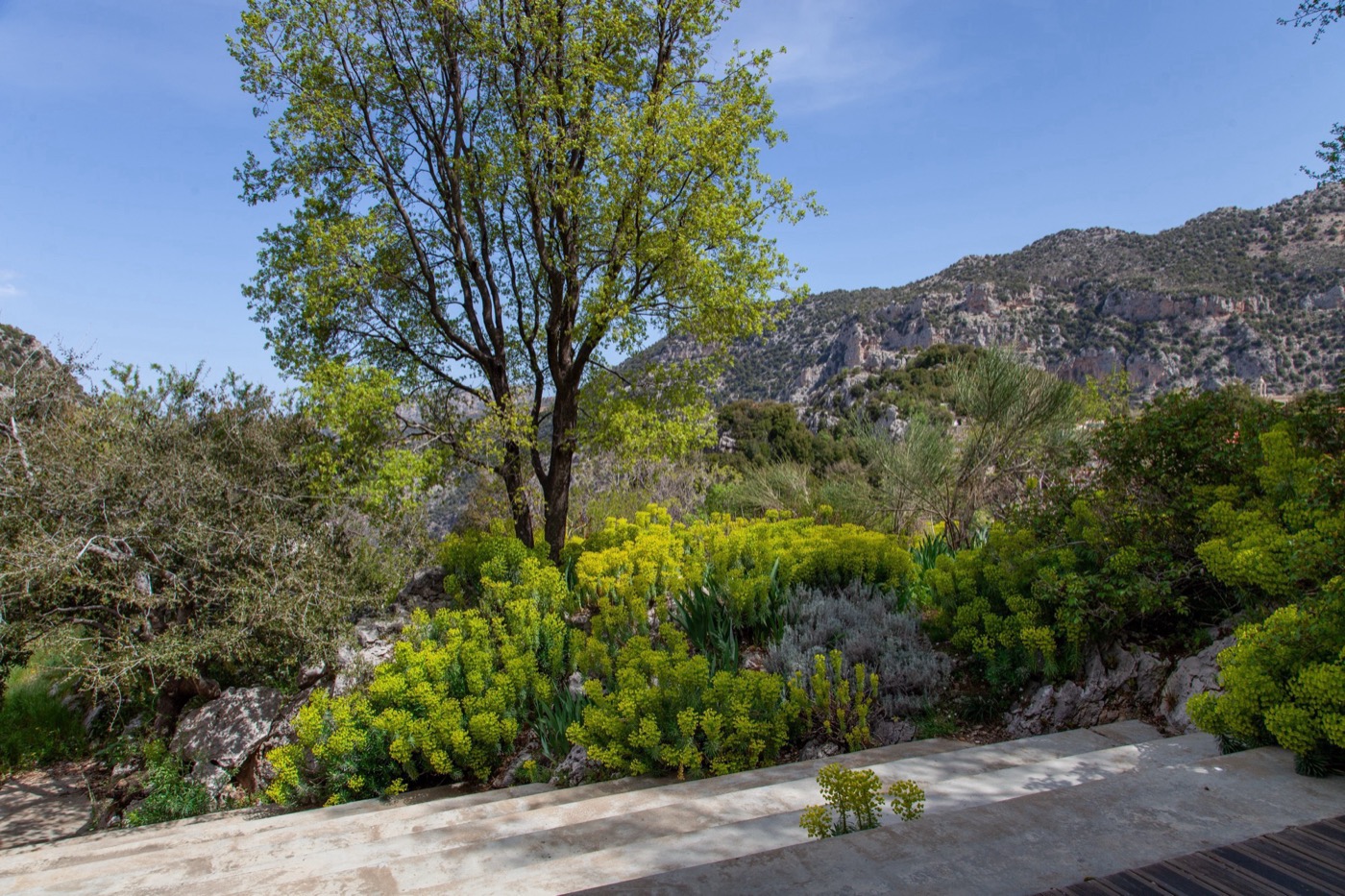
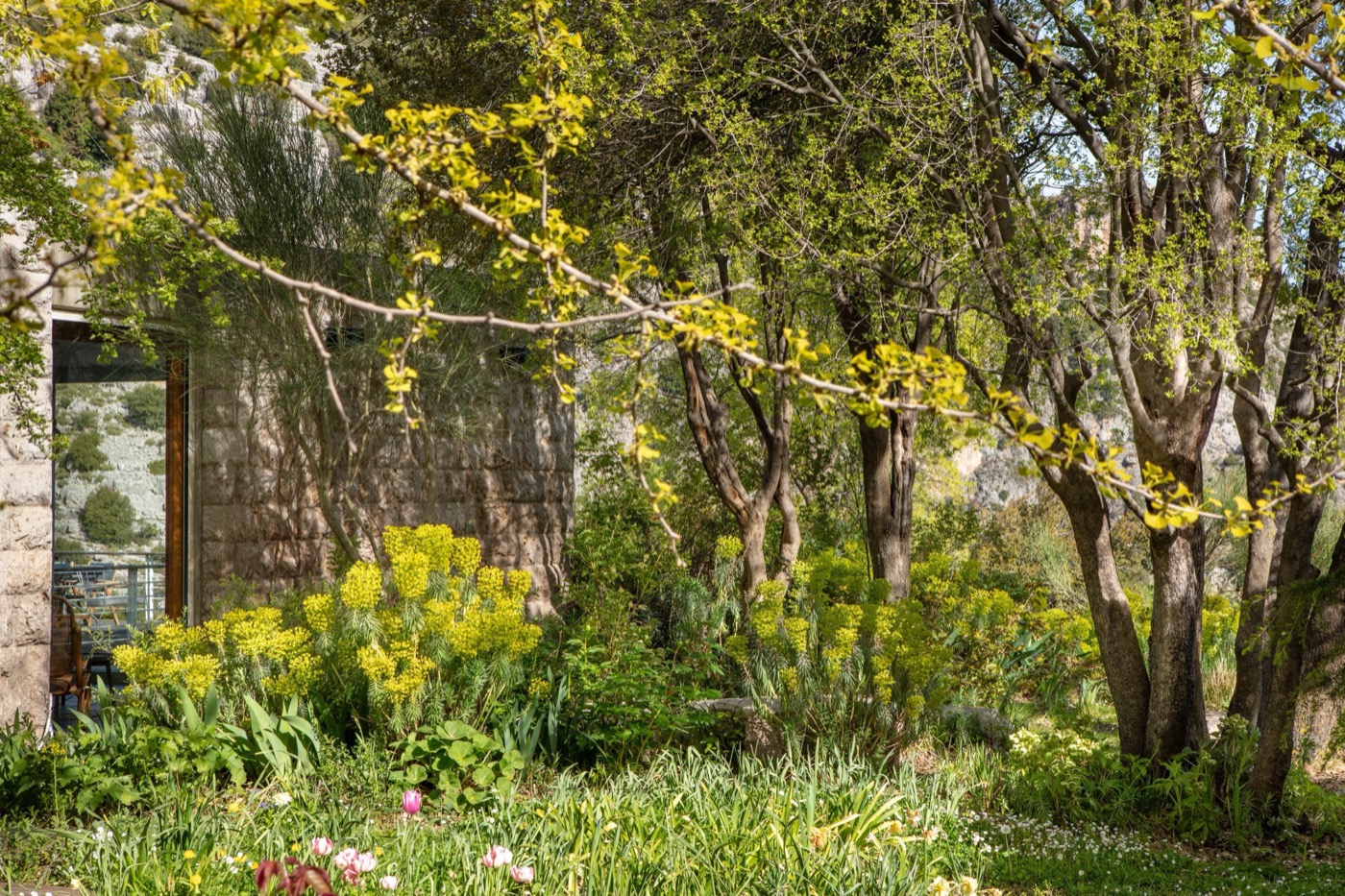
Around this architectural core, the garden has grown slowly, through accumulation and small touches, blending with the landscape of the mountain. Existing endemic trees were preserved during construction and now frame the house: almond, wild pear, bear plum, maple and pistachio trees. They have aged with quiet persistence, maintaining their rugged character.
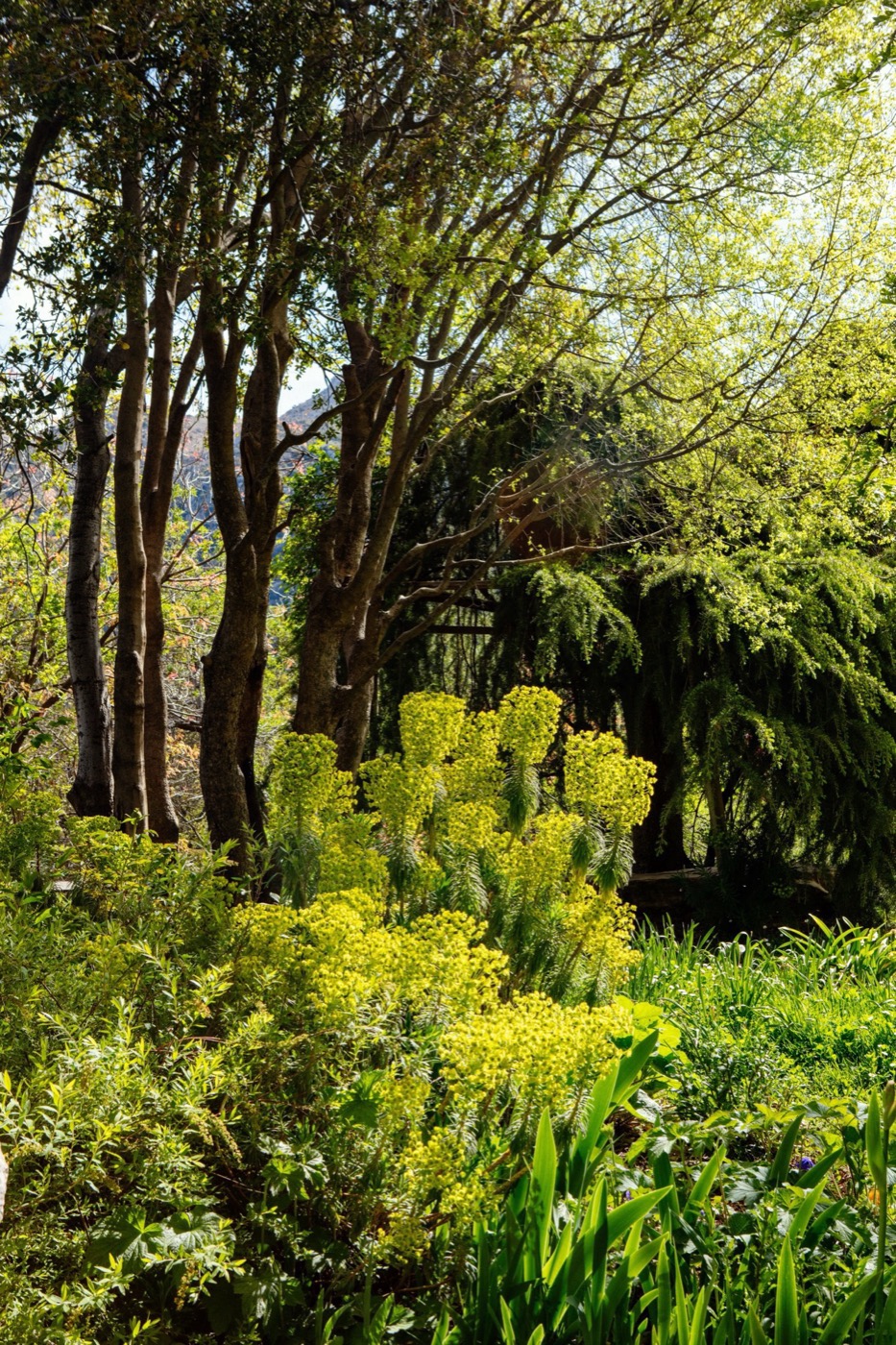
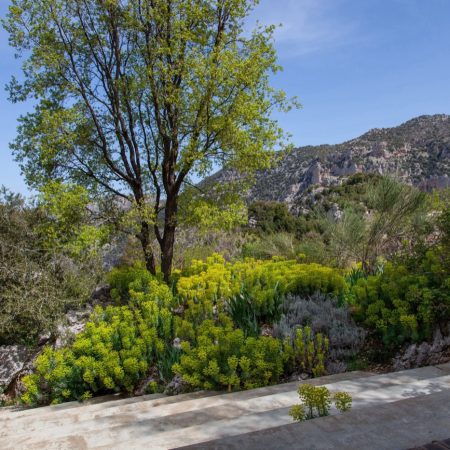
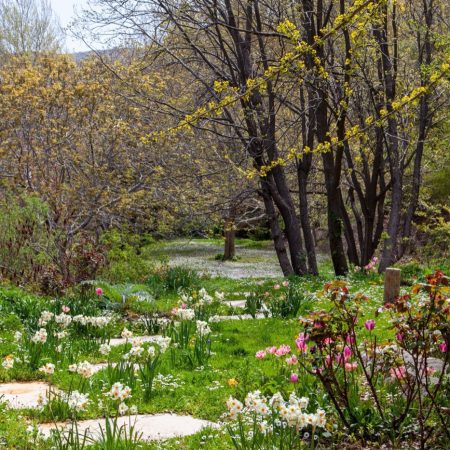
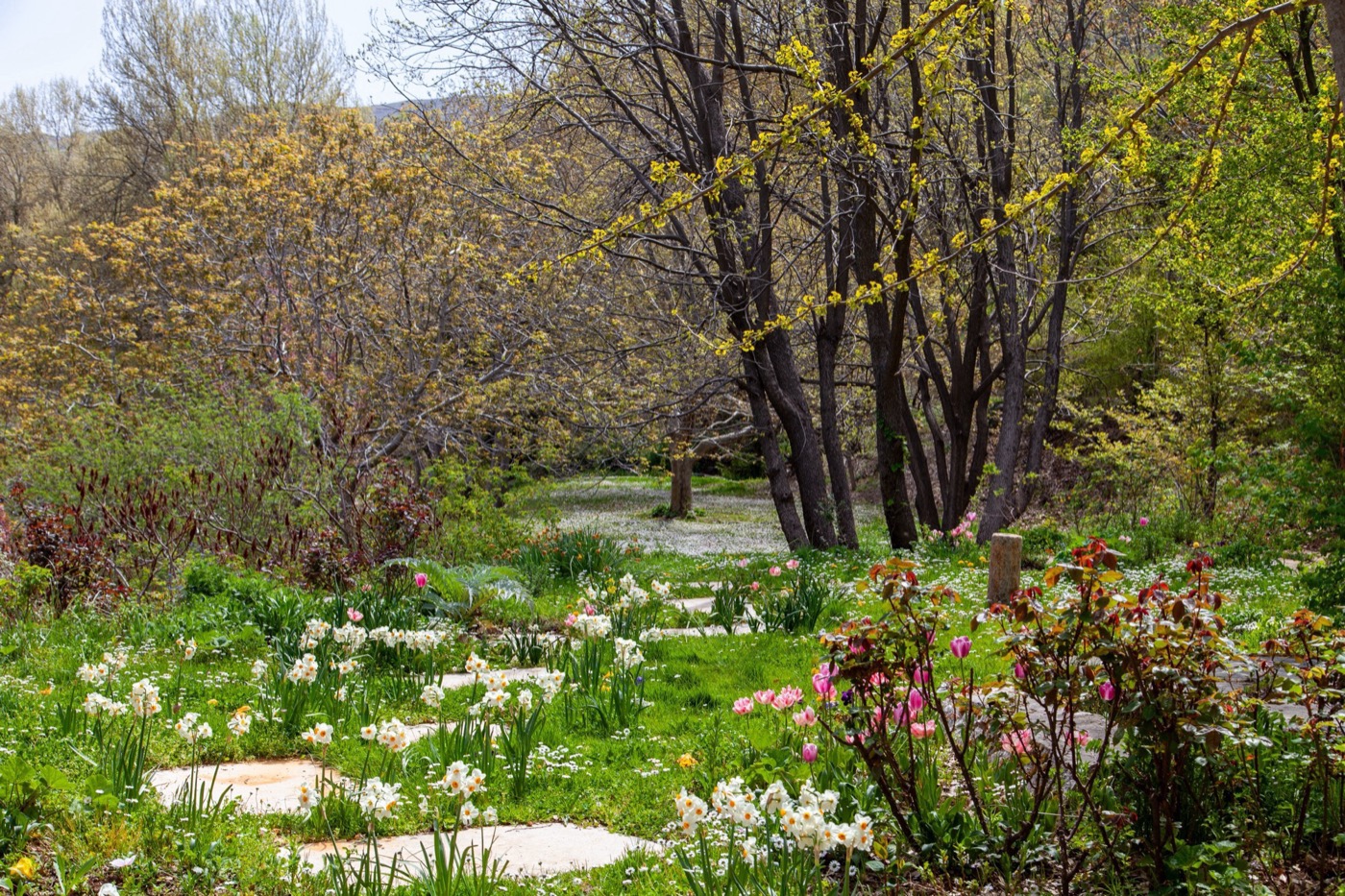
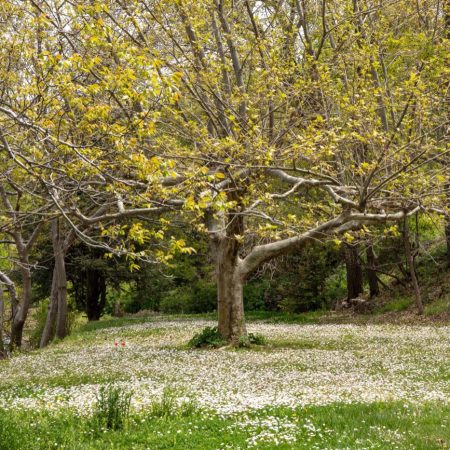
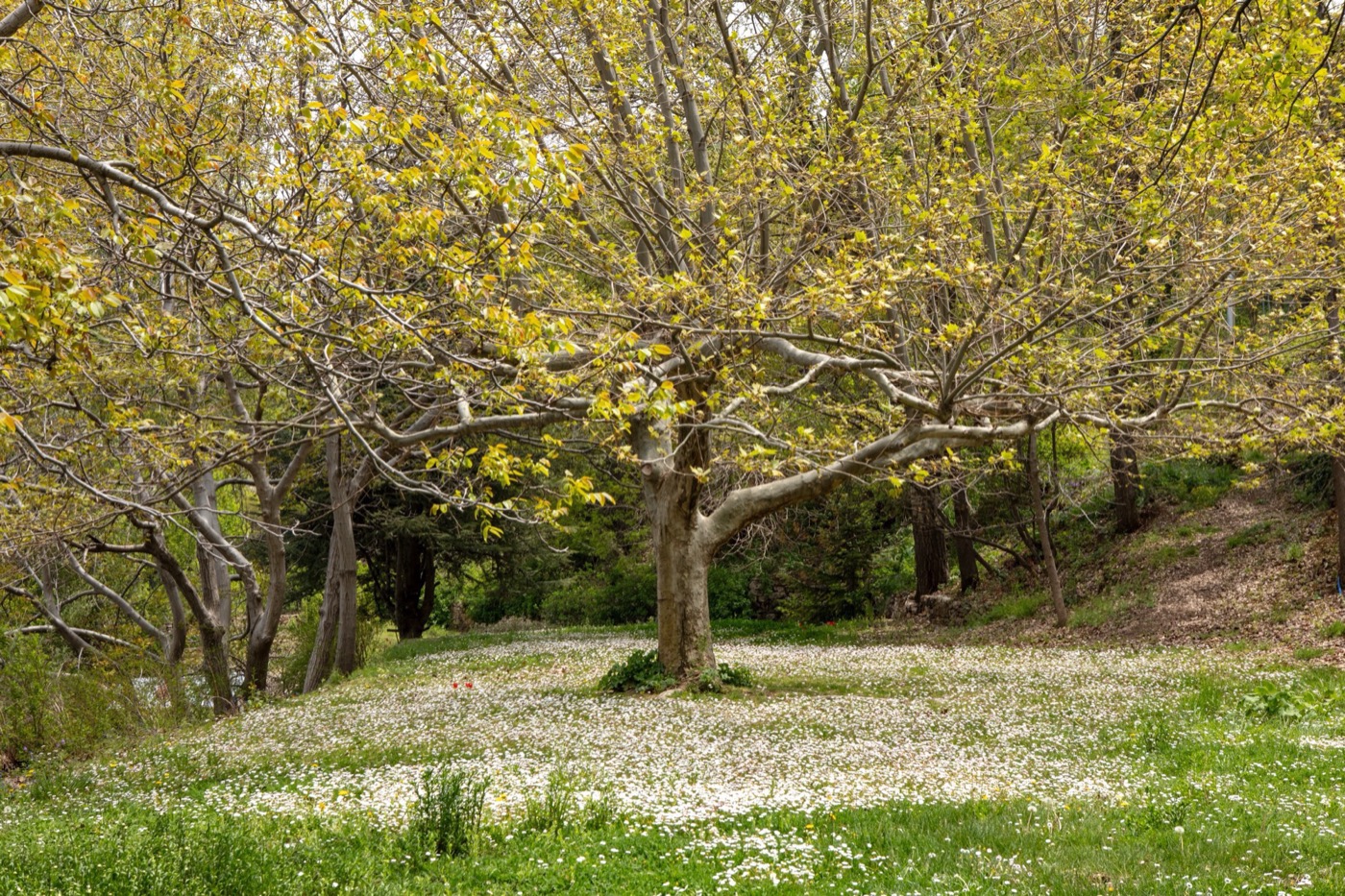
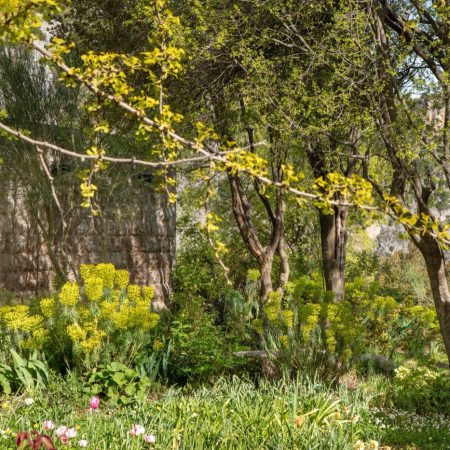
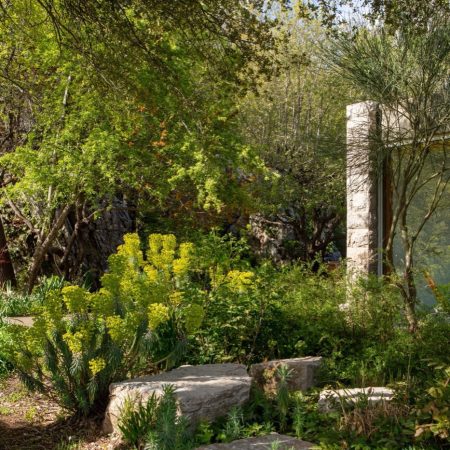
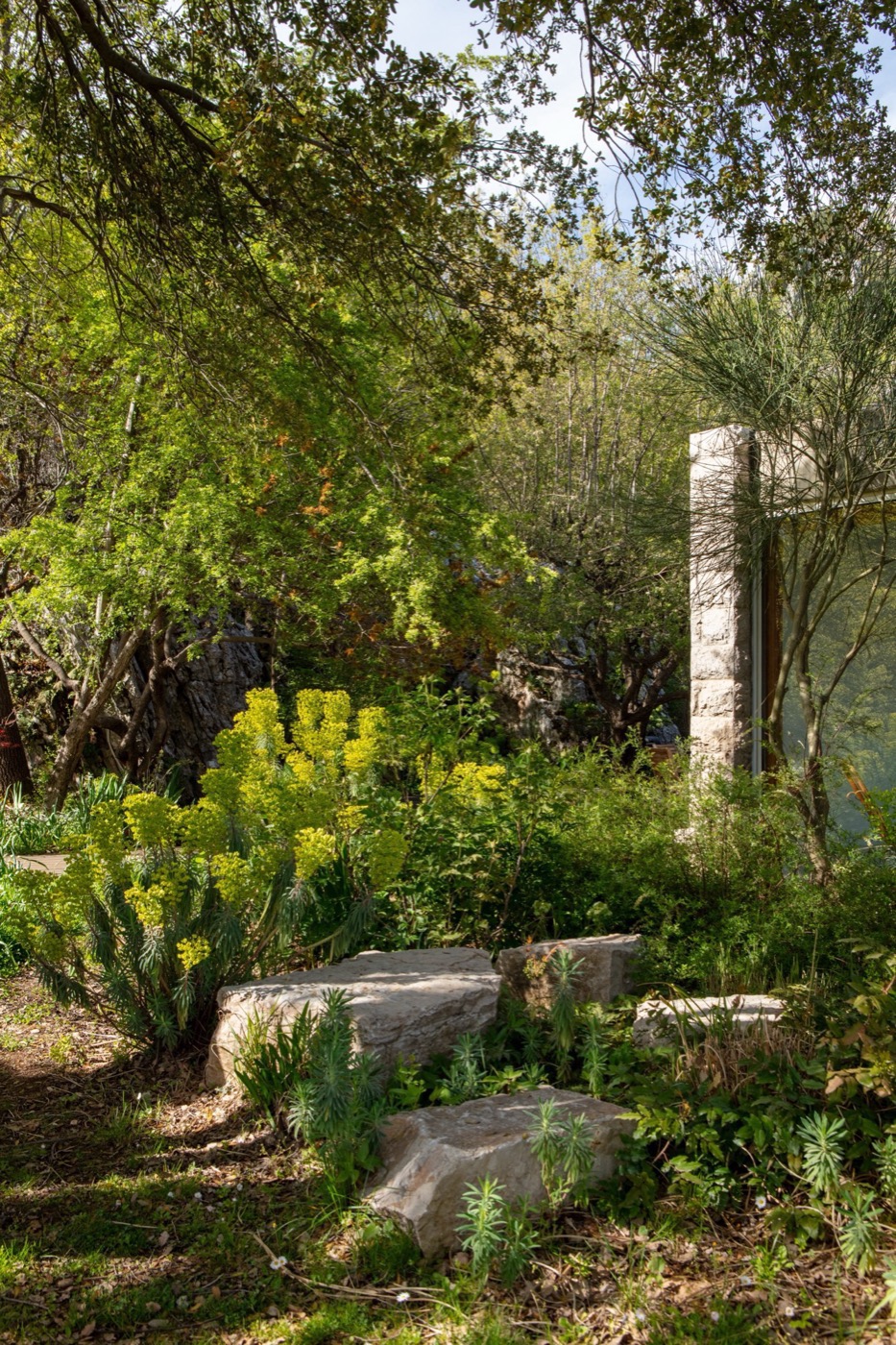
Over time, other species have arrived. A Spanish plane tree now shades a large terrace. ginkgo biloba, liquidambar, Japanese cherry, and maple trees introduce seasonal shifts and unexpected chromatic moments. A weeping cedar stands nearby, as if still carrying a silent grief. In spring, tulips and daffodils spread across the ground alongside wild daisies, while euphorbias weave between rocks and reused stone.
The house and its garden sit at the threshold between cultivated land and a wilder valley, inhabited by shepherds, squirrels, and wild boars that come at night to turn over the moist soil of the garden. Their disruptive presence contributes to a constant reworking of the garden, as the landscape is continuously reconfigured in response to their “interventions”.
Karm el Deir, a name evoking an orchard and a monastic landscape, is a place where architecture and landscape are inseparable, rooted in a family story. Two sisters—architect and horticulturist—have shaped this place over a quarter of a century, while raising their children in the garden. The project is less a fixed composition than an evolving territory, shaped through use, care, daily life, and continuous reconfiguration.
Credits:
Architecture: Hala Younes
Landscape: Rania Younes (Fleurs du Liban)
Photography: Gilbert Hage (April 2006 – May 2026), Sergei Ponomarev (April 2024)
https://maps.app.goo.gl/UZH3kkxp7tn29GP28
73662


LILA 2026 Sponsor