IKEA Copenhagen by 1:1 Landskab
www.1til1landskab.dk
2026 Landscape and Architecture / 2026 Public Projects / Denmark / Built in 2023 /
![In our digital age the Discovery Site of Trundholm Sun Chariot offers a physical engaging and analog alternative way of teaching about one of the most significant finds in Danish and European archeological history. It activates an area on the local nature’s terms. The discovery site of the Trundholm Sun Chariot has thus far been […]](https://landezine-award.com/wp-content/uploads/2023/05/00-Sun-Chariot-3-600x400.jpg "The Discovery Site of the Sun Chariot")
![Even though the sun is high in the sky the air around you feel cool as you sit it in the shade of a small tree. Everything around you explodes in color: green, purple, light blue, red, yellow, orange. The scents of the purple-flowering plants on the on the terrace itself and the sunset-colored flowers […]](https://landezine-award.com/wp-content/uploads/2023/05/00-NY_OESTERGADE_30_KOEBNHAVN_K_20220608_TH_0020-600x450.jpg "Area Aviae Meae – Rooftop Garden Ny Østergade")
![A worn down ‘non-place’, absent on the locals mental city map has been transformed into a modern urban space with a luminous landmark. Smedetoften is a residential area in the centre of Copenhagens Nordvest district with almost no outdoor meeting places. 1:1 Landskab help change that. As part of a municipality led urban renewal project […]](https://landezine-award.com/wp-content/uploads/2022/05/Smedetoften-1-600x349.jpg "Smedetoften")
![OBJECTIVES Designed by the Danish landscapearchitect office 1:1 LANDSKAB, Scandiagade is an innovative cloudburst project situated one of the most densely populated residential neighbourhoods in the southern region of Copenhagen. The centrally located Scandiagade was originally a worn-down and in many ways overlooked area. It was a green area that appeared un-inviting, empty and without proper functions. Key objectives has been to provide […]](https://landezine-award.com/wp-content/uploads/2020/04/00-Recreative-yellow-pathway-600x360.jpg "Scandiagade")
![MOTIVATION Guldbergs Plads is located in the busy part of Nørrebro, central Copenhagen. The site was subject to some much needed urban regeneration in order to revitalize the public space. As many different needs and challenges needed to be negotiated at the site, the landscape architectural approach was to develop one, clear landscape concept – […]](https://landezine-award.com/wp-content/uploads/2017/05/Main-photo-600x400.jpg "Guldberg’s Square")
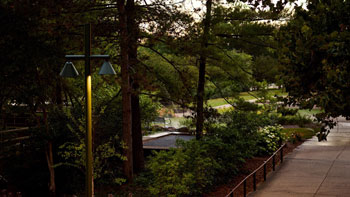
When you think of a warehouse, what comes to mind? Probably not city life and urban nature. But those are precisely the two things you will find on the roof of IKEA Copenhagen. On top of the department store, 1:1 Landscape has designed an urban park.
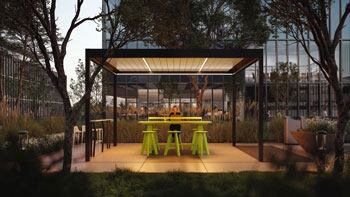
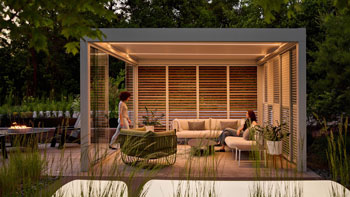
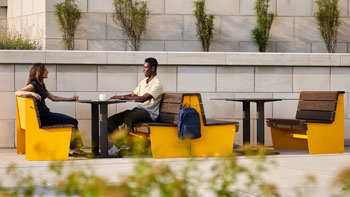
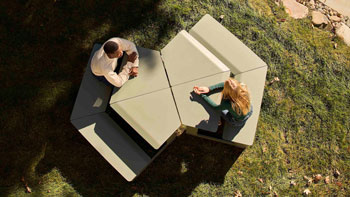
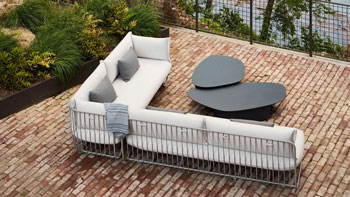
The store is located in the middle of the hectic traffic hub at Dybbølsbro. The park provides a breathing space in a busy traffic area for both people and nature. IKEA, as well as the City of Copenhagen, demanded that the urban space should have room for city life and urban nature. It was a local planning requirement that the area become part of The Green Path, a now almost complete park route across the city’s rooftops. IKEA wanted outdoor dining and seating. Both developer and the municipality required that the roof garden be green and lush. An important part of IKEA’s city concept was to create a modern department store that gives back to the city and becomes part of Copenhagen.
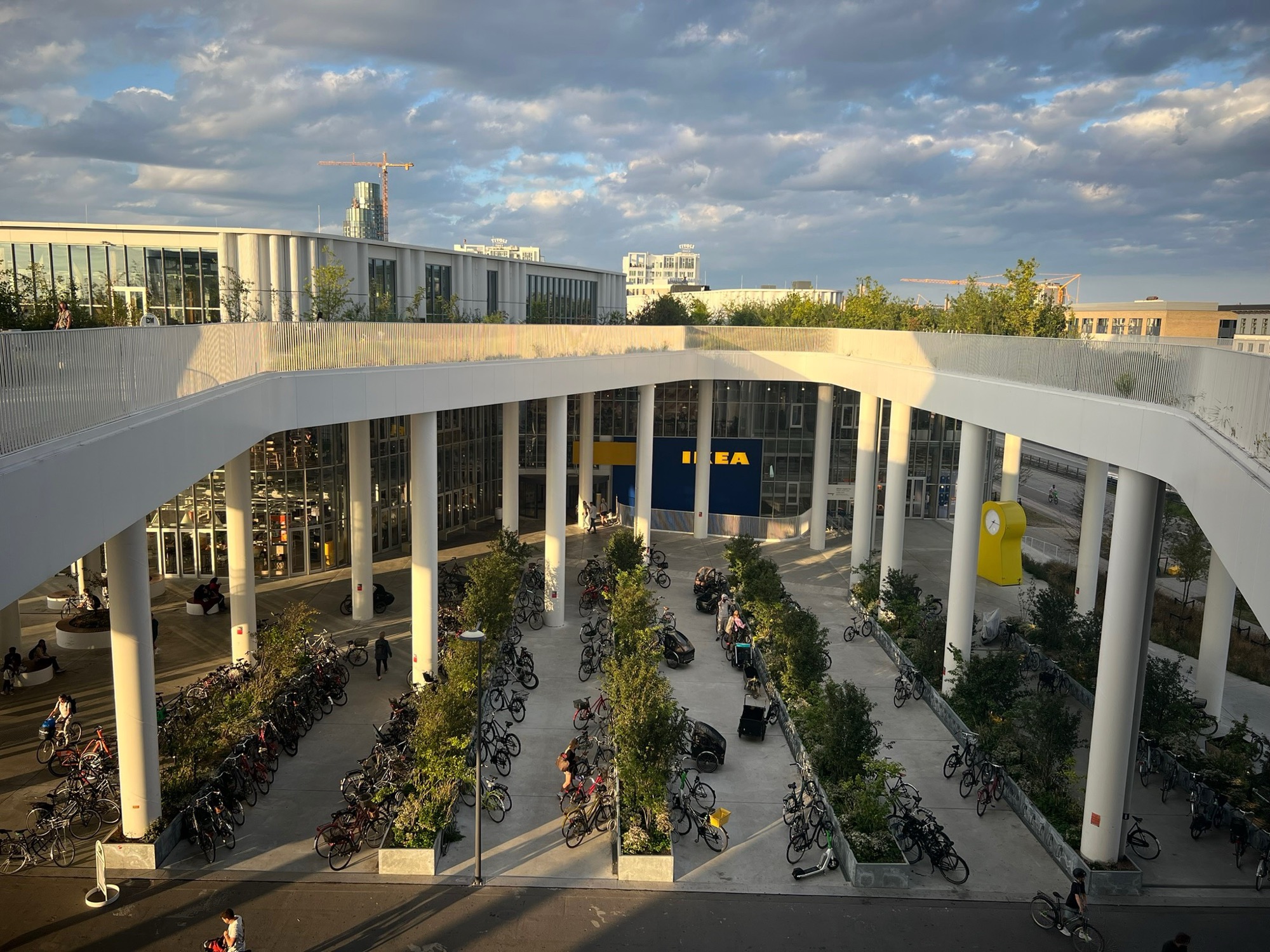
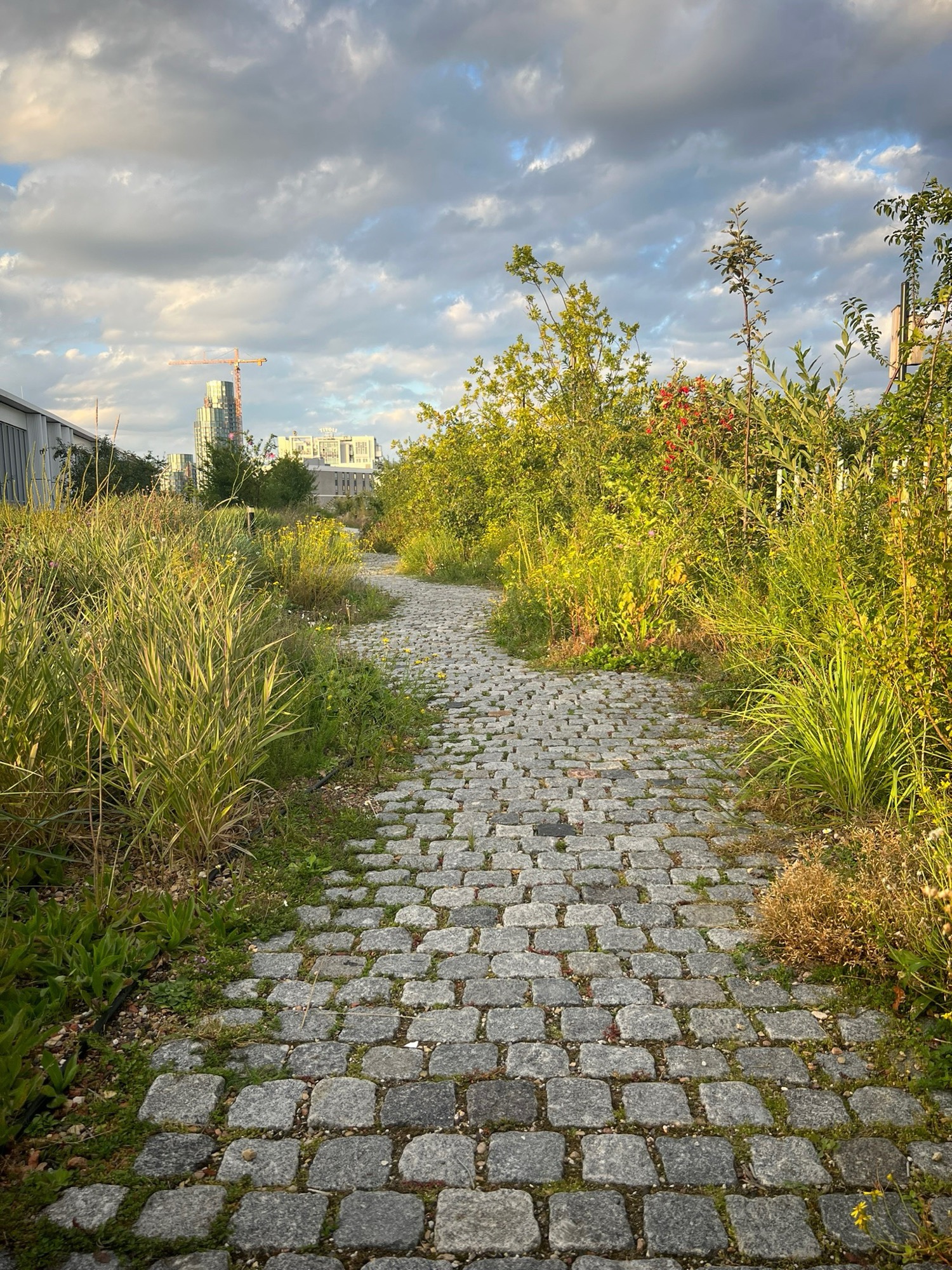
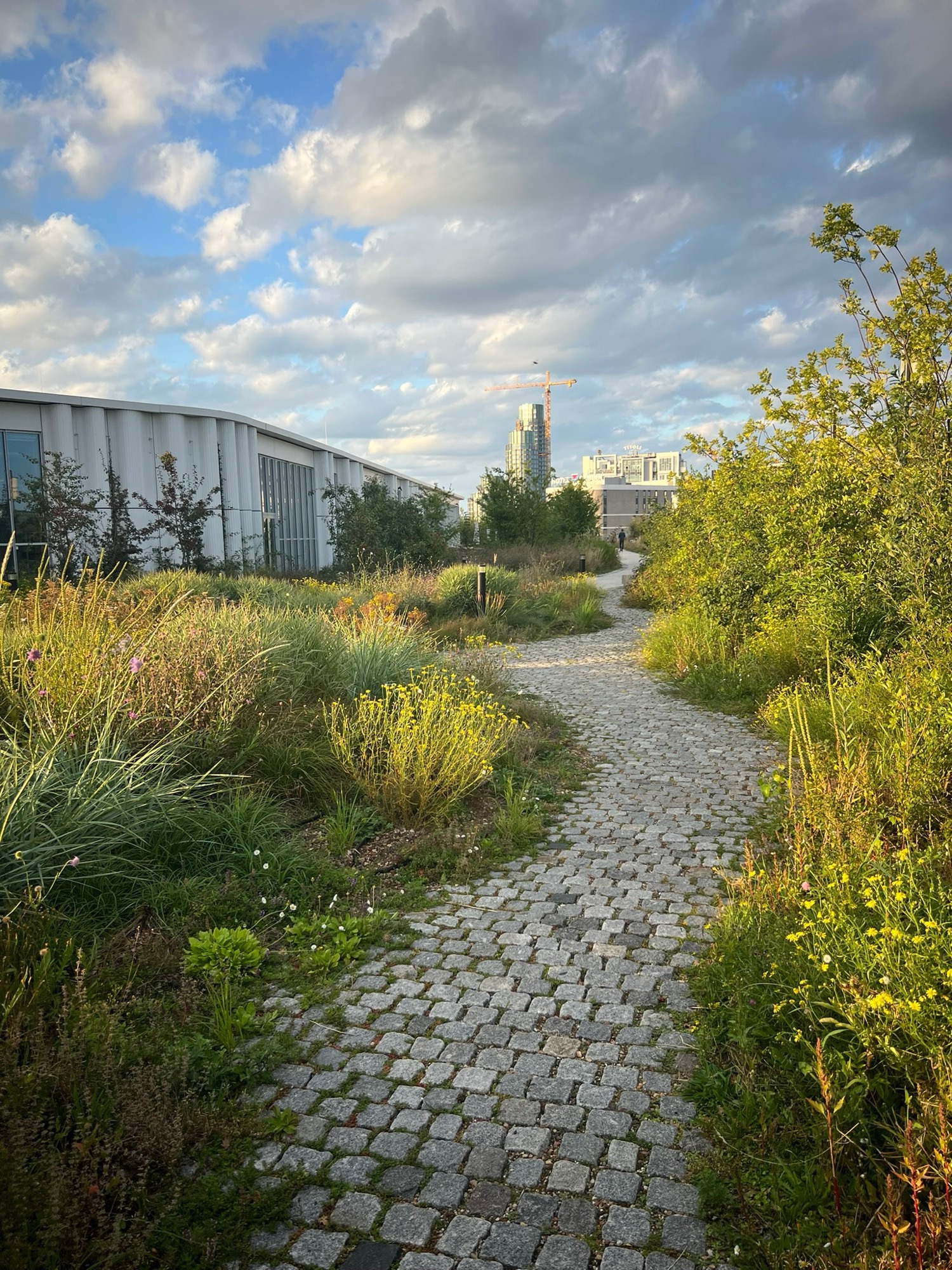
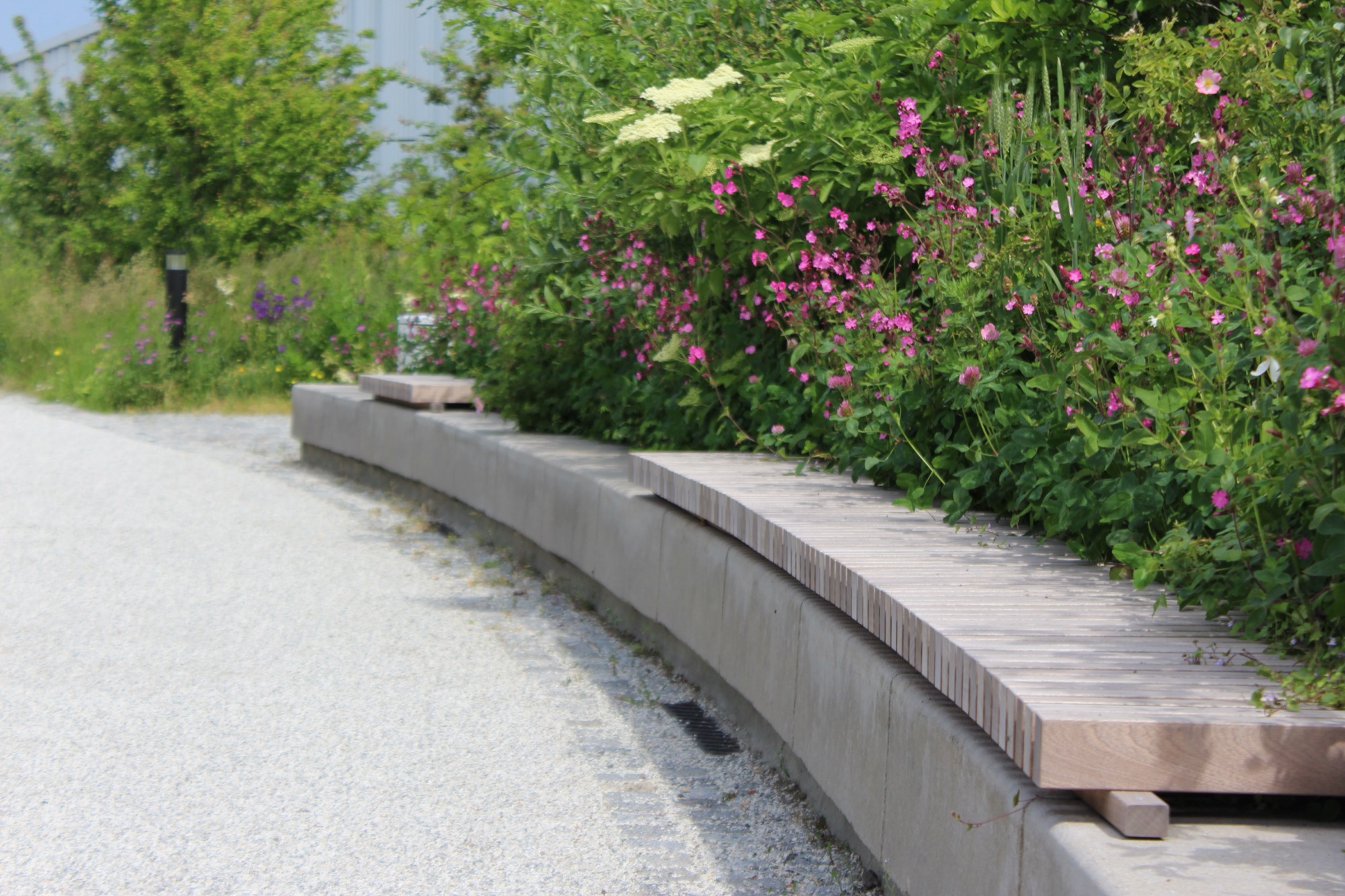
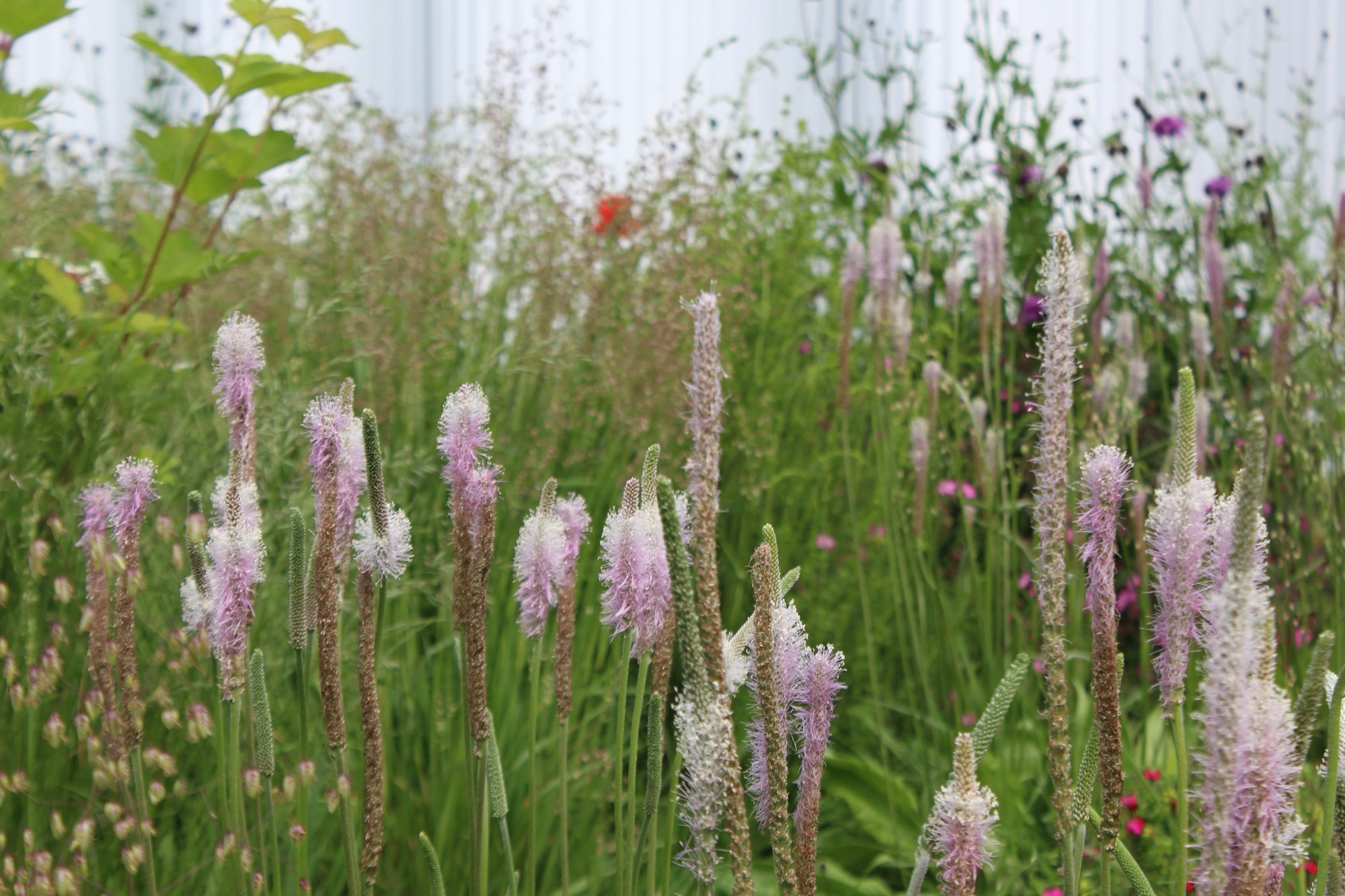
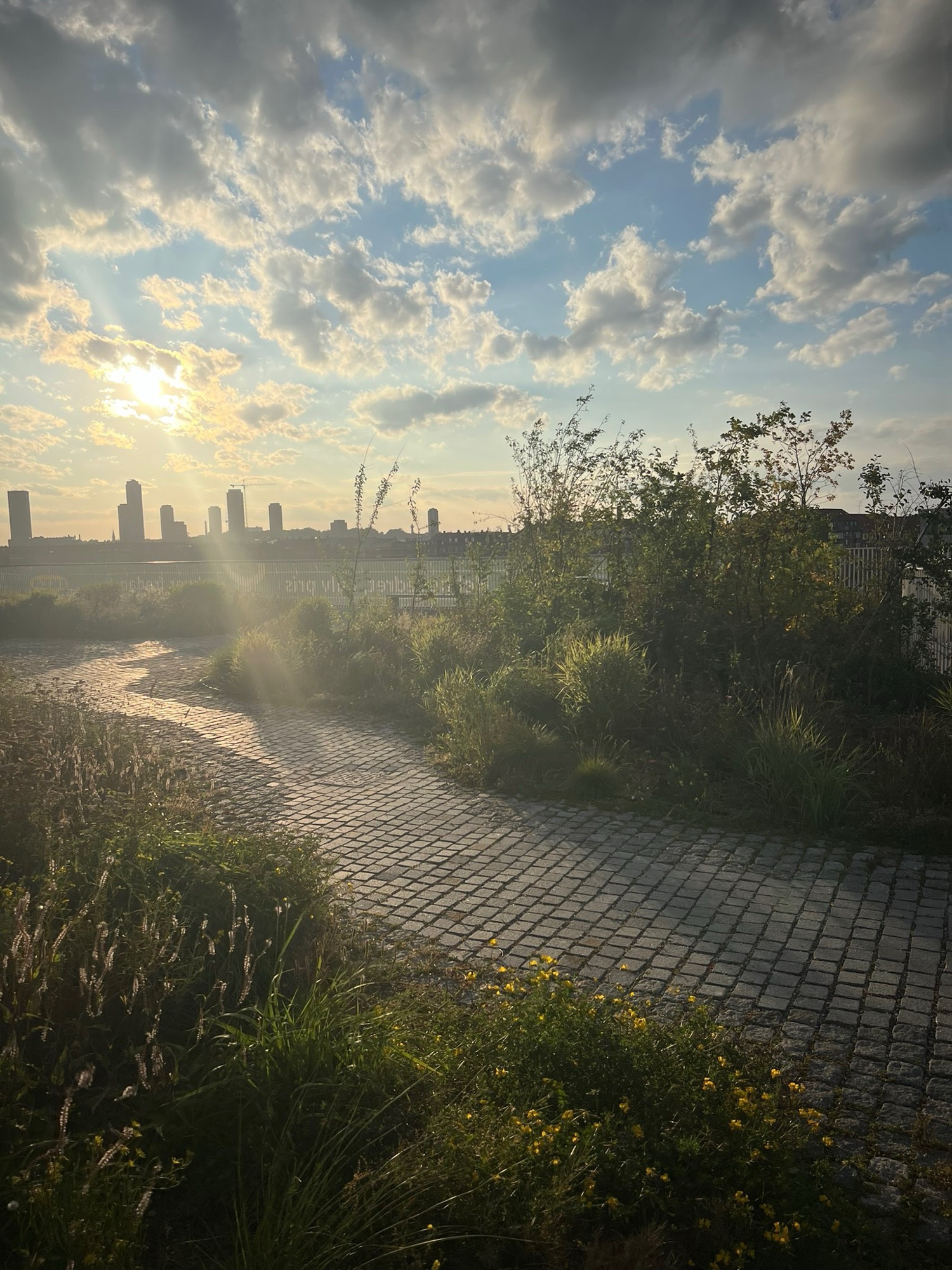
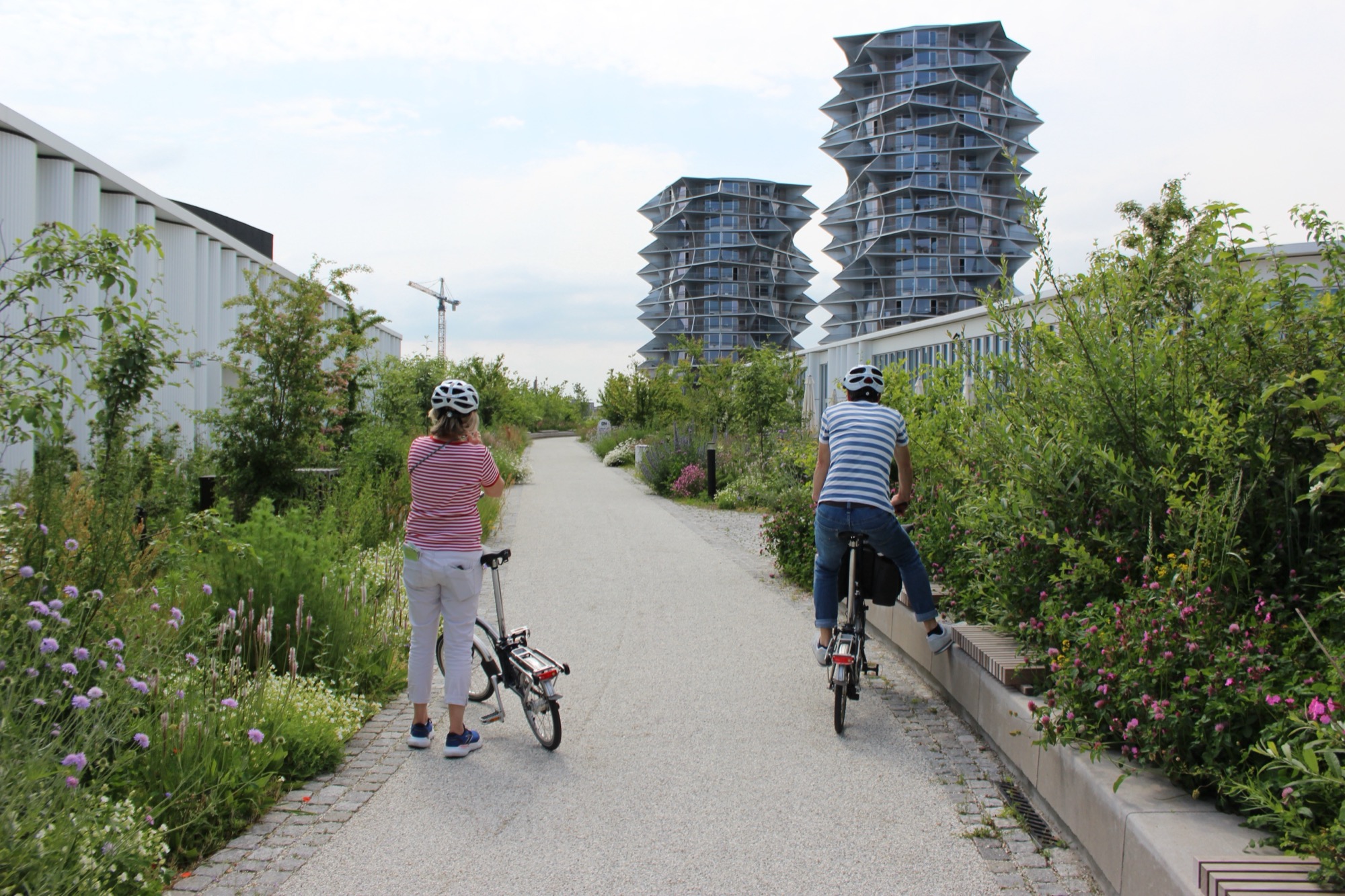
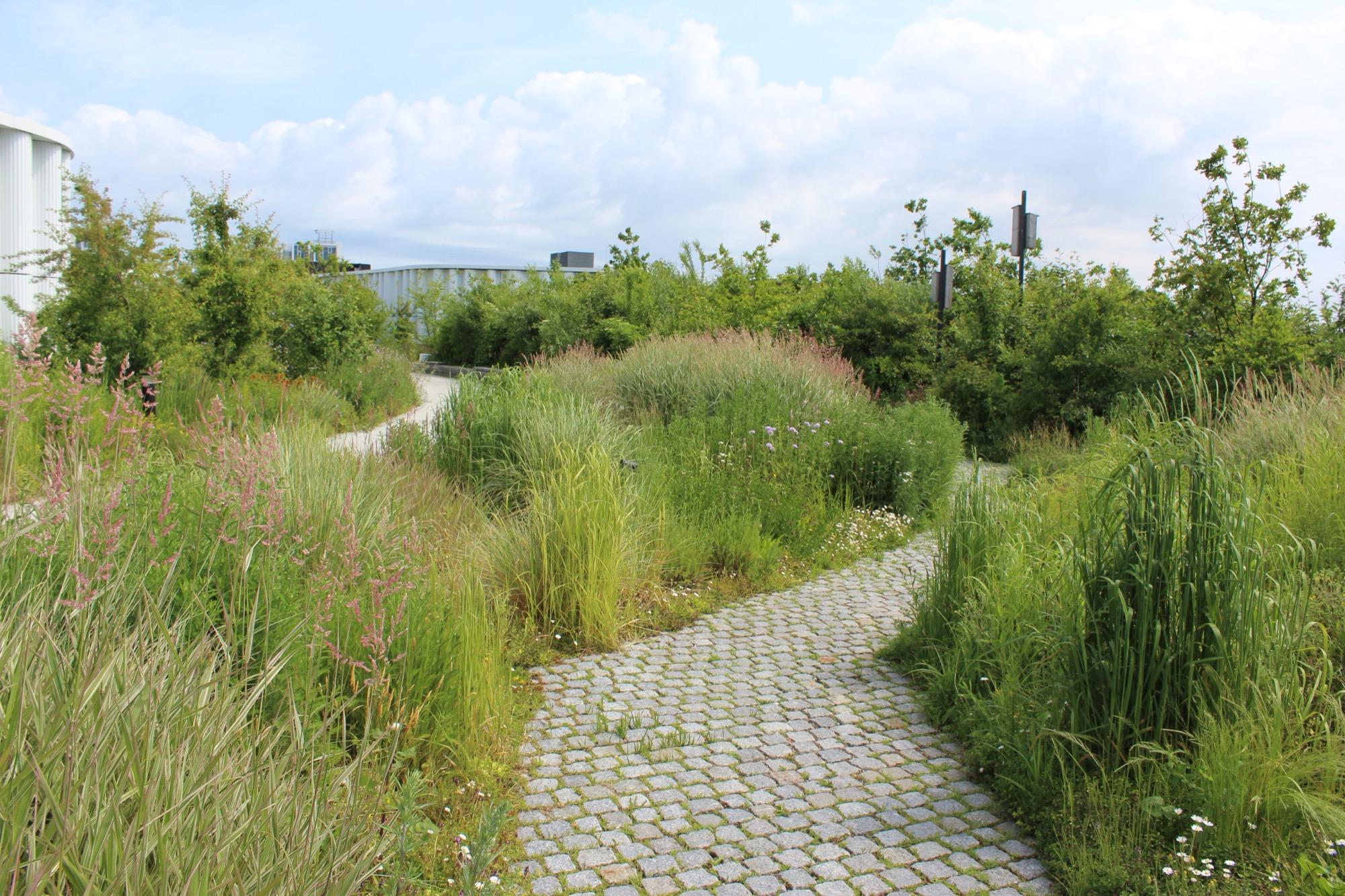
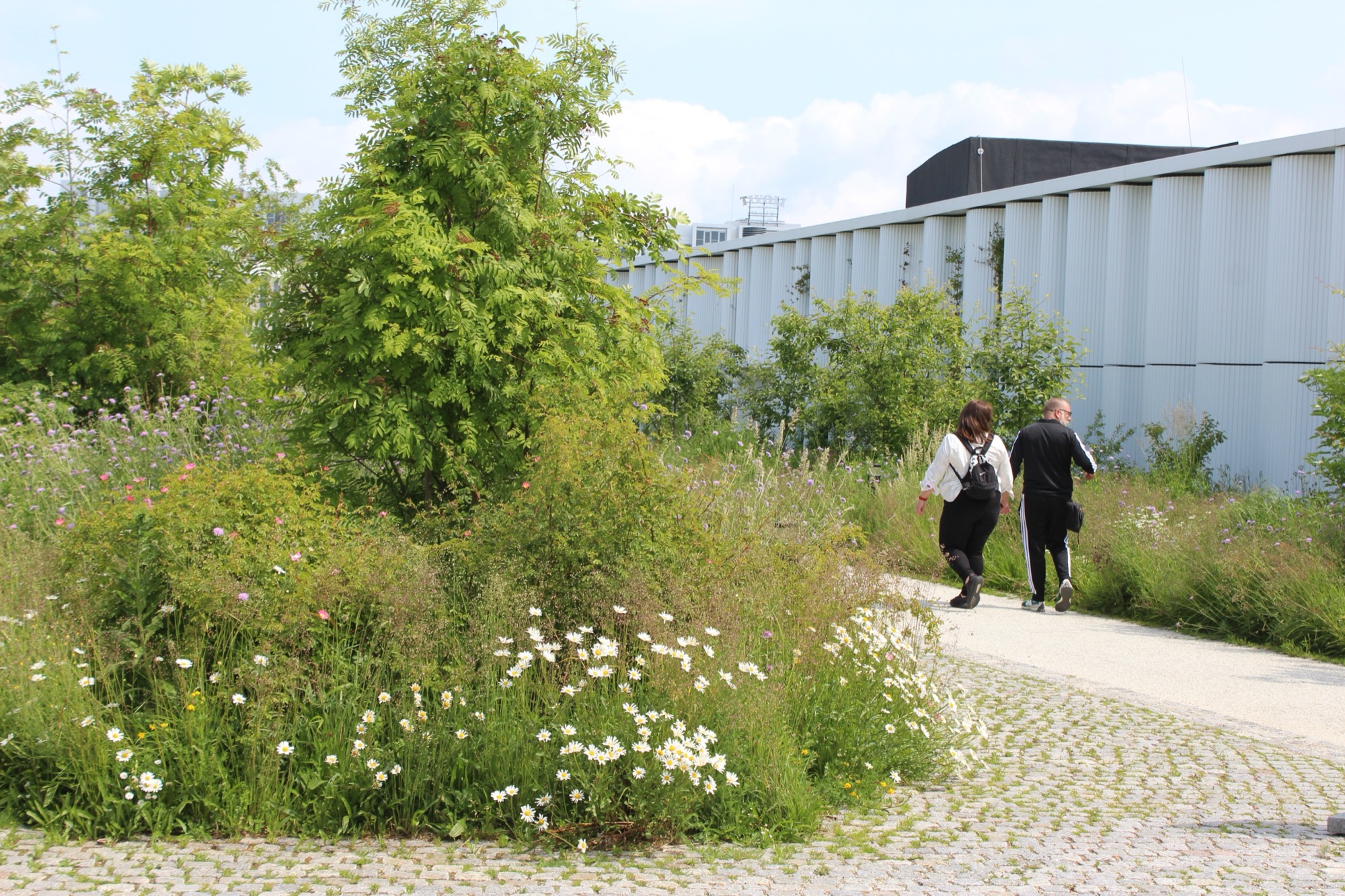
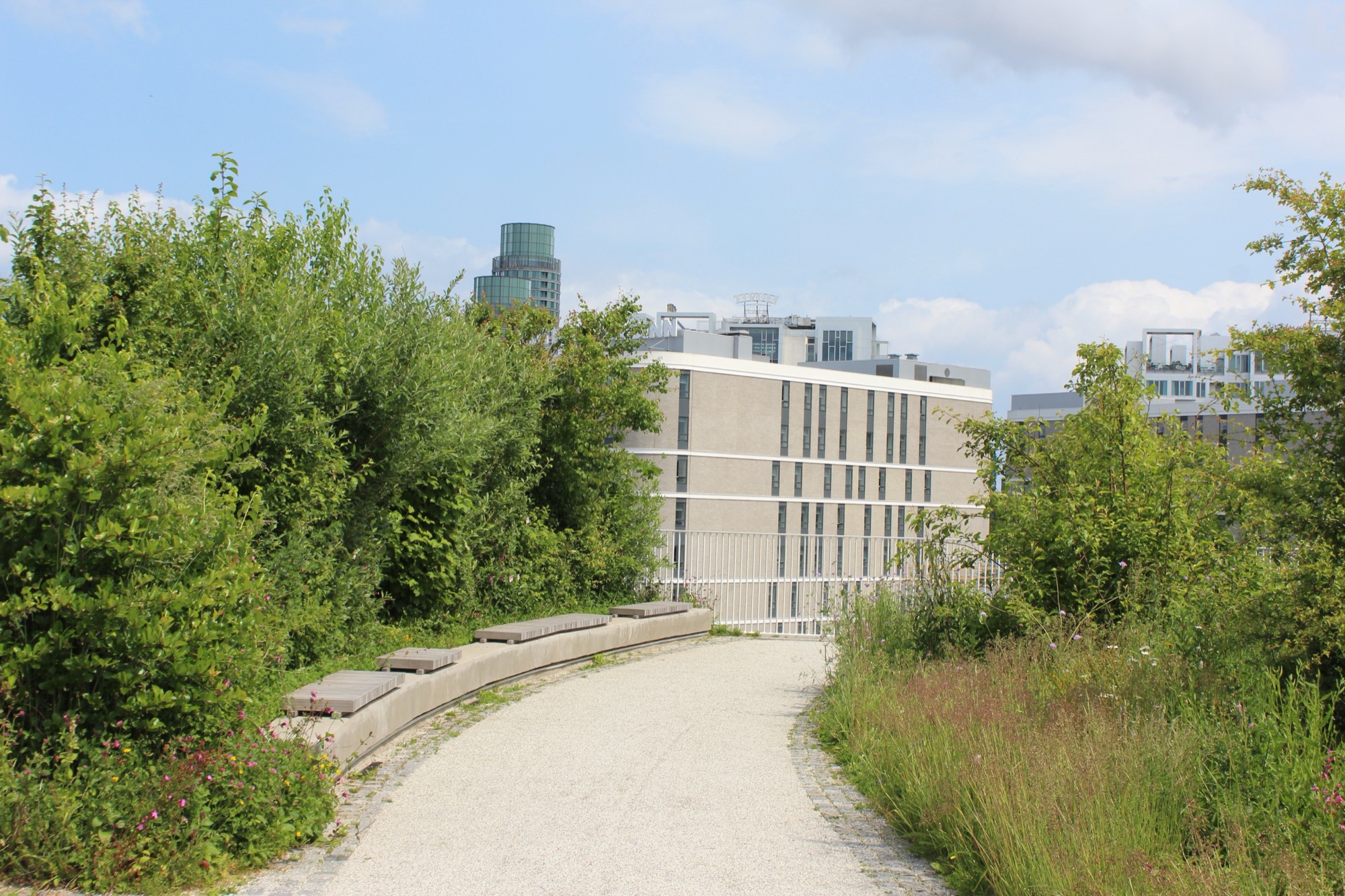
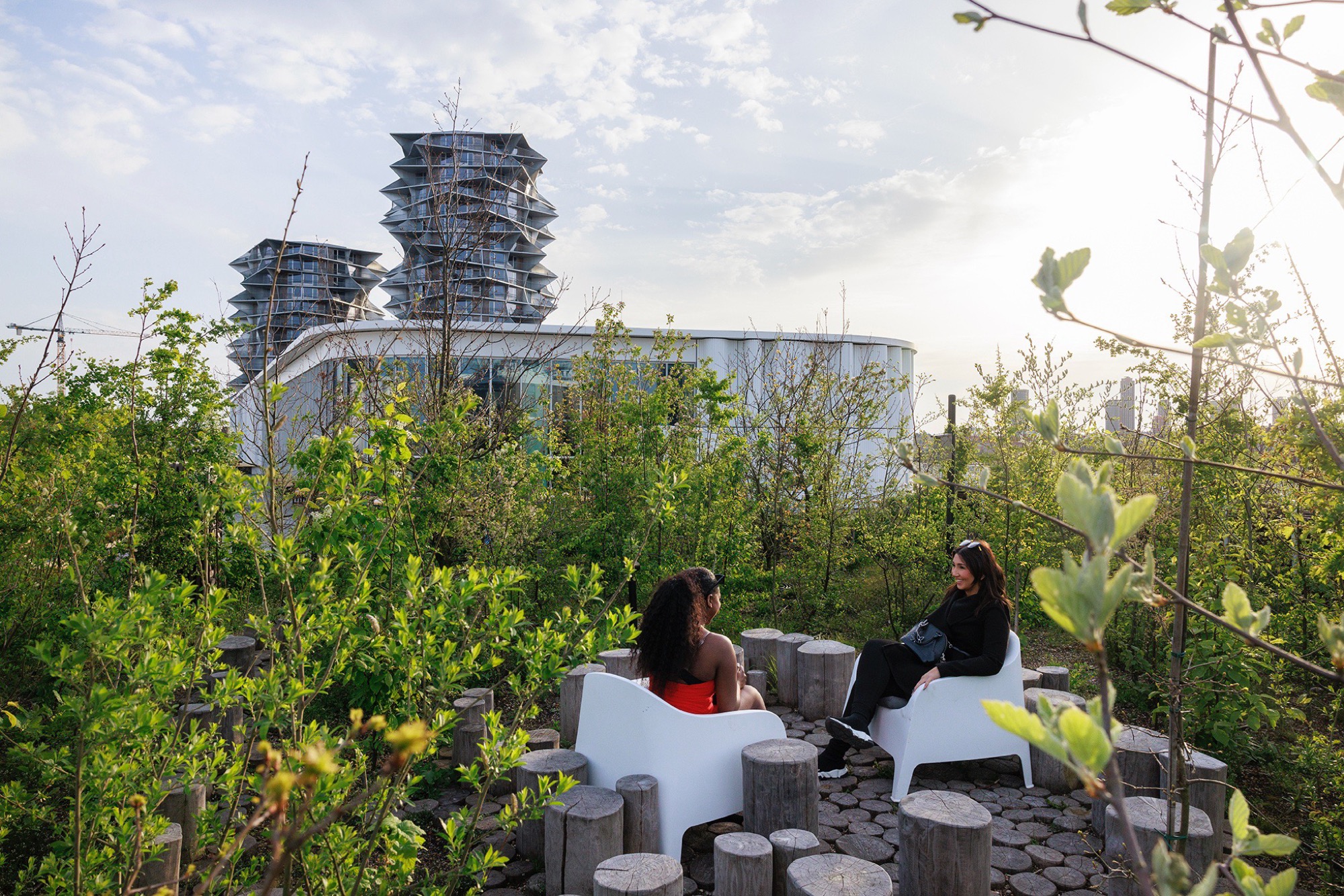
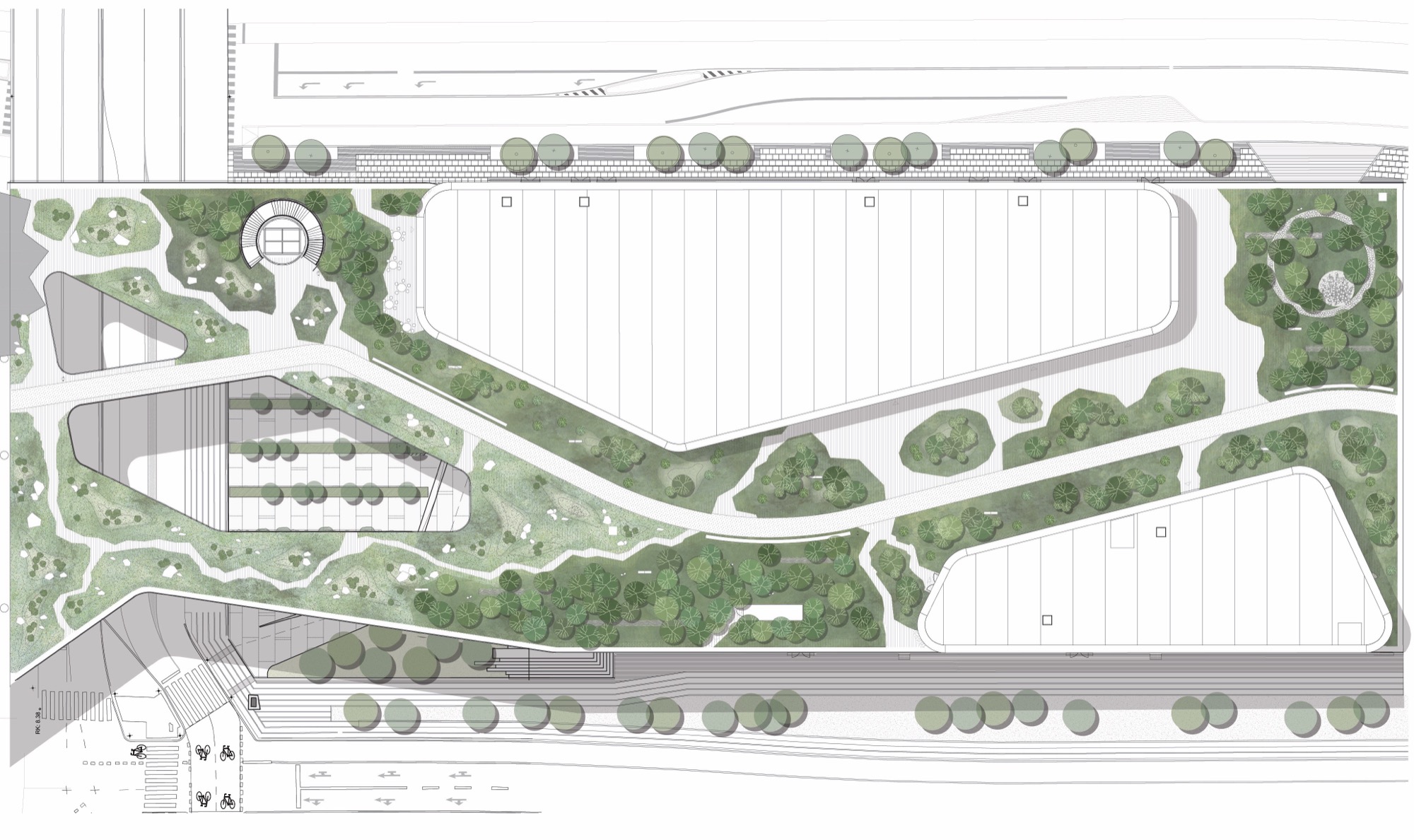
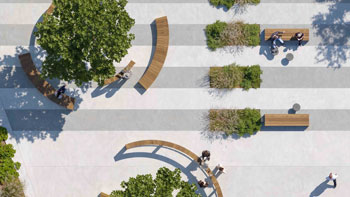
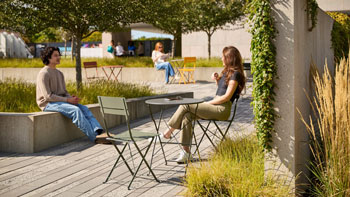
The balance between city life and urban nature is ensured by clearly differentiating between human spaces and urban nature spaces. People belong on the paved areas (40% of the area), while native and migratory species have been given 60% of the roof garden’s 5,000 m2.
The roof garden’s location at a height of 22 meters, a stone’s throw from the harbor, means that the growing conditions are different from those normally found in CPH. We therefore investigated what growing conditions we could create on top of a department store and a bridge, which are more exposed to wind and weather than usual. At the same time, a roof surface has strict weight restrictions, so we also looked at which types of nature thrive in thinner growth layers.
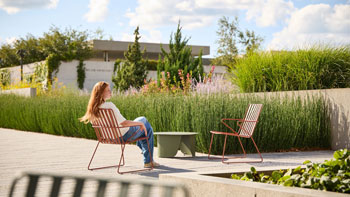
We chose 3 “nature types”: the pasture area along the path, the beach meadow out on the bridge over Dybbølsbro, and the hedgerows at the far end to shield against the wind. This makes it nice to be at the top of Copenhagen, even when the wind is blowing. These three types of nature grow naturally in the gusty winds and salty air of the Danish coastal landscape. The same conditions that the vegetation has on top of the warehouse a few hundred meters from the harbor. The location makes it difficult for fauna to establish itself but to help it along, we studied the geobotany in the nearest dispersal corridors. We composed plant communities that already grow in the area, so that the roof garden is an extension of the potential habitats of local birds and insects.
The 900 m2 dune landscape of the salt marsh consists of 50 species in 200 mm of nutrient-poor, specially mixed growing medium. Meanwhile, the 900 m2 of pastureland is composed of approximately 70 species growing in 300 mm of growing medium, 600 mm for trees and larger shrubs. The windbreaks cover 1100 m2 and grow in intensive roof garden soil of 600 mm with 40 species distributed among trees, shrubs, and herbaceous layers. In all areas, we have planted a lot of one thing rather than a little of everything, in order to best mimic the nearby natural areas. A total of 15,000 plugs, 1,200 shrubs, 1,000 heathers, and 175 larger trees have been planted.
The roof park’s different surfaces make it easy for guests to figure out where they to bike and walk, where to play. A 3-meter-wide main path leads cyclists and pedestrians to viewpoints at the ends of the park. Cobblestone paving runs alongside the main path and leads to the secondary path system with smaller spaces near IKEA’s restaurant with outdoor seating. A total of 1,500 m2 of cobblestones have been used. 1,200 m2 are directly recycled, while the remaining 300 m2 have been cut to ensure accessibility.
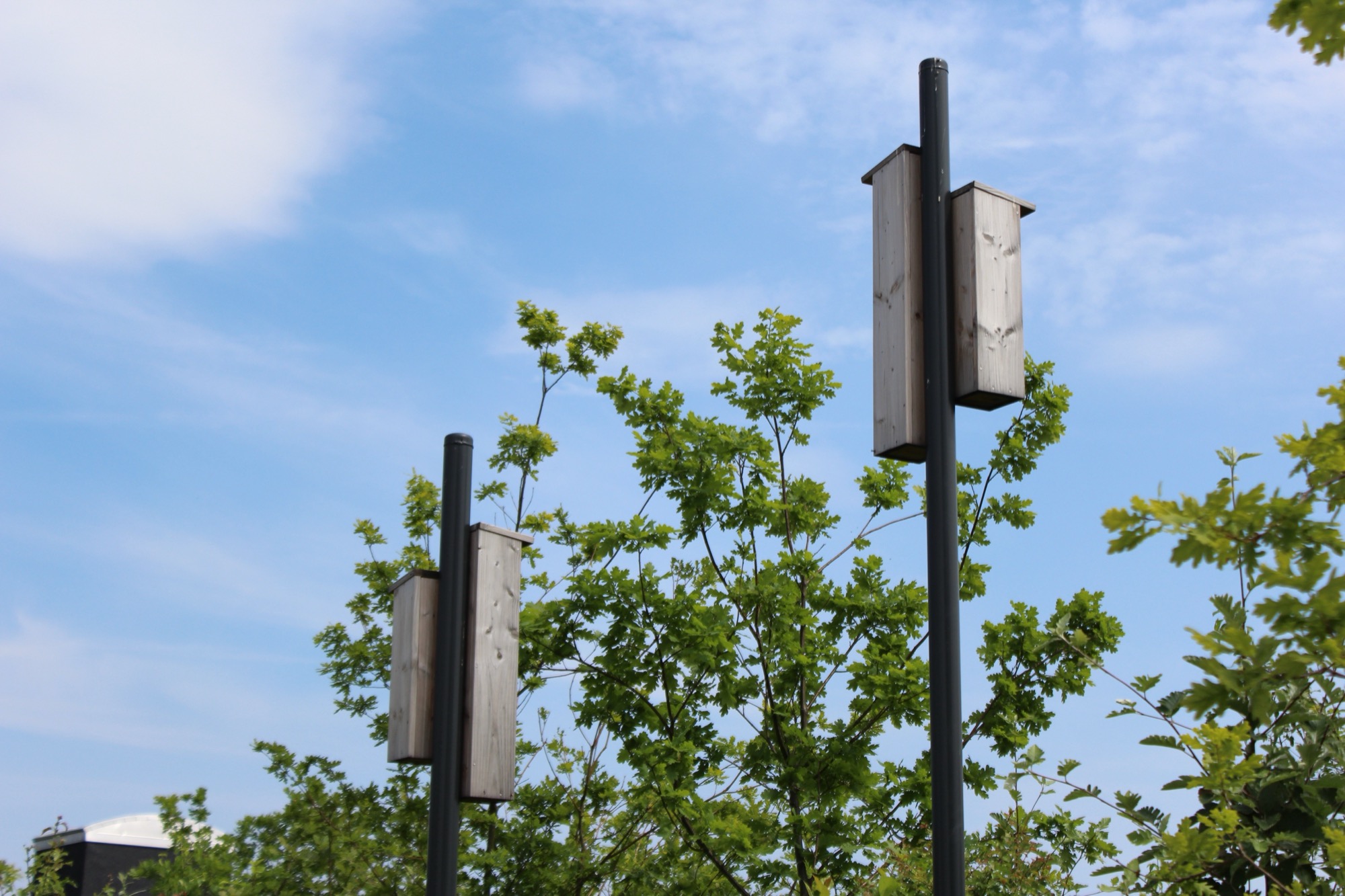
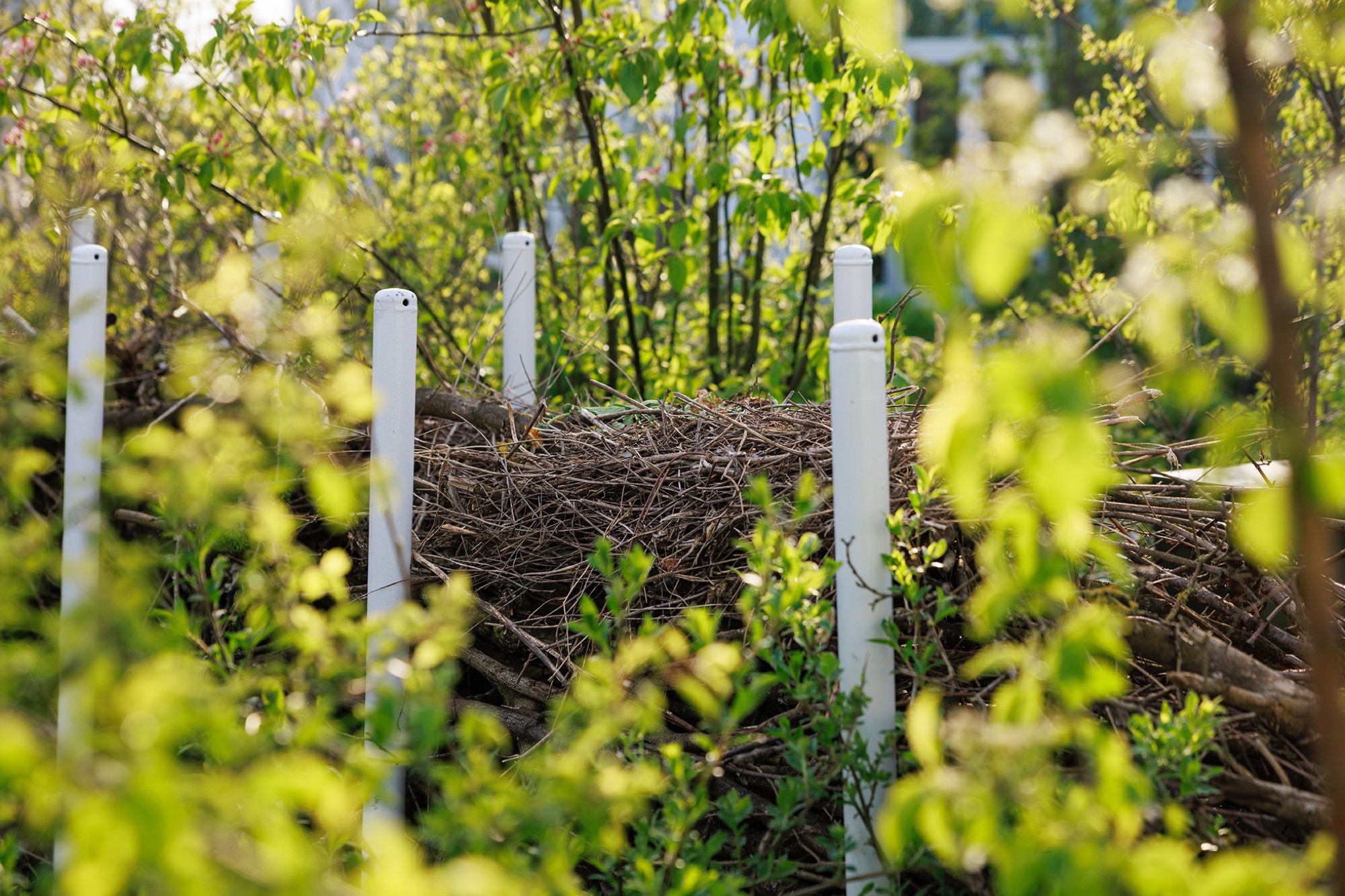
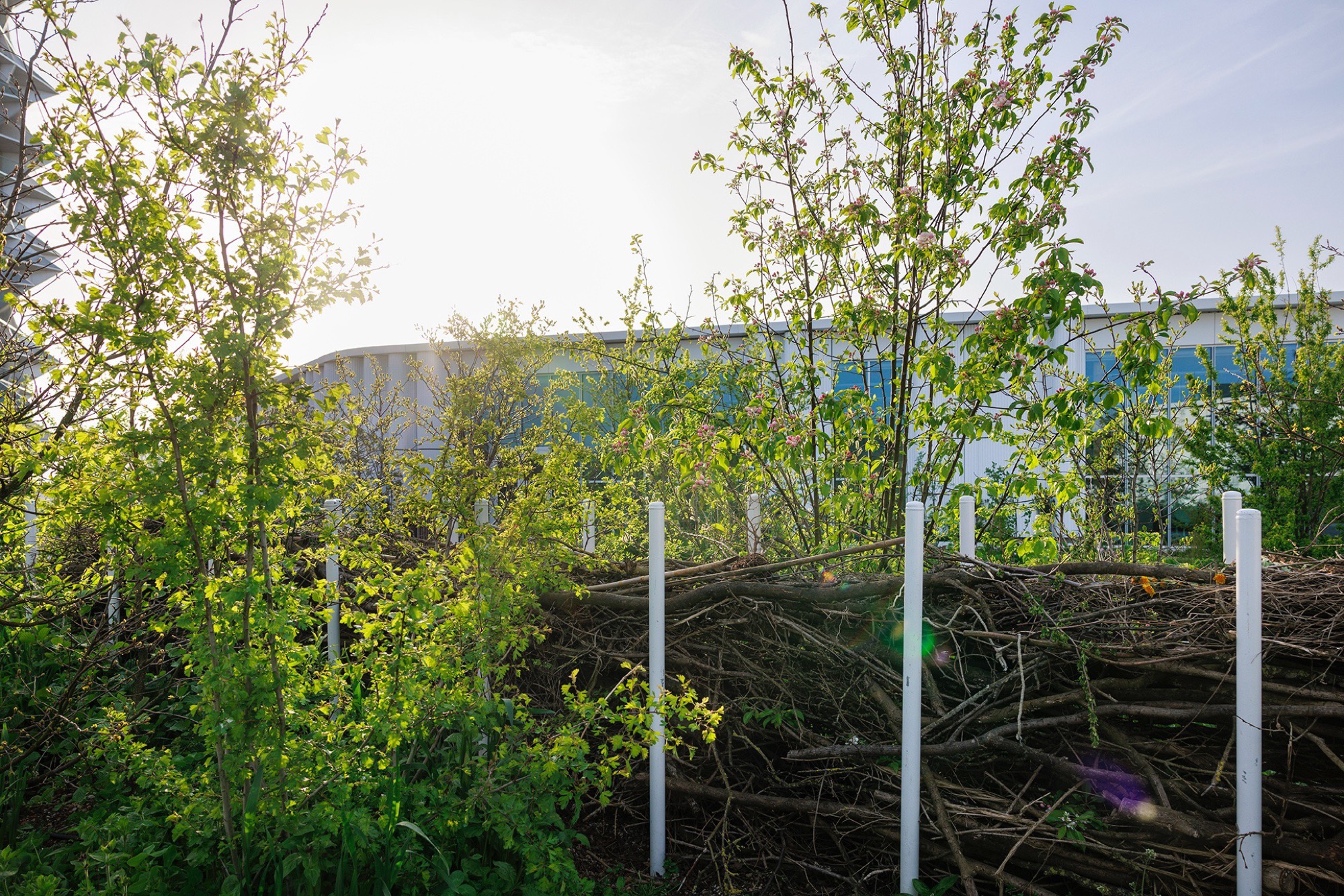
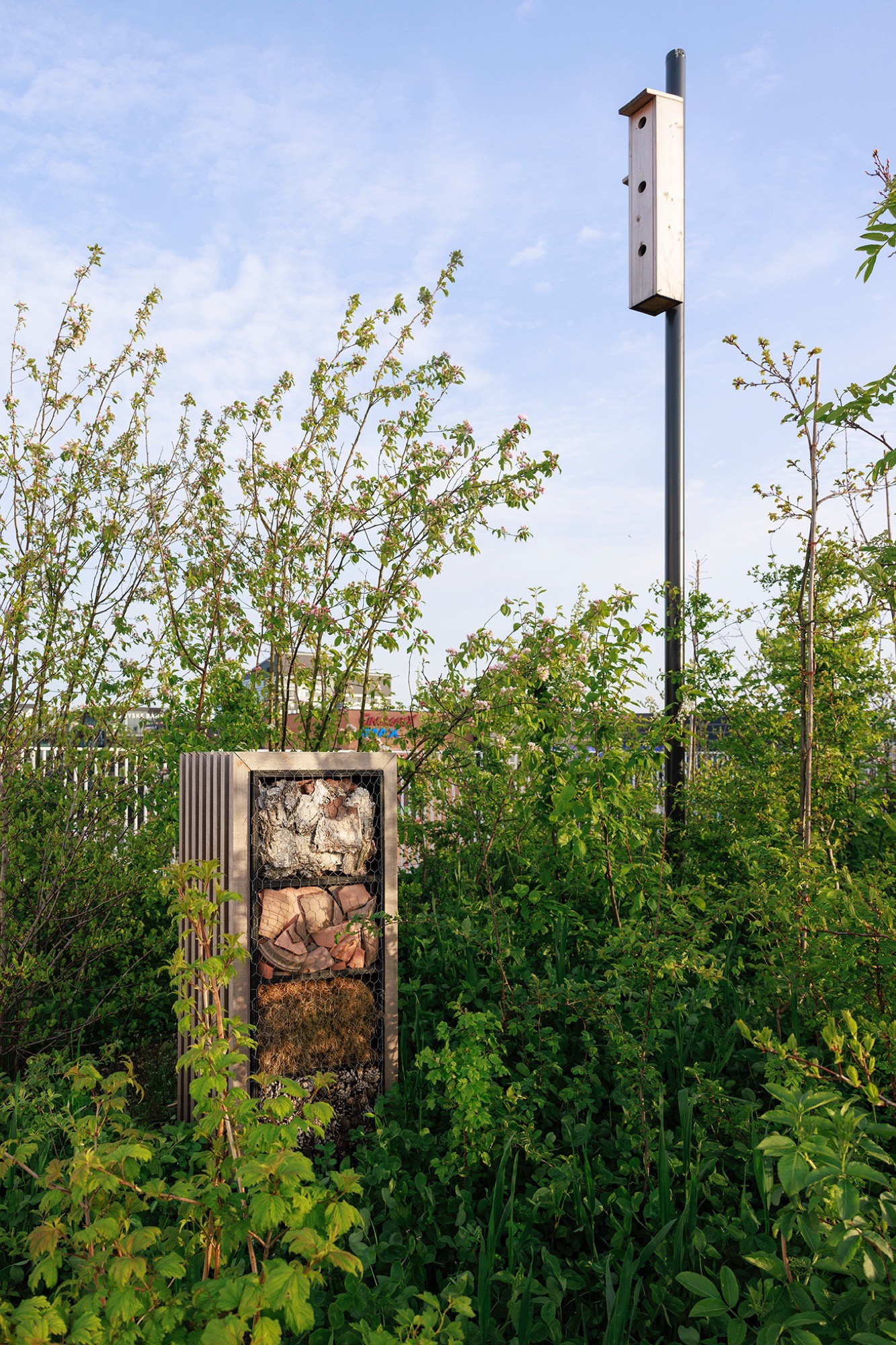
To make the roof garden a wonderful home for the area’s birds, 10 posts with nesting boxes have been set up, specially designed for great tits, starlings, robins, sparrows, and titmice. 9 insect hotels provide shelter for spiders, woodlice, and various beetles, for example. At the same time, 46 linear meters of brushwood fencing have been established as a potential habitat for ladybugs, earwigs, and bumblebees. The planting also offers nesting and resting places and multi-level habitats by being composed of meadow flowers of varying heights, as well as shrubs and trees.
Arrival
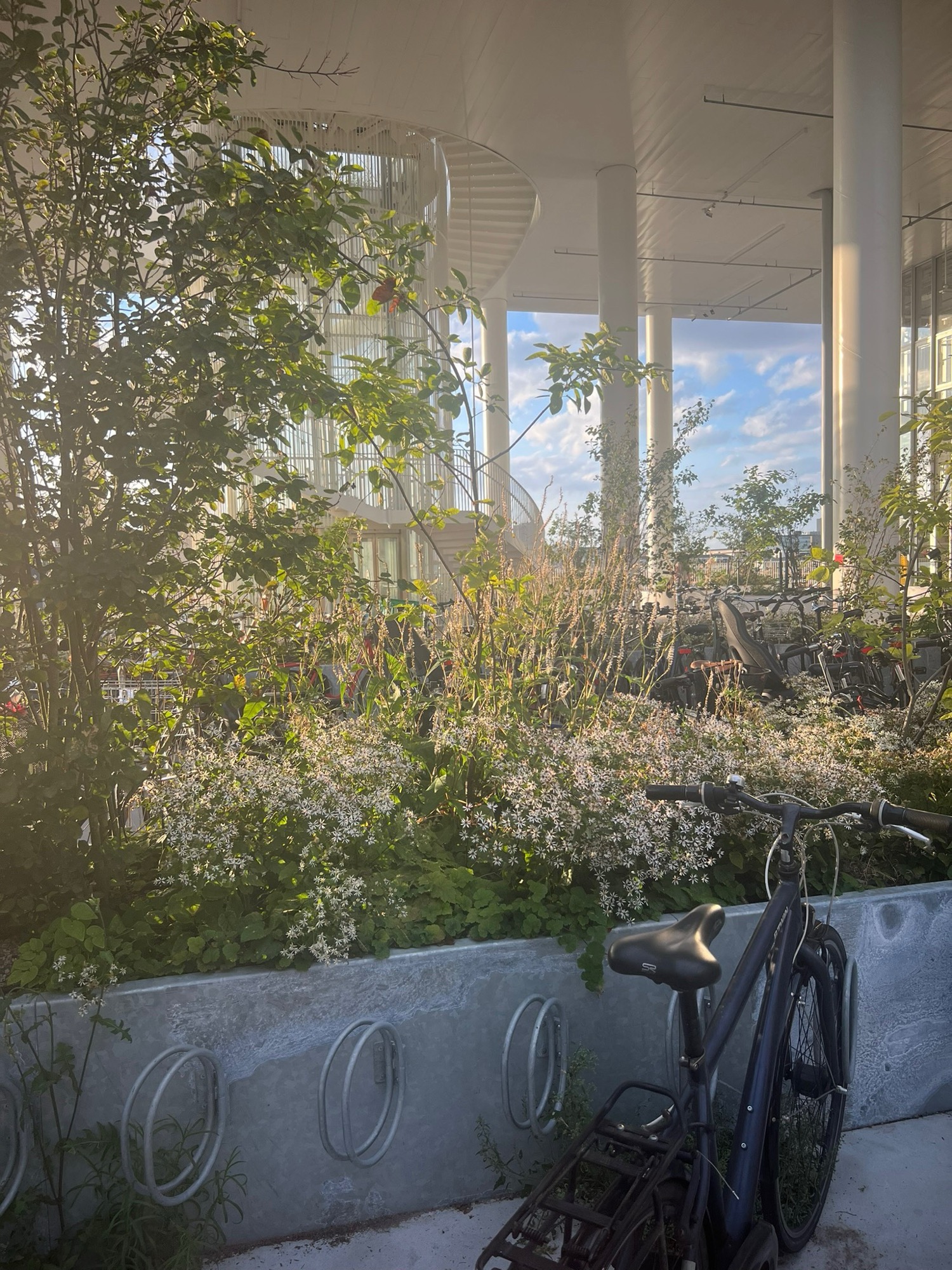
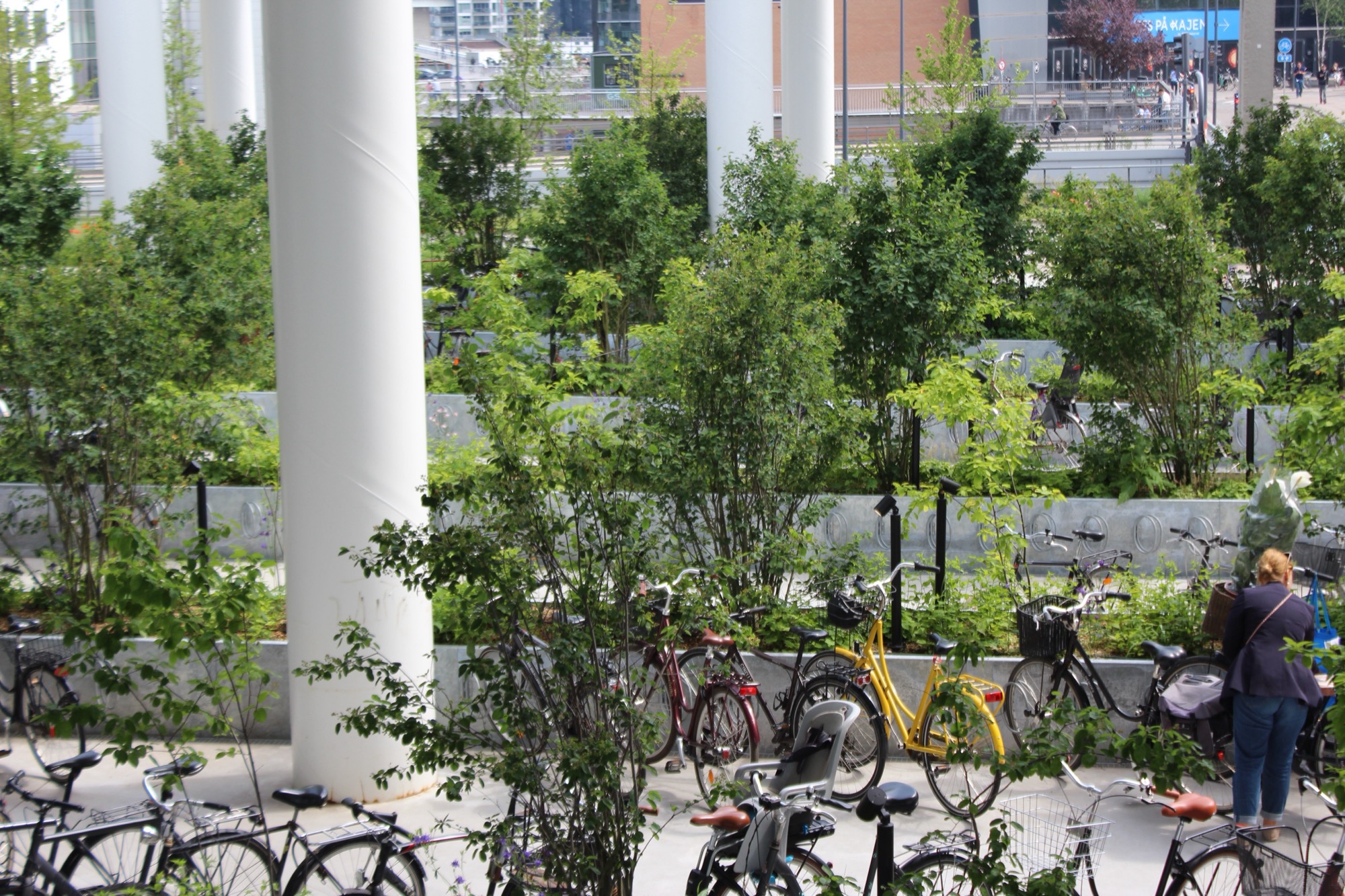
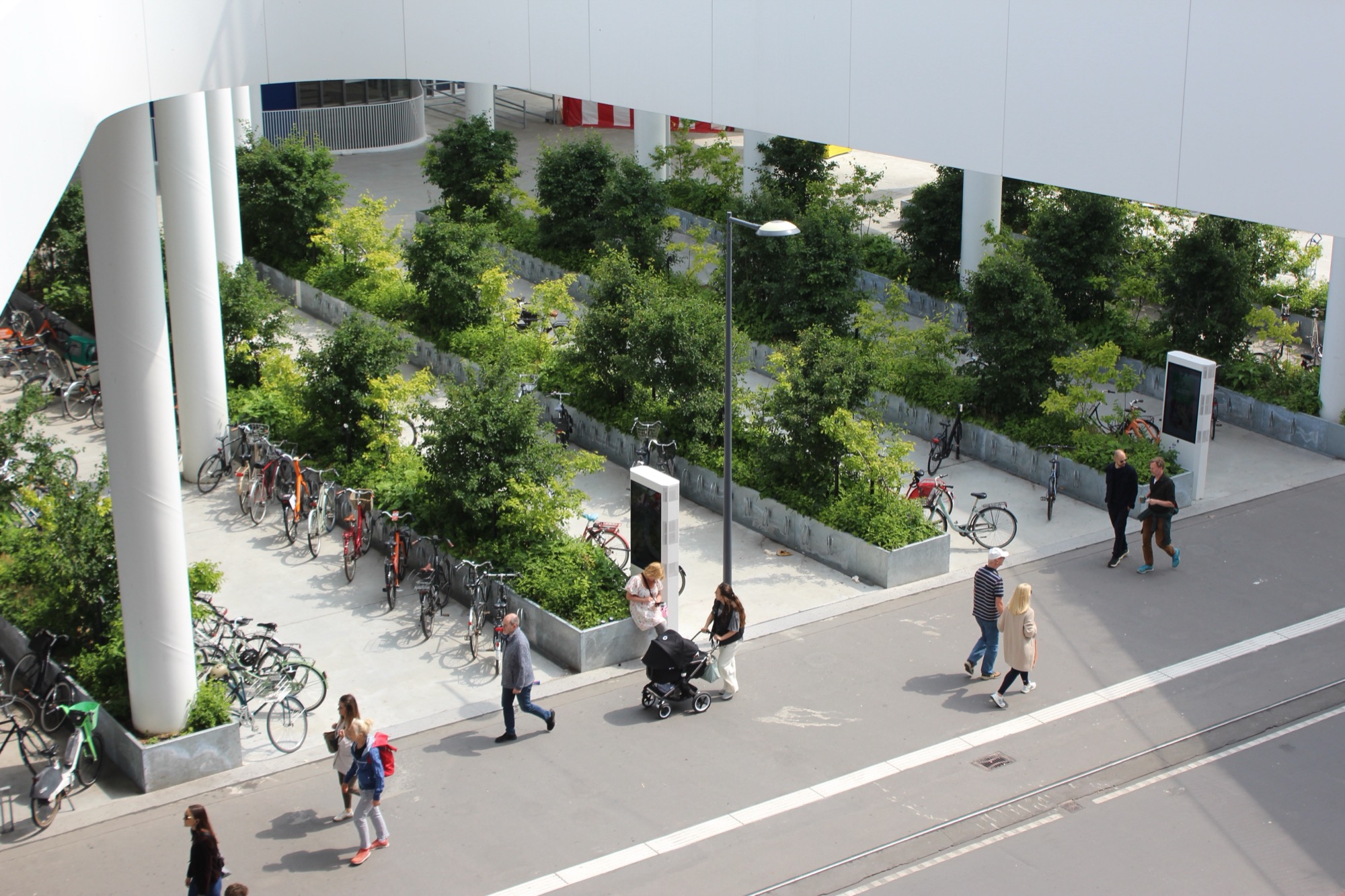
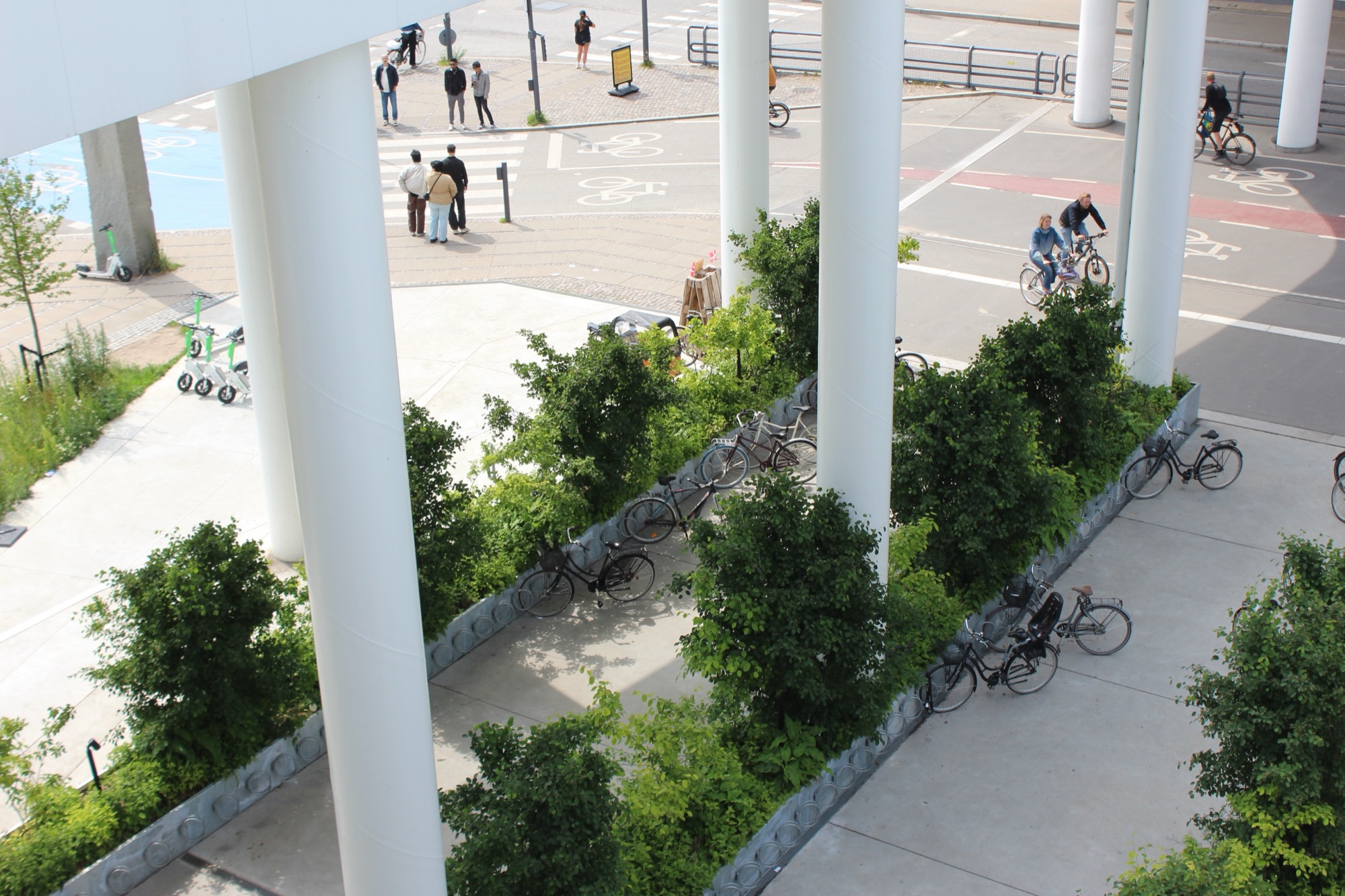
1:1 landscape also designed a new urban space and forecourt for IKEA Copenhagen. It has an urban character with a high number of daily passers-by on foot, bike, and car. There is bicycle parking, windshielding vegetation, and seating. The bicycle parking is located primarily in a single pocket, so that the parking is clearly defined and there are not too many bicycles scattered around the square.
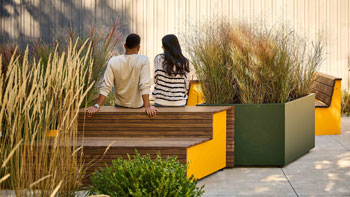
Plant boxes with high vegetation is both a green element and ensures a good wind environment in the forecourt and contribute to the desire to stay there.
IKEA Copenhagen has achieved BREEAM Outstanding and recognizes our public roof garden with a focus on biodiversity.
Client: IKEA, Architect: Dorte Mandrup
https://www.google.dk/maps/place/IKEA/@55.6637499,12.5587289,694m/data=!3m2!1e3!4b1!4m6!3m5!1s0x4652533fd6cfc961:0x44ea431f97d5eb95!8m2!3d55.6637469!4d12.5613038!16s%2Fg%2F11stgpkpbv?entry=ttu&g_ep=EgoyMDI2MDIxMS4wIKXMDSoASAFQAw%3D%3D
73563


LILA 2026 Sponsor