Miyíw̓ts Park
www.pwlpartnership.com
2026 Public Projects / Canada / Built in 2024 /

![Wheaton Walk Through Time is an outdoor interpretive landscape that transforms a primary pedestrian route on the University of British Columbia campus into an immersive learning environment. Connecting the Pacific Museum of Earth and the Beaty Biodiversity Museum, the project translates 4.5 billion years of geological and biological history into a clear, spatial experience embedded […]](https://landezine-award.com/wp-content/uploads/2026/05/00_73682—-Wheaton-Walk-Through-Time—Hero-Image-600x400.jpg "Wheaton Walk Through Time")
![The Vancouver Convention Centre living roof, completed in 2010, is one of North America’s largest green roofs and a defining example of landscape architecture delivering long-term environmental and civic performance. Sixteen years later, the project demonstrates how large-scale green infrastructure evolves over time, and how its success depends on sustained stewardship, adaptation, and interdisciplinary collaboration. […]](https://landezine-award.com/wp-content/uploads/2026/05/00_73681—Vancouver-Convention-Centre—Hero-Image-600x450.jpg "Vancouver Convention Centre Expansion")
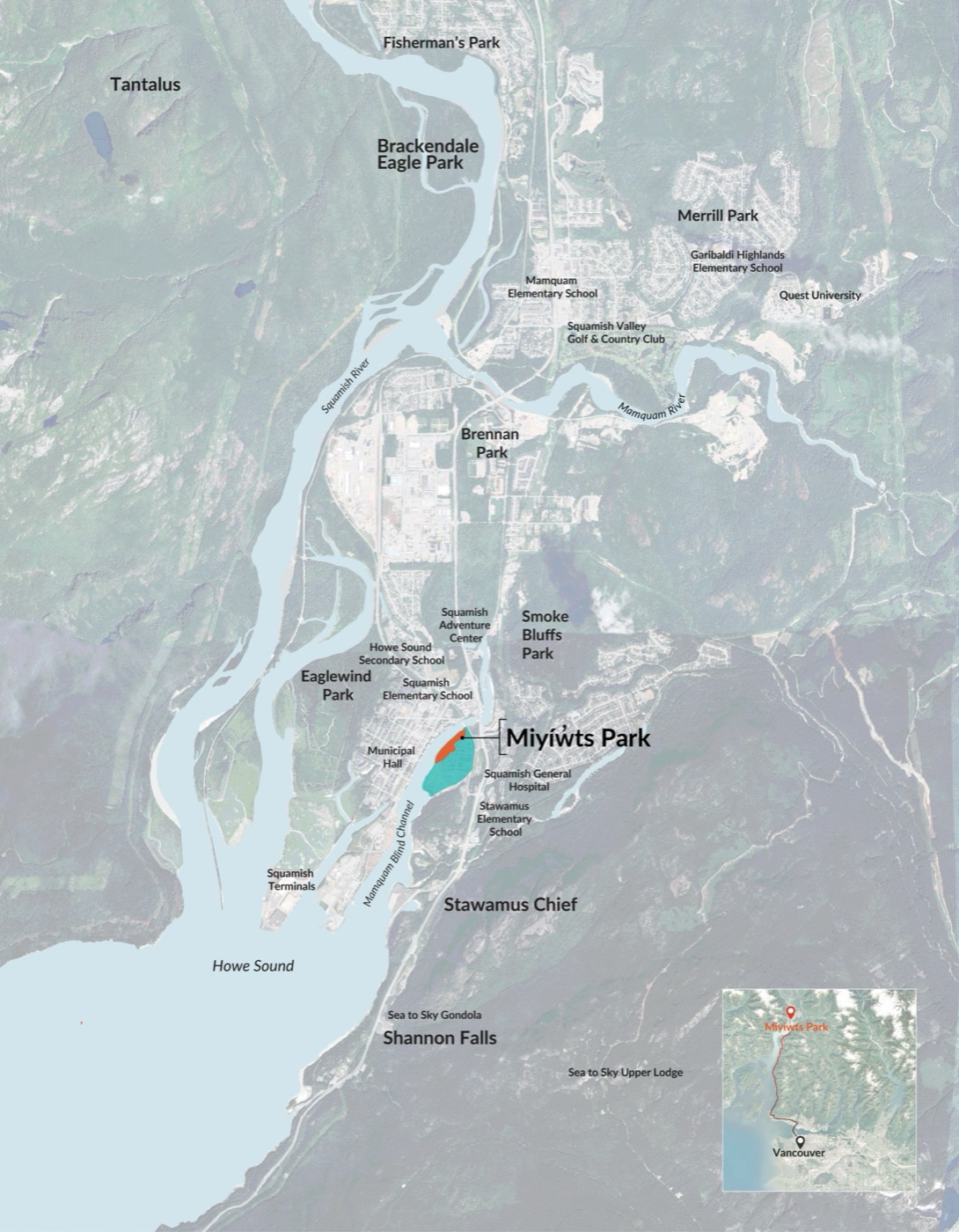
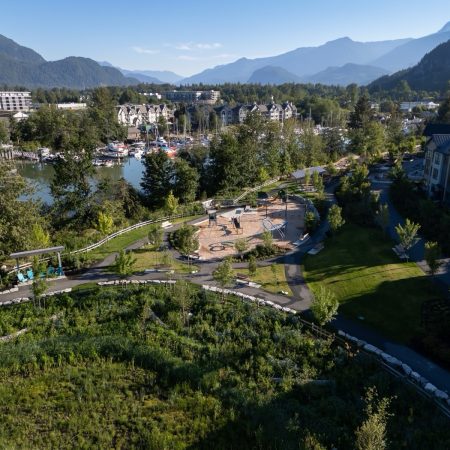
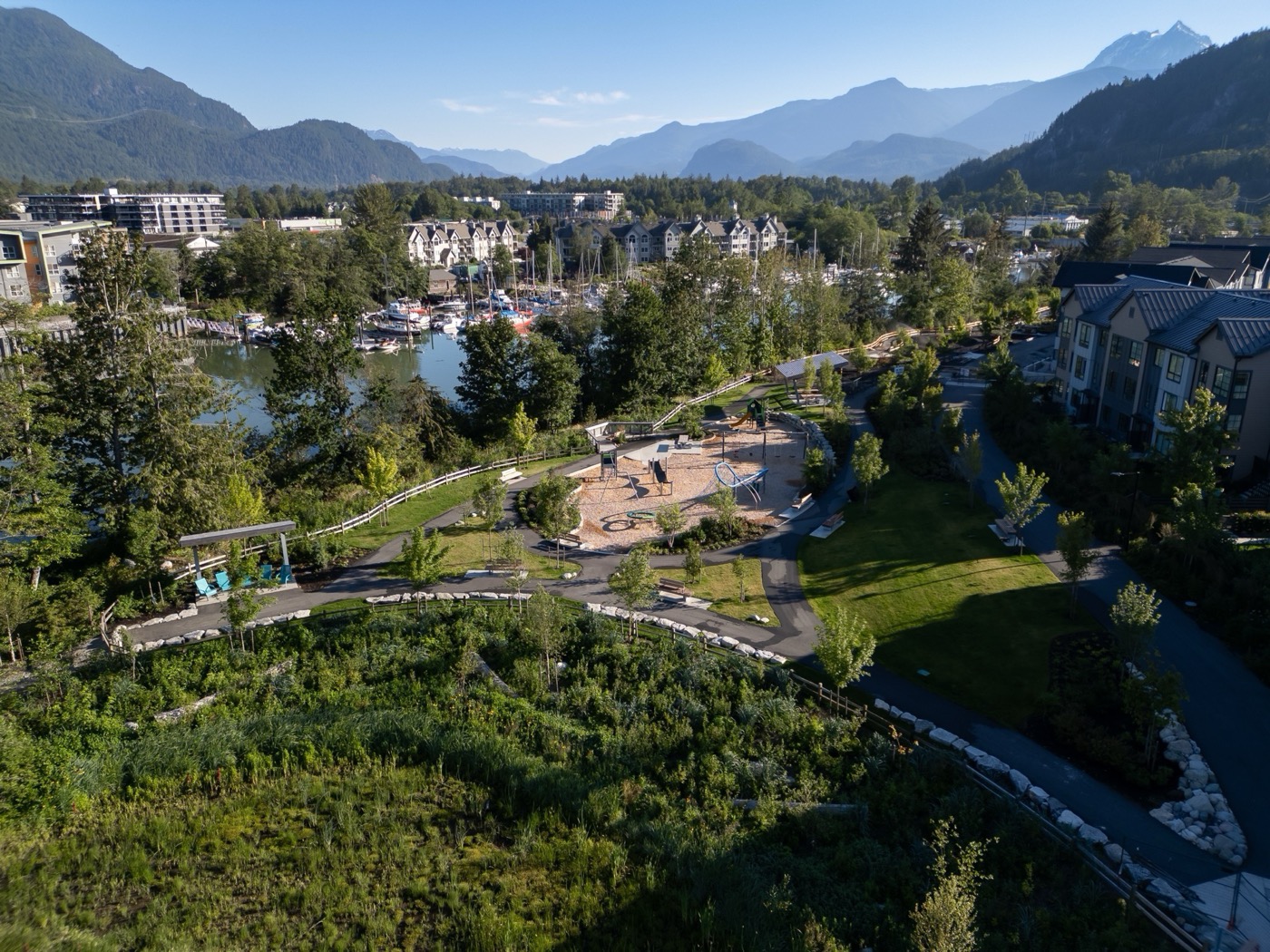
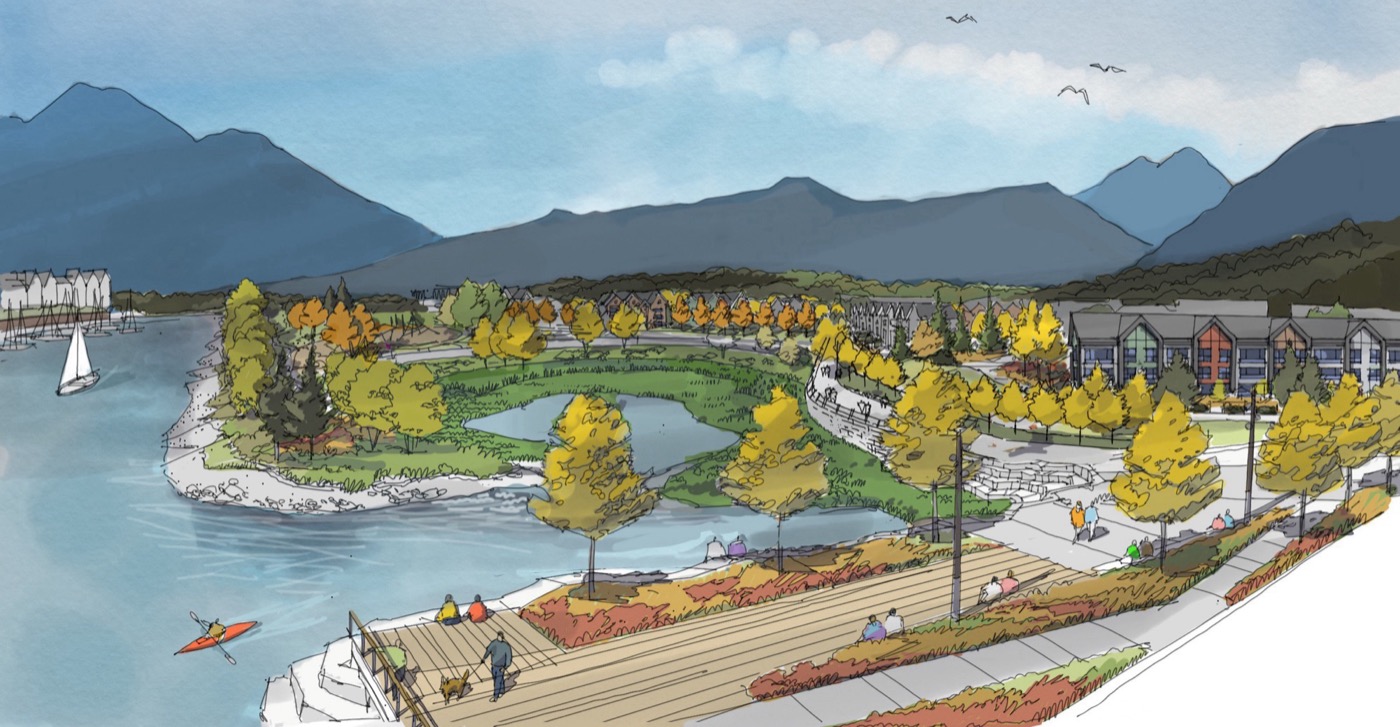
Miyíw̓ts Park reimagines a post-industrial shoreline at the mouth of the Mamquam Blind Channel as a climate-adaptive public landscape. Located within the Squamish River watershed and the Átl’ḵa7tsem / Howe Sound UNESCO Biosphere Region, the project transforms a highly vulnerable coastal site into a resilient and accessible waterfront that integrates infrastructure, ecology, and community use.
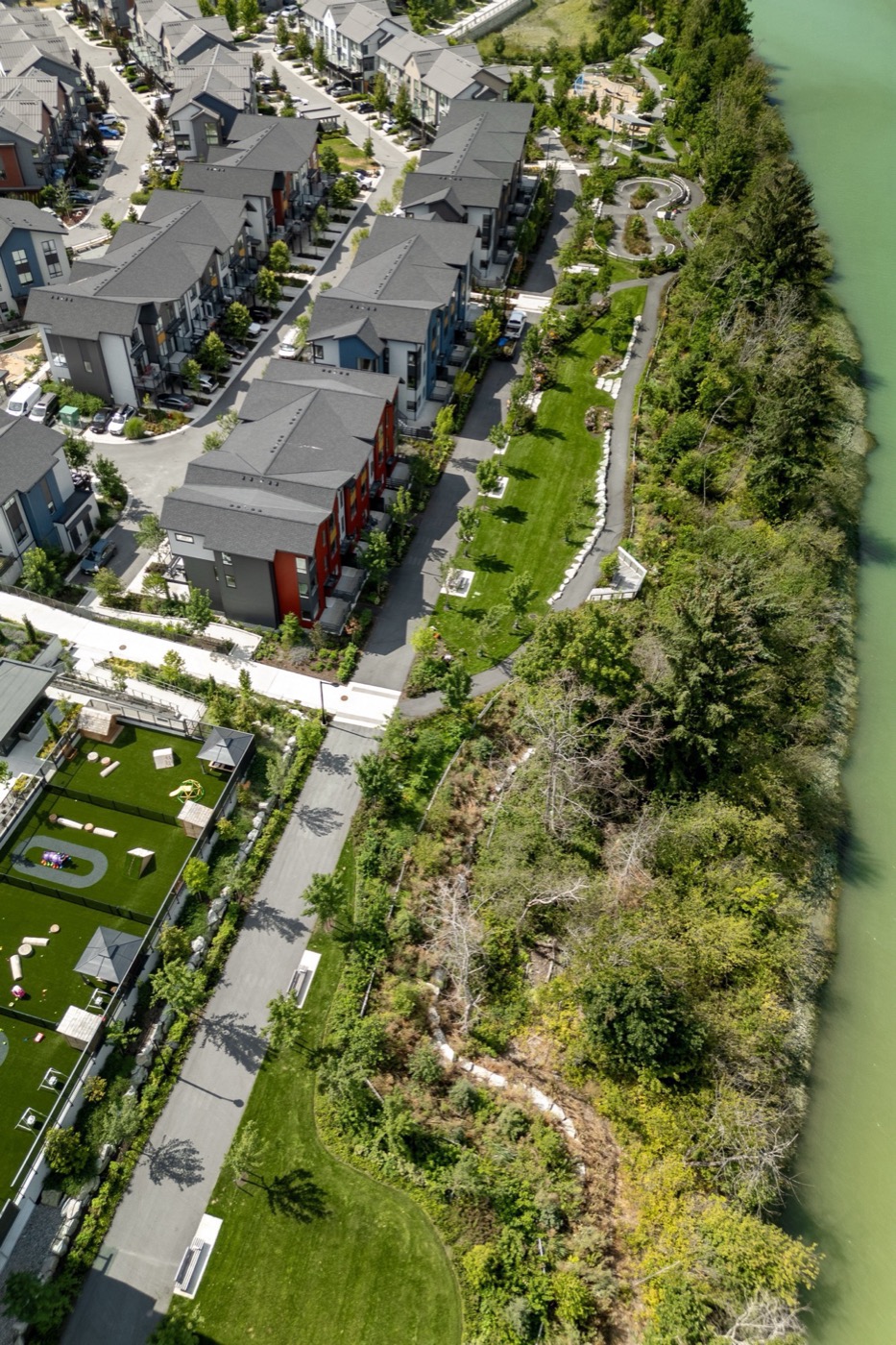
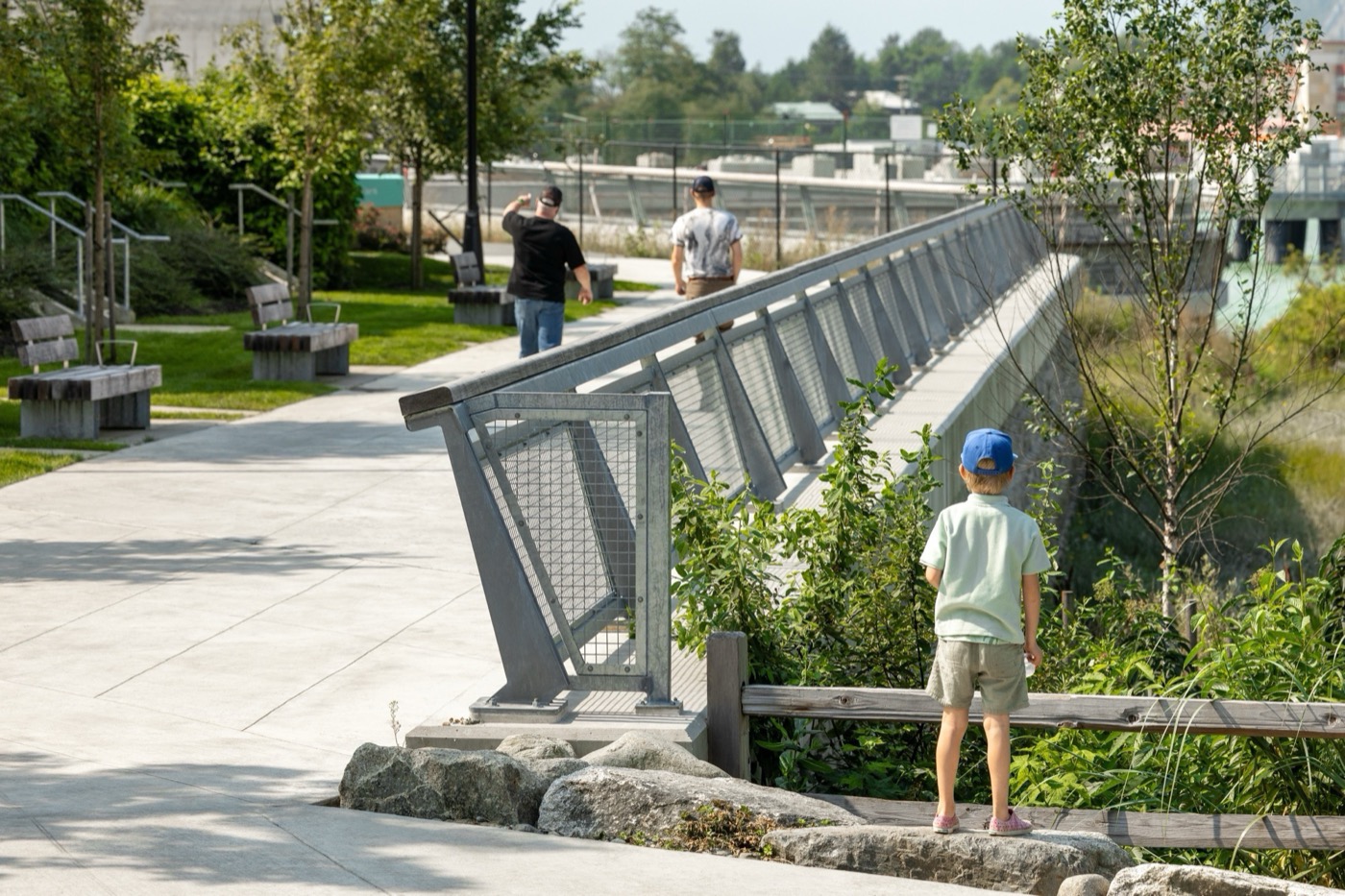
The design is structured around a central challenge: how to provide long-term flood protection while maintaining meaningful public access to the water. Rather than separating these objectives, the project merges them. A future coastal dike is embedded within sculpted landforms, pathways, and gathering spaces, allowing critical infrastructure to function as a civic amenity. This approach maintains continuous access to the waterfront while preparing for sea level rise, storm surge, and changing coastal conditions.
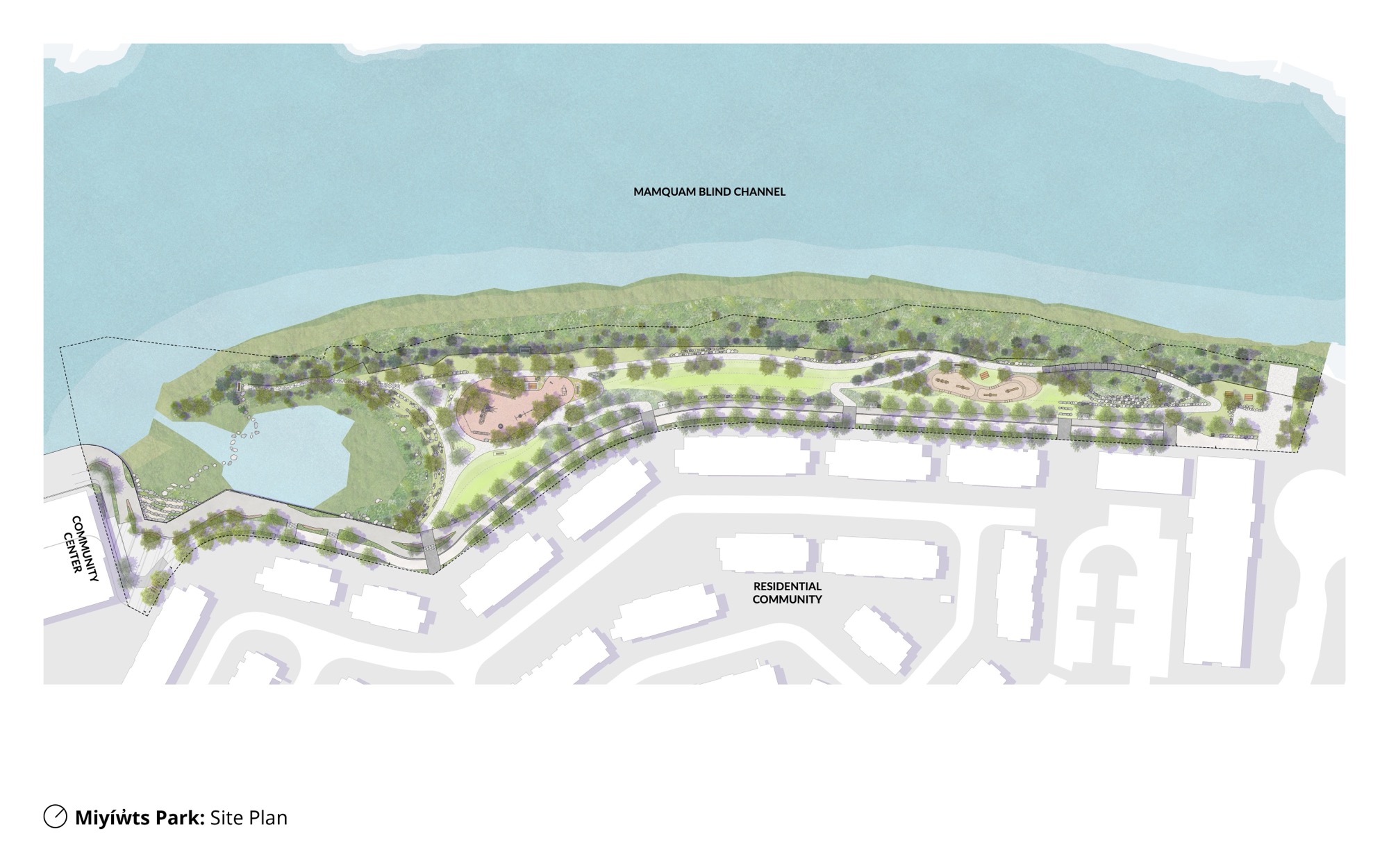
Climate adaptation is reinforced through a layered system of nature-based strategies informed by Green Shores® principles. Intertidal benching, naturalized edges, and woody debris stabilize the shoreline while enhancing ecological function. A remediated wetland has been re-established as an intertidal lagoon, increasing habitat diversity and providing flood storage capacity. Together, these interventions create a dynamic coastal edge that supports both environmental performance and public use.
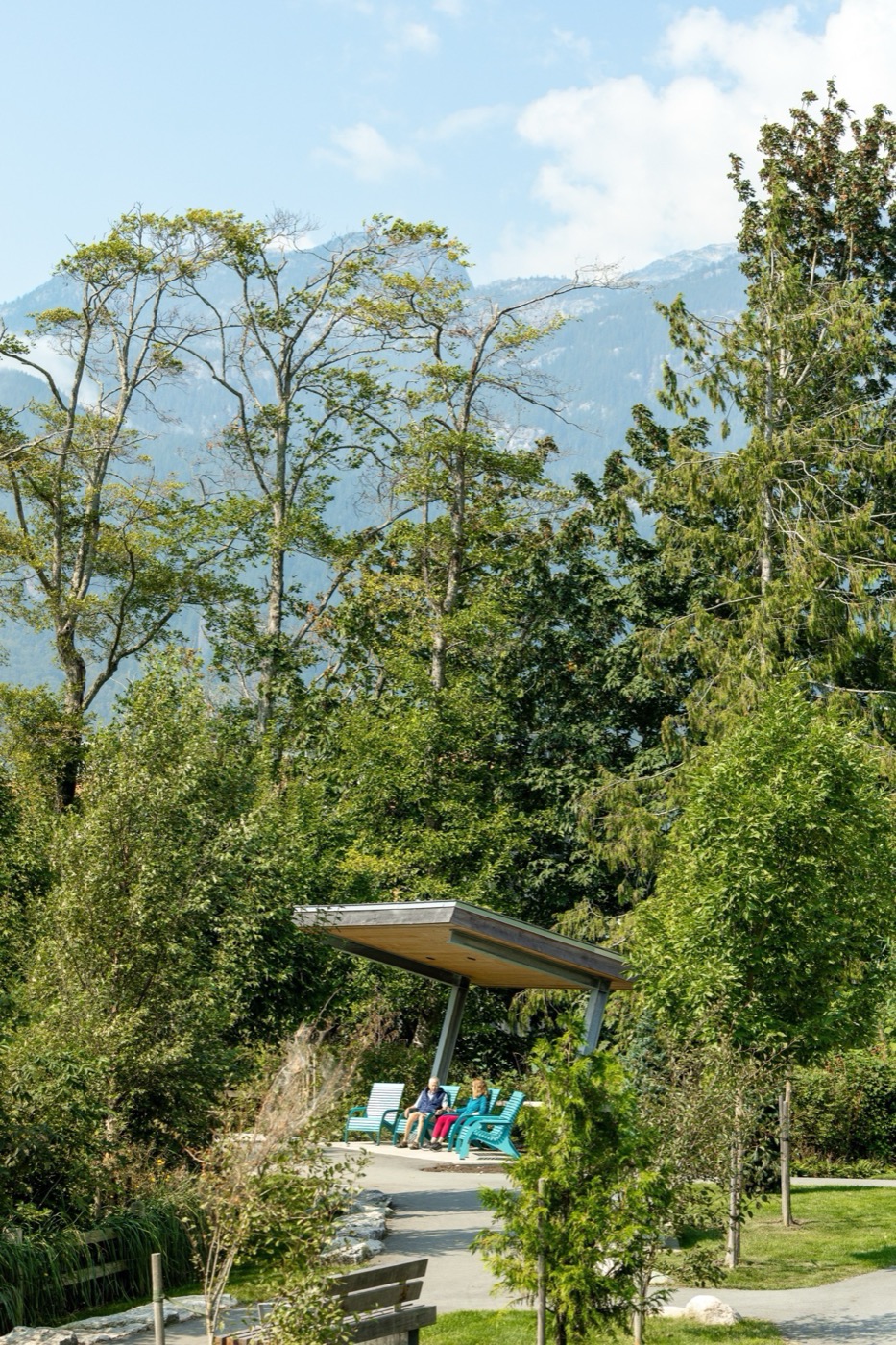
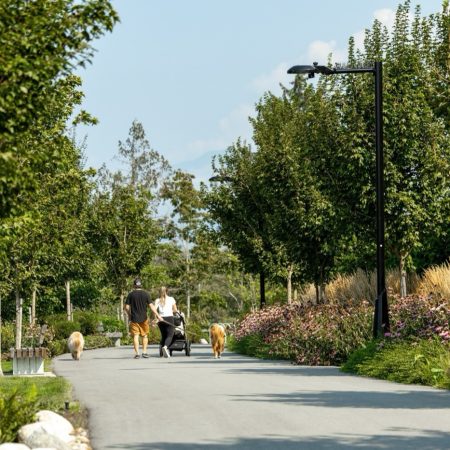
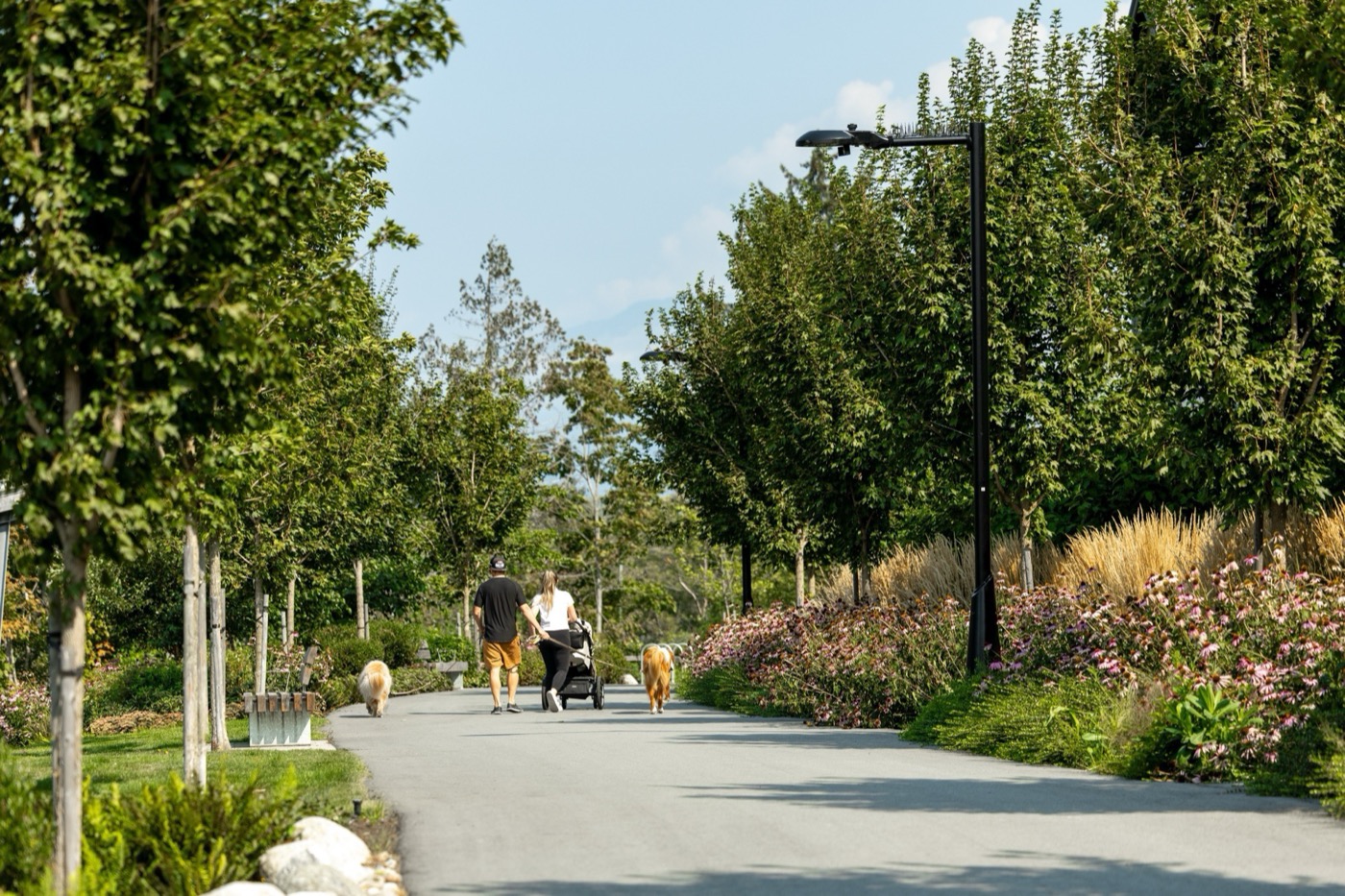
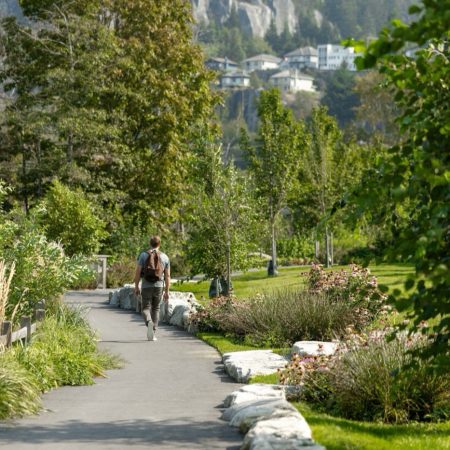
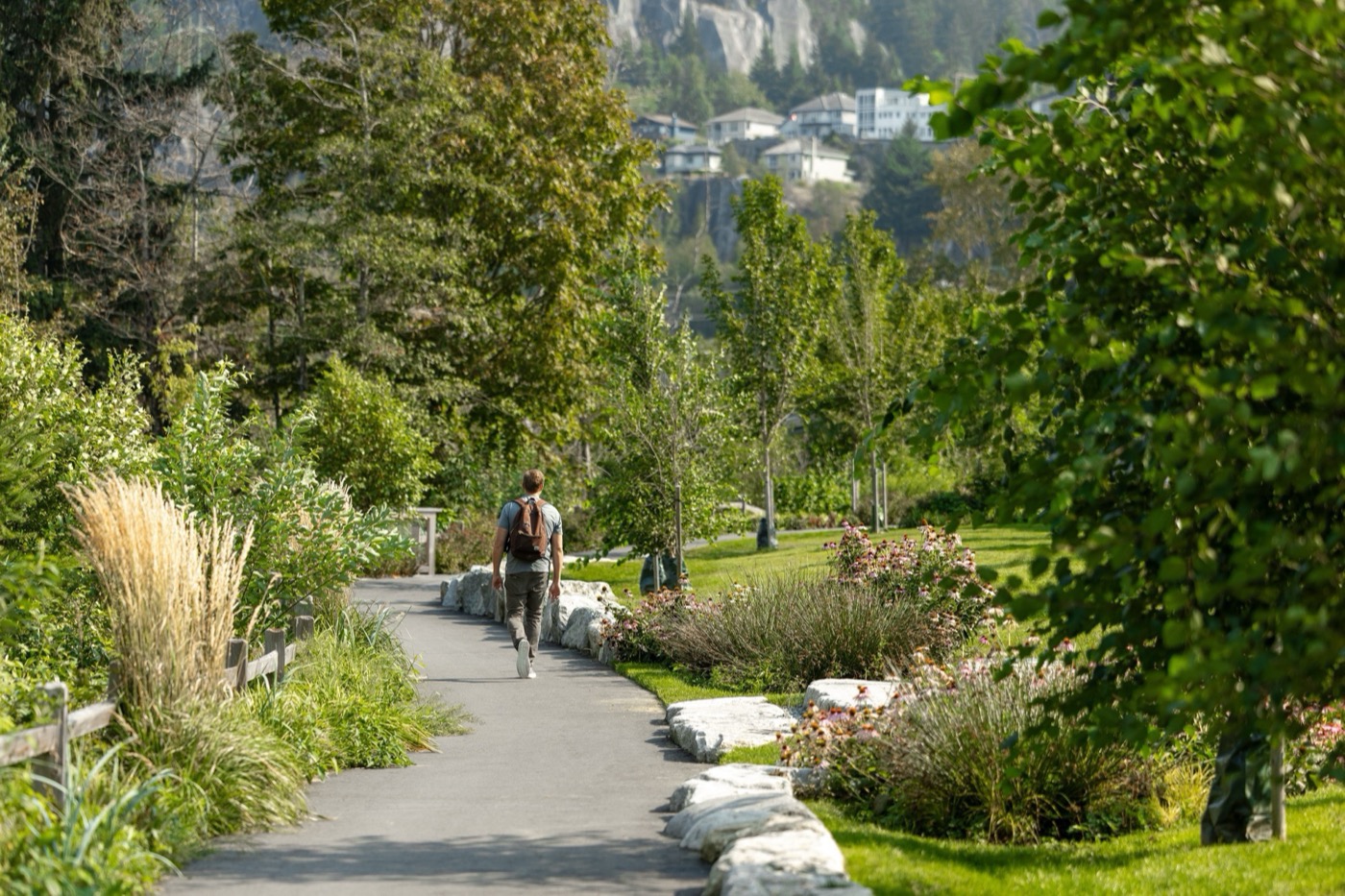
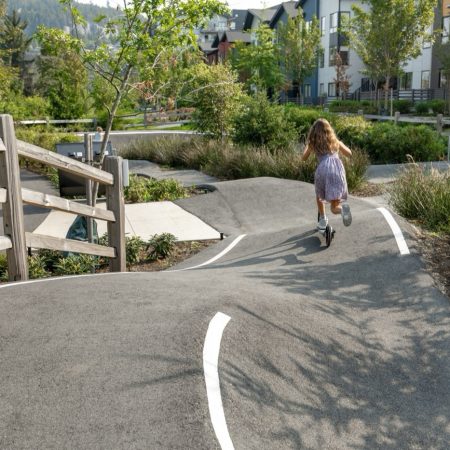
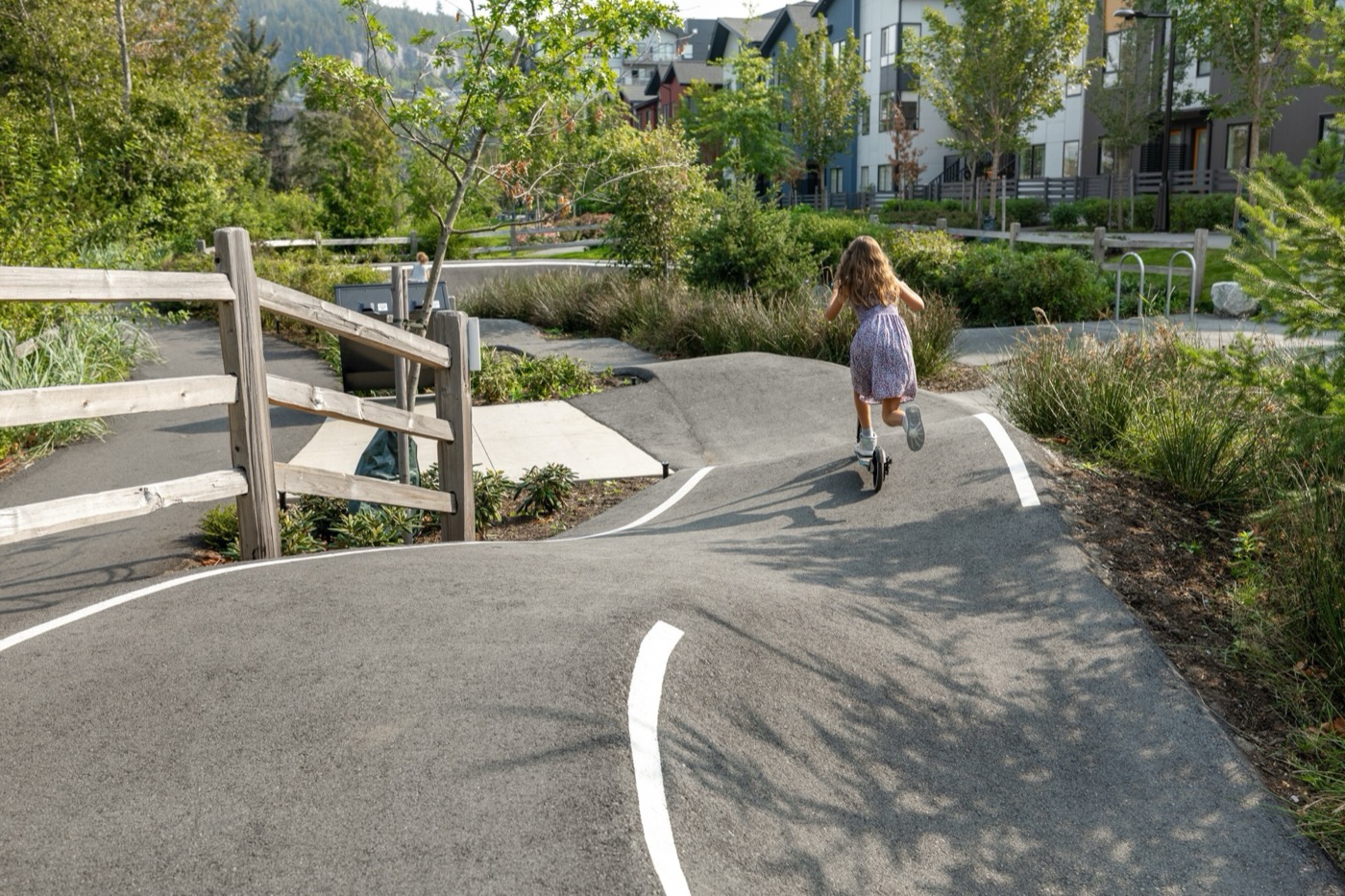
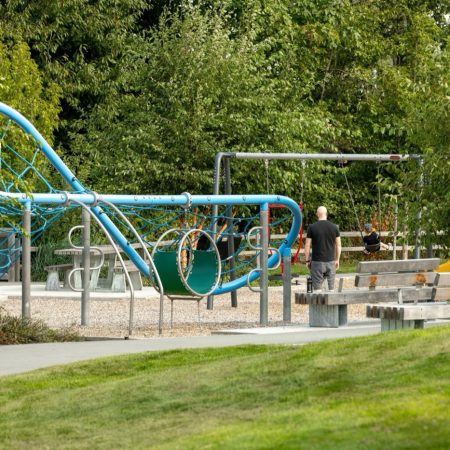
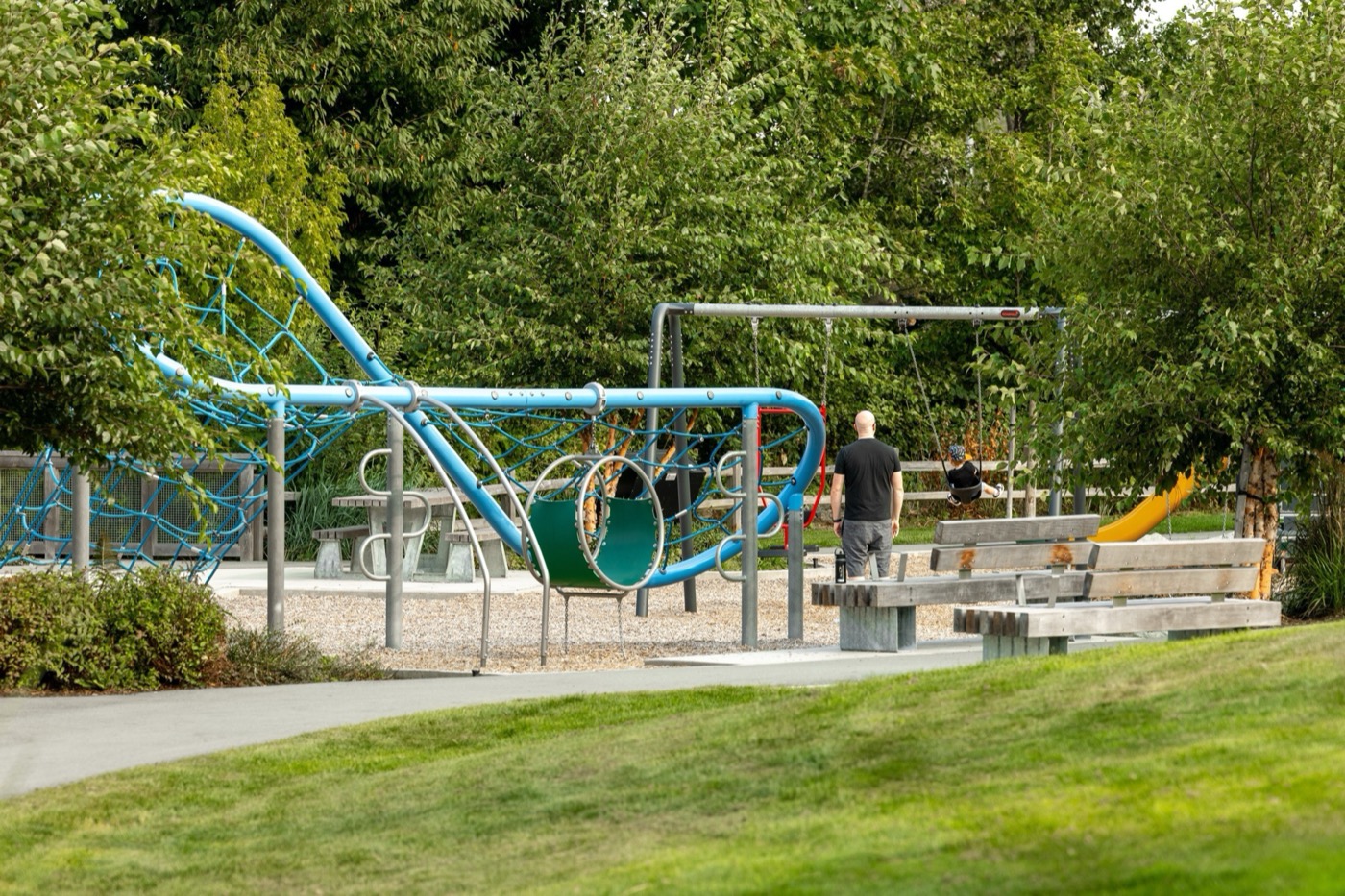
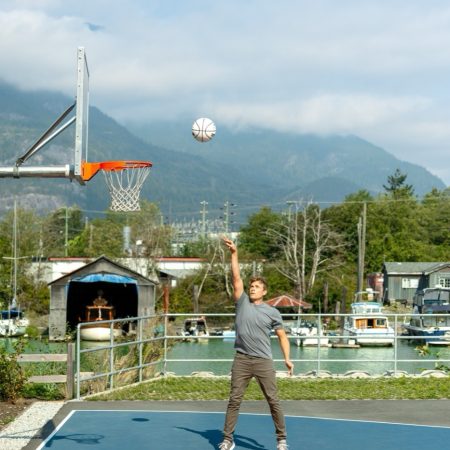
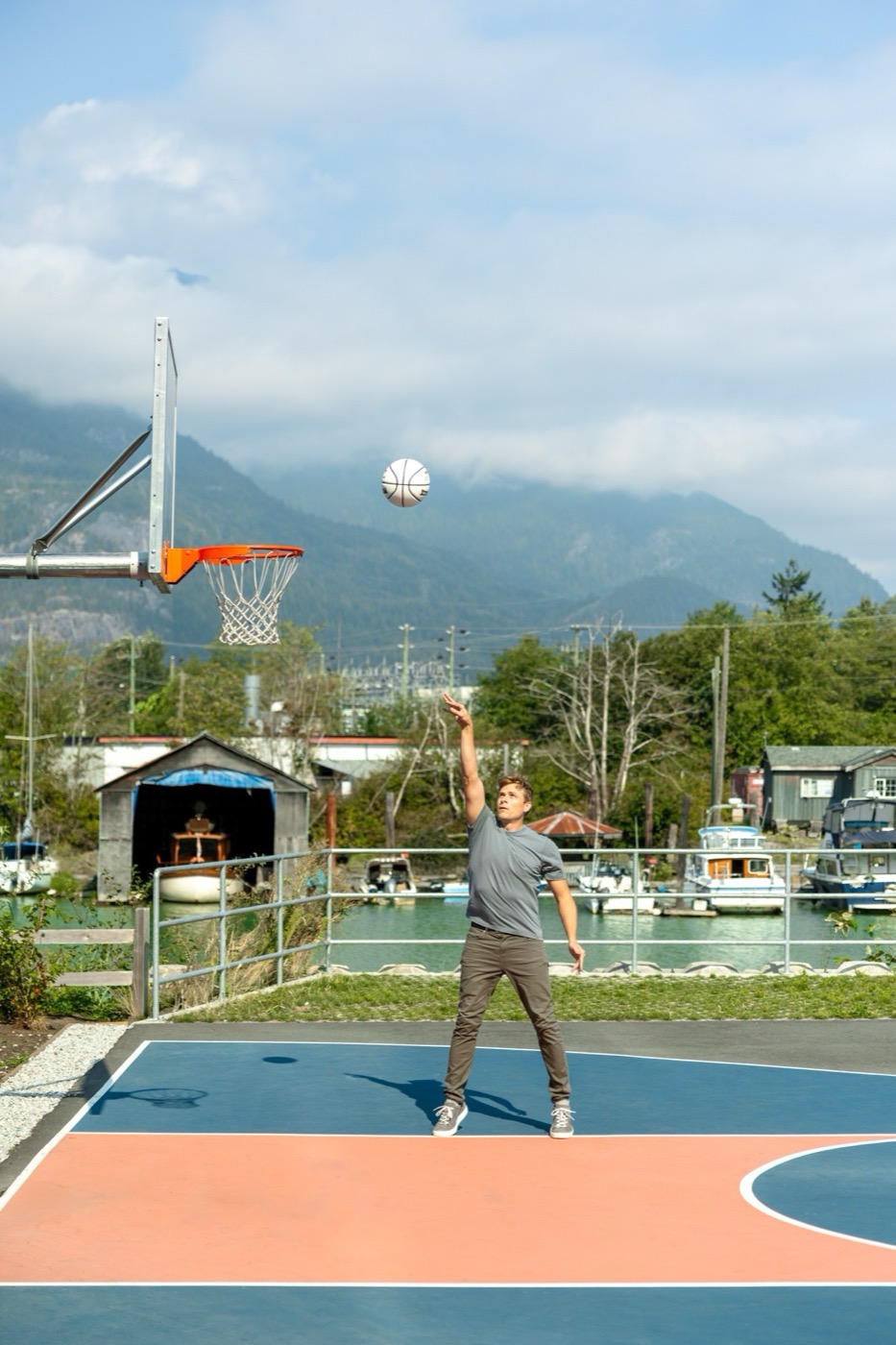
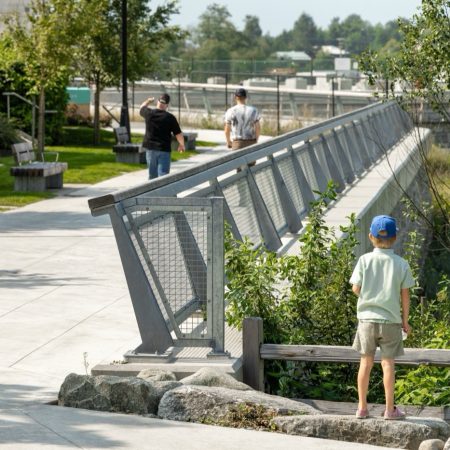
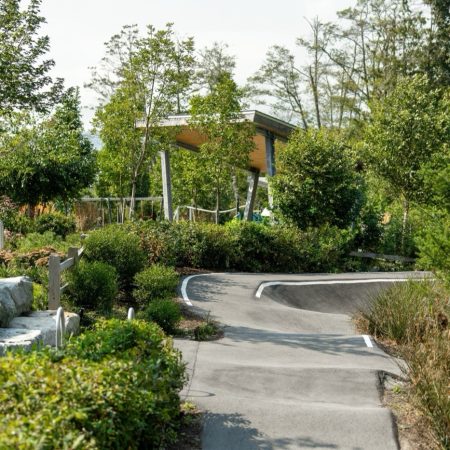
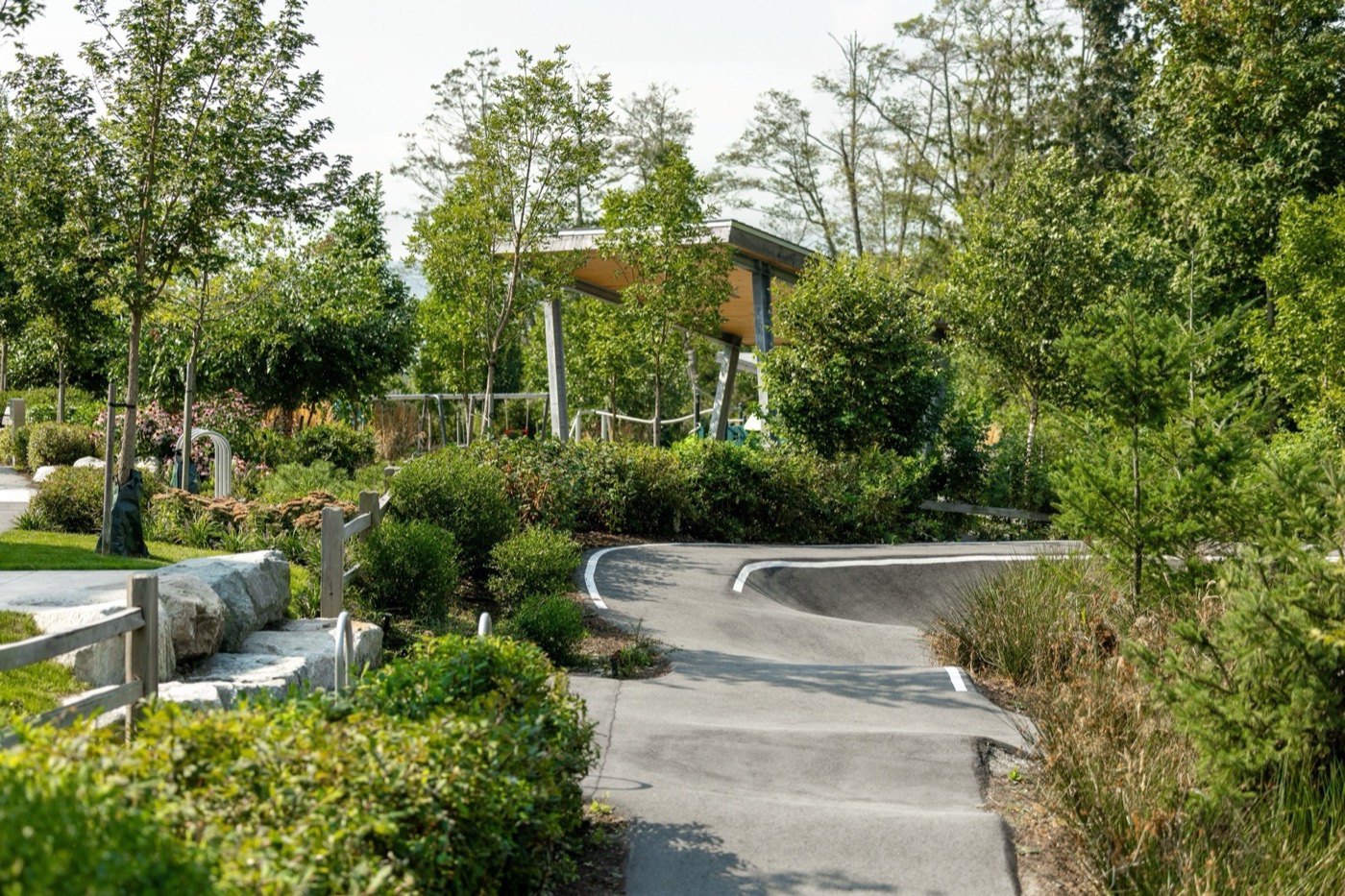
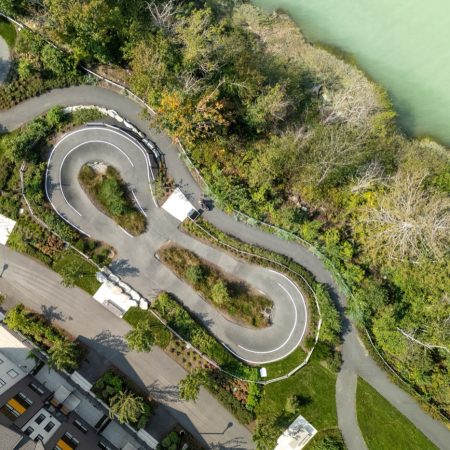
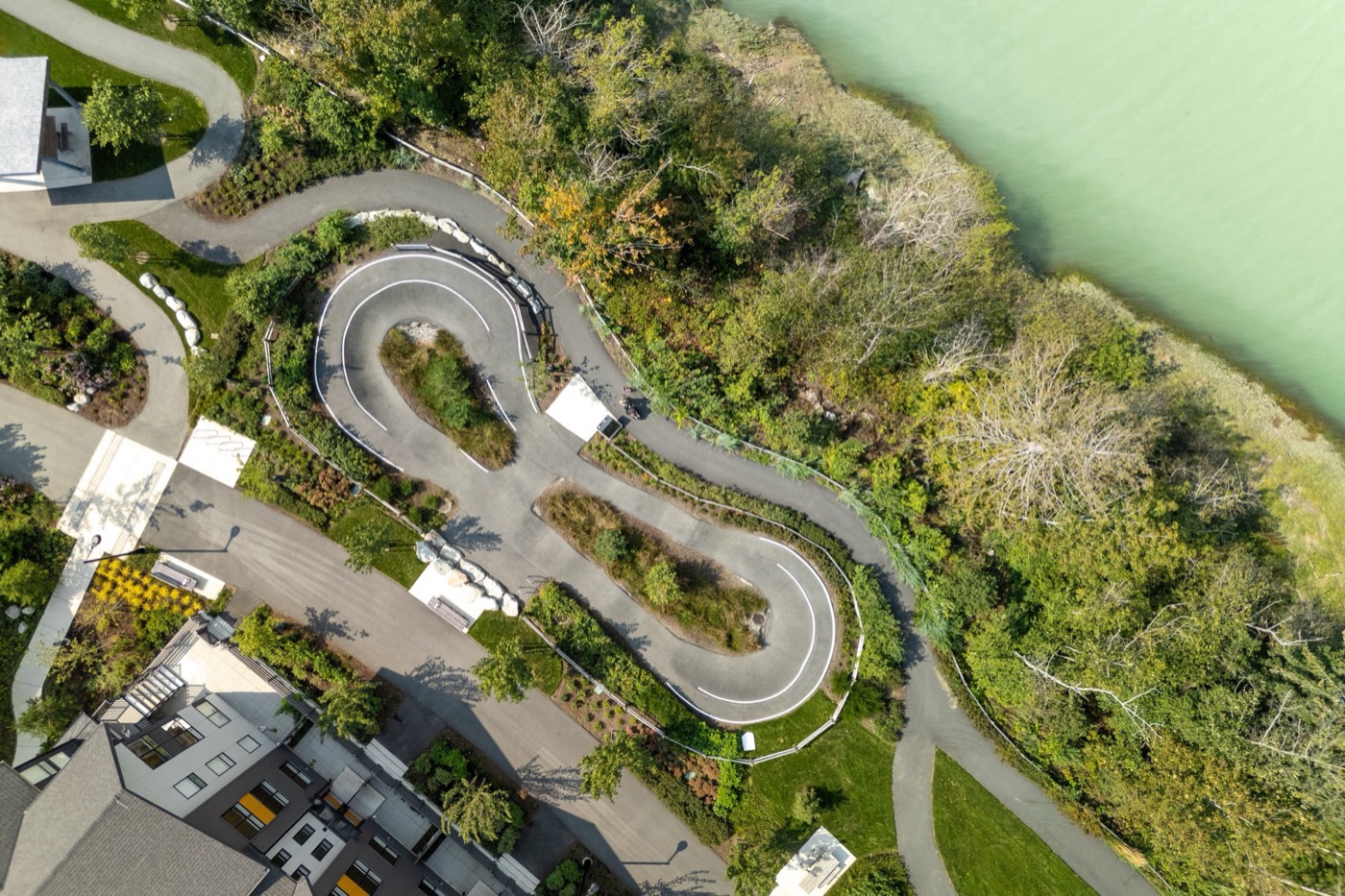
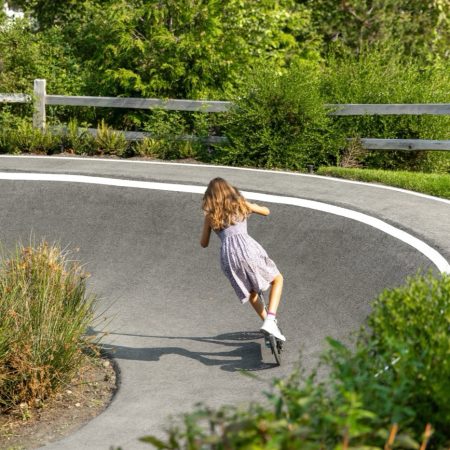
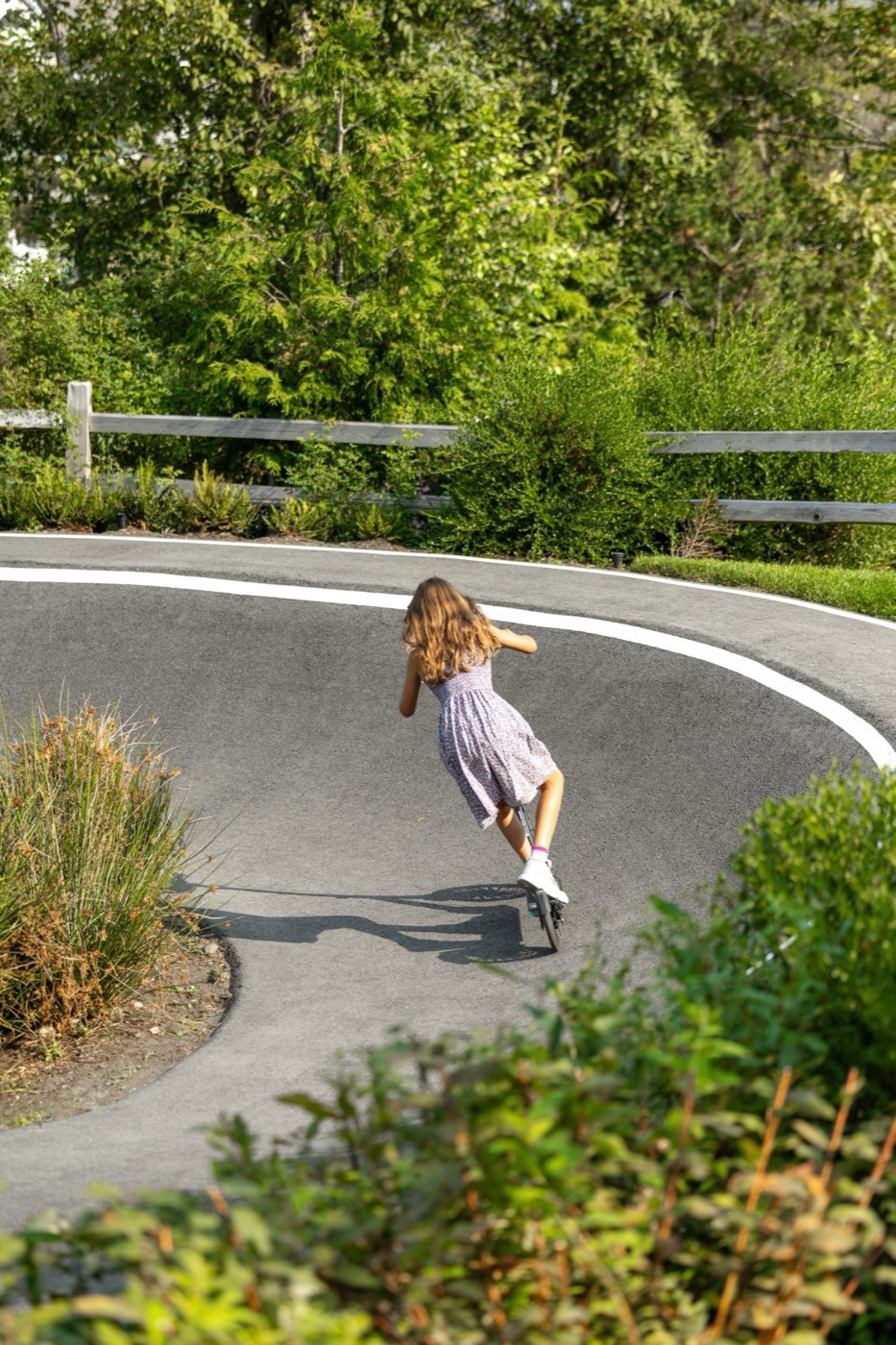
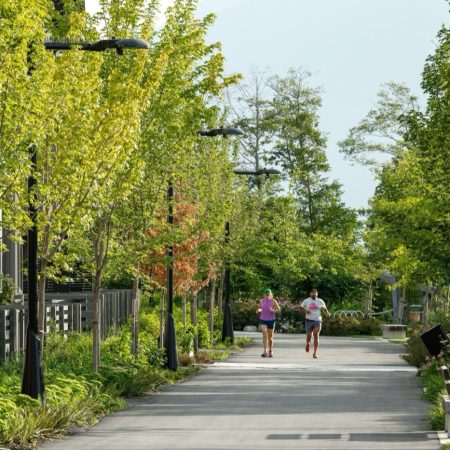
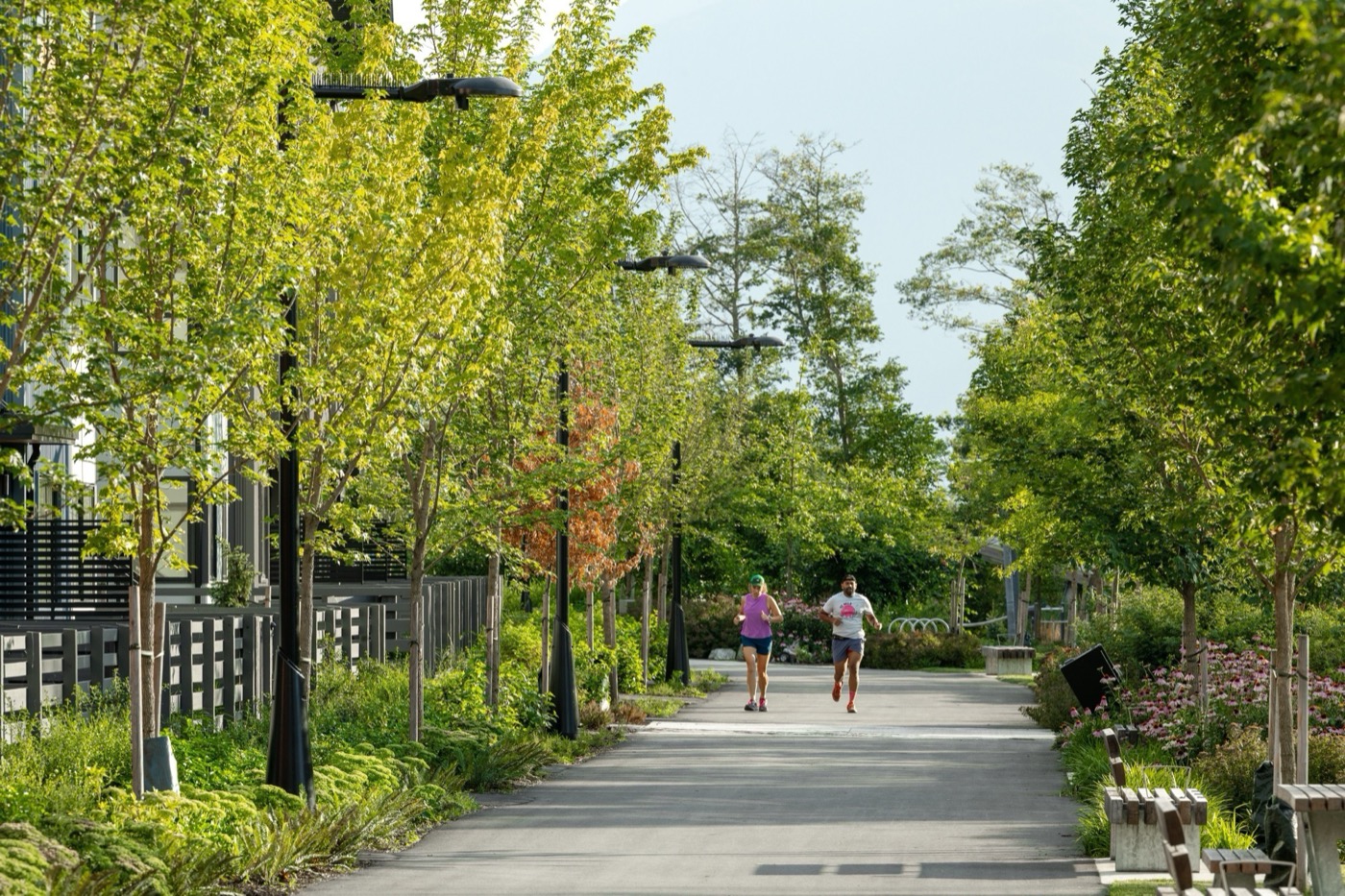
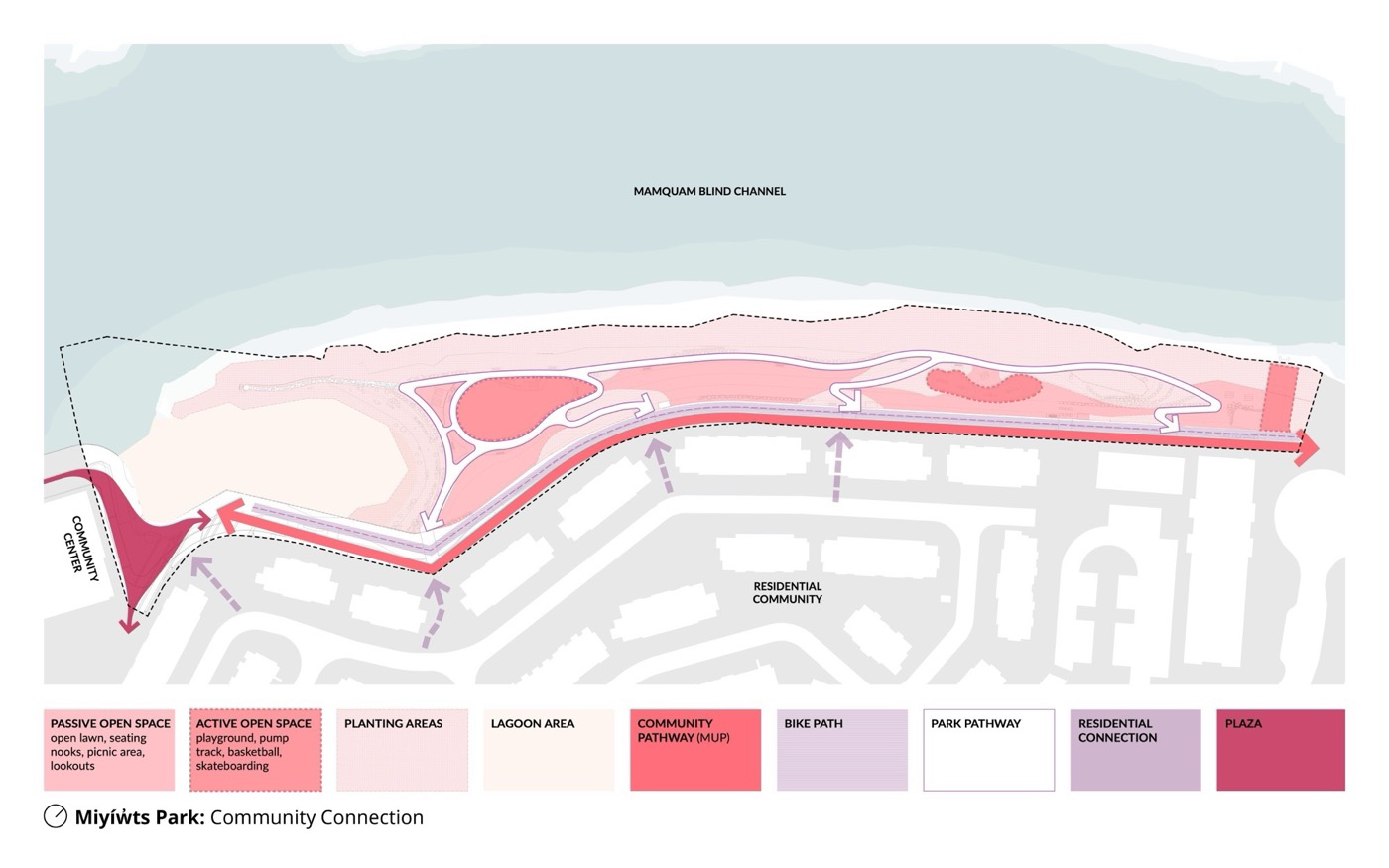
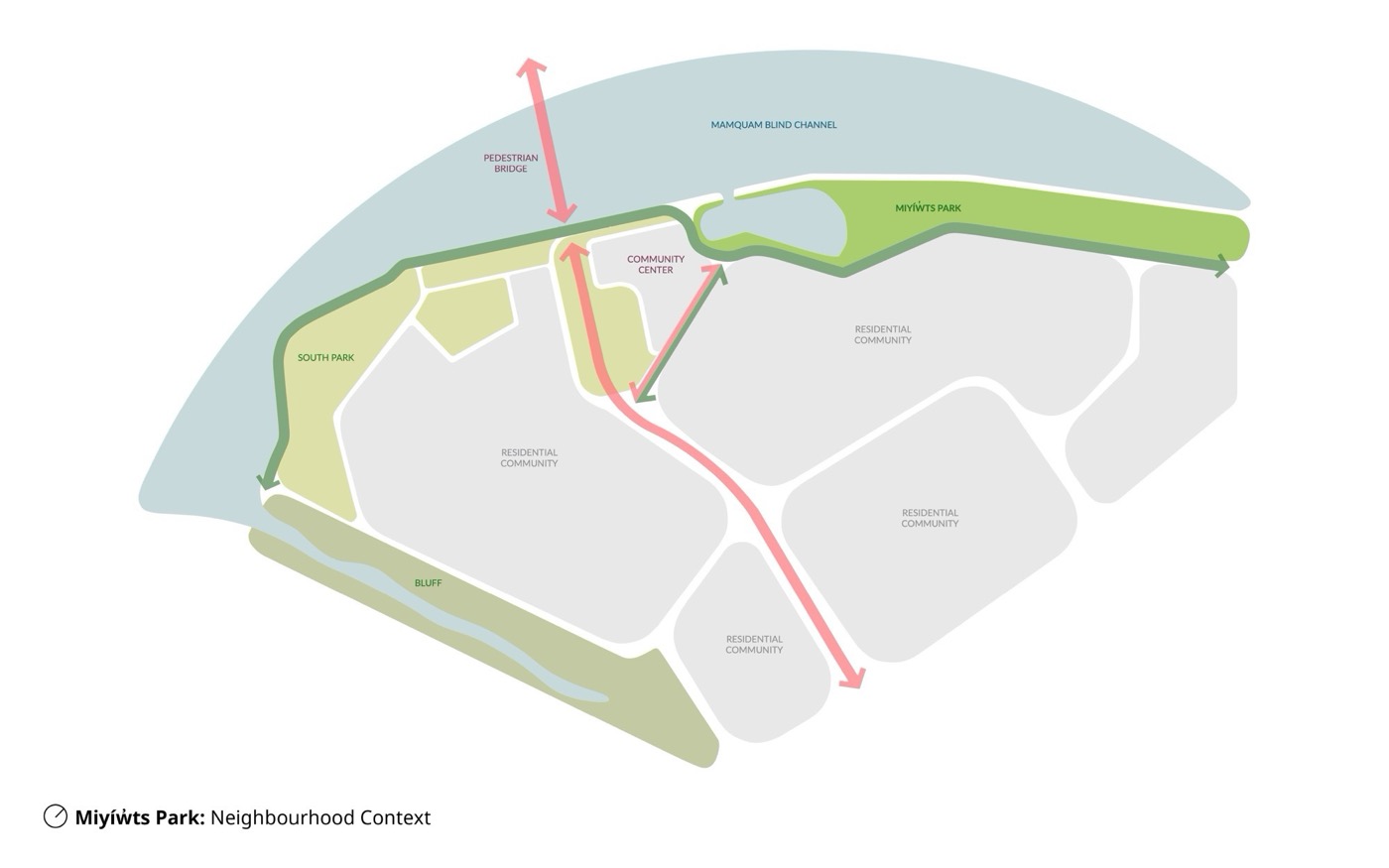
The park is organized as a connected network of spaces that support a wide range of activities. Multi-use pathways link the waterfront to surrounding neighbourhoods, the regional trail system, and downtown Squamish. Program elements—including a pump track, play areas, open lawns, terraces, and lookouts—are carefully arranged to balance active recreation with quieter areas of refuge. Circulation is intuitive and universally accessible, ensuring the park can be used by a diverse community throughout the year.
-
- PWL Partnership
-
- City of Vancouver / PWL Partnership
-
- PWL Partnership
-
- PWL Partnership
-
- PWL Partnership
-
- PWL Partnership
-
- PWL Partnership
-
- PWL Partnership
-
- PWL Partnership
-
- PWL Partnership
-
- PWL Partnership
-
- PWL Partnership
-
- PWL Partnership
-
- PWL Partnership
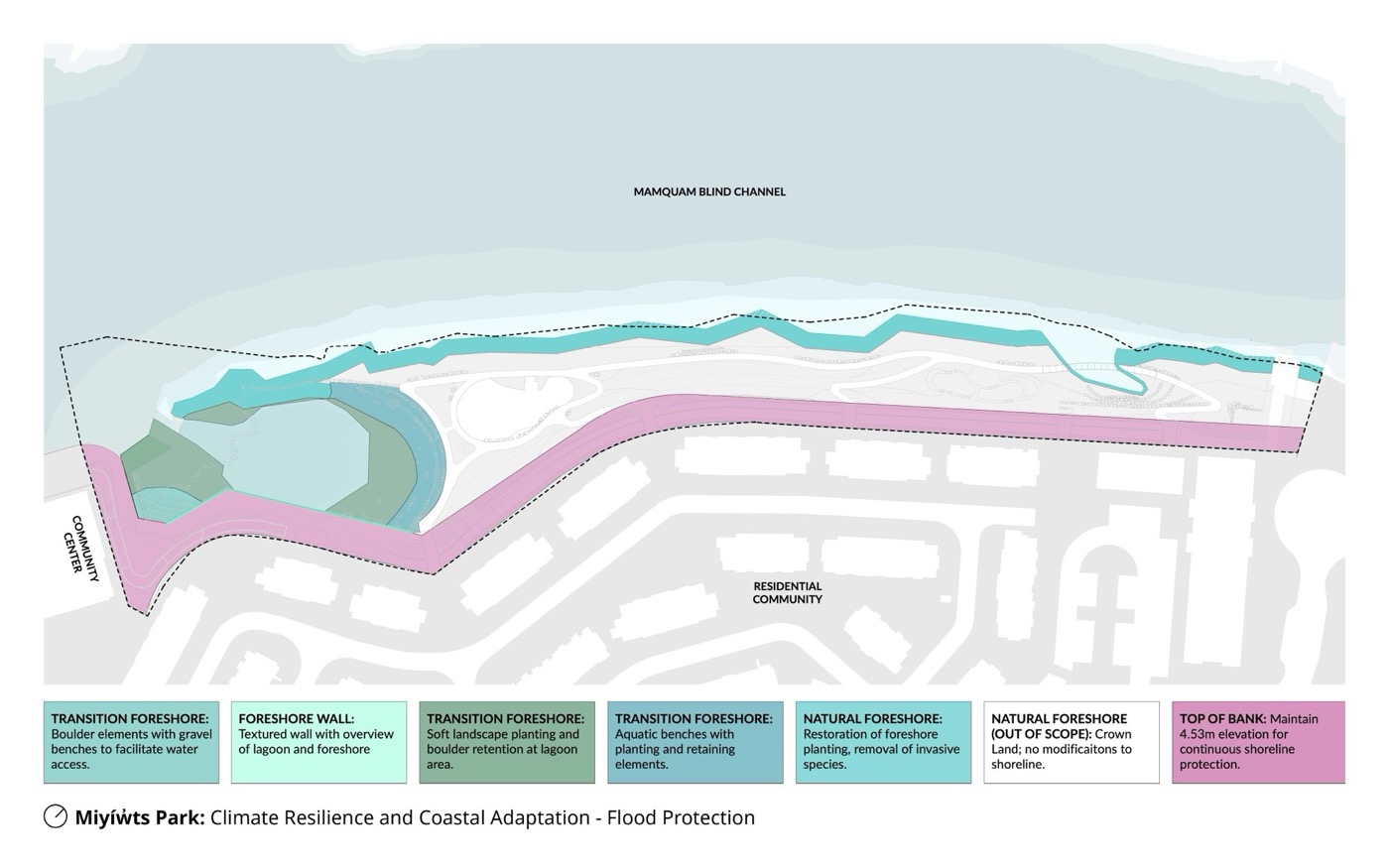
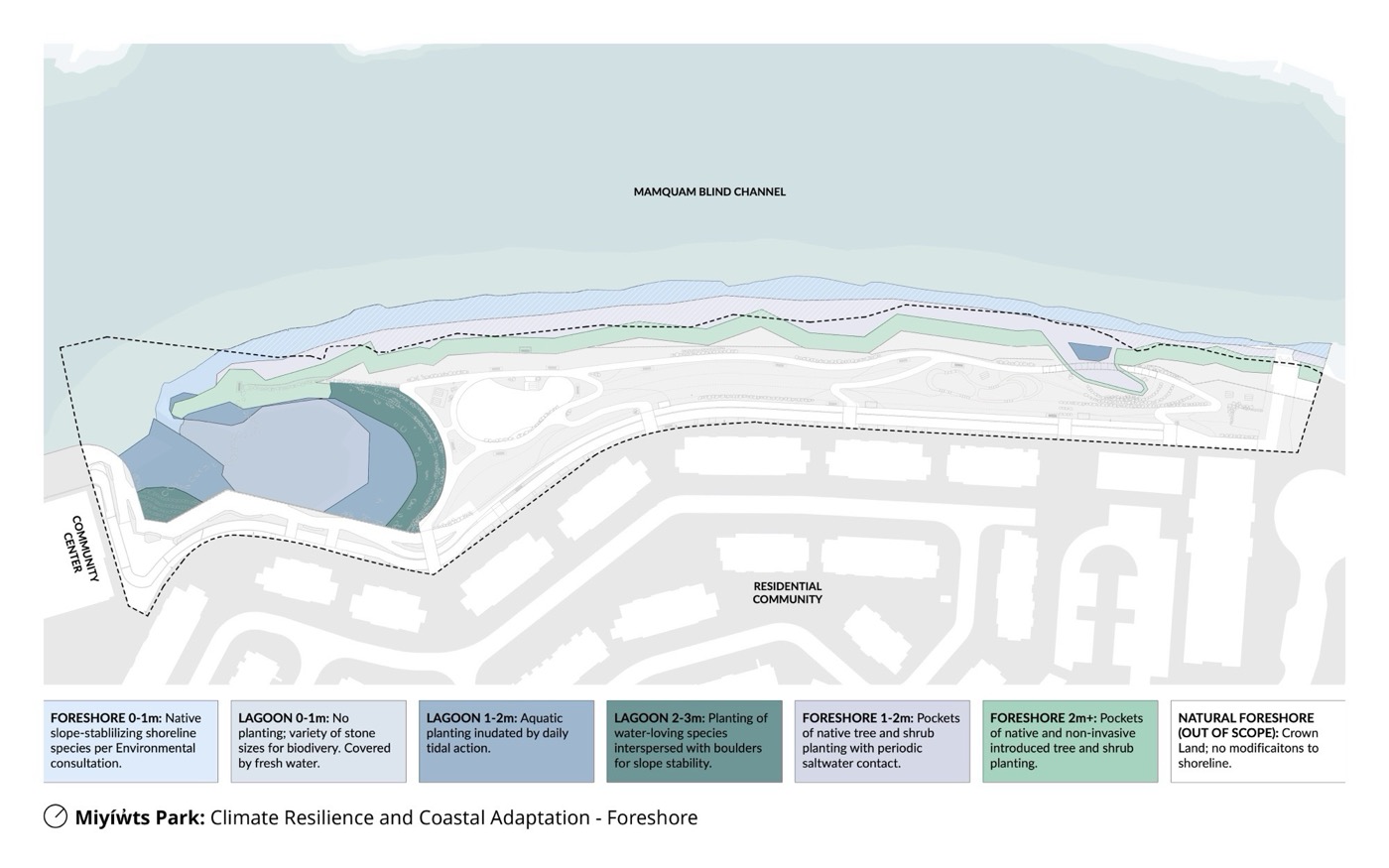
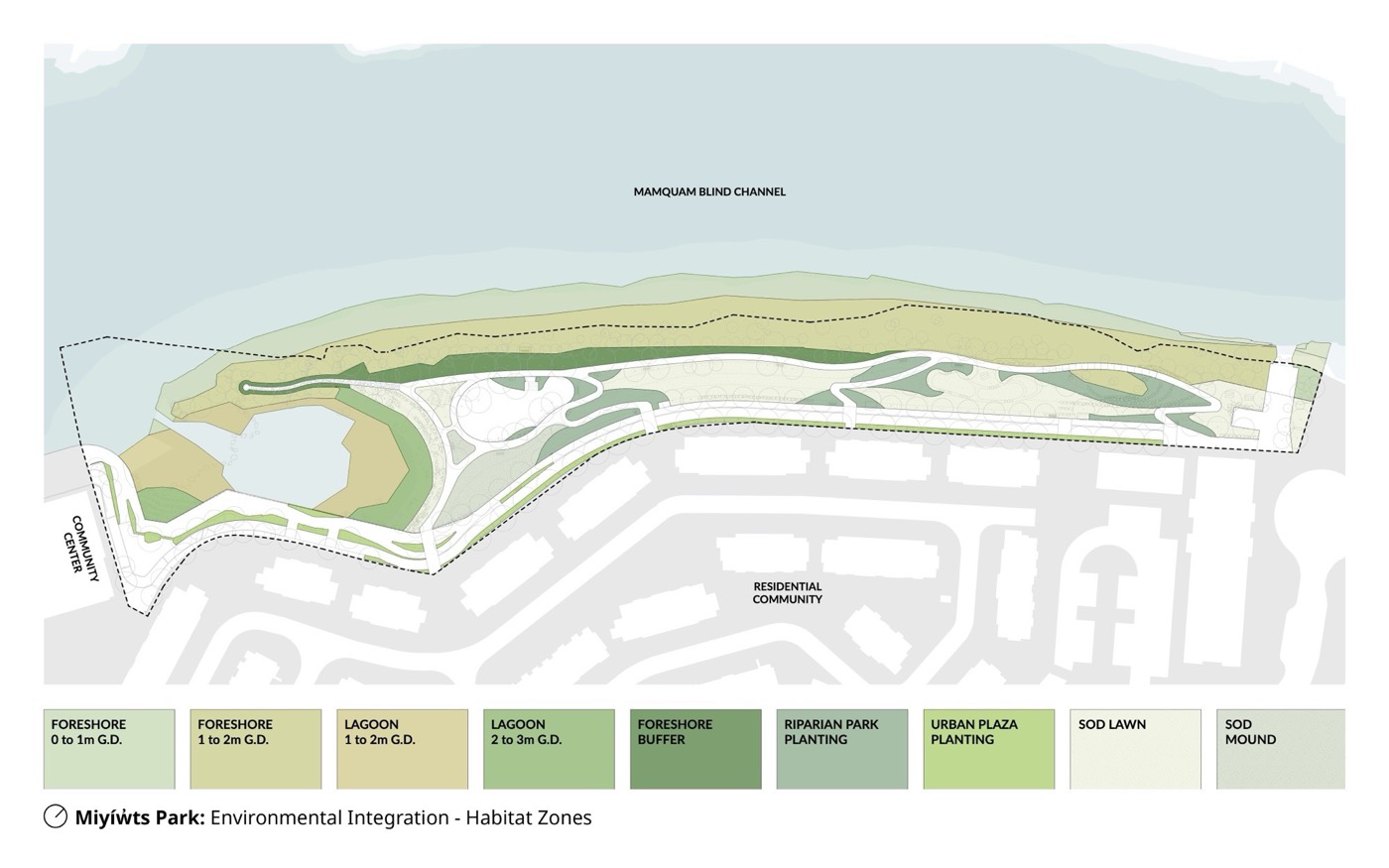
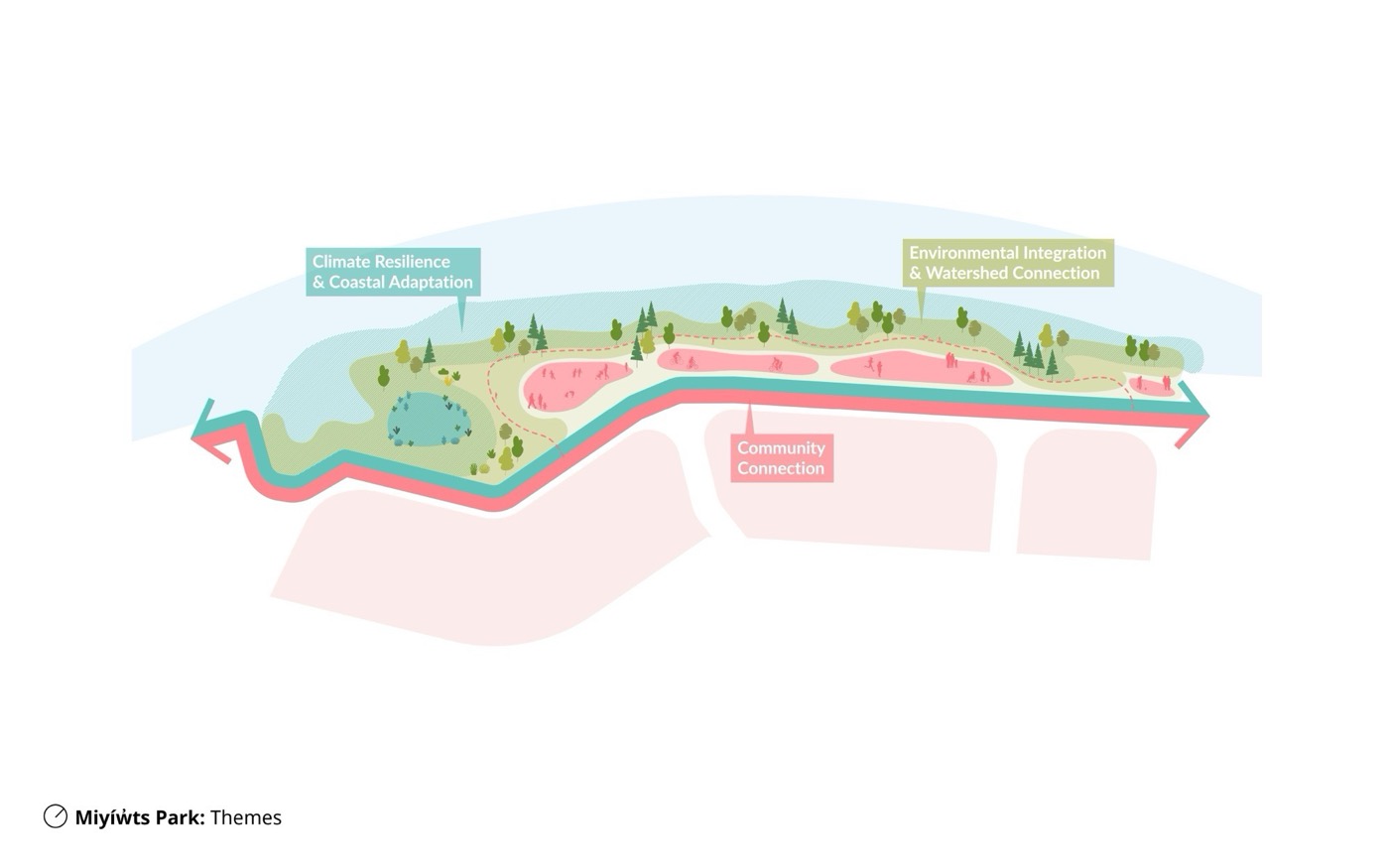
Ecological integration is central to the project’s performance. Intertidal, riparian, and upland habitats are restored through watershed-informed grading and native planting strategies. Salt-tolerant species stabilize soils, filter runoff, and provide habitat for fish, birds, and wildlife. The introduction of the intertidal lagoon establishes a rare habitat type within an urban setting, contributing to measurable gains in biodiversity.
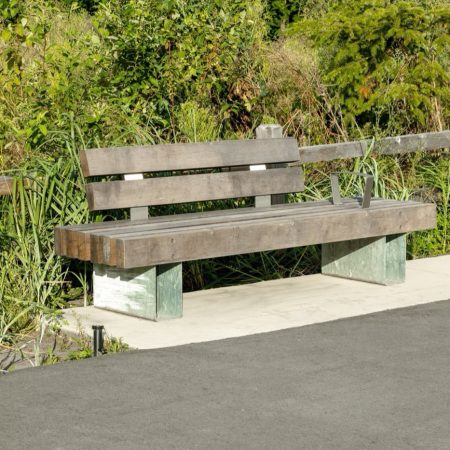
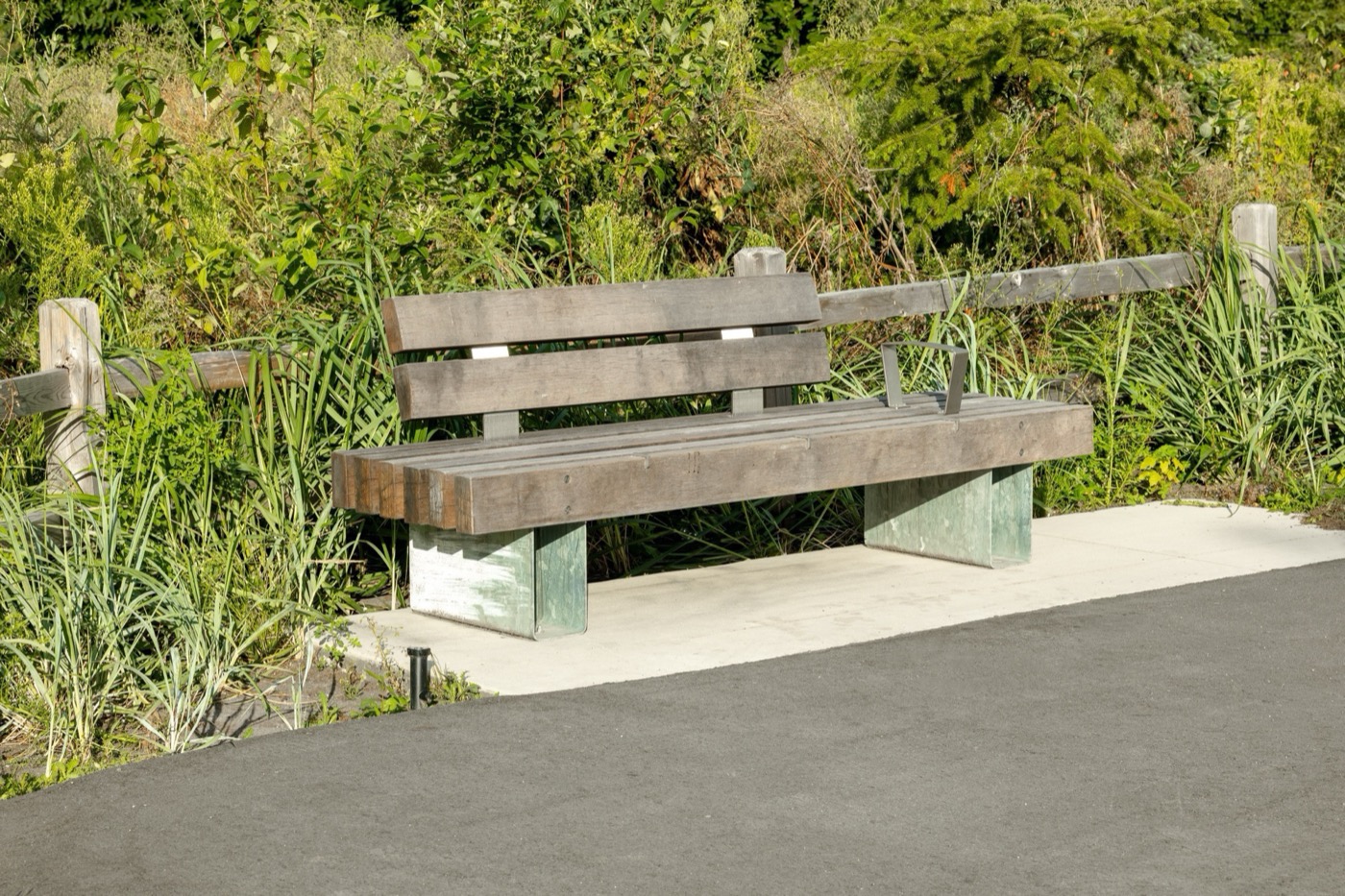
Material selection reinforces both durability and place identity. Reused local granite, salvaged logs, and native planting palettes respond to the demands of a tidal environment while grounding the park in the character of Squamish. In upper areas, wood and stone are detailed for longevity under heavy public use, supporting a cohesive and resilient material language across the site.
The project was led by the landscape architect as prime consultant, coordinating a multidisciplinary team to integrate coastal engineering, ecology, infrastructure, and public space design. The work required alignment between municipal flood planning, environmental objectives, and community expectations, resulting in a unified approach where technical performance and public experience are inseparable.
Miyíw̓ts Park demonstrates how climate adaptation can shape the public realm in meaningful ways. By integrating flood protection, ecological restoration, and inclusive programming, the project establishes a model for resilient waterfront design that supports both environmental systems and everyday community life.
Project Credits
Landscape Architect (Prime Consultant): PWL Partnership Landscape Architects Inc.
Derek Lee (Design Lead, Partner, Landscape Architect)
Katya Yushmanova (Partner-in-Charge, Landscape Architect)
Jenna Buchko (Sustainability Lead, Landscape Architect)
Kayla Poch (Project Manager, Landscape Technician)
Erin Ramsay (Senior Landscape Architect)
Chris Walker (Landscape Architect)
Brittany Shalagan (Landscape Architect)
Hannah Philips (Horticulturalist)
Client: Bosa Properties Inc. (Sandra Aeng, Development Manager)
District of Squamish (Elaine Naisby, Parks Planner)
Contractors:
Axiom Builders (Steve Moan, Jordan Felix)
Horizon Contracting Group (Nate Sandulac)
Sub-Consultants:
Aspect (Structural Engineering – Andrew Chad, Meike Engel)
Binnie (Civil Engineering – Rob Dos Santos, Gabe Cojuangco)
DMD Electrical (Electrical Engineering – Mike Cetnarowski)
Dream Wizards Events (Pump Track Designer – Ted Tempany)
Fronterra (Geotechnical Engineering – Steven Fofonoff)
Keystone Engineering (Biologist – Warren Appleton)
Tetra Tech (Coastal Engineering – Albert Leung)
Water Plan It (Irrigation – Regan Hyde)
https://maps.app.goo.gl/rDkko3UYgpgEYWF96
73682


LILA 2026 Sponsor