Wheaton Walk Through Time
www.pwlpartnership.com
2026 Campuses and Corporate / Canada / Built in 2022 /

![The Vancouver Convention Centre living roof, completed in 2010, is one of North America’s largest green roofs and a defining example of landscape architecture delivering long-term environmental and civic performance. Sixteen years later, the project demonstrates how large-scale green infrastructure evolves over time, and how its success depends on sustained stewardship, adaptation, and interdisciplinary collaboration. […]](https://landezine-award.com/wp-content/uploads/2026/05/00_73681—Vancouver-Convention-Centre—Hero-Image-600x450.jpg "Vancouver Convention Centre Expansion")
![Miyíw̓ts Park reimagines a post-industrial shoreline at the mouth of the Mamquam Blind Channel as a climate-adaptive public landscape. Located within the Squamish River watershed and the Átl’ḵa7tsem / Howe Sound UNESCO Biosphere Region, the project transforms a highly vulnerable coastal site into a resilient and accessible waterfront that integrates infrastructure, ecology, and community use. […]](https://landezine-award.com/wp-content/uploads/2026/05/00_73681—Miyiwts-Park—Hero-Image-600x400.jpg "Miyíw̓ts Park")
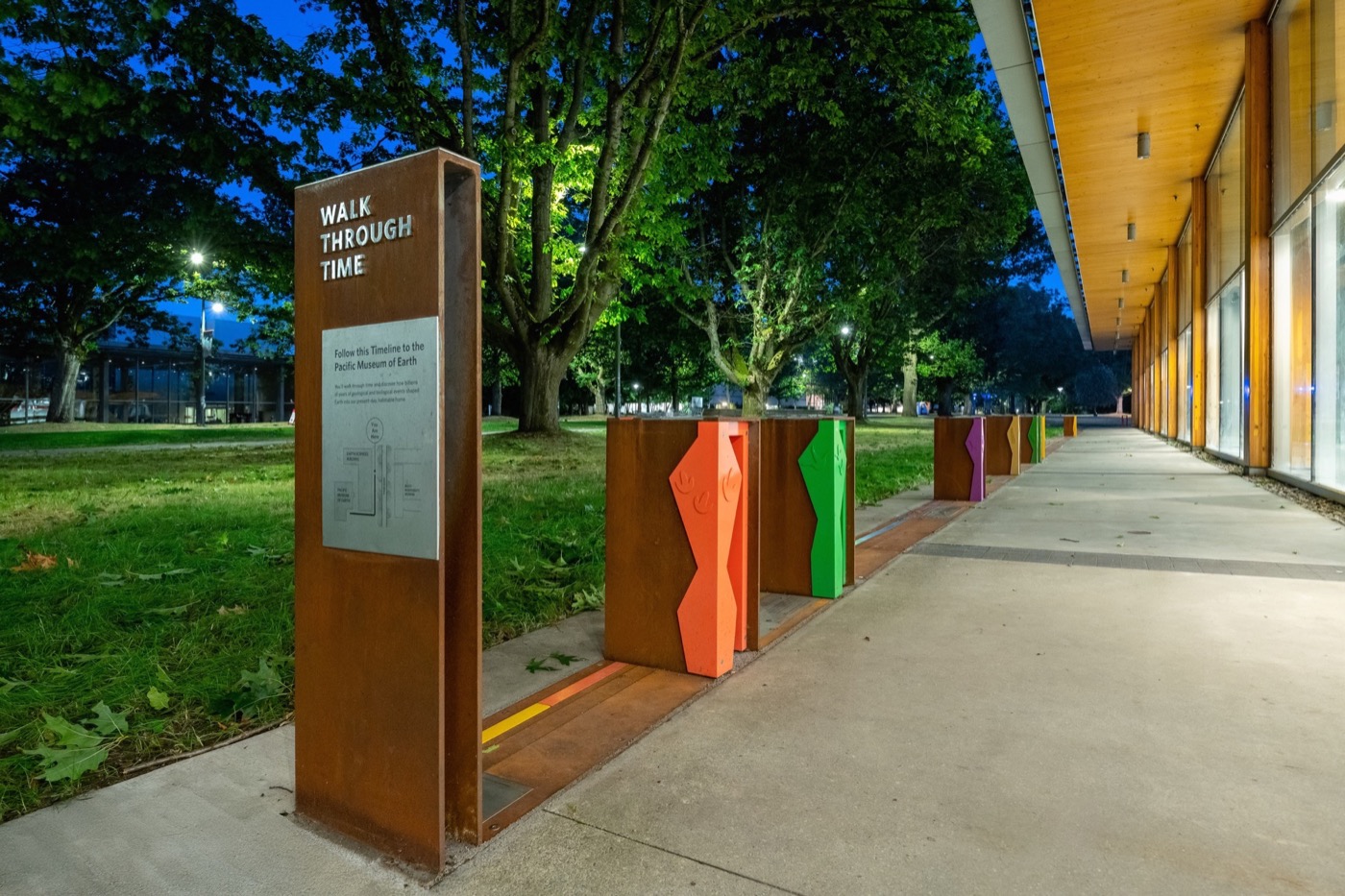
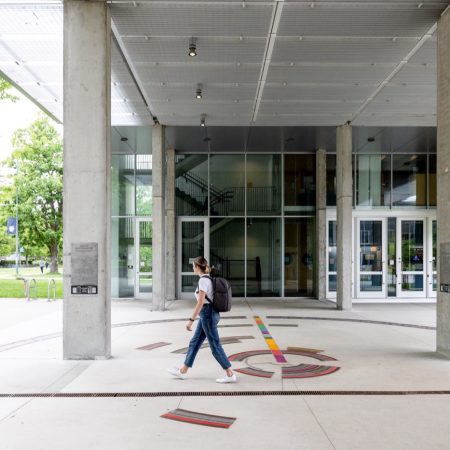
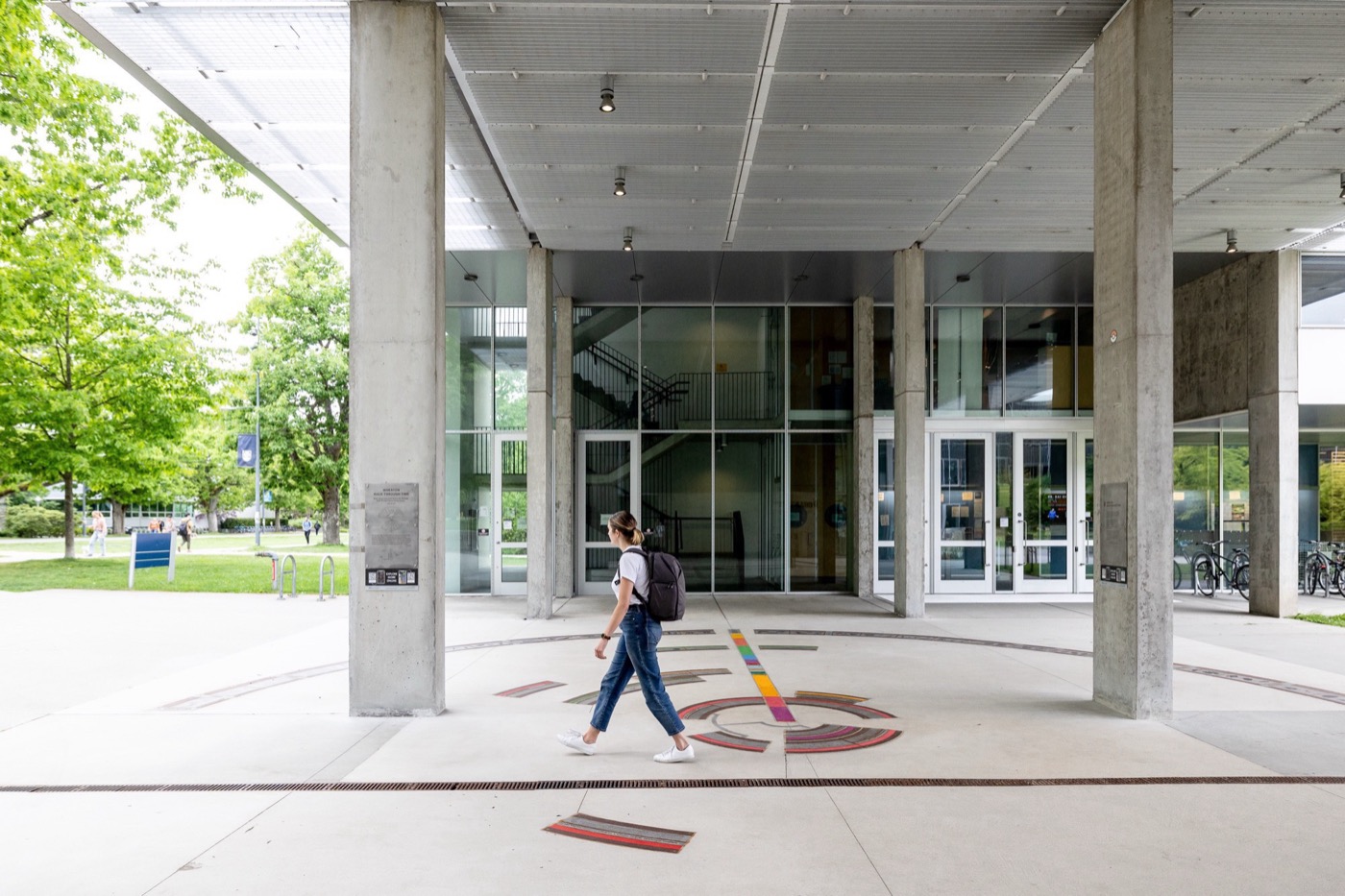
Wheaton Walk Through Time is an outdoor interpretive landscape that transforms a primary pedestrian route on the University of British Columbia campus into an immersive learning environment. Connecting the Pacific Museum of Earth and the Beaty Biodiversity Museum, the project translates 4.5 billion years of geological and biological history into a clear, spatial experience embedded in everyday movement.
The project addresses a fundamental challenge: how to communicate the scale and complexity of deep time in a way that is legible to a broad public audience. Rather than relying on text alone, the design uses distance, sequence, material, and colour to convey scientific concepts through physical experience. Visitors engage at their own pace, encountering information incrementally as they move through the landscape.
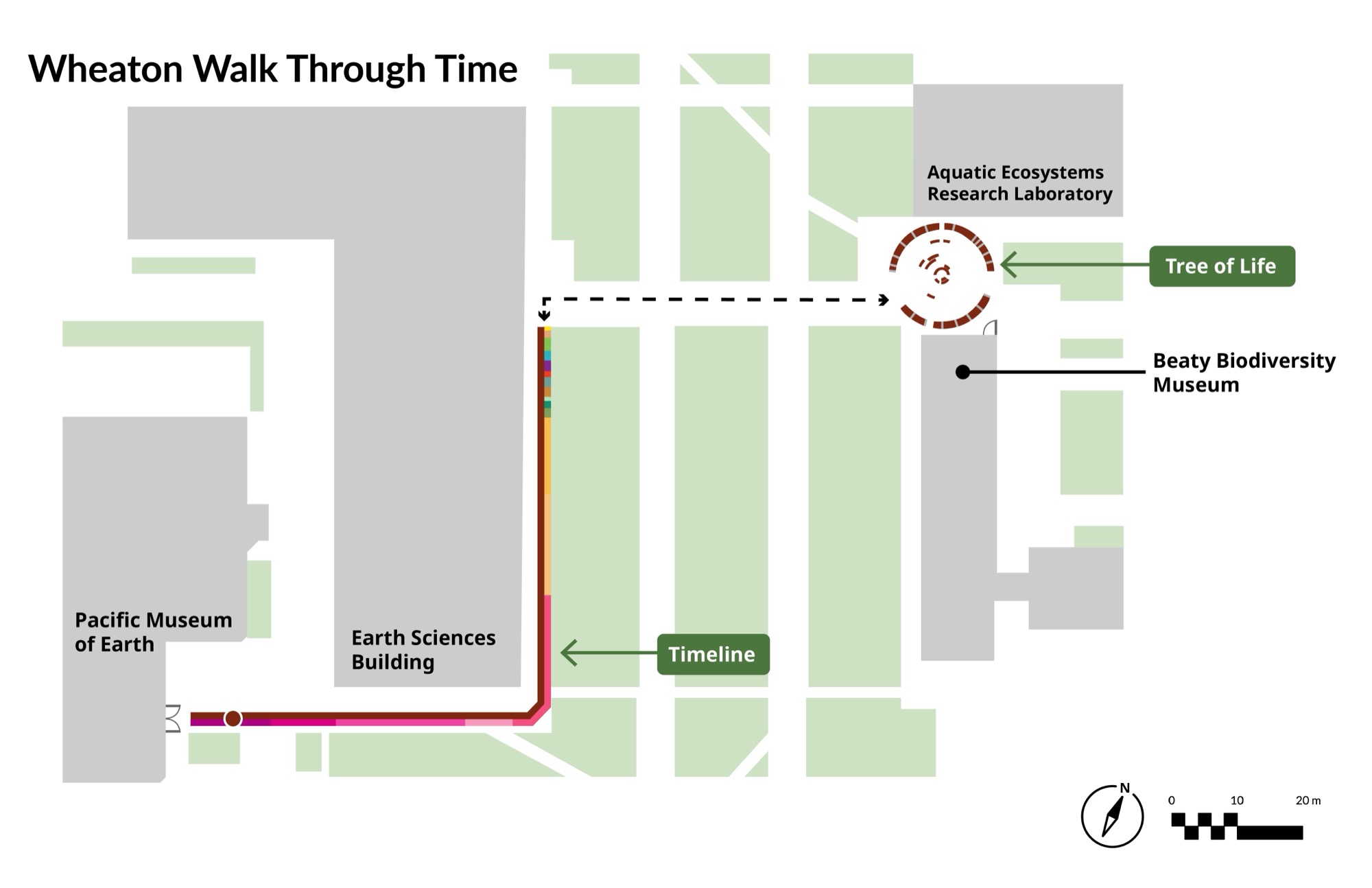
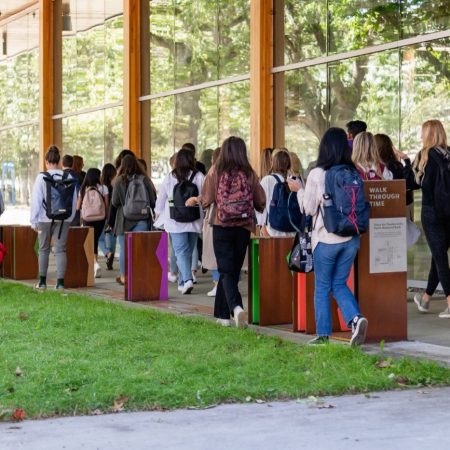
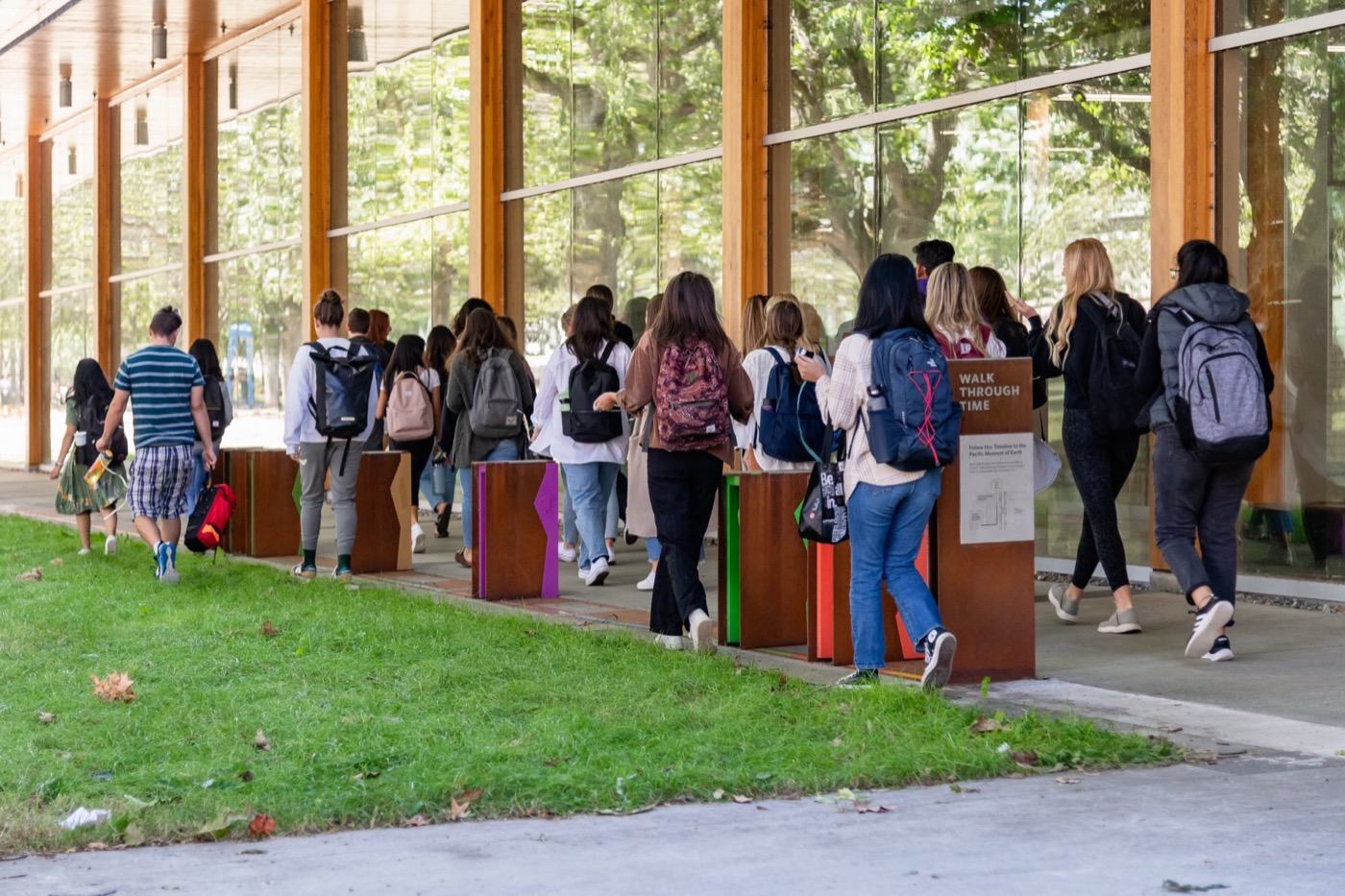
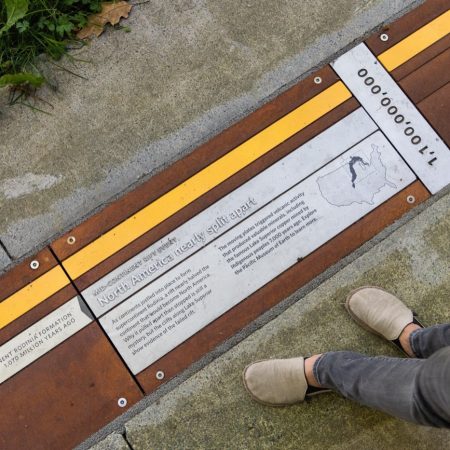
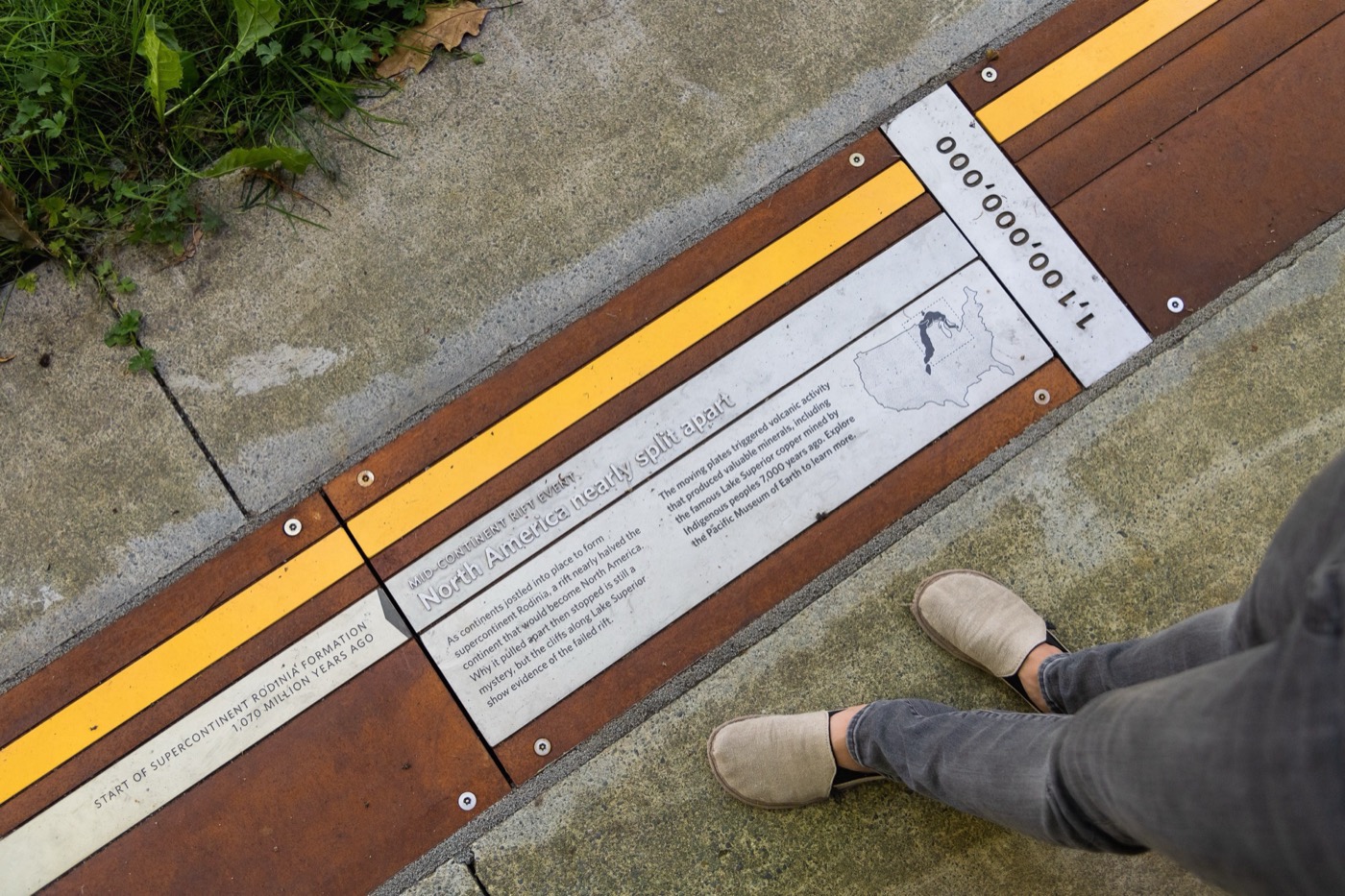
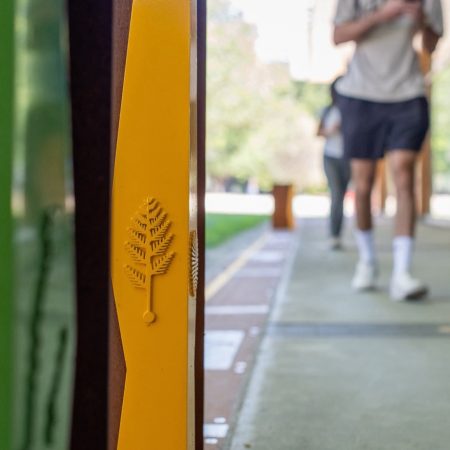
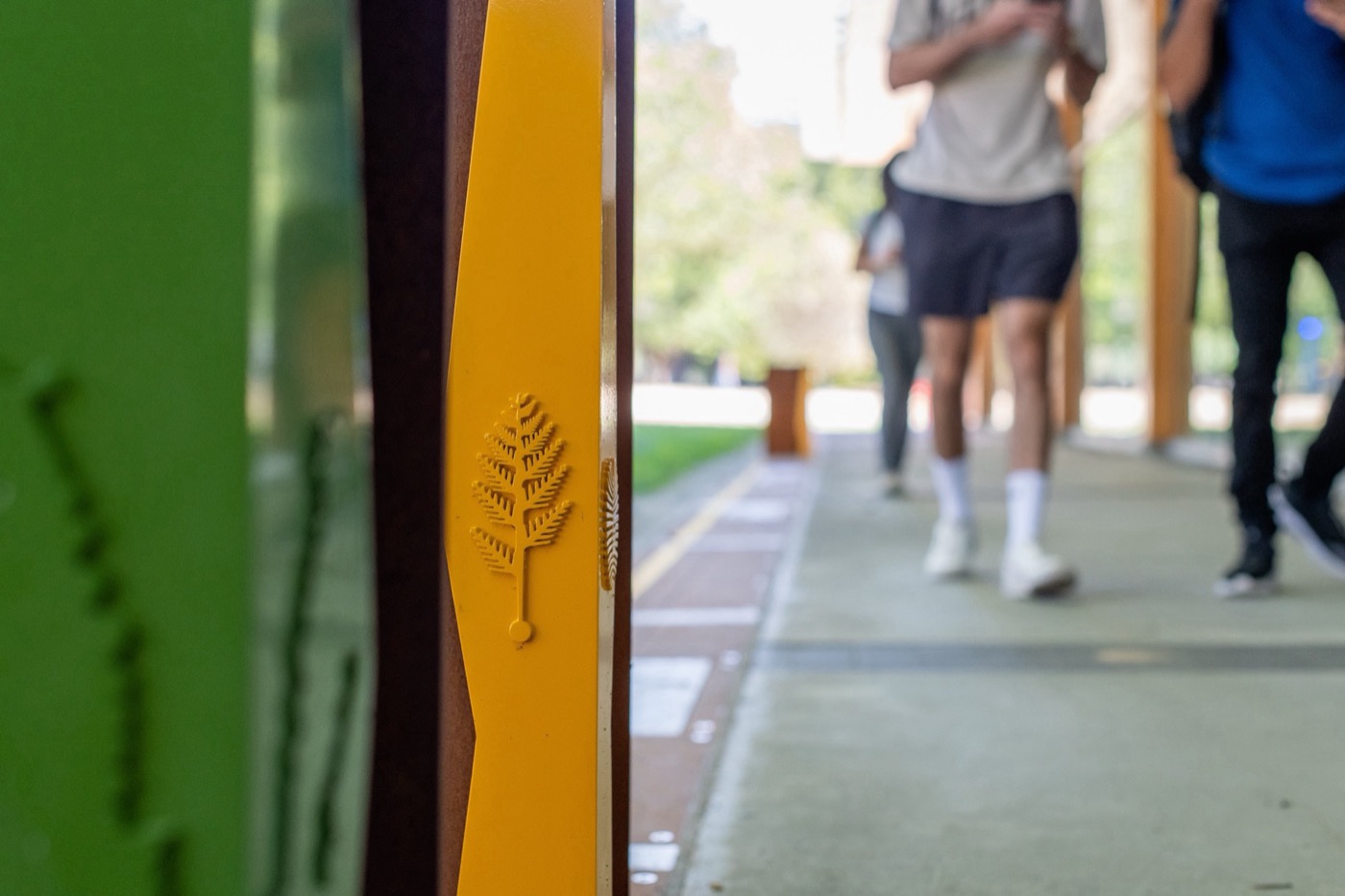
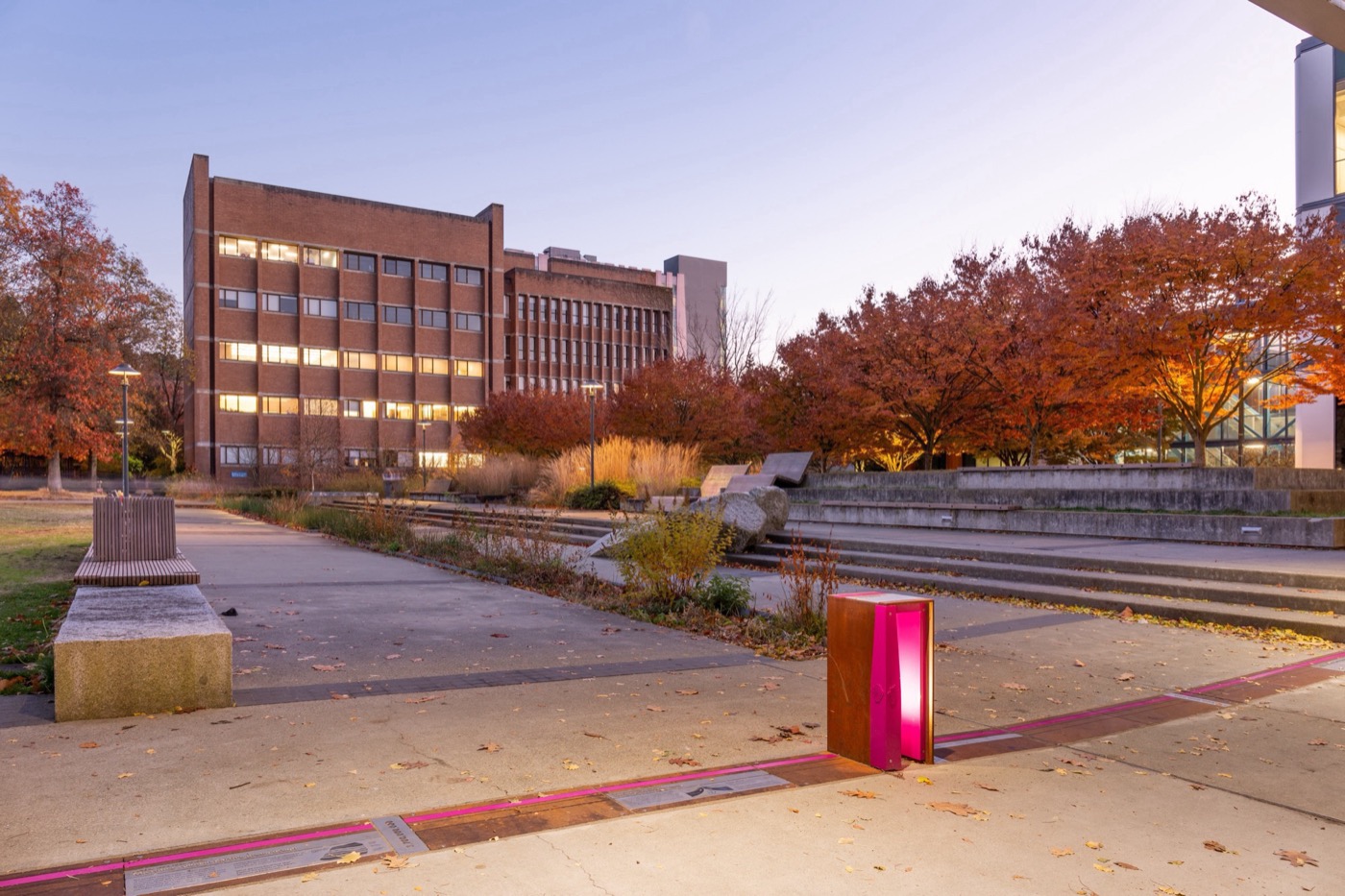
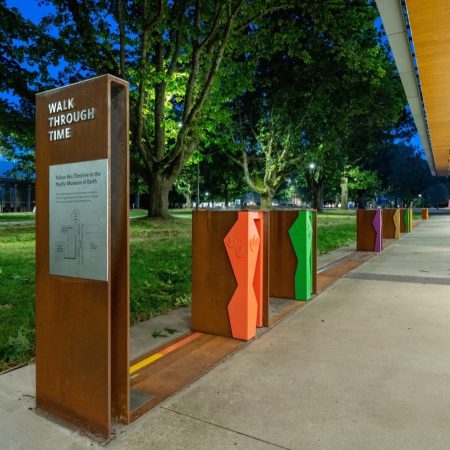
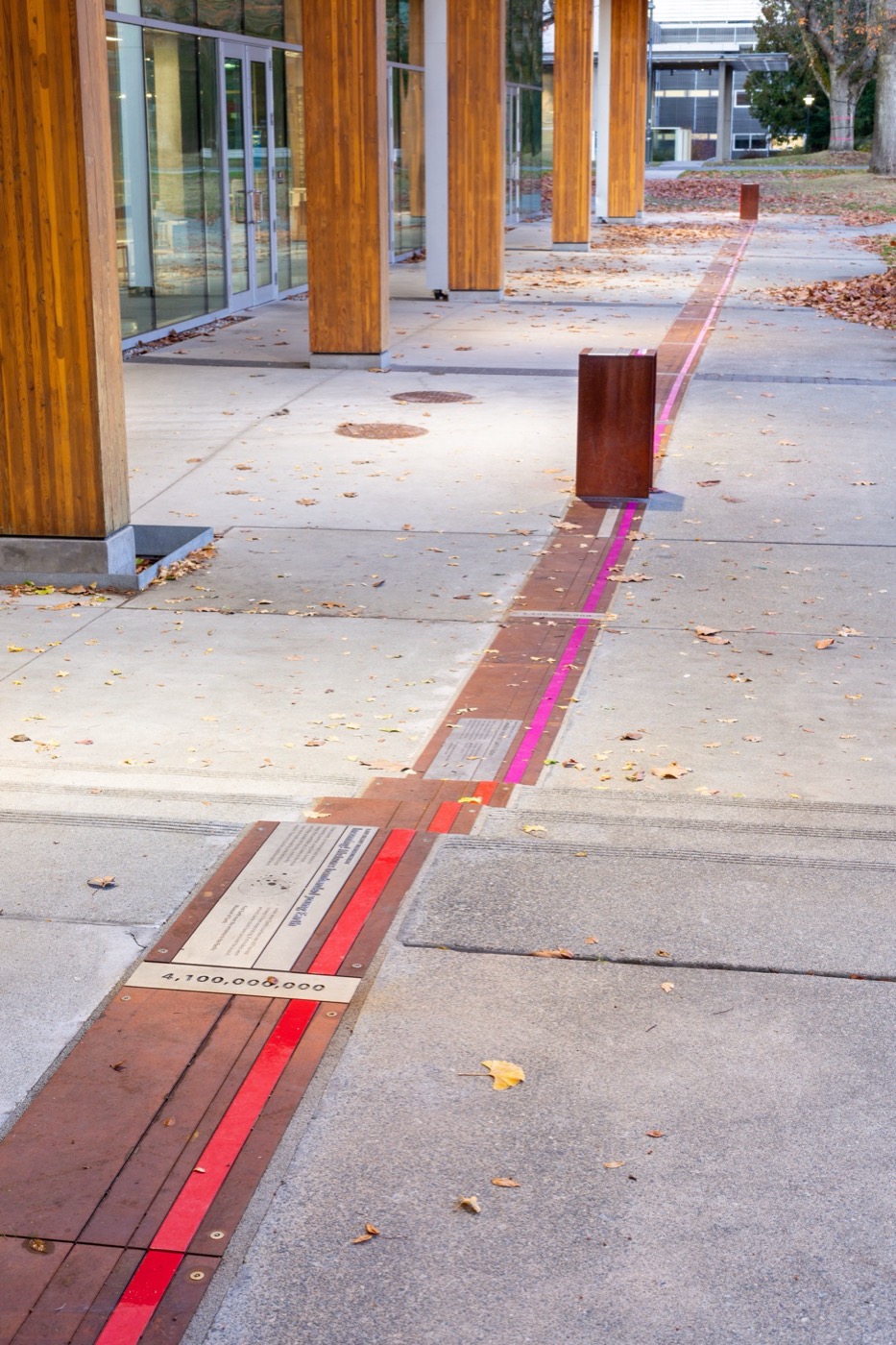
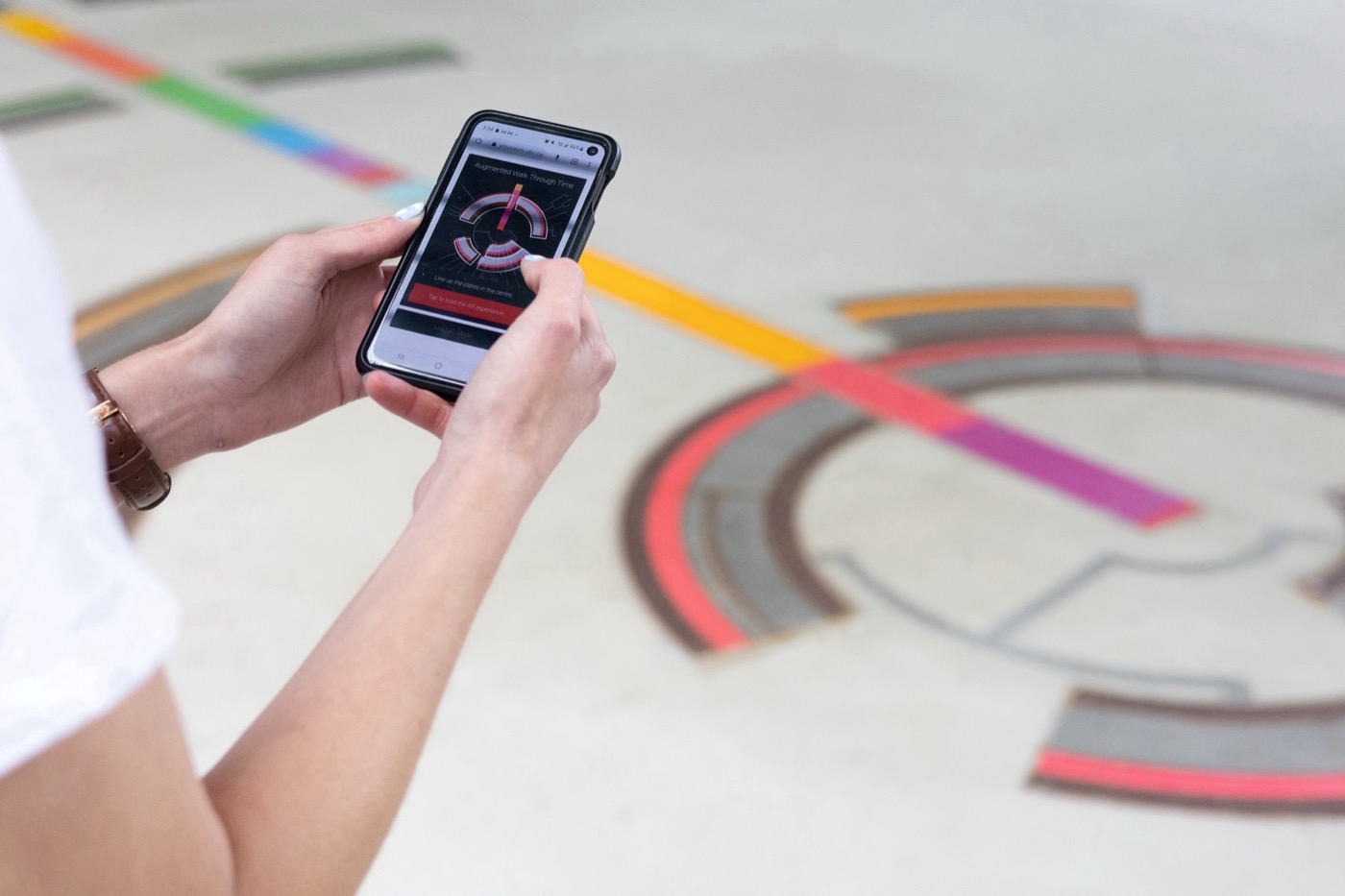
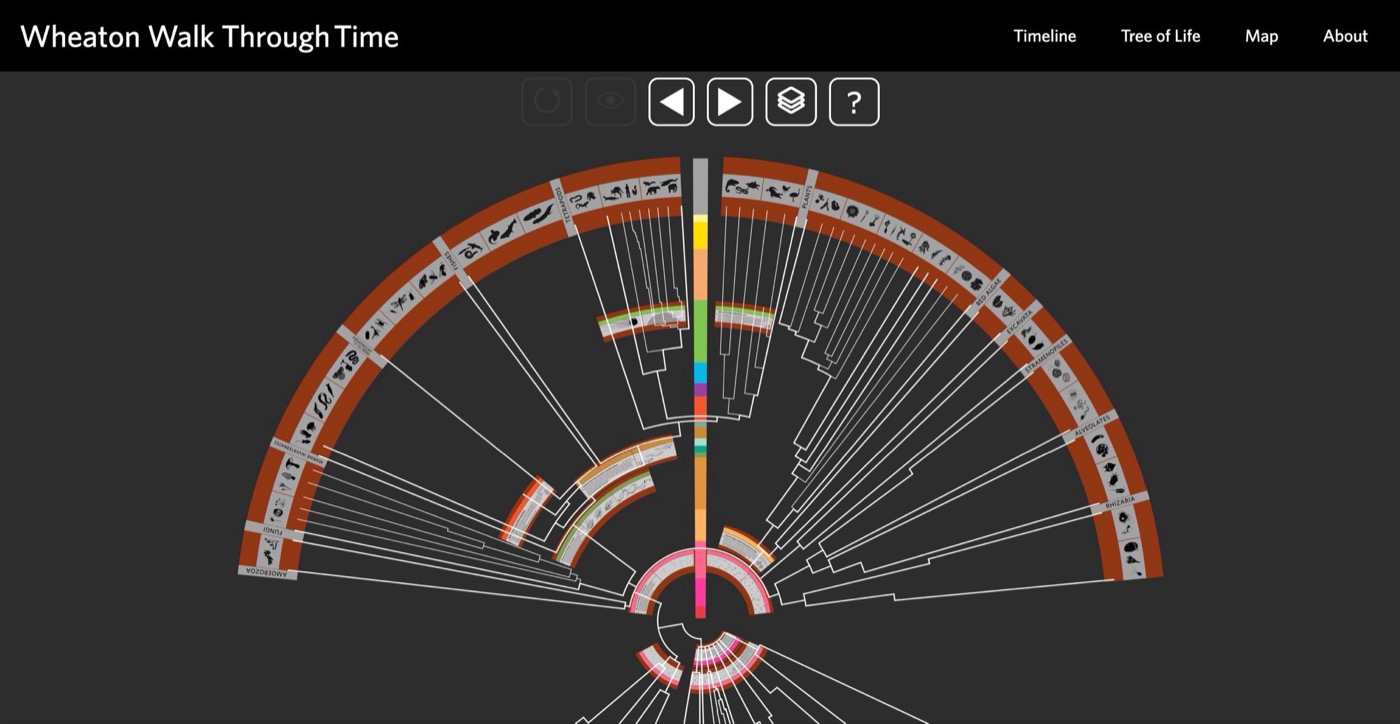
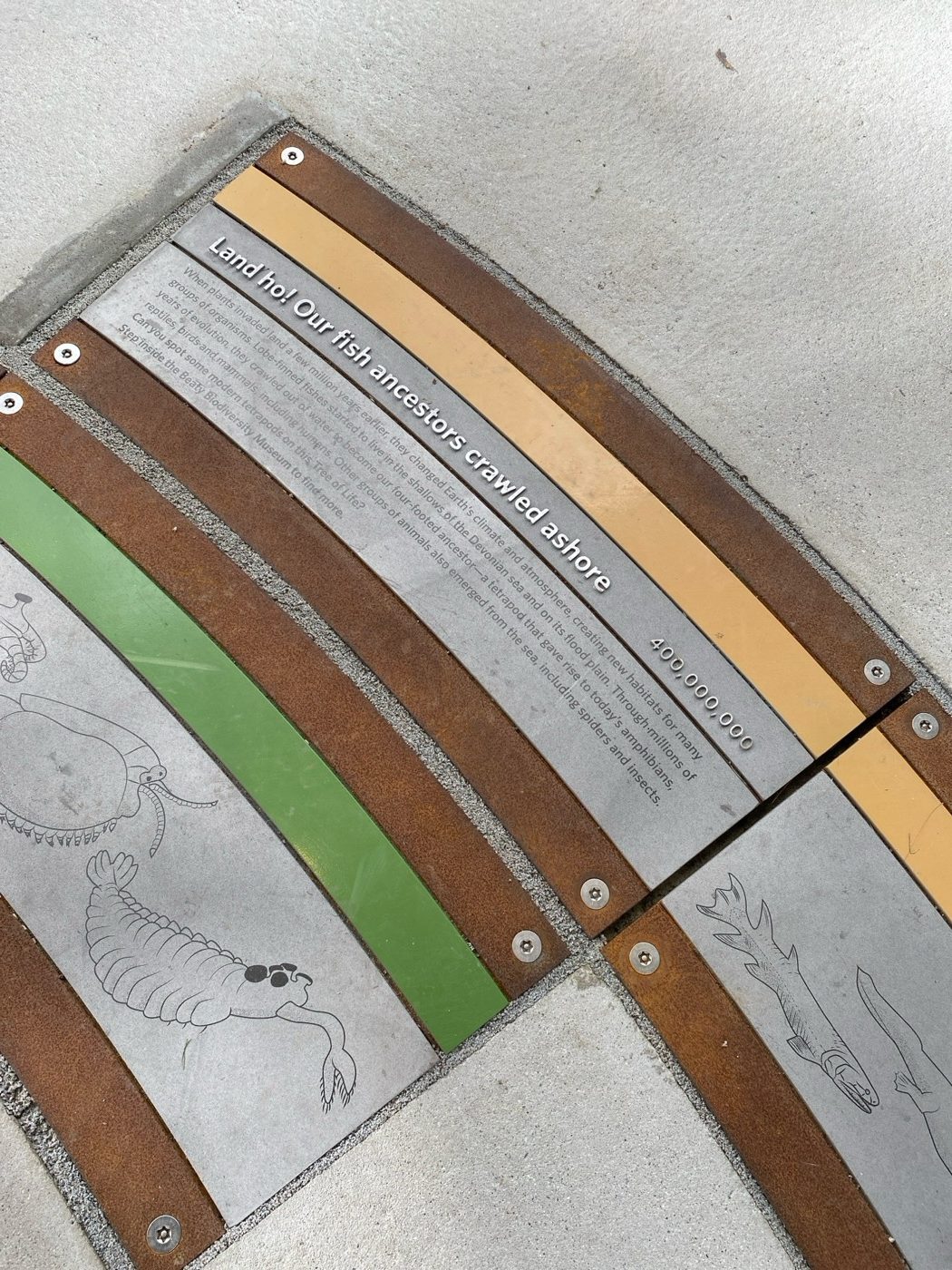
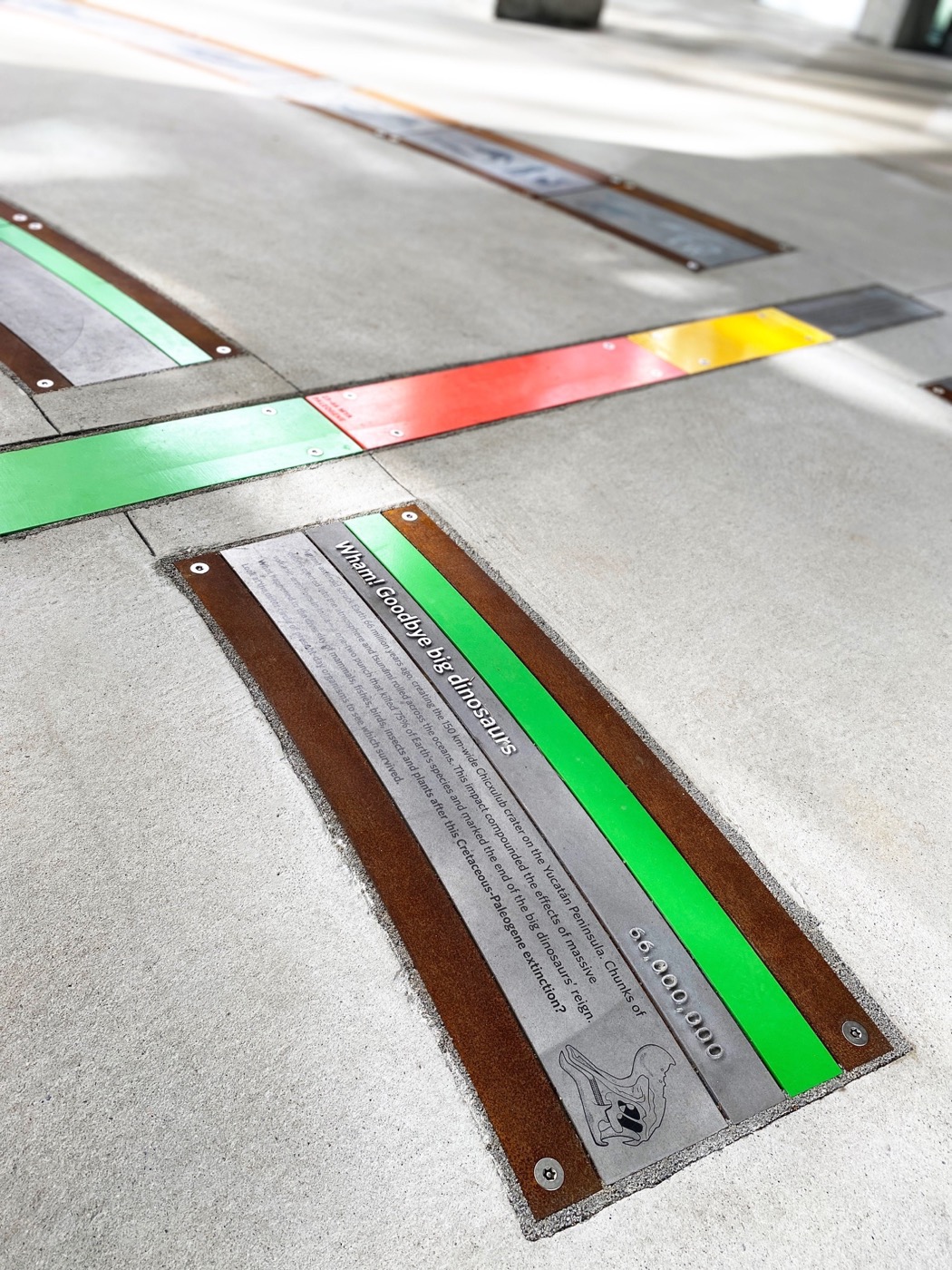
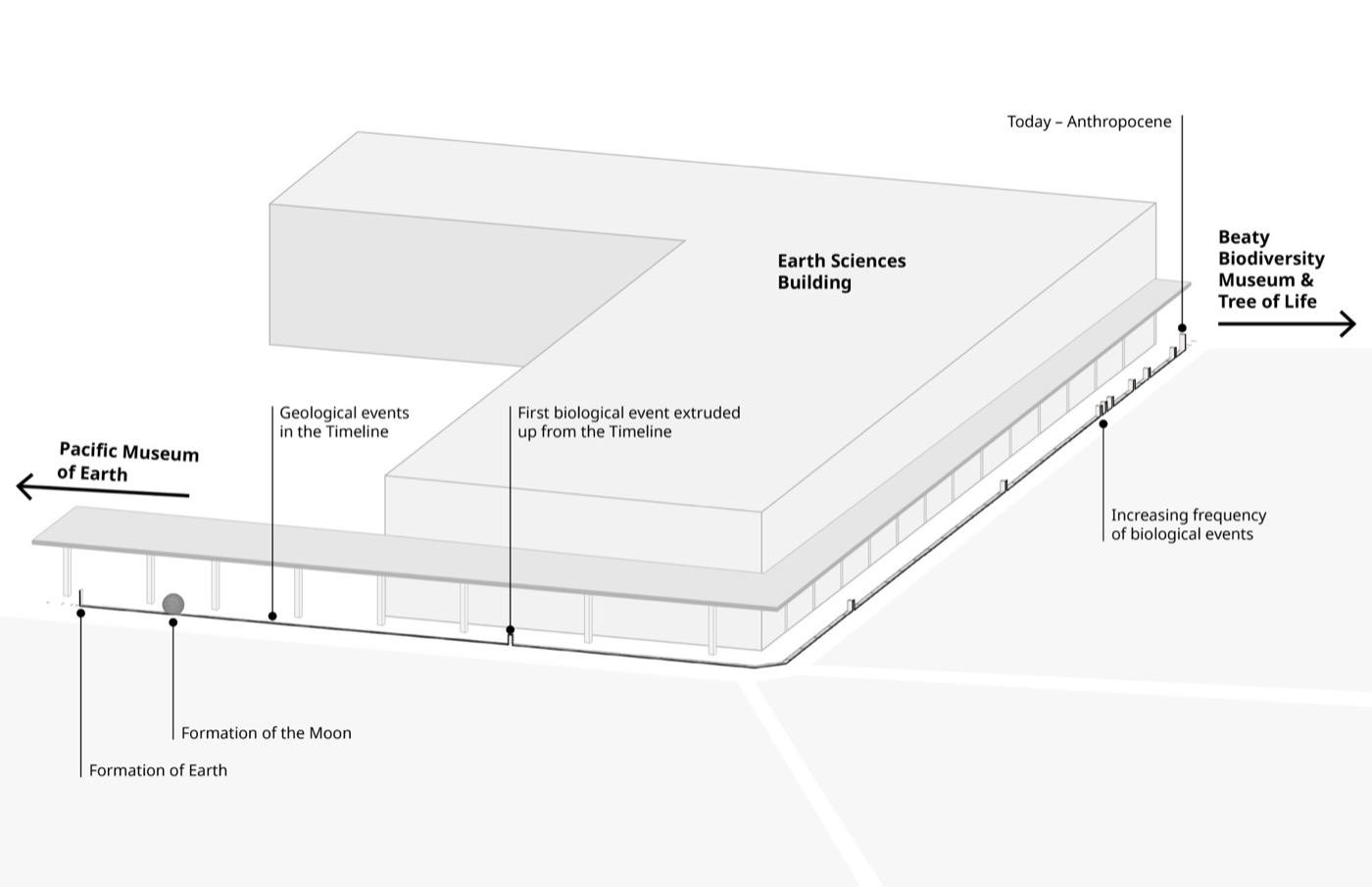
The installation is organized around two complementary elements: a 110-metre linear Timeline and a circular Tree of Life. The Timeline compresses geological time into 100-million-year intervals, expressed through a continuous weathering steel band with metal inlays. As visitors progress, biological events become increasingly frequent and complex, translating the acceleration of life on Earth into a tangible spatial rhythm. Movement becomes the primary interpretive tool, allowing users to grasp temporal scale through distance and progression.
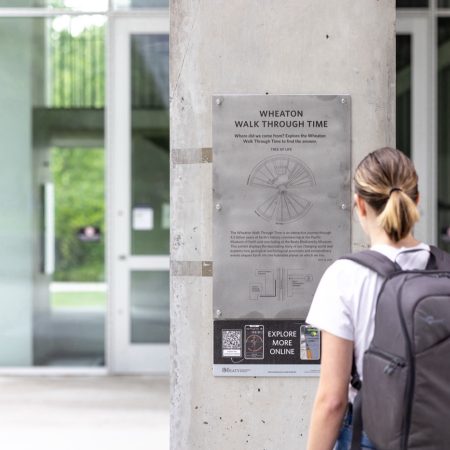
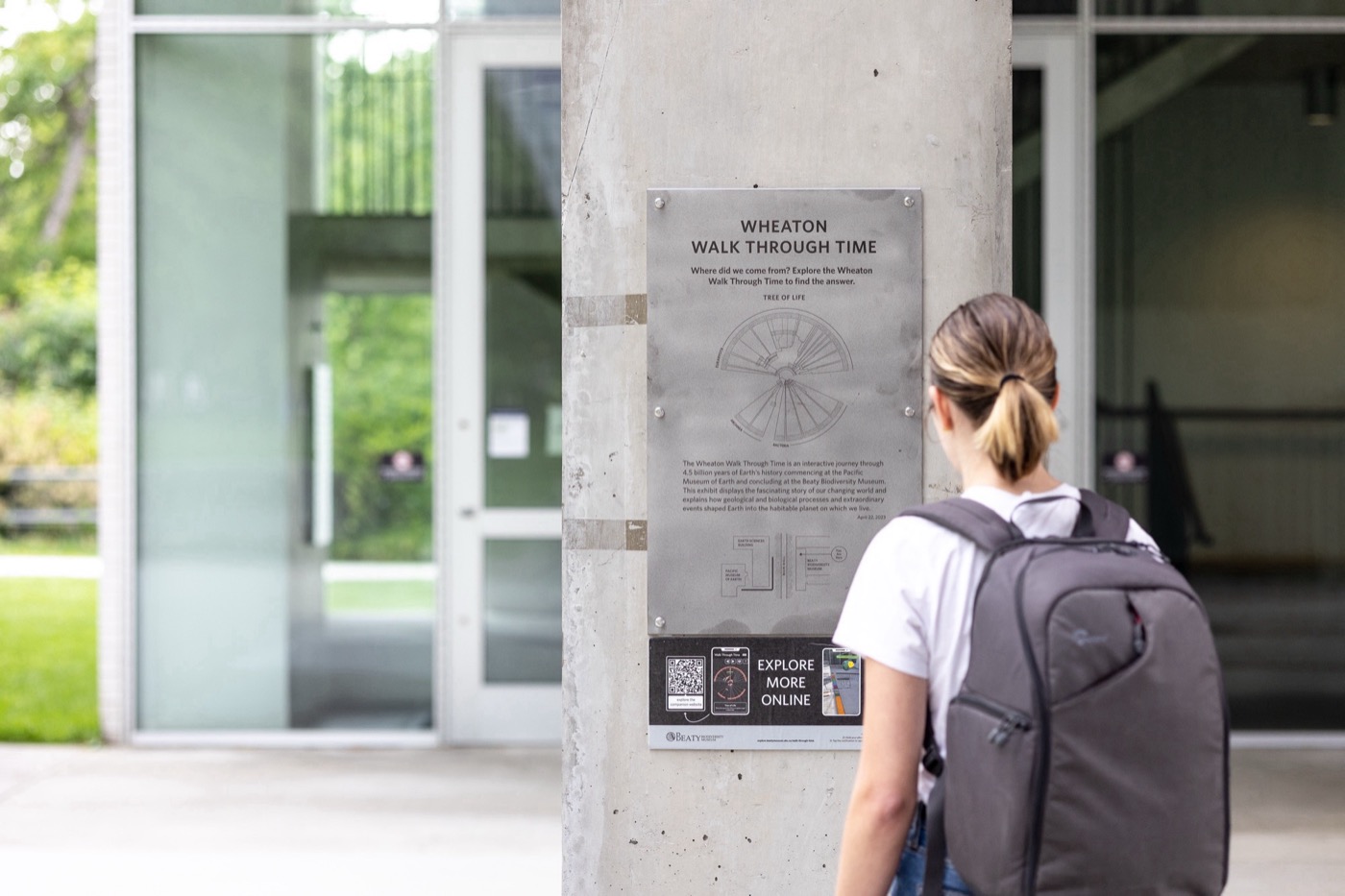
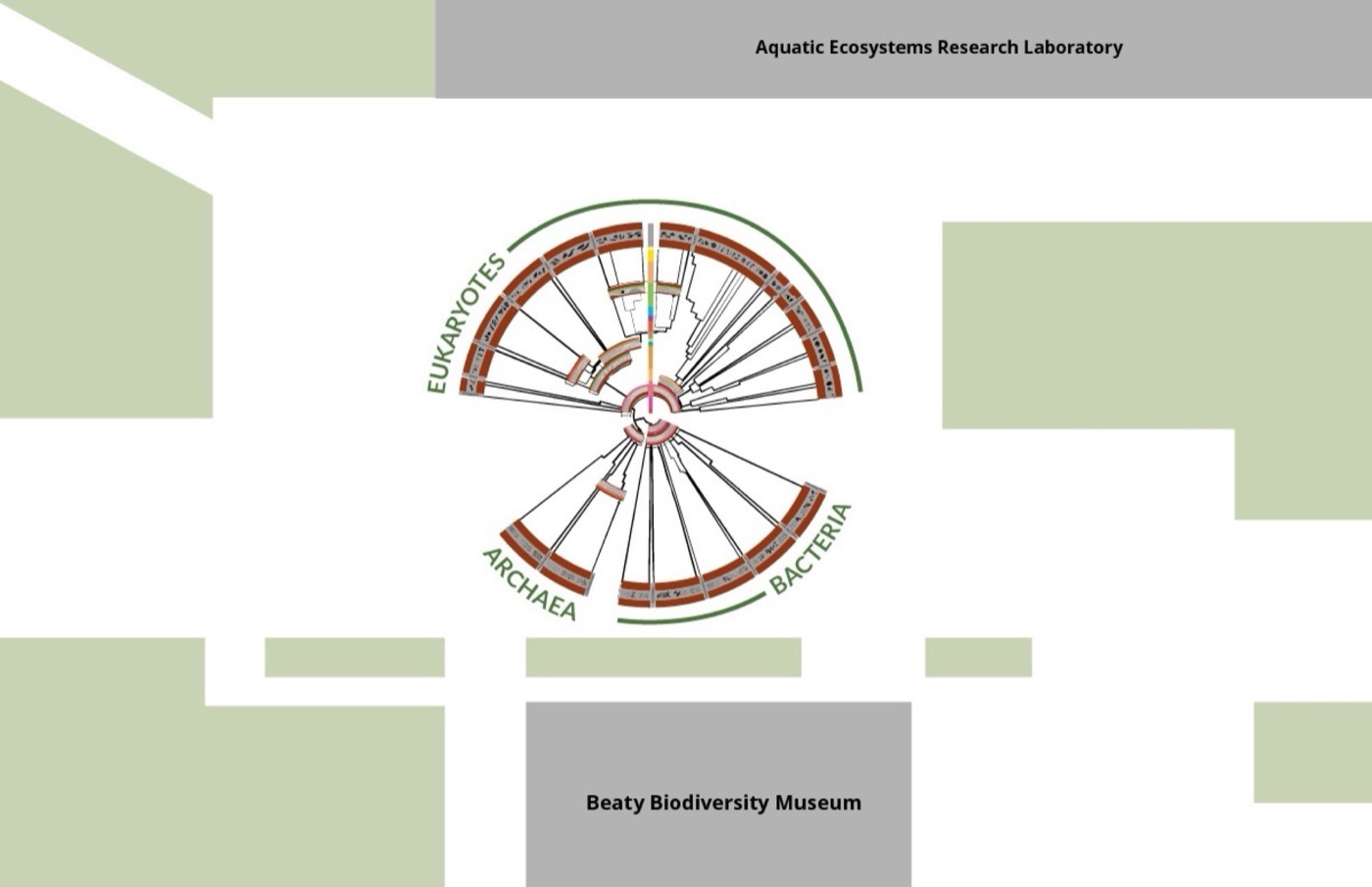
The Tree of Life extends this narrative through a circular phylogenetic diagram that represents the interconnectedness of biodiversity. Its contrasting geometry offers an alternate mode of understanding, reinforcing relationships between species while anchoring the experience at a key gathering point between the two museums.
-
- PWL Partnership
-
- PWL Partnership
-
- PWL Partnership
-
- PWL Partnership
-
- PWL Partnership
-
- PWL Partnership
-
- PWL Partnership
-
- PWL Partnership
-
- PWL Partnership
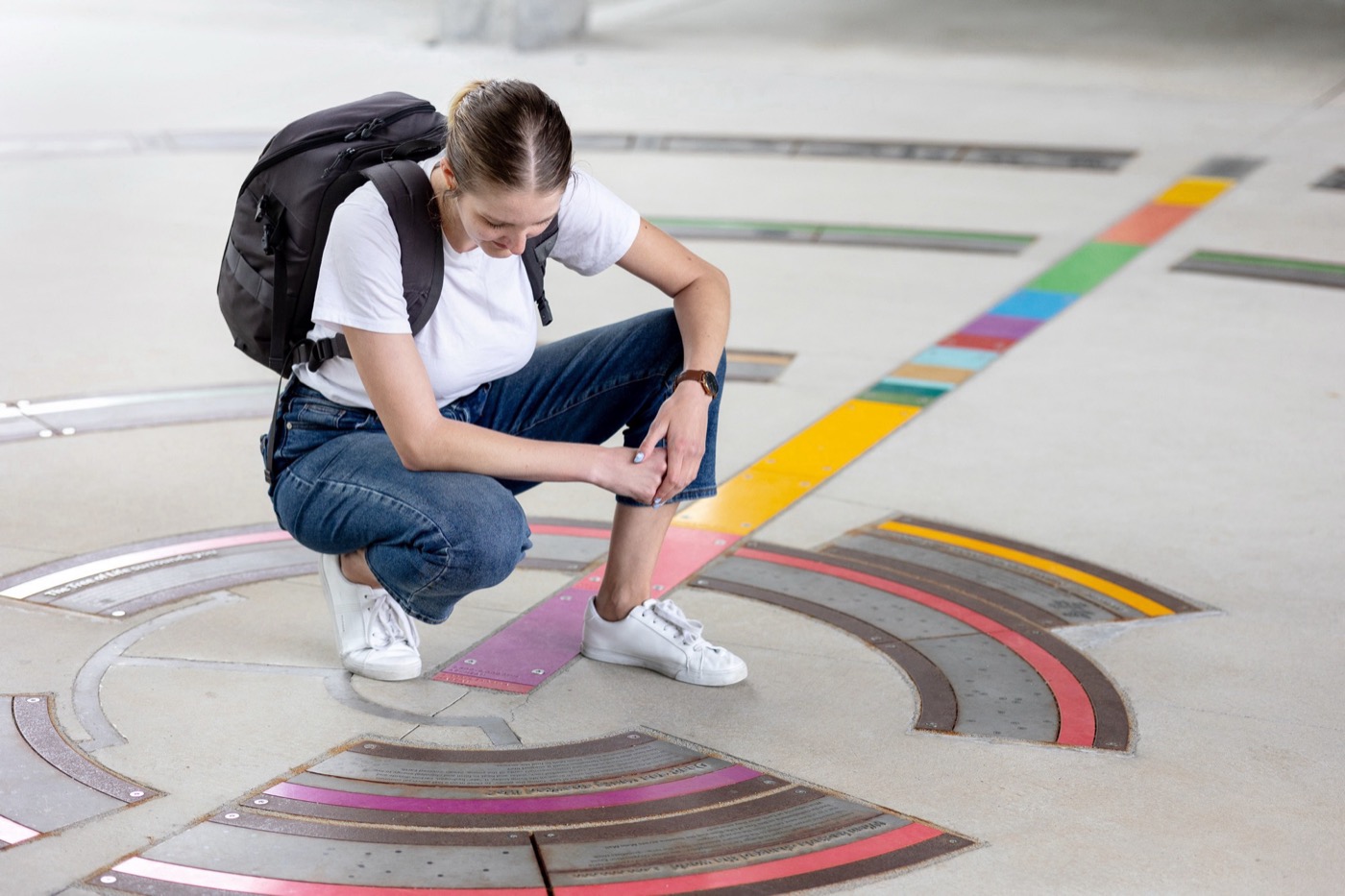
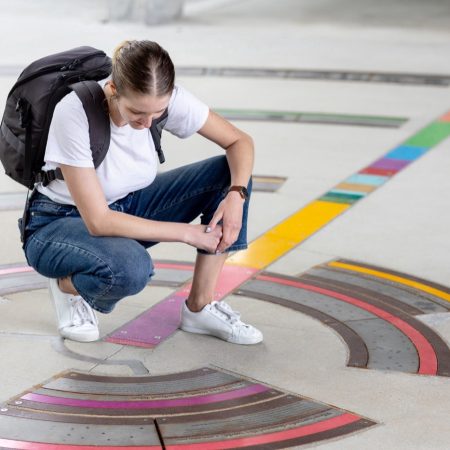
Colour is used as a precise and legible communication device. Derived from the chronostratigraphic chart, the gradient of geological time provides both scientific accuracy and visual clarity. This consistent application across the project reinforces continuity between elements and strengthens the relationship between geological and biological narratives.
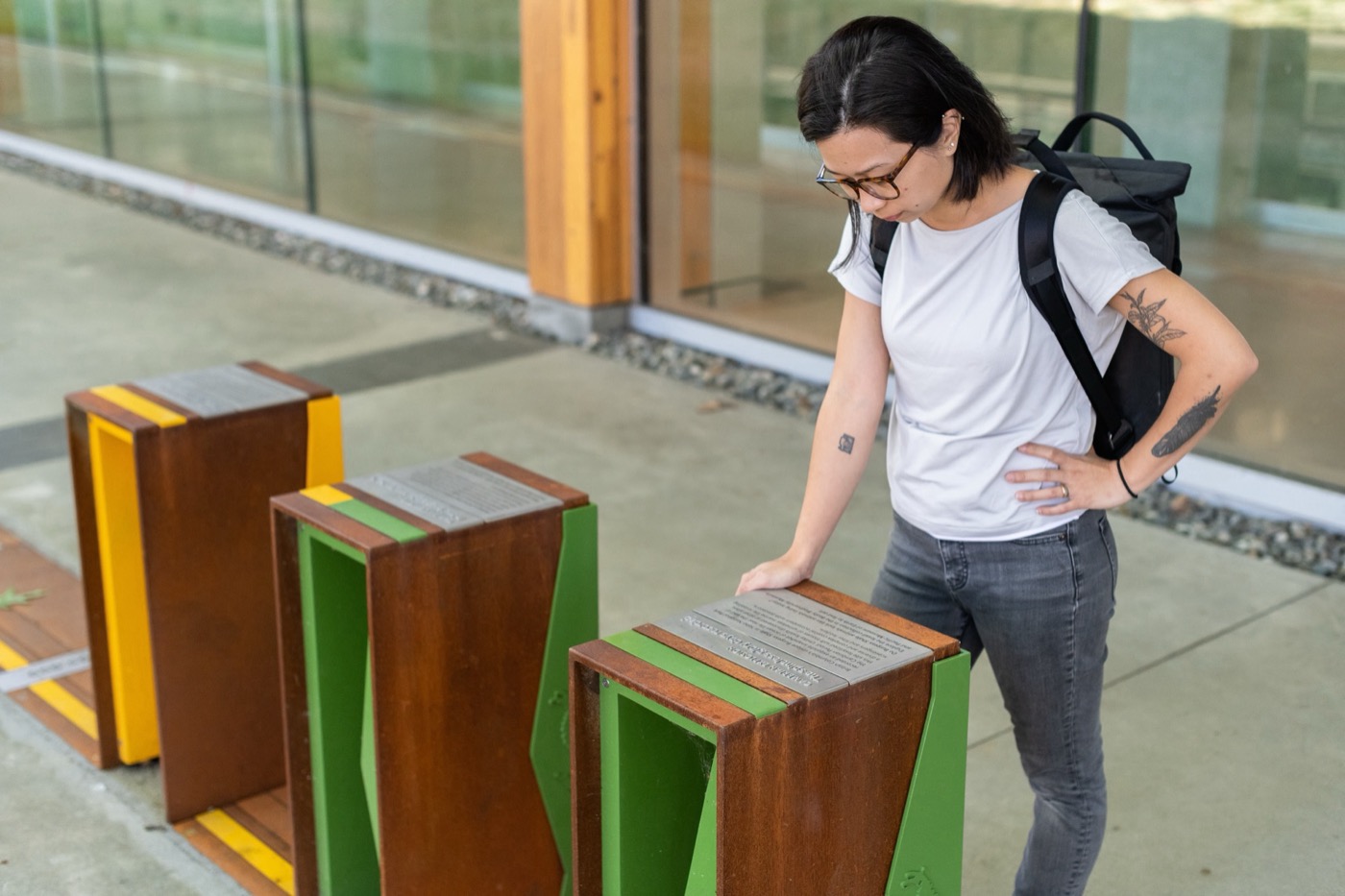
The project integrates interpretation with wayfinding, supporting both orientation and learning within a highly trafficked campus corridor. Tactile elements, clear visual cues, and accessible detailing ensure the installation can be used by diverse audiences, including children, students, and visitors with varying mobility and levels of prior knowledge.
Interdisciplinary collaboration was central to the project’s development. Scientific content was led by the Pacific Museum of Earth and the Beaty Biodiversity Museum, ensuring accuracy and relevance. Graphic designers and exhibit specialists translated complex material into accessible language and formats. The landscape architect led the spatial integration of content, material systems, accessibility, and site design, synthesizing multiple disciplines into a cohesive public environment.
Prototyping played a critical role in refining the project. Full-scale mock-ups tested durability, legibility, and constructability, informing the detailing of engraved metal elements and ensuring long-term performance. Close collaboration with fabricators allowed the design to achieve both precision and resilience at the campus scale.
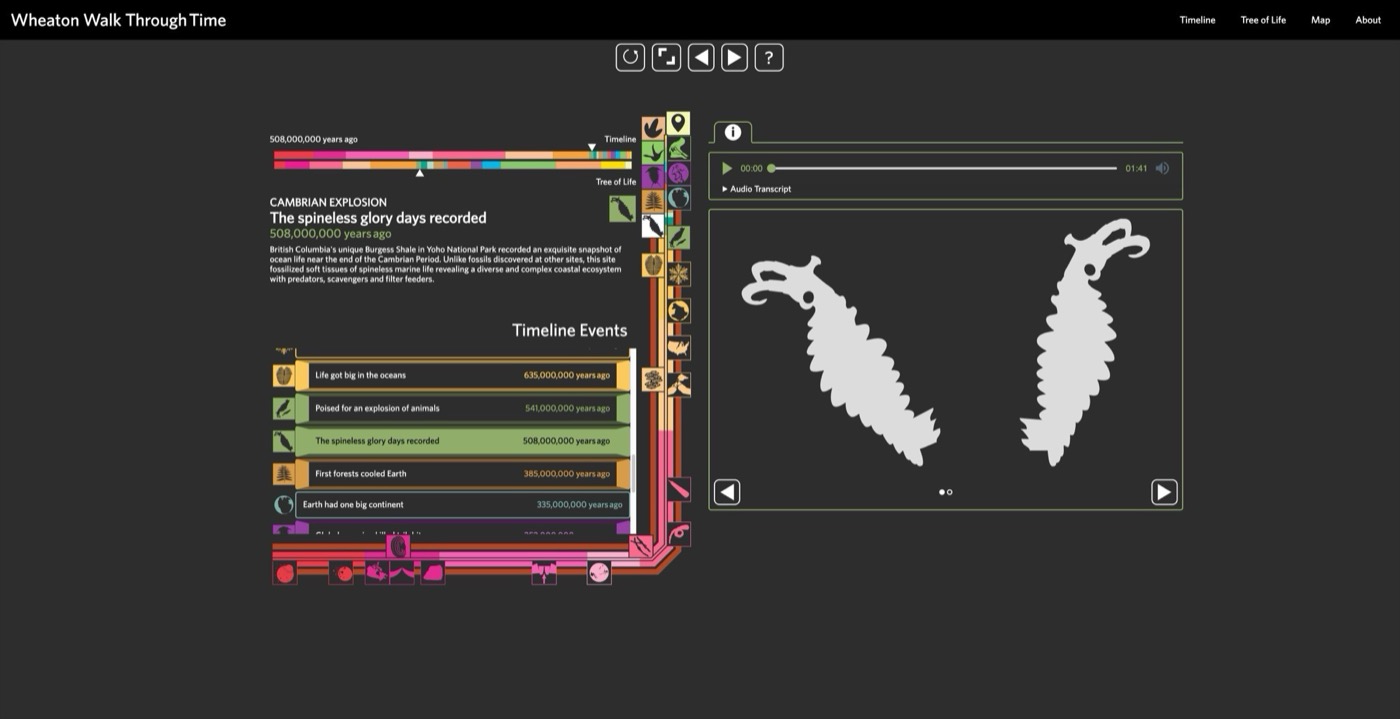
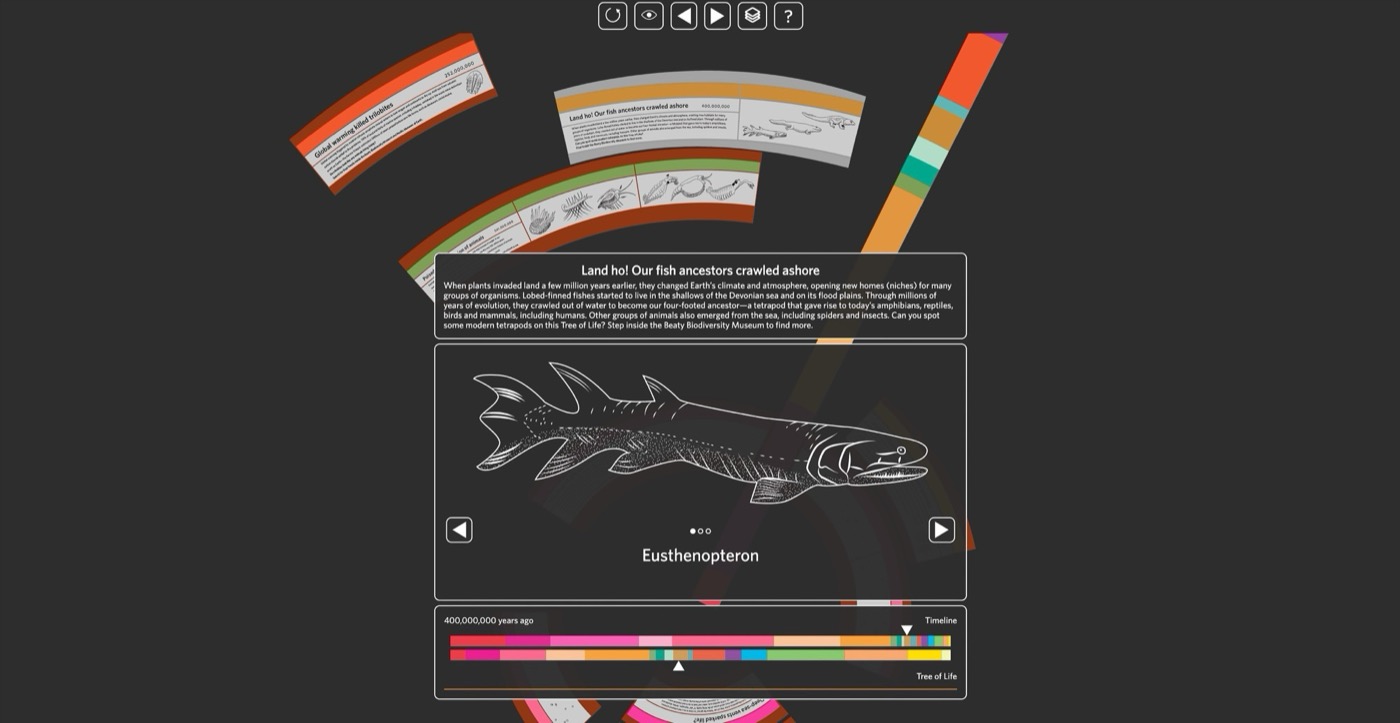
A complementary digital platform extends the experience beyond the site, providing audio, transcripts, and expanded content for each moment in the timeline. Together, the physical and digital components form a layered communication system that supports self-guided and inclusive learning.
Wheaton Walk Through Time demonstrates how landscape architecture can operate as a medium for knowledge translation. By embedding scientific research within the public realm, the project expands access to institutional knowledge and repositions everyday movement as an opportunity for engagement, learning, and discovery.
Project Credits
Landscape Architect (Prime Consultant): PWL Partnership Landscape Architects Inc.
Jason Wegman (Partner in Charge, Former PWL)
Sophie MacNeill (Associate & Concept Design Project Manager, Former PWL)
Kait McGeary (Landscape Architect & CA Project Manager)
Scott Irvine (Landscape Designer)
Client:
University of British Columbia – Pacific Museum of Earth (Kirsten Hodge, Director)
University of British Columbia – Beaty Biodiversity Museum (Catherine Ouellet [Former], Yukiko Stranger-Galey [Former], Jacqueline Chambers, Derek Tan, Evan Craig)
General Contractor:
Heatherbrae Builders Co. Ltd. (Marshal Parker, Project Manager)
Metal Fabricator:
Murray Latta Progressive Machine Inc. (Blake Vailes)
Sub-Consultants:
Lost & Found Studio (Susan Mavor, Principal; Ben Stone, Graphic Designer)
NGX Interactive (Catherine Po, Exhibit Content Strategist)
Flow Engineering (Tanga Arthurs, Electrical Engineer)
Bush, Bohlman & Partners (Tim White, Structural Engineer)
Visual Artist (Concept Design): Pechet Studio (Bill Pechet)
https://maps.app.goo.gl/v6FhUD91JePFrf6JA
73682


LILA 2026 Sponsor