Ryder Court
padlandscapes.com/
2026 Campuses and Corporate / United Kingdom / Built in 2025 /

![1 HOTEL MAYFAIR: THE METABOLIC RETROFIT Luxury as a Living System In the heart of Mayfair – a district defined by stone, heritage, and the high artifice of the Ritz – stands a quiet rebellion to the norm. Europe’s first 1 Hotel Mayfair, together with new office and mixed-commercial space, the project aims beyond a […]](https://landezine-award.com/wp-content/uploads/2026/05/00_PAD-landscapes-1-Hotel-Mayfair-1-Hero-image-600x400.jpg "1 HOTEL MAYFAIR: THE METABOLIC RETROFIT")
PAD landscapes, Ryder Court, London.
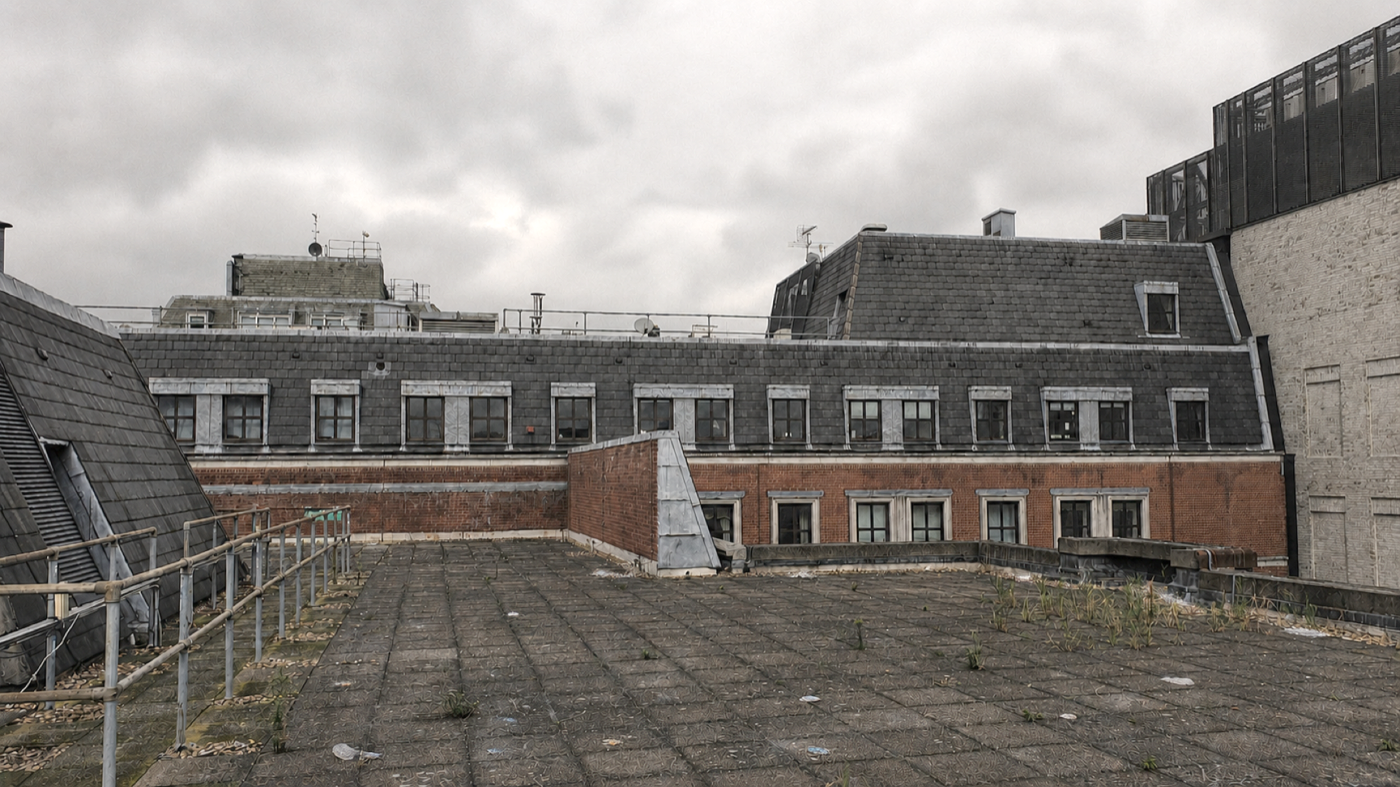
London considers itself a first-tier leader in policy influence for biodiverse roofs but still ranks low for the delivery of green roof area per capita. Central London offers 1.2m2 green roof per person, about a fifth of Basel for example (5.7m2/person). And while rooftop greening is increasingly visible here, it is perhaps not always effective.
PAD was commissioned to undertake a 3-year study of roof gardens across the city and concluded that the majority (83%) consisted of low-index species’ palettes, underperformed ecologically, and required high-rates of management and maintenance (averaging to 16% pa capex). The project brief by client M&G for Ryder Court was to propose a more rigorous alternative.
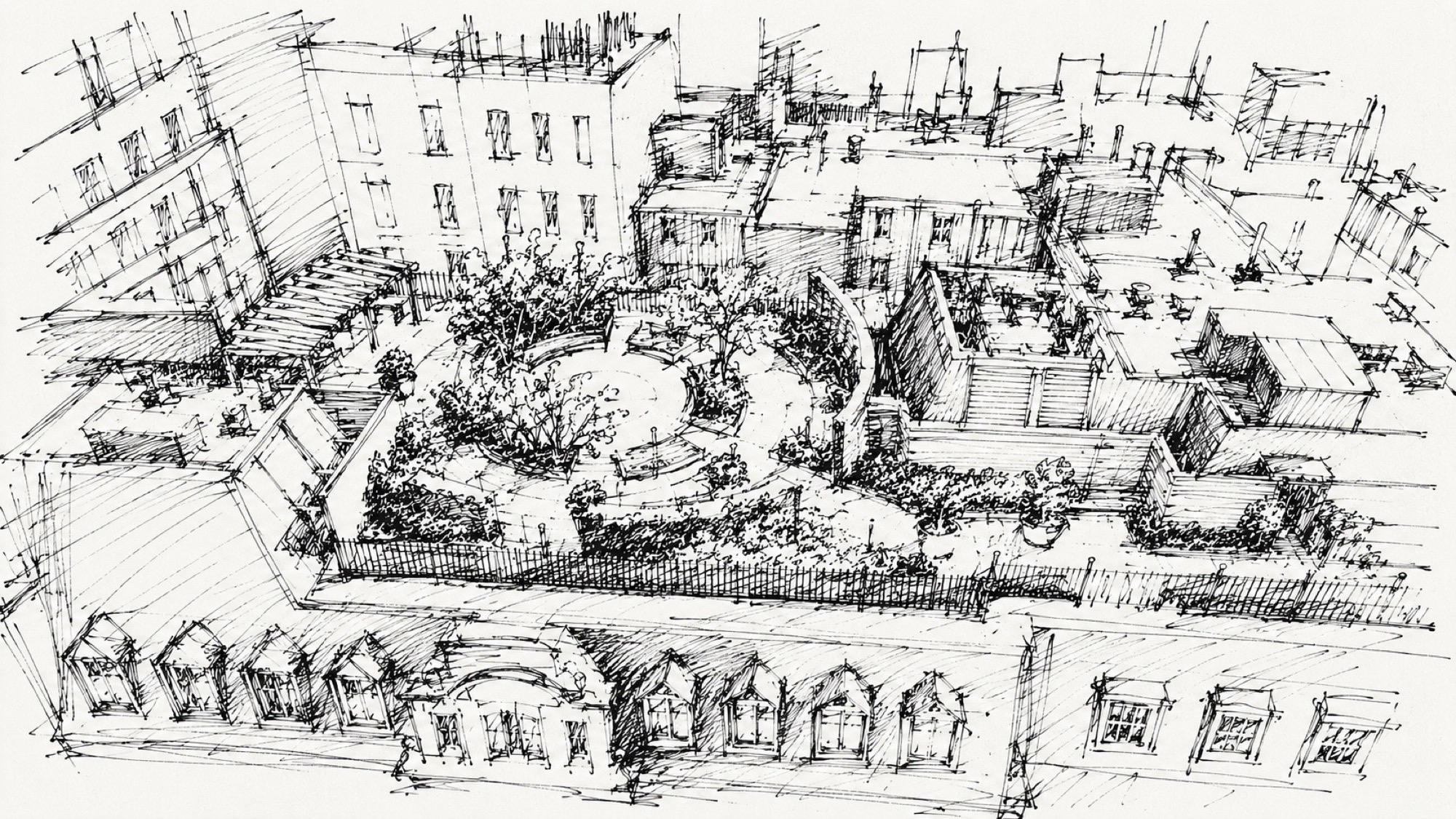
Set within the St. James’s Conservation Area, the roof garden is conceived not as amenity, but as infrastructure: ecological, spatial and cultural. The brief was to deliver a rigorous and unapologetically performance driven roof garden. Commissioned by M&G, the garden does not sit on the building but seeks to complete it. Rather than a simple surface treatment, this has been developed as a working system embedded within the building.
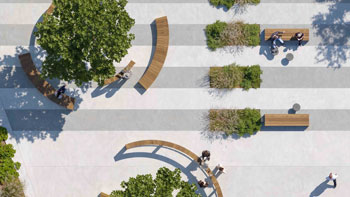
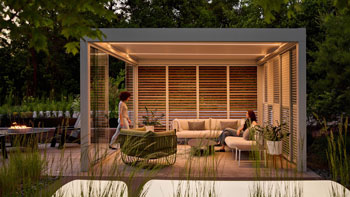
The approach is performance-led. A sequence of garden rooms establishes a gradient of environmental conditions: exposed to sheltered, expansive to enclosed, shaped by wind, solar gain, microclimate and patterns of human occupation.
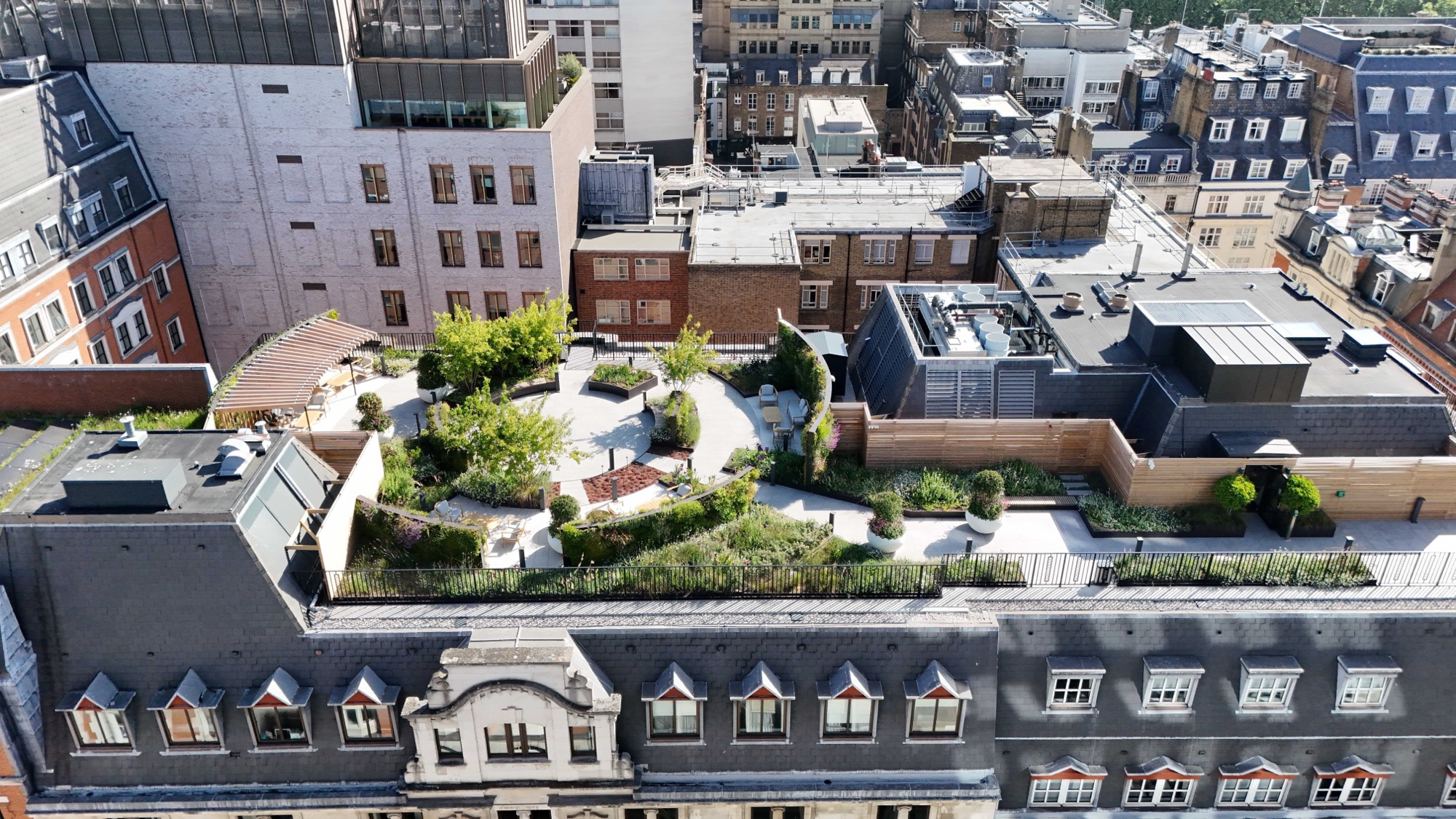
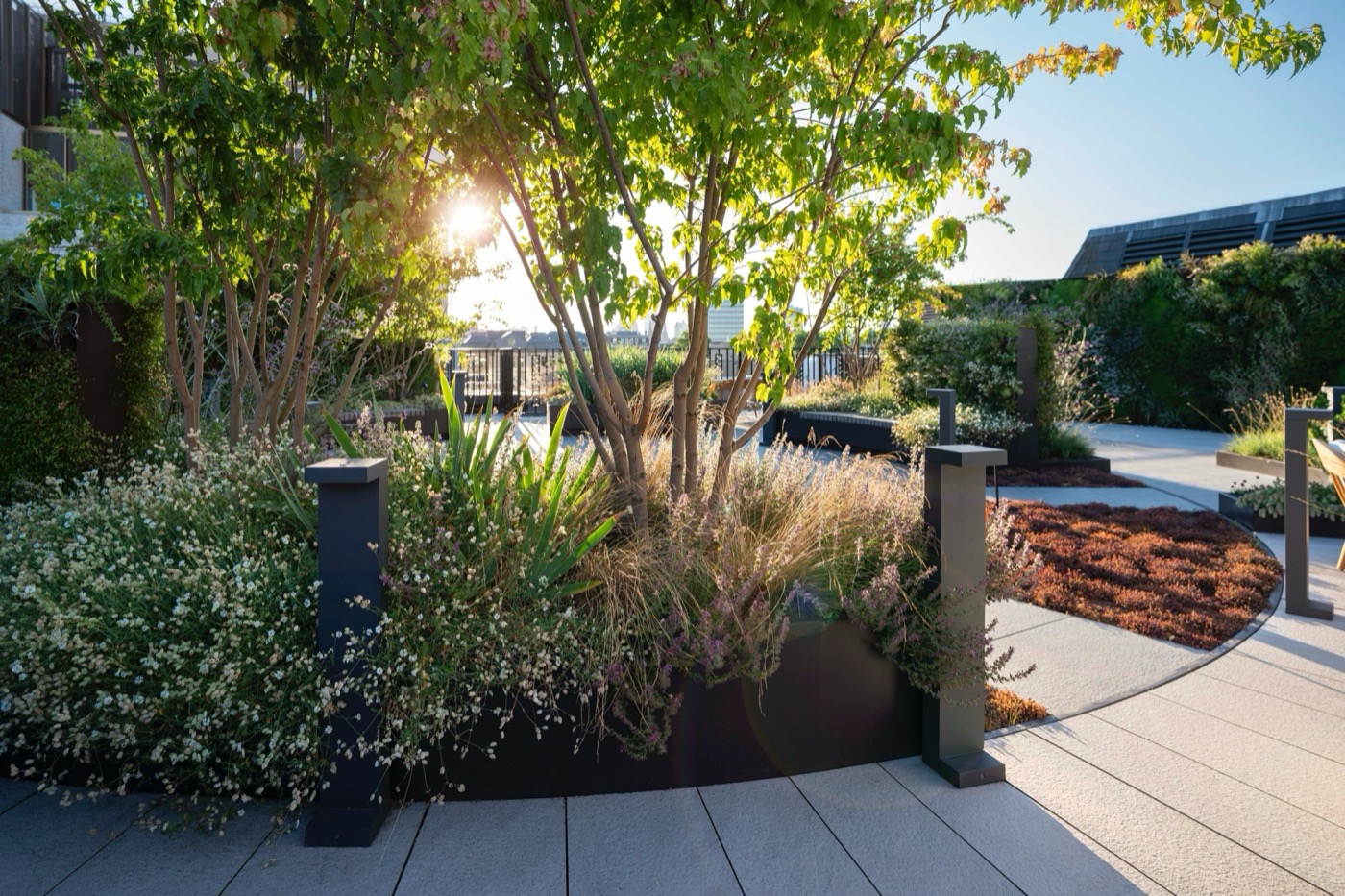
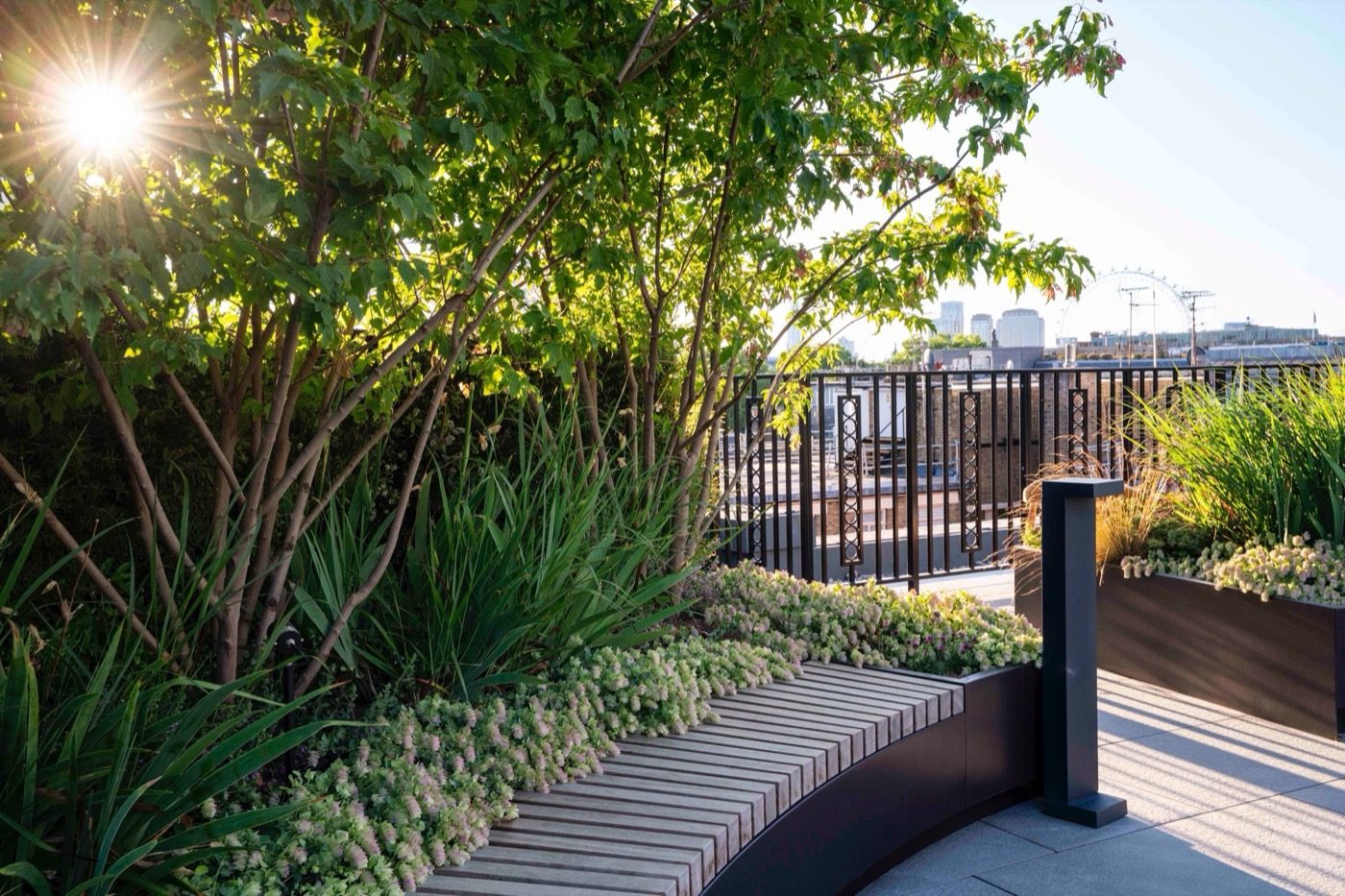
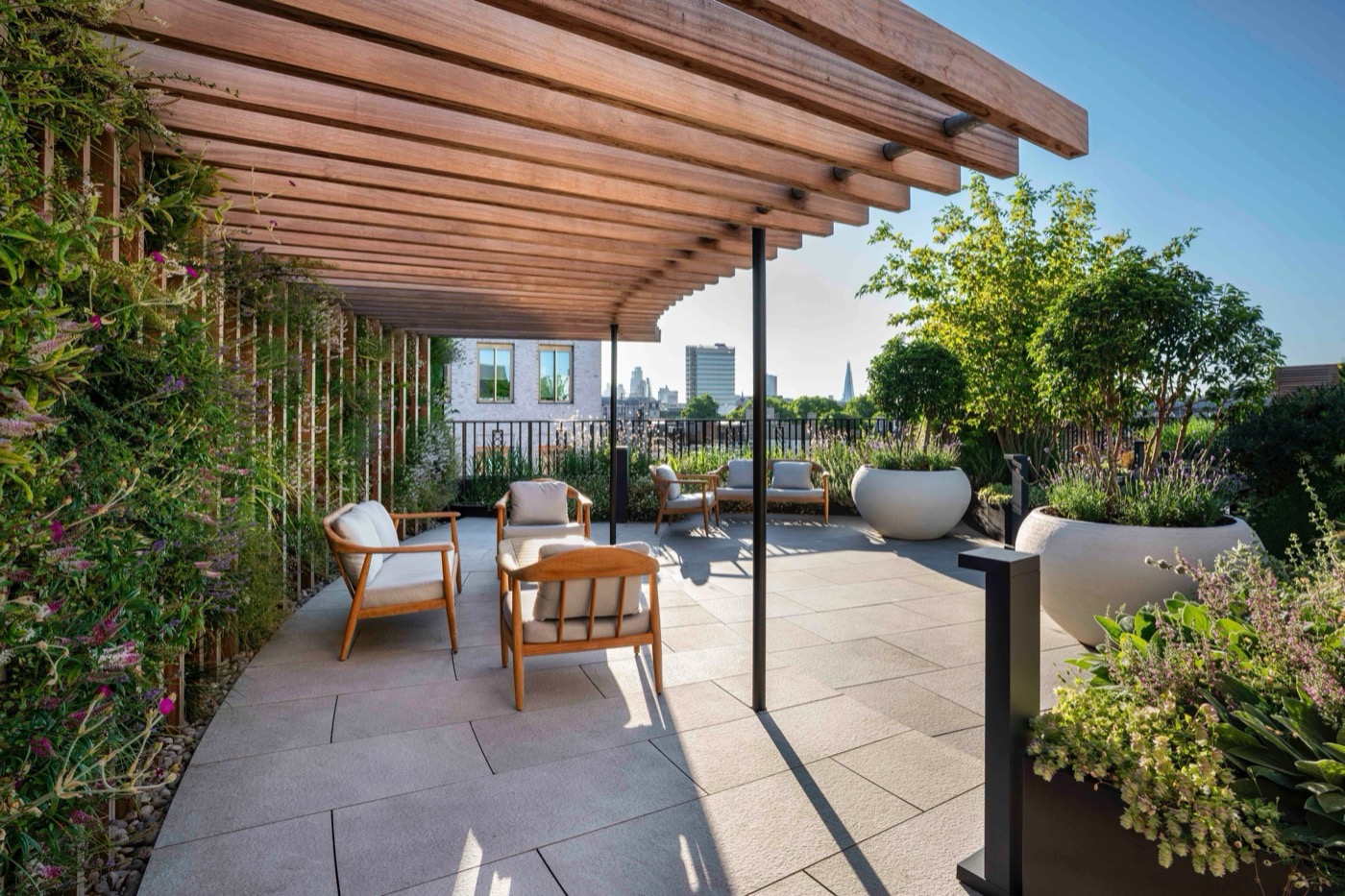
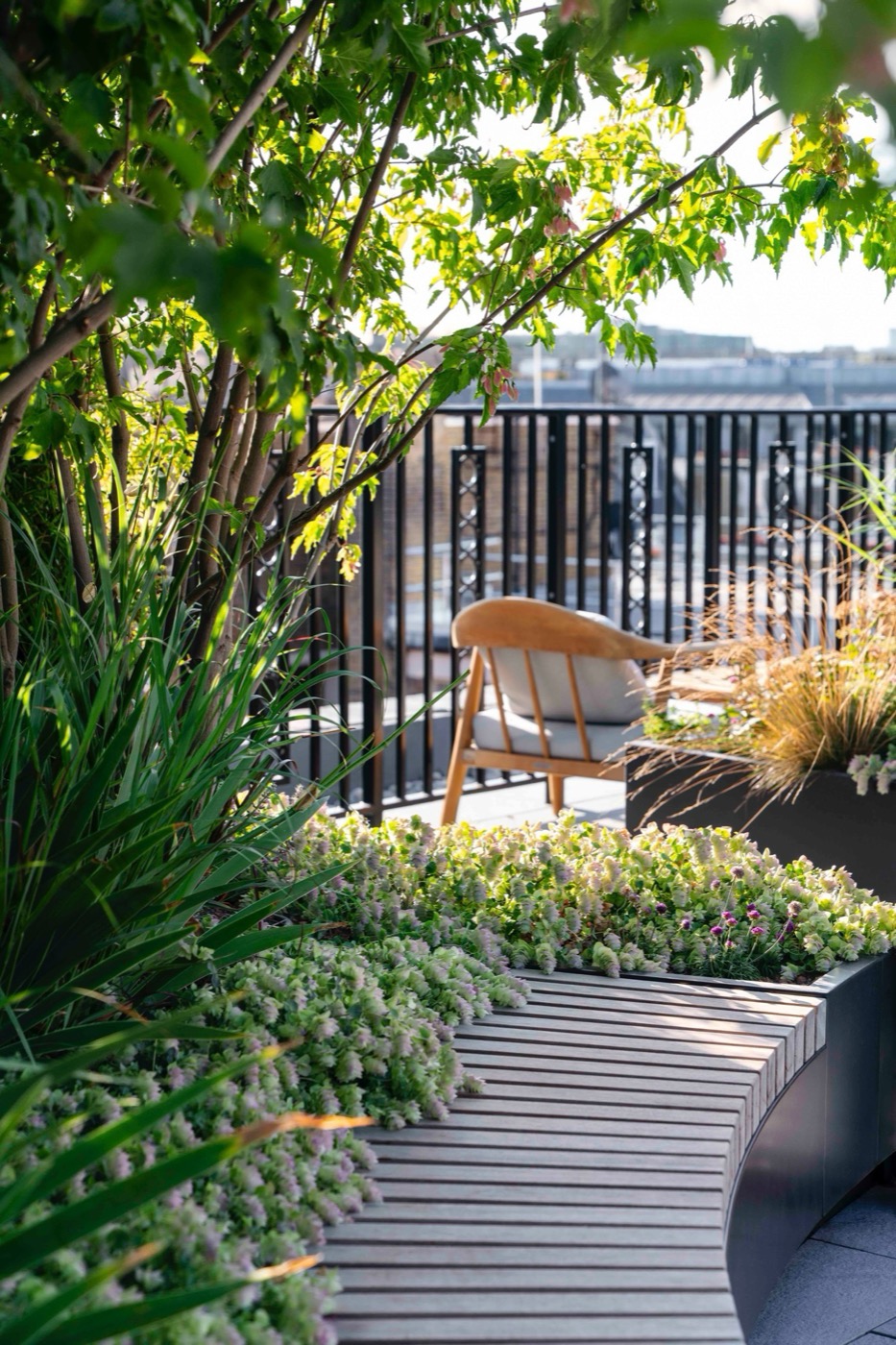
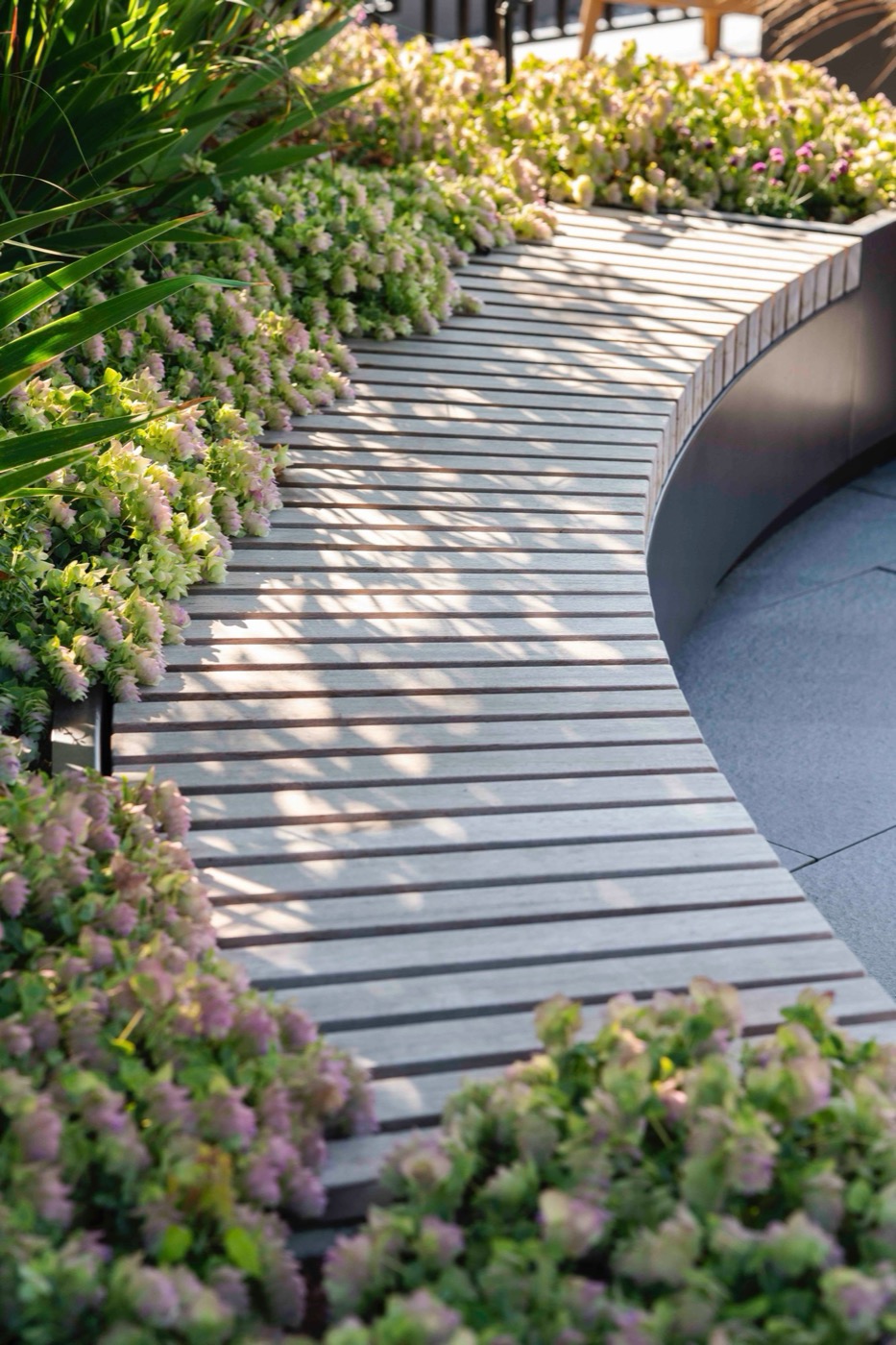
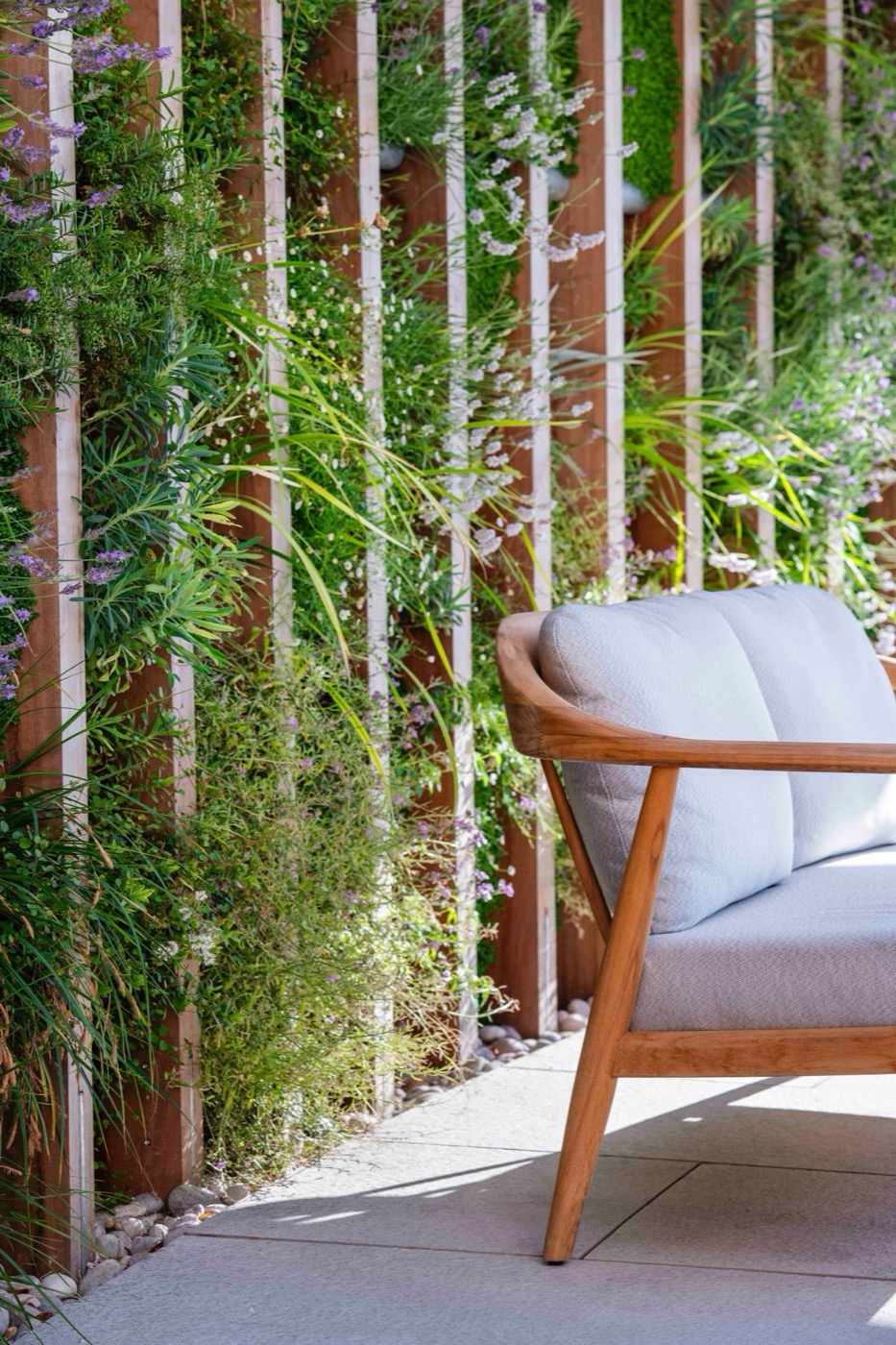
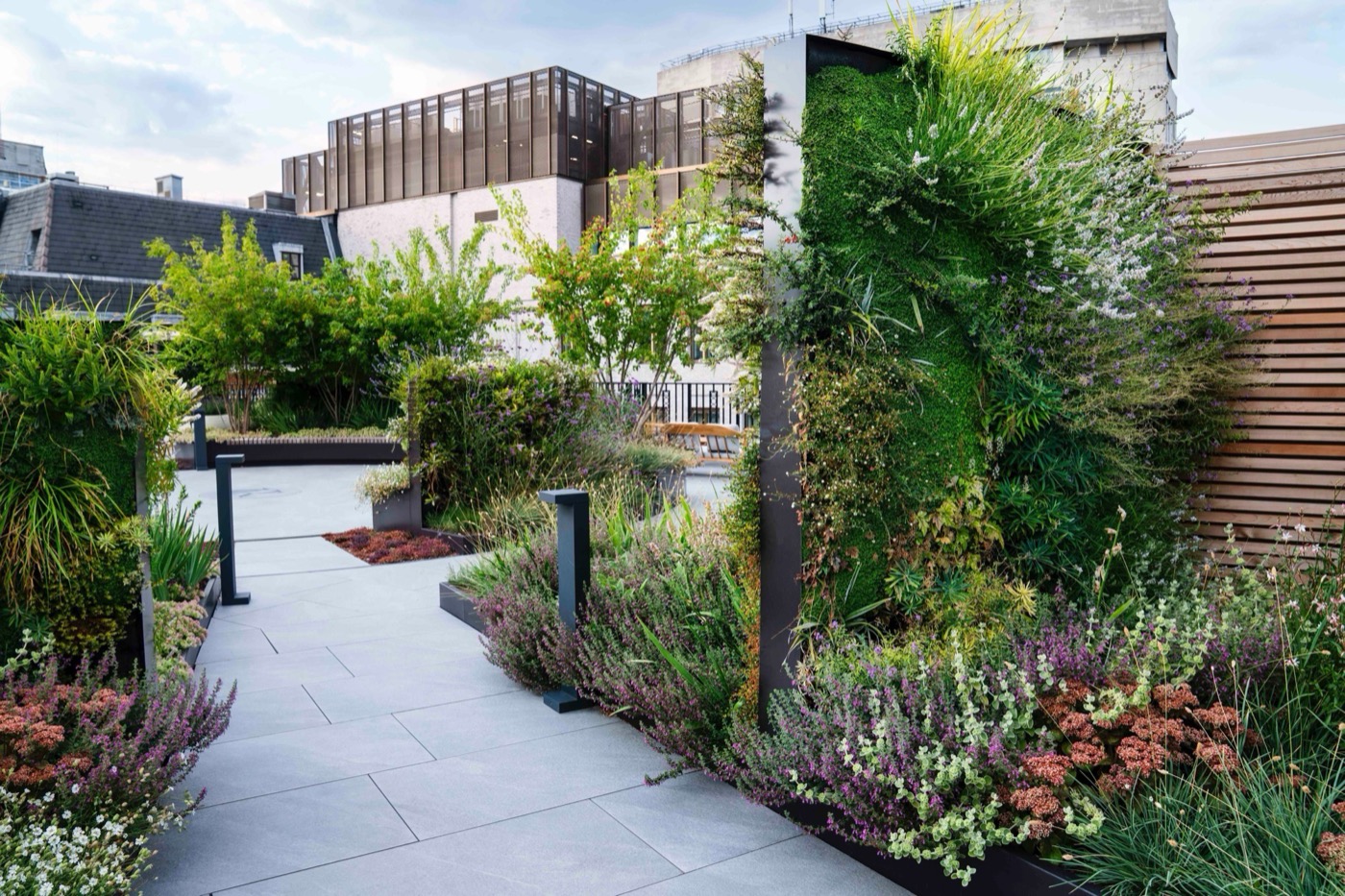
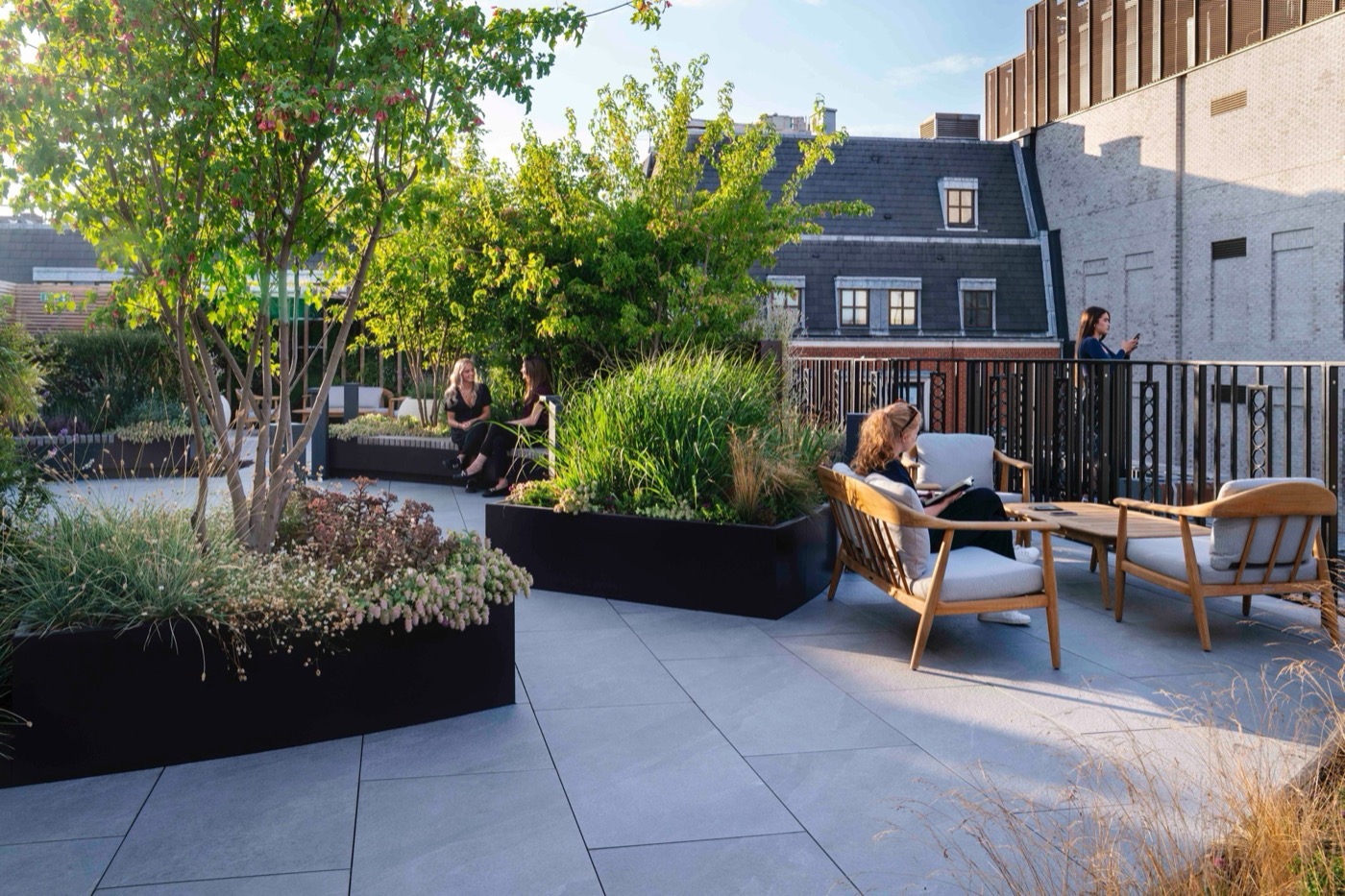
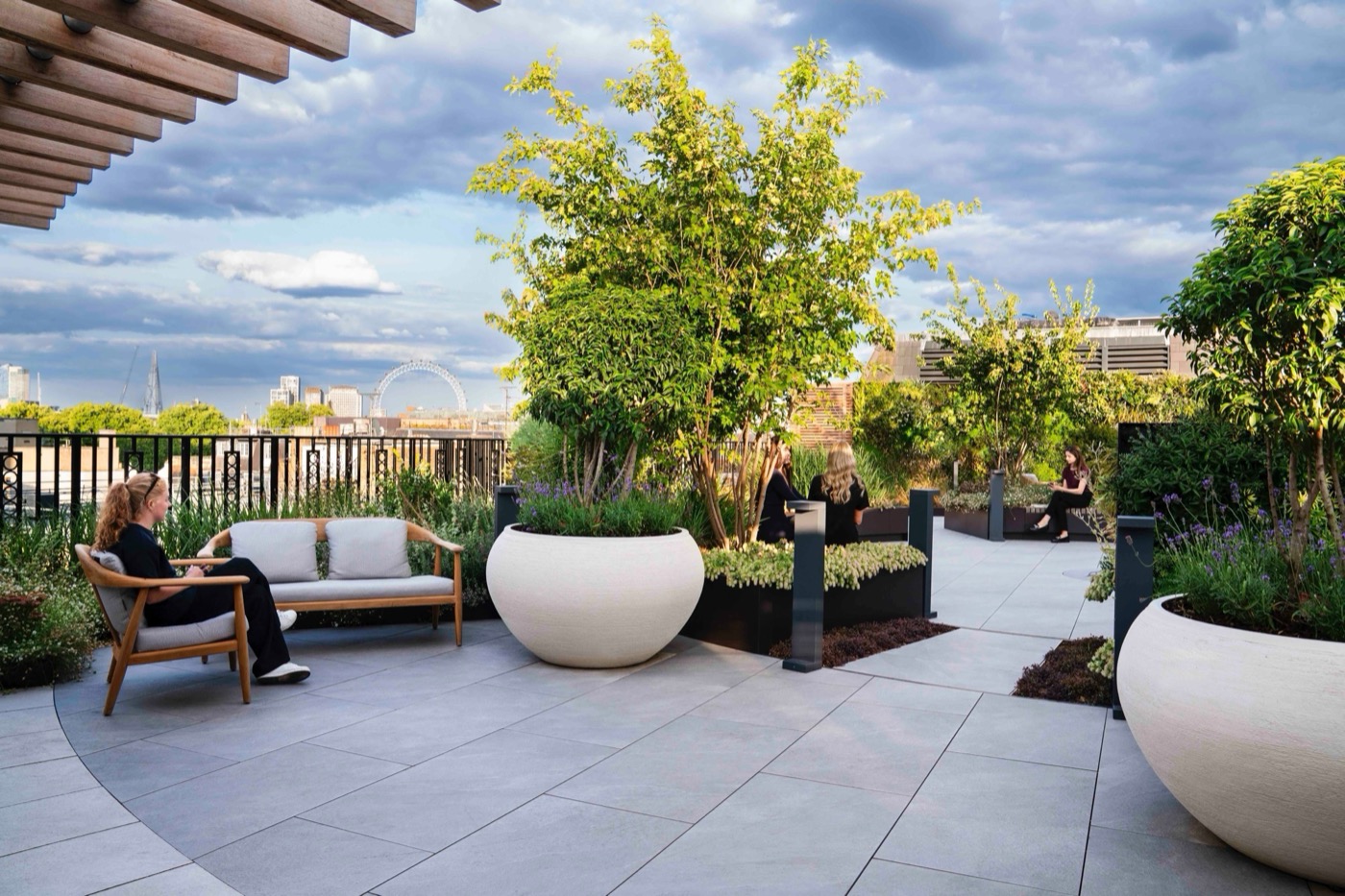
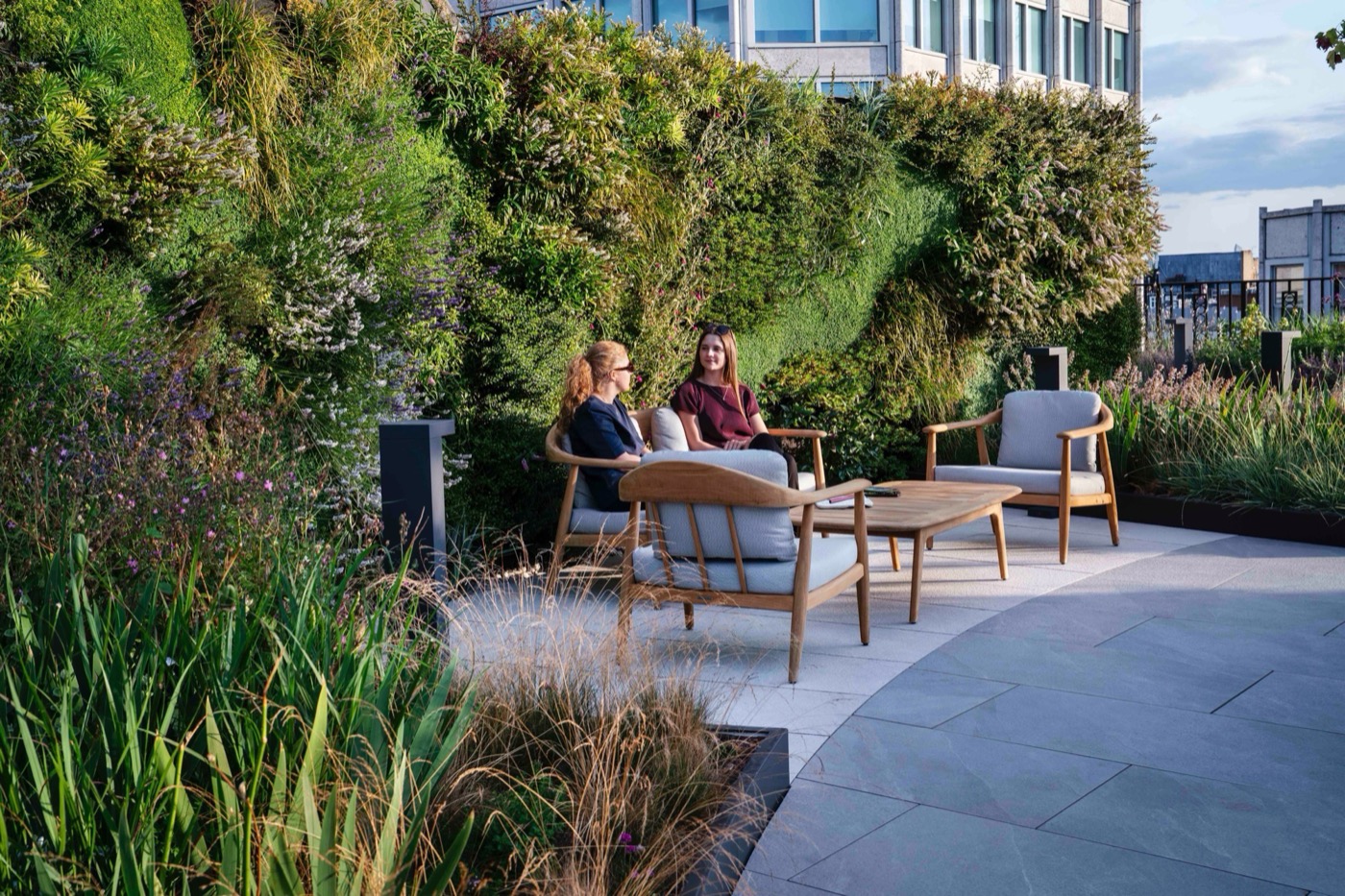
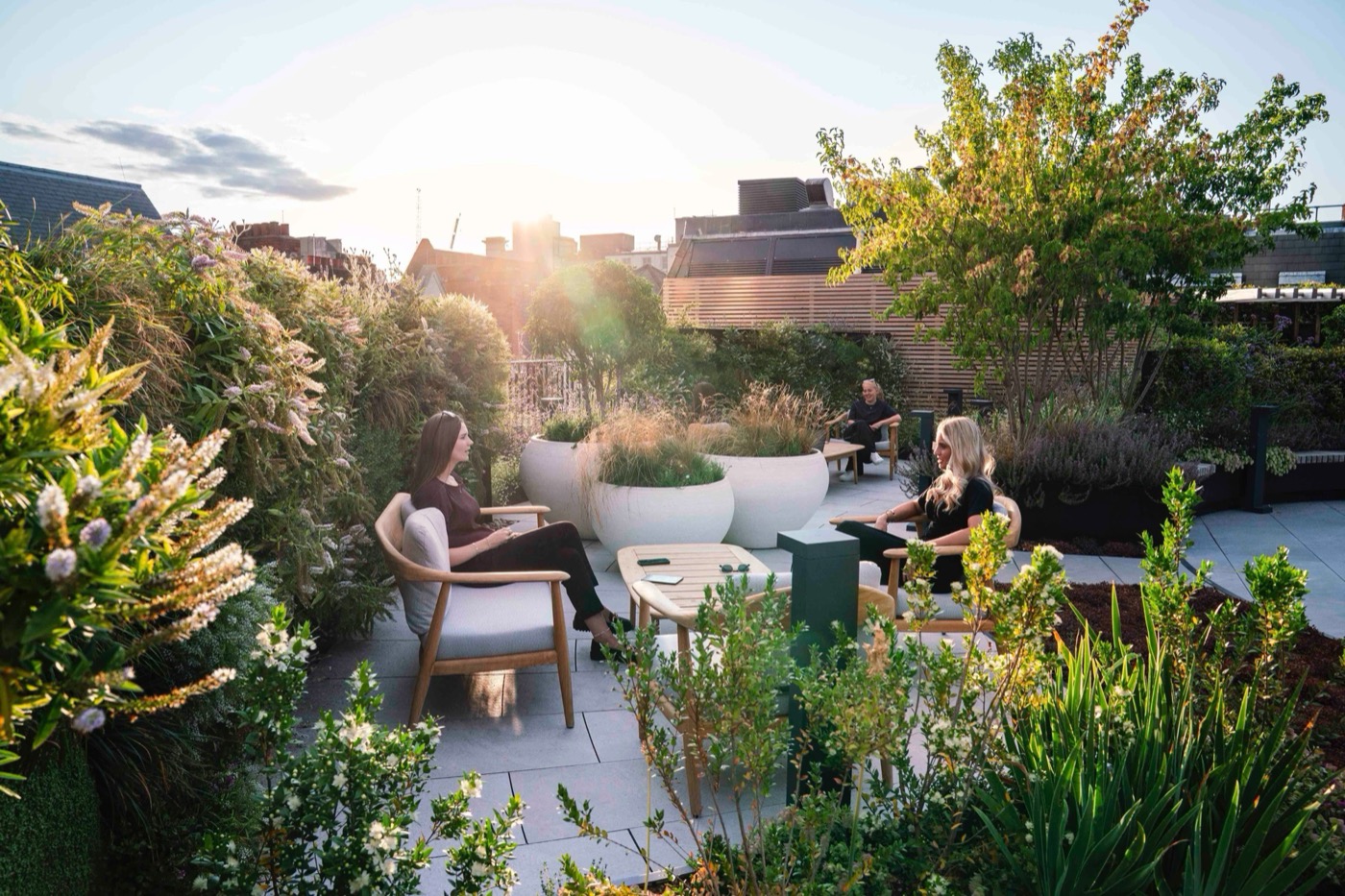
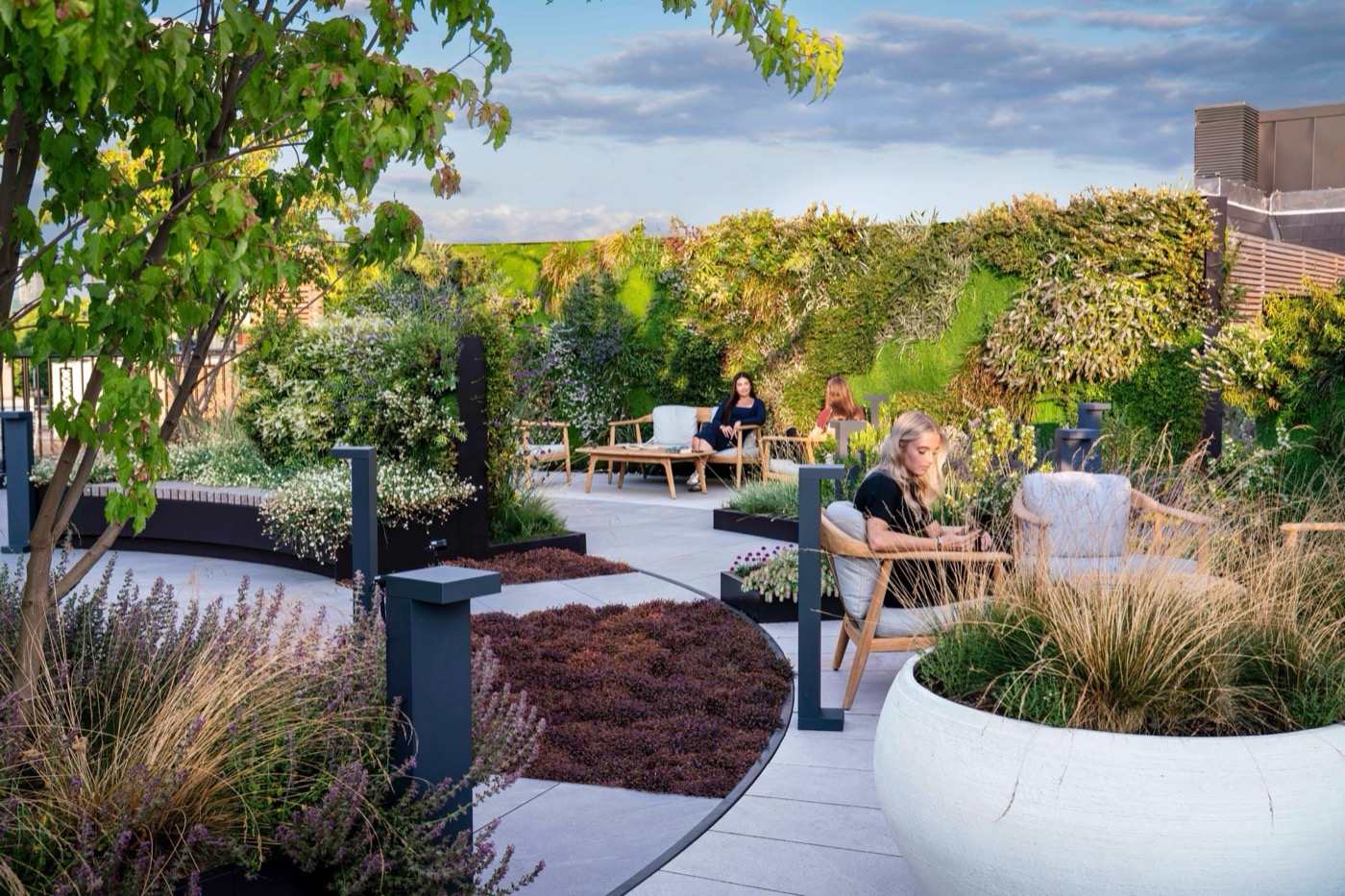
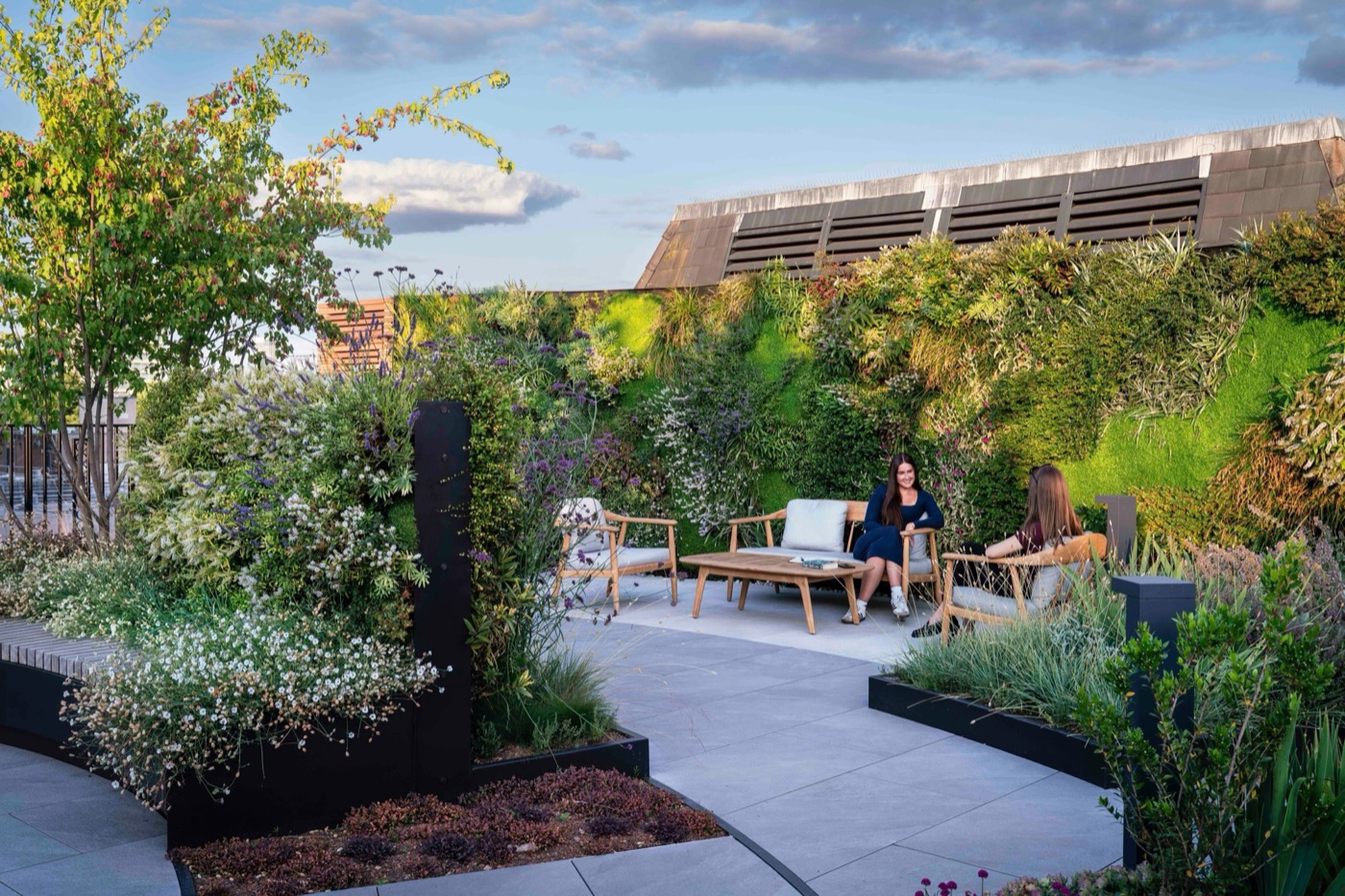
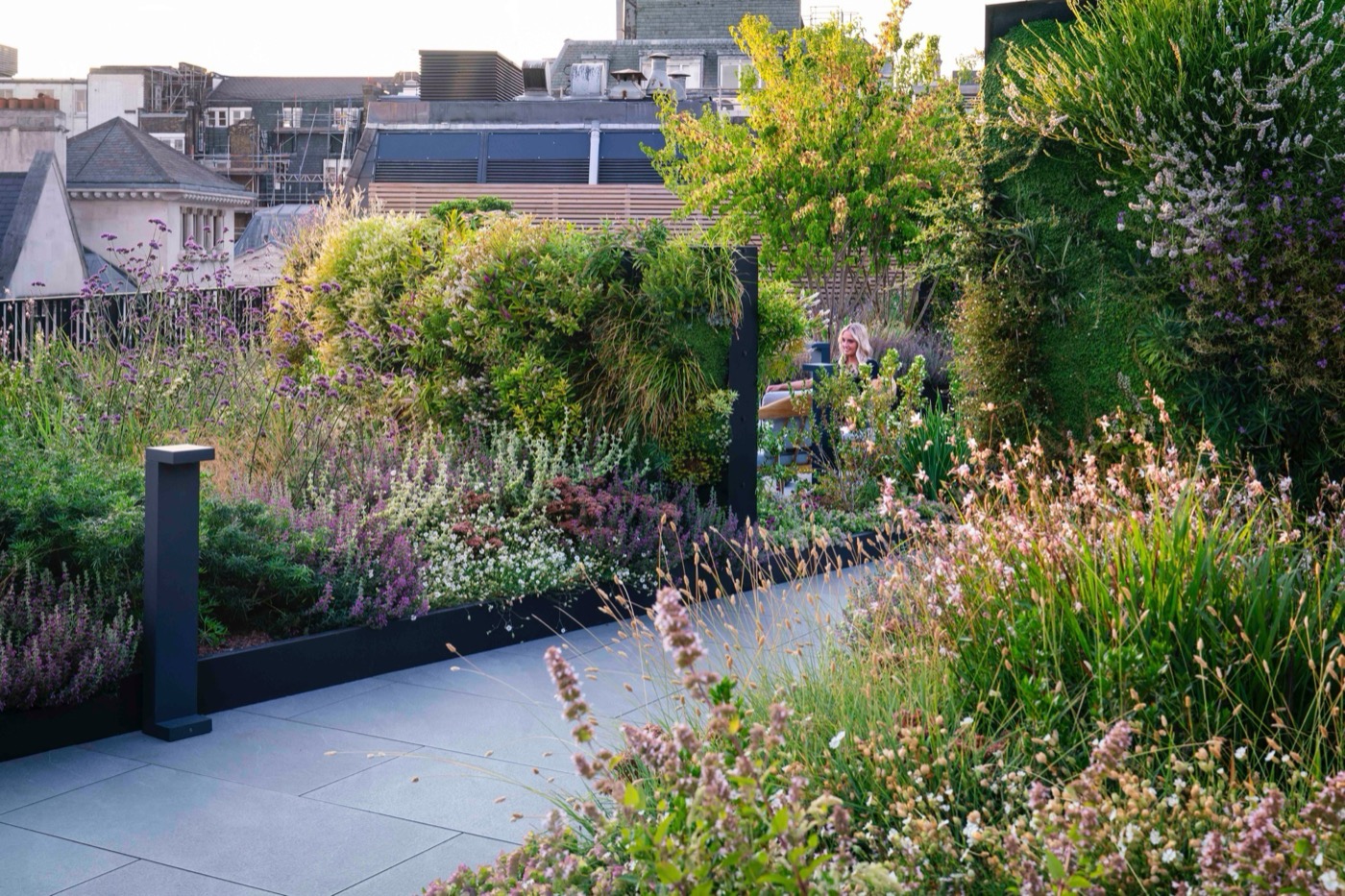
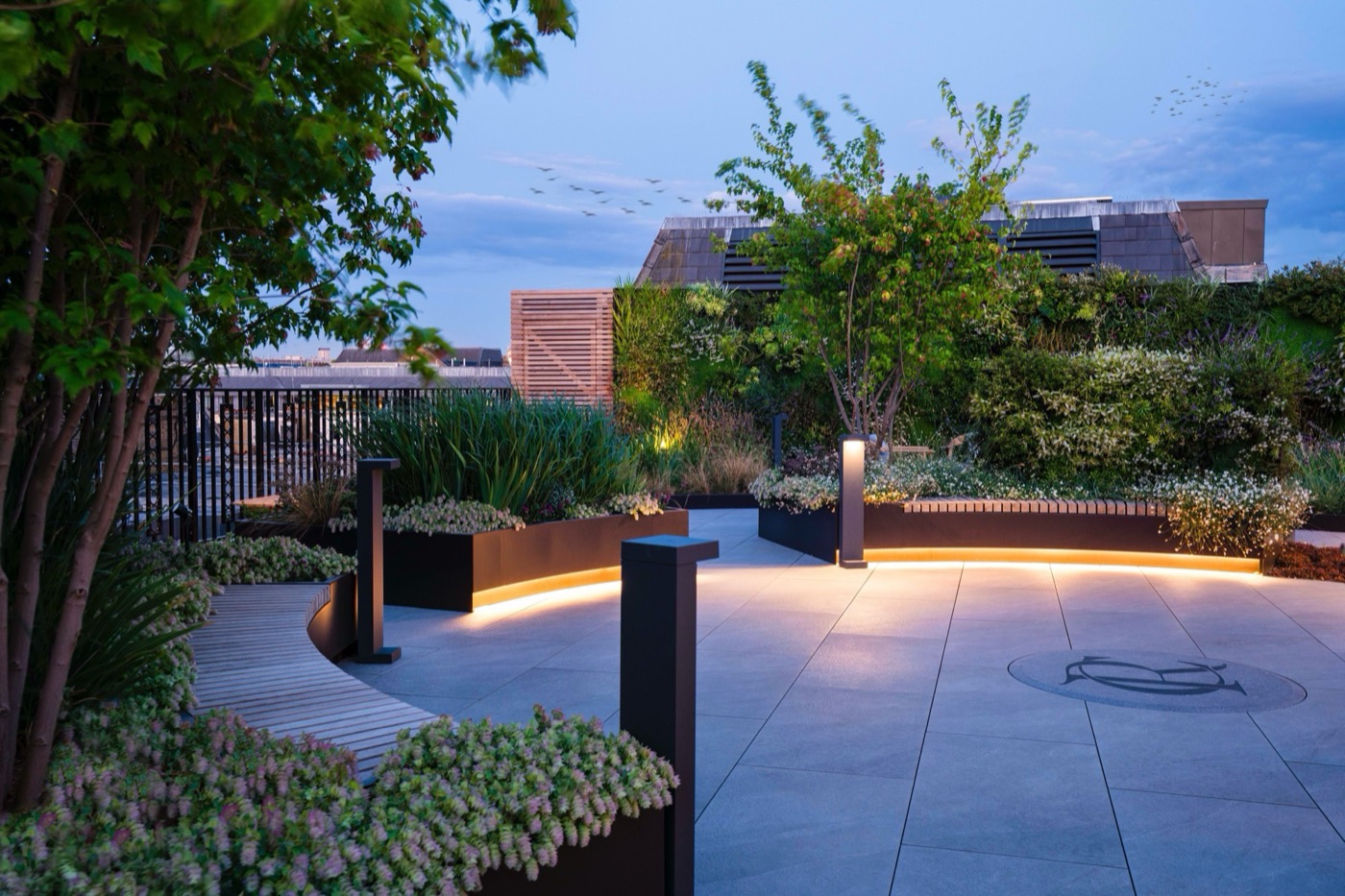
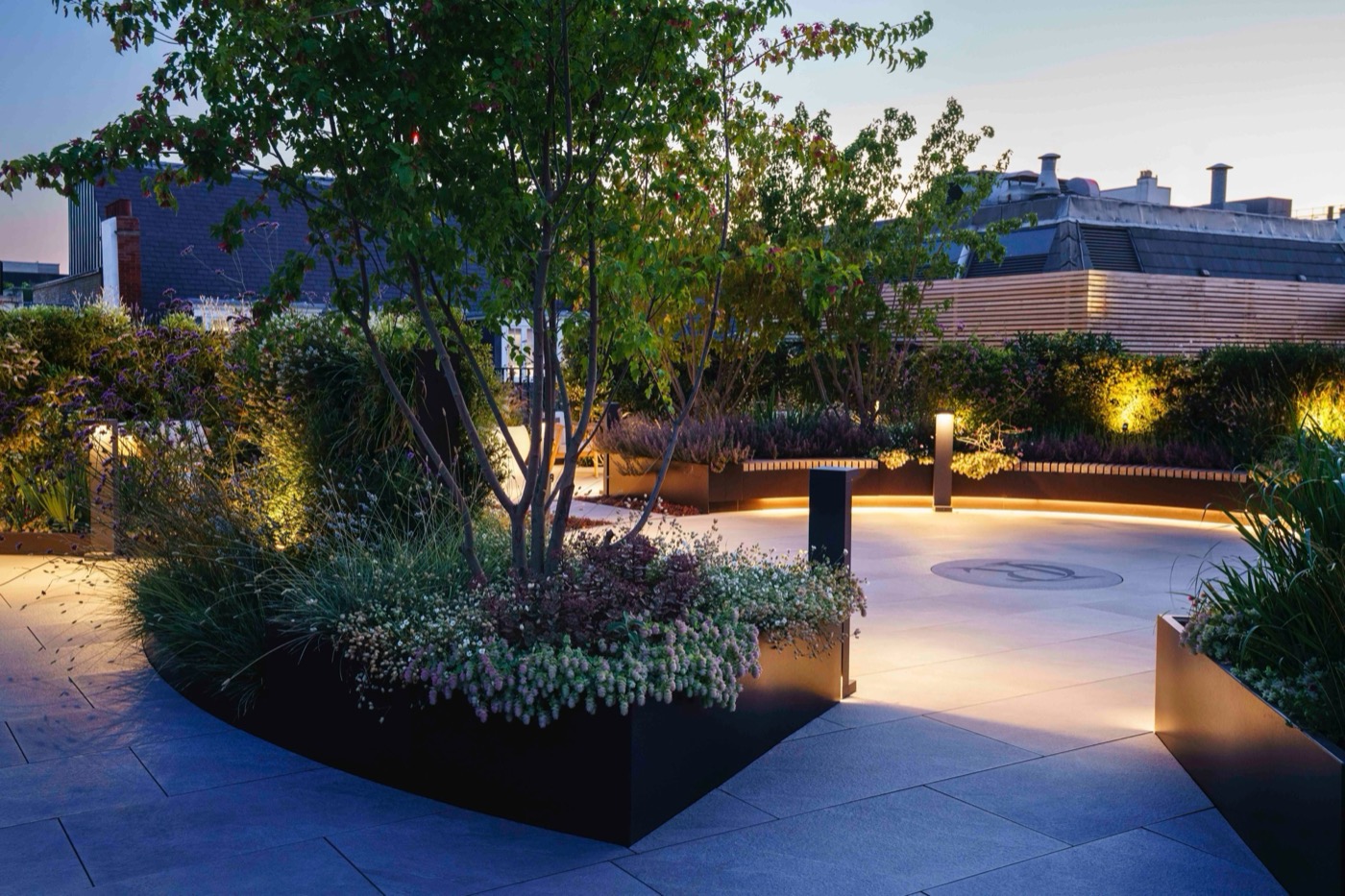
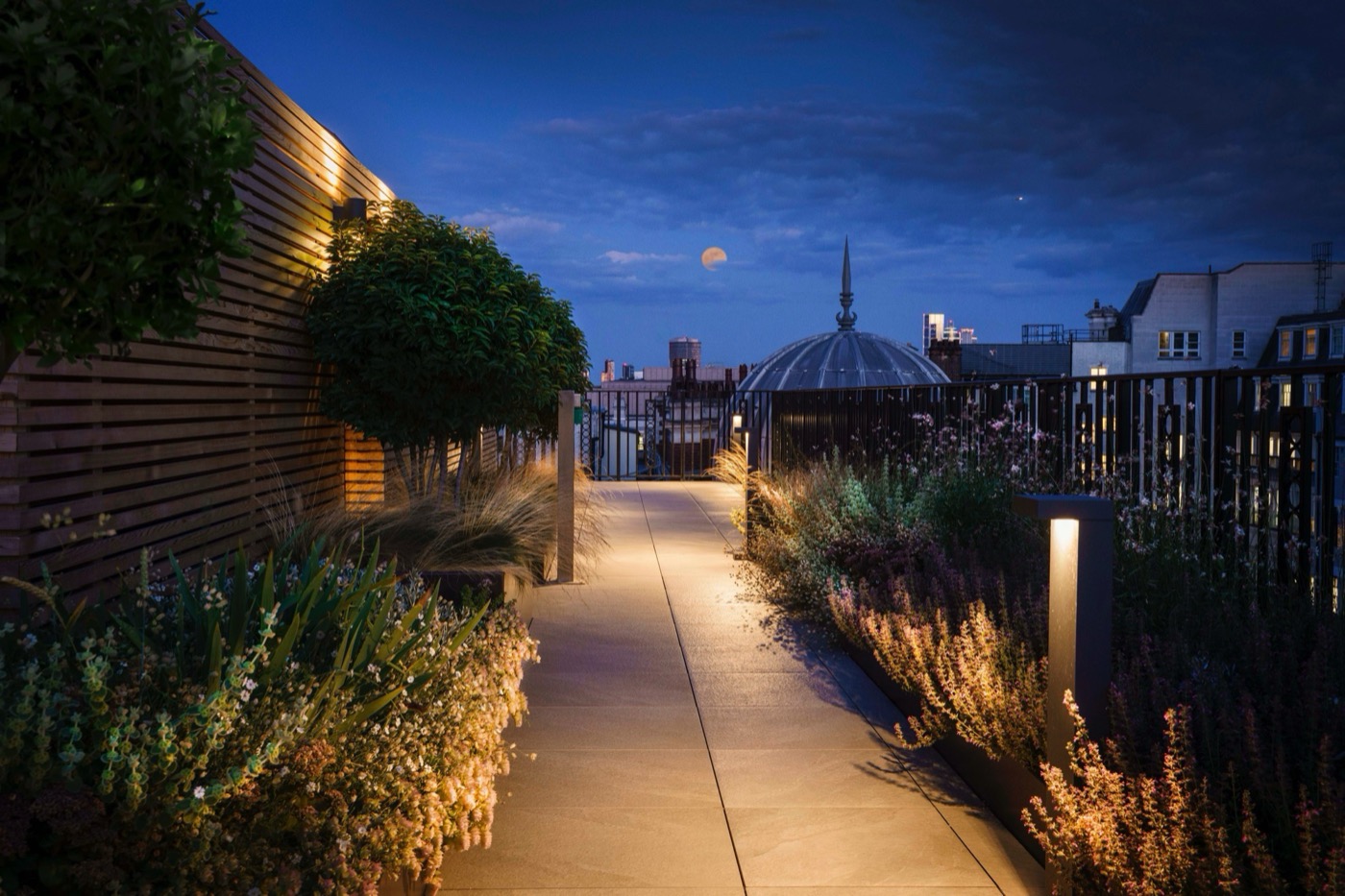
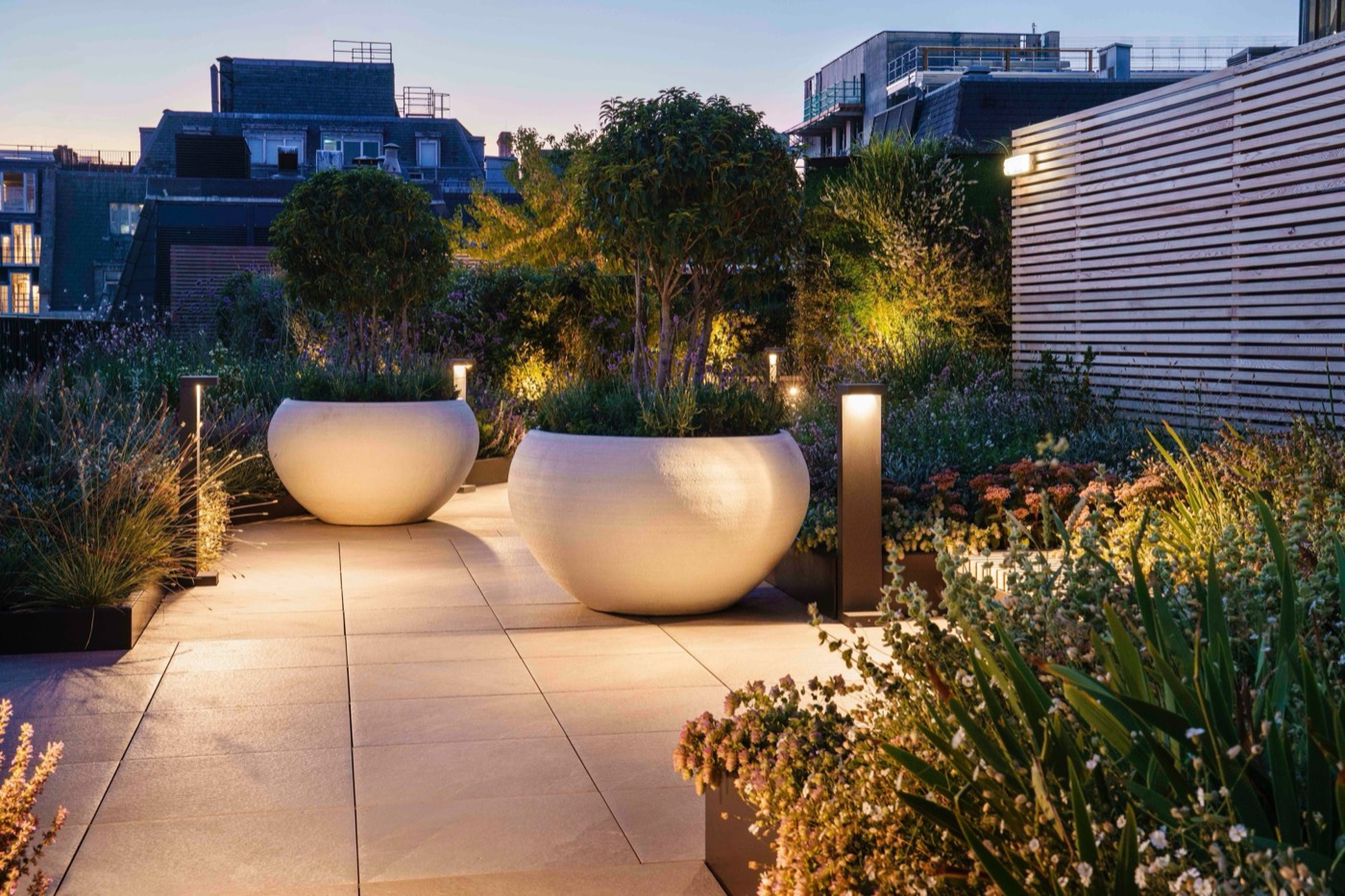
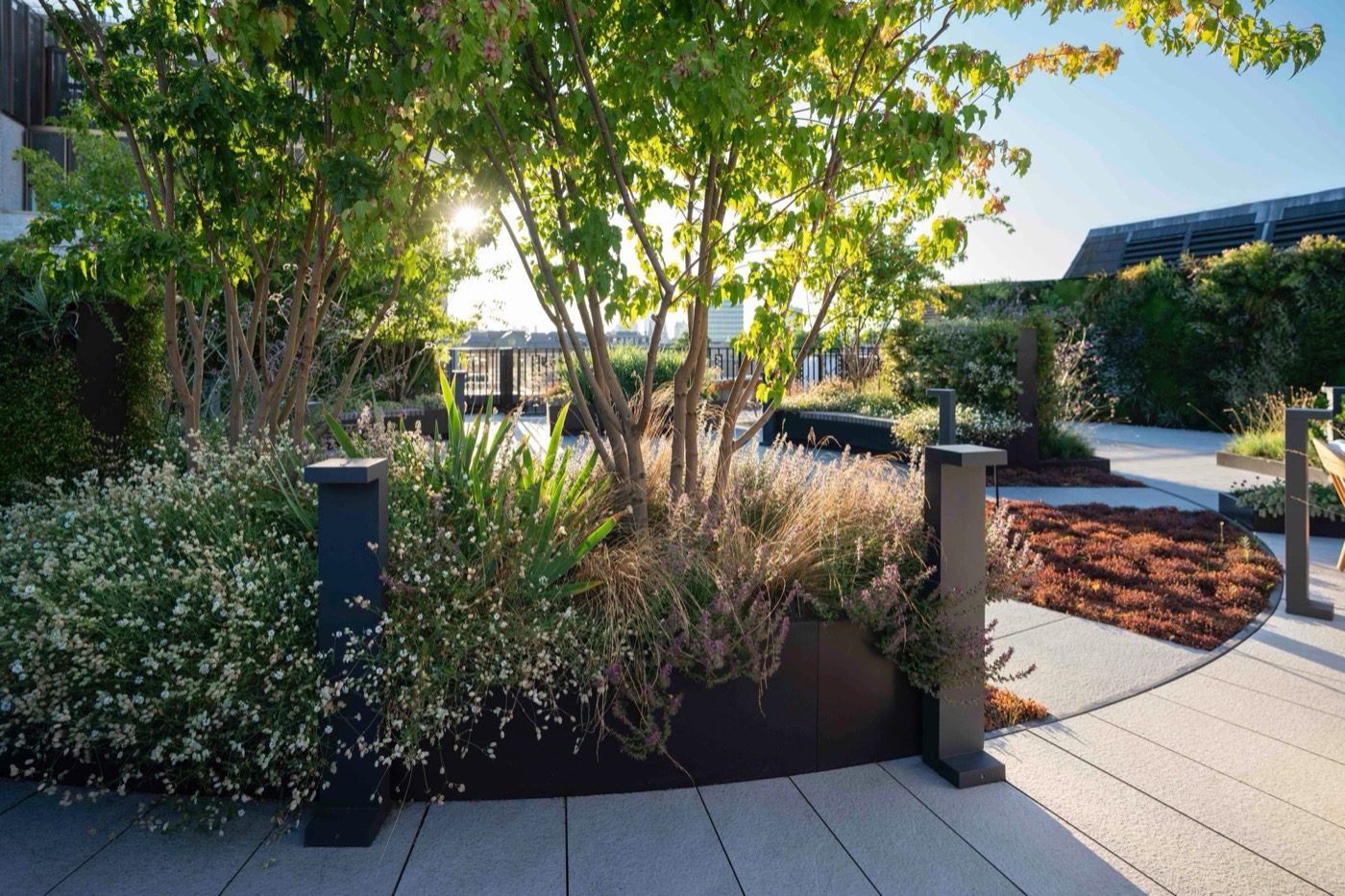
The design naturally frames London’s skyline, but deliberately resists these with moments of complete immersion, where proximity to planting becomes the primary experience.
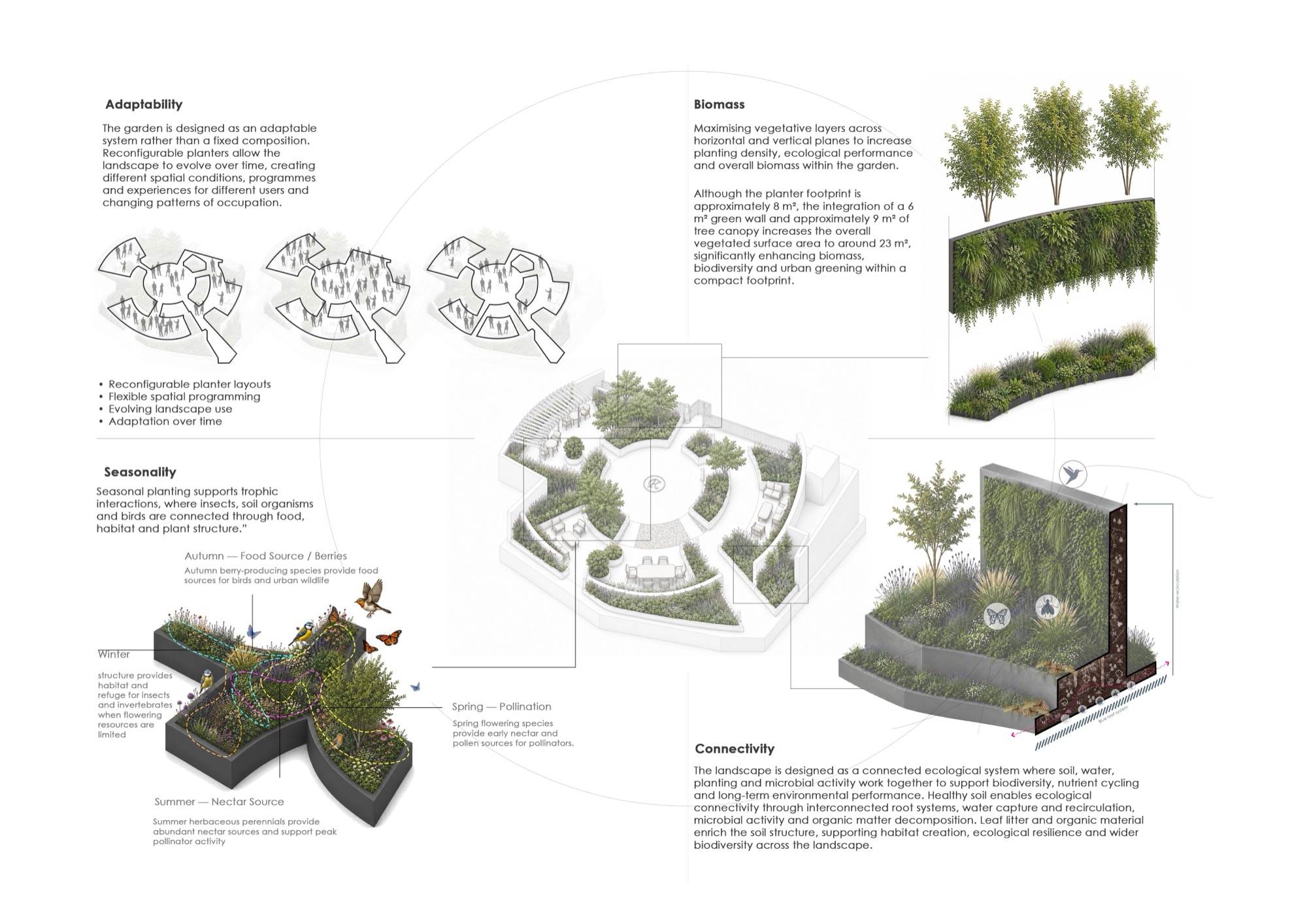
Constraint was an early design tool and treated as a generator of form. Acute structural load limits, wind exposure and build-ups are carefully calibrated rather than mitigated, providing a range of landscape substrates and typologies as a result. Substrate depths vary across the roof to maximise plant species diversity and links different plant communities. A bespoke, lightweight soil system delivers high water retention at reduced load, whilst lowering irrigation demand.
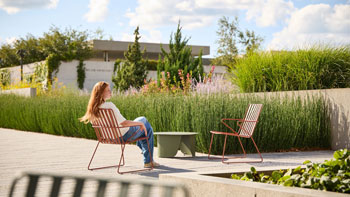
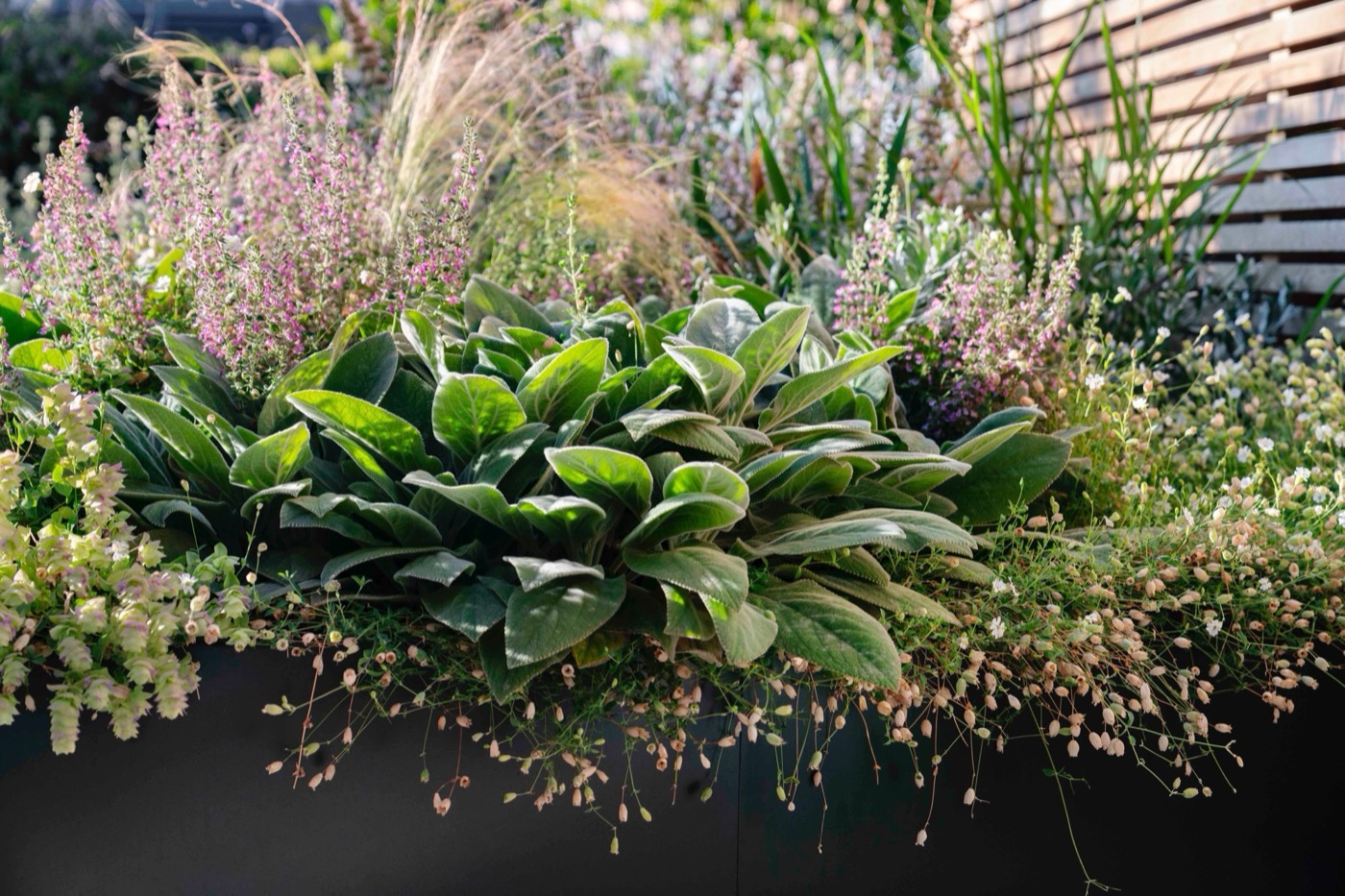
The planting seeks to operate as infrastructure. A layered matrix of structural and herbaceous species provides year-round pollination while functioning as habitat, microclimate regulator and water management system. The garden cools, retains, shelters and sustains continuously.
Its ecological performance is evidenced, with the project being independently assessed by an Ecology team year-round, delivering one of the highest levels of plant diversity recorded on a roof garden in London. Pre- and post-completion surveys are recording species richness, abundance, habitat diversity, pollinator counts, and ecological distinctiveness per area, confirming significant and sustained uplift in biodiversity across all metrics.
Invertebrate monitoring records a wide range of pollinators including bees, hoverflies and butterflies, alongside broader urban invertebrate populations not typically sustained in urban environments. Bird activity has increased significantly, with the garden functioning as a stepping stone habitat within the wider urban ecological network.
Key metrics:
• 500m² roof
• 330m2 planted biomass, consisting of 9,284 individual plants
• 70% ratio of softscape to hardscape
• 60 different plant species
• One of the most botanically diverse roof gardens in London (independent assessment)
• Verified increase of invertebrates (35 species)
• Engineered substrate system combining low weight with high moisture retention
• Significant rainwater attenuation through integrated drainage layers
• Reduction in local heat gain (-7%) through evapotranspiration and shading.
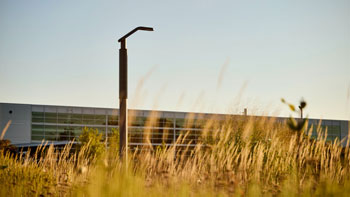
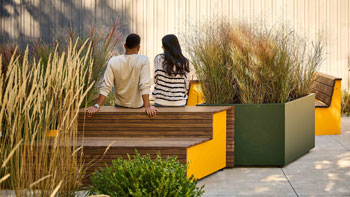
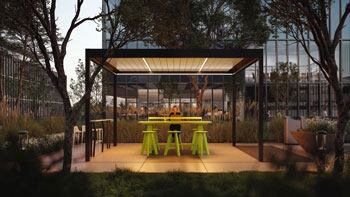
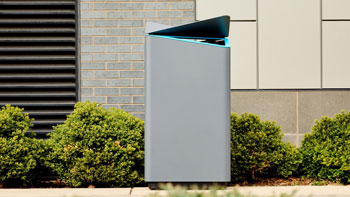
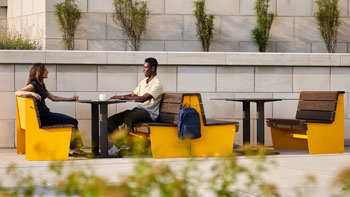
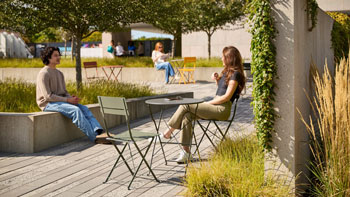
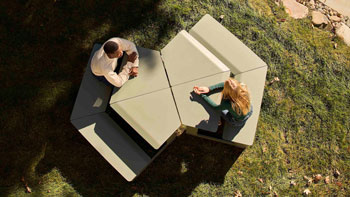
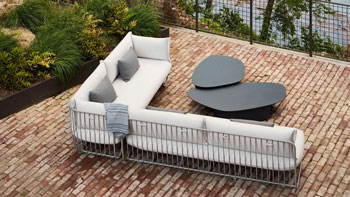
Materiality is restrained and durable. Bespoke planters, integrated FSC timber seating and low-energy lighting form a cohesive system, designed for longevity. Every element is considered through the lens of lifecycle performance, and each planter and green wall is designed for dismantling, and re-assembling into new future configurations, so the garden continues to adapt and evolve to suit changing needs.
Sustainability is sought to be embedded, not applied. By extending the life of the existing building, the project aligns with a broader agenda of carbon reduction through retention. Water-efficient systems, resilient planting and robust detailing ensure environmental performance is sustained over time.
This project tries to establish a new benchmark for rooftop landscapes in dense urban contexts. It seeks to demonstrates that biodiversity needs to be designed as a system, not a statistic thing.
That green infrastructure must perform as well as it appears.
That constraint can drive innovation.
That wellbeing is inseparable from ecological function.
Aiming to be more than a garden, Ryder Court is a constructed ecological system. A new ground plane where ecology, landscape and architecture operate as one.
St James's, London SW1
74332


LILA 2026 Sponsor